Skip to content
WhatToEat.Today

All recipes

37

Vegetarian, or something you can't eat? Set your diet once and we'll hide recipes that don't fit.

Ciorbă de mielSoured lamb soup

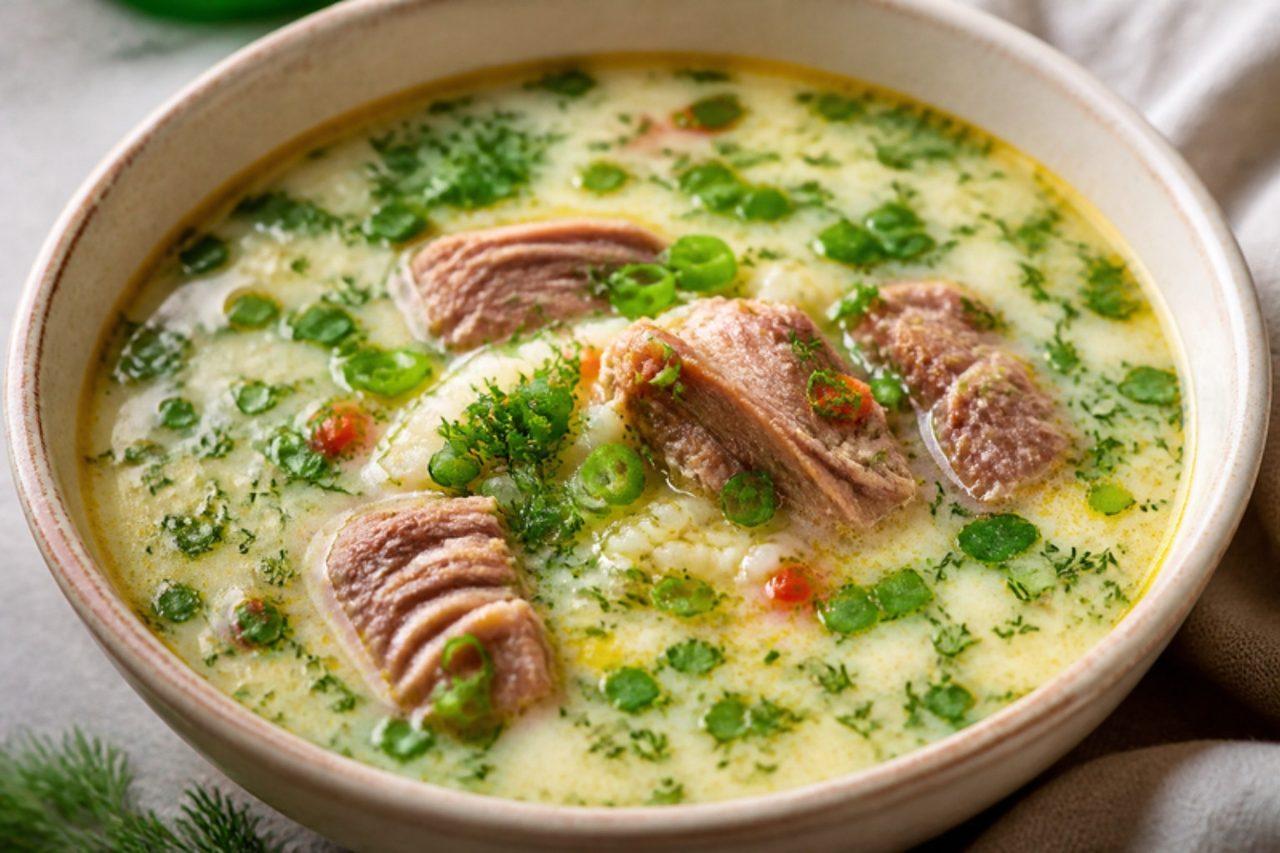
Romanian Easter Sunday lunch, after the Resurrection service at midnight and the long Lenten fast, always includes ciorbă de miel: a sour soup of young lamb with spring onions, green garlic, rice and lovage, soured with borș (fermented bran liquid) or lemon and finished with a liaison of egg and soured cream. It is light, tangy and very green, a taste of spring. Chef's tip: temper the egg and cream with ladlefuls of hot soup before stirring them in, or they will scramble.

by KrazyBadal 0 views
Pomana porculuiFresh pork fry-up

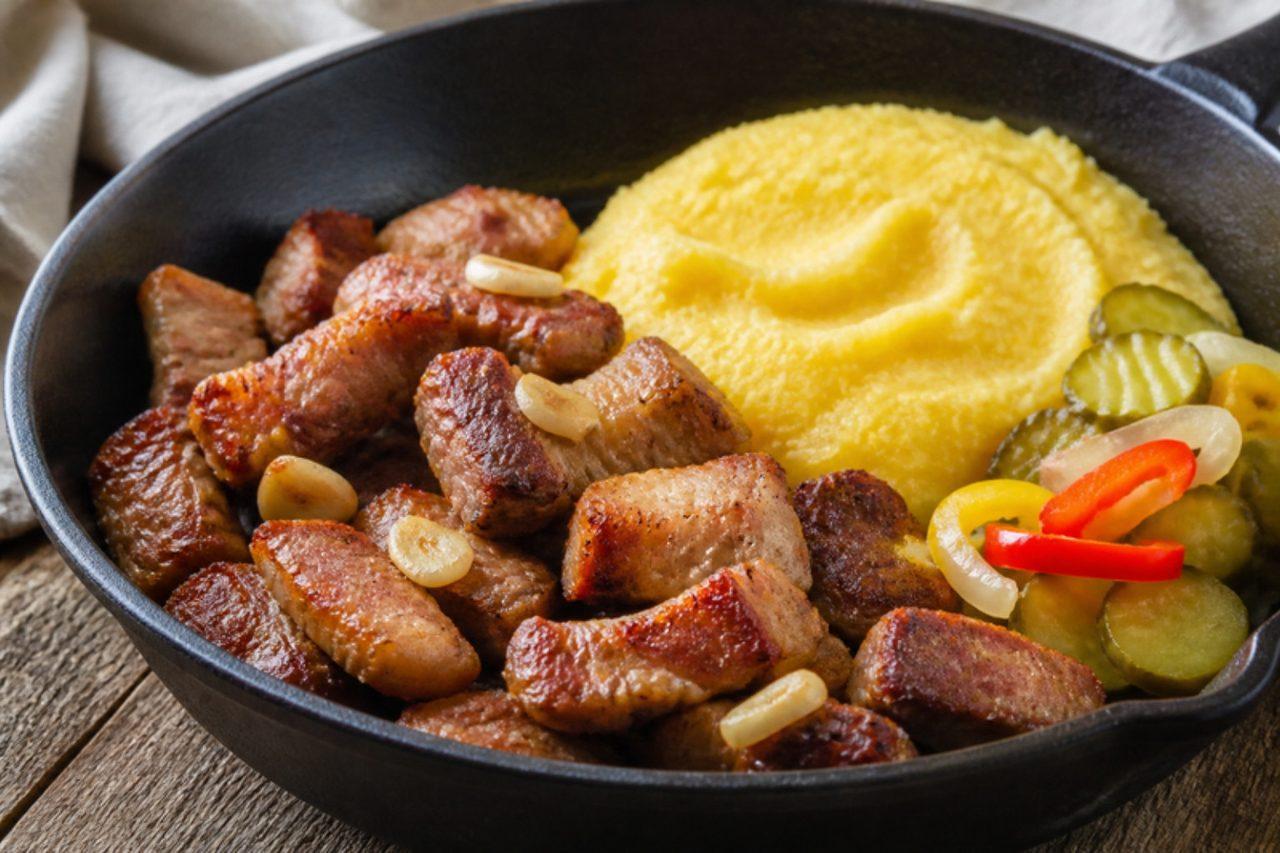
St Ignatius' Day (Ignatul), 20 December, is when Romanian villages traditionally slaughter the pig for Christmas, and the people who help are thanked with pomana porcului: chunks of the freshest pork (neck, belly and loin, sometimes liver) fried in their own fat with salt and garlic, then eaten hot with polenta, pickles and a glass of plum brandy for the adults. At home it is a quick, rustic dish; buy pork shoulder or neck with a good amount of fat. Chef's tip: start the pork in a cold pan so the fat renders slowly and the meat fries in it.

by KrazyBadal 0 views
SaleuriCheese pastry sticks

Set out on a platter at Romanian name-day parties, christenings and New Year's Eve, saleuri are the salty sticks people nibble with a glass of something before the sarmale arrive. The pastry is short and flaky from cold butter and sour cream, with grated cheese worked through it and more cheese, caraway and sesame pressed on top. Older village recipes were often made with lard; this version uses butter. They are best the day they are baked but keep crisp in a tin for three or four days, and they go well with a bowl of olives or a cold beer. The top is brushed with beaten egg; milk works instead if you want them egg-free on the outside. Chef's tip: cut the strips with a pizza wheel and leave them lying where they are on the tray, rather than lifting each one, so they stay straight; warm, overworked dough is the usual mistake, and it bakes up tough instead of flaky.

by KrazyBadal 0 views
Mucenici moldoveneștiHoney and walnut sweet breads

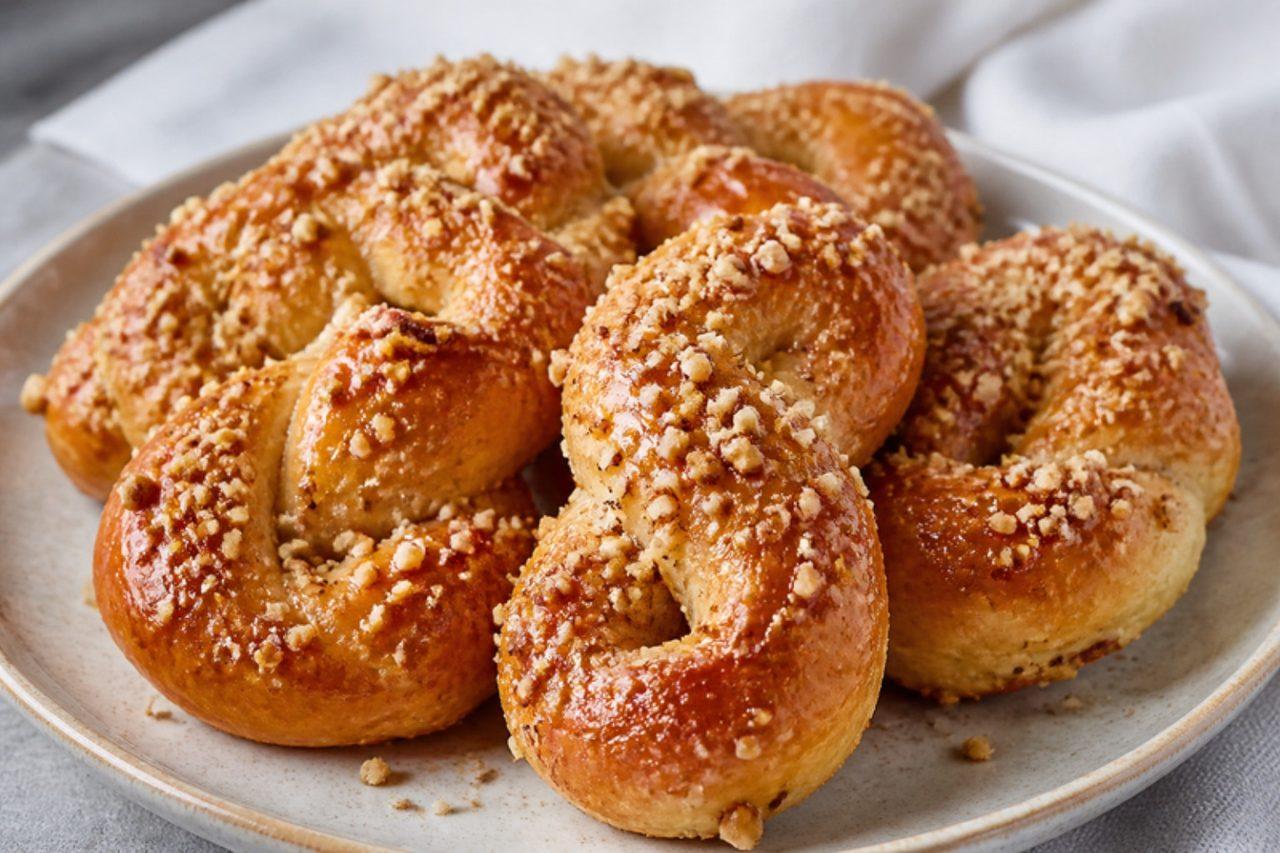
On 9 March, the feast of the Forty Martyrs of Sebaste, households in Romanian Moldavia bake forty of these little figure-eight breads, take some to church and give the rest to neighbours; the day also marks the start of the farming year. The shape is read as a stylised human figure, or as the number eight. They come out soft and golden, then are brushed while hot with honey syrup and rolled in chopped walnuts, so they turn sticky and fragrant. Serve them with tea or a glass of milk. Some cooks add a few drops of rum essence to the syrup; vanilla does the job here. Glazing them once they have cooled is a common slip: the syrup only soaks in properly while the breads are hot. Chef's tip: twist each rope loosely before shaping the eight, so the bread has ridges to catch the walnuts.

by KrazyBadal 0 views
Socată (elderflower fizz)

In late May and early June, when elder bushes bloom white along every Romanian village lane and riverbank, grandmothers fill big glass jars with water, sugar, lemon slices and elderflower heads and set them on a sunny windowsill or balcony. Three or four days later the jar is fizzing gently and socată, the most beloved summer drink of rural Romania, is bottled and chilled for haymaking days, family lunches and long evenings in the courtyard. It is sweet and floral, like honeyed lemonade with the scent of muscat grapes, with a light natural sparkle. Like all young ferments it makes a trace of alcohol, well under 1% if drunk within a week. The common mistake is washing the flowers or picking them after rain: the pollen and wild yeast that start the fermentation are rinsed away and nothing happens. Pick dry, fully open heads on a sunny morning and just shake off insects. It is ready to strain when fine bubbles rise steadily and it smells floral and slightly tangy. Use only the flowers: elder stems, leaves and unripe berries are toxic. Chef's tip: a few raisins in the jar give the yeast a boost if your flowers are slow.

by KrazyBadal 0 views
Ciorbă de hribiPorcini soup

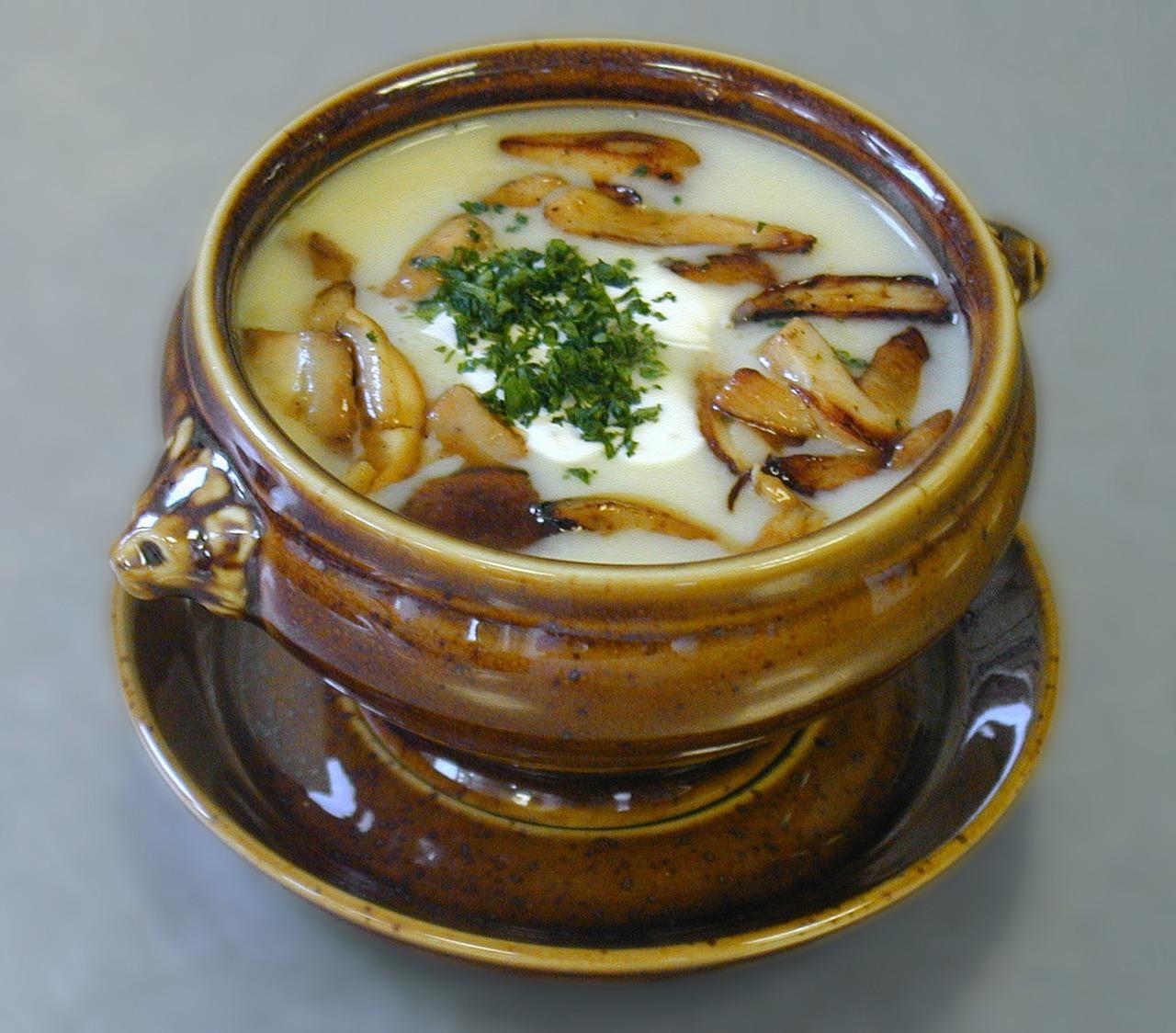
Late summer in the beech and spruce forests of Maramureș sends whole families out with baskets, and the first pot of the season is usually this sour porcini soup. Fresh hribi give it a meaty bite, a handful of dried ones deepen the broth, and a spoon of vinegar plus sour cream turns it into a proper ciorbă: tangy, creamy and smelling of the woods. It is eaten as a first course with a slice of rye bread and a fresh hot pepper on the side, often during the Orthodox fasting weeks in its cream-free form. The usual slip is stirring cold sour cream straight into the pot, where it splits into white flecks; warm it with a ladle of broth first. Chef's tip: keep the soaking water from the dried porcini and pour it in slowly, leaving the last spoonful and its grit behind in the bowl.

by KrazyBadal 0 views
ZeamăSour chicken noodle soup

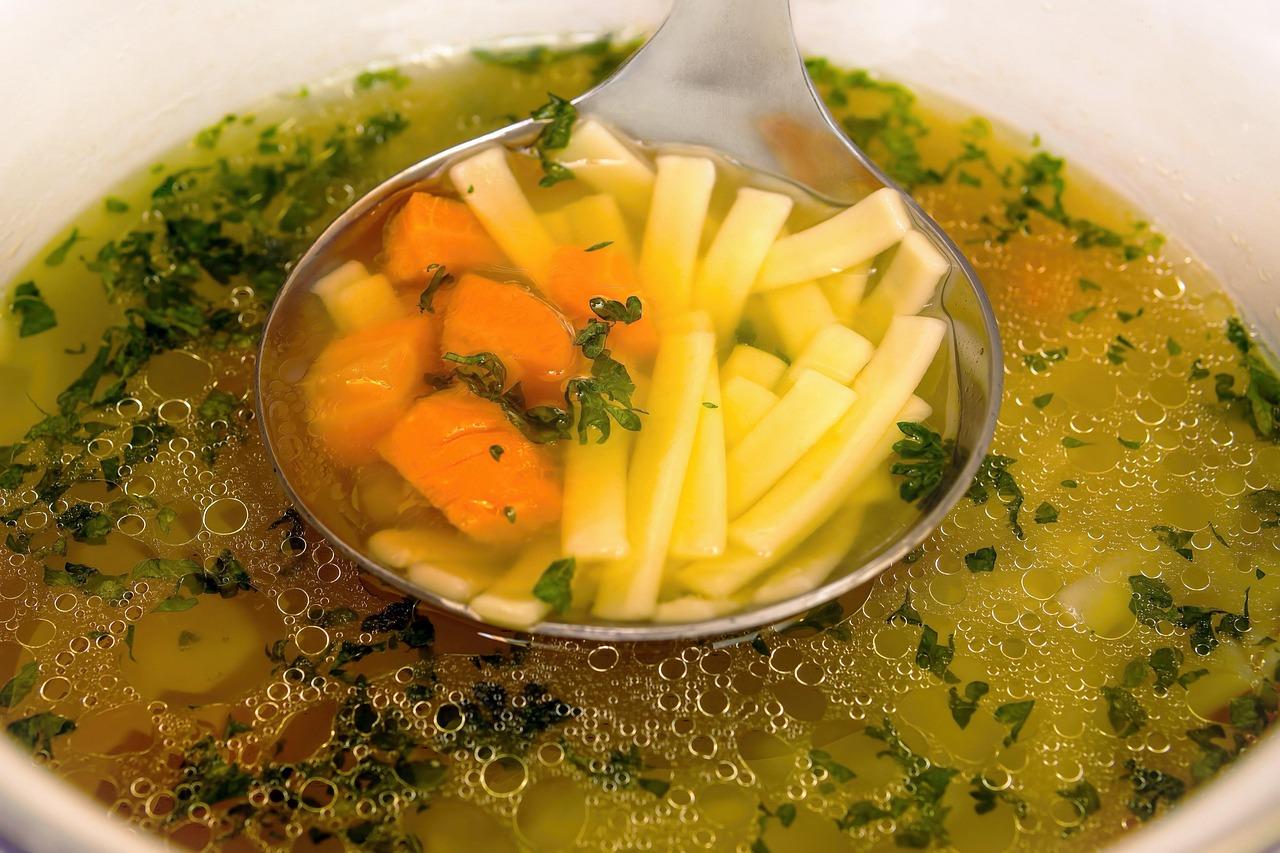
In the Republic of Moldova, zeamă is the soup of weddings, christenings and Sunday lunches, and a pot of it is said to cure everything from a cold to a hangover. A homegrown chicken gives a golden broth, thin homemade egg noodles go in, and it is soured with borș, the fermented wheat-bran liquid sold in bottles at every market from Chișinău to Bălți, then scented with a big bunch of lovage. The taste is clean, bright and tangy, with the green, celery-like note of lovage on top. It is eaten piping hot, often with a raw onion or a hot pepper on the side. A common mistake is cooking the noodles in the broth for too long, which clouds it; boil them only until just tender. Chef's tip: if you cannot find borș, use the juice of 1 lemon instead, adding it at the end and tasting as you go.

by KrazyBadal 0 views
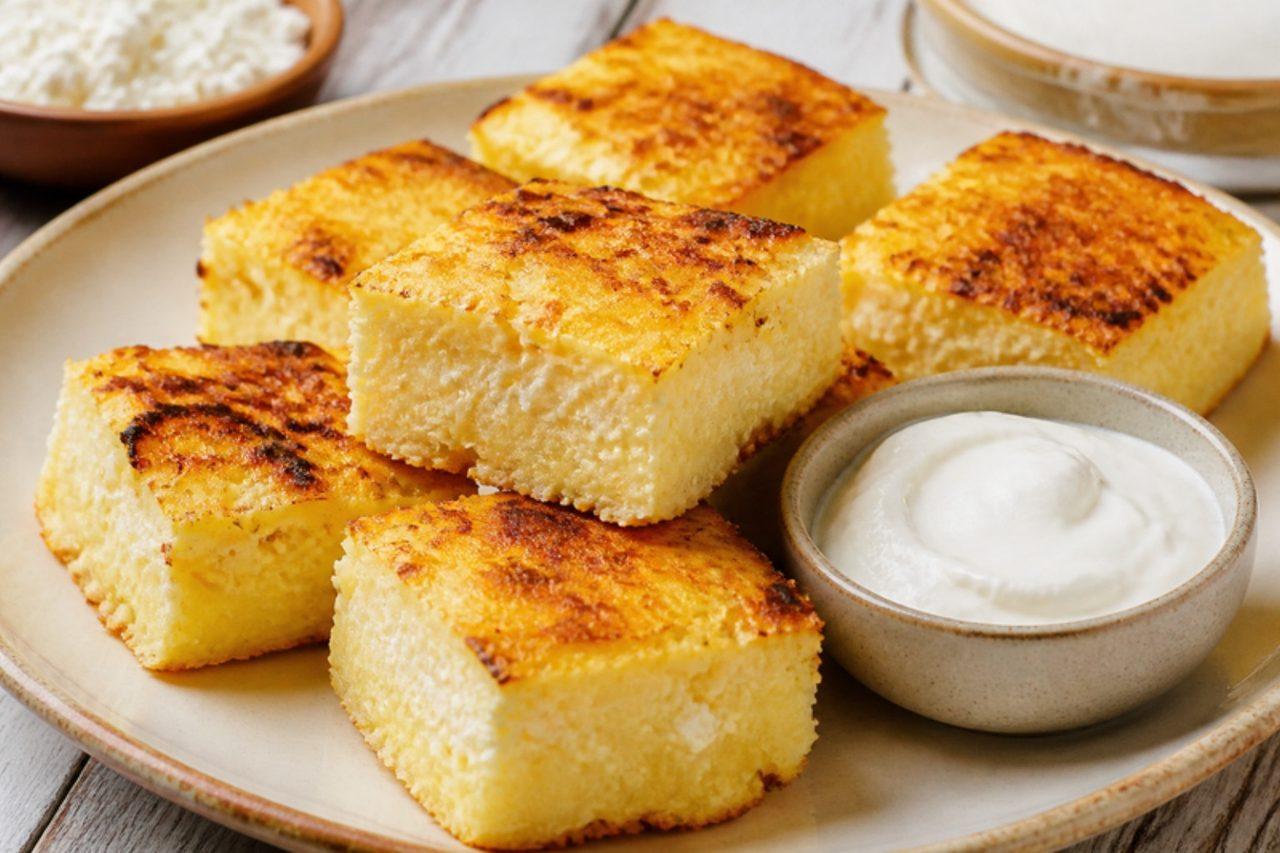
AlivenciCornmeal and cheese cake

Across the Prut, in villages from Vaslui to the Republic of Moldova, alivenci is what happens when a farmhouse has fresh cheese, sour cream and a sack of cornmeal: a soft, custardy cake baked in a tray and cut into squares while warm. It is lighter than mămăligă and richer than bread, with a tender, slightly crumbly crumb studded with curd, and is eaten for Sunday breakfast or as a side with stews and a dollop of sour cream. Traditional brânză de vaci (cottage-style cheese) is usually made without rennet, but some brands use it, so check the label. Where most people go wrong is using coarse polenta, which stays gritty; fine cornmeal gives the silky texture. Chef's tip: let the batter sit for 15 minutes before baking so the cornmeal hydrates and the cake sets evenly.

by KrazyBadal 0 views
AmandineChocolate sponge cakes

Every Bucharest cofetărie keeps a tray of amandine in the glass case, neat dark oblongs that generations of schoolchildren have bought with their pocket money. Despite the almond-sounding name there are no almonds in them: a cocoa sponge is split, soaked with a cocoa syrup, sandwiched with a rich chocolate custard buttercream and coated in a shiny ganache. Bakeries traditionally add rum to the syrup; this version is alcohol-free and uses vanilla and orange zest instead, though you can add 2 tablespoons of rum if you like. A common mistake is soaking the sponge while the syrup is still hot, which turns it to mush; both should be cool. Chef's tip: chill the filled cake until really firm before glazing and cutting, and wipe the knife hot between each cut for clean edges.

by KrazyBadal 0 views
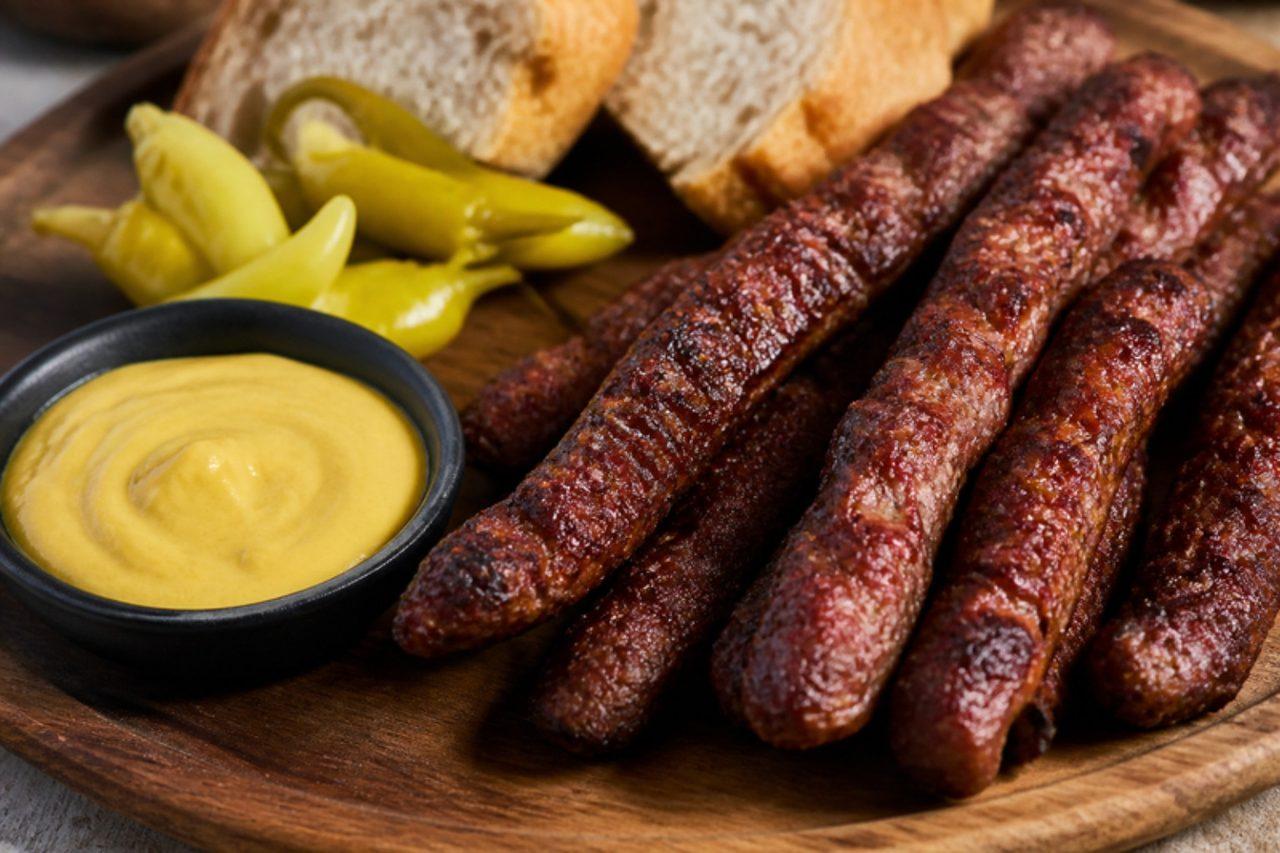
Cârnați de PleșcoiGarlic and chilli mutton sausages

The village of Pleșcoi, in the hills above Buzău, is so proud of its sausages that roadside inns there sell them by the metre: dark red, fiery with chilli and heavy with garlic, made from mutton with a little beef and no pork in the meat. Traditionally they are smoked and air-dried; this home version is a fresh sausage, rested overnight in the fridge for the flavours to settle, then grilled until cooked right through. The casings are usually sheep's casings, but if you buy hog casings they are pork, so check what your butcher sells you. Snappy outside and juicy within, they are eaten straight off the grill with sharp mustard, bread and pickled vegetables. Where people tend to go wrong is letting the meat warm up while mixing; keep everything fridge-cold so the fat does not smear. Chef's tip: fry a small spoonful of the mix before you fill the casings and taste it for salt and chilli; once stuffed, you cannot adjust.

240 minRomanianMeatGluten freeSpicy
by KrazyBadal 0 views

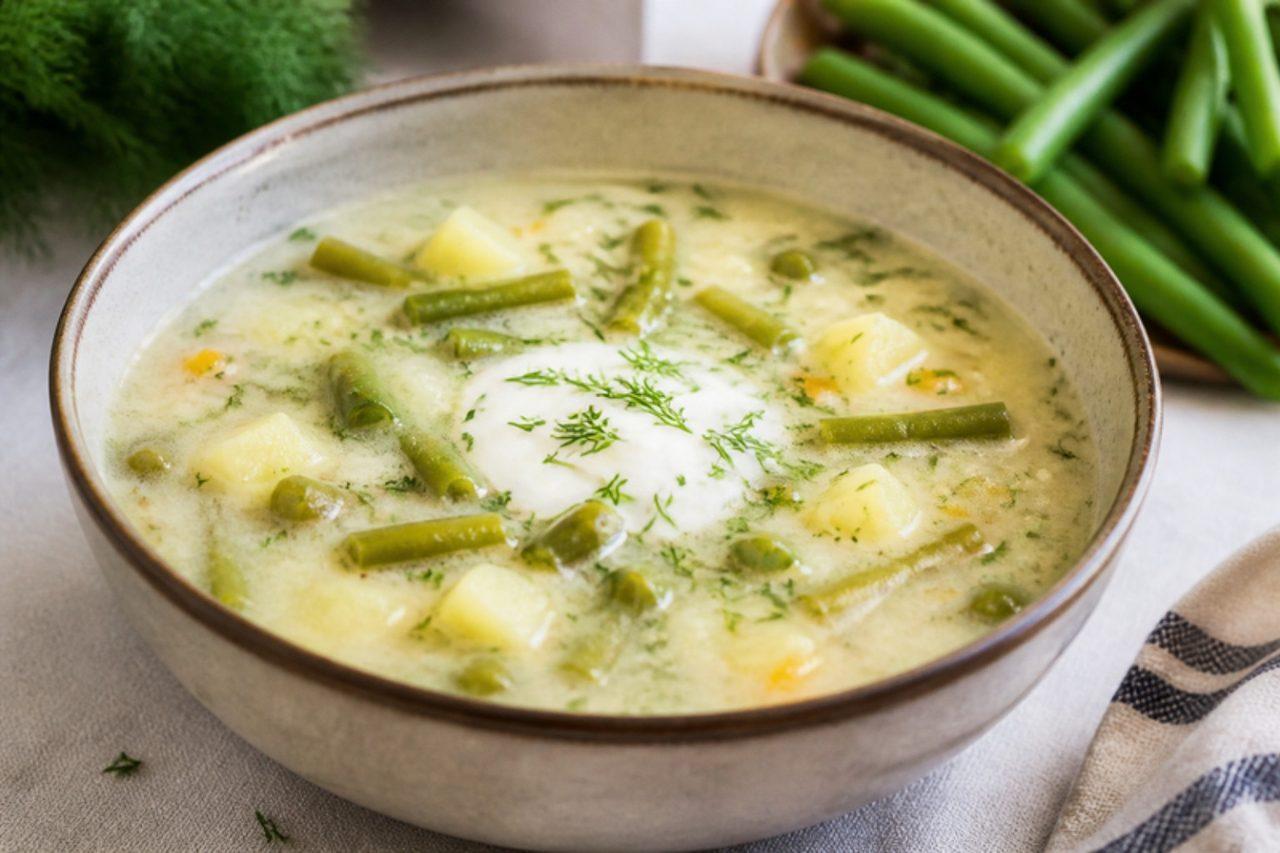
Ciorbă de fasole verdeGreen bean soup

High summer in Transylvania means green beans by the basketful, and both Romanian and Hungarian households around Cluj and Târgu Mureș turn them into this pale, creamy, sour soup, which Hungarian cooks call tejfölös zöldbableves. Beans, potato and a little pepper simmer in a light tomato broth that is soured with vinegar, then finished off the heat with sour cream and a fistful of dill, so every spoonful is tangy, silky and fresh. Serve it hot for lunch with good bread, or with mămăligă for a thicker meal. The classic mistake is tipping cold sour cream straight into the boiling pot, where it curdles into flecks; temper it with hot broth first. Chef's tip: add the vinegar gradually and taste, as the soup should be bright but not sharp.

by KrazyBadal 0 views

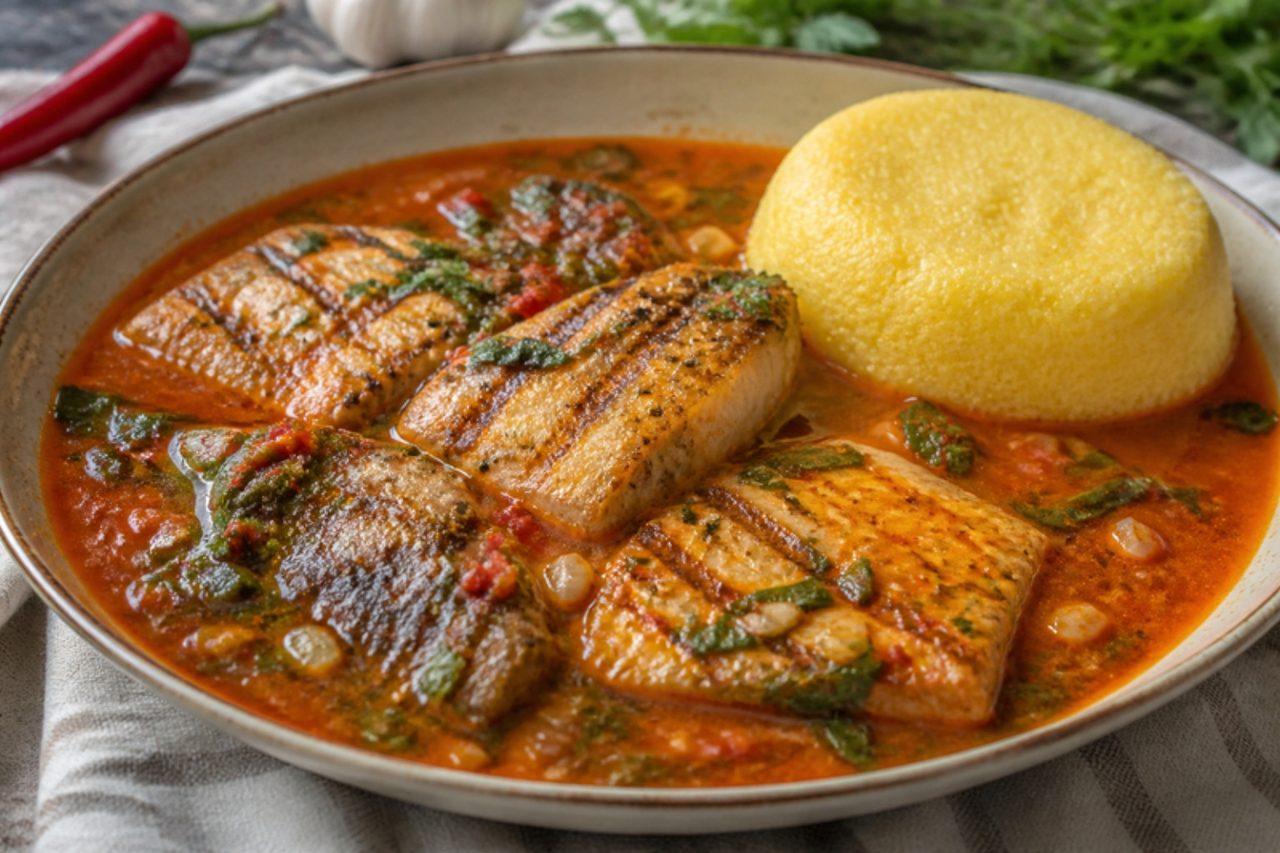
Saramură de peșteGrilled fish in garlic brine

Fishermen in the Danube Delta, from Tulcea down to Sulina, make saramură right on the boat or on the bank: the catch of the morning is grilled over coals, then dropped into a bowl of hot salty broth loaded with garlic, peppers and tomato, where it soaks up the flavour before it is eaten. The fish stays smoky and juicy, the broth is sharp, salty and fiery, and everyone spoons it over a slab of mămăligă. Carp is the usual choice, but catfish, zander or even trout work well. Where it often goes wrong is making the brine too salty: it should taste like well-seasoned soup, not seawater. Chef's tip: grill the fish on a well-oiled, very hot grate and do not move it for the first 4 minutes; it releases cleanly once the skin has crisped.

by KrazyBadal 0 views

Scrumbie la grătarGrilled shad with garlic sauce

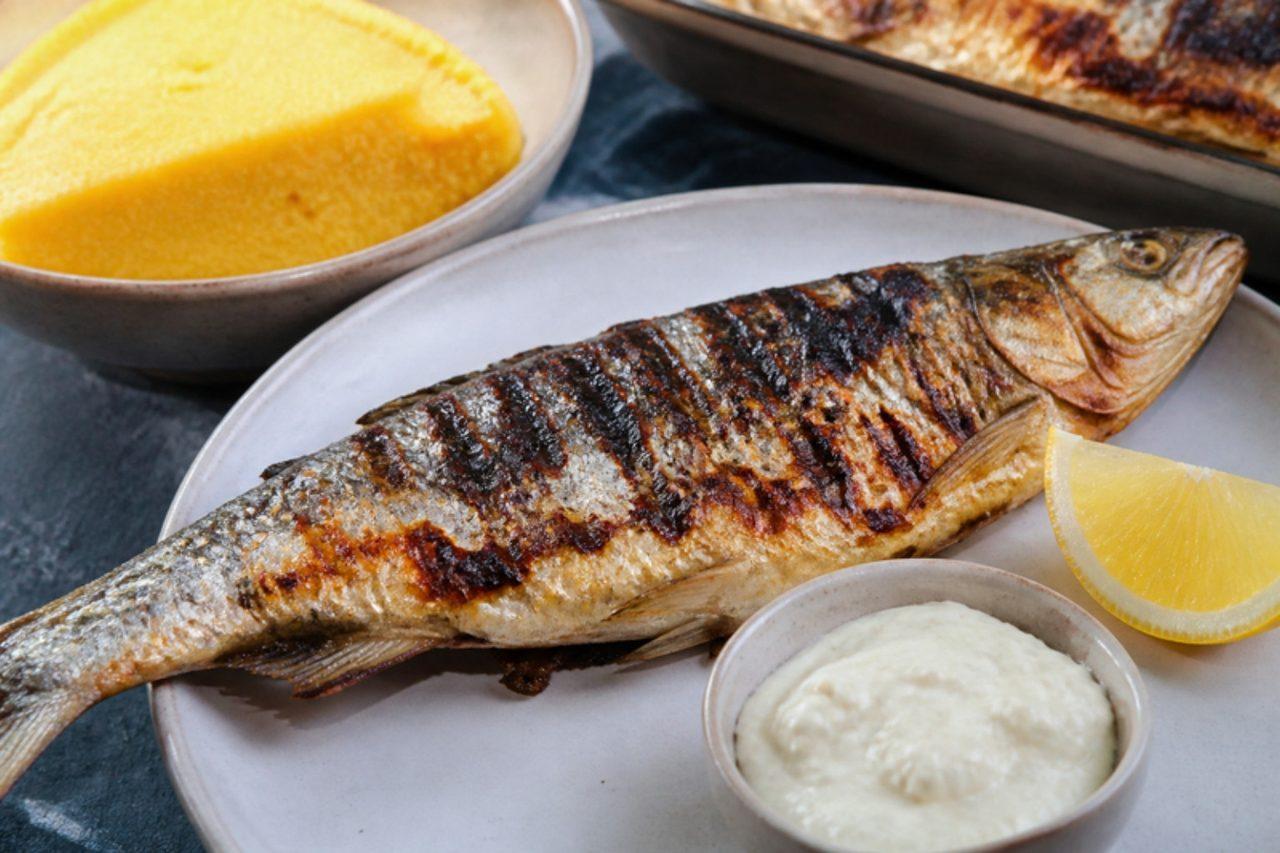
Every spring, when the shad swim up the Danube to spawn, the fish markets of Tulcea and Brăila fill with scrumbie, and the smell of it grilling drifts across the riverside terraces through April and May. The fish is oily and full of flavour, so it needs nothing more than salt, a hot grill and a bowl of mujdei, the raw garlic sauce, with soft mămăligă to calm the heat of the garlic. Shad has many fine bones; diners eat it slowly, lifting the flesh off in strips. If you cannot find shad, herring or mackerel are the closest substitutes. The usual slip is turning the fish too early, so the skin tears; wait until it lifts on its own. Chef's tip: slash the sides of the fish every 1.5 cm right down to the bone; the heat gets in and the tiny bones soften.

by KrazyBadal 0 views

Supă de chimenCaraway soup

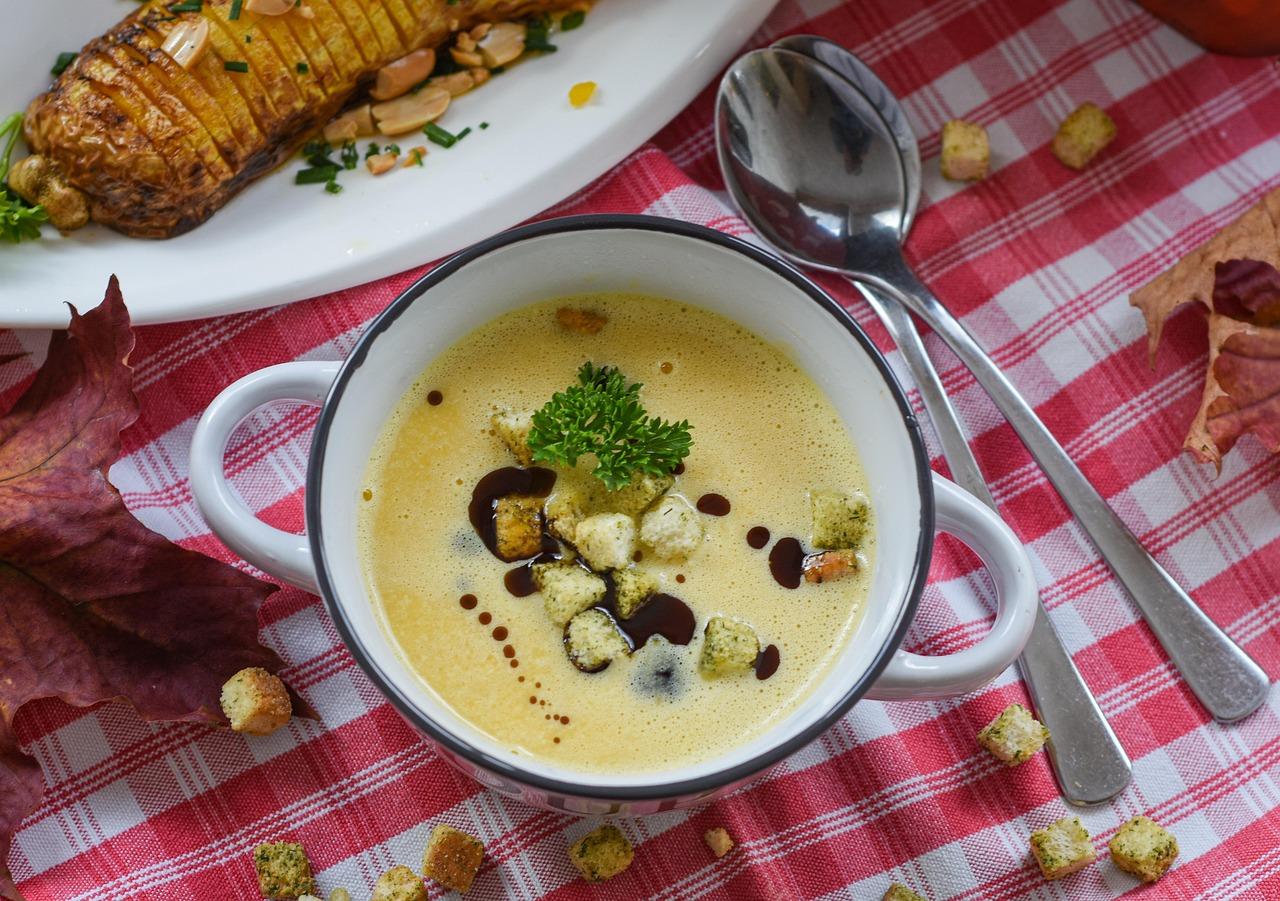
Banat Swabian families around Timișoara, the German-speaking farmers settled on the plain in the 18th century, called it Kümmelsuppe, and their Romanian and Hungarian neighbours took it up as supă de chimen. Caraway seeds are fried in butter with flour until the roux turns the colour of hazelnuts, then whisked into stock and finished with ribbons of beaten egg and crisp croutons. It is a cheap, warming soup for cold mornings and for the morning after a feast, nutty and toasty with a gentle aniseed note. A common mistake is browning the roux on a high heat, where it burns and turns bitter in seconds; keep the heat medium and stir without stopping. Chef's tip: lightly crush the caraway first to release more flavour.

by KrazyBadal 0 views

TochiturăPork and sausage stew

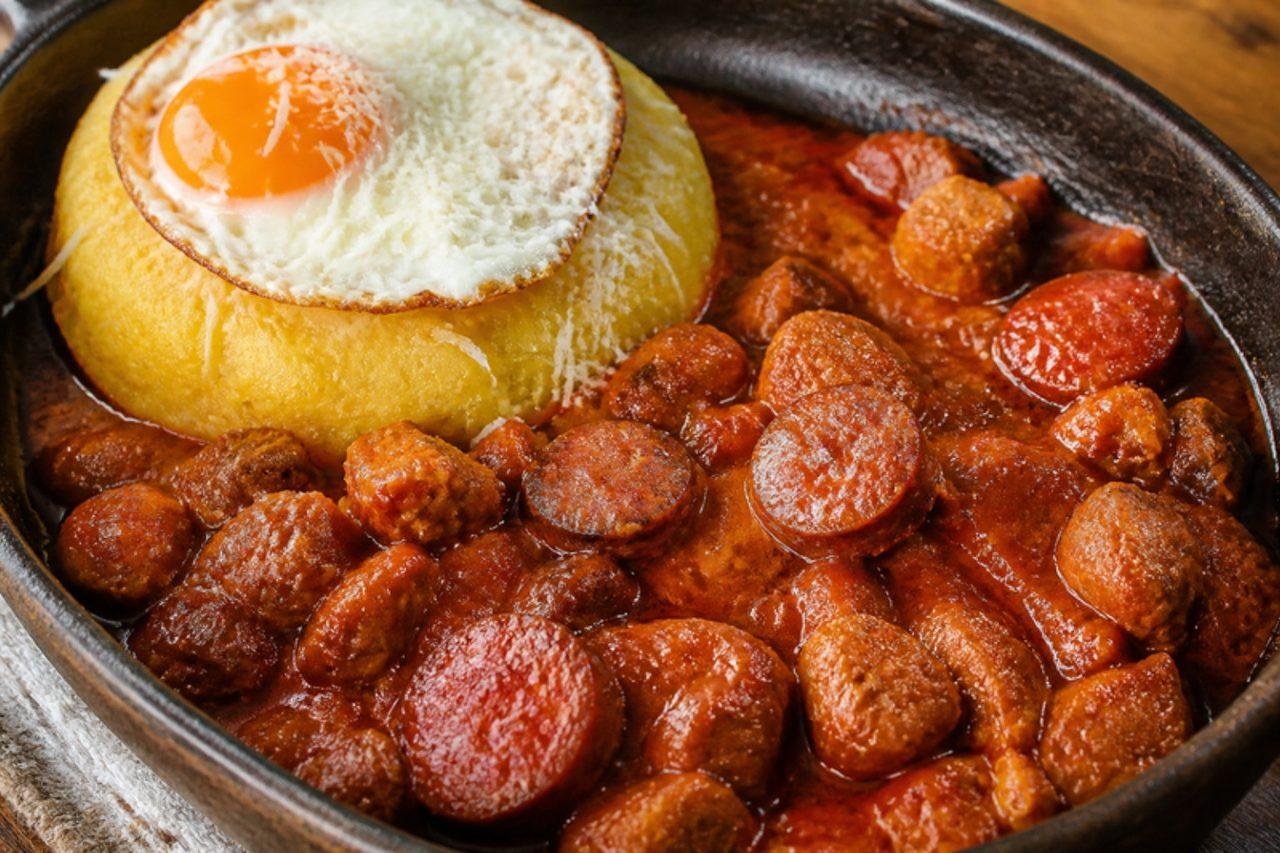
Ask for tochitură in a roadside han near Iași or Piatra Neamț and it arrives as a full plate: cubes of pork shoulder and pork sausage stewed in a garlicky, red-tinged sauce, a hill of mămăligă, a fried egg perched on top and crumbled salty sheep's cheese over everything. It is a dish for cold days and big appetites, rich, peppery and smoky. Traditionally a glass of dry white wine goes into the pan; for an alcohol-free version use the same amount of stock with 1 tablespoon of cider vinegar. The cheese is usually telemea or brânză de burduf. A frequent slip is cooking the pork hard and fast, which leaves it chewy; a gentle simmer turns it tender. Chef's tip: stir a spoon of crushed garlic into the sauce in the last minute only, so it stays fresh and fierce against the rich meat.

by KrazyBadal 0 views

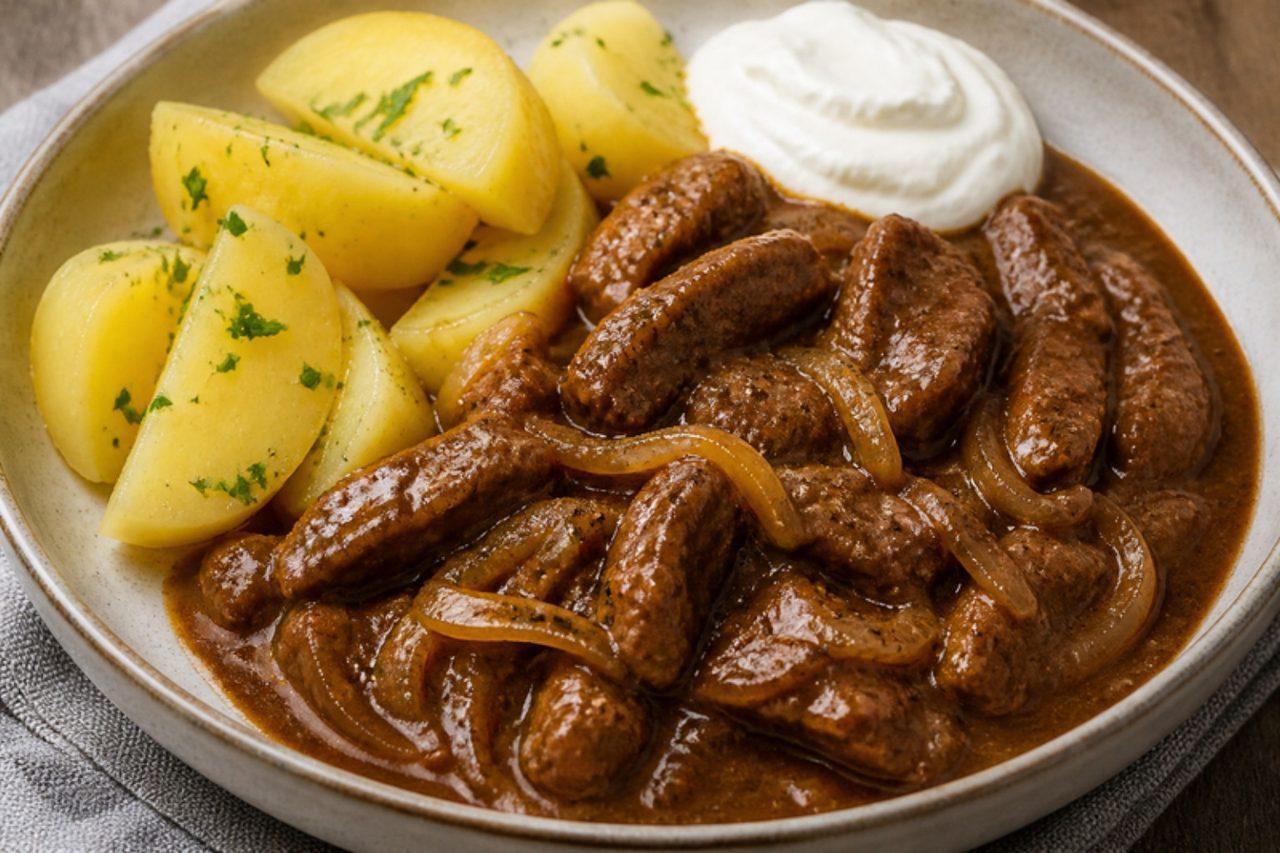
TokányBeef strips in wine and onion

Among the Hungarian communities of Transylvania, especially the Székely towns of Harghita and Covasna, tokány is the stew that is not a gulyás: the meat is cut into finger-long strips rather than cubes, and it is seasoned with black pepper and marjoram and a splash of wine instead of a red cloud of paprika. The result is a pale, savoury, peppery sauce that clings to tender ribbons of beef. Dry white wine is traditional; for an alcohol-free pot use the same amount of beef stock with 1 tablespoon of white wine vinegar. Serve it with boiled rice, mashed potato or a heap of pickled cucumbers. The usual slip is cutting the strips with the grain, so they cook up stringy; slice across it. Chef's tip: let the onions melt slowly for a full 15 minutes before the meat goes in; they dissolve into the sauce and thicken it without any flour.

by KrazyBadal 0 views

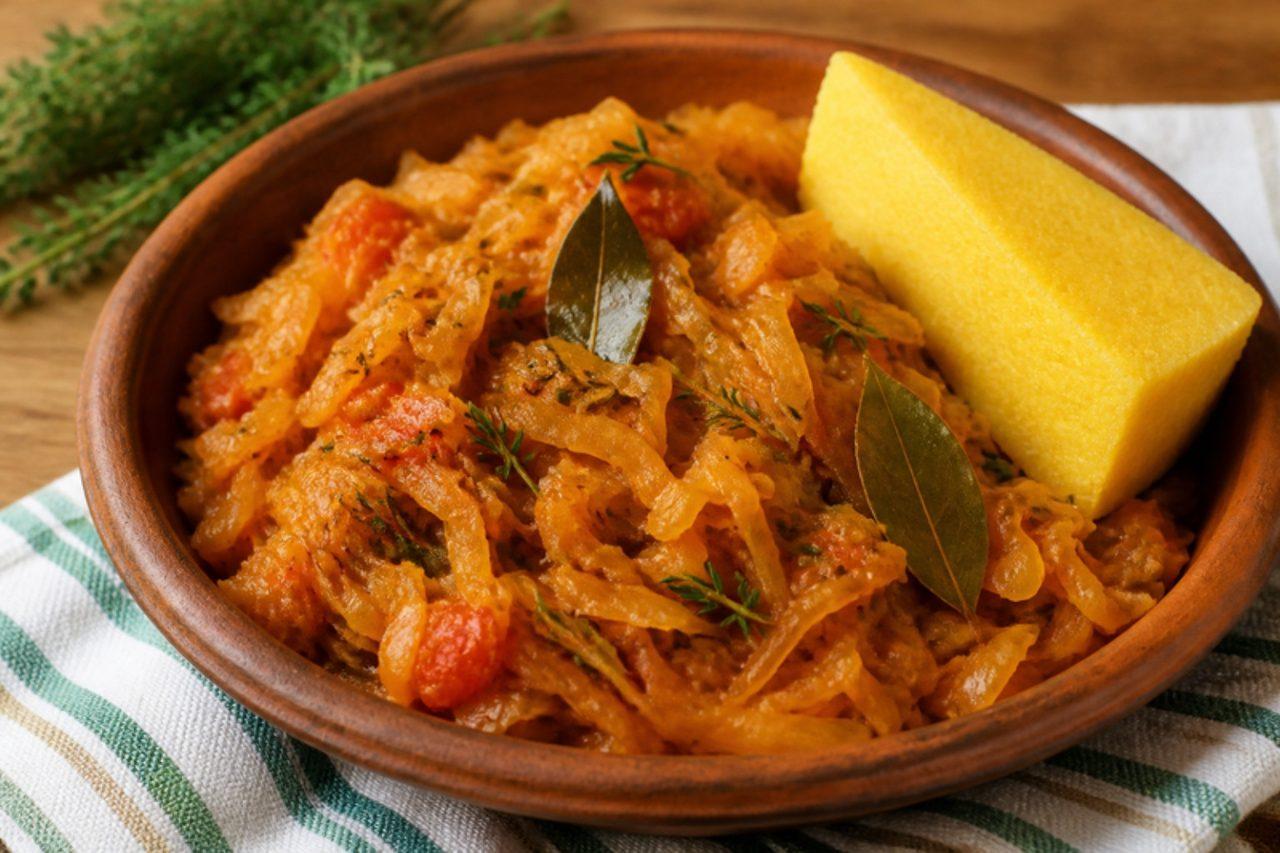
Varză călităBraised cabbage with tomato

Ask a Wallachian grandmother what goes with hot mămăligă on a winter weeknight and she may well point to a pan of varză călită. Fresh white cabbage is shredded and braised for the best part of an hour with onion, tomato, bay and thyme until it turns amber, silky and faintly sweet; in January many cooks use sauerkraut from the barrel instead, rinsed once to tame the salt. With no meat or butter it is a classic fasting (post) dish, though outside the fasts it also sits next to sausages and roasts. The usual slip is turning up the heat to hurry it, which scorches the base before the cabbage softens. Chef's tip: a spoon of vinegar and a pinch of sugar at the very end wake up the flavour without making it taste sour.

by KrazyBadal 0 views

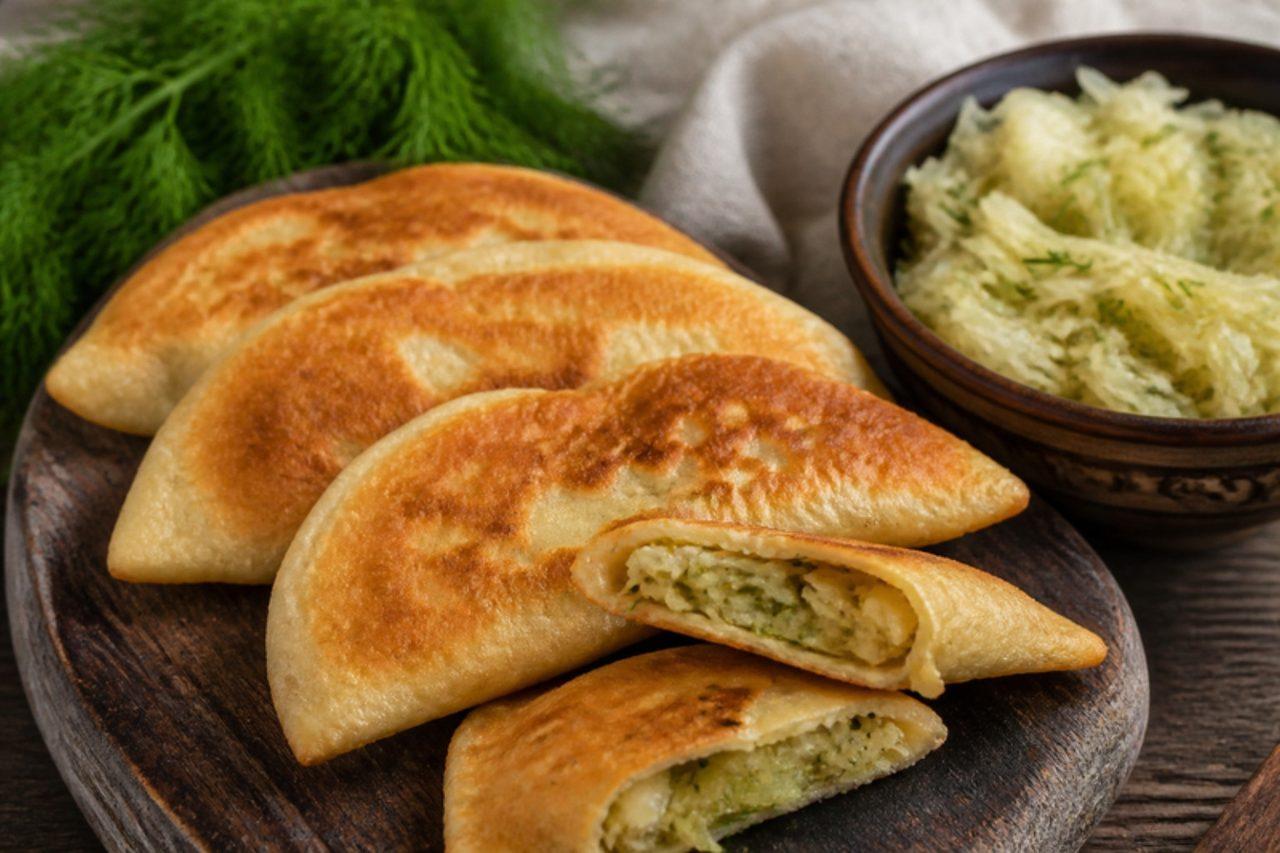
VărzăriSauerkraut pan-fried pies

Across Moldavia and over the Prut in the Republic of Moldova, the long Lent before Easter and Christmas is when grandmothers bring out the sauerkraut barrel and start rolling vărzări. The dough is plain flour, water and oil, rolled paper-thin, folded around sauerkraut fried with onion and black pepper, then pan-fried in a little oil until blistered and crisp. Hot from the pan they are flaky outside and soft and sour within; at room temperature they make a good packed lunch, often eaten with a glass of compote or a bowl of bean soup. Being completely free of animal products, they suit the strict fasting days. Where most people go wrong is leaving the sauerkraut wet: squeeze it hard, or the juice soaks the dough and the pies tear. Chef's tip: rest the dough under a warm bowl for half an hour; the gluten relaxes and it will roll almost transparent without springing back.

by KrazyBadal 0 views

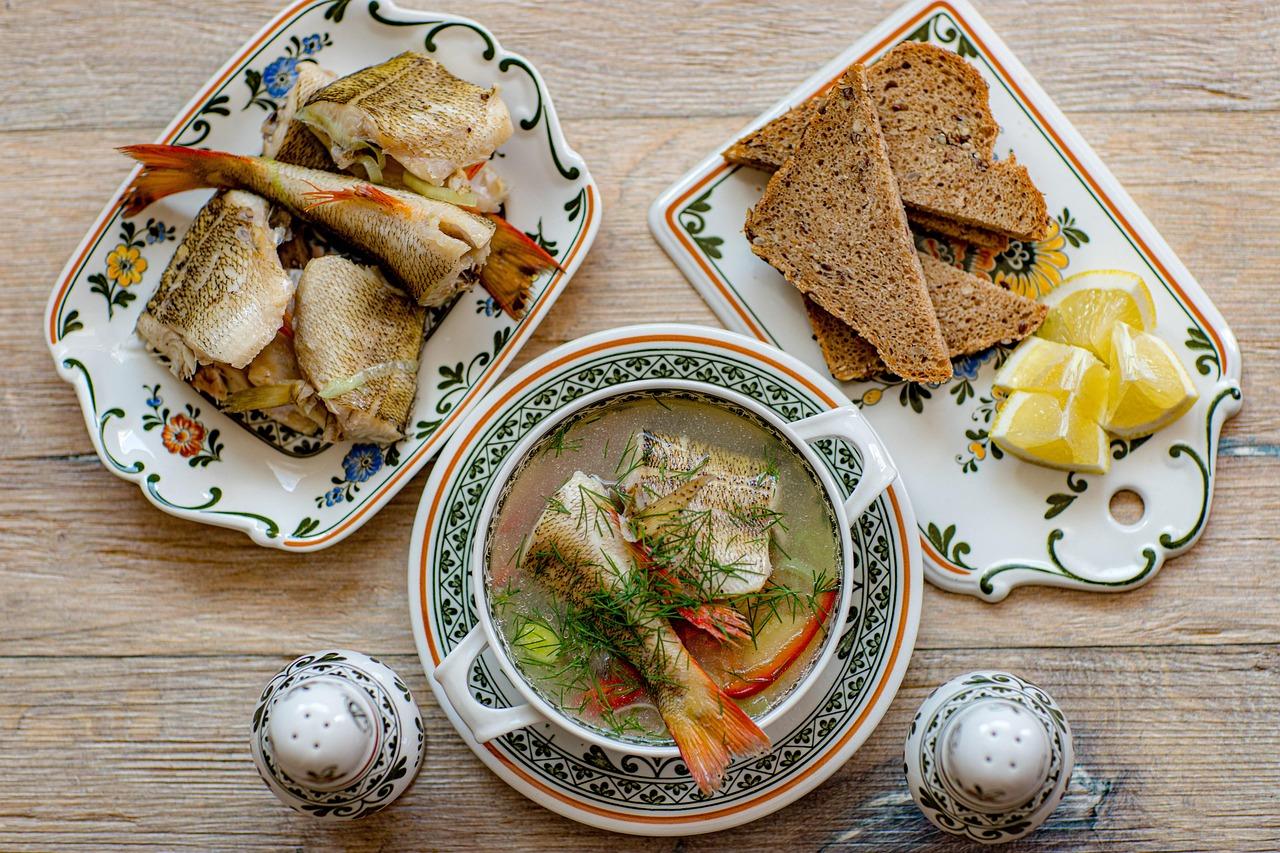
Ciorbă de pește lipoveneascăDelta fish soup

The Lipovans, Russian Old Believers who settled the Danube Delta villages of Jurilovca, Periprava and Mila 23 three centuries ago, cook their fish soup in a cauldron over a fire by the water. A broth is first made from the fish frames and tails with onion and pepper, strained, then the vegetables and thick pieces of several fish go in, usually carp, pike, zander and catfish, so each brings its own texture. The fish is lifted onto a platter and eaten with garlic sauce and mămăligă, while the clear, peppery, tomato-sharp broth is drunk from bowls. Where most cooks go wrong is stirring once the fish is in: it breaks into flakes. Shake the pot instead. Chef's tip: a splash of the cold sauerkraut juice or borș at the end, instead of lemon, gives the sourness Delta cooks prefer.

by KrazyBadal 0 views

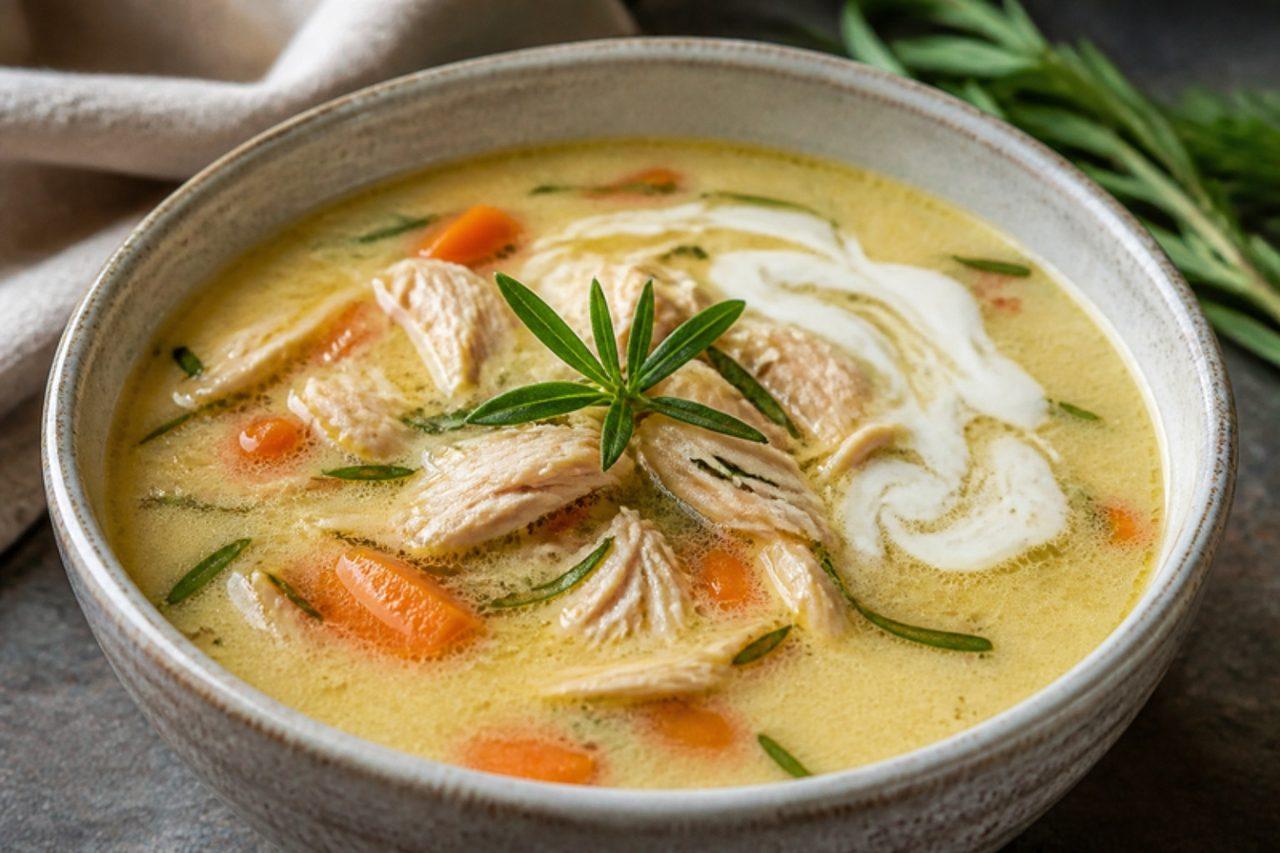
Ciorbă de pui cu tarhonChicken soup with tarragon

Tarragon grows in almost every garden in Transylvania, from Saxon villages near Sibiu to the Hungarian towns of Harghita, and it is what makes this chicken soup taste of the region. Pieces of chicken simmer with root vegetables and potato, the pot is soured with a splash of vinegar, and at the end sour cream and a big handful of chopped tarragon go in, giving a pale, creamy broth with a gentle aniseed lift. Unlike the egg-thickened soups of Moldavia, this one stays light and brothy. It is eaten as the first course of a Sunday lunch, with fresh bread and a hot pepper. A common mistake is adding the tarragon too early; long cooking turns it bitter and grey, so stir it in just before serving. Chef's tip: a spoon of tarragon pickled in vinegar, as Transylvanian cooks keep it, does the souring and flavouring in one.

by KrazyBadal 0 views

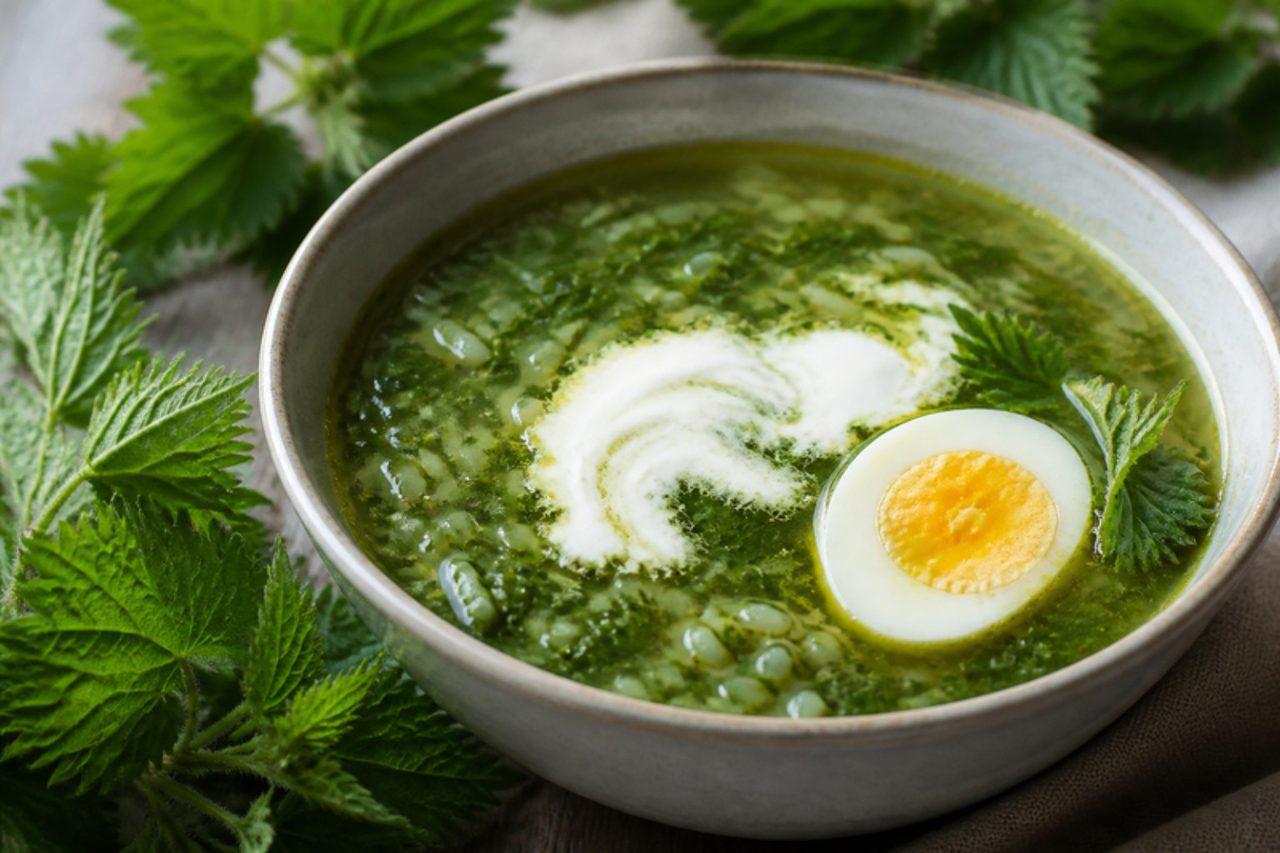
Ciorbă de urziciNettle soup

Around Iași and in the Moldavian hills, the first young nettles of March and April arrive just as the long Easter fast begins, and a green, sour ciorbă de urzici is often the first fresh vegetable dish of the year. It is a vegan post dish: nettle tops, spring onions and a little rice simmered together, then soured with borș until the broth is bright and tangy, with a grassy, spinach-like depth. Wear gloves to pick and wash the nettles and use only the young tops, the first four to six leaves; older, flowering plants turn tough and gritty. The classic error is boiling the nettles for too long, which makes them grey and stringy. Chef's tip: add a handful of chopped lovage with the borș, as it gives the soup its unmistakably Moldavian flavour.

by KrazyBadal 0 views

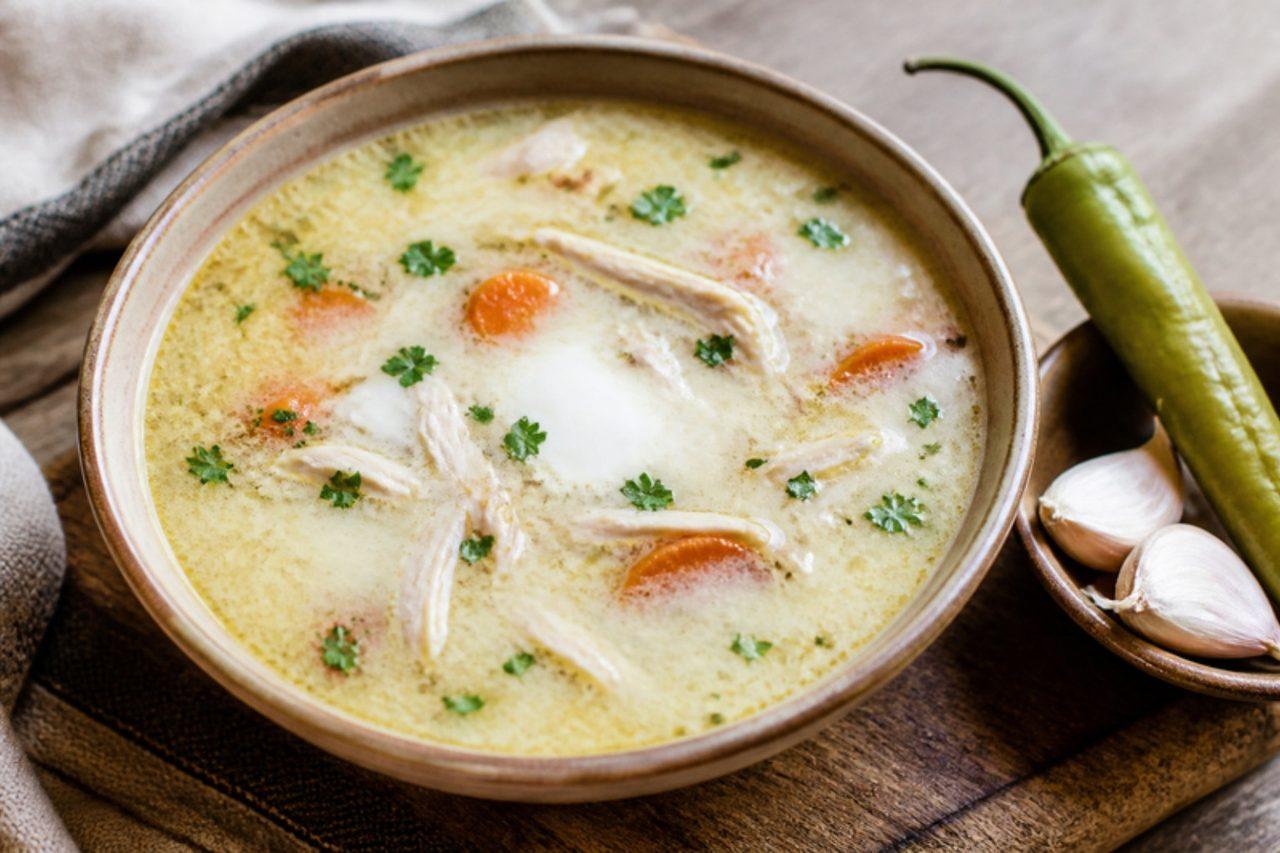
Ciorbă rădăuțeanăSour chicken soup with garlic

Rădăuți, a small town in Bukovina, gave its name to this soup in the 1970s, when a local restaurant cook began treating chicken the way Romanians treat tripe: a clear broth, soured with vinegar and thickened at the end with egg yolks, sour cream and plenty of garlic. The result is pale gold, velvety and tangy, with tender shreds of chicken; many prefer it to the tripe original, and it is a firm favourite at Suceava wedding lunches and the morning after. Serve it with a fresh hot pepper, extra garlic paste and warm bread. The mistake almost everyone makes once is letting the soup boil after the yolks go in, so they scramble; temper them, then keep the pot hot but below a simmer. Chef's tip: add the vinegar a spoon at a time at the very end; it should taste clearly sour but never vinegary.

by KrazyBadal 0 views

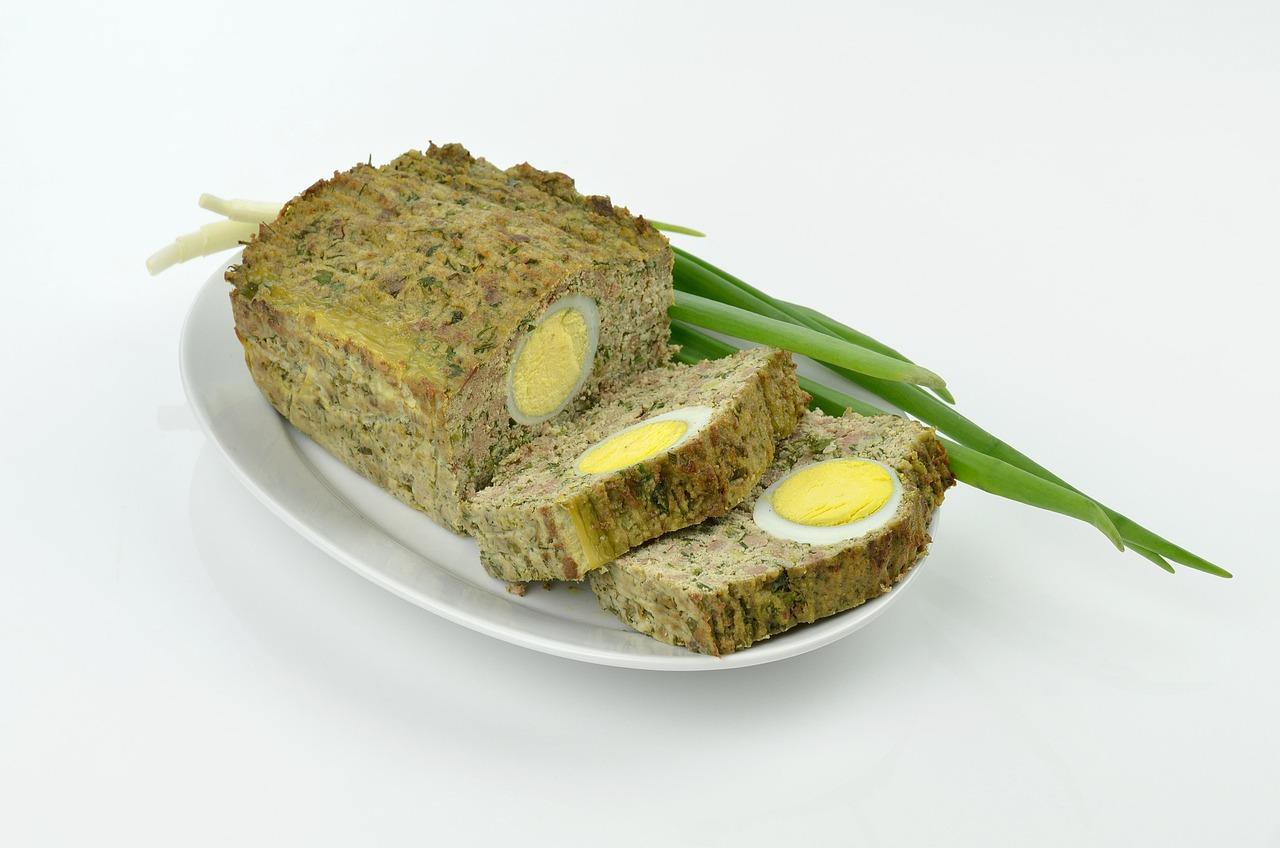
Drob de mielLamb offal loaf

On Easter Sunday a Romanian table holds red-dyed eggs, cozonac and, nearly always, a slab of drob: lamb liver, heart and kidneys poached, chopped and bound with fresh bread, raw egg and a whole bunch of spring onions and dill, then baked with hard-boiled eggs hidden in the middle. Sliced cold, each piece shows a yellow-and-white eye of egg in a green-flecked, earthy loaf that is milder than you might expect. It is served as a starter with radishes, horseradish and green salad, and keeps well for the days of visiting that follow. Butchers often sell a lamb 'pluck'; ask for the lungs to be left out if you prefer, and use a little extra lamb mince instead. The classic mistake is under-seasoning: the loaf is eaten cold, which dulls salt and herbs, so the mix should taste bold. Chef's tip: wrap the loaf in caul fat (prapur) if your butcher has it; it bastes the drob as it bakes and gives a lacy, golden crust.

120 minRomanianMeat
by KrazyBadal 0 views

Erdélyi fatányérosMixed grill platter

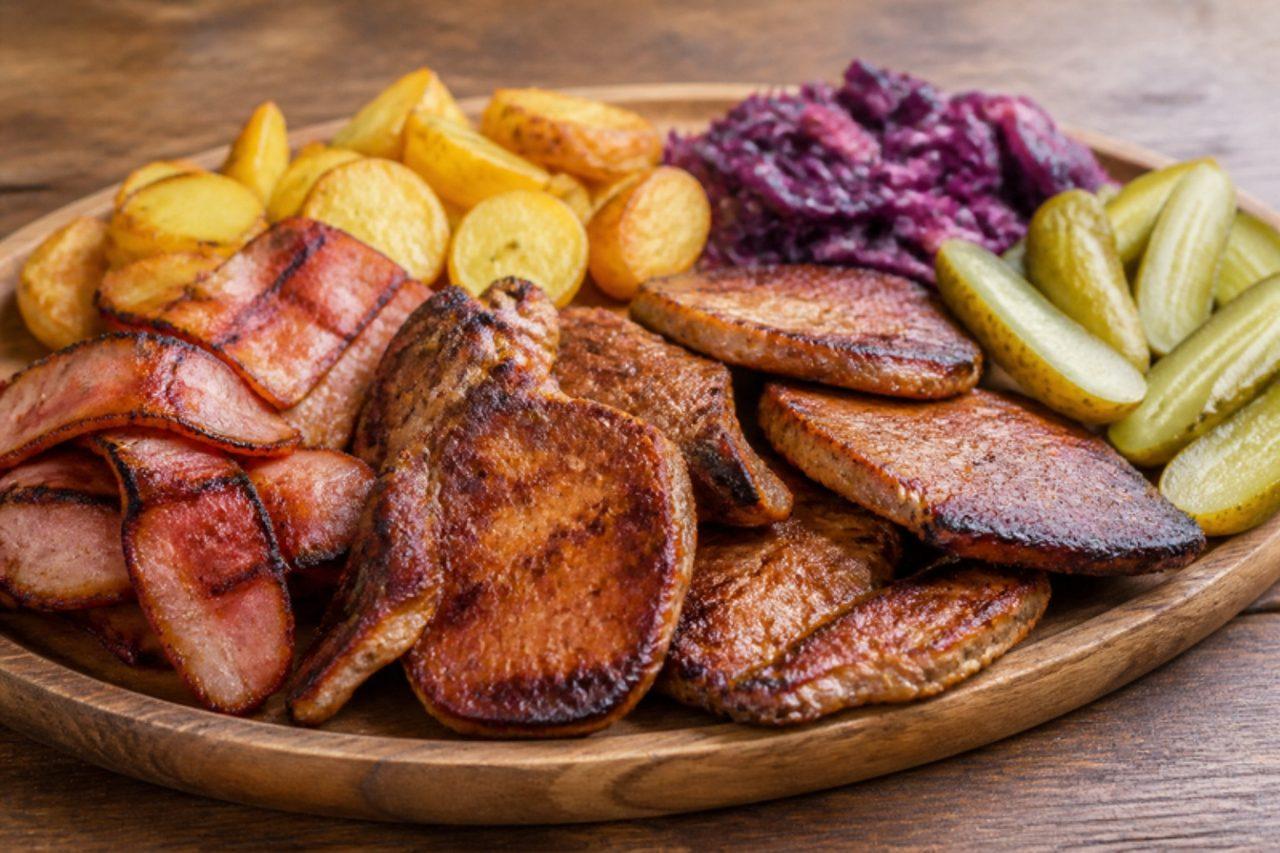
The name means 'wooden plate', and that is how this Transylvanian-Hungarian feast is brought to the table in Cluj and Târgu Mureș restaurants: a big board heaped with fried potatoes and topped with grilled pork chops, veal escalopes and crisp smoked bacon, surrounded by pickled cucumbers, peppers and red cabbage. It is meant for sharing, two or four people picking from one board, and it smells of garlic, marjoram and smoke. The pork and bacon make this very much a pork dish, balanced by the sharp pickles. Where people most often go wrong is grilling everything at once; cook the bacon first and use its fat for the meat, so nothing dries out while waiting. Chef's tip: score the edge of each pork chop through the fat every 2 cm; it stops the chops curling up in the pan and cooking unevenly.

by KrazyBadal 0 views

Showing 24 of 37 recipes

Show more recipes

Page 1 of 2