Skip to content
Recipes

All recipes

Vegetarian, or something you can't eat? Set your diet once and we'll hide recipes that don't fit.

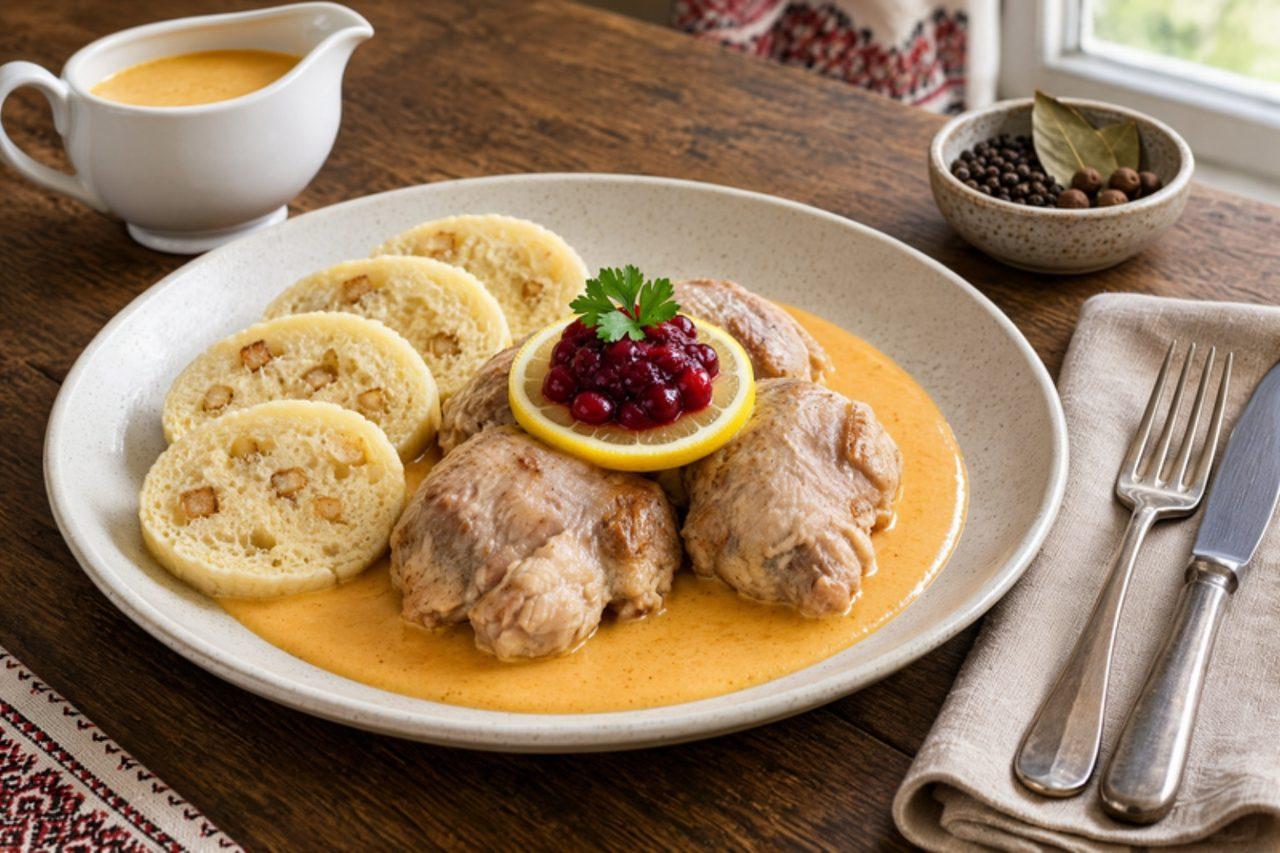
Králík na smetaněRabbit in cream sauce

Králík na smetaně is a Sunday lunch in the Czech countryside, especially in Moravia and South Bohemia, where many families once kept rabbits in the yard. Rabbit pieces are braised with carrot, celeriac, parsley root and onion, then the vegetables are blended into a velvety cream sauce brightened with lemon and a pinch of sugar, much like the famous svíčková. It is served with sliced bread dumplings (houskové knedlíky) and a spoon of cranberry sauce. The usual mistake is boiling the sauce after the cream goes in, which can split it; keep it at a bare simmer. Rabbit is lean, so cook it gently and check that the meat comes easily off the bone. Chef's tip: blend the vegetables until completely smooth and pass them through a sieve for the silky sauce Czech cooks are proud of.

120 minCzechMeat
by KrazyBadal 0 views

Postre MassiniCustard sponge with burnt sugar top

Montevideo's birthday cake of choice since the early twentieth century, the Massini is two thin layers of sponge sandwiching a thick filling of whipped cream folded with egg-yolk custard, crowned with a thin glassy crust of torched yolk and sugar. Bakeries across Uruguay sell it on Sundays. Traditional versions sometimes add a sweet fortified wine to the custard; this one is alcohol-free. The custard is cooked to a safe 71 °C. The common mistake is assembling with warm custard, which melts the cream into a puddle. Chef's tip: if you don't have a blowtorch, put the sugared top under a very hot grill for a minute and watch it closely.

by KrazyBadal 0 views

Escabeche de pescadoFried fish in sweet-sour onion sauce

In Lima, escabeche de pescado belongs to the criollo kitchen of the old city: it turns up on Friday lunch menus, on buffet tables, and above all in Lent and Holy Week, when families eat fish and this dish can be made the day before. Fish is fried until golden, then covered in a warm sauce of thick-cut red onion softened in oil with garlic, ají amarillo, ají panca, cumin and vinegar, and left to cool so the flavours soak in. It is served cold or at room temperature with boiled sweet potato, hard-boiled egg and purple botija olives. It tastes tangy, sweet and gently fruity-hot, with crunchy onion over tender fish. The fish here is fully cooked, but because it is a cold seafood dish, pregnant people, babies, older people and anyone with weak immunity should eat it well chilled and within 2 days. Common mistake: stewing the onions until limp; they should only lose their raw bite. It is ready when the sauce has soaked a little into the fish and smells of vinegar and toasted chilli. Chef's tip: use thick fillets of corvina or bonito; thin fillets break under the sauce.

by KrazyBadal 0 views

Morcilla dulceSweet blood sausage with walnuts

No Uruguayan parrilla is complete without morcilla dulce: a soft pork blood sausage sweetened with sugar and scented with orange peel, studded with walnuts and raisins, grilled until the skin crisps and served first, as part of the achuras, while the beef is still cooking. It is pork throughout: pork blood, pork back fat and natural pork casings. Making it at home is a project. Buy fresh pork blood with an anticoagulant added from a butcher who supplies it for sausage making, keep it chilled below 4 °C and use it within a day. The common mistake is poaching at a rolling boil, which bursts the casings. Chef's tip: keep the water at 80–85 °C, just shivering, and prick a sausage after 25 minutes: it is done when brown, not red, juice comes out.

by KrazyBadal 0 views

BusecaTripe and white bean stew

Buseca arrived in Montevideo with Italian immigrants from Lombardy and became a classic winter dish of Uruguayan bodegones and family kitchens, eaten on cold June and July days. Honeycomb tripe is simmered until tender, then stewed with white beans, pork chorizo, bacon, peppers, tomato and paprika into a thick, warming stew served with crusty bread. Buy tripe that is already cleaned and blanched (dressed). The usual mistake is undercooking the tripe: it needs a full 2 hours, until it's soft enough to cut with a spoon. Slow-cooker option: after step 4, cook on low for 8 hours. Chef's tip: a little grated lemon zest and parsley stirred in at the end lifts the rich, gelatinous sauce.

by KrazyBadal 0 views

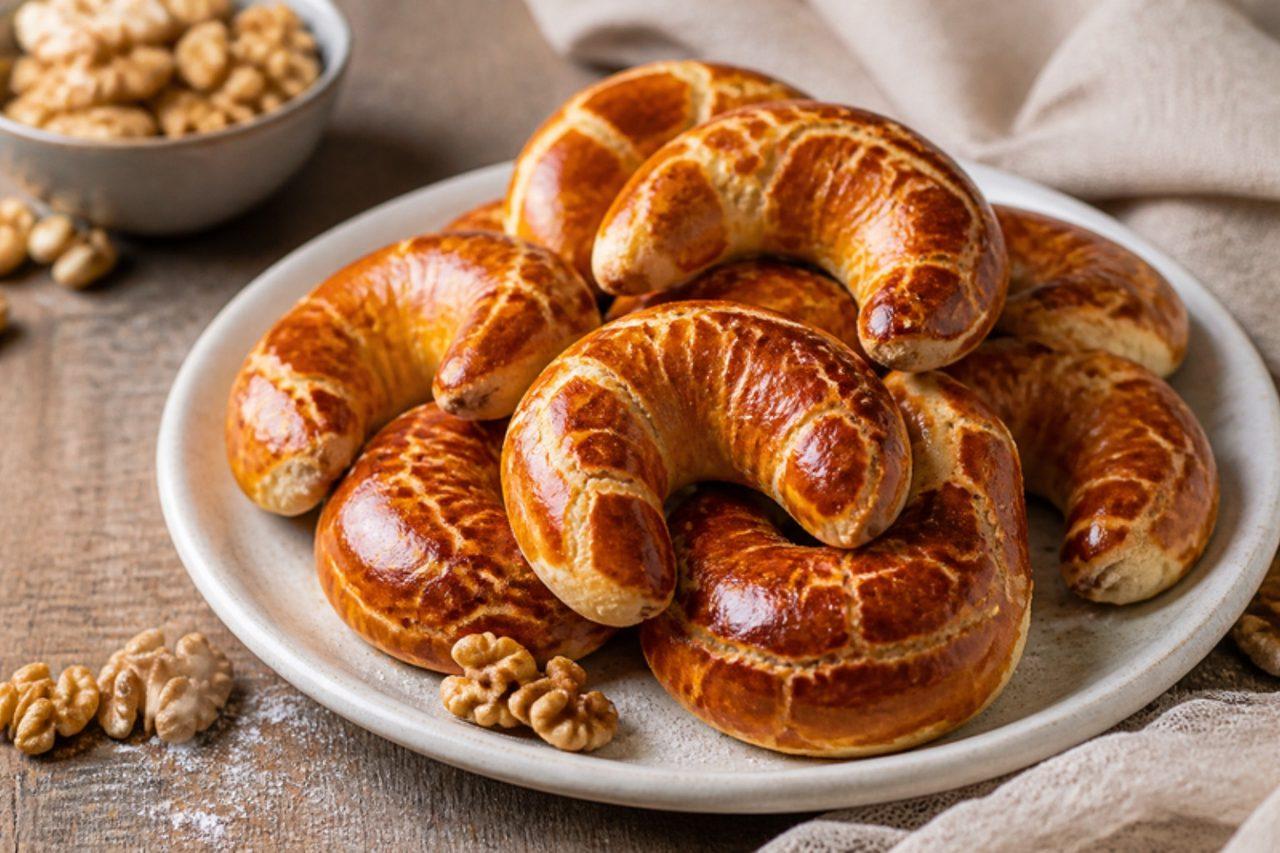
Bratislavské rožkyWalnut or poppy seed crescents

Bakers in old Pressburg, today's Bratislava, have shaped these little horns for nearly three centuries, and the city still treats them as its own Christmas and wedding pastry. The walnut ones are bent into a horseshoe and the poppy seed ones into a crescent, so you can tell them apart on the plate. The dough is rich and short, almost like a pastry, and the shiny brown top is crazed with fine cracks from a double egg glaze. A common mistake is glazing the second time before the first coat is dry, which leaves a dull, smooth top instead of the famous marbling. Patience is the whole trick: a cool rest after the yolk, then a warm rest after the white. Old recipes add a splash of rum to the walnut filling; this version uses lemon and cinnamon instead. Chef's tip: keep the dough cold and work quickly, so the butter stays in tiny flakes.

150 minCzechBaking
by KrazyBadal 0 views

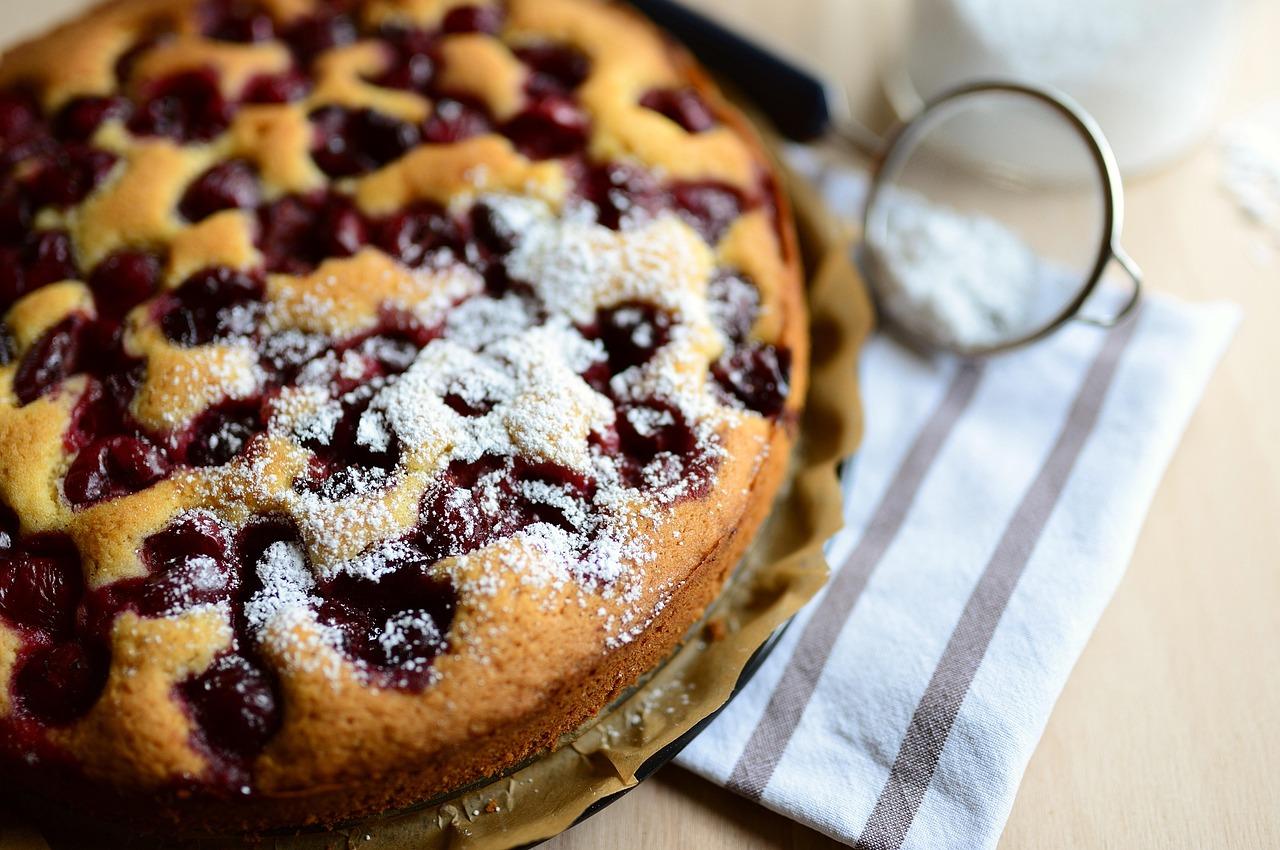
BublaninaCherry sponge traybake

Czech grandmothers make bublanina the moment cherries ripen in June, and again with apricots or plums later in summer, baking it in a big tray for afternoon coffee in the garden. The name comes from the bubbles that form as the fruit sinks into the batter. It is a light, buttery sponge, golden at the edges, with pockets of juicy, sharp fruit and a snowfall of icing sugar on top; children love it warm. A common mistake is folding in the flour too hard, which knocks out the air and makes a tough cake; mix until just combined. Pitted fruit is easiest for little eaters. Chef's tip: toss the fruit in a spoon of flour before scattering it over, so it sits in the sponge instead of sinking to the bottom.

by KrazyBadal 0 views

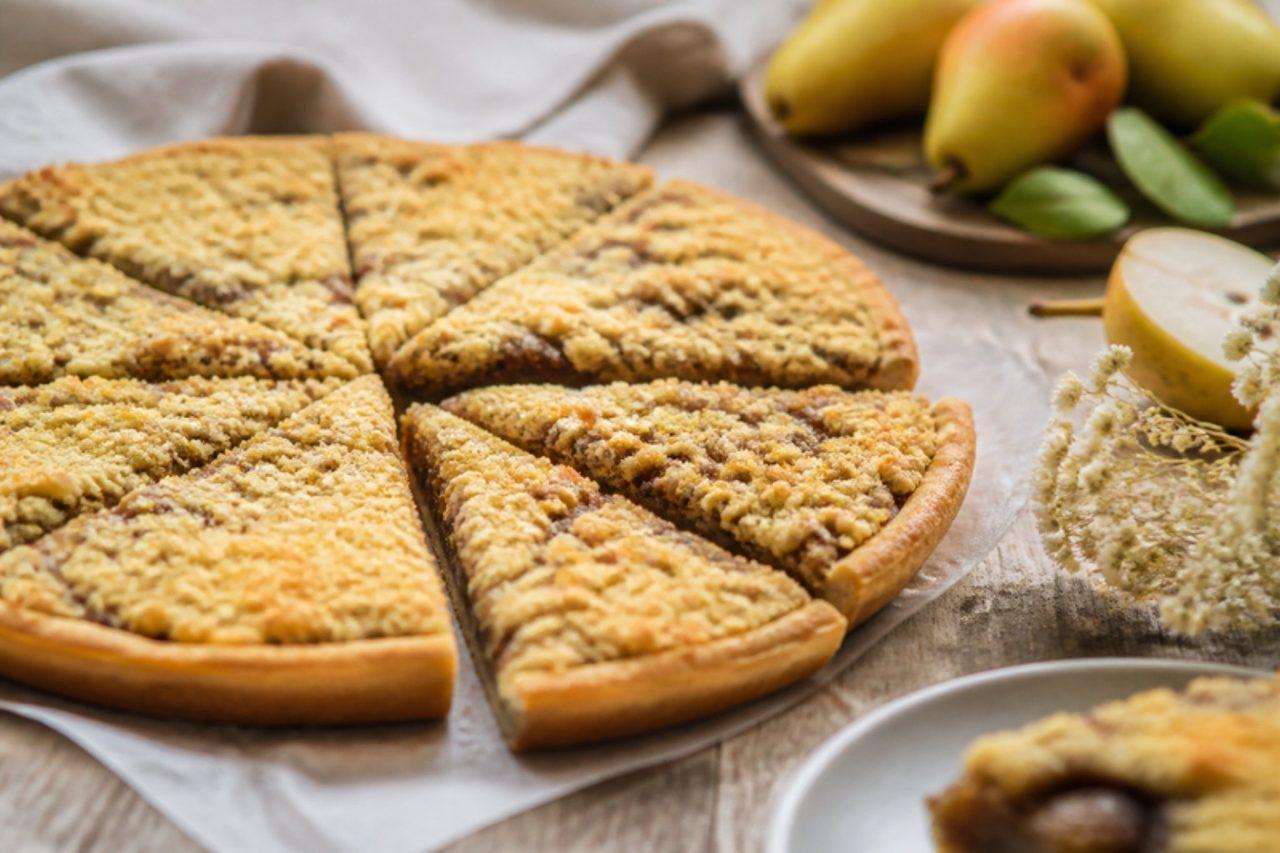
FrgályYeast tarts with pear or cheese

At weddings and church fairs in Moravian Wallachia, in the hills around Rožnov and Vsetín, tables are stacked with frgály: yeast tarts as wide as a dinner plate, rolled so thin the filling seems to sit on a crisp, chewy disc. The classic toppings are dried pear mixed with plum butter, sweet tvaroh (Czech quark), or poppy seed, all scattered with a buttery crumble. This recipe makes four, two with each of the first two fillings. Tvaroh is usually set without rennet, but some brands use it, so check the label. The usual slip is leaving the dough thick in the middle, which makes a bready tart; roll right to the edge, about 3 mm thick. Chef's tip: bake on the lowest oven shelf on a hot tray, so the base browns before the filling dries.

150 minCzechBaking
by KrazyBadal 0 views

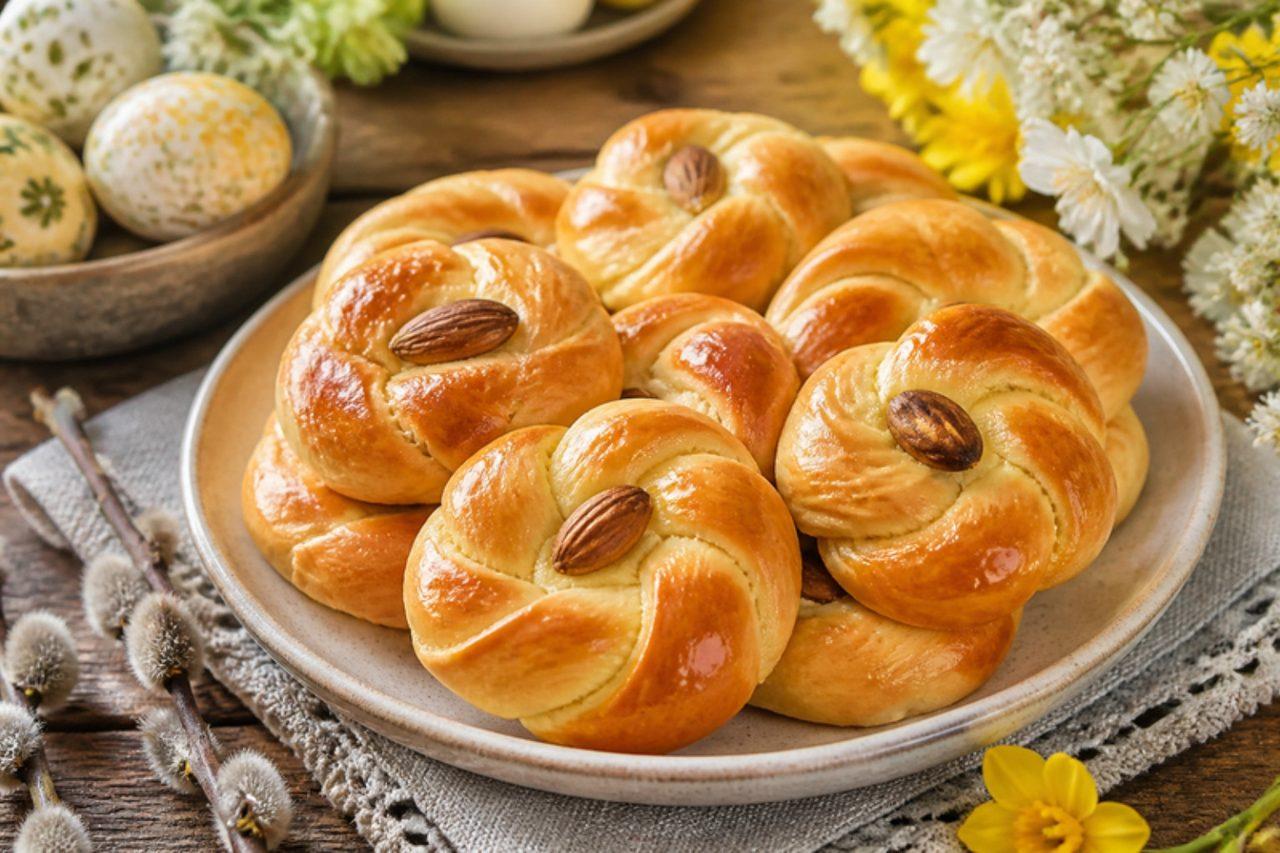
JidášeEaster honey buns

Maundy Thursday, "Green Thursday" in Czech, is the day for jidáše, sweet yeasted buns rolled into ropes and coiled into spirals or loose knots to recall the rope of Judas, which gives them their name. Families in Bohemia and Moravia bake them for breakfast that morning and brush them, still hot, with honey; eating one was once said to bring health for the year. They are soft and fluffy, lightly scented with lemon, with a sticky, shiny top. A common mistake is brushing the honey on cold buns, where it just sits; warm the honey and glaze them straight from the oven so it soaks in. Honey is not suitable for babies under one year old. Chef's tip: roll the ropes thinner than you think, about finger thickness; they double as they prove.

145 minCzechBaking
by KrazyBadal 0 views

Moravský vrabecRoast pork cubes with garlic

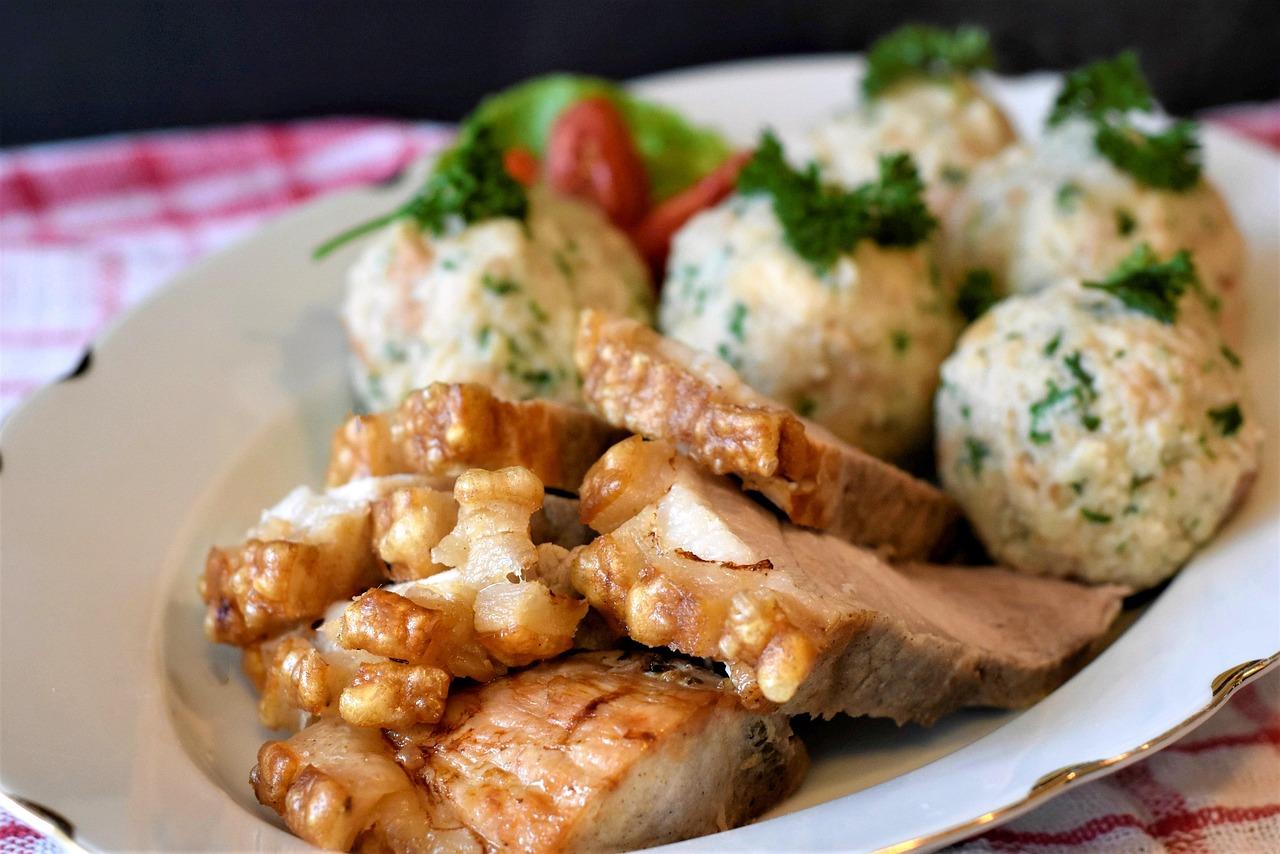
"Moravian sparrow" has no bird in it: it is cubes of pork shoulder, roughly sparrow-sized, rubbed with garlic and caraway and roasted with onion until browned and tender, a Sunday lunch dish of the villages and inns of Moravia. Unlike the sliced pork roast of Bohemia, the small pieces give lots of crispy edges and a rich, garlicky pan juice. It comes with bread dumplings and stewed sauerkraut to soak it all up. The usual slip is cramming the meat into a small dish, so it boils instead of browning; spread it out in one layer. Pork should reach 71 °C and be tender enough to cut with a fork. Lard is the traditional fat; oil works too. Chef's tip: rub the pork with the garlic and caraway the night before and leave it covered in the fridge; the flavour goes right through.

120 minCzechMeat
by KrazyBadal 0 views

Pečená kachna se zelímRoast duck with red cabbage

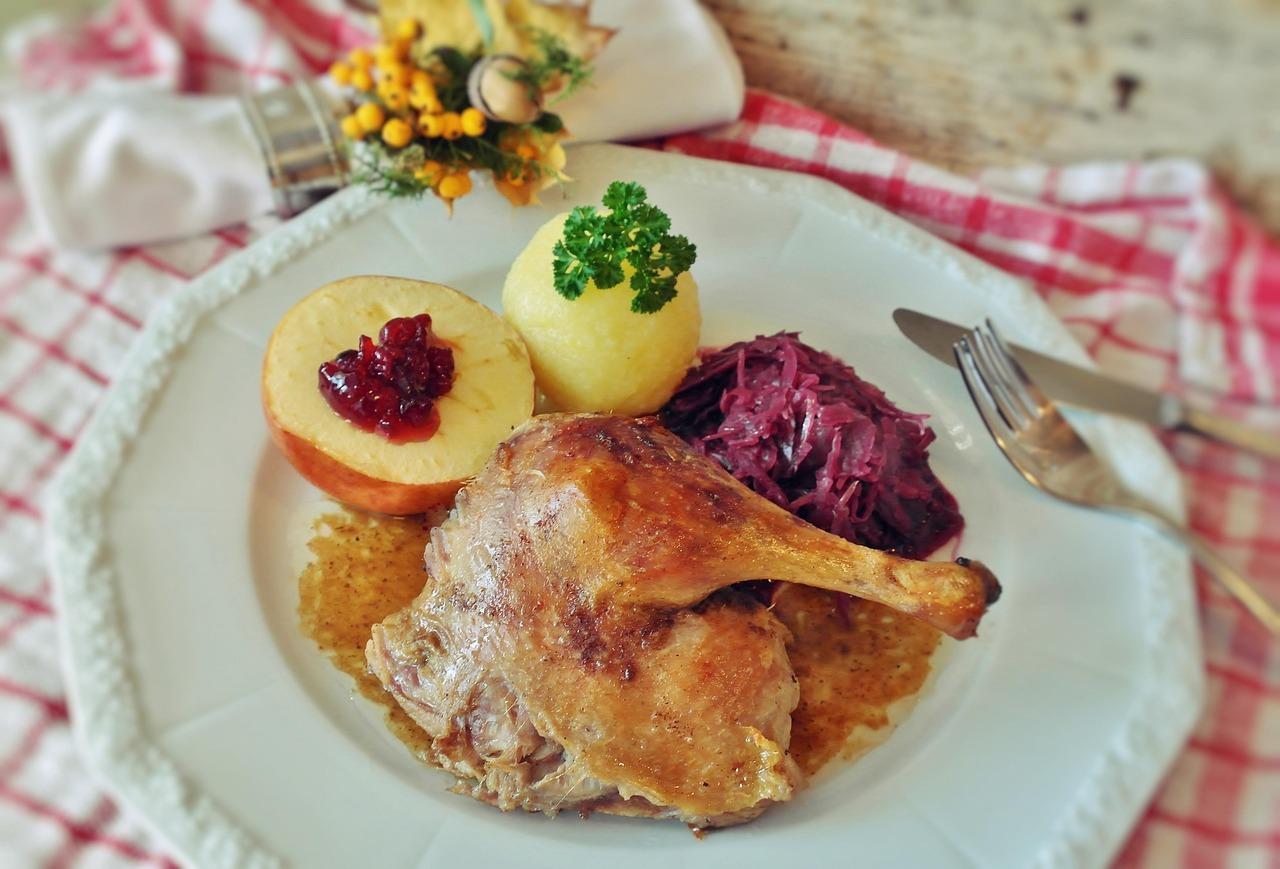
Roast duck is the feast of the Czech autumn, eaten on St Wenceslas' Day in September and St Martin's Day in November, when Bohemian pubs and homes cover the table with crisp-skinned duck, braised red cabbage and dumplings to soak up the juices. Caraway and salt are the only seasonings the bird needs; slow roasting renders the fat and leaves the meat soft, and the cabbage is cooked with some of that fat, apple, sugar and vinegar until glossy and sweet-sour. A common mistake is roasting hot from the start, which burns the skin before the fat melts; go low and slow, then crisp at the end. The thickest part of the thigh must reach 74 °C. Carve before bringing it to the table. Chef's tip: save the rest of the duck fat in a jar; it makes the best roast potatoes.

180 minCzechMeat
by KrazyBadal 0 views

Rajská omáčkaSweet-sour tomato sauce with beef

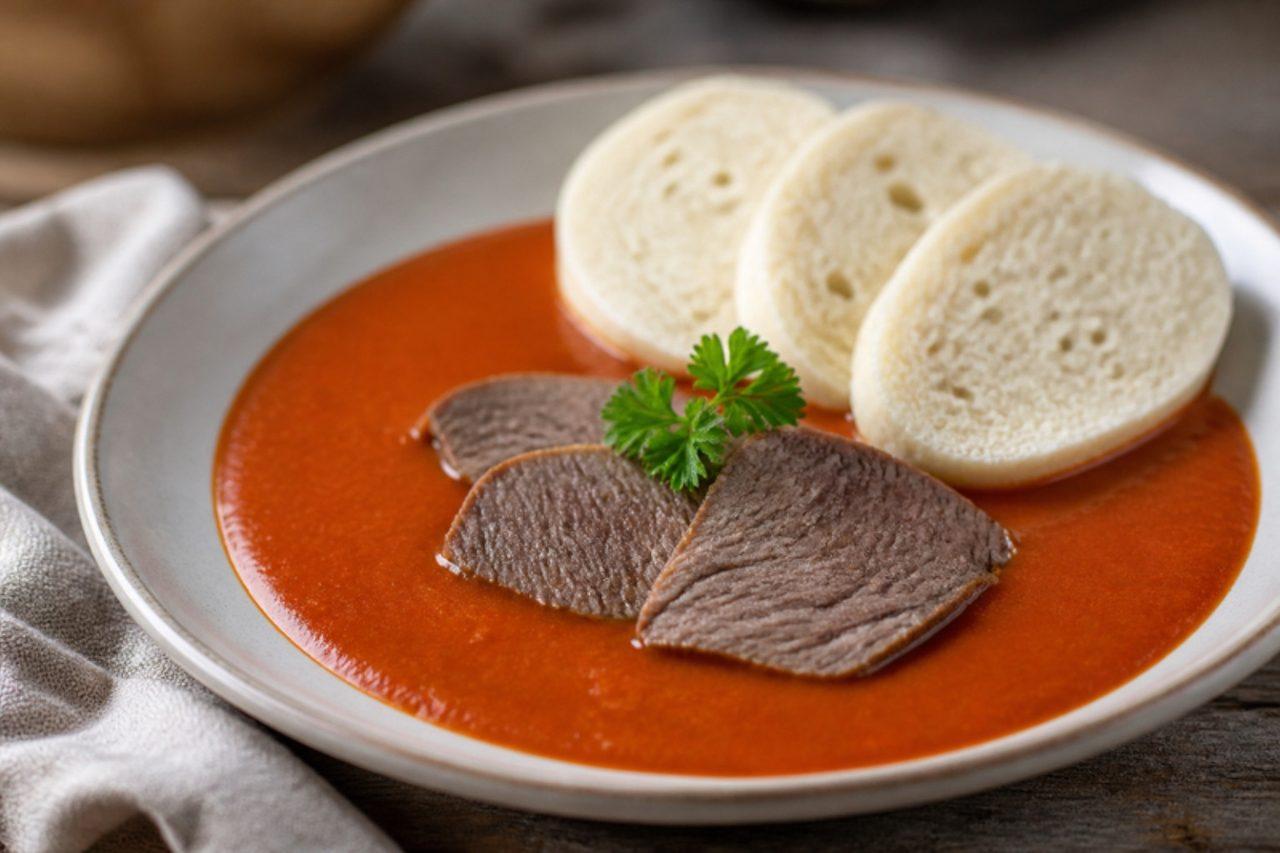
Every Czech school canteen has served rajská at some point, and many adults still crave this glossy, sweet and tangy tomato sauce poured over slices of tender boiled beef with bread dumplings. Bohemian cooks make it from the broth of the beef itself, thickened with a light roux and perfumed with clove, allspice, bay and a hint of cinnamon, so it tastes warmly spiced rather than like a pasta sauce. The usual slip is under-seasoning the sweet-sour balance: keep tasting and adjust sugar and vinegar until it is clearly both. Simmer the beef until a fork slides in easily. Pasta or rice work too if you are not making dumplings. Chef's tip: strain the sauce through a sieve at the end for the velvety restaurant texture.

120 minCzechMeat
by KrazyBadal 0 views

VánočkaBraided Christmas bread

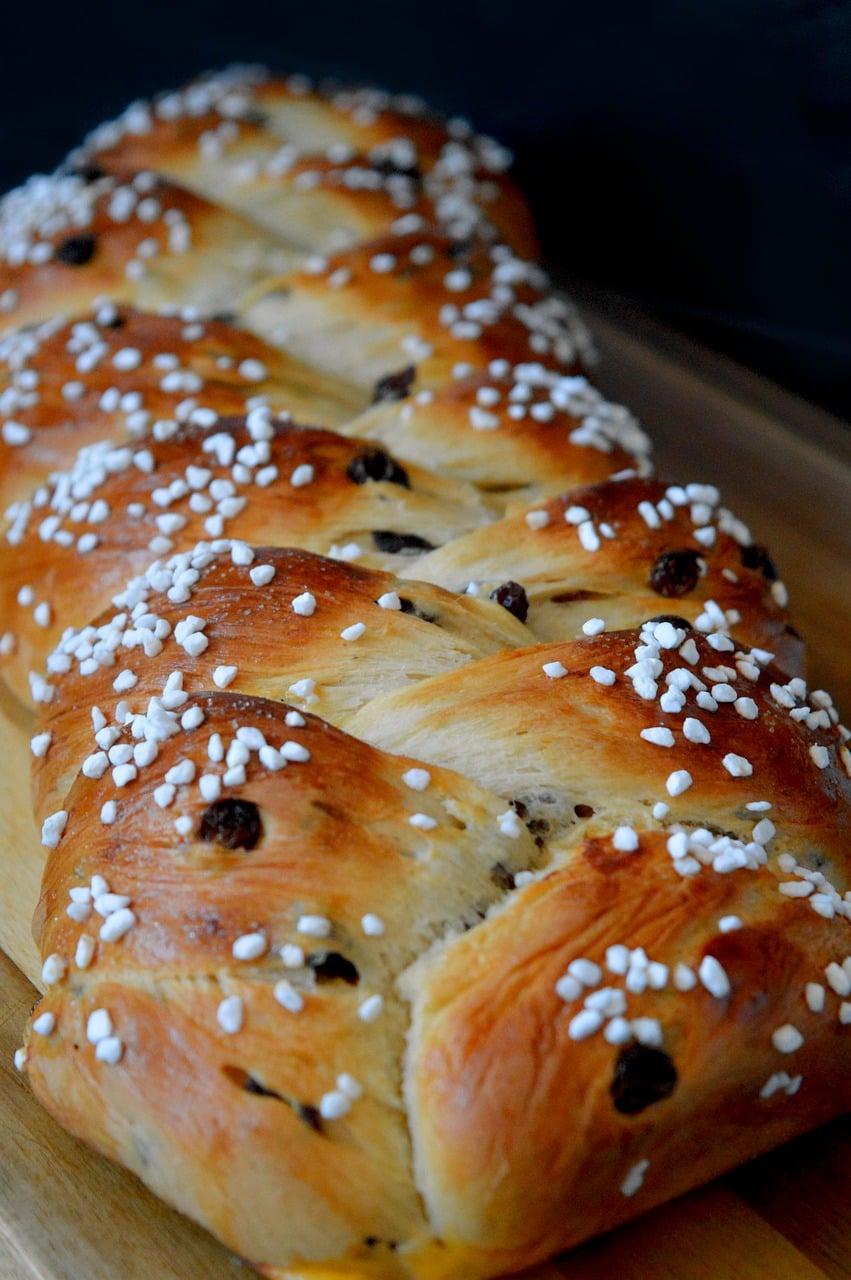
On Czech Christmas Eve morning, before the carp and the potato salad, the table holds a long golden vánočka, a sweet braided loaf whose layered plaits are said to represent the baby Jesus in swaddling. Families slice it for breakfast through the holidays with butter, honey or jam. The crumb is soft and rich with egg and butter, scented with lemon zest and studded with raisins; flaked almonds crisp up on the crust. The usual slip is braiding too loosely, so the tiers slide apart in the oven; plait tightly and hold them with wooden skewers while baking. Soaking raisins in warm water (not rum) keeps them juicy and alcohol-free. Chef's tip: vánočka keeps for days wrapped in a cloth, and slightly stale slices make superb French toast.

185 minCzechBaking
by KrazyBadal 0 views

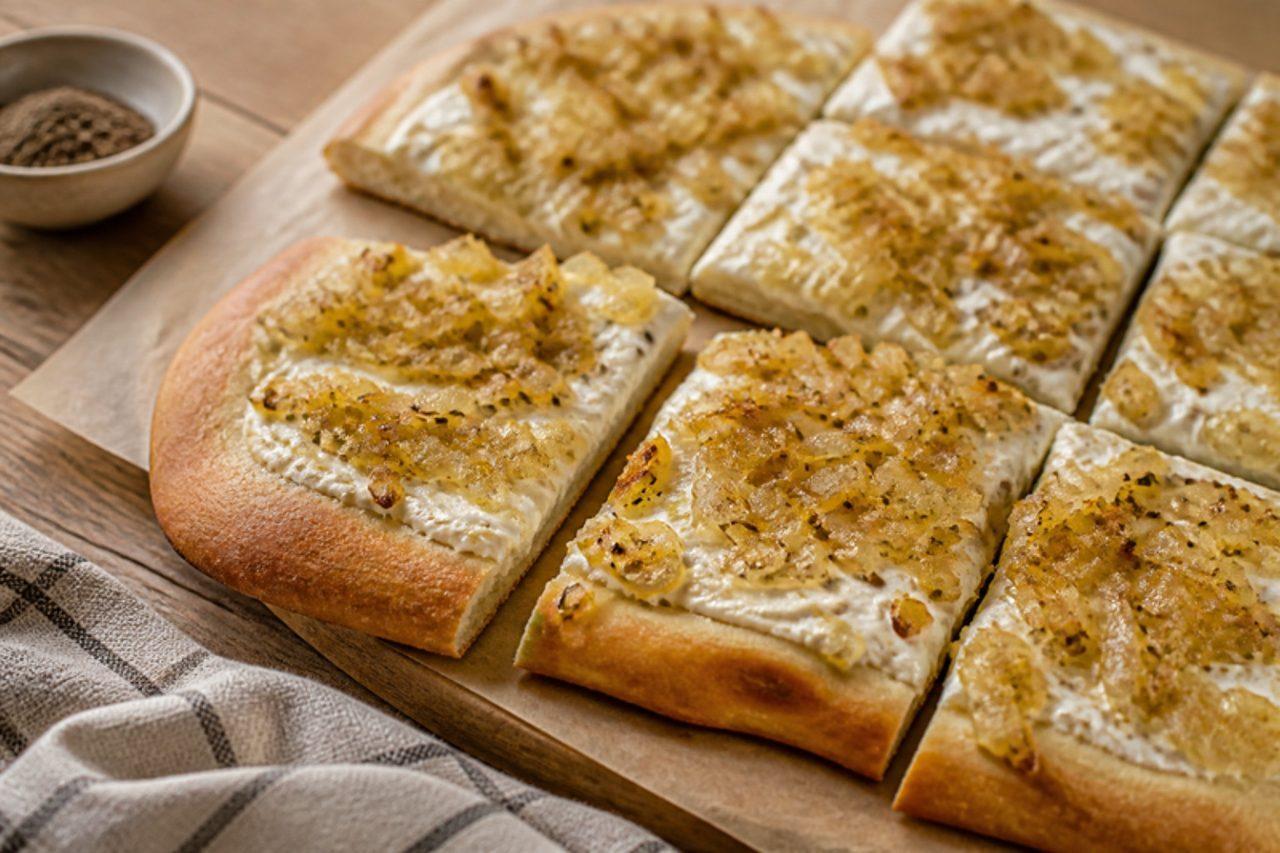
ZelňákSauerkraut yeast pie

Out in the Moravian wine villages, when bread was baked in the communal oven, the last of the dough went into zelňák: a flat yeast base spread with sour cabbage and fried onion and baked until the edges blister. It is still sold in bakeries around Brno and Hodonín and eaten warm in slices with a glass of buttermilk or new wine. Old recipes fry the onion in lard or add crackling; this version uses oil and butter and is vegetarian. The topping is tangy, sweet from the onion and scented with caraway, over a soft, bready base. Where it often goes wrong is using wet sauerkraut straight from the jar, which turns the base soggy. Squeeze it well and fry it first. Chef's tip: a thin layer of sour cream under the cabbage keeps the base moist and stops the topping drying out.

120 minCzechBaking
by KrazyBadal 0 views

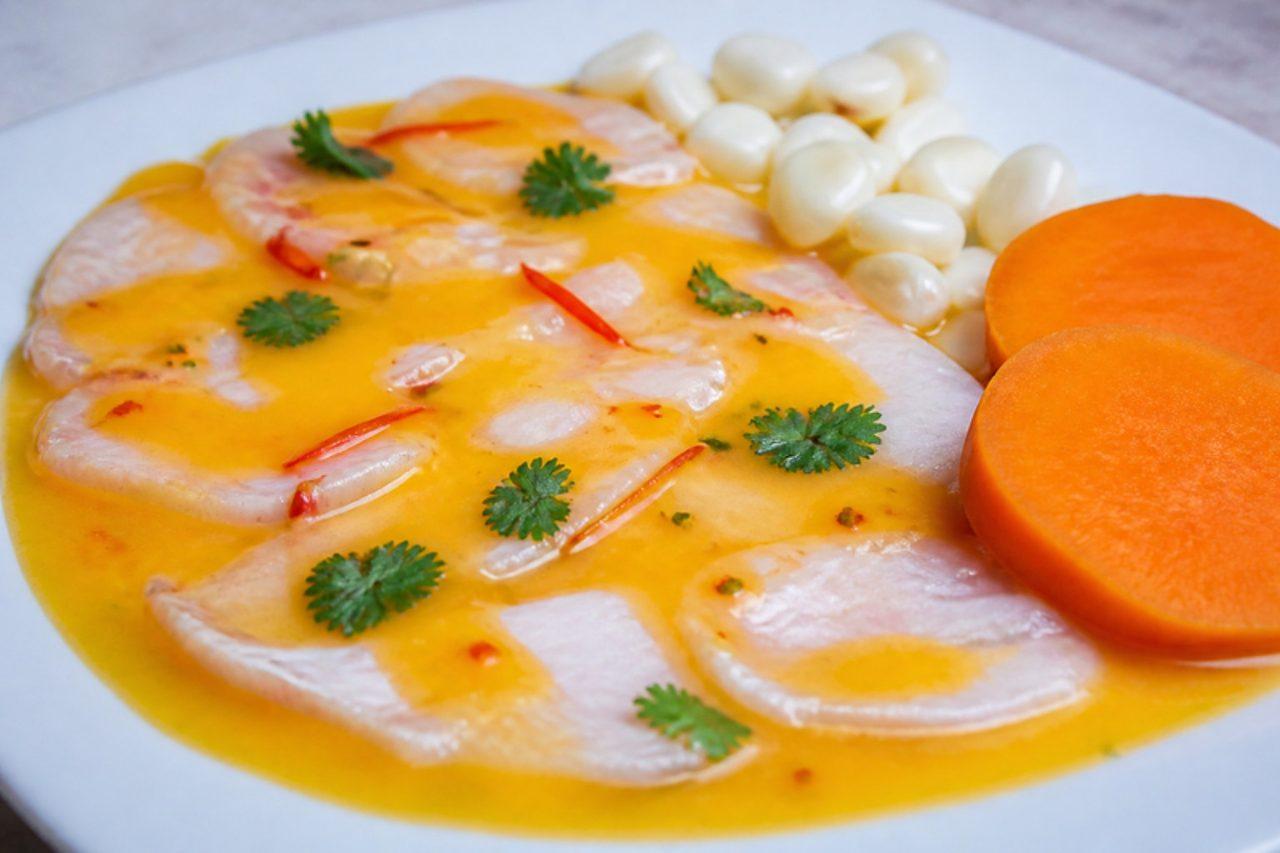
TiraditoSliced fish in ají amarillo sauce

Lima's Japanese-Peruvian cooks turned ceviche on its head with tiradito: instead of cubes soaked in lime, the fish is cut thin like sashimi, laid flat and dressed at the last minute, so it stays silky with only the surface turning white. The sauce here is the classic golden one, ají amarillo blended with lime, garlic and ginger, fruity and medium hot. It is served as a starter in cevicherías and upmarket Miraflores restaurants with boiled sweet potato and corn. Because the fish is eaten almost raw, this version uses sashimi-grade fish frozen at −20 °C for 24 hours first (allow for that), kept cold and eaten the moment it is dressed; it is not for pregnant women, young children or anyone with a weakened immune system. The mistake people make is dressing it ahead: after ten minutes the lime cooks it through and it turns chalky. Chef's tip: chill the plates in the freezer for 10 minutes before you lay out the fish; it keeps the slices firm while you work.

by KrazyBadal 0 views

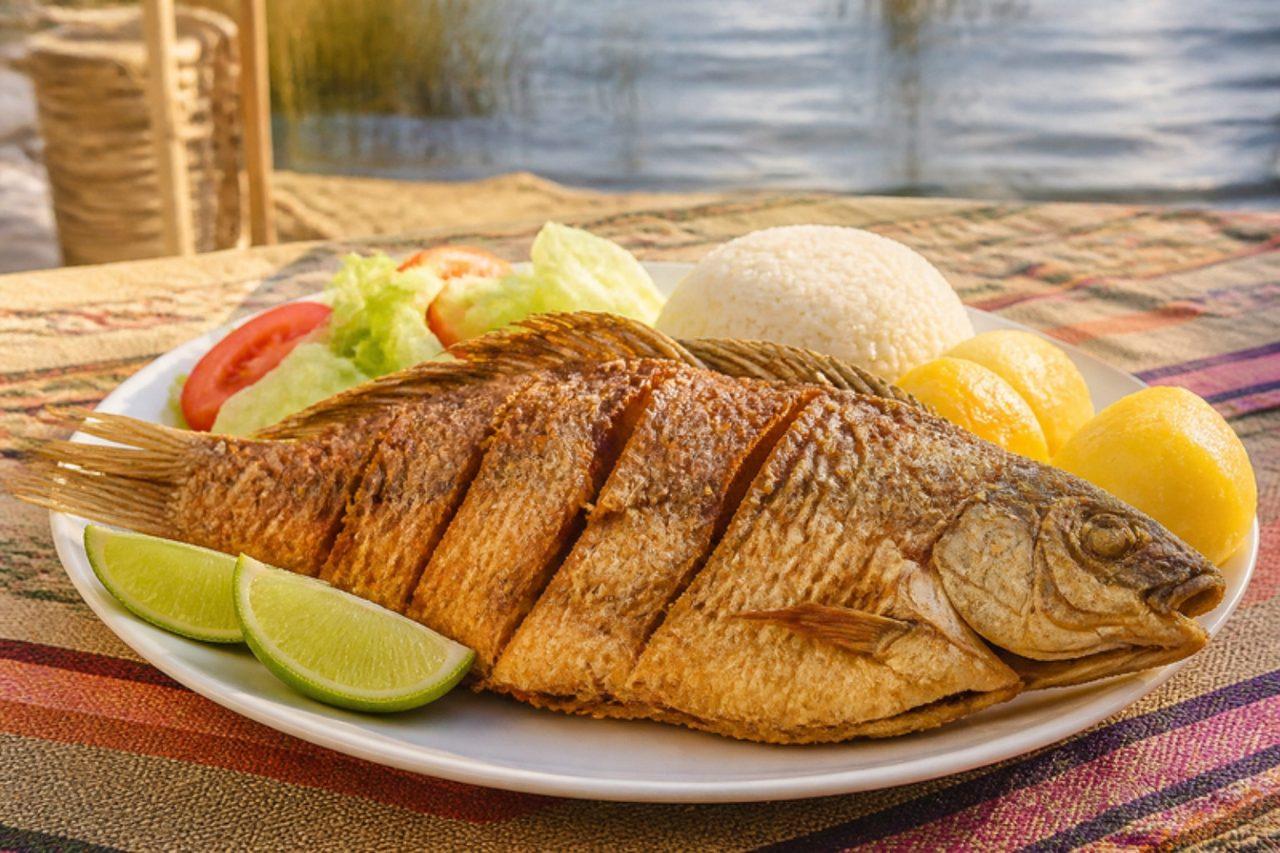
Trucha fritaFried trout with potatoes and rice

Rainbow trout farmed in the cold, clear water of Lake Titicaca is what you eat in Puno, at lakeside restaurants and on the floating islands: a whole fish, dusted in flour and fried until the skin crackles, with boiled Andean potatoes, rice, a simple salad and lime. The flesh is pink-white, sweet and moist; nothing else is needed. Ask your fishmonger to gut and scale the trout. The most common mistake is moving the fish too early, which tears the skin; leave it until it releases from the pan by itself. Chef's tip: slash the thick part of each side twice before flouring, so the fish cooks evenly and the skin crisps right up to the head.

by KrazyBadal 0 views

Turrón de Doña PepaAnise biscuit sticks in spiced syrup

Every October, the month of the Señor de los Milagros processions in Lima, bakeries and street sellers pile their trays with turrón de Doña Pepa: layers of crumbly anise-flavoured sticks drenched in a dark syrup of chancaca cooked with fruit and spices, topped with a storm of coloured sprinkles. Popular lore credits it to Josefa Marmanillo, a woman from the Cañete valley who is said to have made it in thanks after the procession. It is sticky, crunchy and soft at once, with orange and clove in the syrup. Its downfall is usually runny syrup that soaks the sticks into mush; it needs to reach a thick, threading stage before it goes on. Chancaca is sold as cones or blocks in Latin shops; panela or dark muscovado also work. Some coloured sprinkles contain gelatin, so check the label. Chef's tip: make it a day ahead; the syrup sets and the sticks soften just enough to slice neatly.

by KrazyBadal 0 views

KispiñoSteamed quinoa cakes

Pressed in a fist so each one carries the marks of the cook's fingers, kispiño are small, dense quinoa cakes from the Puno highlands, steamed and then left to dry so they keep for weeks on journeys, herding trips and pilgrimages. Traditional ones are bound with a little lime water (from cal, the mineral) and fat; this home version uses oil and a pinch of aniseed and sugar, so they're vegan and pleasantly savoury-sweet. They're firm and chewy, a little like a grain cake, and good with hot tea, coca tea or a soup on a cold day. The common mistake is making the dough too wet, so the cakes slump in the steamer; it should feel like damp sand that holds its shape when squeezed. Ground quinoa is quinoa flour; grind your own from rinsed, dried and toasted grain, or buy it ready ground. Chef's tip: toast the ground quinoa in a dry pan first until it smells nutty, which takes away any bitterness.

by KrazyBadal 0 views

King kongLayered biscuit with manjar blanco

Named, the story goes, after the giant ape because of its size when the film reached Peru, the king kong is Lambayeque's proudest sweet: thick, crumbly biscuit layers stacked with manjar blanco, a sticky pineapple jam and a peanut fudge, then cut into heavy slabs. Shops in Lambayeque and Chiclayo sell them by the kilo in boxes, and travellers carry them home as gifts. It is very sweet, buttery and dense, so a slice goes a long way with black coffee. This home version makes the manjar blanco from condensed and evaporated milk to save hours, then turns half of it into the peanut layer. The usual mistake is overbaking the biscuit until it is hard; take it out as soon as the edges are pale gold, as it firms up while it cools. It is a project, so make the fillings first and let them cool. Chef's tip: wrap the finished king kong and leave it overnight before cutting; the layers settle and soften into each other.

by KrazyBadal 0 views

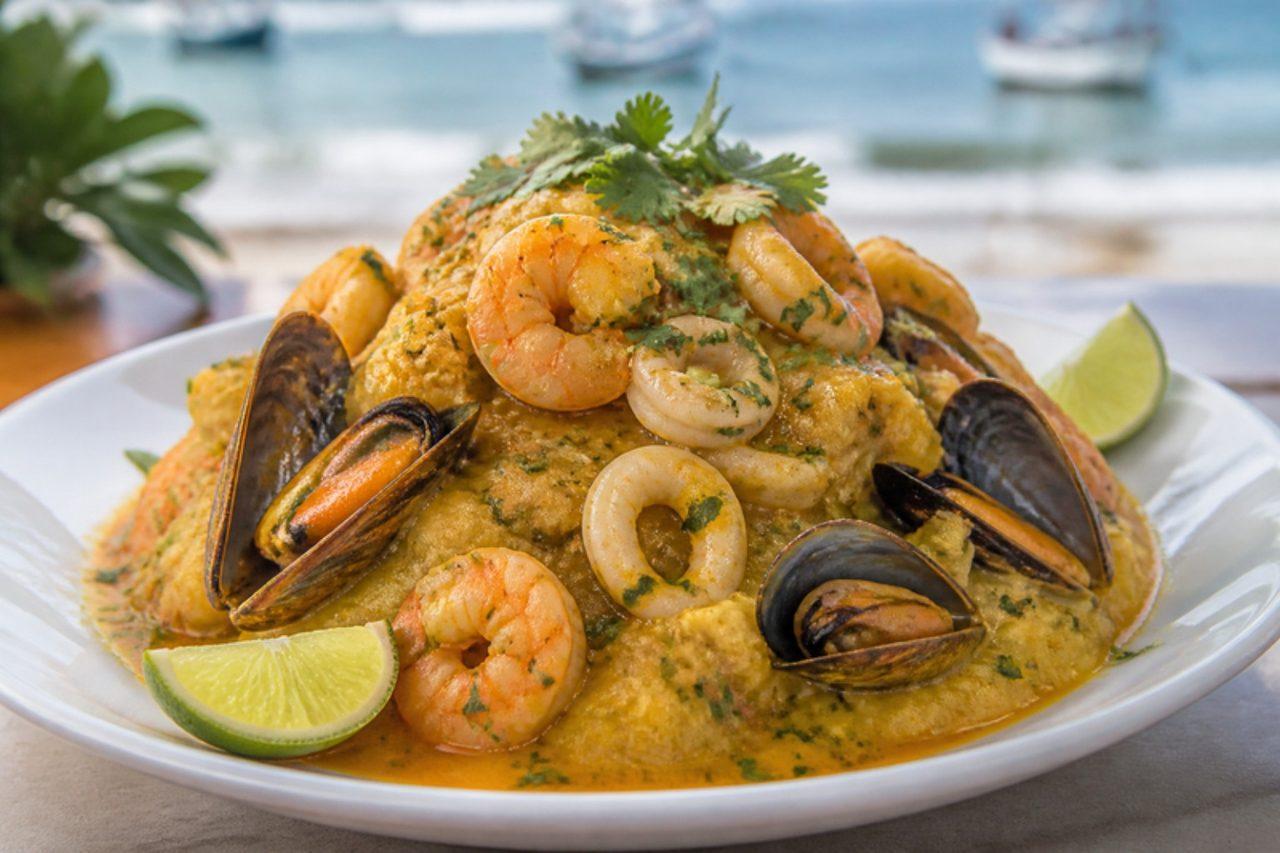
MajariscoPlantain mash with seafood

Its name blends 'majado' (mashed plantain) and 'marisco' (seafood), and along the coast of Piura and Tumbes, near the Ecuadorian border, it's what cevicherías and beach restaurants serve when you want something hot and filling. Mashed green plantain is folded into a sauce of garlic, onion, ají and seafood juices, with prawns, squid and mussels running through it, so every forkful is creamy, garlicky and briny. Serve it with lime and salsa criolla. Mussels must be alive: tap any open ones and discard those that don't close, and discard any that stay shut after cooking. Overcooking the seafood is the most frequent mistake; it goes in at the end, just until pink and opaque. Chef's tip: keep the mussel cooking liquid and use it to loosen the mash; it's pure seafood flavour.

by KrazyBadal 0 views

Maki acevichadoPrawn tempura rolls with ceviche sauce

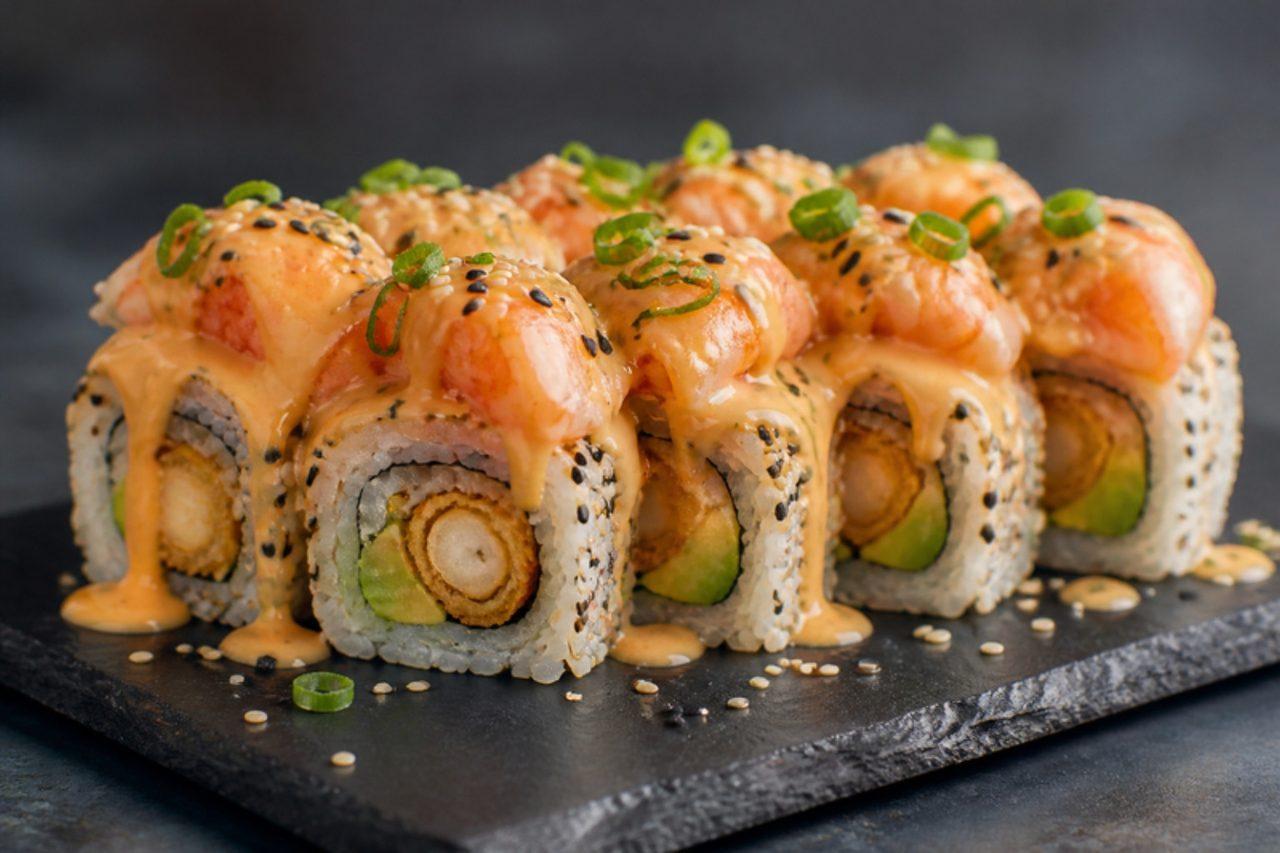
Lima's Nikkei sushi bars invented the acevichado and it has become the roll every Peruvian orders: prawn tempura and avocado rolled in rice, topped with thin slices of fish and drenched in a creamy, lime-sharp sauce built from leche de tigre, ají amarillo and mayonnaise. Crisp, warm, cold and tangy in one bite, it is party food and Friday-night takeaway alike. For a safer topping, use sashimi-grade fish frozen at −20 °C for 24 hours first, keep it cold and eat the rolls at once; you can also sear the slices with a blowtorch or use cooked prawns instead. Even so, the raw-fish topping is not for pregnant women, young children or anyone with a weakened immune system. Overfilling is the usual mistake: the roll won't close and the rice splits. Chef's tip: use a pasteurised-egg mayonnaise and wet your hands with vinegared water so the rice doesn't stick.

by KrazyBadal 0 views

Paiche a la parrillaGrilled paiche steaks

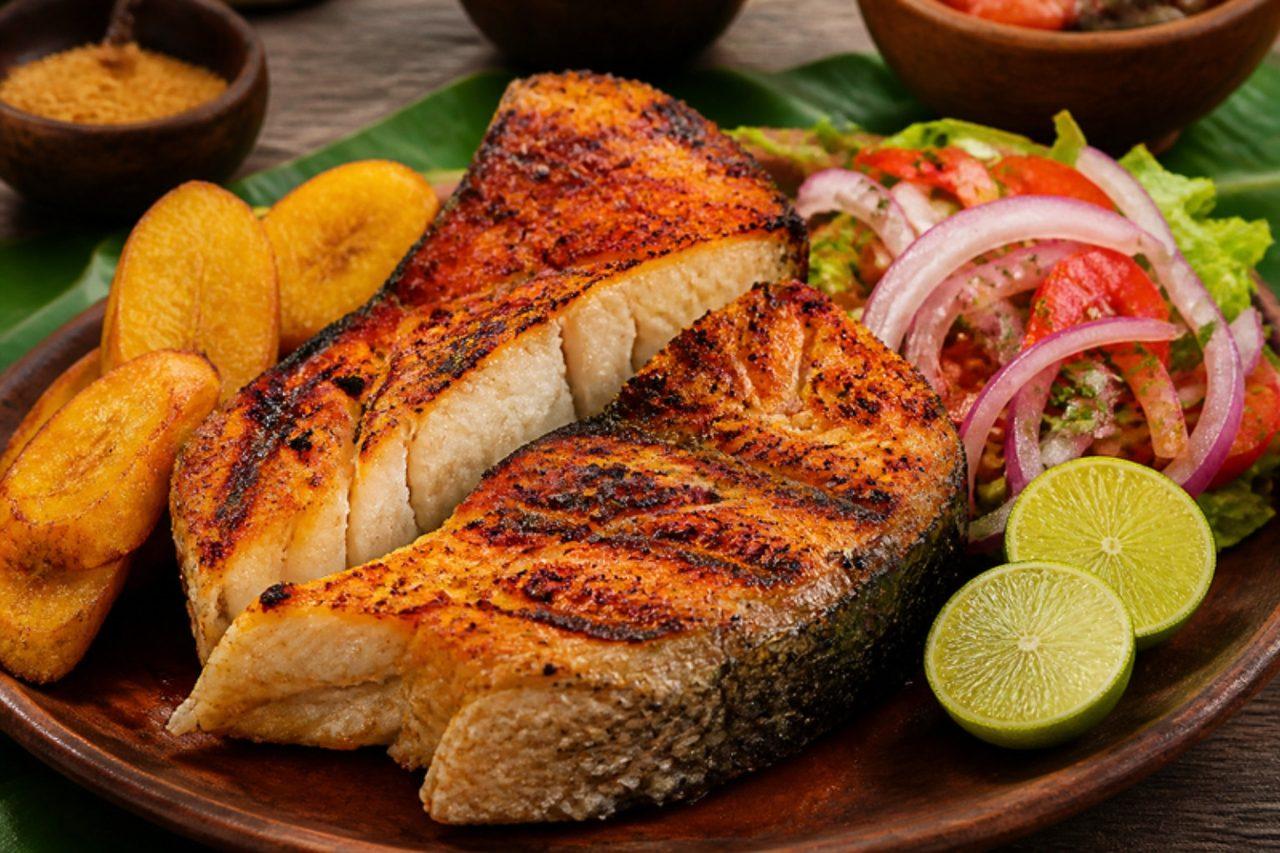
Paiche (arapaima), one of the largest freshwater fish on earth, has thick, white, almost boneless flesh, and in Iquitos it is farmed and cut into meaty steaks that sizzle on the grills of riverside restaurants. Marinated briefly in garlic, lime, cumin and achiote, it chars on the outside and stays juicy and mild inside, a little like cod but firmer. Serve it with a tomato and onion salad, rice, or tacacho (mashed fried plantain balls). Frozen farmed paiche is sold in some fishmongers; thick cod, halibut or hake loin are good stand-ins. Leaving it in lime too long is the big mistake: the acid starts to 'cook' the surface and it sticks and tears on the grill, so 15 minutes is plenty. Chef's tip: oil the fish, not the grill, and don't move it for the first 3 minutes so it forms a crust and releases cleanly.

by KrazyBadal 0 views

PatarashcaLeaf-wrapped grilled fish

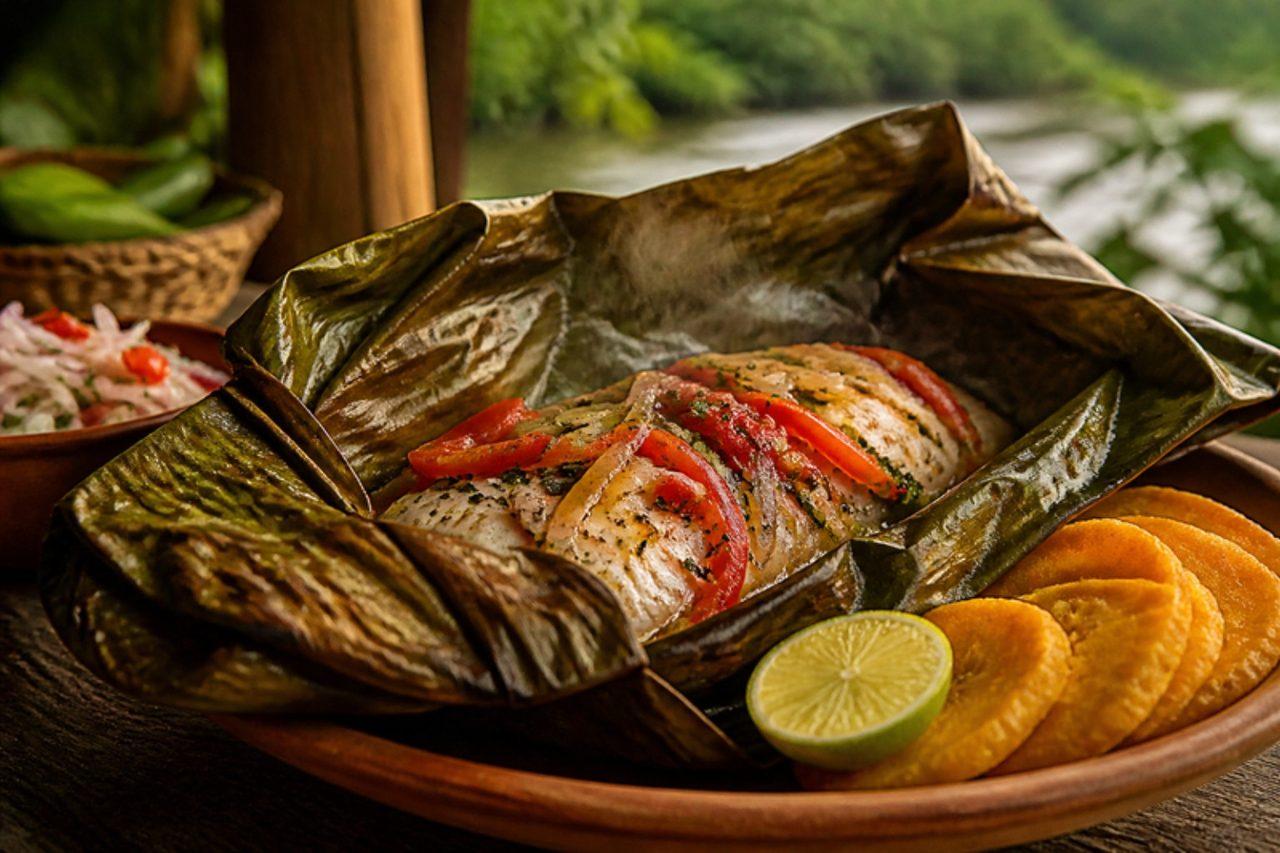
Wrapping fish in leaves and cooking it over embers is how the riverside towns of Loreto and San Martín have always cooked their catch, and in Iquitos patarashca is sold on Belén market grills and in the restaurants along the Malecón. A whole fish or thick fillet is smeared with garlic, ají dulce, tomato, onion, cumin and sacha culantro, folded in large bijao leaves and grilled until the parcel chars and the fish steams in its own juices. When you open it, the flesh is soft and fragrant with herbs. Banana leaves from Asian shops are the best swap for bijao; foil works at a pinch. Too thin a parcel is the usual mistake: the leaves burn through and the fish dries out, so use two layers. Chef's tip: serve it in the opened leaf with boiled plantain or cassava and spoon up every drop of the juices.

by KrazyBadal 0 views

Pulpo al olivoOctopus with olive mayonnaise

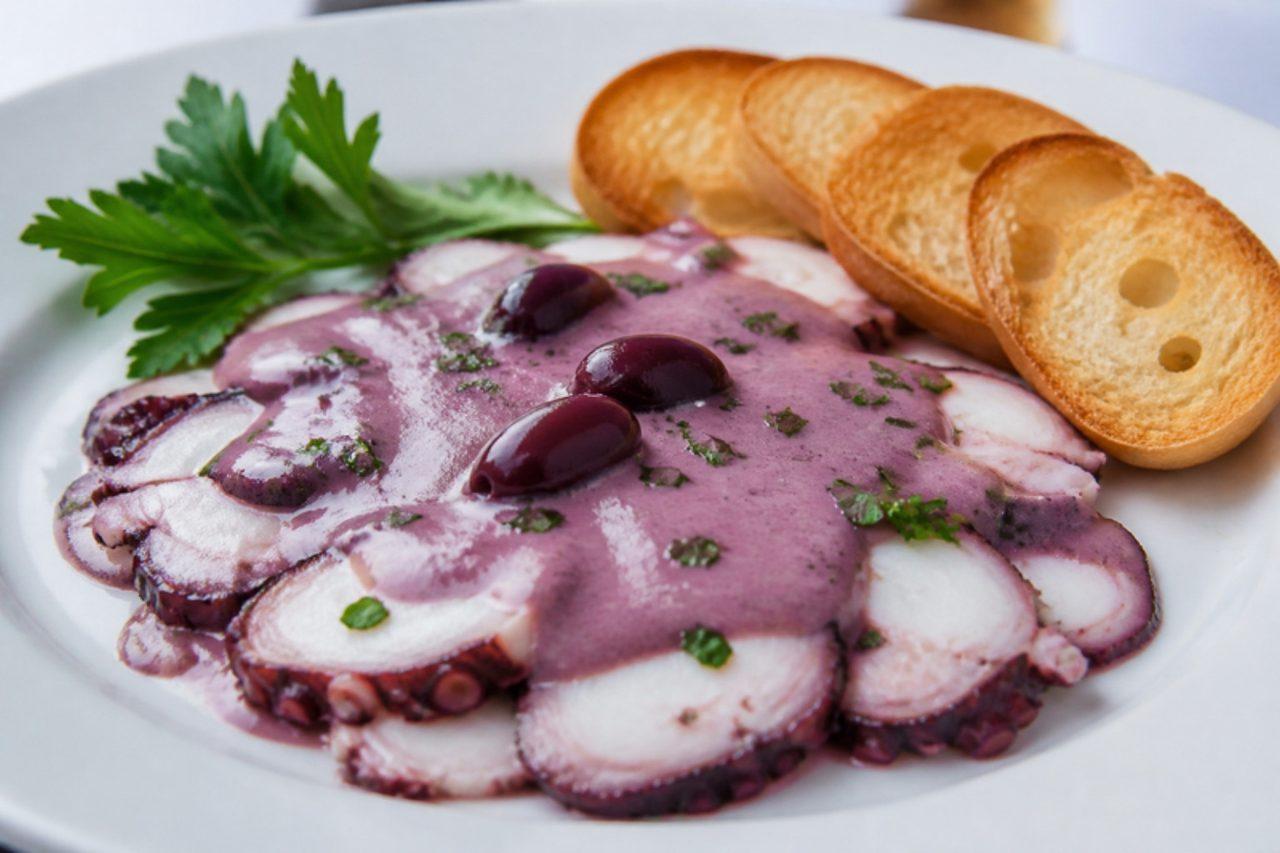
Created in Lima in the 1950s by a Japanese-Peruvian chef, pulpo al olivo is now a fixture of Nikkei restaurants and smart cevicherías: paper-thin rounds of tender, cold octopus covered with a smooth violet mayonnaise of Botija olives, the big, dark, fruity olives of the southern coast. It is cool, rich and briny, eaten as a starter with lime and a drizzle of olive oil. Allow 1 hour for chilling after cooking. Tough octopus is the usual let-down, and the fix is simple: use frozen octopus (freezing tenderises it) and simmer gently, never at a rolling boil. Because the sauce is an egg emulsion, make it with a pasteurised egg, or use a good ready-made mayonnaise. Chef's tip: slice the octopus while it's cold and firm; warm octopus slices raggedly.

by KrazyBadal 0 views

Showing 24 of 36 recipes

Show more recipes

Page 1 of 2