
Skip to content
Recipes

All recipes

Vegetarian, or something you can't eat? Set your diet once and we'll hide recipes that don't fit.

Postre MassiniCustard sponge with burnt sugar top

Montevideo's birthday cake of choice since the early twentieth century, the Massini is two thin layers of sponge sandwiching a thick filling of whipped cream folded with egg-yolk custard, crowned with a thin glassy crust of torched yolk and sugar. Bakeries across Uruguay sell it on Sundays. Traditional versions sometimes add a sweet fortified wine to the custard; this one is alcohol-free. The custard is cooked to a safe 71 °C. The common mistake is assembling with warm custard, which melts the cream into a puddle. Chef's tip: if you don't have a blowtorch, put the sugared top under a very hot grill for a minute and watch it closely.

by KrazyBadal 0 views
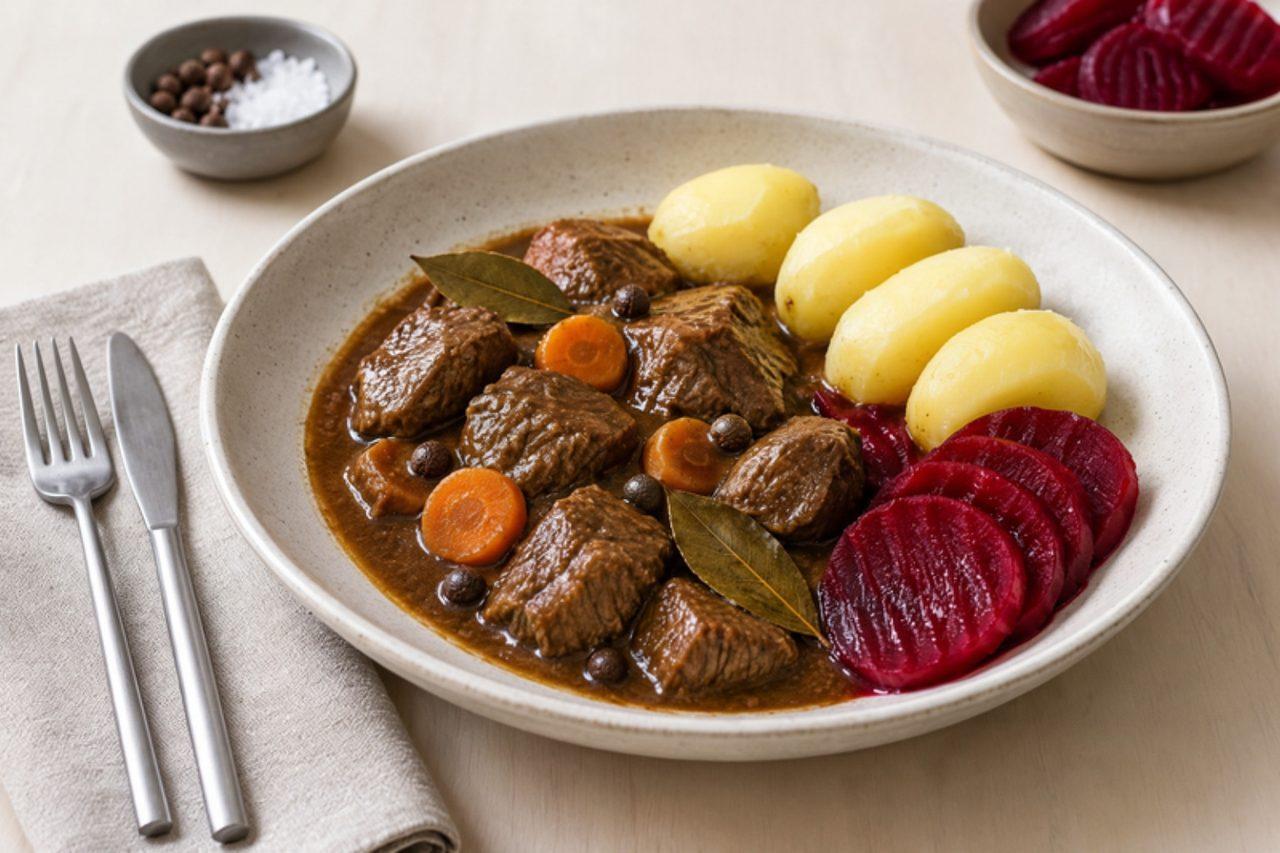
KalopsBeef stew with allspice

Kalops is the Swedish winter stew that fills kitchens from Skåne to Norrland on dark November weekends: chunks of beef chuck simmered slowly with onions, carrots, whole allspice and bay until the sauce turns brown, glossy and lightly peppery. It is always eaten with plain boiled potatoes and a spoonful of sweet pickled beetroot (inlagda rödbetor), whose sharpness cuts the richness. It reheats beautifully, so many families make it a day ahead. The usual mistake is crowding the pan when browning, so the beef steams grey and the sauce never gets its deep colour; brown in batches. Chef's tip: crush half the allspice berries lightly before they go in so the warm clove-like scent reaches the whole pot, but leave the rest whole for a gentler background note.

by KrazyBadal 0 views

BusecaTripe and white bean stew

Buseca arrived in Montevideo with Italian immigrants from Lombardy and became a classic winter dish of Uruguayan bodegones and family kitchens, eaten on cold June and July days. Honeycomb tripe is simmered until tender, then stewed with white beans, pork chorizo, bacon, peppers, tomato and paprika into a thick, warming stew served with crusty bread. Buy tripe that is already cleaned and blanched (dressed). The usual mistake is undercooking the tripe: it needs a full 2 hours, until it's soft enough to cut with a spoon. Slow-cooker option: after step 4, cook on low for 8 hours. Chef's tip: a little grated lemon zest and parsley stirred in at the end lifts the rich, gelatinous sauce.

by KrazyBadal 0 views

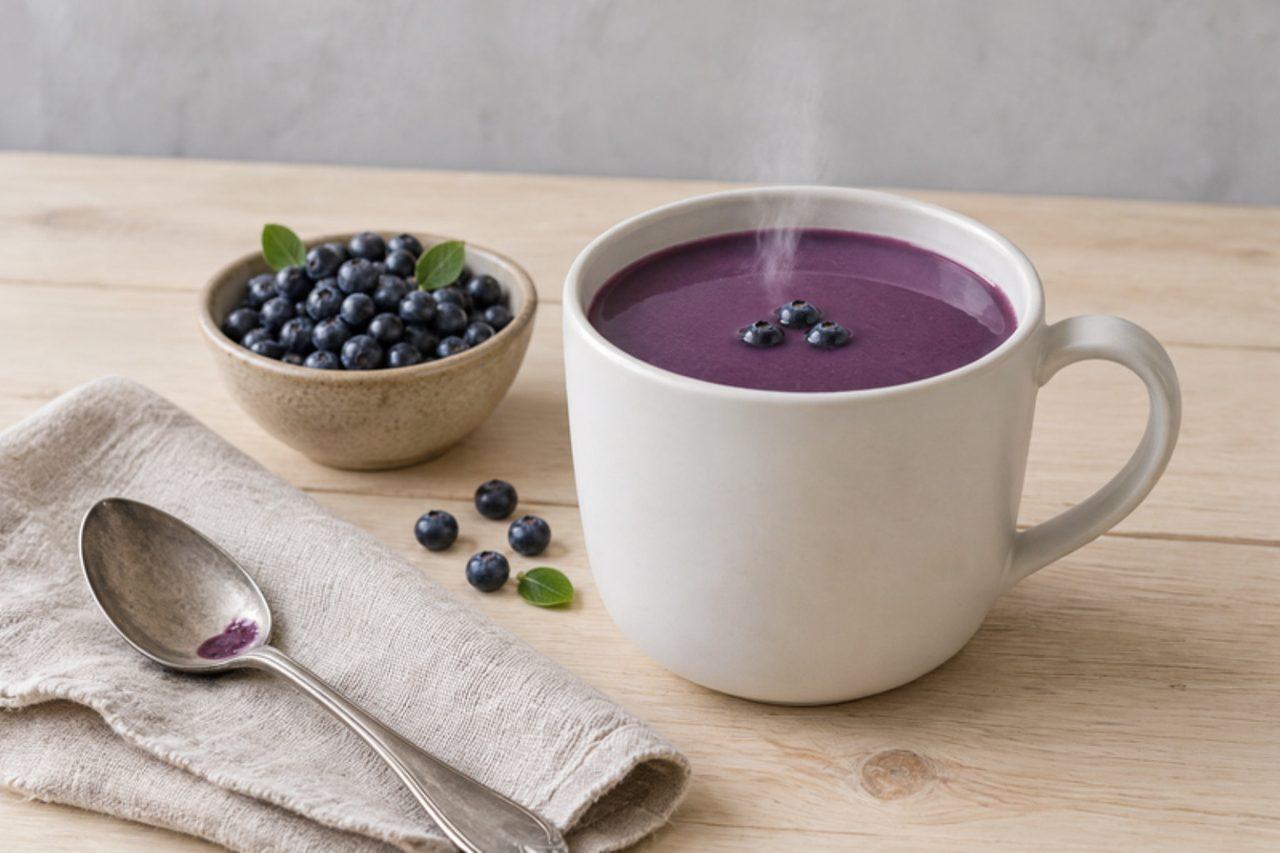
Blåbärssoppa (warm bilberry drink)

Every first Sunday of March, the 90-kilometre Vasaloppet ski race from Sälen to Mora is fuelled by blåbärssoppa: volunteers at the feeding stations hand thousands of skiers paper cups of the warm purple drink, and Swedes drink it from thermoses on winter hikes, after skating and on the ski slopes. It is made from wild bilberries, the small dark forest berries with purple flesh, cooked with sugar and thickened with potato starch so it is just thick enough to coat the cup. It is sweet, softly tart and tastes intensely of berries, with a silky, almost glossy body. The common mistake is stirring the starch straight into the hot pot: it forms jelly lumps at once. Always mix potato starch with cold water first, take the pot off the boil, then stir it in and bring back just to a bubble; long boiling thins it again. It is ready when it turns glossy and coats a spoon in a thin film. Bilberries are sold frozen in Nordic shops; cultivated blueberries work too, with a squeeze of lemon for sharpness. Chef's tip: it is just as good cold the next day, or served as a soup with whipped cream and almond biscuits.

by KrazyBadal 0 views
Cocido quemadoBurnt sugar mate drink

Cocido is how Paraguay starts the day: in Asunción, in the villages of Guairá and Itapúa, and in school kitchens, a pot of burnt yerba is brewed and poured into cups with chipa, the cheesy cassava bread, or with a hard galleta. The old way is to drop a glowing piece of charcoal into a pot with yerba and sugar and stir until the sugar burns. On a home stove you caramelise them together in a dry pan instead, which is safer and gives the same smoky, toffee-like taste. The drink is clear amber-brown, with roasted, slightly bitter mate notes over burnt-sugar sweetness; with milk added it becomes cocido con leche, creamy and coffee-coloured. Yerba mate contains caffeine, so treat it like a cup of coffee. The common mistake is letting the sugar go black: it turns acrid and bitter. Pull it off the heat when the caramel is deep amber and the yerba smells toasted, not burnt. It is ready when the liquid is a clear dark amber and tastes of toffee and smoke. Chef's tip: the water will spit fiercely when it hits the hot caramel, so pour it in from the side, at arm's length.

by KrazyBadal 0 views
HyldeblomstsaftElderflower cordial

In Denmark the elder hedges flower from late May to the end of June, and picking the creamy umbels on a dry, sunny morning is one of the first rituals of summer. The flowers steep for a few days with sliced lemon, sugar syrup and citric acid, then are strained into bottles of hyldeblomstsaft, a non-alcoholic cordial that is diluted with cold still or sparkling water and poured at garden lunches, children's birthday parties and around the bonfire on Sankt Hans aften, 23 June. It tastes floral and honeyed, a little like muscat grapes, with a fresh lemony edge that keeps it from cloying. The mistake most people make is picking flowers that are already browning, damp or growing by a busy road; they give a musty, catty smell. Choose freshly opened heads that smell sweet, and shake out the insects instead of washing them, which rinses away the pollen and the flavour. The cordial is ready when it tastes clearly of elderflower and the lemon slices have softened. Chef's tip: snip the florets off with scissors right under the flowers, as green stalk makes it bitter.

by KrazyBadal 0 views
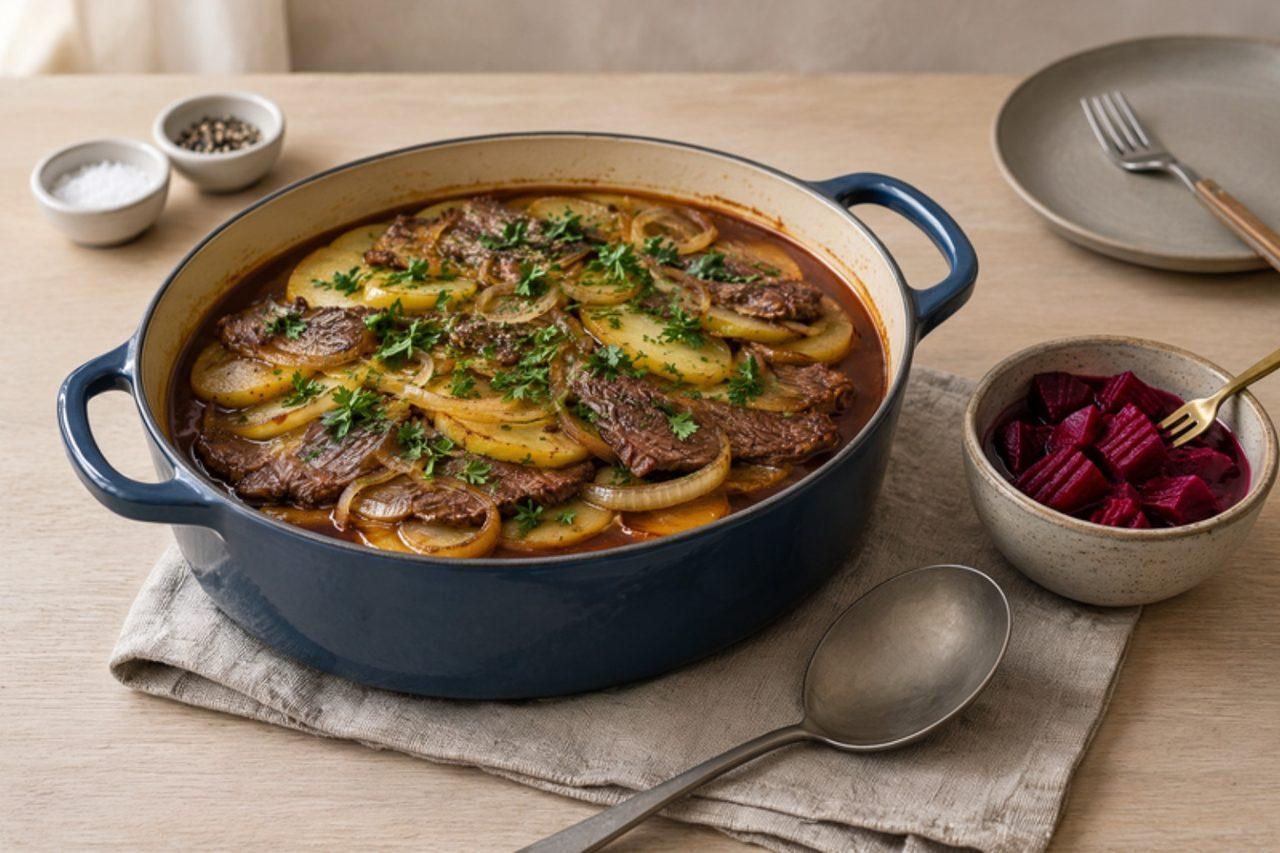
SjömansbiffBeef, onion and potato bake

Sjömansbiff, the 'sailor's beef', was the meal cooked in a single pot in the galleys of Swedish ships, and today it is a Saturday-evening favourite at home and on traditional husmanskost lunch menus. Thin slices of beef, sweet onions and sliced potatoes are browned, layered and braised in dark lager with thyme and bay until the potatoes soak up the meaty juices. The dish contains alcohol: the beer cooks for over an hour but some alcohol can remain, so for an alcohol-free pot use the same amount of beef stock with a teaspoon of dark molasses. The usual mistake is slicing the potatoes too thin, so they collapse into mash; keep them a good 1 cm thick. Serve with pickled beetroot or a crisp cucumber salad. Chef's tip: fry the onions slowly until truly golden before layering, because their sweetness is what balances the bitter edge of the beer.

by KrazyBadal 0 views
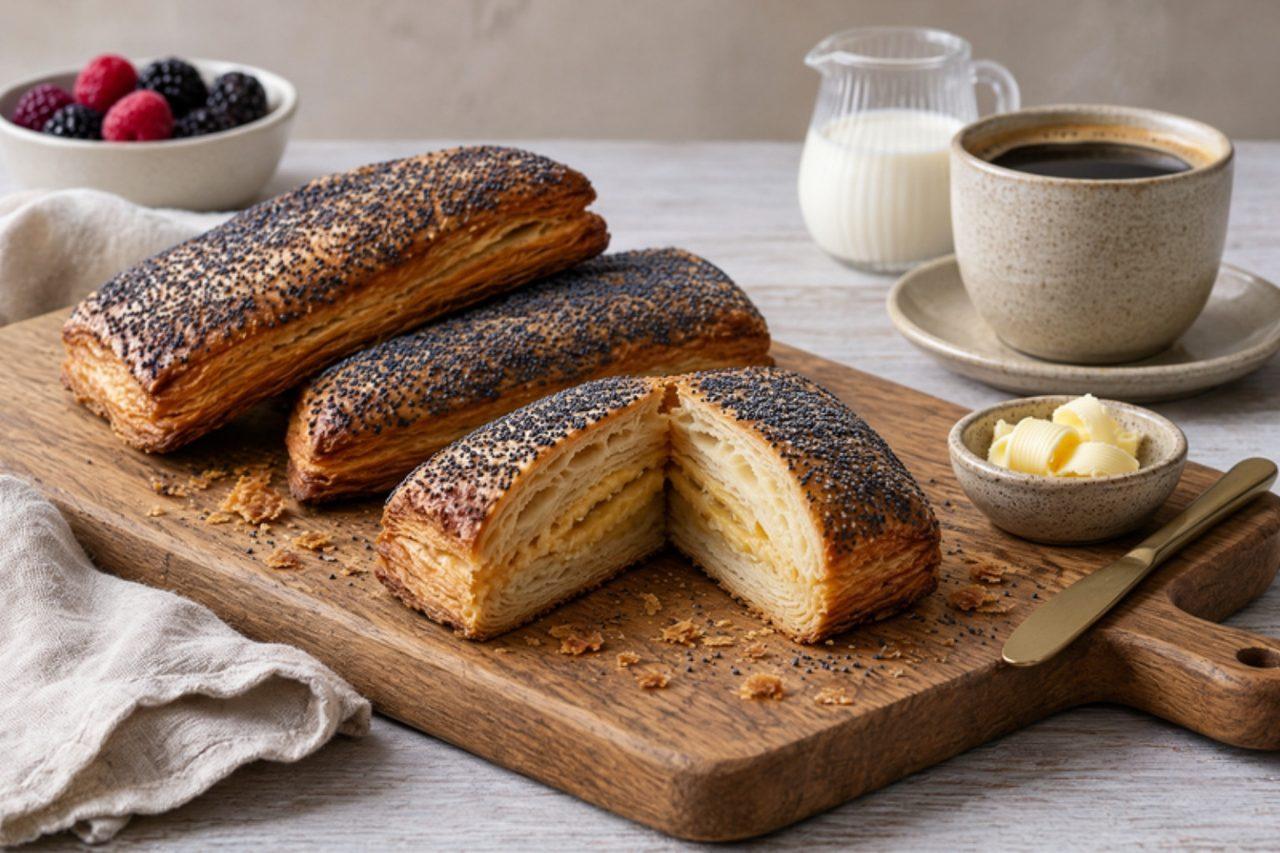
TebirkesPoppy seed pastries

Tebirkes are the Danish bakery breakfast pastry: flaky, laminated dough folded round a sweet remonce of butter, sugar and marzipan, then smothered in poppy seeds so that half of them end up on your plate and the table. Copenhageners pick them up warm on the way to work or buy a bag on Sunday morning. The mistake is letting the dough get warm while laminating: the butter melts into the dough and you get bready rolls, not layers. Chef's tip: chill the dough for 15 minutes between every fold, and if butter starts breaking through, put it back in the fridge before you go on.

by KrazyBadal 0 views
Morcilla dulceSweet blood sausage with walnuts

No Uruguayan parrilla is complete without morcilla dulce: a soft pork blood sausage sweetened with sugar and scented with orange peel, studded with walnuts and raisins, grilled until the skin crisps and served first, as part of the achuras, while the beef is still cooking. It is pork throughout: pork blood, pork back fat and natural pork casings. Making it at home is a project. Buy fresh pork blood with an anticoagulant added from a butcher who supplies it for sausage making, keep it chilled below 4 °C and use it within a day. The common mistake is poaching at a rolling boil, which bursts the casings. Chef's tip: keep the water at 80–85 °C, just shivering, and prick a sausage after 25 minutes: it is done when brown, not red, juice comes out.

by KrazyBadal 0 views

TereréIced yerba mate

In Asunción the hottest part of the day stops for tereré: a horn or cup packed with yerba mate, topped up again and again with ice water infused with crushed herbs, and passed round the group through a metal straw. It was recognised by UNESCO as part of Paraguay's cultural heritage, and the herbs (yuyos) change with the season and the drinker's mood. Yerba mate contains caffeine, so it isn't one for small children. The common mistake is pouring water straight into loose yerba, which then clogs the straw; tilt the yerba to one side first. Chef's tip: for tereré ruso, swap the water for cold orange or grapefruit juice.

by KrazyBadal 0 views

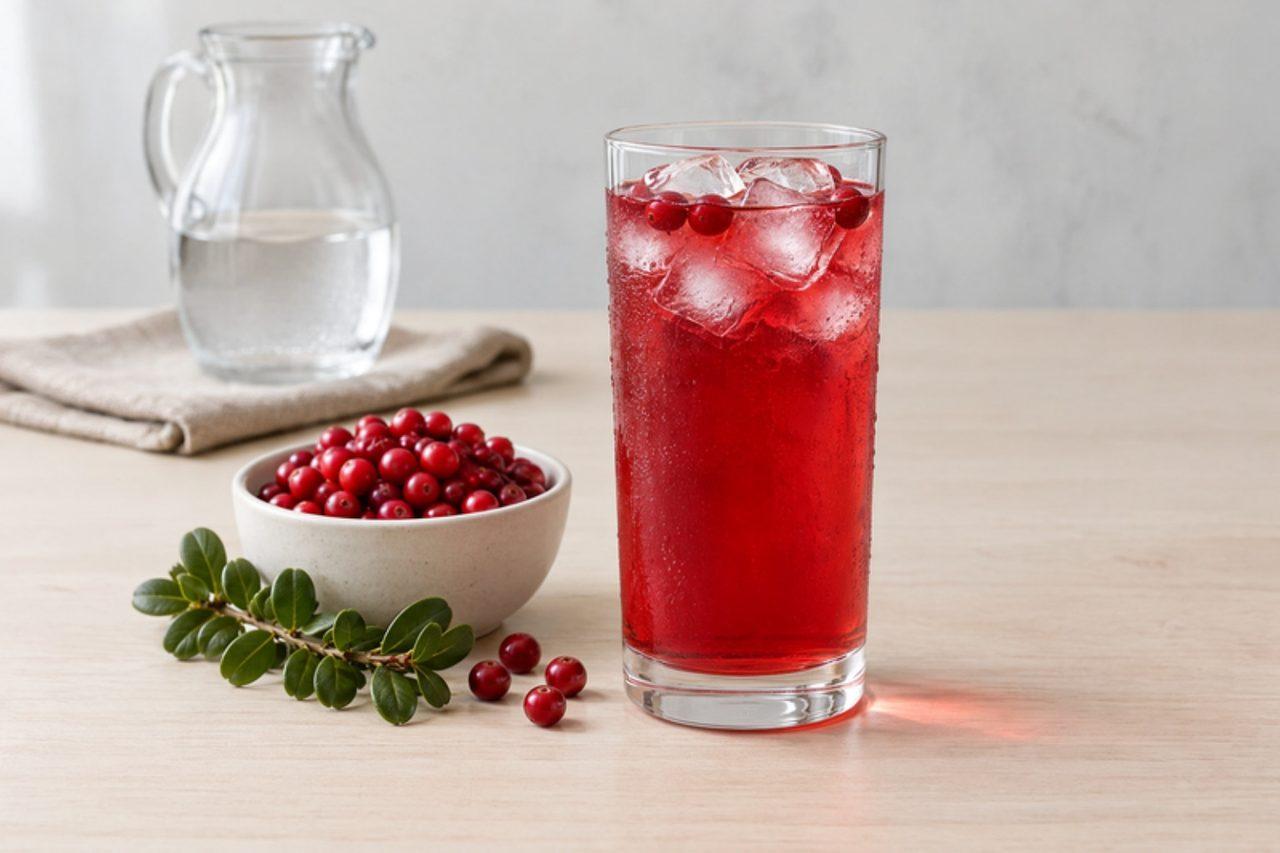
Lingondricka (lingonberry cordial)

In Sweden the jug of red lingondricka sits on the table at weekday dinners, in school canteens and at the julbord, poured beside meatballs, pyttipanna or a Saturday pea soup. Lingonberries grow wild in the forests of Norrland and Dalarna, and in late August families pick them by the bucket with a wooden berry rake. Cooked with sugar and strained, they become a cordial that is both sweet and sharp, with a slight bitter-almond edge from the skins, bright enough to cut through rich, creamy food. The common mistake is boiling the berries hard for a long time: the cordial turns jammy and brownish, and the pectin can make it set in the bottle. Bring it just to the boil, crush, then simmer only briefly. The syrup is ready when it is clear ruby, flows like a thin syrup and tastes tart then sweet. Lingonberries are sold frozen in Nordic and Eastern European shops; cranberries work as a substitute, with a little more sugar. Bottled hot into sterilised bottles it keeps 2 months in the fridge, or 6 months frozen. Throw it out if you see mould or it fizzes. Chef's tip: mix one part cordial to five of chilled sparkling water for a party version.

by KrazyBadal 0 views

Boller i karry for toddlersMeatballs in mild curry for toddlers

Boller i karry, meatballs in curry, is one of Denmark's best-loved dinners, voted a national favourite and cooked on weeknights from Copenhagen's Nørrebro to farmhouses in Jutland. The meatballs are pork, poached gently rather than fried, and the sauce is mild and creamy, made from the poaching liquid with apple and leek and just a pinch of curry powder. For toddlers from 12 months there is no stock cube and very little salt, and the meatballs are cut small. It contains wheat (gluten), milk and egg; there are no nuts or soya. Chef's tip: keep the poaching water at a bare shiver; boiling makes the meatballs tough and crumbly.

by KrazyBadal 0 views

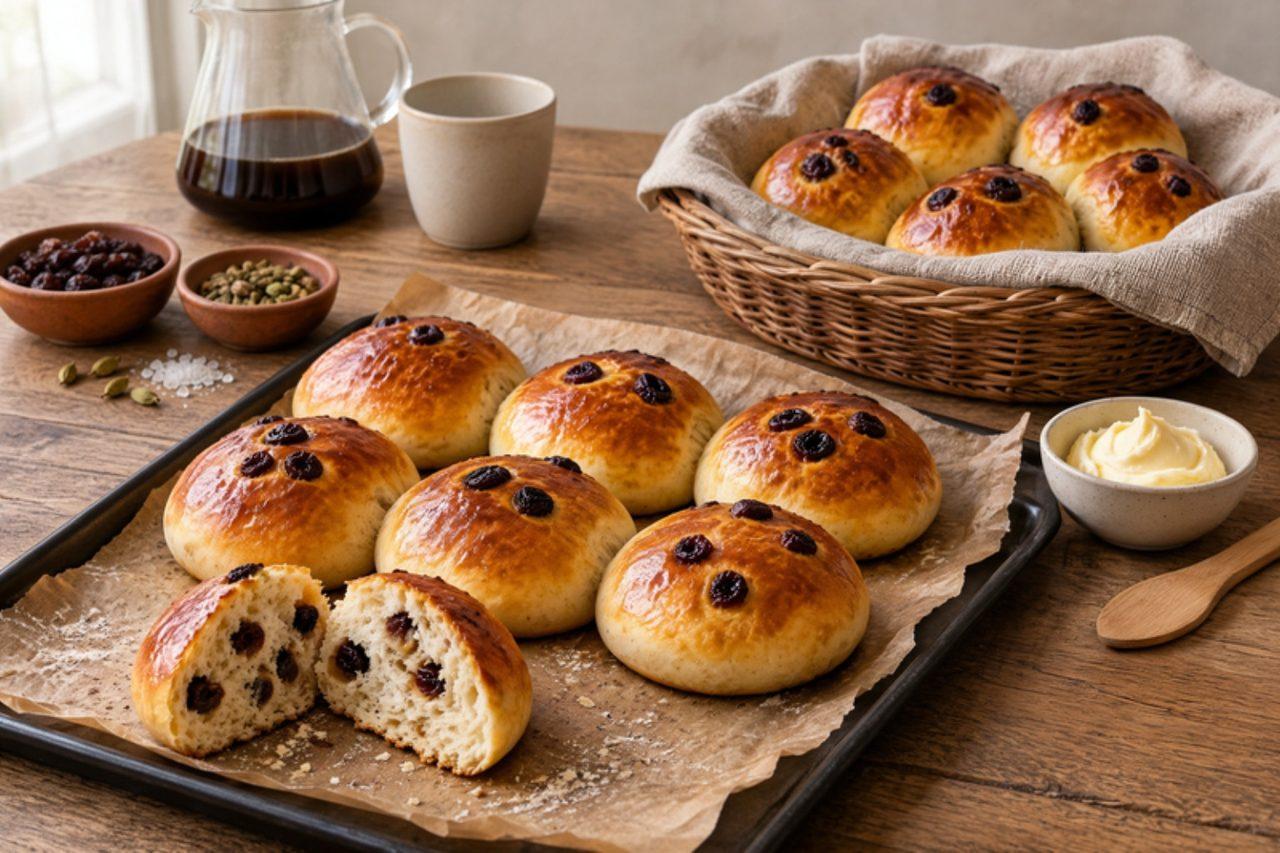
RosinbollerCardamom raisin buns

In Norway, rosinboller are what a parent bakes on Sunday so the week's lunch boxes have something sweet, and what fills the tables at every school dugnad and bake sale. The dough is enriched with milk and butter and scented with freshly ground cardamom, and the buns are pulled apart soft and golden. The common mistake is using hot milk: anything above blood heat kills the yeast and the buns stay flat. Chef's tip: crush the cardamom seeds yourself just before mixing; the pre-ground powder loses most of its perfume.

by KrazyBadal 0 views

KneippbrødWholemeal loaf

Open almost any Norwegian matpakke (the packed lunch wrapped in paper) and you will find slices of kneippbrød, a soft, lightly sweet loaf of sammalt hvete (wholemeal wheat) baked in a tin. Its fine crumb slices thin without crumbling, perfect for brown cheese, jam or cucumber at the school desk. The common mistake is adding too much flour while kneading because wholemeal dough feels sticky; the loaf then bakes dense and dry. Chef's tip: let the dough rest for 20 minutes after mixing, before kneading, so the bran softens and the dough turns smooth on its own.

by KrazyBadal 0 views

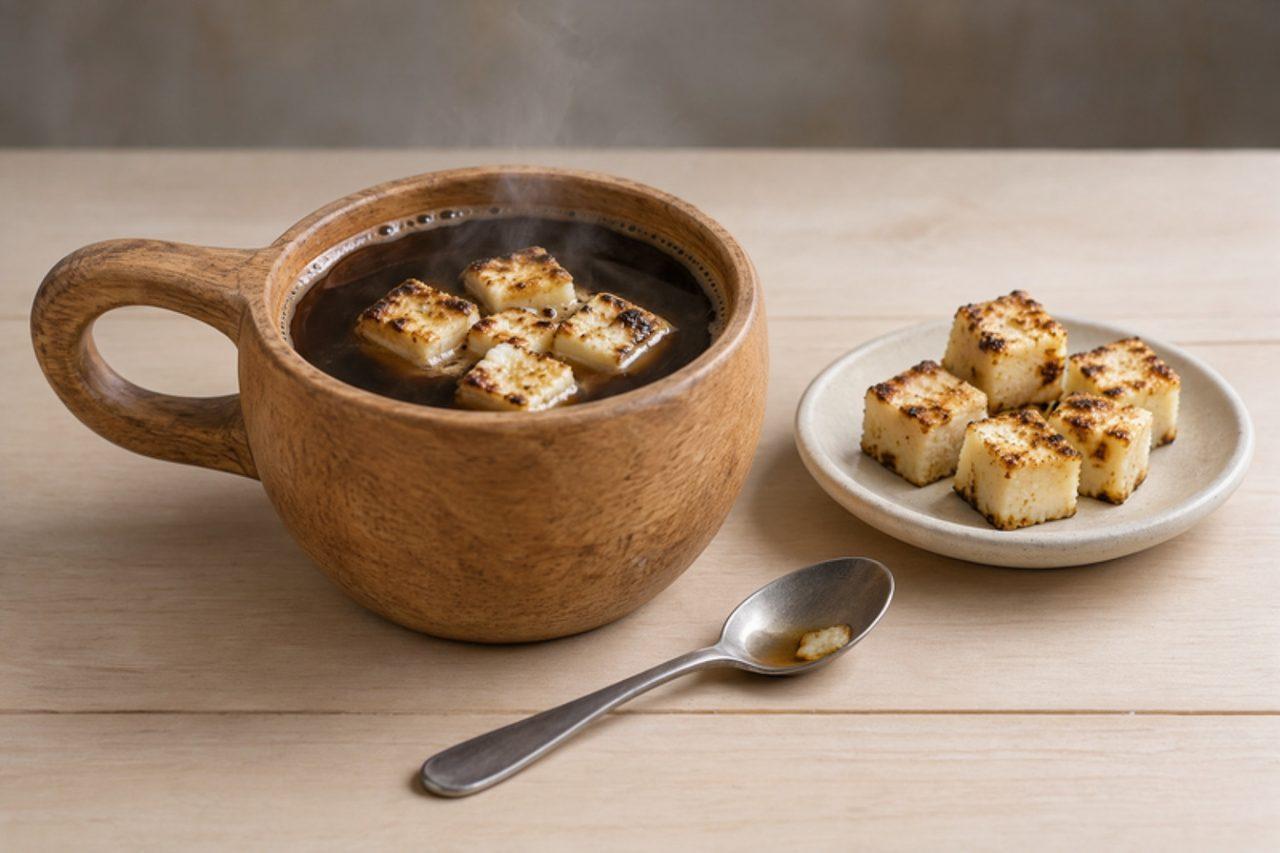
Kaffeost (coffee with cheese)

In the far north, across Swedish Norrbotten and Finnish Lapland, coffee comes with cheese in the cup. Leipäjuusto, a mild, squeaky cheese baked or grilled until spotted brown (called kaffeost or 'bread cheese'), is cut into cubes and put in a cup, often a carved wooden kuksa, then hot black coffee is poured over. Sámi reindeer herders and Tornedalen farmers have made it this way for generations; it is a fireside or mid-morning drink on a cold day, and in some families a little sugar or a slice of dried reindeer meat goes in as well. The cheese warms through, softens slightly and soaks up the coffee, so you drink the coffee and then spoon out the warm, chewy, milky cubes. The common mistake is using a soft or melting cheese: it collapses into strings. Use proper leipäjuusto or halloumi, which keep their shape. It is ready when the cubes are hot to the centre, about 2 minutes, and slightly puffed. Strong coffee means real caffeine here, so it is an adult drink. Leipäjuusto is sold in Nordic shops; halloumi is the nearest substitute. Chef's tip: warm the cheese on a dry pan first for extra browned flavour.

by KrazyBadal 0 views

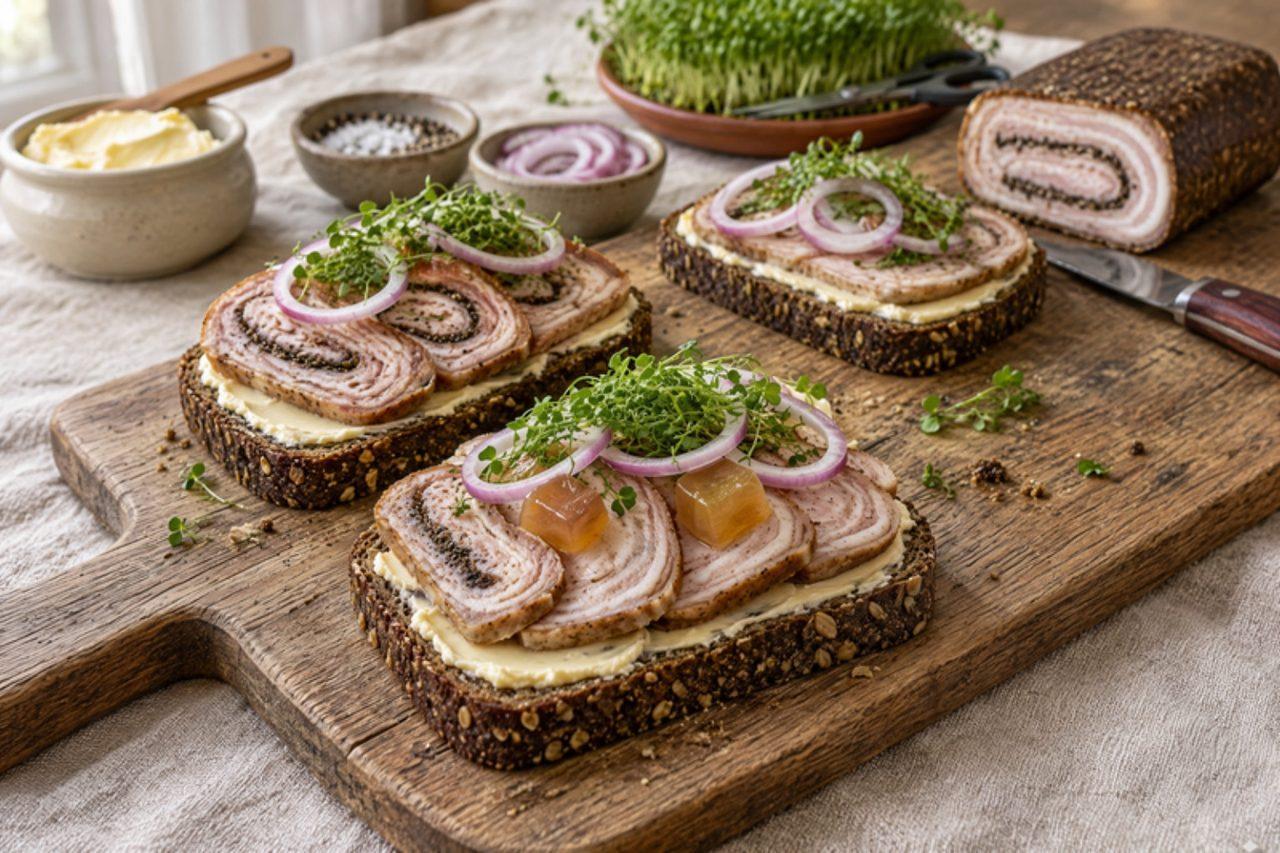
RullepølseRolled spiced pork belly

Rullepølse is the classic Danish pålæg (sandwich topping): pork belly spread with onion, herbs and allspice, rolled tightly, cured overnight, simmered and then pressed into a neat block that slices paper-thin. On rugbrød with raw onion rings, cress and a cube of meat jelly, it is the pride of a Copenhagen madpakke and the Christmas lunch table. The common mistake is skipping the press: unpressed, the roll stays loose and crumbles when sliced. As the roll has seasoned surfaces inside it, cook it like mince to 71 °C in the centre. Chef's tip: wrap the roll in a clean cloth before tying, so it keeps a perfect round shape while it simmers.

by KrazyBadal 0 views

BrunsvigerBrown sugar butter cake

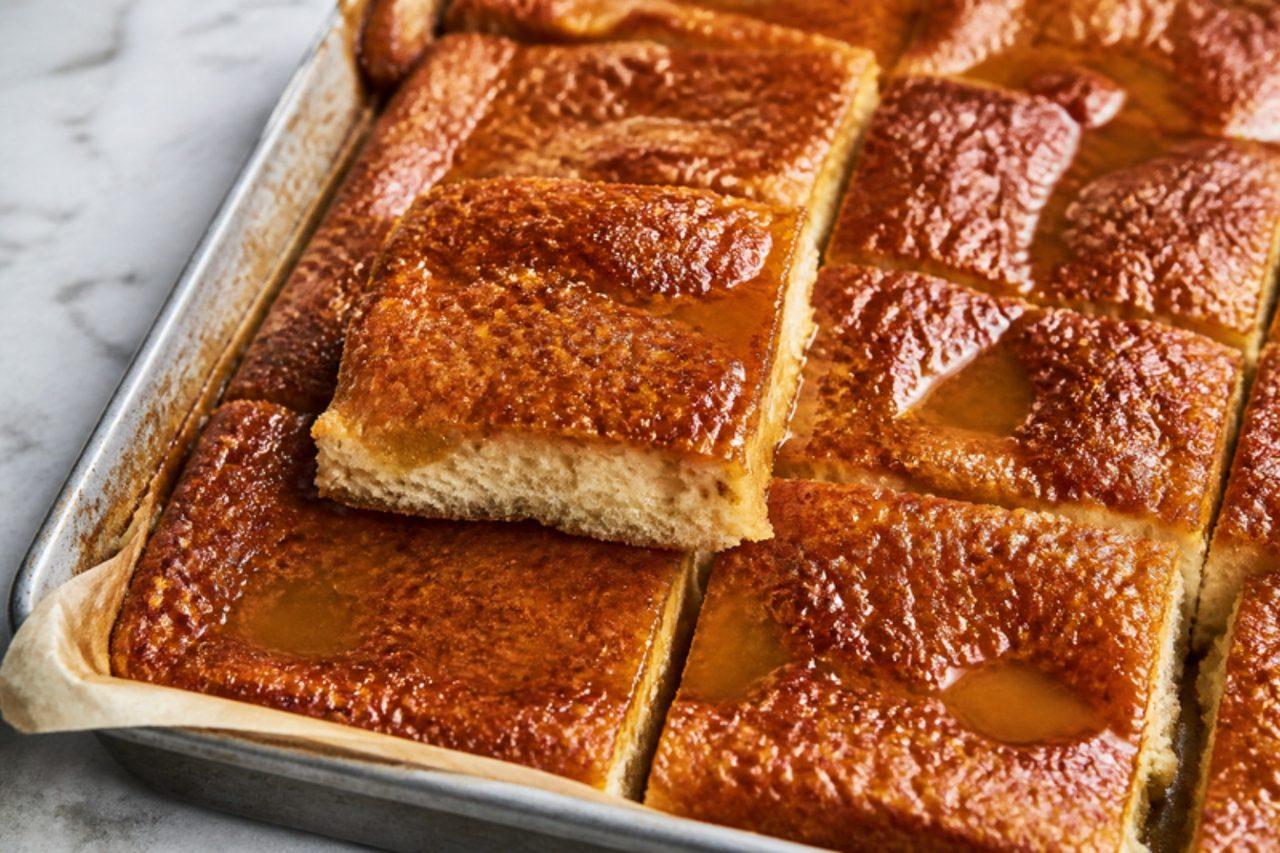
Brunsviger is the cake of Funen, the island between Jutland and Zealand: a soft, light yeast dough baked in a tray and covered with brown sugar and butter that melts into sticky, bubbling pools in dimples you press into the top. It is the classic birthday cake at Danish schools and offices, cut into squares and eaten warm with coffee. A common mistake is spreading the topping on cold dough; it slides off. Chef's tip: press deep holes into the risen dough with your finger so the topping collects in pools of caramel.

by KrazyBadal 0 views

LussekatterSaffron buns

Before dawn on 13 December, Lucia Day, children in white gowns walk through Swedish homes, schools and offices carrying candles and trays of lussekatter: golden saffron buns twisted into an S with a raisin in each curl. The saffron colour and the light are meant to chase away the darkest days of winter. A common mistake is adding the saffron dry, which leaves the buns pale and streaky. Chef's tip: grind the saffron with a sugar cube and melt it into the warm butter and milk, so the colour spreads evenly.

by KrazyBadal 0 views

KleinurCardamom twisted doughnuts

Kleinur are the twisted doughnuts of Iceland, fried in big batches and kept in tins for coffee time; Icelandic grandmothers cut the dough into diamonds with a special wheel, slit the centre and pull one end through, so each one twists into a knot. The same pastry is known as klejner in Denmark and klenäter in Sweden, made especially at Christmas. The dough is flavoured with cardamom and enriched with buttermilk. A common mistake is frying at too low a heat, which makes them greasy. Chef's tip: roll the dough thin, about 5 mm, and fry at 175 °C; they puff, brown in a minute and stay light.

by KrazyBadal 0 views

HangikjötSmoked lamb with white sauce

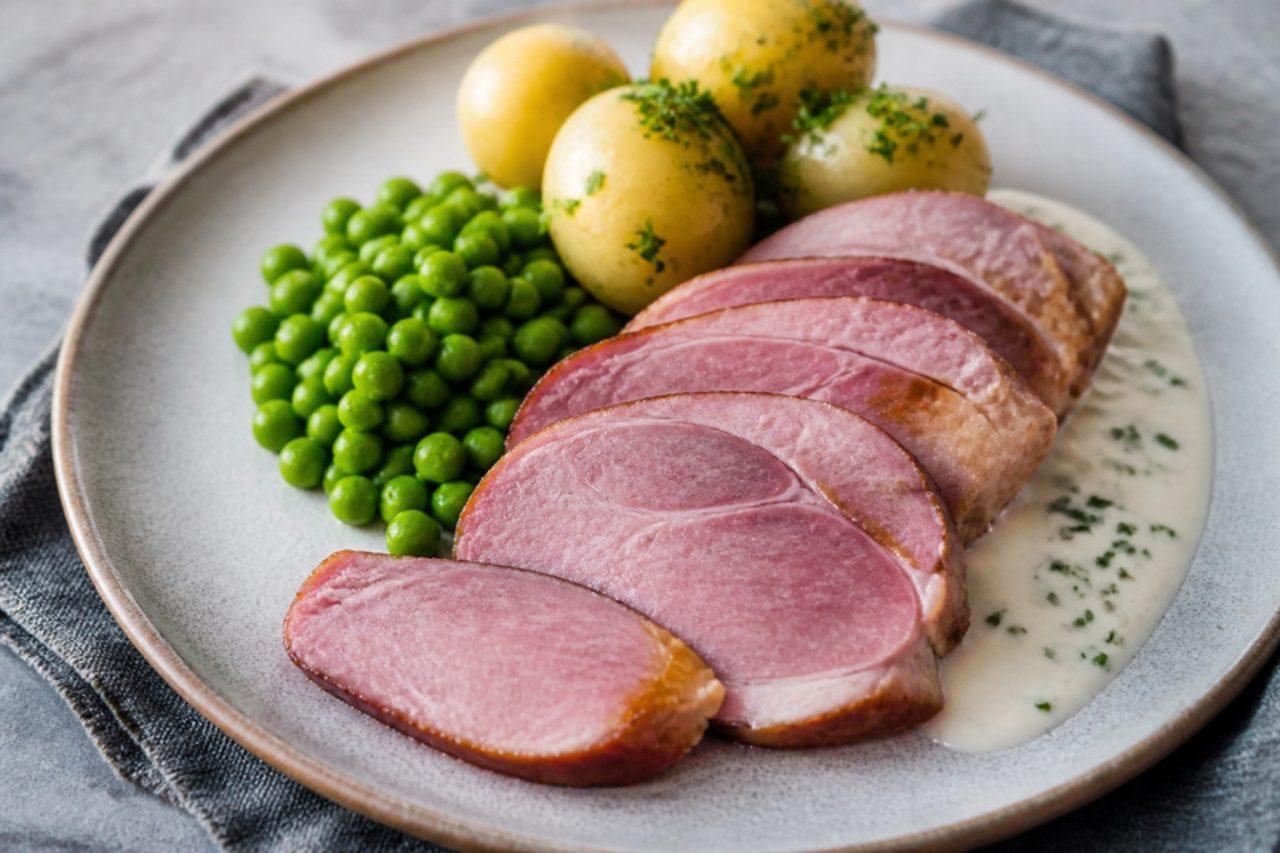
Hangikjöt, 'hung meat', is the Icelandic Christmas Day dinner: lamb or mutton smoked over birch or dried sheep dung, then simmered slowly and served hot or cold with potatoes in white sauce (uppstúfur), green peas, red cabbage and laufabrauð or flatkökur. Icelanders buy it ready-smoked in December; it is cooked at home. A common mistake is boiling it hard, which toughens the meat and makes it too salty. Chef's tip: let it cool in its cooking water; the meat stays juicy and absorbs back some of the flavour.

by KrazyBadal 0 views

PoronkäristysSautéed reindeer with mash

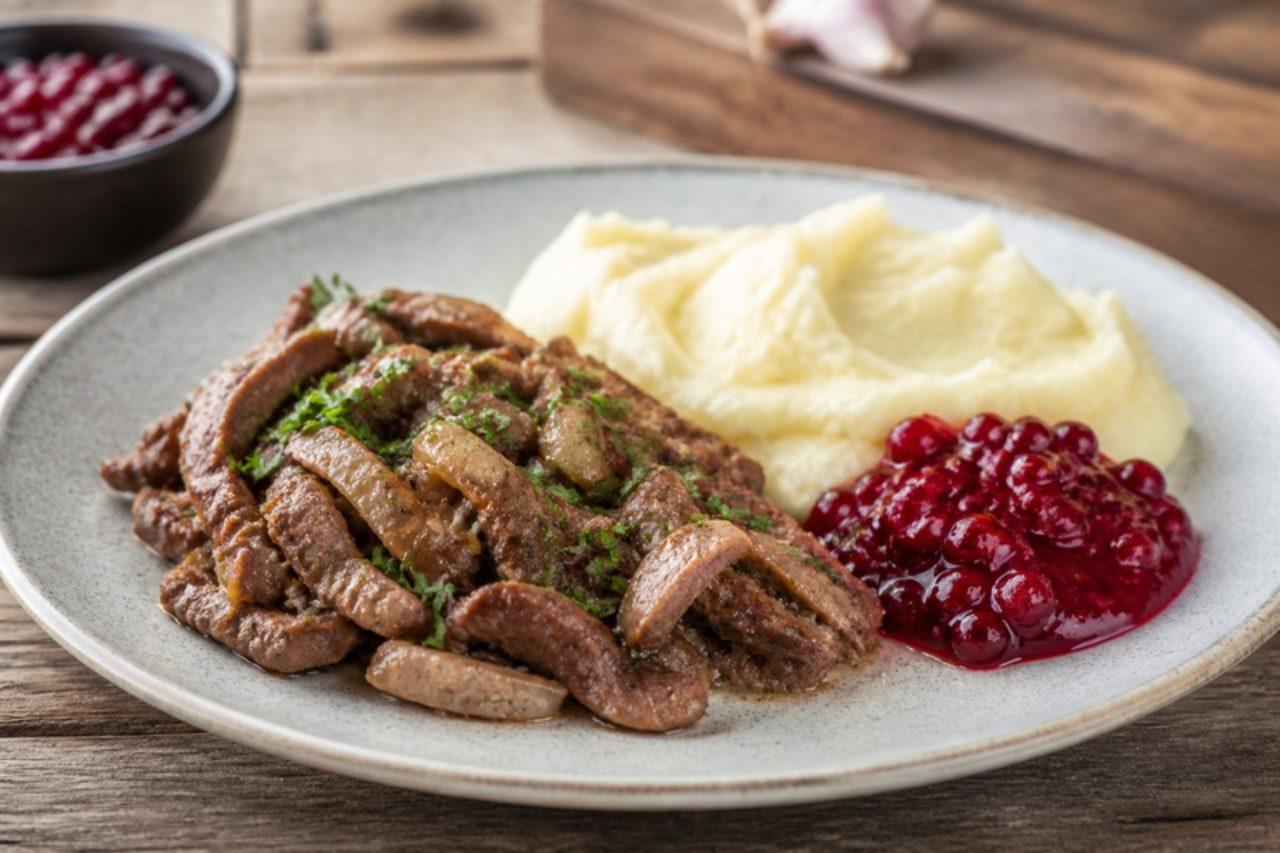
Poronkäristys is the dish visitors to Lapland eat first, and the one Lapland families make most: frozen reindeer meat shaved into paper-thin curls, fried in butter with onion and then simmered briefly in a splash of water or beer until tender, served with buttery mashed potato, lingonberries and pickled cucumber. Reindeer is sold ready-shaved and frozen in Finnish and Nordic shops; very thinly sliced beef or venison also works. A common mistake is thawing the meat first; shaved from frozen, it curls and cooks evenly. Chef's tip: fry the frozen curls in batches until browned before adding the onion, so they sear instead of stewing.

by KrazyBadal 0 views

Norwegian heart waffles

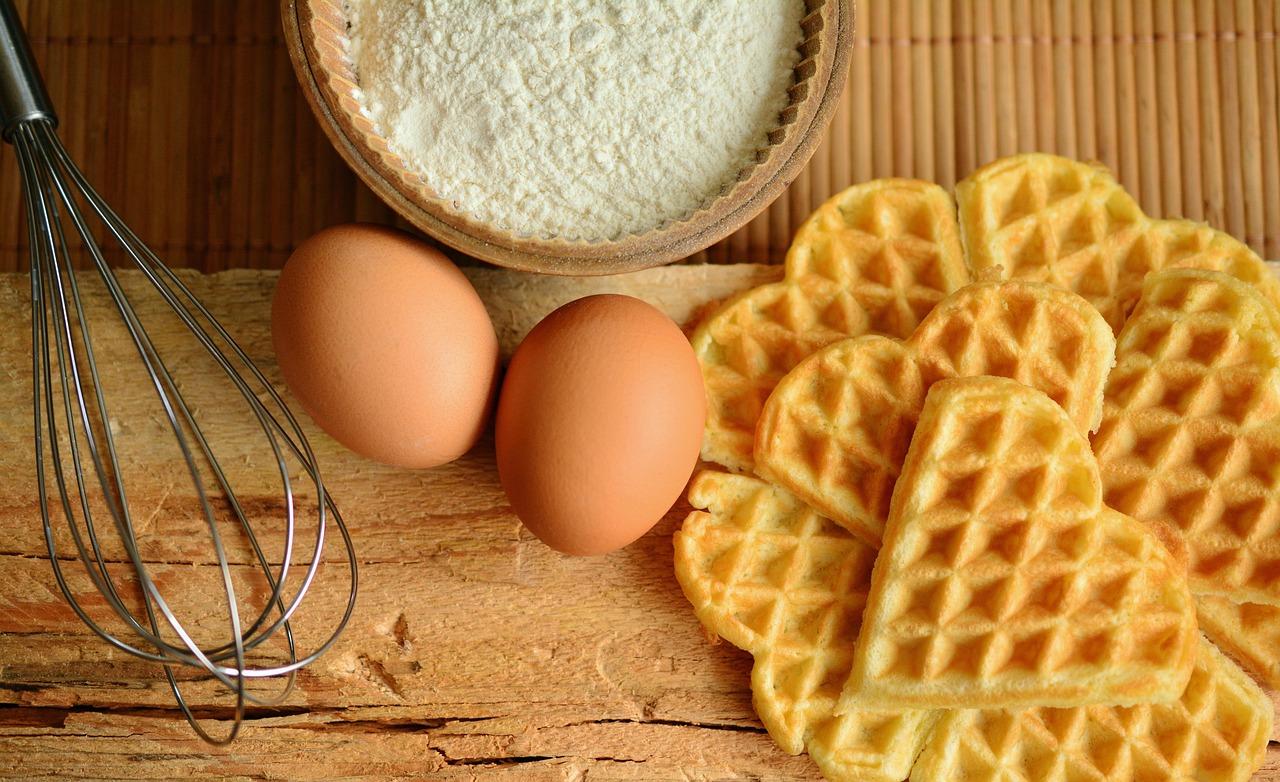
In Norway, waffles are not a breakfast but an everyday treat: thin, soft heart-shaped vafler made with sour cream and cardamom, sold at school fairs and football matches and made at home on Sunday afternoons, eaten folded with strawberry jam and sour cream or brown cheese. Their texture is soft rather than crisp. A common mistake is opening the iron too early, which tears them. Chef's tip: let the batter rest for 30 minutes and brush the iron with butter before each waffle; they lift out whole and golden.

by KrazyBadal 0 views

PepparkakorThin gingerbread biscuits

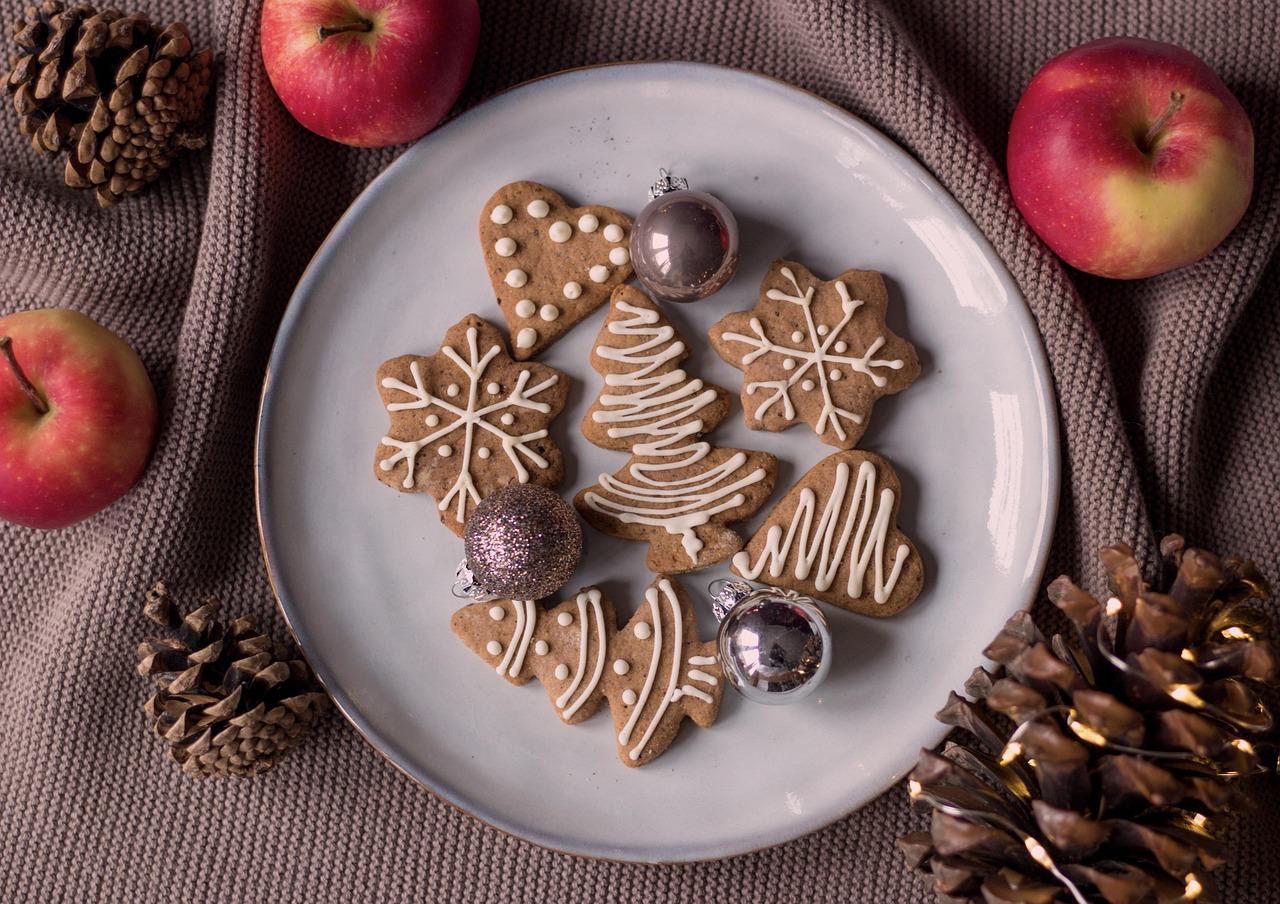
Pepparkakor, pepperkaker in Norway, are the thin, snappy spiced biscuits of the Scandinavian Christmas, cut into hearts, stars and pigs, hung on trees and eaten with glögg and blue cheese. Families make the dough in early December and bake through Advent; Swedish tradition says if you break a biscuit into three pieces with a press of your finger, you may make a wish. A common mistake is rolling the dough thick, which makes soft biscuits. Chef's tip: rest the dough overnight in the fridge, then roll it paper-thin, 2 mm, between sheets of baking paper.

by KrazyBadal 0 views

JulskinkaChristmas glazed ham

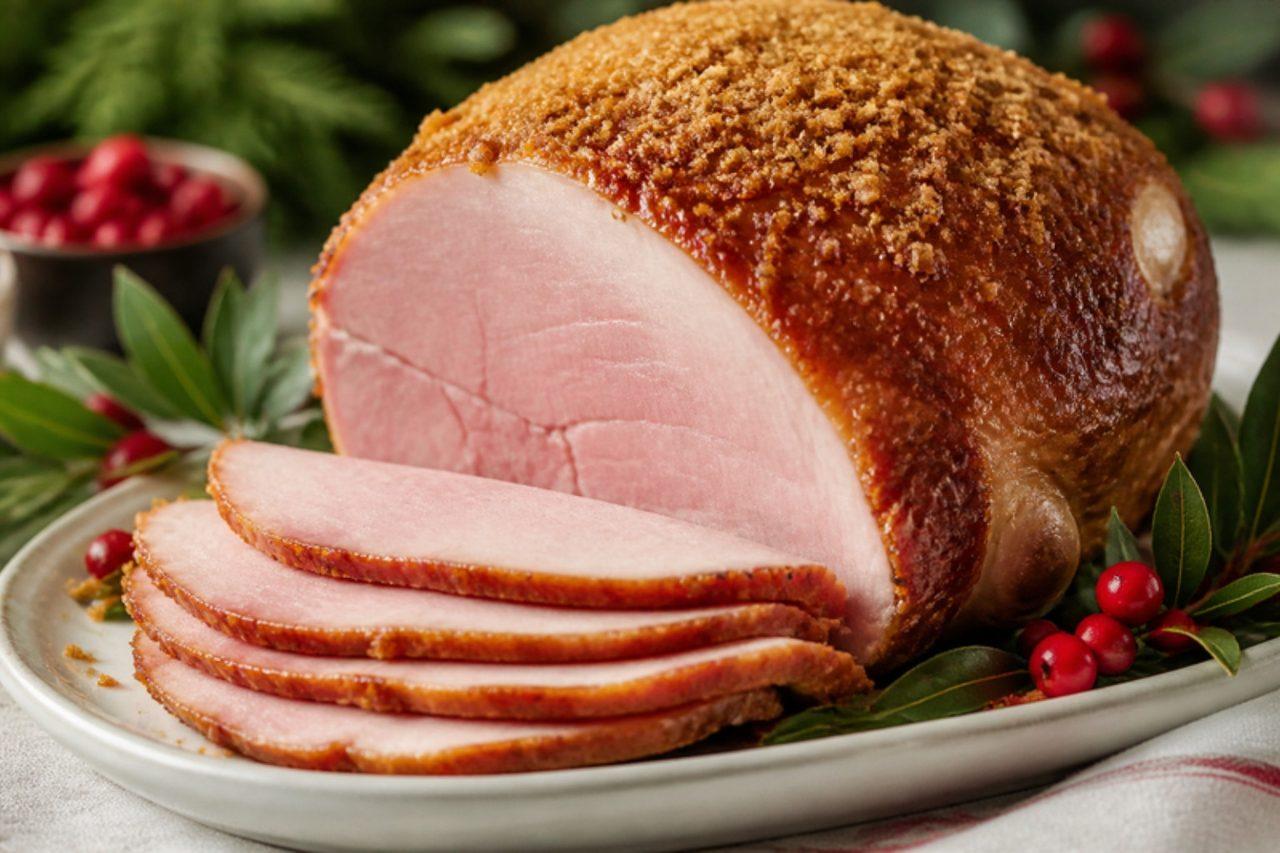
Julskinka, the Christmas ham, is the centrepiece of the Swedish julbord: a lightly cured pork leg poached slowly, then brushed with a glaze of mustard and egg, scattered with breadcrumbs and browned in the oven. This is a pork dish. Swedish families cook it a few days before Christmas Eve and eat it cold in thin slices with mustard, and the cooking broth is used for 'dopp i grytan', dipping bread into the broth on Christmas Eve. Use a mild cured gammon. A common mistake is boiling it hard, which makes the meat stringy. Chef's tip: keep the water at a bare tremble, about 85 °C, and take it out when the centre reaches 71 °C; it stays juicy.

by KrazyBadal 0 views

Showing 24 of 53 recipes

Show more recipes

Page 1 of 3