Skip to content
WhatToEat.Today

All recipes

9

Vegetarian, or something you can't eat? Set your diet once and we'll hide recipes that don't fit.

Marara (cooked version)Offal salad with peanut butter

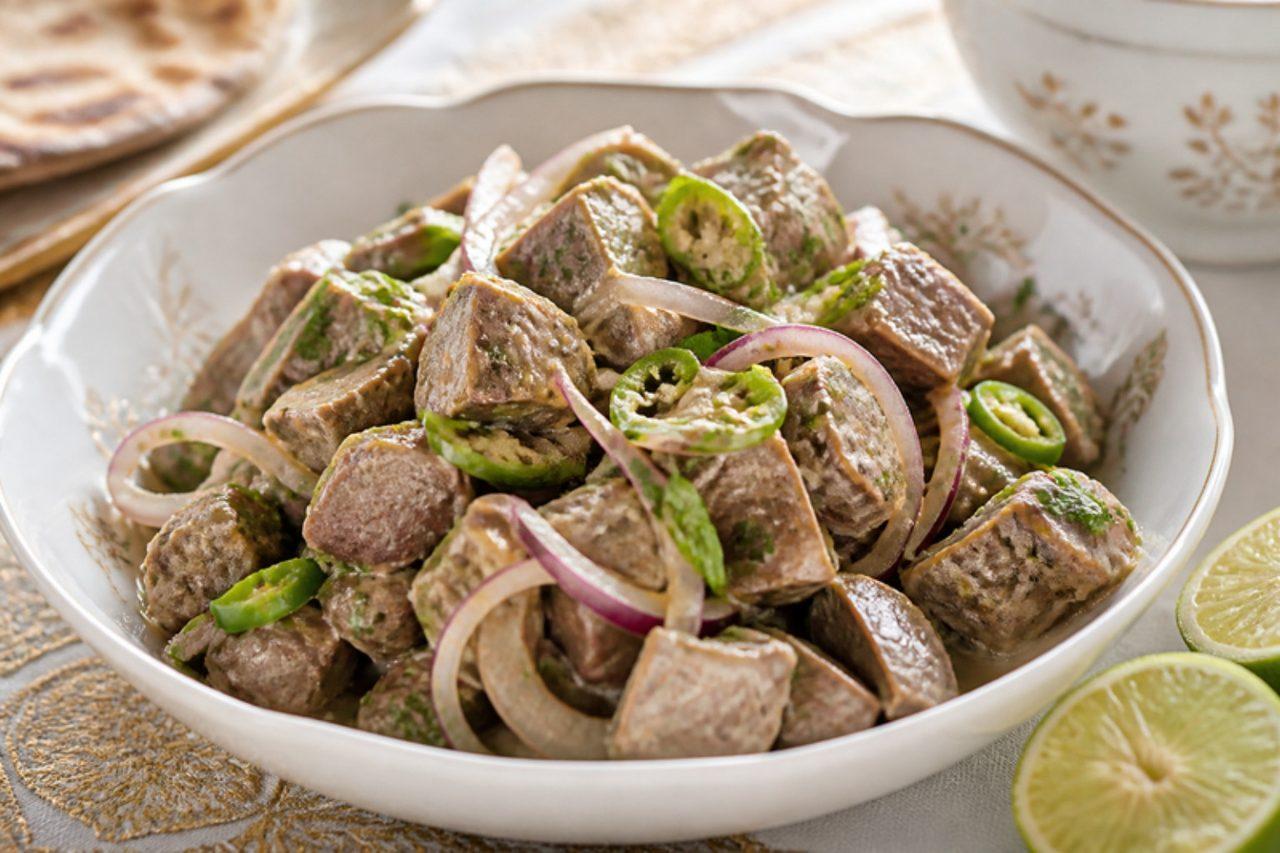
On the morning of Eid al-Adha in Sudan, the fresh liver, lung, tripe and kidney of the sacrificed lamb are chopped and dressed with onion, lime, hot chilli and peanut butter and eaten straight away as marara, traditionally raw. Raw offal can carry harmful bacteria and parasites, so this version briefly cooks the liver and kidney and uses pre-cooked tripe, then dresses them warm so the tangy, nutty, fiery flavours stay the same. The traditional raw dish is not for pregnant women, young children or anyone with a weakened immune system. Chef's tip: chop the cooked offal small and dress it while still warm so it soaks up the lime.

by KrazyBadal 0 views

Kawal

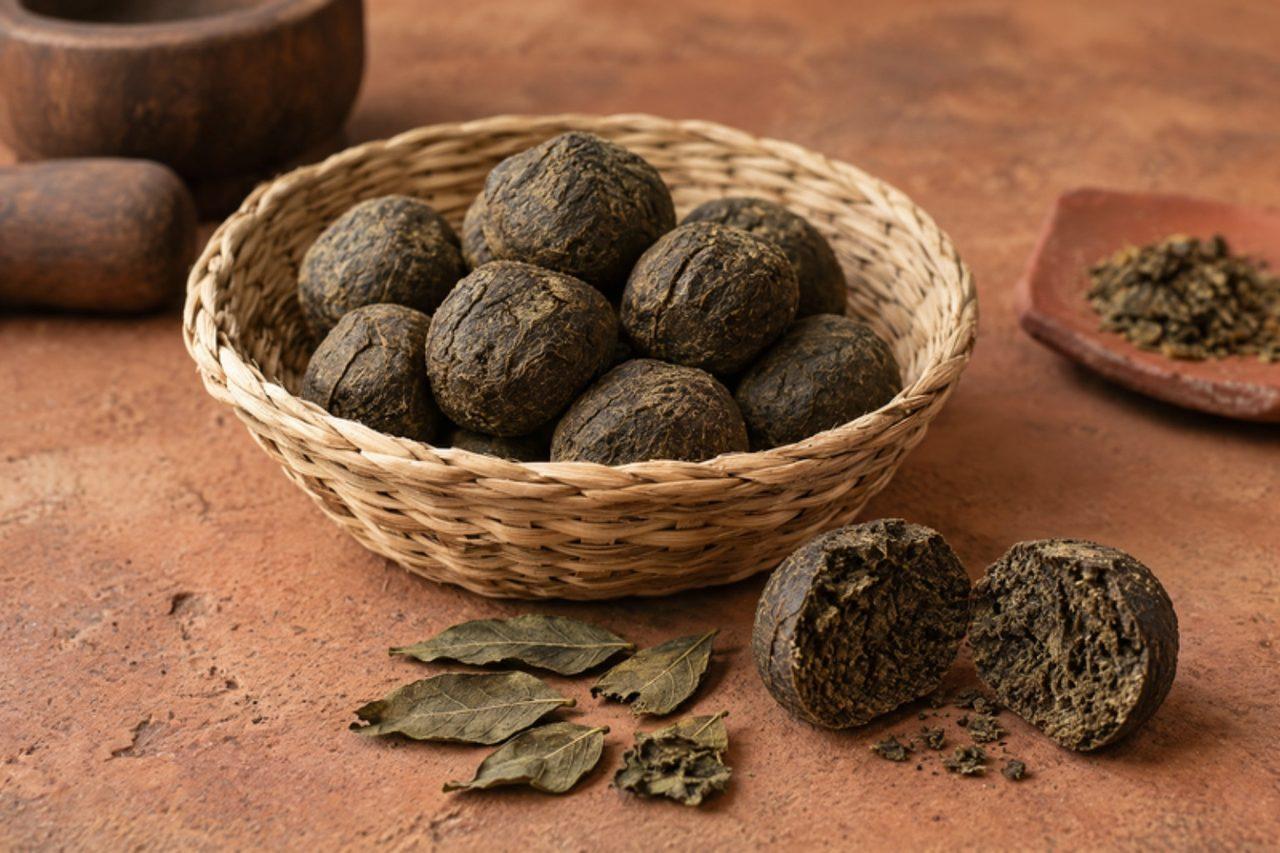
Kawal is one of the most distinctive pantry foods of western Sudan, made in Darfur and Kordofan at the height of the rains in August and September, when wild senna (Senna obtusifolia, called kawal or fedo) springs up thickly around villages. Women strip the young leaves, pound them to a dark green pulp and pack it into a clay pot sealed with sorghum leaves, then leave it in a cool, shaded spot for about two weeks, remixing it every few days. The fermented paste is rolled into small balls and dried in the sun, and these keep through the dry months. Crumbled into mullah stews with okra, onions and dried meat and eaten with kisra or aseeda, kawal gives a deep, meaty, pungent savour much like West African dawadawa; the smell straight from the pot is strong and ammonia-like but mellows completely in cooking. The usual mistake is leaving the pot somewhere warm and forgetting to remix it, so the paste rots instead of fermenting. It is ready when the paste is dark, sticky and strongly savoury but not putrid. Chef's tip: if you cannot be certain of the plant, buy dried kawal from a Sudanese grocer.

by KrazyBadal 0 views

Dama (Sudanese beef and tomato stew)

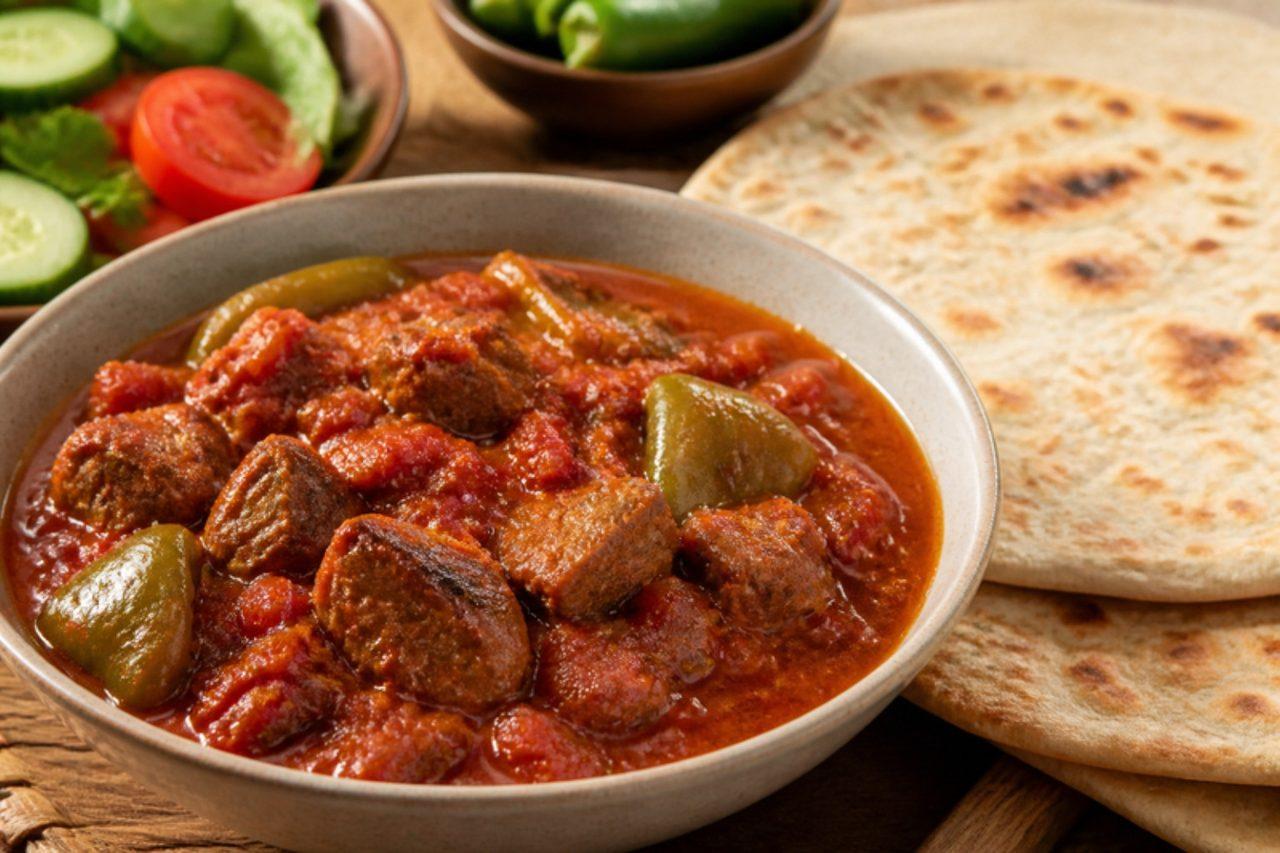
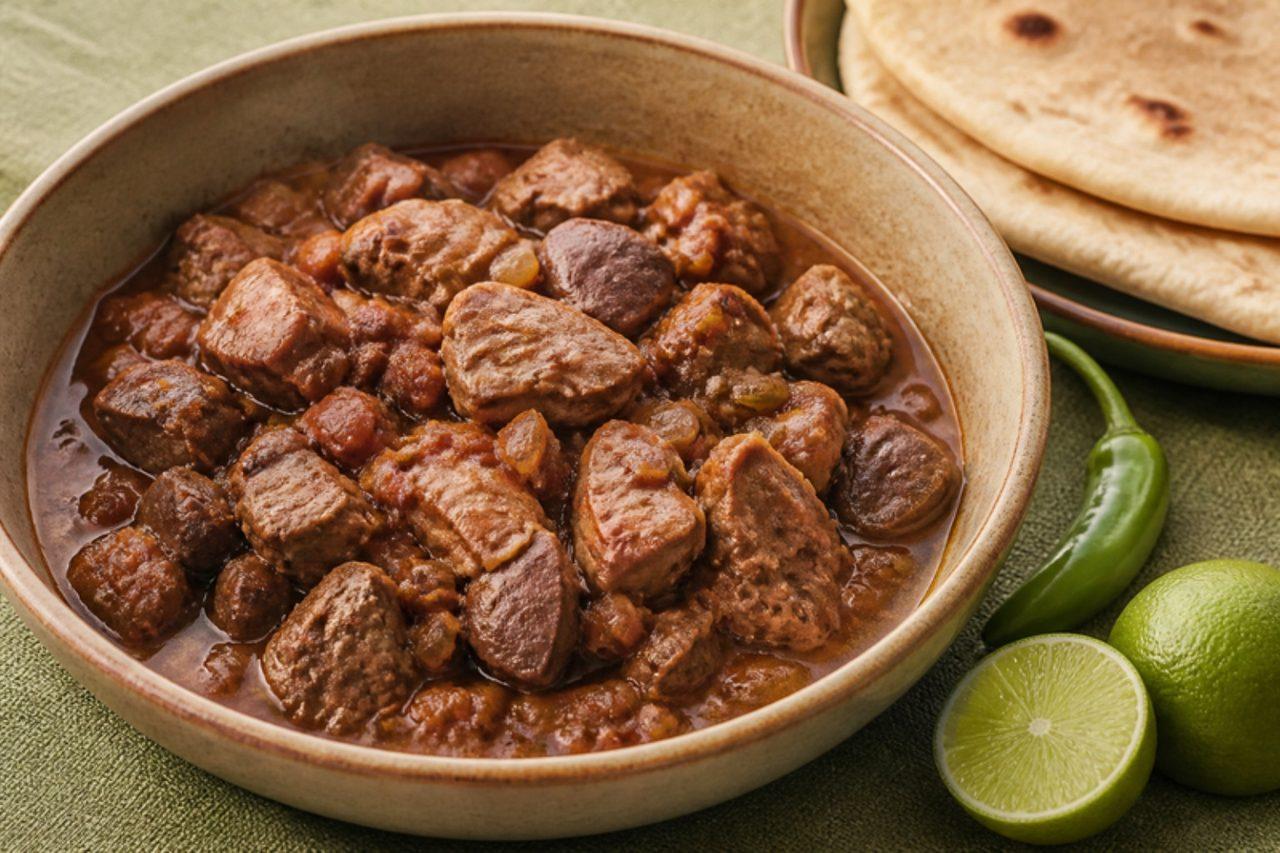
Thick, red and full of garlic, dama is the tomato stew that Khartoum families make for weekday lunches and that restaurants serve in shiny steel bowls with gurasa, the soft, thick Sudanese pancake, or with bread and rice. Beef is browned, then simmered with a generous amount of onion, fresh tomato, tomato paste and gentle warm spices, cardamom and a little cinnamon, until the sauce is rich enough to cling to every piece. The meat ends up spoon-tender. Adding all the liquid at once is the common mistake; it gives a thin, watery sauce, so add water little by little as the stew needs it. Chef's tip: grate the onions rather than chopping them, so they melt into the sauce and thicken it without flour.

105 minSudaneseMeatGluten free
by KrazyBadal 0 views

Agashe (Sudanese peanut-crusted beef skewers)

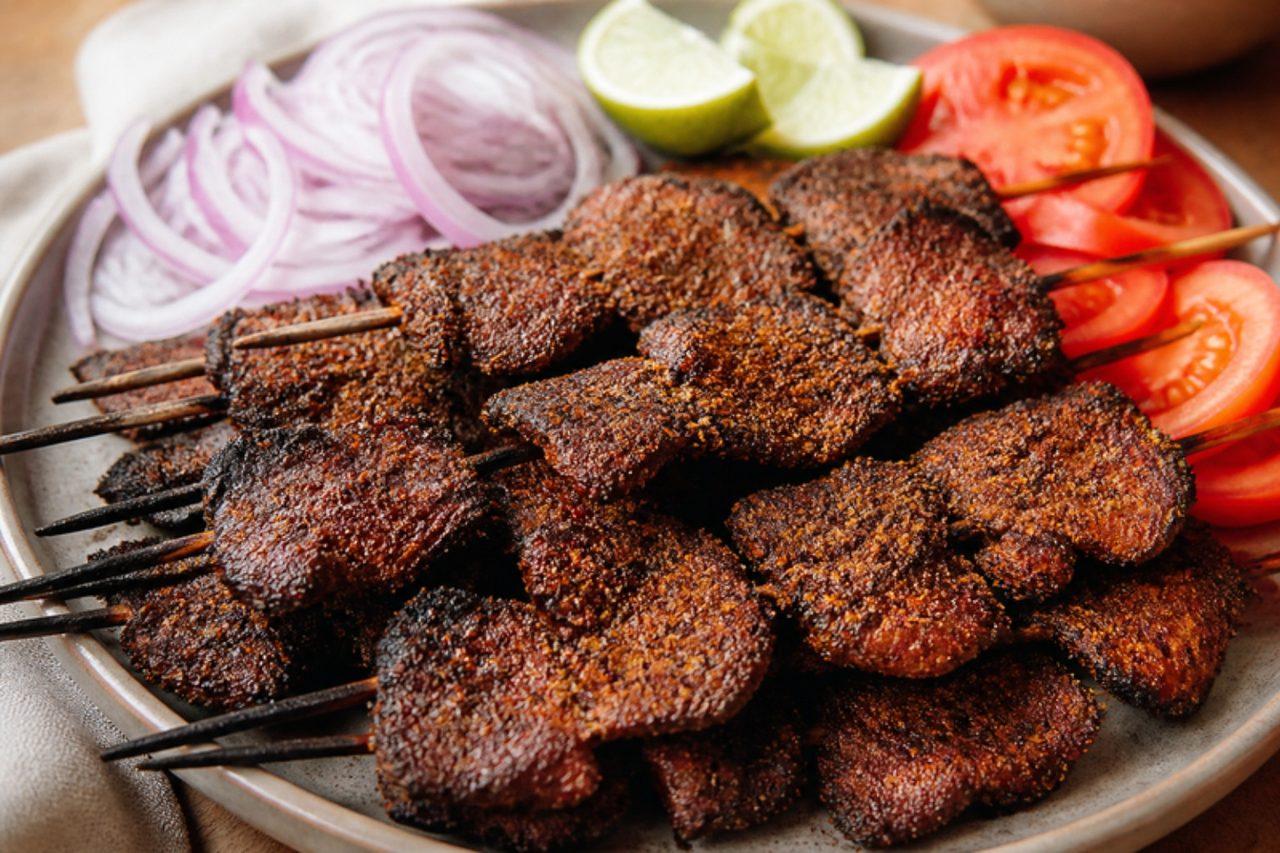
On Khartoum evenings the smoke from agashe grills drifts across the streets: thin slices of beef threaded onto sticks, coated in a dry rub of ground roasted peanuts, ginger, chilli and garlic, and grilled fast over charcoal until crusty and fragrant. The style came to Sudan with West African communities and is close cousin to Nigerian suya, but it has become a Khartoum favourite in its own right, served with sliced onion, tomato, lime and a sprinkle of extra spice. Slicing the beef too thick is the usual error, because the crust burns before the inside is done; aim for 5 mm. Marinate in the fridge, never on the counter. Chef's tip: dust the skewers with a second coat of peanut mix halfway through grilling for the best crust.

by KrazyBadal 0 views

Sharmout (Sudanese dried beef, oven method)

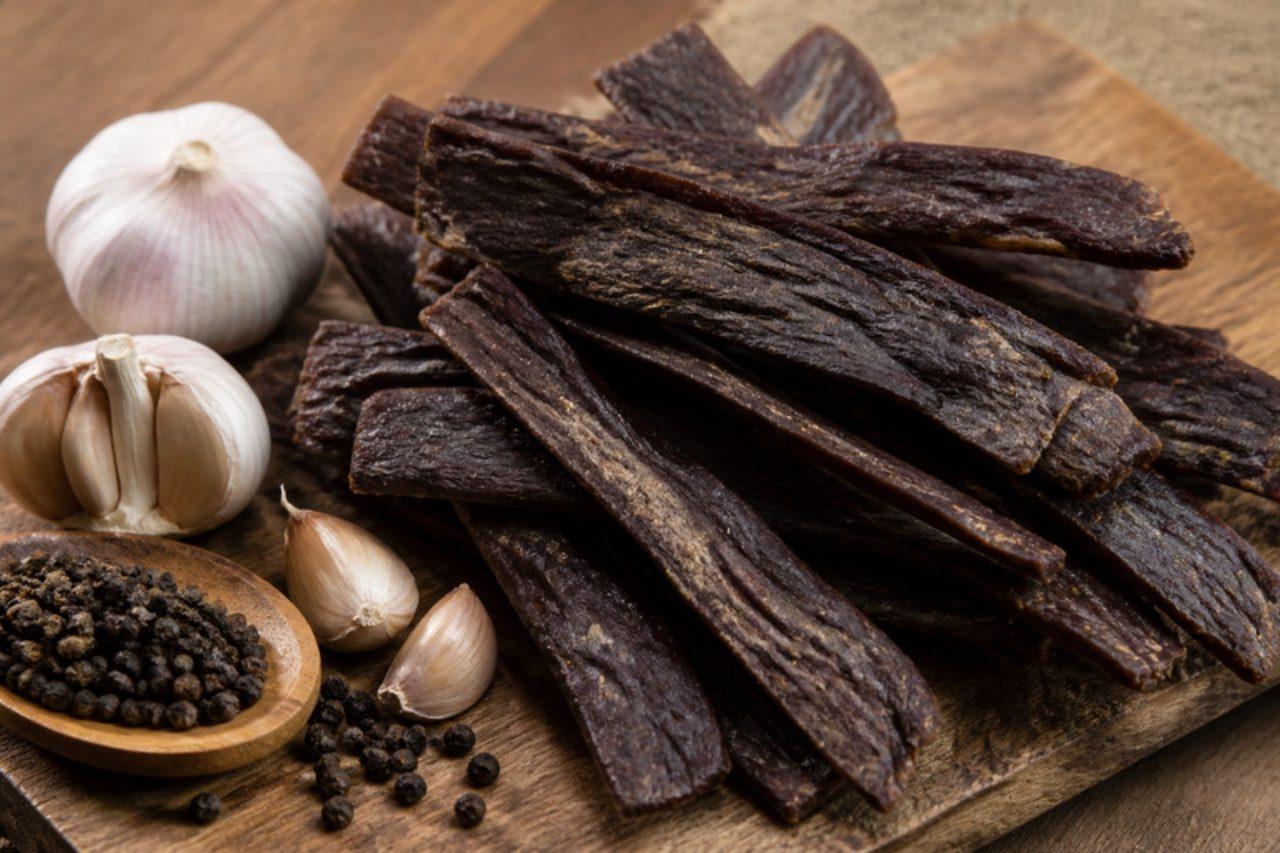
Across Darfur and Kordofan, and in kitchens throughout Sudan around Eid al-Adha, strips of lean beef are salted and hung to dry in the hot, dry air for several days until they turn hard and dark. That sharmout is then pounded and fried with onion to give tagalia, kawal and other stews their rich, savoury depth. Air-drying raw meat at home is risky, so this safer version heats the strips to 71 °C first and then dries them slowly in a low oven, and the finished sharmout is kept in the fridge. The traditional raw air-dried version is not for pregnant women, young children or anyone with a weakened immune system. Leaving fat on the strips is the usual mistake: fat does not dry and turns rancid, so trim every bit. Chef's tip: partly freeze the beef so you can slice it into even 5 mm strips along the grain.

by KrazyBadal 0 views

Kamounia (Sudanese cumin offal stew)

Named after kammoun, cumin, this Sudanese stew of lamb offal is a Khartoum favourite after Eid al-Adha, when every household has fresh heart, kidneys and liver from the sacrifice, and it is also sold in restaurants for breakfast and lunch. The meat is cooked with lots of onion, garlic, tomato and a heavy hand of cumin until the sauce is thick and dark and smells wonderful. It is eaten with bread or kisra and a squeeze of lime. Putting the liver in with the heart is the classic mistake: liver turns grainy and dry when overcooked, so add it only in the last 10 minutes. Chef's tip: toast whole cumin seeds in a dry pan and grind them yourself; the flavour is twice as strong.

by KrazyBadal 0 views

Bitifoor (Sudanese Eid butter biscuits)

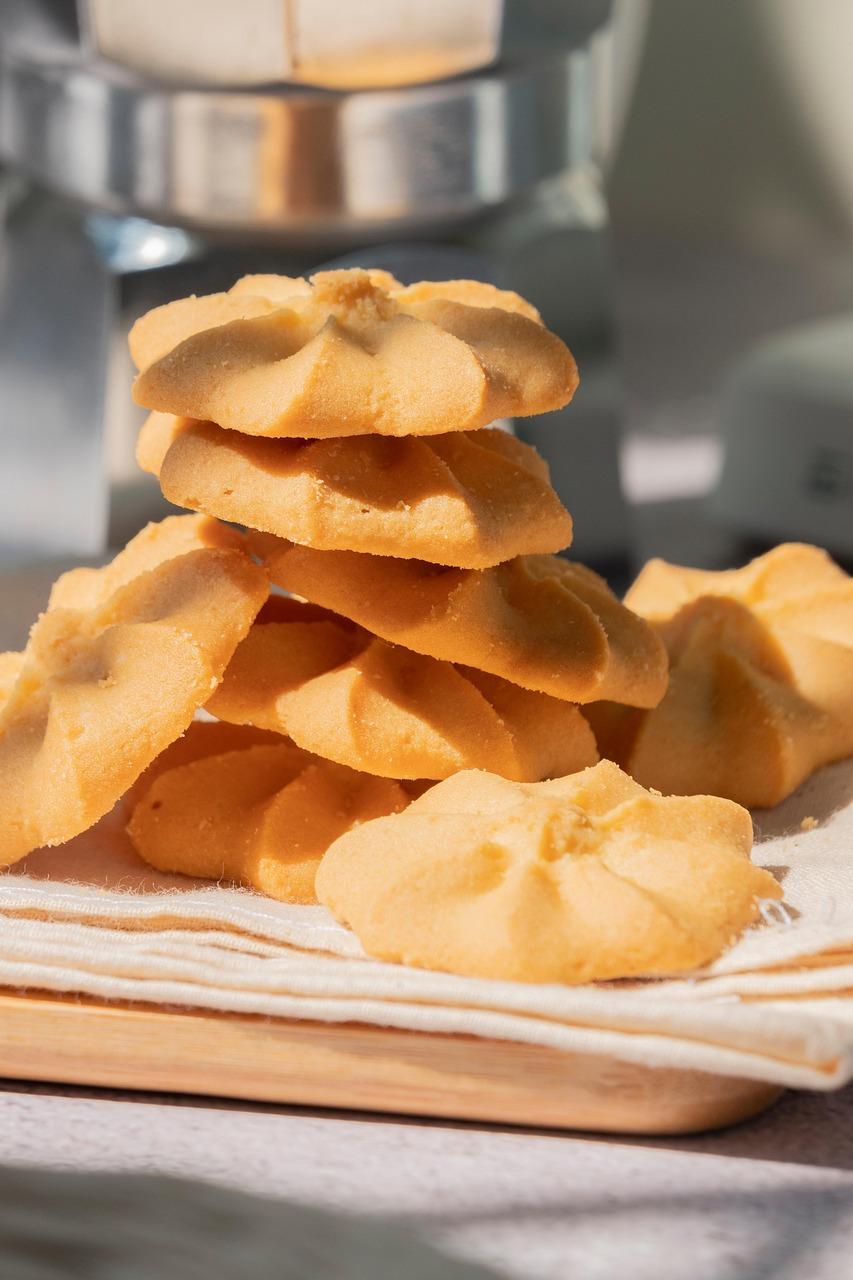
During the last days of Ramadan, Khartoum neighbourhoods smell of butter and vanilla as women bake bitifoor, the piped biscuits whose name comes from the French petit four, for the Eid visits that follow. They are piped into rosettes, fingers and swirls, sometimes topped with a piece of glacé cherry or dipped in chocolate, and arranged on platters with ka'ak and sweets for guests. The texture is melt-in-the-mouth, short and delicate. Over-soft butter is the classic mistake, giving biscuits that spread into flat puddles; use butter soft enough to dent, not oily, and chill the piped trays for 15 minutes. Chef's tip: a little cornflour in the flour keeps them extra tender and crisp.

by KrazyBadal 0 views

KajaikDried fish stew

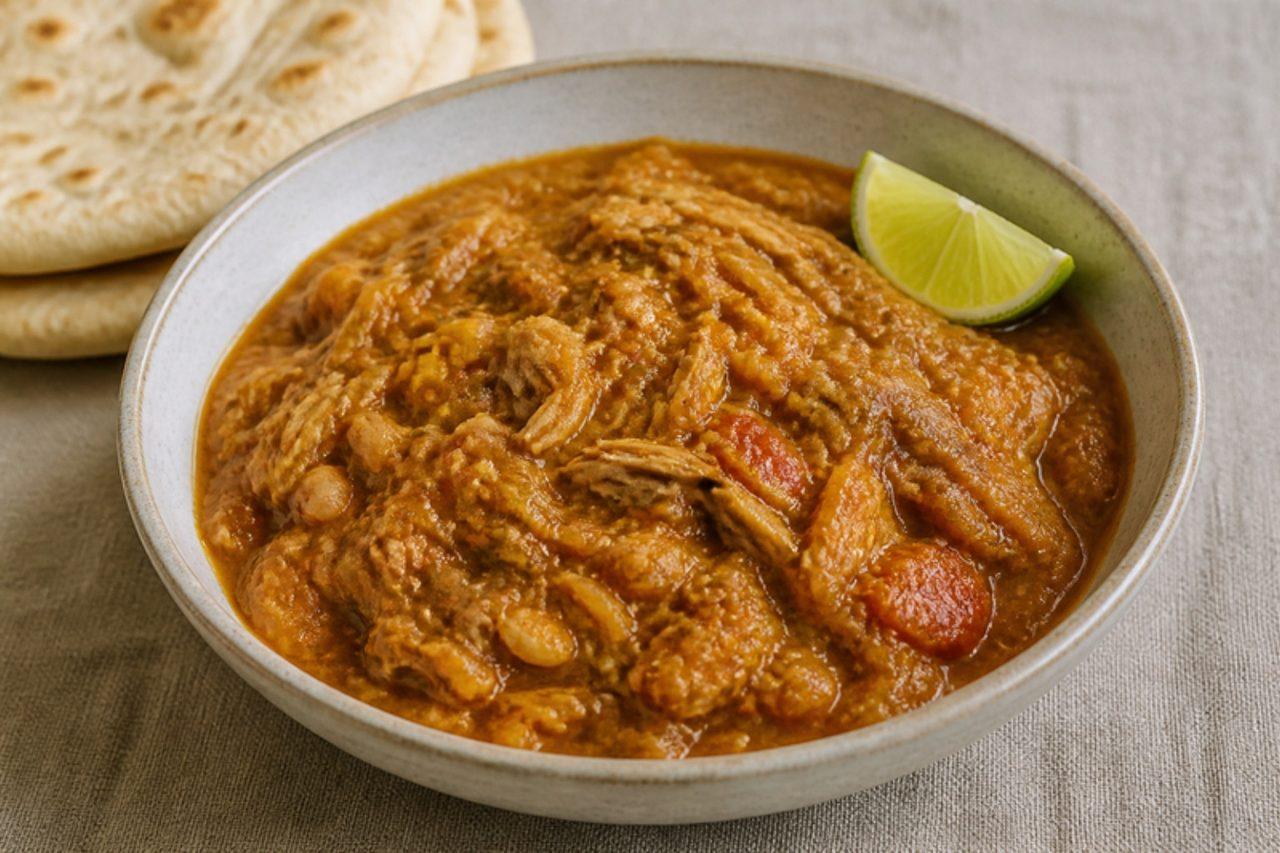
Kajaik is a stew from the Nile towns of northern Sudan, where fish from the river is salted and sun-dried to keep through the year; it is cooked with plenty of onion, tomato and a spoonful of peanut butter and eaten with aseeda (thick porridge) or kisra. The flavour is deep and savoury, a little like a rich fish curry without the heat. The mistake is not soaking the dried fish long enough, which makes the stew far too salty and the fish tough; soak it overnight and change the water twice. Chef's tip: if you can't find dried Nile fish, salted dried cod (bacalao) works well.

by KrazyBadal 0 views

ShaiyahPan-seared lamb with onion and chilli

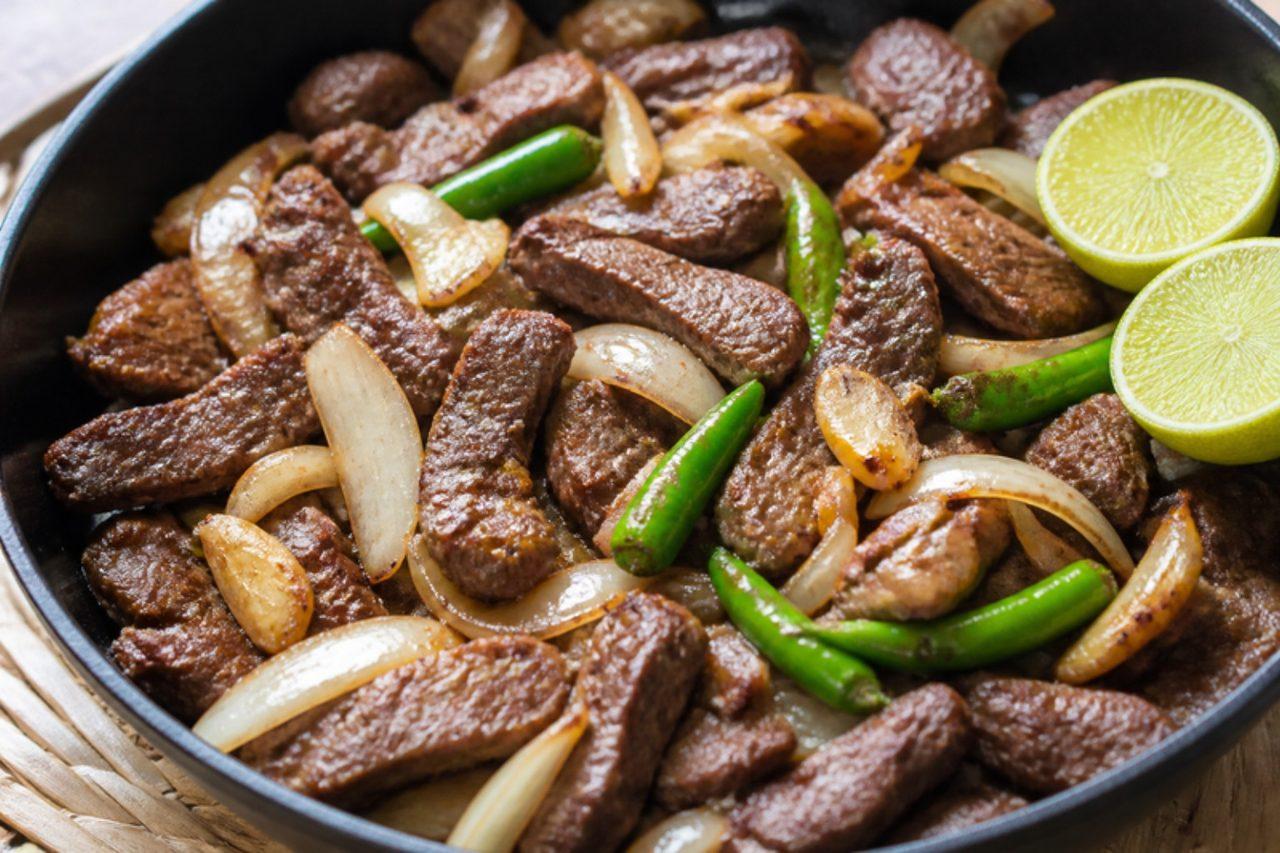
Shaiyah means "seared" and is what Khartoum families cook when guests drop in or for Eid breakfast after the sacrifice: small pieces of lamb thrown into a very hot pan with onion, garlic and green chilli and cooked fast until browned and sizzling. It is eaten with kisra flatbread or bread, a salad of tomato and onion, and a squeeze of lime. The mistake is crowding the pan, which stews the lamb grey instead of searing it; cook in two batches if needed. Chef's tip: use lamb with a little fat on it, such as shoulder or leg steaks, so it stays juicy over the high heat.

by KrazyBadal 0 views