Skip to content
Recipes

All recipes

Vegetarian, or something you can't eat? Set your diet once and we'll hide recipes that don't fit.

Escabeche de pescadoFried fish in sweet-sour onion sauce

In Lima, escabeche de pescado belongs to the criollo kitchen of the old city: it turns up on Friday lunch menus, on buffet tables, and above all in Lent and Holy Week, when families eat fish and this dish can be made the day before. Fish is fried until golden, then covered in a warm sauce of thick-cut red onion softened in oil with garlic, ají amarillo, ají panca, cumin and vinegar, and left to cool so the flavours soak in. It is served cold or at room temperature with boiled sweet potato, hard-boiled egg and purple botija olives. It tastes tangy, sweet and gently fruity-hot, with crunchy onion over tender fish. The fish here is fully cooked, but because it is a cold seafood dish, pregnant people, babies, older people and anyone with weak immunity should eat it well chilled and within 2 days. Common mistake: stewing the onions until limp; they should only lose their raw bite. It is ready when the sauce has soaked a little into the fish and smells of vinegar and toasted chilli. Chef's tip: use thick fillets of corvina or bonito; thin fillets break under the sauce.

by KrazyBadal 0 views

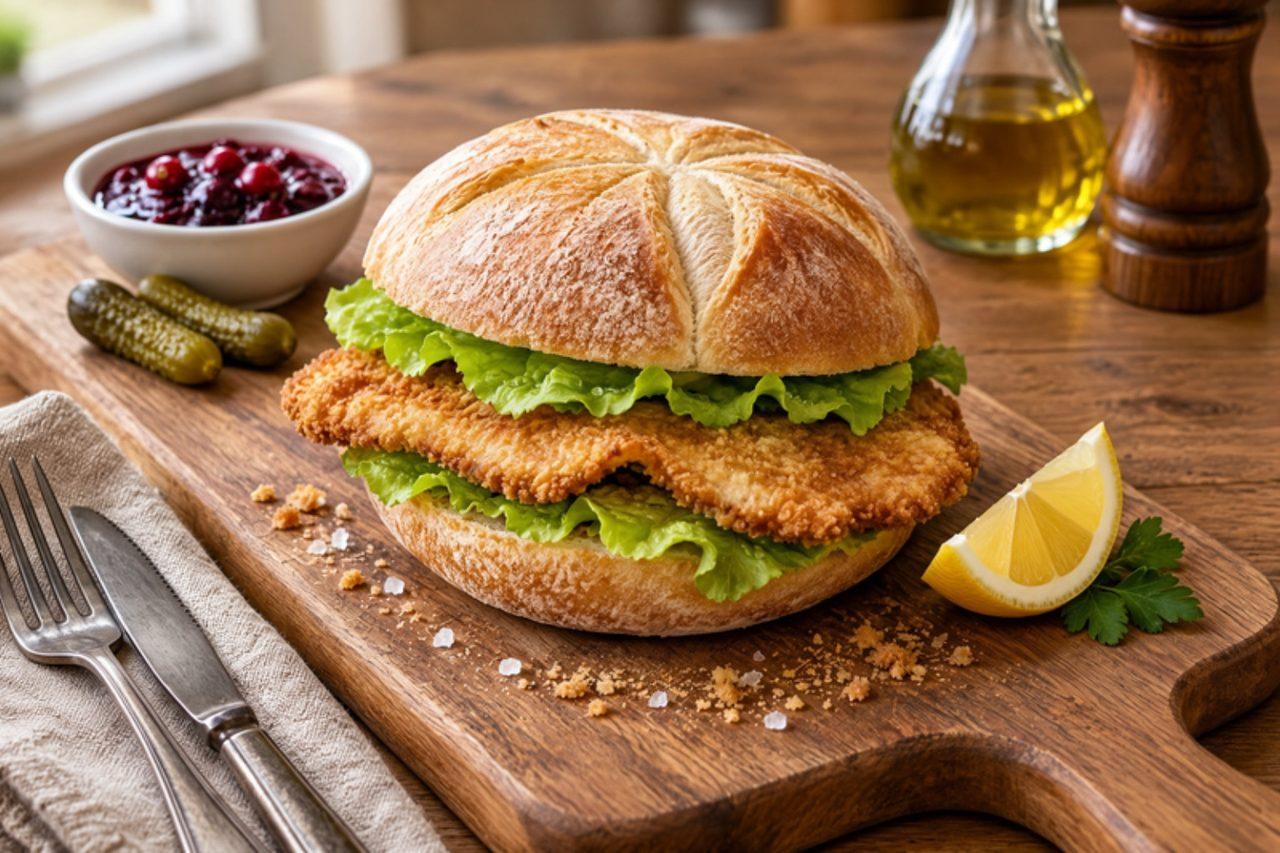
SchnitzelsemmelSchnitzel in a bread roll

Austrians setting off on a train journey, a ski day or a building-site shift pack a Schnitzelsemmel: a crisp Kaisersemmel roll holding a cold, golden pork schnitzel (veal for special days), a leaf of lettuce and a squeeze of lemon, sometimes with a smear of mustard or a gherkin. Leftover Sunday schnitzels are made for it. The common mistake is pressing the breadcrumbs on hard; they should sit loosely so they puff up and ripple away from the meat as it fries. Chef's tip: shake the pan constantly while frying so hot fat washes over the top, and the crust soufflés into those famous waves.

by KrazyBadal 0 views

Postre MassiniCustard sponge with burnt sugar top

Montevideo's birthday cake of choice since the early twentieth century, the Massini is two thin layers of sponge sandwiching a thick filling of whipped cream folded with egg-yolk custard, crowned with a thin glassy crust of torched yolk and sugar. Bakeries across Uruguay sell it on Sundays. Traditional versions sometimes add a sweet fortified wine to the custard; this one is alcohol-free. The custard is cooked to a safe 71 °C. The common mistake is assembling with warm custard, which melts the cream into a puddle. Chef's tip: if you don't have a blowtorch, put the sugared top under a very hot grill for a minute and watch it closely.

by KrazyBadal 0 views

Morcilla dulceSweet blood sausage with walnuts

No Uruguayan parrilla is complete without morcilla dulce: a soft pork blood sausage sweetened with sugar and scented with orange peel, studded with walnuts and raisins, grilled until the skin crisps and served first, as part of the achuras, while the beef is still cooking. It is pork throughout: pork blood, pork back fat and natural pork casings. Making it at home is a project. Buy fresh pork blood with an anticoagulant added from a butcher who supplies it for sausage making, keep it chilled below 4 °C and use it within a day. The common mistake is poaching at a rolling boil, which bursts the casings. Chef's tip: keep the water at 80–85 °C, just shivering, and prick a sausage after 25 minutes: it is done when brown, not red, juice comes out.

by KrazyBadal 0 views

BusecaTripe and white bean stew

Buseca arrived in Montevideo with Italian immigrants from Lombardy and became a classic winter dish of Uruguayan bodegones and family kitchens, eaten on cold June and July days. Honeycomb tripe is simmered until tender, then stewed with white beans, pork chorizo, bacon, peppers, tomato and paprika into a thick, warming stew served with crusty bread. Buy tripe that is already cleaned and blanched (dressed). The usual mistake is undercooking the tripe: it needs a full 2 hours, until it's soft enough to cut with a spoon. Slow-cooker option: after step 4, cook on low for 8 hours. Chef's tip: a little grated lemon zest and parsley stirred in at the end lifts the rich, gelatinous sauce.

by KrazyBadal 0 views

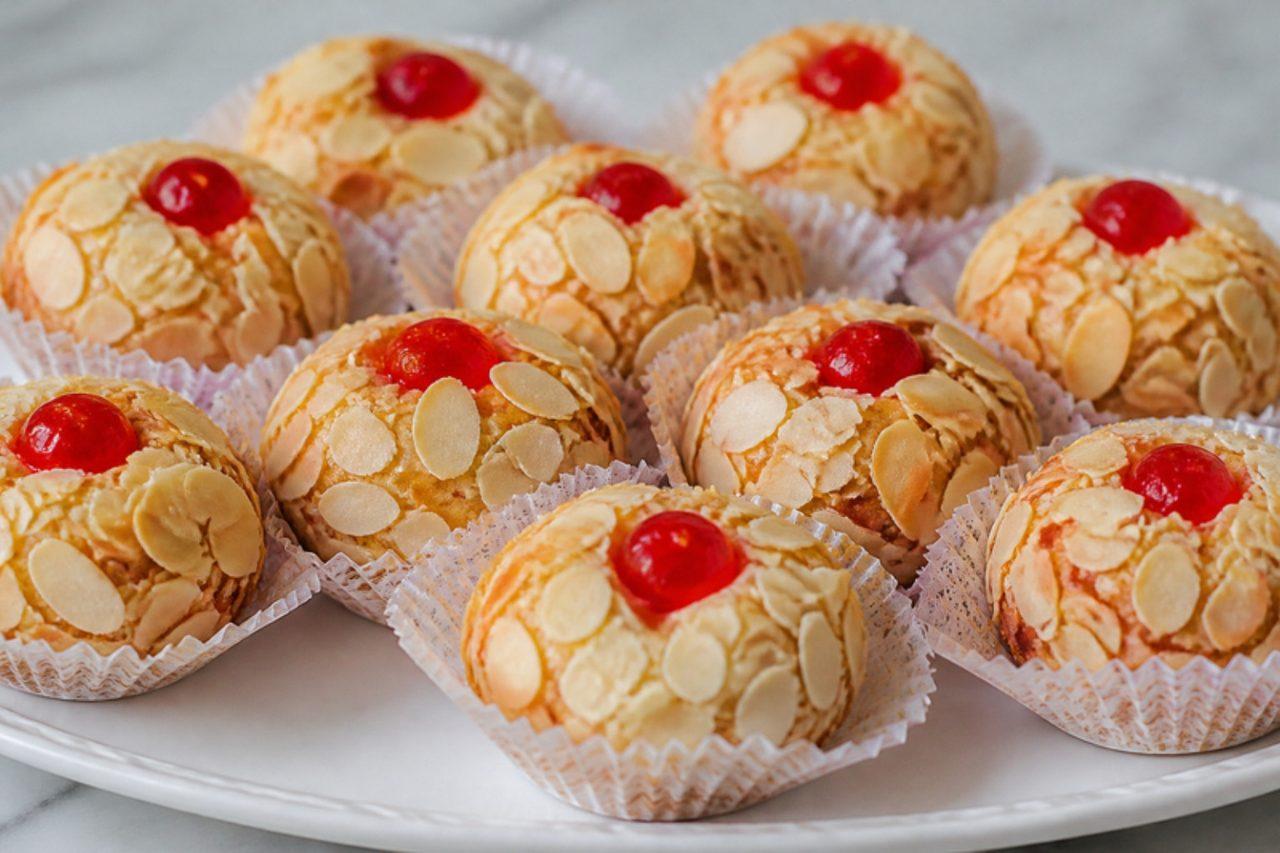
Mchewek (almond cookies)

Mchewek means something like 'prickly', which is exactly how these cookies look: balls of almond paste rolled in flaked almonds so the flakes stick out like spines, each topped with half a candied cherry and baked only until the tips turn gold. Inside they stay soft and chewy, like a rustic macaroon. Being made with no flour, they suit anyone avoiding gluten, and they appear on Eid and wedding trays all over Algeria, often brushed with a little honey syrup for shine. Chef's tip: take them out when the edges are just golden and the centres still feel soft; overbaking is the classic mistake and leaves them dry and crumbly once cool.

by KrazyBadal 0 views

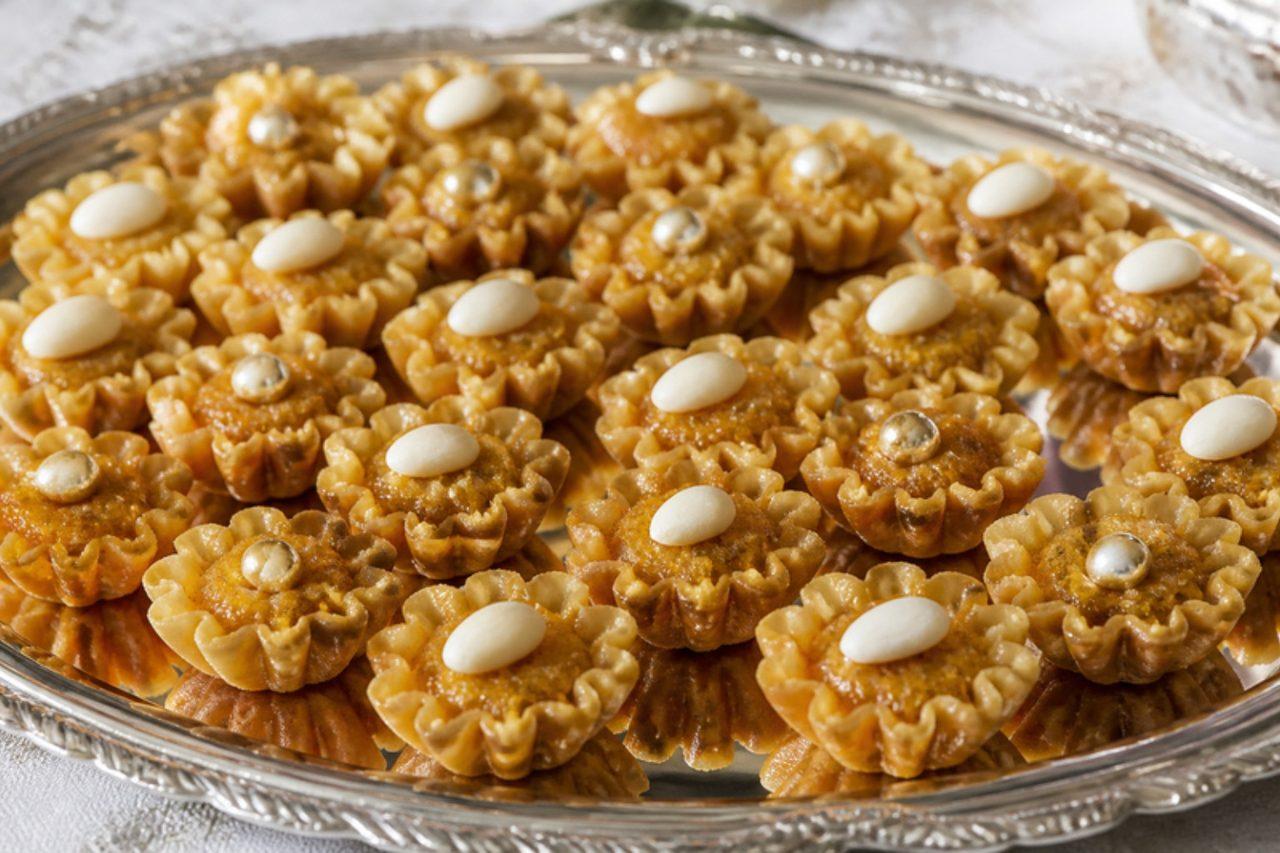
Dziriettes (almond flower pastries)

Named after the women of Algiers, dziriettes are the jewels on any wedding or Eid tray: thin, crisp pastry pinched into a flower or crown, filled with a dome of almond paste scented with orange blossom, then baked and soaked in warm honey. They take patience, but the result is delicate and fragrant, with a shatter of pastry giving way to a soft, moist almond centre. Families often make a few hundred over several evenings, together, before a celebration, and serve them with mint tea or coffee. Chef's tip: roll the dough so thin you can almost see the worktop through it; thick pastry is the commonest mistake and turns dziriettes stodgy instead of crisp.

by KrazyBadal 0 views

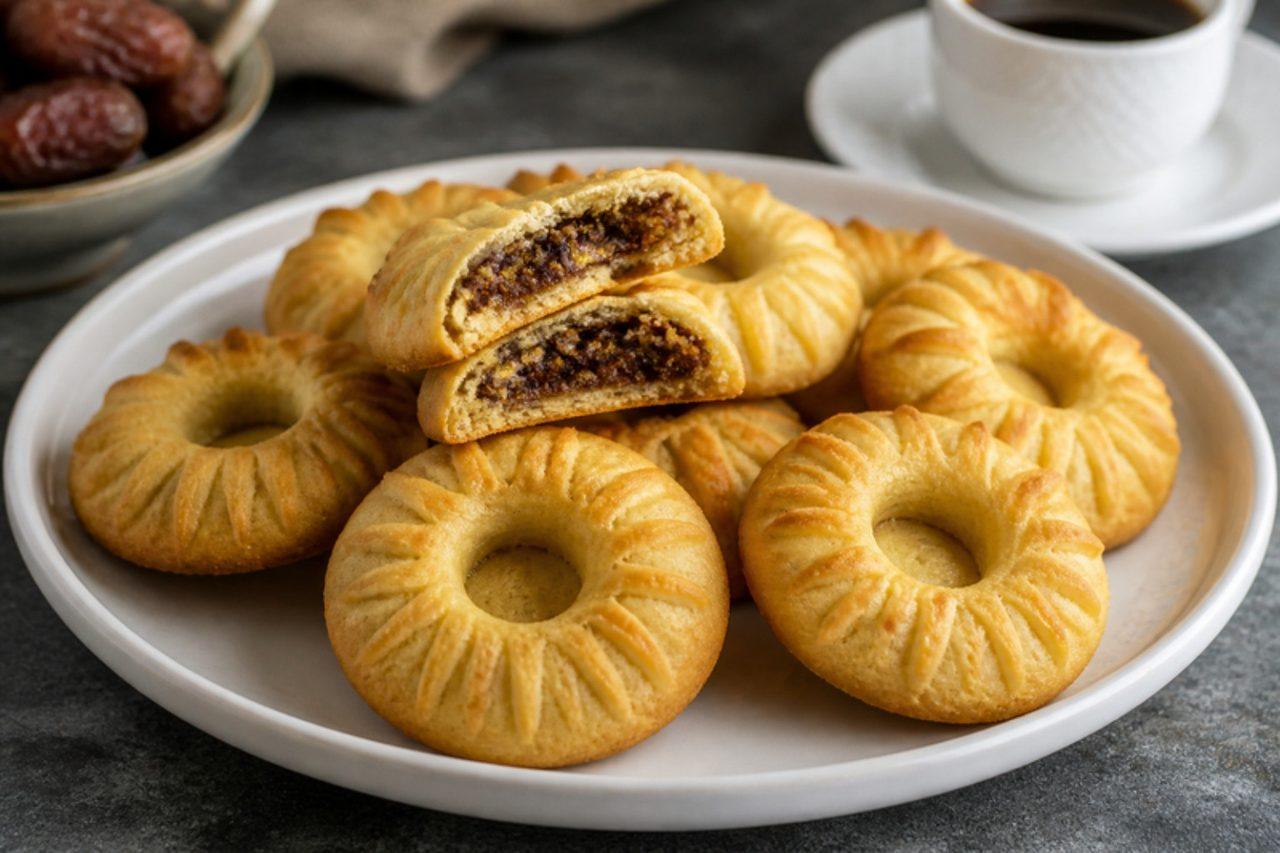
Ka'ak nakache (date-filled semolina rings)

Constantine bakers own a special brass tweezer, the nakache, just for decorating these rings: a rope of buttery semolina dough is wrapped round spiced date paste, joined into a circle and pinched along the top into chevrons and leaves. Baked pale, ka'ak nakache is crisp and short outside with a soft, cinnamon and clove scented filling, a classic of Eid trays and of the coffee served to guests in the old city. Without the tweezer, a fork or the back of a small knife makes a good pattern. Chef's tip: let the buttered semolina rest for at least 30 minutes before adding water; skipping the rest is the usual mistake, and the rings crack as you shape them.

by KrazyBadal 0 views

Mbesses (Kabyle semolina cake)

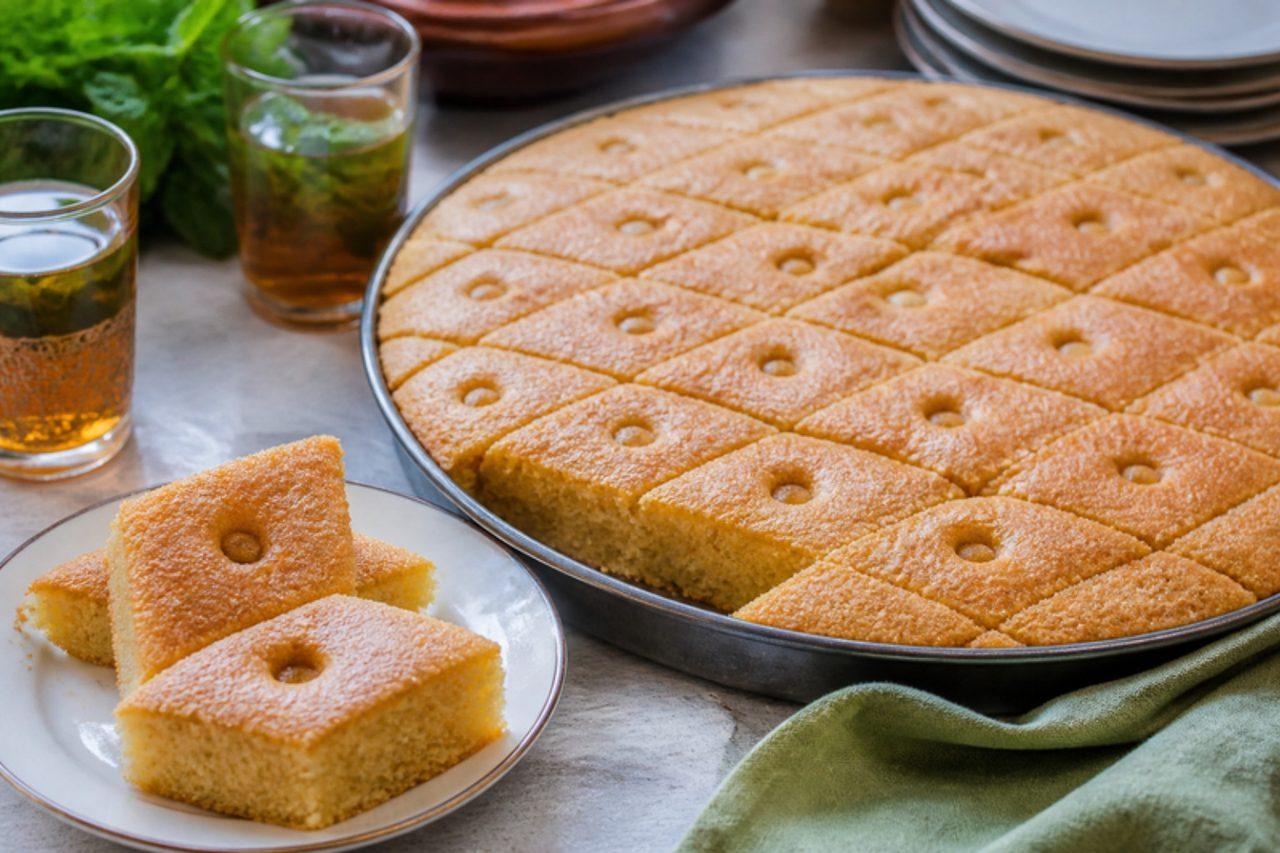
Somewhere between shortbread and cornbread, mbesses is the plain cake of Kabyle kitchens, a shallow tray of semolina rich with melted butter, lightly sweetened and baked until golden on top. The texture is sandy and tender, breaking into crumbs that taste of toasted grain and butter, with a hint of orange blossom. It is cut into diamonds and served with milky coffee in the afternoon, or offered to guests who drop by during Ramadan evenings. Some households scatter sesame or nigella seeds over the top before baking. Chef's tip: spread the mixture into the tray with a light hand; pressing it down hard is the most common mistake and gives a dense, heavy cake.

by KrazyBadal 0 views

MounaOrange-flower brioche

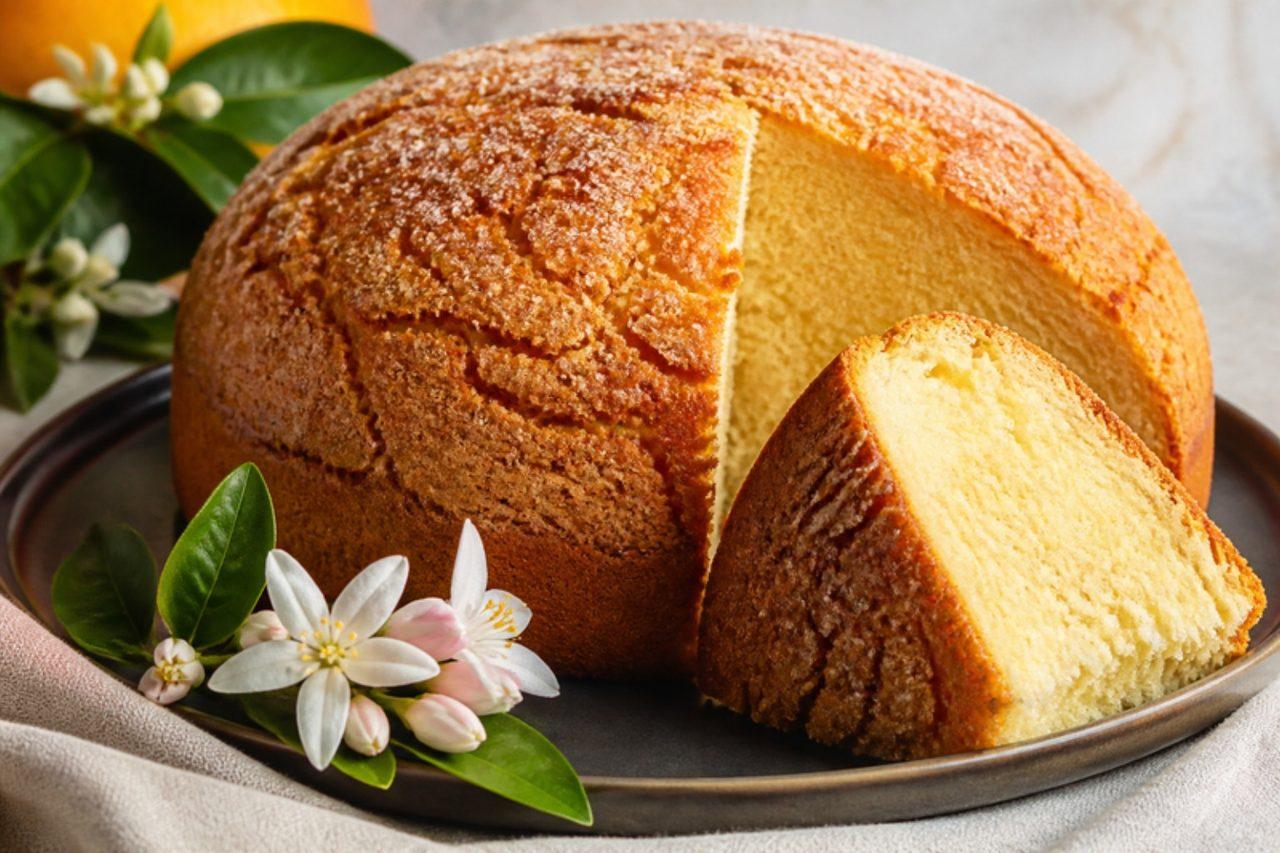
Oran's mouna came over with Spanish settlers as the Easter mona, and it is still baked for spring outings, recalling the Easter Monday picnics once held at the Santa Cruz chapel above the city. It is a tall, light, golden brioche with a crackly sugar crust, softly flavoured with orange-flower water and lemon zest rather than butter-heavy, and it tears into long, feathery strands. Eat it with coffee or hot chocolate, plain or with jam. The dough is slow and sticky, so give it time. Chef's tip: let the dough rise slowly overnight in the fridge after the first knead; it becomes easier to shape and the flavour deepens.

by KrazyBadal 0 views

Chbah essafra (almond fritters in lamb sauce)

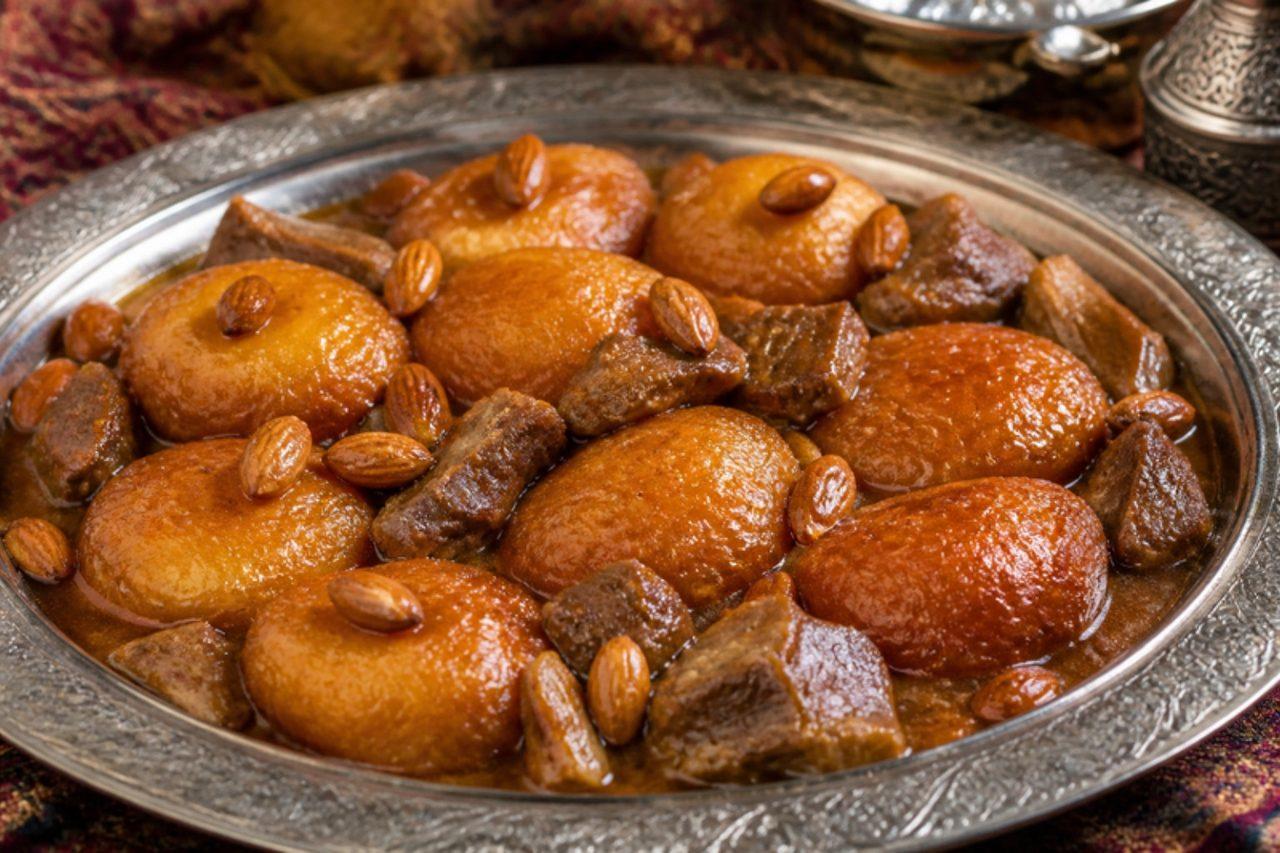
Cooks in Algiers bring out chbah essafra for weddings and grand family dinners, where it is served as the sweet main course: diamonds of almond paste scented with lemon and cinnamon are dipped in egg, fried golden and laid around tender lamb in a pale, buttery sauce sweetened with sugar and orange-blossom water. The contrast of savoury meat and soft, sweet almond is the point, and the dish is rich, so small portions with bread are usual. Chicken can replace the lamb, with a shorter cooking time. Chef's tip: warm the fritters in the sauce only at the table; dropping them into bubbling sauce is a common mistake, and they fall apart.

130 minAlgerianMeat
by KrazyBadal 0 views

Chakhchoukha (torn flatbread in lamb sauce)

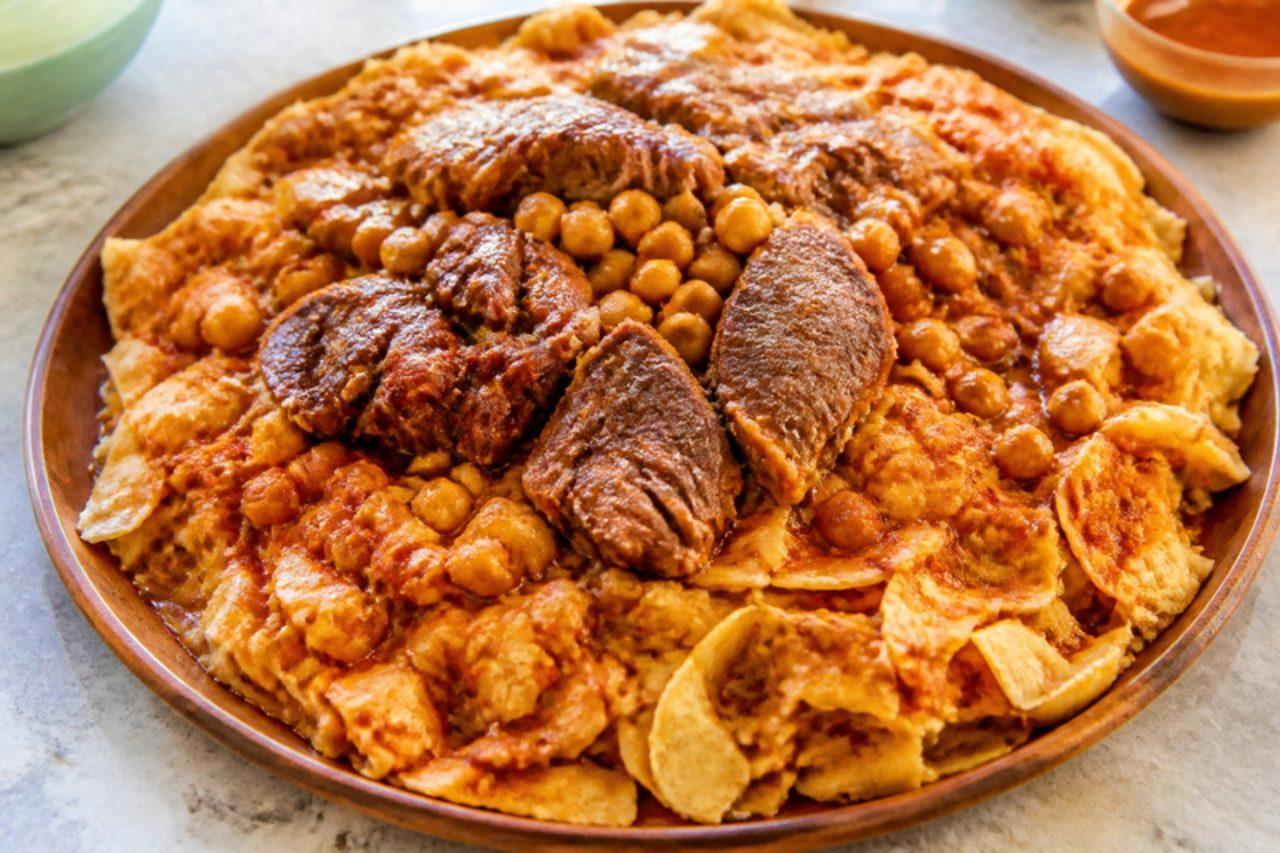
Biskra claims chakhchoukha as its own, though Constantine and the whole east cook it for weddings, Eid and the arrival of guests: sheets of thin rougag are torn into small pieces, softened with steam and soaked in a fiery red sauce of lamb, tomato, chickpeas and whole green chillies, then served from one big wooden or clay dish. The bread turns soft and silky, almost like pasta, and soaks up the peppery, deeply savoury sauce. Use homemade rougag or the dried sheets sold in Algerian shops. Chef's tip: moisten the bread with sauce a ladle at a time and toss between additions; pouring it all over at once is the usual mistake, and the bread turns to paste.

120 minAlgerianMeatSpicy
by KrazyBadal 0 views

Halwat tabaa (stamped jam biscuits)

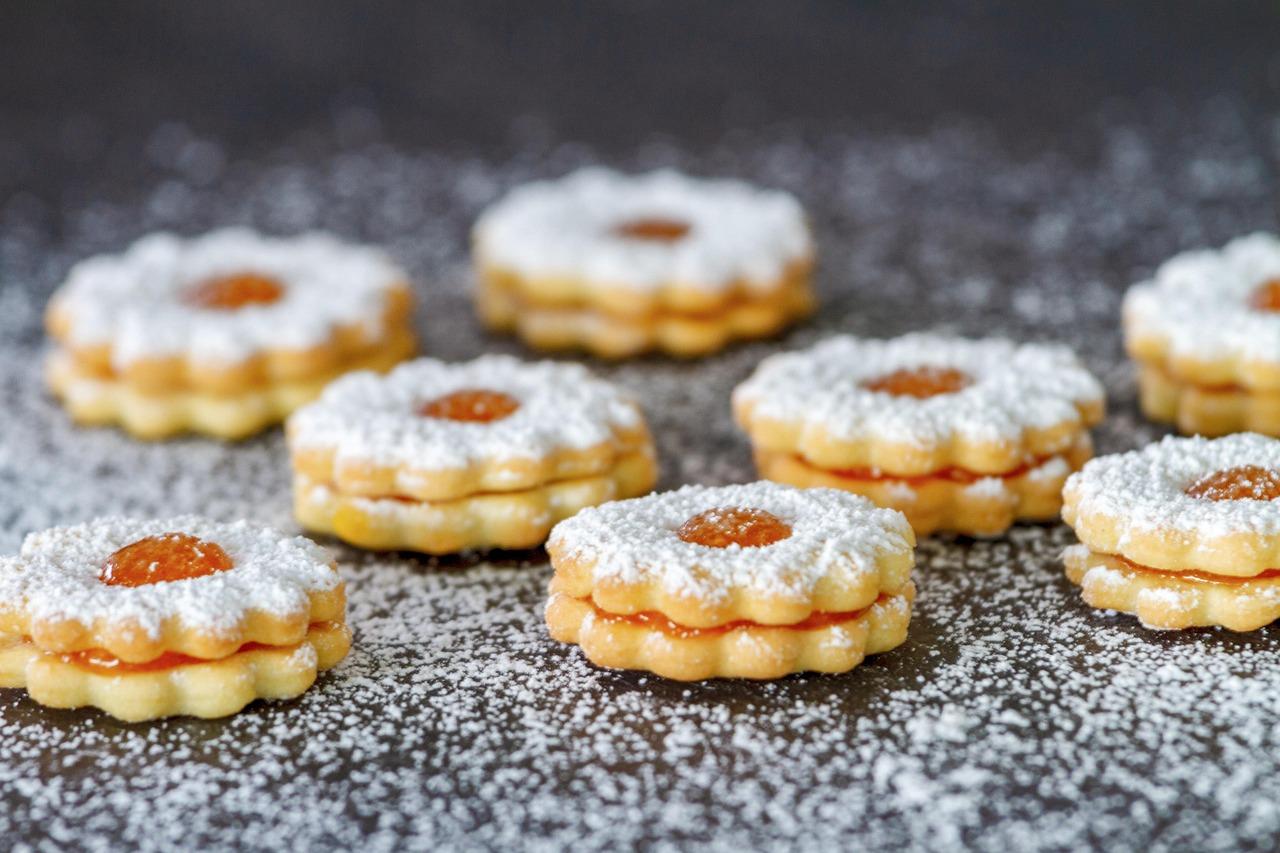
Ask anyone who grew up in Algeria about the night before Eid and they will mention the smell of halwat tabaa baking: buttery shortbread cut and printed with a patterned metal stamp, then sandwiched in pairs with apricot jam. Children love helping to press the patterns, and the biscuits fill the tins offered to neighbours on the morning of the feast. They are tender and short, with a clean vanilla flavour against the tangy jam, and keep well for a week. A fluted round cutter and the tines of a fork will do if you have no stamp. Avoid working the dough too much or letting it get warm, as the stamped pattern then spreads and blurs in the oven. Chef's tip: dip the stamp in flour and tap off the excess before every press; a sticky stamp blurs the pattern, which is the most common disappointment.

by KrazyBadal 0 views

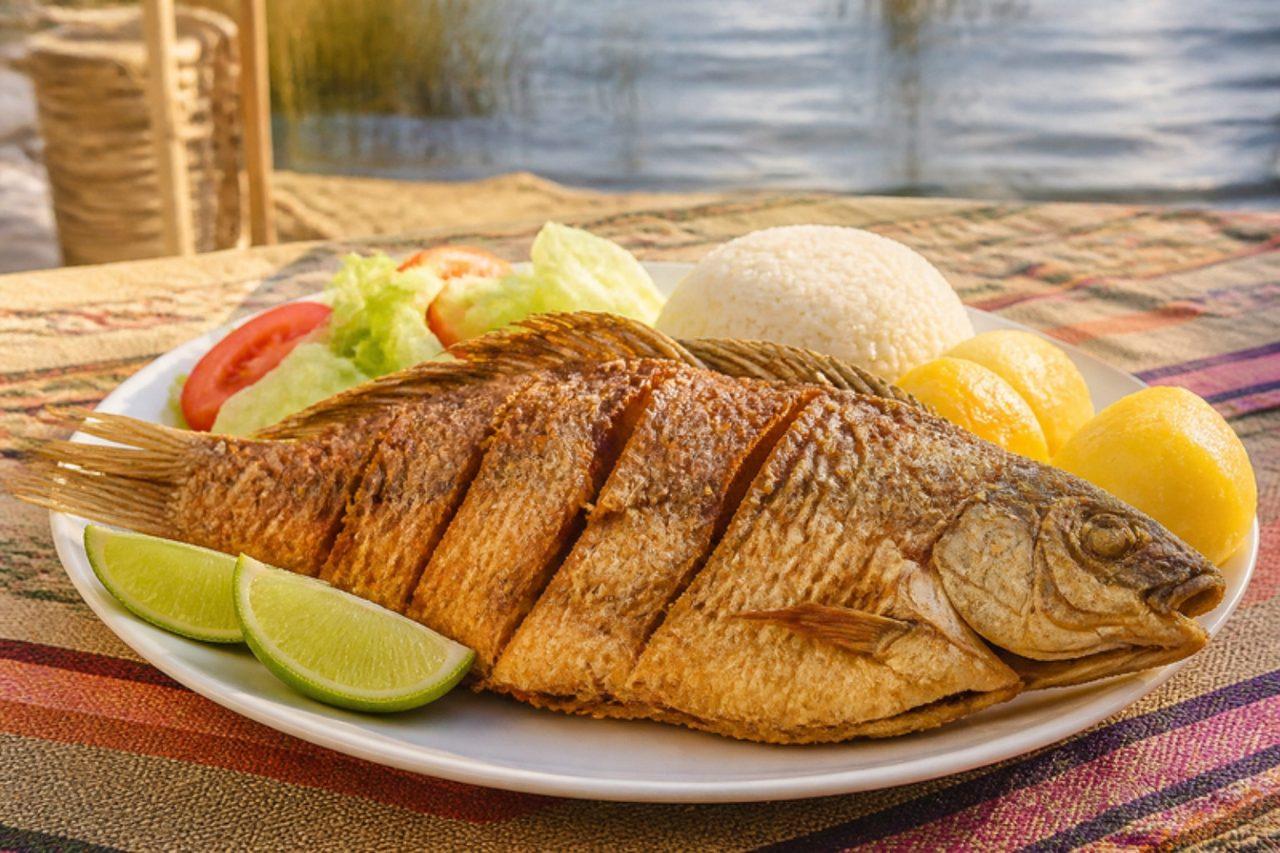
Trucha fritaFried trout with potatoes and rice

Rainbow trout farmed in the cold, clear water of Lake Titicaca is what you eat in Puno, at lakeside restaurants and on the floating islands: a whole fish, dusted in flour and fried until the skin crackles, with boiled Andean potatoes, rice, a simple salad and lime. The flesh is pink-white, sweet and moist; nothing else is needed. Ask your fishmonger to gut and scale the trout. The most common mistake is moving the fish too early, which tears the skin; leave it until it releases from the pan by itself. Chef's tip: slash the thick part of each side twice before flouring, so the fish cooks evenly and the skin crisps right up to the head.

by KrazyBadal 0 views

Turrón de Doña PepaAnise biscuit sticks in spiced syrup

Every October, the month of the Señor de los Milagros processions in Lima, bakeries and street sellers pile their trays with turrón de Doña Pepa: layers of crumbly anise-flavoured sticks drenched in a dark syrup of chancaca cooked with fruit and spices, topped with a storm of coloured sprinkles. Popular lore credits it to Josefa Marmanillo, a woman from the Cañete valley who is said to have made it in thanks after the procession. It is sticky, crunchy and soft at once, with orange and clove in the syrup. Its downfall is usually runny syrup that soaks the sticks into mush; it needs to reach a thick, threading stage before it goes on. Chancaca is sold as cones or blocks in Latin shops; panela or dark muscovado also work. Some coloured sprinkles contain gelatin, so check the label. Chef's tip: make it a day ahead; the syrup sets and the sticks soften just enough to slice neatly.

by KrazyBadal 0 views

Viennese GugelhupfLemon and raisin ring cake

In Vienna the Gugelhupf is the Sunday cake of home bakers, set out on the table for afternoon Jause with coffee, and every family has its own fluted copper or ceramic mould. Unlike the yeasted ring cakes of Alsace and southern Germany, the everyday Viennese one is a Rührgugelhupf, a buttery sponge lifted with whisked egg whites, scented with lemon and studded with plump raisins. It is tender, light and keeps moist for several days under a cake dome. A common mistake is a badly greased mould; every ridge needs butter and flour or the cake tears as it comes out. Chef's tip: soak the raisins in hot water for 15 minutes, dry them and toss them in a spoon of flour so they don't sink.

by KrazyBadal 0 views

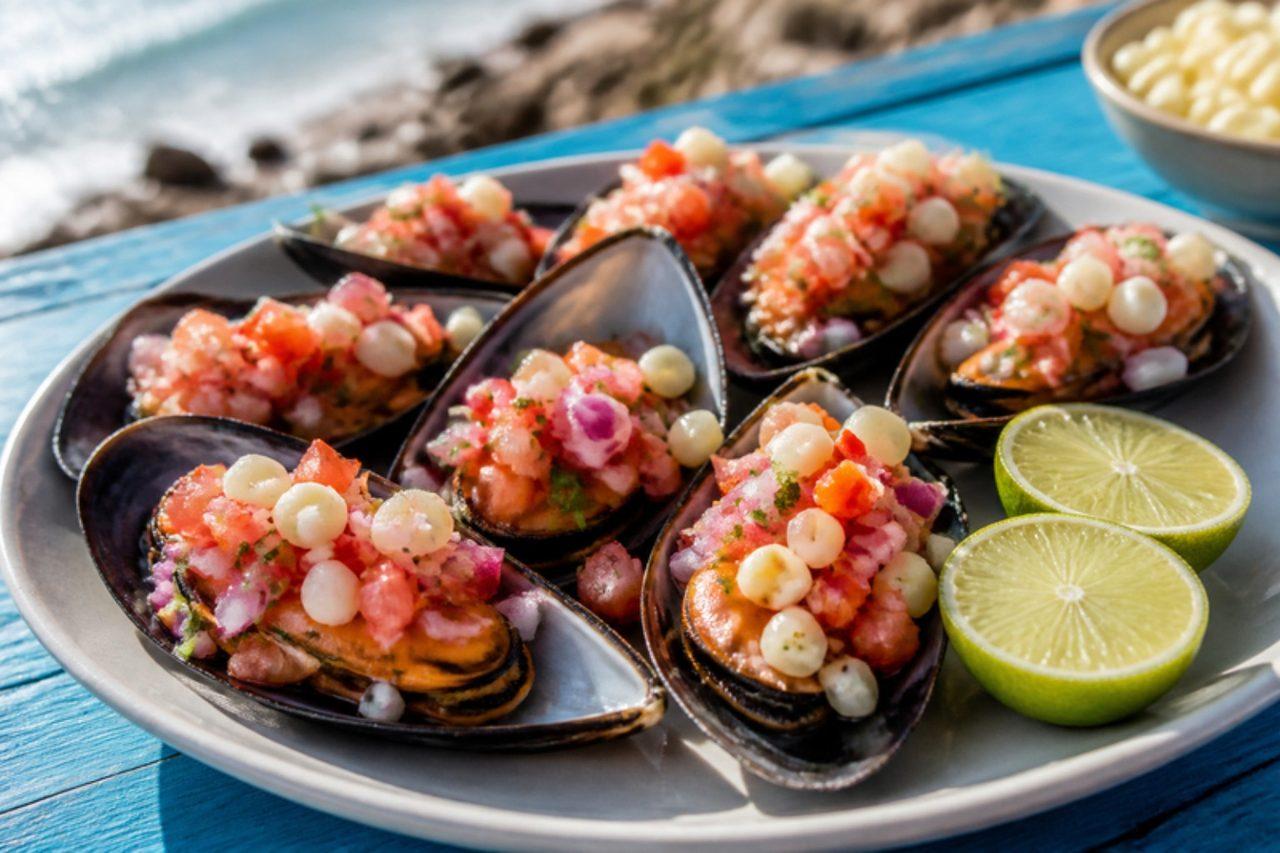
Choros a la chalacaCold mussels with corn salsa

Named for the people of Callao, Lima's port, choros a la chalaca are what you order with friends at a seafront cevichería on a hot afternoon: steamed mussels, chilled, each on its half shell under a bright, wet salsa of red onion, tomato, Andean corn, rocoto and lime. Cool, sweet, briny and sharp, they are eaten with your fingers in two bites, often before a ceviche or a jalea. Here the mussels are fully steamed open first, so nothing is served raw. People often overcook them while waiting for the last stubborn shells, which leaves the rest rubbery; lift them out as soon as each one opens. Chef's tip: dress the salsa no more than 15 minutes ahead, and spoon a little of the juice onto every mussel; that juice is the whole point of the dish.

by KrazyBadal 0 views

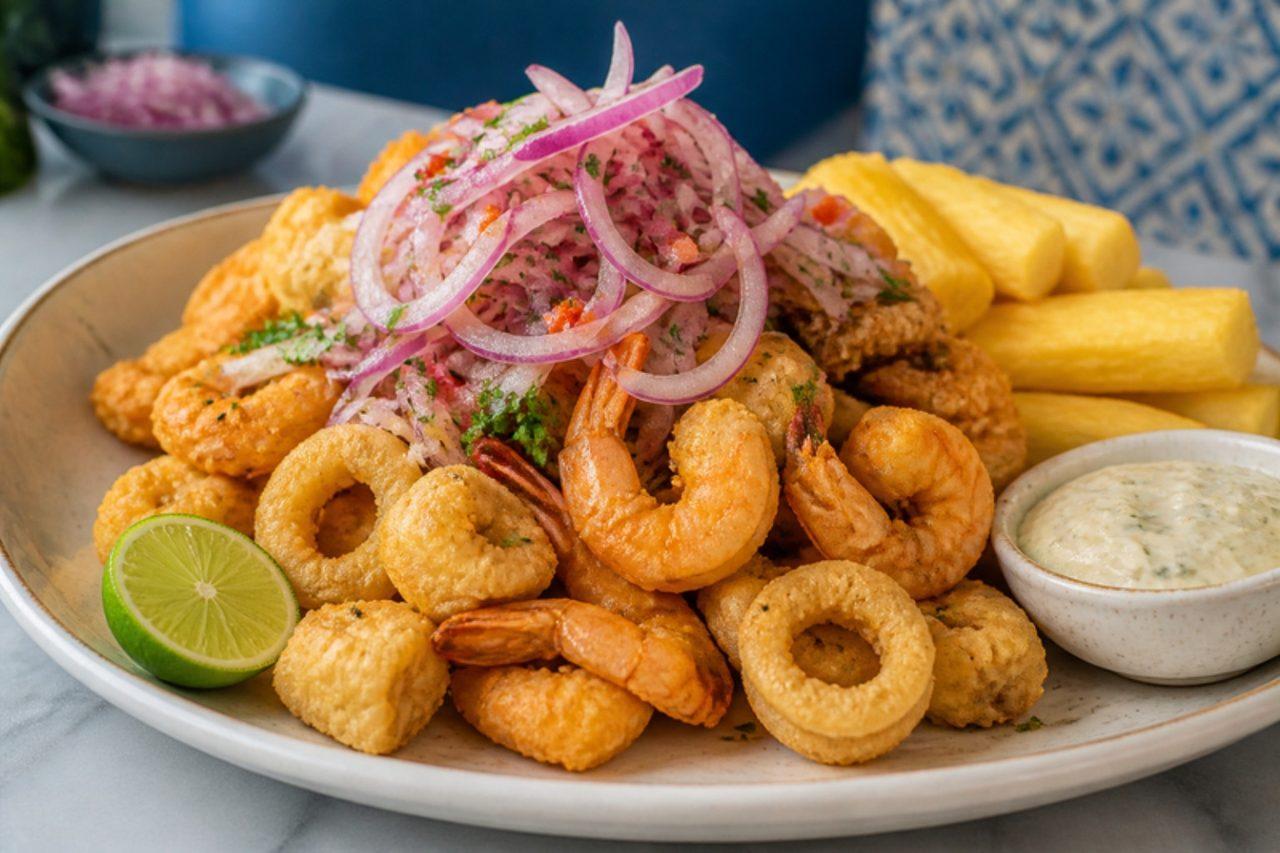
Jalea mixtaMixed fried seafood with cassava

Ordered to share at a Lima cevichería on a Sunday, jalea mixta arrives as a tall golden pile: chunks of white fish, squid rings and prawns, all in a light, crackly coat, on top of fried cassava and buried under a fresh tangle of salsa criolla. The contrast is the point, hot and crunchy underneath, cold, sour and sharp on top, with tartar sauce or ají on the side and cold drinks all round. A frequent mistake is crowding the oil, which drops its temperature and gives you a soggy, greasy coat; fry in small batches and let the oil come back up between them. Chef's tip: boil the cassava first and let it steam dry before frying; it turns fluffy inside and shatteringly crisp outside.

by KrazyBadal 0 views

King kongLayered biscuit with manjar blanco

Named, the story goes, after the giant ape because of its size when the film reached Peru, the king kong is Lambayeque's proudest sweet: thick, crumbly biscuit layers stacked with manjar blanco, a sticky pineapple jam and a peanut fudge, then cut into heavy slabs. Shops in Lambayeque and Chiclayo sell them by the kilo in boxes, and travellers carry them home as gifts. It is very sweet, buttery and dense, so a slice goes a long way with black coffee. This home version makes the manjar blanco from condensed and evaporated milk to save hours, then turns half of it into the peanut layer. The usual mistake is overbaking the biscuit until it is hard; take it out as soon as the edges are pale gold, as it firms up while it cools. It is a project, so make the fillings first and let them cool. Chef's tip: wrap the finished king kong and leave it overnight before cutting; the layers settle and soften into each other.

by KrazyBadal 0 views

KispiñoSteamed quinoa cakes

Pressed in a fist so each one carries the marks of the cook's fingers, kispiño are small, dense quinoa cakes from the Puno highlands, steamed and then left to dry so they keep for weeks on journeys, herding trips and pilgrimages. Traditional ones are bound with a little lime water (from cal, the mineral) and fat; this home version uses oil and a pinch of aniseed and sugar, so they're vegan and pleasantly savoury-sweet. They're firm and chewy, a little like a grain cake, and good with hot tea, coca tea or a soup on a cold day. The common mistake is making the dough too wet, so the cakes slump in the steamer; it should feel like damp sand that holds its shape when squeezed. Ground quinoa is quinoa flour; grind your own from rinsed, dried and toasted grain, or buy it ready ground. Chef's tip: toast the ground quinoa in a dry pan first until it smells nutty, which takes away any bitterness.

by KrazyBadal 0 views

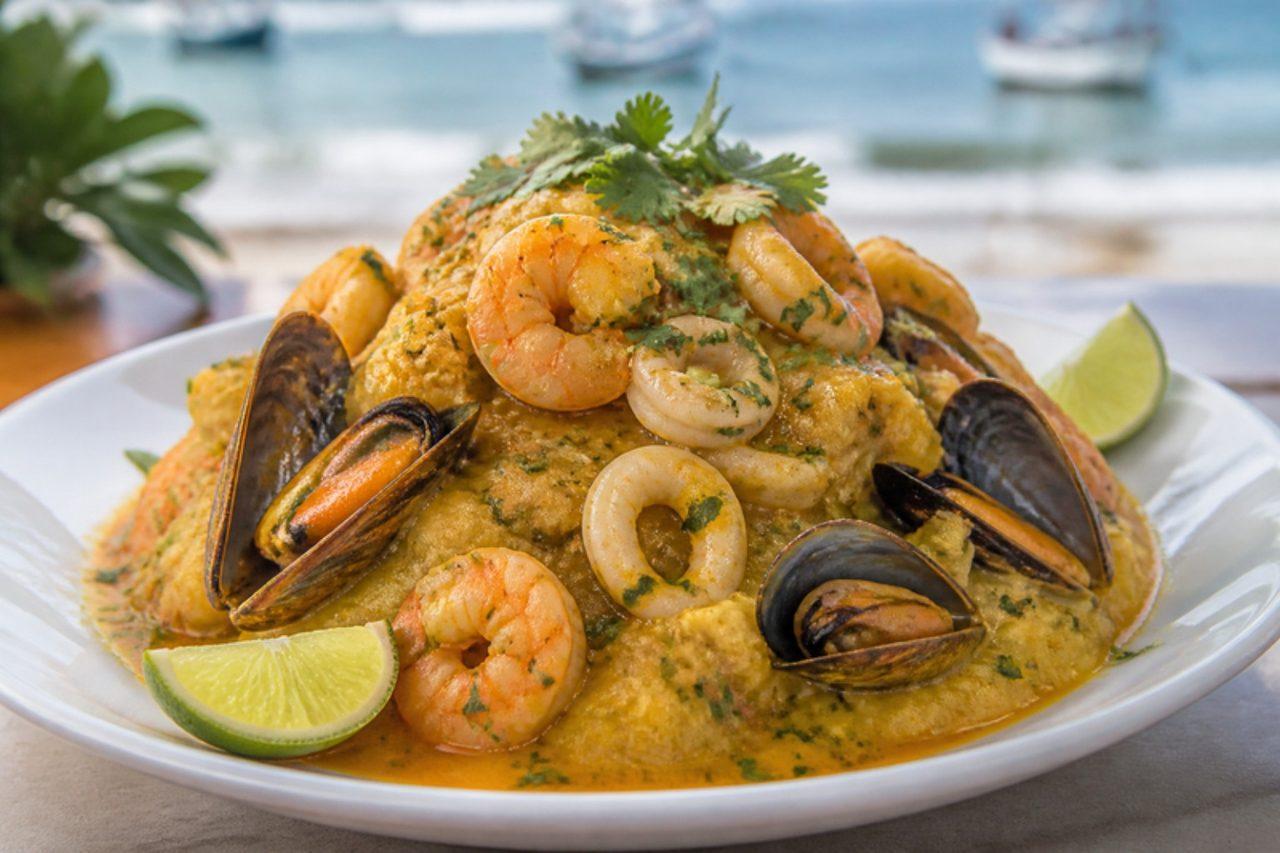
MajariscoPlantain mash with seafood

Its name blends 'majado' (mashed plantain) and 'marisco' (seafood), and along the coast of Piura and Tumbes, near the Ecuadorian border, it's what cevicherías and beach restaurants serve when you want something hot and filling. Mashed green plantain is folded into a sauce of garlic, onion, ají and seafood juices, with prawns, squid and mussels running through it, so every forkful is creamy, garlicky and briny. Serve it with lime and salsa criolla. Mussels must be alive: tap any open ones and discard those that don't close, and discard any that stay shut after cooking. Overcooking the seafood is the most frequent mistake; it goes in at the end, just until pink and opaque. Chef's tip: keep the mussel cooking liquid and use it to loosen the mash; it's pure seafood flavour.

by KrazyBadal 0 views

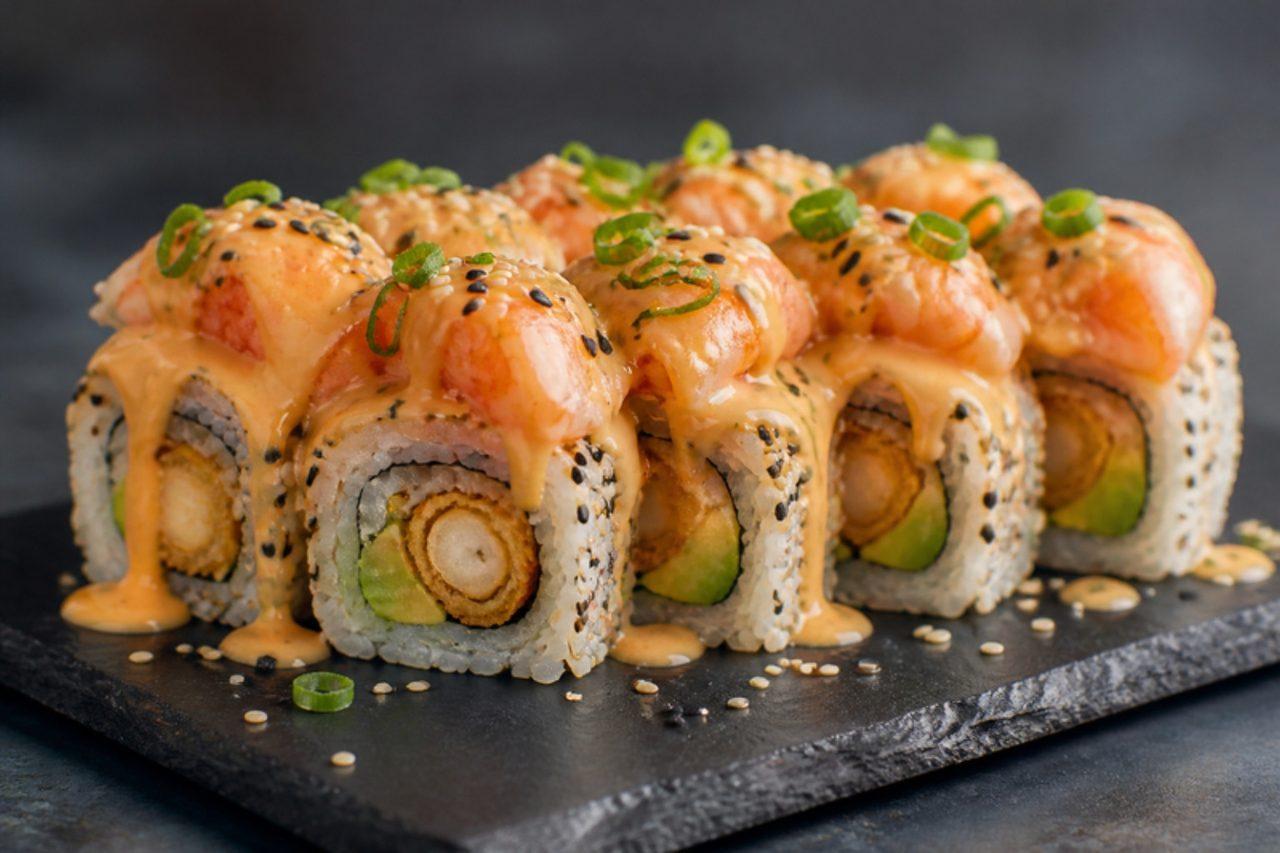
Maki acevichadoPrawn tempura rolls with ceviche sauce

Lima's Nikkei sushi bars invented the acevichado and it has become the roll every Peruvian orders: prawn tempura and avocado rolled in rice, topped with thin slices of fish and drenched in a creamy, lime-sharp sauce built from leche de tigre, ají amarillo and mayonnaise. Crisp, warm, cold and tangy in one bite, it is party food and Friday-night takeaway alike. For a safer topping, use sashimi-grade fish frozen at −20 °C for 24 hours first, keep it cold and eat the rolls at once; you can also sear the slices with a blowtorch or use cooked prawns instead. Even so, the raw-fish topping is not for pregnant women, young children or anyone with a weakened immune system. Overfilling is the usual mistake: the roll won't close and the rice splits. Chef's tip: use a pasteurised-egg mayonnaise and wet your hands with vinegared water so the rice doesn't stick.

by KrazyBadal 0 views

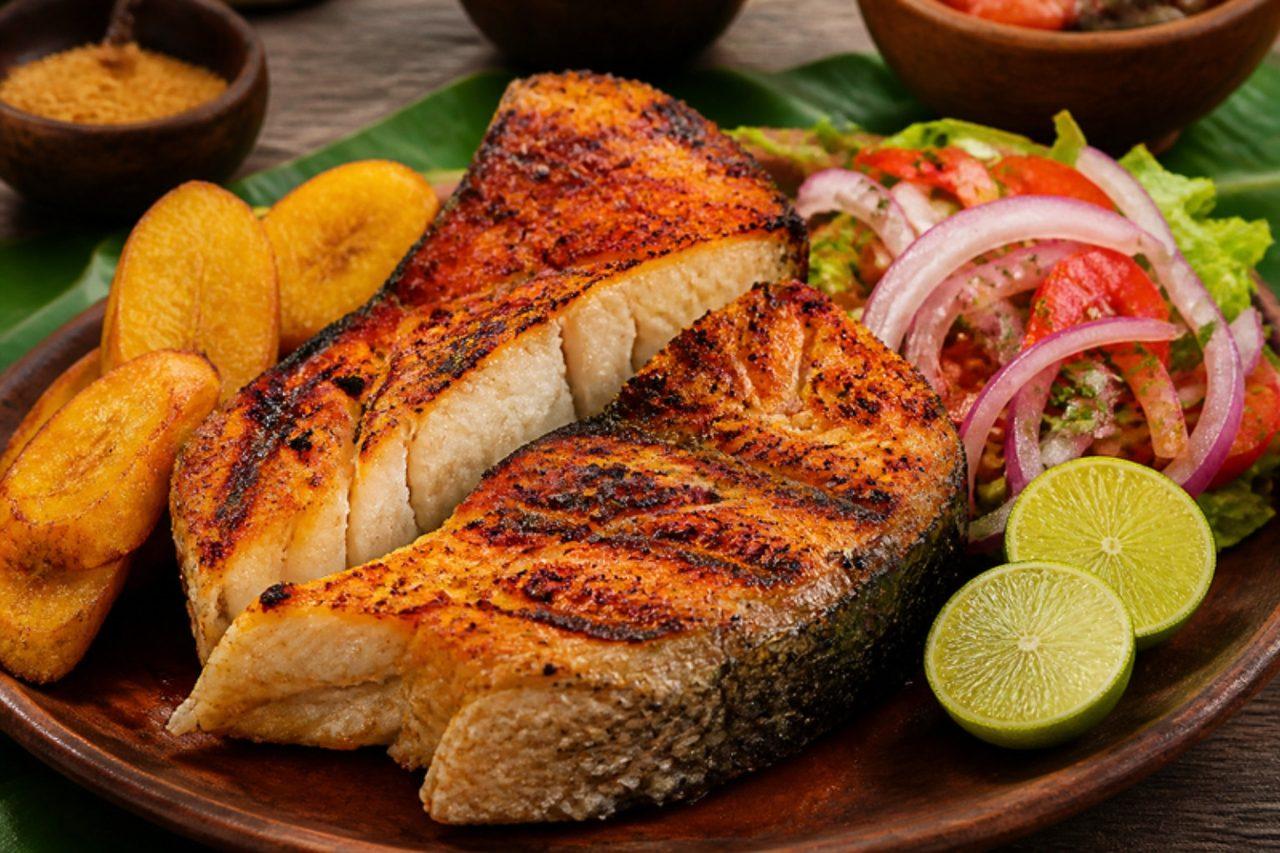
Paiche a la parrillaGrilled paiche steaks

Paiche (arapaima), one of the largest freshwater fish on earth, has thick, white, almost boneless flesh, and in Iquitos it is farmed and cut into meaty steaks that sizzle on the grills of riverside restaurants. Marinated briefly in garlic, lime, cumin and achiote, it chars on the outside and stays juicy and mild inside, a little like cod but firmer. Serve it with a tomato and onion salad, rice, or tacacho (mashed fried plantain balls). Frozen farmed paiche is sold in some fishmongers; thick cod, halibut or hake loin are good stand-ins. Leaving it in lime too long is the big mistake: the acid starts to 'cook' the surface and it sticks and tears on the grill, so 15 minutes is plenty. Chef's tip: oil the fish, not the grill, and don't move it for the first 3 minutes so it forms a crust and releases cleanly.

by KrazyBadal 0 views

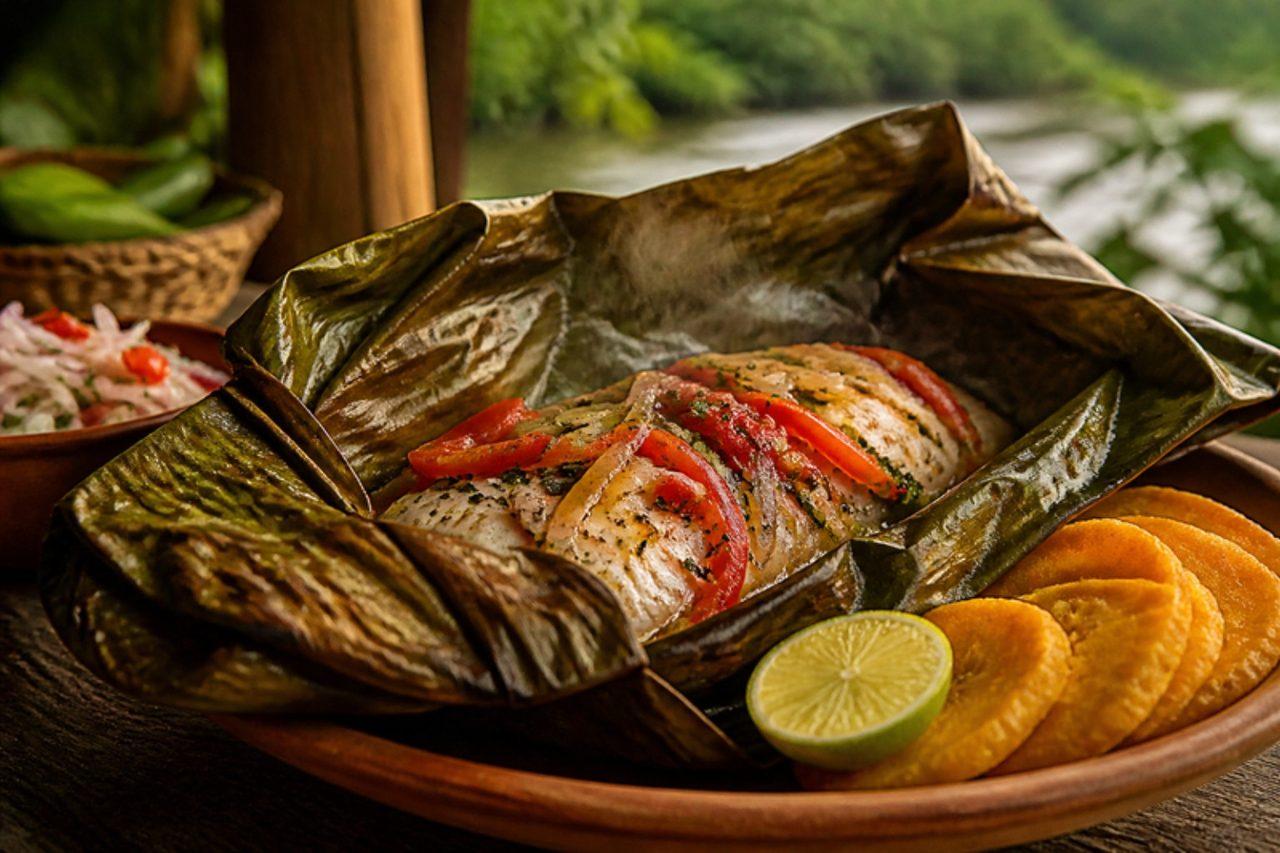
PatarashcaLeaf-wrapped grilled fish

Wrapping fish in leaves and cooking it over embers is how the riverside towns of Loreto and San Martín have always cooked their catch, and in Iquitos patarashca is sold on Belén market grills and in the restaurants along the Malecón. A whole fish or thick fillet is smeared with garlic, ají dulce, tomato, onion, cumin and sacha culantro, folded in large bijao leaves and grilled until the parcel chars and the fish steams in its own juices. When you open it, the flesh is soft and fragrant with herbs. Banana leaves from Asian shops are the best swap for bijao; foil works at a pinch. Too thin a parcel is the usual mistake: the leaves burn through and the fish dries out, so use two layers. Chef's tip: serve it in the opened leaf with boiled plantain or cassava and spoon up every drop of the juices.

by KrazyBadal 0 views

Showing 24 of 46 recipes

Show more recipes

Page 1 of 2