Skip to content
Recipes

All recipes

Vegetarian, or something you can't eat? Set your diet once and we'll hide recipes that don't fit.

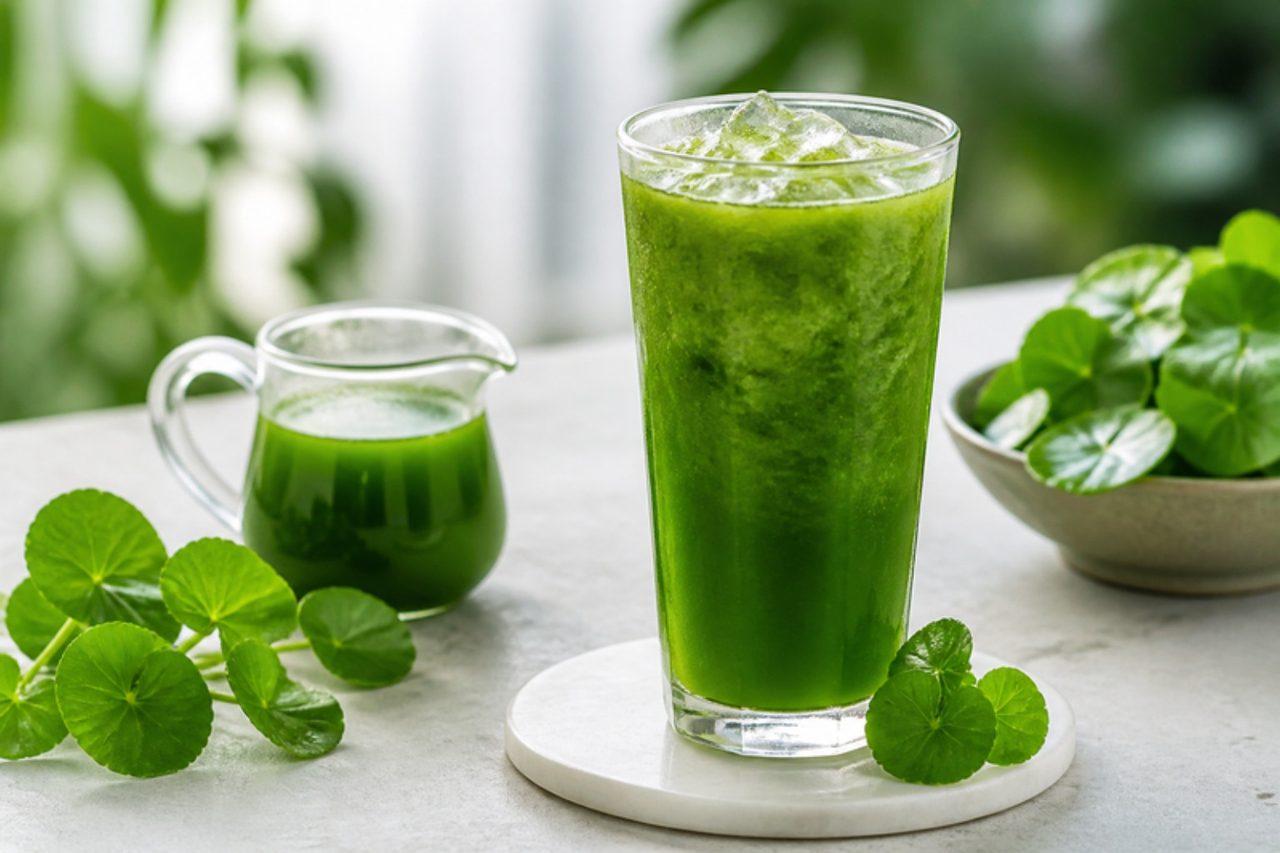
Nước rau máPennywort juice

Saigon street carts blend nước rau má to order through the hottest part of the afternoon, pouring the bright green juice into plastic cups over crushed ice for office workers and students. Pennywort (rau má) tastes fresh, grassy and very slightly bitter, and southerners drink it to 'cool the body' in the dry season; some stalls blend in cooked mung beans or a splash of coconut milk to make it richer. Look for bunches of rau má in Vietnamese and South Asian grocers, where it is also sold as gotu kola. Chef's tip: strain twice through a fine cloth and drink it within the hour; left standing, it separates and darkens to a dull khaki.

by KrazyBadal 0 views

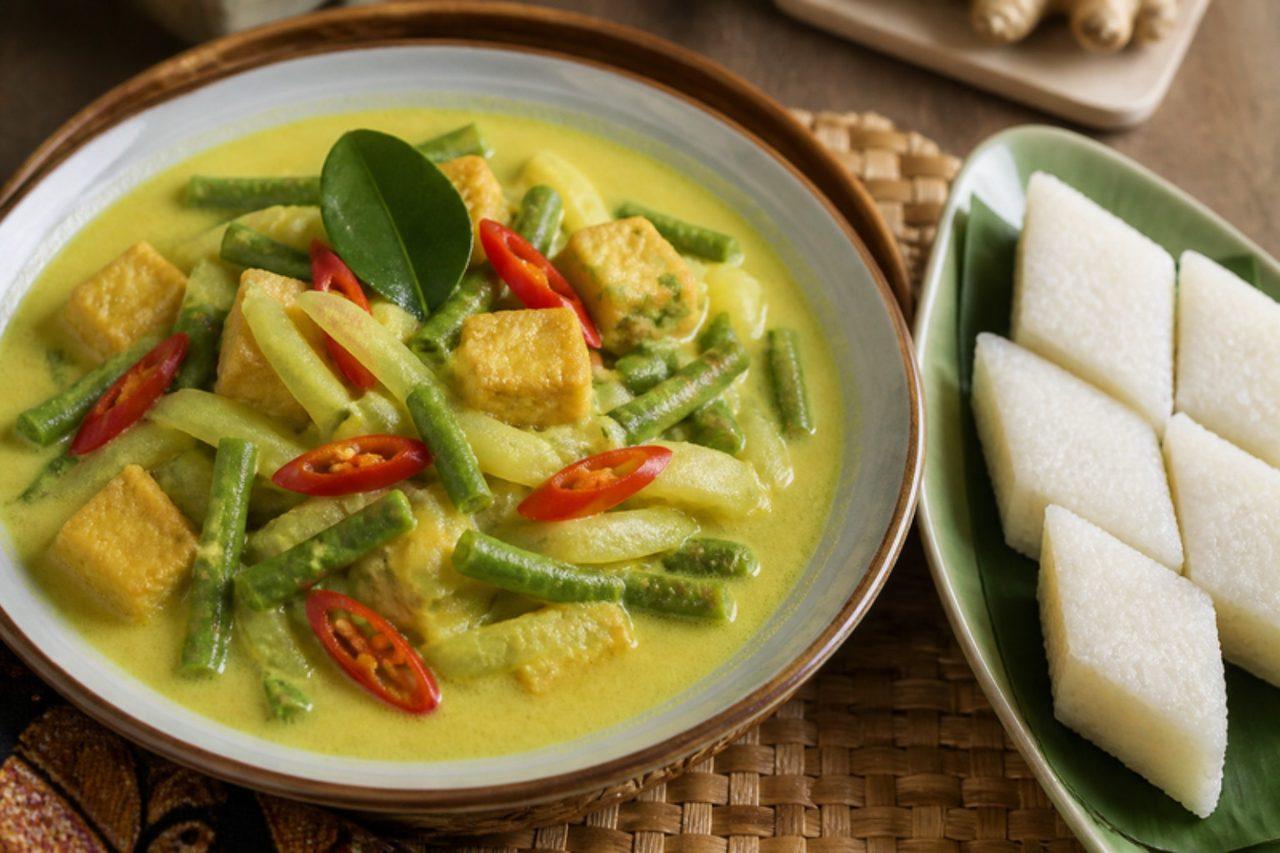
Sayur labu siamChayote and tofu coconut curry

On Lebaran morning in Java and Jakarta, sayur labu siam is the mild, soupy vegetable ladled over cut ketupat beside the richer opor and sambal goreng. Crisp-tender chayote, long beans and fried tofu simmer in a thin, pale-gold coconut broth fragrant with turmeric, galangal and salam leaf; it also makes an easy weeknight lontong sayur. This version is vegan, while many home cooks add a little terasi and dried shrimp to the spice paste. Chef's tip: let the broth simmer gently after the coconut milk goes in; a hard boil splits it into oily curds.

by KrazyBadal 0 views

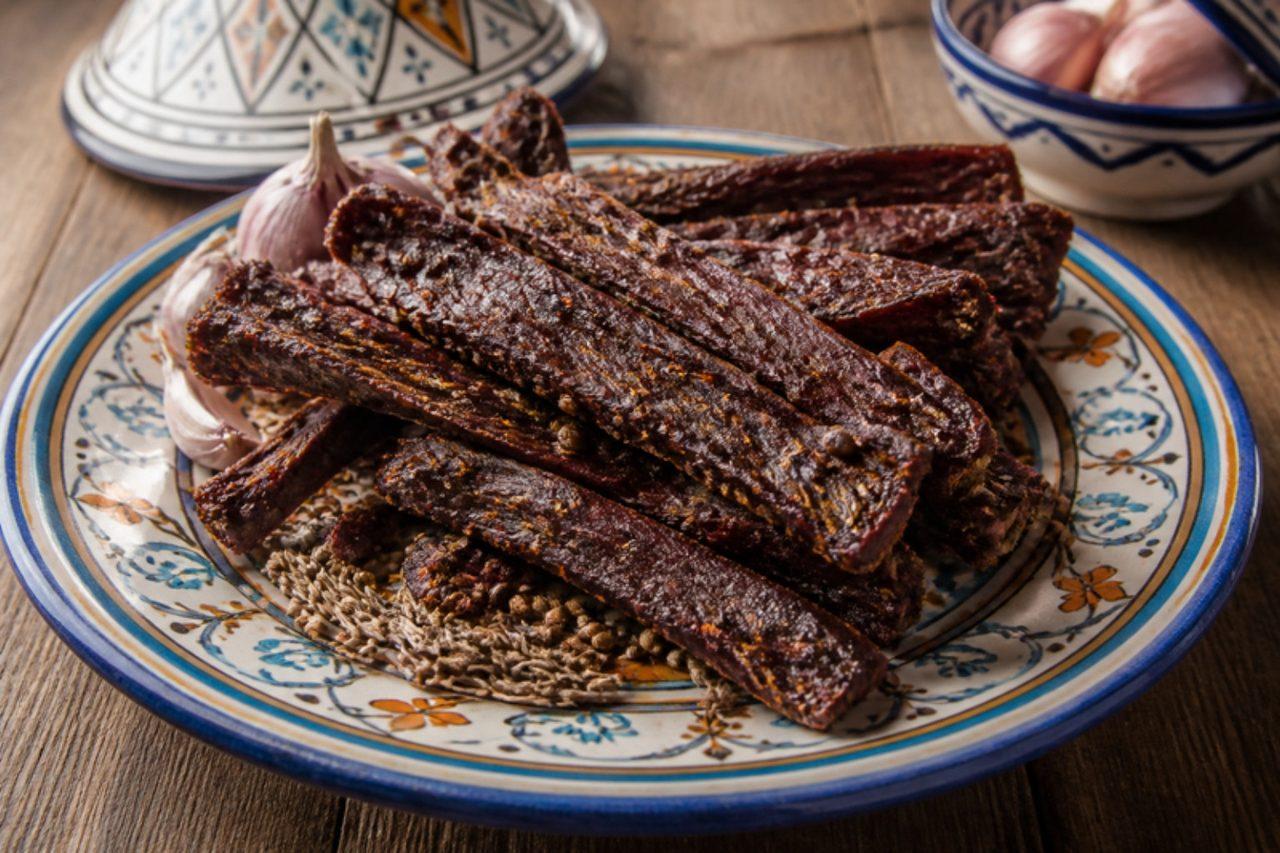
Gueddid (spiced dried lamb, safe oven method)

After Eid al-Adha, families across Morocco traditionally cut part of the sacrificed lamb into strips, rub it with salt, garlic, cumin and coriander and hang it on rooftop lines in the sun for days; the gueddid is then kept for Ashura couscous, lentil stews and eggs. Sun-drying meat at home is not safe without strict control, so this version cures the strips in the fridge, then dries them in a low oven until the meat is cooked through to at least 71 °C and leathery-dry, with the same deep, salty, cumin flavour. The common mistake is cutting thick strips: anything over 1 cm stays moist in the centre. Chef's tip: semi-freeze the meat for an hour first so you can slice it thinly and evenly. Not for anyone on a low-salt diet.

by KrazyBadal 0 views

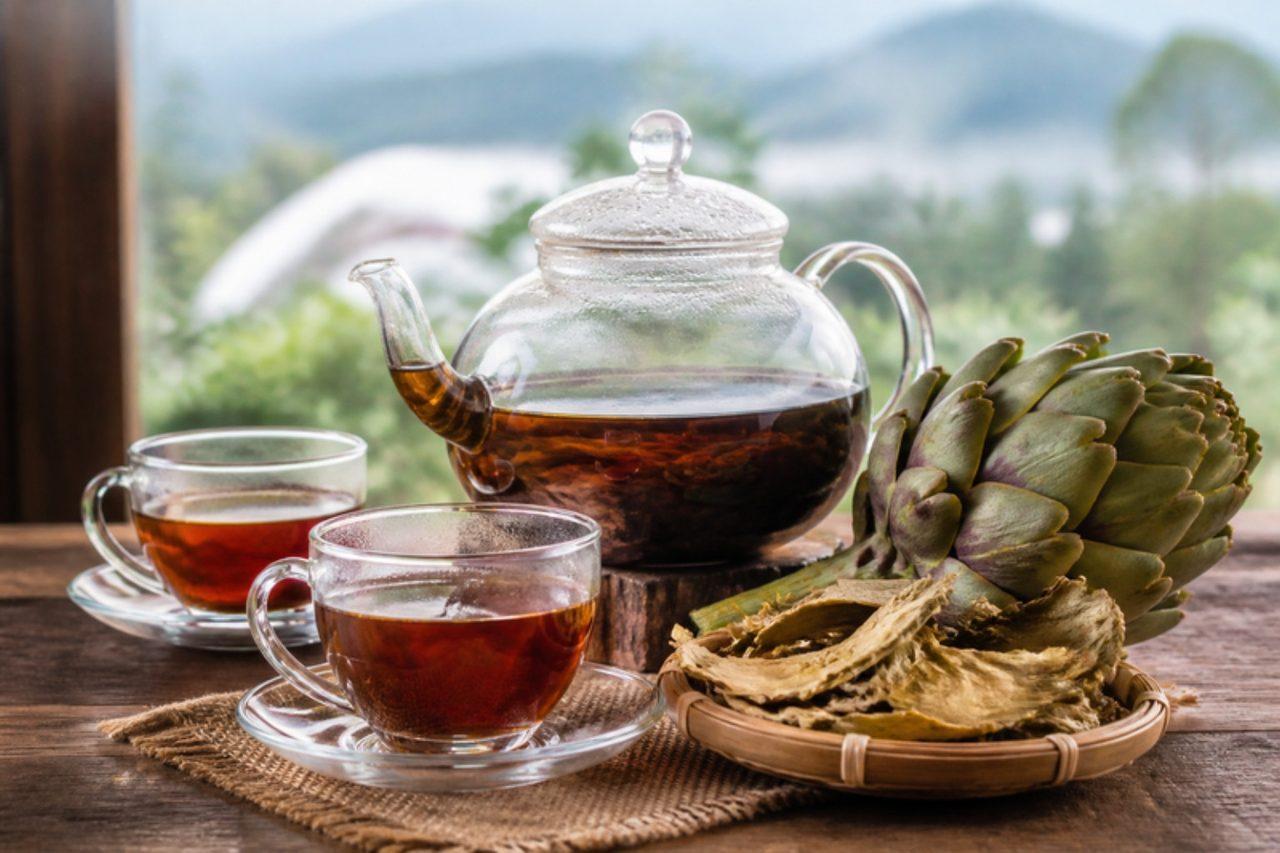
Trà atisôArtichoke tea

Artichokes arrived in the cool Đà Lạt highlands with French planters, and today the town's markets sell dried artichoke leaves, stems and flower buds for tea along with fresh heads for soup. Local cafés serve it hot on misty mornings and iced in the afternoon, slightly sweet, earthy and pleasantly bitter, and many Vietnamese drink it as a gentle tonic after rich meals. This version brews fresh globe artichokes with their stems; a 30 g bag of dried trà atisô works the same way. Chef's tip: skip the aluminium pan; artichokes react with it and the tea turns grey and metallic.

by KrazyBadal 0 views

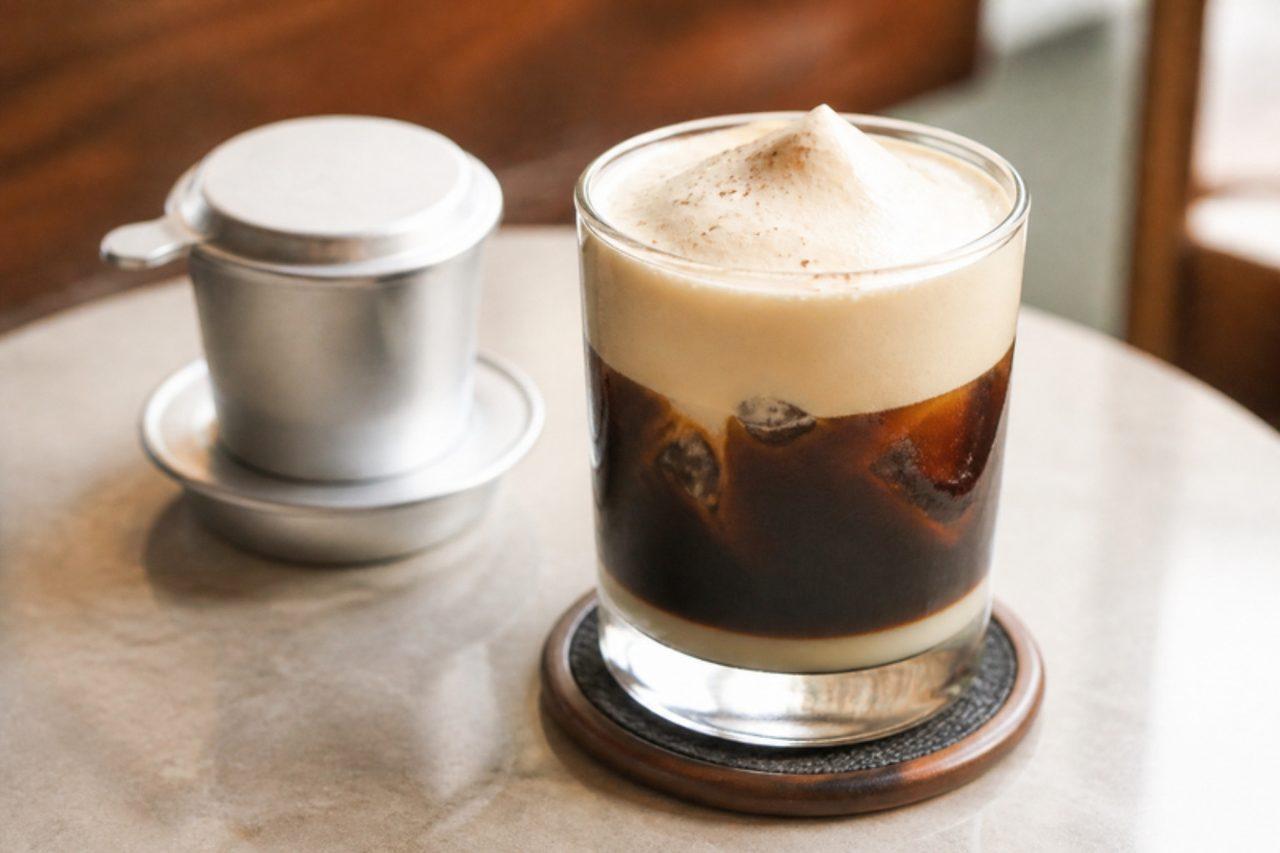
Cà phê muốiSalt coffee

A family café in Huế's citadel quarter began topping its coffee with salted cream, and now cà phê muối is served across central Vietnam and in trendy cafés in Saigon and Hanoi. Sip it without stirring: first the cool, faintly salty cream, then sweet condensed milk and strong phin coffee, the salt rounding off the bitterness much like a pinch in caramel. It is good hot or poured over ice. Chef's tip: use only a small pinch of salt per glass; too much and the drink tastes like seawater rather than salted caramel.

by KrazyBadal 0 views

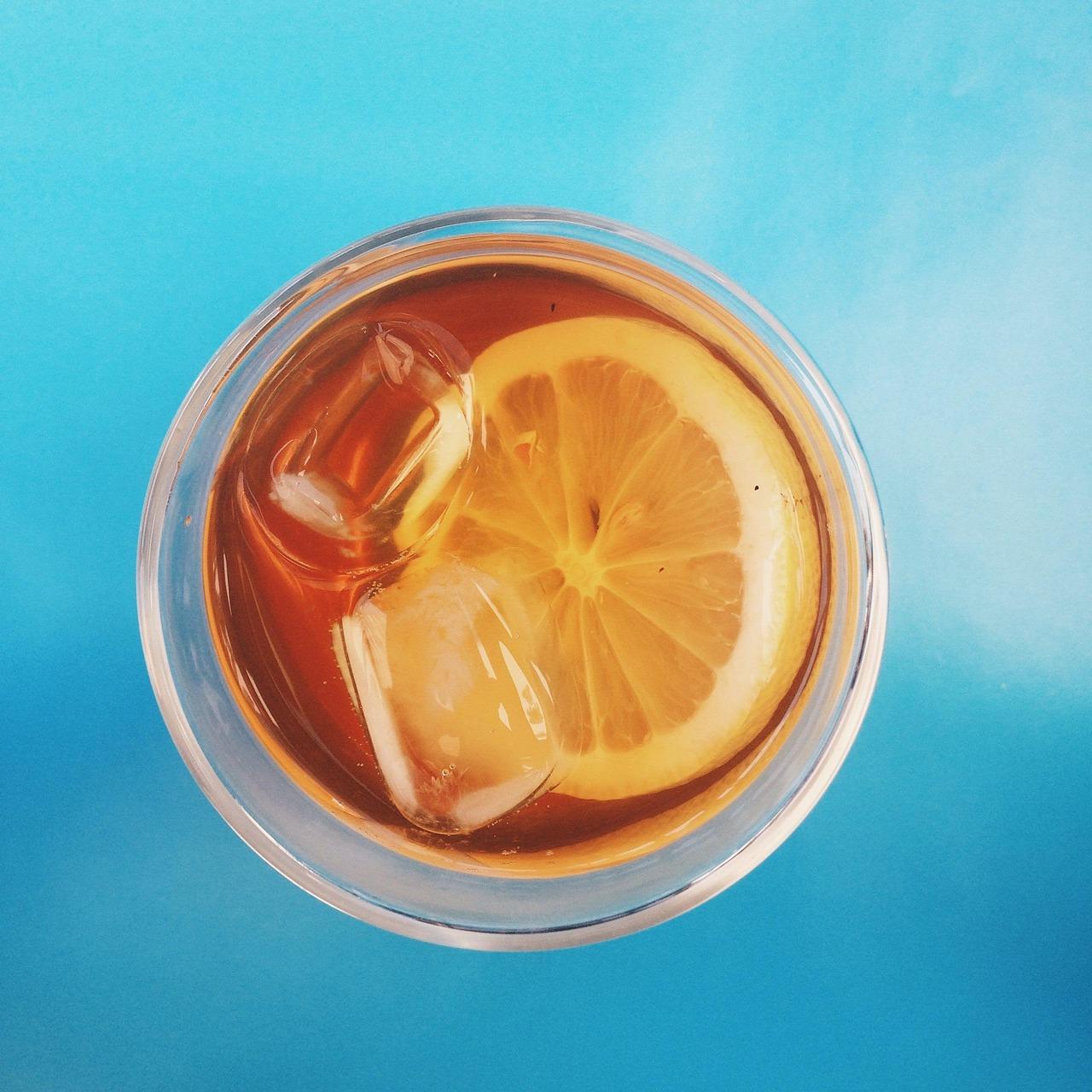
Teh O ais limauIced black tea with lime

In kopitiam shorthand, 'teh' is tea with milk, 'O' means no milk, 'ais' is iced and 'limau' adds lime, so this is the order Malaysians shout across the counter on a sticky afternoon in Penang or Kuala Lumpur. Strong, sweetened black tea is cooled over ice and squeezed with lime until it tastes like a sharper, less perfumed iced lemon tea. It goes with fried noodles and roti. Chef's tip: pouring hot tea straight onto a glass of ice dilutes it into weak tea; brew it double strength, or chill it first.

by KrazyBadal 0 views

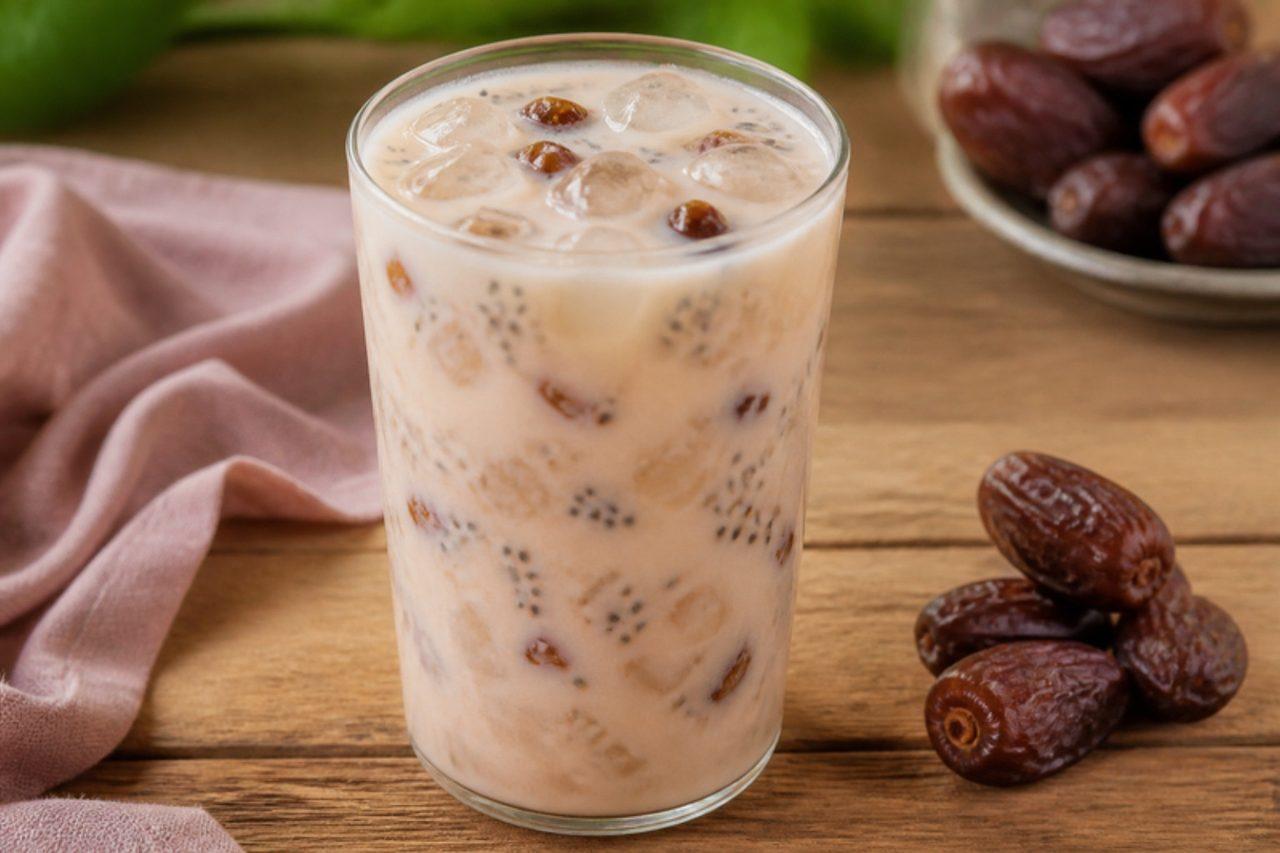
Air katiraBasil seed and gum drink

Air katira comes out at Kelantan's Ramadan bazaars in Kota Bharu, sold in bags of milky drink full of soft, jelly-like katira gum and speckled basil seeds, often with slivers of date. Katira is tragacanth gum, soaked overnight until it swells into translucent, wobbly crystals; it is believed to cool the body after a day of fasting. Find it at Indian or Middle Eastern grocers as 'gond katira'. Chef's tip: not soaking the katira long enough is the usual mistake; hard centres crunch unpleasantly, so give it at least 8 hours in plenty of water.

by KrazyBadal 0 views

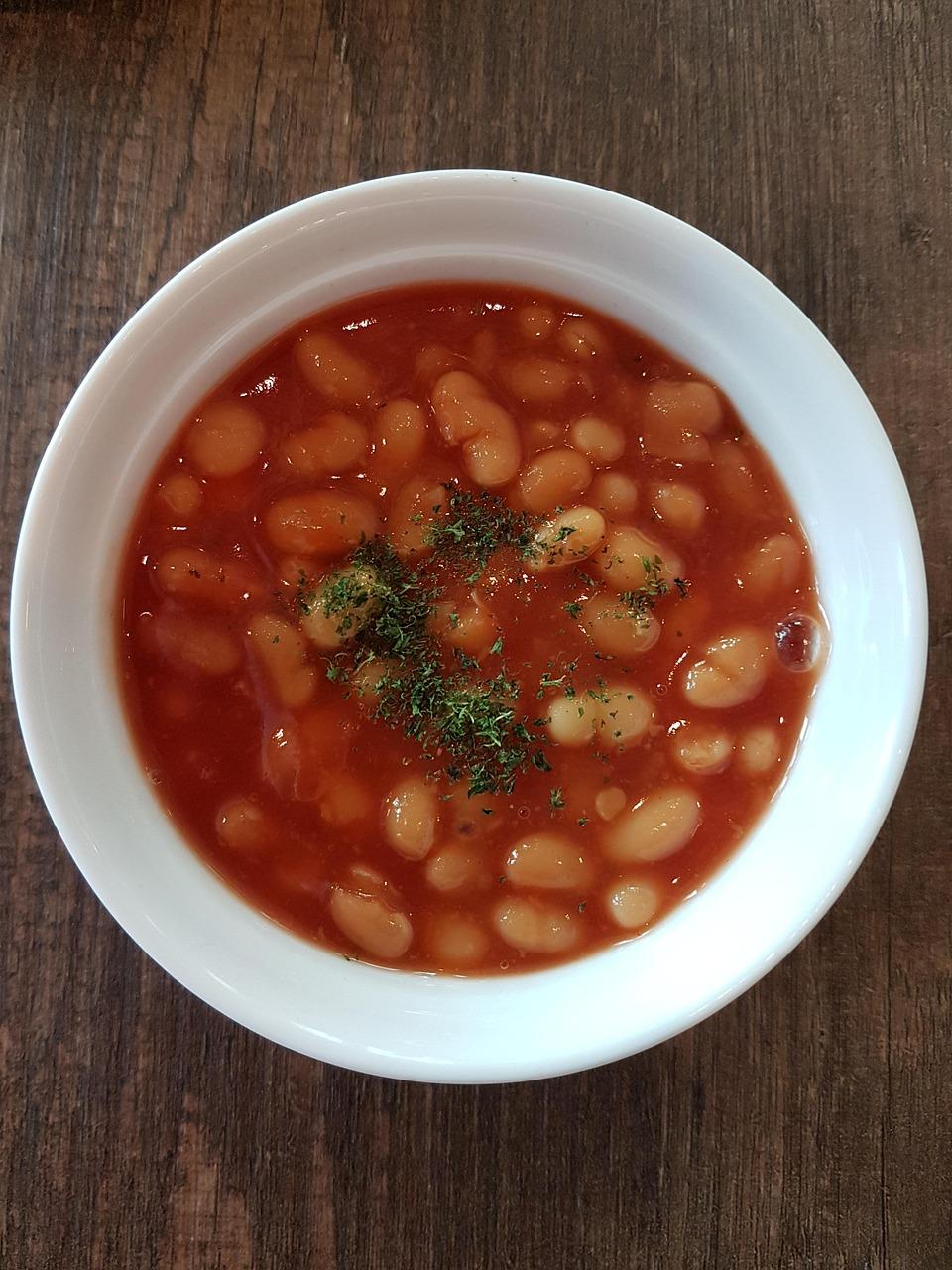
Fasolia beida (white beans in tomato sauce)

Fasolia beida keeps Egyptian families going through the short Cairo winter: dried white beans, soaked overnight and stewed thick with tomato and onion, eaten on rice with crunchy turnip pickles and green chillies on the side. It's cheap, filling and better the next day, which is why many cooks make a double pot. Beans cooked in salted tomato from the start can stay hard forever, so they get boiled tender in plain water first. Chef's tip: mash a ladleful of the beans against the side of the pot near the end; it thickens the sauce naturally.

by KrazyBadal 0 views

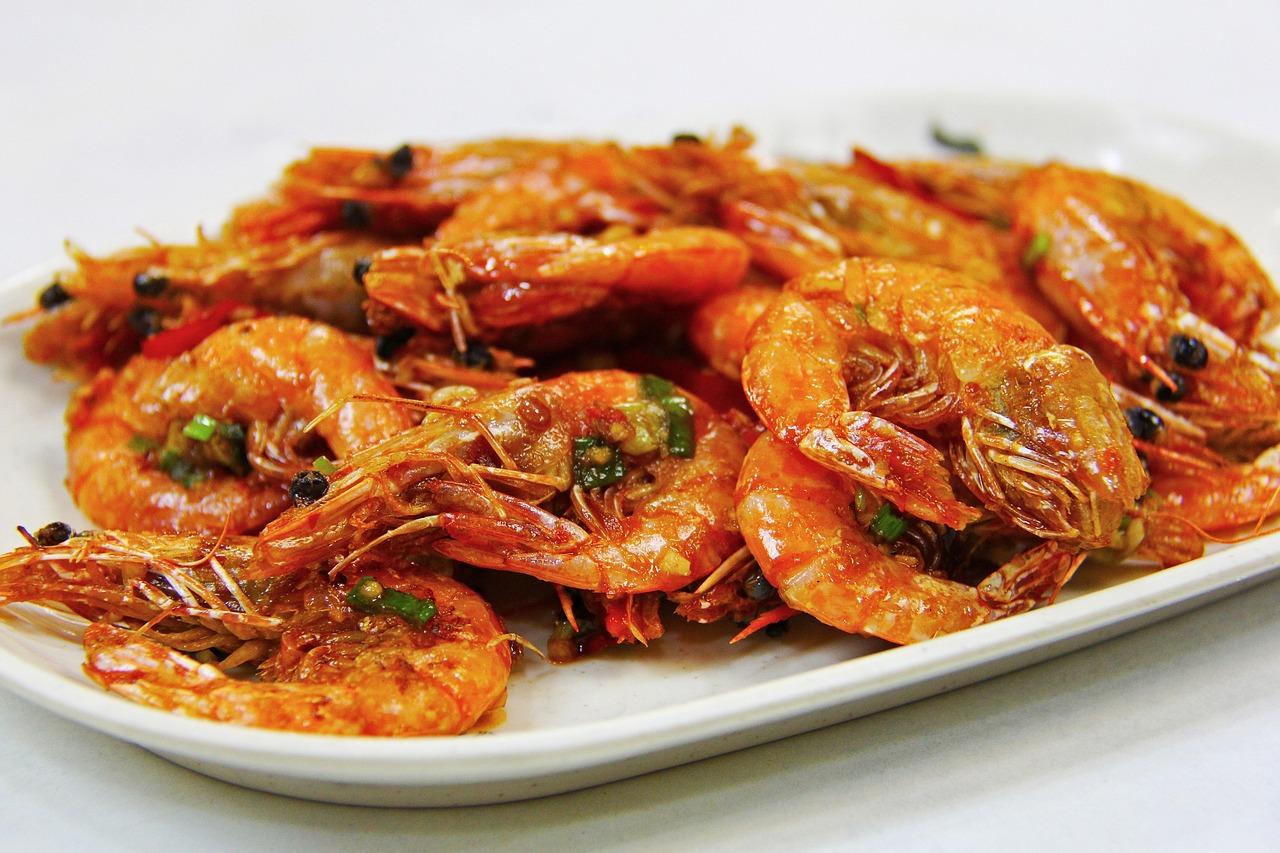
Prawn karahi

Karachi's fishing harbour supplies the city's seafood restaurants on Sea View and in Clifton, and prawn karahi is the quick, fiery dish people order there for a Saturday dinner by the sea: prawns tossed through a tomato, garlic and green chilli masala in a blazing wok, eaten with naan or plain rice. The tomato breaks down into a thick, tangy coating that clings to each prawn, sharpened with lemon and coriander. Prawns that are rubbery and tight are the usual let-down; they need only 3–4 minutes once the sauce is ready, so add them last. Contains shellfish. Chef's tip: fry the prawn shells in the oil first for 2 minutes, then lift them out: the oil takes on a rich, sweet prawn flavour.

by KrazyBadal 0 views

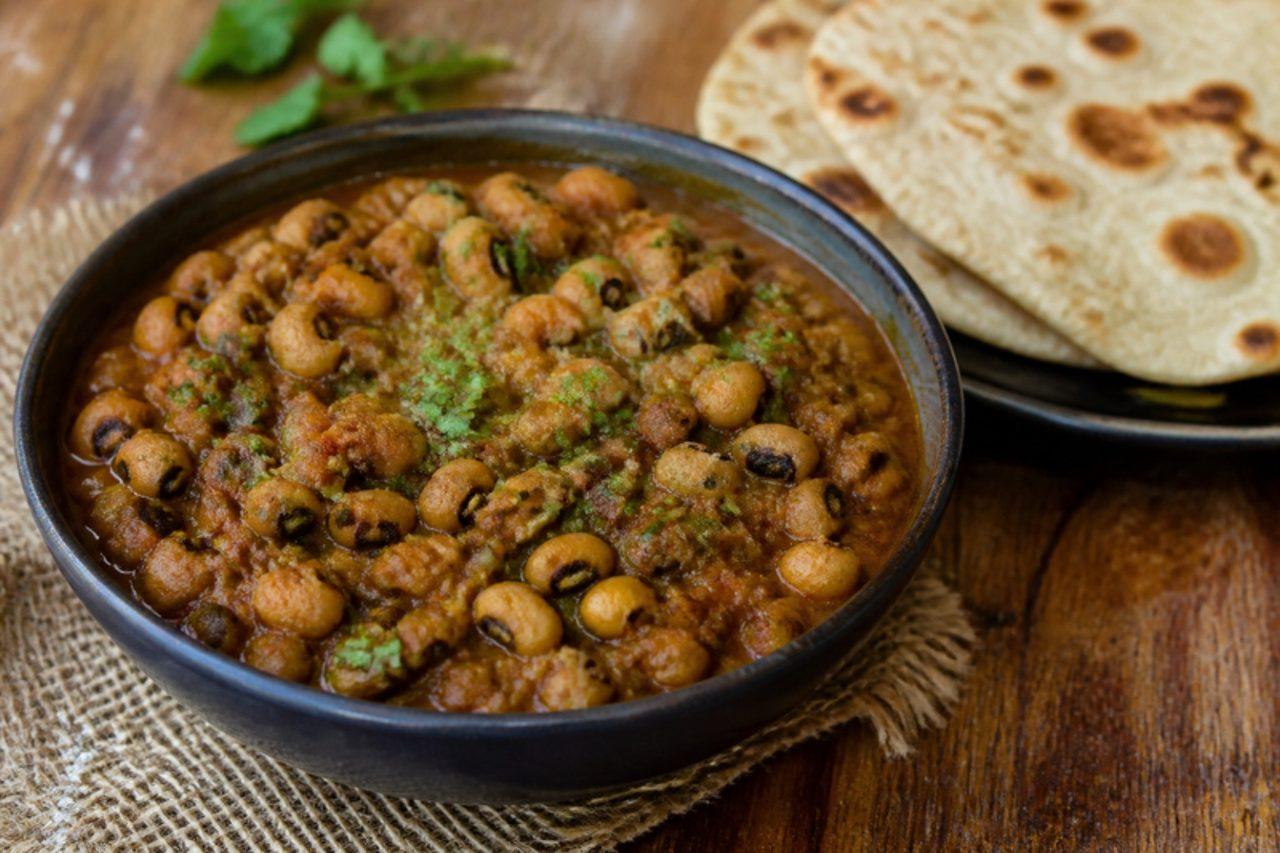
Lobia masalaBlack-eyed bean curry

Truck drivers on the GT Road and students in Lahore's Anarkali eat lobia at dhabas for a few rupees a plate: soft black-eyed beans in a dark onion and tomato masala, mopped up with tandoori roti and a green chilli on the side. It tastes earthy and comforting, with a peppery edge and a thick, spoonable gravy. Undercooked beans that stay chalky in the middle are the common complaint, especially when tomato goes in before the beans are soft; boil them tender first, then simmer them in the masala. Chef's tip: mash a ladleful of the beans against the side of the pot near the end, which thickens the gravy the way dhaba cooks do.

by KrazyBadal 0 views

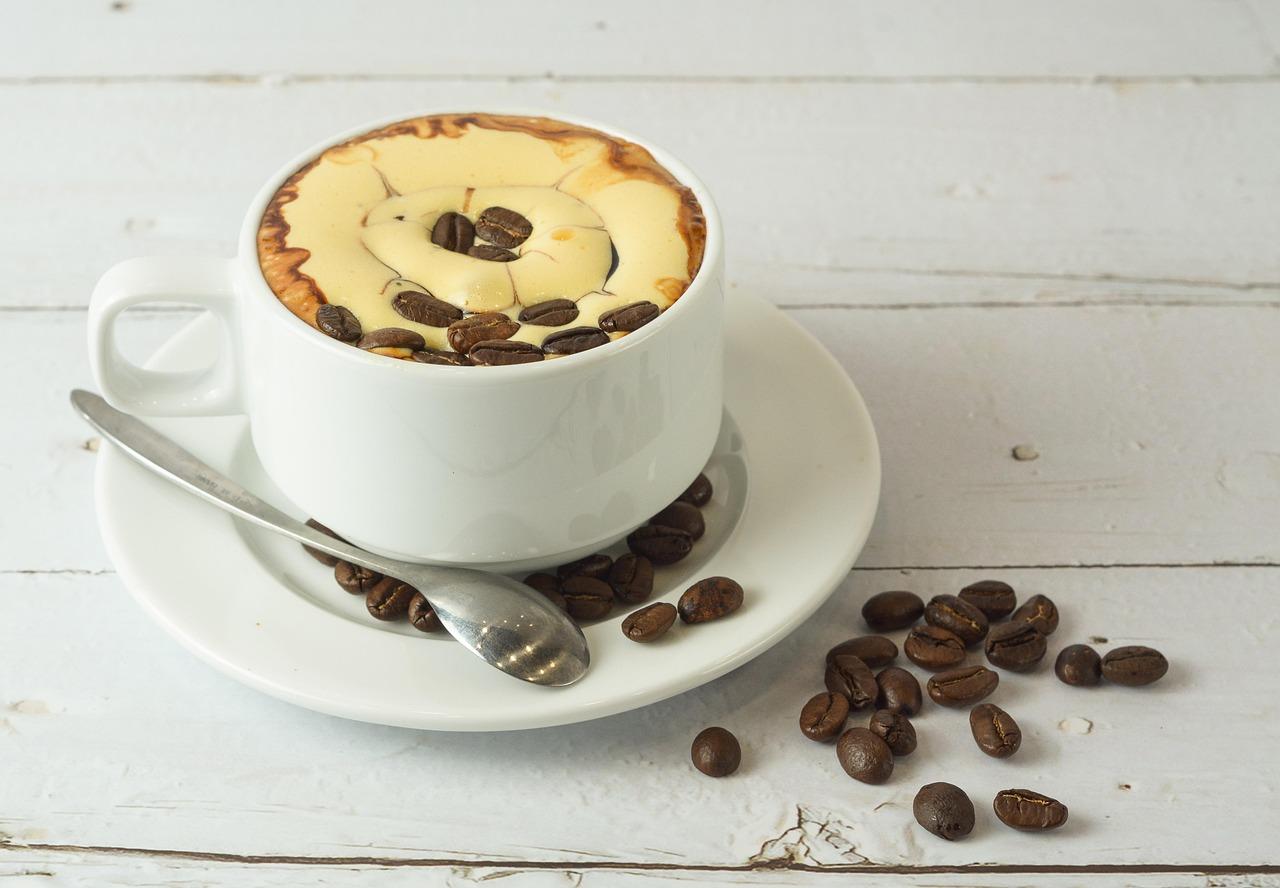
Cà phê trứngEgg coffee

Hanoi's old-quarter cafés, up narrow stairs and in tiny back rooms, serve cà phê trứng in a small cup set in a bowl of hot water so it stays warm while you spoon through the custardy foam into bitter coffee below. The topping is egg yolk whisked with condensed milk until pale and thick, a trick that began when fresh milk was scarce in the 1940s. Because the yolk is not cooked, use pasteurised eggs for pregnant women, young children, older people or anyone with a weakened immune system. Chef's tip: whisk longer than you think; under-beaten yolk tastes eggy and sinks straight into the coffee instead of sitting on top.

by KrazyBadal 0 views

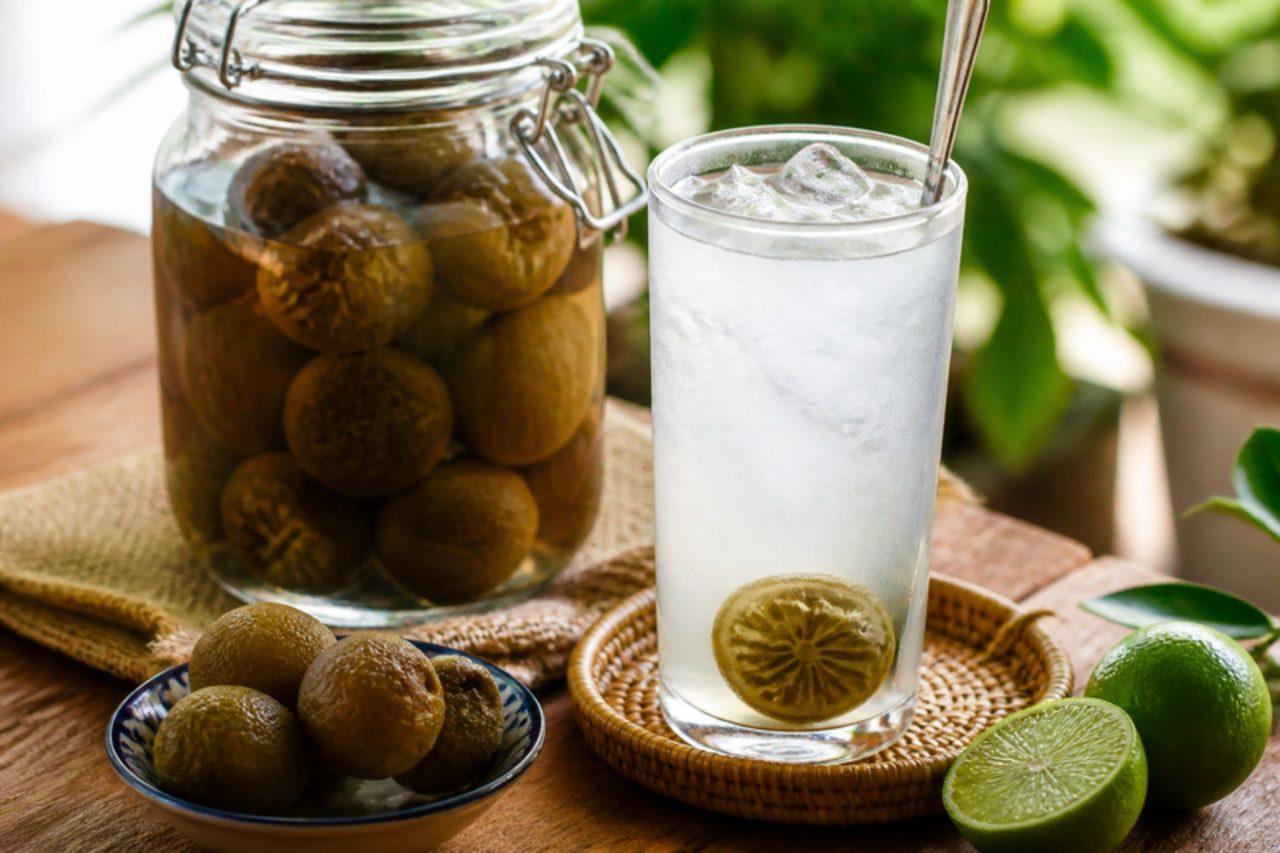
Chanh muốiSalted lime drink

Vietnamese households keep a jar of chanh muối, limes cured in salt until they turn soft and olive-brown, on a sunny shelf for months; on a sweltering day a lime or two is muddled with sugar and topped up with ice water or soda water. The drink is salty, sour and sweet all at once, and grandmothers swear by it for sore throats and after a bout of sun. This recipe makes the jar of cured limes (allow four weeks before the first glass) and then the drink itself. Chef's tip: dry the limes completely after blanching; any water left on the skins lets mould take hold in the jar.

by KrazyBadal 0 views

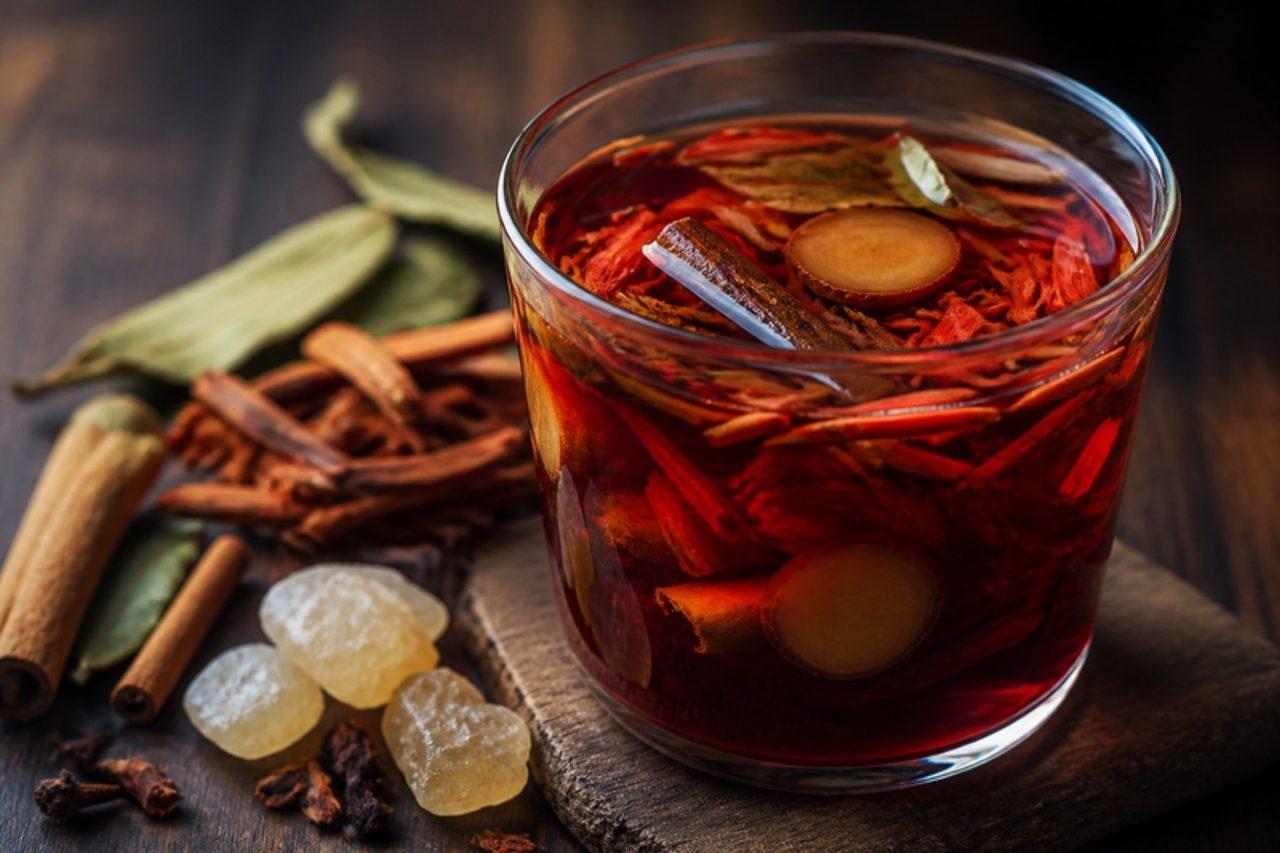
Wedang uwuhSpiced herbal infusion

The name means 'rubbish drink', because a glass looks like a jumble of twigs and leaves, but around the royal tombs at Imogiri, south of Yogyakarta, wedang uwuh is a point of pride. Chips of sappan wood stain hot water a deep ruby red, while ginger, clove, cinnamon, nutmeg leaf and rock sugar give a sweet, woody spice. It is sold by roadside warung as a dry pack to brew at home. Chef's tip: steep it, don't boil it for long; sappan wood turns from red to a muddy brown and tastes tannic if cooked hard.

by KrazyBadal 0 views

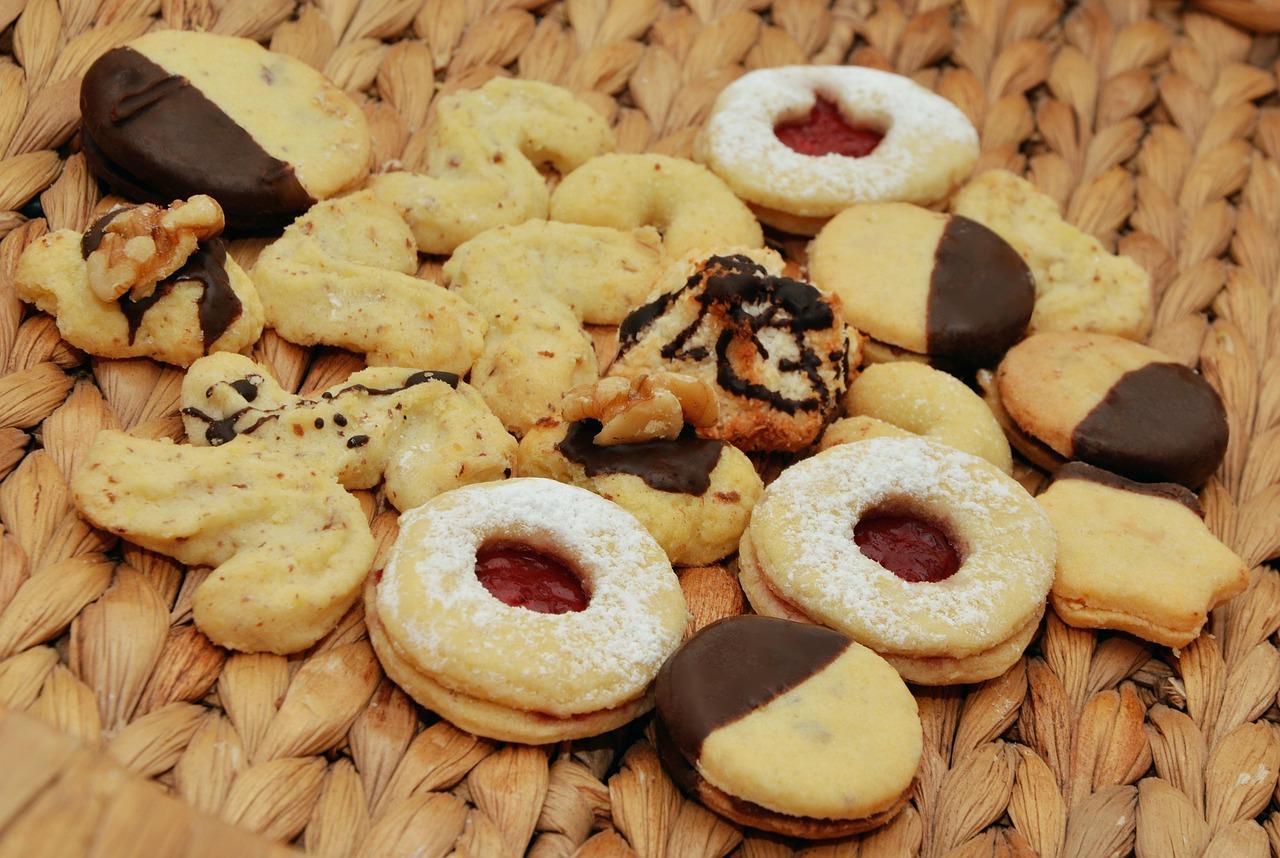
Betefour (Egyptian piped butter biscuits)

Egyptians took the French name petit four and made it their own: betefour are crumbly piped butter biscuits sold by the kilo at Cairo patisseries and baked at home by the tray before Eid and family visits. The dough is soft enough to pipe into rosettes and fingers, then they are sandwiched with apricot jam or half-dipped in dark chocolate. Serve with tea. The mistake that ruins them is cold butter: it won't pipe, and the bag splits; beat it until it's as soft as mayonnaise. Chef's tip: chill the piped trays for 15 minutes before baking so the ridges stay sharp. Contains milk, egg and wheat.

by KrazyBadal 0 views

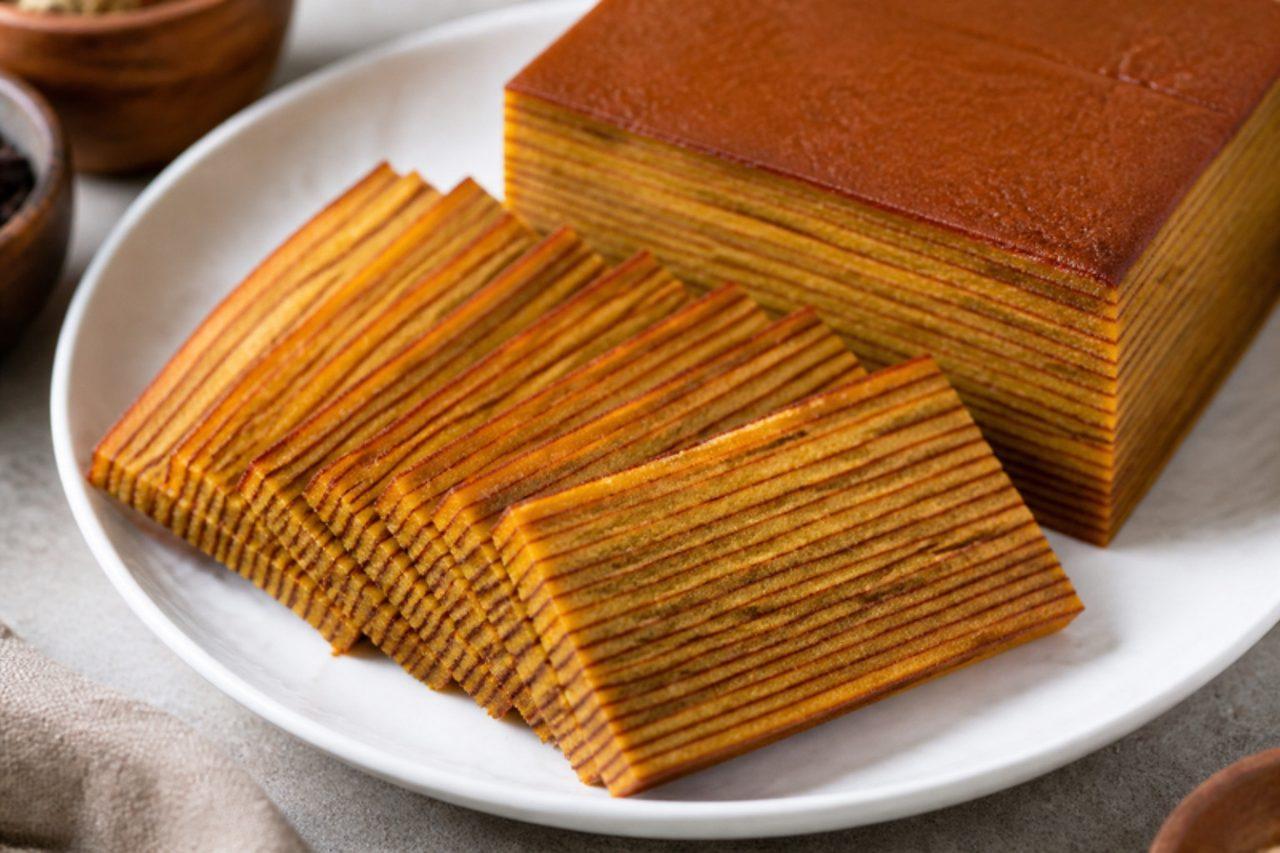
Lapis legitThousand-layer spice cake

Indonesian Chinese and Dutch-descended families bake lapis legit for Christmas, Imlek and Lebaran, and in Jakarta a whole cake is a prized gift that can cost a small fortune. Rich batter of butter and a great many egg yolks, scented with cinnamon, clove, nutmeg and cardamom, is grilled one thin layer at a time, giving perfect tree-ring stripes when sliced. It takes an afternoon, but it is mostly patience. Slice it thinly; it is very rich. Chef's tip: press each layer gently with a flat spoon to burst air bubbles before adding the next; skipping it leaves holes and the layers separate when cut.

by KrazyBadal 0 views

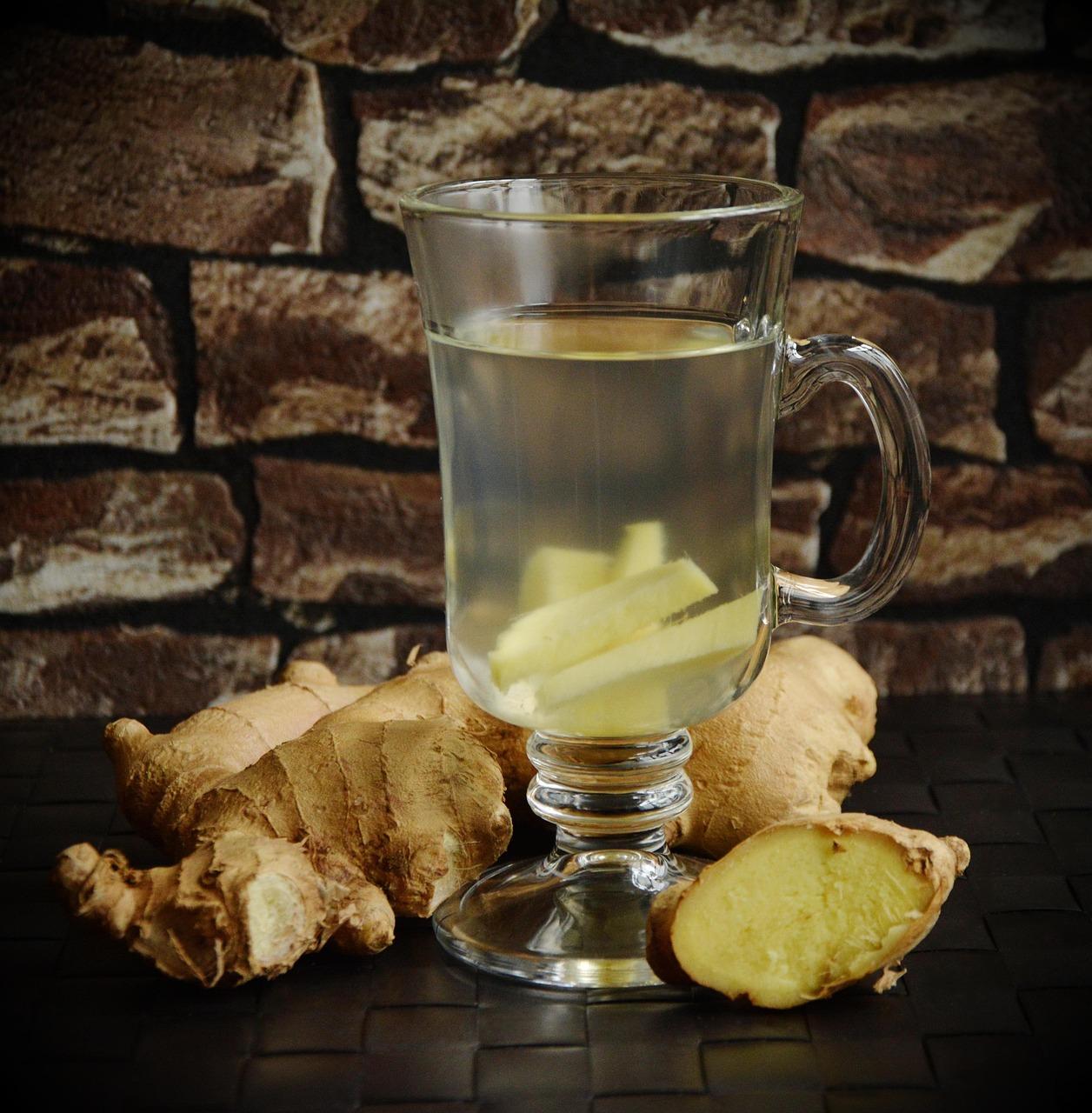
Wedang jaheHot ginger drink

When the evening rain comes in over Yogyakarta, angkringan street stalls start ladling out wedang jahe, a fiery hot drink of grilled, bruised ginger and lemongrass simmered with palm sugar. It is sipped slowly from glasses alongside sticky rice snacks and fried tofu, and families make it at home whenever the weather turns cool. Chef's tip: grill or dry-roast the ginger until scorched before bruising it; raw ginger gives a sharper but flatter drink, without the smoky depth.

by KrazyBadal 0 views

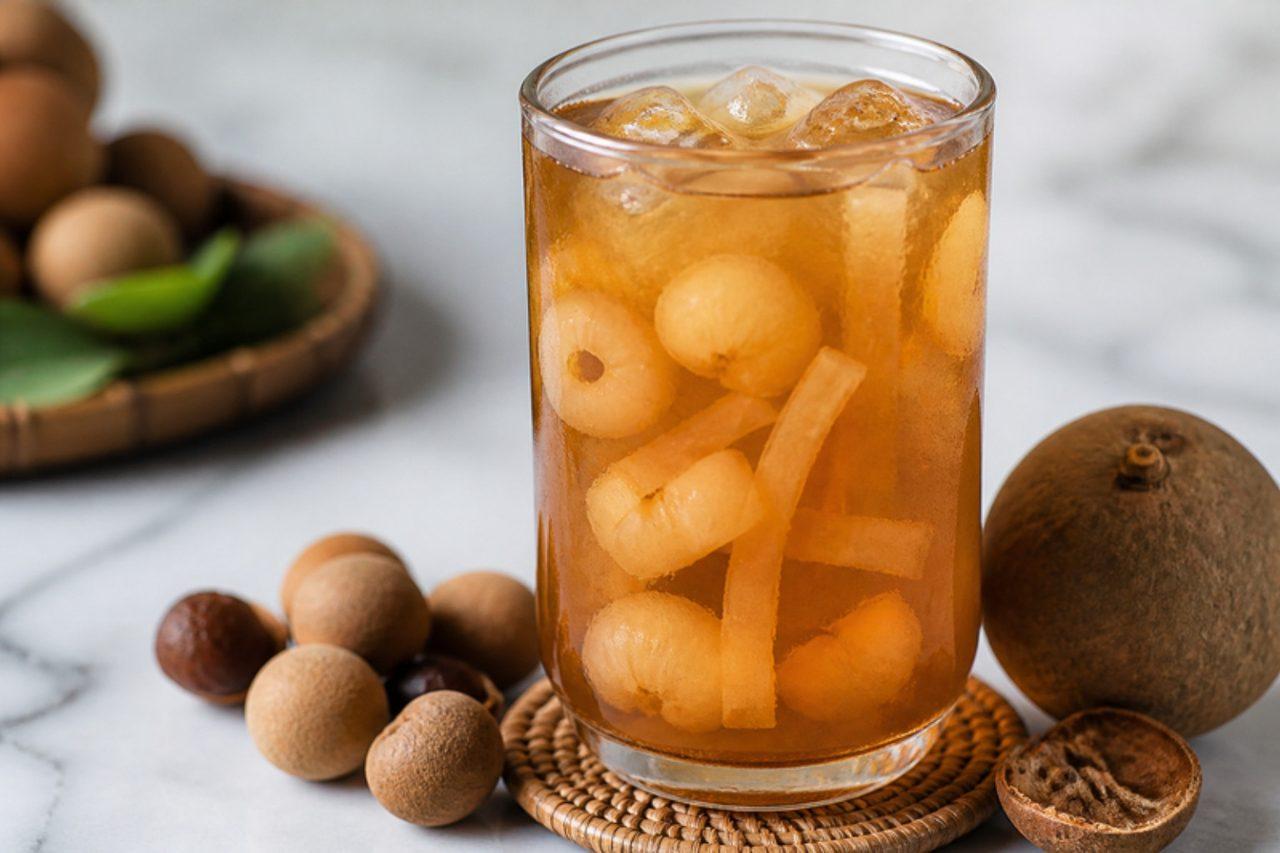
Air mata kucingLongan and winter melon drink

Petaling Street in Kuala Lumpur's Chinatown has a stall that has sold little else for decades, and on a hot afternoon the queue for its iced air mata kucing, 'cat's eye water', stretches down the lane. The 'cat's eyes' are dried longan, simmered with monk fruit, candied winter melon and rock sugar into a sweet, smoky, caramel-like brew that Chinese Malaysians drink to cool the body. Look for the dried ingredients in Chinese grocers. Chef's tip: boiling hard for too long makes it bitter from the monk fruit shell; keep it at a gentle simmer.

by KrazyBadal 0 views

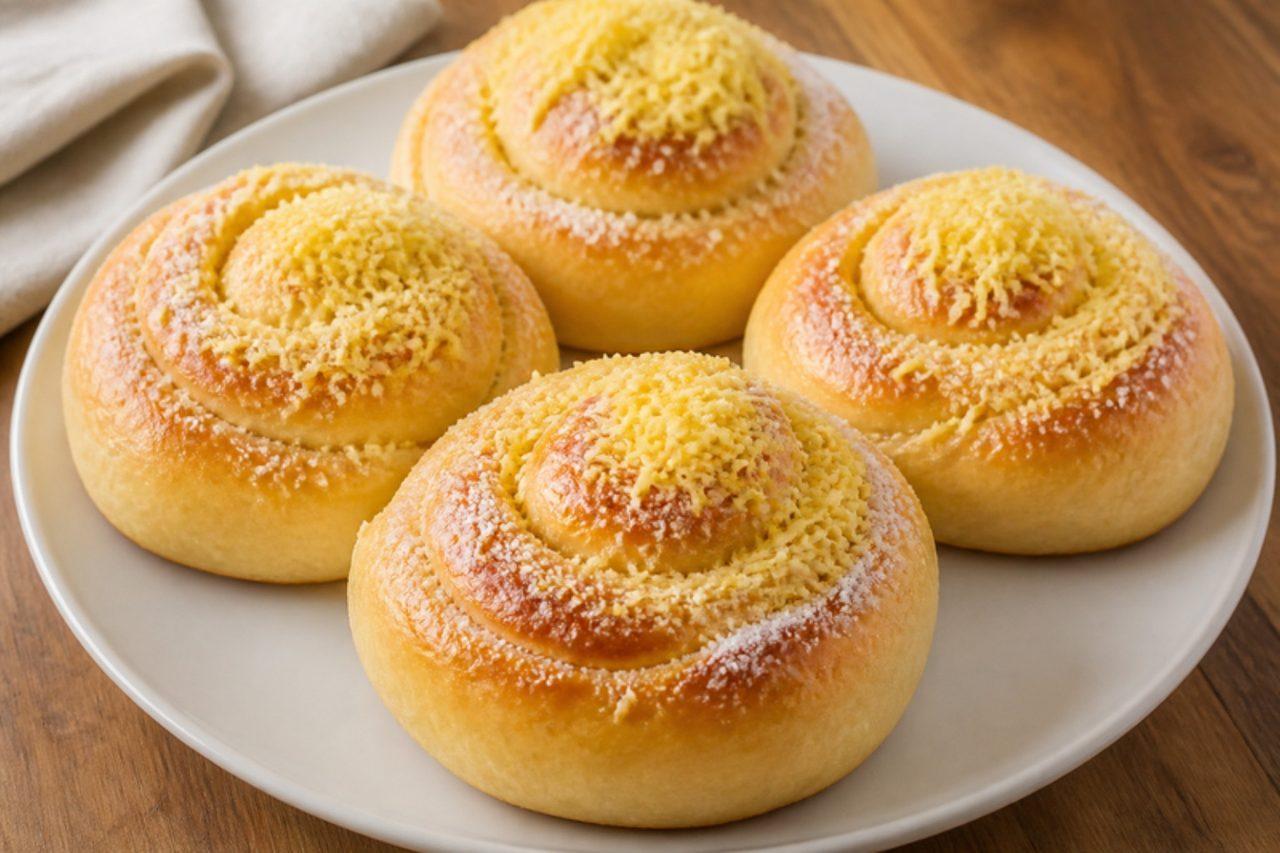
EnsaymadaSweet cheese brioche

Filipino bakeries took the coiled Mallorcan ensaïmada and made it richer and softer: an egg-yolk brioche rolled with butter into a snail, baked pale gold, then spread with more butter, dusted with sugar and heaped with finely grated cheese. Boxes of them are carried to Christmas visits and town fiestas, and a single one with hot tsokolate makes a proper merienda. The salty cheese against the sweet crumb is the whole point. Chef's tip: the dough must be sticky and soft when you knead it; adding flour until it is easy to handle gives you dry, bready buns instead of feather-light ones.

by KrazyBadal 0 views

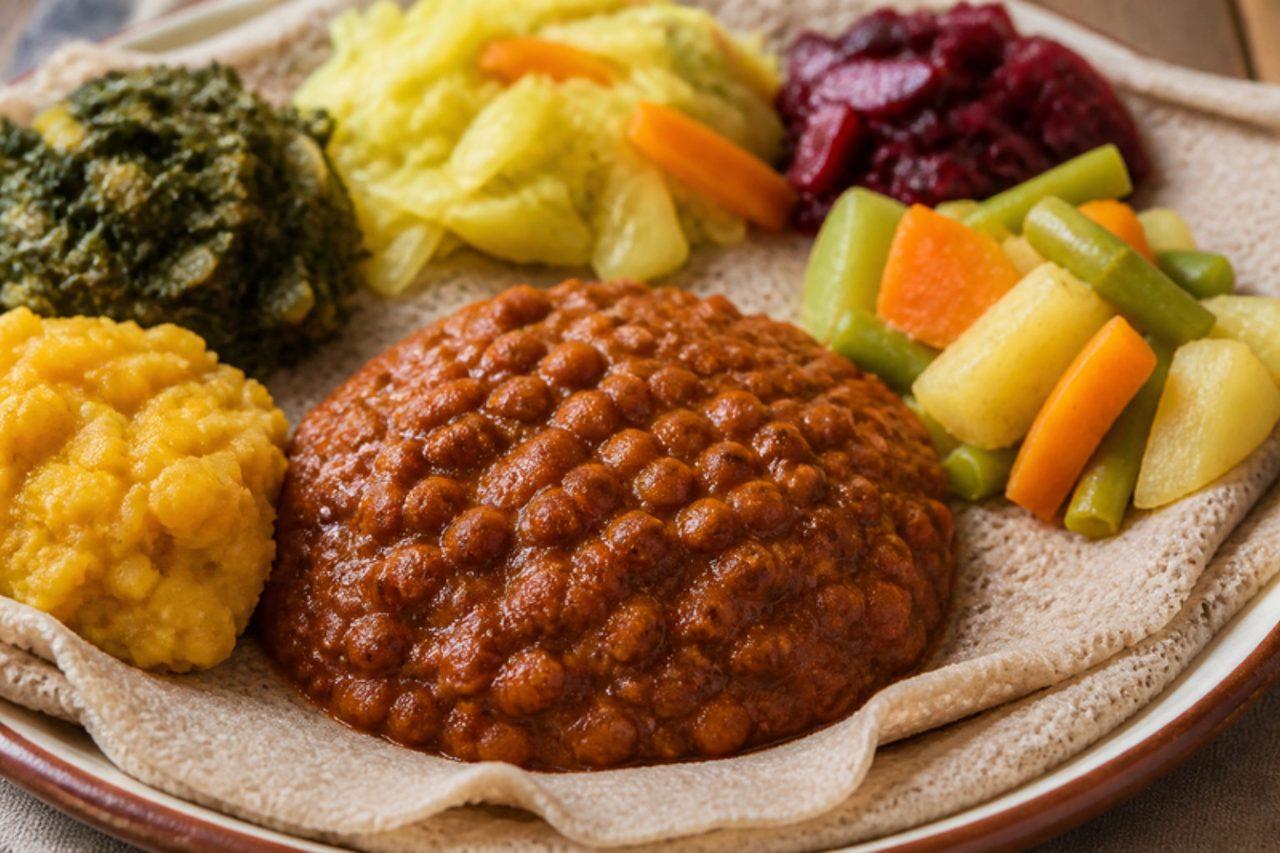
Kik watSpiced split pea stew

On Wednesdays, Fridays and the long Lenten fast, Orthodox households from Addis Ababa to Bahir Dar fill the beyaynetu platter with kik wat, the fiery red sibling of the mild yellow kik alicha. Yellow split peas are cooked into a thick sauce built on a mountain of slowly dry-cooked red onions, garlic, ginger and plenty of berbere, so it is earthy, smoky-hot and spoonable on a sheet of injera. The mistake is frying the onions in oil from the start: Ethiopian cooks sweat them in a dry pot until they collapse and turn jammy, and only then add oil and spice, which gives the sauce its body. Chef's tip: bloom the berbere in the oil for a full two minutes with a splash of water so it turns brick-red and loses its raw, dusty edge.

by KrazyBadal 0 views

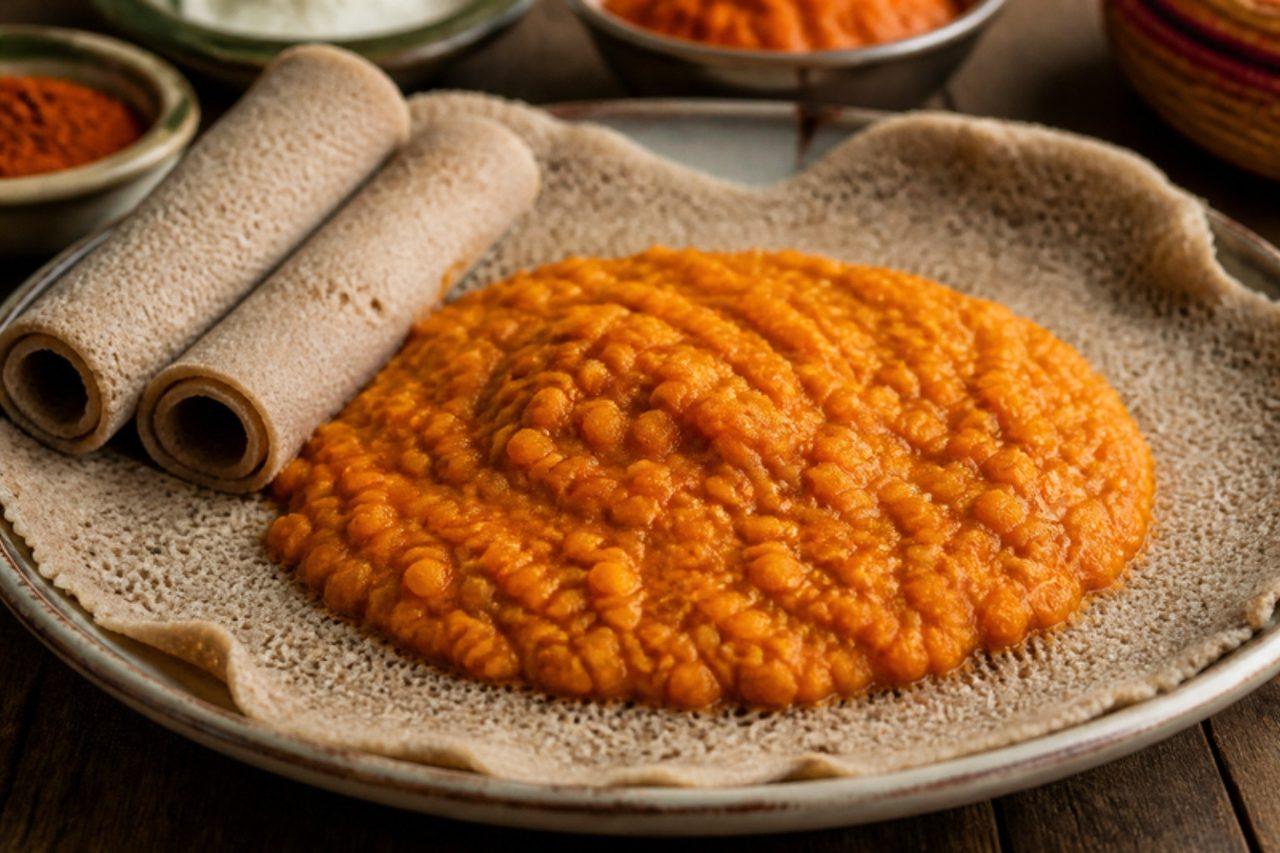
Ye-difin misir watSpicy brown lentil stew

The everyday misir wat of Addis Ababa's fasting houses is made with split red lentils, but in Tigray and Amhara homes many cooks prefer difin misir, whole brown or green lentils that keep their shape and give a thicker, nubbly stew with a deep, peppery berbere sauce. It is hearty, earthy and properly spicy, the backbone of a Lenten lunch with injera, cabbage and a cold salad. The mistake is adding the lentils to the sauce raw: whole lentils take far longer than the onions can stand, so cook them separately until tender first. Chef's tip: finish with a teaspoon of mitmita or a pinch of ground cardamom (korerima) just before serving for a fragrant top note.

by KrazyBadal 0 views

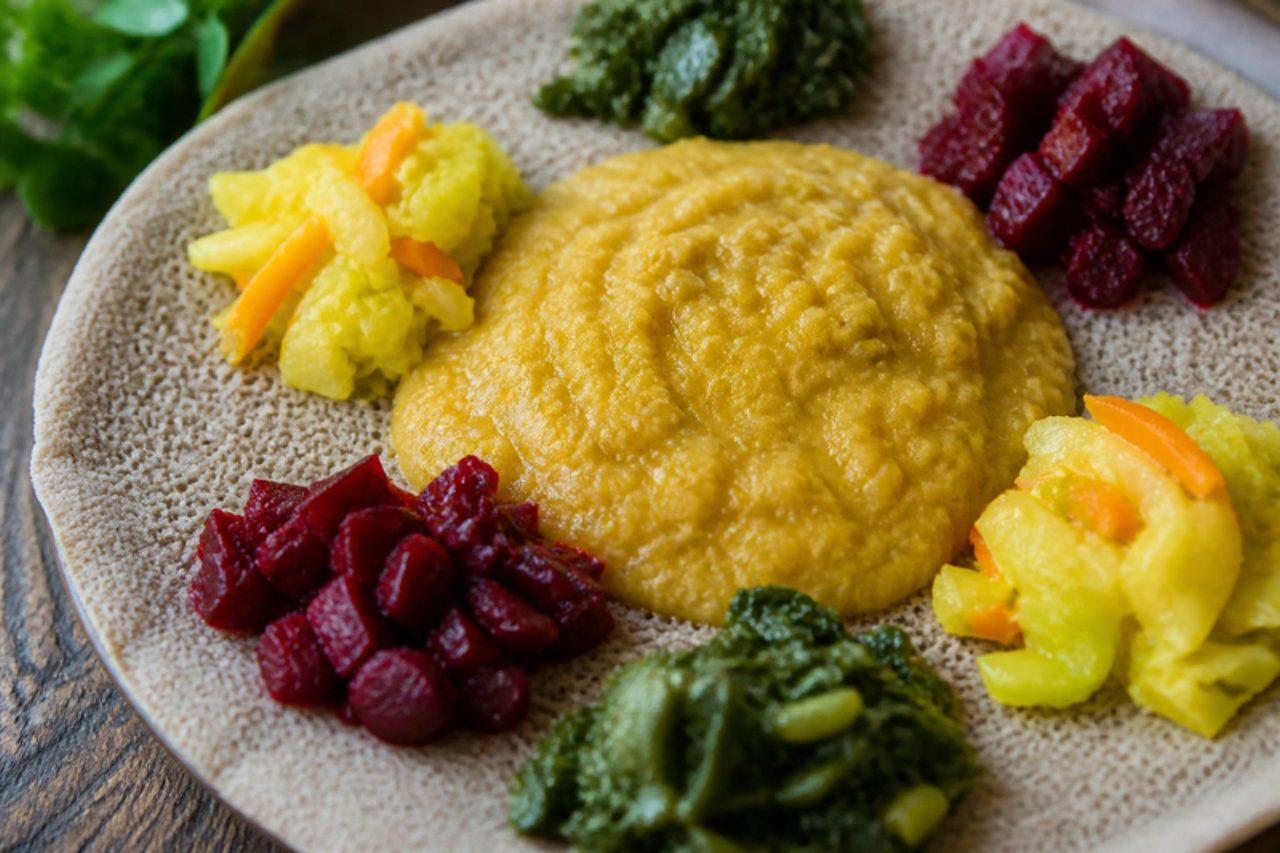
Misir alichaMild red lentil stew

Not everyone at the table in Gondar or Addis wants berbere, so the fasting platter almost always has a gentle yellow wat beside the red one: misir alicha, split red lentils cooked down with dry-sweated onion, garlic, ginger and turmeric until creamy. It is soft, warming and easy on children and anyone who finds misir wat too hot. The common mistake is letting the lentils cook to a thin soup; simmer uncovered at the end until it mounds on a spoon and sits on injera without running. Chef's tip: a sliced green chilli and a pinch of ground ajwain (netch azmud) stirred in at the end lift it without adding much heat.

by KrazyBadal 0 views

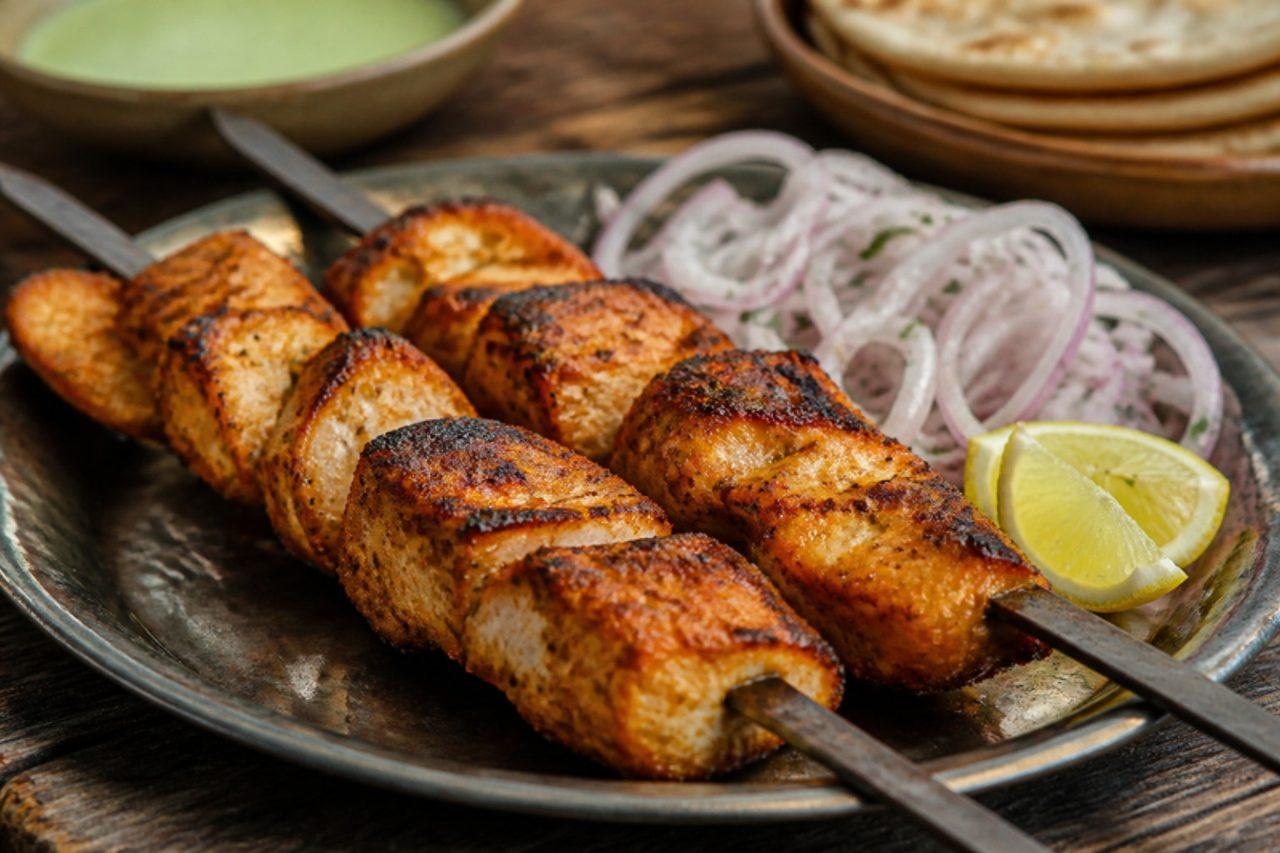
Fish tikka

On winter nights along Karachi's seafront and in the Do Darya restaurants, skewers of fish tikka go round the table straight from the grill, the chunks blushing red from chilli and yogurt with blackened corners. Firm white fish such as surmai (kingfish) or monkfish holds its shape while the marinade sets into a light, tangy crust, and it needs only lemon, sliced onion and a bowl of raita. The mistake most people make is marinating fish as long as chicken: more than 40 minutes and the lemon and salt start to 'cook' it, so it flakes apart on the skewer. Contains fish and milk. Chef's tip: rub the fish with lemon and salt first, rest it 10 minutes and pat dry before the yogurt goes on, so the marinade sticks and doesn't slide off.

by KrazyBadal 0 views

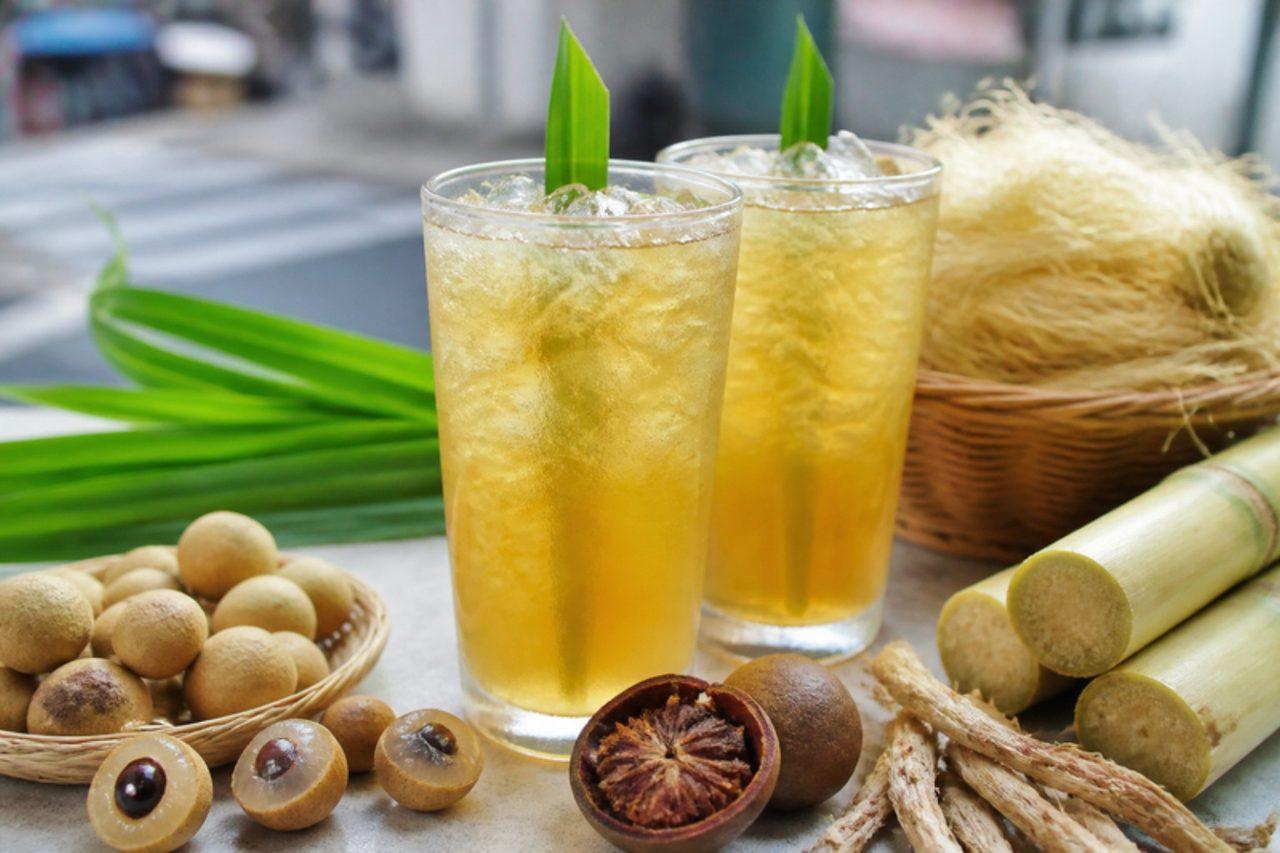
Nước sâmCooling herbal drink

Big glass jars of amber nước sâm sit on pavement stalls all over Hồ Chí Minh City, ladled over ice for anyone who has eaten too much fried food or spent too long in the sun. The brew is gently sweet and earthy, with honeyed dried longan, the liquorice note of monk fruit and fresh sugarcane, and Chinese-Vietnamese herbalists sell ready-mixed bags of the dried roots. Make a big pot: it keeps for four days in the fridge. Chef's tip: simmer, never boil hard; a rolling boil pulls bitterness out of the roots and turns the drink cloudy.

by KrazyBadal 0 views

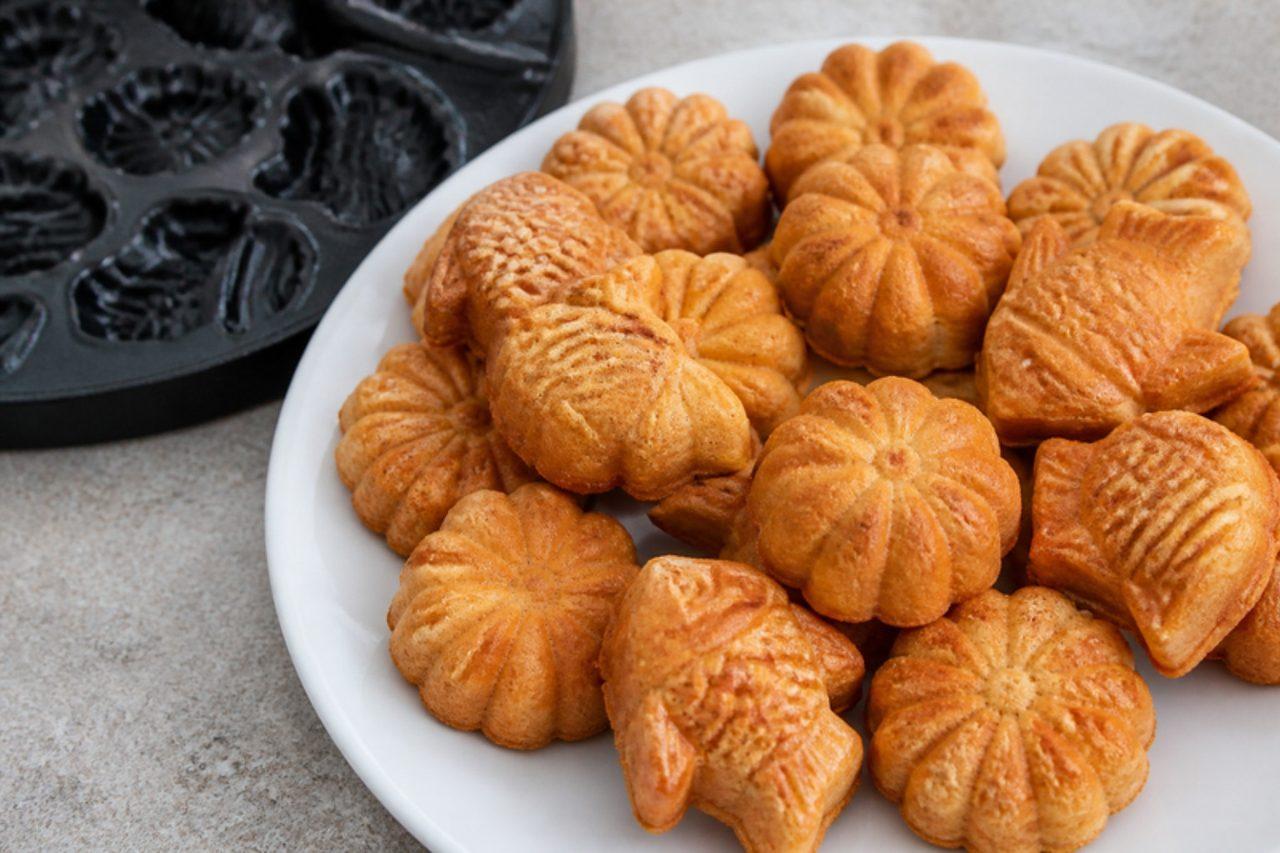
Kuih bahuluMini egg sponge cakes

In the week before Hari Raya, kitchens across the Malay peninsula smell of warm egg sponge as bahulu come out of their brass flower and goldfish moulds by the dozen, stored in airtight jars for visiting guests. The outside is thin and crisp, the inside light and dry, a little like a madeleine without butter. Eggs, sugar and flour are all it takes, plus patience with the whisk. Chef's tip: under-whisking is the usual mistake; beat the eggs and sugar until they fall in a thick ribbon that sits on the surface for 3 seconds, or the bahulu bake flat and dense.

by KrazyBadal 0 views

Showing 24 of 2,344 recipes

Show more recipes

Page 1 of 98