Skip to content
WhatToEat.Today

All recipes

10

Vegetarian, or something you can't eat? Set your diet once and we'll hide recipes that don't fit.

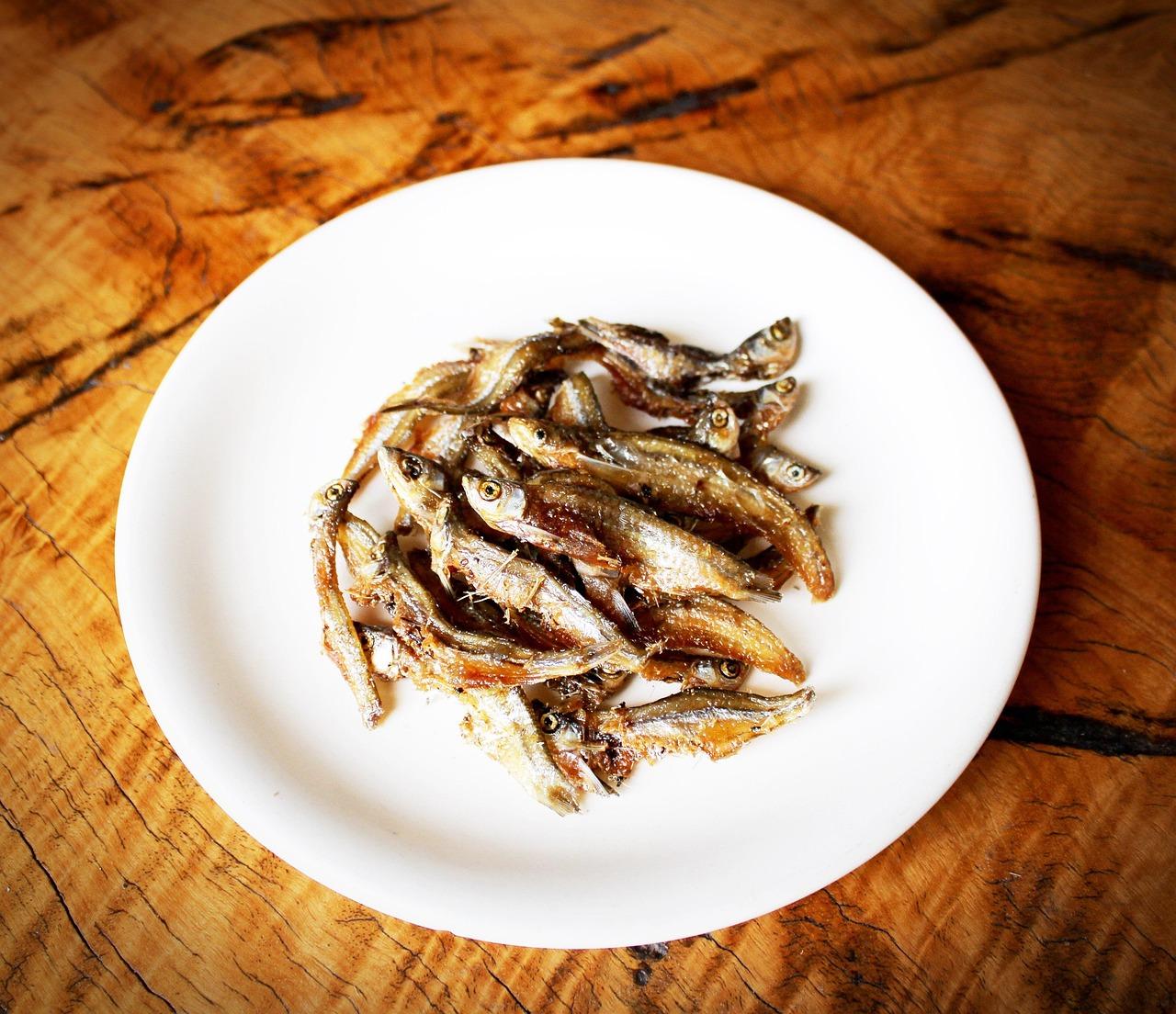
OmenaFried silver fish with tomato

Omena are tiny silver cyprinid fish netted at night on Lake Victoria and sun-dried on the shores around Kisumu and Homa Bay; in western Kenya they are a cheap, protein-rich weeknight dinner, fried crisp and then simmered briefly in onion and tomato and eaten with ugali and sukuma wiki. They are eaten whole, bones and all, like whitebait. The common mistake is skipping the rinse: dried omena carry sand from the drying beaches, so soak and swish them in several changes of warm water. Chef's tip: fry the drained fish on their own until crisp and fragrant before the tomato goes in; it takes away the strong 'lake' smell and keeps them from going mushy. Look for dried omena (also sold as dagaa) in African grocers.

by KrazyBadal 0 views
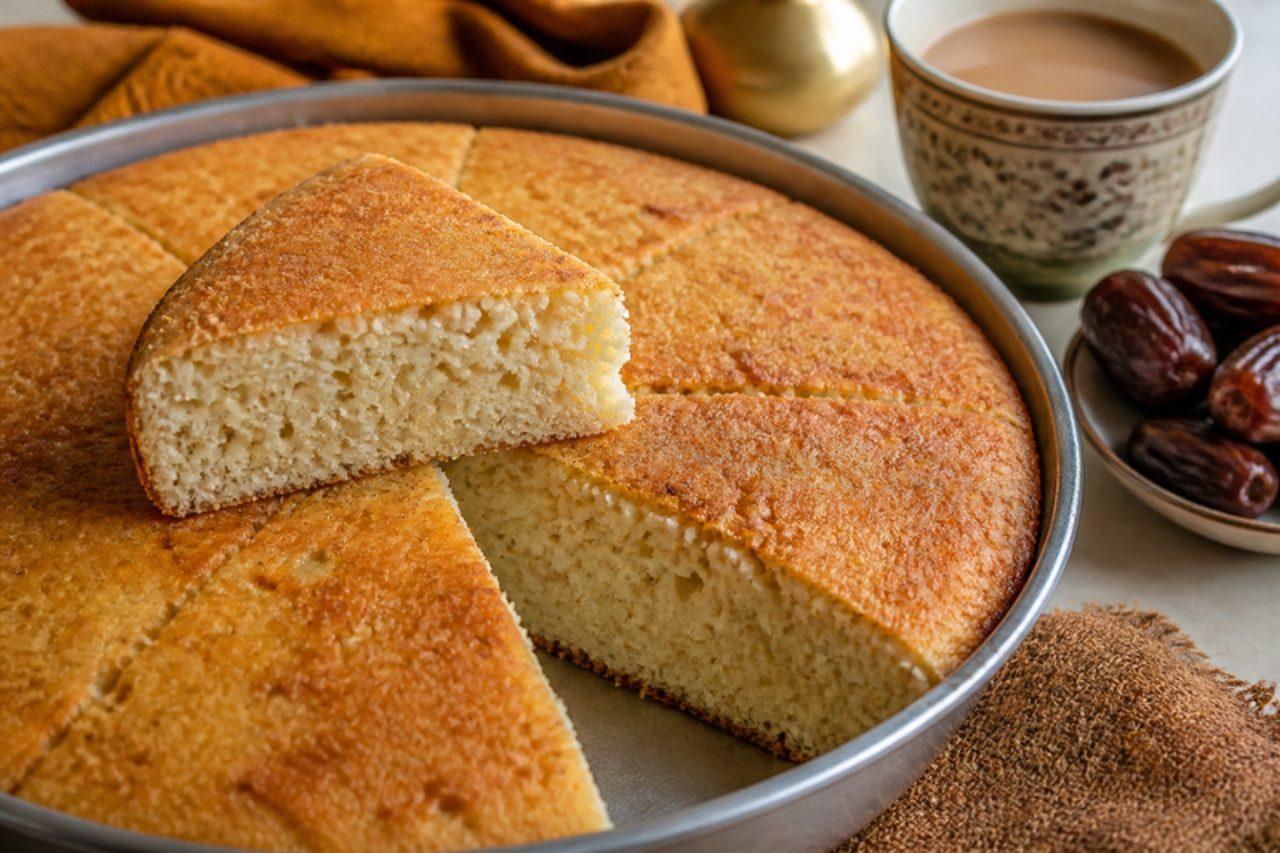
Mkate wa siniaCoconut and rice tray cake

Ramadan evenings in Stone Town and Mombasa bring out trays of mkate wa sinia, cut into wedges and set out for iftar beside spiced chai and dates. Soaked rice is blended with coconut milk, sugar, cardamom and yeast into a pourable batter (hence its other name, mkate wa kumimina, 'poured bread'), left to bubble, then baked in a round metal tray called a sinia. Inside it is spongy and full of holes like a crumpet; the top and base turn golden and slightly chewy. It contains no egg, dairy or wheat. Under-blending is what ruins it: a gritty batter bakes into a sandy cake, so blend until a drop rubbed between your fingers feels completely smooth. Chef's tip: add a couple of spoonfuls of cooked rice to the blender, the way coastal cooks do; it makes the crumb softer and more springy.

by KrazyBadal 0 views

Kamba wa naziPrawns in coconut milk

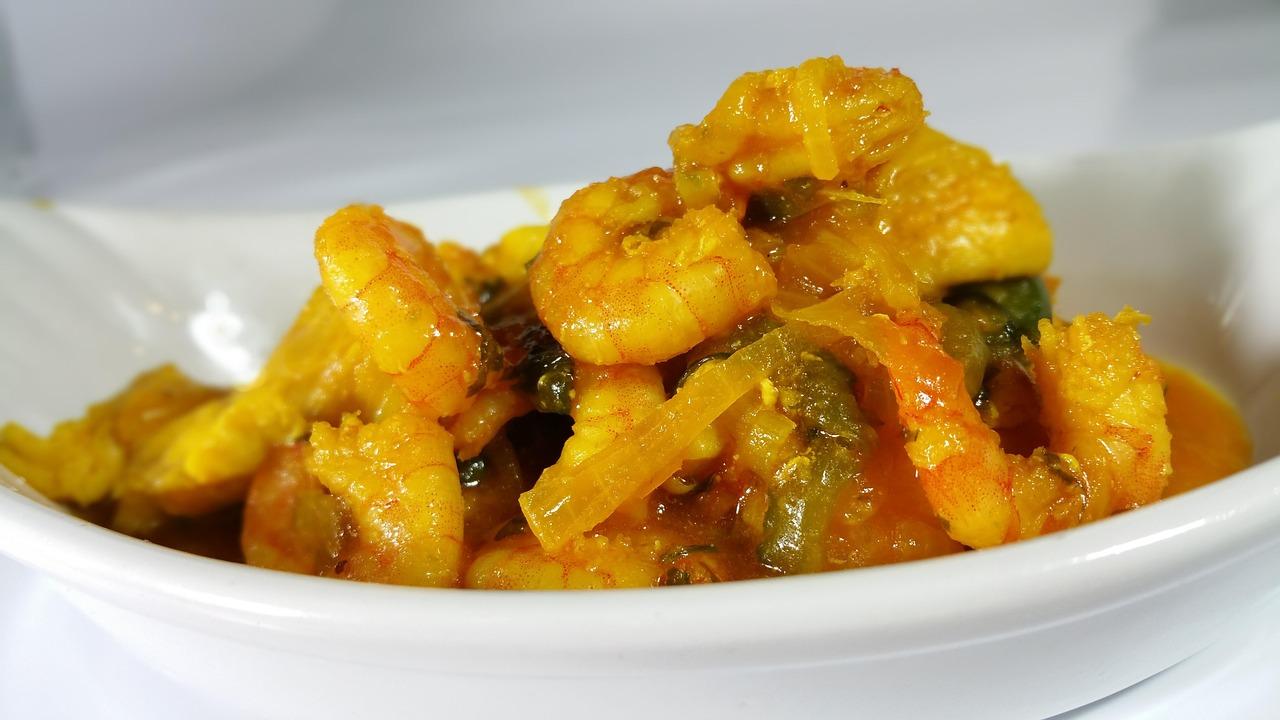
Seafood stalls along the Stone Town waterfront and family kitchens up the Zanzibar coast cook kamba (prawns) in coconut milk with garlic, tomato and a little turmeric, finished with lime so the richness never gets heavy. The sauce is golden, creamy and gently spiced rather than hot, and the prawns should be just cooked: sweet and springy, not curled up tight and chalky, which is what happens when they sit in the sauce too long. Serve it over wali wa nazi (coconut rice) or plain basmati, with a little kachumbari. Buy raw prawns that smell fresh and of the sea, keep them cold until cooking, and cook them until pink and opaque all the way through. Chef's tip: make the sauce first and taste it before the prawns go in; once they are added you only have about four minutes.

by KrazyBadal 0 views

TogwaSweet fermented maize drink

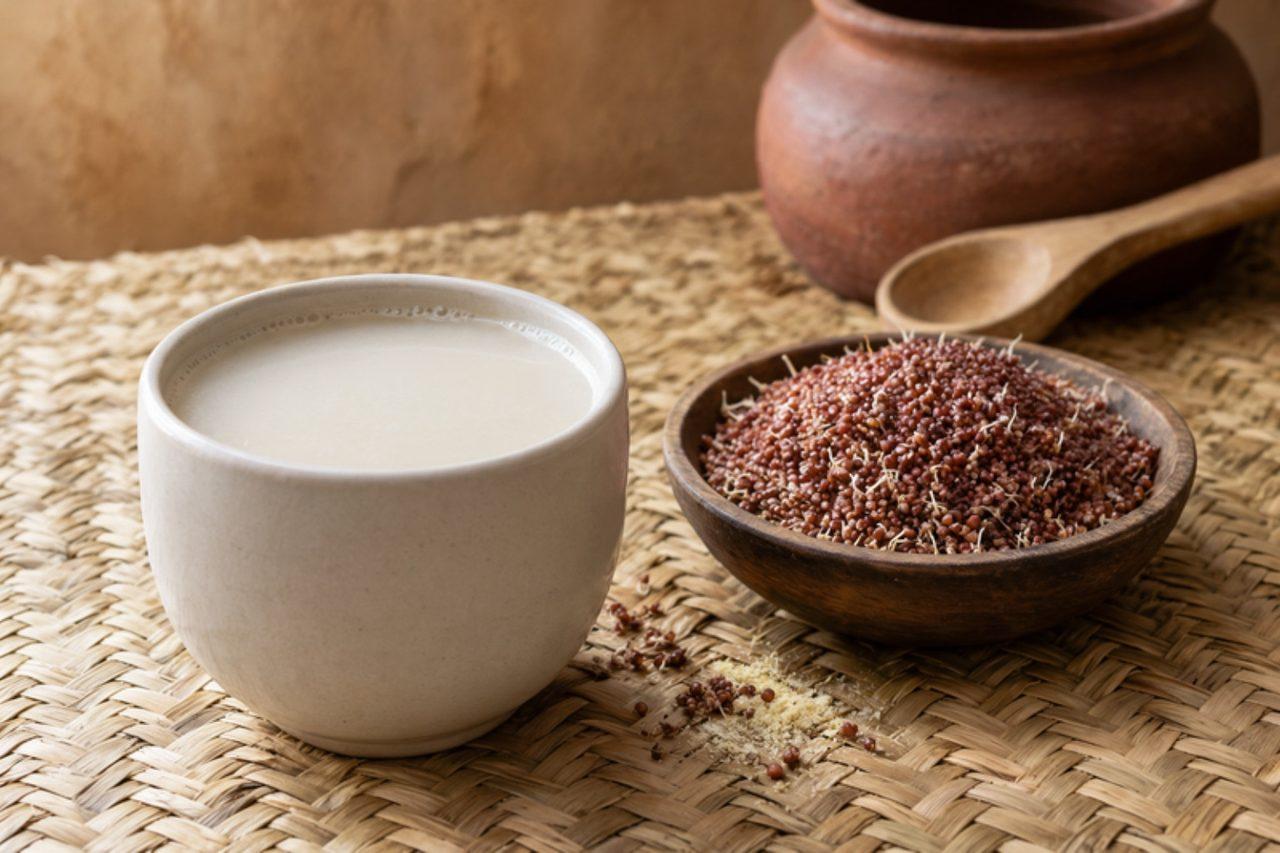
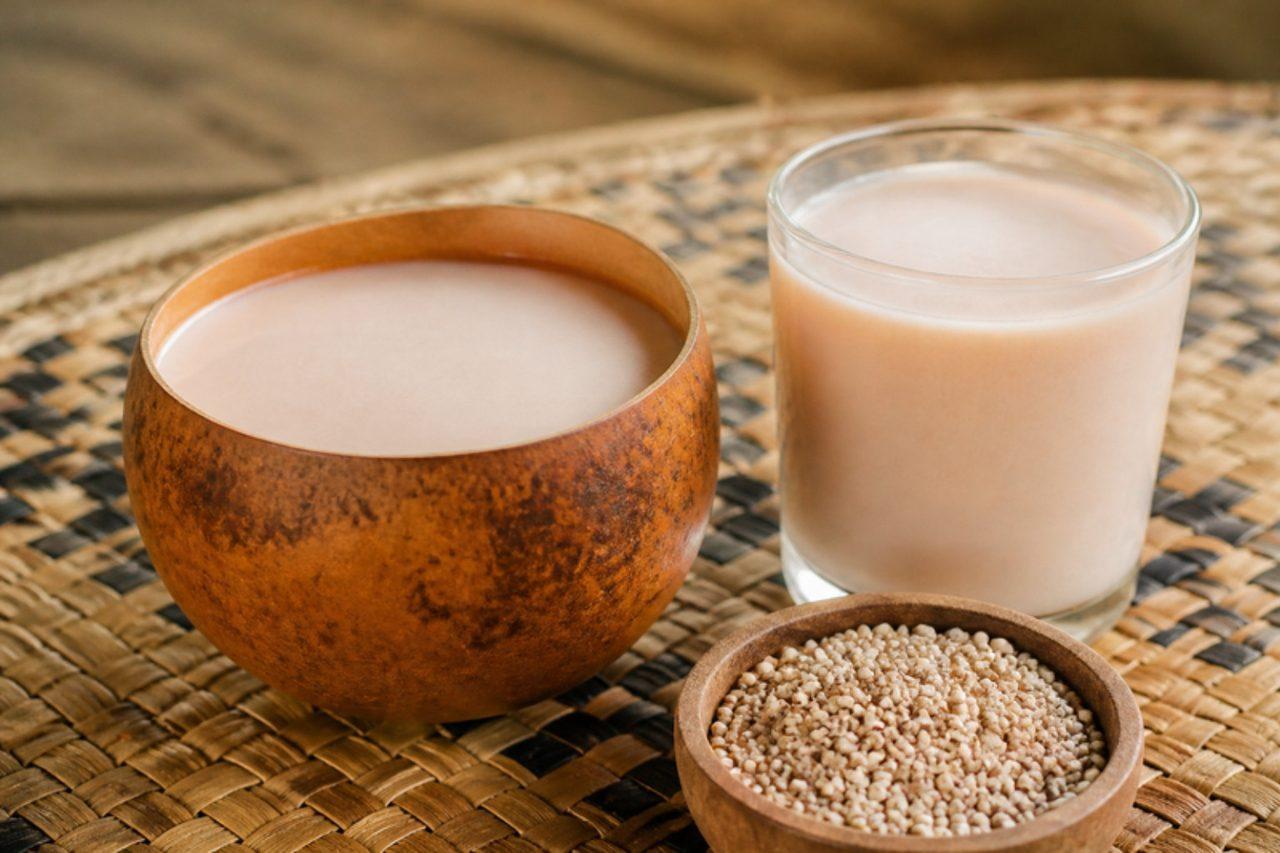
In Tanzania's Dodoma, Singida and Iringa regions, togwa is drunk through the hot, dry months and carried to workers in the fields at midday. It starts as a thin porridge of maize or sorghum flour. Once it cools a little, a handful of kimea, sprouted and dried finger millet ground to a malt, is stirred in, and its enzymes turn the starch to sugar so the thick gruel thins almost before your eyes and tastes sweet. Left overnight, it sours lightly. Good togwa is sweet-sour, smooth and drinkable, like a thin, tangy grain milk. Any alcohol is only a trace, well under 1%, if drunk within a day or two. The common mistake is stirring the kimea into gruel that is still boiling, which kills the enzymes and leaves it stodgy; wait until it is hot but bearable to touch, about 60 °C. It is ready when it has thinned to a pourable drink, tastes pleasantly sour and smells clean and slightly yeasty. If you cannot buy kimea, soak finger millet for 12 hours, sprout it for 2 days, dry it in the sun or a cool oven and grind it. Chef's tip: stir in the malt in two goes, half while warm to sweeten and half when cool to start the souring.

by KrazyBadal 0 views

KaloFinger millet bread

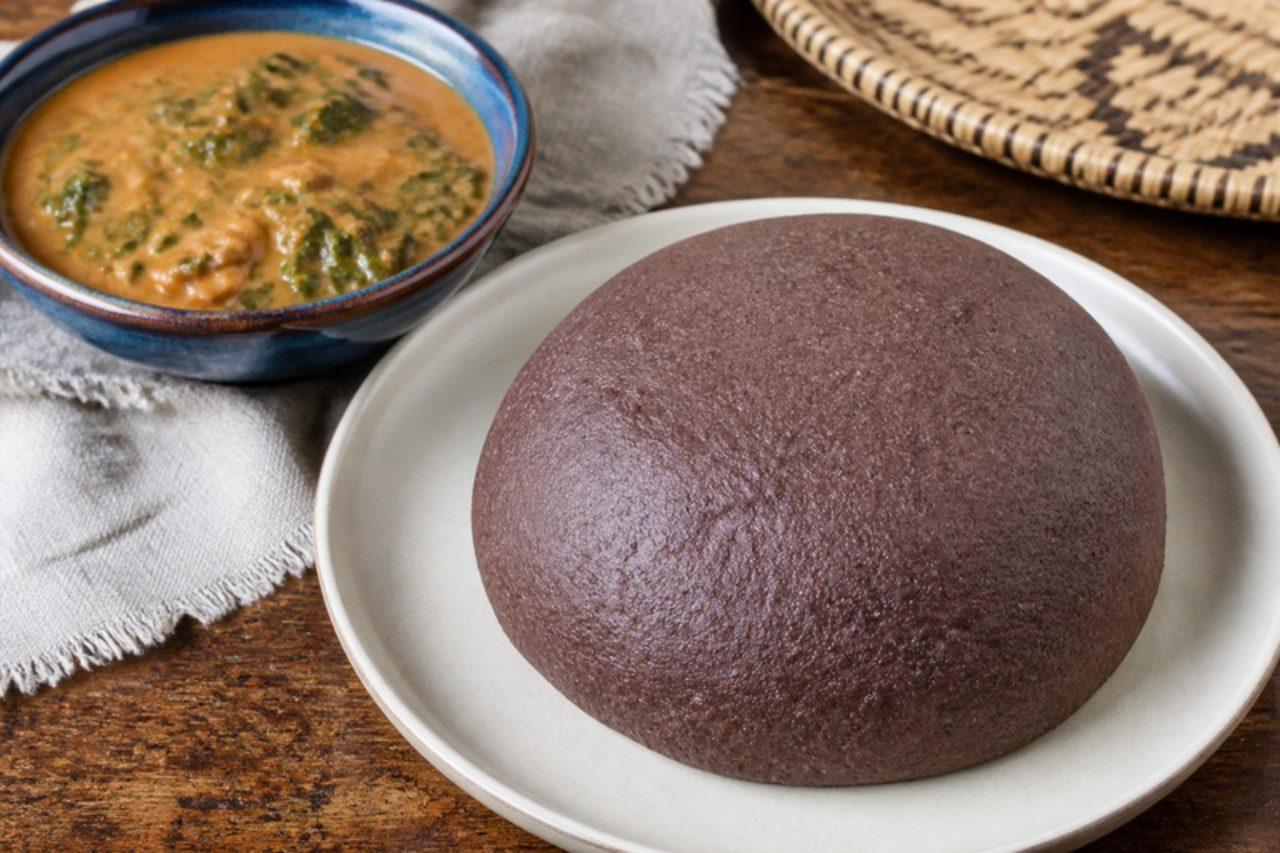
Called kalo in Lango and Acholi, kwon kal further north and oburo in the west, this dark, dense mound of finger millet is what many Ugandan grandmothers still consider a real meal. It is not baked: millet flour is stirred into boiling water with a strong wooden spoon until it forms a stiff, smooth dough with a slightly sour, nutty, earthy taste. Pieces are pinched off by hand and dipped into groundnut sauce, malakwang, boo or beef stew. Many cooks mix in some cassava flour to make it smoother and less sticky. The classic mistake is tipping in all the flour at once, which leaves dry lumps you can never beat out. Chef's tip: wet a bowl with water, press the hot kalo into it, then turn it out for a neat dome.

by KrazyBadal 0 views

MursikSmoky fermented milk

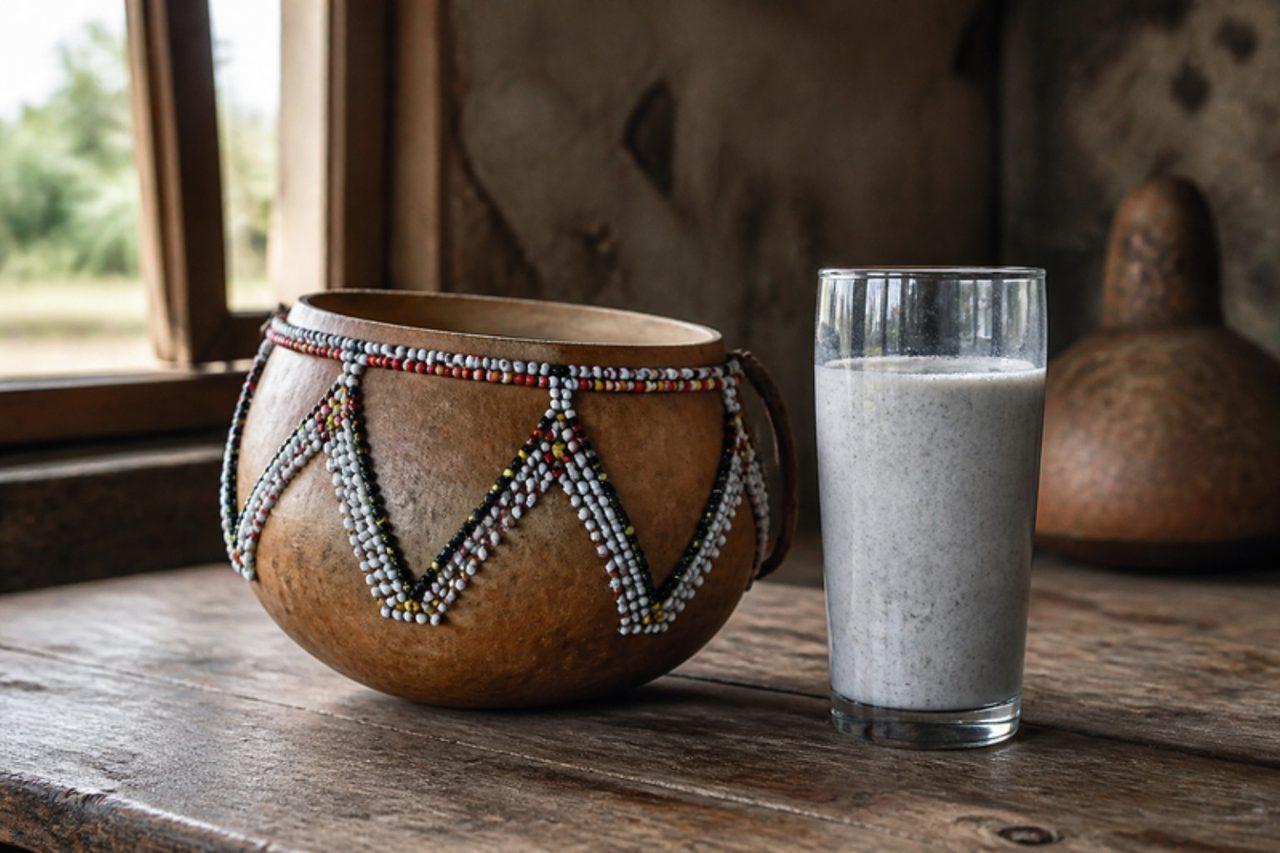
When Kenyan marathon runners land back in Eldoret, relatives greet them with a gourd of mursik, the soured milk of Kalenjin homesteads across the Rift Valley highlands. Traditionally, milk sits for several days in a sotet, a long calabash whose inside has been scraped with a smouldering stick of senetwet (the tree often called the cromwell tree) so a lining of fine charcoal coats it; that charcoal gives mursik its smoky taste, grey flecks and long keeping. At home we skip raw milk and a wild ferment: pasteurised milk is soured with a live cultured buttermilk, and a jar smoked inside with untreated hardwood, or a pinch of food-grade activated charcoal, brings the flavour. Thick, sharp and smoky, it is drunk with ugali, sweet potatoes or after a long run, and the usual mistake is fermenting it somewhere too hot, where it splits into whey and tastes yeasty. Chef's tip: shake the jar hard before pouring, as herders shake the gourd, to make it smooth and drinkable.

by KrazyBadal 0 views

BusheraSoured sorghum drink

In the hills of Kigezi around Kabale, a calabash of obushera is offered to visitors and carried to the fields in the afternoon; the same drink, left for days, becomes beer, but the everyday family version is drunk young and contains no meaningful alcohol. Sorghum flour is cooked into a thin porridge, cooled, then left overnight with a spoonful of sprouted sorghum flour to sour gently, so it tastes tangy, malty and refreshing, a little like a drinking yoghurt made from grain. Drink it chilled on its own or with roasted groundnuts. The mistake people make is leaving it out too long: after a day it starts to fizz and turn alcoholic, so taste it, then chill it. Chef's tip: sweeten only just before serving, as sugar added early speeds up the ferment.

by KrazyBadal 0 views

Samaki wa kupakaGrilled fish in coconut tamarind sauce

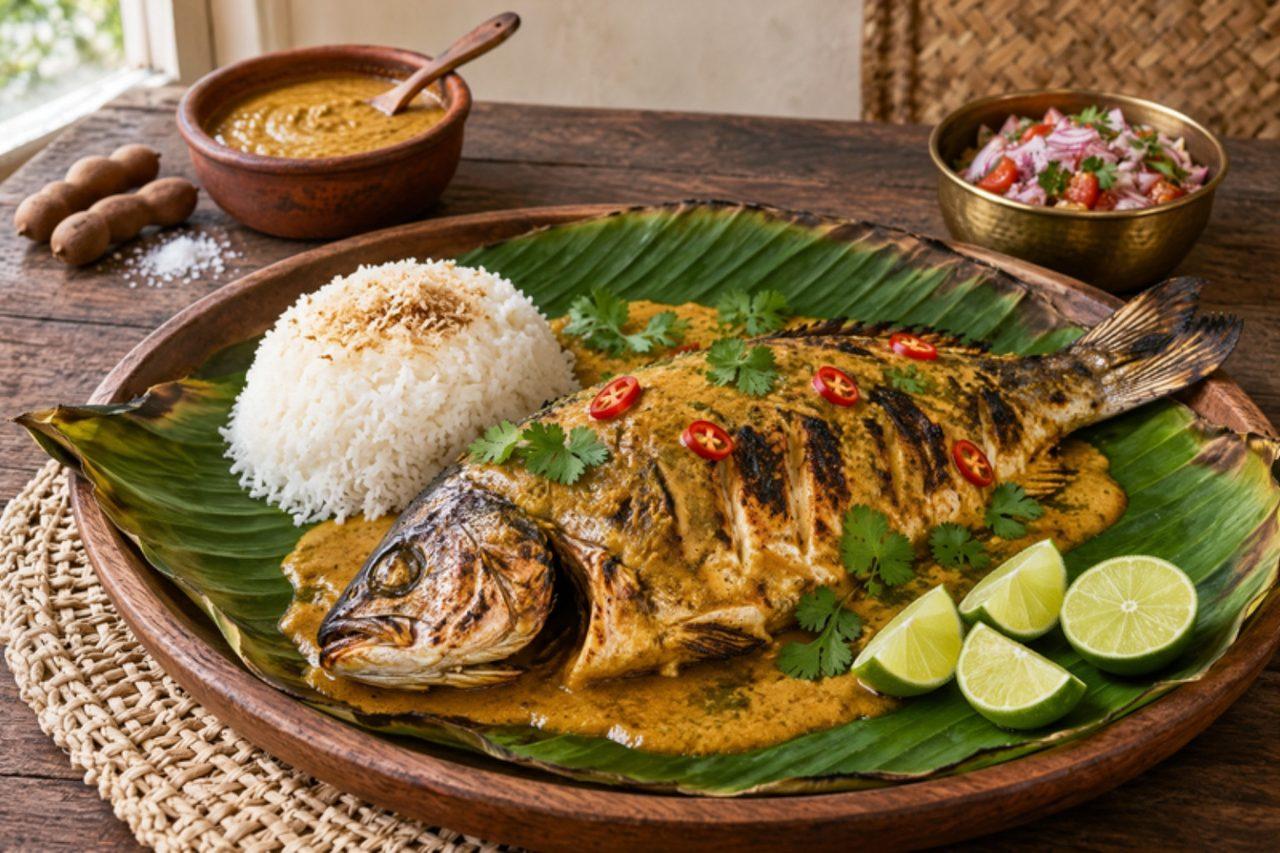
Samaki wa kupaka is a Swahili coast favourite from Mombasa, Lamu and Zanzibar, grilled over charcoal for family feasts, Eid and evening food markets. Whole fish or thick fillets are marinated with lemon, garlic and turmeric, grilled until charred, then basted again and again with a thick sauce of coconut milk, tamarind, chilli and spices so it forms a sticky, golden coat. This version uses light coconut milk and is suitable as part of a balanced diet; serve with kachumbari and greens, or a small portion of brown rice. About 370 kcal and 8 g carbohydrate per portion. The usual mistake is flipping the fish too soon, before the skin crisps, so it sticks and breaks. Chef's tip: oil the grill rack well and use a fish basket if you have one.

by KrazyBadal 0 views

Kisumu fried tilapia

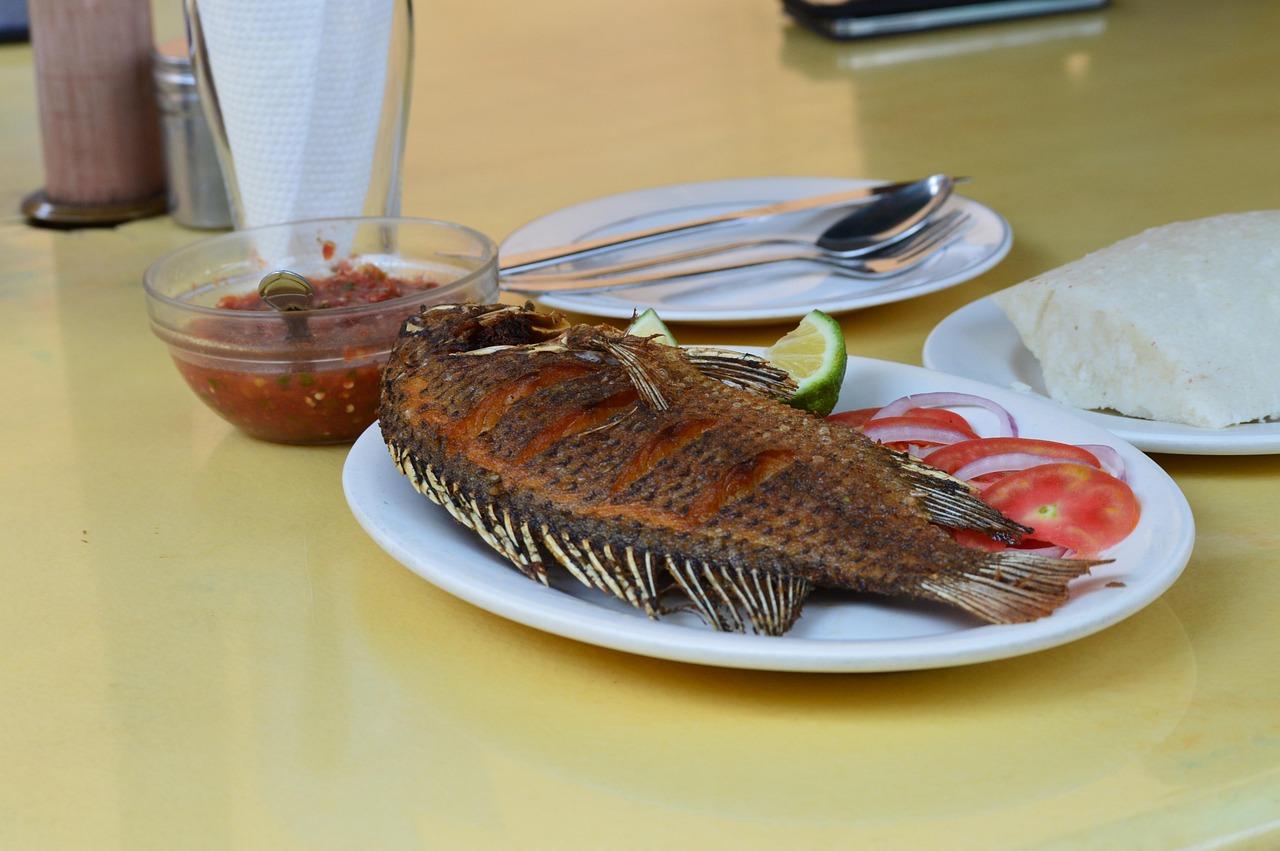
On the shores of Lake Victoria at Kisumu's Dunga beach and in the fish kiosks of Kampala and Mwanza, tilapia comes straight from the boats, is scored, rubbed with salt, garlic and lemon and deep-fried whole until the skin is crackling. It is served with a block of ugali, sukuma wiki (braised kale) and kachumbari, and eaten with your hands, pulling the sweet flesh off the bone. The mistake is frying a wet fish in oil that isn't hot enough, which makes it greasy and stick; dry it well and wait for 180 °C. Chef's tip: dust the fish lightly with cornflour just before frying for an extra-crisp skin.

by KrazyBadal 0 views

Zanzibar fish curry

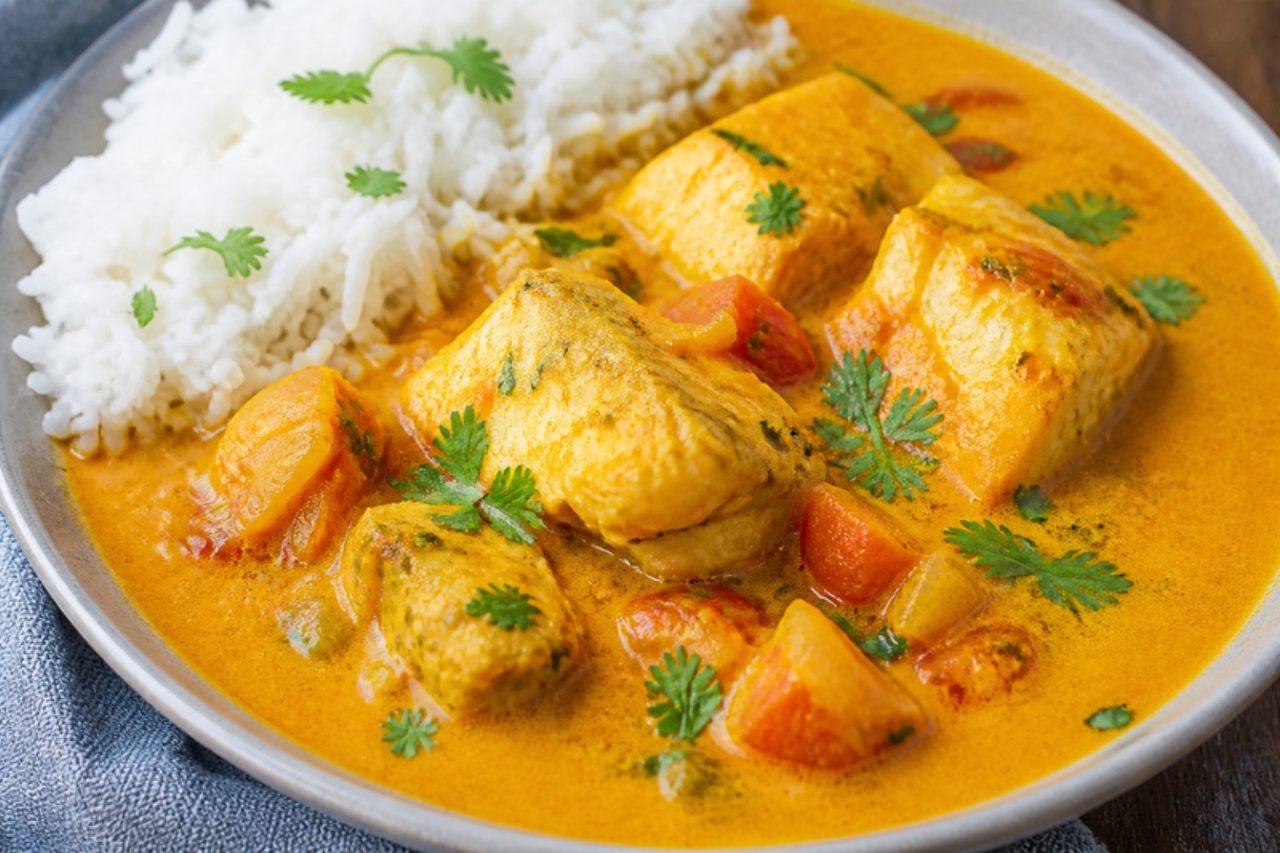
Mchuzi wa samaki is cooked in homes all along the Swahili coast, from Mombasa and Lamu to Stone Town in Zanzibar, where the spice trade left cumin, cardamom and turmeric in every kitchen. Firm fish simmers briefly in a sauce of tomato, onion and coconut milk soured with tamarind, and it is eaten with plain rice or chapati. The mistake is stirring once the fish is in, which breaks it up; shake the pan gently instead. Chef's tip: rub the fish with turmeric, lime and salt for 15 minutes first, which firms it and seasons it all the way through.

by KrazyBadal 0 views