Skip to content
WhatToEat.Today

All recipes

34

Vegetarian, or something you can't eat? Set your diet once and we'll hide recipes that don't fit.

ZhavoronkiLark-shaped buns

On 22 March (9 March in the old calendar), the Orthodox feast of the Forty Martyrs of Sebaste falls during Lent, and in Russian villages it was the day the larks were said to return. Children were given zhavoronki, little bread larks, and ran outside to toss them in the air and call the spring. The dough is a lightly sweet yeast dough, and because it is Lent it was made without eggs or butter, so this version is vegan. Raisins or peppercorns make the eyes. Chef's tip: tie a simple knot from a dough rope for each bird and snip the tail; it is quicker than sculpting and keeps the shape.

by KrazyBadal 0 views
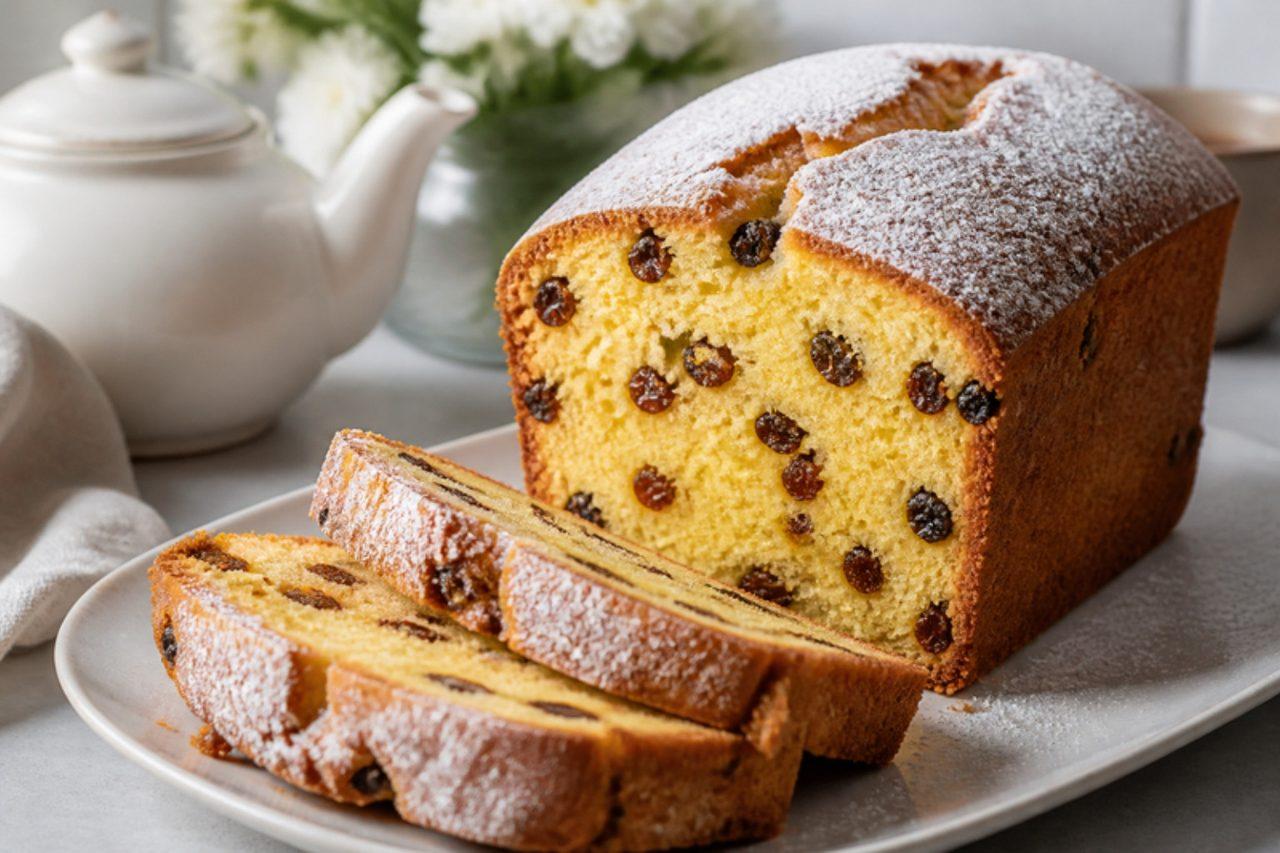
Stolichny keksRaisin loaf cake

Stolichny keks, the 'capital city' cake, was made to a fixed state recipe in Soviet bakeries and sold in waxed paper in every Moscow grocery: a tall, buttery loaf with a cracked top, a fine yellow crumb and so many raisins that each slice is studded with them. People still bake it at home for New Year and for guests, and it keeps well for a week, wrapped, next to the teapot. Some cooks plump the raisins in brandy or cognac; this recipe soaks them in hot water and lemon juice instead, and a spoonful of brandy can go into the soak if you like. Under-creamed butter is the usual problem: the cake comes out heavy and greasy, so beat the butter and icing sugar until really pale. Chef's tip: dry the soaked raisins on a towel and roll them in flour; wet raisins all sink to the bottom.

by KrazyBadal 0 views
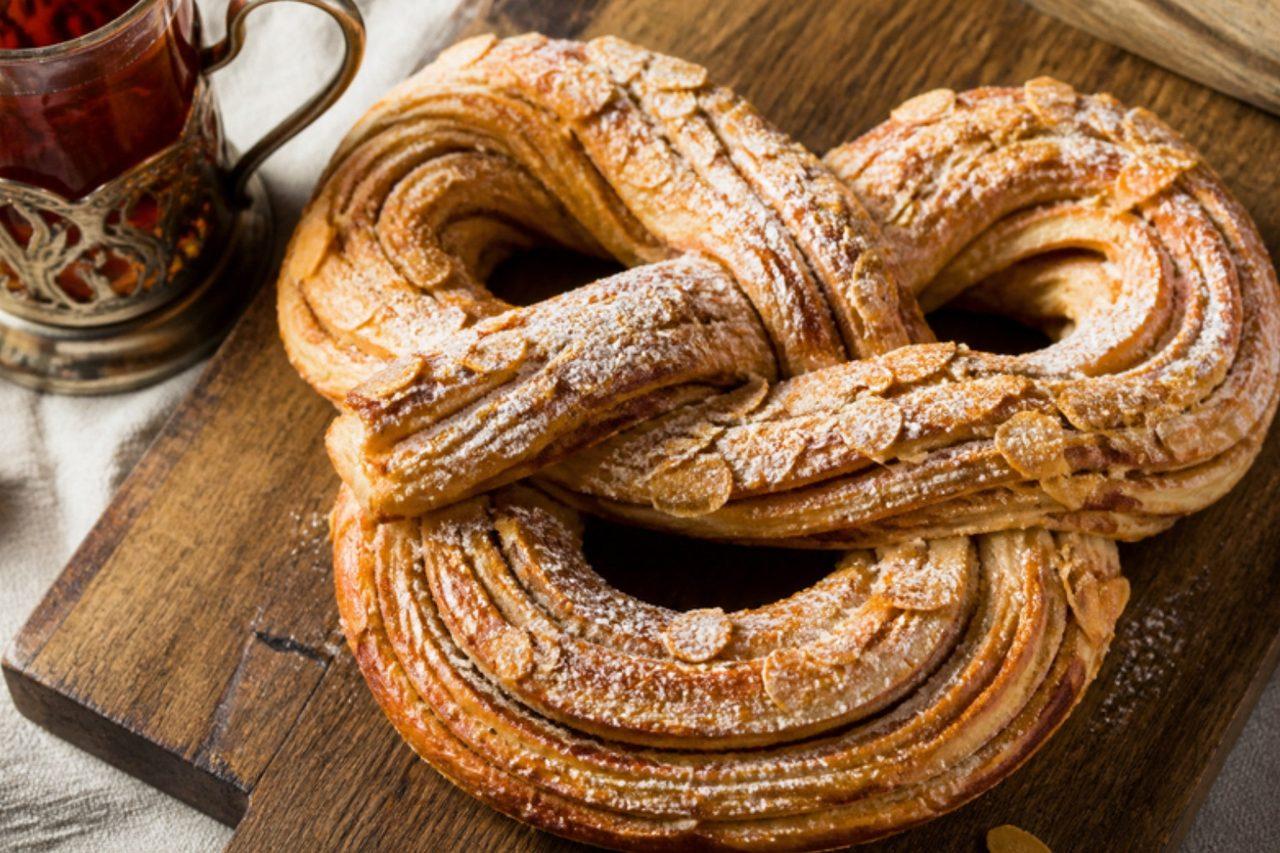
KrendelSweet pretzel-shaped bread

Name days and birthdays in old Russia called for a krendel: one huge pretzel-shaped sweet loaf, carried to the table whole and torn apart over tea from the samovar. The shape is said to come from Baltic and German bakers in St Petersburg, but the bread itself is very Russian, a buttery yeast dough rolled around cinnamon sugar so the crumb streaks with spice. Serve it with tea, jam or honey and a bowl of sour cream. The pretzel is made from one long filled roll, slit open down its length so the layers show; forgetting to chill the filled roll before slitting is what makes the filling smear and the shape slump. Chef's tip: shape it straight on the lined tray rather than lifting it afterwards, as a filled rope this long tears easily.

by KrazyBadal 0 views
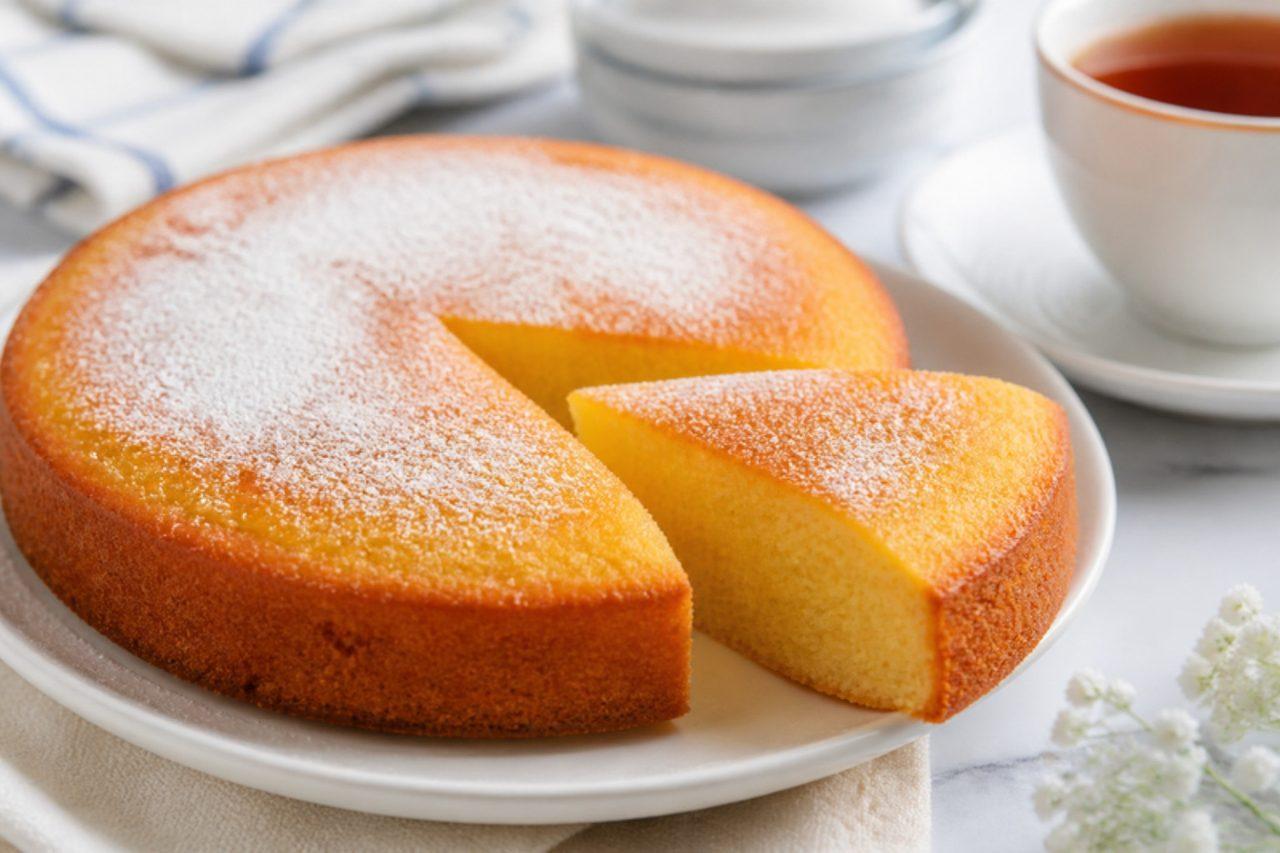
MannikSemolina cake

In thousands of Russian kitchens, mannik is the cake you make when the cupboard is nearly bare: semolina, kefir, sugar, a couple of eggs and almost no flour. The semolina swells overnight in the kefir, and the result is a plain, damp, slightly springy cake with a golden crust, sliced at the tea table from Smolensk to Vladivostok with a spoon of jam or sour cream. The common mistake is skipping the soak, which leaves the cake gritty with hard grains. Chef's tip: soak the semolina in the kefir for at least an hour, or overnight in the fridge, before adding the rest.

by KrazyBadal 0 views
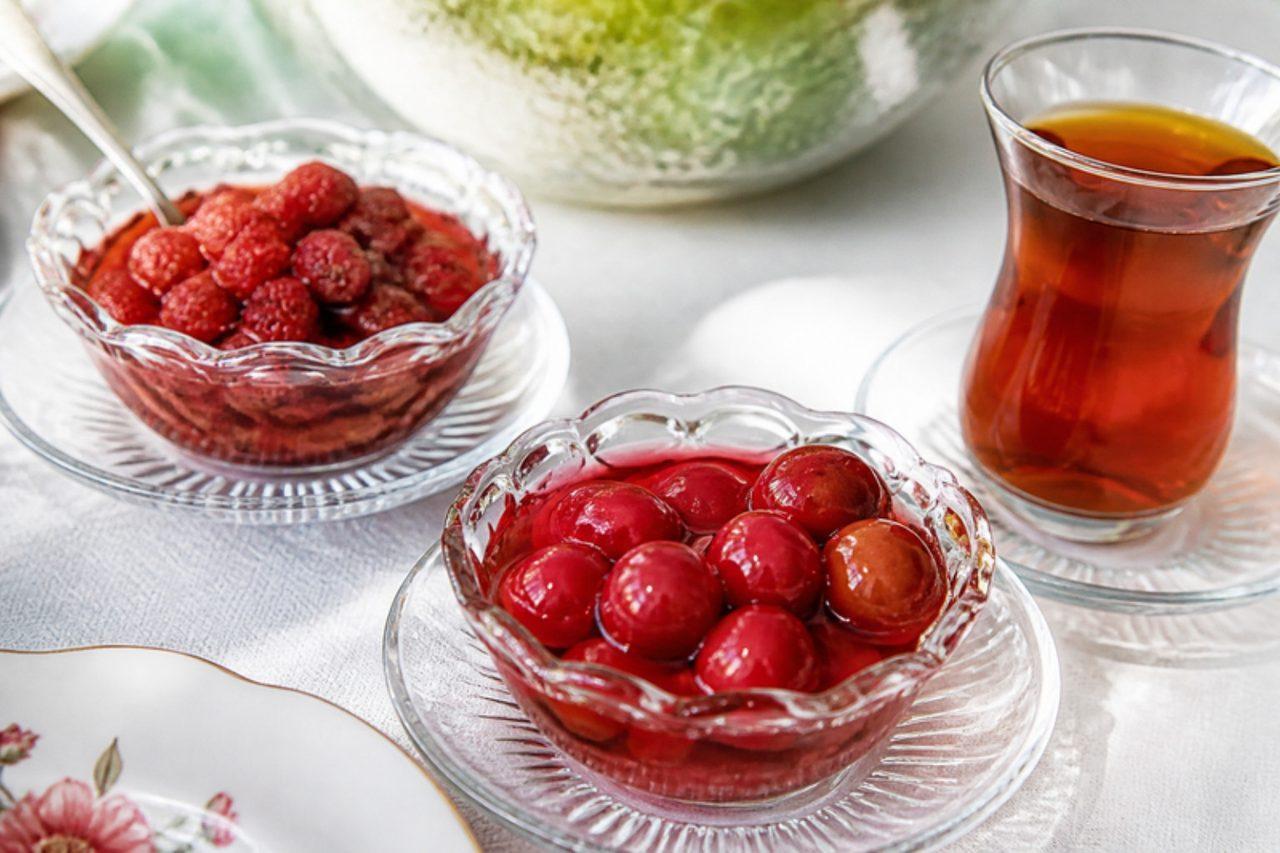
VarenyeFruit preserve in syrup

Varenye is not quite jam: whole berries or fruit are steeped and cooked in short bursts so they stay intact in a clear, glossy syrup. All summer at dachas around Moscow and Vladimir, copper basins of strawberry, cherry or gooseberry varenye bubble outside, and in winter it is spooned into tiny glass rosettes and eaten with tea, sometimes straight from the spoon between sips. The common mistake is boiling it in one long go, which turns the fruit to mush. Chef's tip: cook it in three short boils with long rests between; the fruit soaks up syrup slowly and stays whole.

by KrazyBadal 0 views
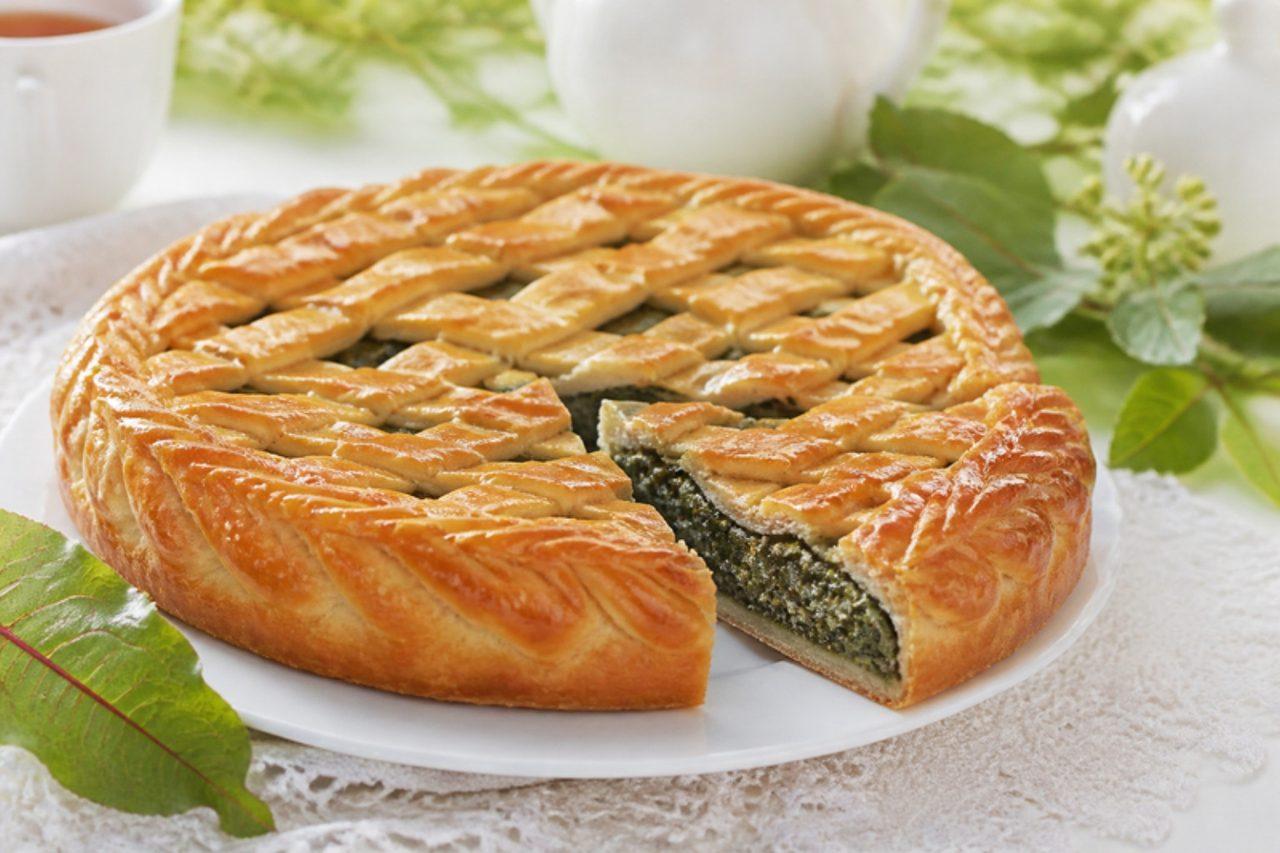
Sweet sorrel pie

In late May and June, sorrel is the first thing to grow thick in dacha gardens around Moscow and Kaluga, and grandmothers turn the sour leaves into a sweet pie that tastes surprisingly like rhubarb. Shredded sorrel is tossed with sugar and a little starch and baked between two layers of soft sour-cream pastry, then eaten in thick slices with tea or cold milk. The common mistake is mixing the sugar into the sorrel too early, which draws out the juice and floods the pastry. Chef's tip: layer the dry leaves into the pie and sprinkle the sugar and starch over them right before you close the lid.

by KrazyBadal 0 views
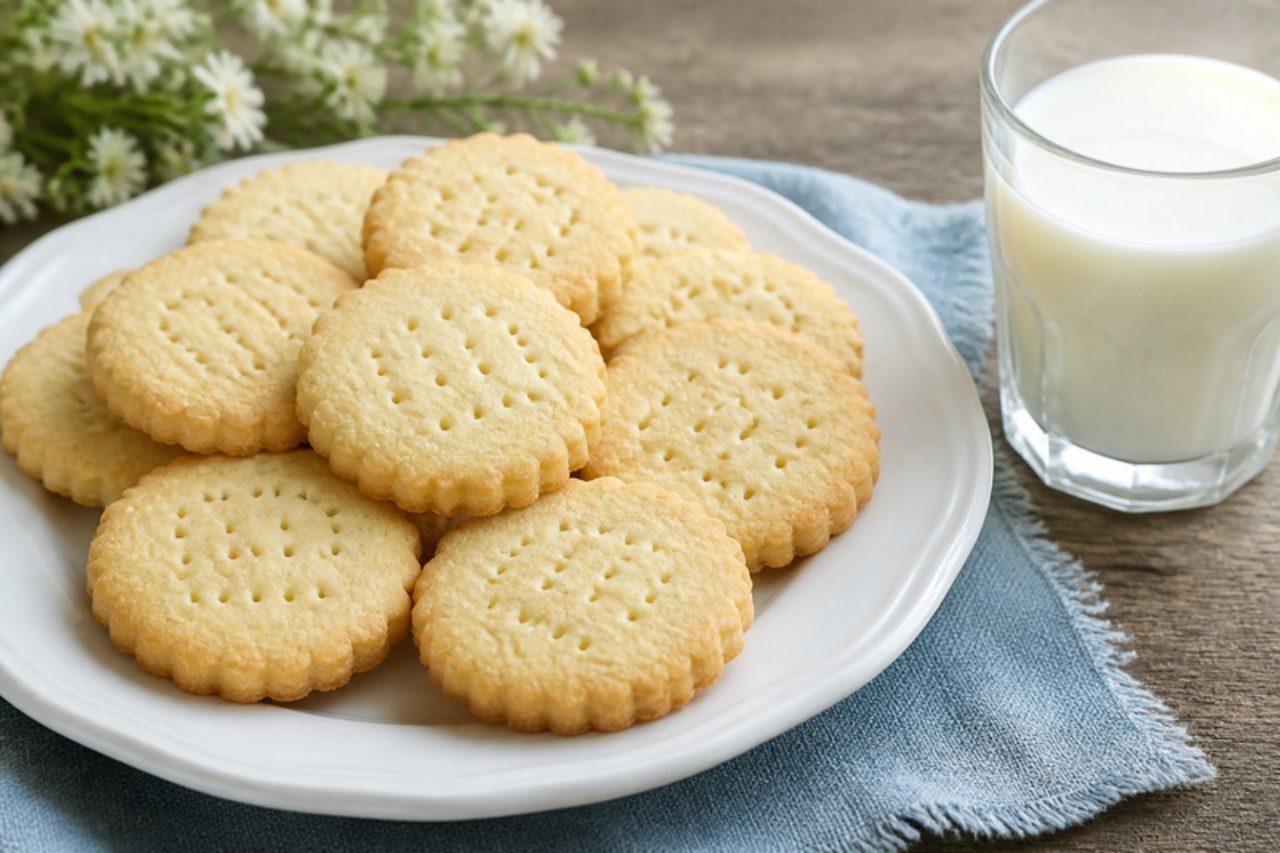
KorzhikiShortbread rounds

Every Soviet schoolchild knew korzhiki, the plump scalloped biscuits sold at the canteen counter for a few kopecks with a glass of milk. Made with sour cream and a little honey, they are firm on the outside and soft and cakey inside, pale gold, with a fork-pricked top. Russians still bake them at home for after-school snacks. The common mistake is rolling the dough too thin, which makes hard biscuits instead of soft little cakes. Chef's tip: roll to a full 8 mm and pull them from the oven while the edges are still pale; they firm up as they cool.

by KrazyBadal 0 views
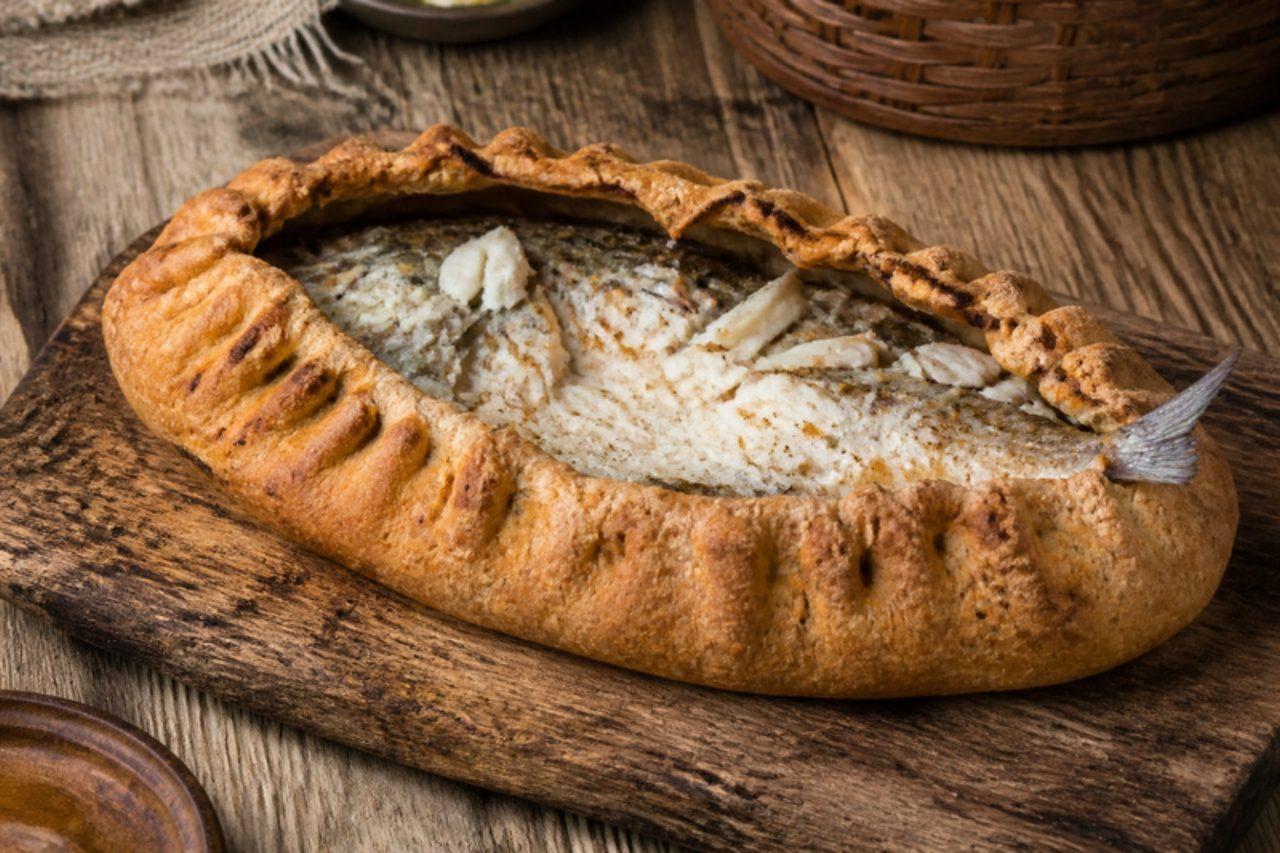
RybnikFish pie

Along the shores of Lake Onega in Karelia and through the Russian North, rybnik is the Sunday and holiday pie: a whole cleaned fish, traditionally pike-perch, bream or whitefish, sealed in rye dough with butter and onion and baked until the crust turns into its own oven. At the table the top crust is cut away like a lid, the fish is eaten from the bones with the juices, and the crust soaked in them is the best part. The common mistake is underbaking, which leaves the fish raw by the spine. Chef's tip: use a fish no thicker than 4 cm and score it on both sides so the heat reaches the middle; it is done when the flesh is opaque and flakes from the bone.

120 minRussianFish
by KrazyBadal 0 views
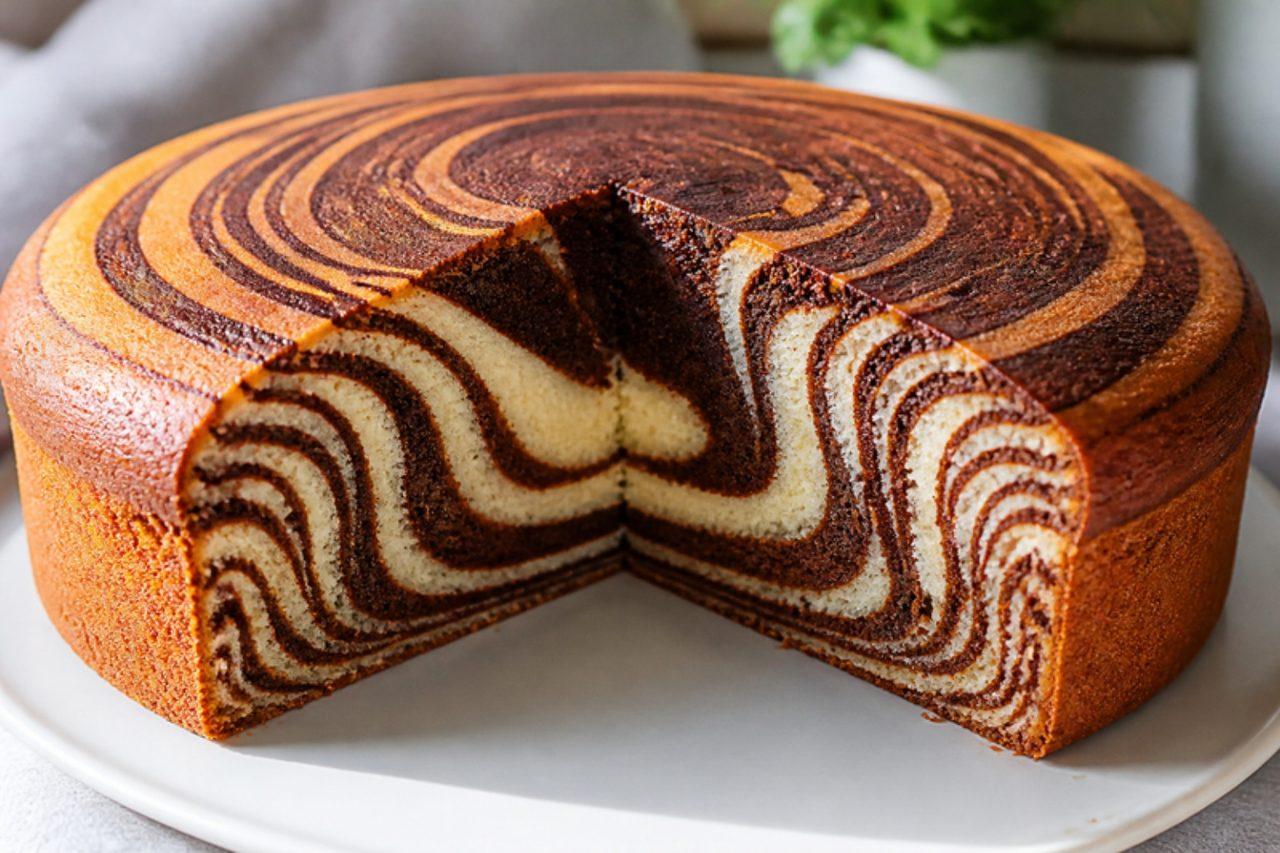
Zebra cake

Russian mothers learned the trick of zebra cake from Soviet women's magazines in the 1980s: spoon a vanilla and a cocoa batter alternately into the centre of the tin and the rings spread out by themselves into stripes. Cut open at a birthday tea or on a Sunday afternoon in Moscow flats, it always draws a gasp from children. The sponge is made with sour cream, so it stays moist for days. The common mistake is spreading the batter with a spoon, which smears the stripes. Chef's tip: drop each spoonful exactly in the middle of the previous one and let gravity do the work.

by KrazyBadal 0 views

SochniSweet curd pastries

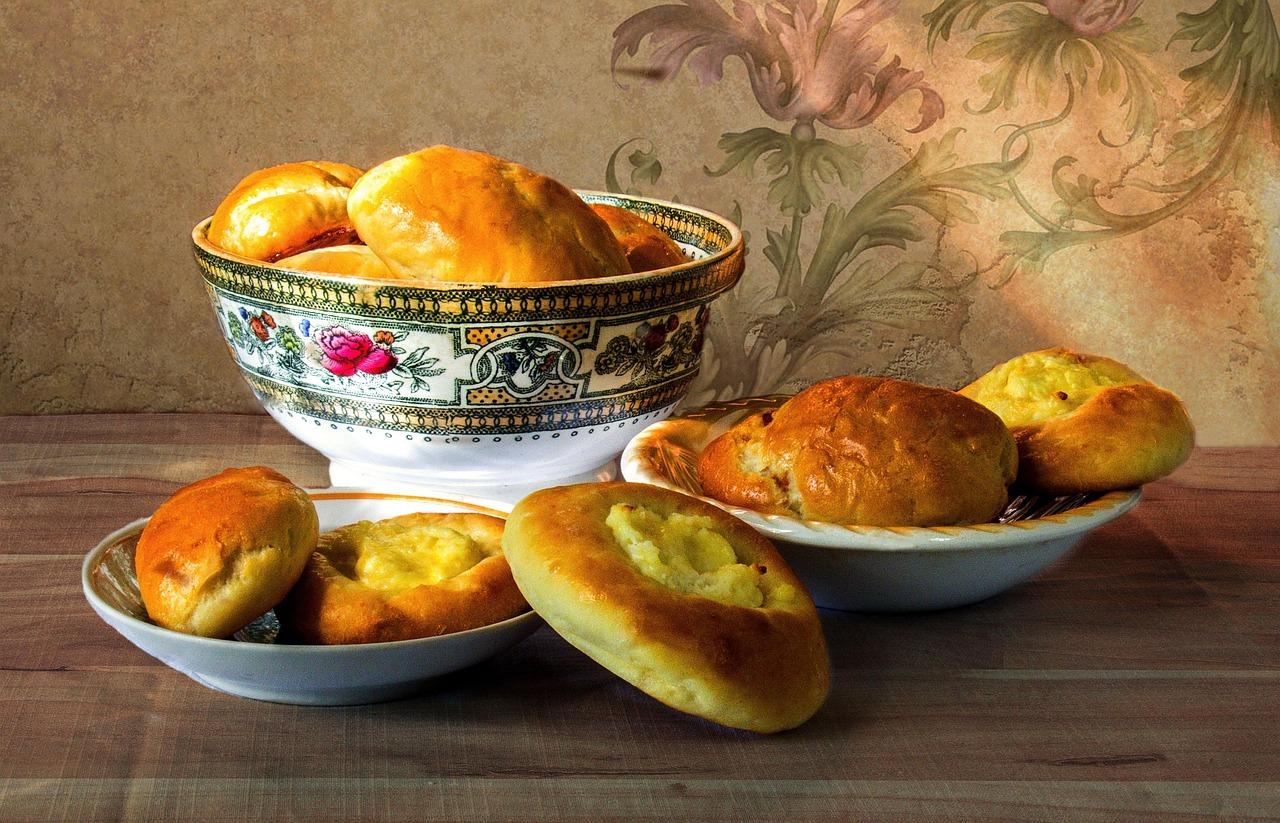
Sochni were the thing to buy from the bakery counter on the way home from school in Soviet Moscow: a soft, sweet shortcrust oval folded over a thick tongue of vanilla tvorog, which peeks out of the fold and bakes golden at the edge. They are still made at home for the tea table, eaten warm or the next morning with milk. The dough is tender rather than flaky, made with sour cream. The common mistake is a wet curd filling, which leaks and burns on the tray. Chef's tip: press the tvorog through a sieve and use only a little egg in it; it should be thick enough to hold a spoon upright.

by KrazyBadal 0 views

Pirog s gribamiMushroom pie

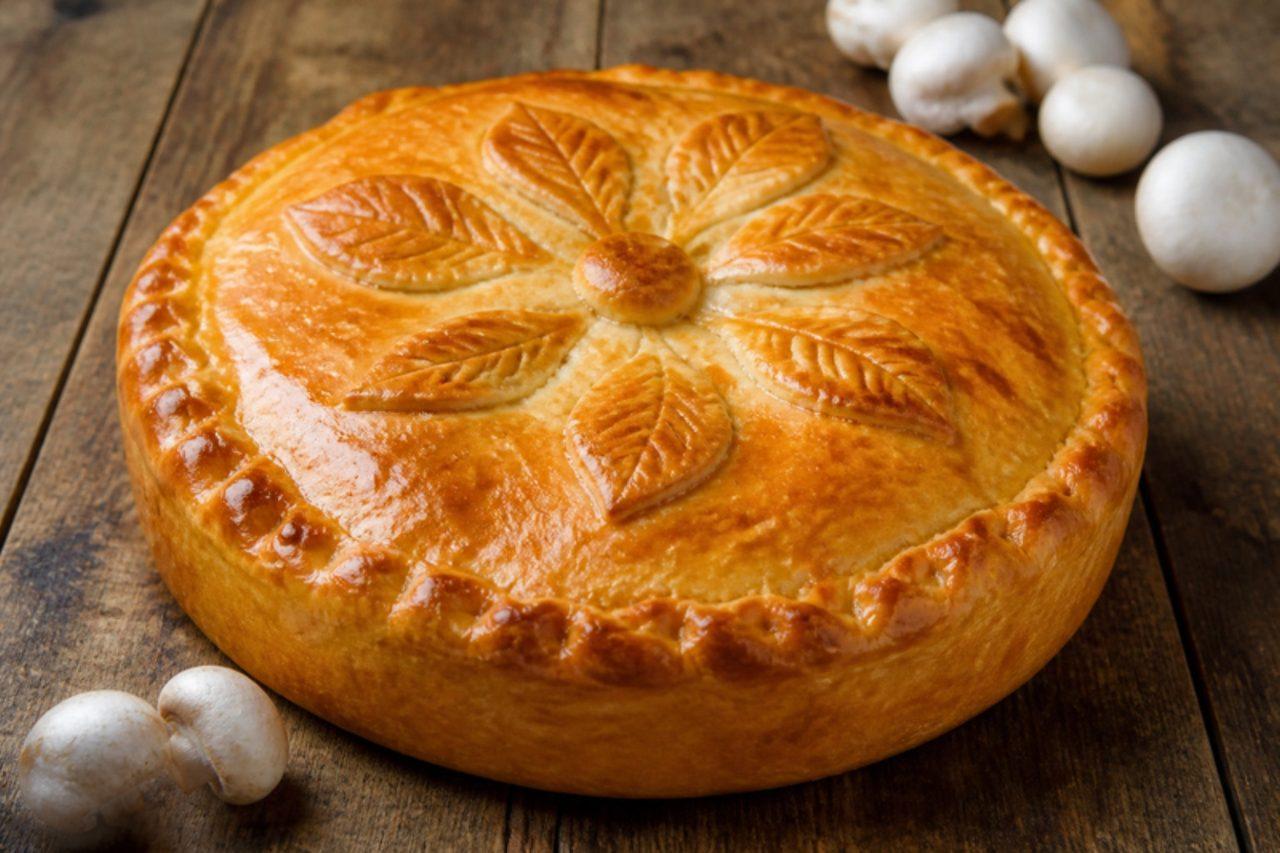
In Arkhangelsk and the villages along the Northern Dvina, where autumn means weeks of mushroom picking, a big closed yeast pie filled with mushrooms, onion and rice is baked for name days and for the table after a funeral or wake. Under a soft golden crust the filling is savoury and juicy with dill and butter. Buy wild mushrooms from a reliable source only; a mix of chestnut and dried porcini works anywhere. The common mistake is a hot, wet filling, which melts the dough and leaves a soggy base. Chef's tip: cook the filling until the pan is dry, then let it cool completely before you fill the pie.

by KrazyBadal 0 views

Kefir pie with spring onion and egg

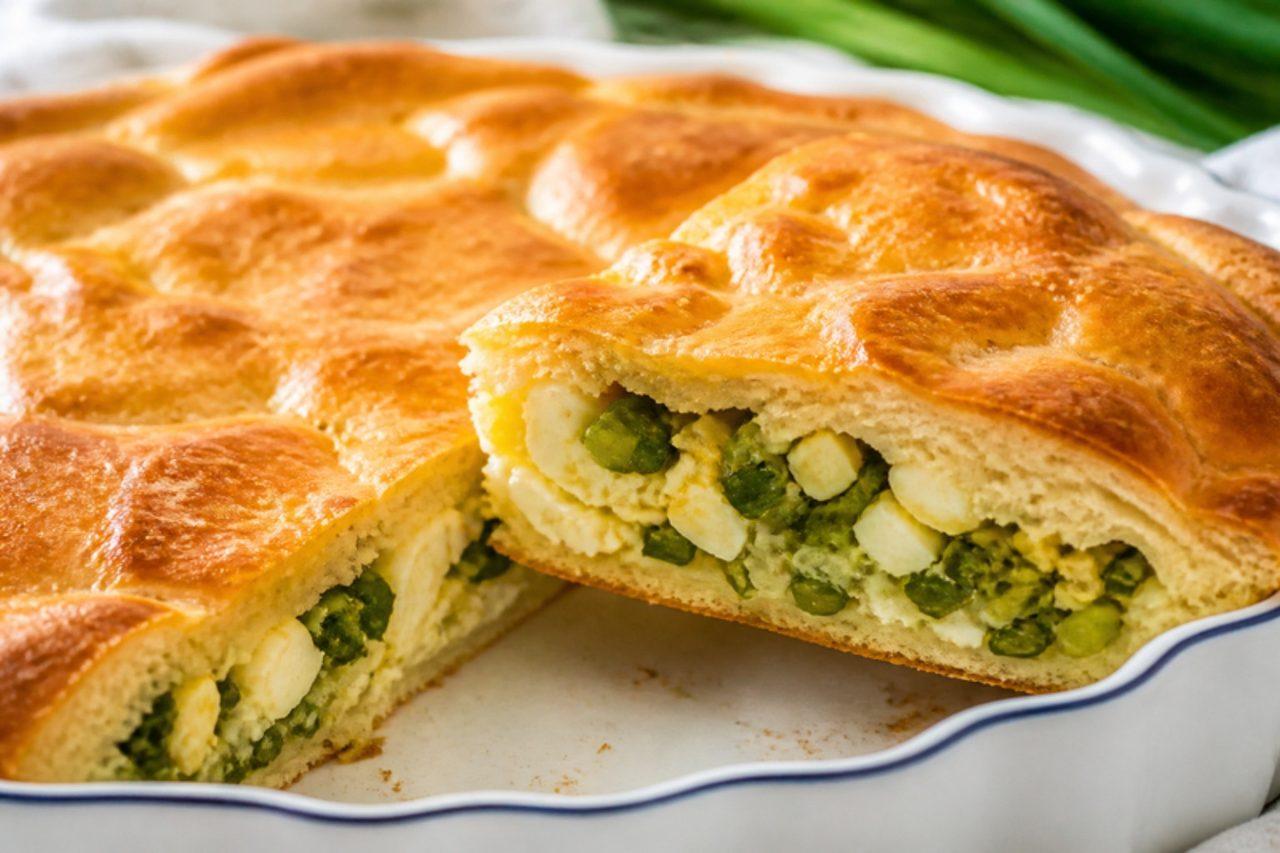
Zalivnoy means 'poured', and this is the pie Russian home cooks make when guests are due in an hour: a runny kefir batter poured over a filling instead of rolled dough. In spring the classic filling is masses of green onion from the windowsill or dacha with chopped boiled egg, and the pie is eaten warm in squares with soup or on its own at the kitchen table. The common mistake is pouring all the batter at once, which lets the filling float to the top. Chef's tip: spread half the batter first, scatter the filling, then pour the rest gently over the back of a spoon.

by KrazyBadal 0 views

Tertyi pirogGrated shortbread jam pie

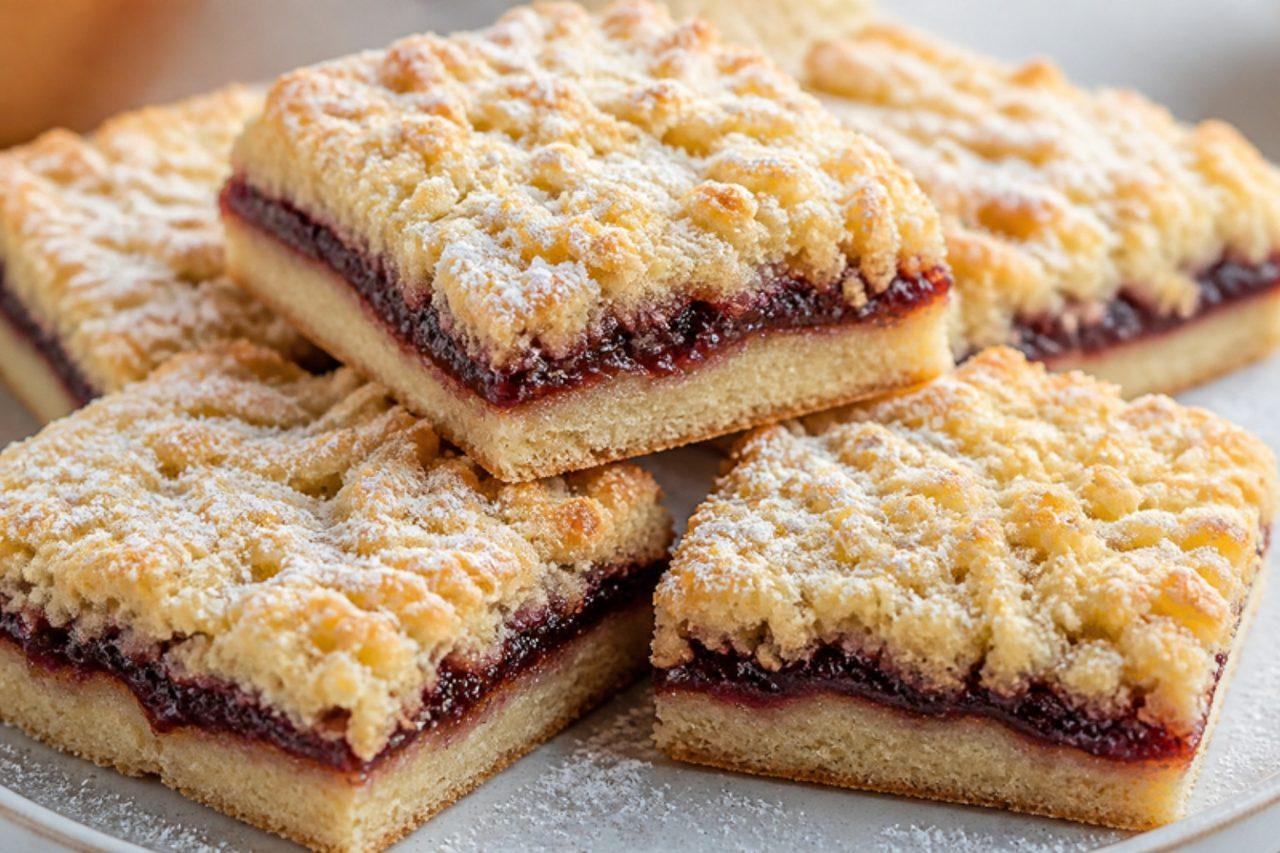
Soviet home bakers in Leningrad and Gorky passed this one round on handwritten cards because it needed nothing more than butter, flour and a jar of last summer's jam. Frozen shortbread dough is grated straight into a tin, spread with thick jam, and topped with more grated dough that bakes into a crumbly, craggy lid. It is cut into squares for the tea table or for children coming in from the yard. The common mistake is a runny jam, which bubbles through and burns. Chef's tip: freeze the dough hard for at least 40 minutes so it grates into loose flakes rather than clumps.

by KrazyBadal 0 views

Bird-cherry cake

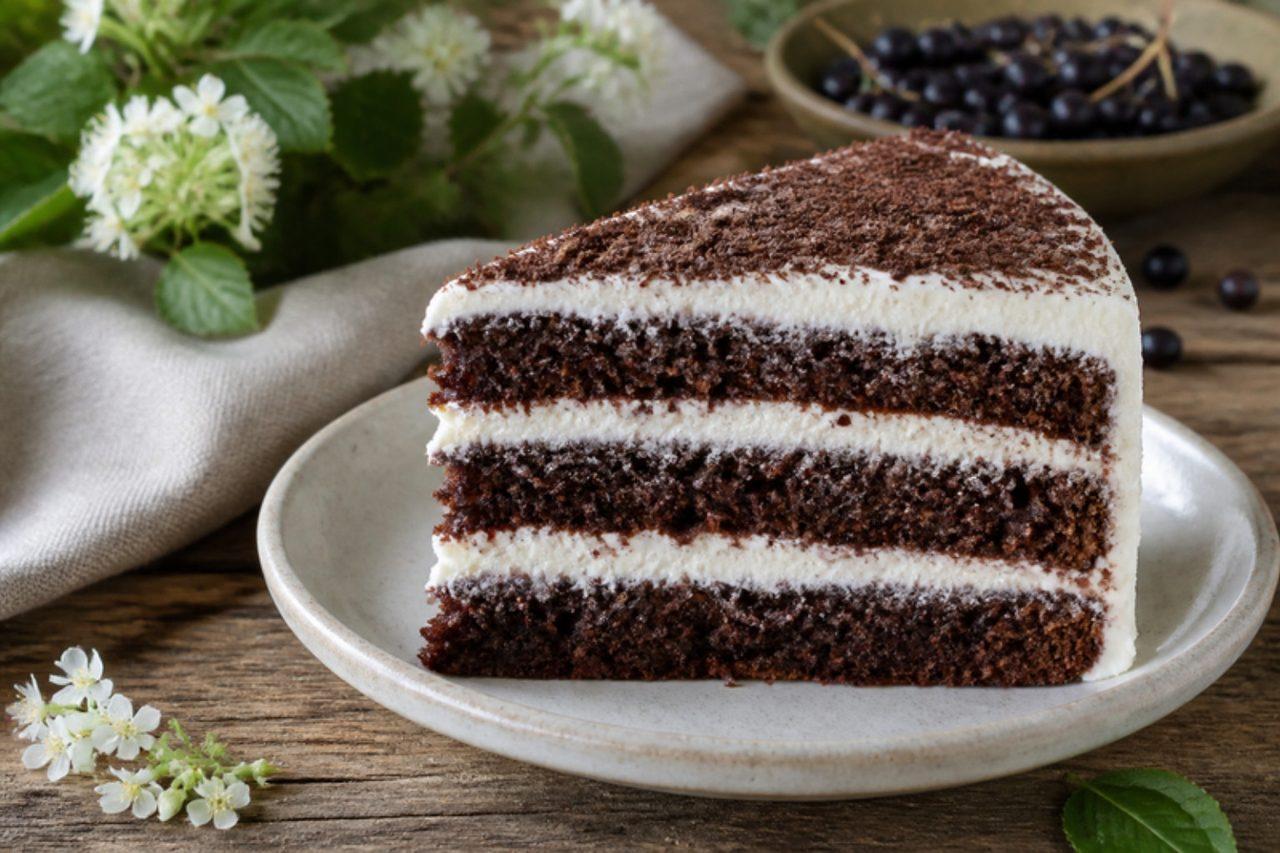
Bird-cherry trees grow wild along every river in Siberia, and in the Altai, Tomsk and Krasnoyarsk regions their small black fruit is dried and ground, stones and all, into a dark, almondy flour. Steamed in boiling milk and mixed into a sponge, it gives a moist, purple-brown cake that tastes of marzipan and chocolate, layered with thick sweetened sour cream for name days and family teas. The flour is sold in Russian shops and online. The common mistake is adding the flour dry, which leaves the cake gritty. Chef's tip: soak the bird-cherry flour in hot milk for at least three hours, or overnight, so it softens and releases its flavour.

by KrazyBadal 0 views

BarankiTea bread rings

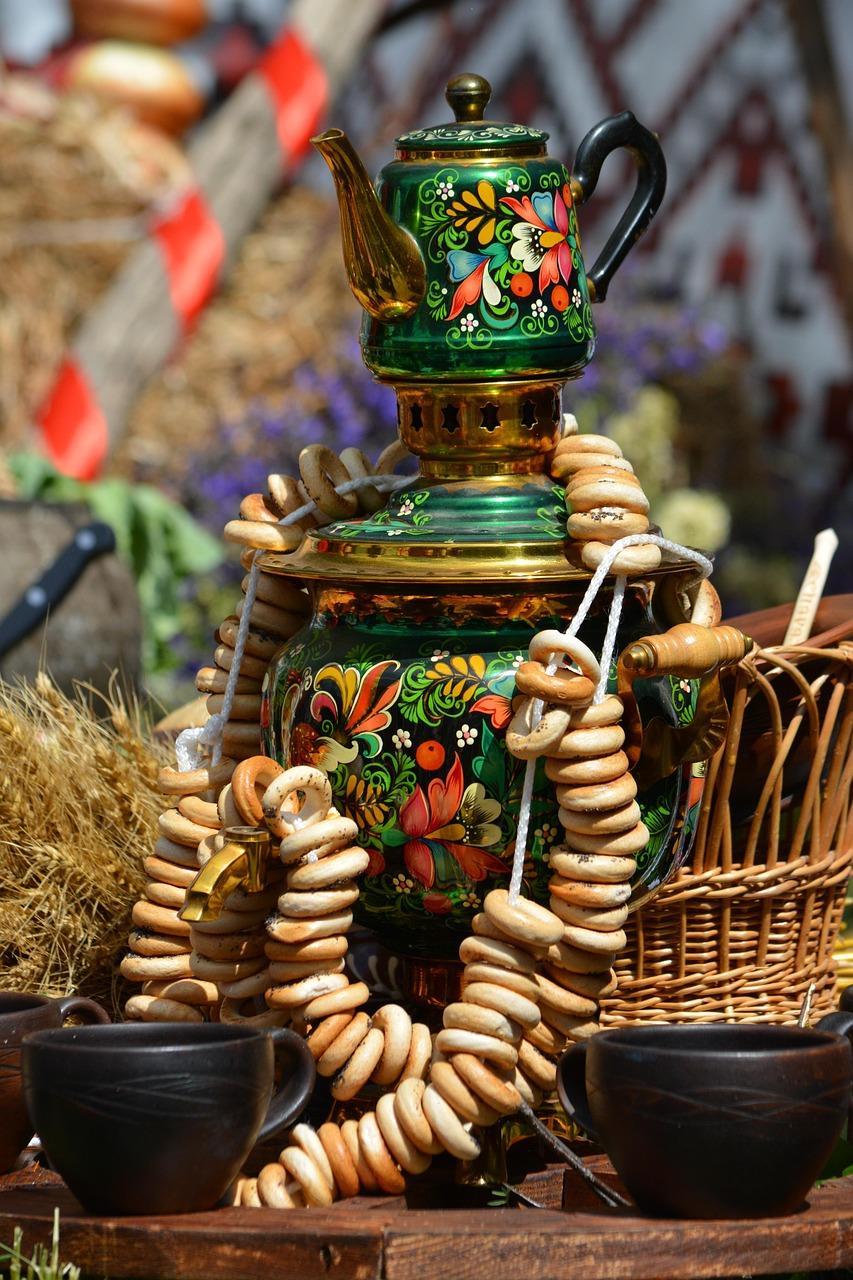
Strings of baranki once hung on poles at every Russian fair, and you still see them threaded on twine in Moscow markets and station kiosks. The dough is boiled briefly like a bagel, then baked until hard, golden and glossy, so the rings keep for weeks and soften only when dunked in hot, sweet tea from the samovar. This version is vegan, made with oil instead of butter and eggs. The common mistake is a soft, wet dough, which makes puffy bread rolls instead of crunchy rings. Chef's tip: knead the dough stiff and leave the shaped rings uncovered for 20 minutes to form a skin before boiling; that gives the shine.

by KrazyBadal 0 views

VatrushkaCheese-filled yeast bun

Bakery counters from Moscow to small Ryazan towns stack these golden rounds beside the tea urn, and a warm one with a glass of milk is the classic after-school snack. The soft, lightly sweet enriched dough is pressed into a deep well and filled with tvorog beaten with yolk, sugar and vanilla, which bakes into a set, creamy centre with a gentle tang. Tvorog is usually acid-set, but check the label if you need it rennet-free; a well-drained curd cheese works too. The usual slip is a wet filling: watery curd bubbles over the rim and leaves a hollow bun, so drain it well and add the spoon of semolina. Chef's tip: press the well with the base of a small floured glass, so the walls stay even and the rim rises tall around the cheese.

by KrazyBadal 0 views

Salted saffron milk caps

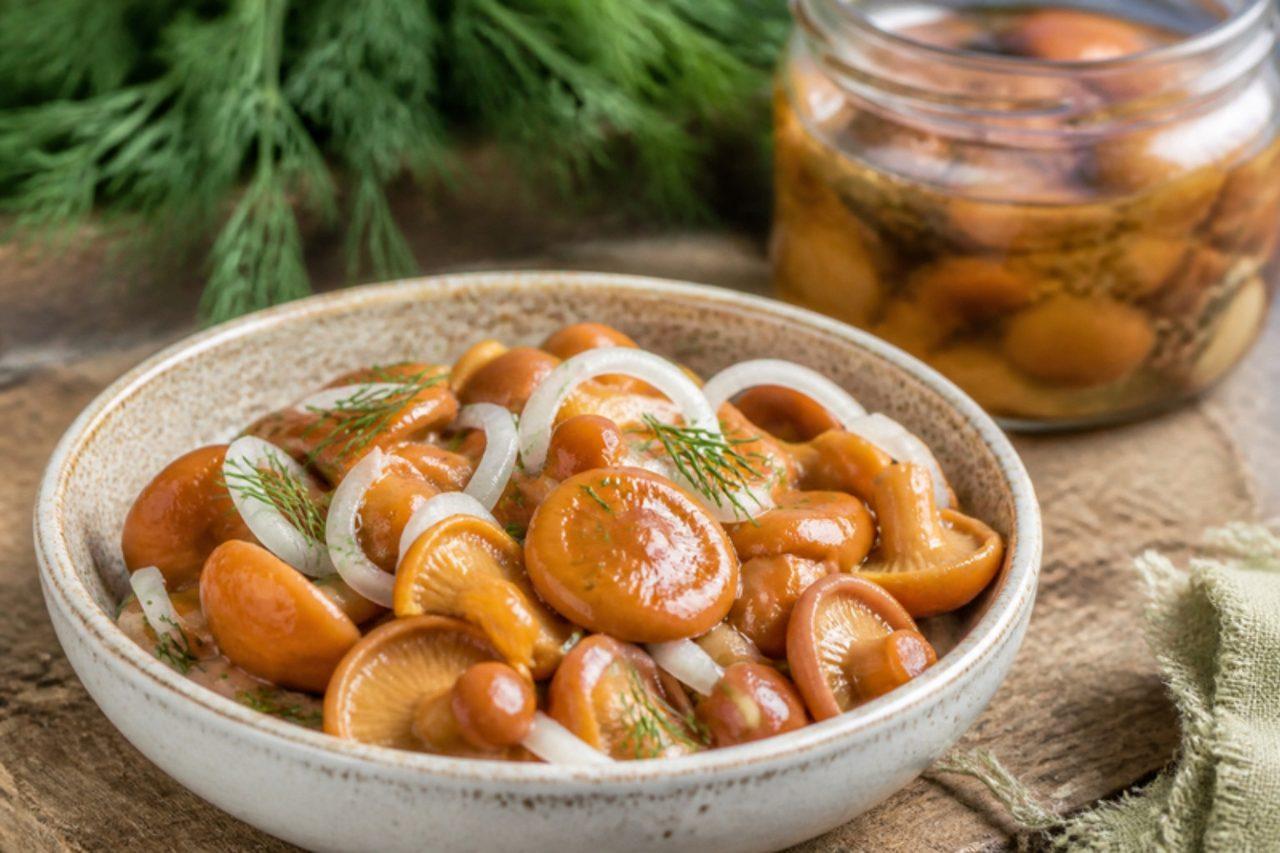
Northern Russians rank ryzhiki, the orange saffron milk caps of the pine woods, above almost every other mushroom, and salted ones from around Arkhangelsk once travelled to the tsar's table. Salted, they keep their bright colour, turn firm and juicy with a clean, resinous taste, and are served with thin onion rings, sunflower oil and hot boiled potatoes; for non-vegans a spoon of sour cream is classic. Old cellars dry-salted them raw for months; this safer fridge version blanches the caps briefly and keeps them in a measured brine in the fridge, ready in about a week. Only use mushrooms identified by an experienced forager or bought from a trusted seller. Where most people go wrong is guessing the salt; too little lets spoilage start, so weigh it. Chef's tip: the caps bruise green where handled, which is normal, so don't worry when the edges darken.

by KrazyBadal 0 views

Smoked omul

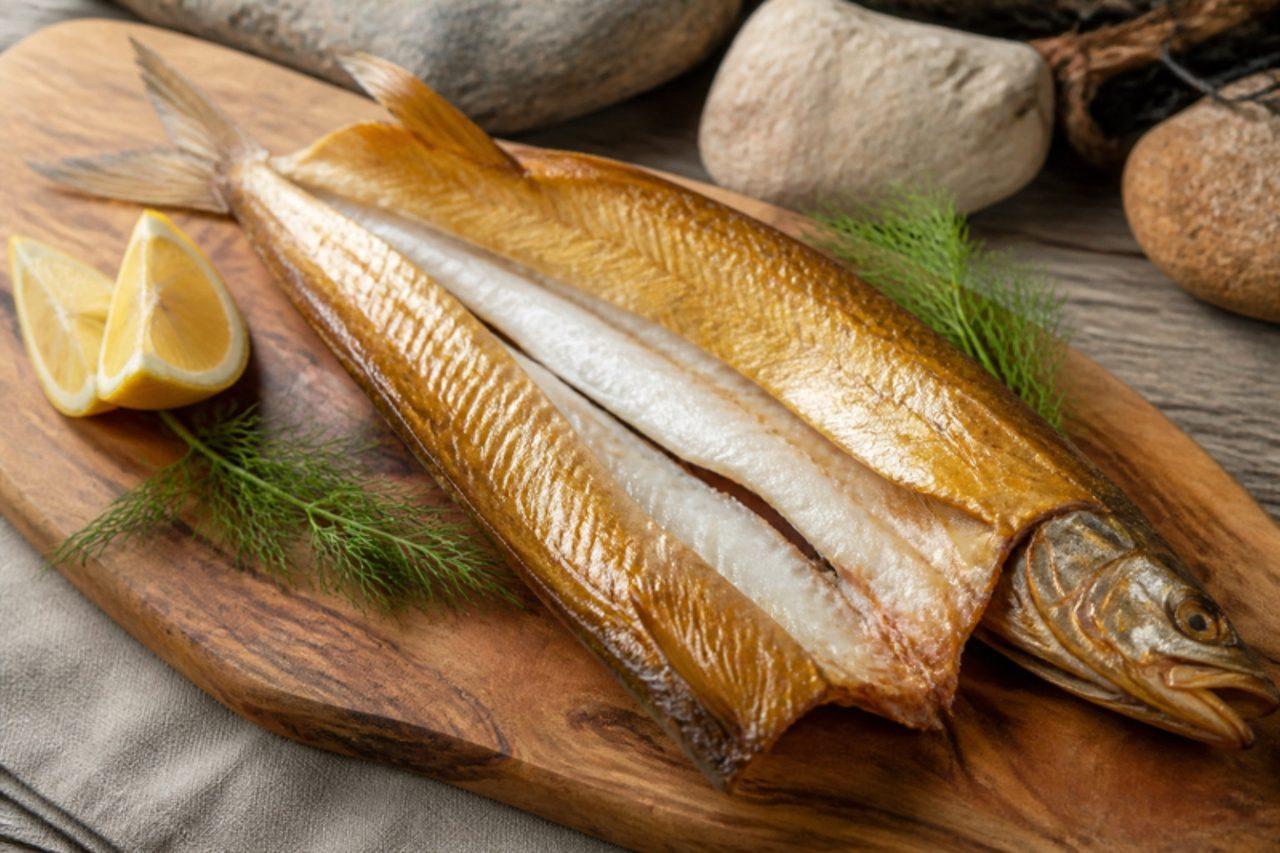
On the shingle beaches of Listvyanka, at the edge of Lake Baikal, women sell omul still warm from the smoke, the fish split open, threaded onto alder sticks and set around a fire until the skin turns bronze and the flesh pulls away in moist, salty flakes. Omul lives only in Baikal, so at home use small whitefish, trout or mackerel, gutted and split. A short brine in the fridge seasons the fish, then it is hot-smoked in a kettle barbecue or a lidded smoker until cooked right through. Serve it warm or cold with boiled potatoes, black bread and spring onions. The usual slip is smoking over flames rather than smouldering chips, which chars the skin before the inside is done. Chef's tip: let the brined fish dry in the fridge, uncovered, for an hour: the tacky surface takes the smoke far better.

120 minRussianFishGluten free
by KrazyBadal 0 views

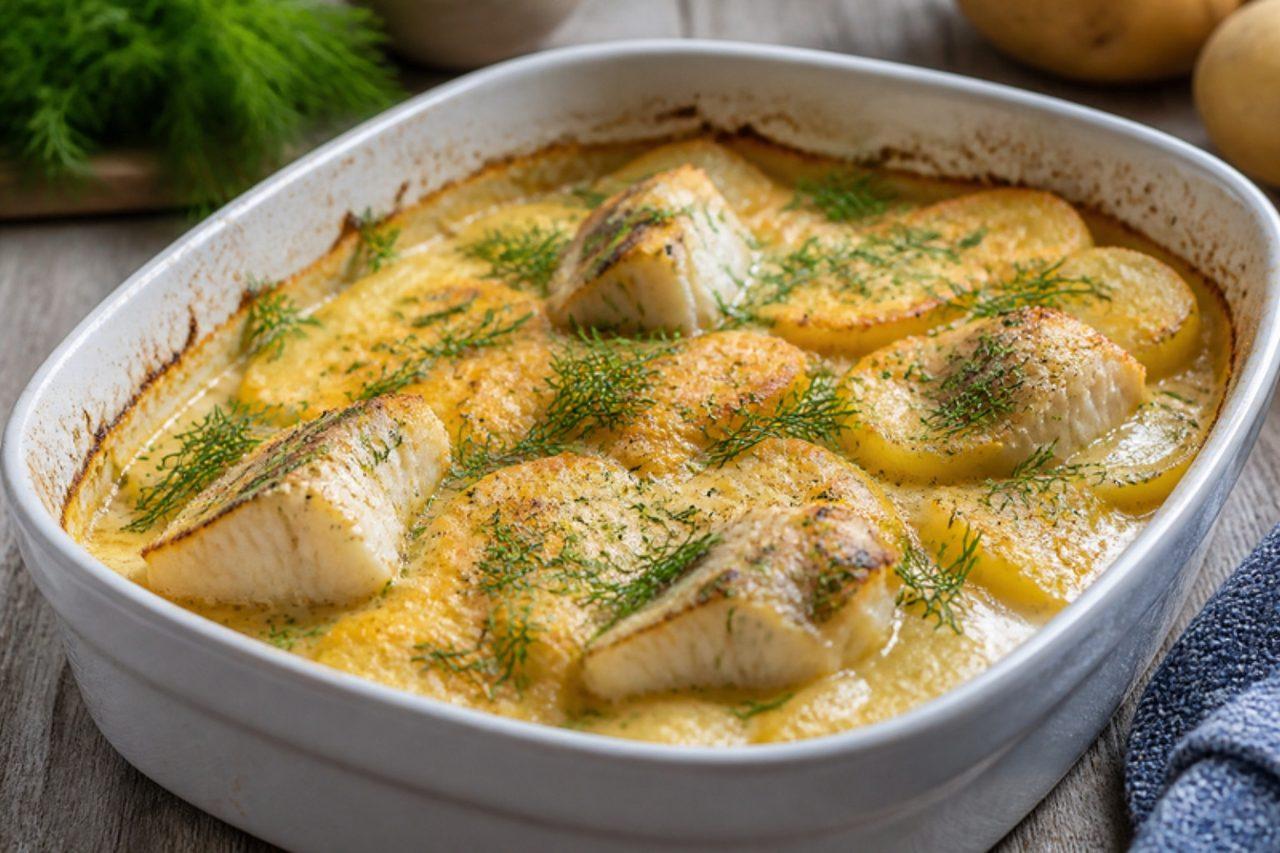
Pomor-style cod

Along the White Sea coast near Arkhangelsk, the Pomors lived on cod, and this is how a fisherman's household turned a fillet into a whole supper: fish laid over sliced potatoes and buttery onions, then covered with beaten egg and milk and baked until set and golden, like a savoury fish custard. It is soft, mild and filling, and is eaten with pickled mushrooms, sauerkraut or a green salad. Where most people go wrong is using raw potato slices, which take far longer than the fish; par-boil them first. Chef's tip: salt the cod lightly 15 minutes ahead in the fridge, it firms up and does not leak water into the egg.

by KrazyBadal 0 views

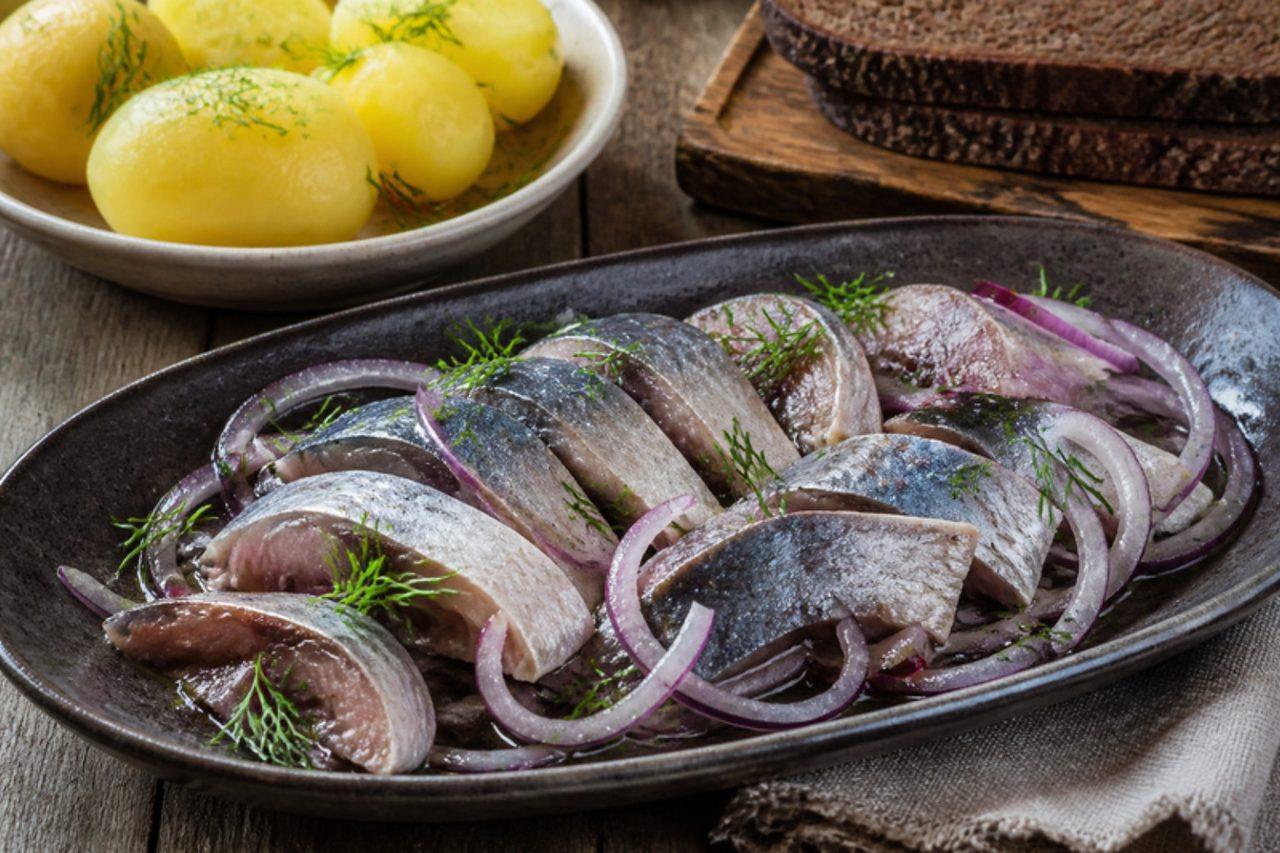
Herring with potatoes

This is the simplest and best-loved Russian zakuska, on every table from a Moscow kitchen to a Siberian railway compartment: fillets of salted herring with steaming boiled potatoes, rings of raw onion, dill and a drizzle of unrefined sunflower oil that smells of toasted seeds. The contrast of cold, silky fish and hot, floury potato is the whole point, and black bread goes alongside. Salted herring is cured but not cooked, so buy ready-salted fillets from a good fishmonger or deli (made from previously frozen fish), keep them in the fridge, and note that it is not for pregnant women, young children or anyone with a weakened immune system. A common mistake is serving the herring straight from very salty brine; taste it and soak it in milk or cold water first if needed. Chef's tip: use unrefined sunflower oil, its nutty smell is what makes the dish.

by KrazyBadal 0 views

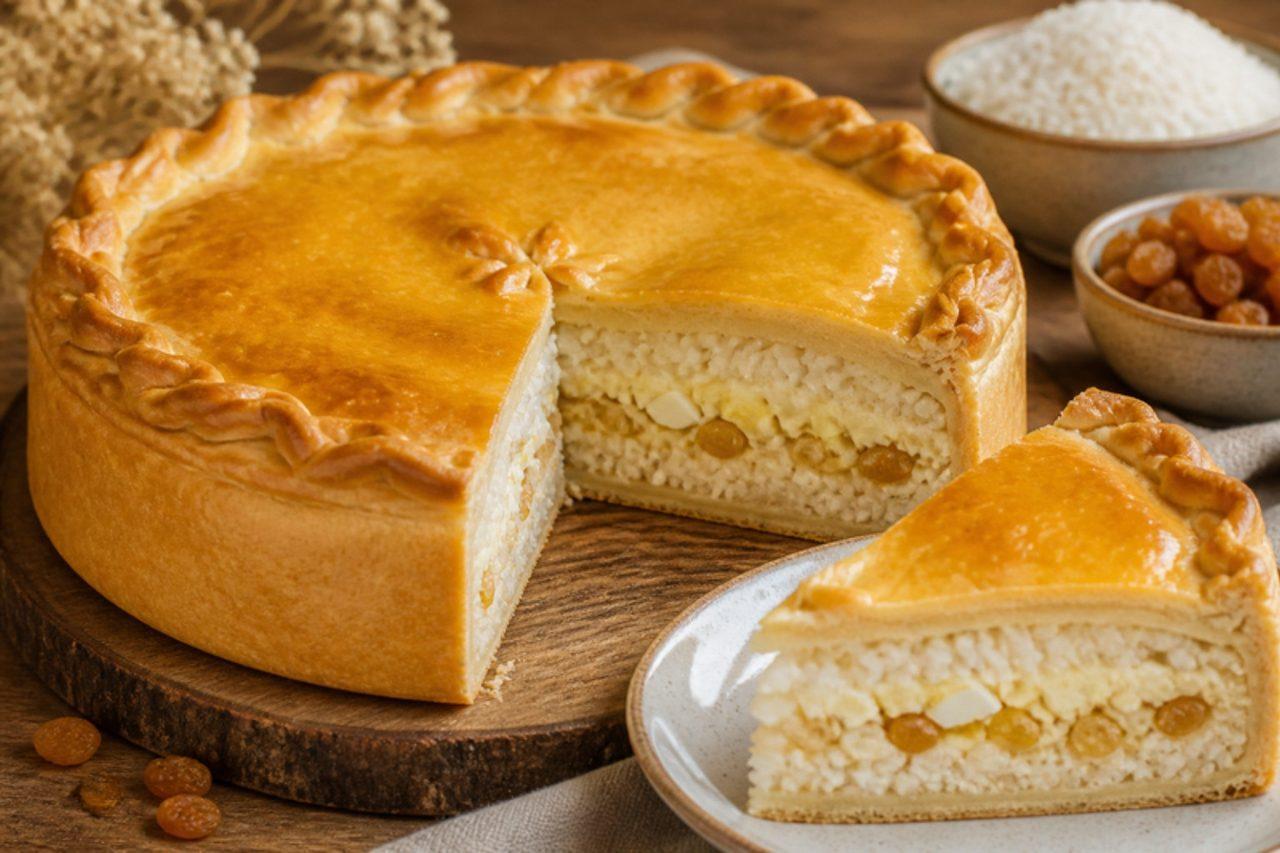
GubadiaLayered rice and curd pie

Weddings, Eid and the arrival of honoured guests in Tatarstan call for gubadia, a high round pie that is cut at the table like a cake and served with tea. Inside sit neat layers of buttery rice, kort – Tatar curd cooked down until rosy and fudge-sweet – raisins and chopped hard-boiled egg, under a domed lid of soft yeast dough. Many families add a layer of minced meat with onion; this is the meat-free version, as many sweet tea-table gubadias are. Kort is hard to buy outside the region, so you make it here from tvorog (check the label if you need it rennet-free). Where most people go wrong is a dry pie: every layer needs its share of melted butter. Chef's tip: let the baked pie stand for twenty minutes before cutting so the layers settle and come away in clean wedges.

by KrazyBadal 0 views

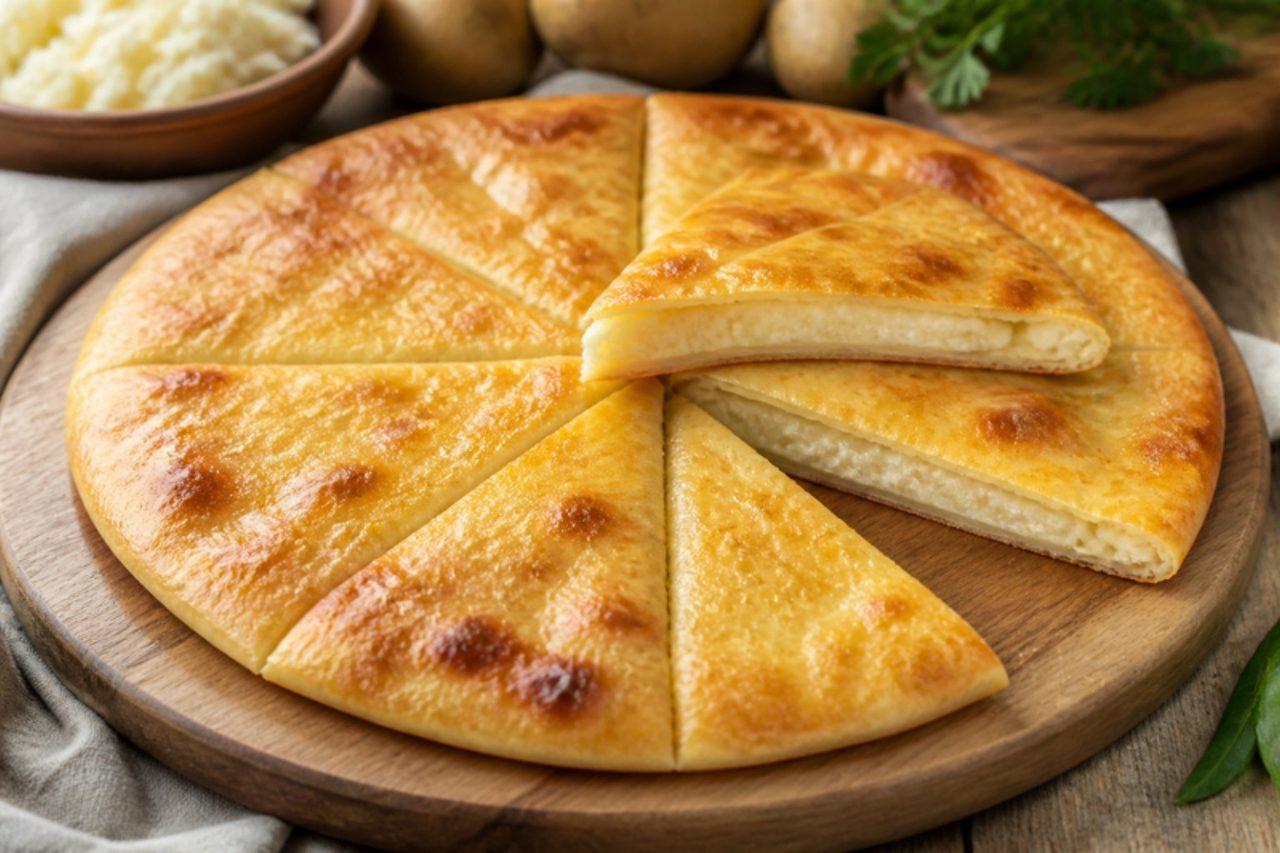
KartofdzhynPotato and cheese pie

Ossetian pies come in threes at every celebration in Vladikavkaz, stacked on one plate for the sun, earth and water, and kartofdzhyn, with potato and cheese, is the everyday family favourite of North Ossetia. Soft kefir-yeast dough is wrapped around a ball of filling and patted flat by hand into a wide, thin round, so dough and filling are each barely a centimetre thick, then baked hot and soaked with butter. Ossetian cheese is a fresh brined cheese made with animal rennet; for a vegetarian pie use a feta-style or young brined cheese labelled vegetarian. The usual slip is overfilling, which makes the pie burst as you flatten it; aim for about the same weight of dough and filling. Chef's tip: stack the hot pies and butter each one, so the butter soaks through and they stay supple.

by KrazyBadal 0 views

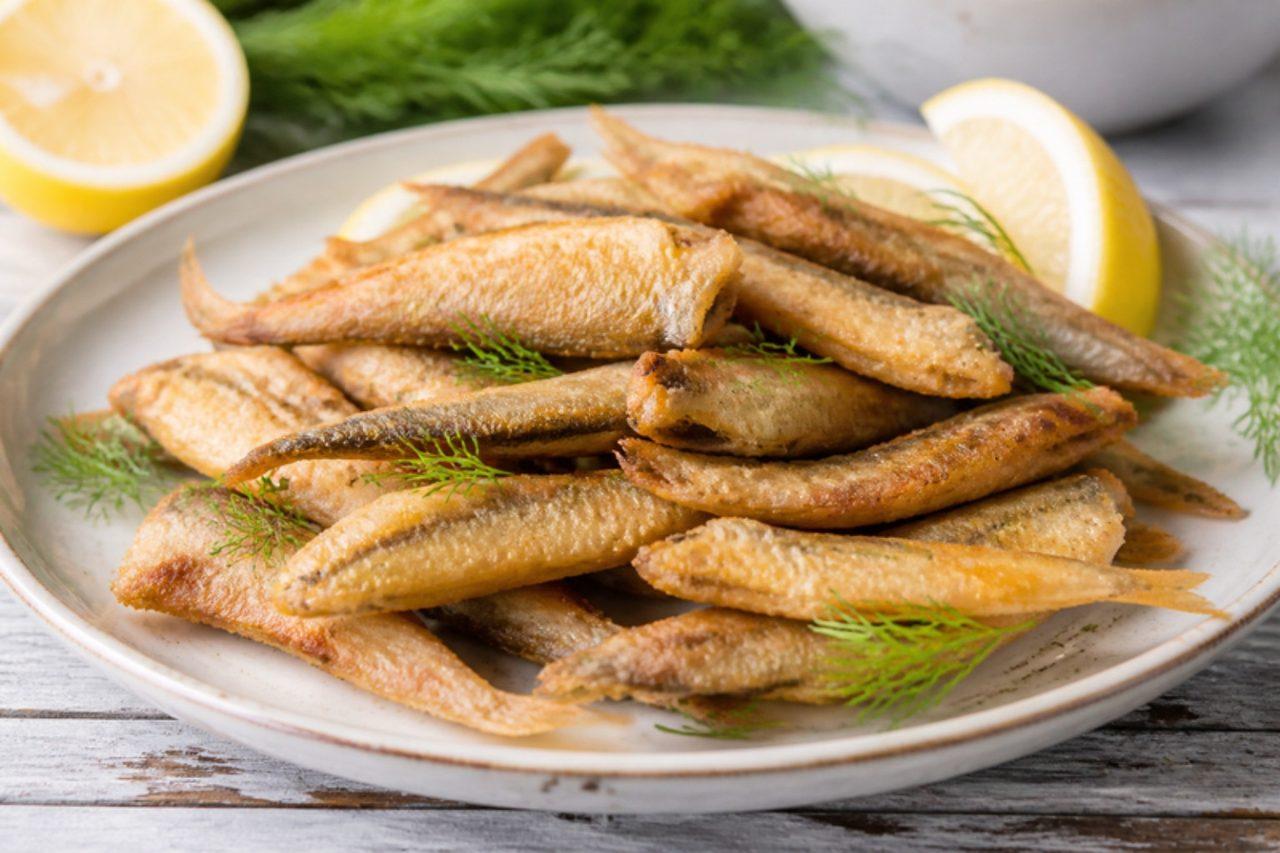
KoryushkaFried smelt

When the ice breaks on the Neva in April and May, St Petersburg goes mad for koryushka, small silvery smelt that famously smell of fresh cucumber. Stalls sell them by the kilo, the city holds a smelt festival, and every cafe fries them by the plateful. Dusted in flour and fried in hot sunflower oil, they come out golden and crunchy outside, sweet and tender inside, eaten with fingers, soft bones and all, with lemon and boiled potatoes with dill. A common mistake is crowding the pan, which drops the oil temperature and leaves the fish soggy; fry in small batches. Fish is done when the flesh is opaque and flakes easily from the backbone. Frozen smelt or sprats work out of season. Chef's tip: rye flour gives a darker, nuttier crust, a favourite in Petersburg homes.

by KrazyBadal 0 views

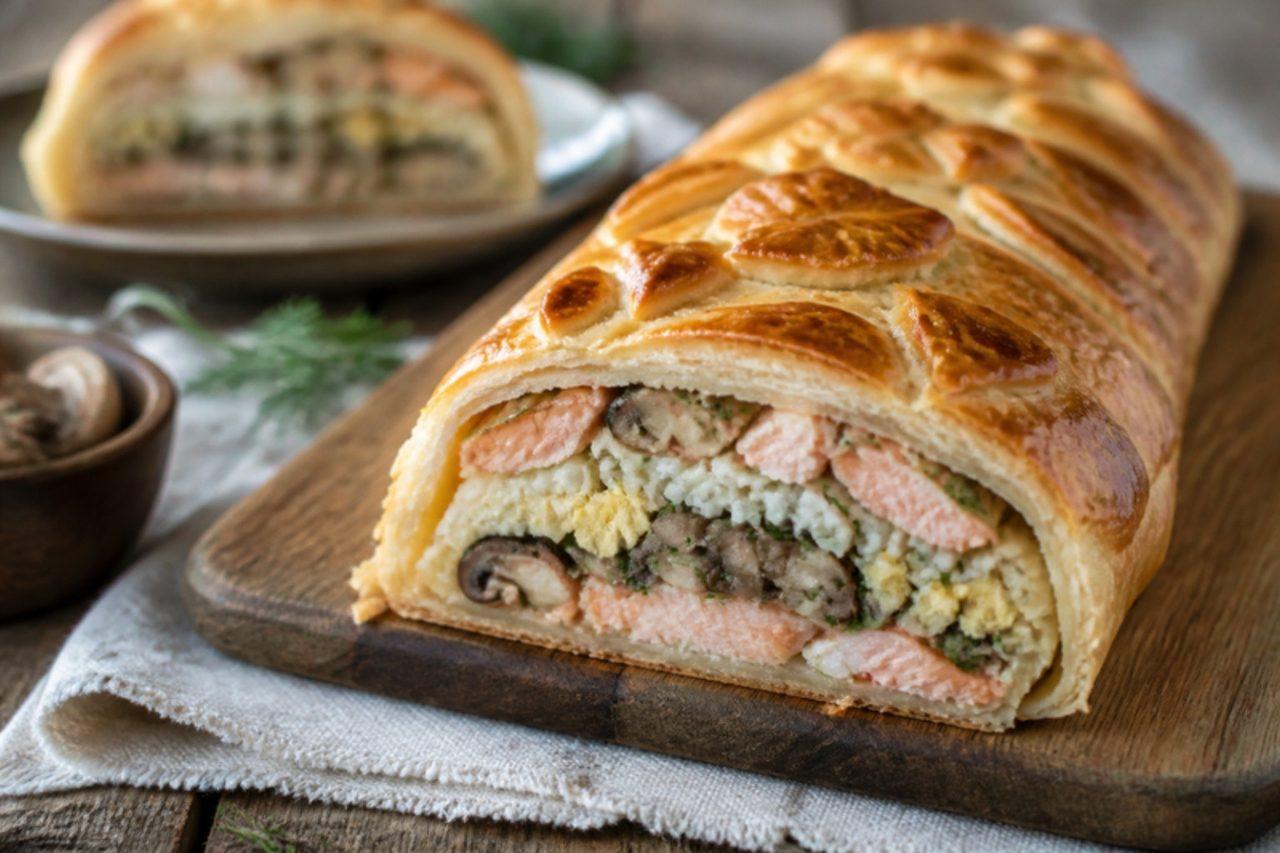
KulebyakaSalmon and rice pie

Merchant feasts in old Moscow were judged by their kulebyaka, a long, plaited-top pie cut at the table to show neat stripes of filling, and it still appears at name days, Easter and New Year. Under a golden yeast crust sit layers of dill-scented rice, chopped egg, buttery mushrooms and pink salmon, each one seasoned separately. Slices are eaten warm with melted butter or a cup of clear fish broth. The usual slip is assembling with warm, wet fillings, which steam the base into a soggy mess; cool everything and keep the rice and mushrooms fairly dry. Bake until the salmon at the centre is opaque and reads at least 63 °C. Chef's tip: lay a thin pancake or a sheet of cooked rice under the fish; old cooks used blini as a sponge for the juices.

150 minRussianFish
by KrazyBadal 0 views

Showing 24 of 34 recipes

Show more recipes

Page 1 of 2