Skip to content
WhatToEat.Today

All recipes

11

Vegetarian, or something you can't eat? Set your diet once and we'll hide recipes that don't fit.

BhuttanFried goat tripe and offal

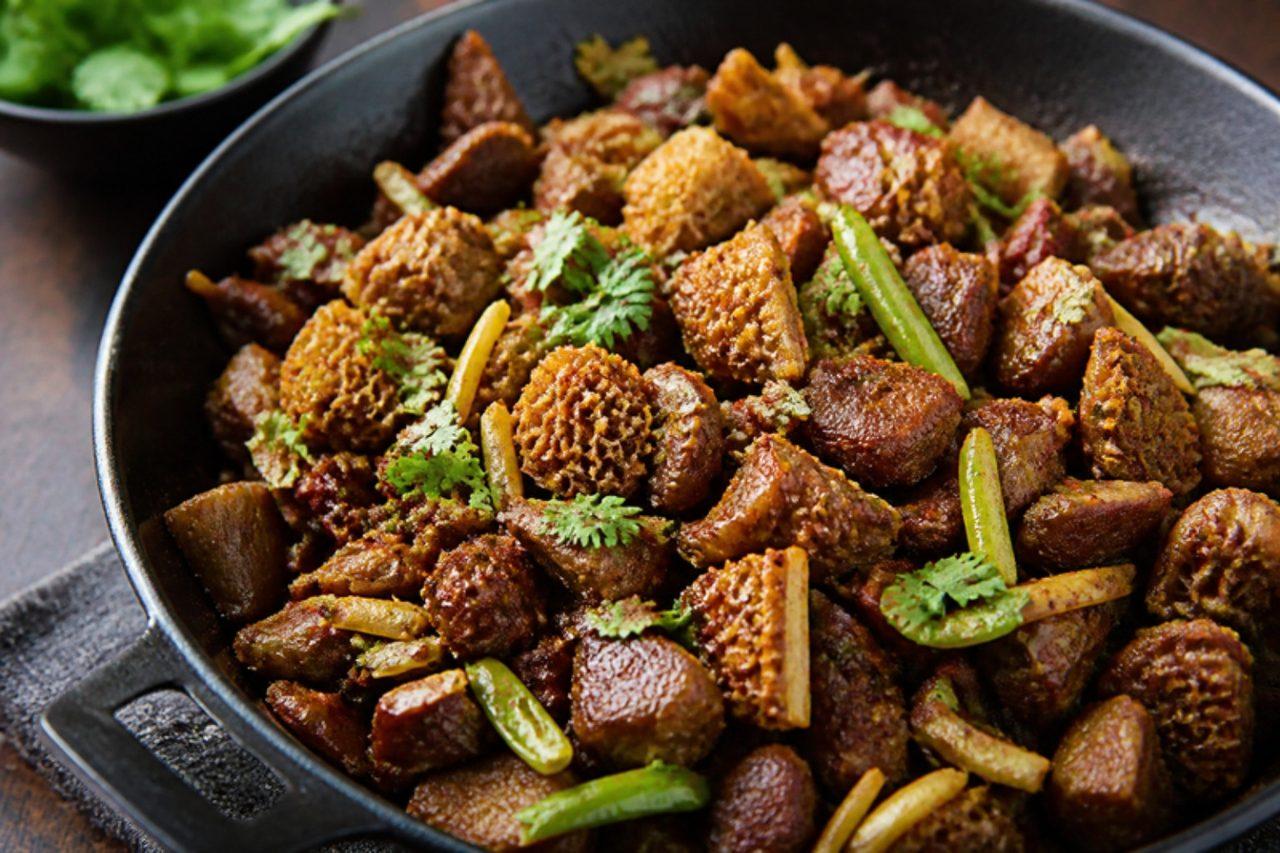
In Nepal, Dashain is the longest and most important festival of the year, and the meat dishes made in its days of family feasting use every part of the goat; bhuttan, made from the tripe, intestines and liver, is the snack that comes out first with a glass of something and a plate of beaten rice. This recipe uses offal bought ready cleaned from a butcher: the tripe and intestines are boiled until tender, then fried hard in mustard oil with fenugreek seeds, onion, garlic, ginger, cumin, coriander and chilli until browned and crisp at the edges, with the liver added only at the end. Common mistake: frying the tripe before it is tender, which makes it rubbery; boil it until a fork goes in easily, and cook the whole dish until the pieces are browned and the masala clings with the oil separating, at least 71 °C in the centre and the liver with no pink. Keep raw offal chilled and use within a day. Chef's tip: a pinch of crushed timur (Sichuan-style Nepali pepper) at the end gives the tingle Nepali cooks love.

80 minNepaliMeatGluten freeSpicy
by KrazyBadal 0 views

GundrukFermented leafy greens

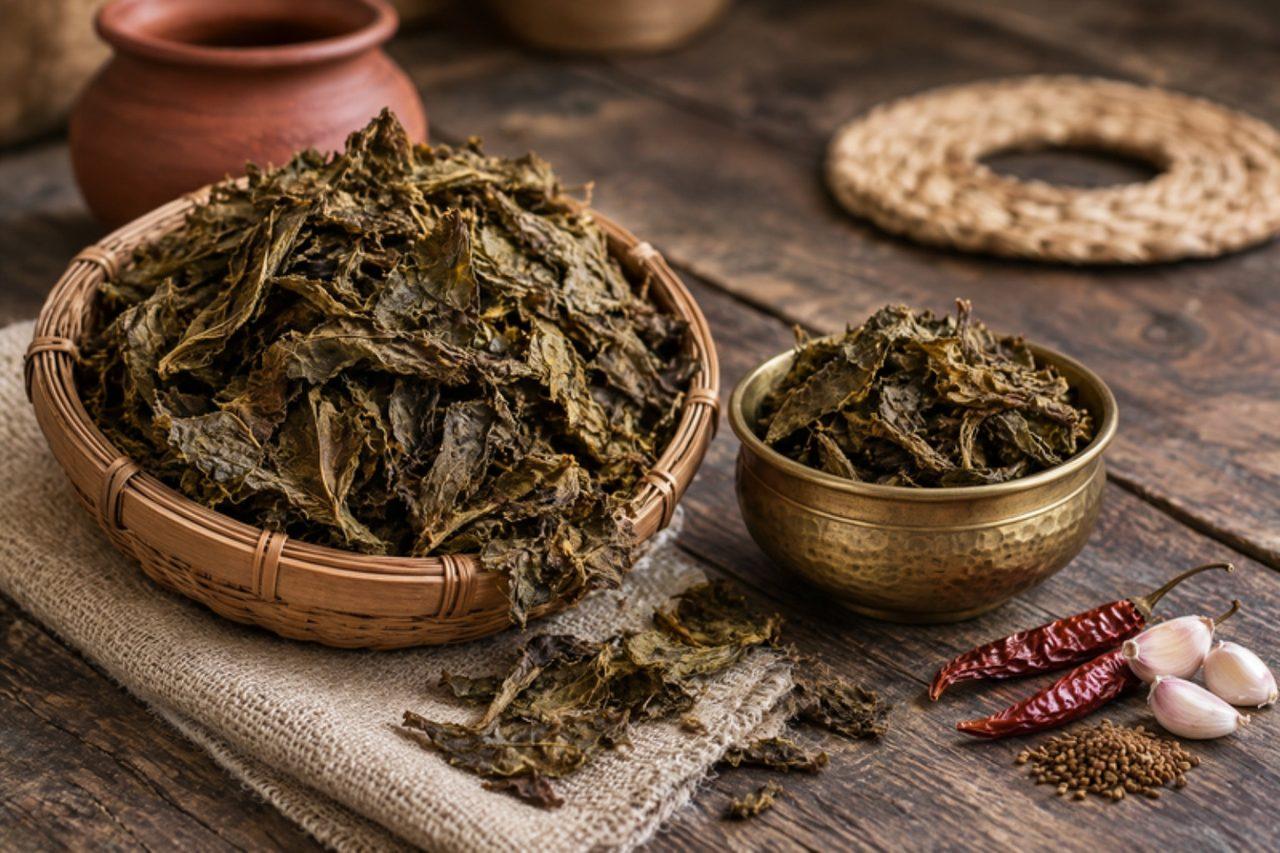
After the rice harvest in October and November, hill families from Ilam to Gorkha cut the leaves of mustard greens, radish and cauliflower, leave them to wilt in the yard, then pound them into clay pots or pits to ferment. A week later the greens come out olive-brown and sour, and they are dried on bamboo mats in the bright Dashain-Tihar sun. That dried gundruk carries families through the lean winter: soaked and simmered into gundruk ko jhol with tomato and soybeans beside dal-bhat, or tossed into gundruk sadeko with onion, chilli and mustard oil to eat with chiura. The flavour is deeply sour, earthy and a little smoky, the dried leaves chewy-crisp, softening when cooked. Common mistake: packing the leaves loosely; air left in the jar lets mould grow instead of the sour lactic ferment, so press until juice rises over the greens. It is ready to dry when it smells sharply sour like good sauerkraut and the leaves have lost all their green. Chef's tip: if your greens are from a supermarket, mix mustard greens with radish tops or kale for the closest flavour, and ferment in a big jar with a weight.

by KrazyBadal 0 views

GhonghiSnail curry

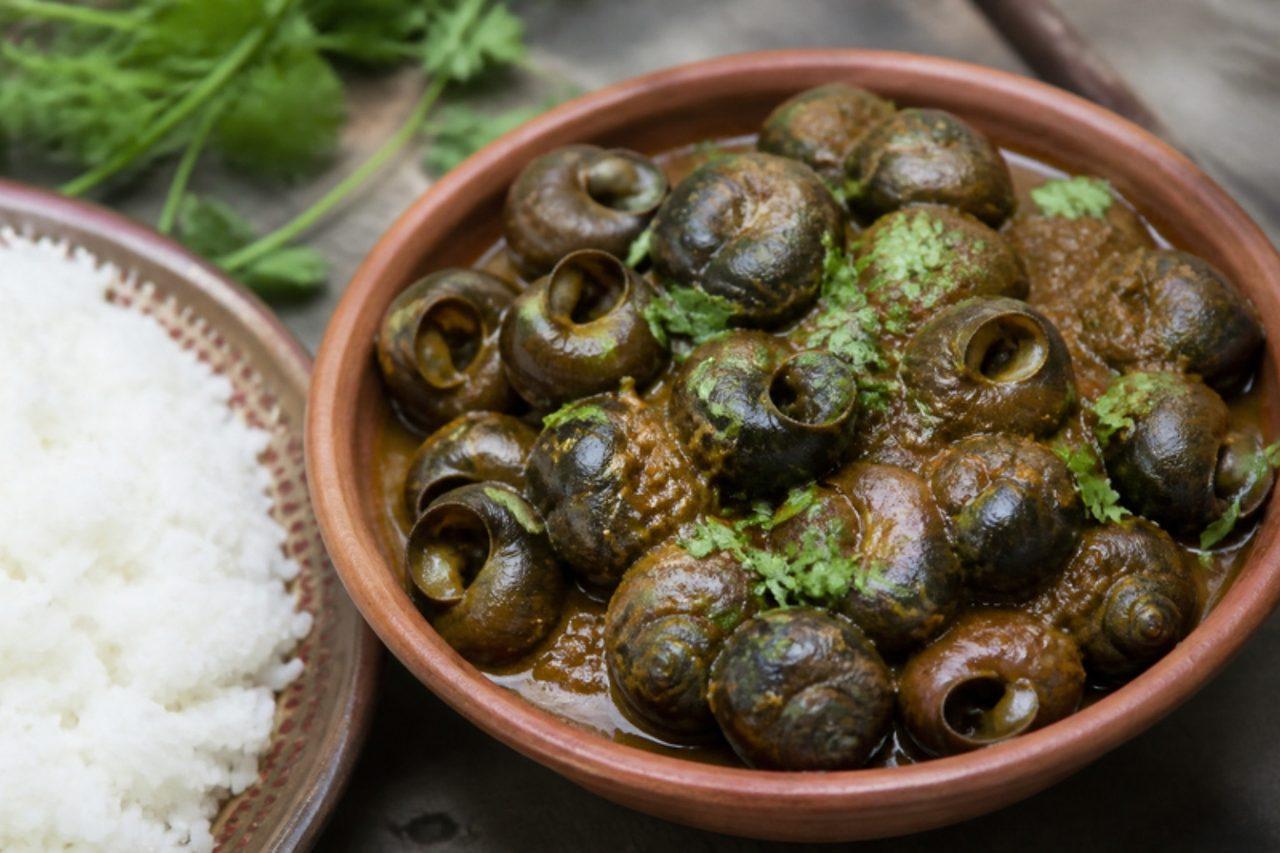
When the monsoon fills the rice paddies of the western and central Terai, Tharu families gather ghonghi, the little freshwater snails, and cook them in a dark, fiery curry thickened with ground roasted linseed; the tip of each shell is snipped so the meat can be sucked out at the table, and the dish is loved as both a treat and a monsoon tonic, eaten with rice or dhikri. Wild freshwater snails can carry parasites such as rat lungworm and liver flukes, so never use snails you have collected from ponds, ditches or paddies yourself. At home use only cleaned, purged farmed snails in their shells from a specialist supplier, or cooked, frozen farmed escargots, or live periwinkles from a good fishmonger as a stand-in, and boil them hard before they go into the curry. The usual error is skimping on the boiling, which is both unsafe and leaves the snails rubbery; they need a rolling boil and then a long simmer. Chef's tip: roast the linseed until it pops before grinding, for the nutty, dark Tharu flavour.

80 minNepaliMeatGluten freeSpicy
by KrazyBadal 0 views

Kachila (cooked)Spiced buffalo mince

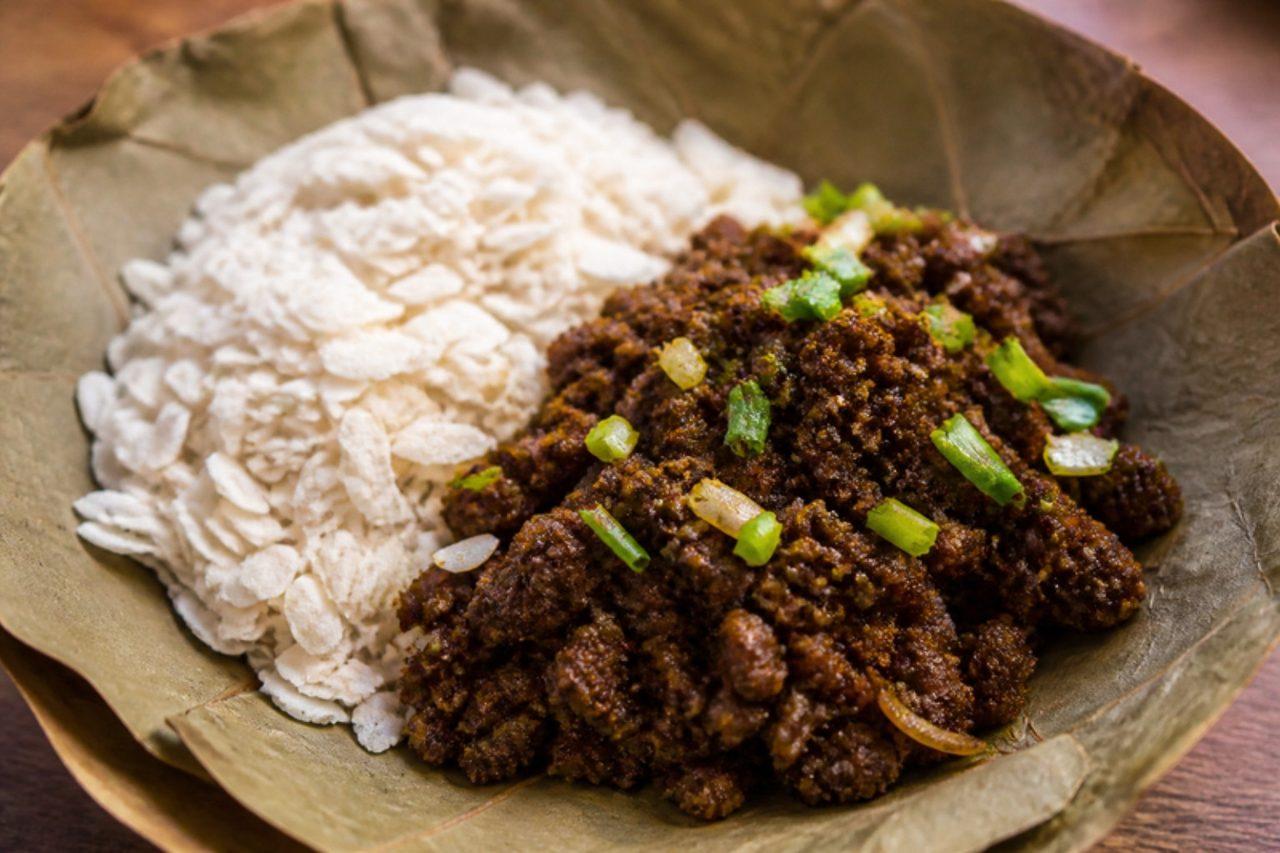
In the Newar homes and bhoj feasts of the Kathmandu Valley, kachila is a prized delicacy: finely minced buffalo meat mixed with mustard oil, garlic, ginger, chilli and numbing timur, eaten in small spoonfuls with beaten rice, traditionally raw. Raw minced meat can carry harmful bacteria and parasites right through, so the traditional raw form is not for pregnant women, young children or anyone with a weakened immune system, and we do not recommend it for anyone at home. This version keeps every bit of the seasoning but sears the mince quickly in a very hot pan to 71 °C, so it stays soft and loose rather than turning into a dry fry, then dresses it with the classic smoking mustard-oil tempering. It is eaten as part of samay baji or as a snack with chiura. The usual slip is overcooking it into crumbly pellets; take it off the heat the moment it is cooked through. Chef's tip: use buffalo or beef mince, or ask the butcher to mince lean beef twice, very fine.

30 minNepaliMeatGluten freeSpicy
by KrazyBadal 0 views

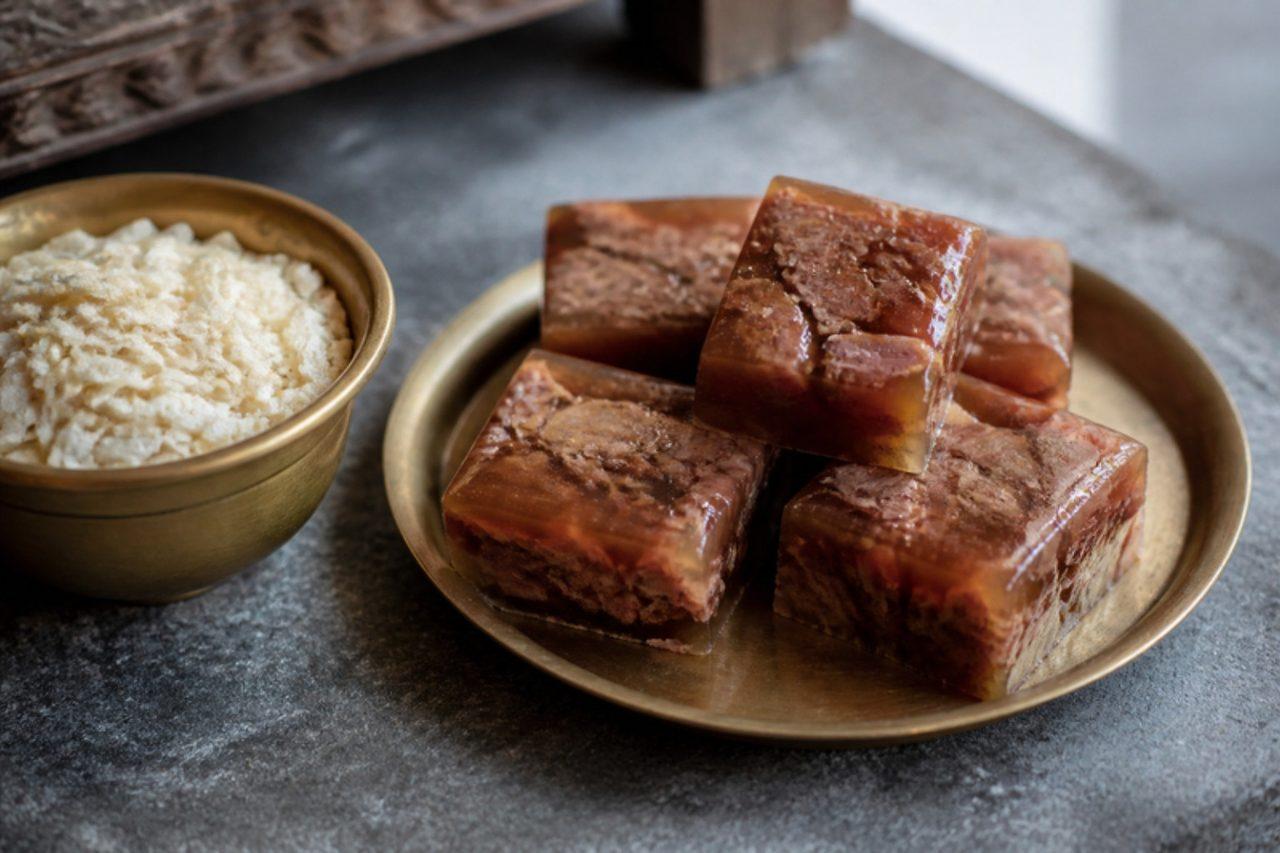
SanyakhunaSpiced fish jelly

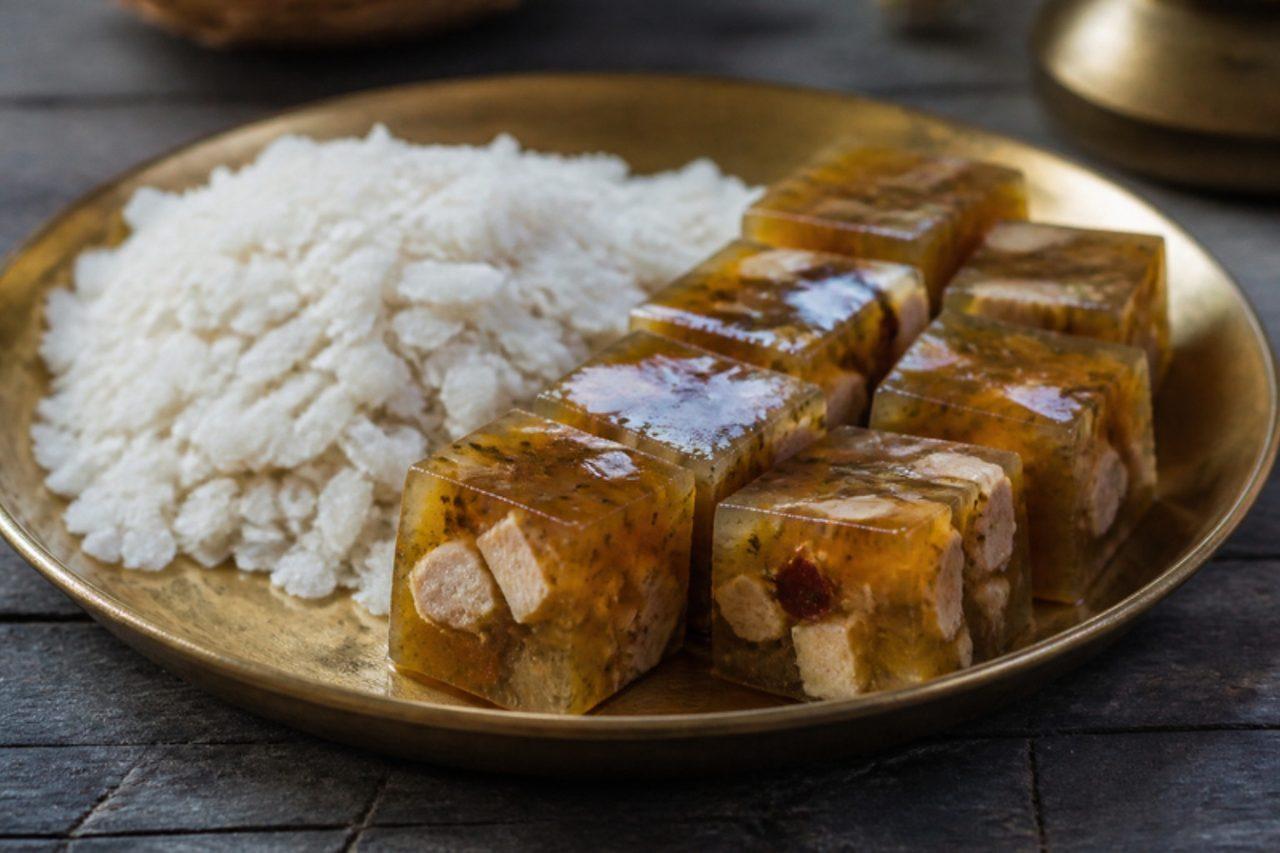
Sanyakhuna is takha's fishy cousin, a Newari winter delicacy from the Kathmandu Valley made by cooking small fish with ginger, garlic, chilli and timur in a rich stock and leaving it to set into a cool, savoury jelly. In old Newar kitchens the set came from buffalo skin simmered in the stock; this home version uses fish heads and frames, which give flavour and a soft set, and a little agar so it sets reliably in the fridge. Squares are cut and eaten cold with beaten rice and a fiery achar during the cold months, especially around Yomari Punhi. The typical failure is a cloudy, bitter stock from boiling the fish too hard or too long; fish bones need only 30 minutes. Keep it in the fridge and eat within 2 days. Chef's tip: use small whole fried fish such as sprats or small trout fillets for the pieces in the jelly, as they hold their shape.

120 minNepaliFishGluten free
by KrazyBadal 0 views

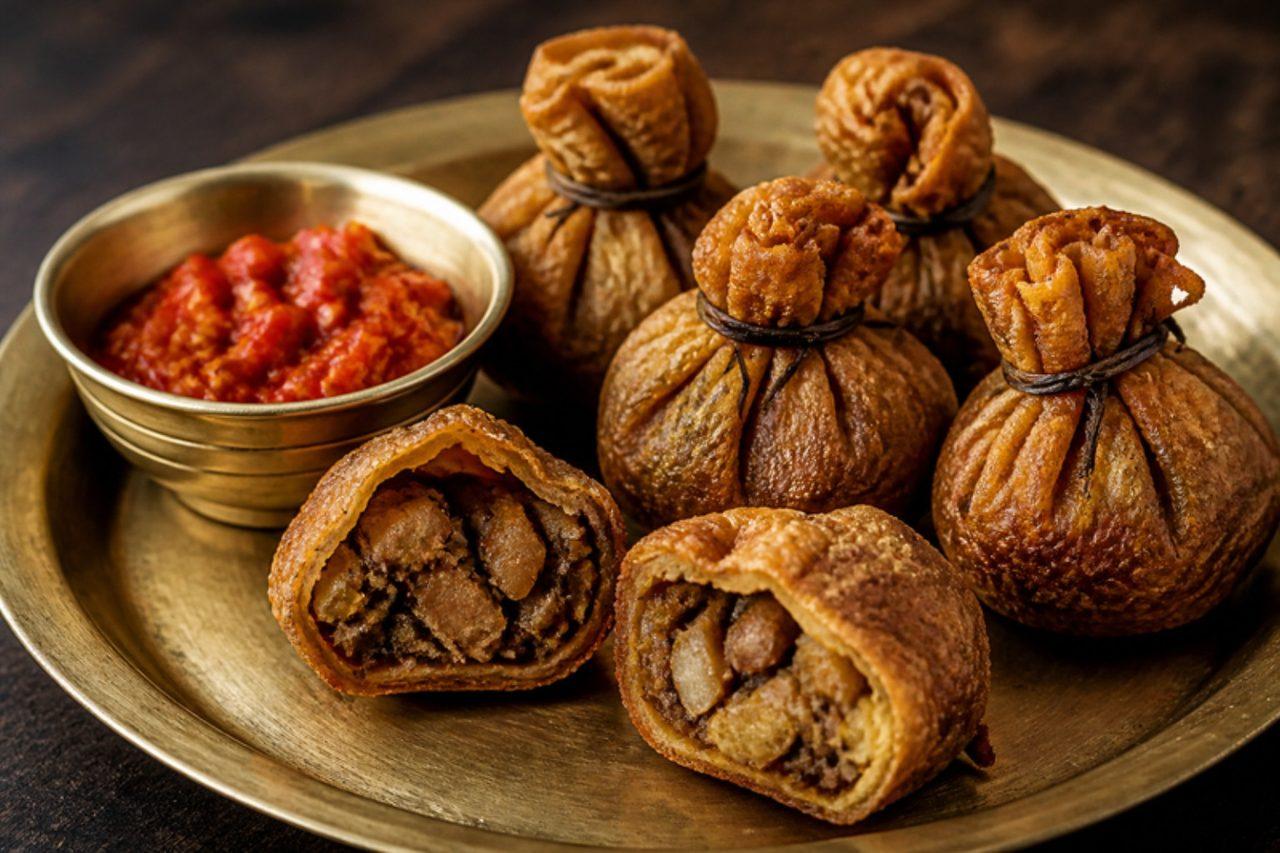
Sapu mhichaStuffed leaf tripe

Sapu is the many-layered leaf (or book) tripe of the buffalo and mhicha means a little bag, and these parcels are among the great tests of a Newari cook in Kirtipur, Bhaktapur and the old quarters of Kathmandu, made for bhoj feasts and festival days. The tripe is filled with soft bone marrow seasoned with ginger, garlic and timur, tied up, simmered until tender and finally fried so the outside crisps while the marrow inside turns rich and melting. Slices are eaten hot with beaten rice and a sharp tomato achar. Buy leaf tripe already dressed (cleaned and blanched) from a butcher, ask for beef if buffalo is not available, and cook it until fully tender; it is never served pink or half-cooked. The usual slip is overfilling, which makes the parcels burst in the pan. Chef's tip: tie the parcels like a small sausage with kitchen string, tight but not cutting into the tripe.

120 minNepaliMeatGluten free
by KrazyBadal 0 views

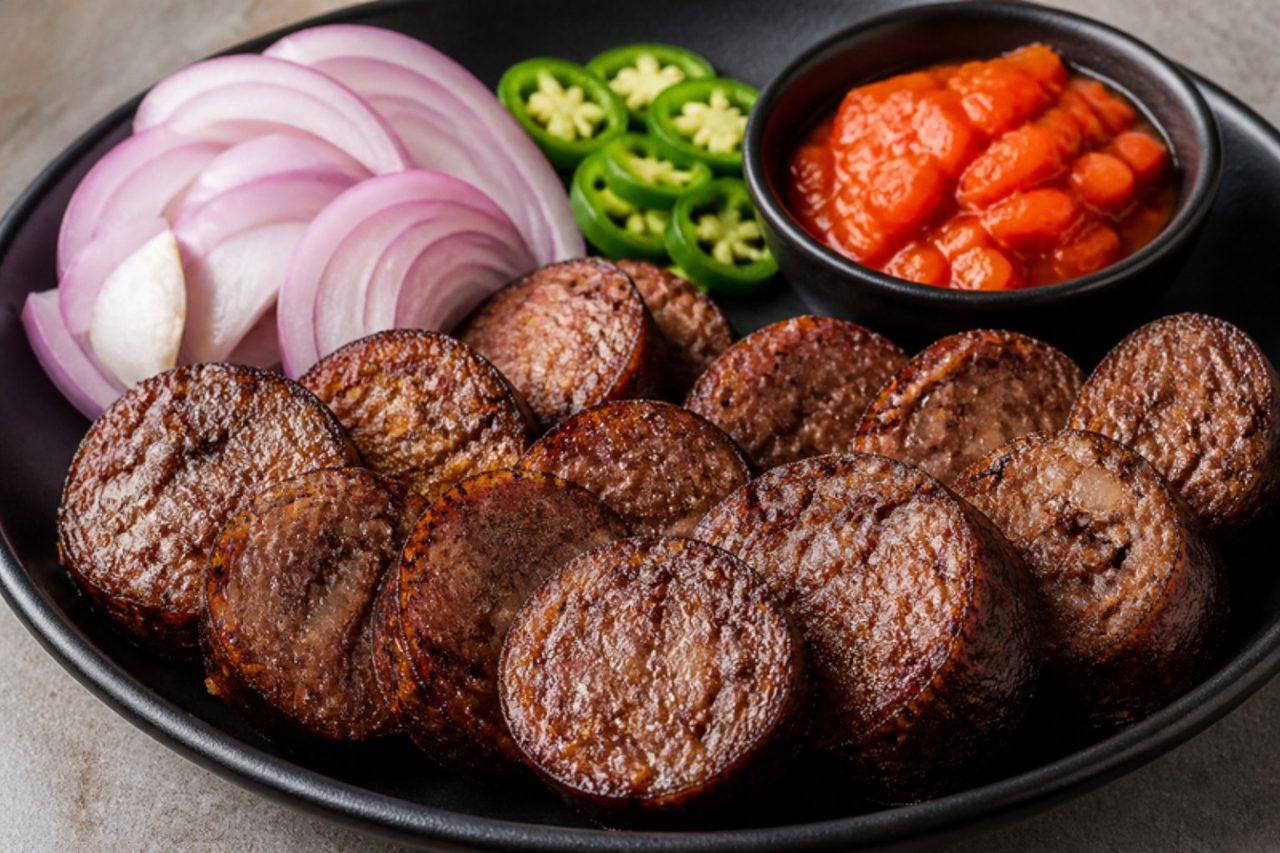
SargyangmaPork blood sausage

This is a pork dish: sargyangma is the blood sausage of the Limbu people of Taplejung, Panchthar and the eastern hills, made at Chasok Tangnam, weddings and whenever a pig is killed for a family celebration. Fresh pork blood is mixed with diced pork fat, rice, ginger, garlic, chilli and timur, stuffed into pork intestine, gently boiled and then sliced and fried until crisp-edged, and it is eaten hot with a tomato and timur achar or simply with rice. At home, buy fresh or frozen pork blood and natural hog casings only from a licensed butcher, keep both chilled, and cook the sausage until a thermometer in the centre reads 71 °C. The trap is boiling the water hard, which bursts the casings; it should barely simmer. Chef's tip: prick the sausages with a needle as they rise in the pot, and when the liquid that comes out is clear brown, not red, they are nearly done.

120 minNepaliMeatGluten free
by KrazyBadal 0 views

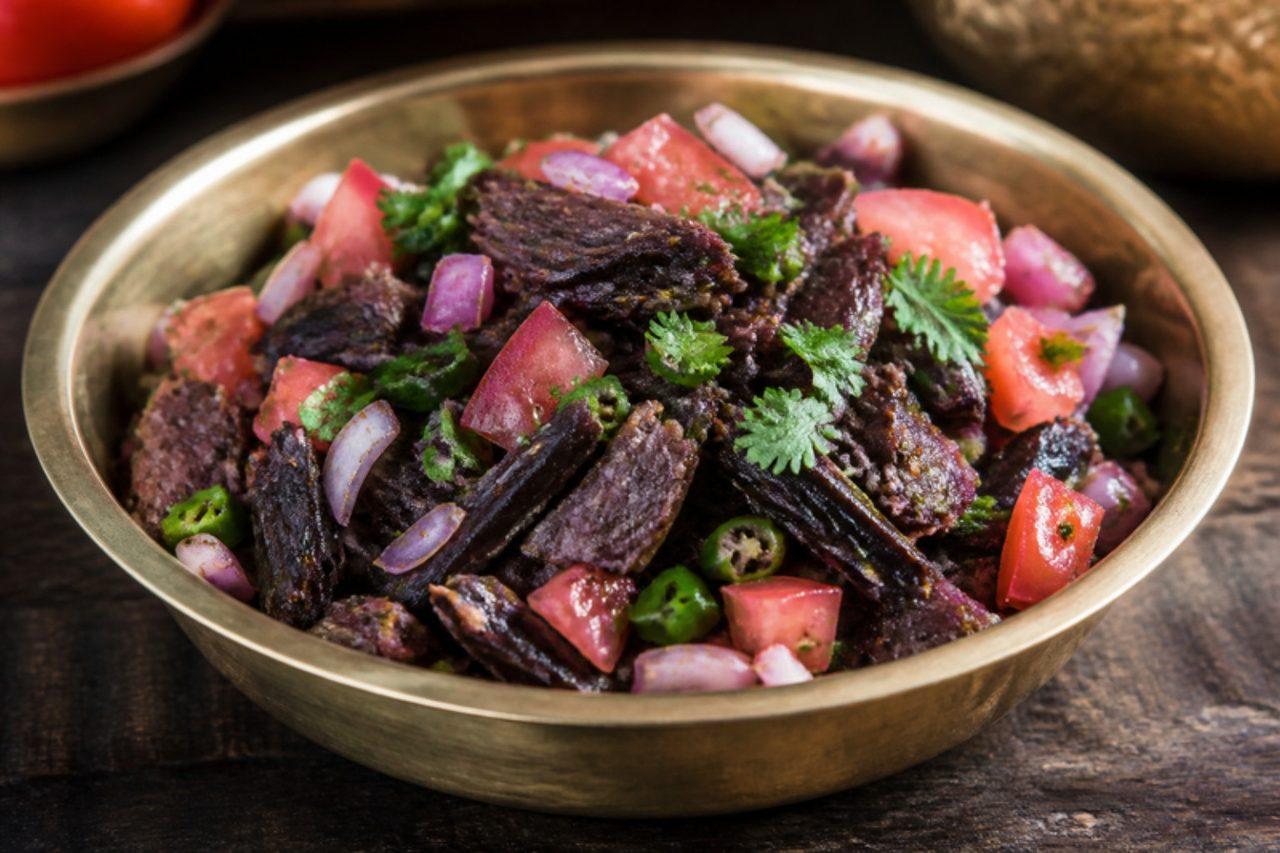
Sukuti sadekoDried meat salad

Up in Mustang and the high Thakali villages of the Kali Gandaki, strips of buffalo or yak meat are hung in the cold, dry wind until they turn dark and hard, and that sukuti keeps families in protein through the winter. Sadeko means mixed or dressed, and sukuti sadeko is the bar-snack and festival nibble that every Nepali restaurant from Jomsom to Kathmandu serves: the dried meat roasted or fried until it softens and smokes, pulled into shreds and tossed with red onion, tomato, garlic, green chilli, numbing timur and a splash of hot mustard oil. It is chewy, smoky and fiercely savoury. Buy sukuti from a reputable Nepali or Asian grocer, or use good dried beef jerky without sugar glaze. The usual misstep is skipping the roasting step, which leaves the meat too tough to chew. Chef's tip: pound the roasted sukuti lightly in a mortar before shredding, so it breaks along the grain.

30 minNepaliMeatGluten freeSpicy
by KrazyBadal 0 views

TakhaSpiced buffalo jelly

On cold Kathmandu winter mornings the clay bowls of takha that were left overnight by the window have set firm, and Newar families eat it cold in wobbly spoonfuls, a clear, glistening aspic studded with tender buffalo meat, tasting of ginger, garlic, cumin and timur. Its set comes entirely from the collagen in the skin, trotters and bony cuts, slowly simmered for hours; no gelatine is added. Takha is served with beaten rice at winter feasts and around the festival of Yomari Punhi. Buffalo is hard to find outside Nepal, so beef shin and a cleaned beef or veal trotter are the best stand-in. The most common failure is boiling the stock hard, which makes it cloudy and greasy; it should barely tremble. Chef's tip: test the set before you pour, by chilling a spoonful on a cold saucer for 10 minutes; if it stays runny, reduce the stock further.

240 minNepaliMeatGluten free
by KrazyBadal 0 views

Fini rotiLayered fried sugar bread

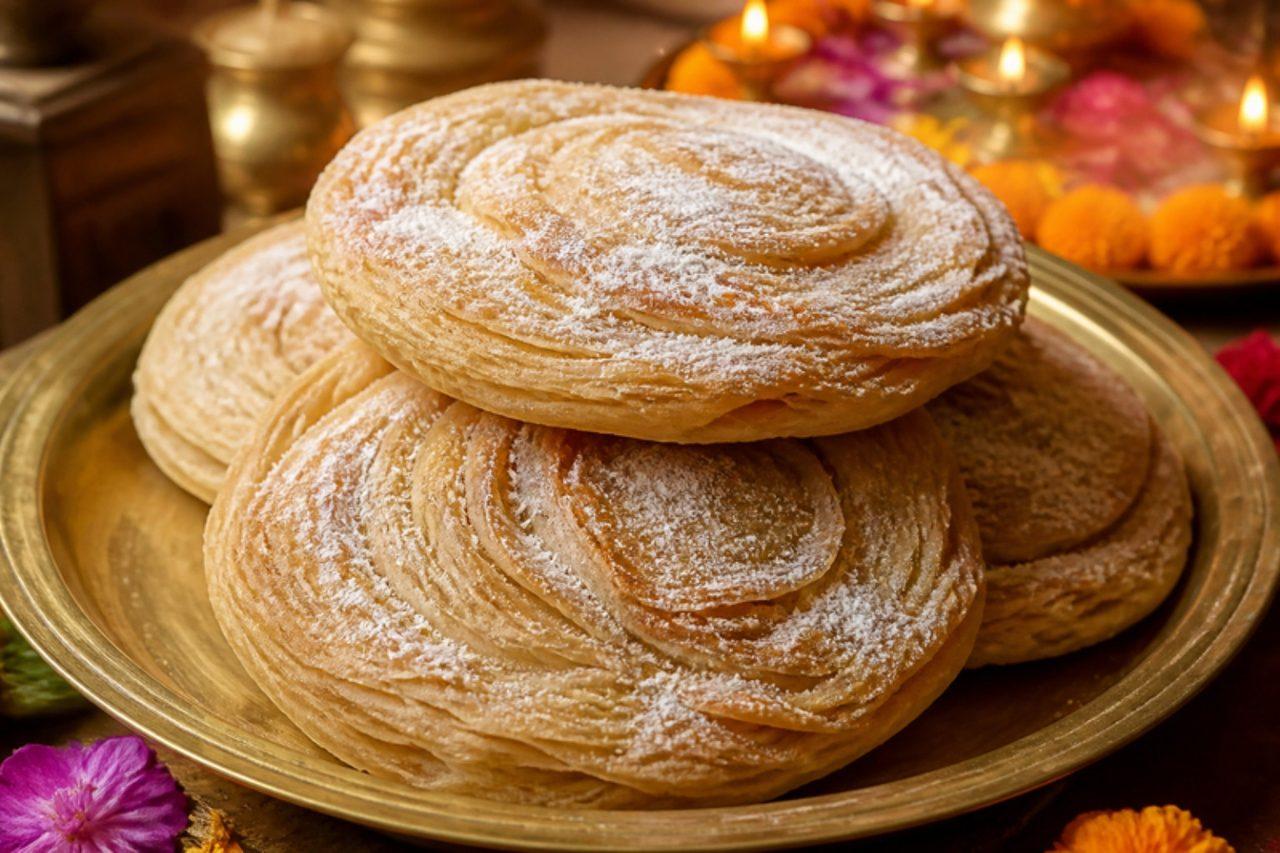
During Tihar, the five-day festival of lights in late autumn, sisters in Kathmandu and Pokhara prepare a basket of treats for Bhai Tika, and fini roti, a crisp round of fried bread made of dozens of paper-thin layers, sits in it beside sel roti, nuts and sweets. A simple dough of flour and ghee is rolled very thin, spread with a paste of ghee and rice flour, rolled into a log and cut, so that each piece fans out in the hot oil into a flaky spiral that shatters at the first bite. It is lightly dusted with sugar, lasts for days in a tin, and is eaten with tea or given to visiting relatives. The layers vanish if you make the paste with melted ghee, which seeps out instead of staying put. Chef's tip: beat the ghee and rice flour together until fluffy and pale like soft butter, and keep the dough cool so the layers stay distinct.

by KrazyBadal 0 views

SekuwaSpiced grilled meat skewers

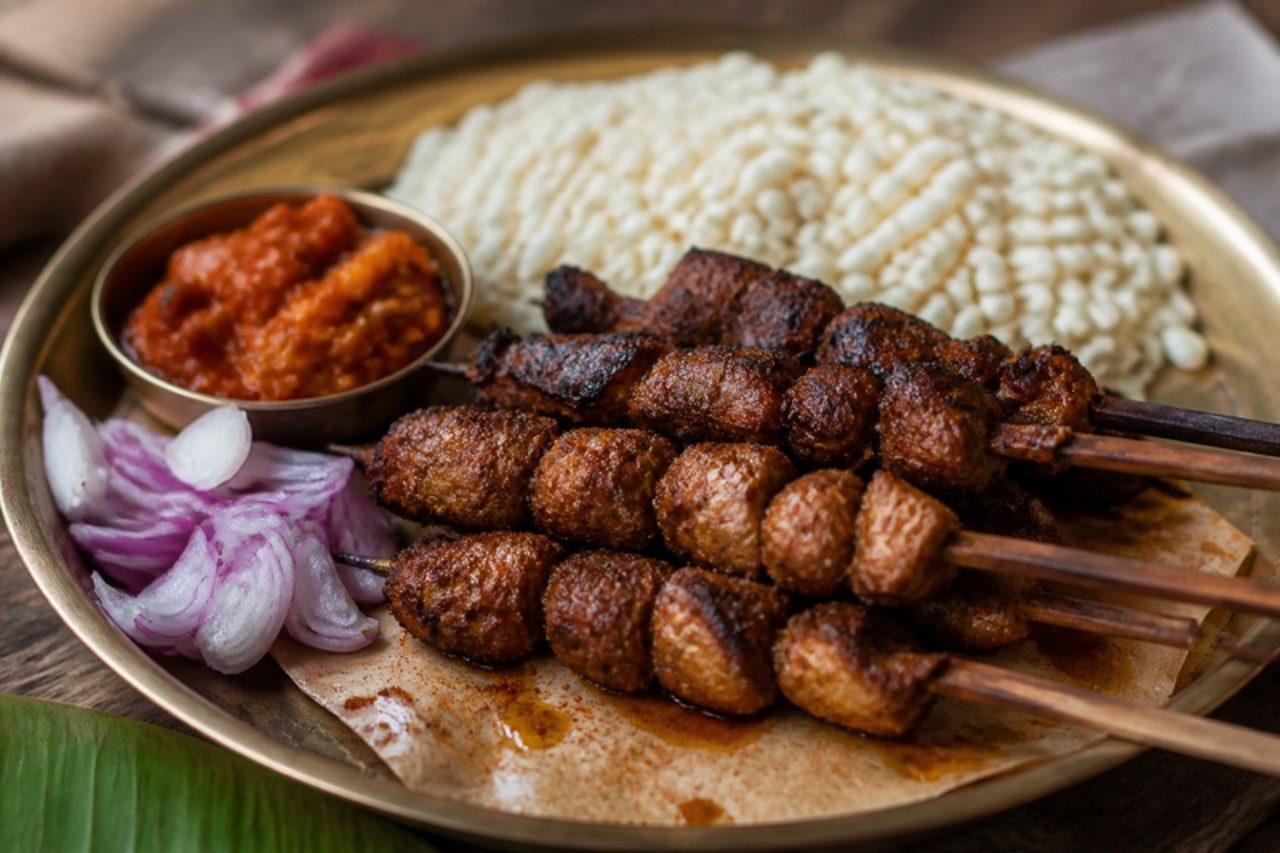
Dharan, in Nepal's eastern hills, is famous for its 'sekuwa corner', a lane of smoky grills where families and friends gather in the evening for spiced goat, chicken and pork skewers fresh off the fire. The meat is marinated in a dry-ish paste of garlic, ginger, cumin, chilli and timur (Nepali Sichuan pepper), with a little mustard oil, then grilled until charred at the edges. It is the classic picnic and party food, eaten with puffed rice, a tomato-sesame achar and sliced onion. This recipe uses lamb or mutton shoulder in place of goat. Chef's tip: soak wooden skewers for 30 minutes and leave a little space between the pieces so the heat reaches all sides.

40 minNepaliMeatGluten freeSpicy
by KrazyBadal 0 views