Skip to content
Recipes

All recipes

Vegetarian, or something you can't eat? Set your diet once and we'll hide recipes that don't fit.

Kaszanka z cebuląFried buckwheat blood sausage

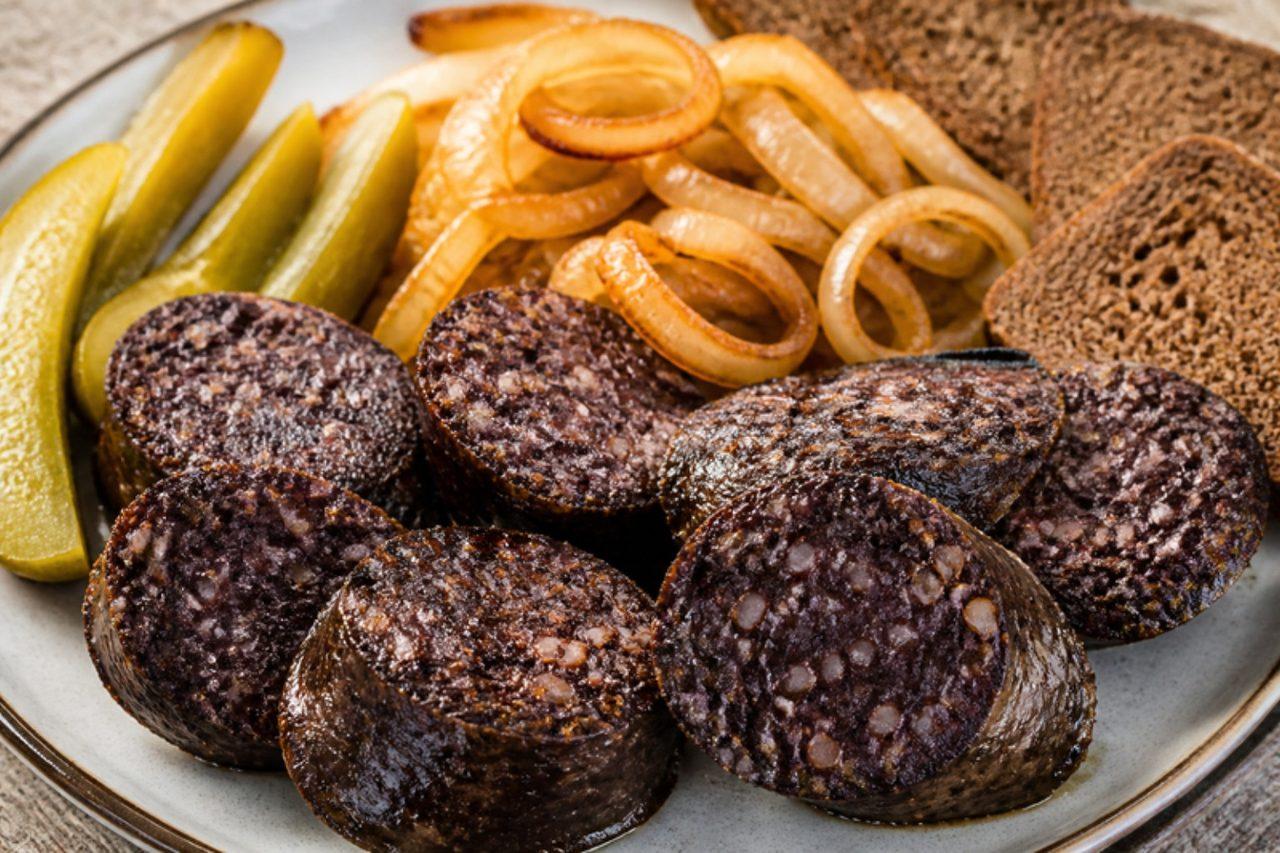
Kaszanka is Polish black pudding, a pork sausage of buckwheat groats, pork blood, liver and fat seasoned with marjoram, and fried with onions it is the classic grill-night, pub and milk-bar snack from Podkarpacie to Warsaw. It comes ready-cooked from the butcher, so all you do is fry it until the outside crisps and the inside turns soft and spoonable. Serve with rye bread, mustard and sour dill pickles. A common mistake is frying it in its skin over a high heat, which bursts the casing and burns the outside before the middle is hot. Chef's tip: slice it thickly, fry gently, and don't stir; turn each slice once so it keeps a crust.

20 minPolishMeat
by KrazyBadal 0 views

Kambu koozhPearl millet porridge

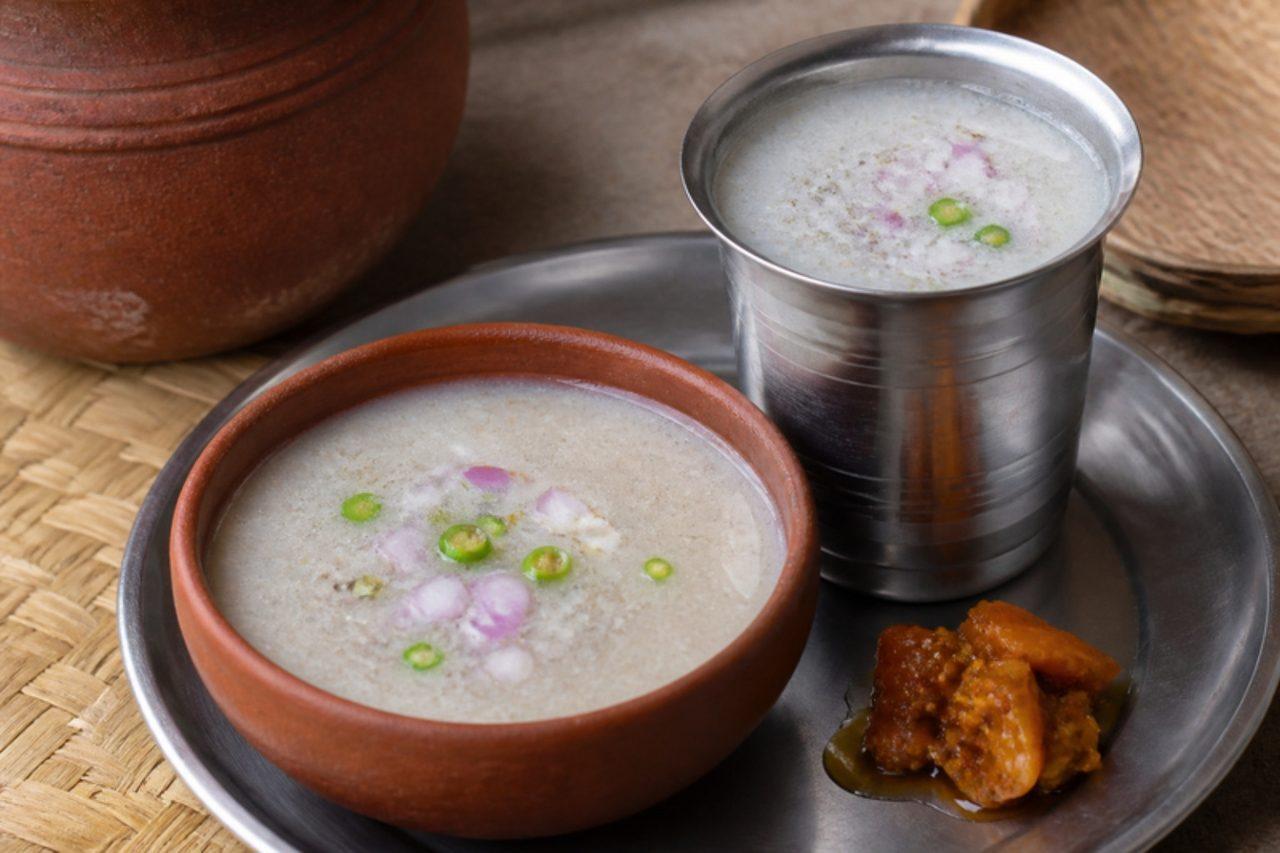
In the hot months in rural Tamil Nadu, and at the Aadi festival of the village goddesses, big clay pots of kambu koozh are made the evening before and ladled out cold at midday to farm workers and pilgrims. Pearl-millet flour is cooked into a thick porridge, left overnight to sour lightly, then thinned with buttermilk and salt and eaten with chopped raw shallots, green chilli and a bite of pickle. It is sour, filling and surprisingly refreshing. A glass is about 165 kcal. Allow 8–12 hours of fermenting, not counted in the times. The usual mistake is adding the buttermilk to warm porridge, which makes it grainy; it must be completely cold first. Chef's tip: cook the porridge in a clay or steel pot rather than non-stick; it ferments more evenly and gets that clean, tangy taste.

by KrazyBadal 0 views

KärleksmumsChocolate tray cake

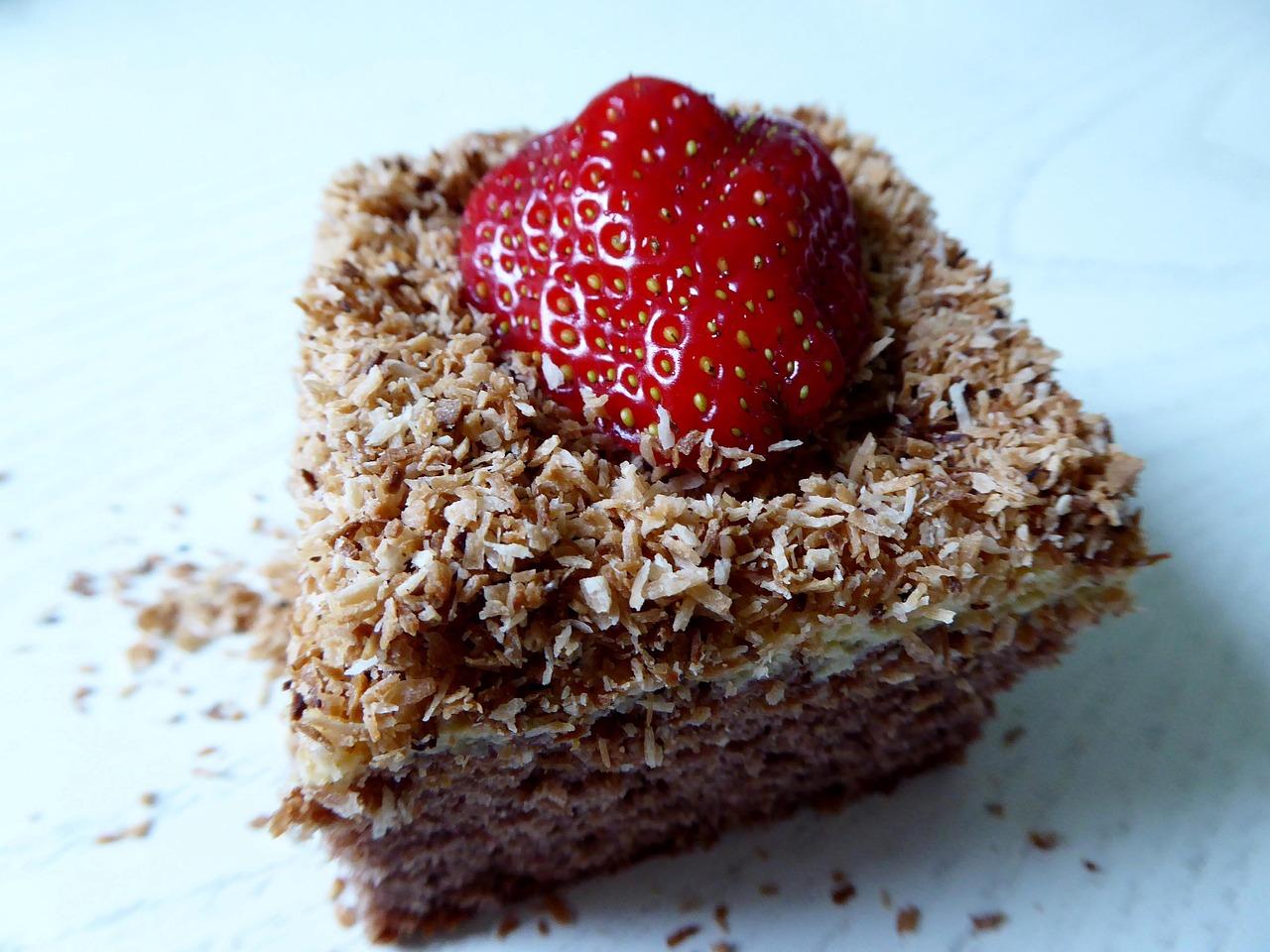
Kärleksmums, 'love bites', is the tray cake of Swedish school cafés, sports clubs and children's birthdays, cut into squares and eaten with milk or coffee. A soft chocolate sponge is spread while still warm with a glossy icing of butter, cocoa, icing sugar and a splash of coffee, then covered in desiccated coconut. Leave out the coffee for children if you prefer and use milk. A common mistake is icing a cake that is too hot, so the icing soaks in and the coconut slides off. Chef's tip: let the cake cool for 10 minutes, so it is warm but not hot, before spreading.

by KrazyBadal 0 views

Pulpety w sosie koperkowymMeatballs in dill sauce

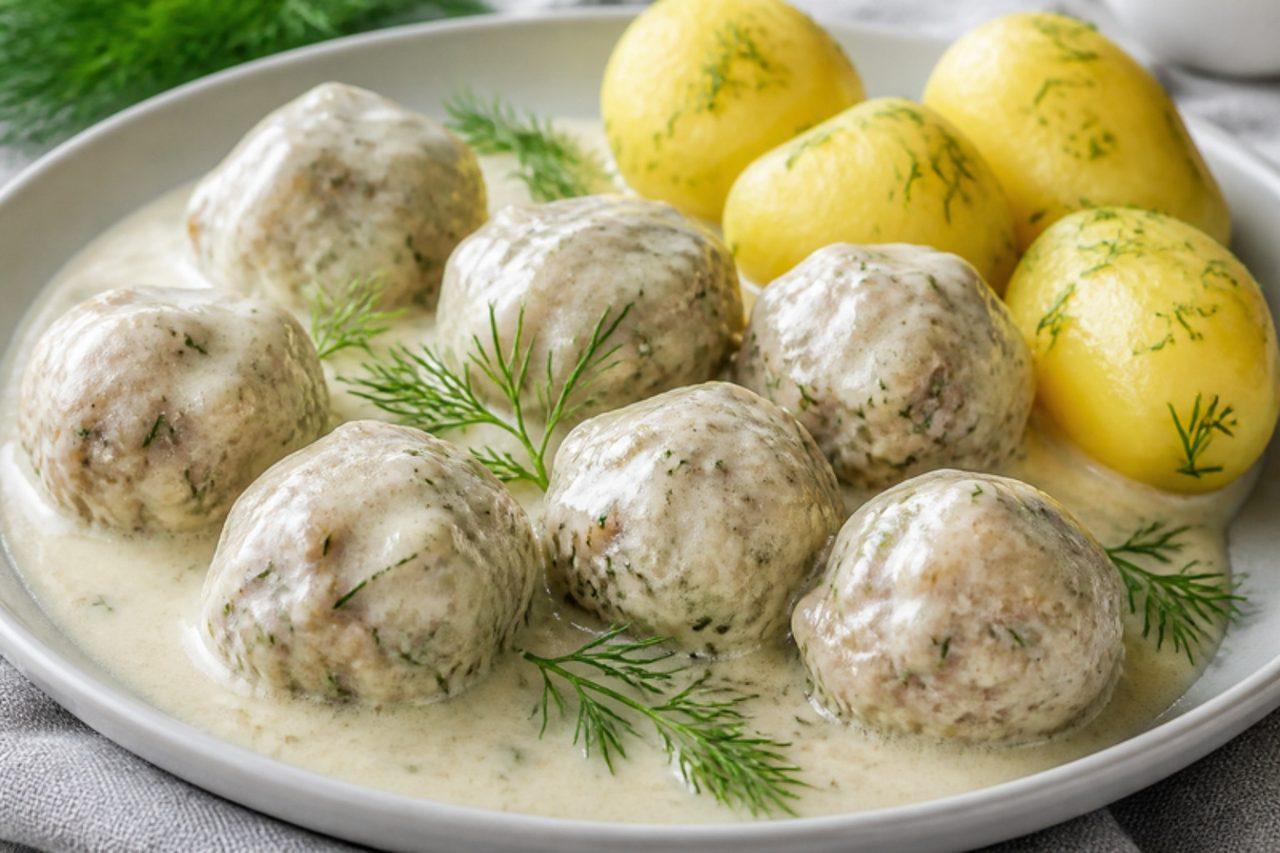
Soft, poached and bathed in pale green dill sauce, pulpety are the meatballs Polish mothers in Toruń and Bydgoszcz give small children and anyone feeling poorly, and milk bars serve them on ordinary weekdays with boiled potatoes and grated beetroot. They are made from minced pork (or a pork and veal mix) bound with soaked roll and egg and simmered in broth, which then becomes the sauce. A common mistake is boiling them hard, which makes them tough and splits them; the water should barely tremble. Chef's tip: add the dill right at the end, off the heat, so it stays bright and fresh.

50 minPolishMeat
by KrazyBadal 0 views

RookworstSmoked pork sausage

Rookworst, the horseshoe-shaped smoked pork sausage of the Netherlands, is sliced into thick warm coins for borrel boards in winter and served on cocktail sticks at Friday drinks and football nights, always with a pot of strong yellow mustard. It is also the sausage laid on top of stamppot. Rookworst is sold ready-cooked, so it only needs heating through gently. The common mistake is boiling it, which splits the skin and lets the juices escape. Chef's tip: warm it in water that is just steaming, then serve it within minutes so the slices stay juicy.

22 minDutchMeatGluten free
by KrazyBadal 0 views

Tertyi pirogGrated shortbread jam pie

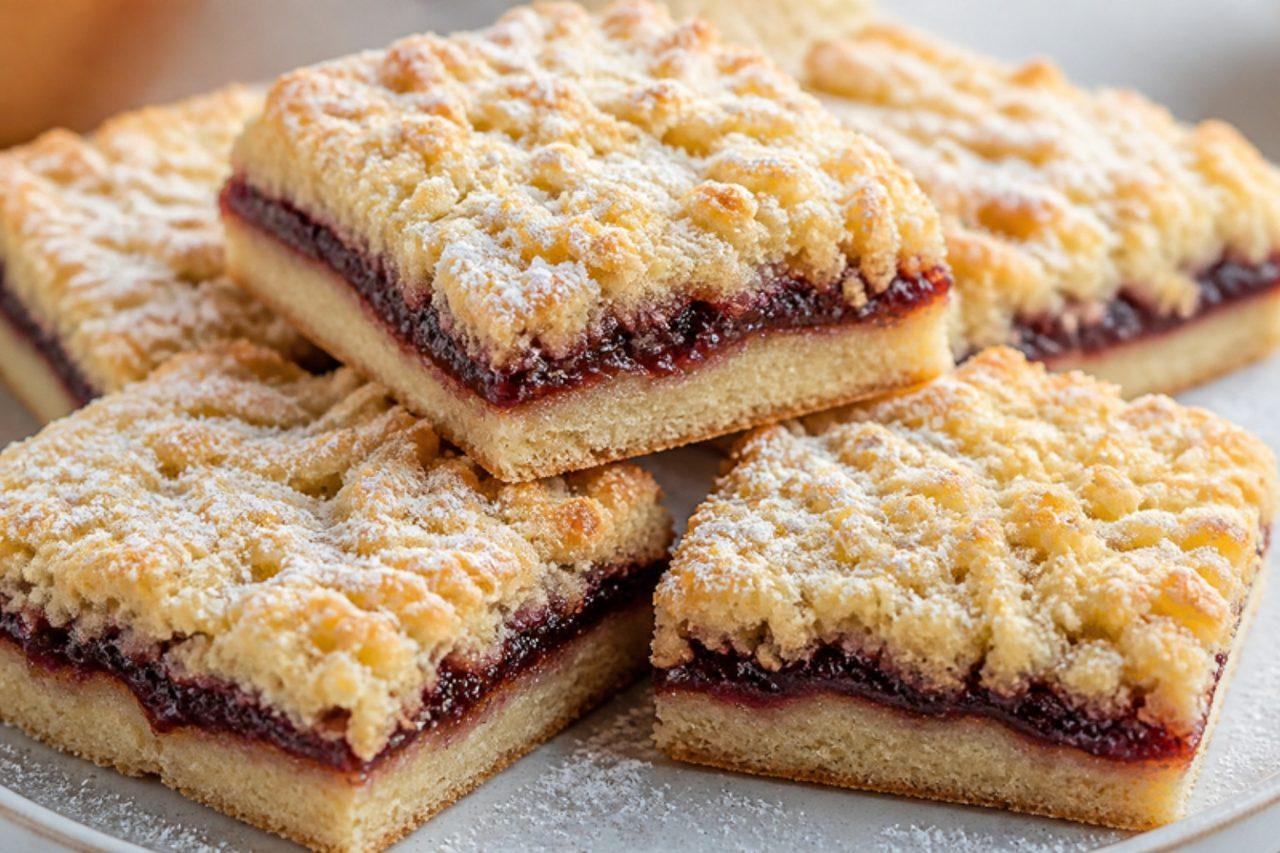
Soviet home bakers in Leningrad and Gorky passed this one round on handwritten cards because it needed nothing more than butter, flour and a jar of last summer's jam. Frozen shortbread dough is grated straight into a tin, spread with thick jam, and topped with more grated dough that bakes into a crumbly, craggy lid. It is cut into squares for the tea table or for children coming in from the yard. The common mistake is a runny jam, which bubbles through and burns. Chef's tip: freeze the dough hard for at least 40 minutes so it grates into loose flakes rather than clumps.

by KrazyBadal 0 views

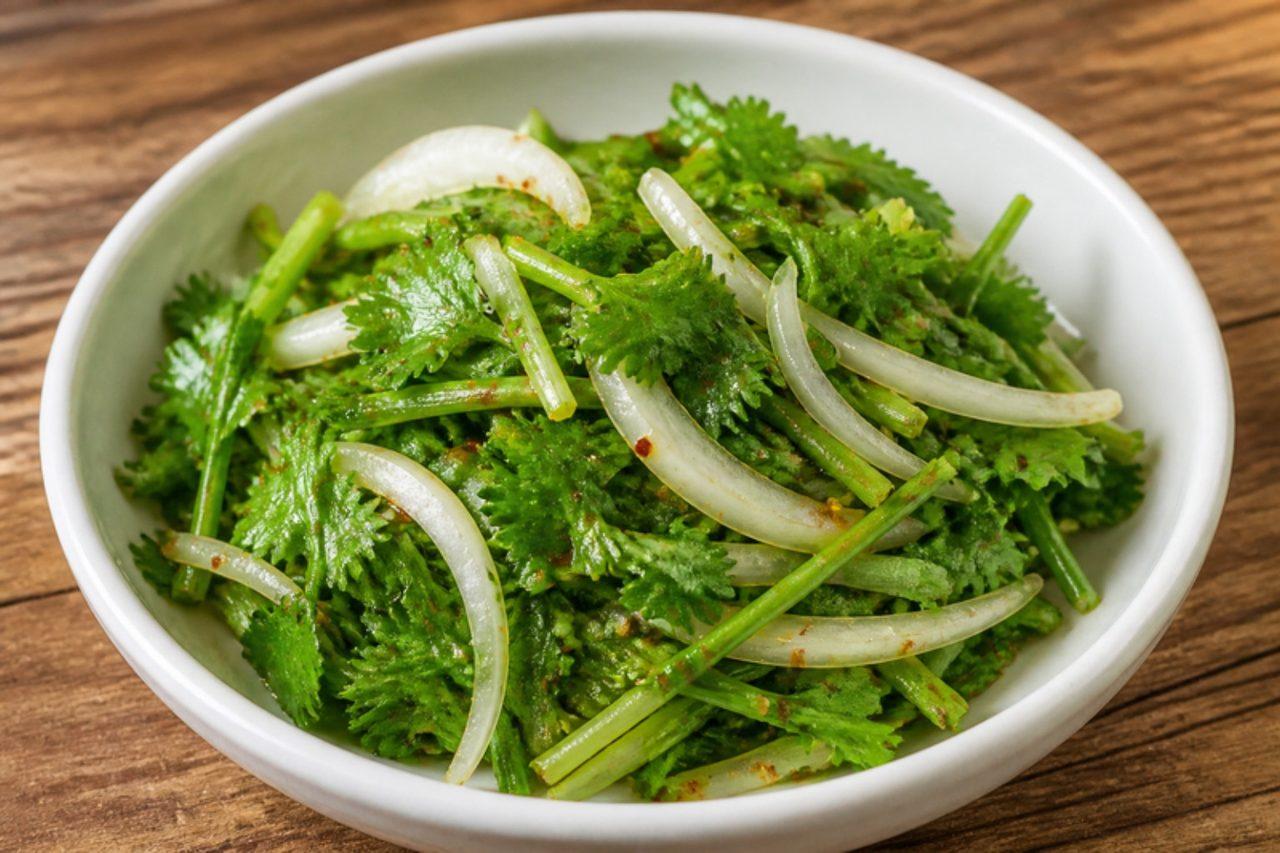
Minari muchimWater dropwort salad

Minari, Korean water dropwort, grows in the wet fields of Cheongdo and around Daegu, and in early spring Koreans eat it raw and crunchy as a sharp, peppery salad: the stems are tossed in a sweet-sour dressing of gochugaru, vinegar, garlic and a touch of sugar, with thinly sliced onion. It is served alongside grilled pork belly or a fish stew to freshen the palate. A portion is about 50 kcal. If minari is hard to find, use watercress or celery leaves with stems. The common mistake is dressing it too early: the leaves wilt and weep within half an hour, so toss it just before eating. Chef's tip: soak the cut minari in iced water for five minutes first; it turns very crisp.

by KrazyBadal 0 views

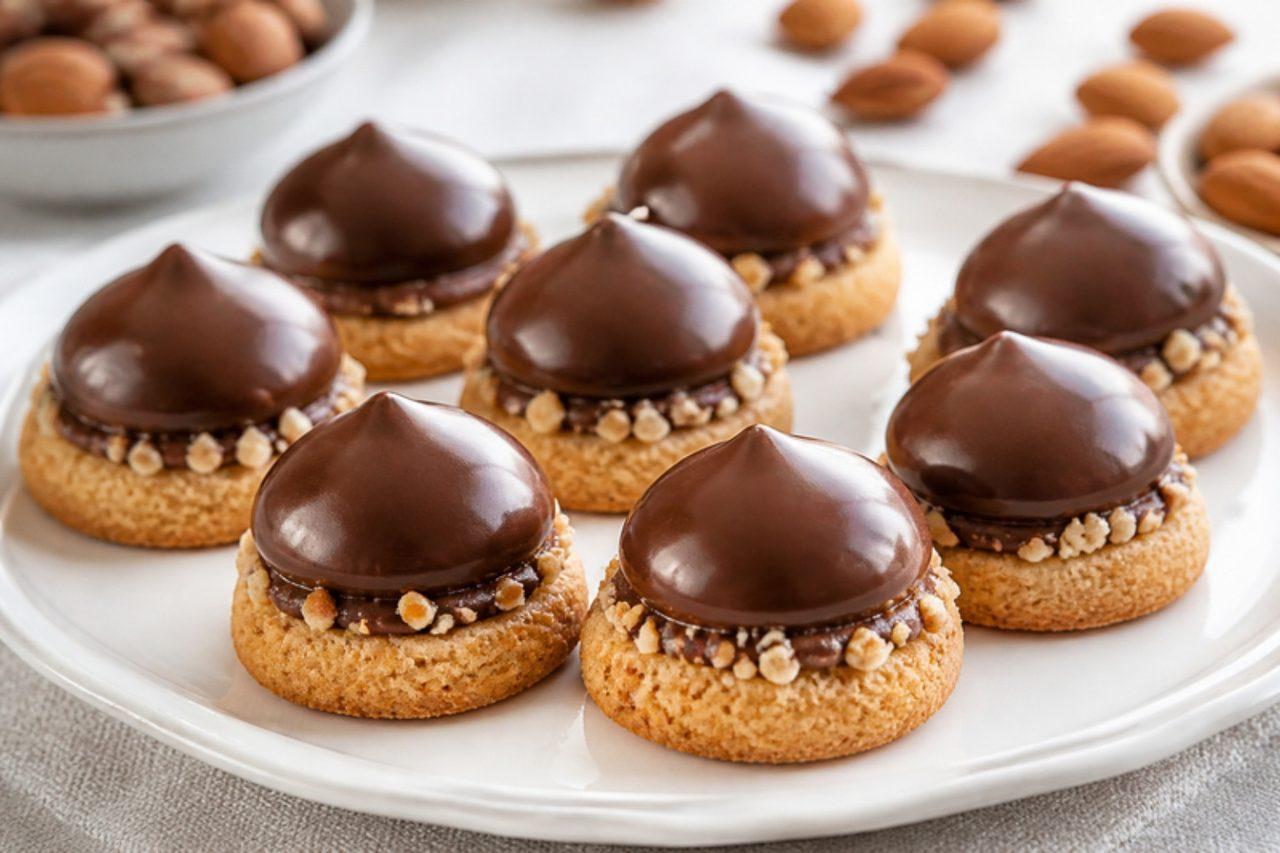
BiskvierAlmond chocolate cakes

In Swedish konditori from Gothenburg to Uppsala, biskvier sit in the glass counter as small domes of glossy dark chocolate: underneath is a chewy almond macaroon base and a swirl of chocolate buttercream. They are a weekend or birthday fika treat and keep well in the freezer, so many families make a big batch before Christmas. They are naturally gluten free. A common mistake is dipping the buttercream before it is completely cold, so it slides off into the chocolate. Chef's tip: freeze the topped biscuits for 30 minutes, then dip them in barely warm chocolate in one quick motion.

by KrazyBadal 0 views

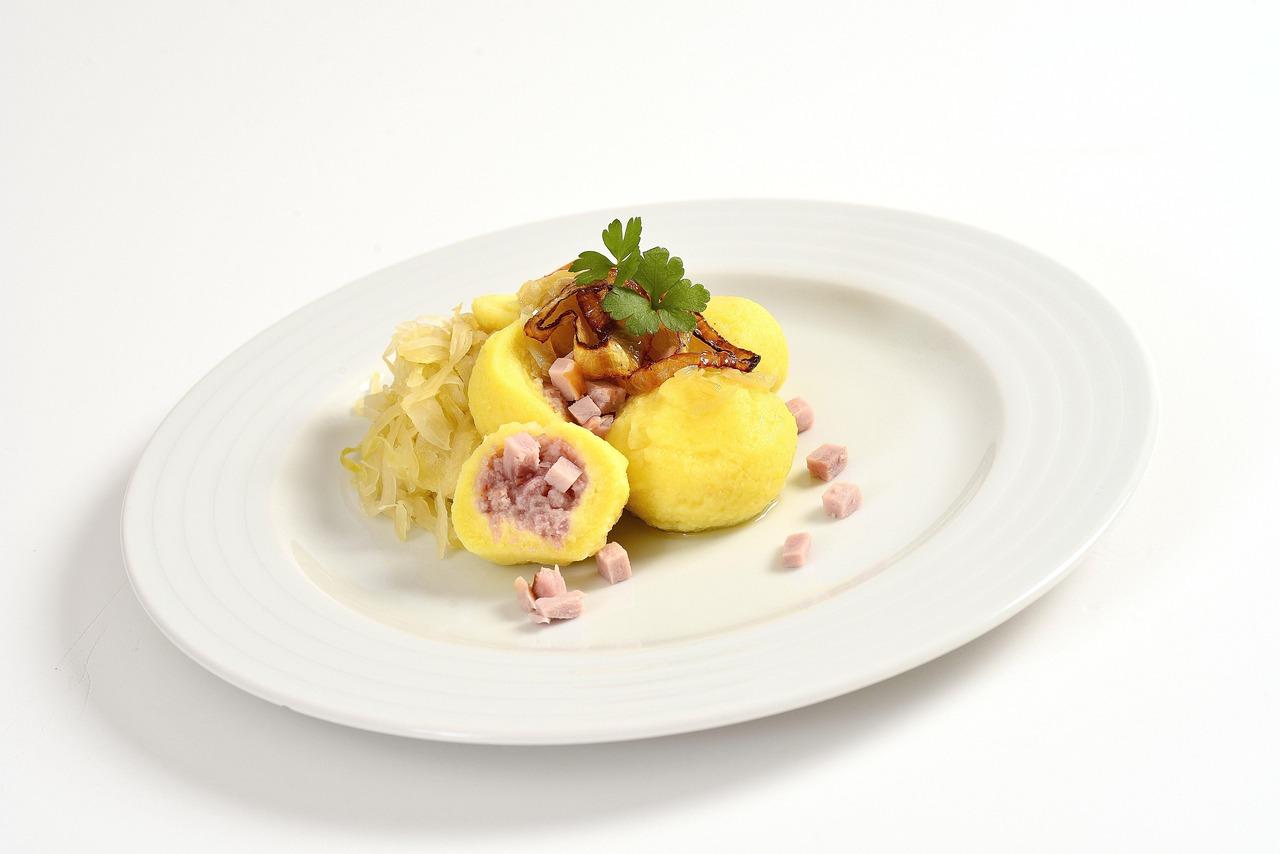
GefilldeStuffed potato dumplings

Gefillde are the Saarland's festive Sunday dumplings, especially loved in the Bliesgau and around Homburg: a dough of raw and cooked potato wrapped around a filling of pork liver sausage and minced pork and beef, poached gently, then served with a creamy bacon sauce (Speckrahmsoße) and sauerkraut. They are rich and filling, a dish for cold weekends and family gatherings. The most common mistake is a filling that is too wet, which bursts through the dough while poaching. Chef's tip: chill the filling balls for 20 minutes before wrapping so they are firm and easy to seal.

120 minGermanMeat
by KrazyBadal 0 views

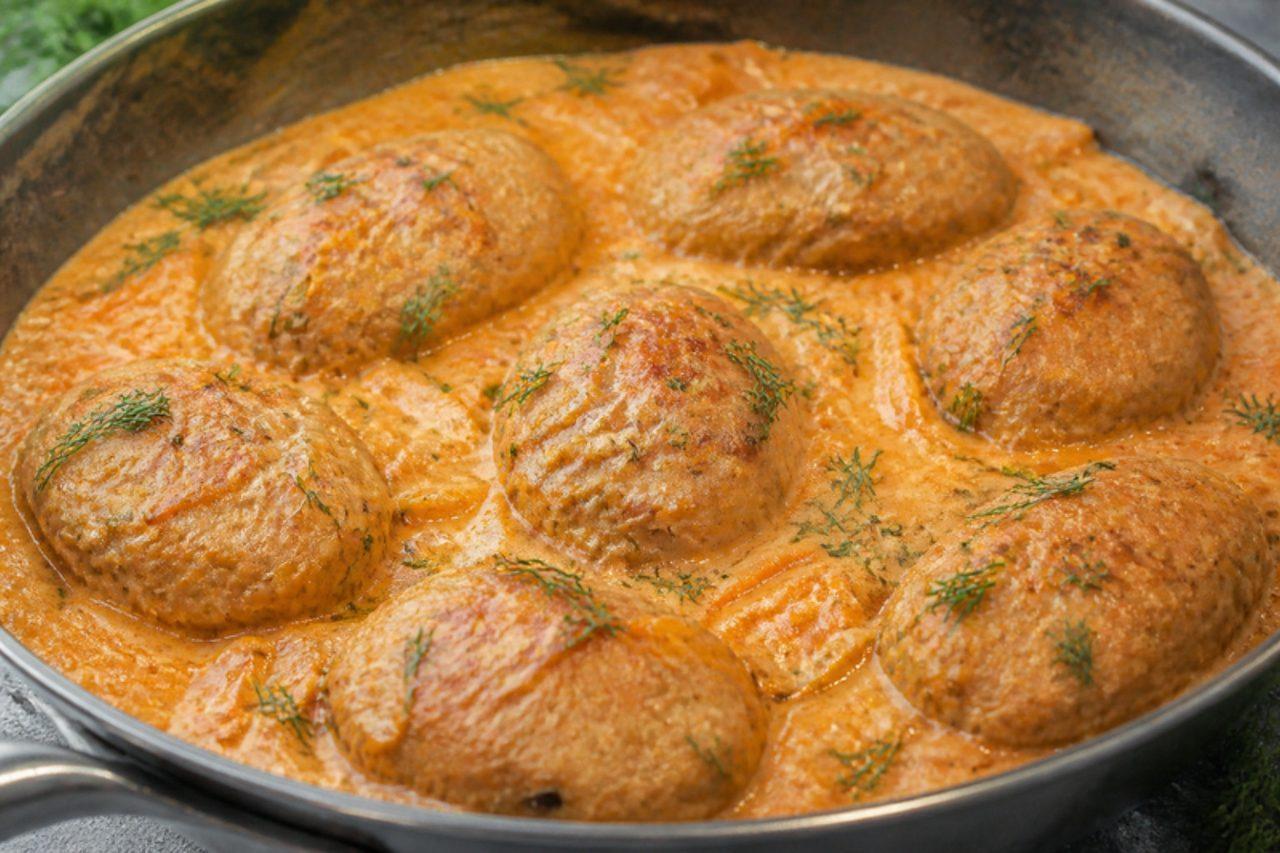
Lenivye golubtsyLazy cabbage roll patties

Rolling proper golubtsy takes an afternoon, so Soviet working mothers invented the lazy version: shred the cabbage, mix it straight into the mince and rice, shape oval patties and braise them in a tomato and sour-cream sauce. It became a staple of factory canteens in Leningrad and Kyiv and is now a weeknight dinner across Russia, served with mashed potato or just bread. The patties taste exactly like stuffed cabbage, only softer. The mince is beef and pork. The common mistake is using raw rice, which stays hard inside the patties; it must be part-cooked first. Chef's tip: squeeze the blanched cabbage hard in a cloth, or the patties will be too wet to hold their shape.

by KrazyBadal 0 views

Kartofelnaya zapekankaBaked mashed potato

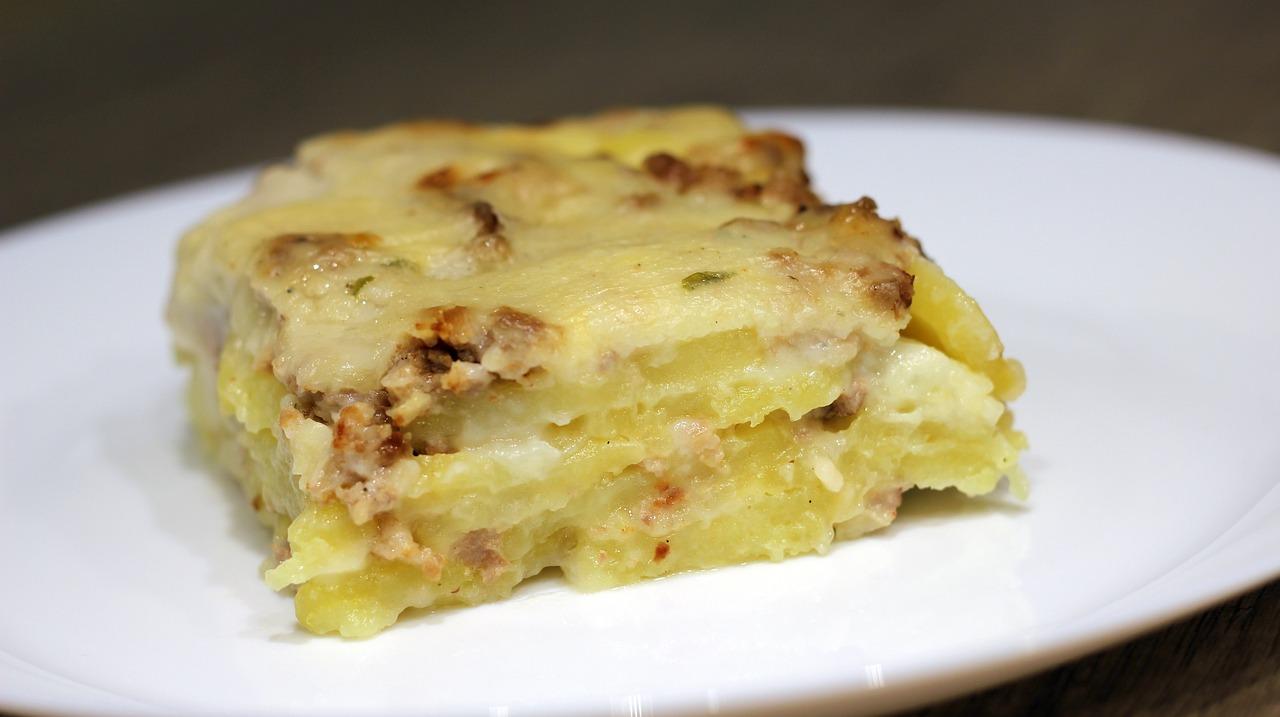
Kindergarten kitchens across the USSR baked this in huge trays, and it is still the Wednesday supper many Russians remember: a layer of soft mashed potato, a layer of minced beef fried with onion, more mash on top, brushed with egg and sour cream so it browns in the oven. It is Russia's answer to cottage pie, eaten with pickled cucumbers or a beetroot salad. For a vegetarian version, swap the mince for 500 g chopped mushrooms fried until dry. The common mistake is a wet mince layer, which makes the potato slide off when you cut it. Chef's tip: let the bake rest for ten minutes after it leaves the oven; it slices into neat squares instead of collapsing.

by KrazyBadal 0 views

HindbærsnitterRaspberry shortbread slices

Every Danish bakery counter, from Copenhagen to Aarhus, has a row of hindbærsnitter: two thin sheets of crisp shortbread glued together with raspberry jam, topped with white icing and coloured sprinkles. Children choose them on the walk home from school, and they turn up at birthday tables too. The secret is a dough rolled very thin and baked pale. A common mistake is assembling while the pastry is still warm, which makes the jam run and the icing crack. Chef's tip: ice the top sheet before cutting, then slice with a sharp knife while the icing is still a little soft.

by KrazyBadal 0 views

Pierogi z mięsemMeat dumplings

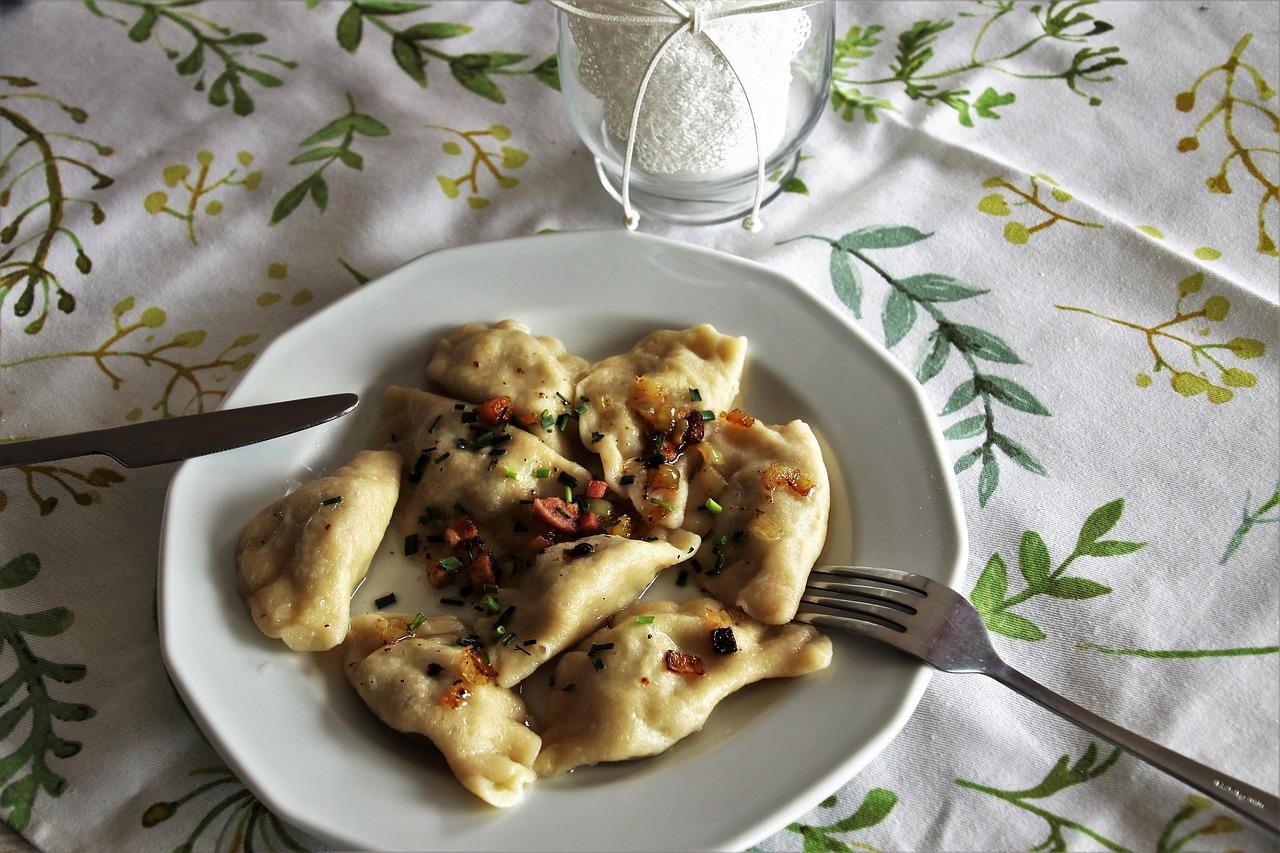
Pierogi z mięsem are the thrifty heart of Polish cooking: the meat left from Sunday rosół or a pot roast is minced with fried onion and folded into soft dough. In Lublin and Podlasie families make a hundred at once for Christmas week or a name day and freeze the rest, and milk bars serve them topped with onion fried in butter or crisp skwarki. This version uses pork shoulder and beef, cooked first, then minced. A common mistake is a dry, crumbly filling; moisten it with a few spoons of broth so it holds together. Chef's tip: pinch the edges twice, once to seal and once to crimp, and the pierogi won't burst in the pot.

150 minPolishMeat
by KrazyBadal 0 views

Kefir pie with spring onion and egg

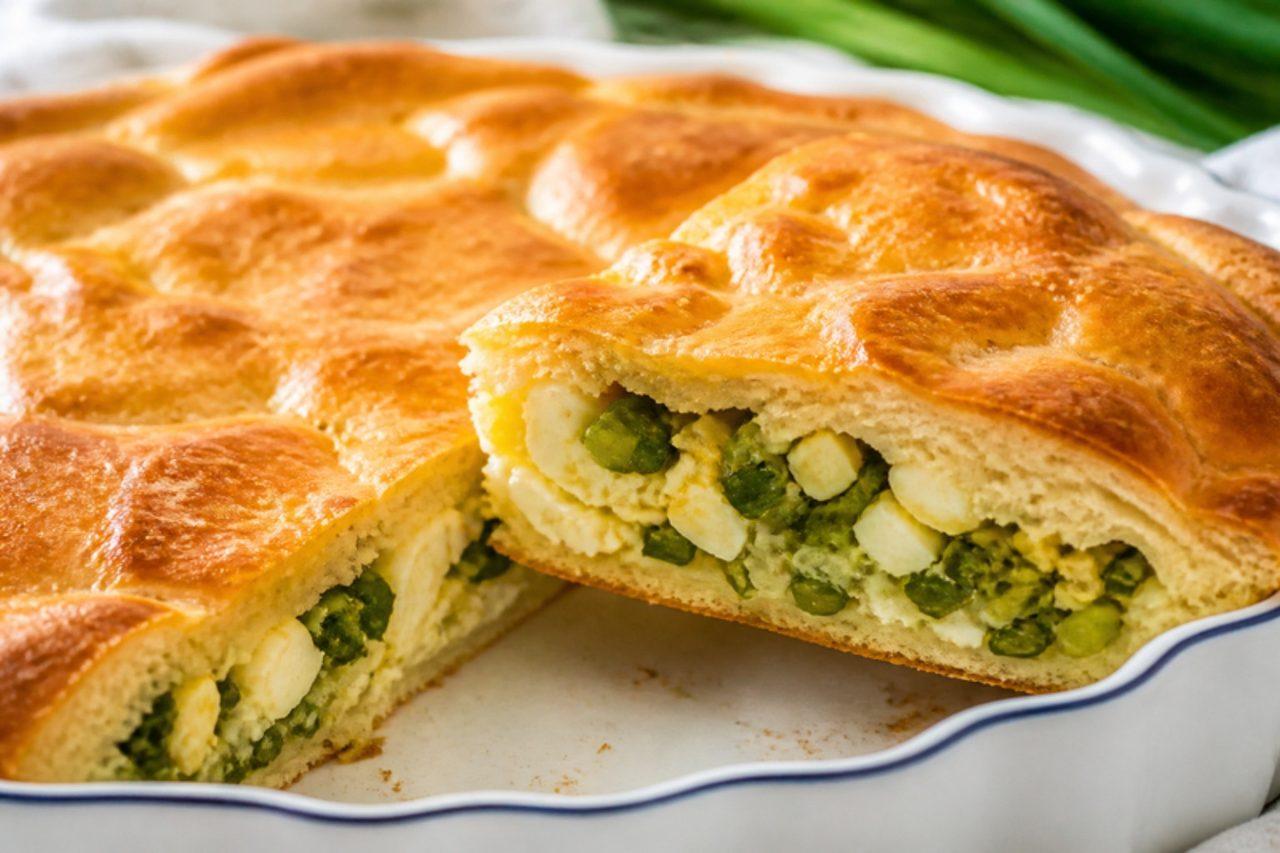
Zalivnoy means 'poured', and this is the pie Russian home cooks make when guests are due in an hour: a runny kefir batter poured over a filling instead of rolled dough. In spring the classic filling is masses of green onion from the windowsill or dacha with chopped boiled egg, and the pie is eaten warm in squares with soup or on its own at the kitchen table. The common mistake is pouring all the batter at once, which lets the filling float to the top. Chef's tip: spread half the batter first, scatter the filling, then pour the rest gently over the back of a spoon.

by KrazyBadal 0 views

BarankiTea bread rings

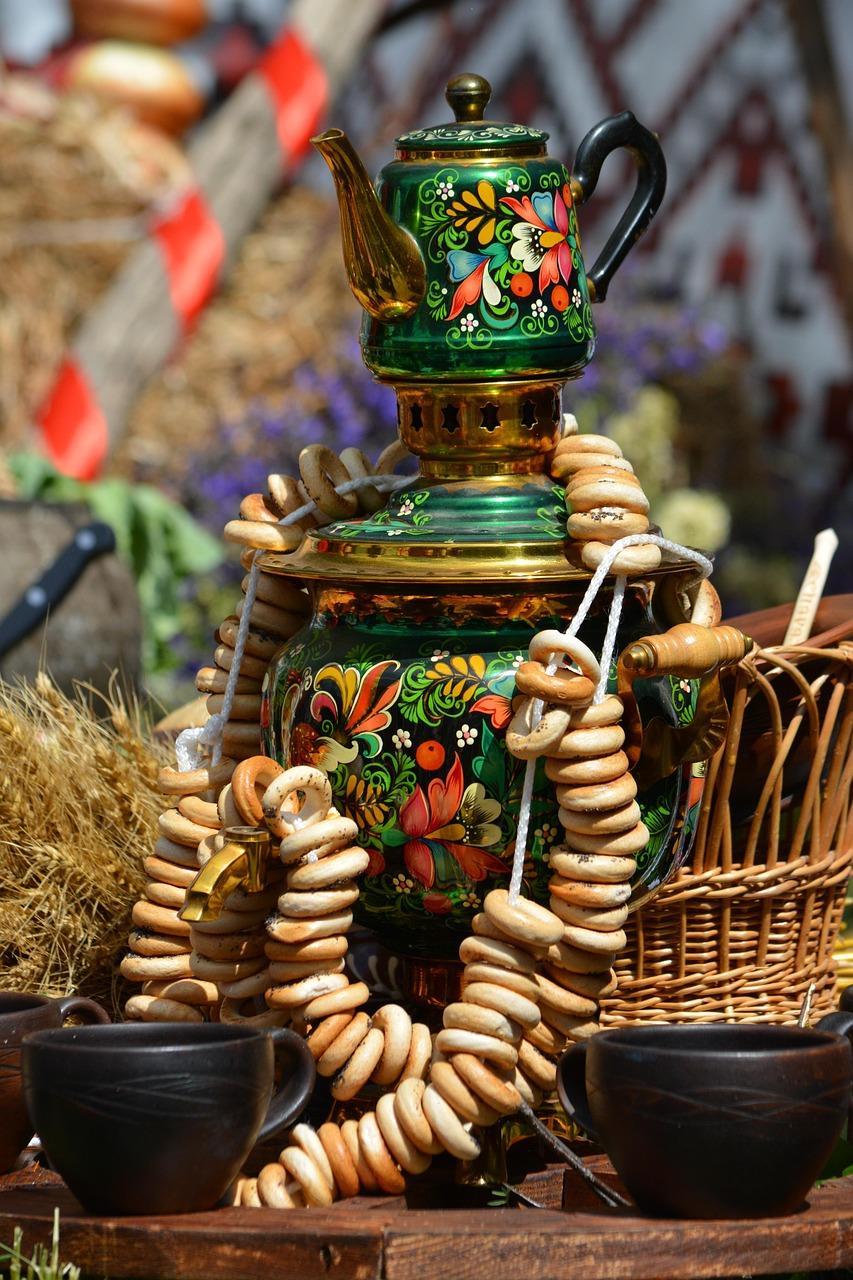
Strings of baranki once hung on poles at every Russian fair, and you still see them threaded on twine in Moscow markets and station kiosks. The dough is boiled briefly like a bagel, then baked until hard, golden and glossy, so the rings keep for weeks and soften only when dunked in hot, sweet tea from the samovar. This version is vegan, made with oil instead of butter and eggs. The common mistake is a soft, wet dough, which makes puffy bread rolls instead of crunchy rings. Chef's tip: knead the dough stiff and leave the shaped rings uncovered for 20 minutes to form a skin before boiling; that gives the shine.

by KrazyBadal 0 views

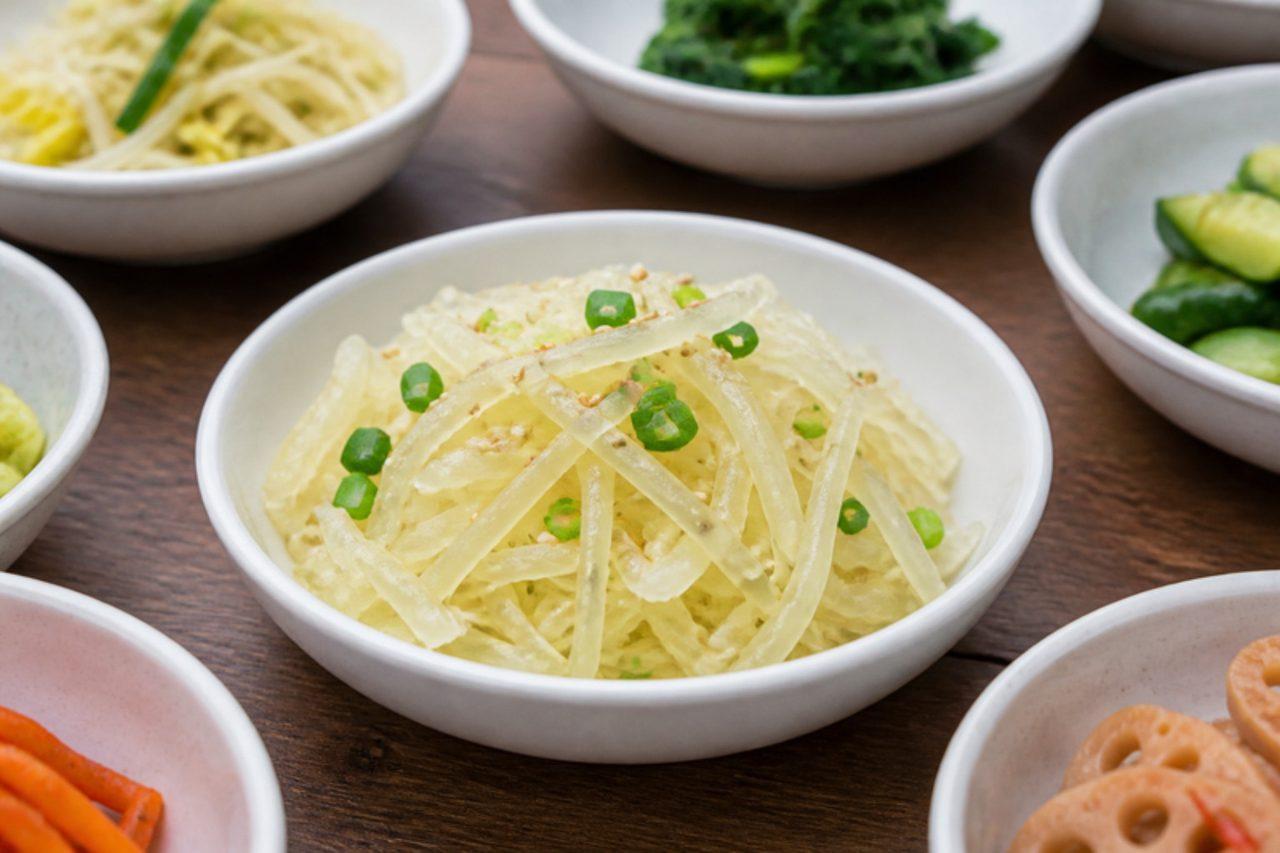
Mu namulStir-fried radish strips

Mu namul is the soft, white radish side dish that appears among the banchan of a Korean home table in autumn and winter, when the fat Korean radishes are at their sweetest, and it is always part of the namul set laid out for Chuseok and ancestral rites in Andong and Seoul. Thin matchsticks of radish are stir-fried with garlic and a pinch of salt, then steamed briefly in their own juice until tender and translucent, and finished with sesame. It is mild, sweet and very gentle on the stomach. A portion is about 50 kcal. The most common mistake is cutting the radish against the grain, so it breaks into short bits; cut lengthways, along the grain, so the strands stay long. Chef's tip: salt the radish first and let it sit for a few minutes; it releases water that it then cooks in, so you need almost no oil.

by KrazyBadal 0 views

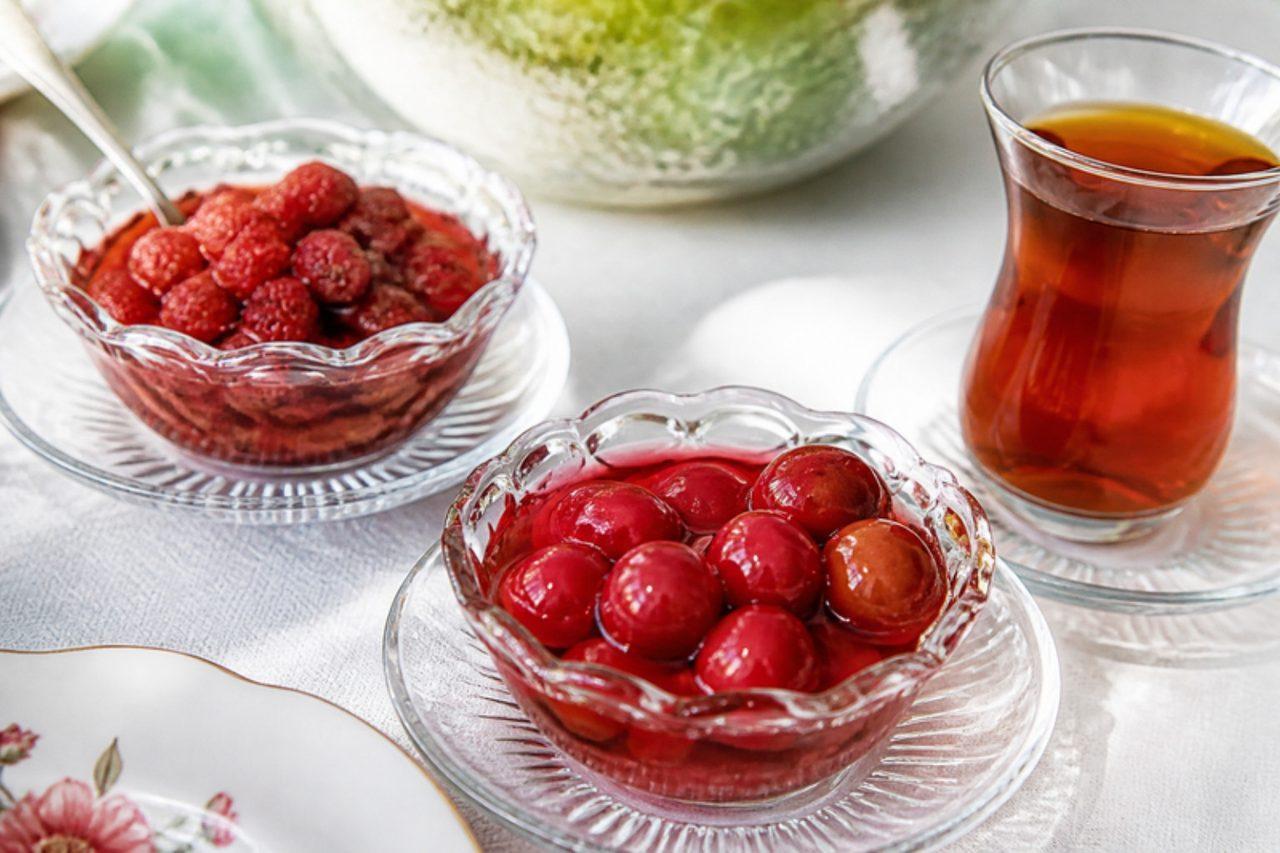
VarenyeFruit preserve in syrup

Varenye is not quite jam: whole berries or fruit are steeped and cooked in short bursts so they stay intact in a clear, glossy syrup. All summer at dachas around Moscow and Vladimir, copper basins of strawberry, cherry or gooseberry varenye bubble outside, and in winter it is spooned into tiny glass rosettes and eaten with tea, sometimes straight from the spoon between sips. The common mistake is boiling it in one long go, which turns the fruit to mush. Chef's tip: cook it in three short boils with long rests between; the fruit soaks up syrup slowly and stays whole.

by KrazyBadal 0 views

KartoffelkrokettenPotato croquettes

Kartoffelkroketten belong to the German Sunday roast as surely as red cabbage, alongside Rinderrouladen in the Ruhr or venison in the Harz at Christmas. Dry mashed potato is bound with egg yolk, nutmeg and a little butter, rolled into small cylinders, breaded and fried until crunchy outside and fluffy within. Homemade ones taste far better than the frozen kind and can be shaped a day ahead. The usual mistake is a wet mash, which makes croquettes burst in the oil. Chef's tip: steam-dry the boiled potatoes in the hot pan for two minutes and press them through a ricer, never a blender, which turns them gluey.

by KrazyBadal 0 views

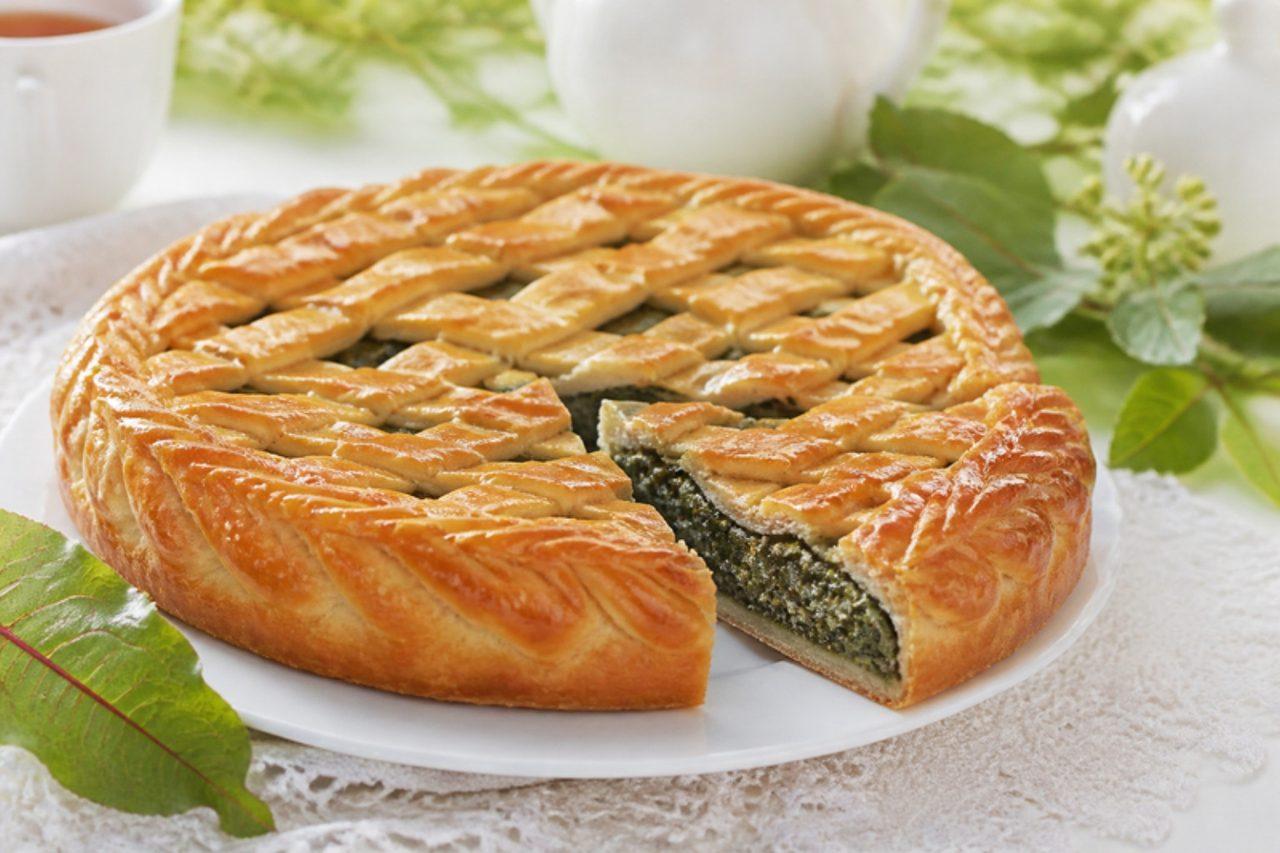
Sweet sorrel pie

In late May and June, sorrel is the first thing to grow thick in dacha gardens around Moscow and Kaluga, and grandmothers turn the sour leaves into a sweet pie that tastes surprisingly like rhubarb. Shredded sorrel is tossed with sugar and a little starch and baked between two layers of soft sour-cream pastry, then eaten in thick slices with tea or cold milk. The common mistake is mixing the sugar into the sorrel too early, which draws out the juice and floods the pastry. Chef's tip: layer the dry leaves into the pie and sprinkle the sugar and starch over them right before you close the lid.

by KrazyBadal 0 views

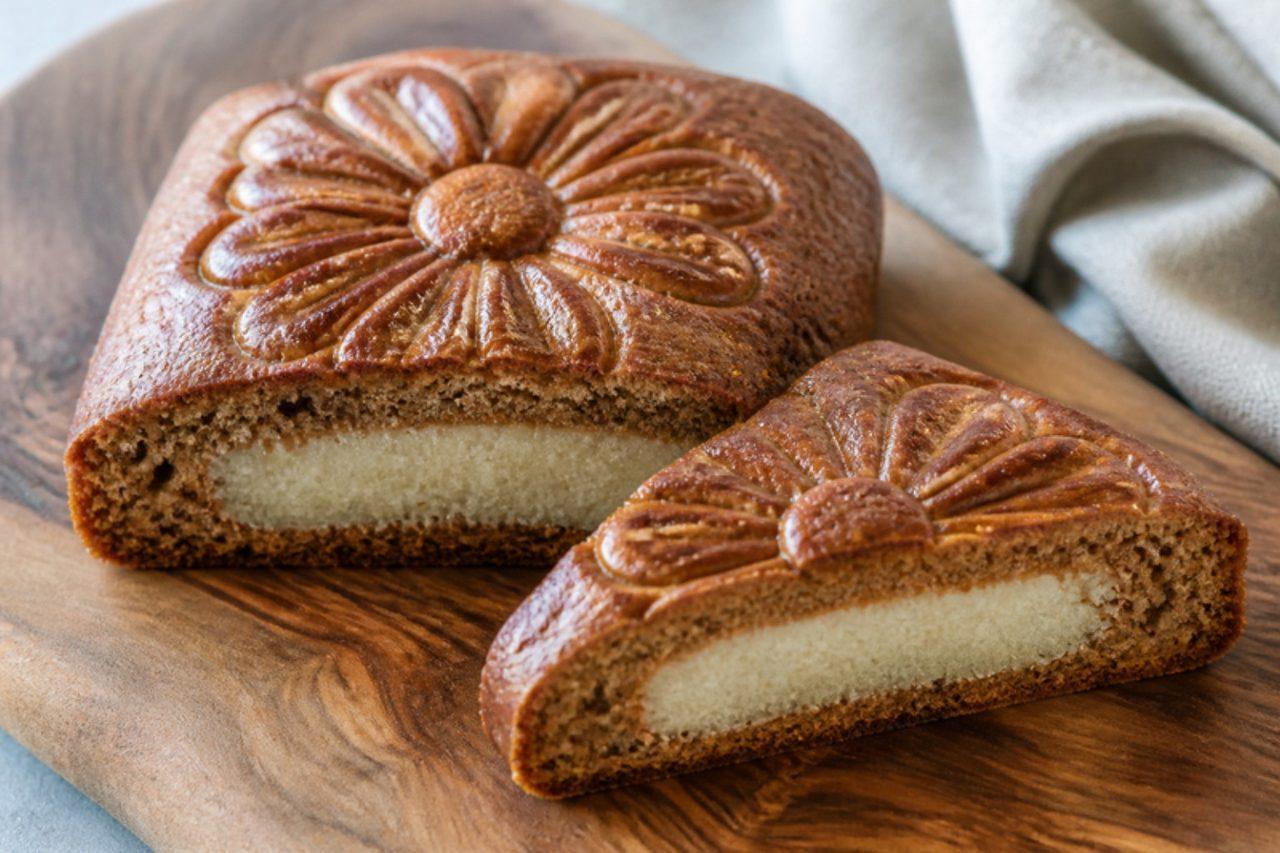
Appenzeller BiberAlmond-filled gingerbread

In the green hills of Appenzell, Biber are the sweet that marks Christmas, New Year and christenings, and bakers in Appenzell town stamp them with wooden moulds of cows, bears and the traditional alpine ascent. The dough is a dark, spicy honey gingerbread wrapped around a layer of almond paste, baked until it glows chestnut brown. They keep well and are sliced or eaten whole with coffee. Chef's tip: leave the dough to rest for at least a day if you can; honey doughs get smoother and spicier with time and crack less when stamped.

by KrazyBadal 0 views

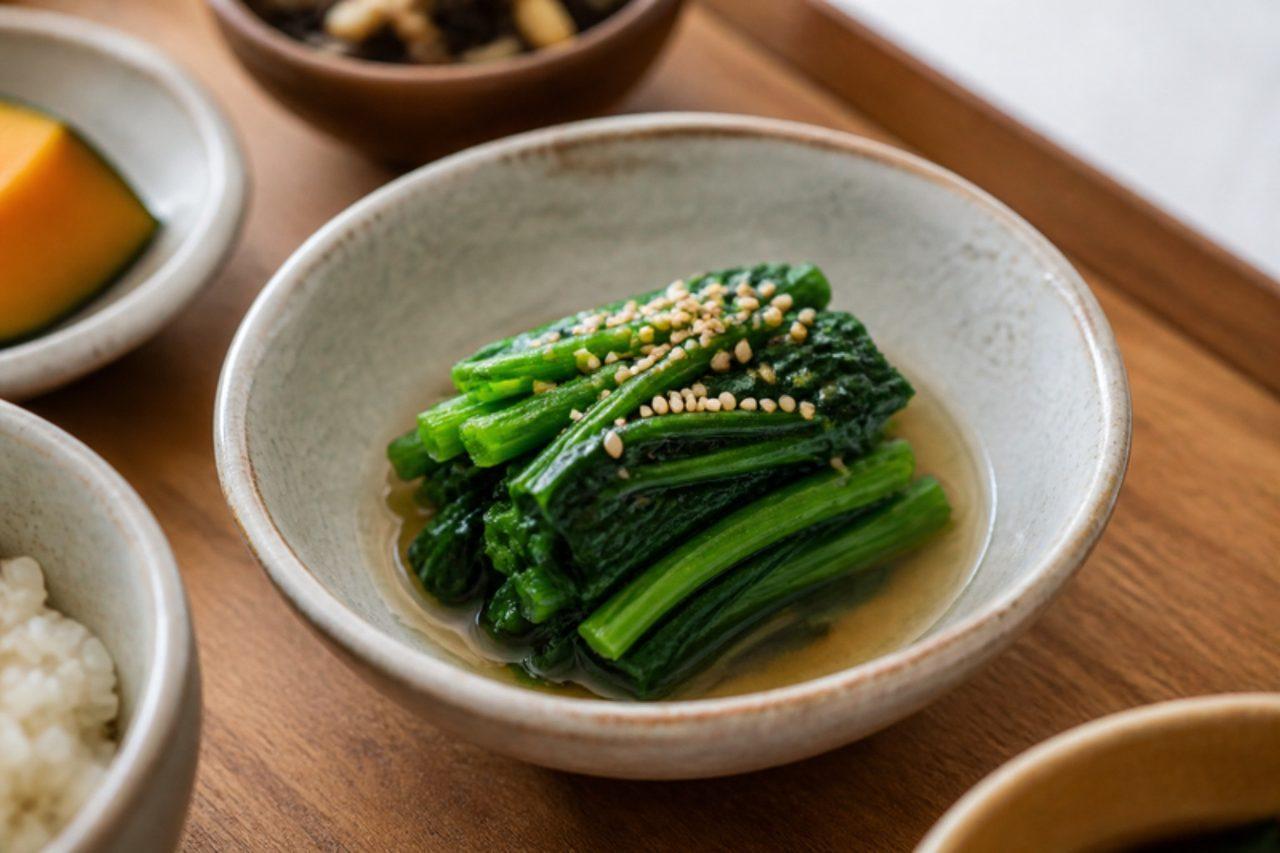
Horenso no ohitashiSpinach in dashi

Ohitashi, "the soaked dish", is one of the three small sides of the everyday ichiju-sansai meal, and in Tokyo homes a little mound of spinach steeped in cool seasoned broth turns up beside grilled fish and miso soup most weeks of the year. Usually it is topped with bonito flakes; this vegetarian version uses kombu and shiitake dashi and a sprinkle of toasted sesame instead. It is clean, savoury and barely seasoned, so the sweetness of the spinach comes through. A portion is about 35 kcal. The most common mistake is not squeezing the spinach after blanching, which dilutes the broth into a watery puddle. Chef's tip: blanch the stems for 10 seconds before pushing in the leaves; the stems need longer, and this way the whole bunch is tender at once.

by KrazyBadal 0 views

KorzhikiShortbread rounds

Every Soviet schoolchild knew korzhiki, the plump scalloped biscuits sold at the canteen counter for a few kopecks with a glass of milk. Made with sour cream and a little honey, they are firm on the outside and soft and cakey inside, pale gold, with a fork-pricked top. Russians still bake them at home for after-school snacks. The common mistake is rolling the dough too thin, which makes hard biscuits instead of soft little cakes. Chef's tip: roll to a full 8 mm and pull them from the oven while the edges are still pale; they firm up as they cool.

by KrazyBadal 0 views

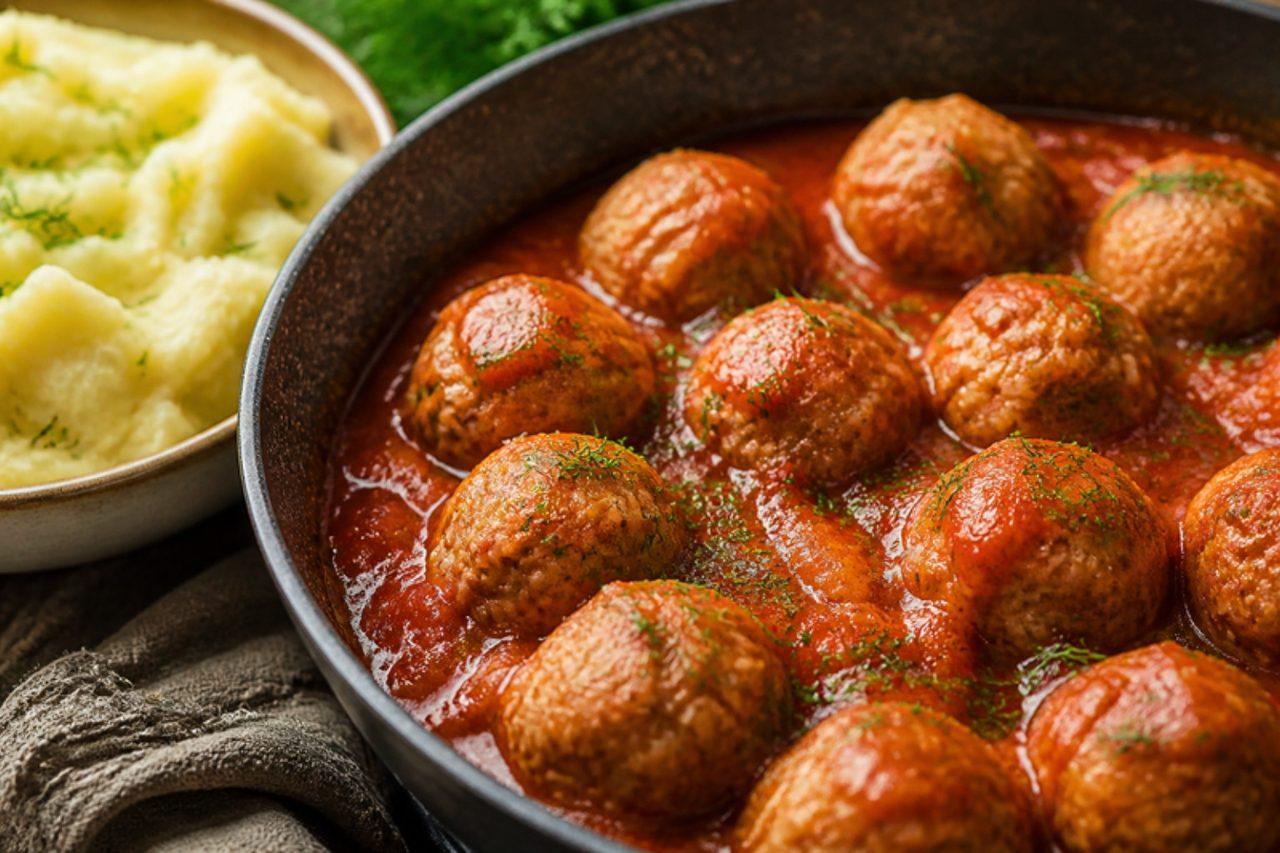
TefteliMeatballs in tomato sauce

Ask anyone who went to a Soviet school canteen and they will remember tefteli: soft meatballs studded with rice, served in a ladle of tomato sauce with buckwheat or mashed potato. They are still the go-to dinner for small children from Moscow to Yekaterinburg because they are tender enough to cut with a spoon. They are softer and plainer than kotlety and are always cooked in sauce, never just fried. The common mistake is boiling the sauce hard, which breaks the meatballs apart. Chef's tip: roll each ball with wet hands and leave them in the fridge for 15 minutes before cooking; they hold together much better.

by KrazyBadal 0 views

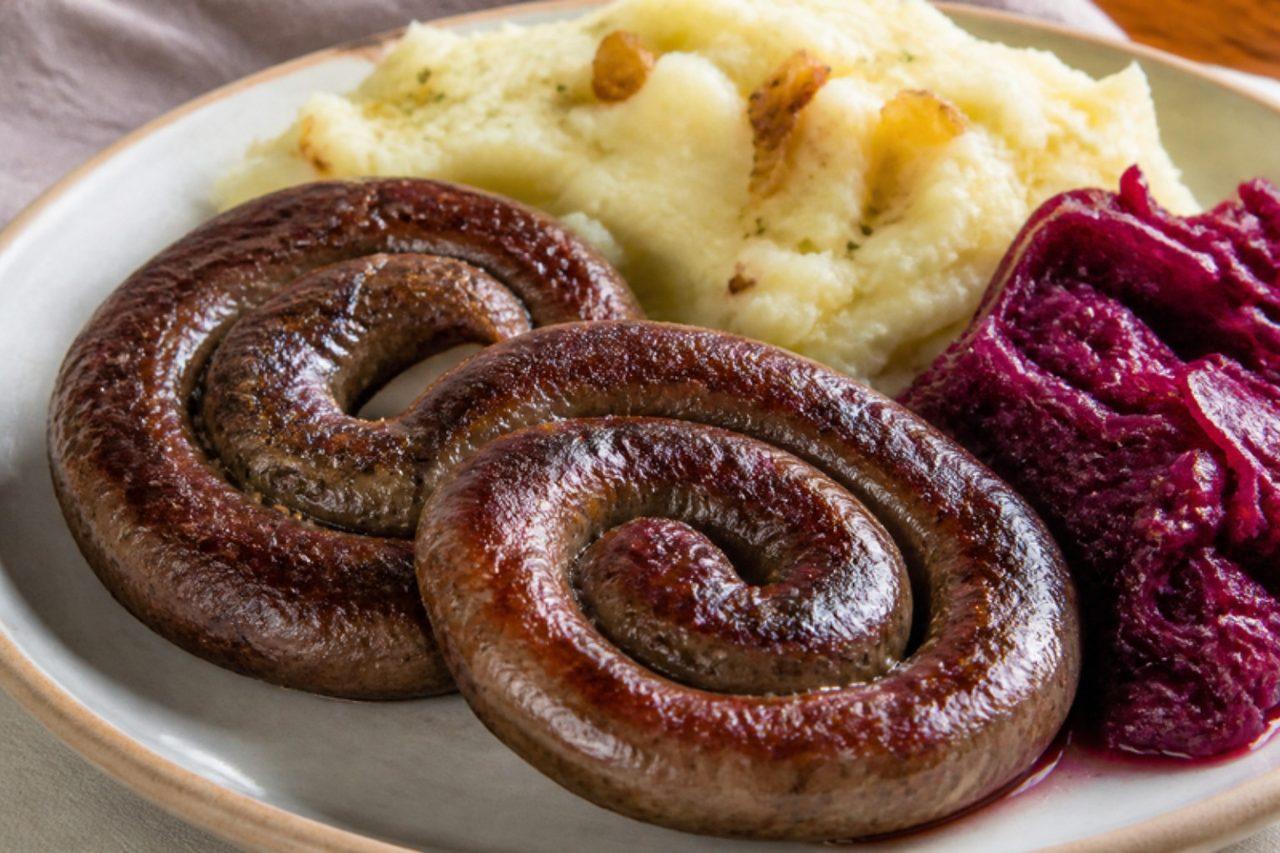
Májas hurkaLiver and rice sausage

In Hungarian villages the winter pig-killing (disznótor) ends with a feast, and hurka is the star: soft sausages of pork, pork liver and rice seasoned with marjoram and black pepper, roasted until the skins crackle. Today you buy them at market stalls in Budapest's Great Market Hall and at country butchers, eaten hot with mustard, bread and pickled cabbage. Blood sausage (véres hurka) is the other version; this is the liver one. Ask your butcher for natural pork casings. Chef's tip: roast the sausages in a little fat with a splash of water and don't prick them, or they burst and dry out.

by KrazyBadal 0 views

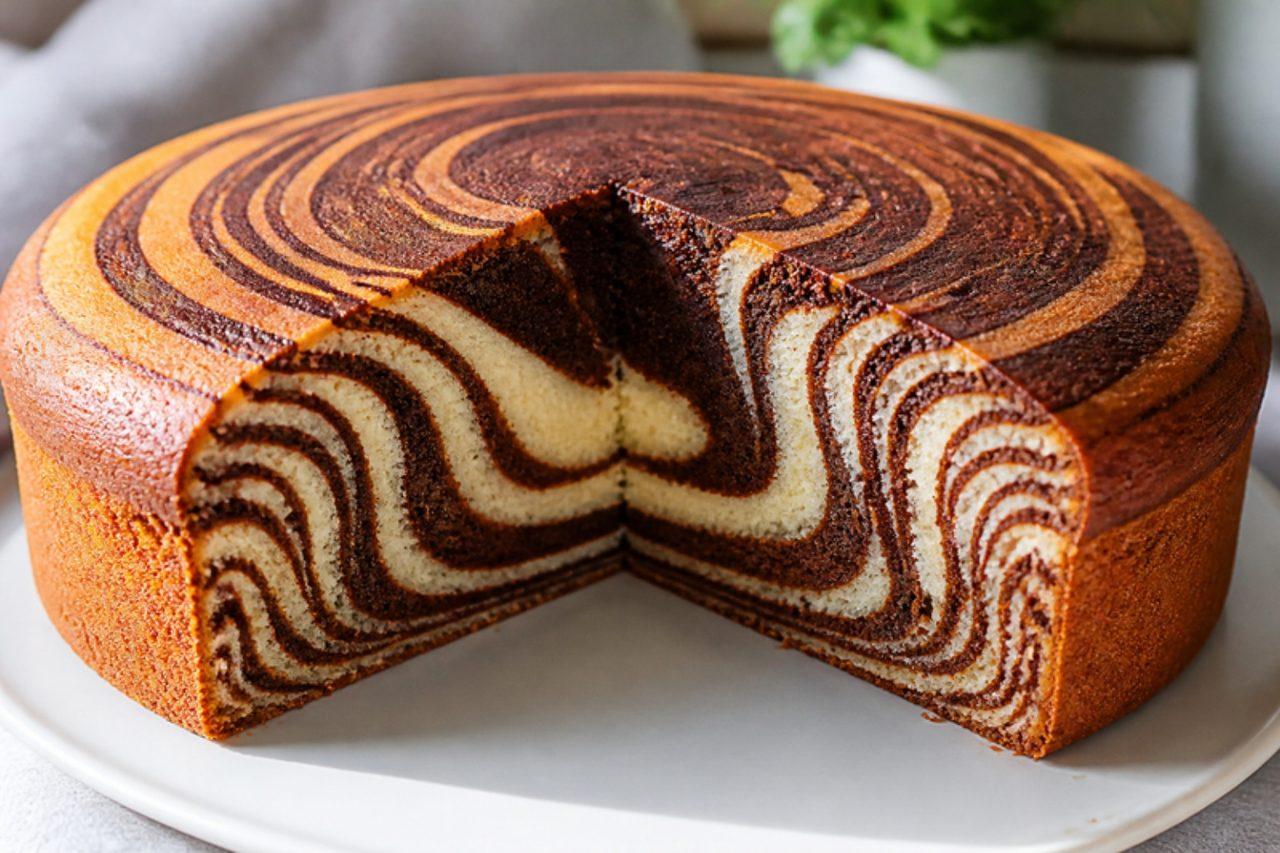
Zebra cake

Russian mothers learned the trick of zebra cake from Soviet women's magazines in the 1980s: spoon a vanilla and a cocoa batter alternately into the centre of the tin and the rings spread out by themselves into stripes. Cut open at a birthday tea or on a Sunday afternoon in Moscow flats, it always draws a gasp from children. The sponge is made with sour cream, so it stays moist for days. The common mistake is spreading the batter with a spoon, which smears the stripes. Chef's tip: drop each spoonful exactly in the middle of the previous one and let gravity do the work.

by KrazyBadal 0 views

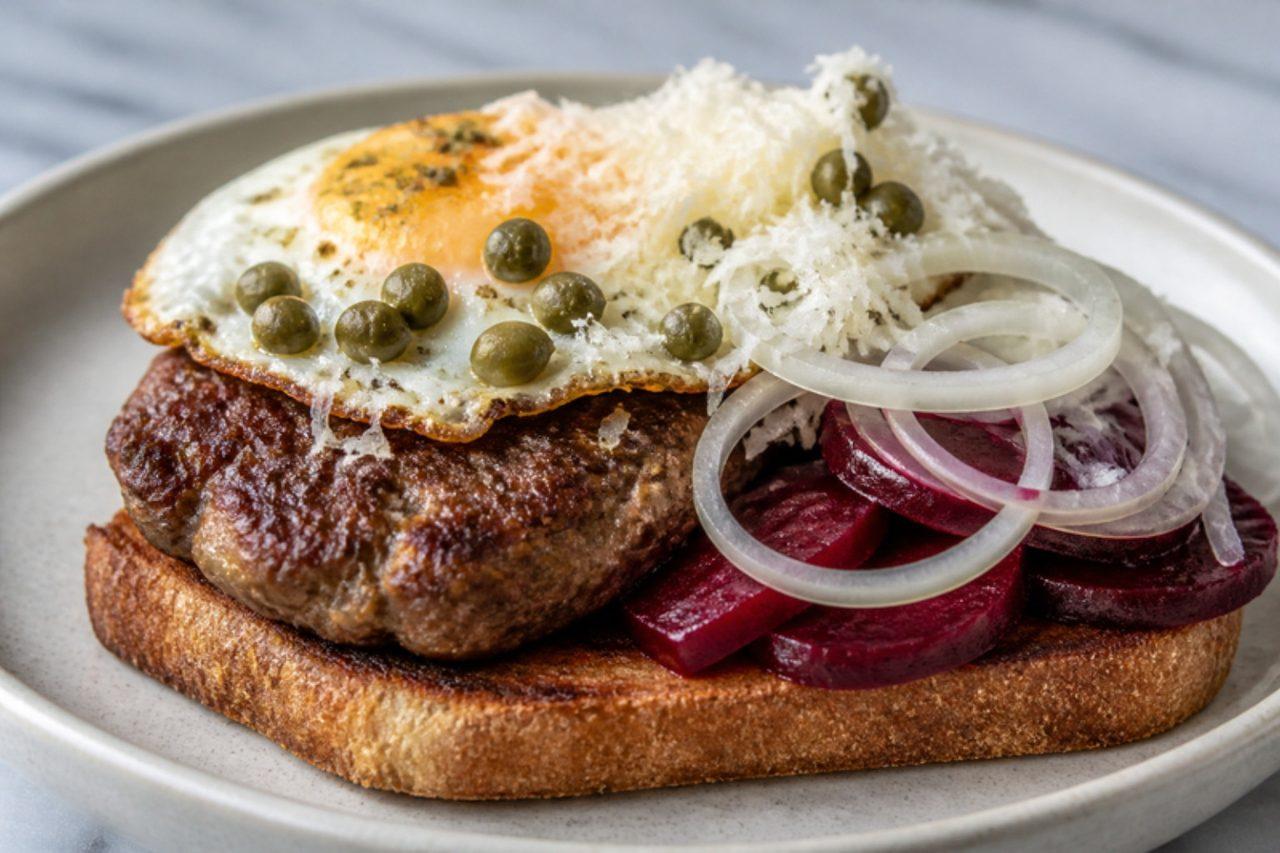
PariserbøfBeef patty on toast

Pariserbøf is an old Copenhagen lunch-house favourite: a thick beef patty seared in butter on a slice of fried white bread, crowned with an egg yolk in a ring of raw onion, with capers, grated horseradish and pickled beetroot. Traditionally the beef is left almost raw in the centre and the yolk is raw. That classic way is not for pregnant women, young children or anyone with a weakened immune system. This safer home version cooks the mince through to 71 °C and tops it with a soft fried egg cooked until the white and yolk edges are set (or use a pasteurised yolk). A common mistake is pressing the patty in the pan, which squeezes out the juice. Chef's tip: shape the patties wider than the bread, as they shrink as they cook.

by KrazyBadal 0 views

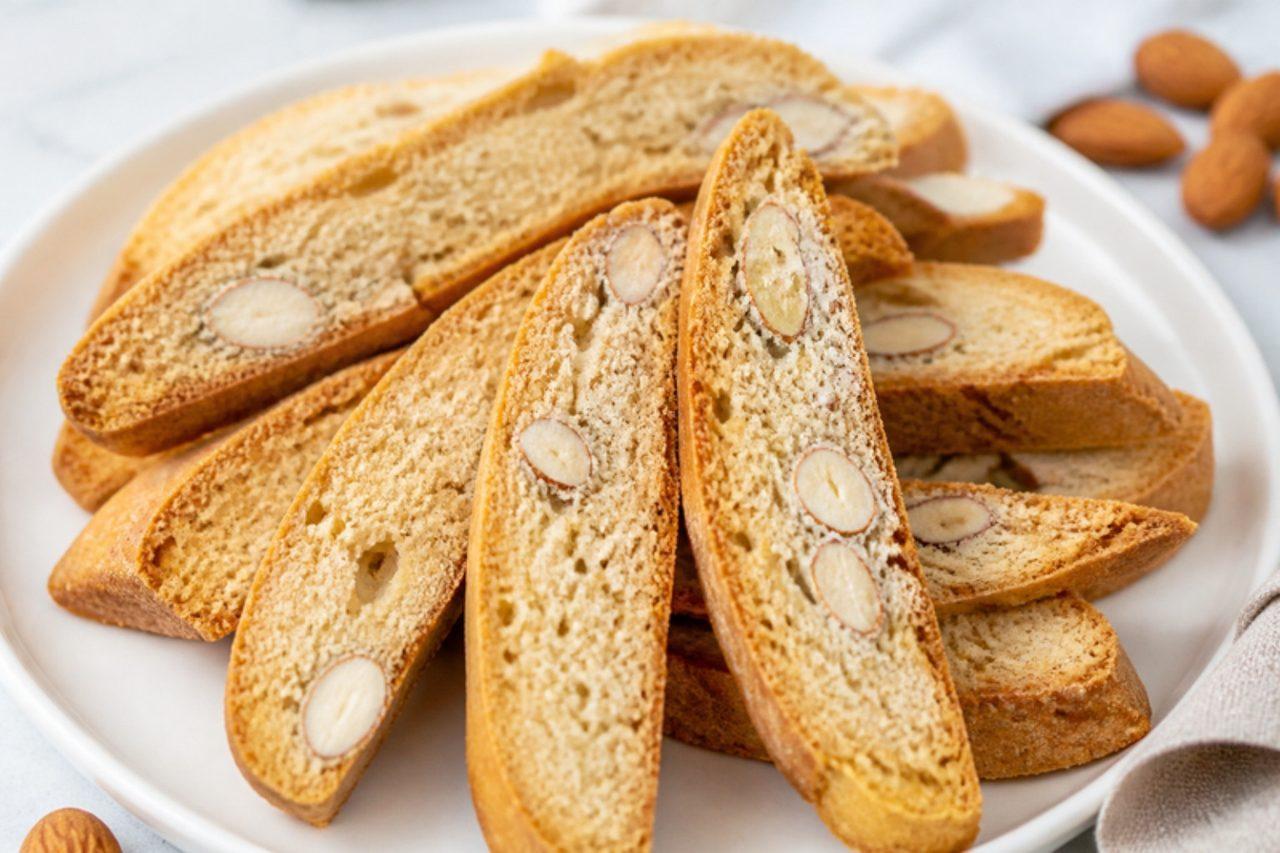
TotenbeinliAlmond biscuits

The name means 'little dead men's bones', but there is nothing gloomy about these crunchy almond biscuits from Graubünden, sold in the bakeries of Chur and the Engadin and dunked in coffee or a glass of milk on winter afternoons. Whole almonds are folded into a buttery, cinnamon-scented dough, baked in logs, then sliced and baked again, a little like biscotti but richer. Chef's tip: slice the logs while still warm with a serrated knife and a gentle sawing motion; cold logs crumble and the almonds tear out.

by KrazyBadal 0 views

AnisbrötliAnise cookies

Anisbrötli and their claw-shaped cousins Chräbeli are among the oldest Swiss Christmas biscuits, baked in Basel, Aargau and Zurich from Advent onwards and packed into tins beside Mailänderli and Brunsli. The egg and sugar dough is pressed into springerle moulds or cut into shapes, then left to dry overnight, so in the oven the bottom puffs up into a little 'foot' while the top stays white and smooth. Inside they are chewy and fragrant with anise. Chef's tip: beat the eggs and sugar for the full 10 minutes; under-whipped batter gives flat cookies with no foot.

by KrazyBadal 0 views

SochniSweet curd pastries

Sochni were the thing to buy from the bakery counter on the way home from school in Soviet Moscow: a soft, sweet shortcrust oval folded over a thick tongue of vanilla tvorog, which peeks out of the fold and bakes golden at the edge. They are still made at home for the tea table, eaten warm or the next morning with milk. The dough is tender rather than flaky, made with sour cream. The common mistake is a wet curd filling, which leaks and burns on the tray. Chef's tip: press the tvorog through a sieve and use only a little egg in it; it should be thick enough to hold a spoon upright.

by KrazyBadal 0 views

Pirog s gribamiMushroom pie

In Arkhangelsk and the villages along the Northern Dvina, where autumn means weeks of mushroom picking, a big closed yeast pie filled with mushrooms, onion and rice is baked for name days and for the table after a funeral or wake. Under a soft golden crust the filling is savoury and juicy with dill and butter. Buy wild mushrooms from a reliable source only; a mix of chestnut and dried porcini works anywhere. The common mistake is a hot, wet filling, which melts the dough and leaves a soggy base. Chef's tip: cook the filling until the pan is dry, then let it cool completely before you fill the pie.

by KrazyBadal 0 views

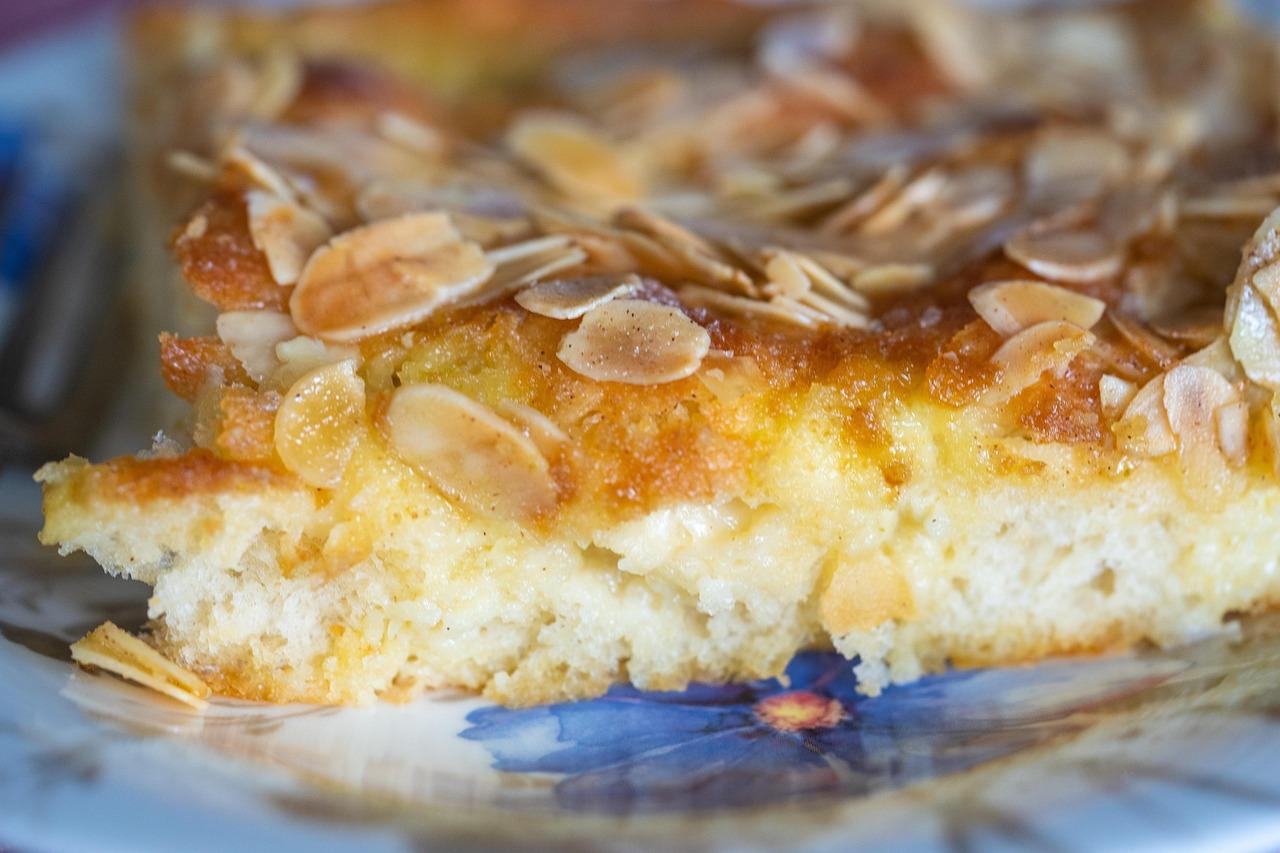
ToscakakaAlmond caramel butter cake

Toscakaka is the elegant fika cake of Swedish coffee afternoons, named after the opera and found in every old konditori in Stockholm and Gothenburg. Under a crunchy, toffee-like lid of flaked almonds cooked in butter, sugar and cream is a light, buttery sponge. It is at its best on the day it is made, with coffee. A common mistake is adding the topping too early, so it sinks into the raw sponge. Chef's tip: bake the cake until just set, then spread the hot topping over and return it to the oven until bubbling and amber.

by KrazyBadal 0 views

MannikSemolina cake

In thousands of Russian kitchens, mannik is the cake you make when the cupboard is nearly bare: semolina, kefir, sugar, a couple of eggs and almost no flour. The semolina swells overnight in the kefir, and the result is a plain, damp, slightly springy cake with a golden crust, sliced at the tea table from Smolensk to Vladivostok with a spoon of jam or sour cream. The common mistake is skipping the soak, which leaves the cake gritty with hard grains. Chef's tip: soak the semolina in the kefir for at least an hour, or overnight in the fridge, before adding the rest.

by KrazyBadal 0 views

MailänderliLemon butter cookies

Come December, almost every Swiss household bakes Mailänderli, the simplest and best-loved of the Weihnachtsguetzli: buttery, lemon-scented biscuits cut into stars, hearts and moons and painted with egg yolk so they bake to a deep shine. Children across German-speaking Switzerland help cut them out, and tins of them are swapped with neighbours and eaten all through Advent. Chef's tip: rest the dough in the fridge overnight, or for at least 2 hours; warm dough spreads and the shapes lose their sharp edges.

by KrazyBadal 0 views

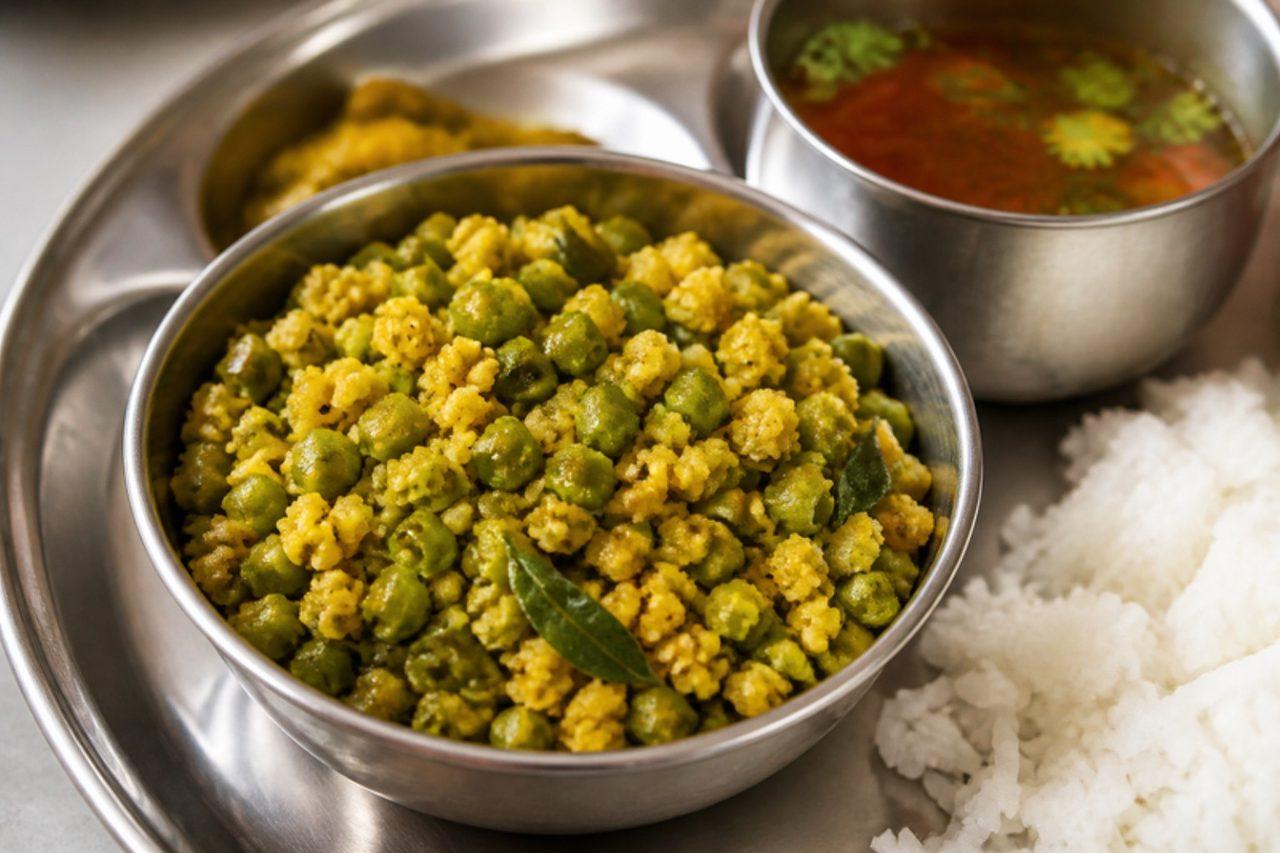
Paruppu usiliGreen beans with crumbled lentils

Paruppu usili is a Tamil Brahmin speciality, the dry dish that sits beside more kuzhambu or rasam on a Thanjavur lunch leaf at weddings and at home: chana and toor dal are soaked, ground coarsely with red chilli, steamed into a cake, crumbled, then fried with finely chopped green beans until the crumbs turn golden and crisp in places. The result is nutty, spicy and full of protein. A portion is about 220 kcal. The dals soak for 1 hour first (not counted in the times). The mistake most people make is grinding the dal to a smooth paste; it should be coarse like semolina, or the usili turns into lumps instead of crumbs. Chef's tip: steam the ground dal before frying, rather than frying it raw; it crumbles perfectly and needs far less oil.

by KrazyBadal 0 views

Rei-shabuChilled pork salad

In the heat of a Tokyo August, nobody wants a hot frying pan, and rei-shabu, "cold shabu-shabu", is what appears on dinner tables and in set lunches: paper-thin slices of pork loin or shoulder poached briefly in barely simmering water, cooled, and piled on a crisp salad of lettuce, cucumber and tomato with ponzu or a sesame sauce. It is light and refreshing. This is a pork dish. A portion is about 280 kcal. The most common mistake is plunging the cooked pork into iced water, which makes the fat set hard and the meat tough; let it cool on a sieve instead. Chef's tip: keep the water just below the boil, around 80 °C, with a splash of sake; the pork stays tender instead of going grey and stringy.

by KrazyBadal 0 views

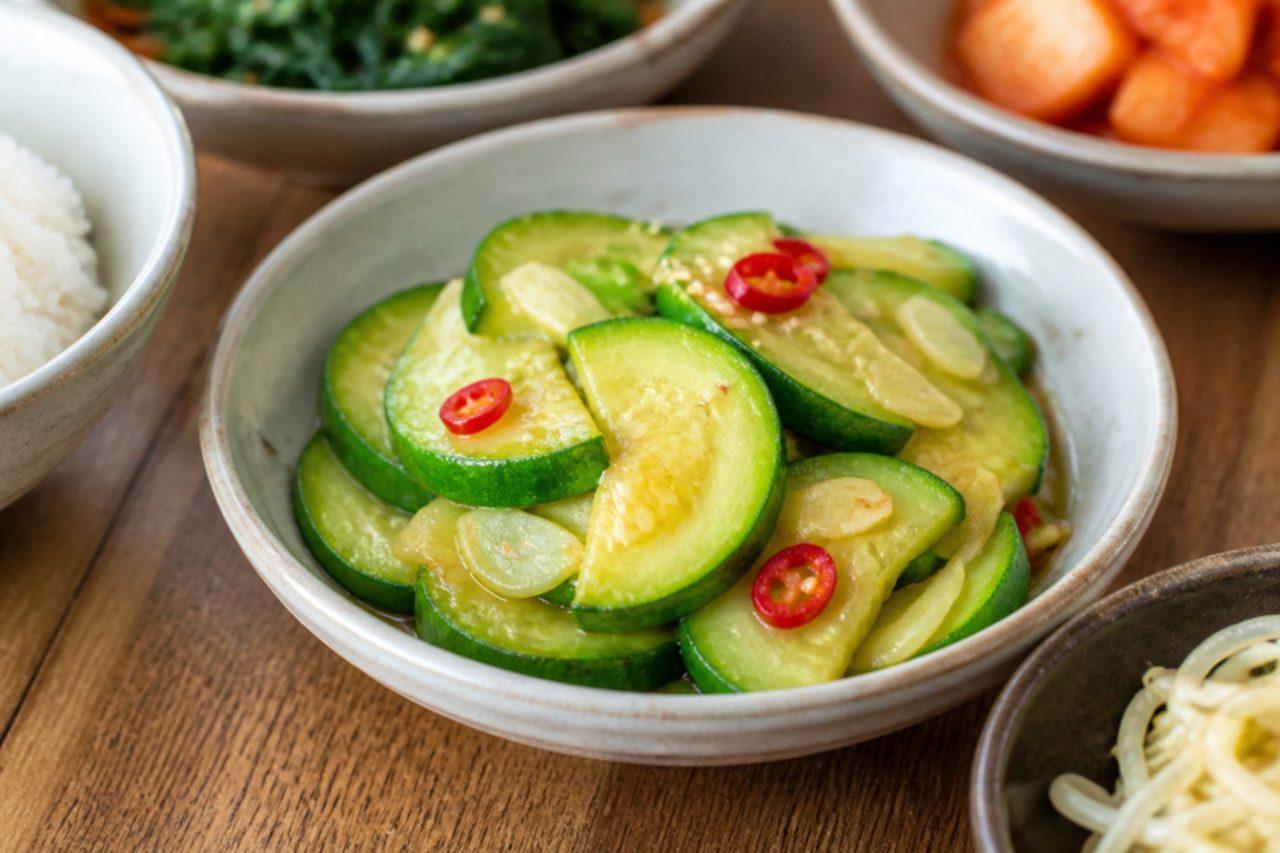
Aehobak bokkeumStir-fried courgette

Aehobak, the pale green Korean courgette, is in every market from Gwangjang in Seoul to Busan's Jagalchi all summer, and a quick stir-fry of it is one of the banchan most often on the family table and in school lunches. Half-moon slices are lightly salted, then stir-fried with garlic until just tender and glossy, and finished with sesame. Many homes season it with saeujeot, salted shrimp; this version uses salt and a little soy instead, so it is vegan. A portion is about 45 kcal. The common mistake is overcooking, which leaves limp, watery slices; cook it hot and fast and take it off while the slices still have a little bite. Chef's tip: salting the slices for 10 minutes and patting them dry keeps them firm and stops the pan filling with liquid.

by KrazyBadal 0 views

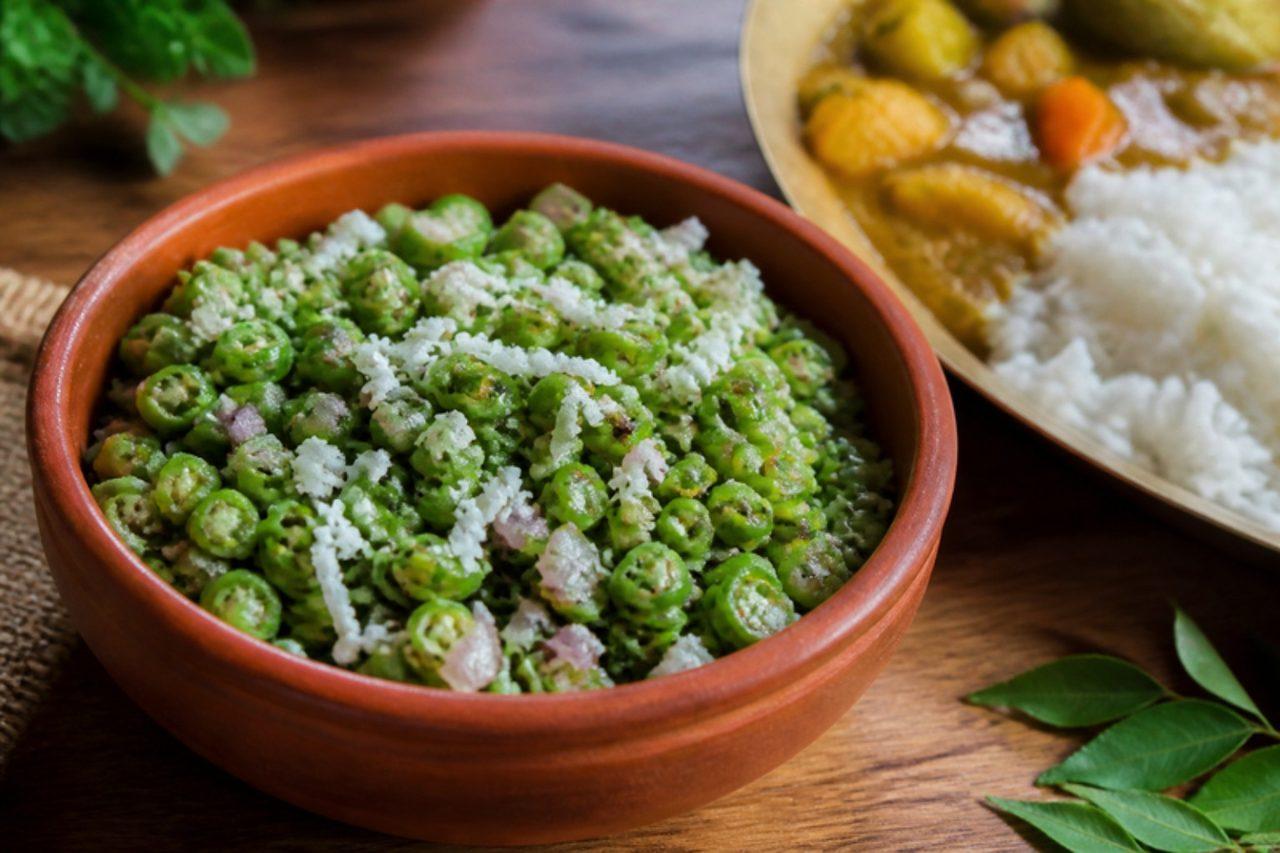
Beans foogathGreen beans with coconut

Foogath is the everyday vegetable of Goan Catholic homes in Margao and Panjim, a dry stir-fry of finely chopped beans, cabbage or gourd with onion, green chilli and plenty of freshly scraped coconut, eaten on the side of fish curry rice at Sunday lunch or with plain rice and dal at a weekday supper. It is mild, sweet and fresh-tasting. A portion is about 120 kcal. The common mistake is cooking the beans too long in a covered pan, which turns them khaki; cook them quickly and keep them bright green. Chef's tip: chop the beans very fine, almost into small rounds; that is the Goan way, and it lets them cook in a few minutes.

by KrazyBadal 0 views

ErdbeerkuchenStrawberry flan

When strawberry stands pop up on every country road in June, bakeries from the Rhineland to Saxony fill their windows with Erdbeerkuchen, and families bake one for Sunday afternoon Kaffee und Kuchen. A light sponge is baked in a fluted flan tin with a raised rim, spread with a thin layer of custard or jam, covered with halved strawberries and set under a clear red glaze, then served with whipped cream. The mistake most people make is filling the base while it is still warm, which makes it soggy. Chef's tip: brush the cooled base with a little melted white chocolate or jam first; it seals the sponge against the fruit juice.

by KrazyBadal 0 views

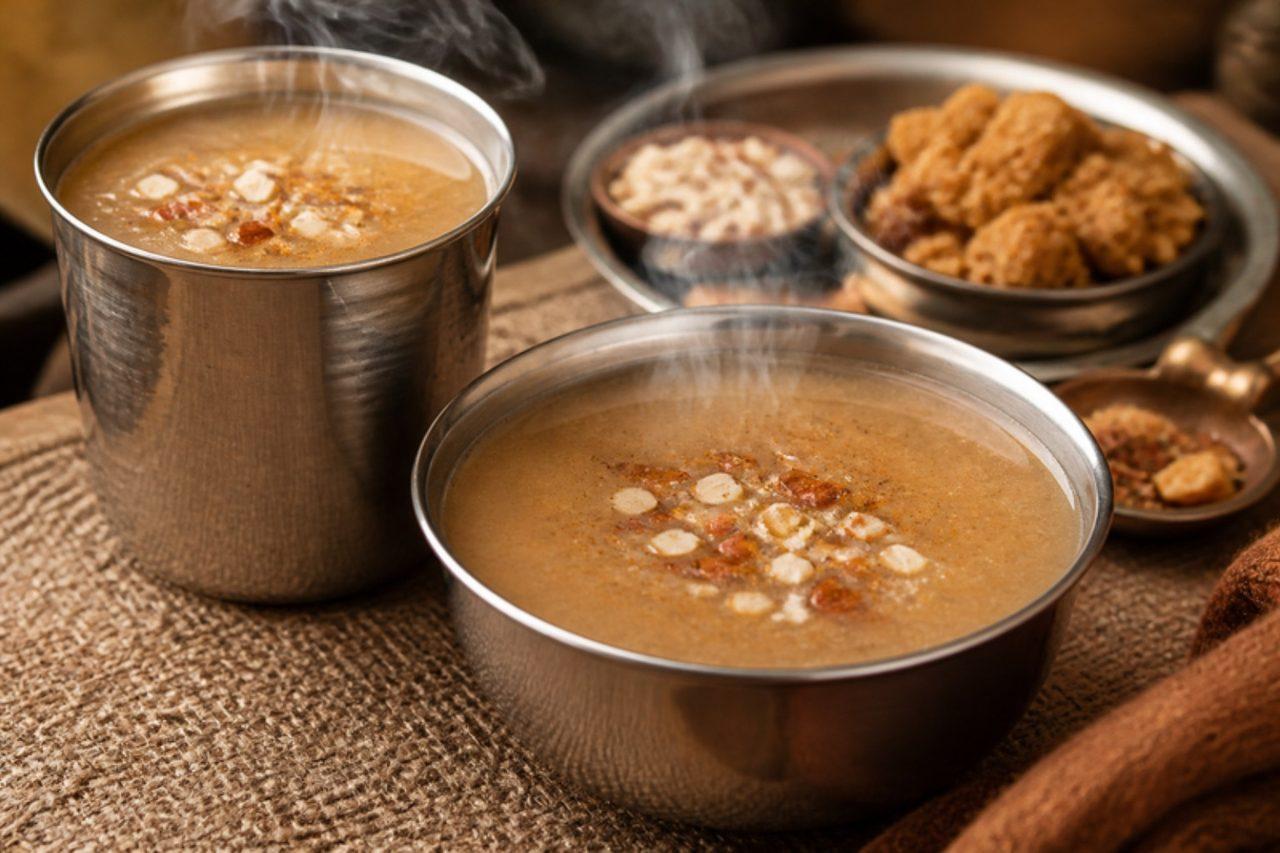
Bajri ni raabPearl millet jaggery drink

In Gujarati homes from Ahmedabad to the villages of Saurashtra, raab is what is made on a cold January evening, for a cough, or for a new mother regaining her strength: a spoon of bajri flour roasted in ghee with ajwain and dry ginger, then cooked with water and jaggery into a thin, sippable porridge. It is drunk hot from a steel tumbler and tastes of toasted grain, caramel and warm spice. A tumbler is about 220 kcal. The most common mistake is adding jaggery to boiling raab with the flame high, which can make it split; turn the heat down first and stir it in until it melts. Chef's tip: roast the flour on a low flame until it smells like toasted biscuit and darkens just slightly; underroasted bajri tastes raw and bitter.

by KrazyBadal 0 views

ApfelschorleApple juice spritzer

At any German beer garden, from Munich's Chinese Tower to the cider taverns of Frankfurt, the drink for children, drivers and anyone on a hot afternoon is Apfelschorle: cloudy apple juice topped up with sparkling mineral water. Germans drink it at family lunches, after sport and at school summer parties, and it is far less sweet than juice alone. The usual mix is half and half, but many people go lighter on the juice. The common mistake is pouring the water first, which knocks out the bubbles. Chef's tip: use naturally cloudy apple juice and very cold, strongly sparkling water, and pour the water in slowly down the side of the glass.

by KrazyBadal 0 views

NussgipfelHazelnut crescents

In Swiss train-station bakeries and village tearooms the Nussgipfel is the pastry commuters grab with their morning coffee: a crisp, flaky crescent wrapped around a sweet filling of ground hazelnuts and cinnamon, glazed so it shines. Bakers in Bern and Lucerne make their own laminated dough, but at home good all-butter puff pastry gives an excellent result in about an hour and a half. Chef's tip: chill the shaped crescents for 15 minutes before baking; warm pastry slumps and the filling leaks out.

by KrazyBadal 0 views

Willisauer RingliSugar ring biscuits

The little town of Willisau in the canton of Lucerne has been making these rock-hard sugar rings since the 1800s, and Swiss children have been nibbling them on hikes and car journeys ever since, sucking them slowly like sweets. They are made from little more than sugar, flour, egg and lemon, and dried before baking so they set with a smooth, pale, glassy crust. The bakery recipe is a well-kept secret; this home version gets the same snap. Chef's tip: don't skip the overnight drying, which forms the crust that gives Ringli their famous crunch.

by KrazyBadal 0 views

Doodh pattiStrong milk tea

Doodh patti is poured from a dented pan at every truck stop, university canteen and street-corner dhaba in Pakistan, from Karachi's Saddar to the Murree road, and it is drunk at all hours: before work, after cricket, at midnight with a paratha. The tea is made without any water at all, boiling loose black tea and sugar in milk until it turns a deep caramel colour and tastes rich, malty and strong. The mistake is simmering too gently and pulling it off too soon, giving a weak, milky drink; it needs a proper rolling boil, more than once. Contains milk. Chef's tip: lift the pan off the heat each time the tea froths to the top and return it, three times; each rise deepens the colour and flavour.

by KrazyBadal 0 views

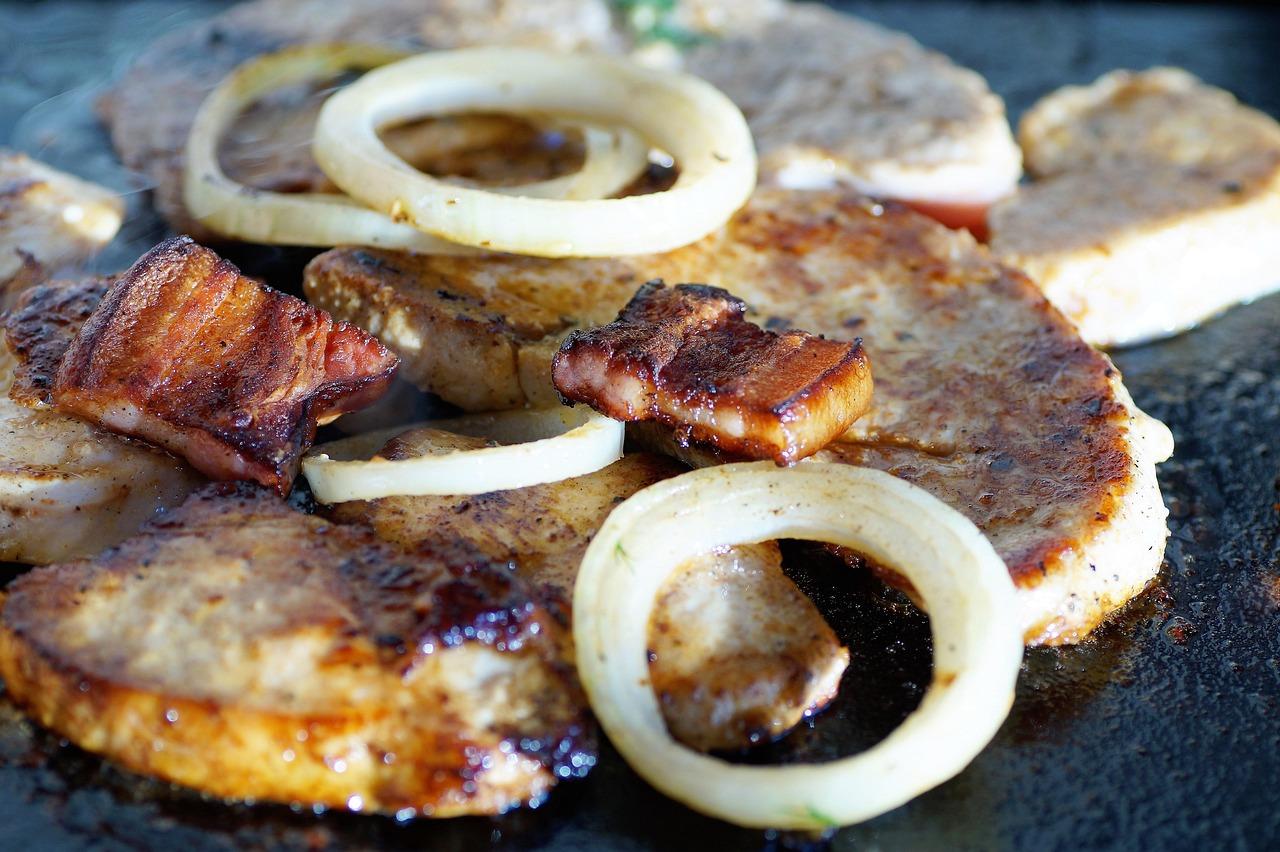
LacipecsenyeGrilled pork neck

At village fairs (búcsú), wine festivals and the roadside stalls known as lacikonyha, 'Laci's kitchen', the smell of lacipecsenye pulls in the crowds: pork neck steaks rubbed with garlic, grilled on a griddle and heaped with fried onions. It is eaten standing up from a paper plate with a hunk of white bread, mustard and pickled cucumbers, and it is just as good from a home barbecue or a heavy pan. Marinate the pork in the fridge for at least 2 hours, or overnight. Chef's tip: pork neck is marbled, so it stays juicy; the mistake is pressing it with the spatula, which squeezes out the juices.

by KrazyBadal 0 views

Isubgul sharbatPsyllium lemon drink

Many Bangladeshi grandmothers insist on a glass of isubgul sharbat at iftar or before sehri, and in Dhaka's old neighbourhoods it is sold from shops alongside tokma and lebu sharbat throughout Ramadan; the psyllium is valued for keeping digestion comfortable during the fast. Stirred into sweetened lemon water, the husk swells into a soft, slightly thick drink with a mild, neutral taste. The classic mistake is letting it stand: psyllium keeps absorbing water and sets into a jelly within minutes, so mix it just before drinking. Drink plenty of water as well, and anyone taking regular medication should space it at least two hours away from psyllium. Chef's tip: sprinkle the husk on top and whisk immediately with a fork rather than spooning it in a heap, so it disperses without lumps.

by KrazyBadal 0 views

Tokma sharbatBasil seed lemon drink

When the azan sounds at sunset during Ramadan, tables from Dhaka's Mirpur flats to village courtyards in Comilla carry a jug of tokma sharbat: lemon water swirling with soaked sweet basil seeds, each one wearing a soft, jelly-like halo. It is sweet, sharp and cooling, a gentle first sip after a long hot fast before the dates and piyaju. The most common mistake is stirring the seeds straight into the jug dry, where they clump into slimy lumps; always soak them separately in plenty of water first. Chef's tip: bruise a few mint leaves or add a thumb of grated ginger to the jug, which many Dhaka families do in the hottest months.

by KrazyBadal 0 views

Überbackener SpargelBaked asparagus with ham

This gratin is a spring classic of German home cooking, made from Lower Saxony to Bavaria when white asparagus is cheap at the market in May. Bundles of cooked spears are rolled in slices of cooked ham (pork), laid in a dish, covered with hollandaise and grated cheese and baked until bubbling and golden, then served with buttered new potatoes. It is an easy way to feed a family on asparagus without fuss. A common mistake is skipping the draining step, so water from the spears thins the sauce. Chef's tip: for a vegetarian version, roll the asparagus in thin pancakes instead of ham.

55 minGermanMeatGluten free
by KrazyBadal 0 views

Sukhe kale chaneDry black chickpeas

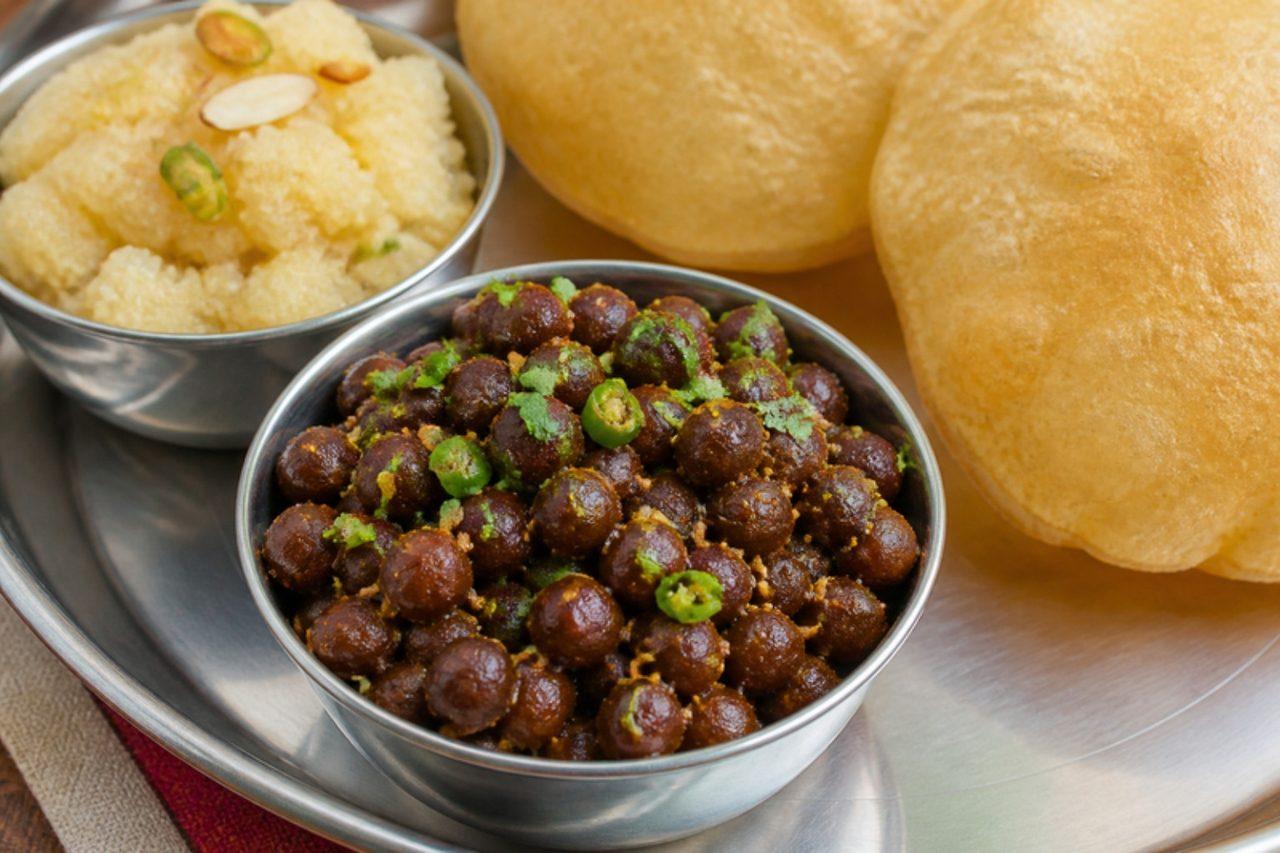
On Ashtami, the eighth day of Navratri, homes in Delhi, Punjab and Uttar Pradesh invite young girls for kanjak puja and feed them puri, sooji halwa and these dry black chickpeas, cooked without onion or garlic. The kala chana are boiled until tender and then tossed in a hot, dry masala of cumin, coriander, amchur and green chilli until every chickpea is coated and the edges catch slightly. Outside festivals they make a protein-rich side or a snack with a squeeze of lemon. A portion is about 240 kcal. Soak the chickpeas overnight first. The common mistake is undercooking them: black chickpeas need longer than white, and should squash easily between two fingers. Chef's tip: keep 3 tablespoons of the cooking water and add it with the spices; it helps the masala cling to each chickpea.

by KrazyBadal 0 views

Showing 48 of 2,758 recipes

Show more recipes

Page 2 of 115