Skip to content
Recipes

All recipes

Vegetarian, or something you can't eat? Set your diet once and we'll hide recipes that don't fit.

RosettbakkelsFried rosette biscuits

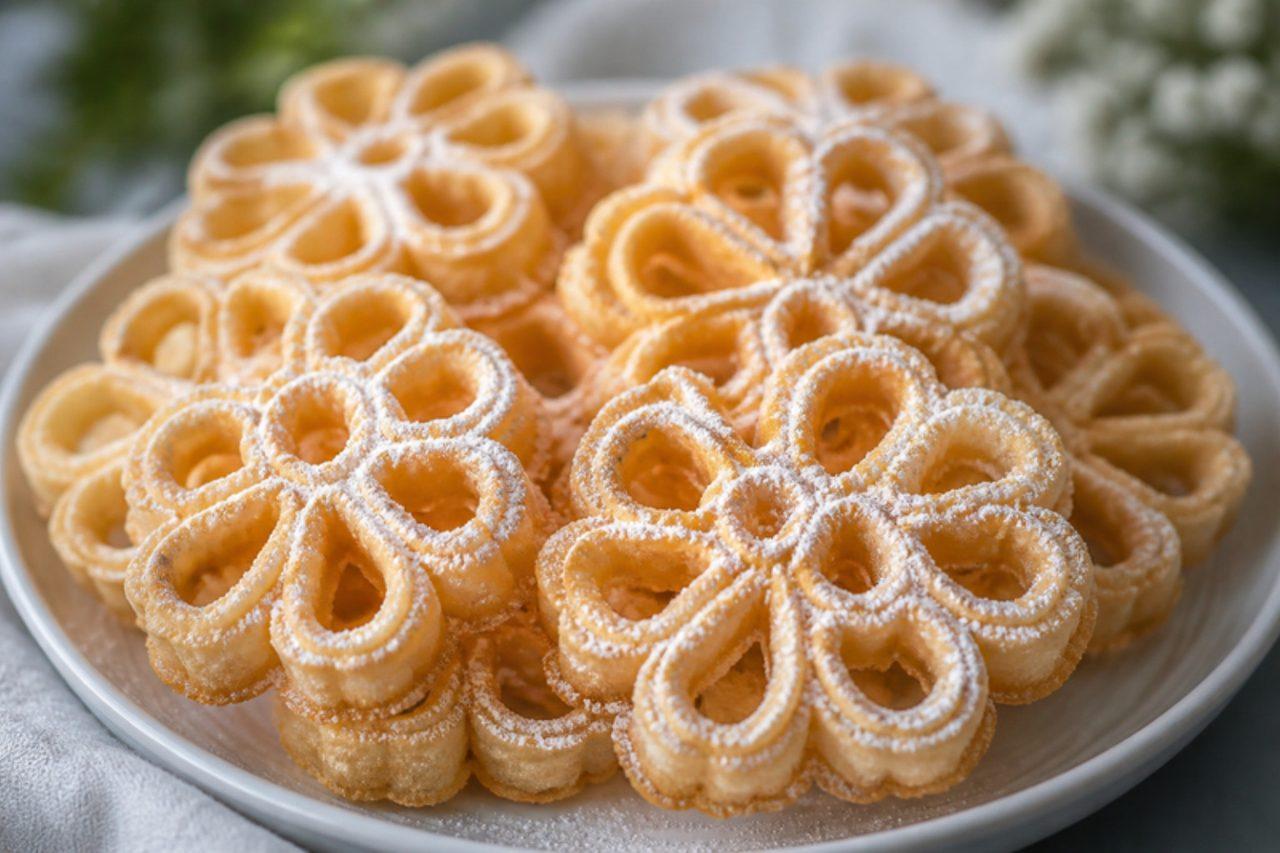
Rosettbakkels are another of Norway's seven traditional Christmas biscuits, delicate fried flowers made by dipping a heated metal rosette iron into thin batter and then into hot oil, where the batter puffs, crisps and drops off as a lacy rosette. They are dusted with icing sugar and kept in tins for the Christmas visitors. You need a rosette iron, sold in kitchen shops at Christmas. Chef's tip: dip the iron into the batter only three-quarters of the way up, as batter over the top locks the rosette onto the iron.

by KrazyBadal 0 views

SandkakerAlmond butter tartlet biscuits

Sandkaker ('sand cakes') are small, crumbly almond and butter biscuits pressed into fluted tins, and they are a fixture among the seven Norwegian Christmas biscuits. The dough is short and rich with ground almonds and a few bitter almonds or almond extract, and the shells are served upside-down as they are, or filled with whipped cream and berries. You need small fluted tartlet tins (sandkake forms). Chef's tip: press the dough as thin as you can against the tin sides, because thick shells stay doughy in the middle and won't release cleanly.

by KrazyBadal 0 views

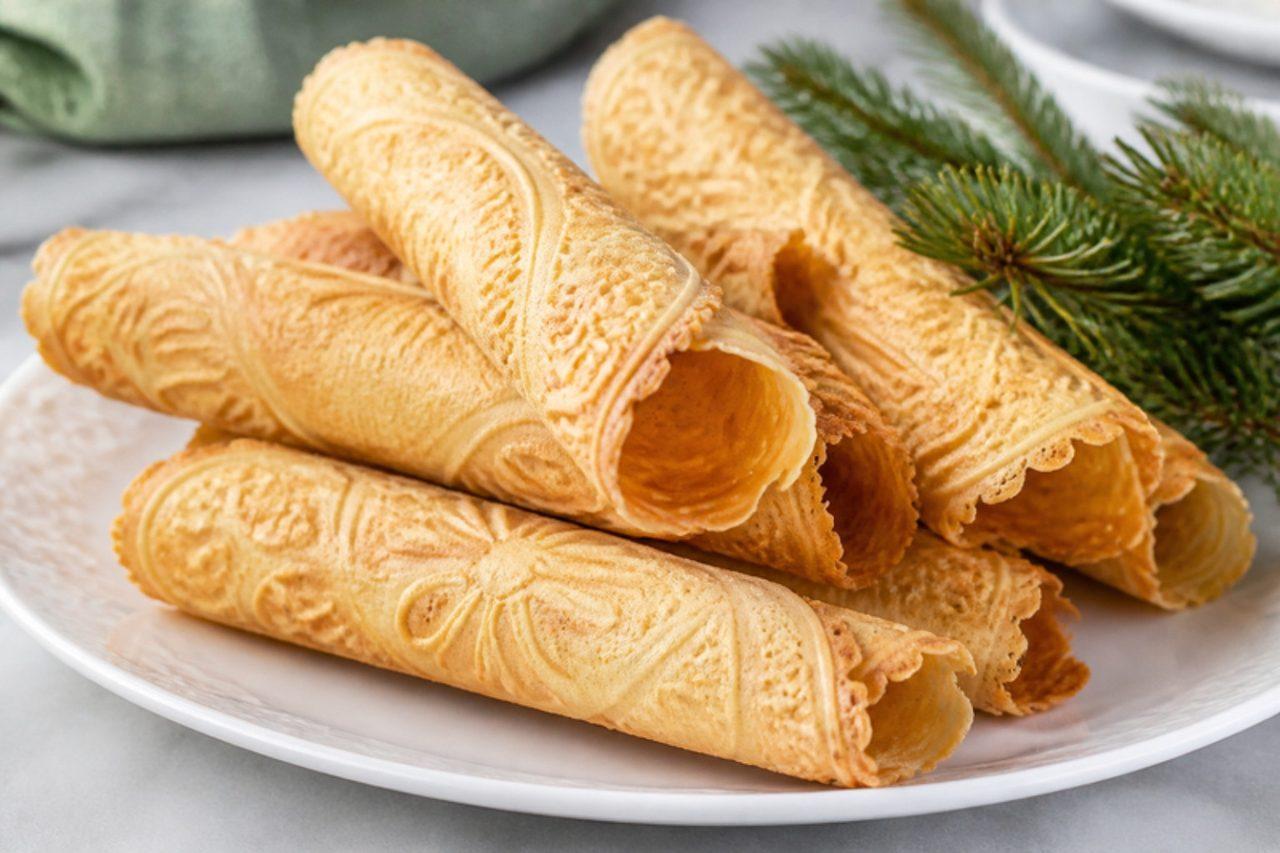
KrumkakeThin wafer cones

Krumkake are one of the 'syv slag', the seven kinds of biscuit a Norwegian household traditionally bakes for Christmas. A thin, buttery batter is pressed between the plates of a patterned krumkake iron, then each lacy wafer is rolled round a wooden cone while still hot and pliable. They are served plain, or filled at the table with whipped cream and cloudberries or other berries. You do need the electric or stovetop krumkake iron. Chef's tip: roll each wafer within seconds of lifting it off the iron, as it sets crisp almost at once.

by KrazyBadal 0 views

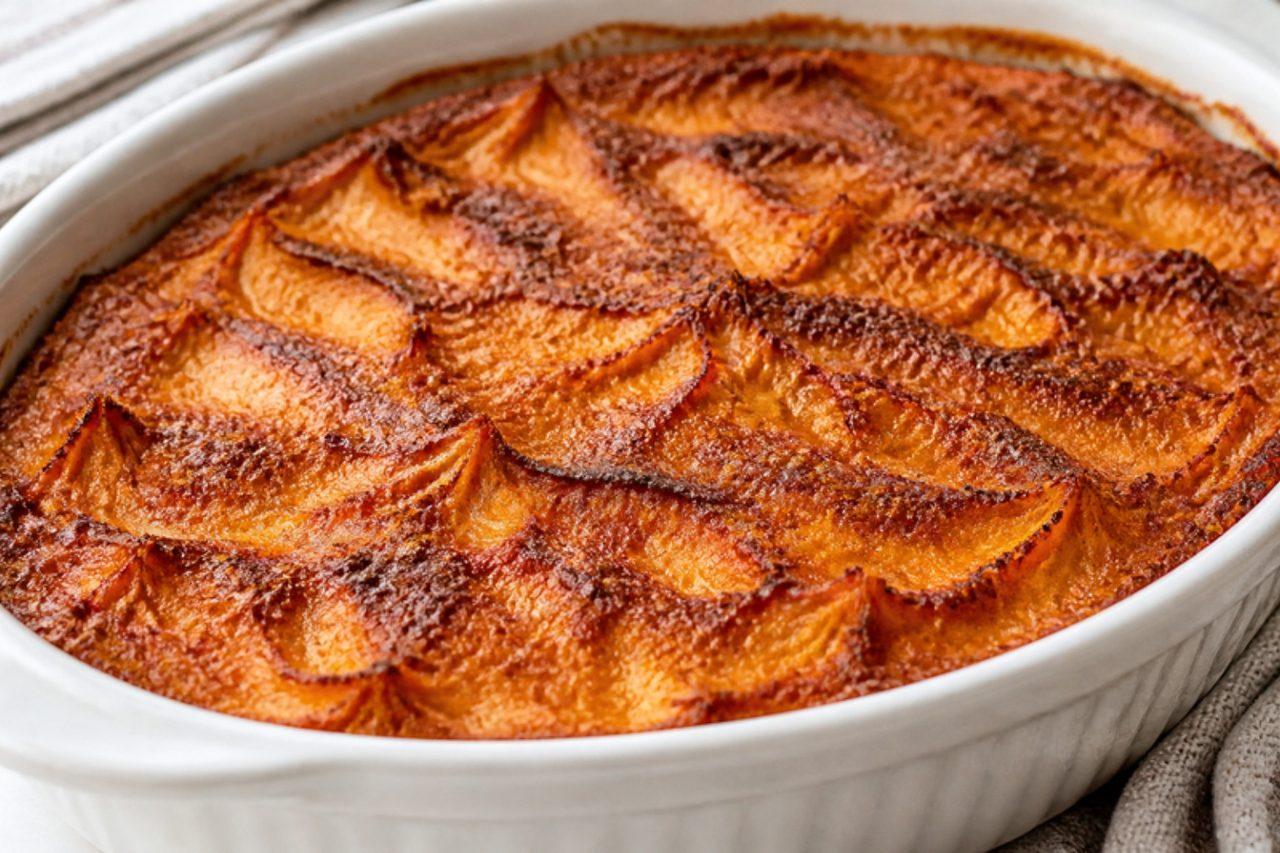
Imelletty perunalaatikkoSweet baked potato casserole

Imelletty perunalaatikko is the most traditional of the Finnish Christmas casseroles, made in the days before Christmas Eve. Mashed potato is mixed with a little flour and left warm for hours, so the potatoes' own enzymes turn starch into sugar ('imelletty' means sweetened), and then it is baked slowly until the top is a deep caramel brown. The result tastes gently sweet with no added sugar and is eaten with ham, herring or, on a vegetarian table, with mushroom salad and beetroot. Chef's tip: keep the mash at hand-warm (about 55 °C) while it sweetens; too hot and the enzymes die, too cool and nothing happens.

by KrazyBadal 0 views

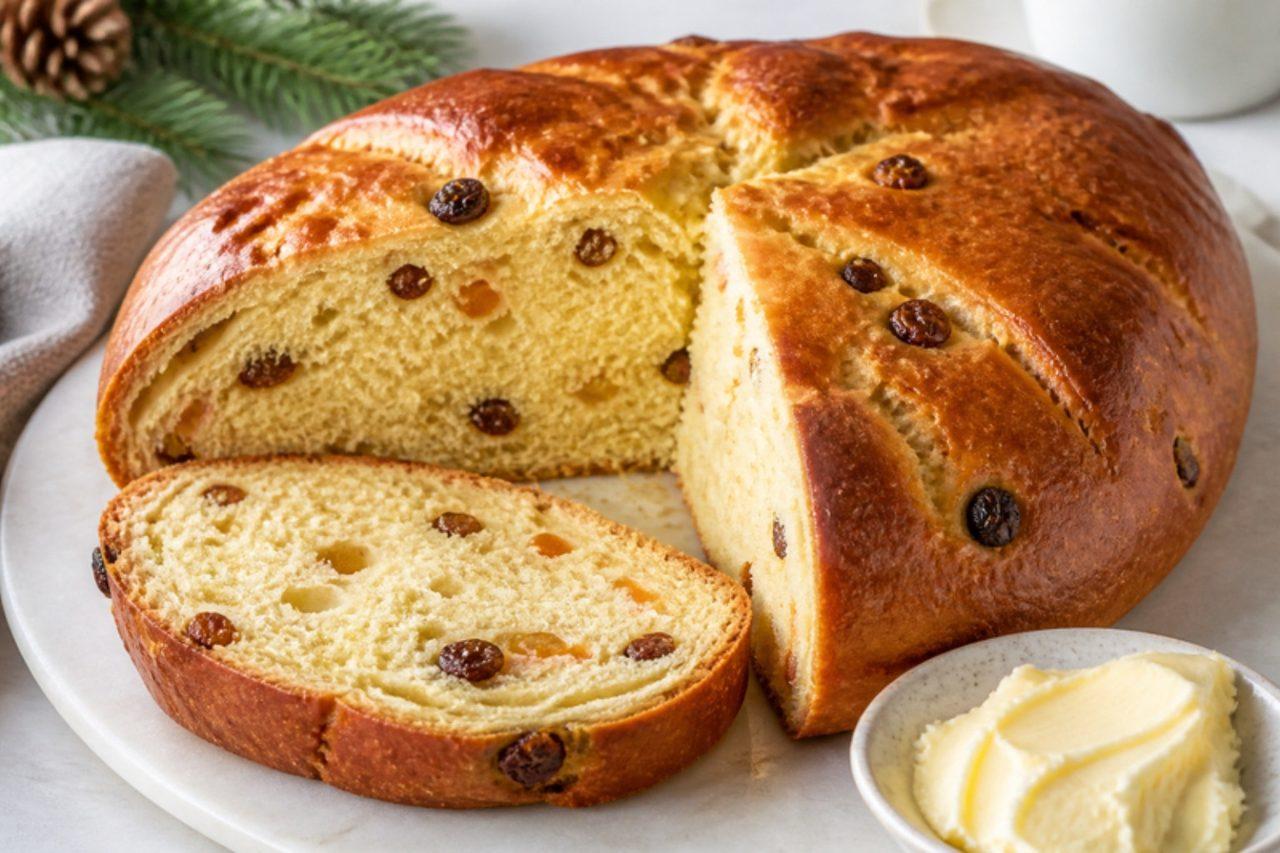
JulekakeCardamom raisin Christmas bread

Julekake is the Christmas bread of Norway, baked in the days before Christmas Eve and eaten for breakfast on Christmas morning, sliced and spread with butter and brown goat's cheese (brunost). It is a soft, round, golden loaf enriched with milk and butter, perfumed with freshly ground cardamom and dotted with raisins and candied citrus peel. It is plain enough to enjoy every day of the holidays, and leftovers make wonderful toast. Chef's tip: crush whole cardamom seeds yourself just before baking; ready-ground cardamom loses its scent within weeks.

by KrazyBadal 0 views

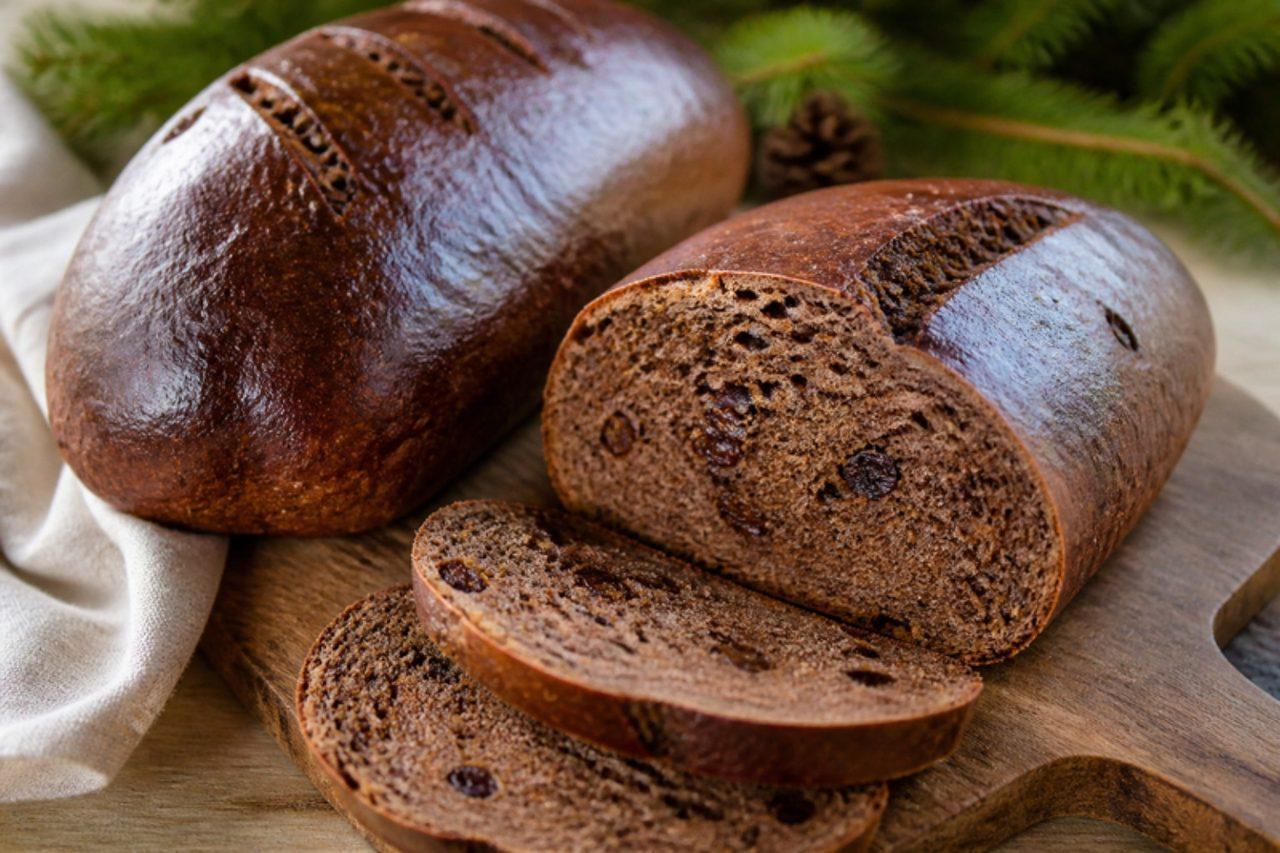
VörtbrödDark Christmas rye bread

In Sweden the Christmas smörgåsbord (julbord) is never without vörtbröd, a dark, soft, slightly sticky rye loaf flavoured with wort, the sweet malty liquid brewers start beer from, plus dark syrup, orange peel, clove and ginger. It is sliced, buttered and eaten with the Christmas ham or with cheese. Many home bakers use dark beer, which contains alcohol; this recipe uses a non-alcoholic dark malt drink, which gives the same malty depth. It keeps for 4 days, and freezes well. Chef's tip: rye dough is sticky and never feels smooth like wheat; resist adding lots of extra flour or the loaf will be dry.

by KrazyBadal 0 views

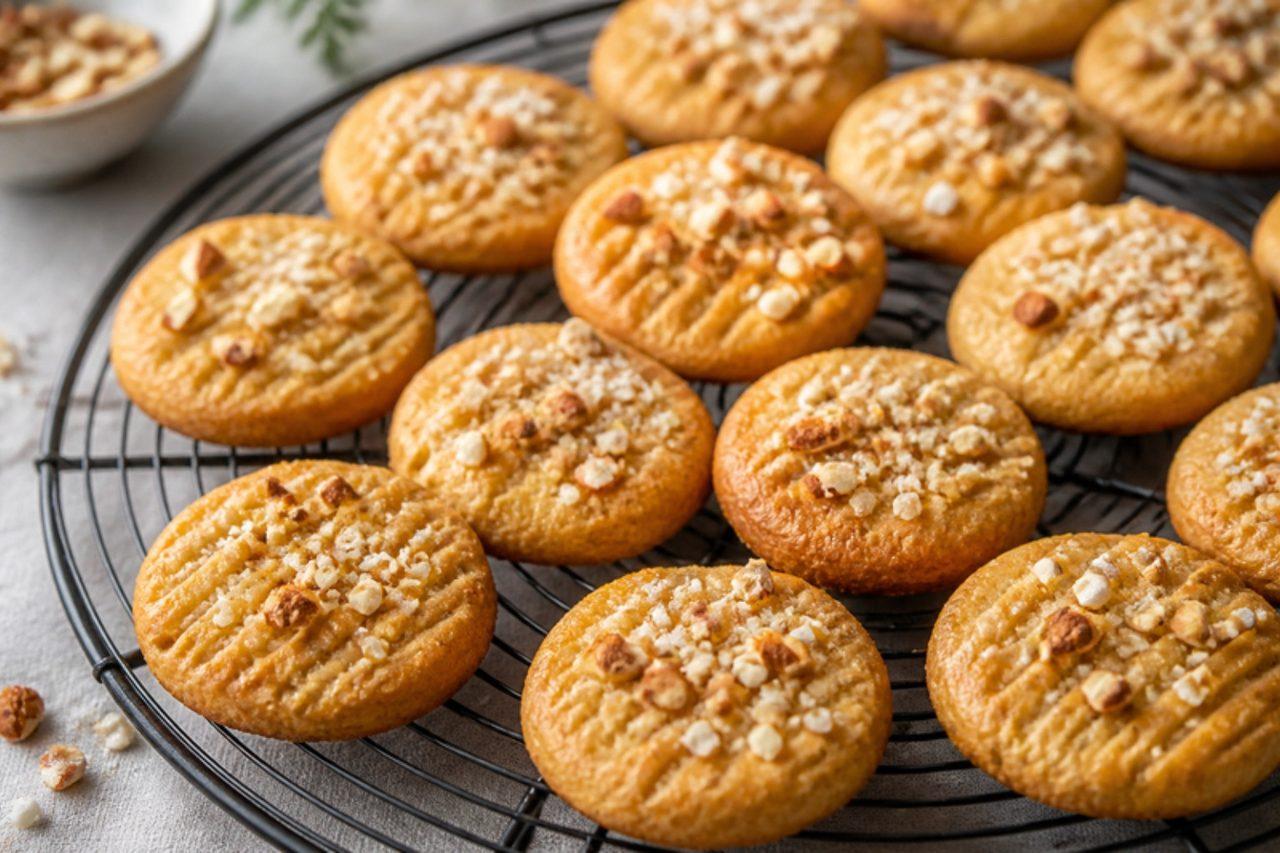
SerinakakerAlmond and pearl sugar butter biscuits

Serinakaker are the easiest of the Norwegian seven Christmas biscuits, so they are often the first one children help to bake in Advent. Small balls of rich butter dough are flattened with a fork, brushed with egg and topped with chopped almonds and pearl sugar, then baked until the edges just colour. They taste of butter and vanilla, with a crunch on top. Chef's tip: use baker's ammonia (hjortetakksalt) if you can find it for the traditional crisp-light snap; baking powder works too but gives a softer biscuit.

by KrazyBadal 0 views

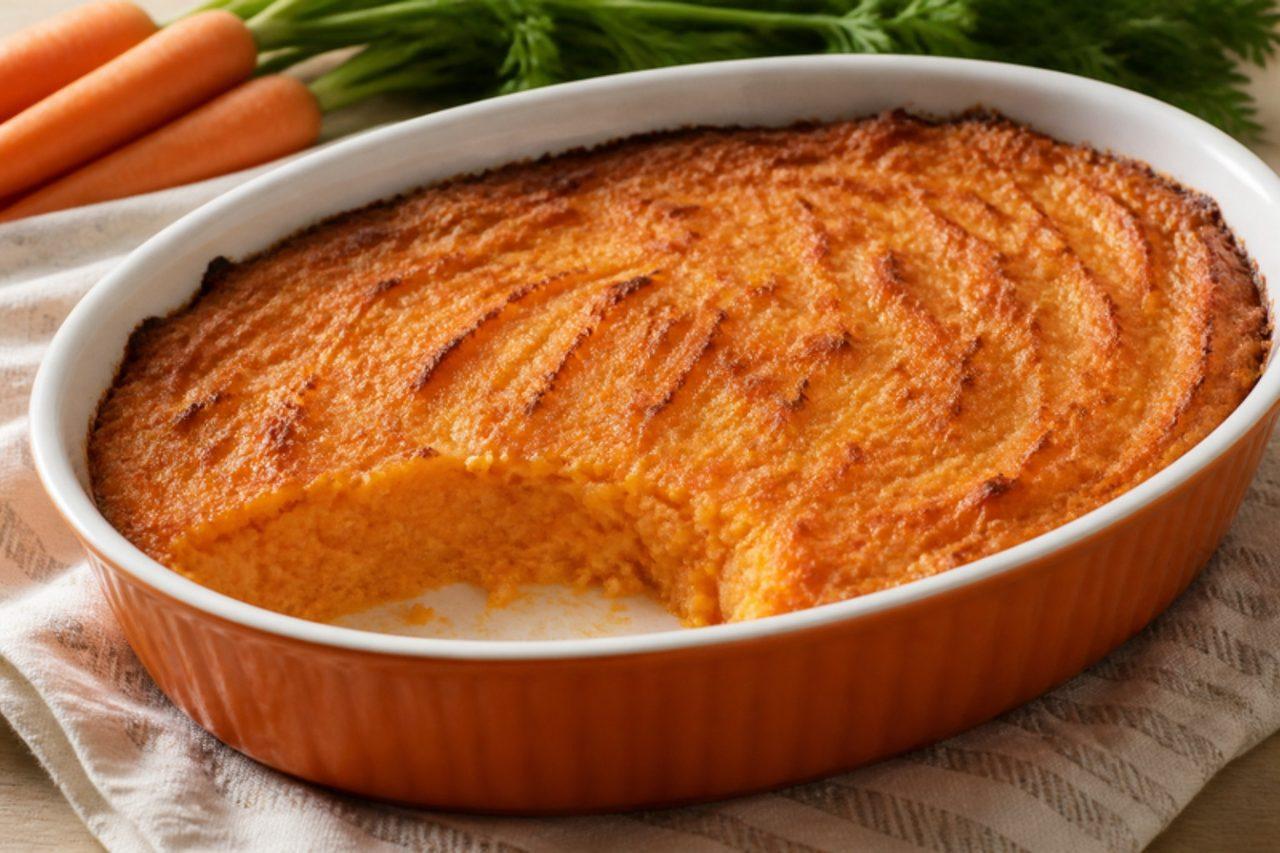
PorkkanalaatikkoCarrot and rice casserole

A Finnish Christmas Eve table is set with a row of oven-baked casseroles called laatikot, and porkkanalaatikko, the carrot one, is the children's favourite. Grated carrots are folded into soft rice porridge with milk, egg and a spoon of golden syrup, then baked until the top is caramel-brown with a ring of crisp edge. It is served hot beside the ham or, in vegetarian homes, with beetroot salad and potatoes. It can be made a day ahead and reheated. Chef's tip: use the rice porridge cold, so it holds the egg mixture and the casserole sets into soft, sliceable layers instead of a runny mash.

by KrazyBadal 0 views

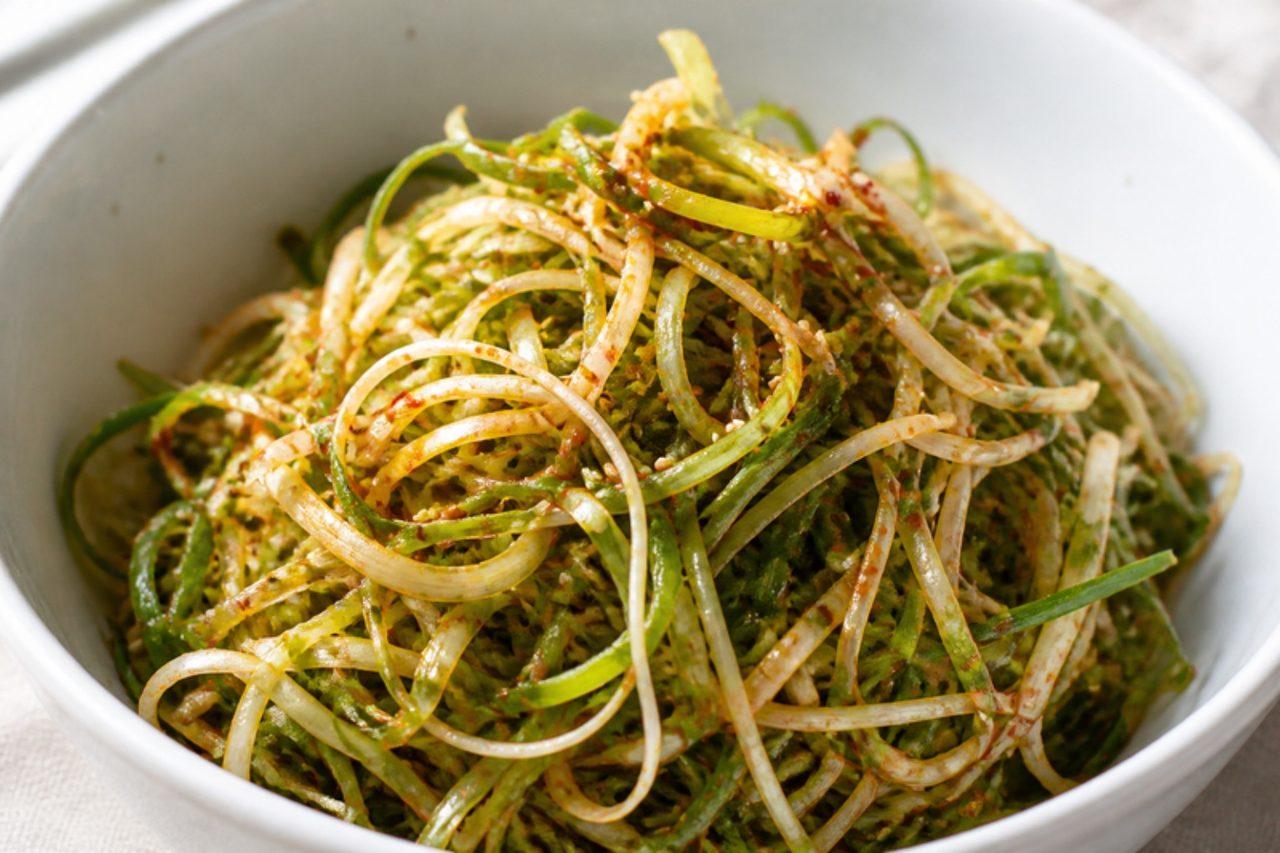
Pa muchimSpring onion salad

Pa muchim is the tangle of sharp, spicy spring onion that arrives with barbecue in restaurants all over Korea, from Seoul to Busan, and it is just as good at home beside grilled tofu, mushrooms or a rice bowl. Spring onion is shredded into long, thin threads, rinsed in cold water to tame its bite, then dressed at the last moment with chilli flakes, vinegar, soy, sugar and sesame. It is a light, vegan side with about 2 g of protein per portion. The common mistake is dressing it too early: after 10 minutes the onion wilts and weeps. Chef's tip: soak the shredded onion in iced water for 10 minutes before dressing; it curls, crisps and loses its harsh raw heat.

by KrazyBadal 0 views

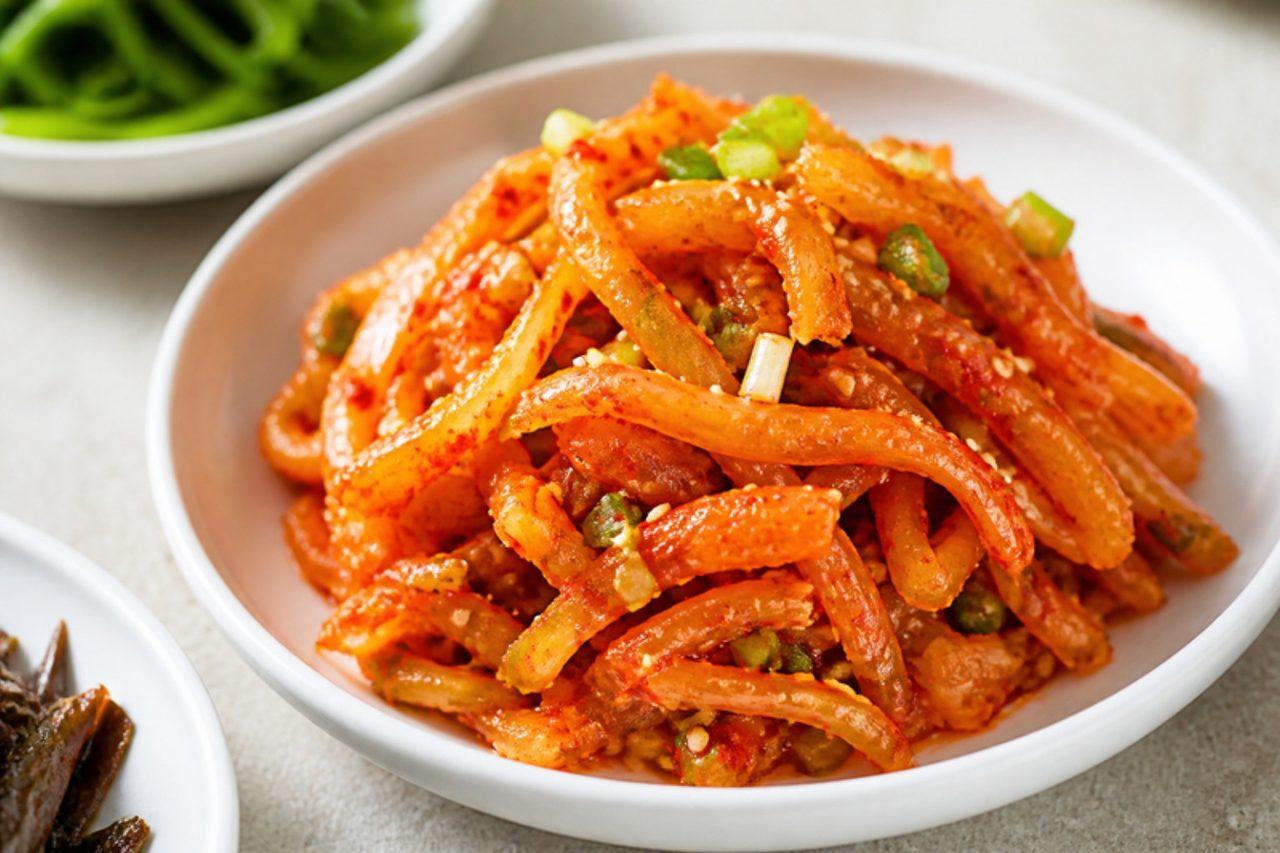
Mumallaengi muchimDried radish strip salad

Mumallaengi are strips of Korean radish dried in the autumn sun, and dressed this way they become a chewy, sweet-spicy banchan that families across Korea keep in the fridge all winter for lunchboxes and weeknight rice. The strips are soaked briefly, squeezed and massaged with chilli flakes, garlic, soy and syrup, often with dried chilli leaves. Many cooks add fish sauce; this version uses soy alone, so it is vegan. It is a side with about 2 g of protein per portion. The common mistake is soaking the radish too long: it loses its crunch and sweetness and turns watery. Chef's tip: make it a day ahead; after a night in the fridge the strips soak up the dressing and turn glossy red.

by KrazyBadal 0 views

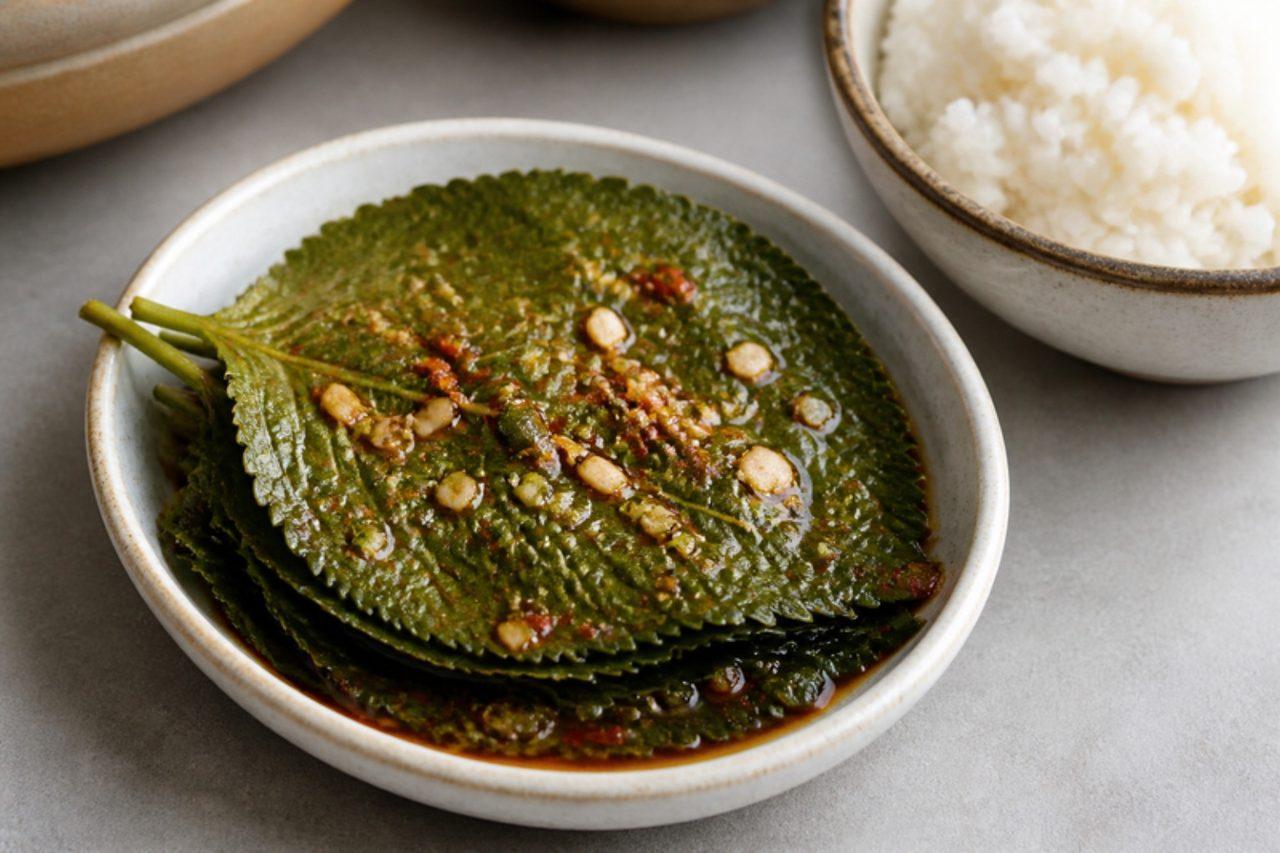
Kkaennip jjimSteamed seasoned perilla leaves

Kkaennip jjim is a homely banchan made in Korean kitchens through the summer, when perilla grows like a weed in back gardens, and it is eaten by wrapping a single soft leaf around a mouthful of rice. The leaves are stacked in pairs with a spoon of soy, garlic and chilli seasoning between each layer, then steamed until they soften and drink up the sauce. Many versions add anchovy stock; this one uses water, so it is vegan. Each portion has about 2 g of protein. The common mistake is steaming too long: the leaves should be tender but still green, about 5 minutes. Chef's tip: seasoning every second leaf rather than every one keeps the stack from getting soggy and salty.

by KrazyBadal 0 views

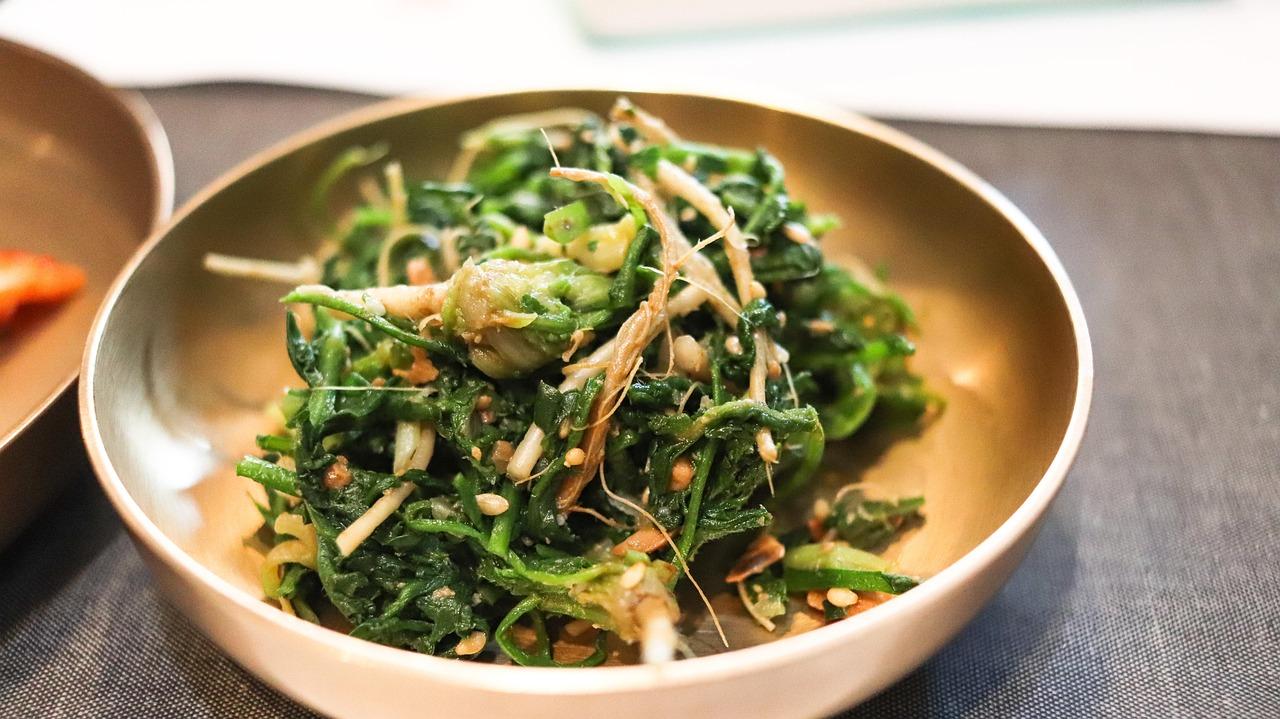
Chamnamul muchimDressed wild parsley

Chamnamul, a mild, celery-scented wild parsley, fills Korean markets in spring, and this simple namul is one of the banchan that turns up on home tables and in bibimbap bowls from March to May. The stems are blanched for seconds, then dressed by hand with garlic, sesame oil and toasted sesame so the herb stays bright and crunchy. It is a light side with about 3 g of protein per portion; pair it with tofu, eggs or a bean stew for a full meal. The common mistake is over-blanching: chamnamul goes limp and grey in under a minute. If you can't find it, use the tender tops of flat-leaf parsley mixed with pea shoots. Chef's tip: season with salt first and the sesame oil last, so the salt reaches the leaves instead of sliding off the oil.

by KrazyBadal 0 views

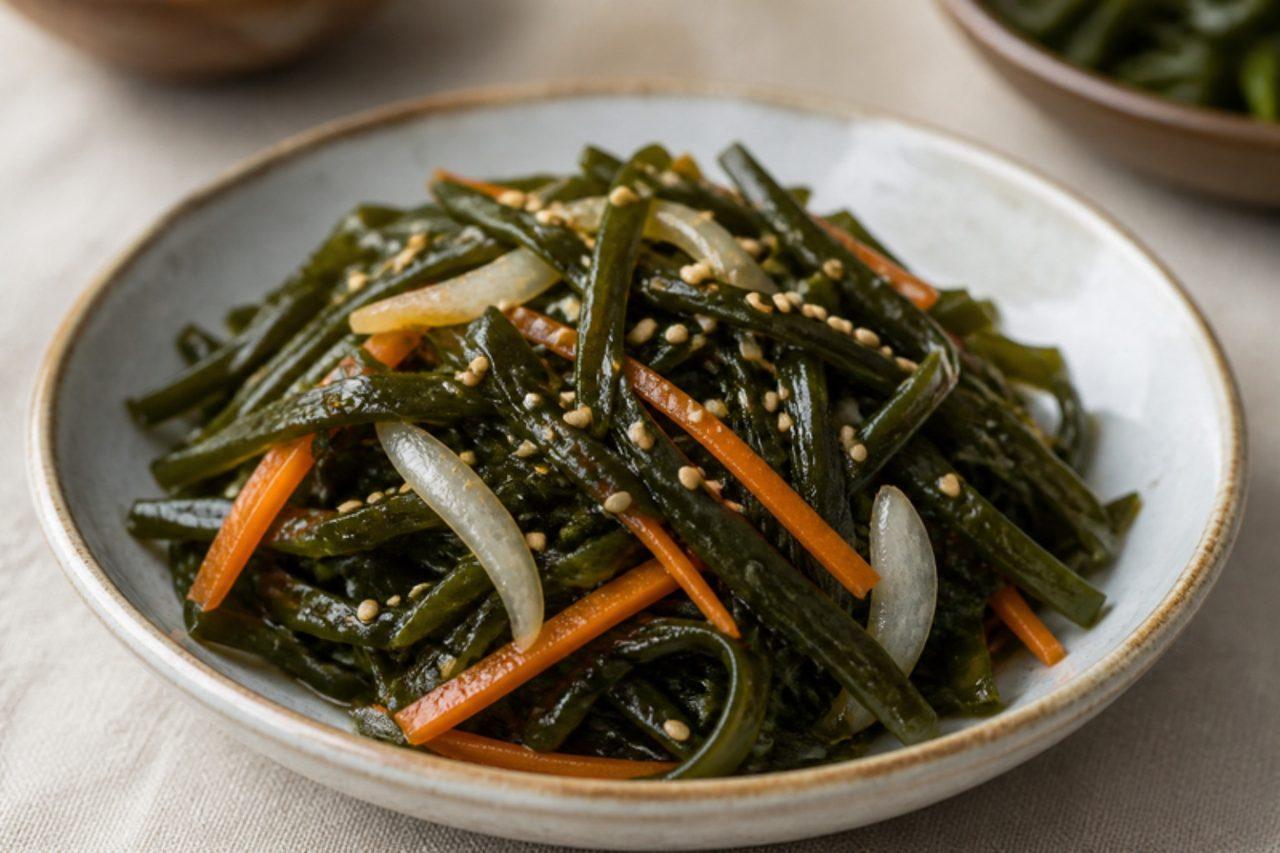
Miyeok julgi bokkeumStir-fried seaweed stems

Seaweed stems, sold salted in Korean grocers, are the crunchy, green-black banchan you find in school canteens and lunchboxes everywhere in Korea, eaten cold with rice. The stems are soaked to draw out the salt, then stir-fried quickly with garlic, onion and a few drops of soy, and finished with sesame. It is vegan and light, with about 2 g of protein per portion. The common mistake is under-soaking: too little and the dish is painfully salty, so taste a piece before you cook. Chef's tip: blanch the stems for 10 seconds after soaking; it sets their bright green colour and removes any fishy-sea smell.

by KrazyBadal 0 views

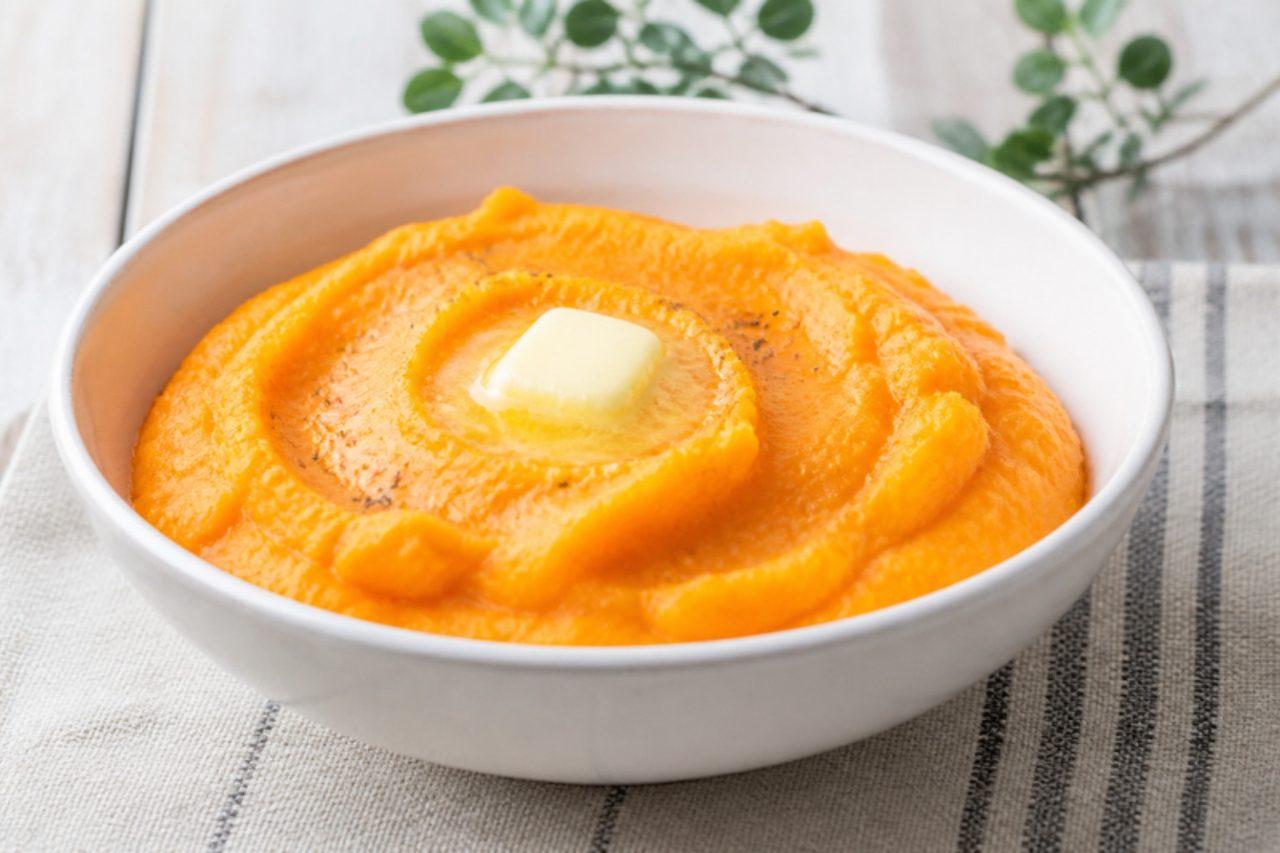
RotmosMashed swede and carrot

Rotmos, literally 'root mash', is a Swedish winter staple, cooked from Skåne to Norrland when the cellars are full of swede, and served beside sausages or boiled pork at home dinners, and on Thursdays with pea soup. Swede gives the mash its golden colour and gently peppery sweetness, potato makes it smooth, and a little butter and allspice round it out. It is a vegetarian side with about 3 g of protein per portion; try it with fried halloumi or a bean stew. The common mistake is mashing it straight from the pan: watery roots give a sloppy mash, so steam-dry them first. Chef's tip: leave the mash a little coarse; Swedes like to see flecks of swede and carrot rather than a smooth purée.

by KrazyBadal 0 views

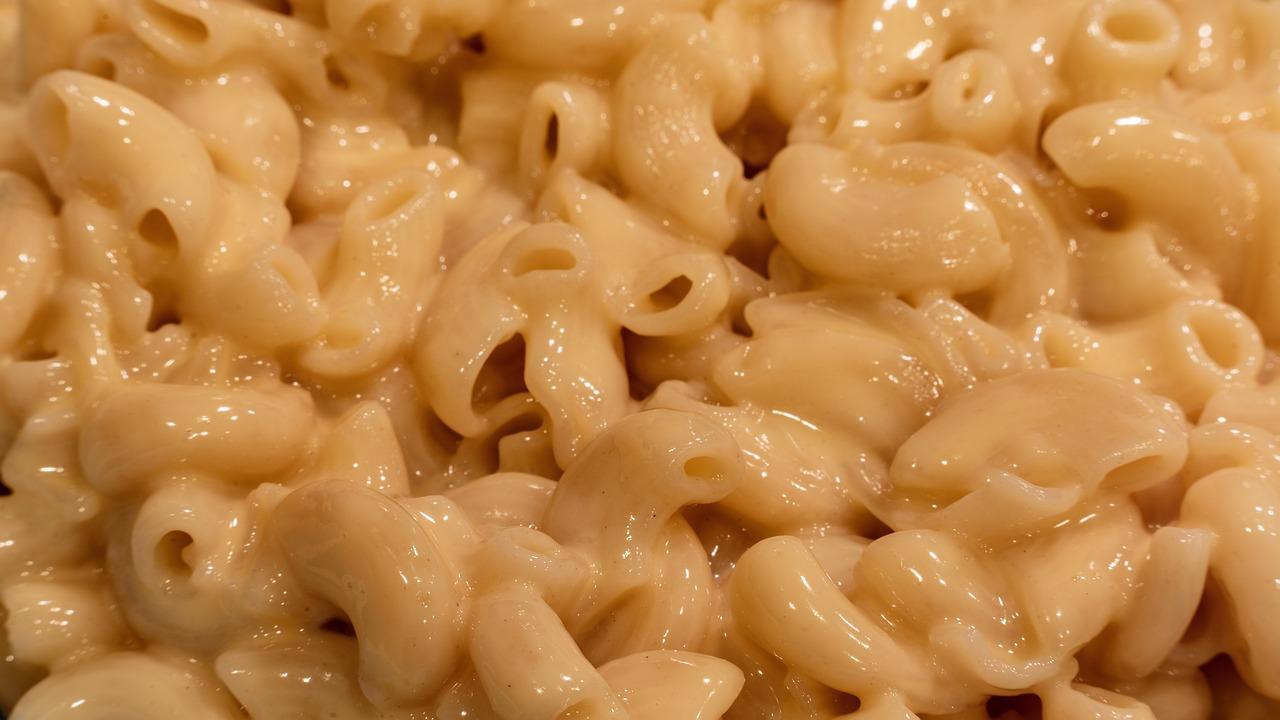
Stuvade makaronerCreamy macaroni

Stuvade makaroner is a Swedish childhood classic, cooked on weekday evenings all over the country: small macaroni simmered in milk with butter and a grating of nutmeg until thick and creamy, served beside meatballs, sausages or, for a vegetarian plate, fried halloumi or eggs and a spoonful of lingonberries. It is mild, comforting and made in one pan. The most common mistake is cooking on too high a heat, so the milk catches and burns on the bottom; keep it at a gentle simmer and stir often. Chef's tip: boil the macaroni in water for 3 minutes first, then finish in the milk, so it cooks evenly without the sauce turning gluey.

by KrazyBadal 0 views

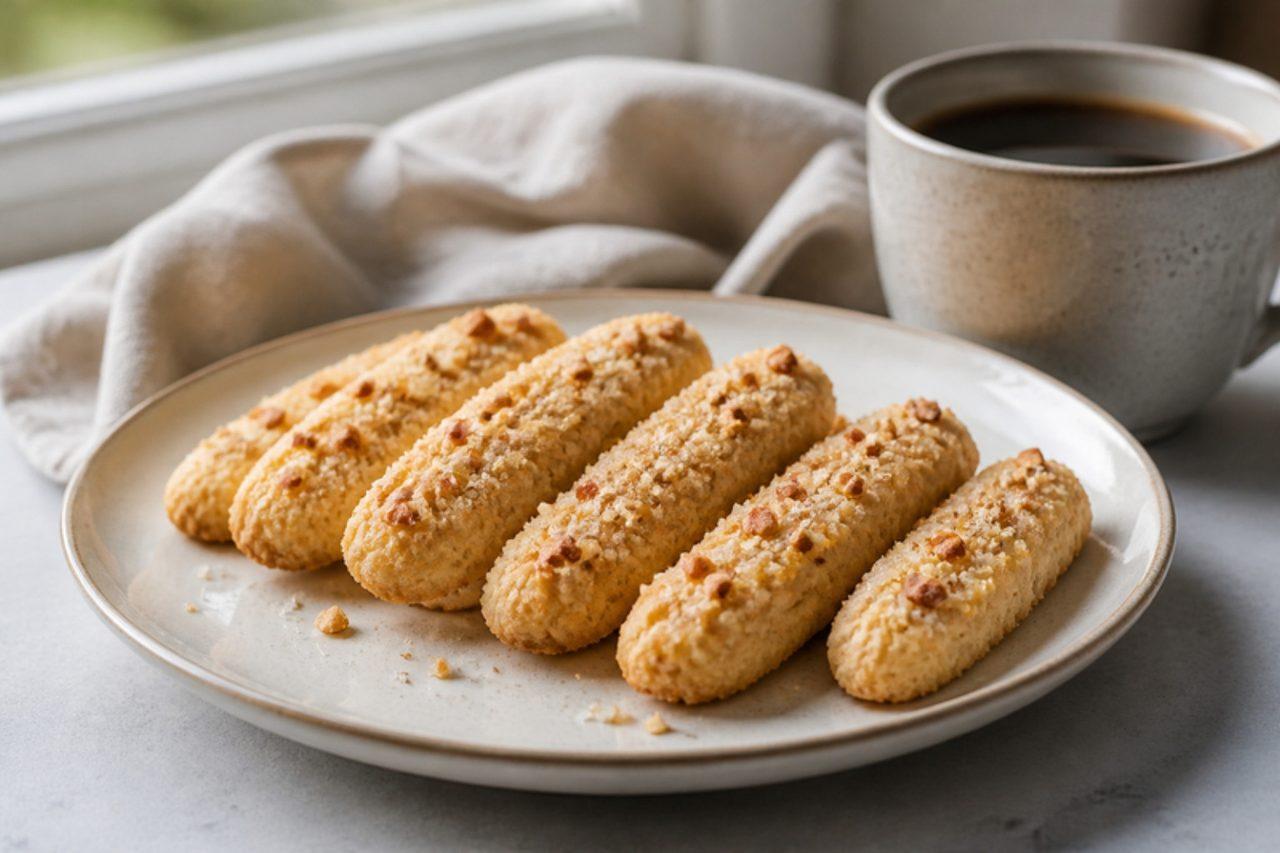
Finska pinnarAlmond butter fingers

Despite the name, 'Finnish sticks' are a Swedish fika favourite, one of the classic 'seven kinds of cookies' that a proper Swedish host once laid out for coffee guests. The dough is rich and short, flavoured with ground almonds; it is rolled into ropes, brushed with beaten egg and coated in crunchy pearl sugar and chopped almonds, then cut into fingers. They are quick, need no cutters, and look neat on a plate with cinnamon buns and a pot of coffee. The egg is only the glue for the topping; brushing with milk works too if you want them egg-free. Chef's tip: cut the ropes into fingers before baking, with one decisive press of a sharp knife; sawing tears the soft dough and knocks off the sugar.

by KrazyBadal 0 views

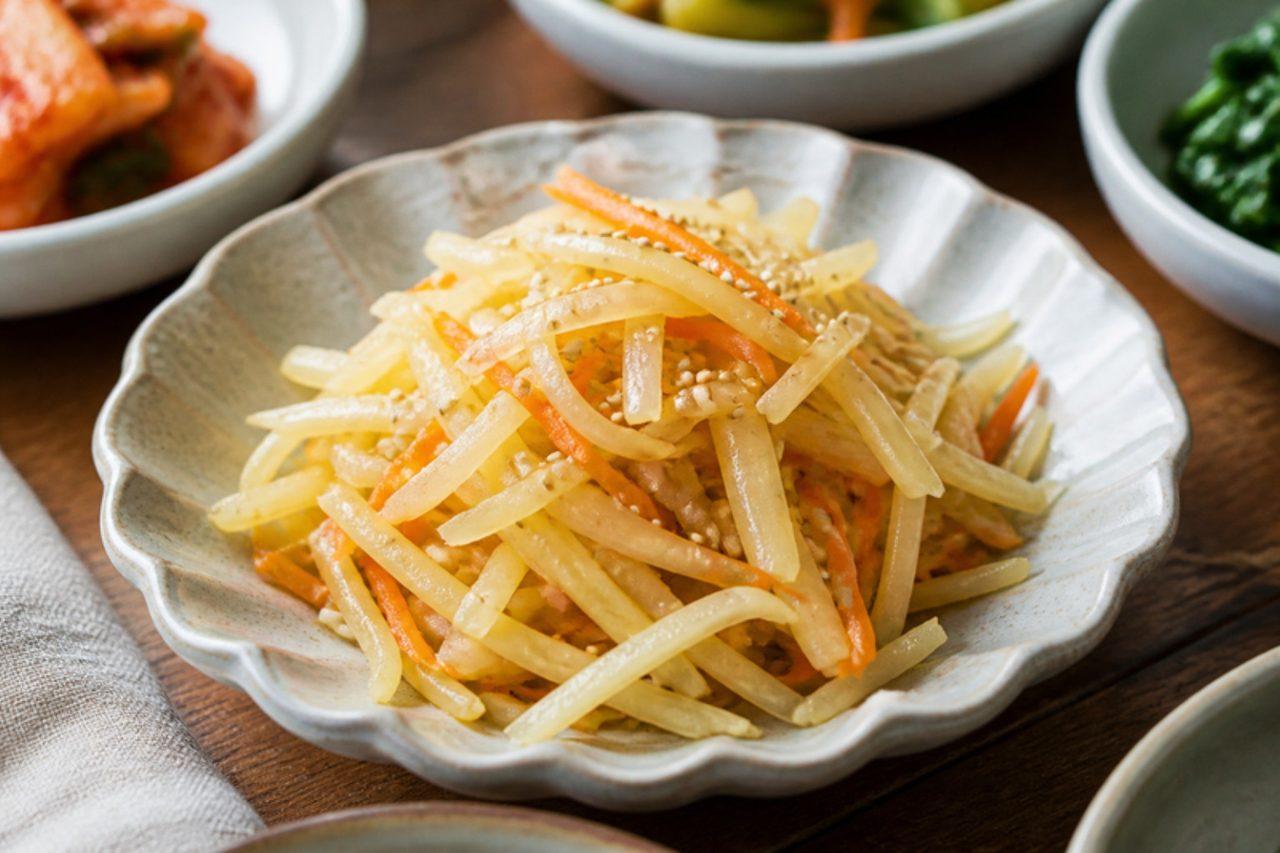
Gamja bokkeumStir-fried potato strips

Gamja bokkeum is one of the banchan Korean mothers pack into lunchboxes and set out at dinner in Seoul and Busan: thin potato strips stir-fried with onion and carrot, seasoned only with salt, a little sesame oil and toasted sesame seeds. The strips should be tender and separate, with a slight bite, not crisp like chips and not mushy. The mistake is skipping the soak, so the surface starch makes the strips stick to each other and the pan and break up. Chef's tip: a quick soak in salted water also seasons the potato through.

by KrazyBadal 0 views

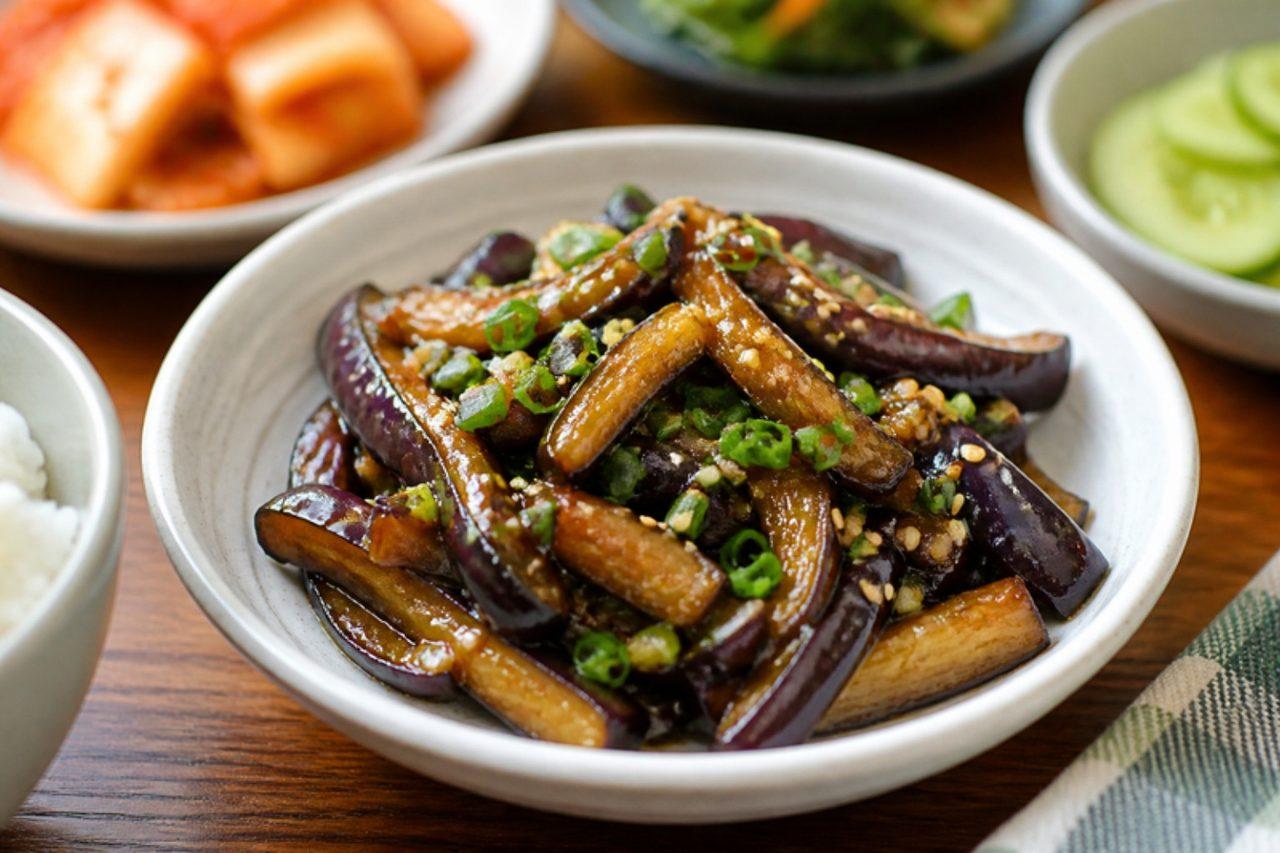
Gaji bokkeumStir-fried aubergine

Gaji bokkeum is a summer banchan in Korean homes, cooked in the weeks when long, thin Korean aubergines fill the markets. Strips of aubergine are seared until soft and caramelised, then tossed in garlic, spring onion, soy sauce and sesame so they turn glossy and savoury-sweet. It sits beside rice and soup at dinner and keeps well in the lunchbox. The mistake is pouring in lots of oil at the start: aubergine soaks it all up and turns greasy. Chef's tip: sear the strips in a moderate amount of oil and add a splash of water if the pan dries; the steam softens them without more oil.

by KrazyBadal 0 views

VaniljekranseVanilla almond butter rings

No Danish Christmas tin is complete without vaniljekranse, the ridged rings of buttery vanilla dough with finely ground almonds that snap and then melt. Many homes in Denmark make dozens in December, traditionally pressing the dough through a mincer fitted with a star plate to make long ribbons, then curling them into wreaths; a piping bag with a large star nozzle does the same job. They are eaten with coffee, gløgg or a glass of cold milk, and are a favourite for children to help shape. Some recipes leave out the egg, and a spoonful of milk works just as well here. Chef's tip: chill the piped rings on the tray for 15 minutes before baking so the ridges stay sharp; dough that is too warm is the trap, because the rings spread and lose their pattern.

by KrazyBadal 0 views

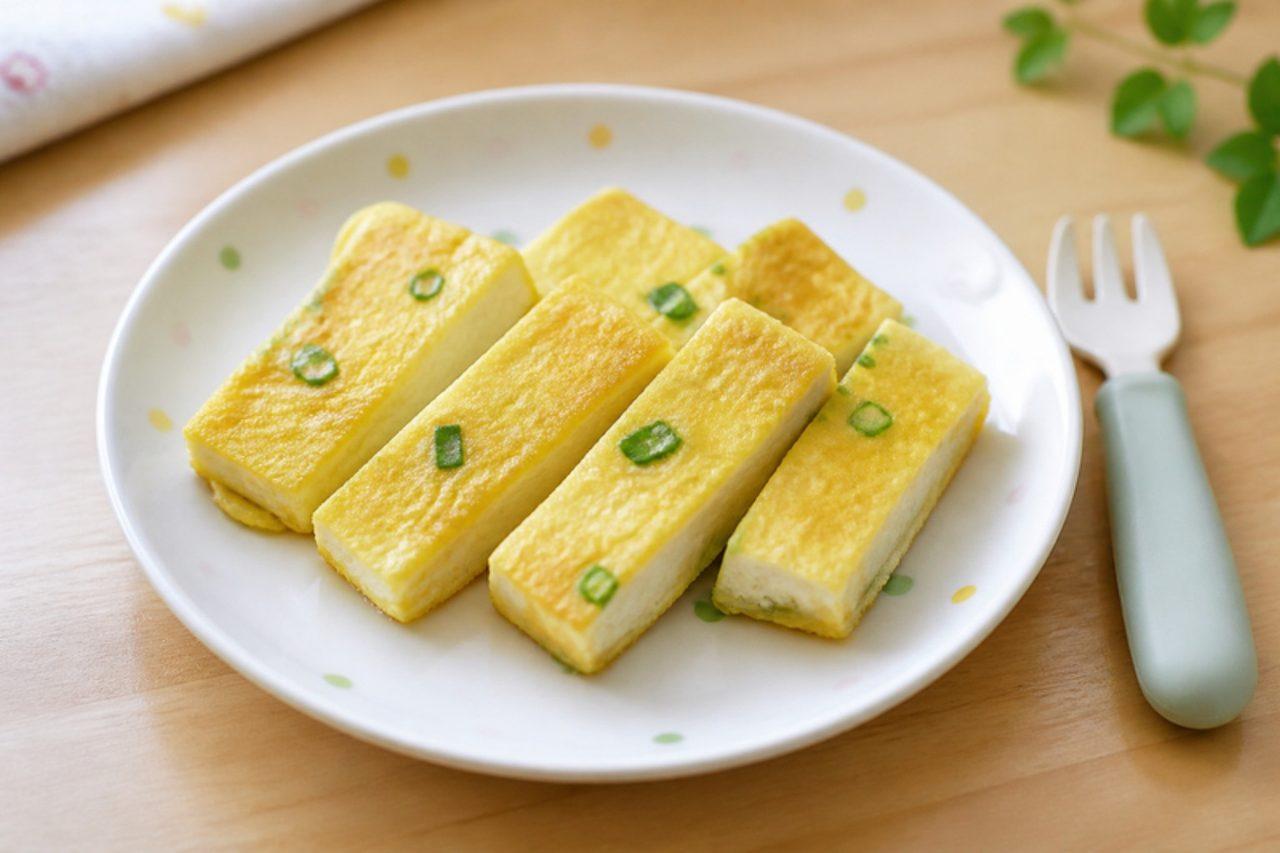
Dubu buchim tofu fingers

Dubu buchim, slices of tofu dipped in beaten egg and fried until golden, is an everyday Korean banchan, and families cut it into fingers for babies from about nine months to hold and gum. The outside is lightly crisp and the inside custard-soft, with a mild, nutty flavour. For babies it is made without salt, soy sauce or the usual sesame-soy dip; older children and adults can add the dip at the table. It contains soya and egg. Chef's tip: press the tofu well first, so it fries rather than steams and the egg coating sticks.

by KrazyBadal 0 views

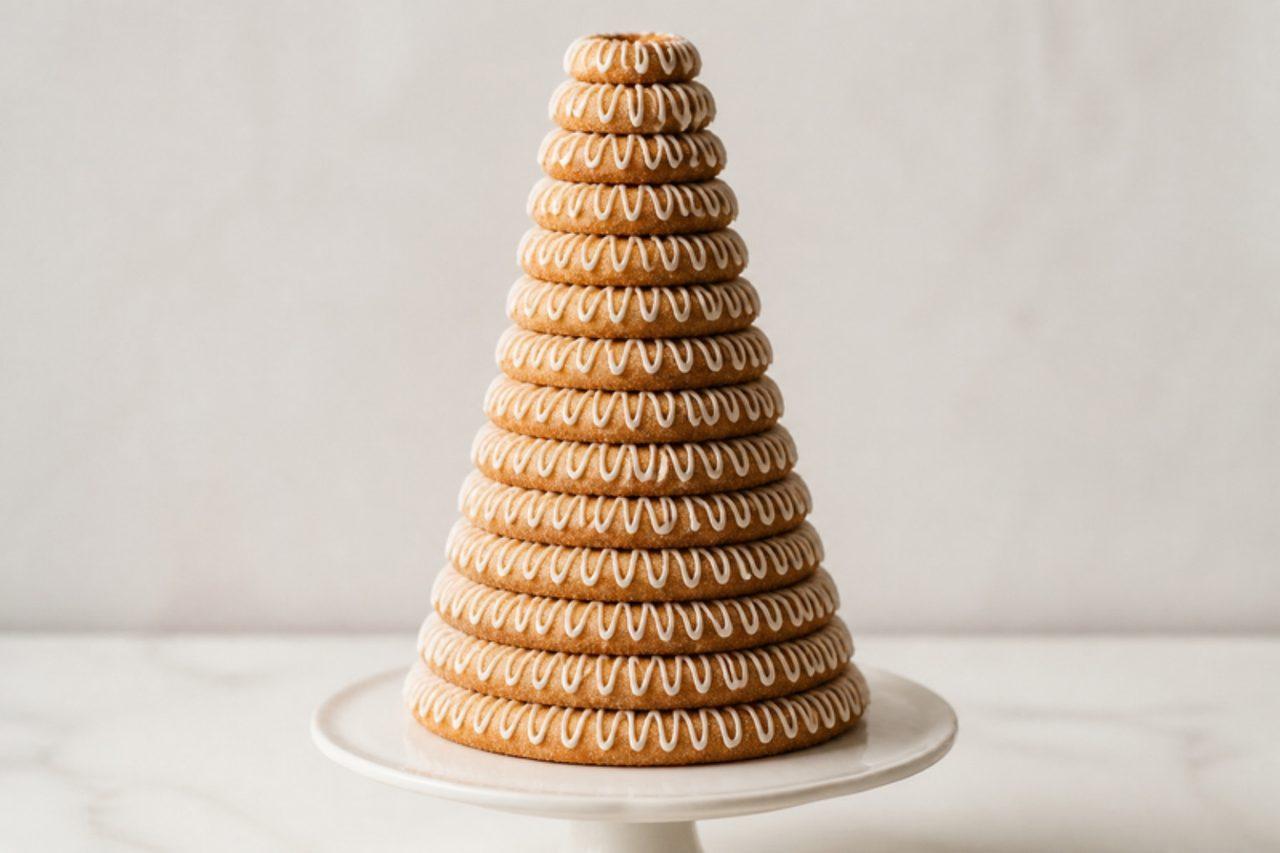
KransekakeAlmond ring tower cake

A kransekake towers over the table at Norwegian and Danish weddings, christenings, Christmas and the 17 May national day in Norway: eighteen rings of chewy almond paste, each a little smaller than the last, stacked and laced with zigzags of white icing, often decorated with little flags. Guests break off rings from the bottom; the outside is crisp and the inside soft and marzipan-like. It is naturally gluten free, made only of almonds, icing sugar and egg whites. Baking the rings until hard is the most common mistake; take them out when they are just pale gold, so they stay chewy. If you have no kransekake tins, shape ropes and join them into rings over circles drawn on baking paper. Chef's tip: grind the almonds with some of the icing sugar and rest the dough overnight in the fridge; it becomes much easier to roll and the rings keep their shape.

by KrazyBadal 0 views

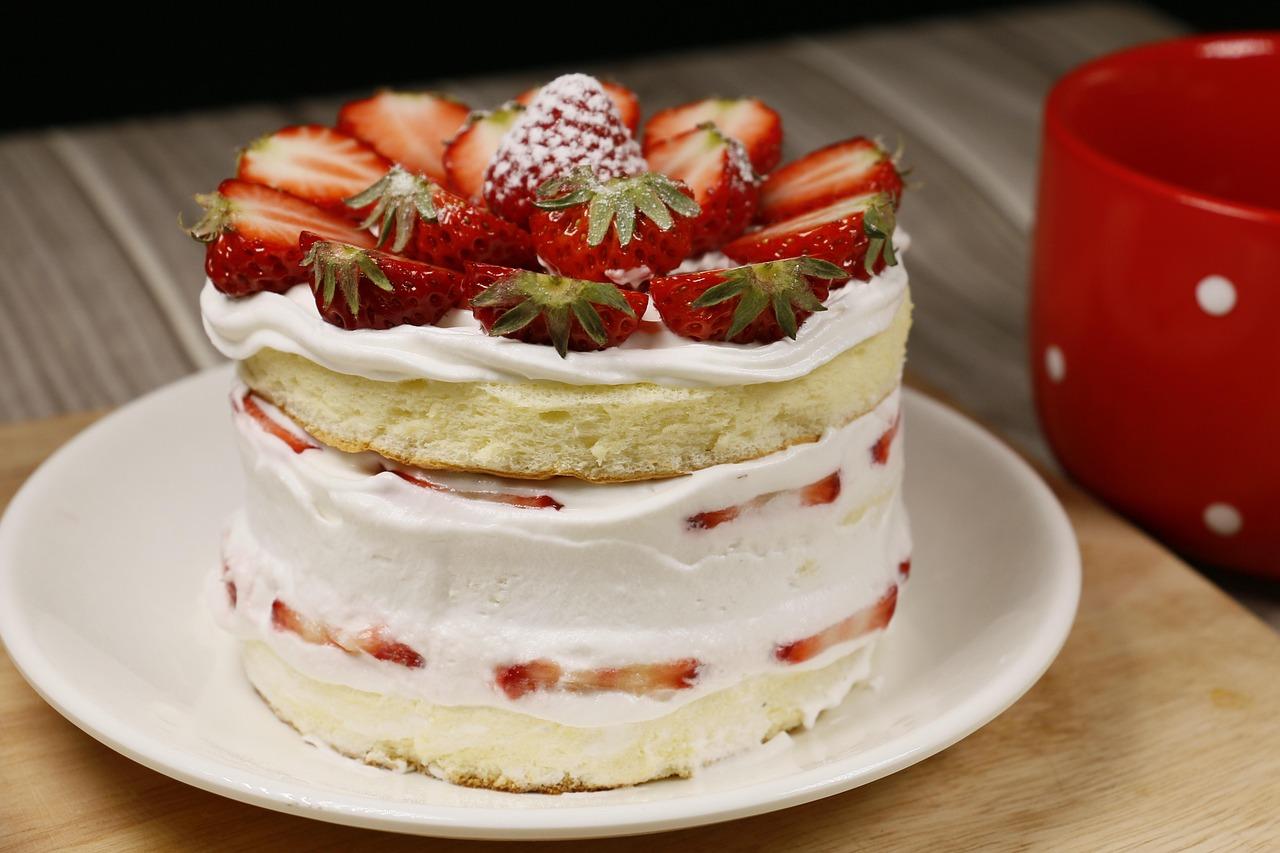
Bløtkake (Norwegian cream cake)

Bløtkake, 'soft cake', is what Norwegian families bake for children's birthdays, confirmations and above all 17 May, Constitution Day, when it is decorated with strawberries and blueberries. A light sponge is split into three, moistened with juice and layered with whipped cream and berries until it is soft enough to cut with a spoon. It contains egg, milk and gluten. For small children, quarter blueberries and halve strawberries. Chef's tip: assemble it at least four hours ahead; the cake needs time to soak and soften.

by KrazyBadal 0 views

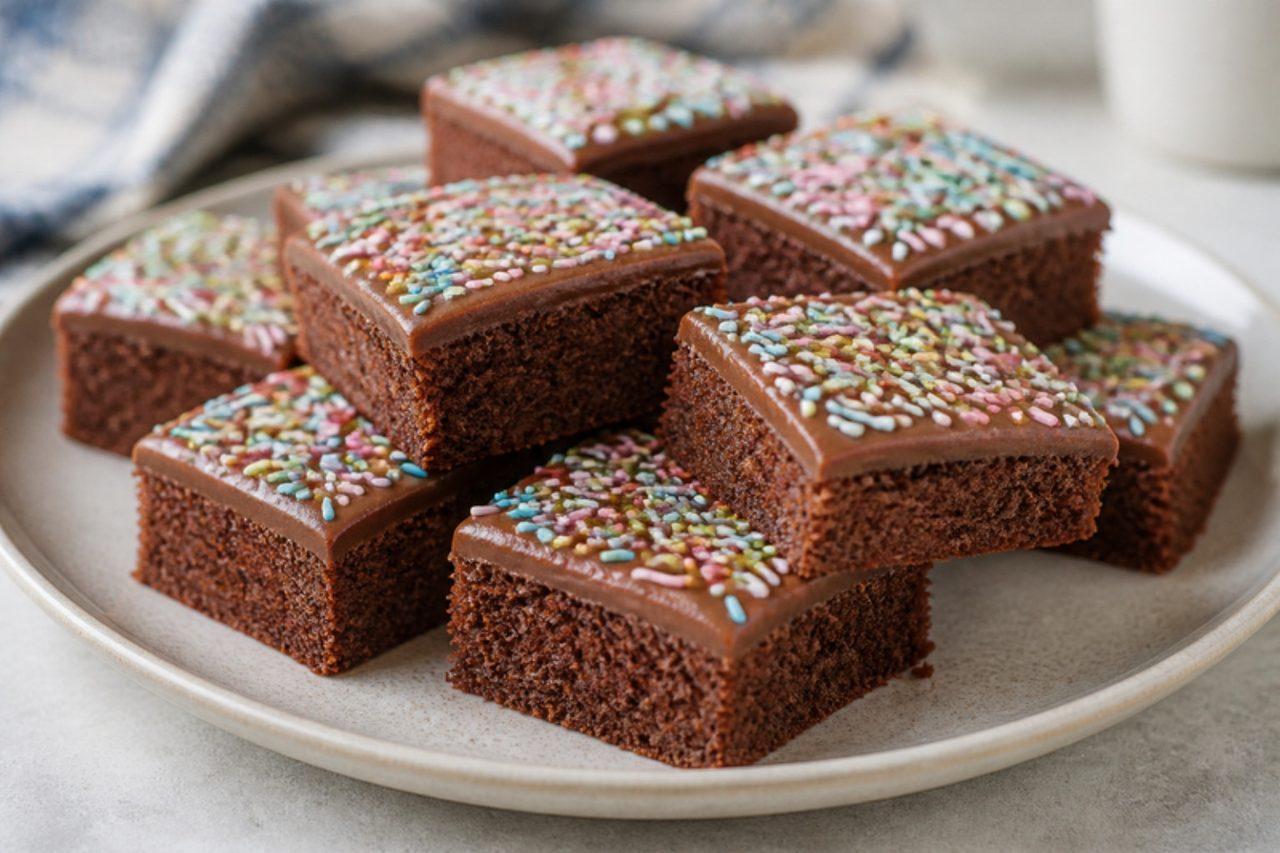
MokkapalatChocolate coffee squares

Mokkapalat ('mocha pieces') are what Finnish parents bake on the big oven tray for a child's birthday, a school bake sale or a summer cottage weekend: soft chocolate sponge squares with a thin, glossy coffee-cocoa icing and a shower of coloured sprinkles. The coffee is gentle and only deepens the chocolate, so children love them, and you can use decaf. They are moist enough to keep three days in a tin and freeze well. Icing the cake while it is hot is the classic mistake; it soaks in and goes dull, so wait until it is just warm. Chef's tip: add the icing liquid a spoonful at a time; it should spread like thick paint and set with a shine.

by KrazyBadal 0 views

Kagemand (Danish birthday cake man)

In Denmark, no child's birthday is complete without a kagemand or kagekone: a big cake shaped like a boy or girl, made from soft, cardamom-scented yeast pastry filled with vanilla custard and remonce, then iced and decorated with sweets and Danish flags. The birthday child traditionally cuts the head off first while everyone shrieks. It contains milk, egg and gluten. Chef's tip: draw the figure on baking paper first and shape the dough on top, so arms and legs stay in proportion.

by KrazyBadal 0 views

Showing 24 of 110 recipes

Show more recipes

Page 1 of 5