Skip to content
Recipes

All recipes

Vegetarian, or something you can't eat? Set your diet once and we'll hide recipes that don't fit.

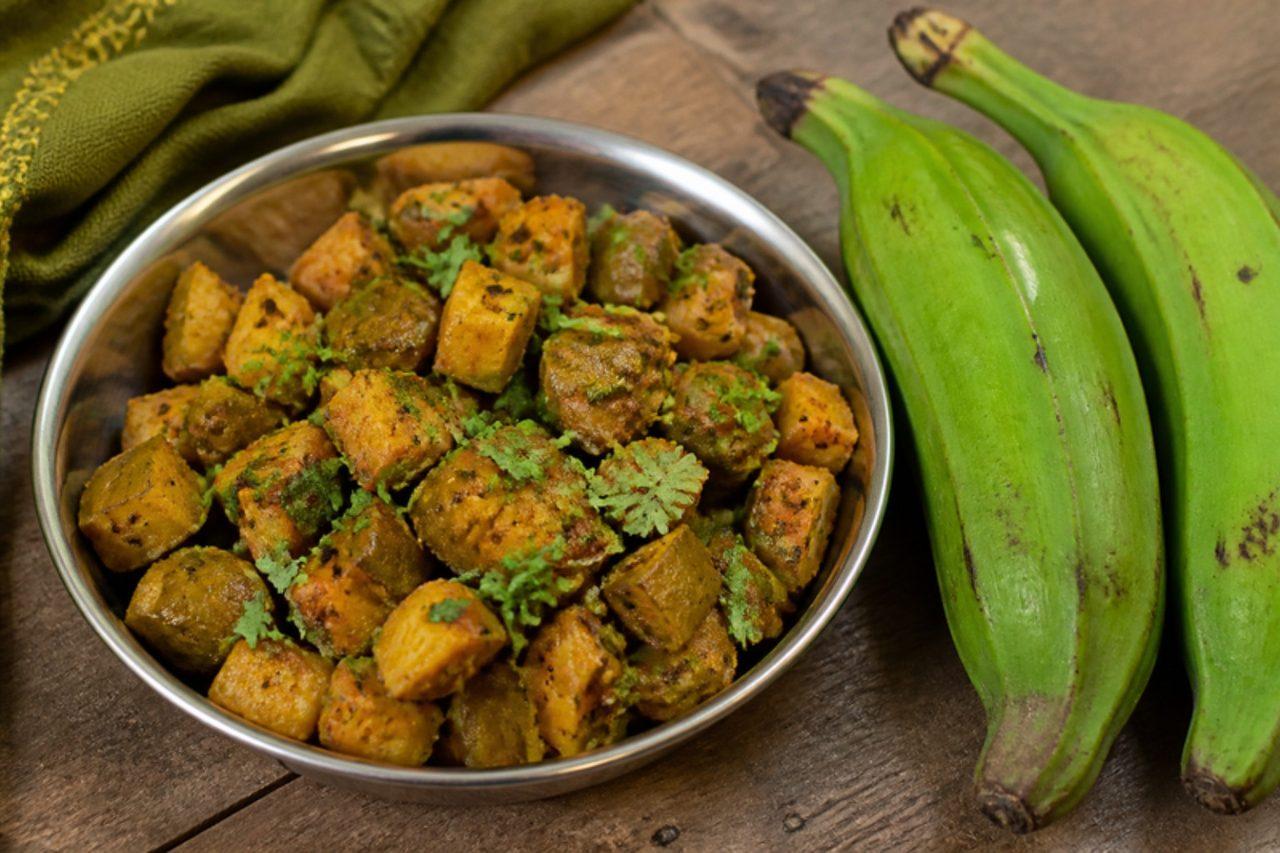
Kacha kela nu shaakRaw banana stir-fry

Jain kitchens leave out potatoes, along with every other root, so in Ahmedabad, Palanpur and Mumbai's Gujarati homes raw green banana steps in, and this dry shaak is the one you'll find in the thali at paryushan and at Jain bhojanshalas year round. The cubes are cooked gently in a vaghar of mustard seed, ajwain and hing, dusted with turmeric, chilli and dhana-jiru, and finished with a pinch of sugar and lemon, so they turn soft and creamy inside with lightly browned edges. It tastes savoury, sweet-sour and peppery from the ajwain. Serve it with rotli, dal-bhaat or puri. The common mistake is stirring too much once the banana softens; the cubes break and turn mushy. Turn them with a flat spatula only two or three times. Chef's tip: drop the cubes into water as you cut them so they stay pale, and drain well before they hit the oil.

by KrazyBadal 0 views

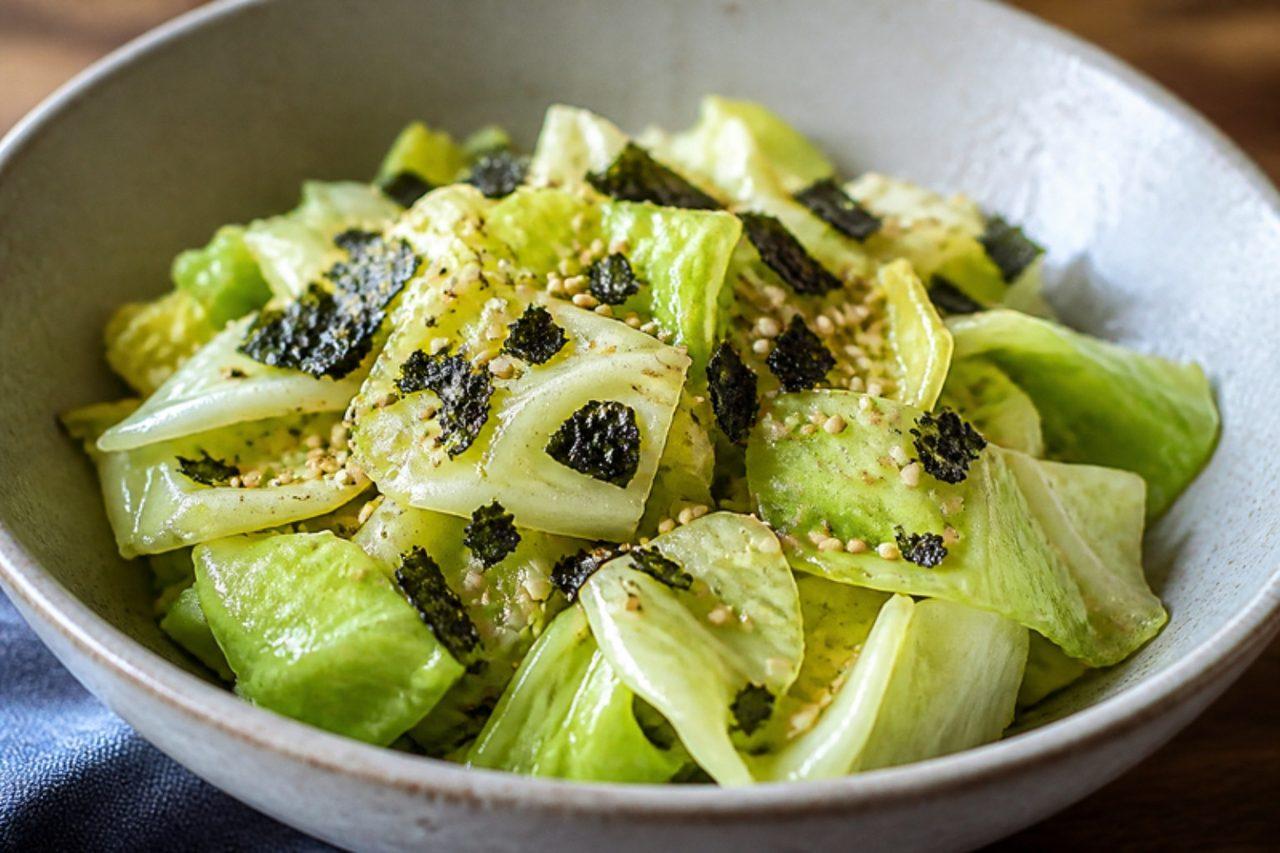
Yamitsuki cabbageSesame cabbage salad

Yamitsuki means 'addictive', and this bowl of raw cabbage is what many Tokyo yakitori bars put down free the moment you sit, to nibble while the grill heats up. The leaves are torn rather than cut, tossed with sesame oil, garlic, salt and a little stock powder or soy, and finished with crumbled nori and sesame: crunchy, salty and hard to stop eating. The common mistake is dressing it too early; after ten minutes the salt draws out water and it goes limp. Chef's tip: tear the cabbage with your hands into bite-size pieces, because the ragged edges hold far more dressing than a knife-cut slice.

by KrazyBadal 0 views

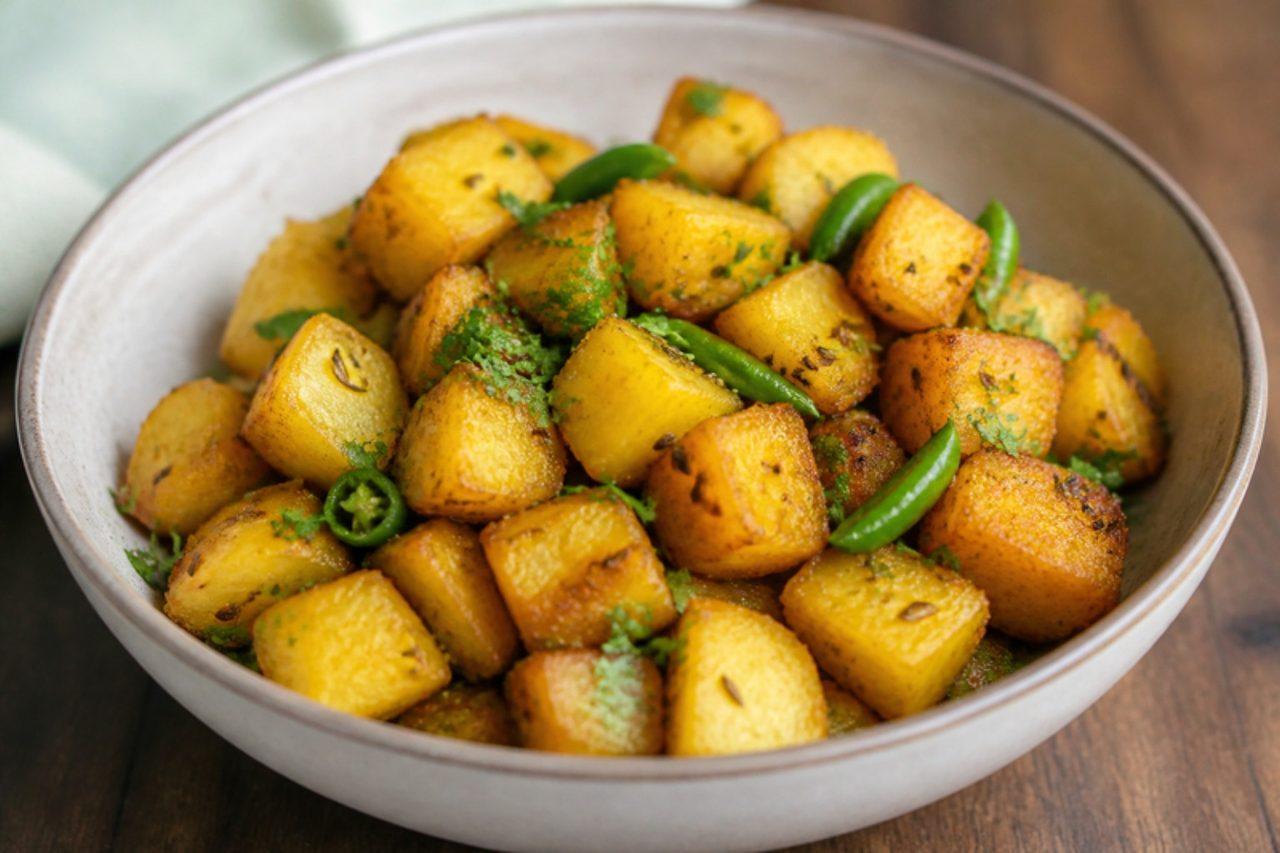
Jeera alooCumin potatoes

Jeera aloo is what North Indian mothers pack with puri for a train ride, serve with dal and rice on a weeknight, and cook in bulk for Navratri kanjak lunches alongside halwa and chana. Boiled potatoes are cubed and tossed in plenty of cumin that has sizzled until dark and nutty, with green chilli, ginger, a little turmeric and chilli, then soured with amchur. The edges catch and turn golden while the insides stay soft and fluffy. The common mistake is tossing potatoes that are still hot from boiling; they crumble. Cool them completely, ideally in the fridge, so the cubes hold their shape. Chef's tip: let the cumin turn a shade darker before the potatoes go in; pale cumin gives a raw, dusty taste.

by KrazyBadal 0 views

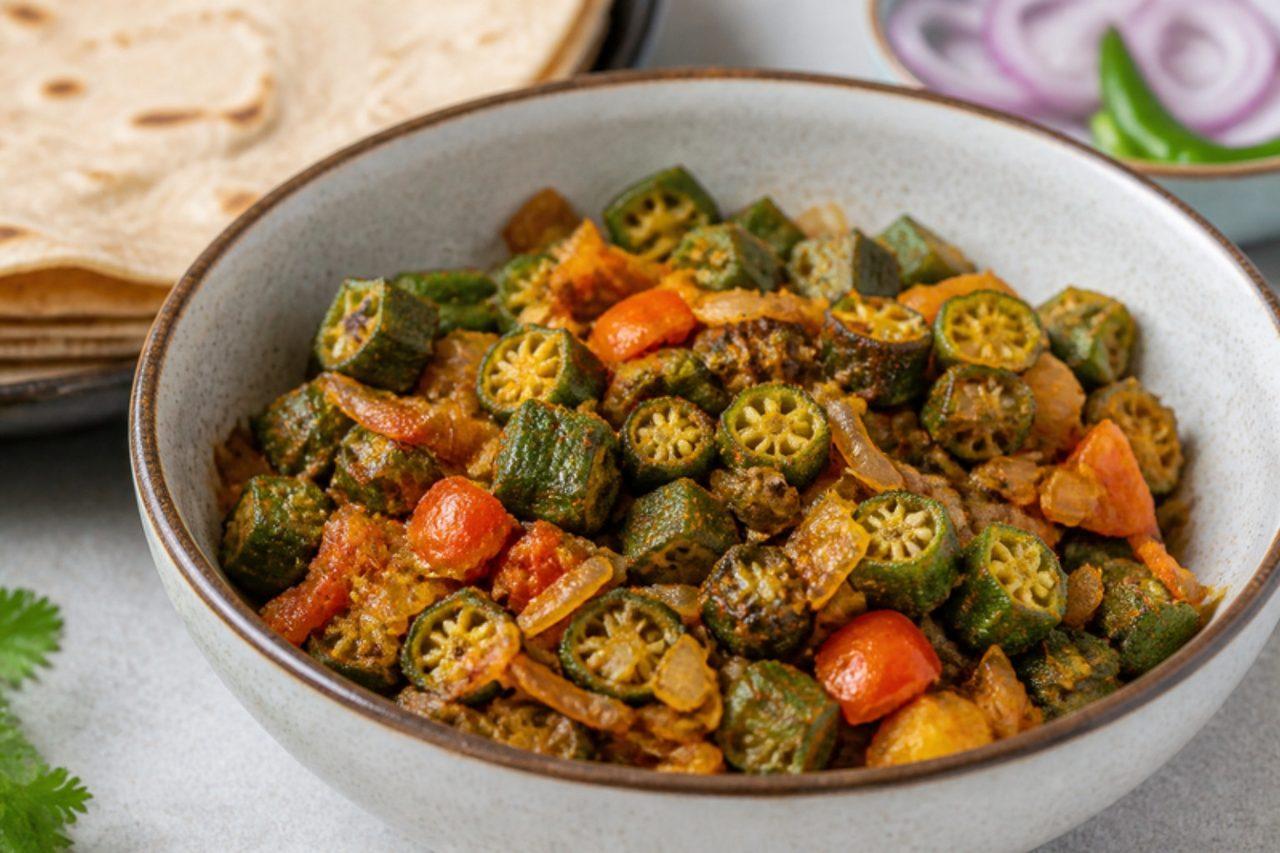
Bhindi masalaSpiced okra

Bhindi masala is the dry okra dish of North Indian homes and Delhi dhabas, made with sliced okra rather than the stuffed whole pods. The okra is fried in a wide pan until it loses its stickiness and gets crisp, browned edges, then tossed with onions softened until sweet, a little tomato and a dry masala finished with amchur. It is a favourite with dal-chawal, roti and raita, and keeps well in a lunchbox. The common mistake is washing okra and slicing it wet, or covering the pan; both make it slimy. Wash it well ahead, dry every pod with a cloth, and cook uncovered. Chef's tip: add salt only at the end, once the okra is cooked, because salt draws out moisture and makes it sticky.

by KrazyBadal 0 views

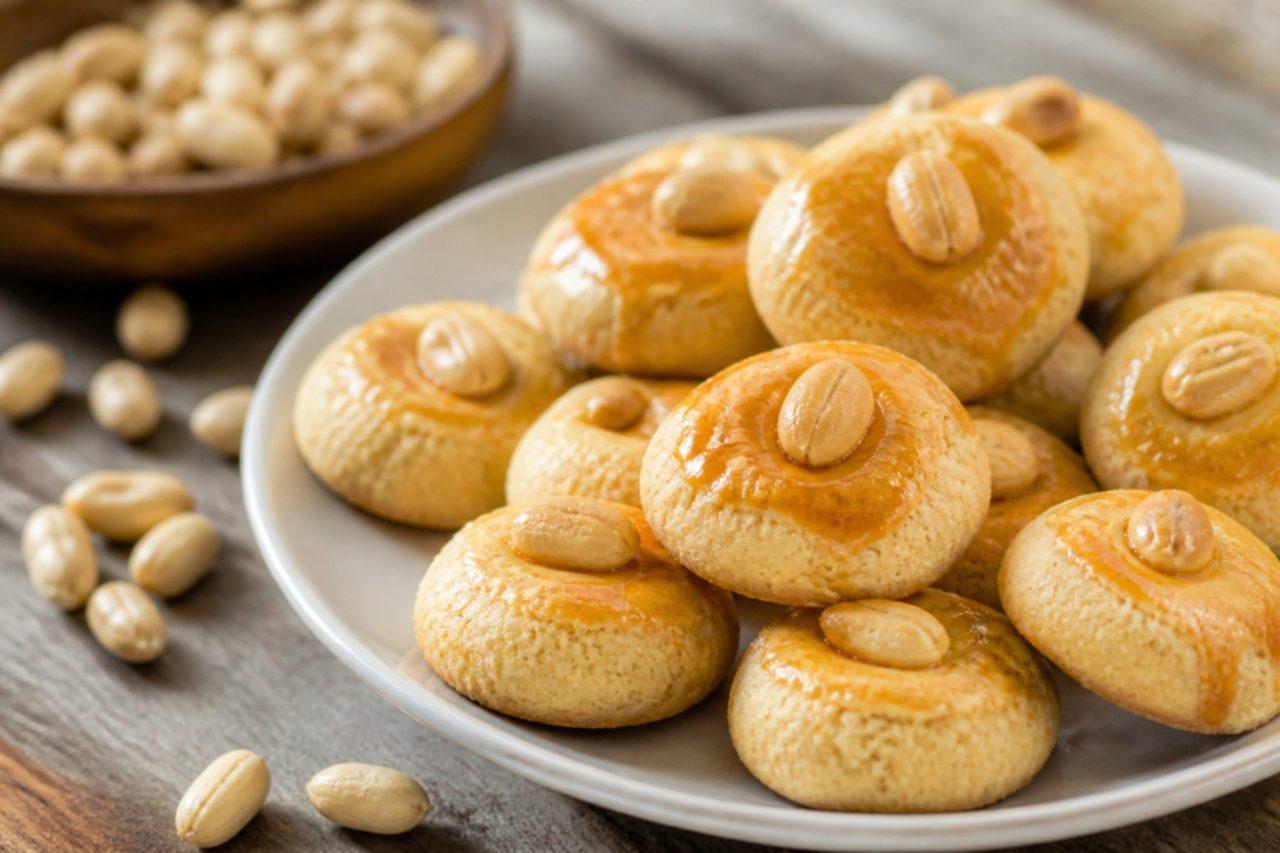
Peanut cookies (hua sheng bing)

Lift the lid on a Chinese New Year snack tray in Guangdong, Penang or Singapore and there will be these pale golden domes, so short they crumble the moment they touch your tongue. They are nothing but roasted peanuts ground fine, flour, icing sugar and oil, and this version skips the usual egg wash, so they are vegan. The mistake is over-grinding the peanuts into a paste, which makes the dough greasy and the cookies flat; stop while it is still a fine powder. Chef's tip: let them cool fully on the tray before moving them, because they are fragile until set.

by KrazyBadal 0 views

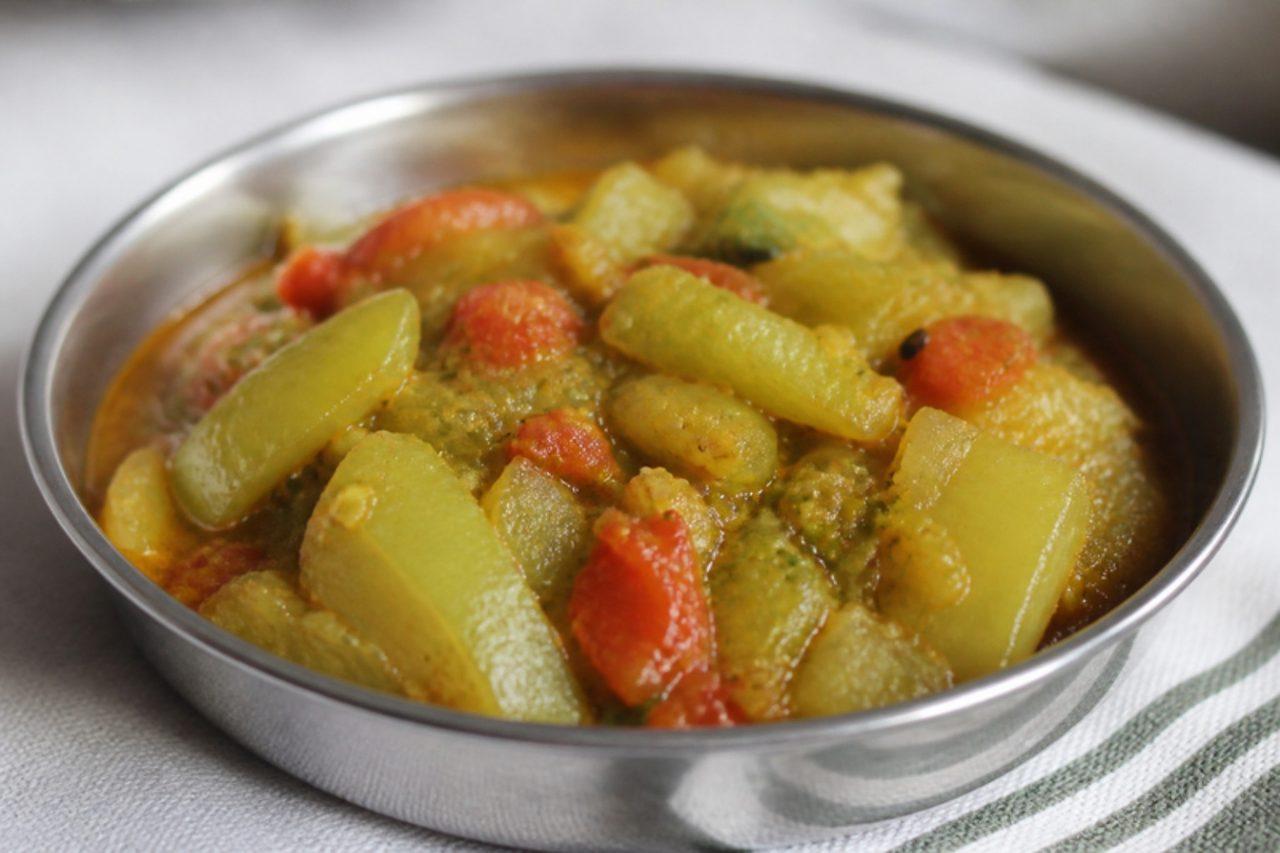
Turiya nu shaakRidge gourd curry

Turiya arrives in Gujarat's markets with the monsoon, and this quick, juicy shaak is a weekday staple from Rajkot to Navsari, eaten with rotli and a dollop of ghee, or with khichdi and kadhi. It is cooked the Jain way, in a vaghar of mustard seed, ajwain and hing with green chilli and dry ginger powder instead of fresh ginger, plus tomato and a pinch of sugar. The gourd turns silky and almost melts, leaving a light, sweetish gravy. A common mistake is overcooking: ridge gourd softens in about eight minutes and turns to mush soon after. Take it off the heat as soon as the pieces are translucent but still hold their shape. Chef's tip: scrape off only the hard ridges and leave the green skin between them; it keeps the pieces together and adds flavour.

by KrazyBadal 0 views

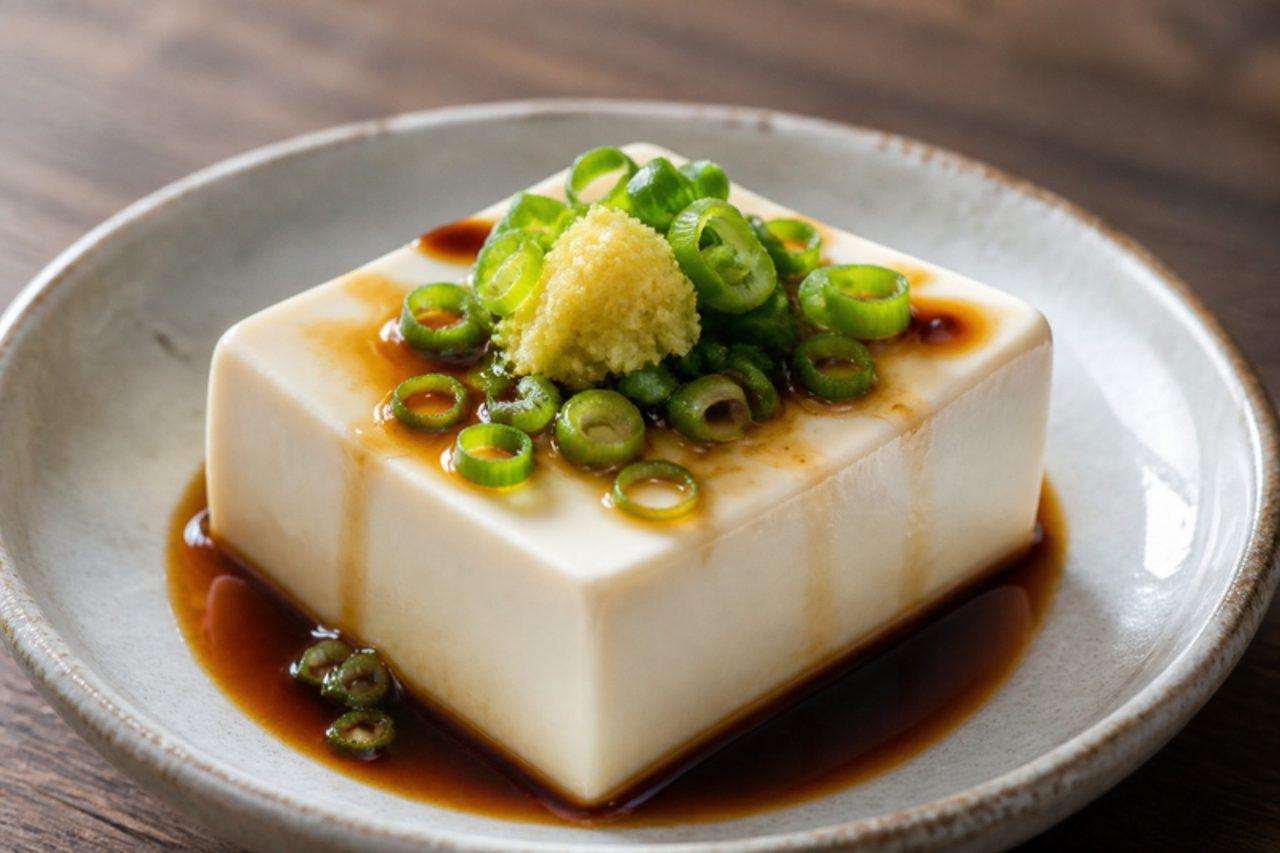
HiyayakkoChilled tofu with ginger

On a hot July night in any Tokyo izakaya, the first plate to arrive is often a cold block of tofu: hiyayakko, a summer staple that takes five minutes and no cooking. Silky tofu sits in a little pool of soy and is heaped with fresh ginger, spring onion and shiso, so it is cool, creamy and sharp at once. Bonito flakes are the usual topping; here crisp nori and sesame keep it vegan. The common mistake is serving it wet: blot the tofu, or the water dilutes the soy into a pale puddle. Chef's tip: buy the freshest silken (kinugoshi) tofu you can find and chill it well in its water, since this dish is only as good as the tofu.

by KrazyBadal 0 views

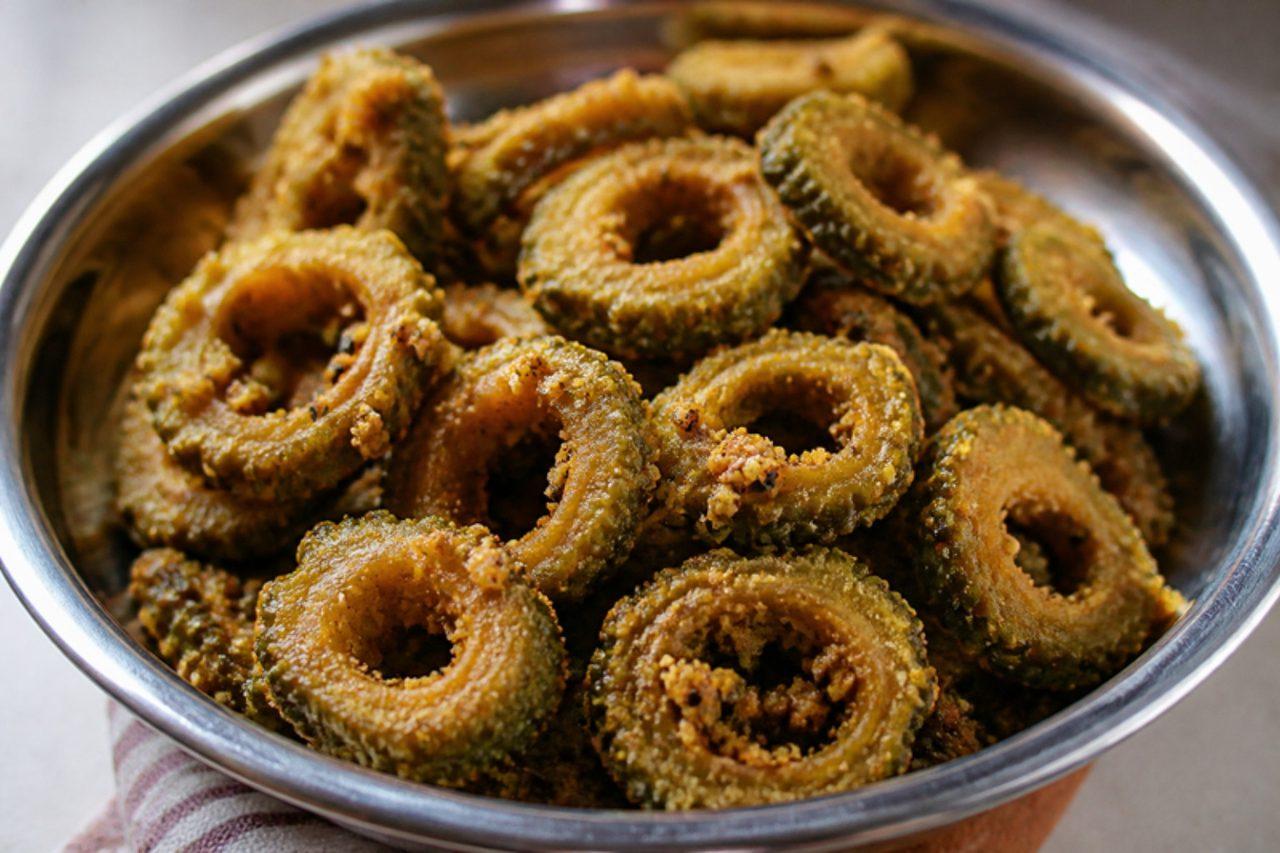
Karela nu shaakBitter gourd and jaggery curry

Most children in Gujarat grow up hating karela and end up asking for this version. Bitter gourd is sliced into thin rings, rubbed with salt and turmeric, squeezed, then cooked slowly in a vaghar of mustard seed and hing until soft and browned. A spoonful of besan toasted in the same pan clings to each ring, and jaggery melts into a glossy coating, so it tastes sweet, nutty, spicy and only pleasantly bitter. With no onion or garlic it suits Jain homes, and it's a monsoon favourite with dal-bhaat-rotli. A common mistake is salting the shaak again as if from scratch; the squeezed karela still holds salt, so taste first. Chef's tip: add the besan only once the karela is dry and browned, and stir constantly for a minute; in a wet pan it forms lumps.

by KrazyBadal 0 views

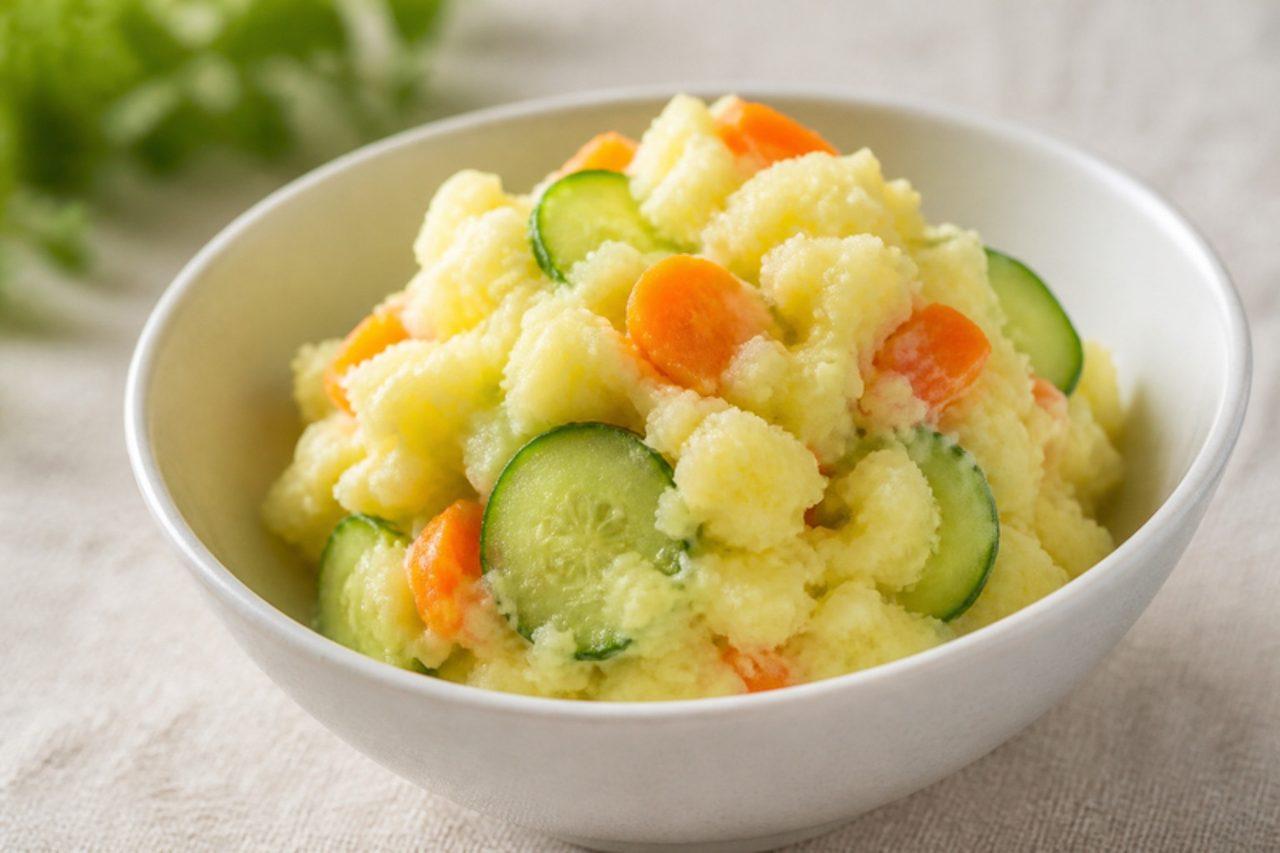
Japanese potato salad

Every konbini, school lunch tray and izakaya menu in Japan seems to have its own potato salad, a Western-born dish the Japanese have made entirely theirs. The potatoes are half-mashed so the salad is creamy with chunks, then folded with salted cucumber, carrot, onion and a rich, slightly tangy Japanese-style mayonnaise; it is often served as a side to tonkatsu or packed in a bento. Japanese mayonnaise is made with egg yolk, so this contains egg. The common mistake is mixing in the mayonnaise while the potatoes are hot, which makes it oily and gluey; season with vinegar while hot, then cool before the mayo goes in. Chef's tip: salt the cucumber and onion and squeeze them hard, so they stay crisp and don't water down the salad.

by KrazyBadal 0 views

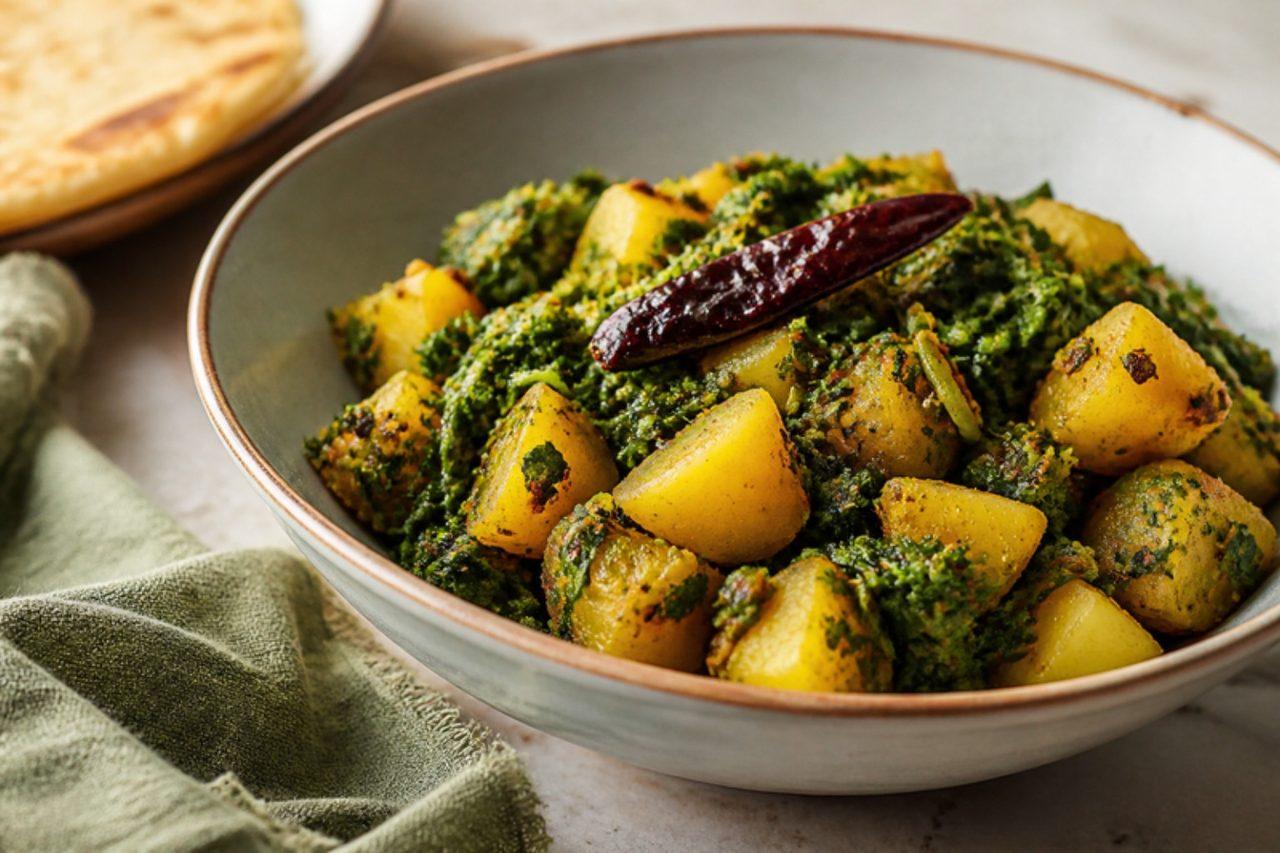
Aloo methiPotato and fenugreek stir-fry

When winter methi floods the Punjab sabzi mandis, every family cooks aloo methi with makki di roti or plain phulka and a bowl of dal. The leaves cook right down into a dark green coating around tender potato cubes, garlicky and gently bitter, with a little sourness from amchur and heat from dried red chilli. It's a classic tiffin sabzi because it tastes just as good cold. The common mistake is covering the pan after the methi goes in, which traps steam and brings out the bitterness; cook the potatoes covered first, then finish uncovered. Chef's tip: sprinkle the chopped methi with a pinch of salt, leave it ten minutes and squeeze out the green juice to tame the bitterness, just as Punjabi grandmothers do.

by KrazyBadal 0 views

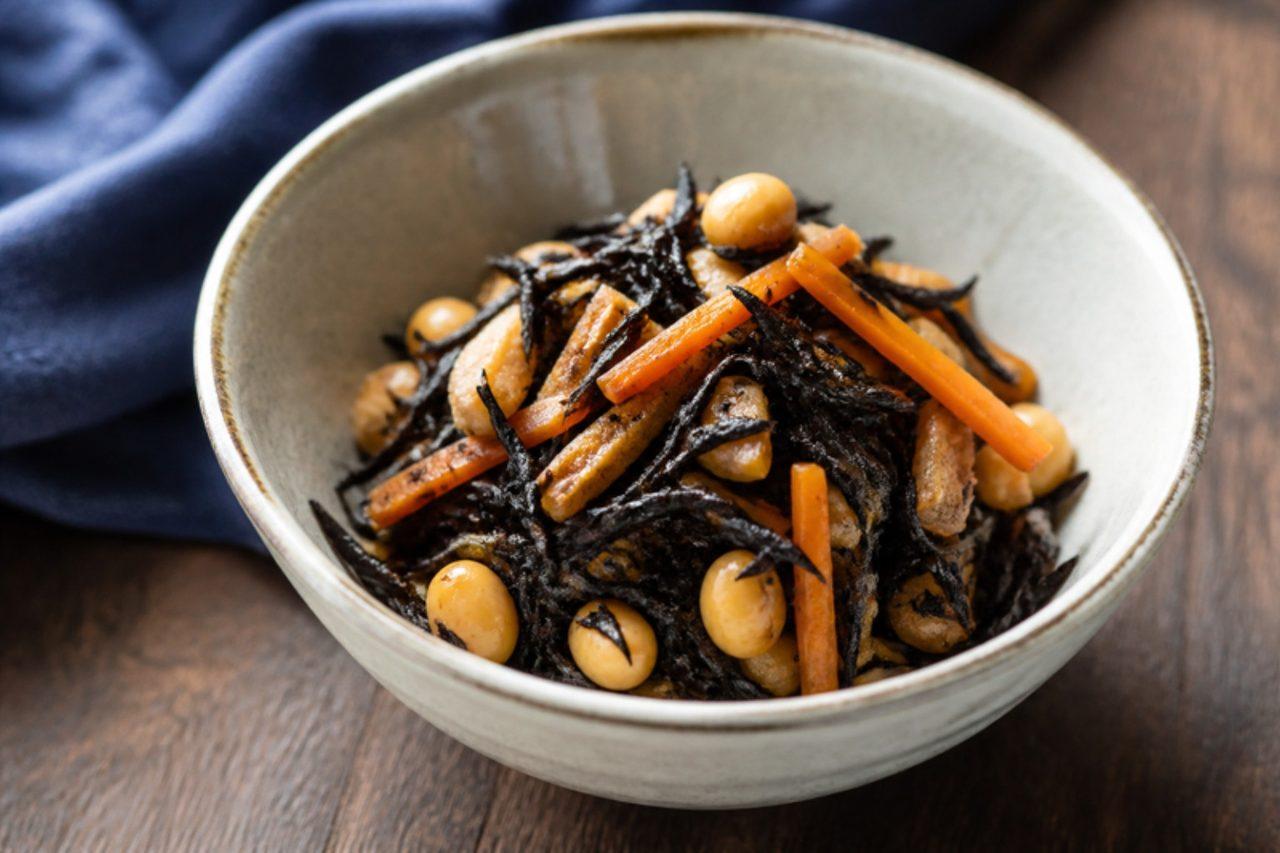
Hijiki no nimonoSimmered hijiki seaweed

This is the quiet, dark heap of seaweed that turns up next to rice in set lunches all over Japan, and it is a staple of home bento boxes because it tastes just as good cold. Tiny black hijiki strands are simmered with carrot, thin fried tofu (aburaage) and soybeans in a sweet soy broth until the liquid is nearly gone. It is savoury, faintly of the sea and rich in fibre. Mirin contains alcohol; the note gives an alcohol-free swap, and this version uses fish-free kombu–shiitake dashi. A common mistake is skipping the rinse after soaking: dried hijiki carries sand, so swish it in fresh water twice. Because hijiki can hold inorganic arsenic, soak it well, discard the soaking water and eat it as a small side rather than daily in large amounts. Chef's tip: pour boiling water over the aburaage first to remove excess frying oil, so it soaks up the broth.

by KrazyBadal 0 views

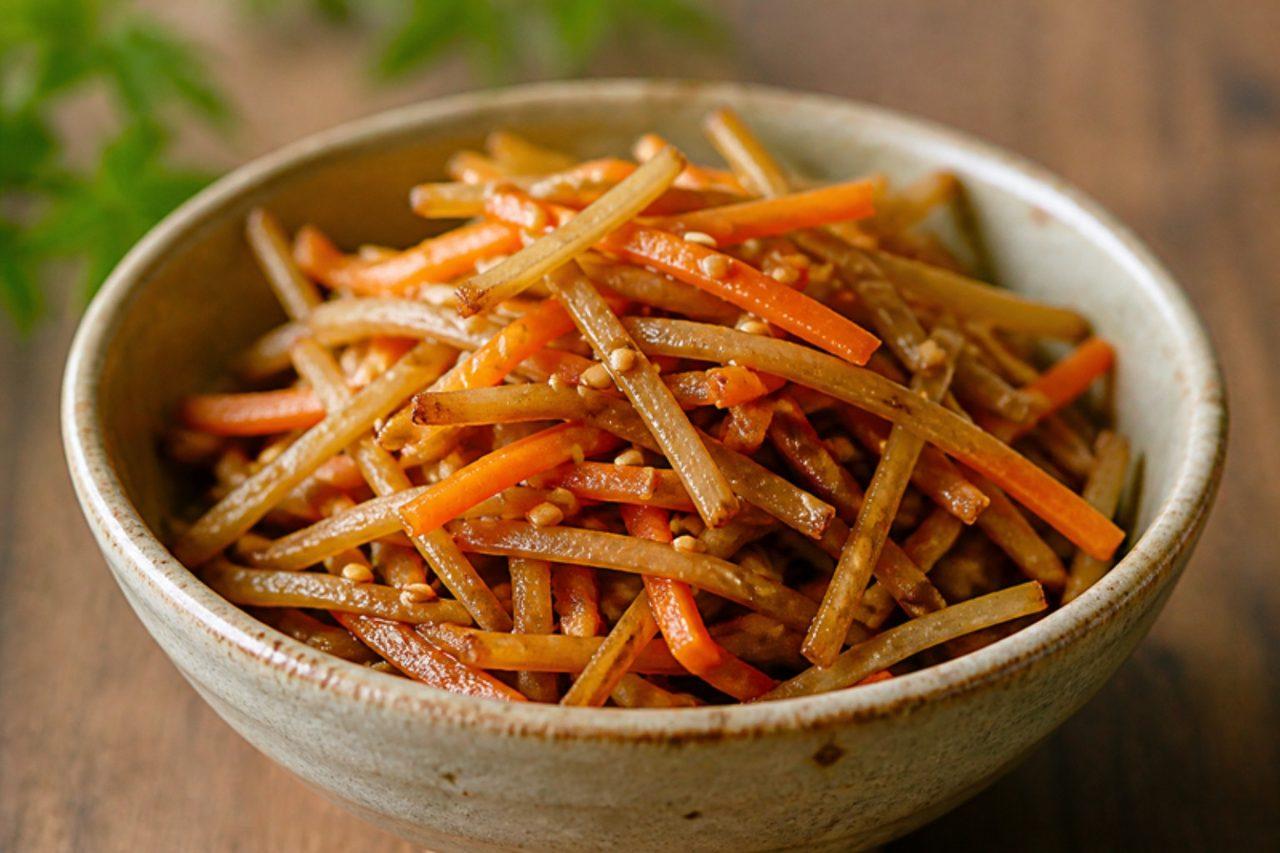
Kinpira goboBurdock and carrot stir-fry

Open almost any home-packed bento in Tokyo or Osaka and there is a small heap of kinpira tucked into a corner: burdock root and carrot cut into matchsticks, fried in sesame oil, then cooked down with soy, mirin and a little chilli until glossy and almost dry. It is earthy, sweet-salty and crunchy, and it keeps for four days in the fridge, which is exactly why mothers make a big pan on Sunday. The mirin and sake both contain alcohol; the ingredient notes give alcohol-free swaps. The most common mistake is soaking the cut burdock for too long, which washes away its flavour; five minutes in water is plenty. Chef's tip: leave a little skin on the burdock by scrubbing with the back of a knife rather than peeling, because most of the aroma sits just under it.

by KrazyBadal 0 views

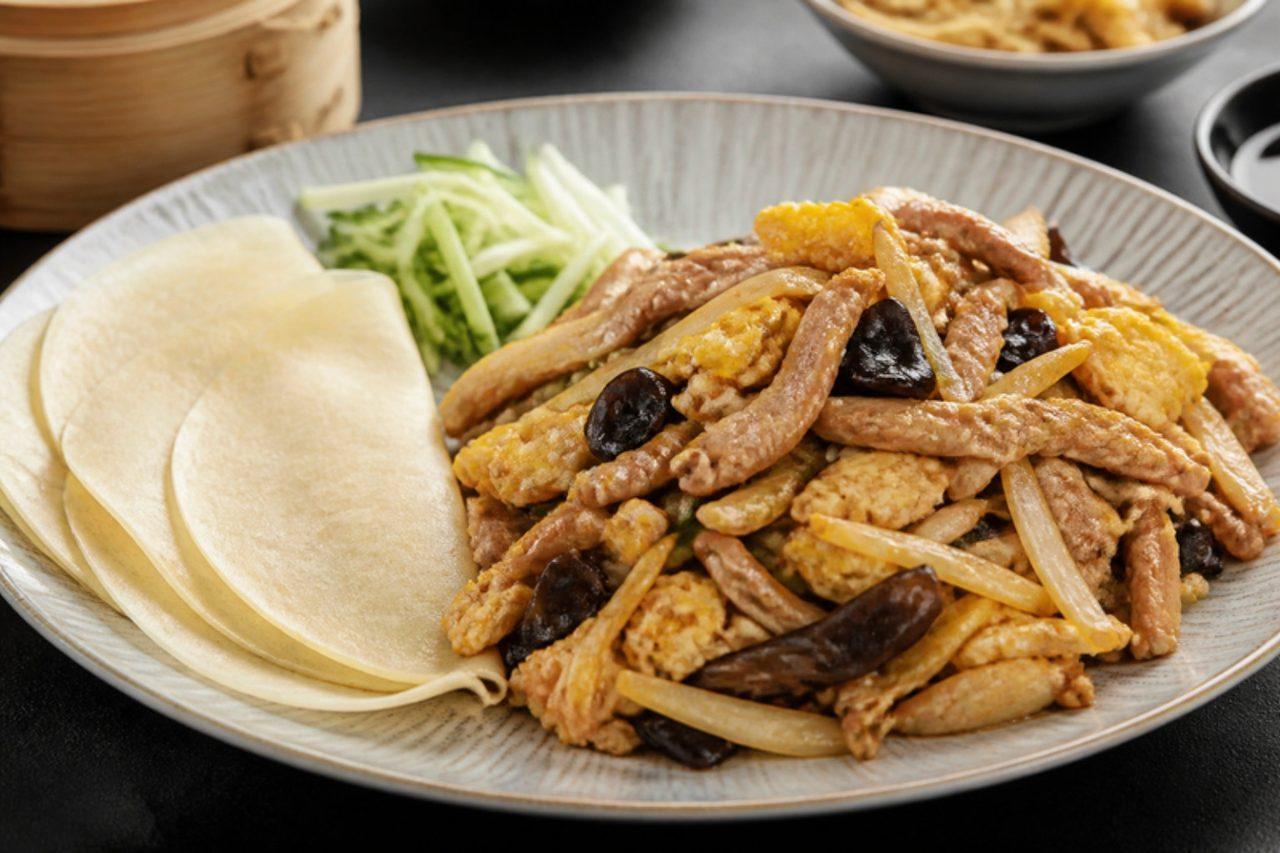
Moo shu pork (mu xu rou)

Mu xu rou began in Shandong and became a Beijing home-cooking staple, a weeknight stir-fry of thin pork strips with fluffy egg, crunchy wood ear and slightly sweet dried lily buds; the name refers to the yellow egg pieces looking like osmanthus blossom. In Beijing it is eaten with rice; Americans know it rolled in thin pancakes with hoisin, and both are good. A little Shaoxing rice wine goes into the pork marinade and evaporates in the hot wok; leave it out for an alcohol-free version. The mistake is overcooking the egg at the start, so it goes rubbery; take it out while still soft. Cook the pork until no pink remains, at least 71 °C. Chef's tip: cut off the hard tips of the lily buds after soaking, or they stay woody.

by KrazyBadal 0 views

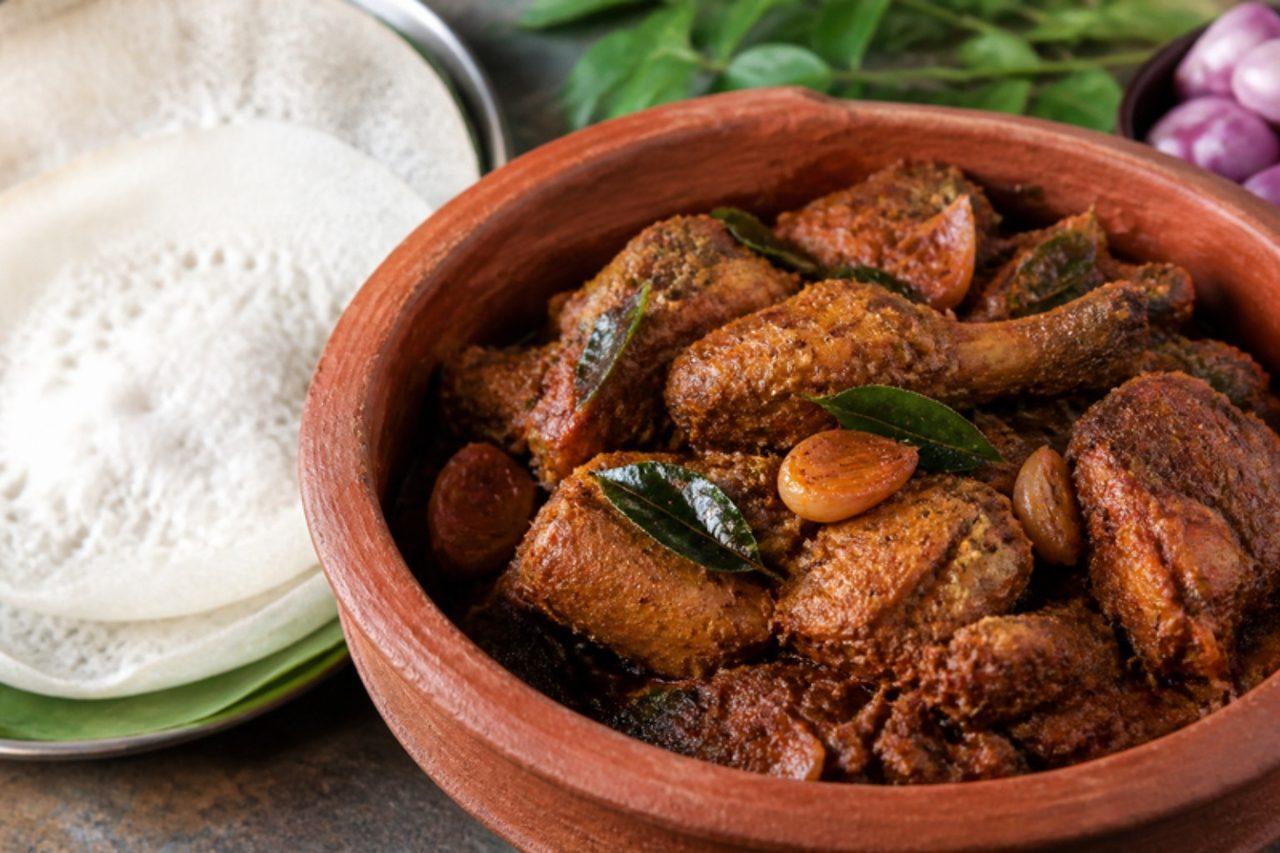
Kerala duck roast

Christmas morning in Kuttanad and Kottayam often begins after midnight Mass with palappam and a dark, glossy tharavu roast. Ducks are raised along the Kerala backwaters, and Syrian Christian families save this dish for feast days. Duck is a richer, firmer bird than chicken: here it is cut into curry pieces, marinated with pepper, turmeric and vinegar, pressure-cooked until tender, then roasted in coconut oil with masses of onion, ginger, garlic and green chilli, coriander and plenty of black pepper, before thick coconut milk softens the heat. Cook the duck right through until tender, and for safety until 74 °C in the thickest pieces. The finished roast should be thick and clinging rather than soupy. Serve with appam, idiyappam or crusty bread, with a vegetable stew on the side. Common mistake: leaving all the duck fat in; skim the rich fat off the cooking liquid or the roast turns greasy. Chef's tip: keep the skimmed duck fat in the fridge and use a spoonful to fry potatoes.

120 minIndianMeatGluten free
by KrazyBadal 0 views

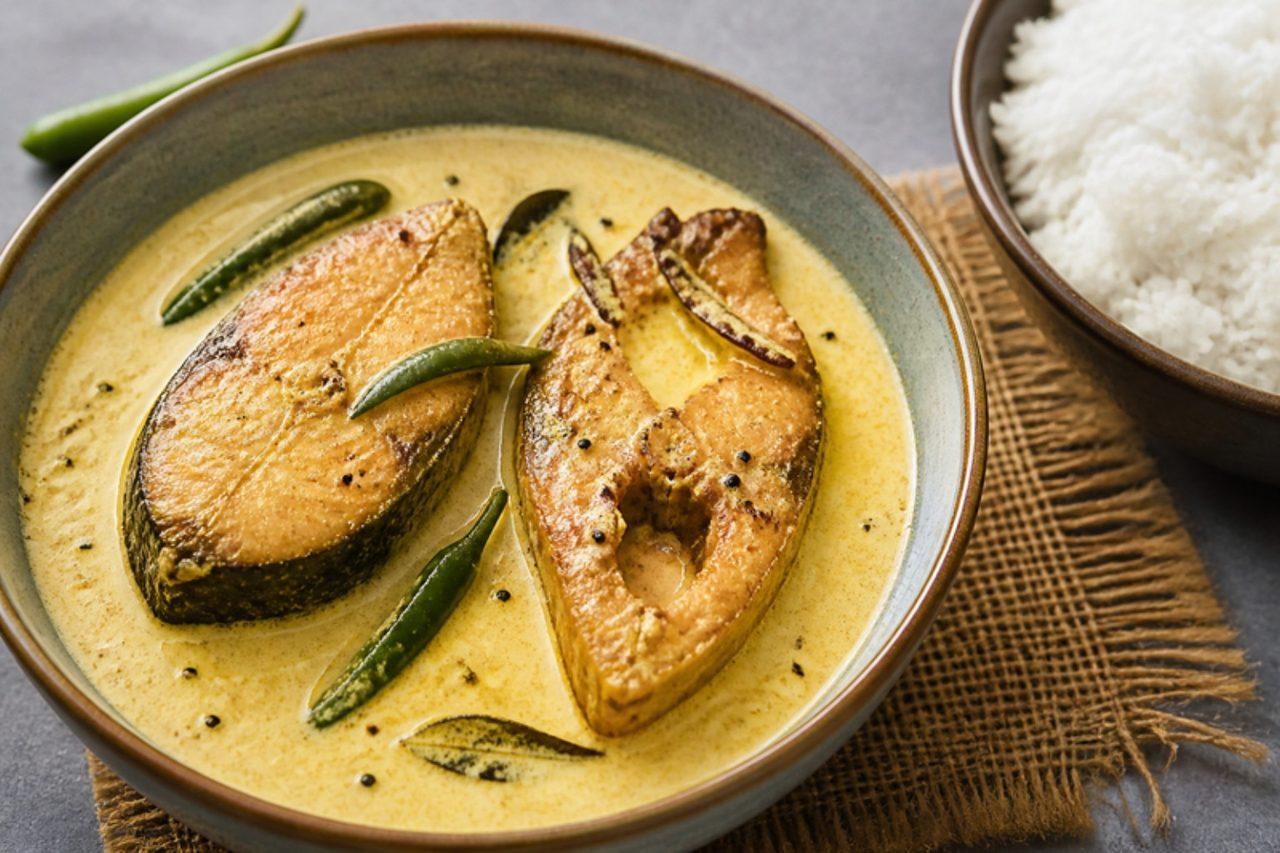
Doi maachFish in spiced yogurt gravy

At a Bengali wedding feast or on Jamai Shashthi, when sons-in-law are fed like kings, doi maach is the fish course everyone waits for. Thick steaks of rohu or katla, the big freshwater carp of Bengal's ponds, are rubbed with turmeric and salt, fried in sharp mustard oil and then simmered in a pale, creamy gravy of whisked yogurt, ginger and onion paste and whole garam masala, sweetened just enough to balance the tang. It is mild and fragrant rather than hot. Carp has fine bones, so eat it slowly. Cook the fish until it is opaque and flakes easily from the bone. Serve with steamed gobindobhog or plain white rice, and a squeeze of gondhoraj lime if you can find it. Common mistake: tipping cold yogurt straight into hot oil, which splits it into grainy curds. Chef's tip: whisk the yogurt with the spice powders and a spoonful of the hot gravy first, then add it over the lowest heat.

50 minIndianFishGluten free
by KrazyBadal 0 views

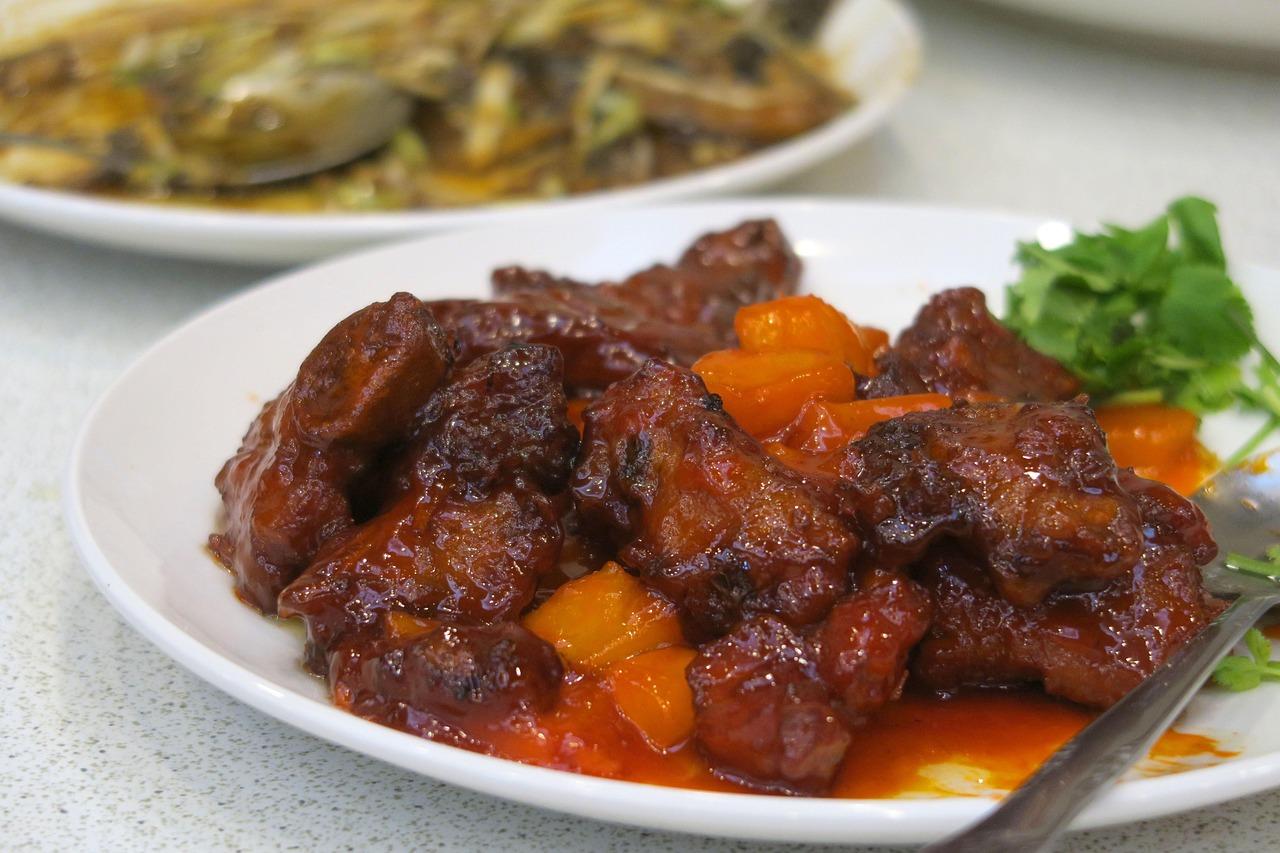
Tang cu pai gu (sweet and sour pork ribs)

In Shanghai and nearby Wuxi, these small, dark, lacquered pork ribs come to the table at room temperature as one of the cold starters at a banquet, though at home they are just as good hot with rice. The pork ribs are simmered until tender, fried, then reduced with sugar and Chinkiang black vinegar into a sticky glaze that clings to every piece. A splash of Shaoxing rice wine goes into the simmer; it cooks off completely, and you can use water instead. The mistake is pulling them off the heat while the sauce is still thin; keep reducing until it coats the ribs and bubbles in big, slow bubbles. Pork should reach at least 71 °C, well past that after the long simmer. Chef's tip: add a final dash of vinegar just before serving to bring back its sharp, fresh edge.

by KrazyBadal 0 views

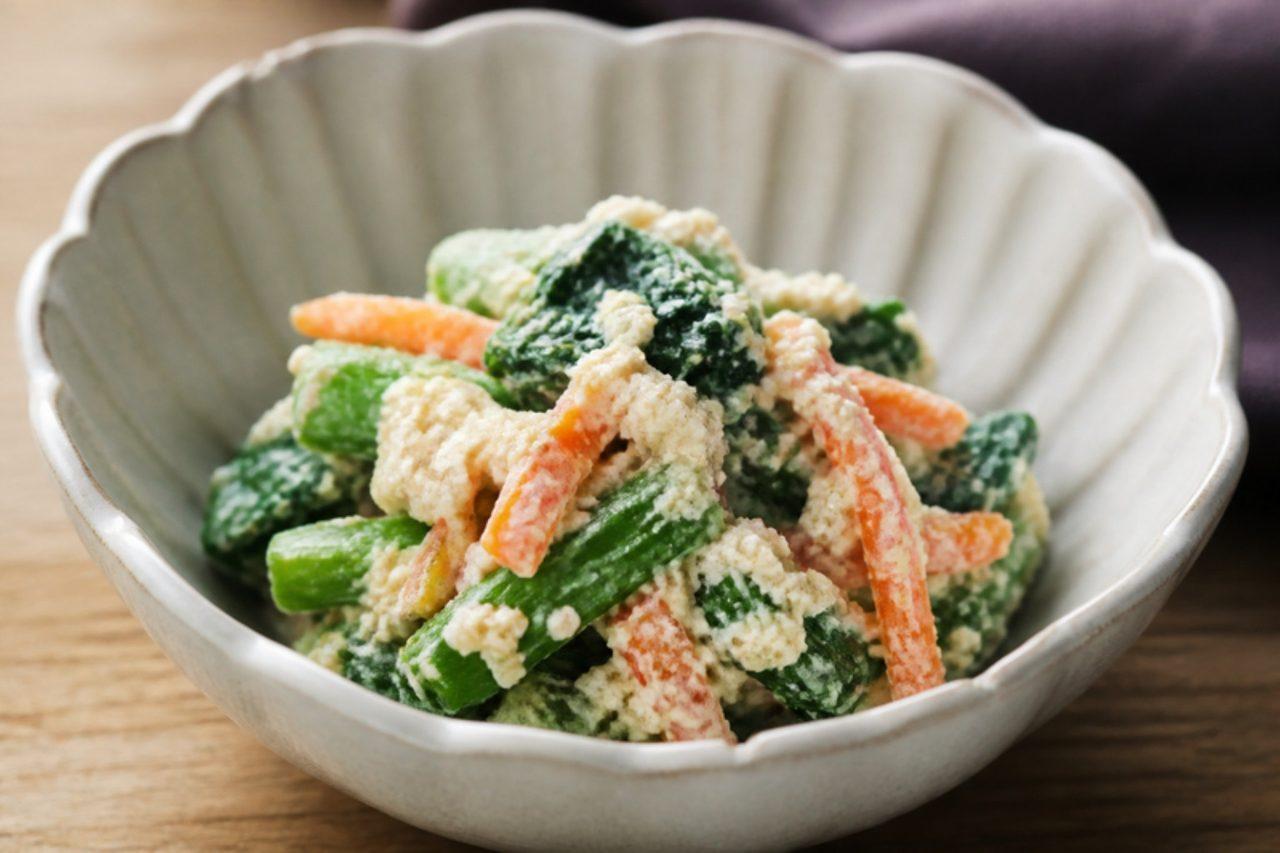
ShiraaeVegetables in tofu dressing

Shiraae, 'white dressing', is one of the oldest dishes of Japanese temple cooking and still a gentle home side today, especially in the Kyoto area: blanched spinach, carrot and konnyaku folded into a creamy paste of tofu, ground sesame and a touch of white miso. It tastes mild, nutty and lightly sweet, rather like a Japanese answer to a dip-dressed salad. The common mistake is leaving the vegetables wet, which turns the dressing grey and runny; squeeze them well and dress just before serving. Chef's tip: for the silkiest dressing, grind the toasted sesame in a suribachi (or mortar) until it starts to turn oily, then mash the tofu straight into it.

by KrazyBadal 0 views

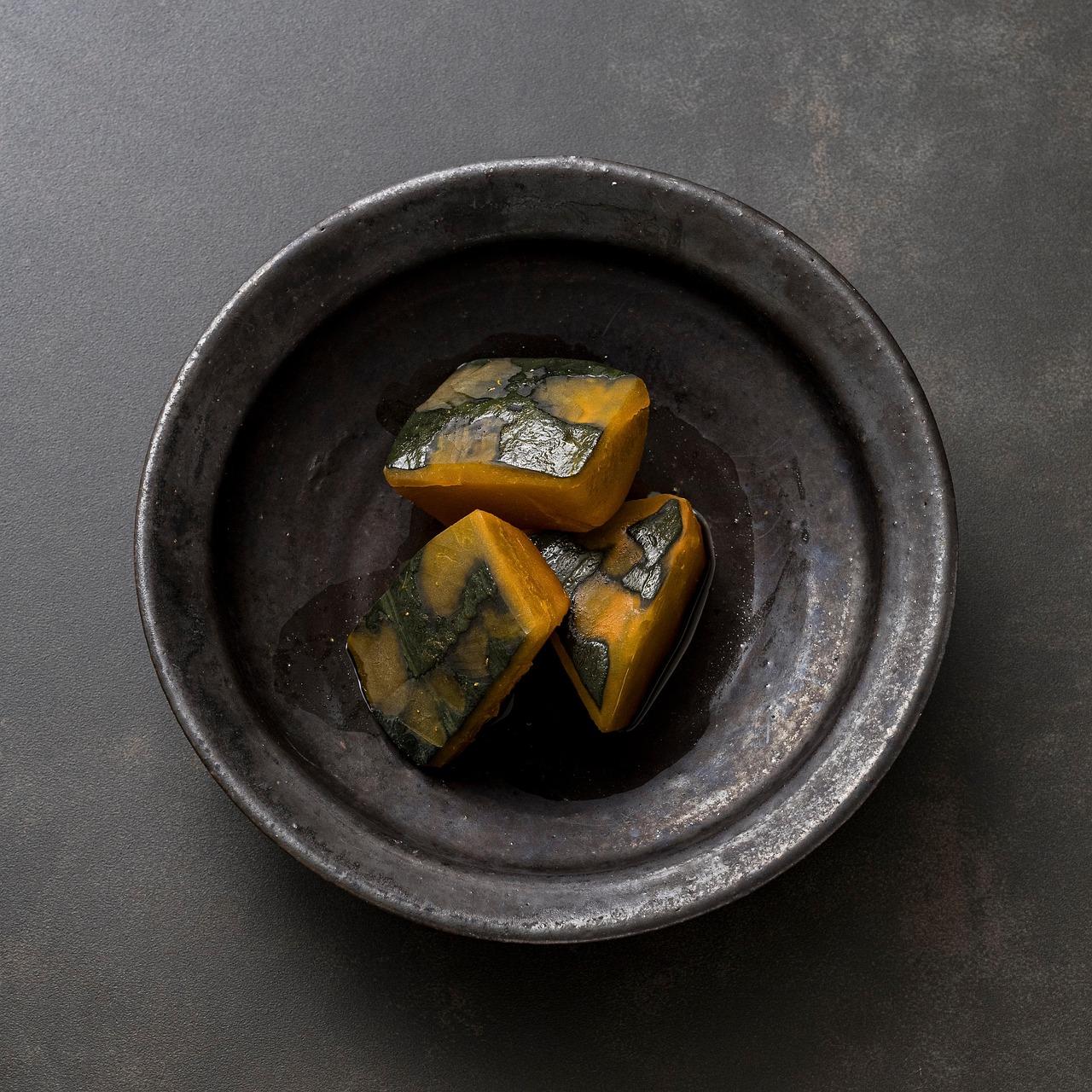
Kabocha no nimonoSimmered Japanese pumpkin

In Japanese homes kabocha nimono is autumn and winter comfort, and it is traditionally eaten on the winter solstice (tōji) for good health; the wedges also travel well in a lunchbox. The dense, chestnut-sweet pumpkin is simmered skin-side down in a little dashi with sugar, mirin and soy until a skewer slides in, and the flesh turns fluffy while the dark green skin holds the shape. This version uses kombu–shiitake dashi so it is fully vegan; mirin contains alcohol and the note gives a swap. The usual mistake is stirring: it breaks the pumpkin into mash, so just shake the pan. Chef's tip: trim the sharp edges of each wedge (mentori) with a peeler so they don't crumble into the broth.

by KrazyBadal 0 views

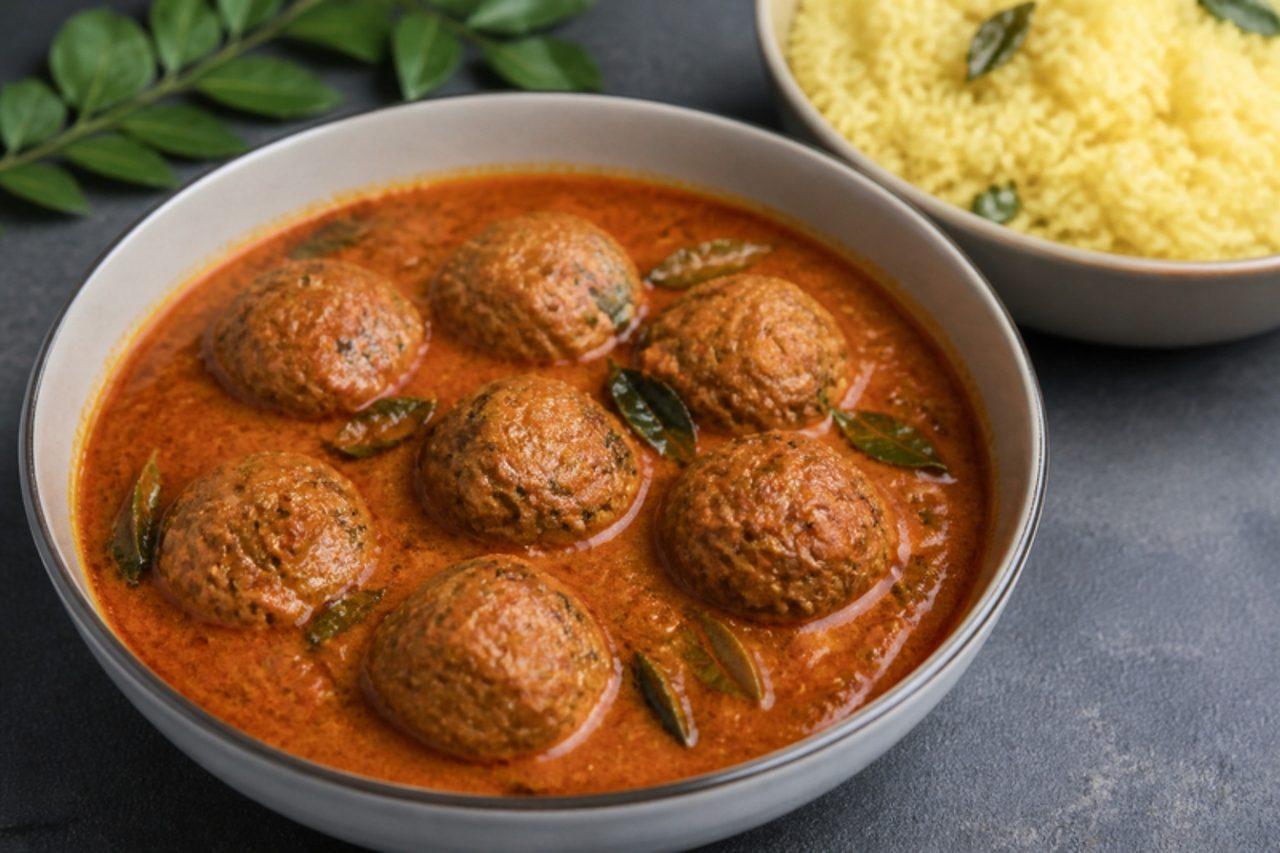
Ball curryMutton meatball curry

Ask any Anglo-Indian family in Kolkata, Chennai or Bengaluru what's on the Christmas lunch table and ball curry will be near the top, along with yellow coconut rice, roast chicken and a fruit cake for later. The 'balls' are soft koftas of spiced minced meat with onion, green chilli, mint and coriander, dropped raw into a simmering coconut and tomato curry so they absorb its flavour as they cook. Many homes use beef mince; this recipe uses mutton (goat) mince, which is easier to find in most Indian cities and gives a lighter, sweeter flavour. Lamb mince is a good swap. The curry is medium-hot, tangy from tomato and rounded off with coconut milk. Because it is minced meat, cook the koftas through to 71 °C in the centre. Serve with yellow rice, plain rice or appam. Chef's tip: wet your hands with cold water while rolling; the koftas come out smooth with no cracks and stay whole in the gravy.

75 minIndianMeatGluten free
by KrazyBadal 0 views

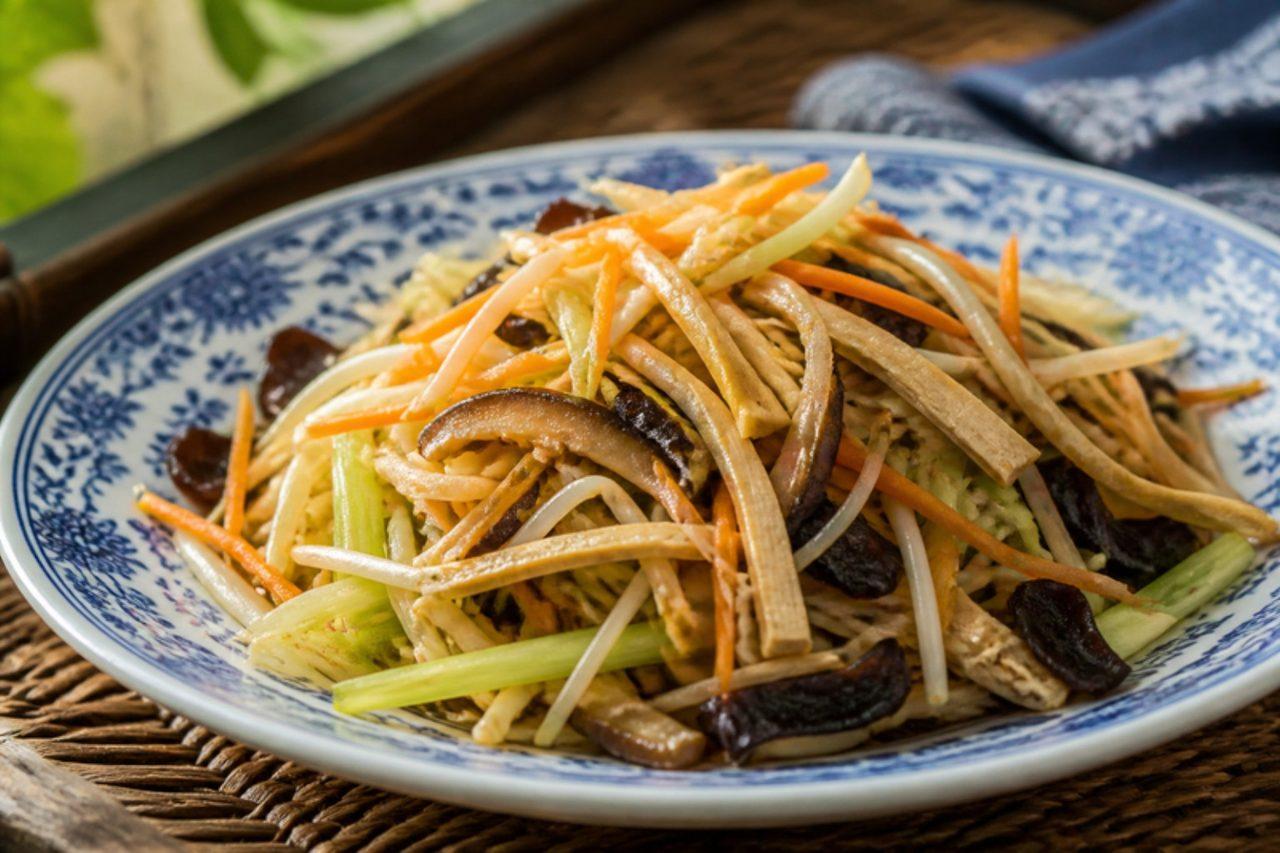
Shi xiang cai (ten-treasure vegetables)

Shanghai families make a big tub of shi xiang cai on the last days of the old year, and it sits on the table, cold, through the first fortnight of New Year as a fresh, crunchy counterweight to all the braised meat. Ten ingredients, each shredded as fine as matchsticks and stir-fried separately, are tossed together with soy, sugar and sesame oil: soybean sprouts, carrot, celery, wood ear, shiitake, lily buds, bamboo, pressed tofu, preserved mustard tuber and red pepper. Throwing everything into the wok at once is the mistake; each vegetable cooks at its own speed, and only separate frying keeps them crisp. Chef's tip: the finer and more even the shreds, the more it tastes like the real thing.

by KrazyBadal 0 views

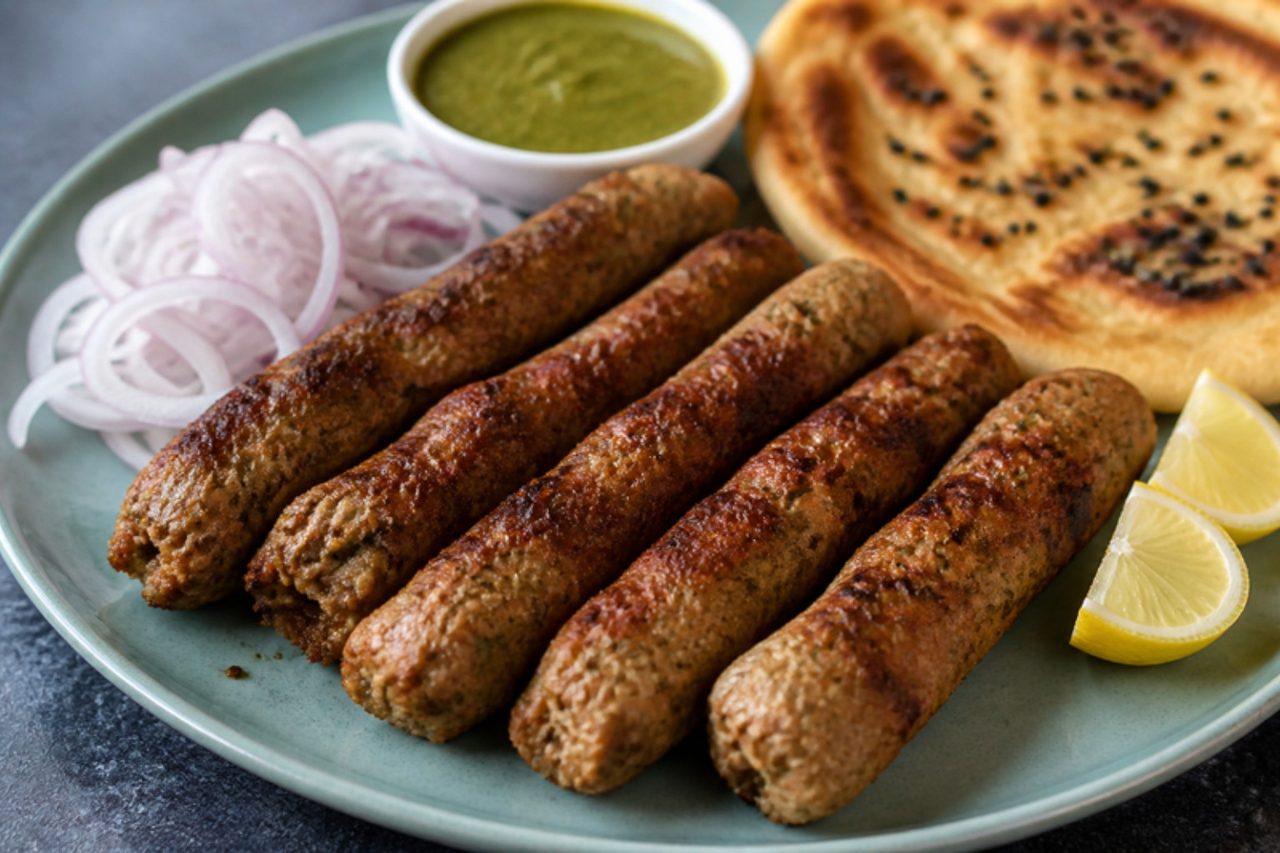
Kakori kebabMinced mutton skewers

The village of Kakori, just outside Lucknow, gave its name to the softest kebab of Awadh, said to have been created for a nawab who could no longer chew. Mutton (goat) mince, ground twice until it is almost a paste, is bound with roasted gram flour, khoya and fried onion, tenderised with raw papaya and perfumed with mace, green cardamom, rose petals and a few drops of kewra. It is wrapped around long skewers and cooked over charcoal until the outside is lightly charred and the inside so delicate that it falls apart on the tongue. Lamb mince with some fat is the best swap. Kakori kebabs are an Eid and wedding favourite, served wrapped in thin rumali roti or ulte tawe ka paratha with mint chutney and onion rings. Because it is minced meat, cook it to 71 °C in the centre. Chef's tip: ask the butcher for mince from the shoulder with about 20 per cent fat and have it ground twice; lean mince makes dry kebabs that won't cling to the skewer.

60 minIndianMeatGluten free
by KrazyBadal 0 views

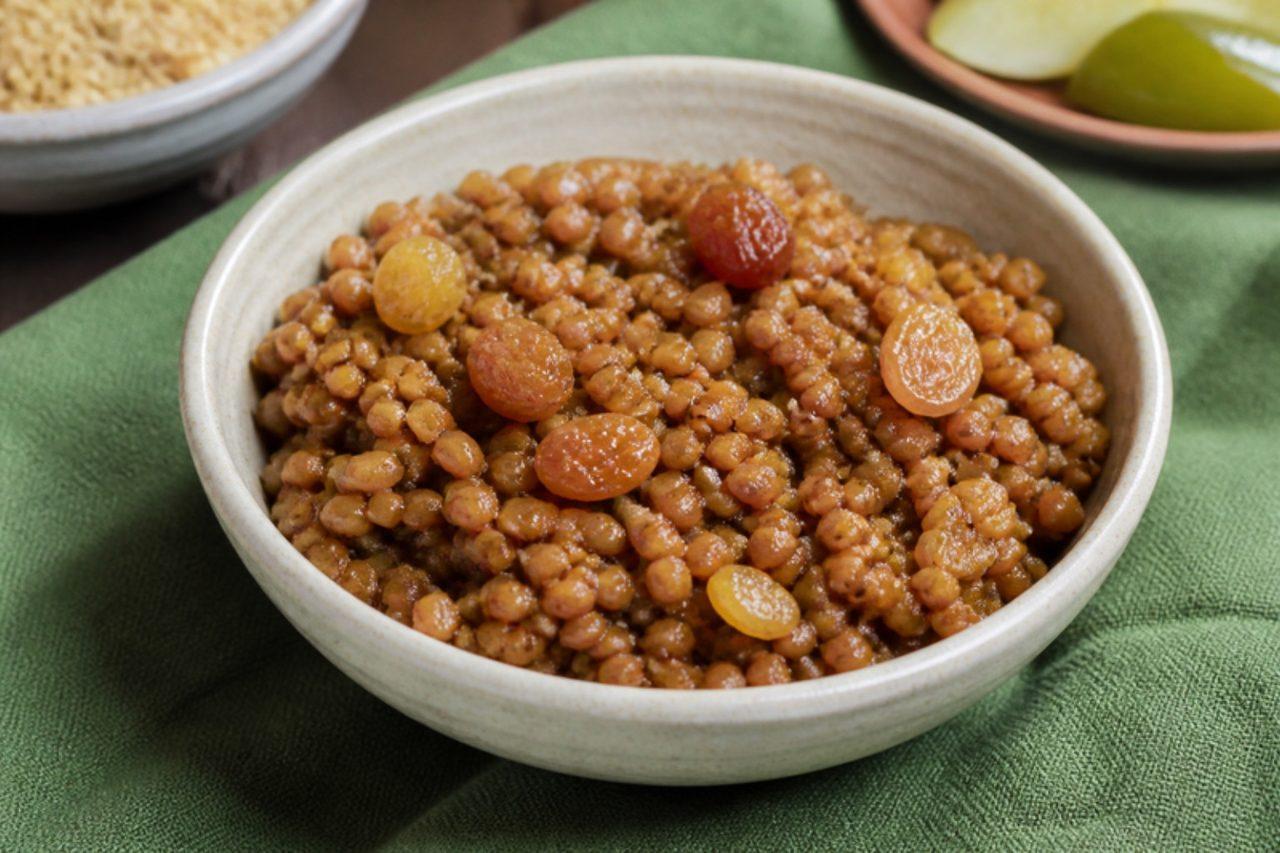
Methi dana ki sabziSweet-sour fenugreek seed curry

Marwari wedding and festival thalis in Jaipur, Bikaner and the Marwari homes of Kolkata always carry a small bowl of this: fenugreek seeds soaked overnight, boiled to tame their bitterness, then cooked down with jaggery, raisins, amchur and warm spices until sticky and glossy. It is eaten in small spoonfuls with puri, bajra roti or dal-baati, more like a relish than a vegetable, and it's especially loved after childbirth and in winter as a warming food. With no onion, garlic or root vegetables, it suits Jain homes as is. The common mistake is skipping the boil-and-drain; seeds that are only soaked stay unpleasantly bitter. Chef's tip: the sabzi keeps for a week in the fridge and tastes better on day two, so make it a day before a festive meal.

by KrazyBadal 0 views

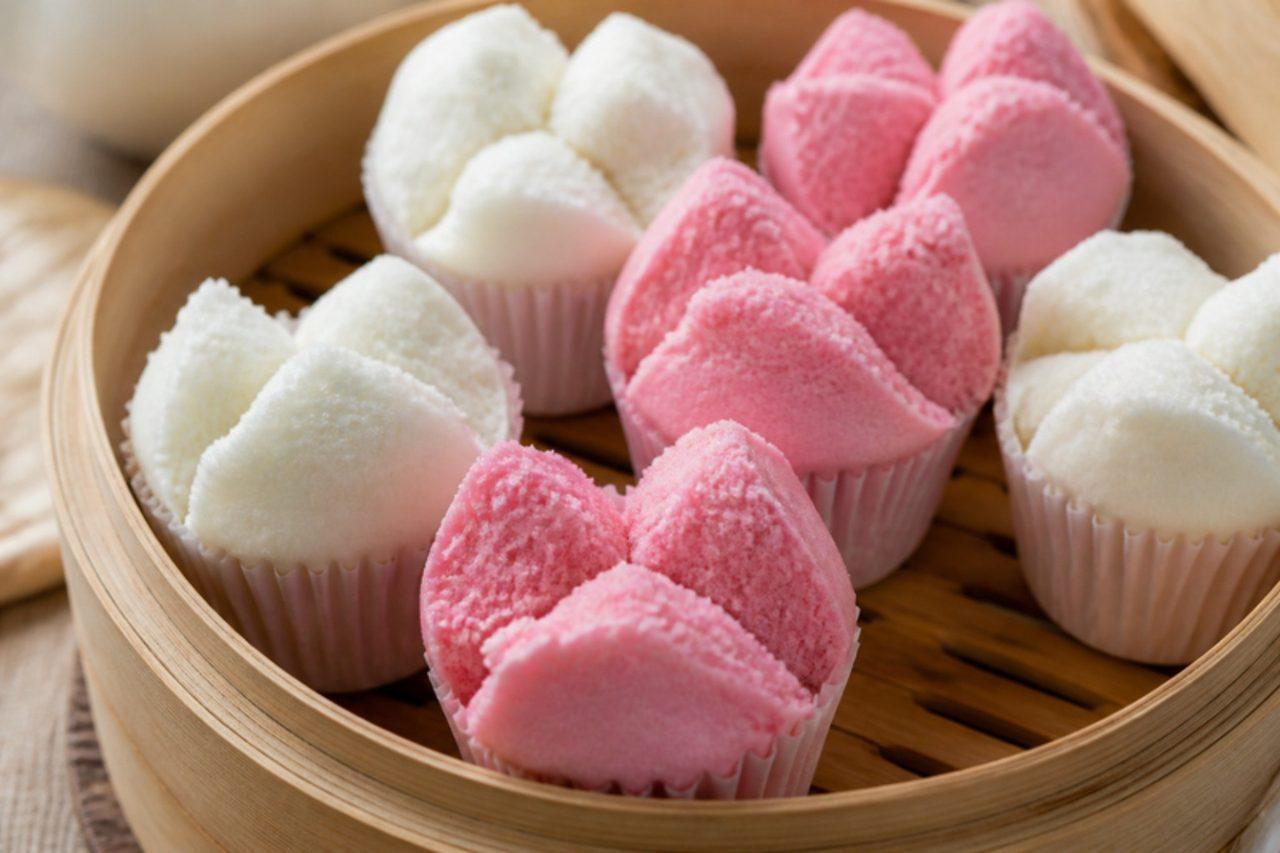
Fa gao (prosperity cakes)Steamed rice flour cakes

Fa gao is the little cake on every Cantonese New Year altar in Guangzhou and in Chinatowns from Kuala Lumpur to London: the word 'fa' means both 'rise' and 'prosper', and the deeper the cross-shaped crack on top, the luckier the year. This quick version uses rice flour, a little wheat flour and baking powder, steamed hard so the tops burst open, and it is egg- and dairy-free. The mistake that stops them smiling is a gentle steamer; the water must be at a fierce rolling boil before the cups go in. Chef's tip: fill the cups right to the brim, so the batter has to split as it rises.

by KrazyBadal 0 views

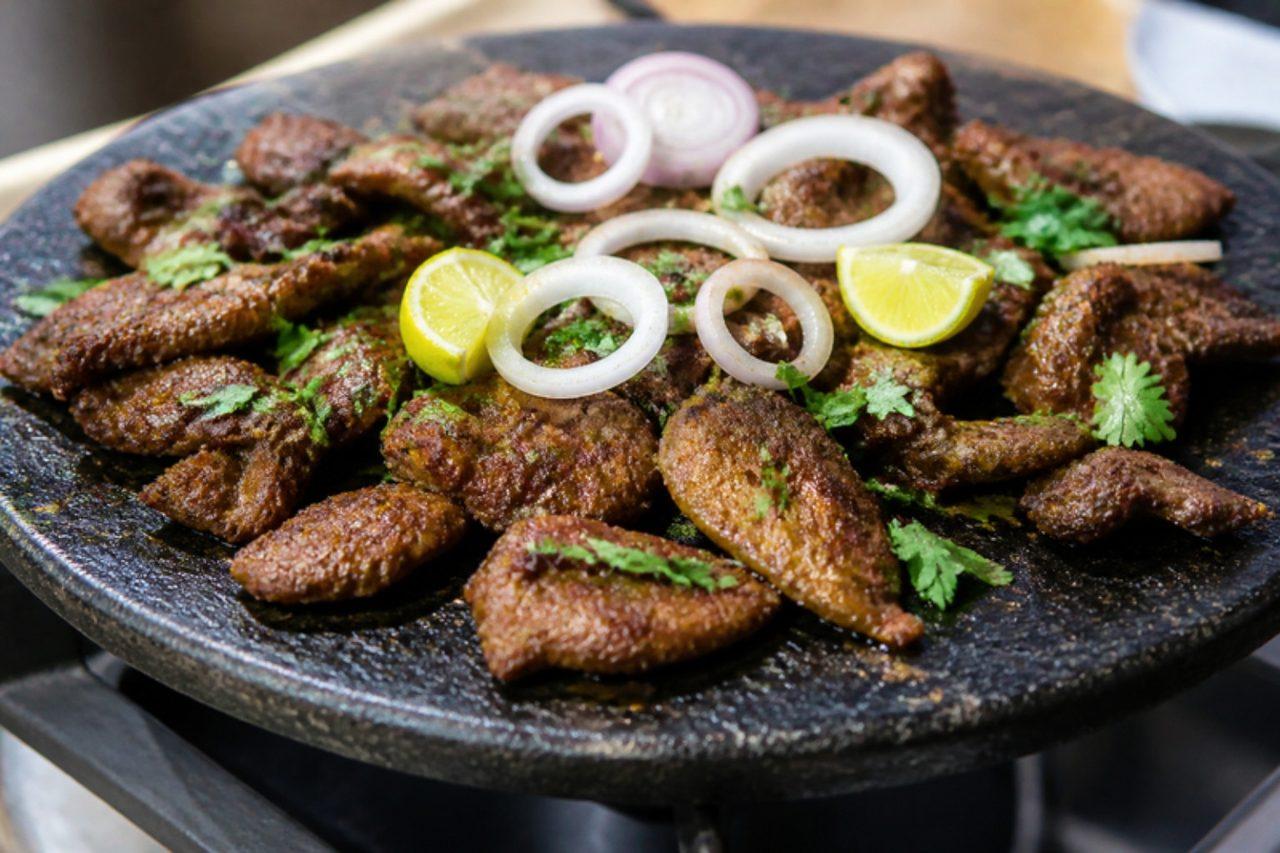
Pathar ka goshtStone-seared spiced mutton

Legend credits a Nizam's hunting party with the idea, but today pathar ka gosht is a speciality of Old City eateries and Eid get-togethers in Hyderabad. Boneless mutton (goat, from the leg) is cut into thin escalopes, beaten even thinner and marinated with raw papaya, ginger, garlic, black pepper and lemon, then seared on a slab of granite heated over coals until it is browned at the edges, smoky and remarkably tender. Lamb leg works just as well. At home, a heavy cast-iron griddle gives a very similar result; if you use a stone, it must be untreated, food-grade granite, heated slowly so it doesn't crack. Serve sizzling with onion rings, lemon wedges, crisp fried onions and warm sheermal or naan. Chef's tip: slice the meat across the grain while it is half-frozen; it is far easier to cut 5 mm slices that way, and thin, even slices are what make this dish.

60 minIndianMeatGluten free
by KrazyBadal 0 views

Showing 24 of 2,738 recipes

Show more recipes

Page 1 of 115