Skip to content
Recipes

All recipes

Vegetarian, or something you can't eat? Set your diet once and we'll hide recipes that don't fit.

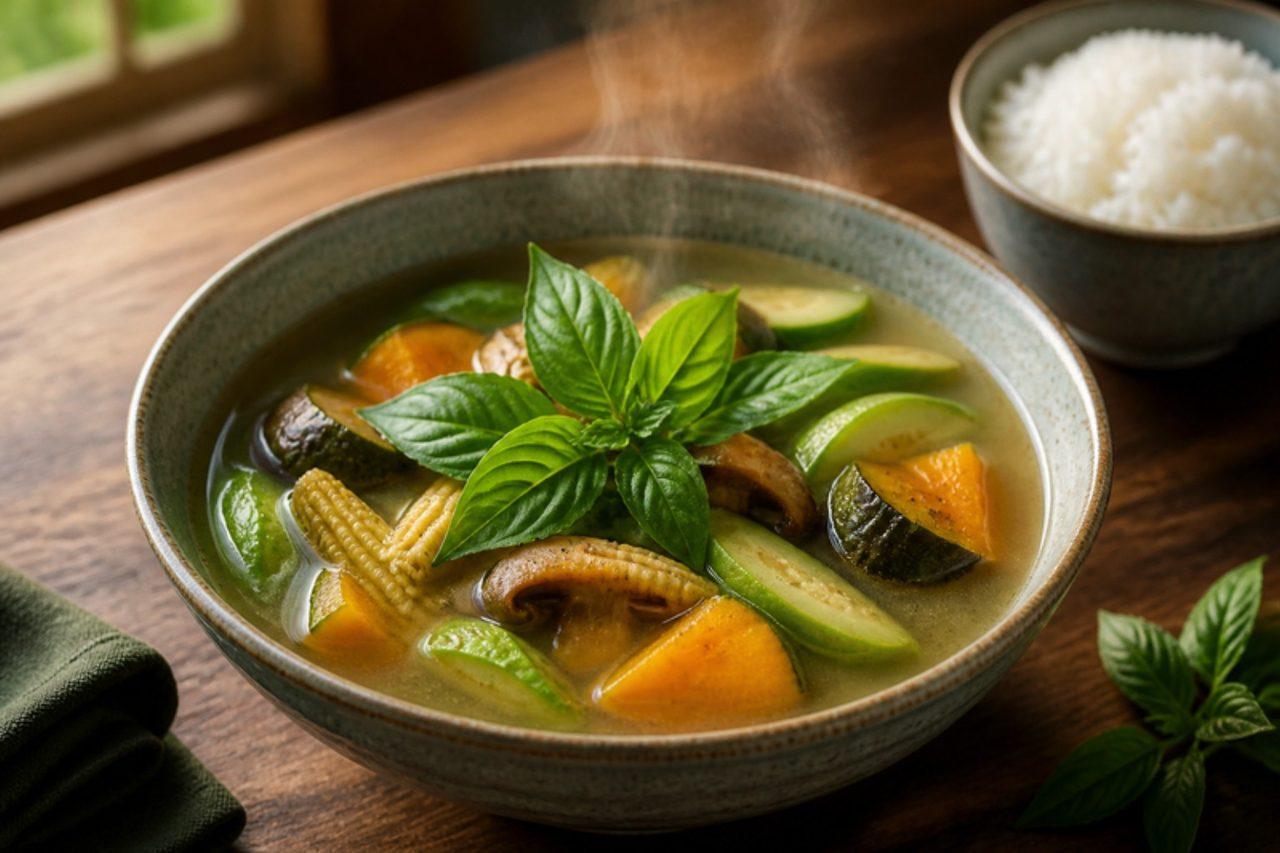
Gaeng liang (peppery pumpkin and lemon basil soup)

Older cooks in Ayutthaya and the central plains make this soup for new mothers and anyone feeling run down: a cloudy broth of pounded shallot, white pepper and krachai (fingerroot), packed with pumpkin, baby corn, sponge gourd and handfuls of lemon basil. It is eaten as one of several dishes with rice at a home meal, never as a creamy starter. The everyday version pounds dried shrimp and shrimp paste into the base and seasons with fish sauce; here dried shiitake and tamari give the savouriness, so it is vegan. Chef's tip: add the lemon basil off the heat at the very end; boiled basil turns black and loses the peppery perfume the soup is named for.

30 minThaiSoupsVeganGluten free
by KrazyBadal 0 views

Nam dok anchan (butterfly pea lemonade)

Vines of butterfly pea climb fences in gardens all over Thailand, and cafés from Bangkok to Krabi serve the flowers as an iced drink that changes colour at the table. The tea itself is mild and earthy, blue as ink; stirring in lime juice turns it violet and makes it tangy, which children love to watch. Chef's tip: the common mistake is mixing the lime in beforehand; serve the blue tea and lime separately so the colour change happens in the glass.

15 minThaiDrinksVeganGluten free
by KrazyBadal 0 views

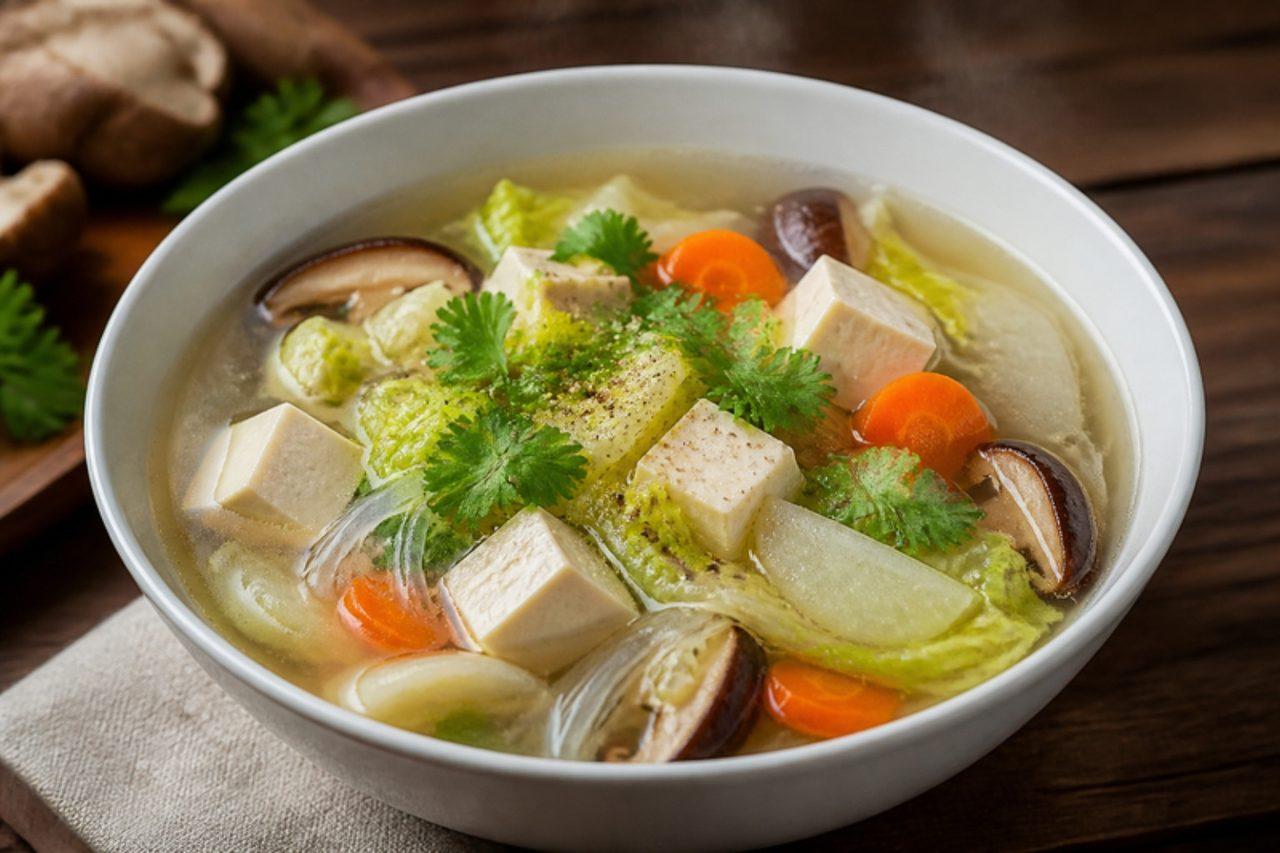
Gaeng jued tao hoo (clear tofu soup, jay style)

During the nine days of the Vegetarian Festival in Phuket Town and Bangkok's Chinatown, yellow flags mark the stalls selling food that is jay: no meat, no dairy and none of the pungent alliums. This gentle soup is what people drink alongside their stir-fries, a clear broth of daikon and dried shiitake sharpened with crushed white pepper and coriander root, holding soft silken tofu and slippery mung bean vermicelli. Out of festival season, cooks add garlic oil and minced pork. Chef's tip: don't boil after the tofu goes in; silken tofu breaks into crumbs, so let it warm through at a bare simmer.

30 minThaiSoupsVeganGluten free
by KrazyBadal 0 views

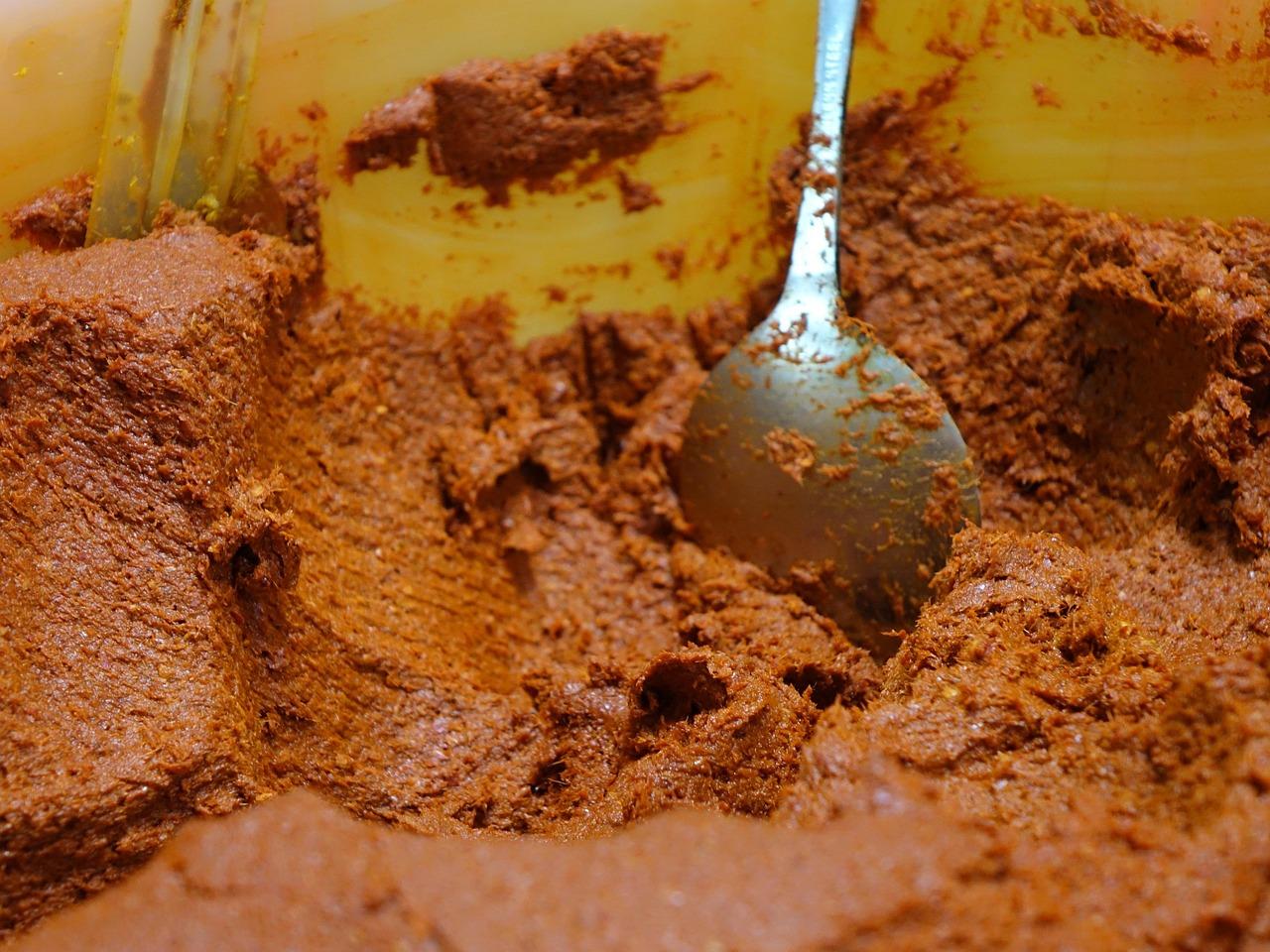
Thai red curry paste

Market stalls in Bangkok's Or Tor Kor and Khlong Toei sell red curry paste by the scoop from brick-red mounds, but a home batch pounded in a granite mortar smells far brighter. This is the base for gaeng phet, choo chee and red duck curry, and a spoonful also lifts fried rice and stir-fried long beans. The paste is coarse, deep red and fiercely aromatic, with lemongrass and galangal up front. Traditionally a teaspoon of kapi (fermented shrimp paste) goes in at the end; this version uses yellow soybean paste instead so it stays vegan. Add 1 tsp roasted shrimp paste in step 8 if you want the classic. Chef's tip: soak the chillies until fully soft and squeeze them dry before pounding; hard, wet chillies are the usual reason a paste stays gritty and watery.

40 minThaiBasicsVeganGluten freeSpicy
by KrazyBadal 0 views

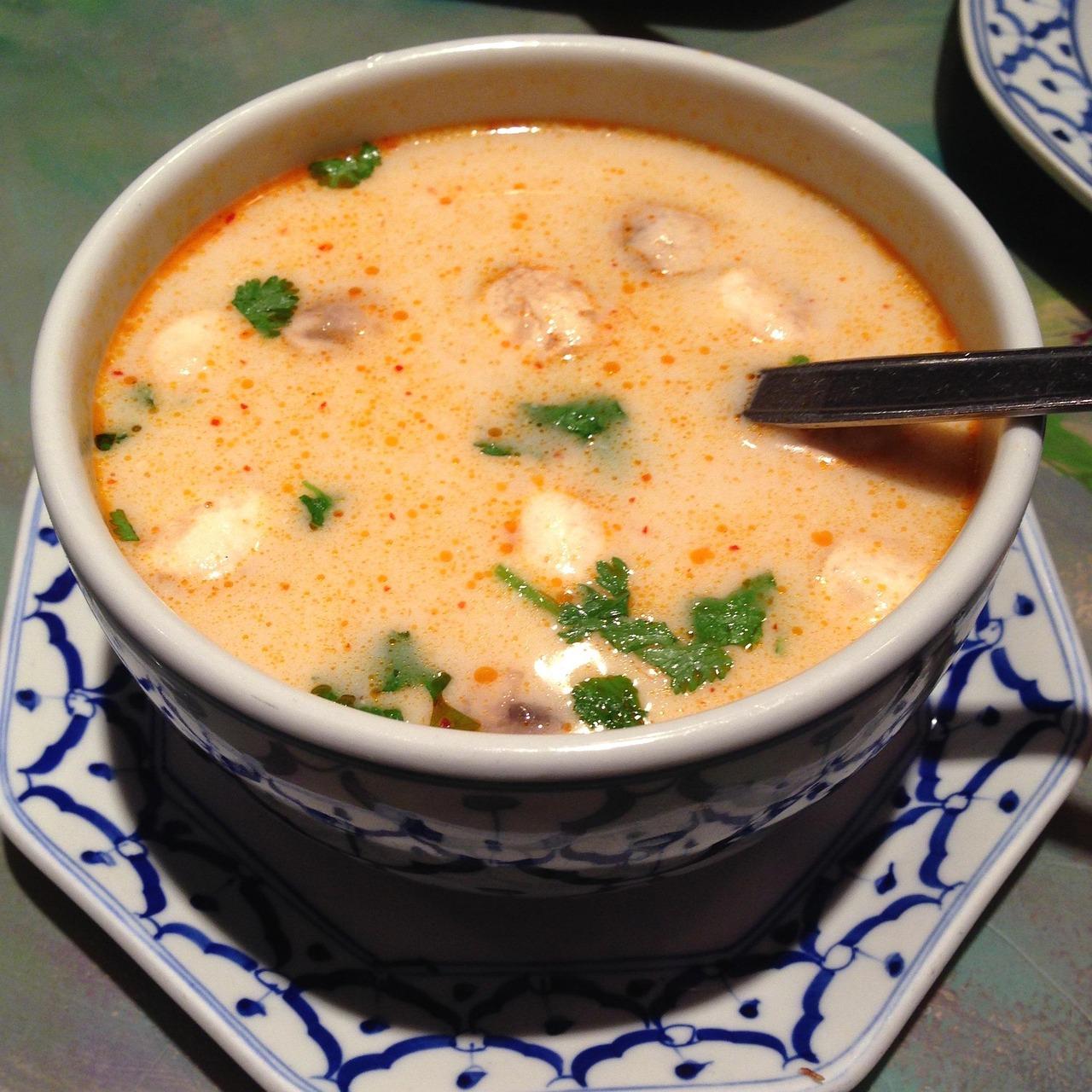
Tom kha gai (chicken in coconut-galangal soup)

Central Thai home cooks make tom kha as one of the dishes at a shared dinner, spooned over rice rather than drunk as a starter, and Bangkok restaurants serve it in a bubbling fire pot. Galangal, lemongrass and kaffir lime leaf are simmered in coconut milk with chicken and mushrooms, then seasoned at the end with fish sauce and lime, so the soup is creamy, sour, salty and only gently hot. For a vegetarian version (tom kha het), use 400 g mixed mushrooms and firm tofu, vegetable stock and light soy sauce instead of fish sauce. Chef's tip: add the lime juice off the heat; boiling lime turns bitter and dulls the whole pot.

30 minThaiSoupsGluten free
by KrazyBadal 0 views

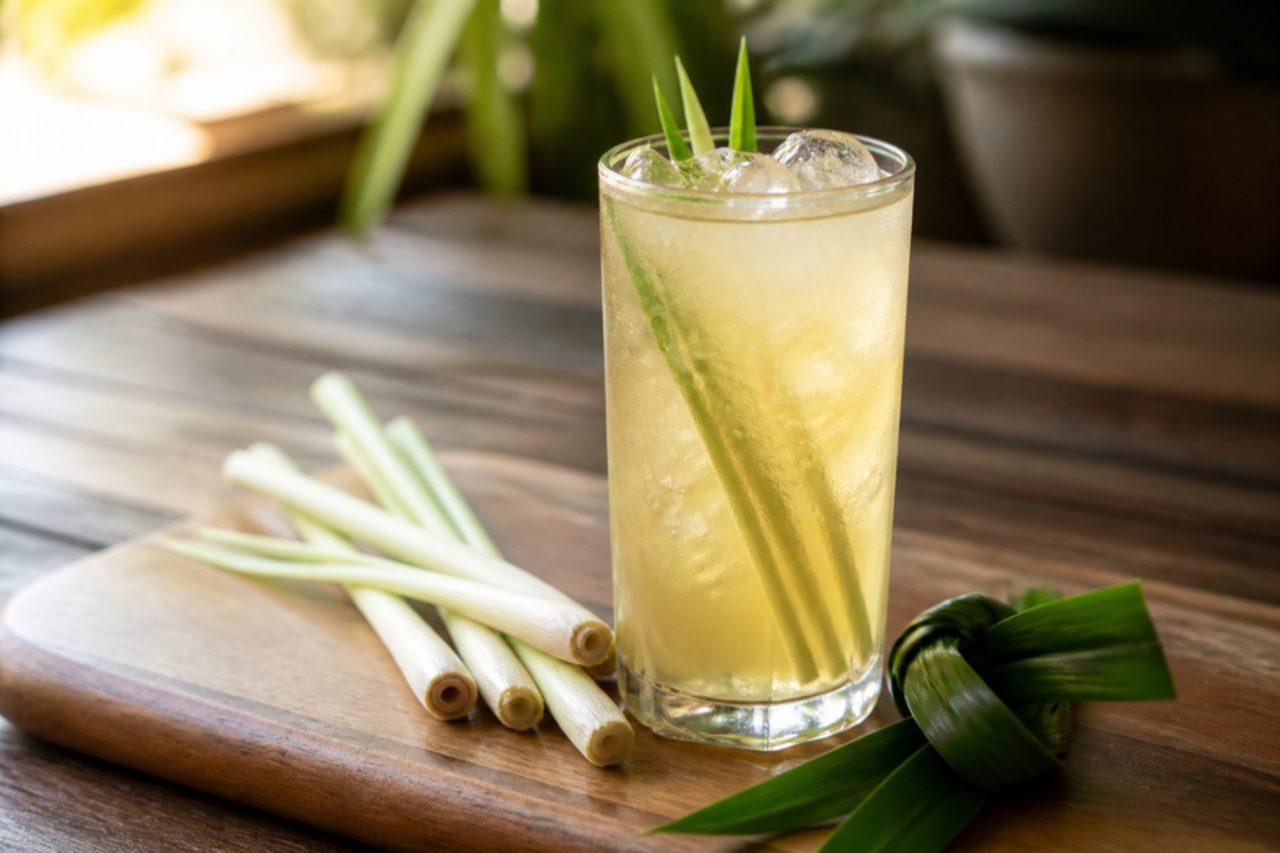
Nam takrai (lemongrass drink)

Thai spa receptions and roadside rice shops both pour this from big glass jars, and in Chiang Mai and Bangkok homes a pot is often simmering on hot afternoons. Bruised lemongrass gives a clean, lemony, slightly grassy taste and pandan a soft vanilla note; lightly sweetened, it is refreshing over ice and soothing warm on a rainy-season evening. Chef's tip: the usual mistake is chopping the lemongrass fine and boiling it hard, which makes it bitter; bash the stalks and simmer gently.

20 minThaiDrinksVeganGluten free
by KrazyBadal 0 views

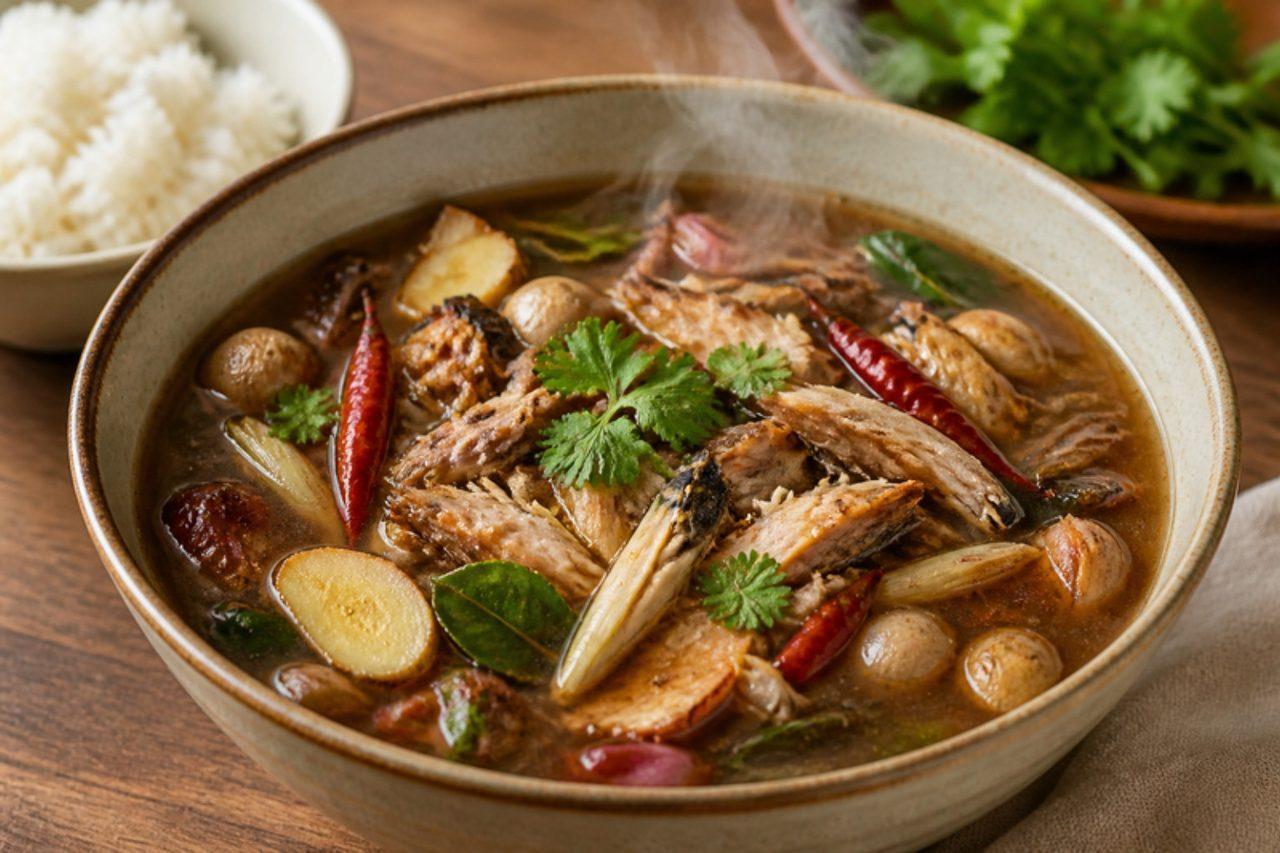
Tom klong (smoky sour dried-fish soup)

Tom klong is the older, rustic cousin of tom yum, cooked in central Thai homes along the rivers of Suphan Buri and Ang Thong, where fish was dried and smoked to keep through the rains. Shallots, garlic and dried chillies are charred first, then simmered with tamarind, lemongrass and galangal, and smoked dried fish turns the clear broth deep and savoury. It is sour, smoky and hot, eaten with rice and a plain omelette. Look for dried smoked fish (pla krob or pla salid) in Asian grocers, or use smoked mackerel. Chef's tip: grill the aromatics until blackened in patches; pale, raw shallots give a thin soup without the smoke that defines it.

35 minThaiSoupsGluten freeSpicy
by KrazyBadal 0 views

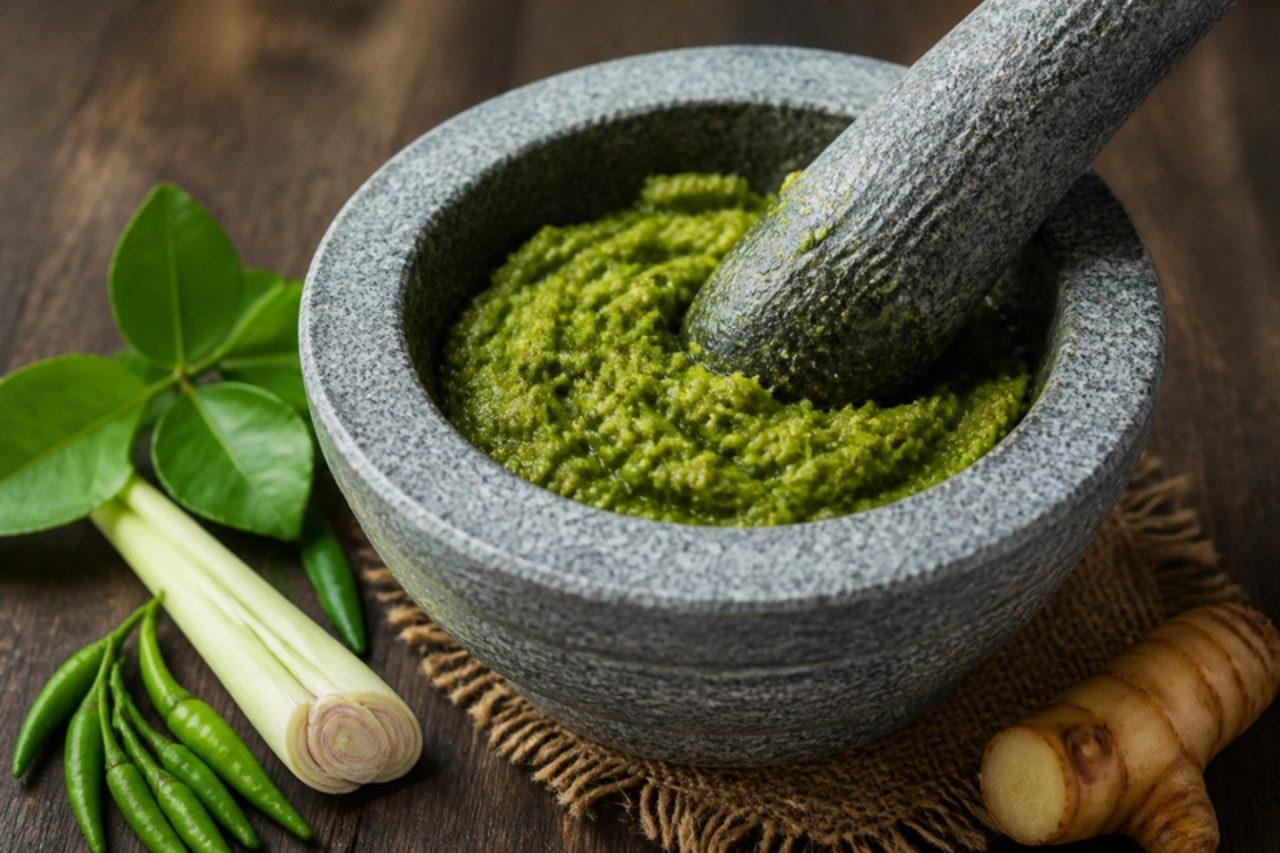
Thai green curry paste

Green curry is a central-plains dish, cooked in Bangkok shophouse kitchens and eaten over rice or khanom jeen noodles at lunch. Its paste uses fresh green chillies rather than dried red ones, so it tastes grassy, hot and citrusy, with cumin and white pepper underneath. Thai cooks would add kapi (shrimp paste) at the end; here yellow soybean paste gives the savoury depth so the paste is vegan, and 1 tsp roasted shrimp paste can go back in for the traditional version. Chef's tip: don't add water to get the blender going; a watery paste won't fry in coconut cream and the curry tastes flat. Use a spoonful of oil and patience instead.

38 minThaiBasicsVeganGluten freeSpicy
by KrazyBadal 0 views

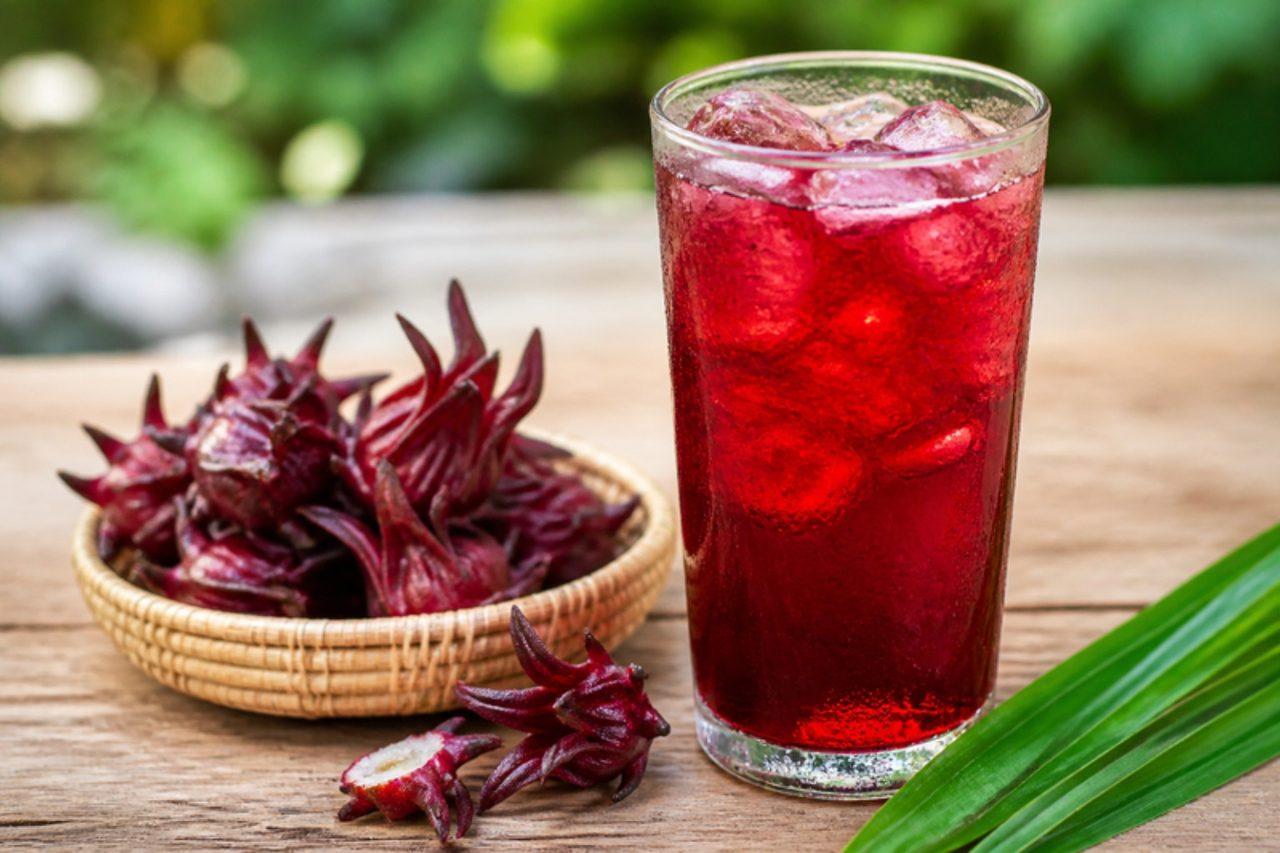
Nam krachiap (roselle drink)

In the dry hot season Thai markets from Isan to Bangkok sell bags of this ruby drink tied with a straw, made from the dried calyces of the roselle plant grown in the northeast. It tastes like cranberry with a floral edge, sharply tart and only lightly sweet, with a pinch of salt to lift it. Drink it very cold; it keeps for days in the fridge. Chef's tip: the mistake is boiling the roselle for a long time, which turns it bitter and dull; simmer briefly and then let it steep off the heat.

20 minThaiDrinksVeganGluten free
by KrazyBadal 0 views

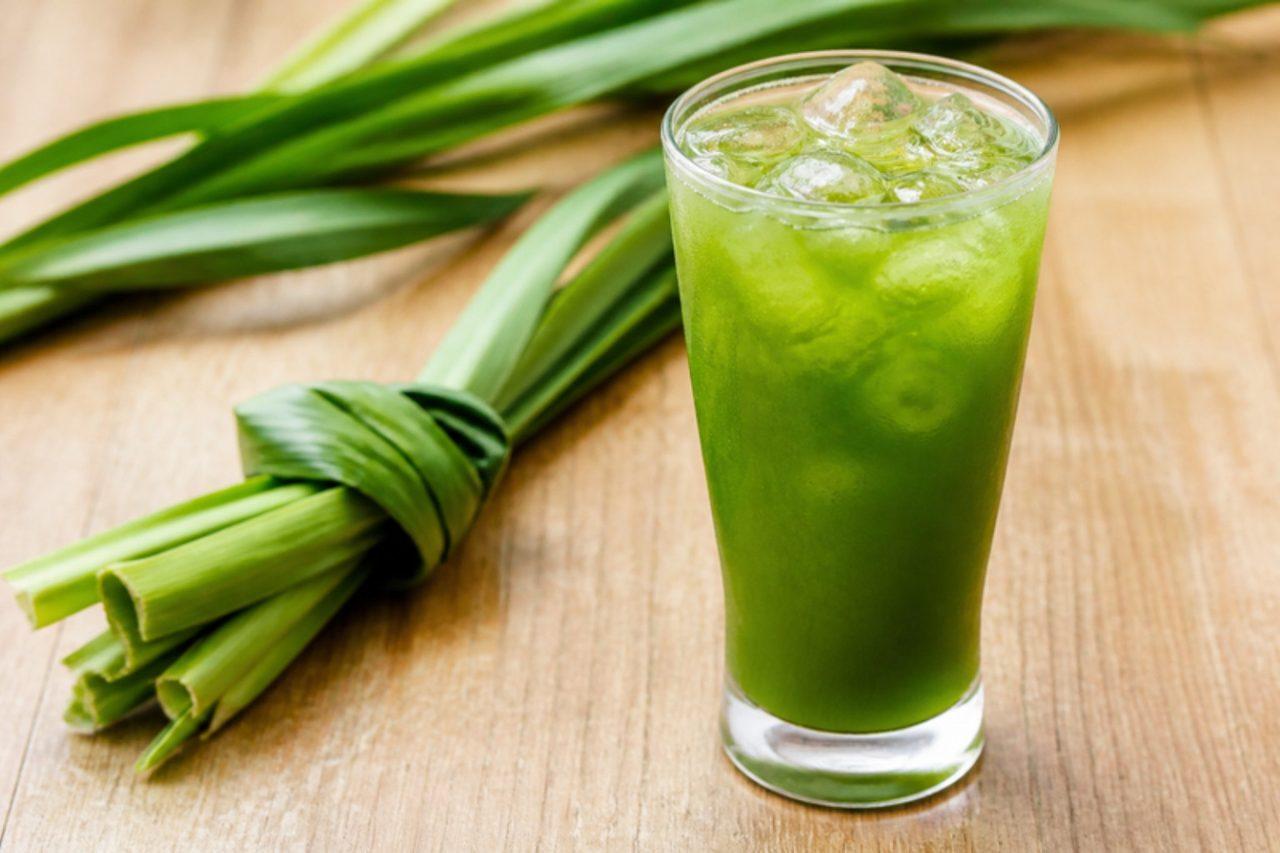
Nam bai toey (pandan drink)

Every Thai garden seems to have a clump of pandan by the tap, and on hot days cooks across the country blitz a handful of leaves into this bright green drink sold at temple fairs and noodle shops. It tastes sweet, grassy and faintly of vanilla and basmati, and is said to cool the body. Fresh leaves give the best colour; frozen ones from Asian shops work well too. Chef's tip: the mistake is serving it unstrained or leaving it for hours; strain it twice through cloth and drink it the same day, as it fades and turns grey.

15 minThaiDrinksVeganGluten free
by KrazyBadal 0 views

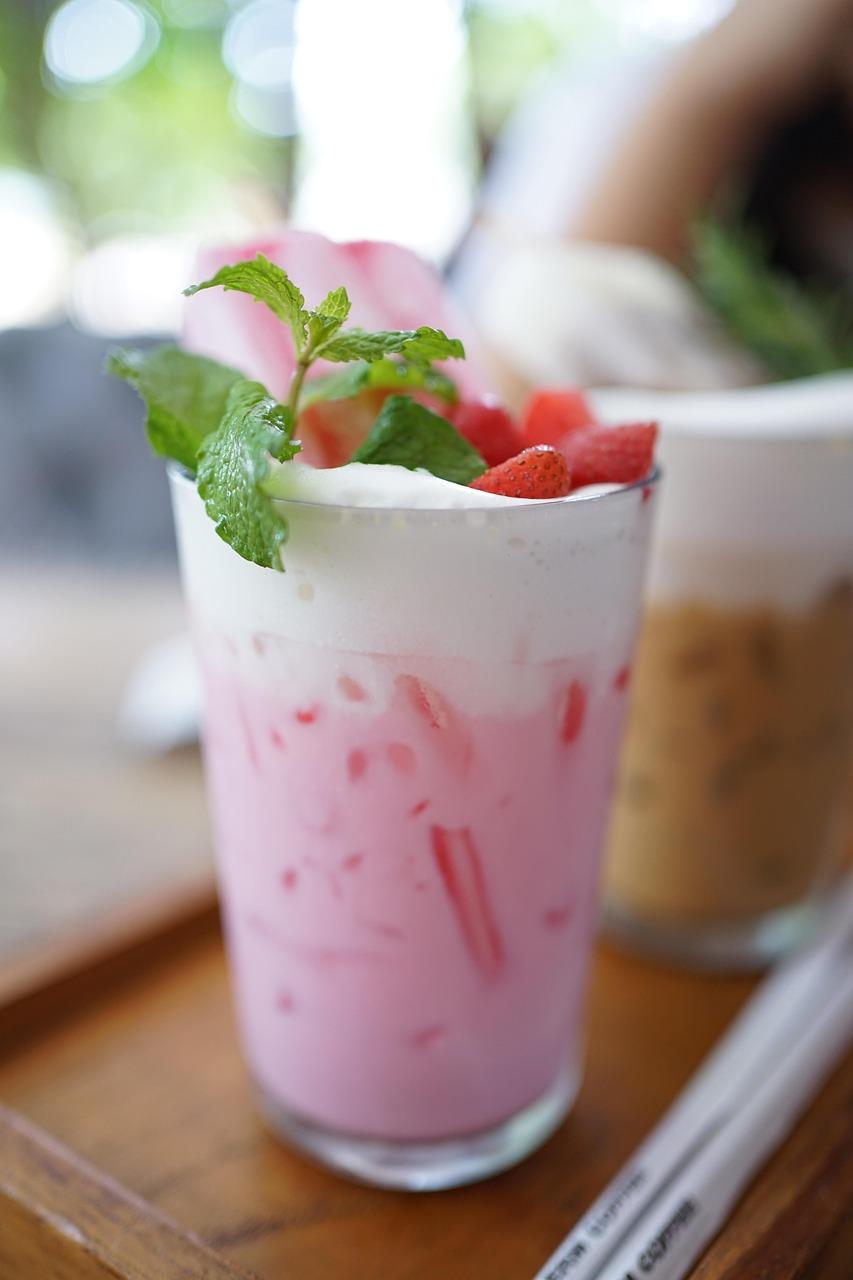
Nom yen (pink milk)Pink iced milk

Thai drink stalls outside schools and markets keep a bottle of red sala syrup next to the condensed milk for this sweet, bubblegum-pink milk, a favourite of children from Bangkok to Hat Yai. Sala is a tangy palm fruit, and the syrup tastes of it lightly, almost like cream soda; any red sala-flavoured syrup from an Asian shop works. Shake it with ice until frothy. Chef's tip: the mistake is too much syrup, which turns it lurid and cloying; start with a tablespoon per glass and add more to taste.

by KrazyBadal 0 views

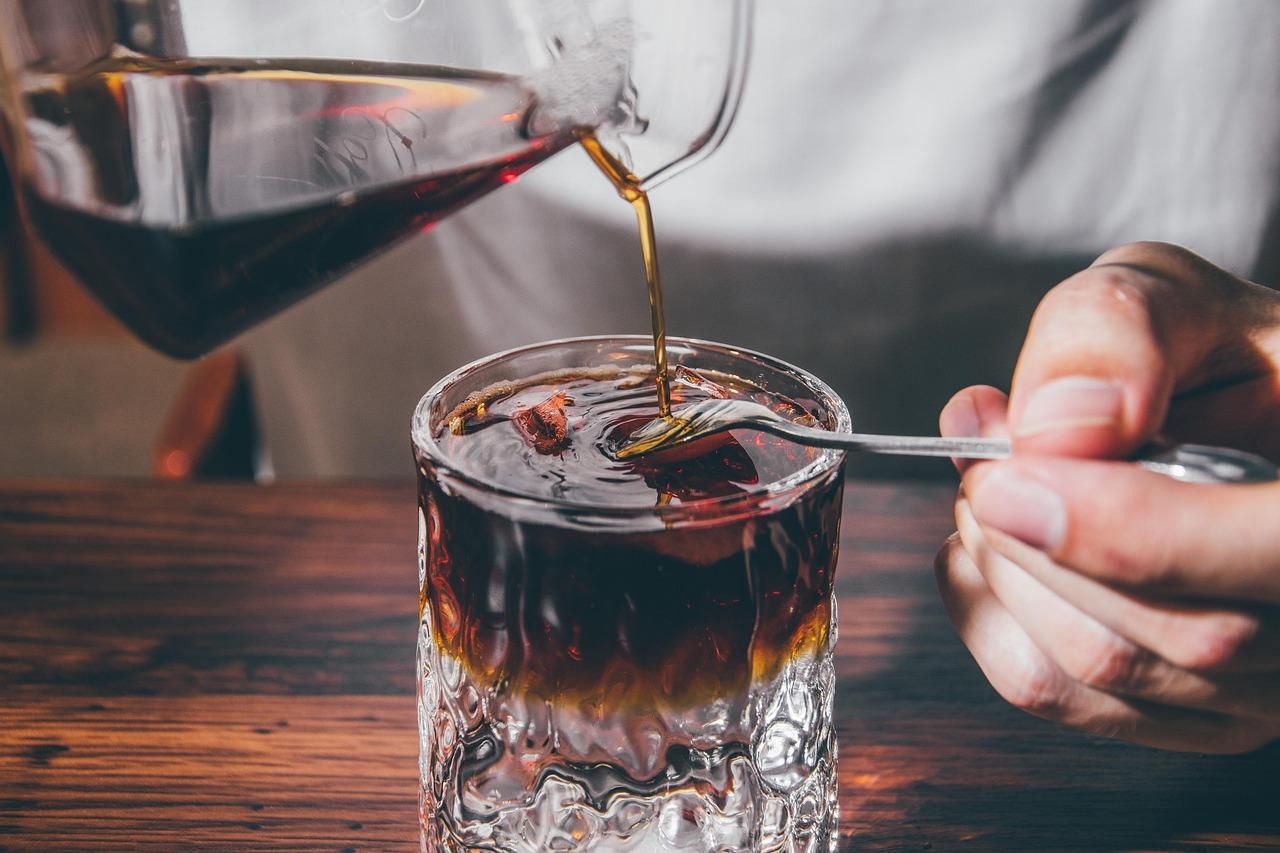
Oliang (Thai black iced coffee)

Old Bangkok coffee shops in Chinatown and Bang Rak still brew oliang through a long cotton sock, using a dark blend of coffee roasted with corn, soybeans, rice and sesame that gives it a toasty, almost cocoa-like flavour. It is served black, heavily sweetened and poured over crushed ice in tall glasses, a mid-morning pick-me-up for market traders. Look for any Thai 'oliang powder' blend in Asian shops, or mix dark coffee with roasted grains as below. It contains caffeine, so it is not one for children. Chef's tip: adding sugar after chilling is the mistake; dissolve it while the coffee is hot, or it stays gritty.

15 minThaiDrinksVeganGluten free
by KrazyBadal 0 views

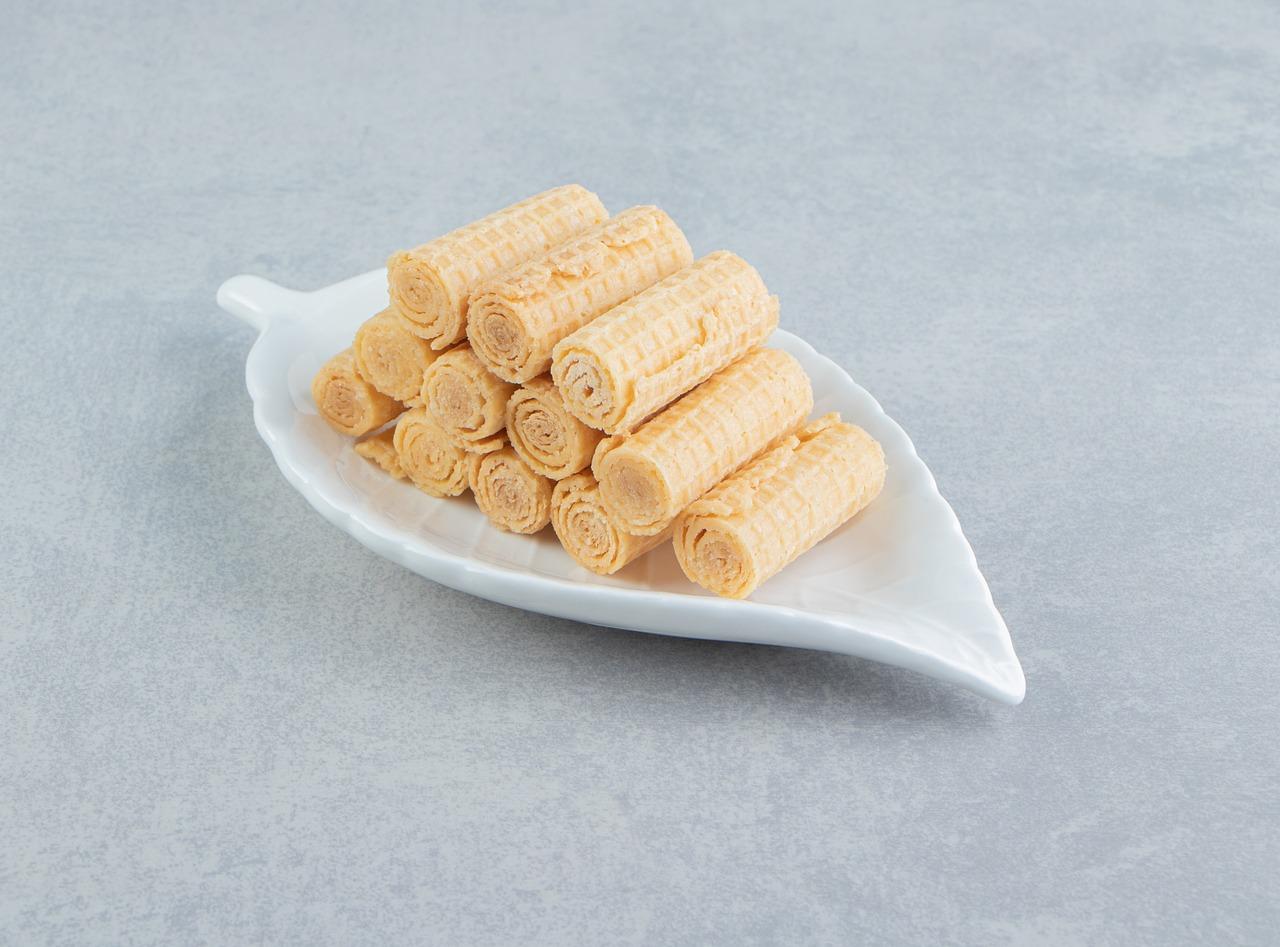
Crêpes dentelleCrisp lace crêpe biscuits

Crêpes dentelle, "lace crêpes", are a speciality of Quimper in Brittany, said to have been invented by a baker there in 1886 who burnt a crêpe and rolled it up; they are wafer-thin, crisp, buttery rolled biscuits, sold in tins all over Brittany and eaten with coffee or crumbled over ice cream. The common mistake is spreading the batter too thick, so they will not crisp. Chef's tip: spread the batter so thin you can see the tray through it, and roll each one as soon as it comes out of the oven.

by KrazyBadal 0 views

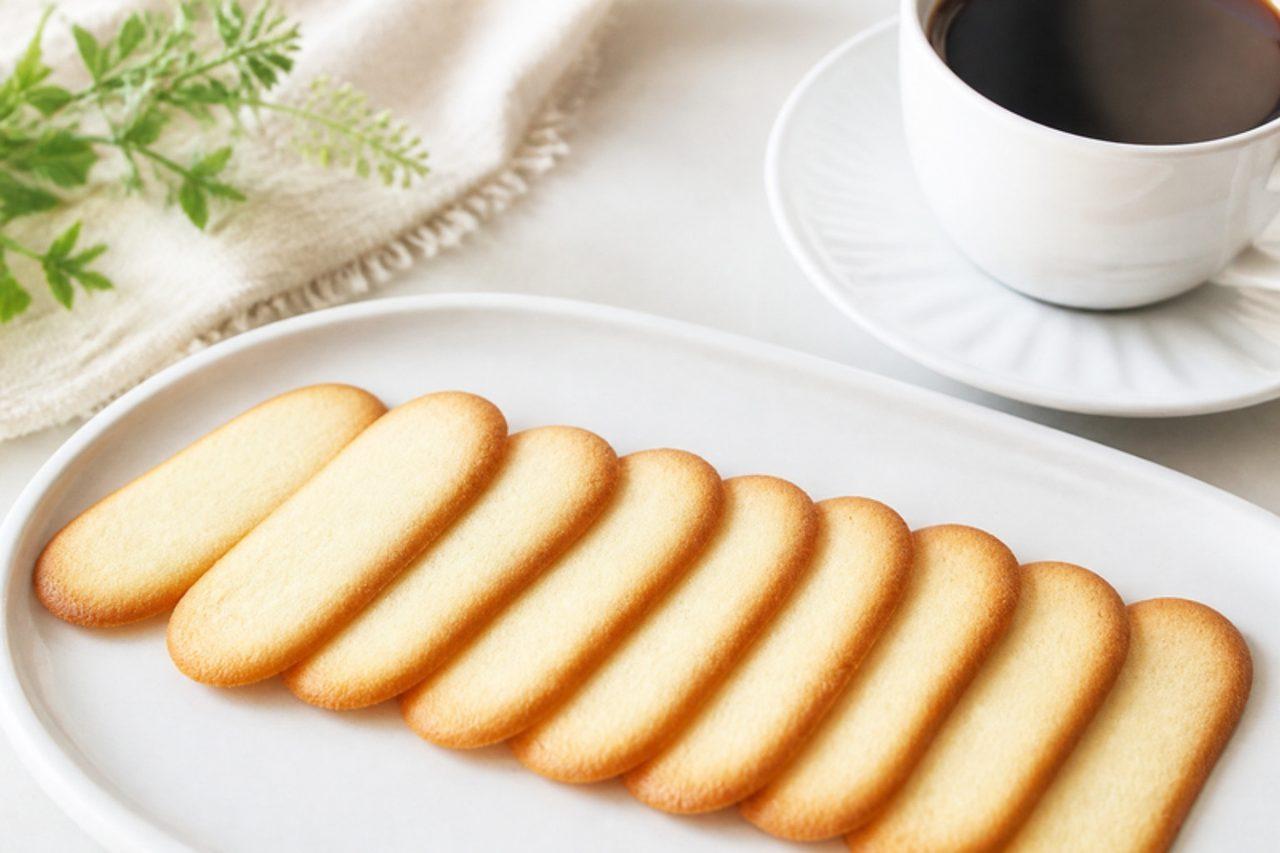
Langues de chatCat's tongue biscuits

Langues de chat, "cat's tongues", are long, thin butter biscuits with golden edges, served with coffee, ice cream or a bowl of chocolate mousse in French homes and cafés; they keep well in a tin and children love them. A simple batter of butter, sugar, egg white and flour is piped in strips and baked until the edges just brown. The common mistake is piping them too close together; they spread. Chef's tip: tap the tray firmly on the worktop after piping so the strips flatten evenly.

by KrazyBadal 0 views

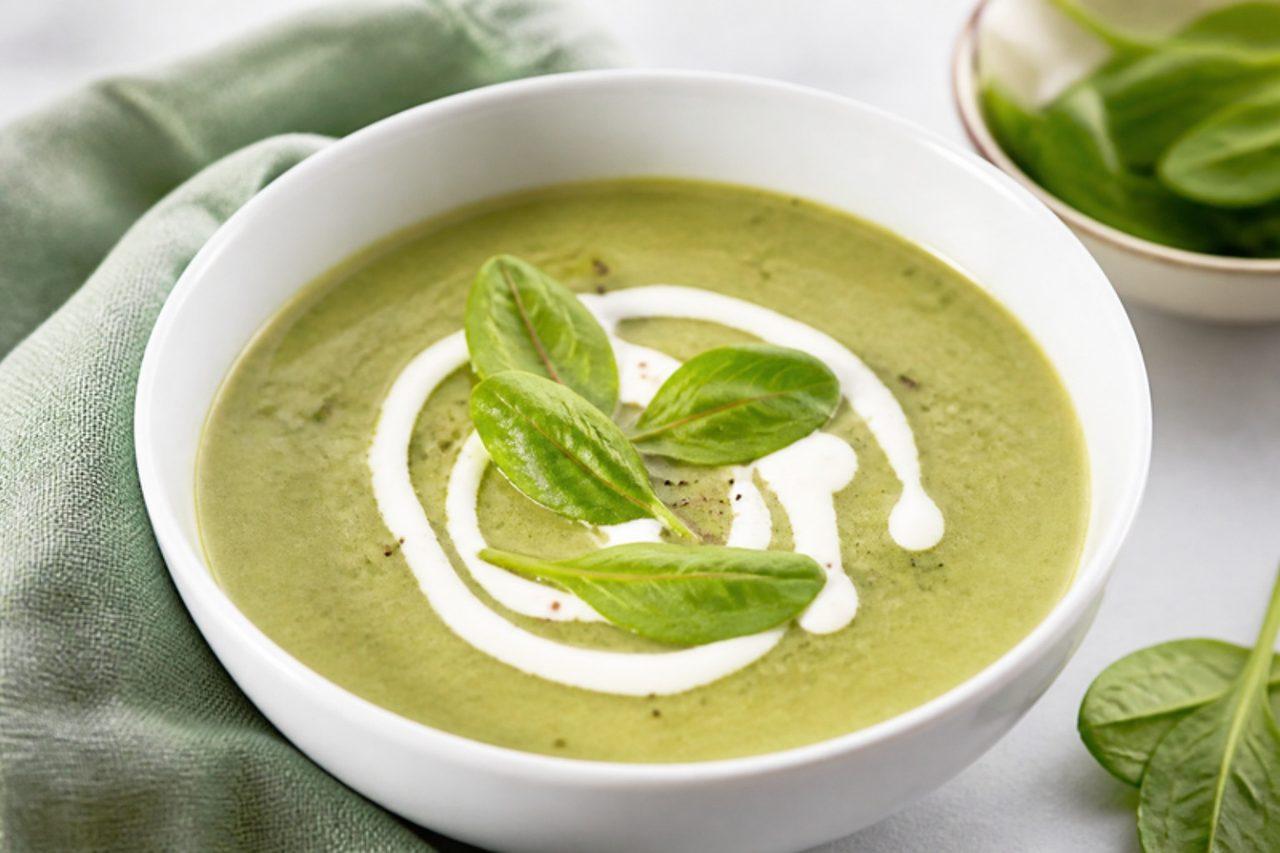
Soupe à l'oseilleSorrel and potato soup

Soupe à l'oseille is an old country soup made in French homes in spring and early summer, when sorrel grows back in the vegetable garden, and served at supper with bread. The lemony leaves melt in butter into a khaki purée, then simmer with potatoes and are finished with an egg yolk and cream, which softens the sharpness into a silky, tangy soup. The common mistake is letting the soup boil after adding the yolk, which scrambles it. Chef's tip: cut the sorrel into ribbons and melt it in butter first; it collapses in a minute and releases all its flavour.

by KrazyBadal 0 views

OranaisApricot custard pastry

The oranais, also called abricotine, is a French bakery pastry that is said to come from the city of Oran in Algeria, brought back by returning pieds-noirs in the 1960s, and it is now found in boulangeries all over France for breakfast and goûter. A square of puff or croissant dough has its corners folded over a spoonful of pastry cream and two apricot halves, so it looks like a pair of eyes. The common mistake is using wet canned apricots, which make the pastry soggy. Chef's tip: drain the apricots on kitchen paper and glaze them with warm apricot jam after baking for a jewel-like shine.

by KrazyBadal 0 views

Brioche à têteTopknot brioche

Brioche à tête, the brioche parisienne, is the little fluted bun with a round head that sits in every French bakery window, eaten for Sunday breakfast, dunked in hot chocolate or served with jam at goûter. The dough is very rich in eggs and butter, kneaded long until silky, then chilled overnight, which makes it easy to shape and gives a deep flavour. The common mistake is adding the butter too fast, which leaves a greasy dough. Chef's tip: add the butter a little at a time while the mixer runs, and wait until each piece disappears before adding the next.

620 minFrenchBaking
by KrazyBadal 0 views

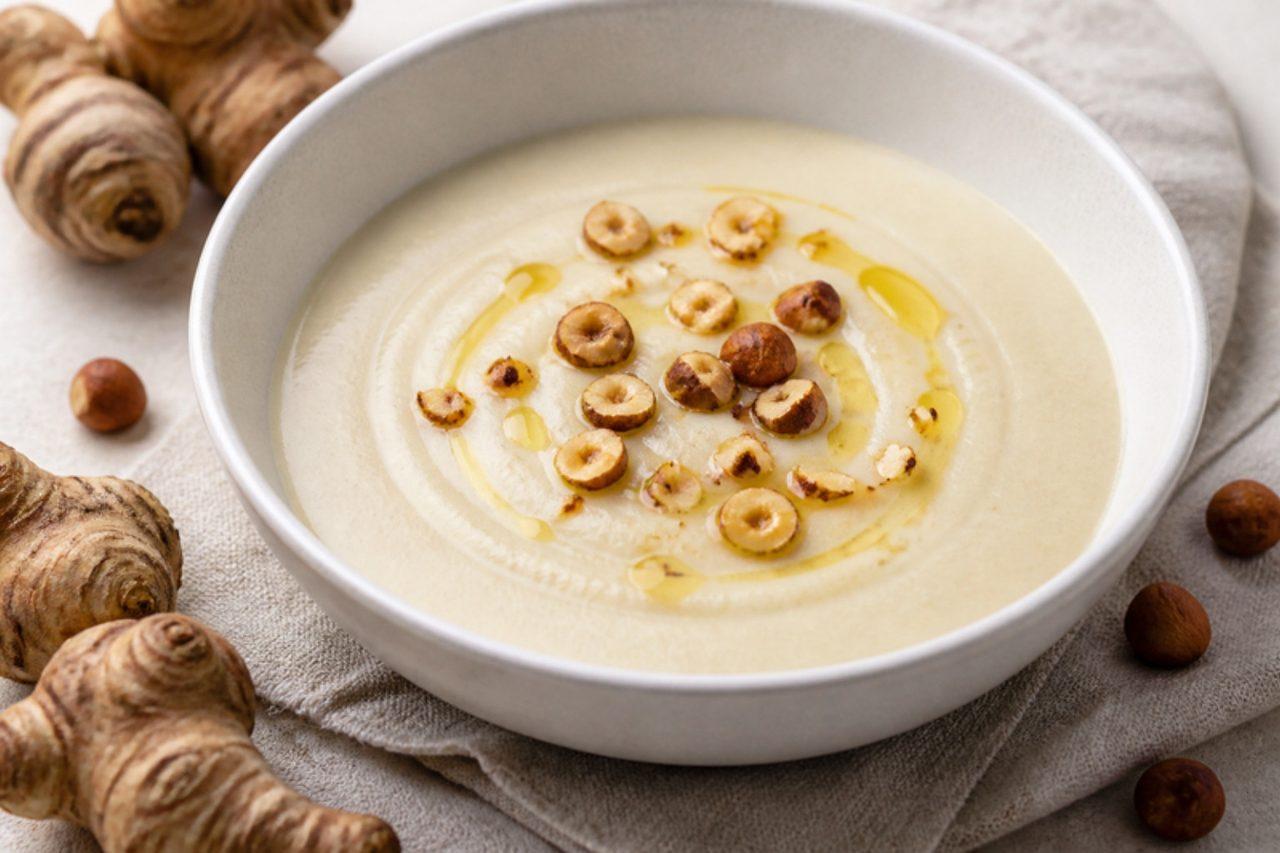
Velouté de topinamboursJerusalem artichoke soup

Velouté de topinambours is a winter soup French cooks rediscovered in the last twenty years; the knobbly Jerusalem artichoke was wartime food for older generations and is now a favourite at markets and bistros from November to March. Simmered with leek and potato and blended smooth, it has a sweet, nutty flavour close to artichoke and hazelnut. The common mistake is leaving the peeled roots in the air, where they turn grey; drop them straight into lemon water. Chef's tip: finish each bowl with a few drops of hazelnut or walnut oil to bring out the nutty taste.

by KrazyBadal 0 views

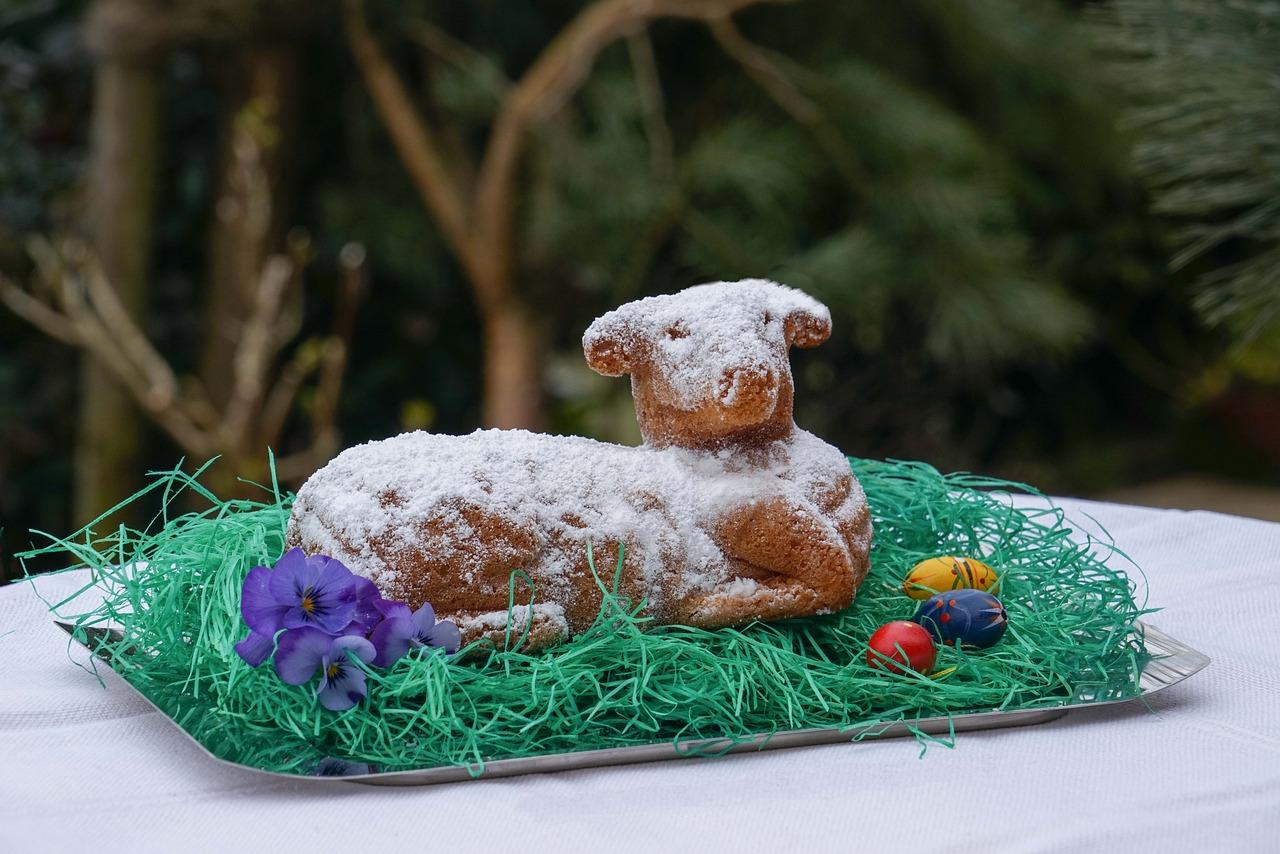
Agneau pascalLamb-shaped Easter cake

The lammele, or agneau pascal, is the Easter cake of Alsace, a light sponge baked in a lamb-shaped earthenware mould from Soufflenheim and dusted with icing sugar, with a little paper flag tied round its neck. It is bought from bakeries in Strasbourg and Colmar or made at home for Easter Sunday breakfast. No lamb meat is involved; it is a vegetarian cake. The common mistake is not greasing the mould well enough, so the head sticks. Chef's tip: brush the mould with soft butter, chill, then dust with flour, so every detail comes out clean.

by KrazyBadal 0 views

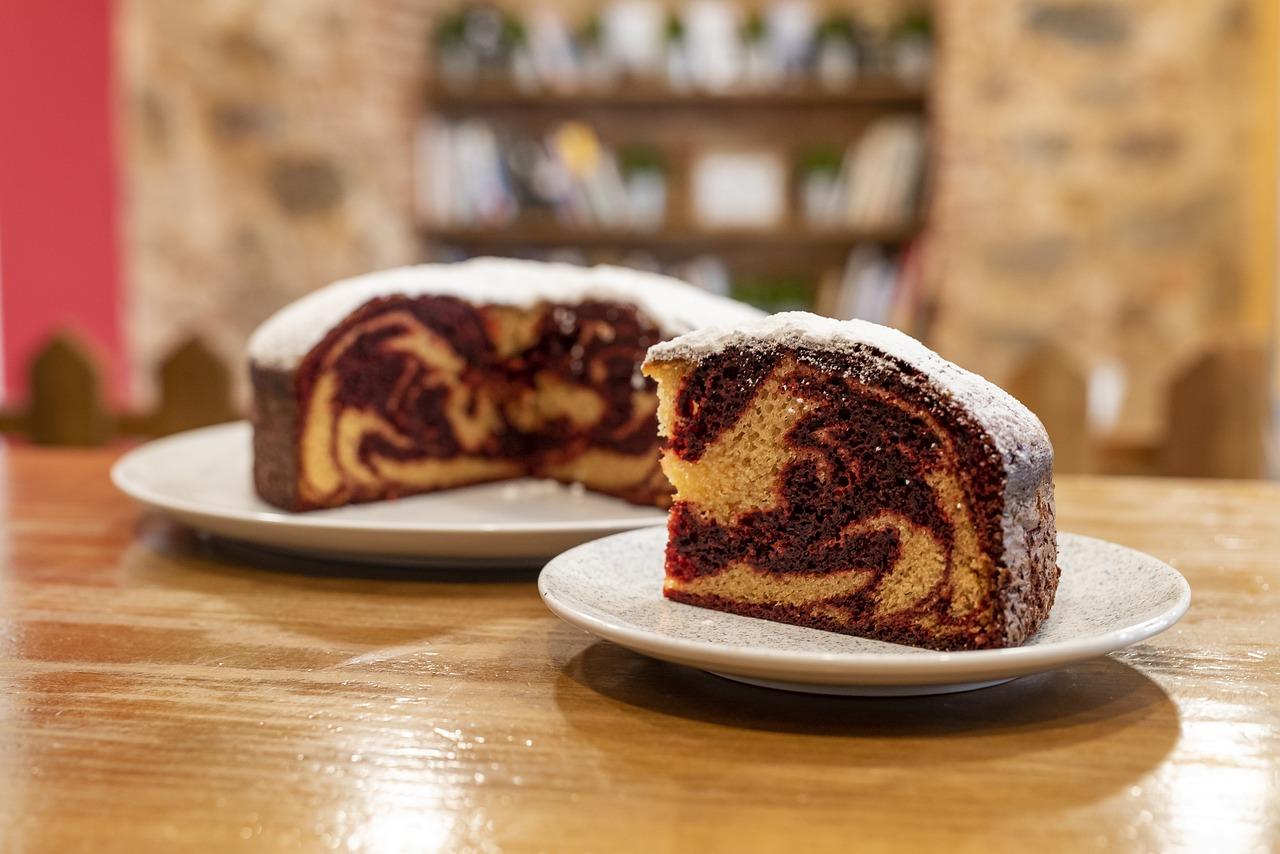
Gâteau marbréMarble loaf cake

Gâteau marbré is the marble cake of French childhood, a vanilla and chocolate loaf with swirls through every slice, packed in school bags for goûter and sold in supermarkets everywhere as a lunchbox cake. Homemade, it is soft, buttery and quick. The common mistake is swirling too much, which turns the cake brown all through. Chef's tip: layer the two batters in the tin and drag a knife through just two or three times.

by KrazyBadal 0 views

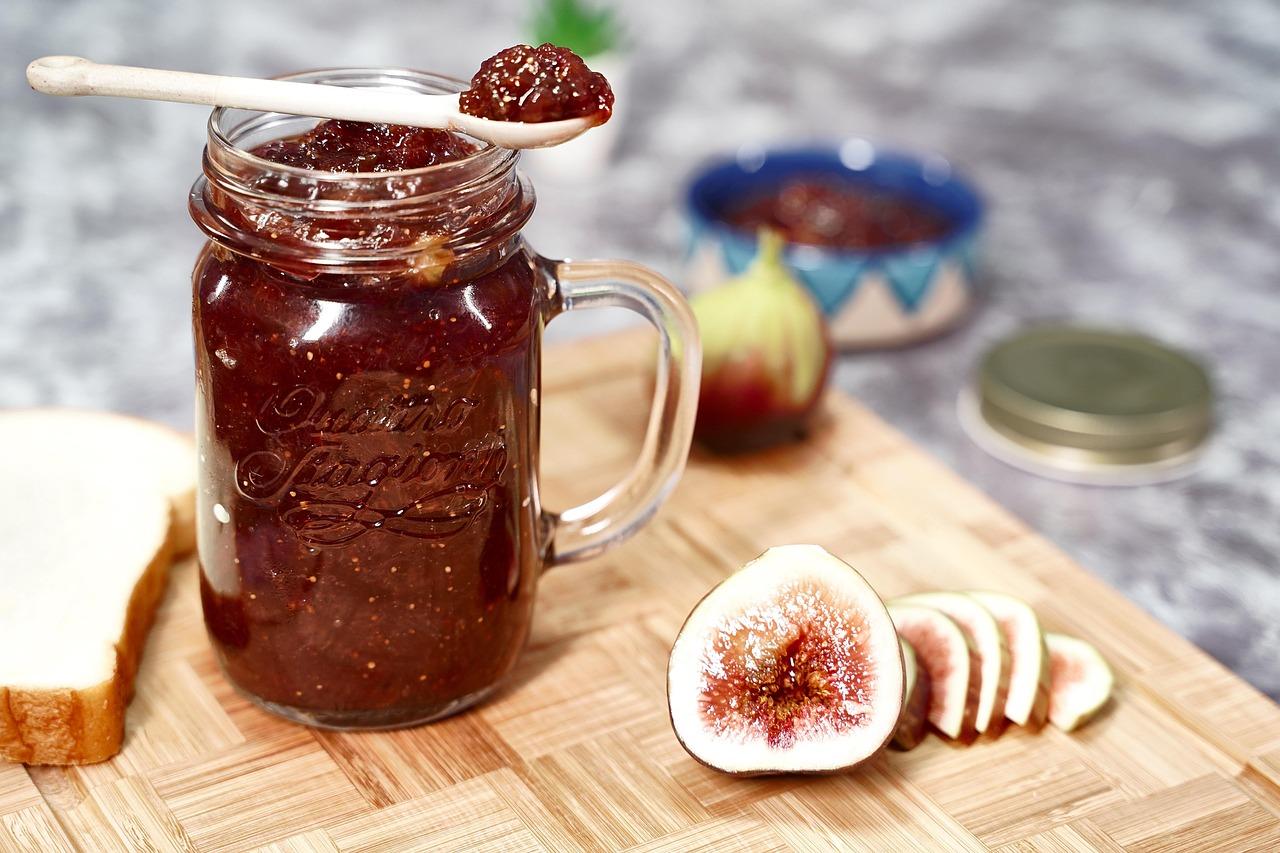
Confiture de figuesFig jam

Fig jam is made in late summer in Provence and the south-west, when the trees are heavy with violet figs, and it is served with breakfast and, very often, with cheese, especially goat's cheese and ewe's cheese from the Pyrenees. The figs are cooked with lemon and vanilla until thick and glossy. The common mistake is undercooking it, so it stays runny. Chef's tip: figs are low in pectin, so add a grated apple or use jam sugar.

by KrazyBadal 0 views

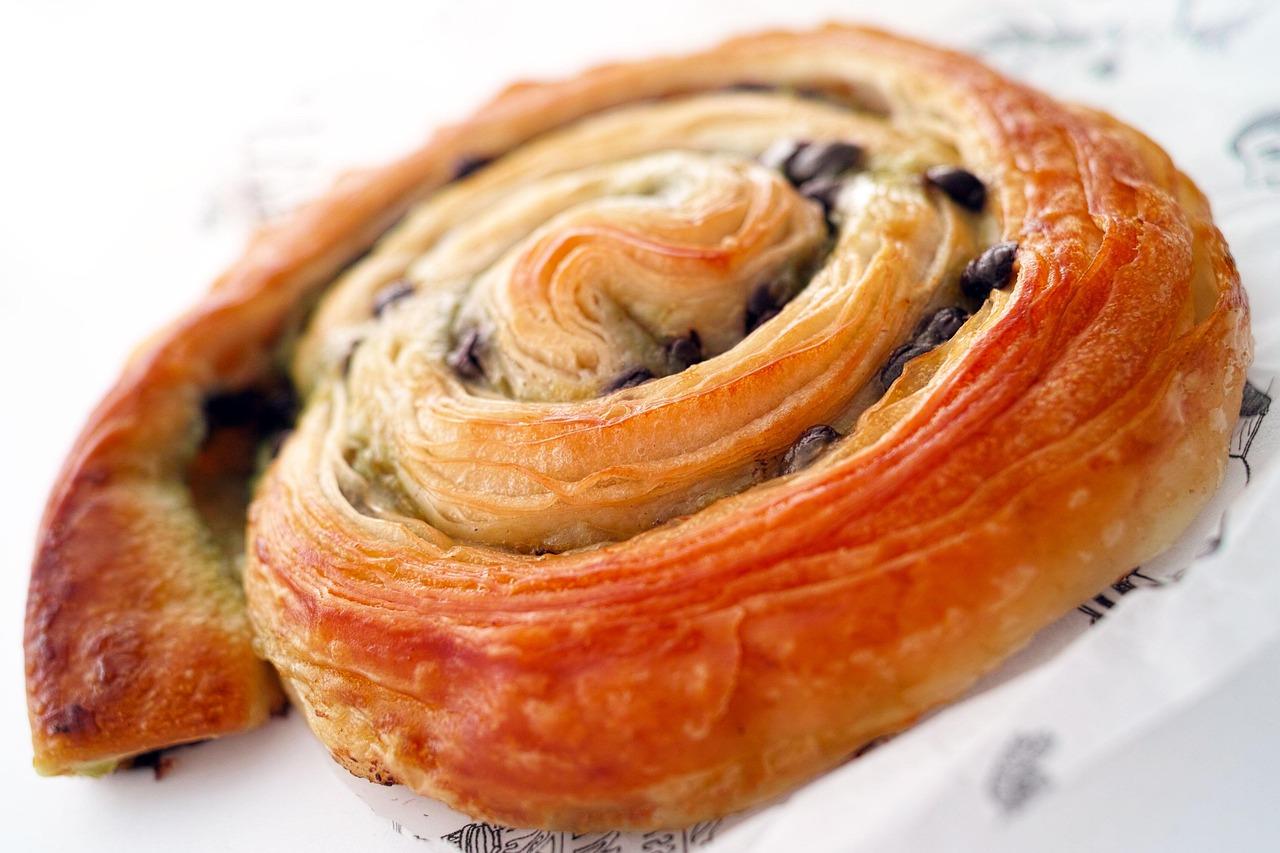
Pain aux raisinsRaisin custard swirl pastry

Pain aux raisins, called escargot in some bakeries for its snail-shell spiral, is the third great pastry of the French breakfast counter, alongside the croissant and pain au chocolat. Croissant dough is spread with vanilla crème pâtissière, scattered with plump raisins, rolled up and sliced into spirals, then baked and brushed with syrup until glossy. The common mistake is spreading the cream too thick, so it oozes out and the spirals open. Chef's tip: soak the raisins in hot tea or orange juice for 30 minutes so they are juicy and do not burn.

680 minFrenchBaking
by KrazyBadal 0 views

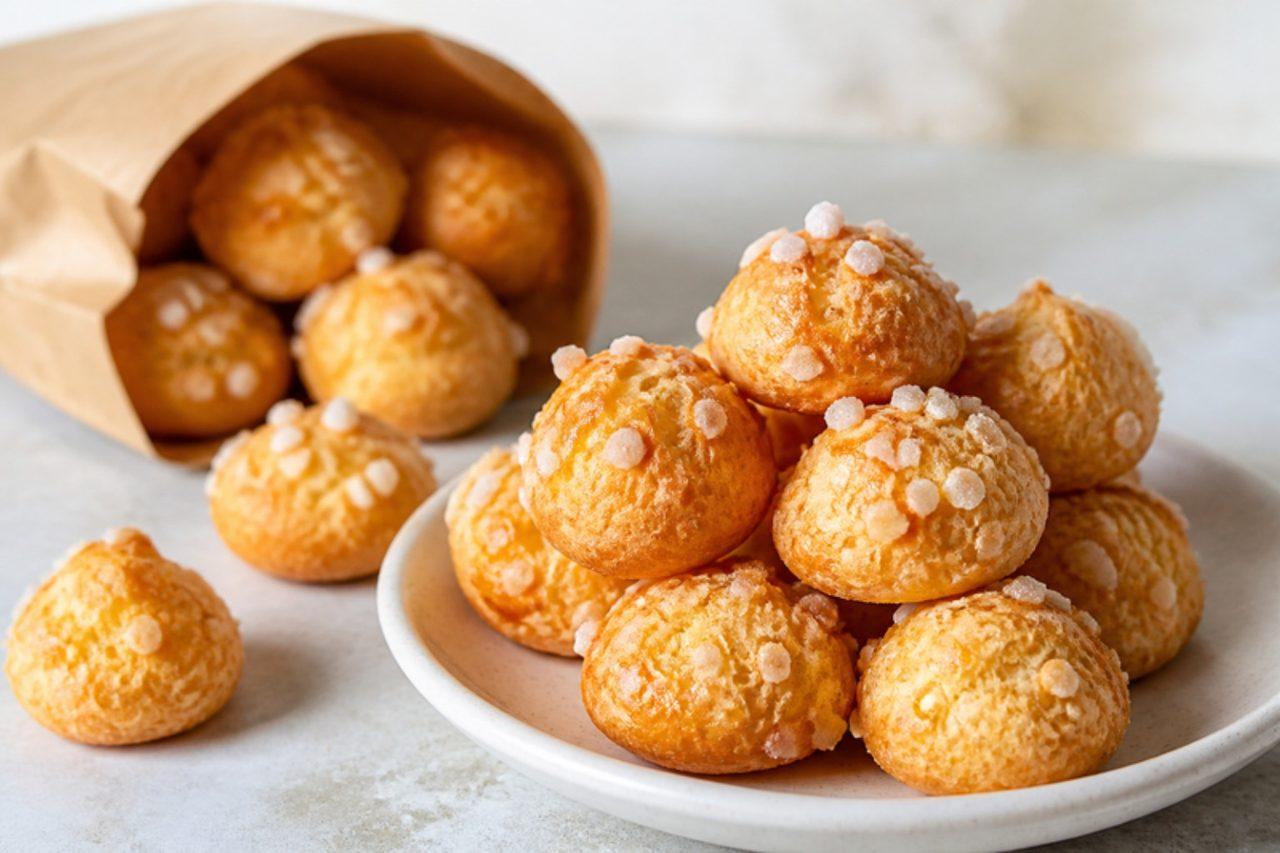
ChouquettesSugar choux puffs

Chouquettes are the small, hollow choux puffs studded with pearl sugar that French bakeries sell by weight in paper bags, a favourite treat bought on the way home from school and shared between brothers and sisters. They are made with the same choux dough as éclairs but left unfilled. The common mistake is opening the oven too soon, so they collapse. Chef's tip: press the pearl sugar in well after glazing, so it does not roll off.

by KrazyBadal 0 views

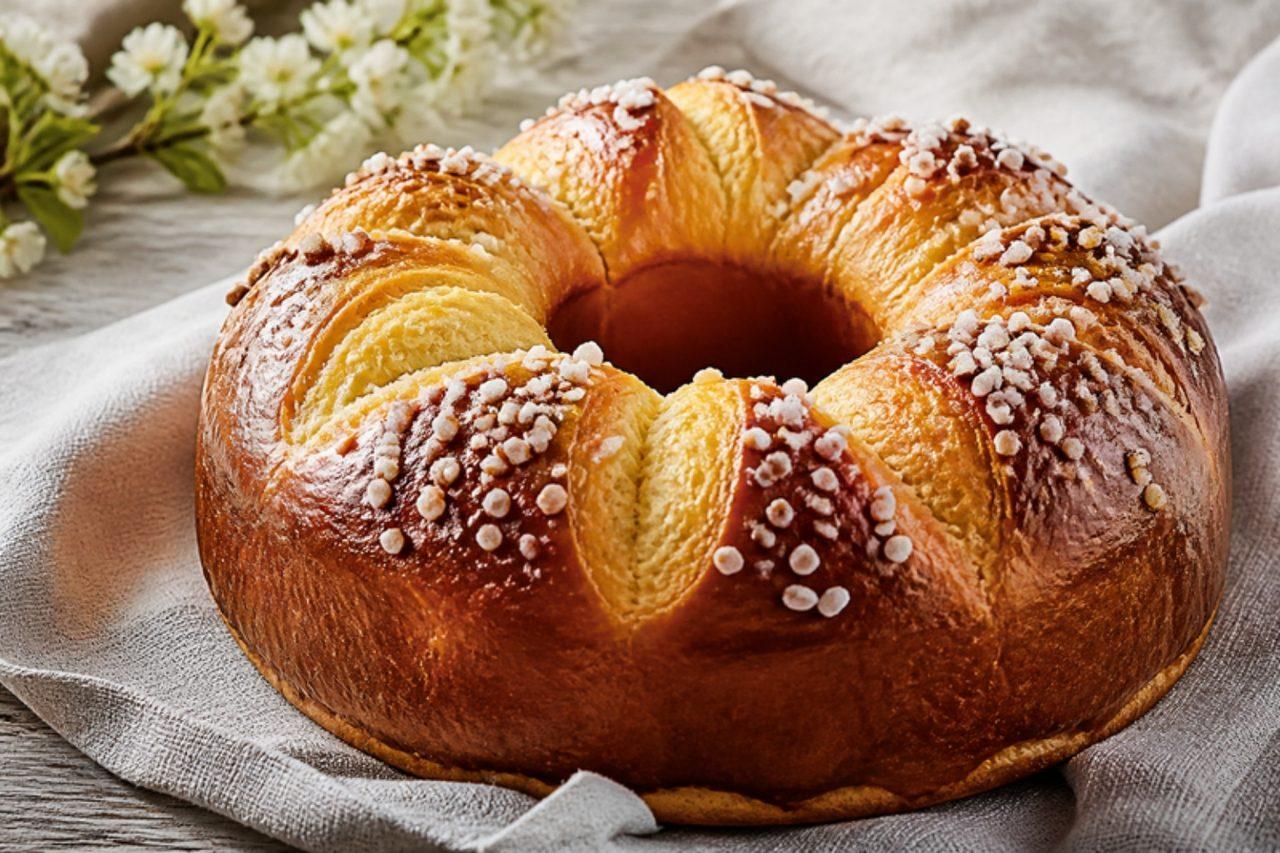
Pogne de RomansOrange blossom brioche crown

The pogne is the Easter brioche of Romans-sur-Isère and Valence in the Drôme, a high crown of soft dough fragrant with orange-blossom water, traditionally made for Easter and eaten with the local ravioles, or at breakfast with butter. Its name comes from "poigne", the fistful of dough the baker grabs. The common mistake is underproving; it needs a long, slow rise to be light. Chef's tip: make the starter the night before; it gives the pogne its gentle, rich flavour.

635 minFrenchBaking
by KrazyBadal 0 views

Showing 24 of 143 recipes

Show more recipes

Page 1 of 6