Skip to content
Recipes

All recipes

Vegetarian, or something you can't eat? Set your diet once and we'll hide recipes that don't fit.

Postre MassiniCustard sponge with burnt sugar top

Montevideo's birthday cake of choice since the early twentieth century, the Massini is two thin layers of sponge sandwiching a thick filling of whipped cream folded with egg-yolk custard, crowned with a thin glassy crust of torched yolk and sugar. Bakeries across Uruguay sell it on Sundays. Traditional versions sometimes add a sweet fortified wine to the custard; this one is alcohol-free. The custard is cooked to a safe 71 °C. The common mistake is assembling with warm custard, which melts the cream into a puddle. Chef's tip: if you don't have a blowtorch, put the sugared top under a very hot grill for a minute and watch it closely.

by KrazyBadal 0 views

Pira caldoCreamy fish soup with cheese

Along the Paraguay River from Asunción to Concepción, pira caldo is the fishermen's soup, said to restore strength after a long night: chunks of firm river fish poached in a broth of onion, peppers and tomato fried in fat, then made creamy with milk and melted fresh cheese. Surubí or other catfish is traditional; any firm white fish such as hake or pollock works. The mistake most people make is boiling the soup after the milk and cheese go in, which splits it. Chef's tip: fry the vegetables until they are very soft and sweet before adding the water; that is where the flavour comes from.

by KrazyBadal 0 views

Caldo de gallinaHen broth with noodles

In Lima's markets and the all-night caldo stalls of districts like La Victoria, a bowl of caldo de gallina is the dawn breakfast for market porters, taxi drivers and anyone coming home late: a deep, golden broth from a slow-simmered hen (a boiling fowl) with ginger and spring onion, ladled over thick noodles and yellow potato, with a boiled egg, lime and ají chilli on the side. The common mistake is boiling the broth hard, which clouds it and toughens the meat; keep it to a lazy simmer. The chicken must reach 74 °C, though after this long simmer it will be well past that. Chef's tip: cook the noodles separately, then put them in the bowls; cooked in the pot they drink the broth and turn it starchy.

by KrazyBadal 0 views

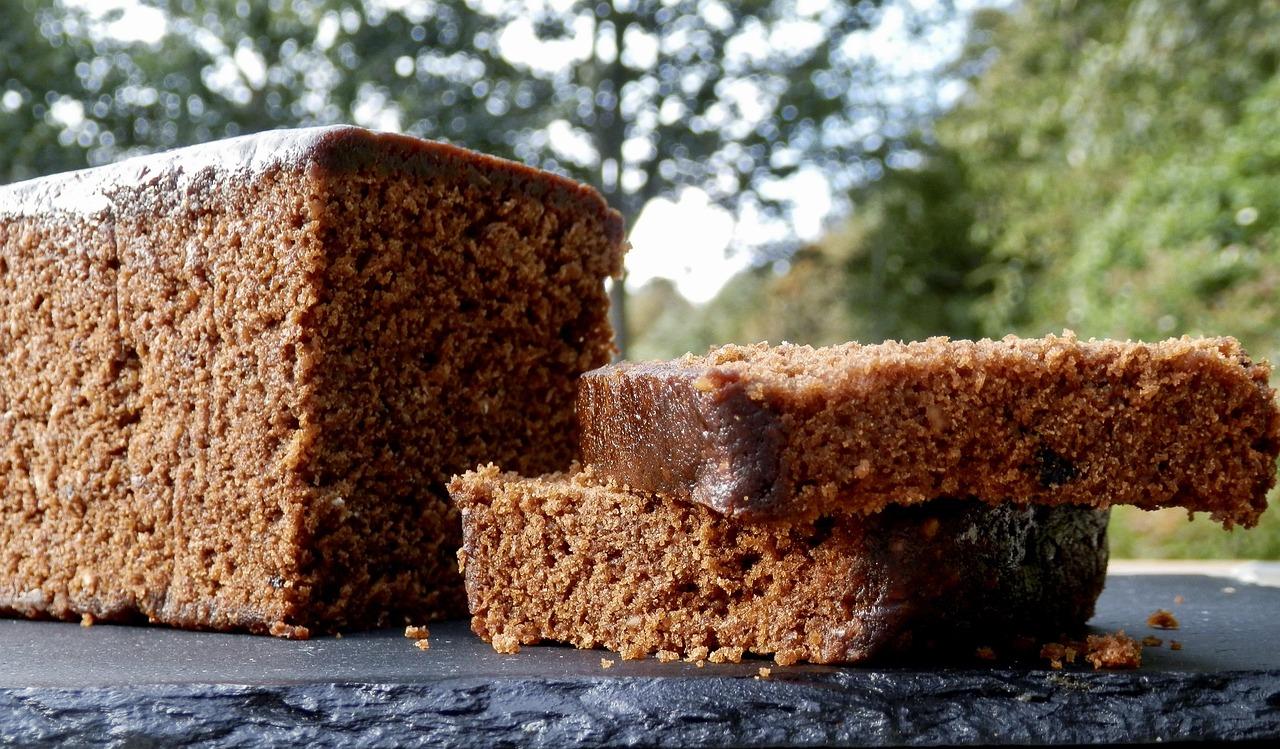
Yorkshire parkinOatmeal and treacle ginger cake

Parkin is the dark ginger cake that West Yorkshire bakes for the 5th of November, cut into squares and handed round at Bonfire Night fires in Leeds, Halifax and Bradford. It is made with oatmeal, black treacle and golden syrup, so it is dense, chewy and gingery rather than light. It gets better with time, turning stickier after a few days in a tin. Chef's tip: wrap it and keep it for three days before cutting; fresh parkin is dry and crumbly by comparison.

by KrazyBadal 0 views

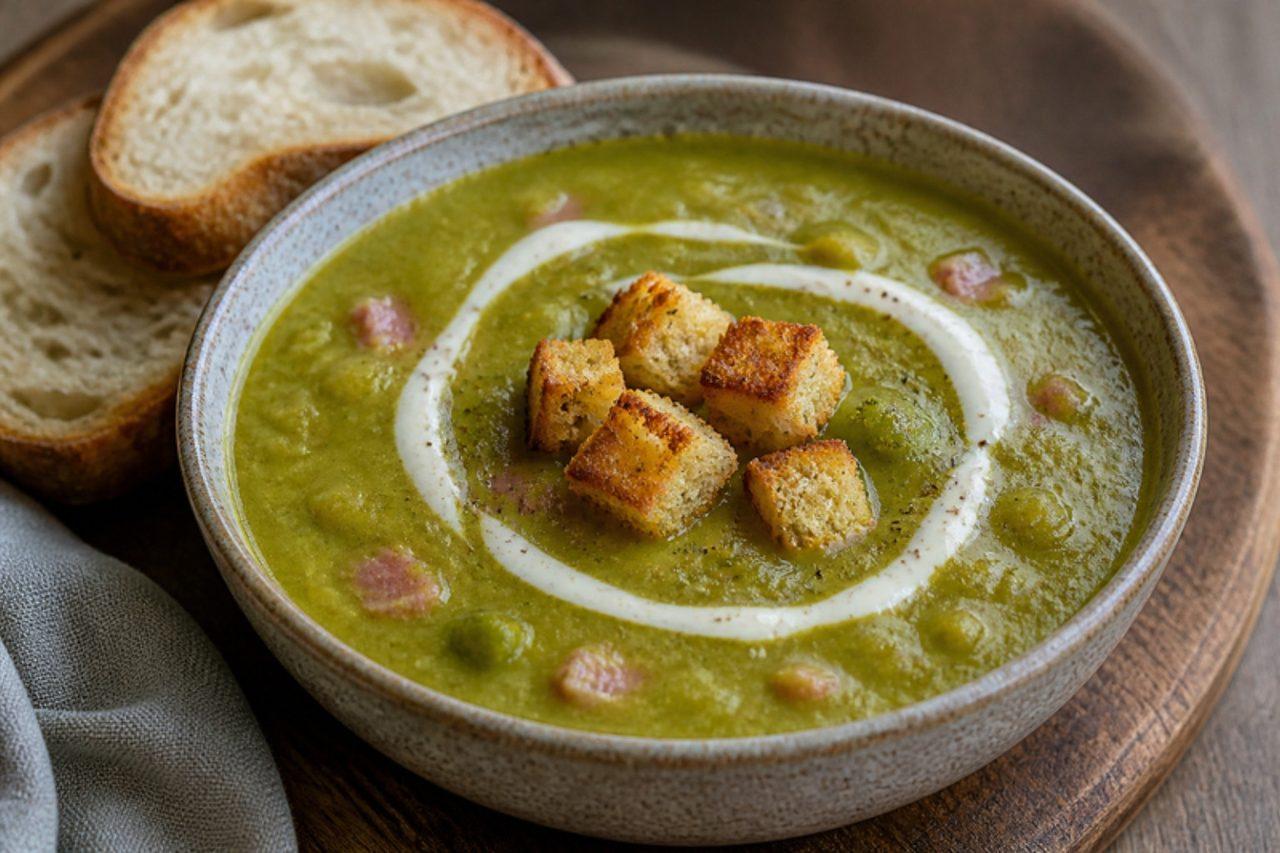
London particularSplit pea and ham soup

London particular is a thick, yellow-green soup of split peas and smoked pork ham hock, named after the pea-souper smogs that once smothered the city. It was a cheap winter warmer in Victorian London eating houses and is still on menus in pubs and cafés when the weather turns. The hock gives a deep smoky saltiness and shreds of soft meat. Chef's tip: skim the grey foam off as the water first boils, for a cleaner taste.

135 minBritishSoupsGluten free
by KrazyBadal 0 views

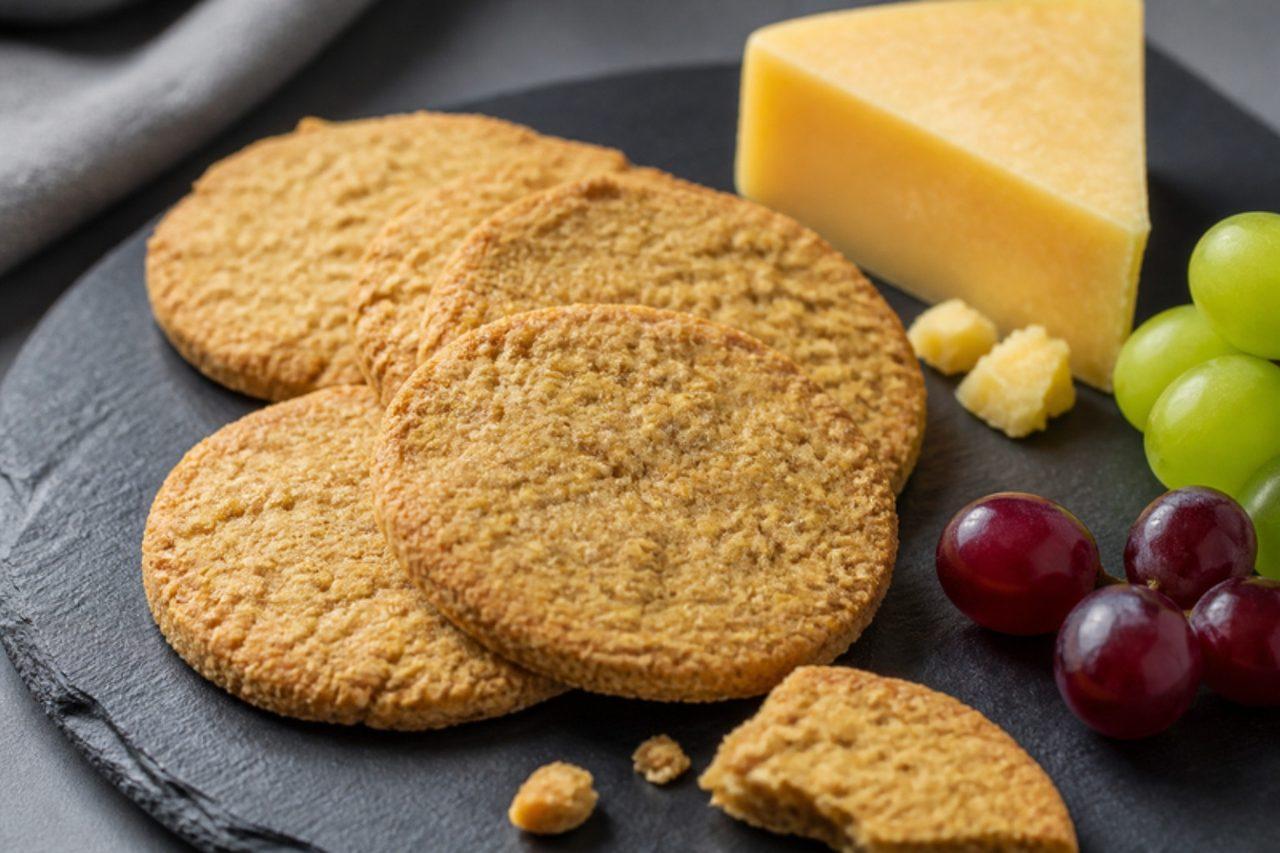
Scottish oatcakes

Oatcakes have been baked on girdles across Scotland since oats were the country's main grain, and they are still eaten with cheese, smoked fish or marmalade, and alongside soup on cold days. Medium oatmeal is bound with a little melted butter and hot water, rolled thin and baked until crisp and nutty. Chef's tip: work quickly while the dough is warm; as it cools it cracks and won't roll.

by KrazyBadal 0 views

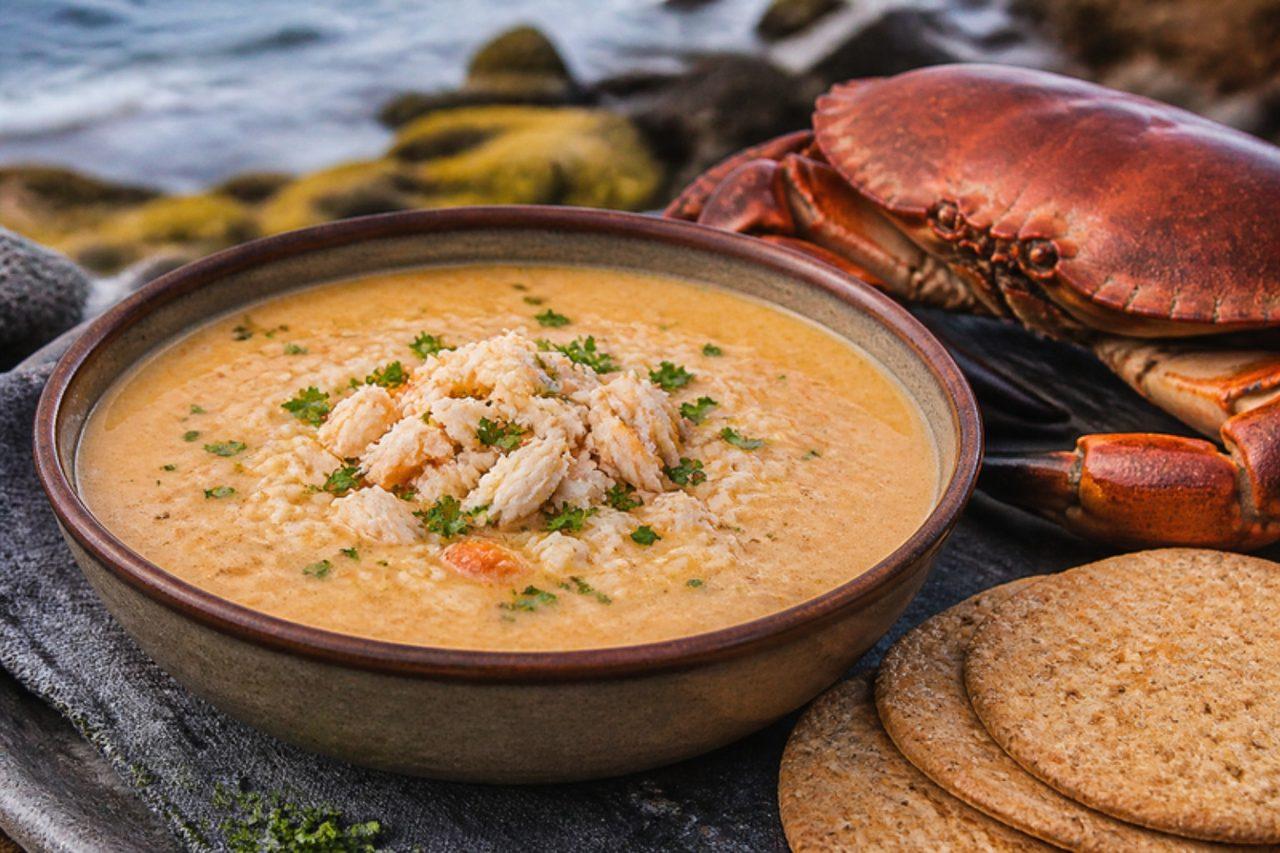
Partan breeCrab and rice soup

Partan bree comes from the fishing villages of the north-east of Scotland, where partan is the Scots word for the brown crab and bree means broth. Rice is simmered in milk and fish stock until soft, blended with the crab's brown meat, and finished with sweet white claw meat and a little cream. It is the coast's answer to a bisque, simpler and milder. Buy ready-cooked crab meat and keep it chilled. Chef's tip: add the white meat right at the end and only warm it through, so it stays in flakes.

by KrazyBadal 0 views

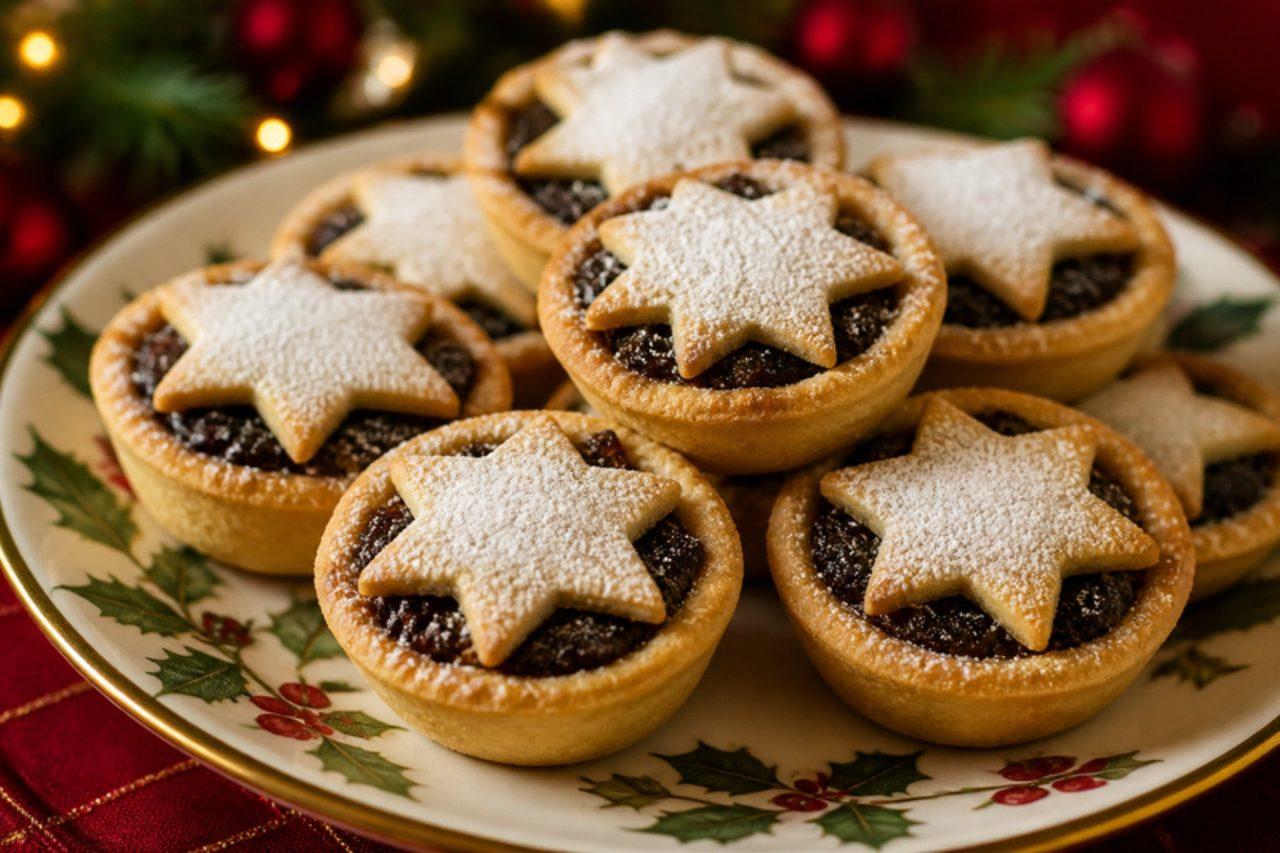
Mince pies

Mince pies are handed round with mulled drinks at every English Christmas gathering, from carol services to office parties, and children leave one out for Father Christmas. The mincemeat once held meat; this home-made version is all fruit, apple and spice, with vegetarian suet, and brandy is optional, so it can be alcohol-free. Chef's tip: make the mincemeat a week ahead so the flavours mellow; it keeps for months.

by KrazyBadal 0 views

Chelsea buns

The Chelsea bun was the speciality of the Old Chelsea Bun House in London in the 1700s, where crowds queued on Good Friday; today the coiled, sticky bun is a bakery classic across England. A soft dough is spread with butter, brown sugar, currants and spice, rolled up, sliced and baked snugly in a tin so the buns rise into each other and come out square-sided. Chef's tip: pack the slices tightly; it is the squeeze that gives them their shape and soft edges.

by KrazyBadal 0 views

Empire biscuitsJam-filled iced shortbreads

Empire biscuits sit in the window of every Scottish high-street bakery: two rounds of crisp shortcake stuck together with raspberry jam, topped with white icing and a jelly sweet or half a glacé cherry. They were called Linzer or German biscuits until the First World War. Chef's tip: let the biscuits cool completely before sandwiching, or the jam soaks in and they go soft.

by KrazyBadal 0 views

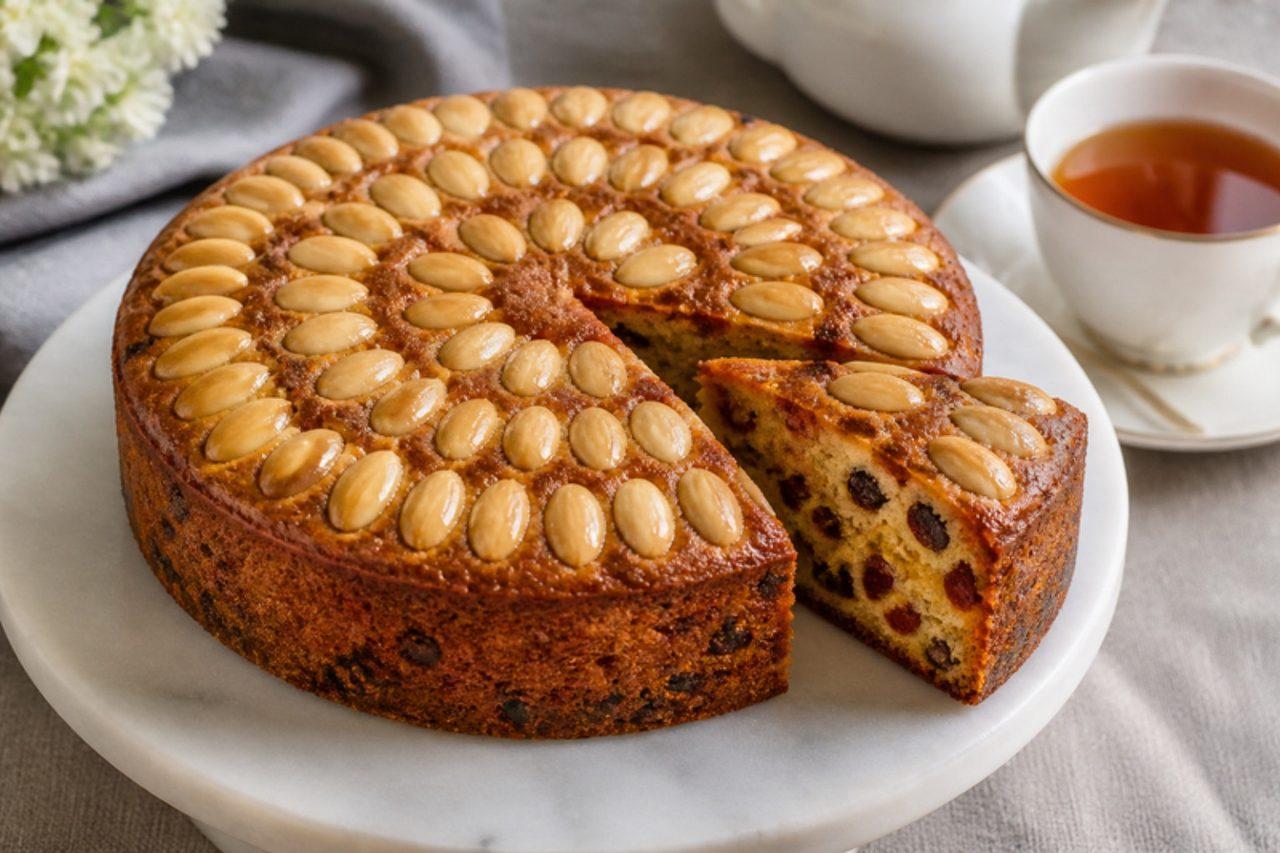
Dundee cake

Dundee cake is the light, buttery fruit cake from the city of marmalade and jute, said to have been created by the Keiller family to use up their orange peel. Instead of marzipan and icing it is topped with concentric circles of whole blanched almonds, and it is eaten at Christmas and with afternoon tea. Chef's tip: lay the almonds on gently without pressing; if they sink they burn and the pattern is lost.

by KrazyBadal 0 views

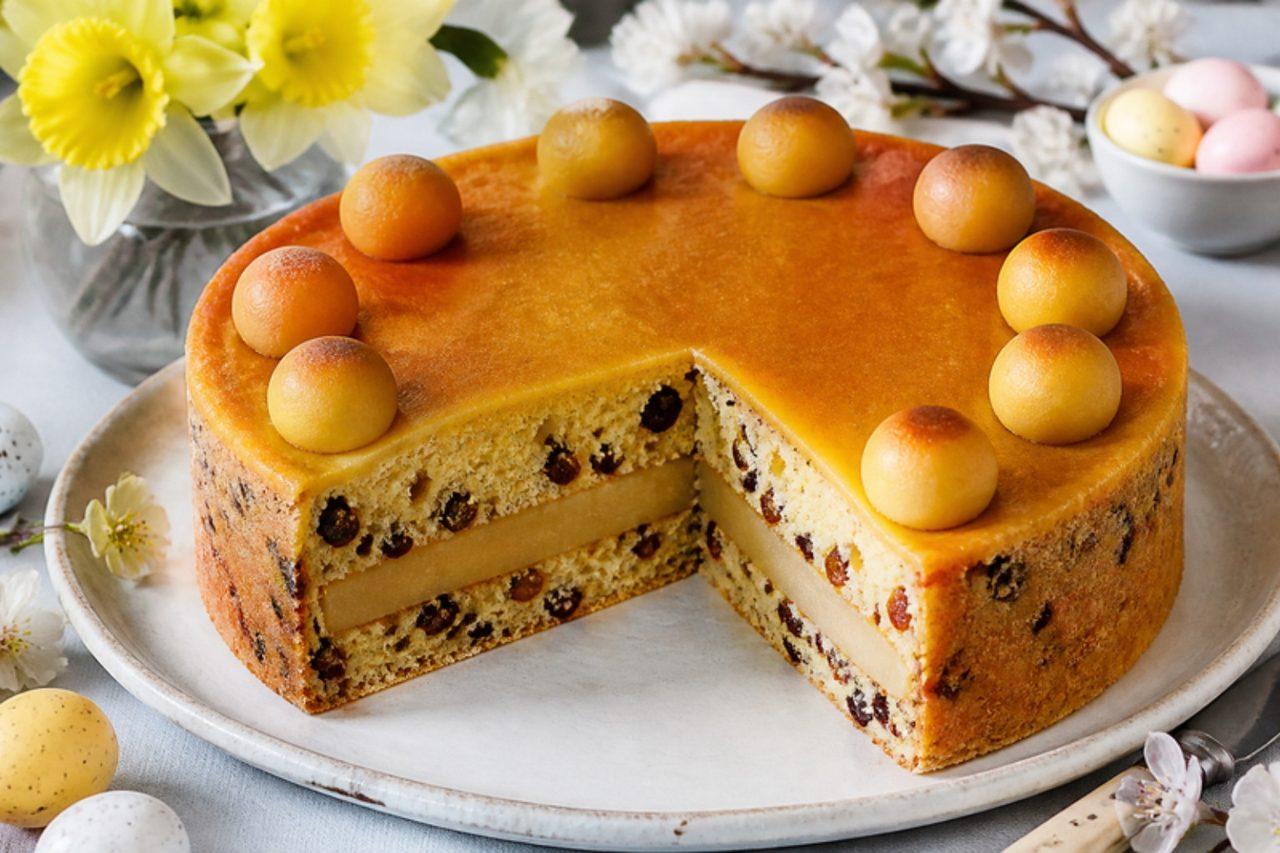
Simnel cake

Simnel cake is England's Easter fruit cake, once baked by girls in service to take home on Mothering Sunday and now the centrepiece of Easter tea. A light fruit cake has a layer of marzipan baked through the middle and more on top, decorated with eleven marzipan balls for the apostles, leaving out Judas. Chef's tip: wrap a band of baking paper round the outside of the tin; it stops the edges drying out during the long, slow bake.

by KrazyBadal 0 views

Singin' hinnies

Singin' hinnies are the girdle cakes of Northumberland and Tyneside, named for the singing hiss of the butter as they cook ('hinny' is a Geordie word of affection, like 'honey'). Mothers made them for children coming home from school, cooked on a heavy griddle and eaten hot, split and buttered. They are scone dough studded with currants and cooked in the pan instead of the oven. Chef's tip: keep the heat medium-low so they cook through before the outside darkens.

by KrazyBadal 0 views

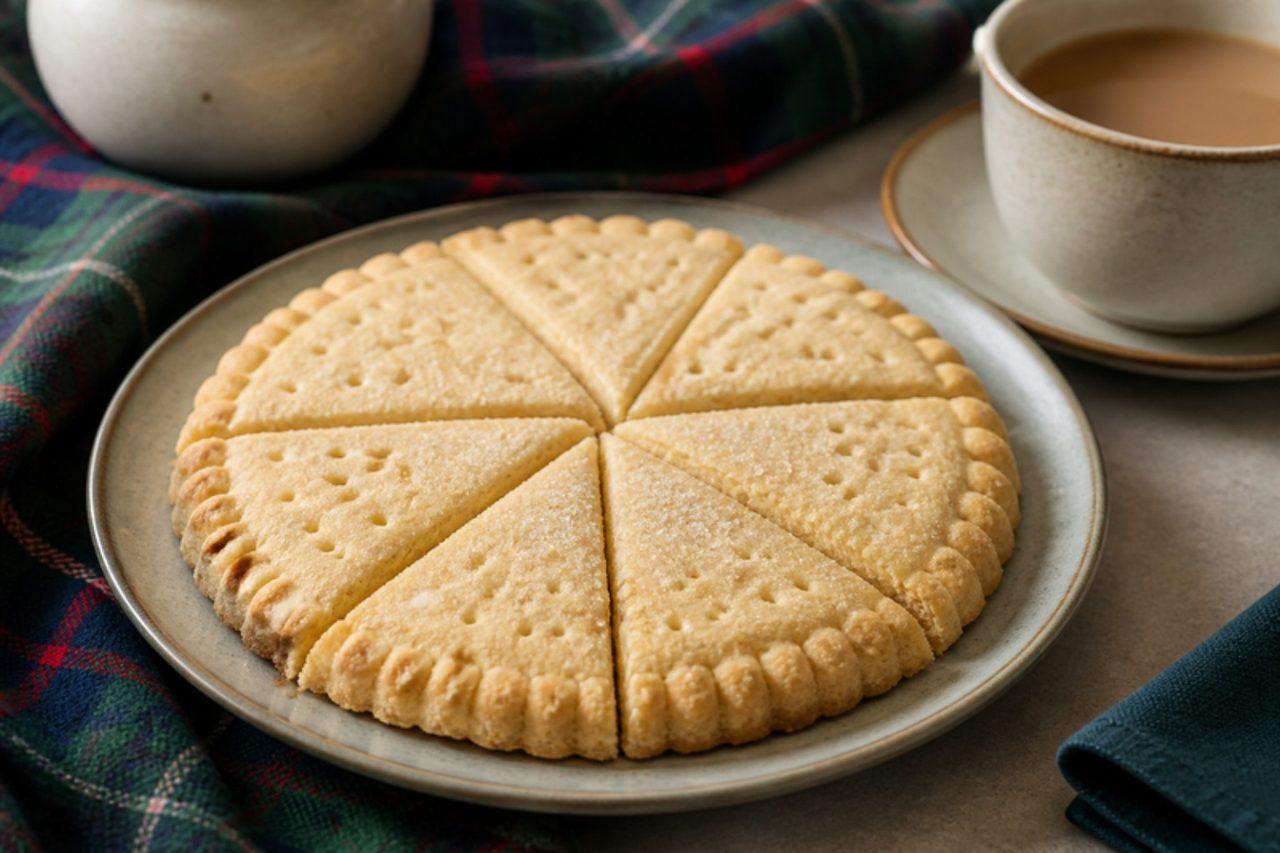
Scottish shortbread

Shortbread is Scotland's most famous bake, handed round at Hogmanay with a dram and packed in tins as a gift all year. The classic recipe is one part sugar, two parts butter and three parts flour, with a little rice flour for the sandy snap; it is shaped into a round and cut into petticoat tails, a shape linked with Mary, Queen of Scots. Chef's tip: bake low and slow so it stays pale gold; brown shortbread tastes bitter rather than buttery.

by KrazyBadal 0 views

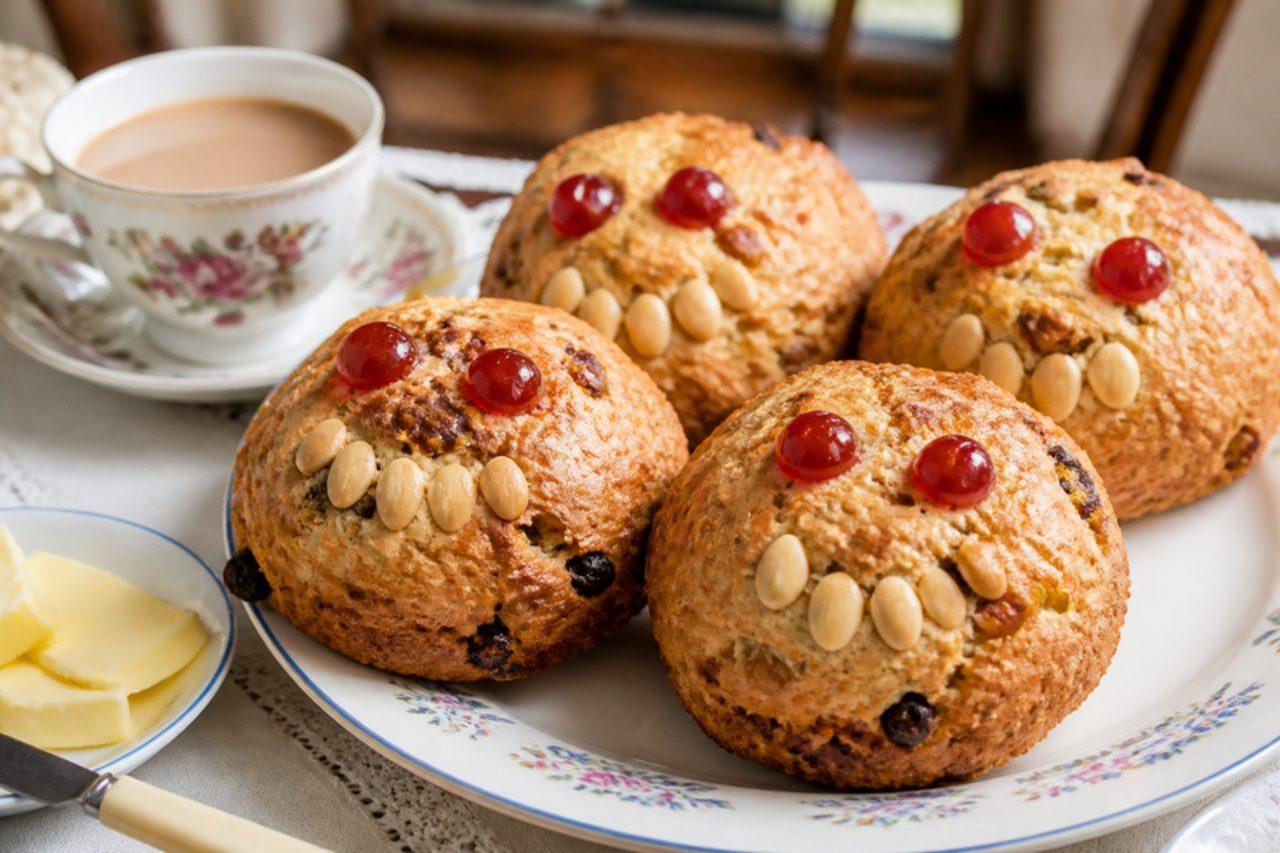
Yorkshire fat rascals

Fat rascals are big, rough, fruit-studded cakes from the North York Moors, halfway between a scone and a rock cake, and the famous Harrogate tea rooms made them a visitor's treat. Each one gets a face of glacé cherries and blanched almonds before baking. Eat them warm, split and buttered, with a pot of tea. Chef's tip: work the dough as little as possible, just until it holds; overmixed rascals bake up tough.

by KrazyBadal 0 views

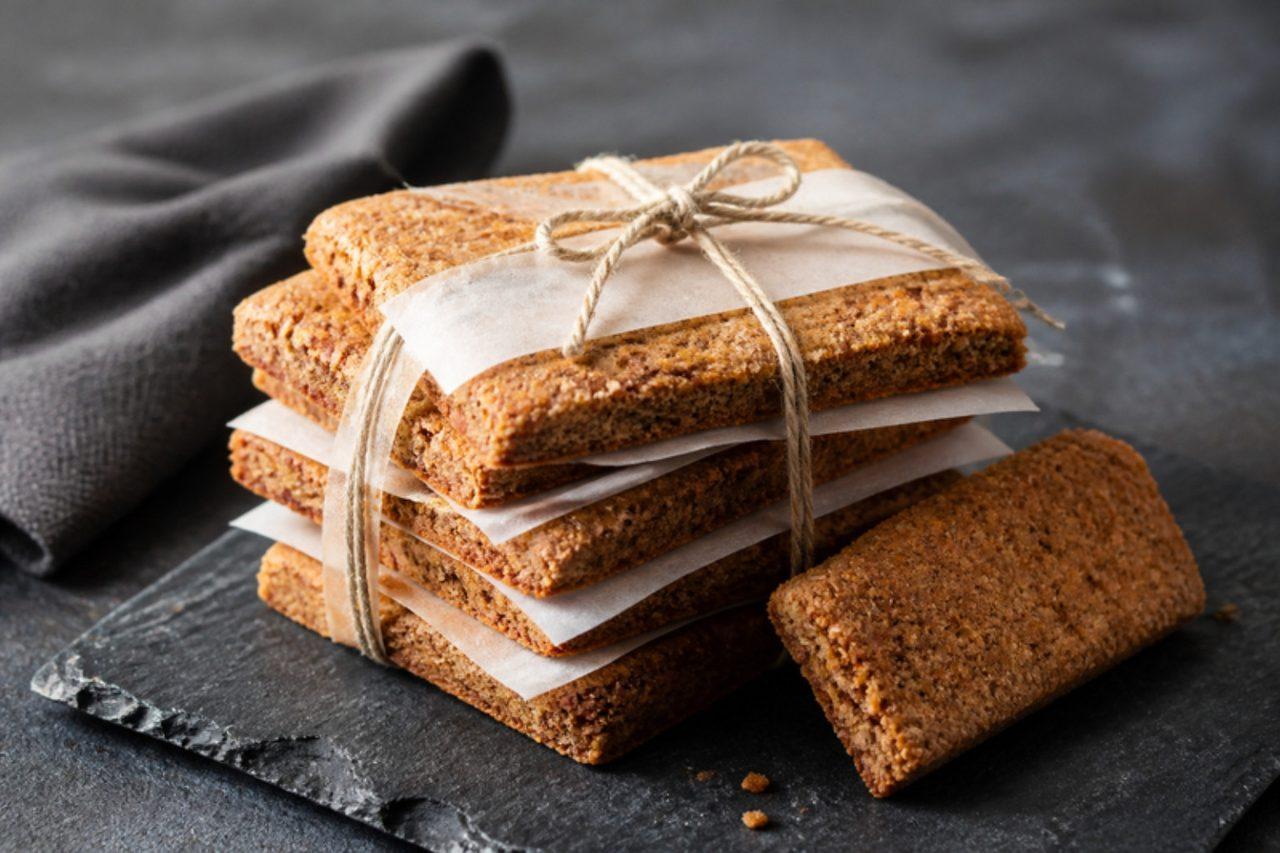
Grasmere-style gingerbread

The village of Grasmere in the Lake District has sold its own gingerbread since the 1850s, a cross between shortbread and a biscuit with a crumbly top and chewy base, wrapped in paper for walkers and visitors to Wordsworth's grave. The real recipe is a closely kept secret; this is our home version, made with oatmeal, brown sugar and plenty of ground ginger. Chef's tip: press only the bottom half of the crumb mixture firmly and scatter the rest loosely on top, which gives the two textures.

by KrazyBadal 0 views

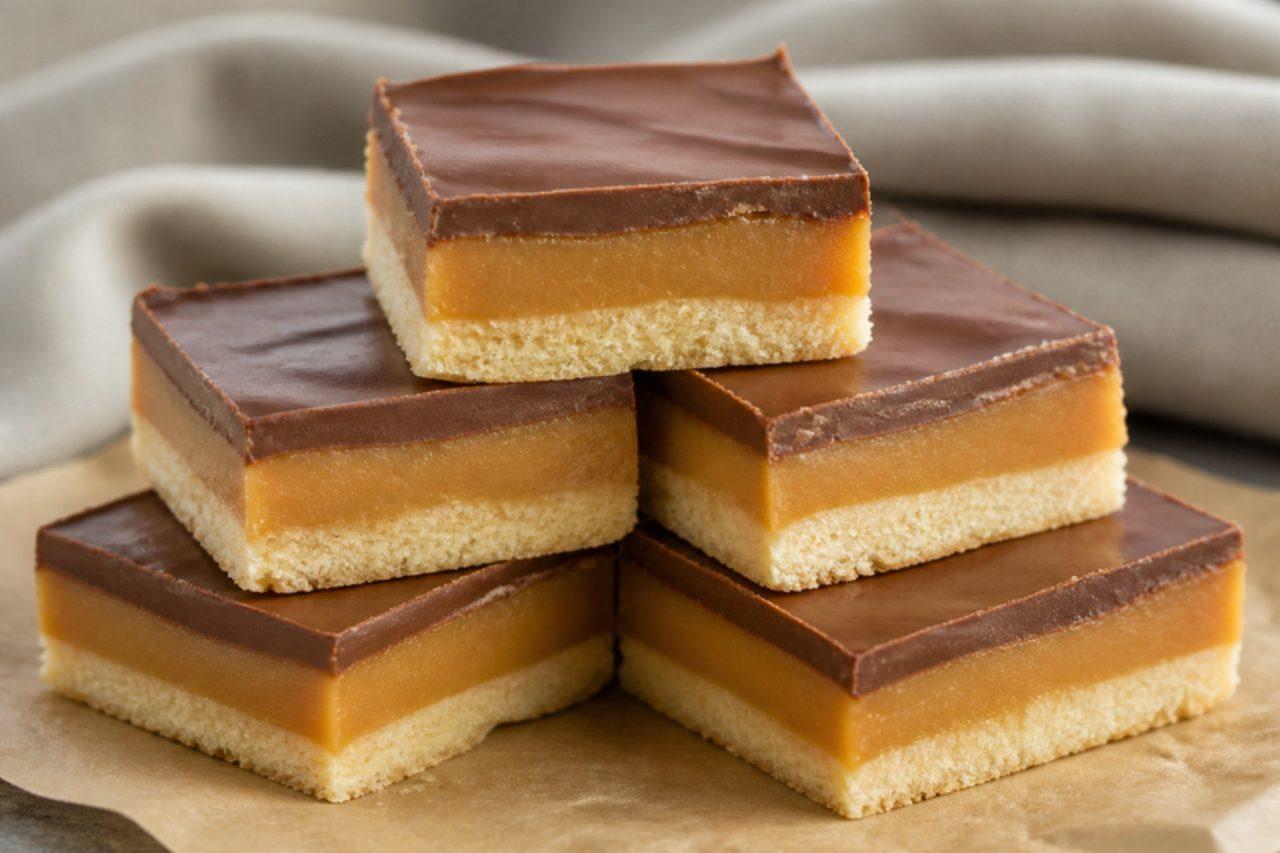
Millionaire's shortbread

Millionaire's shortbread, called caramel shortcake in much of Scotland and caramel squares across the water in Belfast, is the traybake of school bake sales, cafés and church teas. A crisp shortbread base is covered with thick condensed-milk caramel and a layer of chocolate, rich enough to justify the name. Chef's tip: keep stirring the caramel the whole time it bubbles; it catches on the bottom in seconds.

by KrazyBadal 0 views

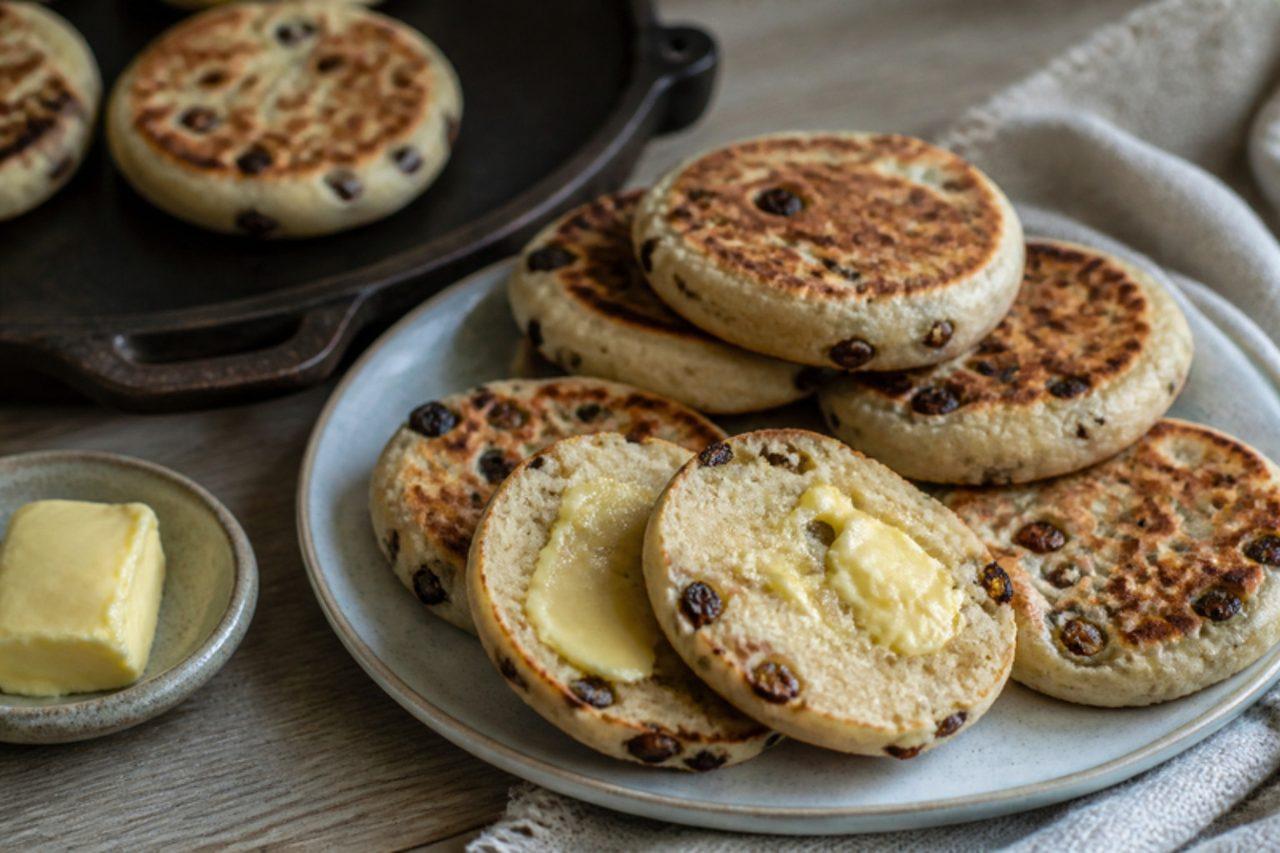
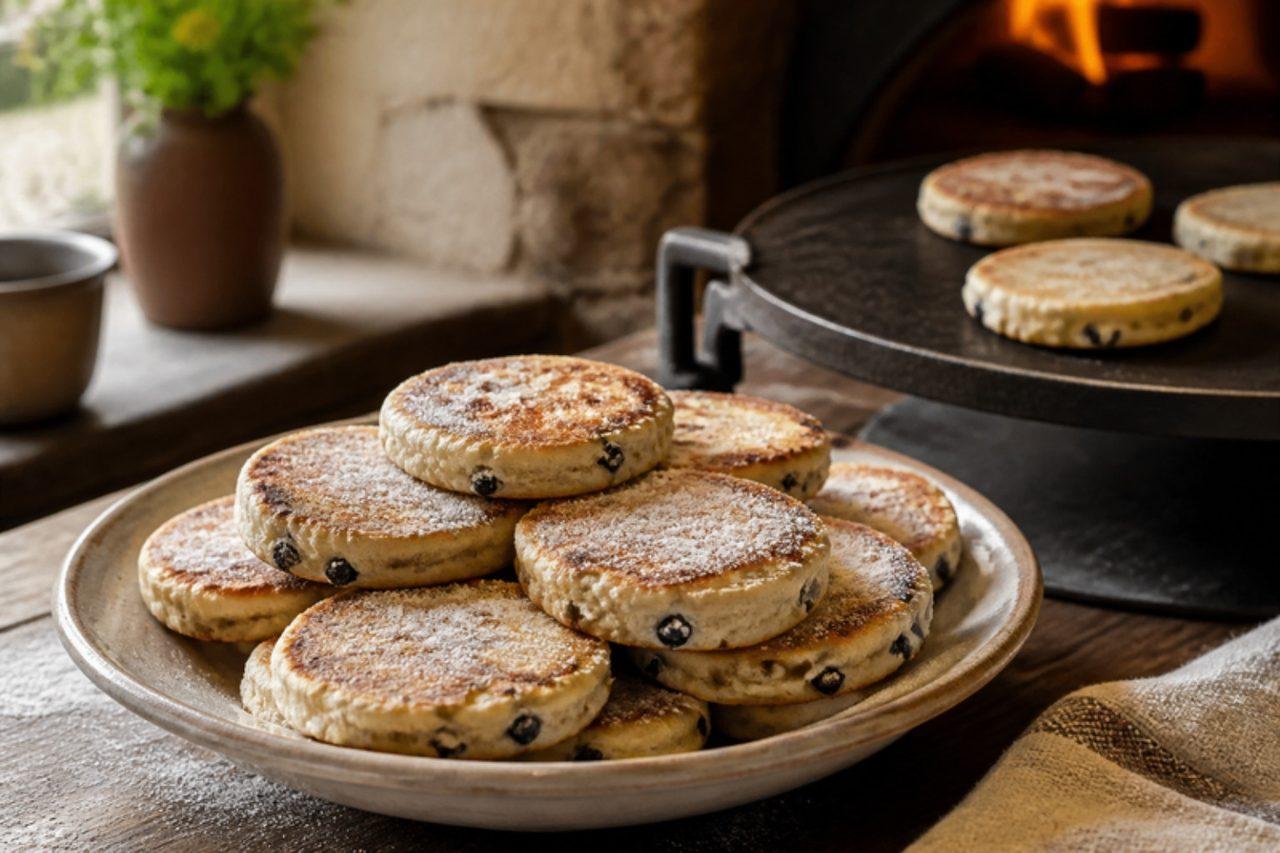
Welsh cakes

Welsh cakes, picau ar y maen or 'cakes on the stone', are cooked on a cast-iron bakestone in kitchens across Wales and sold warm at markets and rugby matches, and they are a must on St David's Day, 1 March. The dough is like a rich scone with currants and mixed spice, and they are dusted with sugar while hot. Chef's tip: keep the heat medium-low; they need time for the middle to cook before the outside darkens.

by KrazyBadal 0 views

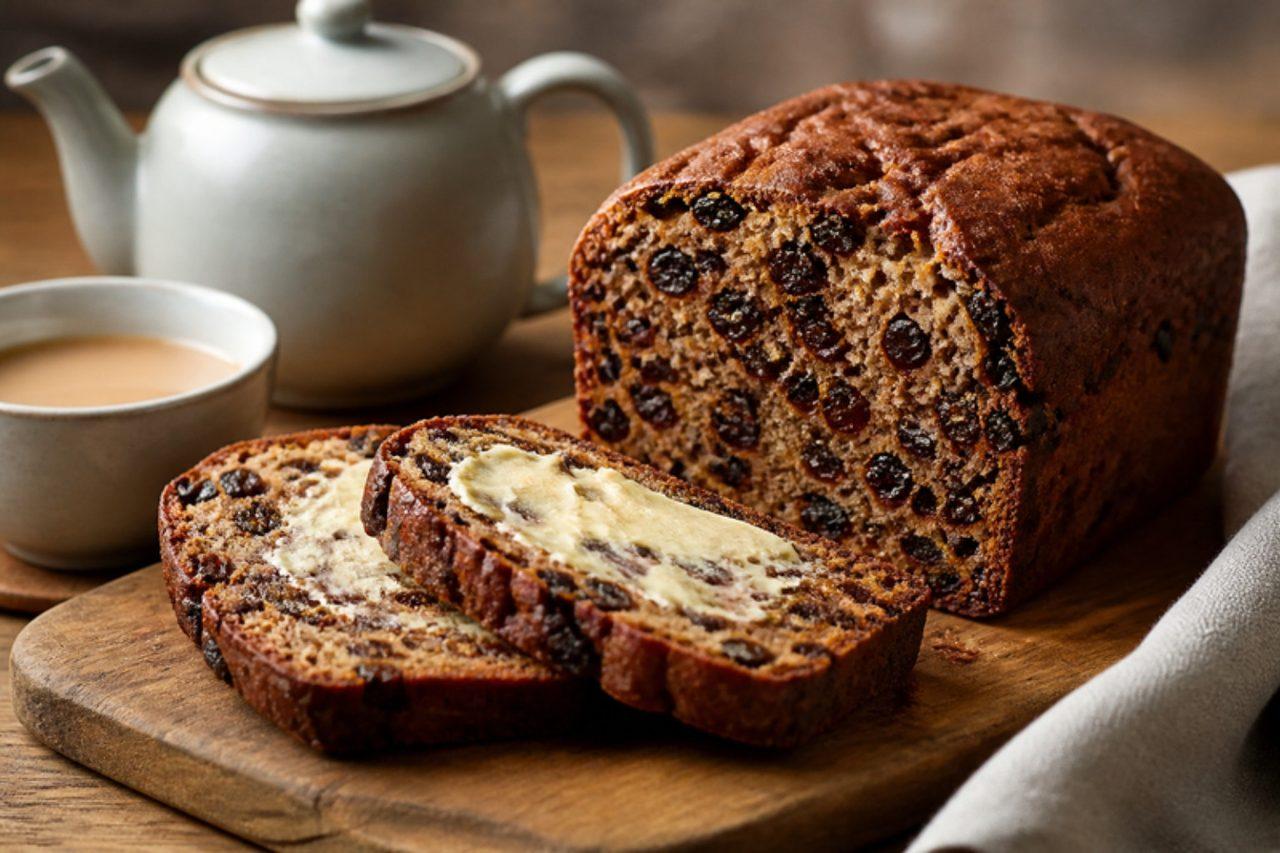
Bara brithTea-soaked fruit loaf

Bara brith means 'speckled bread', and this is the fruit loaf of Welsh farmhouses and tea rooms from Snowdonia to the Gower. Dried fruit is soaked overnight in strong black tea, then mixed with sugar, egg, flour and spice, so it is moist, dark and keeps well without any butter in the mix. Slice it thickly and spread with salted Welsh butter. Chef's tip: wrap it and wait a day before cutting; it gets stickier and slices cleaner.

by KrazyBadal 0 views

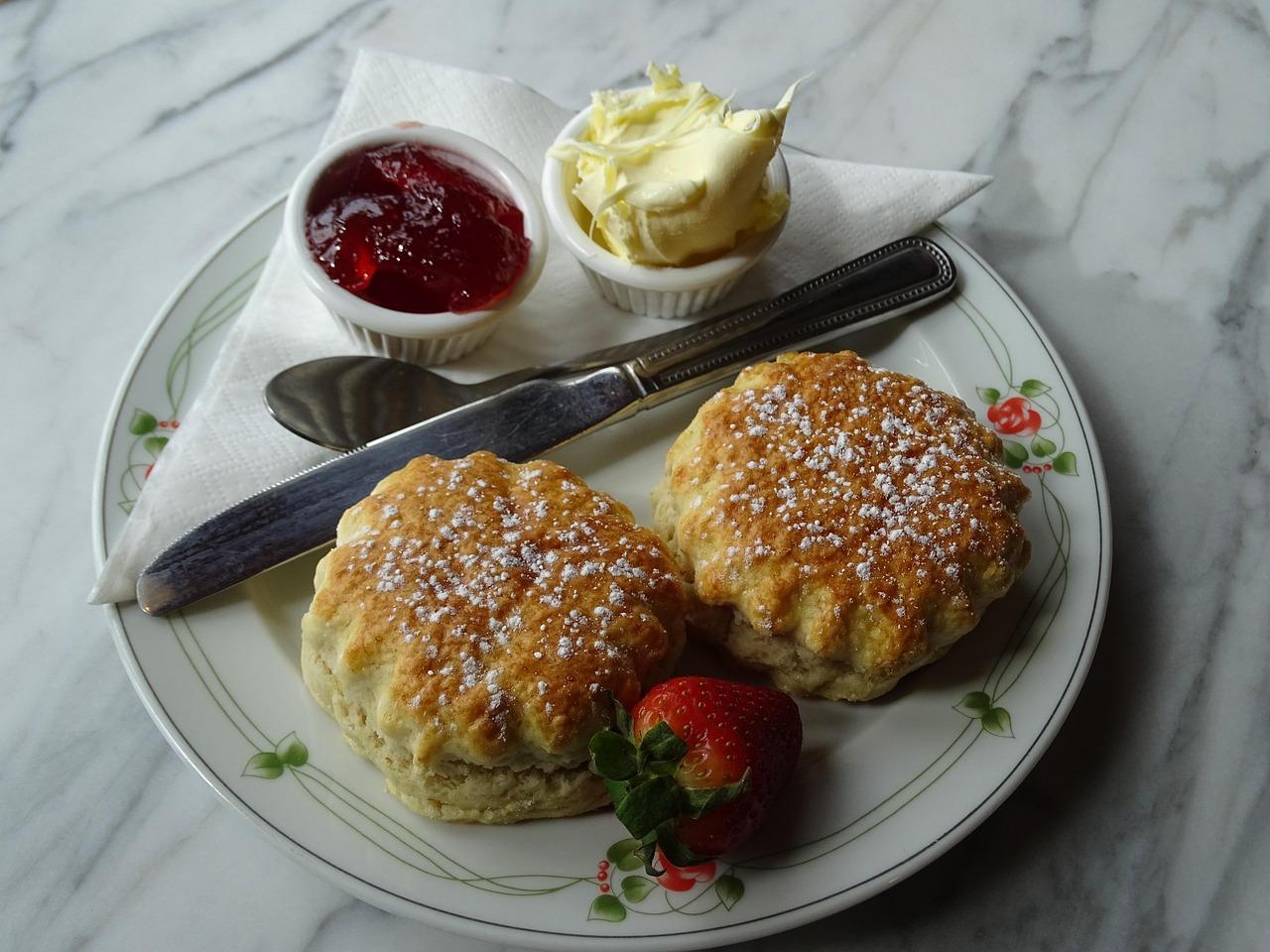
Devon cream tea scones

A cream tea is the West Country's afternoon treat: warm scones, clotted cream and strawberry jam with a pot of tea, served in tea gardens across Devon and Cornwall. In Devon the cream goes on first and the jam on top; in Cornwall it's the other way round, and the argument never ends. These scones are plain and light so the cream and jam shine. Chef's tip: cut straight down with the cutter and don't twist it, or the scones rise lopsided.

by KrazyBadal 0 views

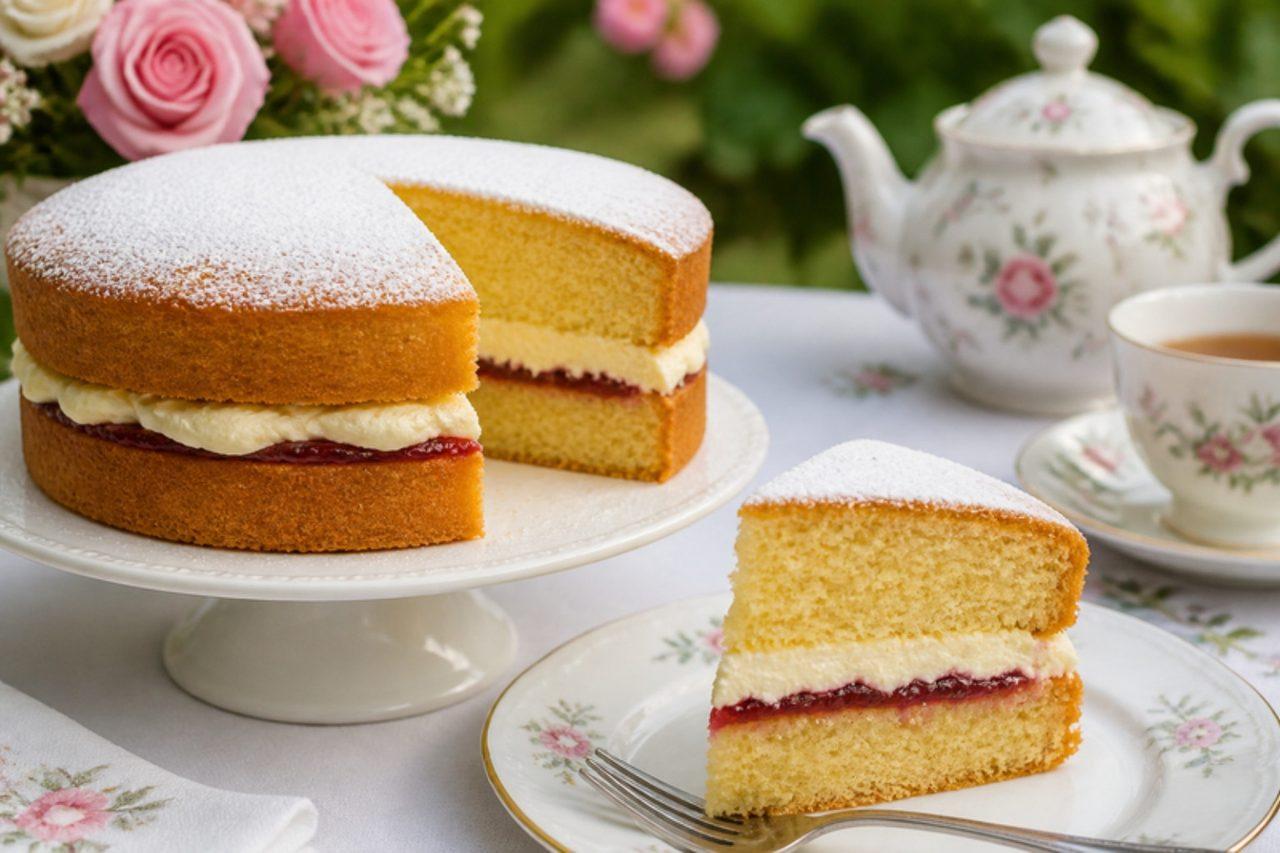
Victoria sponge

Named after Queen Victoria, who took a slice with her afternoon tea, the Victoria sandwich is the cake of English village fetes, Women's Institute competitions and every birthday tea in the shires. It is two light butter sponges joined with raspberry jam and buttercream, finished with a dusting of caster sugar. Chef's tip: weigh the eggs in their shells and use the same weight of butter, sugar and flour; that is the classic way to get a perfect crumb.

by KrazyBadal 0 views

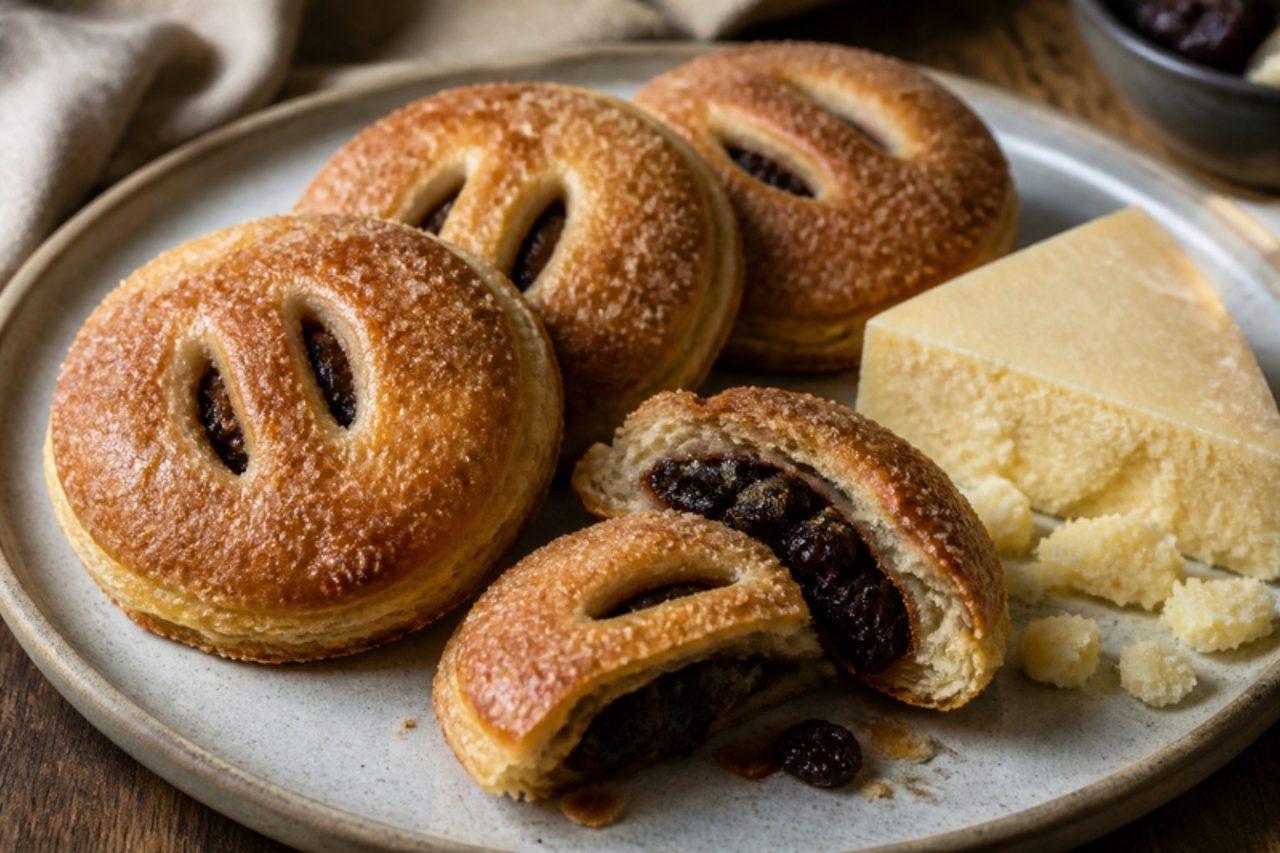
Eccles cakes

From the town of Eccles near Manchester, these flat pastry cakes are filled with butter-soaked currants and peel, slashed three times on top and baked until sugary and crackly. Lancashire people eat them with a slice of crumbly Lancashire cheese, the sweet and salty pairing locals swear by. Chef's tip: chill the filled cakes for 20 minutes before baking, so the pastry stays flaky and the filling doesn't leak.

by KrazyBadal 0 views

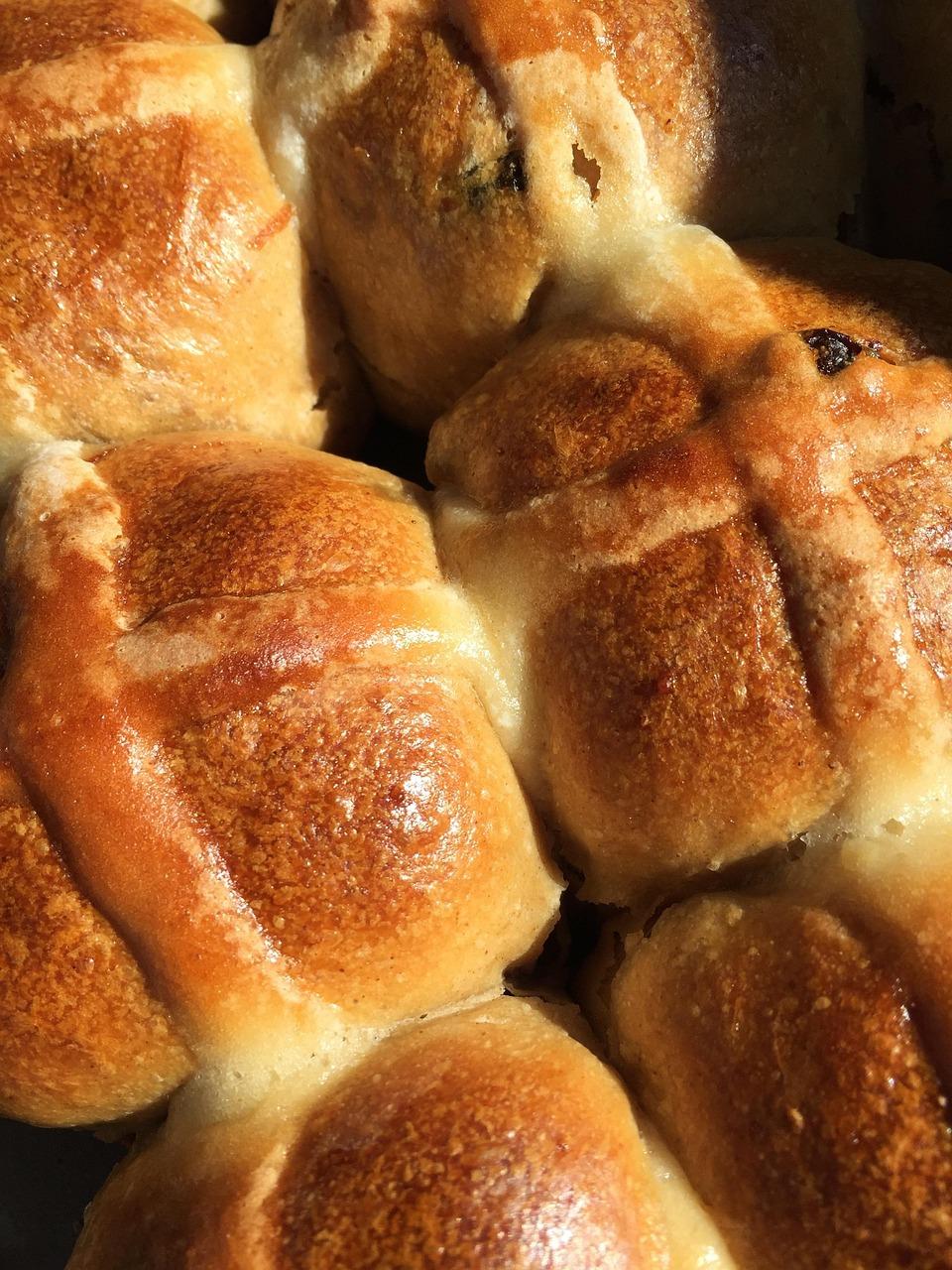
Hot cross buns

Hot cross buns are eaten toasted with butter on Good Friday across England, and London bakeries have sold them for centuries to the old street cry 'one a penny, two a penny'. The soft, spiced dough is full of currants and orange peel, and the cross on top is piped from a simple flour paste before baking. Chef's tip: let the dough rise somewhere really warm; spiced, fruited dough is slow and needs patience.

by KrazyBadal 0 views

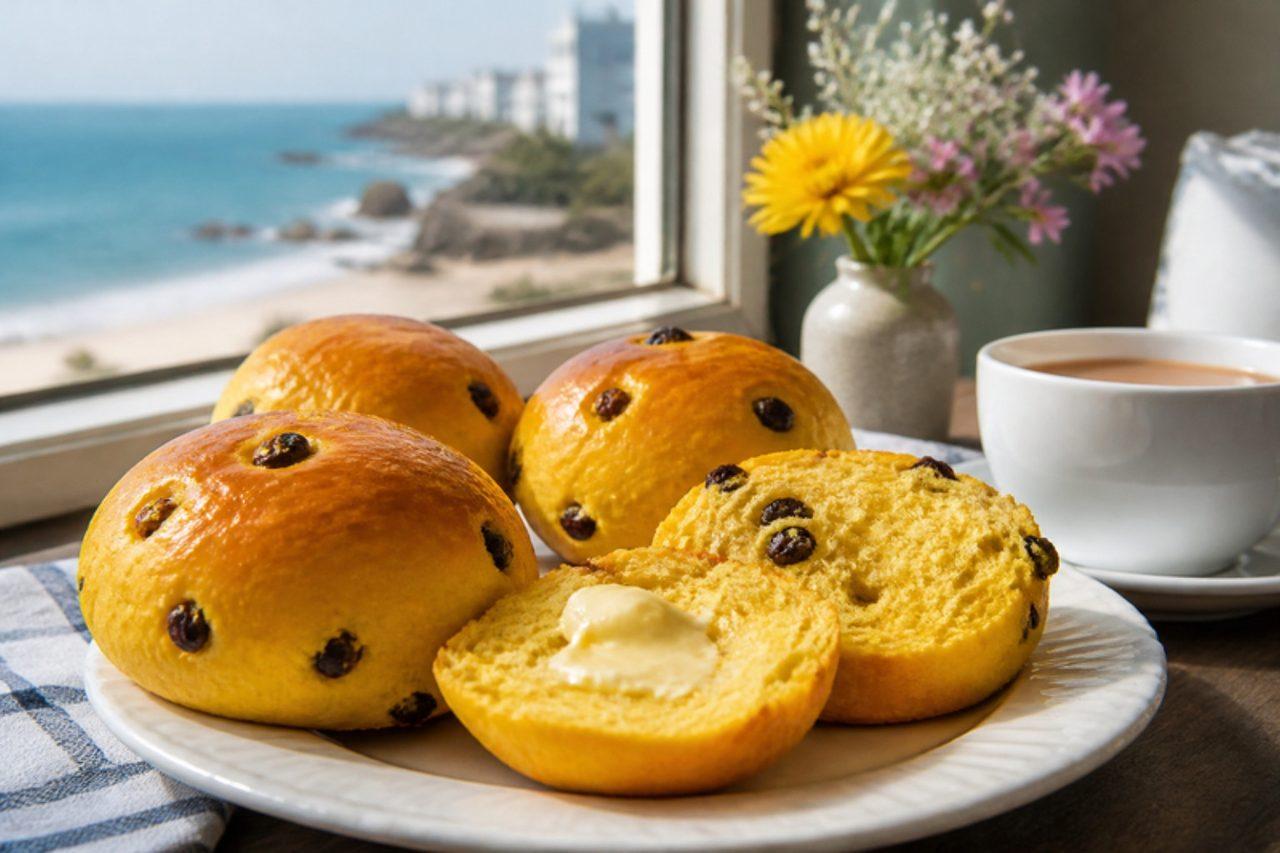
Cornish saffron buns

Saffron buns, called 'tea treats' in parts of Cornwall, were handed out at Sunday school outings and chapel tea treats, and they still glow yellow in bakery windows from Penzance to Truro. A pinch of saffron steeped in warm milk colours a soft, enriched dough studded with currants and peel, so they taste gently floral and fruity. Eat them split and spread with butter or clotted cream. Chef's tip: steep the saffron overnight for the deepest colour and flavour.

by KrazyBadal 0 views

Showing 24 of 62 recipes

Show more recipes

Page 1 of 3