Skip to content
Recipes

All recipes

Vegetarian, or something you can't eat? Set your diet once and we'll hide recipes that don't fit.

Surti jeera butter biscuitsCumin butter tea biscuits

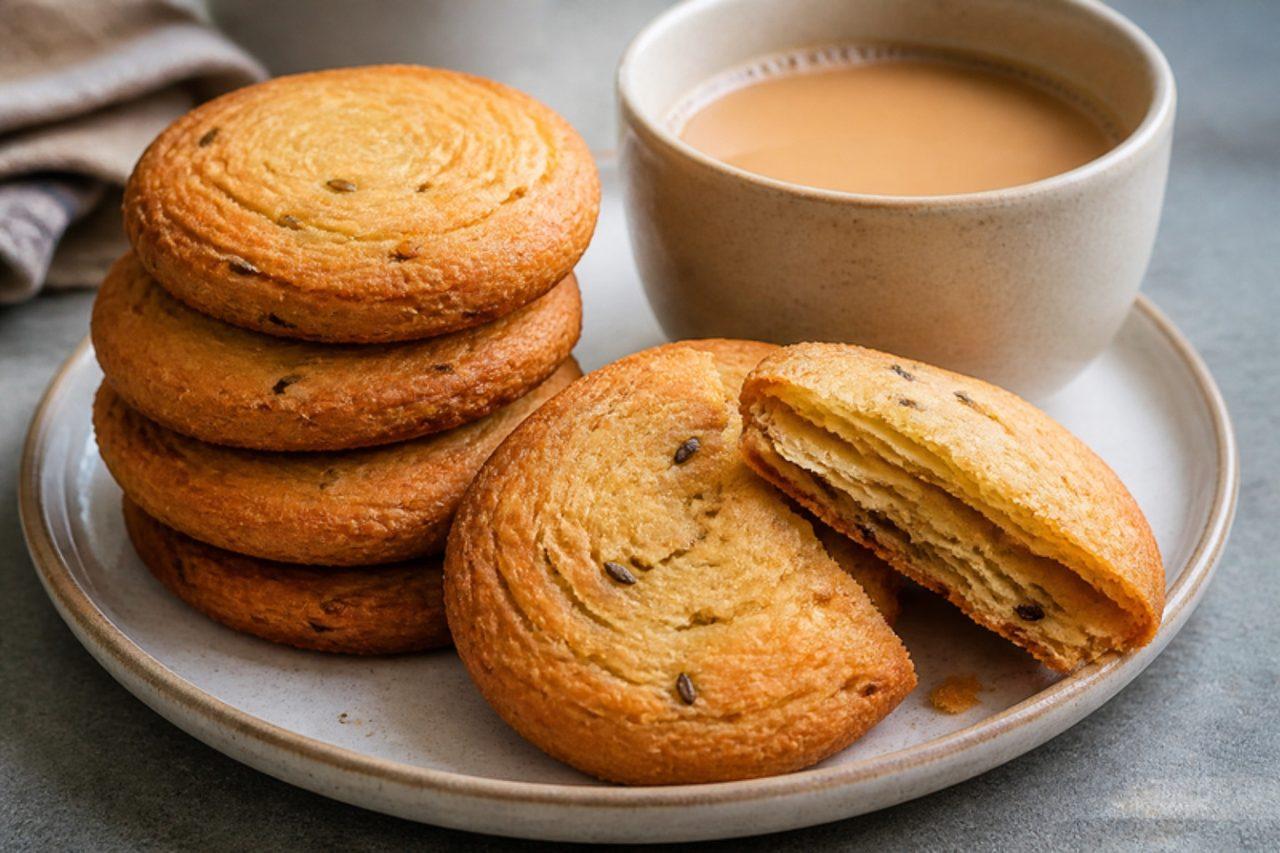
Surat's old bakeries, some of them run by Parsi and Bohra families for a century, sell 'butter' by the kilo: round, crisp, flaky biscuits that crack into layers, and the jeera version is salted and freckled with cumin. Gujaratis eat them with morning tea, crushed into a saucer of chai or spread with a little butter. Unlike khari they start with a lightly yeasted dough that is spread with a ghee-and-flour paste and folded, then baked once until risen and again, low, until bone dry, which gives a crunch rather than a shatter. The mistake most people make is pulling them out after the first bake because they look done; they need the long, slow second bake or they turn chewy. Chef's tip: toast the cumin in a dry pan for a minute and crush half of it before it goes into the dough, so the flavour runs through every layer.

180 minIndianBaking
by KrazyBadal 0 views

Torta de ricotaLemon ricotta tart

Italian families brought ricotta tarts to Buenos Aires and Rosario, and torta de ricota is now as Argentinian as mate: every panadería has one in the window, with a lattice of sweet, crumbly masa frola over a pale, lemon-scented ricotta filling. It is cut into wedges for the merienda, the late-afternoon snack, or for a birthday where nobody wants a heavy cake. The texture is light and slightly grainy rather than silky, and the pastry tastes of butter and vanilla. Wet ricotta is the biggest risk, giving a weeping, soggy tart. Chef's tip: drain the ricotta overnight in the fridge in a sieve lined with a cloth, and add a few raisins only if they have been soaked, or they draw moisture from the filling.

by KrazyBadal 0 views

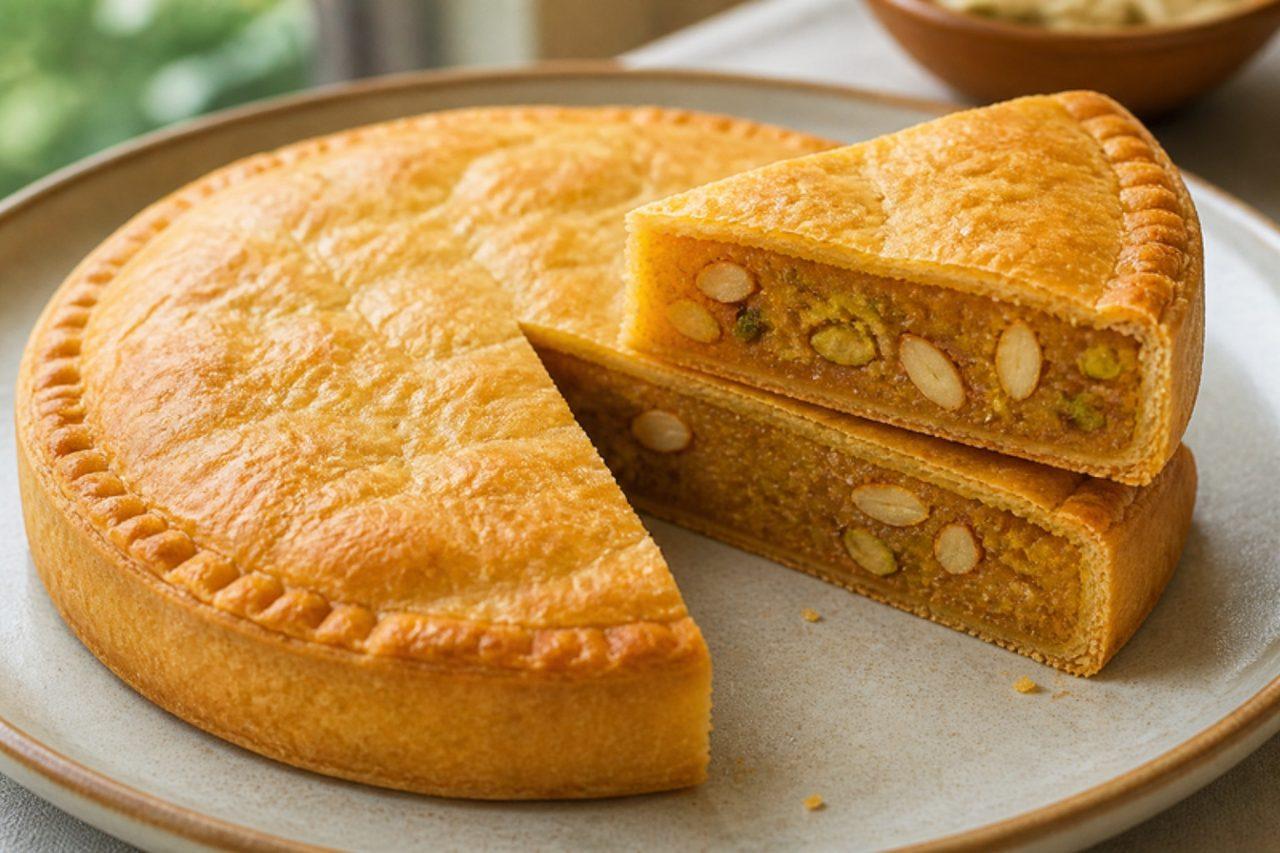
Dar ni poriSweet lentil pie with nuts

Parsi families in Mumbai and the small towns of south Gujarat order dar ni pori for Navroz, birthdays and the first day of a new job, when a sweet that keeps well is needed for visitors. A thin, flaky shortcrust holds a fudgy filling of toor dal cooked down with sugar and ghee, scented with cardamom, nutmeg and rose water and studded with almonds and pistachios. It tastes a little like a nutty halwa wrapped in pastry and is cut into small wedges, usually with a cup of milky tea. The usual mistake is stopping the filling too early: if it is still soft and wet it soaks the pastry and leaks through the seams. Chef's tip: the dal is ready when it pulls away from the pan as one mass and a spoonful holds a clean shape on a plate.

150 minIndianBaking
by KrazyBadal 0 views

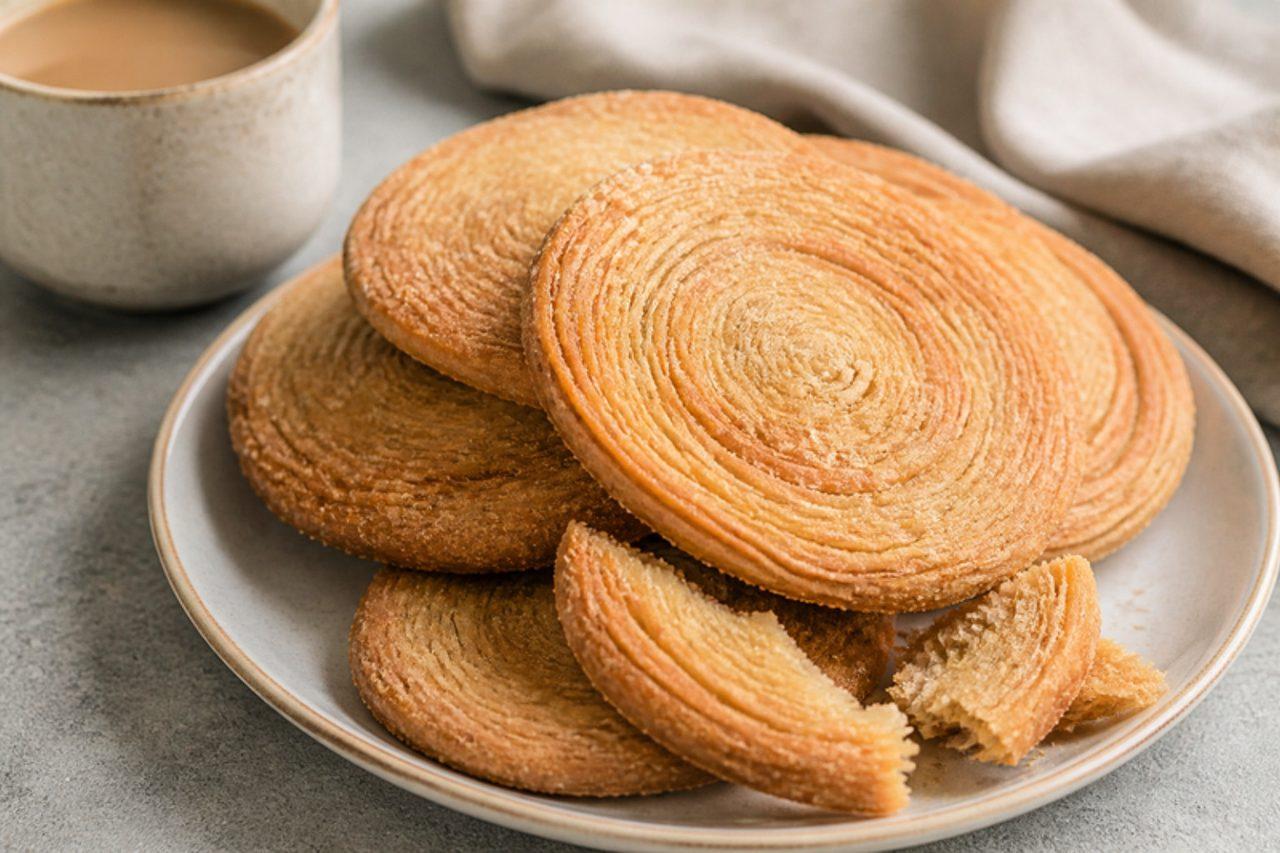
Ooty varkeyFlaky spiral tea biscuits

Up in the cool tea country of the Nilgiris, around Ooty and Coonoor, small bakeries turn out trays of varkey every morning, and tourists carry home bags of them alongside the estate tea. They are flat, golden and lightly sweet, with tight spiral layers that crunch and then melt, a texture the bakers get by rolling a sugared dough up around a fat paste and slicing it like a Swiss roll. Eat them with strong milky Nilgiri tea; locals also crumble them over hot milk. Bakeries traditionally use vanaspati for the paste; butter mixed with a little ghee gives a cleaner taste in this eggless home version. Watch the spiral: if you press the slices too hard when flattening, the layers fuse and the biscuit bakes dense. Chef's tip: chill the rolled log until it is firm enough to slice cleanly; a soft log squashes under the knife and you lose the swirl.

165 minIndianBaking
by KrazyBadal 0 views

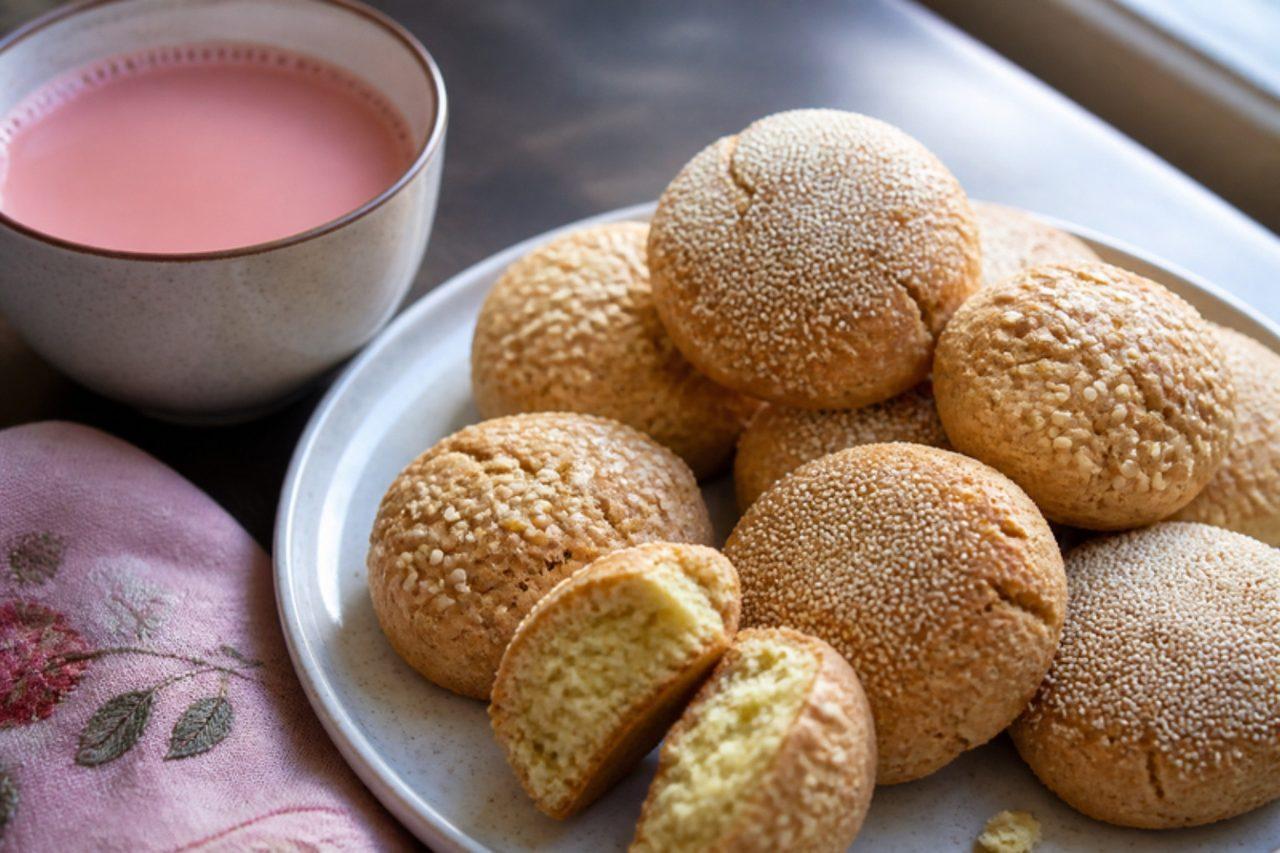
Kashmiri bakery kulchaPoppy seed or sesame tea biscuits

Before dawn the kandurwaan, Srinagar's neighbourhood baker, lights his clay oven, and by breakfast his shelf holds stacks of kulcha: small, thick, very crumbly rounds, some salted and crusted with poppy seeds, some sweet and dotted with sesame. They are nothing like the soft Punjabi bread of the same name. Kashmiris eat them with noon chai, the pink salted tea, breaking a kulcha into the cup or alternating bites and sips; they are also handed out at weddings and taken as gifts when visiting. This eggless home version makes both kinds from one ghee-rich dough. Do not overwork it: kneading develops gluten and you lose the sandy crumble that makes kulcha special. Chef's tip: bake them pale and low; a real Kashmiri kulcha is barely golden on top and crisp only on the base, so take them out while they still look a little underdone.

by KrazyBadal 0 views

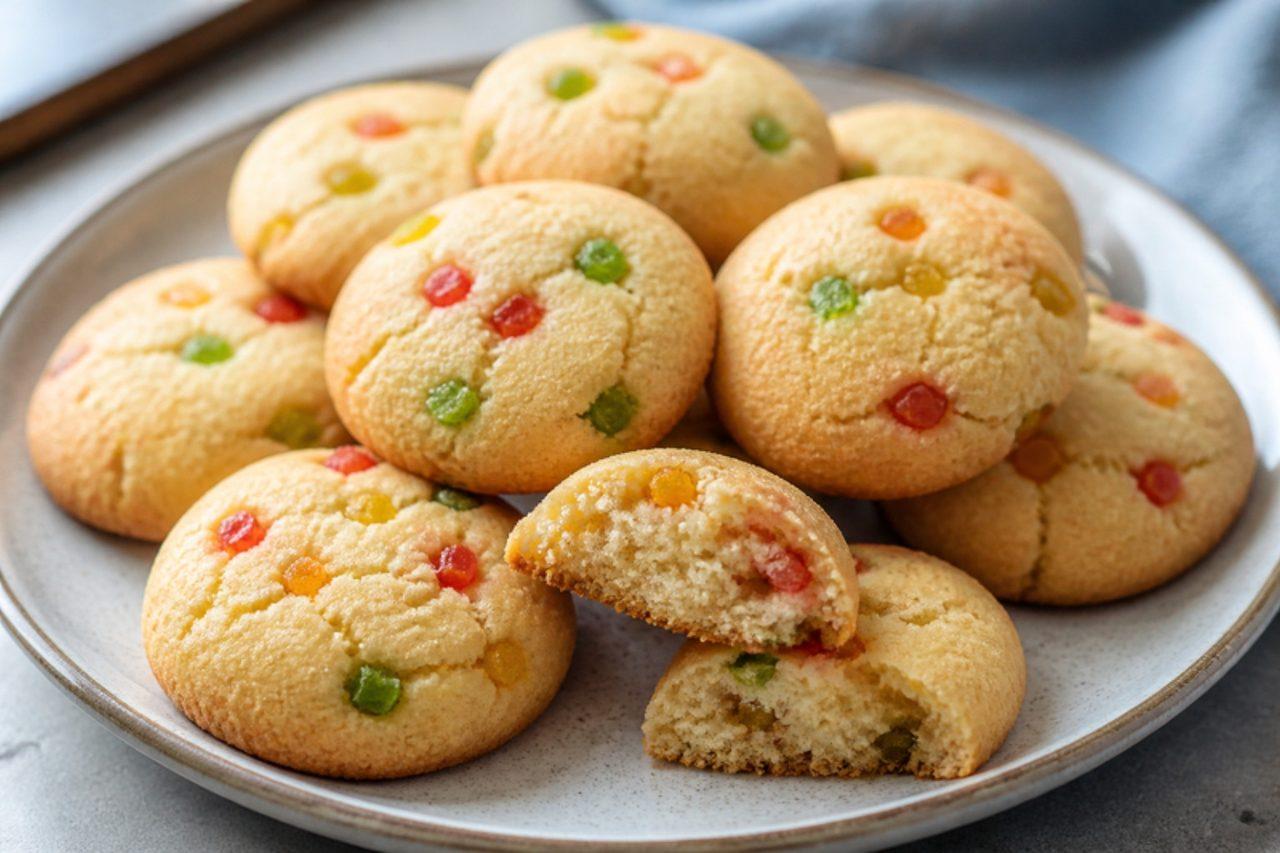
Hyderabadi fruit biscuitsTutti-frutti butter biscuits

Boxes of these pink-and-green flecked biscuits leave Hyderabad in every suitcase: visitors queue at the old bakeries near Charminar and the airport shops stock tins of them. Each one is short and crumbly, buttery, with a faint pineapple scent and chewy bits of candied papaya (tutti-frutti) scattered through. They are eggless, rich with butter and a little custard powder, and go with a cup of Irani chai or a glass of cold milk. The usual slip is mixing the tutti-frutti in wet or sticky, so it bleeds colour and clumps; toss it in a spoon of flour first. Chef's tip: shape the dough into a square log and chill it until firm, then slice; a firm log gives neat, sharp-edged biscuits like the bakery ones.

by KrazyBadal 0 views

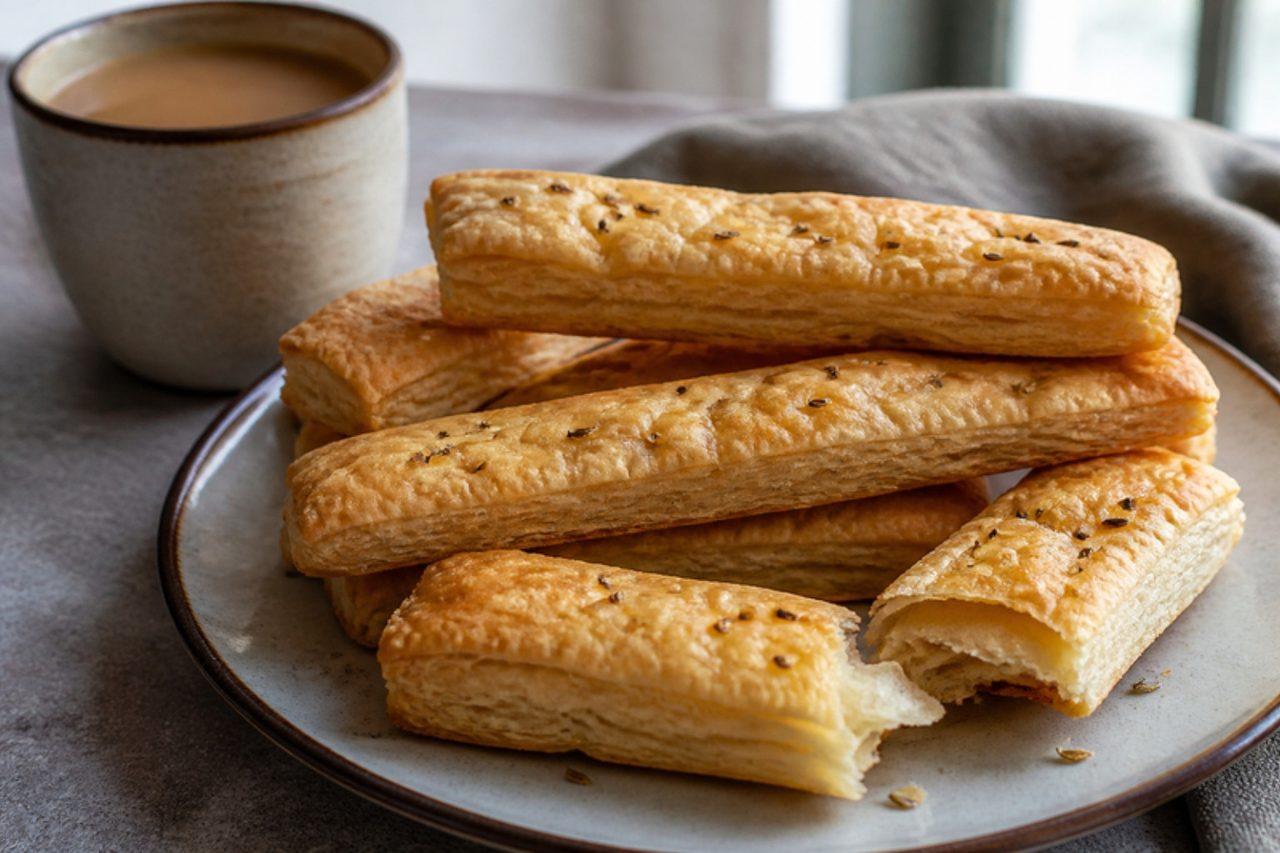
Khari biscuitsSalted puff pastry sticks

Chai in Mumbai's Irani cafés and Ahmedabad's corner bakeries comes with a glass jar of khari: long, shattering sticks of puff pastry, salty rather than sweet, that flake all over your lap. People dip them in sweet masala chai, which soaks into the layers in seconds, so the trick is a quick dunk. Bakeries usually laminate with margarine or vanaspati; butter gives a richer, cleaner taste, and this eggless home version uses a block of cold butter folded into a plain dough, with a scatter of cumin or crushed kasuri methi on some. The biggest mistake is letting the butter go soft between folds: it smears into the dough and the sticks bake up hard and bready instead of rising into dozens of leaves. Chef's tip: once the sticks have puffed and coloured, lower the oven and leave them in until the centres are dry; under-dried khari go soft in the jar within a day.

185 minIndianBaking
by KrazyBadal 0 views

Tarta de coco y dulce de lecheCoconut and dulce de leche tart

Ask Argentinians for their favourite tart at a family birthday and this one often wins: a crisp shortcrust spread thickly with dulce de leche, then covered with a coconut, sugar and egg topping that bakes into a golden, chewy crust. Bakeries from Córdoba to Mar del Plata sell it by the slice for the merienda with mate or a café con leche. It is very sweet, so the slices are thin, and it is a good keeper for a few days. Ordinary spreading dulce de leche is the mistake: it runs and bubbles out at the edges. Use the thicker pastry-style kind, sold in Argentina as 'repostero'. Chef's tip: chill the case with the dulce de leche spread on it for 15 minutes before adding the coconut, so the two layers stay distinct.

by KrazyBadal 0 views

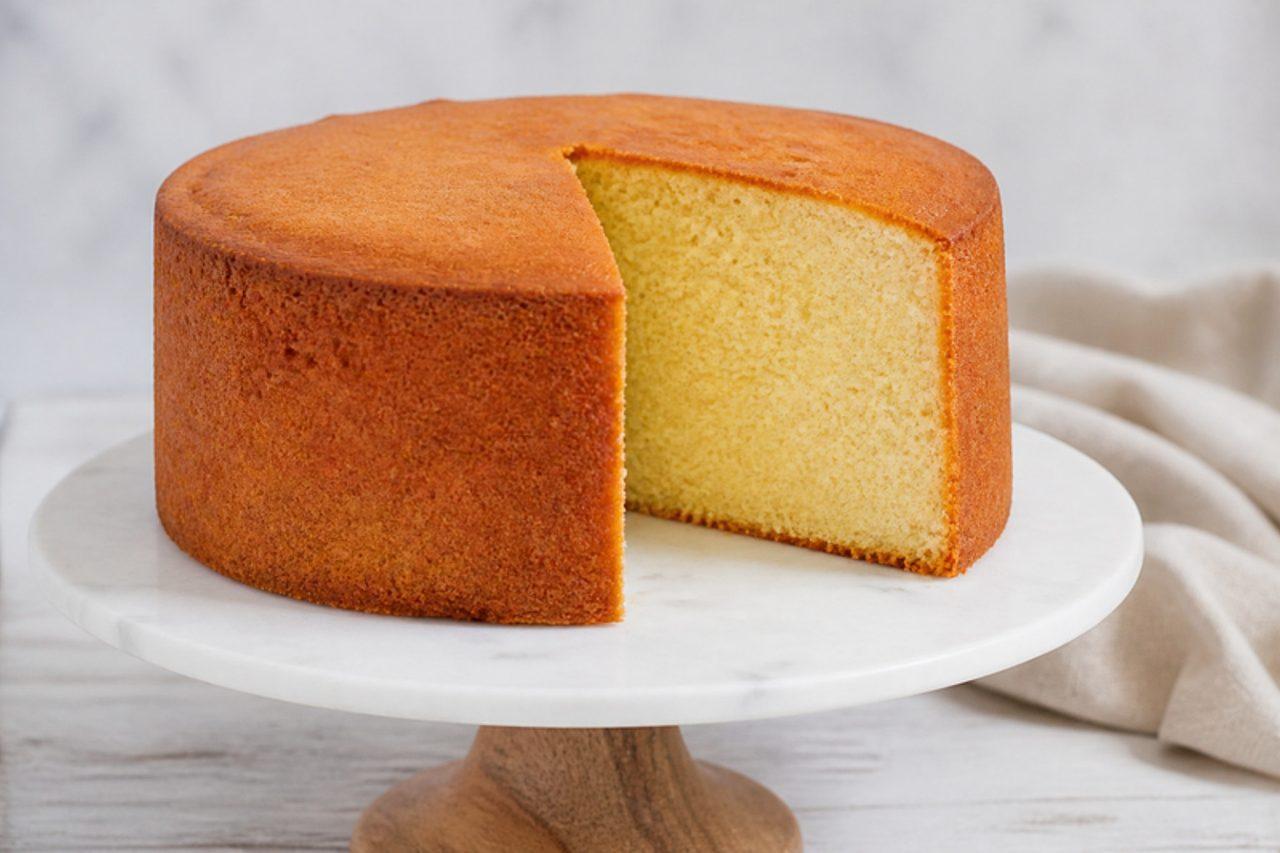
BizcochueloPlain whisked sponge cake

Nearly every Argentine birthday torta starts life as a bizcochuelo: a tall, plain sponge of eggs, sugar, flour and cornflour, with no butter and no baking powder, lifted only by long whisking. Grandmothers bake it on Sunday to split into three and fill with dulce de leche and whipped cream, or eat it plain in the afternoon with mate. The crumb is fine, dry-ish and airy, made to soak up syrup. Opening the oven in the first 20 minutes is the classic way to flatten it, so leave the door shut. Chef's tip: whisk until the mixture reaches 'punto letra', thick enough that a ribbon drawn on the surface holds its shape for a few seconds; that takes a good 8–10 minutes with an electric mixer, and warm eggs get there faster.

by KrazyBadal 0 views

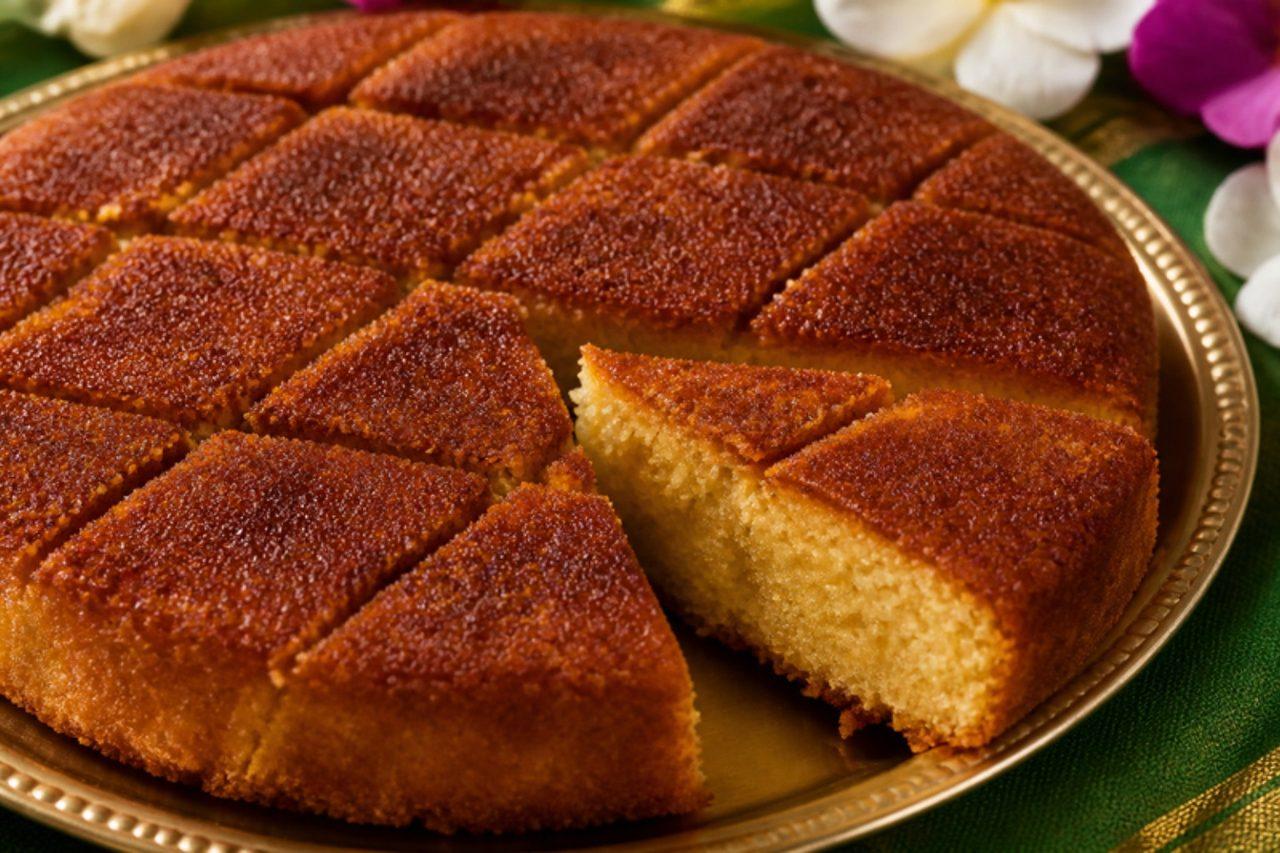
Goan baathSemolina and coconut cake

From Margao to Mapusa, Goan Catholic families start baath a day early: semolina, fresh coconut, sugar and butter are rubbed together and left overnight so the grains drink up the coconut milk. The next morning eggs go in and the cake is baked until brown and fragrant, ready for the Christmas kuswar plate alongside bebinca and neureos, or cut into diamonds for a wedding. The crust is crisp and caramelised; the inside is dense, moist and chewy with coconut, scented with cardamom and sometimes a little rose water. Desiccated coconut is the common shortcut and the common mistake: it makes a dry, crumbly baath, so use fresh or frozen grated coconut. Chef's tip: bake it in a heavy metal tin and do not open the oven for the first 40 minutes; the slow, steady heat gives the dark crust without a raw middle.

660 minIndianBaking
by KrazyBadal 0 views

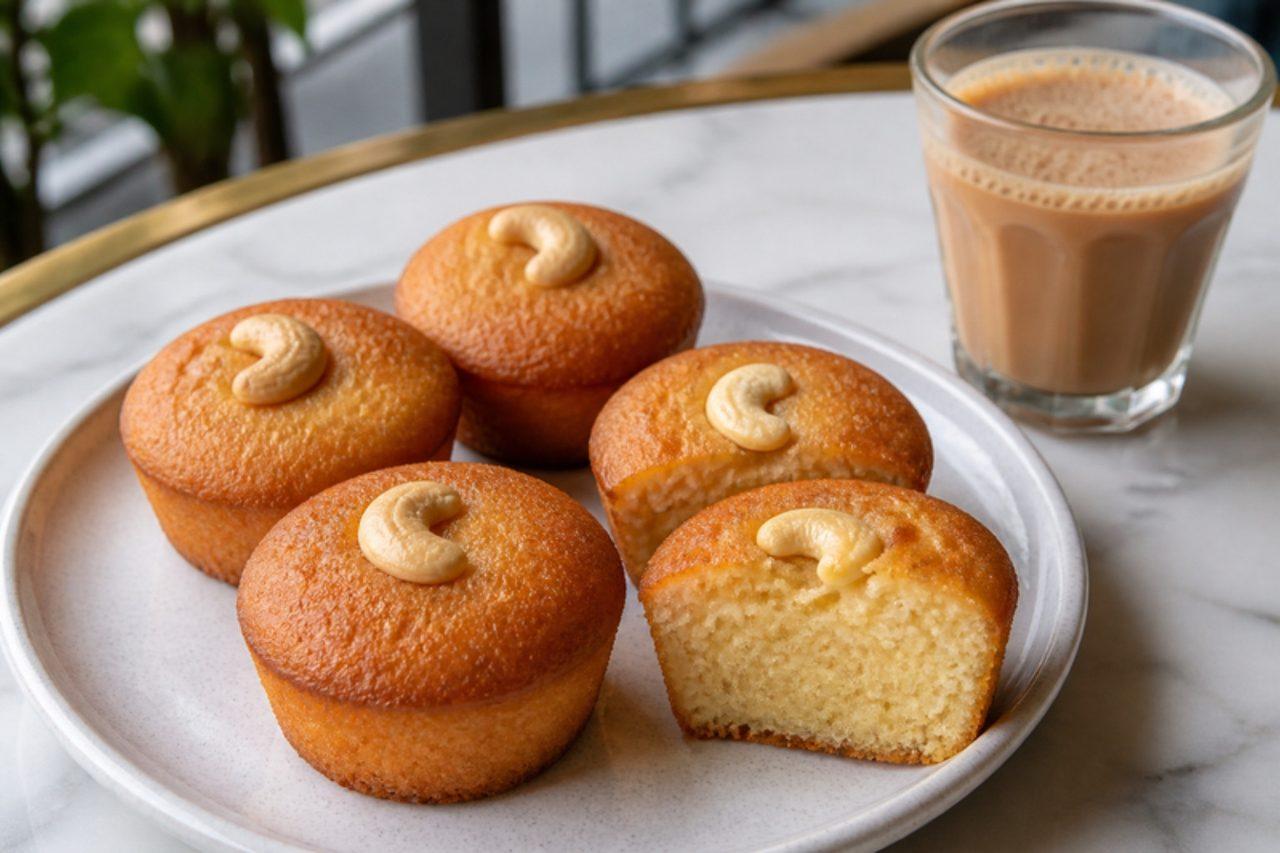
Mawa cakeCardamom khoya butter cake

Walk into an old Irani café in Mumbai or Pune at teatime and the glass jars on the counter will hold squat, golden mawa cakes, each crowned with a single cashew. The crumb is close and buttery, heavy with milky khoya and perfumed with cardamom, somewhere between a pound cake and a barfi. Locals dunk a slice in cutting chai or eat it with a bun maska on the side. This version uses eggs, as the classic bakeries do; eggless versions swap the eggs for yogurt or condensed milk and are just as popular. The usual slip is adding the khoya in hard lumps, which leave greasy pockets in the cake, so grate it and rub it smooth before it meets the butter. Chef's tip: warm the cardamom seeds in a dry pan for a minute before grinding; the aroma doubles and carries right through the bake.

by KrazyBadal 0 views

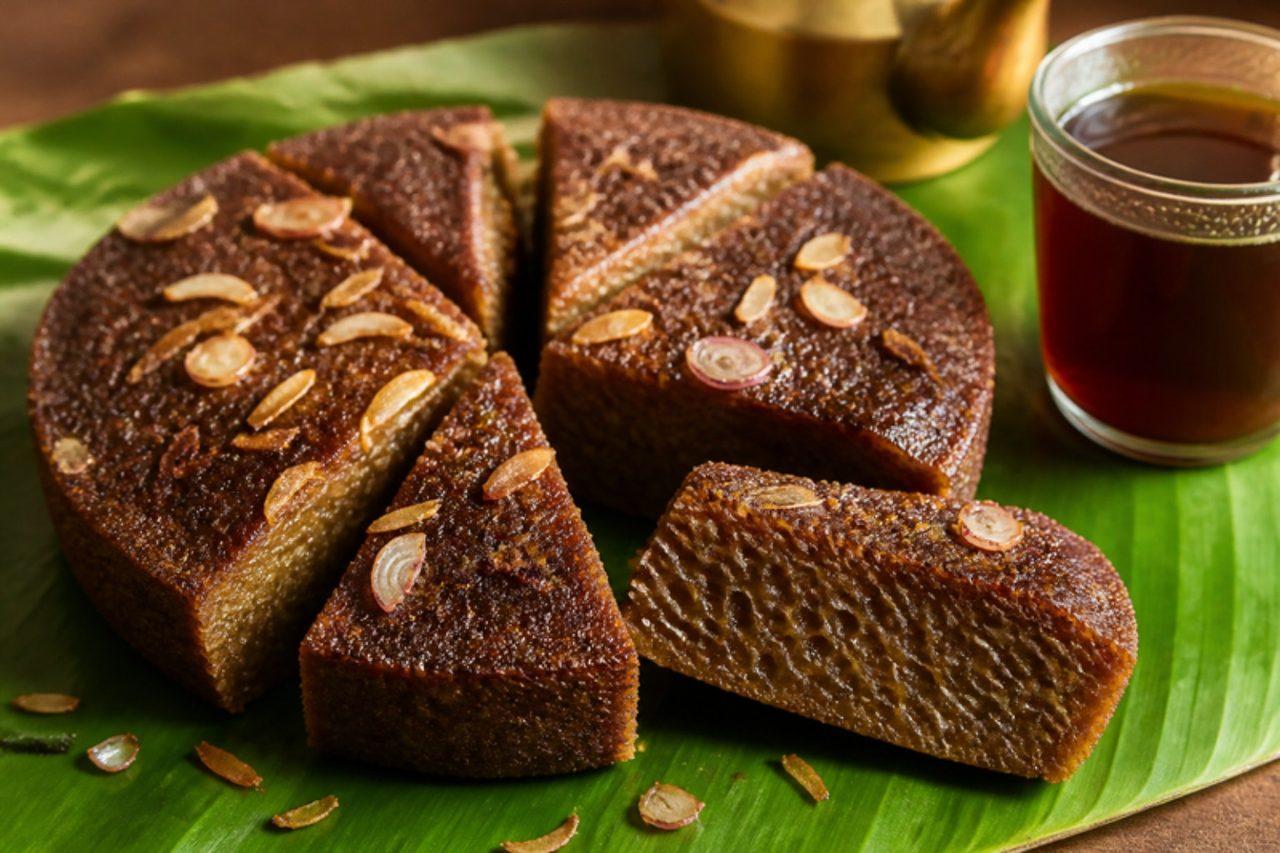
KalathappamRice and jaggery cake

Kalathappam takes its name from the kalam, the heavy clay or metal pot it was once cooked in over a wood fire with embers heaped on the lid. In Malabar homes from Kozhikode to Kannur it appears at tea after the Ramadan fast and for family visits, cut into wedges and eaten warm with black tea. Soaked rice is ground with a little cooked rice and jaggery syrup, so the cake is naturally eggless and gluten free; ghee-fried coconut slivers and sliced shallots give it a crisp, savoury top and a sweet, chewy, gently bubbled middle. Grind the batter as smooth as you can: a gritty batter is the usual reason it turns out dense and sandy. Here it starts on the hob and finishes in the oven, which gives the heat from above that the embers once did. Chef's tip: let the shallots go only to light gold in the ghee; they keep cooking in the oven and turn bitter if they are already brown.

250 minIndianBakingGluten free
by KrazyBadal 0 views

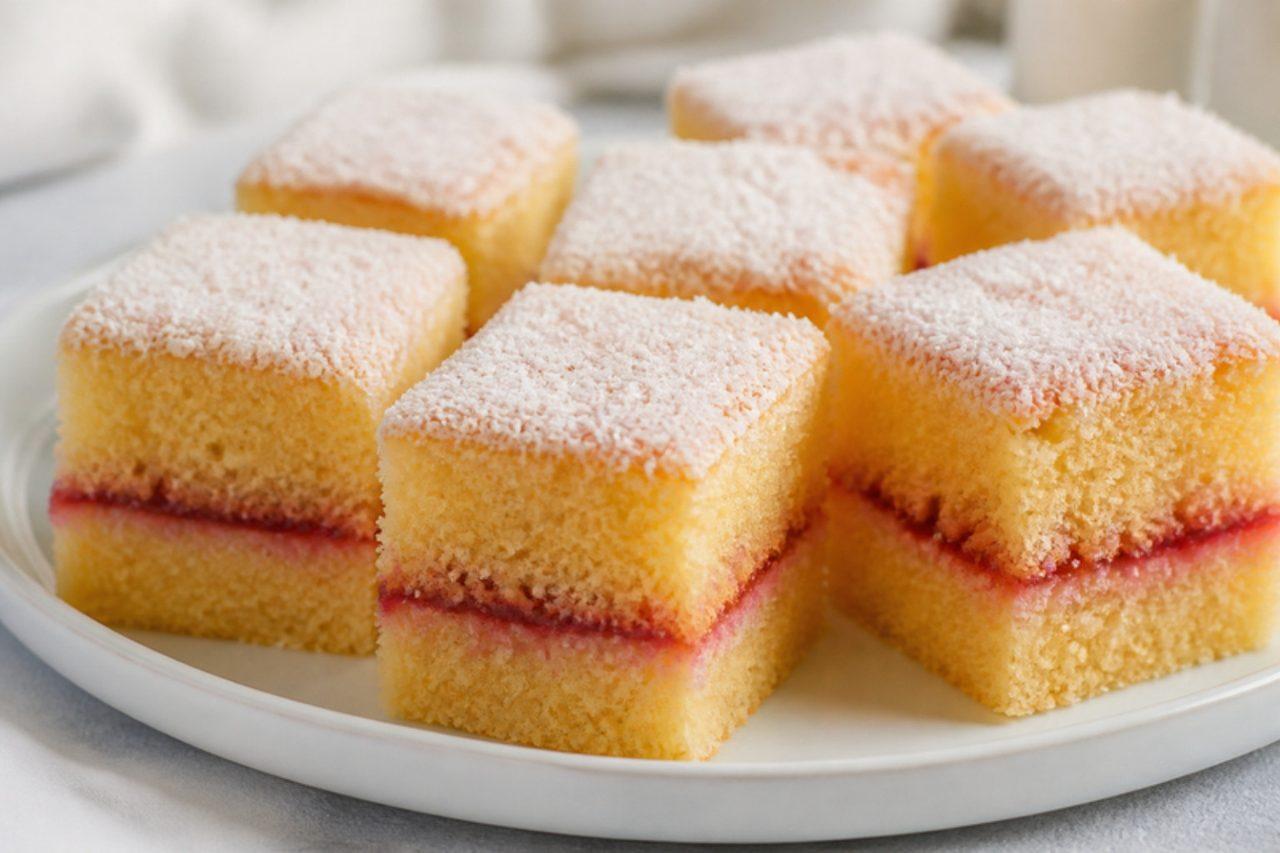
Kerala honey cake

No Kerala bakery counter, from a tiny shop in Thrissur to a busy one near Kochi bus stand, is complete without a tray of honey cake: sticky squares of vanilla sponge sandwiched with red jam, drenched in honey syrup and coated in white coconut. Children buy them after school; adults eat them with a glass of sweet tea in the late afternoon. The sponge is soft and damp right through, sweet and faintly floral from the honey, with fruity jam at its heart. People often pour hot syrup over a hot sponge and get a soggy, collapsing cake, so let the sponge cool and use the syrup just warm. Chef's tip: stir a squeeze of lemon into the syrup; it stops the honey tasting flat and helps the cake soak evenly.

by KrazyBadal 0 views

Indian bakery cream roll

Cream rolls are a sweet memory for children across India, from the Irani cafés of Mumbai to Kerala's small-town bakeries: spirals of flaky puff pastry baked around a cone, glazed with sugar and piped with soft vanilla cream. They turn up on birthday party plates and in after-school bakery treats. This version uses whipped cream rather than the shortening icing of many shops. It contains gluten and milk. Chef's tip: fill them only an hour or two before serving so the pastry stays crisp.

by KrazyBadal 0 views

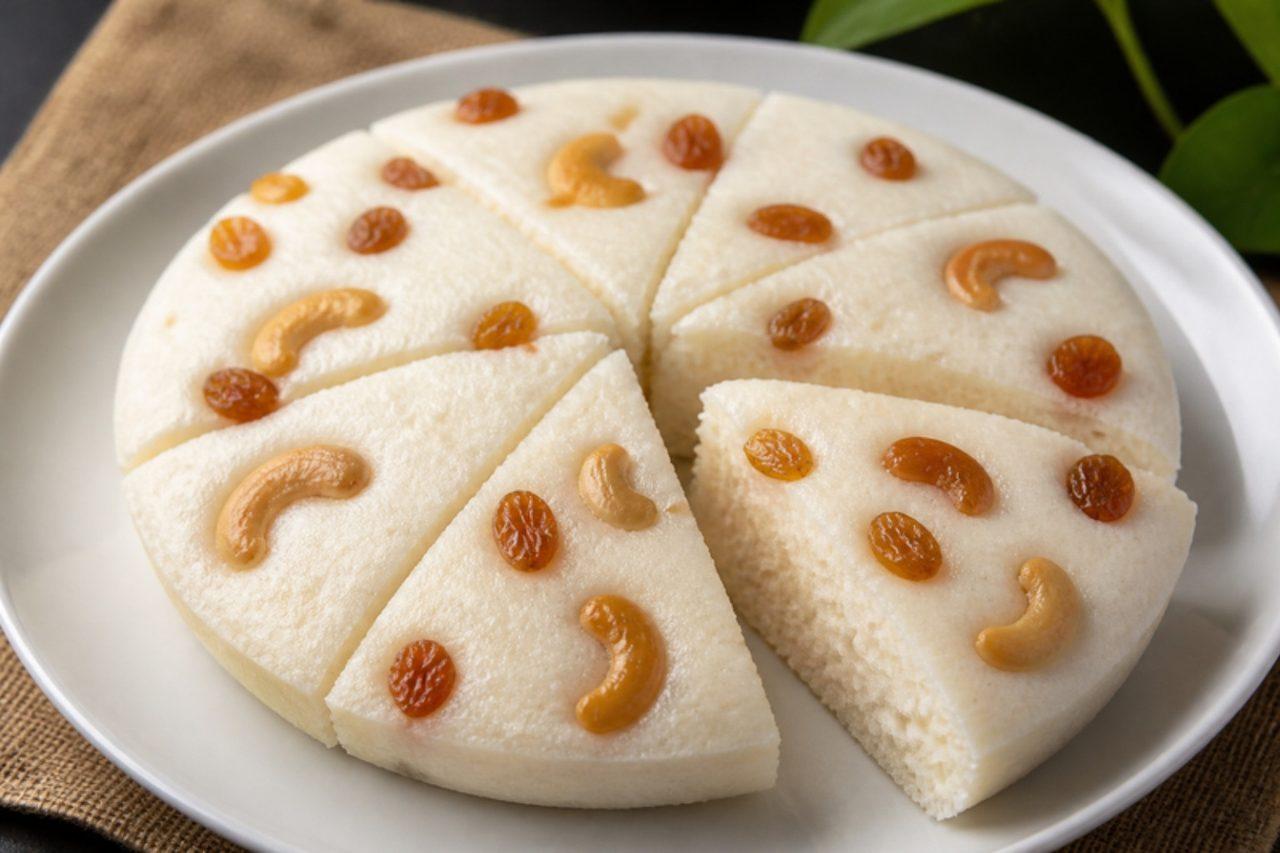
VattayappamSteamed rice and coconut cake

In Syrian Christian homes in Kottayam and Thiruvalla, vattayappam is the sweet that appears on Christmas and Easter mornings and goes in boxes to every neighbour. A batter of raw rice and coconut is fermented until airy, sweetened, flavoured with cardamom and steamed in a round plate until it rises into a fluffy, honeycombed cake. It is light, moist and gently sweet, with a faint tang from the ferment. Grandmothers used kallu (coconut toddy) to ferment it; this recipe uses dried yeast instead and contains no alcohol at all. Eat it warm with tea, or alongside chicken stew for breakfast. The common mistake is a batter that is too thick: it steams heavy and dense. It should pour like thick pancake batter. Rice and coconut only, so it is naturally gluten-free and vegan. Chef's tip: cook a spoon of the soaked rice into a soft porridge (kurukku) and grind it in; that is what gives vattayappam its fine, silky crumb.

by KrazyBadal 0 views

Dum ka roatBaked semolina and khoya cake

Dum ka roat is baked in Hyderabadi homes and bakeries in the first ten days of Muharram, and boxes of it are shared with neighbours and at majlis gatherings in the Old City. It is closer to a dense shortbread than a sponge: coarse semolina soaked overnight in ghee and milk, mixed with khoya, sugar, eggs, cardamom and nutmeg, then baked slowly until golden and crumbly with a crunchy almond top. It contains egg, so it is vegetarian with egg, not vegan. Each piece tastes of browned butter, milk and spice, and it keeps for a week in a tin. Eat it with Irani chai. The common mistake is skipping the overnight rest: the semolina stays gritty and the roat falls apart. Chef's tip: bake low and slow, at 160 °C, until the top is deep golden and a skewer comes out with moist crumbs; at higher heat the edges burn before the khoya centre has set.

by KrazyBadal 0 views

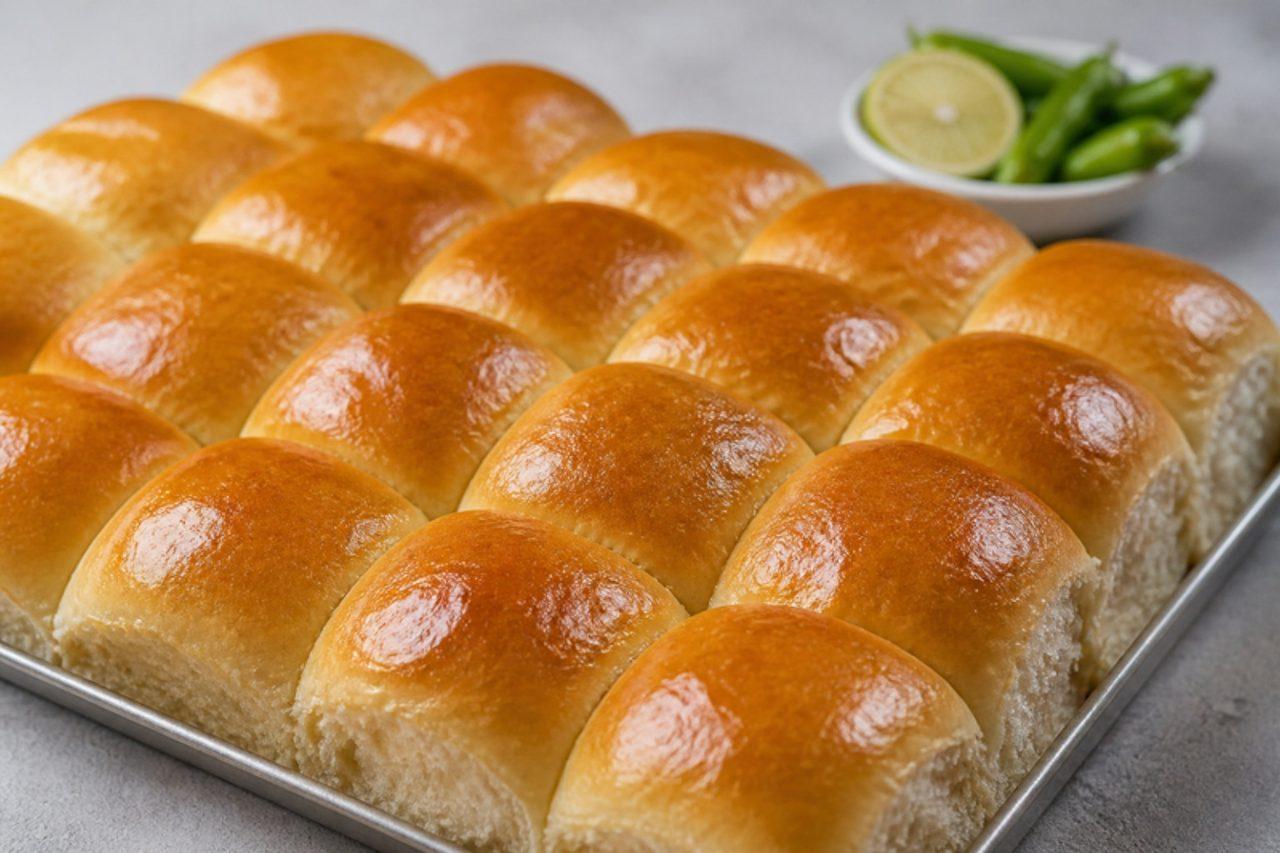
Ladi pavSoft pull-apart bread rolls

Pav came to Mumbai with the Portuguese and was taken up by the city's Goan and Irani bakeries, and today it is the bread every street snack depends on: vada pav, misal pav, bhurji pav, dabeli and pav bhaji. A ladi is a slab of rolls baked touching each other, so their sides stay pale and fluffy and they tear apart with soft white edges and a thin golden top. This home version uses milk and a little butter for a tender, slightly sweet crumb that holds up to a buttery tawa toast. It bakes in an ordinary oven at 190 °C (170 °C fan). Common mistake: baking the pav too long or too hot, so the crust turns hard and brown; take it out the moment the tops are golden and brush with butter at once. Chef's tip: cover the hot ladi with a clean cloth as it cools; the trapped steam is what gives that typical bakery softness.

by KrazyBadal 0 views

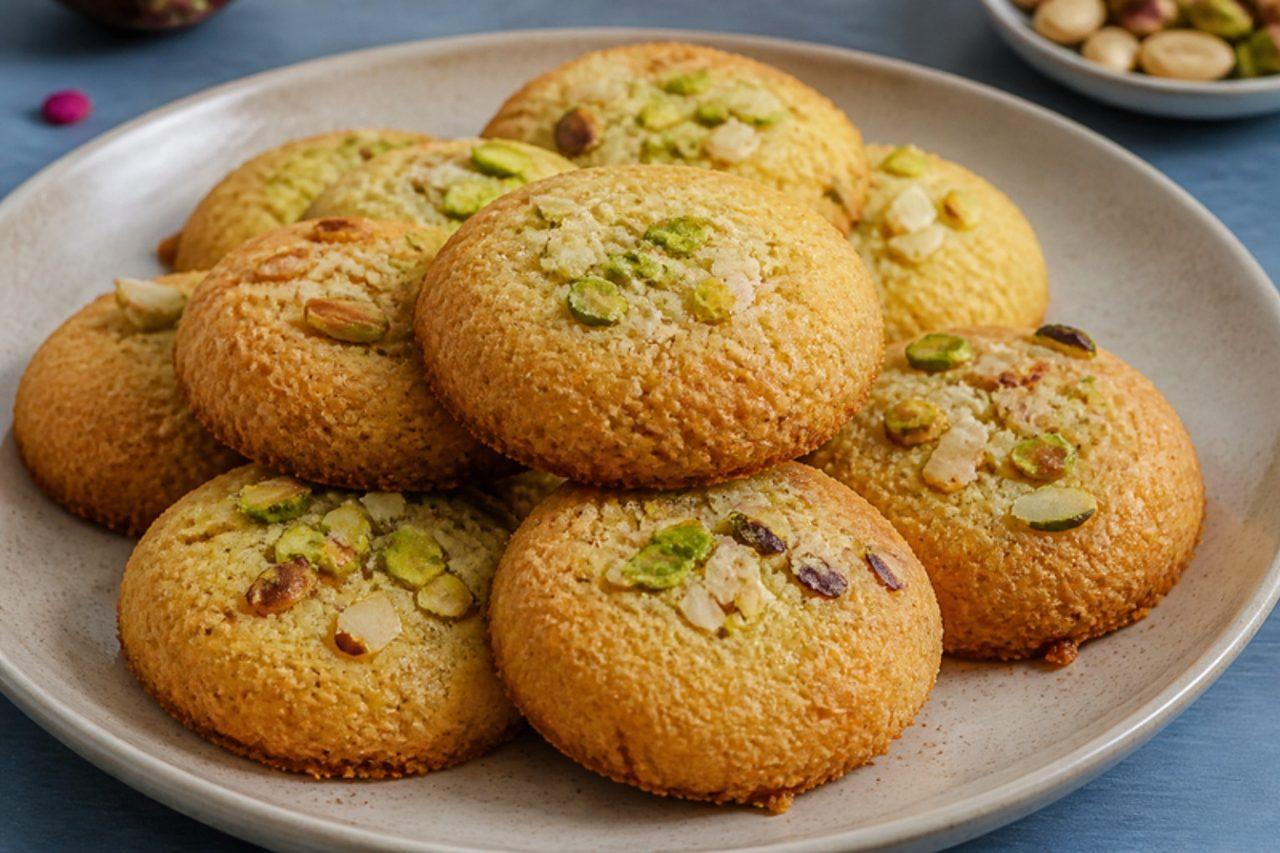
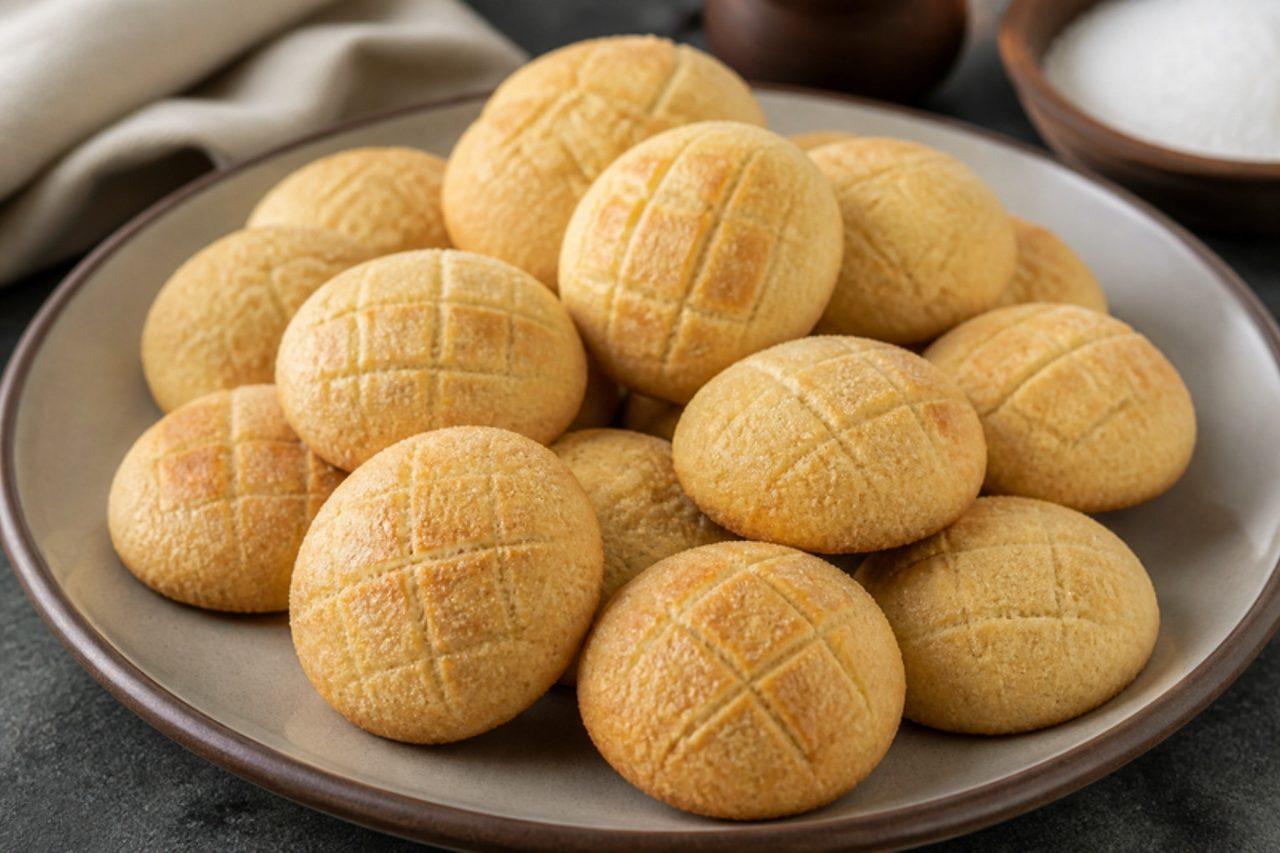
BolinhasSemolina and coconut cookies

Bolinhas (small balls in Portuguese) are the cookies Goan Catholic families bake in batches for the Christmas kuswar, the tins of sweets sent to friends and neighbours in Panjim and Salcete in mid-December. Fresh coconut is cooked briefly in a sugar syrup, mixed with semolina and left overnight so the grains soften, then bound with butter and egg yolks, shaped into small balls, marked with a fork or a cross and baked until golden. The texture is sandy and crumbly outside with a chewy coconut centre, and they smell of cardamom and browned butter. They contain egg yolk, so they are vegetarian with egg, not vegan. The common mistake is baking them the same day: unsoaked semolina stays gritty and the cookies spread. Chef's tip: shape with slightly damp hands and keep them small, about 3 cm; they puff a little and need room on the tray.

by KrazyBadal 0 views

Tarta de zapallitosCourgette and cheese tart

In Buenos Aires every rotisería sells tartas by the slice, and at home a tarta de zapallitos is baked on Sunday evening so that a wedge can go into the vianda (packed lunch) for school and work all week. Zapallitos are round green courgettes; ordinary courgettes work just as well. The common mistake is adding the courgette raw, which floods the pastry; sauté it until the liquid has cooked away. Argentine queso rallado and many hard cheeses are made with animal rennet, so use a vegetarian hard cheese. Chef's tip: bake the tart on a preheated baking tray so the base crisps before the filling soaks in.

by KrazyBadal 0 views

Postre MassiniCustard sponge with burnt sugar top

Montevideo's birthday cake of choice since the early twentieth century, the Massini is two thin layers of sponge sandwiching a thick filling of whipped cream folded with egg-yolk custard, crowned with a thin glassy crust of torched yolk and sugar. Bakeries across Uruguay sell it on Sundays. Traditional versions sometimes add a sweet fortified wine to the custard; this one is alcohol-free. The custard is cooked to a safe 71 °C. The common mistake is assembling with warm custard, which melts the cream into a puddle. Chef's tip: if you don't have a blowtorch, put the sugared top under a very hot grill for a minute and watch it closely.

by KrazyBadal 0 views

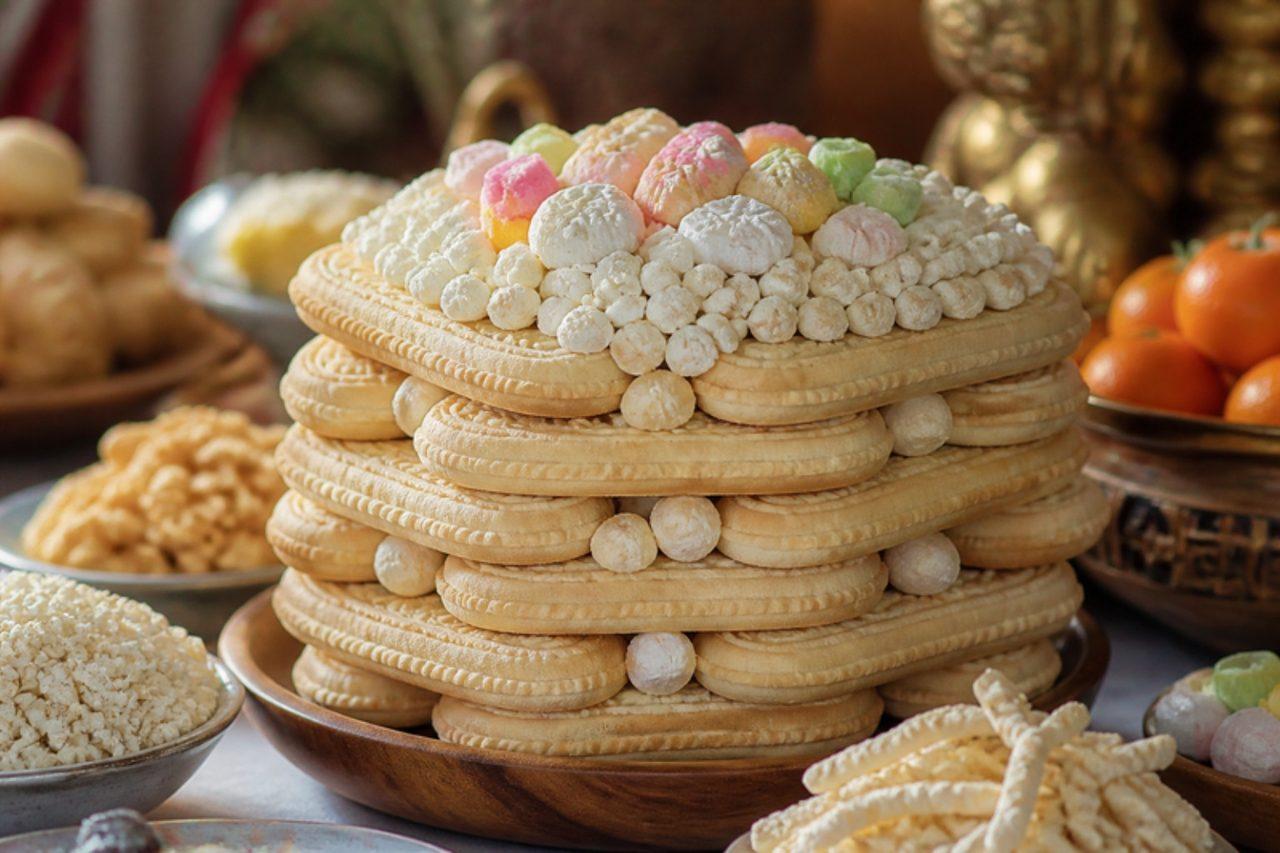
Ul boovNew Year shoe-sole pastries

Ul boov, "shoe-sole pastries", are the centrepiece of the Tsagaan Sar (Lunar New Year) table in every Mongolian home, stacked in an odd number of layers on a platter and crowned with aaruul, sugar cubes and sweets. Each oblong pastry is pressed with a carved wooden stamp and fried or baked. Families traditionally use rendered sheep's tail fat in the dough; this version uses butter. The stack is admired for the holiday, then broken up and eaten with milk tea. A common mistake is a soft dough that loses the stamped pattern; it should be firm and smooth. Chef's tip: if you don't have a stamp, press patterns with a fork or the end of a spoon.

by KrazyBadal 0 views

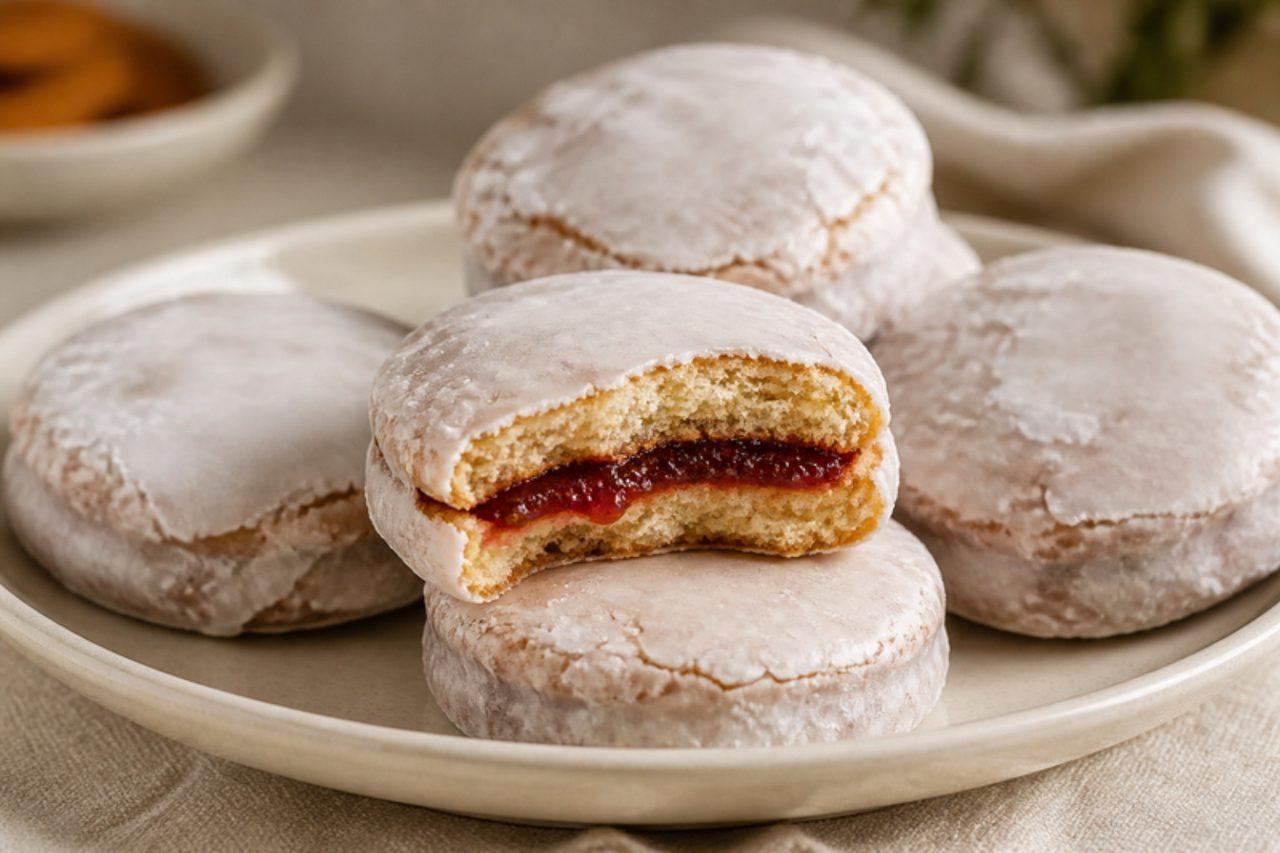
Alfajor cordobésJam sandwich cakes with sugar glaze

Córdoba's version of the alfajor is the soft one: two tender, slightly spongy honey-scented rounds sandwiched with fruit jam, usually quince or mixed fruit, and coated in a thin sugar glaze that dries to a crackly white shell. They are sold by the dozen in the sierras towns of Villa General Belgrano, La Falda and Capilla del Monte, where tourists buy boxes on the way home from holidays. Expect a gentle crunch, a cakey bite and a tart-sweet centre, best with a cup of coffee or mate. Overworking the dough is where they usually go wrong: knead it like bread and the rounds bake tough and flat, so mix only until it comes together. Quince paste (dulce de membrillo) loosened with water works well if you can't find a soft quince jam. Chef's tip: dry the glazed alfajores for 5 minutes in a barely warm oven; the glaze sets glassy and crackles when you bite.

by KrazyBadal 0 views

Bolas de fraileDulce de leche doughnuts

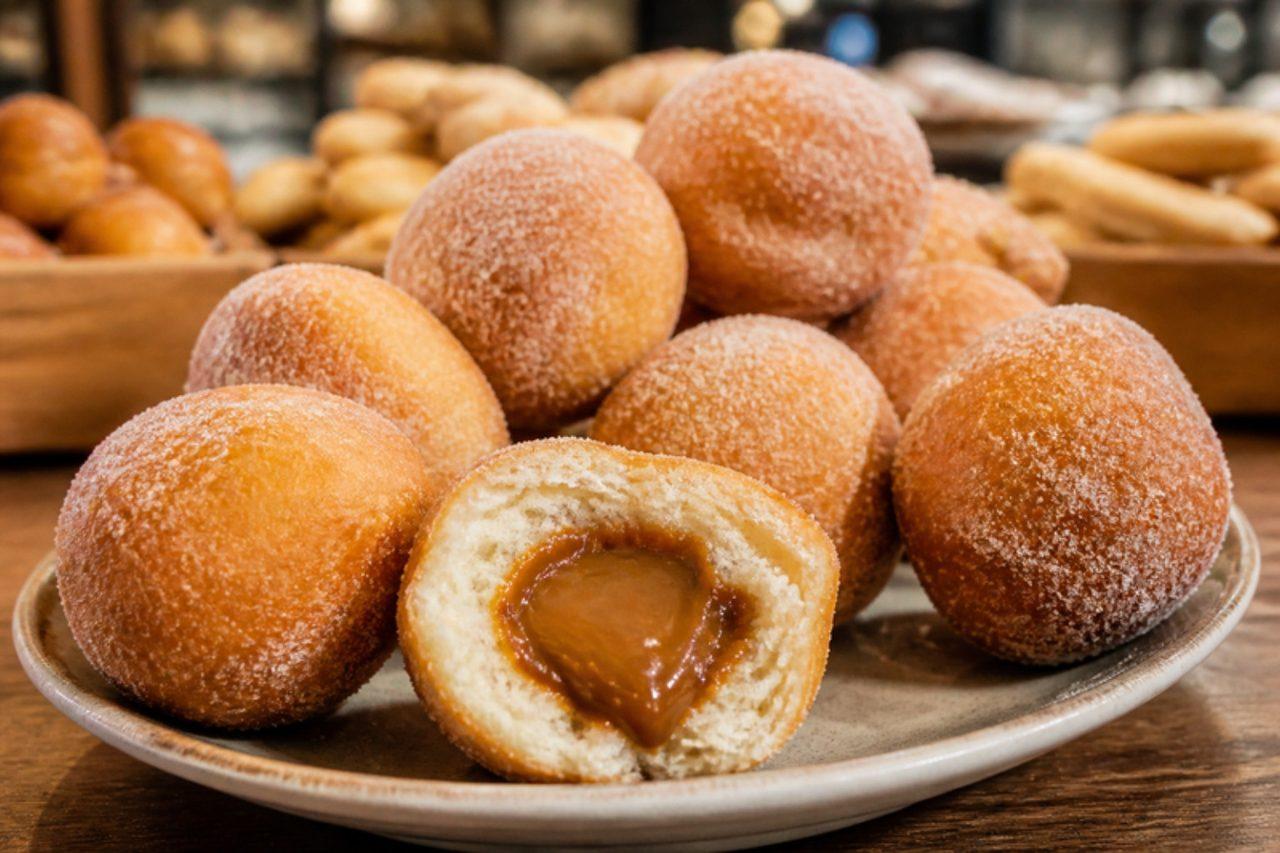
Friars' balls, to translate them literally, are a fixture of the Buenos Aires panadería counter among the facturas that porteños buy by the dozen on Sunday morning: soft, round yeast doughnuts, fried golden, rolled in sugar and split or piped with dulce de leche or crema pastelera. Children dive for them first. Inside they are light and fluffy, outside slightly crisp and sweet, and they are at their best within a few hours, with mate or coffee with milk. Oil that is too hot is the mistake: the outsides brown in seconds and the centres stay raw and doughy, so keep it at 170 °C and fry slowly. A thermometer helps a lot. Pastry cream is the other classic filling if you prefer it. Chef's tip: let the shaped balls rise on individual squares of baking paper and slide them into the oil on the paper; they keep their round shape and the paper peels off after a few seconds.

by KrazyBadal 0 views

Alfajor santafesinoPastry discs with dulce de leche

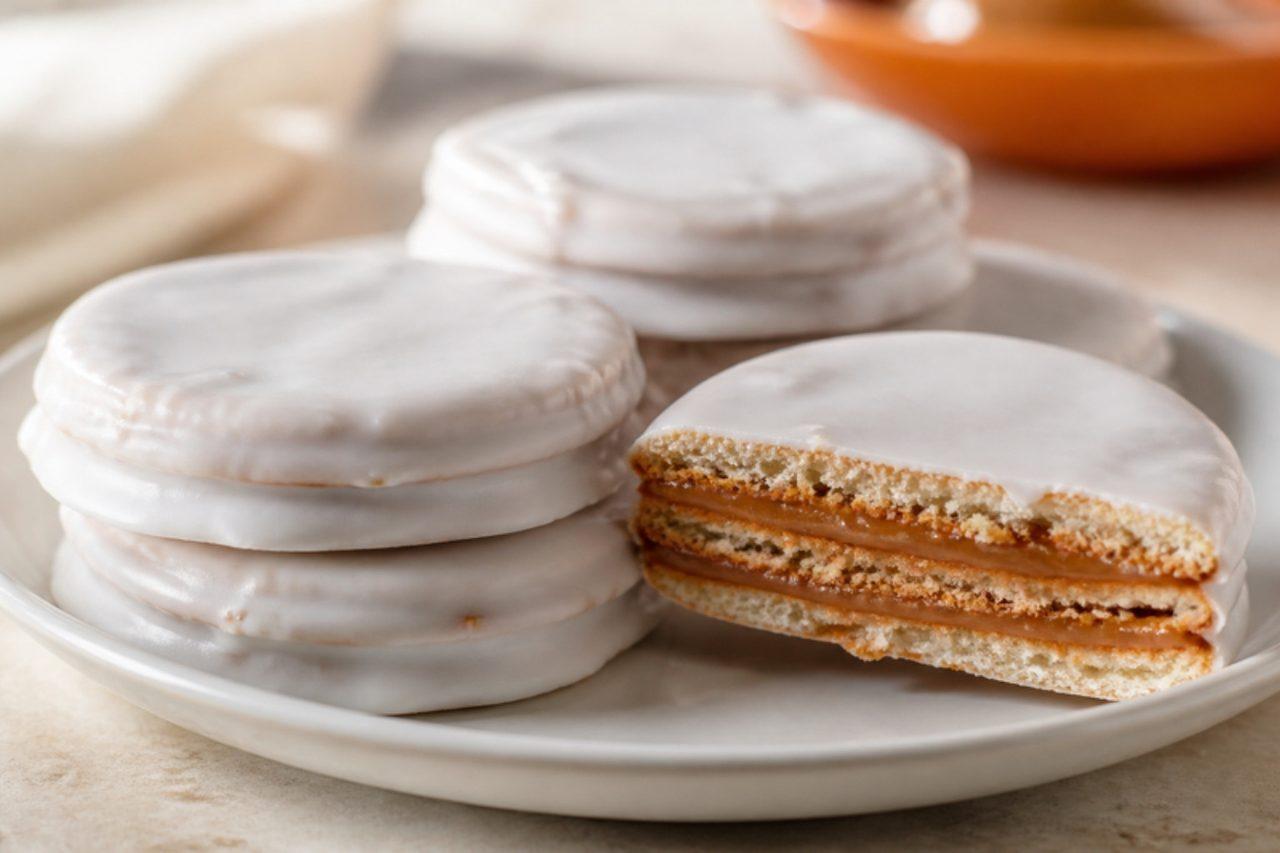
Santa Fe's alfajor is a different animal from the soft cornflour kind sold everywhere else: three wafer-thin, crackly discs of yolk-rich pastry, stacked with dulce de leche, then dipped in a cooked sugar glaze that sets hard, white and shiny. Bakeries in Santa Fe city and along the Paraná river ship them all over the country in boxes, and travellers bring them home as the regional present. Bite through and the glaze shatters, the pastry flakes and the dulce de leche holds it all together. Thick pastry is the mistake that ruins the texture; it has to be rolled until you can almost see the worktop through it, or the alfajor turns bready. Some old recipes add a splash of cane spirit to the dough; this version uses only water and is alcohol-free. Use a thick, pastry-chef's dulce de leche (repostero) so it doesn't ooze. Chef's tip: bake the discs in batches and keep the rest of the dough covered; it dries out fast and then cracks when rolled.

by KrazyBadal 0 views

Showing 24 of 56 recipes

Show more recipes

Page 1 of 3