Skip to content
Recipes

All recipes

Vegetarian, or something you can't eat? Set your diet once and we'll hide recipes that don't fit.

TopfengolatschenSweet quark puff pastry squares

A Topfengolatsche is what Viennese office workers grab from the bakery on the way in, and what grandparents order with a Melange in a coffee house on a Sunday afternoon. The corners of a puff pastry square are folded over a lemony, vanilla-scented filling of Topfen (Austrian quark) with plump raisins, and the top gets a thin white glaze. It is flaky, light and not too sweet. Raisins are sometimes soaked in rum; warm water or orange juice works just as well, and the recipe below is alcohol-free. Wet quark is the classic problem, because it turns the filling runny and it leaks out in the oven. Chef's tip: hang the quark in a sieve lined with a clean cloth for an hour, or squeeze it, until it is as thick as soft cream cheese.

by KrazyBadal 0 views

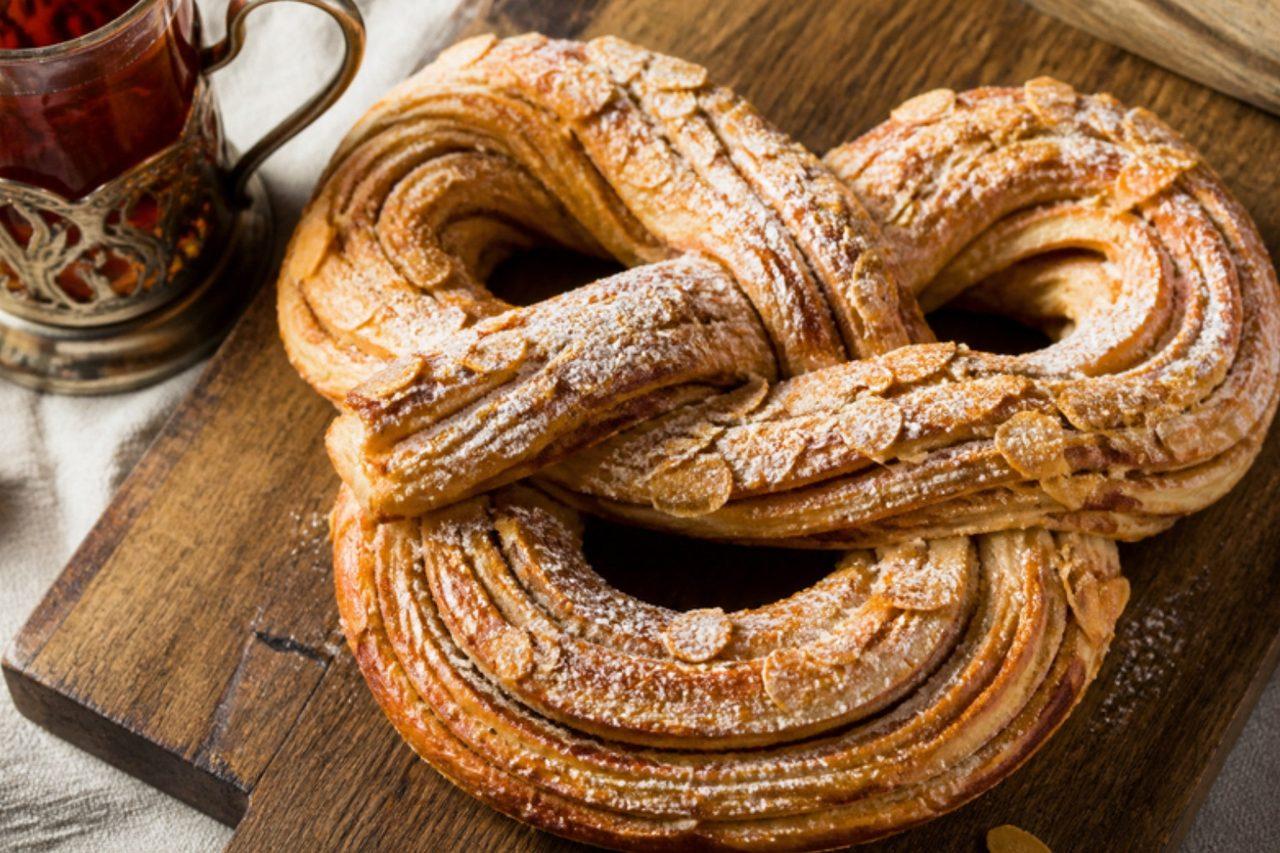
KrendelSweet pretzel-shaped bread

Name days and birthdays in old Russia called for a krendel: one huge pretzel-shaped sweet loaf, carried to the table whole and torn apart over tea from the samovar. The shape is said to come from Baltic and German bakers in St Petersburg, but the bread itself is very Russian, a buttery yeast dough rolled around cinnamon sugar so the crumb streaks with spice. Serve it with tea, jam or honey and a bowl of sour cream. The pretzel is made from one long filled roll, slit open down its length so the layers show; forgetting to chill the filled roll before slitting is what makes the filling smear and the shape slump. Chef's tip: shape it straight on the lined tray rather than lifting it afterwards, as a filled rope this long tears easily.

by KrazyBadal 0 views

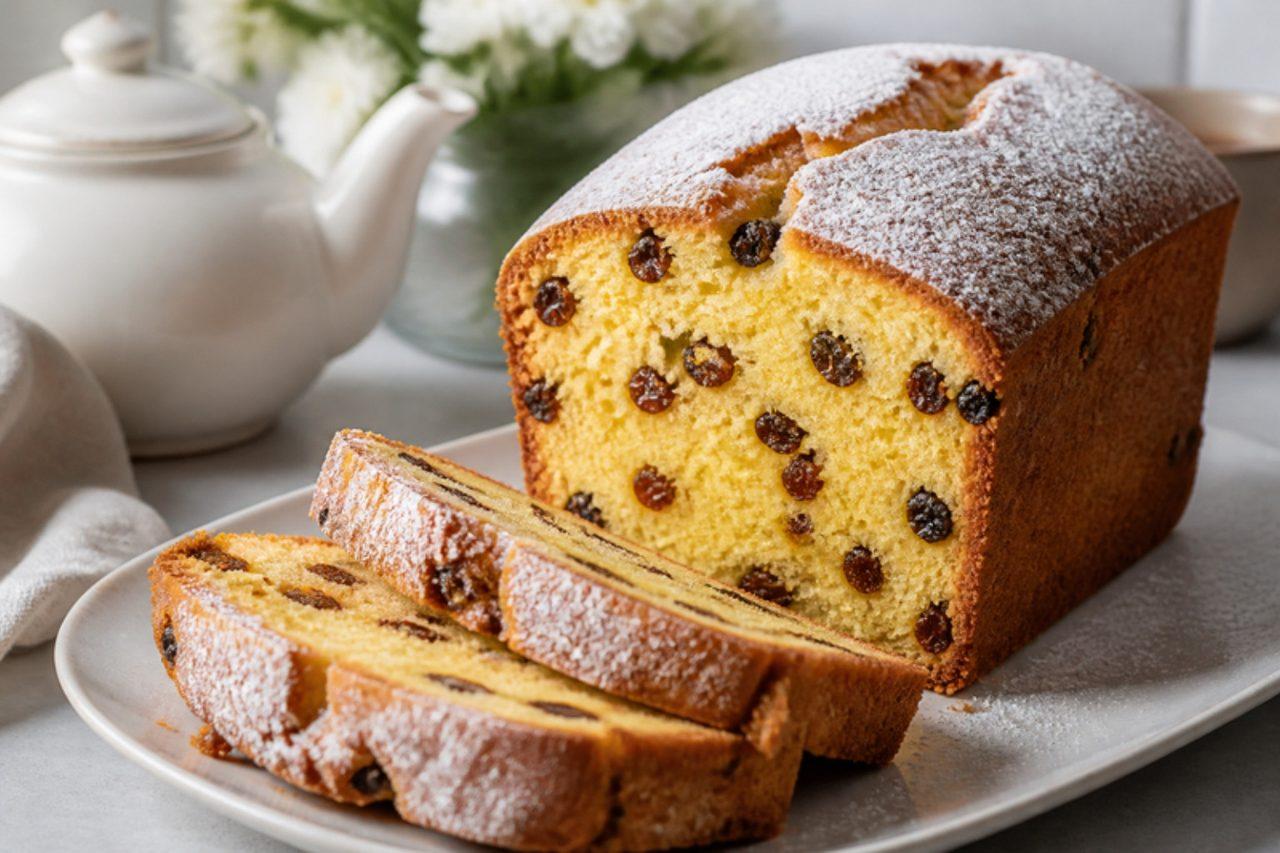
Stolichny keksRaisin loaf cake

Stolichny keks, the 'capital city' cake, was made to a fixed state recipe in Soviet bakeries and sold in waxed paper in every Moscow grocery: a tall, buttery loaf with a cracked top, a fine yellow crumb and so many raisins that each slice is studded with them. People still bake it at home for New Year and for guests, and it keeps well for a week, wrapped, next to the teapot. Some cooks plump the raisins in brandy or cognac; this recipe soaks them in hot water and lemon juice instead, and a spoonful of brandy can go into the soak if you like. Under-creamed butter is the usual problem: the cake comes out heavy and greasy, so beat the butter and icing sugar until really pale. Chef's tip: dry the soaked raisins on a towel and roll them in flour; wet raisins all sink to the bottom.

by KrazyBadal 0 views

Kärntner ReindlingCinnamon raisin yeast cake

Carinthia's Easter loaf takes its name from the Reindl, the round, deep pan it is baked in, and in southern Austria no Easter basket goes to church without one. Inside the golden yeast crust is a spiral of butter, cinnamon sugar and plump raisins, so every slice shows a dark swirl. Locals eat it two ways: sweet with coffee on Easter morning, or alongside the savoury Easter platter with horseradish. Many bakers soak the raisins in rum overnight; warm water or tea works just as well and keeps it alcohol-free. A dry, crumbly Reindling usually means too much flour went in during kneading, so keep the dough soft and only lightly floured. Chef's tip: butter the pan well and dust it with sugar, which caramelises into a thin crunchy shell.

by KrazyBadal 0 views

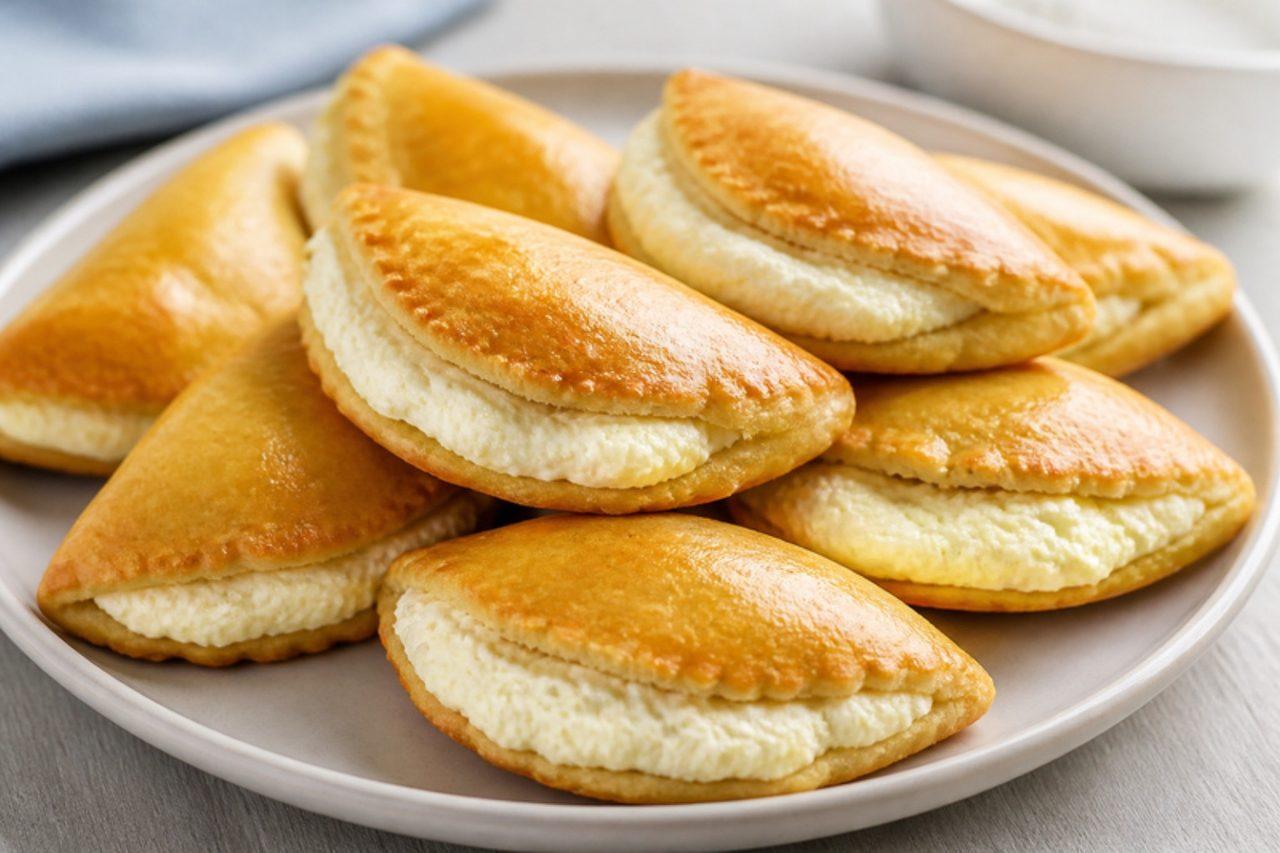
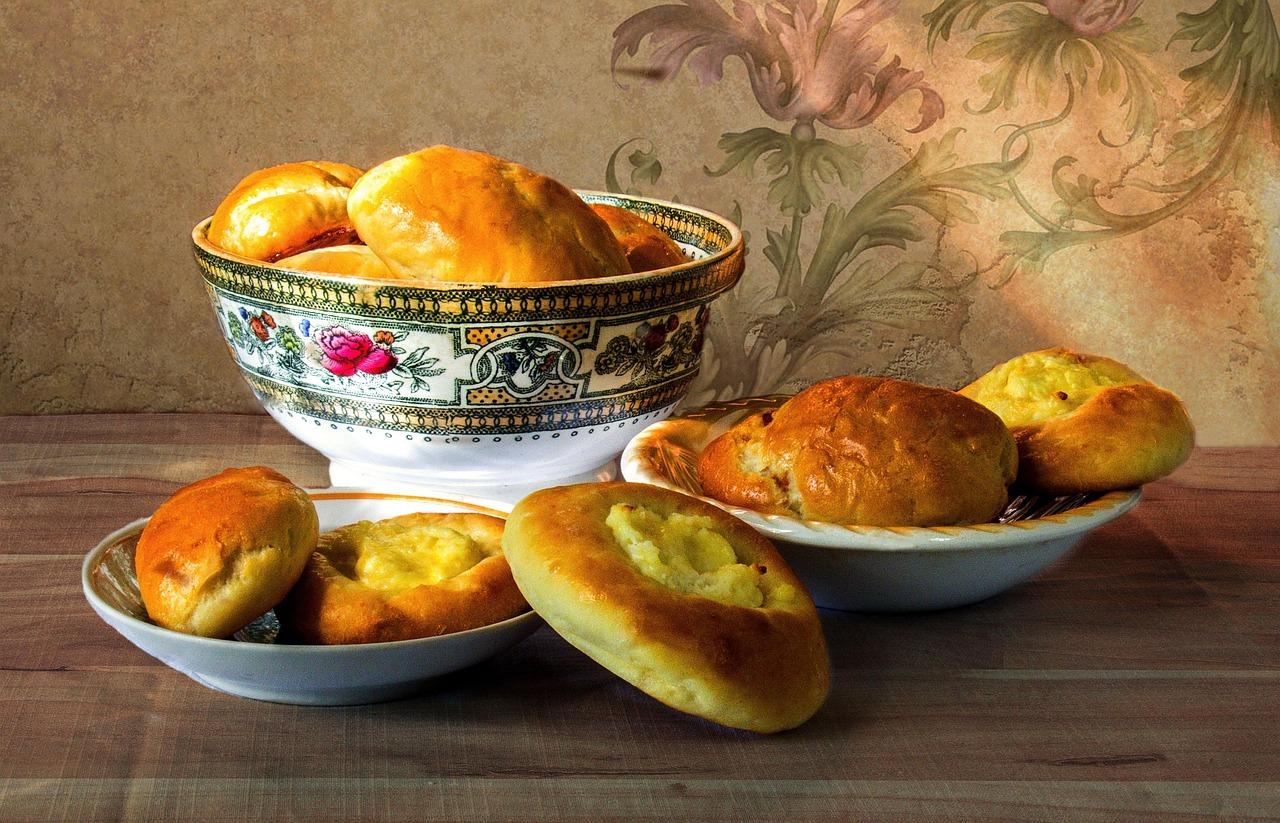
SochniSweet curd pastries

Sochni were the thing to buy from the bakery counter on the way home from school in Soviet Moscow: a soft, sweet shortcrust oval folded over a thick tongue of vanilla tvorog, which peeks out of the fold and bakes golden at the edge. They are still made at home for the tea table, eaten warm or the next morning with milk. The dough is tender rather than flaky, made with sour cream. The common mistake is a wet curd filling, which leaks and burns on the tray. Chef's tip: press the tvorog through a sieve and use only a little egg in it; it should be thick enough to hold a spoon upright.

by KrazyBadal 0 views

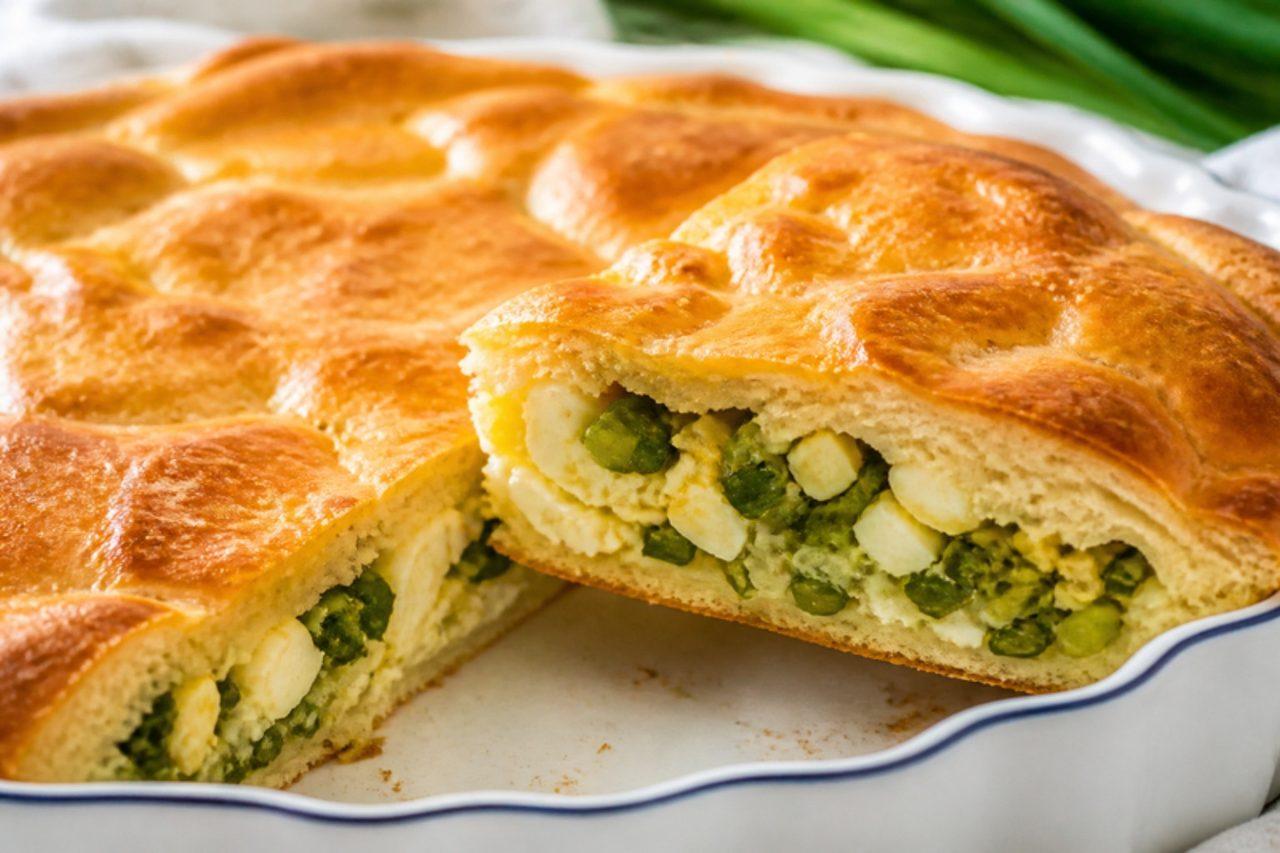
Kefir pie with spring onion and egg

Zalivnoy means 'poured', and this is the pie Russian home cooks make when guests are due in an hour: a runny kefir batter poured over a filling instead of rolled dough. In spring the classic filling is masses of green onion from the windowsill or dacha with chopped boiled egg, and the pie is eaten warm in squares with soup or on its own at the kitchen table. The common mistake is pouring all the batter at once, which lets the filling float to the top. Chef's tip: spread half the batter first, scatter the filling, then pour the rest gently over the back of a spoon.

by KrazyBadal 0 views

Tertyi pirogGrated shortbread jam pie

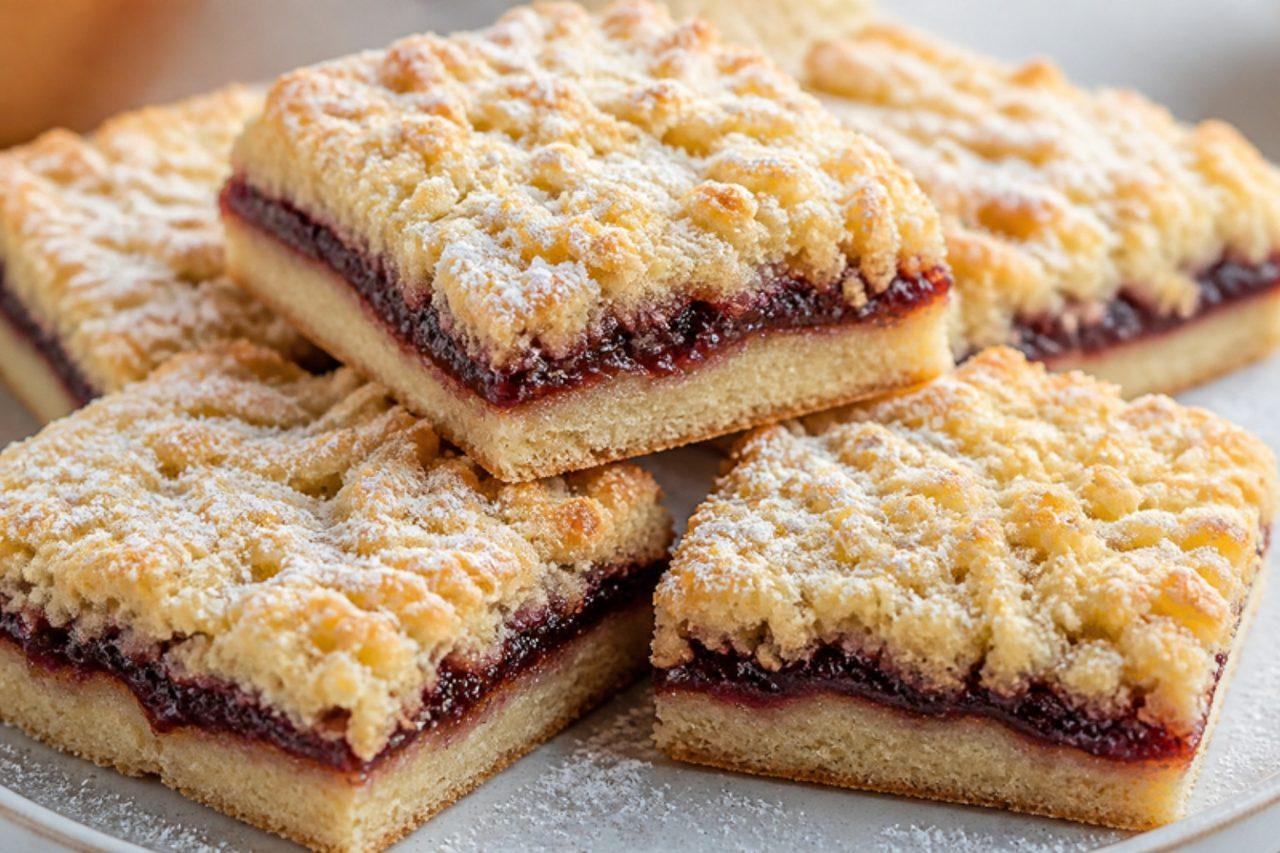
Soviet home bakers in Leningrad and Gorky passed this one round on handwritten cards because it needed nothing more than butter, flour and a jar of last summer's jam. Frozen shortbread dough is grated straight into a tin, spread with thick jam, and topped with more grated dough that bakes into a crumbly, craggy lid. It is cut into squares for the tea table or for children coming in from the yard. The common mistake is a runny jam, which bubbles through and burns. Chef's tip: freeze the dough hard for at least 40 minutes so it grates into loose flakes rather than clumps.

by KrazyBadal 0 views

Bird-cherry cake

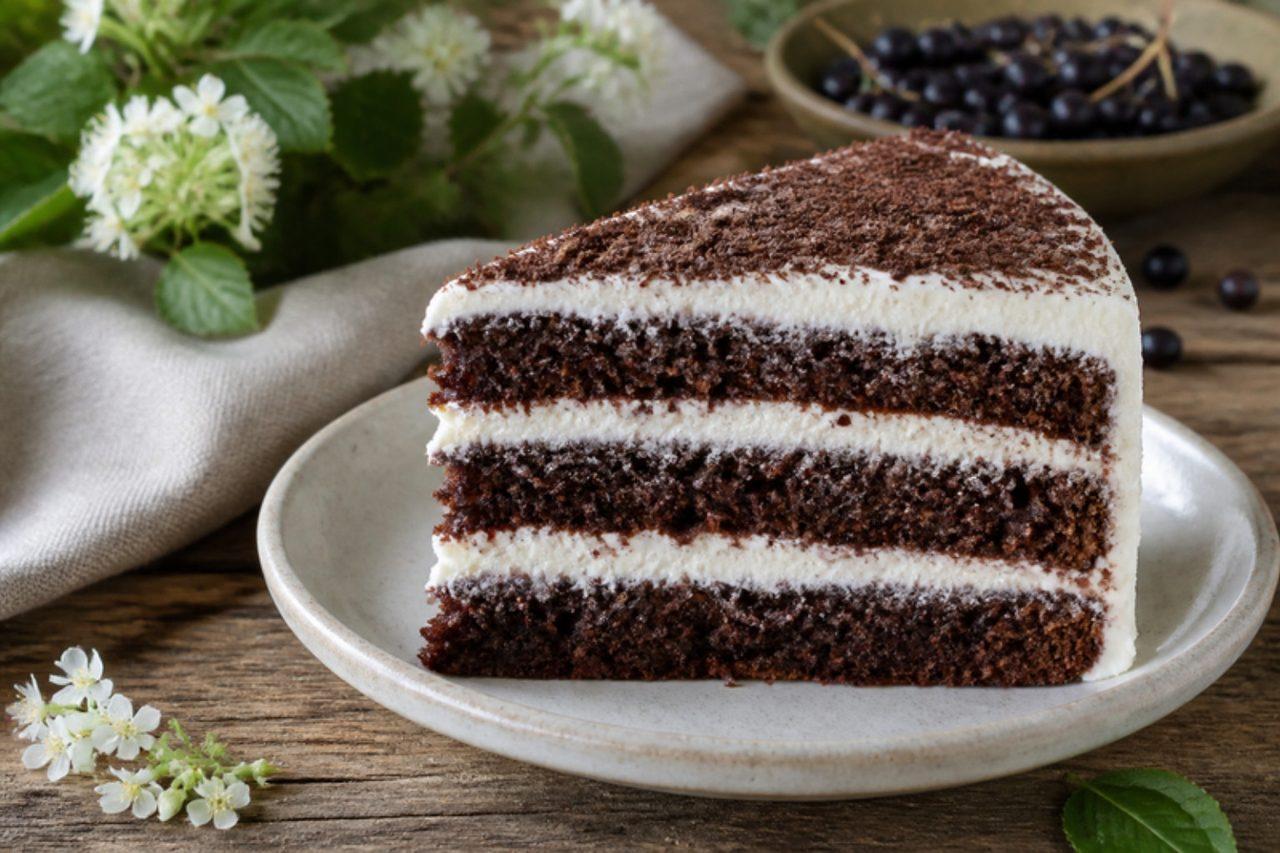
Bird-cherry trees grow wild along every river in Siberia, and in the Altai, Tomsk and Krasnoyarsk regions their small black fruit is dried and ground, stones and all, into a dark, almondy flour. Steamed in boiling milk and mixed into a sponge, it gives a moist, purple-brown cake that tastes of marzipan and chocolate, layered with thick sweetened sour cream for name days and family teas. The flour is sold in Russian shops and online. The common mistake is adding the flour dry, which leaves the cake gritty. Chef's tip: soak the bird-cherry flour in hot milk for at least three hours, or overnight, so it softens and releases its flavour.

by KrazyBadal 0 views

BarankiTea bread rings

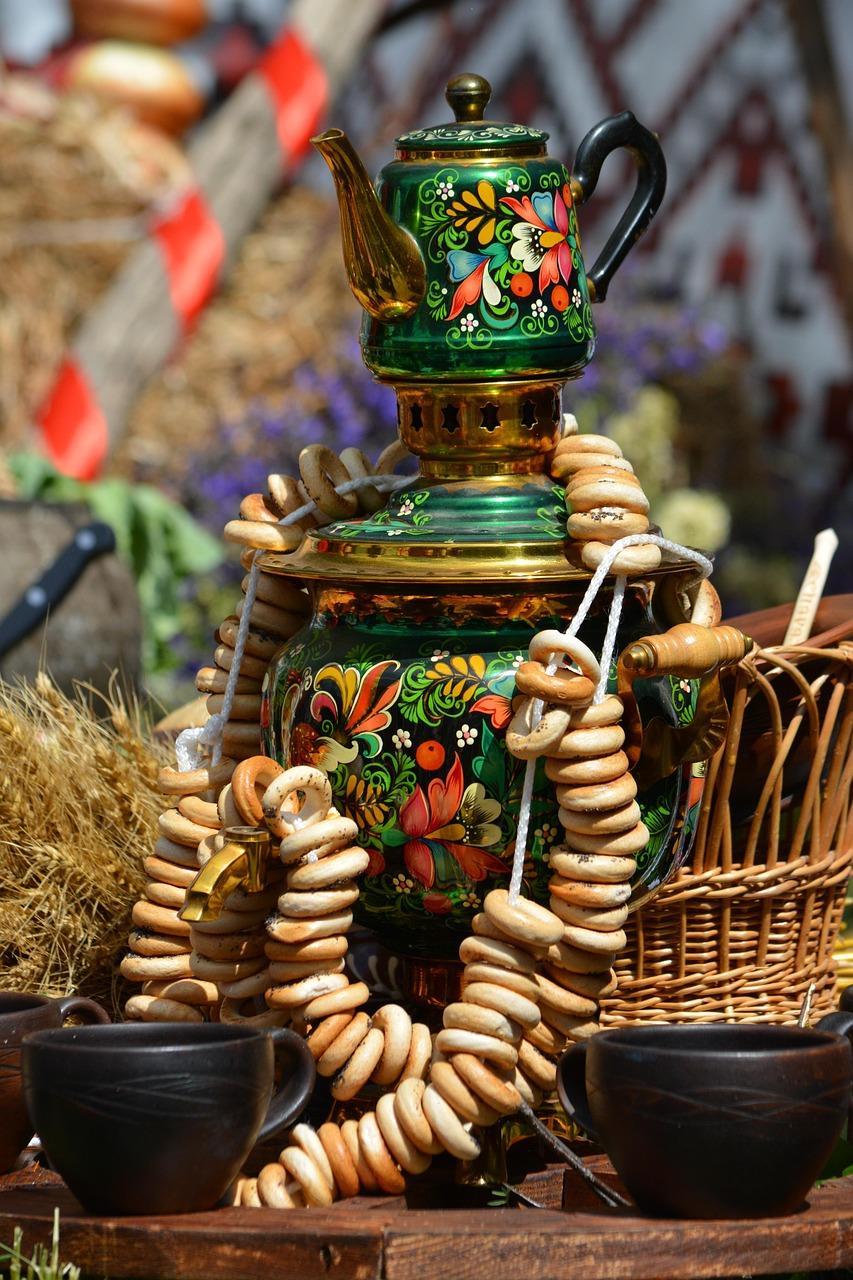
Strings of baranki once hung on poles at every Russian fair, and you still see them threaded on twine in Moscow markets and station kiosks. The dough is boiled briefly like a bagel, then baked until hard, golden and glossy, so the rings keep for weeks and soften only when dunked in hot, sweet tea from the samovar. This version is vegan, made with oil instead of butter and eggs. The common mistake is a soft, wet dough, which makes puffy bread rolls instead of crunchy rings. Chef's tip: knead the dough stiff and leave the shaped rings uncovered for 20 minutes to form a skin before boiling; that gives the shine.

by KrazyBadal 0 views

Sweet sorrel pie

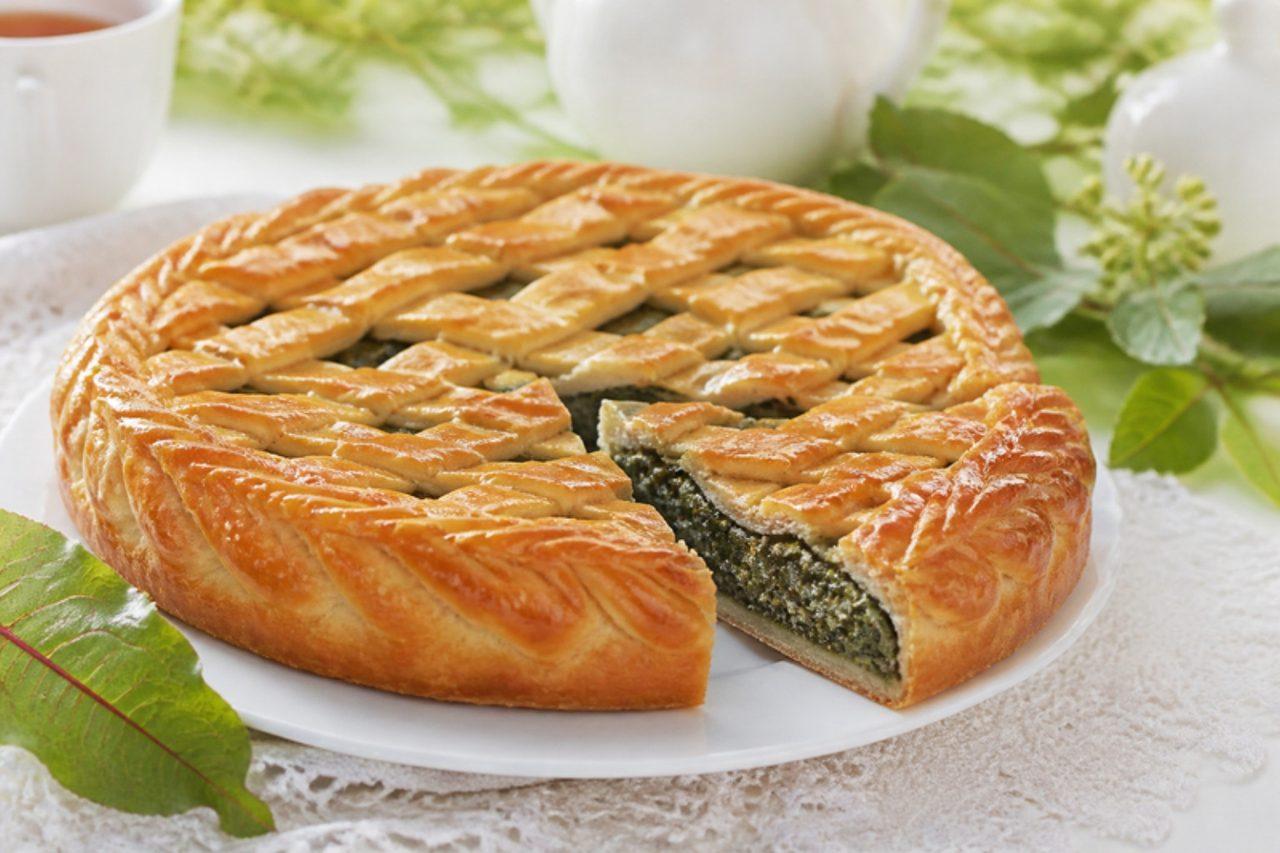
In late May and June, sorrel is the first thing to grow thick in dacha gardens around Moscow and Kaluga, and grandmothers turn the sour leaves into a sweet pie that tastes surprisingly like rhubarb. Shredded sorrel is tossed with sugar and a little starch and baked between two layers of soft sour-cream pastry, then eaten in thick slices with tea or cold milk. The common mistake is mixing the sugar into the sorrel too early, which draws out the juice and floods the pastry. Chef's tip: layer the dry leaves into the pie and sprinkle the sugar and starch over them right before you close the lid.

by KrazyBadal 0 views

MannikSemolina cake

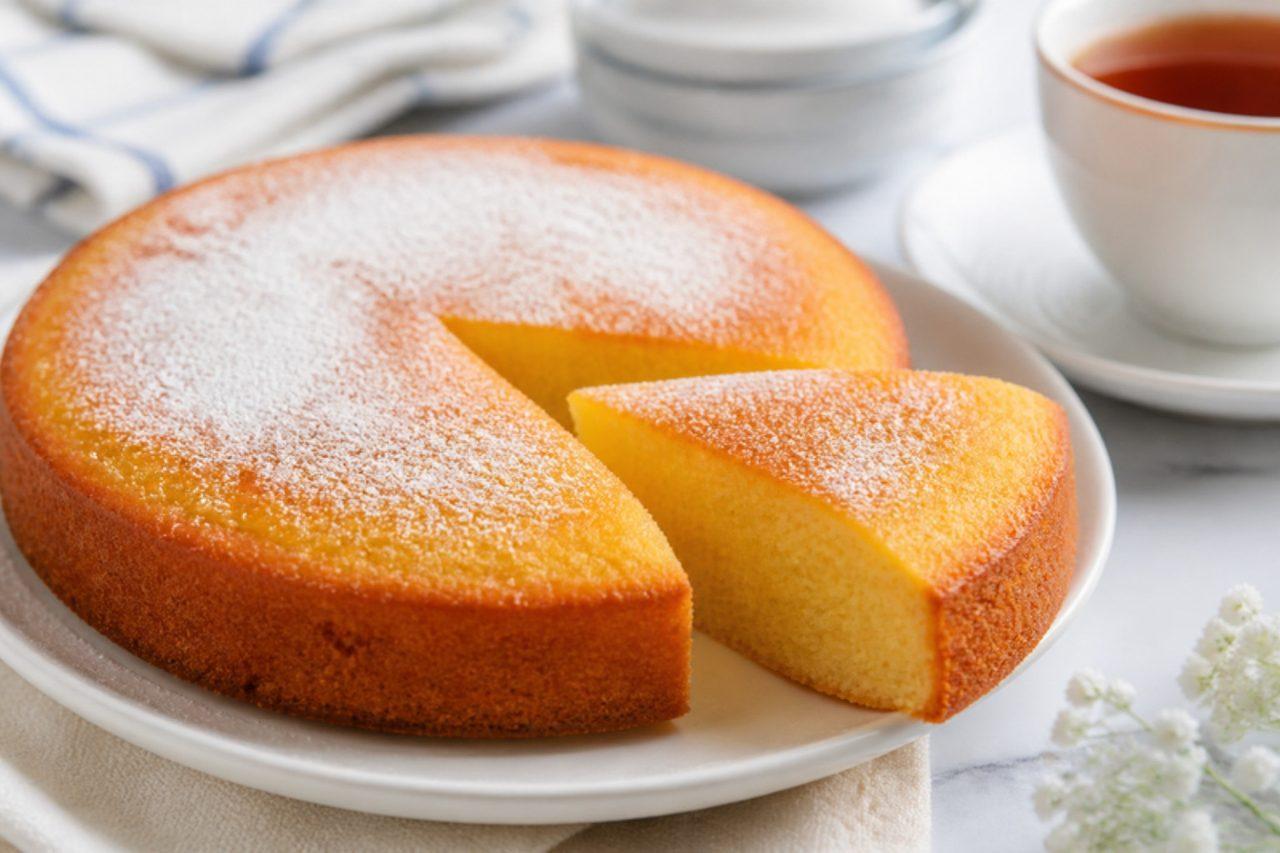
In thousands of Russian kitchens, mannik is the cake you make when the cupboard is nearly bare: semolina, kefir, sugar, a couple of eggs and almost no flour. The semolina swells overnight in the kefir, and the result is a plain, damp, slightly springy cake with a golden crust, sliced at the tea table from Smolensk to Vladivostok with a spoon of jam or sour cream. The common mistake is skipping the soak, which leaves the cake gritty with hard grains. Chef's tip: soak the semolina in the kefir for at least an hour, or overnight in the fridge, before adding the rest.

by KrazyBadal 0 views

KorzhikiShortbread rounds

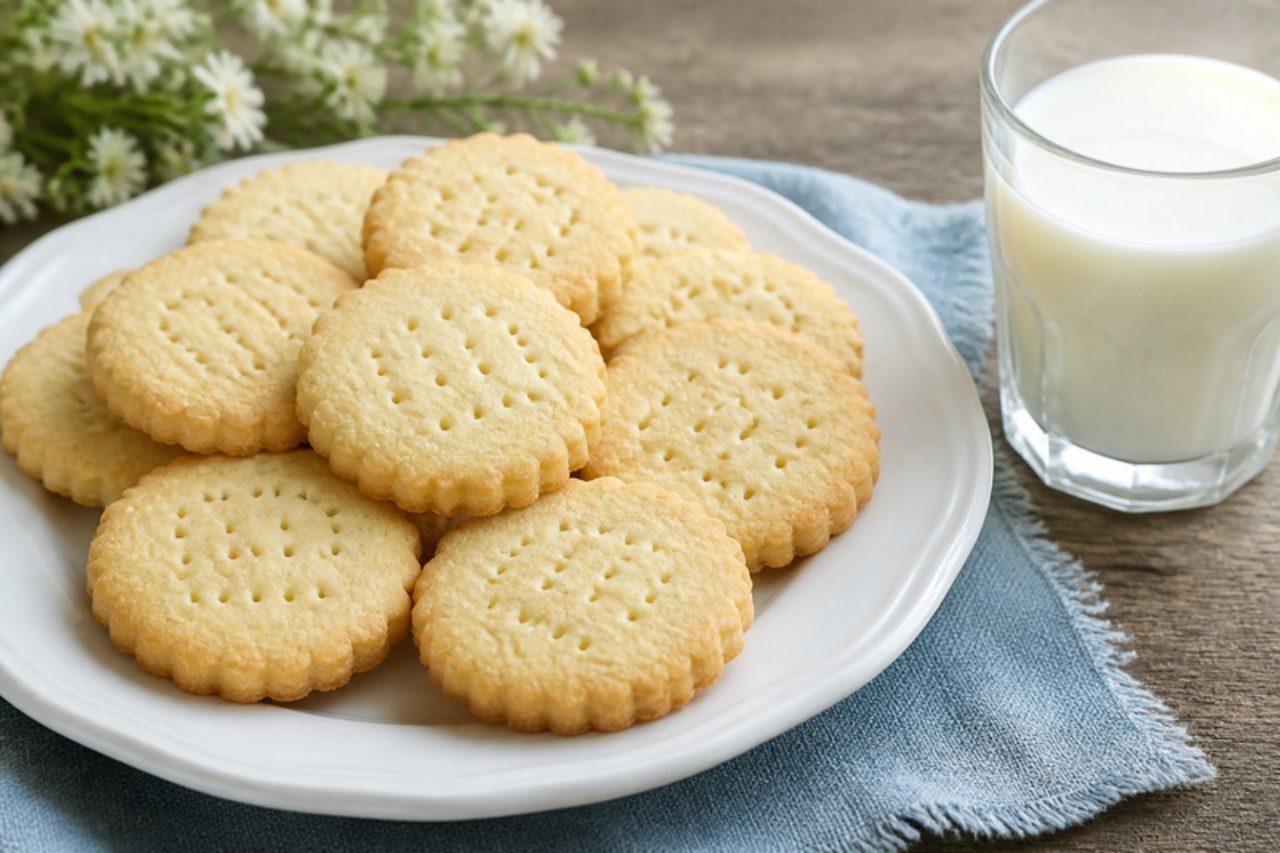
Every Soviet schoolchild knew korzhiki, the plump scalloped biscuits sold at the canteen counter for a few kopecks with a glass of milk. Made with sour cream and a little honey, they are firm on the outside and soft and cakey inside, pale gold, with a fork-pricked top. Russians still bake them at home for after-school snacks. The common mistake is rolling the dough too thin, which makes hard biscuits instead of soft little cakes. Chef's tip: roll to a full 8 mm and pull them from the oven while the edges are still pale; they firm up as they cool.

by KrazyBadal 0 views

Zebra cake

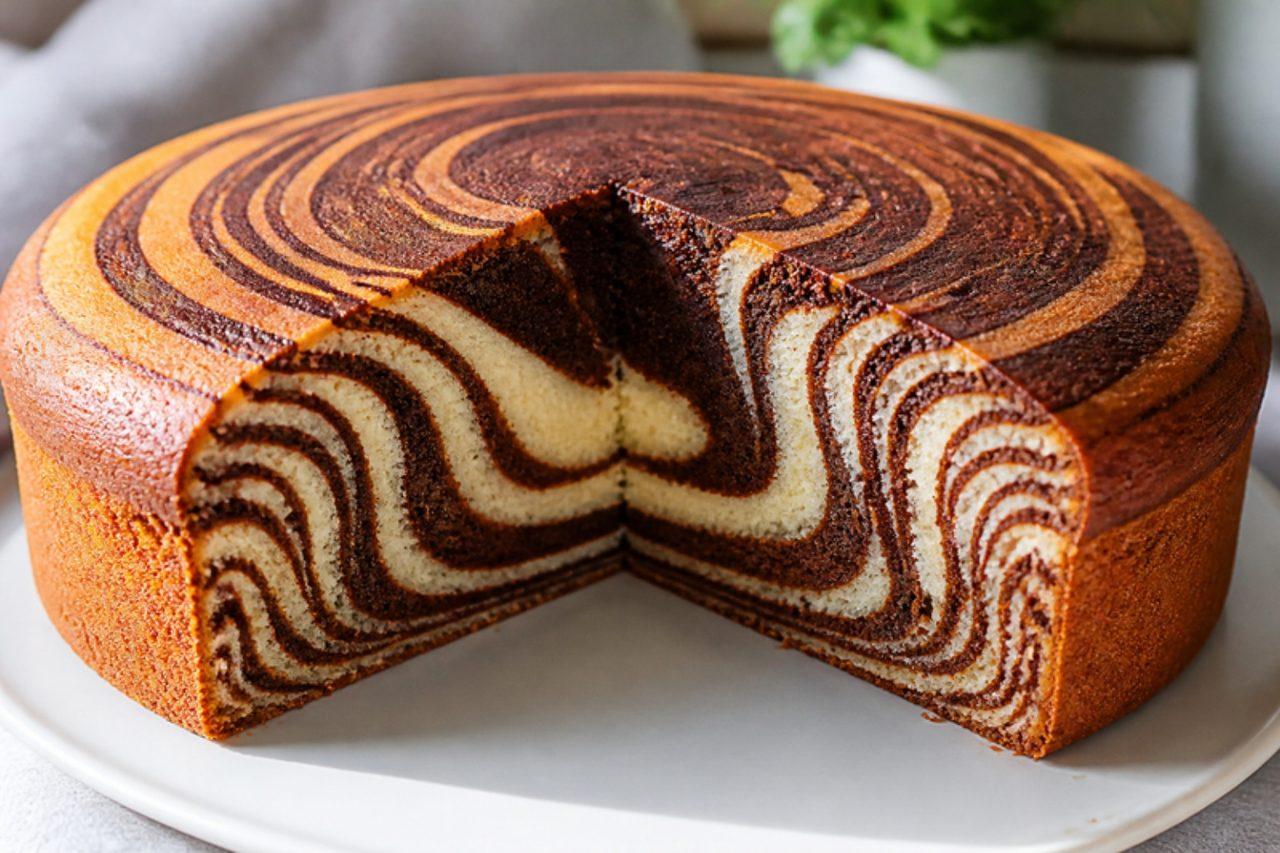
Russian mothers learned the trick of zebra cake from Soviet women's magazines in the 1980s: spoon a vanilla and a cocoa batter alternately into the centre of the tin and the rings spread out by themselves into stripes. Cut open at a birthday tea or on a Sunday afternoon in Moscow flats, it always draws a gasp from children. The sponge is made with sour cream, so it stays moist for days. The common mistake is spreading the batter with a spoon, which smears the stripes. Chef's tip: drop each spoonful exactly in the middle of the previous one and let gravity do the work.

by KrazyBadal 0 views

Pirog s gribamiMushroom pie

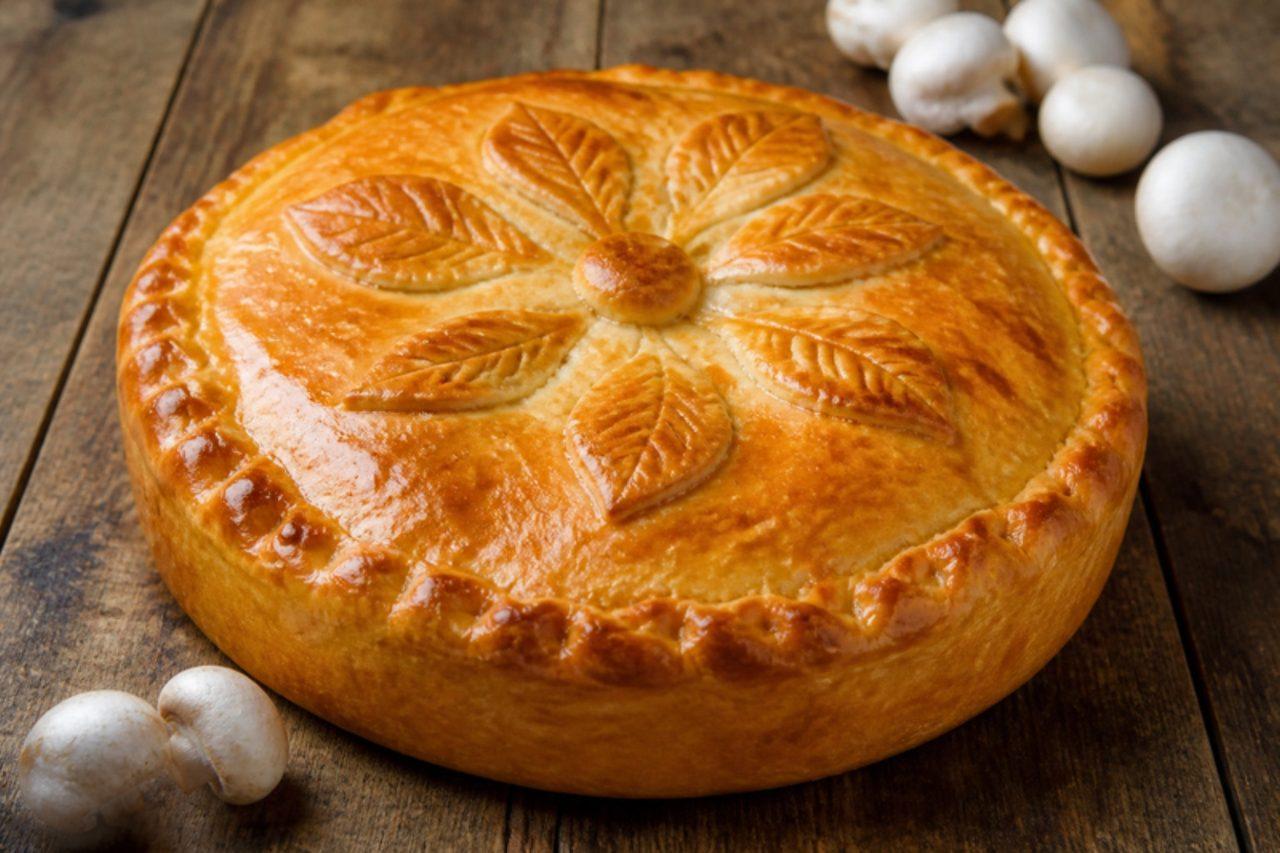
In Arkhangelsk and the villages along the Northern Dvina, where autumn means weeks of mushroom picking, a big closed yeast pie filled with mushrooms, onion and rice is baked for name days and for the table after a funeral or wake. Under a soft golden crust the filling is savoury and juicy with dill and butter. Buy wild mushrooms from a reliable source only; a mix of chestnut and dried porcini works anywhere. The common mistake is a hot, wet filling, which melts the dough and leaves a soggy base. Chef's tip: cook the filling until the pan is dry, then let it cool completely before you fill the pie.

by KrazyBadal 0 views

Postre MassiniCustard sponge with burnt sugar top

Montevideo's birthday cake of choice since the early twentieth century, the Massini is two thin layers of sponge sandwiching a thick filling of whipped cream folded with egg-yolk custard, crowned with a thin glassy crust of torched yolk and sugar. Bakeries across Uruguay sell it on Sundays. Traditional versions sometimes add a sweet fortified wine to the custard; this one is alcohol-free. The custard is cooked to a safe 71 °C. The common mistake is assembling with warm custard, which melts the cream into a puddle. Chef's tip: if you don't have a blowtorch, put the sugared top under a very hot grill for a minute and watch it closely.

by KrazyBadal 0 views

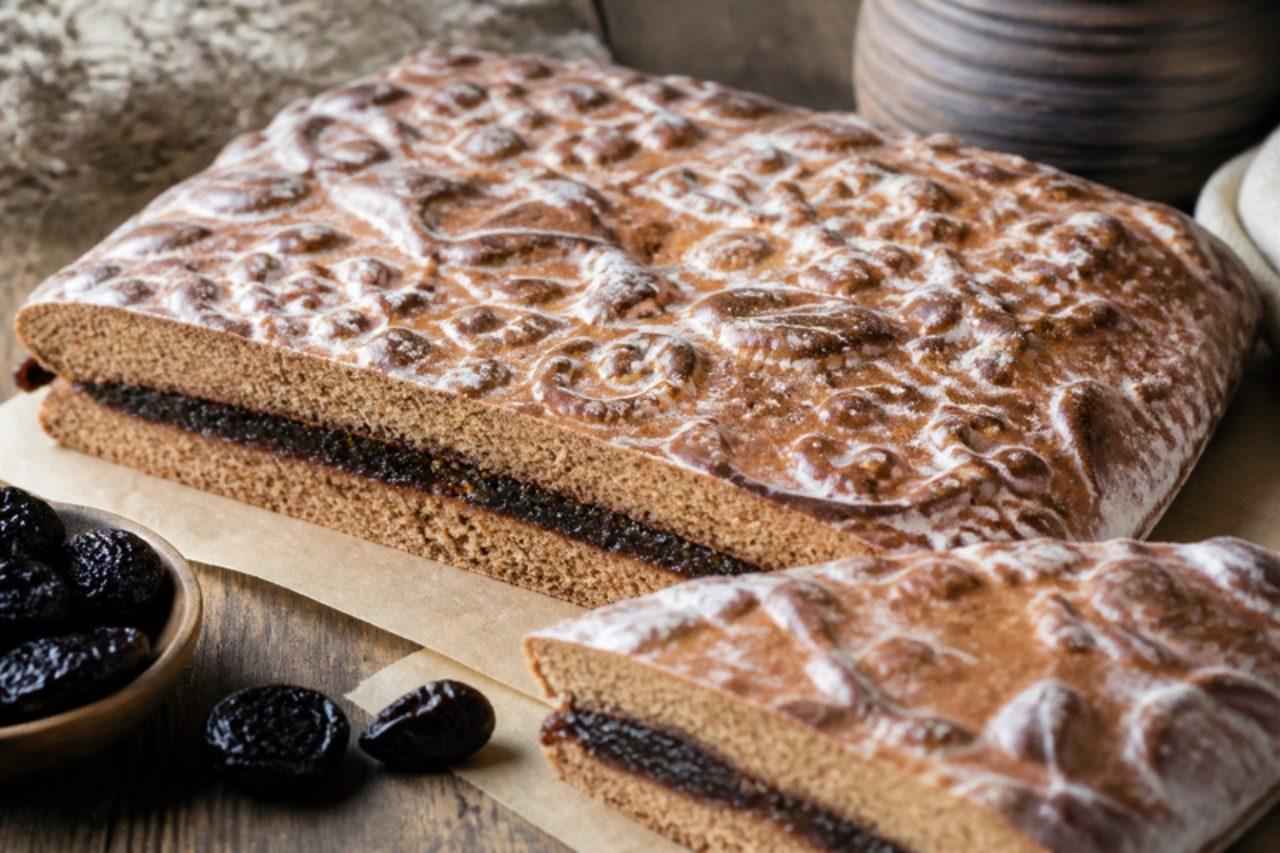
Tula pryanikStamped honey-spice cake

Tula, a few hours south of Moscow, has pressed these slabs in carved wooden boards since the seventeenth century, and a pryanik stamped with the town's crest or a samovar is still the souvenir every visitor carries home. It is made from a cooked dough: honey, sugar and butter are warmed with cinnamon, cardamom, ginger and clove, then flour is beaten in, giving a dense, soft and fragrant cake. A layer of thick plum jam runs through the middle and a thin sugar glaze sets white and crisp on top. Cut it into fingers and serve with black tea. The usual slip is a runny jam that leaks from the seams, so use a stiff jam or cook it down first. Chef's tip: wrap the glazed cake and leave it overnight; it softens and the spice deepens, which is why Tula bakers never sell it warm.

by KrazyBadal 0 views

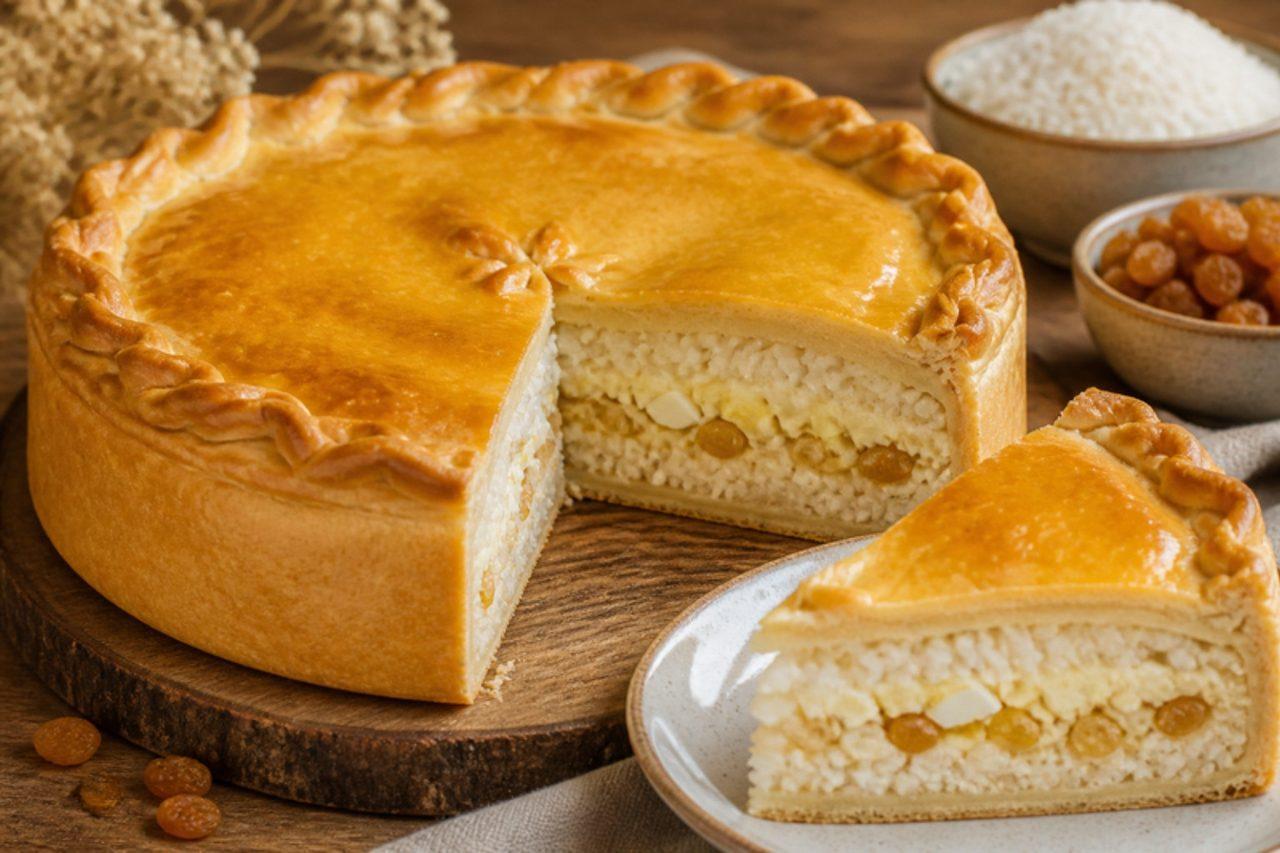
GubadiaLayered rice and curd pie

Weddings, Eid and the arrival of honoured guests in Tatarstan call for gubadia, a high round pie that is cut at the table like a cake and served with tea. Inside sit neat layers of buttery rice, kort – Tatar curd cooked down until rosy and fudge-sweet – raisins and chopped hard-boiled egg, under a domed lid of soft yeast dough. Many families add a layer of minced meat with onion; this is the meat-free version, as many sweet tea-table gubadias are. Kort is hard to buy outside the region, so you make it here from tvorog (check the label if you need it rennet-free). Where most people go wrong is a dry pie: every layer needs its share of melted butter. Chef's tip: let the baked pie stand for twenty minutes before cutting so the layers settle and come away in clean wedges.

by KrazyBadal 0 views

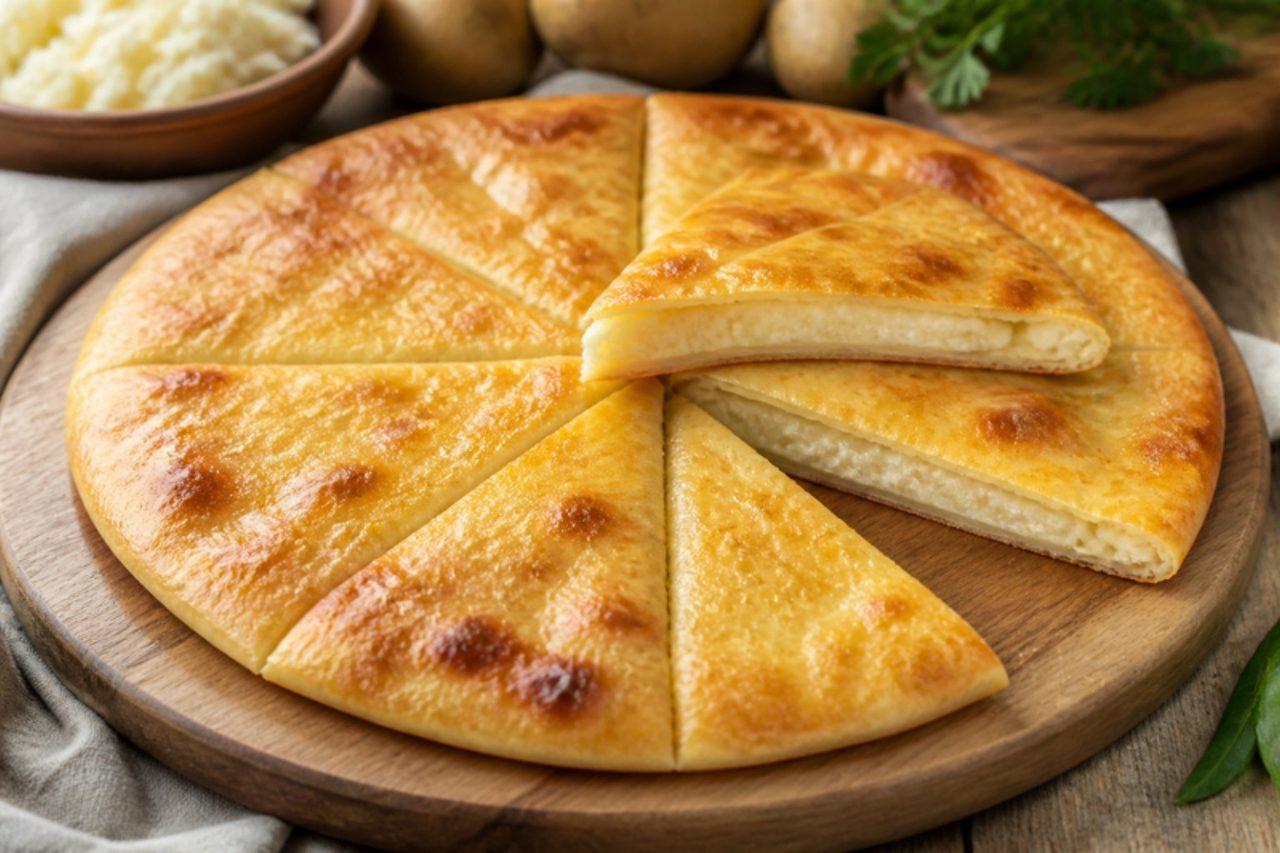
KartofdzhynPotato and cheese pie

Ossetian pies come in threes at every celebration in Vladikavkaz, stacked on one plate for the sun, earth and water, and kartofdzhyn, with potato and cheese, is the everyday family favourite of North Ossetia. Soft kefir-yeast dough is wrapped around a ball of filling and patted flat by hand into a wide, thin round, so dough and filling are each barely a centimetre thick, then baked hot and soaked with butter. Ossetian cheese is a fresh brined cheese made with animal rennet; for a vegetarian pie use a feta-style or young brined cheese labelled vegetarian. The usual slip is overfilling, which makes the pie burst as you flatten it; aim for about the same weight of dough and filling. Chef's tip: stack the hot pies and butter each one, so the butter soaks through and they stay supple.

by KrazyBadal 0 views

VatrushkaCheese-filled yeast bun

Bakery counters from Moscow to small Ryazan towns stack these golden rounds beside the tea urn, and a warm one with a glass of milk is the classic after-school snack. The soft, lightly sweet enriched dough is pressed into a deep well and filled with tvorog beaten with yolk, sugar and vanilla, which bakes into a set, creamy centre with a gentle tang. Tvorog is usually acid-set, but check the label if you need it rennet-free; a well-drained curd cheese works too. The usual slip is a wet filling: watery curd bubbles over the rim and leaves a hollow bun, so drain it well and add the spoon of semolina. Chef's tip: press the well with the base of a small floured glass, so the walls stay even and the rim rises tall around the cheese.

by KrazyBadal 0 views

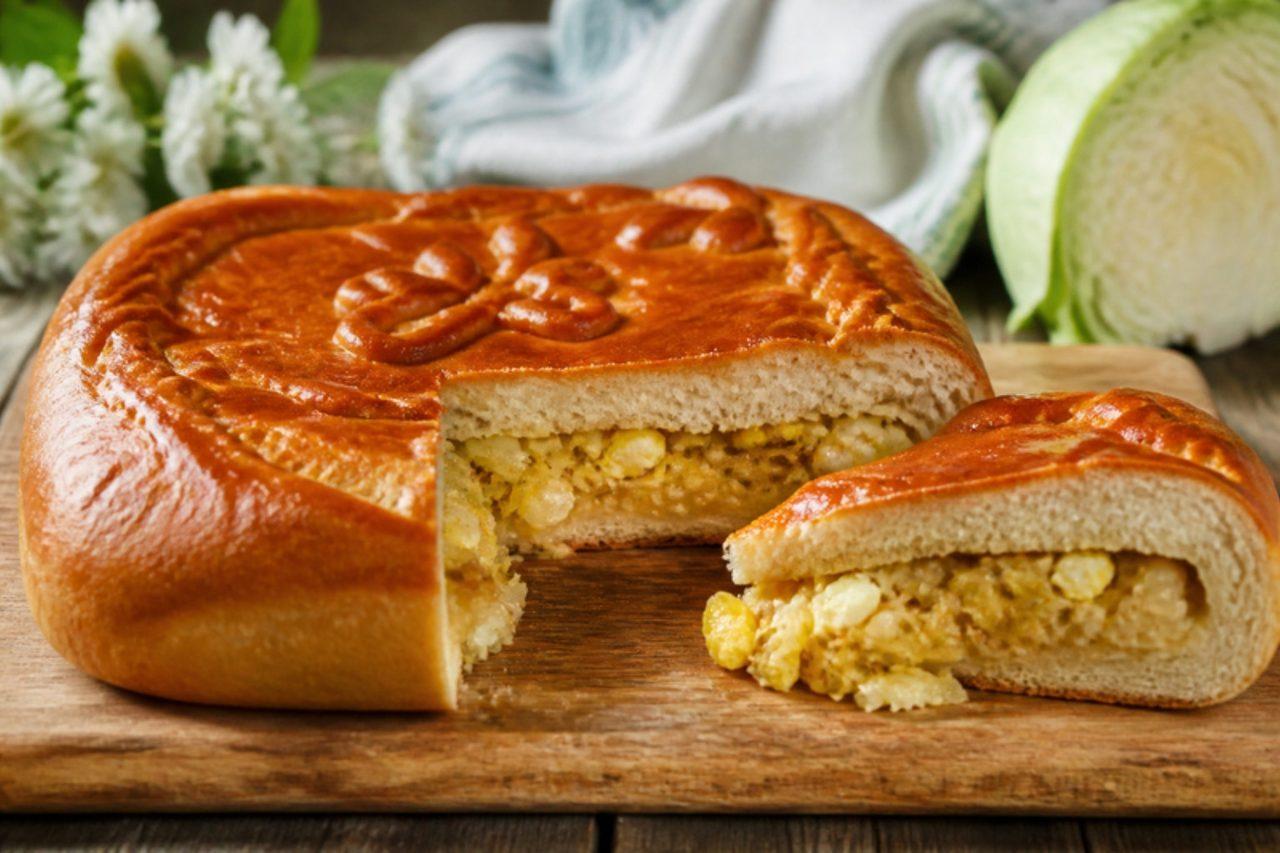
Pirog s kapustoiCabbage pie

Sunday baking in a Russian village house often meant a long rectangular pie like this, cut into thick slabs and carried warm to the table with a bowl of soup or a glass of kefir. Soft milk dough wraps white cabbage braised slowly in butter with onion until sweet and pale gold, folded through chopped hard-boiled egg and dill. Leftover slices are just as good cold the next day, which is why it ends up in lunch boxes and on train journeys. Where most people go wrong is a wet filling that steams the crust soggy from inside: cook the cabbage until the pan is dry and let it cool completely. Chef's tip: brush the hot crust with butter and cover it with a clean tea towel for ten minutes, so the top softens the way Russian grandmothers like it.

by KrazyBadal 0 views

ShangiPotato and sour cream buns

From the Urals across to Siberia, shangi turn up on Sunday breakfast tables, at village markets and in the lunch bags of fishermen and hunters. They are flat rounds of soft yeast dough topped, not filled, with a thick swirl of buttery mashed potato beaten with egg, then brushed with sour cream so the top bakes into golden, slightly crisp peaks. Eat them warm with tea, milk or a bowl of mushroom soup. Older northern versions used barley dough or a millet topping, and sweet shangi carry tvorog instead. The usual slip is spreading the potato right to the edge; leave a rim so the dough rises around it like a frame. Chef's tip: brush the baked shangi with melted butter and stack them in a covered pot for ten minutes, which keeps them soft the way Siberians like them.

by KrazyBadal 0 views

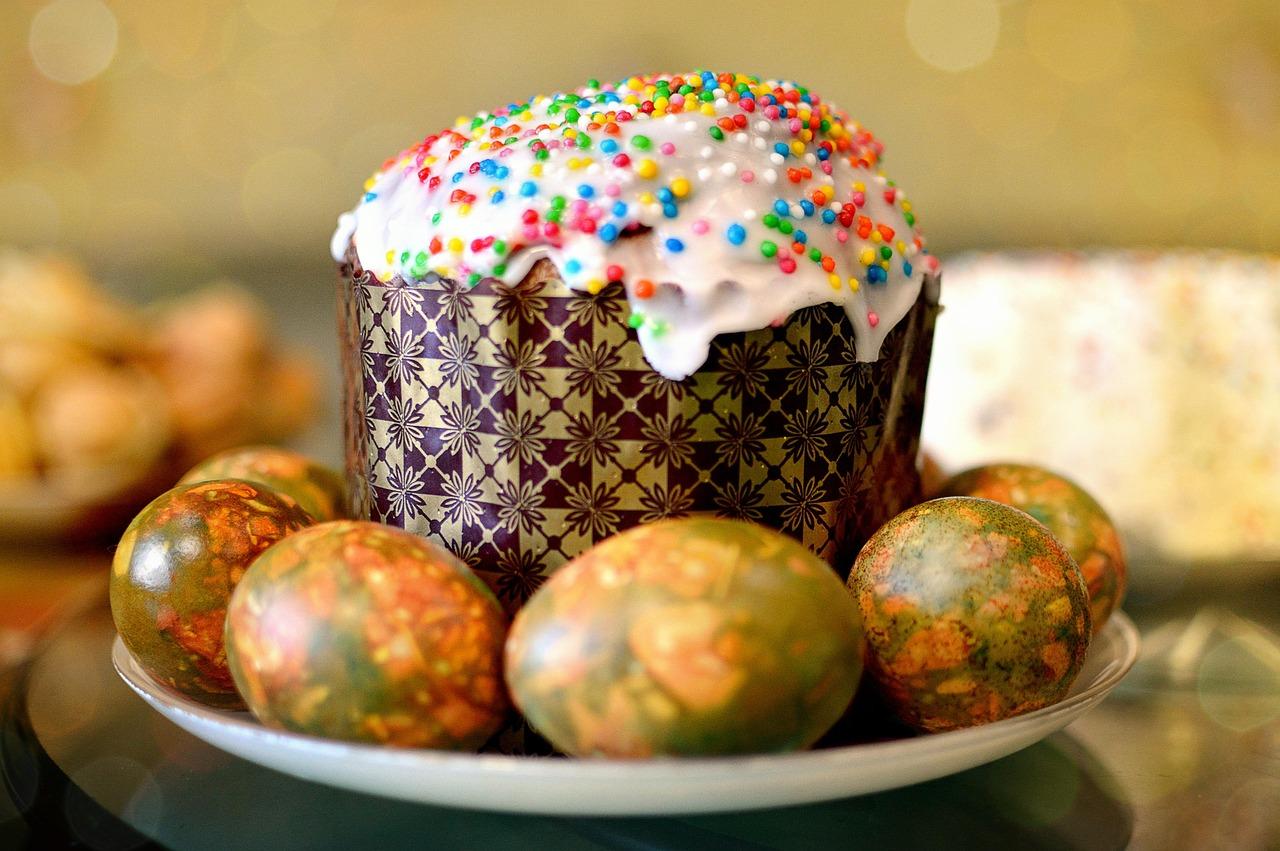
KulichEaster yeast bread

Easter Saturday queues outside Russian churches are full of baskets holding a tall kulich, a few dyed eggs and a pot of paskha, all waiting for the priest's blessing; the bread is then cut in rounds at breakfast after the night service. The crumb is rich with butter and yolks, scented with cardamom, vanilla and lemon zest and dotted with raisins and candied orange, under a white cap of icing and coloured sprinkles. Many families plump the raisins in rum; here they soak in hot tea, so the loaves are alcohol-free. The usual slip is underbaking: the tall tops brown early, so tent them with foil and test with a long skewer. Chef's tip: cool the baked loaves lying on their sides on a folded towel, turning now and then, so the soft crowns do not sink.

by KrazyBadal 0 views

Viennese GugelhupfLemon and raisin ring cake

In Vienna the Gugelhupf is the Sunday cake of home bakers, set out on the table for afternoon Jause with coffee, and every family has its own fluted copper or ceramic mould. Unlike the yeasted ring cakes of Alsace and southern Germany, the everyday Viennese one is a Rührgugelhupf, a buttery sponge lifted with whisked egg whites, scented with lemon and studded with plump raisins. It is tender, light and keeps moist for several days under a cake dome. A common mistake is a badly greased mould; every ridge needs butter and flour or the cake tears as it comes out. Chef's tip: soak the raisins in hot water for 15 minutes, dry them and toss them in a spoon of flour so they don't sink.

by KrazyBadal 0 views

Sachertorte

This dense, dark chocolate torte is Vienna's most famous cake, eaten in coffee houses all over the city with a cup of Melange and, always, a cloud of unsweetened whipped cream on the side. The sponge is made with melted chocolate and whisked egg whites, so it is fine-crumbed and slightly dry by design; a thin layer of sharp apricot jam runs through the middle and over the top, under a shiny, snappy chocolate glaze. A common mistake is pouring the glaze too hot or too cold; too hot and it runs off thin, too cold and it sets dull and lumpy. It is a cake for birthdays and Sunday visits, and it keeps well for days. Chef's tip: bake it the day before and let it rest overnight wrapped; it cuts far more neatly and the crumb softens.

by KrazyBadal 0 views

Showing 24 of 35 recipes

Show more recipes

Page 1 of 2