Skip to content
Recipes

All recipes

Vegetarian, or something you can't eat? Set your diet once and we'll hide recipes that don't fit.

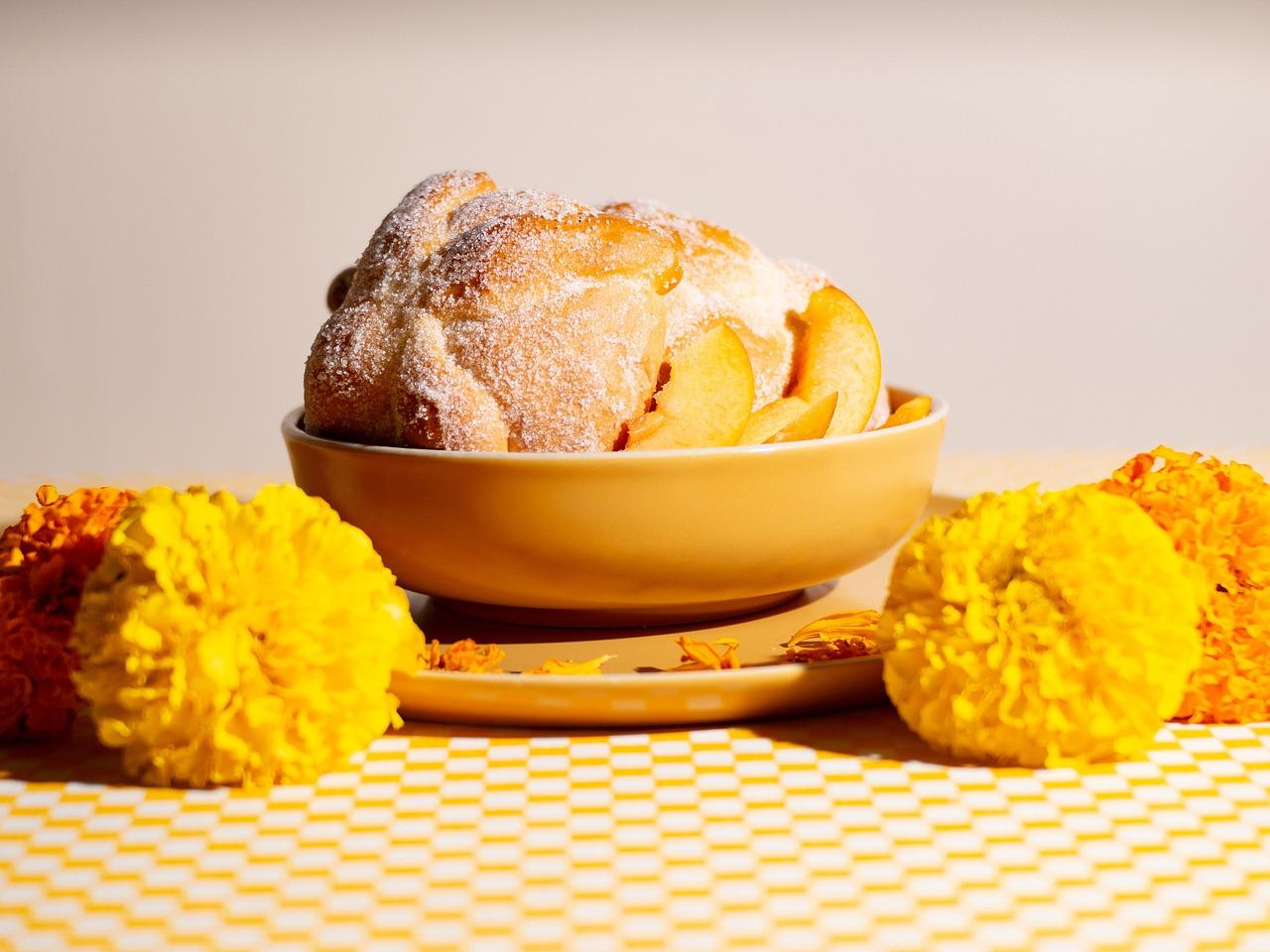
Pan de muertoDay of the Dead bread

From mid-October, bakeries from Mexico City to Puebla stack their shelves with these domed loaves, and families set one on the ofrenda for the souls who return on 1 and 2 November, then share the rest with hot chocolate. The crumb is soft and rich with butter and egg, scented with orange zest and orange-blossom water, and the knobbly strips across the top stand for bones, with a small ball for the skull. A sugar crust or a dusting of sesame finishes it. Chef's tip: shape the bones from dough you have held back and chilled, so they keep their ridges instead of melting flat in the oven.

by KrazyBadal 0 views

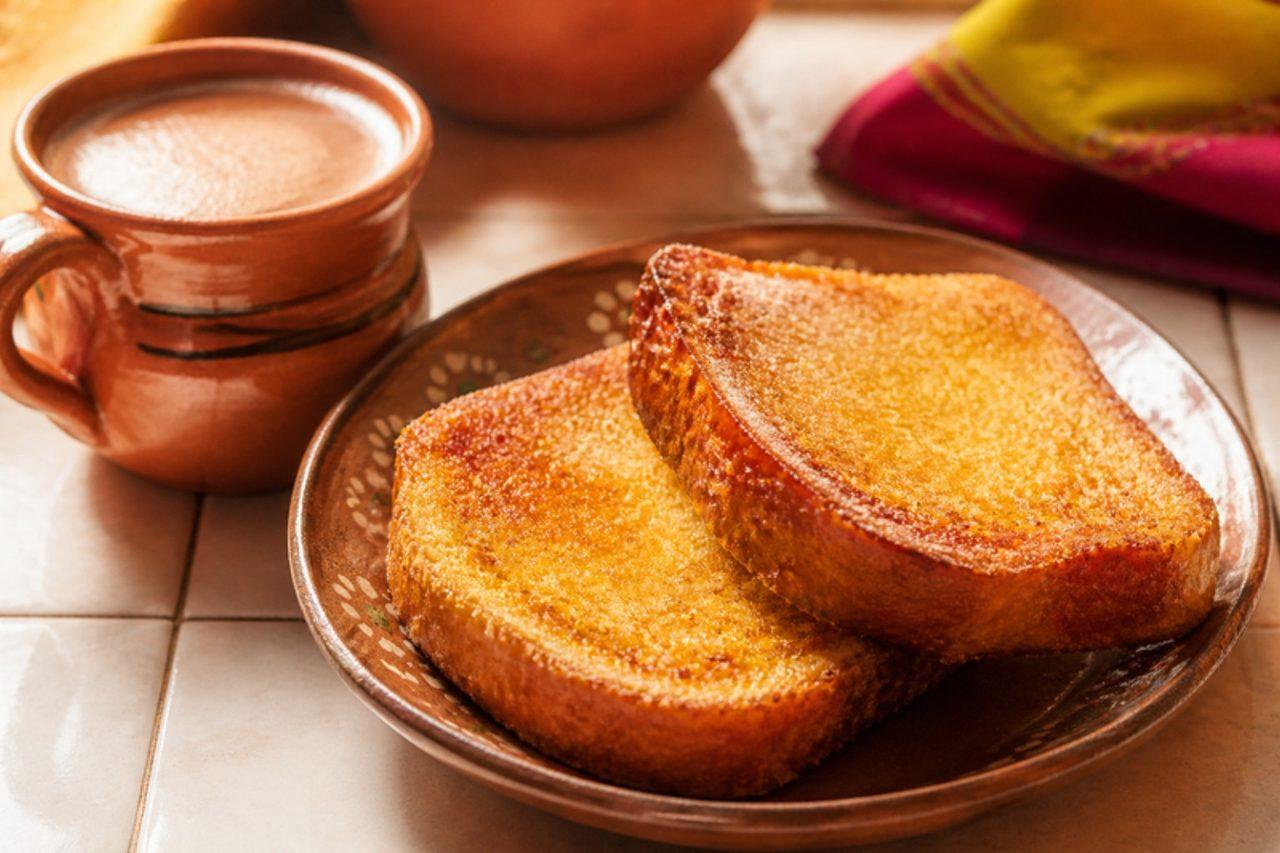
Rebanadas de mantequillaButtered sweet bread slices

When yesterday's pan dulce goes stale, Mexican bakeries slice it thick, spread it with butter, dust it with sugar and toast it until crisp, and the result, rebanadas, often sells out first. At home it is a ten-minute afternoon treat with hot chocolate or a glass of cold milk, and a good way to use up a loaf of brioche, a pan de yema or a few bolillos. This version uses butter, so it is vegetarian. Chef's tip: let the butter get really soft so it sinks into the bread instead of sitting on top.

by KrazyBadal 0 views

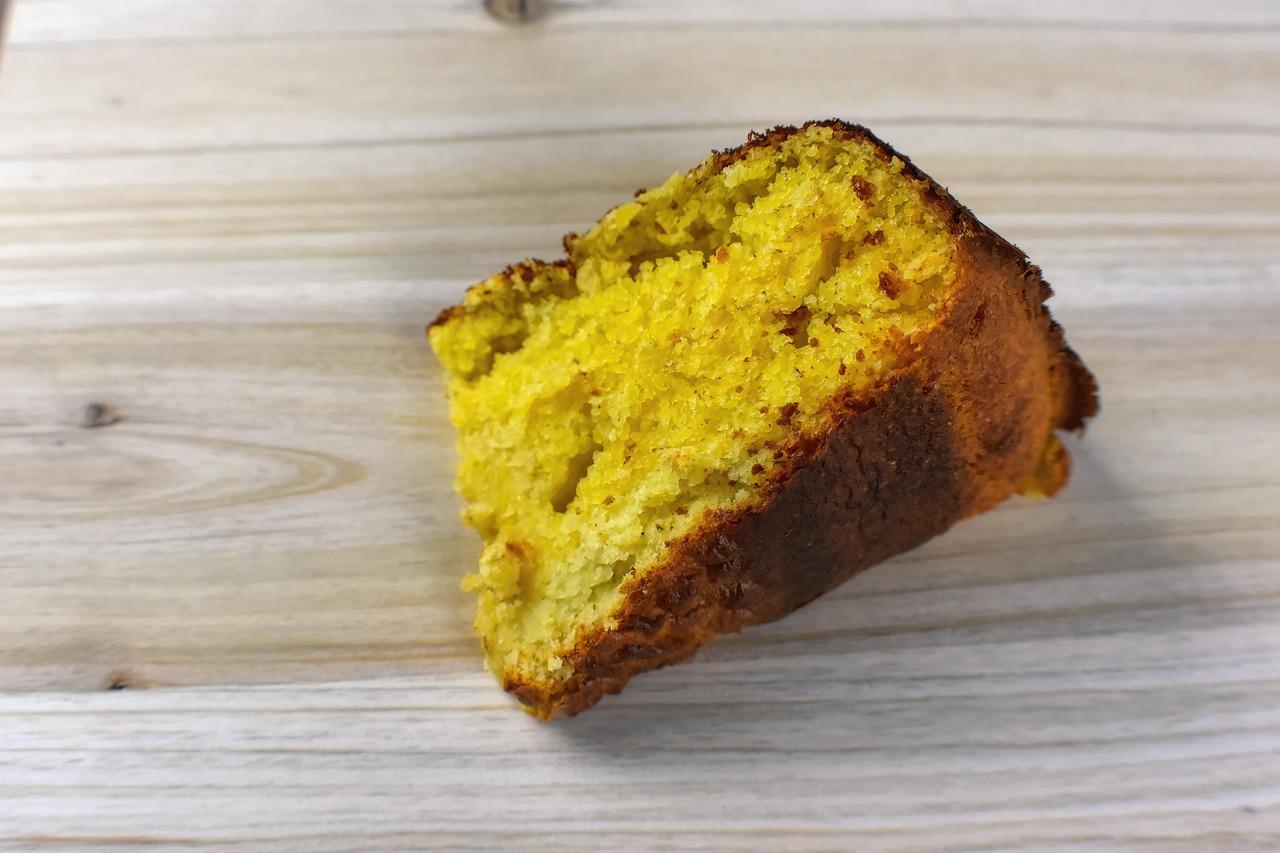
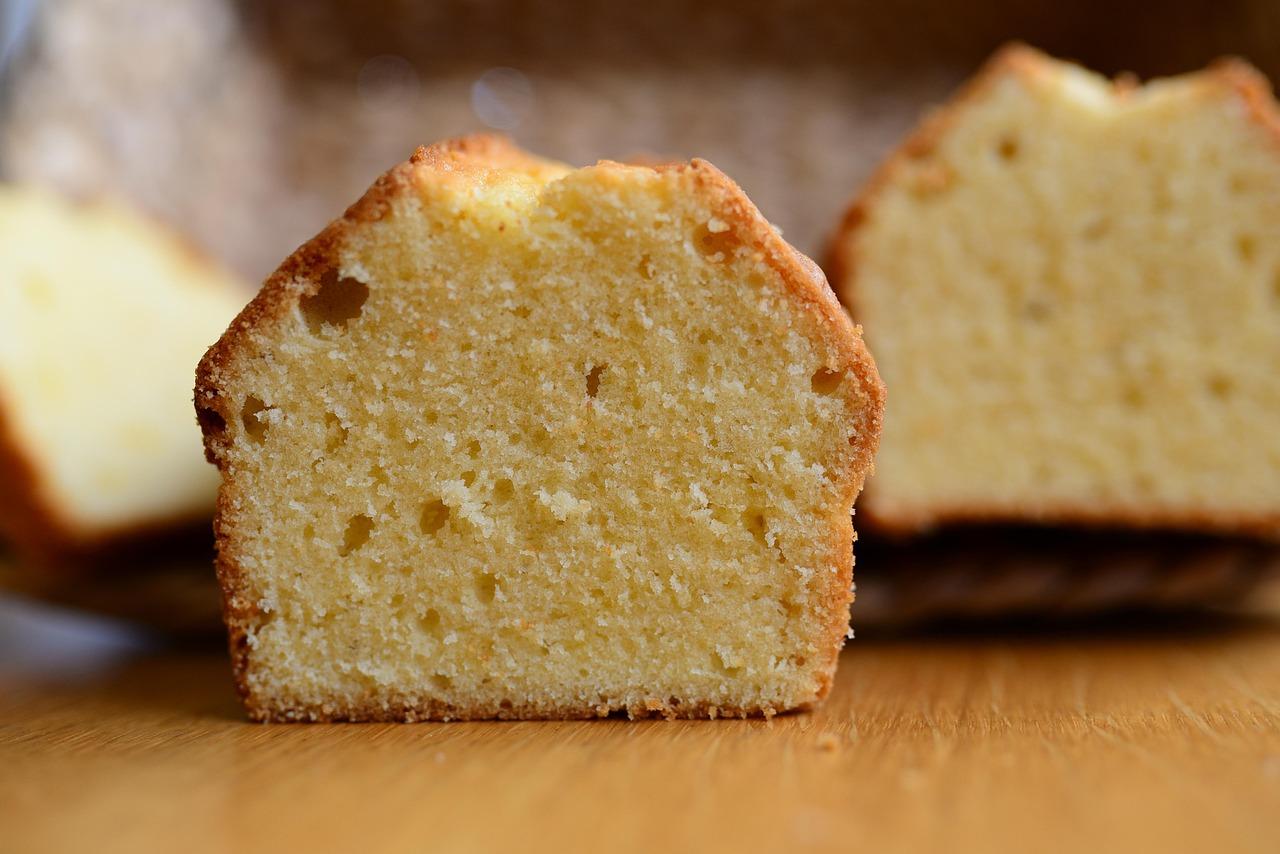
Pan de eloteFresh corn cake

Across central Mexico, from Morelos to the State of Mexico, pan de elote is baked when fresh corn is cheap in late summer and sold by the slice at market stalls. Despite its name it is more cake than bread: fresh kernels blended with butter, eggs and condensed milk bake into a dense, custardy, golden loaf that tastes of sweet corn. It contains wheat and egg. Chef's tip: use the starchiest, most mature corn you can find, because young sweetcorn makes a wetter, flatter cake.

by KrazyBadal 0 views

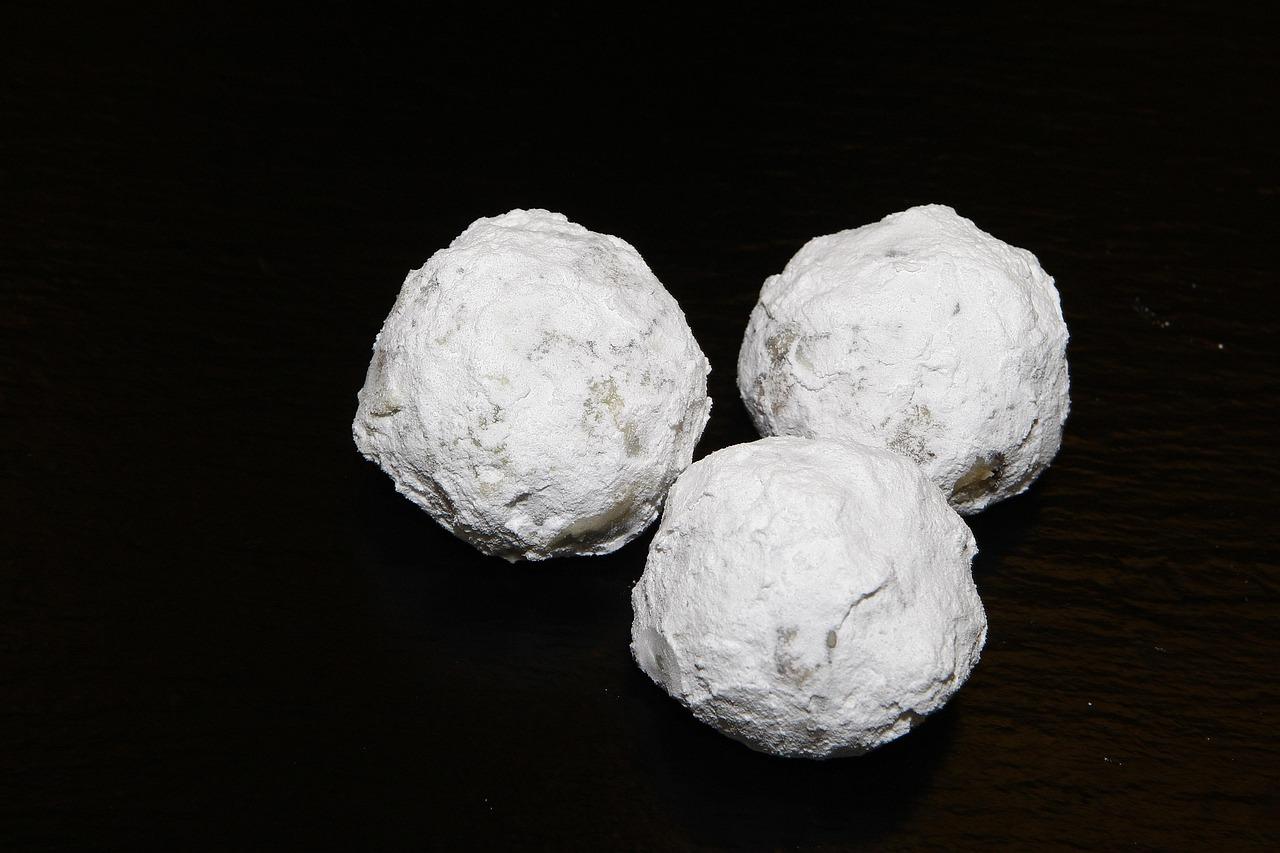
Polvorones de nuezPecan butter cookies

Christmas cookie tins, wedding tables and bakery counters all over northern and central Mexico hold polvorones, small domes of toasted pecan shortbread that crumble to dust in the mouth, which is how they got their name. They are rolled twice in icing sugar, once warm and once cold, so they look snowy. Old recipes used lard; this one uses butter, so it is vegetarian, and it contains wheat and tree nuts. Chef's tip: toast the pecans first, which turns a plain cookie into a deeply nutty one.

by KrazyBadal 0 views

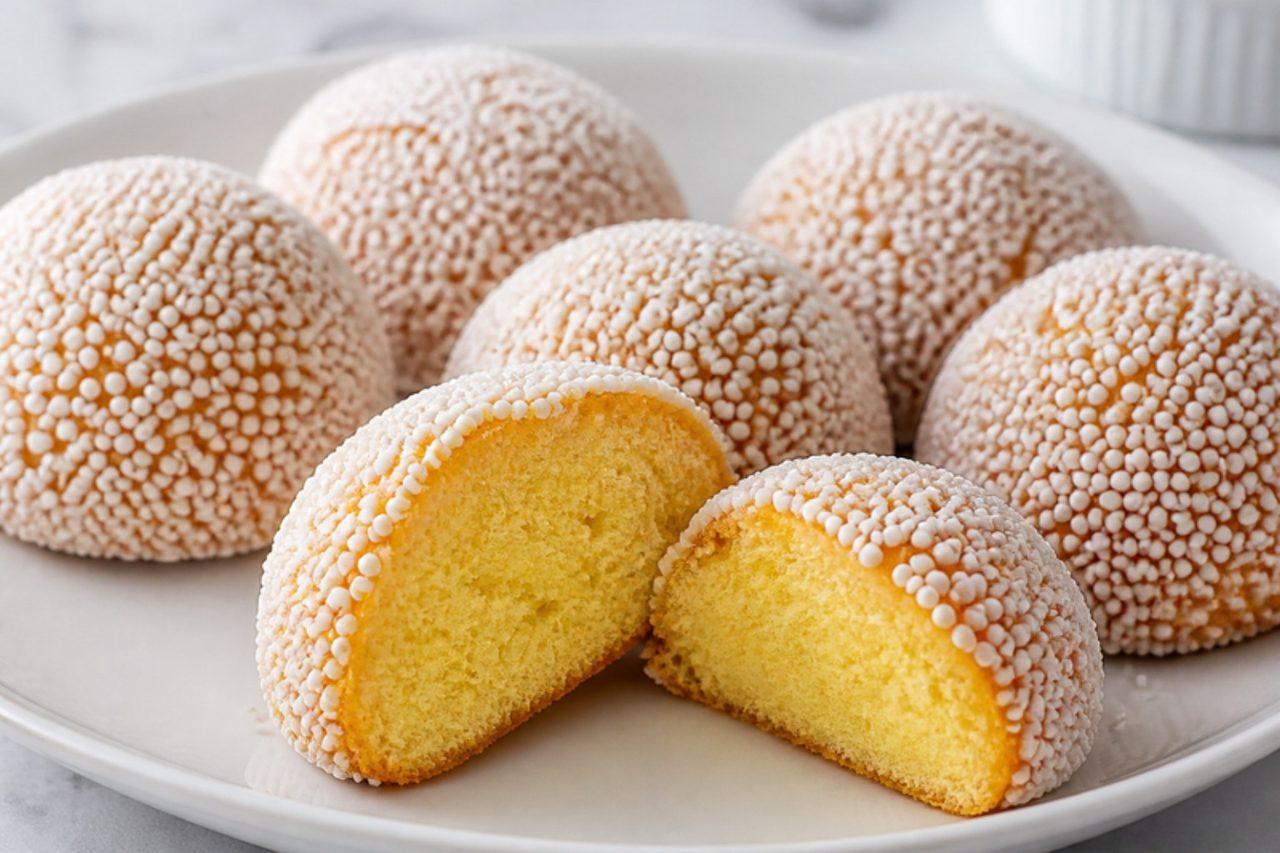
GaribaldisJam-glazed sprinkle cakes

Named after a famous old Mexico City bakery, garibaldis are little dome-shaped butter cakes coated in warm apricot jam and rolled in white nonpareils, so they look like snowballs on the counter. Chilangos buy them by the bag for afternoon coffee and school lunchboxes. The cake is dense and buttery, the jam gives a sharp, sticky contrast and the sprinkles a light crunch. Chef's tip: brush the jam on while the cakes are still warm, as the sprinkles then stick evenly.

by KrazyBadal 0 views

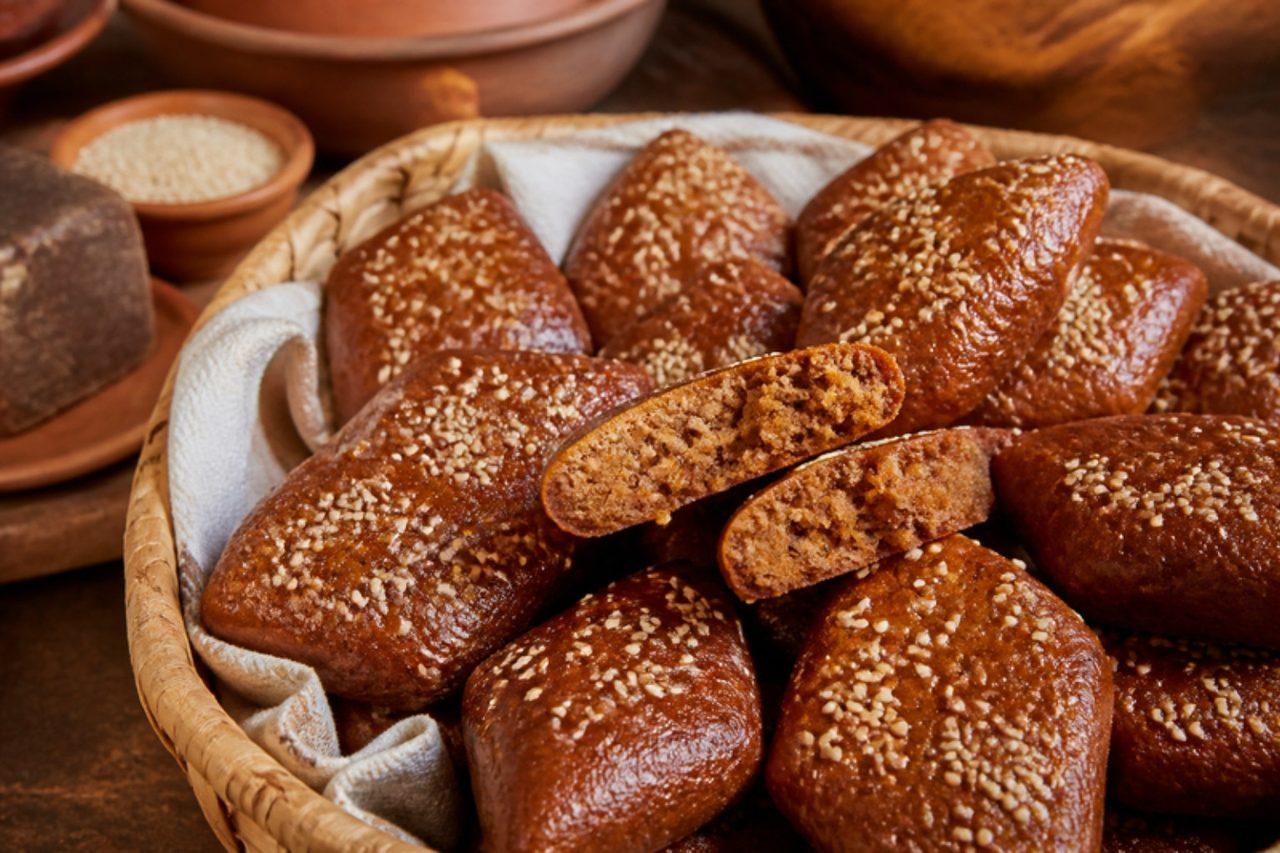
CocolesAnise sweet bread

In the markets of Puebla, Tlaxcala and Mexico City, cocoles are the plain, honest bread of the morning: diamond-shaped, deep brown from piloncillo, fragrant with anise and studded with sesame seeds on top. They are not very sweet, so people eat them with café de olla or split them for a cheese torta. Old bakers used lard; this version uses vegetable shortening, so it stays vegetarian and vegan. Chef's tip: steep the anise in the warm piloncillo syrup, so its flavour runs through every bite.

by KrazyBadal 0 views

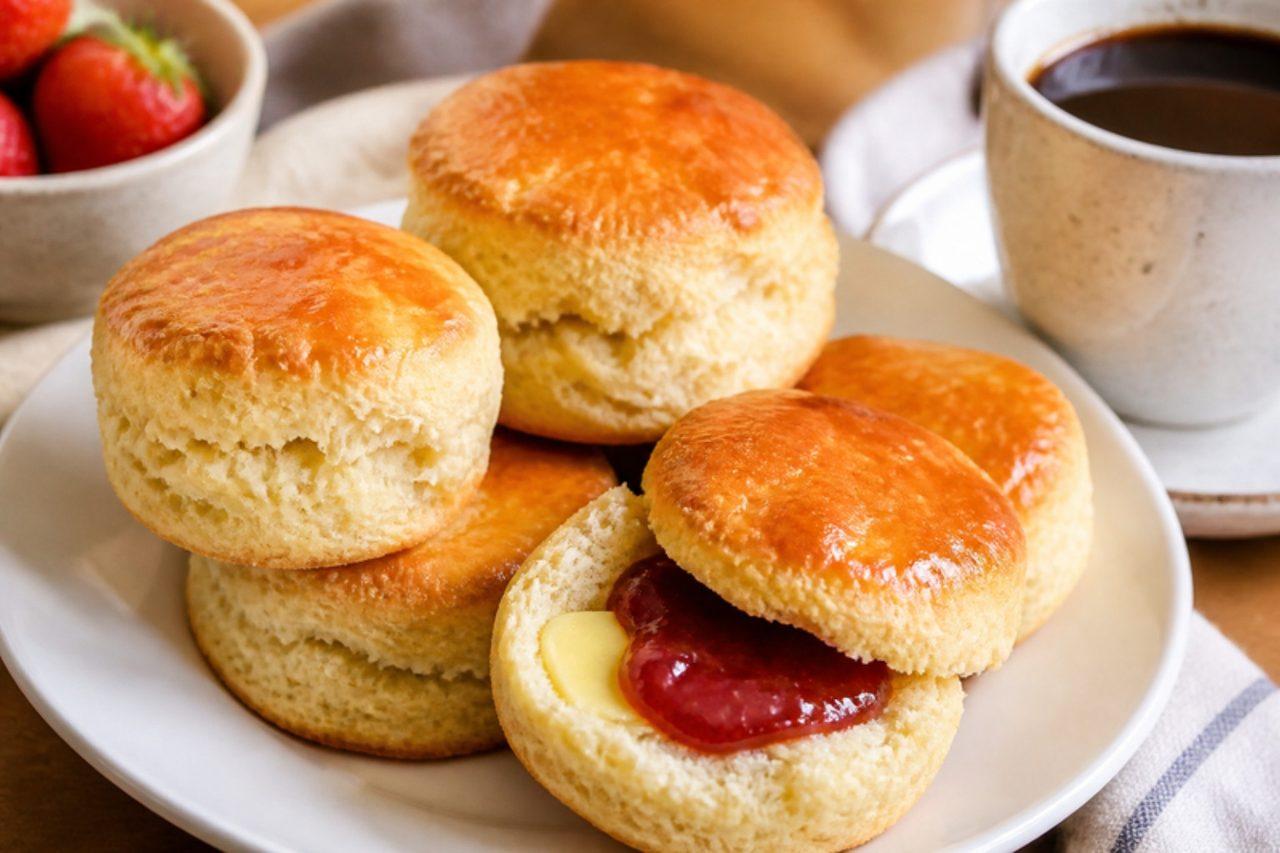
Bisquets mexicanosFlaky biscuits

Mexico City cafés such as the old breakfast halls of the Centro serve bisquets split hot with butter and strawberry jam alongside café con leche. They are taller, sweeter and more cake-like than American biscuits, with a shiny egg-washed top and layers that pull apart. They contain wheat, egg and dairy. Chef's tip: cut straight down with a sharp cutter and never twist, so the sides stay open and the bisquets rise tall.

by KrazyBadal 0 views

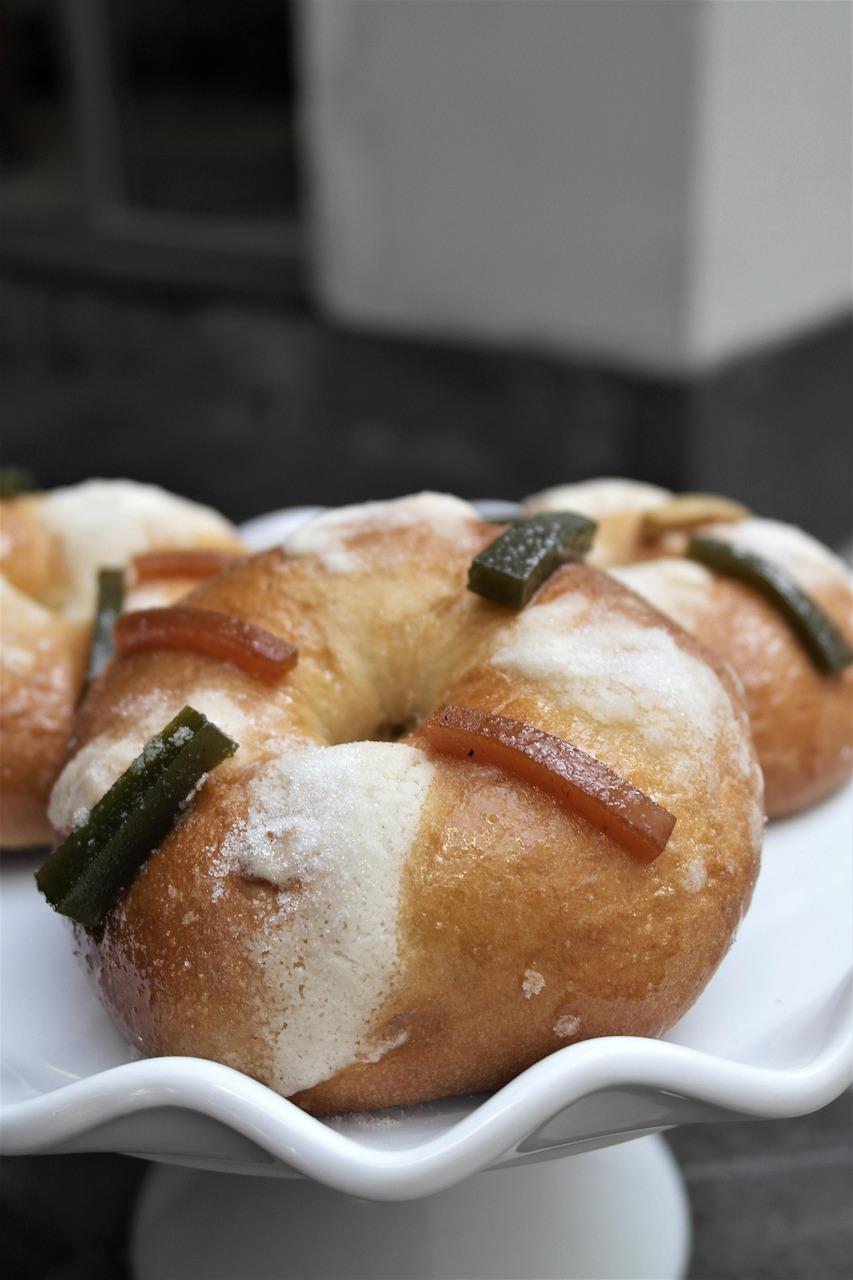
Rosca de reyesEpiphany bread ring

On the evening of 5 or 6 January, offices, schools and families all over Mexico cut a rosca de reyes for the Three Kings, washing it down with hot chocolate. The soft orange-scented ring is jewelled with candied fig, quince paste and cherries and striped with crunchy sugar paste; hidden inside is a tiny figure of the baby Jesus, and whoever finds it in their slice must host a tamales party on 2 February. Always tell guests there is a figurine and warn little children, as it is a choking risk; a whole almond is a safer stand-in. Chef's tip: push the figure in from underneath after baking, so it does not melt or show.

by KrazyBadal 0 views

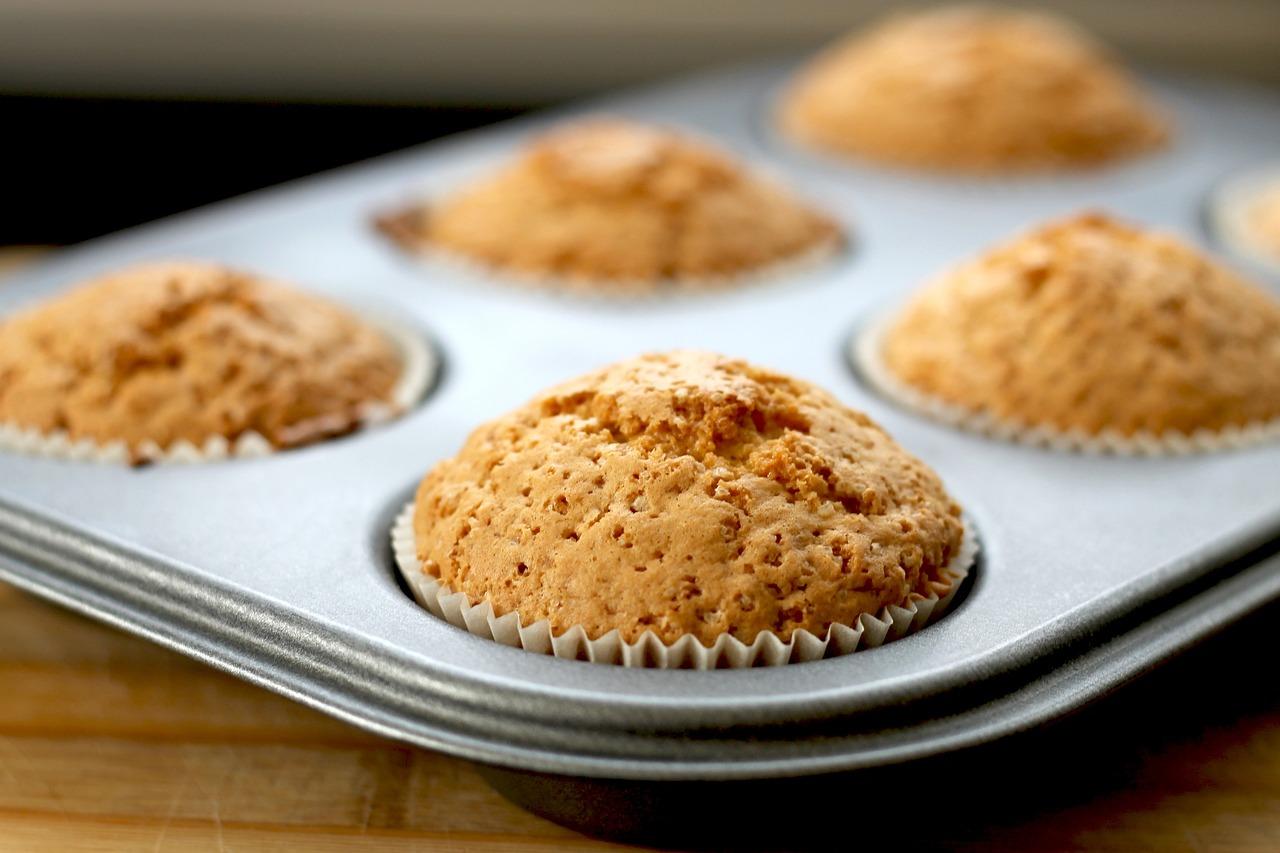
MantecadasMexican muffins

Red pleated paper cups give mantecadas away at once on the bakery tray, from Monterrey to Mérida. Inside is a tender, golden, slightly orange-scented sponge, richer than a cupcake and topped with a domed crust, eaten for breakfast or merienda with milky coffee. They contain egg, butter and wheat. Chef's tip: let the batter rest for 20 minutes before baking, which gives the tall, cracked dome bakery mantecadas are known for.

by KrazyBadal 0 views

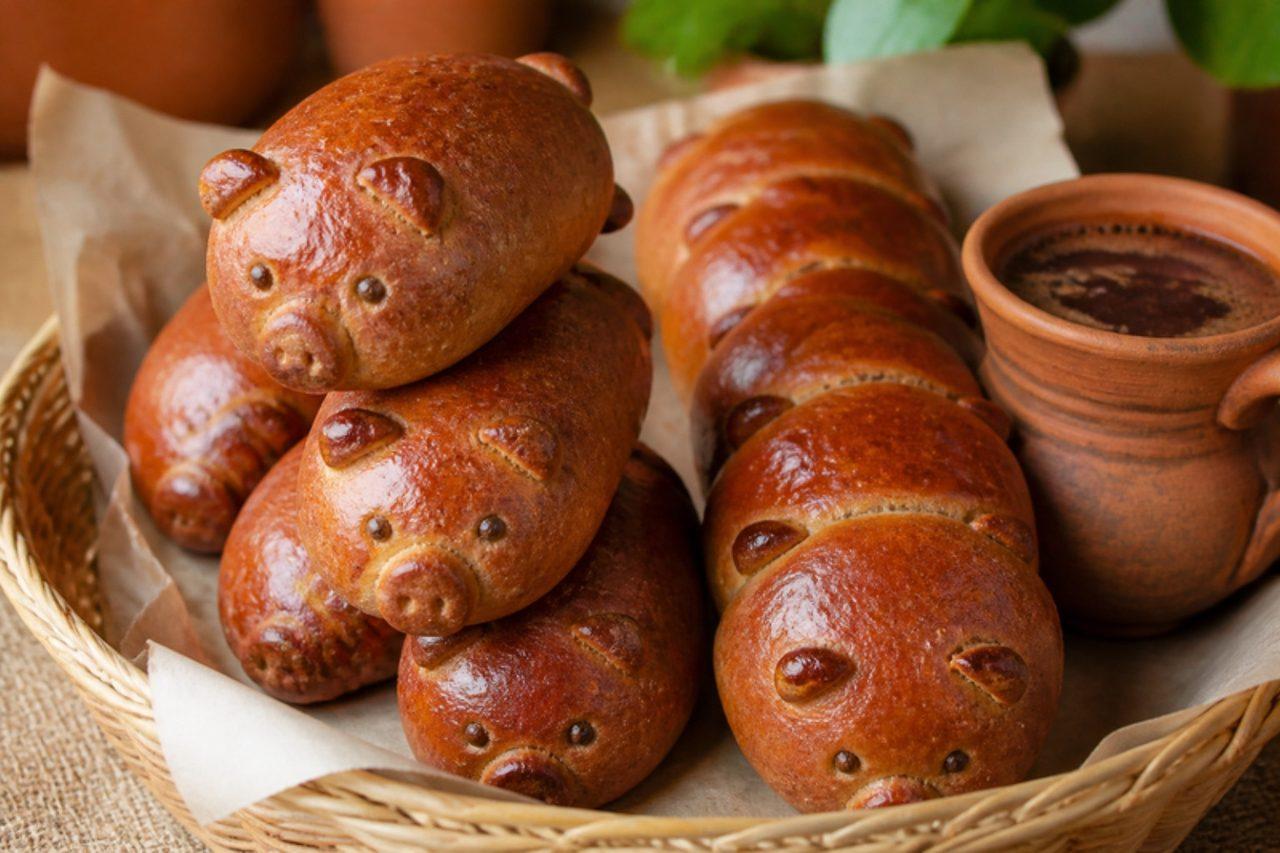
Marranitos de piloncilloPig-shaped gingerbread biscuits

Every pan dulce case in Mexico has a row of little brown pigs, called marranitos in the centre, cochinitos in the north and puerquitos in between. They are soft, cakey biscuits sweetened with dark piloncillo cane sugar, spiced with cinnamon and a touch of anise, and dunked into café de olla or cold milk in the afternoon. They are made here with butter, so they suit vegetarians, and contain egg and wheat. Chef's tip: roll the dough thick, about 1 cm, because thin pigs bake into hard crackers instead of soft cakes.

by KrazyBadal 0 views

Postre MassiniCustard sponge with burnt sugar top

Montevideo's birthday cake of choice since the early twentieth century, the Massini is two thin layers of sponge sandwiching a thick filling of whipped cream folded with egg-yolk custard, crowned with a thin glassy crust of torched yolk and sugar. Bakeries across Uruguay sell it on Sundays. Traditional versions sometimes add a sweet fortified wine to the custard; this one is alcohol-free. The custard is cooked to a safe 71 °C. The common mistake is assembling with warm custard, which melts the cream into a puddle. Chef's tip: if you don't have a blowtorch, put the sugared top under a very hot grill for a minute and watch it closely.

by KrazyBadal 0 views

Doolsho (Somali cardamom sponge cake)

Ask a Somali host what goes with afternoon shaah and doolsho will be near the top of the list: a plain, airy sponge flavoured with cardamom and sometimes a little vanilla, baked in a tray and cut into generous squares. It turns up at Eid visits, weddings and family get-togethers, and is just as welcome at breakfast. The crumb should be fine and springy, never dense, which comes from whisking the eggs and sugar for a long time. Knocking the air out when the flour goes in is the mistake that ruins it; fold gently with a large spoon, in three goes, and stop as soon as no dry flour shows. Chef's tip: use eggs at room temperature; cold eggs never whip to the thick, pale ribbon that holds the cake up.

by KrazyBadal 0 views

Viennese GugelhupfLemon and raisin ring cake

In Vienna the Gugelhupf is the Sunday cake of home bakers, set out on the table for afternoon Jause with coffee, and every family has its own fluted copper or ceramic mould. Unlike the yeasted ring cakes of Alsace and southern Germany, the everyday Viennese one is a Rührgugelhupf, a buttery sponge lifted with whisked egg whites, scented with lemon and studded with plump raisins. It is tender, light and keeps moist for several days under a cake dome. A common mistake is a badly greased mould; every ridge needs butter and flour or the cake tears as it comes out. Chef's tip: soak the raisins in hot water for 15 minutes, dry them and toss them in a spoon of flour so they don't sink.

by KrazyBadal 0 views

Sachertorte

This dense, dark chocolate torte is Vienna's most famous cake, eaten in coffee houses all over the city with a cup of Melange and, always, a cloud of unsweetened whipped cream on the side. The sponge is made with melted chocolate and whisked egg whites, so it is fine-crumbed and slightly dry by design; a thin layer of sharp apricot jam runs through the middle and over the top, under a shiny, snappy chocolate glaze. A common mistake is pouring the glaze too hot or too cold; too hot and it runs off thin, too cold and it sets dull and lumpy. It is a cake for birthdays and Sunday visits, and it keeps well for days. Chef's tip: bake it the day before and let it rest overnight wrapped; it cuts far more neatly and the crumb softens.

by KrazyBadal 0 views

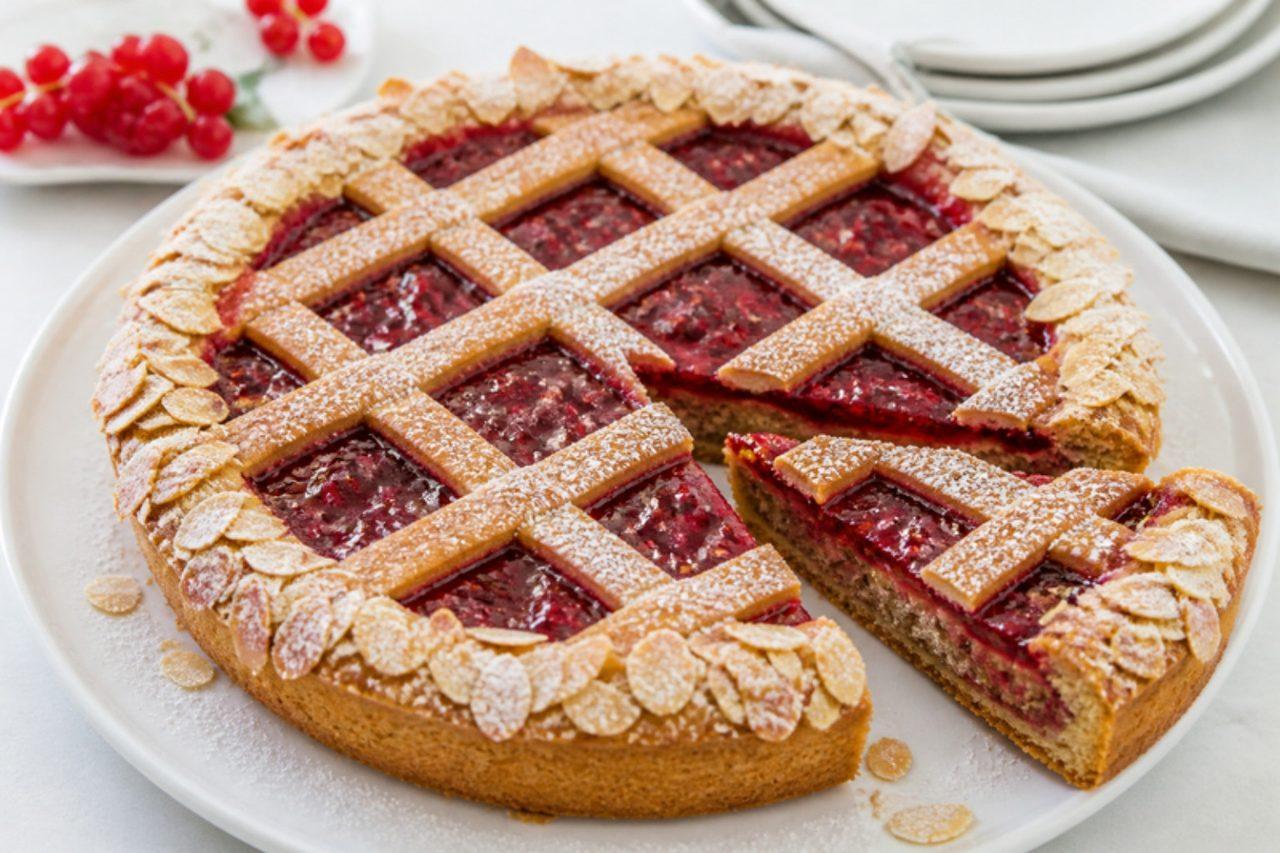
Linzer Torte

Linz, the Danube city in Upper Austria, has baked this tart for centuries, and it still fills bakery windows there all year, with extra demand in Advent. It is closer to a soft, crumbly nut biscuit than a pastry: ground hazelnuts, butter, cinnamon and cloves are pressed into the tin, filled with tart redcurrant jam and topped with a lattice. Serve a thin slice with coffee or tea. A common mistake is eating it on the day it is baked; it is much better after two or three days, when the jam soaks into the crumb. Chef's tip: chill the lattice strips on a tray before lifting them on, and they will not tear.

by KrazyBadal 0 views

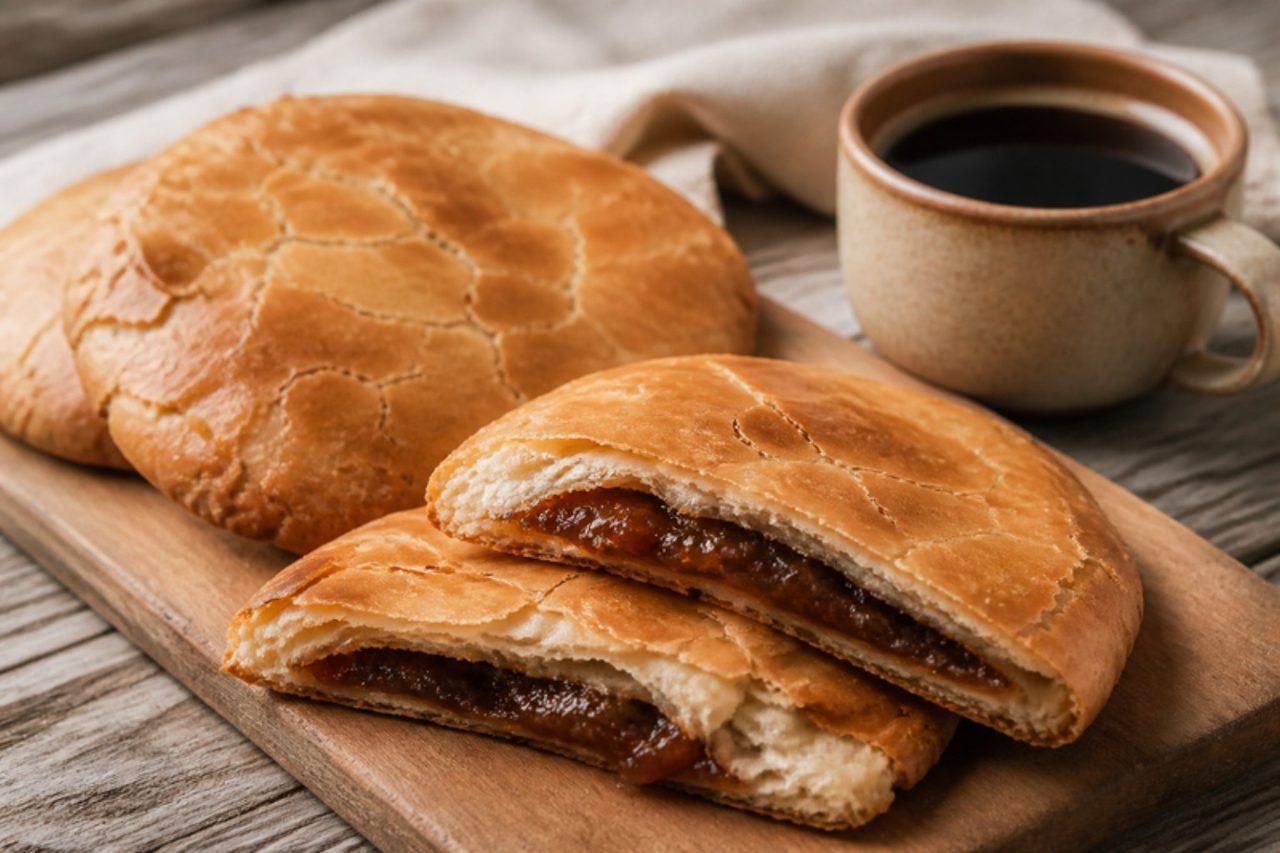
CoyotasPiloncillo-filled turnovers

Coyotas were first baked in the Villa de Seris neighbourhood of Hermosillo, and today Sonorans buy them by the dozen in paper bags to eat with morning coffee or take as a gift when they travel. They are flat, round, pale pastries with a crisp, crumbly crust and a thin layer of molten piloncillo inside, like a giant cookie with a toffee middle. Some bakers add guava or cajeta, but brown sugar loaf is the classic. Chef's tip: pinch the edges firmly and prick the tops; otherwise the hot sugar bubbles out and burns on the tray.

by KrazyBadal 0 views

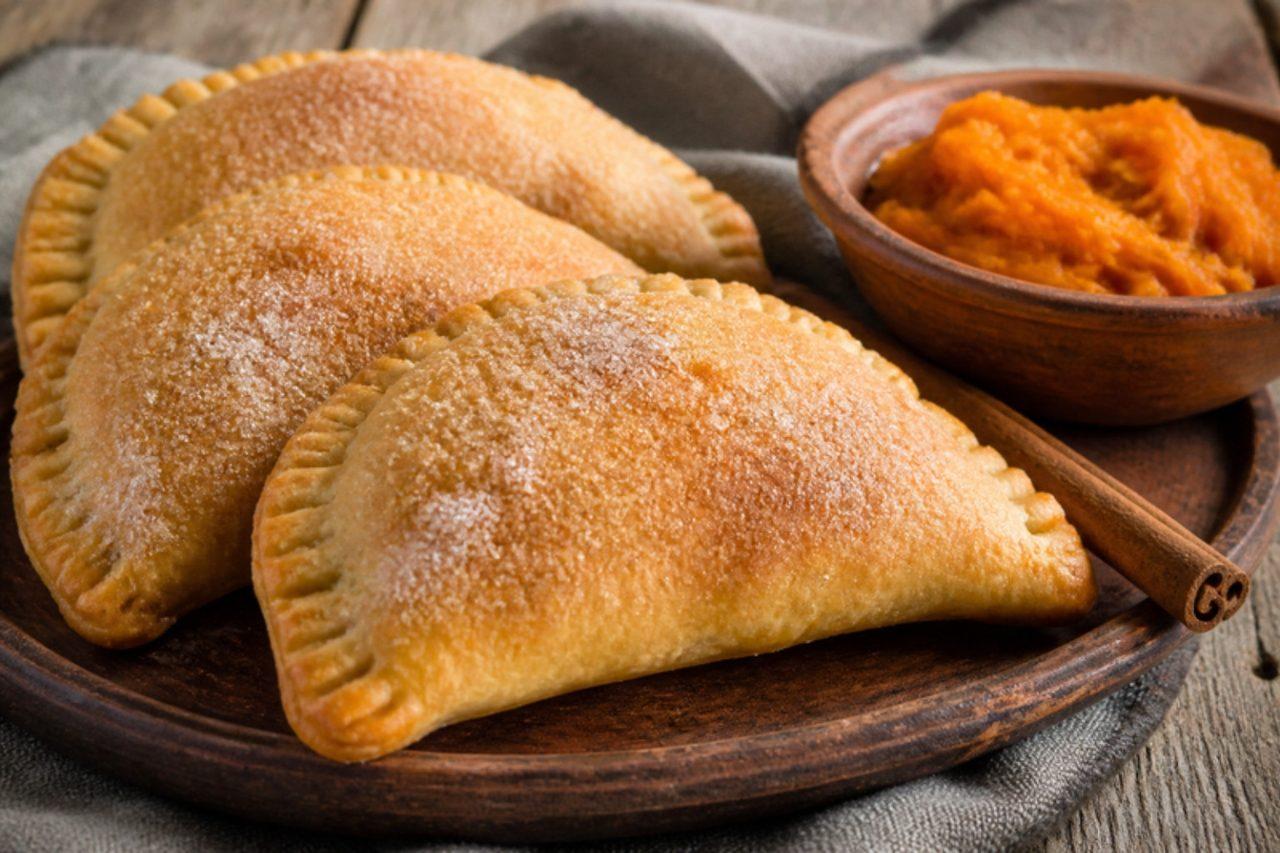
Empanadas de calabazaSweet pumpkin turnovers

When the cold fronts reach Monterrey in November, panaderías start stacking trays of empanadas de calabaza next to the conchas, and families bake them at home for Day of the Dead and Christmas. A tender, lightly sweet pastry is folded around a thick purée of pumpkin cooked with piloncillo, cinnamon and anise, so each half-moon tastes like a spiced pumpkin pie you can hold. They are eaten with café de olla or a glass of milk. Chef's tip: cook the filling until a spoon leaves a trail across the pan; watery pumpkin turns the pastry soggy.

by KrazyBadal 0 views

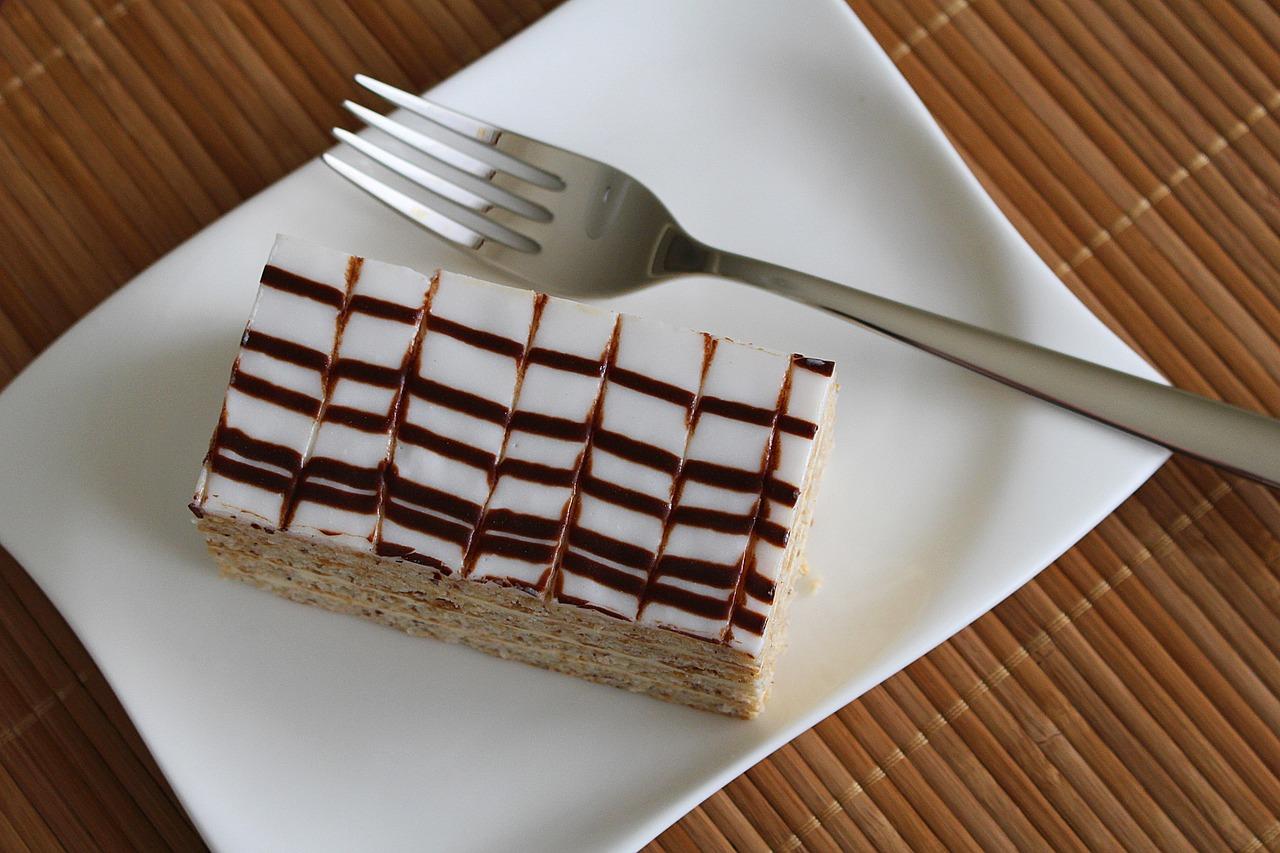
EsterházytorteAlmond meringue layer cake

Named after a Hungarian noble family and claimed by both Budapest and Vienna, this torte is a showpiece of Viennese pastry shops, where it sits in the glass counter beside richer chocolate cakes. Five or six crisp-chewy almond meringue layers are stacked with a vanilla custard buttercream, then topped with white icing and the famous feathered chocolate lines. It has no flour at all, so it suits gluten-free guests. A common mistake is baking the layers too pale; they should be light golden, or they go soft and sticky in the cream. Chef's tip: draw the circles on baking paper first and spread the meringue to the line with a palette knife, so every layer matches.

by KrazyBadal 0 views

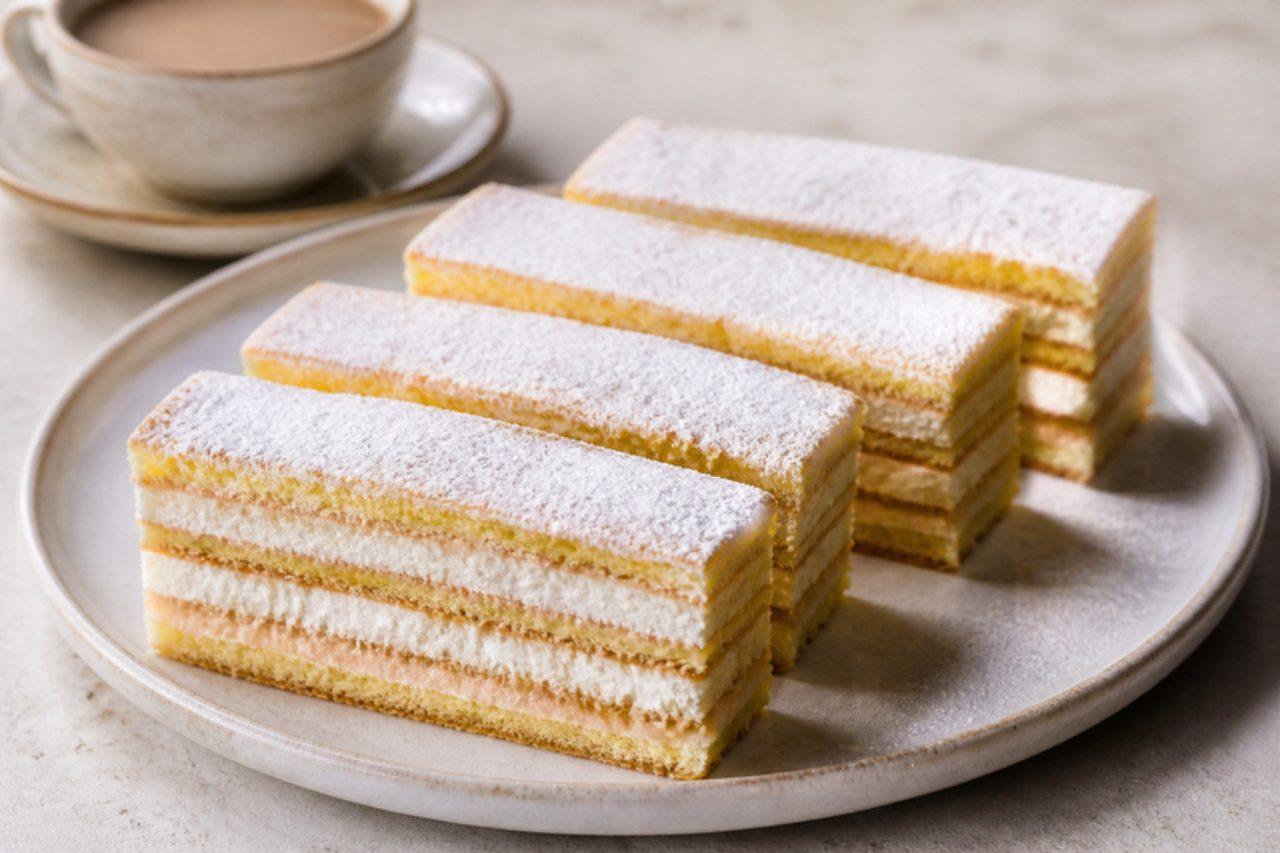
KardinalschnittenMeringue and sponge coffee slices

Kardinalschnitten, 'cardinal slices', were created in Vienna with the colours of the Church in mind: white meringue and yellow sponge baked side by side in stripes. In Viennese cafés they are a light, summery choice with an afternoon coffee. Two baked sheets of alternating stripes sandwich a soft coffee cream, and the result is crisp, airy and cool at the same time. A common mistake is overfilling with cream that has not been stabilised; it squeezes out when you cut. Here a little mascarpone keeps the cream firm without gelatine. Chef's tip: pipe the meringue stripes first and the sponge in the gaps after, so the sponge does not spread flat.

by KrazyBadal 0 views

King kongLayered biscuit with manjar blanco

Named, the story goes, after the giant ape because of its size when the film reached Peru, the king kong is Lambayeque's proudest sweet: thick, crumbly biscuit layers stacked with manjar blanco, a sticky pineapple jam and a peanut fudge, then cut into heavy slabs. Shops in Lambayeque and Chiclayo sell them by the kilo in boxes, and travellers carry them home as gifts. It is very sweet, buttery and dense, so a slice goes a long way with black coffee. This home version makes the manjar blanco from condensed and evaporated milk to save hours, then turns half of it into the peanut layer. The usual mistake is overbaking the biscuit until it is hard; take it out as soon as the edges are pale gold, as it firms up while it cools. It is a project, so make the fillings first and let them cool. Chef's tip: wrap the finished king kong and leave it overnight before cutting; the layers settle and soften into each other.

by KrazyBadal 0 views

KispiñoSteamed quinoa cakes

Pressed in a fist so each one carries the marks of the cook's fingers, kispiño are small, dense quinoa cakes from the Puno highlands, steamed and then left to dry so they keep for weeks on journeys, herding trips and pilgrimages. Traditional ones are bound with a little lime water (from cal, the mineral) and fat; this home version uses oil and a pinch of aniseed and sugar, so they're vegan and pleasantly savoury-sweet. They're firm and chewy, a little like a grain cake, and good with hot tea, coca tea or a soup on a cold day. The common mistake is making the dough too wet, so the cakes slump in the steamer; it should feel like damp sand that holds its shape when squeezed. Ground quinoa is quinoa flour; grind your own from rinsed, dried and toasted grain, or buy it ready ground. Chef's tip: toast the ground quinoa in a dry pan first until it smells nutty, which takes away any bitterness.

by KrazyBadal 0 views

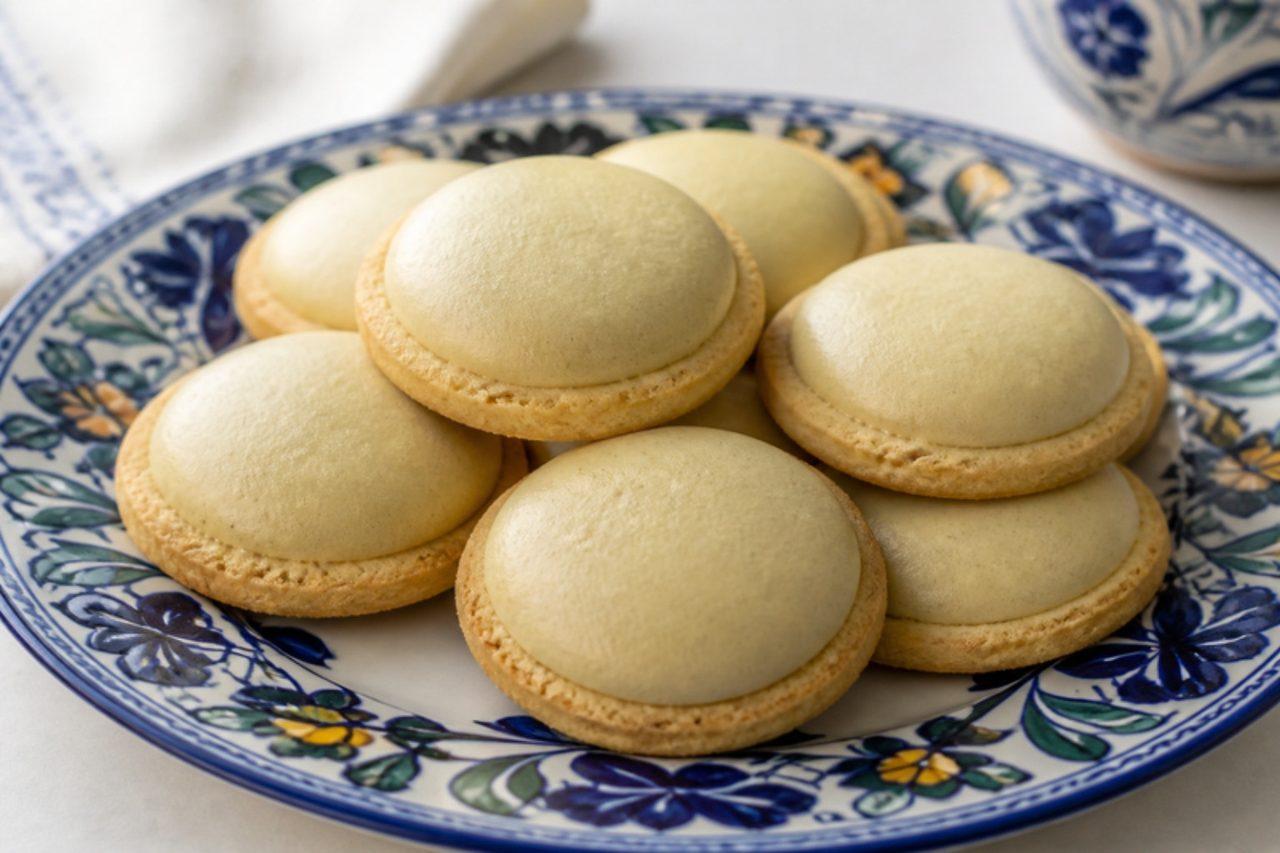
Tortitas de Santa ClaraShortbread with pumpkin seed cream

The nuns of the Santa Clara convent in Puebla are credited with this biscuit, and the city's Calle de los Dulces still sells it in boxes stacked beside camotes and jamoncillos. It is a crumbly, lightly sweet shortbread round, covered with a thick, pale cream made from ground pumpkin seeds, sugar and milk, which sets to a soft fudge-like layer. They are eaten with coffee in the afternoon and taken home as a gift from Puebla. Chef's tip: grind the peeled pumpkin seeds as fine as you can before cooking; any coarse bits make the topping gritty.

by KrazyBadal 0 views

Turrón de Doña PepaAnise biscuit sticks in spiced syrup

Every October, the month of the Señor de los Milagros processions in Lima, bakeries and street sellers pile their trays with turrón de Doña Pepa: layers of crumbly anise-flavoured sticks drenched in a dark syrup of chancaca cooked with fruit and spices, topped with a storm of coloured sprinkles. Popular lore credits it to Josefa Marmanillo, a woman from the Cañete valley who is said to have made it in thanks after the procession. It is sticky, crunchy and soft at once, with orange and clove in the syrup. Its downfall is usually runny syrup that soaks the sticks into mush; it needs to reach a thick, threading stage before it goes on. Chancaca is sold as cones or blocks in Latin shops; panela or dark muscovado also work. Some coloured sprinkles contain gelatin, so check the label. Chef's tip: make it a day ahead; the syrup sets and the sticks soften just enough to slice neatly.

by KrazyBadal 0 views

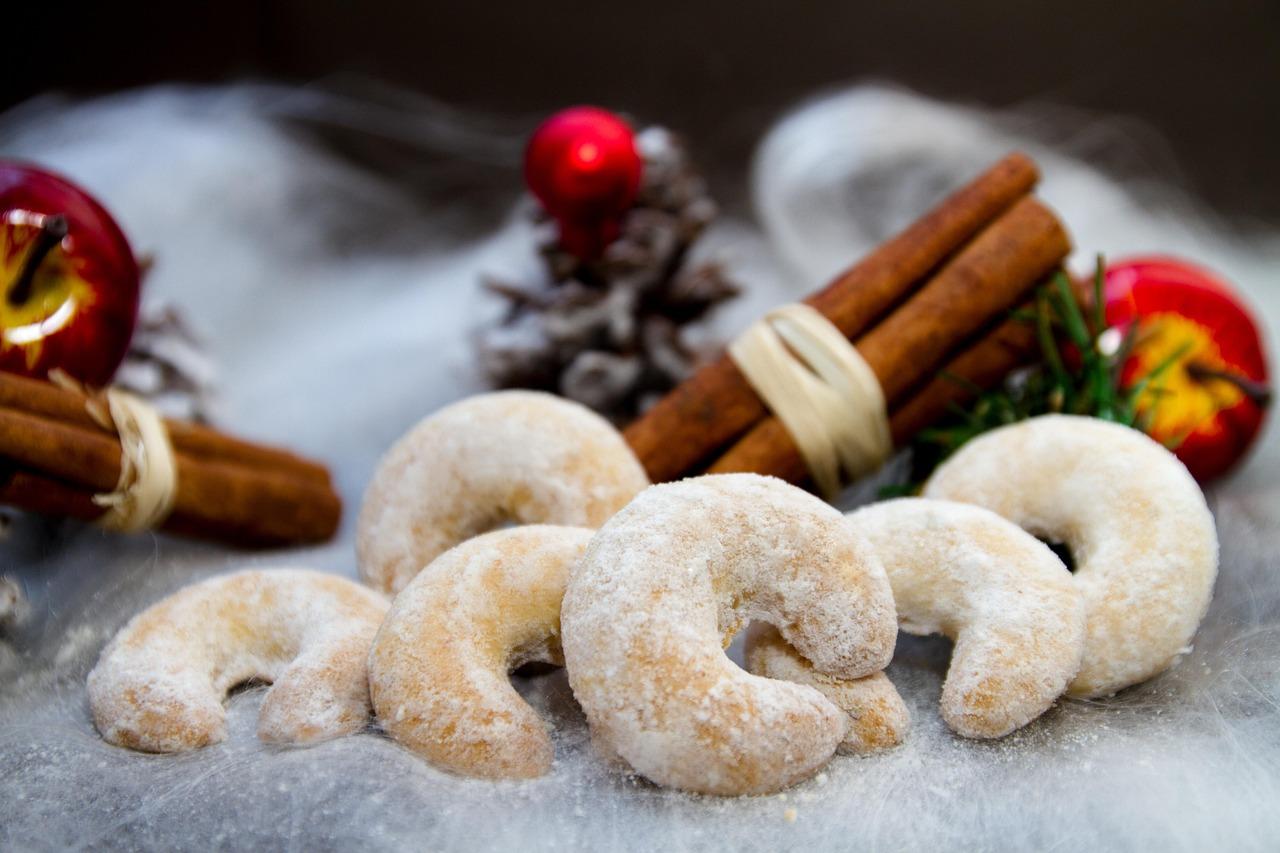
VanillekipferlVanilla almond crescents

No Austrian Christmas cookie tin is complete without Vanillekipferl, the pale little crescents that melt on the tongue; Viennese grandmothers bake them by the hundred in early December, and they are just as loved over the border in Bavaria. The dough is short and rich with butter and ground almonds, and the crescents are rolled in vanilla sugar while still warm so it sticks. The common mistake is overbaking: they should stay pale with only the tips turning golden, or they lose their tender, sandy texture. Chef's tip: chill the dough well and shape it with cool hands; warm dough cracks and the crescents spread in the oven.

by KrazyBadal 0 views

Showing 24 of 29 recipes

Show more recipes

Page 1 of 2