Skip to content
Recipes

All recipes

Vegetarian, or something you can't eat? Set your diet once and we'll hide recipes that don't fit.

RosinbollerCardamom raisin buns

In Norway, rosinboller are what a parent bakes on Sunday so the week's lunch boxes have something sweet, and what fills the tables at every school dugnad and bake sale. The dough is enriched with milk and butter and scented with freshly ground cardamom, and the buns are pulled apart soft and golden. The common mistake is using hot milk: anything above blood heat kills the yeast and the buns stay flat. Chef's tip: crush the cardamom seeds yourself just before mixing; the pre-ground powder loses most of its perfume.

by KrazyBadal 0 views
TebirkesPoppy seed pastries

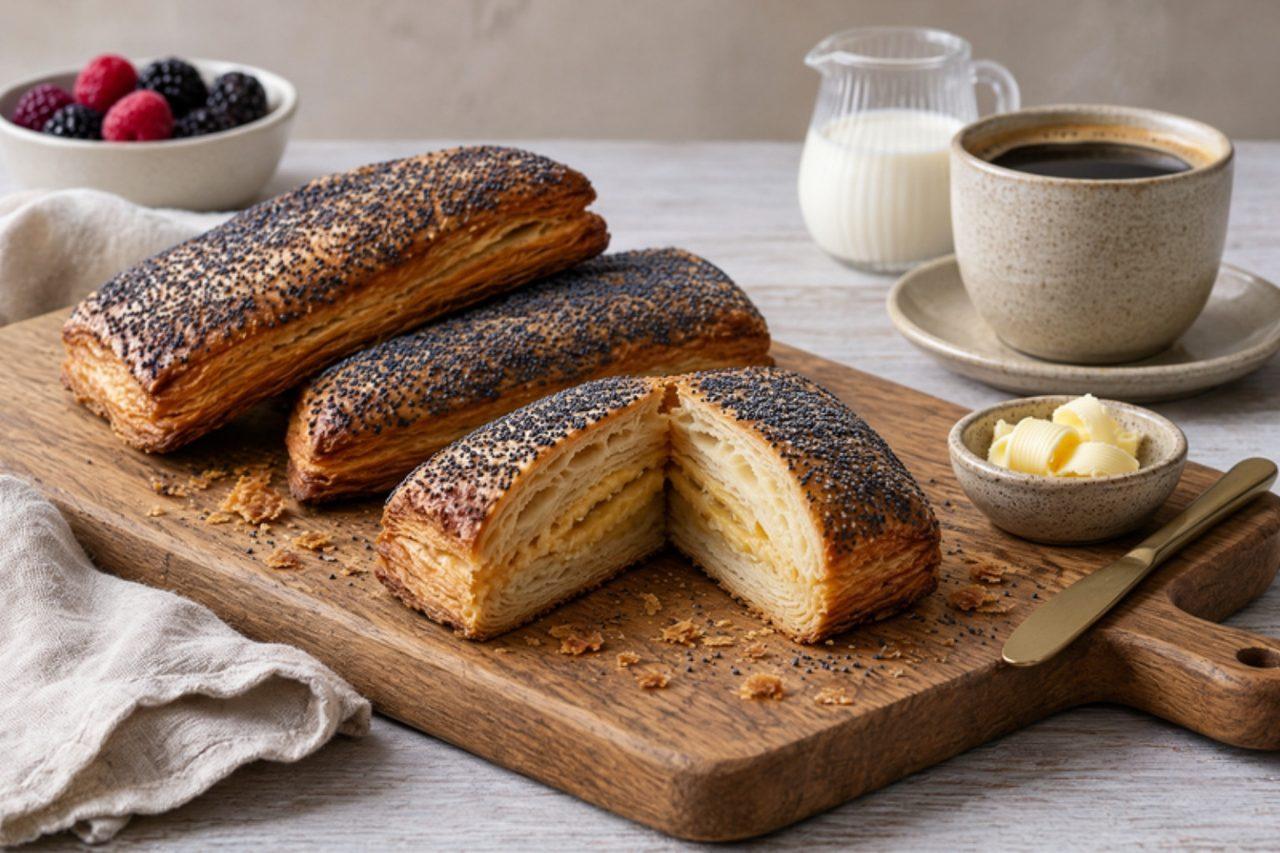
Tebirkes are the Danish bakery breakfast pastry: flaky, laminated dough folded round a sweet remonce of butter, sugar and marzipan, then smothered in poppy seeds so that half of them end up on your plate and the table. Copenhageners pick them up warm on the way to work or buy a bag on Sunday morning. The mistake is letting the dough get warm while laminating: the butter melts into the dough and you get bready rolls, not layers. Chef's tip: chill the dough for 15 minutes between every fold, and if butter starts breaking through, put it back in the fridge before you go on.

by KrazyBadal 0 views

Postre MassiniCustard sponge with burnt sugar top

Montevideo's birthday cake of choice since the early twentieth century, the Massini is two thin layers of sponge sandwiching a thick filling of whipped cream folded with egg-yolk custard, crowned with a thin glassy crust of torched yolk and sugar. Bakeries across Uruguay sell it on Sundays. Traditional versions sometimes add a sweet fortified wine to the custard; this one is alcohol-free. The custard is cooked to a safe 71 °C. The common mistake is assembling with warm custard, which melts the cream into a puddle. Chef's tip: if you don't have a blowtorch, put the sugared top under a very hot grill for a minute and watch it closely.

by KrazyBadal 0 views

KneippbrødWholemeal loaf

Open almost any Norwegian matpakke (the packed lunch wrapped in paper) and you will find slices of kneippbrød, a soft, lightly sweet loaf of sammalt hvete (wholemeal wheat) baked in a tin. Its fine crumb slices thin without crumbling, perfect for brown cheese, jam or cucumber at the school desk. The common mistake is adding too much flour while kneading because wholemeal dough feels sticky; the loaf then bakes dense and dry. Chef's tip: let the dough rest for 20 minutes after mixing, before kneading, so the bran softens and the dough turns smooth on its own.

by KrazyBadal 0 views

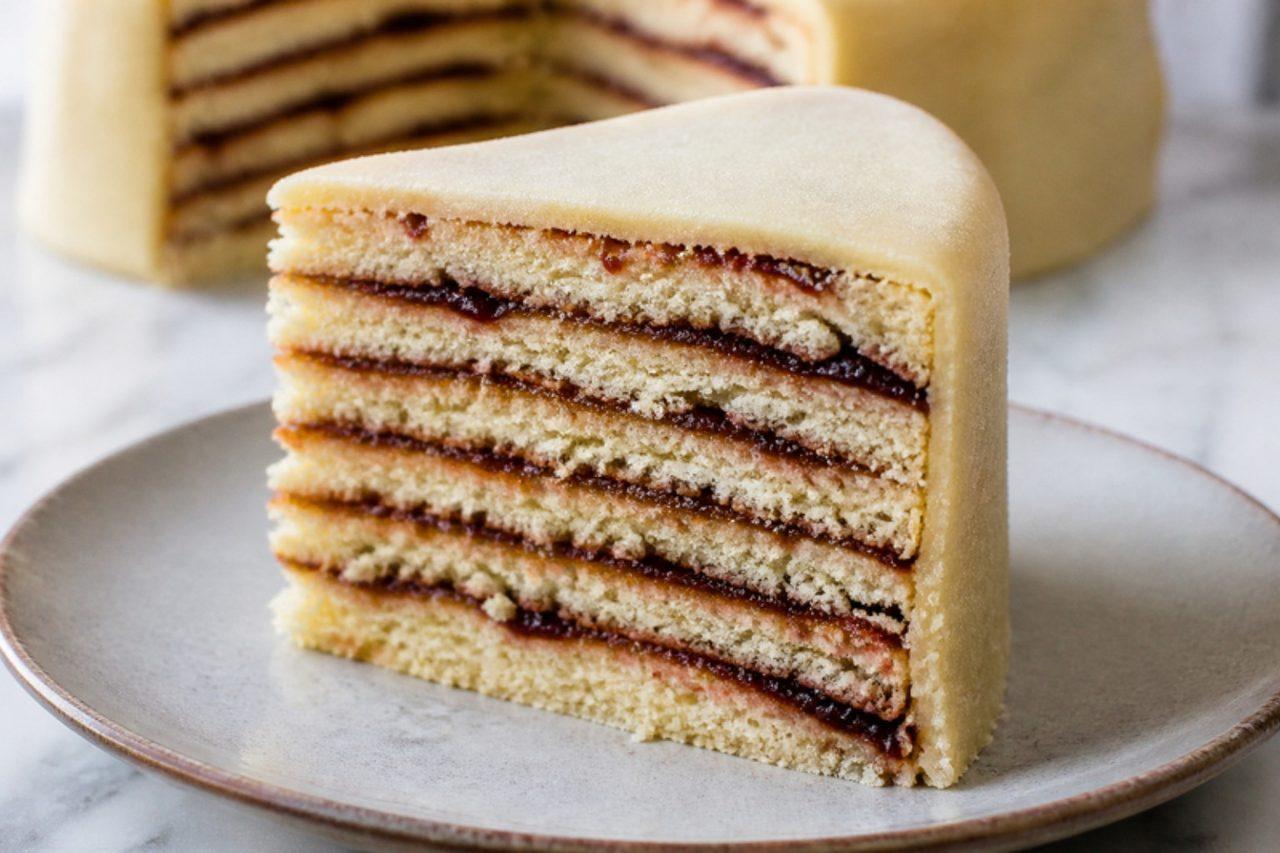
VínartertaLayered cardamom prune cake

Vínarterta, 'Vienna cake', is the Icelandic Christmas cake: six or seven thin layers of cardamom-scented biscuit dough sandwiched with thick prune jam spiced with cinnamon and cardamom, then left to mature for a few days before slicing into narrow strips. It is still baked by Icelandic families in Reykjavík and by the descendants of Icelanders in Manitoba, where it became a symbol of home. A common mistake is slicing it the same day; the layers are crisp until the jam softens them. Chef's tip: wrap it and leave it for 3 days in a cool place, so the biscuit softens into a fine cake.

by KrazyBadal 0 views

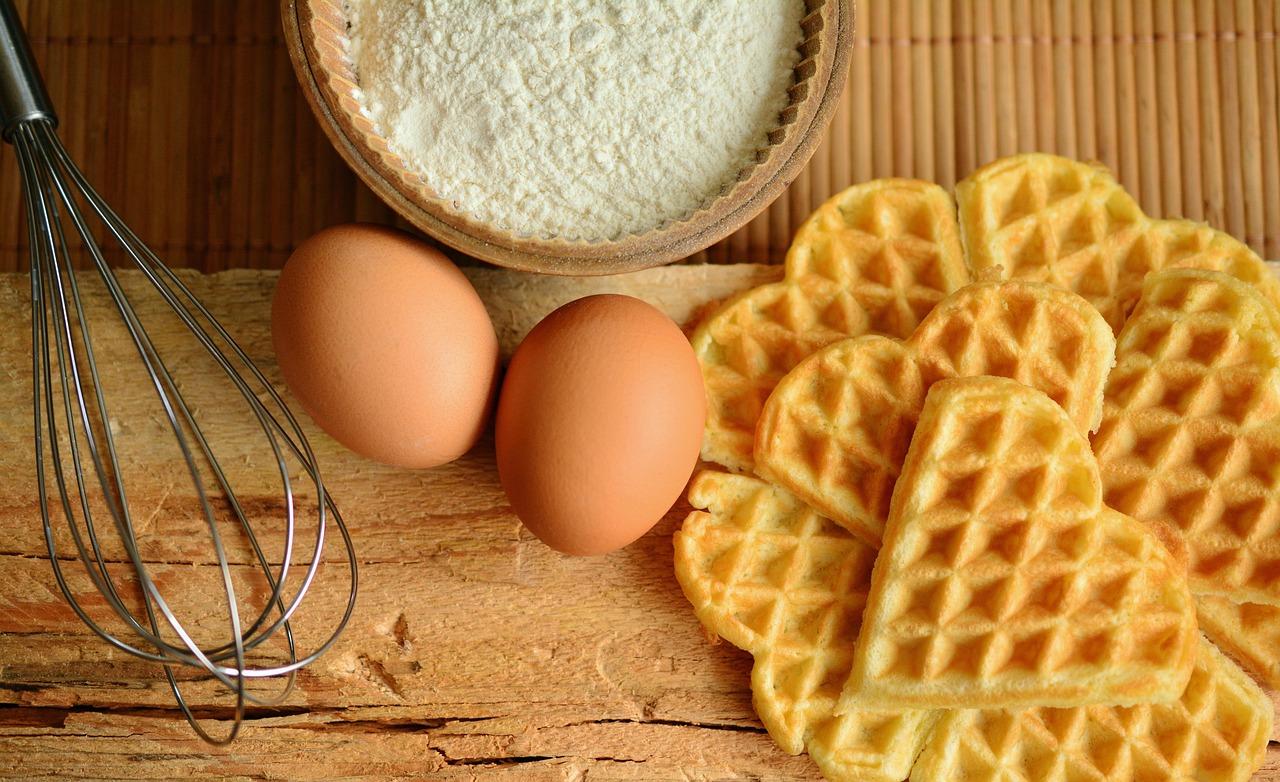
Norwegian heart waffles

In Norway, waffles are not a breakfast but an everyday treat: thin, soft heart-shaped vafler made with sour cream and cardamom, sold at school fairs and football matches and made at home on Sunday afternoons, eaten folded with strawberry jam and sour cream or brown cheese. Their texture is soft rather than crisp. A common mistake is opening the iron too early, which tears them. Chef's tip: let the batter rest for 30 minutes and brush the iron with butter before each waffle; they lift out whole and golden.

by KrazyBadal 0 views

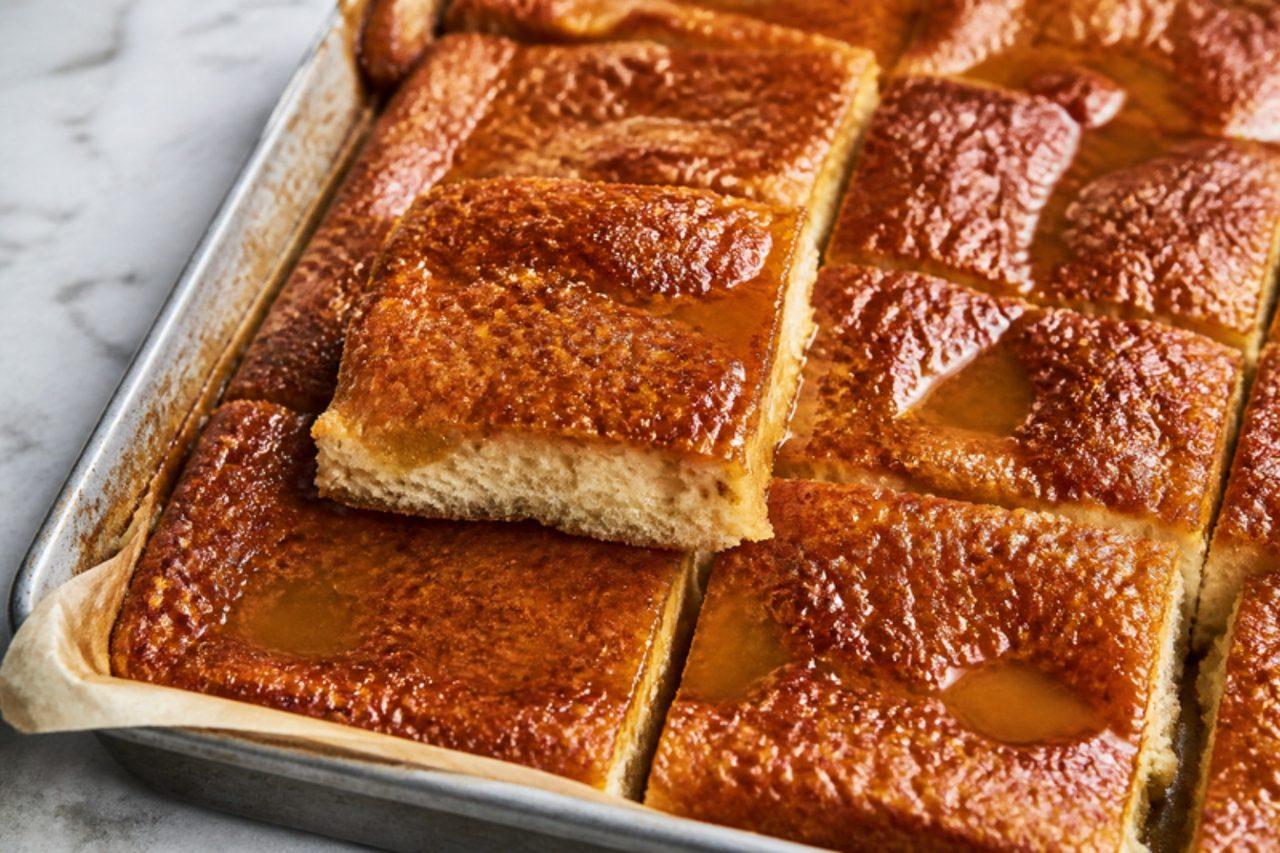
BrunsvigerBrown sugar butter cake

Brunsviger is the cake of Funen, the island between Jutland and Zealand: a soft, light yeast dough baked in a tray and covered with brown sugar and butter that melts into sticky, bubbling pools in dimples you press into the top. It is the classic birthday cake at Danish schools and offices, cut into squares and eaten warm with coffee. A common mistake is spreading the topping on cold dough; it slides off. Chef's tip: press deep holes into the risen dough with your finger so the topping collects in pools of caramel.

by KrazyBadal 0 views

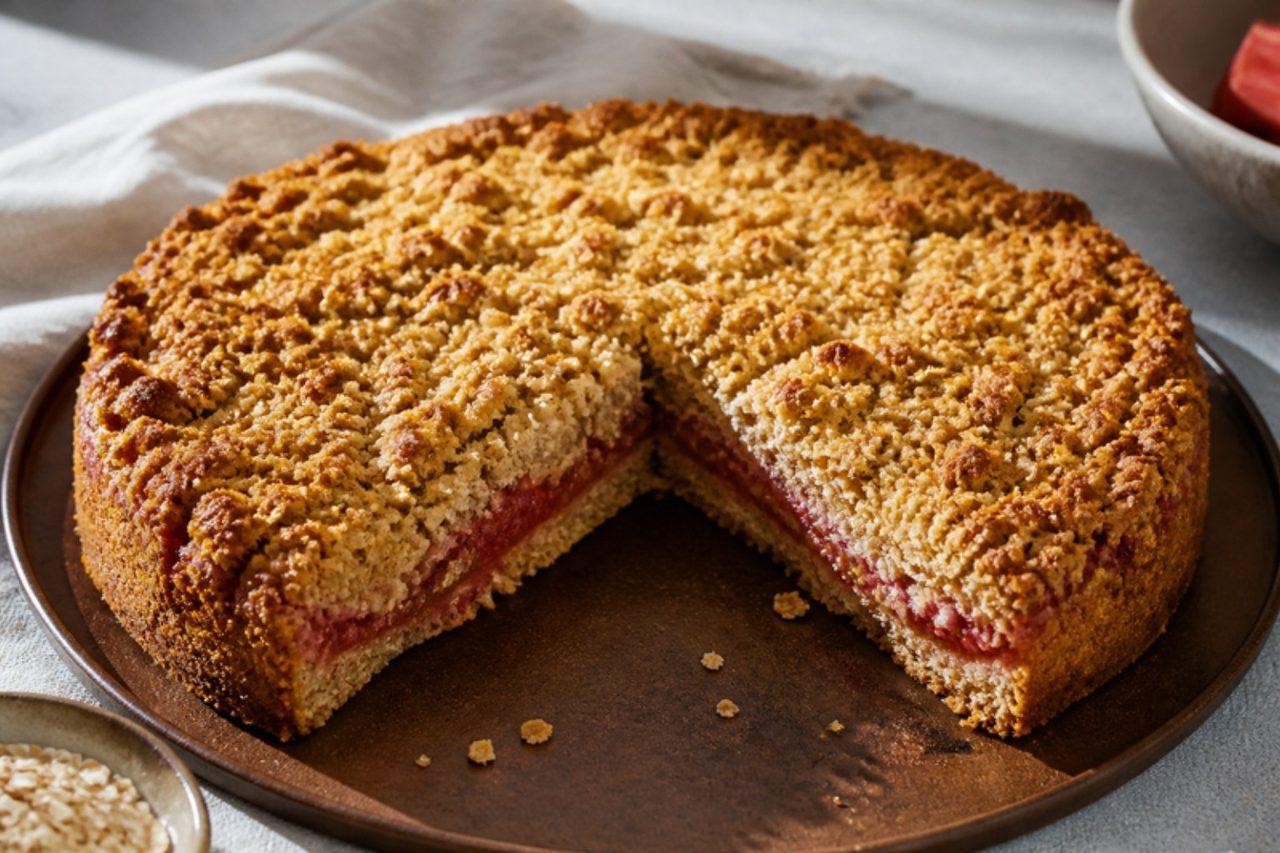
HjónabandssælaOat crumble rhubarb cake

Hjónabandssæla means 'marital bliss', and every Icelandic home has a version: an oat and butter crumble pressed into a tin, spread with rhubarb jam, topped with more crumble and baked until golden. It is the cake for unexpected guests, because everything is in the cupboard, and rhubarb grows in nearly every Icelandic garden. A common mistake is pressing the top layer down hard, which makes it dense; scatter it loosely. Chef's tip: use a tart homemade rhubarb jam if you can; its sourness balances the sweet, buttery oats.

by KrazyBadal 0 views

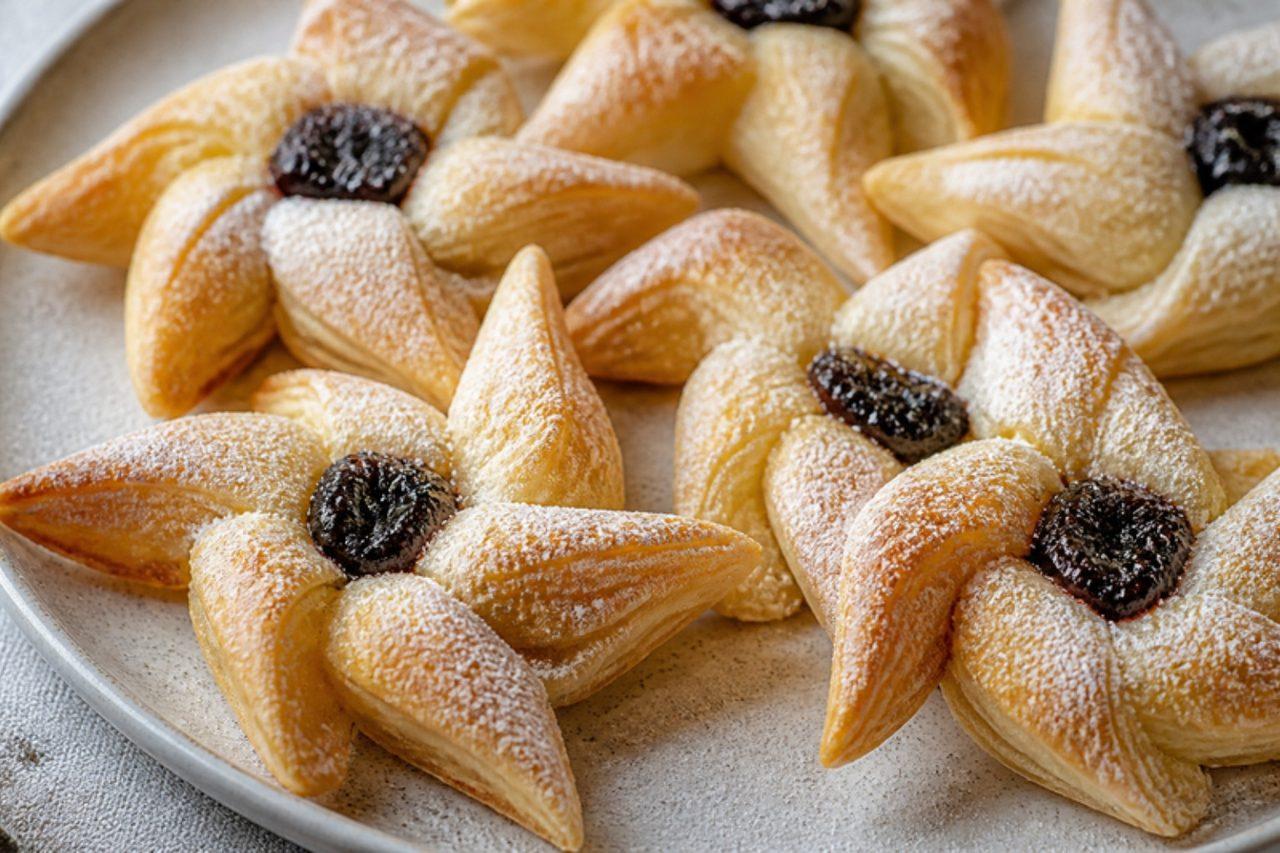
JoulutorttuPrune jam pastry stars

Joulutortut, the star-shaped Christmas tarts of Finland, appear in every home and café in December, piled on plates with glögi: squares of puff pastry cut at the corners and folded into a pinwheel around a spoon of thick prune jam, baked golden and dusted with icing sugar. A common mistake is using thin, runny jam, which bubbles out and burns. Chef's tip: cook the prune jam until very thick, and press the folded points down firmly with a dab of water so the stars don't spring open in the oven.

by KrazyBadal 0 views

KleinurCardamom twisted doughnuts

Kleinur are the twisted doughnuts of Iceland, fried in big batches and kept in tins for coffee time; Icelandic grandmothers cut the dough into diamonds with a special wheel, slit the centre and pull one end through, so each one twists into a knot. The same pastry is known as klejner in Denmark and klenäter in Sweden, made especially at Christmas. The dough is flavoured with cardamom and enriched with buttermilk. A common mistake is frying at too low a heat, which makes them greasy. Chef's tip: roll the dough thin, about 5 mm, and fry at 175 °C; they puff, brown in a minute and stay light.

by KrazyBadal 0 views

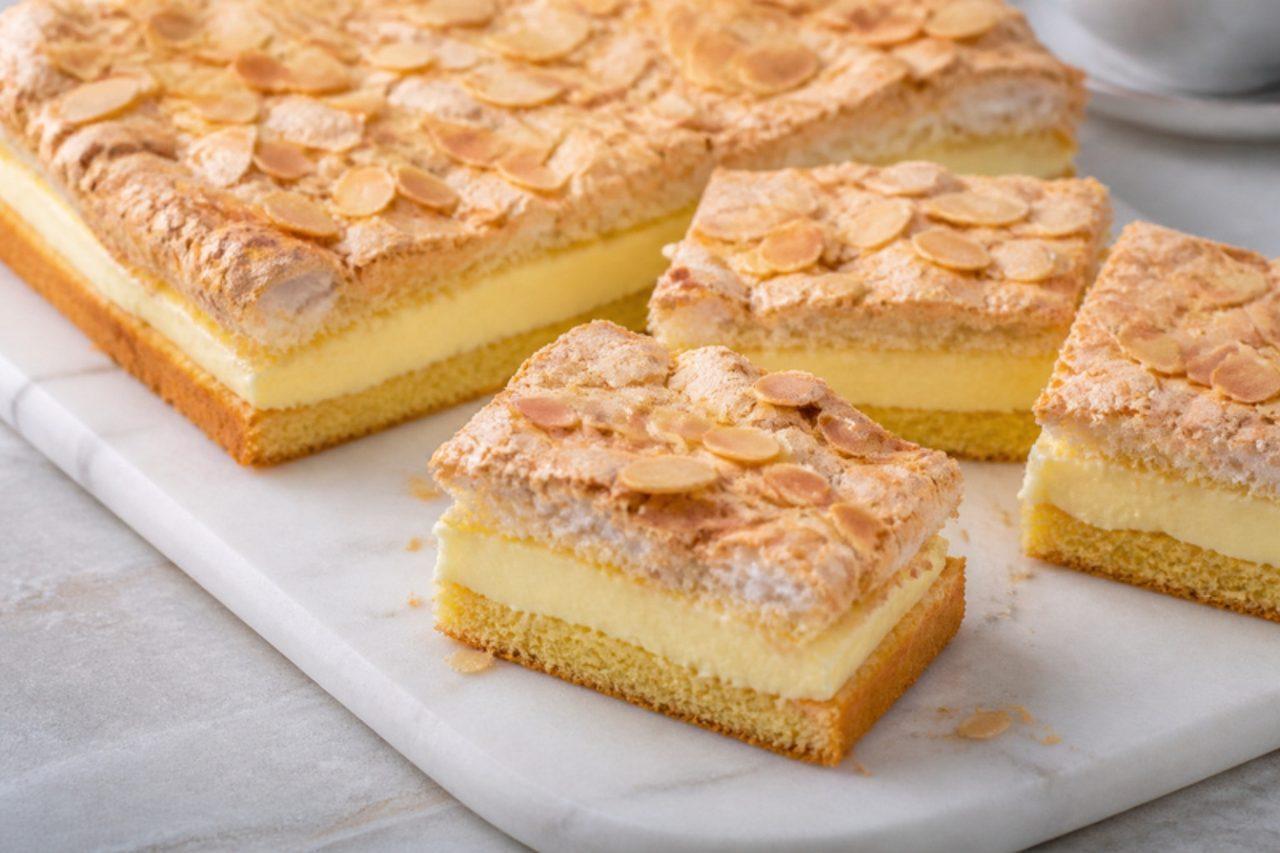
KvæfjordkakeSponge, meringue and cream cake

Kvæfjordkake comes from the Kvæfjord district in Troms, northern Norway, and Norwegians voted it their national cake, which is why it is also called 'verdens beste', the world's best cake: a thin buttery sponge baked with a layer of meringue and almonds on top, then cut in half and sandwiched with vanilla custard cream. It is baked for confirmations, May 17th and birthdays. A common mistake is underbaking the meringue, which goes sticky. Chef's tip: bake in a shallow tray and let the meringue turn pale golden and crisp; cool completely before filling.

by KrazyBadal 0 views

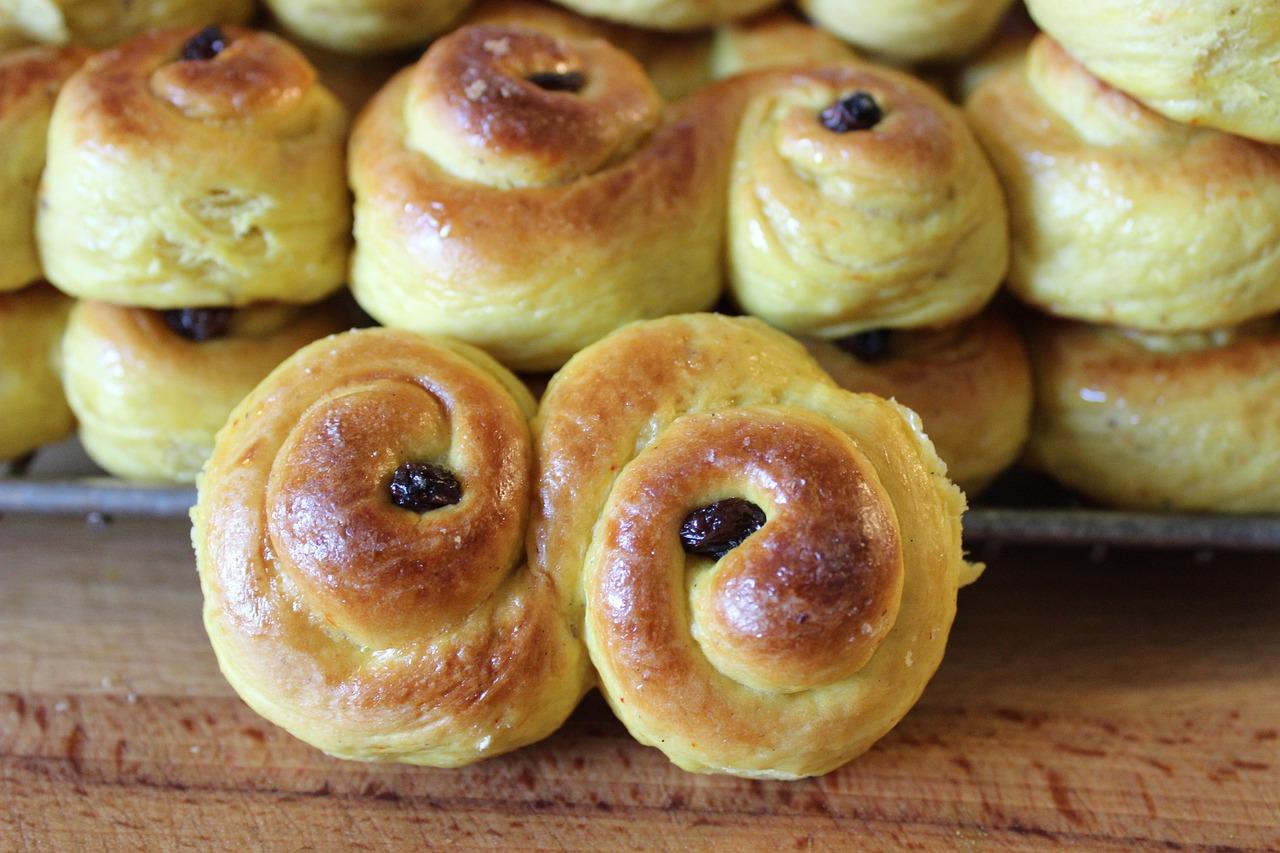
LussekatterSaffron buns

Before dawn on 13 December, Lucia Day, children in white gowns walk through Swedish homes, schools and offices carrying candles and trays of lussekatter: golden saffron buns twisted into an S with a raisin in each curl. The saffron colour and the light are meant to chase away the darkest days of winter. A common mistake is adding the saffron dry, which leaves the buns pale and streaky. Chef's tip: grind the saffron with a sugar cube and melt it into the warm butter and milk, so the colour spreads evenly.

by KrazyBadal 0 views

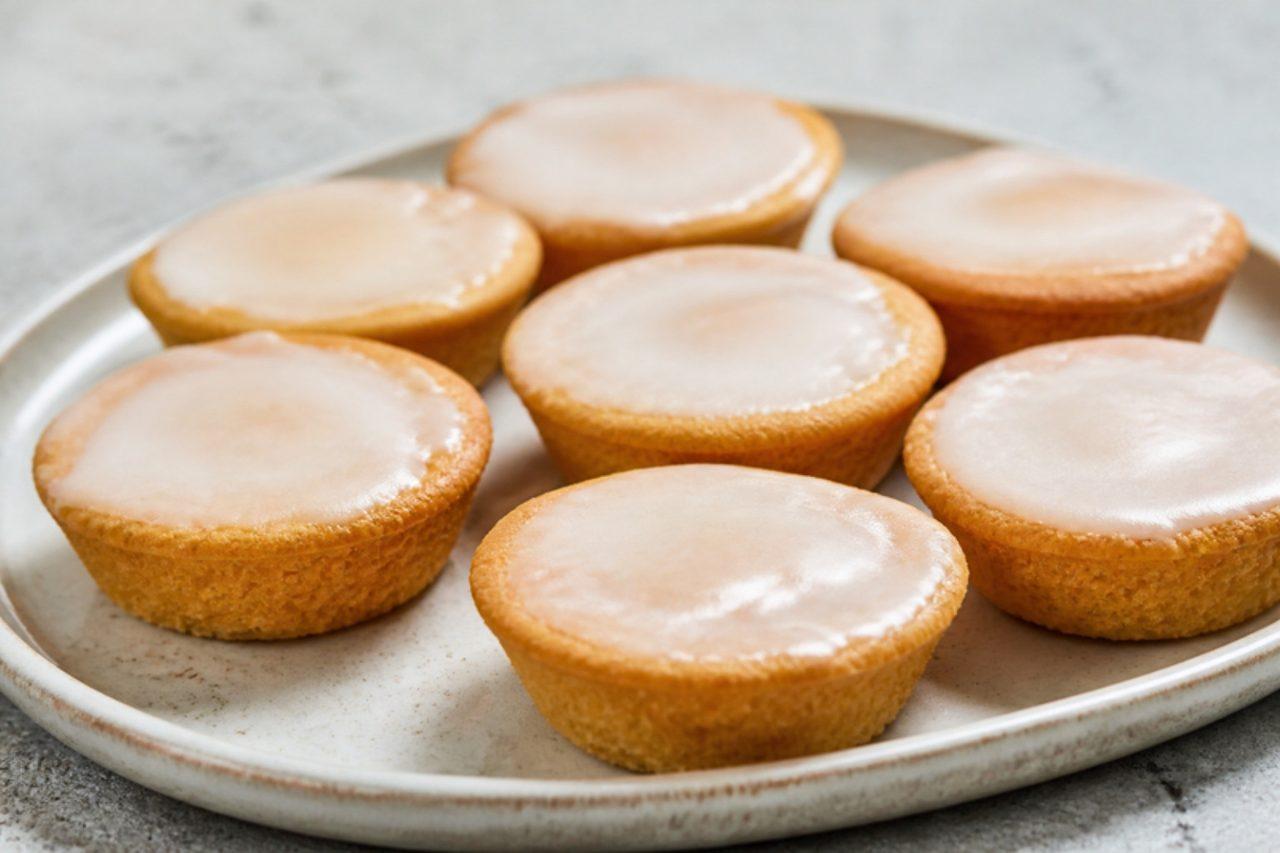
MazarinerAlmond tartlets

Mazariner are small oval or round tartlets found in every Swedish konditori: a short, buttery crust filled with a moist almond paste filling, baked until golden and finished with a thin, crackly white icing. They are a fika classic, with roots in the almond pastries of 17th-century Europe. A common mistake is overfilling the cases; the filling rises and spills over the edges. Chef's tip: fill each case only two-thirds full and ice them while barely warm, so the glaze sets thin and glossy.

by KrazyBadal 0 views

PepparkakorThin gingerbread biscuits

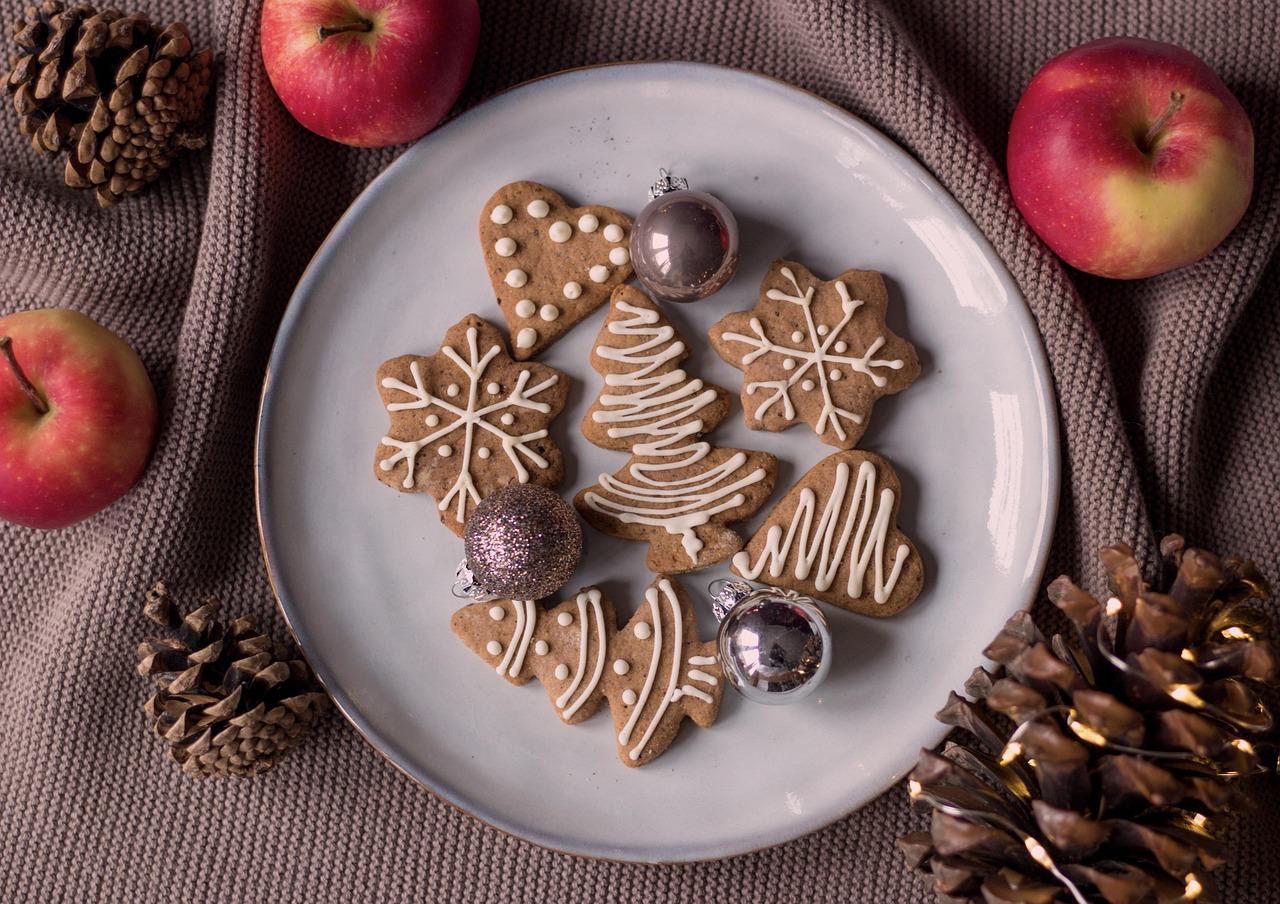
Pepparkakor, pepperkaker in Norway, are the thin, snappy spiced biscuits of the Scandinavian Christmas, cut into hearts, stars and pigs, hung on trees and eaten with glögg and blue cheese. Families make the dough in early December and bake through Advent; Swedish tradition says if you break a biscuit into three pieces with a press of your finger, you may make a wish. A common mistake is rolling the dough thick, which makes soft biscuits. Chef's tip: rest the dough overnight in the fridge, then roll it paper-thin, 2 mm, between sheets of baking paper.

by KrazyBadal 0 views

RunebergintorttuAlmond cakes with raspberry jam

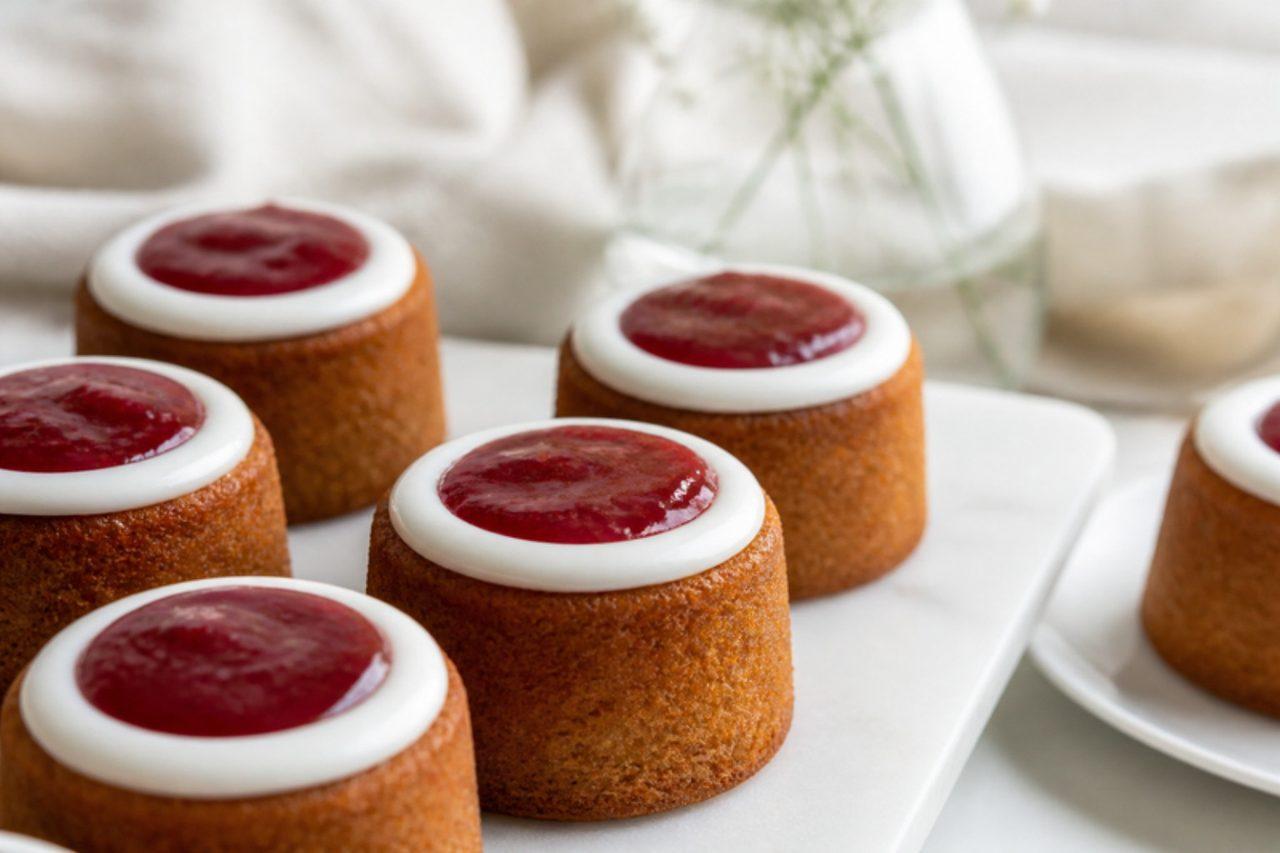
Runeberg's torte is baked in Finland for 5 February, the birthday of the national poet Johan Ludvig Runeberg, who lived in Porvoo; the story is that his wife Fredrika made these from what was in the cupboard. They are small cylinders of moist almond and breadcrumb cake, soaked in syrup, topped with a dot of raspberry jam inside a ring of white icing. The syrup is often flavoured with rum or arrack punch; this recipe uses orange juice and almond extract, so it is alcohol-free. A common mistake is soaking the cakes while they are cold; they absorb the syrup unevenly. Chef's tip: soak them while still warm, and bake in muffin tins if you have no torte moulds.

by KrazyBadal 0 views

SemlaCardamom cream bun

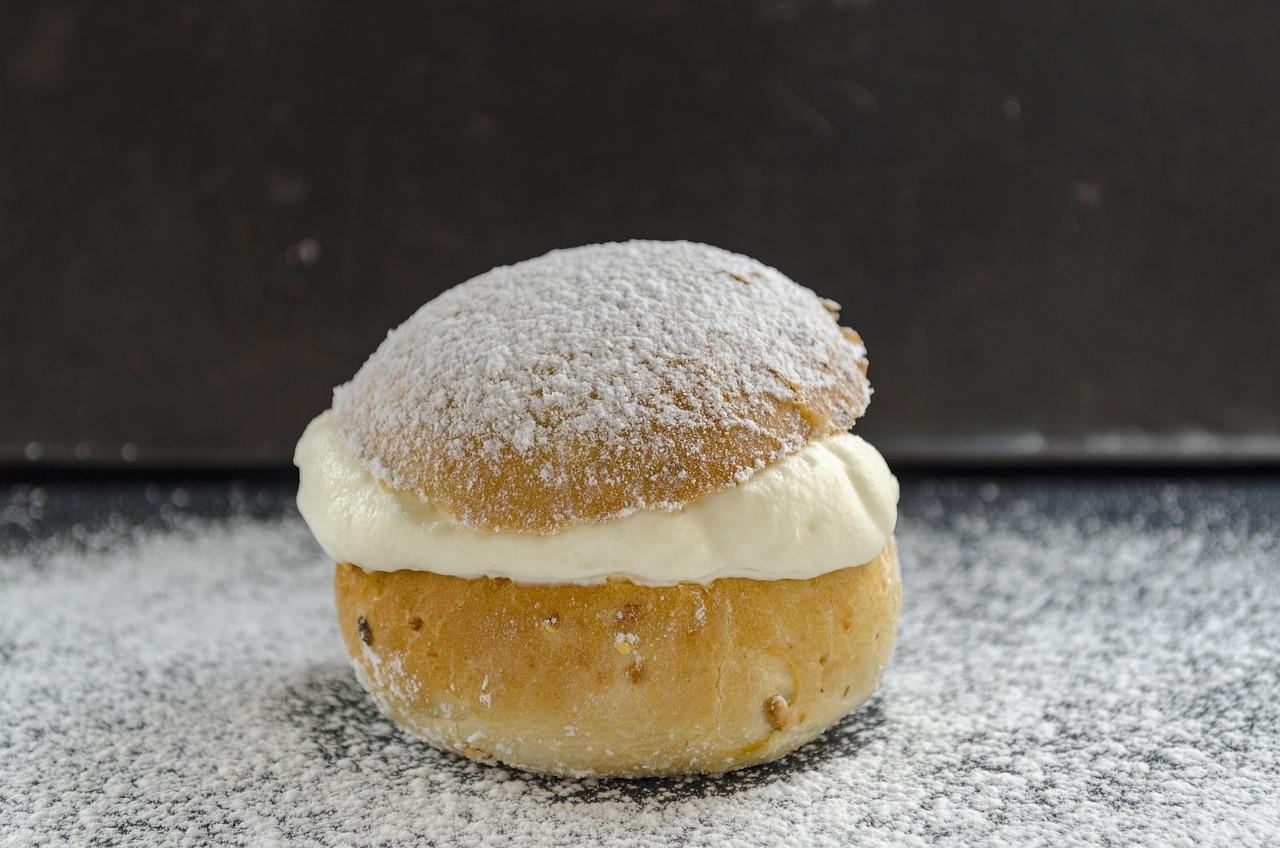
Semlor arrive in Swedish bakeries straight after Christmas and peak on Fettisdagen, Shrove Tuesday, when Stockholm bakeries sell them by the tens of thousands: a soft cardamom bun with its top cut off, the crumb scooped out and mixed with almond paste and milk, then refilled, piled with whipped cream and the 'lid' put back with a dusting of icing sugar. Some eat theirs in a bowl of hot milk, as 'hetvägg'. A common mistake is overbaking the buns, which dries them; they should be soft and pale golden. Chef's tip: grate the almond paste and mix it with the scooped crumb and a splash of milk until it is spreadable but still textured.

by KrazyBadal 0 views

SkolebrødCustard and coconut cardamom bun

Skolebrød, 'school bread', is the bun Norwegian children found in their lunch boxes and still buy at the bakery after school: a soft cardamom bun with a pool of vanilla custard in the centre, iced around the edge and dipped in desiccated coconut. In western Norway they are called skoleboller. A common mistake is pressing too shallow a hollow; the custard puffs up and runs off. Chef's tip: press a deep well with the bottom of a glass just before baking, and pipe the custard right to the edges of the well.

by KrazyBadal 0 views

SockerkakaPlain sponge cake

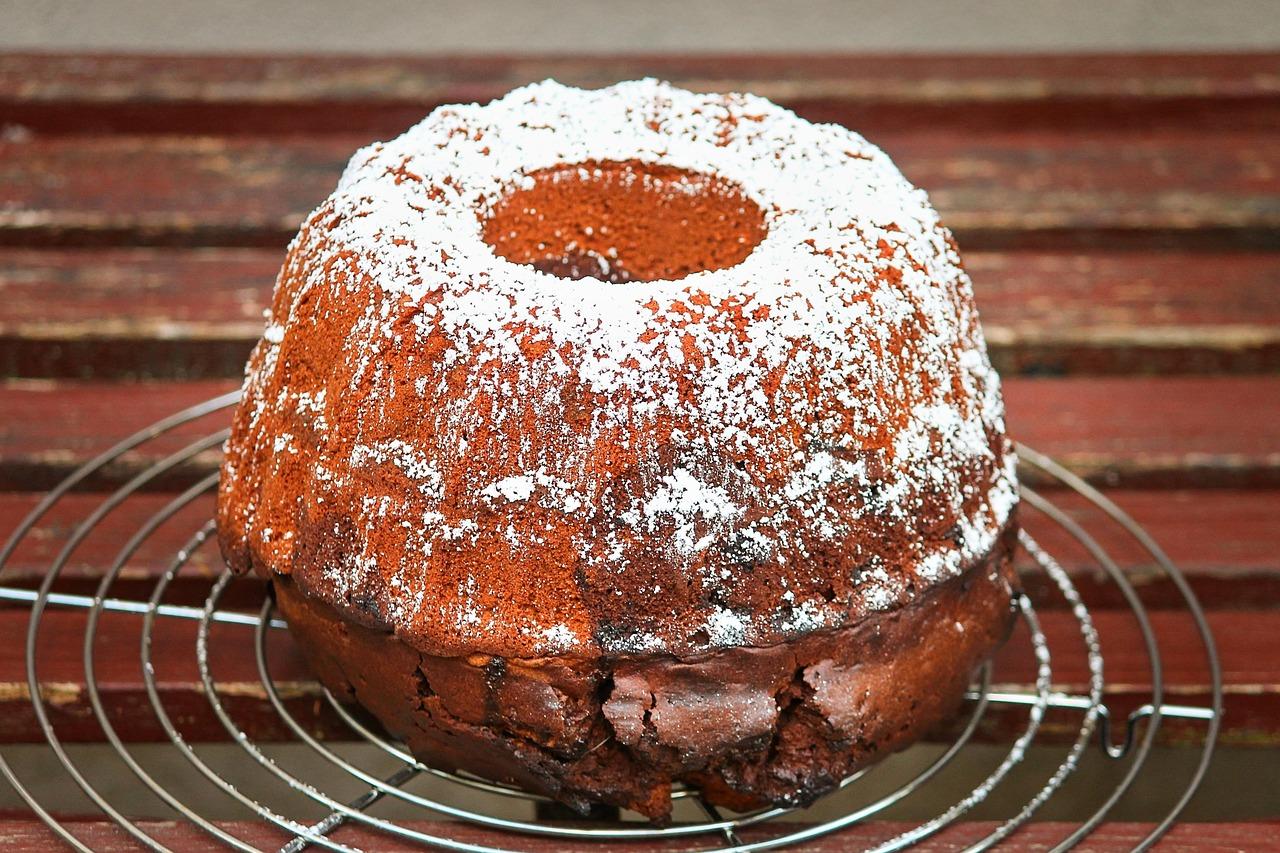
Sockerkaka, 'sugar cake', is the everyday sponge of Swedish homes, baked in a tall fluted ring tin and served in slices with coffee, or with berries and cream in summer; nearly every Swedish child bakes one with a grandparent. It is light and buttery with a crisp, golden outside. A common mistake is opening the oven before 35 minutes, which makes the cake sink. Chef's tip: butter the tin and dust it with fine breadcrumbs, as Swedish cooks do, so the cake releases cleanly and gets a crisp crust.

by KrazyBadal 0 views

WienerbrødCustard pastries with icing

What the world calls a Danish, Danes call wienerbrød, 'Viennese bread', after Austrian bakers who brought laminated pastry to Copenhagen in the 1850s. The spandauer is the classic: a square of flaky, buttery dough folded in at the corners around a dollop of vanilla custard or remonce (almond butter cream), baked until puffed and glazed with icing. Copenhagen bakeries sell them warm in the morning. A common mistake is letting the butter warm and melt into the dough; the layers vanish. Chef's tip: work cold, chill between every fold, and bake hot, so the butter turns to steam and puffs the layers.

by KrazyBadal 0 views

SpettekakaLacy spit cake

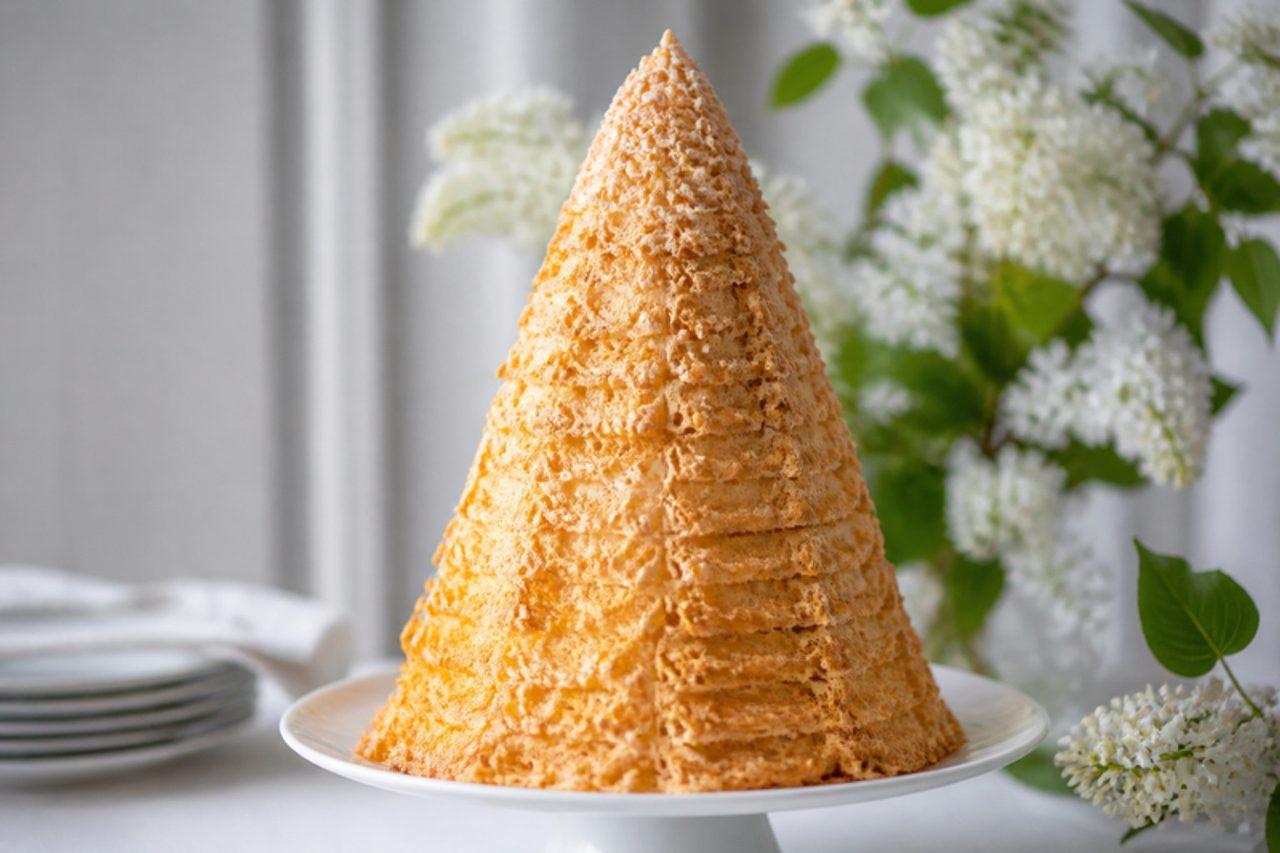
Spettekaka is the showpiece cake of Skåne, piped in lacy layers onto a cone-shaped spit turning slowly in front of the heat until it builds up into a tall, crisp, meringue-like tower. Bakeries around Ystad and Sjöbo still make them by hand for weddings and Christmas, and slices are broken off with a knife. This home method uses a foil-covered cone of card on a rotisserie or a wooden rolling pin turned under a low grill, piping layer by layer. A common mistake is piping too thick, which leaves the inside sticky and the layers sagging. Chef's tip: dry each layer until it is set and pale gold before piping the next; patience is what gives the airy lace.

by KrazyBadal 0 views

SvelerThick griddle pancakes

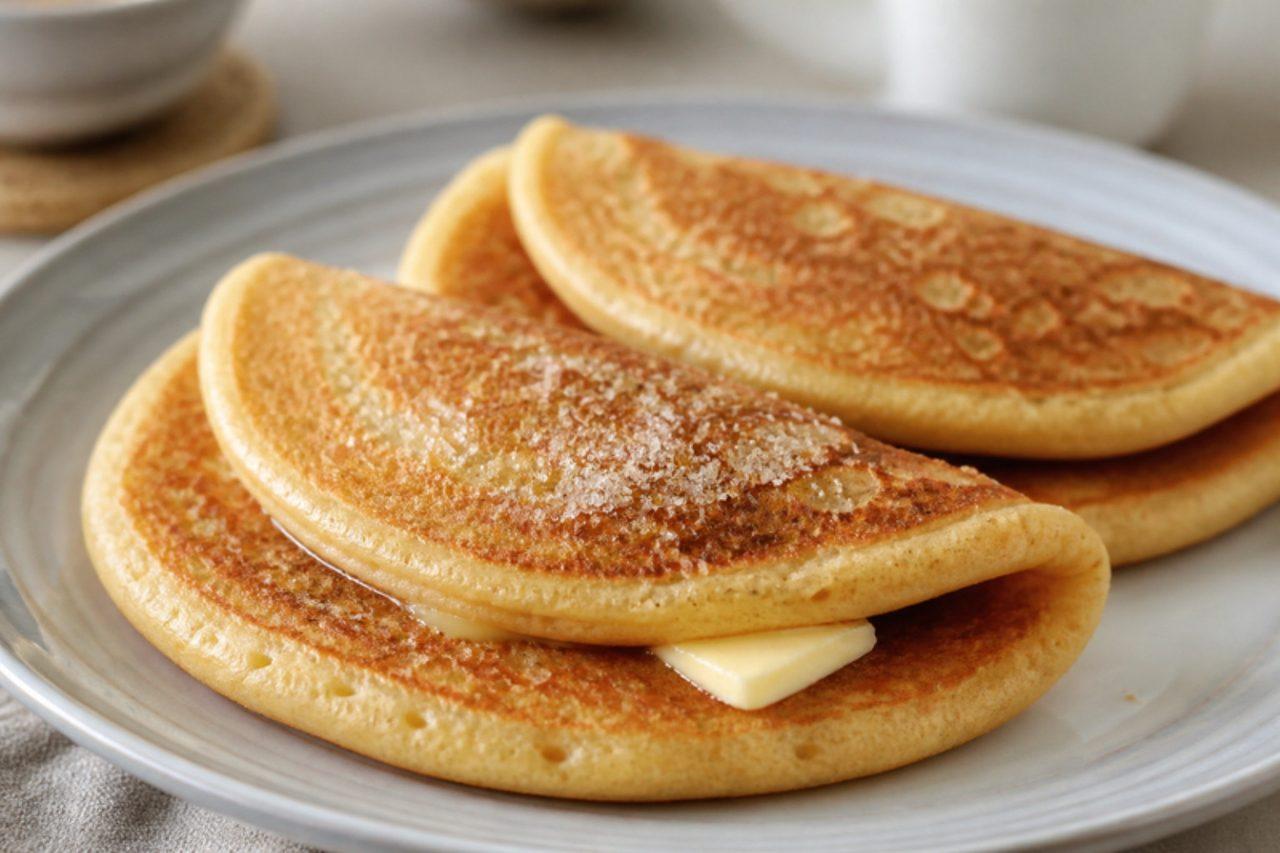
Sveler are the thick, soft griddle cakes of western Norway, raised with hornsalt or bicarbonate and buttermilk, and they are a ritual on the ferries of Møre og Romsdal: you buy one at the kiosk, folded around butter and sugar or a slice of sweet brown goat's cheese (brunost), and eat it watching the fjord. A common mistake is a hot pan, which browns them before the middle cooks. Chef's tip: let the batter rest for 15 minutes so the bicarbonate starts working; the cakes rise thick and fluffy.

by KrazyBadal 0 views

KispiñoSteamed quinoa cakes

Pressed in a fist so each one carries the marks of the cook's fingers, kispiño are small, dense quinoa cakes from the Puno highlands, steamed and then left to dry so they keep for weeks on journeys, herding trips and pilgrimages. Traditional ones are bound with a little lime water (from cal, the mineral) and fat; this home version uses oil and a pinch of aniseed and sugar, so they're vegan and pleasantly savoury-sweet. They're firm and chewy, a little like a grain cake, and good with hot tea, coca tea or a soup on a cold day. The common mistake is making the dough too wet, so the cakes slump in the steamer; it should feel like damp sand that holds its shape when squeezed. Ground quinoa is quinoa flour; grind your own from rinsed, dried and toasted grain, or buy it ready ground. Chef's tip: toast the ground quinoa in a dry pan first until it smells nutty, which takes away any bitterness.

by KrazyBadal 0 views

Sachertorte

This dense, dark chocolate torte is Vienna's most famous cake, eaten in coffee houses all over the city with a cup of Melange and, always, a cloud of unsweetened whipped cream on the side. The sponge is made with melted chocolate and whisked egg whites, so it is fine-crumbed and slightly dry by design; a thin layer of sharp apricot jam runs through the middle and over the top, under a shiny, snappy chocolate glaze. A common mistake is pouring the glaze too hot or too cold; too hot and it runs off thin, too cold and it sets dull and lumpy. It is a cake for birthdays and Sunday visits, and it keeps well for days. Chef's tip: bake it the day before and let it rest overnight wrapped; it cuts far more neatly and the crumb softens.

by KrazyBadal 0 views

Linzer Torte

Linz, the Danube city in Upper Austria, has baked this tart for centuries, and it still fills bakery windows there all year, with extra demand in Advent. It is closer to a soft, crumbly nut biscuit than a pastry: ground hazelnuts, butter, cinnamon and cloves are pressed into the tin, filled with tart redcurrant jam and topped with a lattice. Serve a thin slice with coffee or tea. A common mistake is eating it on the day it is baked; it is much better after two or three days, when the jam soaks into the crumb. Chef's tip: chill the lattice strips on a tray before lifting them on, and they will not tear.

by KrazyBadal 0 views

Showing 24 of 38 recipes

Show more recipes

Page 1 of 2