Skip to content
Recipes

All recipes

Vegetarian, or something you can't eat? Set your diet once and we'll hide recipes that don't fit.

Tas kababLayered meat, potato and quince stew

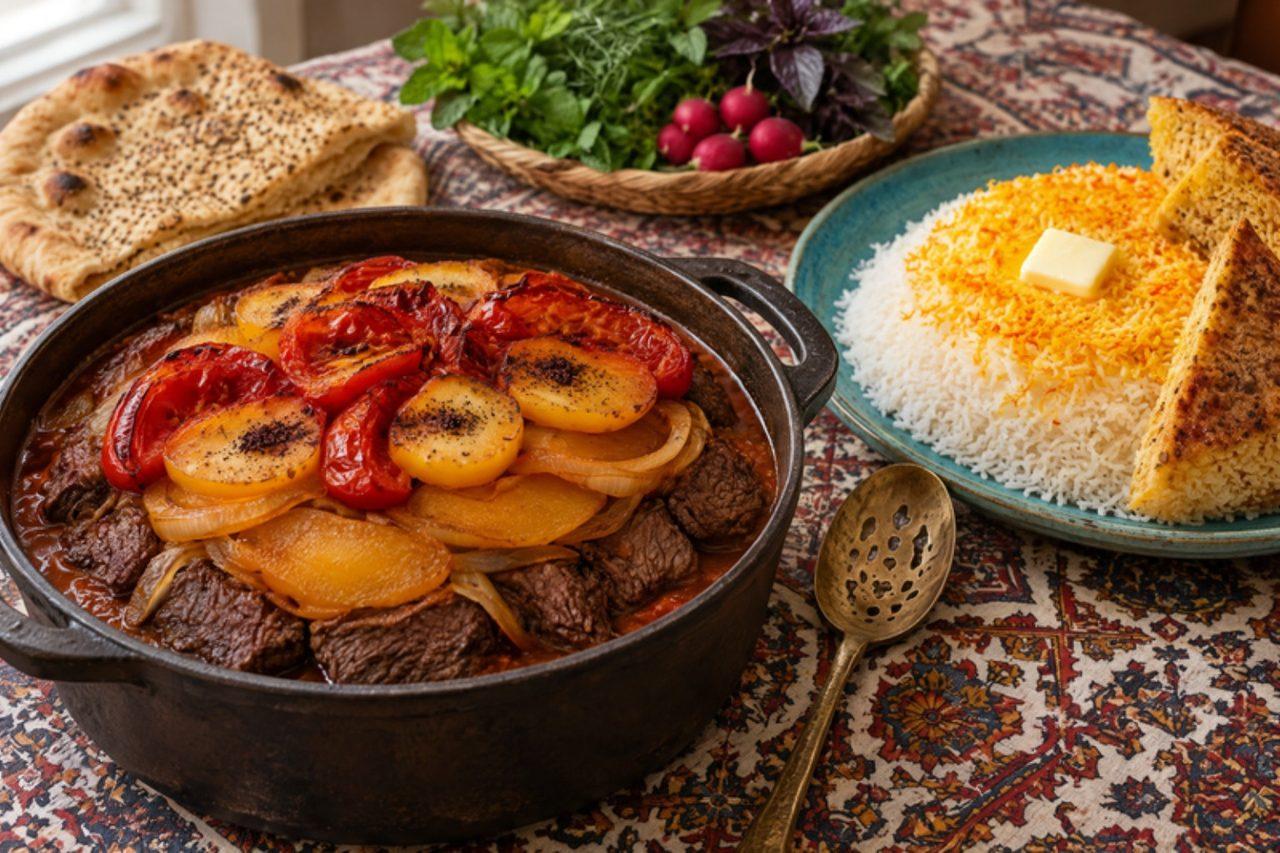
Tas kabab is a quiet home dish from Iran, cooked in autumn and winter when quinces are in the bazaars and a pot can sit on a low flame through the afternoon. Thin slices of beef or lamb are layered with onion, potato, carrot, tomato and quince, seasoned with turmeric, cinnamon and saffron, then left covered with very little water so everything cooks in its own juices into a sweet-sour, tender stew. Serve with plain rice or bread and a bowl of yoghurt. The usual mistake is adding too much water: it boils instead of steaming and the layers turn into soup. Chef's tip: wrap the lid in a clean tea towel so the drops of steam don't fall back and dilute the juices.

150 minPersianMeatGluten free
by KrazyBadal 0 views

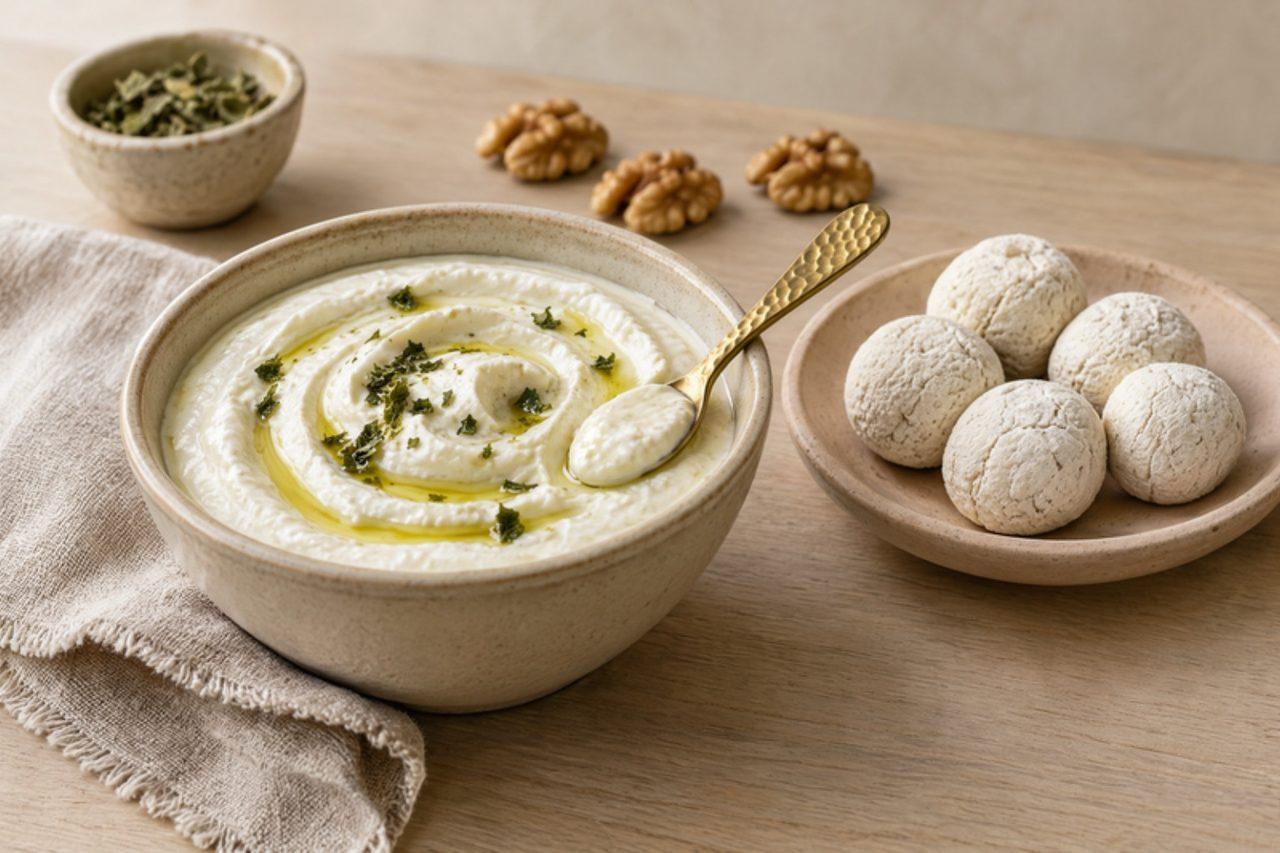
Homemade kashkFermented yogurt whey

Kashk began with Iran's nomadic herders, who churned their yoghurt for butter in goatskin bags, then cooked and dried the sour leftover into hard balls that lasted through winter. In Kerman, Fars and Khorasan it is still made that way, but in Tehran most people buy it liquid in jars. Making your own is worth one slow afternoon. It is the salty, sour, almost cheesy finish swirled over ash reshteh at Nowruz, folded into kashk-e bademjan with fried mint and walnuts, and stirred into kaleh joosh on cold nights. Liquid kashk is thick and creamy like soured cream but sharper and saltier; dried kashk is chalky-hard and grates like aged cheese. Common mistake: heating the churned yoghurt fast; it scorches and the curd turns rubbery. Keep the heat low and stir. The curd is ready when it separates into soft white clumps in a clear, yellow-green whey. Kashk is always cooked again before eating — even the jarred kind — so heat it when you use it. Chef's tip: a goat or sheep's milk yoghurt, or half and half with cow's, gives the most authentic, funky flavour.

by KrazyBadal 0 views

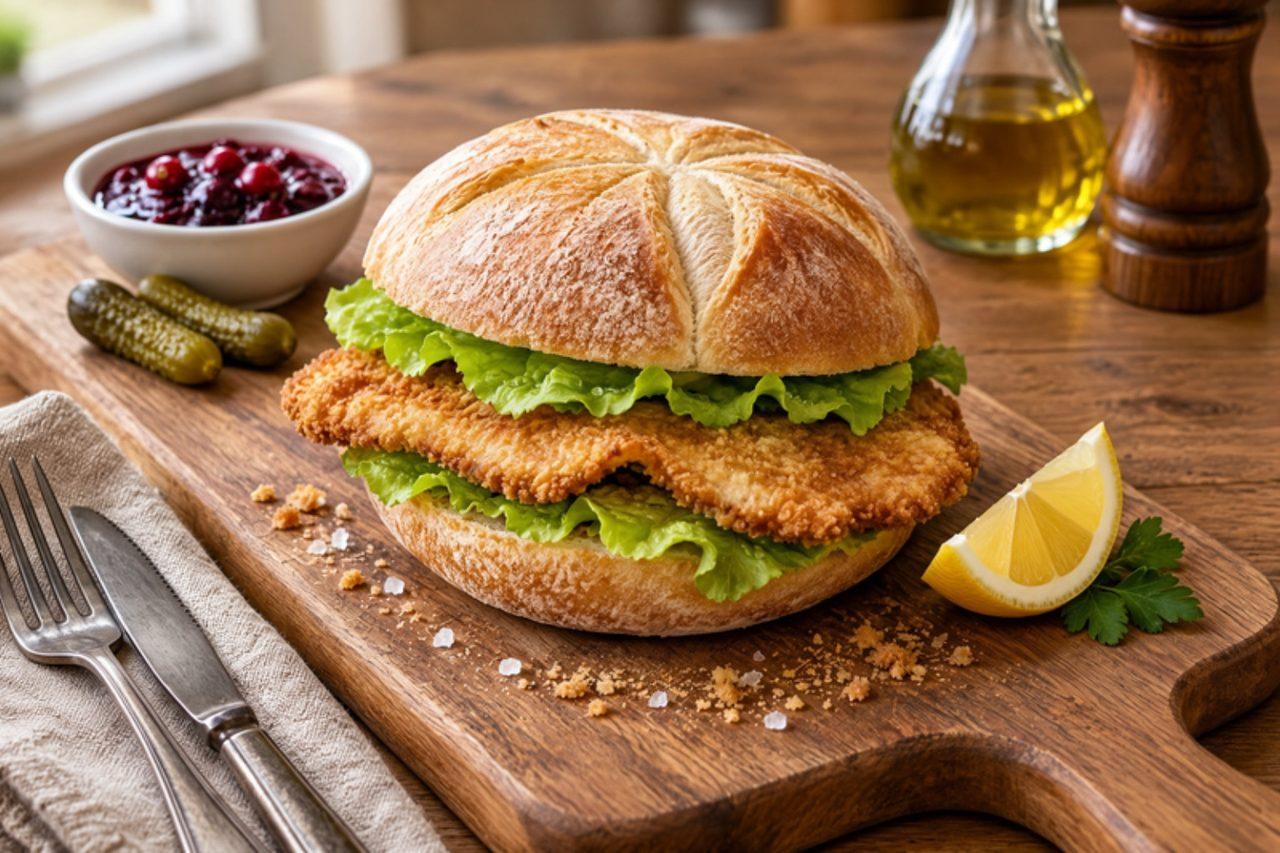
SchnitzelsemmelSchnitzel in a bread roll

Austrians setting off on a train journey, a ski day or a building-site shift pack a Schnitzelsemmel: a crisp Kaisersemmel roll holding a cold, golden pork schnitzel (veal for special days), a leaf of lettuce and a squeeze of lemon, sometimes with a smear of mustard or a gherkin. Leftover Sunday schnitzels are made for it. The common mistake is pressing the breadcrumbs on hard; they should sit loosely so they puff up and ripple away from the meat as it fries. Chef's tip: shake the pan constantly while frying so hot fat washes over the top, and the crust soufflés into those famous waves.

by KrazyBadal 0 views

DiziLamb and chickpea stew

Dizi, also called abgoosht, is Tehran's working lunch, served at old teahouses and bazaar canteens in individual stone pots, and cooked at home on cold Fridays. Lamb on the bone, chickpeas, white beans, potatoes, tomato and dried lime cook gently for hours. At the table you pour off the broth and soak torn sangak or lavash bread in it (tilit), then pound the meat, beans and potato into a coarse paste (goosht kubideh) to eat with herbs, raw onion and pickles. The usual mistake is adding the potatoes at the start: they collapse and cloud the broth. Slow-cooker: after the beans' hard boil, cook everything except the potatoes on low for 10 hours, adding them for the last 2. Chef's tip: pierce the dried limes so they flavour the broth without turning it bitter, and lift them out before pounding.

245 minPersianMeatGluten free
by KrazyBadal 0 views

Ají amarillo pasteYellow chilli paste

In Lima's markets ají amarillo is sold fresh all year, and most Peruvian cooks keep a tub of this paste in the fridge the way others keep tomato purée: it is the golden base of causa limeña, ají de gallina, papa a la huancaína, chupe and the sauce for tiraditos. The chillies are seeded, de-veined and blanched in three changes of water, which tames the heat and the raw grassiness, then peeled and blended with oil into a thick, silky, saffron-orange paste. It tastes fruity and sunny, almost like apricot and passion fruit, with a rounded, medium heat. Abroad, buy whole frozen ají amarillo from Latin grocers; dried ají mirasol, soaked, gives a darker, earthier paste. Common mistake: skipping the peeling; the thin skins leave papery flecks and a bitter edge. It is ready when it is completely smooth and holds a soft peak like thick hummus. This is a low-acid paste: keep it in the fridge for a week or freeze it, never on the shelf. Chef's tip: freeze it in an ice-cube tray; one cube is about a tablespoon, just right for a pot of ají de gallina.

by KrazyBadal 0 views

Morcilla dulceSweet blood sausage with walnuts

No Uruguayan parrilla is complete without morcilla dulce: a soft pork blood sausage sweetened with sugar and scented with orange peel, studded with walnuts and raisins, grilled until the skin crisps and served first, as part of the achuras, while the beef is still cooking. It is pork throughout: pork blood, pork back fat and natural pork casings. Making it at home is a project. Buy fresh pork blood with an anticoagulant added from a butcher who supplies it for sausage making, keep it chilled below 4 °C and use it within a day. The common mistake is poaching at a rolling boil, which bursts the casings. Chef's tip: keep the water at 80–85 °C, just shivering, and prick a sausage after 25 minutes: it is done when brown, not red, juice comes out.

by KrazyBadal 0 views

BusecaTripe and white bean stew

Buseca arrived in Montevideo with Italian immigrants from Lombardy and became a classic winter dish of Uruguayan bodegones and family kitchens, eaten on cold June and July days. Honeycomb tripe is simmered until tender, then stewed with white beans, pork chorizo, bacon, peppers, tomato and paprika into a thick, warming stew served with crusty bread. Buy tripe that is already cleaned and blanched (dressed). The usual mistake is undercooking the tripe: it needs a full 2 hours, until it's soft enough to cut with a spoon. Slow-cooker option: after step 4, cook on low for 8 hours. Chef's tip: a little grated lemon zest and parsley stirred in at the end lifts the rich, gelatinous sauce.

by KrazyBadal 0 views

Postre MassiniCustard sponge with burnt sugar top

Montevideo's birthday cake of choice since the early twentieth century, the Massini is two thin layers of sponge sandwiching a thick filling of whipped cream folded with egg-yolk custard, crowned with a thin glassy crust of torched yolk and sugar. Bakeries across Uruguay sell it on Sundays. Traditional versions sometimes add a sweet fortified wine to the custard; this one is alcohol-free. The custard is cooked to a safe 71 °C. The common mistake is assembling with warm custard, which melts the cream into a puddle. Chef's tip: if you don't have a blowtorch, put the sugared top under a very hot grill for a minute and watch it closely.

by KrazyBadal 0 views

Turrón de Doña PepaAnise biscuit sticks in spiced syrup

Every October, the month of the Señor de los Milagros processions in Lima, bakeries and street sellers pile their trays with turrón de Doña Pepa: layers of crumbly anise-flavoured sticks drenched in a dark syrup of chancaca cooked with fruit and spices, topped with a storm of coloured sprinkles. Popular lore credits it to Josefa Marmanillo, a woman from the Cañete valley who is said to have made it in thanks after the procession. It is sticky, crunchy and soft at once, with orange and clove in the syrup. Its downfall is usually runny syrup that soaks the sticks into mush; it needs to reach a thick, threading stage before it goes on. Chancaca is sold as cones or blocks in Latin shops; panela or dark muscovado also work. Some coloured sprinkles contain gelatin, so check the label. Chef's tip: make it a day ahead; the syrup sets and the sticks soften just enough to slice neatly.

by KrazyBadal 0 views

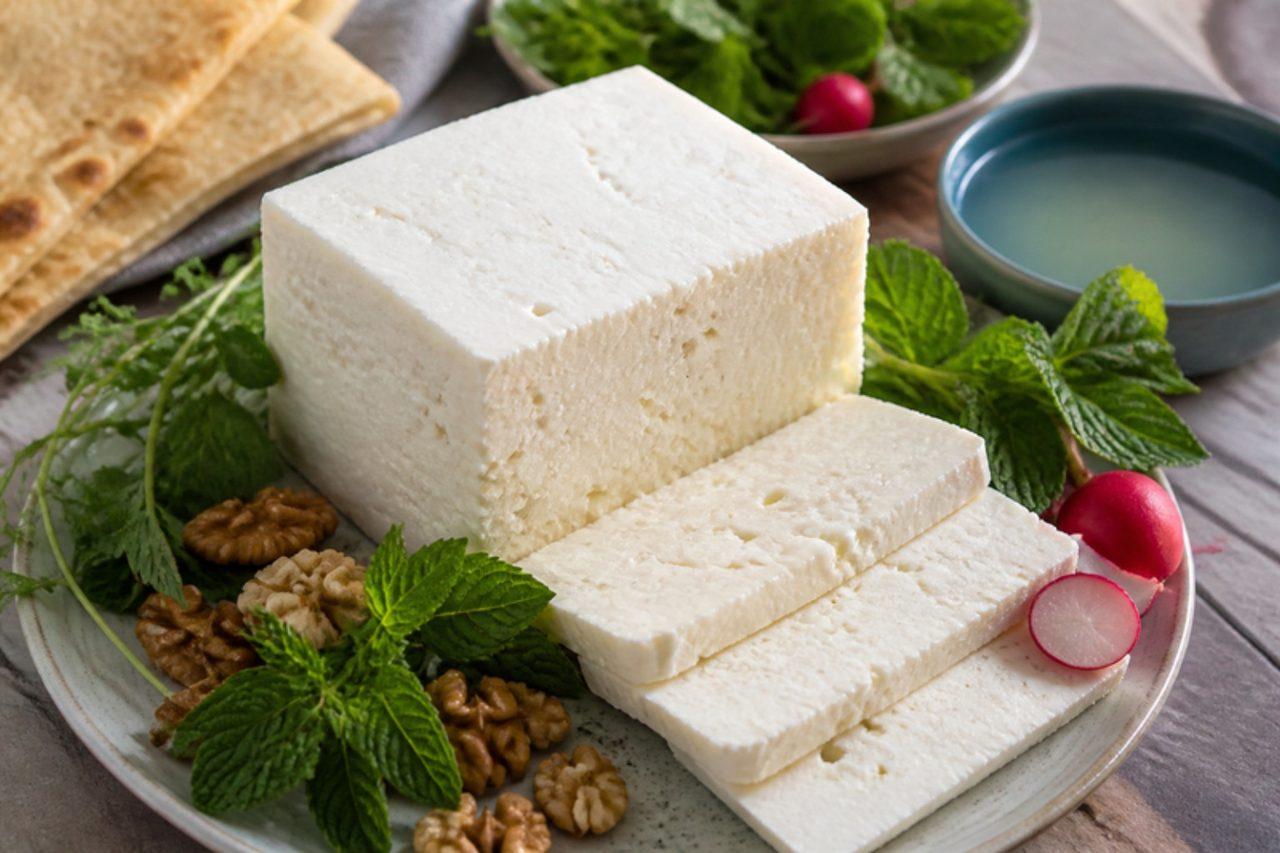
Lighvan-style brined cheese

The village of Lighvan, on the slopes of Mount Sahand south of Tabriz, gives its name to Iran's most loved breakfast cheese: a white, holey, tangy sheep's milk cheese matured in brine, traditionally in goatskins or tins in mountain caves. Across Azerbaijan province it is eaten every morning with warm bread, walnuts, fresh herbs and sweet tea. This home version uses pasteurised sheep's milk (or a mix with goat's milk) so it is safe to make in your kitchen. Village Lighvan is set with animal rennet; use a vegetarian (microbial) rennet to keep it vegetarian. The commonest mistake is cutting the curd before it gives a clean break, which loses yield and makes a crumbly cheese. Chef's tip: let the cheese firm in the fridge for a full week in the brine; it develops its classic tang and little holes as it matures.

1500 minPersianBasicsGluten free
by KrazyBadal 0 views

Seco de chabeloPlantain mash with dried beef

Piura's picanterías, near the dry northern border, serve this rough, savoury mash at lunch: green plantains, roasted or boiled and pounded, mixed with fried strips of carne seca (salted dried beef) and a quick sofrito of onion, tomato and ají amarillo. It is dense, salty and smoky, with the plantain's starchy sweetness, and is eaten with salsa criolla and fried ripe plantain or chifles (plantain crisps). The legend says it was invented for a soldier called Chabelo in the War of the Pacific. Use carne seca or cecina from Latin shops, or unseasoned beef jerky. Pounding the plantains smooth is the classic mistake: chabelo should be lumpy and rustic. Chef's tip: soak the dried beef in warm water for 30 minutes and taste a piece; if it's still very salty, change the water and soak again.

by KrazyBadal 0 views

Golab (home-distilled rosewater)

Every May the valleys around Kashan and Qamsar fill with pickers gathering Damask roses at dawn for golabgiri, the rose-water festival, when copper stills bubble in village courtyards. Golab is the backbone of Persian sweets, sharbat and rice, and a small batch can be made at home with a stockpot, an upturned lid and a bowl of ice. You need fragrant roses that have never been sprayed: florist roses are not safe to use in food. A common mistake is boiling hard, which cooks the petals and gives a grassy, dull water; the pot should only simmer. Chef's tip: pick the roses early in the morning, when their scent is strongest, and distil the same day.

by KrazyBadal 0 views

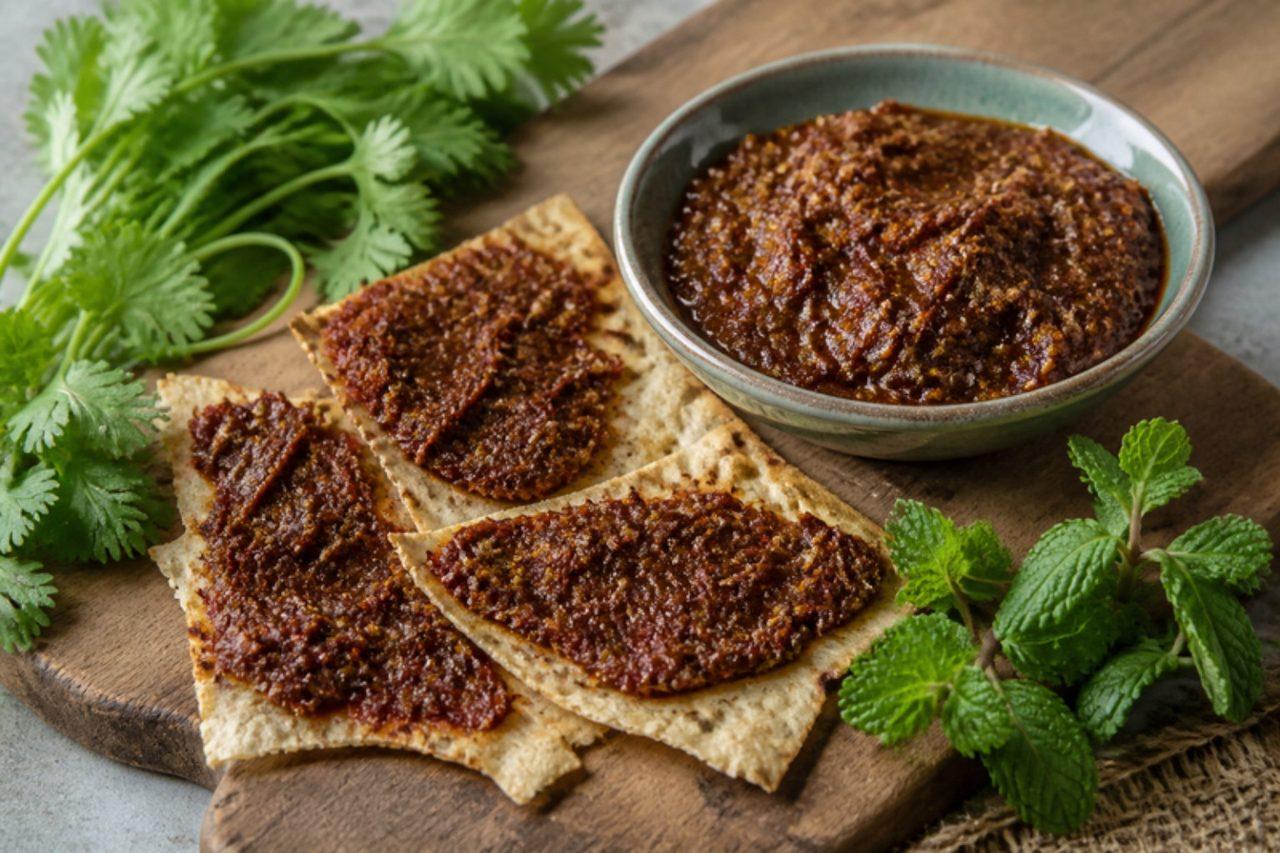
Mahyaveh-style anchovy and spice spread

In Bandar Abbas, Lar and the villages of Hormozgan, mahyaveh is a dark, pungent sauce made by leaving tiny fish with salt, mustard seed and spices to ferment in the sun for weeks; it is smeared on hot flatbread for breakfast or with eggs. That open-air fermentation is hard to control safely at home, so this version gets the same deep, salty flavour from ready-cured anchovy fillets blended with toasted mustard seed, cumin, coriander seed, fennel and a little vinegar, and it lives in the fridge from the start. It is still a cured-fish product: not for pregnant women, young children or anyone with a weakened immune system. A common mistake is spreading it thickly like a pâté; it is a seasoning, so a thin smear is enough. Chef's tip: toast the spices until the mustard seeds just start to pop, which takes the raw bitterness out and gives the spread its roasted edge.

by KrazyBadal 0 views

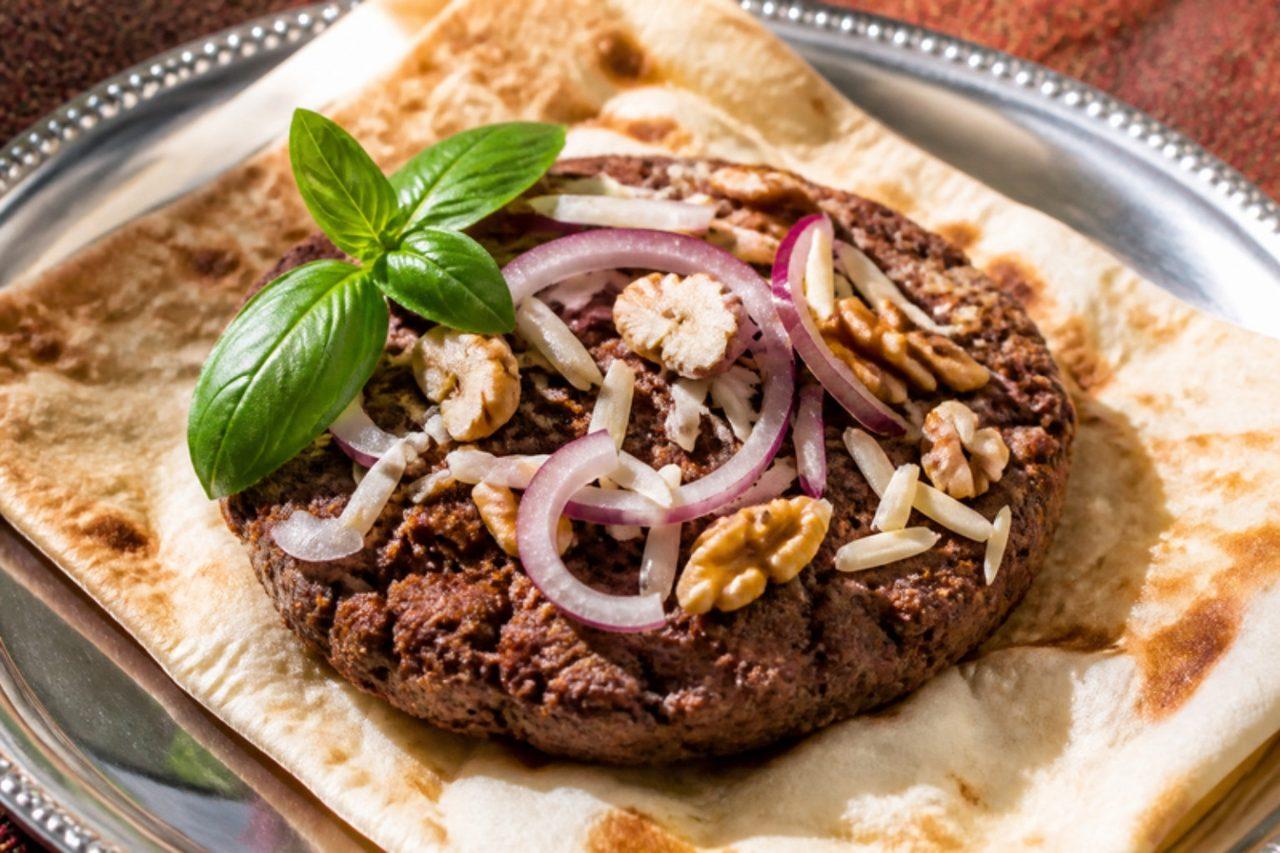
BeryaniSpiced lamb on flatbread with basil

Beryani is Isfahan's signature lunch, eaten in old bazaar eateries near Naqsh-e Jahan Square for more than a century, and nothing like the rice biryanis of South Asia. Lamb shoulder and, traditionally, lamb lung are simmered, minced, seasoned with cinnamon and fried on a small round pan with the fat from the pot, then turned out onto soft sangak or taftoon bread and eaten with fresh basil, raw onion and walnuts. Lung is hard to buy outside Iran, so this home version uses lamb shoulder and a little lamb mince for the same soft texture. A common mistake is draining away the cooking fat; Isfahanis spoon it over the bread for flavour, so keep it. Chef's tip: press the meat into a small frying pan to make a neat round patty, the way the bazaar cooks do.

120 minPersianMeat
by KrazyBadal 0 views

King kongLayered biscuit with manjar blanco

Named, the story goes, after the giant ape because of its size when the film reached Peru, the king kong is Lambayeque's proudest sweet: thick, crumbly biscuit layers stacked with manjar blanco, a sticky pineapple jam and a peanut fudge, then cut into heavy slabs. Shops in Lambayeque and Chiclayo sell them by the kilo in boxes, and travellers carry them home as gifts. It is very sweet, buttery and dense, so a slice goes a long way with black coffee. This home version makes the manjar blanco from condensed and evaporated milk to save hours, then turns half of it into the peanut layer. The usual mistake is overbaking the biscuit until it is hard; take it out as soon as the edges are pale gold, as it firms up while it cools. It is a project, so make the fillings first and let them cool. Chef's tip: wrap the finished king kong and leave it overnight before cutting; the layers settle and soften into each other.

by KrazyBadal 0 views

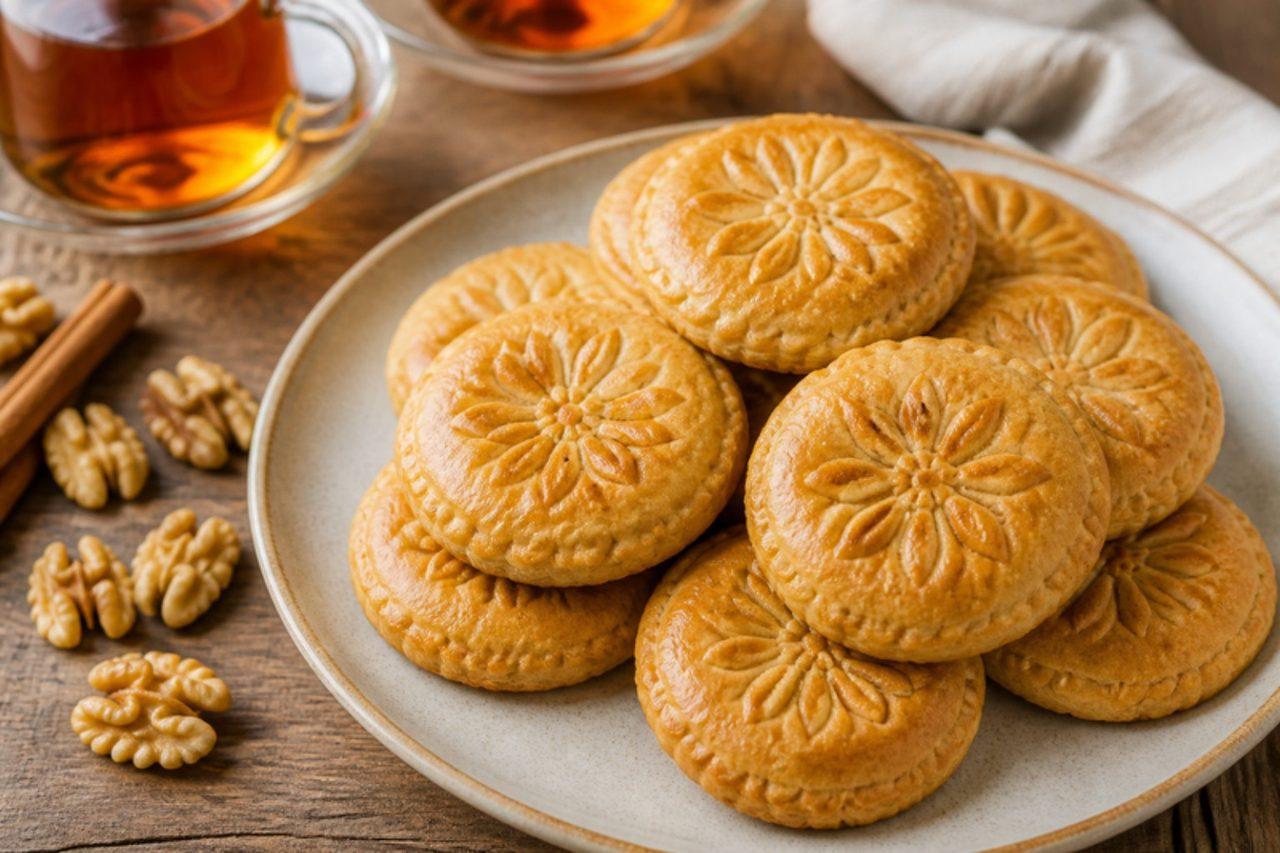
Koloocheh FumanWalnut-filled cookies

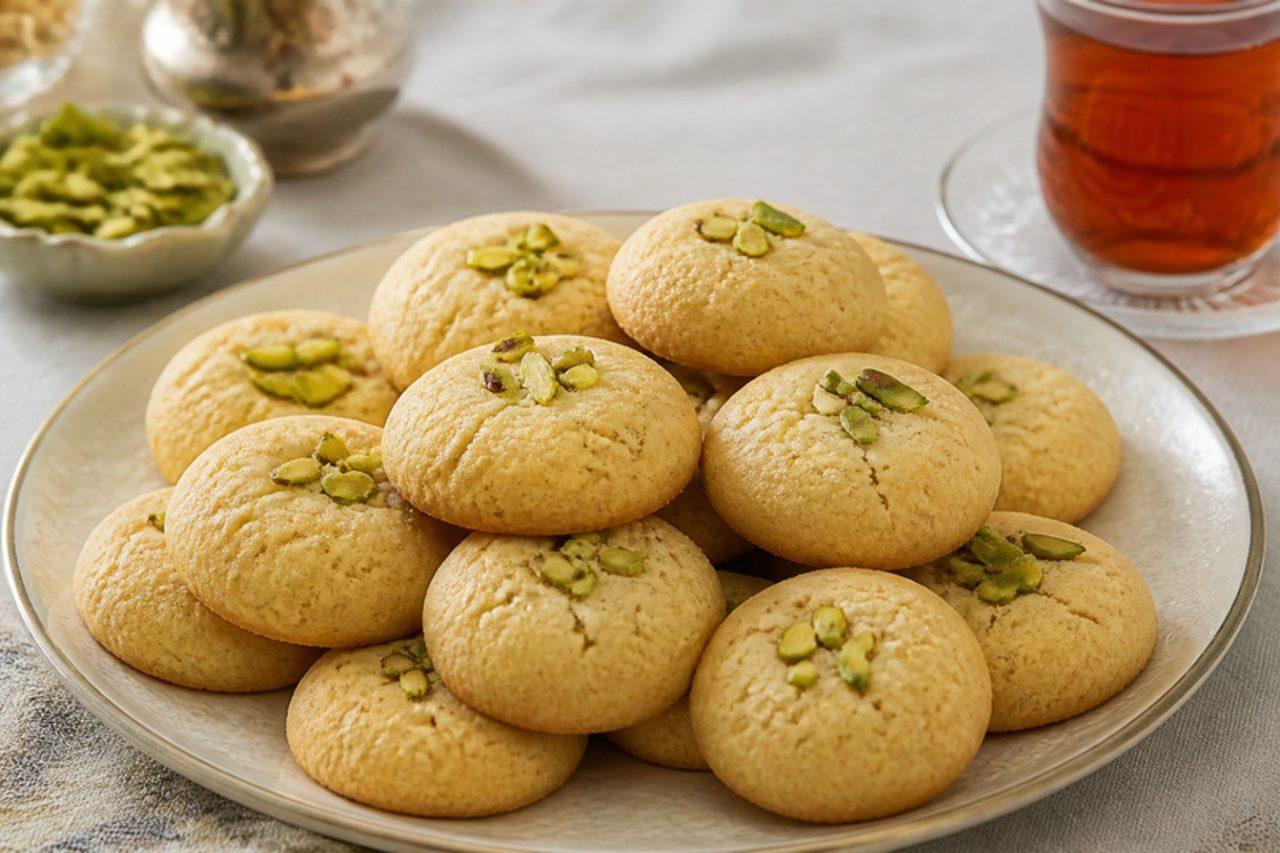
On the road from Rasht up to the hill village of Masuleh, the little town of Fuman is lined with bakeries selling koloocheh: thick round cookies, crisp outside and cake-like inside, filled with ground walnut, sugar and cardamom and stamped with a pattern on top. Travellers buy them by the box for tea, and they are a favourite gift at Nowruz. A common mistake is overworking the dough, which makes them tough rather than tender and crumbly. Chef's tip: chill the filled discs for 15 minutes before stamping and baking, so the pattern stays sharp and the walnut filling does not burst through.

by KrazyBadal 0 views

KispiñoSteamed quinoa cakes

Pressed in a fist so each one carries the marks of the cook's fingers, kispiño are small, dense quinoa cakes from the Puno highlands, steamed and then left to dry so they keep for weeks on journeys, herding trips and pilgrimages. Traditional ones are bound with a little lime water (from cal, the mineral) and fat; this home version uses oil and a pinch of aniseed and sugar, so they're vegan and pleasantly savoury-sweet. They're firm and chewy, a little like a grain cake, and good with hot tea, coca tea or a soup on a cold day. The common mistake is making the dough too wet, so the cakes slump in the steamer; it should feel like damp sand that holds its shape when squeezed. Ground quinoa is quinoa flour; grind your own from rinsed, dried and toasted grain, or buy it ready ground. Chef's tip: toast the ground quinoa in a dry pan first until it smells nutty, which takes away any bitterness.

by KrazyBadal 0 views

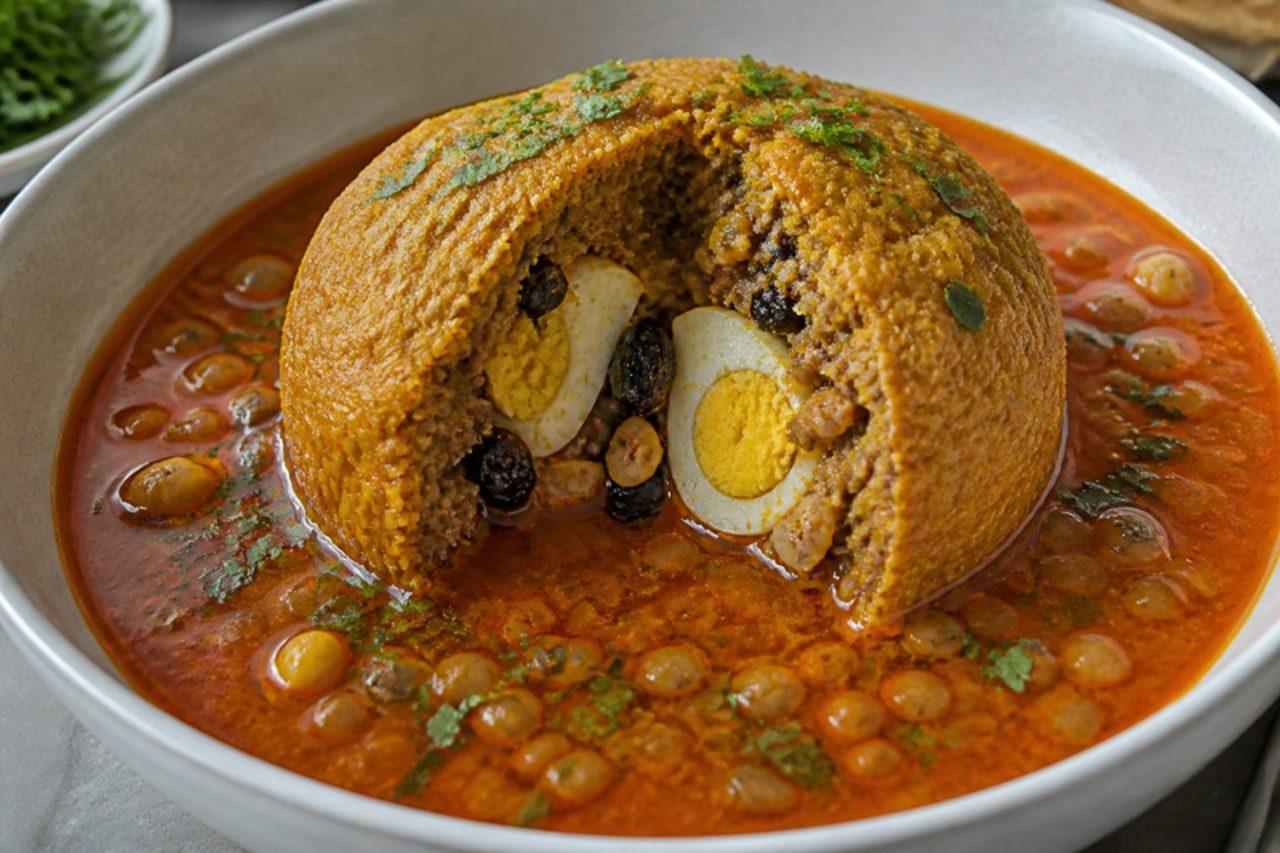
Koofteh TabriziGiant stuffed meatballs in tomato broth

Koofteh Tabrizi is the pride of Tabriz in Iranian Azerbaijan, a meatball so big that one feeds a person, made for guests and for cold winter evenings in the north-west. Lamb or beef mince is kneaded with rice, yellow split peas and lots of herbs, then wrapped around a hidden heart of hard-boiled egg, prunes, walnuts and barberries and simmered in a tomato-saffron broth. At the table the broth is ladled over bread first, then the koofteh is cut open. A common mistake is under-kneading: the mixture must be worked until sticky, or the ball splits in the pot. Chef's tip: lower the meatballs into broth that is barely trembling, not boiling, and don't touch them for the first 20 minutes while they firm up.

150 minPersianMeatGluten free
by KrazyBadal 0 views

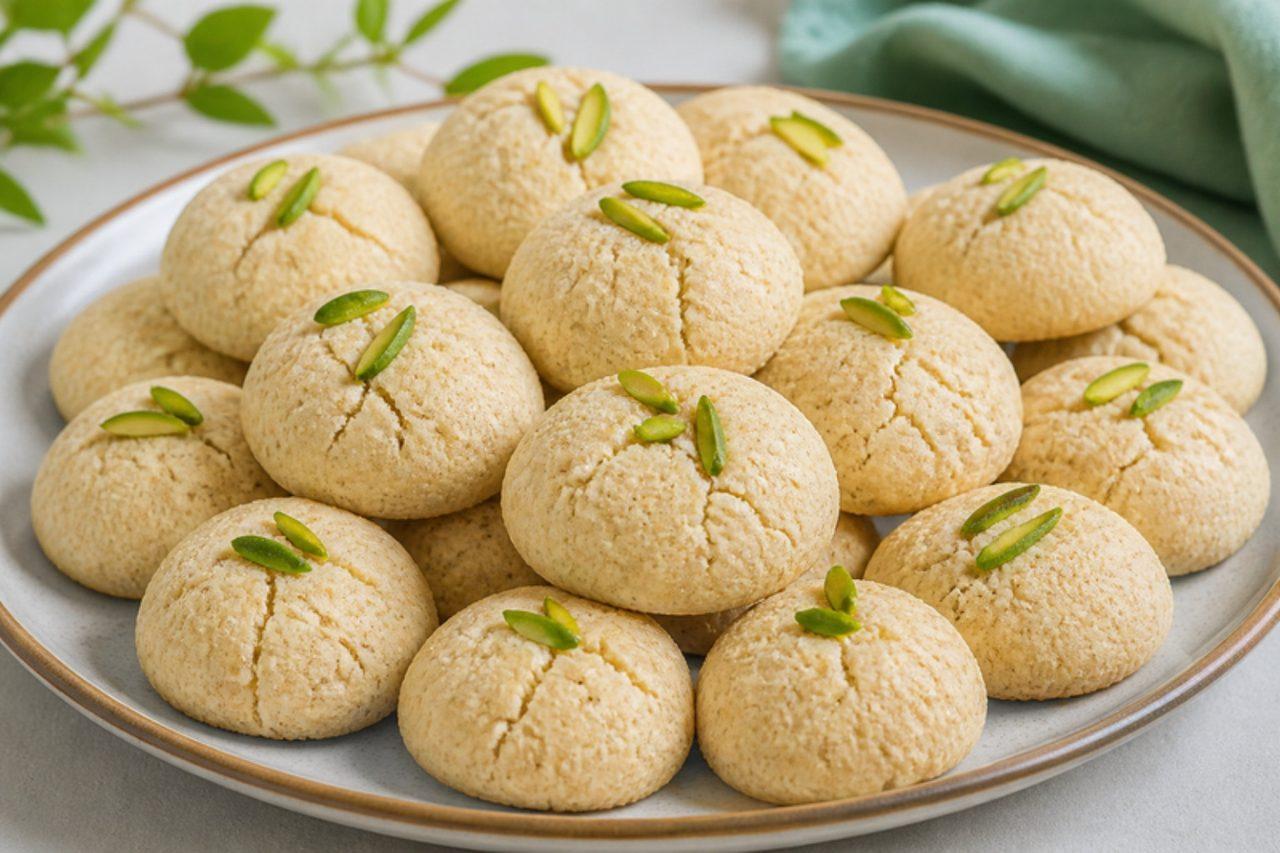
Haji badamAlmond and cardamom cookies

Haji badam are the small, pale almond cookies of Yazd, crisp at the edge and soft and chewy inside, baked for Nowruz and kept in tins for guests through the new year. They need only ground almonds, sugar, egg yolk and cardamom, so they are naturally gluten-free. Each one is rolled into a ball and pinched or pressed with a pistachio sliver. A common mistake is baking them until golden all over: pull them when only the bottoms colour, or they go hard and dry. Chef's tip: let the dough rest in the fridge for 30 minutes, which makes it much easier to roll without cracking.

by KrazyBadal 0 views

JegarLamb liver skewers in bread

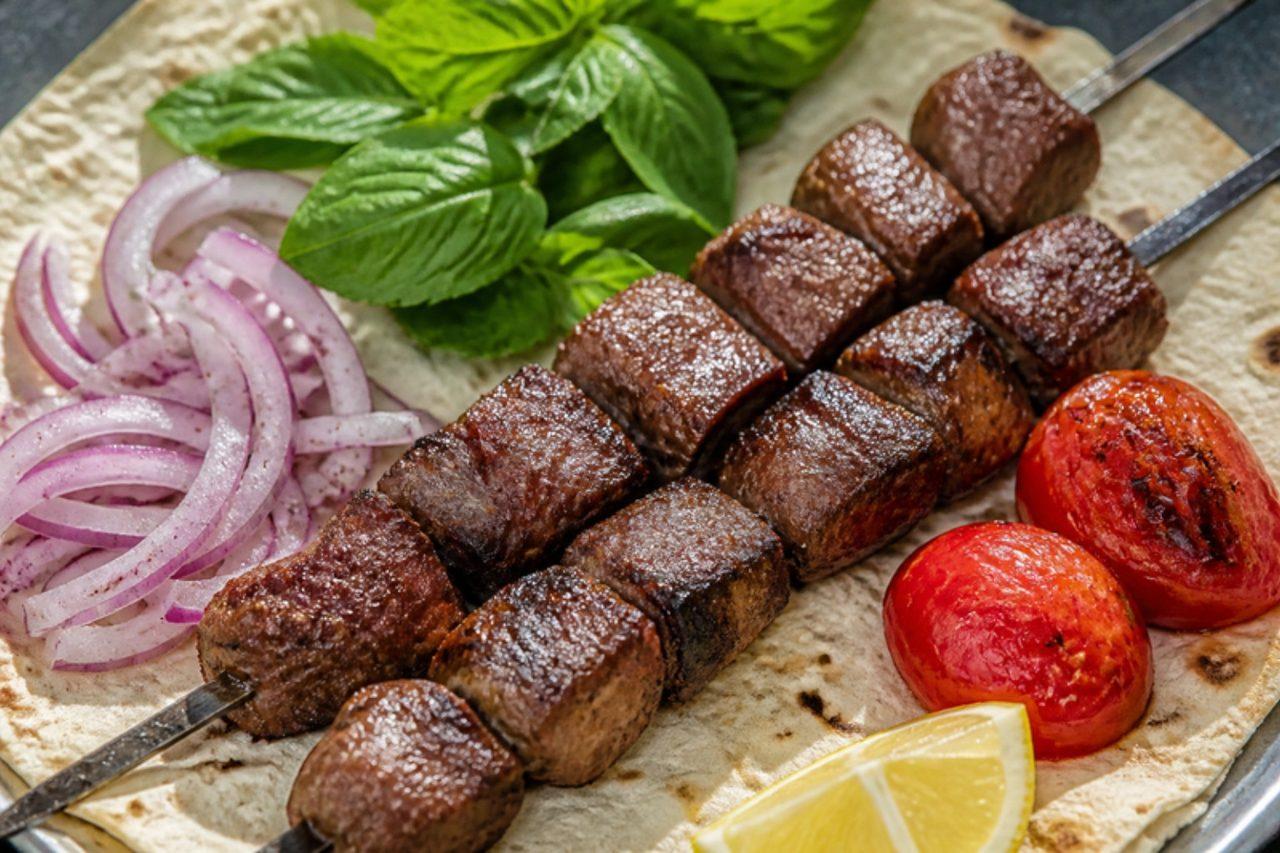
On winter evenings in Tehran, the smell of jegaraki stalls, small grill shops selling skewers of lamb liver, heart and kidney, drifts across the streets, and people queue for a few skewers wrapped in warm lavash with raw onion and basil. This home version uses lamb liver cut into cubes and grilled fast over very hot coals so it stays soft and juicy, then seasoned only with salt, pepper and a squeeze of lemon at the end. A common mistake is salting the liver before grilling; it draws out moisture and makes it tough, so salt it as it comes off the heat. Chef's tip: ask the butcher for very fresh liver and peel off the thin outer membrane before cutting; it makes the cubes tender.

by KrazyBadal 0 views

Kabab bargSaffron lamb fillet kebabs

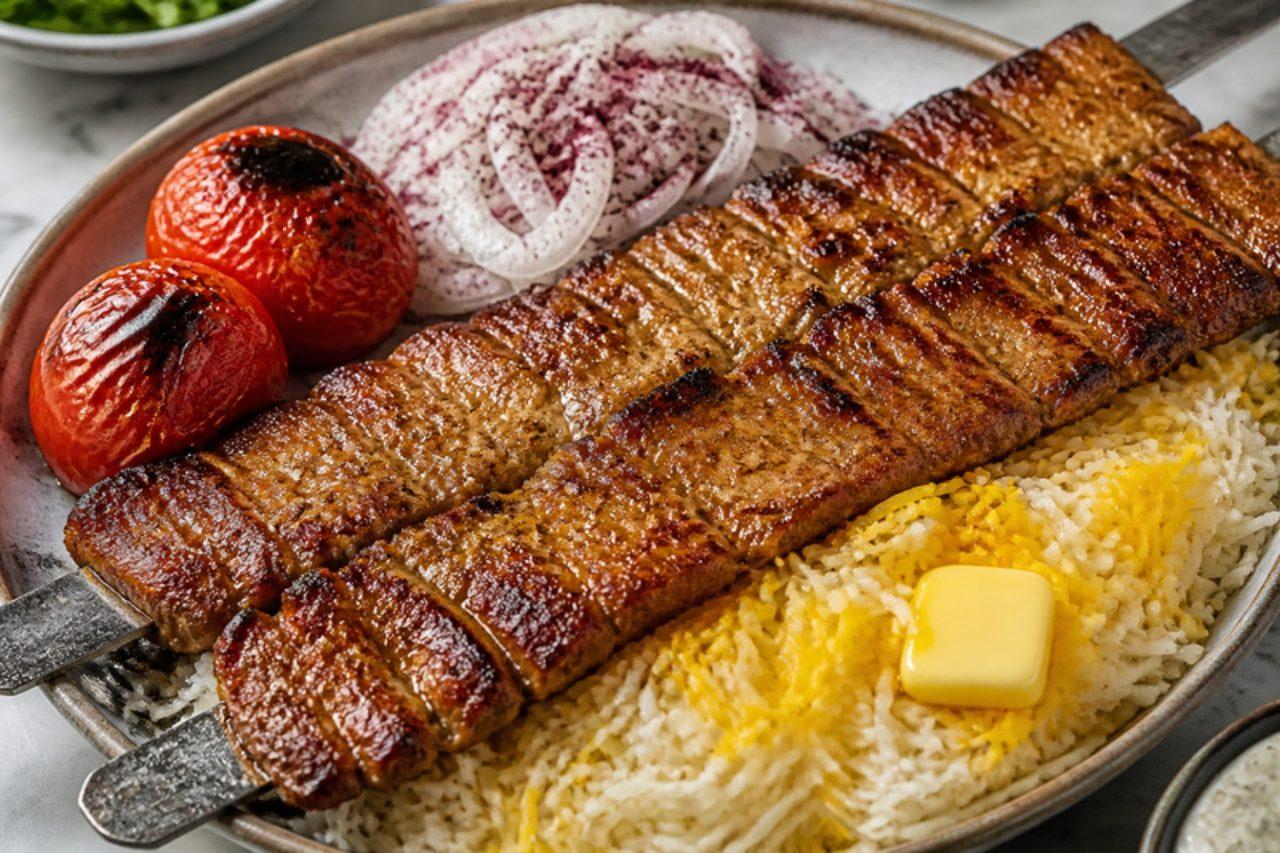
Kabab barg is the prized kebab of Tehran's old chelow-kababi restaurants, ordered for celebrations and served on a mound of buttery-looking saffron rice with grilled tomatoes and a raw egg yolk for those who like it. The name means 'leaf kebab': lamb loin or beef fillet is pounded into thin sheets, marinated overnight in onion juice and saffron, then threaded flat on wide sword skewers and grilled fast over hot charcoal. It is tender enough to cut with the edge of a spoon. A common mistake is leaving onion pieces in the marinade; they burn on the grill, so use only the juice. Chef's tip: score the meat lightly in a criss-cross with the back of a knife; it stops the strips curling and lets the marinade in.

by KrazyBadal 0 views

Abghooreh (verjuice)

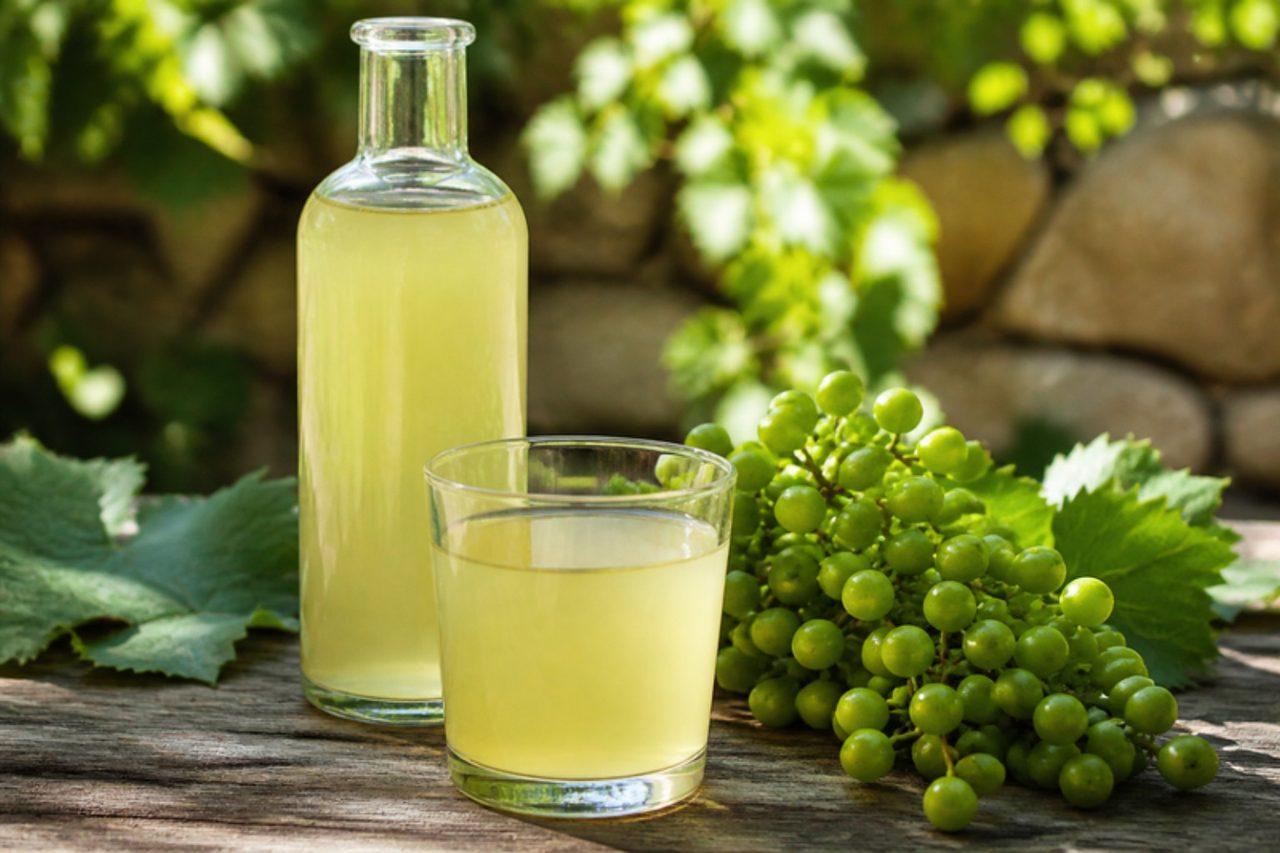
In early summer, families across Shiraz and the vineyards of Fars thin their vines and press the hard green grapes into abghooreh, a sharp, clean sour juice stored in bottles for the whole year. It sours khoresh, brightens salad shirazi and is splashed over kebabs and rice in place of lemon. The grapes must be truly unripe, hard and mouth-puckering; once they soften the juice turns sweet. A common mistake is skipping the boil and salt, which lets the juice ferment in the bottle. Chef's tip: let the boiled juice settle overnight and pour it off the sediment for a clear, bright abghooreh.

by KrazyBadal 0 views

Kabab torshSour beef kebabs with walnut

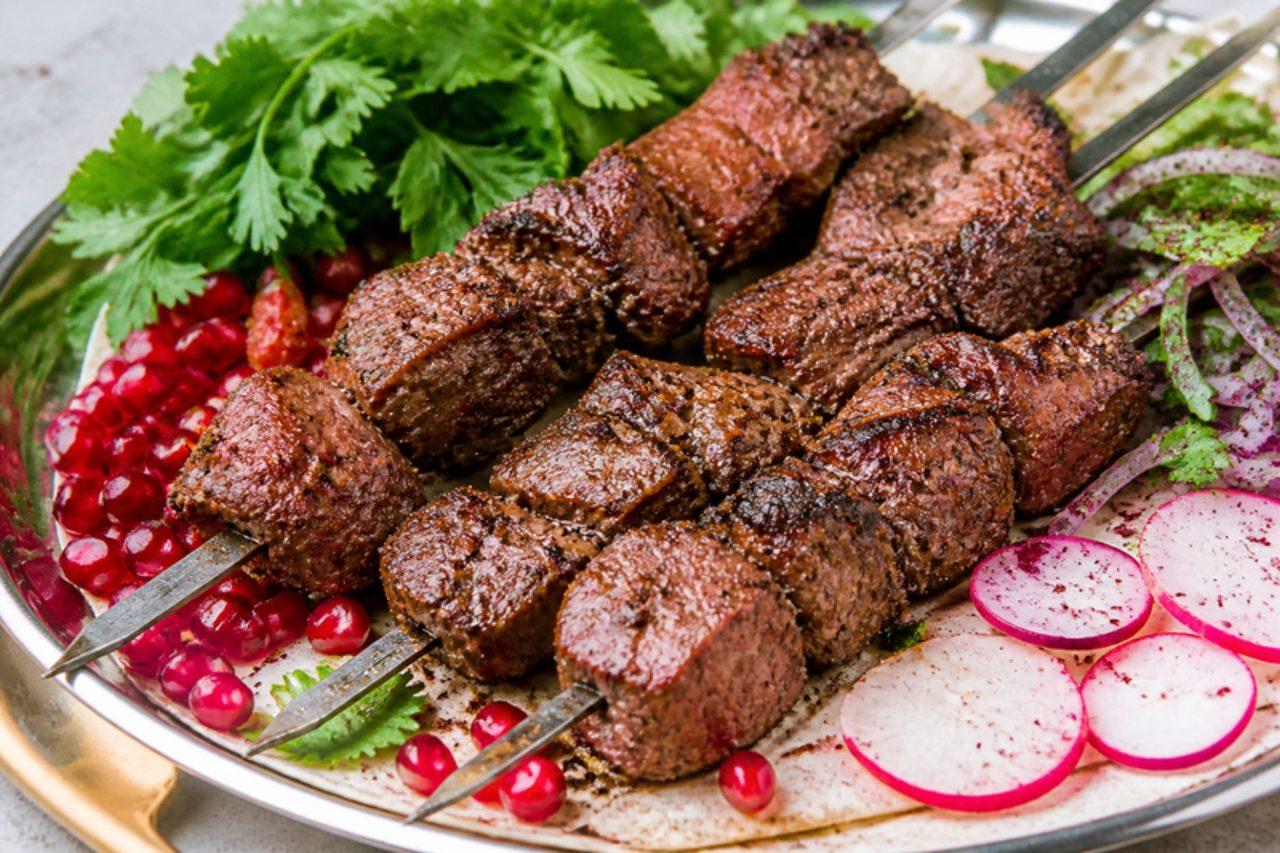
Kabab torsh, the 'sour kebab', comes from the green, rainy province of Gilan on the Caspian, where roadside grills around Rasht and Fuman sell it with smoky kateh rice and fresh herbs. Cubes of beef are rubbed with a thick paste of ground walnuts, pomegranate molasses, garlic and crushed dried mint or wild herbs, left overnight, then grilled until the paste turns into a dark, sticky crust. It is tangy, nutty and quite unlike the saffron kebabs of Tehran. A common mistake is grilling over fierce flames; the walnut paste scorches before the meat is done, so use steady medium coals. Chef's tip: keep back a few spoons of the paste and brush it on in the last minute for a fresh, glossy finish.

by KrazyBadal 0 views

Ghorabieh TabriziAlmond and egg-white cookies

Every traveller to Tabriz is expected to bring back a box of ghorabieh from the bazaar confectioners: pale, domed almond cookies with a thin crackled shell and a soft, chewy middle, scented with vanilla and sometimes topped with a sliver of pistachio. They are a Nowruz favourite in Azerbaijan province and keep well, so families bake them a week ahead. A common mistake is baking them too hot, which browns the outside before the inside sets and leaves them hollow. Chef's tip: let the piped cookies sit for 20 minutes before baking so a skin forms; that skin gives the classic crackled top.

by KrazyBadal 0 views

Showing 24 of 52 recipes

Show more recipes

Page 1 of 3