Skip to content
Recipes

All recipes

Vegetarian, or something you can't eat? Set your diet once and we'll hide recipes that don't fit.

RoccocòHard almond spice rings

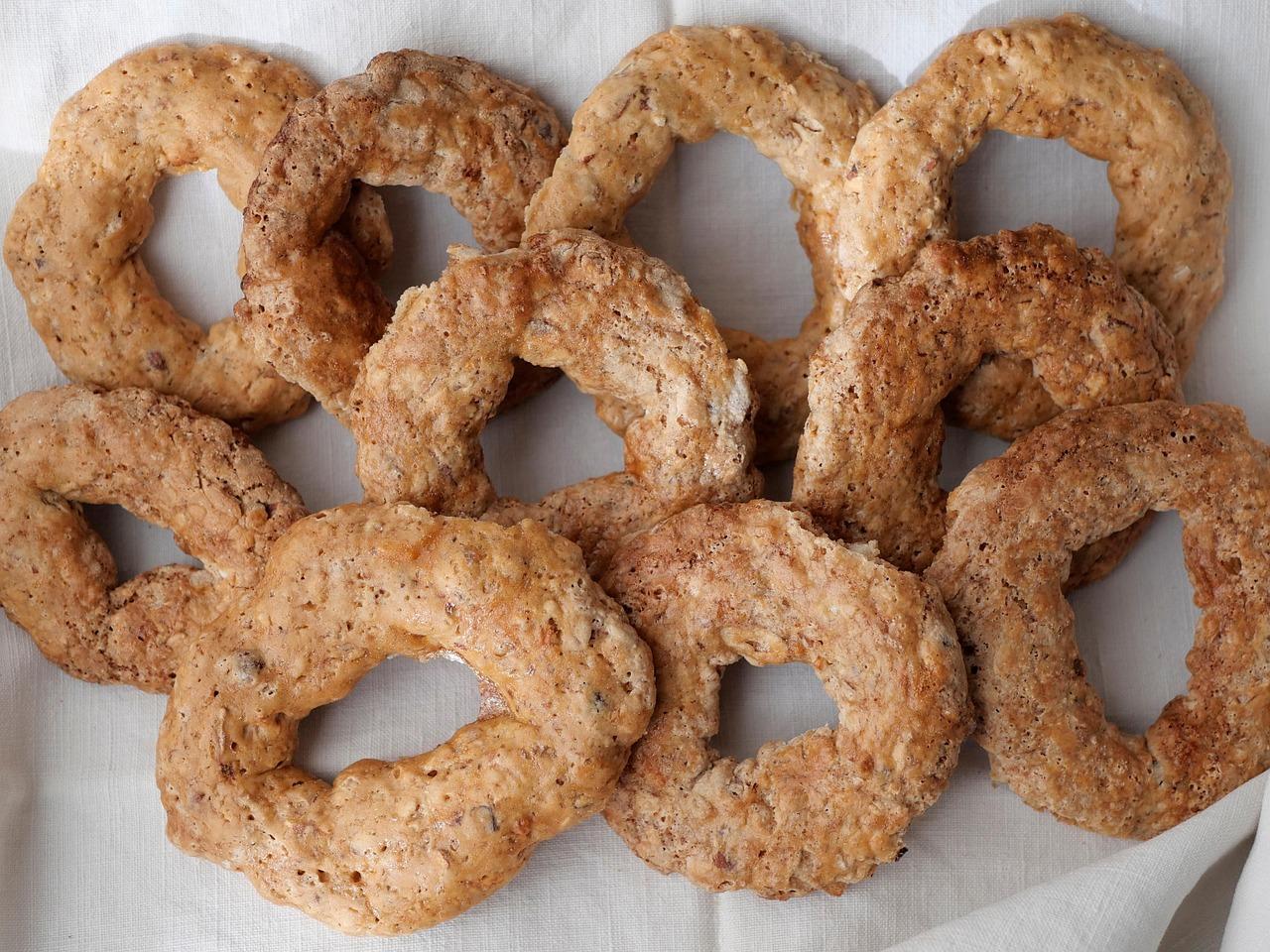
Roccocò are the hardest biscuits on the Neapolitan Christmas tray, ring-shaped and studded with whole almonds, scented with orange and pisto spice. The name is said to come from the curly French "rocaille" shape. They are baked in early December, and Neapolitans dunk them in sweet wine or milk, or break them carefully, because they are famously hard on teeth. Chef's tip: bake them twice as long as you think and leave them to dry overnight; roccocò are meant to be crunchy, and they soften pleasantly after a week in the tin.

by KrazyBadal 0 views

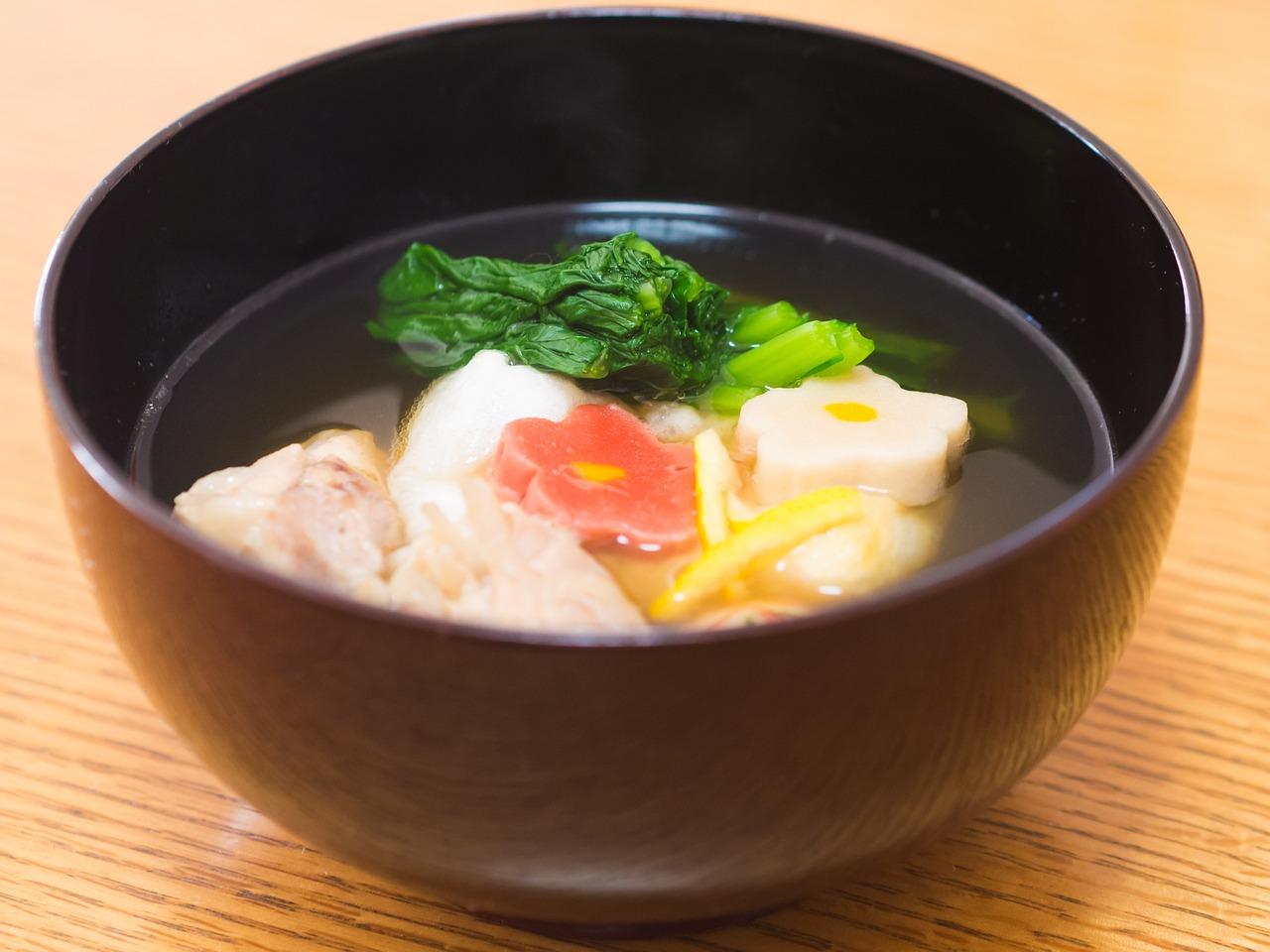
Ozoni (Kanto-style New Year mochi soup)

On the morning of 1 January, families across Tokyo and the Kanto plain sit down to ozoni, a clear, delicate soup of bonito-kombu dashi with chicken, komatsuna, carrot and square rice cakes grilled until they puff. Every region has its own version; in Kansai the mochi is round and the soup is white miso, but Kanto keeps it clear and seasoned with soy. A little sake goes into the broth and simmers away (leave it out for an alcohol-free soup). Mochi is very sticky: cut it small for children and older people, take small bites and chew well, as it can cause choking. The common mistake is boiling the mochi in the soup, which makes it dissolve and turn the broth cloudy; grill it separately. Chef's tip: add the yuzu peel only in the bowl, just before serving, so its fragrance is the first thing you smell.

by KrazyBadal 0 views

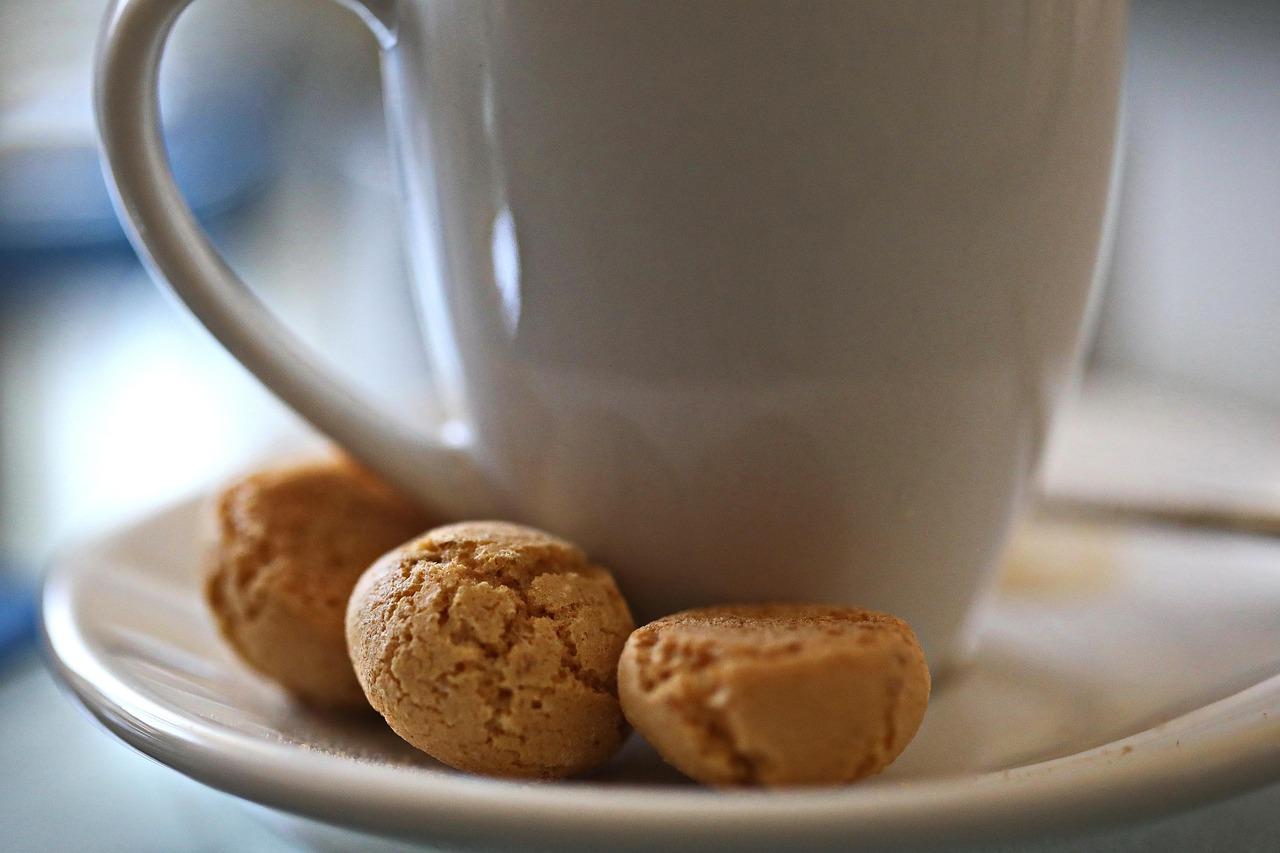
Amaretti

Amaretti, "little bitter ones", are named after the bitter almonds that give them their sharp, marzipan flavour. In Saronno, near Milan, they are crisp and light, wrapped in paper; in Mombaruzzo and Sassello in Piedmont and Liguria they are soft and chewy. Both are eaten with coffee, crumbled over ice cream or baked peaches, and used in the filling for Mantua's pumpkin tortelli. This soft version is naturally gluten free. Chef's tip: use a few drops of almond extract rather than bitter almonds, which are toxic raw in quantity; a little goes a long way.

by KrazyBadal 0 views

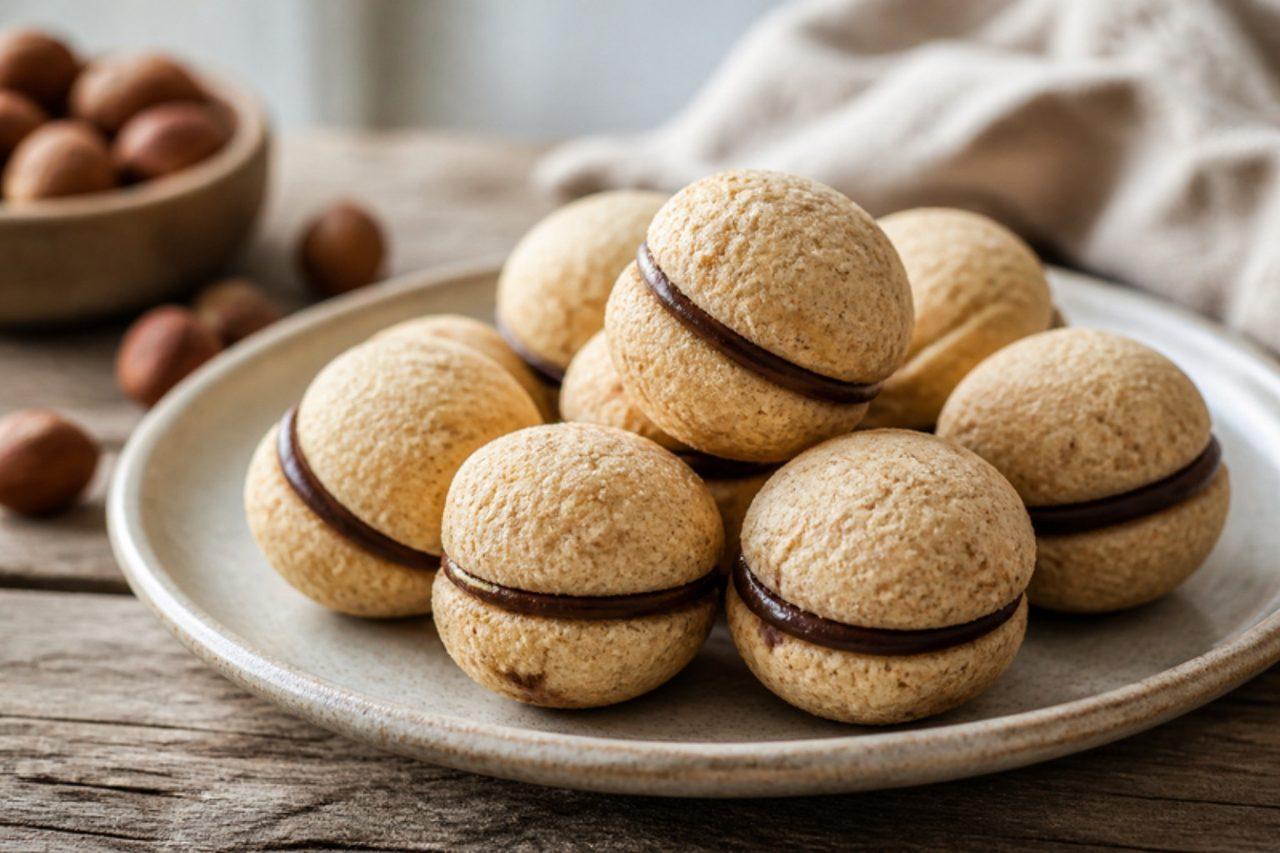
Baci di damaHazelnut shortbread sandwiches

Baci di dama, "lady's kisses", were born in Tortona in Piedmont in the 1800s: two small domes of buttery hazelnut shortbread pressed together with dark chocolate, like two lips meeting in a kiss. They are sold in every pastry shop in Piedmont and eaten with coffee or as a gift at Christmas. The local Piedmont hazelnuts are some of the best in the world. Contains nuts. Chef's tip: weigh each ball of dough so they're all the same size; matching domes make neat kisses.

by KrazyBadal 0 views

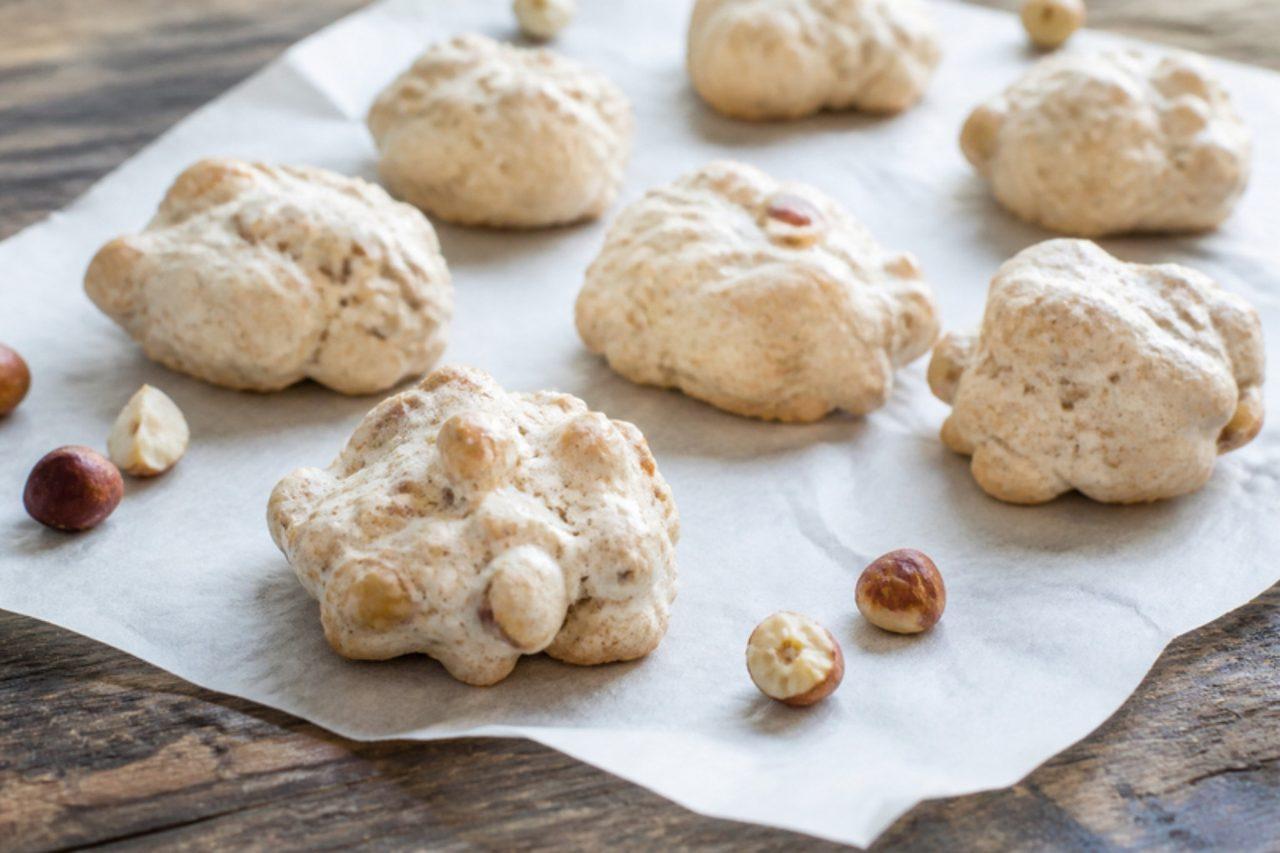
Brutti ma buoniHazelnut meringue biscuits

"Ugly but good": the name says it all. These lumpy, irregular biscuits from Borgomanero in Piedmont and Prato in Tuscany are made by cooking whipped egg whites, sugar and toasted hazelnuts in a pan before baking, which gives them a crisp shell and a chewy centre. They are sold in paper bags at pastry shops, and Italian grandmothers make them to use up egg whites left over from custards. They are naturally gluten free. Contains nuts. Chef's tip: toast the hazelnuts until they smell deeply nutty and the skins crack; that's what gives the biscuits their flavour.

by KrazyBadal 0 views

Canestrelli liguriFlower shortbread biscuits

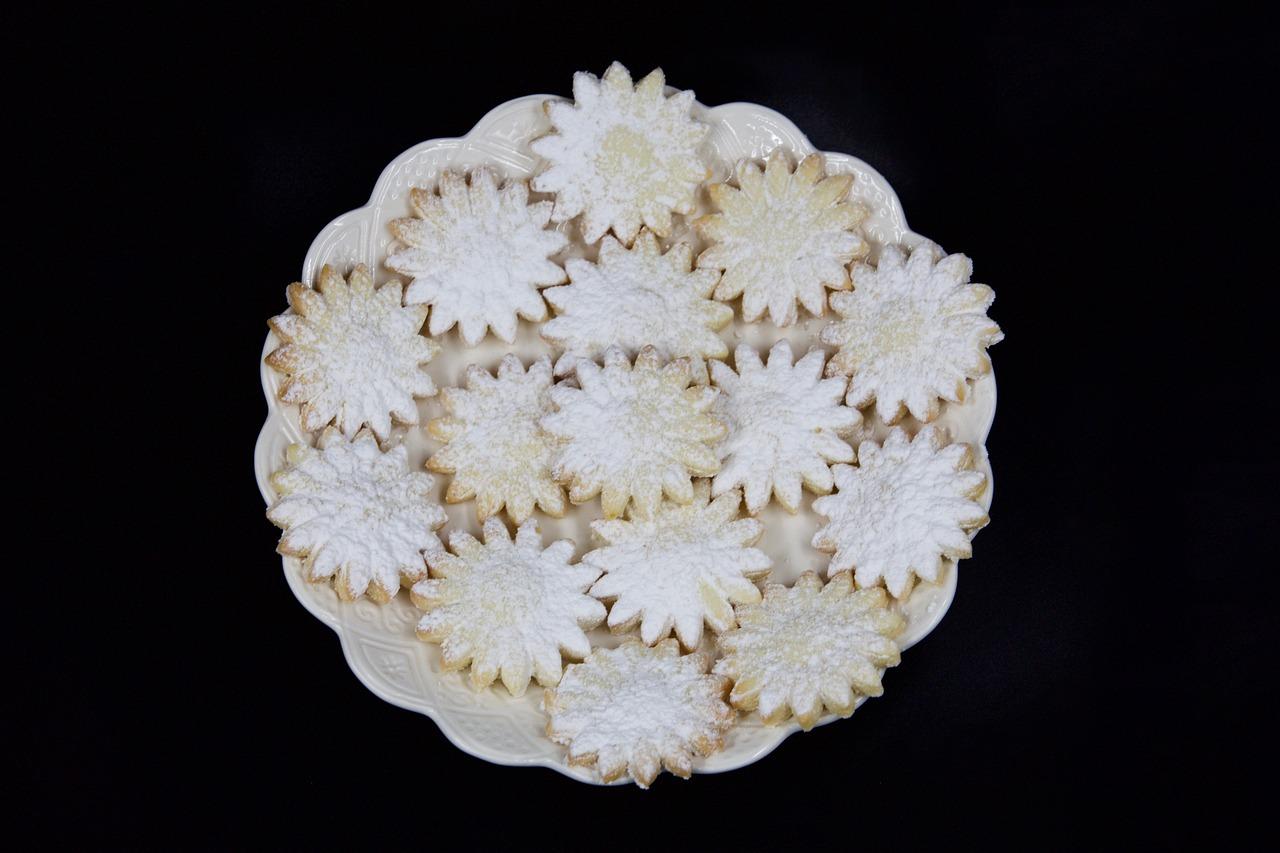
Canestrelli are the most delicate biscuits in Liguria: daisy-shaped shortbread with a hole in the middle, so fragile they melt in the mouth. The secret is hard-boiled egg yolks pushed through a sieve into the dough, with potato starch, which makes them crumbly and sandy. They are sold in Genoa and the hill town of Torriglia, piled in paper and covered with snowy icing sugar. Chef's tip: work the dough as little as possible and keep it cold; warm dough becomes too soft to cut into neat flowers.

by KrazyBadal 0 views

Schiacciata alla fiorentinaOrange Carnival sponge cake

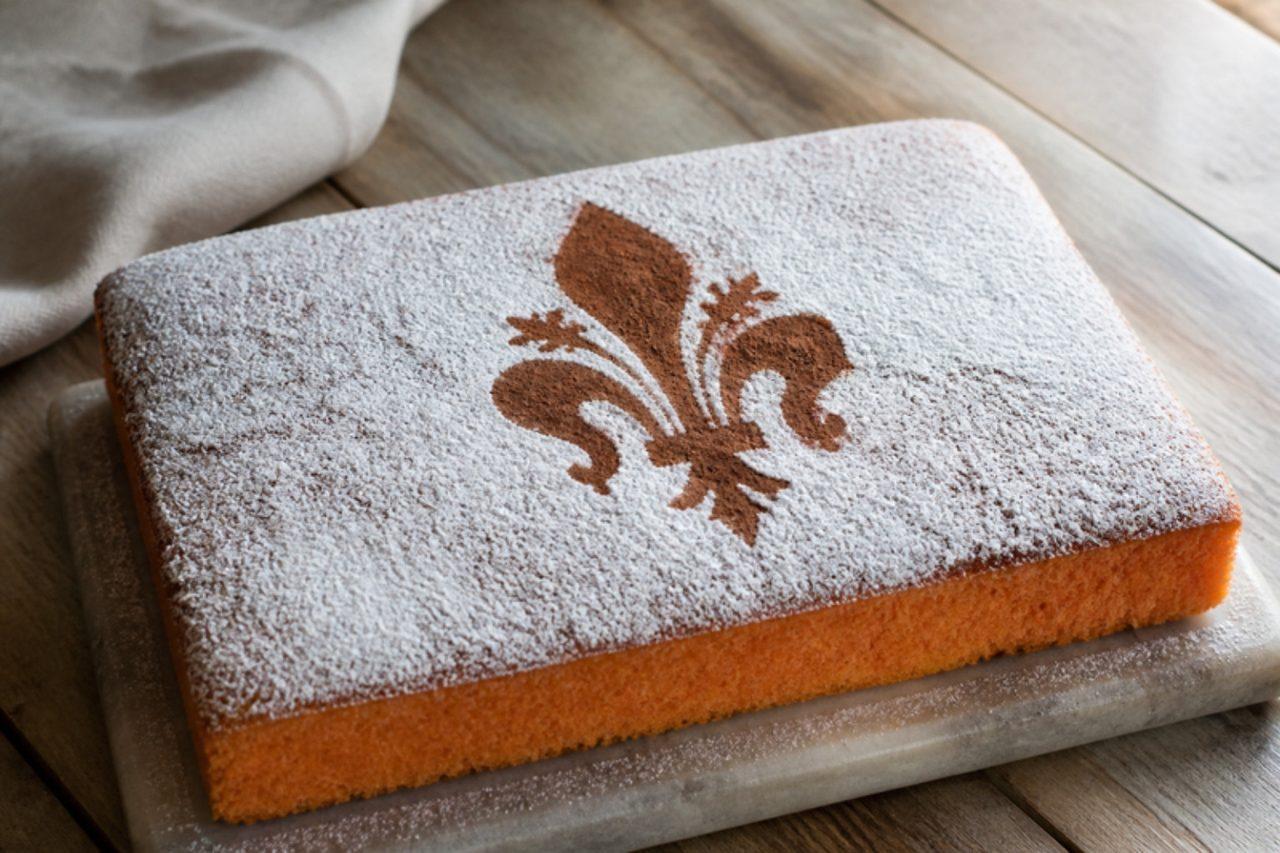
During Carnival every bakery in Florence sells schiacciata alla fiorentina: a low, soft, orange-scented sponge, baked in a rectangular tin and covered with icing sugar with the Florentine lily (the giglio) stencilled in cocoa on top. Florentines eat it for breakfast with a cappuccino or as an afternoon snack, plain or split and filled with cream. The original was a rich yeasted bread with lard; today almost everyone makes this simple, quick version. Chef's tip: keep the cake low, about 3 cm; it is meant to be a thin, moist sponge, not a tall cake.

by KrazyBadal 0 views

Pancotto puglieseBread and greens soup

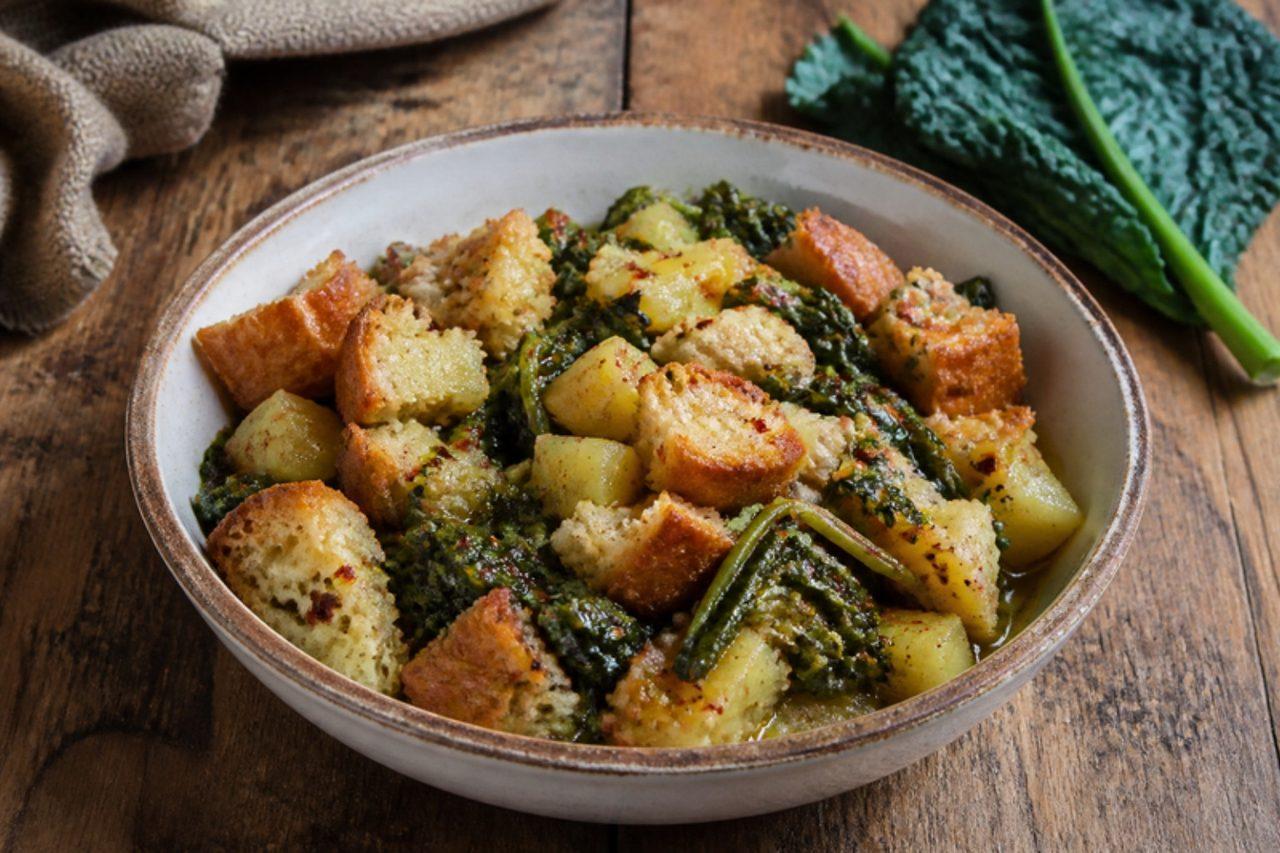
Pancotto, "cooked bread", is the purest cucina povera of Puglia, from the farms of the Tavoliere plain around Foggia to the villages of the Gargano: stale bread, potatoes and whatever greens are growing, such as turnip tops, chicory or rocket, simmered together in salted water and dressed generously with raw olive oil and chilli. It was a farmworker's supper and is still the comfort dish families make in winter. Chef's tip: use a dense, day-old country loaf with a thick crust; soft sliced bread turns into a slimy mush.

by KrazyBadal 0 views

Hobak jukPumpkin porridge

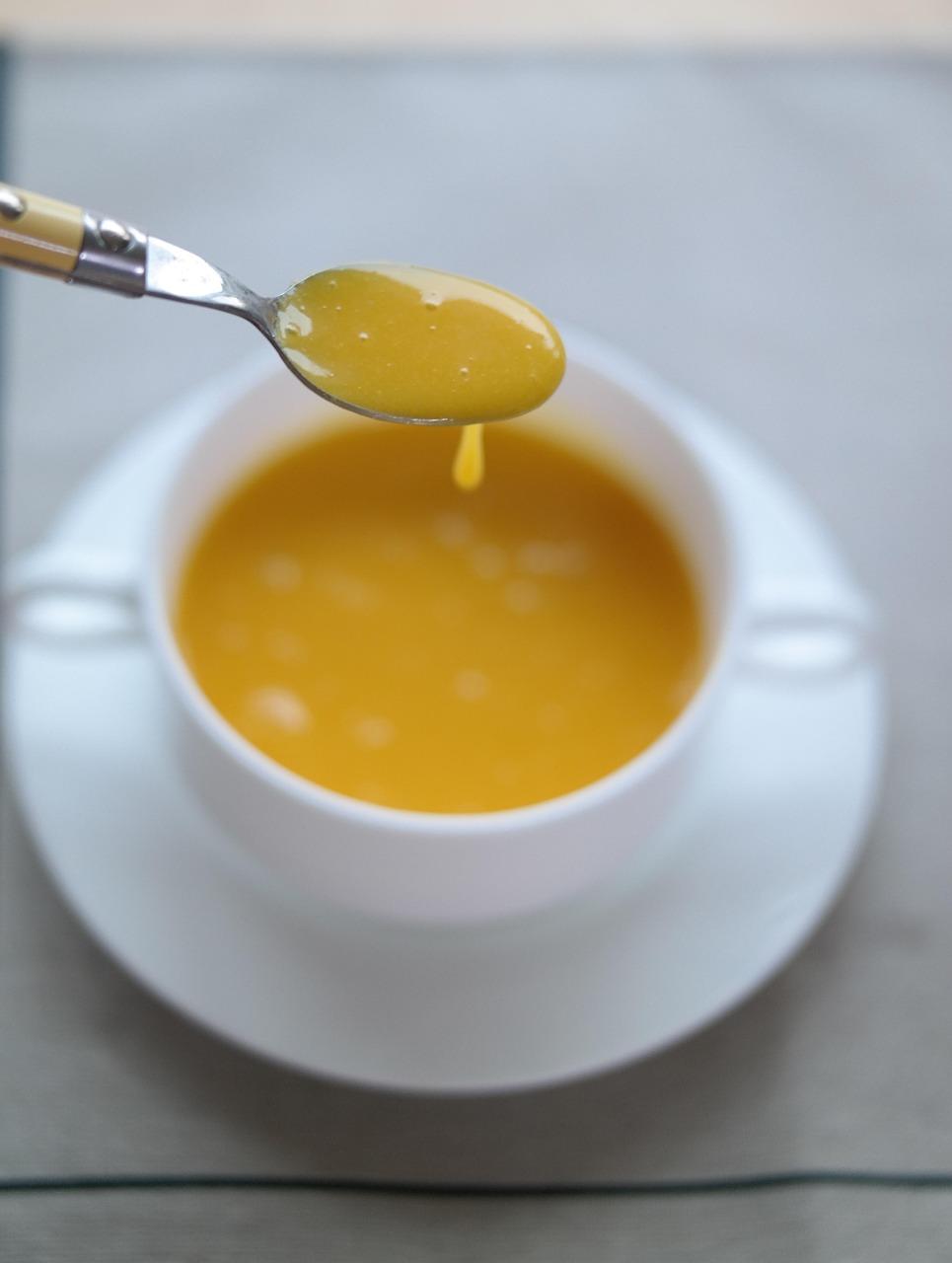
Hobak juk is the golden pumpkin porridge sold in thermos-sized portions at Seoul's Gwangjang market and cooked in temple kitchens through the cold months, when stored pumpkins are at their sweetest. Steamed pumpkin is blended smooth, thickened with glutinous rice flour and dotted with chewy little rice-cake balls, giving a velvety, naturally sweet bowl that is soothing for convalescents and children alike. The rice balls are soft and sticky, so cut them small for young children to avoid choking. The common mistake is adding the rice-flour slurry in one go to boiling porridge, which makes lumps. The optional pine-nut topping is a tree-nut allergen; leave it off for anyone with a nut allergy. Chef's tip: roast or steam the pumpkin rather than boiling it in water; less water means a deeper colour and sweeter taste.

by KrazyBadal 0 views

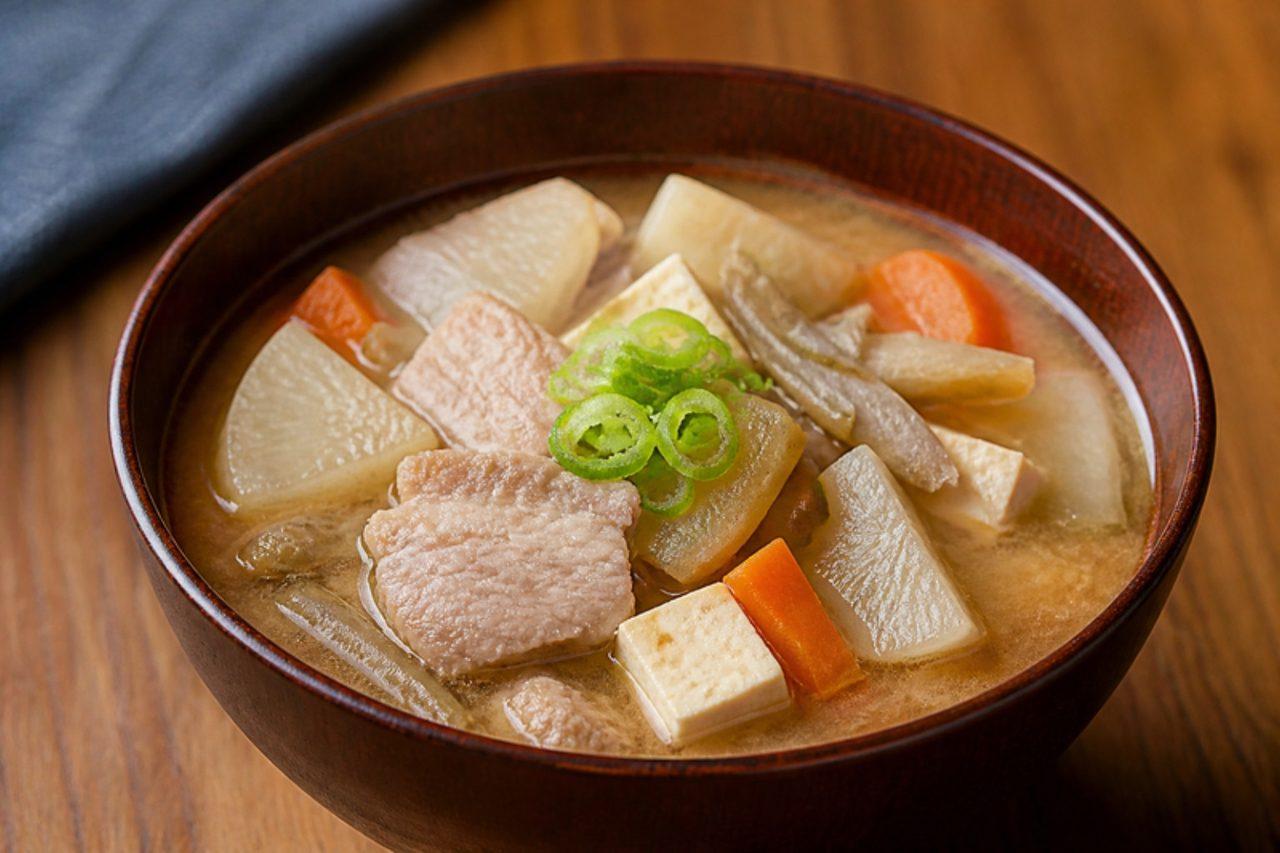
Tonjiru (pork and root vegetable miso soup)

Tonjiru is the big-pot miso soup that gets ladled out at Japanese school festivals, winter fire drills and New Year shrine visits, and at home it is filling enough to make a meal with just rice. Thin slices of pork belly are fried in sesame oil with daikon, carrot, burdock, potato and konnyaku, then simmered in dashi until tender and finished with miso. The common mistake is boiling the soup after the miso goes in, which dulls its aroma; stir it in off the boil. Simmer until the pork is cooked through (71 °C) and the vegetables are soft. Chef's tip: dissolve the miso in a ladle of hot broth first so it melts in smoothly without lumps.

by KrazyBadal 0 views

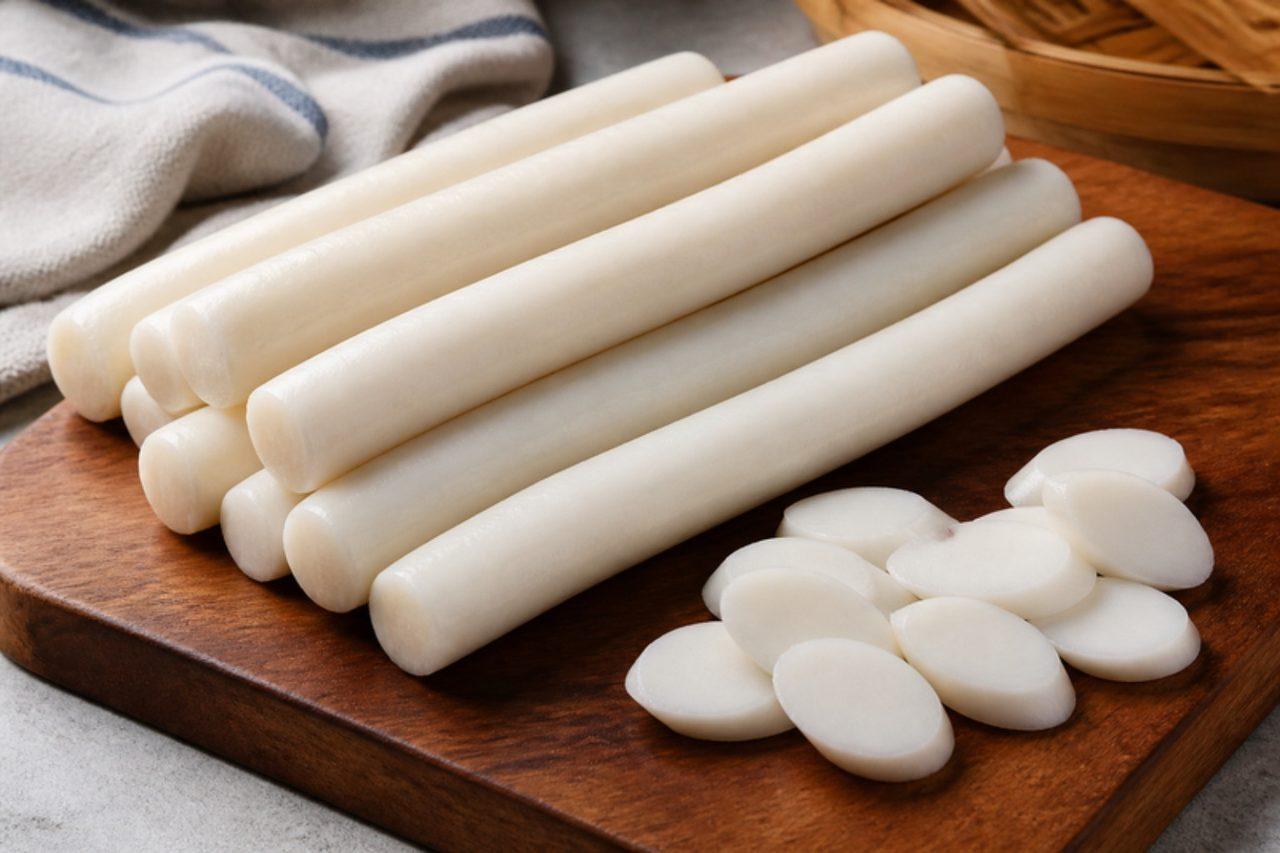
GaraetteokLong cylinder rice cakes

Garaetteok are the long white rice-cake logs that Korean mills churn out before Seollal, when families queue with their own rice to have them pressed and then slice them into ovals for tteokguk, the New Year soup. The length is meant to wish for a long life. Freshly made, they are soft and chewy and eaten warm, dipped in honey or toasted over a grill; once they firm up they are sliced for soup or cut into sticks for tteokbokki. Making them at home is simple, though the logs come out a little less glossy than machine-pressed ones. The usual mistake is rolling the dough when it has cooled: it must be hot to stay smooth. Rice cakes are chewy and sticky, a known choking risk: cut them into small pieces for young children and older people and eat them sitting down. Chef's tip: leave the logs to firm overnight before slicing on the diagonal; they cut cleanly instead of squashing.

by KrazyBadal 0 views

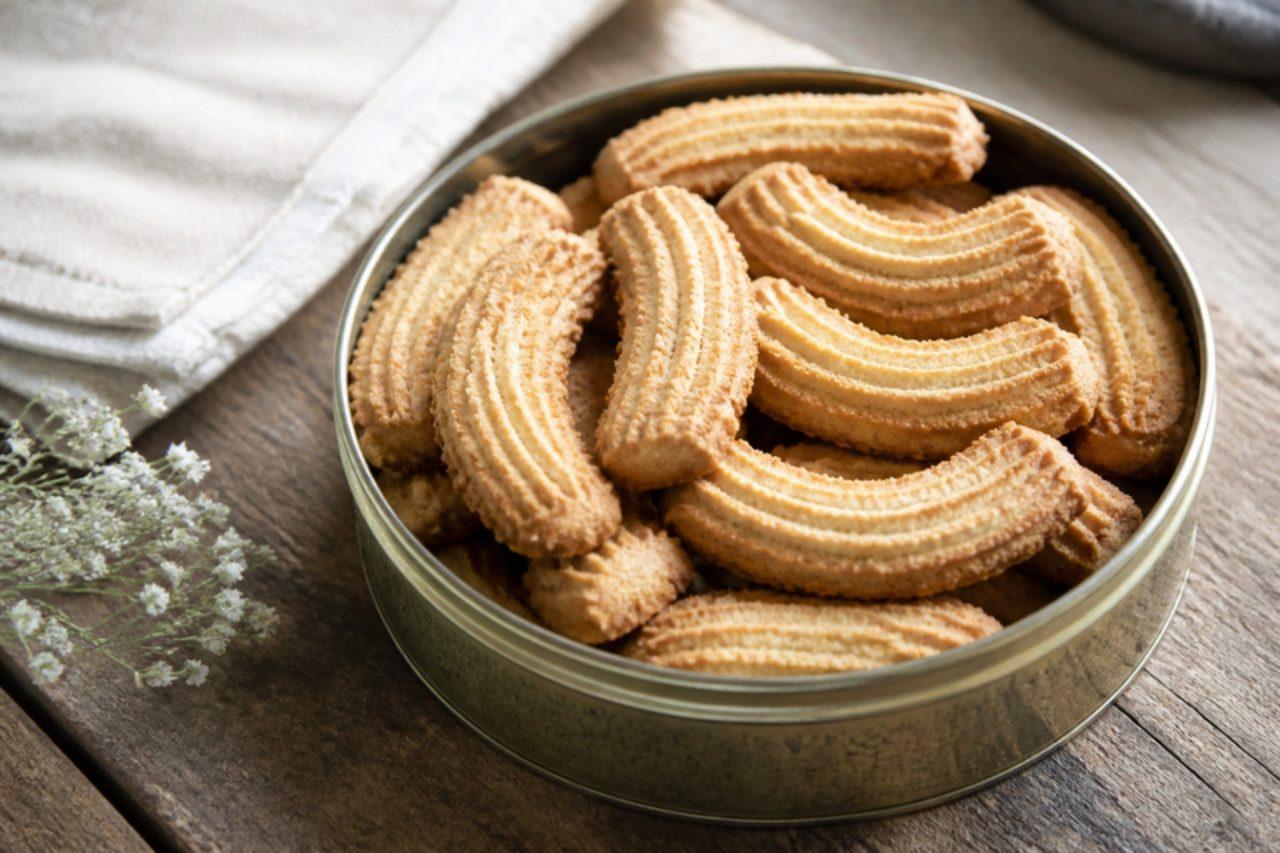
KrumiriCornmeal butter biscuits

Krumiri were created in 1878 in Casale Monferrato in Piedmont, and they are said to be shaped like the curled moustache of King Vittorio Emanuele II, who had just died. They are sandy, buttery biscuits made with flour and fine cornmeal, piped through a star nozzle into a curved line, and still sold in their red tins in the town's old shops. Piedmontese eat them dunked in a glass of sweet wine or with a cup of hot chocolate. Chef's tip: use fine cornmeal, not coarse polenta; coarse grains make the biscuits gritty and stop them piping.

by KrazyBadal 0 views

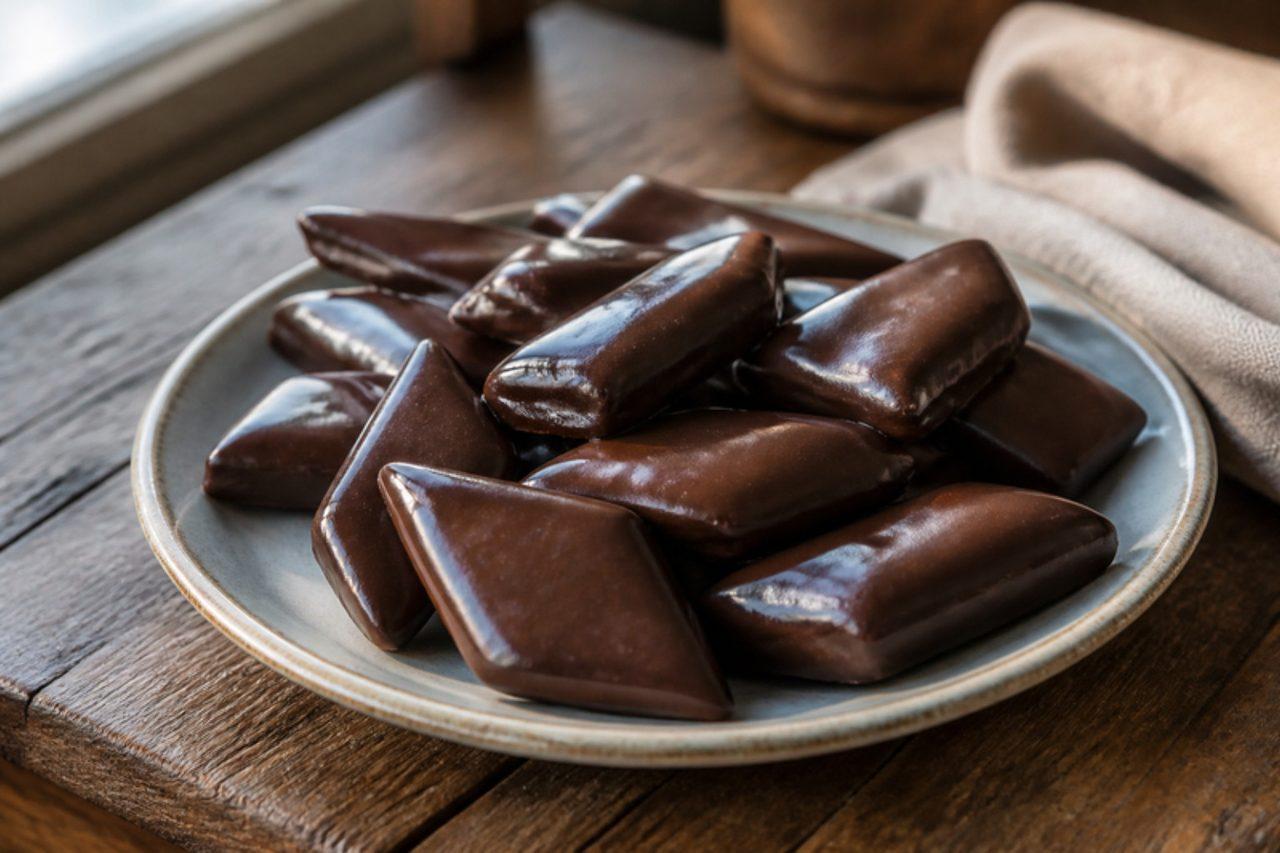
MostaccioliSpiced chocolate biscuits

Neapolitan Christmas trays always include mostaccioli: soft, spiced biscuits shaped like diamonds and covered in a shiny coat of dark chocolate. The dough is flavoured with honey, cocoa, orange and pisto, a Neapolitan spice mix of cinnamon, clove, nutmeg, star anise and coriander. They are made in early December with roccocò and struffoli and kept in tins for the whole holiday. Not for babies under 1 because of the honey. Chef's tip: let the biscuits rest a day before coating; spiced honey biscuits soften and their flavour deepens after a night in the tin.

by KrazyBadal 0 views

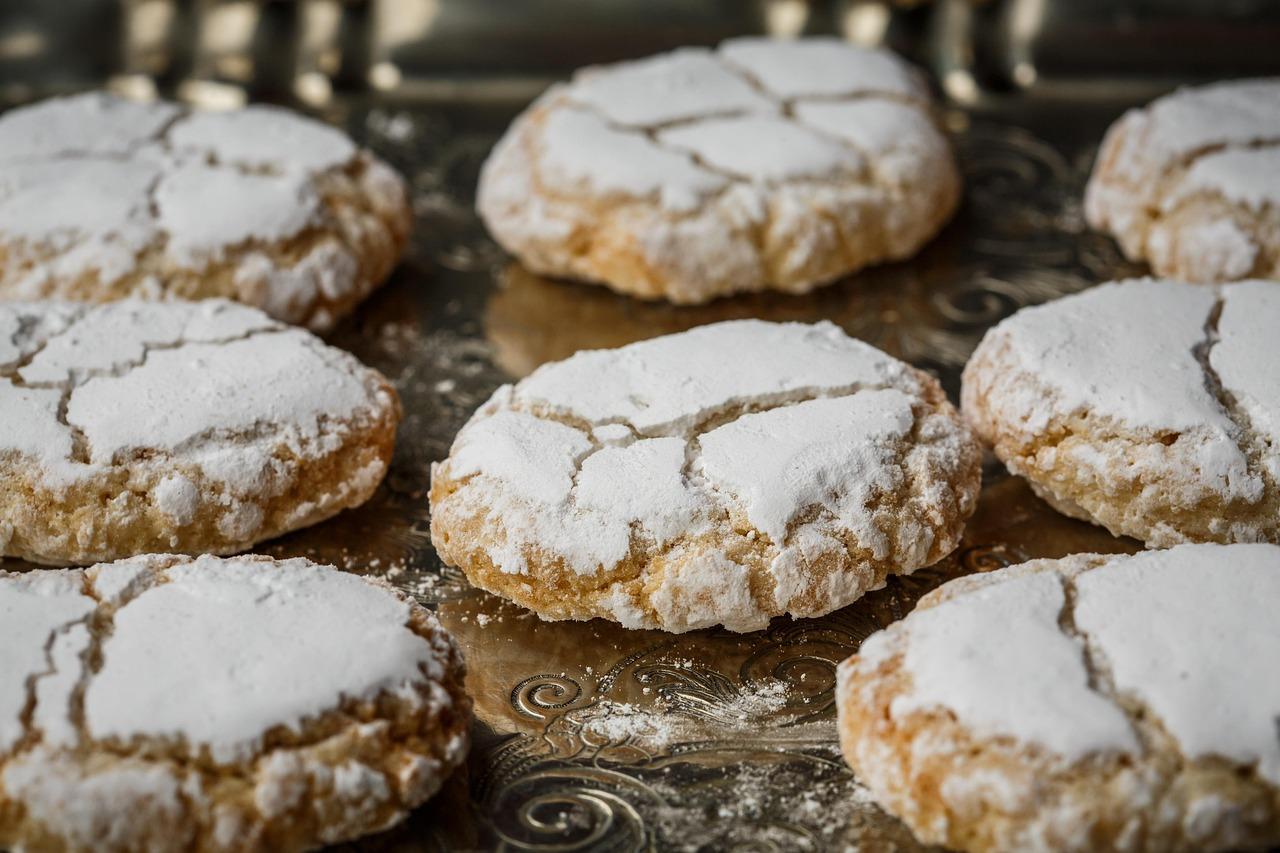
RicciarelliSoft almond biscuits

Siena has been making ricciarelli since the Renaissance: soft, chewy almond biscuits in the shape of a diamond or a curved eye, with a crackled top covered in icing sugar. Sienese families buy them from the historic pasticcerie near the Campo at Christmas and serve them with a glass of Vin Santo after dinner, but they are eaten all winter with coffee. This recipe is naturally gluten free. Chef's tip: let the shaped biscuits dry at room temperature overnight before baking; a dry crust cracks beautifully in the oven while the inside stays soft.

by KrazyBadal 0 views

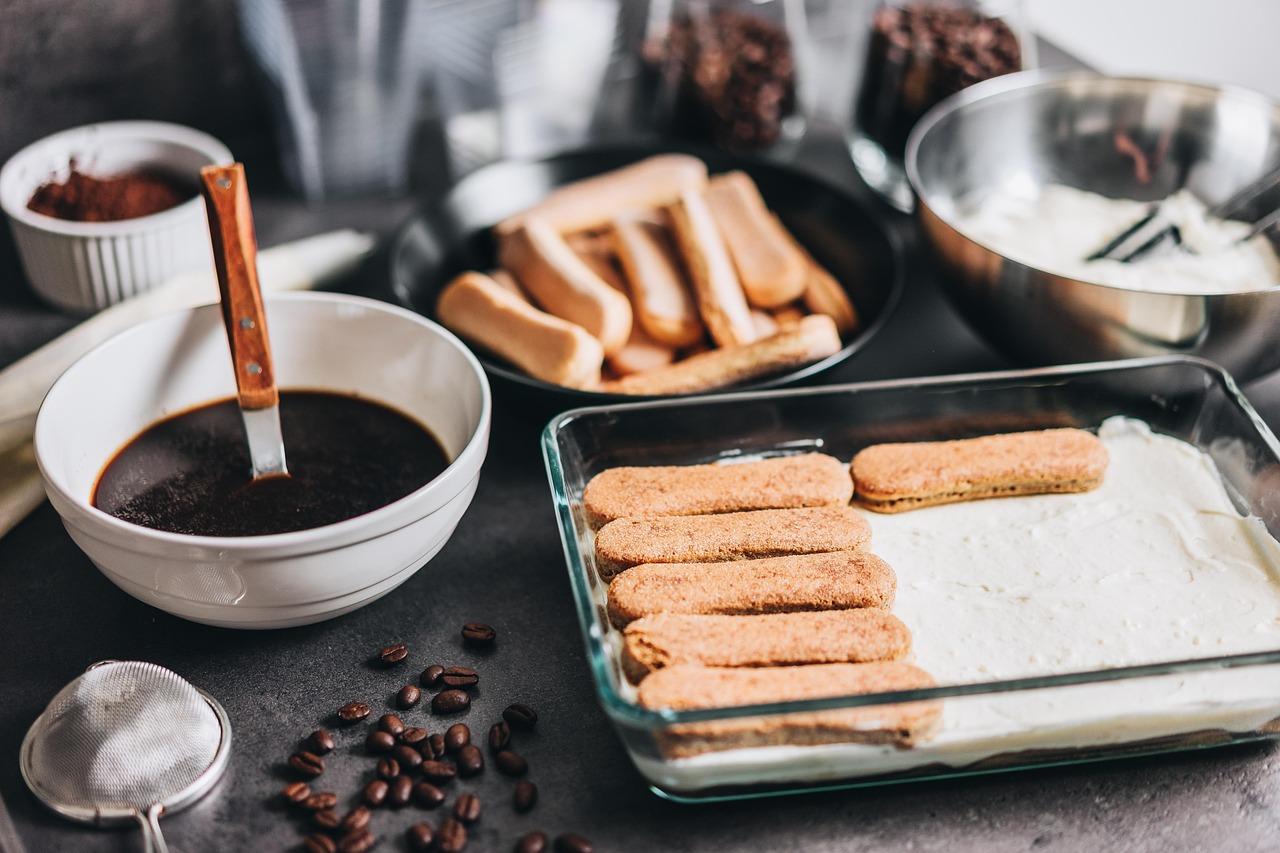
Savoiardi

Savoiardi were created in the 1300s at the court of the House of Savoy in Piedmont, for a visit by the King of France. They are long, light finger biscuits of whipped eggs, sugar and flour, with a crisp sugary crust and a dry, spongy inside, made to be soaked: in coffee for tiramisù, in liqueur for zuppa inglese, or in milk for children's breakfast. Chef's tip: dust the piped fingers twice with icing sugar, 5 minutes apart; this forms the pearly crust that keeps them crisp outside.

by KrazyBadal 0 views

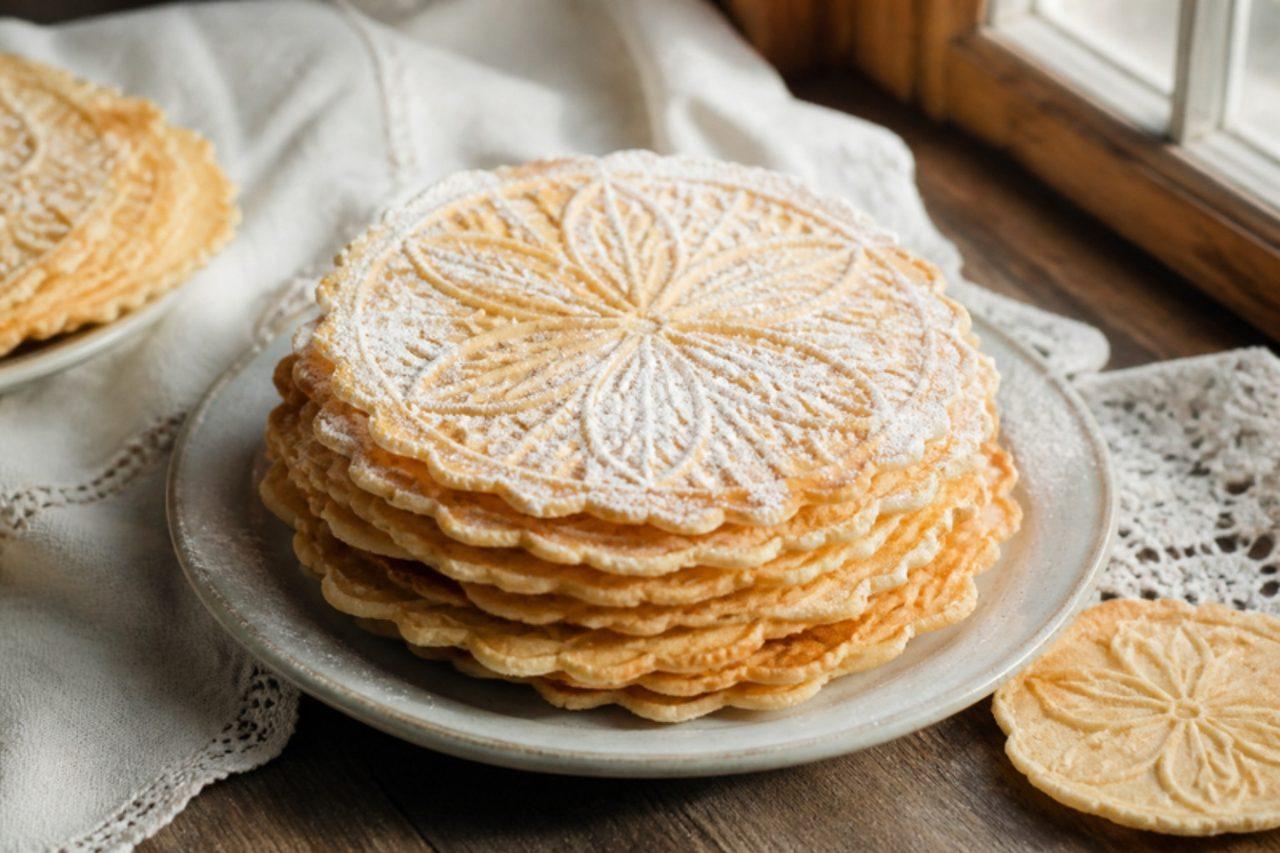
PizzelleAnise waffle biscuits

In Abruzzo, every family has its own pizzelle iron, often a wedding present engraved with the family's initials or a pattern of flowers. The thin, crisp waffles are baked for weddings, Christmas and Easter, and for the feast of San Domenico in Cocullo, flavoured with anise or lemon. Warm, they can be rolled into cones or tubes and filled. You need a pizzelle iron or a thin waffle maker. Chef's tip: lightly oil the iron only for the first pizzella; after that the batter's oil keeps them from sticking.

by KrazyBadal 0 views

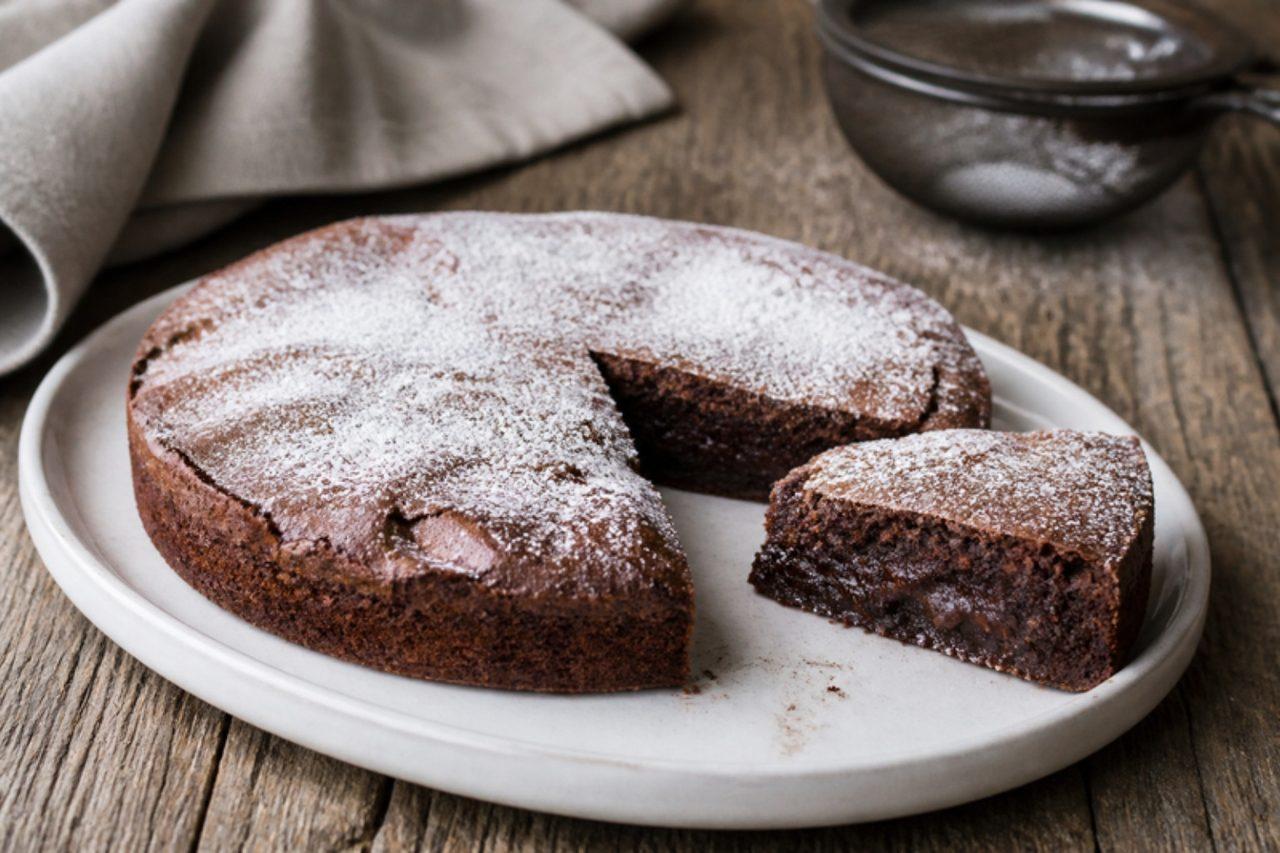
Torta tenerinaSoft chocolate cake

Ferrara, in Emilia-Romagna, calls this cake "tenerina" (the tender one) because the middle stays soft and almost creamy under a thin, crackly crust. It was created in the early 1900s and named in honour of Queen Elena of Montenegro, wife of King Vittorio Emanuele III. Families bake it for birthdays and Sunday lunches, and it is served plain or with whipped cream. It uses very little flour. Chef's tip: bake it for no longer than the recipe says; it should be just set at the edge and wobbly in the middle when it comes out.

by KrazyBadal 0 views

Cannoncini alla cremaCustard puff pastry horns

Every pastry shop in Turin and Piedmont has a tray of cannoncini: puff pastry wrapped around metal cones, baked until golden and flaky, then piped full of vanilla custard and dusted with icing sugar. Little ones are part of the "pasticcini mignon" bought on Sunday morning after church to take to lunch at the grandparents' house. You need cannoncino or cream-horn moulds. Chef's tip: fill them just before serving; custard softens the pastry within a few hours.

by KrazyBadal 0 views

Beoseot jeongolMushroom hot pot

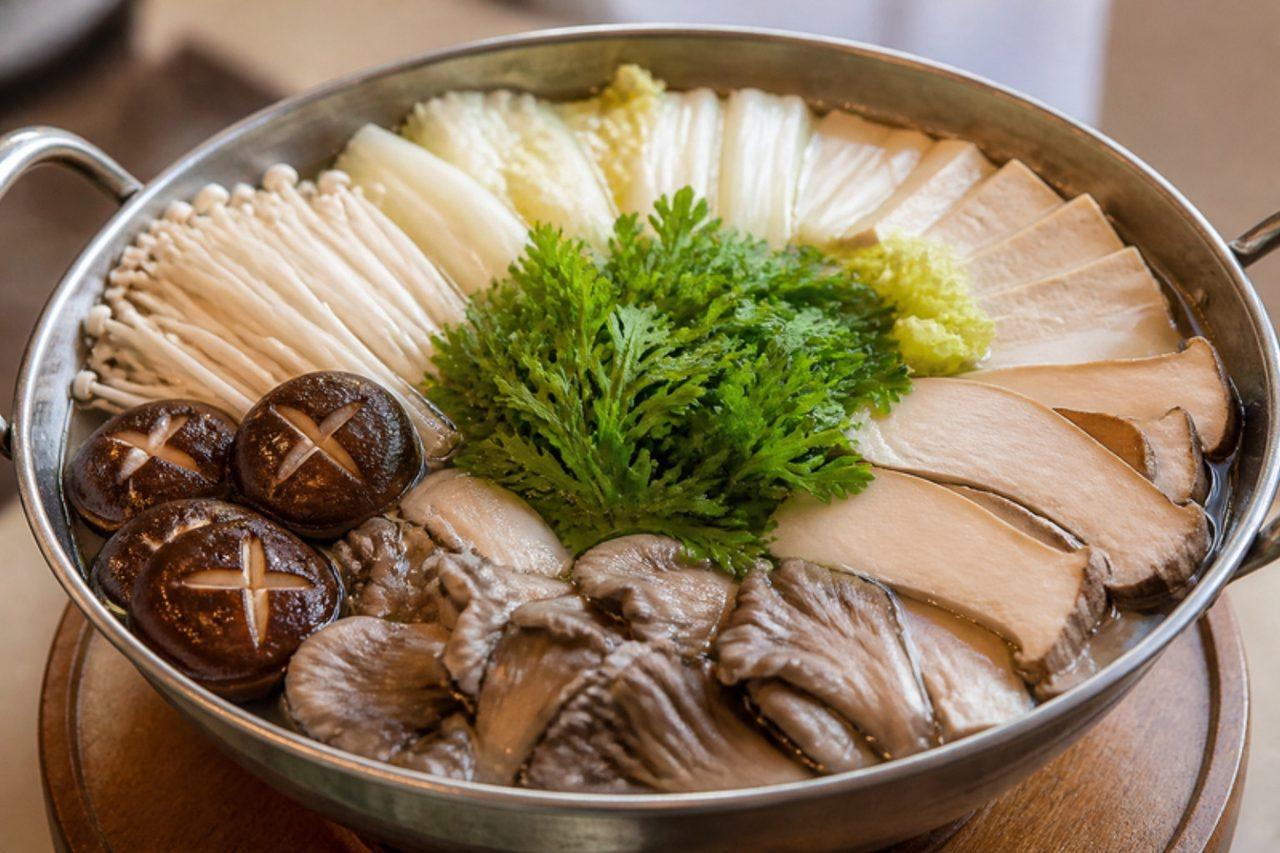
Beoseot jeongol is the mushroom hot pot that Korean temple kitchens and mountain restaurants around Odaesan and Songnisan serve in autumn, when wild mushrooms come down from the slopes. Fans of shiitake, oyster, enoki and king oyster mushrooms are arranged with tofu, cabbage and greens in a shallow pot and cooked at the table in a clear kelp and shiitake broth. It tastes deep, clean and woodsy, with no garlic or onion in the temple way. The common mistake is boiling it hard from the start, which turns the broth cloudy and the enoki stringy. Chef's tip: save the shiitake soaking water and add it to the broth; it doubles the savoury depth without any seasoning.

by KrazyBadal 0 views

VattayappamSteamed rice and coconut cake

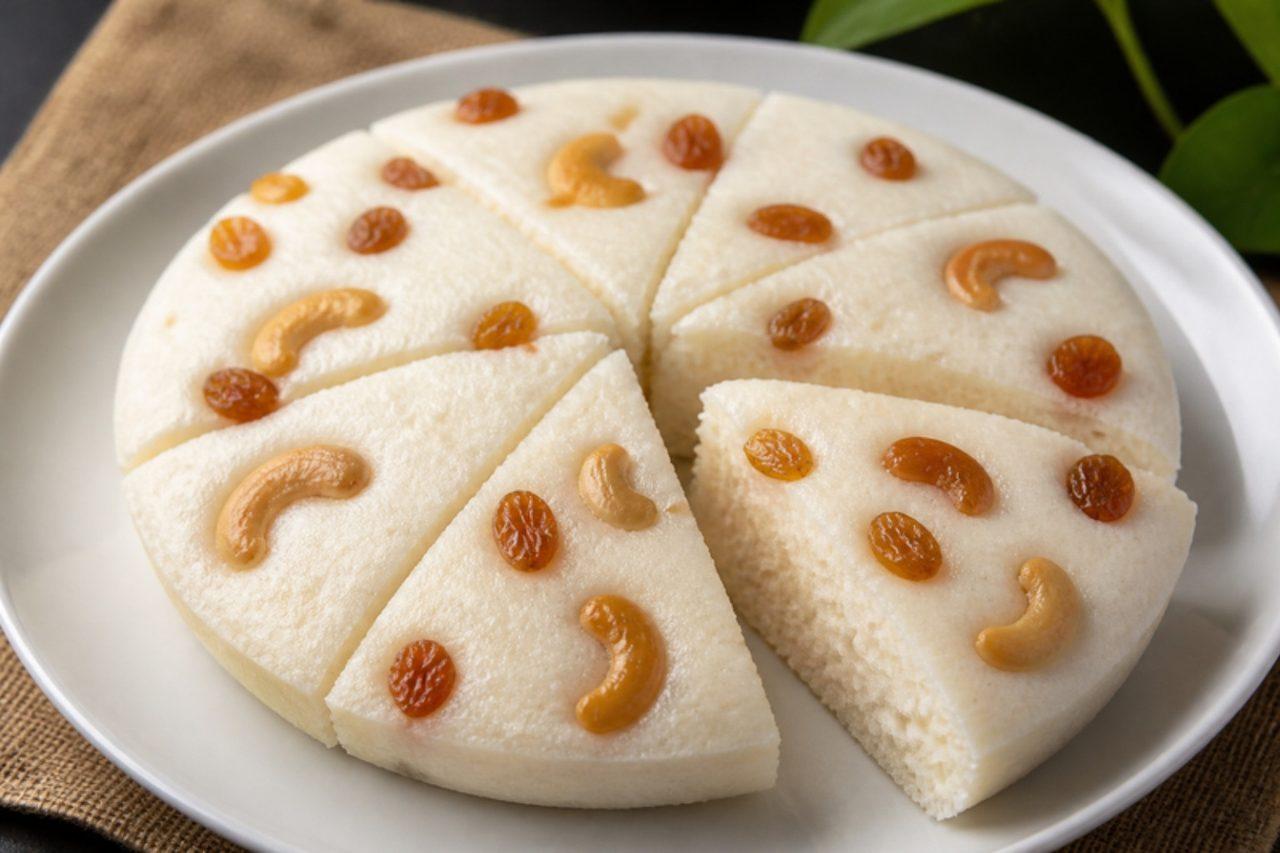
In Syrian Christian homes in Kottayam and Thiruvalla, vattayappam is the sweet that appears on Christmas and Easter mornings and goes in boxes to every neighbour. A batter of raw rice and coconut is fermented until airy, sweetened, flavoured with cardamom and steamed in a round plate until it rises into a fluffy, honeycombed cake. It is light, moist and gently sweet, with a faint tang from the ferment. Grandmothers used kallu (coconut toddy) to ferment it; this recipe uses dried yeast instead and contains no alcohol at all. Eat it warm with tea, or alongside chicken stew for breakfast. The common mistake is a batter that is too thick: it steams heavy and dense. It should pour like thick pancake batter. Rice and coconut only, so it is naturally gluten-free and vegan. Chef's tip: cook a spoon of the soaked rice into a soft porridge (kurukku) and grind it in; that is what gives vattayappam its fine, silky crumb.

by KrazyBadal 0 views

Bengali boriSun-dried lentil dumplings

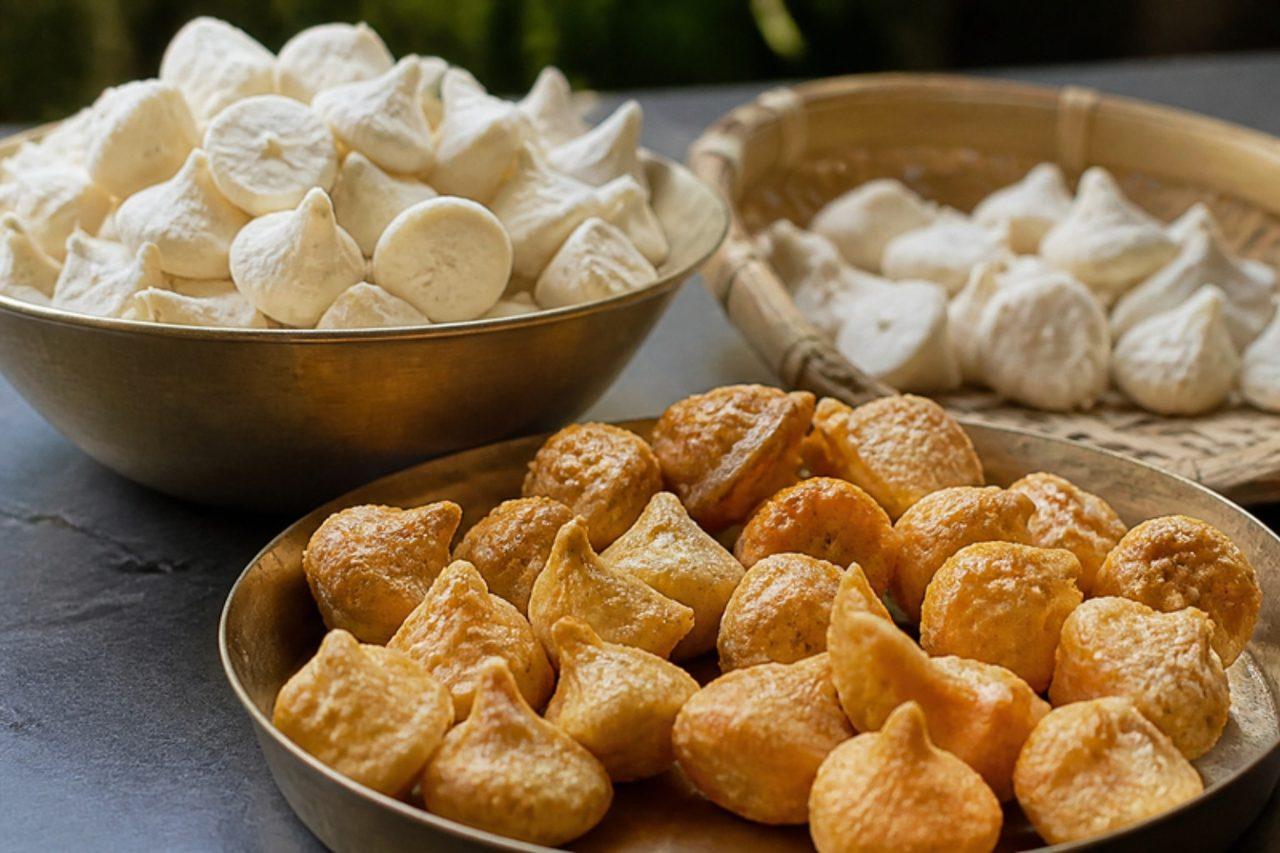
Winter mornings in rural Bengal used to mean bori-making: the household gathered on the roof with a big bowl of freshly ground, hand-whipped urad dal and dropped little peaked dollops onto cloth in neat rows. In Medinipur the women even pipe them into lace-like gohona bori, a folk art of its own. The everyday kind is simpler, a cone the size of a marble, sun-dried until rock hard. Fried in mustard oil, a bori turns crisp and golden outside and slightly spongy inside, and it soaks up gravy beautifully. A handful goes into shukto, into a maacher jhol with potatoes, into lau ghonto (bottle gourd) or into a simple vegetable chorchori. Common mistake: grinding the dal with too much water; the paste then spreads flat on the cloth instead of holding a peak. Chef's tip: check the whipped paste by dropping a little into a bowl of water. If it floats, it has enough air and the bori will be light; if it sinks, keep beating.

by KrazyBadal 0 views

AmchurDry mango powder

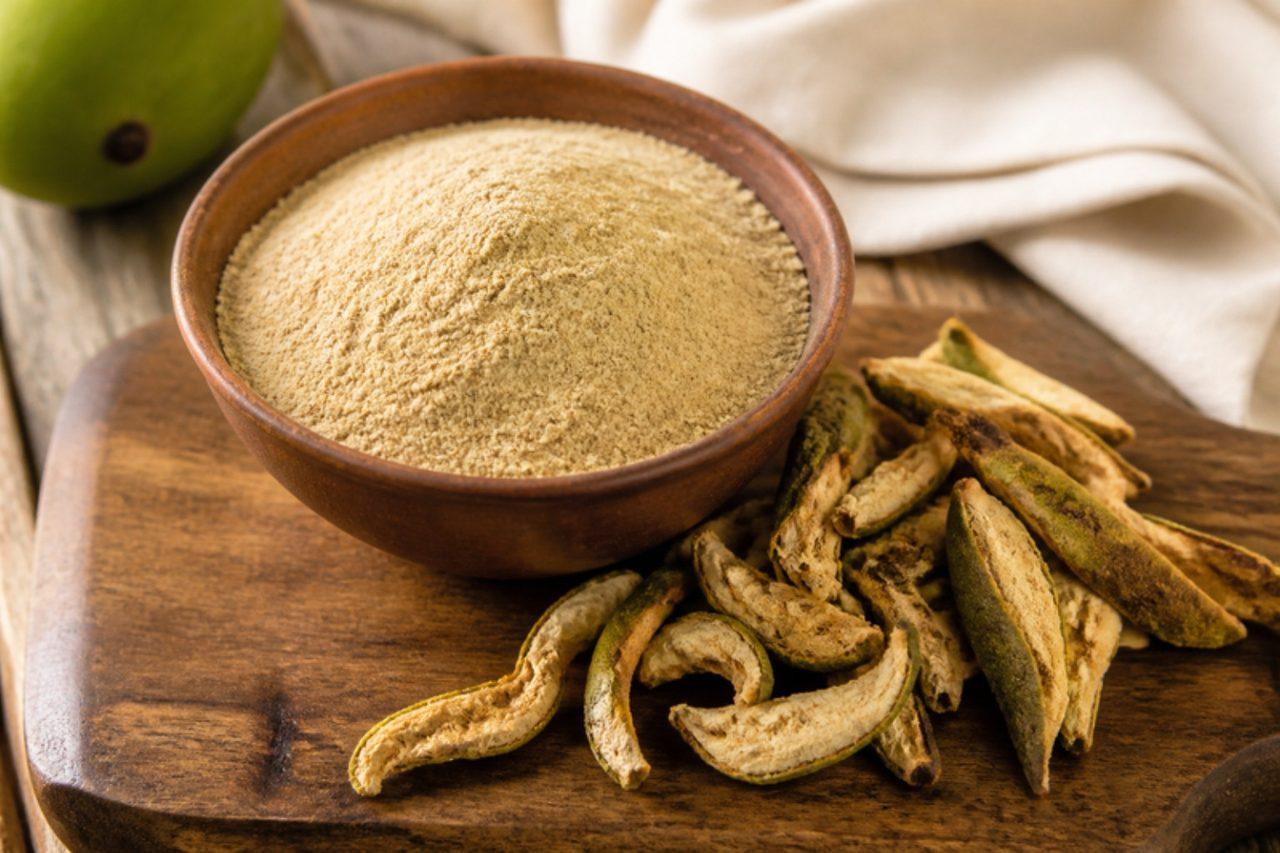
Every Punjabi and UP kitchen keeps a jar of amchur next to the jeera and haldi, and the homemade version smells far fresher and sourer than most shop powder. In villages around Saharanpur and Malihabad, the raw mangoes that fall in early-summer storms are peeled, sliced and spread out to dry, and the brittle slices (amchur khatai) are either stored whole or ground. Amchur gives a fruity, mouth-puckering sourness without any liquid, which is why it goes into dry dishes where tomato or tamarind would make things soggy: bhindi masala, stuffed karela, samosa and kachori fillings, chole, chaat masala and pav bhaji masala. A kilo of mangoes gives roughly 100 g of powder. Common mistake: grinding slices that still bend; even slight moisture makes the powder clump into hard lumps in the jar. Chef's tip: choose small, rock-hard, very sour green mangoes with white flesh, not ones starting to turn yellow; riper fruit dries into a brown, sweetish powder.

by KrazyBadal 0 views

BolinhasSemolina and coconut cookies

Bolinhas (small balls in Portuguese) are the cookies Goan Catholic families bake in batches for the Christmas kuswar, the tins of sweets sent to friends and neighbours in Panjim and Salcete in mid-December. Fresh coconut is cooked briefly in a sugar syrup, mixed with semolina and left overnight so the grains soften, then bound with butter and egg yolks, shaped into small balls, marked with a fork or a cross and baked until golden. The texture is sandy and crumbly outside with a chewy coconut centre, and they smell of cardamom and browned butter. They contain egg yolk, so they are vegetarian with egg, not vegan. The common mistake is baking them the same day: unsoaked semolina stays gritty and the cookies spread. Chef's tip: shape with slightly damp hands and keep them small, about 3 cm; they puff a little and need room on the tray.

by KrazyBadal 0 views

Ladi pavSoft pull-apart bread rolls

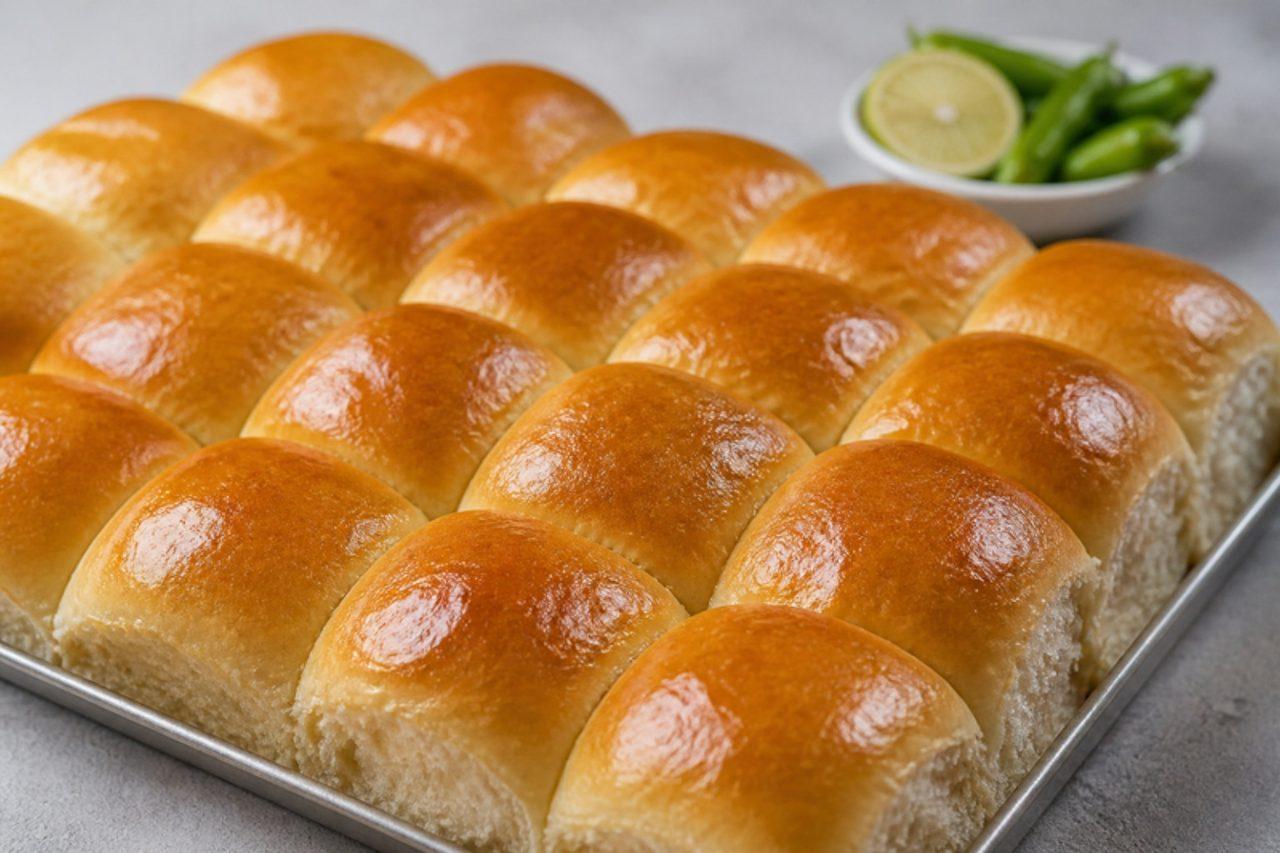
Pav came to Mumbai with the Portuguese and was taken up by the city's Goan and Irani bakeries, and today it is the bread every street snack depends on: vada pav, misal pav, bhurji pav, dabeli and pav bhaji. A ladi is a slab of rolls baked touching each other, so their sides stay pale and fluffy and they tear apart with soft white edges and a thin golden top. This home version uses milk and a little butter for a tender, slightly sweet crumb that holds up to a buttery tawa toast. It bakes in an ordinary oven at 190 °C (170 °C fan). Common mistake: baking the pav too long or too hot, so the crust turns hard and brown; take it out the moment the tops are golden and brush with butter at once. Chef's tip: cover the hot ladi with a clean cloth as it cools; the trapped steam is what gives that typical bakery softness.

by KrazyBadal 0 views

Showing 24 of 615 recipes

Show more recipes

Page 1 of 26