Skip to content
Recipes

All recipes

Vegetarian, or something you can't eat? Set your diet once and we'll hide recipes that don't fit.

Ají amarillo pasteYellow chilli paste

In Lima's markets ají amarillo is sold fresh all year, and most Peruvian cooks keep a tub of this paste in the fridge the way others keep tomato purée: it is the golden base of causa limeña, ají de gallina, papa a la huancaína, chupe and the sauce for tiraditos. The chillies are seeded, de-veined and blanched in three changes of water, which tames the heat and the raw grassiness, then peeled and blended with oil into a thick, silky, saffron-orange paste. It tastes fruity and sunny, almost like apricot and passion fruit, with a rounded, medium heat. Abroad, buy whole frozen ají amarillo from Latin grocers; dried ají mirasol, soaked, gives a darker, earthier paste. Common mistake: skipping the peeling; the thin skins leave papery flecks and a bitter edge. It is ready when it is completely smooth and holds a soft peak like thick hummus. This is a low-acid paste: keep it in the fridge for a week or freeze it, never on the shelf. Chef's tip: freeze it in an ice-cube tray; one cube is about a tablespoon, just right for a pot of ají de gallina.

by KrazyBadal 0 views

Postre MassiniCustard sponge with burnt sugar top

Montevideo's birthday cake of choice since the early twentieth century, the Massini is two thin layers of sponge sandwiching a thick filling of whipped cream folded with egg-yolk custard, crowned with a thin glassy crust of torched yolk and sugar. Bakeries across Uruguay sell it on Sundays. Traditional versions sometimes add a sweet fortified wine to the custard; this one is alcohol-free. The custard is cooked to a safe 71 °C. The common mistake is assembling with warm custard, which melts the cream into a puddle. Chef's tip: if you don't have a blowtorch, put the sugared top under a very hot grill for a minute and watch it closely.

by KrazyBadal 0 views

Tarta de zapallitosCourgette and cheese tart

In Buenos Aires every rotisería sells tartas by the slice, and at home a tarta de zapallitos is baked on Sunday evening so that a wedge can go into the vianda (packed lunch) for school and work all week. Zapallitos are round green courgettes; ordinary courgettes work just as well. The common mistake is adding the courgette raw, which floods the pastry; sauté it until the liquid has cooked away. Argentine queso rallado and many hard cheeses are made with animal rennet, so use a vegetarian hard cheese. Chef's tip: bake the tart on a preheated baking tray so the base crisps before the filling soaks in.

by KrazyBadal 0 views

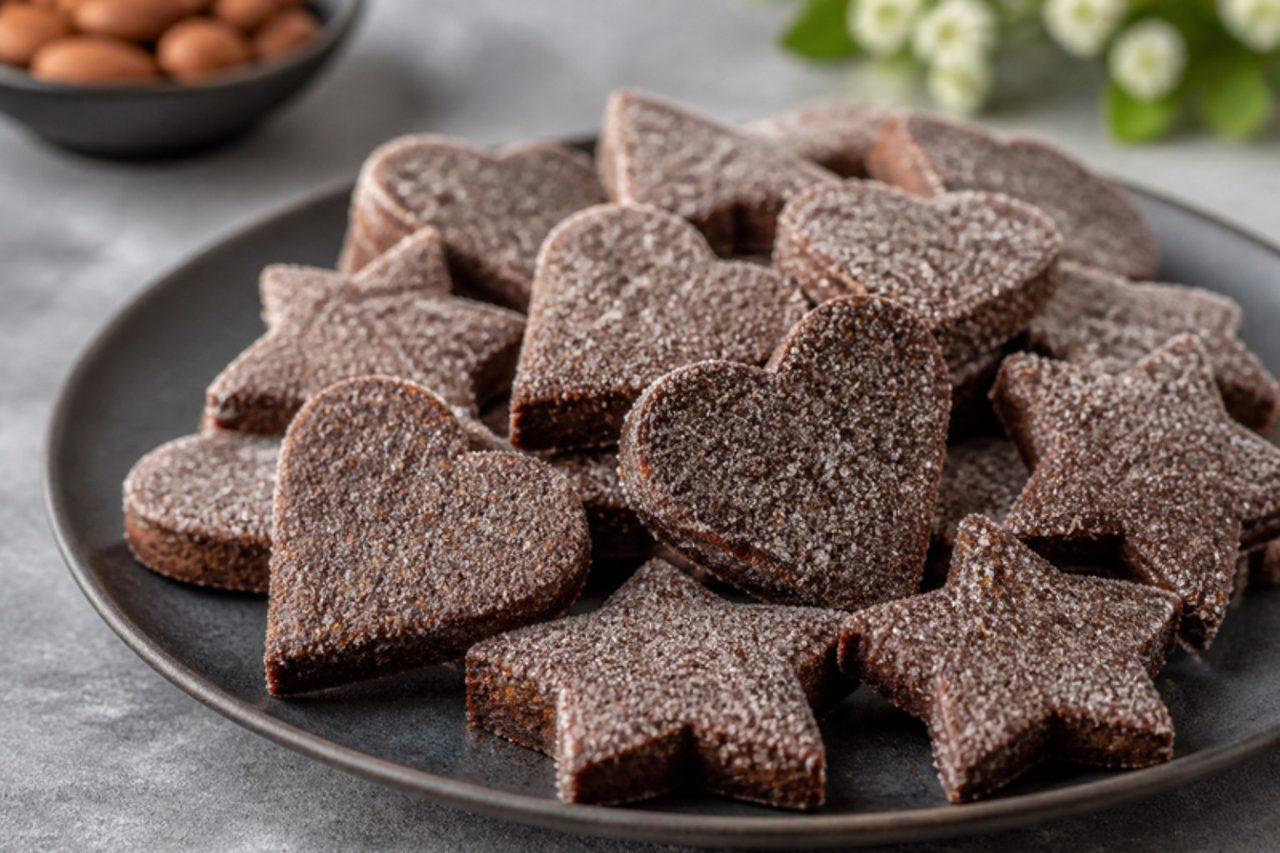
BrunsliChocolate almond biscuits

Brunsli are the dark, chewy Christmas biscuits of Basel, one of the 'Basler Weihnachtsguetzli' along with Läckerli and Zimtsterne: ground almonds, sugar, dark chocolate, cinnamon and cloves bound with egg white, rolled out on sugar and cut into hearts, stars and clovers, then dried overnight and baked briefly so they stay soft inside. They are flourless. A common mistake is baking them too long, which turns them hard. Chef's tip: leave the cut shapes to dry overnight at room temperature; they form a thin crust and keep their sharp shape in the oven. Use a dairy-free chocolate to keep them dairy-free.

by KrazyBadal 0 views

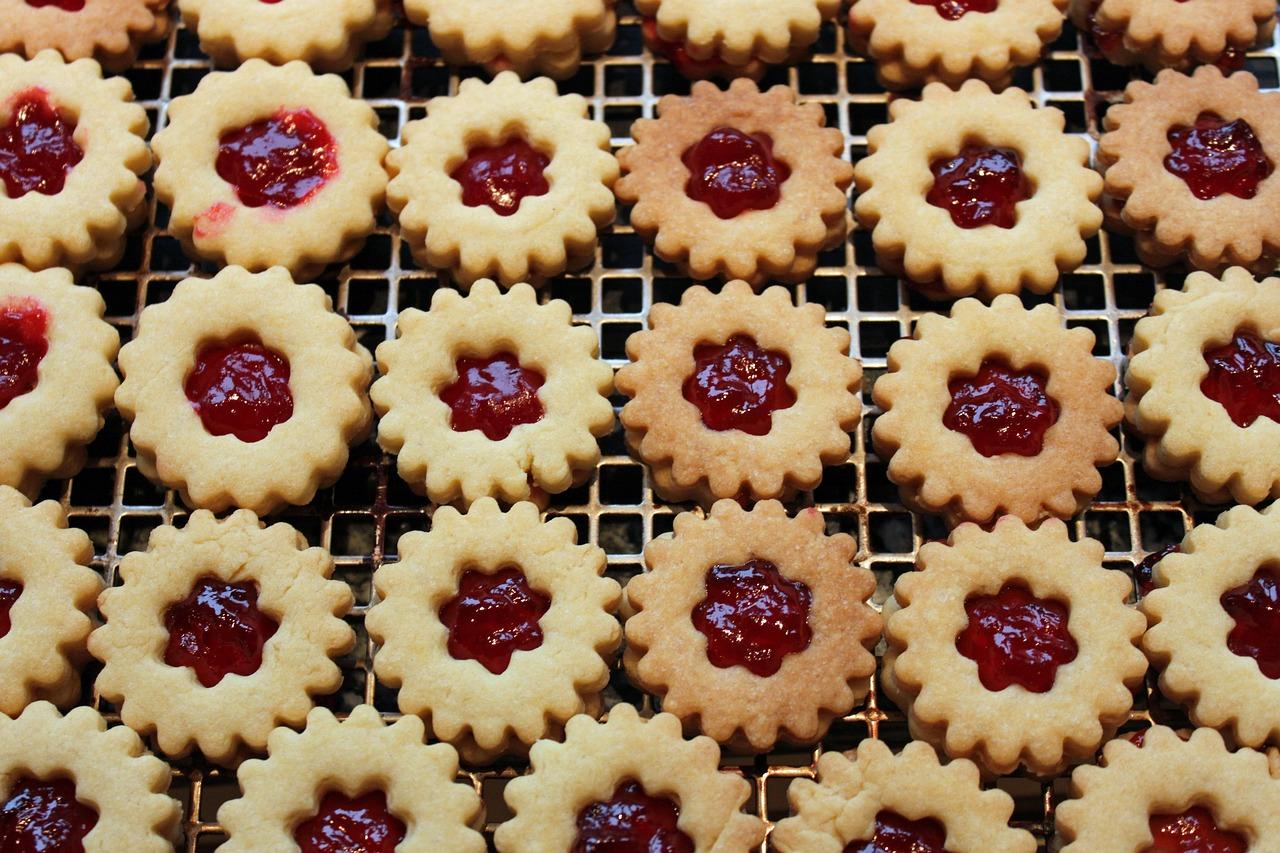
SpitzbubenJam-filled butter biscuits

Spitzbuben, 'rascals', are the jam-filled sandwich biscuits Swiss families bake every December: two thin, crumbly butter biscuits, the top one with a little window cut in it, stuck together with raspberry or redcurrant jam so it shines through, and dusted with icing sugar. They are made by the tin-load for Christmas and keep well. A common mistake is rolling the dough too thick, which makes heavy, doughy biscuits. Chef's tip: chill the dough well and roll it 3 mm thick between sheets of baking paper; dust the tops with icing sugar before sandwiching so the jam window stays clean.

by KrazyBadal 0 views

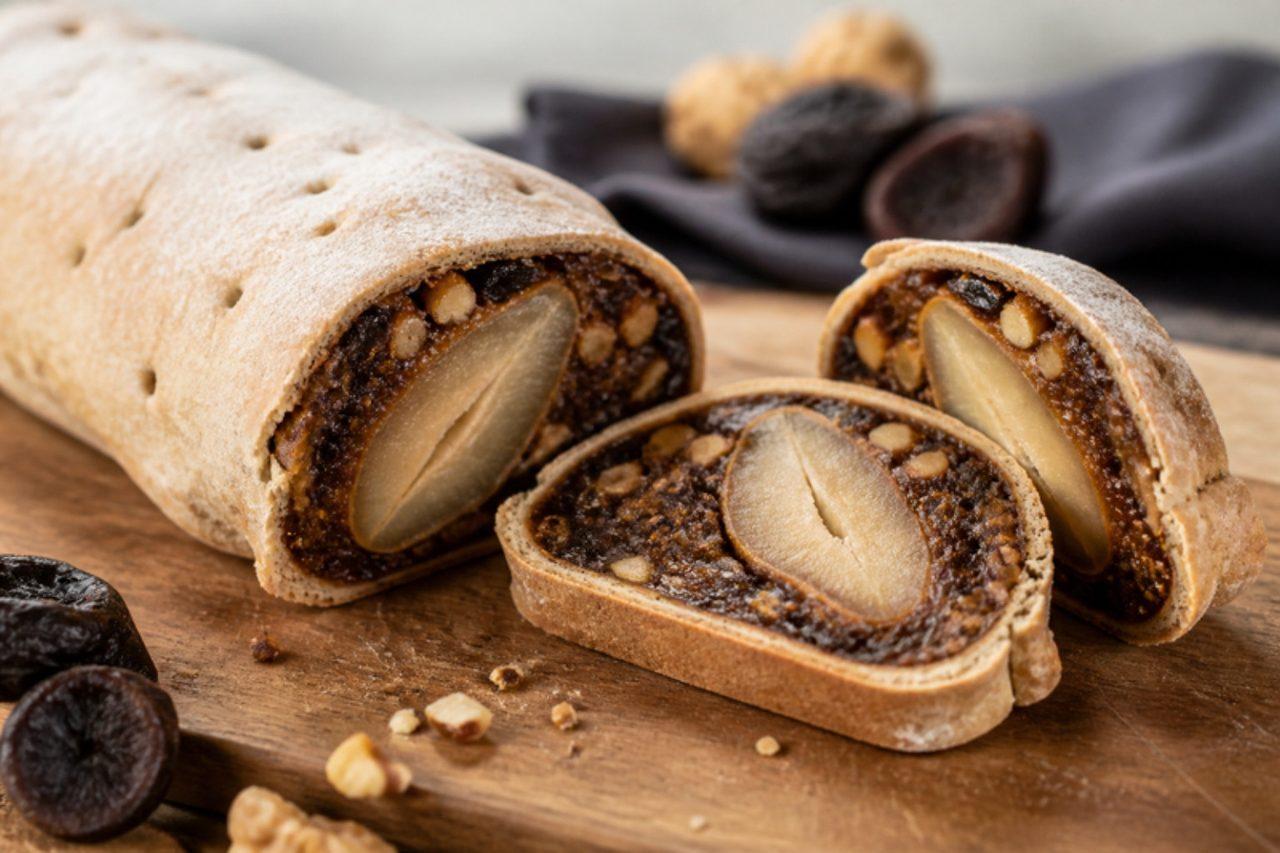
Bündner BirnbrotPear and fig loaf

Birnbrot is the Christmas loaf of Graubünden, baked in Chur and the mountain villages in December: a dark, dense filling of dried pears, figs, raisins, walnuts, candied peel and warm spices is wrapped in a thin layer of plain bread dough and baked until the crust is golden. It keeps for weeks and is sliced thin with butter (or without, for a vegan loaf). Many families soak the fruit in pear brandy; this version uses pear juice. A common mistake is a thick bread wrapping, which dries out; the crust should be thin. Chef's tip: soak the dried fruit overnight so it is plump and the filling holds together.

120 minSwissBakingVegan
by KrazyBadal 0 views

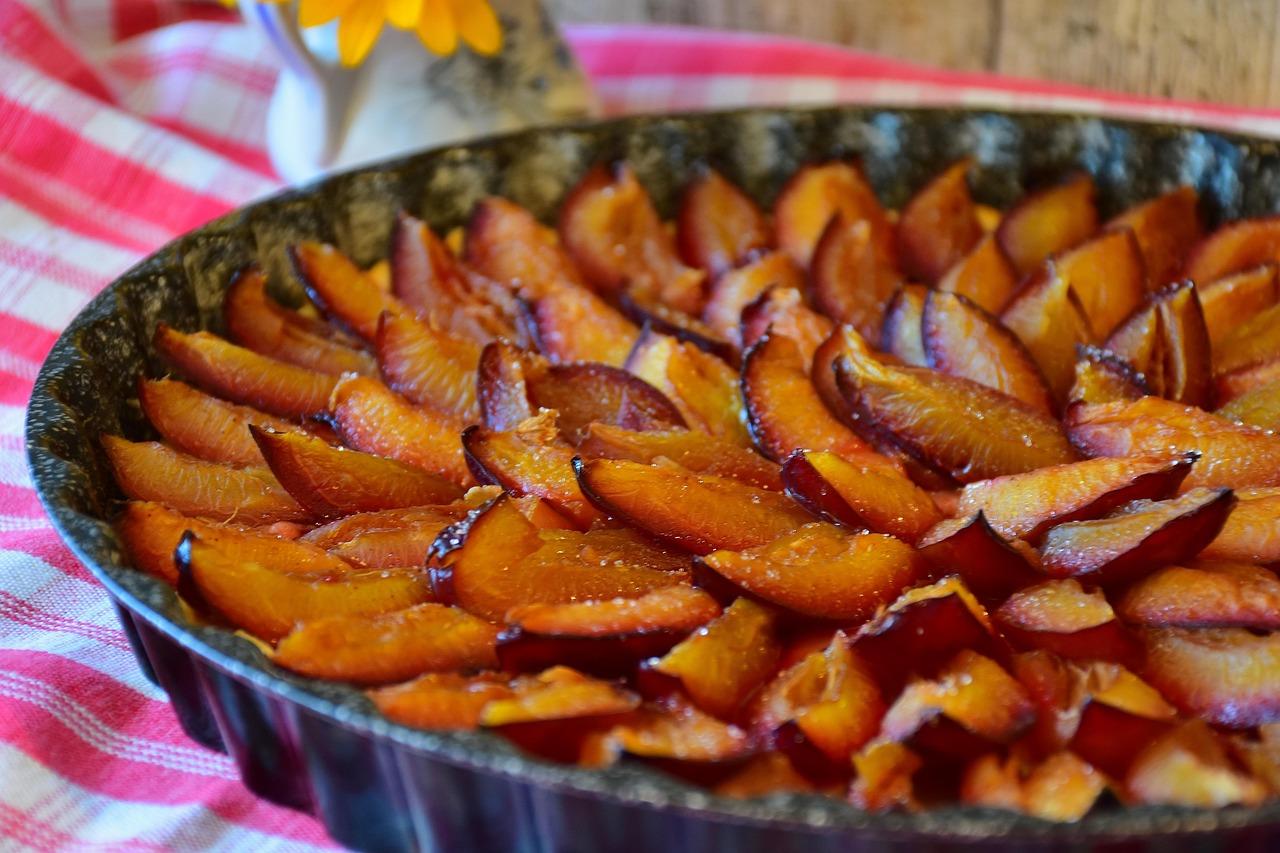
FrüchtewäheFruit custard tart

The Wähe is the open tart of German-speaking Switzerland, known as Kuchen or Fladen depending on the canton: a thin pastry base covered with sliced apples, plums, apricots or cherries, then a simple custard of cream, egg and sugar poured around the fruit and baked until set. Swiss families eat it as a light supper on Fridays, sometimes after a bowl of soup, and fruit Wähe is often dusted with cinnamon sugar. A common mistake is skipping the ground nuts on the base, which lets the fruit juice soak the pastry. Chef's tip: scatter ground hazelnuts on the pastry first; they soak up the juice and keep the base crisp.

by KrazyBadal 0 views

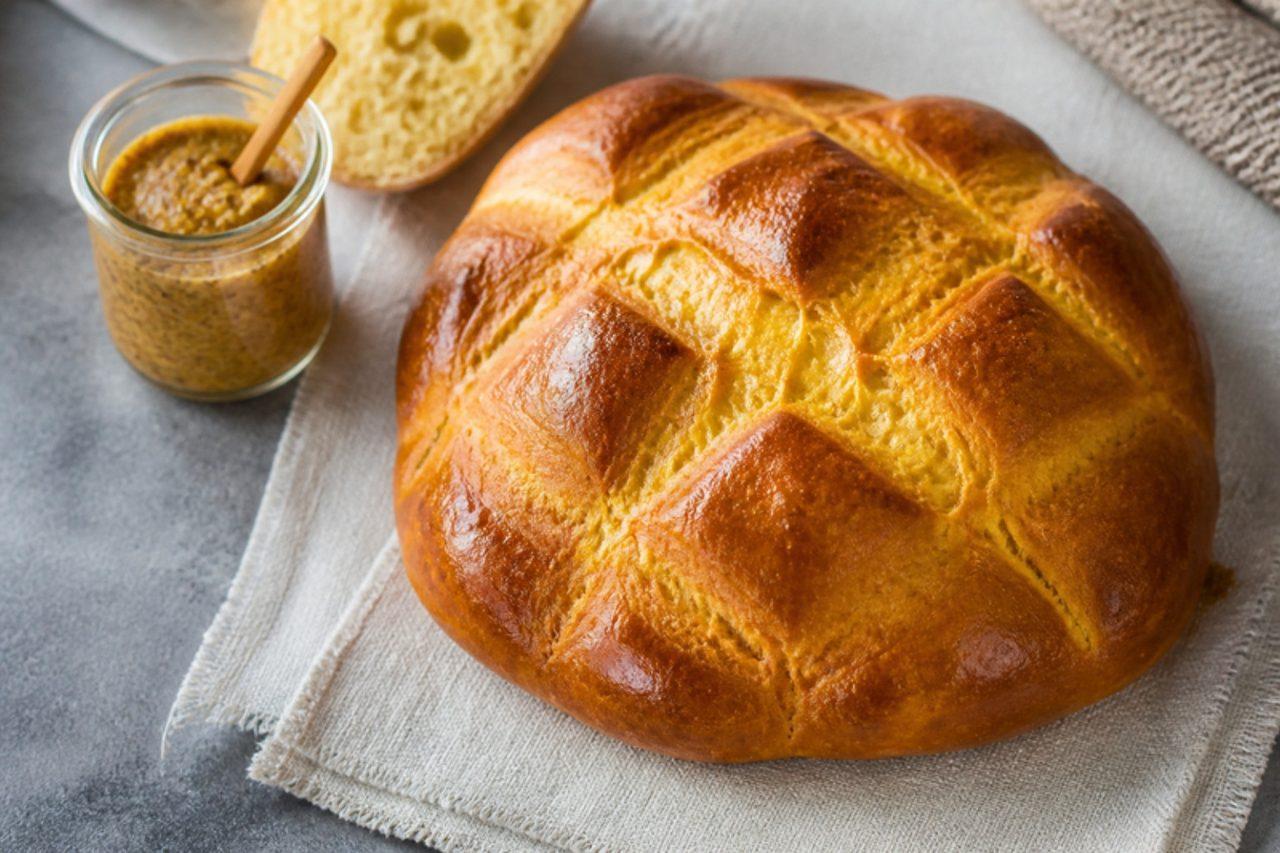
CuchauleSaffron brioche

Cuchaule is the golden saffron brioche of the canton of Fribourg, baked for the Bénichon, the autumn feast that marks the herds coming down from the mountains and the end of the harvest. Thick slices are spread with moutarde de Bénichon, a sweet, spicy mustard made with vin cuit (cooked pear syrup), and eaten at the start of a long Bénichon meal. A common mistake is adding saffron threads whole, which leaves the brioche streaky. Chef's tip: steep the saffron in warm milk for 15 minutes before making the dough, so the colour is even and golden all through.

by KrazyBadal 0 views

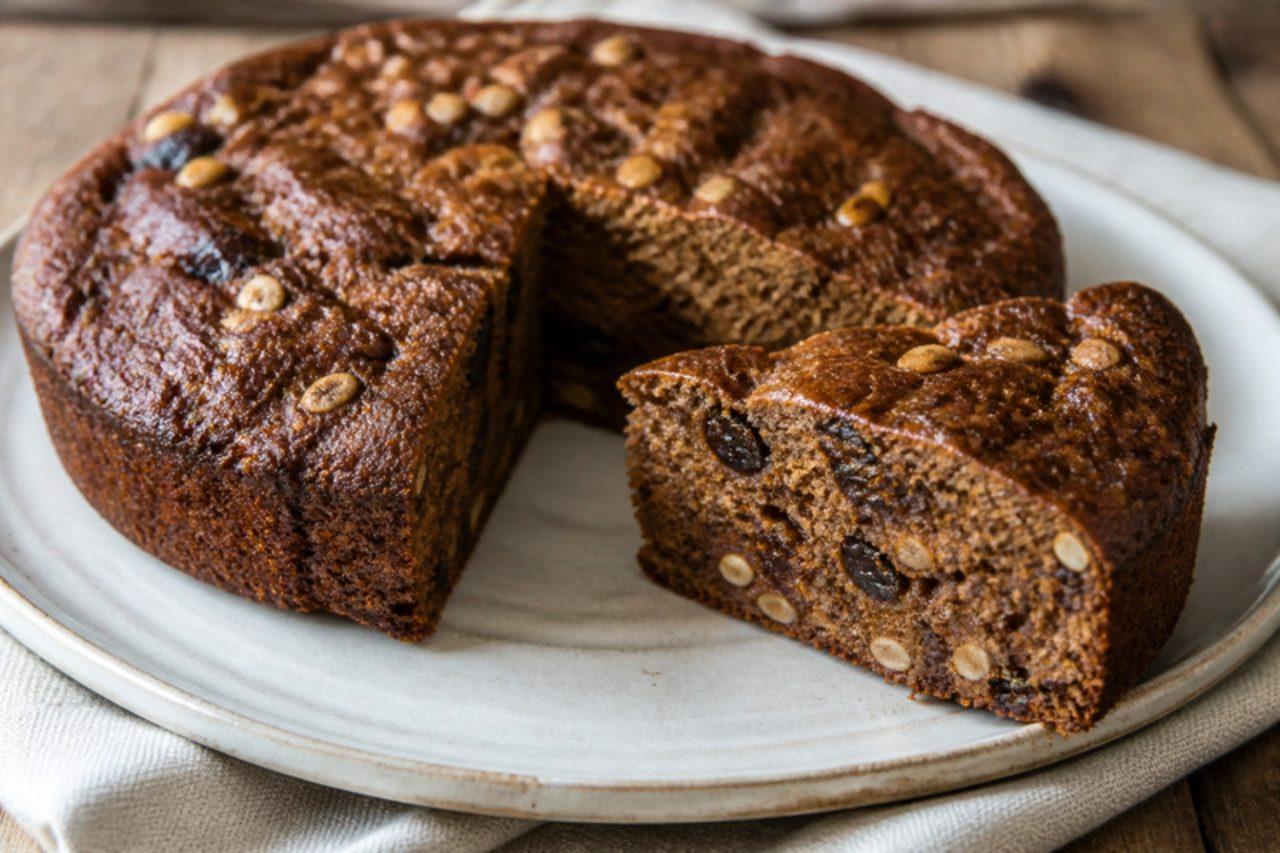
Torta di paneBread cake with cocoa and raisins

Torta di pane is the thrifty cake of Ticino, Switzerland's Italian-speaking south, made in every family and sold in bakeries in Lugano and Locarno: stale bread soaked overnight in milk, then mixed with cocoa, eggs, sugar, raisins, pine nuts, candied peel and lemon zest and baked into a dense, moist cake with a crisp top. Each family's recipe differs, and some add amaretti or a splash of grappa (this one has none). A common mistake is not soaking the bread long enough, which leaves dry lumps. Chef's tip: soak overnight and mash well, then let the cake cool completely before slicing; it firms up.

by KrazyBadal 0 views

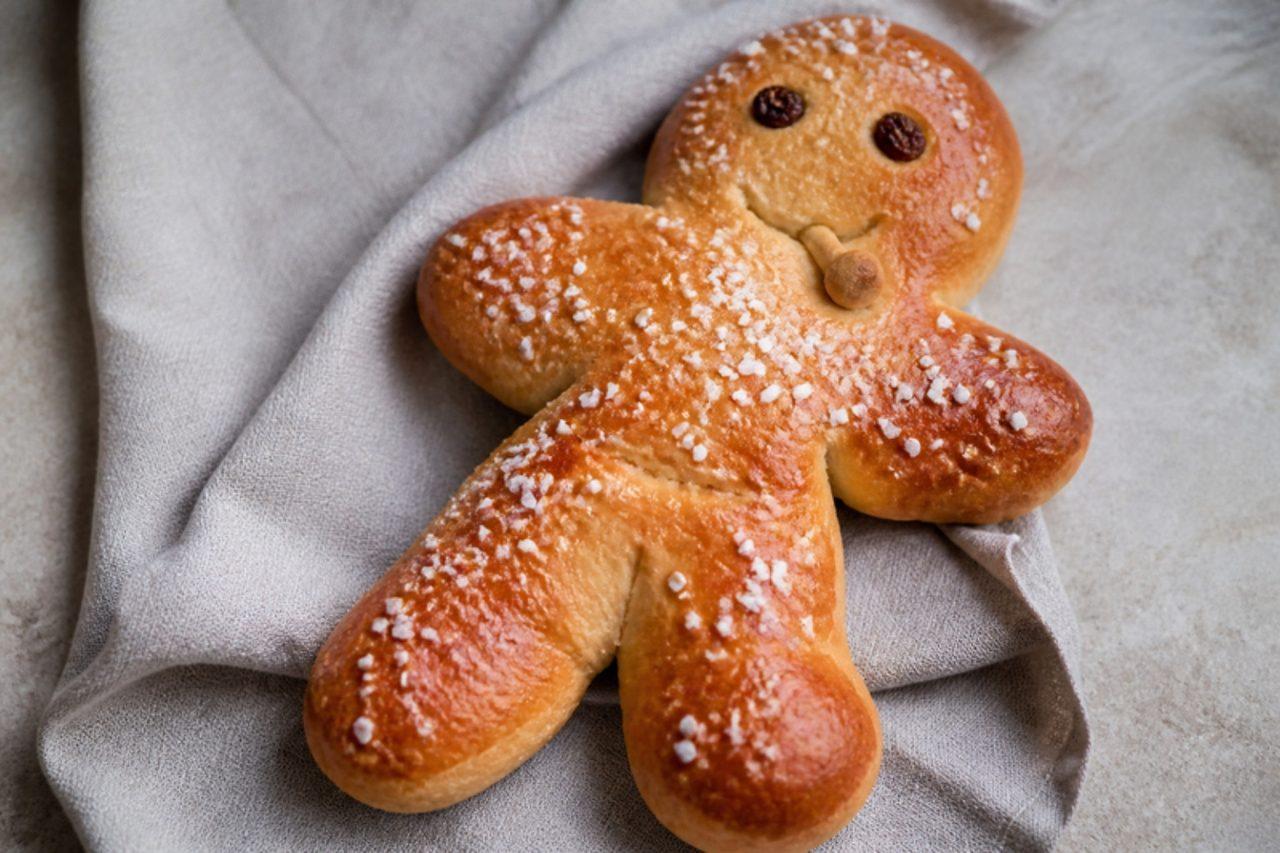
GrittibänzSweet bread man

On 6 December, Samichlaus Day, bakeries across German-speaking Switzerland fill their windows with Grittibänz: little men of soft, sweet Zopf-style dough with raisin eyes and buttons, sometimes a pipe or a scarf, given to children with mandarins, nuts and gingerbread. Families shape them together at home, and every one comes out different. A common mistake is making the arms and legs too thin; they burn before the body bakes. Chef's tip: make the figures chunky and snip the arms and legs with scissors rather than rolling them separately, so the shape holds as it rises.

by KrazyBadal 0 views

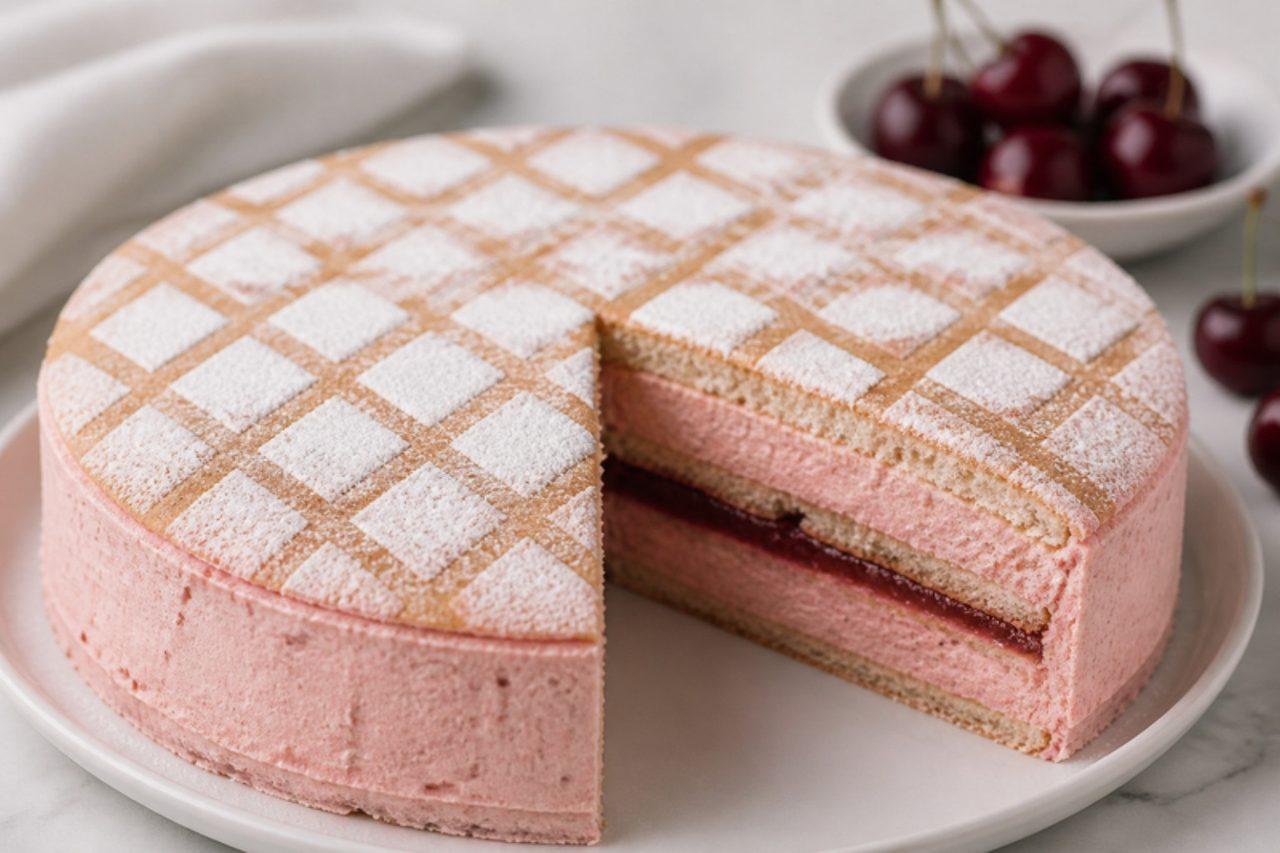
Zuger KirschtorteKirsch meringue sponge cake

The Zuger Kirschtorte was created in 1915 by the confectioner Heinrich Höhn in Zug, a lakeside town at the heart of Swiss cherry country, and it is still sold in the town's cake shops: two crisp almond meringue discs sandwiching a light sponge soaked in kirsch syrup, all held together with pink-tinted buttercream and coated in toasted almonds and icing sugar. This cake contains alcohol (kirsch, a cherry brandy); for an alcohol-free version, use the cherry juice swap in the ingredient note. A common mistake is soaking the sponge until soggy; it should be moist but hold its shape. Chef's tip: bake the meringue discs until dry and crisp, so they stay crunchy against the soft buttercream.

100 minSwissBaking
by KrazyBadal 0 views

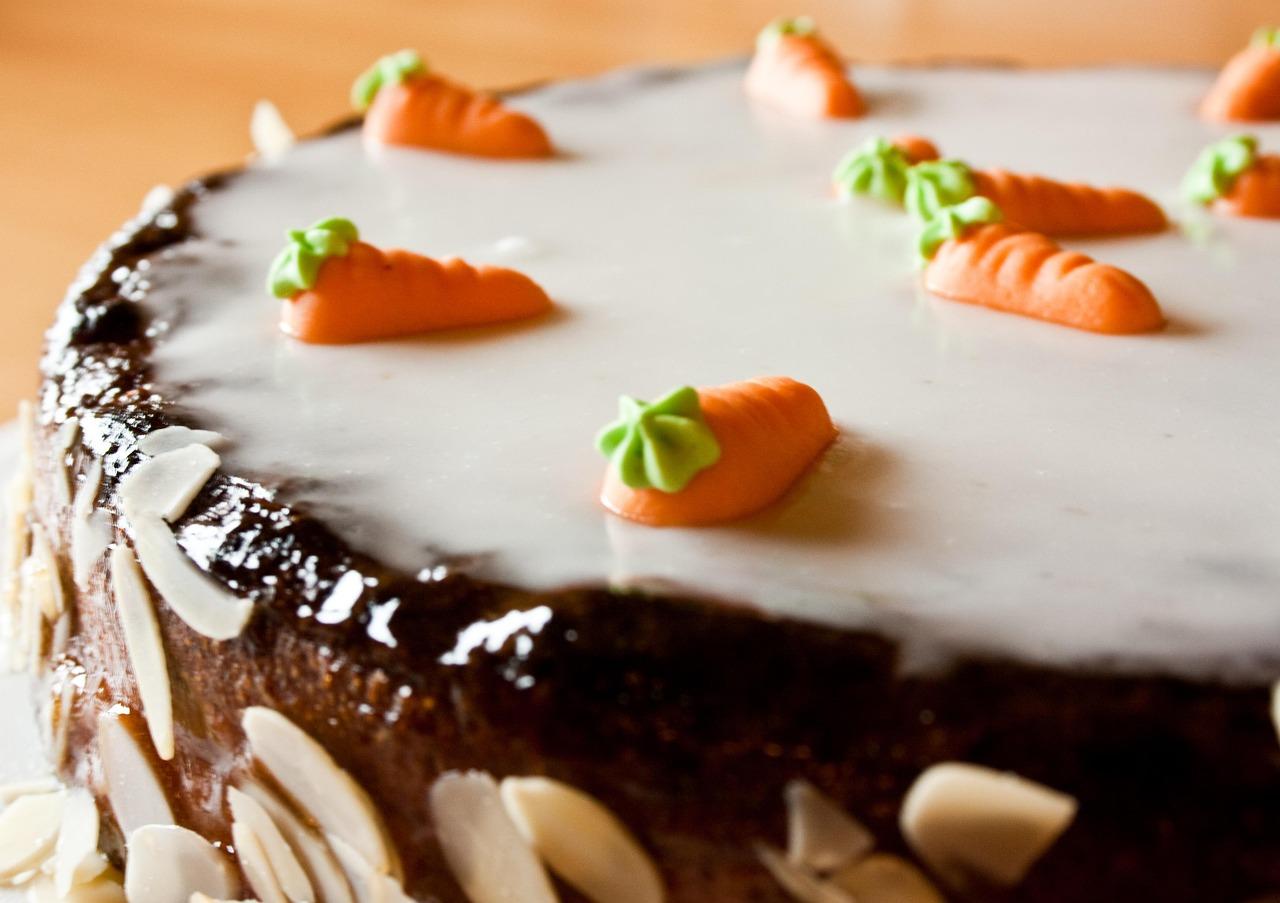
Aargauer RüeblitorteCarrot and almond cake

Rüeblitorte is the carrot cake of the canton of Aargau, between Zurich and Basel, where carrots grow well in the flat farmland: a moist, flourless cake of grated carrot and ground almonds lifted with whisked egg whites, glazed with a thin lemon or kirsch icing and decorated with little marzipan carrots. It is the traditional Swiss birthday cake for children and appears at Easter. A common mistake is skipping the separate whisking of the whites, which makes it heavy. Chef's tip: grate the carrots finely and squeeze out a little juice, so the cake is moist but not soggy. This version uses lemon icing.

by KrazyBadal 0 views

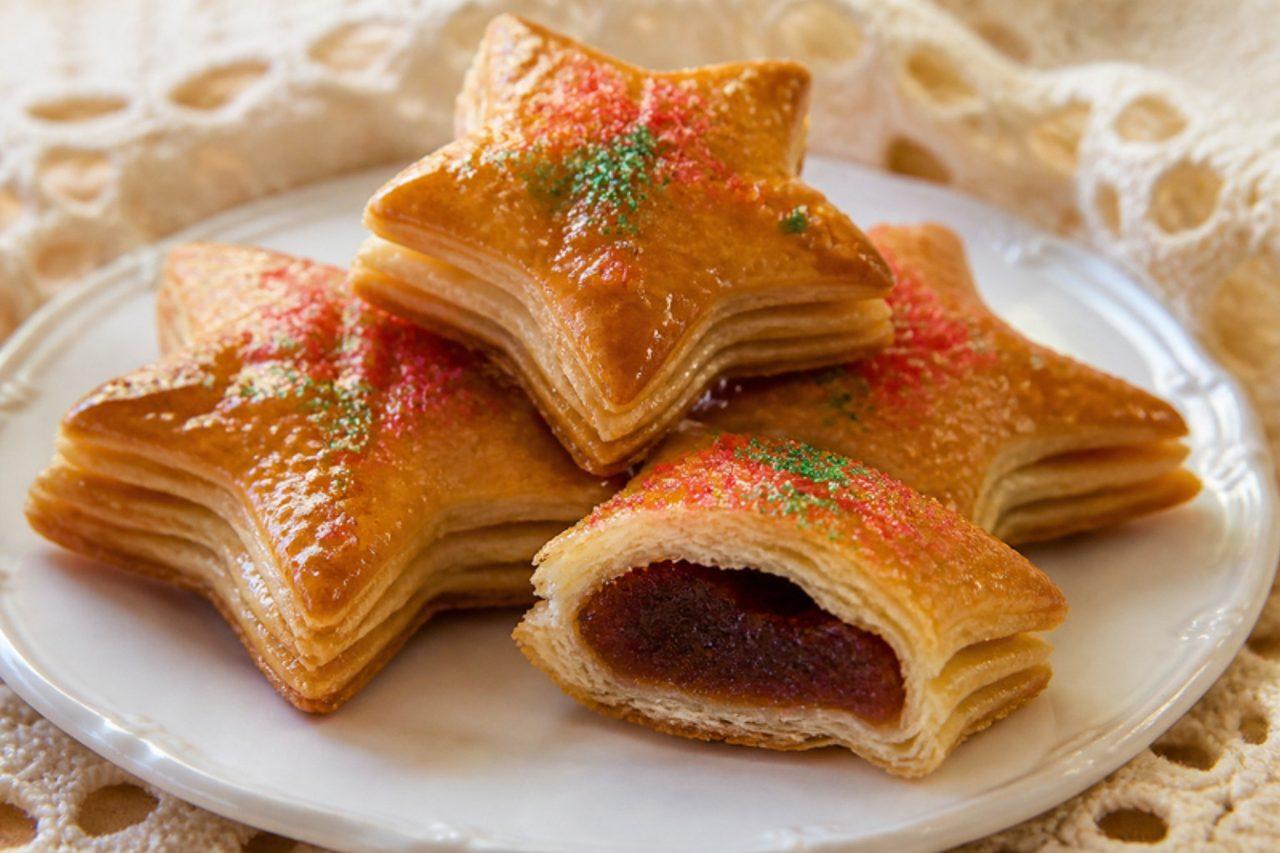
Pastelitos criollosFried quince pastries

Every 25 May, when Argentina marks the 1810 revolution, bakeries and school kitchens from Buenos Aires to Tucumán turn out trays of pastelitos: two squares of flaky dough stacked into a star, filled with dulce de membrillo or dulce de batata, fried until the layers fan open and then dipped in syrup. They are eaten warm with mate or hot chocolate, shattering crisp outside and sticky in the middle. Lard is the traditional fat in both the dough and the frying pan; this version uses butter or vegetable shortening for laminating and sunflower oil for frying, so it stays vegetarian. Expect a hard but rewarding job: the dough is folded like a quick puff pastry. Oil that is too hot is the classic error, browning the outside before the inner layers have opened, so keep it around 160 °C. Chef's tip: pinch the four corners of the top square down onto the gaps of the bottom one and press with a wet fingertip, or the star unfolds in the oil and the filling leaks.

by KrazyBadal 0 views

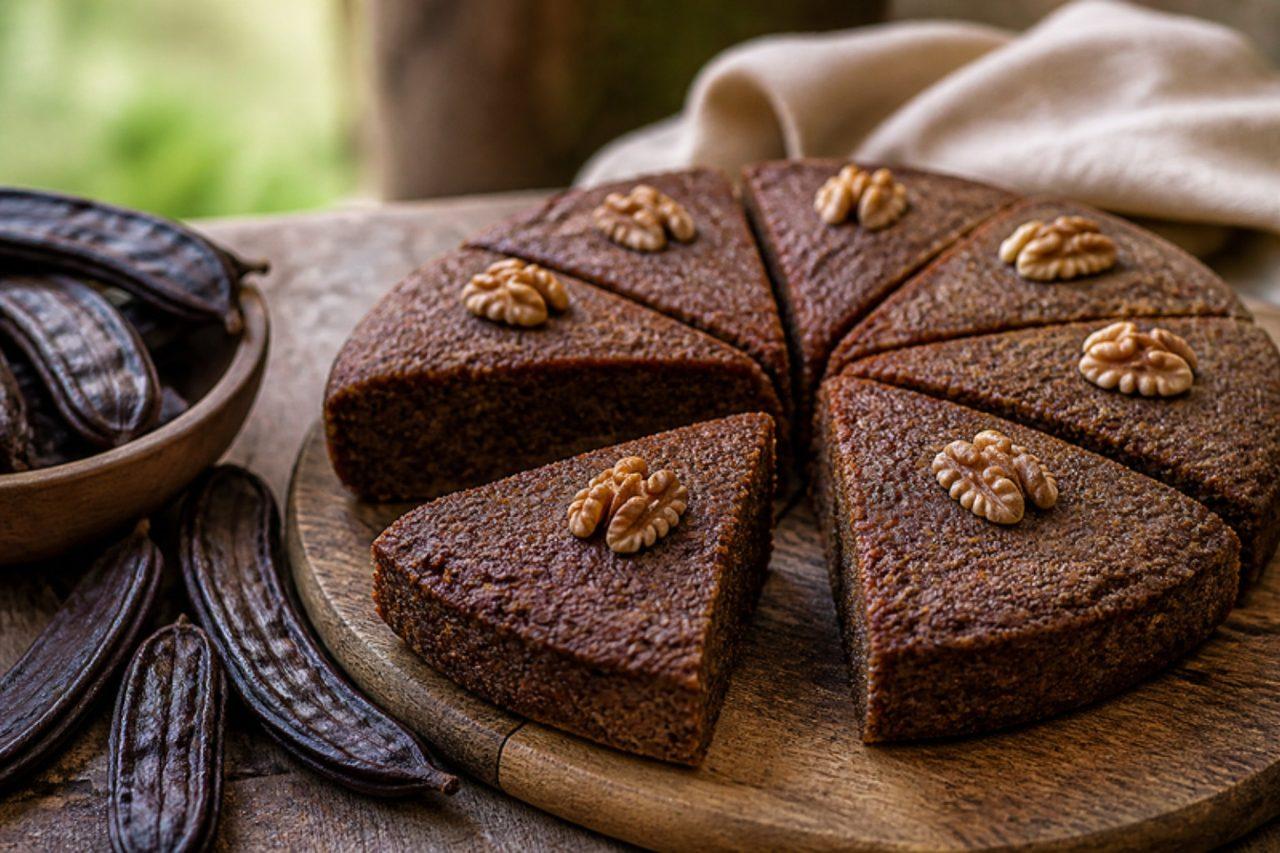
PatayAlgarroba pod cake

Long before sugar reached the dry northwest, the pods of the algarrobo tree were the region's sweetness, and patay is the oldest way of keeping them: the pods are ground, the flour is moistened and pressed into a cake that dries into something dense, fudgy and naturally sweet, with notes of cocoa, coffee and caramel. In Santiago del Estero you still buy it in round slabs at markets and roadside stalls, to eat with mate or to crumble into milk. Harina de algarroba comes from the South American Prosopis tree; look for it in health-food shops or online, and mesquite flour is the same family and works well. Mediterranean carob flour is different and tastes more bitter. Too much water is the way most first attempts go wrong: the cake should be pressed from a damp, crumbly mix, not a batter, or it bakes up gummy. Chef's tip: sieve the flour twice; algarroba flour clumps, and lumps stay as hard grains.

by KrazyBadal 0 views

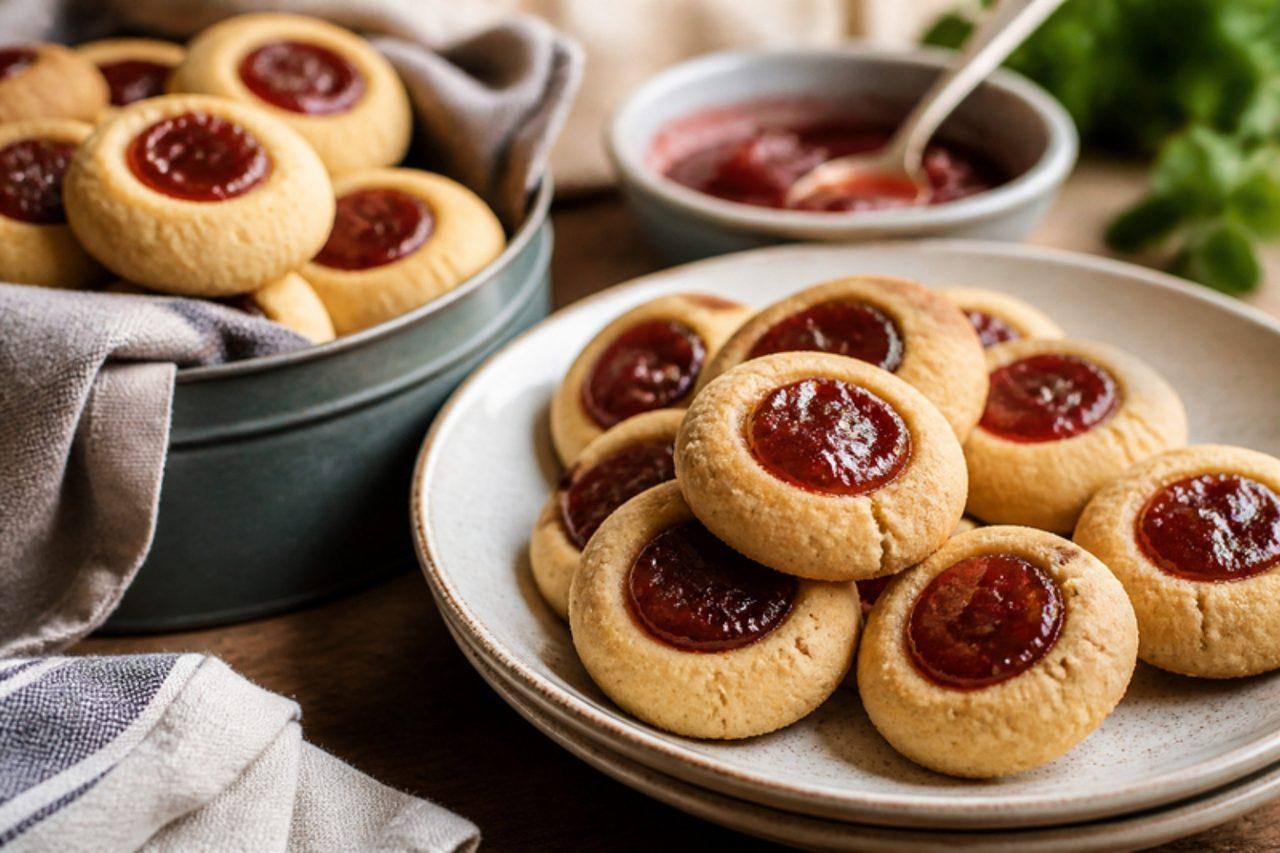
Pepas de membrilloQuince jam cookies

Pepas are the little round cookies with a jewel of quince jam in the middle that Argentine kiosks sell by the bag and grandmothers keep in a tin for the mate round. They are tender and crumbly, not crisp, with just enough sugar that the tart, dark membrillo stands out. Children love pressing the thumbprint and filling it, which makes them a good first baking job, and they keep for a week in an airtight jar. Kiosk versions are often made with margarine; butter tastes far better. Overbaking is the usual problem: take them out while the tops are still pale and only the bottoms are golden, because they firm up as they cool. Chef's tip: use quince paste softened with a spoonful of hot water and pipe it from a small bag; a spoon leaves smears on the dough that burn.

by KrazyBadal 0 views

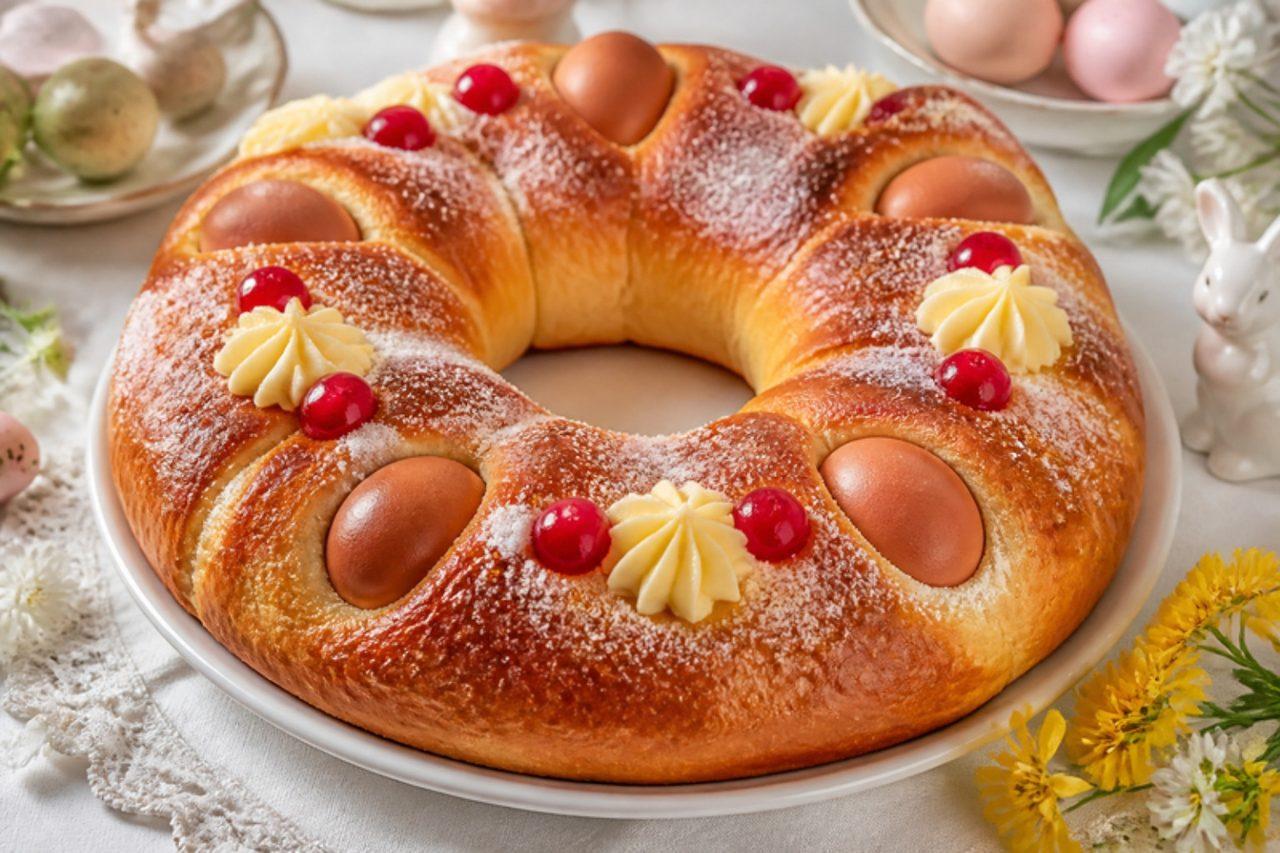
Rosca de PascuaEaster ring bread

Argentine Easter Sunday breakfast centres on the rosca de Pascua, a ring of soft, orange-scented brioche-like dough laid with stripes of pastry cream, candied cherries and pearl sugar, with whole boiled eggs pressed into the dough as a symbol of new life. Bakeries in every barrio stack them in the window from Holy Thursday, and families share it with coffee or mate after the Easter egg hunt. The crumb is fluffy and pale yellow, and the custard bakes into soft, golden ridges. Because the eggs bake for 30 minutes on top of their boiling, they are fully cooked; many people keep them for decoration and peel them later. The mistake to avoid is piping the pastry cream too thick, which slides off as the ring rises; thin lines give neat ridges. Chef's tip: cook the custard until it is very thick and chill it before piping, and brush the ring with egg before (not after) the cream goes on.

by KrazyBadal 0 views

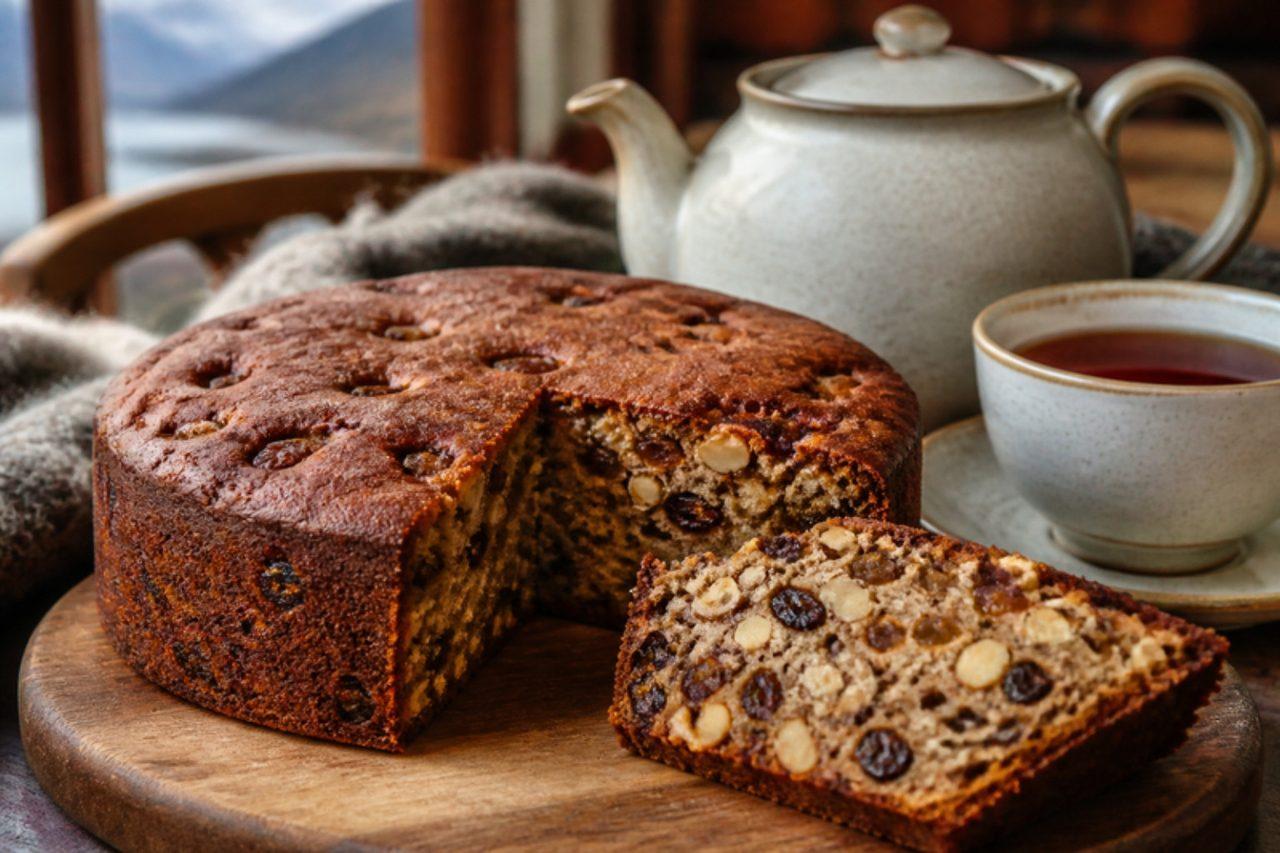
Torta galesaDark fruit and walnut cake

Welsh settlers arrived in the Chubut valley in 1865 and their descendants still serve afternoon tea in Gaiman and Trelew, where the casas de té bring out pots of tea, scones, cream cakes and, always, a slice of torta galesa. It is a dense, almost black fruit cake made with brown sugar and black treacle, studded with raisins, candied peel and walnuts, and it was built to last through long Patagonian winters and journeys across the steppe. The crumb is moist and sticky, rich with spice and caramel. An oven that is too hot is the classic error: the outside chars before the middle is set, so it bakes low and slow under a sheet of paper. There's no alcohol in this version; many cooks brush it with rum after baking, so leave that out or use strong tea. Chef's tip: wrap the cooled cake tightly and wait two or three days before cutting; it turns moister and the flavours deepen.

by KrazyBadal 0 views

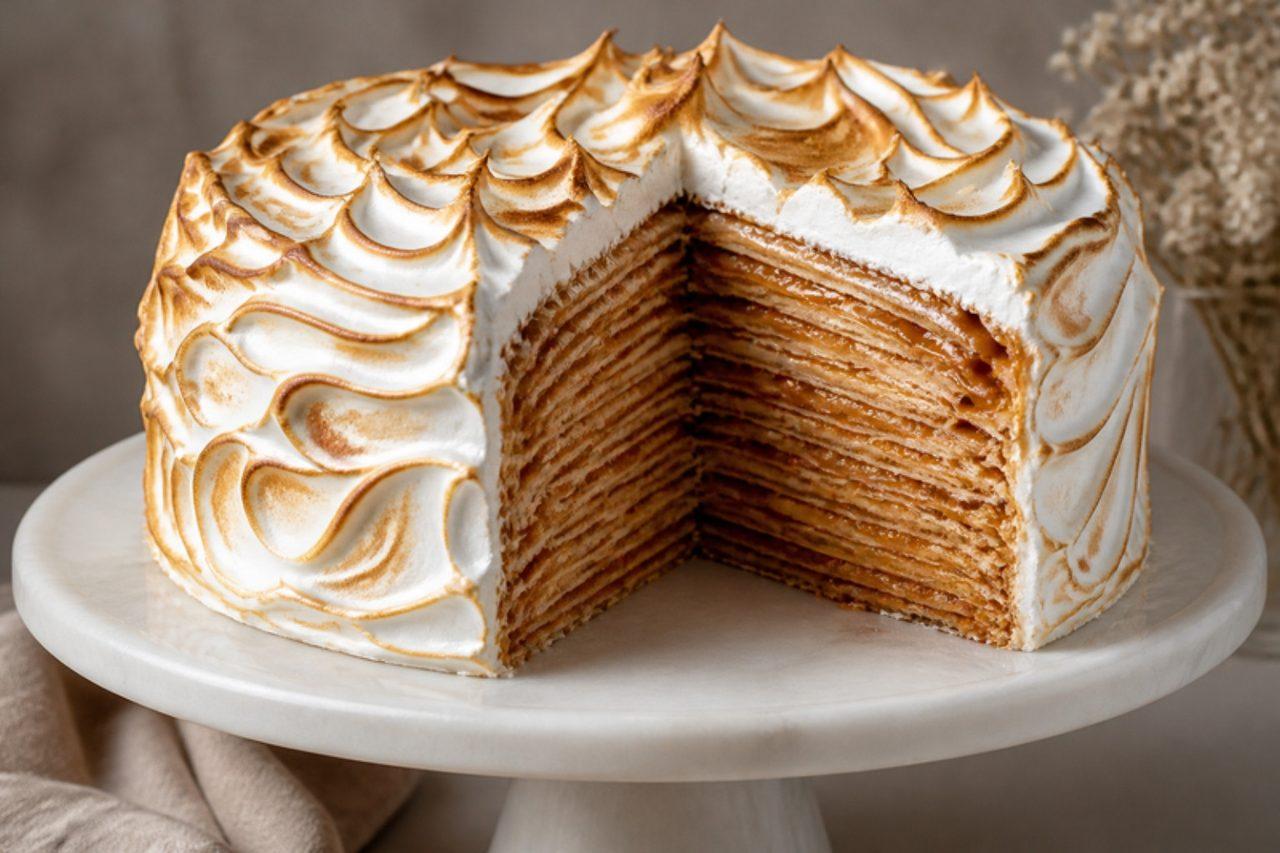
Torta rogelLayered pastry dulce de leche cake

Birthdays in Buenos Aires are where the rogel shows off: eight or more wafer-thin, crackling discs of egg-yolk pastry, each spread with thick dulce de leche, stacked high and finished with a cloud of glossy Italian meringue browned with a blowtorch. Confiterías sell it by the slice, and it is a cake of contrasts, crisp and chewy, very sweet against the faintly salty pastry. It is laborious rather than difficult, and it slices best after a few hours' rest, when the dulce de leche has softened the layers just slightly. Use thick dulce de leche repostero (bakers' style); the runny kind for spreading on toast makes the tower slide. Rolling the discs too thick is the classic mistake: they should be so thin you can almost see the worktop through them, or the cake becomes heavy and hard to cut. Chef's tip: prick every disc all over with a fork before baking, or it puffs into a dome and won't stack flat.

by KrazyBadal 0 views

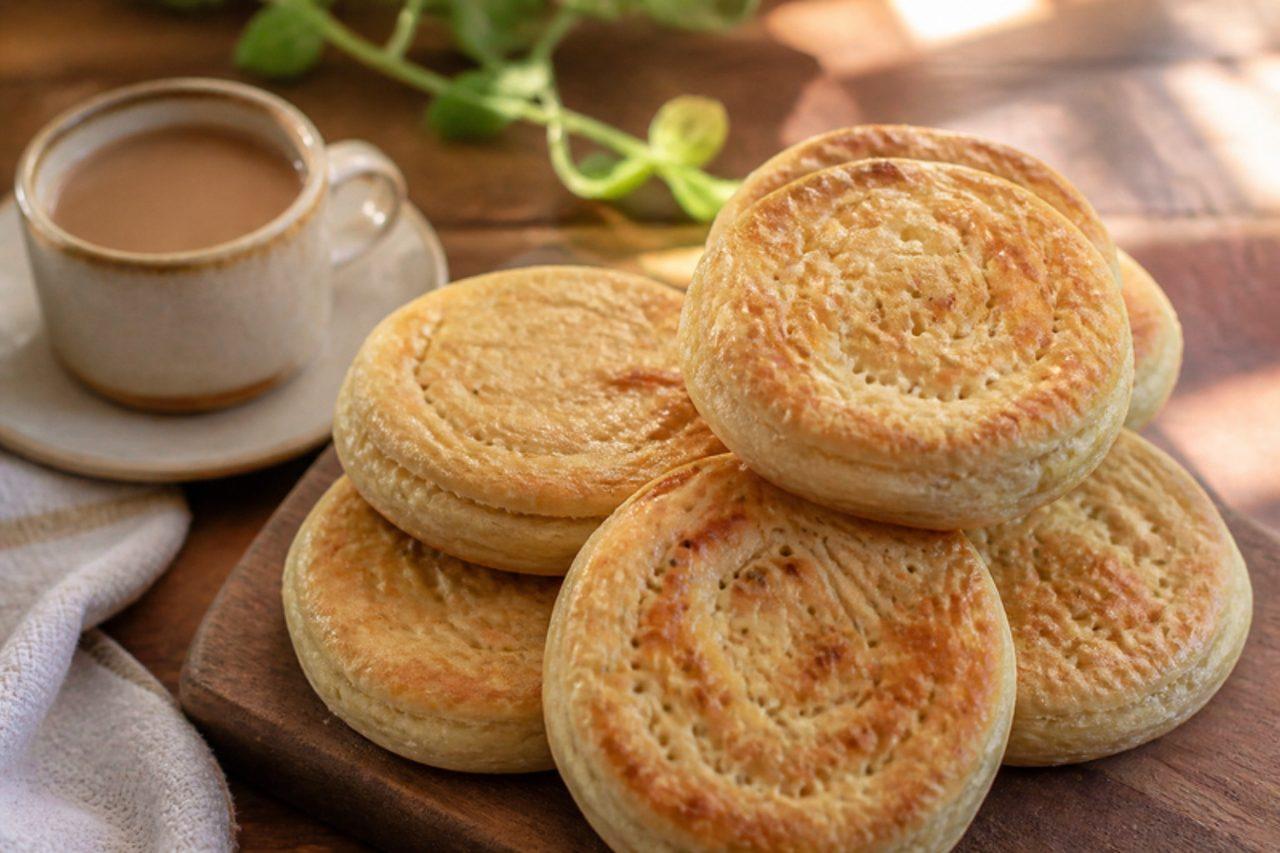
Tortitas mendocinasFlaky round breakfast breads

Every panadería in Mendoza fills a tray with tortitas in the early morning, and they go out in paper bags to be eaten warm with mate, split and spread with butter, quince paste or a slice of cheese. They are flat, round, slightly salty breads, soft and layered in the middle and crisp at the edges, with the fork marks that give them away. The traditional fat is beef lard (grasa), which makes them very short; here butter or vegetable shortening takes its place to keep them vegetarian, and both give a good flaky result. The mistake to avoid is rolling them thin like crackers: they should be a generous centimetre thick, or they bake hard and dry. Chef's tip: fold the dough in three twice before the final roll, like a quick puff pastry; those folds give tortitas their layers.

by KrazyBadal 0 views

Tortitas negrasBrown sugar-topped buns

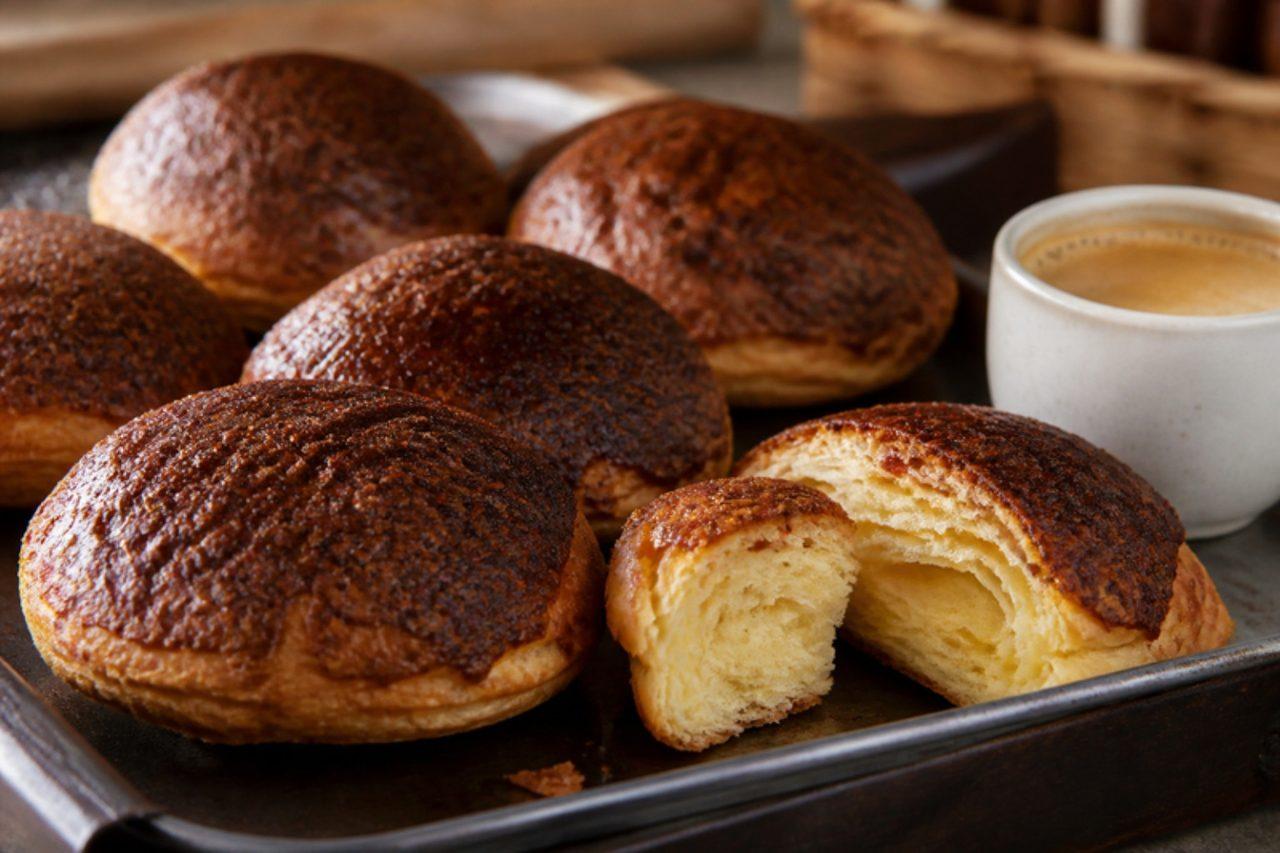
Black cakes, the name means, though only their tops are dark: tortitas negras are flat, round, flaky buns covered with a thick crust of dark brown sugar that melts in the oven and sets crunchy and toffee-like. They are among the cheapest and most popular facturas in Buenos Aires bakeries, eaten from a paper bag at breakfast or as a merienda with mate, and everyone fights over the sugary edges. The dough is a lightly laminated yeast dough, between bread and puff pastry. Bakeries often use lard or margarine; this version uses butter and stays vegetarian. Being stingy with the sugar is the classic misstep: a thin layer just melts into the dough and disappears, so pile it on thickly and press it down. Chef's tip: brush the rounds with water, not egg, before adding the sugar; the water melts the sugar into a crisp, crackling shell.

by KrazyBadal 0 views

Viennese GugelhupfLemon and raisin ring cake

In Vienna the Gugelhupf is the Sunday cake of home bakers, set out on the table for afternoon Jause with coffee, and every family has its own fluted copper or ceramic mould. Unlike the yeasted ring cakes of Alsace and southern Germany, the everyday Viennese one is a Rührgugelhupf, a buttery sponge lifted with whisked egg whites, scented with lemon and studded with plump raisins. It is tender, light and keeps moist for several days under a cake dome. A common mistake is a badly greased mould; every ridge needs butter and flour or the cake tears as it comes out. Chef's tip: soak the raisins in hot water for 15 minutes, dry them and toss them in a spoon of flour so they don't sink.

by KrazyBadal 0 views

King kongLayered biscuit with manjar blanco

Named, the story goes, after the giant ape because of its size when the film reached Peru, the king kong is Lambayeque's proudest sweet: thick, crumbly biscuit layers stacked with manjar blanco, a sticky pineapple jam and a peanut fudge, then cut into heavy slabs. Shops in Lambayeque and Chiclayo sell them by the kilo in boxes, and travellers carry them home as gifts. It is very sweet, buttery and dense, so a slice goes a long way with black coffee. This home version makes the manjar blanco from condensed and evaporated milk to save hours, then turns half of it into the peanut layer. The usual mistake is overbaking the biscuit until it is hard; take it out as soon as the edges are pale gold, as it firms up while it cools. It is a project, so make the fillings first and let them cool. Chef's tip: wrap the finished king kong and leave it overnight before cutting; the layers settle and soften into each other.

by KrazyBadal 0 views

KispiñoSteamed quinoa cakes

Pressed in a fist so each one carries the marks of the cook's fingers, kispiño are small, dense quinoa cakes from the Puno highlands, steamed and then left to dry so they keep for weeks on journeys, herding trips and pilgrimages. Traditional ones are bound with a little lime water (from cal, the mineral) and fat; this home version uses oil and a pinch of aniseed and sugar, so they're vegan and pleasantly savoury-sweet. They're firm and chewy, a little like a grain cake, and good with hot tea, coca tea or a soup on a cold day. The common mistake is making the dough too wet, so the cakes slump in the steamer; it should feel like damp sand that holds its shape when squeezed. Ground quinoa is quinoa flour; grind your own from rinsed, dried and toasted grain, or buy it ready ground. Chef's tip: toast the ground quinoa in a dry pan first until it smells nutty, which takes away any bitterness.

by KrazyBadal 0 views

Turrón de Doña PepaAnise biscuit sticks in spiced syrup

Every October, the month of the Señor de los Milagros processions in Lima, bakeries and street sellers pile their trays with turrón de Doña Pepa: layers of crumbly anise-flavoured sticks drenched in a dark syrup of chancaca cooked with fruit and spices, topped with a storm of coloured sprinkles. Popular lore credits it to Josefa Marmanillo, a woman from the Cañete valley who is said to have made it in thanks after the procession. It is sticky, crunchy and soft at once, with orange and clove in the syrup. Its downfall is usually runny syrup that soaks the sticks into mush; it needs to reach a thick, threading stage before it goes on. Chancaca is sold as cones or blocks in Latin shops; panela or dark muscovado also work. Some coloured sprinkles contain gelatin, so check the label. Chef's tip: make it a day ahead; the syrup sets and the sticks soften just enough to slice neatly.

by KrazyBadal 0 views

Showing 24 of 46 recipes

Show more recipes

Page 1 of 2