Skip to content
Recipes

All recipes

Vegetarian, or something you can't eat? Set your diet once and we'll hide recipes that don't fit.

Postre MassiniCustard sponge with burnt sugar top

Montevideo's birthday cake of choice since the early twentieth century, the Massini is two thin layers of sponge sandwiching a thick filling of whipped cream folded with egg-yolk custard, crowned with a thin glassy crust of torched yolk and sugar. Bakeries across Uruguay sell it on Sundays. Traditional versions sometimes add a sweet fortified wine to the custard; this one is alcohol-free. The custard is cooked to a safe 71 °C. The common mistake is assembling with warm custard, which melts the cream into a puddle. Chef's tip: if you don't have a blowtorch, put the sugared top under a very hot grill for a minute and watch it closely.

by KrazyBadal 0 views

Homemade doenjangFermented soybean paste

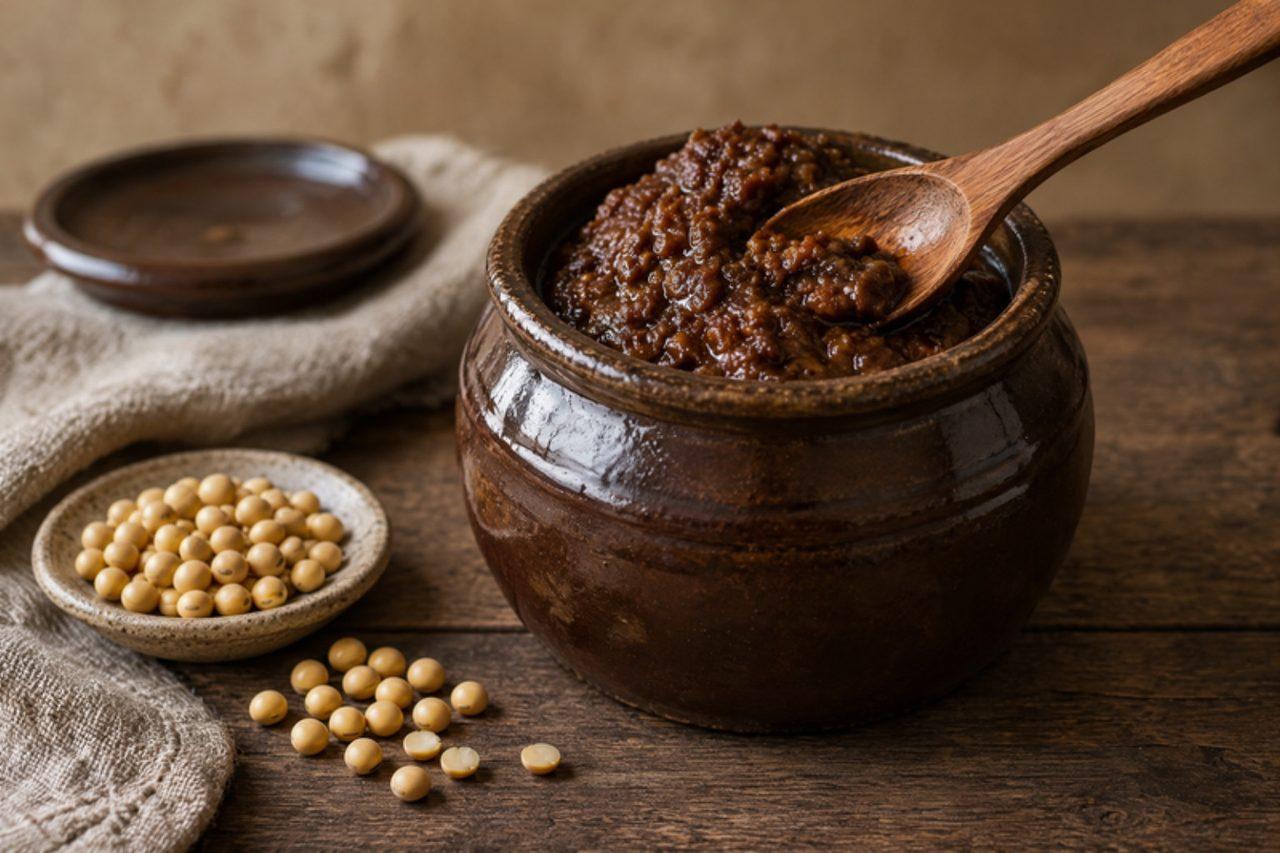
Doenjang starts in late autumn, after the soybean harvest, when Korean households used to boil beans in a cauldron, pound them into bricks and hang the meju from the rafters on straw ropes to grow a white, sweet-smelling bloom over the winter. In early spring, on a clear dry day, the bricks are dropped into salt brine in an onggi jar with dried chillies, jujubes and a red-hot piece of charcoal. Some six to eight weeks later the dark liquid is drawn off and boiled into soup soy sauce (guk-ganjang), and the softened bricks are mashed into doenjang, which ripens through the summer. It is chunkier, saltier and funkier than miso, with a nutty, almost smoky depth: the backbone of doenjang-jjigae, ssamjang and spinach namul. Common mistake: making the brick too thick or drying it in a warm, still room, so the centre rots before it dries; keep it about 6 cm thick and hang it where air moves. The paste is ready when it is mid-brown, smells of toasted nuts and soy, and tastes salty-sweet rather than sharp. Chef's tip: you can buy dried meju blocks from Korean grocers and start at the brining step.

300 minKoreanBasicsVeganGluten free
by KrazyBadal 0 views

Homemade gochujangChilli bean paste

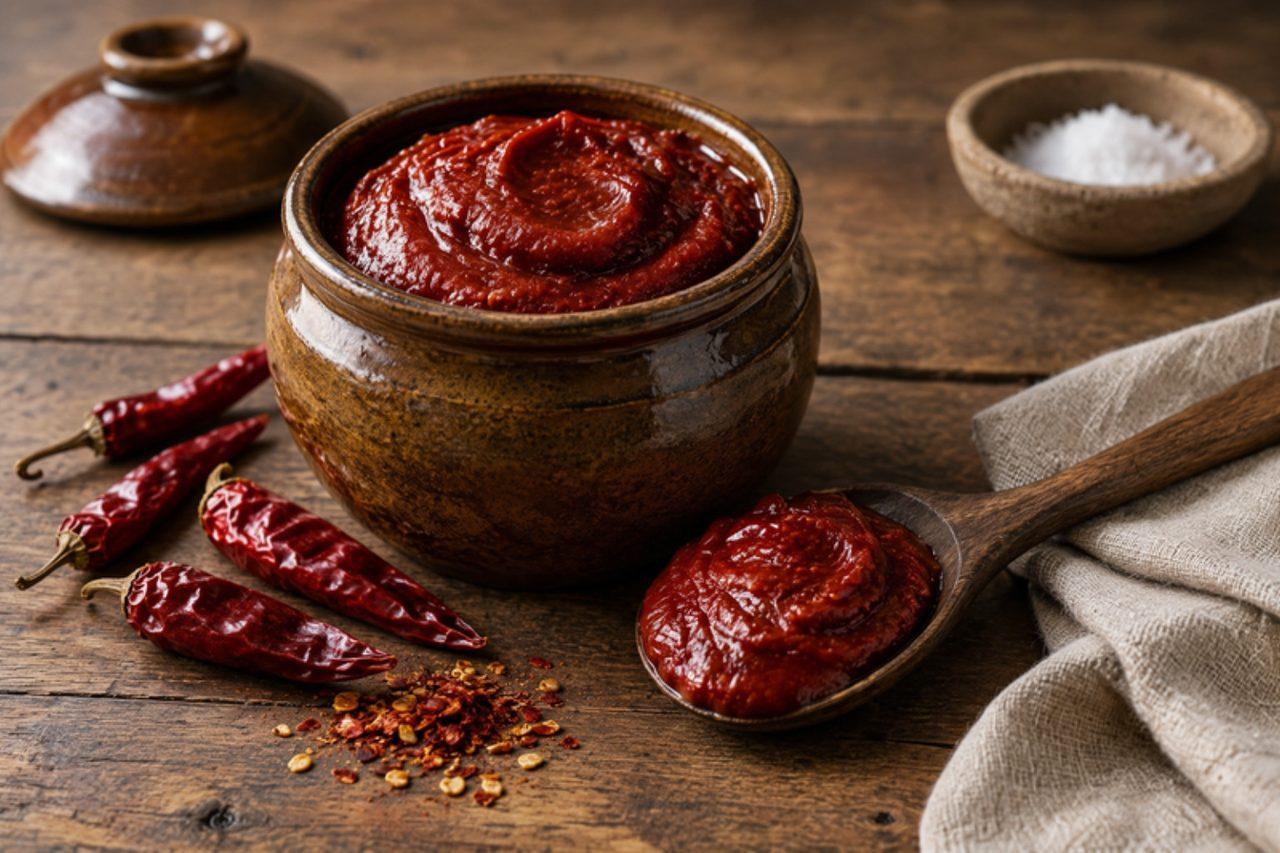
Sunchang, a small county in North Jeolla, is so tied to gochujang that it holds a jang festival every October, but the paste itself is traditionally made in the cold weeks of late winter, when there are no flies and it can ferment slowly in glazed onggi jars on the sunny jangdokdae terrace. Glutinous rice flour is broken down by barley malt into a sweet, runny porridge, boiled down, then beaten with fine chilli powder, fermented soybean (meju) powder, rice syrup and salt. Young, it is bright, sweet and fiery; after two or three months it darkens to brick red and gains a round, savoury depth, thick enough to hold a ridge on the spoon. It goes into bibimbap, tteokbokki, ssamjang, stews and marinades all year. Common mistake: adding the chilli and salt while the porridge is still hot, which dulls the colour and can make the paste turn sour; wait until it is lukewarm. It is ready when it is glossy, deep red, and smells sweet and earthy with no sharp, boozy note. Chef's tip: hold the malt and rice at 55–60 °C on a rice cooker's keep-warm setting; any hotter and the malt enzymes stop working, so the porridge never thins.

210 minKoreanBasicsVeganSpicy
by KrazyBadal 0 views

MaesilcheongGreen plum syrup

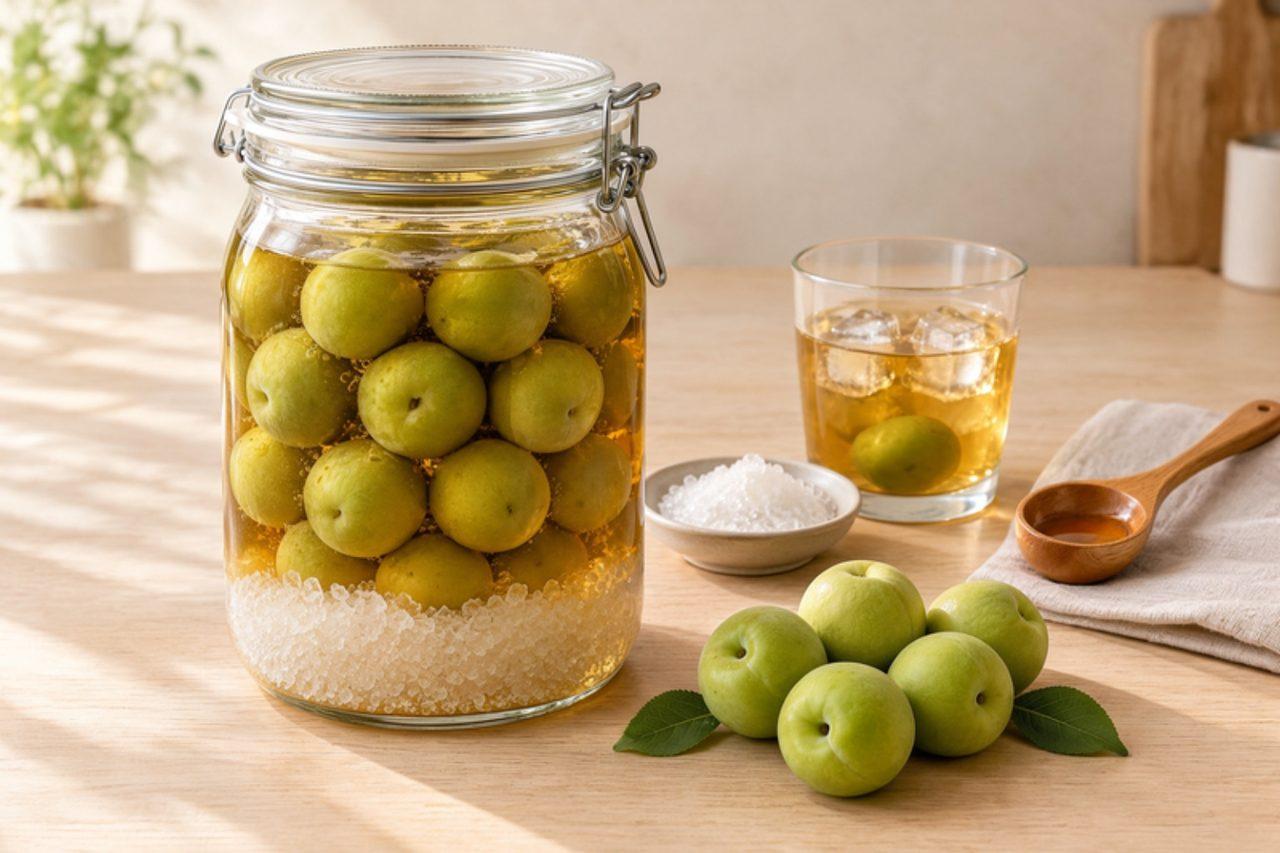
In early June, Gwangyang in South Jeolla holds its plum festival under hillsides of maesil trees, and across Korea families buy crates of hard green maesil plums to make maesilcheong. The plums are layered with an equal weight of sugar in big glass jars, and over 100 days the sugar draws out their juice into a tart, fruity amber syrup. It is the Korean kitchen's all-purpose sweetener: a spoonful in a marinade for bulgogi, in salad dressings and in kimchi, and diluted with cold water as a summer drink traditionally taken after a heavy meal. It tastes sweet, sour and almond-scented. Expect a little natural fermentation: a few bubbles and a trace of alcohol (well under 1%) are normal while the sugar dissolves, so keep the lid loose. The common mistake is wet fruit: any water left on the plums or stem scars can lead to mould, so dry them for hours. Ready when the plums have shrivelled and float, and the syrup is clear amber. Raw green plum stones contain compounds that release cyanide: never crush, bite or eat the stones, and remove the fruit after 100 days. No maesil? Use hard green apricots, with the same care. Chef's tip: use half brown sugar for a deeper colour and caramel note.

by KrazyBadal 0 views

SaeujeotSalted shrimp

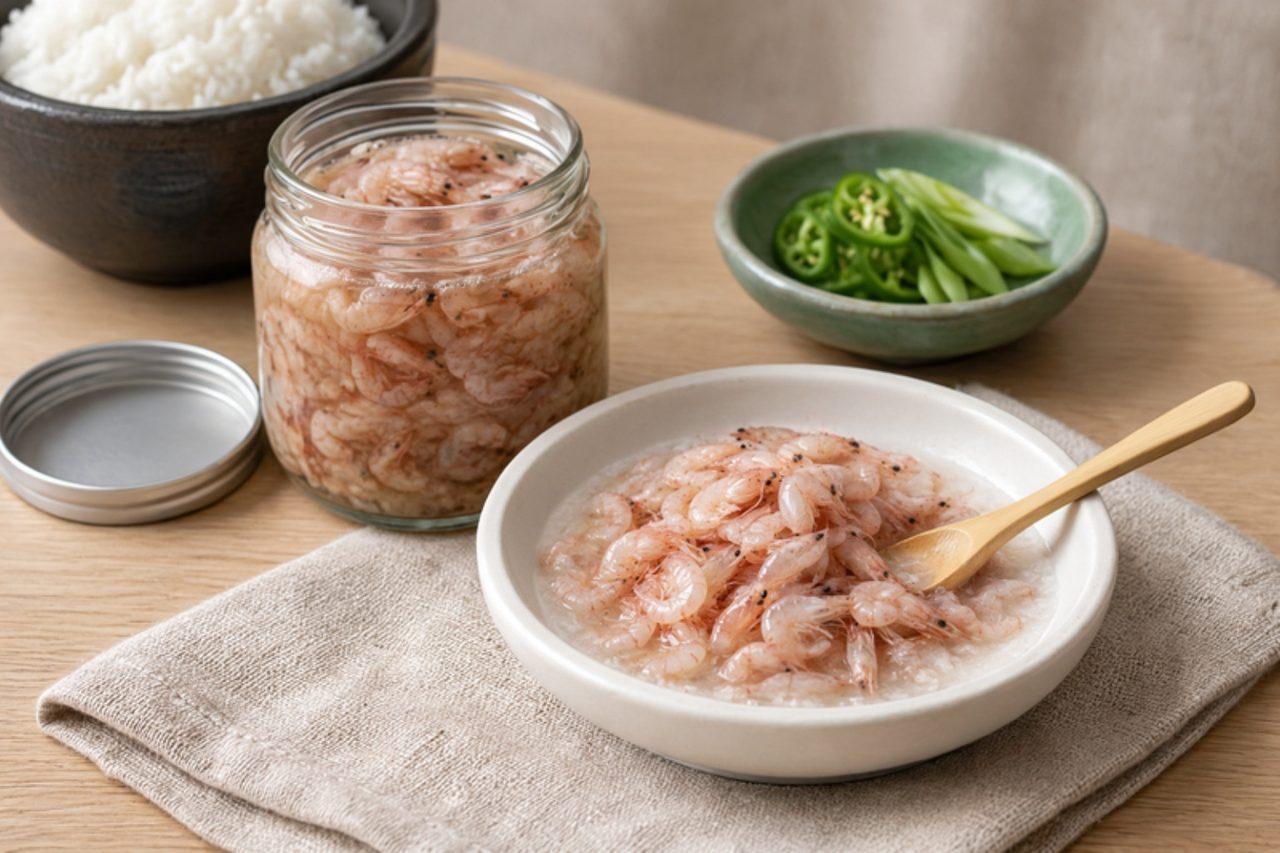
Saeujeot is the quiet backbone of Korean cooking. Tiny shrimp from the west coast are packed in salt at sea or on the quay, and the most famous jars age in the old tunnels of Gwangcheon or come from Ganghwa Island. Shrimp caught in June (yukjeot) are prized for kimjang kimchi in November; autumn shrimp (chujeot) go into everyday cooking. A spoonful seasons steamed eggs, stews and kimchi, and a little dish of it, with chilli and sesame, is set beside boiled pork for bossam. It tastes intensely salty, sweet and oceanic, and the shrimp stay plump and pale pink. This is a raw, salt-cured seafood: pregnant people, babies, older people and anyone with weak immunity should only eat it cooked into a hot dish, never raw in kimchi or dips. The common mistake is skimping on salt; the cure needs 30% salt by weight to stay safe, so weigh everything. It is ready after at least 3 months in the fridge, when the liquid is clear amber and the smell is sweet and briny, never ammonia-like. Chef's tip: buy shrimp sold for making jeot, frozen at sea, and work fast while they are still icy.

by KrazyBadal 0 views

YujacheongYuja citron preserve

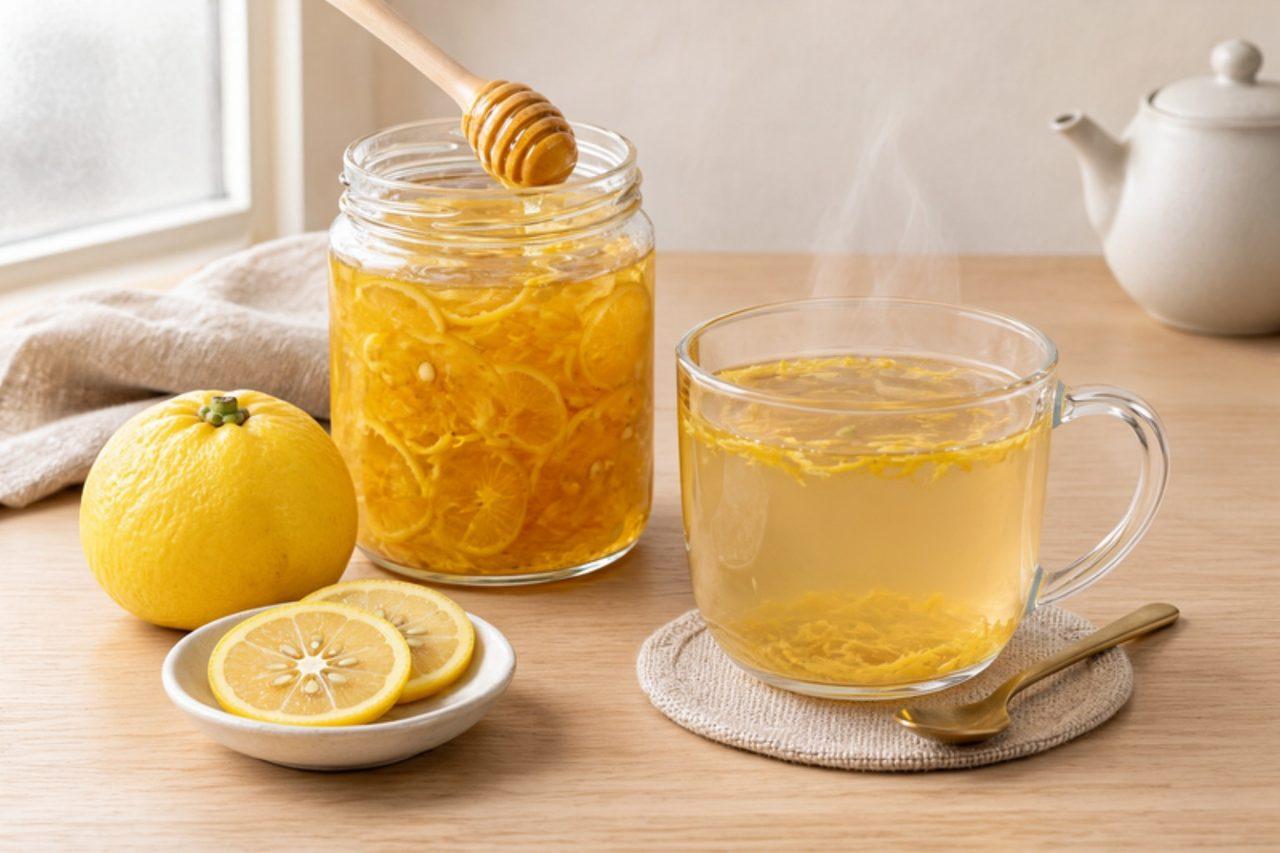
When the first frost comes to Goheung in South Jeolla and Namhae island in November, the yuja orchards turn gold, and households slice the knobbly, deeply perfumed fruit into sugar to make yujacheong. Through the winter, a few spoonfuls in a mug of hot water make yuja-cha, the tea Koreans reach for on cold evenings and when they feel a cold coming on; it is also spooned over yoghurt, toast or into salad dressings. It tastes floral, sharp and sweet, with tender strips of peel and a thick golden syrup. The sugar is what preserves it: equal weights of fruit and sugar, kept in the fridge once the sugar dissolves. The common mistake is leaving it warm too long: after a day or two on the counter it can start to ferment and fizz, so move it to the fridge as soon as the sugar has mostly melted. It is ready after about a week, when the peel is translucent and the syrup thick. No yuja? Use Meyer lemons, or two lemons for every mandarin. Bubbles or a boozy smell mean it has started to ferment: refrigerate it at once; mould means throw it away. Chef's tip: scrub the skins with baking soda first; you are eating the whole peel, so it must be spotless.

by KrazyBadal 0 views

Ají amarillo pasteYellow chilli paste

In Lima's markets ají amarillo is sold fresh all year, and most Peruvian cooks keep a tub of this paste in the fridge the way others keep tomato purée: it is the golden base of causa limeña, ají de gallina, papa a la huancaína, chupe and the sauce for tiraditos. The chillies are seeded, de-veined and blanched in three changes of water, which tames the heat and the raw grassiness, then peeled and blended with oil into a thick, silky, saffron-orange paste. It tastes fruity and sunny, almost like apricot and passion fruit, with a rounded, medium heat. Abroad, buy whole frozen ají amarillo from Latin grocers; dried ají mirasol, soaked, gives a darker, earthier paste. Common mistake: skipping the peeling; the thin skins leave papery flecks and a bitter edge. It is ready when it is completely smooth and holds a soft peak like thick hummus. This is a low-acid paste: keep it in the fridge for a week or freeze it, never on the shelf. Chef's tip: freeze it in an ice-cube tray; one cube is about a tablespoon, just right for a pot of ají de gallina.

by KrazyBadal 0 views

Turrón de Doña PepaAnise biscuit sticks in spiced syrup

Every October, the month of the Señor de los Milagros processions in Lima, bakeries and street sellers pile their trays with turrón de Doña Pepa: layers of crumbly anise-flavoured sticks drenched in a dark syrup of chancaca cooked with fruit and spices, topped with a storm of coloured sprinkles. Popular lore credits it to Josefa Marmanillo, a woman from the Cañete valley who is said to have made it in thanks after the procession. It is sticky, crunchy and soft at once, with orange and clove in the syrup. Its downfall is usually runny syrup that soaks the sticks into mush; it needs to reach a thick, threading stage before it goes on. Chancaca is sold as cones or blocks in Latin shops; panela or dark muscovado also work. Some coloured sprinkles contain gelatin, so check the label. Chef's tip: make it a day ahead; the syrup sets and the sticks soften just enough to slice neatly.

by KrazyBadal 0 views

King kongLayered biscuit with manjar blanco

Named, the story goes, after the giant ape because of its size when the film reached Peru, the king kong is Lambayeque's proudest sweet: thick, crumbly biscuit layers stacked with manjar blanco, a sticky pineapple jam and a peanut fudge, then cut into heavy slabs. Shops in Lambayeque and Chiclayo sell them by the kilo in boxes, and travellers carry them home as gifts. It is very sweet, buttery and dense, so a slice goes a long way with black coffee. This home version makes the manjar blanco from condensed and evaporated milk to save hours, then turns half of it into the peanut layer. The usual mistake is overbaking the biscuit until it is hard; take it out as soon as the edges are pale gold, as it firms up while it cools. It is a project, so make the fillings first and let them cool. Chef's tip: wrap the finished king kong and leave it overnight before cutting; the layers settle and soften into each other.

by KrazyBadal 0 views

KispiñoSteamed quinoa cakes

Pressed in a fist so each one carries the marks of the cook's fingers, kispiño are small, dense quinoa cakes from the Puno highlands, steamed and then left to dry so they keep for weeks on journeys, herding trips and pilgrimages. Traditional ones are bound with a little lime water (from cal, the mineral) and fat; this home version uses oil and a pinch of aniseed and sugar, so they're vegan and pleasantly savoury-sweet. They're firm and chewy, a little like a grain cake, and good with hot tea, coca tea or a soup on a cold day. The common mistake is making the dough too wet, so the cakes slump in the steamer; it should feel like damp sand that holds its shape when squeezed. Ground quinoa is quinoa flour; grind your own from rinsed, dried and toasted grain, or buy it ready ground. Chef's tip: toast the ground quinoa in a dry pan first until it smells nutty, which takes away any bitterness.

by KrazyBadal 0 views

Hodu gwajaWalnut-shaped red bean cakes

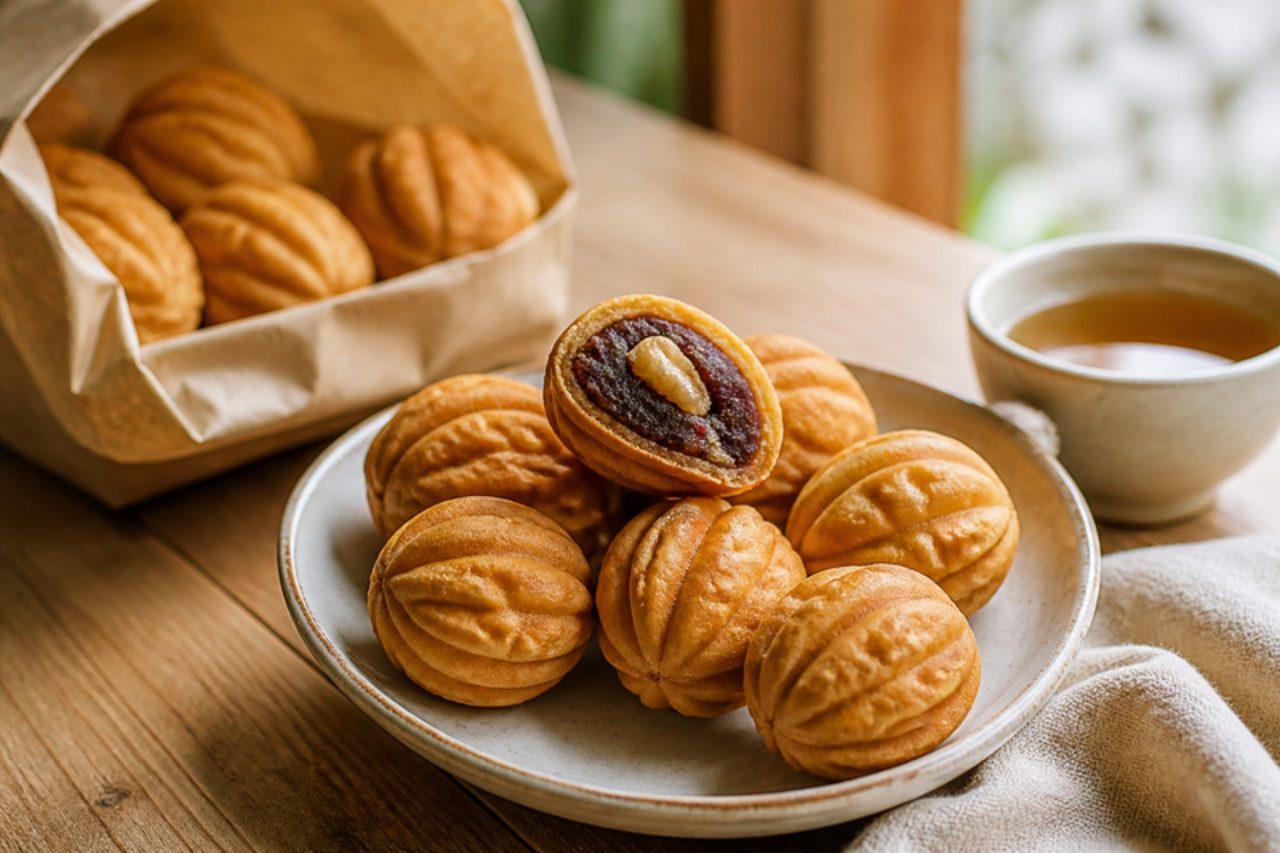
Hodu gwaja (호두과자) were first sold at Cheonan station in South Chungcheong in the 1930s, and the town's walnut orchards still supply the pieces of nut hidden in every one. Today you find them in paper bags at every motorway service station in Korea: bite-sized, walnut-shaped cakes with a soft, eggy shell around sweet red bean paste and a chunk of walnut. They are made in a hinged cast-iron mould; a madeleine or Japanese takoyaki pan works too, though the shape will differ. Eat them warm, on the day. Chef's tip: heat the mould properly before the first batch; the first cakes are always the palest, so judge doneness by the colour of the later ones.

by KrazyBadal 0 views

ChajáSponge, peach and cream cake

Chajá was created in 1927 at a bakery in Paysandú, a city on the Uruguay River, and named after a local bird whose feathers look as fluffy as its crumbly meringue coat. Today it's Uruguay's birthday and celebration cake: layers of light sponge soaked in peach syrup, filled with whipped cream, peaches and dulce de leche, then covered in crushed meringue. It's sweet, soft and crunchy at once, best on the day it's assembled. Chef's tip: soak the sponge but not too much; it should feel moist, not wet, or the layers slide.

by KrazyBadal 0 views

Gat kimchiMustard leaf kimchi

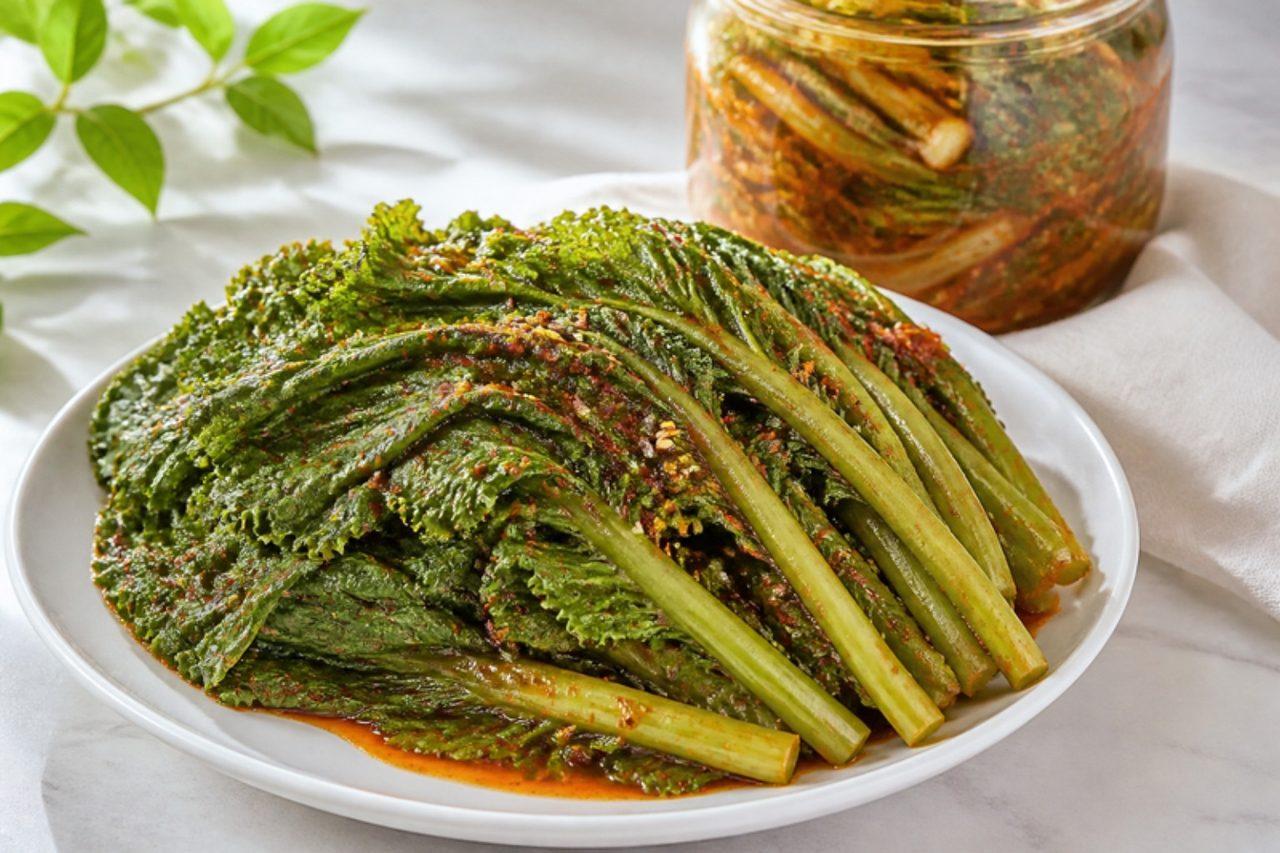
Dolsan island, off the port city of Yeosu in South Jeolla, grows a purple-tinged mustard green called gat that is milder and more tender than mainland mustard leaves, and gat kimchi (갓김치) made from it is the region's pride. The leaves keep a hot, wasabi-like bite that softens and turns tangy after a week or two of fermenting. Jeolla kimchi is usually heavy with fish sauce and salted anchovy; this version gets its depth from a kelp-and-rice porridge, pear, onion and soy, so it is vegan. Eat it with plain rice, noodles or on the side of jeon. Chef's tip: salt the leaves stems-first and turn them halfway; the thick stems need longer than the leaves.

by KrazyBadal 0 views

Baechu kimchiNapa cabbage kimchi

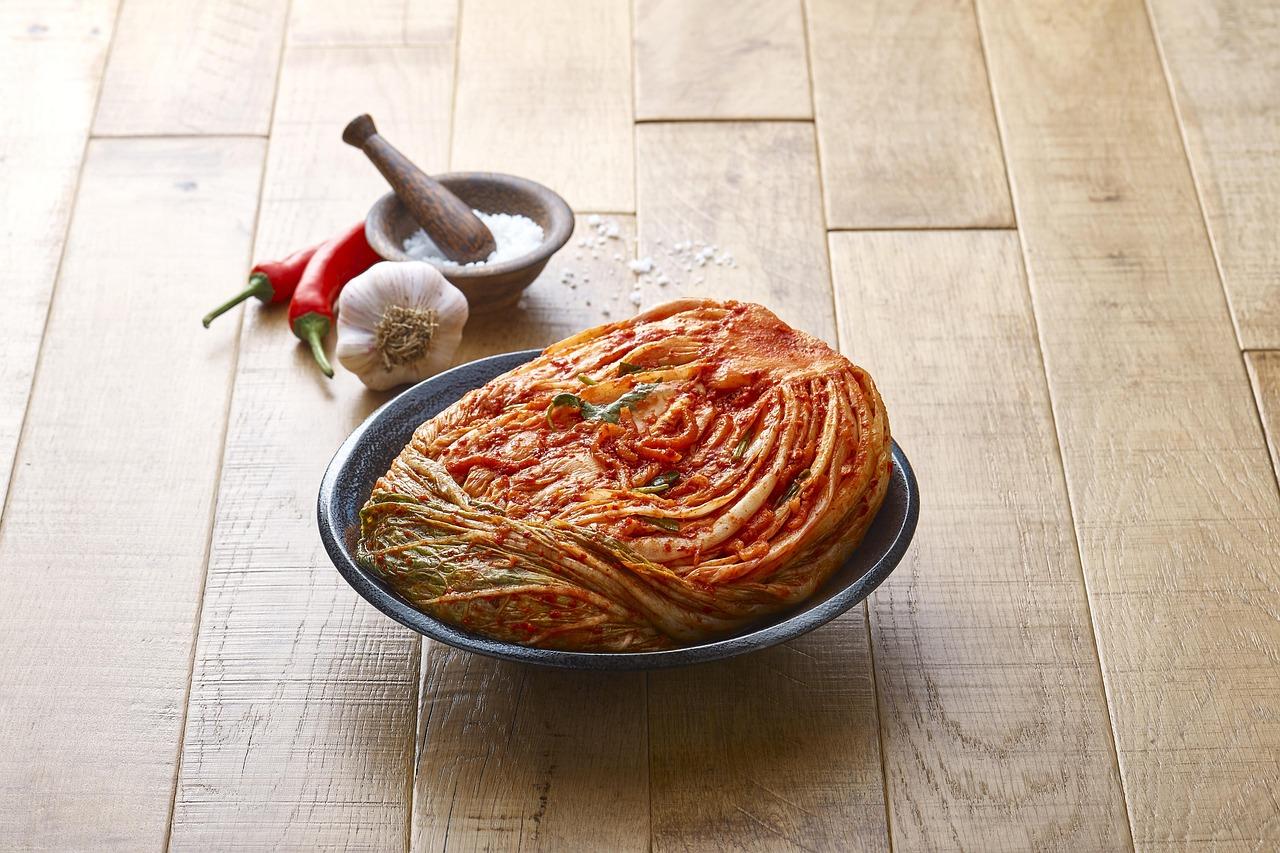
Baechu kimchi (배추김치) is the napa cabbage kimchi served at almost every Korean meal, from Seoul to Jeju. Salted cabbage quarters are rubbed leaf by leaf with a red paste of chilli flakes, garlic, ginger, radish and spring onion, then left to ferment until sour, fizzy and deeply savoury. Most recipes use fish sauce and salted shrimp; this one gets its depth from kelp stock and tamari, so it is vegetarian and gluten free. Eat it fresh after a day or two, or let it sour for a few weeks for kimchi fried rice, stews and pancakes. Salting takes about 2 hours, then allow 1–2 days for fermenting. Chef's tip: the salting is everything. Under-salted cabbage goes mushy and spoils; over-salted kimchi is harsh. Test a thick white stem: when it bends without snapping, rinse.

150 minKoreanBasicsVeganGluten freeSpicy
by KrazyBadal 0 views

KkakdugiCubed radish kimchi

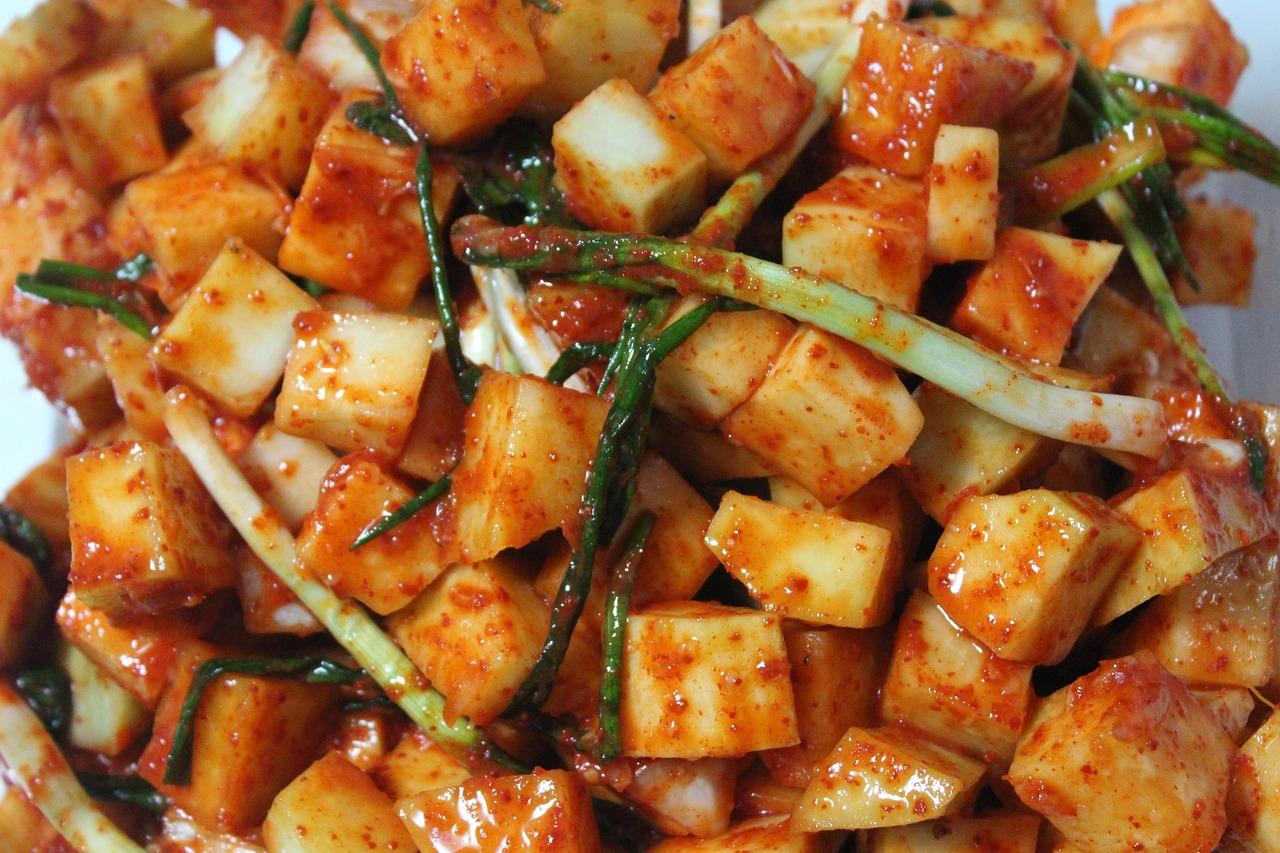
Kkakdugi (깍두기) is kimchi made from chunky cubes of Korean radish instead of cabbage. It is quicker to make than cabbage kimchi and stays crunchy and juicy, with a sweet, peppery bite. Made all over Korea, it is the classic partner to rich soups and noodles. Traditional versions are seasoned with fish sauce and salted shrimp; here soy sauce and a little grated pear give the same savoury-sweet depth, keeping it vegan. Ready to eat after a day or two of fermenting. Chef's tip: rub in the chilli flakes on their own first, before the wet seasonings. The red then clings to every cube, and the radish keeps its crunch.

by KrazyBadal 0 views