Skip to content
WhatToEat.Today

All recipes

10

Vegetarian, or something you can't eat? Set your diet once and we'll hide recipes that don't fit.

Gato bèLime and vanilla butter cake

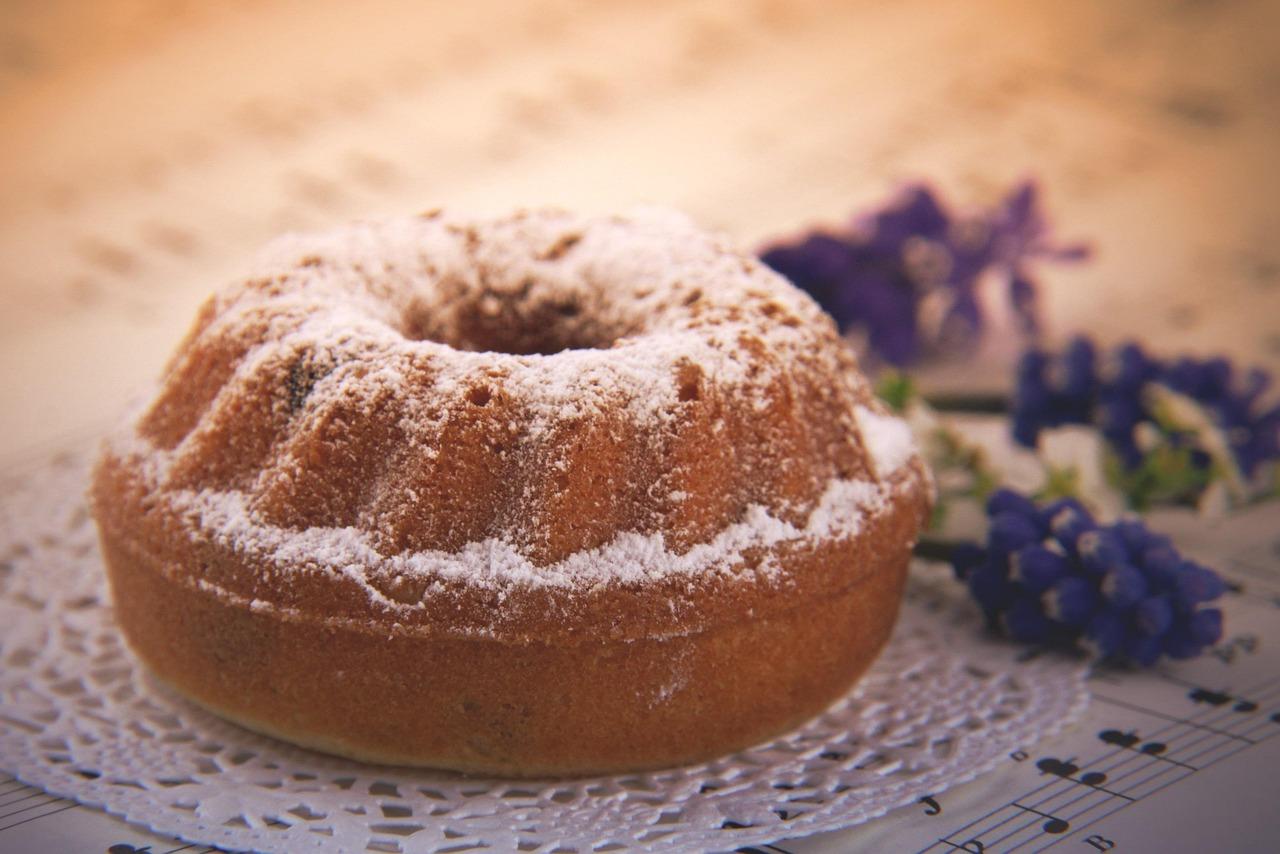
Gato bè ('butter cake' in Kreyòl) is what Haitian families bake for birthdays, first communions and Sunday visits, usually in a fluted ring tin, and serve with a cup of hot chocolate spiced with cinnamon. Evaporated milk makes the crumb tender and rich; lime zest, vanilla, almond and a little nutmeg give it the unmistakably Haitian scent. Many cooks add a spoonful of rum; it's optional here and the cake is just as good without. Cold butter and eggs straight from the fridge make the batter curdle and the cake heavy, so leave everything out for an hour first. Chef's tip: rub the lime zest into the sugar with your fingertips before creaming; the oils come out and perfume the whole cake.

by KrazyBadal 0 views

Tasso kabritFried goat with sour orange

Tasso kabrit is festival and Sunday food all over Haiti: chunks of goat soaked in sour orange and epis, simmered until tender in the marinade, then fried hard until the edges turn crisp and dark. It is piled onto platters with fried plantain (bannann peze), pikliz and sòs ti malis, and is a must at first communions and New Year gatherings. The mistake many people make is frying the goat before it is fully tender; the long simmer comes first, or the meat stays tough however crisp it looks. Ask the butcher to cut bone-in goat shoulder or leg into pieces. Chef's tip: boil the simmering liquid down to a sticky glaze and toss the fried goat in it at the end.

120 minHaitianMeatGluten free
by KrazyBadal 0 views

Haitian konparètCoconut ginger spice bread

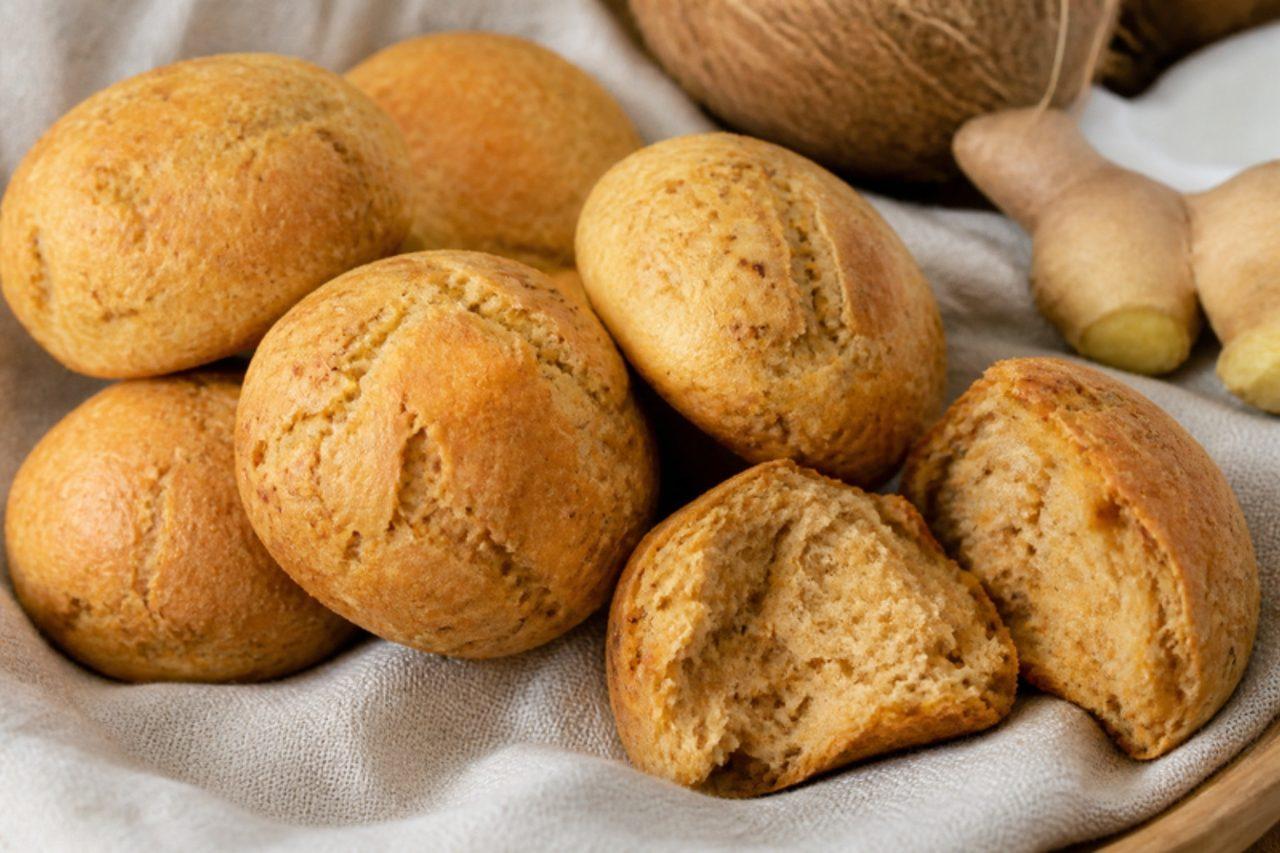
Jérémie, at the far western tip of Haiti, is the home of konparèt, dense round loaves of spiced bread made with grated coconut, fresh ginger, nutmeg and vanilla, baked until firm and golden. They are a Grand'Anse travelling food, carried home from the coast in baskets and eaten with coffee or hot cocoa in the afternoon. They are meant to be firm and close-crumbed, not fluffy, so the mistake is adding extra liquid to make the dough soft. Use freshly grated coconut if you can, as it gives the moistest crumb. Chef's tip: grate the ginger on the fine side of the grater and squeeze its juice into the dough too; that heat is the signature of a good konparèt.

by KrazyBadal 0 views

Bonbon siwoMolasses gingerbread cake

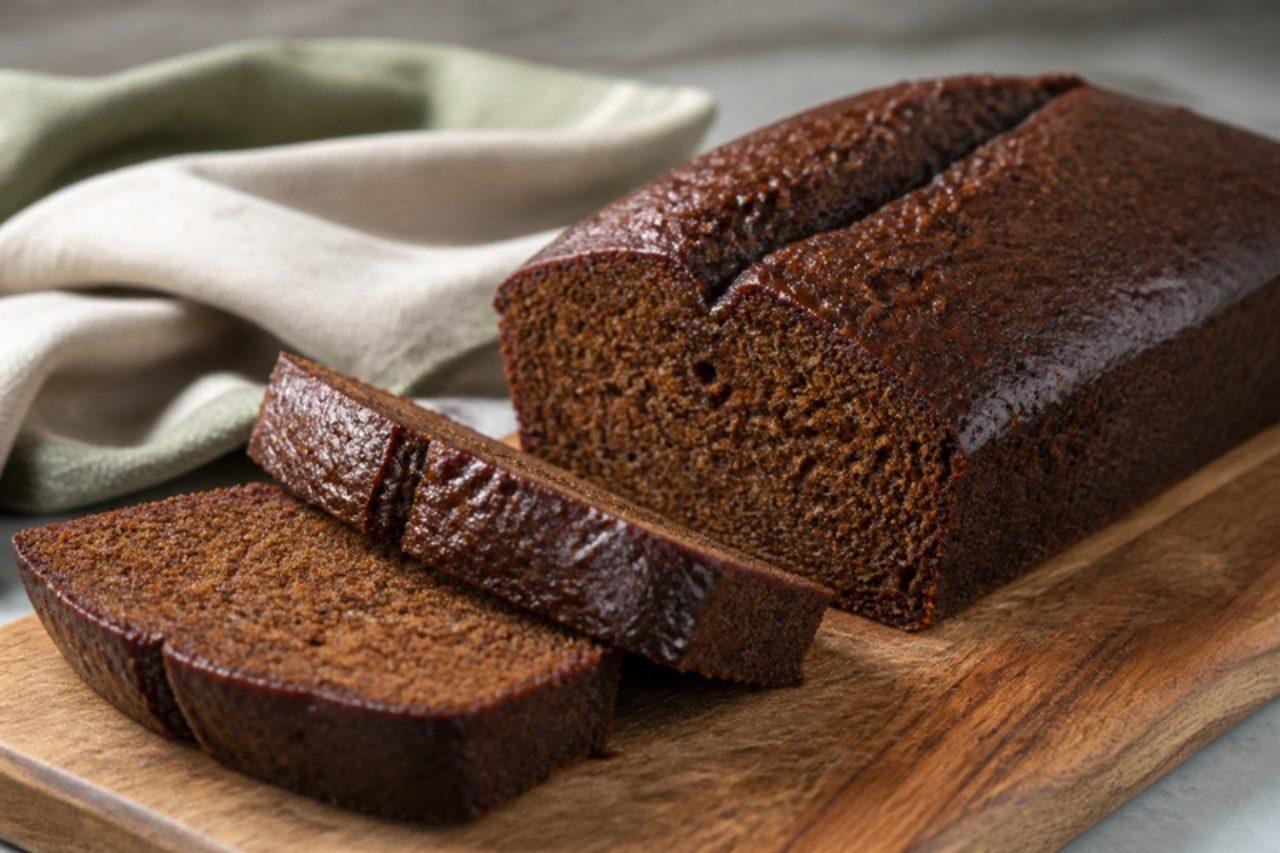
Bonbon siwo, "syrup cake", is the moist, dark gingerbread that Haitian families bake for birthdays, church sales and an ordinary Sunday, sliced into squares and eaten with a cup of sweet coffee. The siwo is molasses or cane syrup, which gives it a slightly bitter, smoky sweetness alongside ginger, cinnamon and nutmeg. The common mistake is overbaking: take it out as soon as a skewer comes out clean, or the edges dry and turn crusty. It contains egg, wheat and dairy. Chef's tip: mix the bicarbonate of soda into the hot water before adding it to the batter so it fizzes and lifts the cake evenly.

by KrazyBadal 0 views

Chiktay aransòShredded smoked herring with peppers

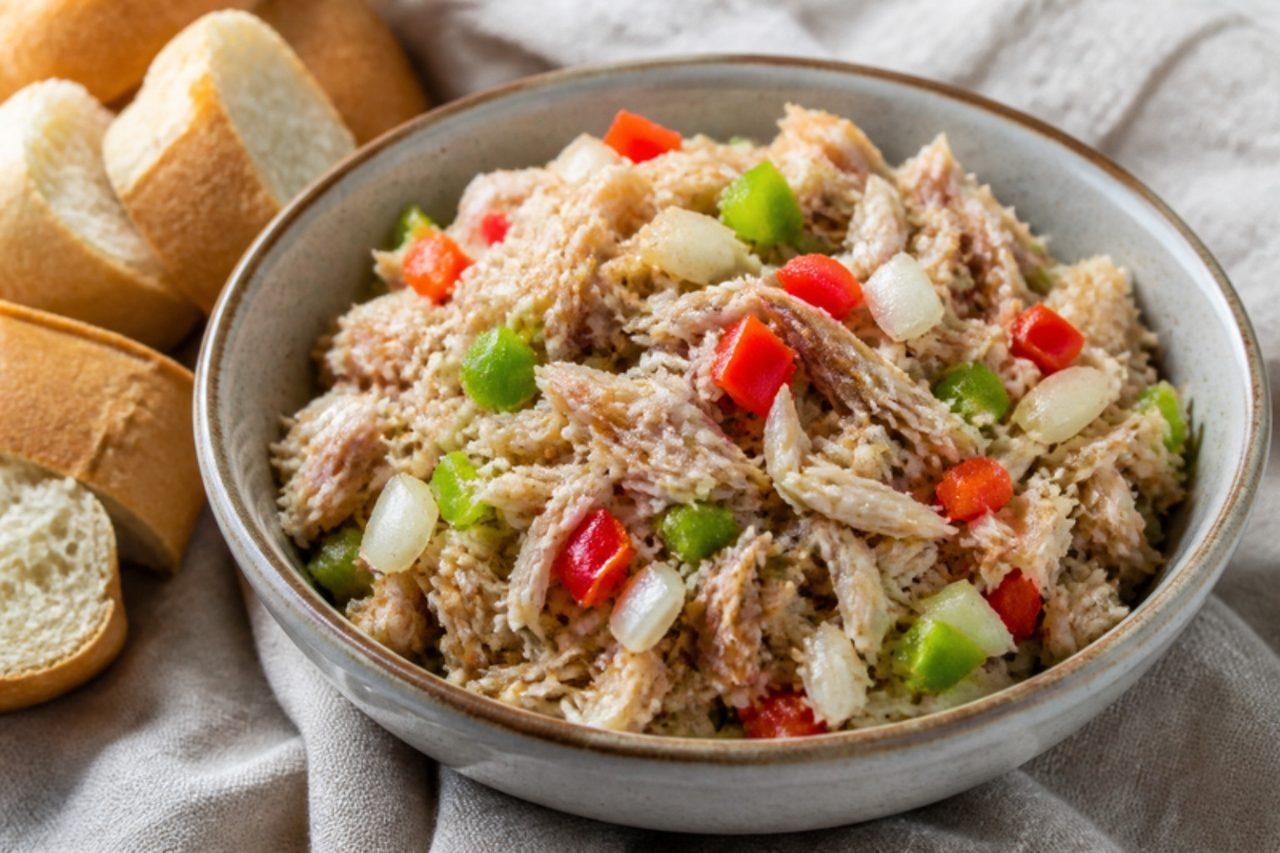
Chiktay is a breakfast and snack dish from Haitian homes and street stalls: smoked herring shredded very finely, then tossed with onion, sweet peppers, garlic, hot pepper and lime in hot oil, served with boiled plantain, bread or cassava bread. It is salty, smoky, sharp and fiery, so a little goes a long way. The common mistake is skipping the soaking, which leaves the dish too salty to enjoy; two quick soaks in boiling water fix that. Pick out the fine bones carefully if your herring isn't boneless. Chef's tip: shred the soaked herring with two forks until it looks like fluffy threads; it absorbs the dressing far better.

by KrazyBadal 0 views

Haitian lambi in creole sauceConch in creole sauce

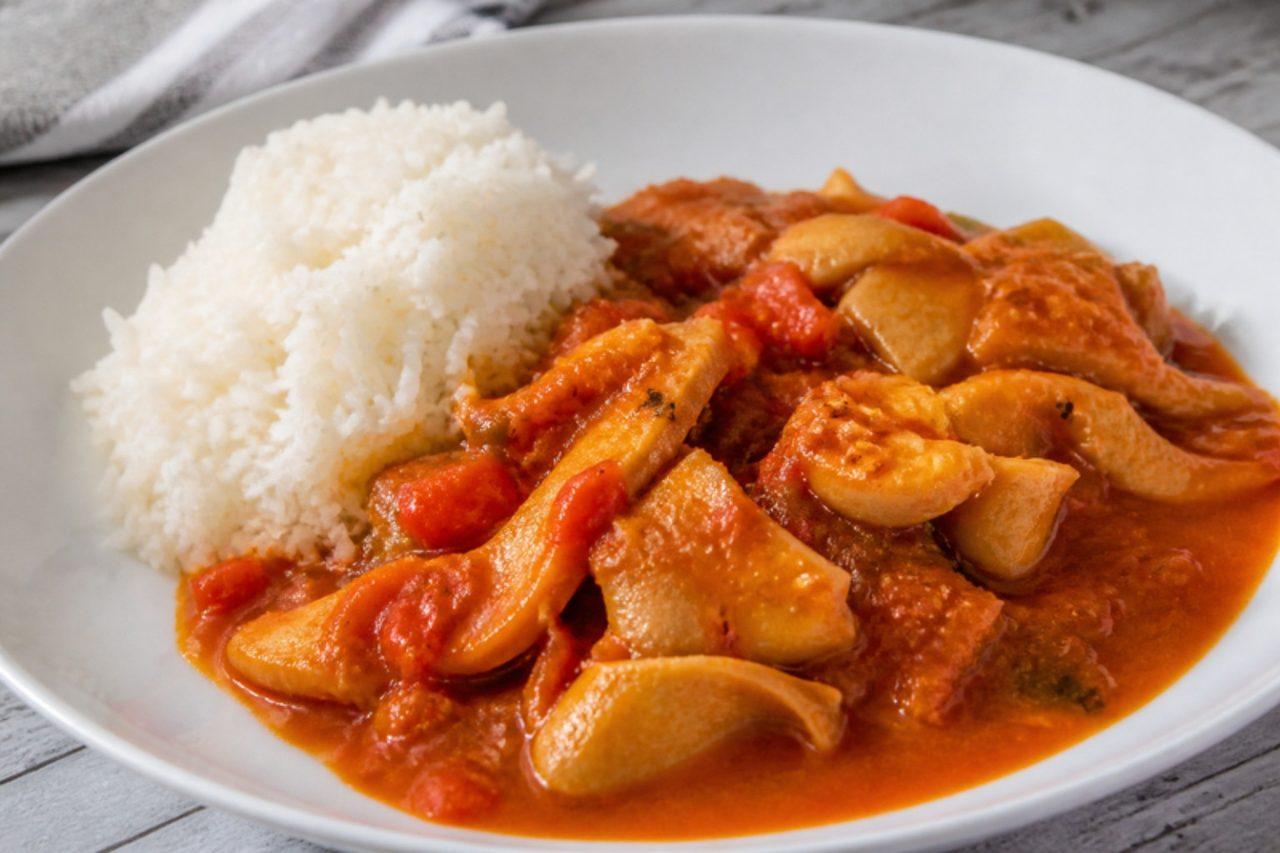
Along Haiti's coast, from Jacmel to Les Cayes, lambi is the treat of beach shacks and holiday tables: conch meat pounded tender, simmered until soft, then stewed in a hot, tomato-rich creole sauce with peppers and lime. Its flavour is sweet and clean, somewhere between squid and clam. The great mistake is rushing it; conch is tough as rubber unless it is beaten thin and then simmered long enough to relax. Buy frozen cleaned conch meat from a trusted fishmonger, discard any that smells strongly of ammonia or fish, and cook it through fully. Chef's tip: simmer the pounded conch with lime and a little vinegar first; the acid helps tenderise it.

by KrazyBadal 0 views

Pwason gwo sèlFish poached in lime broth

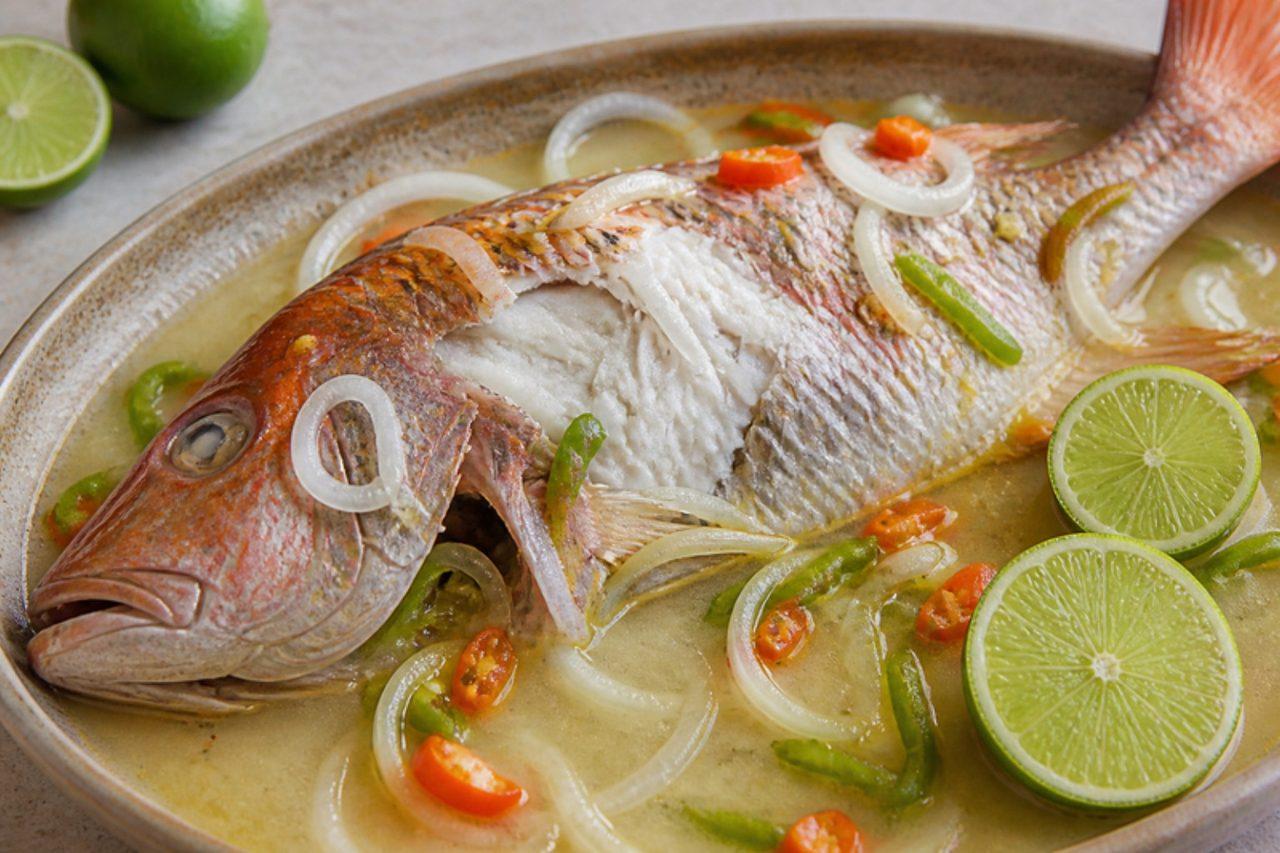
Fishing villages on Haiti's southern coast make pwason gwo sèl, "big-salt fish", when the catch is fresh: whole snapper rubbed with lime and coarse salt, then gently poached in a peppery broth with onion, peppers, thyme and a whole scotch bonnet. The fish stays moist and clean-tasting, and the light broth is spooned over boiled plantain or rice. The common mistake is boiling it hard, which breaks the flesh; keep it at a gentle shiver. Ask for the fish scaled and gutted. Chef's tip: slash the fish twice on each side and push epis into the cuts so the flavour reaches the bone.

by KrazyBadal 0 views

Poul ak nwaChicken with cashews

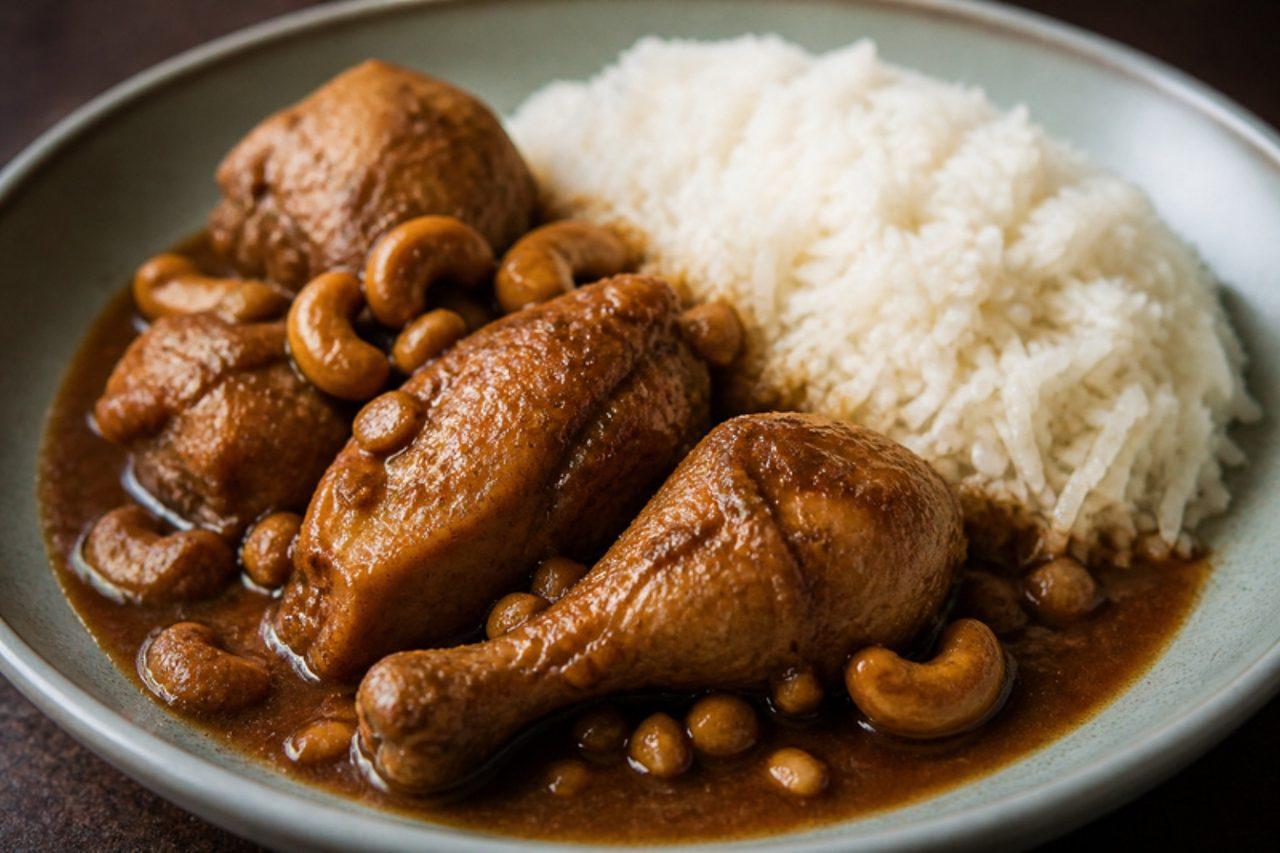
Cap-Haïtien, Haiti's northern port, claims poul ak nwa as its own: chicken braised in a tomato and epis creole sauce and finished with toasted cashew nuts, which grow on the northern hillsides and are sold in paper cones by the roadside. The nuts soften slightly in the sauce, giving it body and a buttery sweetness, and the dish is a favourite for Sunday lunch with white rice and fried plantain. The common mistake is adding the cashews at the start, so they turn soggy; they go in for the last 15 minutes. Contains tree nuts. Chef's tip: dry-toast the cashews until golden before they meet the sauce; it deepens the whole dish.

by KrazyBadal 0 views

EpisGreen herb seasoning base

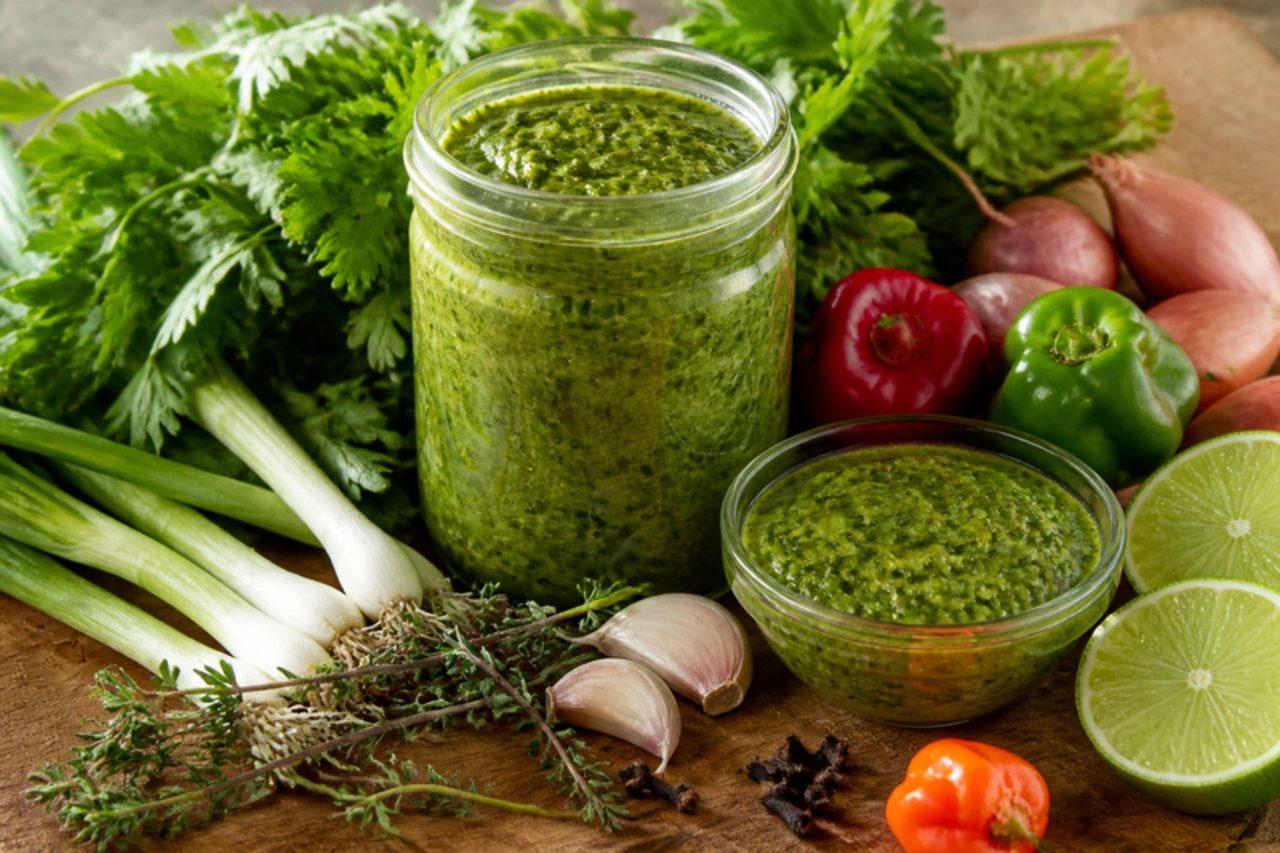
Epis is the jar that lives in every Haitian fridge, in Port-au-Prince flats and in Haitian kitchens in Miami, Montreal and Boston alike, and it's made fresh most weeks. Flat-leaf parsley, spring onion, garlic, sweet peppers and thyme are pounded or blended with a few cloves, a little scotch bonnet, oil and lime into a loose green paste. It is the first thing into the pot for rice and beans, legim and soup joumou, and it's rubbed over vegetables and tofu before they're fried. Raw it smells bright and herby; cooked it turns sweet, savoury and gently warm with clove. Chef's tip: use whole cloves and grind them yourself; just three or four give epis its signature warmth, but more turns it medicinal.

by KrazyBadal 0 views

Griot with pikliz

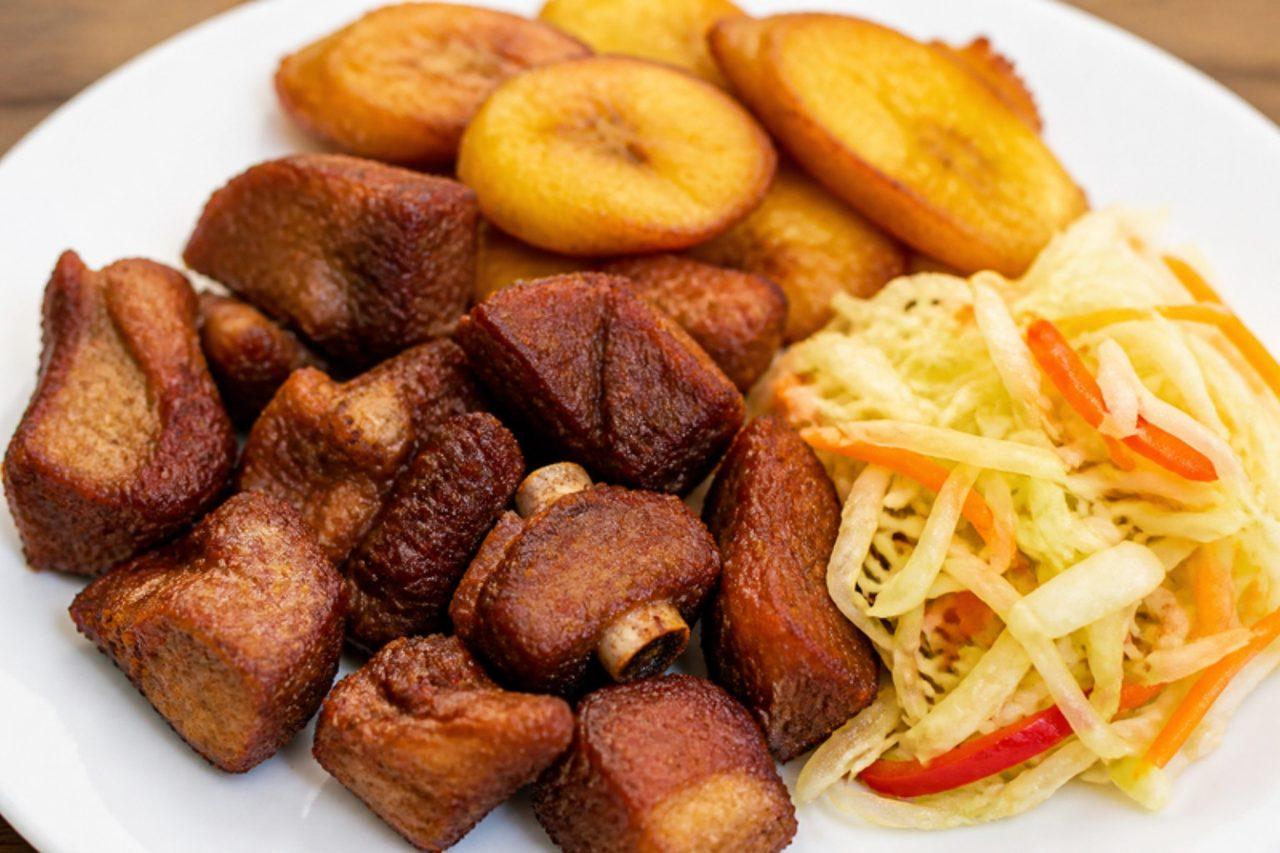
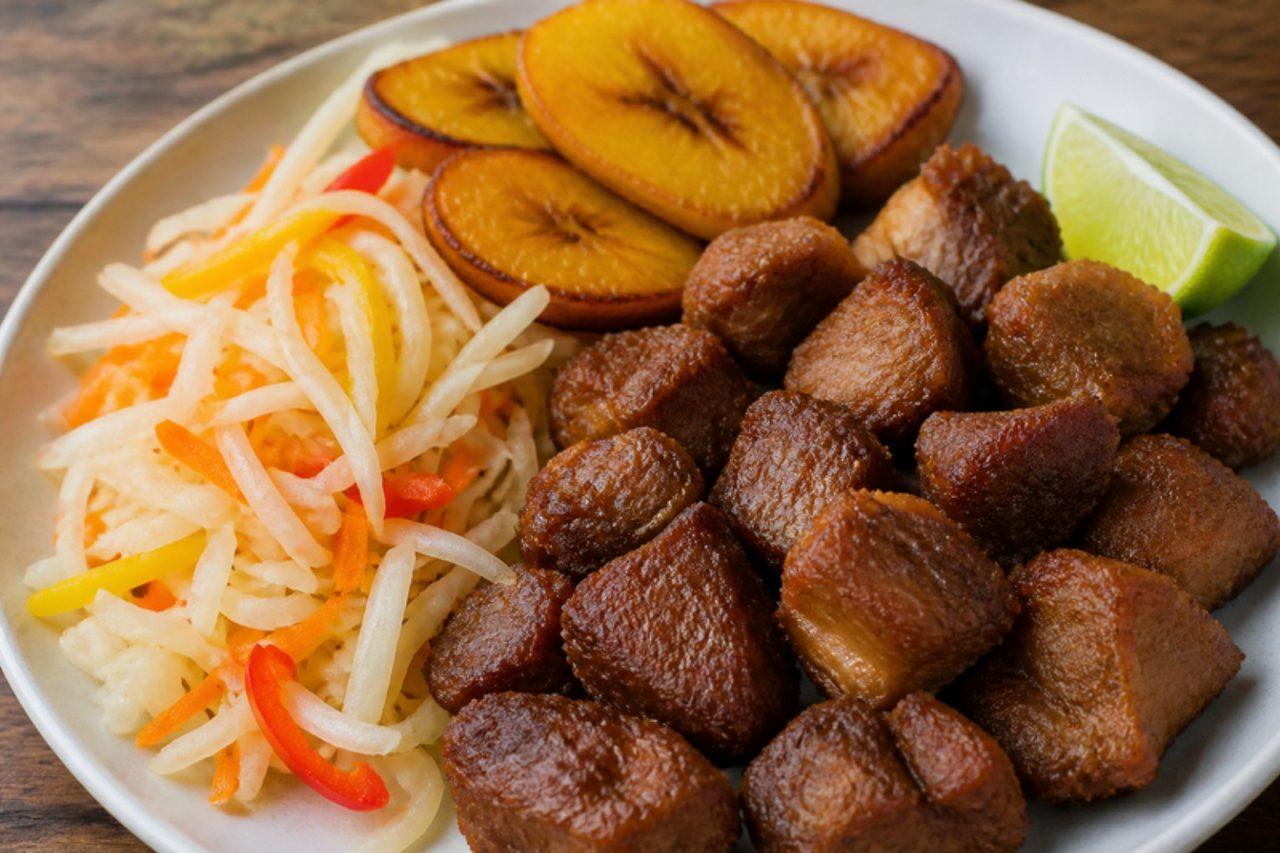
Griot is Haiti's party food: it is piled on platters at weddings, first communions and Saturday-night fritay stalls in Port-au-Prince, always with pikliz, a crunchy, very hot pickle of cabbage, carrot and Scotch bonnet. Chunks of pork shoulder soak up a green epis marinade of sour orange, herbs and garlic, simmer until tender and then fry until the outside turns dark and crisp. This is a pork dish. Serve it with fried plantain (bannann peze) and rice with beans. The mistake that ruins the crust is frying the pork straight from the pot while still wet; it spits and steams instead of browning, so drain and dry the pieces first. Chef's tip: make the pikliz at least a day ahead; after a night in the fridge the heat softens and spreads through the vinegar.

140 minHaitianMeatGluten freeSpicy
by KrazyBadal 0 views