Skip to content
Recipes

All recipes

Vegetarian, or something you can't eat? Set your diet once and we'll hide recipes that don't fit.

Surti jeera butter biscuitsCumin butter tea biscuits

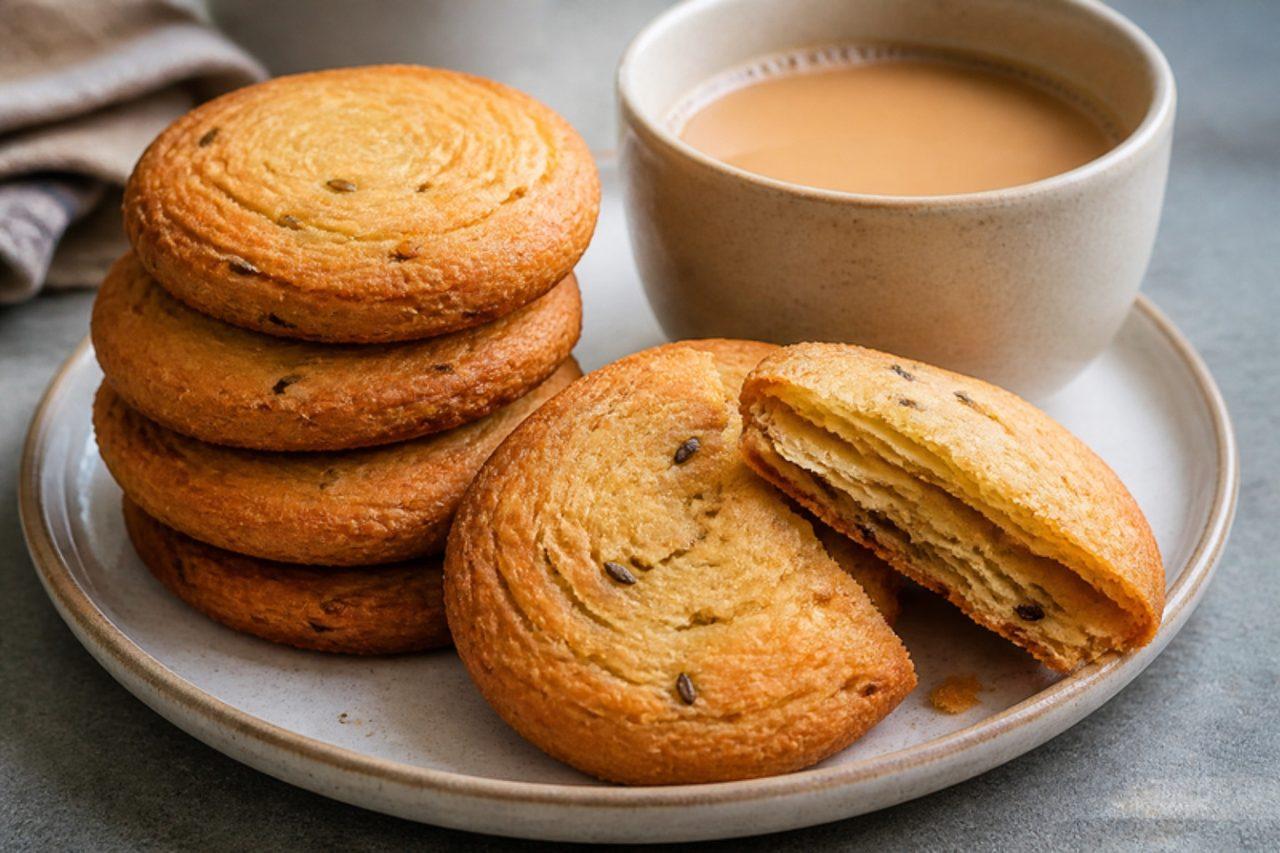
Surat's old bakeries, some of them run by Parsi and Bohra families for a century, sell 'butter' by the kilo: round, crisp, flaky biscuits that crack into layers, and the jeera version is salted and freckled with cumin. Gujaratis eat them with morning tea, crushed into a saucer of chai or spread with a little butter. Unlike khari they start with a lightly yeasted dough that is spread with a ghee-and-flour paste and folded, then baked once until risen and again, low, until bone dry, which gives a crunch rather than a shatter. The mistake most people make is pulling them out after the first bake because they look done; they need the long, slow second bake or they turn chewy. Chef's tip: toast the cumin in a dry pan for a minute and crush half of it before it goes into the dough, so the flavour runs through every layer.

180 minIndianBaking
by KrazyBadal 0 views

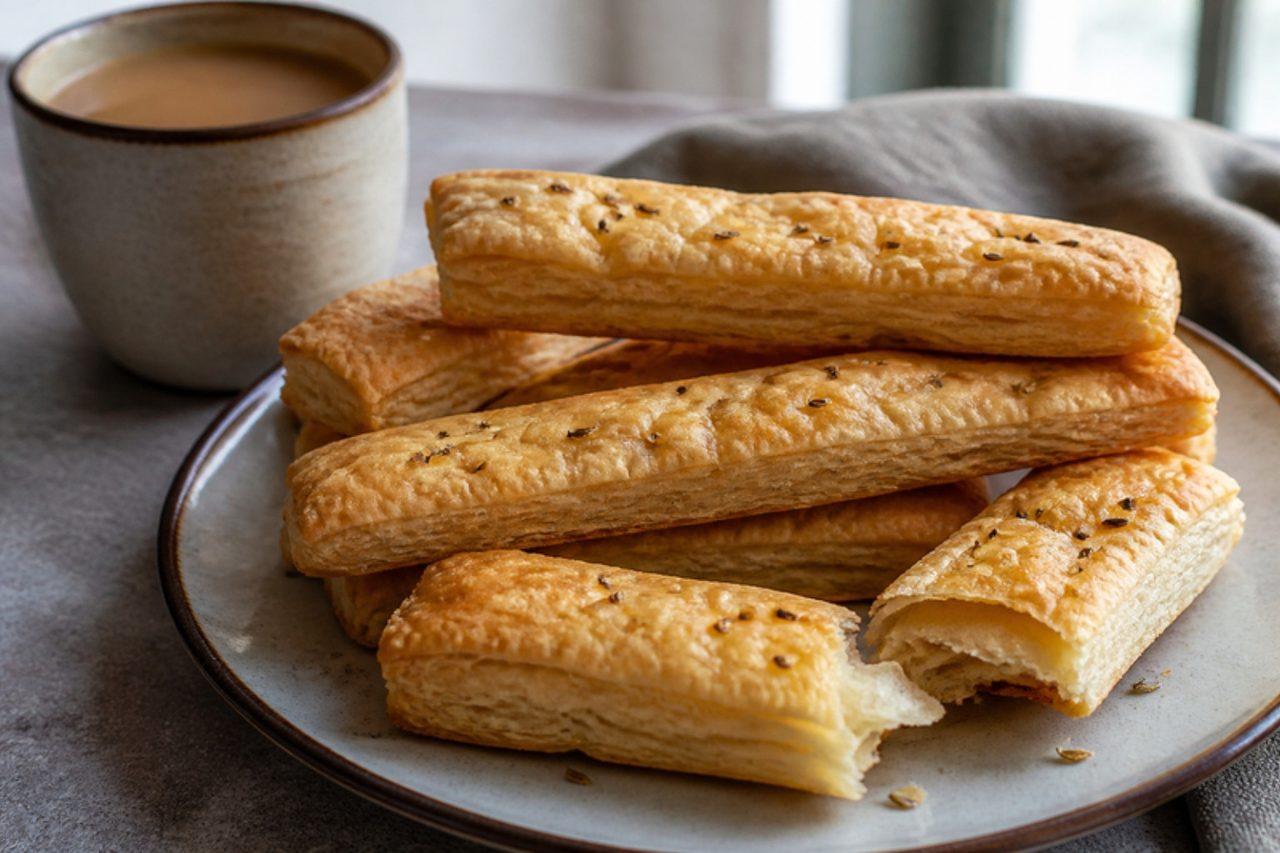
Khari biscuitsSalted puff pastry sticks

Chai in Mumbai's Irani cafés and Ahmedabad's corner bakeries comes with a glass jar of khari: long, shattering sticks of puff pastry, salty rather than sweet, that flake all over your lap. People dip them in sweet masala chai, which soaks into the layers in seconds, so the trick is a quick dunk. Bakeries usually laminate with margarine or vanaspati; butter gives a richer, cleaner taste, and this eggless home version uses a block of cold butter folded into a plain dough, with a scatter of cumin or crushed kasuri methi on some. The biggest mistake is letting the butter go soft between folds: it smears into the dough and the sticks bake up hard and bready instead of rising into dozens of leaves. Chef's tip: once the sticks have puffed and coloured, lower the oven and leave them in until the centres are dry; under-dried khari go soft in the jar within a day.

185 minIndianBaking
by KrazyBadal 0 views

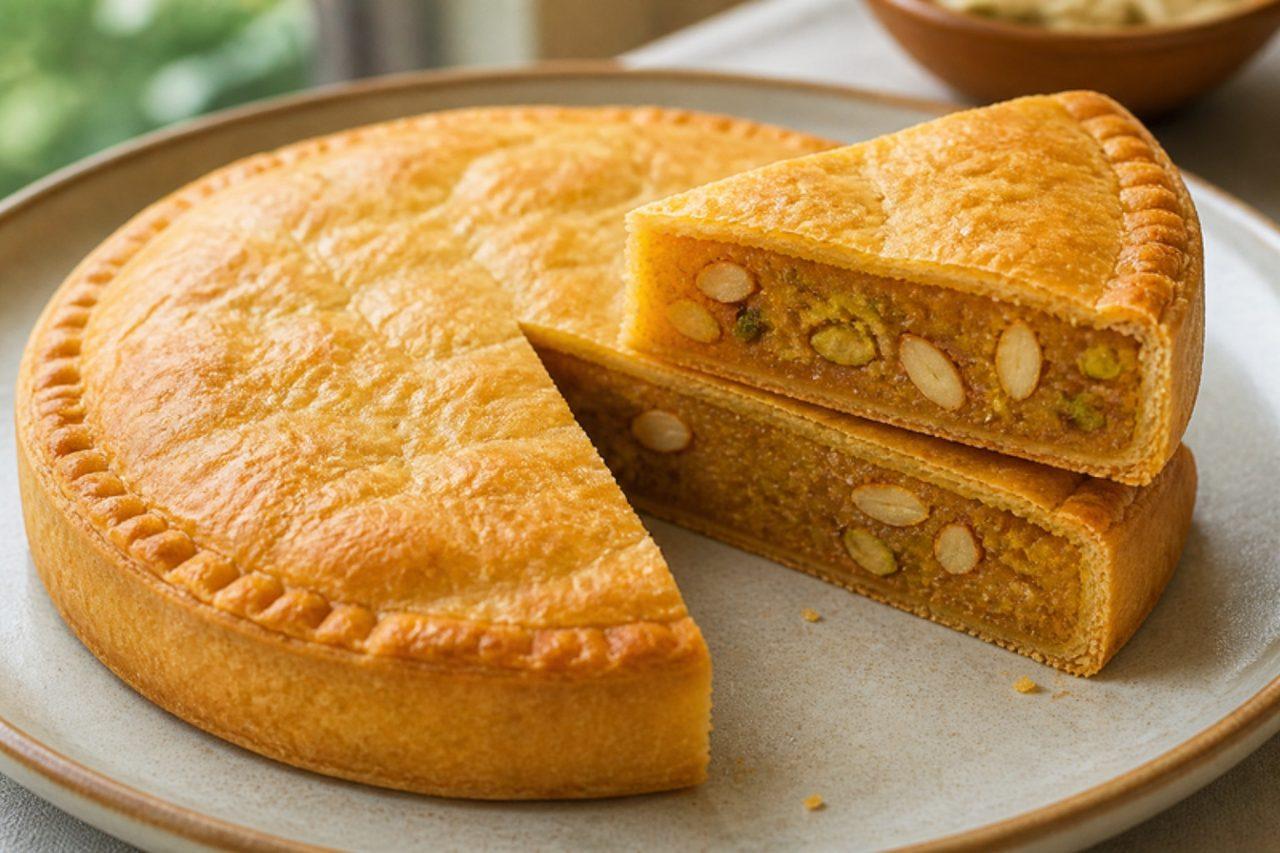
Dar ni poriSweet lentil pie with nuts

Parsi families in Mumbai and the small towns of south Gujarat order dar ni pori for Navroz, birthdays and the first day of a new job, when a sweet that keeps well is needed for visitors. A thin, flaky shortcrust holds a fudgy filling of toor dal cooked down with sugar and ghee, scented with cardamom, nutmeg and rose water and studded with almonds and pistachios. It tastes a little like a nutty halwa wrapped in pastry and is cut into small wedges, usually with a cup of milky tea. The usual mistake is stopping the filling too early: if it is still soft and wet it soaks the pastry and leaks through the seams. Chef's tip: the dal is ready when it pulls away from the pan as one mass and a spoonful holds a clean shape on a plate.

150 minIndianBaking
by KrazyBadal 0 views

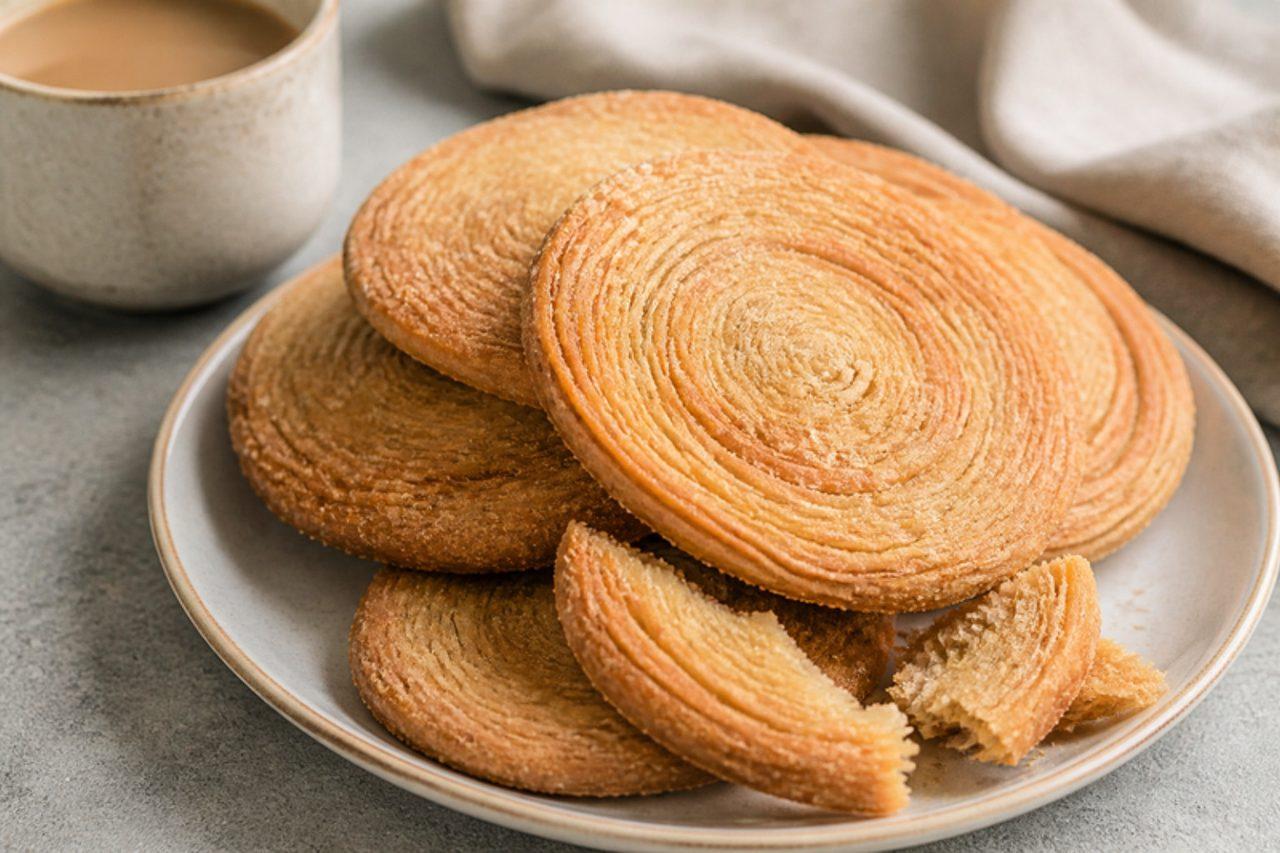
Ooty varkeyFlaky spiral tea biscuits

Up in the cool tea country of the Nilgiris, around Ooty and Coonoor, small bakeries turn out trays of varkey every morning, and tourists carry home bags of them alongside the estate tea. They are flat, golden and lightly sweet, with tight spiral layers that crunch and then melt, a texture the bakers get by rolling a sugared dough up around a fat paste and slicing it like a Swiss roll. Eat them with strong milky Nilgiri tea; locals also crumble them over hot milk. Bakeries traditionally use vanaspati for the paste; butter mixed with a little ghee gives a cleaner taste in this eggless home version. Watch the spiral: if you press the slices too hard when flattening, the layers fuse and the biscuit bakes dense. Chef's tip: chill the rolled log until it is firm enough to slice cleanly; a soft log squashes under the knife and you lose the swirl.

165 minIndianBaking
by KrazyBadal 0 views

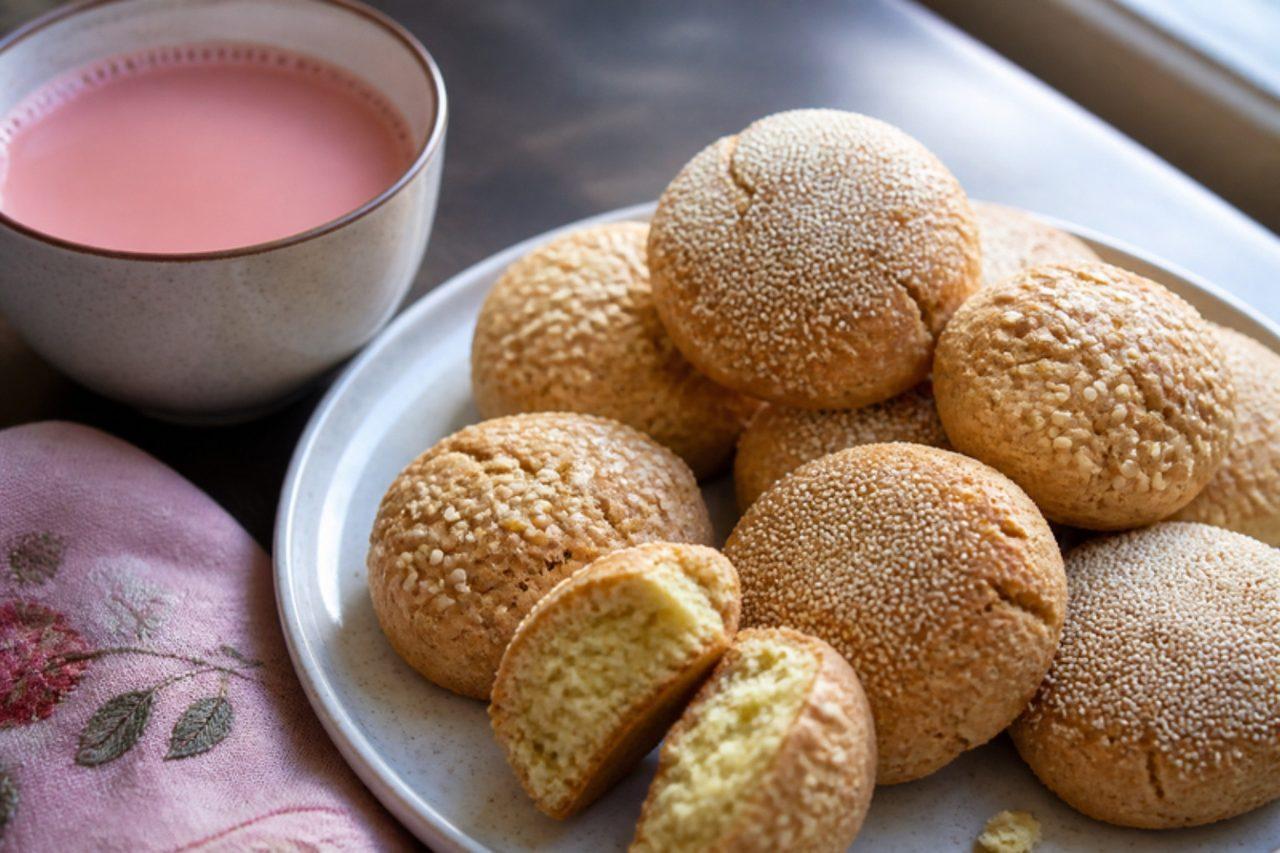
Kashmiri bakery kulchaPoppy seed or sesame tea biscuits

Before dawn the kandurwaan, Srinagar's neighbourhood baker, lights his clay oven, and by breakfast his shelf holds stacks of kulcha: small, thick, very crumbly rounds, some salted and crusted with poppy seeds, some sweet and dotted with sesame. They are nothing like the soft Punjabi bread of the same name. Kashmiris eat them with noon chai, the pink salted tea, breaking a kulcha into the cup or alternating bites and sips; they are also handed out at weddings and taken as gifts when visiting. This eggless home version makes both kinds from one ghee-rich dough. Do not overwork it: kneading develops gluten and you lose the sandy crumble that makes kulcha special. Chef's tip: bake them pale and low; a real Kashmiri kulcha is barely golden on top and crisp only on the base, so take them out while they still look a little underdone.

by KrazyBadal 0 views

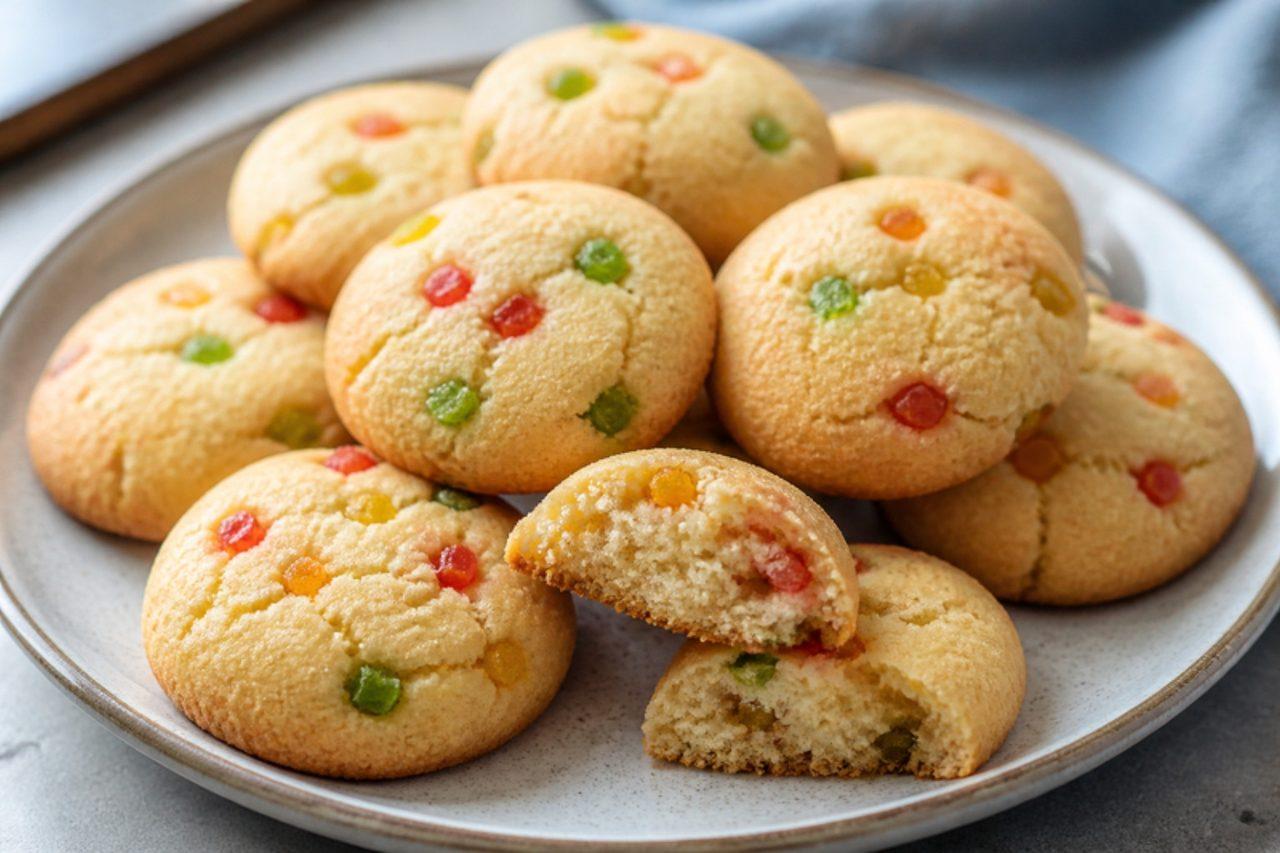
Hyderabadi fruit biscuitsTutti-frutti butter biscuits

Boxes of these pink-and-green flecked biscuits leave Hyderabad in every suitcase: visitors queue at the old bakeries near Charminar and the airport shops stock tins of them. Each one is short and crumbly, buttery, with a faint pineapple scent and chewy bits of candied papaya (tutti-frutti) scattered through. They are eggless, rich with butter and a little custard powder, and go with a cup of Irani chai or a glass of cold milk. The usual slip is mixing the tutti-frutti in wet or sticky, so it bleeds colour and clumps; toss it in a spoon of flour first. Chef's tip: shape the dough into a square log and chill it until firm, then slice; a firm log gives neat, sharp-edged biscuits like the bakery ones.

by KrazyBadal 0 views

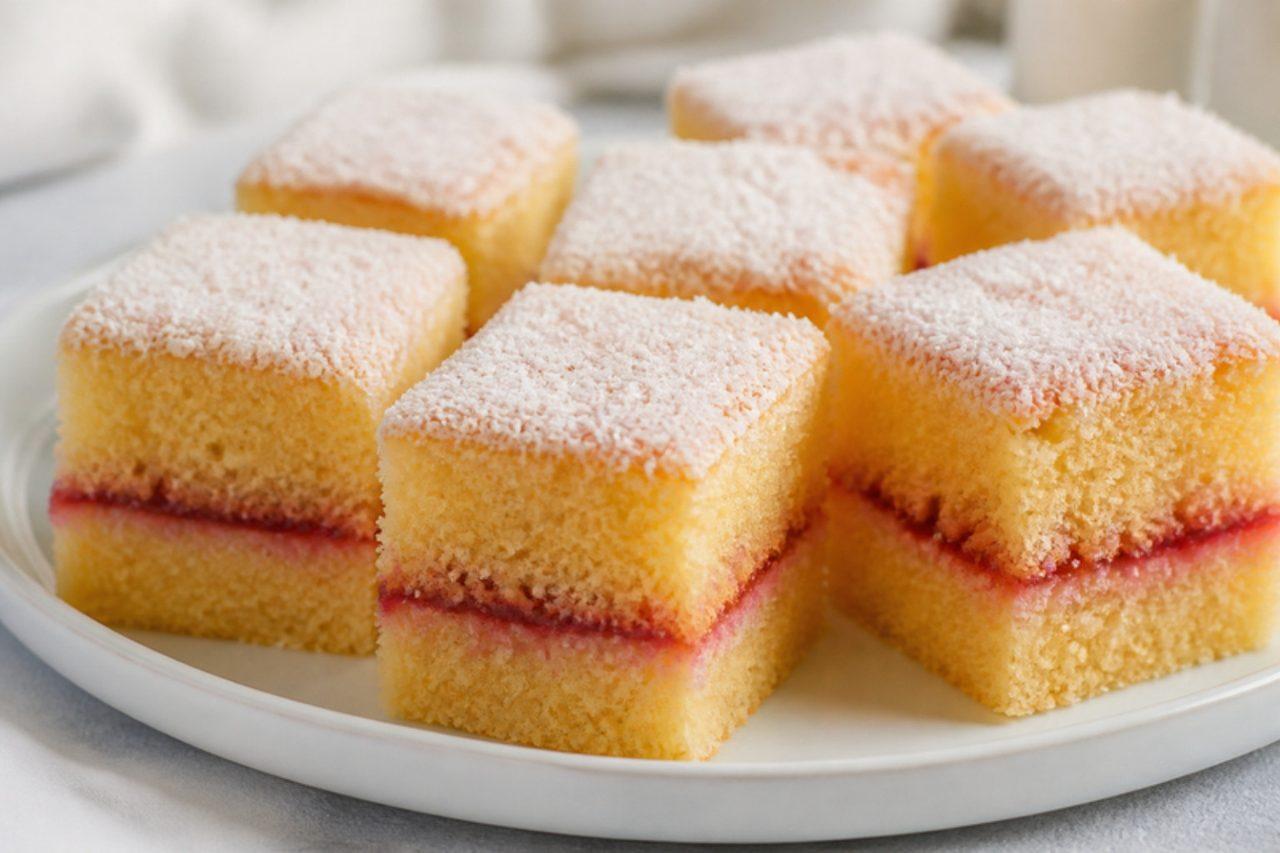
Kerala honey cake

No Kerala bakery counter, from a tiny shop in Thrissur to a busy one near Kochi bus stand, is complete without a tray of honey cake: sticky squares of vanilla sponge sandwiched with red jam, drenched in honey syrup and coated in white coconut. Children buy them after school; adults eat them with a glass of sweet tea in the late afternoon. The sponge is soft and damp right through, sweet and faintly floral from the honey, with fruity jam at its heart. People often pour hot syrup over a hot sponge and get a soggy, collapsing cake, so let the sponge cool and use the syrup just warm. Chef's tip: stir a squeeze of lemon into the syrup; it stops the honey tasting flat and helps the cake soak evenly.

by KrazyBadal 0 views

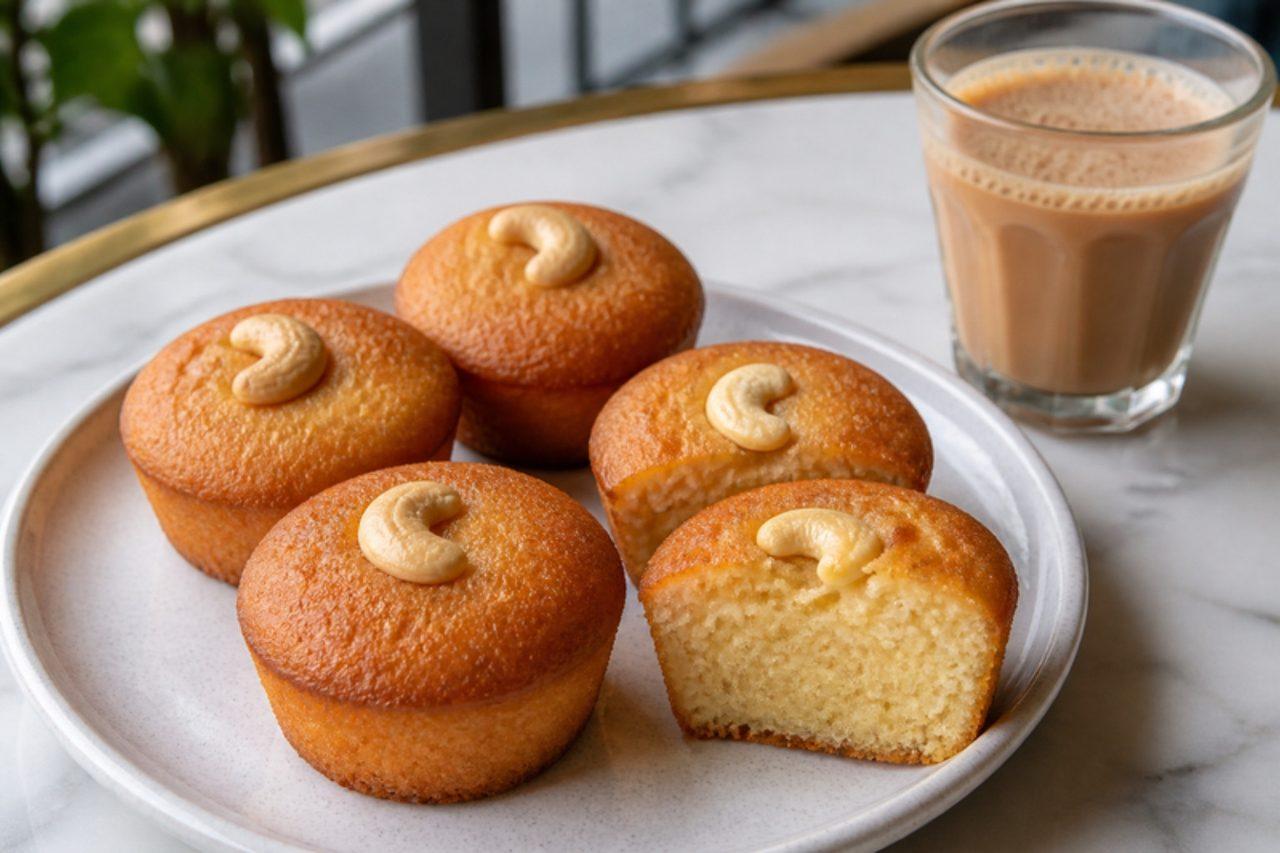
Mawa cakeCardamom khoya butter cake

Walk into an old Irani café in Mumbai or Pune at teatime and the glass jars on the counter will hold squat, golden mawa cakes, each crowned with a single cashew. The crumb is close and buttery, heavy with milky khoya and perfumed with cardamom, somewhere between a pound cake and a barfi. Locals dunk a slice in cutting chai or eat it with a bun maska on the side. This version uses eggs, as the classic bakeries do; eggless versions swap the eggs for yogurt or condensed milk and are just as popular. The usual slip is adding the khoya in hard lumps, which leave greasy pockets in the cake, so grate it and rub it smooth before it meets the butter. Chef's tip: warm the cardamom seeds in a dry pan for a minute before grinding; the aroma doubles and carries right through the bake.

by KrazyBadal 0 views

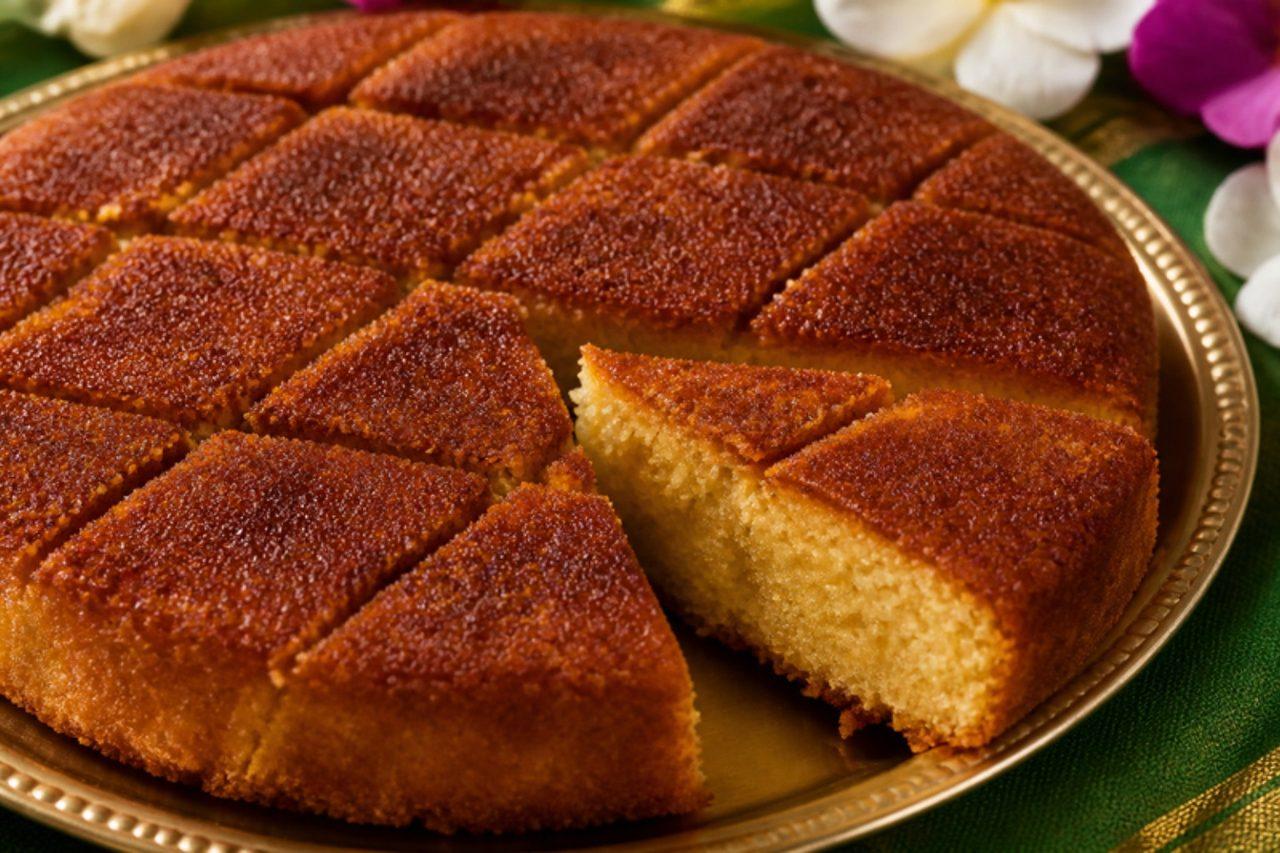
Goan baathSemolina and coconut cake

From Margao to Mapusa, Goan Catholic families start baath a day early: semolina, fresh coconut, sugar and butter are rubbed together and left overnight so the grains drink up the coconut milk. The next morning eggs go in and the cake is baked until brown and fragrant, ready for the Christmas kuswar plate alongside bebinca and neureos, or cut into diamonds for a wedding. The crust is crisp and caramelised; the inside is dense, moist and chewy with coconut, scented with cardamom and sometimes a little rose water. Desiccated coconut is the common shortcut and the common mistake: it makes a dry, crumbly baath, so use fresh or frozen grated coconut. Chef's tip: bake it in a heavy metal tin and do not open the oven for the first 40 minutes; the slow, steady heat gives the dark crust without a raw middle.

660 minIndianBaking
by KrazyBadal 0 views

Indian bakery cream roll

Cream rolls are a sweet memory for children across India, from the Irani cafés of Mumbai to Kerala's small-town bakeries: spirals of flaky puff pastry baked around a cone, glazed with sugar and piped with soft vanilla cream. They turn up on birthday party plates and in after-school bakery treats. This version uses whipped cream rather than the shortening icing of many shops. It contains gluten and milk. Chef's tip: fill them only an hour or two before serving so the pastry stays crisp.

by KrazyBadal 0 views

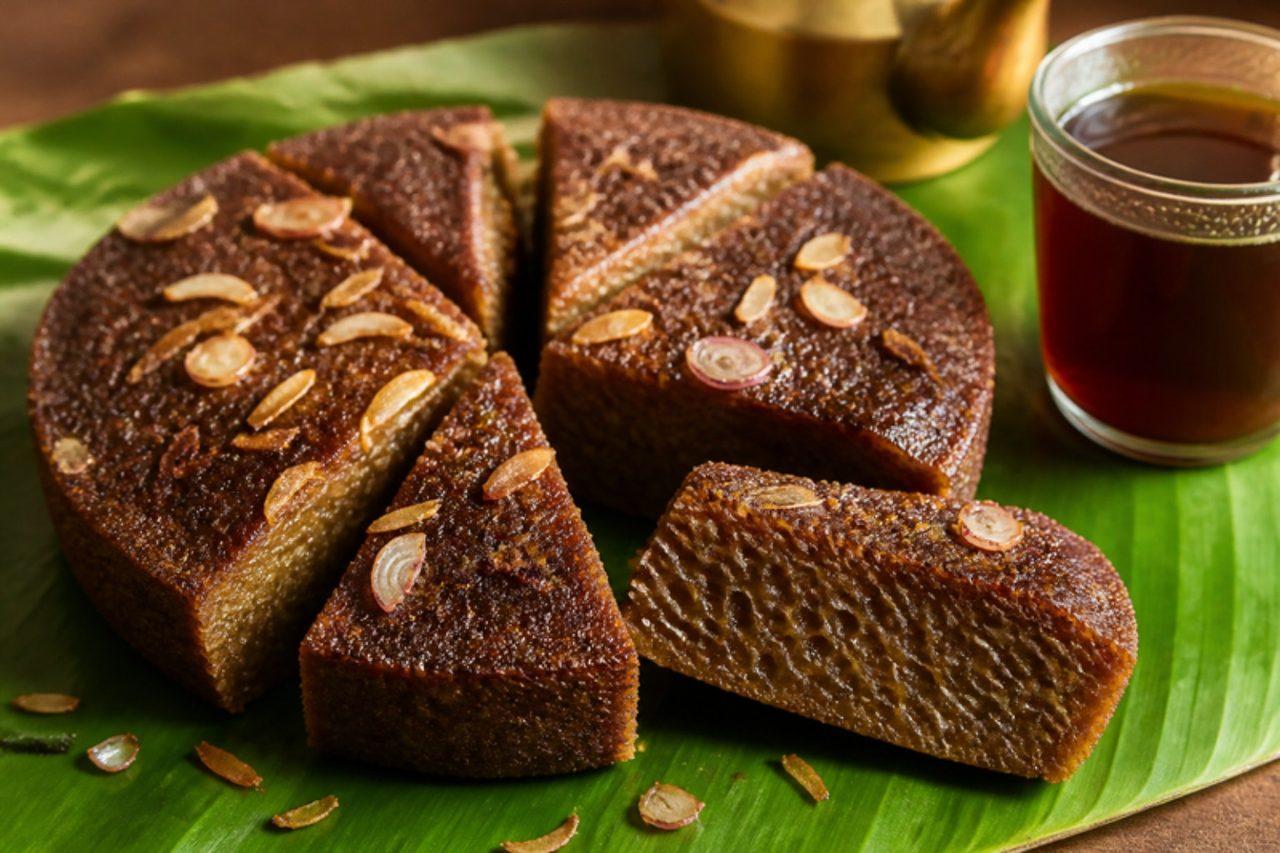
KalathappamRice and jaggery cake

Kalathappam takes its name from the kalam, the heavy clay or metal pot it was once cooked in over a wood fire with embers heaped on the lid. In Malabar homes from Kozhikode to Kannur it appears at tea after the Ramadan fast and for family visits, cut into wedges and eaten warm with black tea. Soaked rice is ground with a little cooked rice and jaggery syrup, so the cake is naturally eggless and gluten free; ghee-fried coconut slivers and sliced shallots give it a crisp, savoury top and a sweet, chewy, gently bubbled middle. Grind the batter as smooth as you can: a gritty batter is the usual reason it turns out dense and sandy. Here it starts on the hob and finishes in the oven, which gives the heat from above that the embers once did. Chef's tip: let the shallots go only to light gold in the ghee; they keep cooking in the oven and turn bitter if they are already brown.

250 minIndianBakingGluten free
by KrazyBadal 0 views

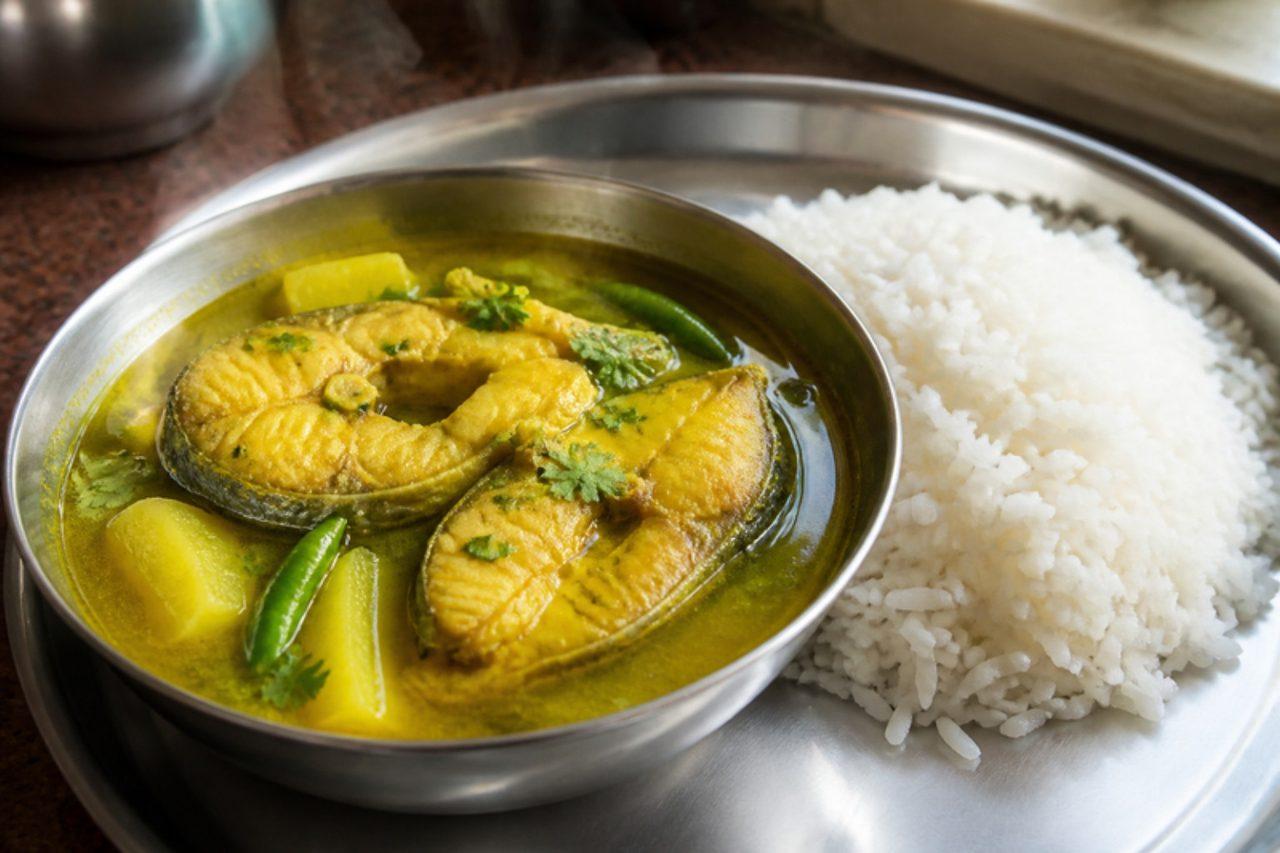
Macher jholLight fish curry

Macher jhol is the dish Bengalis miss most when they leave Kolkata: a thin, turmeric-yellow broth with pieces of rohu or catla, a few potato wedges and sometimes cauliflower or aubergine, eaten every day with plain rice at lunch. It is light, gently spicy with ginger and cumin, and finished with green chillies and coriander; it is the dish mothers make for children and anyone recovering from illness. A portion is about 260 kcal. The most common mistake is skipping the light frying of the fish, or frying it too long; a minute or two each side seals it and keeps it from breaking in the broth. Chef's tip: rub the fish with turmeric and salt for 10 minutes before frying; it firms the flesh and takes away any muddy taste of river fish.

40 minIndianFishGluten free
by KrazyBadal 0 views

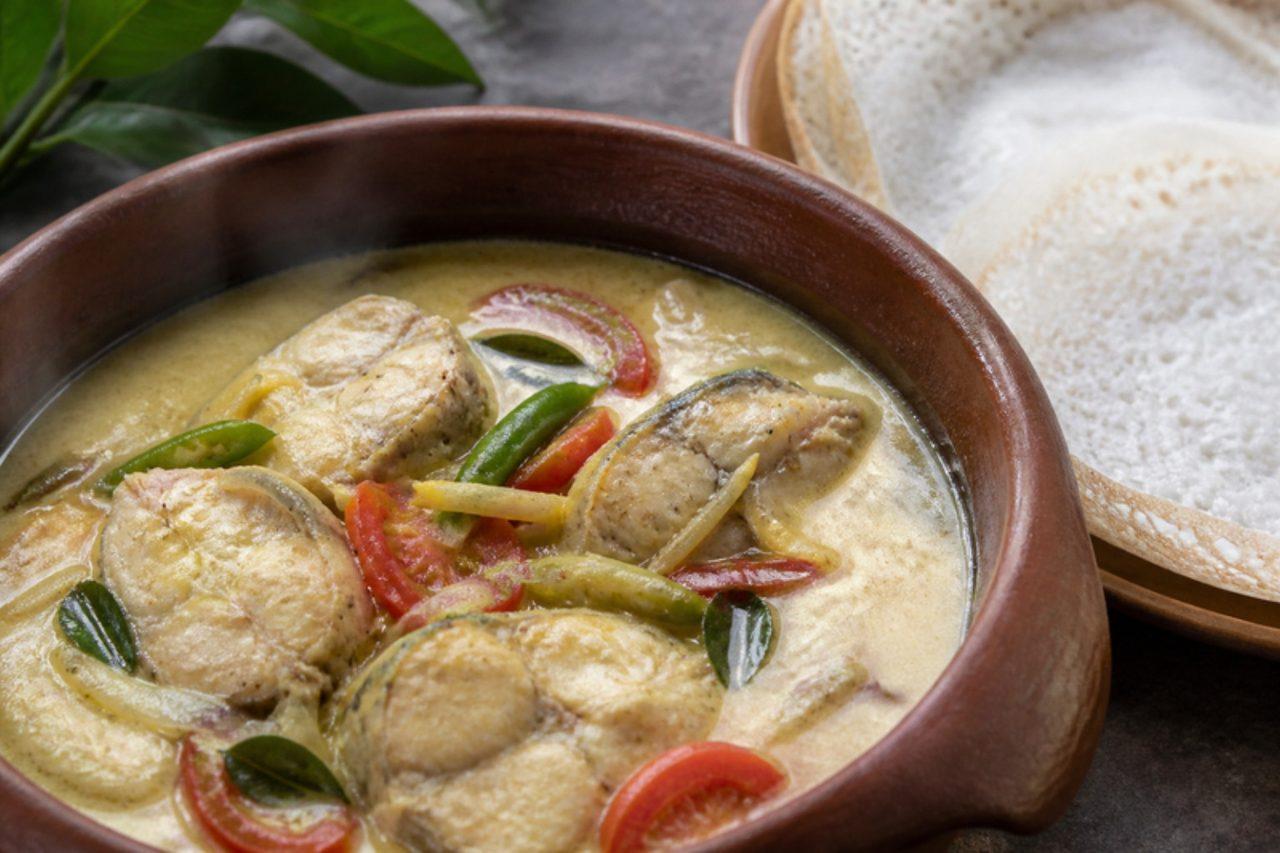
Fish moileeFish in coconut milk curry

Meen molee comes from the Syrian Christian and Anglo-Indian kitchens of Kochi and Kottayam, and it is the gentle, pale-yellow fish curry served for Sunday lunch and at Christmas with appam or rice. Seer fish or pearl spot steaks are lightly marinated in turmeric and pepper, then simmered briefly in coconut milk with sliced onion, ginger, green chillies and curry leaves, with a squeeze of lime at the end. It has warmth but very little chilli heat. A portion is about 330 kcal. The most common mistake is boiling the thick coconut milk, which splits it into oily curds; add it last and only bring it to a gentle simmer. Chef's tip: use thin coconut milk to cook the fish and stir in the thick milk only for the final minute; the sauce stays silky and white.

30 minIndianFishGluten free
by KrazyBadal 0 views

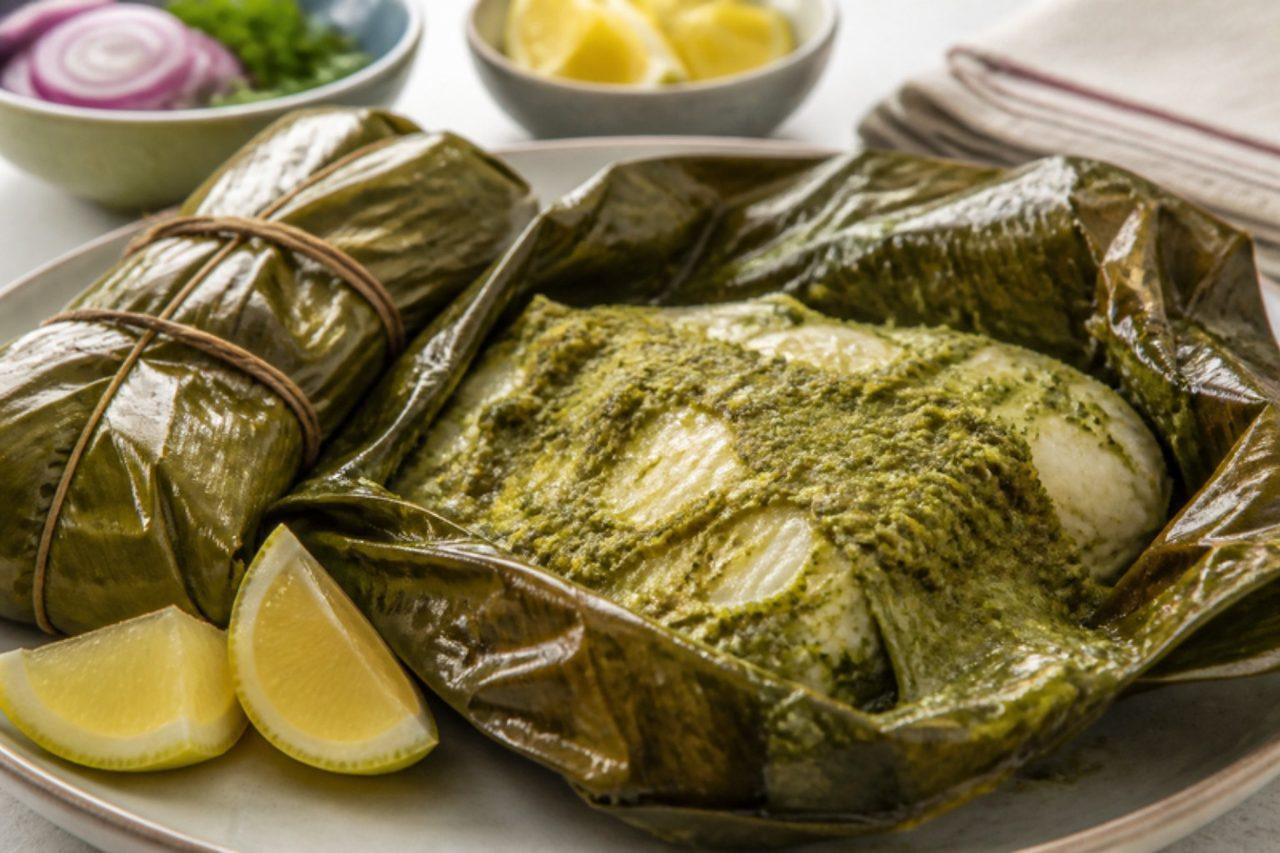
Patra ni machhiSteamed fish in green chutney

No Parsi wedding feast in Mumbai or Navsari, the lagan nu bhonu, is complete without patra ni machhi: pieces of pomfret smothered in a bright green chutney of coconut, coriander, mint, green chilli and lime, wrapped in banana leaves and steamed. When the parcels are opened at the table the fish is moist and tender and the chutney tangy and fragrant. It is also an easy, light dinner at home. A portion is about 240 kcal. The common mistake is steaming too long: thin fillets need only 12–15 minutes, and overcooked fish turns dry and chalky. Chef's tip: pass the banana leaves briefly over a gas flame or dip them in hot water first; they turn soft and glossy and fold without tearing. Foil works if you can't get leaves.

35 minIndianFishGluten free
by KrazyBadal 0 views

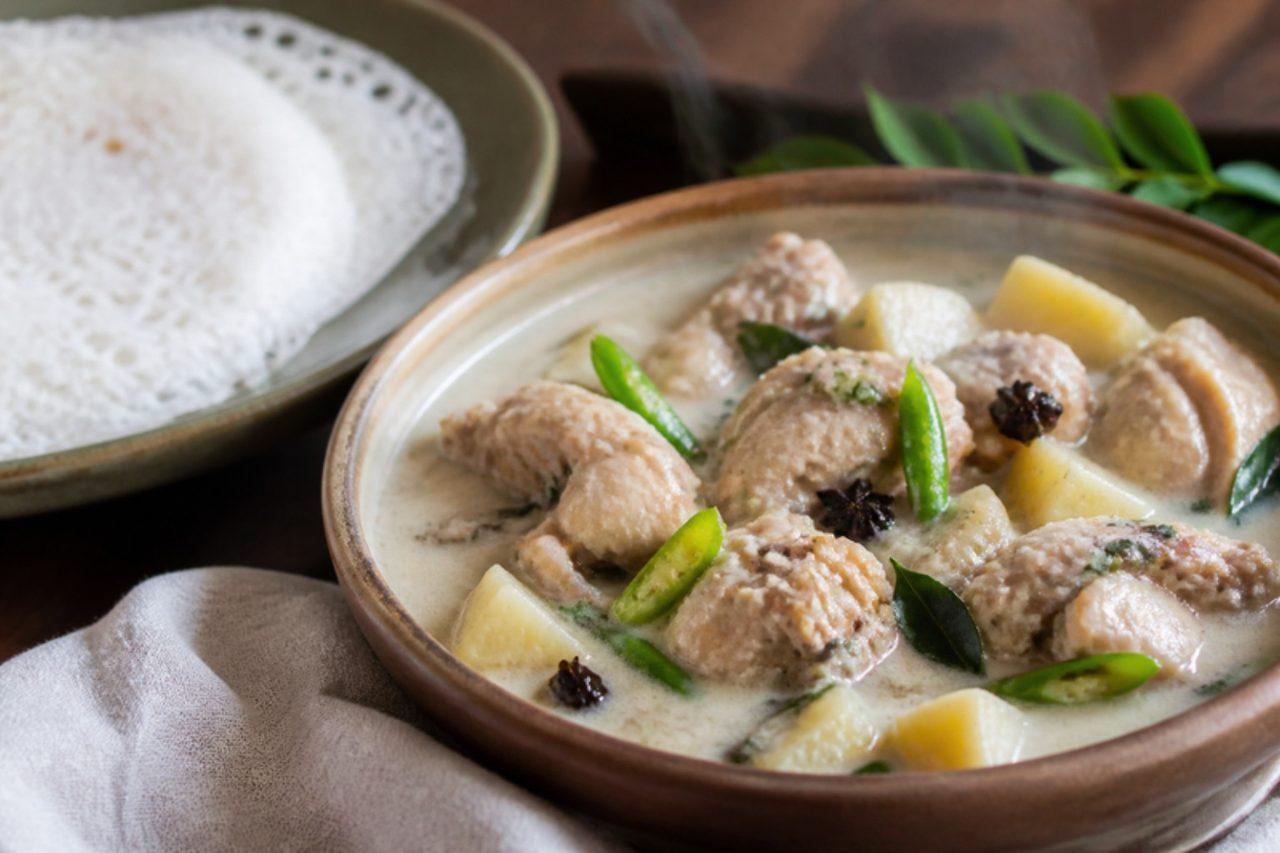
Kerala chicken stew

Easter morning in a Syrian Christian home in Kottayam or Thrissur means lacy appam and a pot of chicken ishtu, and the same stew is the classic breakfast in Kochi's old hotels: bone-in chicken and potatoes simmered in coconut milk with cinnamon, cloves, cardamom, ginger and green chilli until tender. It is creamy, fragrant and mild enough for children. A portion is about 390 kcal; skinless thighs and part-thin coconut milk keep it lighter than most. The mistake most people make is cooking the potatoes in the thick coconut milk from the start, so the milk splits by the time the chicken is done; cook in the thin milk and add the thick at the end. Chef's tip: fry a few slices of shallot in coconut oil and scatter them over just before serving; it adds a sweet, toasted edge.

by KrazyBadal 0 views

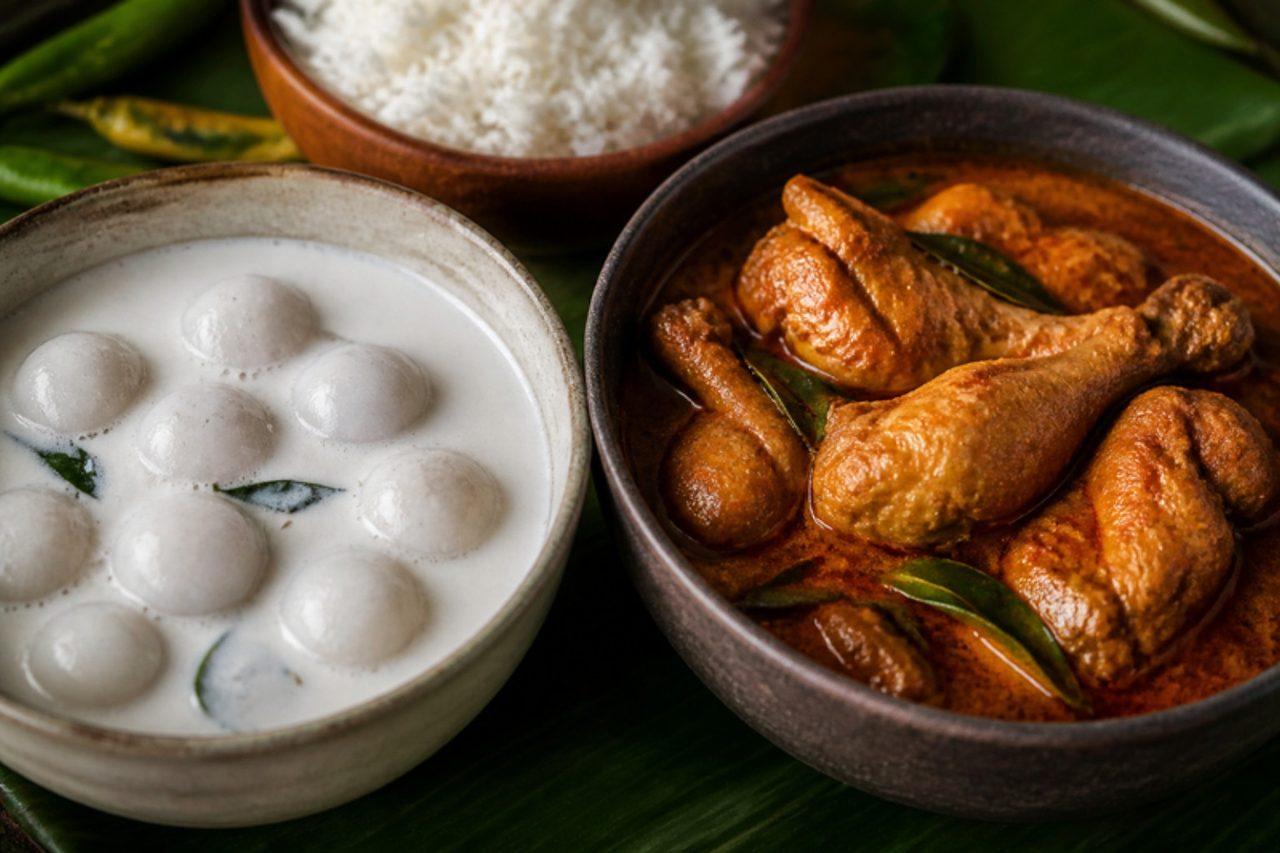
Pidiyum kozhiyumRice dumplings with chicken curry

Central Kerala's Syrian Christian families, from Kottayam to Thrissur, make this for Christmas and Easter mornings and for the gatherings that follow a wedding. The pidi are marble-sized balls of roasted rice flour and coconut, poached in water and then simmered in thick coconut milk with garlic, cumin and shallots until they sit in a creamy, gently savoury sauce. Alongside goes a fiery kozhi curry (chicken curry) of bone-in chicken in a coconut-oil masala of onion, ginger, chilli and fennel-scented garam masala, cooked until the chicken reaches 74 °C at the thickest part. Each plate gets a ladle of soft, mild pidi and a ladle of red curry, and the two run together. It takes a little time, so families often roll the pidi together while the curry simmers. Common mistake: mixing the rice flour with cold or lukewarm water; the dough cracks and the pidi fall apart in the pot. Chef's tip: use boiling water and knead while it is still hot, wrapped in a cloth.

by KrazyBadal 0 views

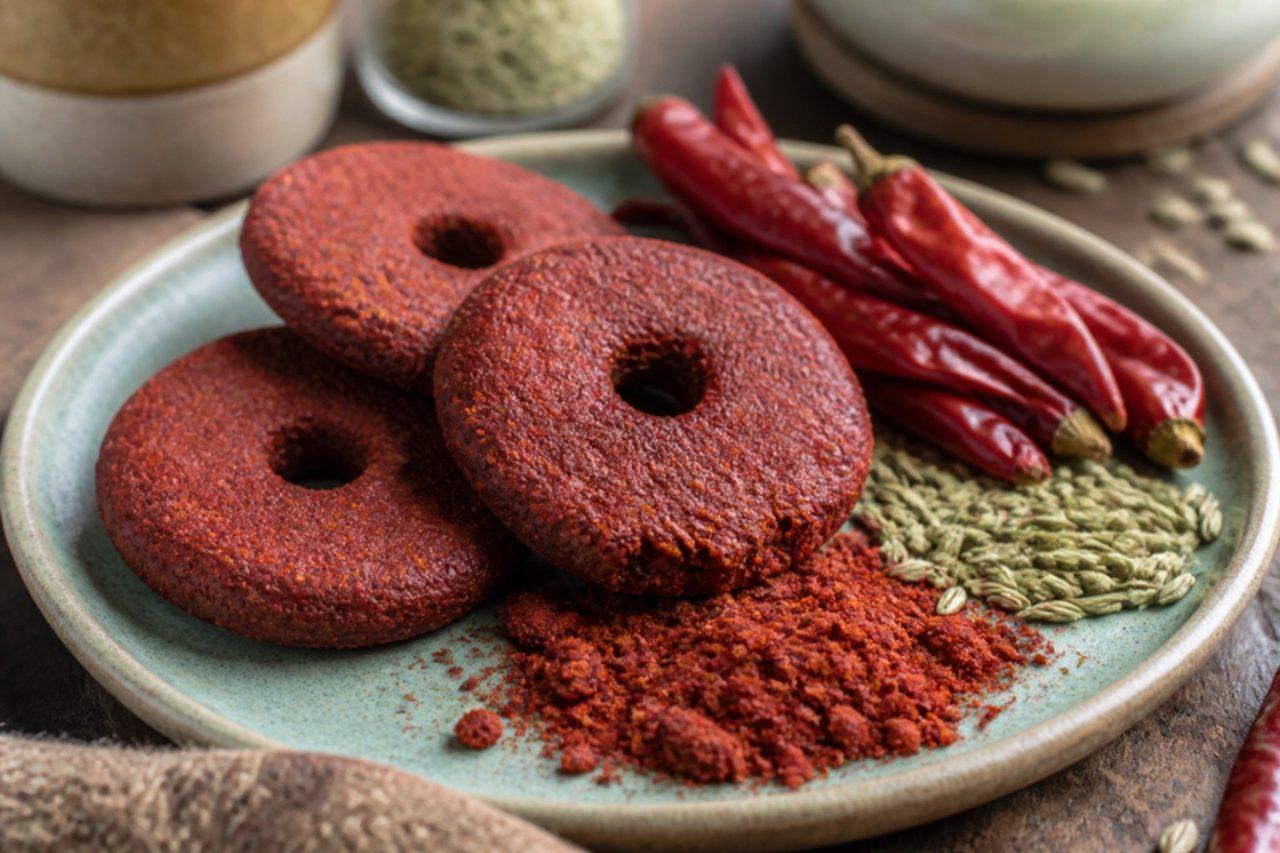
Kashmiri ver masalaKashmiri spice cakes

In Srinagar's old city, ver is still made at the end of summer and strung up to dry in kitchens: flat, ring-shaped cakes of ground spices bound with shallot paste and pungent mustard oil, dark red and rock hard. It was a way to store flavour for the long winter, when fresh ingredients were scarce. A piece grated into the pot gives Kashmiri food its typical deep red colour and its warm, sweet-hot fennel and dry ginger flavour, without tomatoes or onions: think dum aloo, nadru yakhni (lotus stem), haak (collard greens), chaman (paneer) and rogan josh. Kashmiri Muslim kitchens often add garlic; Pandit homes may leave the shallots out altogether. Common mistake: drying the cakes in a damp or closed spot; they stay soft inside and grow mould. Chef's tip: heat the mustard oil until it smokes and then cool it before mixing, to take away its raw, sharp bite.

by KrazyBadal 0 views

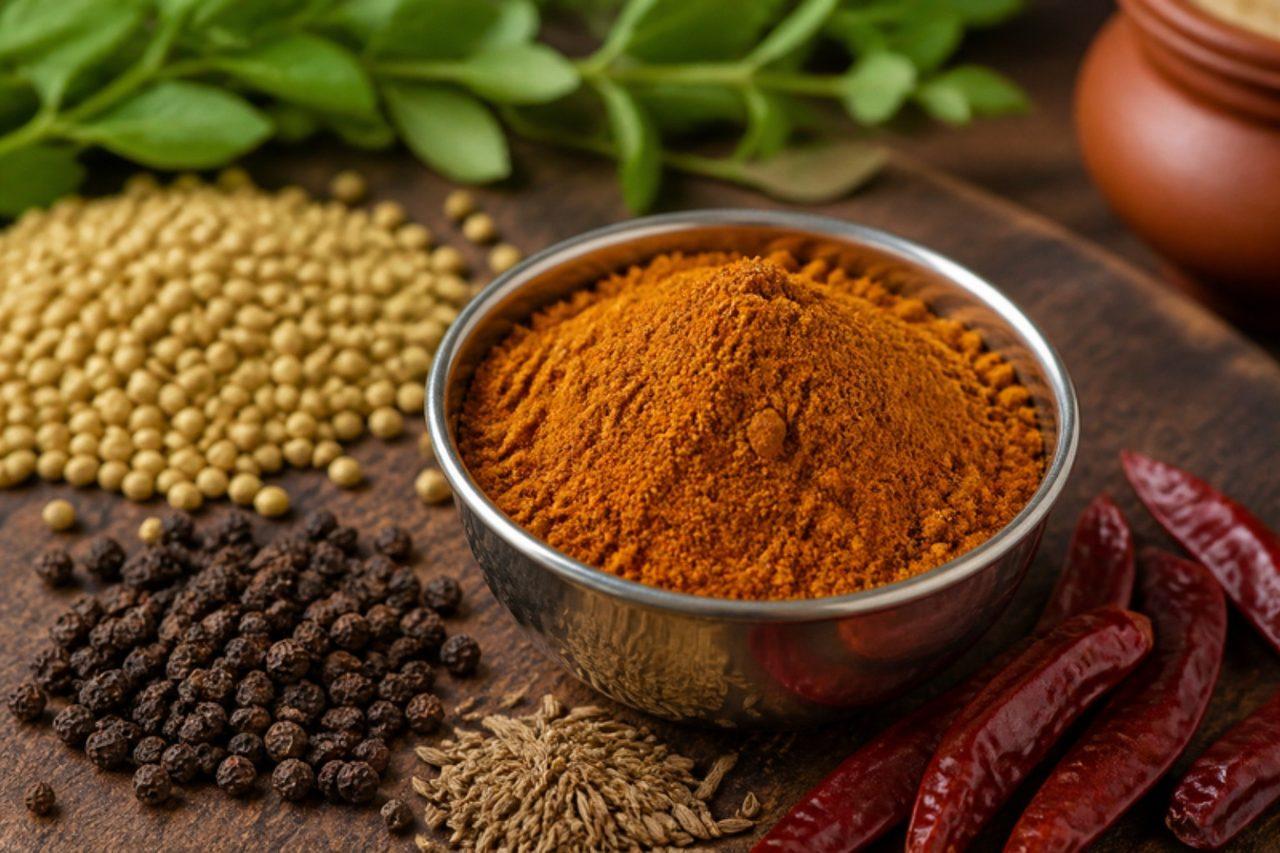
Rasam powderRasam spice powder

A spoon of rasam podi, a lime-sized ball of tamarind, a tomato and a ladle of cooked toor dal: that is lunch in countless Tamil homes, from Thanjavur to Tirunelveli, and the podi is what makes one family's rasam taste unlike the neighbour's. This version is peppery and cumin-forward, as rasam should be, with roasted coriander for body and a little toor dal that thickens the broth slightly and gives it a rounded, nutty base. It is meant for clear, thin rasams: tomato rasam, pepper rasam, lemon rasam, and the one you sip as a soup when you have a cold. Make a small batch, since the aroma fades after a couple of months. Common mistake: roasting the coriander seeds until dark brown; they turn bitter and the rasam tastes burnt. Chef's tip: add rasam powder at the end, when the tamarind water is already boiling, and switch off the heat as soon as the rasam froths; boiling it hard kills the pepper aroma.

by KrazyBadal 0 views

Malvani masalaKonkan spice blend

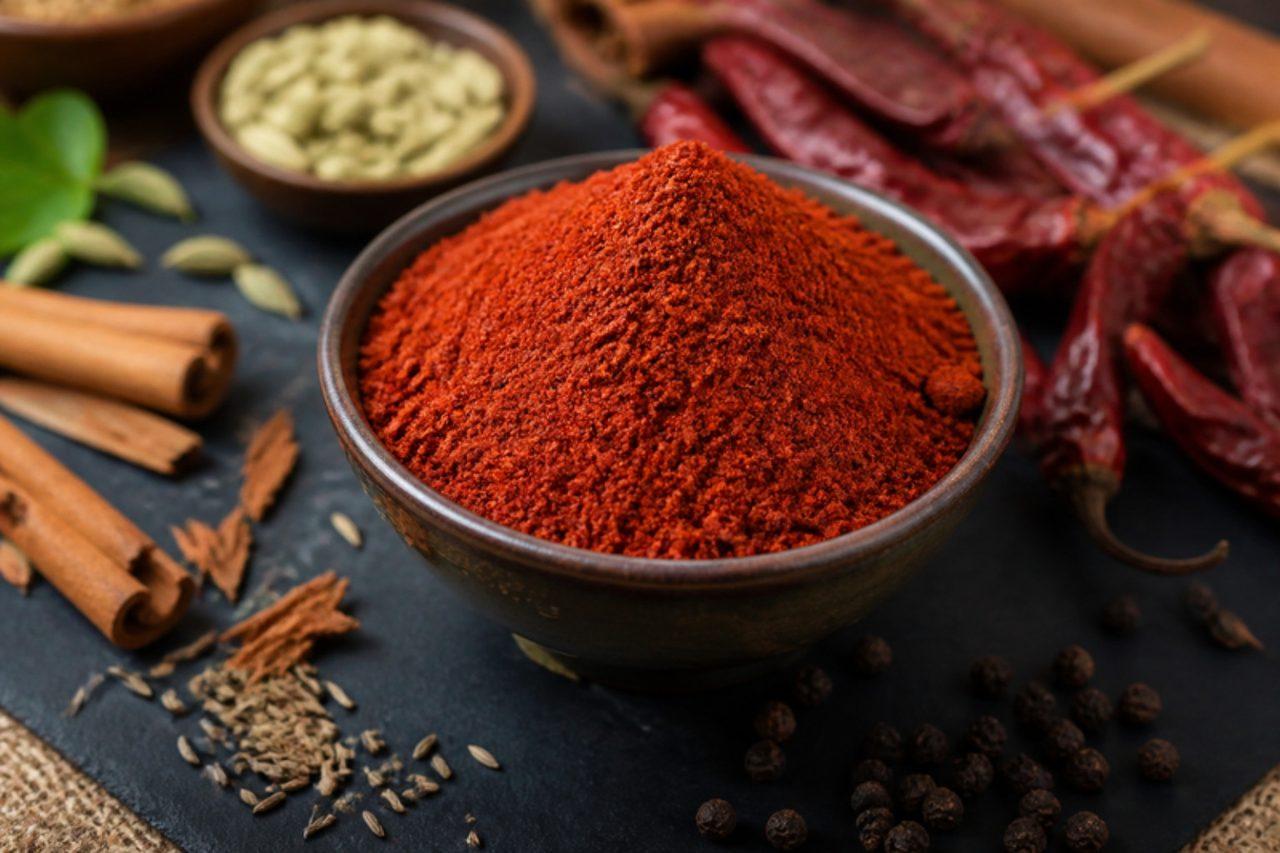
Head down the coast to Malvan, Vengurla or Devgad and every family has its own masala tin, ground in summer when the chillies are crisp and dry. Malvani masala is hotter and more aromatic than goda masala and uses no coconut: it is mostly Bedgi chillies (for a deep red colour and moderate heat) with a handful of fiery Sankeshwari, roasted with coriander and about fifteen whole spices including fennel, star anise, mace, nutmeg and stone flower. Fried in oil with coconut and onion, it becomes the base of kombdi vade (chicken curry with puris), bangda and surmai curries, prawn sukka, and vegetarian dishes like kala vatana usal and Malvani batata bhaji. The blend itself is vegan. Common mistake: leaving the stalks on the chillies; they grind into hard, woody bits and dull the colour. Chef's tip: dry the chillies in the sun or in a barely warm pan first, then roast them separately on low until they crackle, so they grind to a fine, bright powder.

by KrazyBadal 0 views

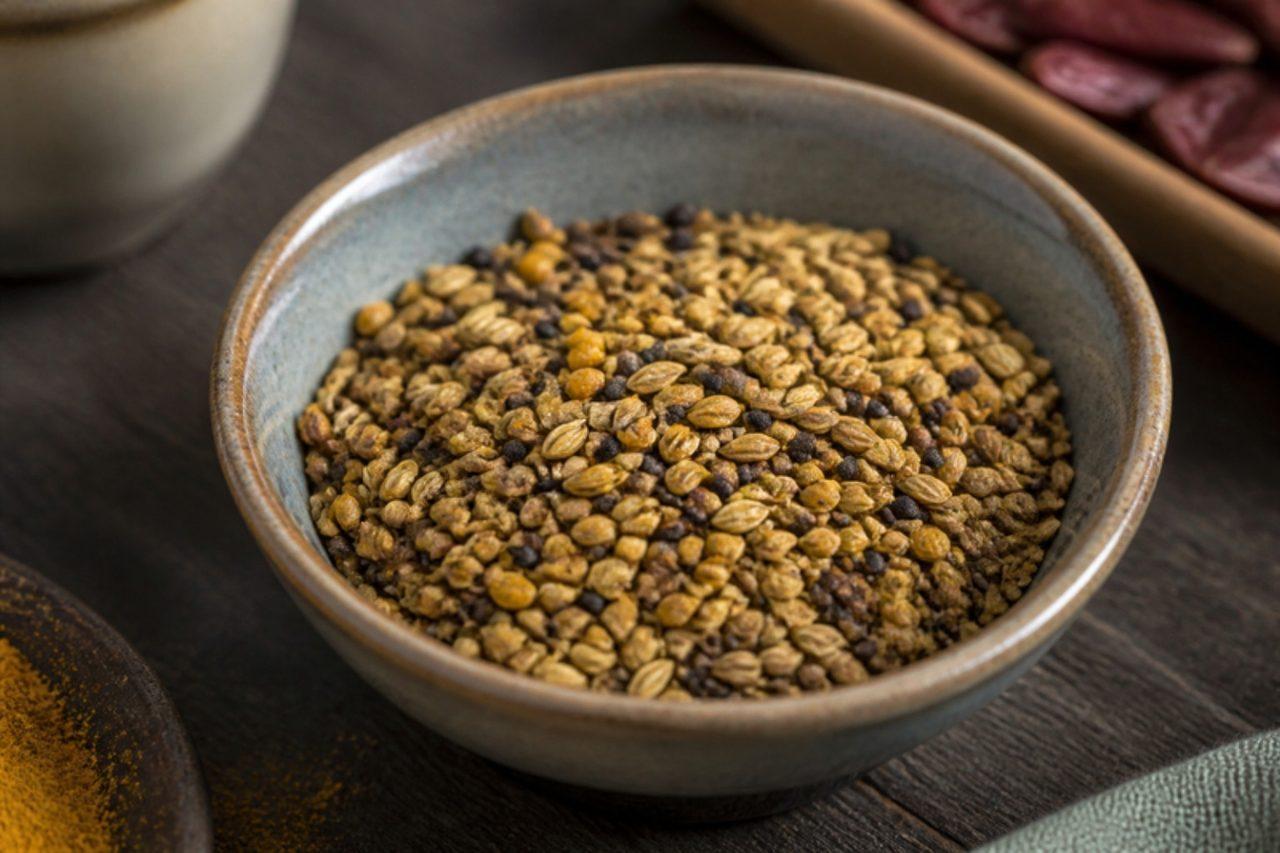
Panch phoronFive-seed spice mix

Every Bengali and Odia kitchen keeps a jar of panch phoron within reach of the stove, because so much of the cooking begins with a teaspoon of it crackling in hot mustard oil. The five seeds, in equal measure, are left whole and never roasted or ground ahead: bitter fenugreek, oniony nigella (kalonji), earthy cumin, sharp black mustard and sweet fennel. Together they give a layered, slightly bittersweet aroma that is the signature of tomato chutney, cholar dal, labra, chorchori and the sweet-sour vegetable dishes of a Bengali lunch. In some traditional homes radhuni, a wild celery seed, replaces the mustard. Common mistake: tempering over a high flame. The fenugreek blackens in seconds and the whole dish tastes bitter. Chef's tip: let the oil heat until it just shimmers, add the panch phoron, and the moment the mustard starts popping and the fenugreek is reddish brown, add the vegetables or dal.

by KrazyBadal 0 views

Doi maachFish in spiced yogurt gravy

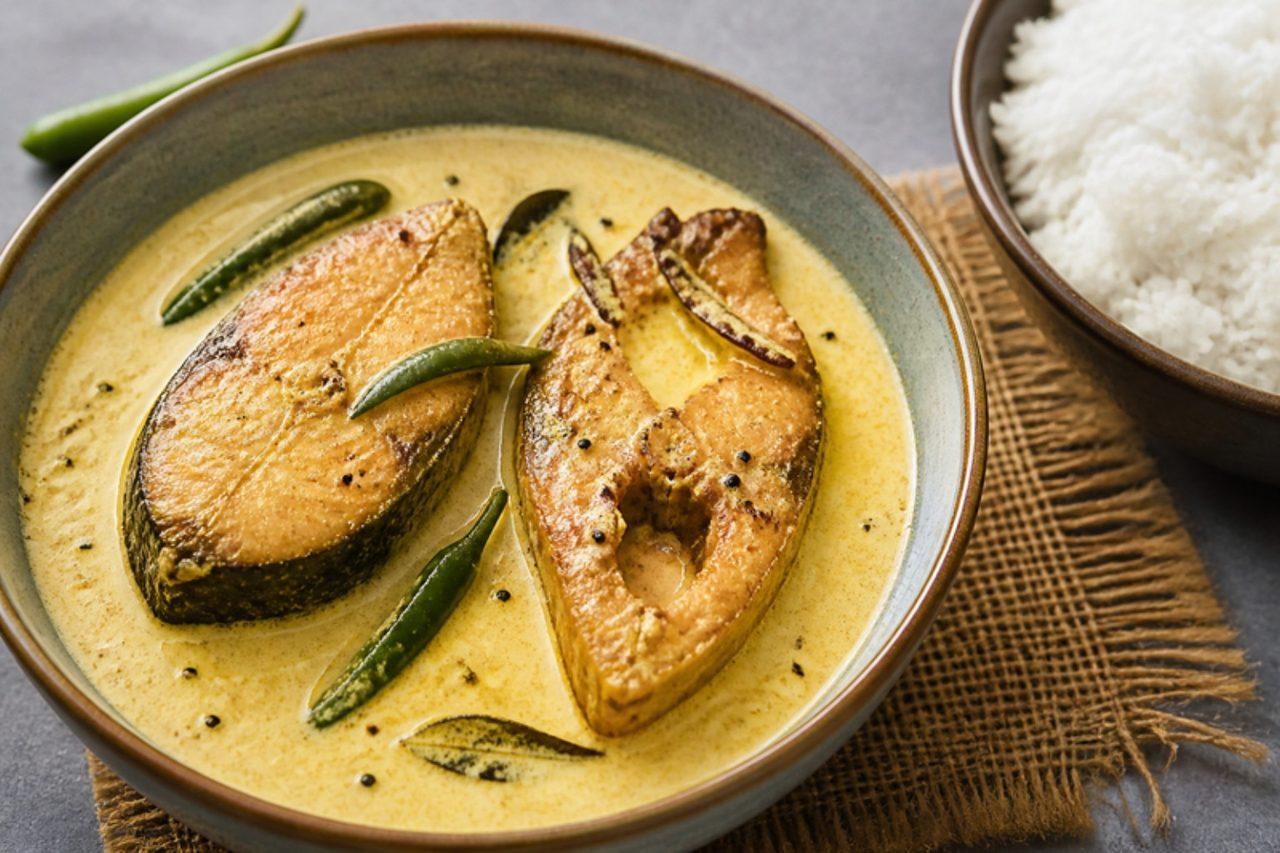
At a Bengali wedding feast or on Jamai Shashthi, when sons-in-law are fed like kings, doi maach is the fish course everyone waits for. Thick steaks of rohu or katla, the big freshwater carp of Bengal's ponds, are rubbed with turmeric and salt, fried in sharp mustard oil and then simmered in a pale, creamy gravy of whisked yogurt, ginger and onion paste and whole garam masala, sweetened just enough to balance the tang. It is mild and fragrant rather than hot. Carp has fine bones, so eat it slowly. Cook the fish until it is opaque and flakes easily from the bone. Serve with steamed gobindobhog or plain white rice, and a squeeze of gondhoraj lime if you can find it. Common mistake: tipping cold yogurt straight into hot oil, which splits it into grainy curds. Chef's tip: whisk the yogurt with the spice powders and a spoonful of the hot gravy first, then add it over the lowest heat.

50 minIndianFishGluten free
by KrazyBadal 0 views

Methia masalaPickle spice mix

In Gujarati homes, methia masala (also called achar masala or sambhar masala in Kathiawad) is mixed each April before the mango pickling begins, and a jar of it lasts the year. It is built on methi kuria and rai kuria, split fenugreek and split mustard seeds sold at every Gujarati grocer, which are bloomed in smoking-hot groundnut oil with hing so they lose their raw bitterness, then mixed with Kashmiri chilli powder, turmeric and salt. That one masala makes instant pickles of carrot, gunda, raw mango or kerda in minutes, is spooned beside khichu, thepla and dhokla and goes into methia keri, the classic Gujarati mango pickle. Common mistake: pouring the oil over the chilli powder while it is smoking hot; the chilli turns black and bitter. Chef's tip: pour the hot oil over the kuria and hing only, wait until it is just warm, and only then stir in the chilli, turmeric and salt.

by KrazyBadal 0 views

Meen acharFish pickle

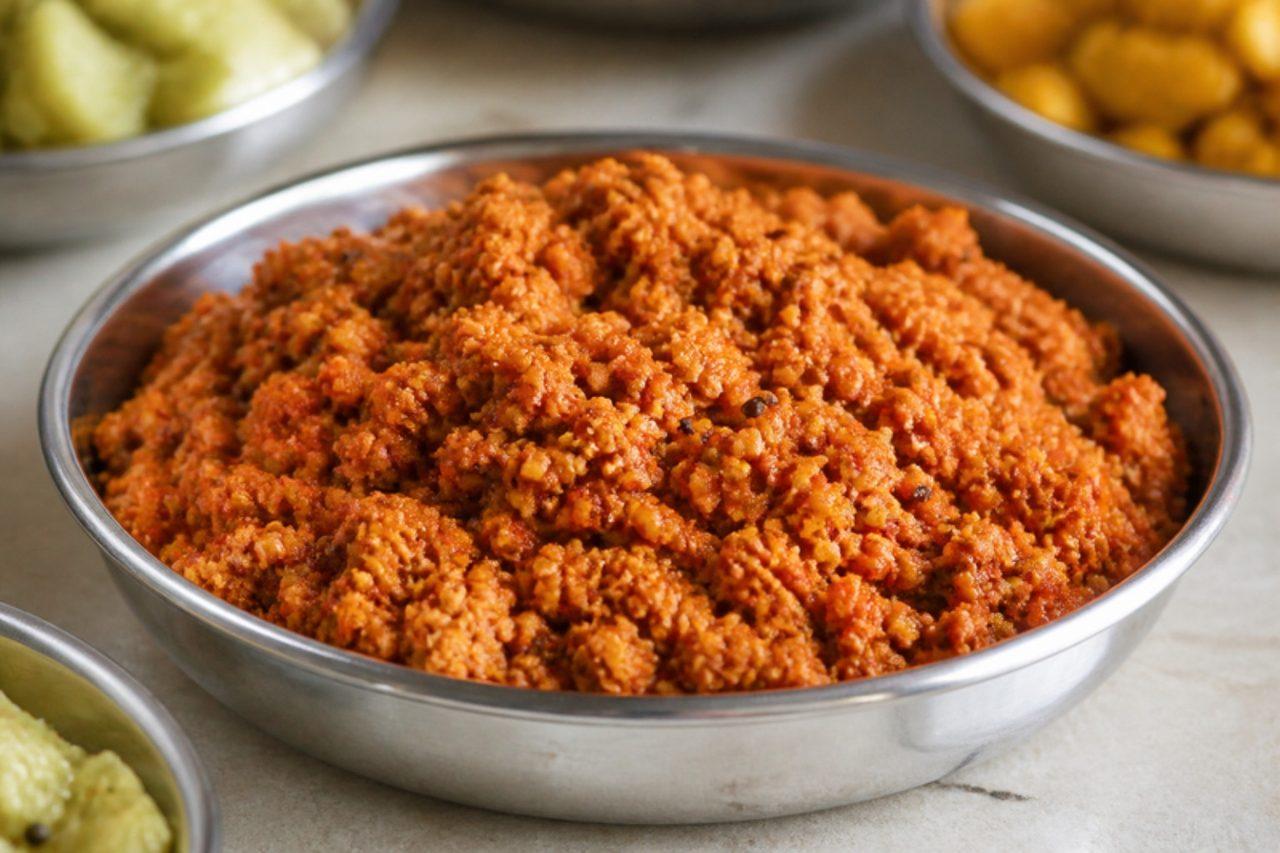
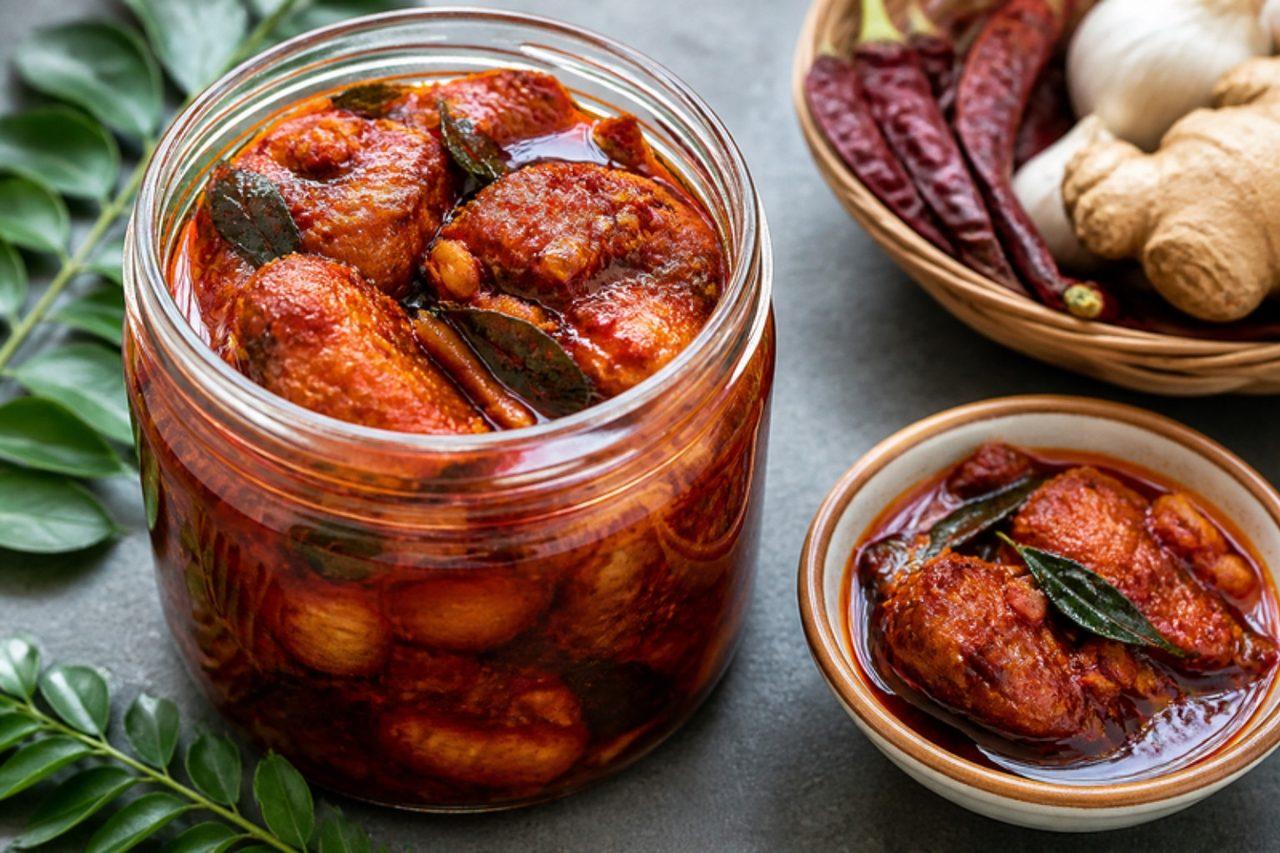
Every Kerala Christian and Muslim household seems to keep a jar of meen achar somewhere, especially at Christmas, when it is made in big batches and packed for relatives working in the Gulf. Firm fish, usually neymeen (seer fish or king mackerel) or tuna, is cut into small cubes, rubbed with chilli and turmeric and fried in gingelly (sesame) oil until crisp and fully cooked through, opaque and firm. The pieces are then folded into a fierce masala of garlic, ginger, green chilli and curry leaves with plenty of chilli powder and vinegar, and left for two days to soak it all up. It is hot, sour and garlicky, a little goes a long way with curd rice, kanji or a plate of rice and dal. Use a sterilised, completely dry jar, keep the pieces under a layer of oil and always use a clean, dry spoon. Store it in the fridge and eat within 4 weeks; throw it away if you see mould or it smells off. Chef's tip: fry the fish until it sounds hollow and crisp; any moisture left inside is what spoils fish pickle.

60 minIndianFishGluten freeSpicy
by KrazyBadal 0 views

Dhana jiruCoriander and cumin powder

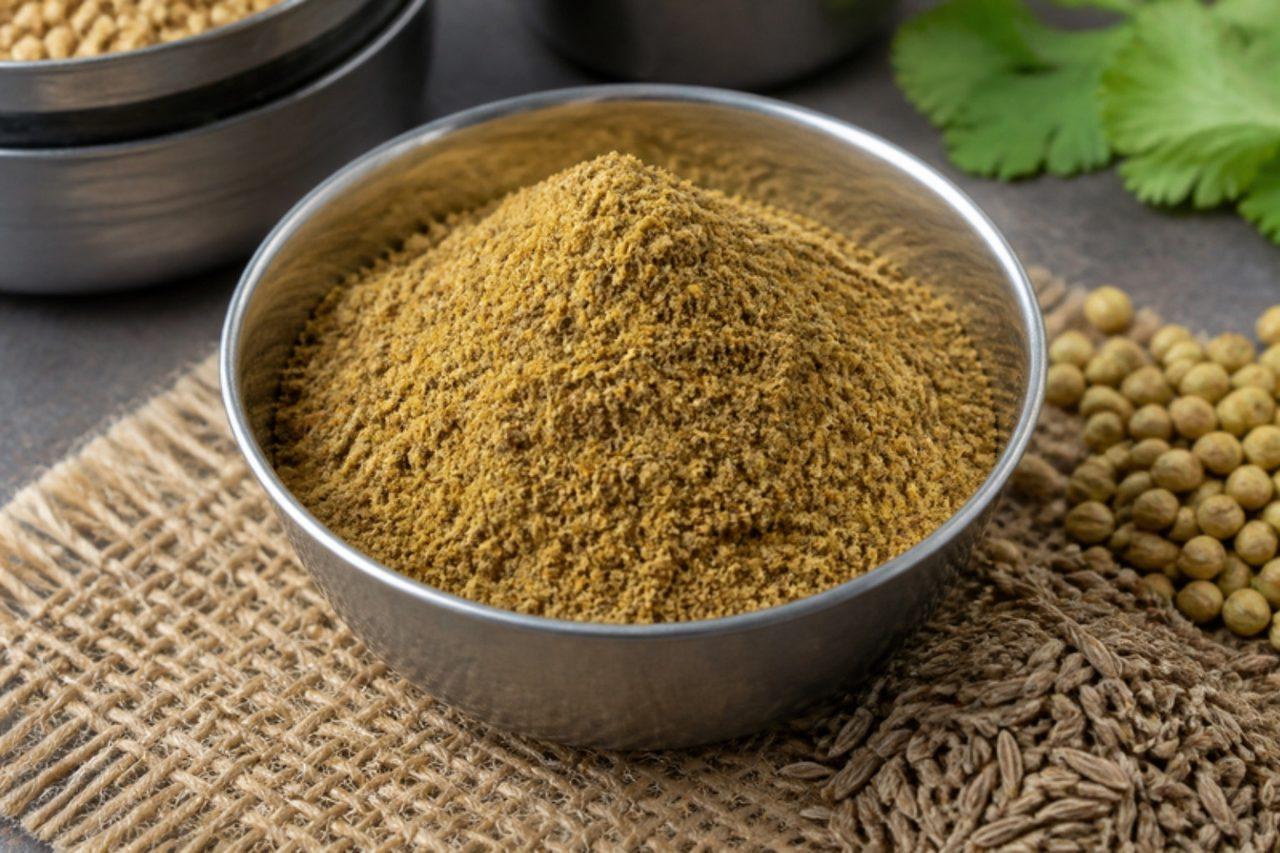
Open the masala dabba in any Gujarati kitchen, from Rajkot to Vadodara, and next to the haldi and marchu there will be a compartment of dhana jiru. It is the spice that goes into almost every shaak, dal and kadhi, often alongside red chilli and turmeric in the same pinch-and-throw rhythm. The ratio is roughly four parts coriander to one of cumin, giving a mild, citrusy, earthy powder that thickens and rounds out a dish rather than heating it. Many families buy it ready-ground, but a fresh home batch is so much more fragrant that it changes a plain potato shaak or tuver dal. Surti and Parsi kitchens roast it darker; most Gujarati homes keep it light. Common mistake: over-roasting, which kills the fresh lemony note of the coriander. Chef's tip: roast just until warm and fragrant, grind, then sift; the coriander husks stay in the sieve and the powder comes out soft and fine.

by KrazyBadal 0 views

Showing 24 of 103 recipes

Show more recipes

Page 1 of 5