Skip to content
Recipes

All recipes

Vegetarian, or something you can't eat? Set your diet once and we'll hide recipes that don't fit.

Masala pastaSpiced macaroni

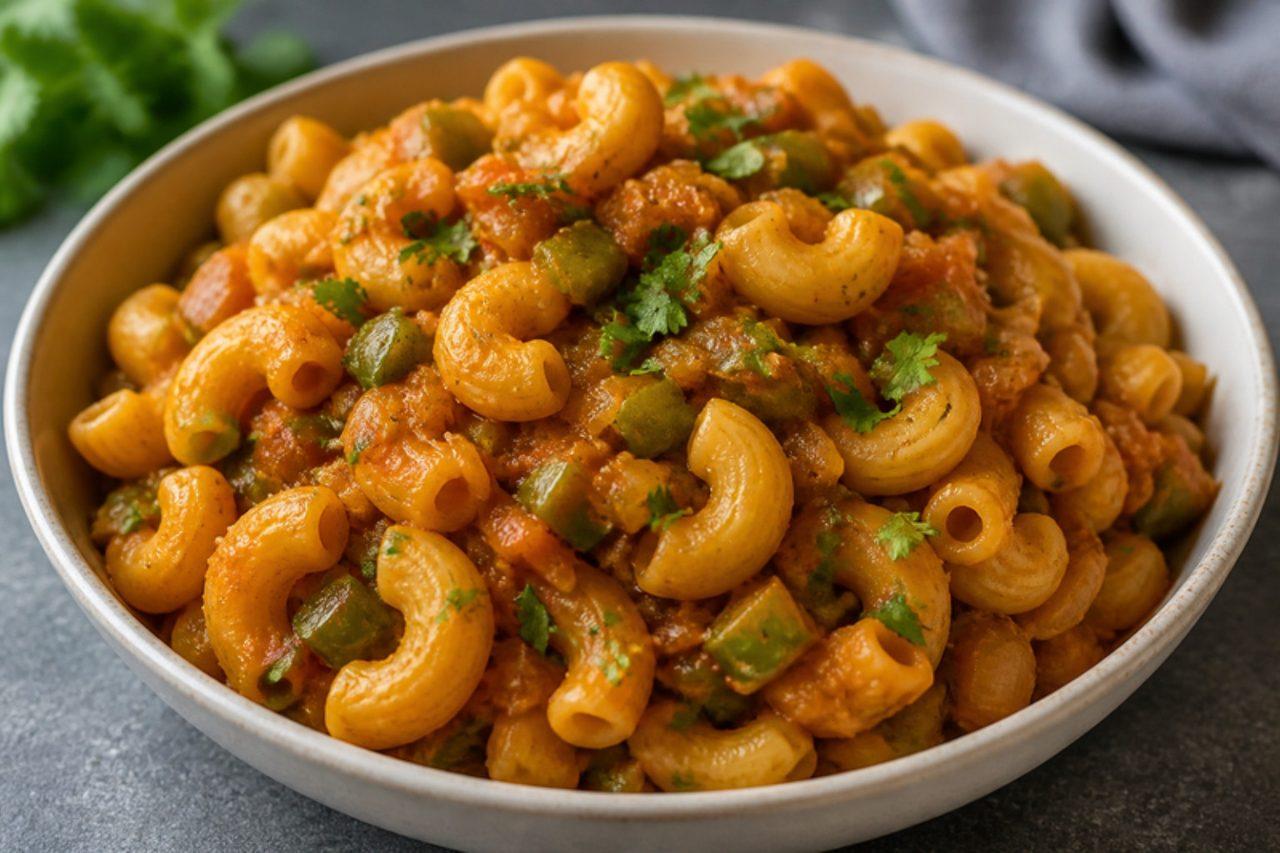
Masala pasta is how countless homes in Delhi, Mumbai and Ahmedabad cook pasta on a school night: macaroni tossed in a quick onion, tomato and capsicum masala with cumin, chilli and garam masala, often with a little ketchup for the children. It is tangy, mildly spiced and comforting, with the sauce clinging to every piece. The usual mistake is draining away all the pasta water, so the masala turns dry and sticky. Chef's tip: save a mug of the starchy cooking water and add a splash while tossing; it makes the masala silky and helps it coat the pasta. If you add cheese, many cheeses are made with animal rennet, so choose one labelled vegetarian.

by KrazyBadal 1 views

Ma you mian xianSesame oil ginger vermicelli

Ma you mian xian is a warming Taiwanese home bowl, cooked on chilly evenings across the island and famously fed to new mothers to restore their strength. Fine wheat noodles called mian xian (misua) are tossed with plenty of ginger fried slowly in dark, nutty black sesame oil and seasoned with a little soy. Many families add a splash of rice wine; this version leaves it out. The common mistake is frying the ginger in hot sesame oil, which turns bitter fast; keep the heat low and let the ginger curl and brown gently. Chef's tip: misua is salty already, so rinse it briefly after boiling and taste before adding any extra soy.

by KrazyBadal 0 views

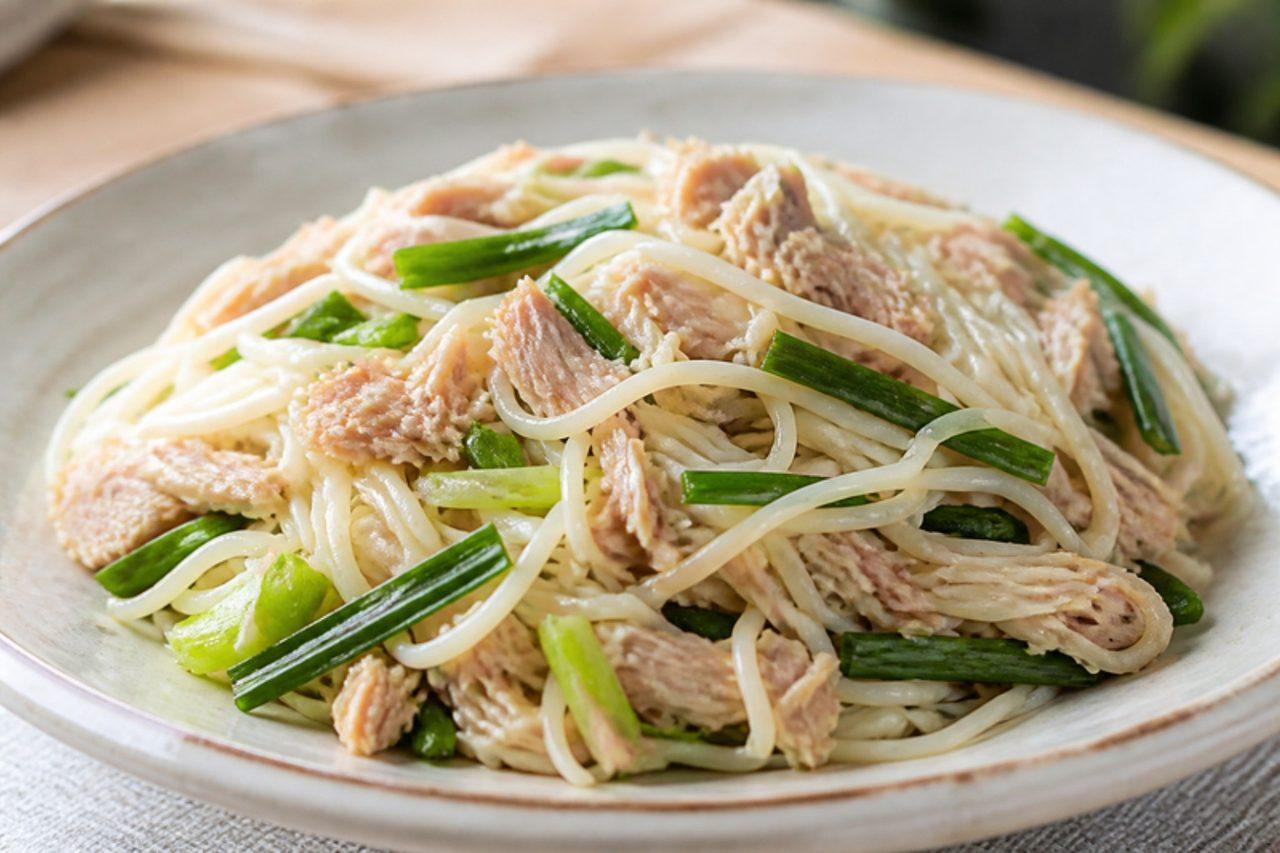
Somen chanpuruStir-fried noodles with tuna

In Okinawa, somen chanpuru (also called somen tashiya) is what a grandmother throws together when the family turns up hungry: thin somen noodles boiled for a minute, then tossed in a hot pan with tinned tuna, spring onion and a little dashi. It's a lunch or easy dinner, salty, slippery and comforting. Many Okinawan cooks use tinned pork luncheon meat instead of tuna, so check which you're being served if you avoid pork; this version uses tuna. The common mistake is not rinsing and draining the somen well, which leaves the noodles clumped into one sticky lump in the pan. Chef's tip: toss the drained noodles with a teaspoon of oil before they meet the pan, and they'll stay separate.

by KrazyBadal 0 views

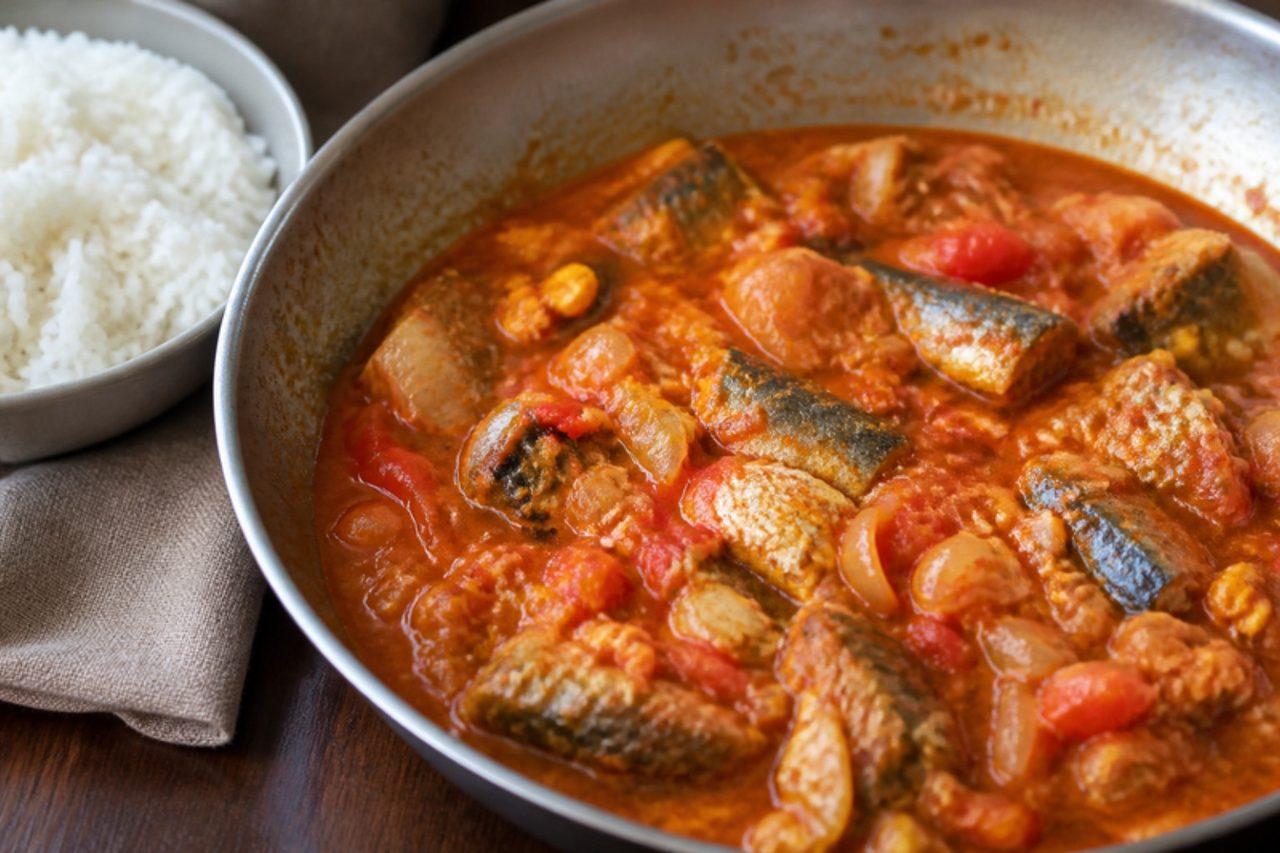
Ginisang sardinasSautéed sardines with egg

Ginisang sardinas is everyday Filipino home cooking, especially in the rainy season and towards the end of the month when the budget is tight: a tin or two of sardines in tomato sauce sautéed with garlic, onion and fresh tomato, then stretched with egg. It's eaten for dinner with plenty of hot rice; some families add misua noodles to make it a soup. The common mistake is stirring too much once the sardines are in, which breaks them into mush. Chef's tip: fry the garlic until just golden before anything else goes in; that toasty garlic is what makes the tin taste homemade.

by KrazyBadal 0 views

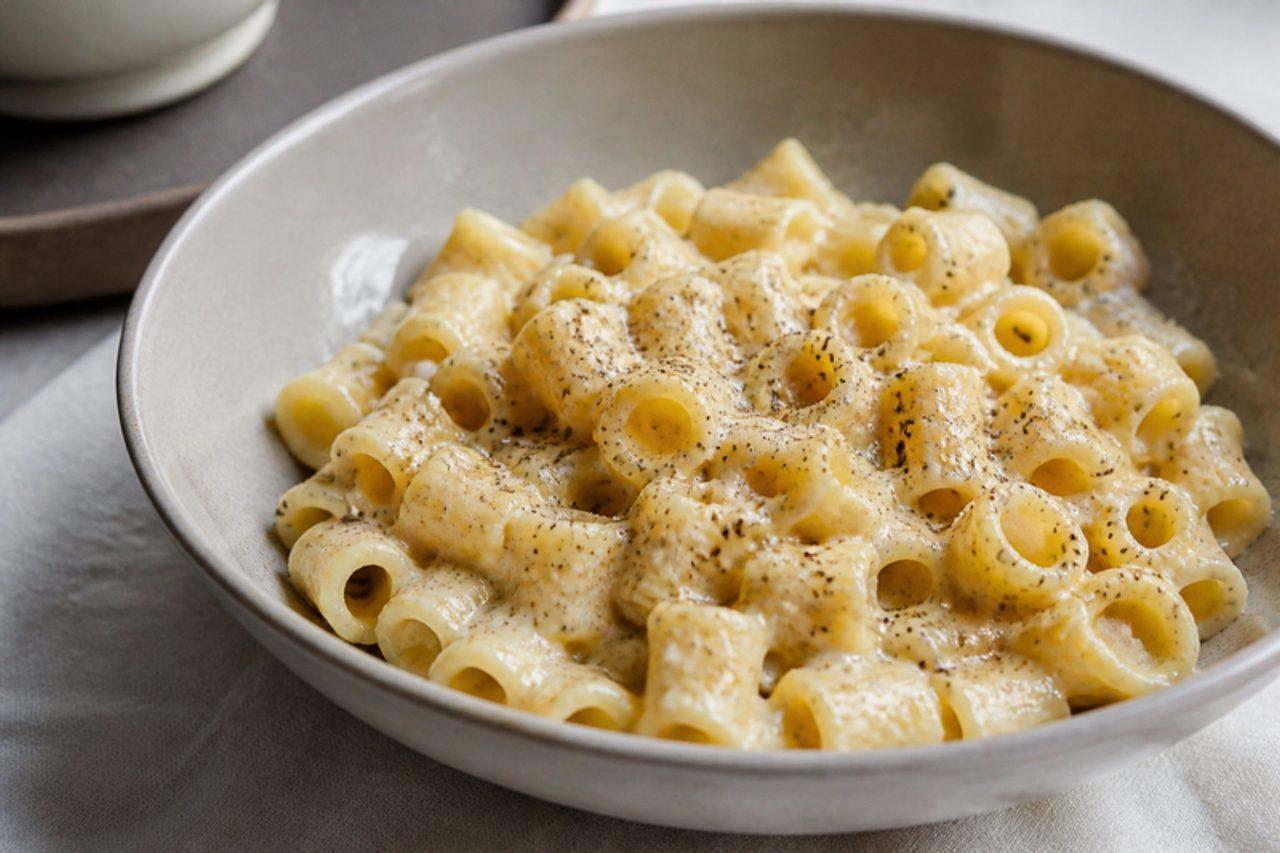
Pasta cacio e ovaPasta with cheese, egg and pepper

In the hill towns of Abruzzo and around Naples, pasta cacio e ova (cheese and egg) is the meatless cousin of carbonara and a classic late supper when the cupboard is nearly bare: short pasta tossed off the heat with eggs beaten with pecorino, Parmigiano and lots of black pepper until it turns into a glossy, golden coating. Children love it. Pecorino and Parmigiano are traditionally made with animal rennet, so choose a vegetarian Italian-style hard cheese if that matters to you. The common mistake is pouring the egg into a pan that is still on a high flame: it scrambles into rubbery bits instead of turning creamy. Chef's tip: keep a mug of the starchy cooking water by the hob; a splash loosens the sauce the moment it starts to tighten.

by KrazyBadal 0 views

Diós tésztaWalnut and sugar pasta

Diós tészta, walnut noodles, is a sweet main course that Hungarians eat for lunch or a quick dinner, often after a bowl of bean or vegetable soup, and it is a fixture of Budapest school canteens. Hot ribbon pasta is tossed with melted butter, then with ground walnuts and sugar, so the nuts cling in a sweet, toasty coat. Children adore it; it contains nuts, so mind allergies. The common mistake is using old walnuts, which taste bitter and spoil the dish; taste one before you start. Chef's tip: toast the ground walnuts in the dry pan for a minute until they smell rich, and a little lemon zest keeps the sweetness lively.

by KrazyBadal 0 views

GarbaCassava couscous with fried tuna

Garba is the cheap, filling lunch and evening meal of Abidjan's street stalls, the garbadromes, where students and taxi drivers queue for a heap of steamed attiéké (fermented cassava couscous) with chunks of fried tuna, raw onion, tomato and a fierce dose of chilli, all eaten with the fingers. Using ready frozen or packaged attiéké makes it a 15-minute dinner at home. The common mistake is frying the tuna in small batches in barely any oil, so it steams grey instead of browning. Chef's tip: pour a spoon of the hot frying oil over the attiéké before serving, as the garba sellers do; it is what makes it taste right.

by KrazyBadal 0 views

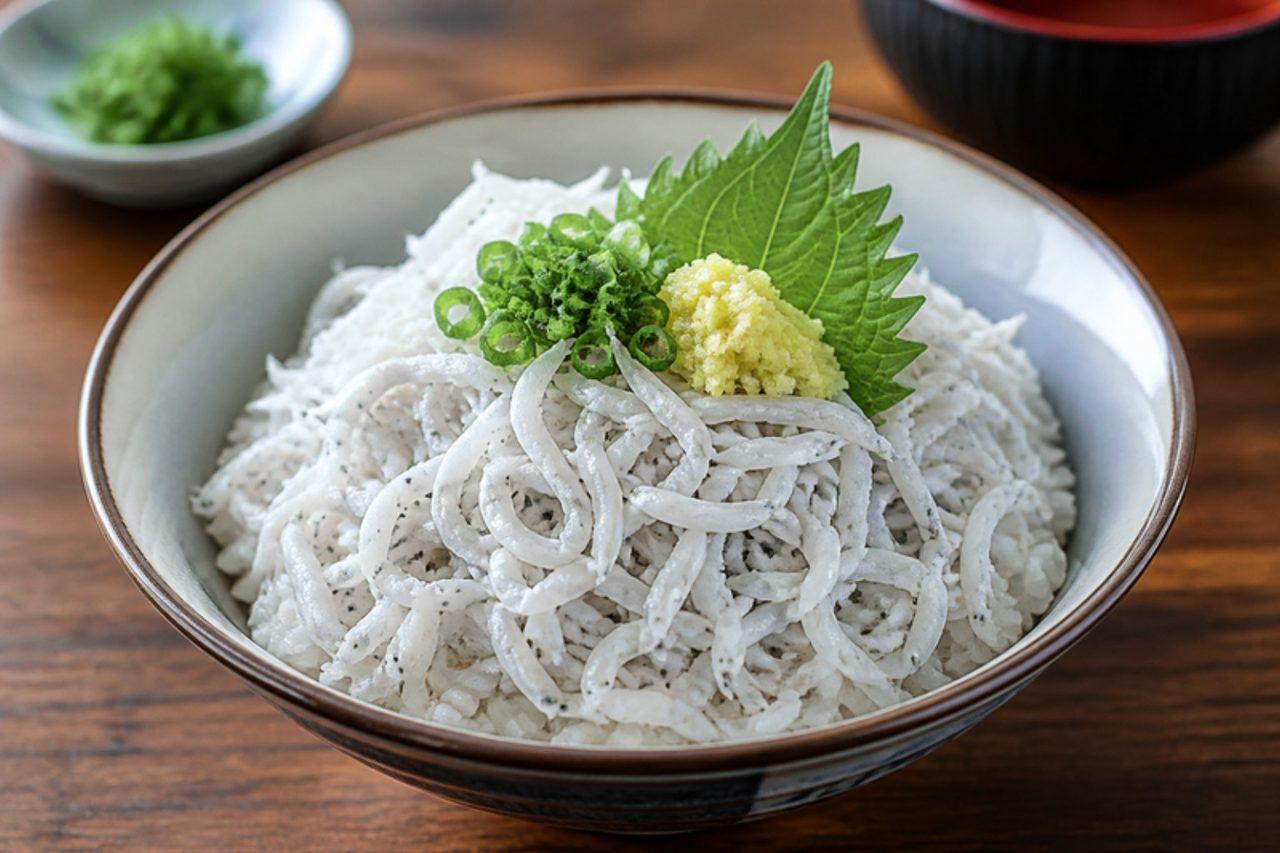
Shirasu donRice bowl with whitebait

Shirasu don comes from the Shonan coast around Enoshima and Kamakura, where the fishing boats bring in tiny whitebait from spring to autumn and cafés serve them boiled and piled over rice for lunch. At home it makes a five-minute supper: the little fish are soft, salty and sweet like the sea, lifted by spring onion, ginger and fresh shiso. Buy kamaage or kama-age shirasu, the ready-boiled kind sold chilled in Japanese shops; keep it in the fridge and use it by the date on the pack. Don't use raw (nama) shirasu at home. The common mistake is pouring soy all over; the fish are already salted, so a few drops are enough. Chef's tip: lay the shirasu on the rice in a loose heap rather than pressing it flat, so it stays fluffy and moist.

by KrazyBadal 0 views

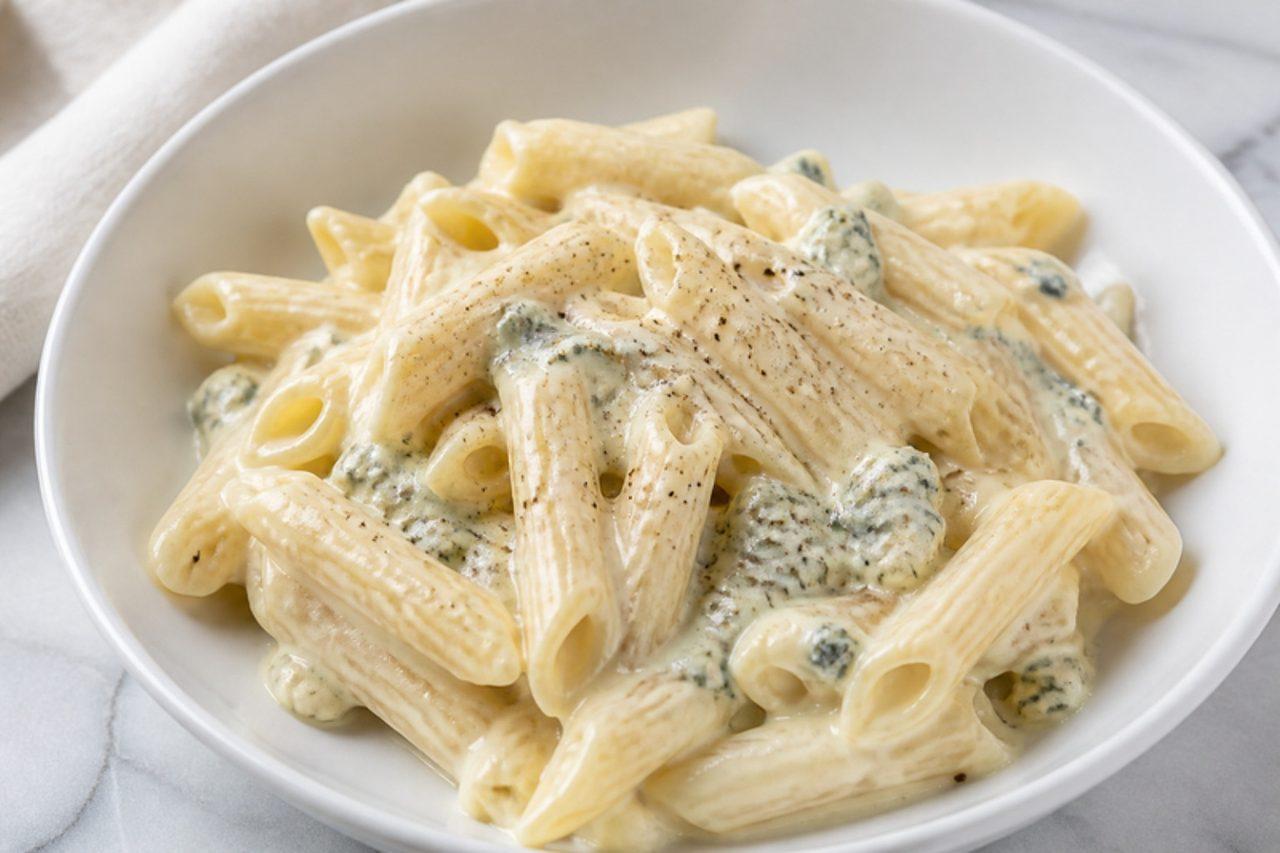
Penne al gorgonzolaPenne with blue cheese sauce

Penne al gorgonzola is the weeknight dinner of Milan and the Piedmontese towns around Novara, where gorgonzola is made: the soft, sweet dolce kind melted with a little butter and milk into a pale, tangy sauce that coats every tube of pasta. It needs only a green salad alongside. Gorgonzola is traditionally made with animal rennet; for a vegetarian dinner choose a soft blue cheese labelled vegetarian. The most common mistake is letting the sauce boil, which splits the cheese into oil and grainy curds. Chef's tip: drain the penne a minute early and let it finish cooking in the sauce, so it drinks up the flavour instead of sitting under it.

by KrazyBadal 0 views

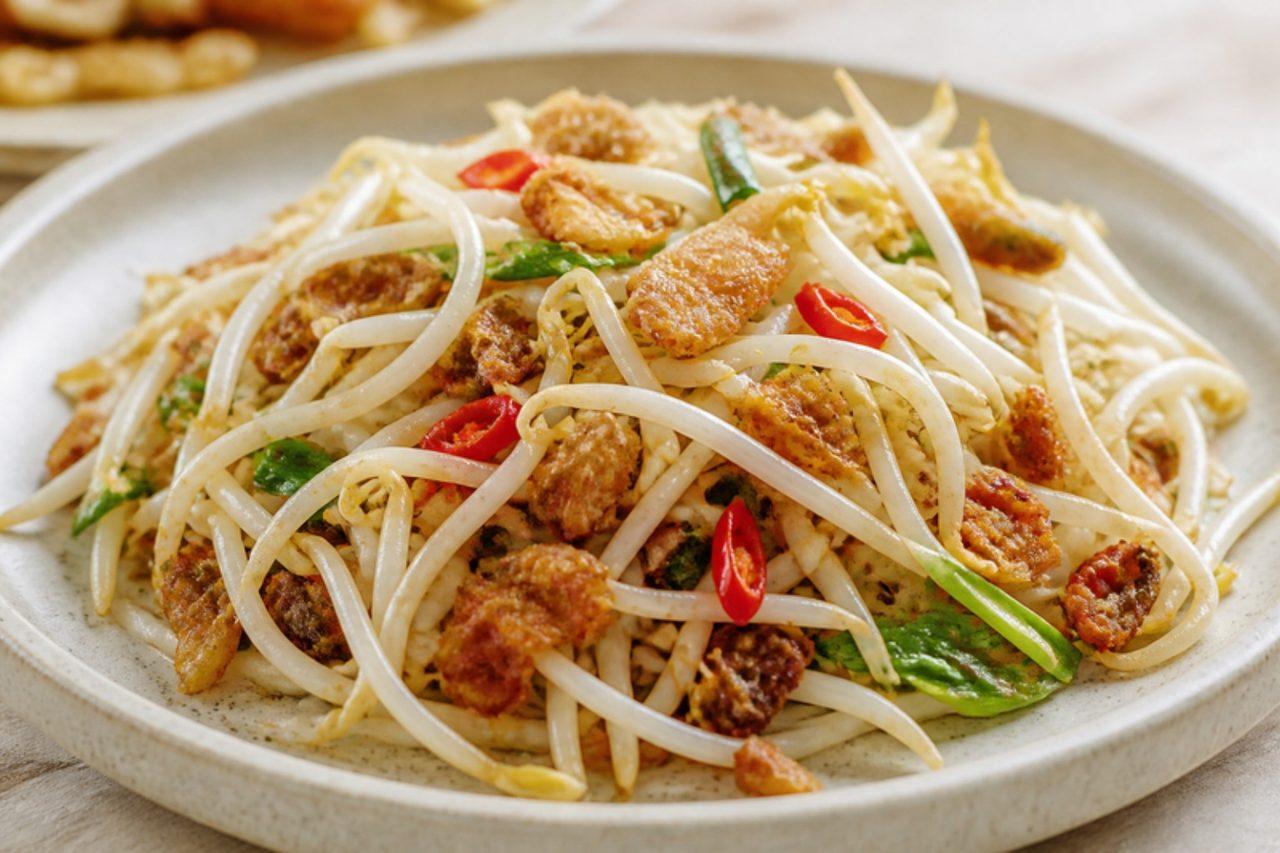
Taugeh goreng ikan masinBean sprouts with salted fish

Taugeh goreng ikan masin is a classic of Malaysian Chinese coffee shops and home kitchens, from Ipoh, which is famous for its plump bean sprouts, to Kuala Lumpur. Crunchy sprouts are tossed for barely a minute in a smoking wok with garlic, chilli and crisp, golden bits of salted fish, which season the whole dish. It's a dinner vegetable eaten with rice and other dishes. The common mistake is putting the sprouts into a wok that isn't hot enough, so they leak water and go limp. Chef's tip: for restaurant style, pinch the stringy tails off the sprouts first; it takes a few minutes but they look and taste cleaner.

by KrazyBadal 0 views

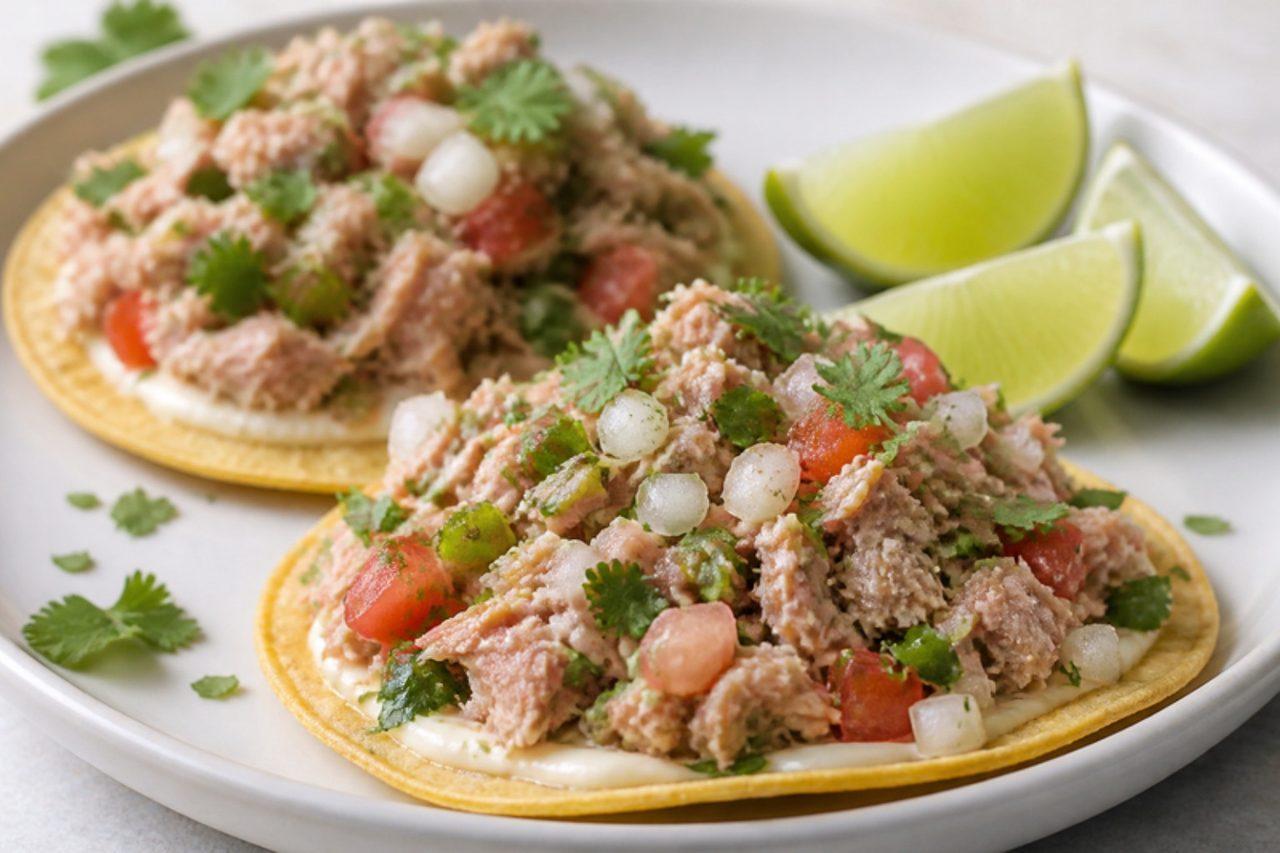
Tostadas de atúnTuna tostadas

Tostadas de atún are a Lent favourite all over Mexico and an everyday late supper when the cupboard is nearly empty: shop-bought crisp tostadas spread with a little mayonnaise and heaped with canned tuna mixed with onion, tomato, chilli and lime. Nothing is cooked, so it is on the table in ten minutes. The common mistake is piling on watery tomato, which turns the tostada soggy before you can eat it. Chef's tip: squeeze the tuna really dry and add the lime and salt only at the last moment so the mix stays crisp and bright.

by KrazyBadal 0 views

Kake sobaBuckwheat noodles in hot broth

Kake soba is the bare, honest bowl served at the stand-up noodle counters inside Tokyo railway stations, slurped in a few minutes by commuters on the way home and made at home on cold nights when nobody wants to cook. Grey-brown buckwheat noodles sit in a dark, savoury broth of bonito dashi, soy sauce and mirin, with a heap of sliced spring onion on top. The broth uses mirin, a sweet rice wine; it simmers briefly so most of the alcohol cooks off, and for an alcohol-free bowl use 2 tsp sugar instead. The usual mistake is skipping the cold rinse: unrinsed soba is coated in starch, turns gummy and clouds the broth. Chef's tip: pour a ladle of the hot noodle water into each bowl while the soba cooks, then tip it out, so the warm bowls keep the broth steaming to the last mouthful.

by KrazyBadal 0 views

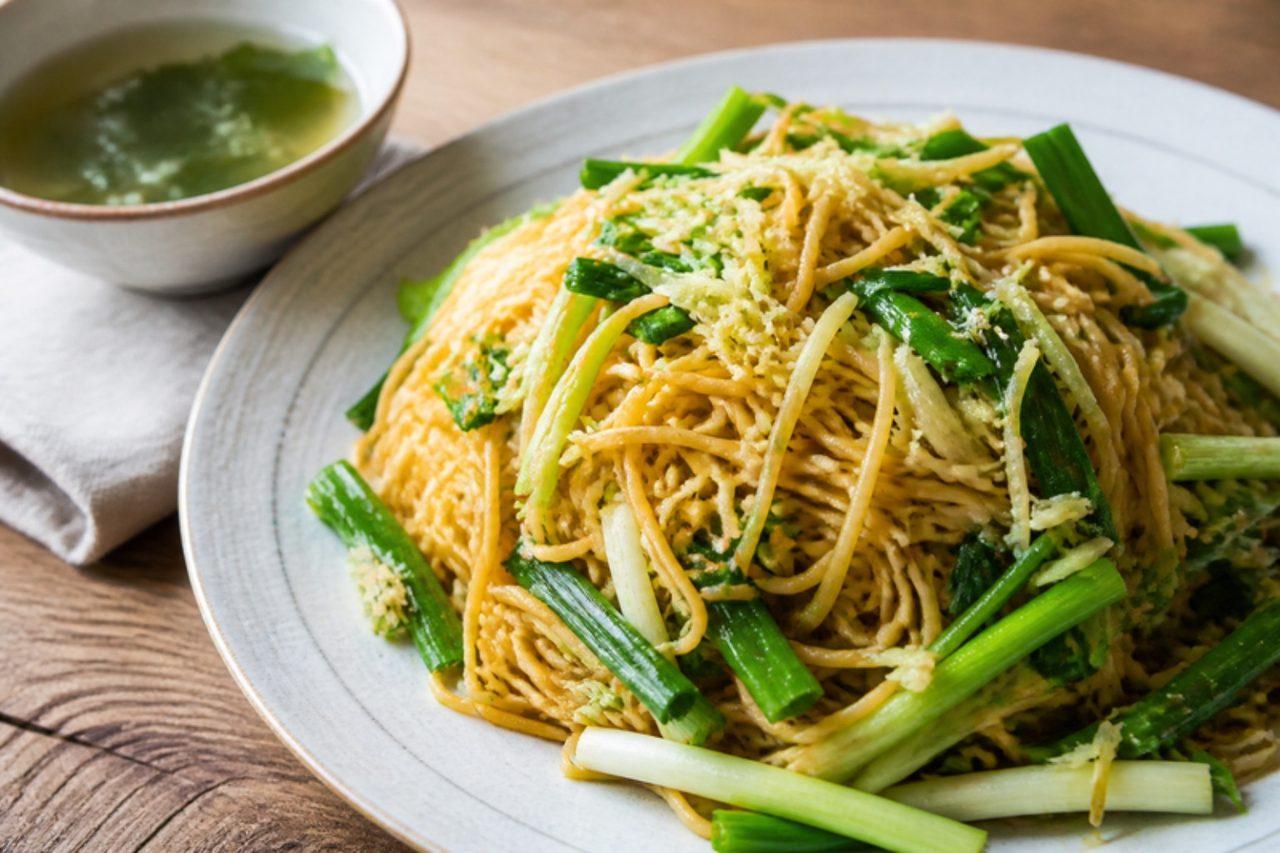
Ginger and scallion lo mein

Geung chung lo mein is a Hong Kong noodle-shop classic, ordered at lunch or as a cheap late supper: springy thin egg noodles tossed dry in ginger and spring onion oil and soy, with a bowl of hot broth on the side to sip between mouthfuls. Shops season it with oyster sauce and serve a prawn or pork broth; here vegan oyster-style sauce (or extra soy) and a simple vegetable broth keep it vegetarian. The common mistake is cooking the ginger and spring onion to brown; they should only be scalded by the hot oil so they stay bright and sharp. Chef's tip: rinse the cooked noodles under cold water, then dip them back into the boiling water for ten seconds, so they are springy, not soft.

by KrazyBadal 0 views

Chilli garlic noodles

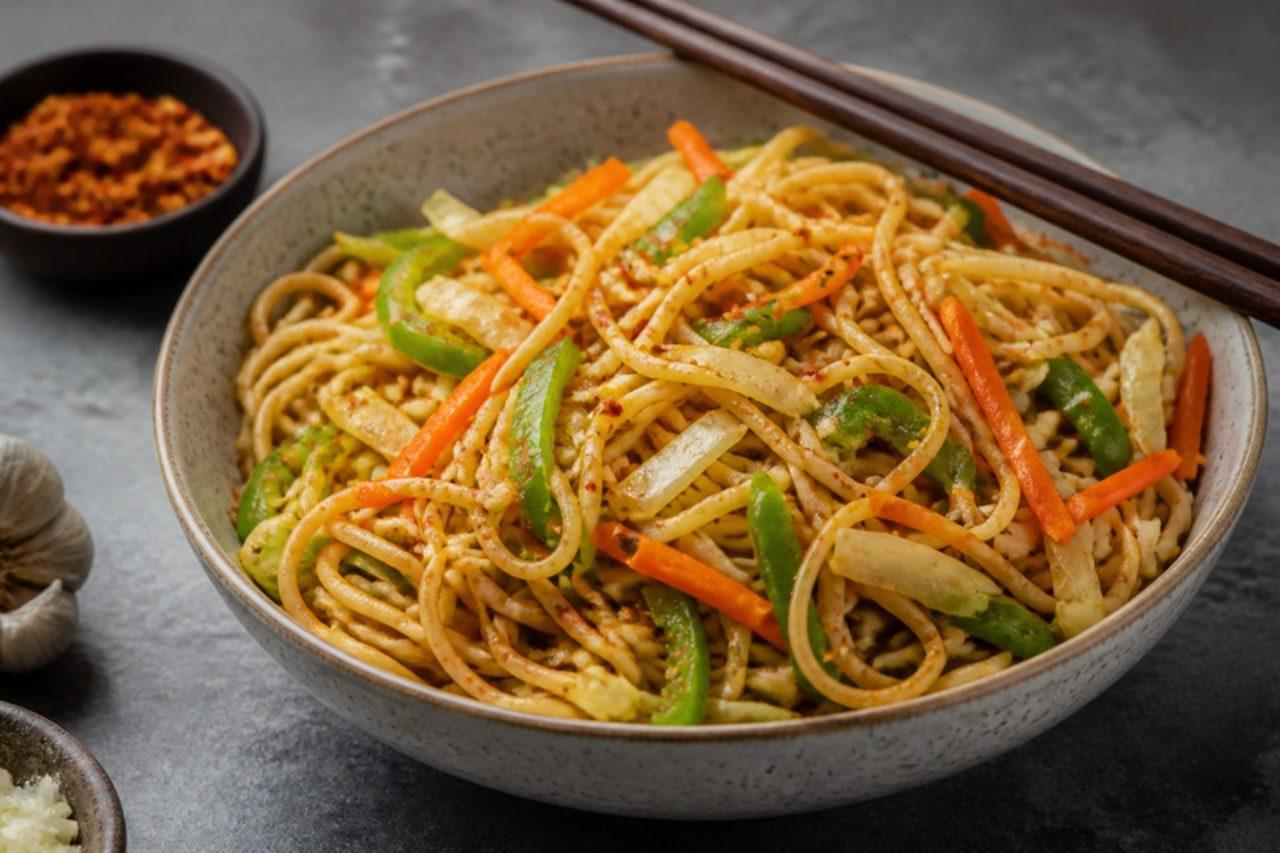
Chilli garlic noodles are the punchier sibling of hakka noodles on every Indo-Chinese menu, from Kolkata's Tangra to college canteens in Pune, and they make a quick dinner at home. Boiled noodles are tossed over a fierce heat with plenty of garlic, crushed red chilli, soy and vinegar and a handful of crunchy vegetables. They are hot, tangy and garlicky, good alone or with a bowl of manchow-style soup. The common mistake is overcooking the noodles, which then break and clump in the wok. Chef's tip: cook them a minute short of the packet time, rinse under cold water and toss with a teaspoon of oil so they stay springy and separate. Check the noodle packet if you need them egg-free; many hakka noodles are, some are not.

by KrazyBadal 0 views

Yangchun mianNoodles with spring onion oil

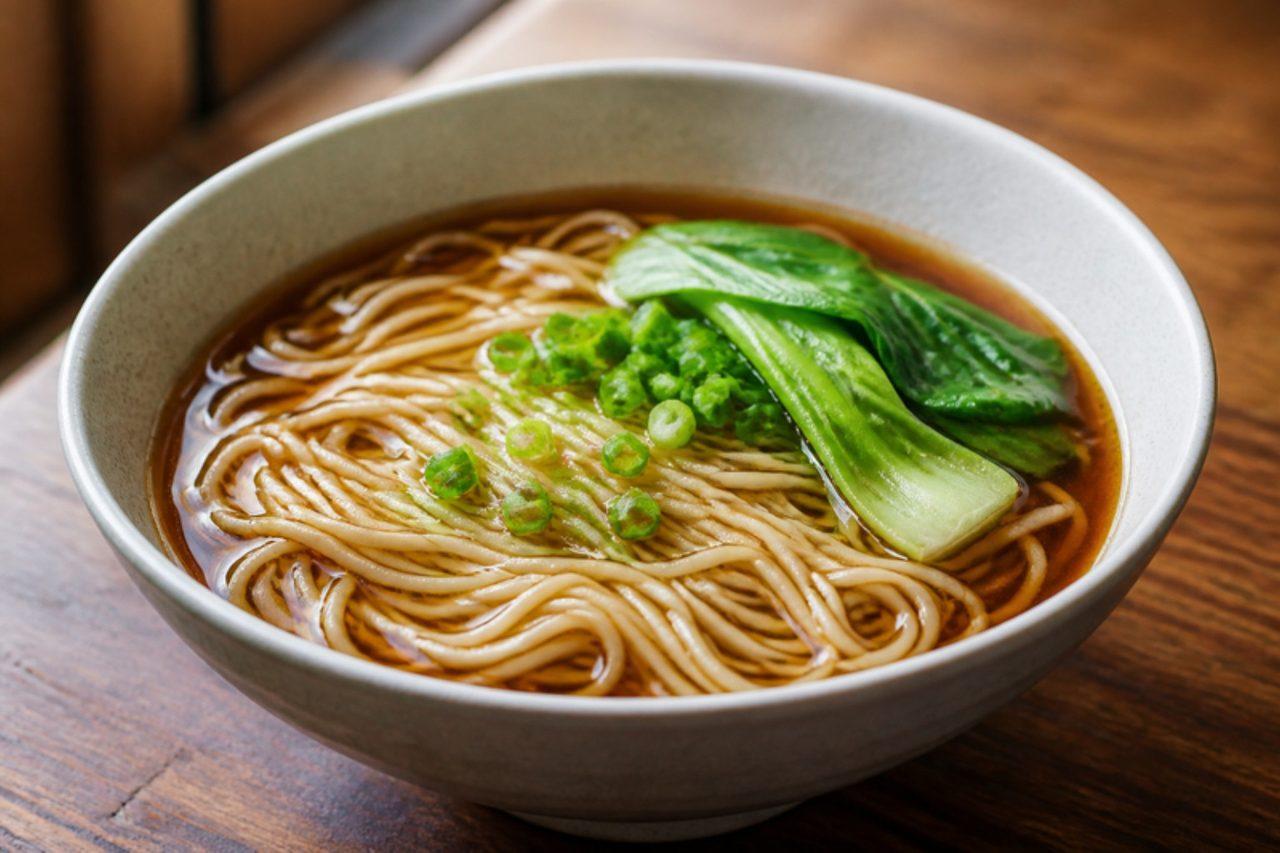
Yangchun mian is the bare-bones noodle bowl of Shanghai and the towns of Jiangsu, slurped late at night or as a cheap supper when nothing else is in the house: thin wheat noodles in a clear, soy-seasoned broth, glossed with spring onion oil and a few greens. Street stalls traditionally melt a spoon of lard into the bowl; this version uses a quickly made spring onion oil and vegetable stock so it stays vegetarian. The common mistake is cooking the noodles in the broth itself, which turns it cloudy and starchy; boil them separately in plenty of water. Chef's tip: put the soy and oil in the empty bowl first and pour the boiling stock onto them, so the soy blooms and the bowl smells like a Shanghai noodle shop.

by KrazyBadal 0 views

Kolmi na kavabPrawn and potato patties

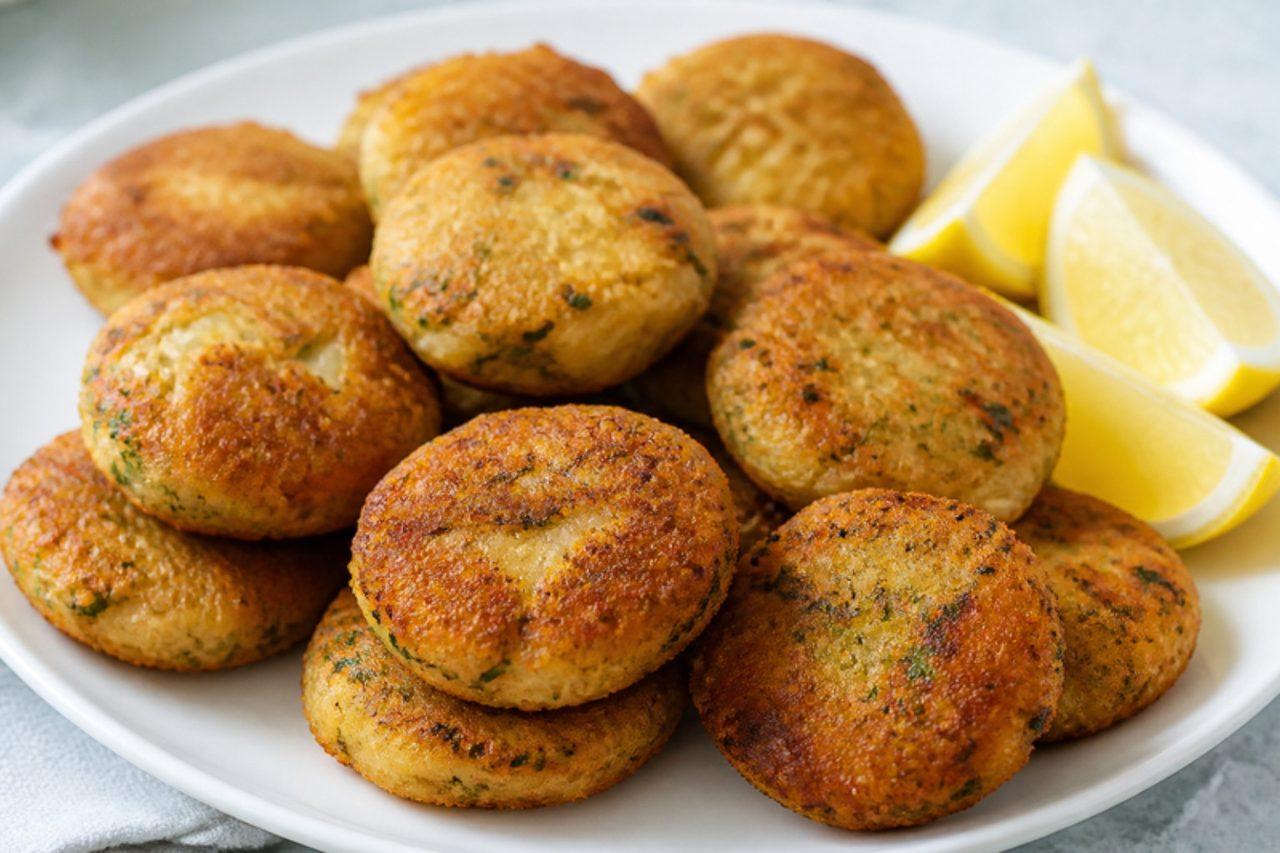
Kolmi na kavab are small, juicy prawn patties from the Parsi kitchens of South Gujarat, where fresh kolmi (prawns) come in from the creeks around Navsari and Valsad. Chopped prawns are bound with mashed potato, green chilli, ginger, garlic and lots of coriander, dipped in egg and fried until golden; they are a favourite starter at Parsi parties and a Sunday lunch side with dal and rice. They taste sweet from the prawns, sharp from chilli and lime. The common mistake is mincing the prawns to a paste in a processor, which makes the kavab rubbery; chop them by hand so there are small pieces to bite on. Chef's tip: squeeze the chopped prawns in a cloth before mixing, as extra water makes the mixture too soft to shape.

45 minIndianFish
by KrazyBadal 0 views

MahuraMixed vegetables with dal

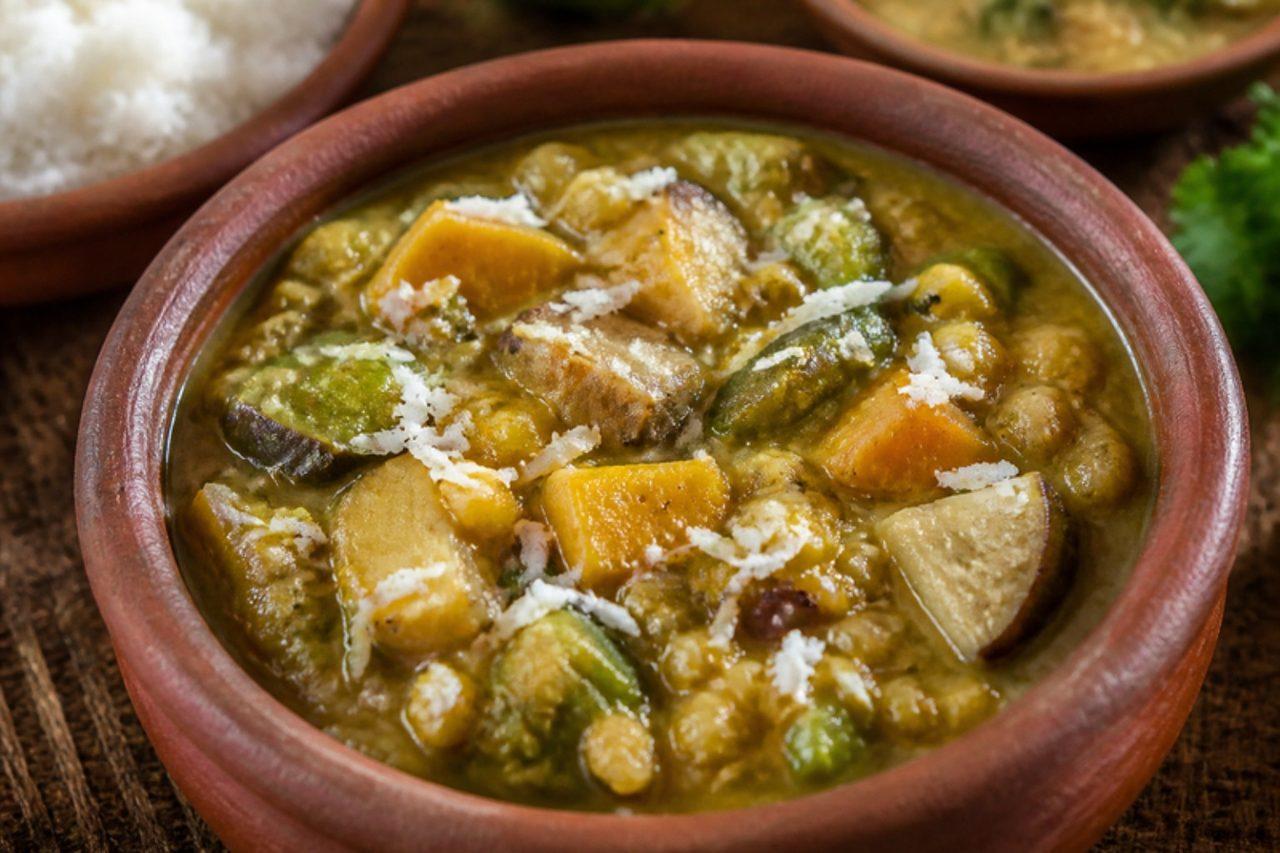
Mahura is the vegetable curry of the Jagannath temple tradition in Odisha and a fixture on Rath Yatra lunches at home: pumpkin, raw banana, yam, aubergine and sweet potato cooked soft with a little dal and a paste of roasted cumin, ginger, coconut and a touch of jaggery. Like all temple food it uses no onion, garlic, tomato, chilli powder or New World vegetables, so it tastes gentle, earthy and faintly sweet. It is thicker and more vegetable-heavy than dalma, with the dal only binding the vegetables. Common mistake: stirring too much once the pumpkin softens, which melts it into the gravy; the mahura is done when the yam is tender, the vegetables hold their shape and the gravy coats them. Serve with kanika or plain rice. Chef's tip: finish with a pinch of roasted cumin and dry red chilli powder ground together (bhaja masala), which Odia cooks add right at the end.

by KrazyBadal 0 views

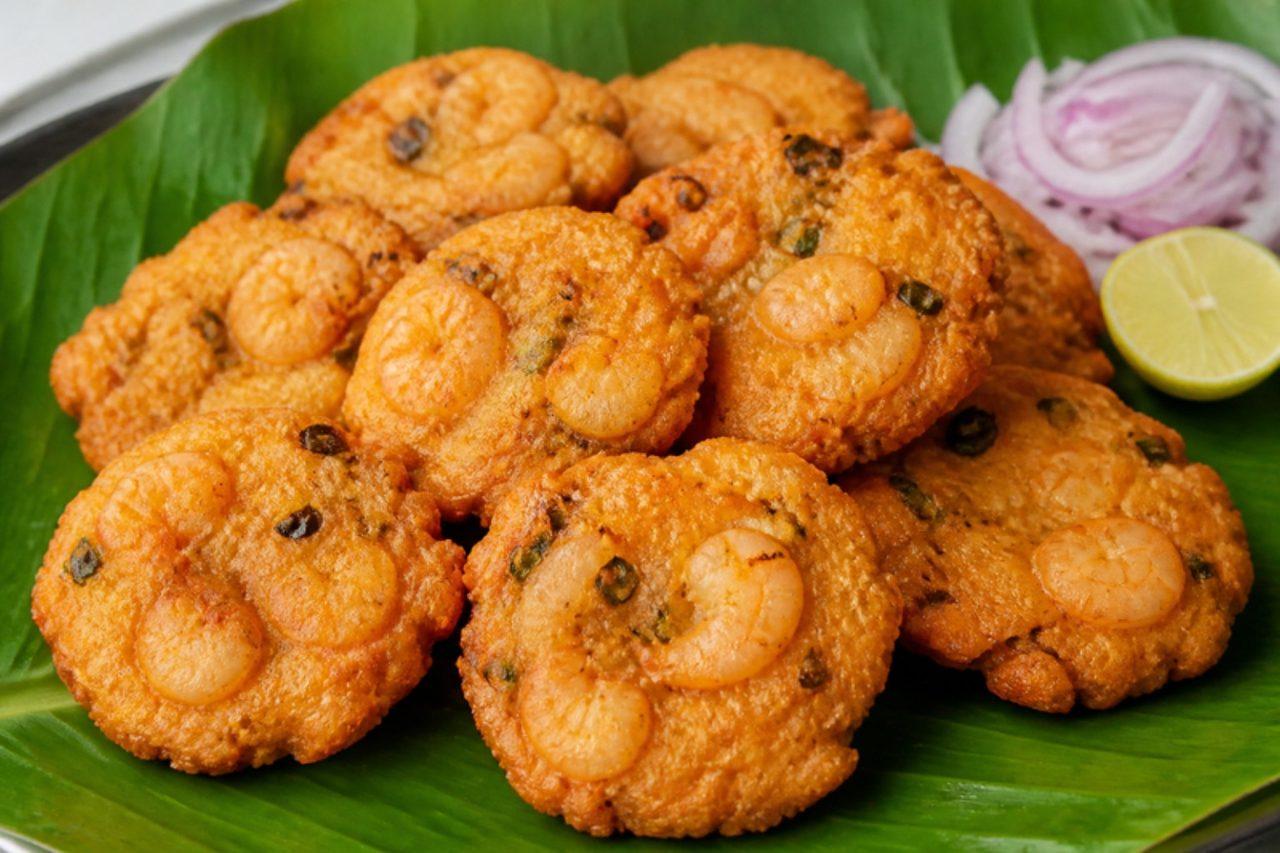
Eral vadaiPrawn and chana dal fritters

Eral vadai is the prawn masala vadai sold on the beaches of Rameswaram, Tuticorin and Nagapattinam, and fried in Chettinad homes when the fish seller brings small prawns. It is the classic coarse chana dal vadai with onion, fennel, green chilli and curry leaves, packed with chopped prawns and sometimes topped with one whole prawn pressed into the centre. They are crunchy, juicy and best eaten hot with a mint or coconut chutney at tea time. A common mistake is grinding the dal too smooth or with too much water, which makes the vadai dense and oily; aim for a rough, almost dry grind. Chef's tip: pat the prawns completely dry and chop them small, or their juice will loosen the batter.

50 minIndianFishGluten free
by KrazyBadal 0 views

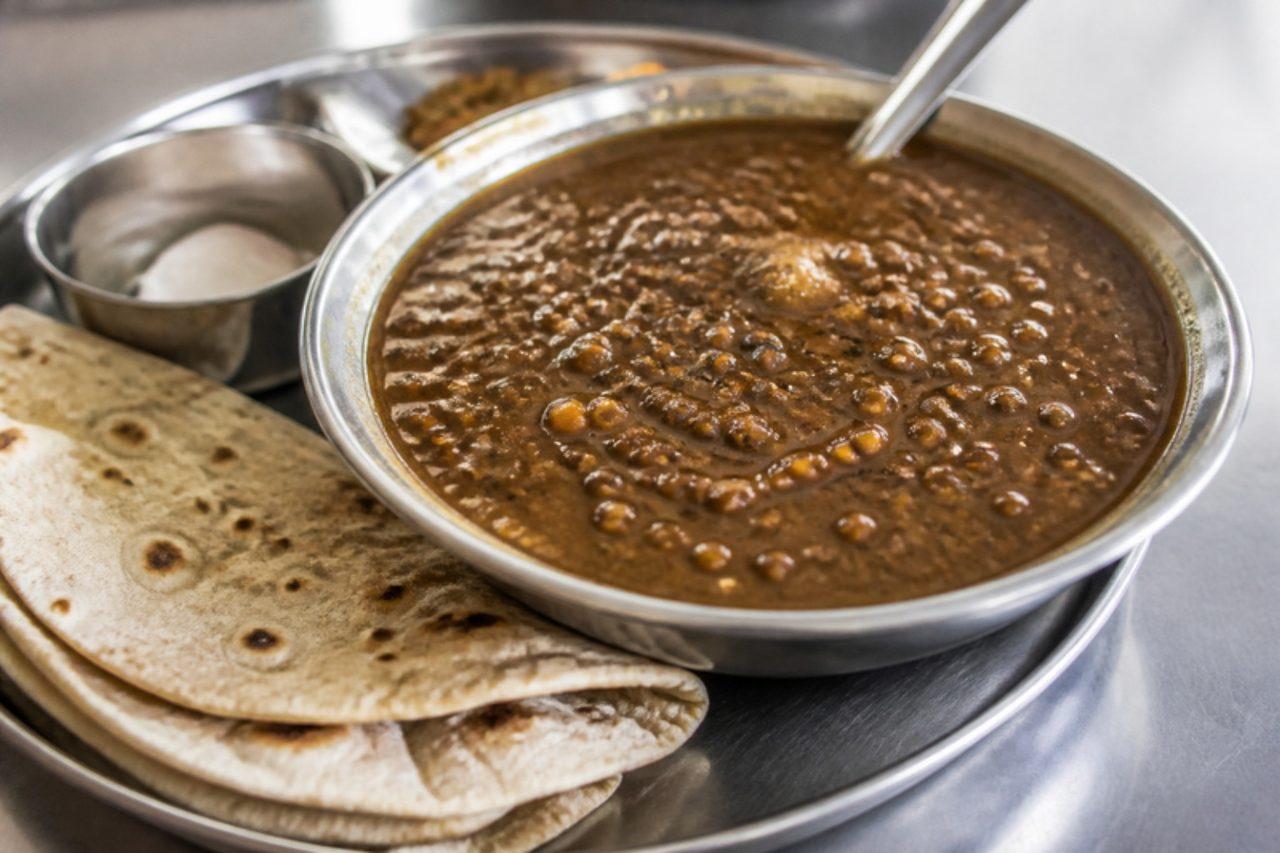
Langar wali dalBlack gram and chana dal

On Gurpurab, the birthdays of the Sikh Gurus, gurdwara kitchens run day and night, and volunteers stir vast pots of maa chholeyan di dal, whole black urad with split chana dal, for everyone who sits in pangat on the floor to eat, whatever their faith. It is plain and honest cooking: the dal simmers for hours with ginger and a little salt and is finished with a simple tadka of ghee, onion, tomato and green chilli, with no cream and no butter swirls. The result is earthy, creamy from slow cooking alone, and very comforting with fresh rotis. Common mistake: rushing it; the urad must be cooked until the skins split and the grains break down when pressed, otherwise the dal stays thin and separate. Chef's tip: mash a ladleful of dal against the side of the pot near the end; this thickens it the way long hours over the langar fire do.

by KrazyBadal 0 views

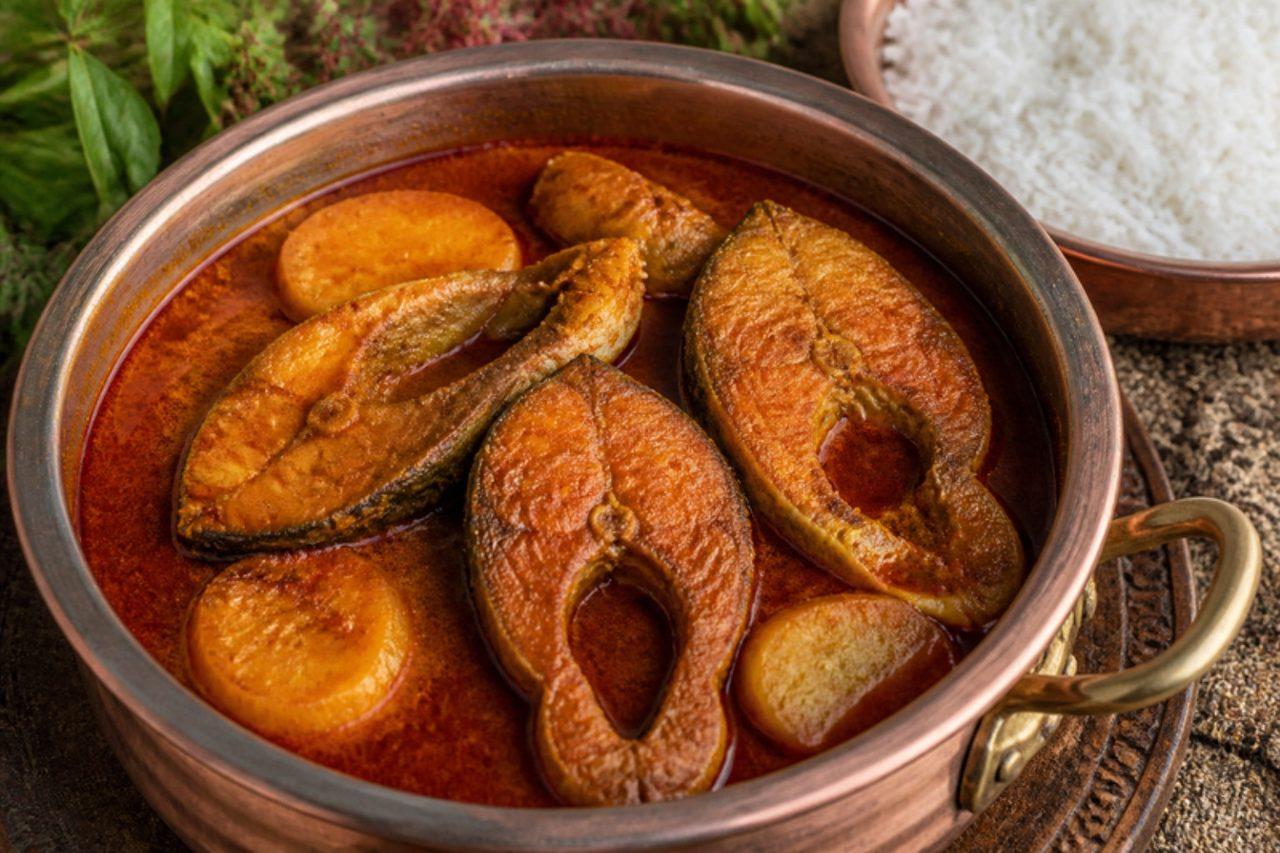
Gaad te mujjFish with radish in fennel gravy

For Kashmiri Pandits, Herath, their name for Mahashivratri, is a feast rather than a fast, and many homes cook fish, often paired with white radish in this deep red curry called gaad te mujj. The fish is fried in pungent mustard oil, the radish is browned until sweet, and both simmer in a thin gravy coloured with Kashmiri chilli and scented with fennel, dry ginger and asafoetida, with no onion, garlic or tomato, in true Pandit style. Expect a hot, aromatic broth, soft radish and flaky fish; serve with plain rice. Use firm steaks such as carp or trout. Common mistake: boiling the fish hard in the gravy, which breaks it up; simmer gently and stop as soon as the flesh is opaque all the way through and flakes when pressed with a fork. Chef's tip: heat the mustard oil until it just smokes, then let it cool for a minute before frying; this takes away its raw bite.

60 minIndianFishGluten freeSpicy
by KrazyBadal 0 views

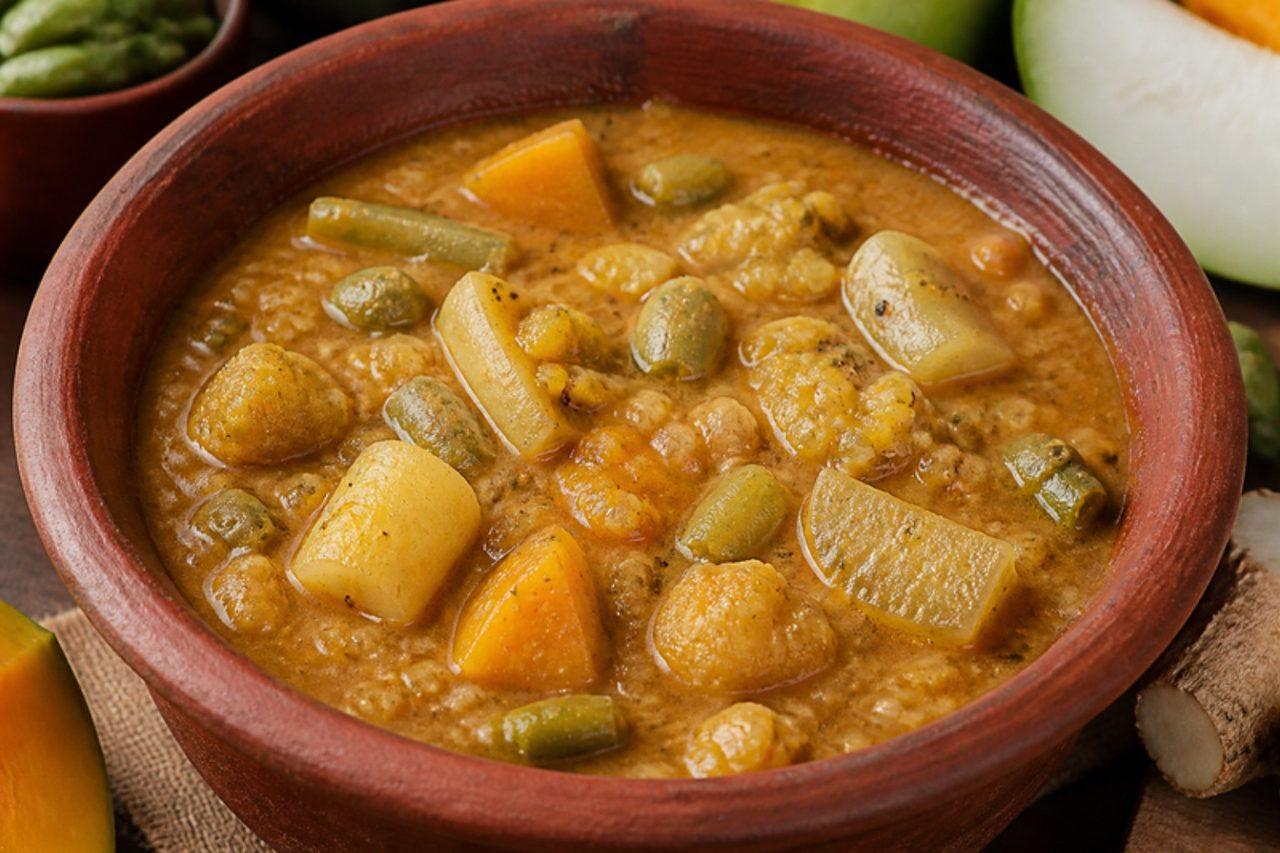
Ezhu kari kootuSeven vegetable and dal curry

The partner to kali on Arudra Darshan morning is a kootu of seven (ezhu) vegetables, an old Tamil Brahmin custom that uses whatever native winter produce is at the market: pumpkin, ash gourd, raw plantain, sweet potato, broad beans, colocasia and chow-chow are a typical set, and no onion, garlic, tomato or 'English' vegetables go in. They simmer in tamarind water with soft toor dal and a paste of roasted coriander, chana dal, red chillies and coconut, giving a thick, tangy, gently hot stew that cuts the sweetness of the kali. Common mistake: adding tamarind before the vegetables are cooked, which keeps them hard; cook them first in plain water until a knife goes in easily, then add the tamarind and boil until its raw smell has gone. Chef's tip: roast the paste spices until the chana dal turns golden-red, which gives the kootu its depth.

by KrazyBadal 0 views

Nethili varuvalFried masala anchovies

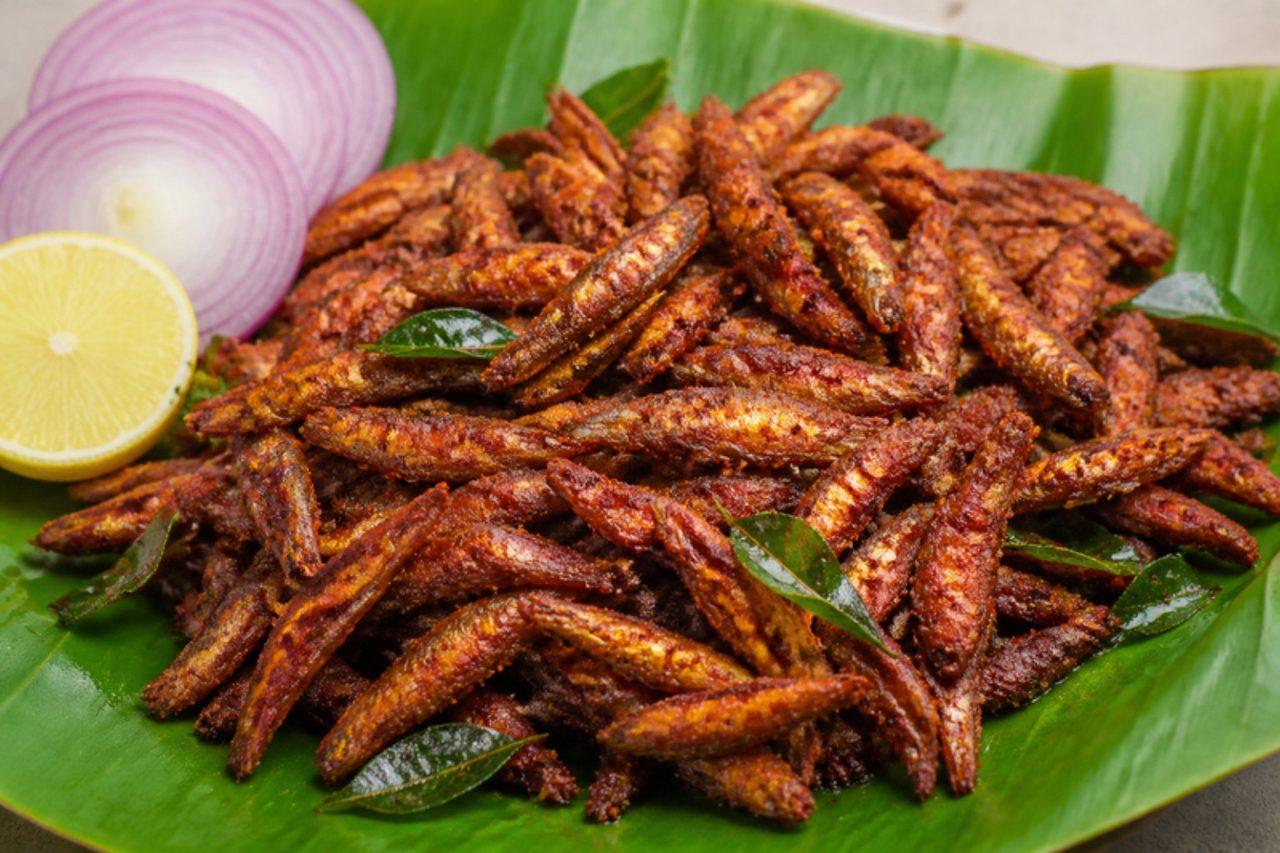
Nethili varuval is the Sunday fish fry of Chettinad and the Tamil coast from Rameswaram to Tuticorin, made with tiny fresh anchovies that are cheap, fast to clean and fried whole until crunchy enough to eat bones and all. A paste of chilli, ginger, garlic, fennel and lemon coats them, with a dusting of rice flour for crunch. They are eaten hot with rasam or sambar rice, or as a snack. The commonest mistake is crowding the pan, which steams the fish instead of crisping it; fry them in a single layer with space around each. Chef's tip: squeeze out every drop of water after cleaning and let the anchovies sit in the masala for only 15 minutes; longer and the salt draws out moisture.

30 minIndianFishGluten free
by KrazyBadal 0 views

Mangodi ki sabziMoong dal nuggets in yogurt gravy

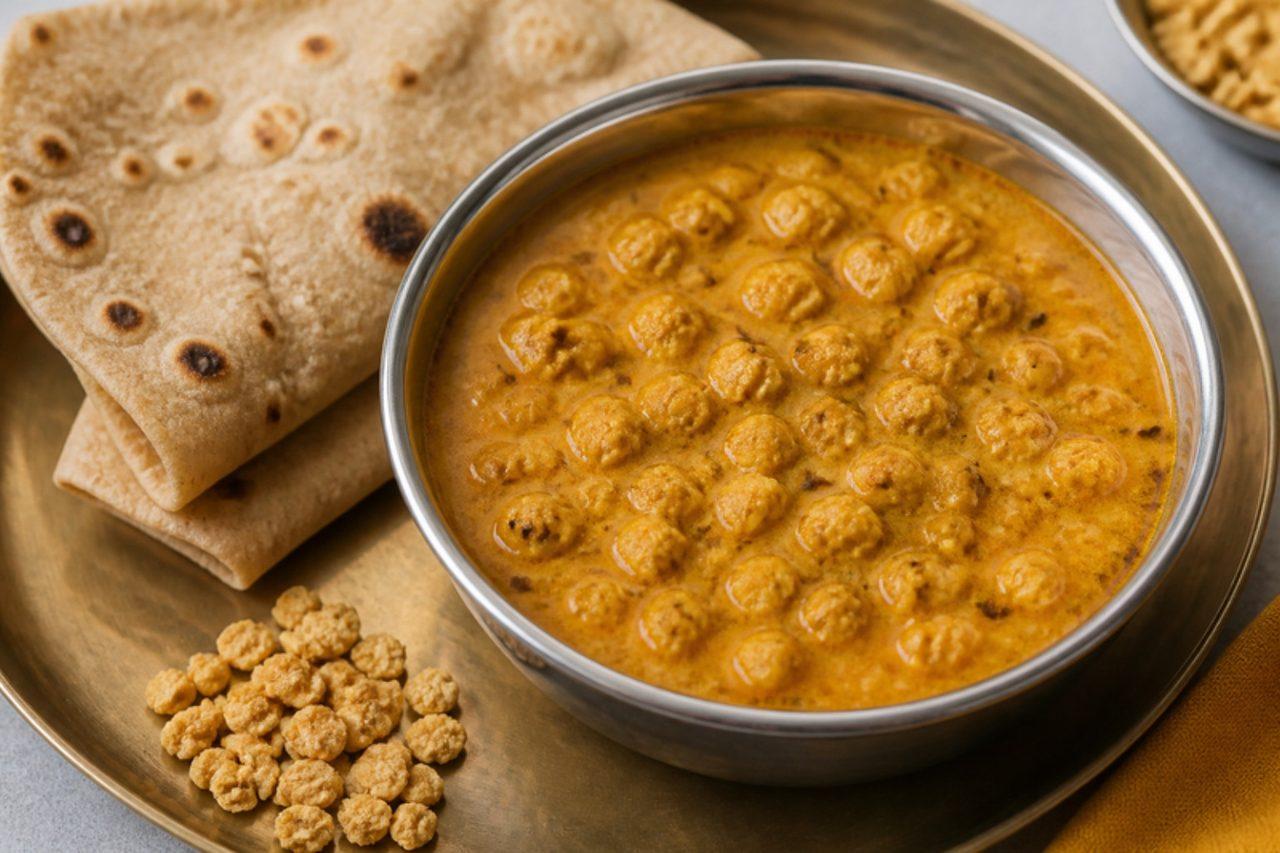
Mangodi are little sun-dried nuggets of ground moong dal that Rajasthani women make in summer and store for months; during Paryushan, when Marwari Jain homes give up green vegetables, they become the sabzi itself. Here they are fried golden, then simmered in a spiced yoghurt gravy with no onion, garlic, fresh ginger or tomato, so the dish is fully Jain. The nuggets soak up the tangy gravy and turn soft but still a little chewy; serve with phulka or bajra roti. Use freshly set curd, as many Jains avoid curd kept overnight. Common mistake: pouring yoghurt straight into a hot pan, which makes it split into grainy curds; whisk it with gram flour first and keep stirring until it comes to the boil. Chef's tip: fry the mangodi until deep golden; pale ones stay hard in the middle however long they simmer.

by KrazyBadal 0 views

Mamidikaya pappuToor dal with raw mango

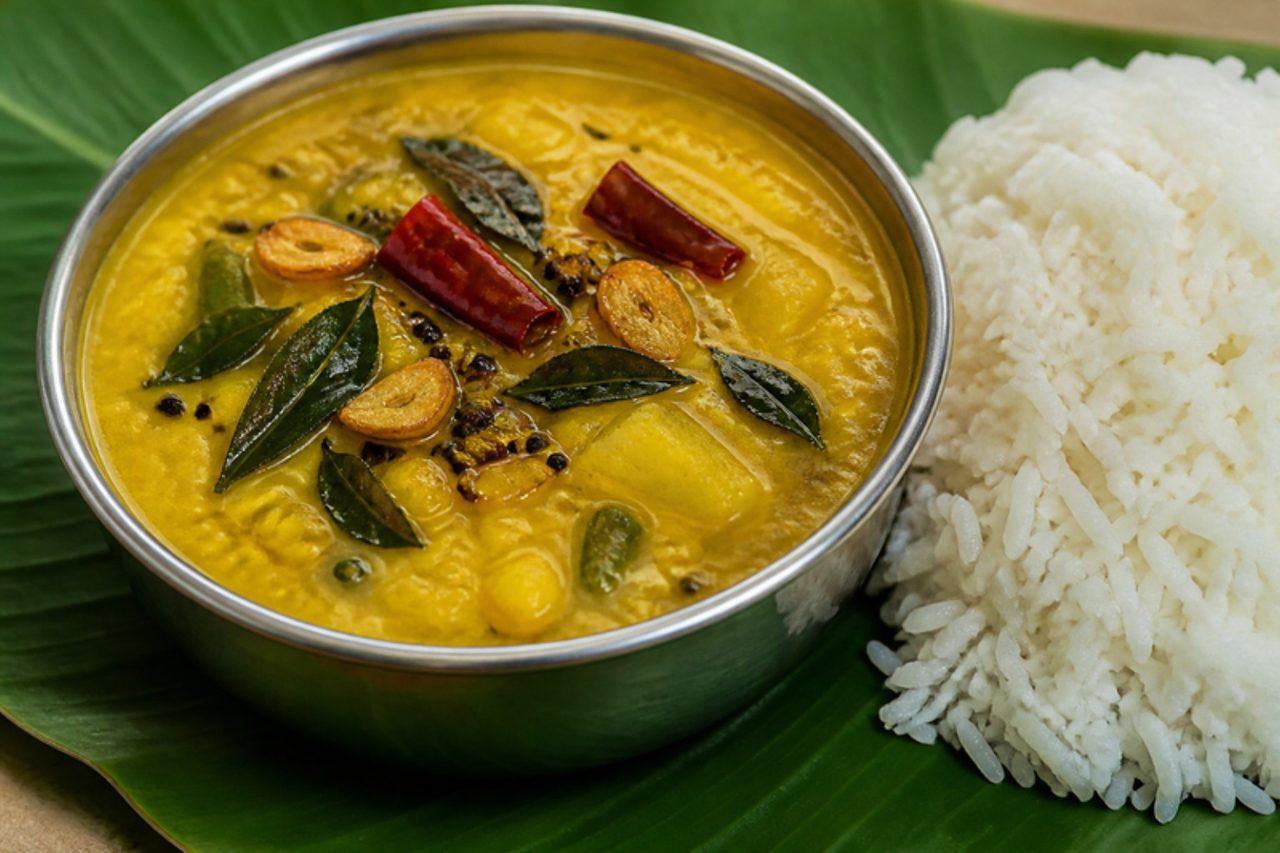
Ugadi falls just as the first green mangoes reach Andhra markets, so the festive lunch nearly always has a pot of mamidikaya pappu beside the pulihora and pachadi. Toor dal is cooked soft, then sharpened with chunks of sour raw mango and slit green chillies, and finished with a sizzling tempering of garlic, dried red chilli and curry leaves. Mixed into hot rice with a spoon of ghee, it is tangy, mellow and comforting. The common mistake is cooking the mango with raw dal: its acid stops the lentils from softening, so always cook the dal to a smooth mush first. The mango is ready when a piece crushes easily but still holds its shape. Chef's tip: mangoes vary hugely in sourness, so add half, taste after five minutes and add the rest only if the dal needs more bite.

by KrazyBadal 0 views

Showing 24 of 3,017 recipes

Show more recipes

Page 1 of 126