Skip to content
Recipes

All recipes

Vegetarian, or something you can't eat? Set your diet once and we'll hide recipes that don't fit.

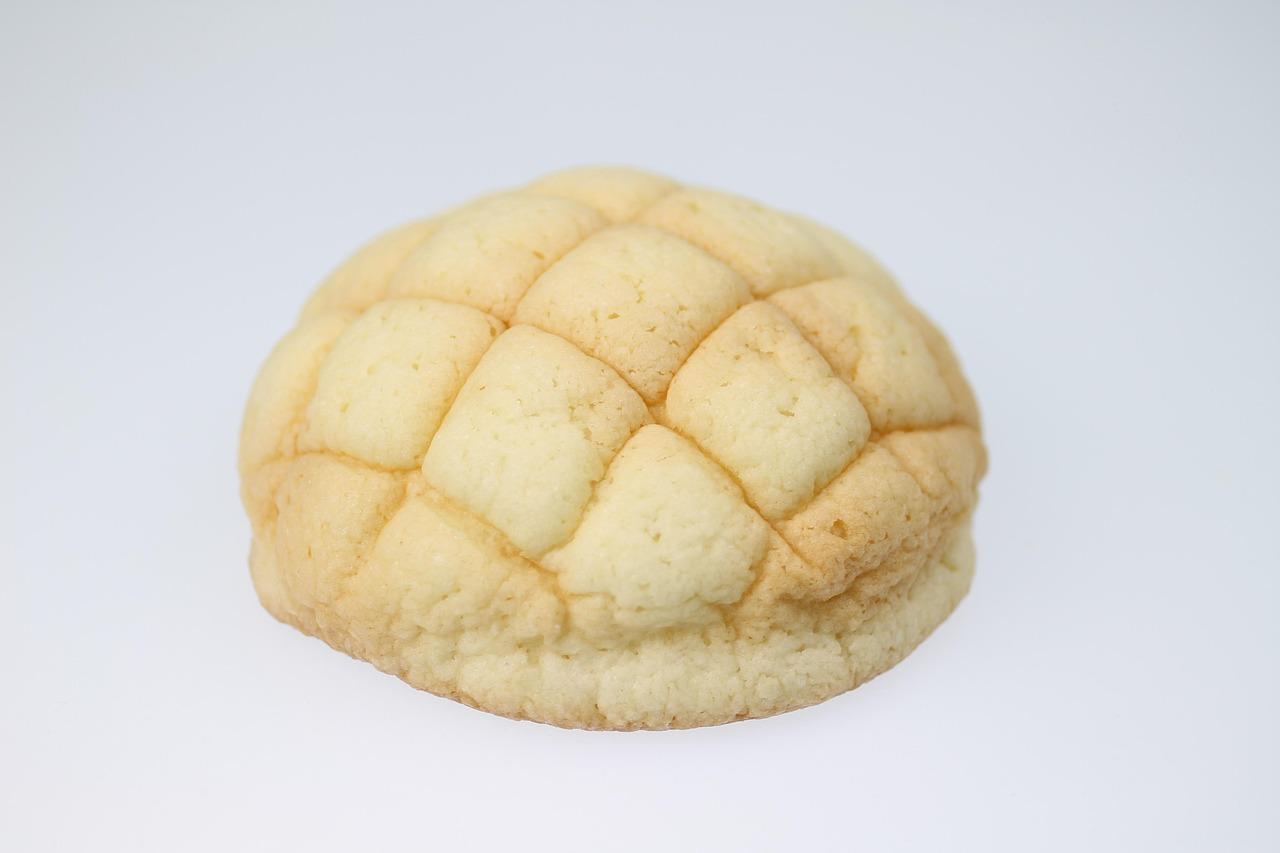
Melon panCookie-crust sweet bun

Melon pan takes its name from its looks, not its taste: a soft sweet bun baked under a sugary cookie crust scored into a criss-cross pattern like a cantaloupe rind. Japanese bakeries and school canteens sell it everywhere, and around Kobe and Hiroshima the same bun is often called sunrise. It is best on the day it is baked, when the crust still crackles against the fluffy inside. The common mistake is warm, soft cookie dough, which sticks to your hands and slides off the bun in the oven; keep it well chilled and work quickly. Chef's tip: roll the cookie dough between two sheets of baking paper so you can lift it neatly onto each bun.

by KrazyBadal 0 views

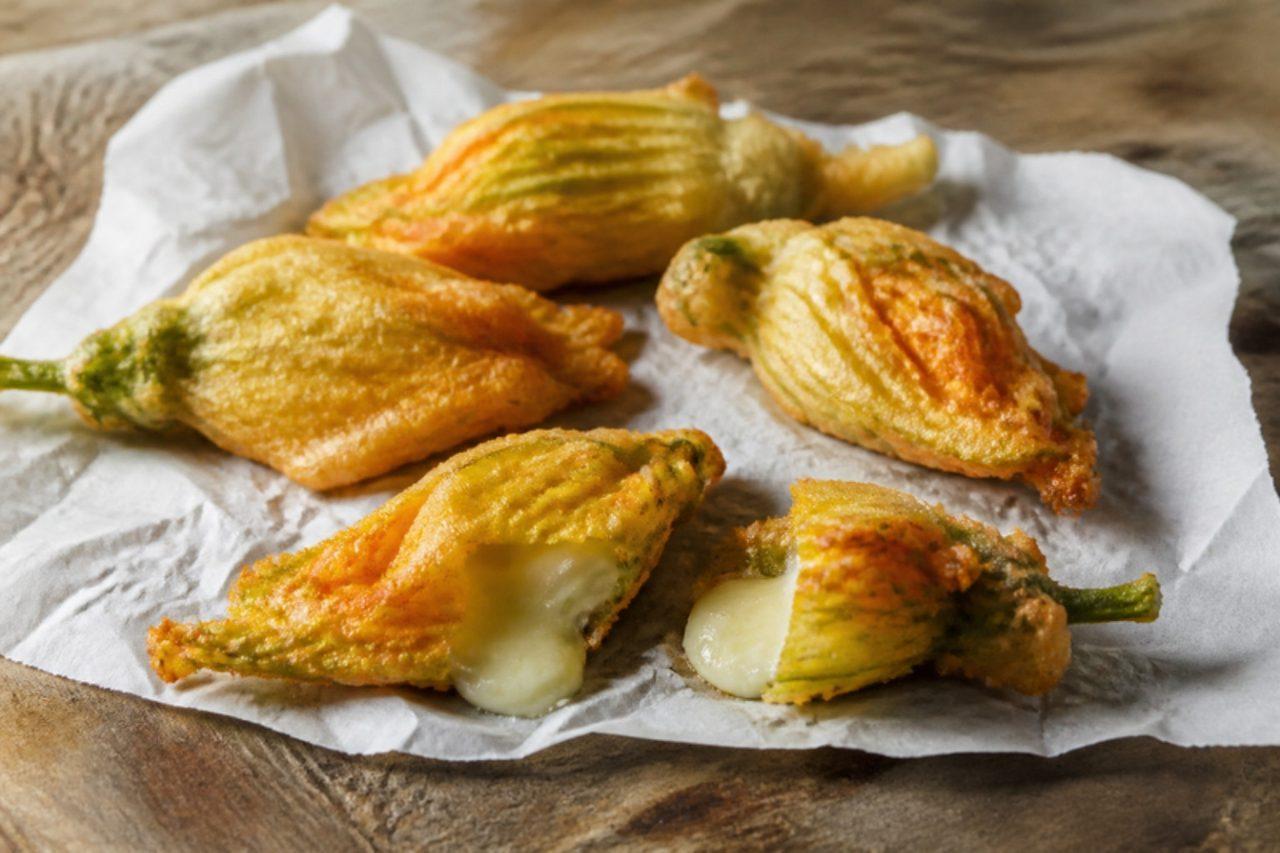
Fiori di zucca ripieni frittiFried stuffed courgette flowers

Every Roman pizzeria a taglio and friggitoria has a tray of fiori di zucca in summer: courgette flowers stuffed with a stick of mozzarella, dipped in a thin cold batter and fried until they shatter. Romans usually tuck in an anchovy fillet, but this vegetarian version swaps it for a little lemon zest and a caper, which gives the same salty spark. They are eaten as an antipasto before pizza or as a snack standing at the counter. Mozzarella is usually made with calf rennet; vegetarian versions are easy to find. Chef's tip: make the batter with ice-cold sparkling water and leave a few lumps; a smooth, warm batter fries heavy and soft.

by KrazyBadal 0 views

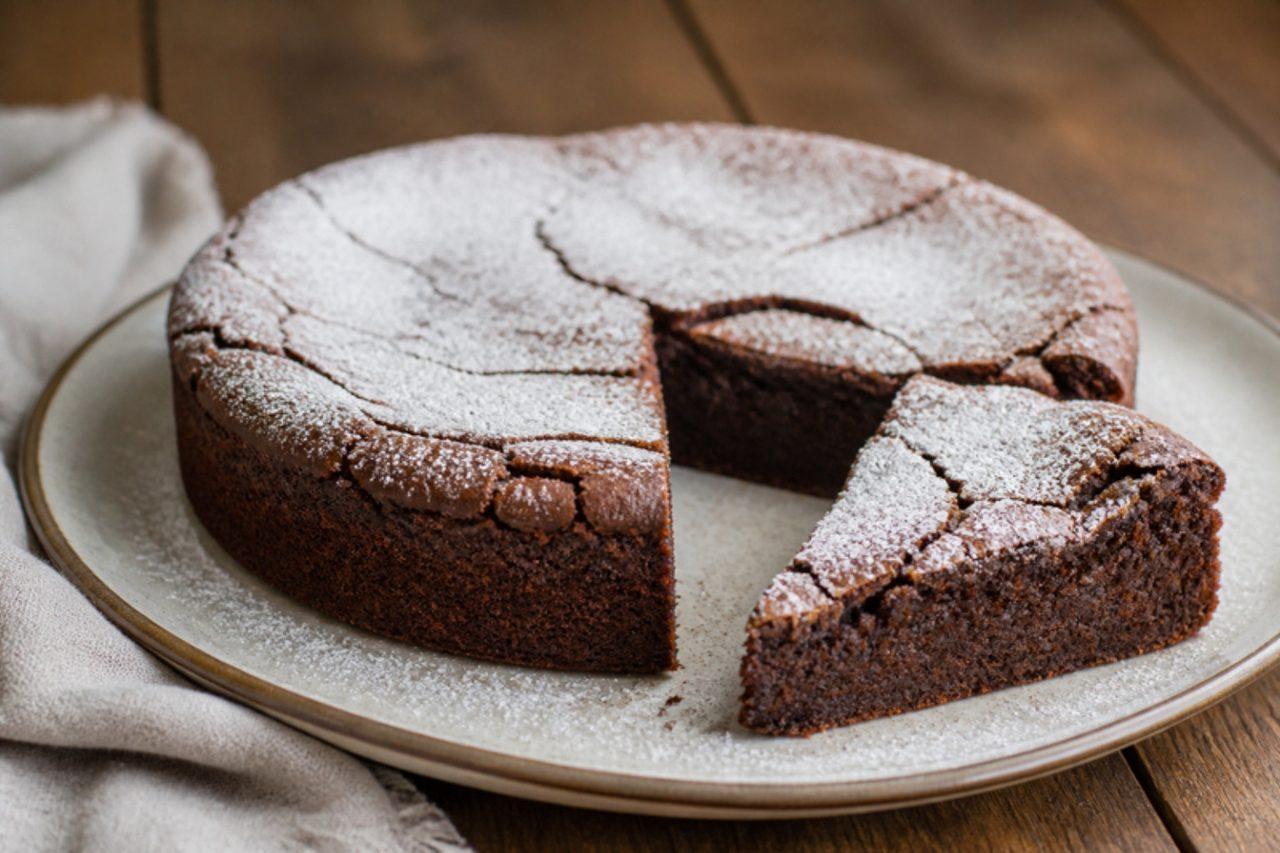
Torta capreseFlourless chocolate almond cake

Torta caprese was born on the island of Capri in the 1920s, the story goes, when a baker forgot to add flour to a chocolate almond cake and created a classic by accident. It is now the cake of the Amalfi Coast: dense, moist and fudgy in the middle, with a thin crackled crust and a dusting of icing sugar. Restaurants in Capri and Sorrento serve it with a spoonful of cream or lemon sorbet. It is naturally gluten free. Contains nuts. Chef's tip: take it out while the middle is still slightly soft; it firms up as it cools and stays moist for days.

by KrazyBadal 0 views

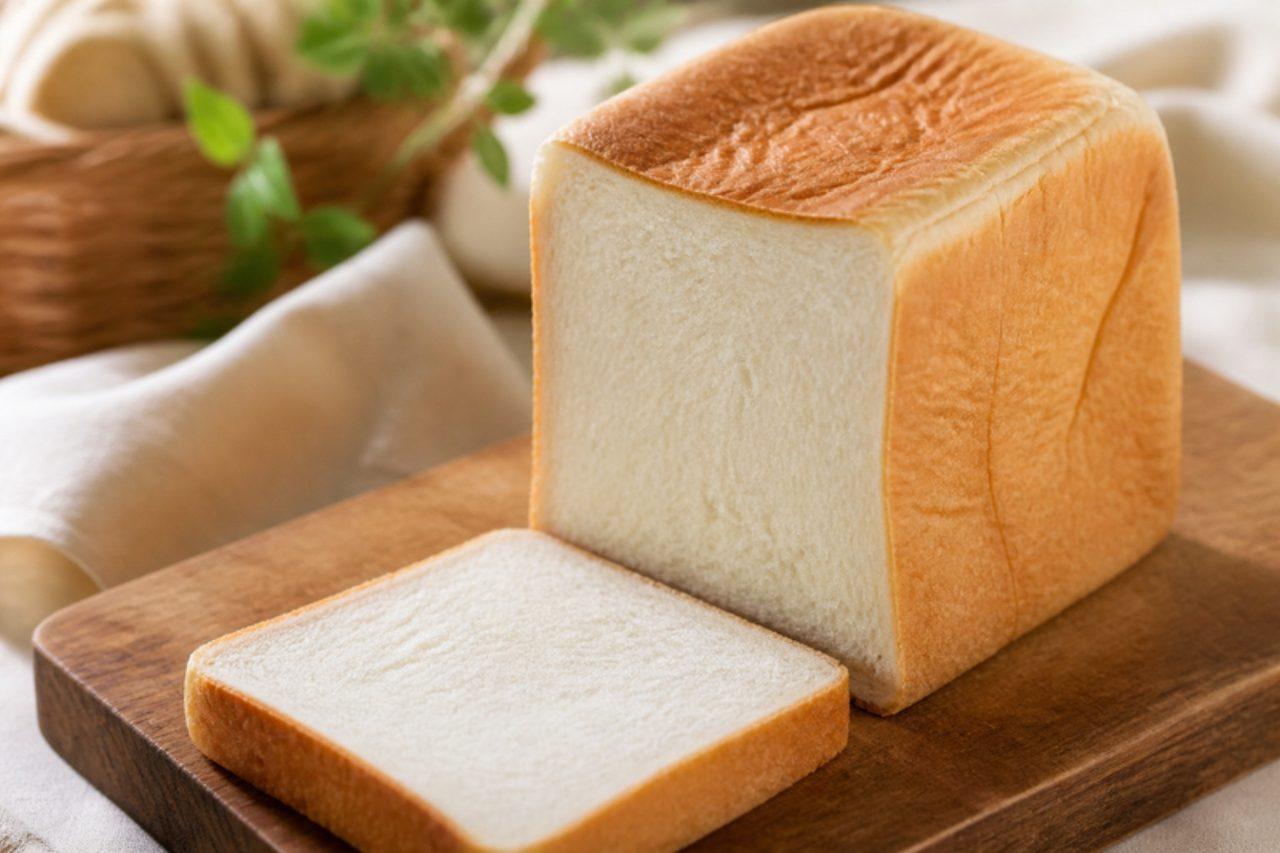
Shokupan (Japanese milk bread)

Shokupan is the everyday sandwich loaf of Japan, sold by the half loaf at bakeries from Sapporo to Fukuoka and toasted in thick slabs for breakfast with butter and jam. Its feathery, pull-apart crumb comes from a cooked flour paste (yudane-style) that lets the dough hold more water, so the bread stays soft for days. You need a 900 g loaf tin and a few hours of mostly waiting. The usual mistake is slicing it while hot, which squashes the delicate crumb into gummy layers; let it cool fully. Chef's tip: roll each piece of dough into a tight spiral before it goes into the tin, which gives the tall, even rise and those stringy, tearable layers.

by KrazyBadal 0 views

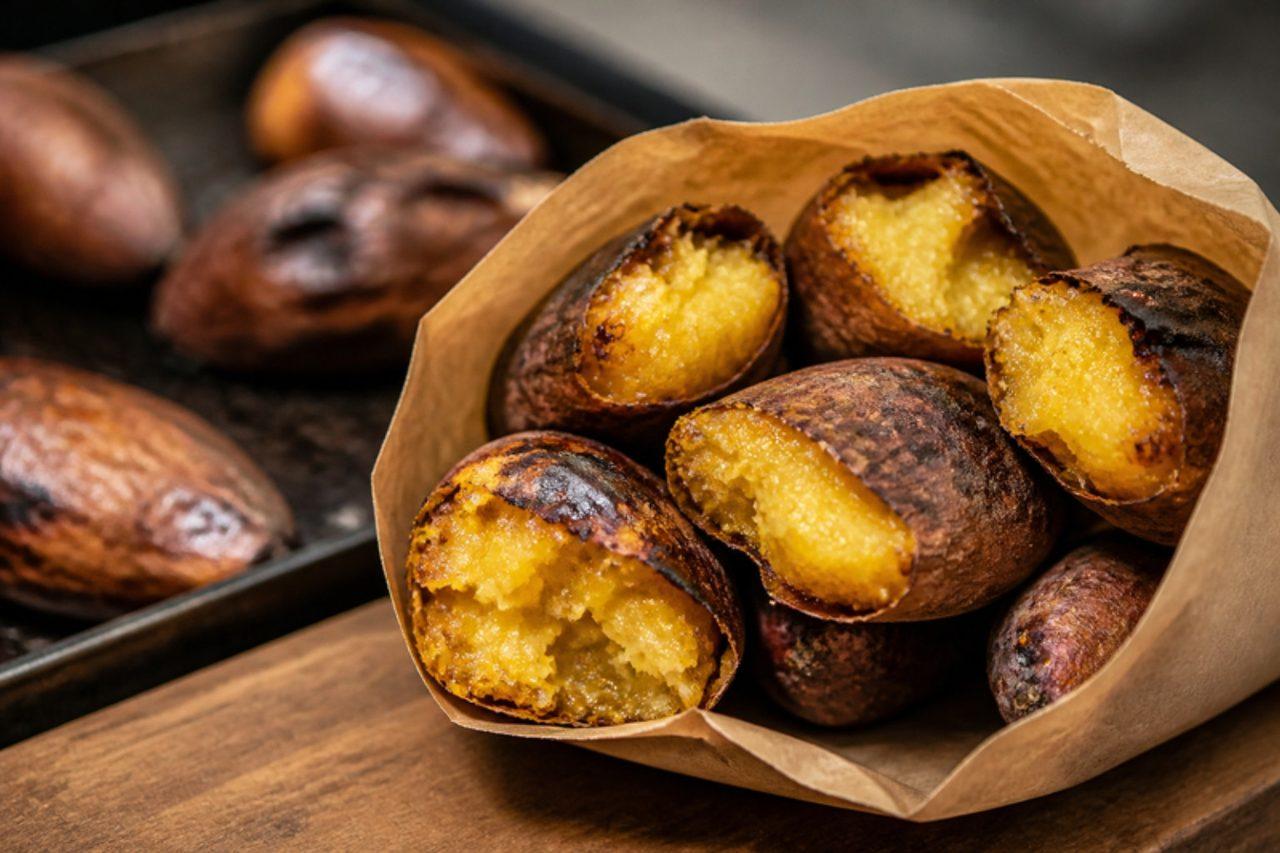
Gun gogumaRoasted sweet potato

On a winter evening in Seoul, the smell of gun goguma drifts out of black drum ovens on street corners, and vendors hand the potatoes over in paper bags to warm cold hands on the way home. Korean sweet potatoes have purple skin and pale, chestnut-sweet flesh that turns dense and sticky when slow-roasted, and the sugars seep out and caramelise on the skin. At home they are eaten with cold dongchimi or kimchi and a glass of milk or a cup of tea. The common mistake is roasting too hot and too short: the potato cooks but never turns syrupy, so give it the full hour. Chef's tip: once roasted, leave them in the switched-off oven for 15 minutes; they keep getting sweeter as they rest.

by KrazyBadal 0 views

GaraetteokLong cylinder rice cakes

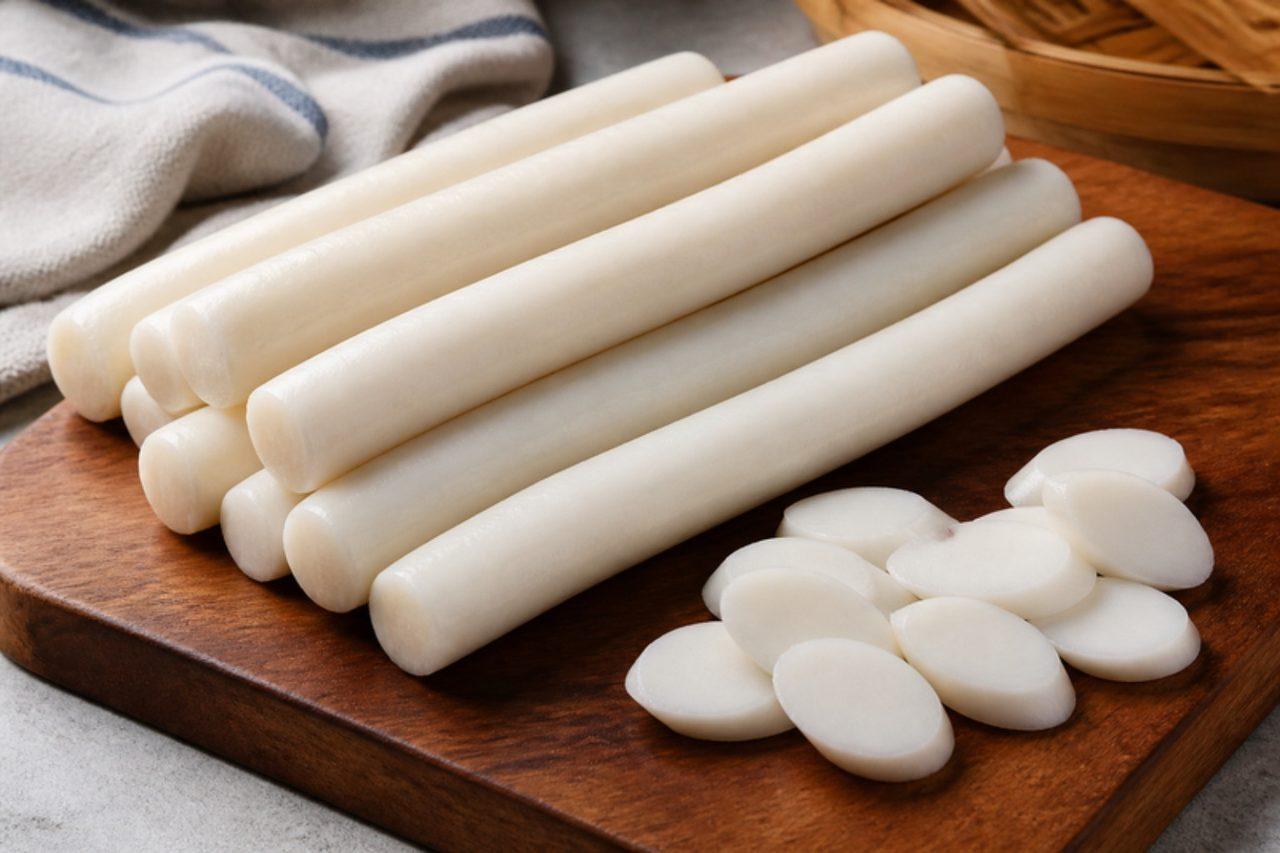
Garaetteok are the long white rice-cake logs that Korean mills churn out before Seollal, when families queue with their own rice to have them pressed and then slice them into ovals for tteokguk, the New Year soup. The length is meant to wish for a long life. Freshly made, they are soft and chewy and eaten warm, dipped in honey or toasted over a grill; once they firm up they are sliced for soup or cut into sticks for tteokbokki. Making them at home is simple, though the logs come out a little less glossy than machine-pressed ones. The usual mistake is rolling the dough when it has cooled: it must be hot to stay smooth. Rice cakes are chewy and sticky, a known choking risk: cut them into small pieces for young children and older people and eat them sitting down. Chef's tip: leave the logs to firm overnight before slicing on the diagonal; they cut cleanly instead of squashing.

by KrazyBadal 0 views

Fave e pecorinoRaw broad beans with pecorino

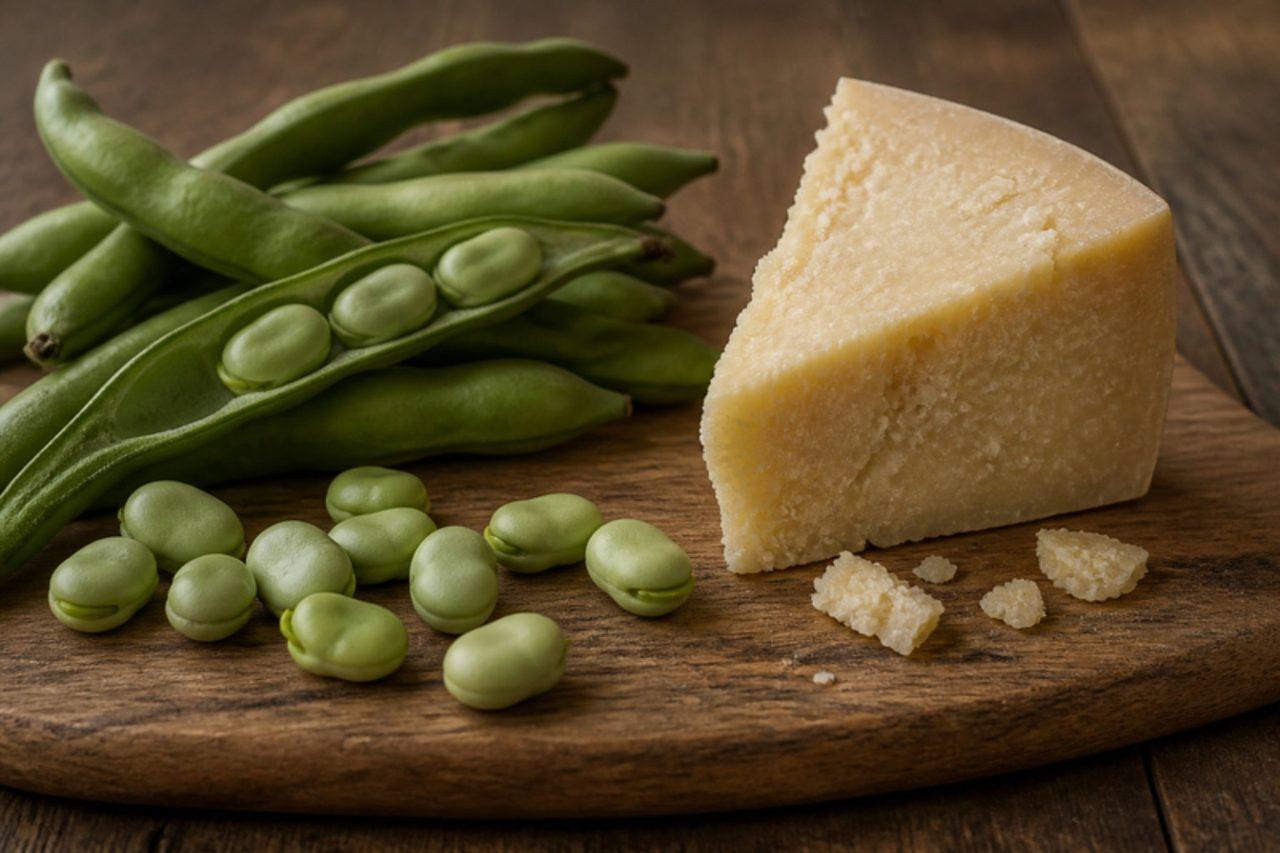
On 1 May, Romans head out to the parks and the Castelli Romani hills with a sack of fresh broad beans still in their pods and a hunk of young Pecorino Romano, and spend the afternoon shelling, nibbling and talking. The pairing is simple and very Roman: sweet, grassy raw beans against salty, sharp cheese, often with a glass of something cold and a hunk of bread. Only the youngest, smallest beans work raw, so this is a dish for a few weeks of spring. Traditional pecorino uses animal rennet; choose a vegetarian sheep's cheese if you need to. Chef's tip: taste a bean before you buy; if it is starchy or bitter rather than sweet, braise those beans instead.

by KrazyBadal 0 views

Torta della nonnaLemon custard pine nut tart

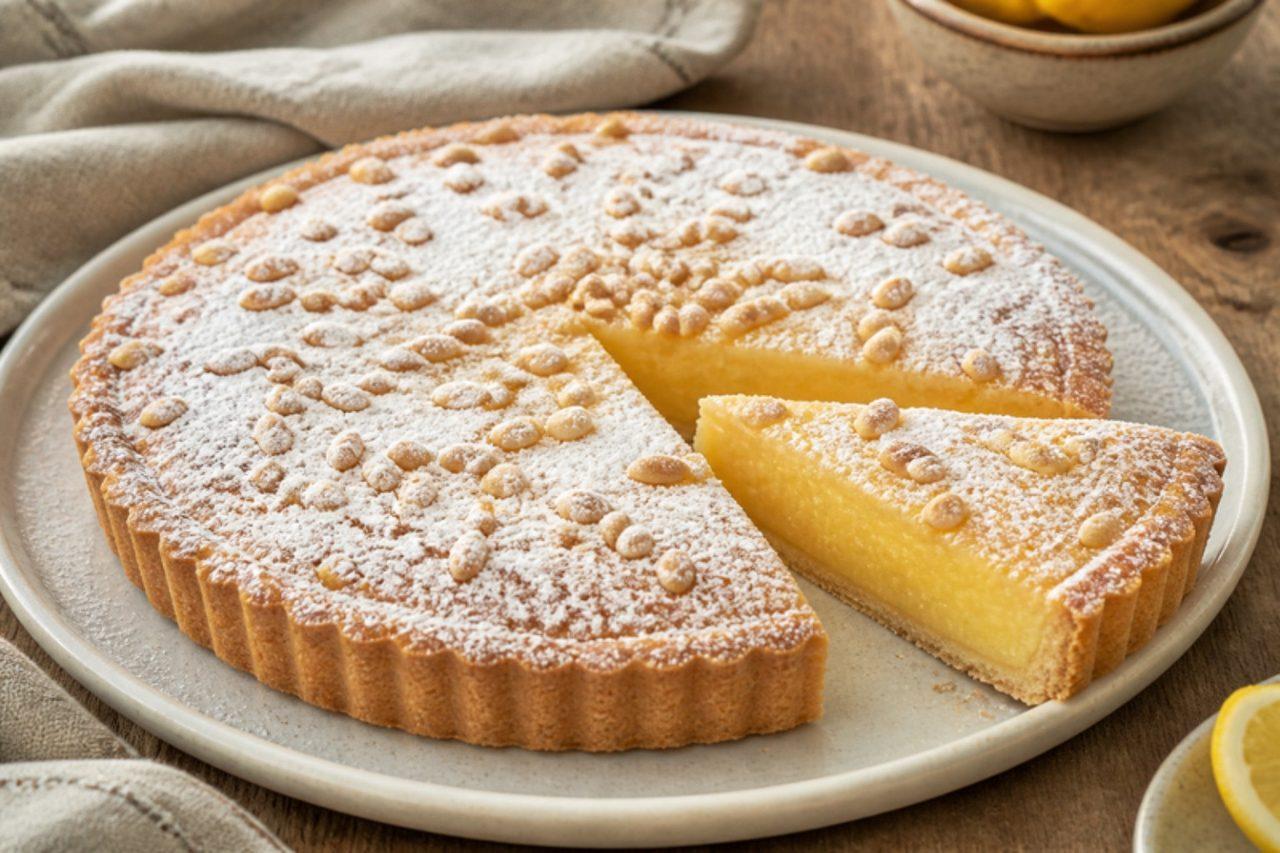
Torta della nonna, "grandmother's tart", is on the dessert menu of almost every trattoria in Florence and across Tuscany: a shortcrust case filled with thick lemon-scented custard, covered with a second layer of pastry and scattered with pine nuts and icing sugar. Despite the name it was probably invented by a Florentine restaurant cook in the 1900s, but it tastes of family Sunday lunches. Contains pine nuts. Chef's tip: let the custard cool completely before filling the tart; warm custard melts the butter in the pastry and makes the base soggy.

by KrazyBadal 0 views

SikhyeSweet rice punch

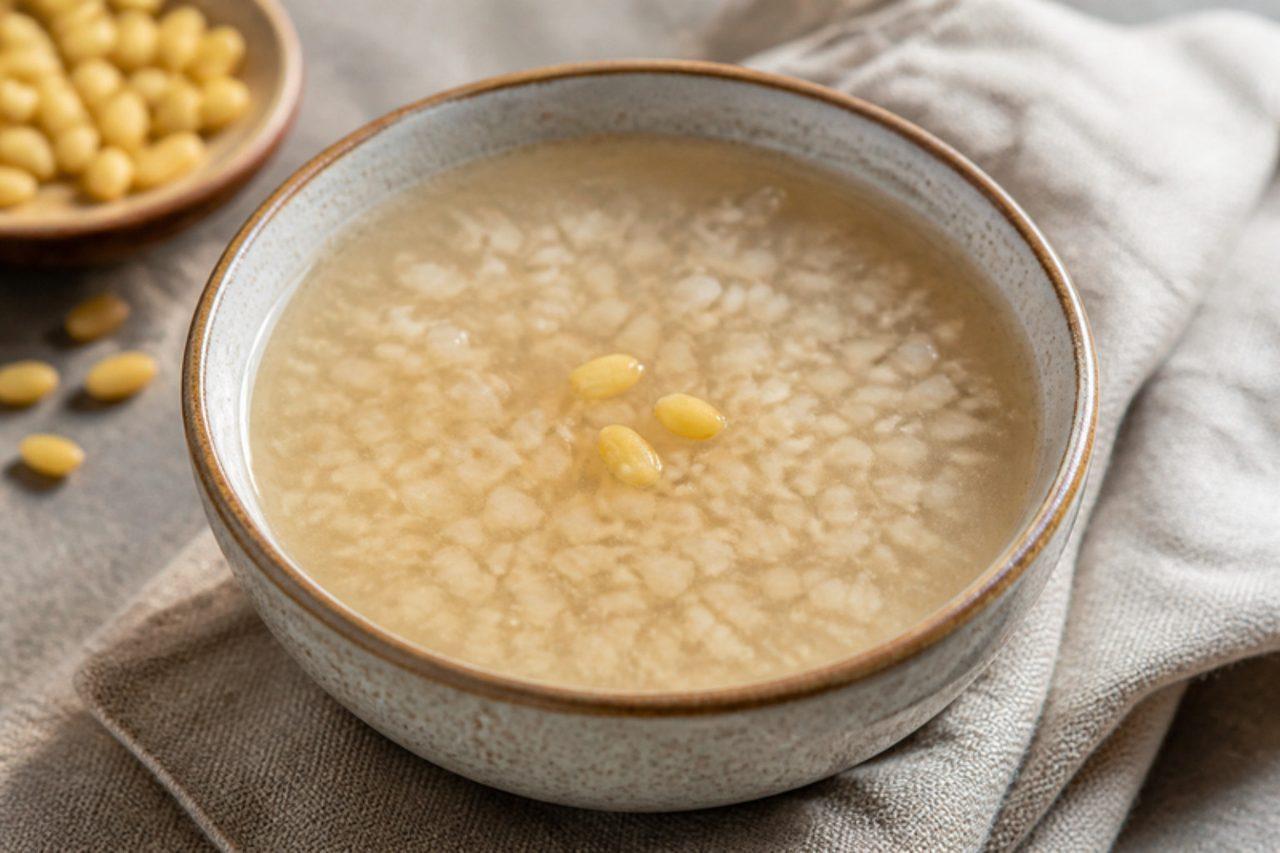
Every Korean jjimjilbang (bathhouse) sells sikhye in little cans, and every grandmother makes a big pot of it before Seollal and Chuseok to sip after the heavy holiday meal, because it is believed to help digestion. Barley malt water and cooked rice are kept warm for several hours until enzymes turn the rice starch into sugar and the grains float up to the top, then the drink is boiled with ginger and chilled until icy. It is mild, lightly sweet and nutty, with soft rice grains to slurp. The usual mistake is letting it get too hot while it ferments: above about 65 °C the enzymes stop working and the grains never float. Contains barley (gluten). Chef's tip: use the rice cooker's 'keep warm' setting; it holds the perfect temperature on its own.

320 minKoreanDrinksVegan
by KrazyBadal 0 views

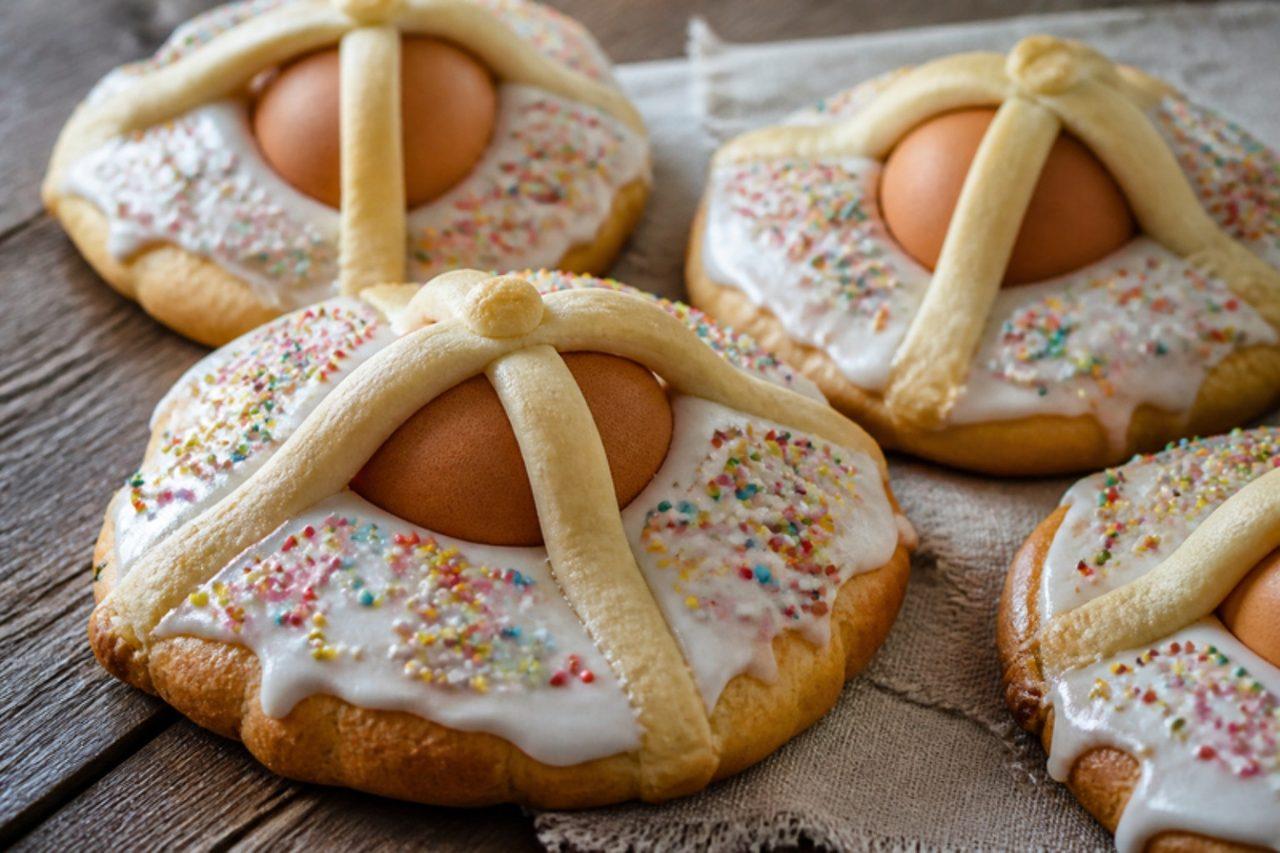
Scarcella puglieseEaster egg biscuit bread

In Bari, Foggia and the Salento, scarcelle are baked in the days before Easter, often by children with their grandmothers: a soft, lemony shortbread-like dough shaped into baskets, doves, hearts or dolls, each holding a whole egg in its shell held down by strips of dough, then iced and covered in sprinkles. They are given as gifts on Easter morning and to children as a sign of new life. Chef's tip: use raw eggs in their shells and wash them first; they cook in the oven while the biscuit bakes. They are decorative, so wash and dry them well.

by KrazyBadal 0 views

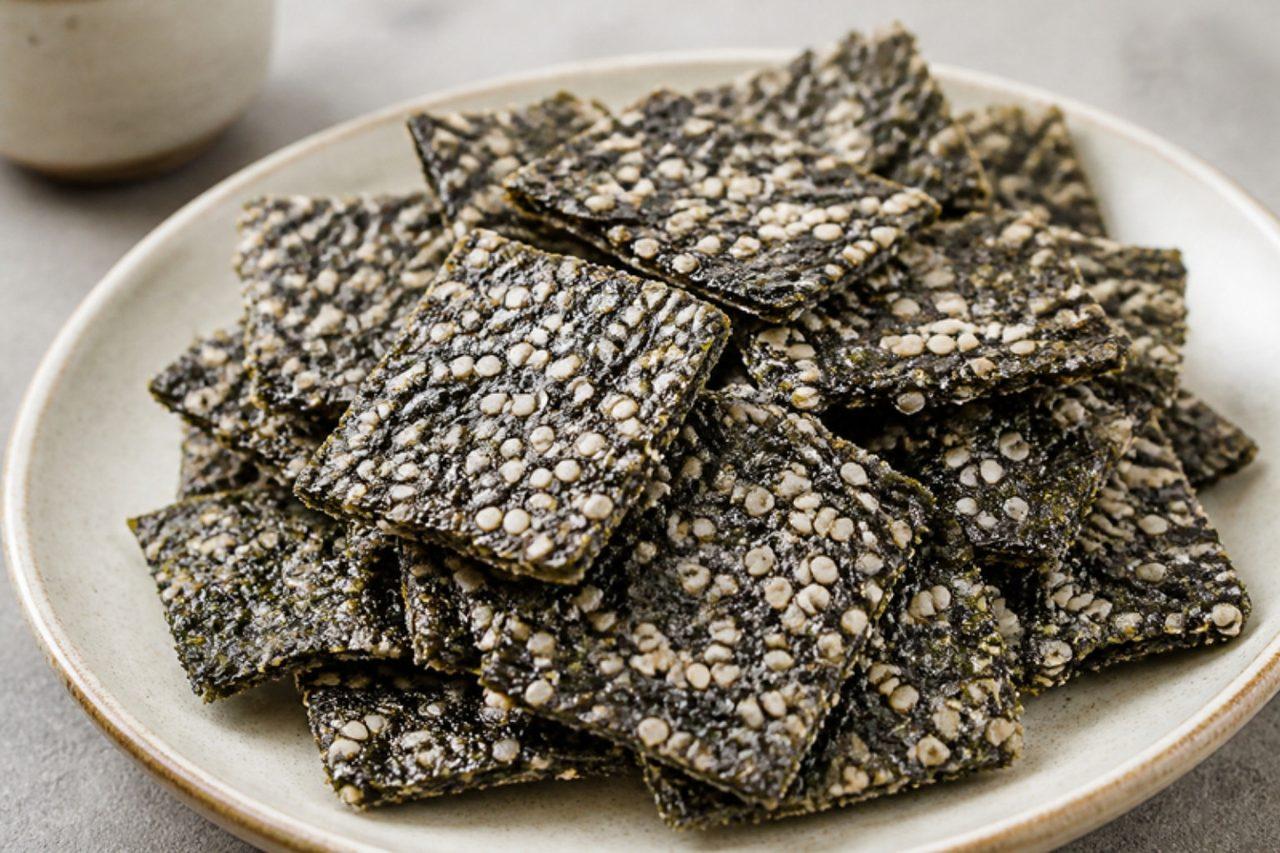
Gim bugakCrisp fried seaweed

Gim bugak is a temple snack that Buddhist nuns and village cooks in South Jeolla, especially around Damyang and Namwon, still make in large batches in autumn: sheets of laver are painted with glutinous rice porridge, scattered with sesame, dried in the sun and fried until they puff into crackling, savoury chips. It is eaten as a banchan with rice or as a snack with tea. The common mistake is frying it before it is completely dry; any damp patches stay chewy and spit in the oil. Chef's tip: cut the dried sheets with scissors before frying; once fried they shatter if you try to cut them.

by KrazyBadal 0 views

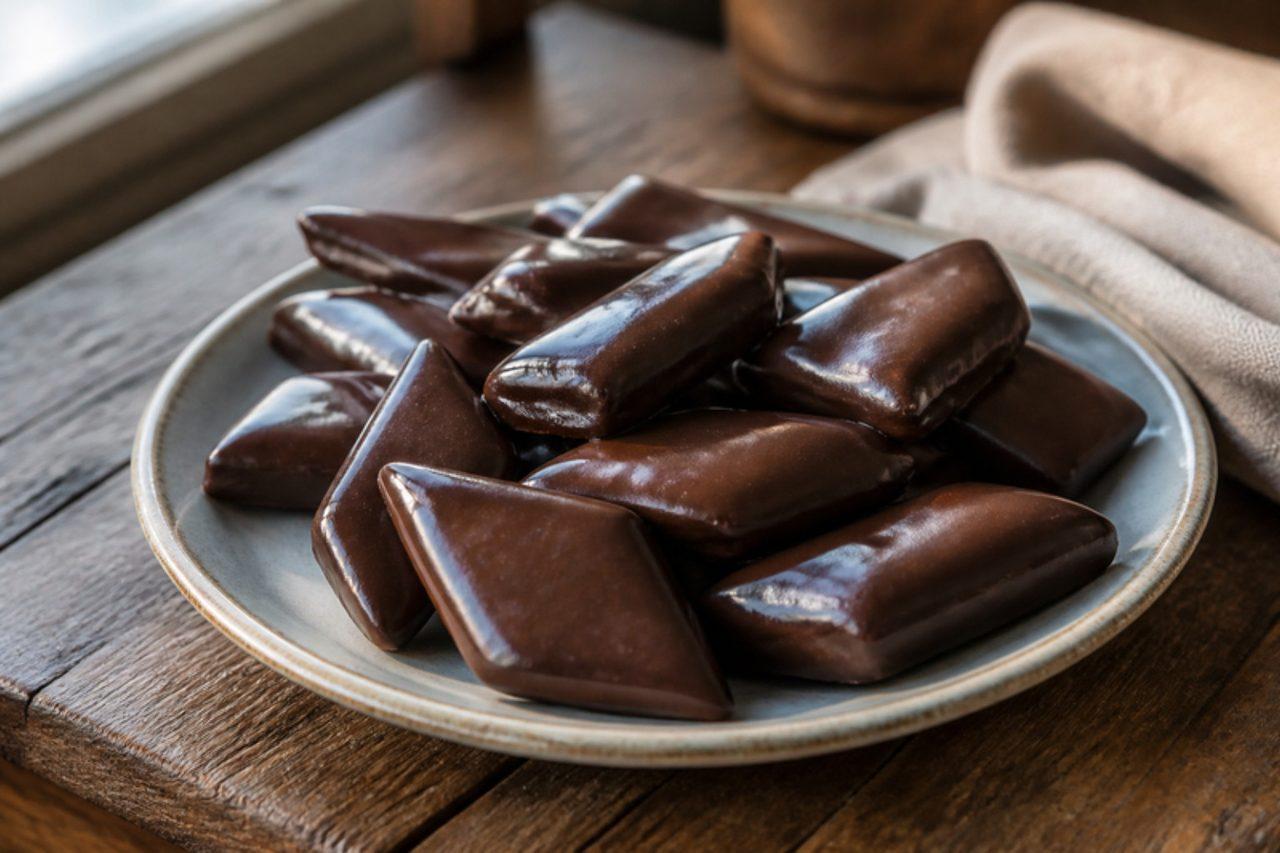
MostaccioliSpiced chocolate biscuits

Neapolitan Christmas trays always include mostaccioli: soft, spiced biscuits shaped like diamonds and covered in a shiny coat of dark chocolate. The dough is flavoured with honey, cocoa, orange and pisto, a Neapolitan spice mix of cinnamon, clove, nutmeg, star anise and coriander. They are made in early December with roccocò and struffoli and kept in tins for the whole holiday. Not for babies under 1 because of the honey. Chef's tip: let the biscuits rest a day before coating; spiced honey biscuits soften and their flavour deepens after a night in the tin.

by KrazyBadal 0 views

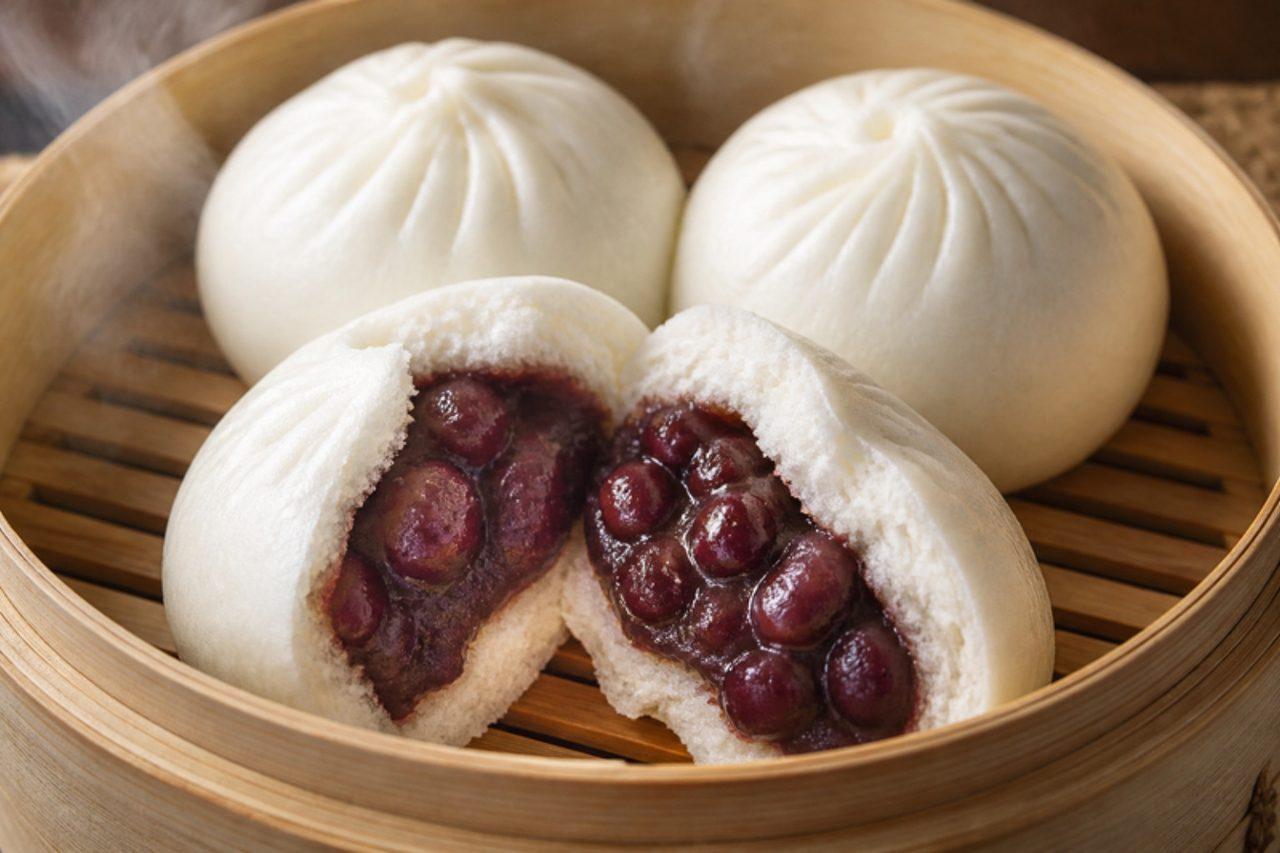
HoppangRed bean steamed buns

When the first cold snap hits, Korean convenience stores bring out glass steamer cabinets full of hoppang, and office workers grab one for breakfast on the way to the subway. The bun is soft, slightly sweet yeasted dough wrapped around a thick, smooth red bean paste, steamed until pillowy and eaten piping hot. Making them at home takes a morning but they freeze perfectly. The usual mistake is opening the lid too early or steaming over too fierce a heat: the buns collapse and wrinkle, so keep a steady medium heat and leave them to rest 5 minutes before lifting the lid. Contains wheat. Chef's tip: let the shaped buns rise on squares of baking paper; you can move them into the steamer without squashing them.

120 minKoreanBakingVegan
by KrazyBadal 0 views

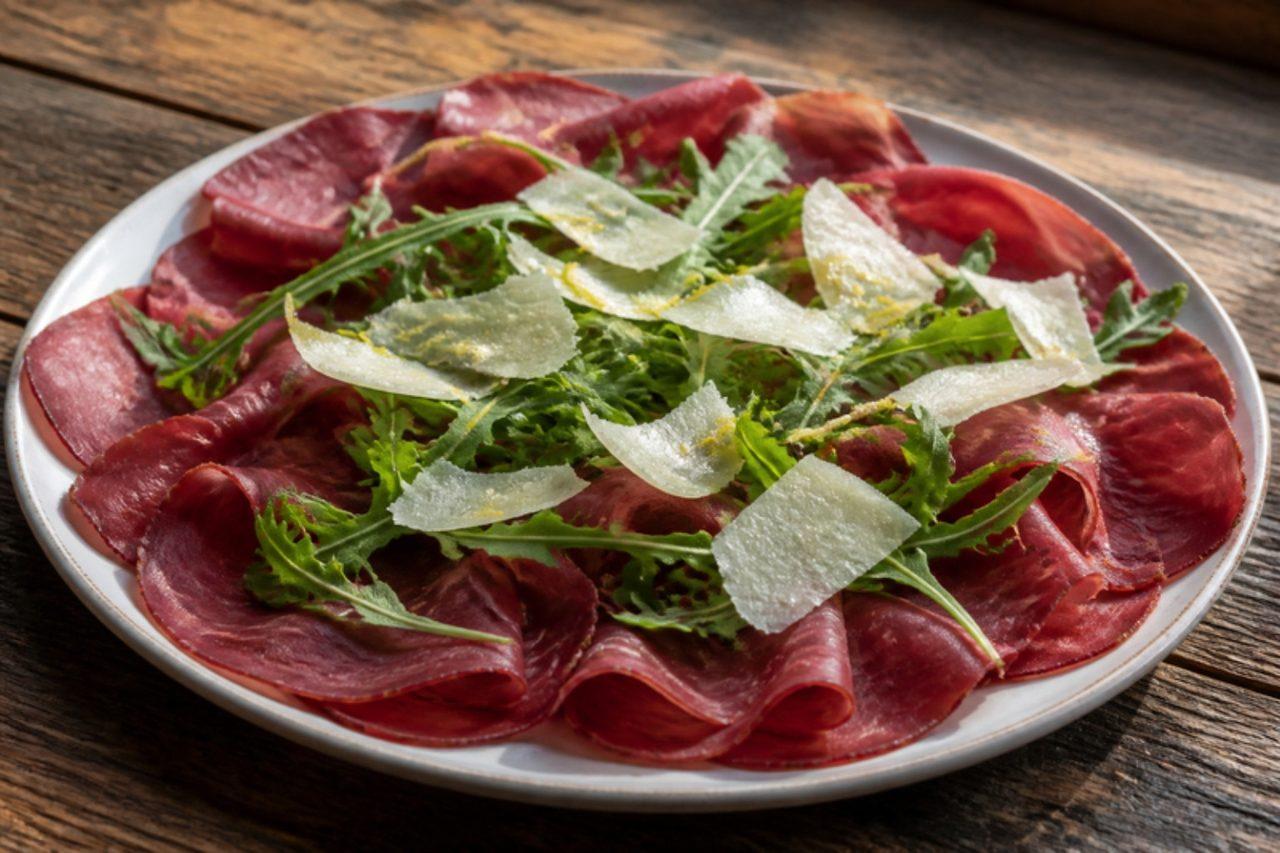
Bresaola, rucola e granaCured beef with rocket and cheese

Bresaola is beef cured with salt and spices and air-dried in the cool mountain valleys of the Valtellina, near Sondrio in Lombardy. Locals serve it as a light lunch or an antipasto before pizzoccheri: thin dark-red slices dressed with lemon and olive oil, topped with peppery rocket and flakes of Grana Padano. It takes five minutes and needs nothing else but bread. Chef's tip: dress the bresaola with lemon 5 minutes before serving; the acid softens the edges of the slices and brings out the meat's sweetness, but much longer and it turns grey.

by KrazyBadal 0 views

Cannoncini alla cremaCustard puff pastry horns

Every pastry shop in Turin and Piedmont has a tray of cannoncini: puff pastry wrapped around metal cones, baked until golden and flaky, then piped full of vanilla custard and dusted with icing sugar. Little ones are part of the "pasticcini mignon" bought on Sunday morning after church to take to lunch at the grandparents' house. You need cannoncino or cream-horn moulds. Chef's tip: fill them just before serving; custard softens the pastry within a few hours.

by KrazyBadal 0 views

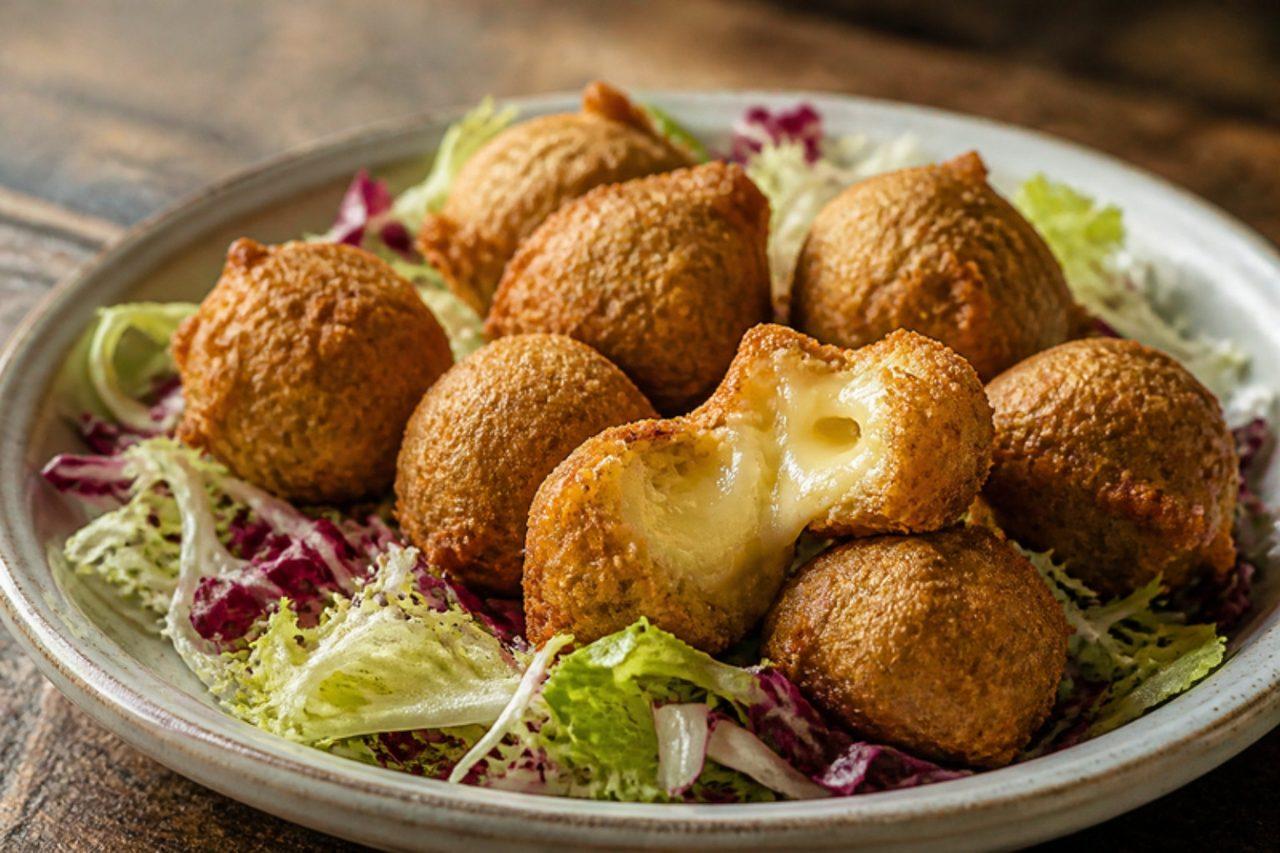
SciattBuckwheat cheese fritters

Sciatt means "toads" in the dialect of Valtellina, the Alpine valley near Sondrio, because of their lumpy shape. They are buckwheat batter fritters, each hiding a cube of Valtellina Casera cheese that melts as they fry, served on a bed of chicory salad. Mountain huts and village festivals serve them hot from the pan in autumn and winter. Local cheeses are usually made with animal rennet; choose a vegetarian melting cheese if you need to. Chef's tip: make the batter with very cold sparkling water and a splash of grappa, as locals do; the bubbles and alcohol make a lighter, crispier crust. The alcohol mostly cooks off in the frying; leave it out for an alcohol-free version.

by KrazyBadal 0 views

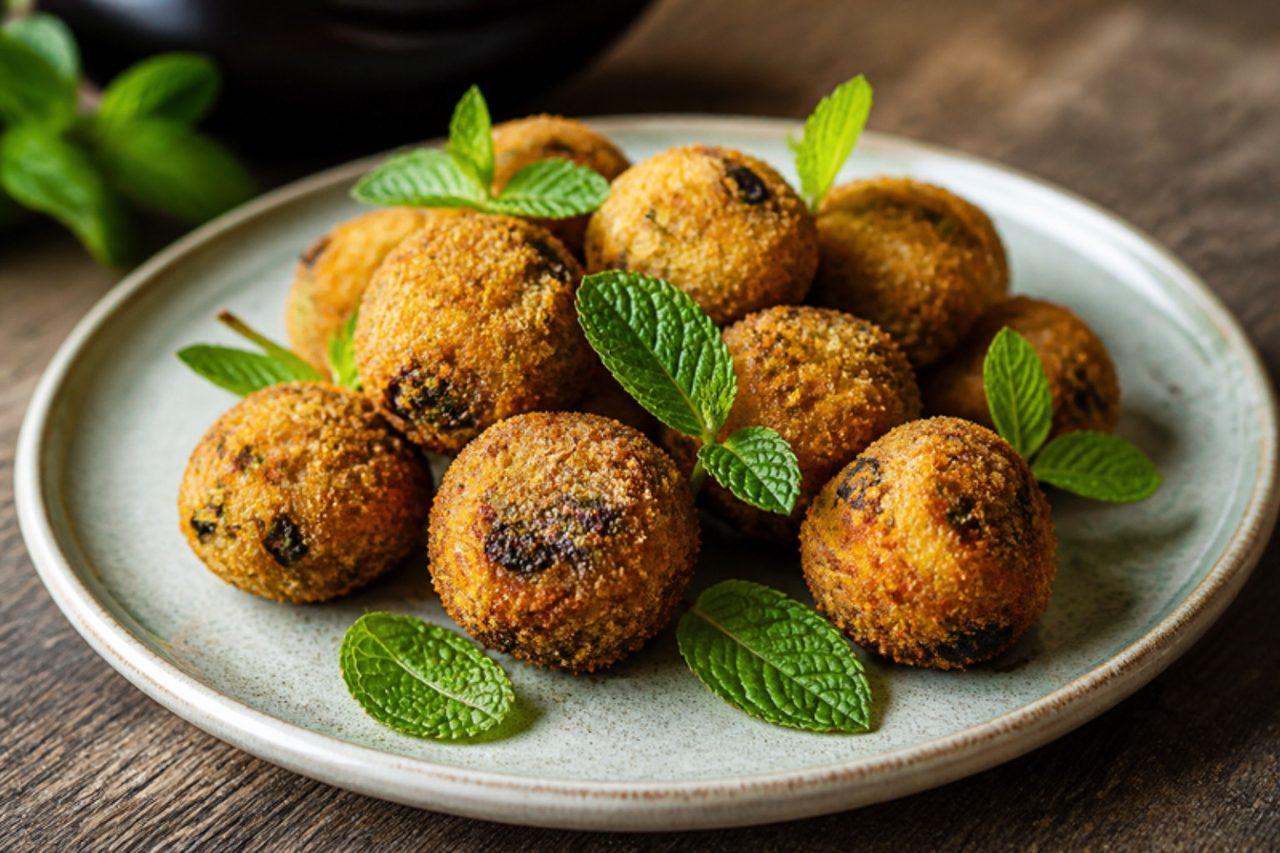
Polpette di melanzaneAubergine fritters with pecorino

In Calabria, from Reggio up to Cosenza, polpette di melanzane are what grandmothers fry in August when the garden is full of aubergines and nobody wants meat. Boiled aubergine is squeezed dry and mixed with stale bread, egg, pecorino, garlic and mint, then shaped into small balls and fried; they are eaten warm as an antipasto or cold the next day in a sandwich. They should be soft and almost creamy inside with a thin golden crust. Pecorino is usually made with animal rennet; a vegetarian hard cheese works. Chef's tip: squeeze the boiled aubergine in a clean tea towel until no more water drips; wet aubergine makes polpette that fall apart in the oil.

by KrazyBadal 0 views

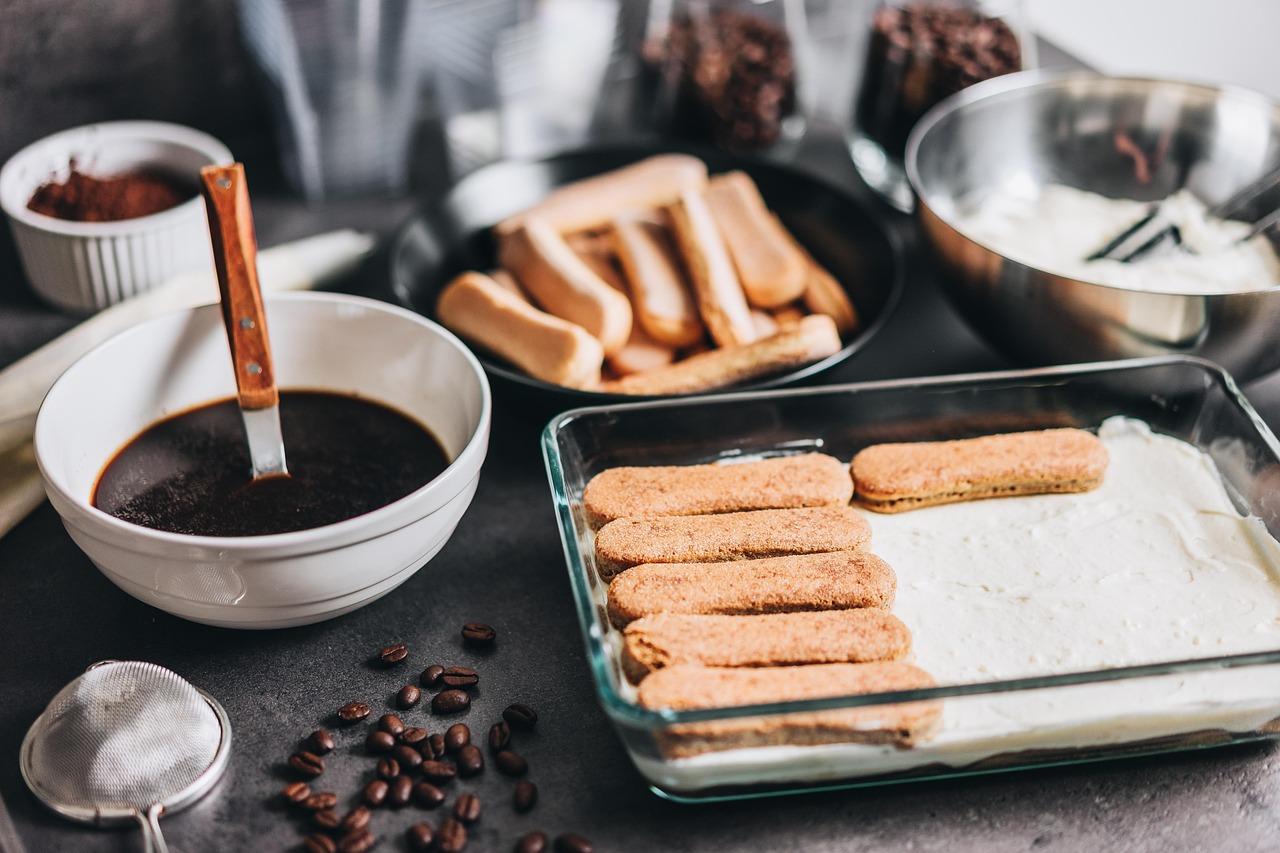
Savoiardi

Savoiardi were created in the 1300s at the court of the House of Savoy in Piedmont, for a visit by the King of France. They are long, light finger biscuits of whipped eggs, sugar and flour, with a crisp sugary crust and a dry, spongy inside, made to be soaked: in coffee for tiramisù, in liqueur for zuppa inglese, or in milk for children's breakfast. Chef's tip: dust the piped fingers twice with icing sugar, 5 minutes apart; this forms the pearly crust that keeps them crisp outside.

by KrazyBadal 0 views

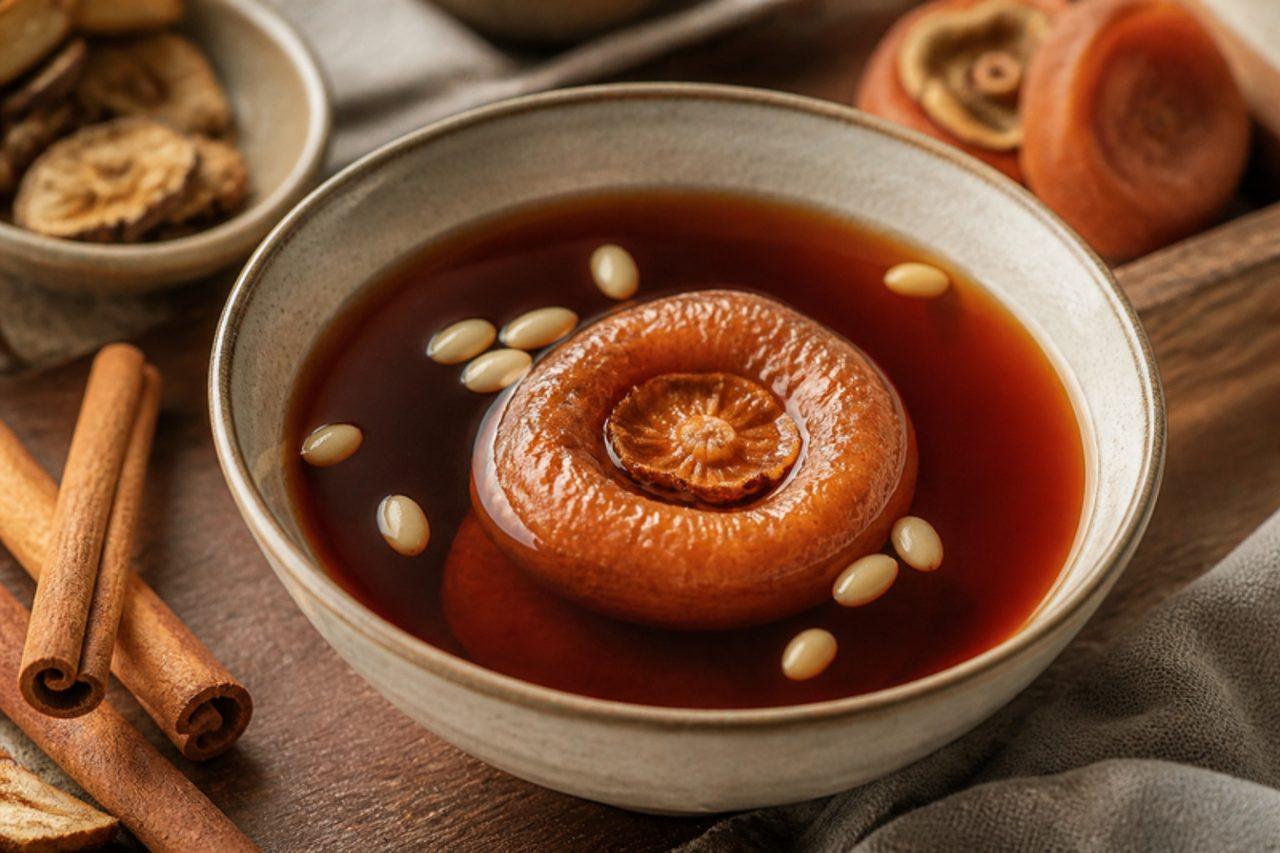
SujeonggwaCinnamon persimmon punch

After a big Seollal feast in Seoul, sujeonggwa comes out ice-cold in small bowls, dark red-brown and fragrant with cinnamon and ginger, with a soft dried persimmon and a few pine nuts floating in each one. It is the punch of the New Year season, made a day or two ahead and kept on a cold balcony. The cinnamon and ginger are boiled separately and then combined, which keeps each flavour clean. The common mistake is boiling the cinnamon too long or too hard: it turns bitter and cloudy, so keep it to a gentle simmer. Contains pine nuts. Chef's tip: soak the dried persimmons in the cooled punch only a few hours before serving, so they soften without falling apart.

by KrazyBadal 0 views

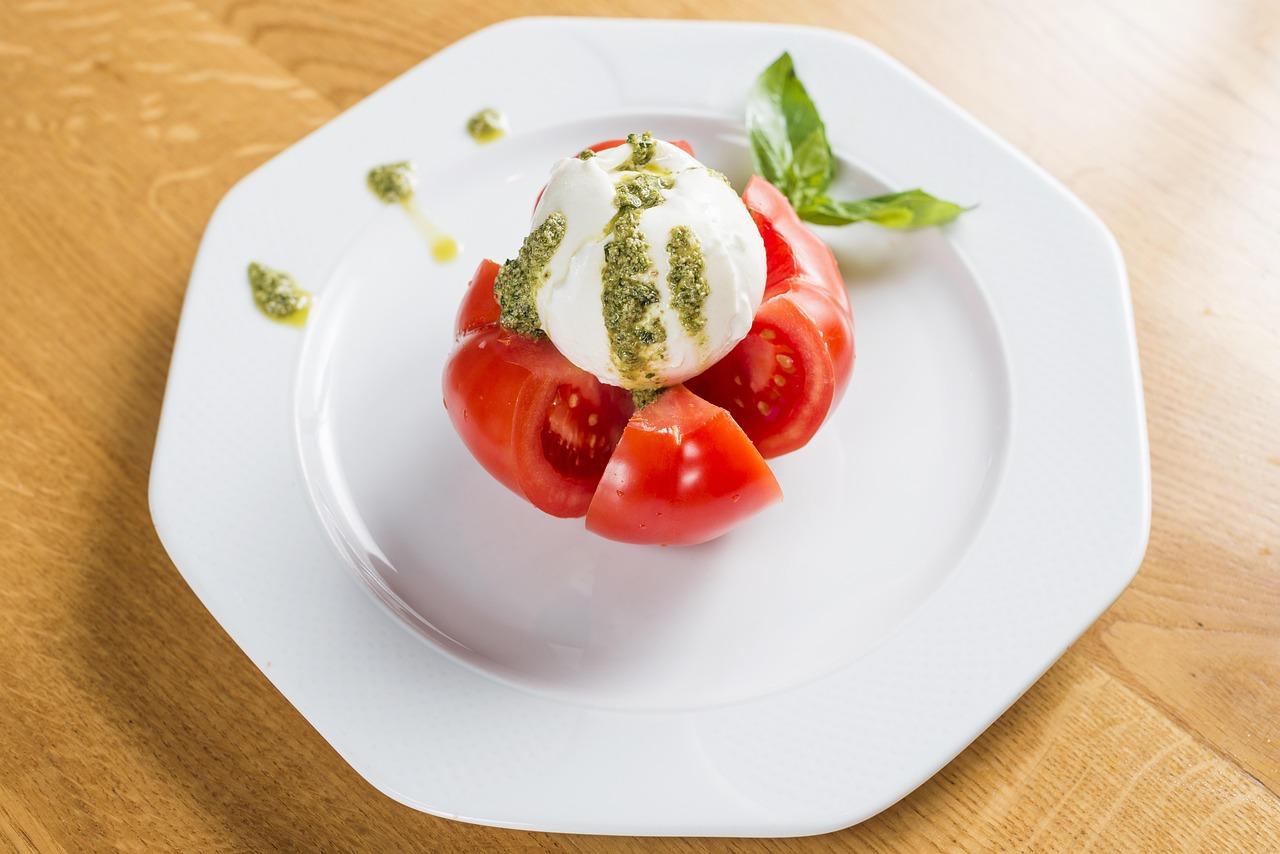
Burrata con pomodoriniBurrata with cherry tomatoes

Burrata was born in the dairies around Andria in northern Puglia as a way to use the scraps of mozzarella curd, wrapped in a pouch of stretched curd and filled with cream. In Bari and the towns of the Murge it is eaten the day it is made, often as the first thing on the table at Sunday lunch, torn open over the sweetest summer tomatoes. The outside is soft and springy; the inside, called stracciatella, spills out like thick cream. Mozzarella and burrata are usually made with calf rennet, so look for a vegetarian-rennet burrata if that matters to you. Chef's tip: take the burrata out of the fridge 30 minutes before serving; straight from the cold it tastes of very little.

by KrazyBadal 0 views

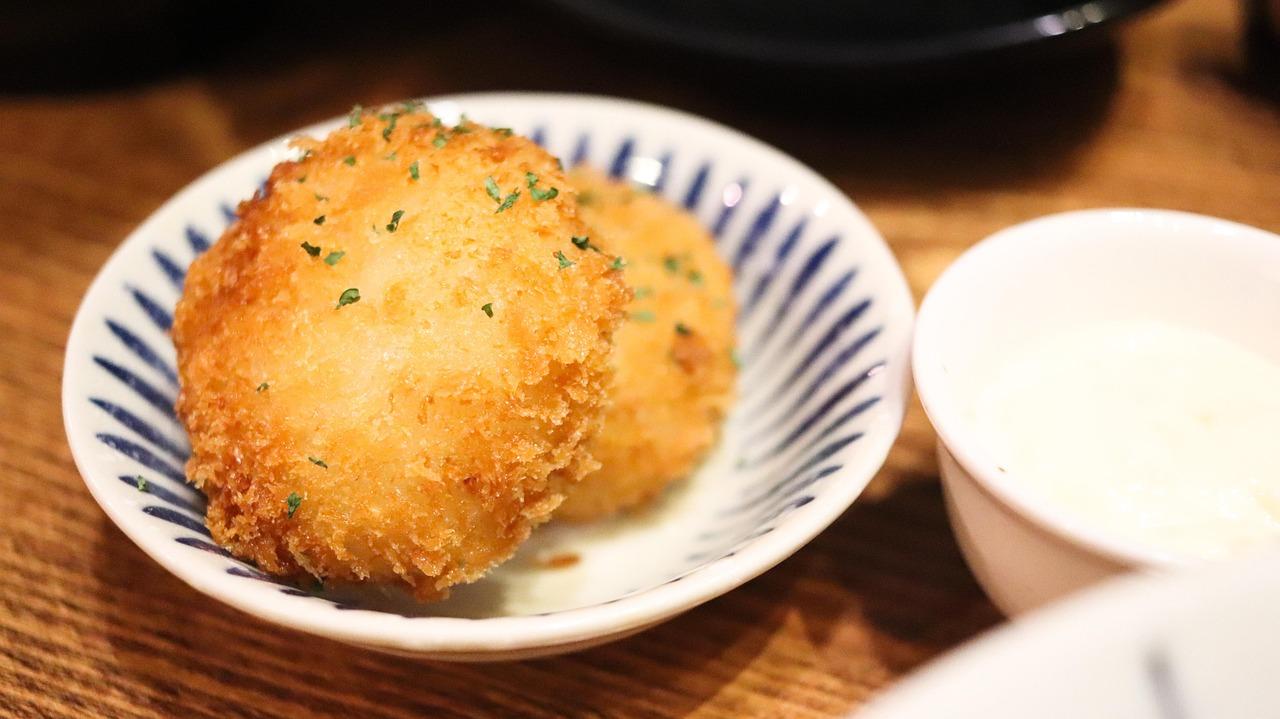
Korokke (Japanese potato croquettes)

On Tokyo's covered shopping streets, from Togoshi Ginza to Sunamachi, butcher and deli counters fry korokke all afternoon and sell them in paper sleeves to children on their way home from school. This vegetarian version keeps the soft, slightly sweet filling of buttery mashed potato with onion and carrot, wrapped in a jagged panko crust that shatters when you bite it. Eat them hot with a drizzle of thick sweet-savoury sauce and a pile of shredded cabbage, or tuck one cold into a bento. The usual mistake is a wet mash: steam-dry the potatoes well and let the filling cool completely, or the croquettes split open in the oil. Chef's tip: chill the shaped, crumbed croquettes for 30 minutes before frying so the coating sets firm.

by KrazyBadal 0 views

Tteok kkochiRice cake skewers

Tteok kkochi is the after-school snack of Korea, sold for a few hundred won from carts outside primary schools, where children cluster round the vendor painting glaze onto the skewers. Cylinders of rice cake are fried until blistered and crisp outside but soft and chewy inside, then brushed with a sticky sauce of gochujang, ketchup and rice syrup. The usual mistake is frying rice cakes that are cold and hard from the fridge: they spit and stay tough in the middle, so soften them in hot water first. Rice cakes are dense and sticky, so cut them small for young children and older people and make sure they eat sitting down: they are a known choking risk. Chef's tip: dry the softened rice cakes very well before frying; water makes the oil spit.

by KrazyBadal 0 views

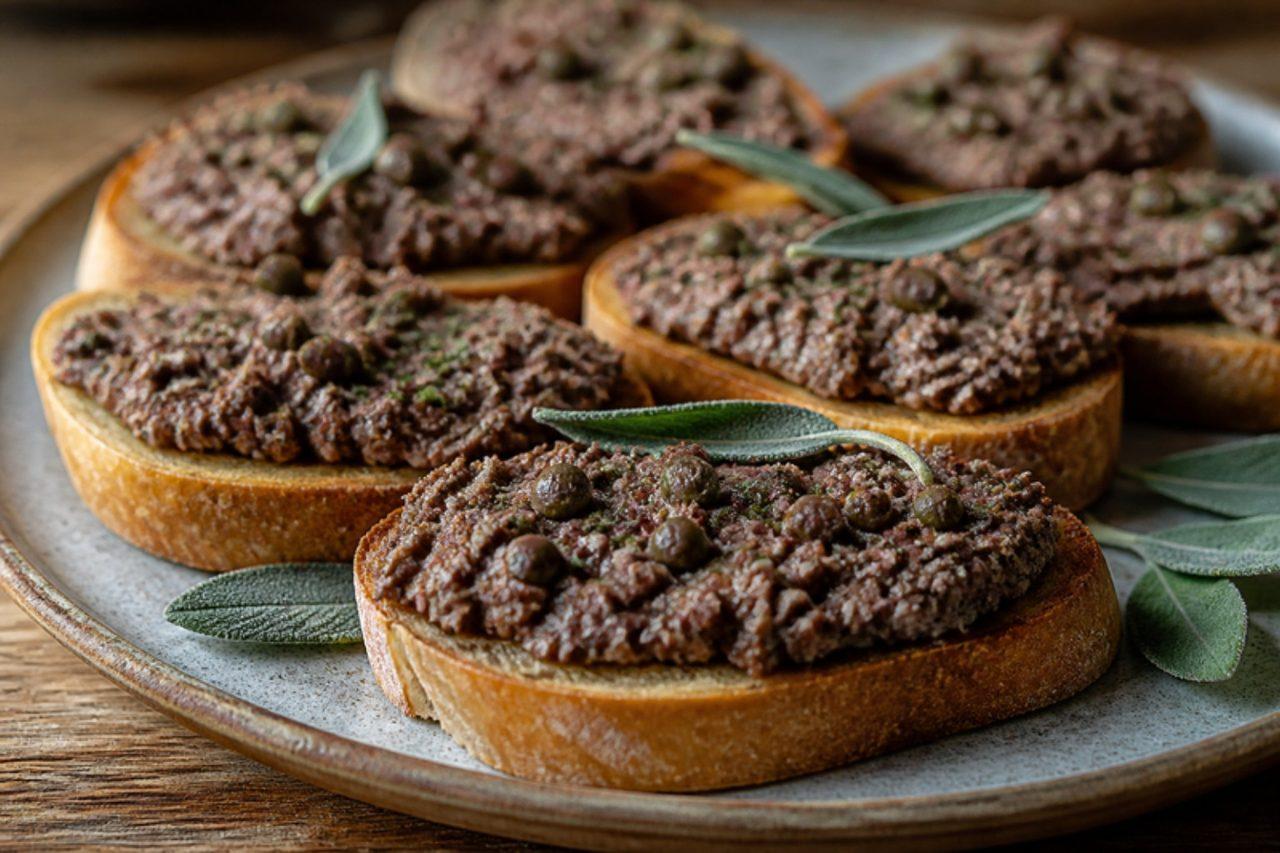
Crostini neriChicken liver crostini

No Tuscan Christmas lunch or village festa starts without crostini neri, the dark, coarse chicken liver spread from Florence and Siena, spread on toasted unsalted Tuscan bread that has been dipped briefly in broth. The livers are cooked with onion, sage and capers, splashed with Vin Santo or white wine, then chopped rather than blended so the spread keeps some texture. Alcohol is used here: you can replace the wine with the same amount of chicken stock and a teaspoon of red wine vinegar. Chef's tip: cook the livers through, then chop them on the board with a mezzaluna or knife instead of a blender; a smooth paste is pâté, not crostini neri.

by KrazyBadal 0 views

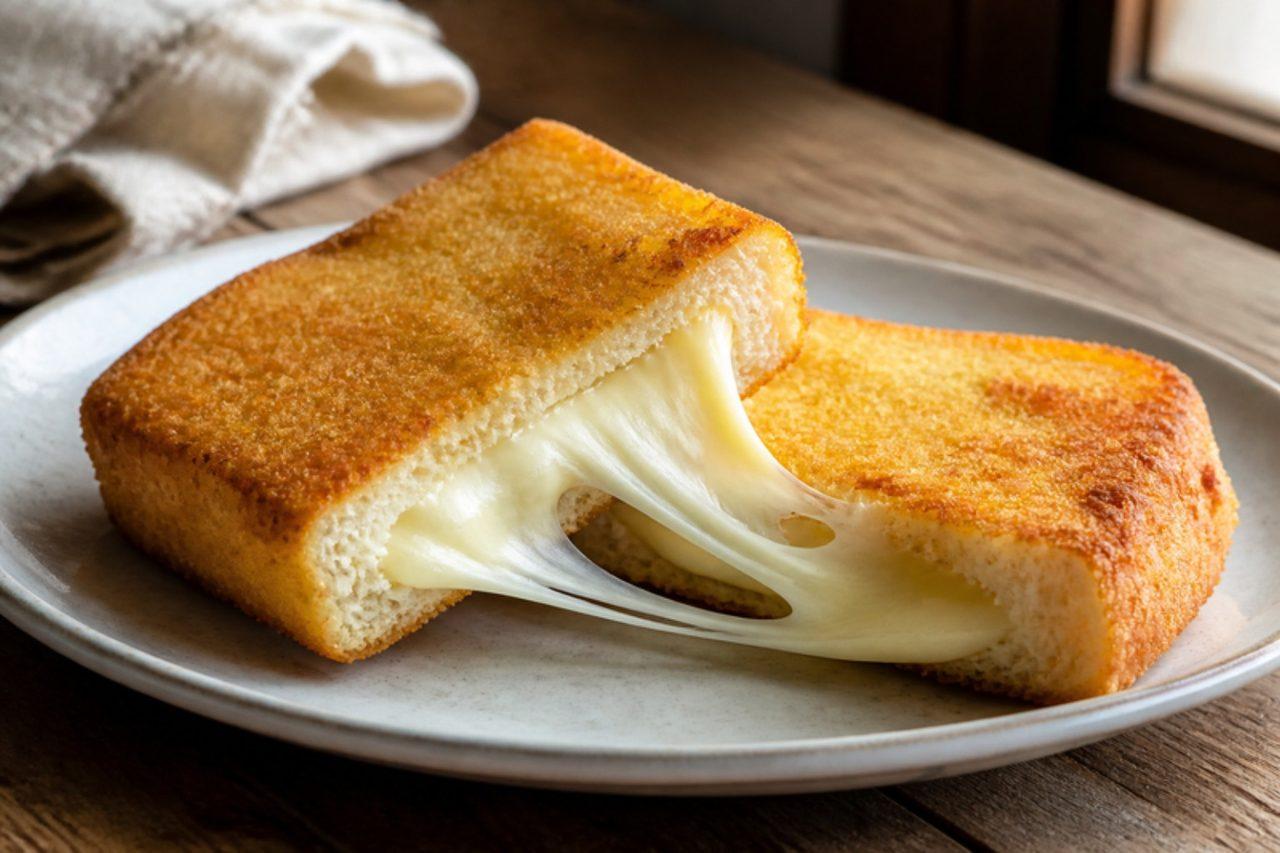
Mozzarella in carrozzaFried mozzarella sandwich

"Mozzarella in a carriage" is how Neapolitan families used up mozzarella that was a day or two old: slices of cheese sandwiched in white bread, dipped in flour, egg and milk, and fried until the bread is golden and the cheese stretches in long strings. It is sold in Naples friggitorie and eaten at home as a quick lunch or a snack after school. Mozzarella is usually made with calf rennet; vegetarian versions are easy to find. Chef's tip: press the sandwich edges firmly together after dipping in flour; a good seal keeps the melted cheese inside the carriage.

by KrazyBadal 0 views

Showing 24 of 2,321 recipes

Show more recipes

Page 1 of 97