Skip to content
Recipes

All recipes

Vegetarian, or something you can't eat? Set your diet once and we'll hide recipes that don't fit.

Pine nut tea

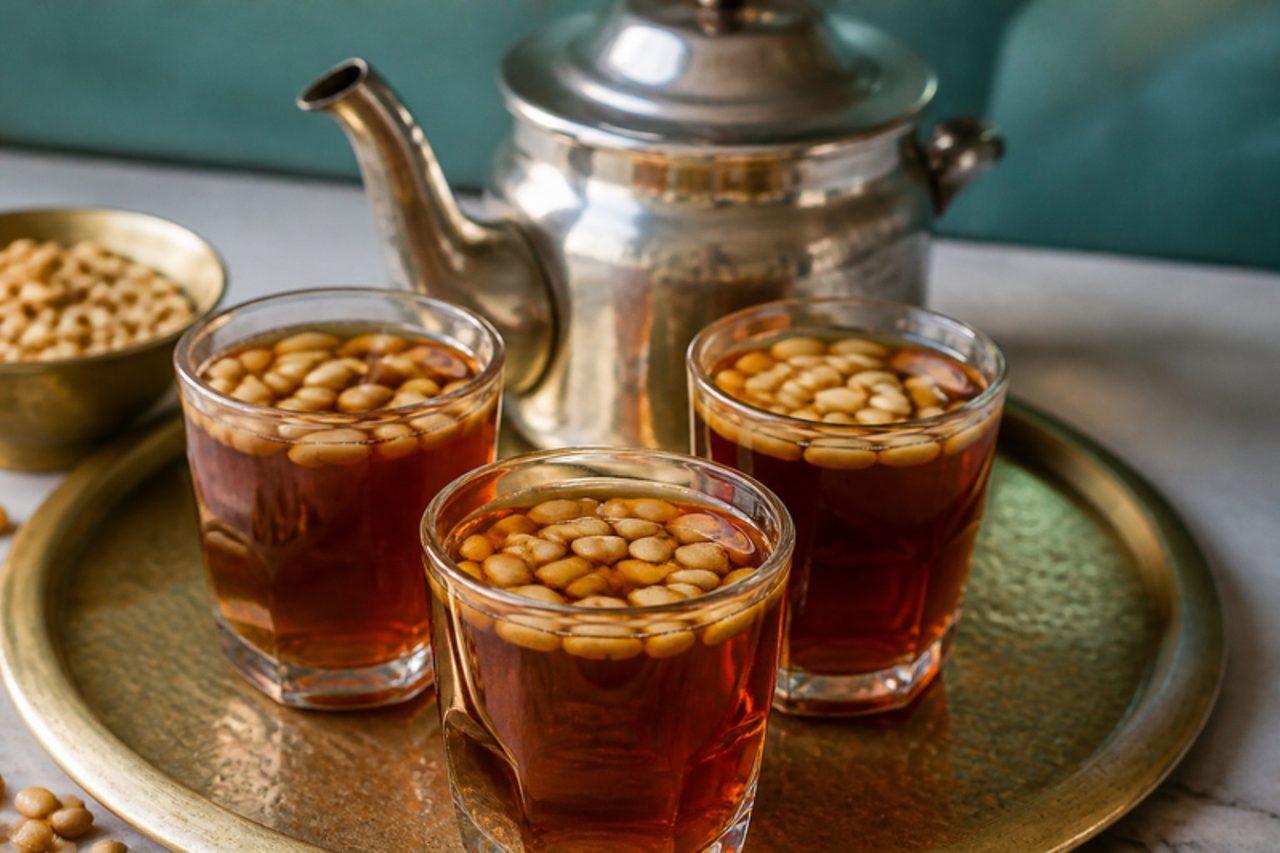
Order tea in a Tunis café, especially in the cafés of Sidi Bou Said overlooking the bay, and it often arrives with a spoonful of pale pine nuts bobbing on top. The tea itself is brewed strong and very sweet, green with mint or dark black tea boiled until syrupy, and poured from a height into small glasses so it froths. The nuts soften slightly in the heat and you eat them at the bottom of the glass, buttery against the bitter-sweet tea. It is drunk after meals and through the evening. Chef's tip: toast the pine nuts lightly in a dry pan; just a hint of colour brings out their butteriness without making them sink.

by KrazyBadal 0 views

Citronnade

Café terraces in Tunis serve citronnade in tall glasses on hot afternoons and through Ramadan evenings, and it is nothing like clear lemonade: whole lemons, peel and all, are blended with sugar and water, then strained, giving a cloudy, pale-yellow drink that tastes of the zest as much as the juice. A drop of orange-flower water rounds it off. It should be sharp, sweet and very cold. Use unwaxed lemons with thin skins. Chef's tip: let the cut lemons sit with the sugar for 10 minutes before blending; the sugar draws out the fragrant oils from the peel.

by KrazyBadal 0 views

Chraime

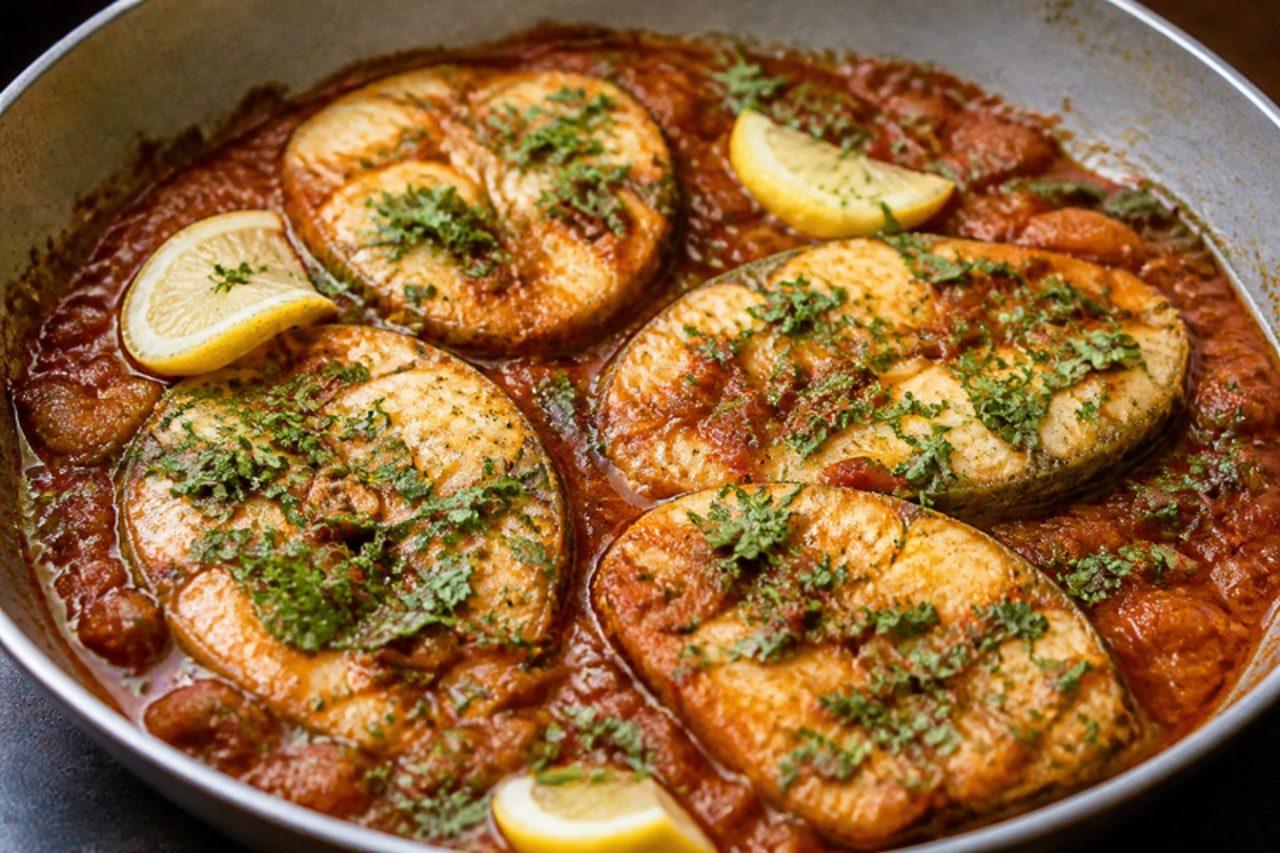
Friday night in Moroccan and Libyan Jewish homes, from Casablanca to Tripoli and now Paris and Tel Aviv, often begins with a plate of chraime before the main course. Thick fish steaks simmer in a brick-red sauce built from a frightening amount of garlic, sweet and hot paprika, chilli, caraway and cumin, loosened with oil and a squeeze of lemon. It is spicy, garlicky and very savoury, and the oily sauce begs to be mopped up with challah or other good bread. It is also eaten cold the next day. Chef's tip: cook the spices in the oil over a low heat until they smell toasty but not dark; burnt paprika tastes acrid and you cannot rescue it.

by KrazyBadal 0 views

Seafood pastilla

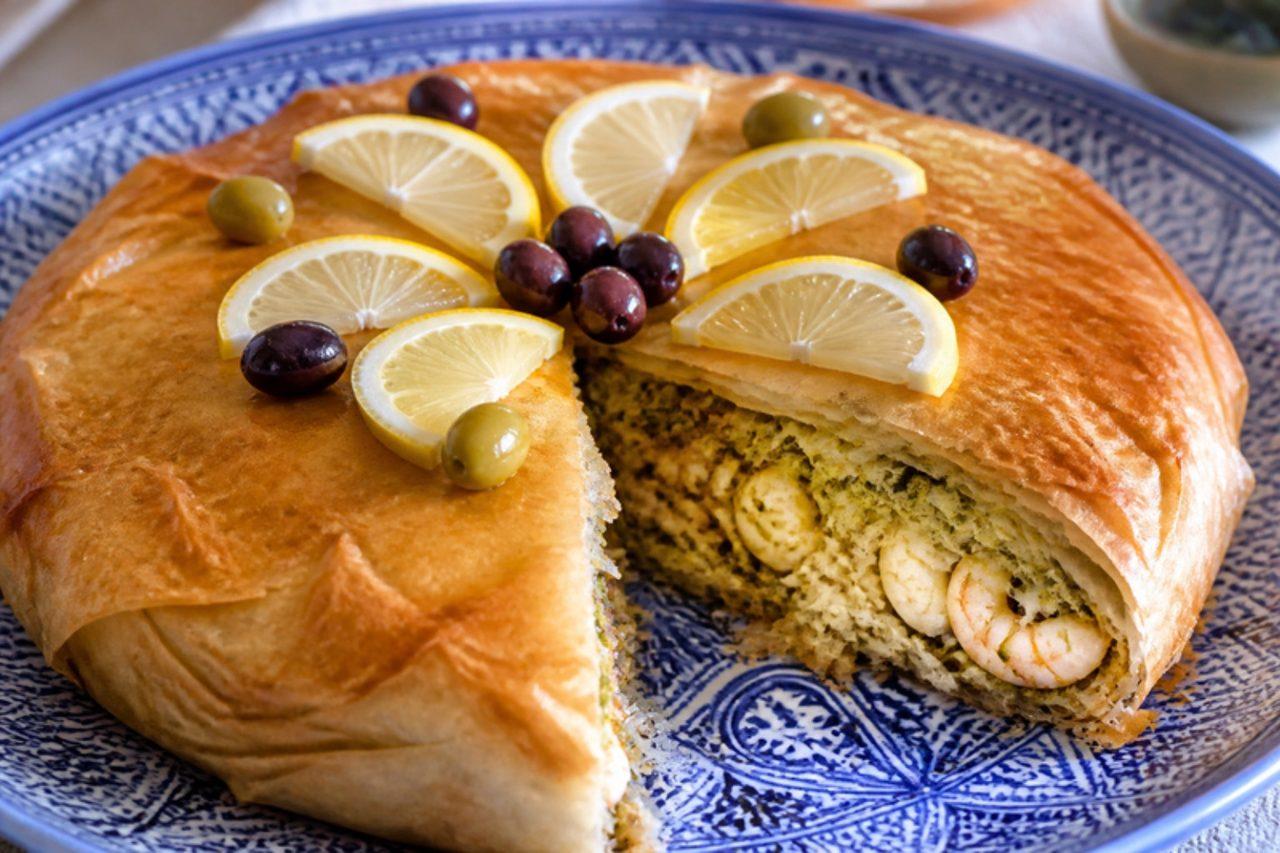
The sweet pigeon pastilla belongs to Fez; along the northern coast, from Tetouan to Tangier and down to the Atlantic towns, the savoury seafood version is what turns up at weddings and Ramadan dinners. Thin warqa pastry wraps a filling of prawns, white fish and squid, rice vermicelli and plenty of chermoula, the lemony herb, garlic, cumin and paprika marinade, and the pie is baked until it shatters at the touch. Inside it is juicy, tangy and a little spicy. Serve it hot, cut into wedges, with a green salad. Filo works if you cannot find warqa or brick pastry. Chef's tip: drain the cooked filling in a sieve for 10 minutes before you fill the pie; wet filling is what makes a soggy base.

120 minMoroccanFish
by KrazyBadal 0 views

Sardines stuffed with chermoula

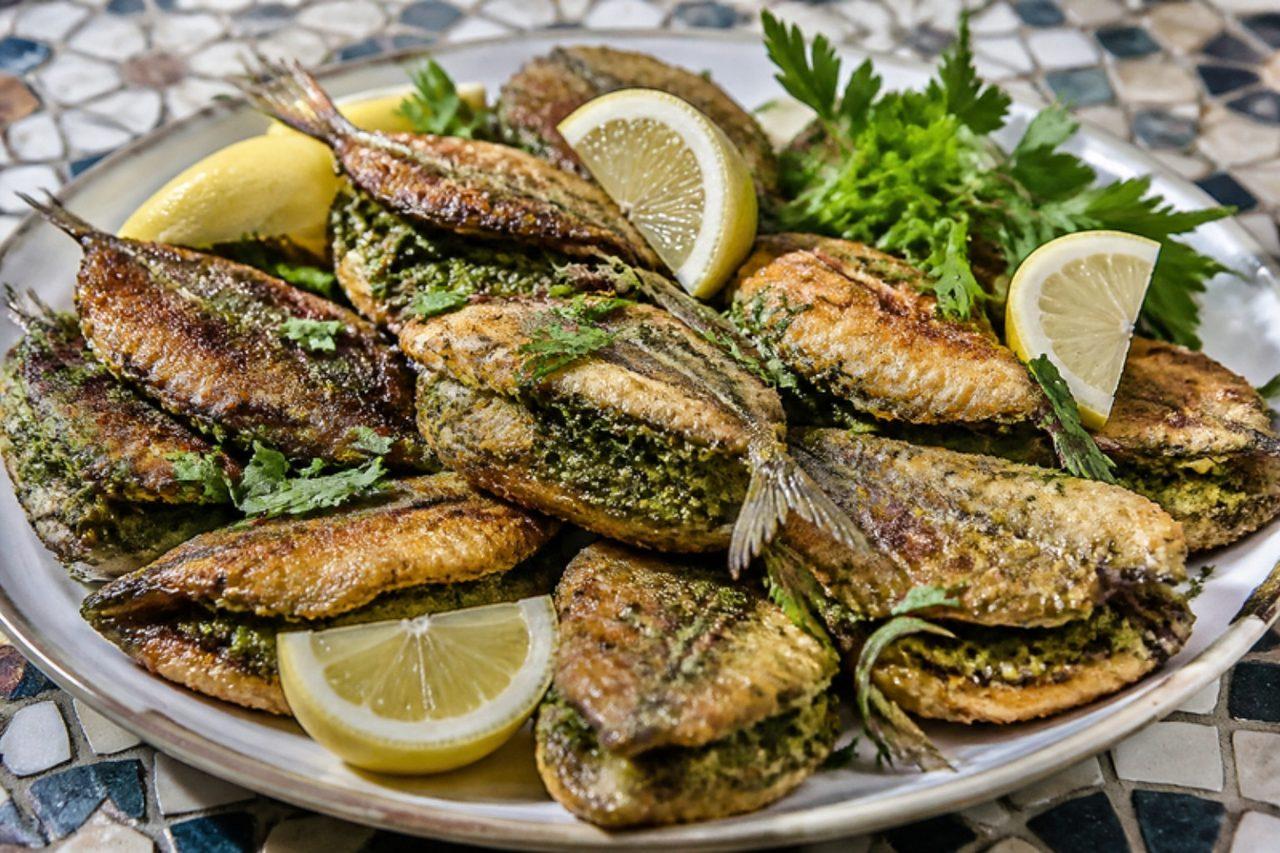
Walk past the fish stalls by Essaouira's harbour and you smell this before you see it: sardines opened flat, smeared with a green-red paste of herbs, garlic, cumin and paprika, pressed together in pairs, dusted with flour and fried until the edges crunch. The fish stays moist and rich inside, sharpened by lemon and a little chilli. In Safi and Agadir homes they appear at lunch with a tomato and onion salad and bread, or tucked into sandwiches from street carts. Chef's tip: ask the fishmonger to butterfly the sardines and remove the backbone; it saves a fiddly 20 minutes and they lie flat.

by KrazyBadal 0 views

Lemon verbena tea (louiza)

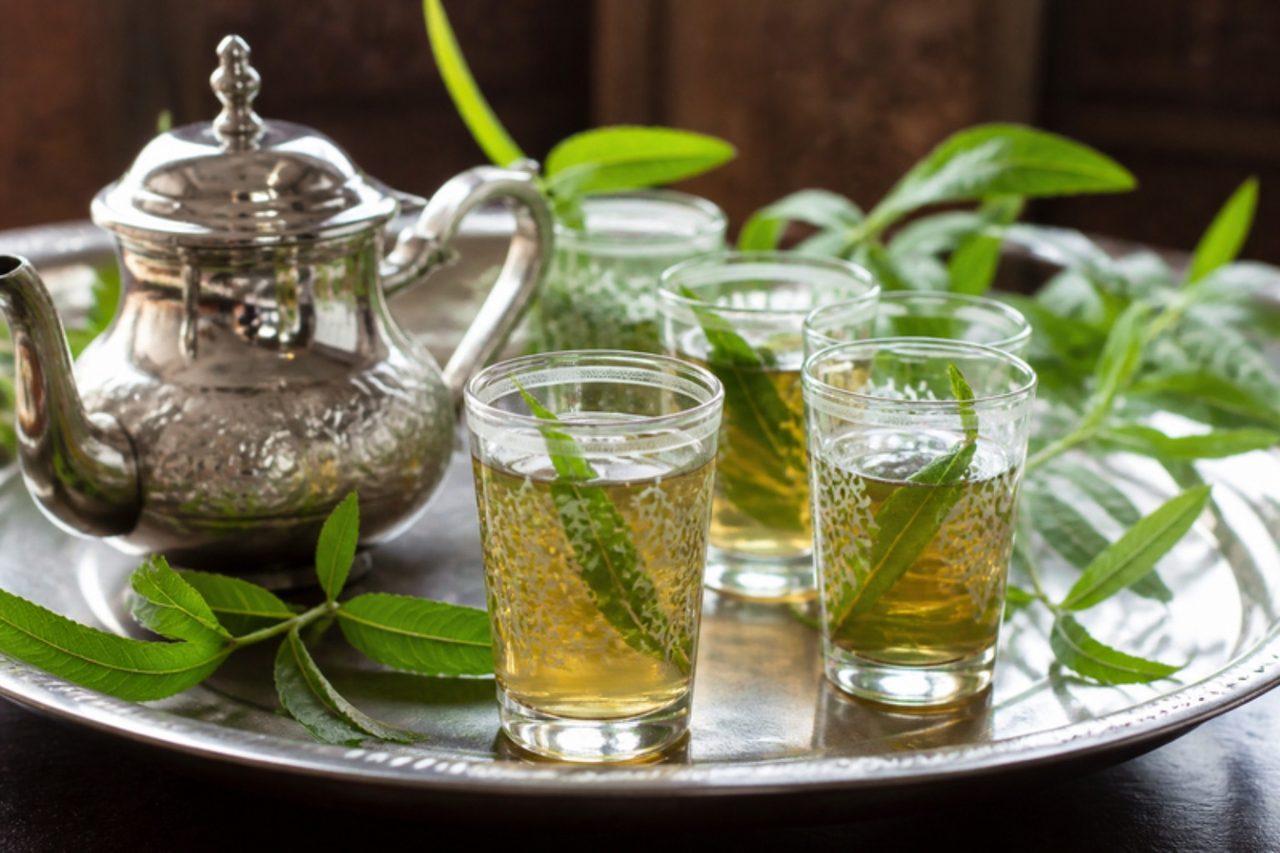
After a big dinner or before bed, many Moroccan households swap green mint tea for a pot of louiza, lemon verbena, whose long, narrow leaves give a pale golden infusion that smells of lemon sherbet and has no caffeine. The fresh herb is sold in bunches alongside mint and absinthe at market herb stalls, and dried leaves keep all year. Drink it plain, lightly sweetened, or brewed with a few mint sprigs. It is soothing, clean-tasting and fragrant. Chef's tip: pour boiling water over the leaves and let them steep off the heat for 5 minutes; boiling the leaves in the pot, a common mistake, turns the tea grassy and bitter.

by KrazyBadal 0 views

Merluza a la sidra

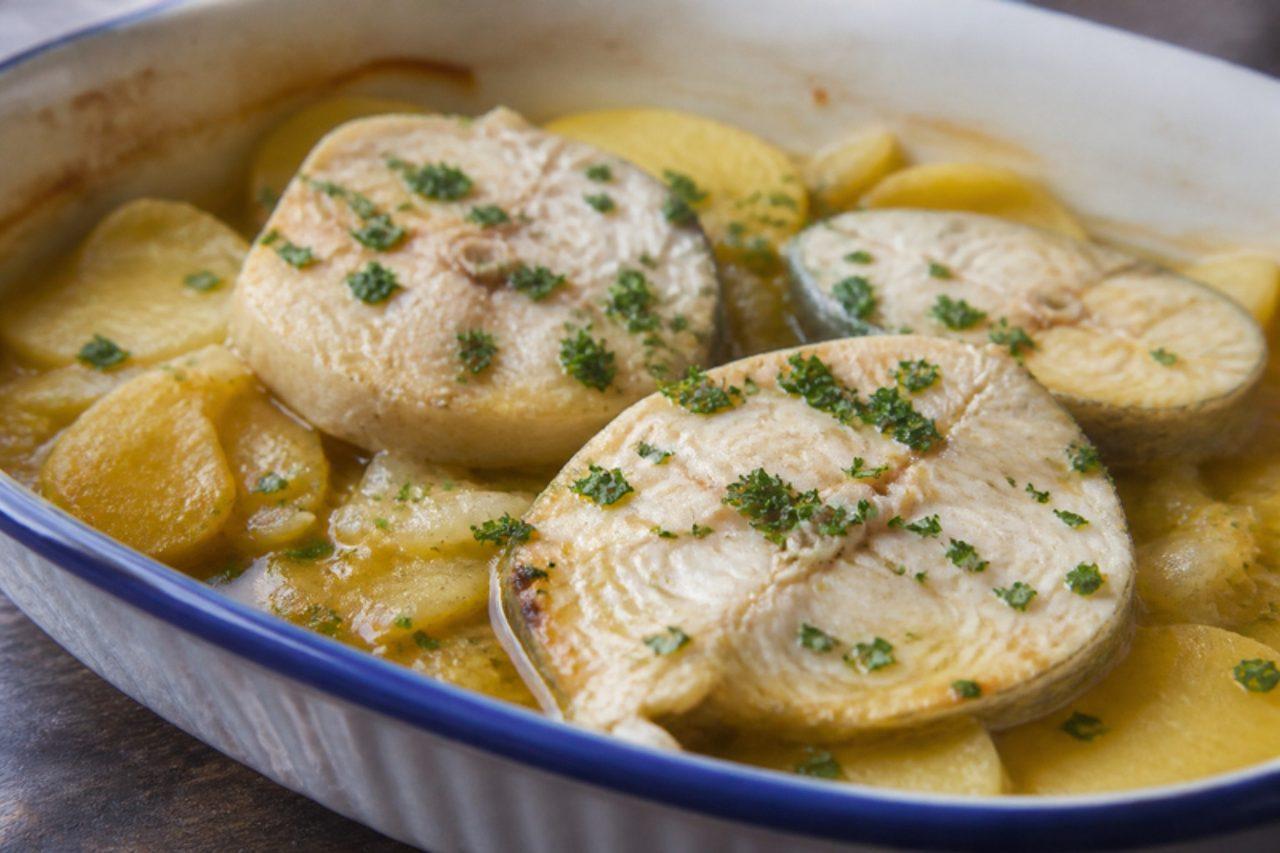
Asturias has two great loves at table, the fish landed at ports like Cudillero and Avilés and the cider pressed from its orchards, and merluza a la sidra brings them together. Families cook it for Sunday lunch, the hake settled on a bed of soft onion and potato with cider poured over, until the sauce turns sweet-sharp. The cider is alcoholic; cloudy apple juice with a little cider vinegar makes a good alcohol-free swap. Chef's tip: add the hake only when the potatoes are nearly tender, so the fish stays juicy.

by KrazyBadal 0 views

Tapao de pescado

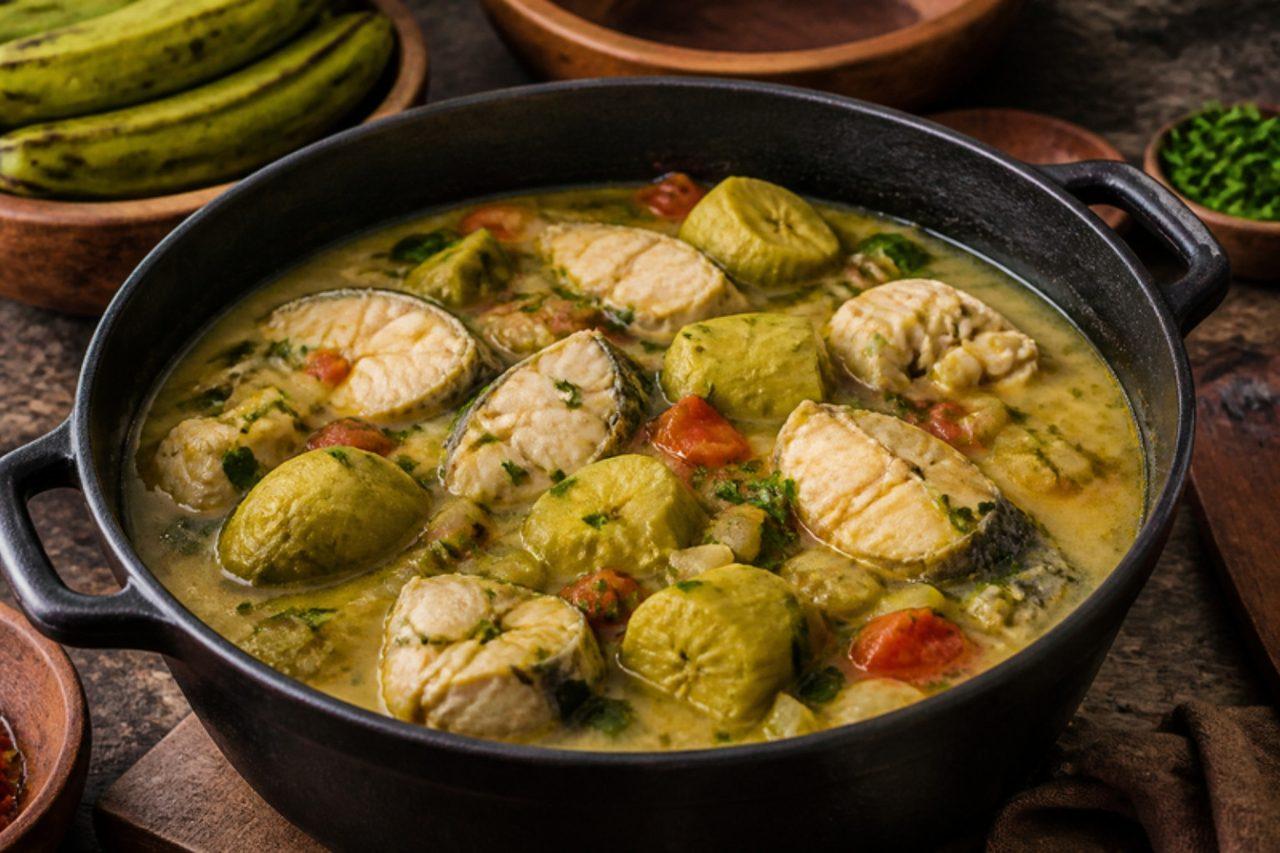
Quibdó's riverside kitchens and the villages along the Atrato and Baudó rivers make tapao, which simply means 'covered': fish and chunks of green plantain cooked in a little water and a refrito of onion, tomato and herbs, with the pot sealed under a plantain leaf and a lid so it all cooks in its own steam. There's no coconut, unlike the Pacific's encocados, so it tastes clean and brothy, of fish and herbs, with the plantain soaking up the juices and thickening them slightly. It's a weekday dish, often made with bocachico or other river fish, and eaten from deep plates with a spoon and fingers. Adding the fish with the plantain from the start is a common slip; the plantain needs a head start or the fish falls apart before the plantain is tender. Chef's tip: if you can find bocachico or another river fish, use it; otherwise sea bream or tilapia steaks with the bone in give the broth the best flavour.

by KrazyBadal 0 views

Cachama frita

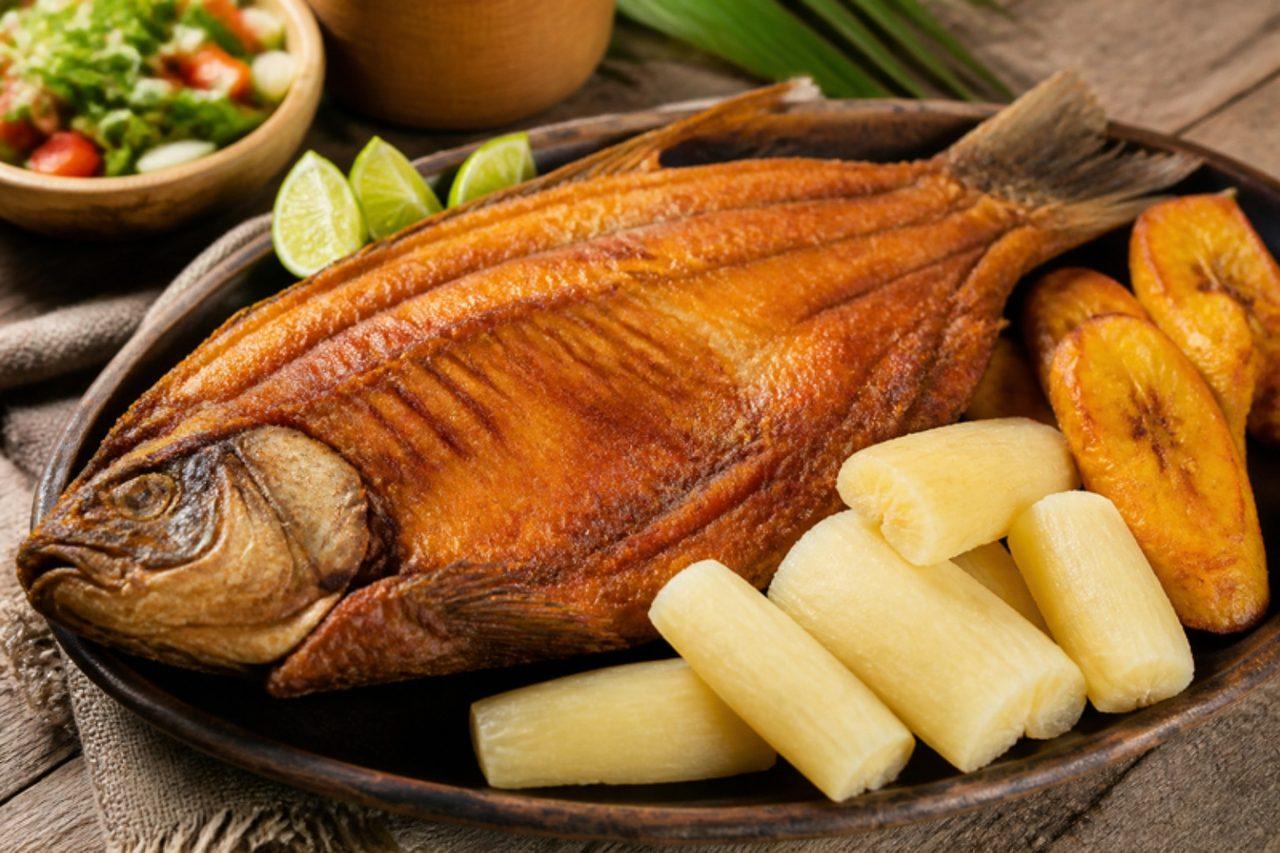
Roadside restaurants on the way from Bogotá down to Villavicencio and Restrepo sell cachama by the hundred at weekends: a farmed river fish of the Orinoco basin (the same family as pacu), opened out like a book, seasoned with garlic, cumin and lime and fried until the edges turn to crisp, salty lace. Its flesh is firm, fatty and sweet, and the rib bones, fried crisp, are half the pleasure. It comes with boiled cassava, ripe plantain tajadas and a little tomato salad. Outside Colombia, look for frozen whole pacu or cachama in Latin or Asian shops; otherwise use pompano or a large sea bream. A soggy, greasy fish usually means the oil wasn't hot enough; keep it at 180 °C and fry one at a time. Chef's tip: score the thick side of the fillet in a fine crosshatch down to the bones; the fine intramuscular bones fry crisp and the heat reaches the thickest part.

by KrazyBadal 0 views

Smen (salted, herbed butter)

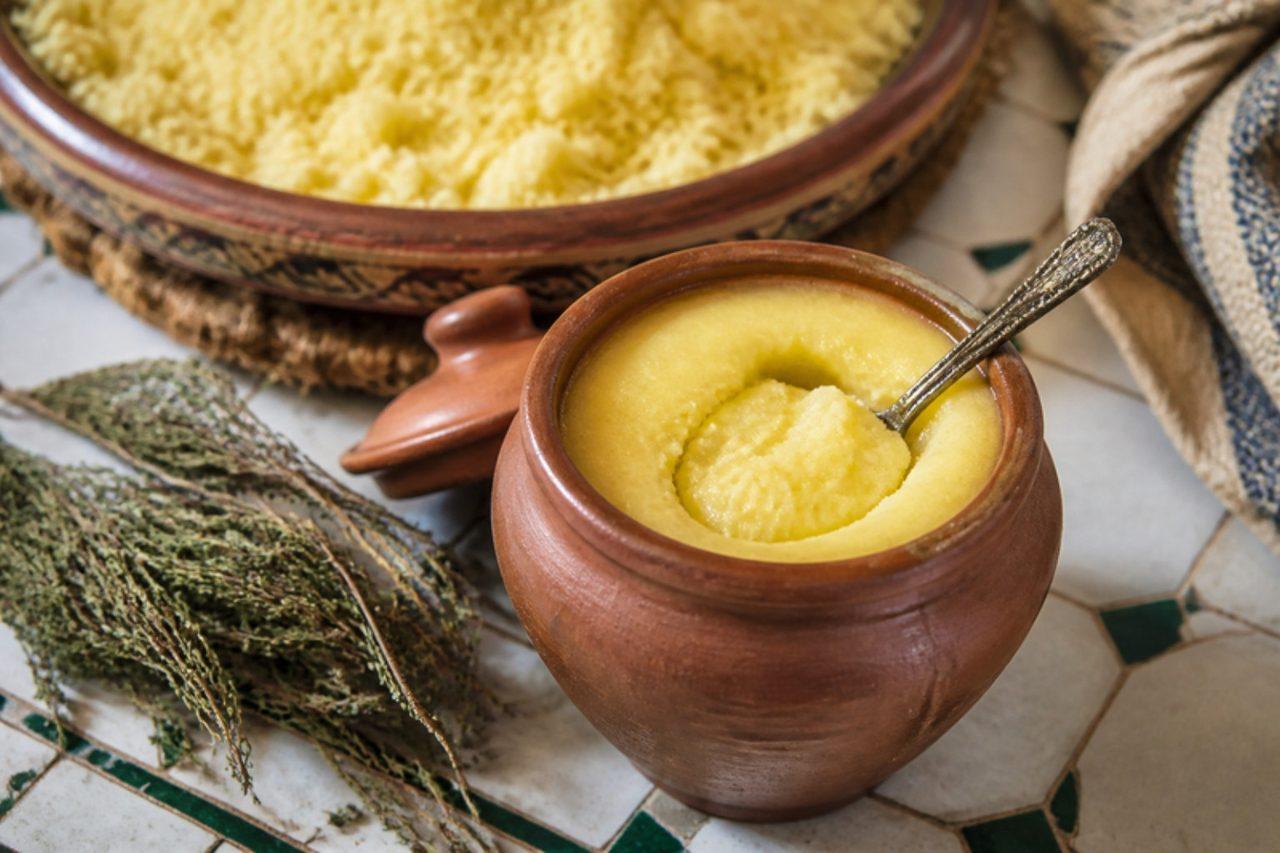
Atlas households once kept jars of smen for months, even years, until the salted butter developed a pungent, almost blue-cheese aroma; a spoonful stirred into couscous, harira or a chicken tagine gives a depth nothing else can. Long ageing at room temperature is risky at home, so this is a safer fridge version: pasteurised unsalted butter is simmered with dried za'atar or oregano, strained, salted and then matured in the fridge for 2–4 weeks, which gives a mellow, nutty, faintly tangy smen rather than the fiercely strong old kind. For the real long-aged flavour, buy smen from a reputable shop. Use it a teaspoon at a time; it is meant as a seasoning, not a cooking fat. The mistake to avoid is leaving any milk solids or water in the butter, as that is what turns it rancid or mouldy rather than pleasantly aged. Chef's tip: strain it through muslin until perfectly clear; any milky bits left in the jar are what turn butter rancid.

by KrazyBadal 0 views

Mazamorra antioqueña

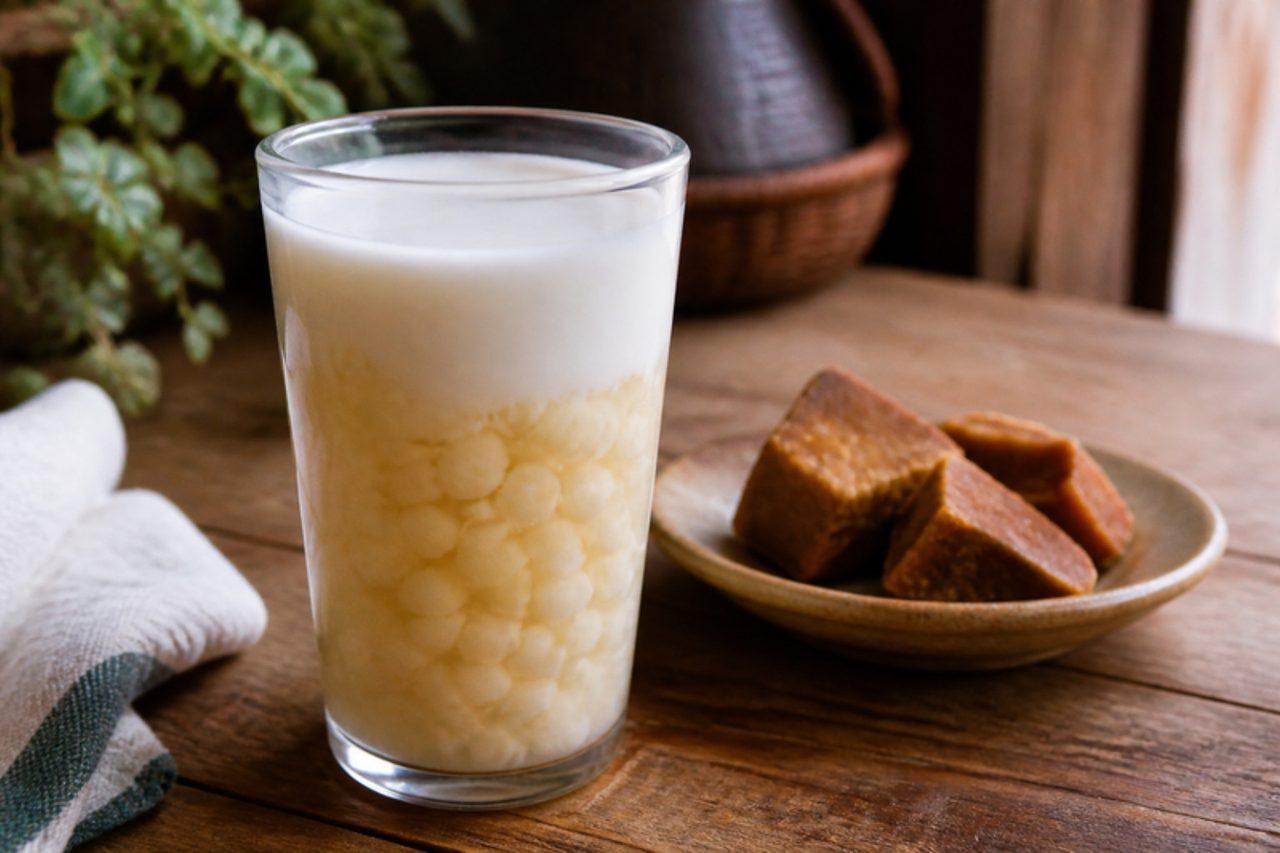
Paisas finish lunch with a glass of mazamorra the way others take dessert: soft, swollen kernels of hulled white corn in their own starchy cooking liquid, topped up with cold milk and eaten with a piece of panela or guava paste to nibble between sips. In Medellín it is sold from carts as well as made in big pots at home for the week, and it is mild, milky and quietly filling. Look for dried hulled white corn (maíz pilado or peto) in Latin American shops. Soak it overnight first. A common mistake is serving it before the corn is fully soft; the kernels should split open and be tender to the bite. Chef's tip: save the thick cooking liquid; it gives the drink its silky body, and the corn keeps in it for 4 days in the fridge.

by KrazyBadal 0 views

Şalgam

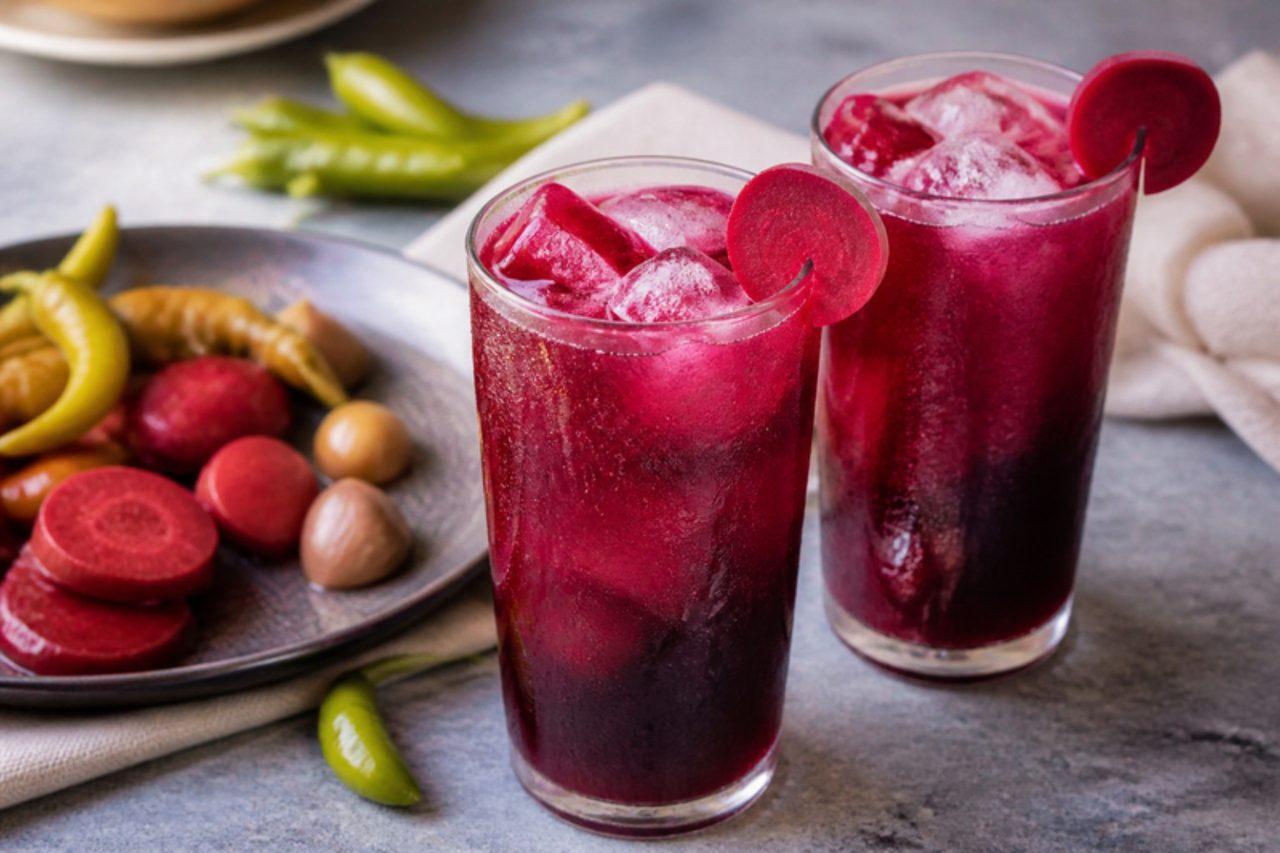
Order an Adana kebab in its home city and a tall glass of şalgam arrives with it, deep purple, salty, sour and often fiery. It is made by fermenting black carrots with a little bulgur and salt for a week or more, and the sharpness clears the palate between bites of lamb and grilled onion. Street carts in Adana sell it by the glass in summer. This home version skips the separate bulgur-sour-dough stage the big producers use. Use non-iodised salt: iodised salt can stall the ferment. Chef's tip: taste from day 5; when it is sour enough to make you blink, strain and chill it, because it keeps fermenting at room temperature.

by KrazyBadal 0 views

Trucha a la manteca

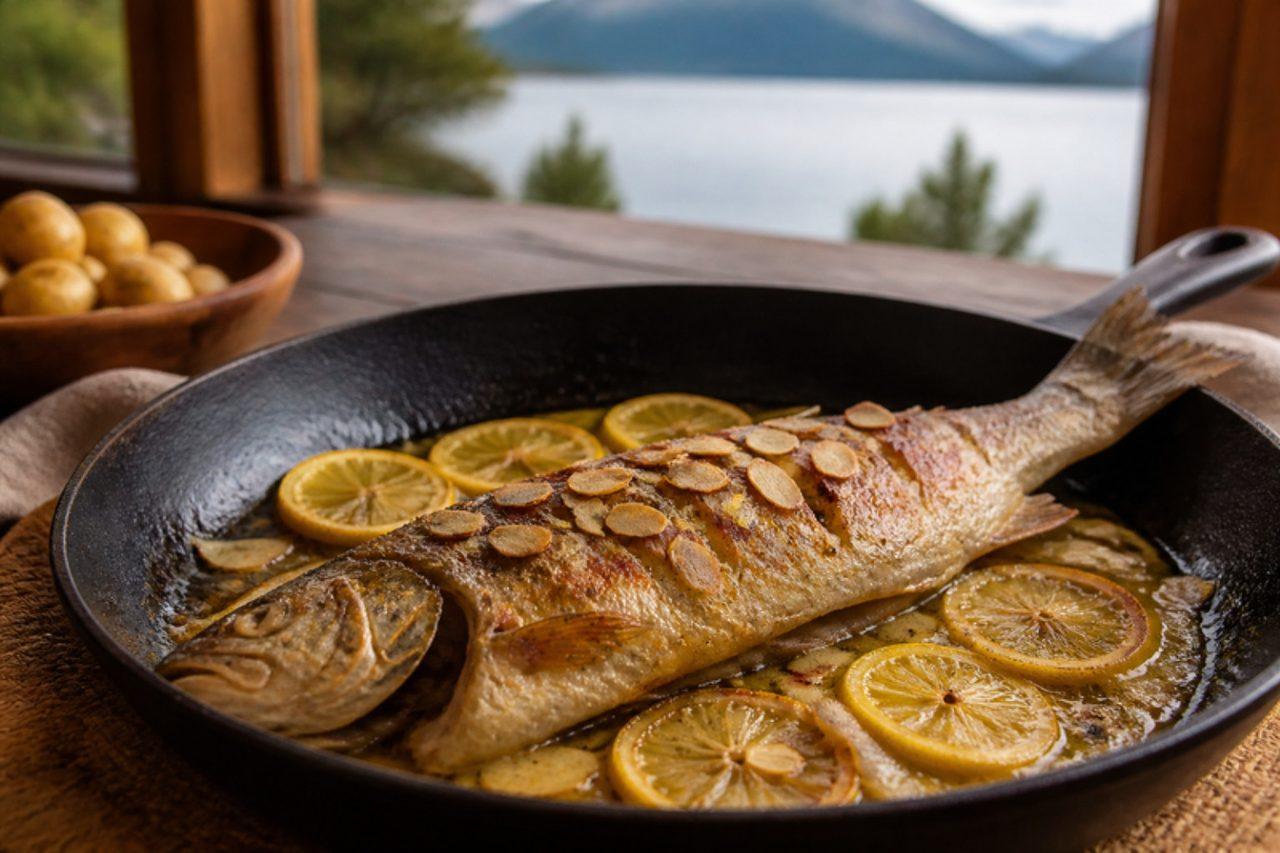
Restaurants on the shores of Nahuel Huapi, in Bariloche and Villa La Angostura, put rainbow trout from the cold Andean lakes on almost every menu, and this butter version is the one locals order most. Fillets are fried with crisp skin, then drenched in butter browned with flaked almonds and sharpened with lemon. Serve with boiled new potatoes and a green salad. Any trout or char works. People commonly start the fish in butter, which burns before the skin crisps; fry it in a film of oil and make the brown butter after. Chef's tip: dry the skin really well and dust it with rice flour; it gives a thin, glassy crust without any gluten.

by KrazyBadal 0 views

Mojarra frita

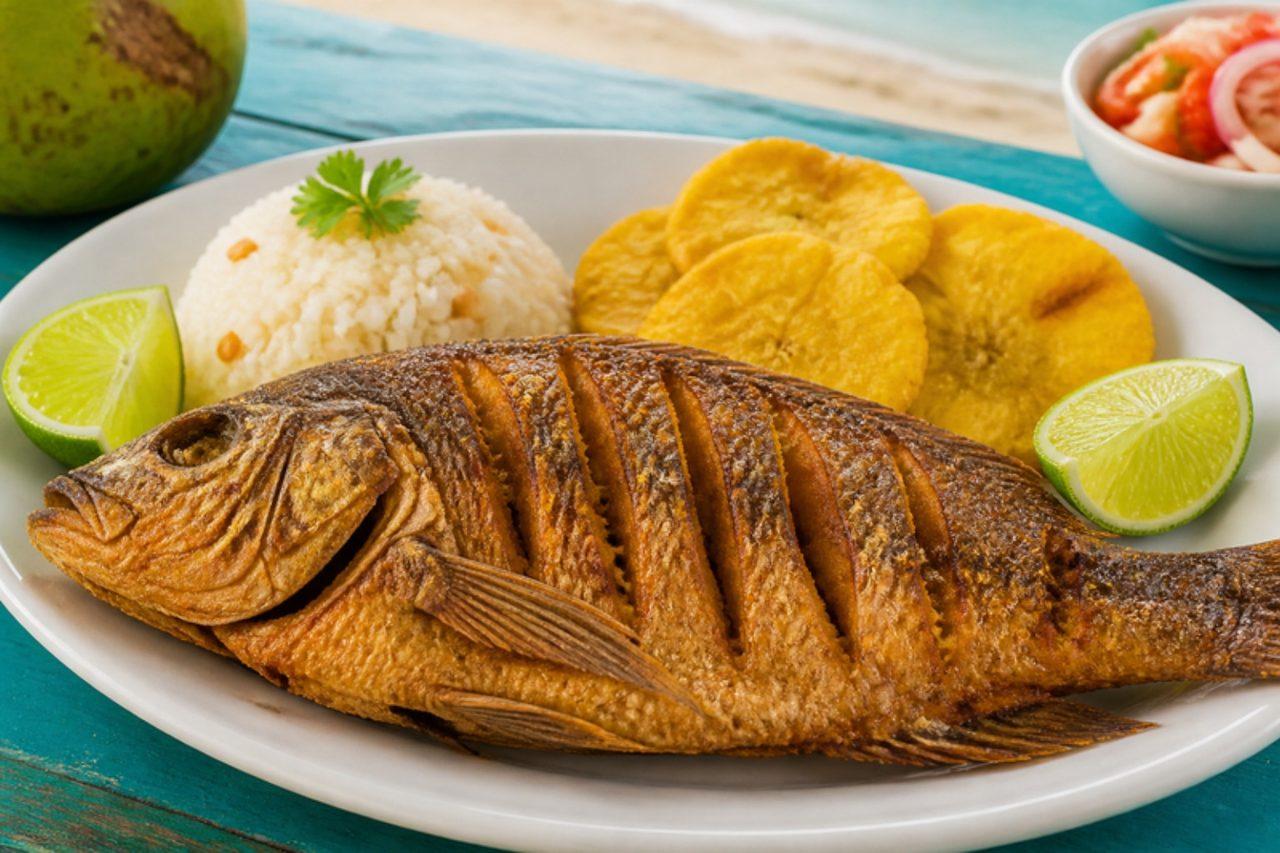
On the beaches of Bocagrande and in the open-air kitchens of La Boquilla outside Cartagena, the lunch plate is a whole mojarra (tilapia) fried until its fins crackle, served with coconut rice, smashed green plantain patacones and a tomato and onion salad with lime. The skin goes shatteringly crisp, the flesh stays sweet and moist, and you eat it with your fingers, pulling meat off the bone. Scoring the sides lets the heat and seasoning reach the thick part near the spine. The mistake to avoid is putting a wet fish into the oil, which spits dangerously and leaves the skin soggy: pat it very dry and dust it lightly. Chef's tip: fry one fish at a time in plenty of oil and don't move it for the first 4 minutes, so the skin sets before you turn it. Serve with arroz con coco for the full Caribbean plate.

by KrazyBadal 0 views

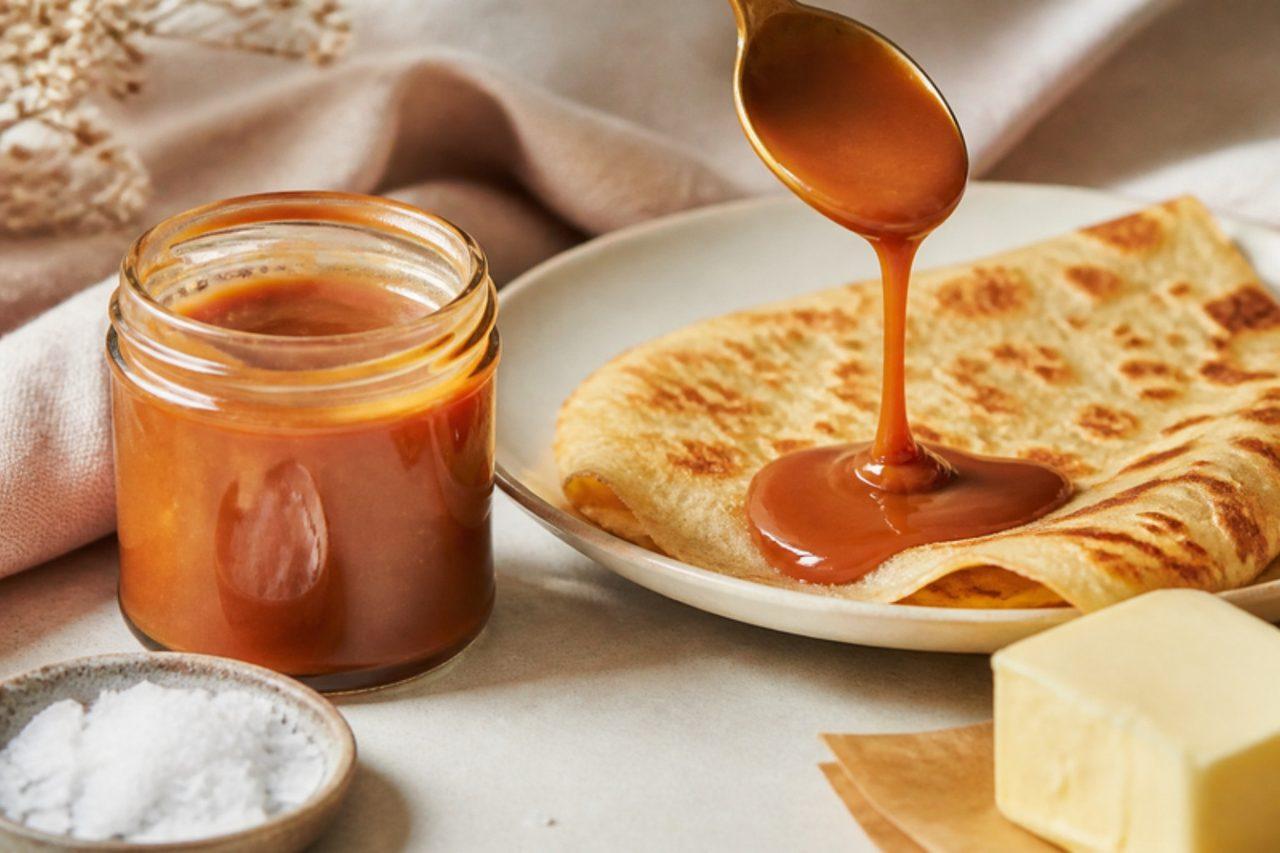
Salted butter caramel

Salted butter caramel was made famous by a confectioner in Quiberon in the 1970s, and now every crêperie from Rennes to Brest pours it over sweet crêpes, and every Breton cupboard has a jar for ice cream, apples or simply a spoon. Brittany kept the habit of salted butter long after the rest of France, so the salt is part of the flavour, not a trend. The caramel is cooked dark, loosened with hot cream and finished with butter flecked with sea salt. It keeps for two weeks in the fridge. Chef's tip: warm the cream before adding it; cold cream makes the caramel seize into hard lumps and spit furiously.

by KrazyBadal 0 views

Panaché (Moroccan mixed fruit milkshake)

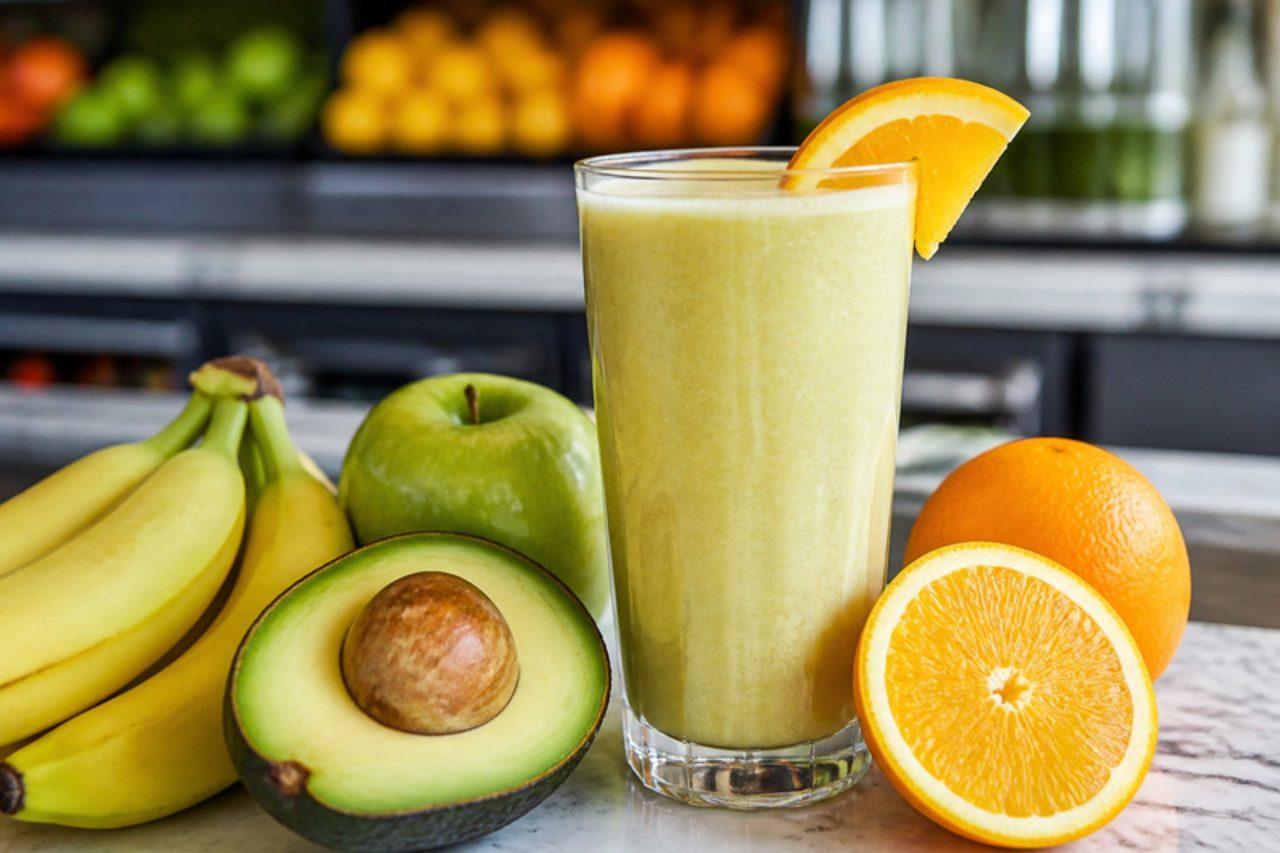
Juice bars from Tangier to Agadir list a 'panaché' on the board, which in Morocco means a thick milkshake blended from whatever mix of fruit is in season, most often banana, apple, avocado and orange, served in a tall glass and sometimes topped with chopped dried fruit and nuts. Avocado is used as a sweet fruit here, and it makes the drink extra creamy. It is a favourite after school, as a quick breakfast or after an afternoon in the medina. Make it just before drinking: the orange juice can make the milk turn slightly grainy and the avocado darkens if it stands, which is the usual mistake. Chef's tip: use a ripe, soft avocado and a banana with brown freckles for natural sweetness, so you need very little sugar.

by KrazyBadal 0 views

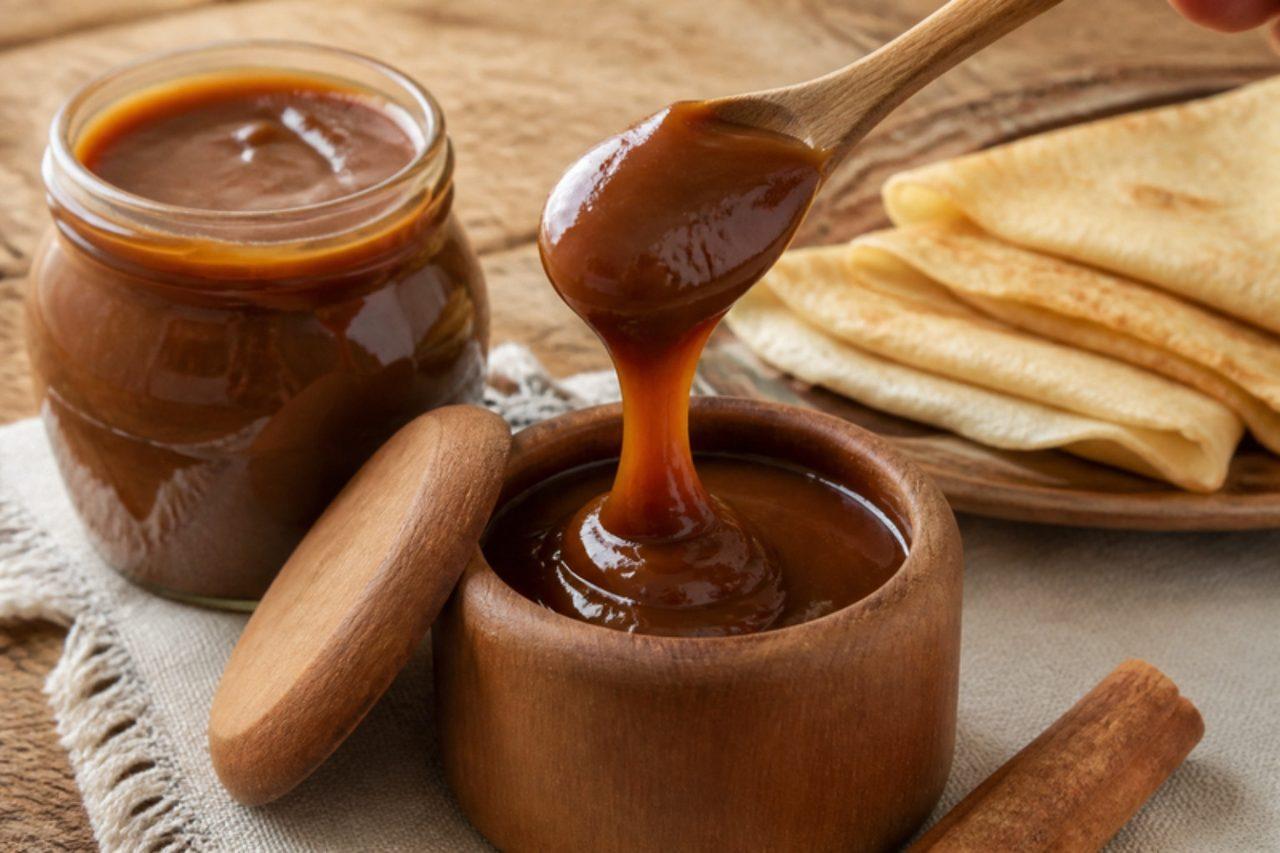
Cajeta de Celaya

Celaya, in the Bajío of Guanajuato, has made cajeta for centuries, once packing it into little wooden boxes (cajetes) that gave it its name. It is caramel cooked from goat's milk, so it is looser and has a gentle tang compared with the cow's-milk dulce de leche of Argentina. Mexicans spread it on crêpes and churros, pour it over ice cream, sandwich it between obleas (wafers) and turn it into glorias. A splash of rum-flavoured 'envinada' cajeta exists, but this one is plain and alcohol-free. Chef's tip: use a pan at least three times the volume of the milk; it foams high when the bicarbonate goes in.

by KrazyBadal 0 views

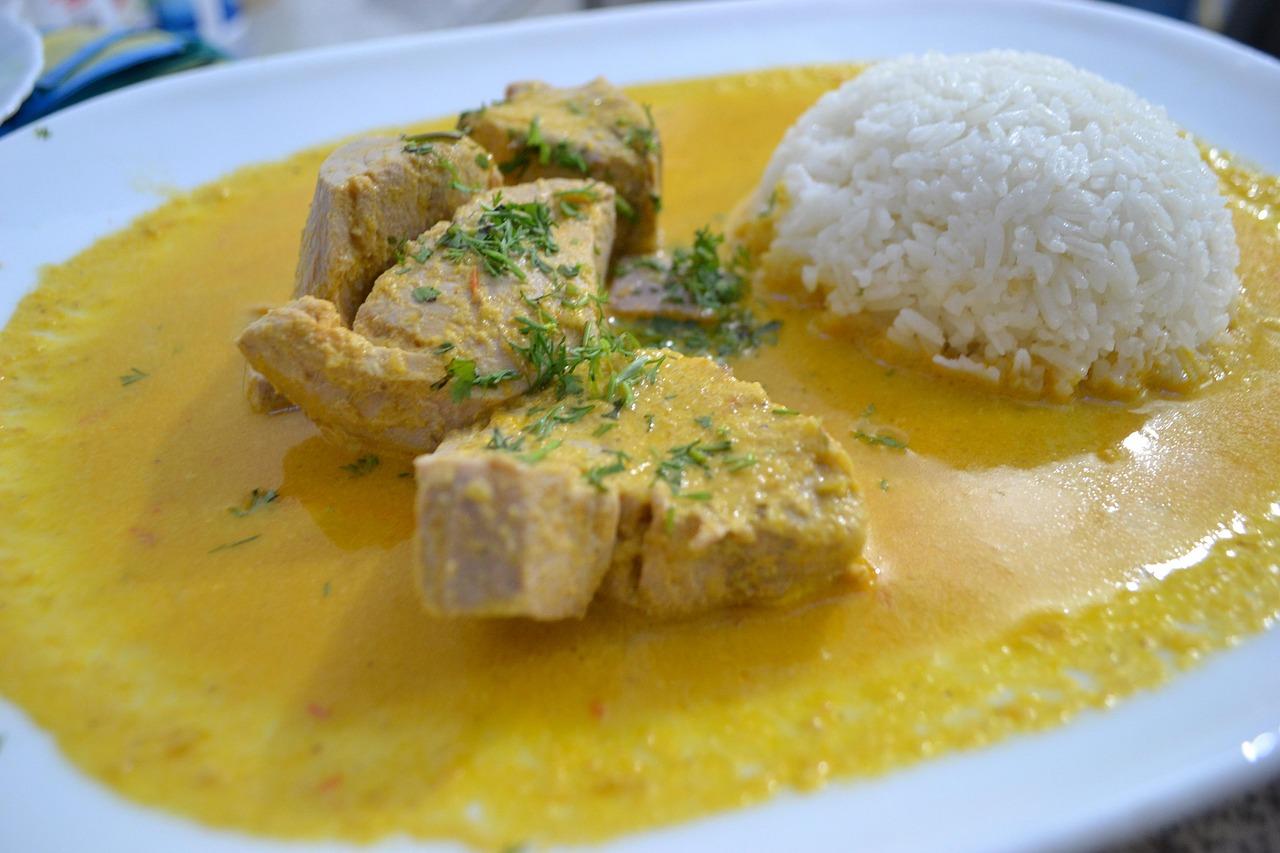
Encocado de pescado

Fishing towns of the Colombian Pacific, from Buenaventura's Pueblo Nuevo market to the stilt houses of Tumaco, cook their catch in coconut milk scraped from fresh coconuts, with a refrito of onion, peppers and garlic and the coast's wild herbs: chillangua (culantro), poleo and oregano cimarrón. Encocado is lighter and more herbal than many coconut stews, mild rather than hot, with the fish just cooked in a creamy, pale-orange sauce. It is eaten at lunch with white or coconut rice and patacones or boiled green plantain. Boiling the coconut milk hard after the fish goes in is the classic error: the sauce splits and the fillets toughen, so keep it at a gentle bubble. Chef's tip: culantro (sawtooth coriander) is sold in Asian and Caribbean shops; if you can't find it, use twice the amount of ordinary coriander plus a few mint leaves to stand in for poleo.

by KrazyBadal 0 views

Rhode Island clam cakes

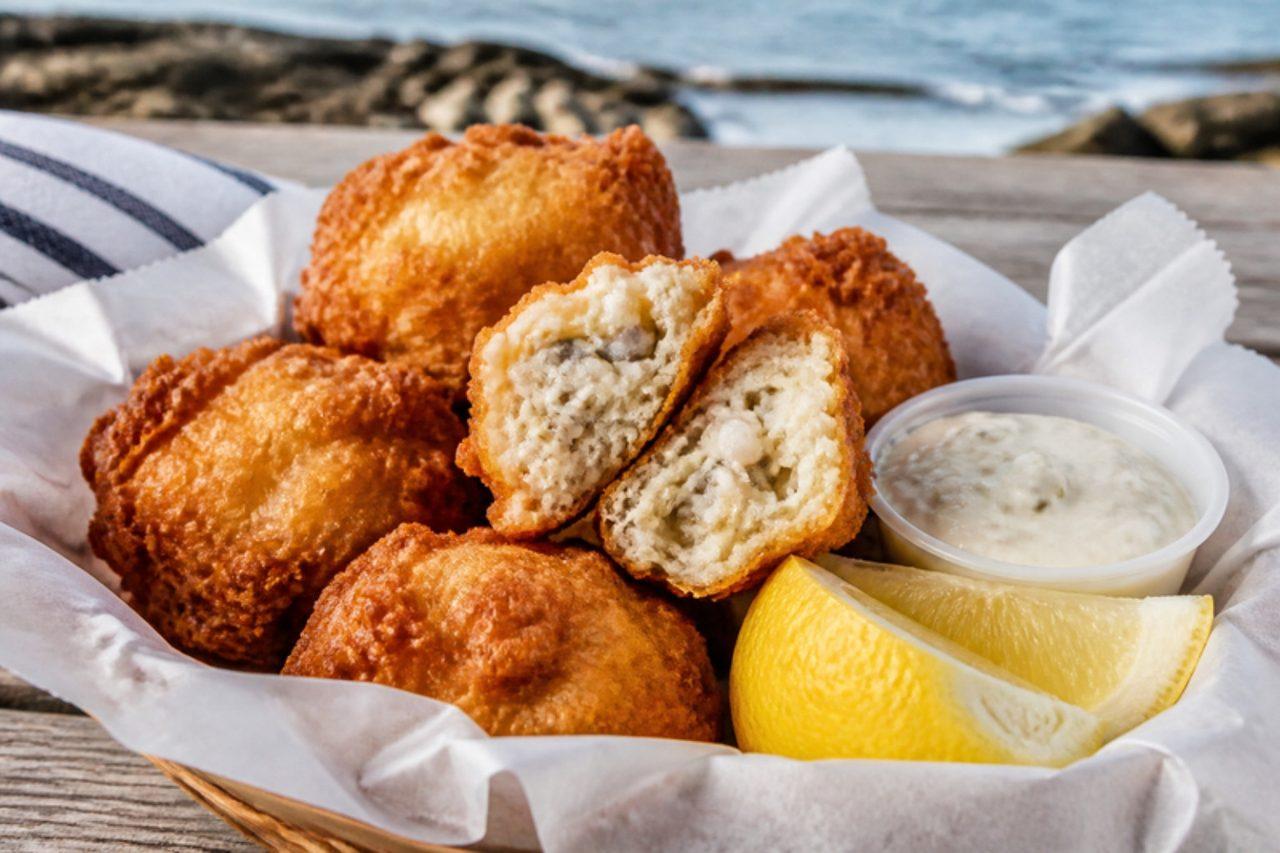
At beach shacks along Narragansett Bay and in Galilee, clam cakes are bought by the paper bag, half a dozen at a time, to dunk in a cup of clear clam chowder. They are not patties but craggy, golden fritters, crisp outside and soft inside, studded with chopped quahog clams. Chef's tip: use the clam juice as part of the liquid; it puts the sea flavour into every bite of batter.

by KrazyBadal 0 views

Agua de fresa cremosa

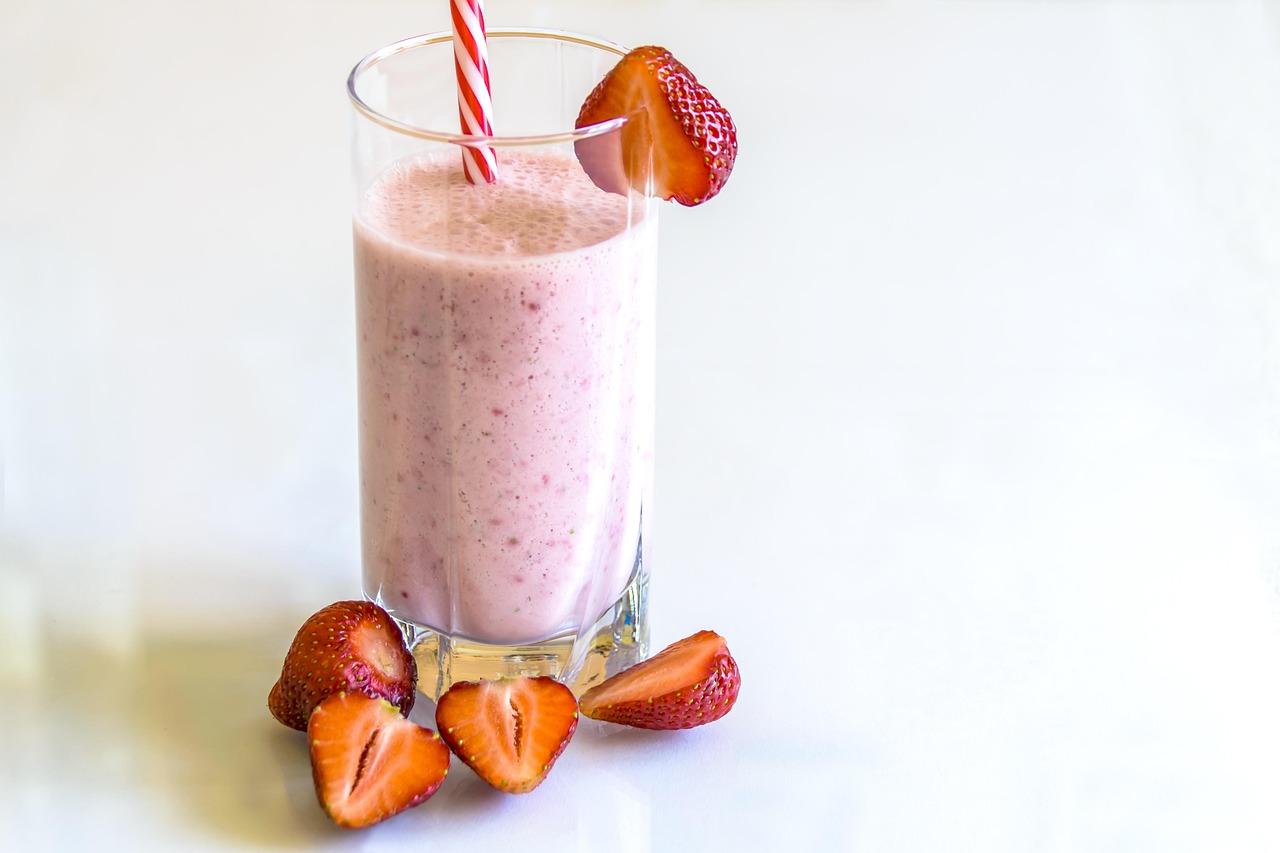
In Hidalgo, the pulque country north of Mexico City, the pulquerías serve curados: pulque blended with fruit, and the strawberry one is pink, thick and creamy. Home cooks and taquerías make this alcohol-free cousin for the whole family, a strawberry agua fresca blended with evaporated milk, so it is like a light milkshake that you drink with tacos on a hot afternoon. It contains no pulque or alcohol. Chef's tip: use the ripest, darkest strawberries you can find; pale ones give a thin, sour drink.

by KrazyBadal 0 views

Mejillones a la provenzal

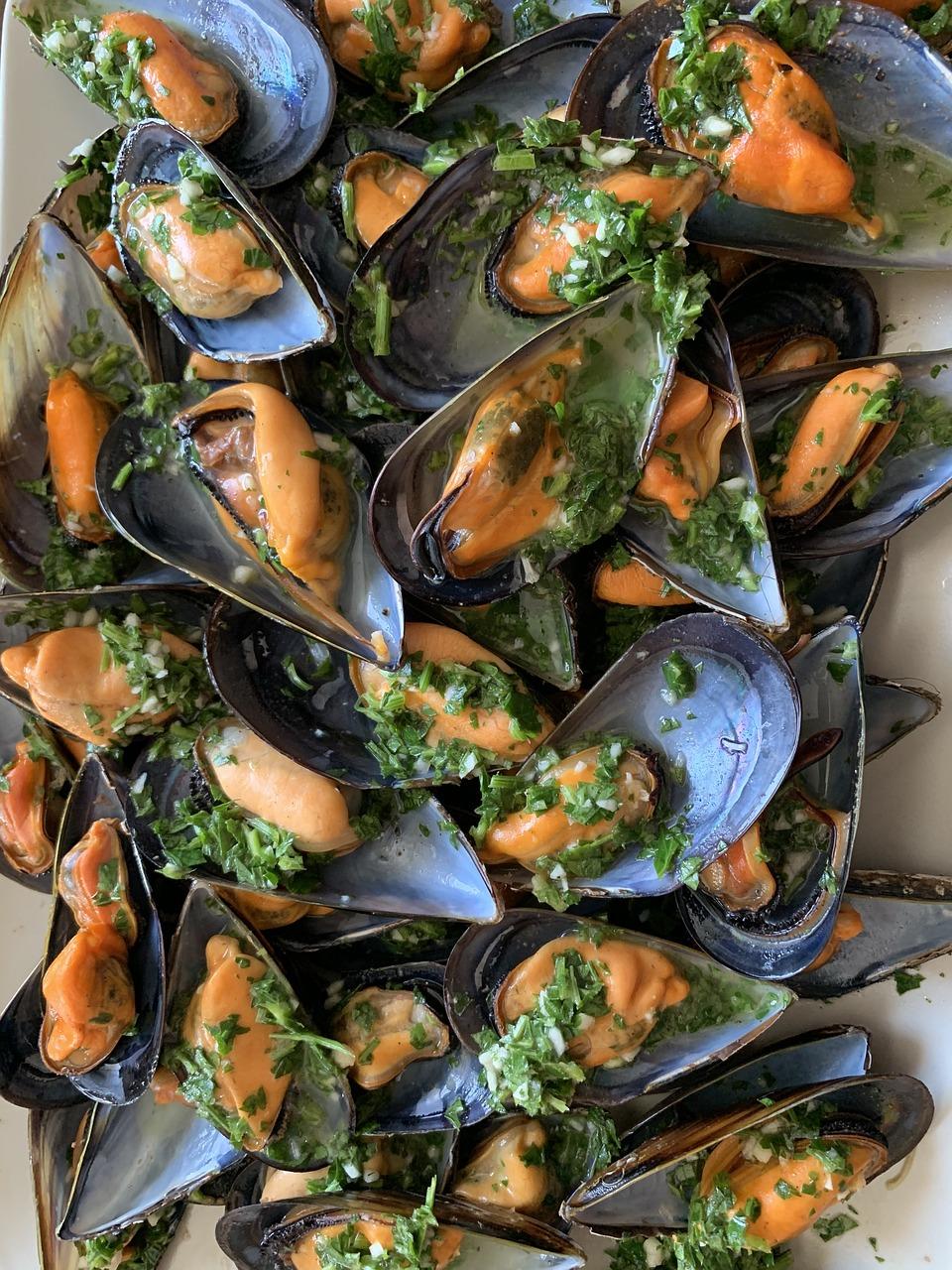
On the Atlantic coast around Puerto Madryn and the Golfo Nuevo, mussels from cold Patagonian waters are farmed and gathered in quantity, and seafood places along the rambla steam them a la provenzal, which in Argentina means lots of garlic and parsley. A splash of dry white wine goes into the pot; the alcohol mostly cooks off, but you can swap it for fish stock with a little lemon for an alcohol-free pot that tastes just as good. Serve with bread or chips to mop up the briny juices. Cooking mussels too long is the usual slip: they shrink and turn rubbery, so lift the lid as soon as most have opened. Before cooking, throw away any mussel with a broken shell or one that stays open when tapped; after cooking, discard any that stay shut. Chef's tip: keep the garlic in gently warm oil until it just smells sweet; brown garlic turns bitter and dominates the mussels.

by KrazyBadal 0 views

Centolla gratinada

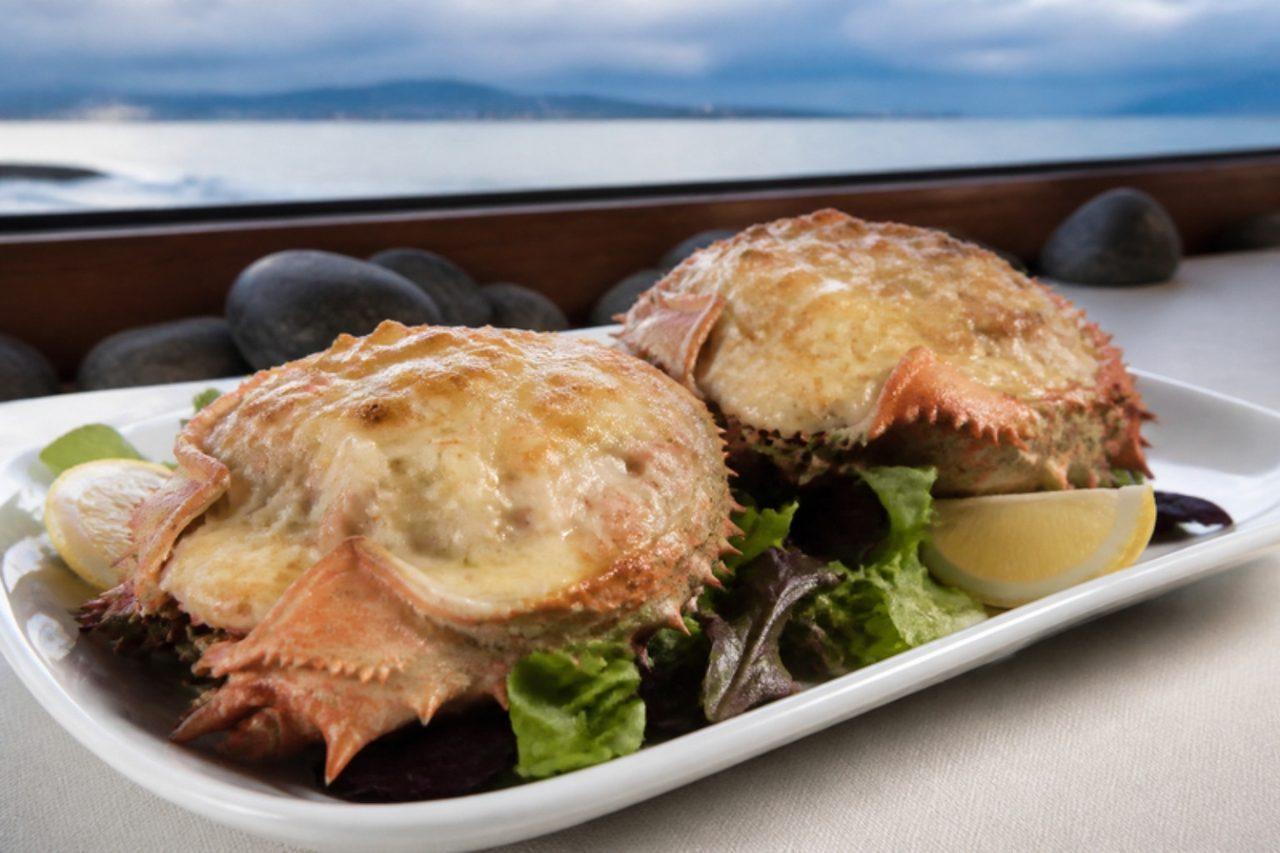
Centolla, the southern king crab hauled from the cold waters of the Beagle Channel, is Ushuaia's pride, and seafood restaurants along the harbour serve it gratinada: sweet chunks of leg meat in a light white sauce, crowned with cheese and browned under a fierce grill. It is rich, so serve it in small dishes as a starter with lemon and a green salad, plus crusty bread for anyone who can eat gluten. Buy cooked, frozen king crab legs or meat and thaw them in the fridge overnight; if you ever cook crab yourself, it must be alive when it goes into the pot. A frequent mistake is a sauce so thick and cheesy that the delicate crab disappears; keep it pourable and the cheese thin. Chef's tip: fold the crab in gently at the end, in big pieces, and let the oven only heat it; it is already cooked and turns stringy if it boils.

by KrazyBadal 0 views

Southern fried catfish

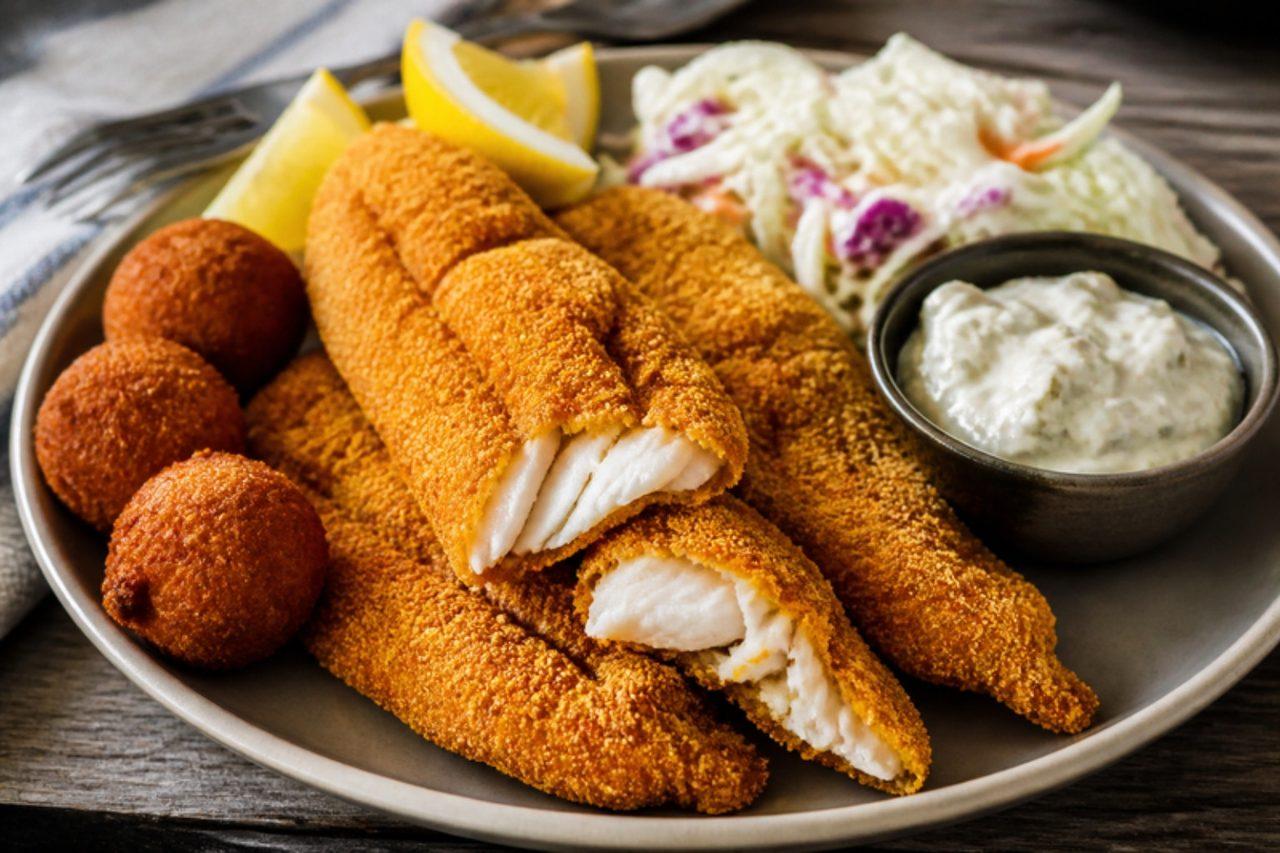
Fried catfish is the Friday night fish-fry and Delta church supper of Mississippi and Arkansas, where much of America's catfish is farmed. Fillets are soaked in seasoned milk or buttermilk, rolled in cornmeal and fried until the crust crackles and the mild, sweet fish inside flakes apart. Serve with hushpuppies, slaw and lemon. Chef's tip: cut thick fillets in half lengthways so they cook in the same time as the crust browns.

by KrazyBadal 0 views

Ras el hanout

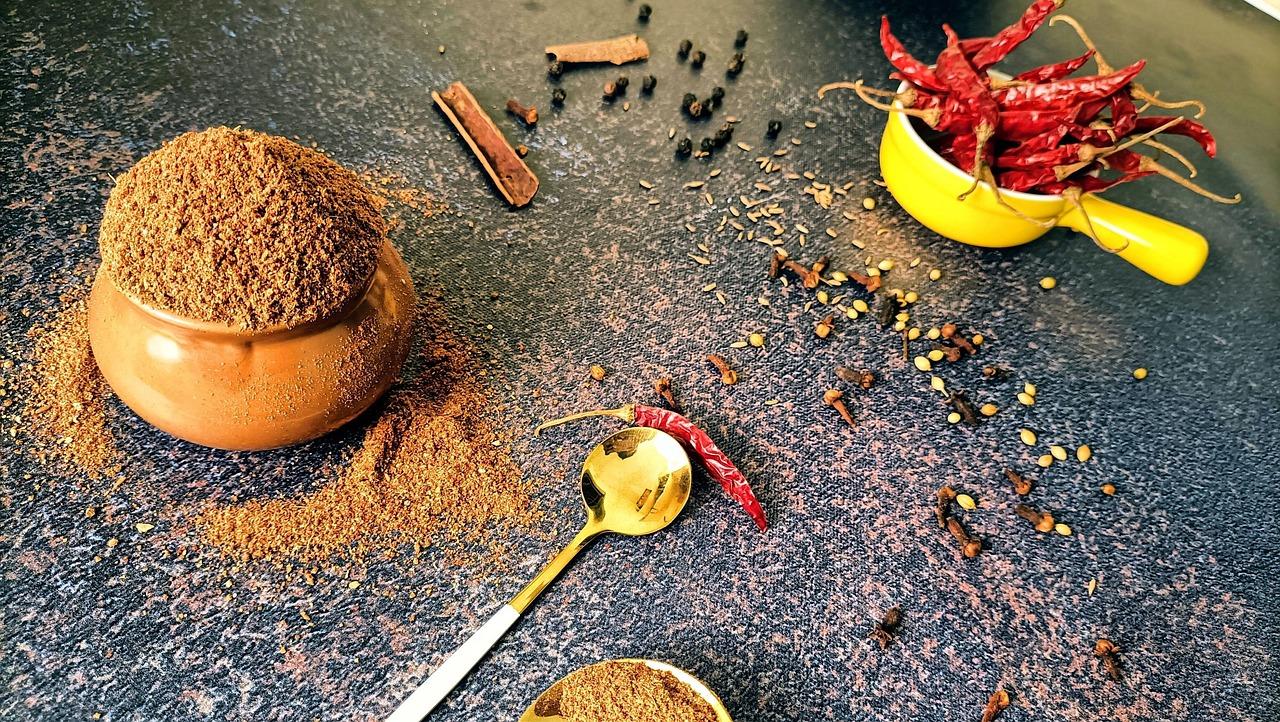
Ras el hanout means 'head of the shop', and every spice seller in the Marrakech souk will tell you theirs is the best: a warm, complex mix of a dozen or more spices that they grind to their own formula. This home version balances earthy cumin and coriander with sweet cinnamon, ginger and turmeric, the perfume of cardamom and dried rosebuds, and the heat of black pepper. Rub it on vegetables before roasting, stir a teaspoon into tagines, lentils or couscous broth, or season chickpeas and roast pumpkin with it. Toasting the whole spices first takes 5 minutes and makes a real difference. Chef's tip: make small batches and store the blend in a sealed jar away from light; it is at its best for about 3 months.

by KrazyBadal 0 views

Showing 24 of 505 recipes

Show more recipes

Page 1 of 22