Skip to content
WhatToEat.Today

All recipes

27

Vegetarian, or something you can't eat? Set your diet once and we'll hide recipes that don't fit.

Ilish bhajaFried hilsa fish

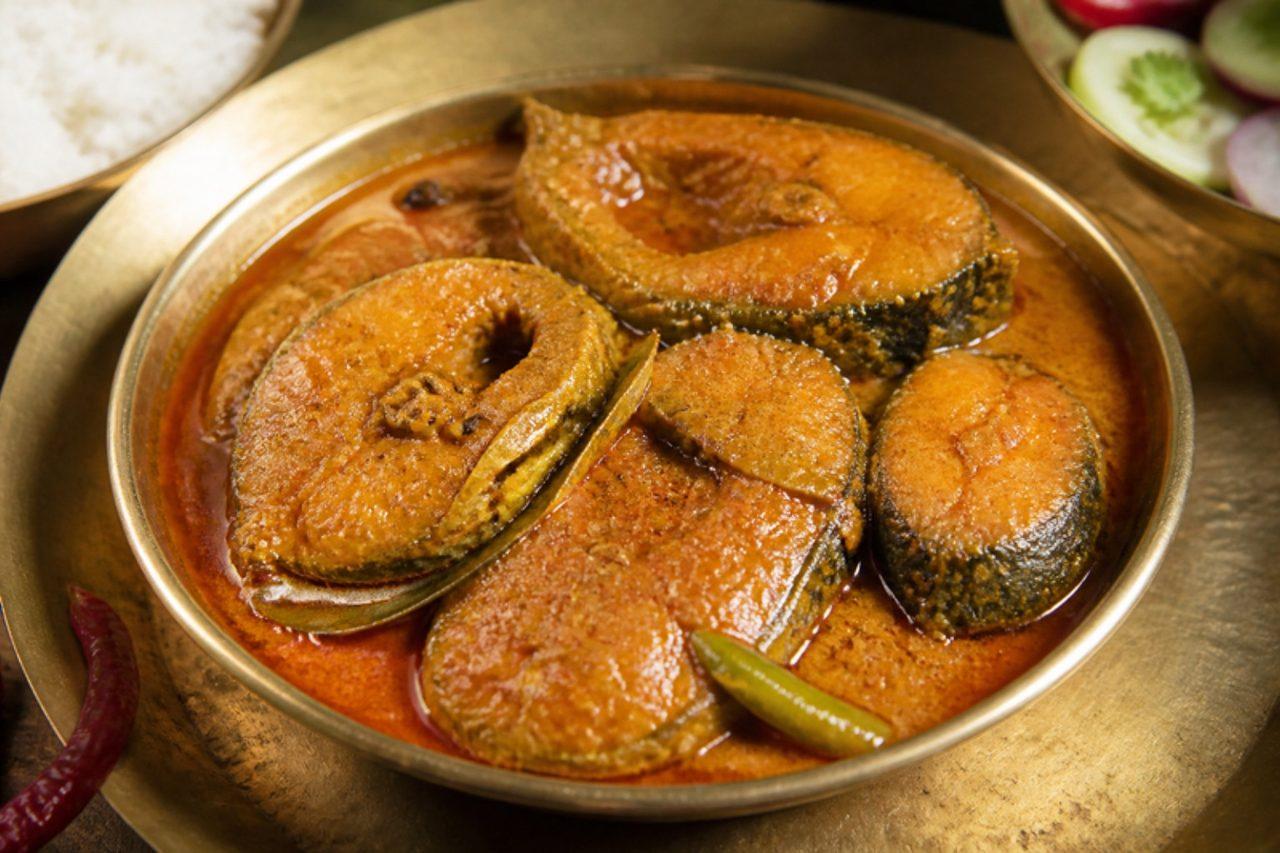
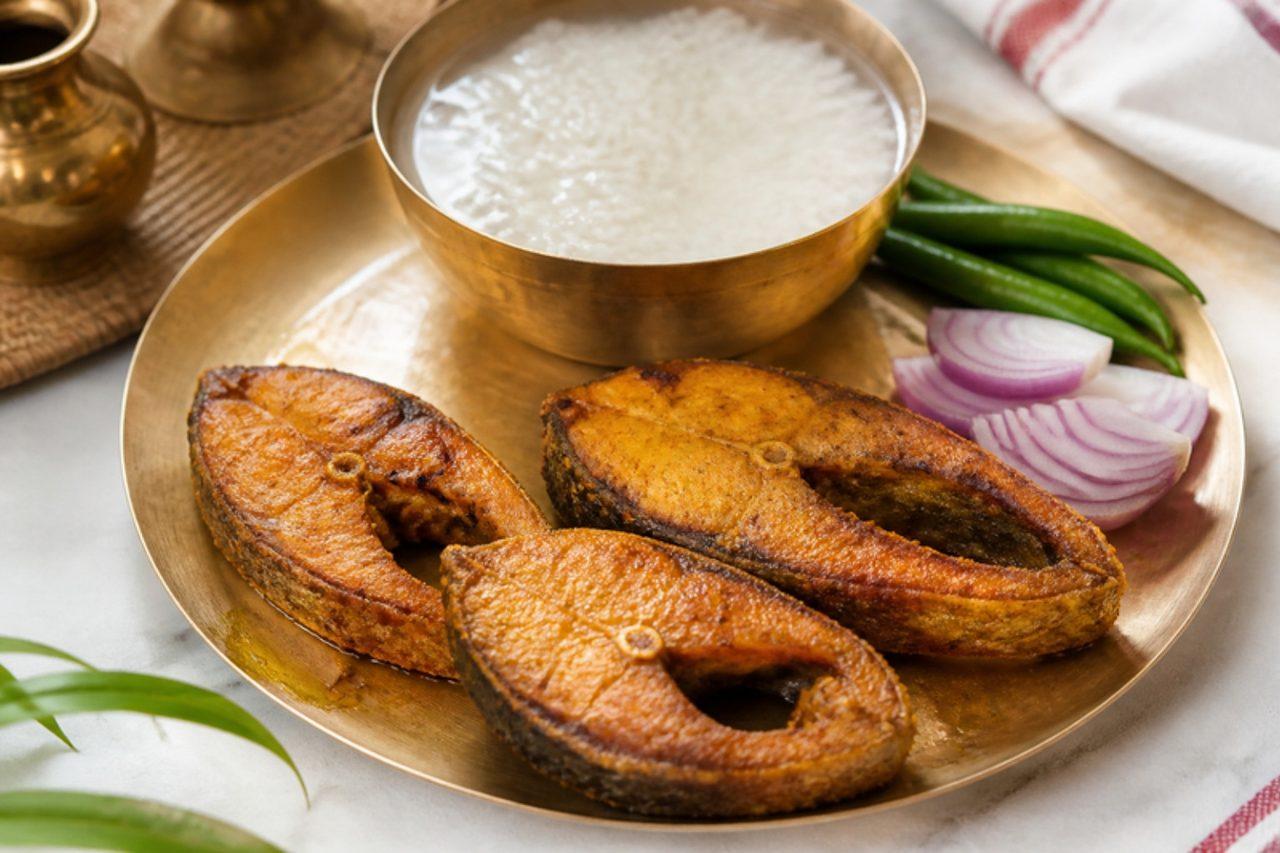
Breakfast on Pohela Boishakh in Dhaka means panta bhat, rice soaked overnight in water, eaten under the trees at Ramna with crisp fried hilsa, raw onion and green chilli. Ilish bhaja is the simplest way to cook Bangladesh's national fish: steaks rubbed only with turmeric and salt and fried in mustard oil until the edges crisp and the rich, oily flesh turns soft and sweet. The oil left in the pan, perfumed with the fish, is poured over rice and is half the pleasure. The common mistake is turning the steaks too soon, which tears the delicate skin; leave them until they release from the pan by themselves. The fish is done when the flesh is opaque right through and flakes away from the central bone. Chef's tip: hilsa is full of fine bones, so eat it slowly with your fingers and warn guests who have not tried it before.

by KrazyBadal 0 views

Isubgul sharbatPsyllium lemon drink

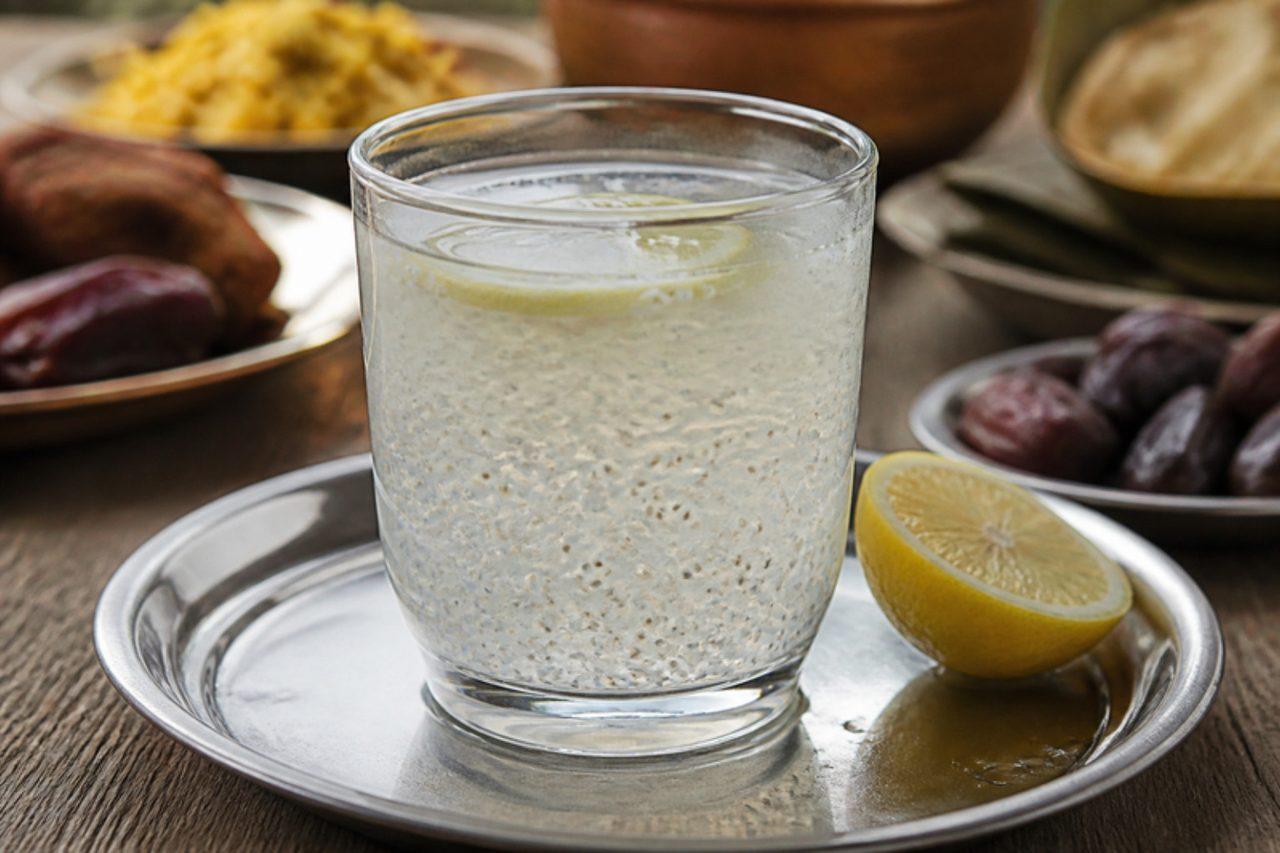
Many Bangladeshi grandmothers insist on a glass of isubgul sharbat at iftar or before sehri, and in Dhaka's old neighbourhoods it is sold from shops alongside tokma and lebu sharbat throughout Ramadan; the psyllium is valued for keeping digestion comfortable during the fast. Stirred into sweetened lemon water, the husk swells into a soft, slightly thick drink with a mild, neutral taste. The classic mistake is letting it stand: psyllium keeps absorbing water and sets into a jelly within minutes, so mix it just before drinking. Drink plenty of water as well, and anyone taking regular medication should space it at least two hours away from psyllium. Chef's tip: sprinkle the husk on top and whisk immediately with a fork rather than spooning it in a heap, so it disperses without lumps.

by KrazyBadal 0 views

Tokma sharbatBasil seed lemon drink

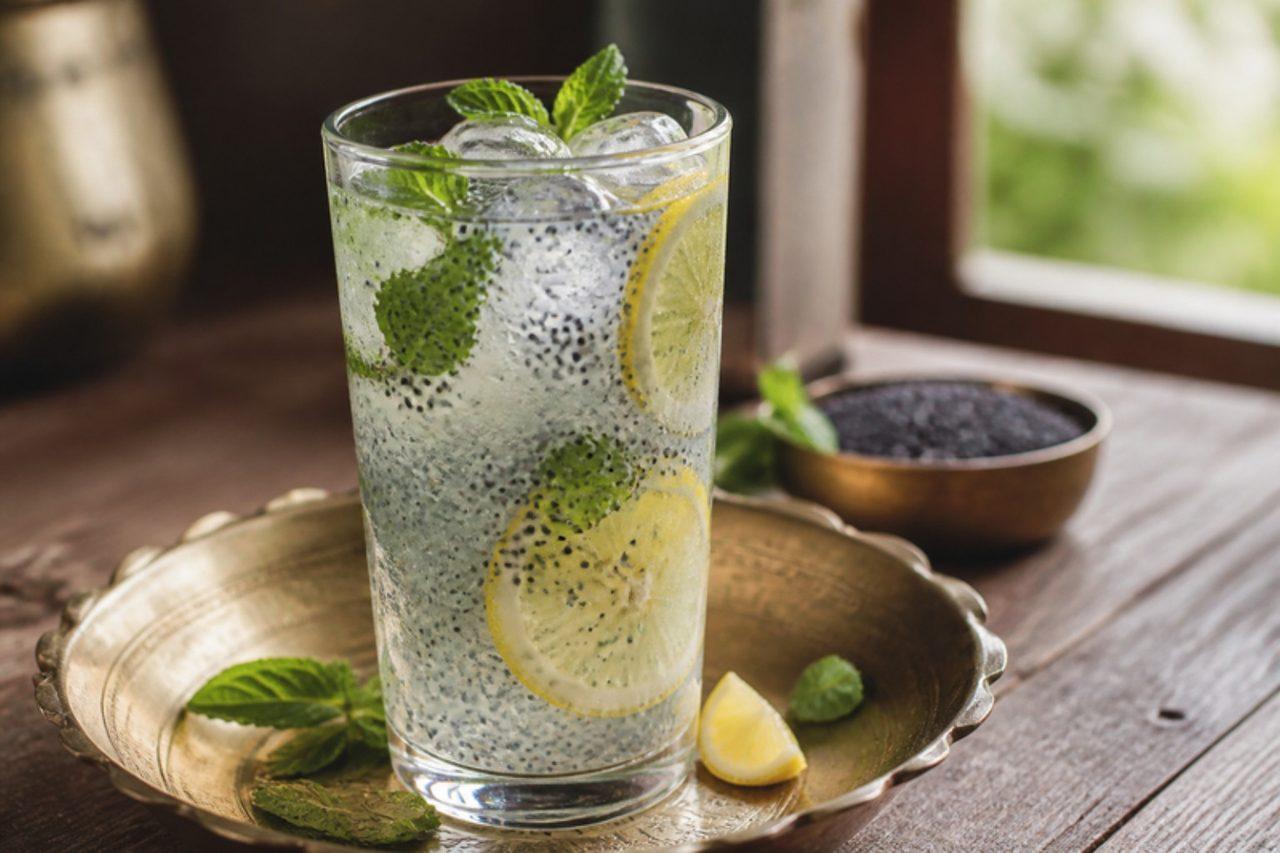
When the azan sounds at sunset during Ramadan, tables from Dhaka's Mirpur flats to village courtyards in Comilla carry a jug of tokma sharbat: lemon water swirling with soaked sweet basil seeds, each one wearing a soft, jelly-like halo. It is sweet, sharp and cooling, a gentle first sip after a long hot fast before the dates and piyaju. The most common mistake is stirring the seeds straight into the jug dry, where they clump into slimy lumps; always soak them separately in plenty of water first. Chef's tip: bruise a few mint leaves or add a thumb of grated ginger to the jug, which many Dhaka families do in the hottest months.

by KrazyBadal 0 views

Rui macher kaliaRohu fish curry

At Bangladeshi weddings the fish course is often rui macher kalia, and big steaks of rohu from the Padma and Meghna, shining in a dark, glossy gravy, are a sign that the hosts have spared no expense; families also cook it for jamai shashthi and Eid. The fish is rubbed with turmeric and fried crisp, then simmered briefly in a gravy of browned onion, ginger, yogurt and garam masala that is rich, a little sweet and fragrant with whole spices. People often break the fish by stirring the pot; slide it in and shake the pan gently instead. Contains fish and milk. Chef's tip: fry the fish in mustard oil until it is properly golden and crisp at the edges before it meets the gravy, so it holds its shape and doesn't taste raw.

by KrazyBadal 0 views

Malai cha (cream tea)

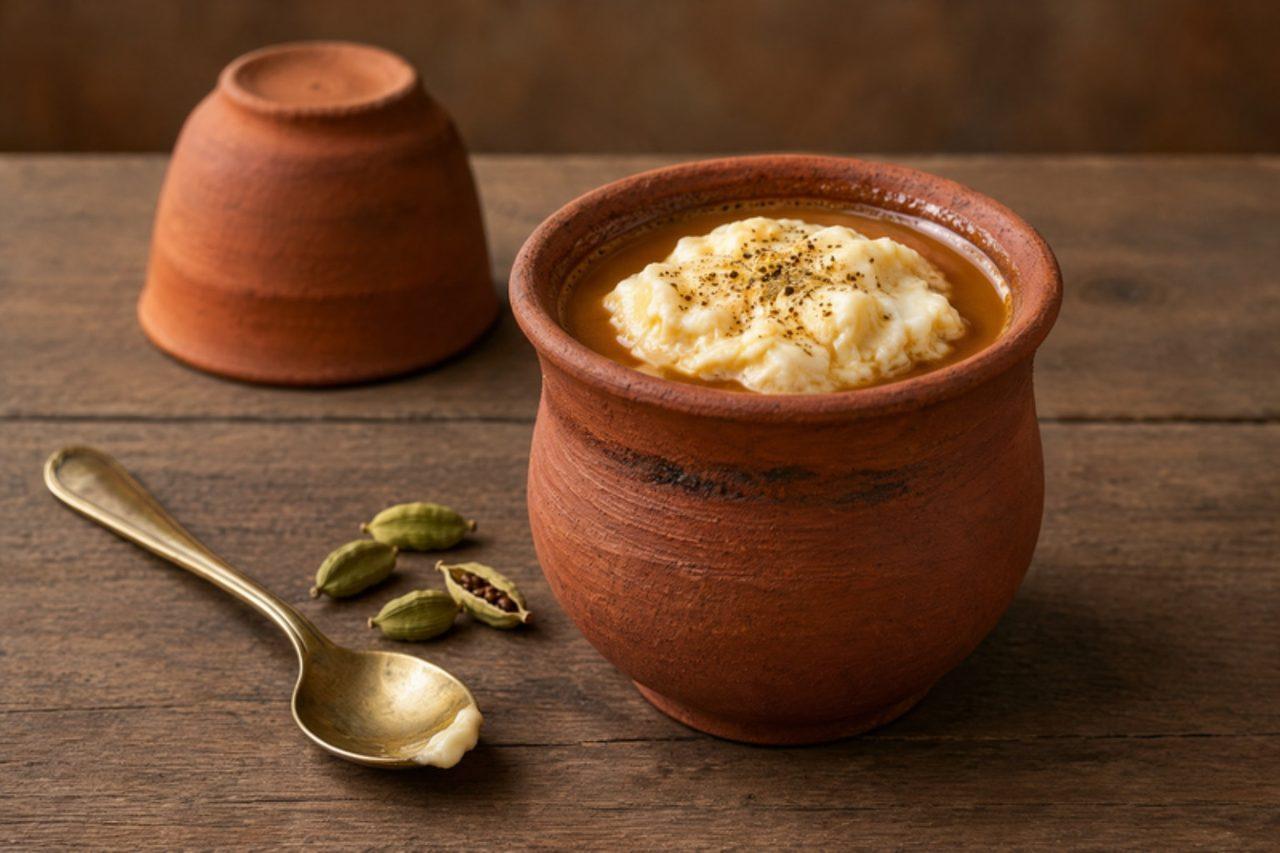
In Bogura, the town famous for its sweet doi, and in the lanes of Old Dhaka around Nazira Bazar, tea stalls keep a wide karai of milk barely simmering all evening. Layers of skin build up on top; the tea-maker lifts them off as malai and lays a thick spoonful on every cup of strong, sweet milk tea, poured into small unglazed clay bhar that give the tea a faint earthy smell. People stand around after maghrib prayers or late at night, sipping through the cream and finally eating it with a finger. The tea is malty and syrupy-sweet; the malai is soft, rich and slightly caramelised. The usual mistake is boiling the milk hard: a rolling boil breaks the skin into flakes and you never get a thick sheet. Keep it at a lazy shiver and lift the skin every 5 minutes. The tea is ready when it is the colour of milky caramel and coats the back of a spoon; the malai is ready when it lifts off as a wrinkled, leathery sheet. Strong CTC tea makes this fairly caffeinated. Chef's tip: soak clay cups in water for ten minutes first, so they don't drink up the tea or smell dusty.

by KrazyBadal 0 views

Chuijhal mangshoBeef with chuijhal spice

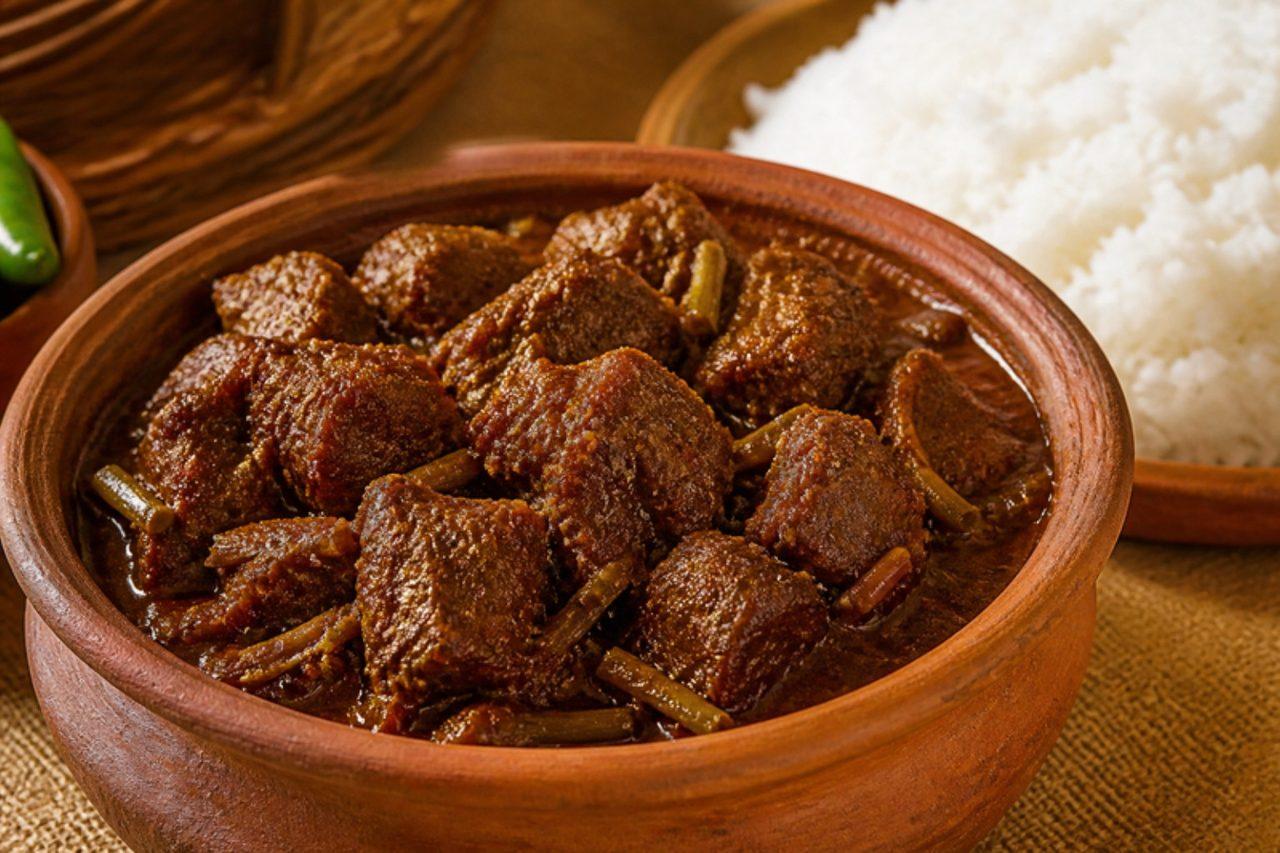
Few ingredients say Khulna, Jessore and Satkhira like chuijhal, the thick stem and root of a pepper vine that climbs trees in the southwestern districts; chopped into chunks and cooked with meat, it gives a heat that is fragrant, woody and peppery rather than sharp. Roadside hotels between Khulna and Bagerhat are famous for their chuijhal mutton and beef, eaten with plain rice or soft chapatis, and the softened chunks of chuijhal are chewed for their juice at the end. In the UK some Bangladeshi grocers sell it frozen; if you cannot find it, long pepper and black pepper give a fair impression, though not the same aroma. The usual mistake is adding the chuijhal at the start, which cooks out its perfume; it goes in for the last half hour. Chef's tip: peel the tough outer skin from thicker stems, and split them lengthways so the flavour comes out.

by KrazyBadal 0 views

Haash bhunaSlow-cooked duck curry

As the cold season settles in and the vast wetlands of the Sylhet and Kishoreganj haor begin to drain, the ducks that have fattened on them all monsoon end up in the bhuna pot. Haash bhuna is deep, dark and rich, the meat cooked slowly with heaps of onion and garlic until it is tender and the duck's own fat glazes the masala, and it is traditionally eaten with chitoi pitha, soft rice-flour pancakes made on a clay mould, or with plain rice. Black pepper, cinnamon and a hint of nutmeg balance the gaminess. The biggest misstep is not rendering the fat, which leaves the sauce greasy and the skin flabby; let the duck fry in its own fat first. Chef's tip: grind a small piece of fresh coconut into the masala at the end if your duck is lean, a trick from Kishoreganj cooks.

by KrazyBadal 0 views

Hutki shiraDried fish and aubergine curry

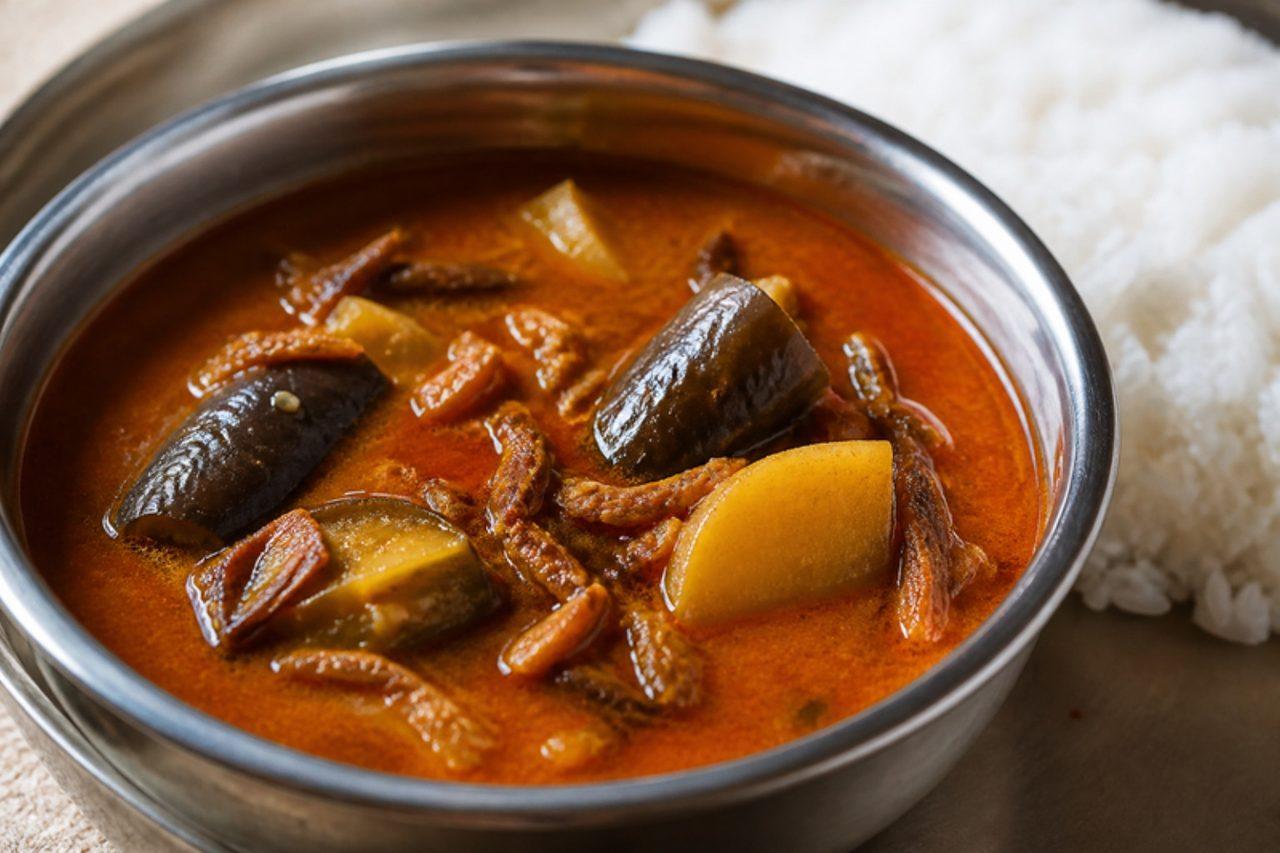
Hutki is what Sylhetis call shutki, sun-dried fish, and a pot of hutki shira, a thin, soupy curry, is pure home cooking from Sylhet, Sunamganj and the haor villages, where fish dried in the dry season feeds families through the rest of the year. The broth is fiery with fresh and dried chilli and full of garlic, softened with chunks of potato, brinjal and sometimes tomato or shatkora, and it is ladled over plenty of plain rice. The smell of the dried fish is strong as it cooks, but it mellows into a deep savoury taste. Skipping the soak is the error that ruins it: unwashed hutki is gritty and far too salty. Buy dried fish from a busy, reputable Asian grocer, and choose pieces that are dry, firm and free of mould. Chef's tip: keep the broth loose; shira should be soupy enough to drown the rice.

by KrazyBadal 0 views

Ilish dim bhunaFried hilsa roe

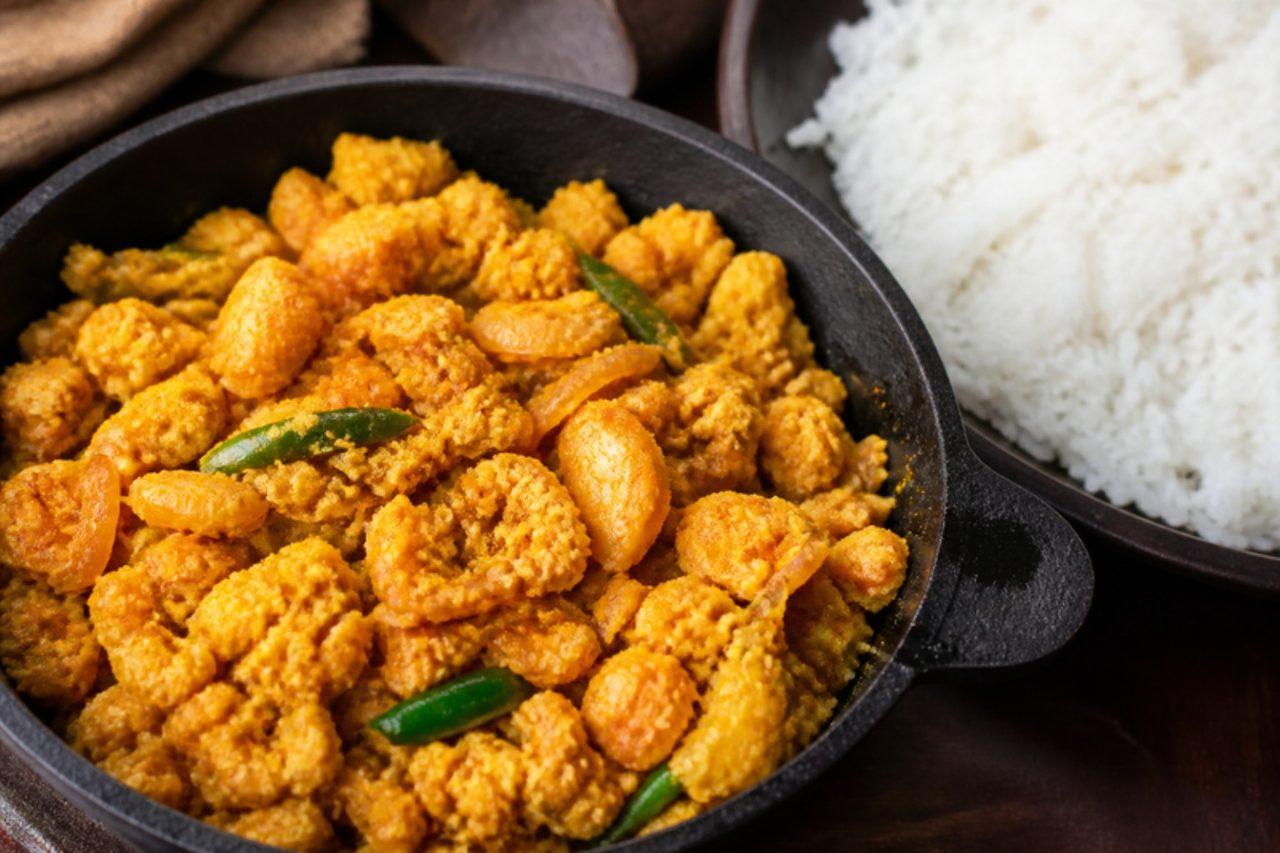
Early in the hilsa season the female fish carry a pair of large, golden roe sacs, and in Barisal kitchens nobody would dream of wasting them. Ilish dim bhuna is the quick and greedy way to cook them: the roe is fried with lots of onion, turmeric and green chilli until it breaks into soft, rich, slightly grainy crumbs, a little like a savoury fish scramble. It is eaten as a side dish with plain rice and dal, often on the same day the fish itself is cooked in mustard. Roe spoils quickly, so buy it bright and fresh-smelling with the fish and cook it the same day. Many cooks stir the roe too early and too hard, turning it into paste; let it set first. Chef's tip: steam the roe sacs for 3 minutes before frying, so they firm up and break into neat crumbs.

by KrazyBadal 0 views

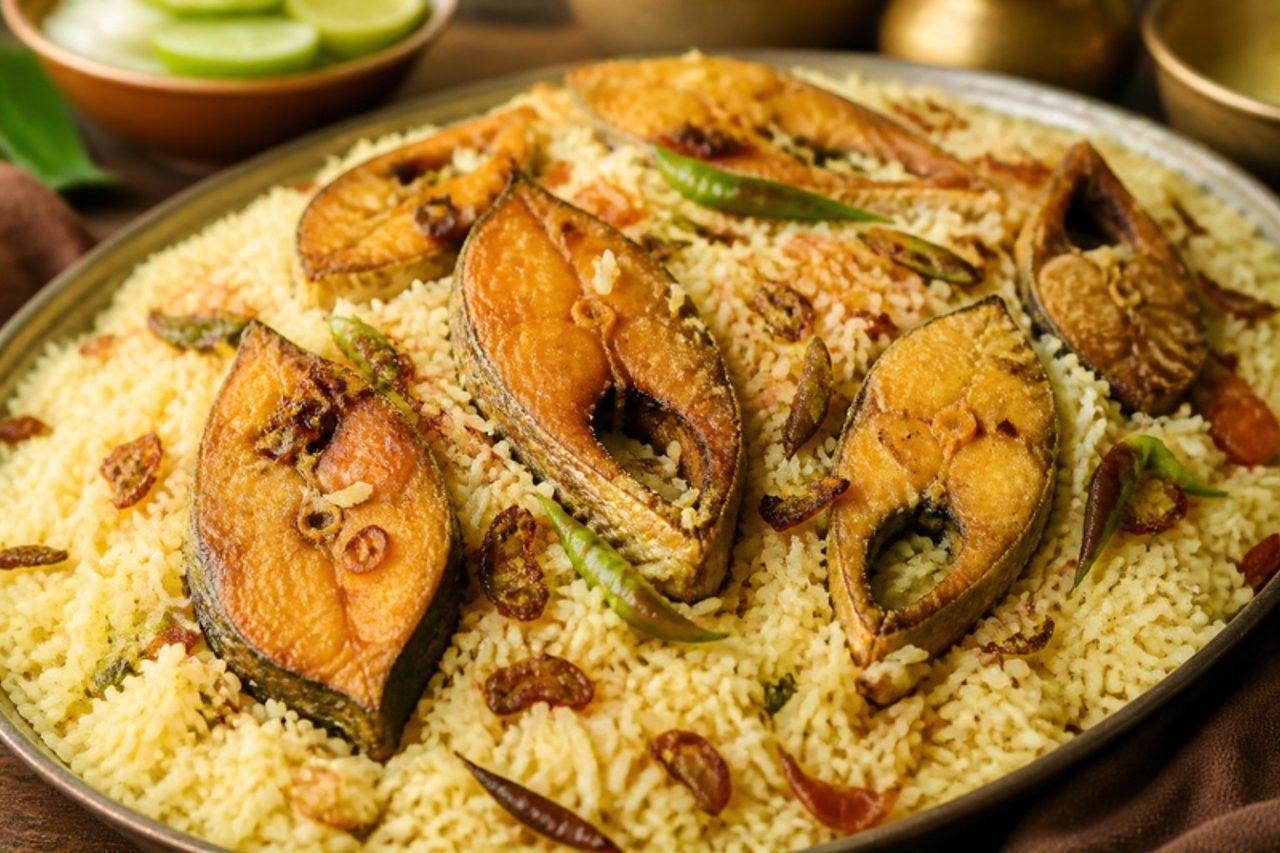
Ilish polaoHilsa fish rice

Monsoon is hilsa season: as the fish run up the Meghna and the boats come back heavy into Chandpur ghat and the Barisal river markets, the richest cooks make ilish polao, a fragrant rice cooked in the oil left from frying the fish and in a light stock from the head and tail. Fried hilsa steaks are tucked into the rice to finish in the steam, so they stay moist and take on the scent of cardamom and bay. It is a dish for the hilsa season and for honoured guests, served with fried onions, a wedge of lime and a green chilli. The usual misjudgement is stirring once the fish is in; the steaks are fragile and fall apart into bones. Chef's tip: keep the oil the fish was fried in, because the whole dish depends on that hilsa-scented fat.

by KrazyBadal 0 views

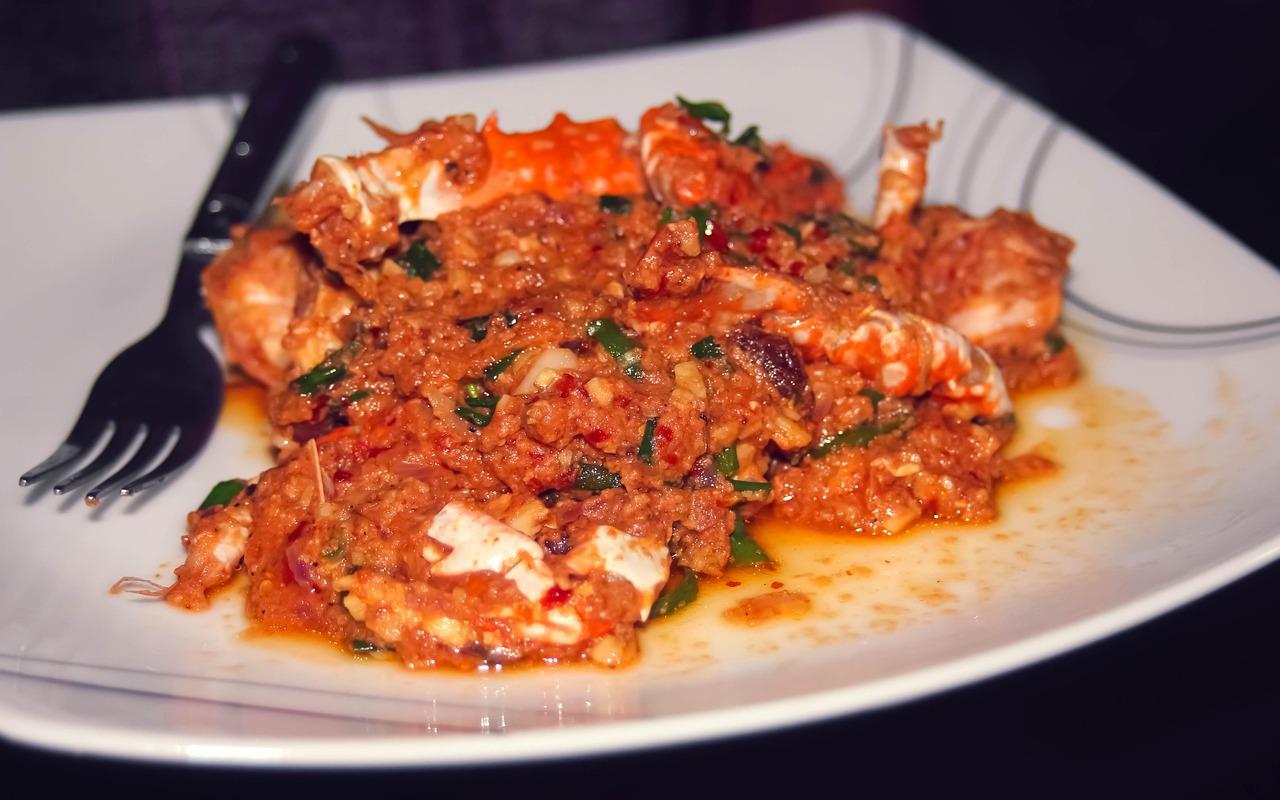
Kakra bhunaMud crab masala

The muddy channels of the Sundarbans and the shrimp farms around Shyamnagar and Paikgachha are crab country, and in Khulna homes the big-clawed mud crabs are chopped in half, fried and then cooked down in a thick, fiery masala until it coats every crack and crevice. It is a dish for eating with your hands, sucking the masala from the shells and cracking the claws, with plain rice and a bowl of water for your fingers. Crabs must be bought alive and lively, or freshly cooked from a fishmonger you trust: throw away any that are dead before cooking, have a cracked shell or smell unpleasant. Ask the fishmonger to dispatch and clean them for you if you are not confident doing it yourself. Undercooking is the risk to avoid; the shells should be bright orange-red and the meat white and opaque right through. Chef's tip: crack the claws lightly before they go in, so the masala seeps inside.

by KrazyBadal 0 views

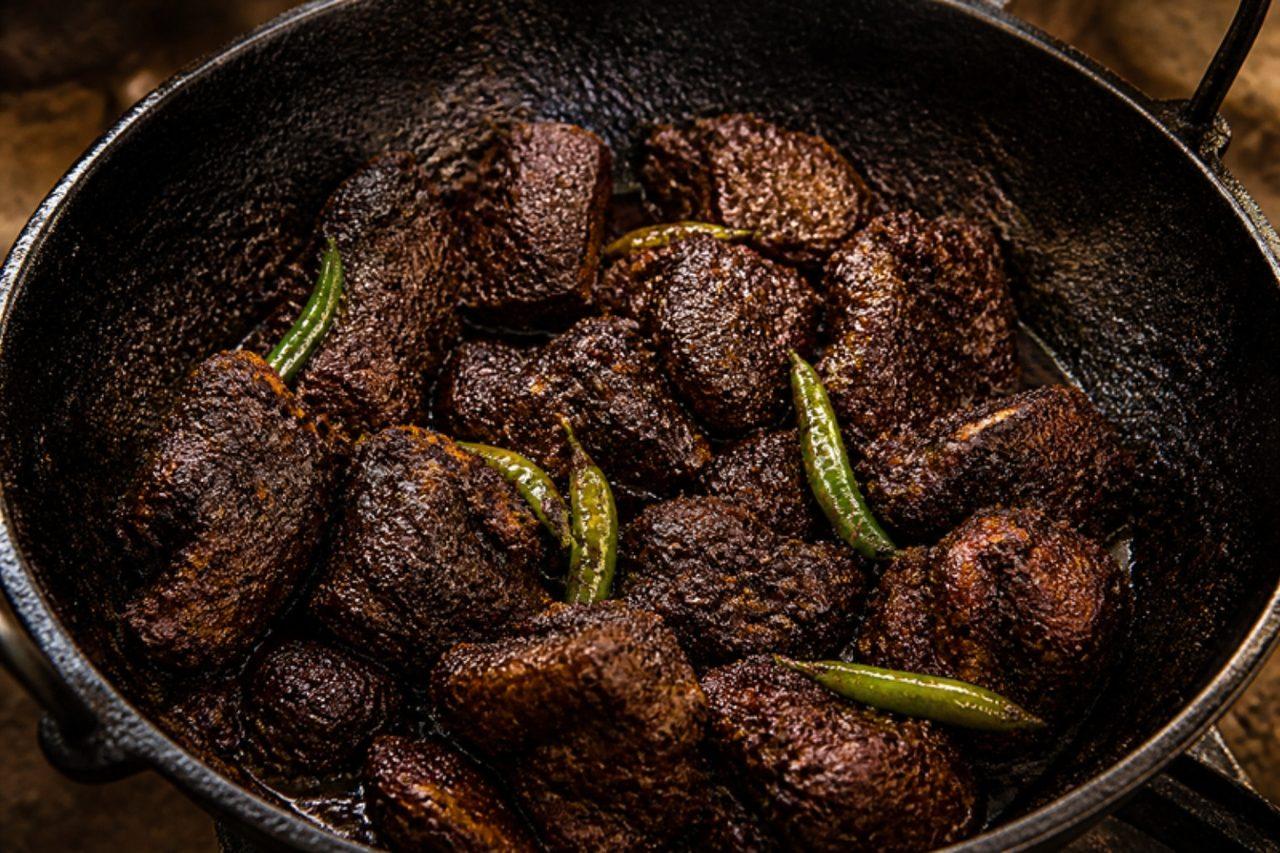
Kala bhunaDark mustard oil beef curry

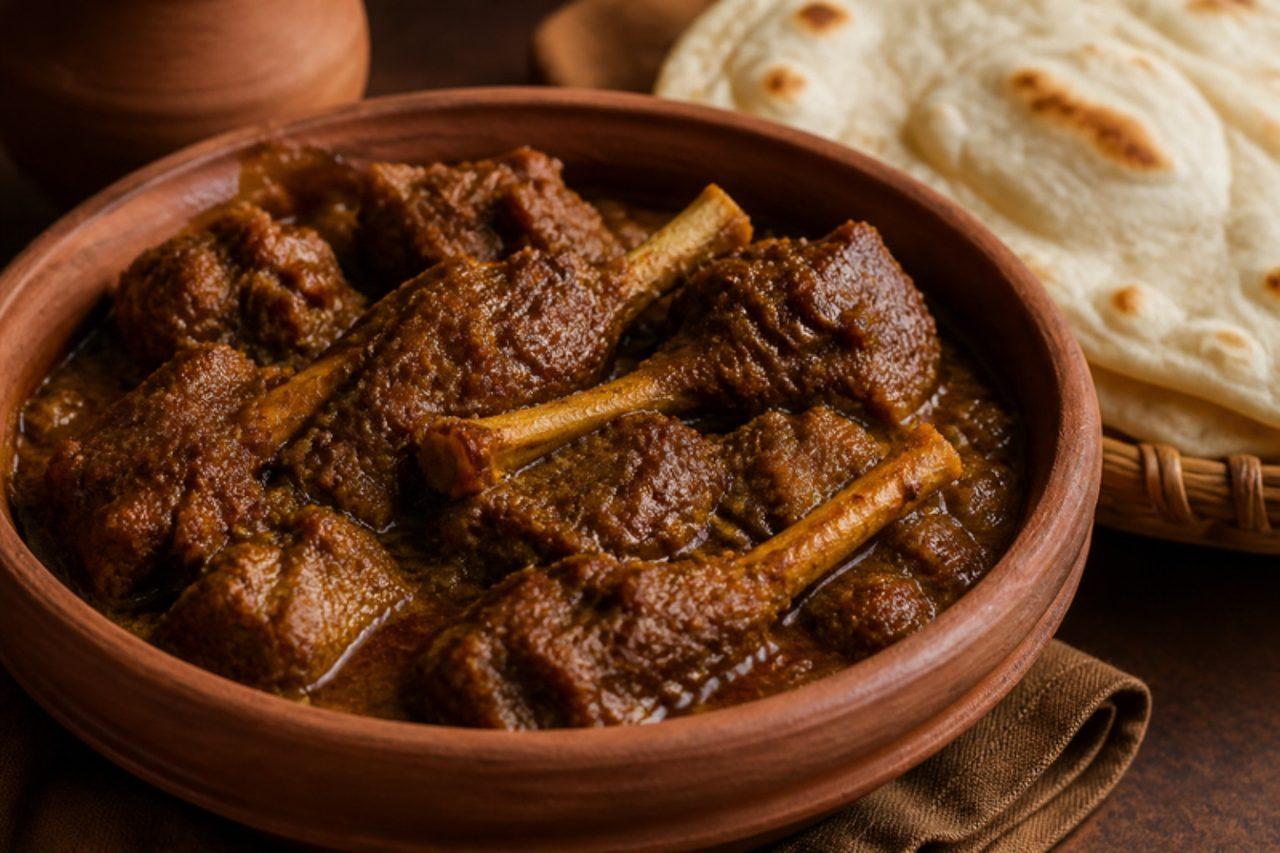
Kala means black, and that is the colour you are aiming for: Chittagong's kala bhuna is beef that is first cooked with spices until tender and then fried and stirred, patiently, for the best part of an hour until the pieces turn dark brown to nearly black and the masala clings to them like a crust. It is a dish from the port city's wedding and Eid kitchens, now a fixture of Chittagong restaurants in Dhaka, eaten with plain rice, khichuri or rice-flour chitoi ruti. The taste is deep and roasted, sharp with mustard oil, black pepper and a little nutmeg and mace, with no gravy at all. The most common slip is turning up the heat to speed up the blackening, which burns the spices bitter rather than caramelising the meat. Chef's tip: it improves overnight, so make it a day ahead and re-fry it briefly before serving.

by KrazyBadal 0 views

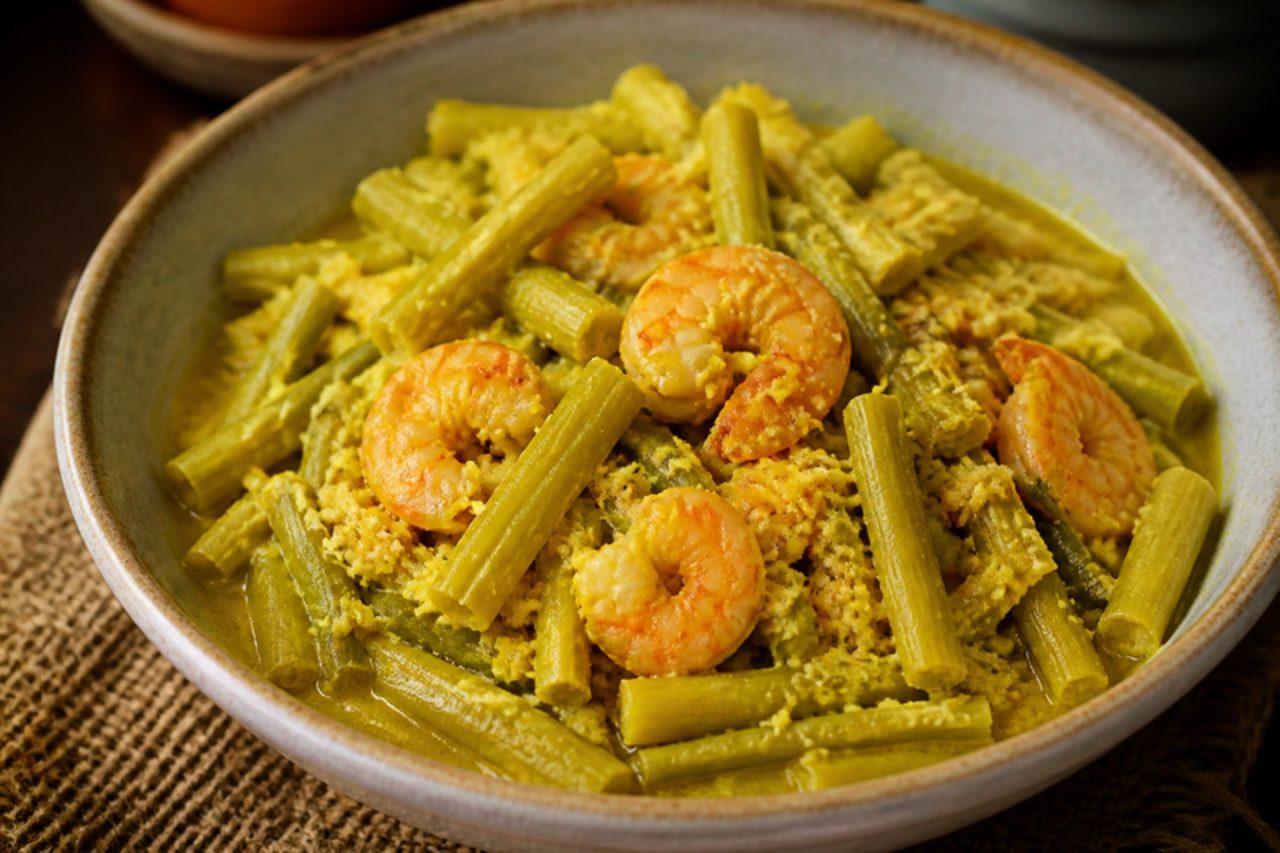
Kochur loti chingriTaro stolons with prawns

Kochur loti are the long, thin runners that taro plants send out across the pond banks in the rainy season, and in Khulna, where freshwater prawns are farmed in every second field, the two end up in the same karai. The stolons are peeled, cut into short lengths and cooked with small prawns, onion and freshly grated coconut until soft and almost melting, giving a mild, slightly sweet, gently earthy dish for lunch with rice and dal. Taro of all kinds contains crystals that make the mouth and throat itch if it is not cooked enough or balanced with something sour, so the stolons need peeling, a full cook and a squeeze of lime. Many people undercook the loti because they look tender early; give them the whole time. Chef's tip: oil your hands before peeling the stolons, or wear gloves, as the sap can irritate the skin.

by KrazyBadal 0 views

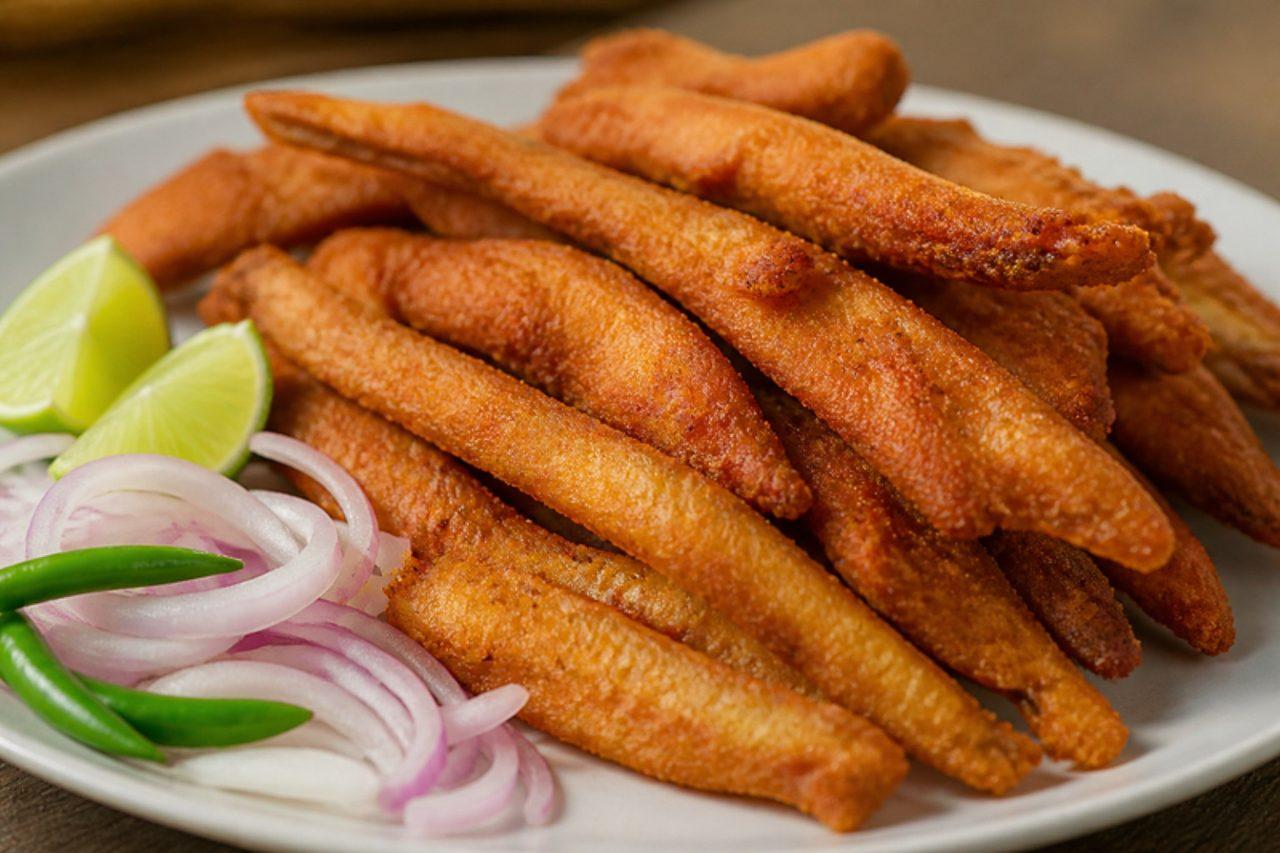
Loitta fryFried Bombay duck fish

Down on the beach road at Cox's Bazar, the fry stalls lay out trays of loitta, the soft, almost jelly-like Bombay duck fish, ready to be coated in chilli and rice flour and dropped into hot oil while you wait. The contrast is the whole point: a shatteringly crisp, spicy shell around flesh so tender it barely holds together. In Chittagong homes it is a weekday treat with rice and dal, and it often appears at iftar. Fresh loitta holds a lot of water, and the usual mistake is to coat it straight away, which makes the crust go soggy and spit in the pan. Pressing it under weight first fixes that. Chef's tip: if you can only get frozen Bombay duck from an Asian grocer, thaw it in the fridge overnight and press it twice as long.

by KrazyBadal 0 views

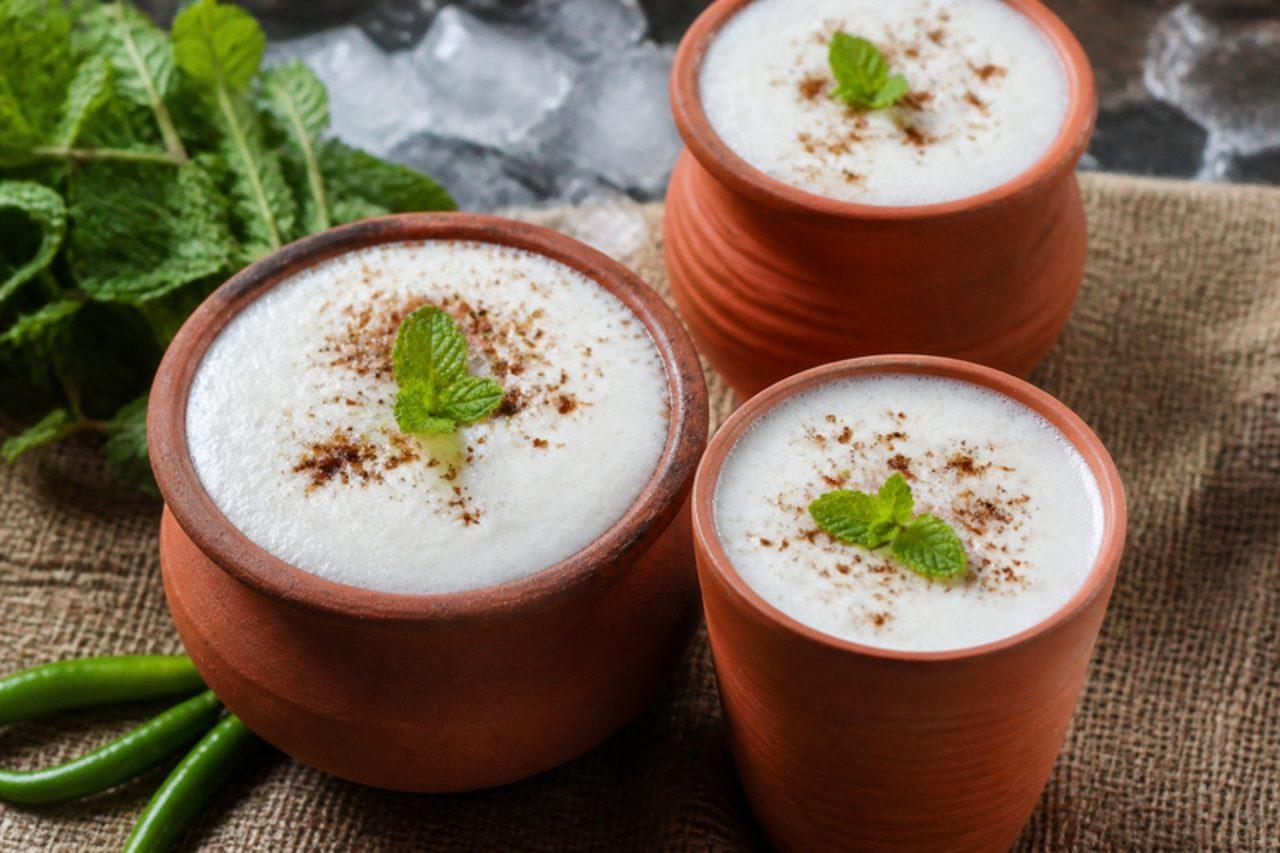
MathaSalted buttermilk

Thinner than lassi and salty rather than sweet, matha is what Old Dhaka drinks after a plate of kacchi biryani or a heavy afternoon of tehari and rezala. Vendors around Nazimuddin Road and Bangshal carry it in tall clay pots, churned so long that tiny flecks of butter float on top, and pour it into glasses with a pinch of roasted cumin and black salt. It tastes tangy, cool and faintly smoky, and it cuts through rich, oily food like nothing else. People often make it with thick Greek-style yoghurt and no extra water, which gives a heavy drink that sits in the stomach; matha should be pourable and light. Chef's tip: churn with plenty of ice in the jug so the butter firms into flecks you can skim off or leave floating, as the street sellers do.

by KrazyBadal 0 views

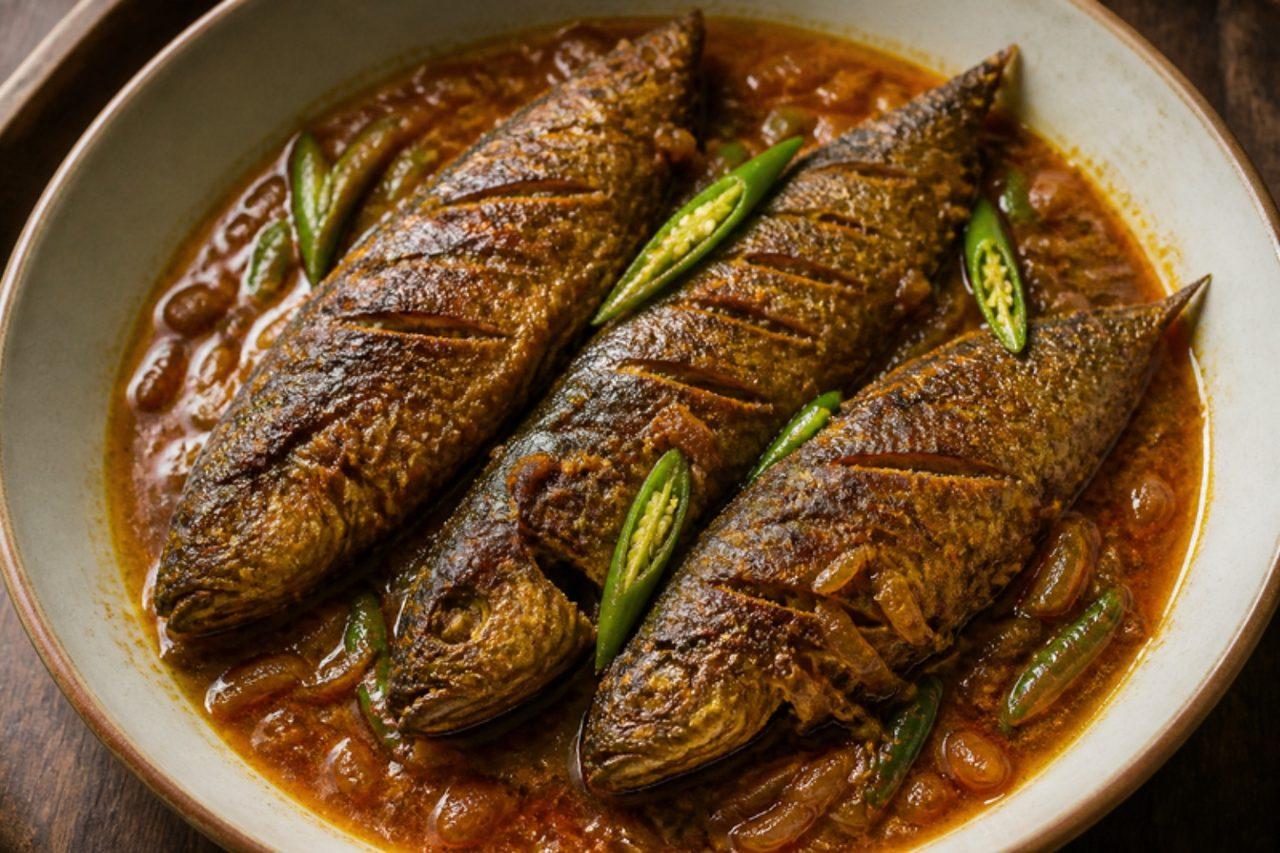
Tel koiFried climbing perch in gravy

Koi, the climbing perch, is a small, tough-scaled fish of ponds and rice fields with a sweet flesh that Bengalis prize above much bigger fish, and tel koi, koi in oil, is how Khulna households celebrate a good catch, especially when a son-in-law visits. The fish are fried whole until crisp and then slipped into a glossy gravy of onion, cumin, turmeric and whole green chillies that is meant to have a visible layer of mustard oil on top. They are eaten with plain rice, picking the soft flesh away from the many fine bones. You will find koi fresh or frozen in Bangladeshi grocers. The usual pitfall is a timid frying, which leaves the skin soft and the bones chewy; fry until the fins crisp. Chef's tip: score each fish twice on both sides so the spices get in and the thick back cooks as quickly as the belly.

by KrazyBadal 0 views

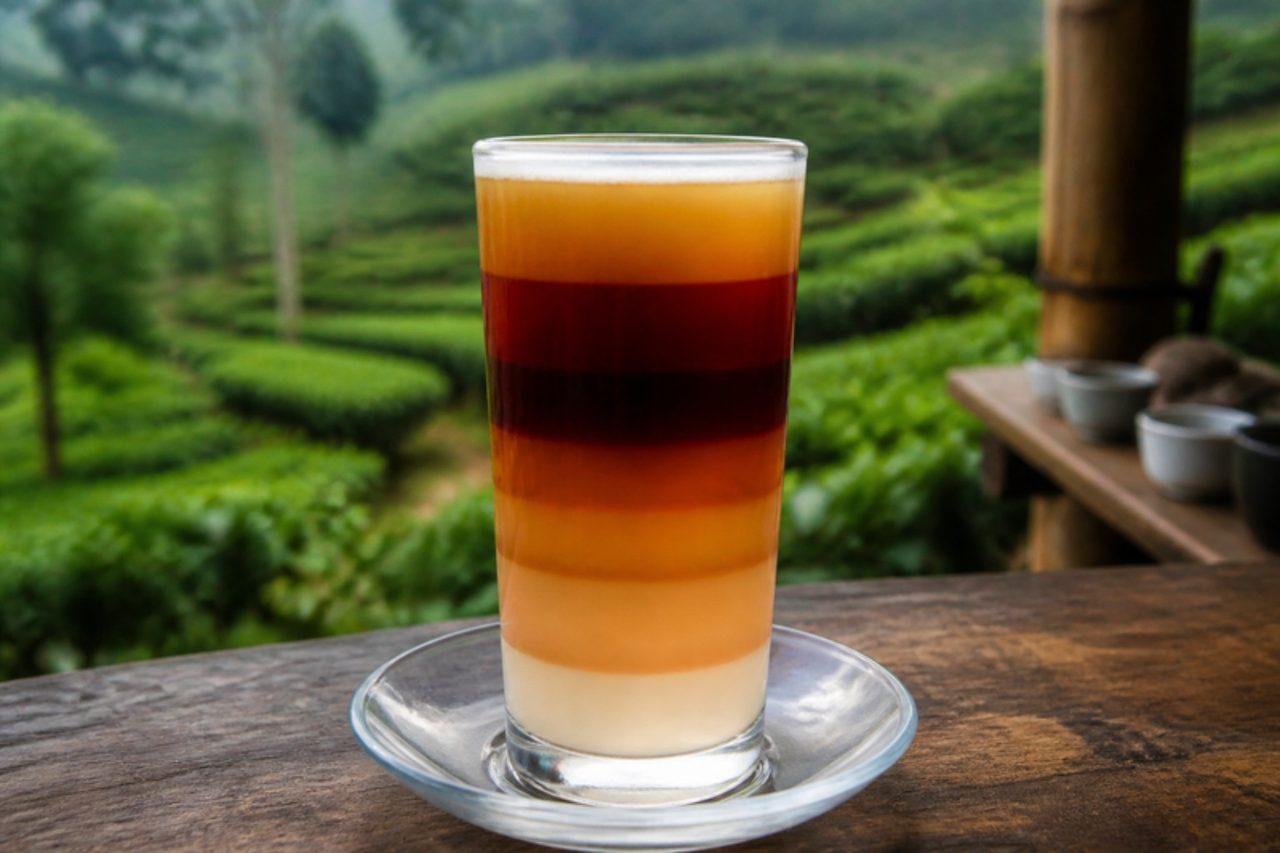
Seven-layer tea

Visitors to the tea gardens of Srimangal, in Sylhet's Moulvibazar district, queue at small tea cabins to see a glass of tea striped in seven distinct bands, from creamy white at the bottom to pale green-gold at the top. The original recipe is a closely guarded secret of the tea-maker who made it famous, but the principle is simple physics: each layer carries a different amount of sugar, so the heaviest sits at the bottom and the lightest floats on top. This home version uses condensed milk, green tea, strong black tea, milk tea, lemon tea, spiced tea and plain tea, and it is drunk slowly, layer by layer, with a long spoon. Pouring too fast is what ruins it; each layer should trickle down the inside of the glass over the back of a spoon. Chef's tip: let all the brews cool to warm, about 50 °C, so temperature differences don't stir the layers.

by KrazyBadal 0 views

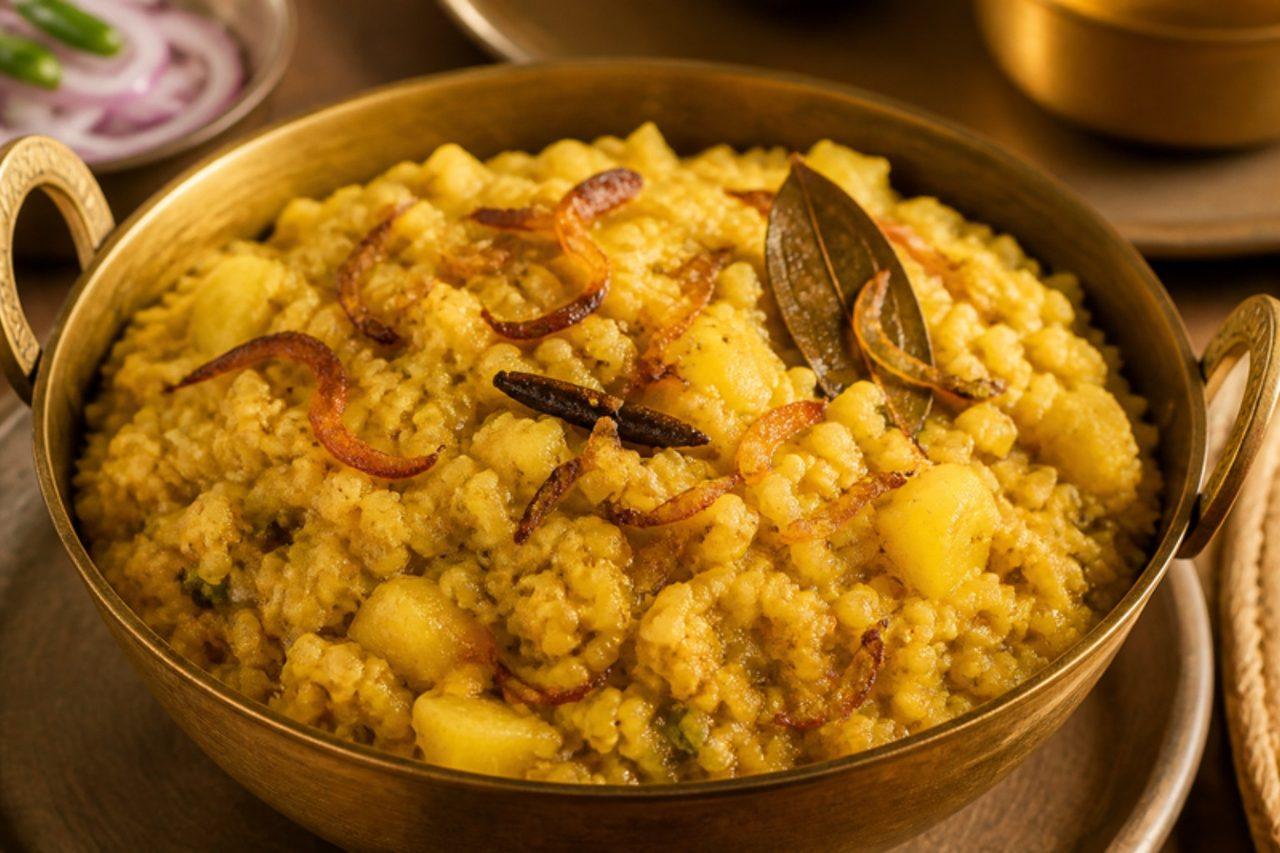
Muri ghonto

For a Bengali family, the head of a big rohu is the part saved for the guest of honour or the new son-in-law at Jamai Shashthi, and the finest thing to do with it is muri ghonto. The head is fried in mustard oil, broken into pieces and cooked with a handful of fragrant short-grain rice, diced potato and warm spices until it becomes a thick, almost dry mash, finished with ghee and garam masala. In Dhaka homes it is eaten in the middle of a meal, after the shak and dal and before the main fish curry, with plain rice. Many cooks leave the head in big lumps, but it should be broken up after frying so the rich flavour from the head spreads through the rice. Chef's tip: buy the head from a large fish of at least 2 kg and ask the fishmonger to remove the gills and split it for you.

by KrazyBadal 0 views

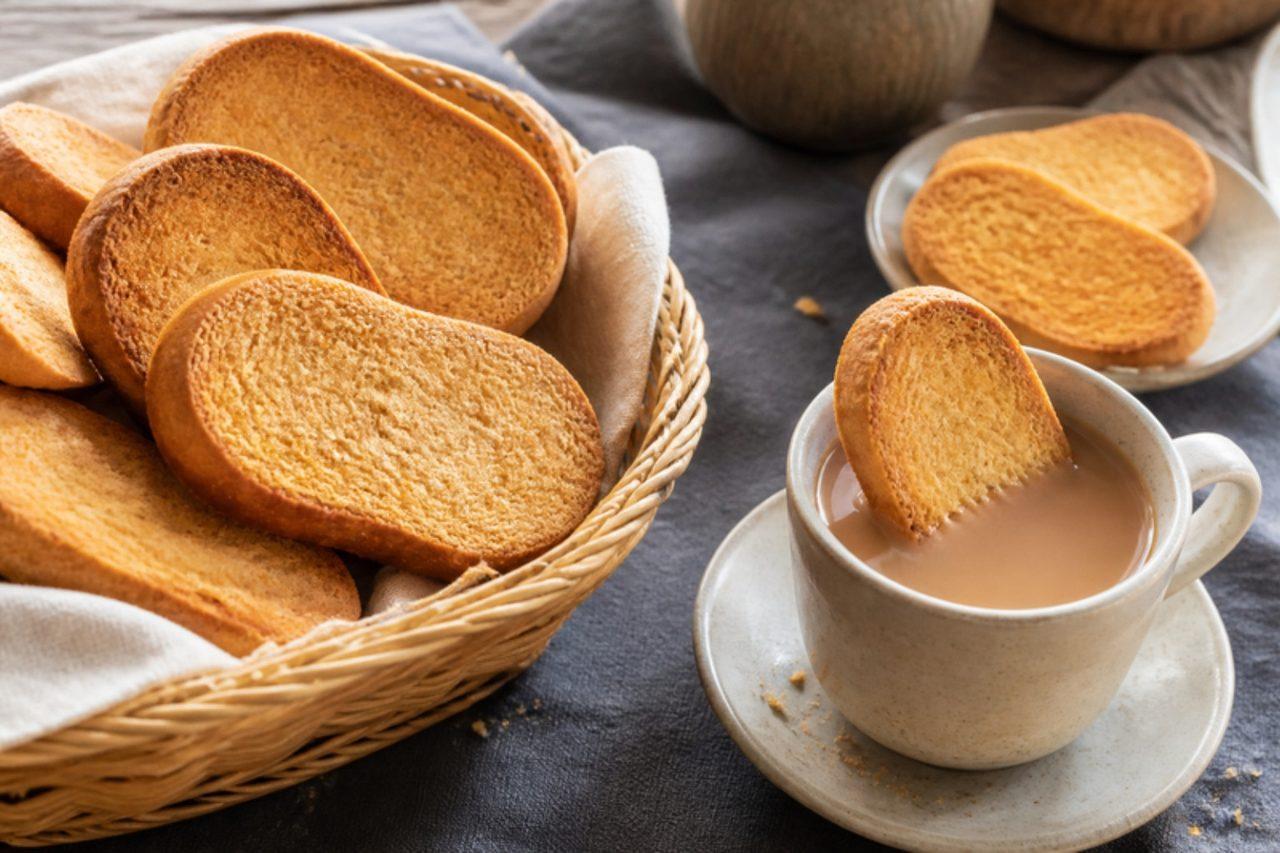
Bela biscuitTwice-baked tea biscuit

Old Chittagong bakeries, some of them in the Chandanpura area for well over a century, still fire their wood ovens for bela biscuit, a pale oval rusk so hard it cracks rather than snaps. It starts as a lightly sweet, enriched yeast dough that is baked once like a bun and then dried for a long time in a cooling oven until crisp right through. In Chittagong homes it comes out at teatime and when guests arrive, and the whole point is the dunk: a few seconds in hot milky tea and it softens into something like buttery bread. The classic slip is pulling the biscuits from the second bake too soon; they feel firm while warm but go chewy overnight if the centre is still damp. Chef's tip: break one open after drying; if the middle is pale and soft, give the tray another 20 minutes.

by KrazyBadal 0 views

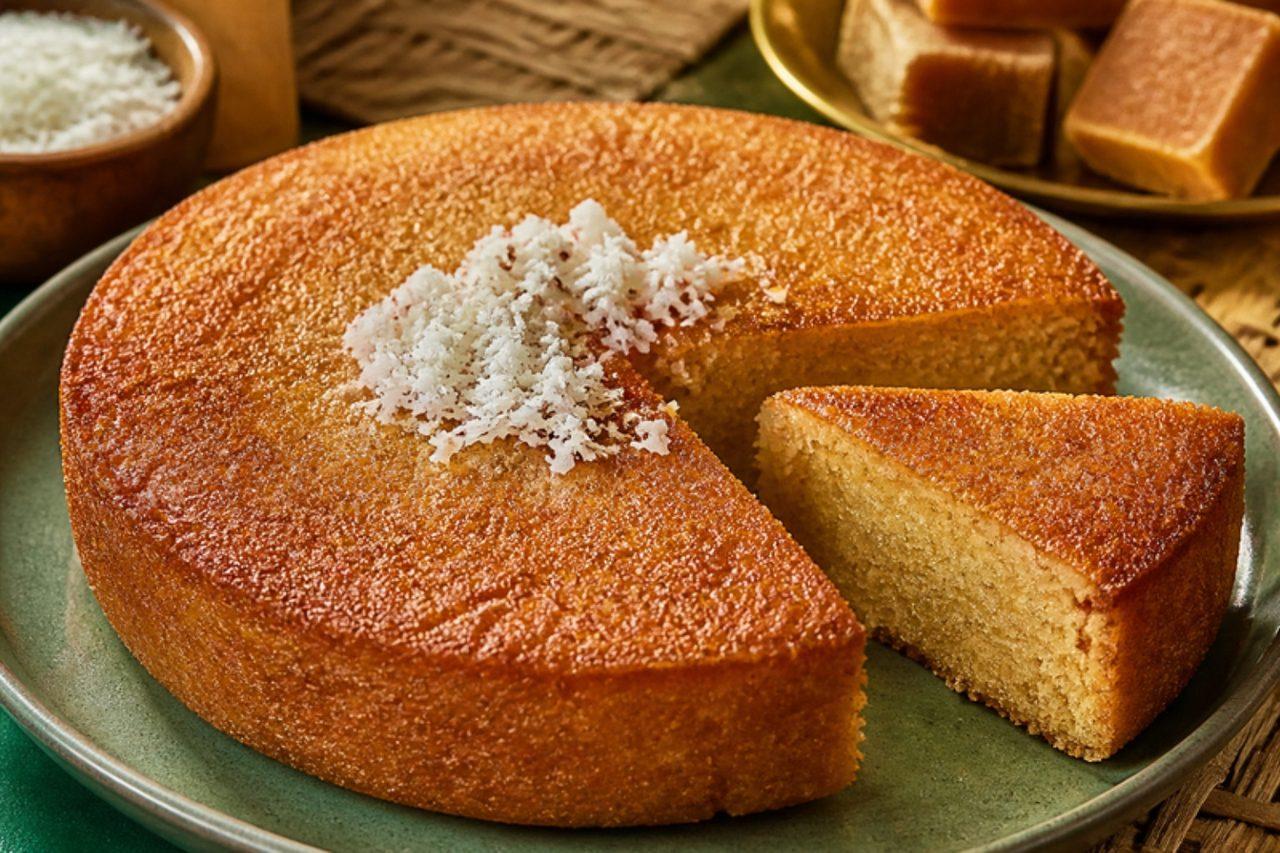
Bibikhana pithaBaked rice flour and coconut cake

The name means something like a lady's dish, and bibikhana pitha has long been the grand, special-occasion pitha of well-off households in Dhaka, Comilla and Noakhali, made in winter when a son-in-law or important guest is expected. It is closer to a cake than most pithas: rice flour, eggs, milk, grated coconut and date-palm jaggery are beaten together and baked slowly, traditionally in a heavy pan over charcoal with more coals heaped on the lid, until it sets into a dense, moist, caramel-brown cake. It is cut into wedges and served with tea in the afternoon. Baking too hot is the typical slip, so the jaggery burns before the middle sets; a moderate oven and patience give an even colour. Chef's tip: let it cool completely before cutting, as it firms up and slices cleanly only once cold.

by KrazyBadal 0 views

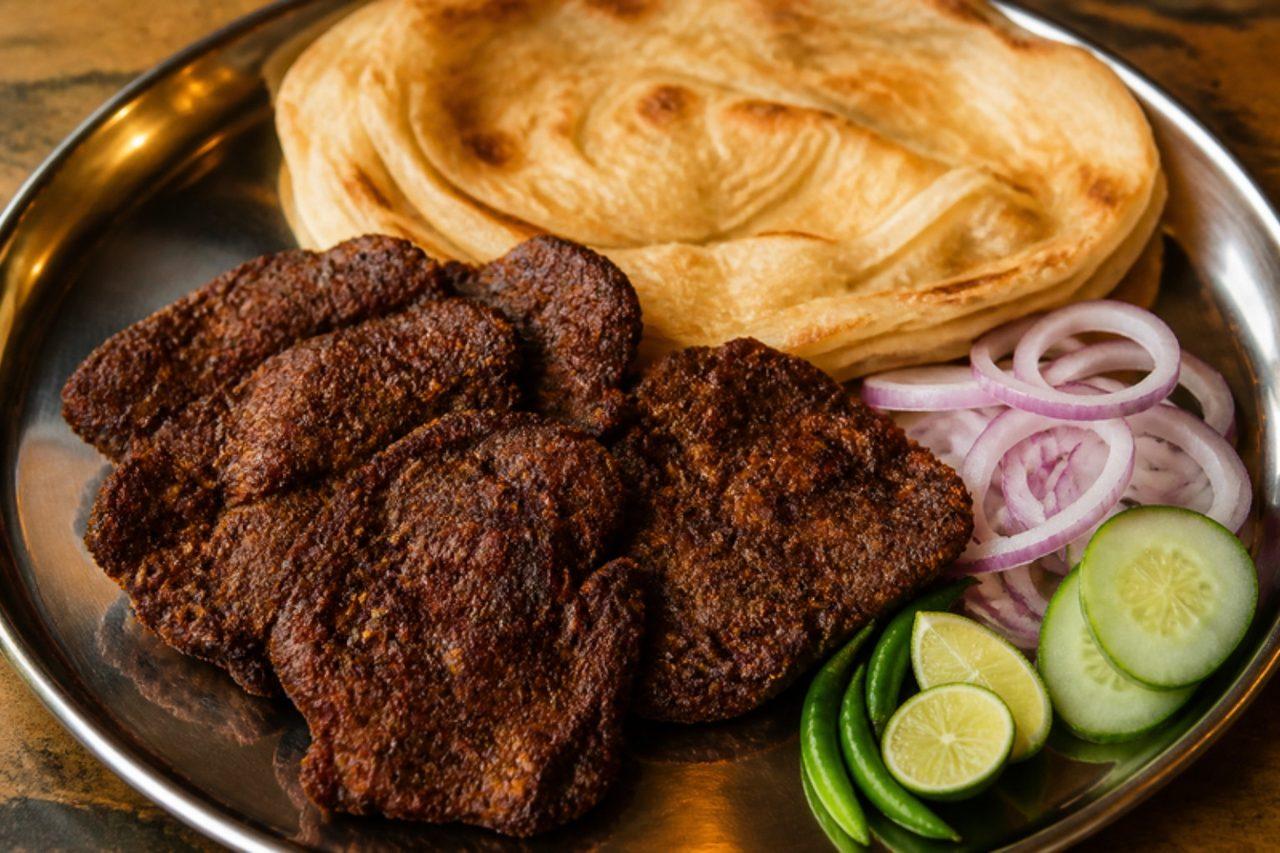
Old Dhaka beef chapPounded spiced beef slices

After the evening prayers, the stalls around Chawkbazar and Lalbagh light their wide flat tawas and start slapping down chap, slices of beef beaten paper-thin, marinated in a fierce paste and fried in a pool of oil until the edges crisp and frill. You eat it torn into pieces with soft naan or a flaky paratha, a heap of raw onion and cucumber, and a squirt of tamarind or mint sauce. The marinade is tenderised with raw papaya, and a light coat of gram flour gives the crust its golden, slightly lacy finish. People often stop at slicing, but the meat has to be pounded thin or it stays chewy no matter how long it fries. The same treatment is used for boneless chicken thighs, which cook in half the time. Chef's tip: freeze the beef for 30 minutes before slicing, then beat each slice between two sheets of cling film with a rolling pin.

by KrazyBadal 0 views

Old Dhaka beef tehariMustard oil beef rice

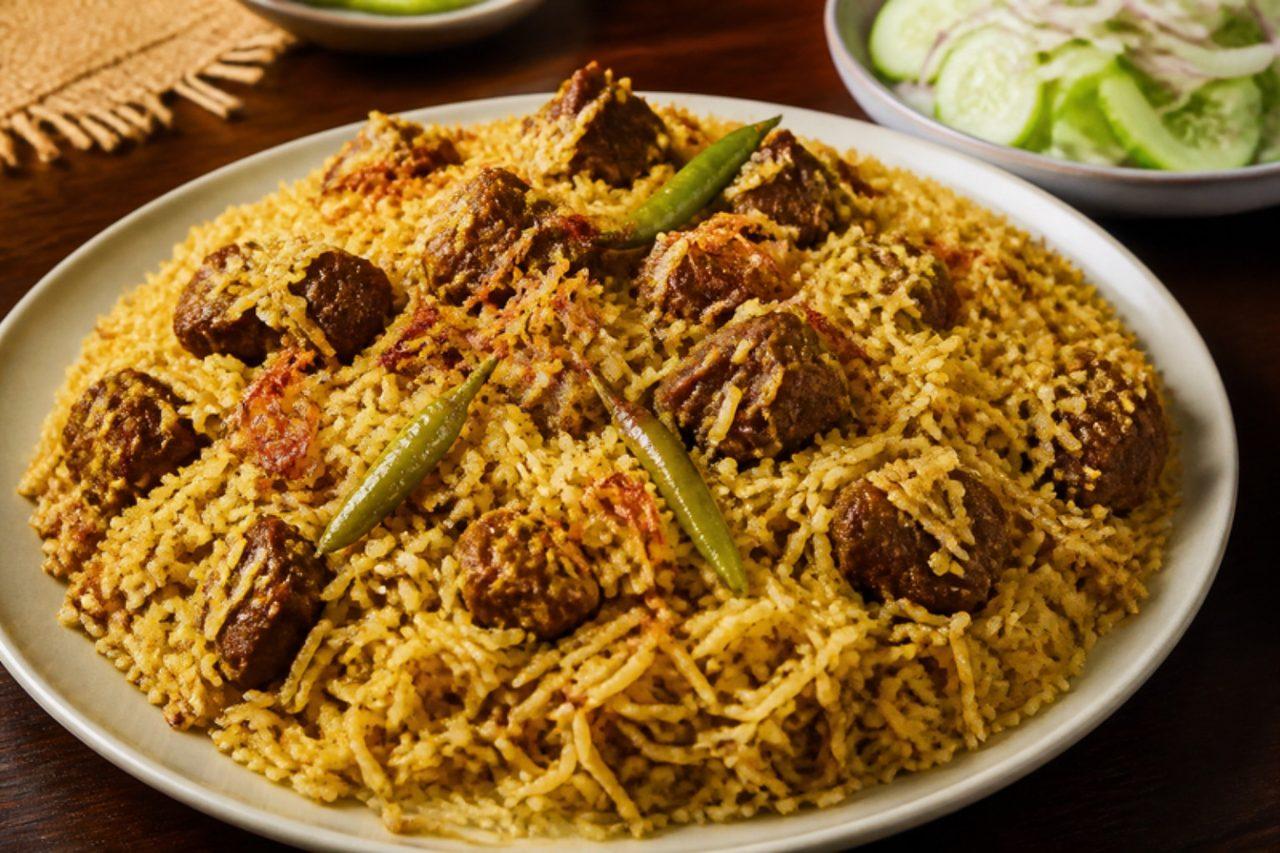
Tehari is the everyday cousin of kacchi, the rice that office workers queue for at lunchtime in the narrow lanes of Nazira Bazar and Bangshal, scooped from huge dented degs onto plates with a slice of cucumber and a green chilli. Instead of big pieces of mutton it carries small dice of beef, cooked down first in sharp mustard oil and then steamed with short-grain aromatic rice, so every mouthful has a bit of meat in it. The smell is the giveaway: mustard oil, bay leaf, a little kewra and plenty of slit green chillies that soften into the rice. Where cooks go wrong is adding the rice before the beef is truly tender, because the meat will not soften any further once the grains go in. Chef's tip: cut the beef no bigger than a sugar cube and use chinigura or kalijira rice if you can find it; basmati works but gives longer, drier grains.

by KrazyBadal 0 views

Suti kababSoft spiced beef kebab

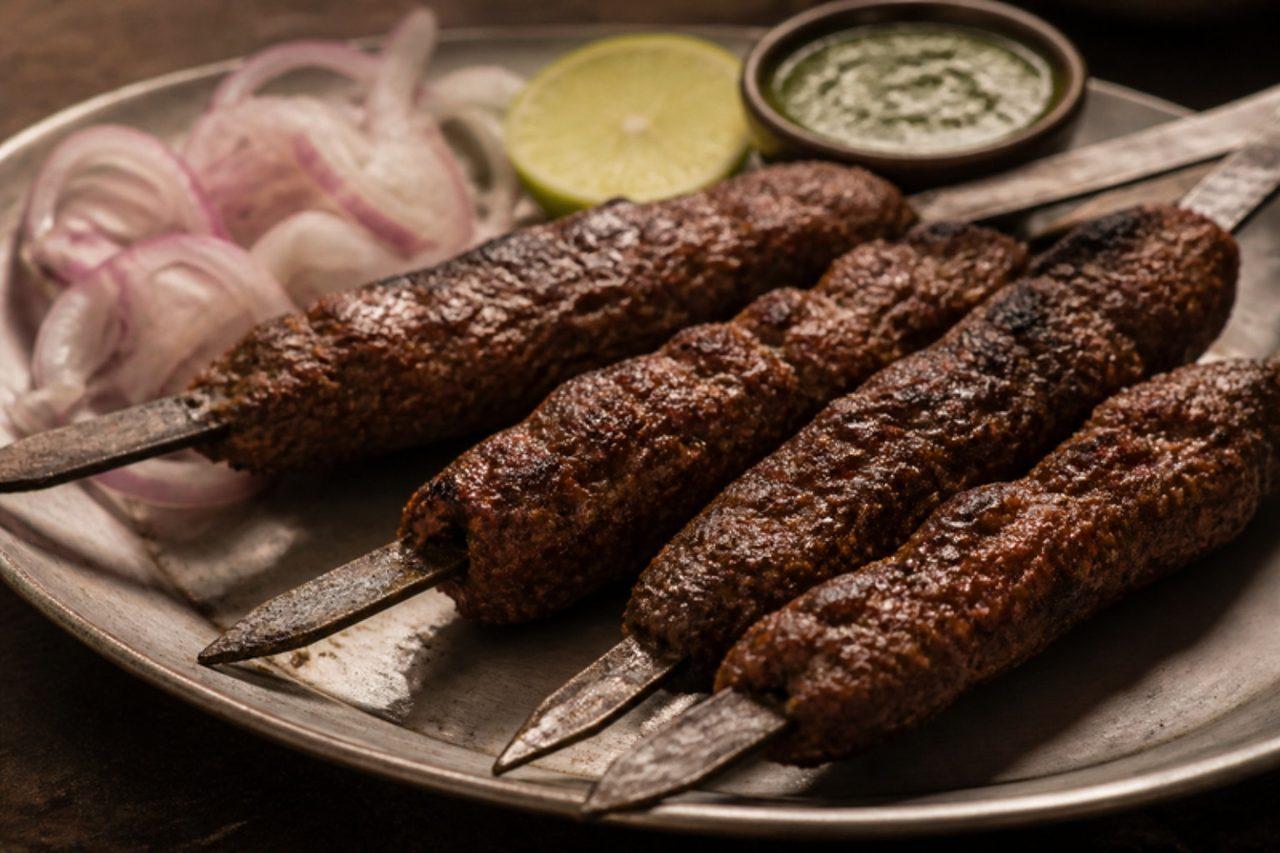
Suti means thread, and that is the trick of this Old Dhaka speciality: the beef is scraped and pounded so fine that it would slide off a skewer, so the kebab-maker winds cotton thread around it before it goes over the charcoal. The stalls of Beribadh and Nazimuddin Road grill them through the evening during Ramadan iftar and at weekends, and the result is a long, soft, smoky kebab that almost melts, eaten with paratha, sliced onion and lime. Raw papaya and roasted gram flour hold and tenderise the meat, and fried onions give a sweet depth. Too much lean meat is the most common error, because without some fat the kebab turns dry and crumbly. Chef's tip: wet your hands before shaping and chill the shaped skewers for 20 minutes, so they keep their shape when the thread goes on.

by KrazyBadal 0 views

Shatkora beefBeef curry with wild citrus

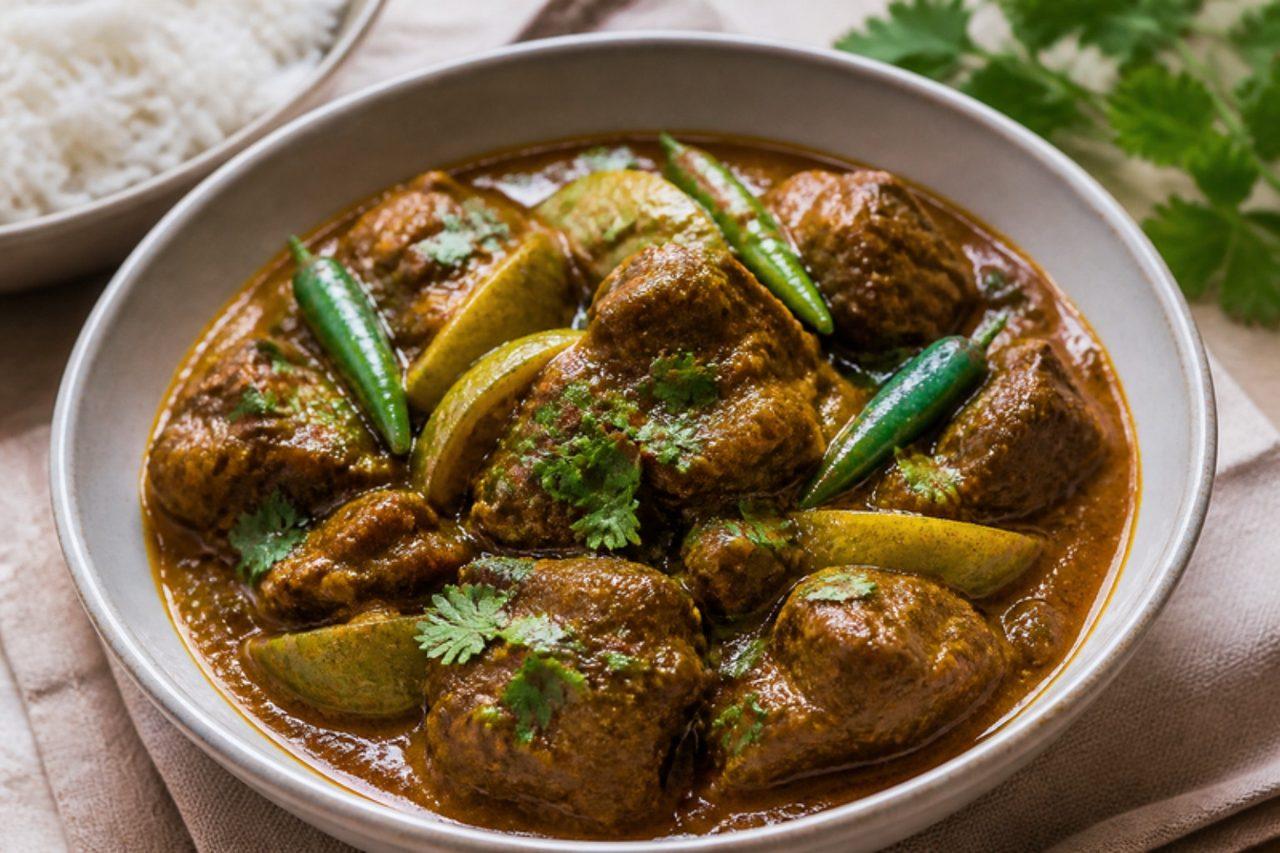
Shatkora is a large, thick-skinned citrus that grows in the hills of Sylhet in north-east Bangladesh, and its bitter, perfumed rind is what Sylhetis put in beef curry instead of lemon. The rind and pith are cut into chunks and simmered with the meat, so the sauce turns gently sour and smells like lime leaves and grapefruit at once. It is a home dish for Fridays and Eid, eaten with rice; the many Sylheti families in Britain made it famous in UK curry houses. Shatkora is sold frozen or in brine at South Asian grocers; if you can't get it, use the peel of half a grapefruit and a lime. The common mistake is adding too much shatkora early, which makes the curry bitter. Chef's tip: boil the shatkora pieces in water for 2 minutes and drain before adding them; it removes the harshest bitterness and keeps the fragrance.

by KrazyBadal 0 views

Showing 24 of 27 recipes

Show more recipes

Page 1 of 2