Skip to content
Recipes

All recipes

Vegetarian, or something you can't eat? Set your diet once and we'll hide recipes that don't fit.

KartoffelkrokettenPotato croquettes

Kartoffelkroketten belong to the German Sunday roast as surely as red cabbage, alongside Rinderrouladen in the Ruhr or venison in the Harz at Christmas. Dry mashed potato is bound with egg yolk, nutmeg and a little butter, rolled into small cylinders, breaded and fried until crunchy outside and fluffy within. Homemade ones taste far better than the frozen kind and can be shaped a day ahead. The usual mistake is a wet mash, which makes croquettes burst in the oil. Chef's tip: steam-dry the boiled potatoes in the hot pan for two minutes and press them through a ricer, never a blender, which turns them gluey.

by KrazyBadal 0 views

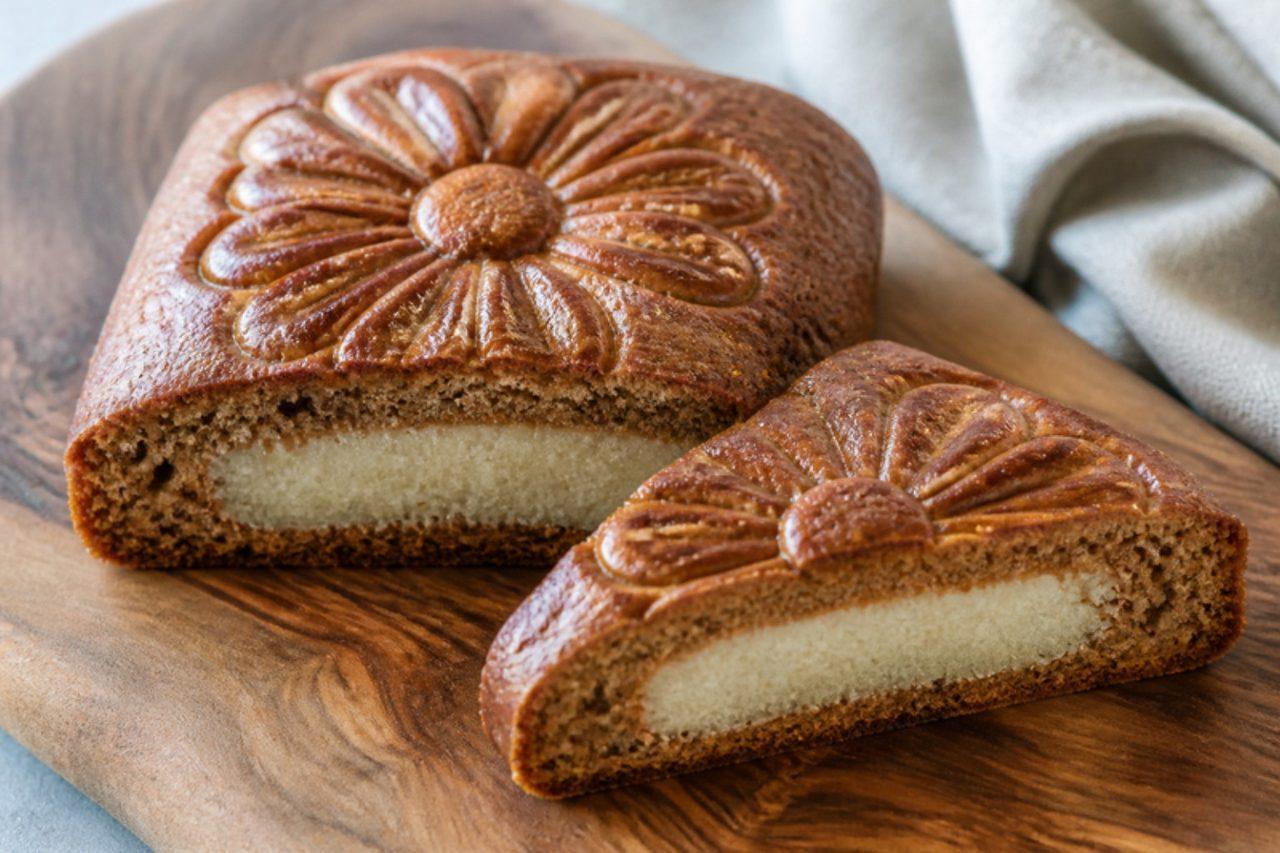
Appenzeller BiberAlmond-filled gingerbread

In the green hills of Appenzell, Biber are the sweet that marks Christmas, New Year and christenings, and bakers in Appenzell town stamp them with wooden moulds of cows, bears and the traditional alpine ascent. The dough is a dark, spicy honey gingerbread wrapped around a layer of almond paste, baked until it glows chestnut brown. They keep well and are sliced or eaten whole with coffee. Chef's tip: leave the dough to rest for at least a day if you can; honey doughs get smoother and spicier with time and crack less when stamped.

by KrazyBadal 0 views

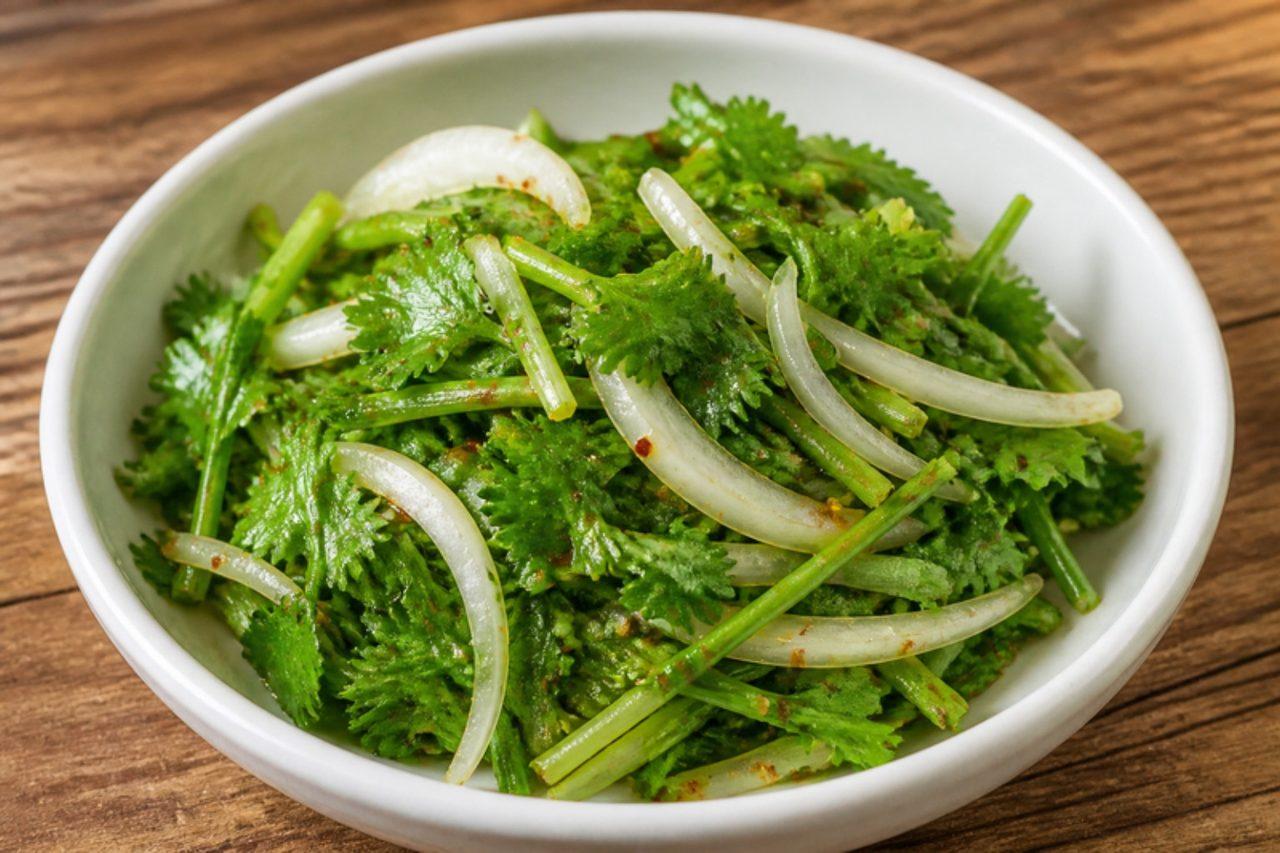
Minari muchimWater dropwort salad

Minari, Korean water dropwort, grows in the wet fields of Cheongdo and around Daegu, and in early spring Koreans eat it raw and crunchy as a sharp, peppery salad: the stems are tossed in a sweet-sour dressing of gochugaru, vinegar, garlic and a touch of sugar, with thinly sliced onion. It is served alongside grilled pork belly or a fish stew to freshen the palate. A portion is about 50 kcal. If minari is hard to find, use watercress or celery leaves with stems. The common mistake is dressing it too early: the leaves wilt and weep within half an hour, so toss it just before eating. Chef's tip: soak the cut minari in iced water for five minutes first; it turns very crisp.

by KrazyBadal 0 views

ErdbeerkuchenStrawberry flan

When strawberry stands pop up on every country road in June, bakeries from the Rhineland to Saxony fill their windows with Erdbeerkuchen, and families bake one for Sunday afternoon Kaffee und Kuchen. A light sponge is baked in a fluted flan tin with a raised rim, spread with a thin layer of custard or jam, covered with halved strawberries and set under a clear red glaze, then served with whipped cream. The mistake most people make is filling the base while it is still warm, which makes it soggy. Chef's tip: brush the cooled base with a little melted white chocolate or jam first; it seals the sponge against the fruit juice.

by KrazyBadal 0 views

ApfelschorleApple juice spritzer

At any German beer garden, from Munich's Chinese Tower to the cider taverns of Frankfurt, the drink for children, drivers and anyone on a hot afternoon is Apfelschorle: cloudy apple juice topped up with sparkling mineral water. Germans drink it at family lunches, after sport and at school summer parties, and it is far less sweet than juice alone. The usual mix is half and half, but many people go lighter on the juice. The common mistake is pouring the water first, which knocks out the bubbles. Chef's tip: use naturally cloudy apple juice and very cold, strongly sparkling water, and pour the water in slowly down the side of the glass.

by KrazyBadal 0 views

Willisauer RingliSugar ring biscuits

The little town of Willisau in the canton of Lucerne has been making these rock-hard sugar rings since the 1800s, and Swiss children have been nibbling them on hikes and car journeys ever since, sucking them slowly like sweets. They are made from little more than sugar, flour, egg and lemon, and dried before baking so they set with a smooth, pale, glassy crust. The bakery recipe is a well-kept secret; this home version gets the same snap. Chef's tip: don't skip the overnight drying, which forms the crust that gives Ringli their famous crunch.

by KrazyBadal 0 views

MailänderliLemon butter cookies

Come December, almost every Swiss household bakes Mailänderli, the simplest and best-loved of the Weihnachtsguetzli: buttery, lemon-scented biscuits cut into stars, hearts and moons and painted with egg yolk so they bake to a deep shine. Children across German-speaking Switzerland help cut them out, and tins of them are swapped with neighbours and eaten all through Advent. Chef's tip: rest the dough in the fridge overnight, or for at least 2 hours; warm dough spreads and the shapes lose their sharp edges.

by KrazyBadal 0 views

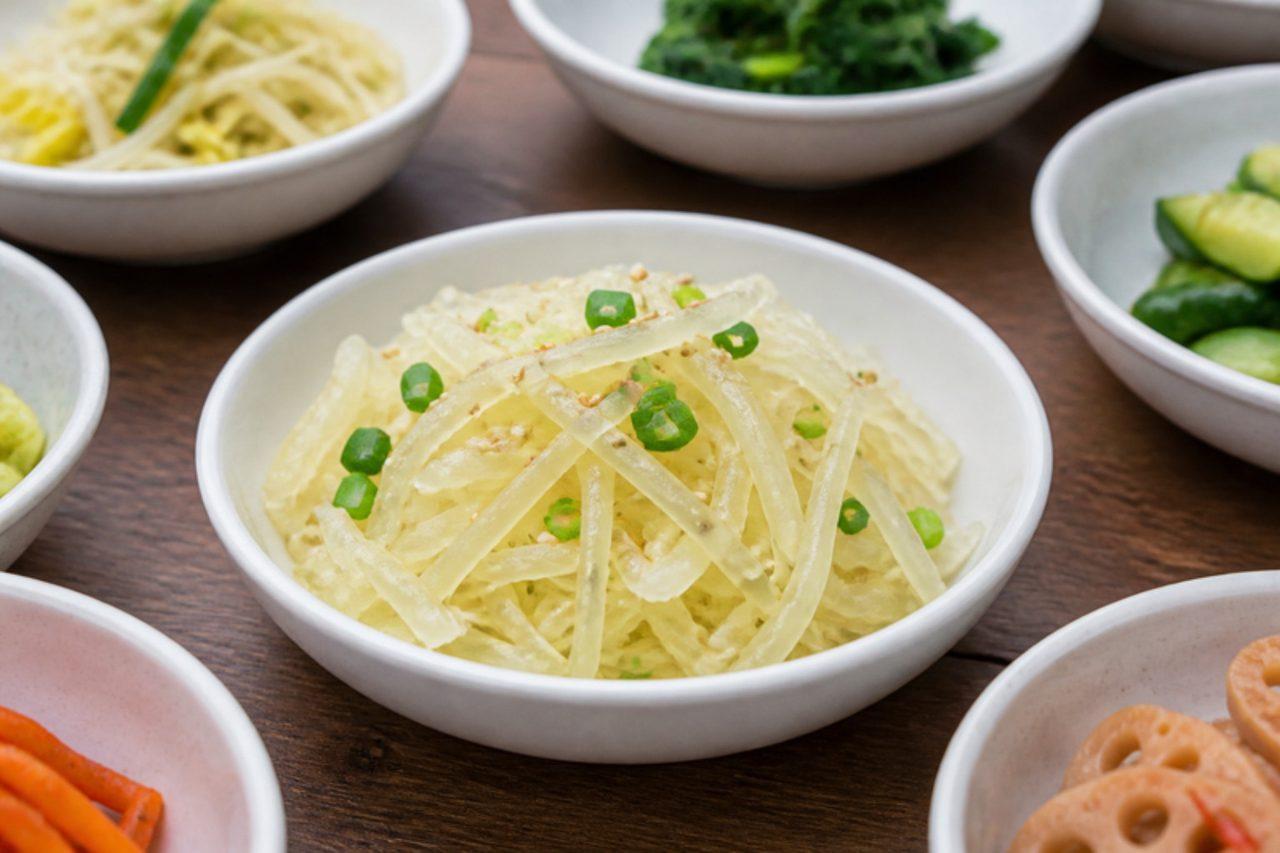
Mu namulStir-fried radish strips

Mu namul is the soft, white radish side dish that appears among the banchan of a Korean home table in autumn and winter, when the fat Korean radishes are at their sweetest, and it is always part of the namul set laid out for Chuseok and ancestral rites in Andong and Seoul. Thin matchsticks of radish are stir-fried with garlic and a pinch of salt, then steamed briefly in their own juice until tender and translucent, and finished with sesame. It is mild, sweet and very gentle on the stomach. A portion is about 50 kcal. The most common mistake is cutting the radish against the grain, so it breaks into short bits; cut lengthways, along the grain, so the strands stay long. Chef's tip: salt the radish first and let it sit for a few minutes; it releases water that it then cooks in, so you need almost no oil.

by KrazyBadal 0 views

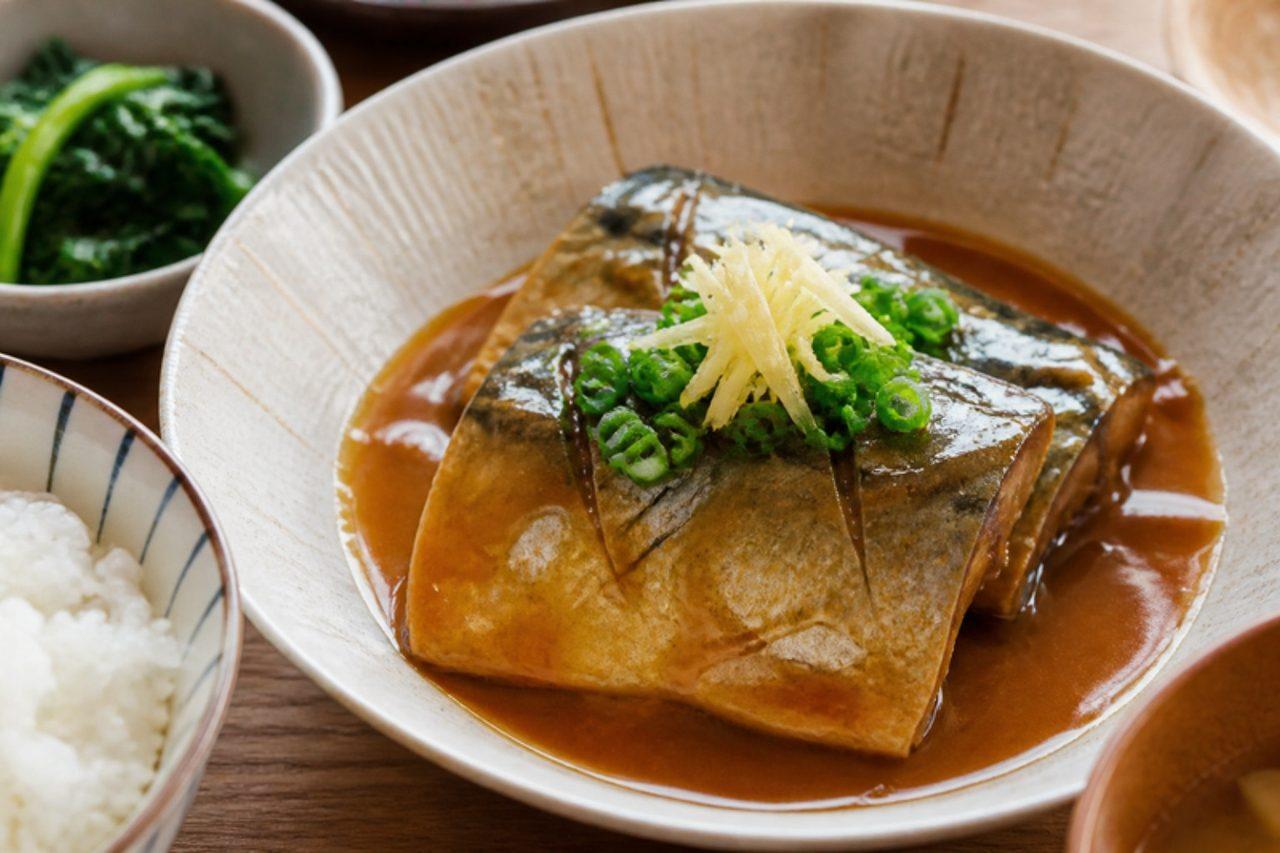
Saba no misoniMackerel simmered in miso

Saba no misoni is a fixture of the set lunches in Tokyo's office districts and a weeknight dinner in homes across Japan: mackerel fillets simmered in a sweet, thick sauce of miso, sake, sugar and plenty of ginger, which mellows the rich, oily fish. It is served with rice, miso soup and a green vegetable. Mackerel is high in omega-3 fats, so it is filling rather than light. A portion is about 330 kcal. Sake contains alcohol but it is simmered off; the note gives an alcohol-free swap. The most common mistake is adding the miso at the start and boiling it hard, which makes it grainy and dull; dissolve it in once the fish is nearly cooked. Chef's tip: pour boiling water over the fillets before simmering (shimofuri); it firms the skin and removes the fishy smell.

by KrazyBadal 0 views

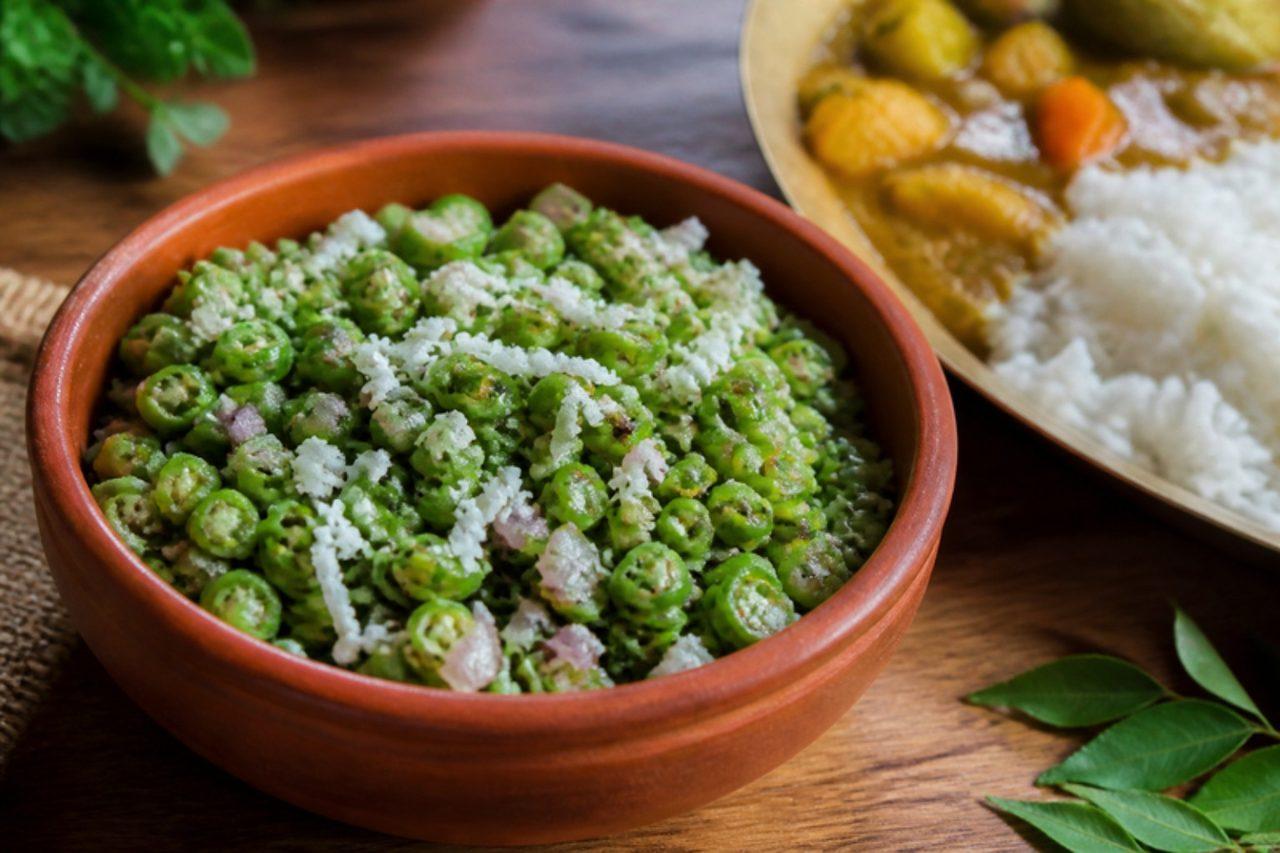
Beans foogathGreen beans with coconut

Foogath is the everyday vegetable of Goan Catholic homes in Margao and Panjim, a dry stir-fry of finely chopped beans, cabbage or gourd with onion, green chilli and plenty of freshly scraped coconut, eaten on the side of fish curry rice at Sunday lunch or with plain rice and dal at a weekday supper. It is mild, sweet and fresh-tasting. A portion is about 120 kcal. The common mistake is cooking the beans too long in a covered pan, which turns them khaki; cook them quickly and keep them bright green. Chef's tip: chop the beans very fine, almost into small rounds; that is the Goan way, and it lets them cook in a few minutes.

by KrazyBadal 0 views

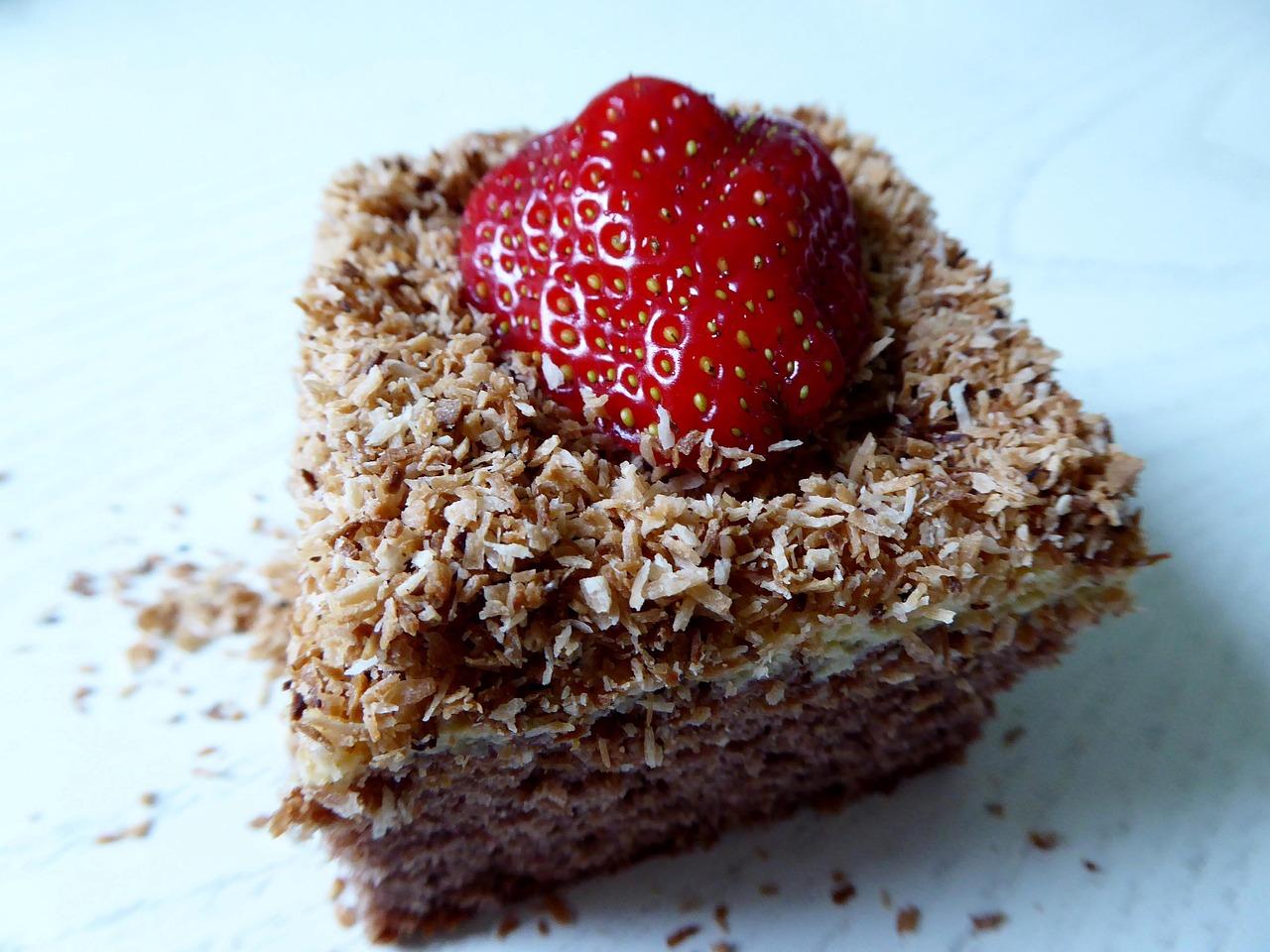
KärleksmumsChocolate tray cake

Kärleksmums, 'love bites', is the tray cake of Swedish school cafés, sports clubs and children's birthdays, cut into squares and eaten with milk or coffee. A soft chocolate sponge is spread while still warm with a glossy icing of butter, cocoa, icing sugar and a splash of coffee, then covered in desiccated coconut. Leave out the coffee for children if you prefer and use milk. A common mistake is icing a cake that is too hot, so the icing soaks in and the coconut slides off. Chef's tip: let the cake cool for 10 minutes, so it is warm but not hot, before spreading.

by KrazyBadal 0 views

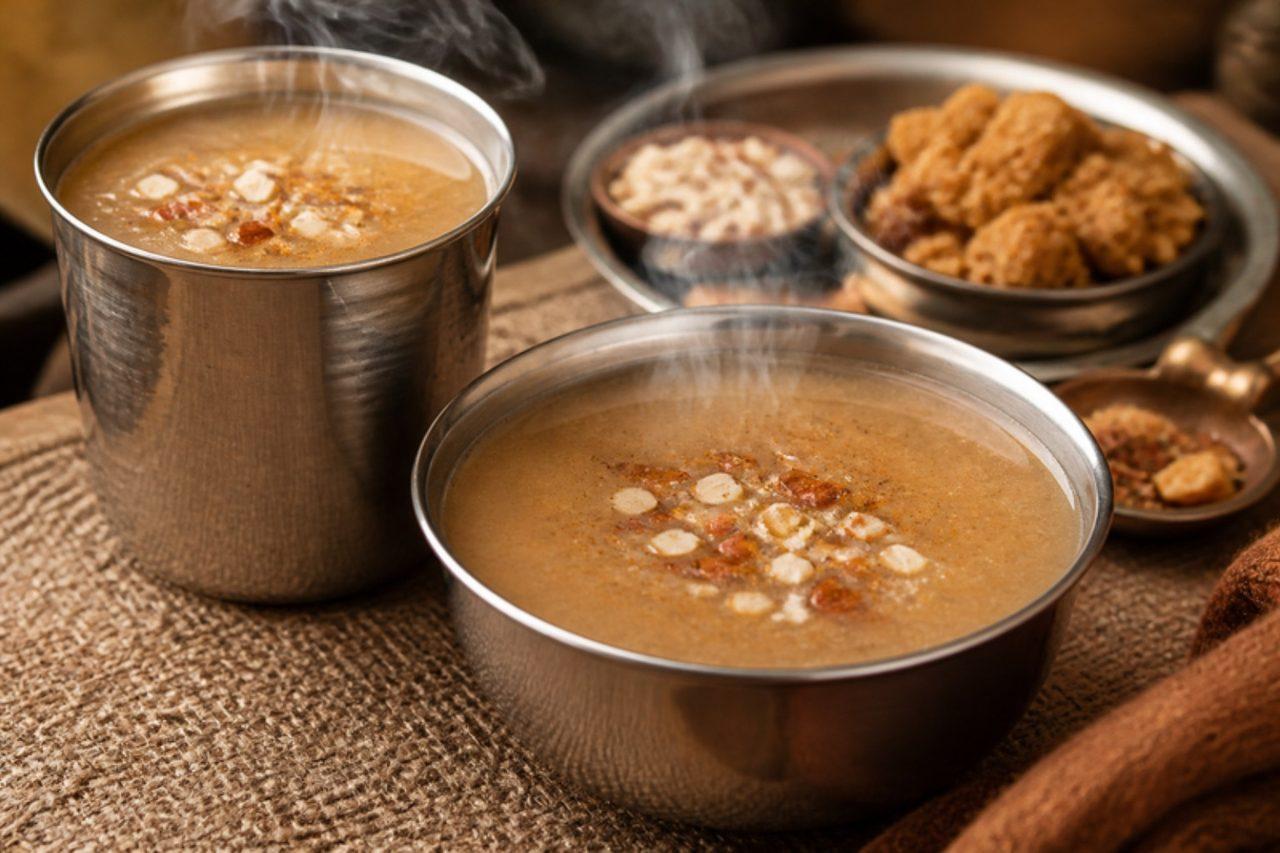
Bajri ni raabPearl millet jaggery drink

In Gujarati homes from Ahmedabad to the villages of Saurashtra, raab is what is made on a cold January evening, for a cough, or for a new mother regaining her strength: a spoon of bajri flour roasted in ghee with ajwain and dry ginger, then cooked with water and jaggery into a thin, sippable porridge. It is drunk hot from a steel tumbler and tastes of toasted grain, caramel and warm spice. A tumbler is about 220 kcal. The most common mistake is adding jaggery to boiling raab with the flame high, which can make it split; turn the heat down first and stir it in until it melts. Chef's tip: roast the flour on a low flame until it smells like toasted biscuit and darkens just slightly; underroasted bajri tastes raw and bitter.

by KrazyBadal 0 views

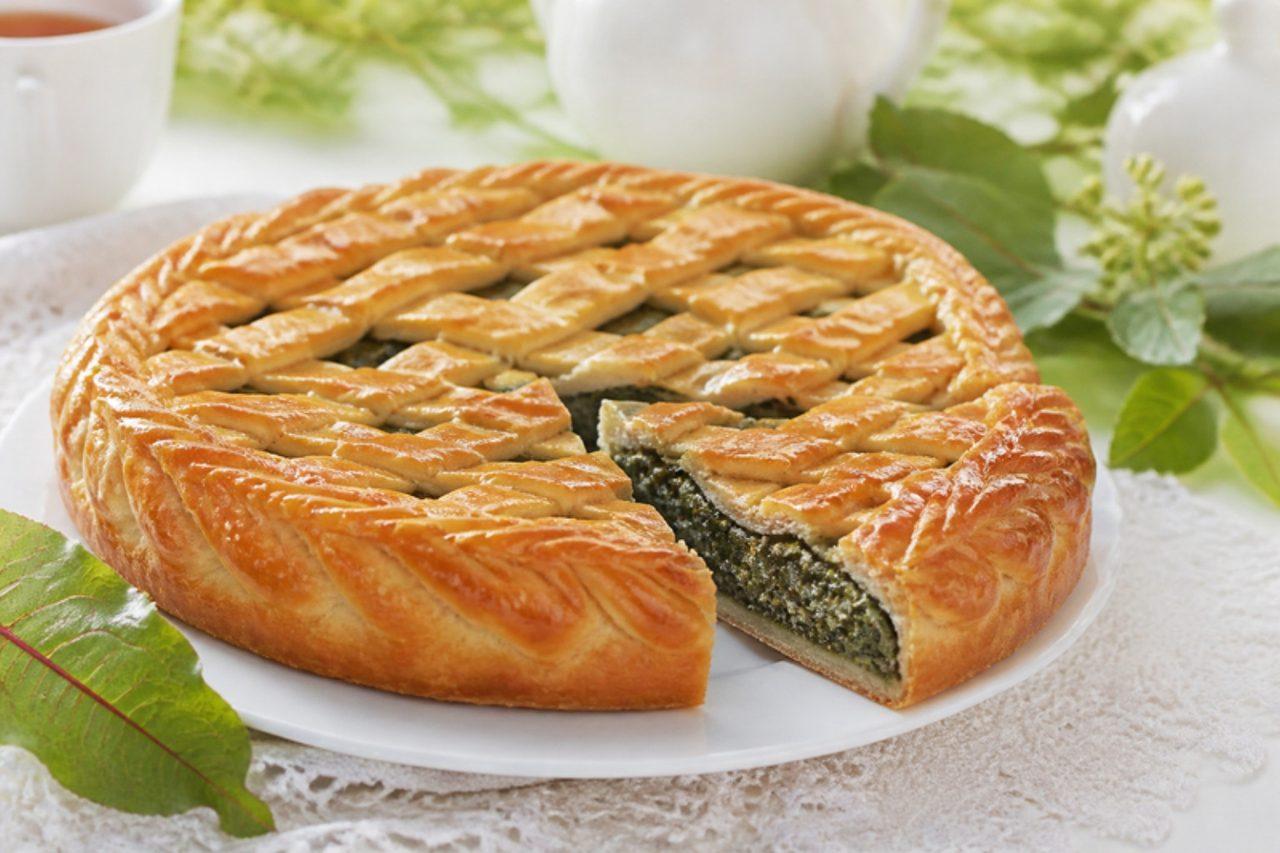
Sweet sorrel pie

In late May and June, sorrel is the first thing to grow thick in dacha gardens around Moscow and Kaluga, and grandmothers turn the sour leaves into a sweet pie that tastes surprisingly like rhubarb. Shredded sorrel is tossed with sugar and a little starch and baked between two layers of soft sour-cream pastry, then eaten in thick slices with tea or cold milk. The common mistake is mixing the sugar into the sorrel too early, which draws out the juice and floods the pastry. Chef's tip: layer the dry leaves into the pie and sprinkle the sugar and starch over them right before you close the lid.

by KrazyBadal 0 views

NussgipfelHazelnut crescents

In Swiss train-station bakeries and village tearooms the Nussgipfel is the pastry commuters grab with their morning coffee: a crisp, flaky crescent wrapped around a sweet filling of ground hazelnuts and cinnamon, glazed so it shines. Bakers in Bern and Lucerne make their own laminated dough, but at home good all-butter puff pastry gives an excellent result in about an hour and a half. Chef's tip: chill the shaped crescents for 15 minutes before baking; warm pastry slumps and the filling leaks out.

by KrazyBadal 0 views

MannikSemolina cake

In thousands of Russian kitchens, mannik is the cake you make when the cupboard is nearly bare: semolina, kefir, sugar, a couple of eggs and almost no flour. The semolina swells overnight in the kefir, and the result is a plain, damp, slightly springy cake with a golden crust, sliced at the tea table from Smolensk to Vladivostok with a spoon of jam or sour cream. The common mistake is skipping the soak, which leaves the cake gritty with hard grains. Chef's tip: soak the semolina in the kefir for at least an hour, or overnight in the fridge, before adding the rest.

by KrazyBadal 0 views

BarankiTea bread rings

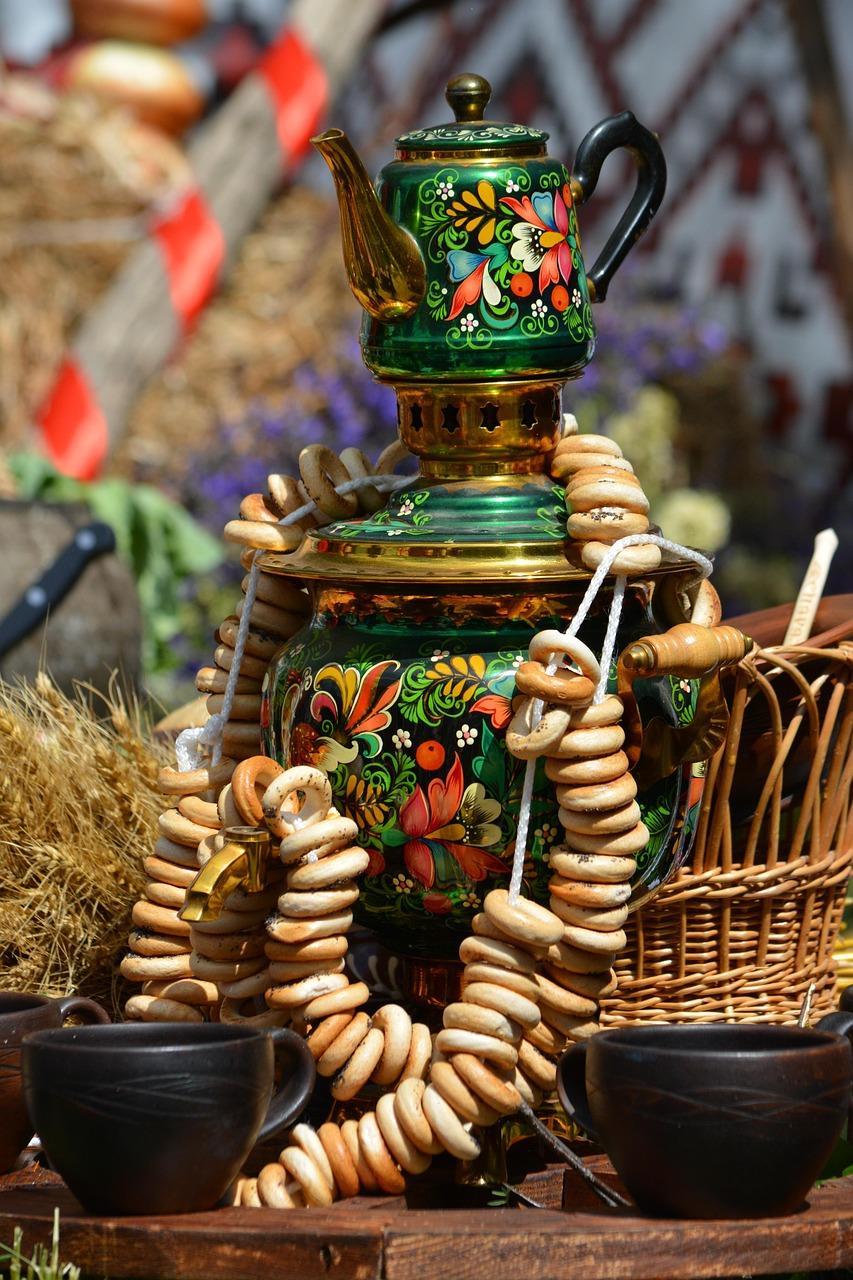
Strings of baranki once hung on poles at every Russian fair, and you still see them threaded on twine in Moscow markets and station kiosks. The dough is boiled briefly like a bagel, then baked until hard, golden and glossy, so the rings keep for weeks and soften only when dunked in hot, sweet tea from the samovar. This version is vegan, made with oil instead of butter and eggs. The common mistake is a soft, wet dough, which makes puffy bread rolls instead of crunchy rings. Chef's tip: knead the dough stiff and leave the shaped rings uncovered for 20 minutes to form a skin before boiling; that gives the shine.

by KrazyBadal 0 views

Paruppu usiliGreen beans with crumbled lentils

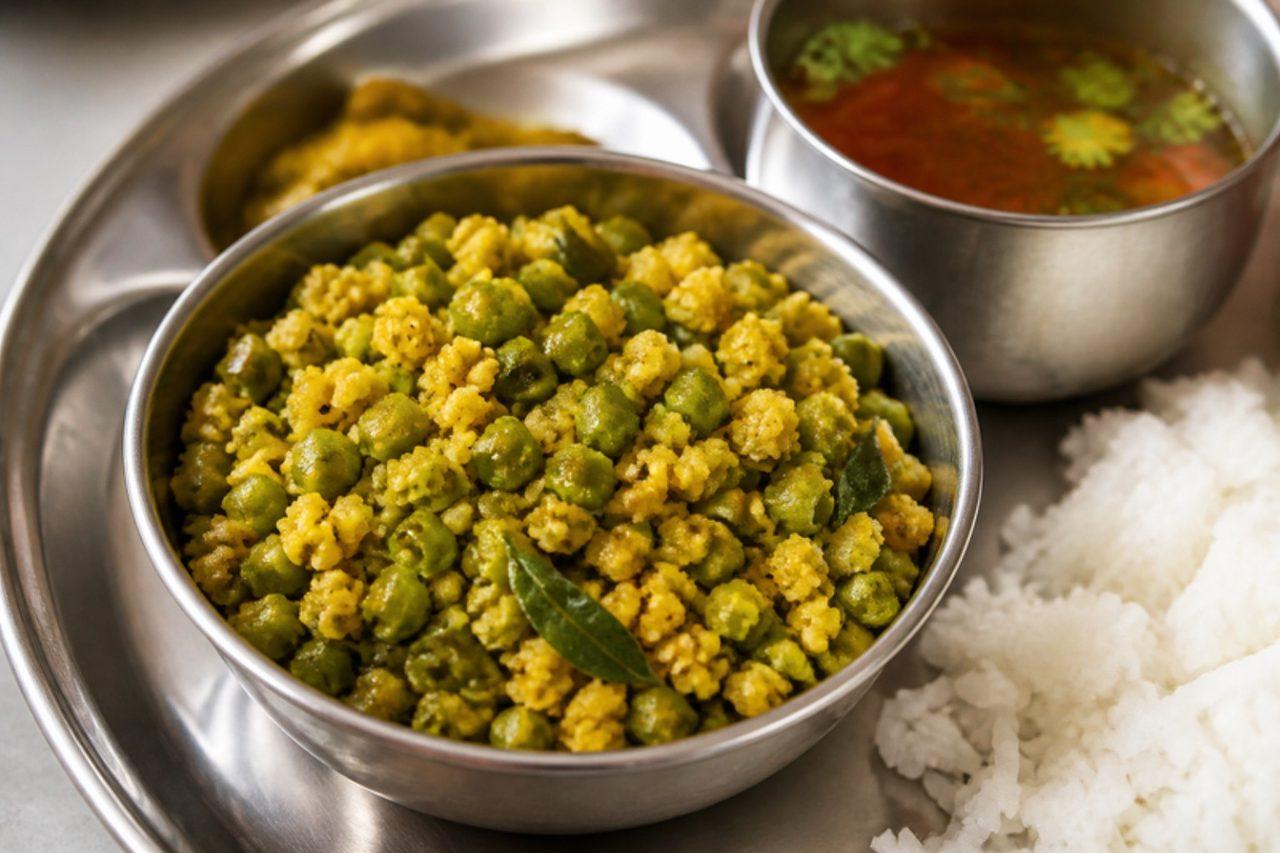
Paruppu usili is a Tamil Brahmin speciality, the dry dish that sits beside more kuzhambu or rasam on a Thanjavur lunch leaf at weddings and at home: chana and toor dal are soaked, ground coarsely with red chilli, steamed into a cake, crumbled, then fried with finely chopped green beans until the crumbs turn golden and crisp in places. The result is nutty, spicy and full of protein. A portion is about 220 kcal. The dals soak for 1 hour first (not counted in the times). The mistake most people make is grinding the dal to a smooth paste; it should be coarse like semolina, or the usili turns into lumps instead of crumbs. Chef's tip: steam the ground dal before frying, rather than frying it raw; it crumbles perfectly and needs far less oil.

by KrazyBadal 0 views

Kerala chicken stew

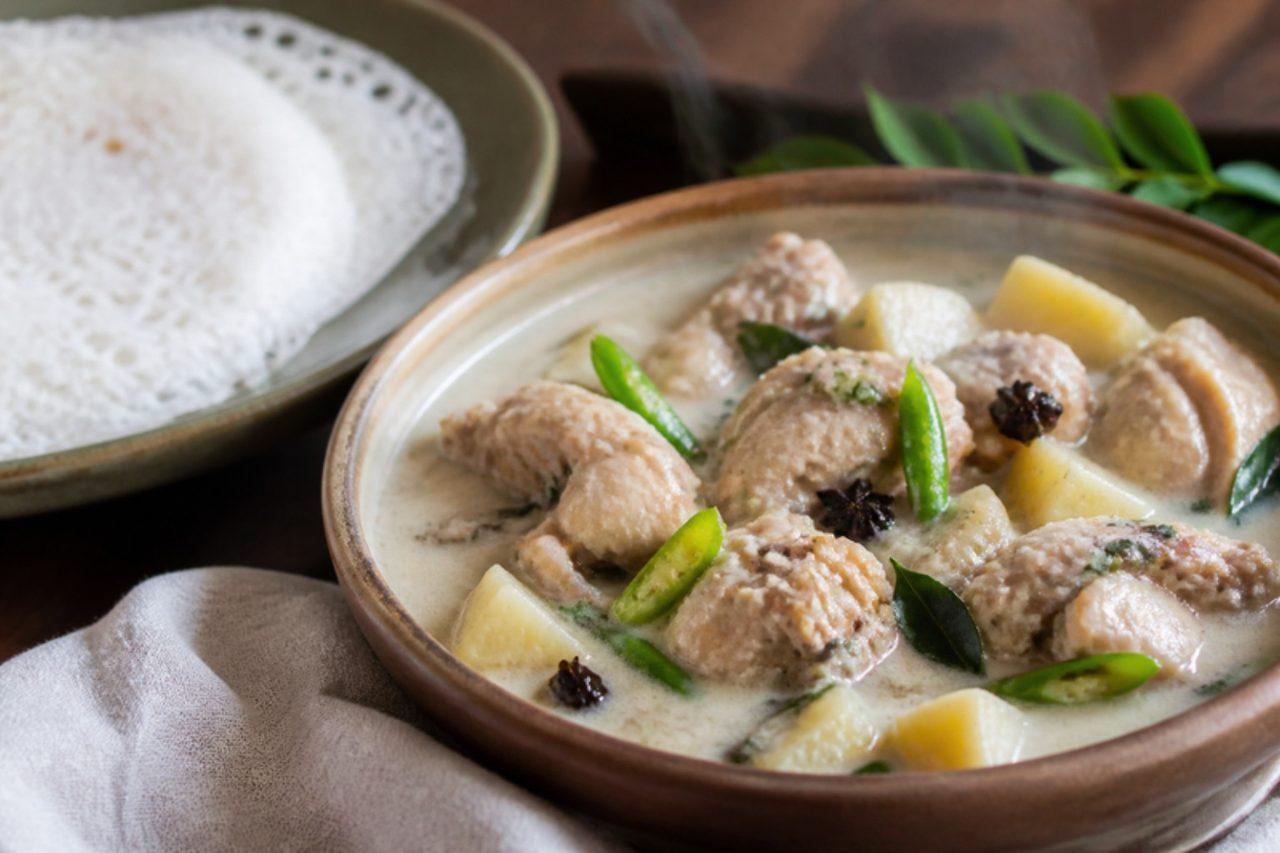
Easter morning in a Syrian Christian home in Kottayam or Thrissur means lacy appam and a pot of chicken ishtu, and the same stew is the classic breakfast in Kochi's old hotels: bone-in chicken and potatoes simmered in coconut milk with cinnamon, cloves, cardamom, ginger and green chilli until tender. It is creamy, fragrant and mild enough for children. A portion is about 390 kcal; skinless thighs and part-thin coconut milk keep it lighter than most. The mistake most people make is cooking the potatoes in the thick coconut milk from the start, so the milk splits by the time the chicken is done; cook in the thin milk and add the thick at the end. Chef's tip: fry a few slices of shallot in coconut oil and scatter them over just before serving; it adds a sweet, toasted edge.

by KrazyBadal 0 views

ToscakakaAlmond caramel butter cake

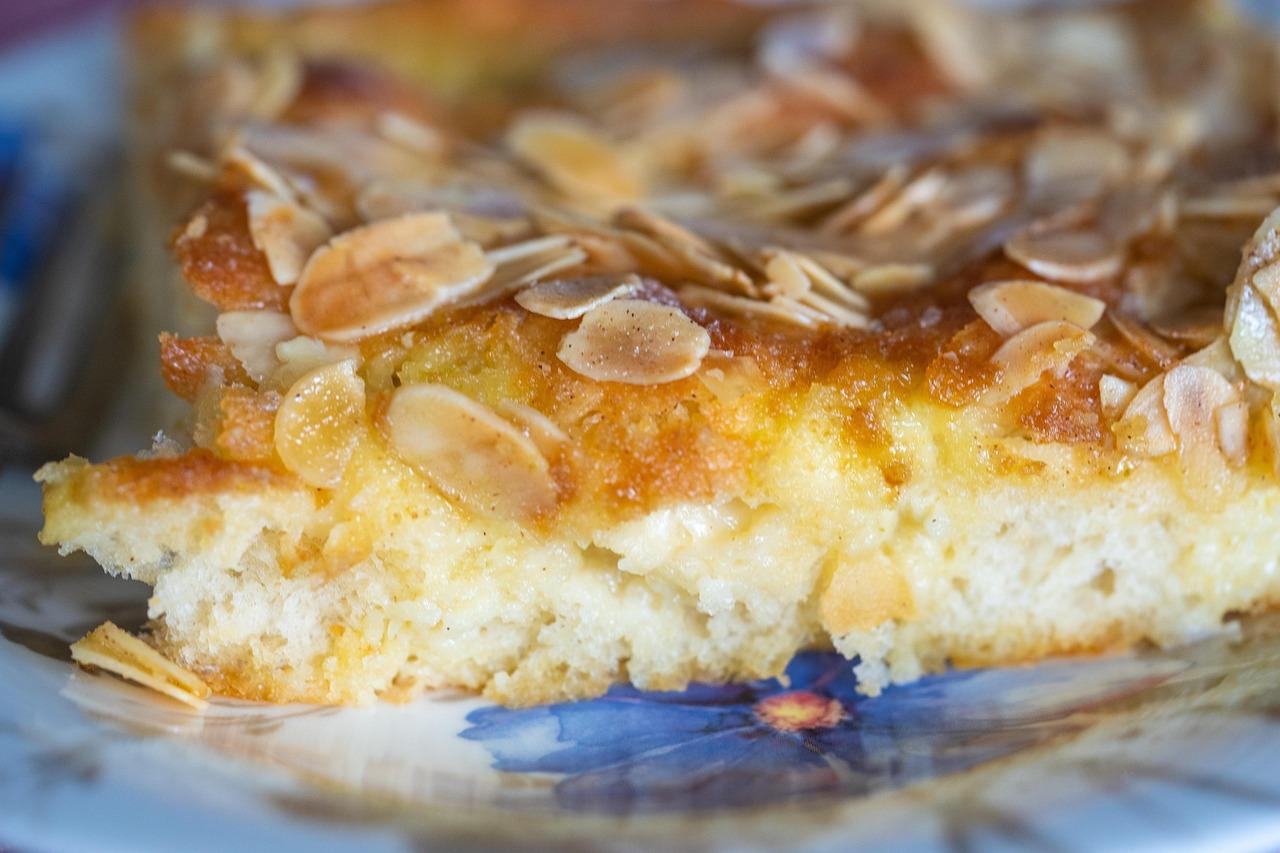
Toscakaka is the elegant fika cake of Swedish coffee afternoons, named after the opera and found in every old konditori in Stockholm and Gothenburg. Under a crunchy, toffee-like lid of flaked almonds cooked in butter, sugar and cream is a light, buttery sponge. It is at its best on the day it is made, with coffee. A common mistake is adding the topping too early, so it sinks into the raw sponge. Chef's tip: bake the cake until just set, then spread the hot topping over and return it to the oven until bubbling and amber.

by KrazyBadal 0 views

Patra ni machhiSteamed fish in green chutney

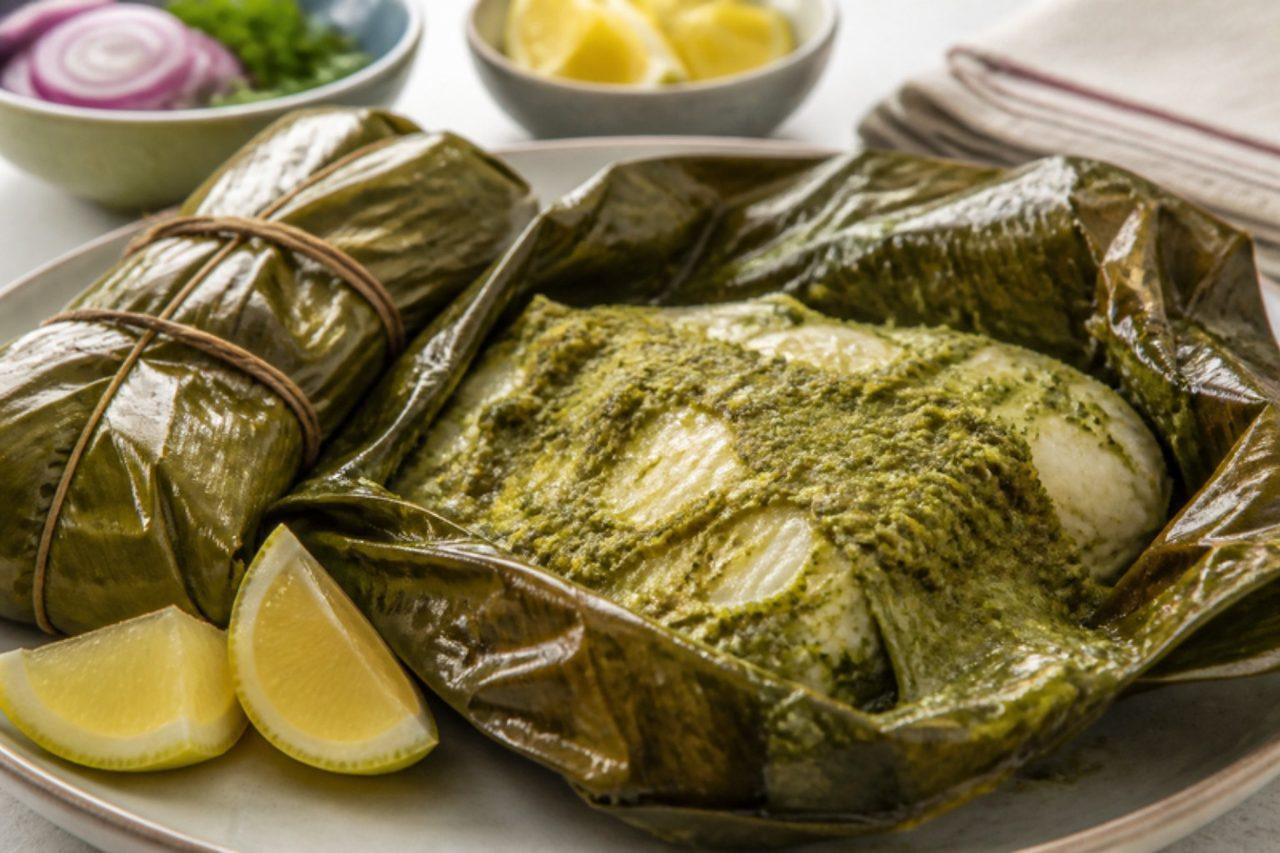
No Parsi wedding feast in Mumbai or Navsari, the lagan nu bhonu, is complete without patra ni machhi: pieces of pomfret smothered in a bright green chutney of coconut, coriander, mint, green chilli and lime, wrapped in banana leaves and steamed. When the parcels are opened at the table the fish is moist and tender and the chutney tangy and fragrant. It is also an easy, light dinner at home. A portion is about 240 kcal. The common mistake is steaming too long: thin fillets need only 12–15 minutes, and overcooked fish turns dry and chalky. Chef's tip: pass the banana leaves briefly over a gas flame or dip them in hot water first; they turn soft and glossy and fold without tearing. Foil works if you can't get leaves.

35 minIndianFishGluten free
by KrazyBadal 0 views

Aehobak bokkeumStir-fried courgette

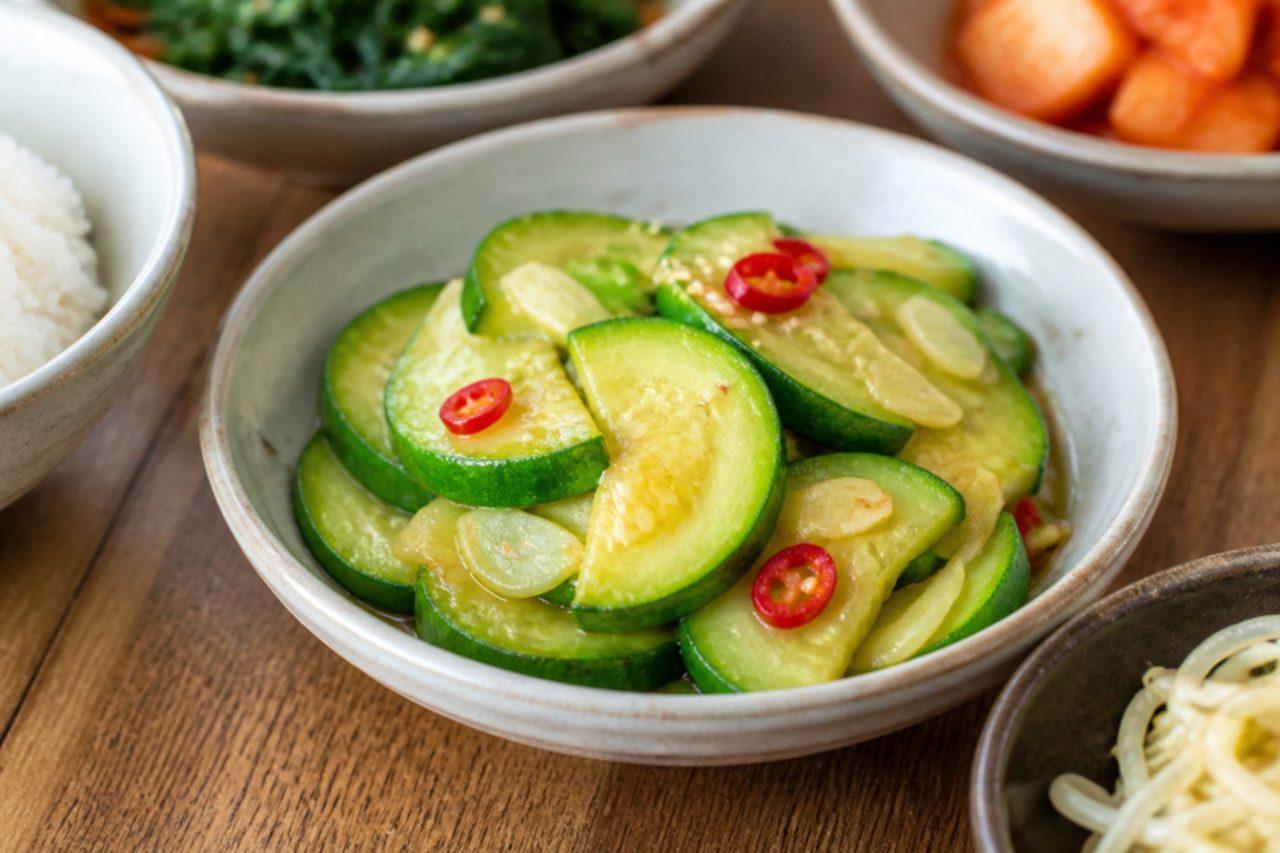
Aehobak, the pale green Korean courgette, is in every market from Gwangjang in Seoul to Busan's Jagalchi all summer, and a quick stir-fry of it is one of the banchan most often on the family table and in school lunches. Half-moon slices are lightly salted, then stir-fried with garlic until just tender and glossy, and finished with sesame. Many homes season it with saeujeot, salted shrimp; this version uses salt and a little soy instead, so it is vegan. A portion is about 45 kcal. The common mistake is overcooking, which leaves limp, watery slices; cook it hot and fast and take it off while the slices still have a little bite. Chef's tip: salting the slices for 10 minutes and patting them dry keeps them firm and stops the pan filling with liquid.

by KrazyBadal 0 views

VarenyeFruit preserve in syrup

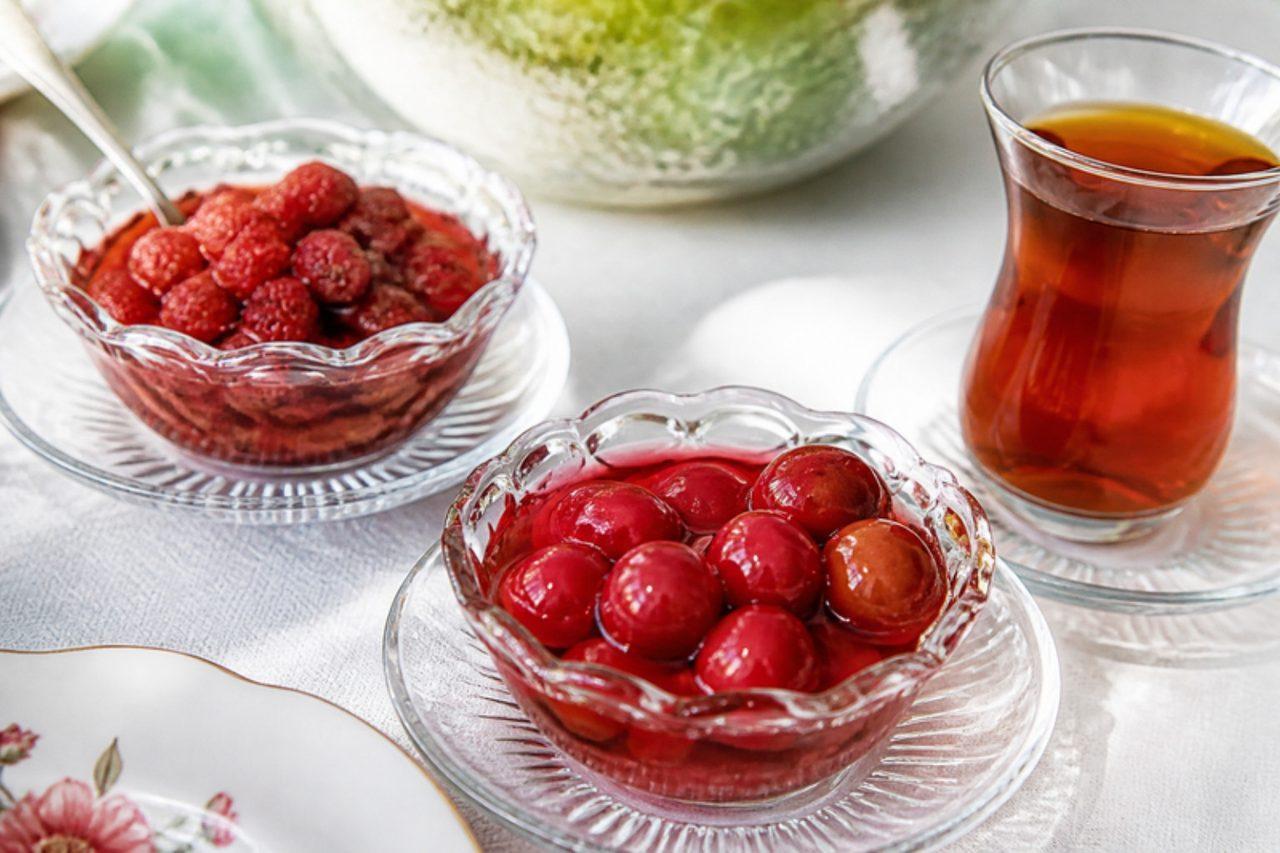
Varenye is not quite jam: whole berries or fruit are steeped and cooked in short bursts so they stay intact in a clear, glossy syrup. All summer at dachas around Moscow and Vladimir, copper basins of strawberry, cherry or gooseberry varenye bubble outside, and in winter it is spooned into tiny glass rosettes and eaten with tea, sometimes straight from the spoon between sips. The common mistake is boiling it in one long go, which turns the fruit to mush. Chef's tip: cook it in three short boils with long rests between; the fruit soaks up syrup slowly and stays whole.

by KrazyBadal 0 views

BiskvierAlmond chocolate cakes

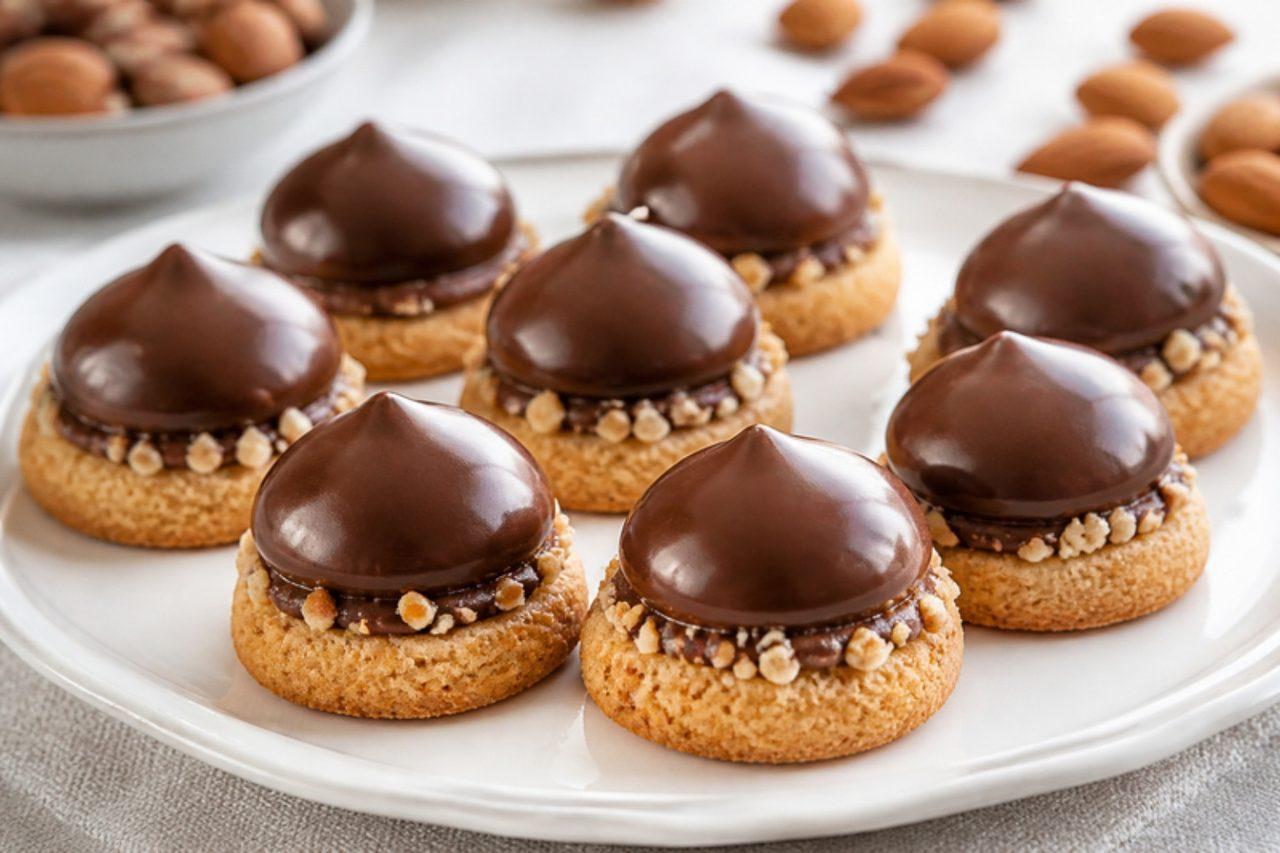
In Swedish konditori from Gothenburg to Uppsala, biskvier sit in the glass counter as small domes of glossy dark chocolate: underneath is a chewy almond macaroon base and a swirl of chocolate buttercream. They are a weekend or birthday fika treat and keep well in the freezer, so many families make a big batch before Christmas. They are naturally gluten free. A common mistake is dipping the buttercream before it is completely cold, so it slides off into the chocolate. Chef's tip: freeze the topped biscuits for 30 minutes, then dip them in barely warm chocolate in one quick motion.

by KrazyBadal 0 views

HühnerfrikasseeChicken fricassee

From Kiel to Konstanz, Hühnerfrikassee is the comforting weekday dish children in Germany ask for, a fixture of school canteens in the old East and of family kitchens everywhere else. Chicken is poached gently with soup vegetables, then the broth becomes a pale, creamy sauce with mushrooms, peas and pieces of asparagus, sharpened with lemon and capers if you like. It is always served over plain rice. The common mistake is boiling the chicken hard, which makes it dry and stringy. Chef's tip: finish the sauce with a little lemon juice off the heat; without it the frikassee tastes flat and heavy.

by KrazyBadal 0 views

Showing 24 of 2,653 recipes

Show more recipes

Page 1 of 111