Skip to content
WhatToEat.Today

All recipes

16

Vegetarian, or something you can't eat? Set your diet once and we'll hide recipes that don't fit.

Pomana porculuiFresh pork fry-up

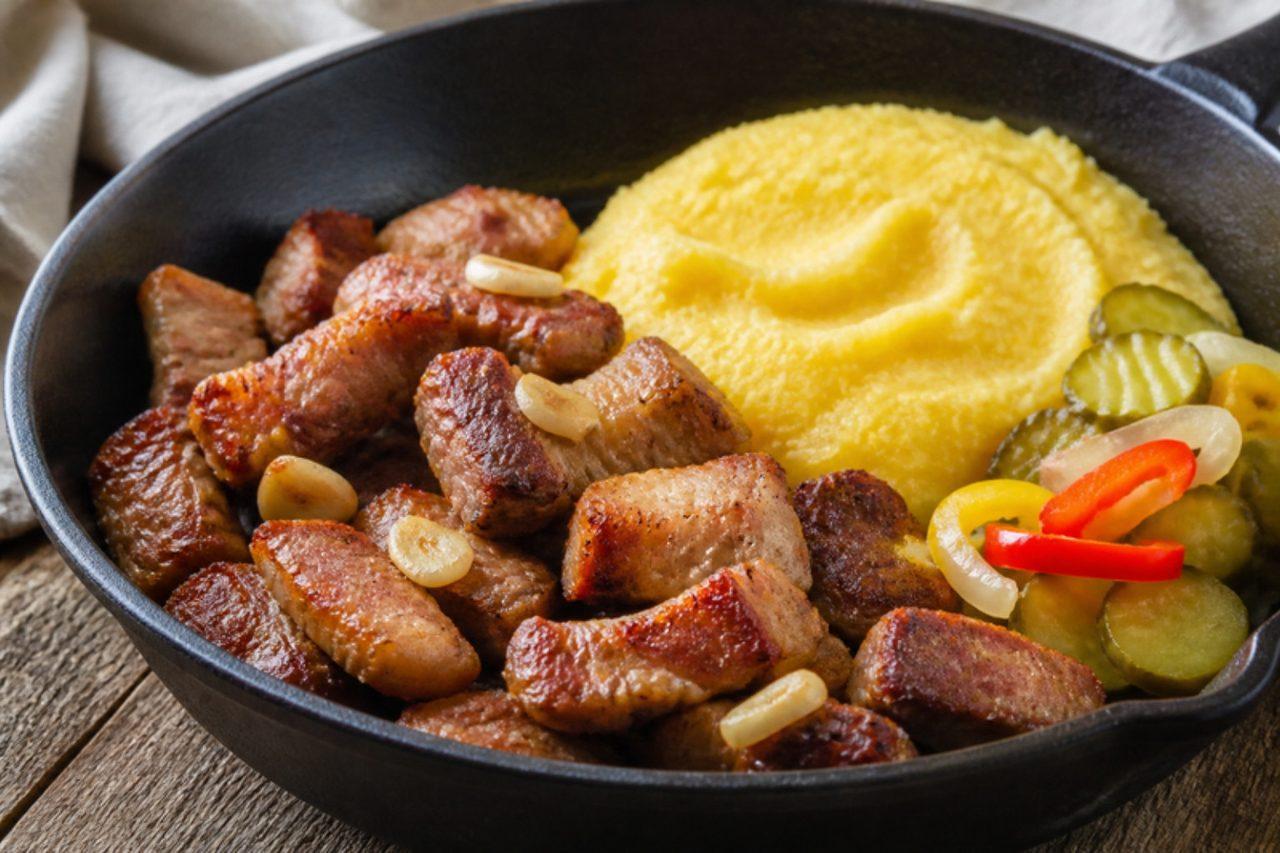
St Ignatius' Day (Ignatul), 20 December, is when Romanian villages traditionally slaughter the pig for Christmas, and the people who help are thanked with pomana porcului: chunks of the freshest pork (neck, belly and loin, sometimes liver) fried in their own fat with salt and garlic, then eaten hot with polenta, pickles and a glass of plum brandy for the adults. At home it is a quick, rustic dish; buy pork shoulder or neck with a good amount of fat. Chef's tip: start the pork in a cold pan so the fat renders slowly and the meat fries in it.

by KrazyBadal 0 views

Socată (elderflower fizz)

In late May and early June, when elder bushes bloom white along every Romanian village lane and riverbank, grandmothers fill big glass jars with water, sugar, lemon slices and elderflower heads and set them on a sunny windowsill or balcony. Three or four days later the jar is fizzing gently and socată, the most beloved summer drink of rural Romania, is bottled and chilled for haymaking days, family lunches and long evenings in the courtyard. It is sweet and floral, like honeyed lemonade with the scent of muscat grapes, with a light natural sparkle. Like all young ferments it makes a trace of alcohol, well under 1% if drunk within a week. The common mistake is washing the flowers or picking them after rain: the pollen and wild yeast that start the fermentation are rinsed away and nothing happens. Pick dry, fully open heads on a sunny morning and just shake off insects. It is ready to strain when fine bubbles rise steadily and it smells floral and slightly tangy. Use only the flowers: elder stems, leaves and unripe berries are toxic. Chef's tip: a few raisins in the jar give the yeast a boost if your flowers are slow.

by KrazyBadal 0 views

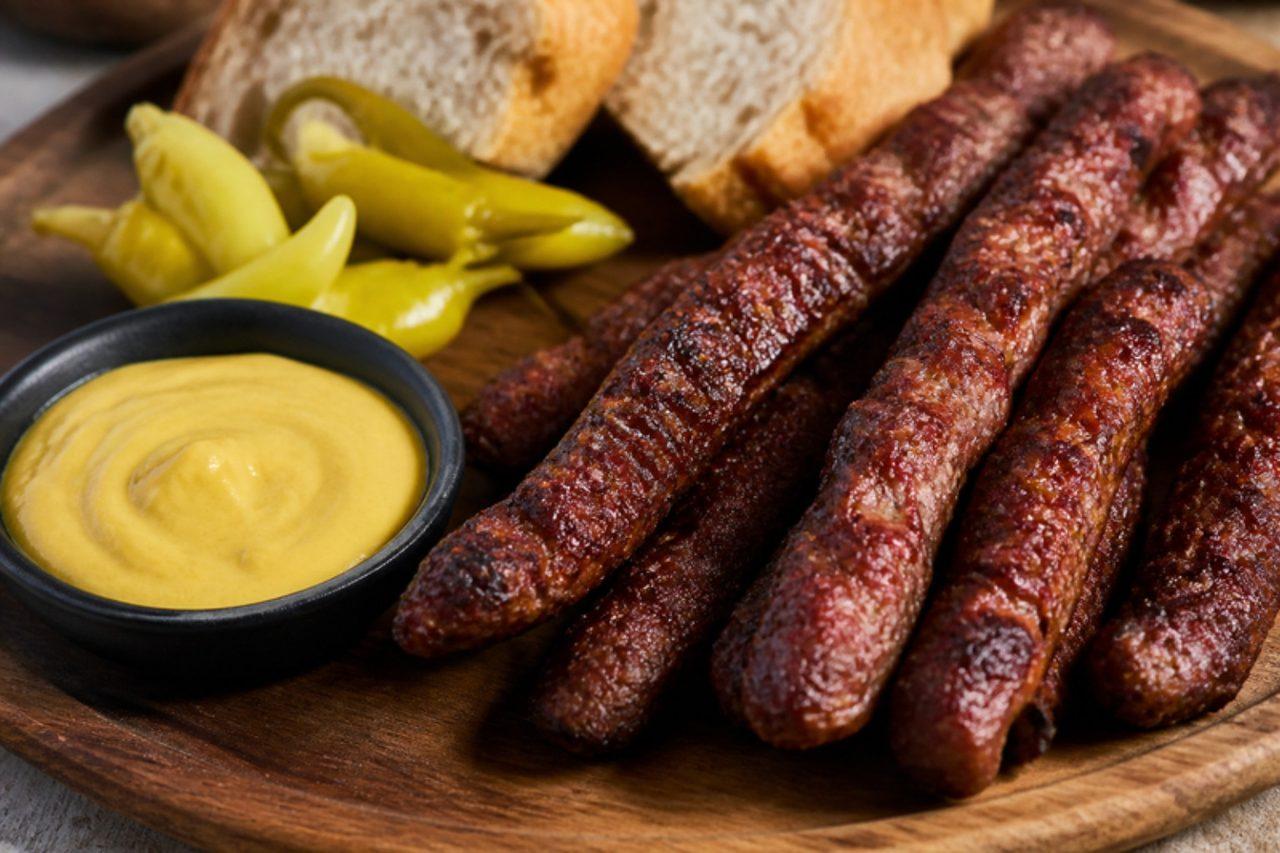
Cârnați de PleșcoiGarlic and chilli mutton sausages

The village of Pleșcoi, in the hills above Buzău, is so proud of its sausages that roadside inns there sell them by the metre: dark red, fiery with chilli and heavy with garlic, made from mutton with a little beef and no pork in the meat. Traditionally they are smoked and air-dried; this home version is a fresh sausage, rested overnight in the fridge for the flavours to settle, then grilled until cooked right through. The casings are usually sheep's casings, but if you buy hog casings they are pork, so check what your butcher sells you. Snappy outside and juicy within, they are eaten straight off the grill with sharp mustard, bread and pickled vegetables. Where people tend to go wrong is letting the meat warm up while mixing; keep everything fridge-cold so the fat does not smear. Chef's tip: fry a small spoonful of the mix before you fill the casings and taste it for salt and chilli; once stuffed, you cannot adjust.

240 minRomanianMeatGluten freeSpicy
by KrazyBadal 0 views

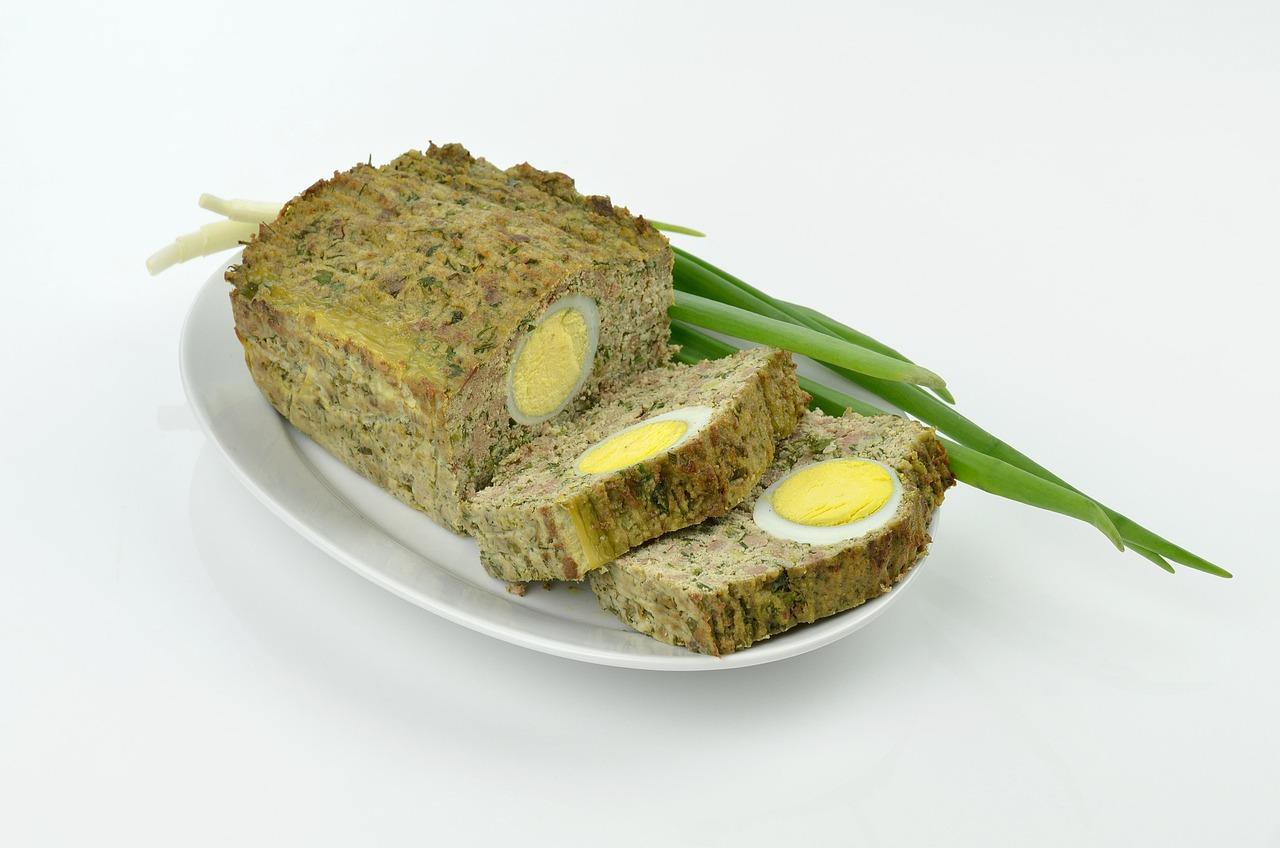
Drob de mielLamb offal loaf

On Easter Sunday a Romanian table holds red-dyed eggs, cozonac and, nearly always, a slab of drob: lamb liver, heart and kidneys poached, chopped and bound with fresh bread, raw egg and a whole bunch of spring onions and dill, then baked with hard-boiled eggs hidden in the middle. Sliced cold, each piece shows a yellow-and-white eye of egg in a green-flecked, earthy loaf that is milder than you might expect. It is served as a starter with radishes, horseradish and green salad, and keeps well for the days of visiting that follow. Butchers often sell a lamb 'pluck'; ask for the lungs to be left out if you prefer, and use a little extra lamb mince instead. The classic mistake is under-seasoning: the loaf is eaten cold, which dulls salt and herbs, so the mix should taste bold. Chef's tip: wrap the loaf in caul fat (prapur) if your butcher has it; it bastes the drob as it bakes and gives a lacy, golden crust.

120 minRomanianMeat
by KrazyBadal 0 views

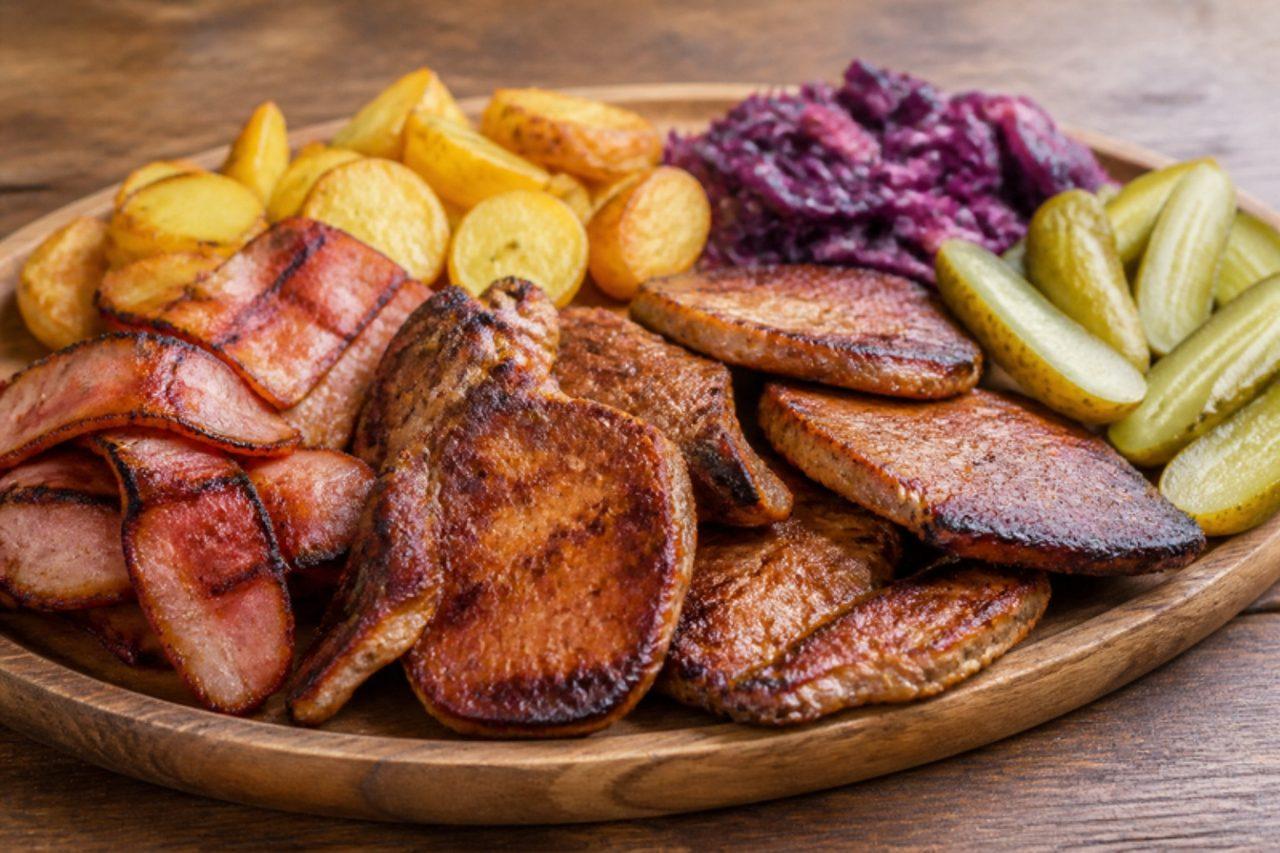
Erdélyi fatányérosMixed grill platter

The name means 'wooden plate', and that is how this Transylvanian-Hungarian feast is brought to the table in Cluj and Târgu Mureș restaurants: a big board heaped with fried potatoes and topped with grilled pork chops, veal escalopes and crisp smoked bacon, surrounded by pickled cucumbers, peppers and red cabbage. It is meant for sharing, two or four people picking from one board, and it smells of garlic, marjoram and smoke. The pork and bacon make this very much a pork dish, balanced by the sharp pickles. Where people most often go wrong is grilling everything at once; cook the bacon first and use its fat for the meat, so nothing dries out while waiting. Chef's tip: score the edge of each pork chop through the fat every 2 cm; it stops the chops curling up in the pan and cooking unevenly.

by KrazyBadal 0 views

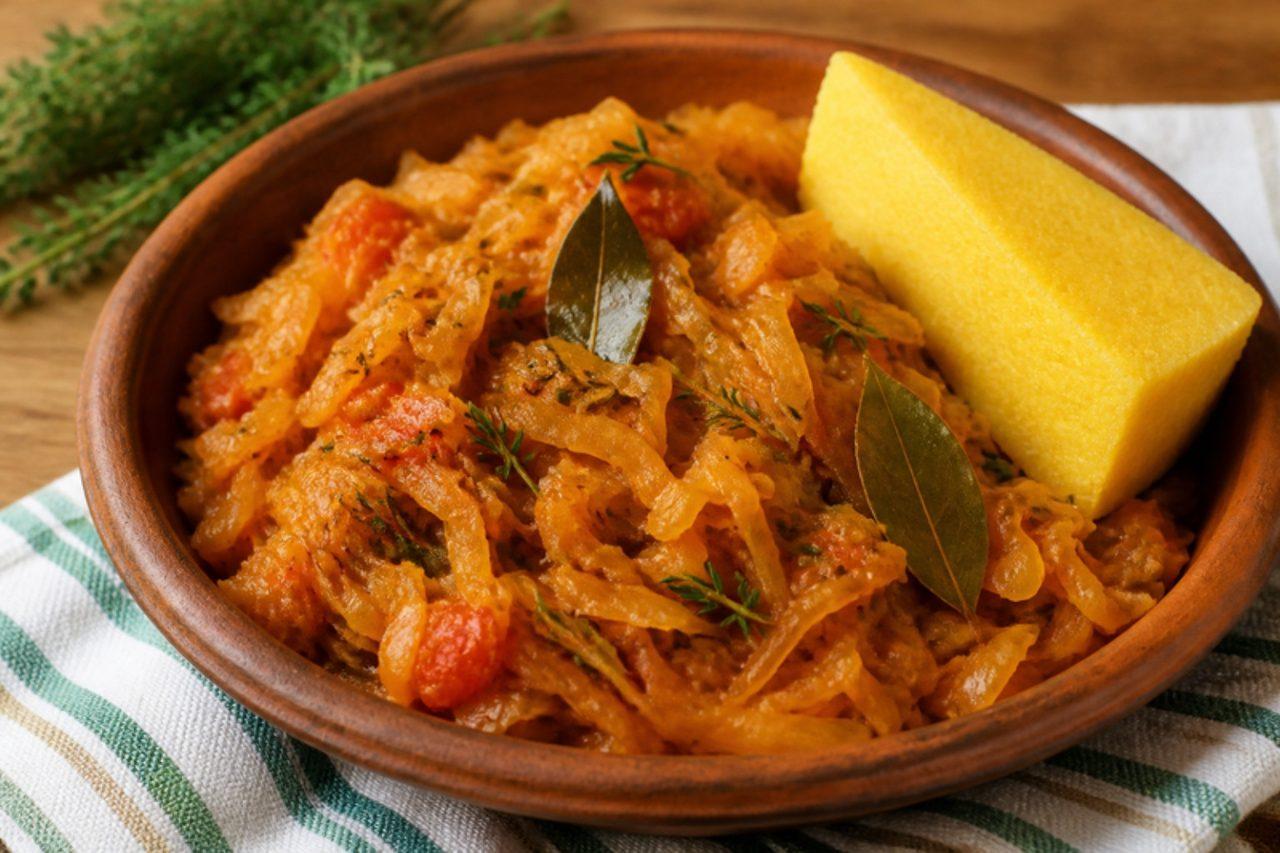
Varză călităBraised cabbage with tomato

Ask a Wallachian grandmother what goes with hot mămăligă on a winter weeknight and she may well point to a pan of varză călită. Fresh white cabbage is shredded and braised for the best part of an hour with onion, tomato, bay and thyme until it turns amber, silky and faintly sweet; in January many cooks use sauerkraut from the barrel instead, rinsed once to tame the salt. With no meat or butter it is a classic fasting (post) dish, though outside the fasts it also sits next to sausages and roasts. The usual slip is turning up the heat to hurry it, which scorches the base before the cabbage softens. Chef's tip: a spoon of vinegar and a pinch of sugar at the very end wake up the flavour without making it taste sour.

by KrazyBadal 0 views

BorșFermented wheat bran sour liquid

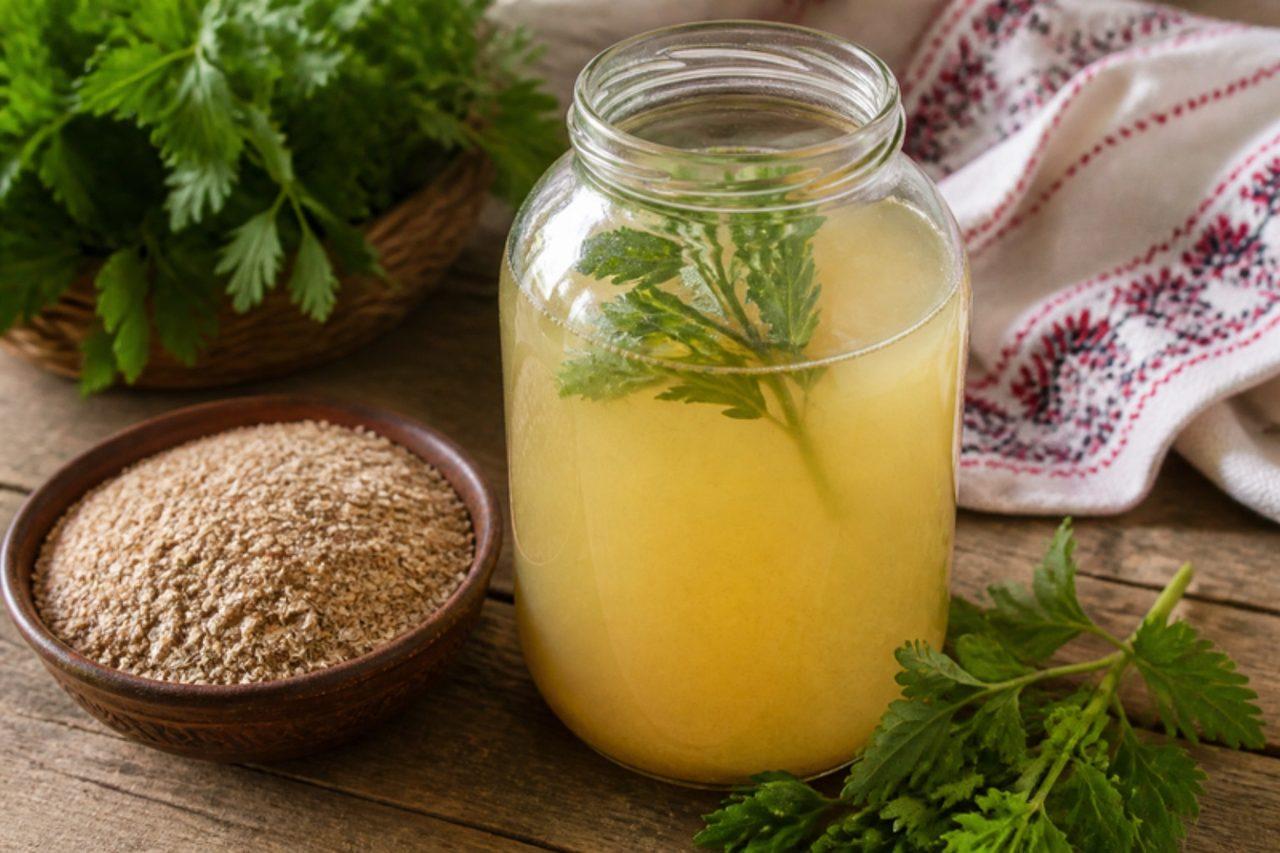
Before lemons were common in Moldavian and Wallachian villages, every household kept a crock of borș, the cloudy, tangy liquid that turns a plain soup into a ciorbă. Wheat bran and a little cornmeal are steeped in hot water, seeded with a starter and left to ferment for 3–4 days in total, so although the hands-on work is short, plan a long weekend: the timings shown cover only the first two days of waiting. It is naturally vegan and a staple of the fasting (post) kitchen, where it sours nettle, bean and vegetable ciorbe. Where people go wrong is using a jar that is not properly clean, which lets the wrong microbes win and turns the borș slimy or mouldy. Chef's tip: keep a few spoonfuls of the drained bran, dried, as the starter (huște) for your next batch.

by KrazyBadal 0 views

TochiturăPork and sausage stew

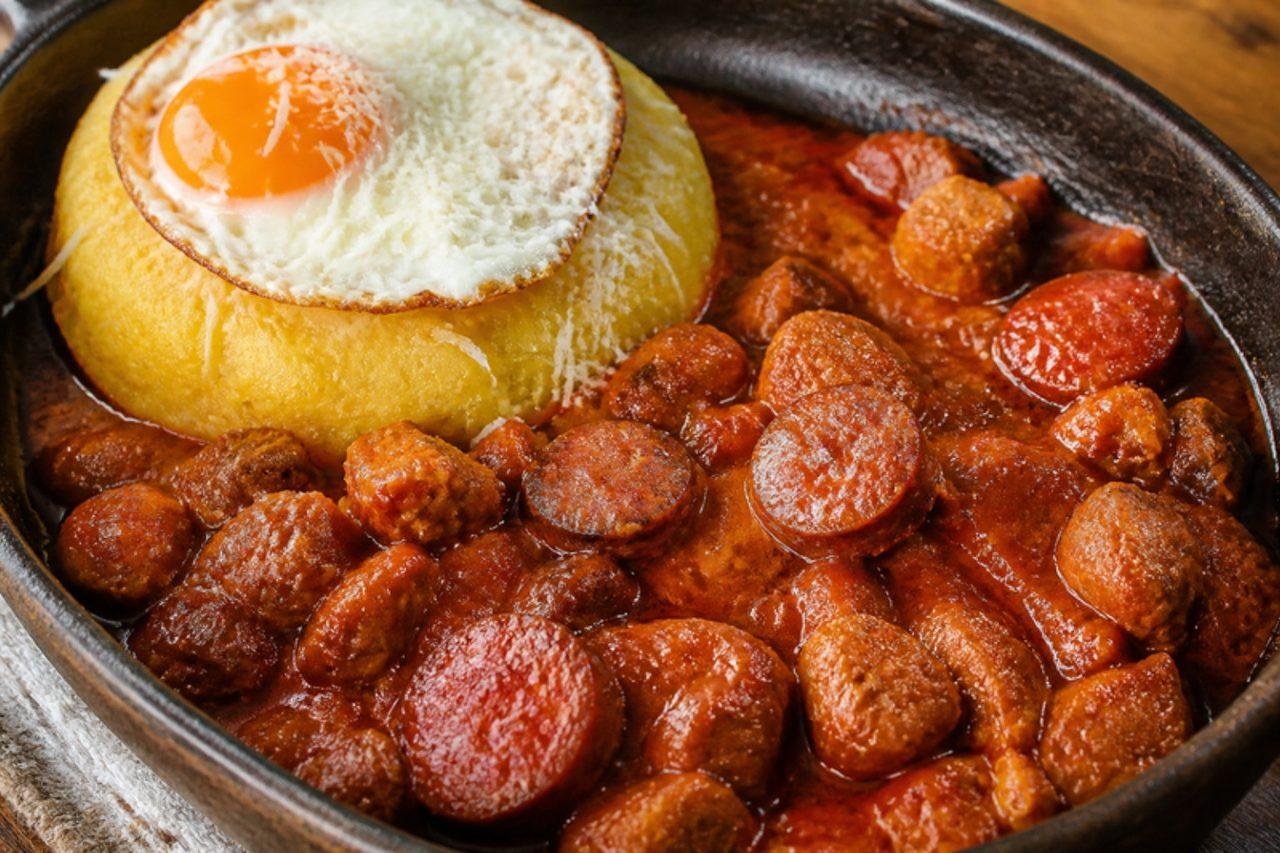
Ask for tochitură in a roadside han near Iași or Piatra Neamț and it arrives as a full plate: cubes of pork shoulder and pork sausage stewed in a garlicky, red-tinged sauce, a hill of mămăligă, a fried egg perched on top and crumbled salty sheep's cheese over everything. It is a dish for cold days and big appetites, rich, peppery and smoky. Traditionally a glass of dry white wine goes into the pan; for an alcohol-free version use the same amount of stock with 1 tablespoon of cider vinegar. The cheese is usually telemea or brânză de burduf. A frequent slip is cooking the pork hard and fast, which leaves it chewy; a gentle simmer turns it tender. Chef's tip: stir a spoon of crushed garlic into the sauce in the last minute only, so it stays fresh and fierce against the rich meat.

by KrazyBadal 0 views

TokányBeef strips in wine and onion

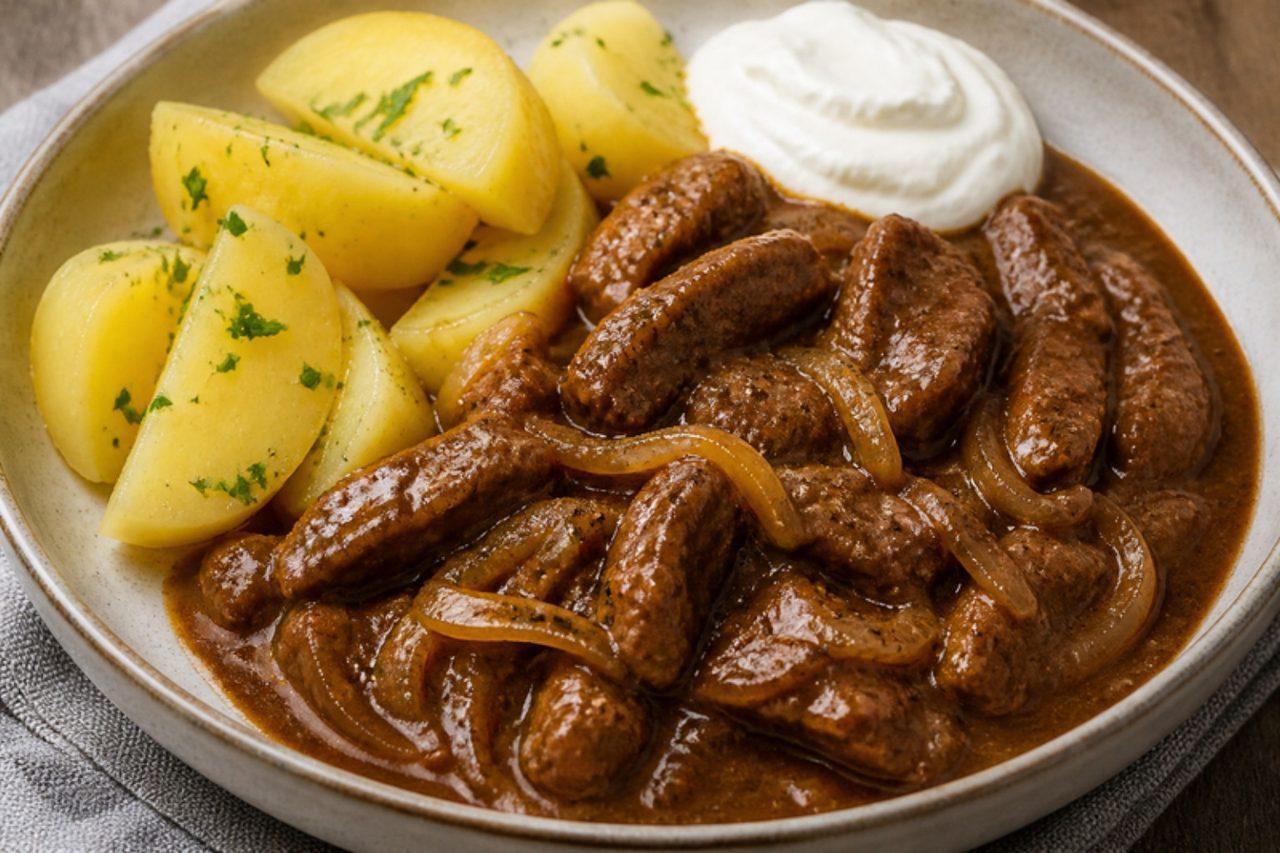
Among the Hungarian communities of Transylvania, especially the Székely towns of Harghita and Covasna, tokány is the stew that is not a gulyás: the meat is cut into finger-long strips rather than cubes, and it is seasoned with black pepper and marjoram and a splash of wine instead of a red cloud of paprika. The result is a pale, savoury, peppery sauce that clings to tender ribbons of beef. Dry white wine is traditional; for an alcohol-free pot use the same amount of beef stock with 1 tablespoon of white wine vinegar. Serve it with boiled rice, mashed potato or a heap of pickled cucumbers. The usual slip is cutting the strips with the grain, so they cook up stringy; slice across it. Chef's tip: let the onions melt slowly for a full 15 minutes before the meat goes in; they dissolve into the sauce and thicken it without any flour.

by KrazyBadal 0 views

Midii cu pilafMussel pilaf

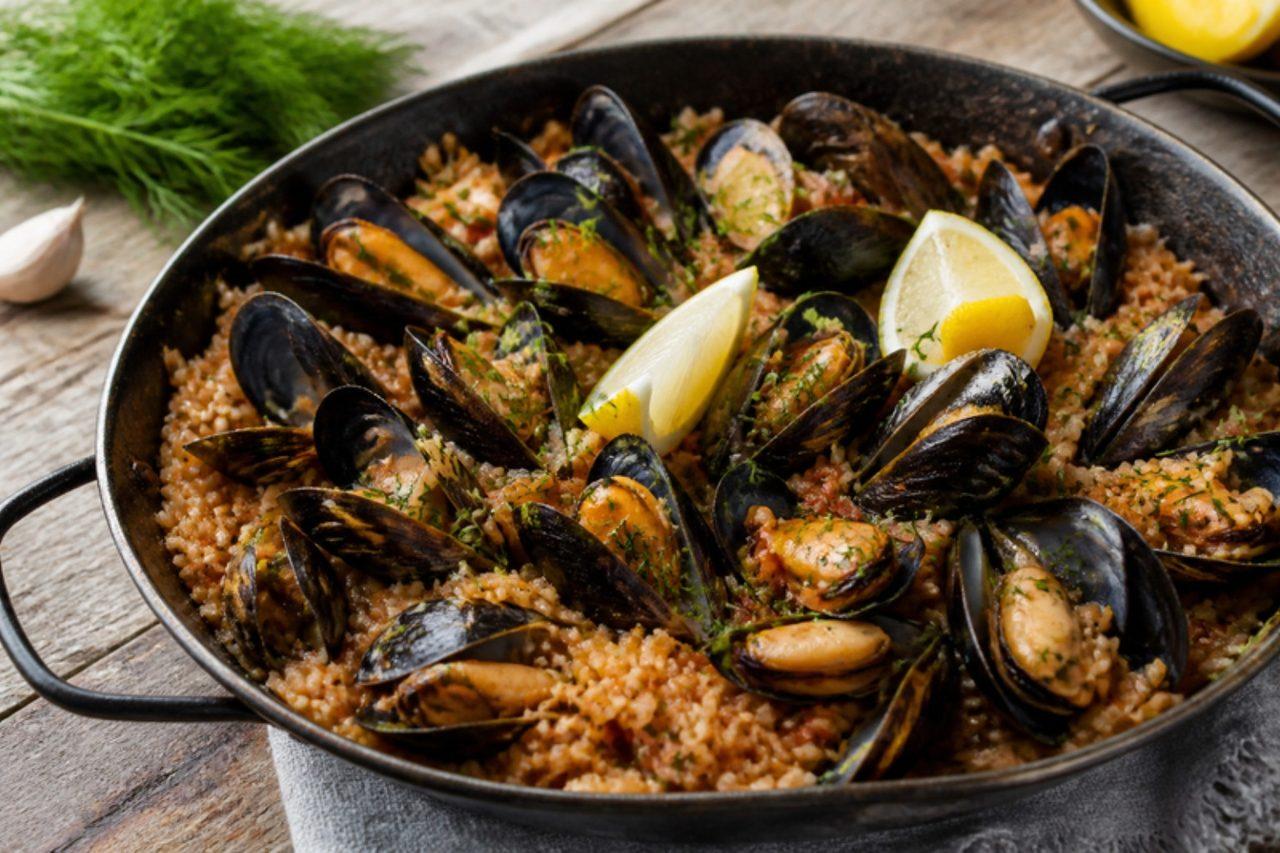
Constanța and the old fishing quarter near the port gave Romania this coastal dish, a legacy of the Greek and Turkish families of Dobrogea: Black Sea mussels steamed open, taken from their shells and folded into a soft, tomato-red rice pilaf with plenty of onion, dill and a squeeze of lemon. It is a summer lunch at seaside terraces from Mamaia to Mangalia, best eaten warm with a crisp salad. The rice soaks up the mussel liquor, so it tastes of the sea while staying light. Many cooks overcook the mussels and they turn rubbery; steam them only until they open and add them back at the end. Chef's tip: strain the steaming liquid through a cloth and use it as part of the rice water; it is where all the flavour is.

by KrazyBadal 0 views

Pastramă de oaieGarlic-cured mutton

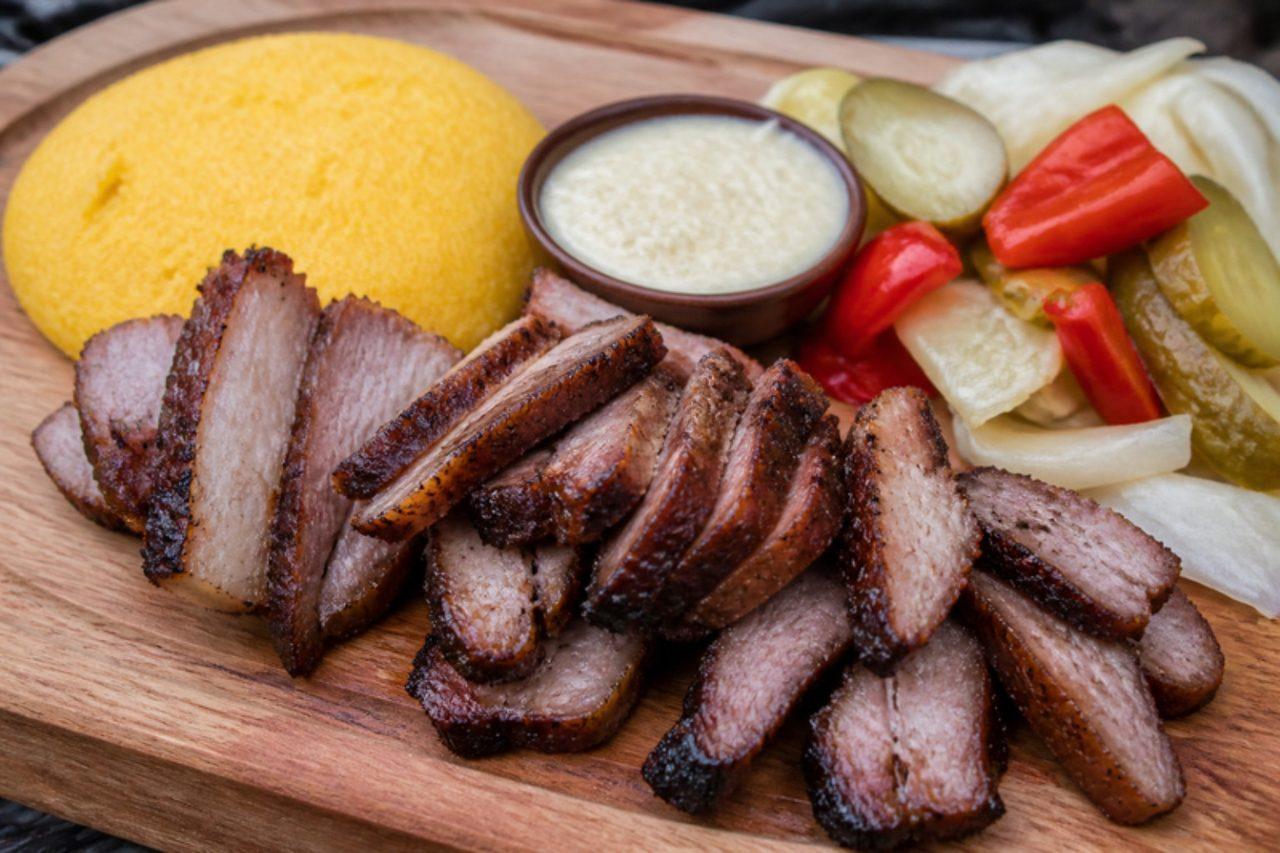
Autumn, when the flocks come down from the summer pastures of Moldavia and Wallachia, used to be pastramă season: slabs of mutton were rubbed with salt, garlic and spice, pressed, then dried in the sun and wind for days before being grilled over embers. Sun-drying raw meat at home is risky, so this is a safer version: the meat cures for 1 to 2 days in the fridge, dries uncovered on a rack in the fridge for a few hours, and is then grilled until cooked through. You still get the deep, garlicky, slightly gamey taste and the salty, caramelised edges. It is served hot with mămăligă, pickles and a glass of must-like grape juice in October. The traditional sun-dried, uncooked kind is not for pregnant women, young children or anyone with a weakened immune system. The common mistake is cutting the slabs too thick: keep them to 1.5 cm so the cure gets in and they cook through evenly. Chef's tip: lamb shoulder works if you cannot find mutton; it is milder, so add an extra clove of garlic.

1470 minRomanianMeatGluten free
by KrazyBadal 0 views

Plachie de peșteBaked carp with onion and tomato

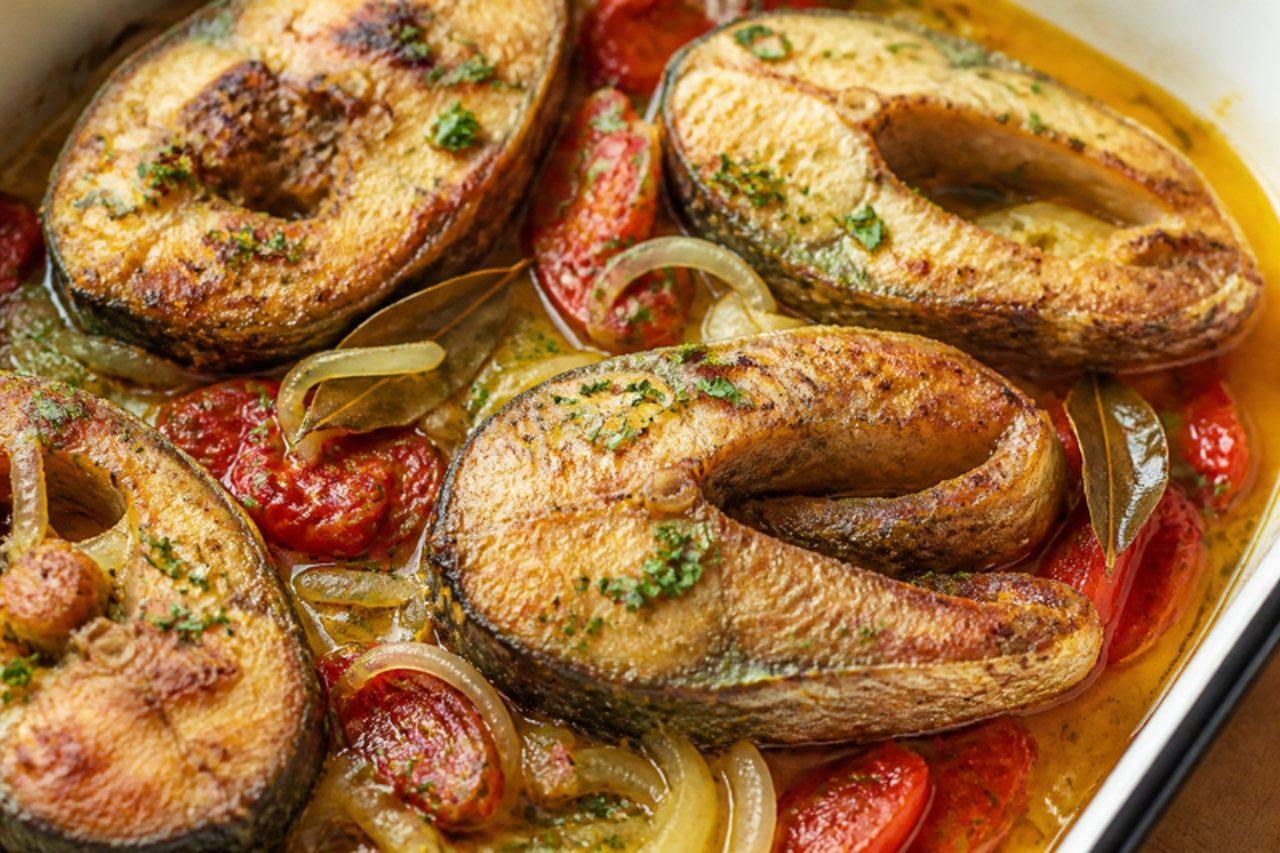
Lent and the feast of the Annunciation, when Orthodox Romanians may eat fish, are the moments for plachie: thick carp steaks laid on a deep bed of slow-cooked onions, covered with tomato and bay, and baked in plenty of oil until the onions turn sweet and jammy. Recipes travel along the Danube from the Delta to Brăila and Galați, and the dish is just as good warm as it is cold the next day. The flavour is mellow and Mediterranean, with the tomato and onion soaking into the rich, mild carp. Serve it with mămăligă or bread to mop up the oil. The usual slip is skimping on the onion stage; they need a good 15 minutes in the pan first, or they stay crunchy under the fish. Chef's tip: lightly score the carp skin and rub it with salt 20 minutes ahead; it firms the flesh and seasons it all the way through.

by KrazyBadal 0 views

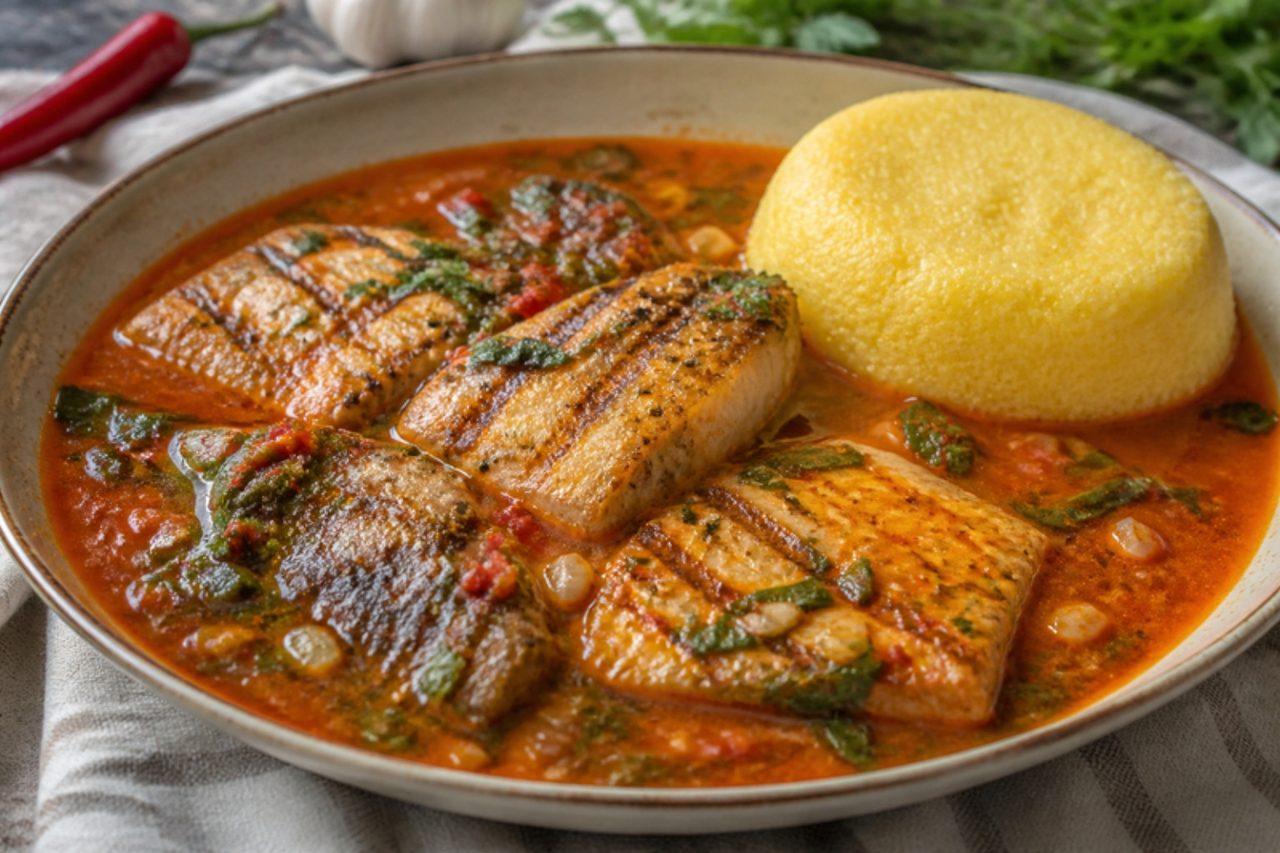
Saramură de peșteGrilled fish in garlic brine

Fishermen in the Danube Delta, from Tulcea down to Sulina, make saramură right on the boat or on the bank: the catch of the morning is grilled over coals, then dropped into a bowl of hot salty broth loaded with garlic, peppers and tomato, where it soaks up the flavour before it is eaten. The fish stays smoky and juicy, the broth is sharp, salty and fiery, and everyone spoons it over a slab of mămăligă. Carp is the usual choice, but catfish, zander or even trout work well. Where it often goes wrong is making the brine too salty: it should taste like well-seasoned soup, not seawater. Chef's tip: grill the fish on a well-oiled, very hot grate and do not move it for the first 4 minutes; it releases cleanly once the skin has crisped.

by KrazyBadal 0 views

Scrumbie la grătarGrilled shad with garlic sauce

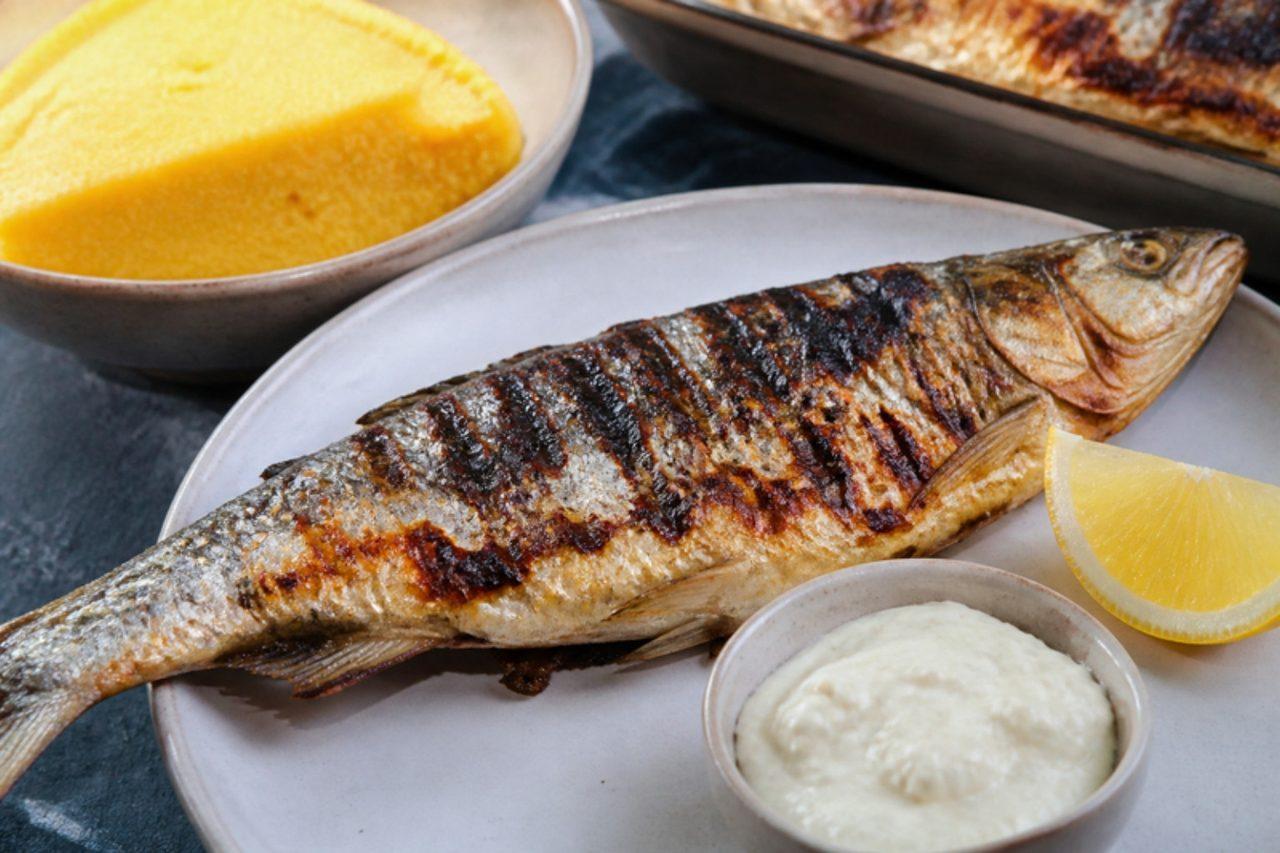
Every spring, when the shad swim up the Danube to spawn, the fish markets of Tulcea and Brăila fill with scrumbie, and the smell of it grilling drifts across the riverside terraces through April and May. The fish is oily and full of flavour, so it needs nothing more than salt, a hot grill and a bowl of mujdei, the raw garlic sauce, with soft mămăligă to calm the heat of the garlic. Shad has many fine bones; diners eat it slowly, lifting the flesh off in strips. If you cannot find shad, herring or mackerel are the closest substitutes. The usual slip is turning the fish too early, so the skin tears; wait until it lifts on its own. Chef's tip: slash the sides of the fish every 1.5 cm right down to the bone; the heat gets in and the tiny bones soften.

by KrazyBadal 0 views

MiciGrilled skinless sausages

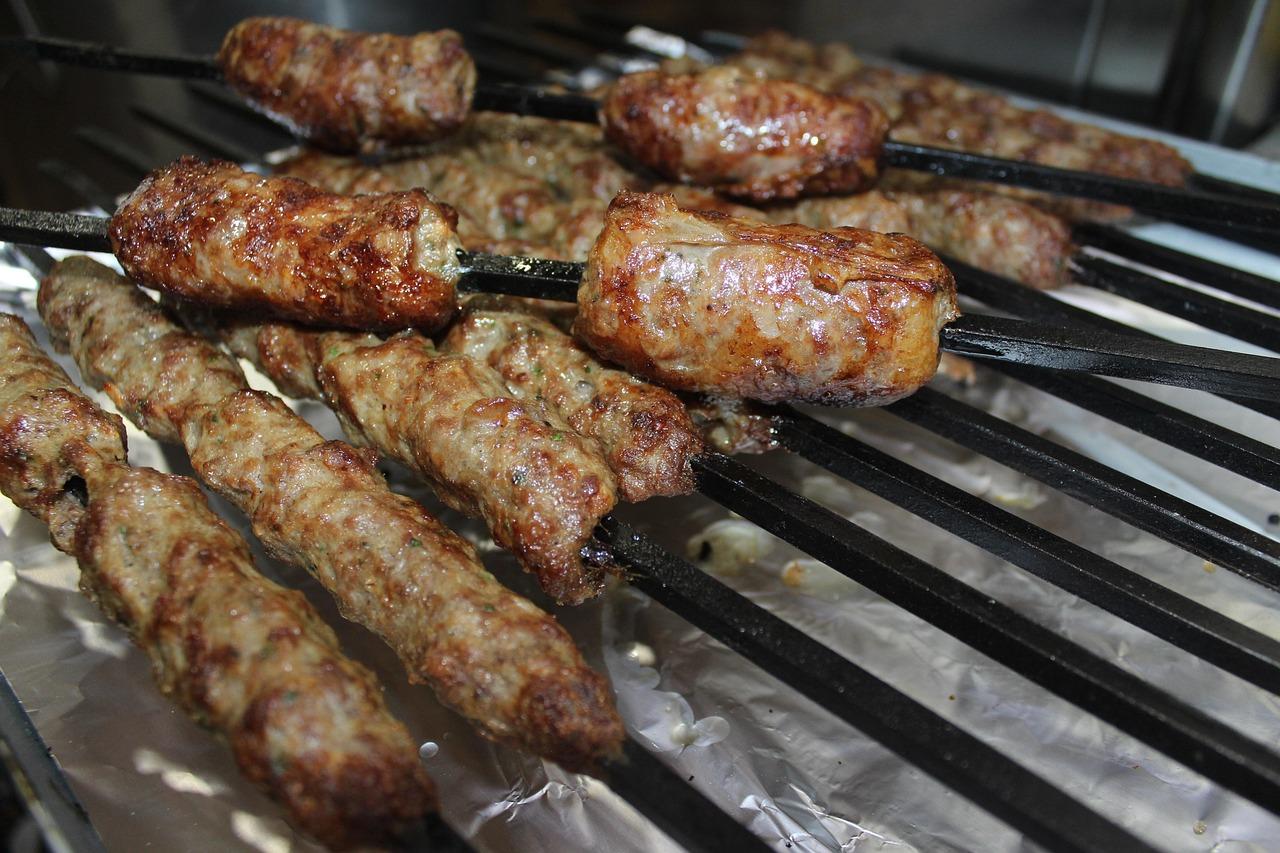
Every Romanian park, beer garden and May Day picnic smells of mici, the little skinless rolls of minced beef and lamb that sizzle on charcoal grills from Bucharest's Obor market to the Black Sea coast. The mince is beaten with garlic, thyme, a strong beef stock and a little bicarbonate of soda, which makes them springy and juicy inside with a crusty outside. They come in tens, with plenty of mustard, fresh bread and sometimes chips. The usual error is cooking them straight after mixing: the mince needs a night in the fridge for the bicarbonate and garlic to work. Chef's tip: shape them with oiled hands on an oiled tray, and grill them no thicker than your thumb so the middle cooks before the outside burns.

by KrazyBadal 0 views

MămăligăCornmeal mush

Mămăligă is the golden cornmeal staple of the Romanian countryside, from the hill villages of Oltenia to the farms of Maramureș, where it was once eaten more often than bread. It is cooked in water until thick enough to hold a spoon upright, turned out onto a wooden board and cut with a thread, then eaten hot with crumbled salty brânză and a cold spoon of smântână (soured cream). Unlike Ukrainian banosh, which is cooked in sour cream, mămăligă is plain cornmeal and water; the richness goes on top. It sits beside stews such as tocăniță or under a fried egg for supper. Chef's tip: rain the cornmeal in through your fingers while whisking, and keep stirring from the bottom; dumping it in at once is the classic mistake that leaves raw, gritty lumps.

by KrazyBadal 0 views