Skip to content
Recipes

All recipes

Vegetarian, or something you can't eat? Set your diet once and we'll hide recipes that don't fit.

Escabeche de pescadoFried fish in sweet-sour onion sauce

In Lima, escabeche de pescado belongs to the criollo kitchen of the old city: it turns up on Friday lunch menus, on buffet tables, and above all in Lent and Holy Week, when families eat fish and this dish can be made the day before. Fish is fried until golden, then covered in a warm sauce of thick-cut red onion softened in oil with garlic, ají amarillo, ají panca, cumin and vinegar, and left to cool so the flavours soak in. It is served cold or at room temperature with boiled sweet potato, hard-boiled egg and purple botija olives. It tastes tangy, sweet and gently fruity-hot, with crunchy onion over tender fish. The fish here is fully cooked, but because it is a cold seafood dish, pregnant people, babies, older people and anyone with weak immunity should eat it well chilled and within 2 days. Common mistake: stewing the onions until limp; they should only lose their raw bite. It is ready when the sauce has soaked a little into the fish and smells of vinegar and toasted chilli. Chef's tip: use thick fillets of corvina or bonito; thin fillets break under the sauce.

by KrazyBadal 0 views

Ají amarillo pasteYellow chilli paste

In Lima's markets ají amarillo is sold fresh all year, and most Peruvian cooks keep a tub of this paste in the fridge the way others keep tomato purée: it is the golden base of causa limeña, ají de gallina, papa a la huancaína, chupe and the sauce for tiraditos. The chillies are seeded, de-veined and blanched in three changes of water, which tames the heat and the raw grassiness, then peeled and blended with oil into a thick, silky, saffron-orange paste. It tastes fruity and sunny, almost like apricot and passion fruit, with a rounded, medium heat. Abroad, buy whole frozen ají amarillo from Latin grocers; dried ají mirasol, soaked, gives a darker, earthier paste. Common mistake: skipping the peeling; the thin skins leave papery flecks and a bitter edge. It is ready when it is completely smooth and holds a soft peak like thick hummus. This is a low-acid paste: keep it in the fridge for a week or freeze it, never on the shelf. Chef's tip: freeze it in an ice-cube tray; one cube is about a tablespoon, just right for a pot of ají de gallina.

by KrazyBadal 0 views

Guiso de fideosBeef and pasta stew

Guiso de fideos is the winter weeknight stew of Argentina, cooked in Buenos Aires flats and on estancias alike, and as loved by children as by grandparents. Beef, potatoes and vegetables simmer in a light tomato and sweet-paprika broth, then short pasta cooks straight in the pot and thickens it into something between a soup and a stew. Serve it in deep plates with crusty bread and grated cheese for those who want it. The usual mistake is adding the pasta too early, so it swells and turns mushy; it goes in only for the last 10–12 minutes. Chef's tip: cut the beef into small cubes, about 2 cm, so it is tender in under an hour.

by KrazyBadal 0 views

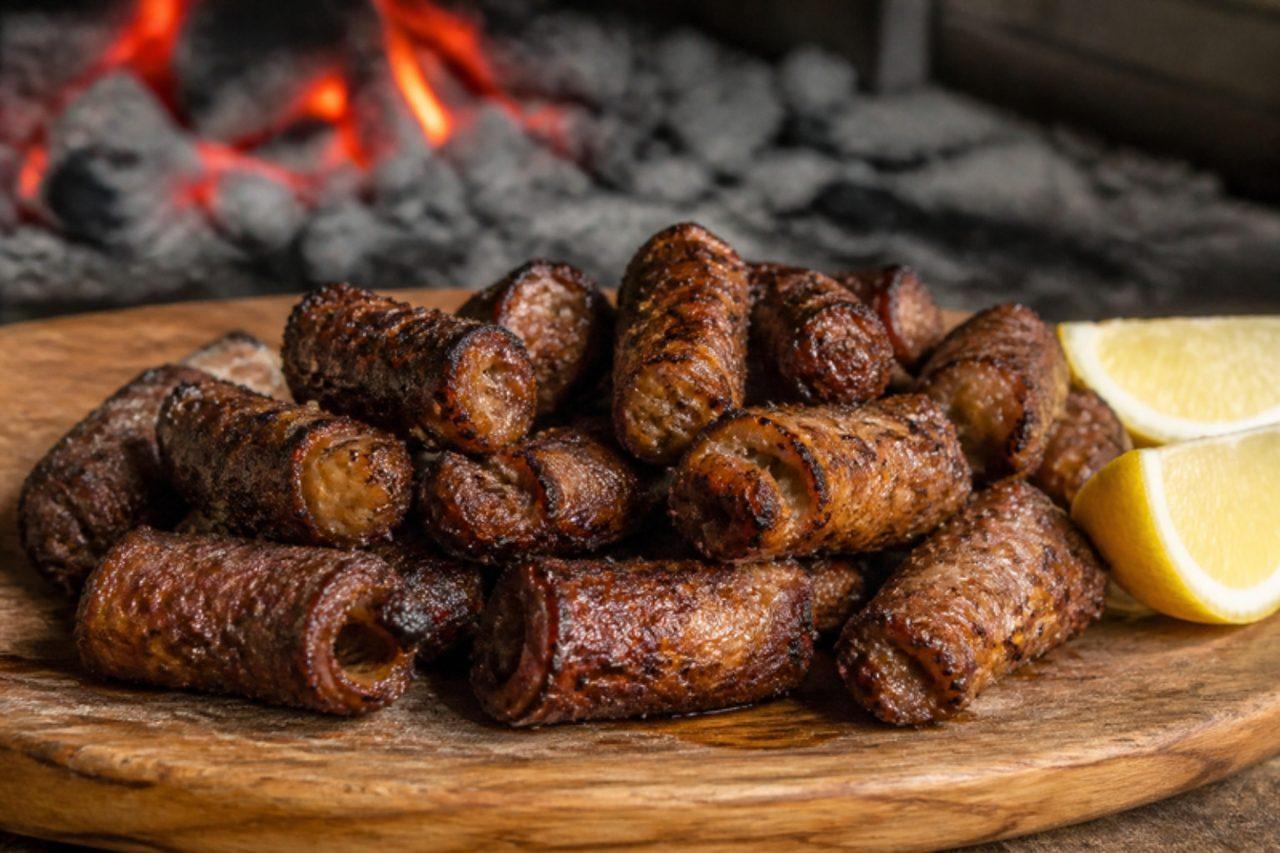
Morcilla dulceSweet blood sausage with walnuts

No Uruguayan parrilla is complete without morcilla dulce: a soft pork blood sausage sweetened with sugar and scented with orange peel, studded with walnuts and raisins, grilled until the skin crisps and served first, as part of the achuras, while the beef is still cooking. It is pork throughout: pork blood, pork back fat and natural pork casings. Making it at home is a project. Buy fresh pork blood with an anticoagulant added from a butcher who supplies it for sausage making, keep it chilled below 4 °C and use it within a day. The common mistake is poaching at a rolling boil, which bursts the casings. Chef's tip: keep the water at 80–85 °C, just shivering, and prick a sausage after 25 minutes: it is done when brown, not red, juice comes out.

by KrazyBadal 0 views

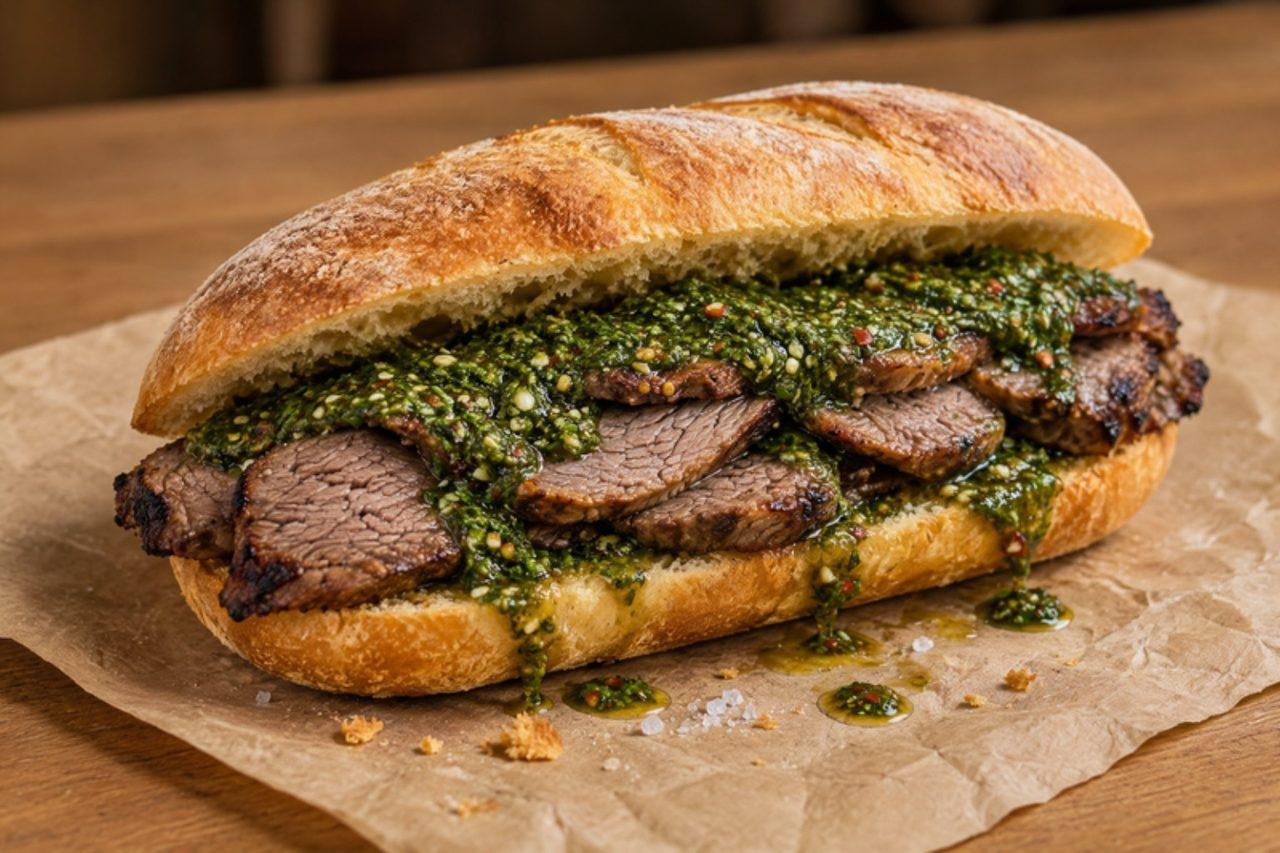
Sándwich de vacíoGrilled flank steak sandwich

Vacío, the flank cut with its layer of fat and membrane, is grilled slowly for a long time at Buenos Aires parrillas, and at the street grills near football grounds and the weekend fairs of Mataderos it ends up sliced into crusty bread for a hearty midday sandwich. Cooked gently, it turns tender and very juicy, with a crisp, salty layer of fat. Chef's tip: grill it membrane side down first for most of the time and do not trim that membrane off; it protects the meat and turns crisp.

by KrazyBadal 0 views

Sándwich de bondiolaGrilled pork shoulder sandwich

Along the Costanera Sur riverside in Buenos Aires, beside the Reserva Ecológica, the carritos have grilled for cyclists, walkers and taxi drivers for generations, and the bondiola sandwich is their pride: a thick pork shoulder steak, marbled and juicy, grilled until charred and laid in a crusty roll with chimichurri and salsa criolla. Weekend afternoons are the busiest. Chef's tip: leave the fat on the steak and turn it only once; the fat bastes the meat and the crust is the best part.

by KrazyBadal 0 views

SchnitzelsemmelSchnitzel in a bread roll

Austrians setting off on a train journey, a ski day or a building-site shift pack a Schnitzelsemmel: a crisp Kaisersemmel roll holding a cold, golden pork schnitzel (veal for special days), a leaf of lettuce and a squeeze of lemon, sometimes with a smear of mustard or a gherkin. Leftover Sunday schnitzels are made for it. The common mistake is pressing the breadcrumbs on hard; they should sit loosely so they puff up and ripple away from the meat as it fries. Chef's tip: shake the pan constantly while frying so hot fat washes over the top, and the crust soufflés into those famous waves.

by KrazyBadal 0 views

BusecaTripe and white bean stew

Buseca arrived in Montevideo with Italian immigrants from Lombardy and became a classic winter dish of Uruguayan bodegones and family kitchens, eaten on cold June and July days. Honeycomb tripe is simmered until tender, then stewed with white beans, pork chorizo, bacon, peppers, tomato and paprika into a thick, warming stew served with crusty bread. Buy tripe that is already cleaned and blanched (dressed). The usual mistake is undercooking the tripe: it needs a full 2 hours, until it's soft enough to cut with a spoon. Slow-cooker option: after step 4, cook on low for 8 hours. Chef's tip: a little grated lemon zest and parsley stirred in at the end lifts the rich, gelatinous sauce.

by KrazyBadal 0 views

Seco de chabeloPlantain mash with dried beef

Piura's picanterías, near the dry northern border, serve this rough, savoury mash at lunch: green plantains, roasted or boiled and pounded, mixed with fried strips of carne seca (salted dried beef) and a quick sofrito of onion, tomato and ají amarillo. It is dense, salty and smoky, with the plantain's starchy sweetness, and is eaten with salsa criolla and fried ripe plantain or chifles (plantain crisps). The legend says it was invented for a soldier called Chabelo in the War of the Pacific. Use carne seca or cecina from Latin shops, or unseasoned beef jerky. Pounding the plantains smooth is the classic mistake: chabelo should be lumpy and rustic. Chef's tip: soak the dried beef in warm water for 30 minutes and taste a piece; if it's still very salty, change the water and soak again.

by KrazyBadal 0 views

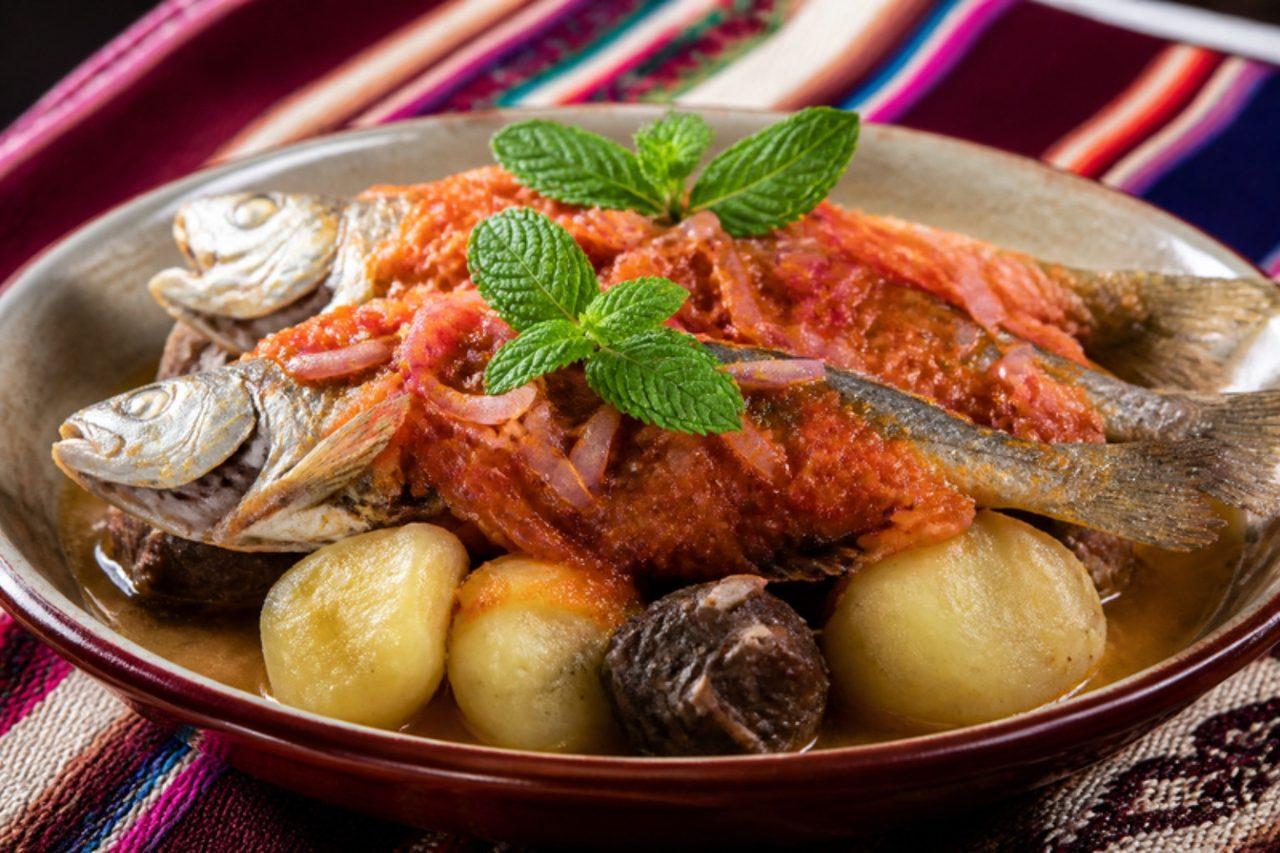
Thimpu de carachiPoached fish with potatoes

Around the shores of Lake Titicaca, thimpu is weekday food and Lent food alike: carachi, a small native lake fish, laid over potatoes and chuño (freeze-dried Andean potato) and gently poached, then drenched at the table with a hot sauce of onion fried with ají. The fish is soft and delicate, the chuño earthy and pleasantly chewy, and the sauce brings colour and fire. Outside Puno, small whole trout, tilapia or perch, or thick trout fillets, work well. Chuño needs an overnight soak (plan for it) and is sold in Andean and Latin shops; swap in extra waxy potatoes if you can't find it. The trap here is boiling the fish hard so it falls apart; keep the water at a bare shiver. Chef's tip: make the sauce while the fish poaches and spoon it on boiling hot, so it sizzles over the plate.

by KrazyBadal 0 views

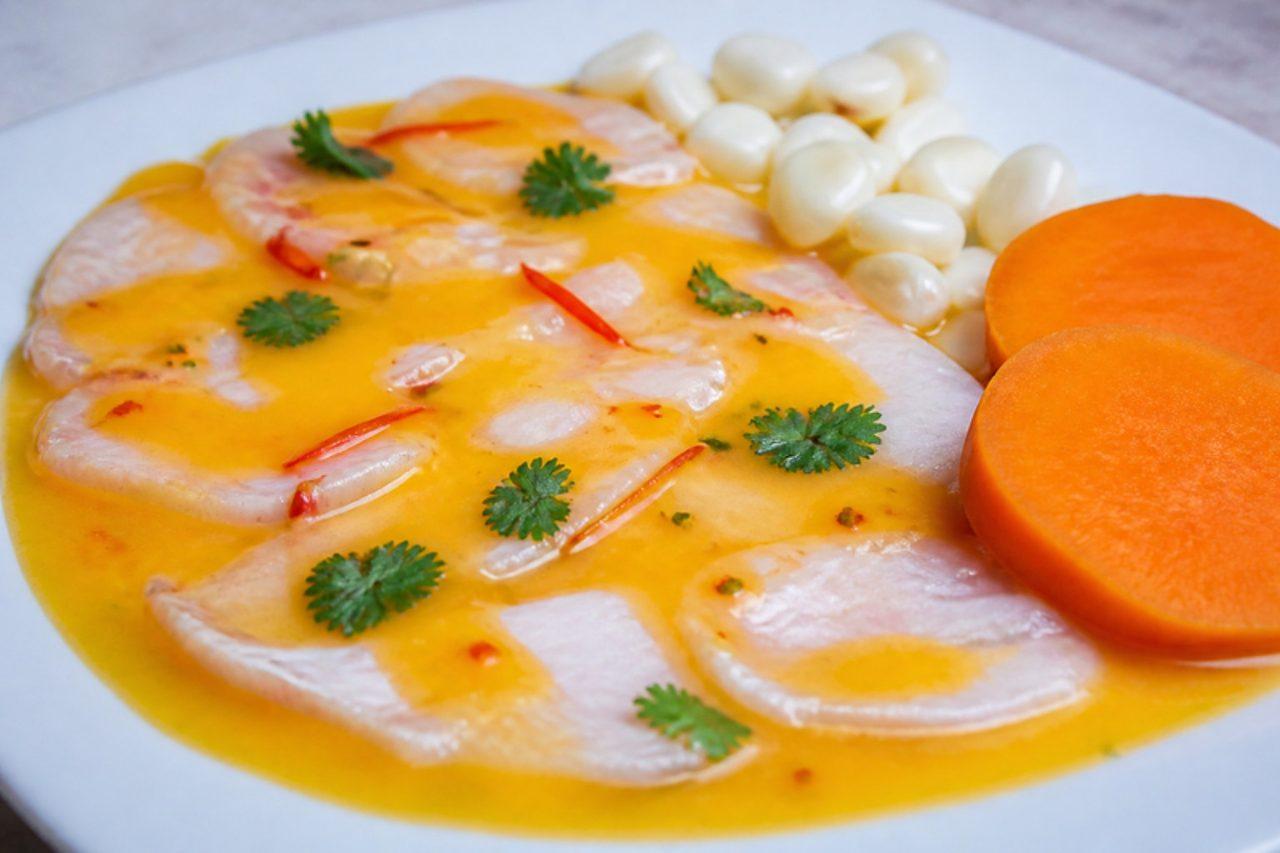
TiraditoSliced fish in ají amarillo sauce

Lima's Japanese-Peruvian cooks turned ceviche on its head with tiradito: instead of cubes soaked in lime, the fish is cut thin like sashimi, laid flat and dressed at the last minute, so it stays silky with only the surface turning white. The sauce here is the classic golden one, ají amarillo blended with lime, garlic and ginger, fruity and medium hot. It is served as a starter in cevicherías and upmarket Miraflores restaurants with boiled sweet potato and corn. Because the fish is eaten almost raw, this version uses sashimi-grade fish frozen at −20 °C for 24 hours first (allow for that), kept cold and eaten the moment it is dressed; it is not for pregnant women, young children or anyone with a weakened immune system. The mistake people make is dressing it ahead: after ten minutes the lime cooks it through and it turns chalky. Chef's tip: chill the plates in the freezer for 10 minutes before you lay out the fish; it keeps the slices firm while you work.

by KrazyBadal 0 views

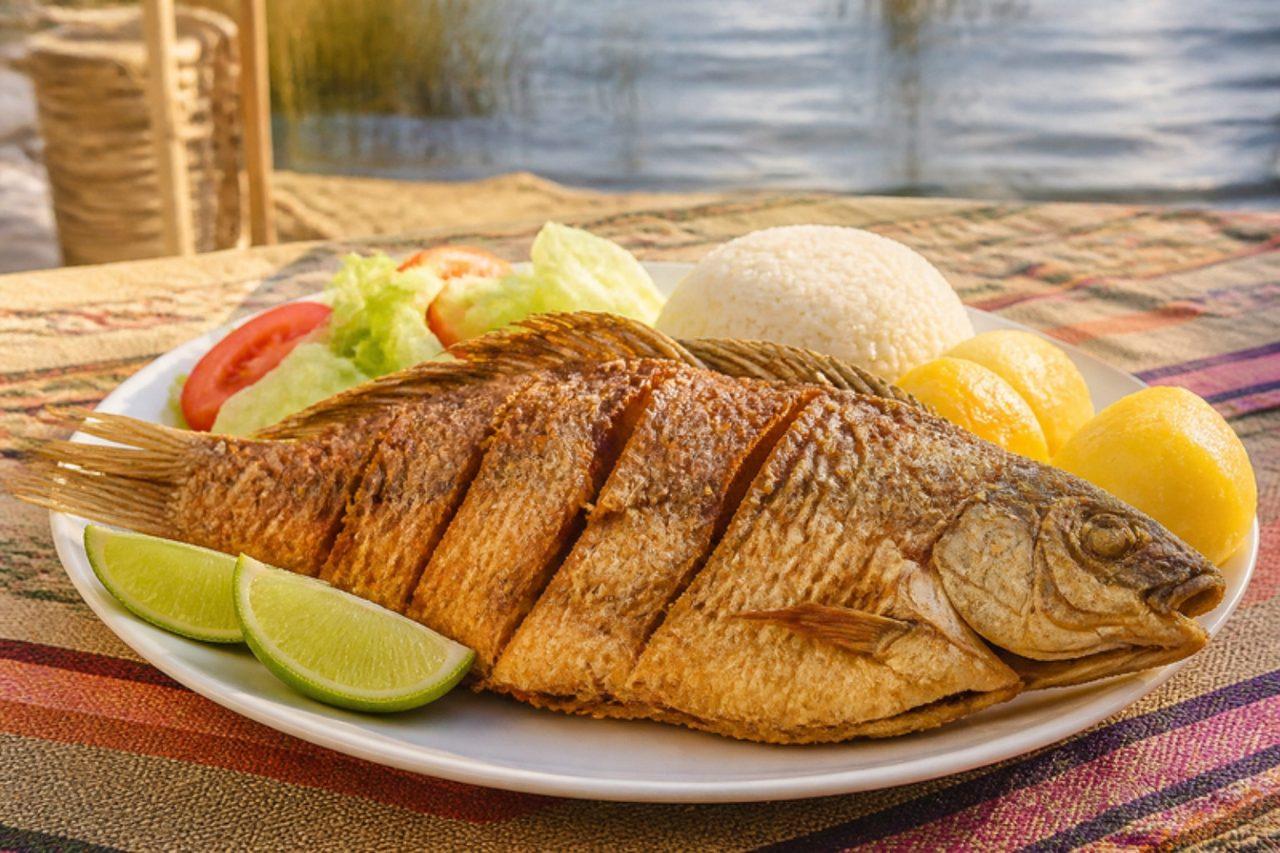
Trucha fritaFried trout with potatoes and rice

Rainbow trout farmed in the cold, clear water of Lake Titicaca is what you eat in Puno, at lakeside restaurants and on the floating islands: a whole fish, dusted in flour and fried until the skin crackles, with boiled Andean potatoes, rice, a simple salad and lime. The flesh is pink-white, sweet and moist; nothing else is needed. Ask your fishmonger to gut and scale the trout. The most common mistake is moving the fish too early, which tears the skin; leave it until it releases from the pan by itself. Chef's tip: slash the thick part of each side twice before flouring, so the fish cooks evenly and the skin crisps right up to the head.

by KrazyBadal 0 views

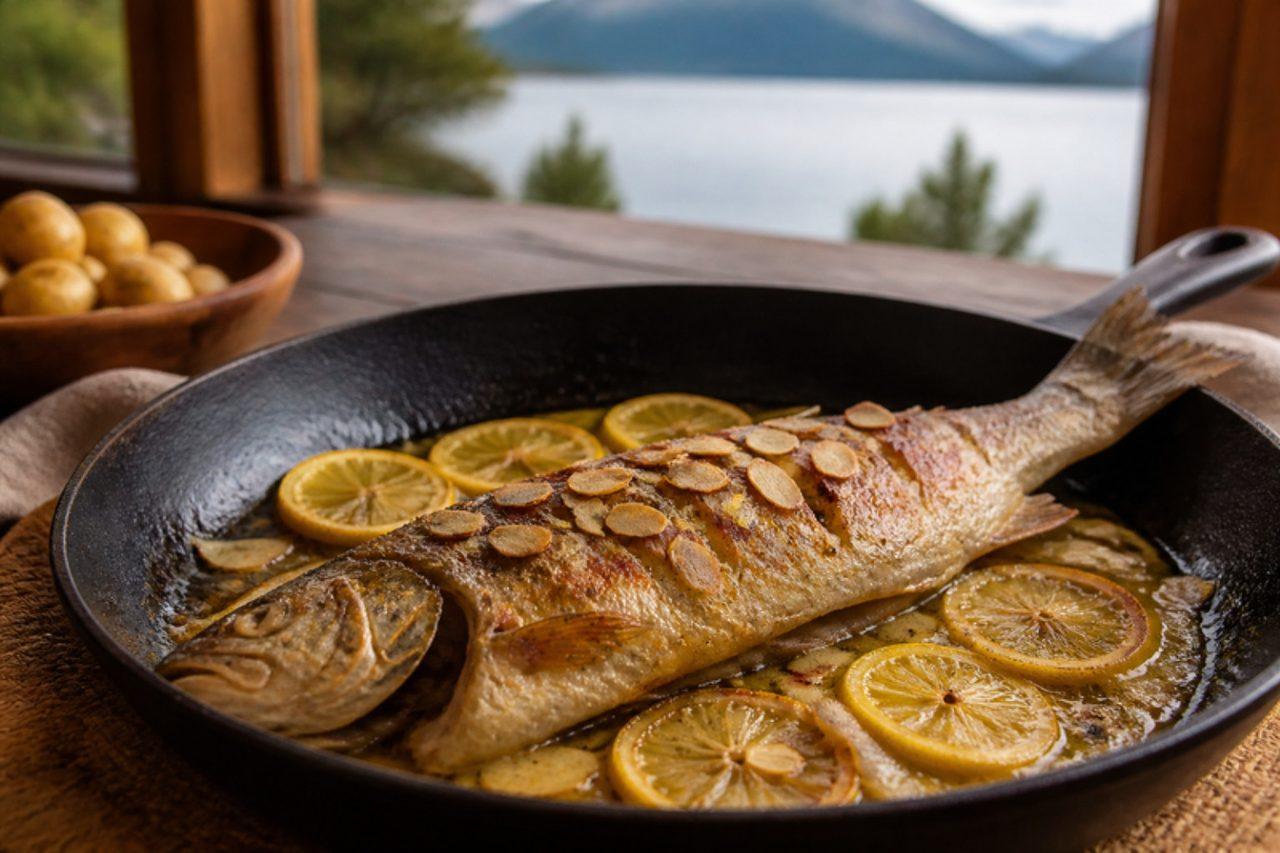
Trucha a la mantecaTrout with brown butter

Restaurants on the shores of Nahuel Huapi, in Bariloche and Villa La Angostura, put rainbow trout from the cold Andean lakes on almost every menu, and this butter version is the one locals order most. Fillets are fried with crisp skin, then drenched in butter browned with flaked almonds and sharpened with lemon. Serve with boiled new potatoes and a green salad. Any trout or char works. People commonly start the fish in butter, which burns before the skin crisps; fry it in a film of oil and make the brown butter after. Chef's tip: dry the skin really well and dust it with rice flour; it gives a thin, glassy crust without any gluten.

by KrazyBadal 0 views

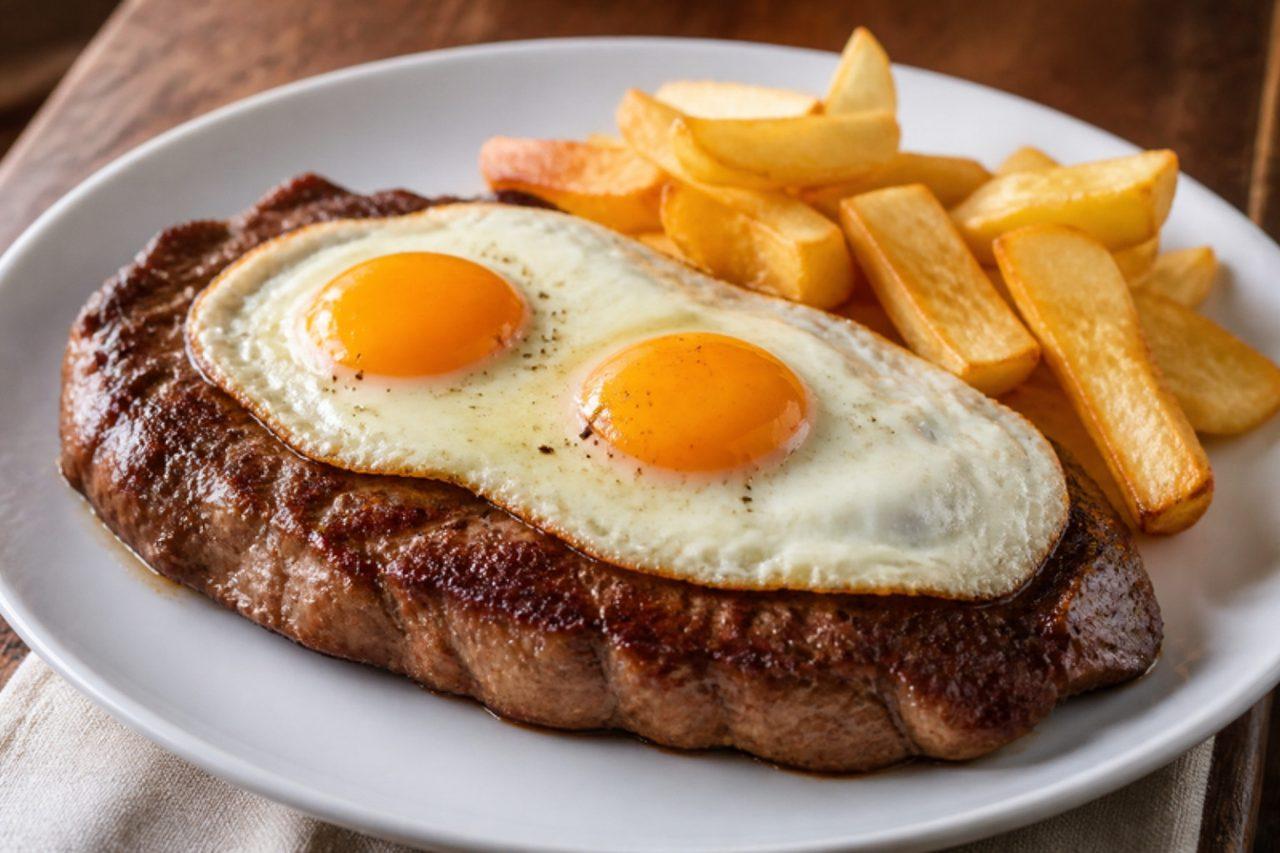
Bife a caballoSteak with fried eggs

On the chalkboard of any neighbourhood bodegón in Buenos Aires you will find bife a caballo, steak "on horseback": a thick bife de chorizo (sirloin) or rump seared hard in a hot pan, crowned with two fried eggs whose yolks run into the meat juices, and served with a pile of chips. It is the plate for hungry taxi drivers at lunch and for anyone recovering from a long night. Cook the steak to your taste; Argentines usually ask for it jugoso (medium rare, about 55 °C in the centre) or a punto (medium, about 60 °C). Use eggs fried until the whites are fully set, and cook the yolks firm for anyone vulnerable. Crowding a pan that isn't hot enough is the classic mistake, which stews the steak grey, so let the pan smoke first. Chef's tip: rest the steak while you fry the eggs in the same pan; the beef juices in the fat give the whites crisp, savoury edges.

by KrazyBadal 0 views

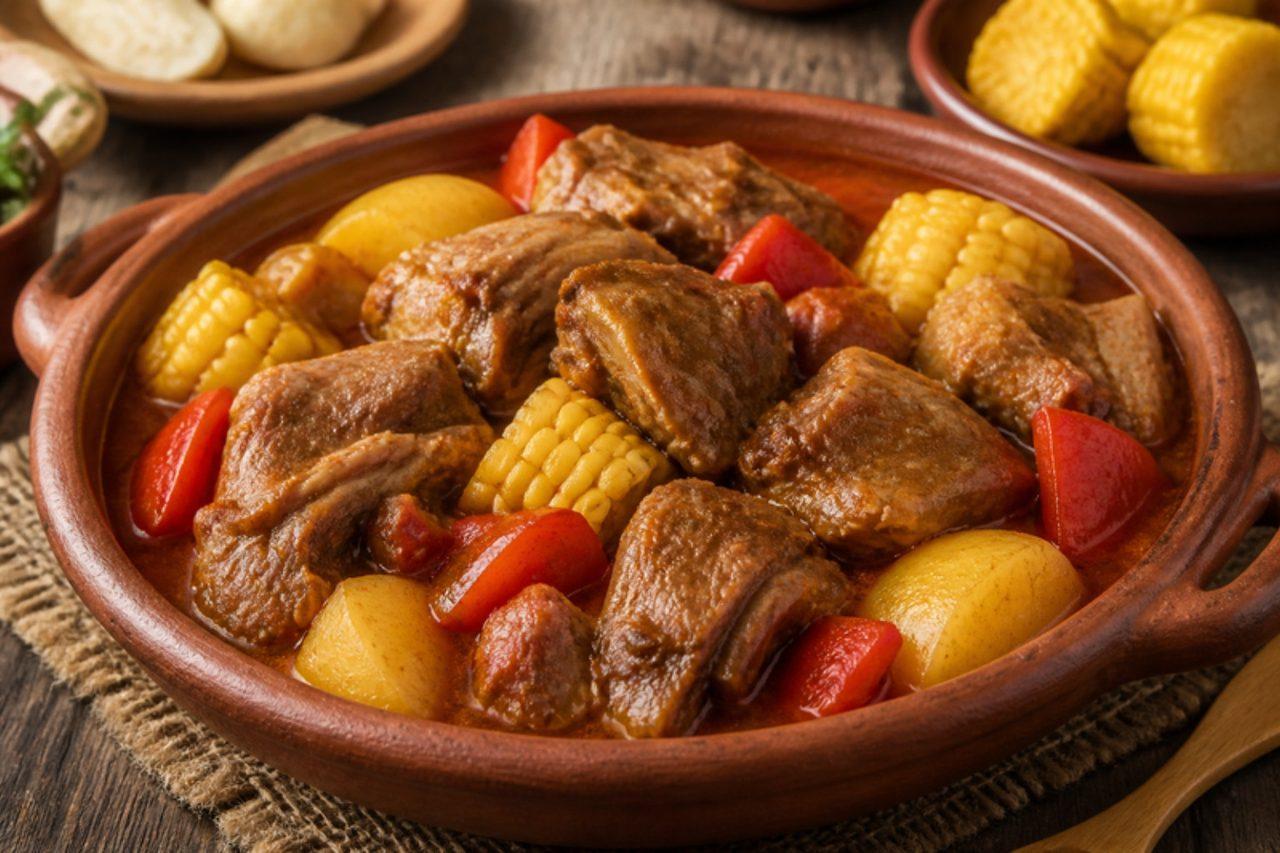
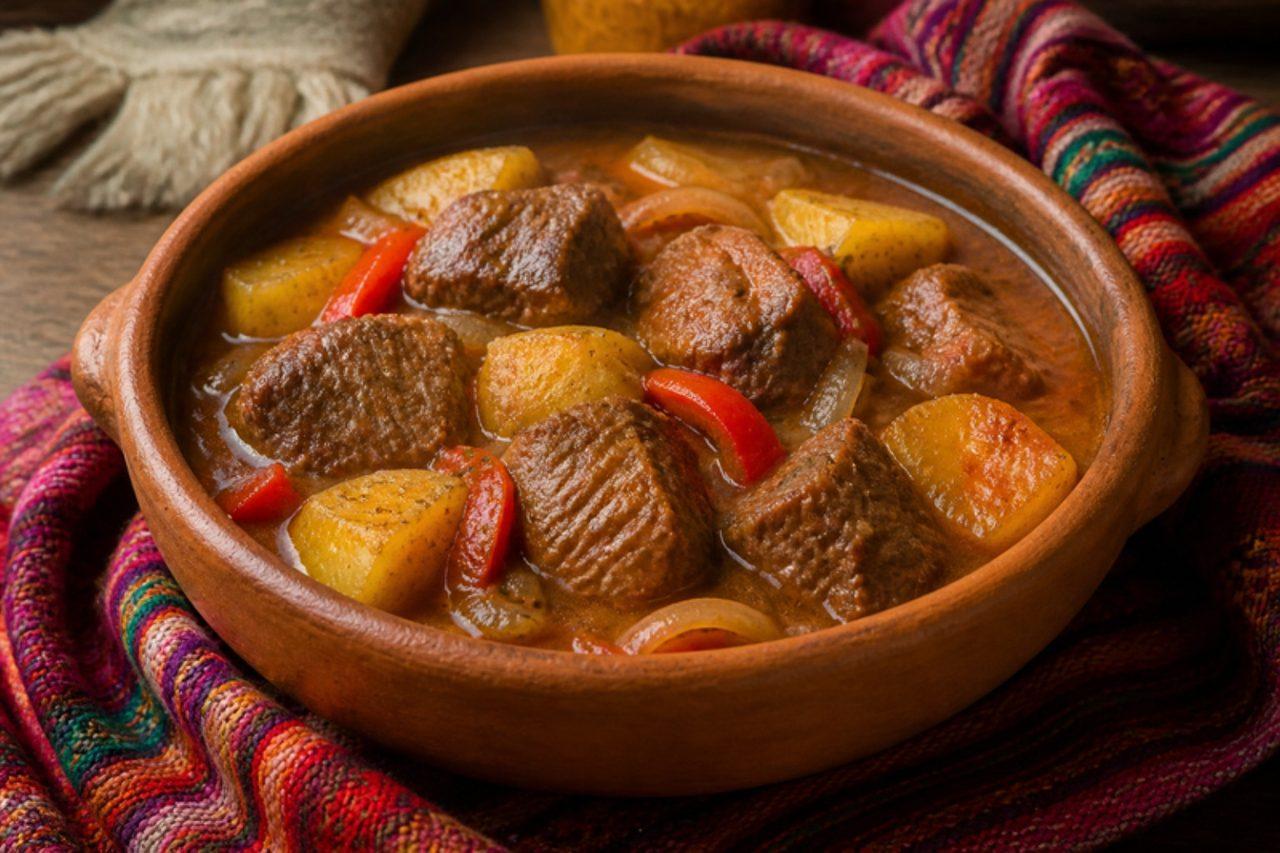
Cazuela de cabritoKid goat stew

Up in the Calchaquí valleys of Salta, where goats graze between the vineyards and the cardón cactus, cabrito ends up in a heavy clay cazuela on Sunday or feast days. The meat simmers with onion, red pepper, cumin and ají molido until it slides off the bone, and the potatoes and thick rounds of corn on the cob drink up a brick-red, gently spiced broth. Bring it to the table in the pot with bread or a simple tomato and onion salad. Kid goat can be ordered from halal butchers and some farm shops; lamb shoulder works too. People often boil it hard to save time, which squeezes the lean meat dry and stringy; it wants the barest simmer. Chef's tip: brown the pieces in two or three batches so they colour properly instead of stewing in their own juices; that browning is where most of the flavour comes from.

by KrazyBadal 0 views

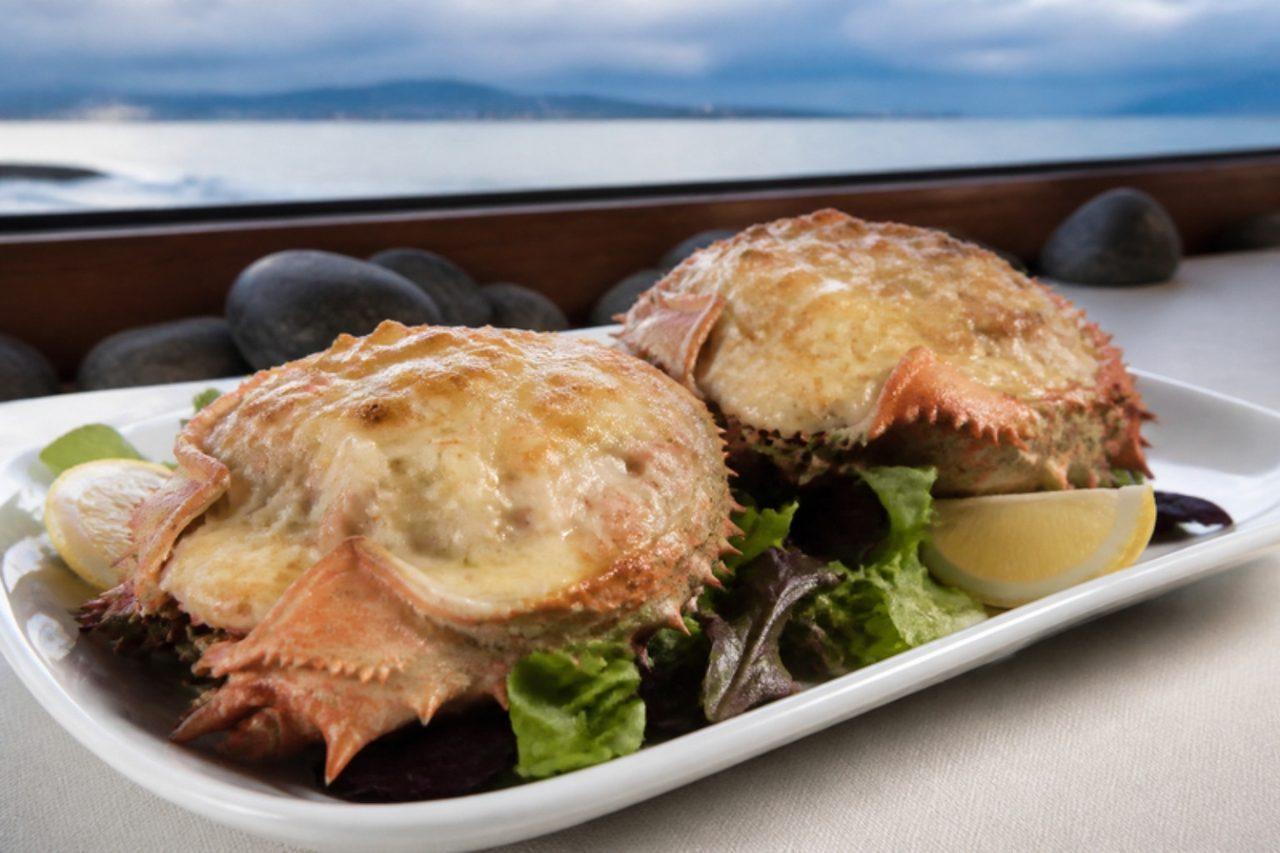
Centolla gratinadaBaked king crab with cheese

Centolla, the southern king crab hauled from the cold waters of the Beagle Channel, is Ushuaia's pride, and seafood restaurants along the harbour serve it gratinada: sweet chunks of leg meat in a light white sauce, crowned with cheese and browned under a fierce grill. It is rich, so serve it in small dishes as a starter with lemon and a green salad, plus crusty bread for anyone who can eat gluten. Buy cooked, frozen king crab legs or meat and thaw them in the fridge overnight; if you ever cook crab yourself, it must be alive when it goes into the pot. A frequent mistake is a sauce so thick and cheesy that the delicate crab disappears; keep it pourable and the cheese thin. Chef's tip: fold the crab in gently at the end, in big pieces, and let the oven only heat it; it is already cooked and turns stringy if it boils.

by KrazyBadal 0 views

ChinchulinesGrilled beef intestines

No proper Sunday asado in Buenos Aires province or the interior is complete without a round of achuras, and chinchulines are the boldest of them: beef small intestine, coiled on the grill and cooked slowly until the outside crackles like pork scratchings and the inside stays soft and rich with its own fat. Pass them round on a board with lemon and bread as a starter while the bigger cuts cook. Buy them already cleaned from a butcher or a Latin American meat counter, and rinse them again well at home. The usual mistake is too much heat: the outside burns long before the inside cooks. Offal must be cooked right through, with no soft, raw-looking parts. Chef's tip: simmer them briefly before grilling; it cleans them further, shortens the time on the coals and gives you a much more even crunch.

by KrazyBadal 0 views

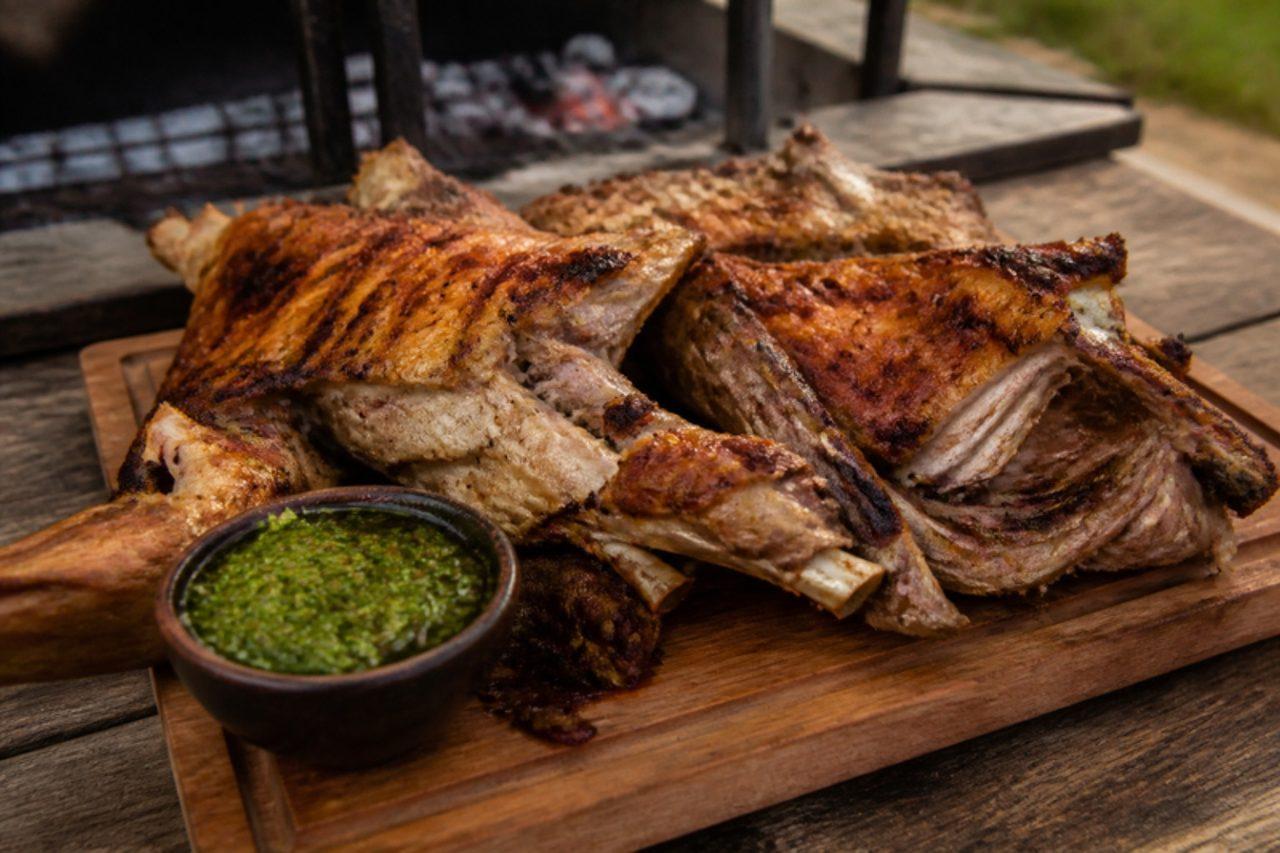
Chivito al asadorSpit-roasted whole goat

Malargüe, in the dry south of Mendoza, holds a goat festival every summer, and the star is the chivito: a milk-fed kid opened flat, wired to an iron cross and planted at an angle beside a fire of jarilla or other hardwood. It cooks from the side, never over the flames, basted with a garlicky salmuera until the skin turns glassy and crackling and the meat pulls apart. Serve it straight from the cross with salad, bread and chimichurri. Order a whole kid of 5–7 kg dressed weight from a specialist or halal butcher, and check the cross fits it before the day. Most failures come from setting it too close to the fire, which burns the outside while the thick legs stay raw. Kid is lean, so cook it right through, as in Mendoza: the thickest part of the leg should reach at least 70 °C. Chef's tip: cook bone side to the fire for two-thirds of the time; the ribs protect the meat, and the skin goes on last so it crisps instead of scorching.

by KrazyBadal 0 views

Cordero al asadorSpit-roasted lamb

Southern Patagonia raises sheep on vast estancias, and when the shearing ends or a fiesta comes round in Santa Cruz or Chubut, a whole lamb goes on the asador: an iron cross pushed into the ground beside a fire of lenga or ñire wood. Lambs fed on wild steppe grasses taste clean and faintly herbal, so the seasoning is only salt and a brine to baste, and the result is crackling skin over meat that falls into juicy strands. Serve with chimichurri, a simple salad and bread. Order a whole lamb of 10–12 kg dressed weight from a butcher. Rushing it with a big flame near the meat is the commonest error; the heat must be steady and gentle. Chef's tip: give it about three hours with the ribs to the fire and only the last hour or so skin side, then check the thickest part of the leg reads at least 63 °C (Patagonian cooks take it to about 70 °C, cooked through).

by KrazyBadal 0 views

Estofado de llamaBraised llama stew

Llama herds have grazed the Puna of Jujuy for thousands of years, and in Purmamarca, Tilcara and Humahuaca restaurants now proudly serve their meat to visitors, most often as a slow estofado. The meat is very lean, dark red and mild, a little like venison, and it is braised with onion, red pepper, tomato, cumin, ají molido and a sprig of muña or oregano until tender, then served with Andean potatoes, quinoa or rice. Outside the Andes, llama is sold by a few specialist game and alpaca farms; lean venison or beef topside are the closest substitutes. Treat it like beef and braise it until fork-tender. Because the meat has almost no fat, the common mistake is cooking it at a rolling boil, which makes it dry and stringy: keep the heat low and the lid on. Chef's tip: dust the meat lightly with a little cornflour before browning; it protects the lean pieces and thickens the sauce without making it heavy.

by KrazyBadal 0 views

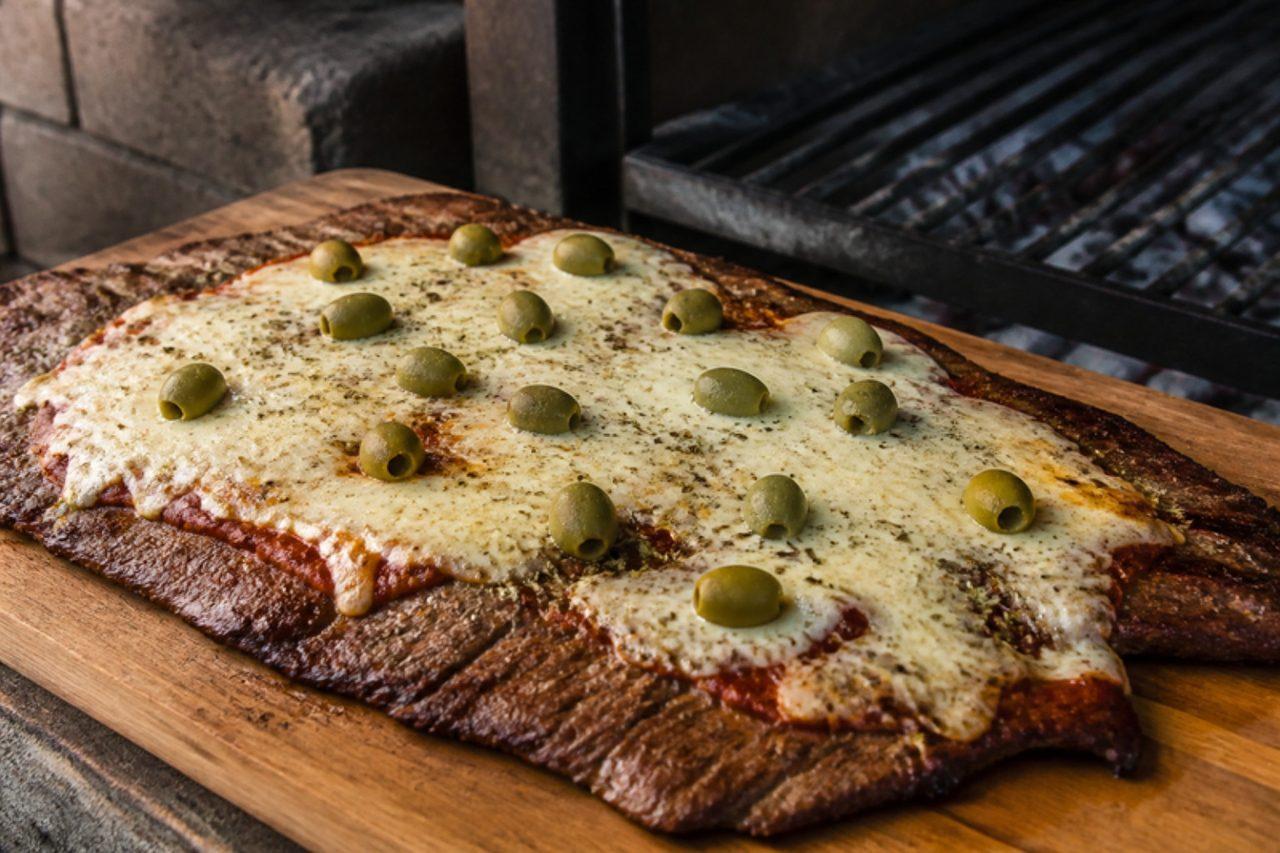
Matambre a la pizzaFlank steak with tomato and mozzarella

Weekend asados around Buenos Aires usually end with a show-off dish from the grill, and matambre a la pizza is the one that makes children cheer: a whole sheet of matambre (the thin flank cut that sits under the skin) cooked slowly until tender, flipped, then spread with tomato sauce, oregano and mozzarella and left on the grill until the cheese bubbles. Parrillas in the suburbs sell it cut into squares. Many cooks first simmer the meat in milk, which keeps the lean cut juicy and soft; that is the method here, finished under a hot grill or in the oven if you have no barbecue. Matambre is eaten well done and tender rather than pink. The usual mistake is grilling it straight away like a steak, which leaves it leathery: slow cooking first is what makes it tender. Chef's tip: score the membrane on the fatty side in a criss-cross before cooking, so the sheet stays flat instead of curling up when it hits the heat.

by KrazyBadal 0 views

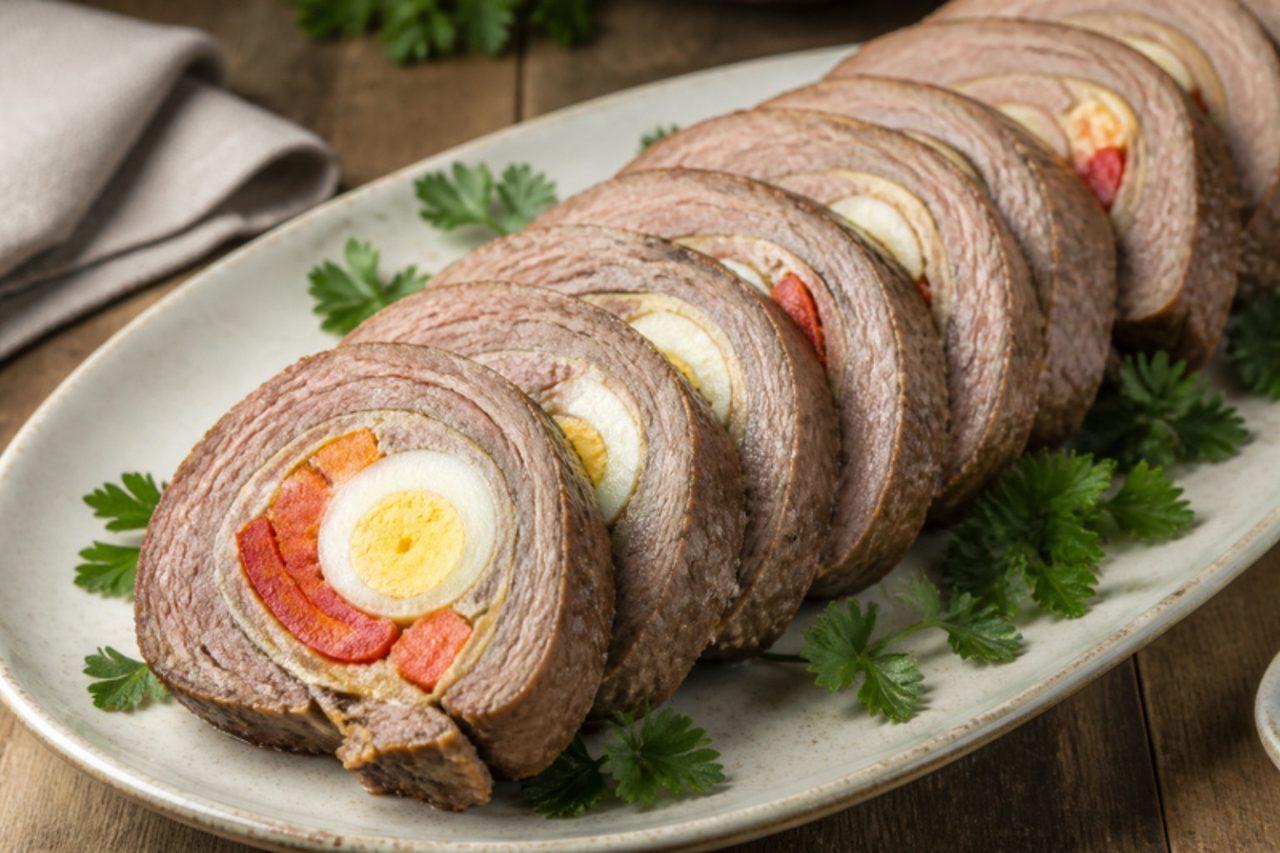
Matambre arrolladoRolled stuffed flank steak

Christmas and New Year in Argentina fall in high summer, so the festive table is crowded with cold dishes, and matambre arrollado is the one that draws a crowd: a thin sheet of beef from between the ribs and skin (matambre, the rose or flank cut), spread with garlic and parsley, layered with hard-boiled egg, carrot and red pepper, rolled into a fat sausage, poached and pressed. Rotiserías in the Buenos Aires suburbs sell it by the slice, and each round shows a mosaic of colours. Served cold with Russian salad and a sharp chimichurri, it is tender and savoury. Because the outside of the meat ends up rolled inside, cook it to a core temperature of 71 °C, as for minced meat. The usual mistake is slicing it warm: it falls apart, so press it under a weight in the fridge overnight. If you can't find matambre, ask the butcher for a thin flank steak butterflied to 1 cm. Chef's tip: lay the meat with the grain running along the roll, so each slice cuts across the fibres and stays tender.

by KrazyBadal 0 views

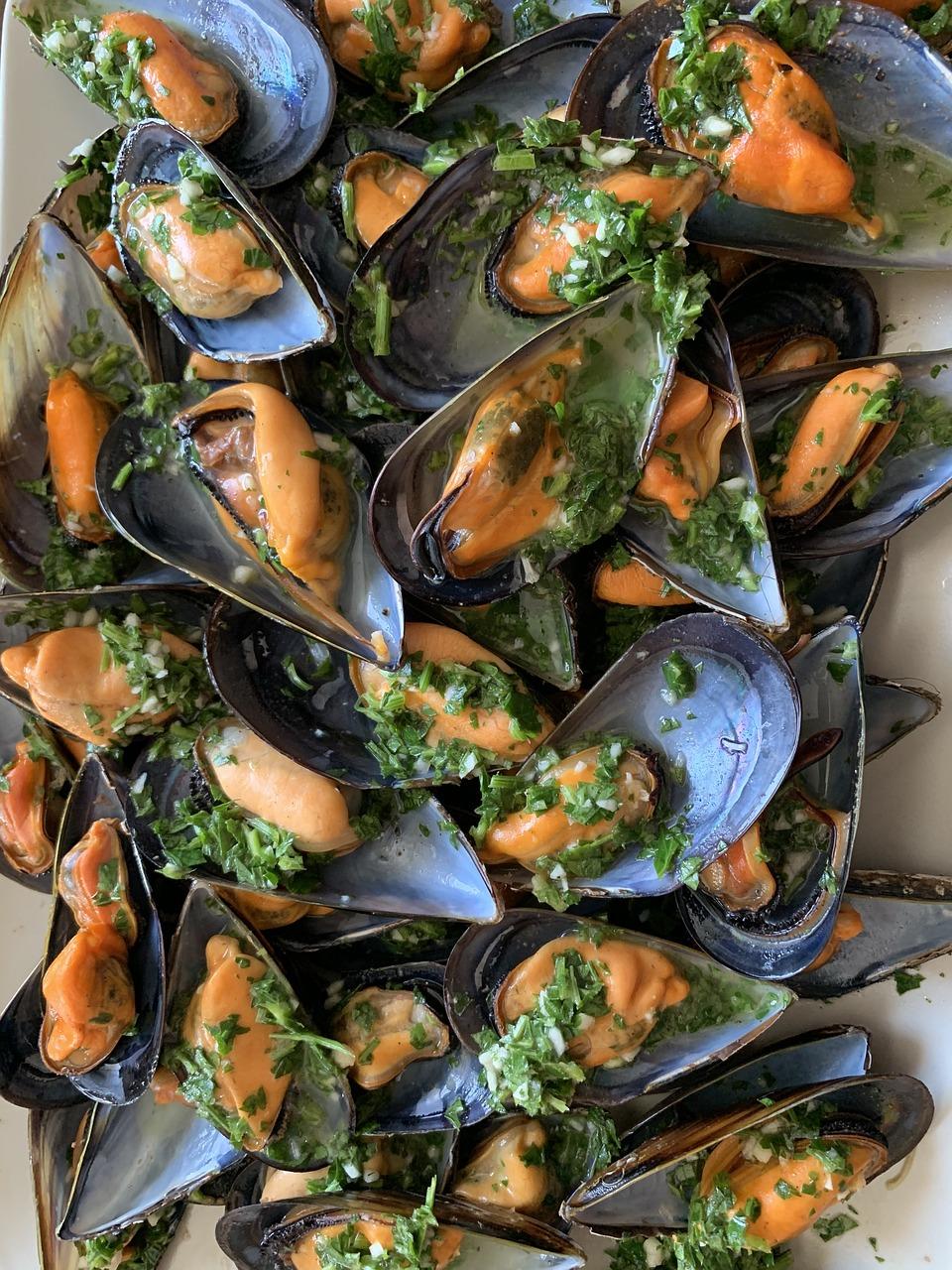
Mejillones a la provenzalMussels with garlic and parsley

On the Atlantic coast around Puerto Madryn and the Golfo Nuevo, mussels from cold Patagonian waters are farmed and gathered in quantity, and seafood places along the rambla steam them a la provenzal, which in Argentina means lots of garlic and parsley. A splash of dry white wine goes into the pot; the alcohol mostly cooks off, but you can swap it for fish stock with a little lemon for an alcohol-free pot that tastes just as good. Serve with bread or chips to mop up the briny juices. Cooking mussels too long is the usual slip: they shrink and turn rubbery, so lift the lid as soon as most have opened. Before cooking, throw away any mussel with a broken shell or one that stays open when tapped; after cooking, discard any that stay shut. Chef's tip: keep the garlic in gently warm oil until it just smells sweet; brown garlic turns bitter and dominates the mussels.

by KrazyBadal 0 views

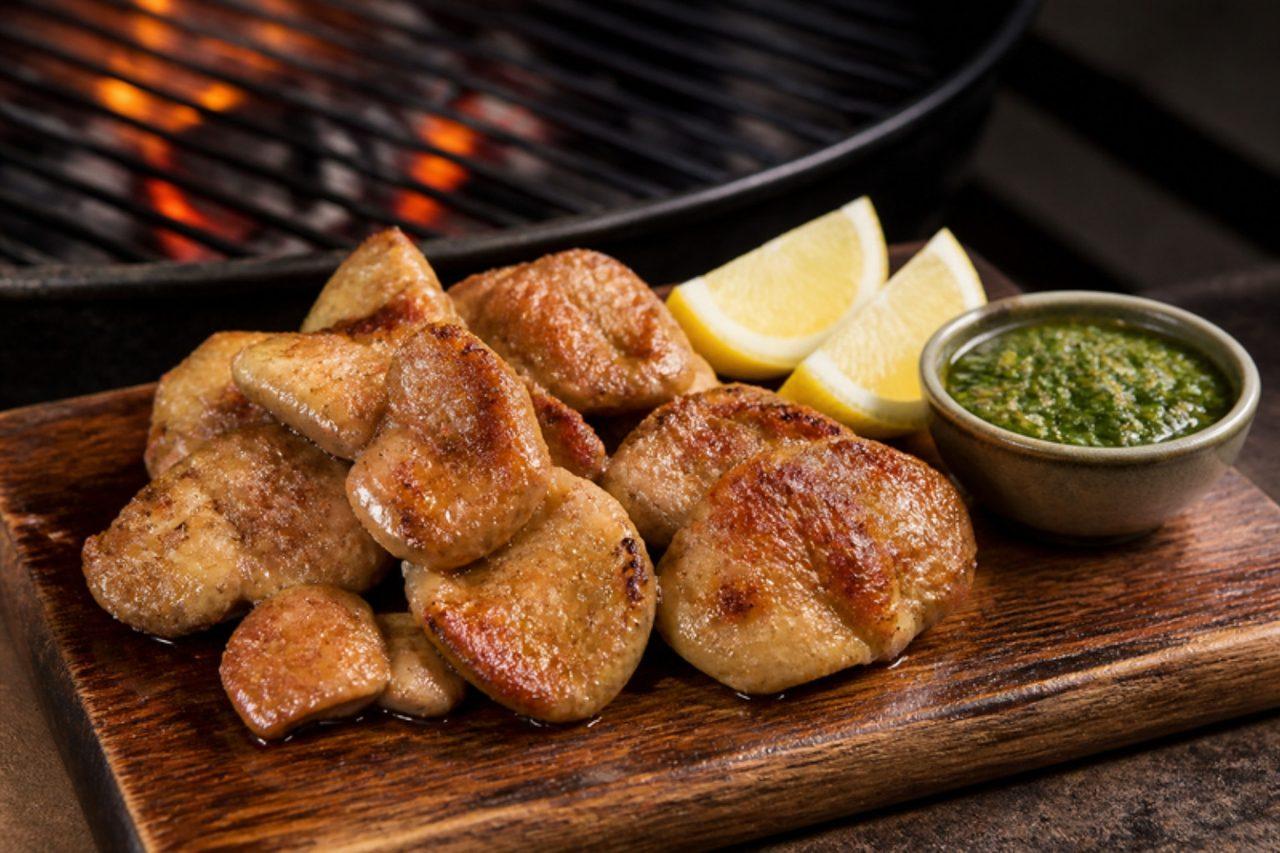
Mollejas a la parrillaGrilled sweetbreads

Order an asado in any Argentine parrilla and the mollejas arrive early, before the big cuts, crusty and golden outside, soft and almost custardy within, with nothing but lemon. They are the thymus glands of young cattle, mild in flavour and rich in texture, and parrilleros treat them as a treat for the guests who hang around the grill. Ask a butcher for veal sweetbreads (heart sweetbreads are the plumpest) and cook them the day you buy them. Grilling them hot and fast is the common mistake: the outside chars while the centre stays raw and rubbery. As offal, they must be cooked right through, to at least 71 °C in the middle. Chef's tip: a brief blanch firms them, makes the membrane easy to peel and means the grill only has to crisp them.

by KrazyBadal 0 views

Showing 24 of 44 recipes

Show more recipes

Page 1 of 2