Skip to content
Recipes

All recipes

Vegetarian, or something you can't eat? Set your diet once and we'll hide recipes that don't fit.

Mandi'o chyryryFried cassava with onion and egg

Mandi'o chyryry means 'fried cassava' in Guaraní, and it is what rural Paraguayan families make from yesterday's boiled mandi'o: chunks crushed and fried in a big pan with onion until crisp in places, then scrambled with eggs. It comes out for breakfast with cocido or for a quick supper, and costs next to nothing. Use sweet cassava, the kind sold in supermarkets. The mistake is stirring constantly, which turns it to mush; let the cassava sit and brown. Chef's tip: the best chyryry starts with cold, day-old boiled cassava, which fries crisper than freshly boiled.

by KrazyBadal 0 views

Pira caldoCreamy fish soup with cheese

Along the Paraguay River from Asunción to Concepción, pira caldo is the fishermen's soup, said to restore strength after a long night: chunks of firm river fish poached in a broth of onion, peppers and tomato fried in fat, then made creamy with milk and melted fresh cheese. Surubí or other catfish is traditional; any firm white fish such as hake or pollock works. The mistake most people make is boiling the soup after the milk and cheese go in, which splits it. Chef's tip: fry the vegetables until they are very soft and sweet before adding the water; that is where the flavour comes from.

by KrazyBadal 0 views

Berliner KartoffelsuppePotato and root vegetable soup

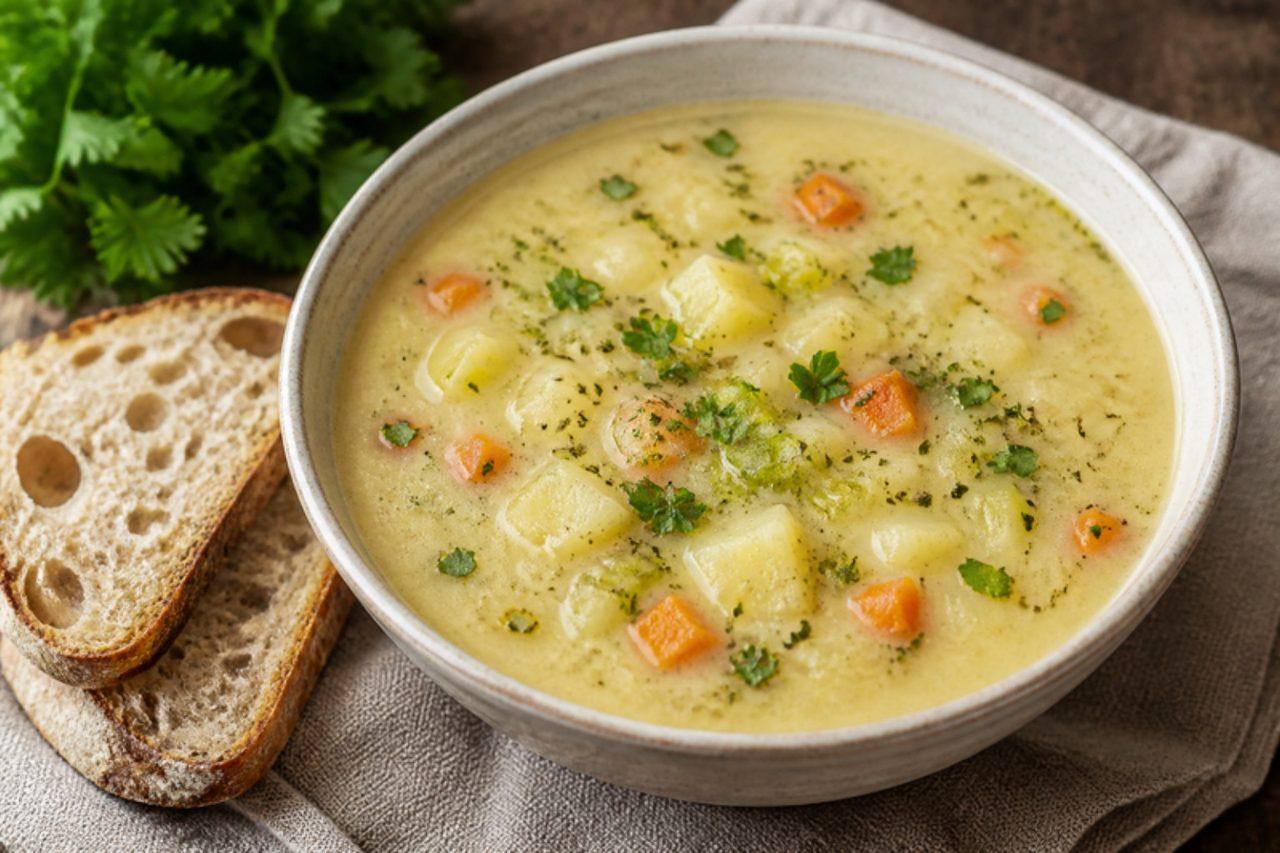
This is the soup of Berlin's cheap lunch counters and winter kitchens: potatoes and the 'Suppengrün' bundle of carrot, celeriac, leek and parsley root, simmered thick and seasoned with plenty of marjoram. In Berlin it usually comes with a sliced Wiener sausage floating on top; this vegetarian version is finished instead with crisp fried onions and croutons, which give the same savoury contrast. A common mistake is using waxy potatoes, which never thicken the soup; you want floury ones that collapse. Chef's tip: rub the dried marjoram between your palms as it goes in, which wakes up its sweet, piney scent.

by KrazyBadal 0 views

BratkartoffelnFried potatoes with onion

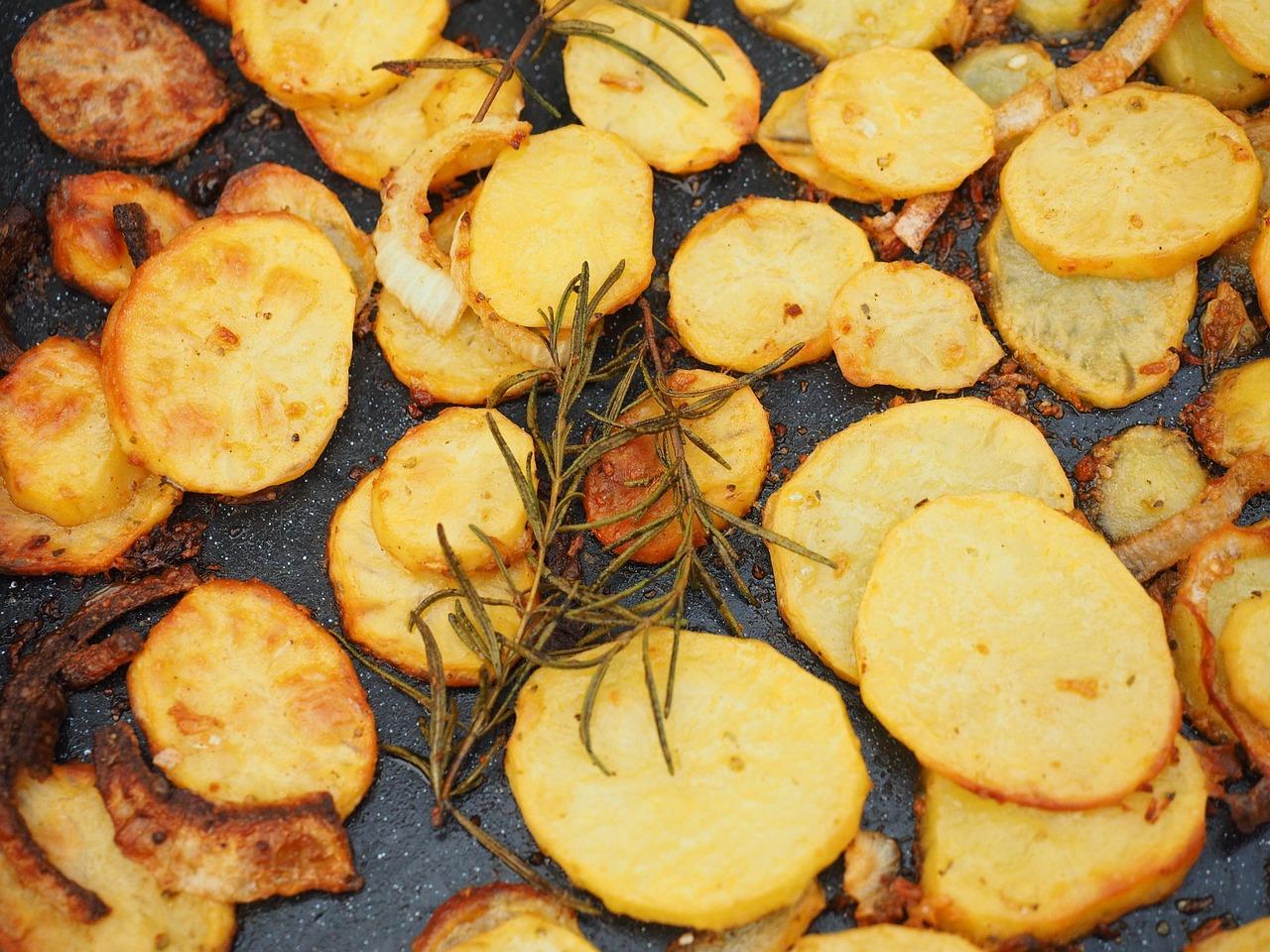
Bratkartoffeln are the potatoes of every German pub and home kitchen, from Hamburg to Munich: yesterday's boiled potatoes sliced and fried slowly in a heavy pan until the edges are crisp and brown, then tossed with onion. They come with fried eggs, pickled herring, Sülze or a green salad, and many cooks add bacon cubes; this version stays vegetarian with butter, onion and marjoram. The mistake everyone makes is stirring too often and crowding the pan: the slices steam instead of crisping. Chef's tip: use waxy potatoes boiled in their skins the day before; cold, firm slices hold their shape and brown far better than fresh ones.

by KrazyBadal 0 views

BrezenknödelPretzel dumplings

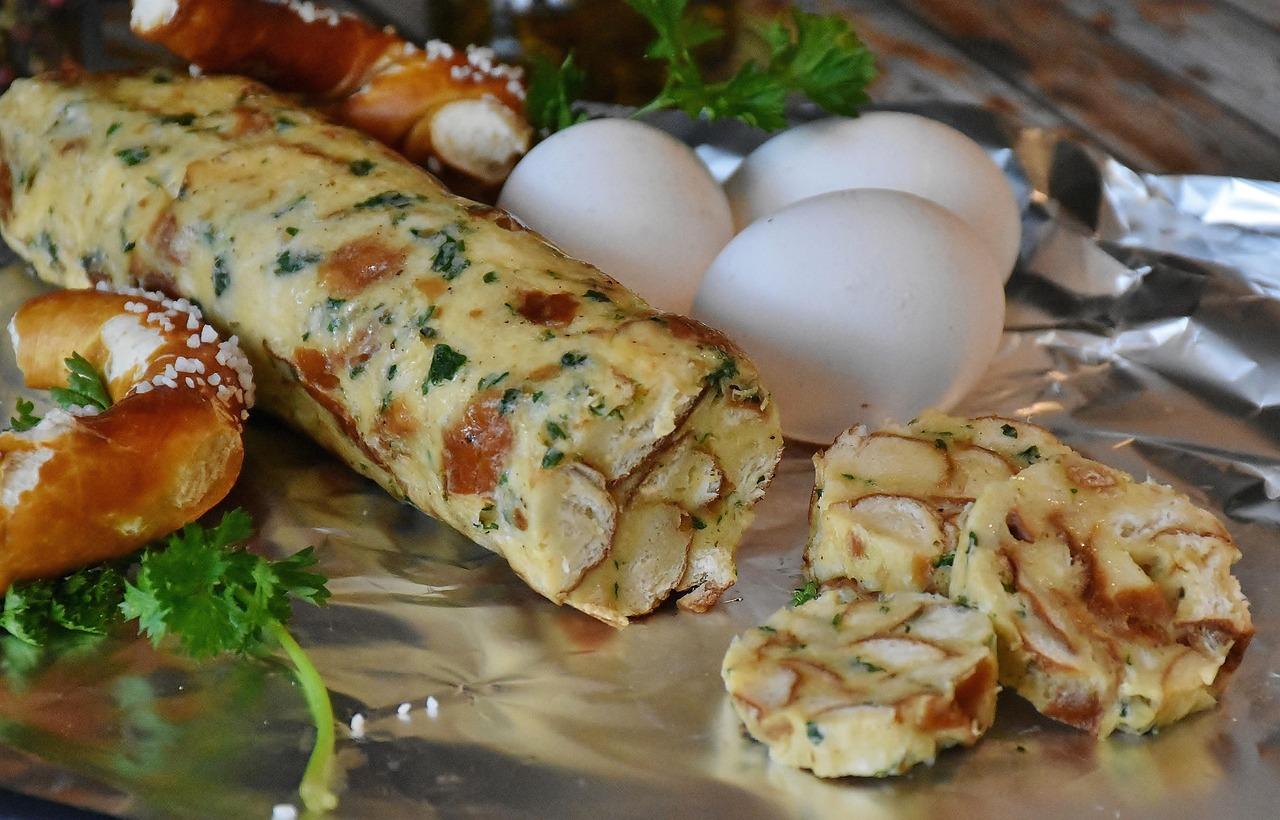
Brezenknödel are what thrifty Munich kitchens make from yesterday's pretzels: the cubes soak in warm milk with egg, onion and parsley, then are shaped into dumplings with a faintly salty, malty crust flavour running through them. They are served on Sundays in place of bread dumplings, alongside a creamy mushroom sauce or a pile of red cabbage, and leftovers are sliced and fried the next morning. The big mistake is adding too much milk: the mixture should hold when squeezed, not drip. Chef's tip: pick off most of the coarse salt before cubing the pretzels, otherwise the dumplings end up far too salty.

by KrazyBadal 0 views

Eingelegte Rote BetePickled beetroot

In Hamburg, Bremen and across Schleswig-Holstein a jar of pickled beetroot sits on the table whenever there is Labskaus, herring or a cold meat platter, and many households still make their own each autumn when the beets come in from the fields. Earthy cooked beetroot is sliced and steeped in sweet-sour vinegar with onion, cloves and a little horseradish, turning gently spiced and jewel red. The mistake people often make is peeling or trimming beets before boiling, which lets the colour and flavour bleed into the water. Chef's tip: wear gloves and use a plastic board when slicing, and slice evenly at about 5 mm so every piece pickles at the same rate.

by KrazyBadal 0 views

FlädlesuppeBeef broth with pancake strips

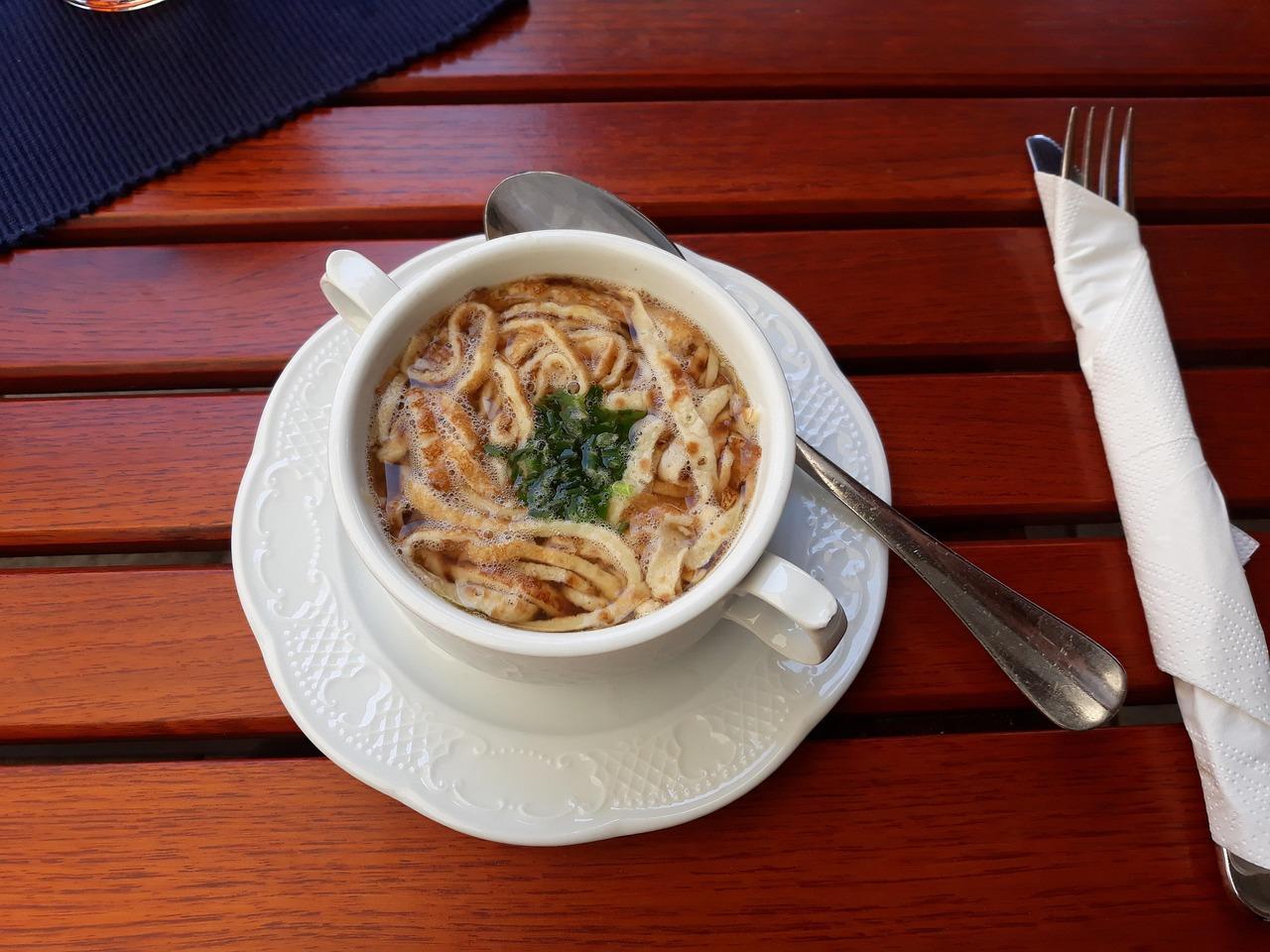
In Swabia, Flädlesuppe opens Sunday lunch, wedding dinners and many a Stuttgart inn meal: a clear, golden beef broth with thin ribbons of pancake, the Flädle, and a scatter of chives. The broth is simmered slowly from beef shin and a bone, and the pancakes are cooked, rolled up and sliced like noodles. For a vegetarian version, make the same pancakes and serve them in a strong vegetable broth with browned onion. Chef's tip: never let the broth boil hard; a lazy simmer keeps it clear instead of cloudy.

170 minGermanSoups
by KrazyBadal 0 views

Gaisburger MarschBeef stew with potatoes and spätzle

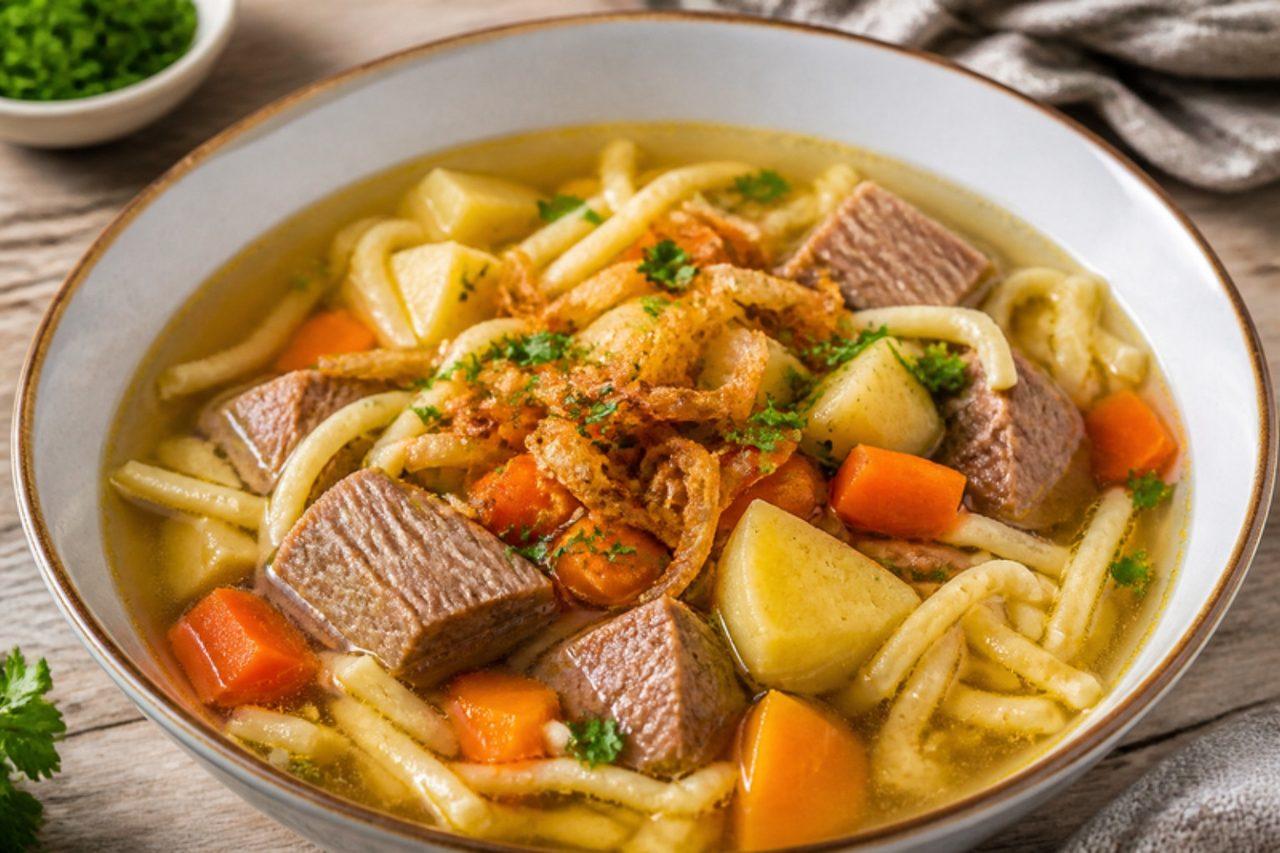
Gaisburger Marsch is named after Gaisburg, a district of Stuttgart, and the story goes that officer cadets marched there from barracks for it. It is a hearty Swabian one-pot of beef broth, cubes of boiled beef, potatoes and spätzle, crowned with onions fried in butter until sweet and brown, and it is still a weekday lunch in Stuttgart pubs and canteens. Chef's tip: cook the potatoes in the strained broth rather than in water, so they soak up the beef flavour.

180 minGermanSoups
by KrazyBadal 0 views

Grumbeersupp mit QuetschekuchePotato soup with plum cake

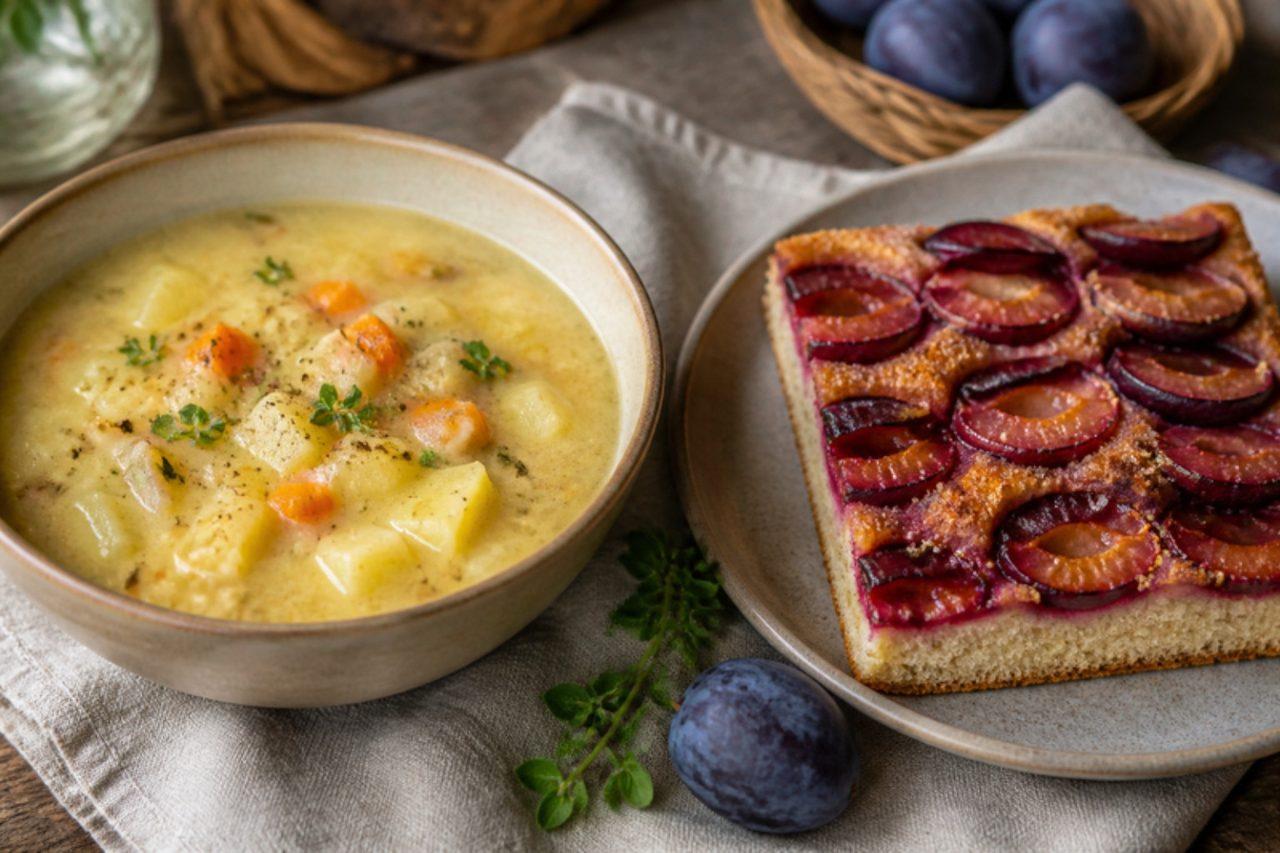
In the Palatinate, between the Rhine and the vineyards of the Weinstraße, September brings a pairing that puzzles outsiders: a bowl of creamy potato soup served with a slice of plum tray cake on the side, and you dip the cake as you go. It is a plain, cheap farmhouse supper for plum season, and the sweet-sour fruit against the soft, marjoram-scented soup is the whole joy. This version makes a small tray of yeasted plum cake while the soup simmers. A common mistake is sweetening the soup; it should stay savoury so the cake can do the sweet work. Chef's tip: use dark, oval Zwetschgen plums, which hold their shape; round dessert plums go watery.

by KrazyBadal 0 views

SchupfnudelnPotato noodles with sauerkraut

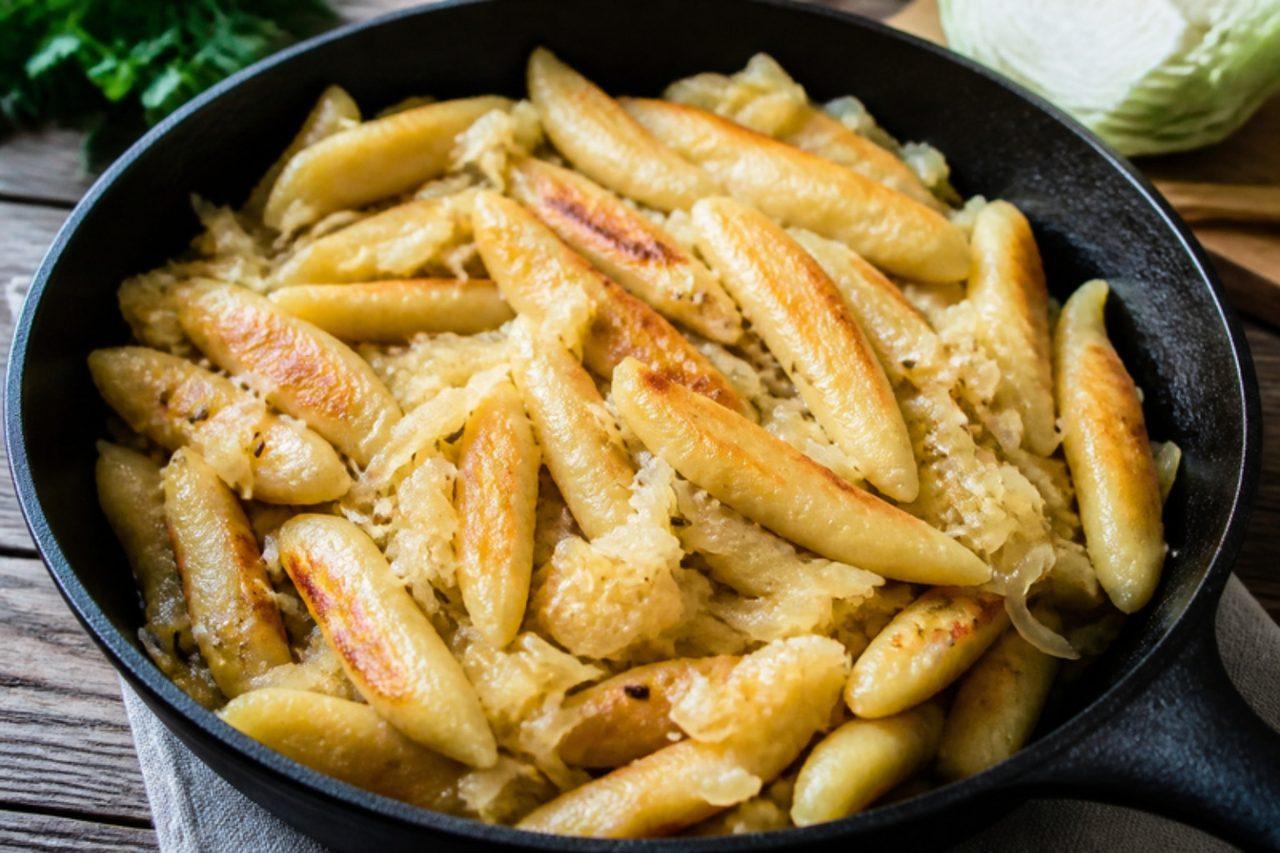
Schupfnudeln are thick little potato noodles, rolled between the palms into pointed fingers, that turn up at every Christmas market and village festival in Baden-Württemberg, fried in a huge pan with sauerkraut. At home they are a winter supper on their own or a side for roasts. The dough is the same family as gnocchi, but the noodles are boiled first and then fried until browned on the outside. A common mistake is using freshly boiled hot potatoes and too much flour: they need to be cold and dry, so plan to cook them the day before. Chef's tip: rinse the sauerkraut only if it is very sharp; otherwise its tang is what balances the butter.

by KrazyBadal 0 views

SenfgurkenMustard pickled cucumber

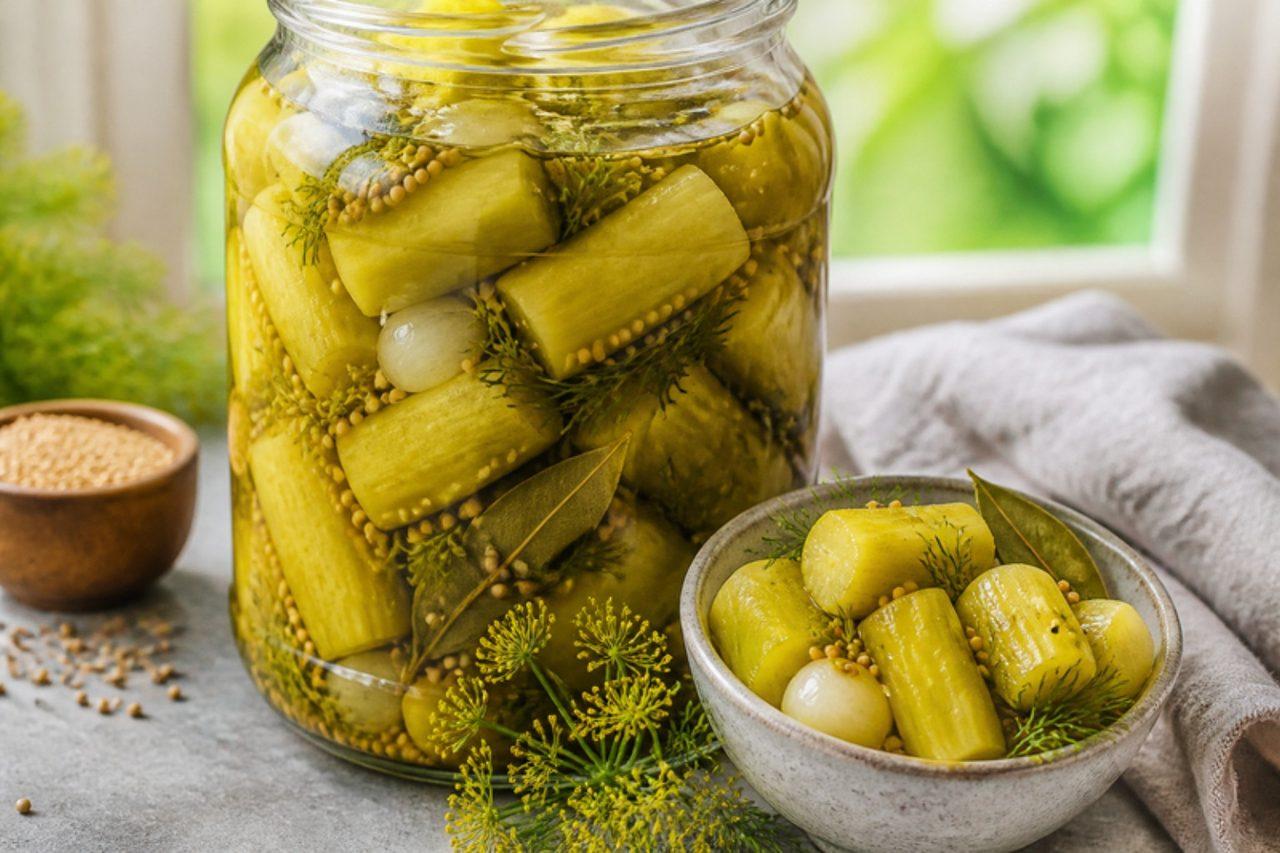
Senfgurken are the big, pale golden chunks of peeled cucumber that German families put up in late summer, when the fat yellow-skinned 'Schmorgurken' are cheap at markets from Brandenburg to the Rhineland. Pickled in sweet vinegar with mustard seeds, dill and onion, they are served through the winter with cold cuts, cheese boards, potato salad or a plate of fried eggs and potatoes. Unlike gherkins they are soft-crunchy and mellow. The mistake is skipping the overnight salting, which leaves the cucumbers watery so they dilute the vinegar and spoil sooner. Chef's tip: scrape out every bit of the seedy core with a teaspoon; it is what turns soft and slimy in the jar.

by KrazyBadal 0 views

Spreewälder GurkenDill-fermented gherkins

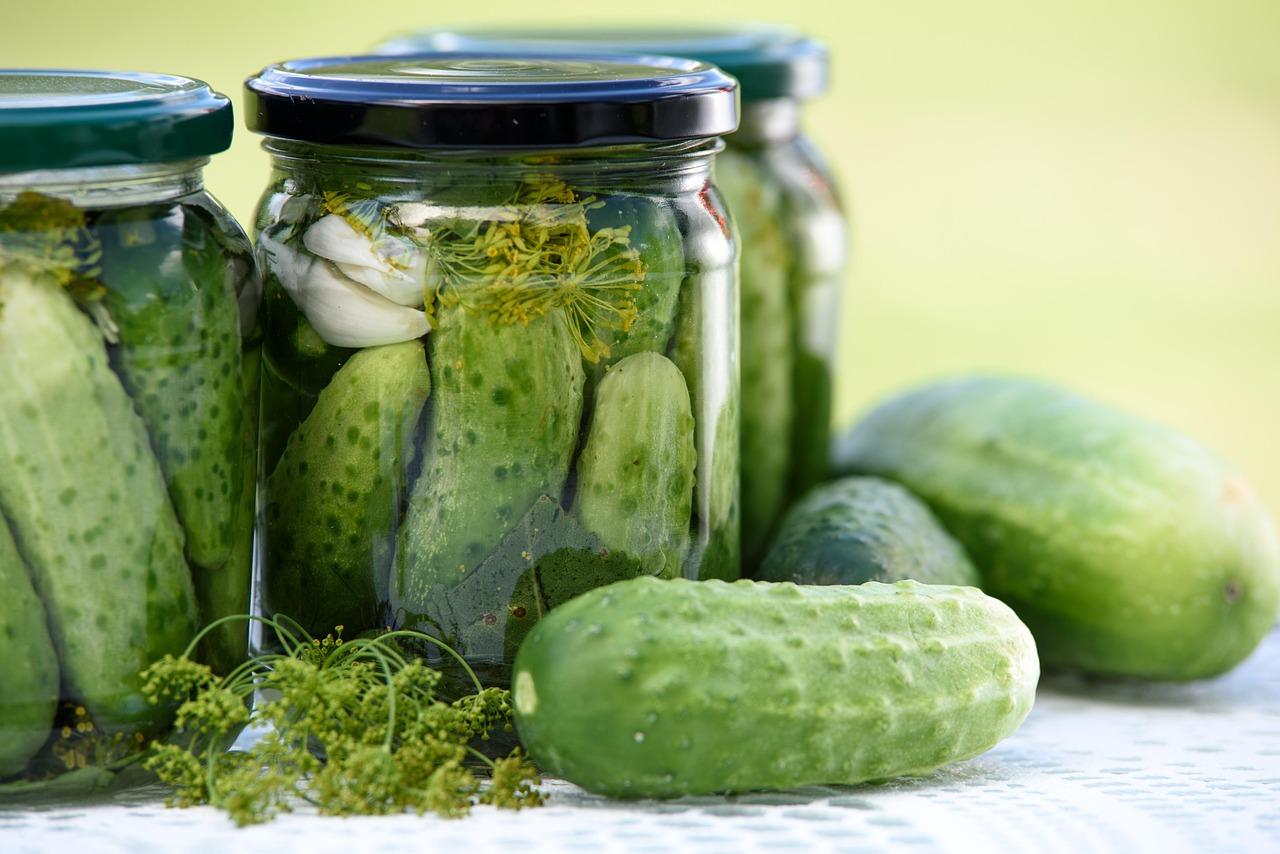
In the Spreewald, the forest and canal country south-east of Berlin, cucumbers have been fermented in barrels of dill brine for centuries, and in late summer the riverbanks are lined with stalls selling them by the jar. These salt-fermented gherkins are sour, garlicky and crunchy, eaten as a snack, alongside sandwiches or with jacket potatoes and quark. No vinegar is used: lactic fermentation does the souring. The most common mistake is letting cucumbers poke above the brine, where mould can start. Chef's tip: choose small, firm, freshly picked cucumbers and add a few vine or oak leaves; their tannins keep the gherkins crisp.

by KrazyBadal 0 views

Teltower RübchenGlazed baby turnips

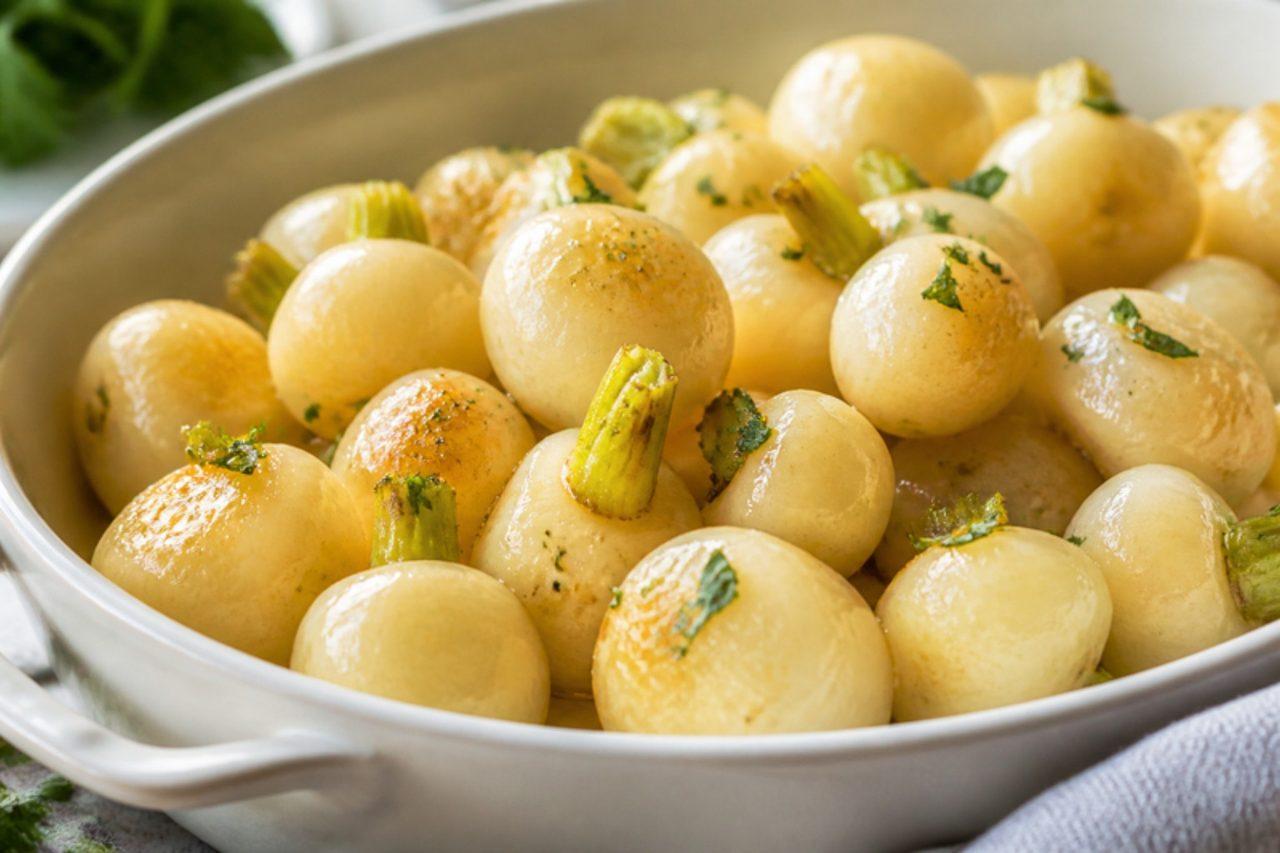
Teltower Rübchen are tiny, finger-length turnips grown in the sandy fields of Teltow, just south of Berlin, and harvested in spring and again in autumn. They were once a delicacy at the Prussian court, and Berliners still serve them glazed in butter and caramel as a side for roasts, goose or simply with boiled potatoes. They taste sweeter and more peppery than big turnips, with a hint of radish. Outside Brandenburg, use small white turnips or the base of young navets. A common mistake is peeling them thickly; just scrape off the thin skin. Chef's tip: let the sugar turn pale amber before adding the turnips, so the glaze has a real caramel flavour.

by KrazyBadal 0 views

Thüringer KlößePotato dumplings

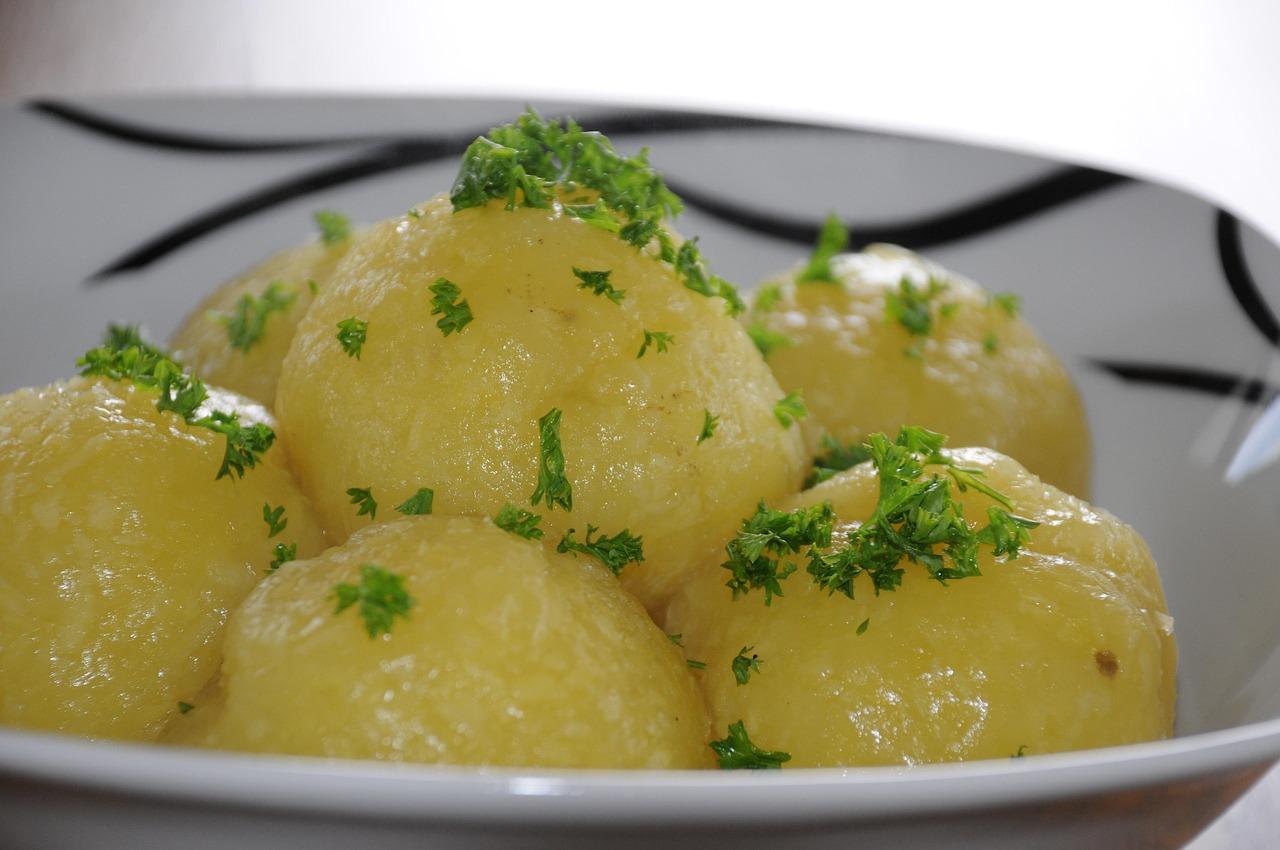
In Thuringia, Sunday lunch without Klöße hardly counts: big, pale, springy dumplings made from two-thirds raw grated potato and one-third hot cooked potato paste, each hiding a few butter-fried croutons in the middle. They come to the table beside roasts with lots of gravy, red cabbage or a mushroom sauce, and the texture is unique, smooth, slightly chewy and very good at soaking up sauce. A common mistake is letting the water boil once the dumplings are in, which makes them fall apart; they should only just tremble. Chef's tip: work fast once the raw potato is pressed, because it greys as it meets the air.

by KrazyBadal 0 views

Steirische KürbiscremesuppeCreamy pumpkin soup

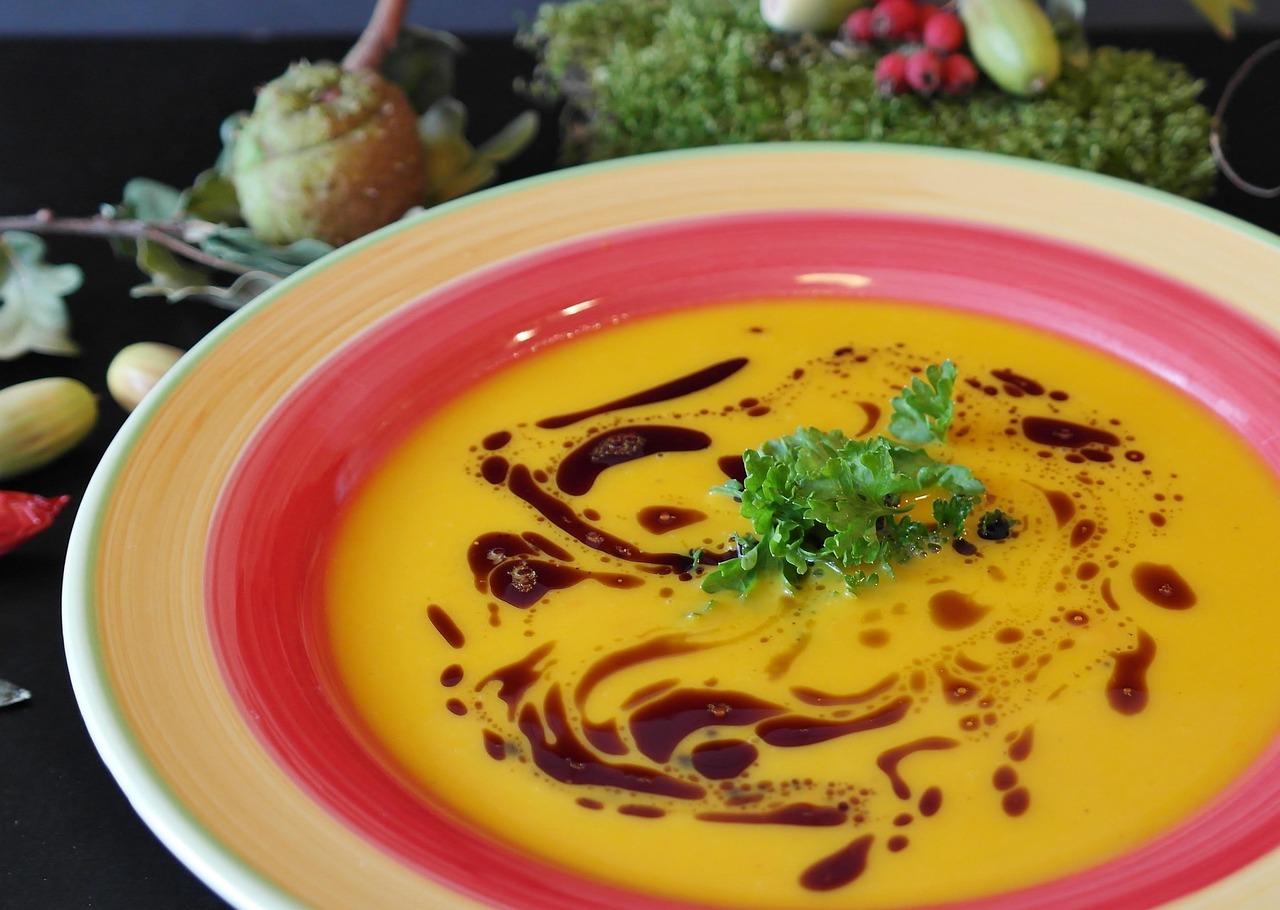
When the pumpkin fields of Styria turn orange in October, every inn from Graz to the Slovenian border puts this soup on the board. It is velvety and gently sweet, with a little nutmeg and a dash of vinegar for lift, and comes to the table with a swirl of almost black pumpkin seed oil and a scattering of toasted seeds. Serve it as a starter before a Sunday roast or with crusty bread for supper. A common mistake is boiling the soup hard after the cream goes in, which can split it and dull the colour. Check the stock if you need it gluten free. Chef's tip: toast the seeds dry in a pan until they puff and pop; it takes 3 minutes and doubles the nutty flavour.

by KrazyBadal 0 views

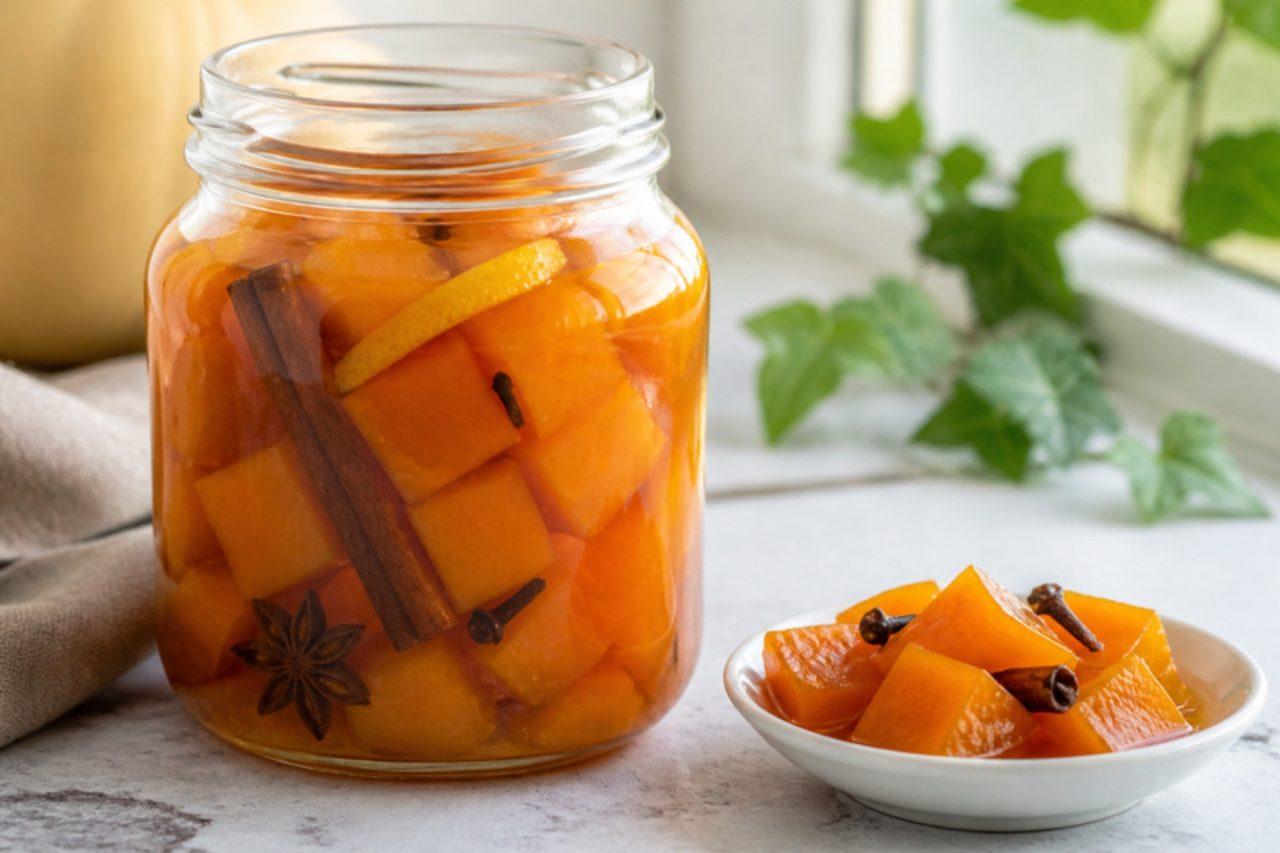
Sweet-sour pickled pumpkin

When the pumpkin harvest peaks in October, from the Rhineland to Saxony, German kitchens turn the firm orange flesh into Süß-sauer eingelegter Kürbis, golden cubes preserved in sweet spiced vinegar. Through the winter they come out of the cellar to sit beside roast dinners, game, cheese boards and cold cuts, or a simple plate of potatoes and quark. Cinnamon, cloves, ginger and a little lemon peel make them taste of Christmas. The mistake is using a watery carving pumpkin, which falls apart; choose a dense one such as Hokkaido or butternut. Chef's tip: steep the raw cubes in the cold vinegar overnight before cooking; it firms them so they stay in neat, glassy cubes.

by KrazyBadal 0 views

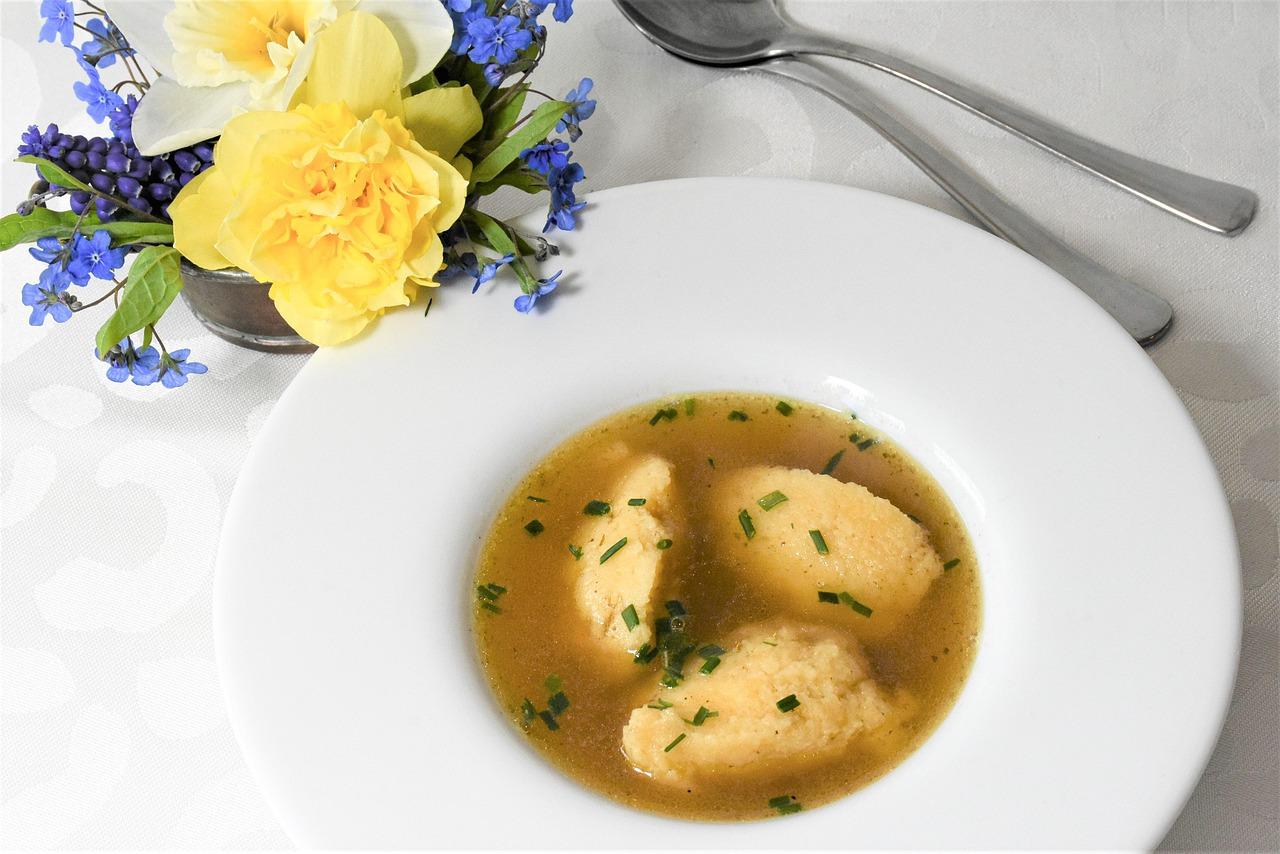
GrießnockerlsuppeBeef broth with semolina dumplings

Grießnockerlsuppe is the soup that opens a proper Austrian Sunday lunch, from Viennese grandmothers' tables to village inns in Upper Austria: a clear, deeply savoury beef broth with three or four soft, oval semolina dumplings that should be fluffy enough to cut with a spoon. The broth is made from beef shin and bones, simmered slowly with charred onion; broth left over from Tafelspitz works perfectly too. Chef's tip: let the semolina mix rest for 15 minutes before shaping; the grains swell and the dumplings hold together without going heavy.

by KrazyBadal 0 views

LinseneintopfLentil stew

Linseneintopf is the one-pot lentil stew that German families cook on cold weekdays, and in many school and works canteens it's still the Thursday or Saturday lunch. Brown lentils simmer with potatoes, carrots, celeriac and leek until thick and soft; the finishing touch, all over Germany, is a good splash of vinegar at the table, which wakes the whole bowl up. It's usually made with smoked sausage or bacon; here smoked paprika and vegetable stock give the smoky depth instead. Chef's tip: add the vinegar only at the end, because acid added early keeps the lentils hard.

by KrazyBadal 0 views

So'o yosopyGround beef and rice soup

So'o yosopy, "pounded meat" in Guaraní, is a soup Paraguayans make for anyone who is tired or recovering, and on cold days in Asunción's winter: beef is ground very finely and stirred into cold water so it breaks into soft, delicate threads, then simmered with onion, tomato, pepper and a little rice and oregano. The texture is smooth and the broth light. The mistake is adding the beef to boiling water, which makes it clump into meatballs; mix it into cold water first and stir as it heats. Chef's tip: ask the butcher to mince lean beef twice, or pulse it very fine in a food processor.

by KrazyBadal 0 views

Vegetarian vori voriCornmeal dumpling and vegetable soup

Vori vori is the soup Paraguayan grandmothers make on cold June and July evenings: a golden broth full of bori, small balls of cornmeal and cheese that swell soft as they simmer. The name is a Guaraní take on the Spanish 'bolita' (little ball). It's usually made with hen; this version gets its colour and body from pumpkin, carrot and a sofrito with saffron or turmeric. Chef's tip: shape the balls no bigger than a hazelnut; they double in size and larger ones stay raw inside.

by KrazyBadal 0 views

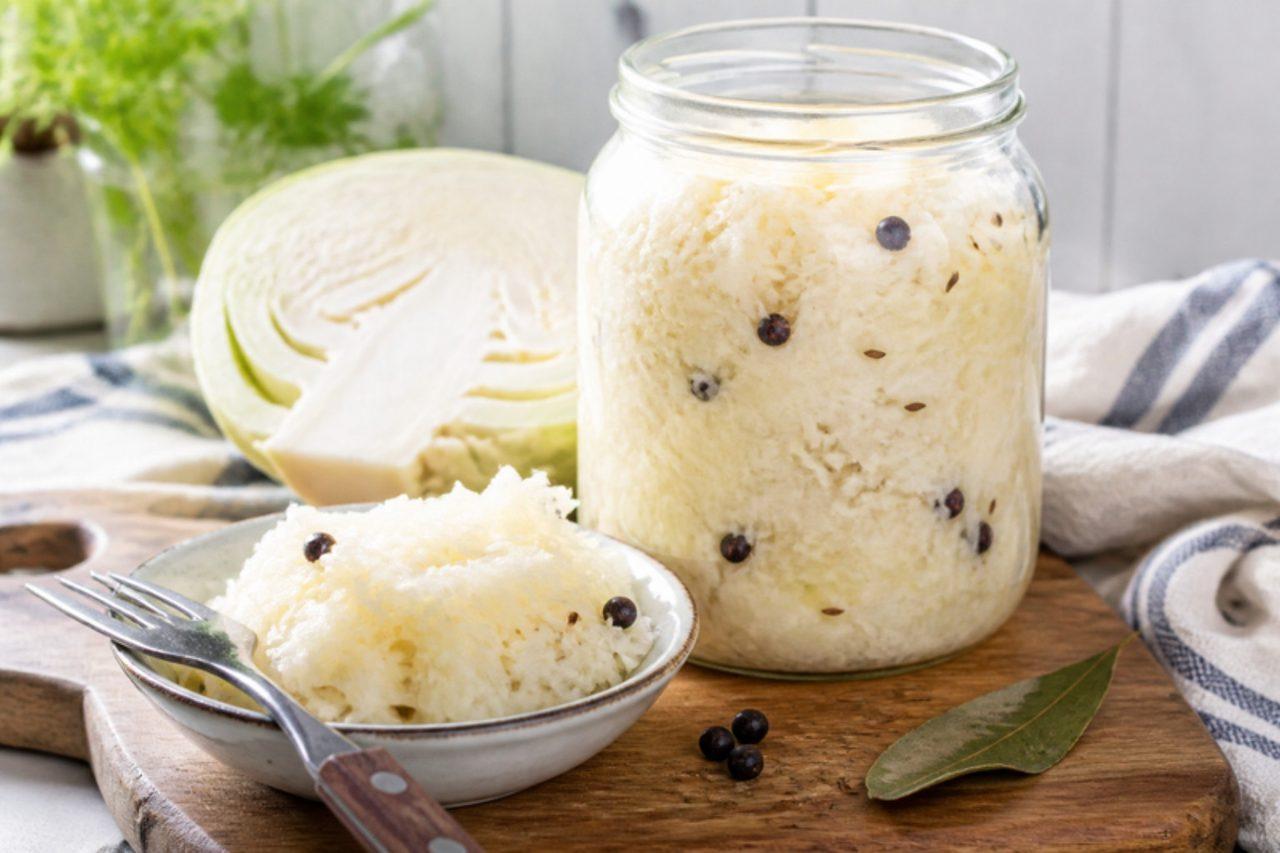
Sauerkraut

Sauerkraut is how German households have kept cabbage through the winter for centuries, and autumn is still when families in Baden, Franconia and Alsace shred the new white cabbage into stoneware crocks. It's nothing but cabbage and salt: the salt pulls out the juice and natural lactic acid bacteria do the rest, turning it sour, crunchy and full of flavour in a few weeks. Raw homemade sauerkraut tastes far fresher than the jar and is a lovely side for Kartoffelpuffer or potato mash; for a warm side, simmer it with onion and a grated apple. Chef's tip: weigh the cabbage and use exactly 2% of its weight in salt; too little and it goes soft and mouldy, too much and it won't ferment.

by KrazyBadal 0 views

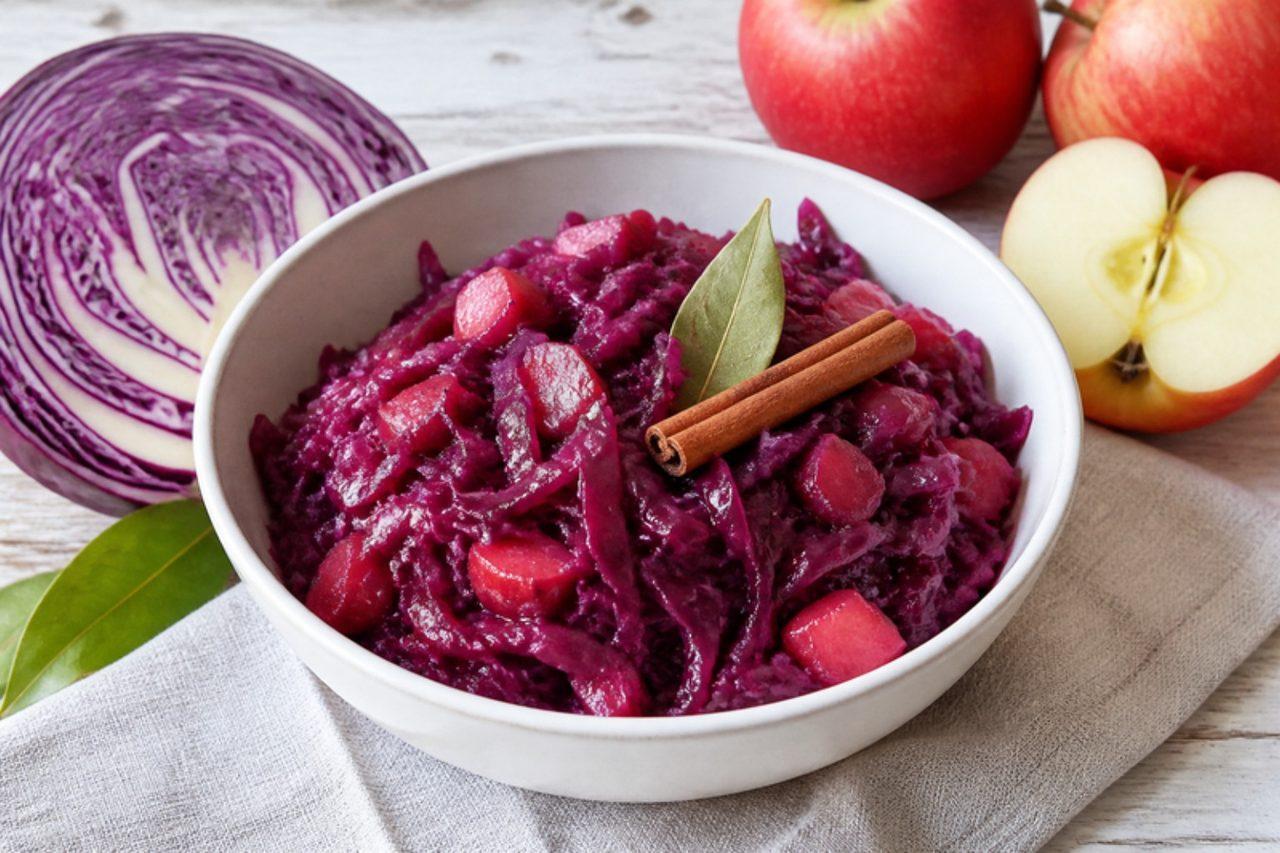
RotkohlBraised red cabbage

Rotkohl, called Blaukraut in Bavaria and Austria, is the purple braised cabbage that sits next to dumplings and potatoes on German plates from autumn to Christmas. Red cabbage is cooked slowly with apple, onion, vinegar, bay and clove until meltingly soft, sweet-sour and glossy, a deep wine-red because the acid keeps the colour bright. Traditionally it's started in goose fat or lard; oil works perfectly and keeps it vegan. It's one of those dishes that is better the next day, so families make a big pot before Christmas. Chef's tip: add the vinegar at the start, not the end; without acid the cabbage turns an unappetising blue-grey as it cooks.

by KrazyBadal 0 views