Skip to content
Recipes

All recipes

Vegetarian, or something you can't eat? Set your diet once and we'll hide recipes that don't fit.

SchnitzelsemmelSchnitzel in a bread roll

Austrians setting off on a train journey, a ski day or a building-site shift pack a Schnitzelsemmel: a crisp Kaisersemmel roll holding a cold, golden pork schnitzel (veal for special days), a leaf of lettuce and a squeeze of lemon, sometimes with a smear of mustard or a gherkin. Leftover Sunday schnitzels are made for it. The common mistake is pressing the breadcrumbs on hard; they should sit loosely so they puff up and ripple away from the meat as it fries. Chef's tip: shake the pan constantly while frying so hot fat washes over the top, and the crust soufflés into those famous waves.

by KrazyBadal 0 views

BusecaTripe and white bean stew

Buseca arrived in Montevideo with Italian immigrants from Lombardy and became a classic winter dish of Uruguayan bodegones and family kitchens, eaten on cold June and July days. Honeycomb tripe is simmered until tender, then stewed with white beans, pork chorizo, bacon, peppers, tomato and paprika into a thick, warming stew served with crusty bread. Buy tripe that is already cleaned and blanched (dressed). The usual mistake is undercooking the tripe: it needs a full 2 hours, until it's soft enough to cut with a spoon. Slow-cooker option: after step 4, cook on low for 8 hours. Chef's tip: a little grated lemon zest and parsley stirred in at the end lifts the rich, gelatinous sauce.

by KrazyBadal 0 views

Morcilla dulceSweet blood sausage with walnuts

No Uruguayan parrilla is complete without morcilla dulce: a soft pork blood sausage sweetened with sugar and scented with orange peel, studded with walnuts and raisins, grilled until the skin crisps and served first, as part of the achuras, while the beef is still cooking. It is pork throughout: pork blood, pork back fat and natural pork casings. Making it at home is a project. Buy fresh pork blood with an anticoagulant added from a butcher who supplies it for sausage making, keep it chilled below 4 °C and use it within a day. The common mistake is poaching at a rolling boil, which bursts the casings. Chef's tip: keep the water at 80–85 °C, just shivering, and prick a sausage after 25 minutes: it is done when brown, not red, juice comes out.

by KrazyBadal 0 views

Pira caldoCreamy fish soup with cheese

Along the Paraguay River from Asunción to Concepción, pira caldo is the fishermen's soup, said to restore strength after a long night: chunks of firm river fish poached in a broth of onion, peppers and tomato fried in fat, then made creamy with milk and melted fresh cheese. Surubí or other catfish is traditional; any firm white fish such as hake or pollock works. The mistake most people make is boiling the soup after the milk and cheese go in, which splits it. Chef's tip: fry the vegetables until they are very soft and sweet before adding the water; that is where the flavour comes from.

by KrazyBadal 0 views

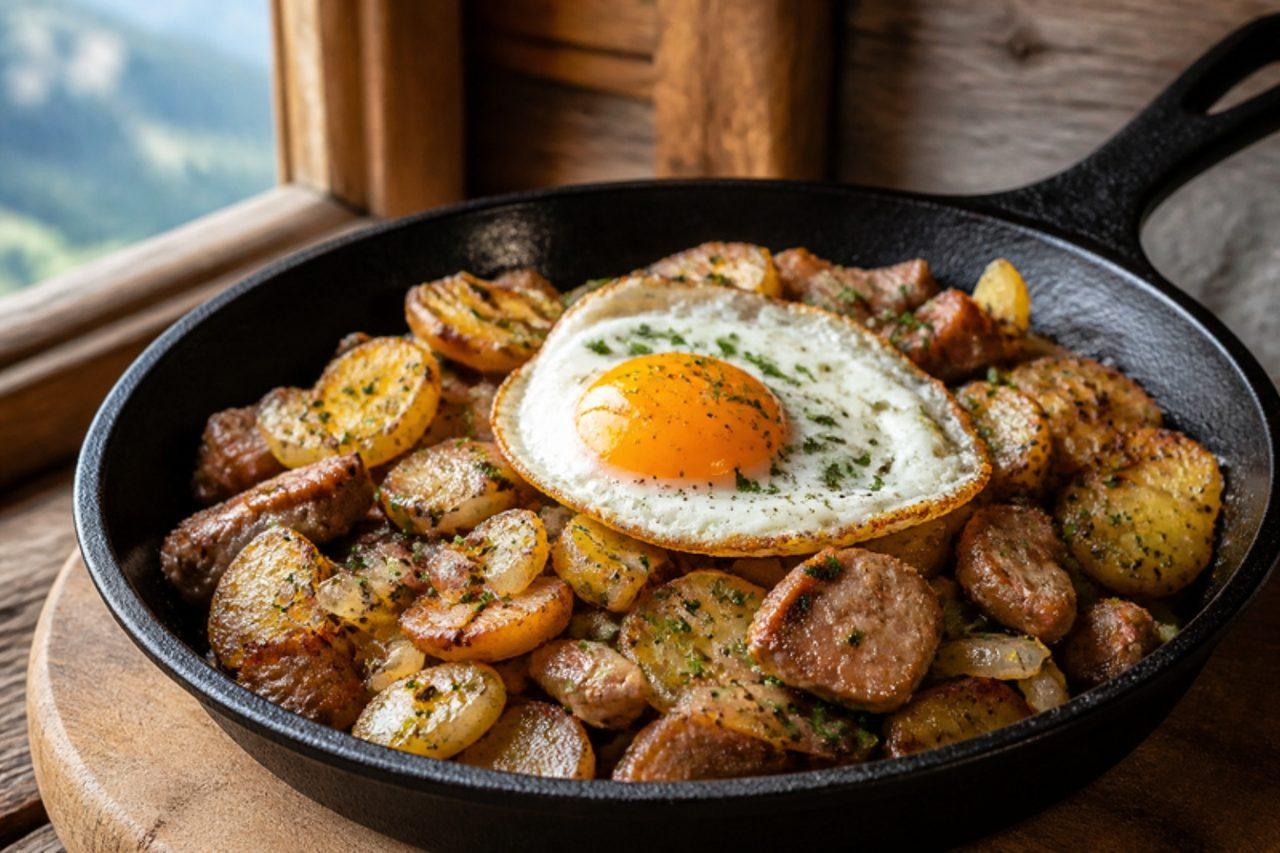
Tiroler GröstlFried potato and pork with egg

Tiroler Gröstl is what Tyrolean mountain huts serve to skiers and hikers coming in from the cold, and what farmhouse kitchens around Innsbruck make on Monday from Sunday's roast. Cold boiled potatoes are fried until crusty with onions, then tossed with cubes of leftover roast pork or smoked pork, caraway and marjoram, and crowned with a fried egg. It is made in one big pan and brought to the table in it. Chef's tip: let the potatoes fry undisturbed for the first few minutes; the brown crust is the whole dish.

by KrazyBadal 0 views

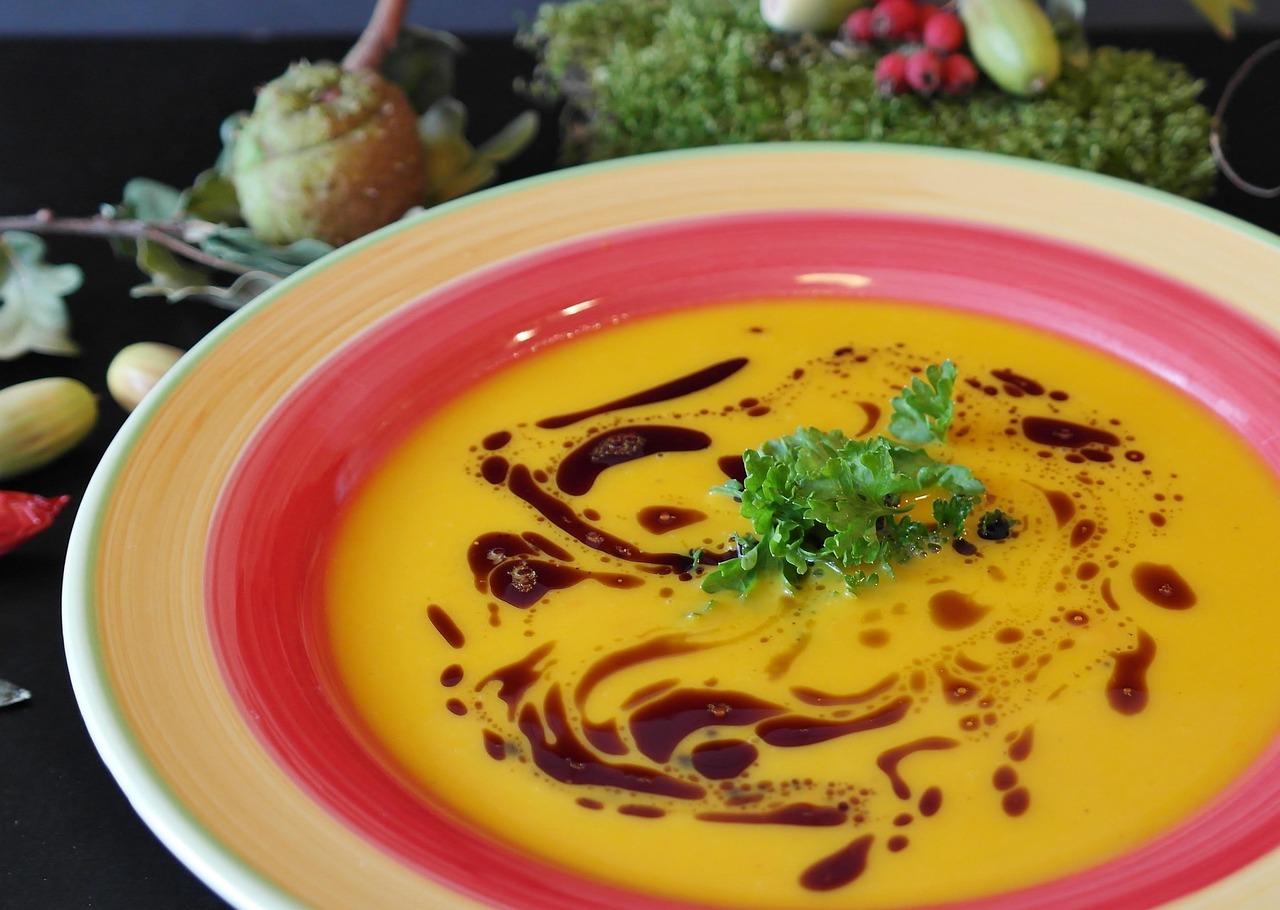
Steirische KürbiscremesuppeCreamy pumpkin soup

When the pumpkin fields of Styria turn orange in October, every inn from Graz to the Slovenian border puts this soup on the board. It is velvety and gently sweet, with a little nutmeg and a dash of vinegar for lift, and comes to the table with a swirl of almost black pumpkin seed oil and a scattering of toasted seeds. Serve it as a starter before a Sunday roast or with crusty bread for supper. A common mistake is boiling the soup hard after the cream goes in, which can split it and dull the colour. Check the stock if you need it gluten free. Chef's tip: toast the seeds dry in a pan until they puff and pop; it takes 3 minutes and doubles the nutty flavour.

by KrazyBadal 0 views

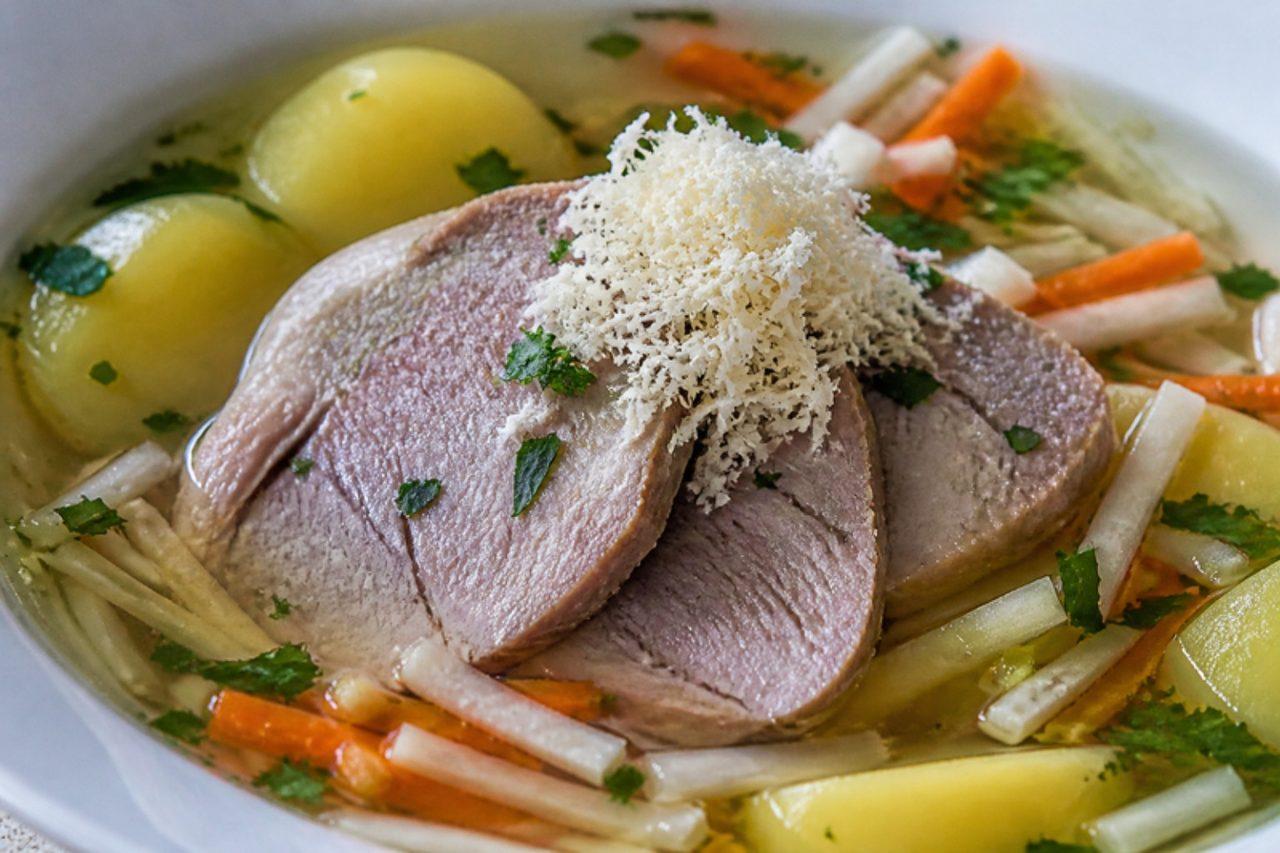
Steirisches WurzelfleischPork simmered with root vegetables

Wurzelfleisch, 'root meat', is a winter dish from the farms of Styria in south-east Austria, cooked in November and December when pigs were killed and the cellar was full of carrots, celeriac and parsley root. Pork shoulder is simmered in a lightly sour broth, then served in deep plates with thin strips of root vegetables, boiled potatoes and a snowfall of freshly grated horseradish. It is a gentle, clean-tasting dish, quite unlike a roast. Chef's tip: grate the horseradish at the table; it loses its bite within minutes.

130 minAustrianMeatGluten free
by KrazyBadal 0 views

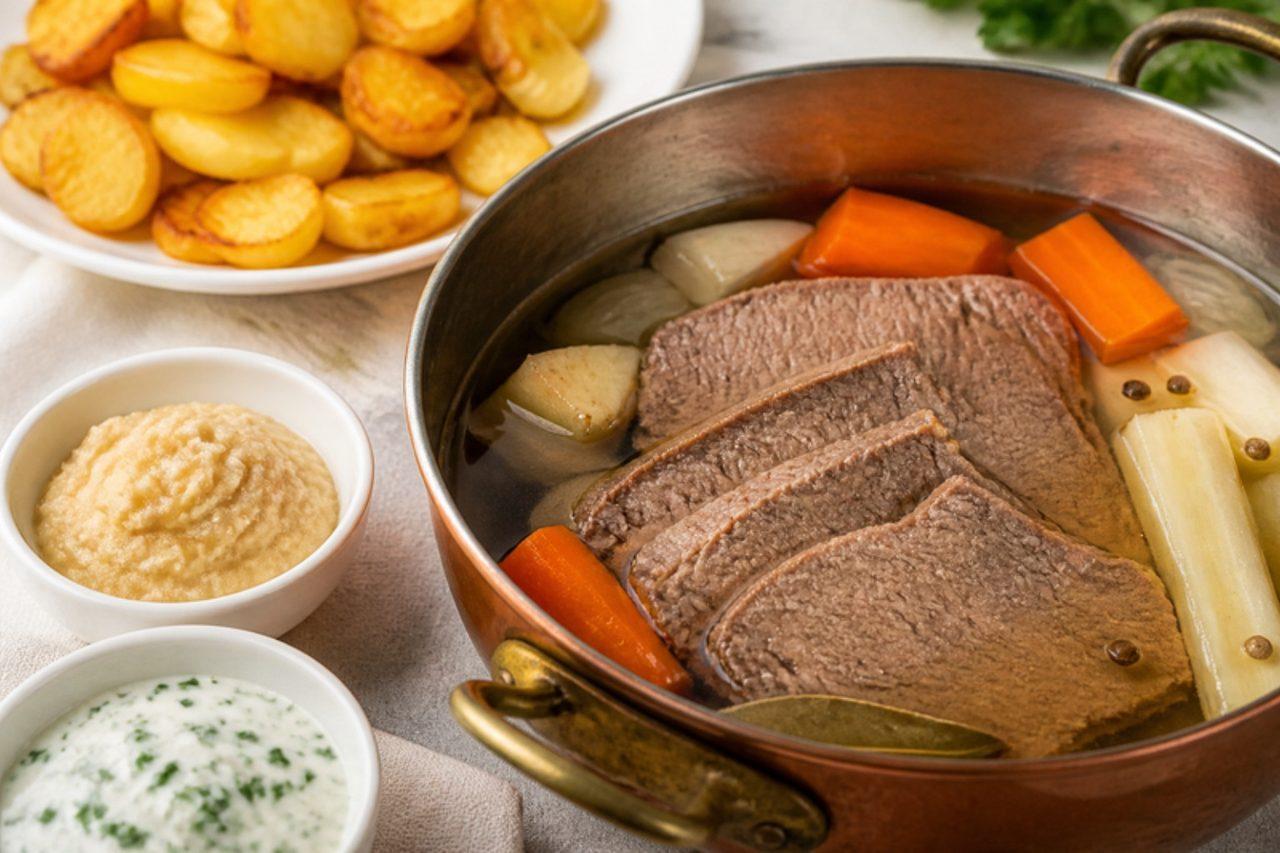
TafelspitzSimmered beef with apple horseradish

Tafelspitz is Vienna's grand Sunday lunch, the dish the old Beisl taverns and the city's famous beef restaurants built their names on. A whole piece of beef top rump is barely simmered with root vegetables for hours, then served in three acts: first the clear golden broth, then the sliced beef with crisp roast potatoes, sharp Apfelkren (grated apple and horseradish) and a cool chive sauce. Keep any leftover broth for Grießnockerlsuppe or Frittatensuppe. Chef's tip: never let the pot bubble; a slow tremble keeps the meat juicy and the broth clear.

210 minAustrianMeatGluten free
by KrazyBadal 0 views

GrießnockerlsuppeBeef broth with semolina dumplings

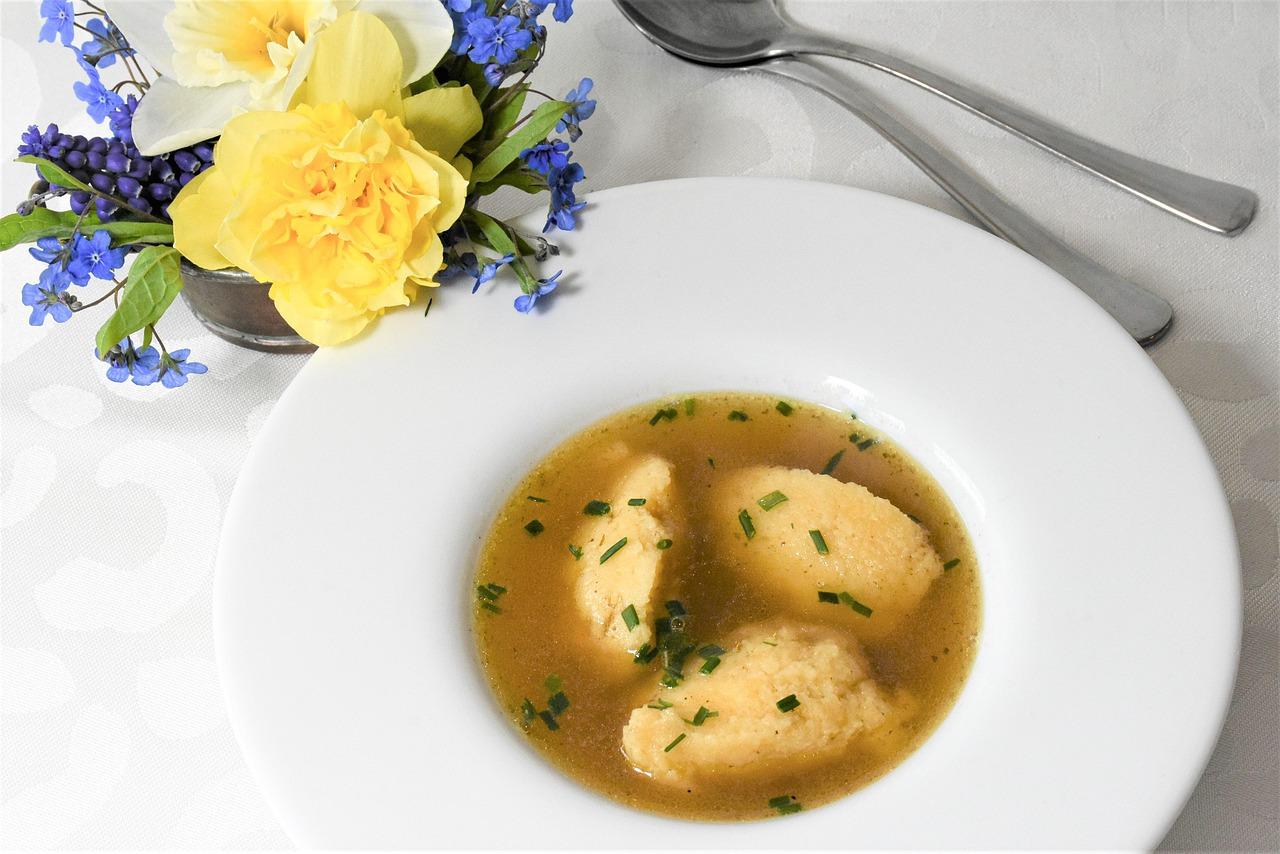
Grießnockerlsuppe is the soup that opens a proper Austrian Sunday lunch, from Viennese grandmothers' tables to village inns in Upper Austria: a clear, deeply savoury beef broth with three or four soft, oval semolina dumplings that should be fluffy enough to cut with a spoon. The broth is made from beef shin and bones, simmered slowly with charred onion; broth left over from Tafelspitz works perfectly too. Chef's tip: let the semolina mix rest for 15 minutes before shaping; the grains swell and the dumplings hold together without going heavy.

by KrazyBadal 0 views

Vegetarian vori voriCornmeal dumpling and vegetable soup

Vori vori is the soup Paraguayan grandmothers make on cold June and July evenings: a golden broth full of bori, small balls of cornmeal and cheese that swell soft as they simmer. The name is a Guaraní take on the Spanish 'bolita' (little ball). It's usually made with hen; this version gets its colour and body from pumpkin, carrot and a sofrito with saffron or turmeric. Chef's tip: shape the balls no bigger than a hazelnut; they double in size and larger ones stay raw inside.

by KrazyBadal 0 views

Asado uruguayoGrilled beef short ribs and chorizo

Sunday in Uruguay means asado: in Montevideo backyards and the cattle towns of the interior, beef ribs (asado de tira), chorizo and morcilla cook slowly over the embers of a wood fire, with only coarse salt, while the family waits. The parrillero rakes coals under the grill and keeps the heat low and even. This recipe includes pork chorizo. The mistake is cooking over flames; the fire should burn down to embers you can hold your hand above for 6–8 seconds. Chef's tip: salt the meat only when it goes on the grill, with coarse salt, never fine.

by KrazyBadal 0 views

So'o yosopyGround beef and rice soup

So'o yosopy, "pounded meat" in Guaraní, is a soup Paraguayans make for anyone who is tired or recovering, and on cold days in Asunción's winter: beef is ground very finely and stirred into cold water so it breaks into soft, delicate threads, then simmered with onion, tomato, pepper and a little rice and oregano. The texture is smooth and the broth light. The mistake is adding the beef to boiling water, which makes it clump into meatballs; mix it into cold water first and stir as it heats. Chef's tip: ask the butcher to mince lean beef twice, or pulse it very fine in a food processor.

by KrazyBadal 0 views