Skip to content
Recipes

All recipes

Vegetarian, or something you can't eat? Set your diet once and we'll hide recipes that don't fit.

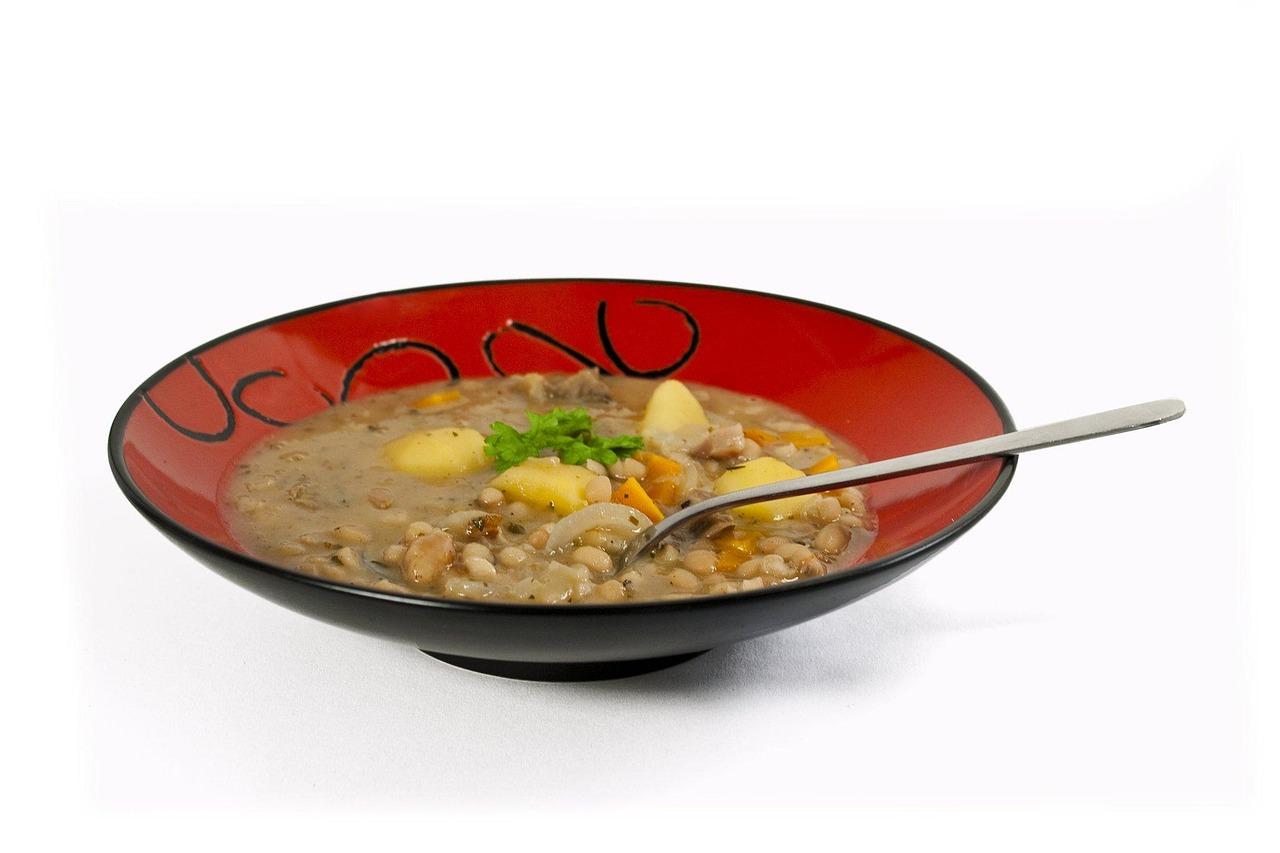
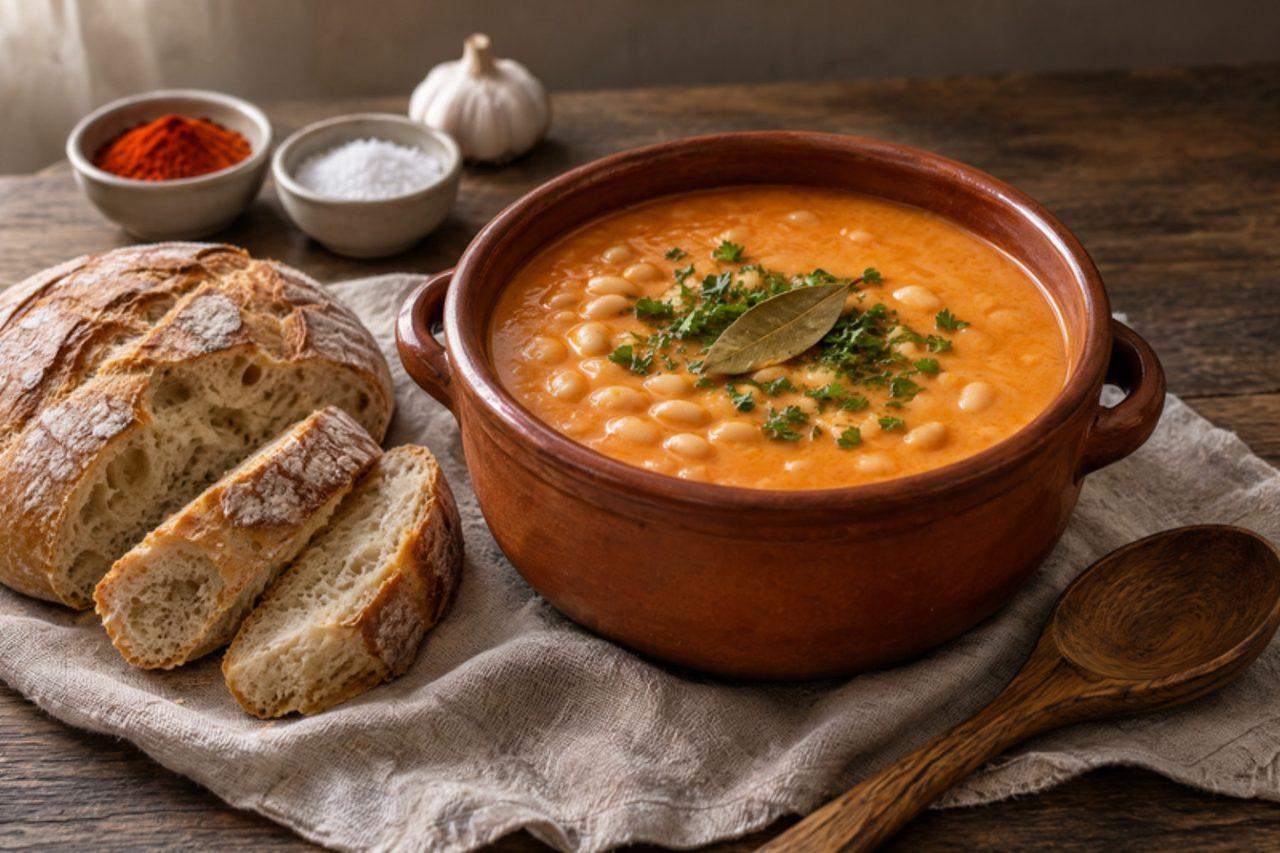
PasuljWhite bean soup

Pasulj is the beloved bean soup of Serbia, served in Belgrade's old taverns and in army and school canteens, and especially on Thursdays and cold weekends. Usually it is cooked with smoked pork ribs or bacon; this vegetarian version gets its smoky depth from smoked paprika instead, and it is the version cooked on Orthodox fasting days. White beans simmer slowly with onion, carrot, bay and paprika until creamy and thick enough to stand a spoon in. Eat it with bread and pickled peppers. Suitable as part of a balanced diet. About 310 kcal and 40 g carbohydrate per portion. The usual mistake is thickening with too much flour roux; mashing some beans gives the same body and keeps it gluten free. Pressure cooker option: 25 minutes at pressure. Chef's tip: change the water after the first boil, as Serbian cooks do, for a softer, gentler soup.

130 minBalkanSoupsVeganGluten free
by KrazyBadal 0 views

Pira caldoCreamy fish soup with cheese

Along the Paraguay River from Asunción to Concepción, pira caldo is the fishermen's soup, said to restore strength after a long night: chunks of firm river fish poached in a broth of onion, peppers and tomato fried in fat, then made creamy with milk and melted fresh cheese. Surubí or other catfish is traditional; any firm white fish such as hake or pollock works. The mistake most people make is boiling the soup after the milk and cheese go in, which splits it. Chef's tip: fry the vegetables until they are very soft and sweet before adding the water; that is where the flavour comes from.

by KrazyBadal 0 views

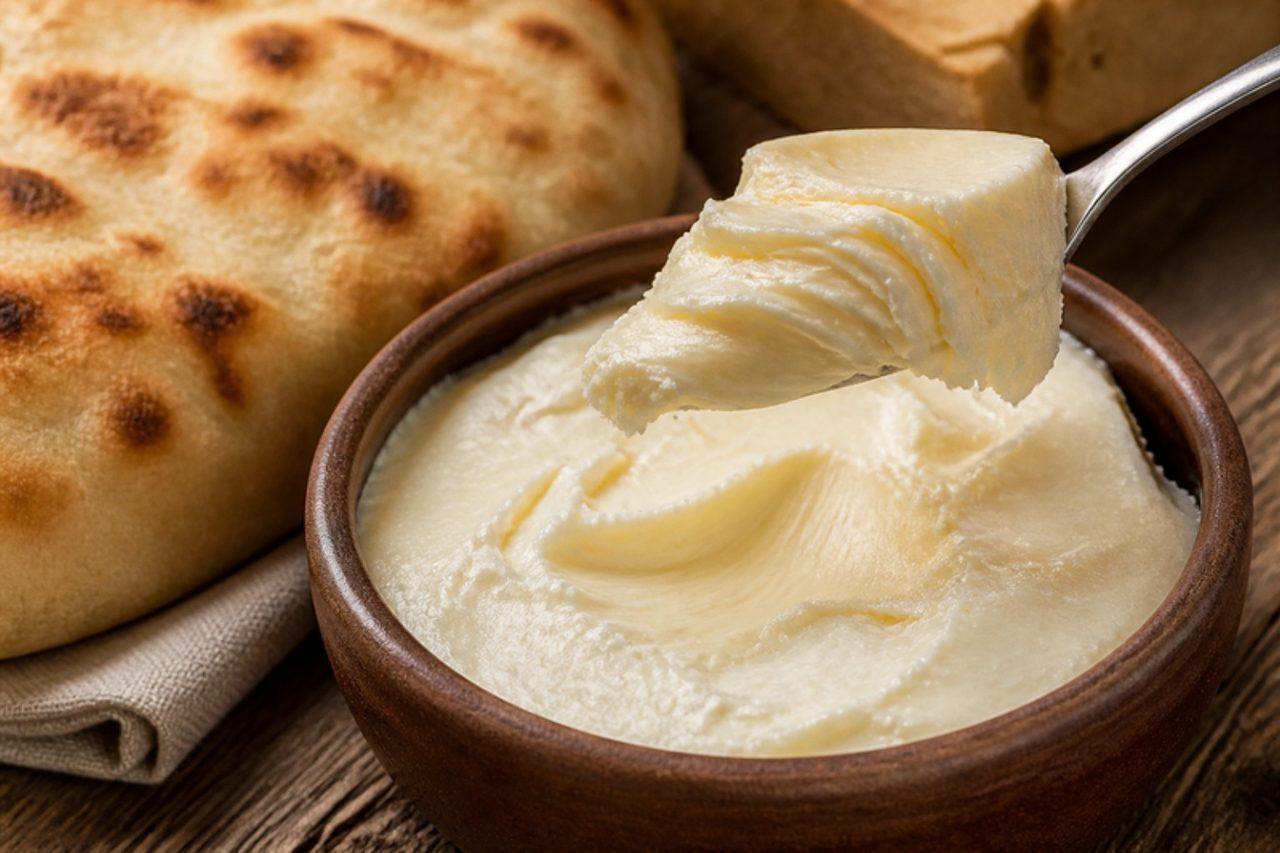
KajmakClotted milk cream

At the Zlatibor and Čačak markets, women sell kajmak from wide tubs, cut in soft ivory folds that taste of cooked milk, butter and a little salt. It is made by slowly heating rich milk, letting it settle in shallow pans and lifting off the thick skin that forms as it cools, then layering those skins with salt. This home version uses pasteurised milk and cream and stays in the fridge throughout; the long-aged, raw-milk kajmak of the villages is not something to copy at home. Spread it on warm lepinja or proja, or stir it into hot potatoes. A common mistake is letting the milk boil: the bubbles tear the skin and you end up with flecks instead of a thick sheet. Chef's tip: keep the skimmed milk left underneath for porridge, proja or pancakes; nothing goes to waste.

1440 minBalkanBasicsGluten free
by KrazyBadal 0 views

RičetBarley and bean stew

Ričet simmers in Slovenian school canteens, army kitchens and Julian Alps mountain huts alike: pearl barley and beans cooked down with carrot, celeriac and parsley root until the broth is thick and almost porridge-like. Most cooks in Ljubljana and Carniola make it with a smoked pork knuckle or ribs; this meat-free ričet gets its smoky backbone from smoked paprika and tomato purée fried in oil, and it is vegan. Soak the beans in cold water for 8–12 hours before you start. Serve in deep bowls with rye bread and a little horseradish or a splash of vinegar at the table. Salting at the start is the usual slip, as the beans stay stubbornly firm while the barley turns to mush, so season only once the beans are creamy. Chef's tip: ričet is even better the next day; it thickens overnight, so loosen it with hot water as you reheat.

120 minBalkanSoupsVegan
by KrazyBadal 0 views

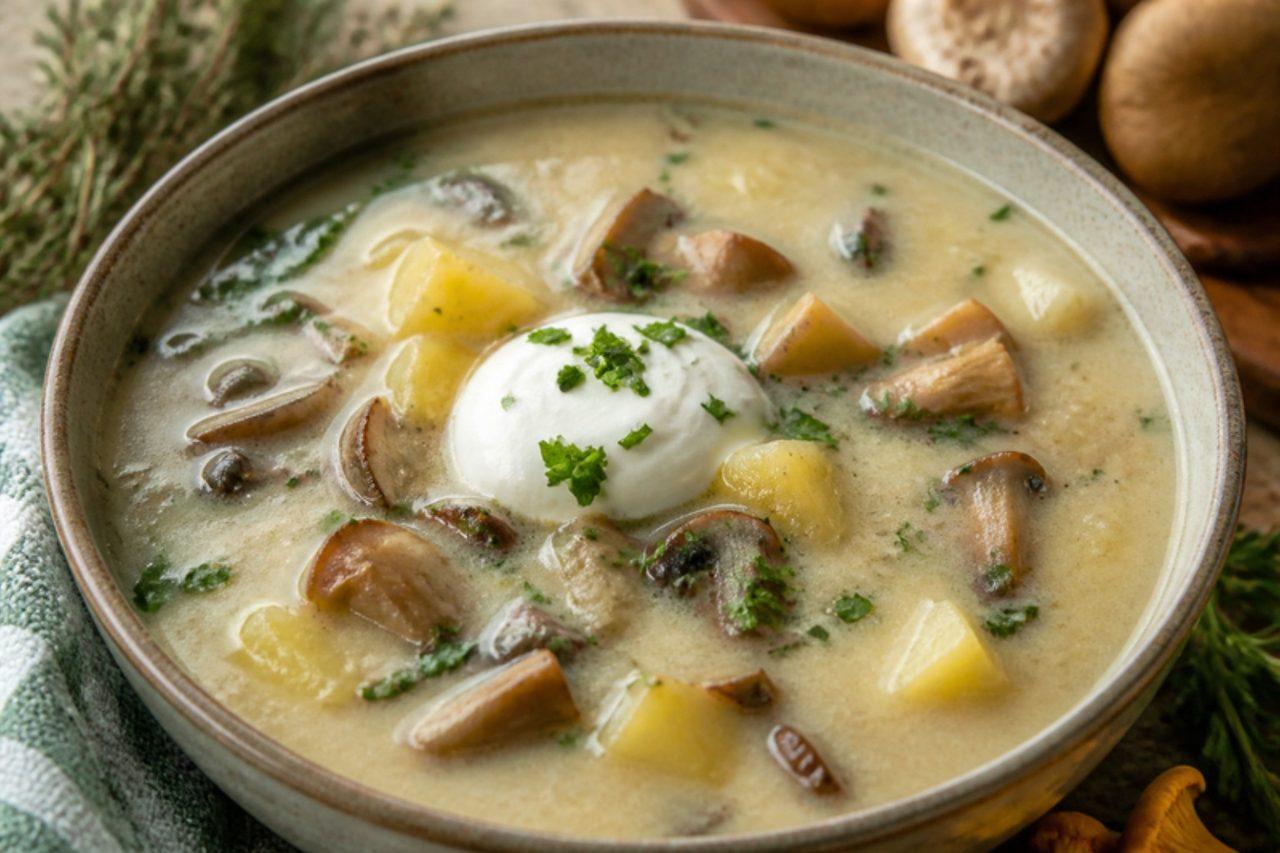
Zagorska juhaPotato and mushroom soup

The green, hilly Zagorje north of Zagreb, in Croatia, is known for castles, vineyards and filling soups like this one, served in country inns before roast duck or as a meal on its own on chilly days. Potatoes and wild or chestnut mushrooms are simmered with paprika and marjoram, then finished with sour cream and a dash of vinegar, so the broth turns velvety with a gentle tang. Some versions add smoked bacon or sausage; this one is vegetarian, with dried porcini for a deep, woodsy flavour. Serve with dark bread. Where most people go wrong is boiling the soup after the sour cream goes in, which makes it curdle; warm it through and keep it below a simmer. Chef's tip: strain the porcini soaking liquid through a paper towel and add it to the pot; it is half the flavour.

by KrazyBadal 0 views

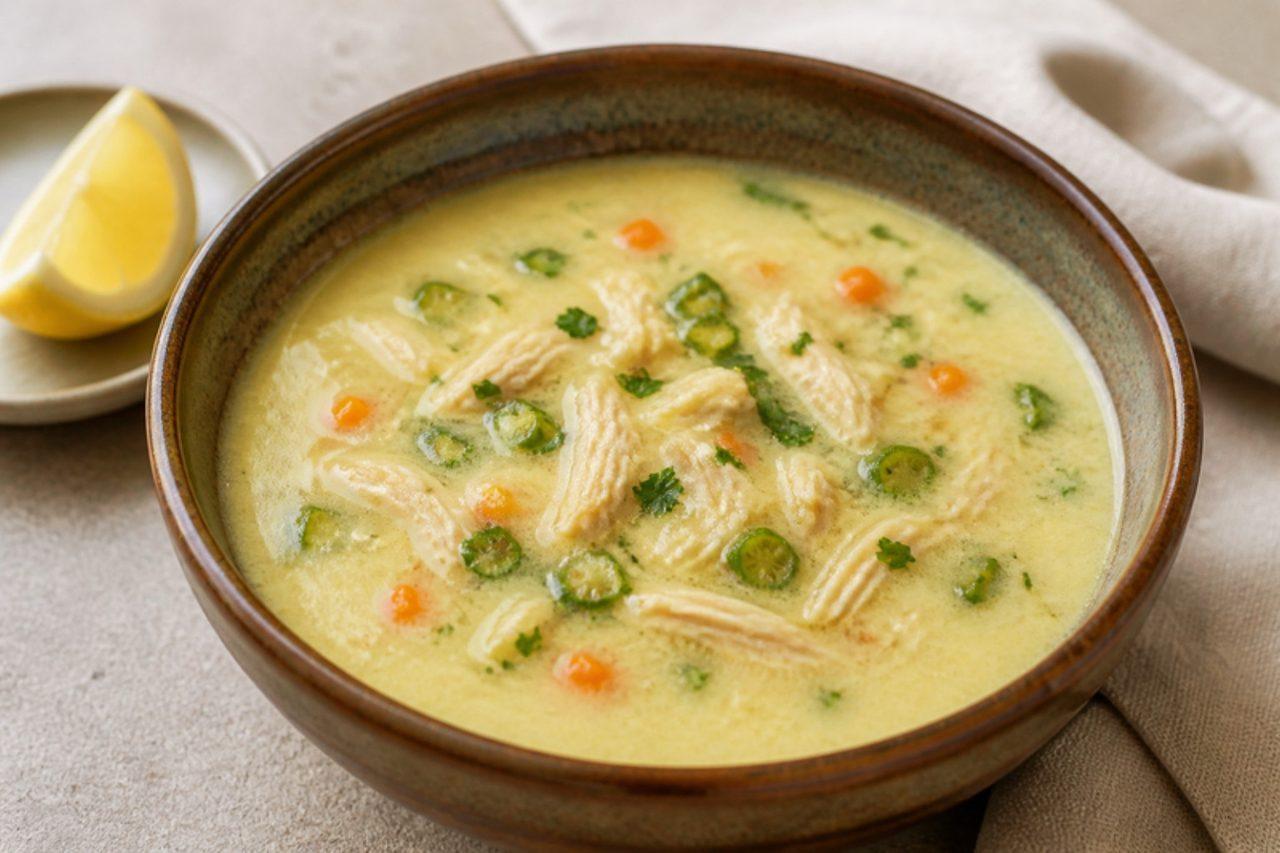
Begova čorbaChicken and okra soup

Fit for an Ottoman bey, this velvety soup is the opening course of special dinners in Sarajevo and across Bosnia and Herzegovina, ladled out at weddings, Bajram tables and in the old aščinice, the canteens of the Baščaršija bazaar. Chicken simmers with carrot, celeriac and parsley root, and small okra pods go in to give a gentle, silky body; at the end, egg yolks and sour cream turn it creamy and pale gold, with a sharp lift from lemon. A common mistake is pouring the yolks straight into boiling soup, where they scramble: warm them with a little broth first. Chef's tip: dried okra, if you can find it in a Turkish shop, is traditional and less slimy; soak it in water with a splash of vinegar.

by KrazyBadal 0 views

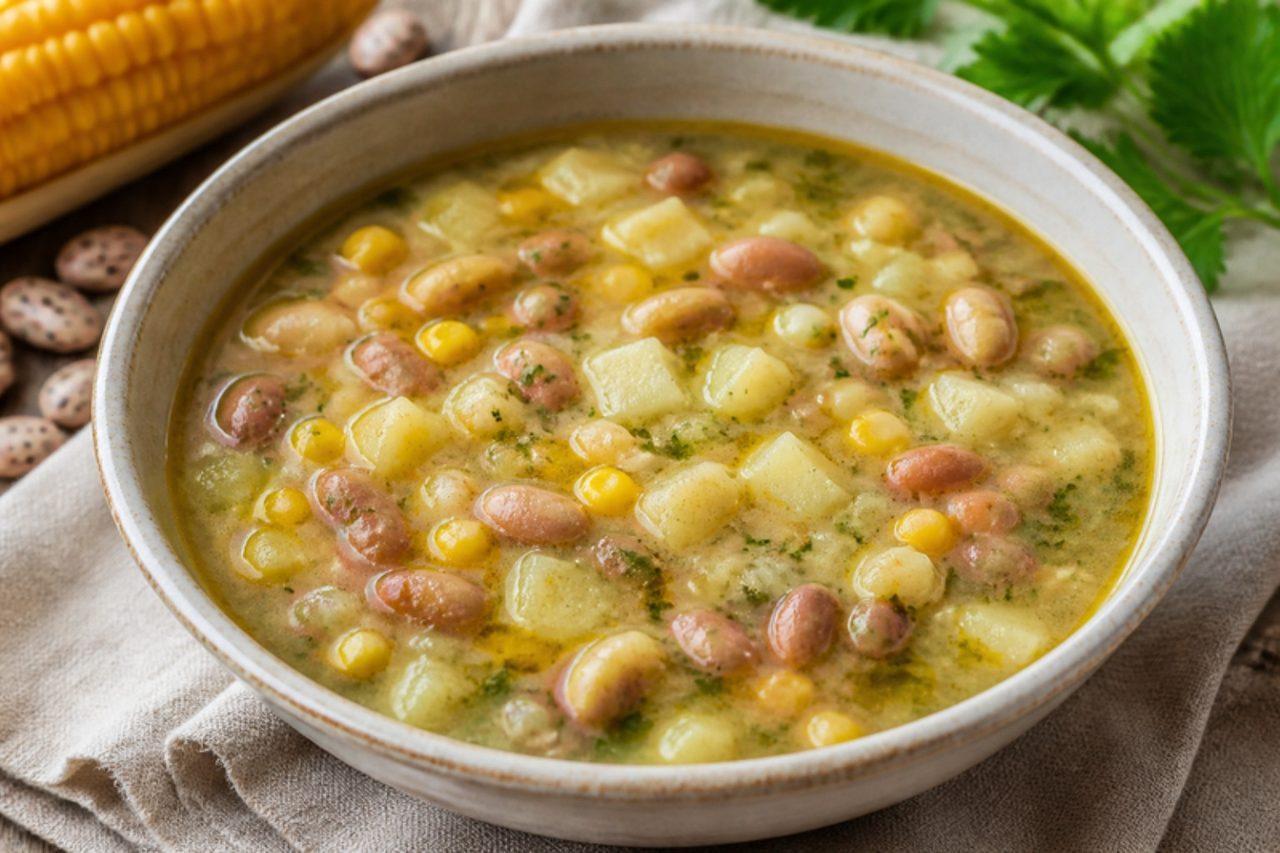
ManeštraBean, corn and potato soup

Farm kitchens across Istria, in north-west Croatia, keep a pot of maneštra on the stove through the cold months, a soup so thick a spoon nearly stands in it. Beans, sweetcorn and potatoes are its heart; in the villages it is usually cooked with smoked pork ribs or bacon, but this version is meat-free, with smoked paprika and a garlicky parsley and olive oil paste (an olive oil twist on the traditional pešt) to give it depth. Expect a sweet, earthy, creamy soup with soft corn kernels and herby green flecks; eat it with crusty bread and a drizzle of Istrian olive oil. The beans must soak overnight before you begin. A common mistake is serving it thin and brothy, so mash some of the potato against the side of the pot near the end. Chef's tip: maneštra is better the next day; loosen it with a little hot water when you reheat.

120 minBalkanSoupsVegan
by KrazyBadal 0 views

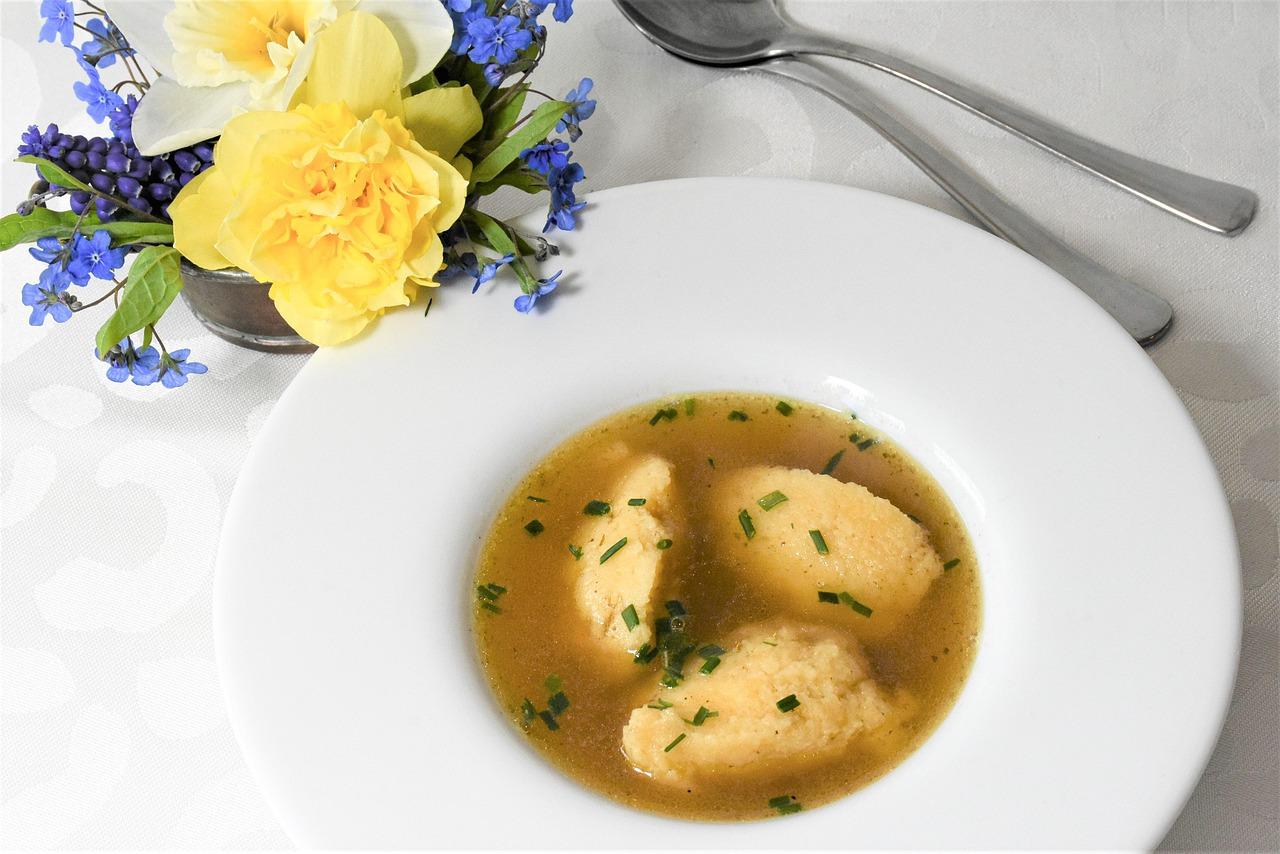
GrießnockerlsuppeBeef broth with semolina dumplings

Grießnockerlsuppe is the soup that opens a proper Austrian Sunday lunch, from Viennese grandmothers' tables to village inns in Upper Austria: a clear, deeply savoury beef broth with three or four soft, oval semolina dumplings that should be fluffy enough to cut with a spoon. The broth is made from beef shin and bones, simmered slowly with charred onion; broth left over from Tafelspitz works perfectly too. Chef's tip: let the semolina mix rest for 15 minutes before shaping; the grains swell and the dumplings hold together without going heavy.

by KrazyBadal 0 views

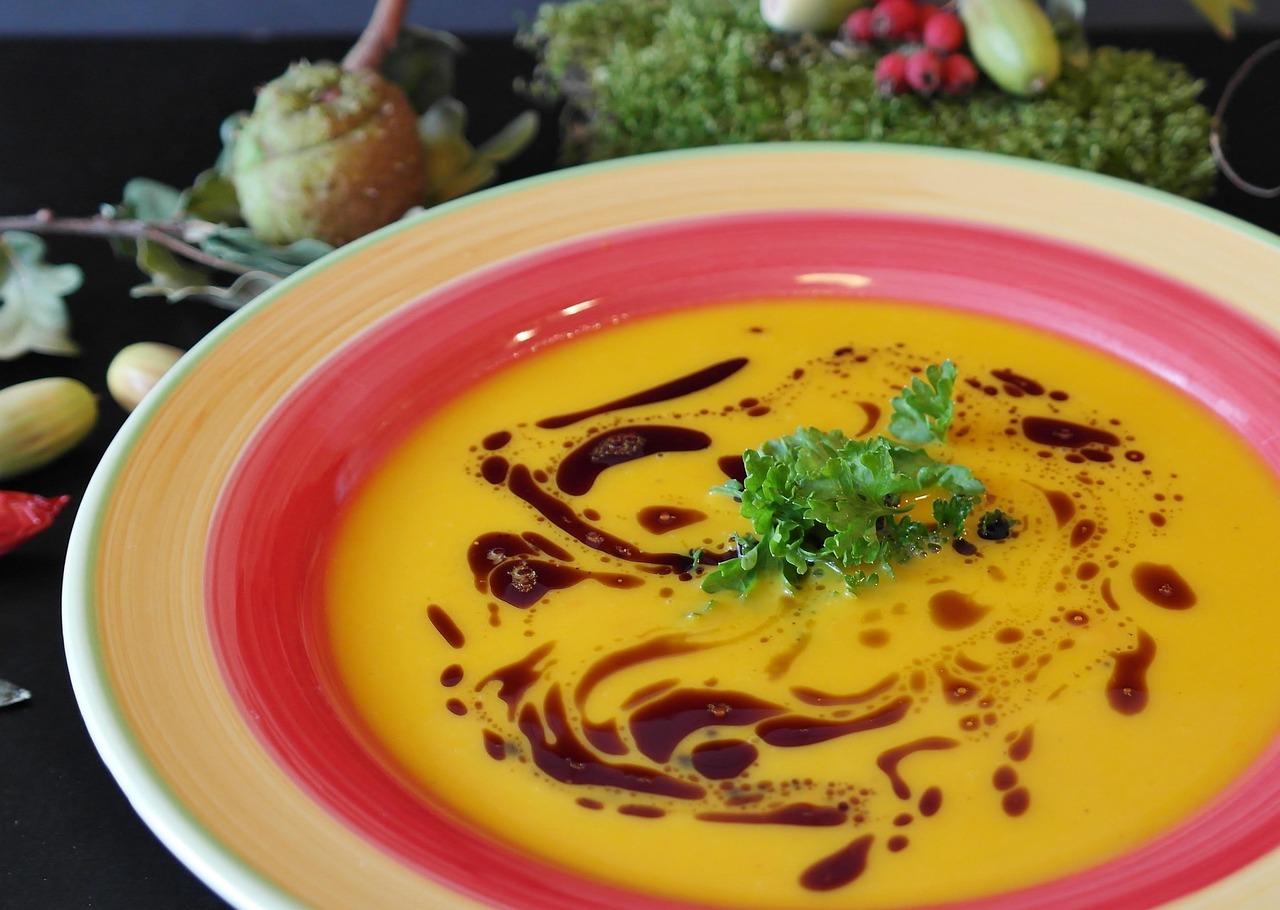
Steirische KürbiscremesuppeCreamy pumpkin soup

When the pumpkin fields of Styria turn orange in October, every inn from Graz to the Slovenian border puts this soup on the board. It is velvety and gently sweet, with a little nutmeg and a dash of vinegar for lift, and comes to the table with a swirl of almost black pumpkin seed oil and a scattering of toasted seeds. Serve it as a starter before a Sunday roast or with crusty bread for supper. A common mistake is boiling the soup hard after the cream goes in, which can split it and dull the colour. Check the stock if you need it gluten free. Chef's tip: toast the seeds dry in a pan until they puff and pop; it takes 3 minutes and doubles the nutty flavour.

by KrazyBadal 0 views

So'o yosopyGround beef and rice soup

So'o yosopy, "pounded meat" in Guaraní, is a soup Paraguayans make for anyone who is tired or recovering, and on cold days in Asunción's winter: beef is ground very finely and stirred into cold water so it breaks into soft, delicate threads, then simmered with onion, tomato, pepper and a little rice and oregano. The texture is smooth and the broth light. The mistake is adding the beef to boiling water, which makes it clump into meatballs; mix it into cold water first and stir as it heats. Chef's tip: ask the butcher to mince lean beef twice, or pulse it very fine in a food processor.

by KrazyBadal 0 views

Vegetarian vori voriCornmeal dumpling and vegetable soup

Vori vori is the soup Paraguayan grandmothers make on cold June and July evenings: a golden broth full of bori, small balls of cornmeal and cheese that swell soft as they simmer. The name is a Guaraní take on the Spanish 'bolita' (little ball). It's usually made with hen; this version gets its colour and body from pumpkin, carrot and a sofrito with saffron or turmeric. Chef's tip: shape the balls no bigger than a hazelnut; they double in size and larger ones stay raw inside.

by KrazyBadal 0 views