Skip to content
Recipes

All recipes

Vegetarian, or something you can't eat? Set your diet once and we'll hide recipes that don't fit.

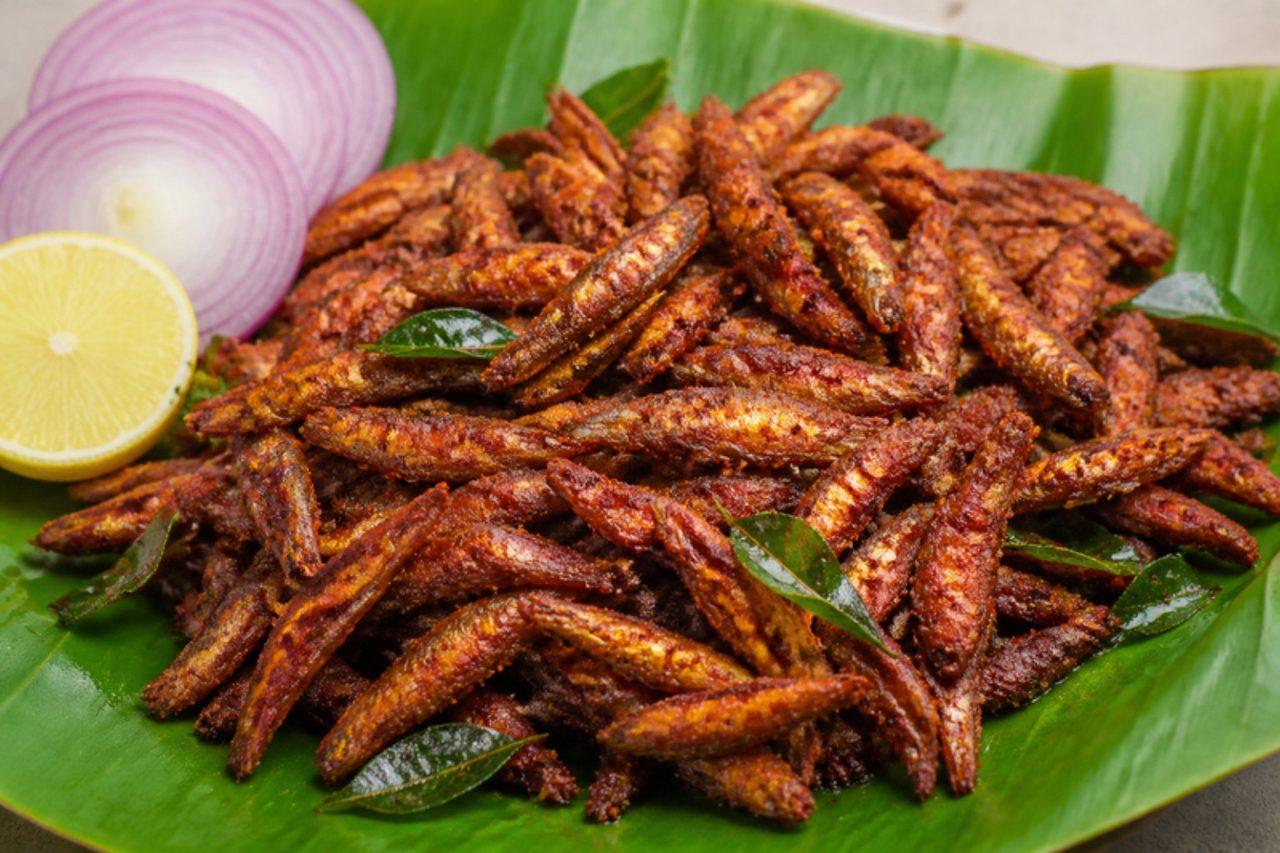
Nethili varuvalFried masala anchovies

Nethili varuval is the Sunday fish fry of Chettinad and the Tamil coast from Rameswaram to Tuticorin, made with tiny fresh anchovies that are cheap, fast to clean and fried whole until crunchy enough to eat bones and all. A paste of chilli, ginger, garlic, fennel and lemon coats them, with a dusting of rice flour for crunch. They are eaten hot with rasam or sambar rice, or as a snack. The commonest mistake is crowding the pan, which steams the fish instead of crisping it; fry them in a single layer with space around each. Chef's tip: squeeze out every drop of water after cleaning and let the anchovies sit in the masala for only 15 minutes; longer and the salt draws out moisture.

30 minIndianFishGluten free
by KrazyBadal 0 views

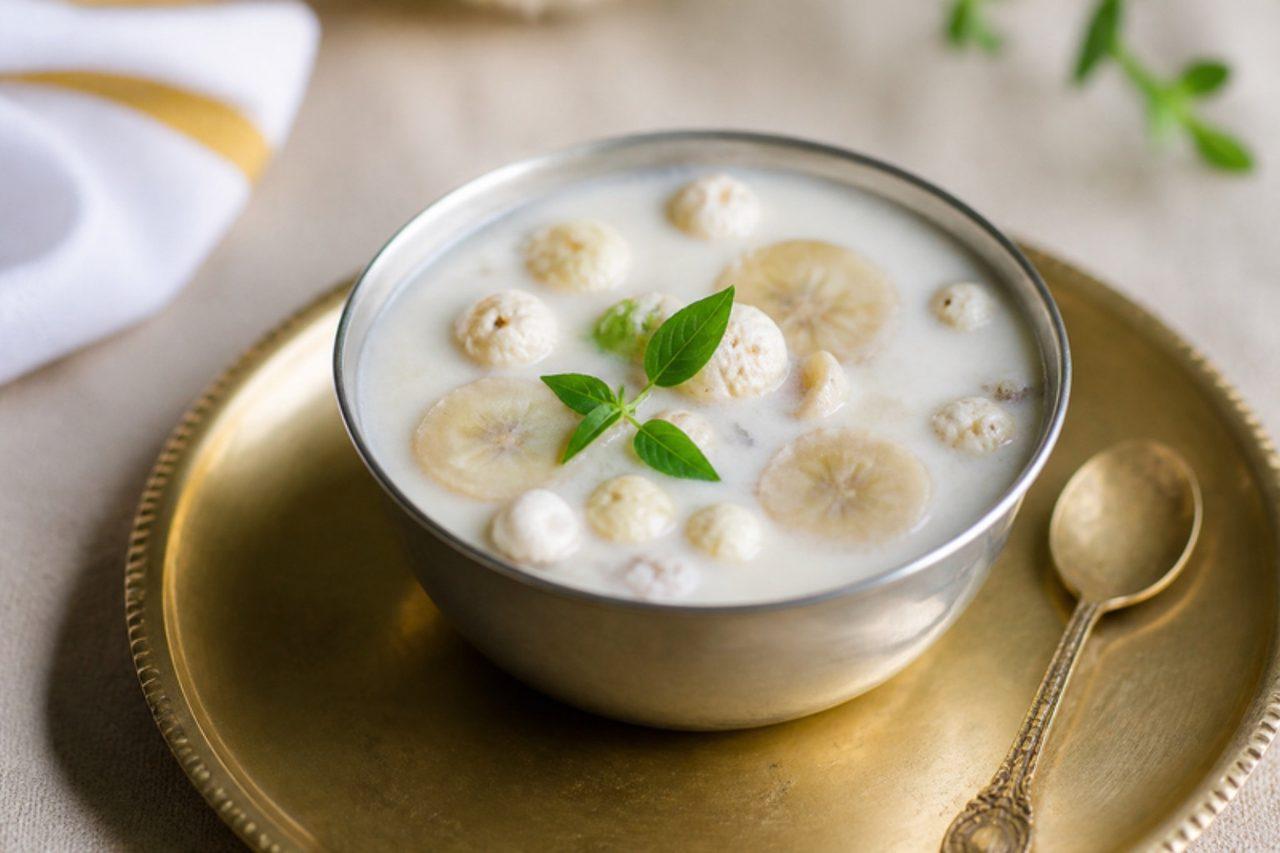
PanchamritMilk, curd, ghee and honey offering

Panchamrit, the 'five nectars', is poured over the image of baby Krishna at the midnight abhishek on Janmashtami and then given out to everyone in the room in a spoonful cupped in the palm. It is made across India for pujas, from Gujarat to Bengal, with five fixed parts: milk, curd, ghee, honey and sugar, plus tulsi leaves and sometimes a few makhana or chopped banana in the north. It tastes sweet, creamy and a little tangy. Common mistake: using hot milk or sour curd, which makes it split and thin; everything should be cool and the curd fresh, and it is ready when it is smooth and pourable like thin custard. Many families treat it as fasting food for the day, but traditions differ on honey and cooked milk, so follow your own household. Chef's tip: stir the honey into a little of the milk first so it loosens before it goes into the cold curd, otherwise it sets in sticky lumps.

by KrazyBadal 0 views

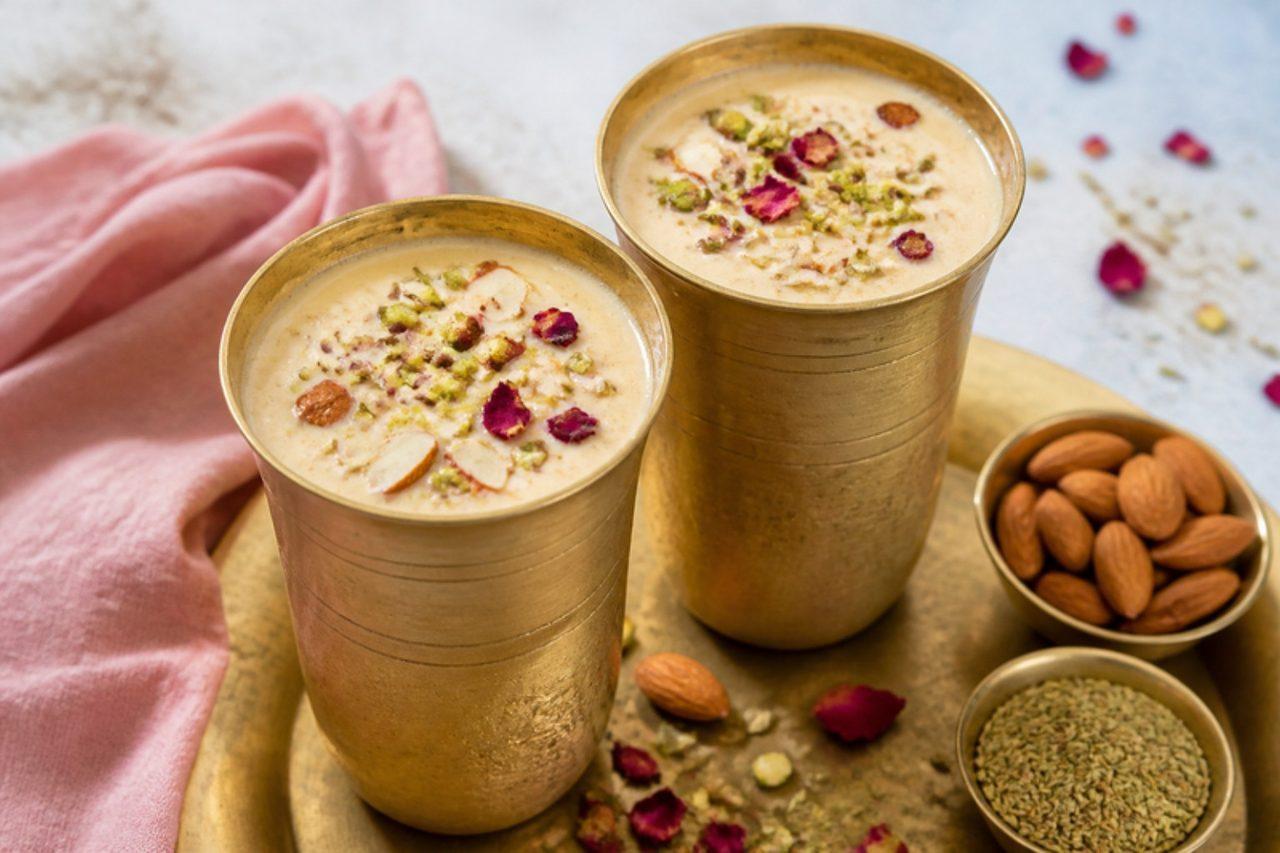
ThandaiAlmond, fennel and rose milk

On Mahashivratri the ghats and temples of Varanasi fill with brass pots of thandai, a cooling milk ground with almonds, melon seeds, fennel, poppy seeds, black pepper and rose, poured as an offering to Shiva and then shared with everyone queuing for darshan. In the city's lanes it is sometimes made with bhang (cannabis); this version is made entirely without it and contains no alcohol, so the whole family can drink it. It tastes nutty, floral and gently peppery, and is thick enough to coat the glass. Most people who keep the Shivratri fast take it, since it holds only milk, nuts, seeds and spices, but check your own family's rules: some leave out poppy seeds, and poppy seeds are restricted in a few countries, so skip them if you need to. Common mistake: grinding the soaked nuts and seeds with too little water, which leaves a gritty paste; keep blending until it feels smooth between your fingertips, then strain. Chef's tip: make the paste the night before and keep it in the fridge; the flavour deepens and you only need to whisk it into cold milk on the day.

by KrazyBadal 0 views

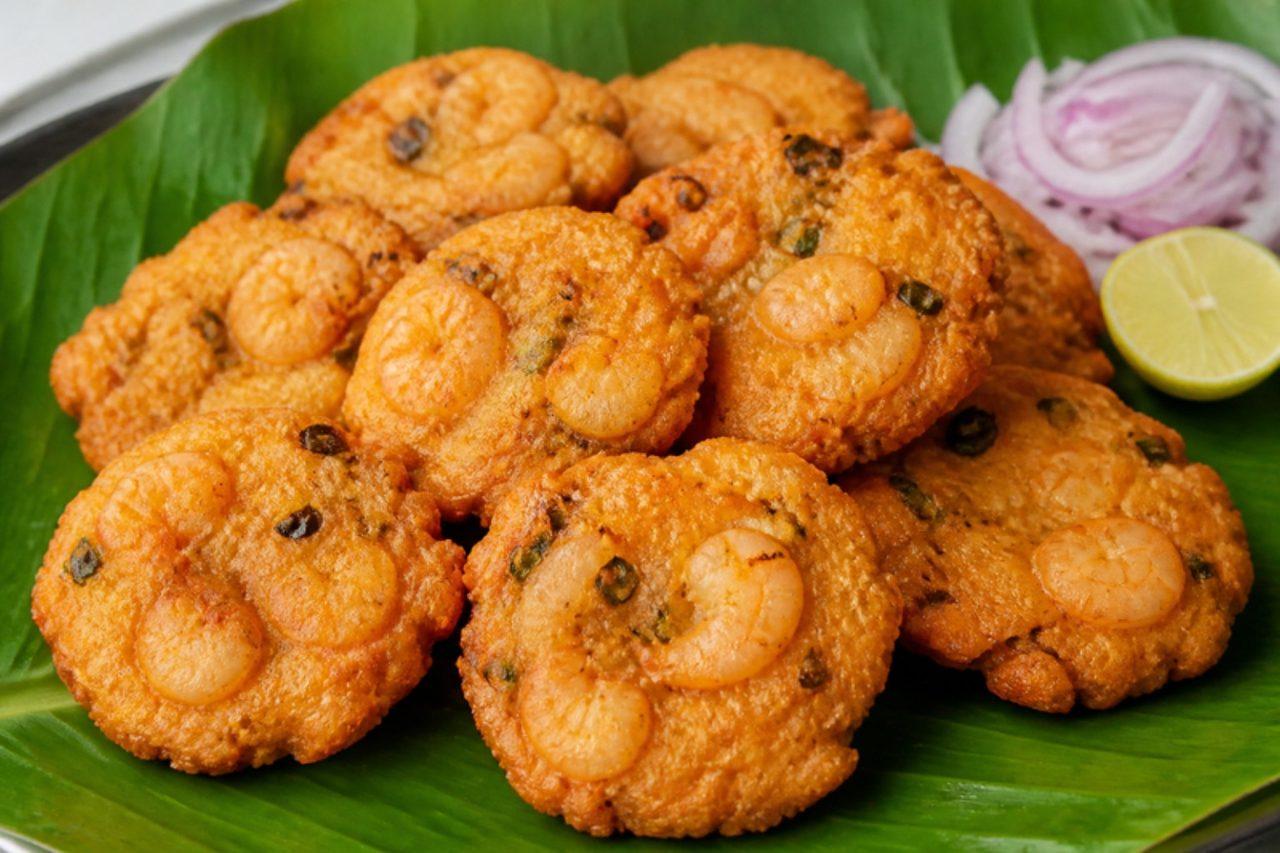
Eral vadaiPrawn and chana dal fritters

Eral vadai is the prawn masala vadai sold on the beaches of Rameswaram, Tuticorin and Nagapattinam, and fried in Chettinad homes when the fish seller brings small prawns. It is the classic coarse chana dal vadai with onion, fennel, green chilli and curry leaves, packed with chopped prawns and sometimes topped with one whole prawn pressed into the centre. They are crunchy, juicy and best eaten hot with a mint or coconut chutney at tea time. A common mistake is grinding the dal too smooth or with too much water, which makes the vadai dense and oily; aim for a rough, almost dry grind. Chef's tip: pat the prawns completely dry and chop them small, or their juice will loosen the batter.

50 minIndianFishGluten free
by KrazyBadal 0 views

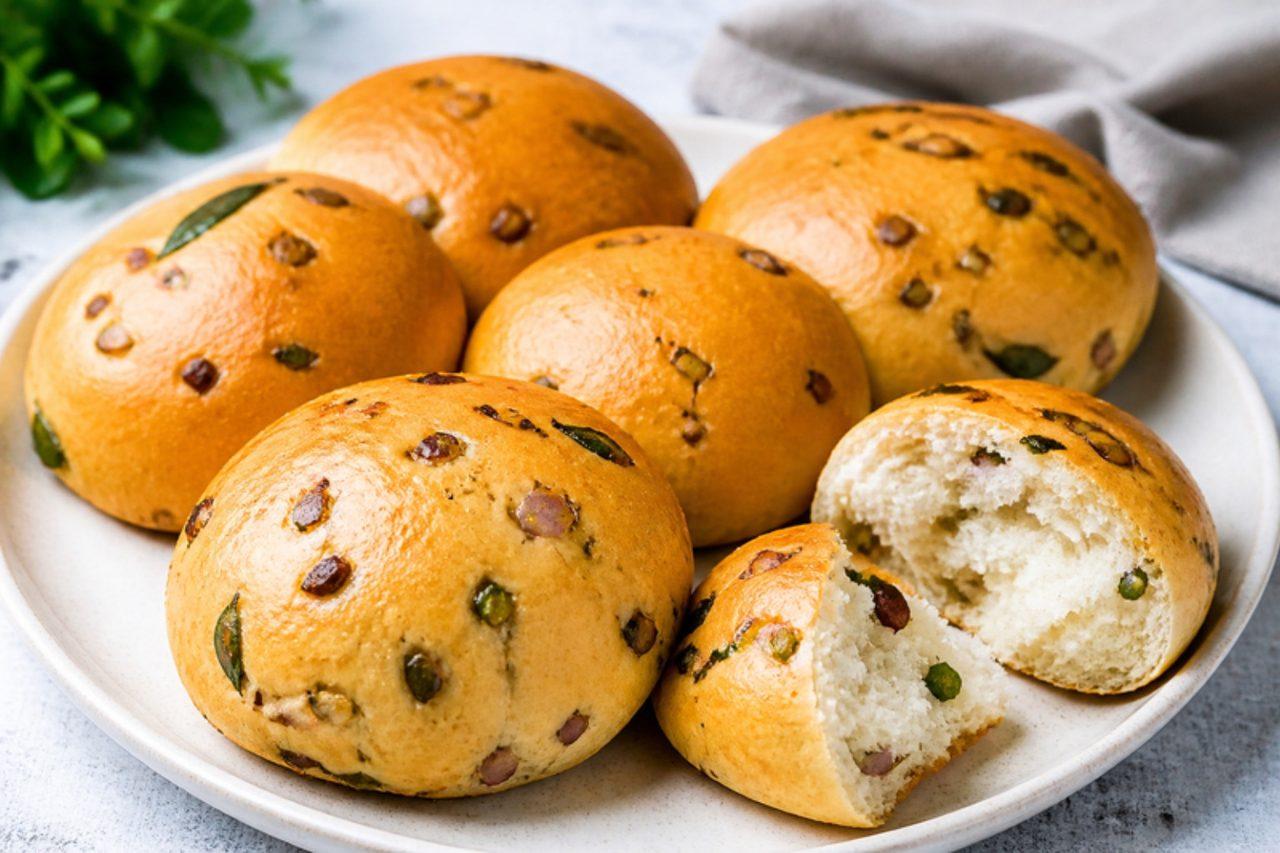
Khara bunOnion and chilli bakery buns

Every Iyengar bakery in Bengaluru has a tray of khara buns by the counter, the savoury cousin of the sweet bun, eaten warm with strong filter coffee or packed for an evening snack. The soft, milky dough is speckled with raw onion, green chilli, ginger, coriander and curry leaves, which steam inside the bun and give it a gentle heat and a lovely smell. The common mistake is adding the chopped onion at the start of kneading: its juice slackens the dough and it turns sticky. Knead the dough smooth first, then work in the vegetables at the end. Chef's tip: brush the buns with butter the moment they come out of the oven and cover them with a cloth for 10 minutes; the steam keeps the crust soft like the bakery ones.

by KrazyBadal 0 views

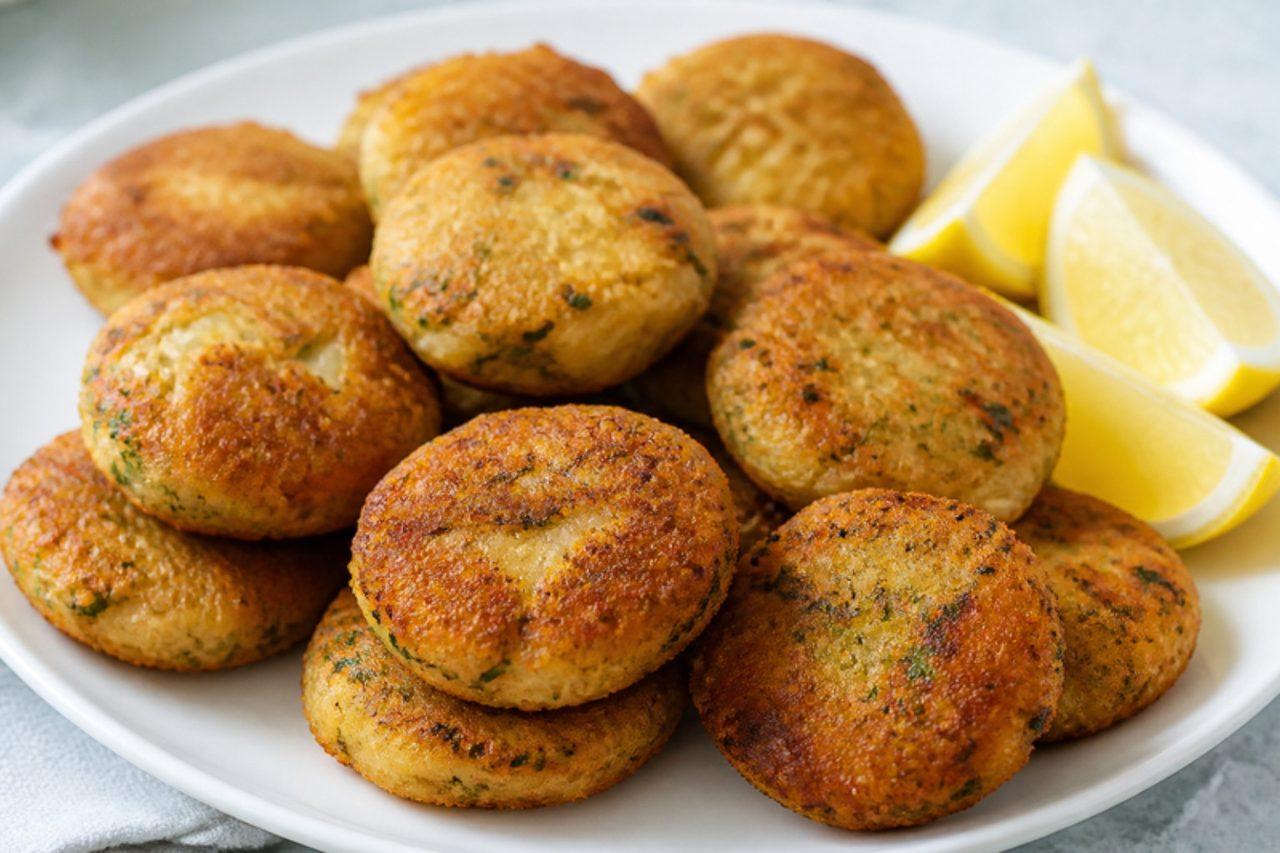
Kolmi na kavabPrawn and potato patties

Kolmi na kavab are small, juicy prawn patties from the Parsi kitchens of South Gujarat, where fresh kolmi (prawns) come in from the creeks around Navsari and Valsad. Chopped prawns are bound with mashed potato, green chilli, ginger, garlic and lots of coriander, dipped in egg and fried until golden; they are a favourite starter at Parsi parties and a Sunday lunch side with dal and rice. They taste sweet from the prawns, sharp from chilli and lime. The common mistake is mincing the prawns to a paste in a processor, which makes the kavab rubbery; chop them by hand so there are small pieces to bite on. Chef's tip: squeeze the chopped prawns in a cloth before mixing, as extra water makes the mixture too soft to shape.

45 minIndianFish
by KrazyBadal 0 views

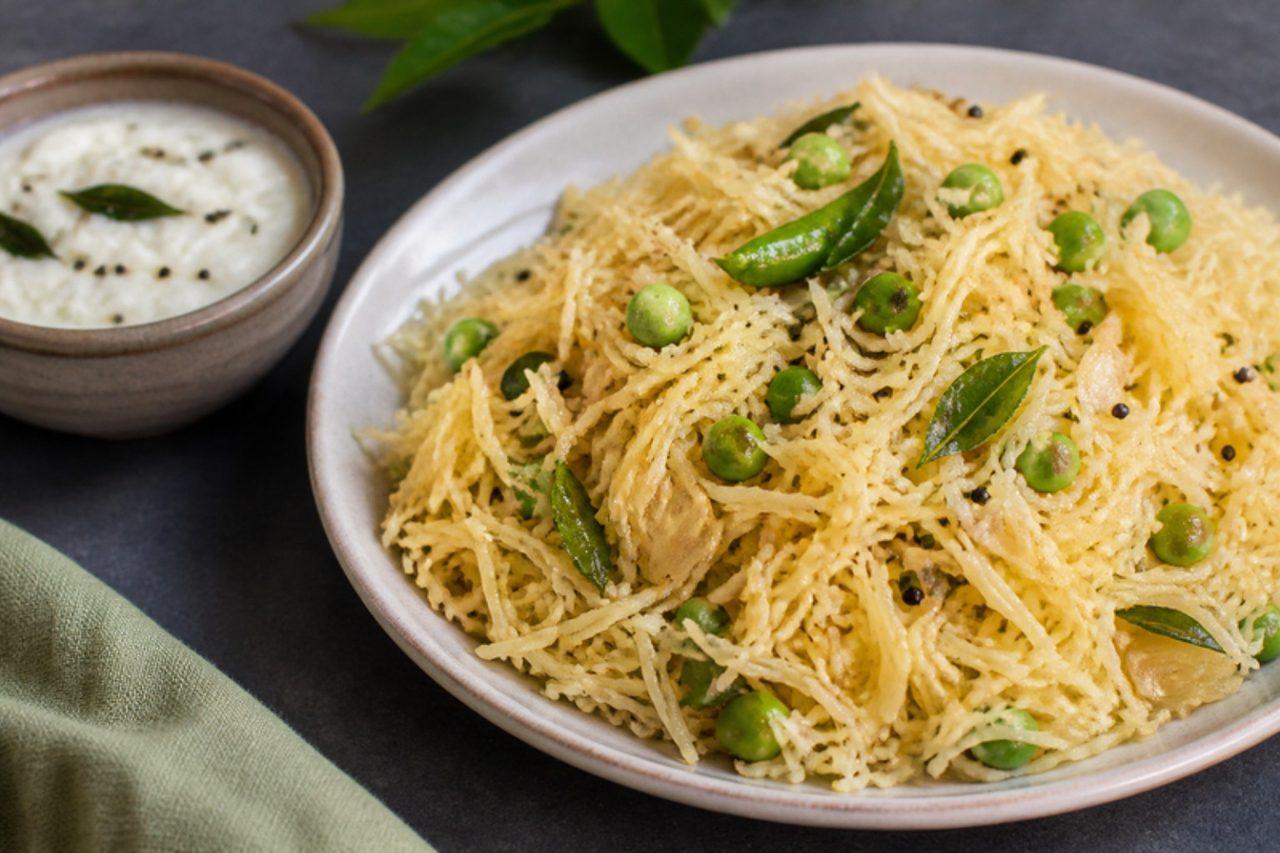
Semiya upmaSavoury vermicelli

Semiya upma is a fixture of Tamil home cooking, from Coimbatore to Chennai, made for breakfast, for school tiffin boxes and very often for a light dinner when nobody wants a heavy meal. Ready-roasted wheat vermicelli is cooked in a tempering of mustard seeds, dal, curry leaves, onion and green chilli with a handful of peas until each strand is soft and separate. It is mild and savoury with a squeeze of lemon, and children love it. The common mistake is adding too much water, which turns the vermicelli into a sticky lump. Chef's tip: once the water is absorbed, take the pan off the heat and leave it covered for 2 minutes; the strands finish cooking in the steam and stay separate.

by KrazyBadal 0 views

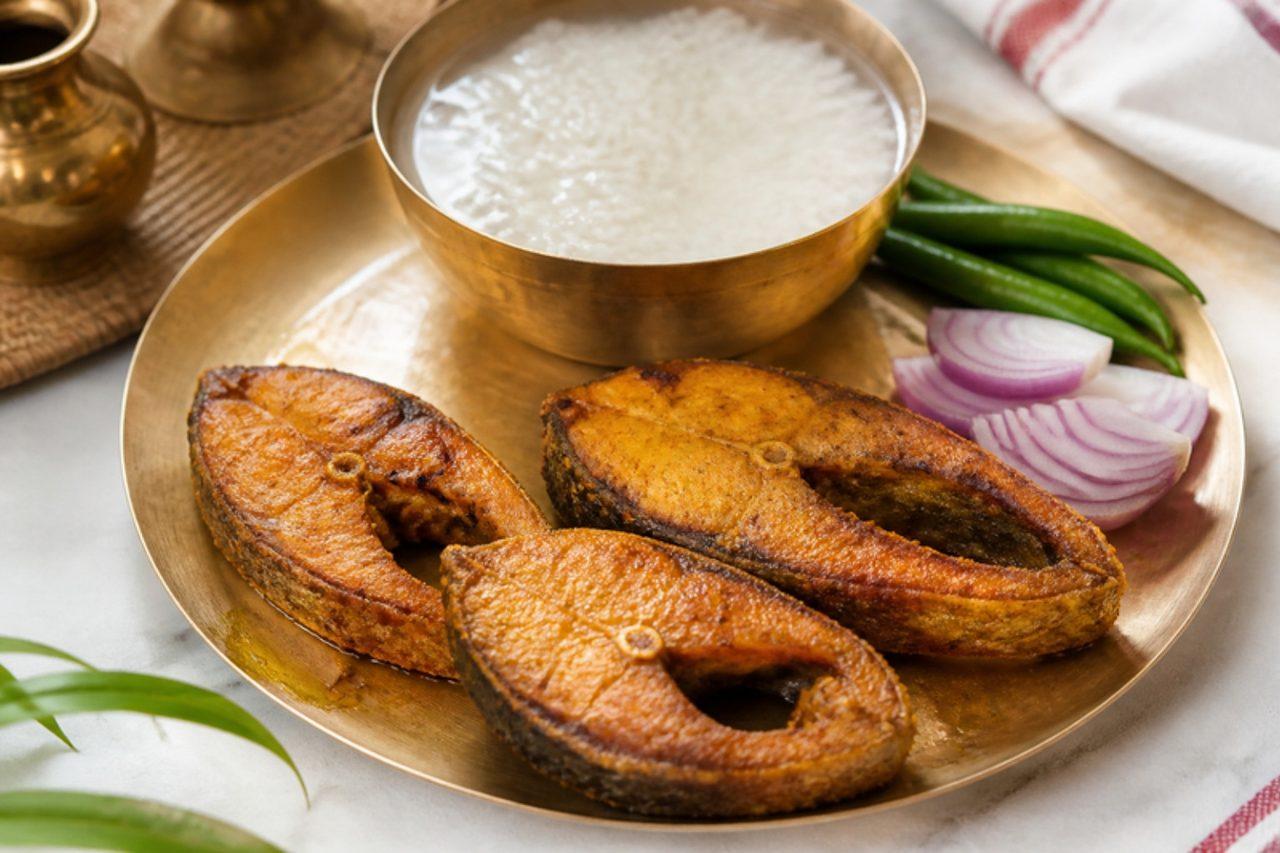
Ilish bhajaFried hilsa fish

Breakfast on Pohela Boishakh in Dhaka means panta bhat, rice soaked overnight in water, eaten under the trees at Ramna with crisp fried hilsa, raw onion and green chilli. Ilish bhaja is the simplest way to cook Bangladesh's national fish: steaks rubbed only with turmeric and salt and fried in mustard oil until the edges crisp and the rich, oily flesh turns soft and sweet. The oil left in the pan, perfumed with the fish, is poured over rice and is half the pleasure. The common mistake is turning the steaks too soon, which tears the delicate skin; leave them until they release from the pan by themselves. The fish is done when the flesh is opaque right through and flakes away from the central bone. Chef's tip: hilsa is full of fine bones, so eat it slowly with your fingers and warn guests who have not tried it before.

by KrazyBadal 0 views

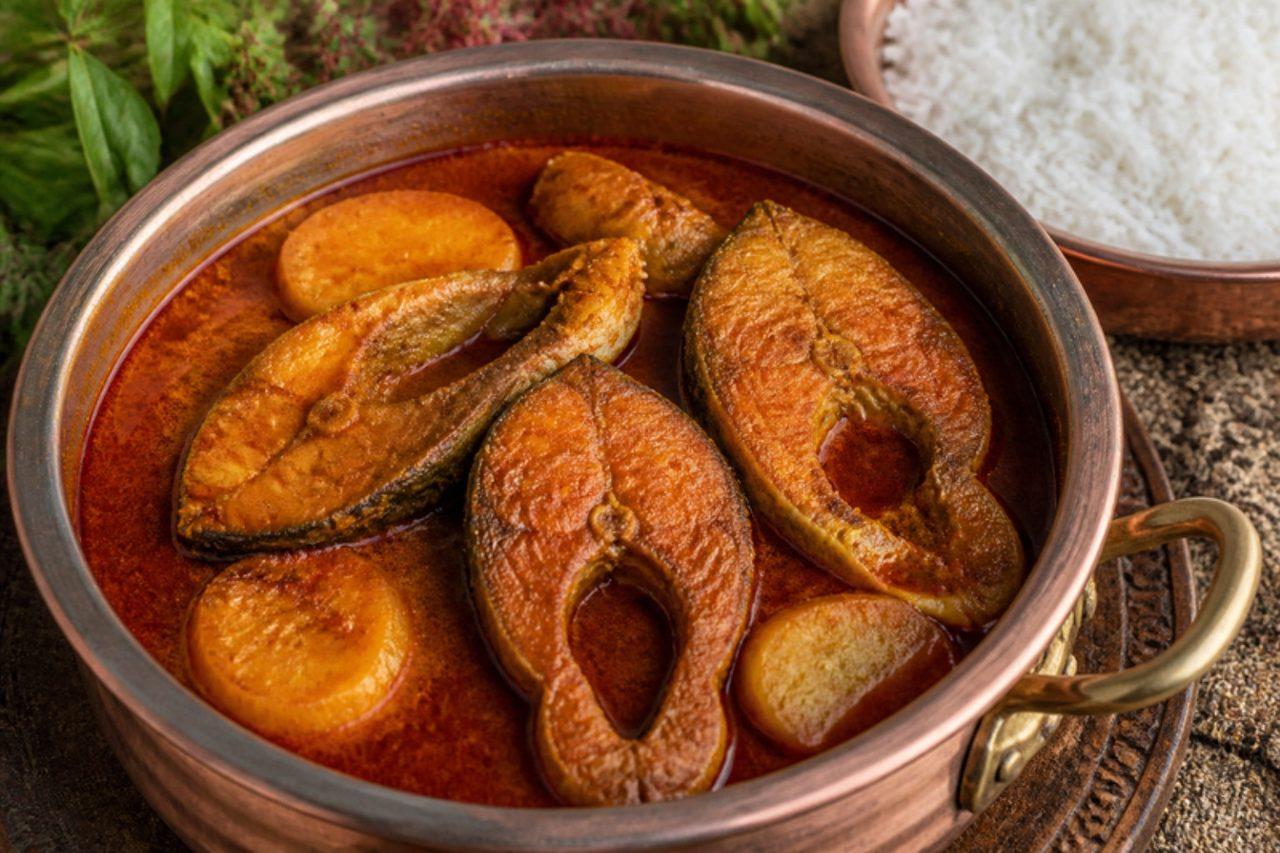
Gaad te mujjFish with radish in fennel gravy

For Kashmiri Pandits, Herath, their name for Mahashivratri, is a feast rather than a fast, and many homes cook fish, often paired with white radish in this deep red curry called gaad te mujj. The fish is fried in pungent mustard oil, the radish is browned until sweet, and both simmer in a thin gravy coloured with Kashmiri chilli and scented with fennel, dry ginger and asafoetida, with no onion, garlic or tomato, in true Pandit style. Expect a hot, aromatic broth, soft radish and flaky fish; serve with plain rice. Use firm steaks such as carp or trout. Common mistake: boiling the fish hard in the gravy, which breaks it up; simmer gently and stop as soon as the flesh is opaque all the way through and flakes when pressed with a fork. Chef's tip: heat the mustard oil until it just smokes, then let it cool for a minute before frying; this takes away its raw bite.

60 minIndianFishGluten freeSpicy
by KrazyBadal 0 views

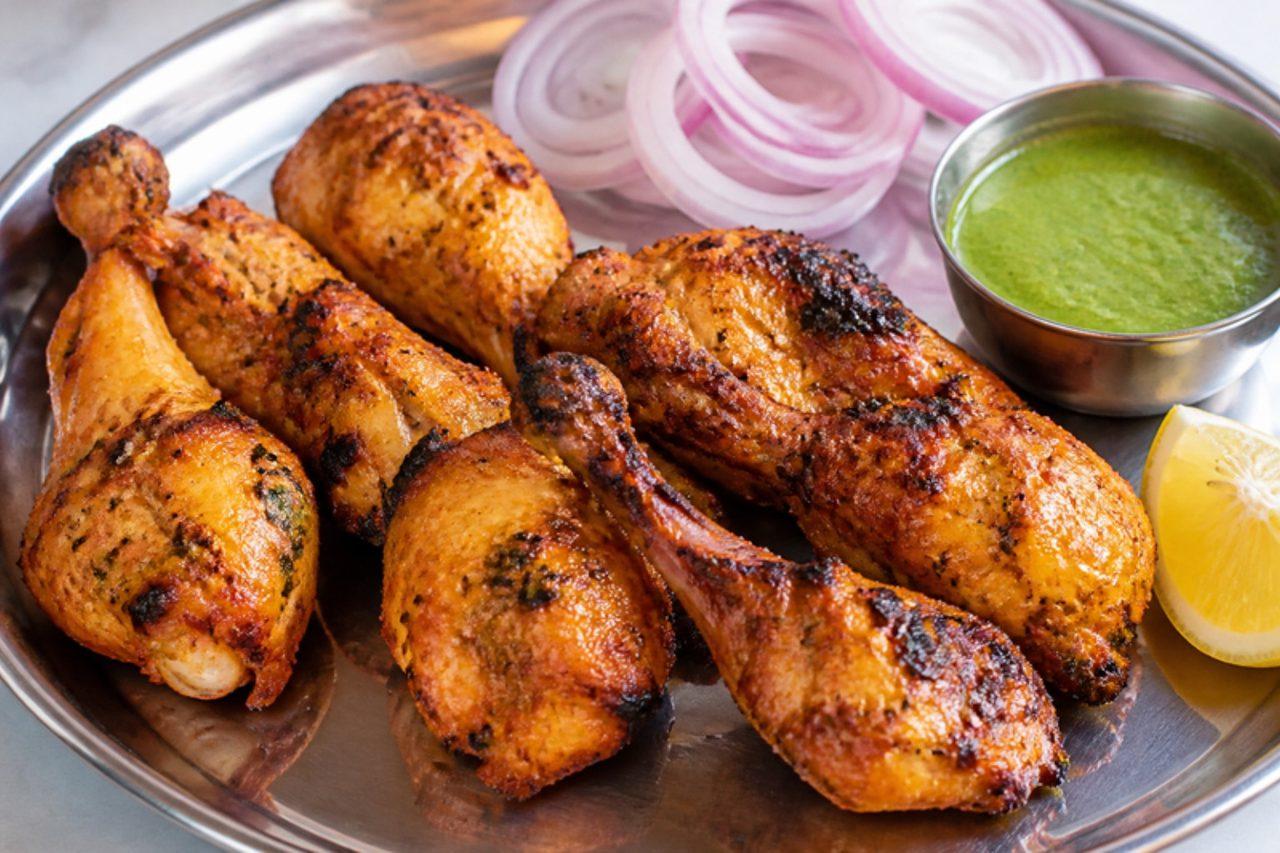
Tangri kebabRoasted marinated chicken drumsticks

Tangri kebab is a signature of the old Punjabi kebab houses of Delhi, from the lanes of Chandni Chowk to the Partition-era restaurants of Daryaganj, and it is still the dish families order for a birthday or a Sunday night out. Drumsticks are slashed to the bone, marinated twice, first in ginger, garlic and lemon and then in a rich mix of yogurt, cream and cashew, and roasted until the edges char while the meat stays juicy. The common mistake is not cutting deep enough: the marinade never reaches the bone and the meat there stays pink. Make three deep slashes on each side. Chef's tip: baste with butter in the last ten minutes, then flash under the grill for a proper tandoor look.

by KrazyBadal 0 views

Apollo fishChilli batter fried fish

Apollo fish is a Hyderabad restaurant starter from the bar-and-biryani houses of Abids and Secunderabad, and nobody agrees on why it is named after the hospital across town. Boneless white fish is marinated, fried crisp in a red chilli batter and then tossed in a hot pan with garlic, green chilli, curry leaves and a little yogurt, so each piece is spicy, tangy and clings with sauce. It is eaten hot as a starter, often before biryani. The usual mistake is adding the yogurt to a very hot pan, where it splits into grainy flecks; take the pan off the heat for a moment first. Chef's tip: use a firm fish such as basa, murrel, seer or tilapia and cut it into even 3 cm pieces so they fry in the same time.

45 minIndianFishSpicy
by KrazyBadal 0 views

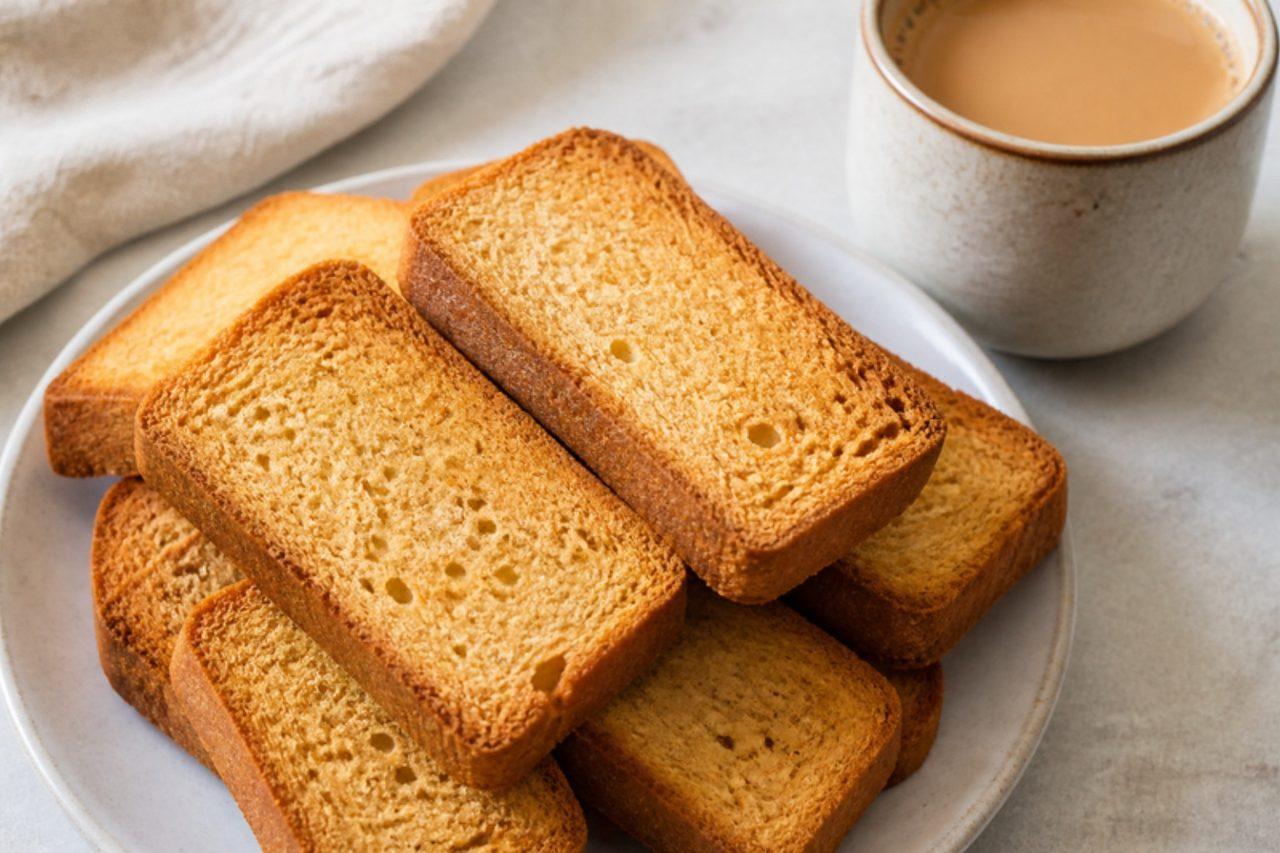
PaapeTwice-baked tea rusks

No Punjabi kitchen is without a tin of paape. They are dunked in the first cup of tea at dawn and again at four o'clock, carried to the fields, and offered to every guest who drops in. Bakeries across Punjab bake a sweet, light loaf, slice it and dry it slowly until it snaps, and this home version does exactly the same. The common mistake is slicing the loaf while it is still warm: it squashes, and the rusks dry out dense and gummy. Let it cool completely, ideally overnight. Chef's tip: dry the slices at a low temperature until the centre snaps cleanly; any softness in the middle and they go stale within days.

by KrazyBadal 0 views

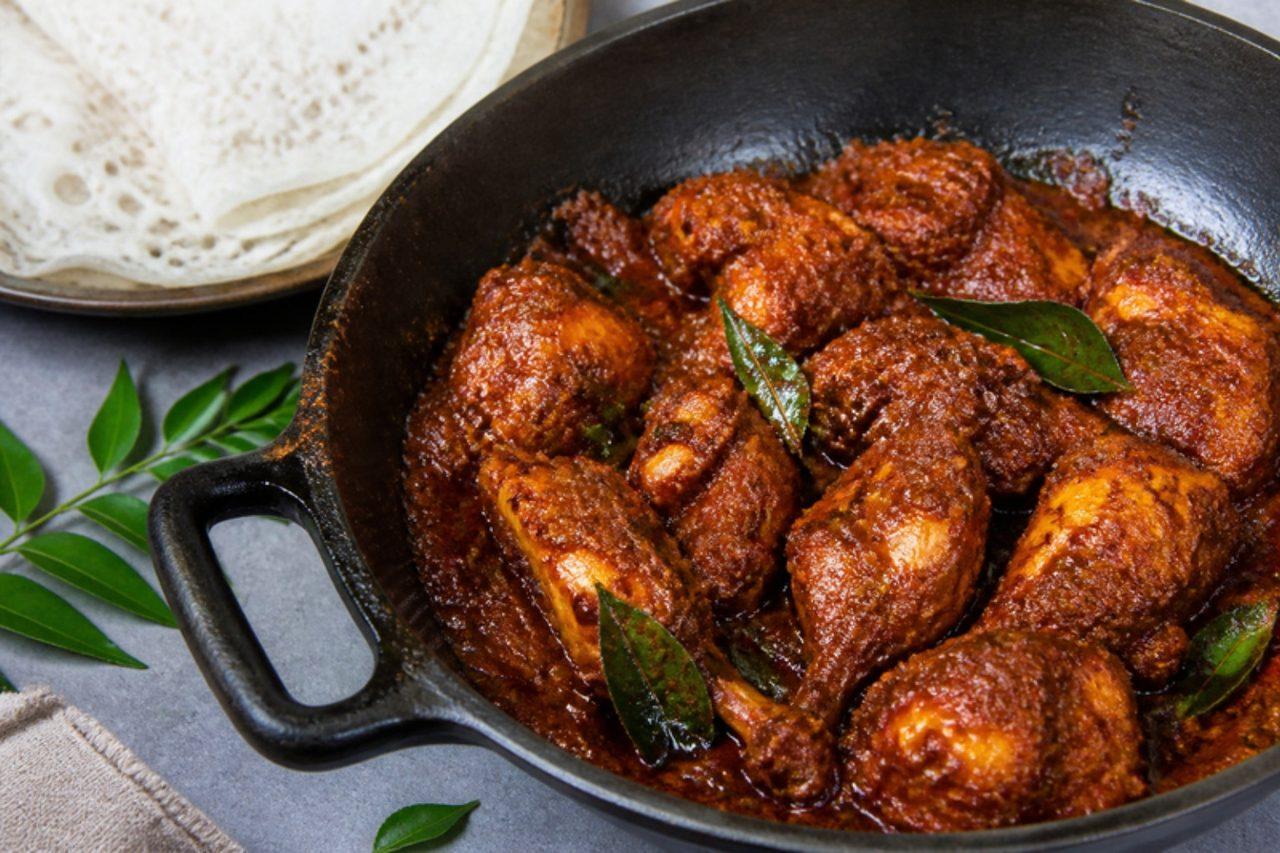
Chicken ghee roast

Ghee roast was born in the restaurants of Kundapura and has become Mangaluru's signature dish, ordered with neer dosa or appam for Sunday lunch and family celebrations. Chicken is first marinated in curd and lemon, then roasted in plenty of ghee with a paste of deep red Byadgi chillies, roasted spices, garlic and tamarind until the masala clings to every piece, dark red and glossy. It is tangy, smoky, very hot and rich. The mistake to avoid is adding the paste to ghee that is too hot; it scorches and turns bitter in seconds. Keep the heat medium and roast it slowly, stirring. Chef's tip: Byadgi chillies give colour more than heat, so use them generously; if you substitute Kashmiri chillies, add a couple of hotter dried chillies.

by KrazyBadal 0 views

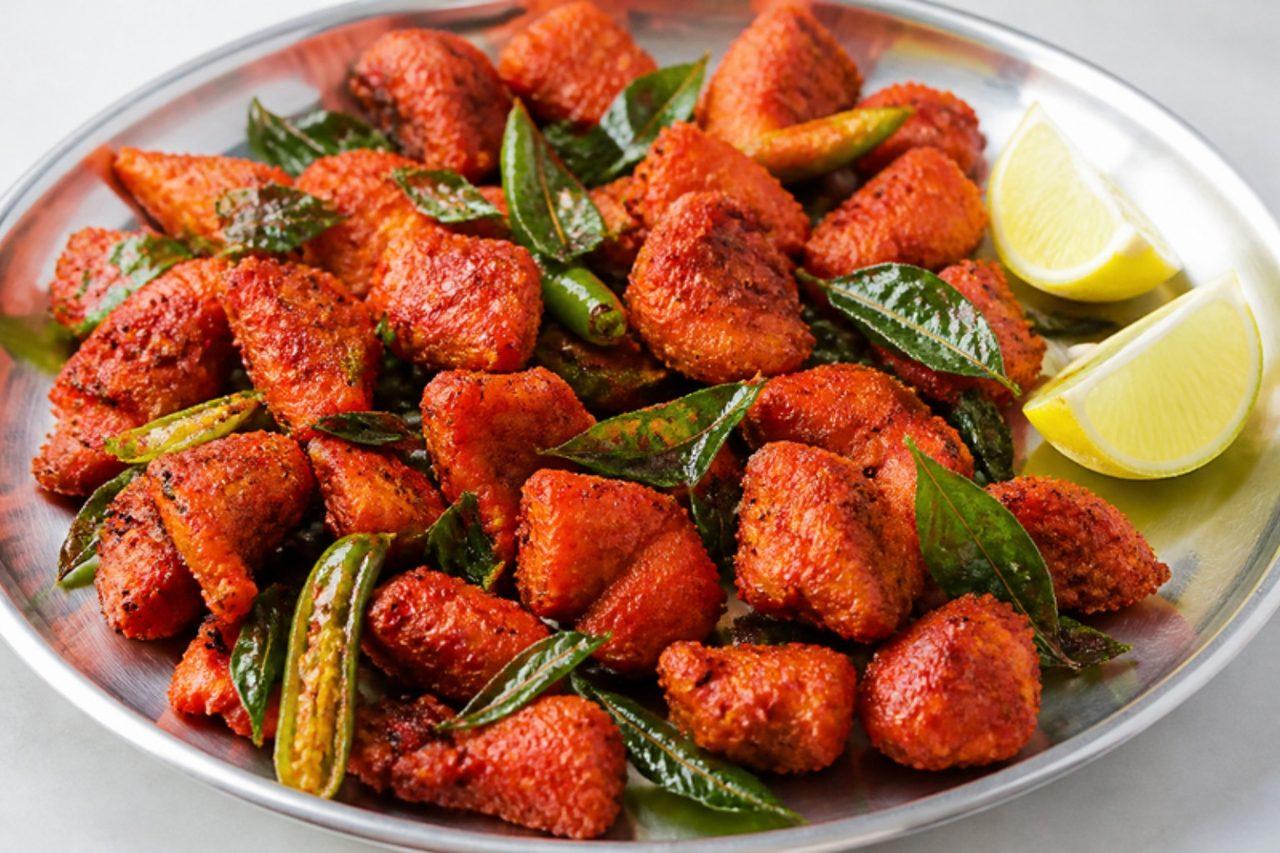
Chicken 65

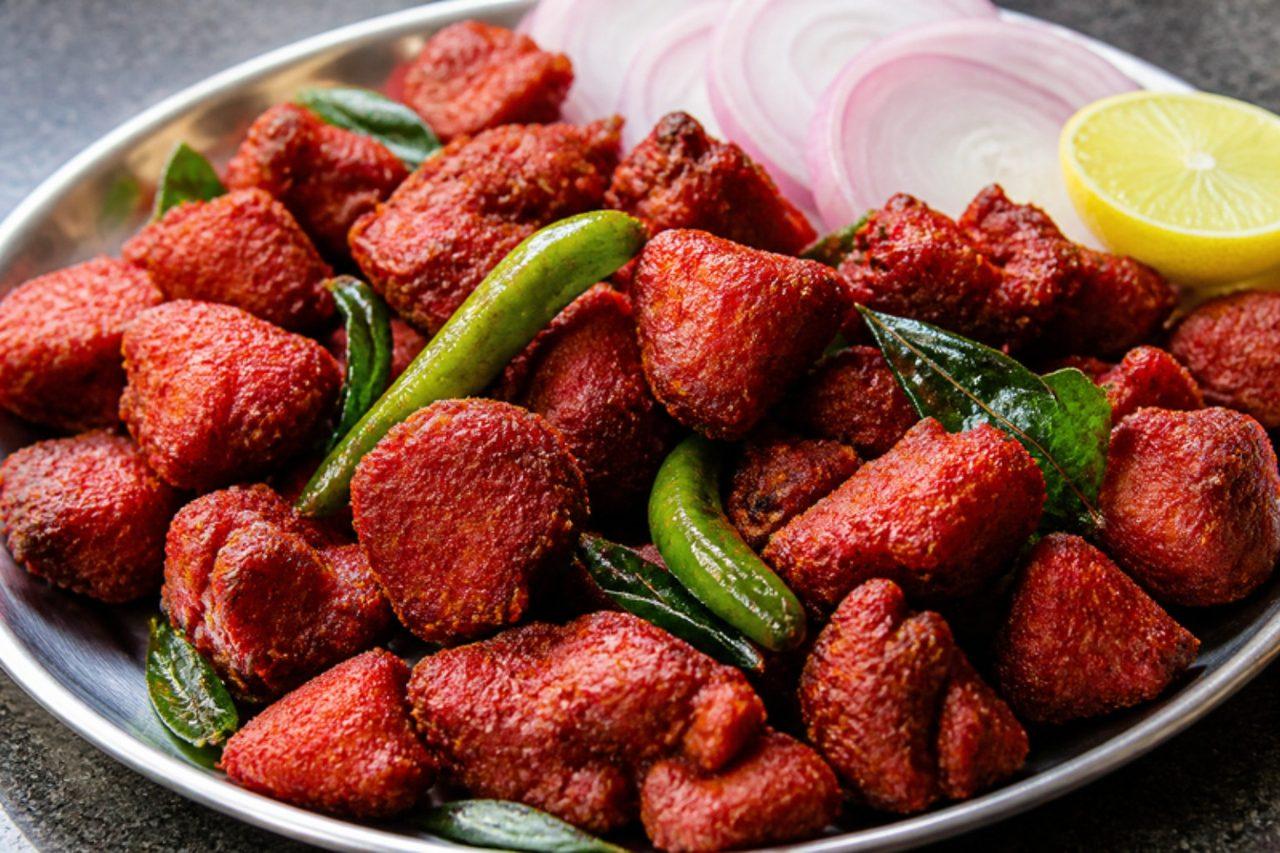
Chicken 65 was born in Chennai's military hotels in the 1960s and is now on every Tamil bar-snack, biryani-shop and wedding-starter menu, eaten hot with onion rings and lemon. Boneless chicken is marinated in red chilli, ginger-garlic and lemon, fried crisp, then tossed in a tangy seasoning of yogurt, green chilli and curry leaves. The mistake is crowding the pan, which drops the oil temperature so the chicken steams and the coating turns soggy; fry in small batches. For a vegetarian gobi 65, use 500 g cauliflower florets blanched for 2 minutes and dried, in the same marinade. Chef's tip: let the marinated chicken rest at least 30 minutes, and add the flour only just before frying so the coat stays light.

by KrazyBadal 0 views

Parsi batasaSalted butter tea biscuits

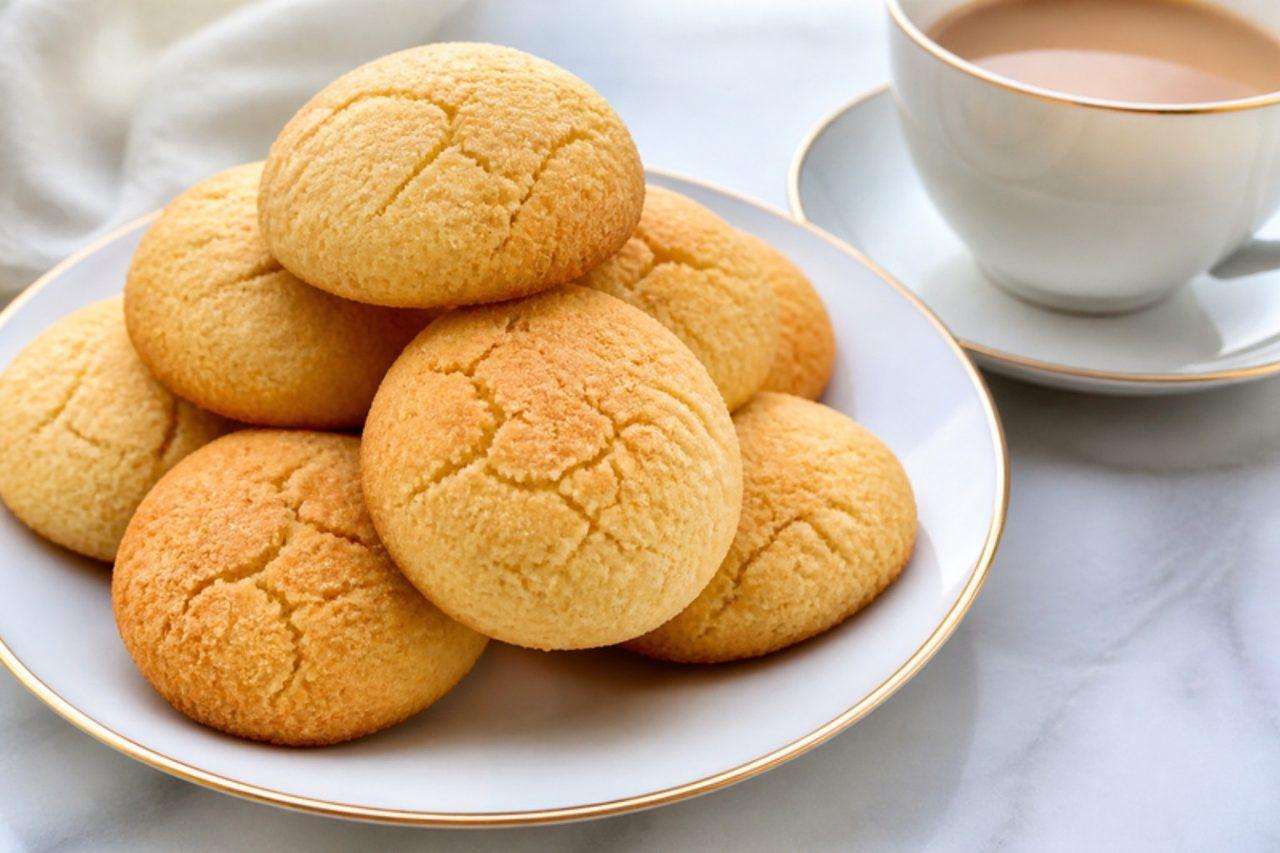
Batasa come from the wood-fired Parsi bakeries of Navsari, Udvada and Surat, where they are baked low and slow until dry and pale gold, then sold by the tin for morning chai. They are domed, flaky-crumbly and buttery, with just a whisper of salt and sugar, and they are made to be dunked. Bakeries traditionally raise the dough with toddy; this home version uses yogurt and a little baking powder for the same light, short crumb. The usual mistake is baking them hot and fast, which browns the outside while the inside stays soft; batasa need a long, gentle bake to dry right through. Chef's tip: switch the oven off at the end and leave the biscuits inside with the door ajar for 20 minutes so they crisp completely.

100 minIndianBaking
by KrazyBadal 0 views

Kerala plum cake

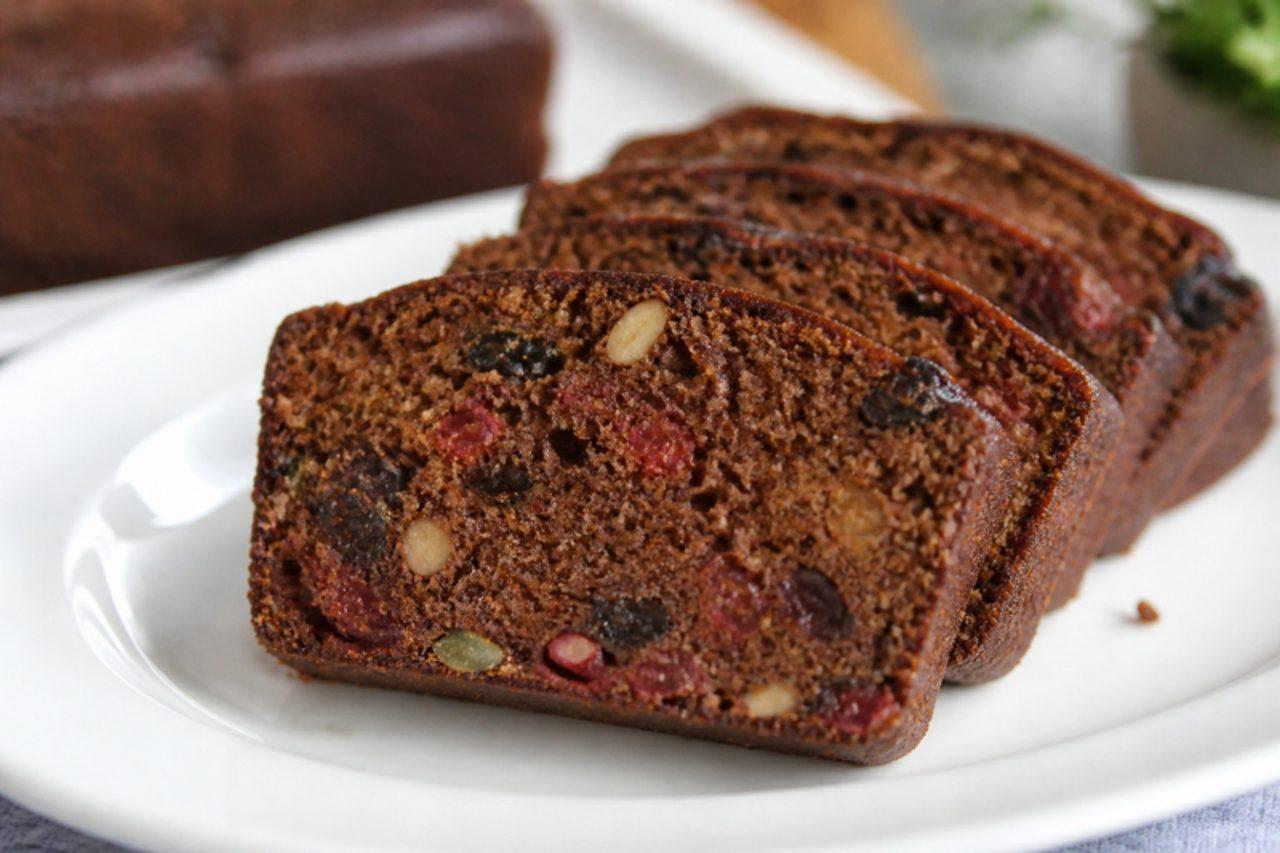
Come December every bakery in Kerala, from Thalassery, where the first one was baked, to Kochi, stacks its shelves with plum cake, and families give slices to neighbours over Christmas and New Year. Its deep brown colour and slightly bitter-sweet edge come from caramelised sugar syrup, and it is packed with dried fruit and warm spices. This alcohol-free version soaks the fruit in grape or orange juice. The common mistake is burning the caramel: once it goes past dark amber it turns acrid and the whole cake tastes bitter. Pull it off the heat the moment it is the colour of strong tea. Chef's tip: bake low and slow at 150°C with a tray of water on the shelf below; the cake rises evenly without a cracked, dry top.

135 minIndianBaking
by KrazyBadal 0 views

Chicken farchaCrumbed fried chicken

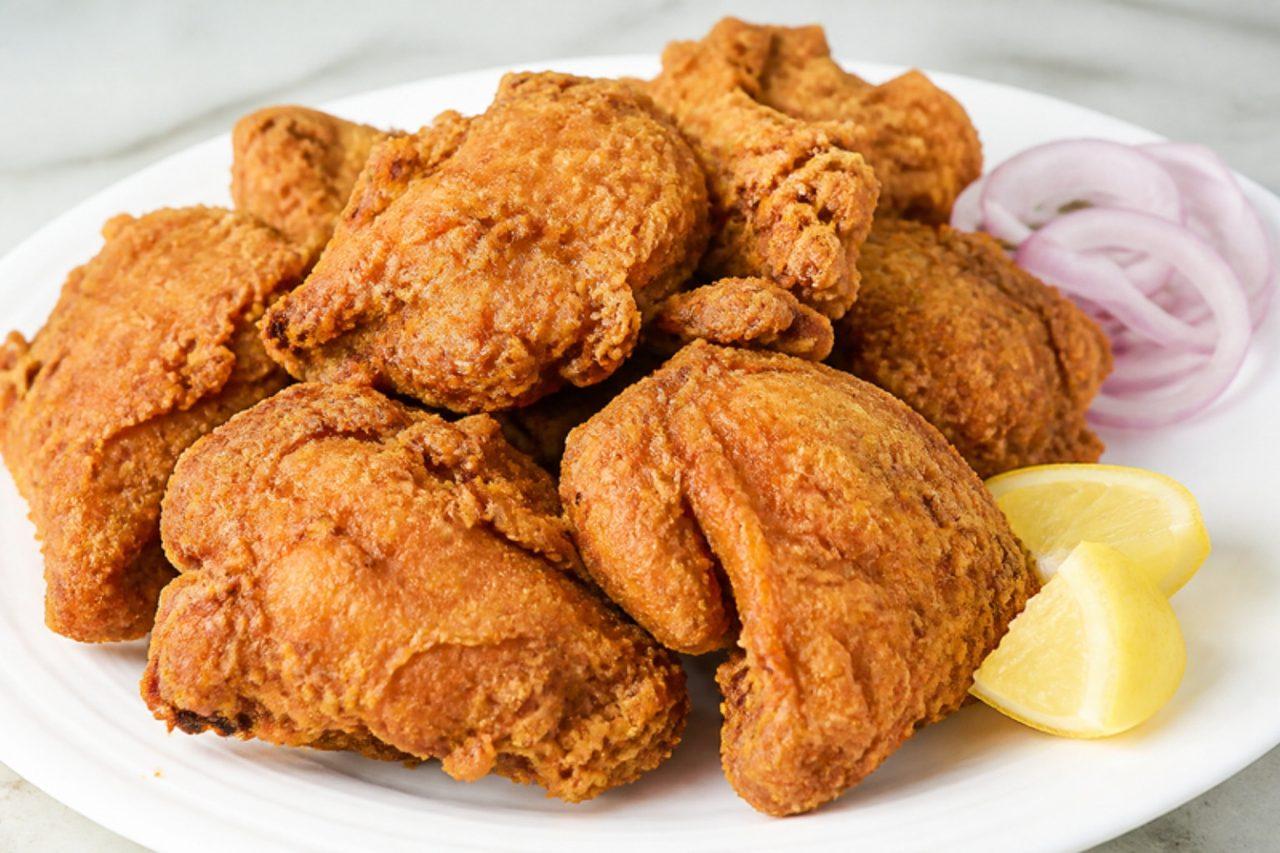
No Parsi lagan nu bhonu, the wedding feast served on banana leaves in Navsari and Surat, is complete without farcha: pieces of chicken marinated in ginger, garlic, chilli and lime, rolled in breadcrumbs, dipped in beaten egg and fried until they wear a lacy golden coat. The egg goes on last, which is the opposite of most crumbed chicken, so the crust is soft-crisp and frilly. They are also made for birthdays and Navroz and eaten hot with lime wedges. A common mistake is frying in oil that is too hot, which burns the egg before the chicken cooks through. Chef's tip: pre-cook the marinated chicken gently in its own juices first, as many Parsi cooks do; then the frying only needs to colour the coat.

by KrazyBadal 0 views

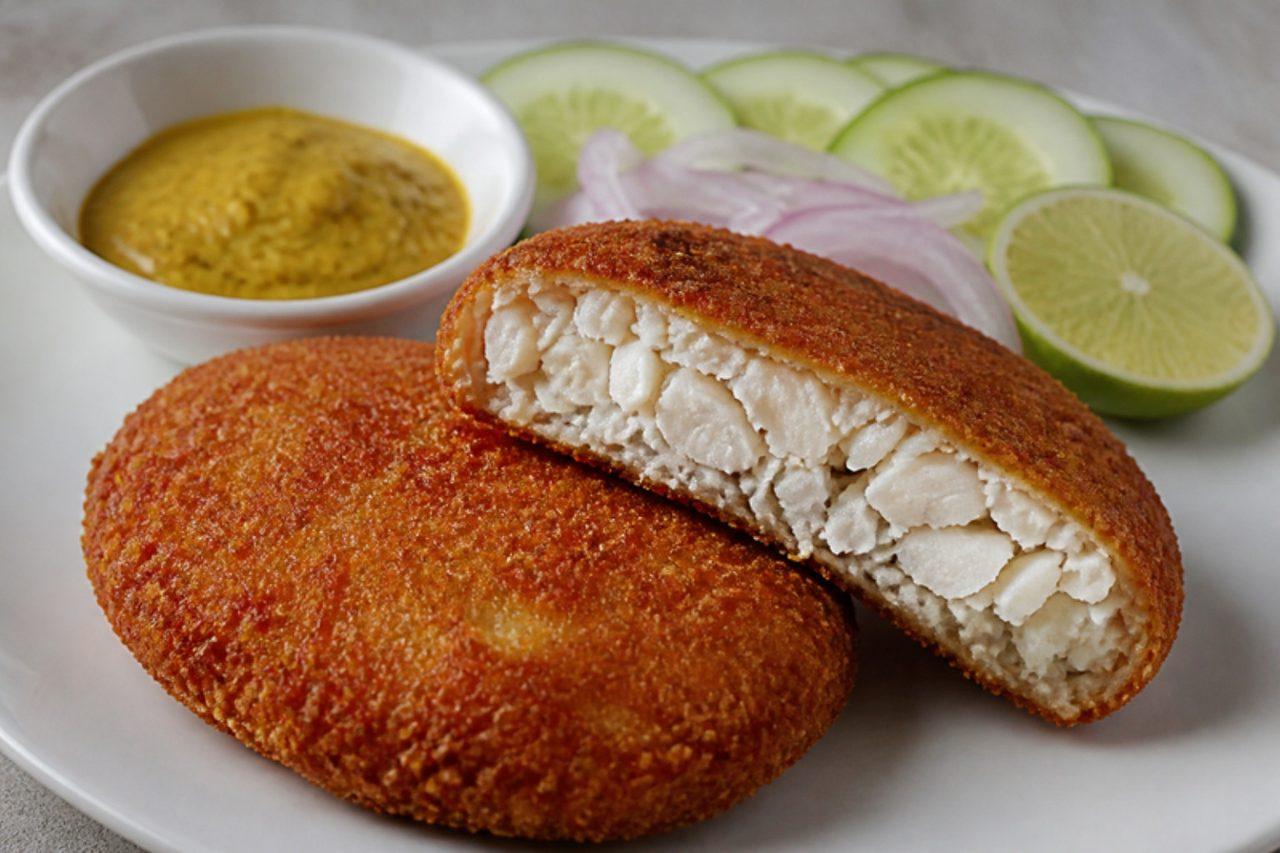
Kolkata fish fryCrumbed fish fillets

The Kolkata fish fry was born in the city's old cabins and became the essential snack of Durga Puja nights, when families finish pandal-hopping at a restaurant table with fish fry, kasundi and a heap of raw onion salad. Fillets of bhetki (barramundi) are marinated in a paste of green chilli, ginger, garlic, coriander and lime, dipped in egg and pressed into breadcrumbs, then deep-fried until golden. The inside should be juicy and green-flecked. Common mistake: cutting the fillets too thick, so the crumb burns before the middle cooks; aim for about 1.5 cm and fry at a steady 170 °C until the fish is opaque all the way through and flakes when pressed. Chef's tip: chill the crumbed fillets for 30 minutes before frying so the coating sets and does not fall away in the oil.

40 minIndianFish
by KrazyBadal 0 views

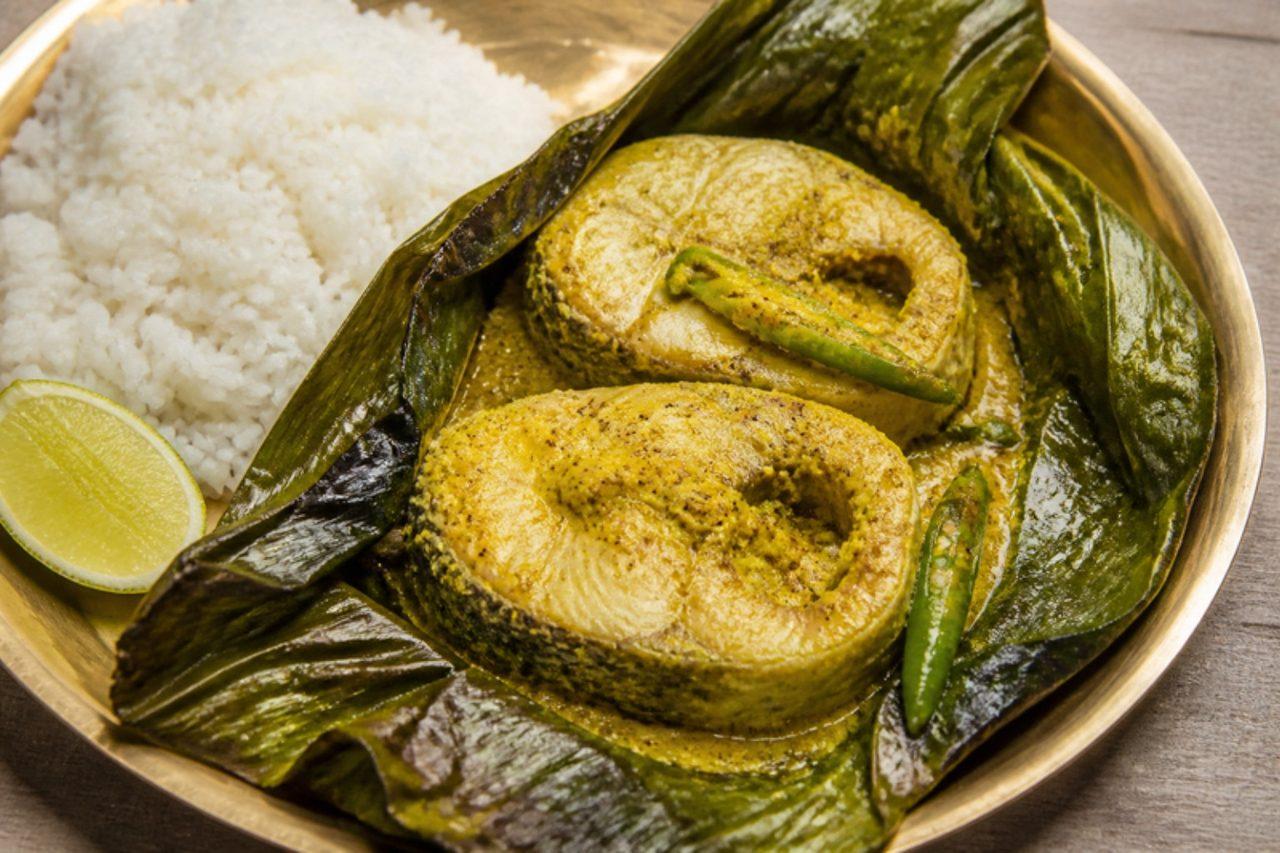
Patot diya masMustard fish in banana leaf

On Uruka, the night before Magh Bihu, young people build a bhelaghar hut and a tall mejî bonfire in the harvested fields and cook a feast outdoors, and parcels of fish in banana leaf tucked into the embers are part of it. Patot diya mas is the simplest of them: small river fish or firm steaks rubbed with raw mustard paste, green chilli, turmeric and a good splash of mustard oil, wrapped and roasted until the leaf blackens and the fish steams in its own juices. It is sharp, hot and fragrant, and goes with plain rice. Common mistake: grinding the mustard with hot water or for too long, which turns it bitter; grind it cold with a pinch of salt and a green chilli. Food safety: marinate the fish in the fridge, and cook until the flesh is opaque all the way through and flakes easily with a fork. Chef's tip: on a stove, a dry cast-iron pan with a lid gives the same smoky leaf flavour as the bonfire.

40 minIndianFishGluten freeSpicy
by KrazyBadal 0 views

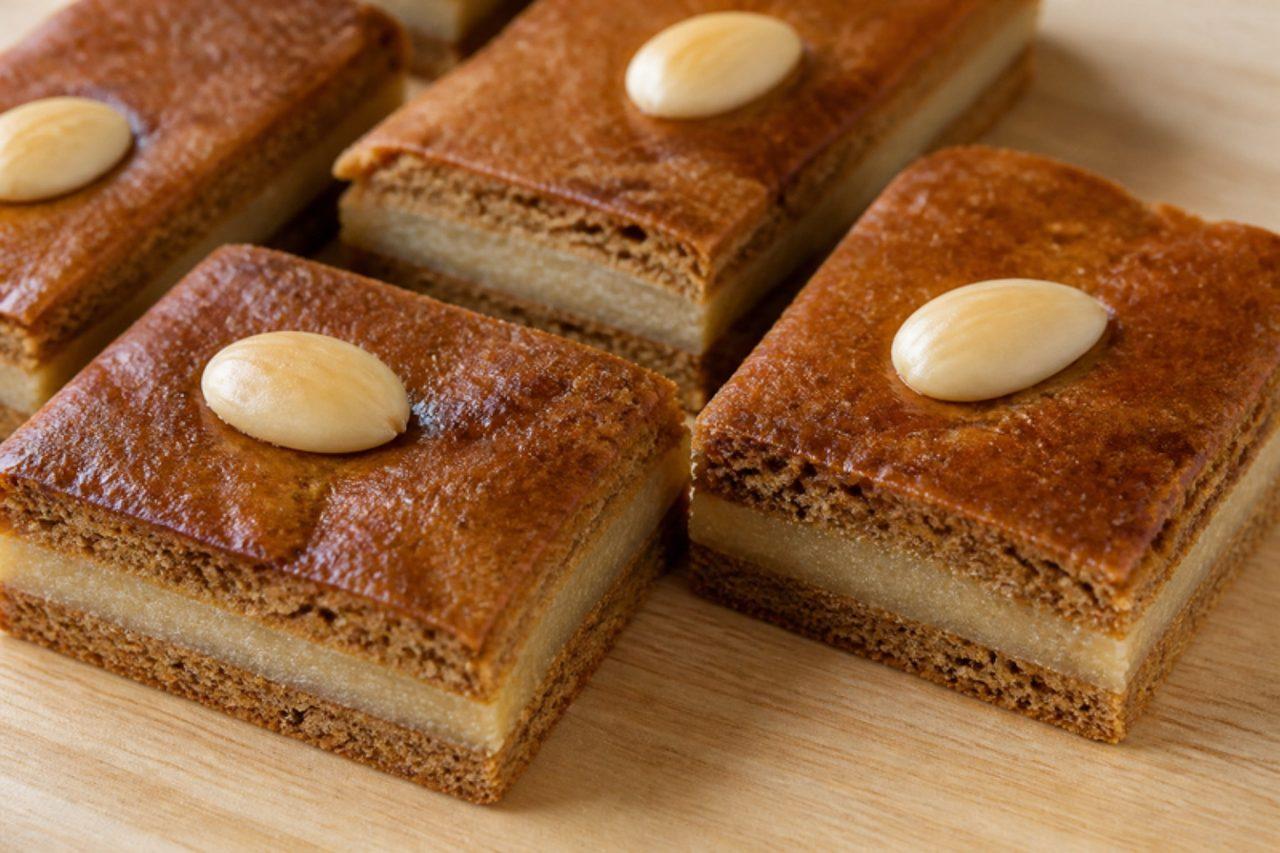
Gevulde speculaasAlmond-filled spiced pastry

Gevulde speculaas is a Sinterklaas favourite in the Netherlands from November to 5 December: a thick layer of almond paste baked between two layers of buttery, brown-sugar speculaas dough full of cinnamon, nutmeg, clove and ginger, decorated with blanched almonds and cut into squares. It is rich and best with a cup of coffee or hot chocolate. Chef's tip: make the almond paste a day ahead and let the dough rest overnight too, so the spices mellow and the layers bake evenly.

by KrazyBadal 0 views

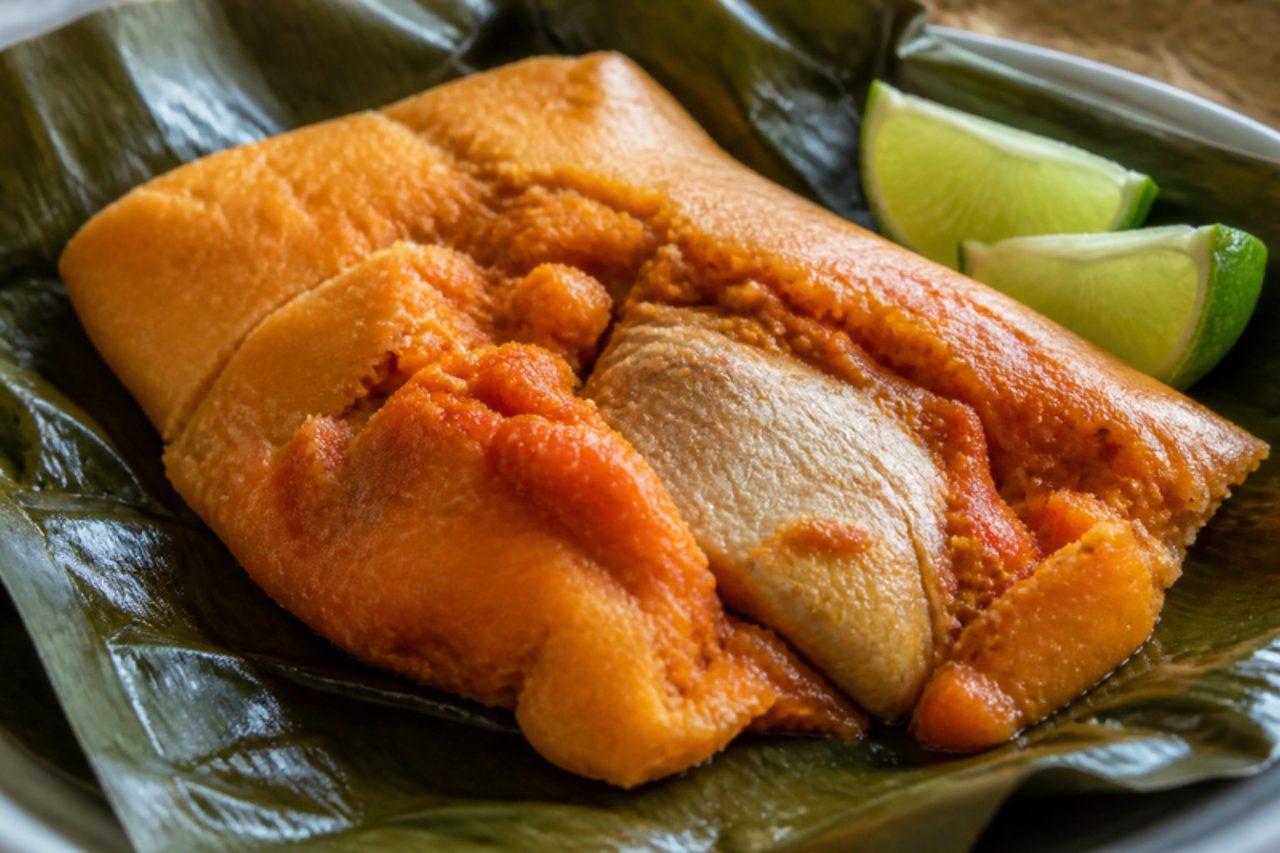
Paches de papaPotato tamales with chicken

Paches are the tamales of Quetzaltenango (Xela) in the Guatemalan highlands, made with mashed potato instead of corn and eaten on Christmas Eve and, by long custom, on Thursdays. The potato masa is coloured red with a recado of tomato, chillies and spices, filled with chicken, and wrapped in banana leaves to steam. They are soft and spoonable, served with bread and a squeeze of lime. Chef's tip: mash the potatoes while hot and mix in the recado straight away, so the masa stays smooth and doesn't turn gluey.

by KrazyBadal 0 views

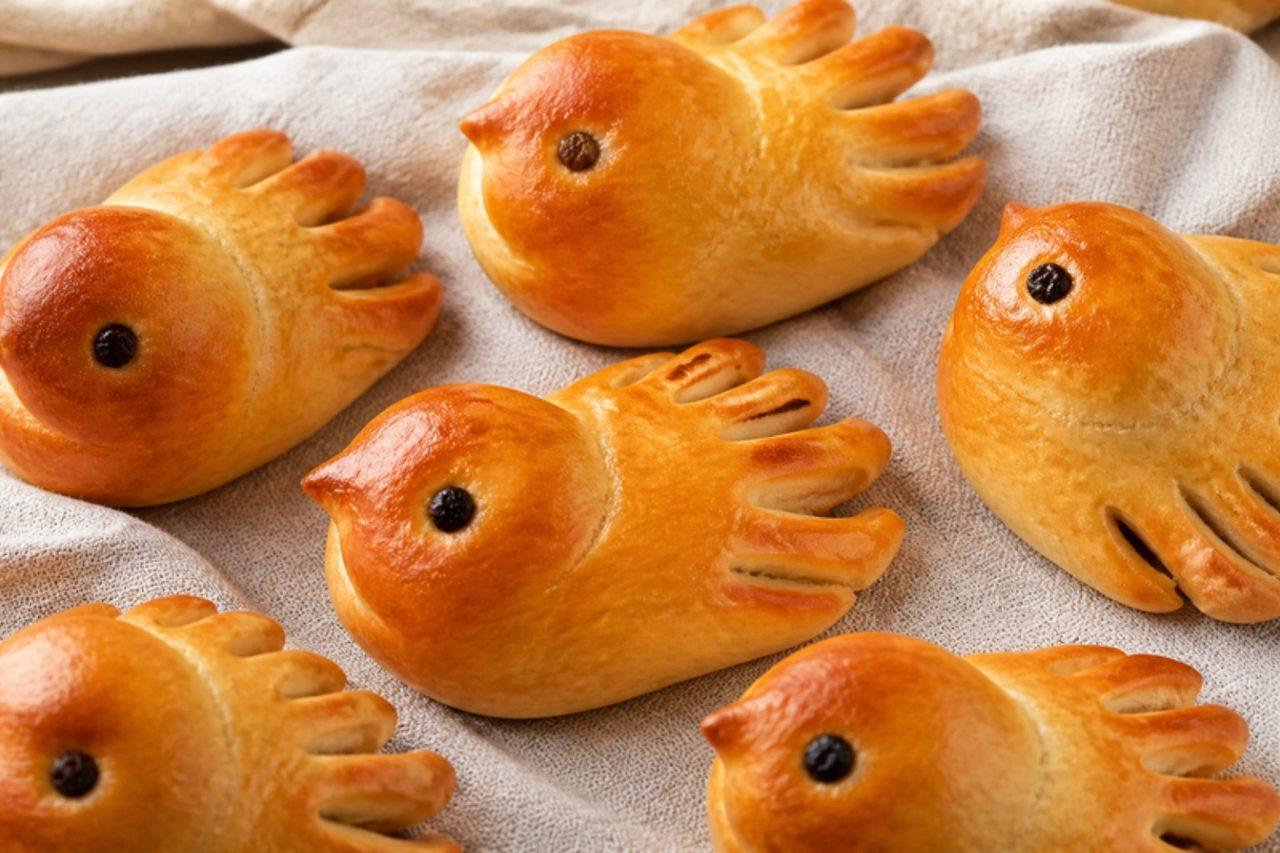
ZhavoronkiLark-shaped buns

On 22 March (9 March in the old calendar), the Orthodox feast of the Forty Martyrs of Sebaste falls during Lent, and in Russian villages it was the day the larks were said to return. Children were given zhavoronki, little bread larks, and ran outside to toss them in the air and call the spring. The dough is a lightly sweet yeast dough, and because it is Lent it was made without eggs or butter, so this version is vegan. Raisins or peppercorns make the eyes. Chef's tip: tie a simple knot from a dough rope for each bird and snip the tail; it is quicker than sculpting and keeps the shape.

by KrazyBadal 0 views

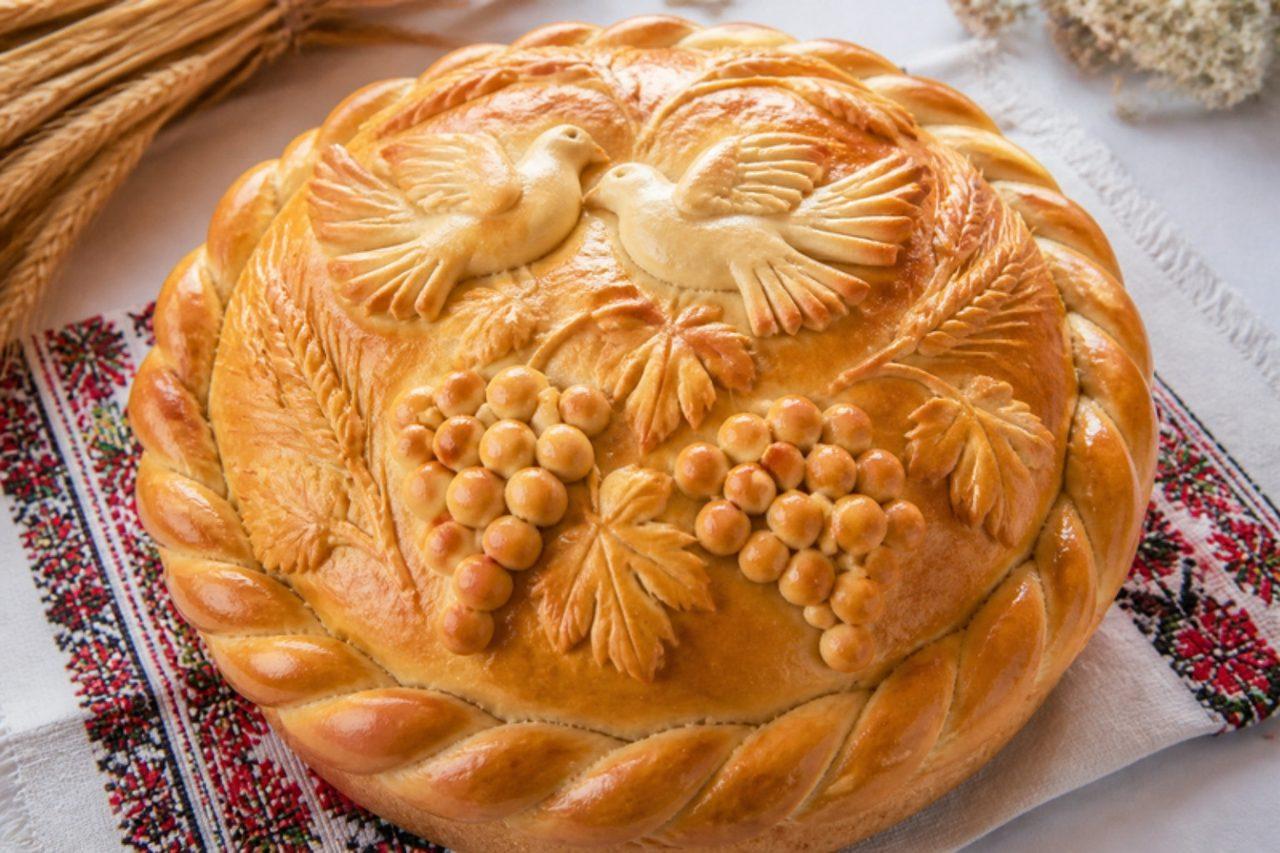
Slavski kolačDecorated ceremonial bread

The slava is a uniquely Serbian Orthodox custom: each family honours its own patron saint on that saint's feast day, passed from father to son, with a lit candle, boiled wheat (žito) and the slavski kolač, a round, decorated bread. The priest blesses it; the family turns it, cuts a cross into its base, pours a little wine into the cuts, and breaks it together. It is decorated with dough crosses, the seal 'IC XC NI KA', doves, wheat ears and grapes. It is a plain, vegan bread. Chef's tip: keep the decorations' dough a little stiffer than the loaf, so they hold their shape.

110 minBalkanBakingVegan
by KrazyBadal 0 views

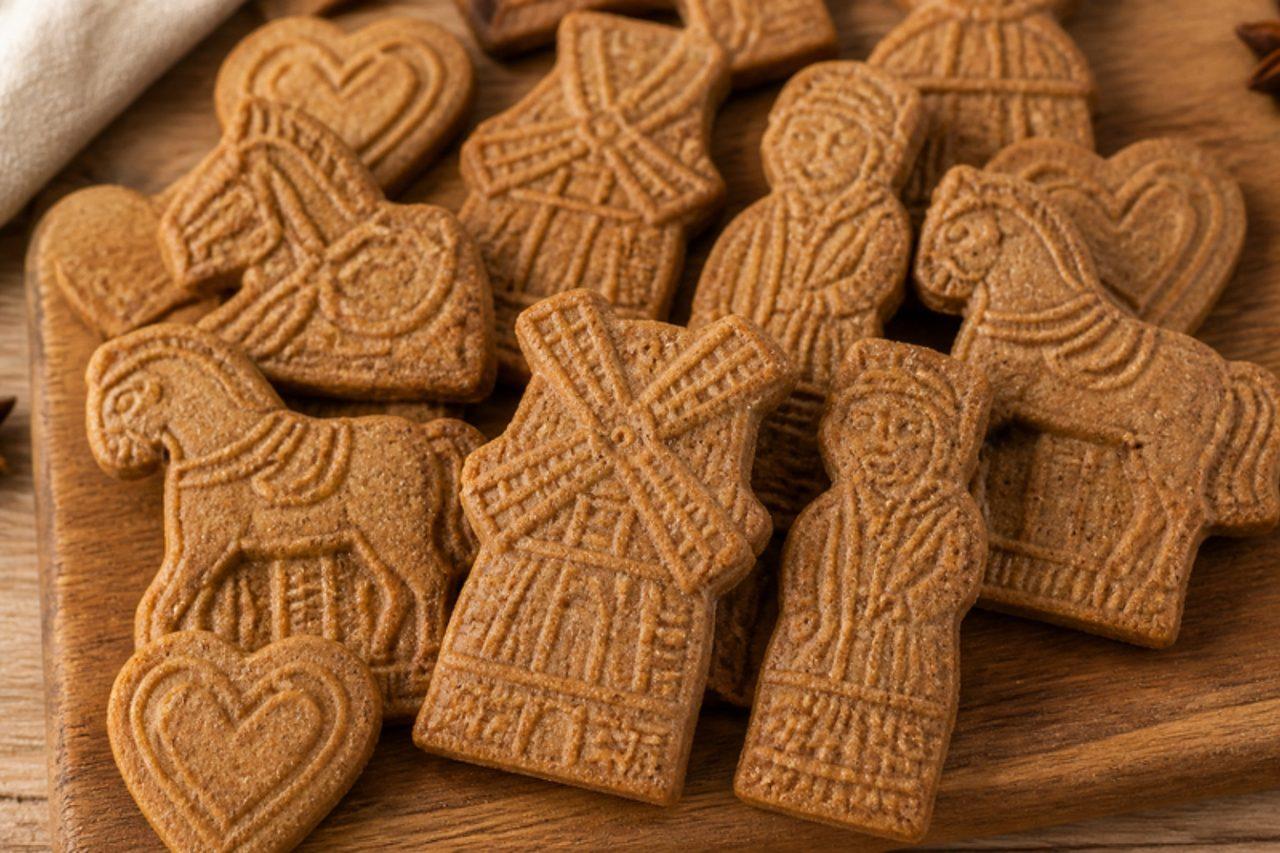
Taai-taaiAnise and honey biscuits

In the Netherlands, taai-taai ('tough-tough') are chewy honey and anise biscuits shaped into figures of Sinterklaas, his horse, windmills, sweethearts and animals, eaten from mid-November until his feast on 5 December. They contain no fat or egg, so they are firm and chewy rather than crisp, and they keep well. Bakers once used carved wooden moulds; cookie cutters work fine. Chef's tip: heat the honey only until runny, then let the dough rest overnight; the rest is what makes the chew.

by KrazyBadal 0 views

Showing 24 of 2,882 recipes

Show more recipes

Page 1 of 121