Skip to content
WhatToEat.Today

All recipes

105

Vegetarian, or something you can't eat? Set your diet once and we'll hide recipes that don't fit.

Blodpudding with lingonberriesFried blood pudding with lingonberries

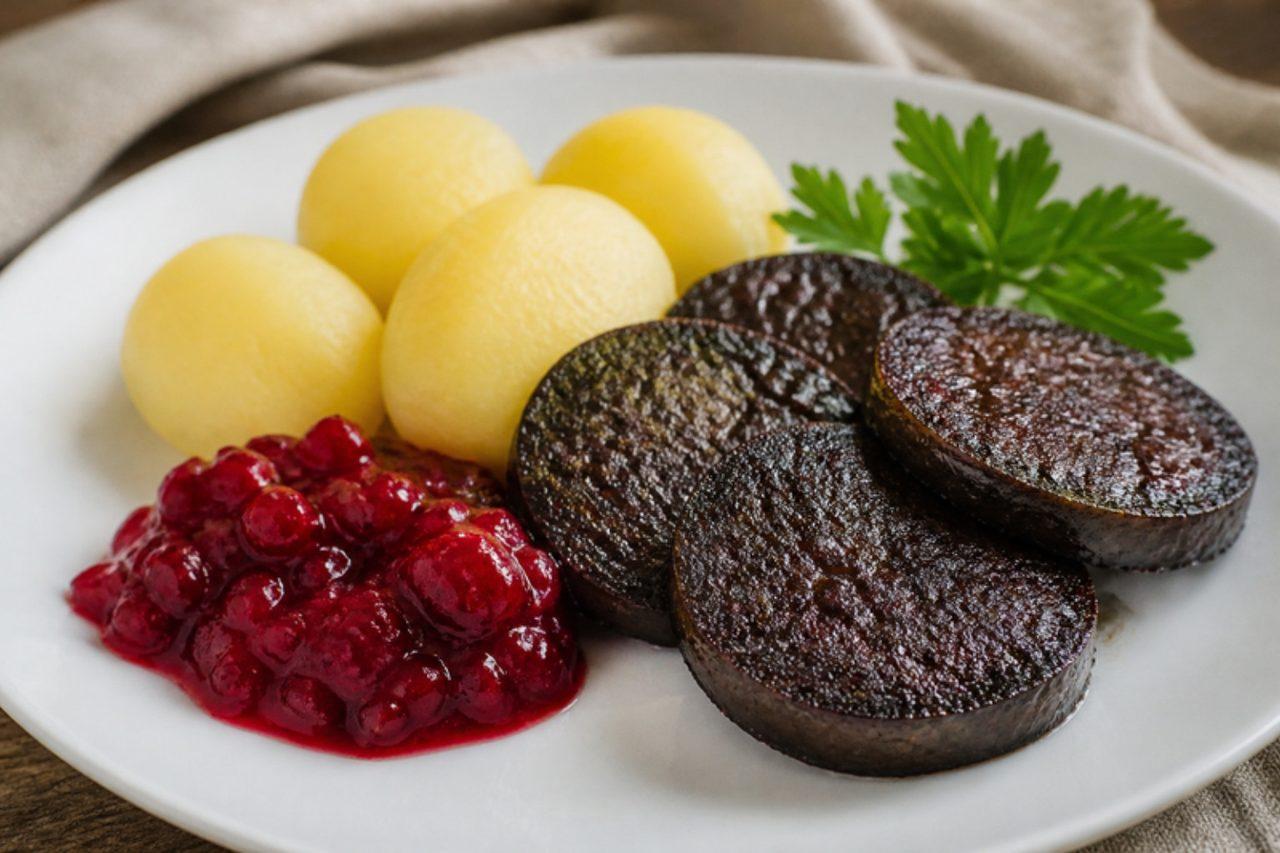
Blodpudding is a weeknight supper in northern Sweden and a school-lunch classic in Finland (where it is veripalttu's milder cousin): slices of ready-made blood pudding, made from pork blood, rye flour and spices, fried until crisp at the edges and eaten with sweet-sharp lingonberry jam. It contains pork blood and often pork fat, so it is not for vegetarians. Serve it with boiled potatoes or crispbread and a glass of milk, as Swedes do. The common mistake is cutting the slices too thin, so they crumble in the pan. Chef's tip: fry in butter over a steady medium heat and leave the slices alone until a dark crust forms; flipping early makes them stick.

by KrazyBadal 0 views
SpekematCured meat platter

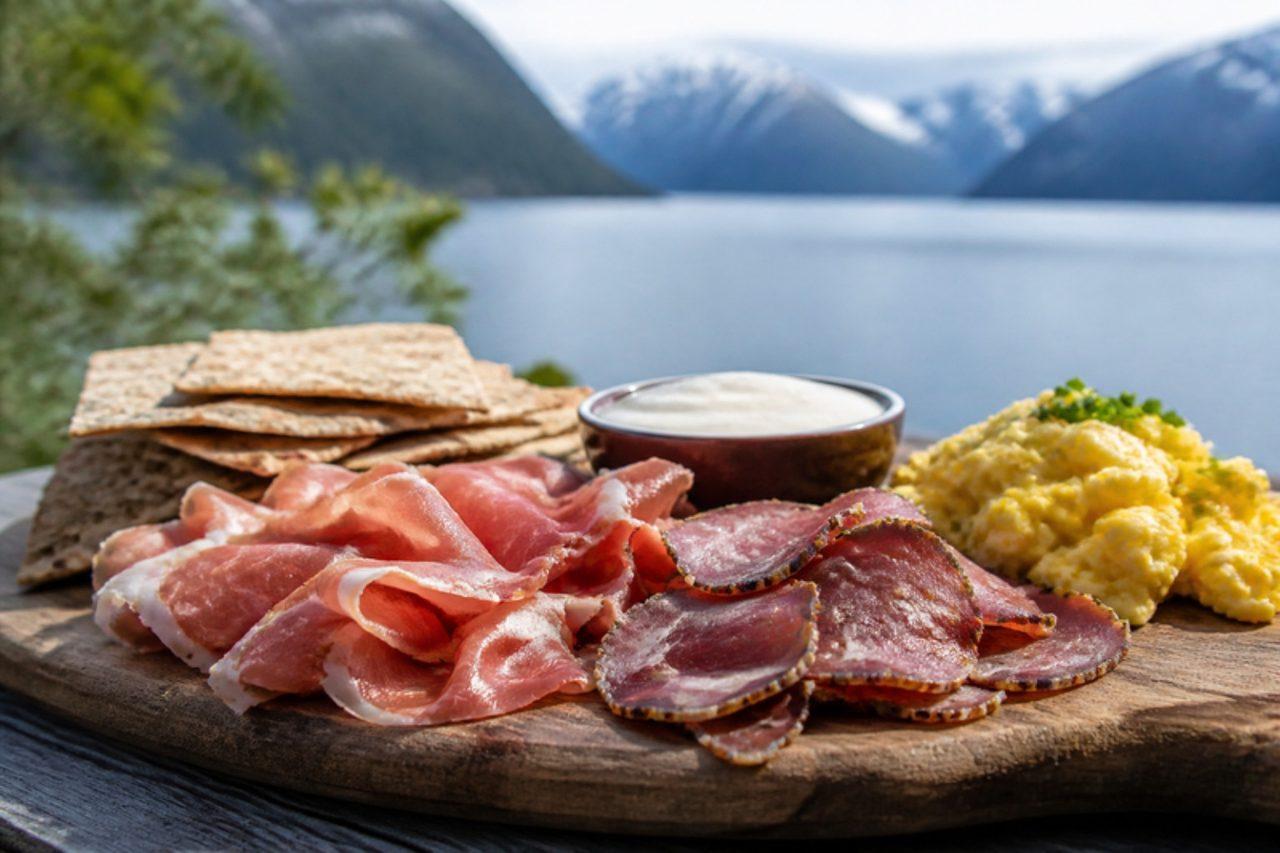
Spekemat is the Norwegian summer celebration table: on 17 May, at confirmations and on light Midsummer evenings at the cabin, platters of thin-sliced cured meats come out with crisp flatbrød, soft lefse, sour cream (rømme), scrambled eggs and cucumber salad. The classics are fenalår (salt-cured, air-dried leg of lamb), spekeskinke (cured pork ham) and morr or other cured sausage. All are bought ready cured and are not cooked, so the platter is not for pregnant women, young children or anyone with a weakened immune system; keep the meats chilled and put them out no more than 2 hours before eating. For a safer version for those guests, serve slices of cooked ham and roast lamb instead. Chef's tip: slice the meat as thin as paper, across the grain, and let it sit out for 15 minutes before serving so the fat softens and the flavour comes through.

by KrazyBadal 0 views

FastelavnsbollerCustard and cream pastry buns

On Fastelavn, the Danish Shrovetide Sunday, children dress up, knock a barrel full of sweets and are rewarded with fastelavnsboller. The bakery kind is made from laminated Danish pastry, baked into round shells around a spoon of vanilla custard, then split, piped with whipped cream and finished with glossy icing. They are messy, rich and eaten once a year. The common mistake is letting the butter melt into the dough while rolling, which loses the flaky layers; keep everything cold. Chef's tip: a quick home lamination with a block of grated cold butter gives proper layers without a day's work.

by KrazyBadal 0 views
Kæst skataFermented skate

St Thorlak's Day (Þorláksmessa), 23 December, honours Iceland's patron saint, and in the Westfjords and now across the country it is the day for kæst skata: fermented skate, boiled and eaten with potatoes and melted, salty sheep's tallow (hamsatólg) or butter. Its ammonia smell is famous, which is why many families cook it in the garage or eat at a restaurant, then have it the next day as a bracing start to Christmas. Buy skate already fermented from an Icelandic fishmonger; don't try to ferment it at home. Chef's tip: cook it in a lidded pot with a window open, and boil the potatoes in a separate pot.

by KrazyBadal 0 views
JordgubbstårtaStrawberry cream layer cake

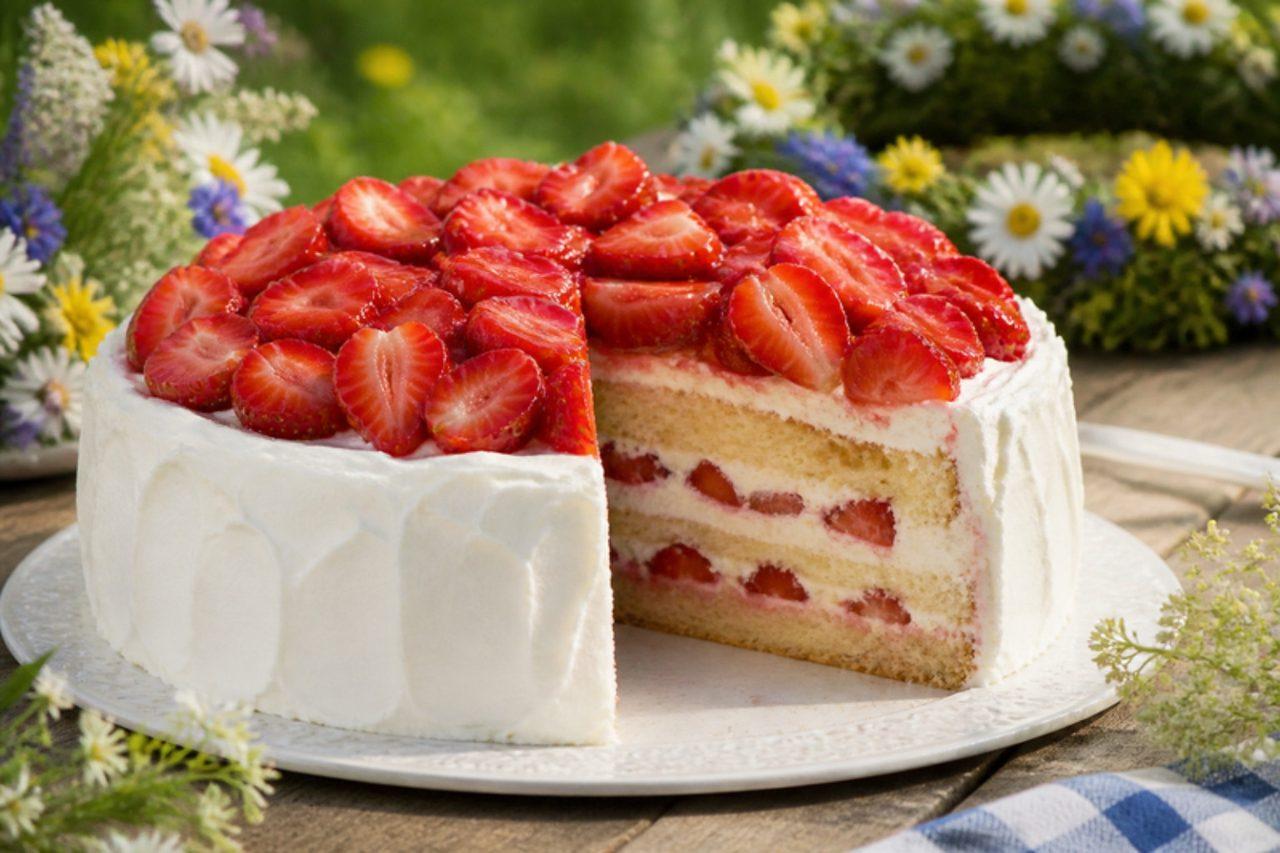
On Midsummer Eve in June, Swedes dance round the maypole in the countryside, eat herring and new potatoes, and finish with the first Swedish strawberries of the year, very often in a Jordgubbstårta. It is a light sponge split into three layers and filled with vanilla custard, whipped cream and sliced strawberries, then covered in more cream and crowned with whole berries. Make the sponge and custard the day before so you only assemble it on the day. Chef's tip: beat the eggs and sugar until really thick and pale; the air in the eggs is the only thing that makes this sponge rise.

by KrazyBadal 0 views
MatjessillMatjes herring with potatoes

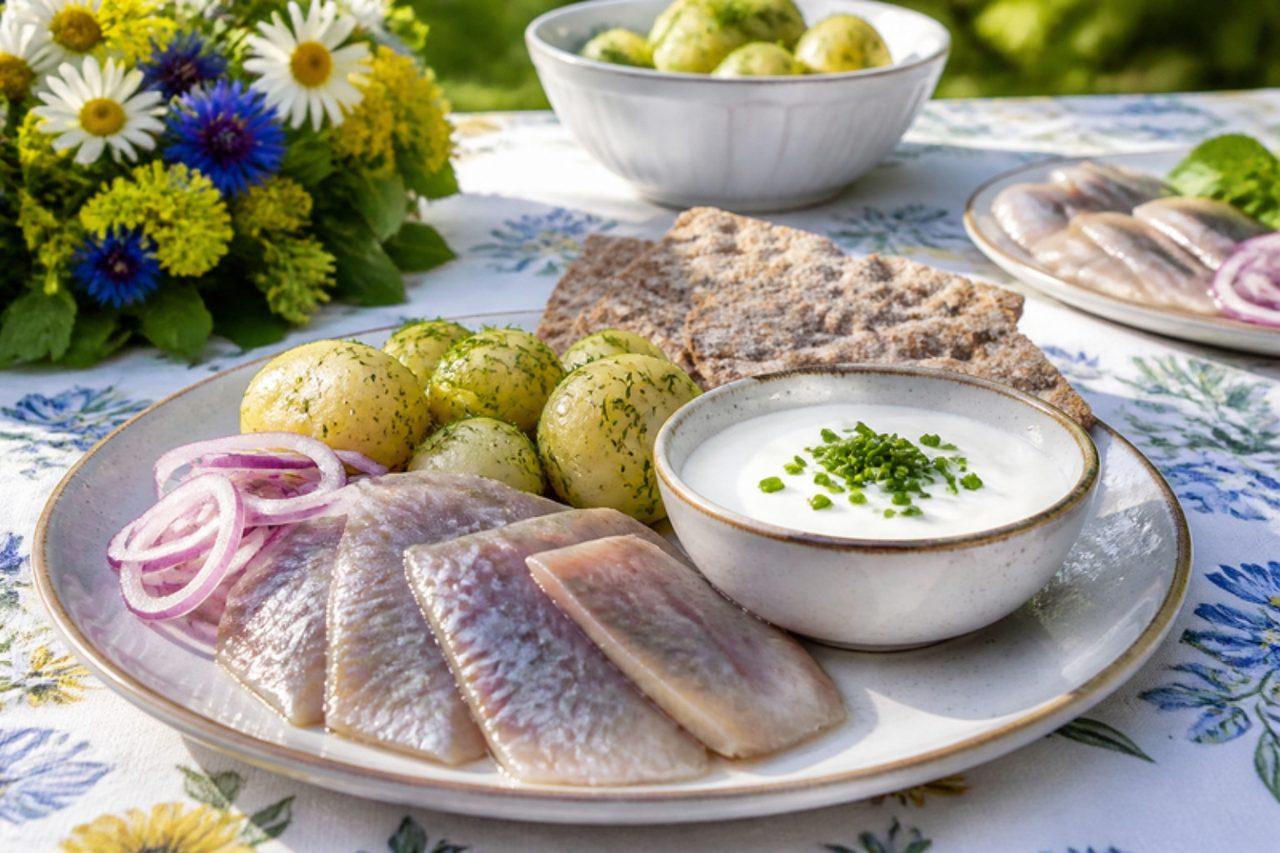
No Swedish Midsummer table is complete without sill, and matjessill, the mild, sweet-cured herring, is the favourite: it is laid out on the long table in the garden with gräddfil (sour cream), chopped chives, red onion and a bowl of steaming new potatoes boiled with crown dill. Everyone eats it with crispbread and a little cheese before the strawberries. The herring is bought ready cured in jars or tins, so the only cooking is the potatoes. Cured herring is not cooked, so it is not for pregnant women, young children or anyone with a weakened immune system; buy it from a chilled, sealed pack, keep it in the fridge and serve it within its use-by date. For a safer, cooked option, serve the same plate with hot-smoked or pan-fried fresh herring, cooked until opaque and flaking. Chef's tip: drain the herring well and pat it dry so its brine does not water down the sour cream.

by KrazyBadal 0 views
JuleribbeRoast pork belly with crackling

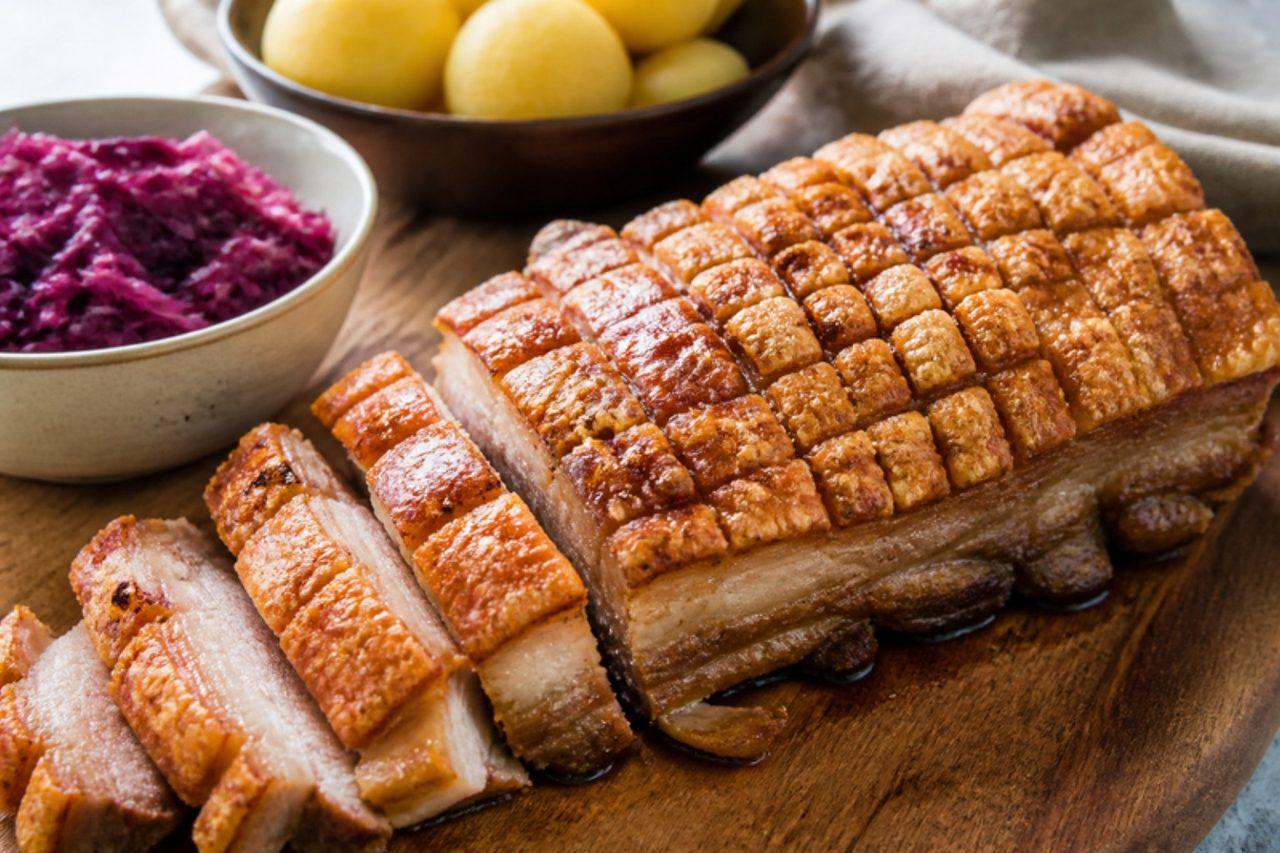
In much of Norway, Christmas Eve means ribbe: a slab of pork belly with the ribs left in, roasted until the scored rind puffs into crackling and the meat beneath is soft and juicy. It is served with medisterkaker, tangy caraway sauerkraut, red cabbage, boiled potatoes and gravy from the pan. Butchers sell ribbe ready scored in squares at Christmas. Chef's tip: salt the rind and leave it uncovered in the fridge for 1–2 days; a dry rind is the secret of the crackling.

by KrazyBadal 0 views
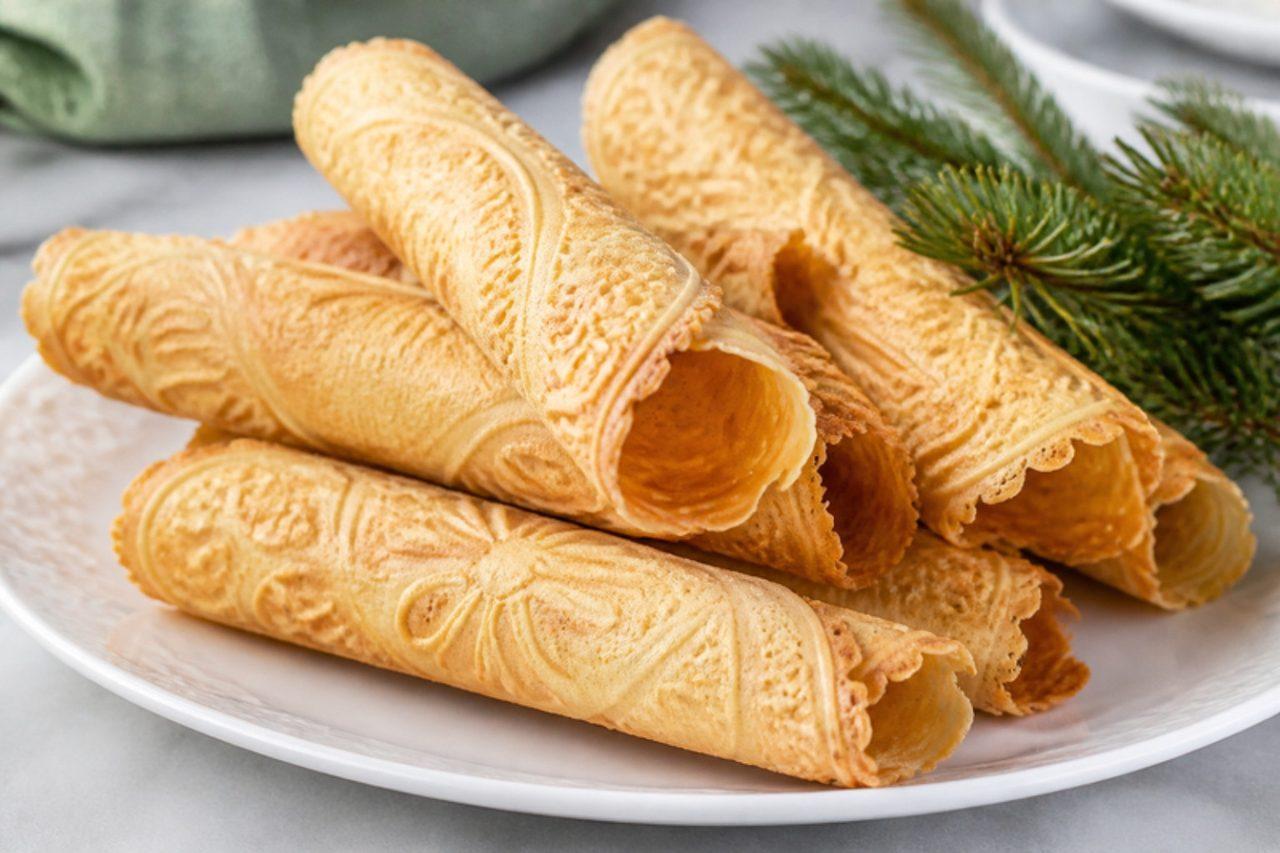
KrumkakeThin wafer cones

Krumkake are one of the 'syv slag', the seven kinds of biscuit a Norwegian household traditionally bakes for Christmas. A thin, buttery batter is pressed between the plates of a patterned krumkake iron, then each lacy wafer is rolled round a wooden cone while still hot and pliable. They are served plain, or filled at the table with whipped cream and cloudberries or other berries. You do need the electric or stovetop krumkake iron. Chef's tip: roll each wafer within seconds of lifting it off the iron, as it sets crisp almost at once.

by KrazyBadal 0 views
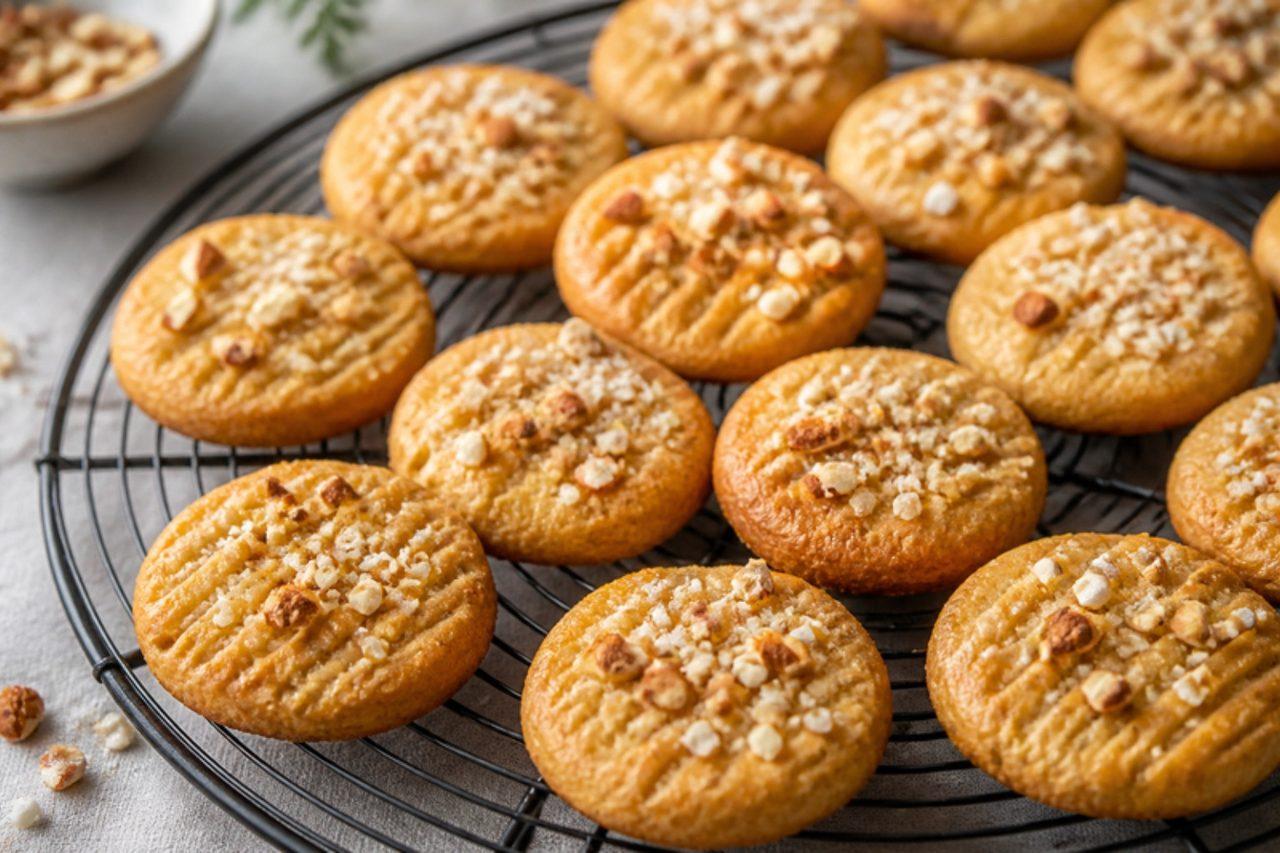
SerinakakerAlmond and pearl sugar butter biscuits

Serinakaker are the easiest of the Norwegian seven Christmas biscuits, so they are often the first one children help to bake in Advent. Small balls of rich butter dough are flattened with a fork, brushed with egg and topped with chopped almonds and pearl sugar, then baked until the edges just colour. They taste of butter and vanilla, with a crunch on top. Chef's tip: use baker's ammonia (hjortetakksalt) if you can find it for the traditional crisp-light snap; baking powder works too but gives a softer biscuit.

by KrazyBadal 0 views
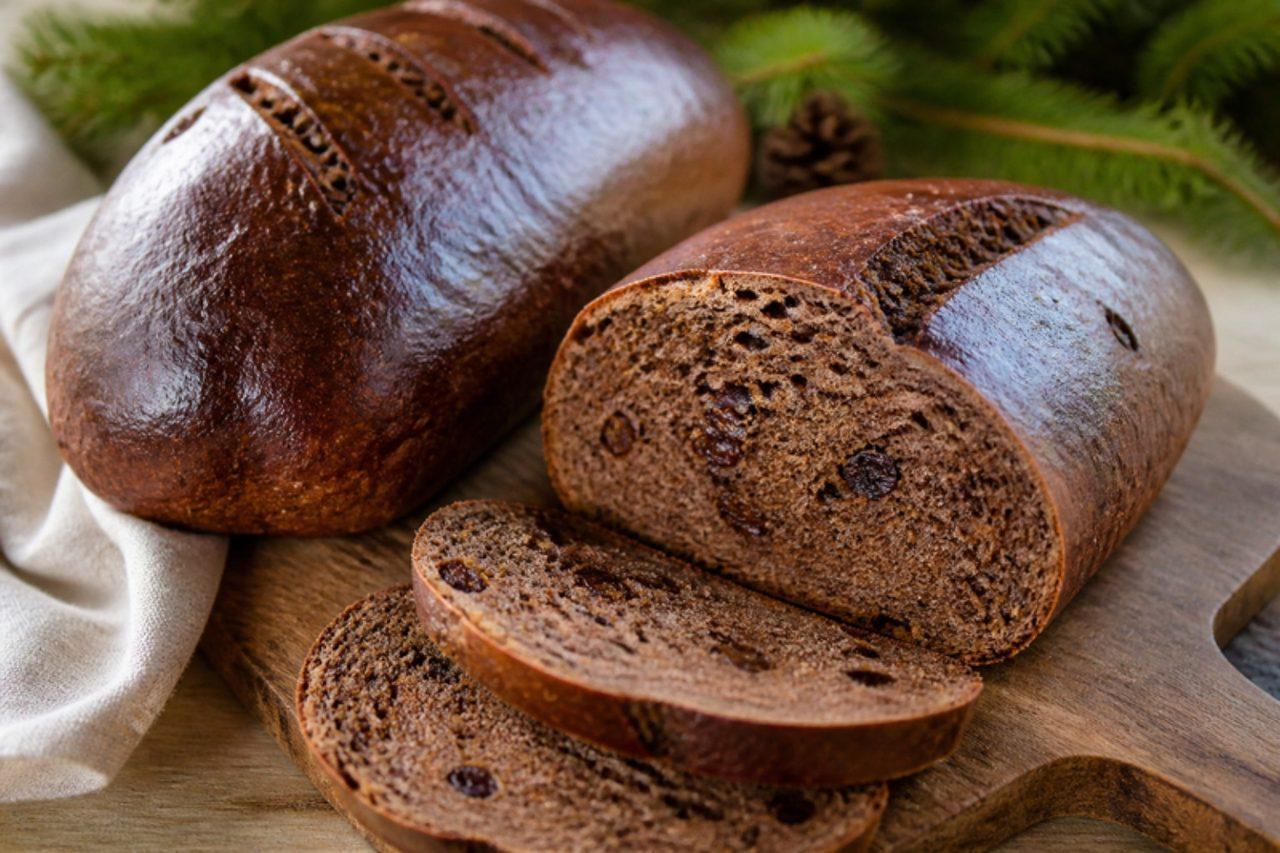
VörtbrödDark Christmas rye bread

In Sweden the Christmas smörgåsbord (julbord) is never without vörtbröd, a dark, soft, slightly sticky rye loaf flavoured with wort, the sweet malty liquid brewers start beer from, plus dark syrup, orange peel, clove and ginger. It is sliced, buttered and eaten with the Christmas ham or with cheese. Many home bakers use dark beer, which contains alcohol; this recipe uses a non-alcoholic dark malt drink, which gives the same malty depth. It keeps for 4 days, and freezes well. Chef's tip: rye dough is sticky and never feels smooth like wheat; resist adding lots of extra flour or the loaf will be dry.

by KrazyBadal 0 views
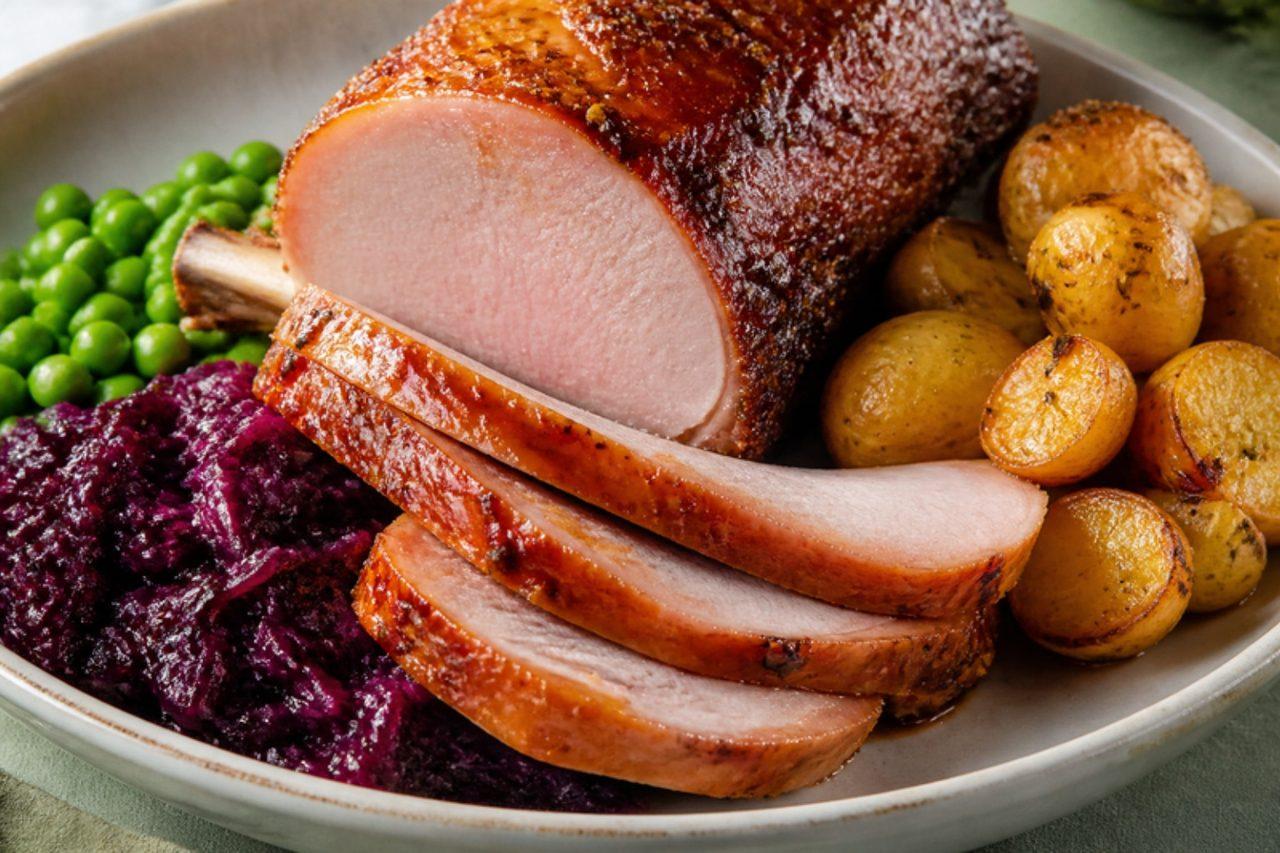
HamborgarhryggurGlazed smoked pork loin

Hamborgarhryggur, 'Hamburg-style loin', is the most common Christmas Eve centrepiece in Iceland, served at six o'clock when the church bells ring Christmas in. It is a cured and lightly smoked pork loin on the bone, simmered gently, then glazed with brown sugar and mustard and baked until shiny. It comes to the table with caramelised potatoes, red cabbage, green peas and a creamy sauce. Use a smoked pork loin (Kassler) from a butcher. Chef's tip: keep the poaching water just trembling, not boiling, so the cured meat stays juicy.

by KrazyBadal 0 views
RosettbakkelsFried rosette biscuits

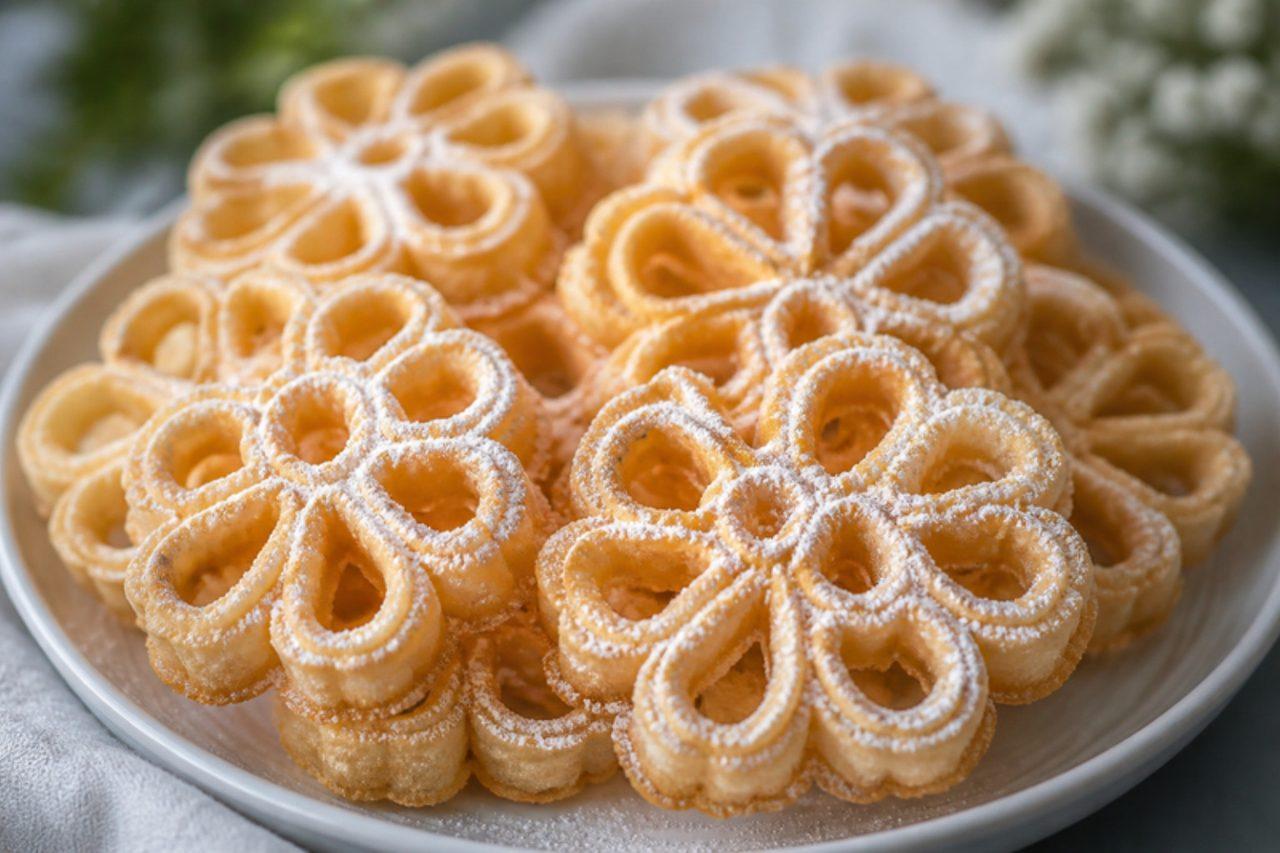
Rosettbakkels are another of Norway's seven traditional Christmas biscuits, delicate fried flowers made by dipping a heated metal rosette iron into thin batter and then into hot oil, where the batter puffs, crisps and drops off as a lacy rosette. They are dusted with icing sugar and kept in tins for the Christmas visitors. You need a rosette iron, sold in kitchen shops at Christmas. Chef's tip: dip the iron into the batter only three-quarters of the way up, as batter over the top locks the rosette onto the iron.

by KrazyBadal 0 views

SandkakerAlmond butter tartlet biscuits

Sandkaker ('sand cakes') are small, crumbly almond and butter biscuits pressed into fluted tins, and they are a fixture among the seven Norwegian Christmas biscuits. The dough is short and rich with ground almonds and a few bitter almonds or almond extract, and the shells are served upside-down as they are, or filled with whipped cream and berries. You need small fluted tartlet tins (sandkake forms). Chef's tip: press the dough as thin as you can against the tin sides, because thick shells stay doughy in the middle and won't release cleanly.

by KrazyBadal 0 views

RjúpurPtarmigan in cream sauce

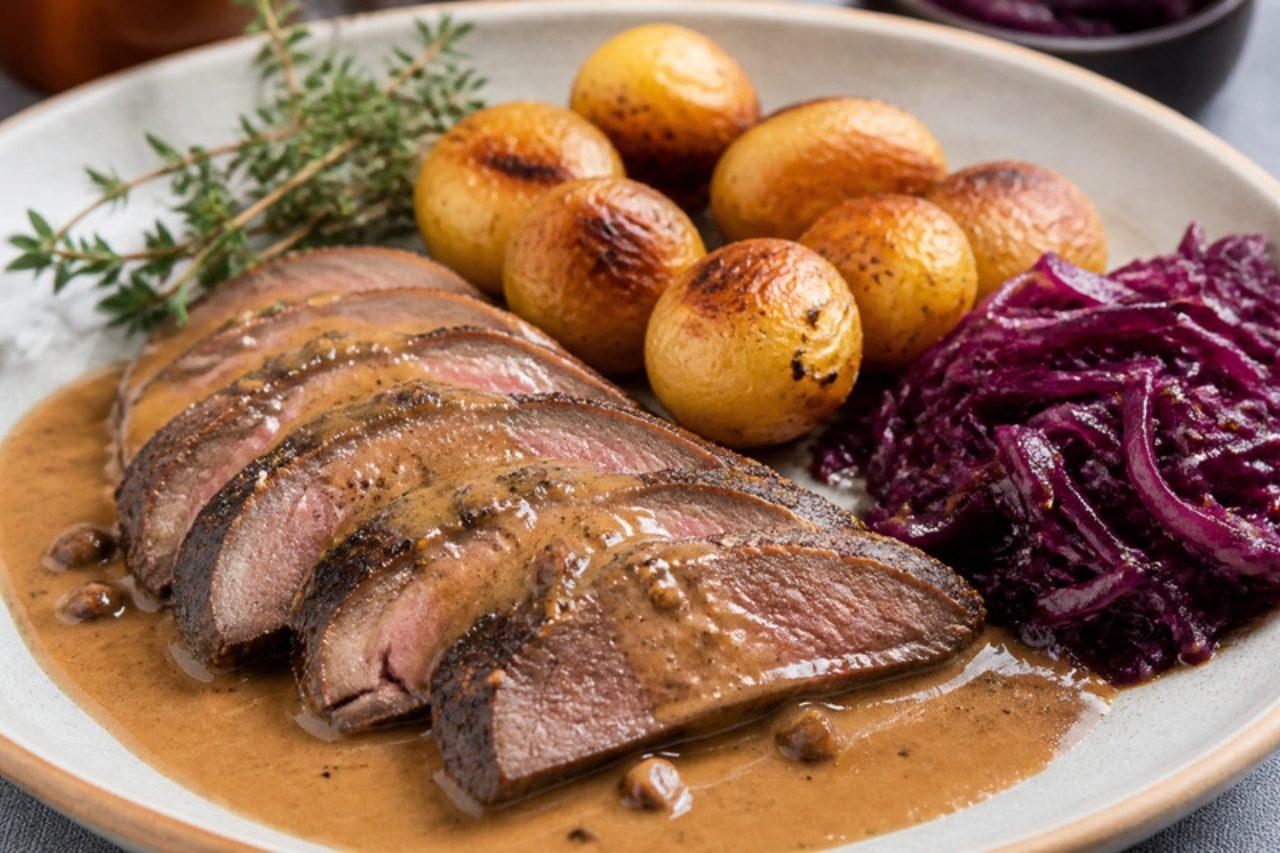
For many Icelandic families, rjúpa (rock ptarmigan) is the true Christmas Eve dish, a small wild bird with dark, gamey meat that is hunted in autumn under strict seasonal limits and kept frozen for the holiday. The breasts are browned, then braised gently in stock made from the legs and carcass, and the sauce is finished with cream and a spoon of redcurrant jelly. Serve with caramelised potatoes and red cabbage. Outside Iceland, use partridge, pigeon or pheasant breasts. Chef's tip: make the stock from the legs and carcasses the day before; it is what gives the sauce its deep game flavour.

by KrazyBadal 0 views

JulekakeCardamom raisin Christmas bread

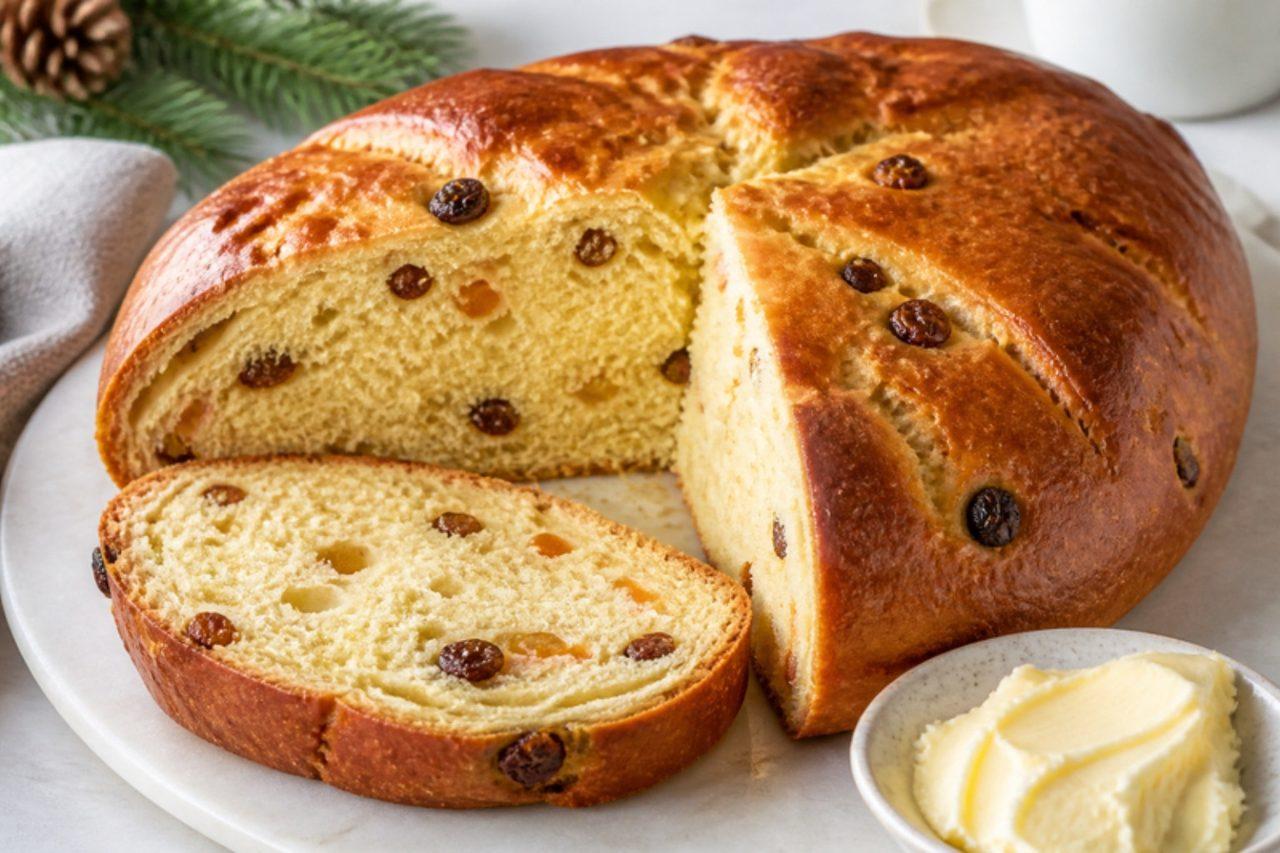
Julekake is the Christmas bread of Norway, baked in the days before Christmas Eve and eaten for breakfast on Christmas morning, sliced and spread with butter and brown goat's cheese (brunost). It is a soft, round, golden loaf enriched with milk and butter, perfumed with freshly ground cardamom and dotted with raisins and candied citrus peel. It is plain enough to enjoy every day of the holidays, and leftovers make wonderful toast. Chef's tip: crush whole cardamom seeds yourself just before baking; ready-ground cardamom loses its scent within weeks.

by KrazyBadal 0 views

MedisterkakerSpiced pork patties

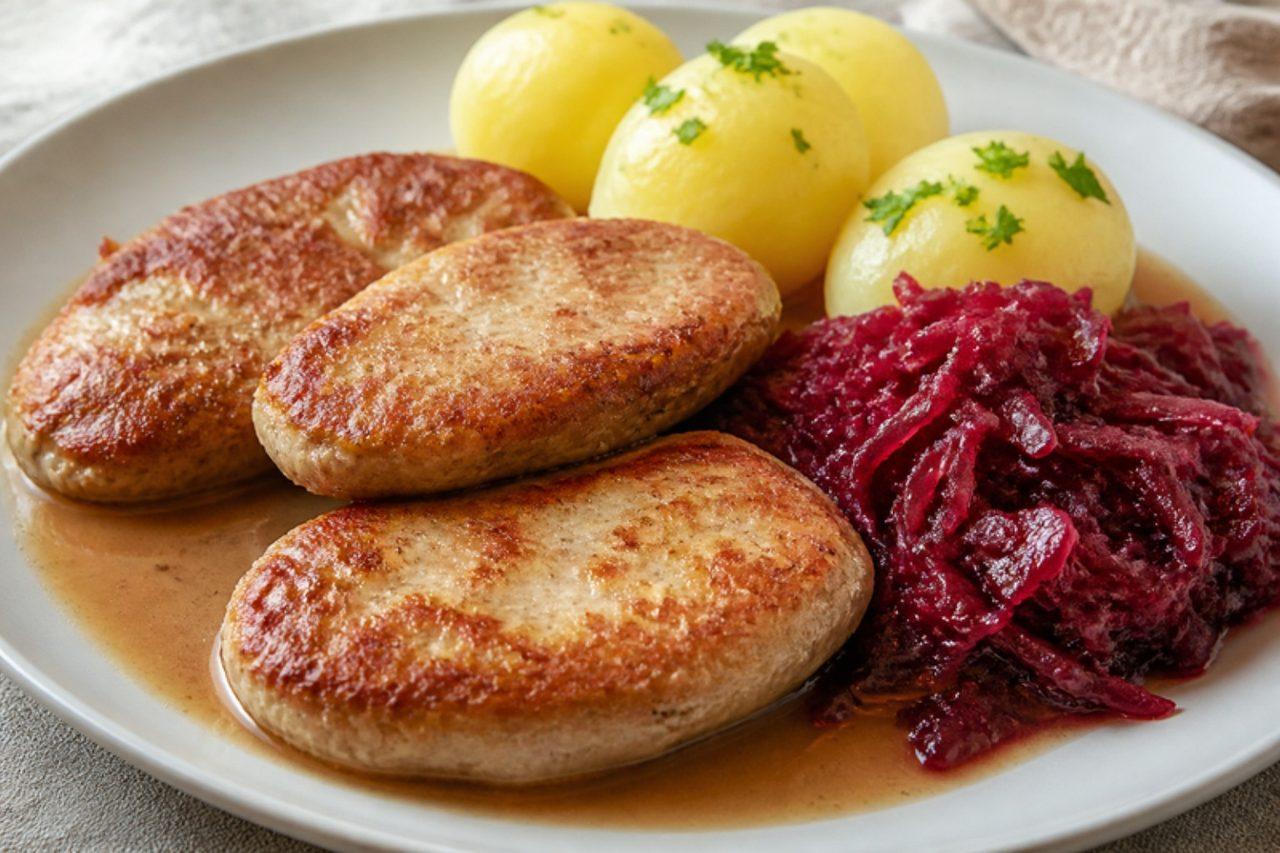
On Christmas Eve in eastern Norway the main dish is ribbe, crackling pork belly, and on the same platter come medisterkaker: soft, pale pork patties seasoned with nutmeg, ginger and white pepper, fried in butter and then simmered gently in the ribbe juices. They are made from medisterfarse, a fine pork mince lightened with milk and potato starch, and are just as popular on ordinary weeknights with brown gravy. Chef's tip: beat the mince with the milk a little at a time until light and sticky, as this is what makes the patties so tender.

by KrazyBadal 0 views

MaksalaatikkoLiver and rice casserole

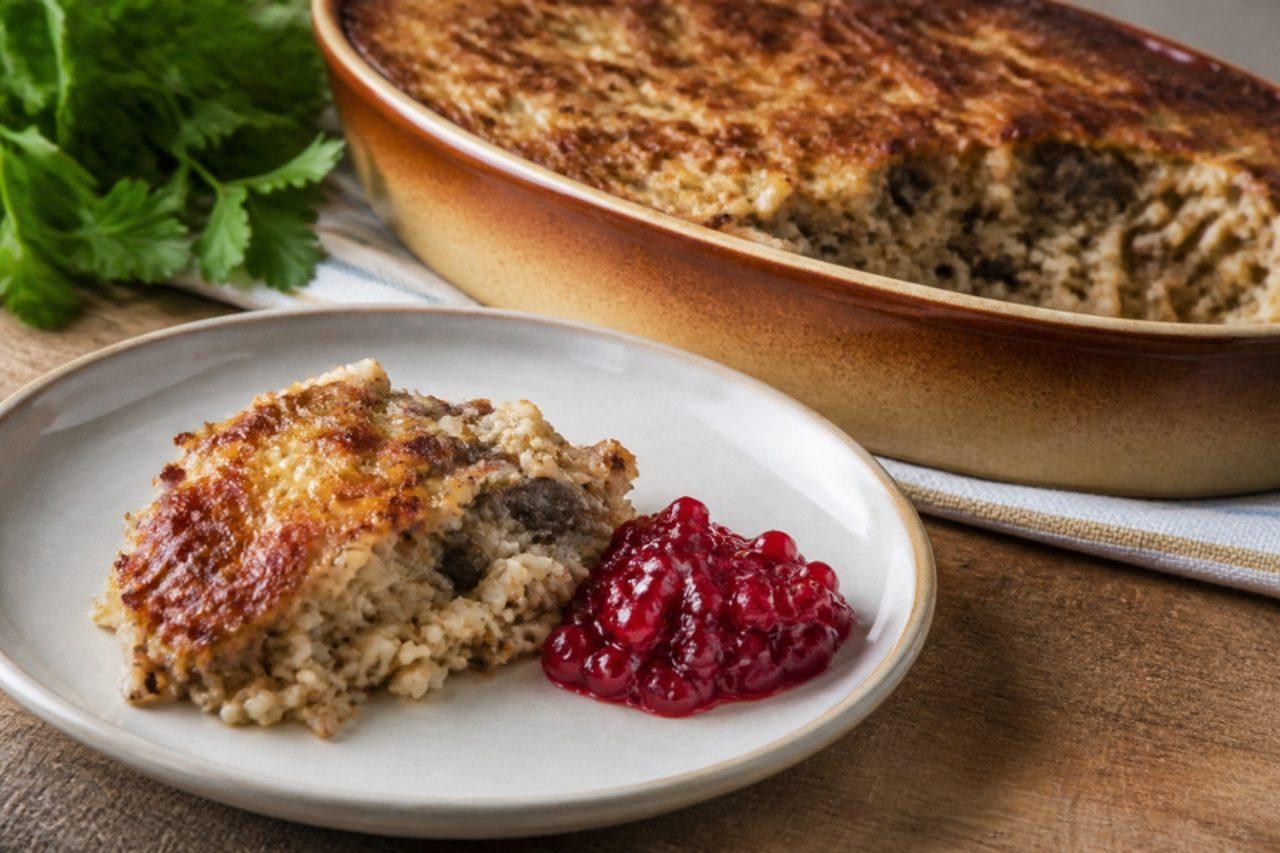
Maksalaatikko is a baked casserole of rice, milk, minced liver, onion, raisins and a little syrup, and it is one of the old dishes on the Finnish Christmas table, eaten all year too. It sounds unusual, but the liver softens into a mild, savoury custard and the raisins and syrup give a gentle sweetness, all cut by sharp lingonberry jam. This version uses pork or calf's liver, minced or very finely chopped; pork liver is the most traditional. Chef's tip: soak the minced liver in milk while the rice cooks, which mellows the flavour.

by KrazyBadal 0 views

Kokt torskPoached cod with potatoes

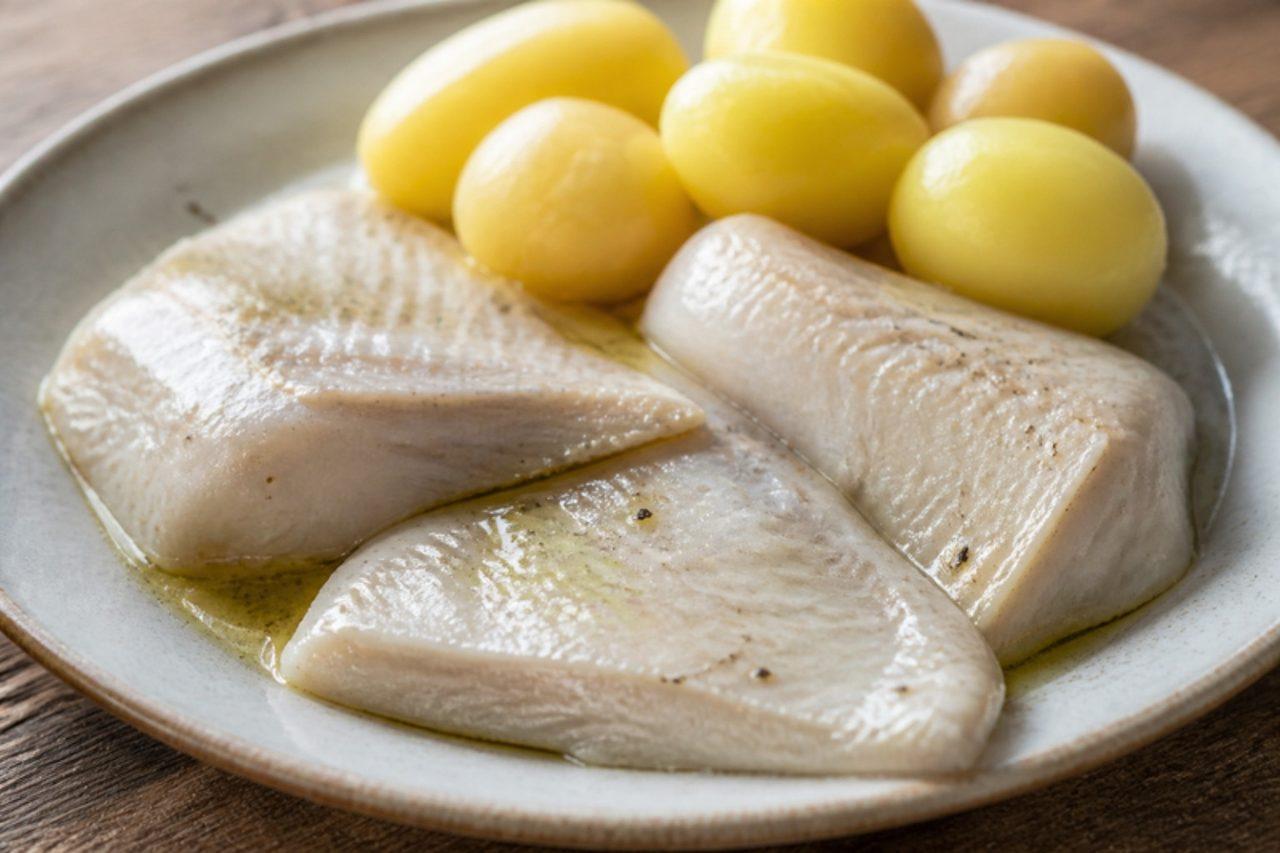
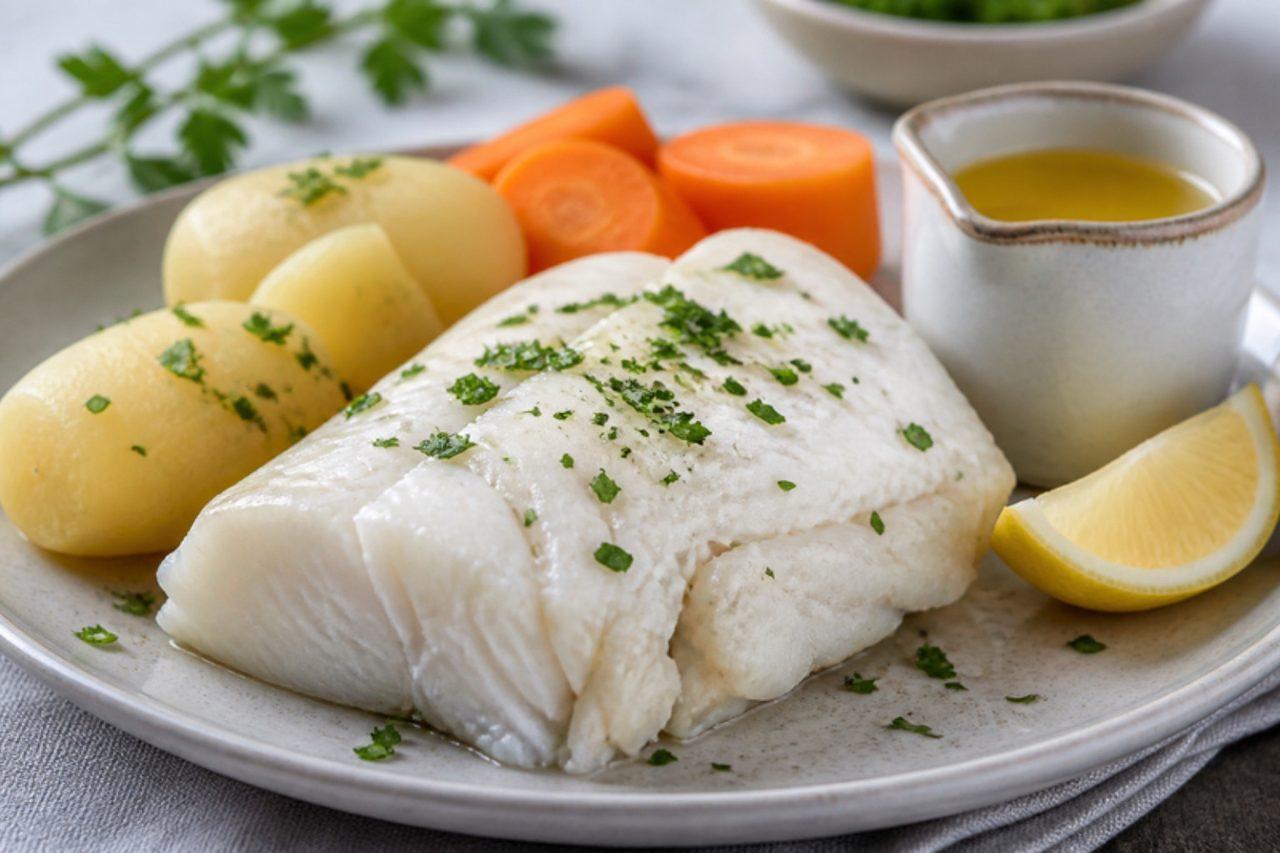
From January to April, when the spawning skrei cod arrive at the Lofoten Islands, Norwegian homes eat kokt torsk at least once a week: thick cod loins poached in well-salted water, served plainly with boiled potatoes, carrots and a little melted butter. It is clean, gentle food, and the whole plate comes to around 430 kcal with about 40 g of protein, almost all from the cod. The common mistake is boiling the fish: the water should barely tremble, which Norwegians say makes it "smile", or the flakes tighten and turn woolly. Cook it until it is opaque and the flakes separate at a light press, about 60–63 °C in the thickest part. Chef's tip: salt the poaching water as heavily as the sea, about 60 g to a litre; it seasons the cod all the way through in the few minutes it cooks.

by KrazyBadal 0 views

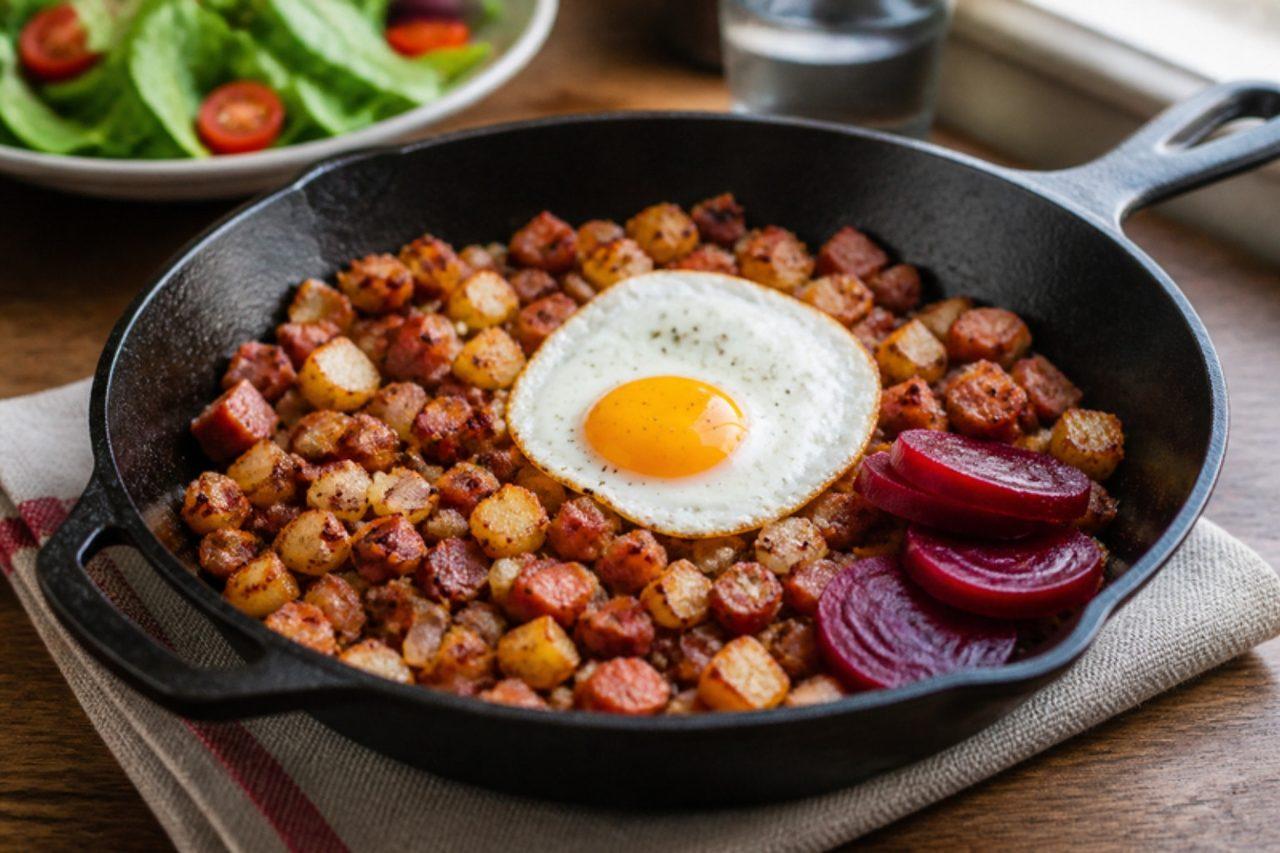
PyttipannaPotato and meat hash

Pyttipanna, 'small pieces in a pan', is Sweden's great leftover dish: diced potatoes, onion and whatever cooked meat is left from Sunday (roast beef, ham or sausage, often pork) fried together until crisp, then served with a fried egg on top and pickled beetroot on the side. It is a weekday lunch in every Swedish home and canteen, and a well-known hangover breakfast. The mistake that leaves it pale and steamed is putting everything in the pan at once; the potatoes need a head start to brown before the meat goes in. Reheat the leftover meat until it is steaming hot right through (74 °C). Chef's tip: cut potatoes, onion and meat into the same 1 cm dice, so every forkful has a bit of each.

by KrazyBadal 0 views

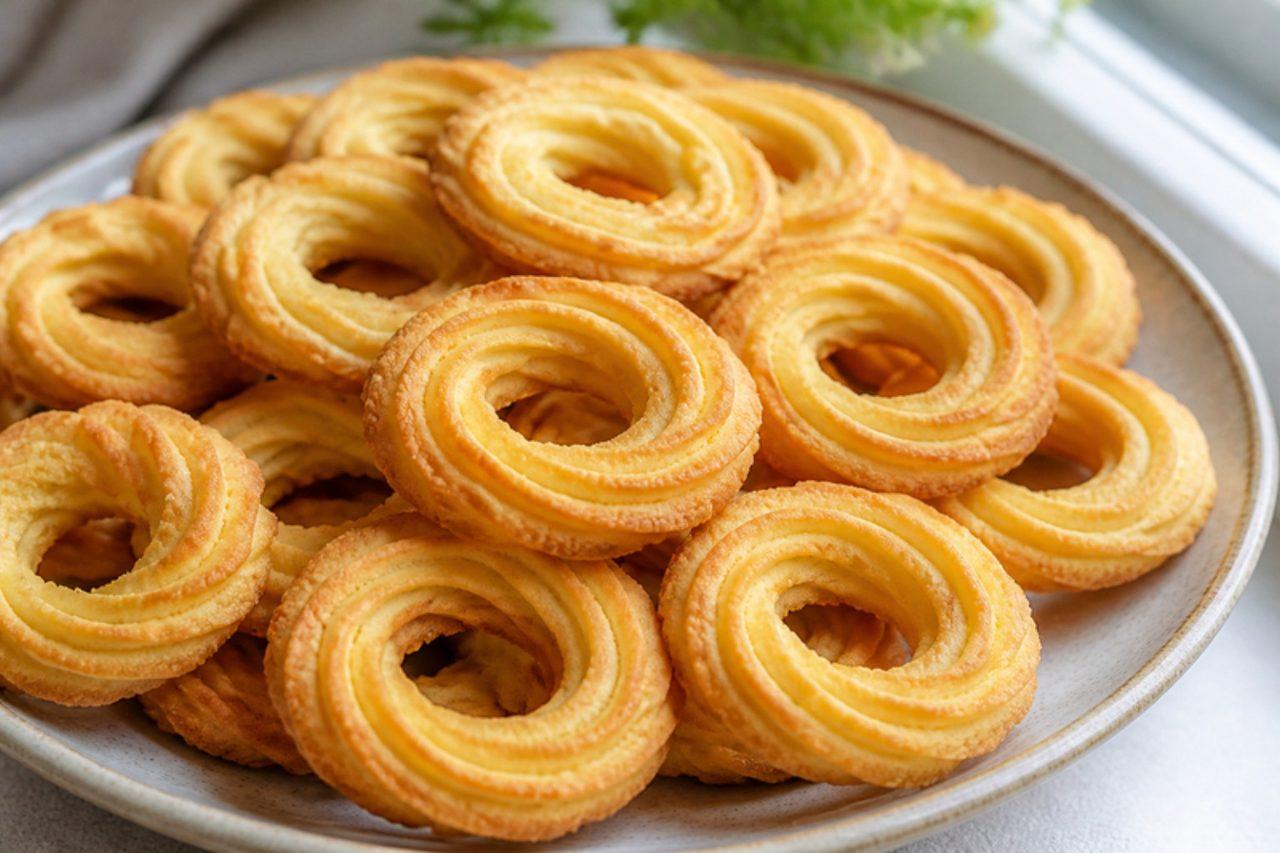
VaniljekranseVanilla almond butter rings

No Danish Christmas tin is complete without vaniljekranse, the ridged rings of buttery vanilla dough with finely ground almonds that snap and then melt. Many homes in Denmark make dozens in December, traditionally pressing the dough through a mincer fitted with a star plate to make long ribbons, then curling them into wreaths; a piping bag with a large star nozzle does the same job. They are eaten with coffee, gløgg or a glass of cold milk, and are a favourite for children to help shape. Some recipes leave out the egg, and a spoonful of milk works just as well here. Chef's tip: chill the piped rings on the tray for 15 minutes before baking so the ridges stay sharp; dough that is too warm is the trap, because the rings spread and lose their pattern.

by KrazyBadal 0 views

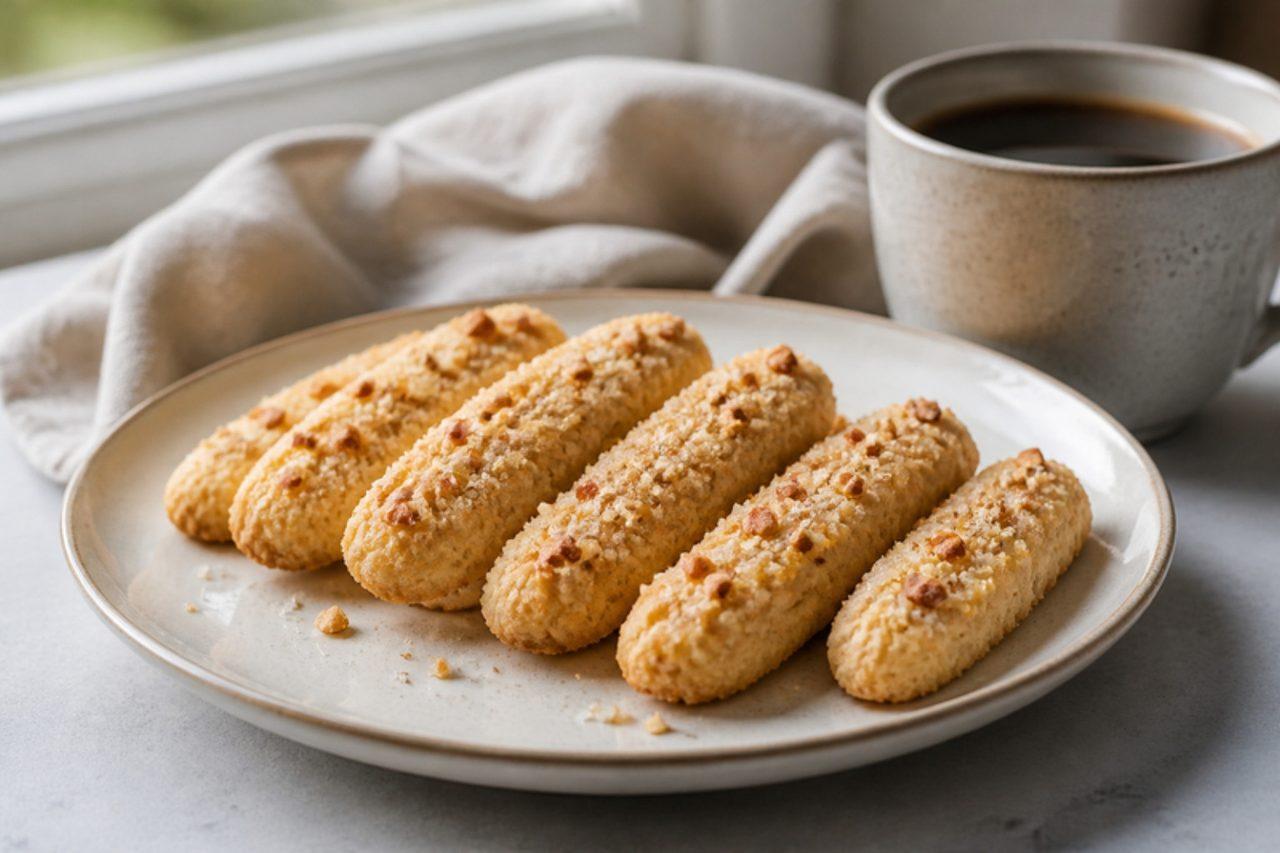
Finska pinnarAlmond butter fingers

Despite the name, 'Finnish sticks' are a Swedish fika favourite, one of the classic 'seven kinds of cookies' that a proper Swedish host once laid out for coffee guests. The dough is rich and short, flavoured with ground almonds; it is rolled into ropes, brushed with beaten egg and coated in crunchy pearl sugar and chopped almonds, then cut into fingers. They are quick, need no cutters, and look neat on a plate with cinnamon buns and a pot of coffee. The egg is only the glue for the topping; brushing with milk works too if you want them egg-free. Chef's tip: cut the ropes into fingers before baking, with one decisive press of a sharp knife; sawing tears the soft dough and knocks off the sugar.

by KrazyBadal 0 views

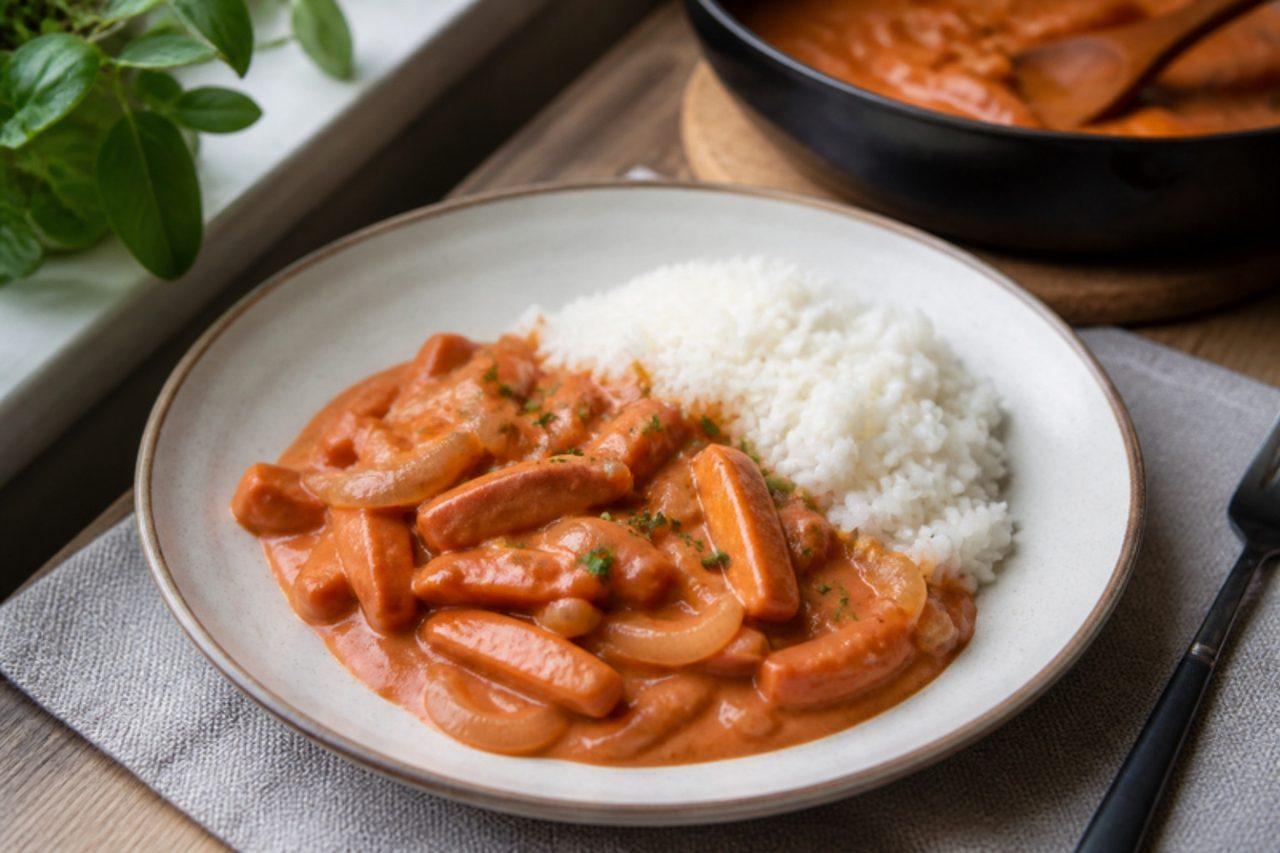
Korv StroganoffSausage in tomato cream sauce

Korv Stroganoff is Swedish family food from the 1970s that children still ask for: strips of falukorv, a mild, smooth pork-and-beef sausage, browned with onion and simmered in a pink sauce of tomato purée, mustard and cream. It is a 25-minute weeknight dinner across Sweden, served over boiled rice with a grated carrot or cucumber salad. Falukorv is already cooked, so it only needs heating until piping hot; the common mistake is boiling the cream sauce hard, which can split it and toughen the sausage. Check the sausage label if you need it gluten free; Polish kielbasa or a mild smoked sausage works if you can't find falukorv. Chef's tip: brown the sausage strips properly before adding liquid, because that caramelised edge is where the flavour comes from.

by KrazyBadal 0 views

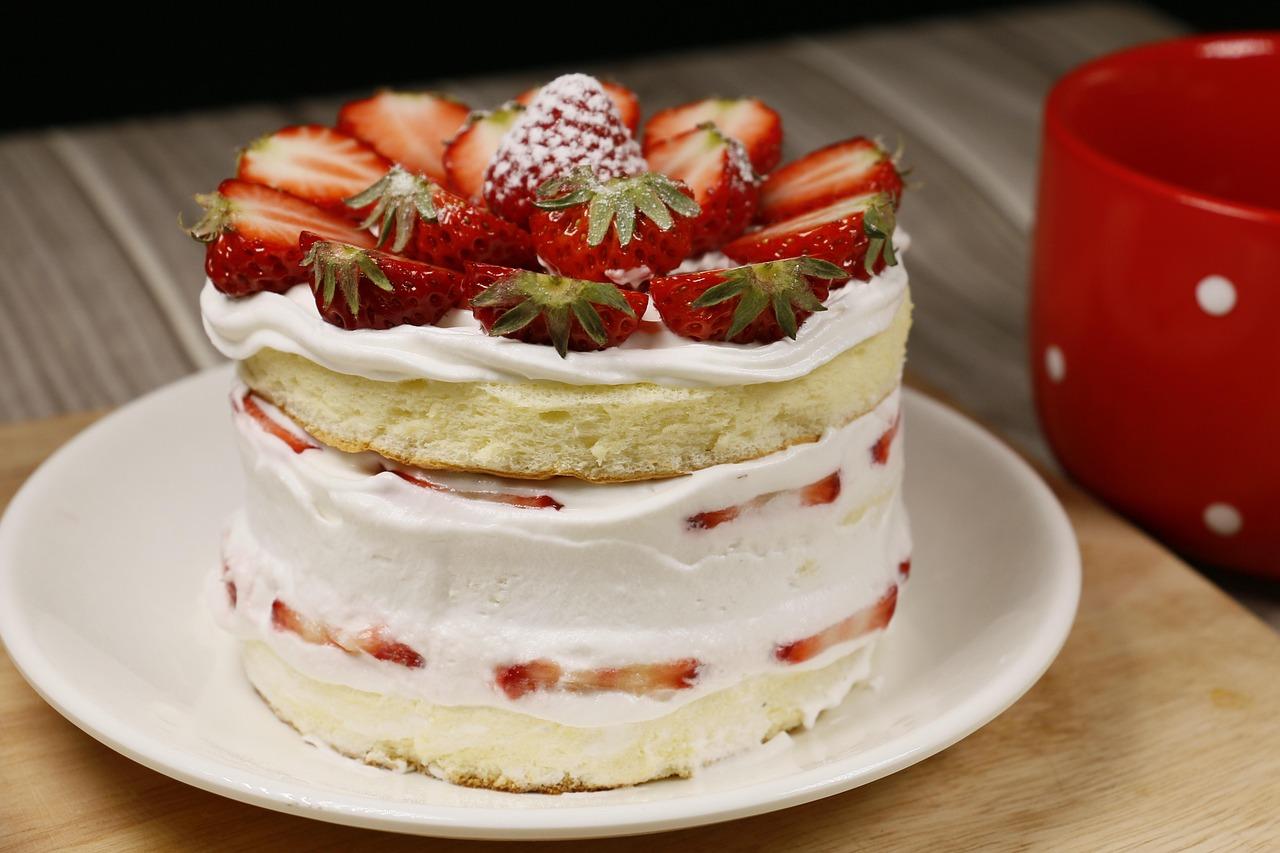
Bløtkake (Norwegian cream cake)

Bløtkake, 'soft cake', is what Norwegian families bake for children's birthdays, confirmations and above all 17 May, Constitution Day, when it is decorated with strawberries and blueberries. A light sponge is split into three, moistened with juice and layered with whipped cream and berries until it is soft enough to cut with a spoon. It contains egg, milk and gluten. For small children, quarter blueberries and halve strawberries. Chef's tip: assemble it at least four hours ahead; the cake needs time to soak and soften.

by KrazyBadal 0 views

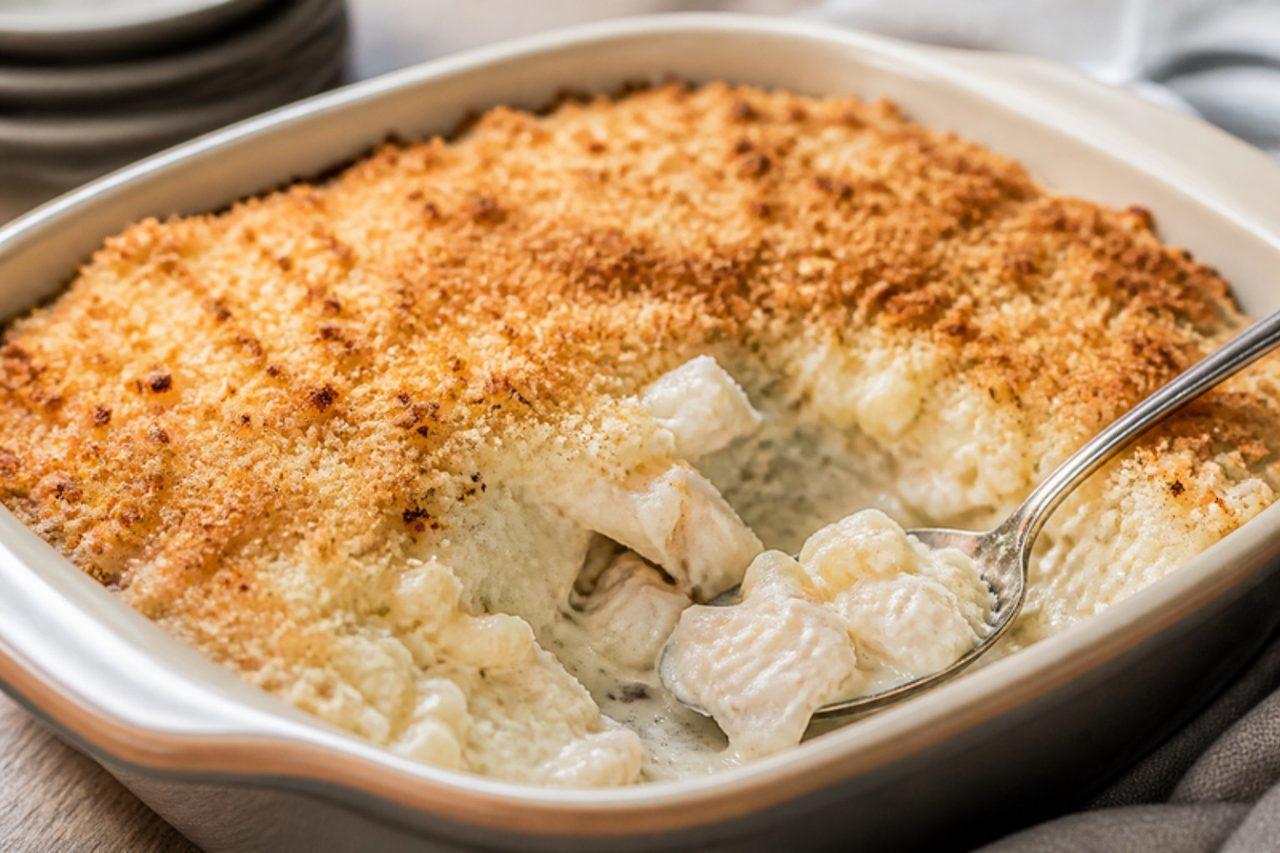
Fiskegrateng (Norwegian fish and macaroni gratin)

Fiskegrateng, a baked gratin of flaked white fish and macaroni in a thick nutmeg-scented white sauce, is classic Norwegian family food and a favourite way to get children to eat fish, served with grated raw carrot on the side. It is soft, creamy and mild, with a crisp crumb on top, and this version uses no added salt for toddlers from a year old. It contains fish, milk, egg and gluten (pasta, flour and breadcrumbs). Chef's tip: let the white sauce cool a little before whisking in the egg yolks, so they thicken it smoothly instead of scrambling.

by KrazyBadal 0 views

Showing 24 of 105 recipes

Show more recipes

Page 1 of 5