Skip to content
Recipes

All recipes

Vegetarian, or something you can't eat? Set your diet once and we'll hide recipes that don't fit.

Poulet à la vanilleVanilla chicken

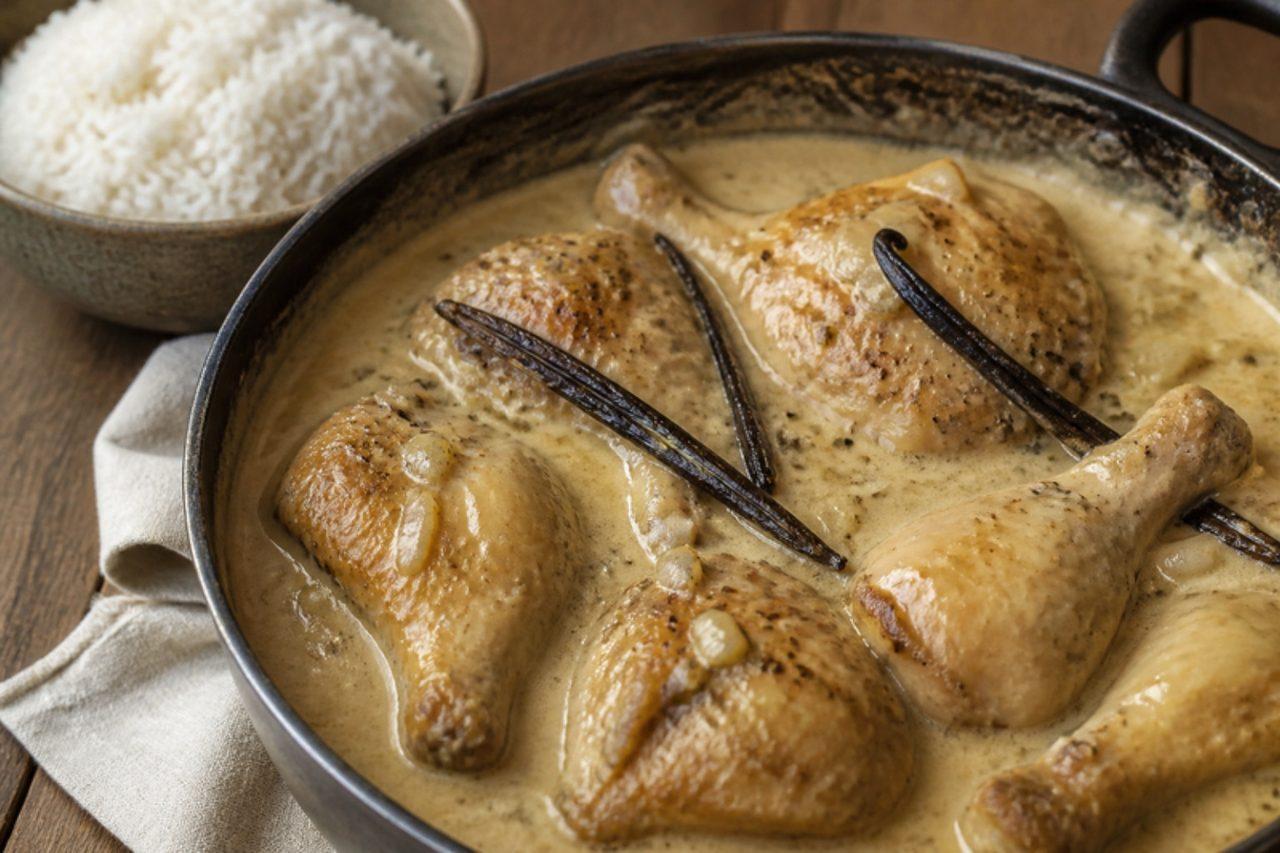
The east coast around Saint-André and Bras-Panon grows the island's famous Bourbon vanilla, and this gentle braise is how families there show it off when guests come for lunch. Chicken pieces are browned with onion, garlic and ginger, then simmered with split pods until the sauce smells of warm vanilla, and a spoon of cream at the end turns it pale gold and silky. It is savoury, not sweet, with the vanilla rounding out the onion. Serve it with white rice and a simple green salad. A common mistake is scraping out the seeds and throwing the pod away: most of the flavour is in the pod, so simmer it in the sauce. Chef's tip: never let the sauce boil once the cream is in, or it can split; keep it just below a simmer.

by KrazyBadal 0 views

AmchurDry mango powder

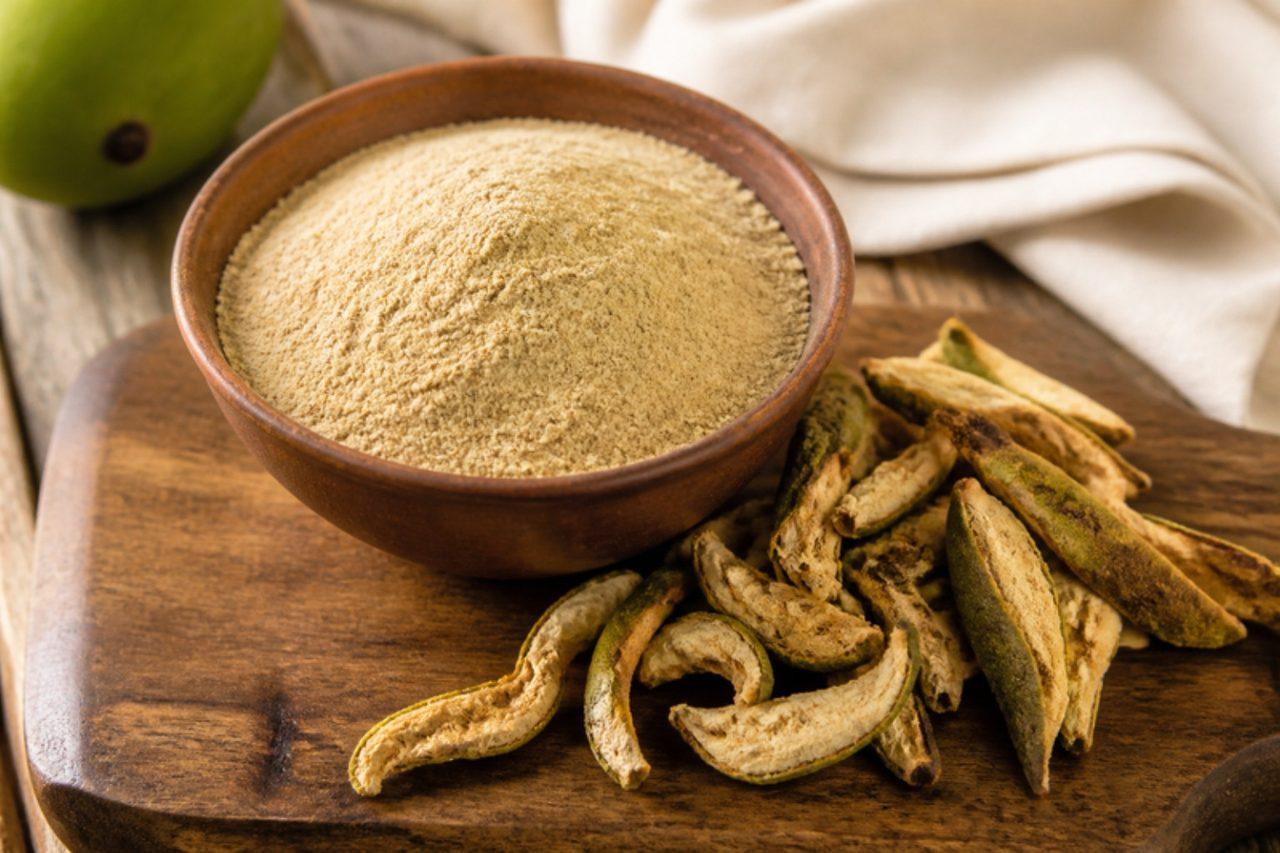
Every Punjabi and UP kitchen keeps a jar of amchur next to the jeera and haldi, and the homemade version smells far fresher and sourer than most shop powder. In villages around Saharanpur and Malihabad, the raw mangoes that fall in early-summer storms are peeled, sliced and spread out to dry, and the brittle slices (amchur khatai) are either stored whole or ground. Amchur gives a fruity, mouth-puckering sourness without any liquid, which is why it goes into dry dishes where tomato or tamarind would make things soggy: bhindi masala, stuffed karela, samosa and kachori fillings, chole, chaat masala and pav bhaji masala. A kilo of mangoes gives roughly 100 g of powder. Common mistake: grinding slices that still bend; even slight moisture makes the powder clump into hard lumps in the jar. Chef's tip: choose small, rock-hard, very sour green mangoes with white flesh, not ones starting to turn yellow; riper fruit dries into a brown, sweetish powder.

by KrazyBadal 0 views

Kali gajar ki kanjiFermented black carrot drink

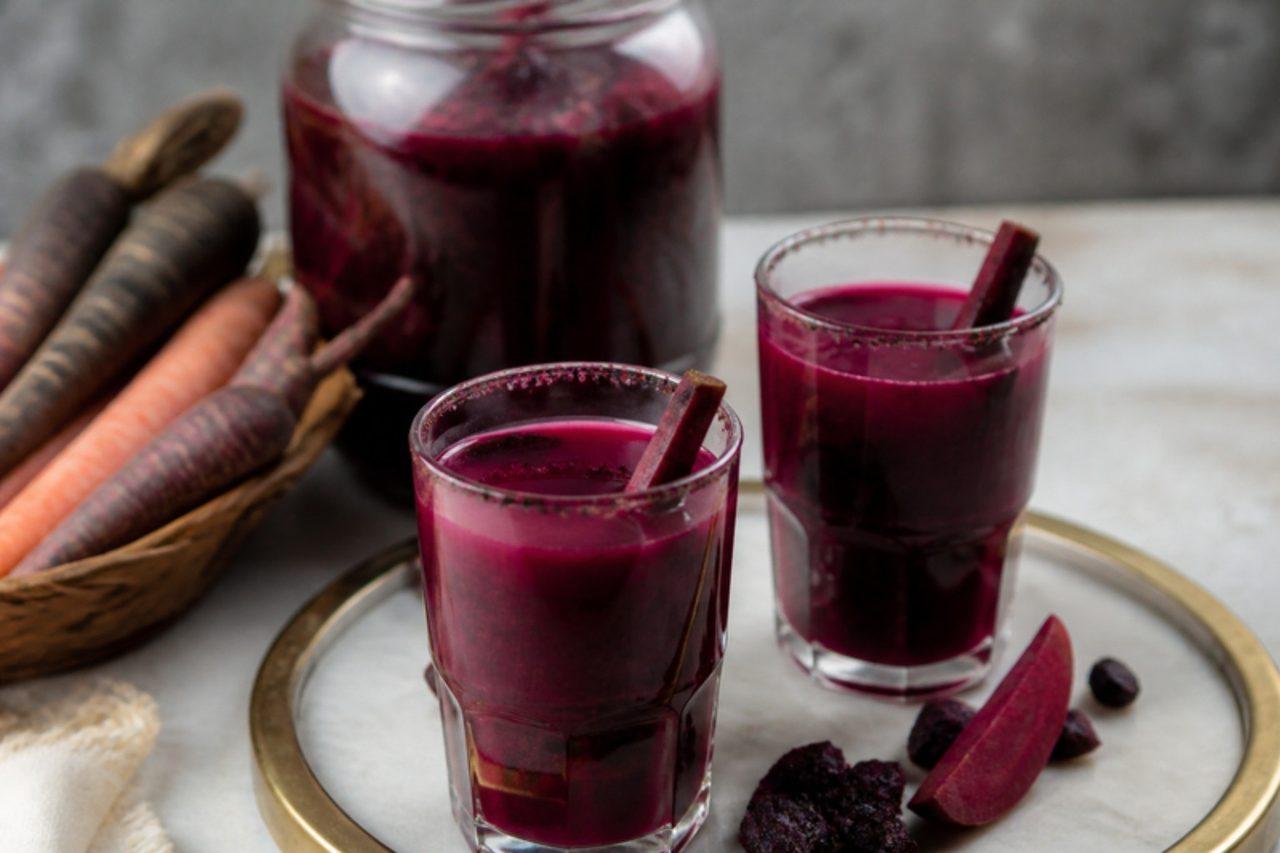
When the last black carrots of winter reach Punjabi and UP markets in February and March, kitchens start a jar of kanji. The carrots are cut into fingers, steeped in water with crushed mustard seed, salt and chilli, and left in the sun for a few days until the liquid turns deep purple, sour and sharp enough to tickle your nose. It is drunk by the glass before meals around Holi as a digestive and a spring tonic, and the soft, tangy carrot sticks are eaten too. The flavour is like a lively pickle brine, earthy from the carrots and peppery from mustard. Use a glass or ceramic jar that you have washed and dried completely, keep the vegetables under the water, stir with a clean dry spoon, and discard if mould or an unpleasant smell appears. Chef's tip: a small beetroot deepens the colour if your carrots are more red than black, but don't overdo it or the kanji tastes earthy and sweet.

by KrazyBadal 0 views

Massalé cabriGoat curry

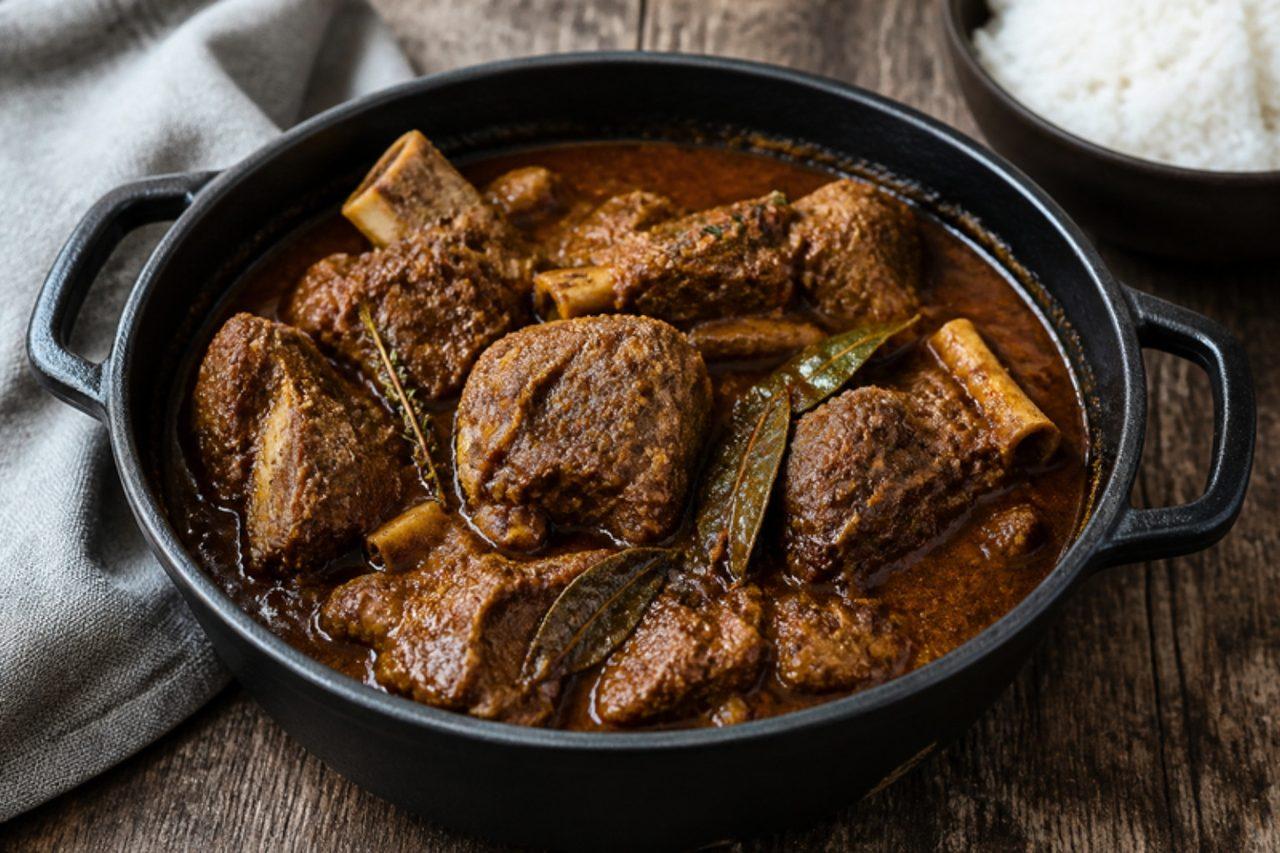
Massalé came to Réunion with Tamil workers in the nineteenth century, and the dark, earthy spice blend still perfumes the island's temple festivals and the big family meals that follow them, where massalé cabri is served from huge pots. Goat on the bone is rubbed with toasted, freshly ground coriander, cumin, fenugreek, pepper and cloves, then simmered with onion, garlic, ginger, tomato and curry leaves until it falls from the bone into a thick brown sauce with a lingering heat. Eat it with white rice, lentils and a rougail. The classic mistake is burning the spices while toasting them, which makes the whole pot bitter; take them off the heat the moment they smell warm and turn a shade darker. Chef's tip: marinate the goat overnight in the fridge if you can, as the massalé gets right into the meat.

by KrazyBadal 0 views

Bengali boriSun-dried lentil dumplings

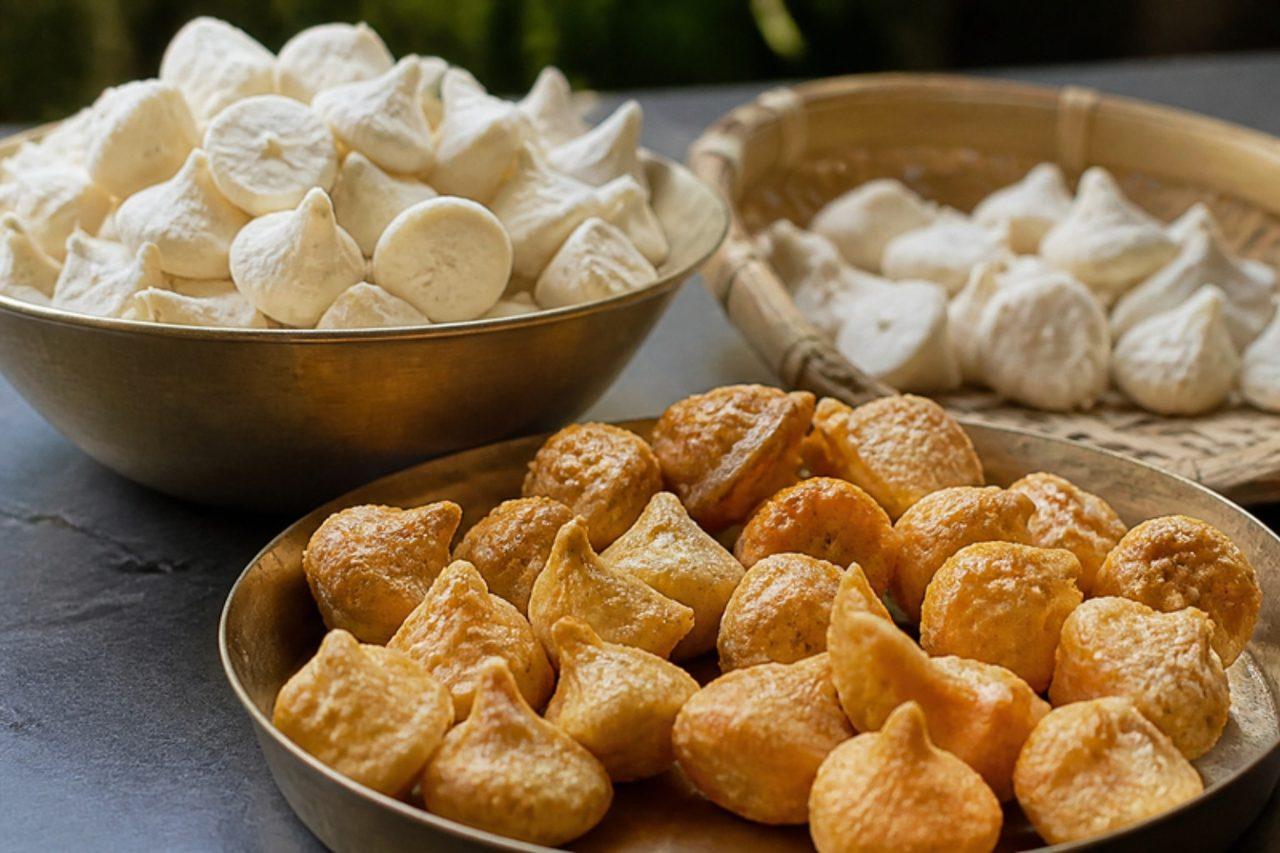
Winter mornings in rural Bengal used to mean bori-making: the household gathered on the roof with a big bowl of freshly ground, hand-whipped urad dal and dropped little peaked dollops onto cloth in neat rows. In Medinipur the women even pipe them into lace-like gohona bori, a folk art of its own. The everyday kind is simpler, a cone the size of a marble, sun-dried until rock hard. Fried in mustard oil, a bori turns crisp and golden outside and slightly spongy inside, and it soaks up gravy beautifully. A handful goes into shukto, into a maacher jhol with potatoes, into lau ghonto (bottle gourd) or into a simple vegetable chorchori. Common mistake: grinding the dal with too much water; the paste then spreads flat on the cloth instead of holding a peak. Chef's tip: check the whipped paste by dropping a little into a bowl of water. If it floats, it has enough air and the bori will be light; if it sinks, keep beating.

by KrazyBadal 0 views

Leche con plátanoBanana milk

Ask anyone who grew up in Chile, from Arica to Punta Arenas, what they drank after school and many will say leche con plátano. It is made in a blender in two minutes, usually at onces, the late-afternoon tea, alongside marraqueta rolls with butter or avocado, and it is the first thing many children learn to make by themselves. It is pale, foamy and thick enough to leave a moustache, tasting simply of sweet ripe banana and cold milk, sometimes with a pinch of cinnamon. The common mistake is making it ahead: within half an hour the banana turns the milk greyish-beige and the foam collapses, so blend it just before drinking. It is ready when it is completely smooth, light and frothy, with no banana lumps at the bottom of the jug. Use bananas with a few brown freckles: they are sweet enough that you may need little or no sugar. Chef's tip: slice and freeze overripe bananas, then blend them straight from the freezer; the drink comes out icy and extra thick without any ice.

by KrazyBadal 1 views

Pâté en croûtePork and veal pie in pastry

Lyon's charcuteries display pâté en croûte like jewellery: a tall loaf of crisp, golden pastry wrapped around a coarse terrine of pork and veal. A slice wrapped in paper is a picnic and lunchbox luxury, and the whole loaf is a Sunday project eaten over several days. The common mistake is undercooking it for fear of drying it out: as it is made with minced pork, the centre must reach 71 °C, so use a probe thermometer. The classic farce has a splash of cognac; it's optional here, and apple juice or extra stock is the alcohol-free swap. Chef's tip: chill the filled, unbaked loaf for 30 minutes before baking so the pastry keeps its shape and pattern.

150 minFrenchMeat
by KrazyBadal 0 views

TsukuneChicken meatball skewers

Tsukune are the minced chicken patties of yakitori bars all over Japan, and squashed into small ovals they are one of the most loved bento fillers, eaten cold at school or the office. Ginger and spring onion keep them fresh, and a glossy soy tare makes them sticky and sweet. The tare uses mirin, a sweet rice wine; most of its alcohol cooks off as it bubbles, and for an alcohol-free glaze use 1 tbsp sugar and 2 tbsp water instead. The common mistake is a loose mix that falls apart in the pan; knead it until sticky. Chef's tip: add a spoon of grated tofu or potato starch to the mince, which keeps the patties juicy even the next day.

by KrazyBadal 0 views

MoshOat and milk drink

In Guatemalan homes, mosh is what a mother hands a child on a chilly highland morning in Quetzaltenango or Huehuetenango: rolled oats cooked long and thin with water, milk, cinnamon and sugar, so it's drunk from a mug rather than eaten with a spoon. The common mistake is making it too thick like porridge; it should pour easily, so keep adding hot milk or water as the oats swell. Chef's tip: whisk it hard for a minute at the end; it breaks up the oats and makes the drink smooth and frothy.

by KrazyBadal 0 views

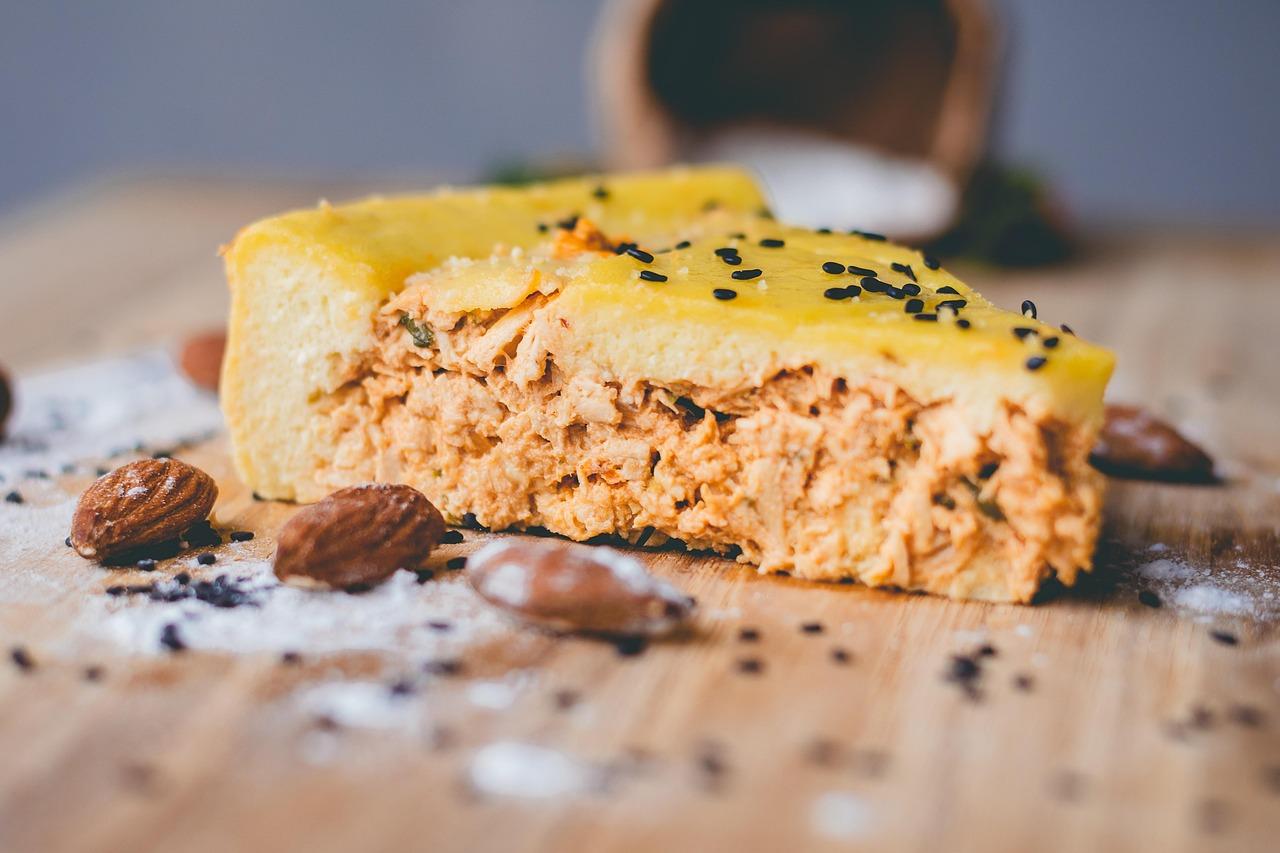
Polvorosa de polloChicken pie

Polvorosa is the pie that comes out for family birthdays and Sunday gatherings in Caracas: a melt-in-the-mouth, slightly sweet shortcrust (polvorosa means 'crumbly') around chicken stewed with leek, peppers, olives, capers and raisins, so each bite is salty, sweet and savoury at once. Serve it warm with a green salad. The common mistake is filling the pastry with hot stew, which melts the butter and makes a soggy, torn crust. Chef's tip: make the filling the day before and fill the pie straight from the fridge.

by KrazyBadal 0 views

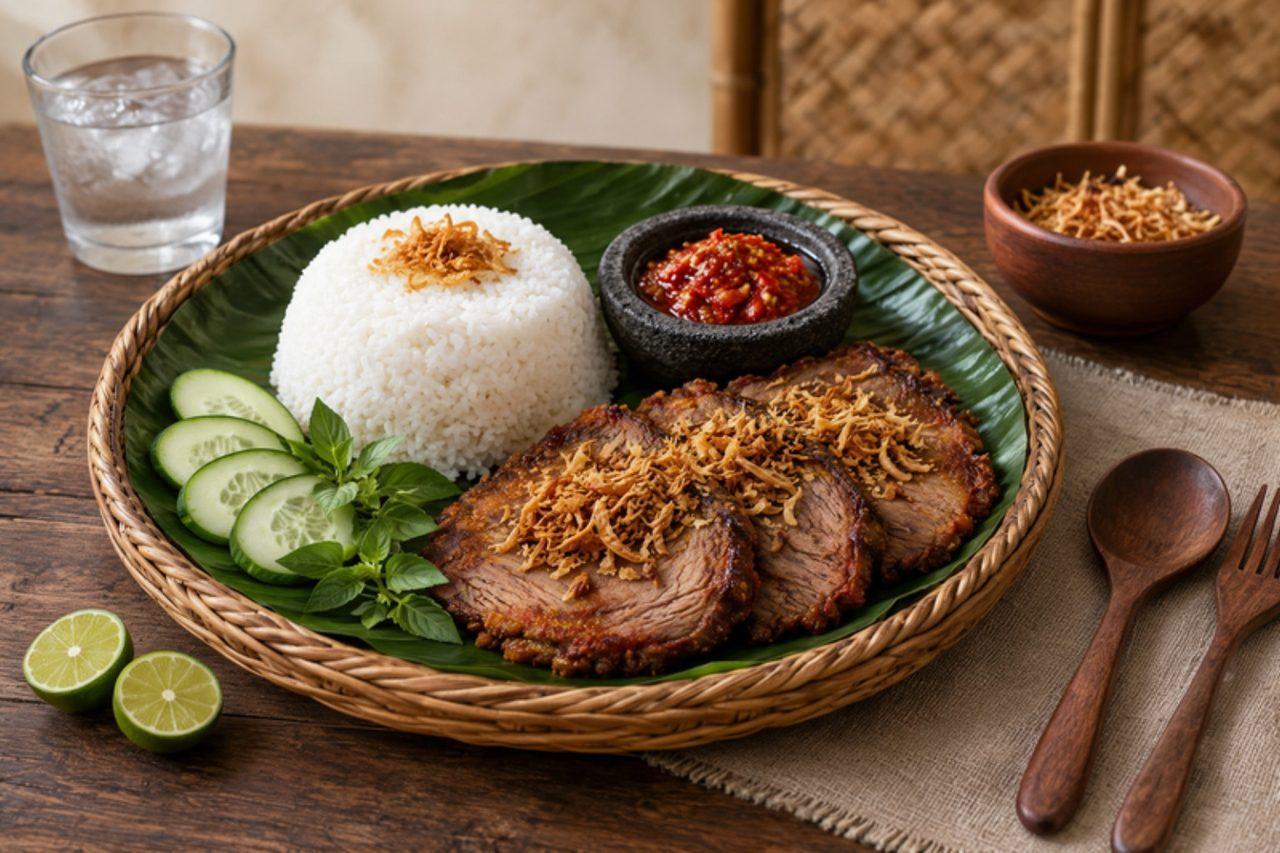
Empal gepukSweet spiced fried beef

Empal gepuk is a Sundanese speciality from Bandung in West Java: beef simmered in coconut water and spices with palm sugar until the liquid is gone, pounded (gepuk) to loosen the fibres, then fried until the edges are crisp and sweet. Because it is dry and keeps for days, it is a classic in Indonesian bekal lunchboxes with rice, sambal and raw vegetables. The common mistake is cutting the beef with the grain, which makes it stringy; slice it across the grain before pounding. Chef's tip: pound gently with a pestle just until the slices fan out, then fry quickly; too long in the oil and they turn hard.

by KrazyBadal 0 views

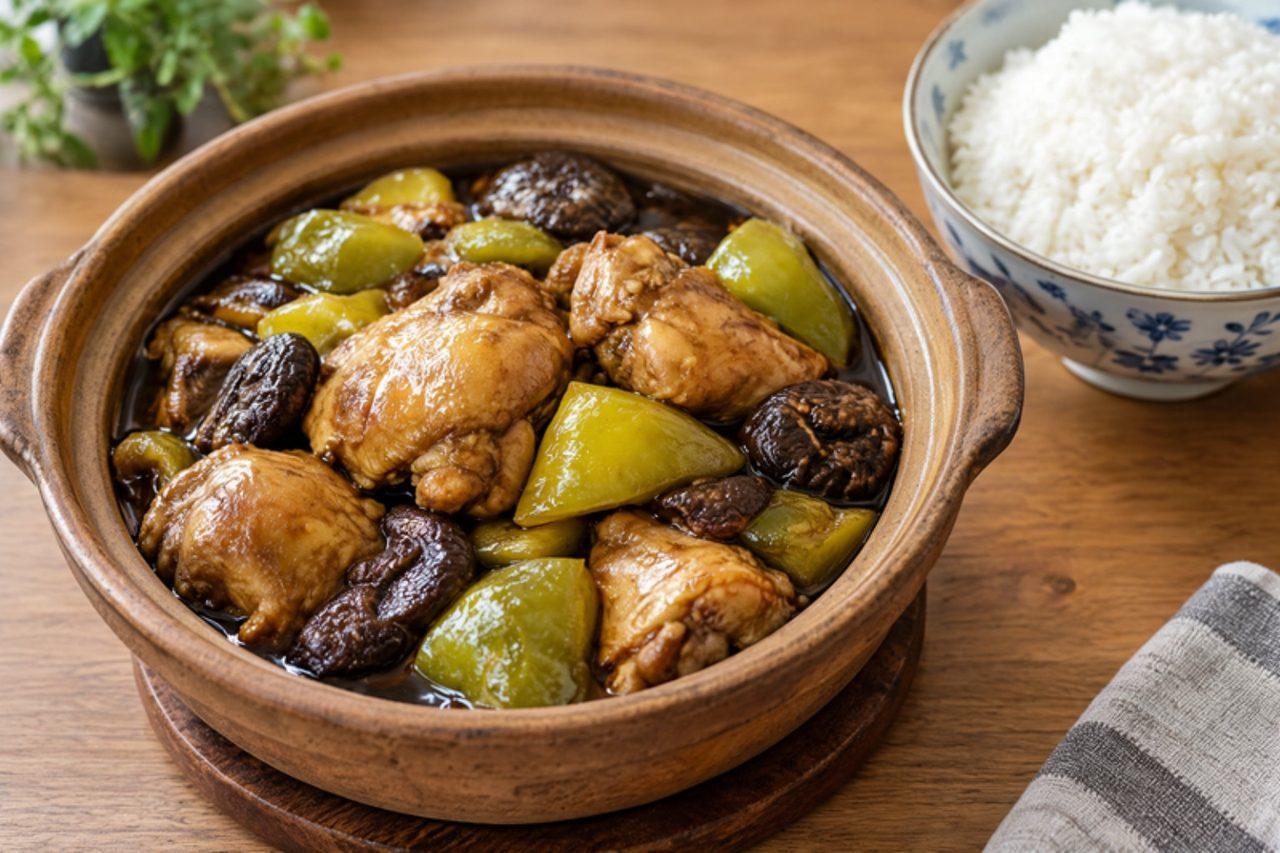
Huangmen jimifanBraised chicken rice

Huangmen jimifan began in Jinan, in Shandong, and spread to thousands of little clay-pot shops across China where office workers queue at noon for a bubbling pot of chicken braised dark and glossy with shiitake, ginger and green pepper, eaten over plain rice. It reheats perfectly in a work microwave. The common mistake is using breast, which goes dry and stringy in the braise; bone-in thigh stays juicy. Chef's tip: caramelise the rock sugar in the oil before the chicken goes in, which gives the sauce its amber colour without extra dark soy.

by KrazyBadal 0 views

BozaFermented millet drink

In Bulgaria boza is a breakfast habit: a plastic bottle of it from the corner pastry shop and a slice of hot, flaky banitsa, bought on the way to work or school, especially from autumn through to spring. Towns such as Radomir, Plovdiv and Sofia argue over whose is best. It is the colour of milky coffee, thick enough to coat the glass, sweet up front with a sour, bready finish and a faint prickle. Like every fermented grain drink it makes a trace of alcohol, well under 1% when drunk young. The base is millet flour, toasted for flavour, cooked into a thin porridge, then fermented for about a day before being strained and sweetened. The common mistake is adding the yeast while the porridge is still hot, which kills it and leaves you with sweet gruel; wait until it feels only just warm on your wrist. It is ready when the surface is covered in small bubbles, it smells like fresh bread with a sour edge and tastes pleasantly tangy. Chef's tip: keep back a glass of each batch in the fridge and use it instead of yeast next time; boza made from an old starter is rounder and more sour.

by KrazyBadal 0 views

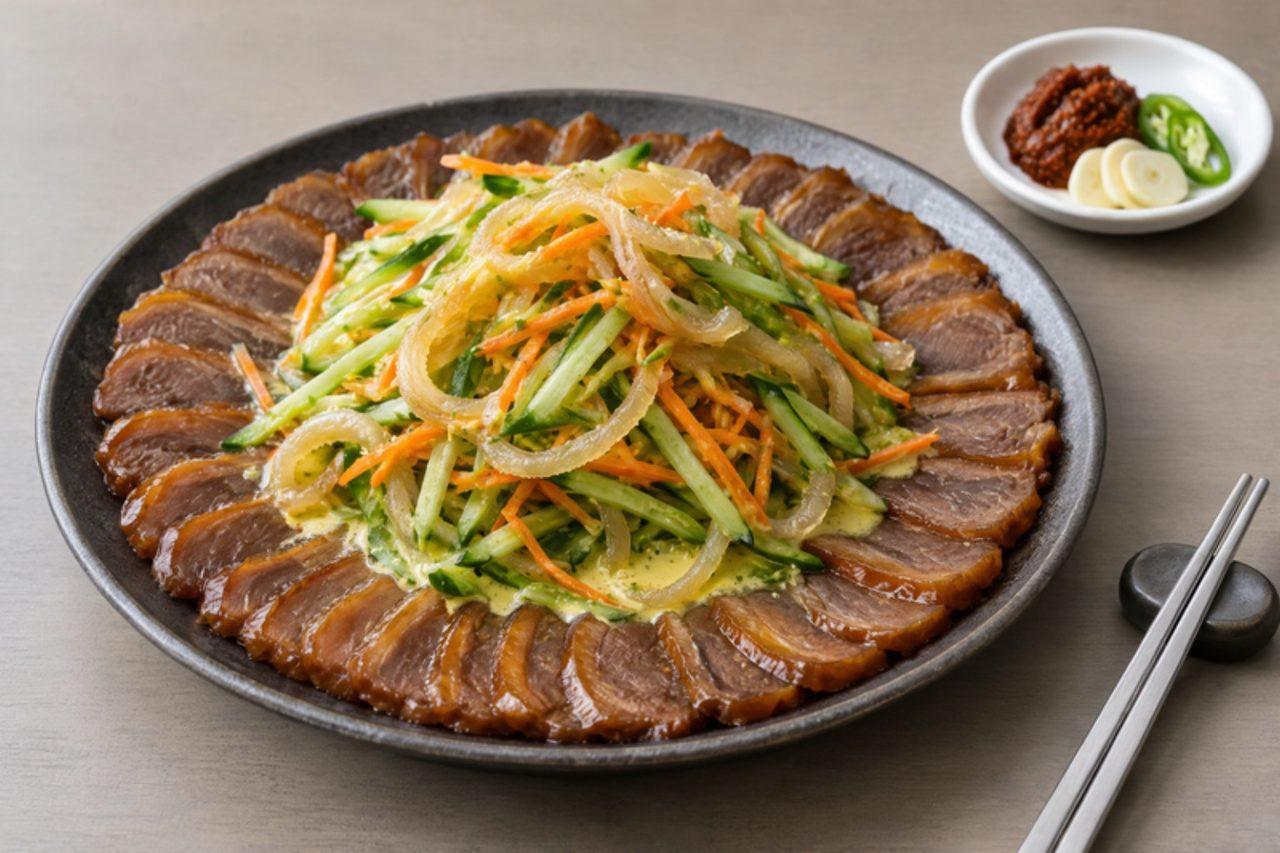
Naengchae jokbalCold sliced pork trotter

Busan's Jokbal Alley in Bupyeong-dong, beside Kkangtong Market, is where braised pork trotter was first served cold as a salad, a summer trick that spread across Korea. The pork trotters are simmered for hours in soy, ginger and spices until the skin turns sticky and tender, chilled, sliced thin and tossed with cucumber, shredded jellyfish and a nose-tingling dressing of Korean mustard, vinegar and garlic. It is evening food, shared from a big platter. Chef's tip: slice the meat only once it is fully cold; warm trotter meat tears instead of cutting into clean slices.

190 minKoreanMeat
by KrazyBadal 0 views

Carato de maízChilled corn drink

Out on the hot plains of the Llanos, a jug of carato is kept cold for the afternoon: white corn cooked until soft, blended with its water, strained and sweetened with panela, cinnamon and clove. It is thick, creamy and filling enough to be a snack in a glass. Keep it in the fridge, because left out it starts to ferment. The common mistake is skipping the straining, which leaves it gritty. Chef's tip: strain through a fine sieve and then once more through a clean cloth for the silkiest drink.

by KrazyBadal 0 views

LongganisaGarlic pork sausages

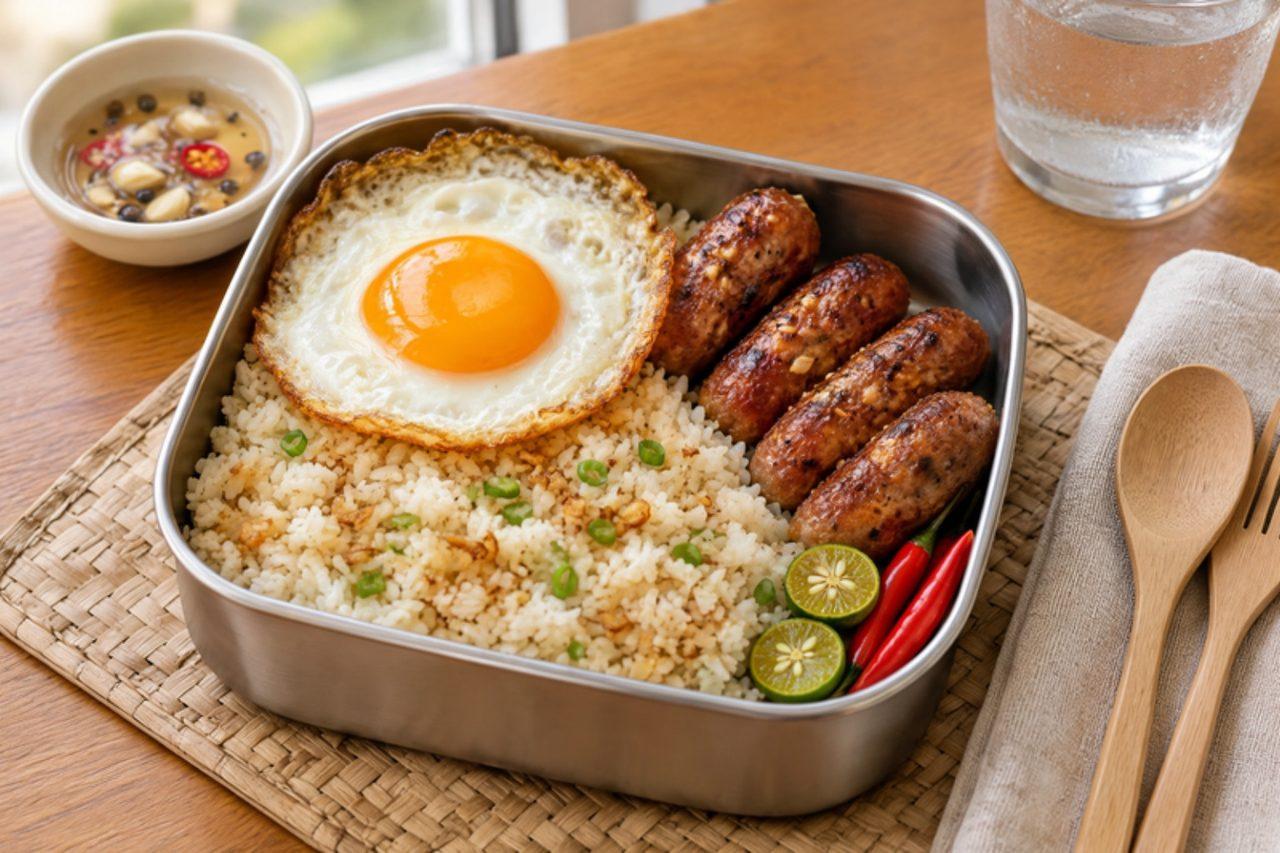
Every Philippine province has its longganisa, from the garlicky, sour sausages of Vigan to the oregano-scented ones of Lucban and the sweet, sticky Pampanga style; this homemade skinless (hubad) version sits between them. These pork sausages are fried until caramelised, then packed into the baon (packed lunch) with sinangag garlic rice and a fried egg. The common mistake is frying them hard from raw, which burns the sugar before the pork is cooked; simmer them in a little water first. Chef's tip: roll the mixture in baking paper and chill overnight, and the sausages slice and fry far more neatly.

by KrazyBadal 0 views

Katsu sandoPork cutlet sandwich

Katsu sando began in Tokyo tonkatsu shops in the 1930s as a cutlet you could carry, and is now a fixture of department-store food halls, train-station kiosks and lunchboxes all over Japan: a crisp panko pork loin cutlet soaked in sweet-sour tonkatsu sauce between pillowy white bread, crusts trimmed off. The common mistake is slicing it while hot, which squashes the bread and makes it soggy; let it rest under a light weight first. Pork loin is a whole cut, so cook it to 63 °C and rest it for 3 minutes. Chef's tip: butter the bread with a little mustard mixed in; it stops the sauce soaking through and adds a gentle kick.

by KrazyBadal 0 views

HacheeBeef and onion stew

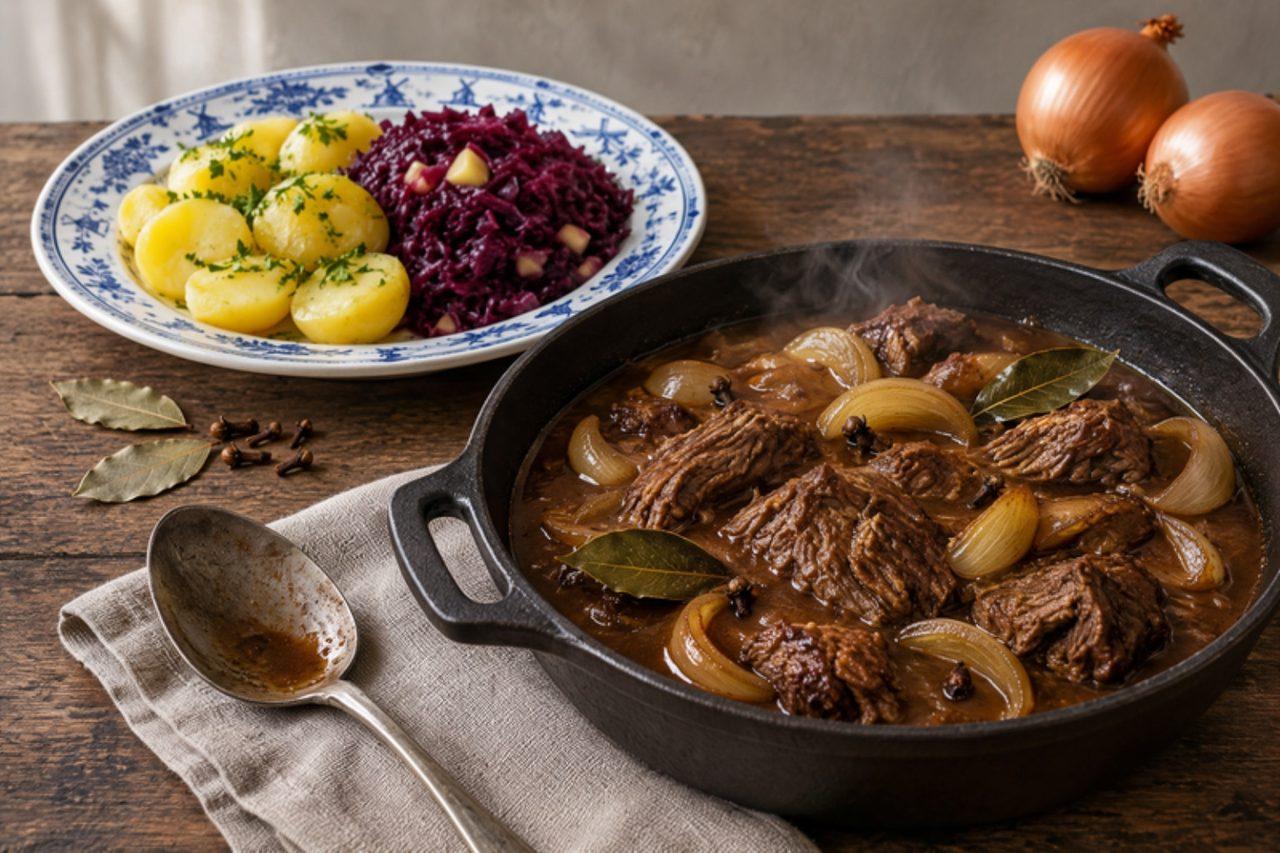
Hachee is the Dutch stoofpotje that grandmothers in Friesland, Groningen and Brabant leave murmuring on the back of the stove on cold Sundays: beef braised with almost as much onion as meat, plus bay leaves, cloves and a splash of vinegar, until it falls apart into a dark, sweet-sour gravy. It goes on boiled potatoes with red cabbage, or with stamppot, and leftovers are eaten on toast. The usual mistake is rushing the onions: they need a good 15 minutes to turn deep golden, or the gravy stays pale and sharp. Slow-cooker option: after browning, cook on low for 8 hours. Chef's tip: stir in a spoon of dark syrup or apple butter at the end only if the vinegar tastes too sharp; taste first, as good onions often make it unnecessary.

190 minDutchMeat
by KrazyBadal 0 views

Chipotles en adoboSmoked jalapenos in adobo sauce

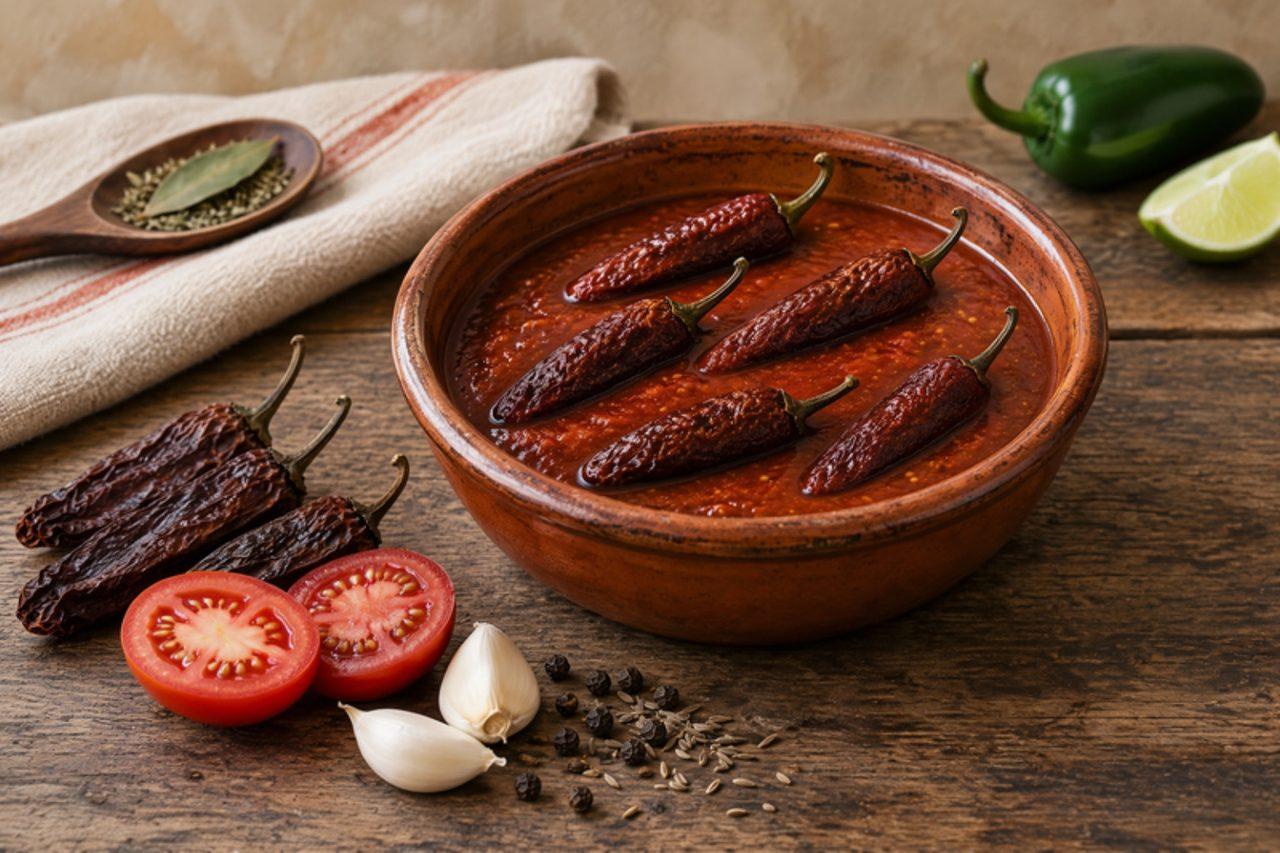
Chipotles are ripe jalapeños smoked slowly over wood until leathery; in Puebla and Veracruz the reddish, plump mora type is the everyday one, and the tan, leathery meco is prized for its deeper smoke. Simmered in a sweet-sour adobo of tomato, onion, garlic, vinegar and piloncillo, they become the soft, glossy chillies that go into tinga poblana, albóndigas en chipotle, bean soups and a quick chipotle mayonnaise. Homemade, they are smokier and less sugary than the tinned kind, with sauce that is brick red, tangy and thick enough to coat a spoon. Common mistake: toasting the dried chillies too long; a few seconds a side is enough, because scorched chillies make the whole jar bitter. This is a low-acid chilli preserve, so it is kept in the fridge or freezer, never canned in a water bath. It is ready when the chipotles are plump and soft enough to crush with a spoon and the adobo has reduced to a glossy sauce. Chef's tip: blend one or two chillies with their sauce and freeze it in an ice-cube tray, so you can add a single cube to a pot.

by KrazyBadal 1 views

DakgangjeongSticky glazed fried chicken

Dakgangjeong is the boxed fried chicken of Sokcho's Jungang market on Korea's east coast, carried home by the tub and packed into lunchboxes the next day, because the double-fried pieces in their sticky glaze stay crunchy even when cold. The common mistake is frying only once; the second fry drives out moisture so the crust holds up to the sauce. Chef's tip: coat with potato starch rather than flour, and let the coated chicken sit for 5 minutes so the starch hydrates into a craggy crust.

by KrazyBadal 0 views

AmasiFermented milk with crumbly pap

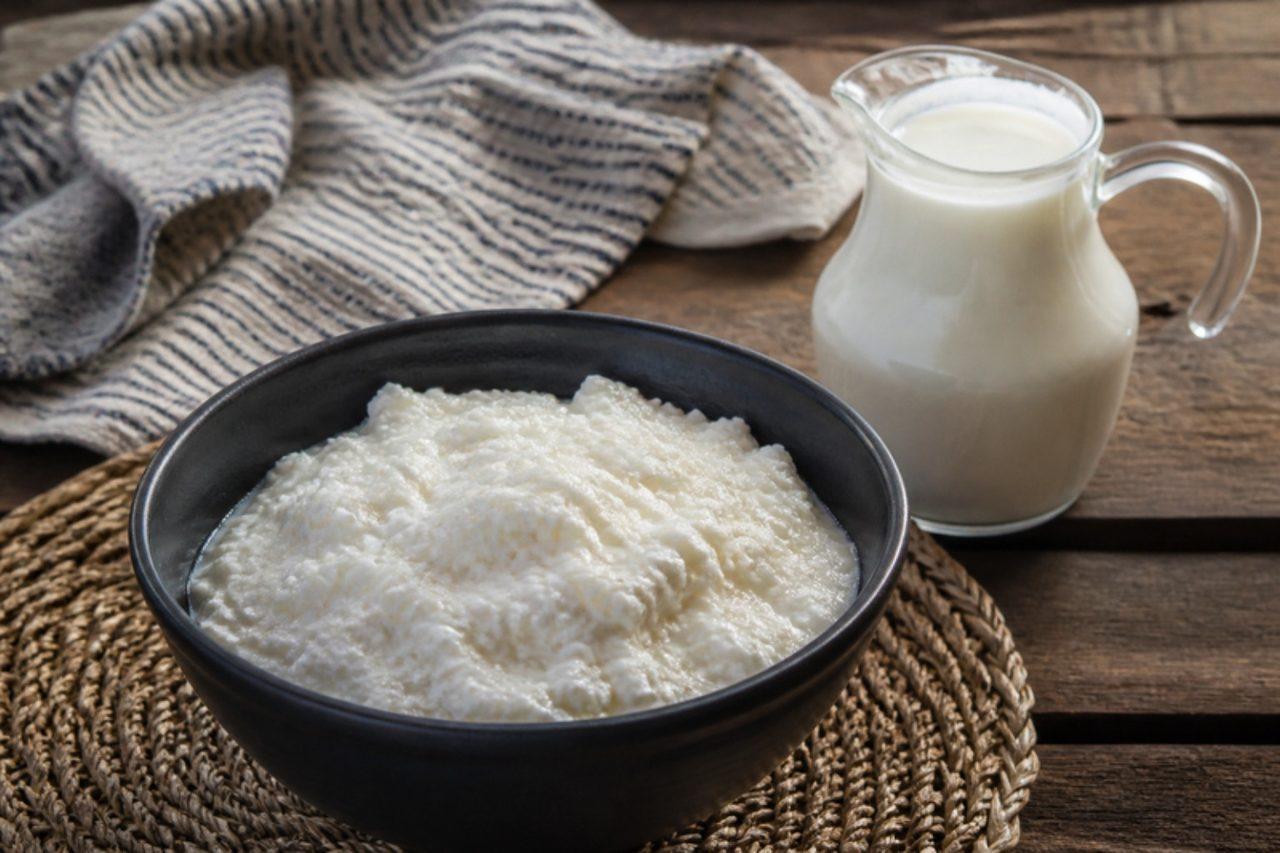
Thick, tangy amasi was once soured in calabashes in Zulu and Xhosa homesteads, and it is still the drink-cum-meal that many South Africans crave on a hot afternoon, poured over crumbly pap as umvubo. At home it is easy and safe with pasteurised full-fat milk and a spoon of live cultured buttermilk as the starter; never use raw milk. Expect something like a pourable, sharper yoghurt with soft curds, cooling against the dry, crumbly maize. The common mistake is fermenting somewhere too warm, which makes the milk separate into watery whey and rubbery lumps. Chef's tip: once it has set, chill it for a few hours before eating; the cold firms the curd and rounds out the sourness.

by KrazyBadal 1 views

Beijing douzhiFermented mung bean drink

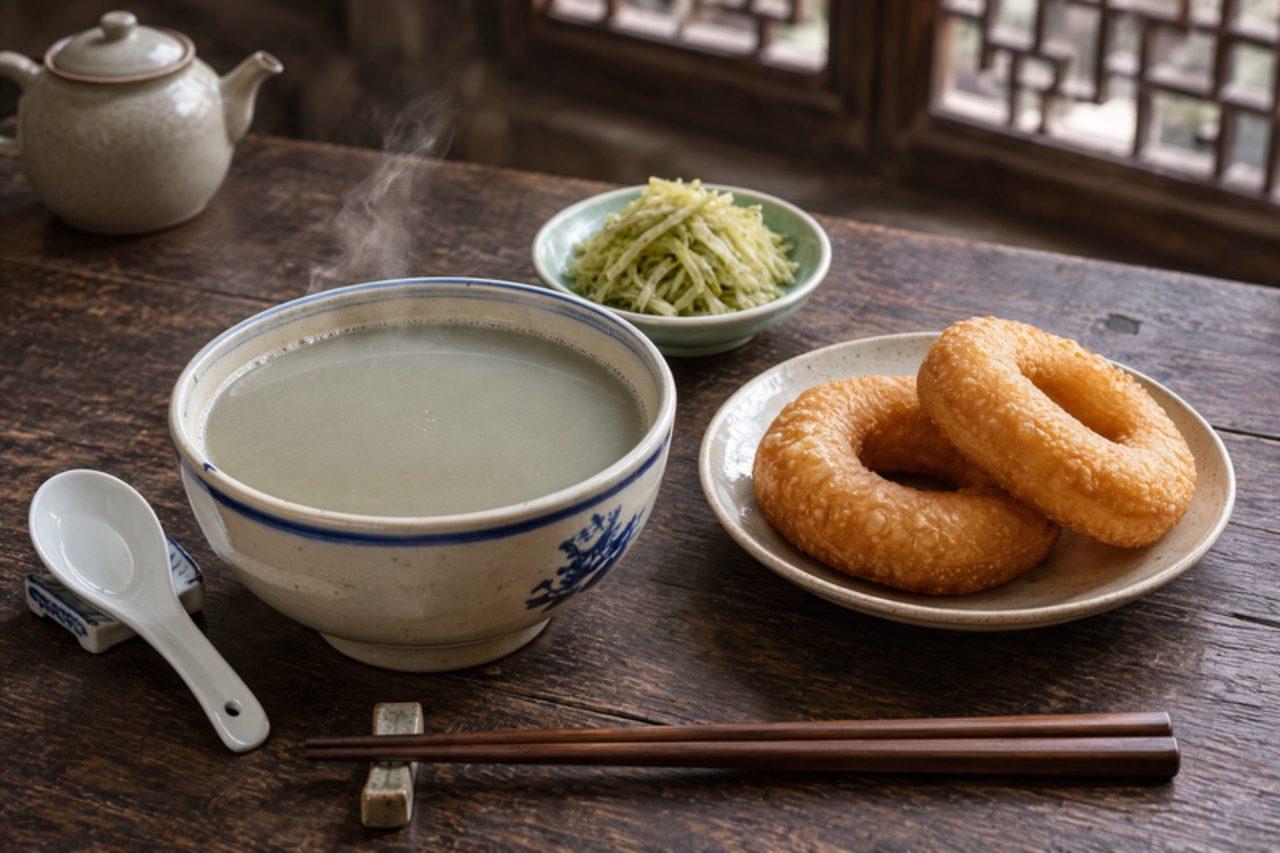
Douzhi is the most famous acquired taste in Beijing: a hot, grey-green, sour drink made from the liquid left when mung beans are ground for starch, then fermented. Old Beijingers sip it at breakfast with crisp jiaoquan rings and shredded salted mustard pickles, and visitors either love it or never try it twice. At home you make a small batch by blending mung beans, settling out the starch and fermenting the cloudy water for a day. The mistake is letting it boil hard: it separates into watery and thick layers, so keep it at a gentle bubble. It must smell cleanly sour like yogurt; throw it away if it smells rotten, has mould, or turns pink or slimy. Chef's tip: stir it continuously as it heats and add a splash of the thinner liquid at the end, which keeps the classic smooth, slightly thick texture.

1440 minChineseDrinksVeganGluten free
by KrazyBadal 0 views

BulanglangMixed vegetable stew

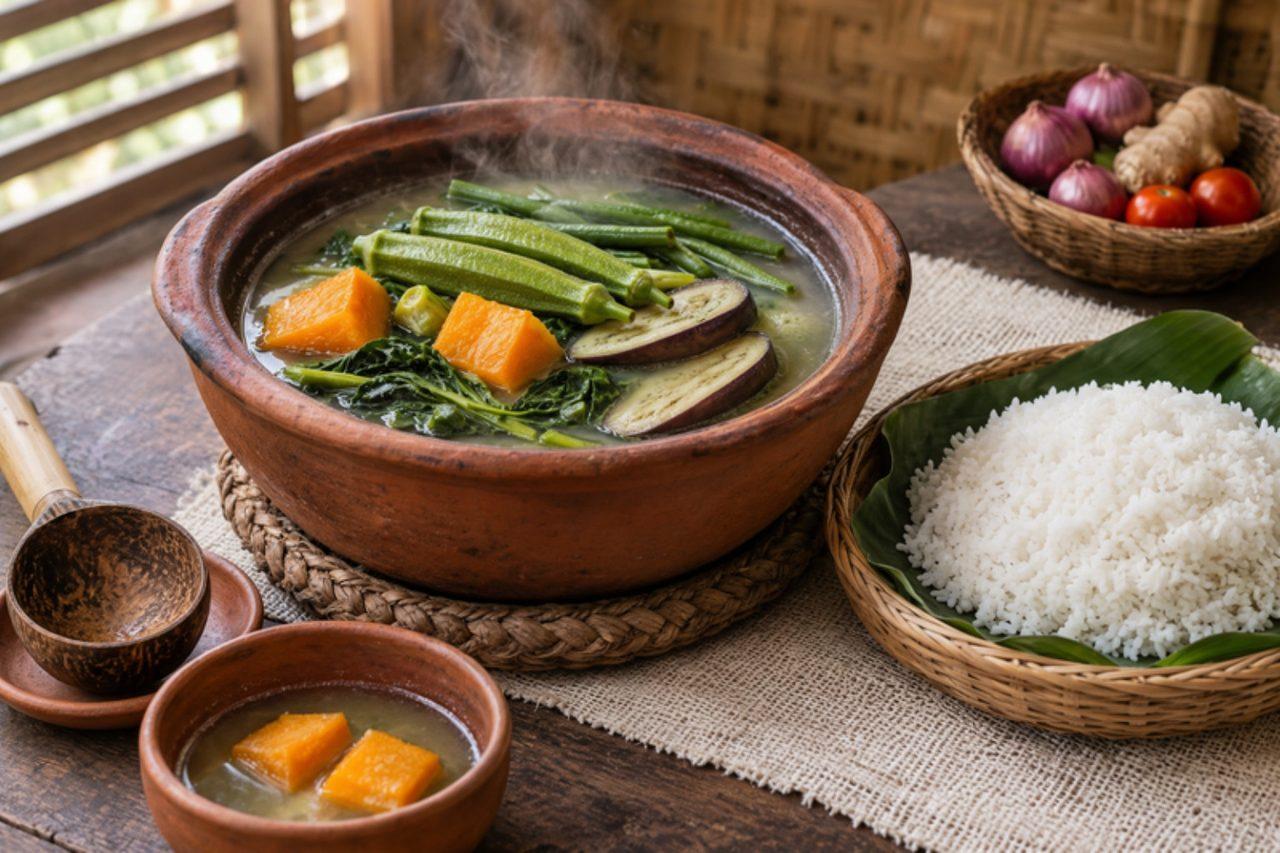
Bulanglang is the plain, light vegetable soup of Batangas and the Tagalog provinces, made in farmhouses at lunchtime from whatever is in the garden: squash, okra, string beans, eggplant and a handful of malunggay or sweet potato leaves. Instead of stock it uses hugas bigas, the cloudy water from washing rice, which gives the broth a soft, milky body. It is often eaten with grilled fish and a dip of bagoong; this version stays vegan and is served with a soy-and-calamansi dip. The usual mistake is boiling everything together from the start, which leaves mushy squash and raw-tasting okra; add the vegetables in order of firmness. Chef's tip: save the second rice wash, not the first, for the cleanest, creamiest broth.

by KrazyBadal 0 views

Menchi katsuCrumbed meat patties

Menchi katsu, a juicy mince patty of beef and pork in a crisp panko coat, is sold hot at Tokyo butchers' shops like the famous ones in Kichijoji and packed cold in bento across Japan, with shredded cabbage and a drizzle of tonkatsu sauce. Sweet fried onion makes the inside tender. The common mistake is frying in oil that is too hot, so the crumb burns before the pork and beef in the middle are cooked. Chef's tip: chill the shaped patties for 20 minutes before crumbing so they keep their shape and stay juicy.

by KrazyBadal 0 views

Showing 24 of 2,157 recipes

Show more recipes

Page 1 of 90