Skip to content
Recipes

All recipes

Vegetarian, or something you can't eat? Set your diet once and we'll hide recipes that don't fit.

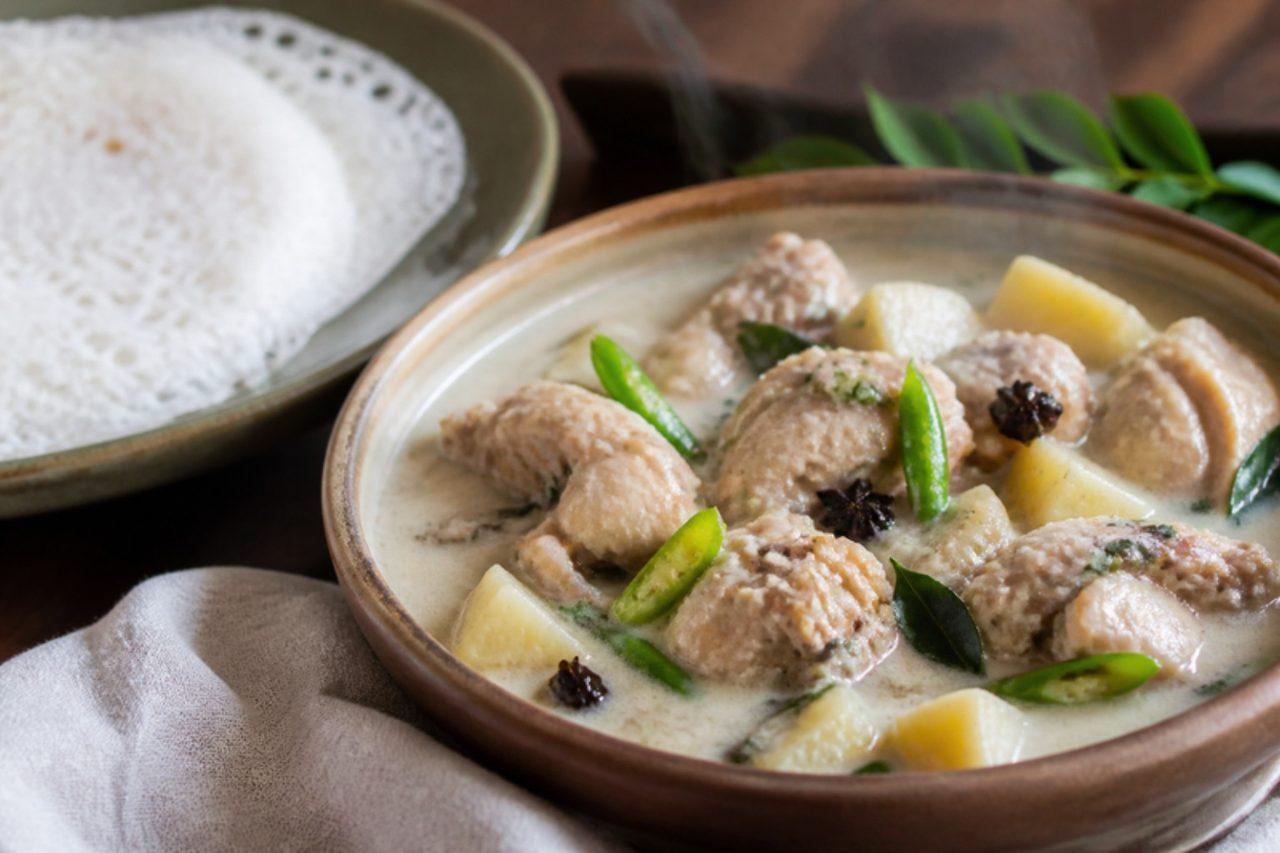
Kerala chicken stew

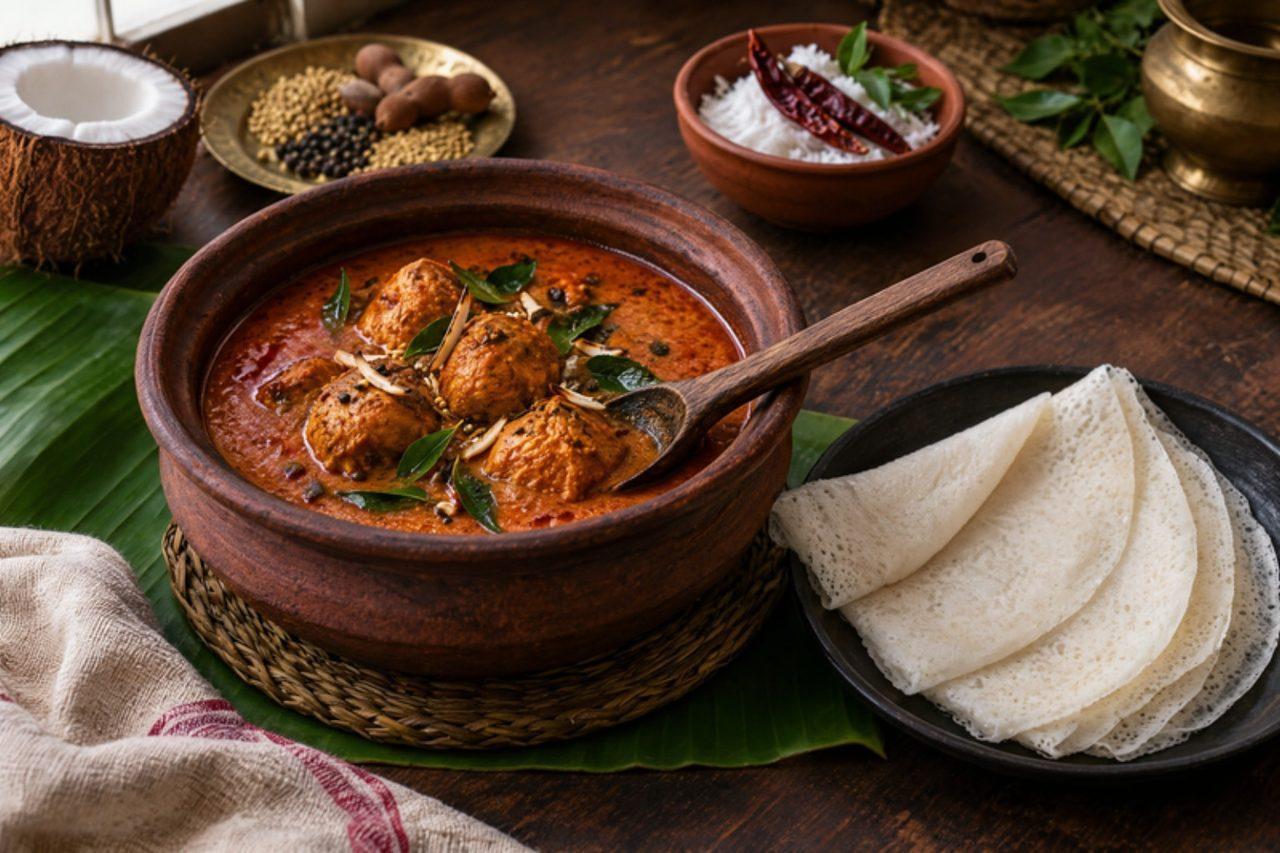
Easter morning in a Syrian Christian home in Kottayam or Thrissur means lacy appam and a pot of chicken ishtu, and the same stew is the classic breakfast in Kochi's old hotels: bone-in chicken and potatoes simmered in coconut milk with cinnamon, cloves, cardamom, ginger and green chilli until tender. It is creamy, fragrant and mild enough for children. A portion is about 390 kcal; skinless thighs and part-thin coconut milk keep it lighter than most. The mistake most people make is cooking the potatoes in the thick coconut milk from the start, so the milk splits by the time the chicken is done; cook in the thin milk and add the thick at the end. Chef's tip: fry a few slices of shallot in coconut oil and scatter them over just before serving; it adds a sweet, toasted edge.

by KrazyBadal 0 views

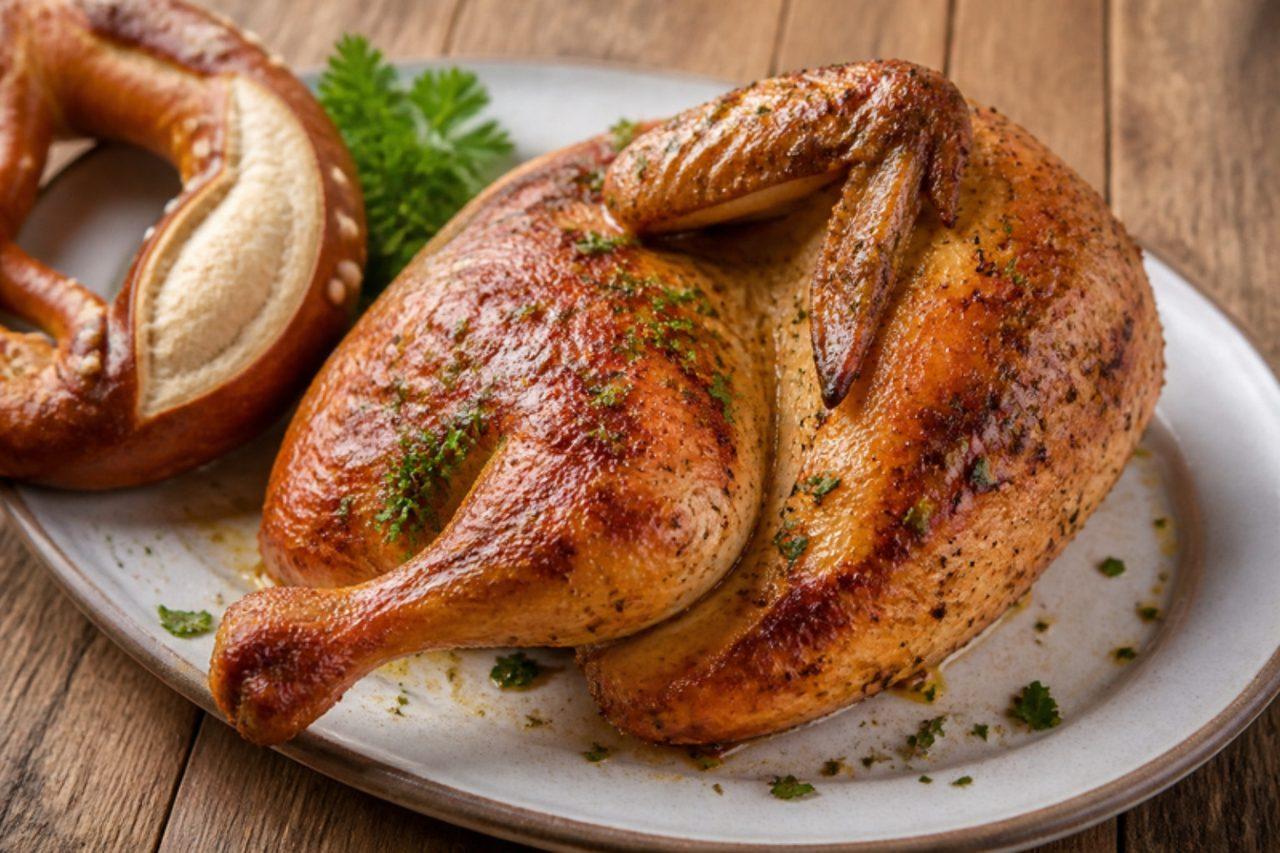
WiesnhendlRoast half chicken

Under the tents at Munich's Oktoberfest, the Wiesn, hundreds of thousands of half chickens turn on spits every September and October, rubbed with paprika, salt and parsley butter until the skin is crackling and deep gold. They are eaten with fingers, a pretzel and a lot of napkins. At home a hot oven does a fine job. A common mistake is roasting a wet bird, which steams instead of crisping. Chef's tip: dry the chicken well, push some of the parsley butter under the skin and baste once more in the last 10 minutes for the classic shine.

by KrazyBadal 0 views

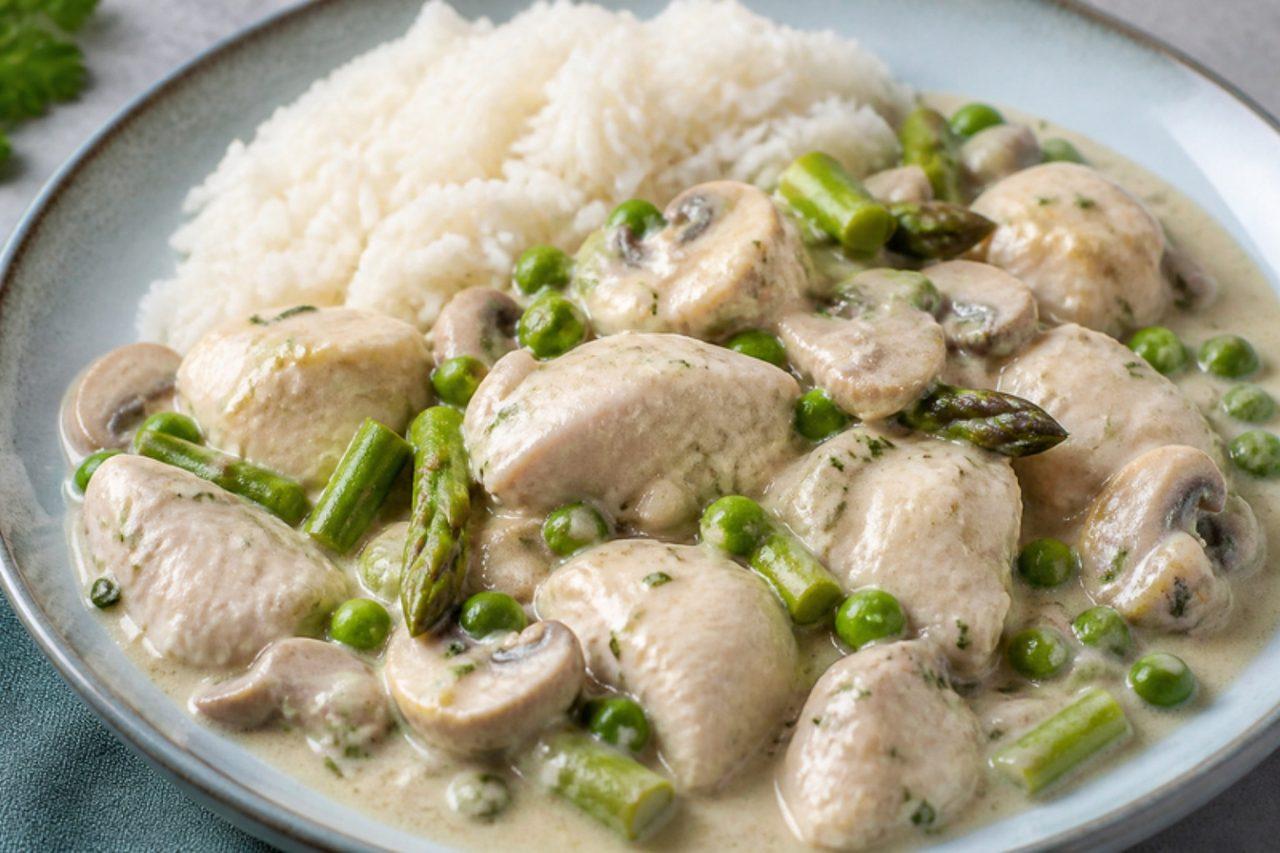
HühnerfrikasseeChicken fricassee

From Kiel to Konstanz, Hühnerfrikassee is the comforting weekday dish children in Germany ask for, a fixture of school canteens in the old East and of family kitchens everywhere else. Chicken is poached gently with soup vegetables, then the broth becomes a pale, creamy sauce with mushrooms, peas and pieces of asparagus, sharpened with lemon and capers if you like. It is always served over plain rice. The common mistake is boiling the chicken hard, which makes it dry and stringy. Chef's tip: finish the sauce with a little lemon juice off the heat; without it the frikassee tastes flat and heavy.

by KrazyBadal 0 views

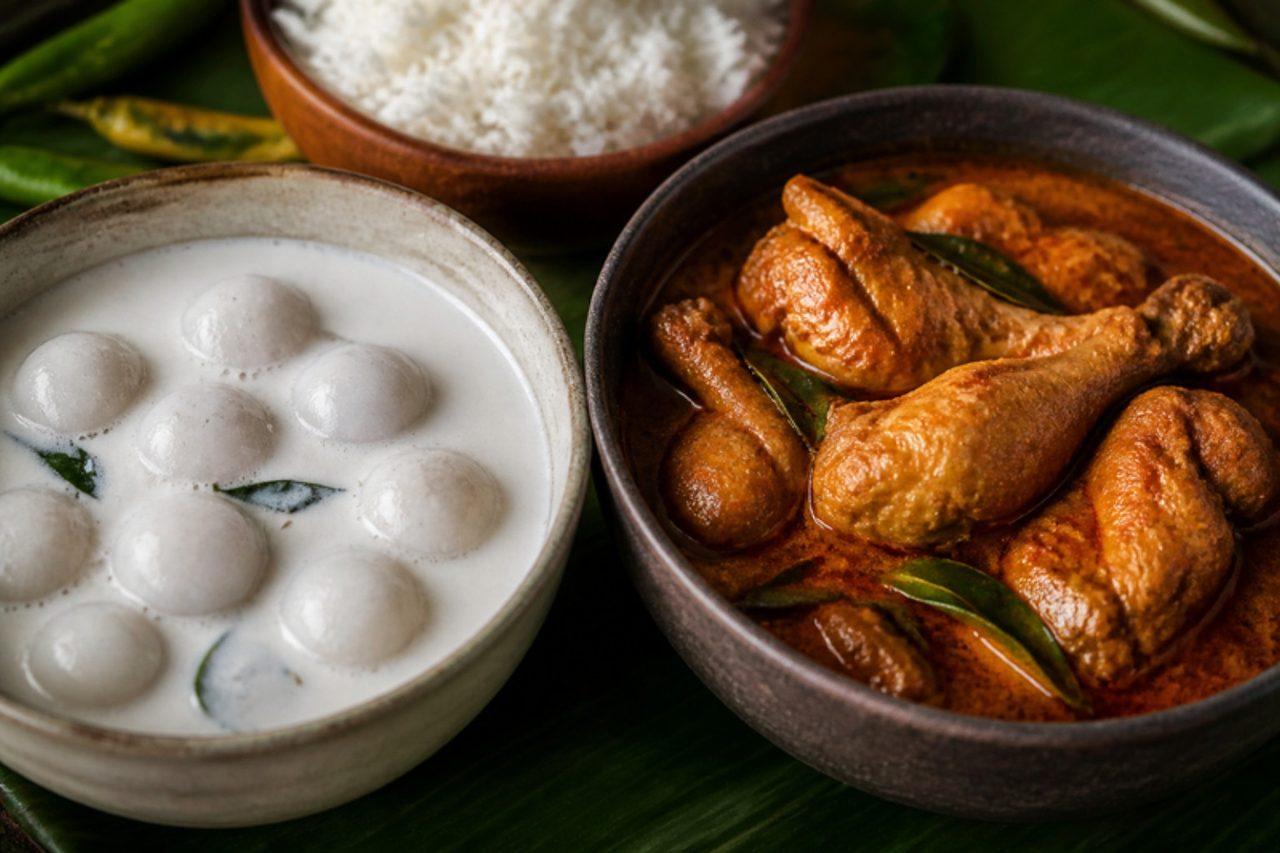
Pidiyum kozhiyumRice dumplings with chicken curry

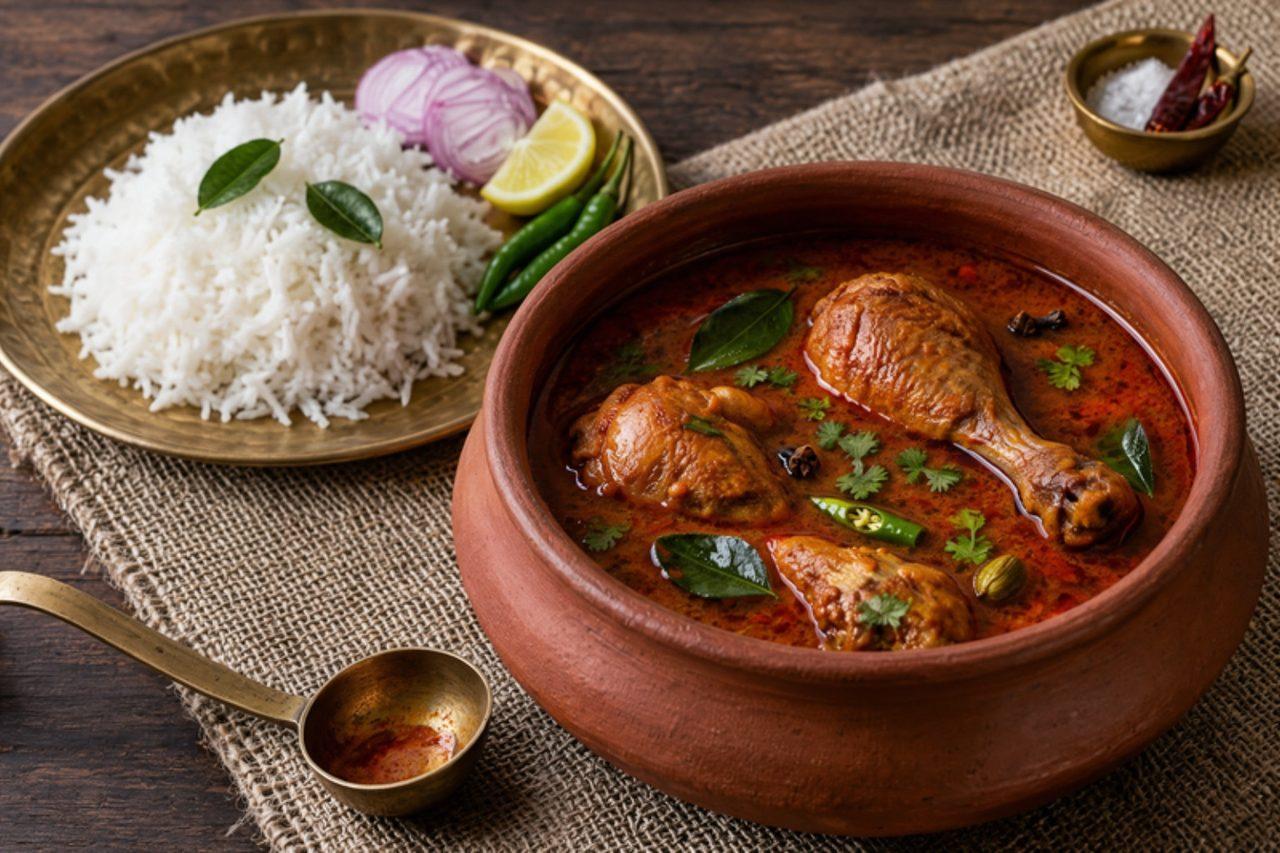
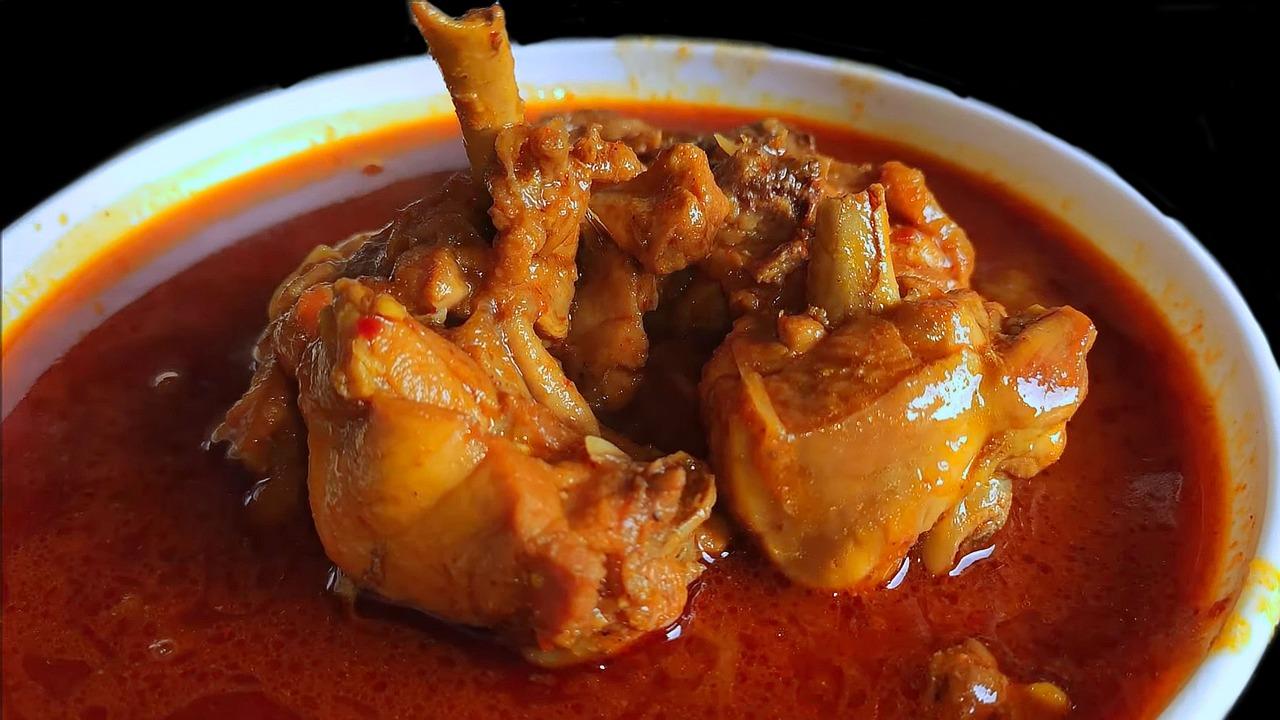
Central Kerala's Syrian Christian families, from Kottayam to Thrissur, make this for Christmas and Easter mornings and for the gatherings that follow a wedding. The pidi are marble-sized balls of roasted rice flour and coconut, poached in water and then simmered in thick coconut milk with garlic, cumin and shallots until they sit in a creamy, gently savoury sauce. Alongside goes a fiery kozhi curry (chicken curry) of bone-in chicken in a coconut-oil masala of onion, ginger, chilli and fennel-scented garam masala, cooked until the chicken reaches 74 °C at the thickest part. Each plate gets a ladle of soft, mild pidi and a ladle of red curry, and the two run together. It takes a little time, so families often roll the pidi together while the curry simmers. Common mistake: mixing the rice flour with cold or lukewarm water; the dough cracks and the pidi fall apart in the pot. Chef's tip: use boiling water and knead while it is still hot, wrapped in a cloth.

by KrazyBadal 0 views

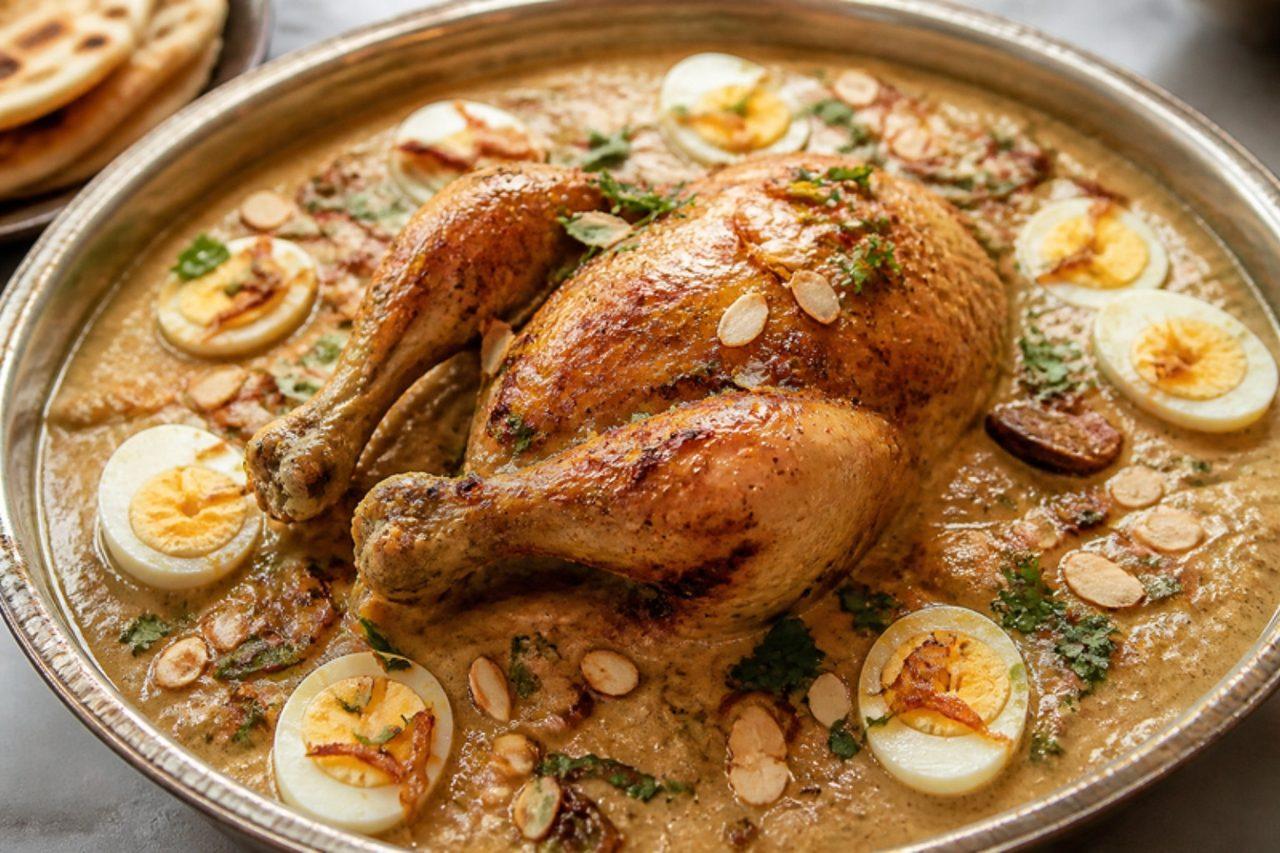
Murgh musallamStuffed whole chicken curry

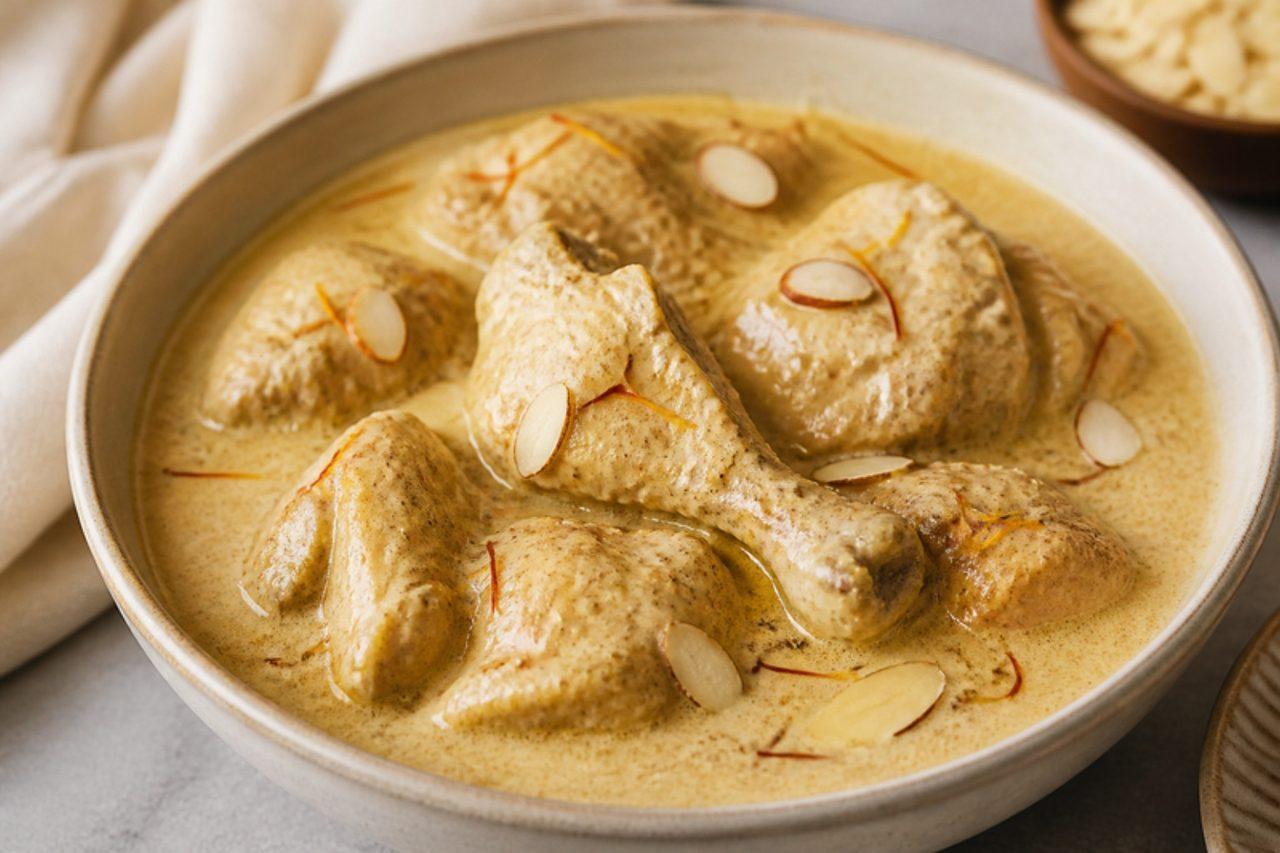
Murgh musallam means 'whole chicken', and in Lucknow and Old Delhi it is still the showpiece that comes out at Eid or a wedding dawat, carved at the table. A whole skinned chicken, bought cleaned with the giblets removed (as supermarket birds come, without head or feet), is slashed deeply, marinated twice, stuffed with hard-boiled eggs and tied, then browned in ghee and slowly braised in a velvety gravy of browned onions, almonds, yogurt and whole spices with saffron and kewra. The flavour is rich, mildly spiced and fragrant rather than hot. Because the bird is cooked whole and stuffed, check the thickest part of the thigh with a probe: it must reach 74 °C before you serve it. Serve with sheermal, naan or plain pulao and a cucumber raita. Chef's tip: cook it in the smallest heavy pot the bird fits in snugly; the gravy then comes halfway up the chicken and it braises rather than fries.

by KrazyBadal 0 views

Chicken sukkaDry coconut chicken masala

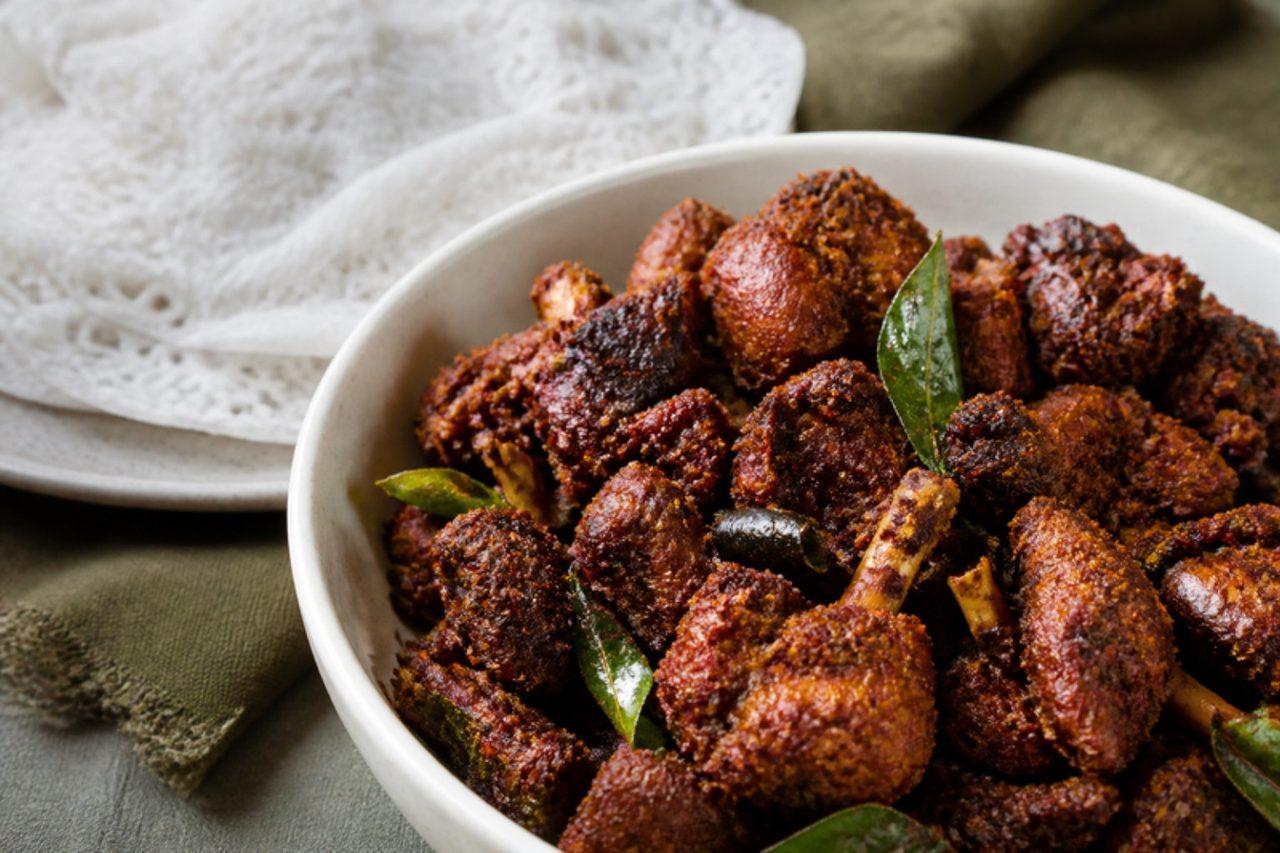
Kori sukka comes from the Bunt and Catholic kitchens of Mangaluru and Udupi, where it is cooked for village feasts, Monti Fest, weddings and slow Sunday lunches. 'Sukka' means dry: bone-in chicken is cooked in a fiery paste of roasted byadgi chillies, coriander, cumin, pepper and tamarind, then tossed with grated coconut that has been roasted to a deep brown until every piece is coated in a coarse, nutty, smoky masala. Byadgi chillies give a brilliant red colour with moderate heat, so the result is spicy but rounded. Cook the chicken to 74 °C at the thickest part before the coconut goes in. Serve with neer dosa, rice and a thin rasam, or with kori rotti. Common mistake: roasting the coconut over too high a heat; it burns from golden to bitter in seconds, so keep the flame low and stir constantly. Chef's tip: grind the masala coarse, not smooth, and add the roasted coconut only at the end so it keeps its texture.

by KrazyBadal 0 views

Natu kodi pulusuCountry chicken curry

Natu kodi means country chicken, the lean, free-ranging birds of Telangana's villages, and their pulusu is a Sunday and festival curry: fiery with chilli, soured with tamarind and thickened with a paste of roasted coconut, poppy seed and whole spices. It is mopped up with rice or jonna rotte. The mistake most cooks make is giving a country bird the timing of a broiler; desi chicken needs 40–50 minutes of slow simmering to turn tender, while ordinary chicken is done in about 20. Food safety: marinate in the fridge and cook until the thickest piece reaches 74 °C. Chef's tip: add the tamarind only once the chicken is tender, as acid slows the softening of tough meat.

by KrazyBadal 0 views

Estofado de polloChicken stew

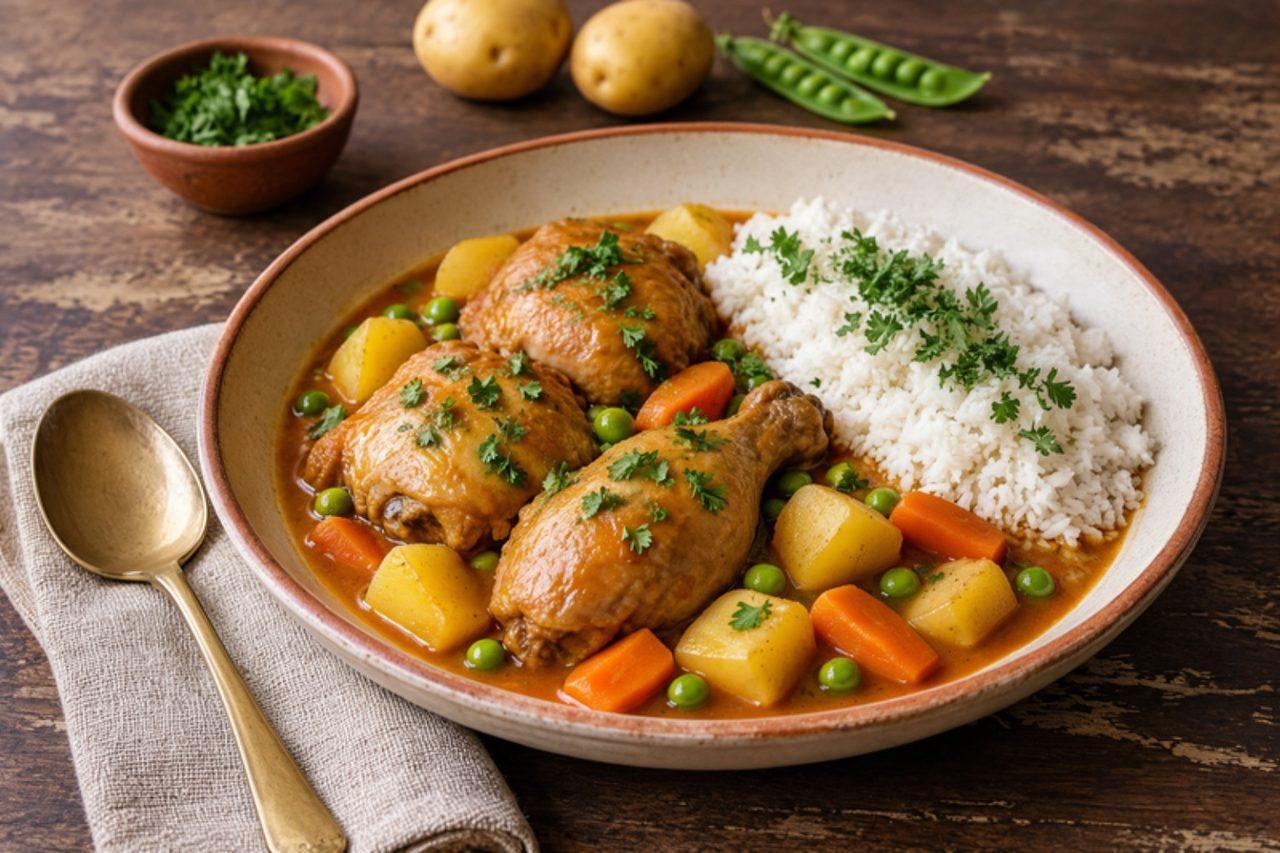
Estofado de pollo is the mild, homely chicken stew of Lima's family kitchens and school lunches, usually on the table on a weekday or a quiet Sunday with white rice. Chicken pieces are browned, then braised in a sauce of onion, garlic, tomato, a little ají panca paste and bay, with carrots, peas and yellow potatoes cooked right in the pot until the sauce is thick and orange. It is comforting rather than hot. The usual mistake is boiling it hard, which shreds the potatoes and dries the chicken; keep it at a lazy bubble. Chef's tip: use a few yellow potatoes along with waxy ones; they collapse slightly and thicken the sauce naturally.

by KrazyBadal 0 views

Kabiraji cutletEgg-coated chicken cutlet

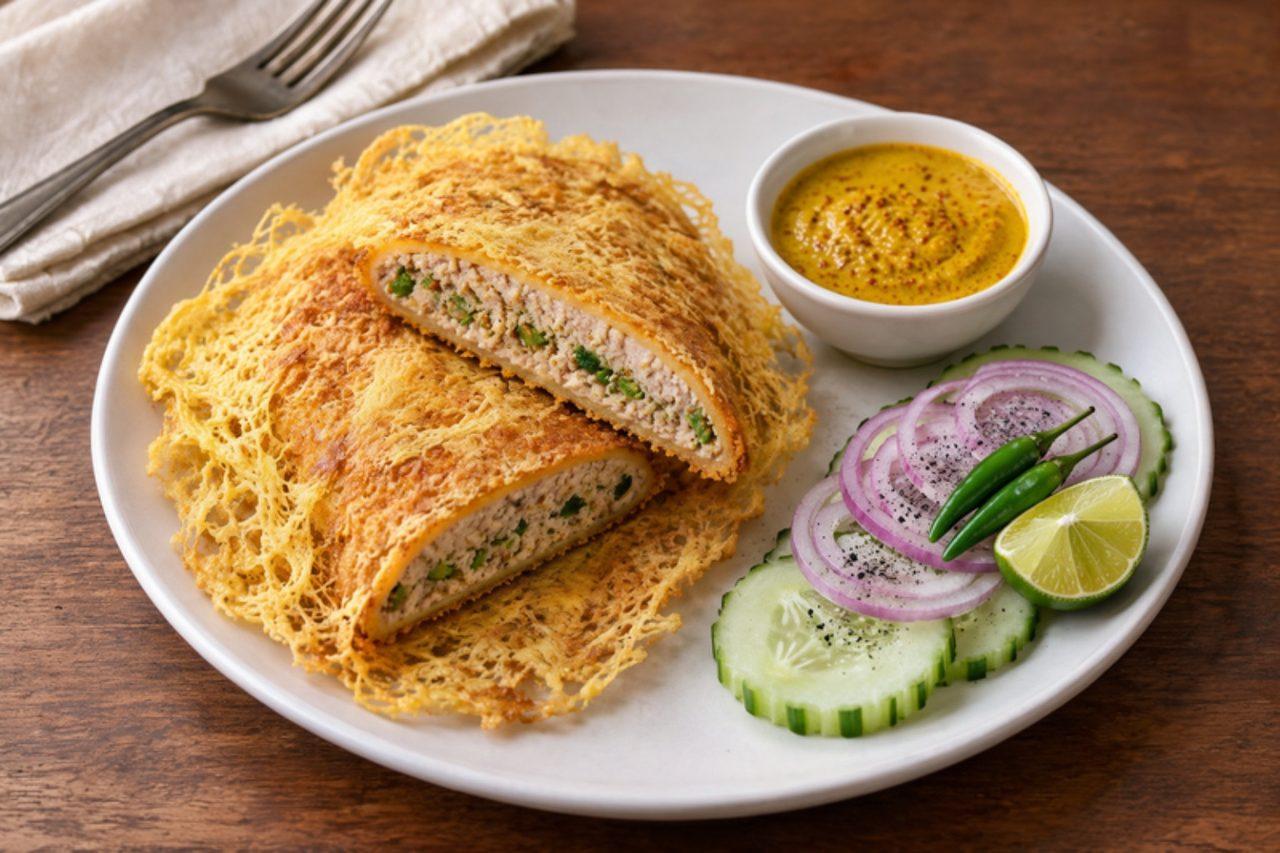
The kabiraji cutlet is a speciality of Kolkata's old cabin restaurants, places like Mitra Café in Shobhabazar and the cabins around Esplanade, where people stop for one on the way home in the early evening. A flattened, spiced chicken cutlet is crumbed and fried, then cloaked in a frizzled web of egg that is splashed into the hot oil, giving a crackly, golden coat with the look of a bird's nest. It is eaten with sharp Bengali mustard kasundi and a raw onion and cucumber salad. A fish version uses bhetki fillet. Chef's tip: whisk the egg for the lace with a little cornflour until completely smooth; any lumps fry as blobs rather than threads.

by KrazyBadal 0 views

Kori gassiChicken in red chilli coconut gravy

Kori gassi is the Sunday chicken curry of Mangalore's Bunt community on the Karnataka coast, cooked for family lunches and festivals and traditionally eaten with paper-thin neer dosa. Byadgi chillies, coriander, cumin and a little fenugreek are roasted until fragrant, ground with coconut, garlic and tamarind, then simmered with chicken into a brick-red, gently sour gravy. This version uses less coconut than usual and is suitable as part of a balanced diet; serve it with brown rice, millet roti or a salad. About 360 kcal and 9 g carbohydrate per portion. The usual mistake is roasting the spices over a high heat: they scorch and turn the gravy bitter. Chef's tip: byadgi chillies give deep colour with gentle heat, so don't swap them for hot chilli powder.

by KrazyBadal 0 views

Nagpur saoji chickenSpicy chicken in dark coconut gravy

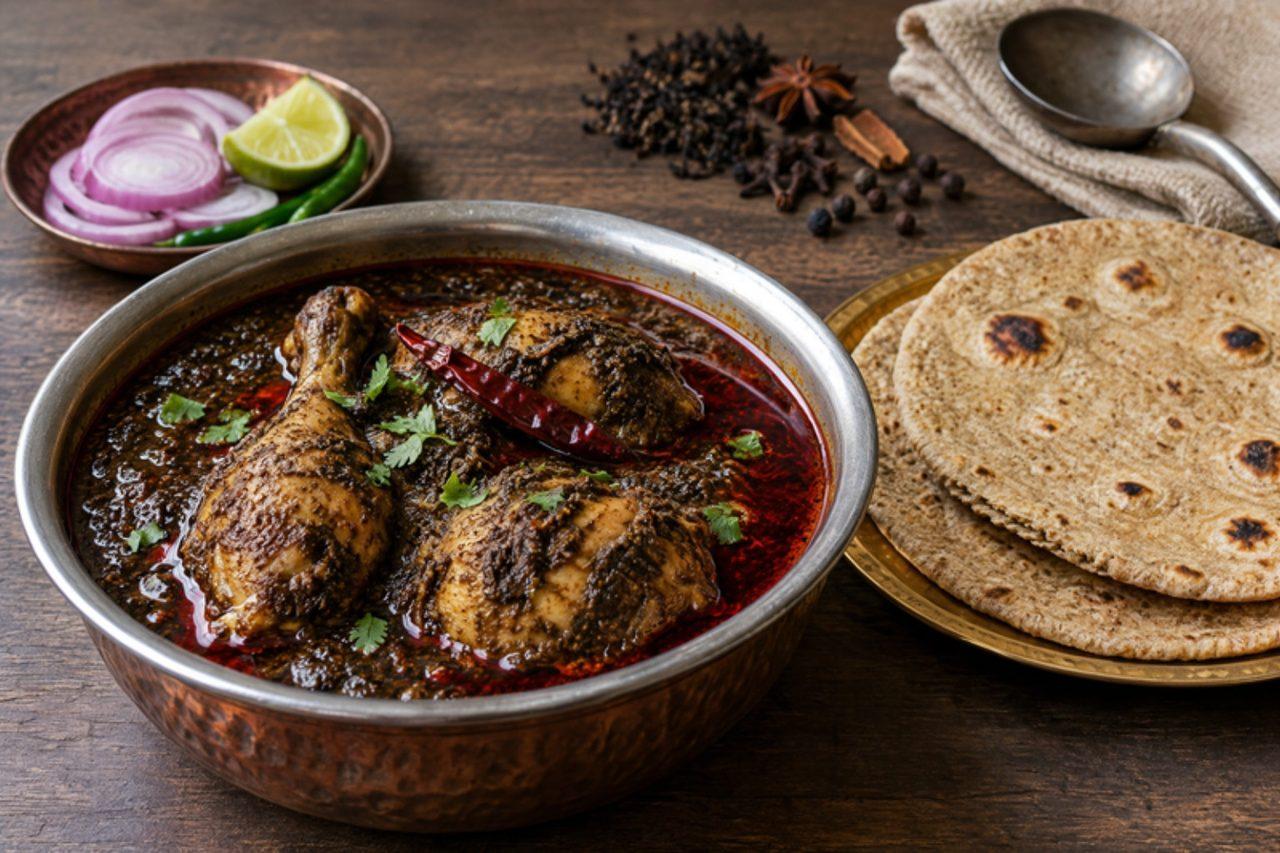
Saoji cooking comes from the Saoji (Halba Koshti) weaver community of Nagpur, and their small eateries are famous across Vidarbha for chicken and mutton curries so hot that diners keep plain rice and a glass of water close by. The gravy is dark, almost black, from slow-roasted dry coconut, poppy seeds, dried red chillies and whole spices, with a layer of red oil on top. It is eaten with bhakri or rotis, especially on weekends and winter evenings. The common mistake is roasting the masala on high heat, which makes it bitter; roast low and slow until deep brown. Chef's tip: marinate the chicken in the fridge for at least an hour, and cook until the thickest piece reaches 74 °C.

by KrazyBadal 0 views

Dum ka murghSlow-cooked chicken in yogurt and cashews

Dum ka murgh is a dish of Hyderabad's Nizami dastarkhwan, still cooked at weddings and Eid lunches: chicken marinated in yogurt, ground cashews, fried onions and whole spices, then sealed in a heavy pot and cooked slowly in its own steam. The gravy is pale, rich and fragrant with cardamom and kewra. The common mistake is opening the lid to check; the steam escapes and the chicken cooks unevenly, so trust the timing and use a heavy pan on a tawa. Food safety: marinate covered in the fridge and cook until the thickest piece reaches 74 °C. Chef's tip: fry the onions slowly to an even deep gold, not brown; burnt birista turns the whole gravy bitter.

by KrazyBadal 0 views

TipakayChicken in sweet-sour tamarind sauce

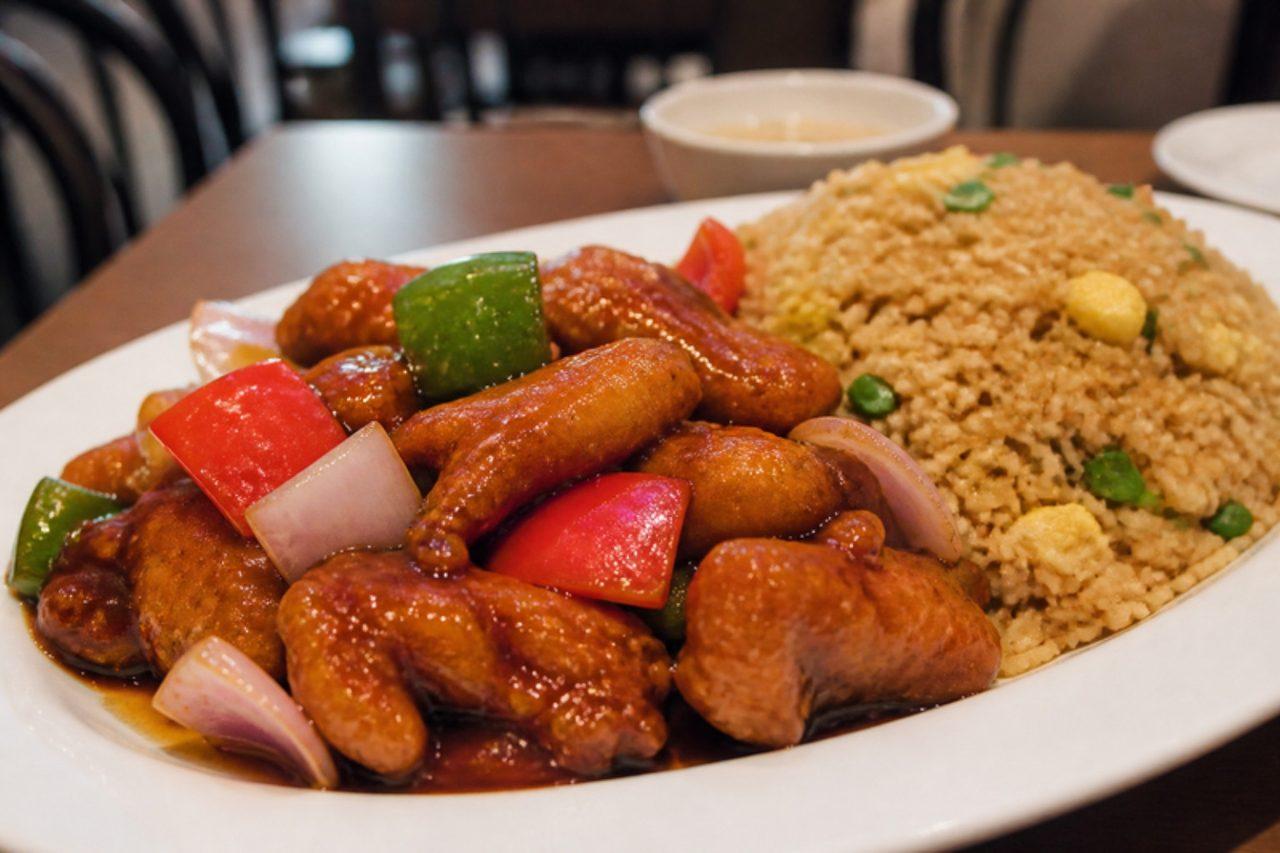
Sweet, tangy and a little sticky, tipakay is the chifa order for people who like their sauce on the fruity side: battered pieces of chicken fried crisp, then dressed in a dark, glossy sauce built on tamarind, panela and soy, with strips of red and green pepper and onion that keep some crunch. It is one of the most popular platters in Lima's family-run chifas, eaten with white rice or chaufa. Its sauce is darker and less candy-sweet than kam lu's, with tamarind's sour depth. The mistake most home cooks make is letting the peppers stew until soft; give them only a minute in the wok so they stay bright. Chef's tip: taste the sauce before thickening and balance it: more lime if it's cloying, a pinch more panela if it's too sour.

by KrazyBadal 0 views

BackhendlCrumbed fried chicken

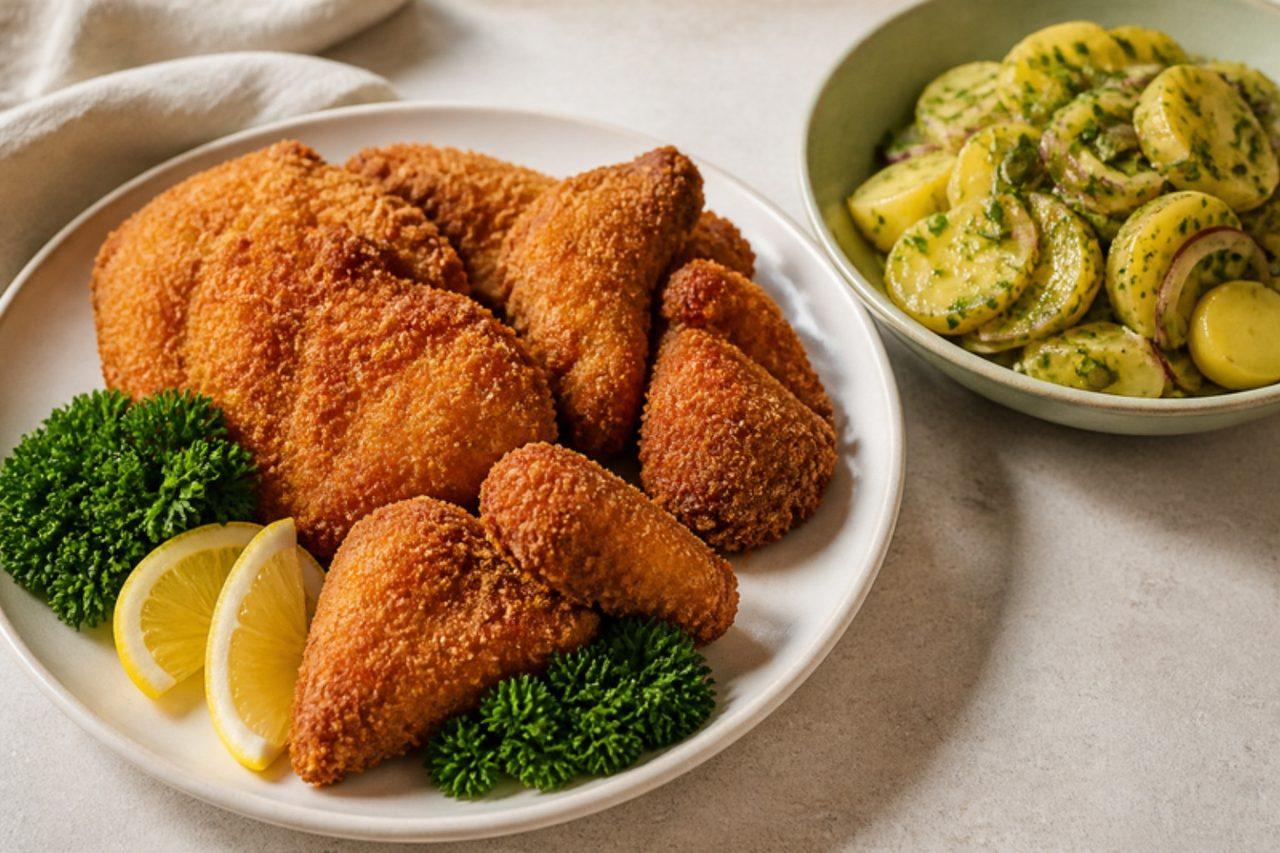
Backhendl, crumbed fried chicken, was the treat of 19th-century Viennese Sunday outings to the Prater and the wine villages, and it is still the star of Styrian taverns, served with lemon and a lukewarm potato salad glossy with pumpkin seed oil. Chicken pieces on the bone are seasoned with lemon, coated in flour, egg and fine breadcrumbs and fried slowly so the crust puffs and stays crisp while the meat cooks through. Chef's tip: fry at a moderate heat, not a fierce one; bone-in pieces need time for the centre to reach a safe temperature before the crumbs burn.

by KrazyBadal 0 views

Pollo chi jau kayFried chicken in oyster sauce

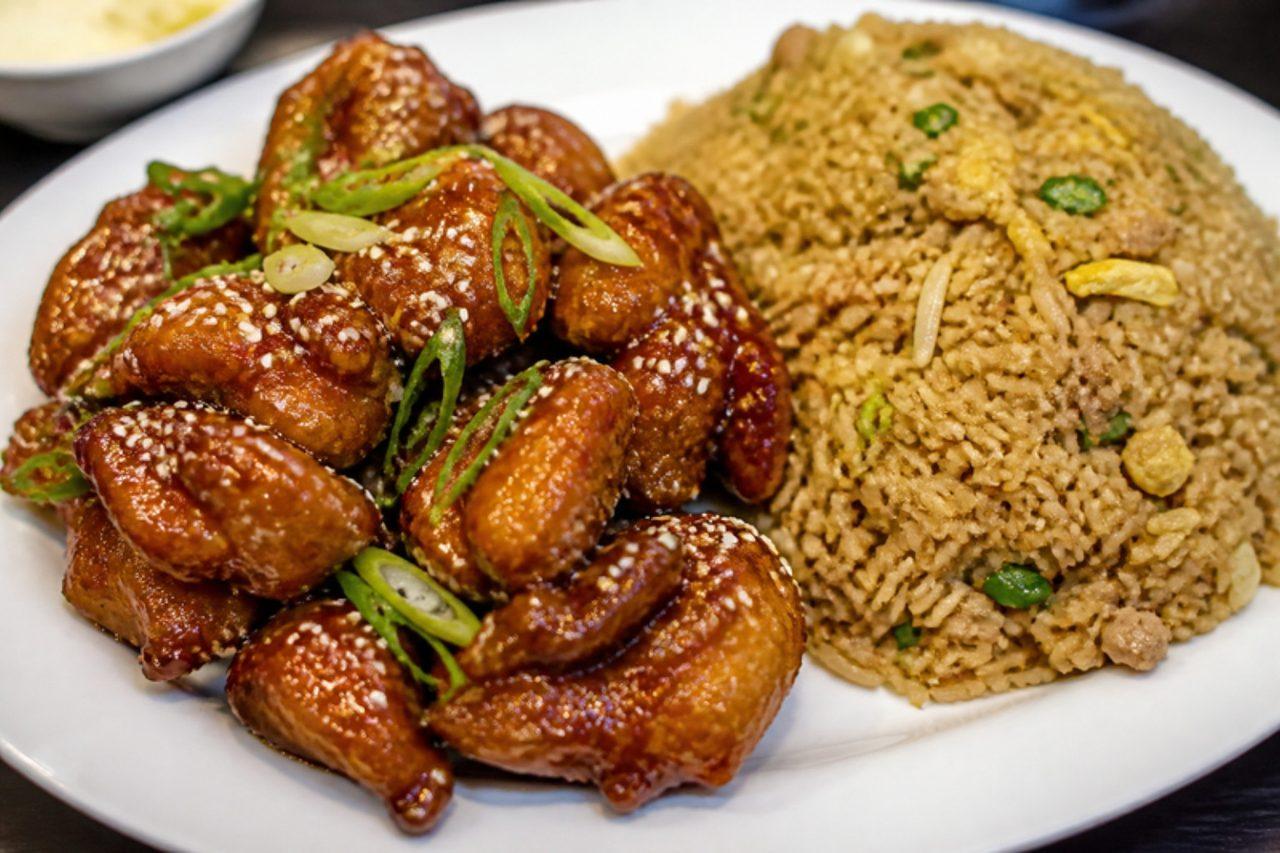
Any chifa in Lima, from the old dining rooms of Barrio Chino on Calle Capón to the corner chifa in every district, will have chi jau kay on the menu: boneless chicken marinated in soy and ginger, fried in a crisp coating and served under a dark, glossy oyster sauce, scattered with sesame seeds and spring onion. The crust stays crunchy where the sauce hasn't reached and goes sticky where it has. It is shared with arroz chaufa or plain rice and a Chinese soup. The usual misstep is tossing the chicken in the sauce in the pan, which makes it soggy; Lima chifas pour the sauce over at the table. Chef's tip: fry the chicken twice, once to cook and once very hot for a minute to crisp, and it will stay crunchy under the sauce.

by KrazyBadal 0 views

Arroz con pollo peruanoCoriander rice with chicken

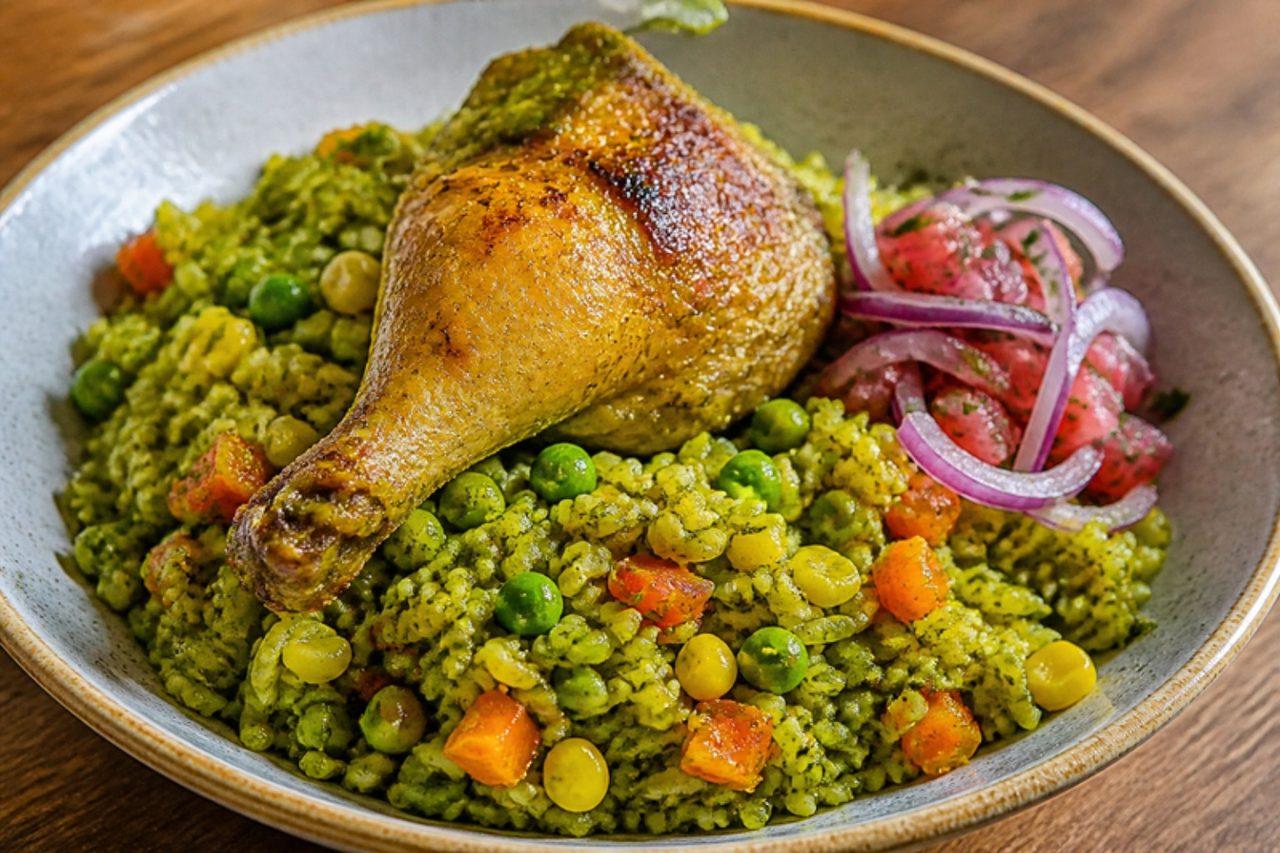
Across Spanish-speaking America arroz con pollo means yellow rice, but in Lima it comes out deep green, thanks to a big bunch of coriander blended into the cooking liquid. Mothers make it for Sunday lunch and for birthday parties, and street stalls ladle it out with salsa criolla, the sharp onion-and-lime relish that cuts through the rice. Chicken pieces are browned first, then the rice cooks in the same pot so it takes on all their flavour. Chef's tip: blend the coriander with cold stock right before it goes in, so it stays bright green rather than turning khaki.

by KrazyBadal 0 views

Butter chicken

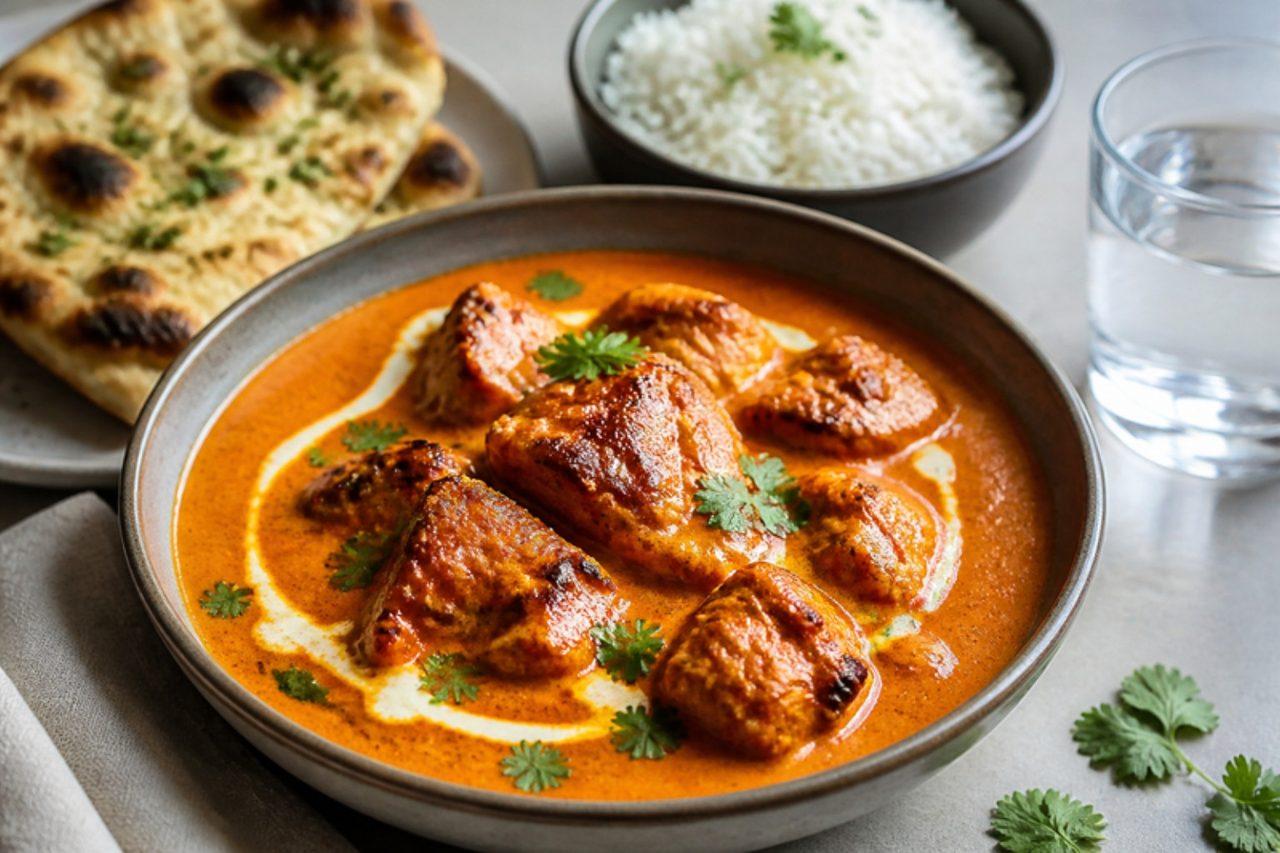
Butter chicken was born in the Punjabi restaurants of Old Delhi after Partition, when cooks found a way to use up tandoori chicken by simmering it in tomatoes, butter and cream. It is not the same as chicken tikka masala: tikka masala builds its sauce on fried onions and is chunkier and spicier, while makhani gravy has no onion at all, is strained silky-smooth, and gets its gentle sweetness and smoky-savoury note from butter, cashews and dried fenugreek leaves. It is the dish families order for celebrations across Delhi and Punjab, mopped up with butter naan or eaten with jeera rice, and it's mild enough for children. Chef's tip: crush the kasuri methi between your palms right over the pot; that one step is what makes it taste like the restaurant version.

by KrazyBadal 0 views

Tandoori chicken

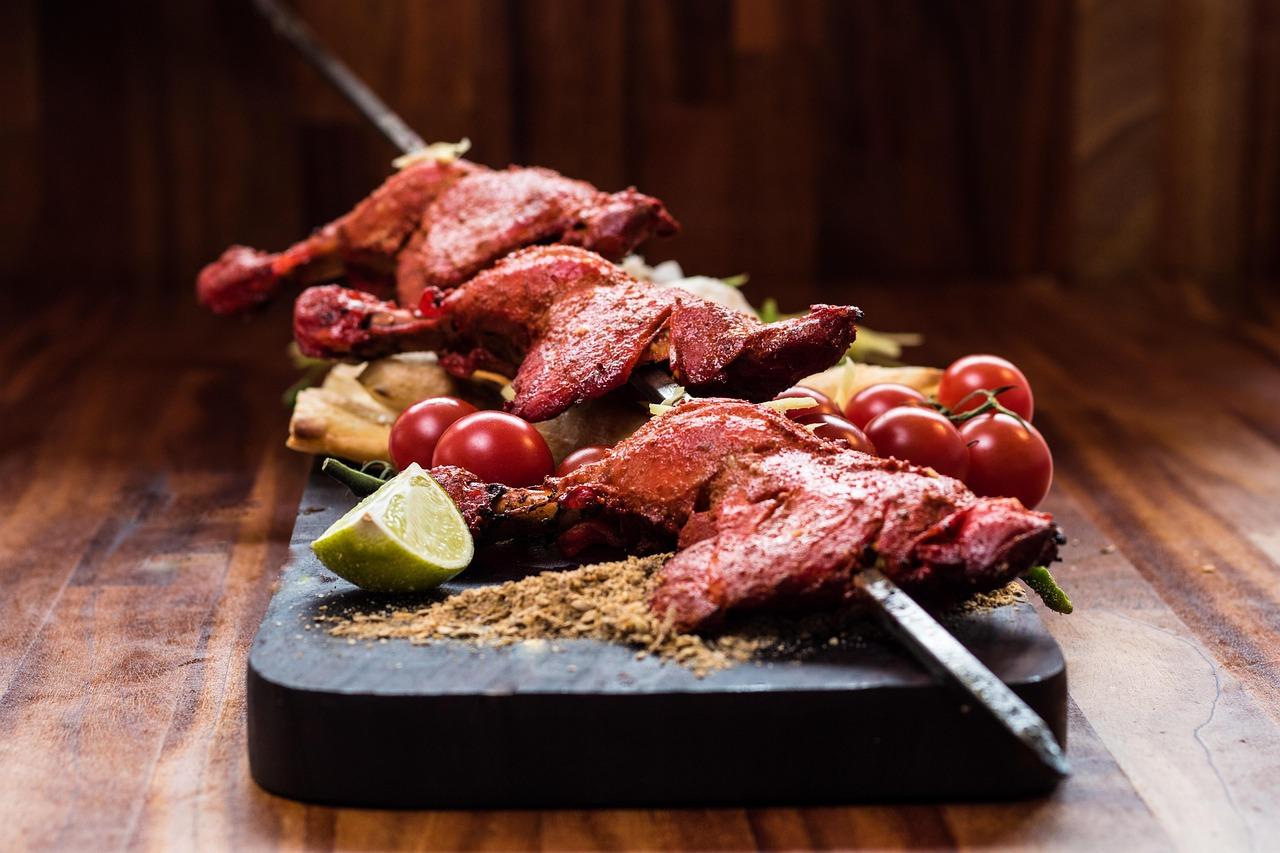
Tandoori chicken comes from Punjab, where clay tandoor ovens fired with wood or charcoal reach well over 400 °C and roast marinated chicken in minutes. In Punjabi dhabas and wedding buffets it arrives on a sizzling plate with raw onion rings, lemon and mint chutney, and it's the starting point for butter chicken. A home oven can't match a tandoor, but a very hot oven plus a final blast under the grill gets you charred edges and juicy meat. The two-step marinade (lemon and salt first, then spiced yogurt) is the key. Chef's tip: cut deep slashes right down to the bone; the marinade gets inside and the thick legs cook through at the same time as the thinner parts.

by KrazyBadal 0 views

Mughlai chicken korma

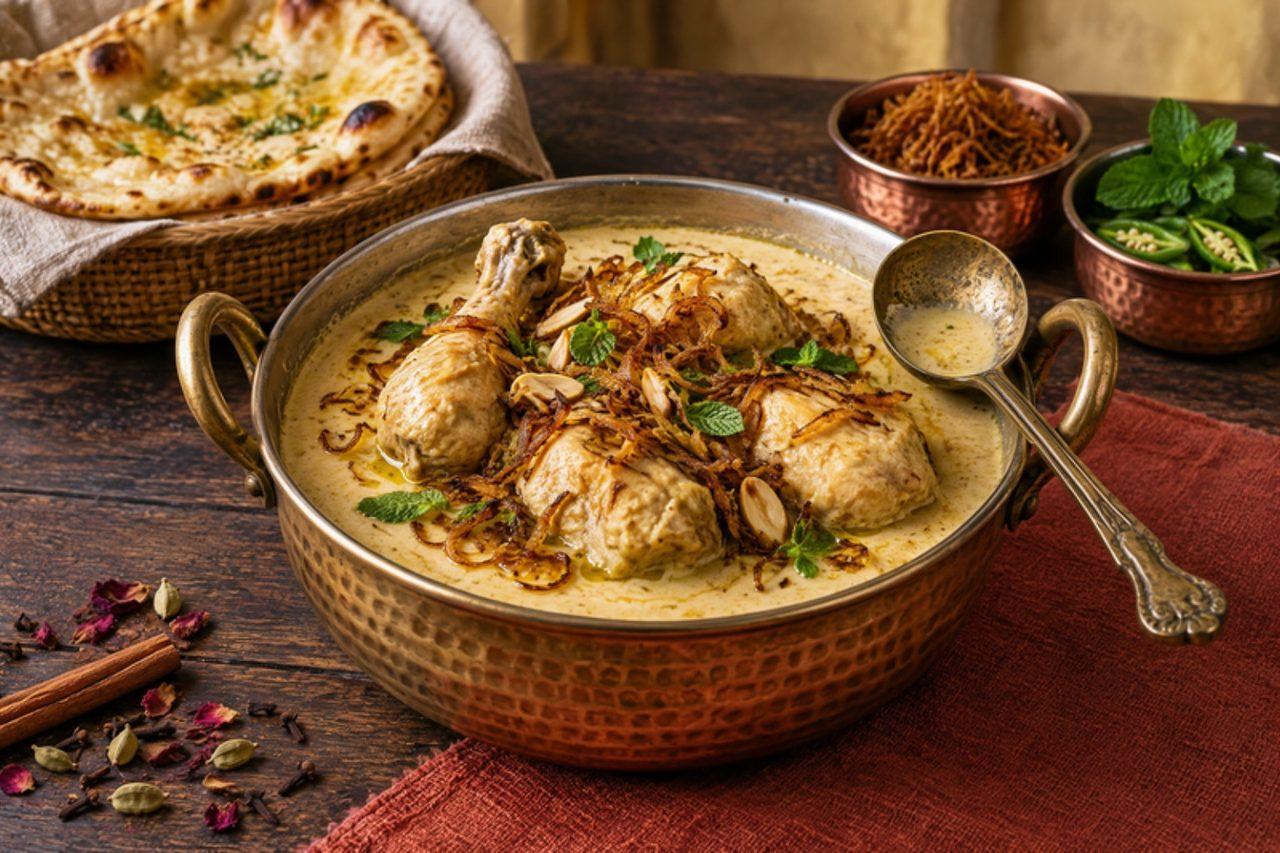
In the lanes around the Jama Masjid in Old Delhi, korma is cooked in huge copper degs for Eid and wedding feasts and sold from dawn with khamiri roti and sheermal. It descends from the Mughal court kitchens, where 'korma' meant meat braised slowly in yogurt and its own juices rather than in water. This one is not the mild, pale, coconut-sweet korma of British curry houses: it is golden-brown, fragrant with cardamom and mace, enriched with almond paste and fried onions, and medium-hot. Chef's tip: fry the onions slowly to an even golden-brown and grind them with the yogurt; the browned onion paste is both the colour and the backbone of the sauce.

by KrazyBadal 0 views

Chettinad chicken

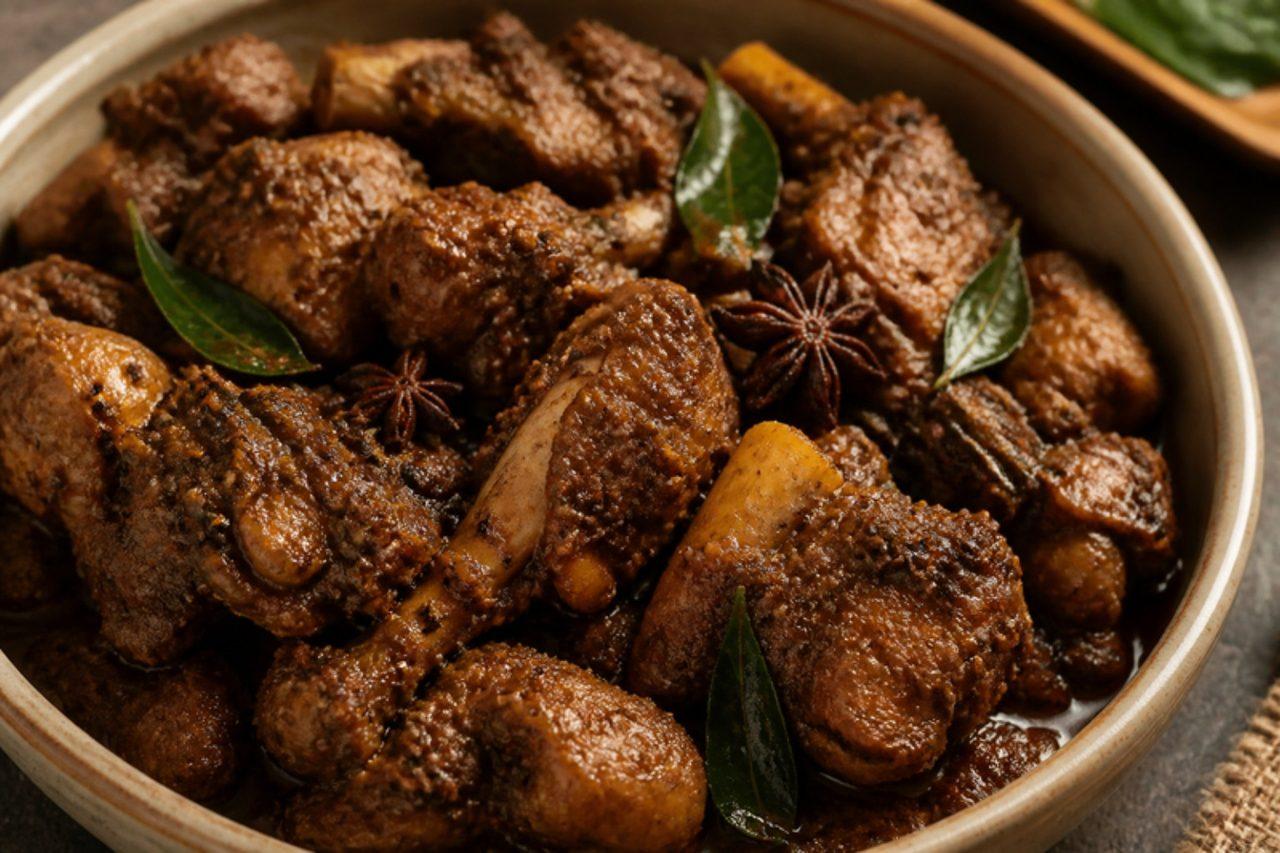
The Nattukottai Chettiar merchants of Karaikudi and the villages around it in southern Tamil Nadu built grand mansions on the spice trade, and their kitchens show it. Their chicken curry is built on a masala roasted and ground at home: dried red chillies, black pepper, fennel, star anise, coconut and the earthy lichen called kalpasi. It is hot, aromatic and deep brown, and in Chettinad it is eaten at Sunday lunch and festivals with rice, idiyappam or flaky parotta. Chef's tip: grind the roasted masala while it is still warm with a splash of water; the oils release and the paste comes out smooth.

by KrazyBadal 0 views

Andhra kodi kuraSpicy chicken curry

Guntur district grows more red chilli than almost anywhere on earth, and Andhra home cooking wears that proudly. Kodi kura is the Sunday chicken curry of Andhra homes, from Vijayawada to the Rayalaseema villages: thick, red and properly hot, with a little ground poppy seed and coconut to round out the sauce. It is eaten with heaps of plain rice, a spoon of ghee and a bowl of rasam on the side, or with jowar rotis. Chef's tip: fry the masala until oil pools at the sides before adding any water; that is where the colour and flavour come from.

by KrazyBadal 0 views

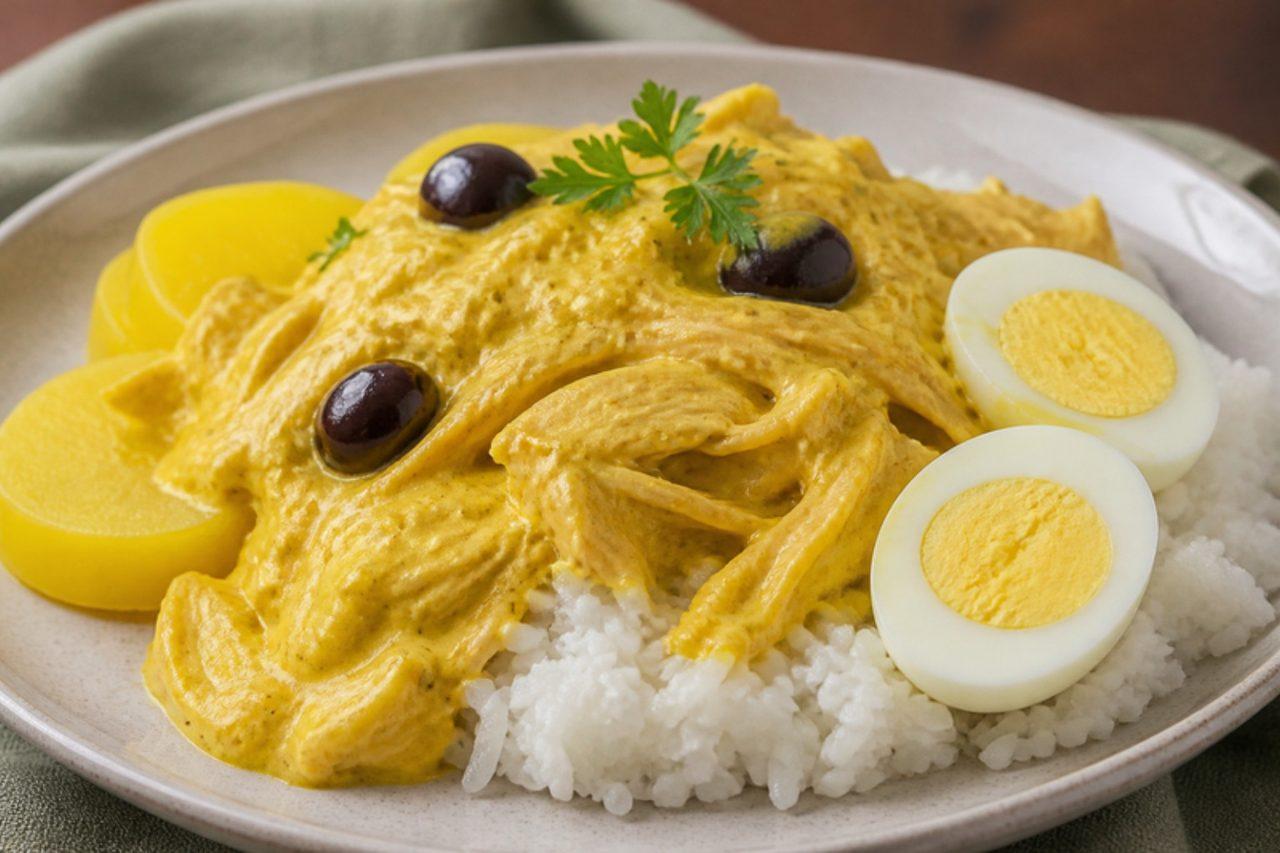
Ají de gallinaChicken in creamy chilli sauce

Lima's old criollo kitchens turned leftover hens into this golden, velvety stew, and it still turns up at family lunches, office canteens and menú del día stalls all over the capital. Poached chicken is pulled into threads and folded into a sauce thickened with milk-soaked bread, ground walnuts and parmesan, coloured by ají amarillo, Peru's fruity yellow chilli. It is served over white rice with boiled potatoes, a halved egg and a black olive. Chef's tip: keep the poaching broth; loosening the sauce with it instead of more milk gives a deeper, more chickeny flavour.

by KrazyBadal 0 views

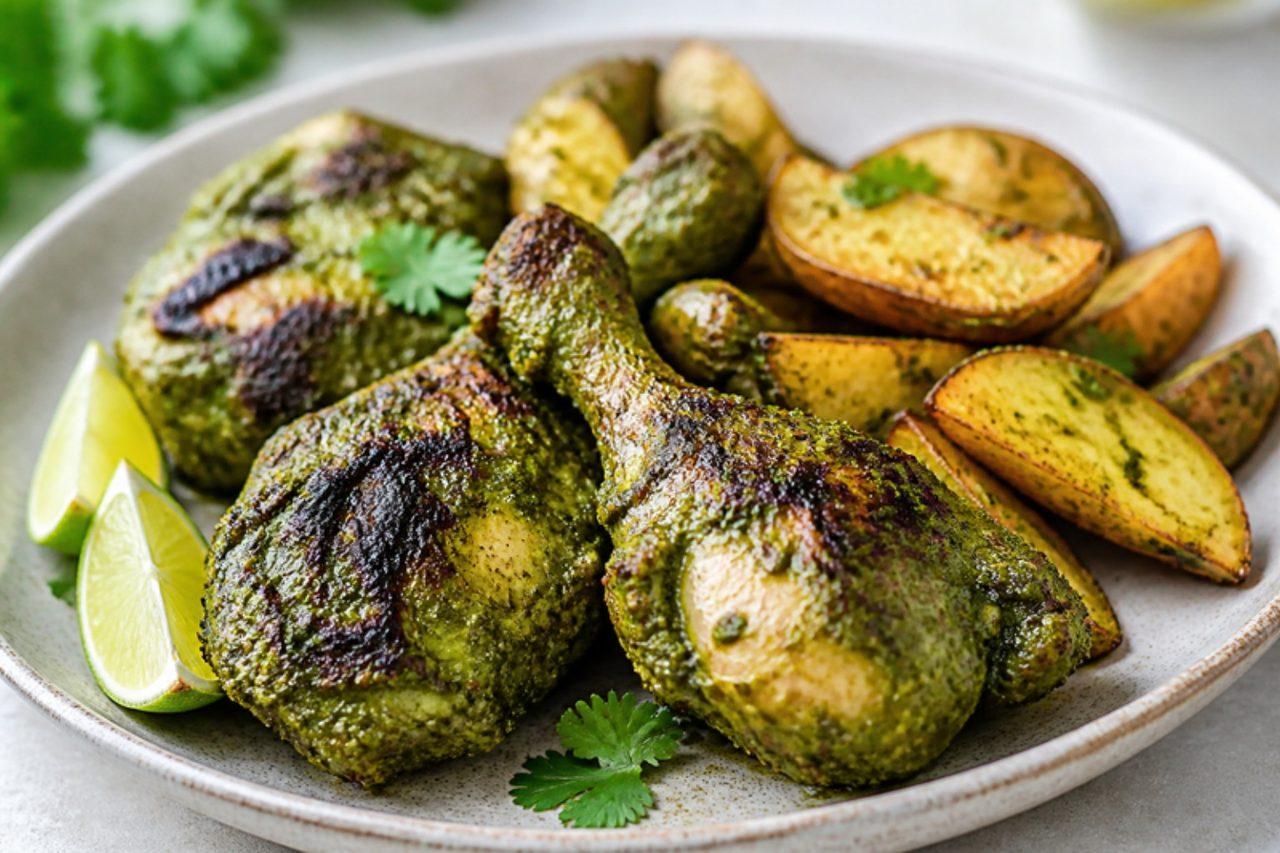
Chicken cafrealGreen masala chicken

Cafreal came to Goa through Portuguese soldiers from Mozambique and became a fixture of the taverns and beach shacks around Panjim and Margao, where it is served with chips, a lime wedge and a cold drink. Chicken legs soak overnight in a vivid green paste of coriander, green chilli, garlic and warm spices, then fry slowly until the paste clings in dark, tangy patches. Chef's tip: use the coriander stems as well as the leaves; they carry most of the flavour and make the paste greener.

by KrazyBadal 0 views

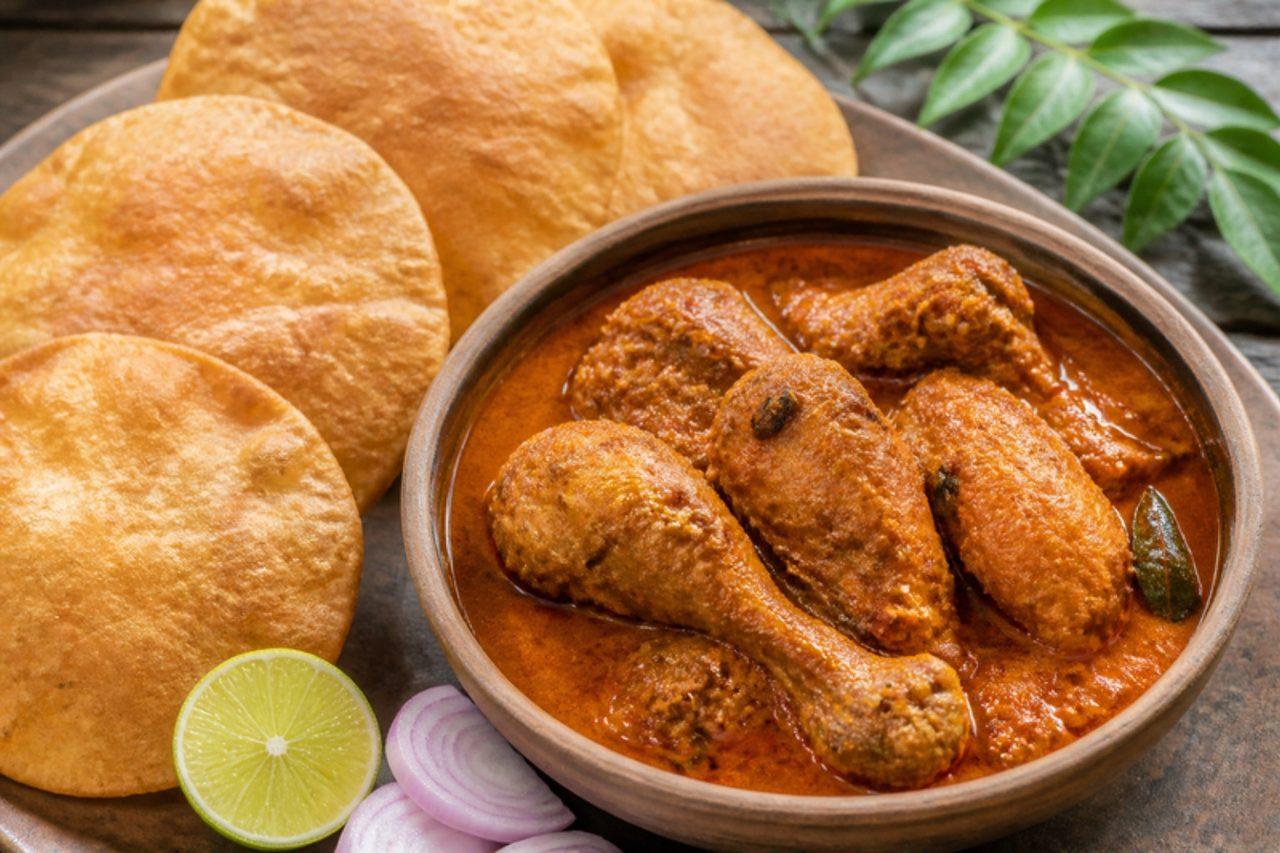
Malvani kombdi vadeChicken curry with puffed bread

Along the Malvan coast of Sindhudurg, kombdi vade is what families cook for a festive Sunday or for guests arriving by the morning bus from Mumbai. Kombdi is chicken, simmered in a gravy of roasted coconut and Malvani masala; vade are rice-flour breads fragrant with fennel that puff like balloons in hot oil. You tear the vade, dunk them in the curry and finish with a squeeze of lime and raw onion. Chef's tip: pat the vade on an oiled sheet of plastic or banana leaf rather than rolling them, and slide them into the oil straight away; thin, even discs puff best.

by KrazyBadal 0 views

Showing 24 of 27 recipes

Show more recipes

Page 1 of 2