Skip to content
Recipes

All recipes

Vegetarian, or something you can't eat? Set your diet once and we'll hide recipes that don't fit.

ChamoySweet-sour chile sauce

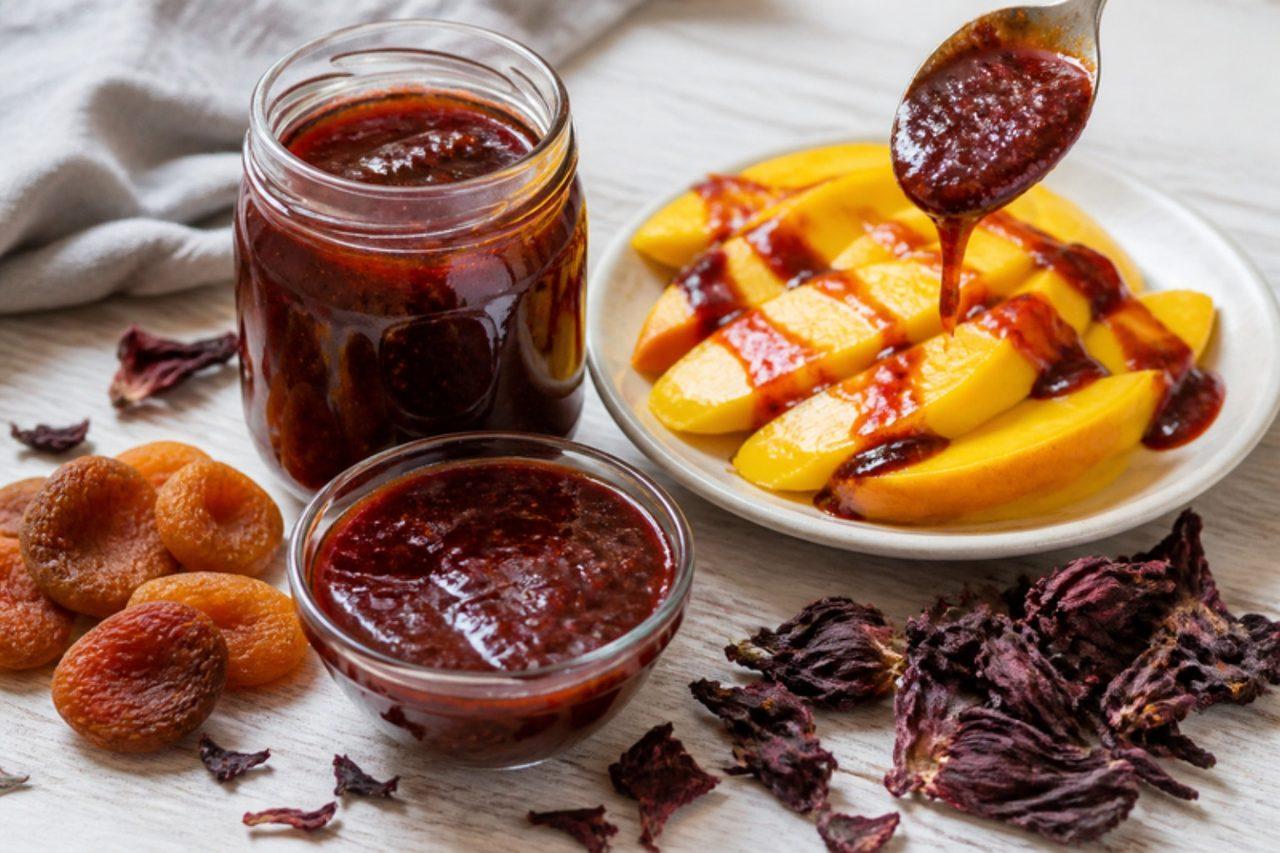
Brick-red and glossy, chamoy is the sauce Mexicans splash over fresh fruit, mango sorbet, crisps and the rim of a michelada glass. It is said to descend from Asian salted plum sauces, but today's version is pure Mexican: dried apricots and hibiscus simmered and blended with chile, lime, sugar and salt. Homemade chamoy is fruitier and less sweet than the bottled kind. Chef's tip: it thickens a lot as it cools, so take it off the heat when it still pours like warm ketchup.

by KrazyBadal 0 views

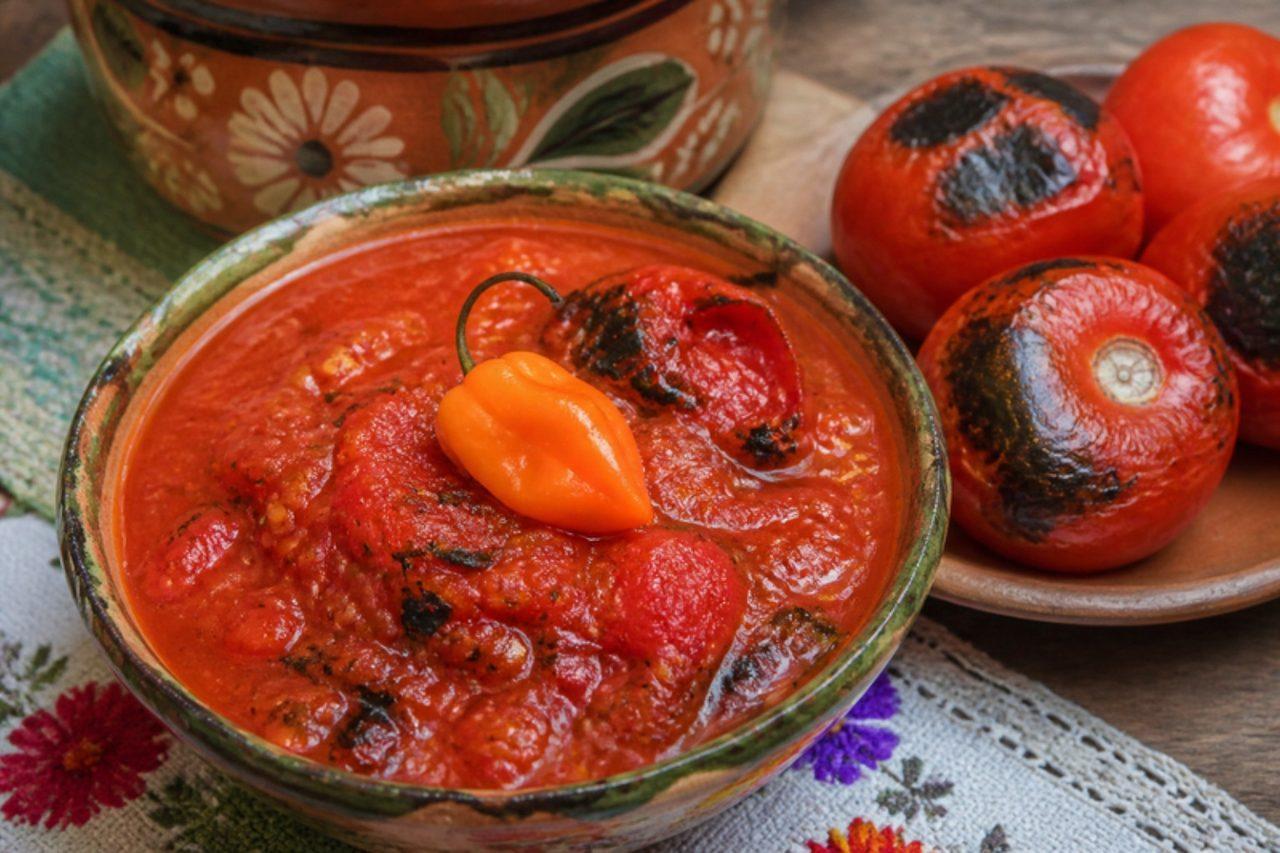
ChiltomateRoasted tomato habanero sauce

Chiltomate is the everyday red sauce of the Yucatán Peninsula, ladled over papadzules, huevos motuleños, panuchos and grilled pork in Mérida's cocinas económicas. Tomatoes are charred on the comal, blended and simmered with onion, while a whole roasted habanero floats in the pan to scent it with fruity heat. It is mild unless you split the chile. Chef's tip: for real heat, slit the habanero before simmering; for a family table, leave it whole and lift it out.

by KrazyBadal 0 views

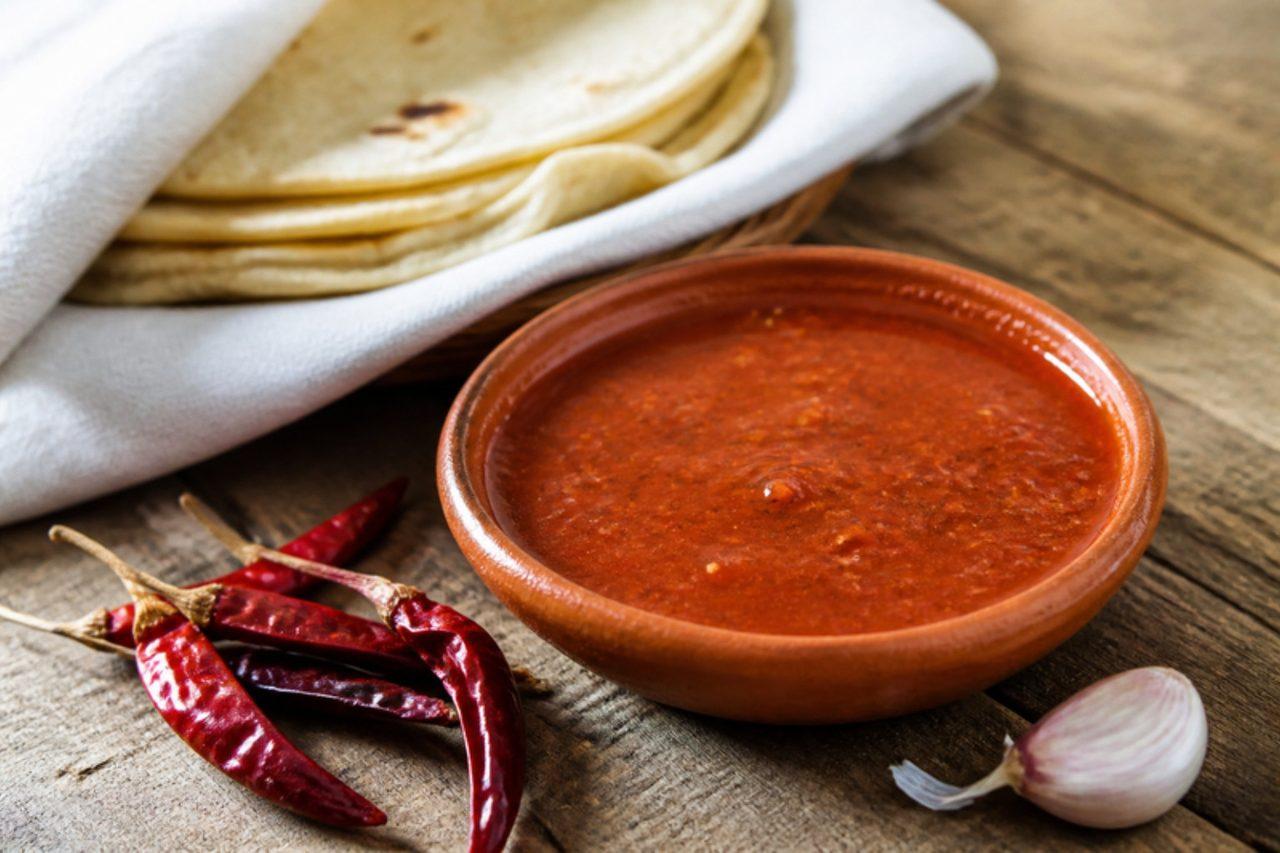
Salsa taquera de chile de árbolChile de árbol taco salsa

Late at night outside Mexico City's taquerías, the squeeze bottle of rust-red salsa is what regulars reach for to wake up tacos de suadero and al pastor. It is thin, very hot and a little sour from vinegar, with the toasty, nutty heat of chile de árbol balanced by cooked tomatillo. Small amounts go a long way, and it keeps two weeks in the fridge. Chef's tip: toast the chiles only until they darken and smell nutty, about 30 seconds; a minute too long and the whole batch turns bitter.

by KrazyBadal 0 views

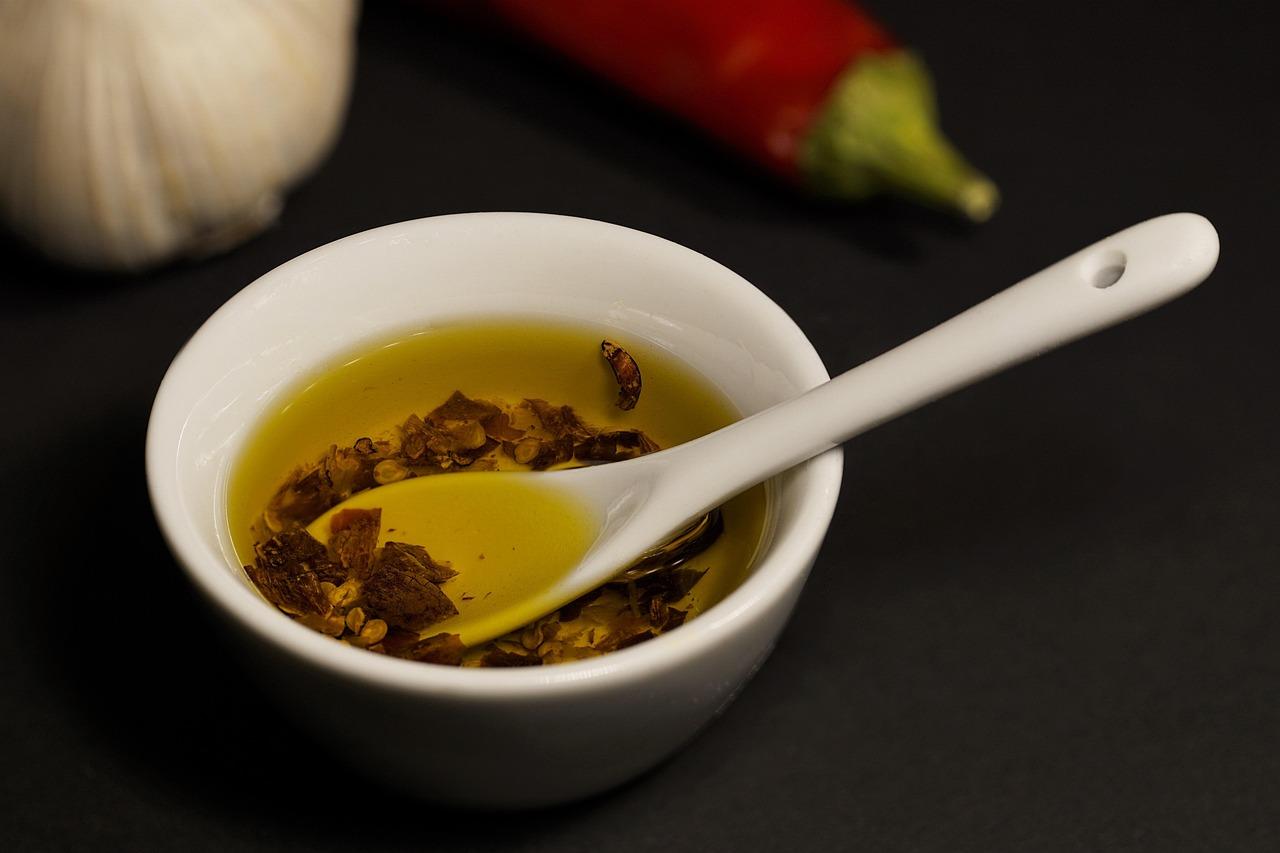
Salsa machaChile peanut oil salsa

In Orizaba and Córdoba in the mountains of Veracruz, salsa macha is a jar that lives on the table: dried chiles, garlic, peanuts and sesame fried in oil and crushed into a dark, crunchy relish. It is spooned over eggs, tamales, beans, grilled vegetables and even fresh cheese, and a little goes a long way. The flavour is smoky and nutty rather than fiercely hot when made with mild chiles. This version contains peanuts and sesame, both common allergens. Chef's tip: let the oil cool for a minute before the chiles go in; they need gentle heat to release their flavour without scorching.

by KrazyBadal 0 views

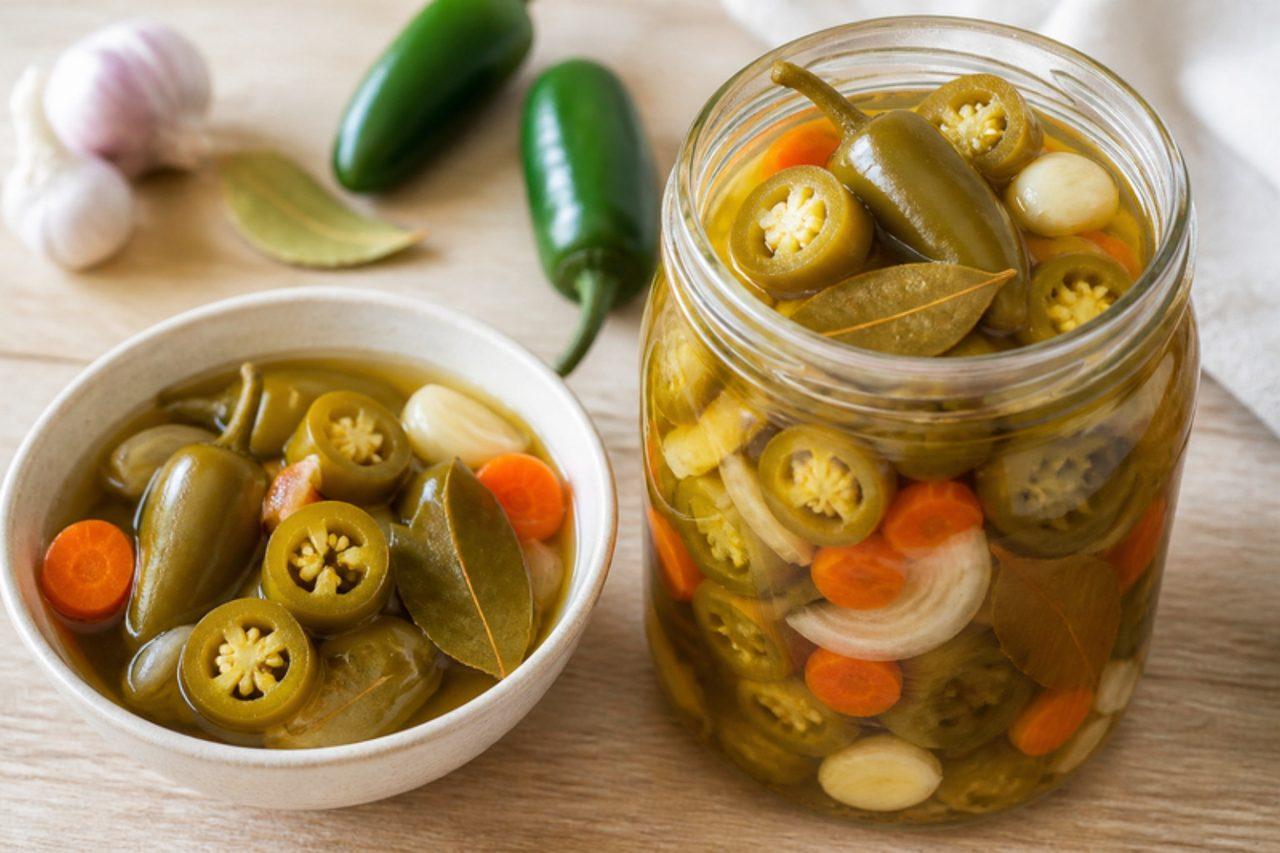
Chiles en escabechePickled jalapeños

Every Mexican home and fonda keeps a jar of pickled jalapeños for tortas, tacos, rice and a plate of beans, and the homemade kind is crisper and more fragrant than anything in a tin. Whole or sliced chiles are briefly fried with carrot coins, onion and garlic, then simmered in a herb-scented vinegar brine with bay, thyme and Mexican oregano. They are ready the next day and keep a month in the fridge. Chef's tip: wear gloves when slicing the chiles and keep your hands away from your eyes.

by KrazyBadal 0 views

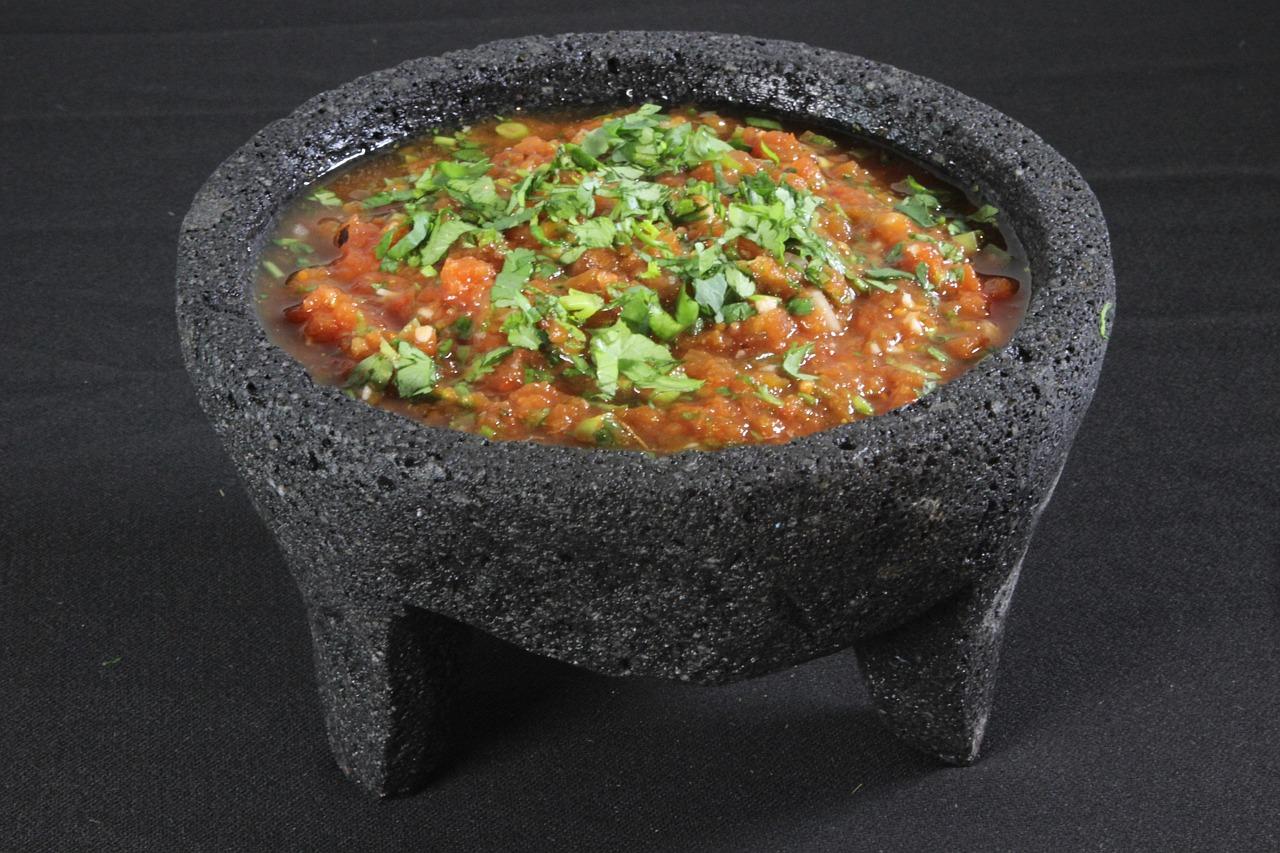
Salsa de molcajeteCharred tomato chile salsa

Market cooks in Puebla, Tlaxcala and the State of Mexico still blister tomatoes, garlic and chiles on a dry comal and grind them in the same volcanic-stone mortar that gives this salsa its name. The result is chunky, smoky and slightly sweet from the charred tomato skins, and it is served warm or at room temperature with grilled meat, quesadillas and barbacoa. A blender works, but the molcajete gives a rougher, juicier texture. Chef's tip: grind the garlic, chile and salt first, then the tomatoes, so the hard bits break down properly.

by KrazyBadal 0 views

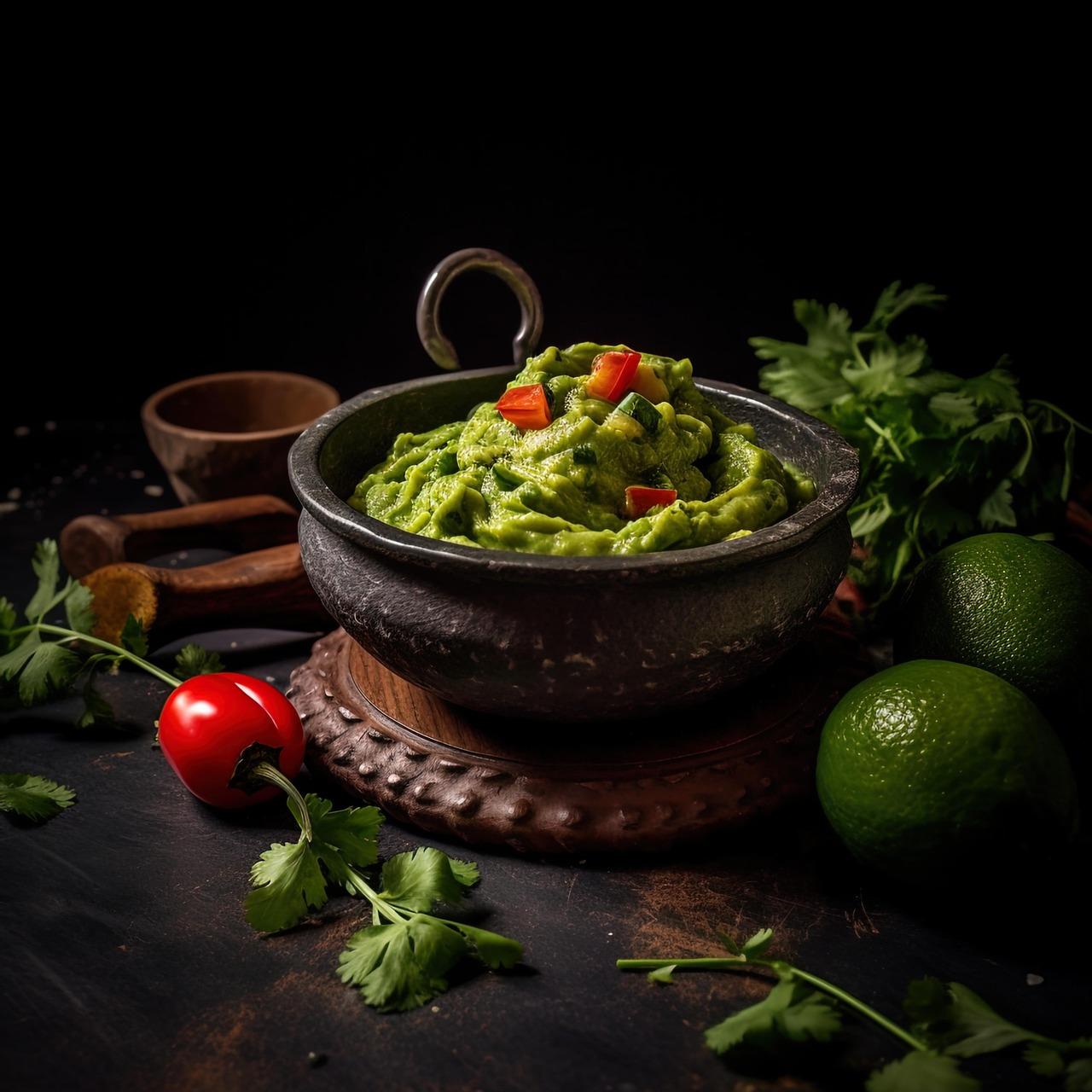
Guacamole

In fondas around Mexico City and at Sunday carne asada gatherings across Puebla and the Bajío, guacamole is pounded to order in a basalt molcajete and carried to the table still in the stone. No sour cream, no garlic powder: just ripe avocado crushed over a paste of onion, serrano chile, cilantro and salt, sharpened with lime. It is a dip for warm totopos, a topping for tacos and a side for grilled meat, and it is best eaten within the hour. Chef's tip: grind the chile, onion and salt to a wet paste first, so the heat spreads through every bite instead of sitting in chunks.

by KrazyBadal 0 views

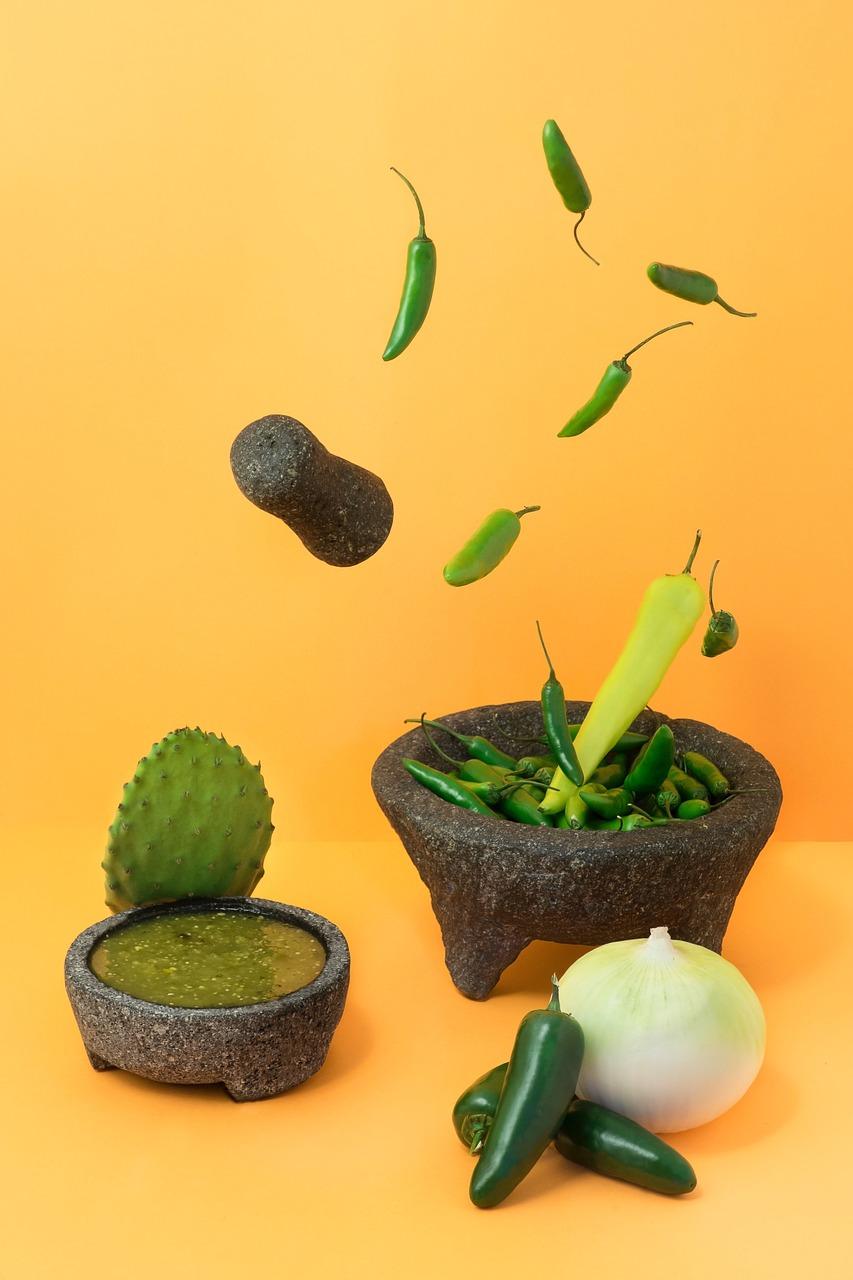
Salsa verde crudaRaw tomatillo salsa

Raw green salsa sits in a bowl on nearly every taquería counter from Toluca to Mexico City, and families blend a fresh jar most mornings to spoon over eggs, tacos de guisado and grilled meat. Because the tomatillos are not cooked, it tastes sharp, grassy and almost citrusy, with a clean serrano bite. It takes ten minutes and keeps three days in the fridge, thickening slightly as the tomatillo pectin sets. Chef's tip: choose firm, bright green tomatillos that have split their papery husks; yellowing ones are sweeter and make a dull salsa.

by KrazyBadal 0 views

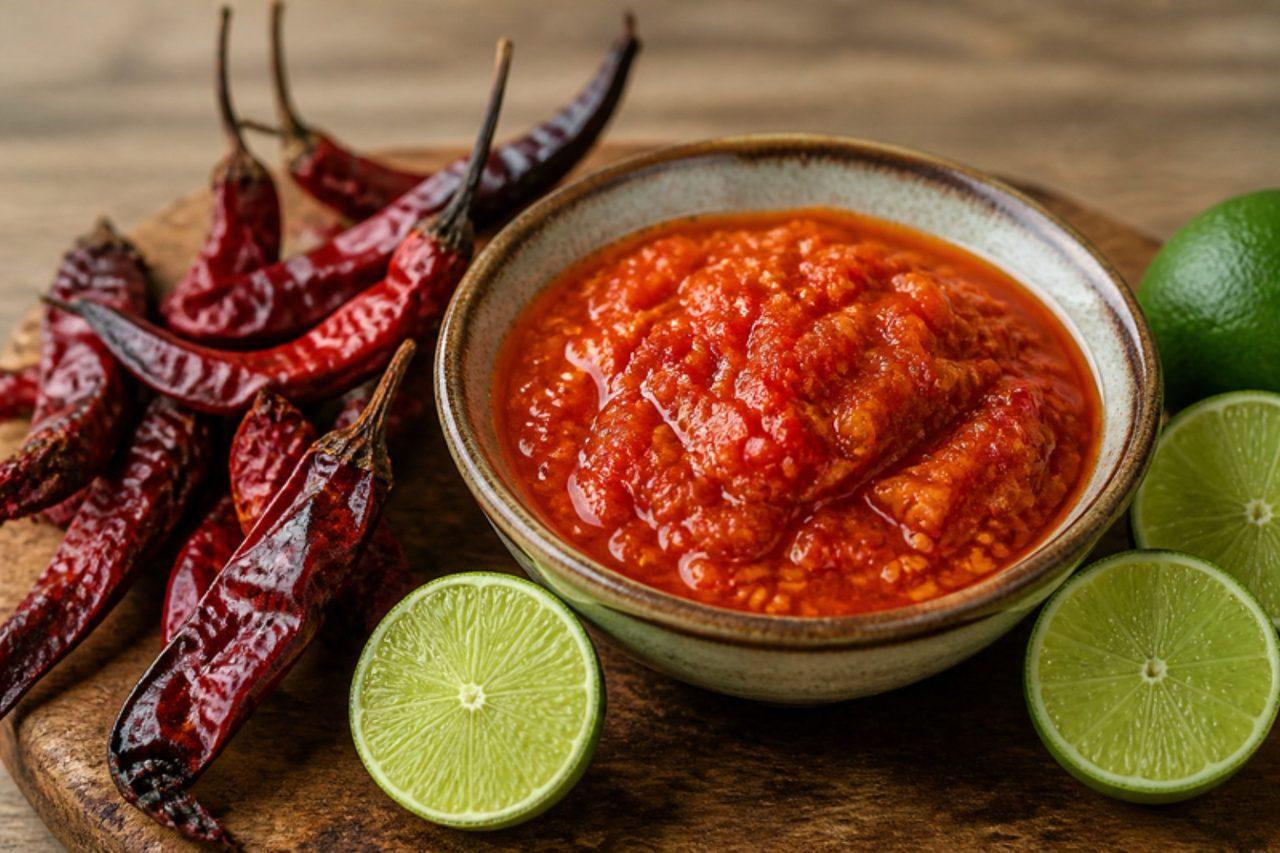
Sudanese shata (dried chilli, garlic and lime sauce)
No Sudanese meal is complete without a little dish of shata on the side, and every household and roadside grill from Port Sudan to Nyala has its own version. This one is the classic everyday type: dried red chillies soaked soft and pounded with raw garlic, salt and plenty of lime juice into a loose, brick-red sauce that is fiery, sour and garlicky all at once. A spoonful goes over ful, fried fish, grilled meat, salads and stews. Wear gloves when handling the chillies, and do not rub your eyes. Using the soaking water in place of fresh water is a mistake, as it can taste bitter and dusty; drain it off. Chef's tip: make it a few hours ahead and keep it in the fridge; the heat settles and the garlic mellows.

by KrazyBadal 0 views

UchucutaRocoto and peanut chilli sauce

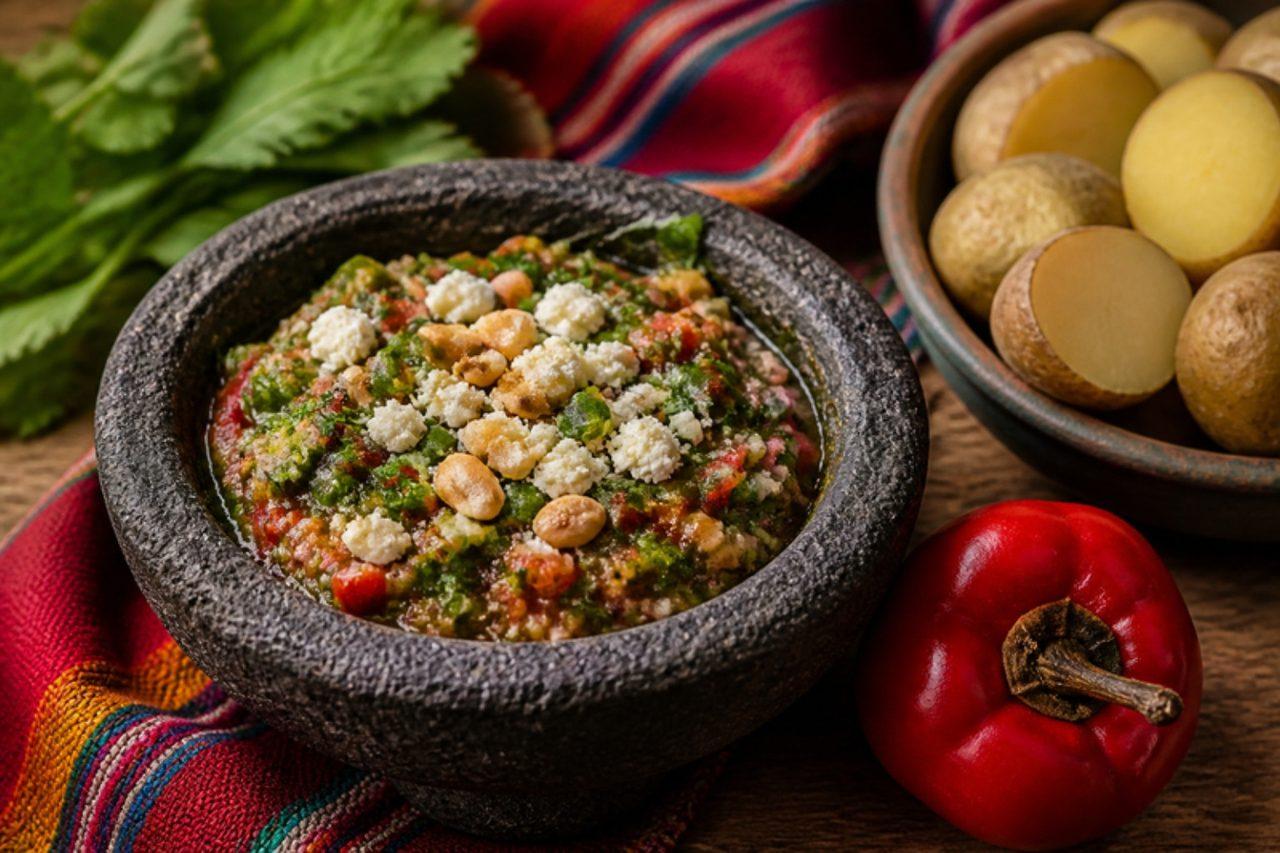
Ground on a batán, the flat grinding stone found in Andean kitchens, uchucuta is the table sauce of Ayacucho and Cusco: rocoto or yellow chilli crushed with huacatay, toasted peanuts and a little fresh cheese into a thick, speckled green-red paste. It goes on boiled potatoes, choclo, broad beans and huatia, and on festival days it sits next to every plate. The flavour is hot, herby and nutty, with a salty creaminess from the cheese. The name comes from the Quechua uchu, chilli, and it is meant to be spicy, but people often add all the rocoto at once and end up with something inedible; blend in half, taste and build up. A food processor or blender will do the work of the stone, though pulse it so the sauce keeps some texture. Queso fresco is usually made with animal rennet, so choose a vegetarian fresh cheese if you prefer. Chef's tip: toast the peanuts yourself until just golden; their warmth softens the raw sharpness of the chilli.

by KrazyBadal 0 views

Sikil pakPumpkin seed dip

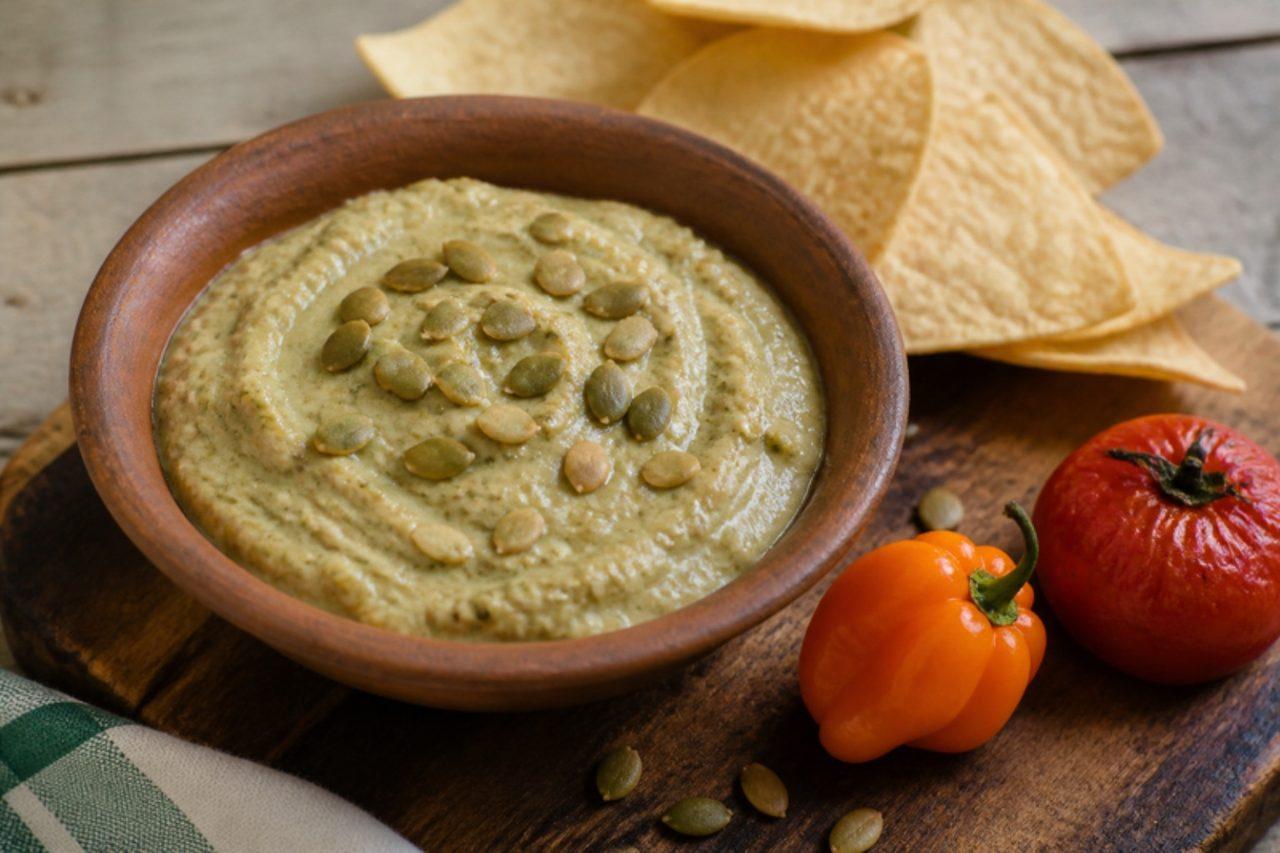
In Yucatec Maya, sikil means squash seed and p'aak means tomato, and that is almost all there is to this pale, coarse dip from the Yucatán Peninsula. Cooks in Mérida and the villages around it toast the seeds on a comal until they pop, grind them with charred tomato, chives and a little habanero, and serve the dip with tostadas or crisp tortilla chips before a meal. It tastes nutty, smoky and fresh at the same time, and is naturally vegan. Chef's tip: roast the habanero whole and add it a little at a time; you can always grind in more, but you can't take the heat back out.

by KrazyBadal 0 views

Yucatán pickled red onions

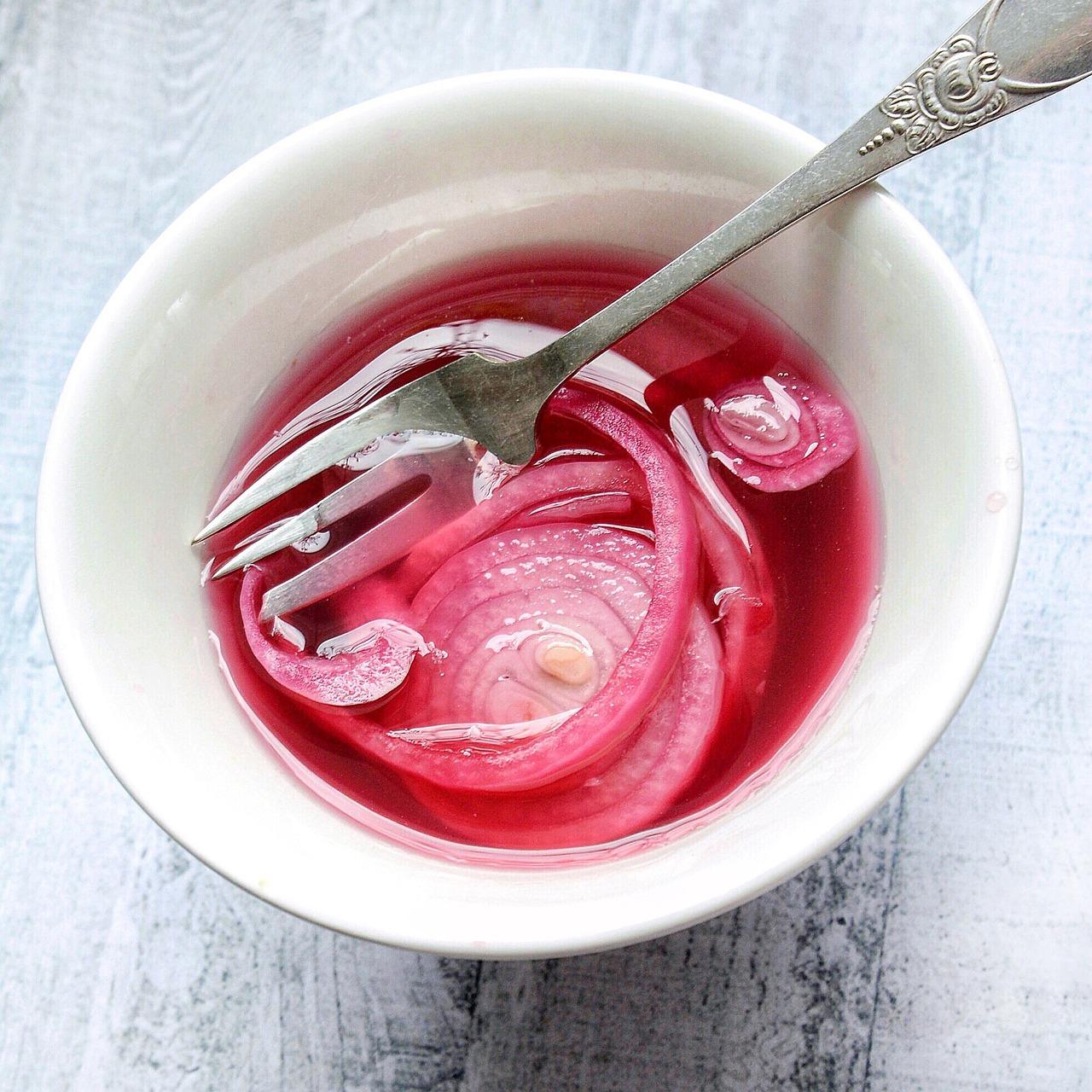
No table in Mérida is complete without a bowl of these bright pink onions. They go on almost everything in the Yucatán, from panuchos and salbutes to bean tacos, eggs and grilled vegetables, and their sharp crunch is what cuts through rich, earthy food. The traditional pickle uses naranja agria, the sour Seville-type orange that grows all over the peninsula, with a little habanero and dried oregano. Chef's tip: pour boiling water over the sliced onions for 10 seconds first; it softens their raw bite and makes them turn pink much faster.

by KrazyBadal 0 views

XnipecHabanero and sour orange salsa

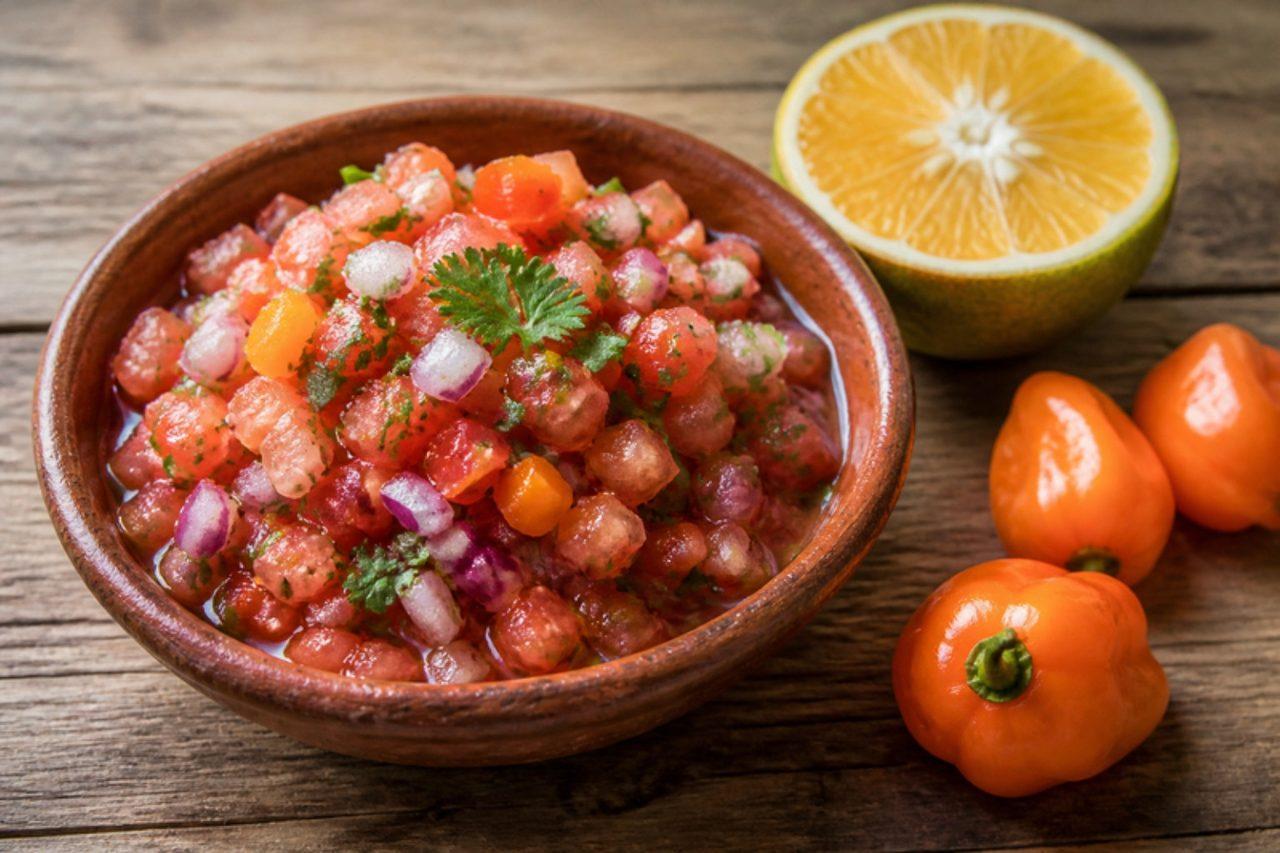
The name comes from Maya: xni' pek means 'dog's nose', because the salsa is hot enough to make your nose run and stay wet like a dog's. It is the raw table salsa of the Yucatán, made in minutes from tomato, red onion, coriander and plenty of habanero, all soaked in sour orange juice. In Mérida it is spooned over black-bean dishes, eggs and rice, and it brightens anything rich. It is best on the day it is made. Chef's tip: chop everything by hand into small, even dice; a blender makes it watery and the habanero turns bitter.

by KrazyBadal 0 views

Salsa de chile pasilla oaxaqueñoSmoky dried chilli salsa

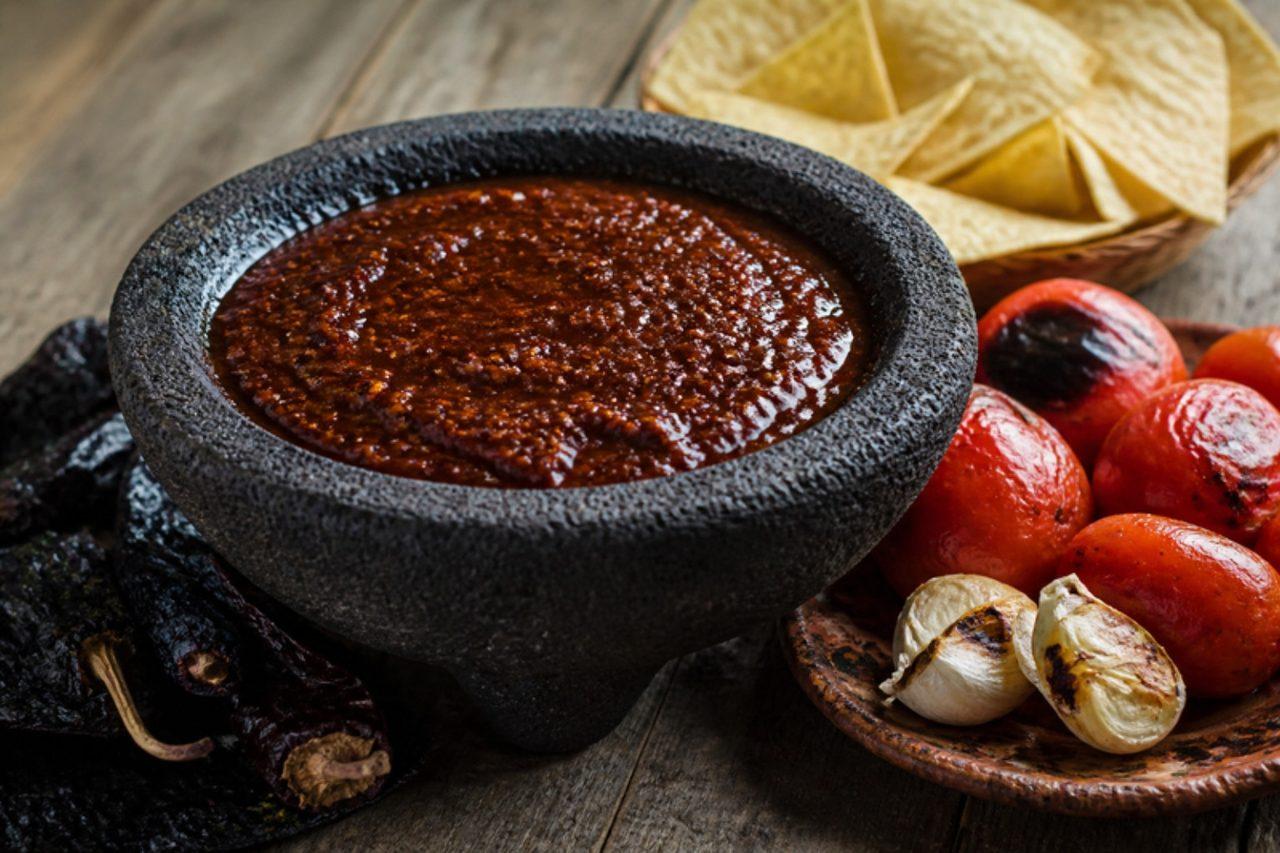
The pasilla mixe is a small, wrinkled, red-brown chilli smoked in the Sierra Mixe mountains east of Oaxaca City, and it tastes of campfire, tobacco and dried fruit. Ground in a molcajete with roasted tomato and garlic, it becomes the salsa that sits on every table in Oaxacan fondas, spooned over memelas, eggs, beans and grilled vegetables. It keeps a week in the fridge and improves after a day. If you cannot find pasilla mixe, use chipotle mora plus one ancho. Chef's tip: grind the garlic and salt first, then the chillies, then the tomato; working in that order gives a rough, clinging texture rather than a watery purée.

by KrazyBadal 1 views

Chile con queso norteñoRoasted chilli with melted cheese

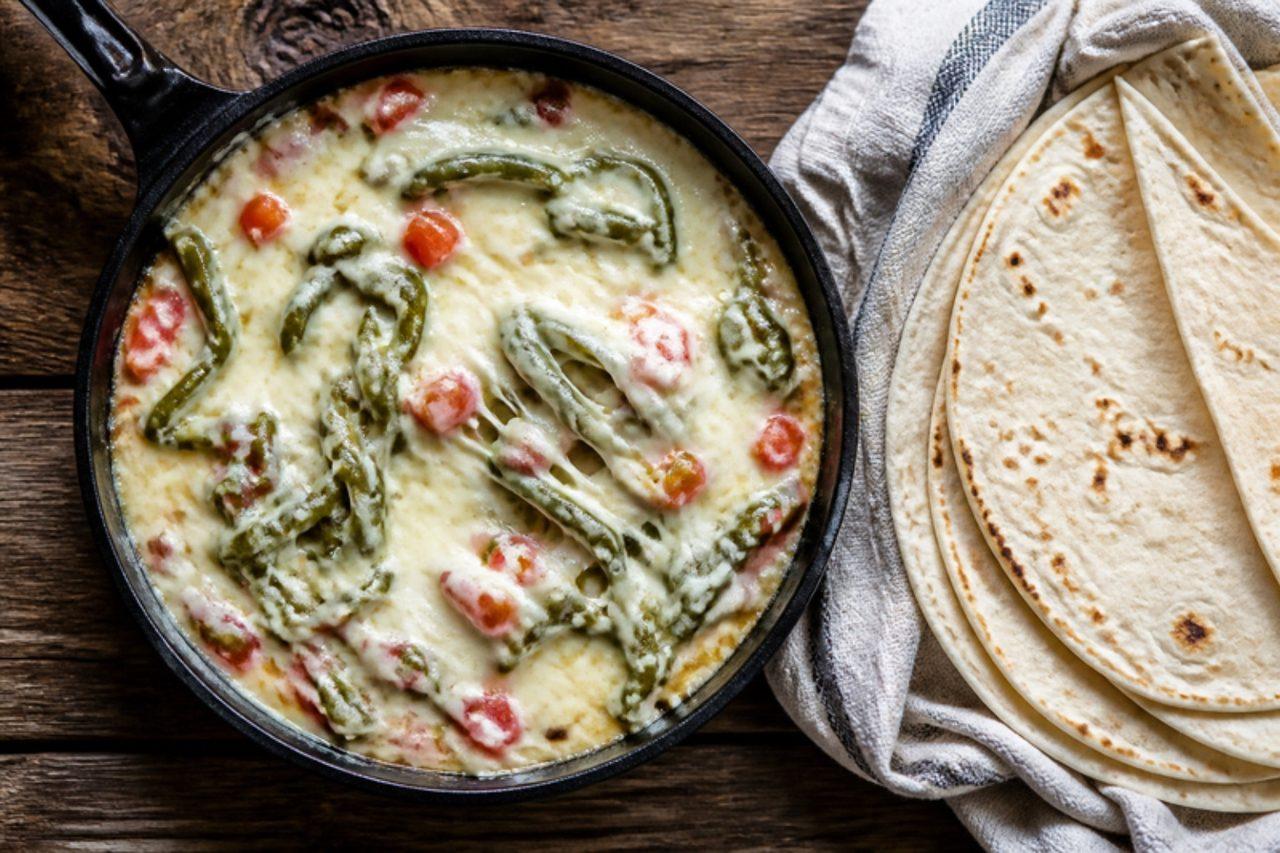
In Ciudad Chihuahua and the farming towns of the Sierra, chile con queso is not the runny orange dip of Texas bars but a skillet of roasted long green chillies, onion and tomato with mild Chihuahua cheese melted through it, scooped up with flour tortillas at a carne-asada Sunday or eaten as a main with beans. Chihuahua cheese, also called queso menonita after the Mennonite farmers who make it, is like a mild, buttery cheddar. Chef's tip: steam the roasted chillies in a covered bowl; the skins then slide off in one go.

by KrazyBadal 0 views

OcopaPeanut, huacatay and cheese sauce

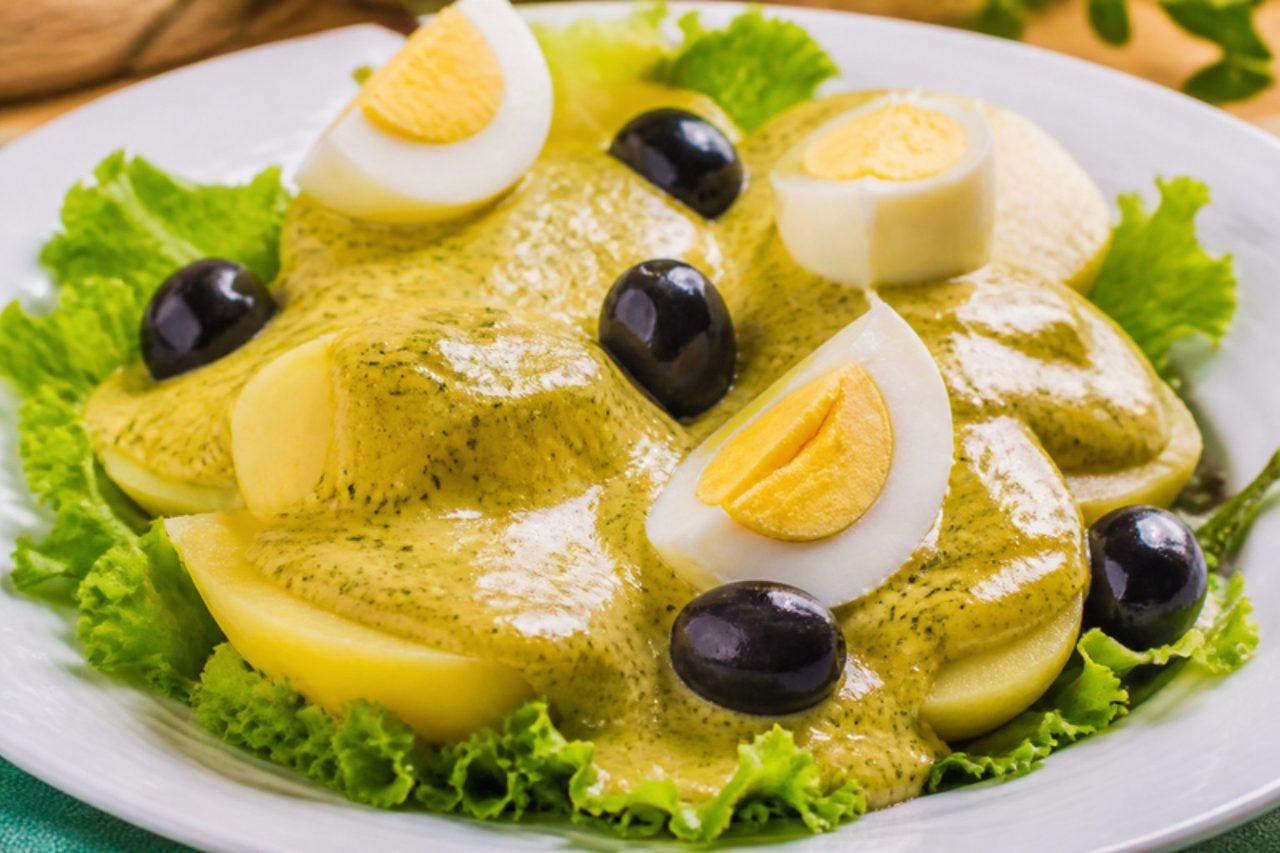
Arequipa's picanterías put ocopa on the table as a starter, a pale olive sauce spooned thickly over sliced boiled potatoes, and the smell of toasted chillies and huacatay (black mint) is what sets it apart from Lima's huancaína. The chillies are dried ají mirasol, charred in a dry pan, which gives a smoky, raisin-like warmth rather than sharp heat, and toasted peanuts make the sauce nutty and almost velvety. Many cooks thicken it with crackers; this version uses only peanuts and cheese, so it stays gluten free. Serve it at room temperature with yellow potatoes, a black olive and a few lettuce leaves, plus a halved boiled egg for anyone who eats eggs. The mistake people make is toasting the onion and chillies black, which turns the sauce bitter; they should be blistered in spots only. Queso fresco is often made with animal rennet, so look for a vegetarian fresh cheese. Chef's tip: huacatay paste comes in jars from Latin shops; without it, use a small handful of mint plus a few tarragon leaves.

by KrazyBadal 0 views

Salata aswadAubergine and peanut butter salad

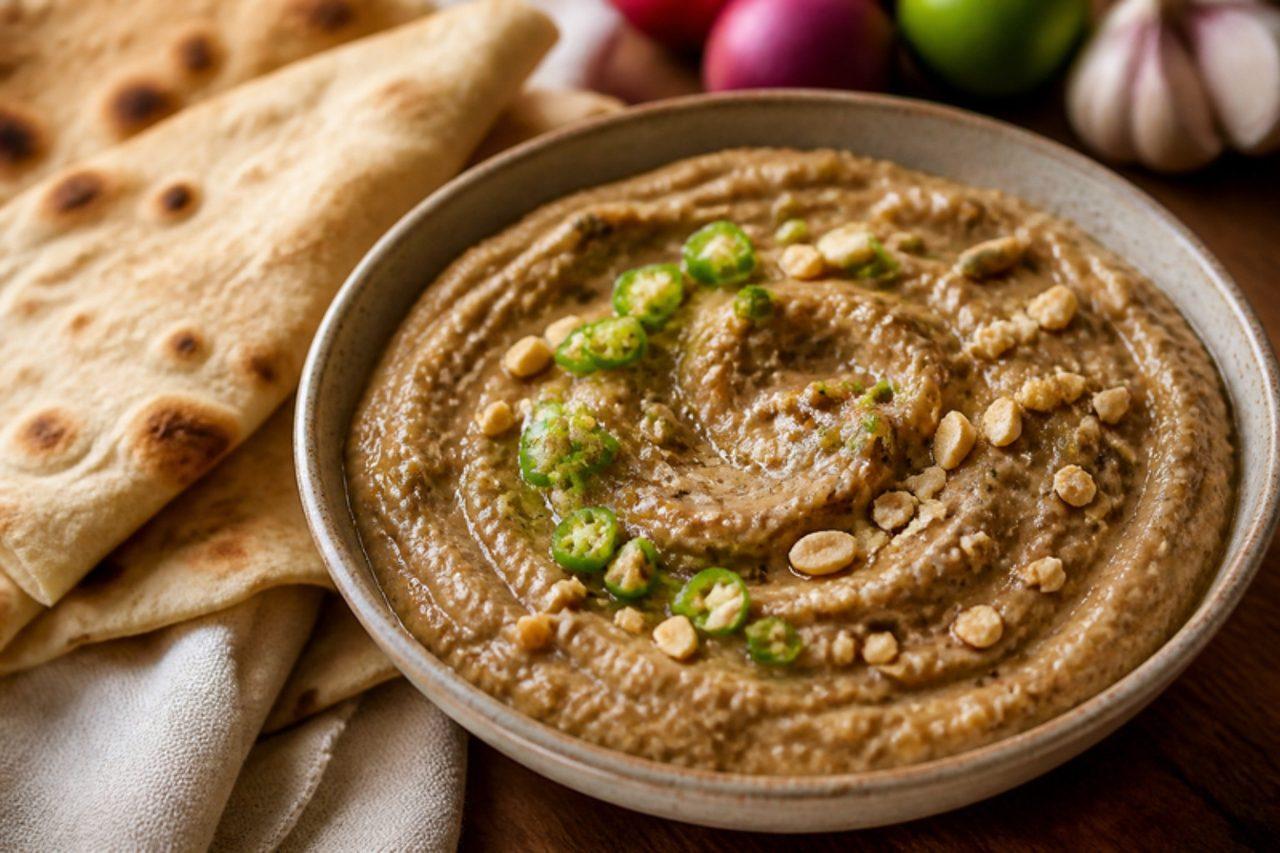
Salata aswad, the 'black salad', is a Khartoum favourite: aubergine fried until almost black and collapsing, then mashed with peanut butter, garlic, lime and a little chilli into a rich, smoky spread. It is served at Ramadan iftars and family lunches with kisra or bread, next to ful and fresh tomato salad. The peanut is what makes it Sudanese rather than a Levantine aubergine dip. Chef's tip: salt the aubergine and squeeze it dry before frying; it absorbs far less oil.

by KrazyBadal 0 views

Pico de galloFresh tomato salsa

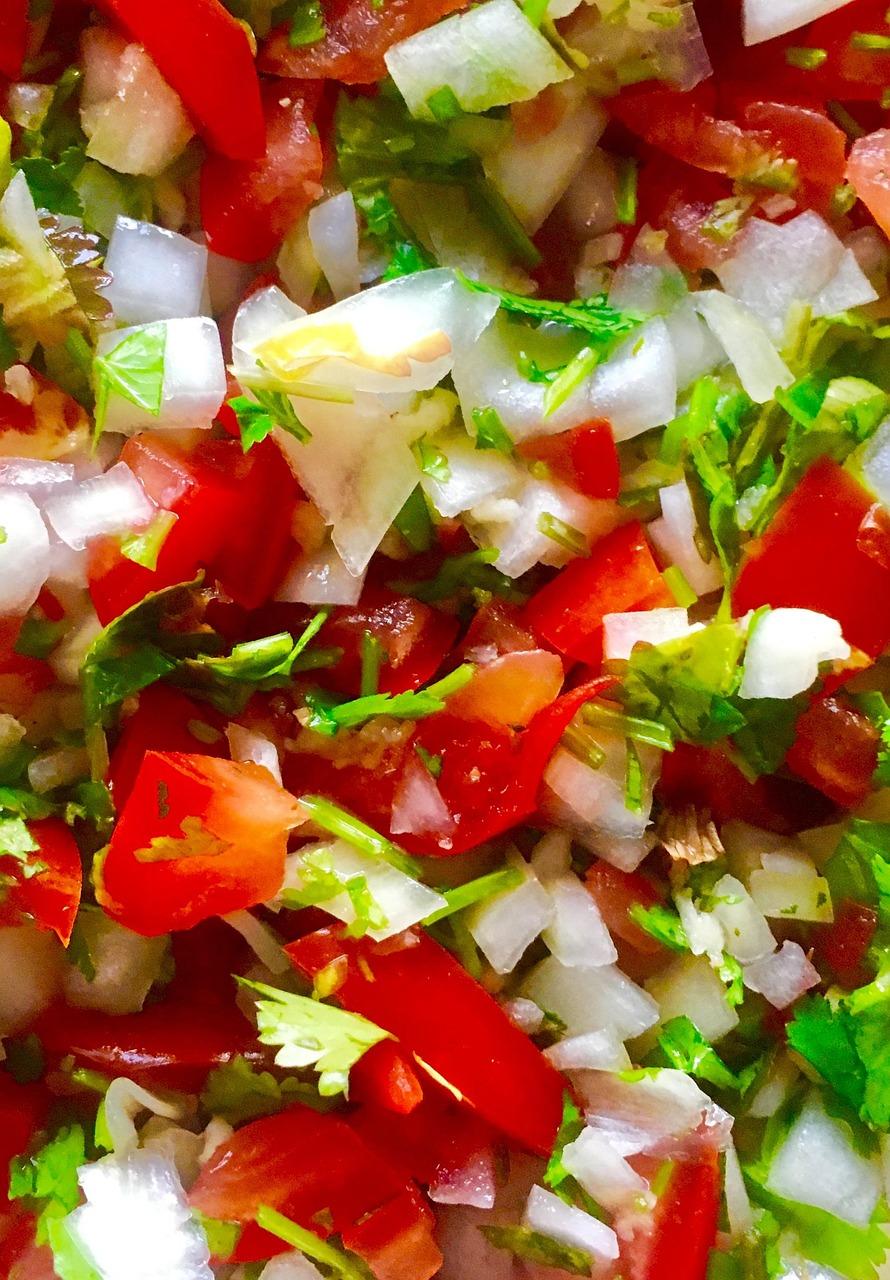
Pico de gallo, also called salsa fresca or salsa mexicana, is the fresh, uncooked salsa that sits on every Mexican table: diced ripe tomato, white onion, serrano chilli and coriander, brightened with lime juice and salt. It is crunchy, juicy and clean-tasting, with just enough heat, and goes with tacos, quesadillas, eggs, beans, rice and tortilla chips. It is best within an hour of making. Chef's tip: add the salt just before serving; salt draws water out of the tomatoes and leaves the salsa sitting in a puddle.

by KrazyBadal 0 views

Avocado feta salsa

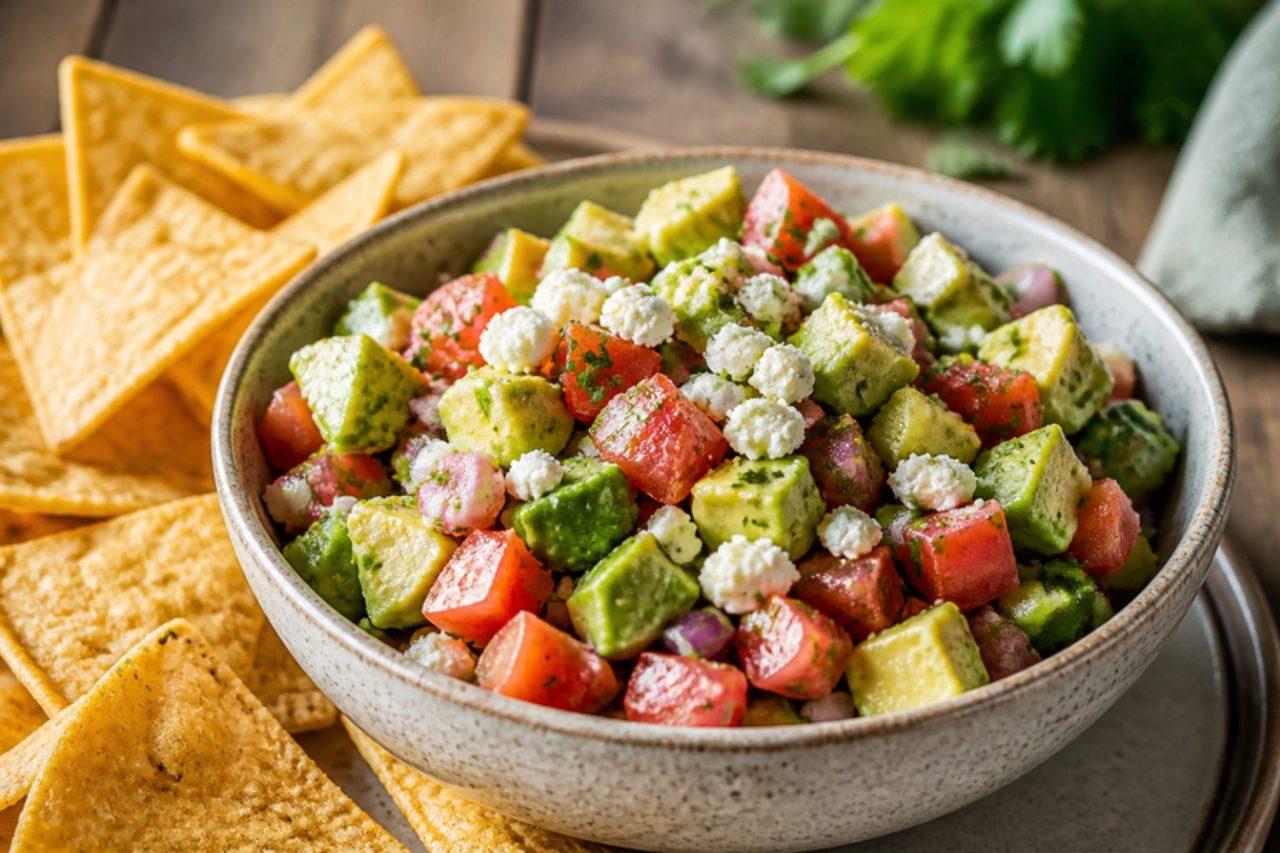
A chunky, savoury salsa of tomatoes and creamy avocado with onion, garlic, fresh parsley and oregano, dressed with olive oil and wine vinegar and finished with crumbled feta. It's best after a couple of hours in the fridge. Serve it with pitta bread or tortilla chips.

by KrazyBadal 0 views

Salsa sauce

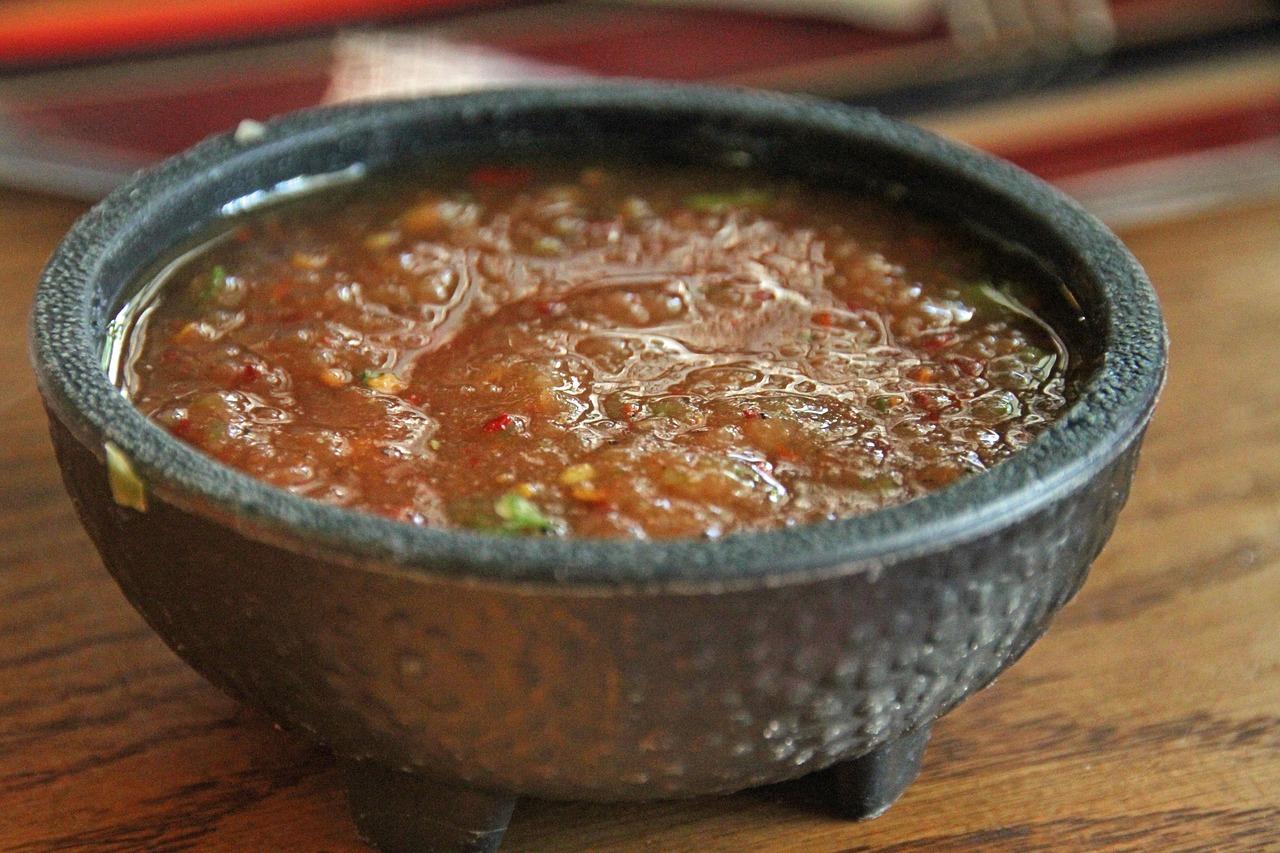
A smooth, tangy tomato salsa of blanched tomatoes, sautéed onion, garlic, chilli and plenty of oregano, with a touch of cumin and coriander seed. Serve it with nacho triangles, tacos, quesadillas or as a dip for any snack.

by KrazyBadal 1 views

Avocado dip

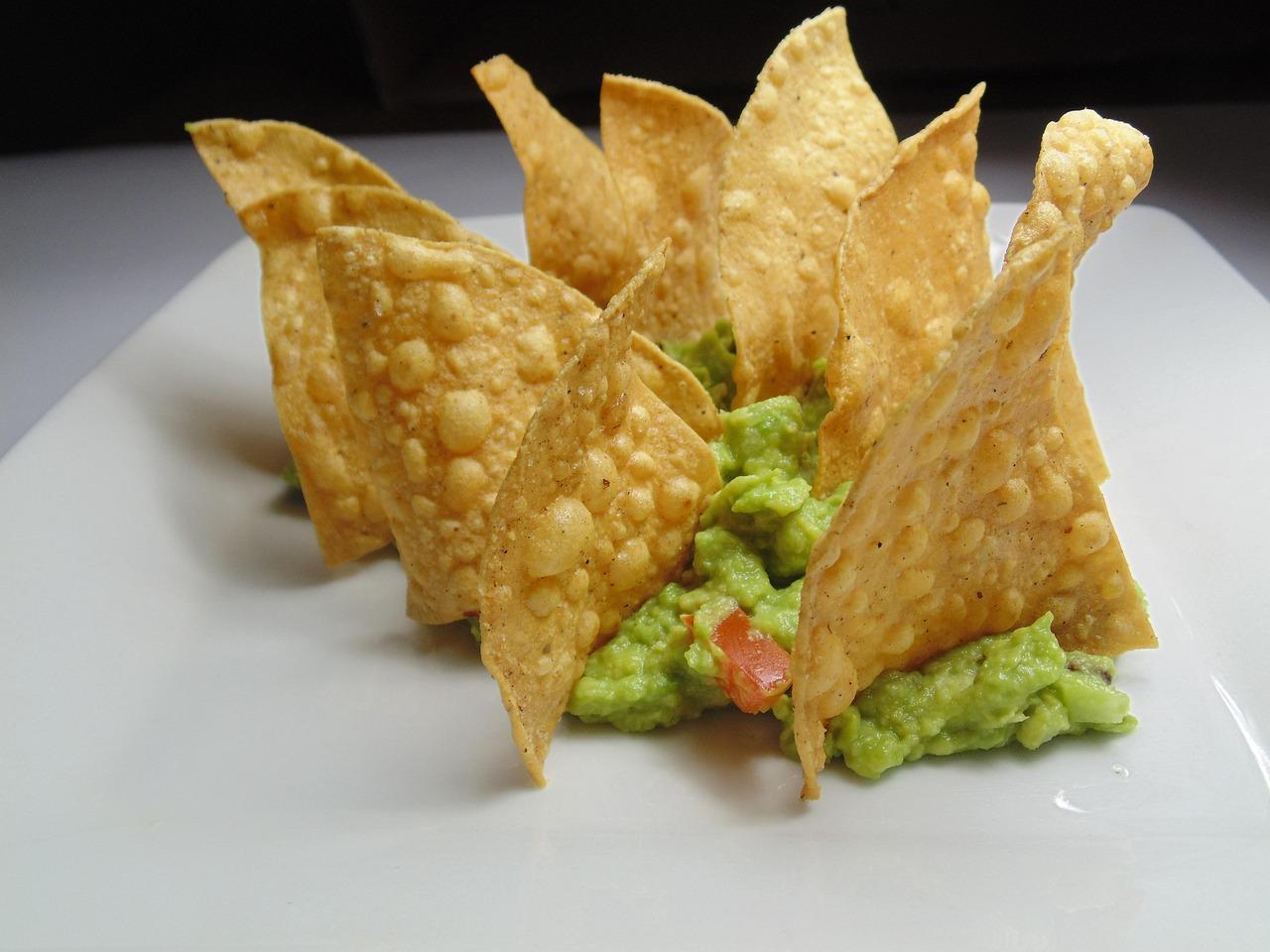
A guacamole-style dip of ripe avocado mashed with tomato, onion, green chillies, coriander, a little sour cream, Tabasco and lemon. Make it smooth or chunky, as you like. Chill it and serve with nacho triangles.

by KrazyBadal 1 views