Skip to content
WhatToEat.Today

All recipes

67

Vegetarian, or something you can't eat? Set your diet once and we'll hide recipes that don't fit.

Qiaoguo (Qixi fried pastries)Sesame sugar fried dough knots

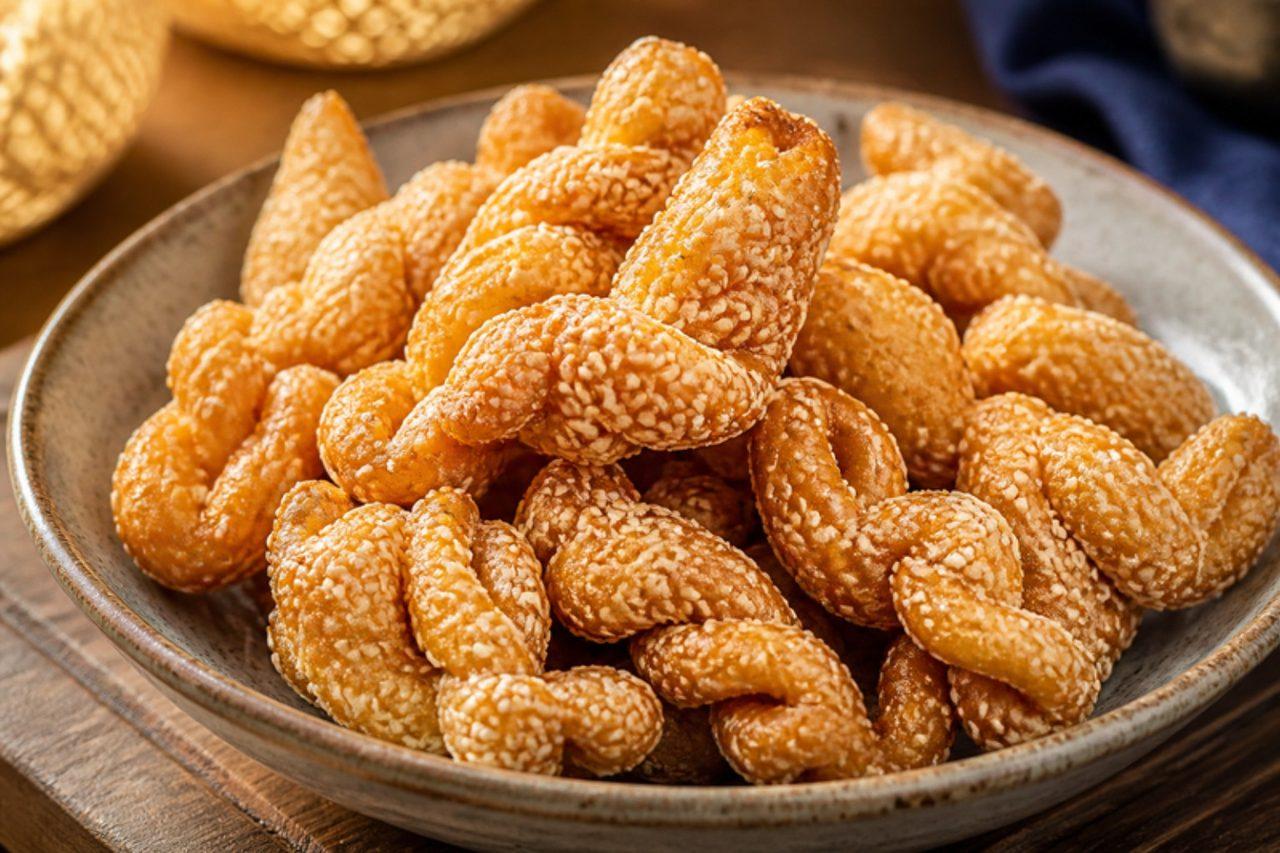
Qiaoguo, 'skill fruits', are fried for Qixi on the seventh night of the seventh lunar month in Zhejiang and Jiangsu. The festival celebrates the Weaver Girl and the Cowherd, the star-crossed lovers who meet once a year, and girls once set out these pastries and asked the Weaver Girl to make them clever with their hands; the neat twists and cut-out shapes show off that skill. They are crunchy, lightly sweet and toasty with sesame, like a delicate biscuit. Serve a plate under the evening sky with tea, melon and fruit. Chef's tip: roll the dough thin, about 2 mm; thicker pieces stay hard in the middle instead of crisp.

by KrazyBadal 0 views

Ba bao la jiang (eight-treasure chilli sauce)

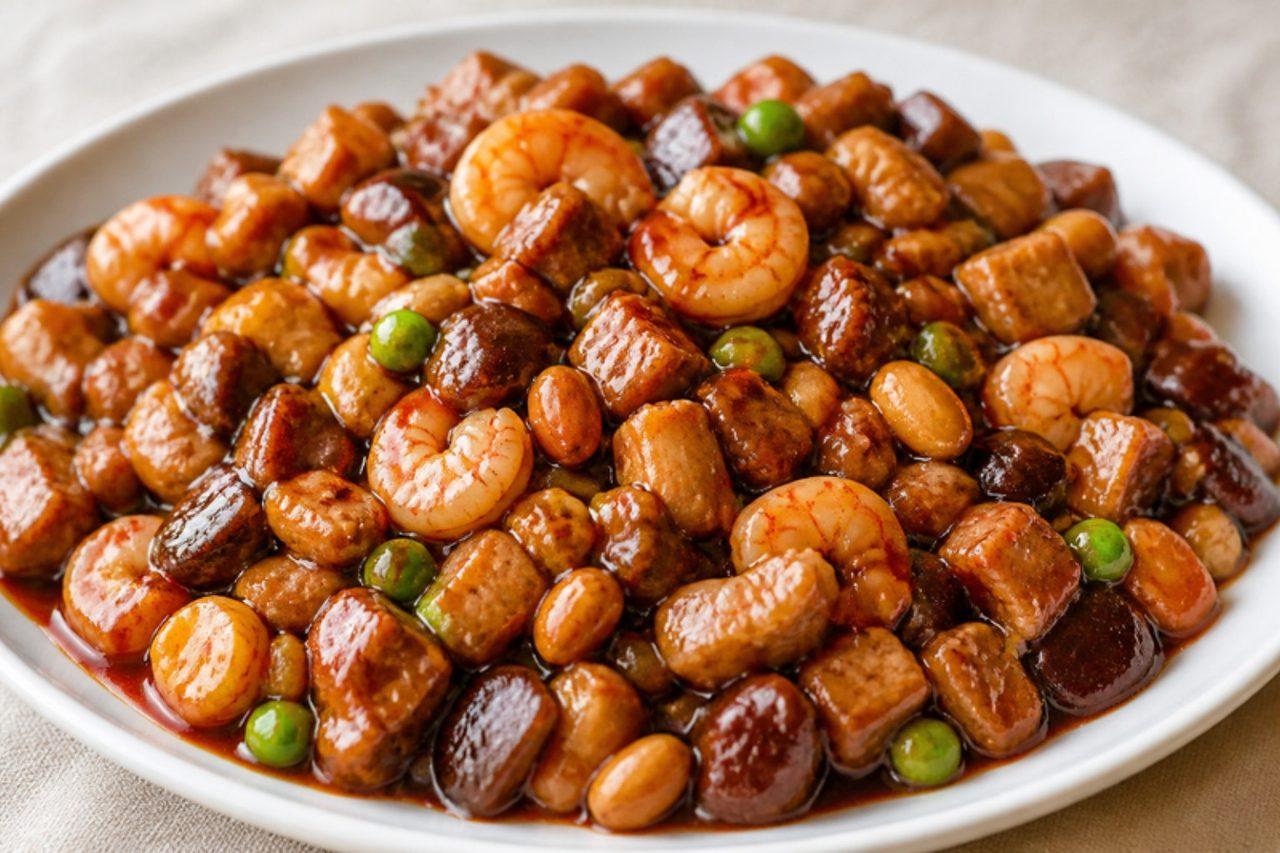
Ba bao la jiang, 'eight-treasure chilli sauce', is a Shanghai banquet dish brought out for the Spring Festival, when eight is the luckiest number and eight different 'treasures' in one bowl wish the table eight kinds of good fortune. Diced pork, prawns, pressed tofu, bamboo shoots, mushrooms, peanuts and green peas are cooked separately and brought together in a thick, glossy sauce of sweet bean paste and chilli: sweet first, then gently hot, with every bite a different texture. The classic recipe adds a spoonful of Shaoxing wine; for an alcohol-free version, use the same amount of unsalted stock with a few drops of rice vinegar. Serve with plenty of plain rice. Chef's tip: dice everything to the same 1 cm size so each spoonful catches a bit of every treasure.

by KrazyBadal 0 views

La wei he zheng (Hunan steamed cured meats)

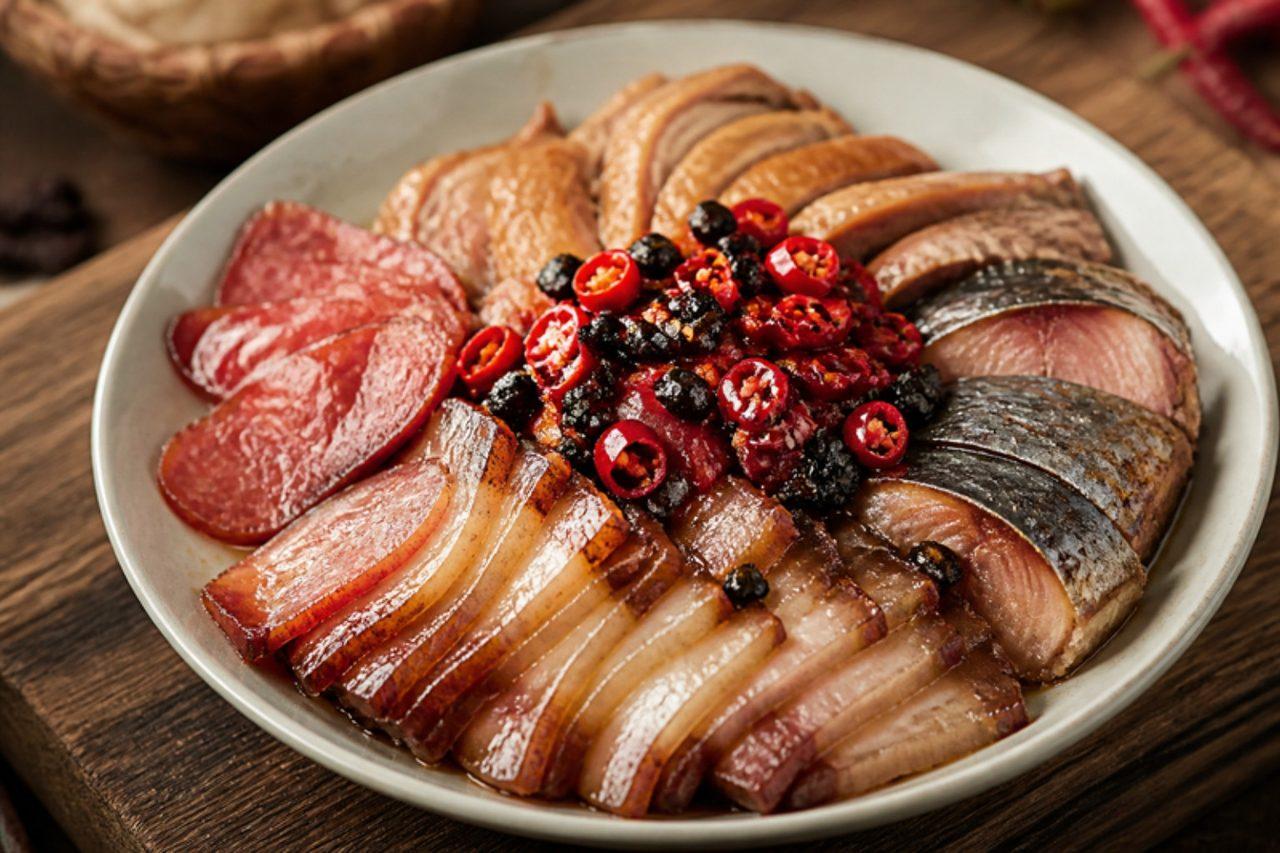
La wei he zheng, 'cured flavours steamed together', is a showpiece of Hunan's Spring Festival table: a bowl of smoky cured pork belly, cured chicken and dried fish, layered and steamed until their juices mingle. Cured meats are made in the coldest month to last through the holiday, so a heaped bowl promises a family that will never go short. The fat turns melting and translucent, the fish smoky and firm, and fermented black beans and chilli give a salty, fiery lift. The easy route is shop-bought Chinese cured pork belly and sausage from an Asian grocer; many brands contain a little rice wine, so check the label if you avoid alcohol. Serve with plenty of plain rice and a stir-fried green. Chef's tip: steam everything whole first, then slice; cured meat cut cold and hard shreds instead of slicing neatly.

by KrazyBadal 0 views

Tian shao bai (sweet pork belly over sticky rice)

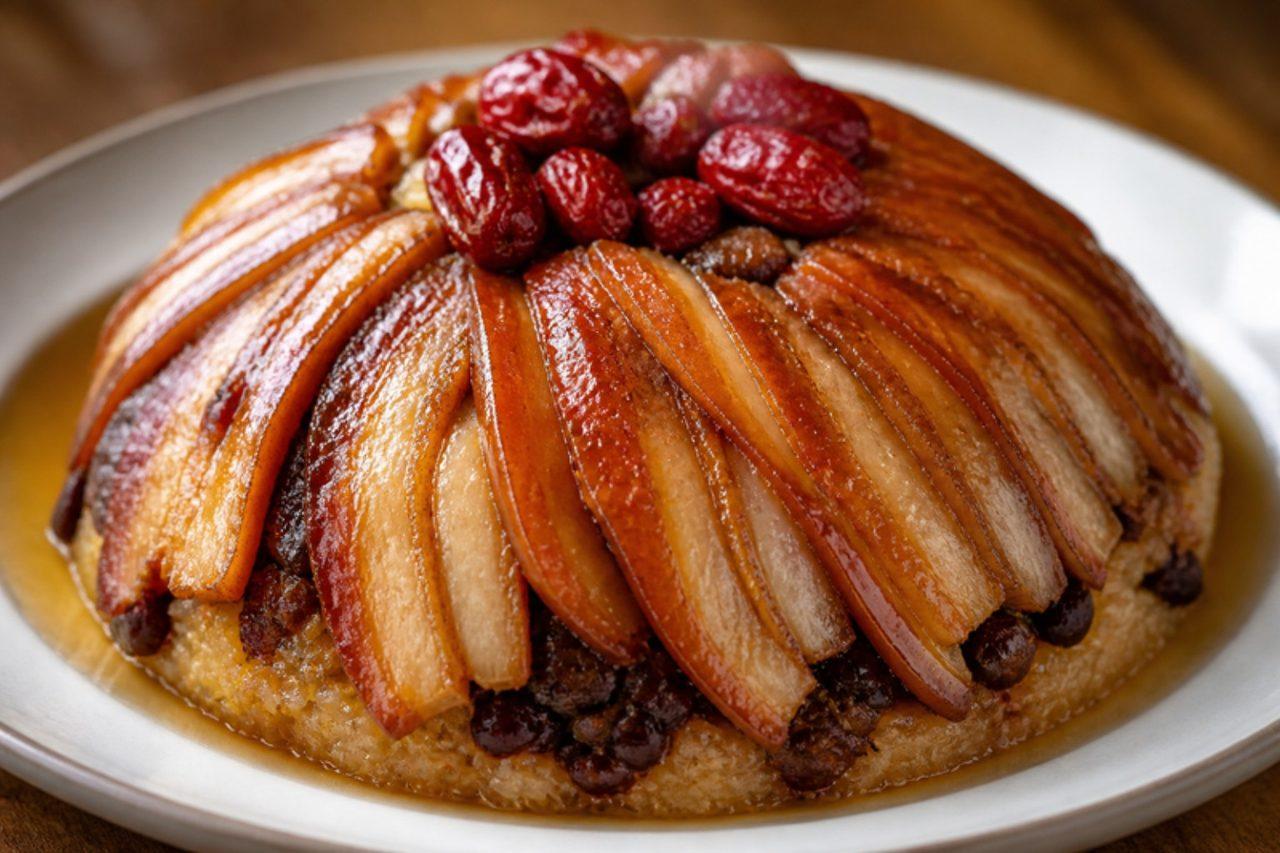
Tian shao bai is one of the 'three steamed bowls' of a Sichuan countryside banquet, and no Spring Festival feast there is complete without it. Thick slices of pork belly are cut into hinged pockets, filled with sweet red bean paste and packed into a bowl over glutinous rice with brown sugar, then steamed for hours and turned out as a glossy dome: sweetness for the year ahead and a richness that says the harvest was good. The pork fat melts into the rice, the skin turns soft and wobbly, and the bean paste and sugar make it rich and sticky like a pudding. Serve it towards the end of the meal in small portions with tea. Chef's tip: chill the boiled belly before slicing; cold pork cuts into clean, even slices that hold together.

195 minChineseMeat
by KrazyBadal 0 views

Zhenzhu wanzi (pearl meatballs)

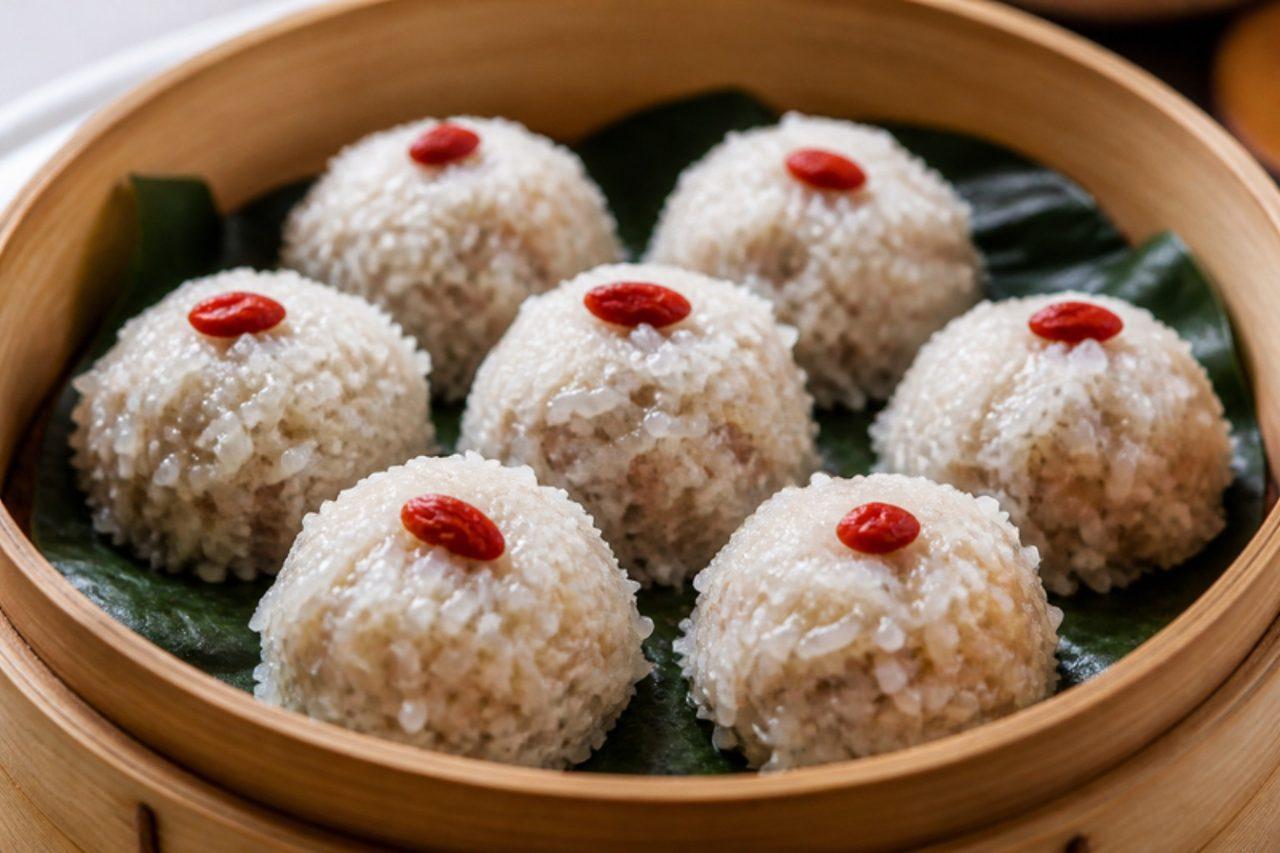
Pearl meatballs come from Mianyang in Hubei, where they are a fixture of the Spring Festival banquet: round shapes stand for a family gathered whole, and the gleaming grains of rice for pearls and wealth. Steaming turns the glutinous rice coating translucent and slightly chewy, while the pork inside stays tender and juicy, with crunch from water chestnuts. They are mild and soft, so children love them, and they look beautiful on a steamer of mixed dim sum or as one of the many dishes at the reunion dinner. Tamari keeps them gluten free; ordinary light soy sauce works if that does not matter to you. Chef's tip: beat the pork in one direction until sticky before shaping; it keeps the meatballs bouncy and stops the rice from falling off.

by KrazyBadal 0 views

Sichuan la rou (smoked cured pork belly)

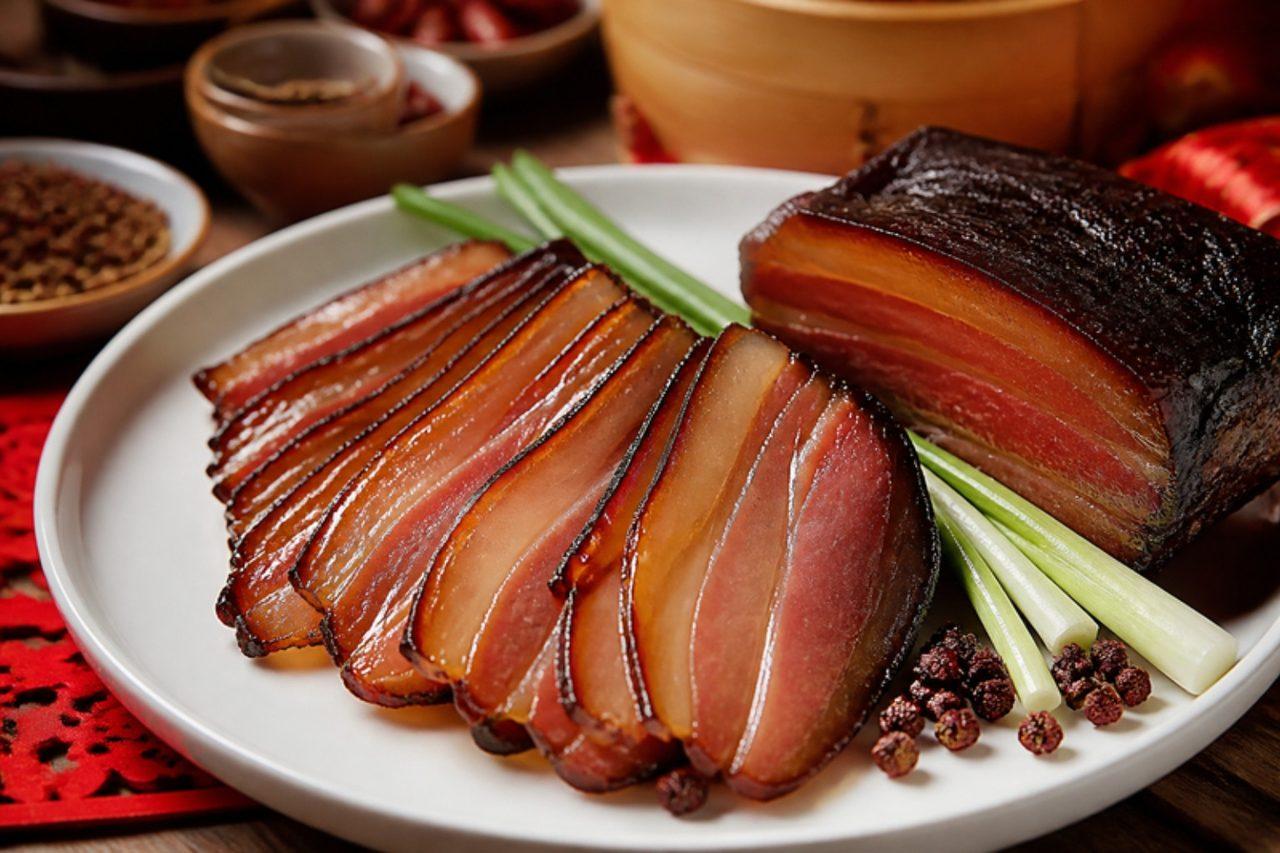
In the twelfth lunar month, balconies across Sichuan and Chongqing fill with strips of pork belly hanging to cure, and by the Spring Festival they have become la rou: smoky, salty and deeply savoury, the taste of a full larder and a prosperous year. The pork is rubbed with salt and toasted Sichuan pepper, left to cure, dried, then smoked; traditionally over cypress branches, here in a foil-lined wok with rice, sugar, tea and wood chips. Steamed and sliced thin, the fat turns translucent and the lean a deep ruby red. Serve it on its own with rice, or stir-fry the slices with garlic shoots or leeks. This home version uses pink curing salt for safety, cures and dries in the fridge, and must always be cooked before eating. Chef's tip: weigh the curing salt on scales accurate to 0.1 g; too much is harmful, too little is unsafe.

180 minChineseMeatGluten free
by KrazyBadal 0 views

Ba bao ya (eight-treasure duck)

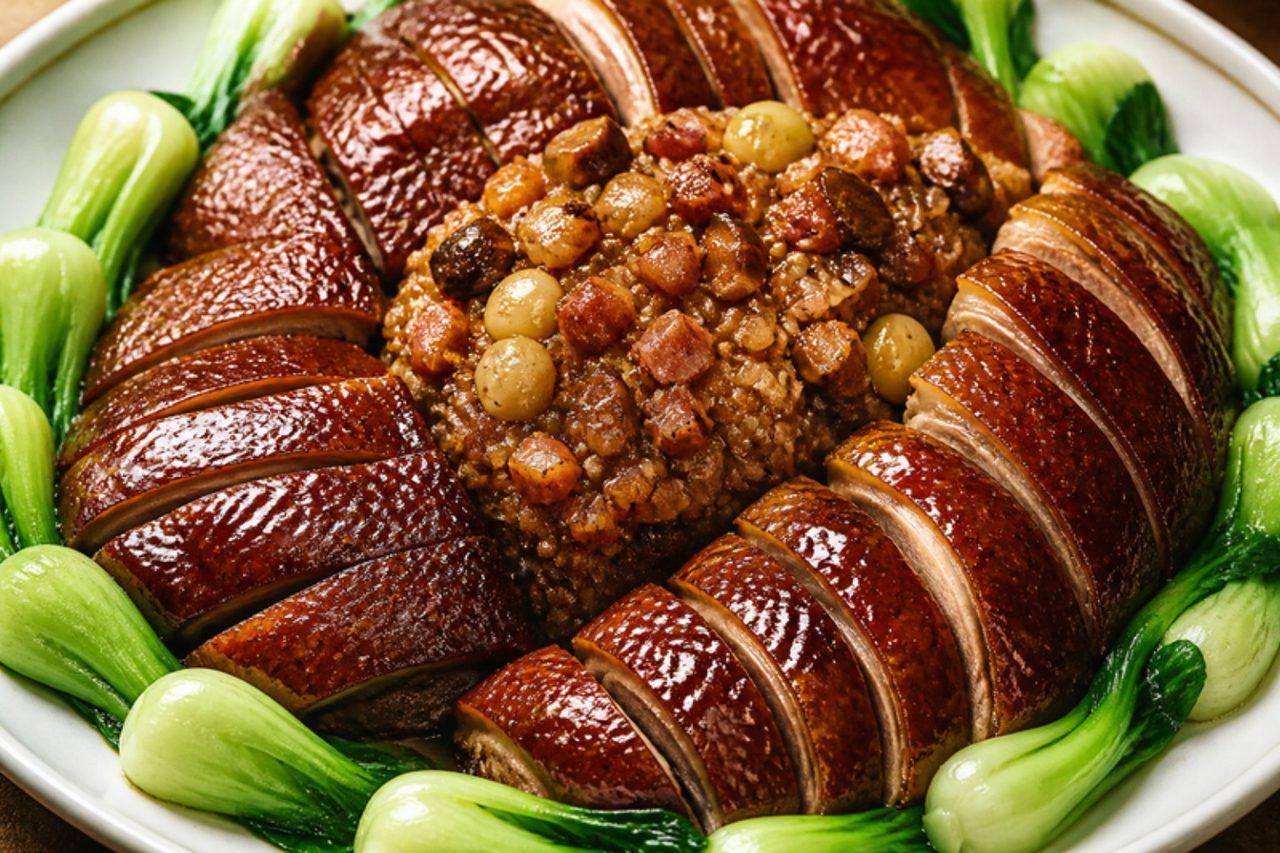
Ba bao ya, eight-treasure duck, is the grand centrepiece of a Shanghai or Suzhou Spring Festival dinner: eight being the luckiest number, the duck is filled with eight good things for eight kinds of fortune. A whole duck is boned so the skin stays in one piece, then packed with glutinous rice, dry-cured ham, chestnuts, shiitake, lotus seeds, bamboo shoots and dried shrimp, and braised in soy and rock sugar until deep mahogany. Cut into thick slices, it shows a mosaic of stuffing held by tender, sticky-glazed meat. The stuffing uses Chinese dry-cured ham and the braise uses Shaoxing wine; for an alcohol-free version use unsalted stock with a few drops of rice vinegar. Serve carved at the table with steamed greens. Chef's tip: ask your butcher to bone the duck and remove the head, leaving the skin intact; it saves an hour and any tears.

240 minChineseMeat
by KrazyBadal 0 views
Xiao su rou (Sichuan crispy fried pork)

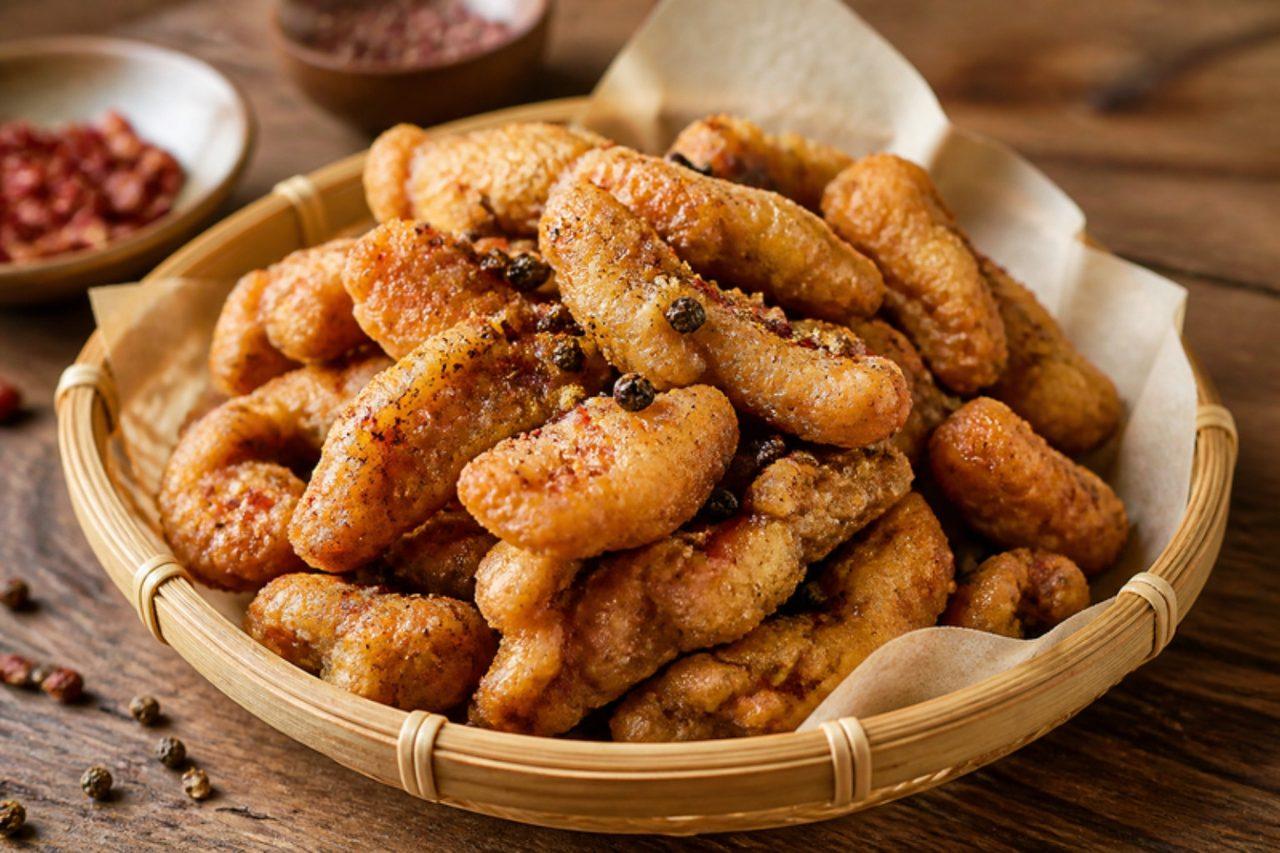
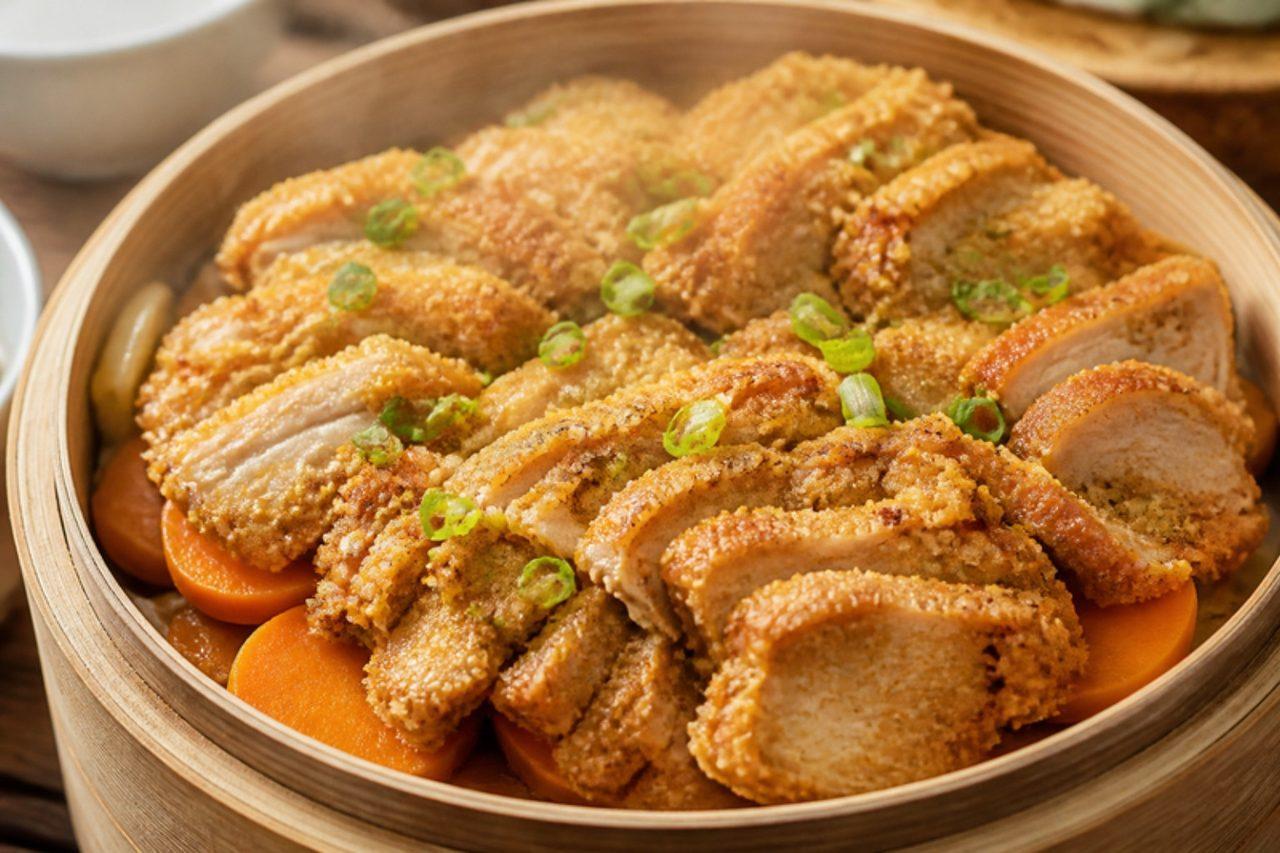
In Sichuan and Henan, the smell of xiao su rou frying is how many families know the Spring Festival is close: big batches of pork strips are fried before New Year, eaten hot as a snack and kept to drop into soups and hotpots over the holiday. Fried food at New Year speaks of a full kitchen and a golden year, and there is always a bowlful for children sneaking past the stove. The batter is made with egg and sweet potato starch, so it fries up light and crackly, while the pork inside stays juicy and tingles with Sichuan pepper. Serve hot with a dip of chilli powder and salt, or add to a winter broth with cabbage. Chef's tip: fry twice; the first fry cooks the pork, the second hotter fry makes the crust shatter.

by KrazyBadal 0 views
Sichuan xiang chang (spicy cured sausage)

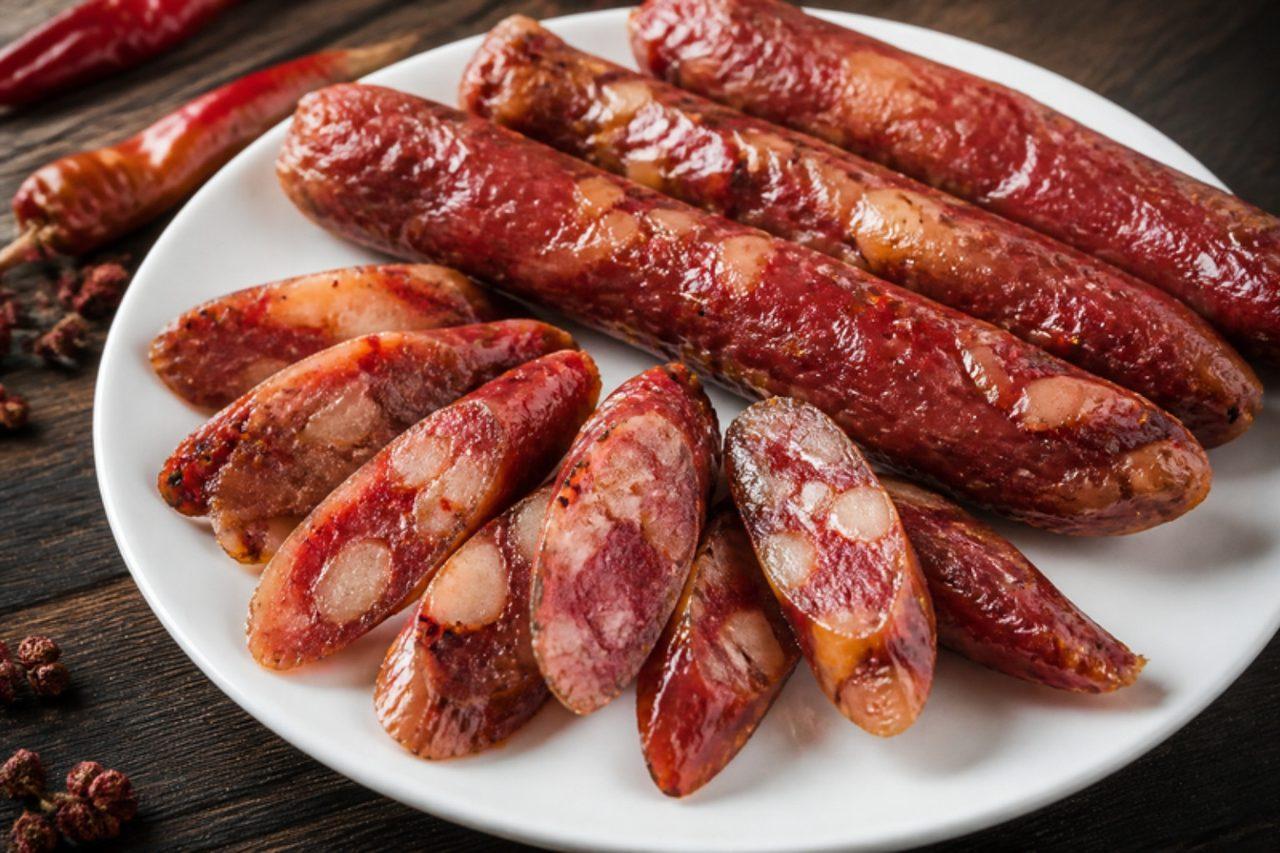
When the weather turns cold in Sichuan, families buy pork by the shoulder, season it with chilli and Sichuan pepper and stuff it into casings, so that xiang chang hang in every home by the Spring Festival. Plates of sliced sausage beside la rou signal plenty for the year to come, and every household swears by its own spice blend. The pork is coarsely chopped, so the sausage is chewy and juicy with pockets of sweet fat, fiery, numbing and a little sweet. Steam and slice it to serve with rice, or stir-fry with cabbage. This home method uses pink curing salt and dries the sausages in the fridge for safety; they must always be cooked before eating. Chef's tip: keep the meat and your equipment cold throughout; warm fat smears and the sausage turns crumbly.

245 minChineseMeatSpicy
by KrazyBadal 0 views
Huizhou yi pin guo (layered New Year one-pot)Layered pork and tofu pot

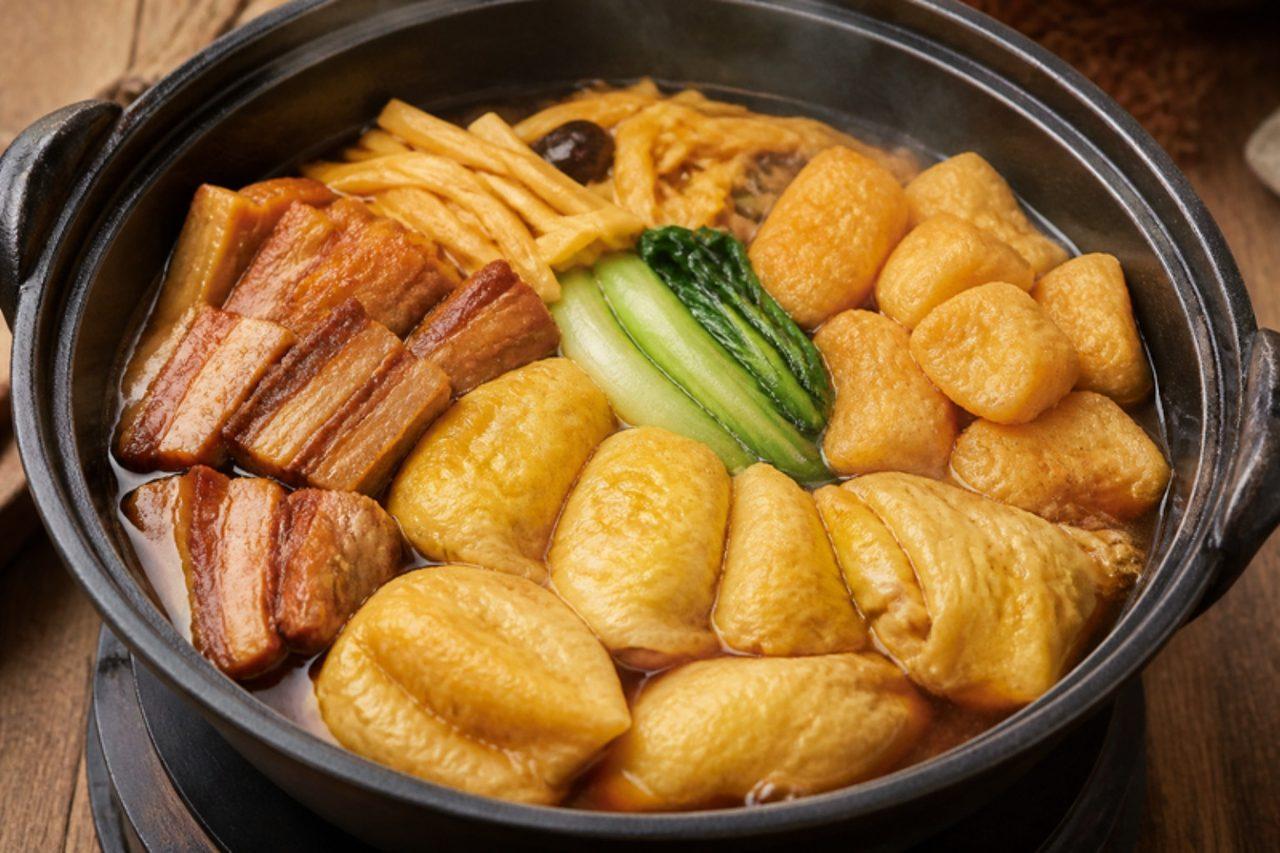
In the Huizhou hill villages of southern Anhui, the Spring Festival centrepiece is yi pin guo, 'first-rank pot', named after the highest rank of imperial official and served as a wish for success in the coming year. Everything goes into one wide pot in layers: dried bamboo shoots at the bottom, then pork belly, fried tofu, egg dumplings filled with pork, and greens on top, so the juices of each layer drip down and season the one below. The result is rich and savoury, the bamboo soaked with pork fat, the tofu spongy with broth. Bring the pot to the table and let everyone dig down through the layers, with rice on the side. Chef's tip: soak the dried bamboo shoots overnight and boil them well; underprepared dried shoots stay leathery and sour.

180 minChineseMeat
by KrazyBadal 0 views
Qing jiao rou si (shredded pork with green pepper)

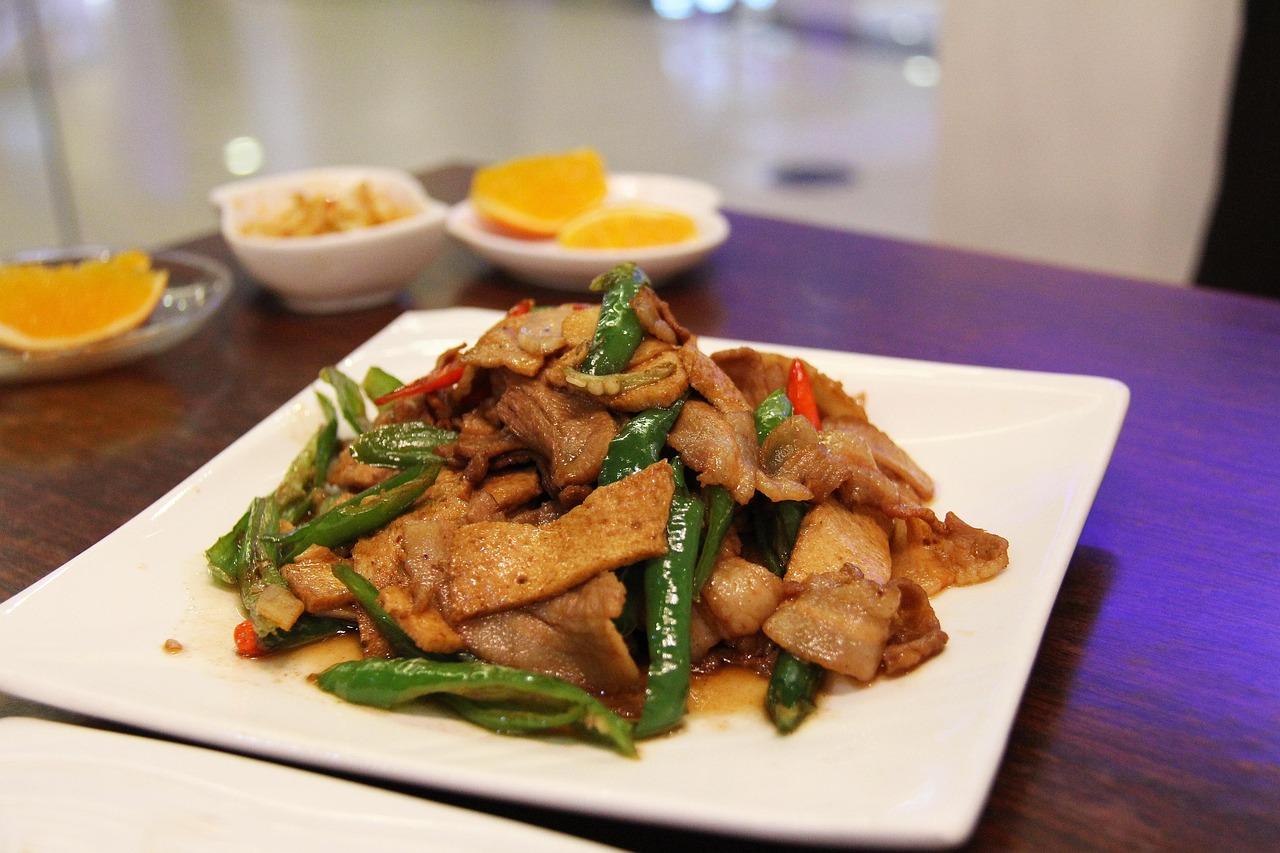
Qing jiao rou si is one of the first dishes a home cook in China learns, made in a few minutes from Sichuan to the north-east: thin strips of pork loin, velveted with a little cornflour, flashed in a hot wok with green pepper and garlic. This is a pork dish, and the marinade uses a splash of Shaoxing rice wine, which cooks off only partly; an alcohol-free swap is given below. The mistake most people make is cutting the pork too thick or overcrowding the wok, so the meat stews and toughens. Chef's tip: half-freeze the pork for 20 minutes before slicing and you can cut matchstick-thin strips easily.

by KrazyBadal 0 views
Chinese walnut cookies

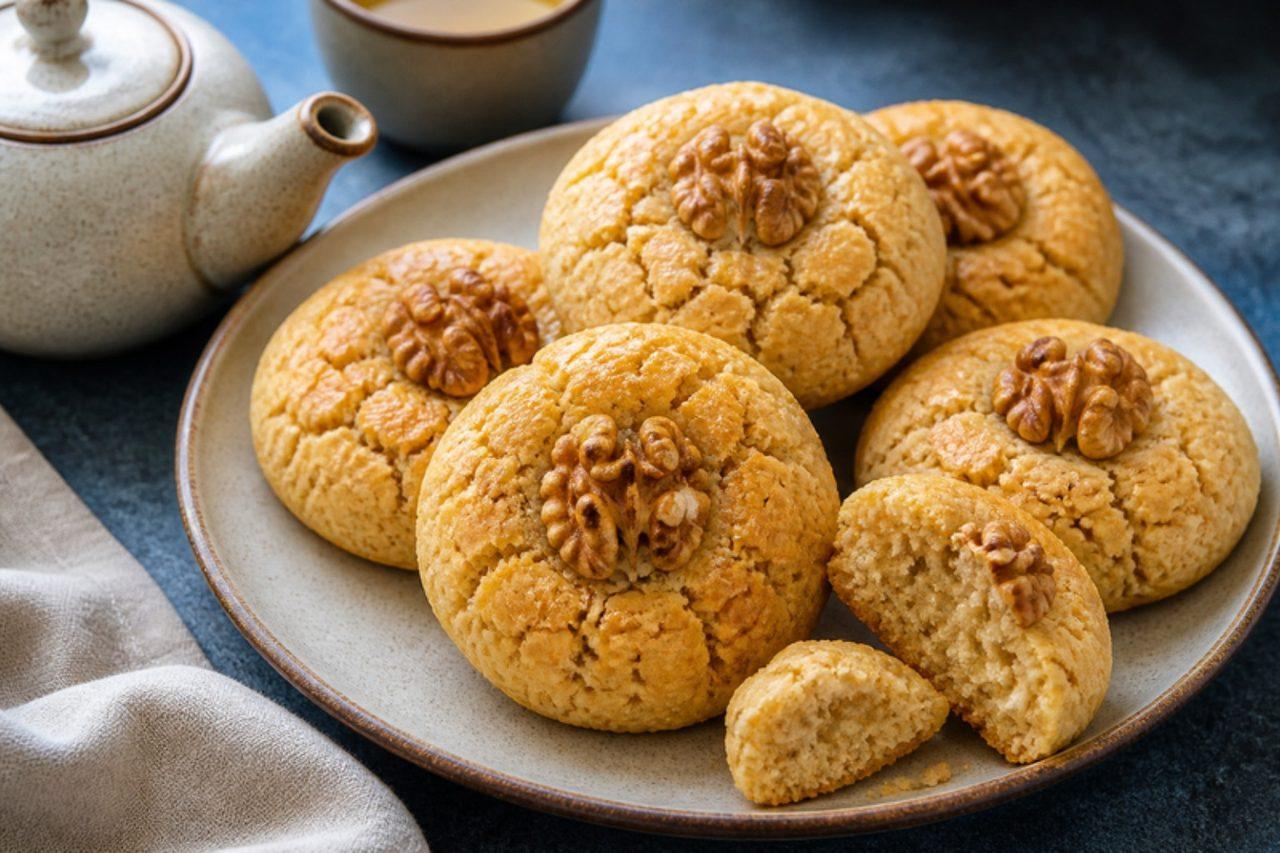
Hap toh sou are a fixture of Cantonese bakeries in Guangzhou and Hong Kong, sold loose by the catty or packed in red tins for Lunar New Year visits, when walnuts stand for family happiness. They are wide, crumbly and slightly sandy, with a cracked golden top crowned by a walnut half and a gentle sweetness that suits a pot of oolong or pu'er. Traditionally they are made with lard, which gives an extra-short crumble; this version uses vegetable shortening or neutral oil, so it is vegetarian. The top is brushed with beaten egg for shine; milk mixed with a little honey or golden syrup is an egg-free alternative. A common mistake is pressing the balls flat: leave them domed and they crack open naturally in the heat. Chef's tip: toast the walnuts before chopping; it deepens their flavour and keeps them crunchy inside the soft crumb.

by KrazyBadal 0 views
Dragon and phoenix cakesLotus seed paste wedding pastries

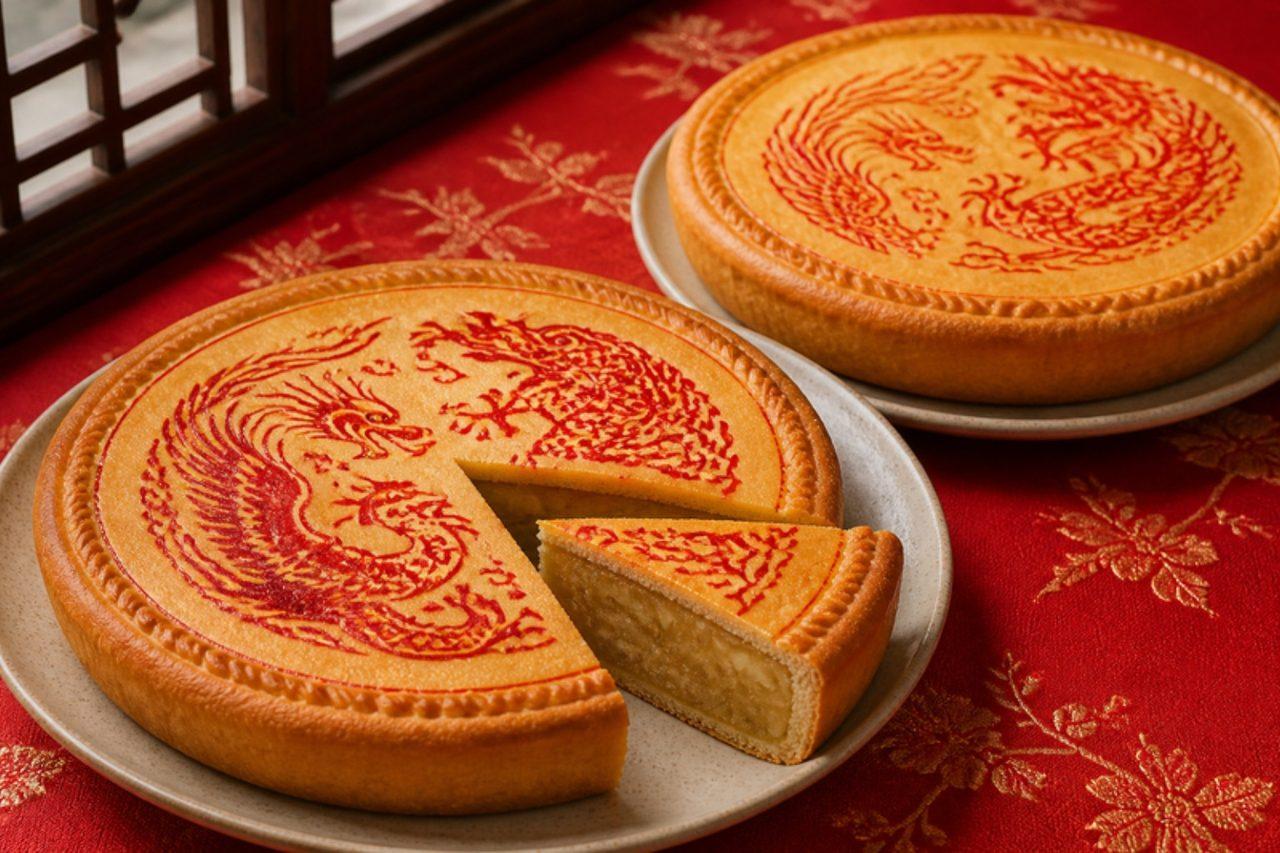
In Guangdong and among Cantonese families in Hong Kong and overseas, a groom's family sends boxes of 'lung fung beng', dragon and phoenix cakes, to the bride's relatives ahead of the wedding, and the cakes are shared out among guests as a token of the match. The dragon stands for the groom and the phoenix for the bride, and the cakes are stamped in red with the two creatures or the double-happiness character. Inside the many-layered, flaky crust is smooth, sweet lotus seed paste, sometimes with a salted duck egg yolk, served with tea. Older bakeries often use lard; this version uses butter and vegetable shortening, so it is vegetarian. Chef's tip: roll the laminated pastry lightly and evenly; uneven rolling is the common mistake that leaves thick patches of raw dough and torn, leaking sides.

by KrazyBadal 0 views
Fen zheng rouSteamed pork in rice powder

In Wuhan and Chengdu, fen zheng rou comes to the table in the small bamboo steamer it was cooked in, at banquets and at family dinners in autumn: thick slices of pork belly marinated with fermented bean paste, soy and spices, rolled in coarse rice powder toasted with star anise and Sichuan pepper, then steamed for an hour over sweet potato until the meat is meltingly tender and the rice coating soft and fragrant. This is a pork dish, and a rich one; it was in the healthy group only because it is steamed, not fried. A portion is about 420 kcal. Marinate in the fridge. The common mistake is grinding the rice too fine; it should be like coarse couscous, or it turns into paste. Chef's tip: toast the rice slowly until golden before grinding; that nutty, toasty smell is the whole flavour of the dish.

by KrazyBadal 0 views
Pork floss bread rolls (rousong mianbao)

Every Chinese bakery, from Taipei to Guangzhou and the Chinese bakeries of Singapore, has a tray of pork floss buns, and they are a favourite thing for parents to buy at the school gate: pillowy milk bread with a sweet-savoury coat of mayonnaise and rousong, the dry, fluffy shredded pork. Children pick at the floss first. Home-baked, they make a weekend project and freeze well. They contain gluten (wheat), milk and egg. Chef's tip: let the buns cool completely before the mayonnaise goes on, or it melts and the floss turns soggy.

by KrazyBadal 0 views
Xiao huntun (little wontons in broth)

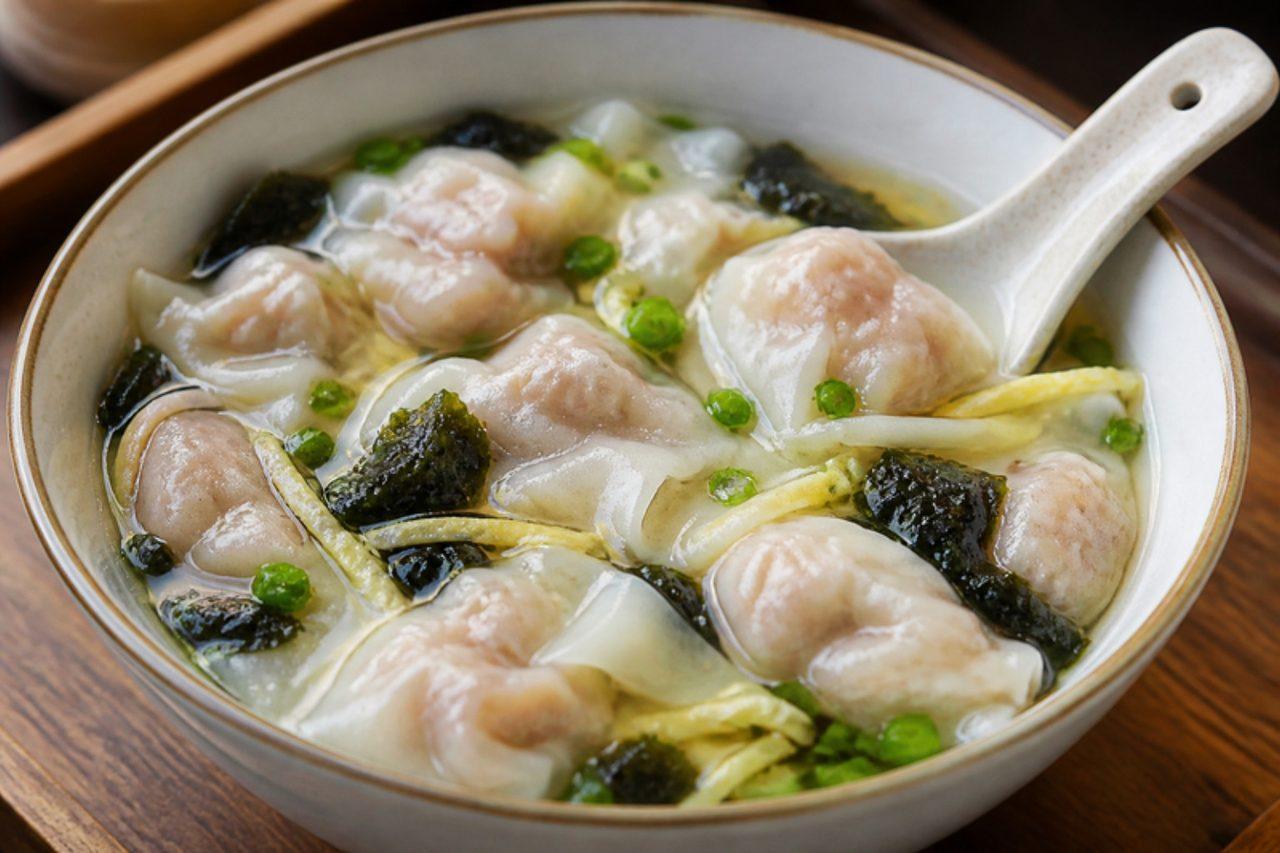
Xiao huntun, 'little wontons' with wrappers so thin you can see the filling, are sold from breakfast stalls across Shanghai and the Jiangnan region, and their soft, slippery texture makes them a children's favourite for breakfast or supper. For toddlers from a year old the filling is seasoned with ginger and only a few drops of low-salt soy, and the broth is no-salt stock with laver and ribbons of omelette. It contains gluten (wheat wrappers), egg, soya and sesame. Chef's tip: use just half a teaspoon of filling per wrapper and scrunch it closed; that is how the little ones are made, and they cook in moments.

by KrazyBadal 0 views

Shou tao bao (longevity peach buns)

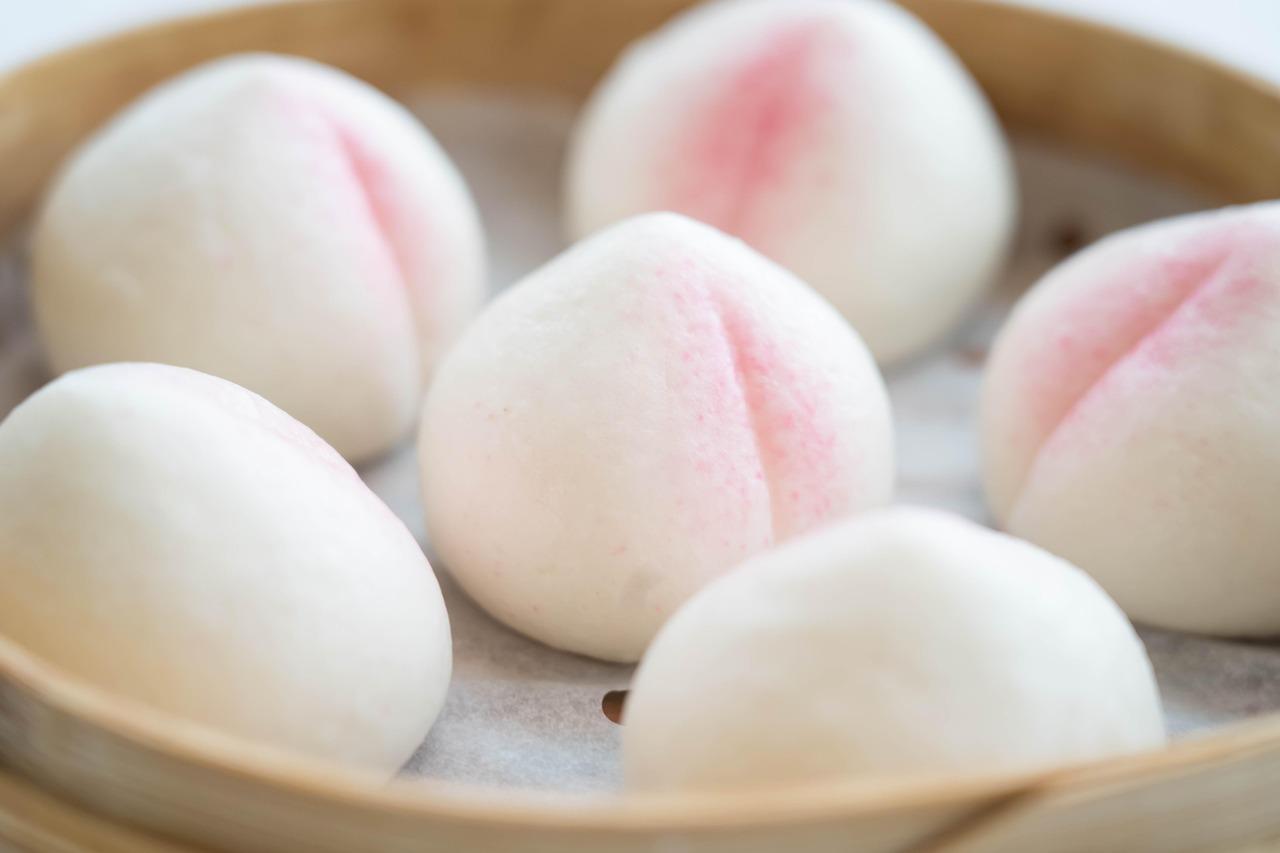
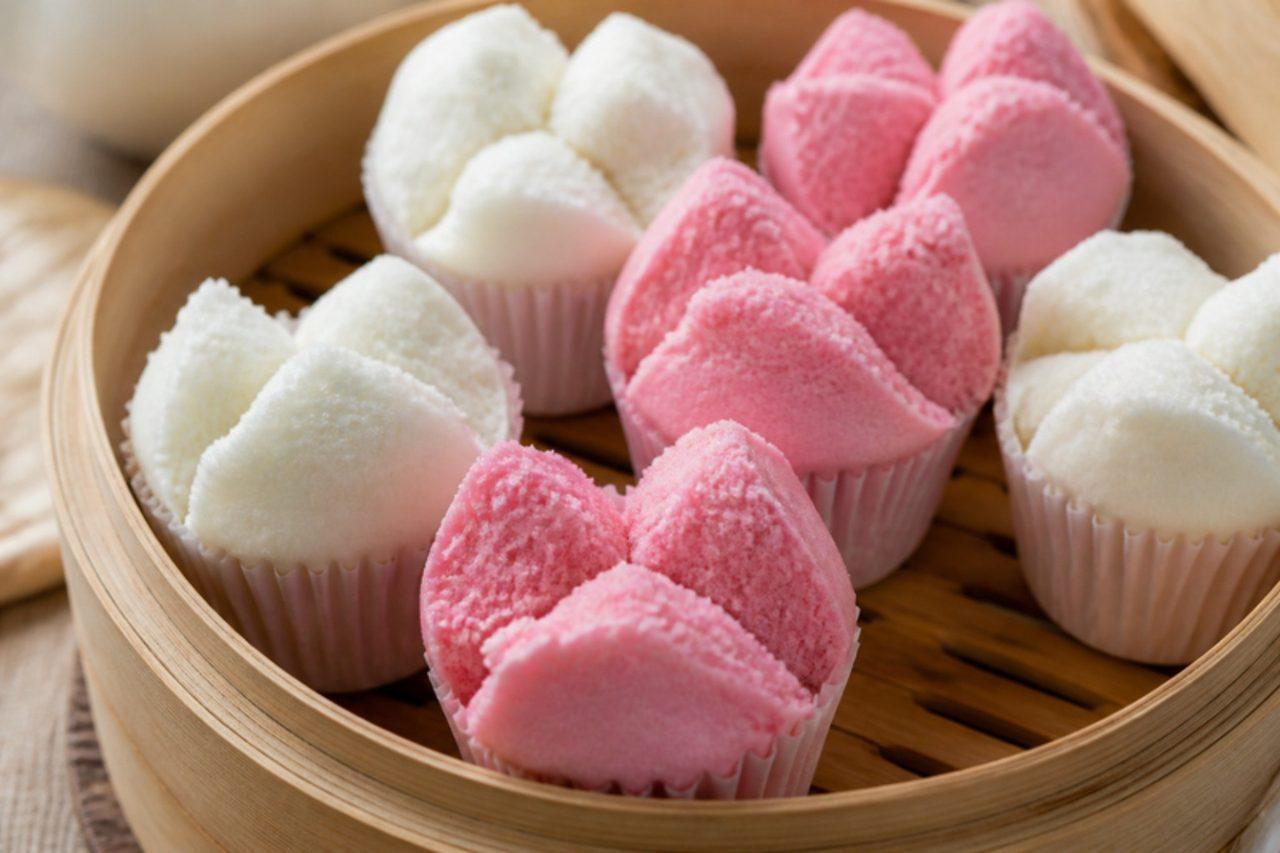
In Chinese tradition the peach is the fruit of long life, so birthday tables, from a grandparent's 80th to a child's party, carry a plate of shou tao bao: fluffy white steamed buns pinched into a peach shape, blushed pink at the tip and filled with sweet lotus seed paste. Children love helping to shape the creases and add the pastry leaves. This version is made without milk. It contains gluten. Chef's tip: steam over a gentle, not roaring, boil and wait 5 minutes before lifting the lid, so the buns stay smooth and don't wrinkle.

by KrazyBadal 0 views

Fa gao (prosperity cakes)Steamed rice flour cakes

Fa gao is the little cake on every Cantonese New Year altar in Guangzhou and in Chinatowns from Kuala Lumpur to London: the word 'fa' means both 'rise' and 'prosper', and the deeper the cross-shaped crack on top, the luckier the year. This quick version uses rice flour, a little wheat flour and baking powder, steamed hard so the tops burst open, and it is egg- and dairy-free. The mistake that stops them smiling is a gentle steamer; the water must be at a fierce rolling boil before the cups go in. Chef's tip: fill the cups right to the brim, so the batter has to split as it rises.

by KrazyBadal 0 views

Char siu bao (barbecued pork buns)

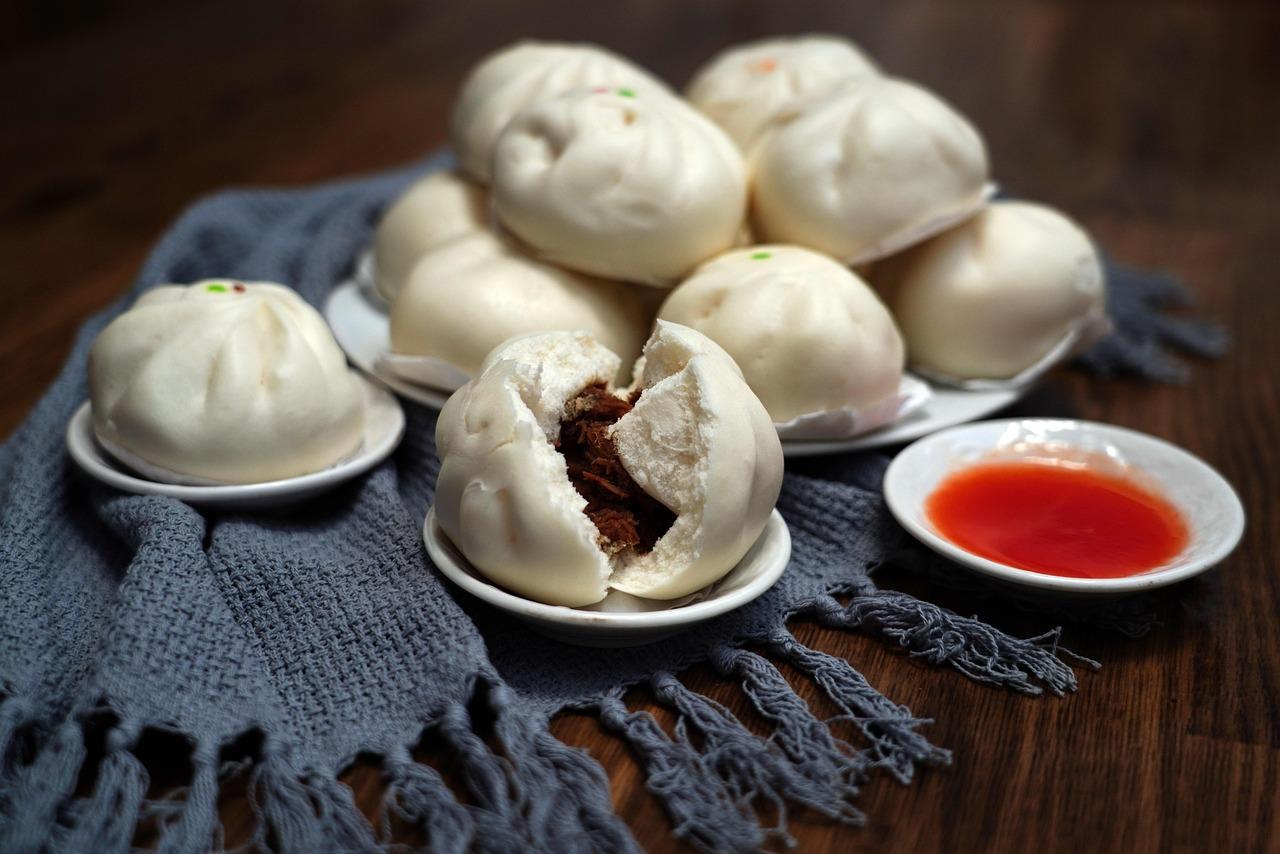
Order dim sum anywhere from Guangzhou to San Francisco and a basket of three snowy char siu bao will arrive, each one split open at the top to show a glossy filling of sweet, smoky barbecued pork. This recipe makes the char siu too: pork shoulder marinated overnight in the fridge with hoisin, honey and five-spice, roasted to at least 63 °C and rested, then diced into a thick oyster-sauce gravy. The dough uses both yeast and baking powder, which is what makes the buns burst. The mistake is a wet, runny filling: it must be thick enough to hold its shape when cold. Chef's tip: steam on the highest heat and never lift the lid early, or the buns will stay closed.

120 minChineseMeat
by KrazyBadal 0 views

Tomato beef brisket (fan qie niu nan)

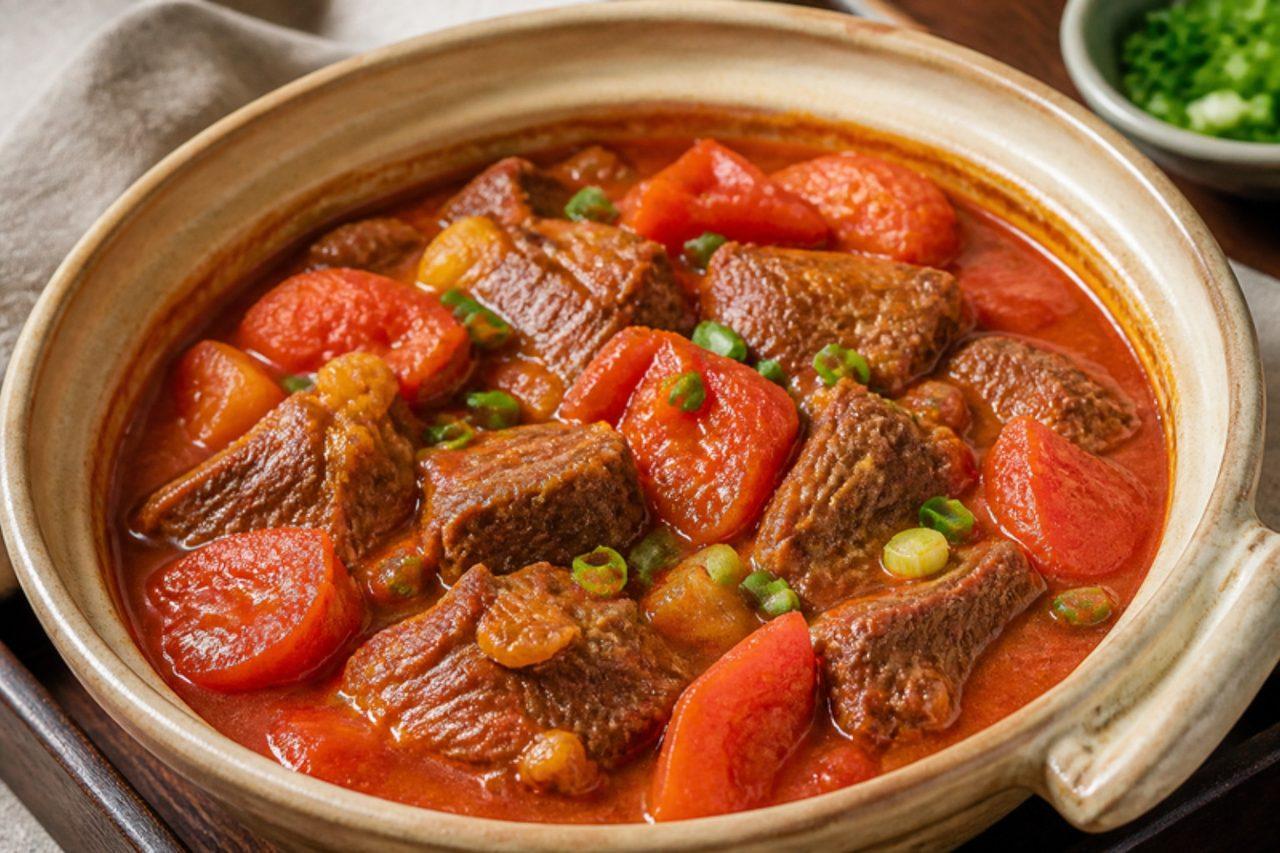
Many Cantonese families in Guangzhou and Hong Kong grew up on this pot of beef brisket stewed slowly with a mountain of tomatoes until the meat falls into soft, gelatinous chunks and the sauce turns rich, tangy and bright red; it's a weekend dish, served ladled over rice or noodles, and better still the next day. The mistake is using only fresh tomatoes and ending with a thin, pale sauce; a spoonful of tomato paste and a long simmer give it body and colour. Chef's tip: add half the tomatoes at the start to melt into the sauce and the rest for the last 30 minutes, so there are still soft pieces.

by KrazyBadal 0 views

Salted duck eggs

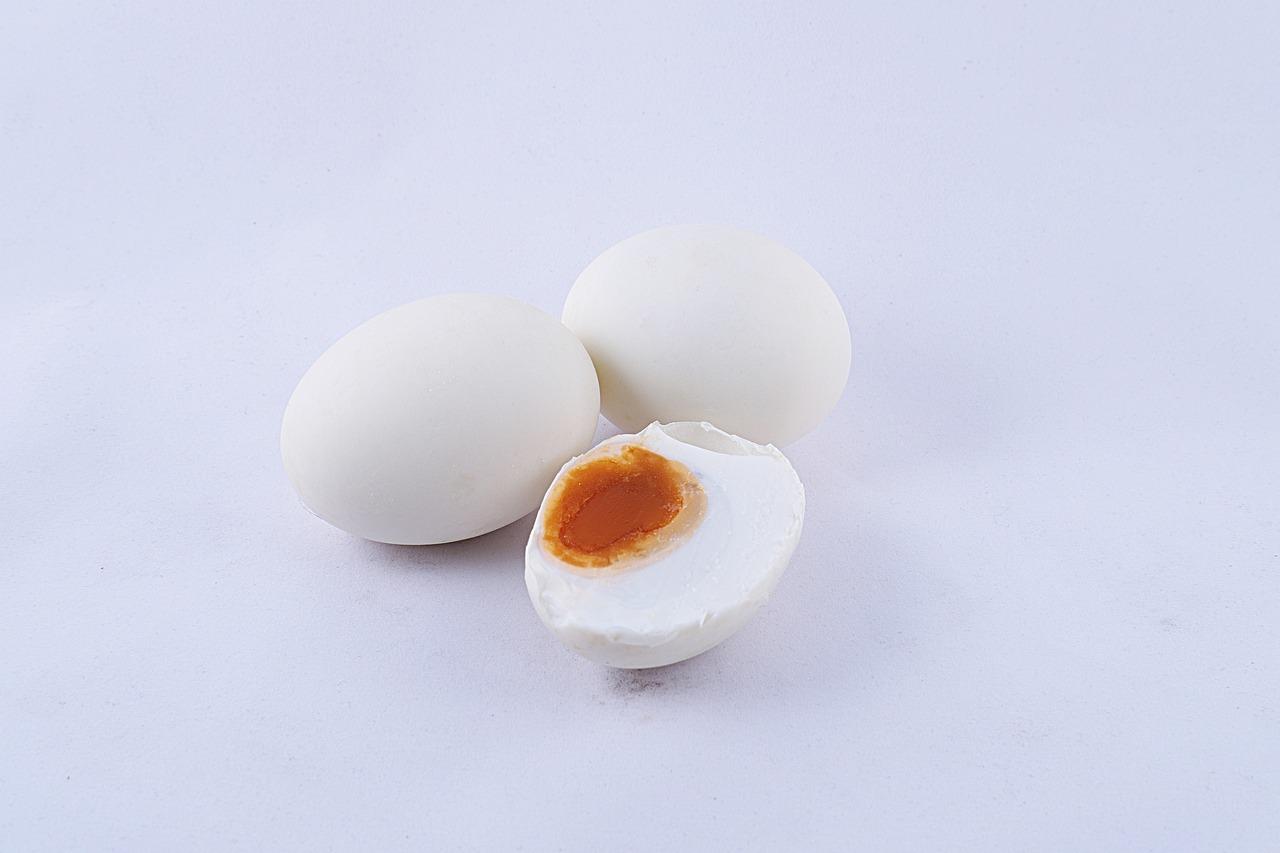
Gaoyou in Jiangsu is famous for salted duck eggs with oily, deep orange yolks, and at the Dragon Boat Festival they are hung in little woven nets around children's necks before being eaten with congee or rice. At home they are simple: clean duck eggs left in a strong salt brine for about four weeks, then boiled. Cracked eggs are the risk; use only uncracked, very fresh eggs, keep the jar cool and always cook them before eating. The common mistake is too weak a brine, which lets the eggs spoil; it must taste as salty as the sea and then some. Chef's tip: from week three, boil one test egg each week until the yolk is as firm and rich as you like.

by KrazyBadal 0 views

Peanut cookies (hua sheng bing)

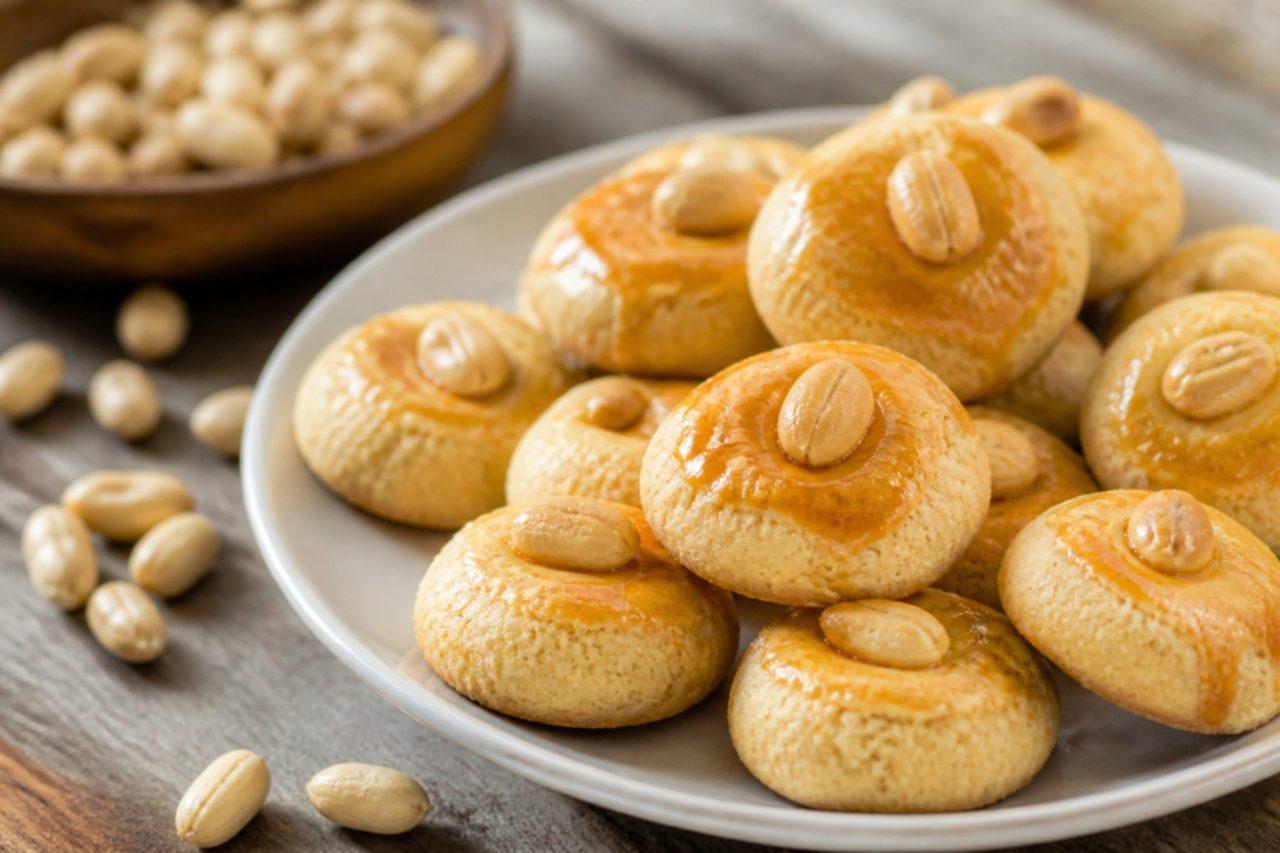
Lift the lid on a Chinese New Year snack tray in Guangdong, Penang or Singapore and there will be these pale golden domes, so short they crumble the moment they touch your tongue. They are nothing but roasted peanuts ground fine, flour, icing sugar and oil, and this version skips the usual egg wash, so they are vegan. The mistake is over-grinding the peanuts into a paste, which makes the dough greasy and the cookies flat; stop while it is still a fine powder. Chef's tip: let them cool fully on the tray before moving them, because they are fragile until set.

by KrazyBadal 0 views

Five-spice powder

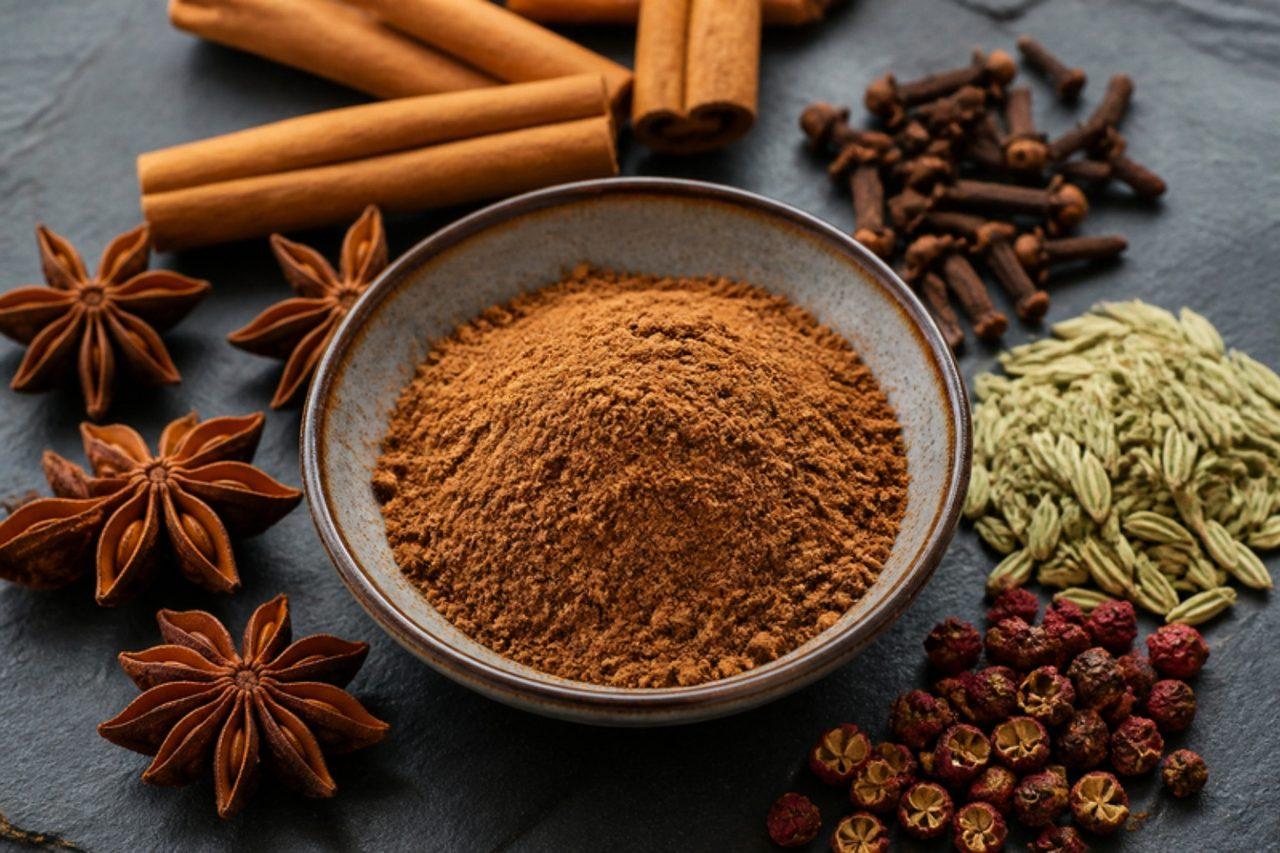
Across China, from Cantonese roast meat shops to Sichuan home kitchens, five-spice is the blend that seasons red-braised dishes, tea eggs, roast duck and spiced tofu. Shop-bought powder loses its scent quickly; grinding your own takes ten minutes and gives a sweet, warm aroma with a gentle tingle from the Sichuan pepper. It is used by the pinch, not the spoonful. The classic mistake is grinding the spices raw or toasting them until they smoke; warm them just until fragrant. Chef's tip: pick the black seeds out of the Sichuan peppercorns before toasting, since they are gritty and bitter, and sieve the ground blend so it is silky fine.

by KrazyBadal 0 views

Moo shu pork (mu xu rou)

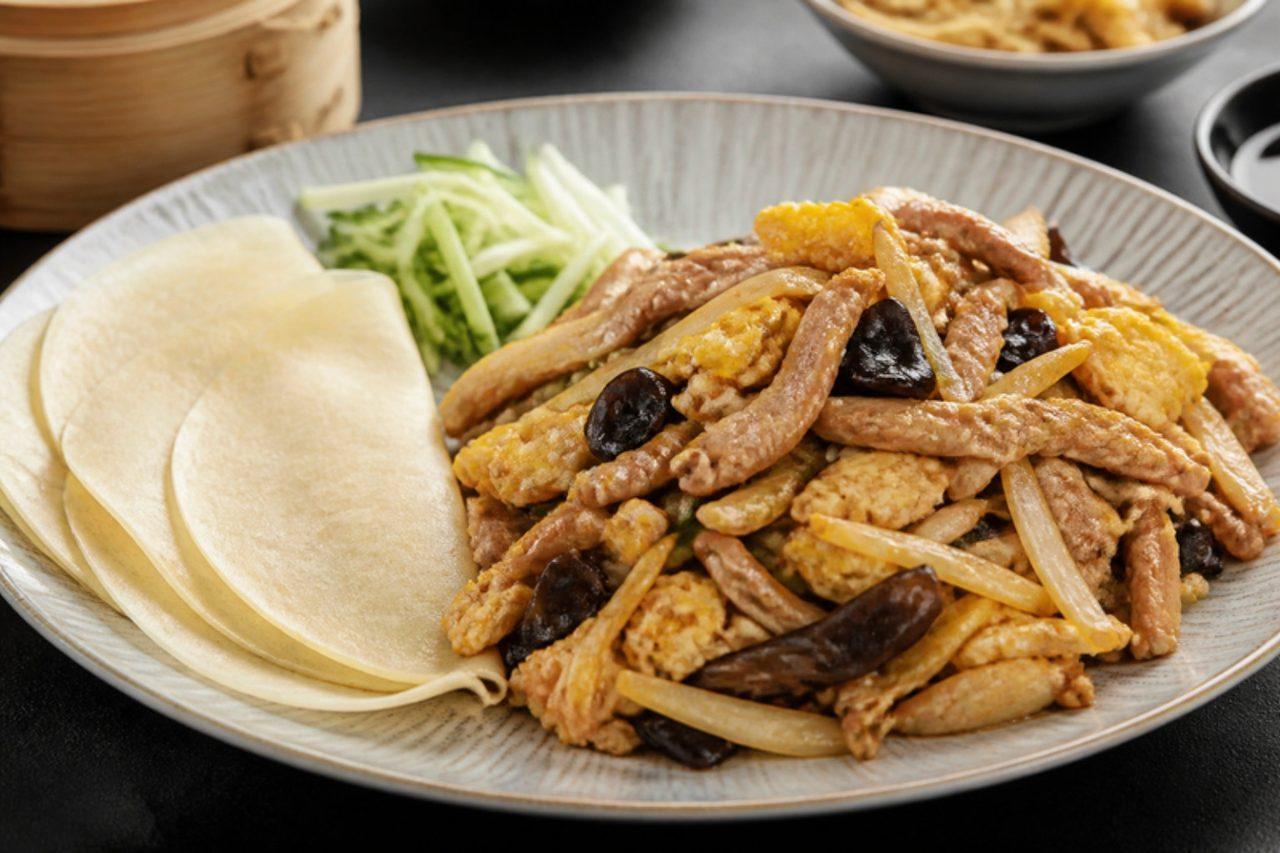
Mu xu rou began in Shandong and became a Beijing home-cooking staple, a weeknight stir-fry of thin pork strips with fluffy egg, crunchy wood ear and slightly sweet dried lily buds; the name refers to the yellow egg pieces looking like osmanthus blossom. In Beijing it is eaten with rice; Americans know it rolled in thin pancakes with hoisin, and both are good. A little Shaoxing rice wine goes into the pork marinade and evaporates in the hot wok; leave it out for an alcohol-free version. The mistake is overcooking the egg at the start, so it goes rubbery; take it out while still soft. Cook the pork until no pink remains, at least 71 °C. Chef's tip: cut off the hard tips of the lily buds after soaking, or they stay woody.

by KrazyBadal 0 views

Showing 24 of 67 recipes

Show more recipes

Page 1 of 3