Skip to content
WhatToEat.Today

All recipes

8

Vegetarian, or something you can't eat? Set your diet once and we'll hide recipes that don't fit.

Chin baung kyawStir-fried roselle leaves

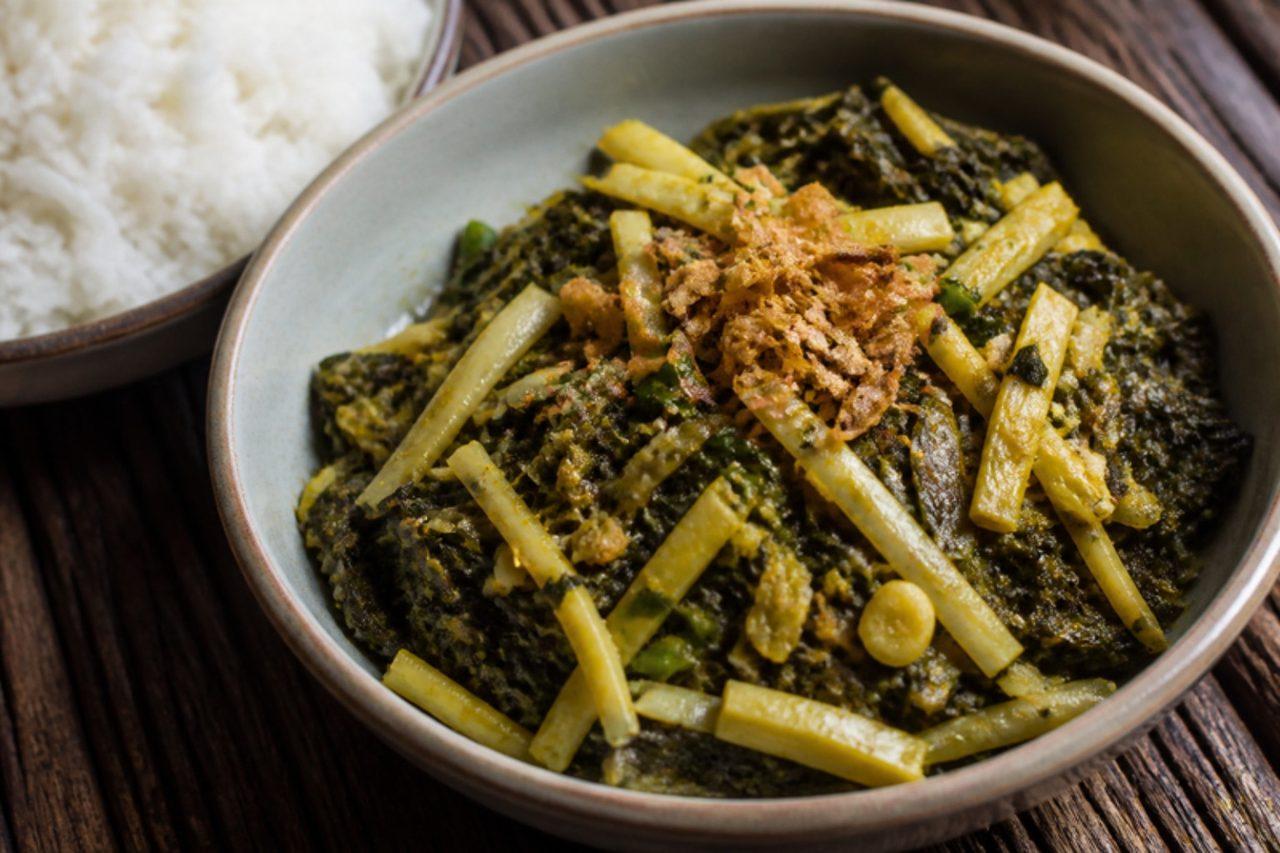
Chin baung, the tart leaf of the roselle plant, is so loved in Myanmar that it is sometimes called the national vegetable, and chin baung kyaw is cooked in homes from Yangon to Mandalay as a sharp, garlicky side for rice and a bowl of light soup. The leaves collapse into a dark, tangy, almost jammy relish with bamboo shoot and chilli. The usual version has dried shrimp or a little fish sauce; this one is vegetarian, using fried shallots and a pinch of salt for savour. It is a side with about 3 g of protein per portion. The common mistake is under-cooking: the leaves should be fried until the liquid has gone and the oil separates, or the sourness tastes raw. If you can't find roselle leaves, use sorrel or spinach with a squeeze of lime. Chef's tip: let the garlic and shallots turn properly golden before the leaves go in; their sweetness balances the sourness.

by KrazyBadal 0 views

Pon ye gyiFermented bean sauce

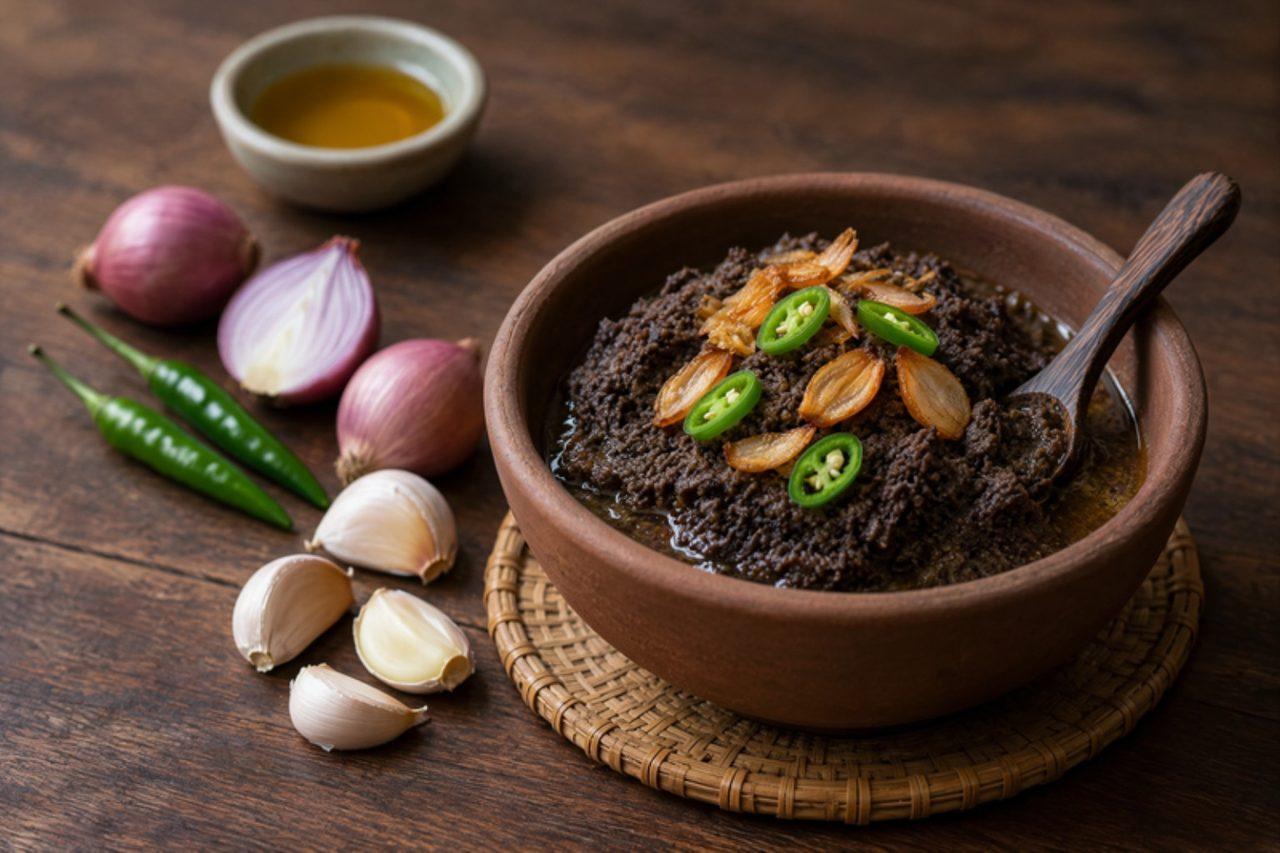
Bagan, among its thousands of temples, is just as known in Myanmar for pon ye gyi, the thick, glossy black bean paste sold in clay pots at Nyaung-U market. Workshops there boil beans, ferment them under cloth, steep them in brine and boil the dark liquid down for hours. At home it is a seasoning rather than a dip: fried with garlic, onion and chilli as pon ye gyi kyaw, it becomes the savoury base for pork or chicken curries and for stir-fried greens, and is eaten with rice and raw vegetables through the hot dry season. The taste is deeply salty, savoury and slightly sweet-bitter, with a soft funk like miso and black bean sauce combined, and a texture like thick molasses. Common mistake: stopping the reduction too soon; a thin brown sauce will not keep and lacks depth, so cook it until it is black, glossy and falls from the spoon in ribbons. Bagan makers use different beans; this home method uses soybeans with a Bacillus-style ferment like thua nao. It is ready when a spoonful sets into a thick gloss on a cold plate. Chef's tip: stir more often near the end, when it can catch.

by KrazyBadal 0 views

Lahpet yay (Burmese milk tea)

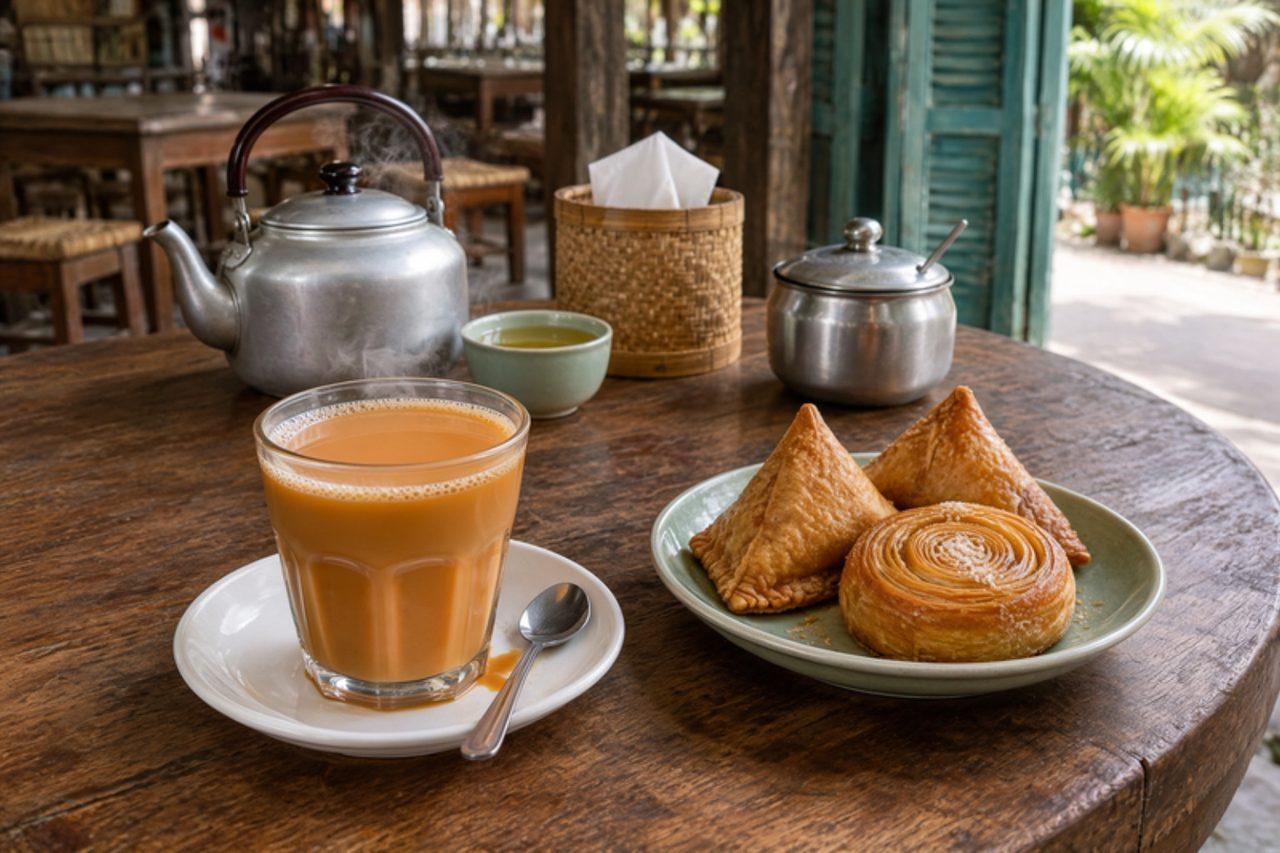
Yangon runs on lahpet yay. From before dawn, crowded teashops set out tiny plastic stools on the pavement, and the tea comes with mohinga, palata or a plate of samusa; people linger again at four in the afternoon to talk. The tea is a dark, very strong brew of cheap black leaf that has been boiled and kept hot in a kettle, mixed in the cup with condensed milk and evaporated milk. Regulars order in code: cho seint is sweet and creamy, kya seint is strong and less sweet, pawsein is the standard. It should be thick, silky, sweet, faintly smoky and bitter underneath. The common mistake is brewing it like ordinary tea: it ends up thin and the condensed milk just tastes of sugar. Boil the leaves hard and then let them stand so the liquor is almost black; the bitterness is needed to stand up to the milk. It is ready when the tea poured from height into the cup has a light froth and the colour of milk chocolate. It is strongly caffeinated, so not one for children or late evenings. Chef's tip: pour the finished tea between two jugs a few times to cool it slightly and give it the teashop froth.

by KrazyBadal 0 views

Laphet yayBurmese milk tea

Burmese teashops, from the busy corners of Yangon to small-town Shan State, run on laphet yay: very strong black tea poured over condensed and evaporated milk, and customers order it by sweetness, from "pan pyar" (less sweet) to "cho seint" (extra sweet and creamy). It comes with samusa, palata or a bowl of mohinga. The mistake is weak tea: it must be brewed long and dark so it stands up to all that milk. Chef's tip: pour the finished tea from one jug to another from a height a few times; it cools slightly and gets the frothy top teashops are proud of.

by KrazyBadal 0 views

Burmese pork curry

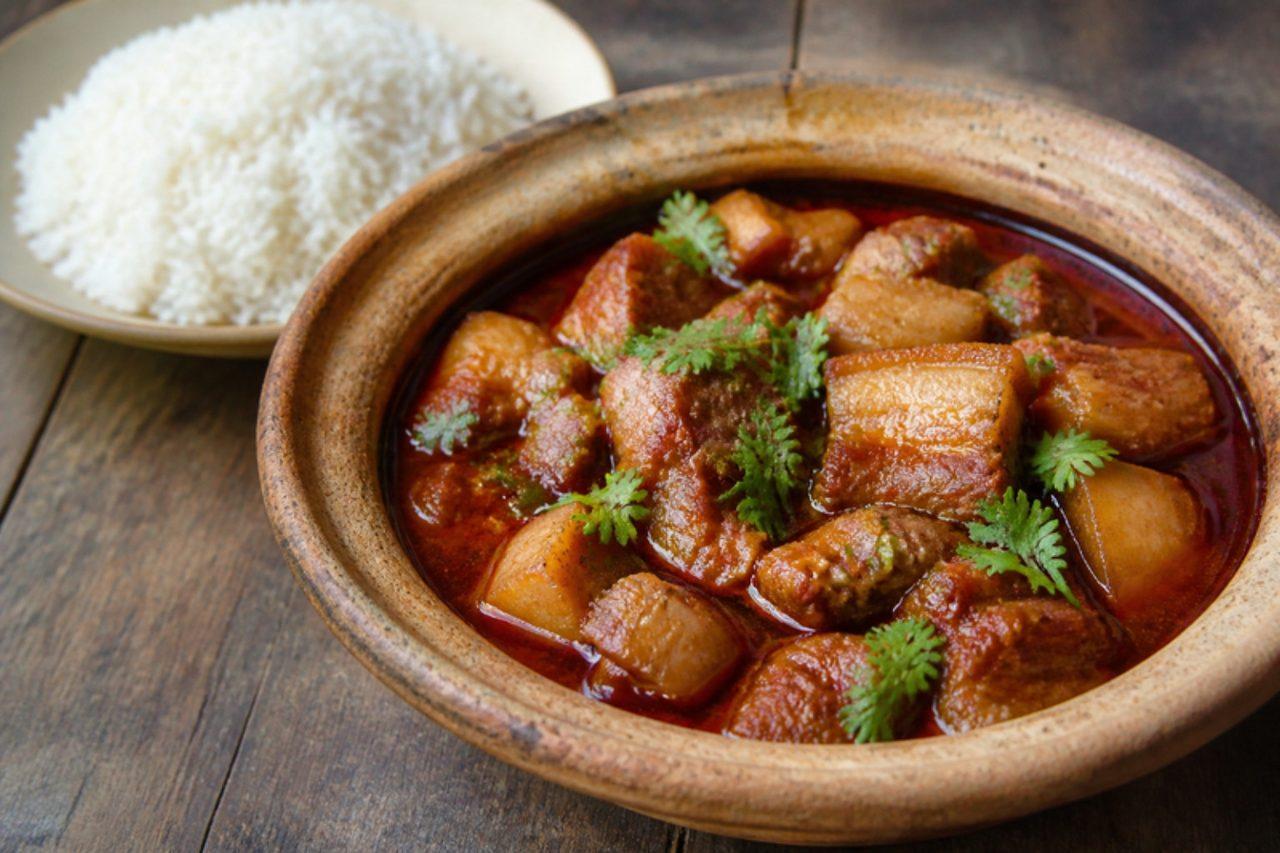
Glistening under a layer of brick-red oil, pork curry sits at the front of every Yangon htamin zain, the rice-and-curry shops where office workers queue at lunchtime and point at pots. Chunks of pork belly and shoulder are cooked very slowly in a paste of onion, garlic and ginger until the meat is spoon-tender, the fat has melted into the sauce and the oil floats free on top. It tastes savoury and gently sweet rather than fiery, and arrives with plain rice, a sour leaf soup, boiled vegetables and a dish of fish-paste dip. People often fry the onion paste too fast; it scorches before the water has cooked out and the curry turns bitter, so keep the heat at a steady medium. Chef's tip: the curry tastes even better the next day, when the pork has soaked up the sauce; lift off a little of the oil before reheating if you prefer it leaner.

by KrazyBadal 0 views

Burmese pumpkin curry

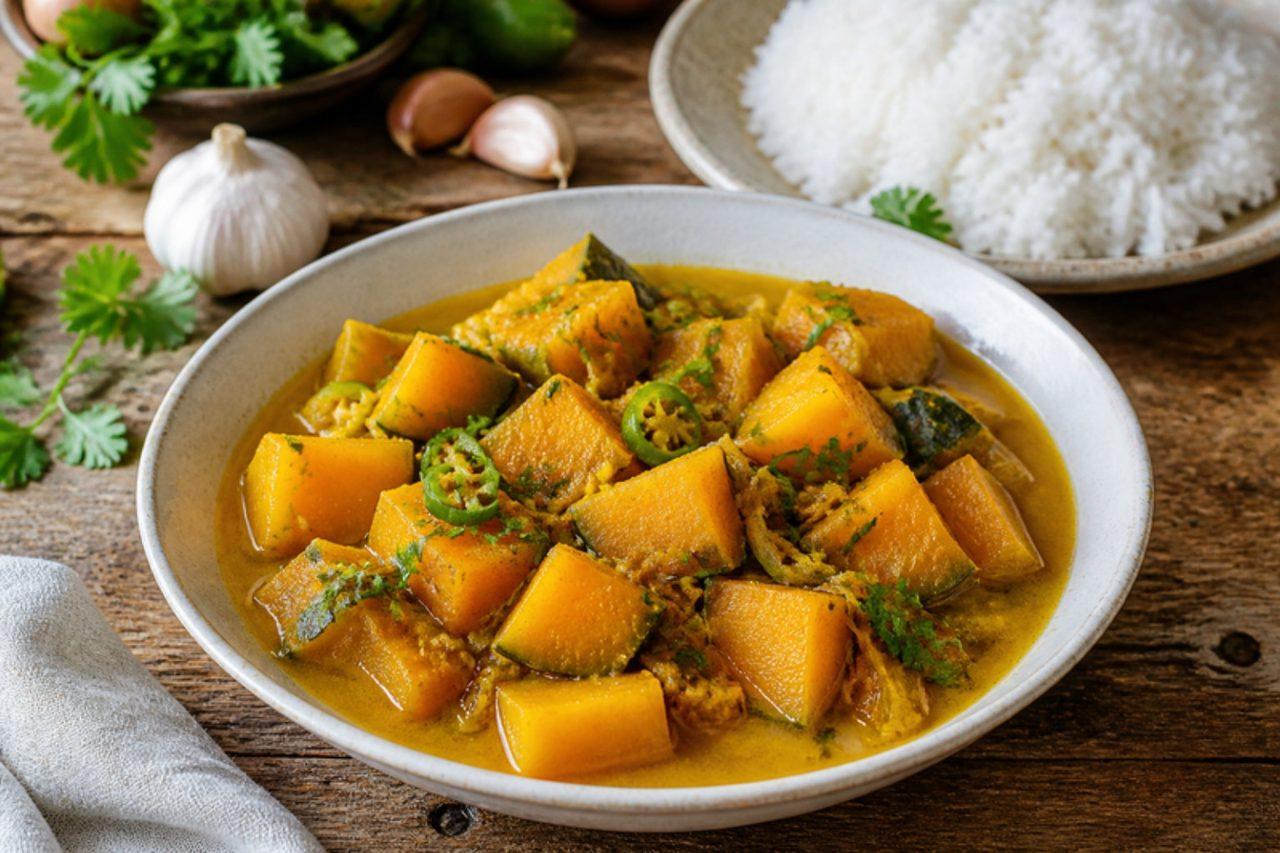
On a weekday lunch table in a Yangon home, this soft orange curry usually sits beside a sour leaf soup, a plate of boiled greens and a mound of plain rice. Wedges of pumpkin are cooked slowly in a pounded paste of onion, garlic and ginger with turmeric and chilli, until the flesh turns tender and glossy and the oil rises to the top, the sign of a well-made Burmese hin. It tastes sweet, gently hot and savoury all at once; many households stir in dried shrimp, but this version keeps it plant-based with a little salt and sugar. Where cooks go wrong is stirring the pot every few minutes: the pumpkin breaks into mash, so shake the pan instead. Chef's tip: leave the skin on a firm, dense pumpkin such as kabocha; it holds the pieces together and softens enough to eat.

by KrazyBadal 0 views

Shan pickled mustard greens

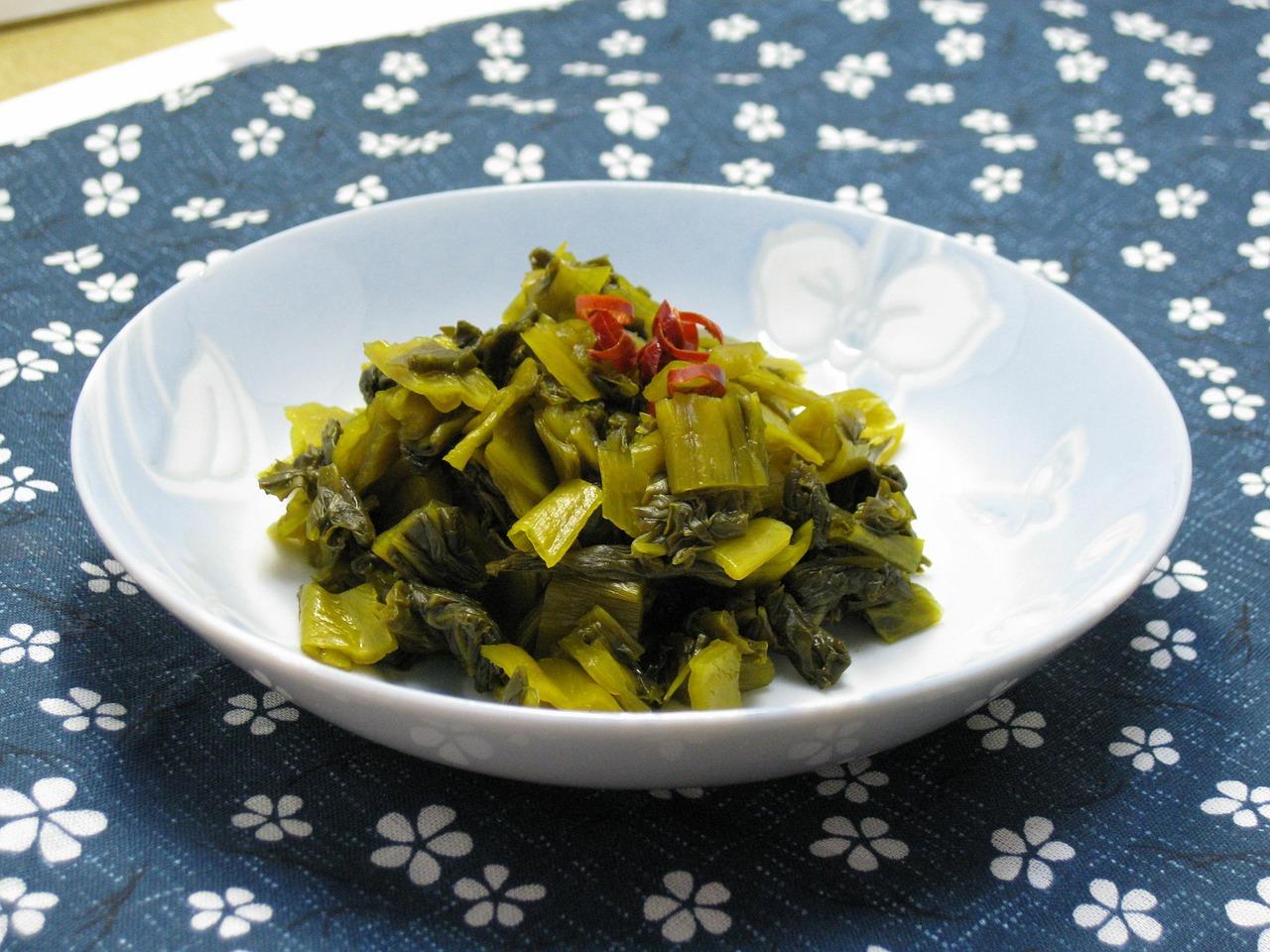
Jars of sour, olive-gold mustard greens sit on every noodle stall in Shan State, from Kengtung to the five-day markets around Inle Lake, and families keep a crock going through the cool season. The greens are wilted, rubbed with salt and packed under cloudy water saved from rinsing rice; its starch feeds the natural fermentation, and after a few days the leaves turn crunchy, tangy and pleasantly funky. A spoonful goes on top of Shan noodles, beside sticky rice, into soups, or stir-fried with garlic and chilli as a side dish. Leaves poking above the brine are the main thing that goes wrong, since that is where mould starts; keep everything pressed under the liquid. Chef's tip: use the cloudiest rice water from the first rinse, and add a spoon of cooked rice to get the souring going faster.

by KrazyBadal 0 views

Burmese chicken curry

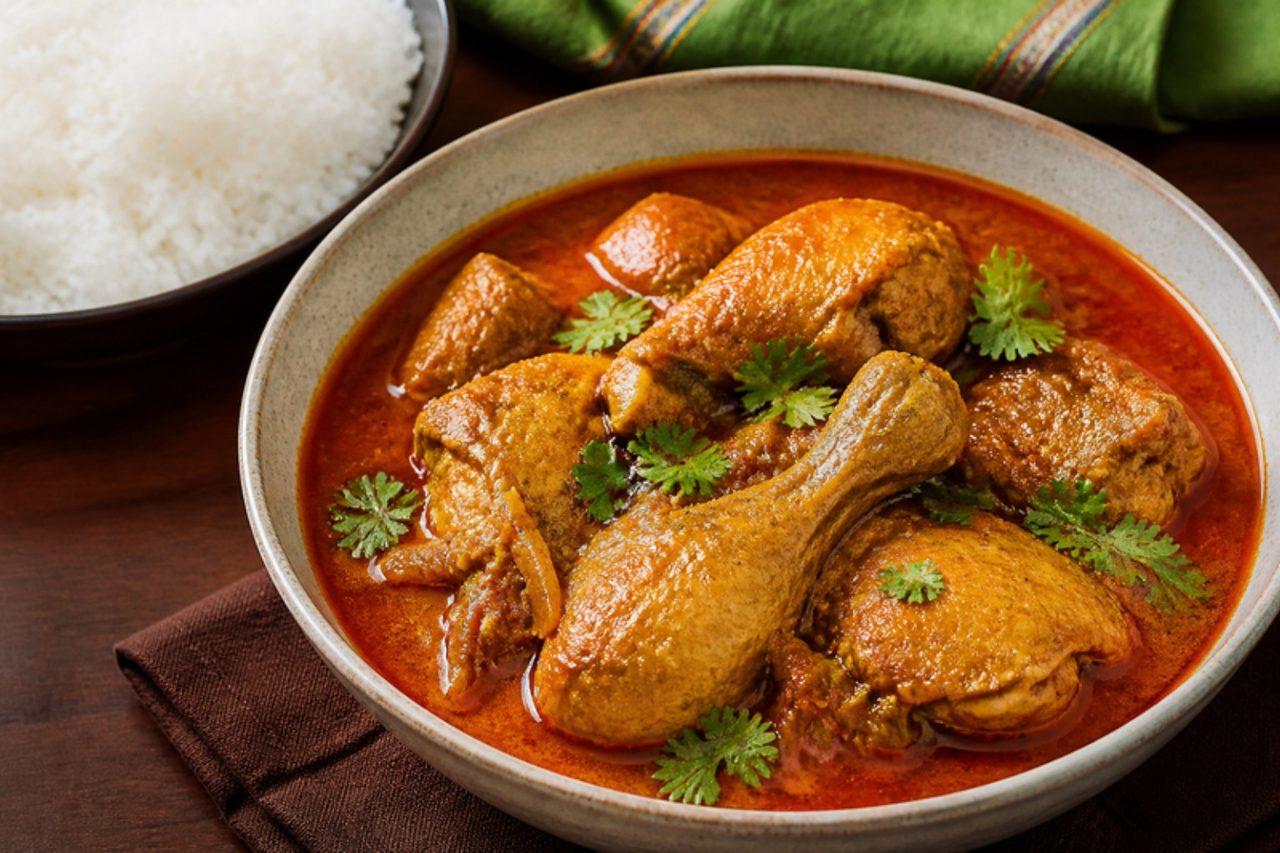
Burmese curries are cooked the 'see pyan' way, meaning 'oil returns': onion, garlic and ginger are slowly fried with turmeric and paprika until the water cooks away and the oil floats red and clear on top. This chicken curry is the everyday heart of a Yangon or Mandalay meal, set on the table with rice, a sour soup, a salad and fish-sauce-based relishes, and every family eats it on ordinary weeknights. It is mild in chilli but deep in flavour, with fish sauce adding a savoury edge. The common mistake is draining off the oil because it looks like too much; the oil carries the flavour, and you spoon around it when serving. Chef's tip: pound the onion, garlic and ginger to a rough paste rather than blending them smooth, so they fry rather than stew.

by KrazyBadal 0 views