Skip to content
Recipes

All recipes

Vegetarian, or something you can't eat? Set your diet once and we'll hide recipes that don't fit.

Cavallo di San MartinoShortbread horse and rider

On 11 November in Venice, children go from shop to shop banging pots and singing for San Martino, and every pastry window fills with big shortbread horses carrying the saint on horseback, cut out, iced and studded with sweets and chocolates. The biscuit is a plain, buttery pasta frolla that holds its shape well, and the fun is all in the decoration, so it's a perfect baking afternoon with children. Chef's tip: chill the cut shapes for 15 minutes before baking so the horse's legs and sword keep sharp edges.

by KrazyBadal 0 views

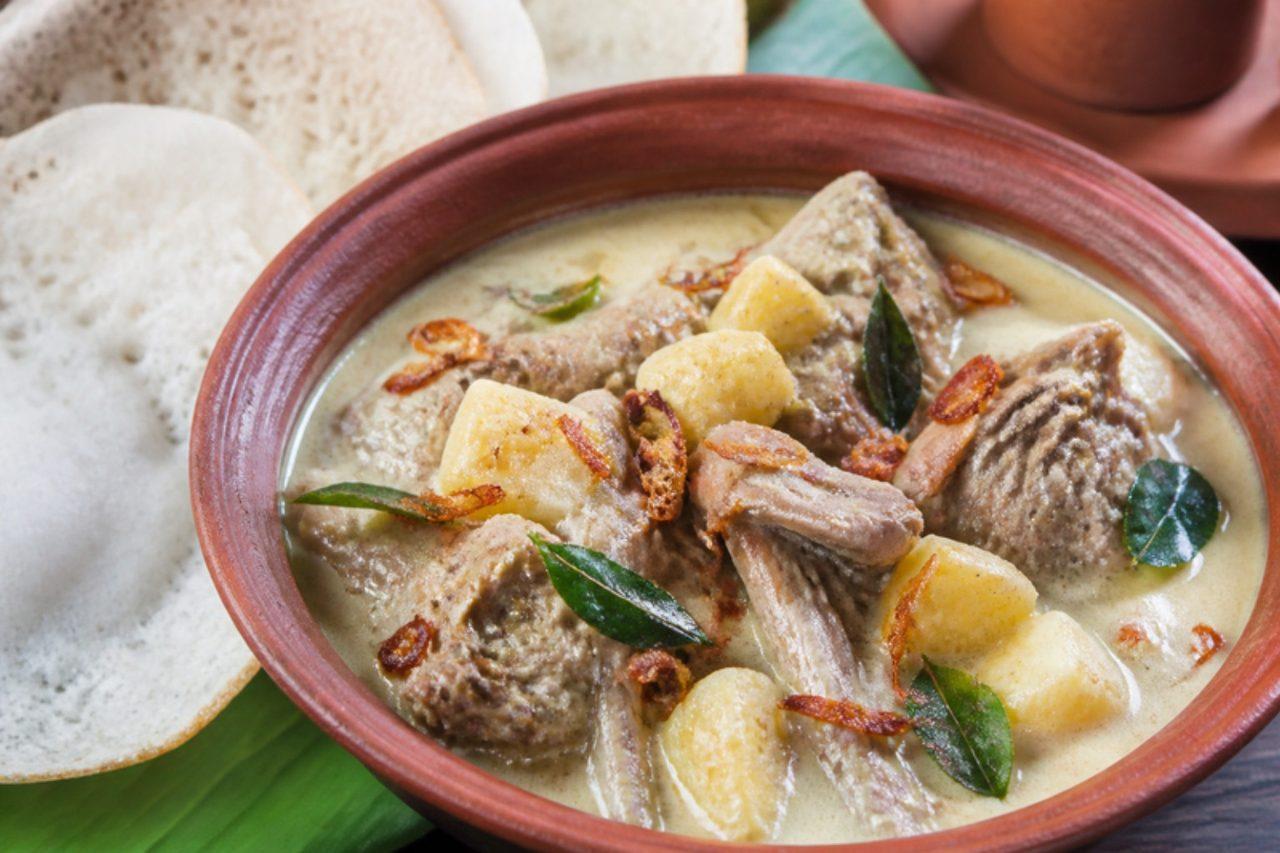
Tharavu mappasDuck curry in coconut milk

In Kerala's Syrian Christian homes, Christmas morning starts after midnight Mass with lacy appam and a bowl of duck mappas: duck pieces simmered in coconut milk with ginger, garlic, green chilli, black pepper and garam masala, finished with a splash of vinegar and fried shallots. It is creamy, warm with spice but not fiery, and a favourite across Kuttanad, where ducks are raised on the backwaters. Chef's tip: add the thick first-press coconut milk only at the end and don't boil it, so the gravy stays silky.

by KrazyBadal 0 views

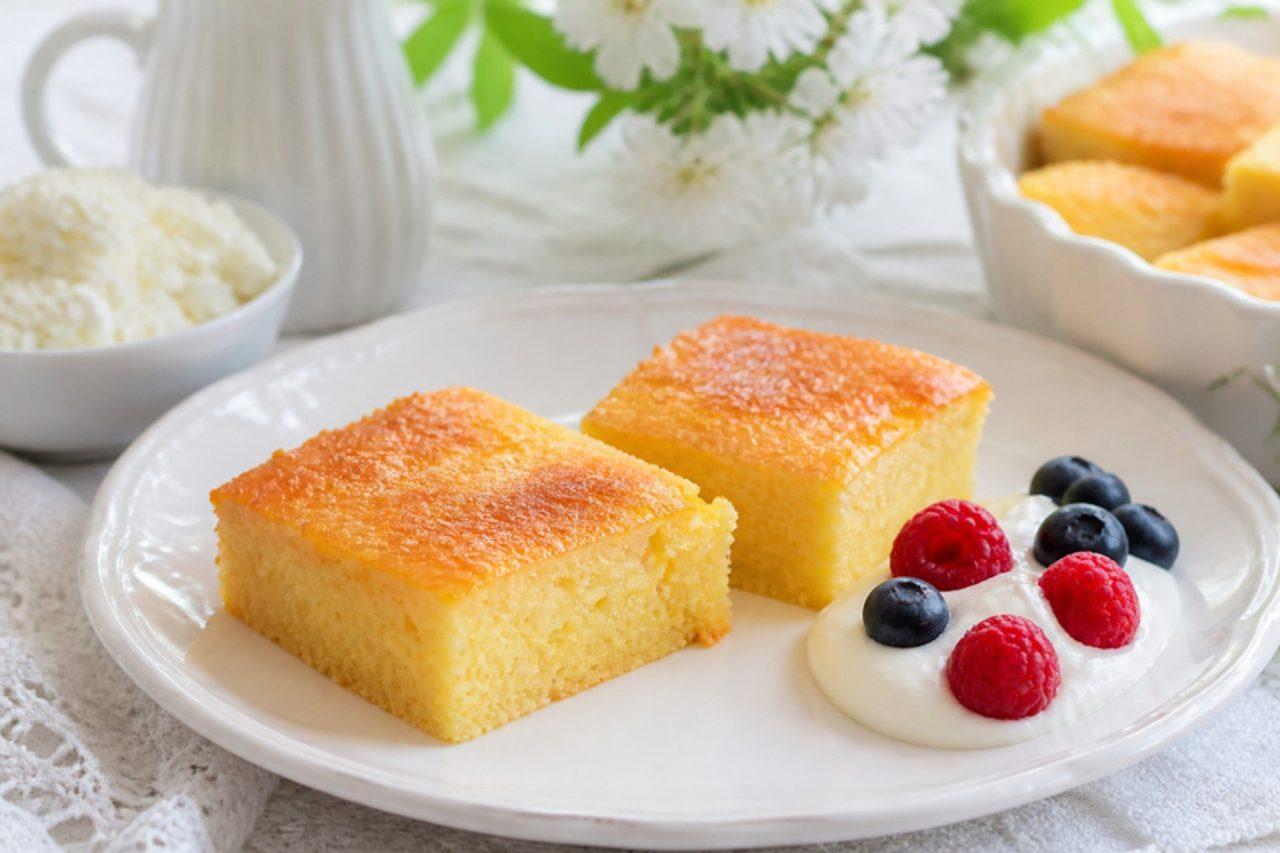
Malai (Romanian-Jewish cornmeal cake)

Romanian Jews brought malai to Israel, and it is a much-loved bake for Shavuot, the early-summer festival when dairy foods fill the table. Coarse cornmeal is mixed with sour cream, soft cheese, eggs and a little sugar, then baked into a golden cake that is moist and slightly crumbly, somewhere between cornbread and cheesecake. Eat it warm with a spoonful of sour cream or jam. Traditional soft white cheeses are sometimes set with animal rennet; choose a cheese labelled vegetarian if that matters to you. The common mistake is using fine polenta that hasn't soaked, which leaves the cake gritty. Chef's tip: let the batter stand for 15 minutes before baking so the cornmeal softens.

by KrazyBadal 0 views

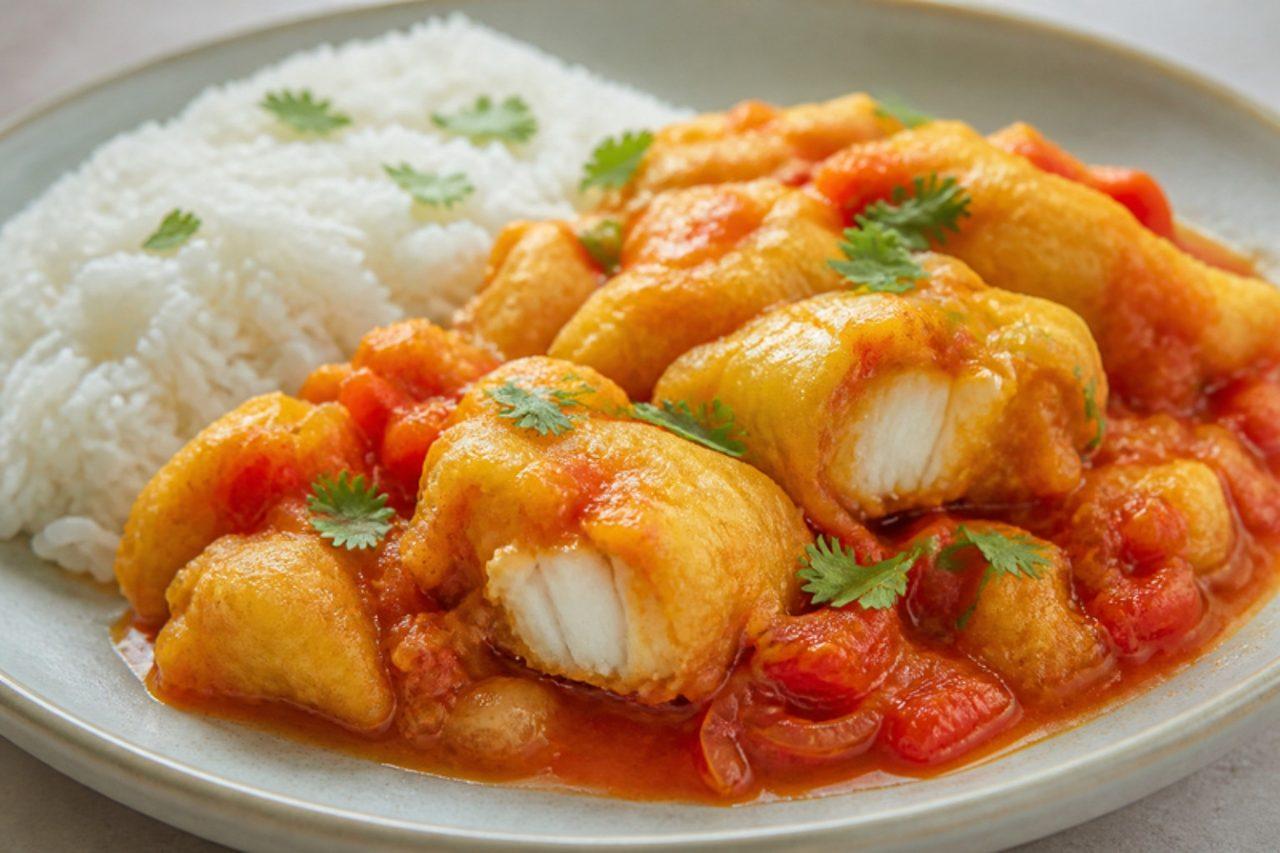
Pescado envuelto en huevoEgg-battered fish in tomato sauce

In Guatemala, Cuaresma and Semana Santa mean the smell of pescado seco envuelto en huevo: pieces of dried salted fish (usually cod) soaked, dipped in whipped egg batter, fried until puffy and golden, then served in a light tomato sauce with rice. It fills the house during the processions of Holy Week, when carpets of sawdust and flowers line the streets of Antigua. Soaked salt cod is the easiest to find abroad. Chef's tip: whisk the whites very stiff and fold in the yolks gently, so the coating puffs into a soft cloud.

by KrazyBadal 0 views

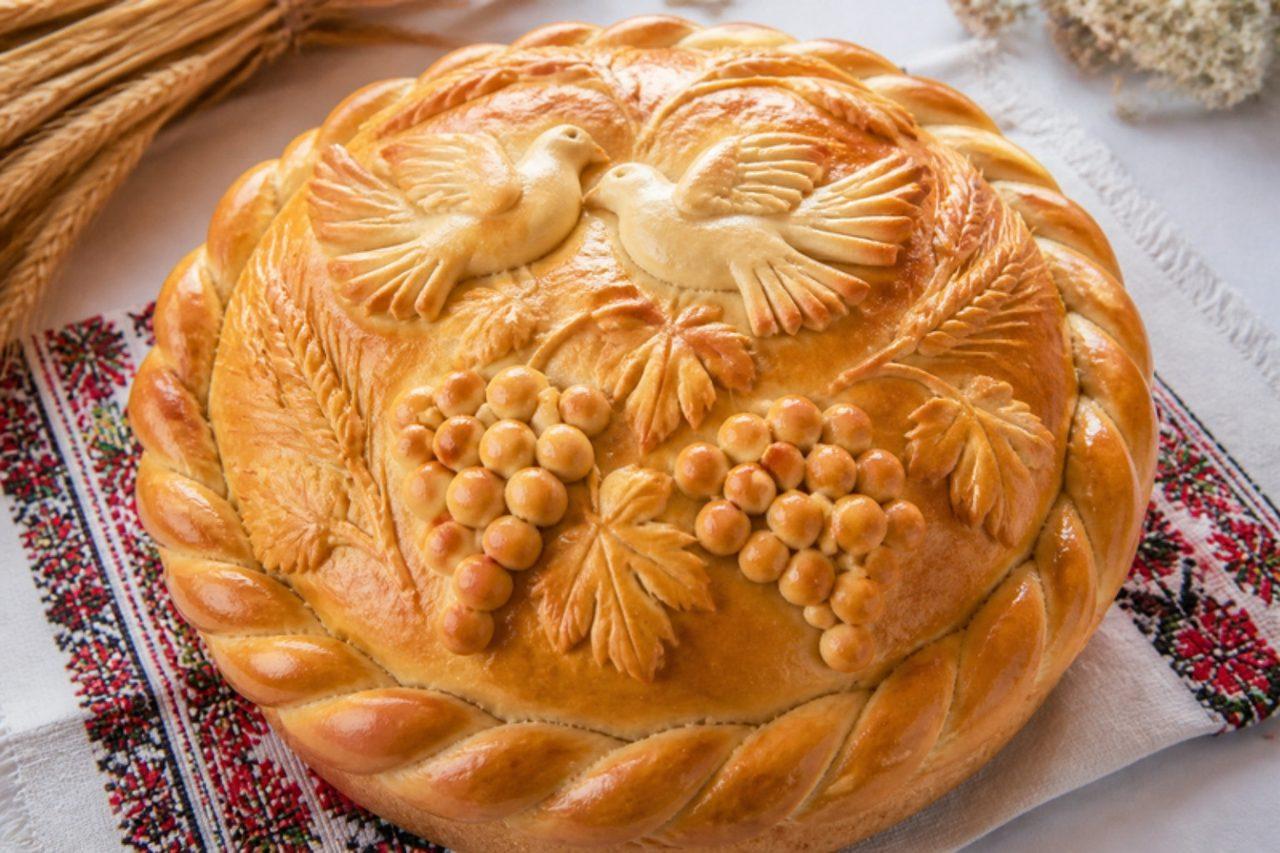
Slavski kolačDecorated ceremonial bread

The slava is a uniquely Serbian Orthodox custom: each family honours its own patron saint on that saint's feast day, passed from father to son, with a lit candle, boiled wheat (žito) and the slavski kolač, a round, decorated bread. The priest blesses it; the family turns it, cuts a cross into its base, pours a little wine into the cuts, and breaks it together. It is decorated with dough crosses, the seal 'IC XC NI KA', doves, wheat ears and grapes. It is a plain, vegan bread. Chef's tip: keep the decorations' dough a little stiffer than the loaf, so they hold their shape.

110 minBalkanBakingVegan
by KrazyBadal 0 views

ZhavoronkiLark-shaped buns

On 22 March (9 March in the old calendar), the Orthodox feast of the Forty Martyrs of Sebaste falls during Lent, and in Russian villages it was the day the larks were said to return. Children were given zhavoronki, little bread larks, and ran outside to toss them in the air and call the spring. The dough is a lightly sweet yeast dough, and because it is Lent it was made without eggs or butter, so this version is vegan. Raisins or peppercorns make the eyes. Chef's tip: tie a simple knot from a dough rope for each bird and snip the tail; it is quicker than sculpting and keeps the shape.

by KrazyBadal 0 views

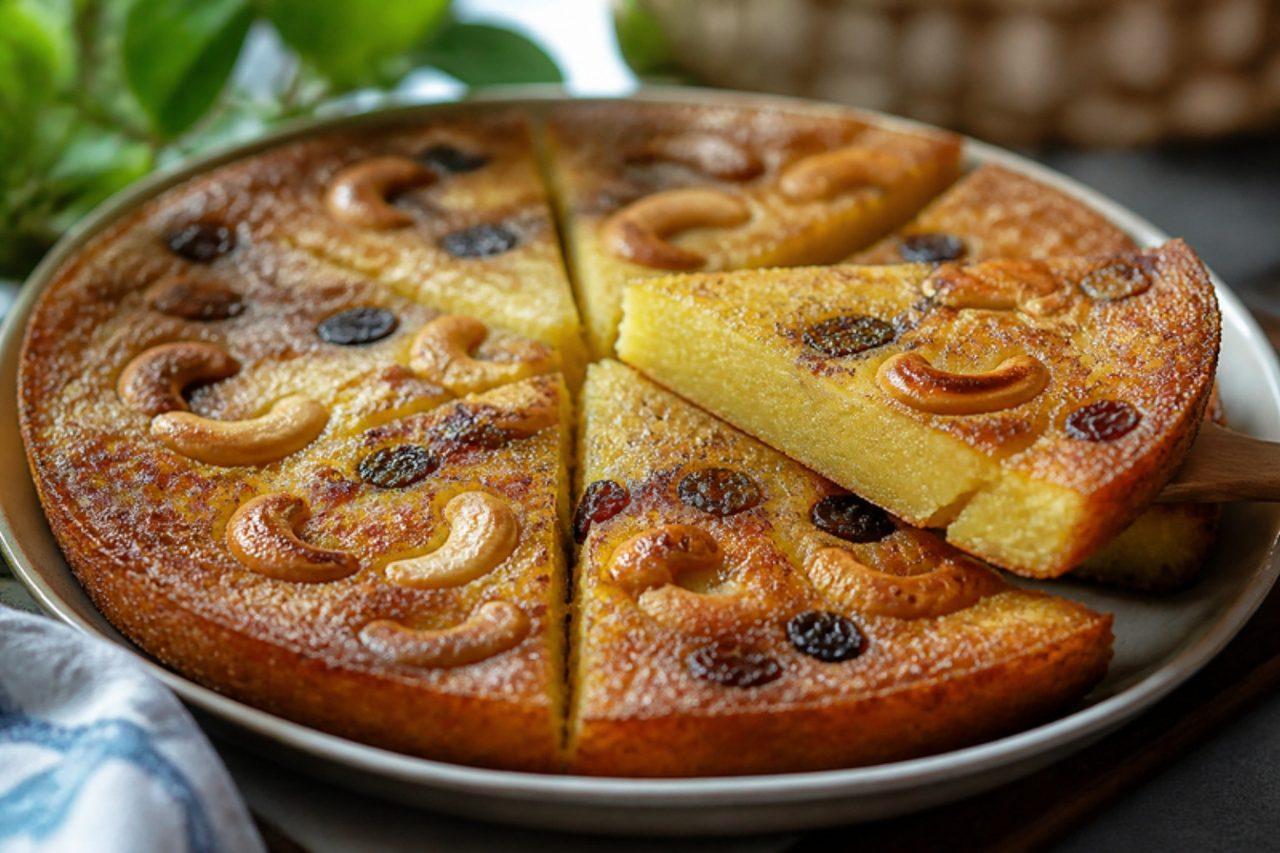
KaipolaBanana and egg cake

Kaipola is a Malabar Ramadan favourite, set on the iftar table in Kozhikode and Thalassery between the fried snacks and the sweets. Very ripe nendran bananas are blended with eggs, sugar and cardamom and slowly baked in a covered pan over ghee-fried cashews and raisins, so it comes out soft and custardy, with a caramel-brown base. Chef's tip: use bananas with black-speckled skins; underripe ones make it dry and bland.

by KrazyBadal 0 views

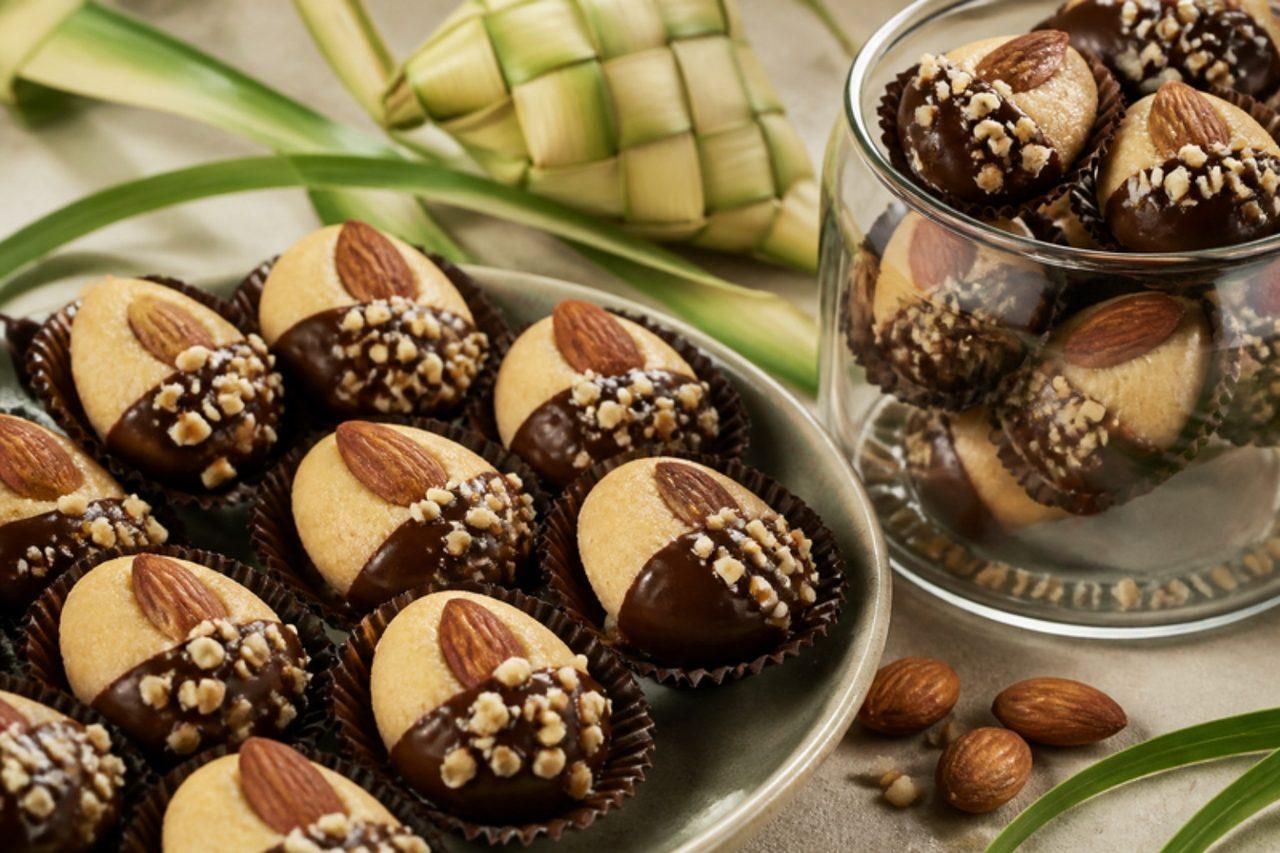
Almond LondonChocolate-dipped almond cookies

Almond London is a Hari Raya favourite in Singapore and Malaysia, a whole roasted almond hidden in buttery cookie dough, baked, dipped in chocolate and rolled in chopped nuts. Nobody is sure where the name came from, but every Malay household fills a jar of them for Raya visits, and children hunt for the almond inside. They are crunchy, rich and not too sweet. Chef's tip: let the cookies cool completely before dipping, or the chocolate slides off and turns streaky.

by KrazyBadal 0 views

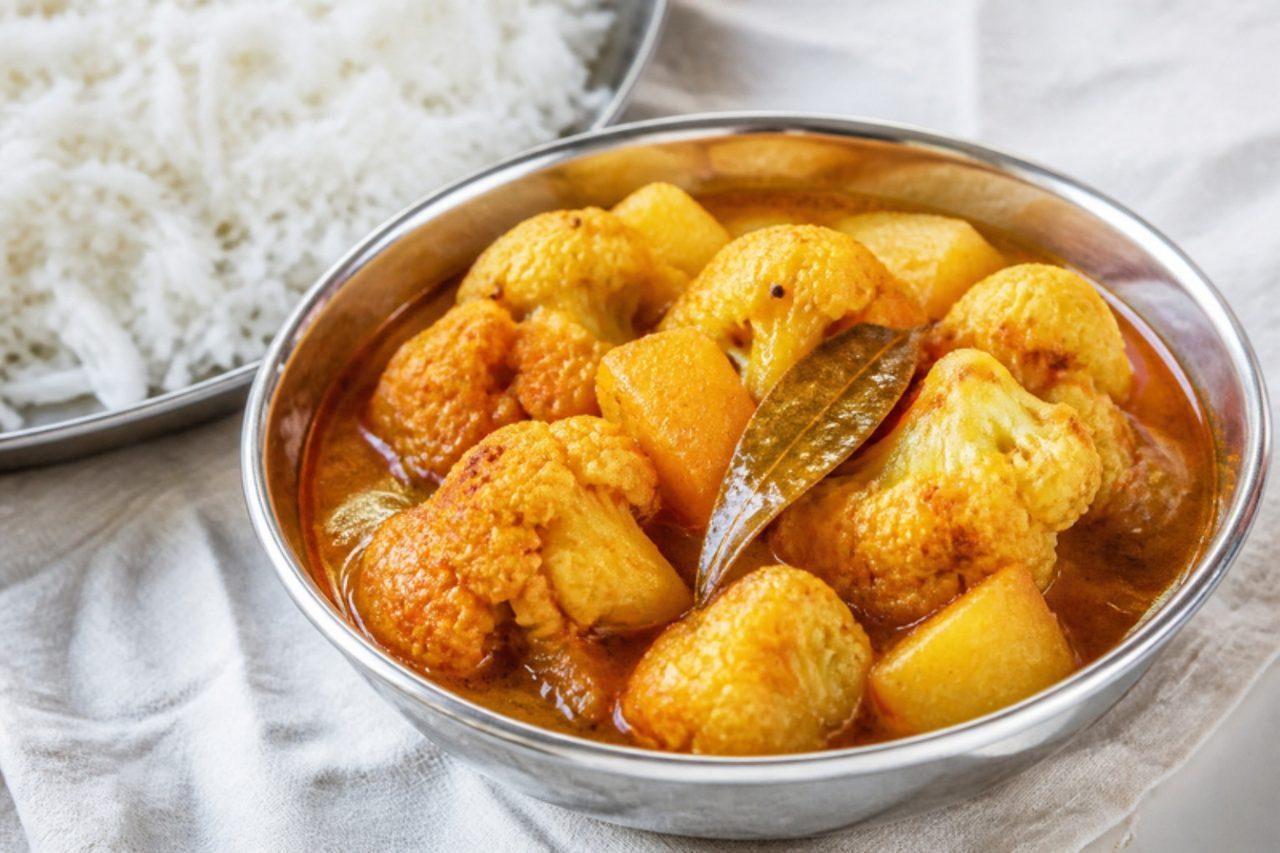
Fulkopir dalnaCauliflower and potato in light gravy

Fulkopir dalna is the gravy dish of a niramish (no onion, no garlic) Bengali menu, and it appears on the Durga Puja bhog table and at home on Navami and Dashami, when many families keep the day's food vegetarian. Large cauliflower florets and potatoes are fried golden and then simmered in a thin, glossy gravy of ginger, cumin, tomato and a little yoghurt, finished with ghee and Bengali garam masala. It should taste mellow, warm and slightly sweet rather than hot. Serve it with luchi or khichuri. Common mistake: boiling the cauliflower in the gravy from raw; fry the florets first until browned in patches, or they turn mushy and taste watery. Chef's tip: whisk the yoghurt with the ground spices before it goes in, and keep the heat low, so the gravy stays smooth instead of splitting.

by KrazyBadal 0 views

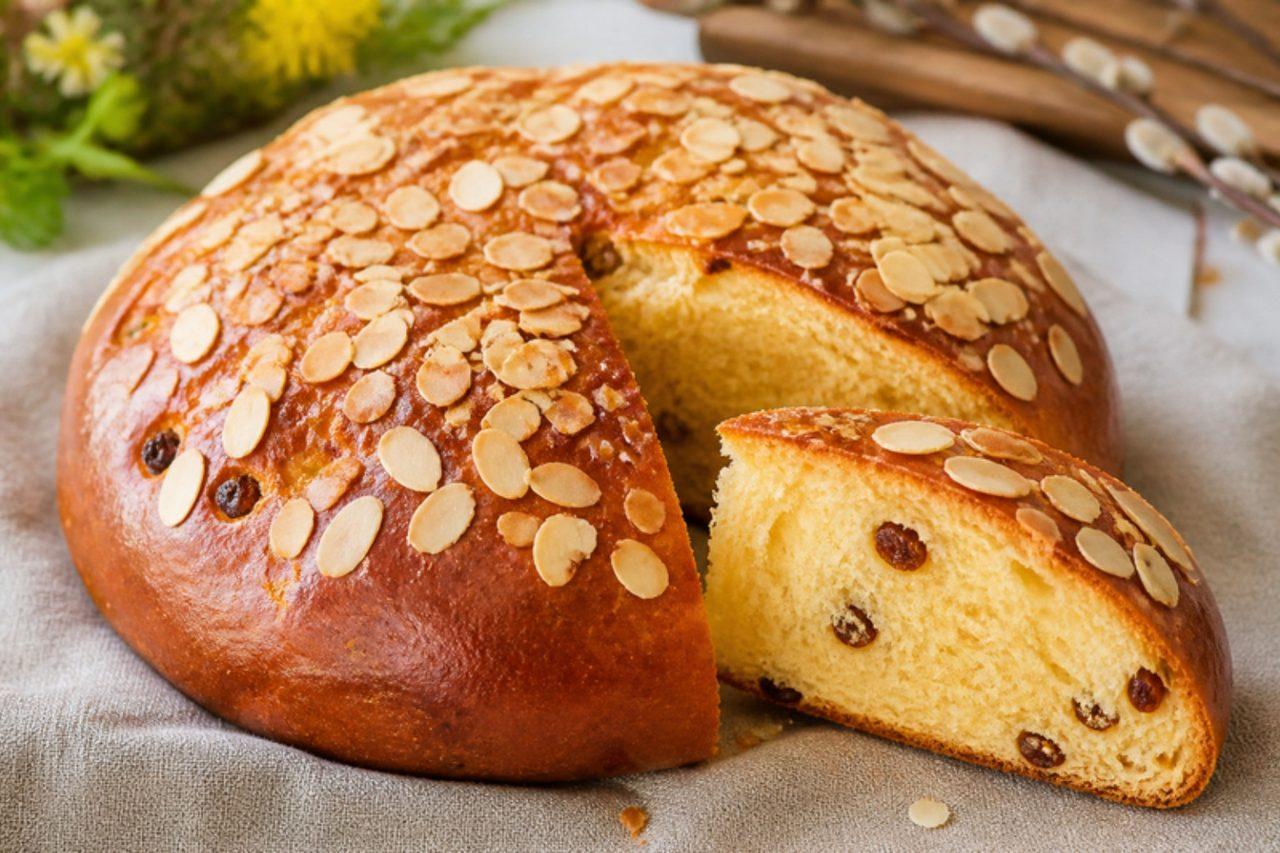
MazanecEaster raisin and almond bread

Mazanec is the round Easter bread of Bohemia, baked on Holy Saturday and eaten on Easter Sunday and Monday. The sweet yeast dough is rich with butter, egg yolks and lemon, studded with raisins and almonds, and scored with a deep cross before baking so it opens like a flower. Old recipes soak the raisins in rum; here they are soaked in warm tea, so the bread is alcohol-free. Slice it and spread with butter and honey. Chef's tip: give mazanec a long, slow bake at a moderate heat, because the rich dough browns quickly and the centre needs time.

by KrazyBadal 0 views

Taai-taaiAnise and honey biscuits

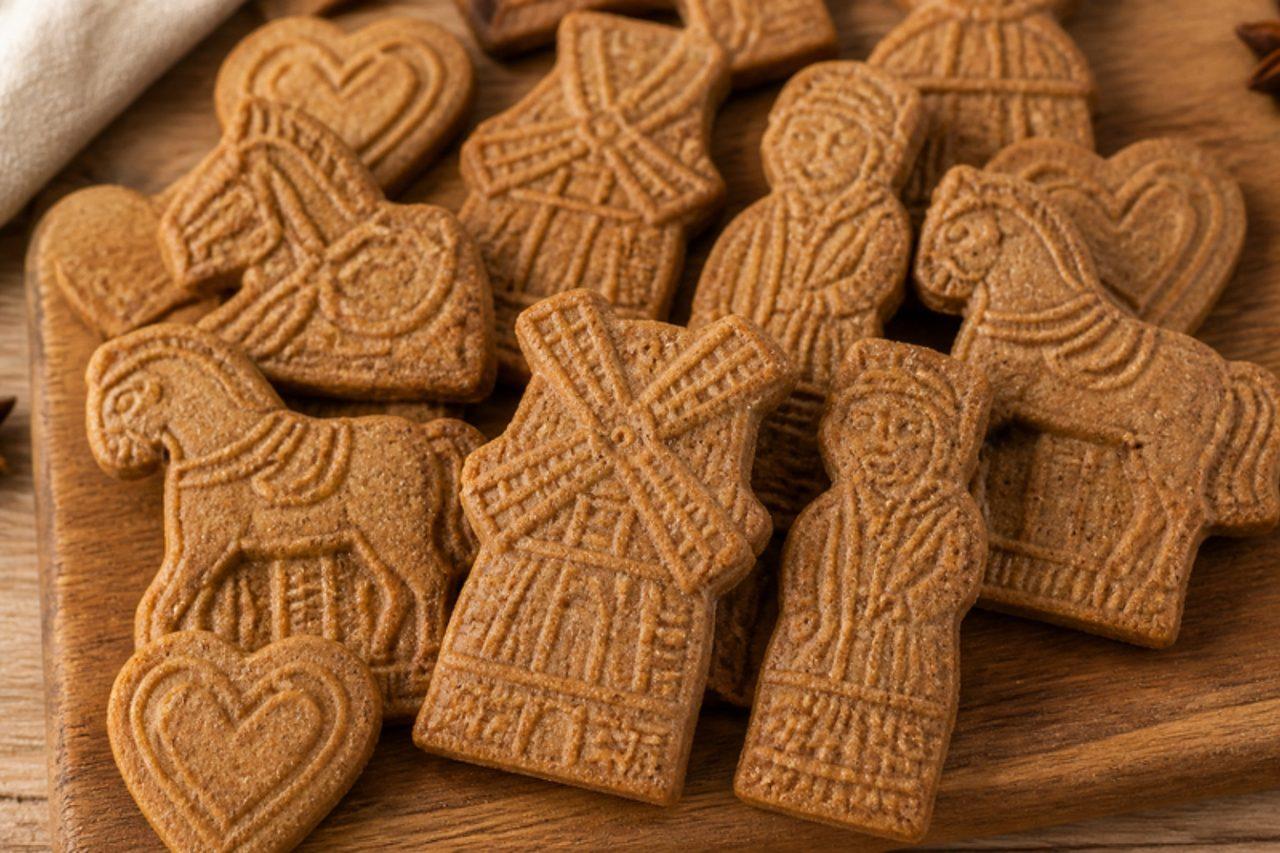
In the Netherlands, taai-taai ('tough-tough') are chewy honey and anise biscuits shaped into figures of Sinterklaas, his horse, windmills, sweethearts and animals, eaten from mid-November until his feast on 5 December. They contain no fat or egg, so they are firm and chewy rather than crisp, and they keep well. Bakers once used carved wooden moulds; cookie cutters work fine. Chef's tip: heat the honey only until runny, then let the dough rest overnight; the rest is what makes the chew.

by KrazyBadal 0 views

Pane di San GiuseppeSculpted festival breads

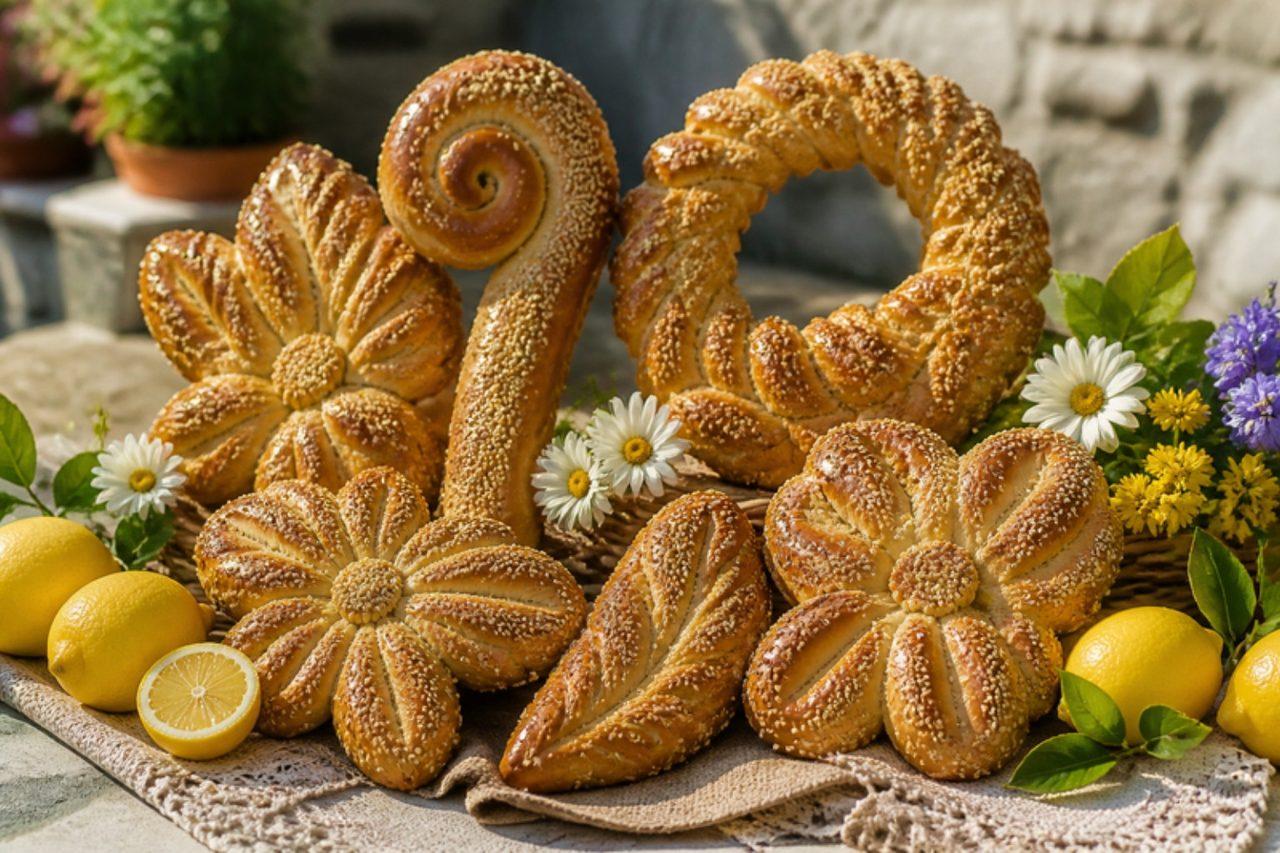
For St Joseph's Day on 19 March, families in western Sicily (Salemi, Trapani, Marsala) build 'tavolate' or altars to the saint, laden with ornate, sculpted breads: beards for Joseph, a staff, flowers, birds, fish and the hand of God. The breads are later given to the poor and to guests. The dough is a firm, plain semolina bread, so it holds fine detail, brushed with egg and scattered with sesame. Shape a few simple ones first; they are as much decoration as food. It is vegan, glazed with water rather than the egg some bakers use. Chef's tip: keep the dough firm and rest it so it doesn't spring back; soft dough loses its shapes in the oven.

by KrazyBadal 0 views

Kæst skataFermented skate

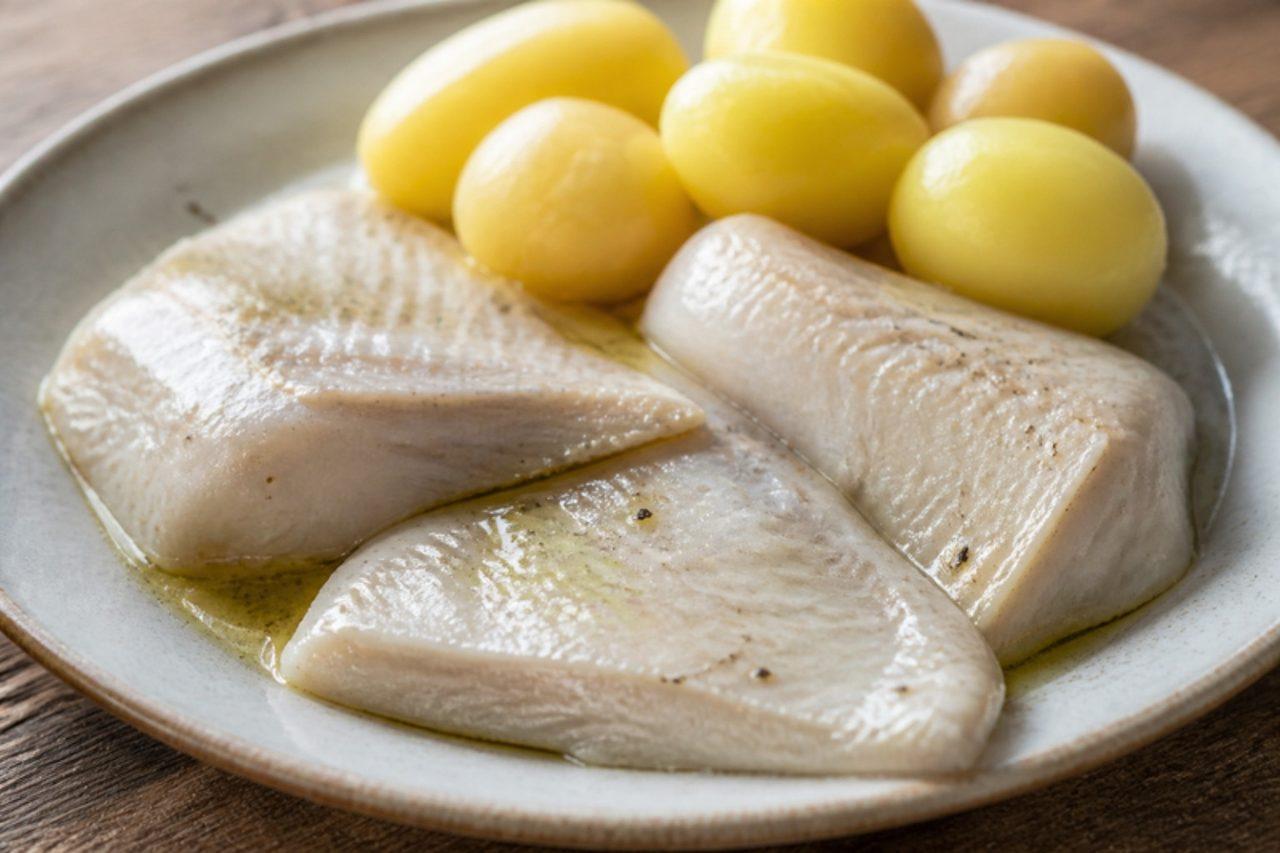
St Thorlak's Day (Þorláksmessa), 23 December, honours Iceland's patron saint, and in the Westfjords and now across the country it is the day for kæst skata: fermented skate, boiled and eaten with potatoes and melted, salty sheep's tallow (hamsatólg) or butter. Its ammonia smell is famous, which is why many families cook it in the garage or eat at a restaurant, then have it the next day as a bracing start to Christmas. Buy skate already fermented from an Icelandic fishmonger; don't try to ferment it at home. Chef's tip: cook it in a lidded pot with a window open, and boil the potatoes in a separate pot.

by KrazyBadal 0 views

Gevulde speculaasAlmond-filled spiced pastry

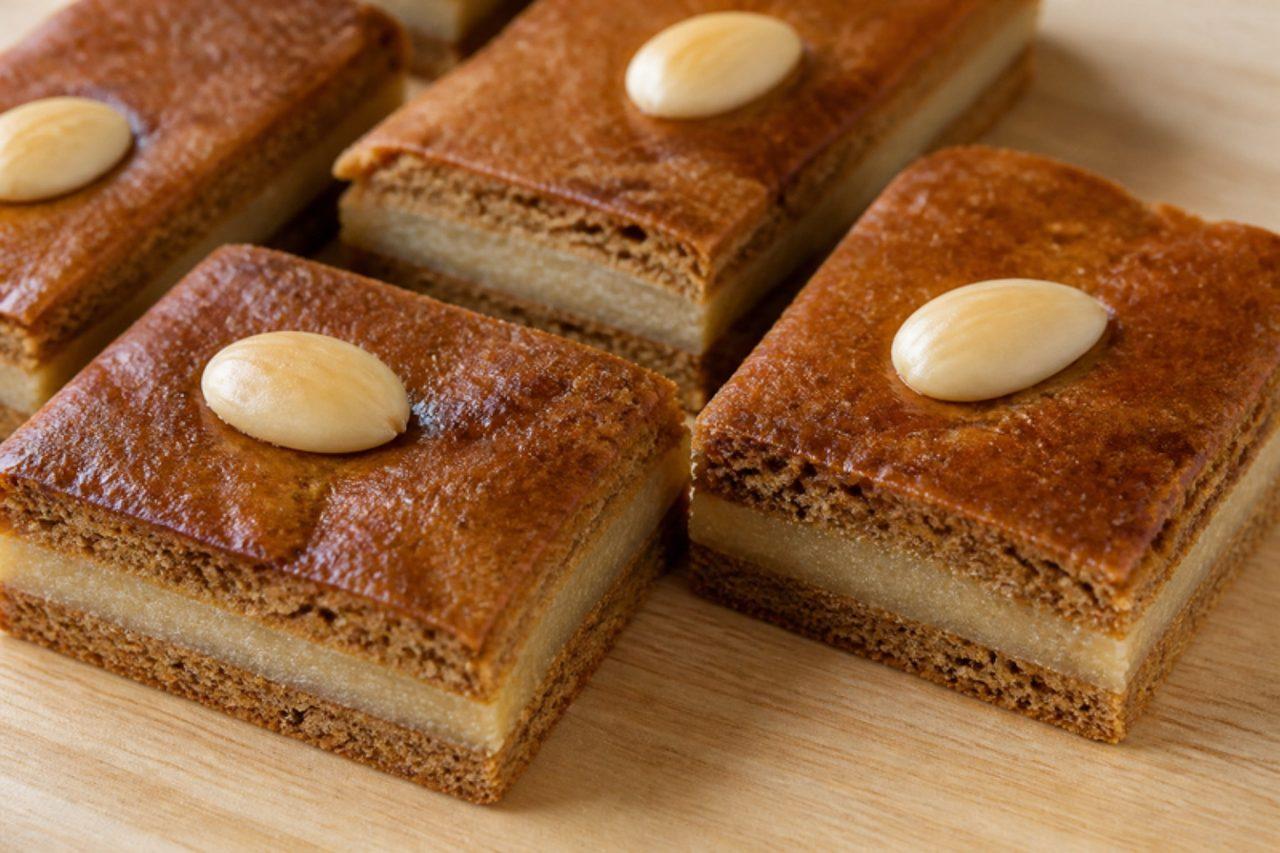
Gevulde speculaas is a Sinterklaas favourite in the Netherlands from November to 5 December: a thick layer of almond paste baked between two layers of buttery, brown-sugar speculaas dough full of cinnamon, nutmeg, clove and ginger, decorated with blanched almonds and cut into squares. It is rich and best with a cup of coffee or hot chocolate. Chef's tip: make the almond paste a day ahead and let the dough rest overnight too, so the spices mellow and the layers bake evenly.

by KrazyBadal 0 views

OsterpinzeEaster anise brioche

Osterpinze is the Easter bread of Styria, Carinthia and the area around Trieste, a soft, golden brioche dome with three deep cuts on top for the Holy Trinity, so that it opens into a crown as it bakes. The dough is rich with egg yolks and butter and flavoured with anise and lemon; old recipes add a splash of white wine, left out here. It is blessed in the Easter basket on Holy Saturday and eaten on Easter morning with ham, horseradish and eggs, or with butter and jam. Chef's tip: make the three cuts with scissors just before baking, deep enough to reach halfway down, so the crown opens wide.

by KrazyBadal 0 views

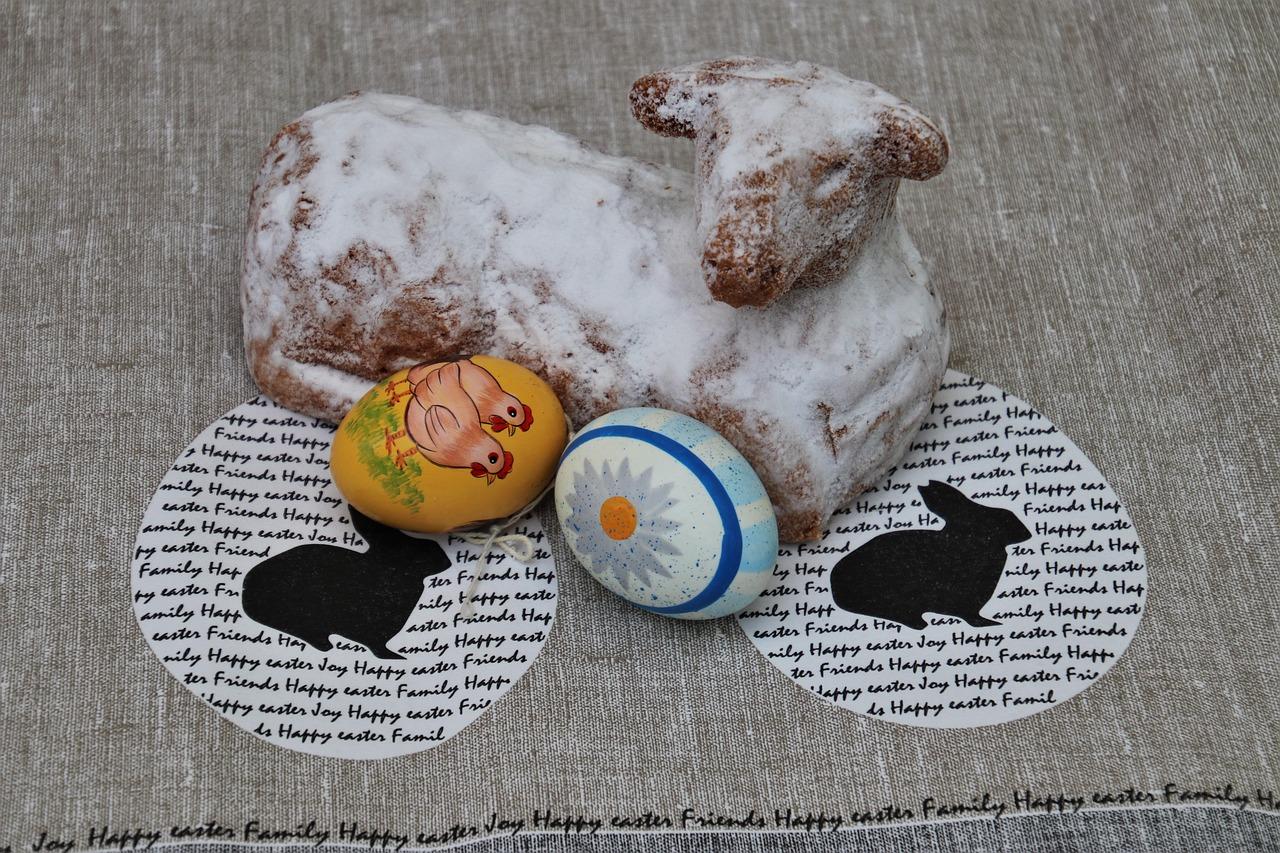
OsterlammEaster lamb sponge cake

In Germany and Austria an Osterlamm, a light sponge baked in a two-piece lamb-shaped mould, stands on the Easter breakfast table, dusted with icing sugar with a ribbon and bell around its neck and sometimes a little flag. In Catholic regions it is taken to church on Holy Saturday to be blessed with the Easter basket. The cake is a buttery, lemony sponge, firm enough to keep its shape. You need a lamb cake mould, sold in kitchen shops before Easter. Chef's tip: grease the mould with soft butter and dust it with breadcrumbs or flour into every crevice, or the lamb's head stays in the tin.

by KrazyBadal 0 views

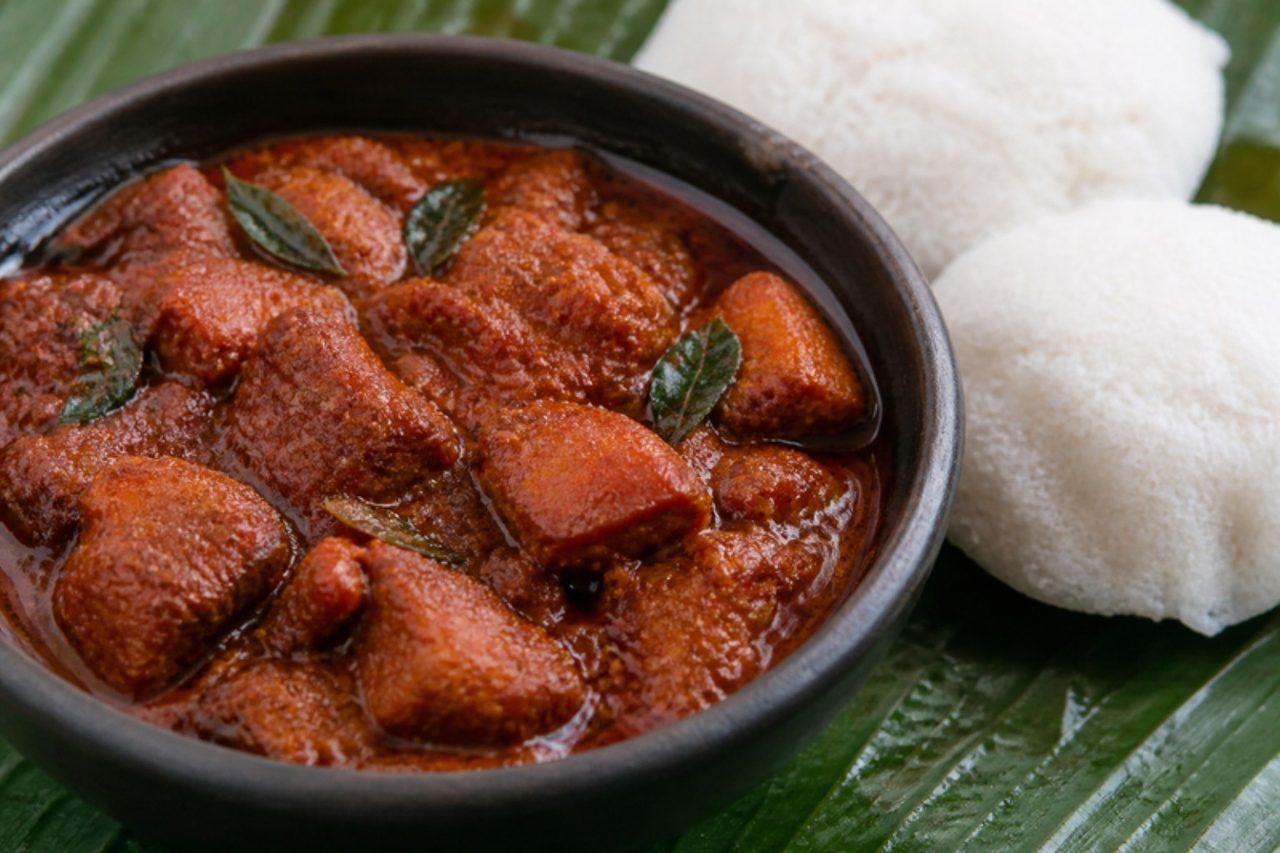
Pork bafatPork curry with roasted spice powder

Pork bafat is the curry Mangalorean Catholic families cook for Christmas, weddings and every big feast. Fatty pork pieces are simmered with onion, ginger, garlic and bafat powder, a deep red-brown blend of roasted chillies, coriander, cumin, pepper, turmeric and cinnamon, then soured with vinegar and a little tamarind. It is fiery and tangy and is eaten with sannas, the soft, steamed rice cakes. Bafat powder keeps for months, so make a jar. Chef's tip: let the curry rest overnight, as the vinegar and spices mellow into each other and it tastes far better the next day.

by KrazyBadal 0 views

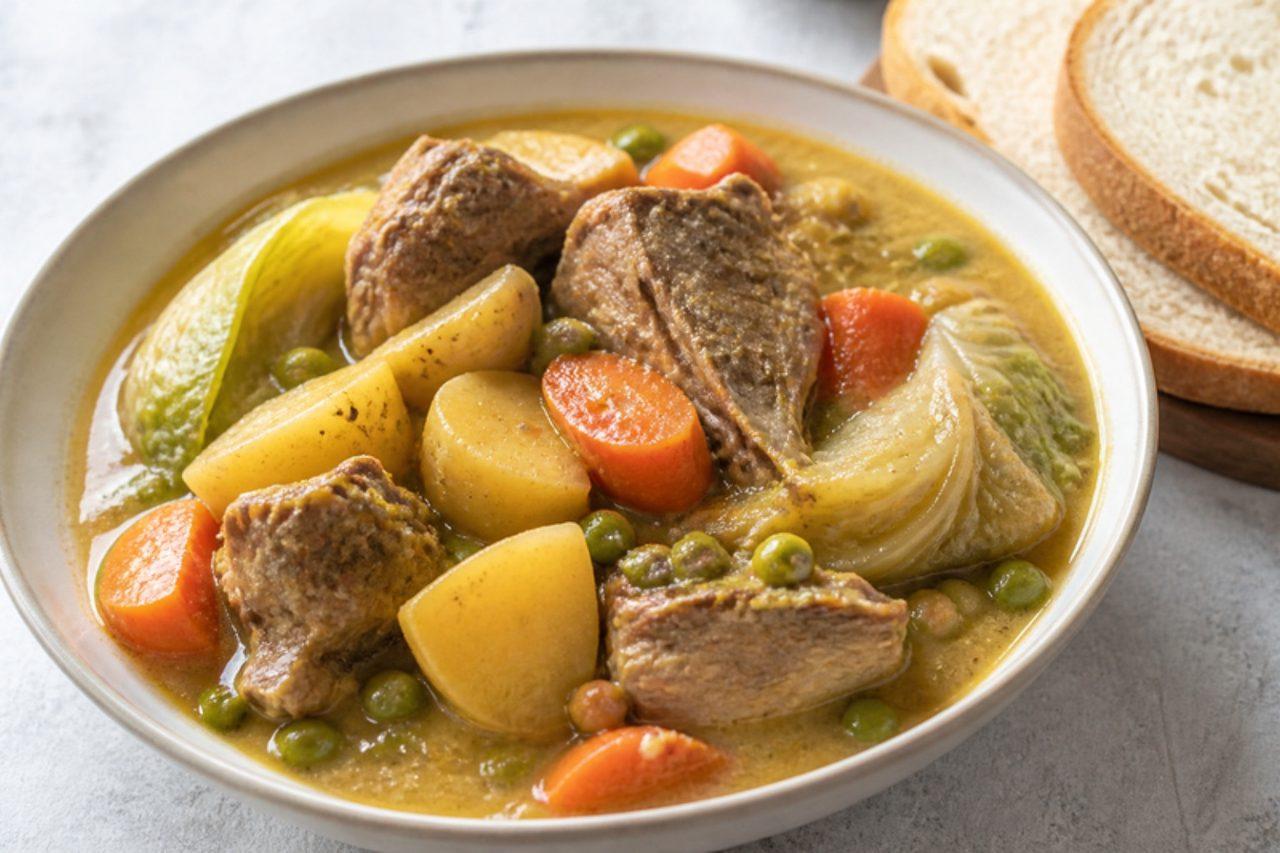
Duck buffadDuck with vegetables in ginger gravy

Buffad (sometimes spelled 'bufat') is the Christmas Day dish of Anglo-Indian families in Kolkata, Chennai and Bangalore, eaten after midnight Mass with bread, rice or coconut-milk pulao. Duck is simmered with potatoes, carrots, cabbage and peas in a light gravy of ginger, green chilli, mild spices and vinegar, a gentler, more British-influenced curry than its neighbours. It reheats beautifully. Chef's tip: brown the duck pieces first and pour off most of the fat, so the gravy is rich but not greasy.

by KrazyBadal 0 views

Wild rice stuffing

Canadian Thanksgiving falls on the second Monday of October, earlier than the American one, when the harvest is in, and in Ontario, Manitoba and the prairies wild rice often takes the place of bread in the stuffing. Wild rice is the seed of a native lake grass long harvested by First Nations, and it is nutty and chewy; here it is baked with buttery mushrooms, celery, onion, sage and tart dried cranberries, topped with toasted pecans. It is cooked in its own dish, never inside the bird, so it stays safe and vegetarian. Chef's tip: cook the wild rice until a few grains split open to show the white inside; underdone grains stay hard after baking.

by KrazyBadal 0 views

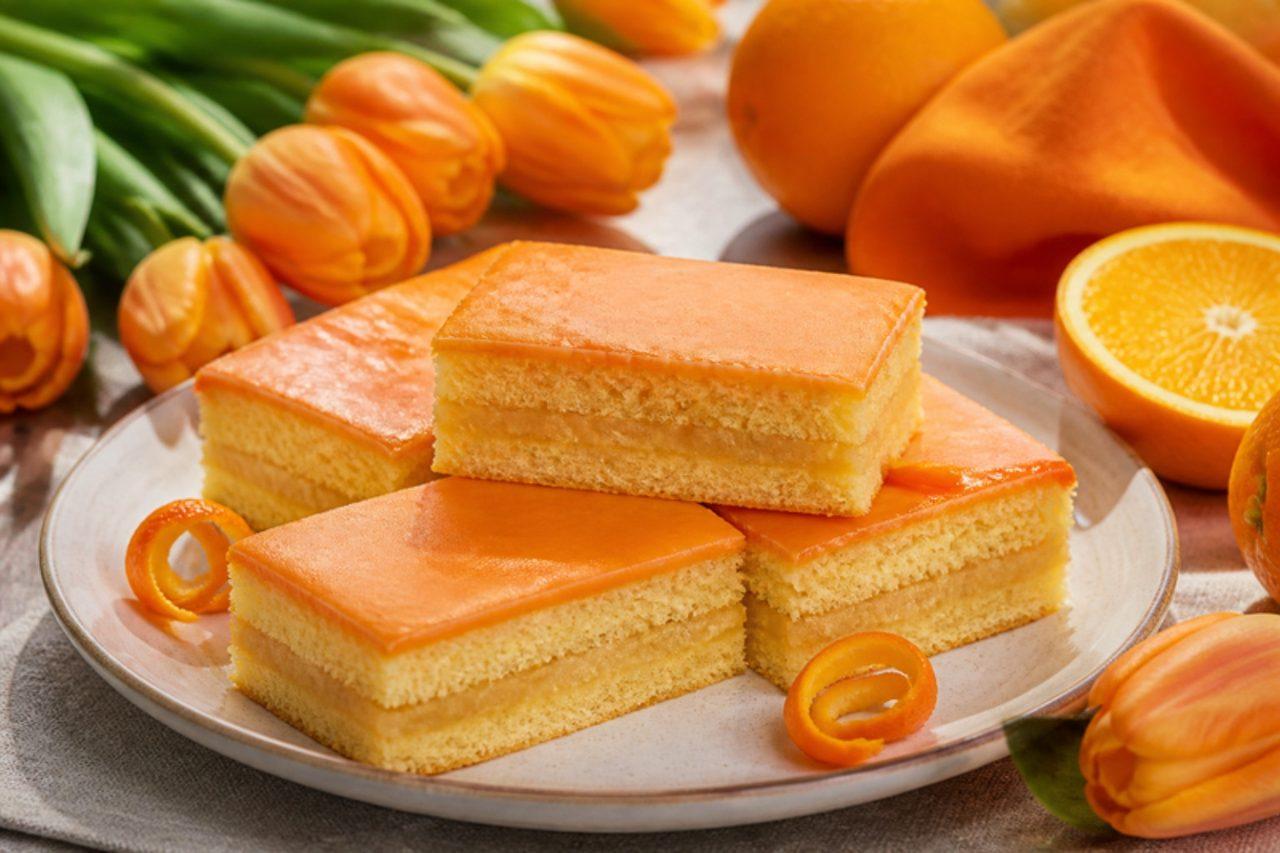
OranjekoekAlmond paste cake with orange icing

On Koningsdag, 27 April, the whole of the Netherlands turns orange: flea markets fill the streets, boats crowd the canals and bakeries sell oranjekoek, a buttery cake with a hidden layer of almond paste under a thick orange glaze. It is cut into neat squares and eaten with coffee between bargain hunting. The almond paste filling is like the one in gevulde koek, sweet and lemony. Chef's tip: let the cake cool fully before icing, or the glaze slides off and goes patchy.

by KrazyBadal 0 views

OsterfladenSemolina and almond Easter tart

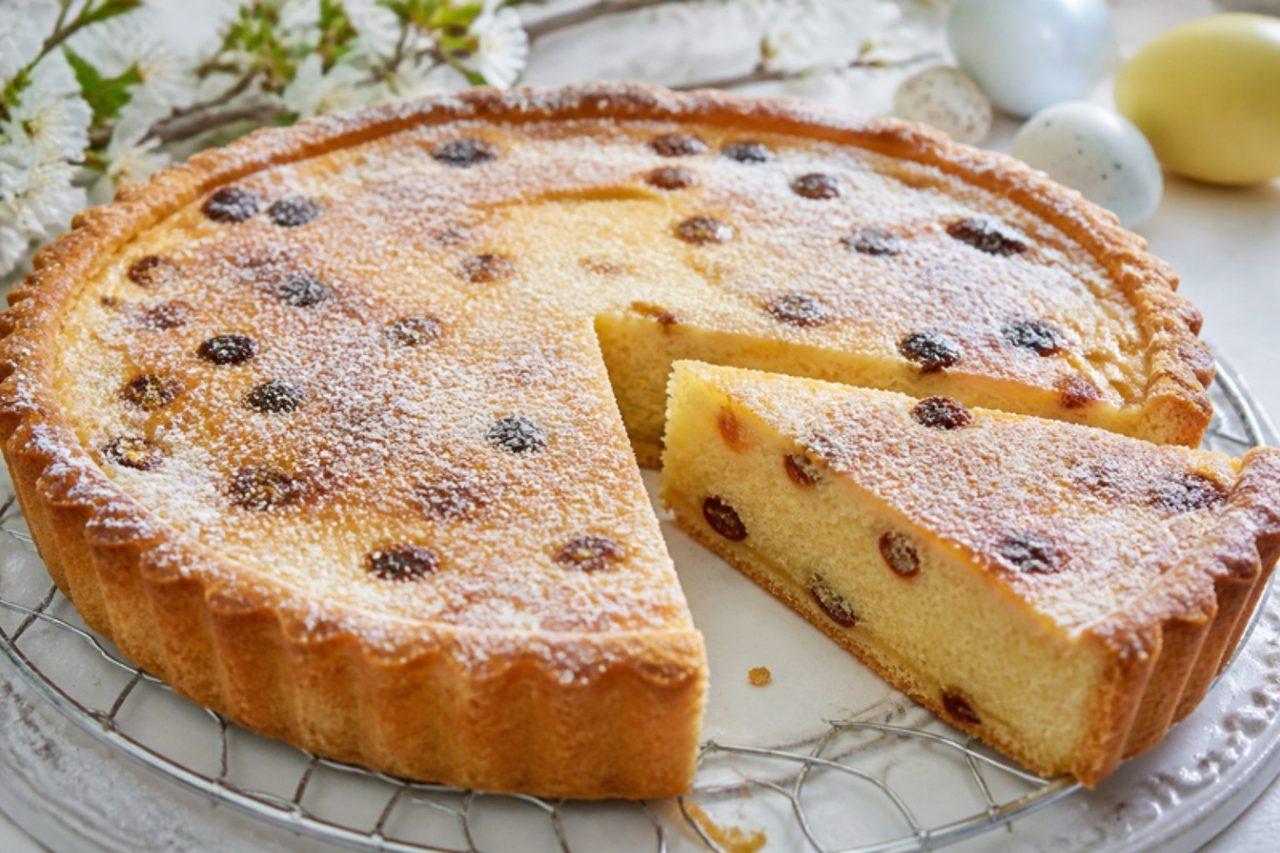
Osterfladen is the Easter tart of Basel and northern Switzerland, baked on Holy Saturday and eaten on Easter Sunday. A shortcrust case holds a creamy filling of semolina (or rice) cooked in milk, folded with ground almonds, raisins, lemon zest and whipped egg white, which bakes into a light, sliceable custard under a dusting of icing sugar. Some bakers soak the raisins in kirsch; here they are soaked in warm water, so it is alcohol-free. Chef's tip: fold the egg whites in gently and last, as they are what makes the filling light.

by KrazyBadal 0 views

Fasnachts-SchenkeliFried lemon dough fingers

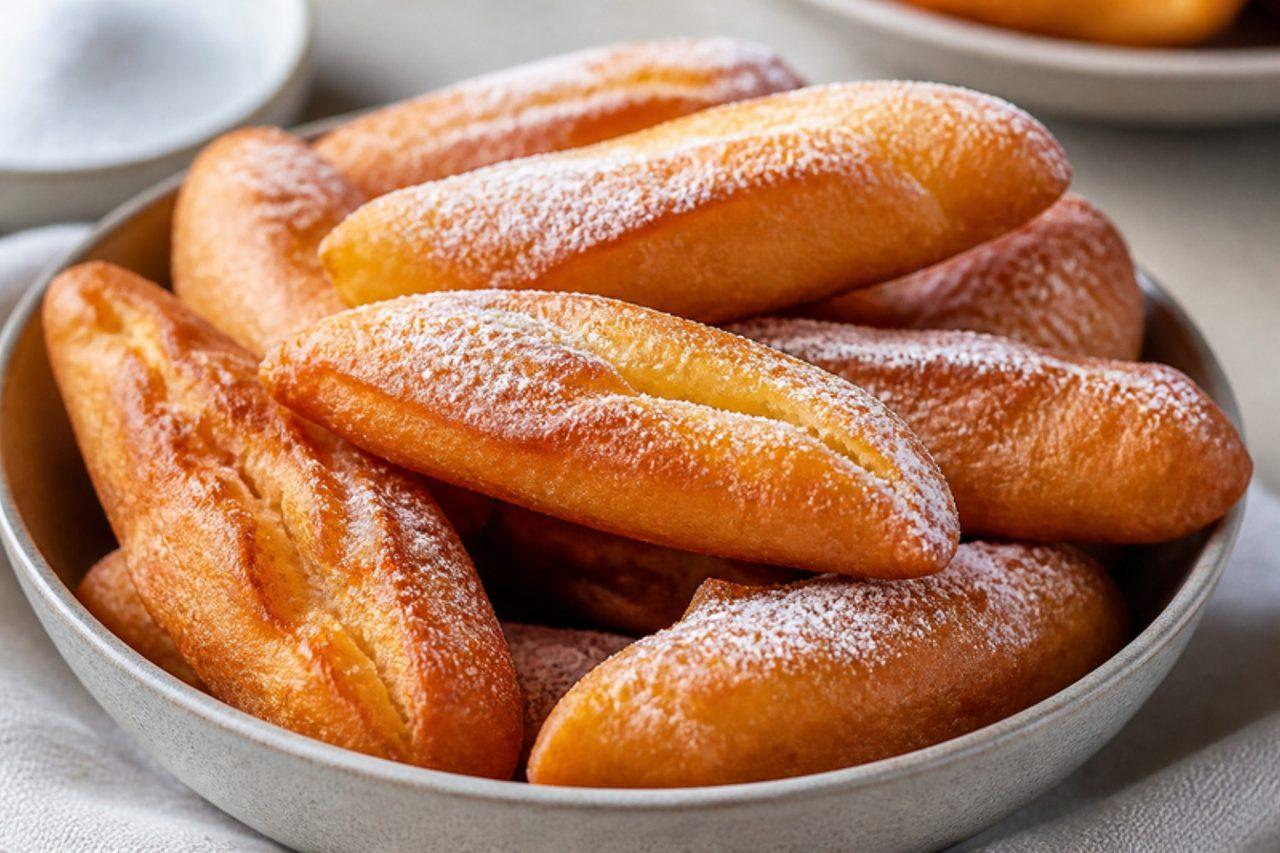
Schenkeli ('little thighs') are fried for Fasnacht, the Carnival weeks that lead up to Lent in Switzerland, when bakeries in Basel, Lucerne and Zurich sell them by the bagful beside Fasnachtschüechli. The dough is rich with butter, eggs and lemon zest, rolled into finger-length logs and fried until they have a crisp, cracked golden shell and a soft, cakey middle. Some recipes add a splash of kirsch to the dough; this one doesn't. Chef's tip: fry them at a moderate temperature, as they need time to cook through and the signature cracks form only if they aren't browned too fast.

by KrazyBadal 0 views

AllerheiligenstriezelBraided sweet loaf

In Bavaria and Austria, godparents give their godchildren an Allerheiligenstriezel on All Saints' Day, 1 November: a large braided loaf of sweet yeast dough, brushed with egg and scattered with almonds or pearl sugar. The braid is said to recall the old custom of cutting a plait of hair in mourning, and the size of the loaf once showed how generous the godparent was. It is lightly sweet, with lemon and vanilla, and is eaten sliced with butter or jam. Some recipes add rum-soaked raisins; these are soaked in warm water instead. Chef's tip: braid four strands for an impressive, high loaf.

by KrazyBadal 0 views

Śledzie w śmietanieHerring in soured cream

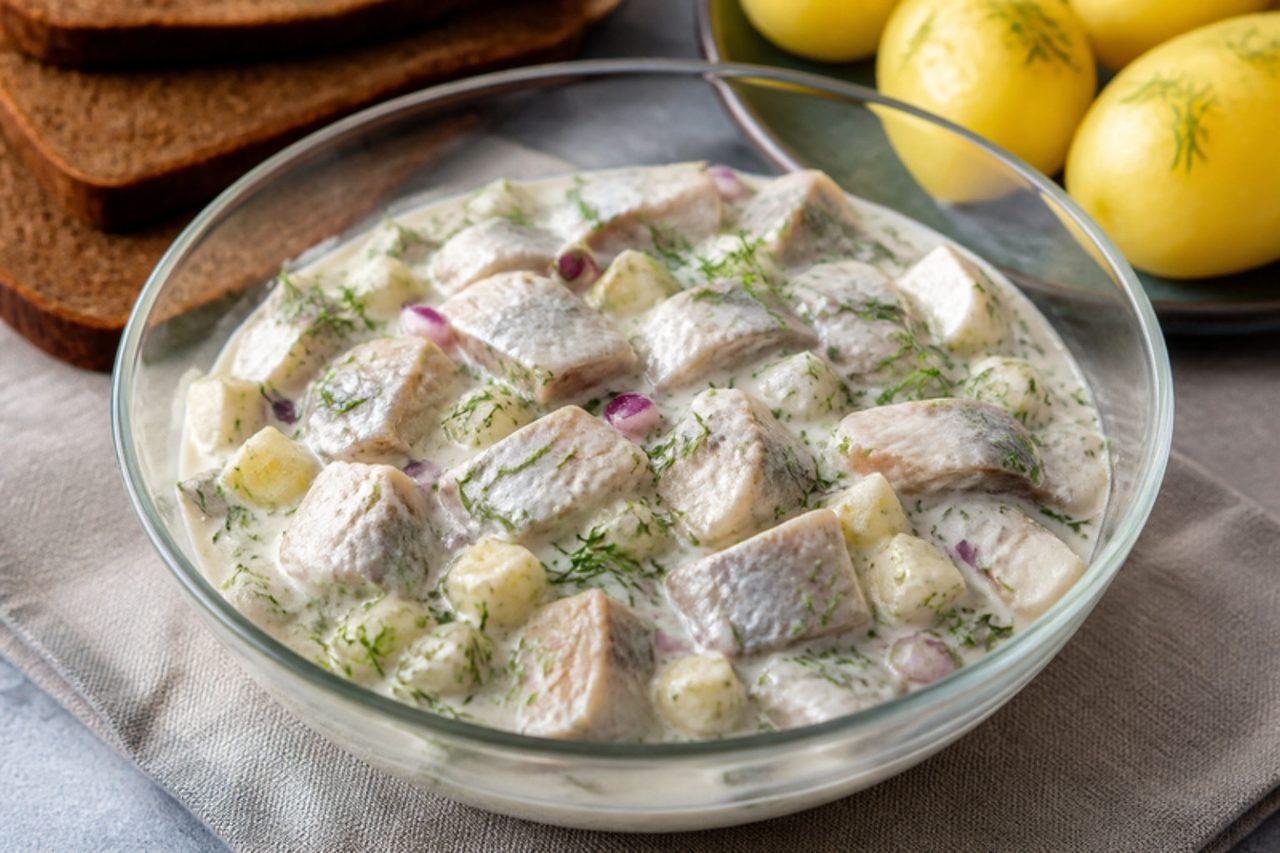
Herring is a must at the Polish Wigilia, the meatless Christmas Eve supper, and śledzie w śmietanie, salted herring fillets in soured cream with crisp apple, onion and dill, is the favourite way to serve it, with boiled potatoes or rye bread. The herring is cured, not cooked: use good-quality salted or matjes fillets from a shop, which have been frozen to kill parasites, and keep the dish chilled. Cured fish is not for pregnant women, young children or anyone with a weakened immune system; for them, make the safer version in the last step with hot-smoked mackerel or herring fillets baked until opaque. Chef's tip: dress the herring a few hours ahead so the cream picks up the flavour.

20 minPolishFishGluten free
by KrazyBadal 0 views

Showing 24 of 3,215 recipes

Show more recipes

Page 1 of 134