Skip to content
WhatToEat.Today

All recipes

53

Vegetarian, or something you can't eat? Set your diet once and we'll hide recipes that don't fit.

Gyeran gukEgg ribbon soup

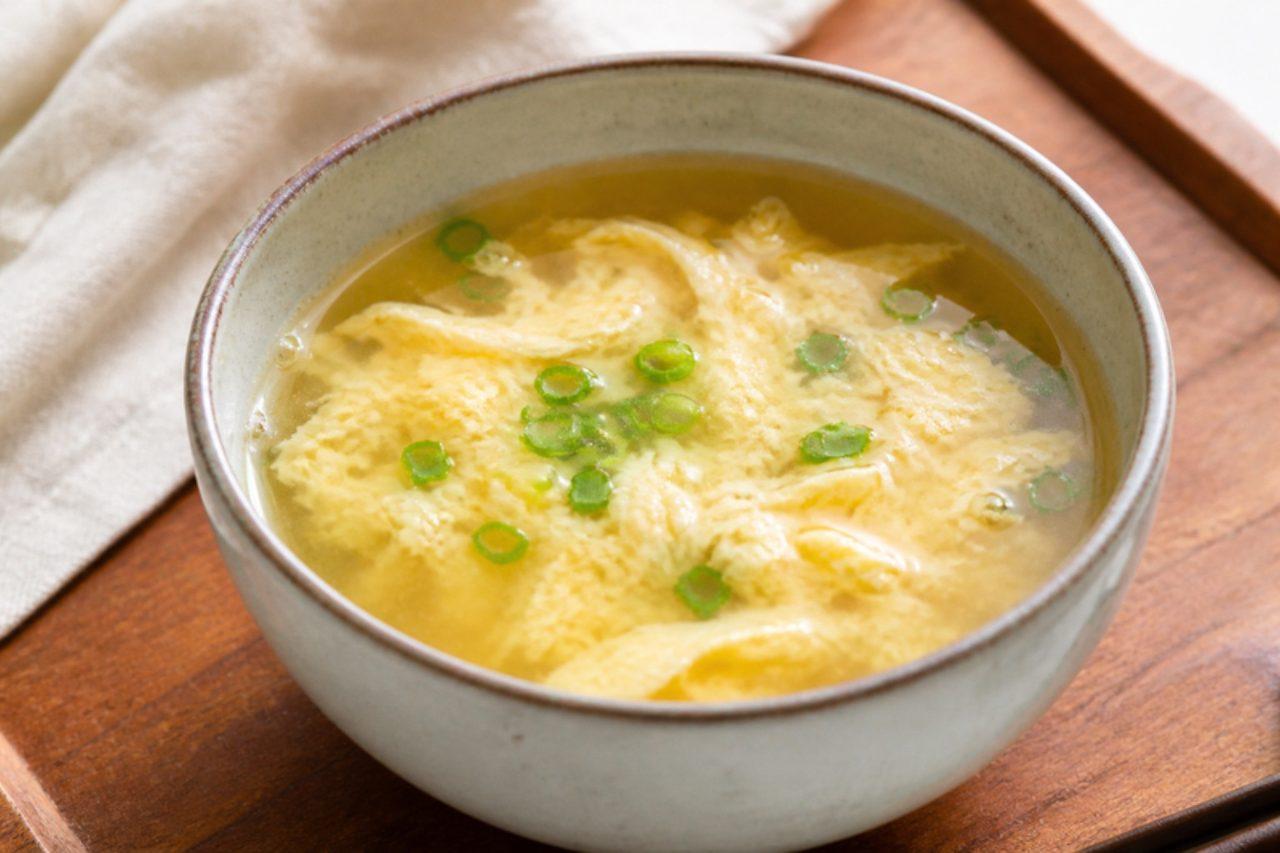
Gyeran guk is the gentle soup Korean families make on a busy weeknight or for anyone feeling under the weather: soft ribbons of egg and spring onion drifting in a clear broth seasoned with soup soy sauce. Many homes use an anchovy stock; this one uses a quick kelp broth so it stays vegetarian. Serve it with rice and a couple of banchan. The common mistake is stirring the egg the moment it goes in, which clouds the soup into tiny grains; pour it in a thin stream and wait 20 seconds before giving one gentle stir. Chef's tip: take the kelp out just as the water starts to boil, because boiled kelp turns the broth slimy and bitter.

by KrazyBadal 0 views

Omija hwachae (five-flavour berry punch)

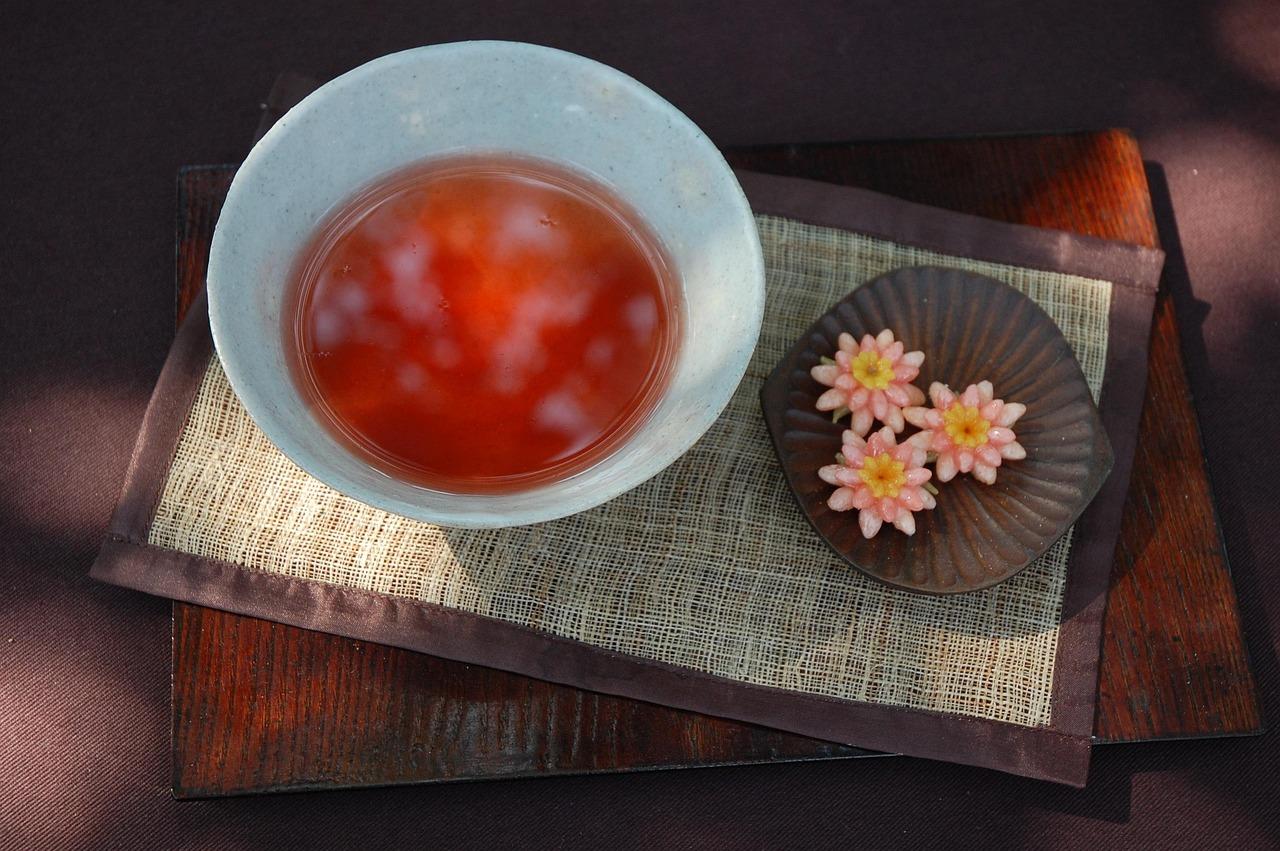
Across Korea, Dano marks the start of the hot season, and a bowl of hwachae is the old way to cool down. Omija means 'five flavours': the dried schisandra berries are sour, sweet, salty, bitter and pungent at once, and steeping them gives a ruby-pink drink that is tart and bright, said to refresh the body against summer fatigue. Honey is the traditional sweetener; sugar syrup keeps this version vegan and entirely alcohol-free. Float thin pear flowers and a few pine nuts on top and serve it beside tteok or yakgwa. Chef's tip: steep the berries in cold water only, because hot water pulls out their bitterness and the colour turns murky.

by KrazyBadal 0 views

Torantang (taro soup)

Torantang is the soup of Chuseok all over Korea: taro is dug up just as the harvest moon festival arrives, and its name, 'egg of the earth', makes it a natural thanks for the year's crops. Elders also say it settles the stomach after days of rich jeon and rice cakes. The broth is clean and gently beefy with a sea-sweet depth from kelp, and the taro turns silky and creamy, almost like a soft potato. Serve it piping hot with rice, kimchi and the holiday jeon. Chef's tip: wear gloves when peeling taro, which makes bare skin itch, and parboil it before it goes into the soup so the broth stays clear.

by KrazyBadal 0 views

Gamja gukPotato and onion soup

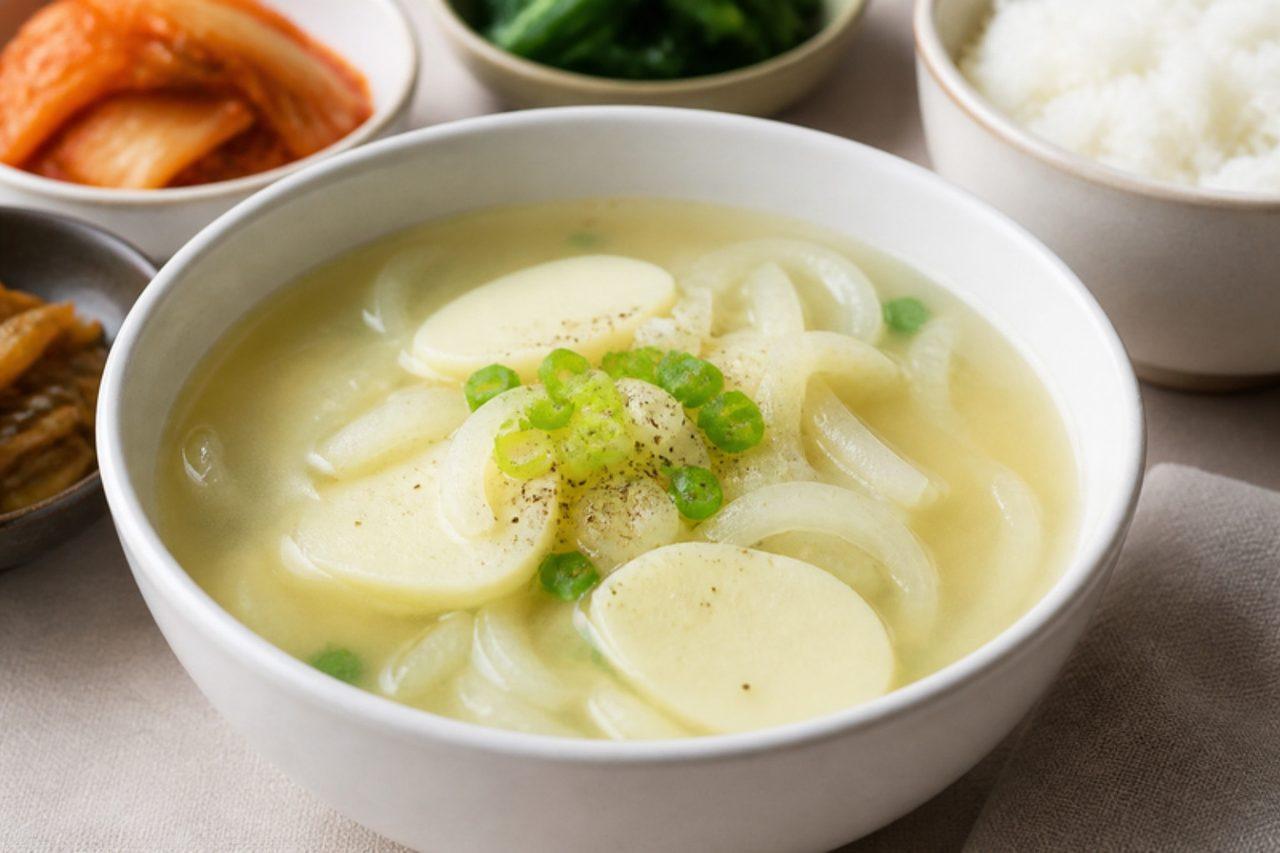
Gamja guk is the plain, comforting potato soup that Korean mothers make on busy mornings and quiet evenings all year round, served with rice and kimchi. Thin slices of potato and onion simmer in a clear broth until soft, finished with spring onion and a little garlic. Most homes use an anchovy and kelp stock; this is the vegetarian version, with kelp and dried shiitake. It is mild and soothing, with about 4 g of protein per bowl; crack an egg into the pot at the end, or serve tofu alongside, for more. The common mistake is cutting the potatoes too thick, so the outside crumbles before the middle is cooked; slice them evenly, about 5 mm. Chef's tip: soak the sliced potato in cold water for 5 minutes to rinse away surface starch and keep the broth clear.

by KrazyBadal 0 views

Beoseot deulkkae tangMushroom and perilla seed soup

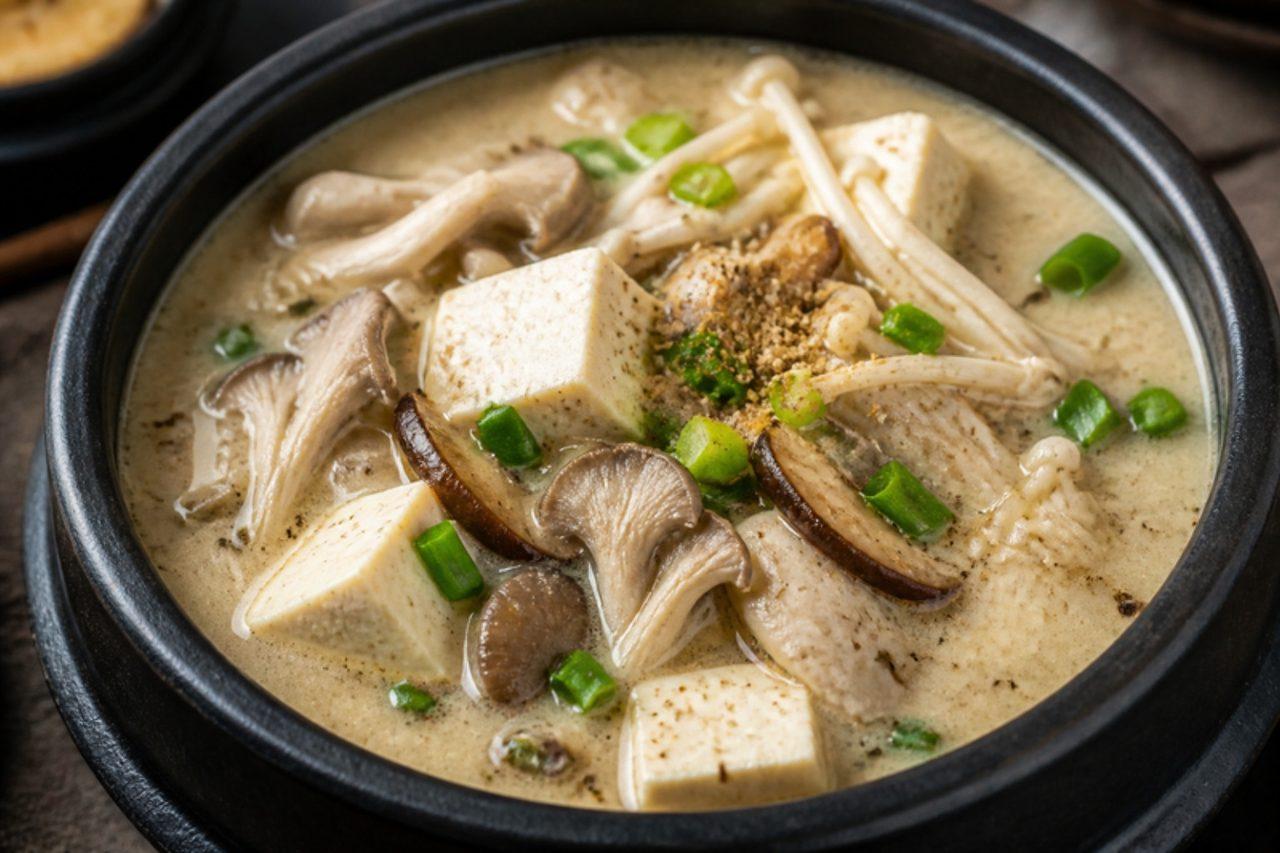
This creamy, nutty soup is cooked in Korean homes and temple-style restaurants all through autumn and winter, when the first wild mushrooms arrive and people want something warming and gentle. Ground perilla seeds and a spoon of glutinous rice flour turn a plain broth thick and pale, with mixed mushrooms and soft tofu simmered through it. With the perilla and a block of firm tofu, a bowl gives about 24 g of protein, making it a proper main course with rice. The most common mistake is adding the perilla powder too early and boiling it hard, which makes the soup gritty and bitter; stir it in near the end. Chef's tip: buy perilla seed powder that has been skinned (it is paler), for the smoothest, creamiest soup.

by KrazyBadal 0 views

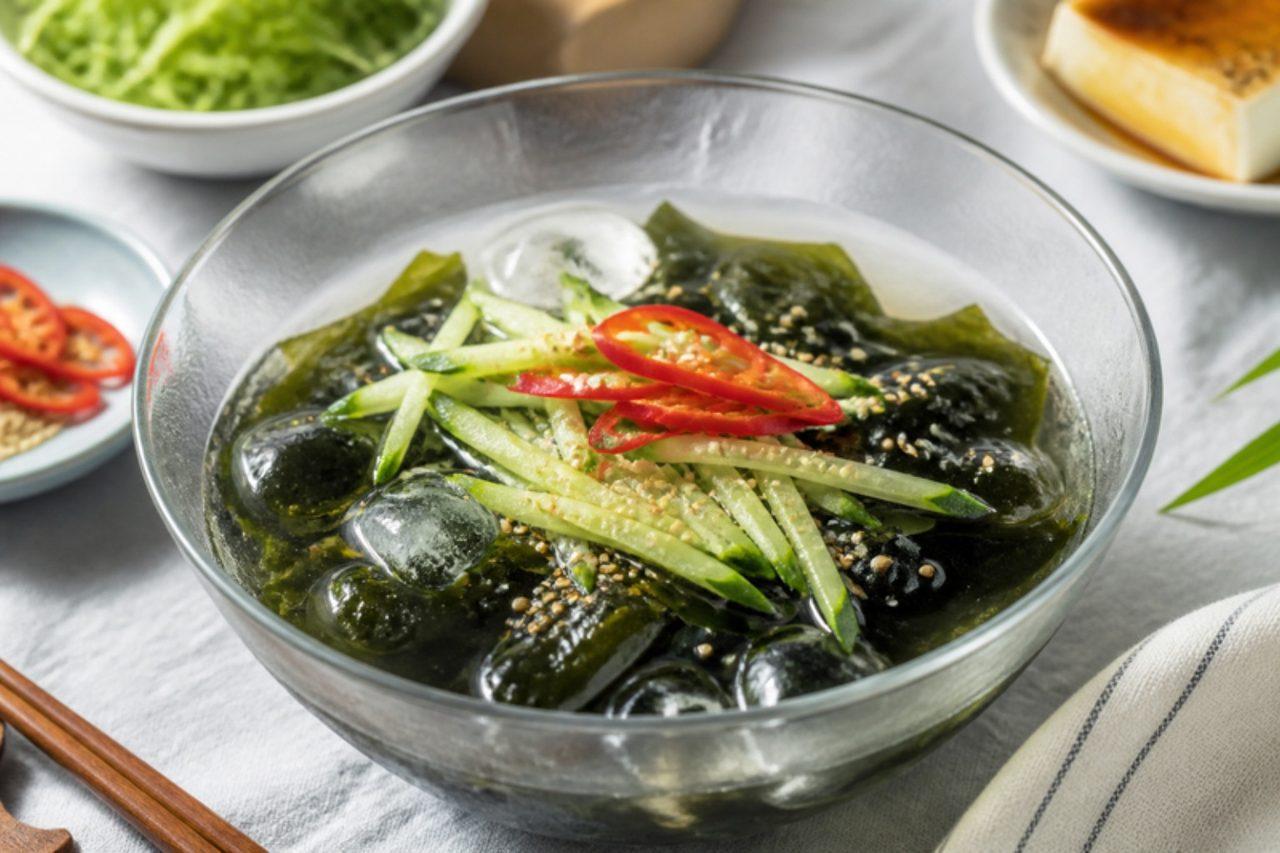
Miyeok oi naenggukChilled seaweed and cucumber soup

On the hottest days of a Korean summer, from Seoul apartments to farmhouses in Jeolla, this icy cold soup comes to the table with rice and spicy side dishes to cool everyone down. Soft wakame and crunchy cucumber float in a clear, tangy broth of vinegar, a little sugar and soup soy sauce, often with ice cubes bobbing on top. It is very light, with about 2 g of protein per portion, so serve it beside tofu or egg dishes. The common mistake is leaving the dried wakame to soak too long: it swells hugely and turns mushy. Ten minutes is enough. Chef's tip: season the broth slightly stronger than tastes right, because the ice you add at the end will dilute it.

by KrazyBadal 0 views

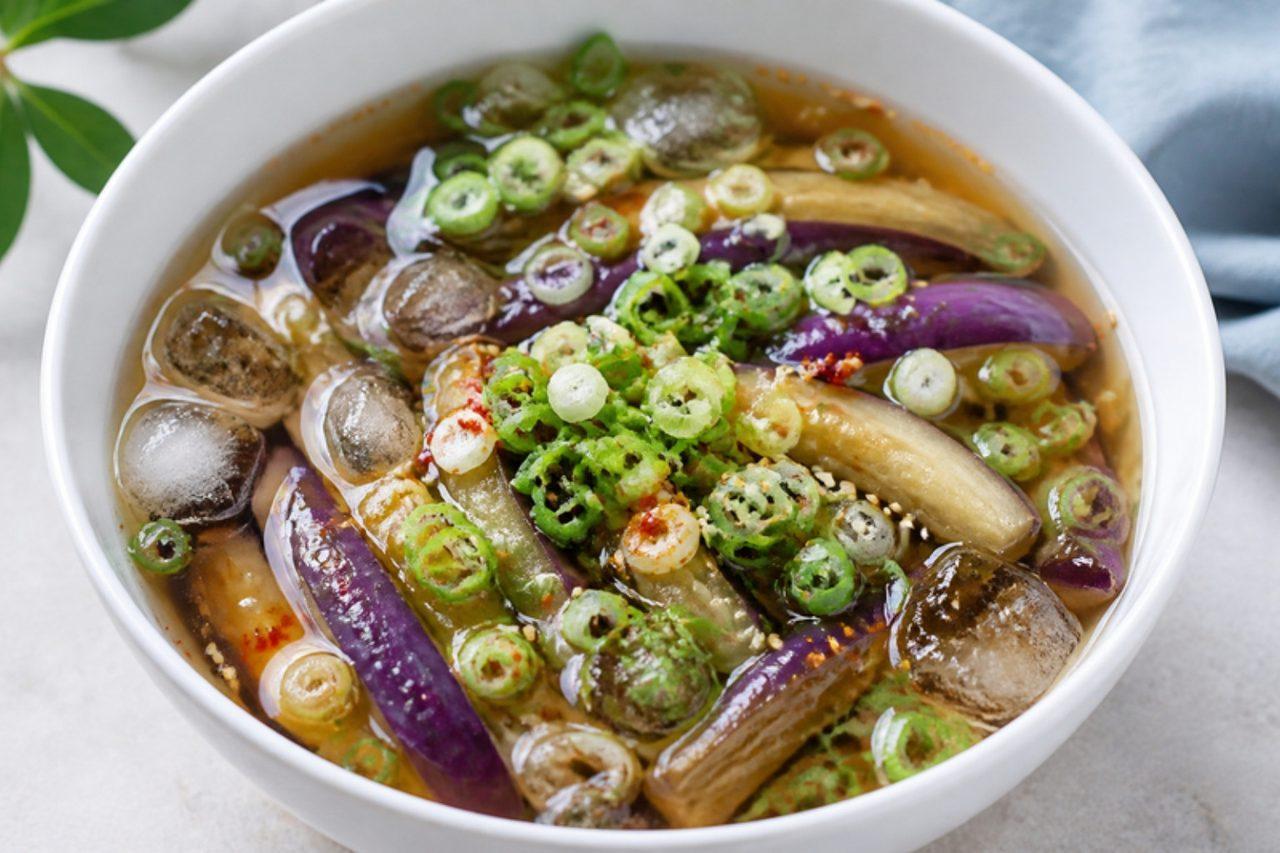
Gaji naenggukChilled aubergine soup

Gaji naengguk is a midsummer cold soup from Korean home kitchens, made in July and August when aubergines are cheap and nobody wants anything hot. The aubergine is steamed until silky, torn into strips and seasoned with garlic and soy, then dropped into an ice-cold, tangy broth. It tastes clean and refreshing, with a soft, almost slippery texture. Each bowl has only about 2 g of protein, so pair it with tofu or bean dishes. The usual mistake is cutting the aubergine with a knife after steaming: torn strips soak up the seasoning far better. Chef's tip: let the steamed aubergine cool completely before mixing it with the broth, or it warms the soup and loses its bite.

by KrazyBadal 0 views

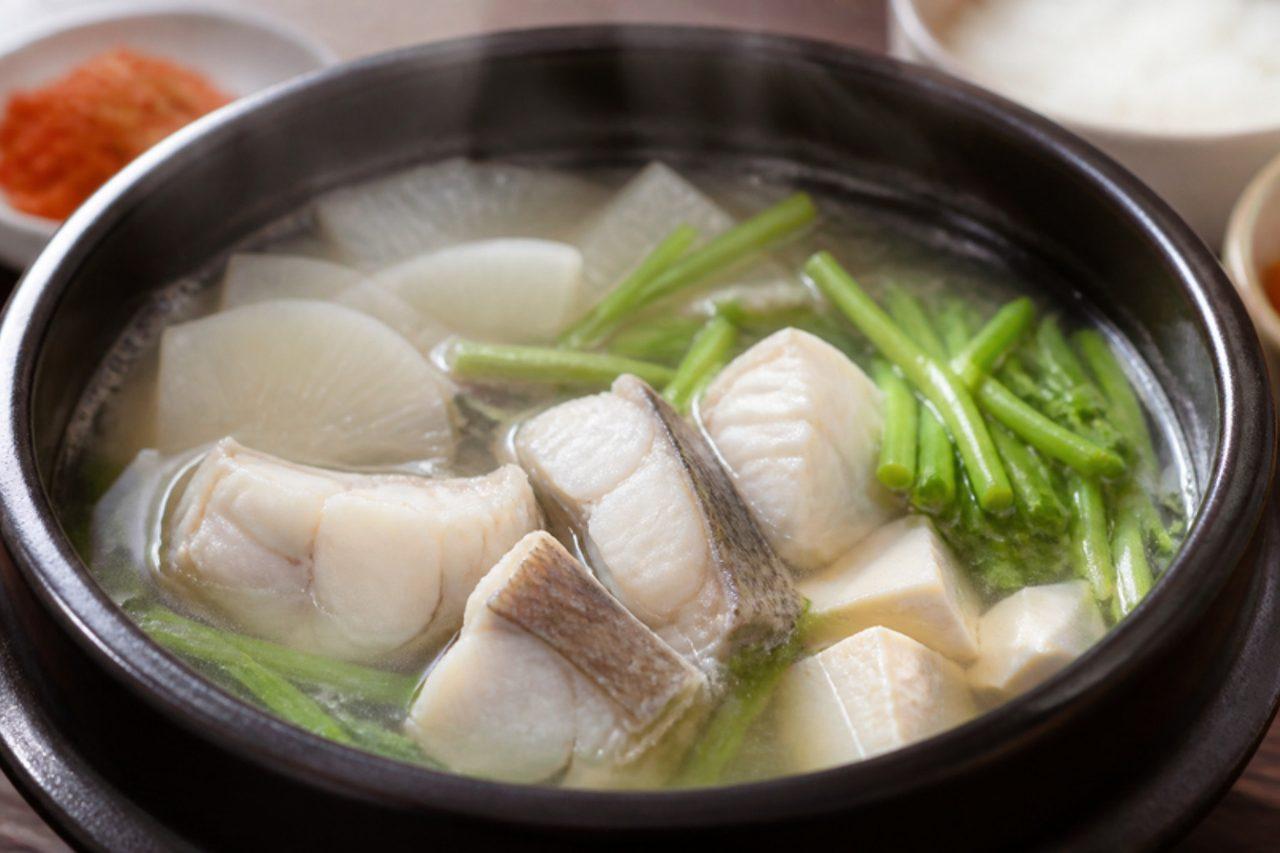
Daegu jiriClear cod soup

In Busan and the fishing towns along Korea's south coast, daegu jiri is the clear, unspicy cod soup that people order in winter, and famously the morning after a long night out. Chunks of cod simmer in an anchovy and kelp broth with soft radish, tofu and garlic, then a big handful of minari (water dropwort) goes in at the end for a fresh, peppery lift. It tastes clean and gently savoury, with about 32 g of protein a bowl from the cod and tofu. The common mistake is stirring after the fish goes in, which breaks it into shreds; just shake the pot. Chef's tip: let the radish simmer in the broth first until it turns translucent, because it gives the soup its sweetness.

by KrazyBadal 0 views

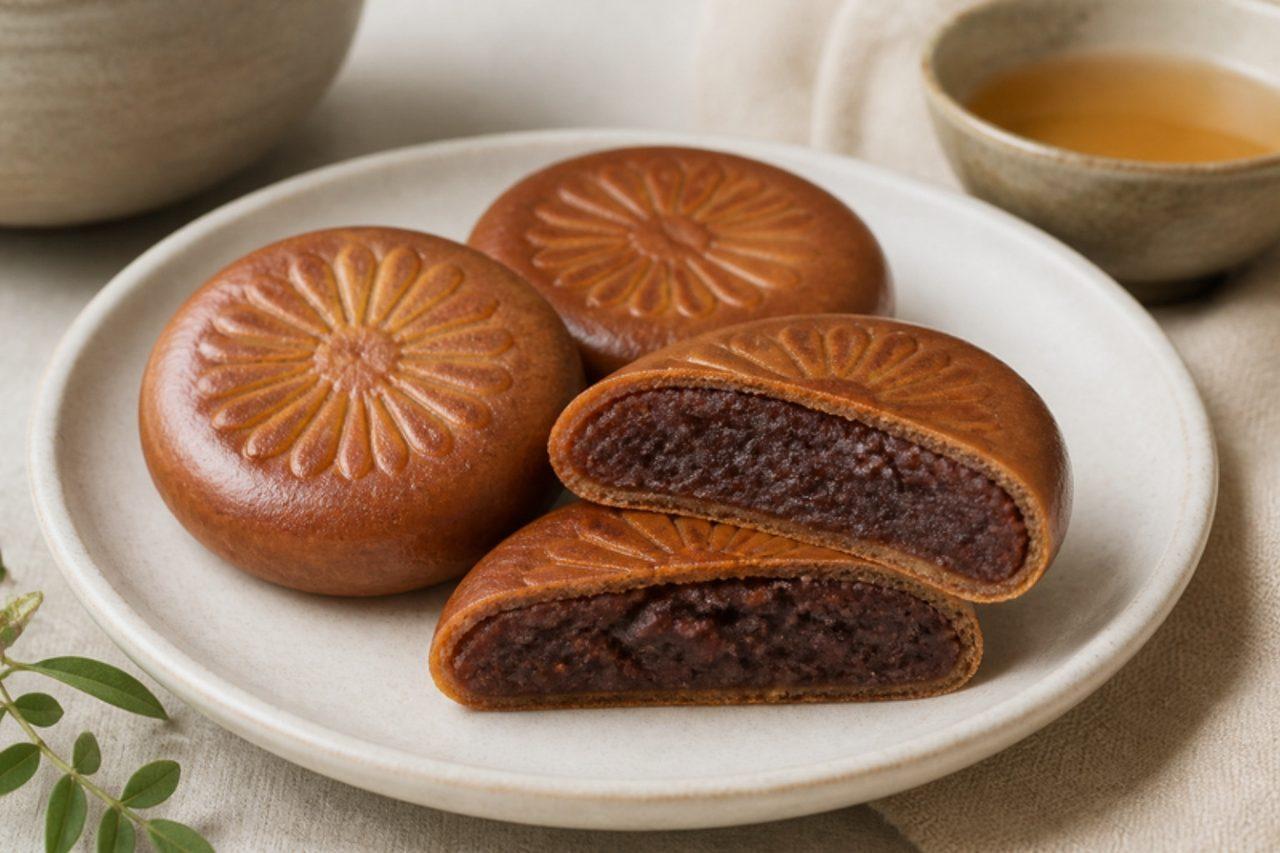
Gyeongju breadRed bean pastries

Near the grassy royal tombs of Gyeongju, the ancient Silla capital, a baker in Hwangnam-dong began making these small round pastries in 1939, and the city's shops have sold them by the boxful ever since. Gyeongju bread (황남빵, also called Gyeongju-ppang) is mostly filling: a generous ball of coarse red bean paste in a skin so thin it looks painted on, stamped with a flower pattern and glazed until shiny brown. It tastes gently sweet and nutty, soft and moist rather than bready, and it is the souvenir every visitor carries home, eaten with barley tea or green tea. The usual mistake is a dough shell that is too thick, which bakes into a cookie and hides the bean flavour; aim for roughly one part dough to two and a half parts filling. Chef's tip: press the pattern in with a small cookie stamp or the back of a citrus press dipped in flour, while the buns are cold and firm, so the design stays sharp.

by KrazyBadal 0 views

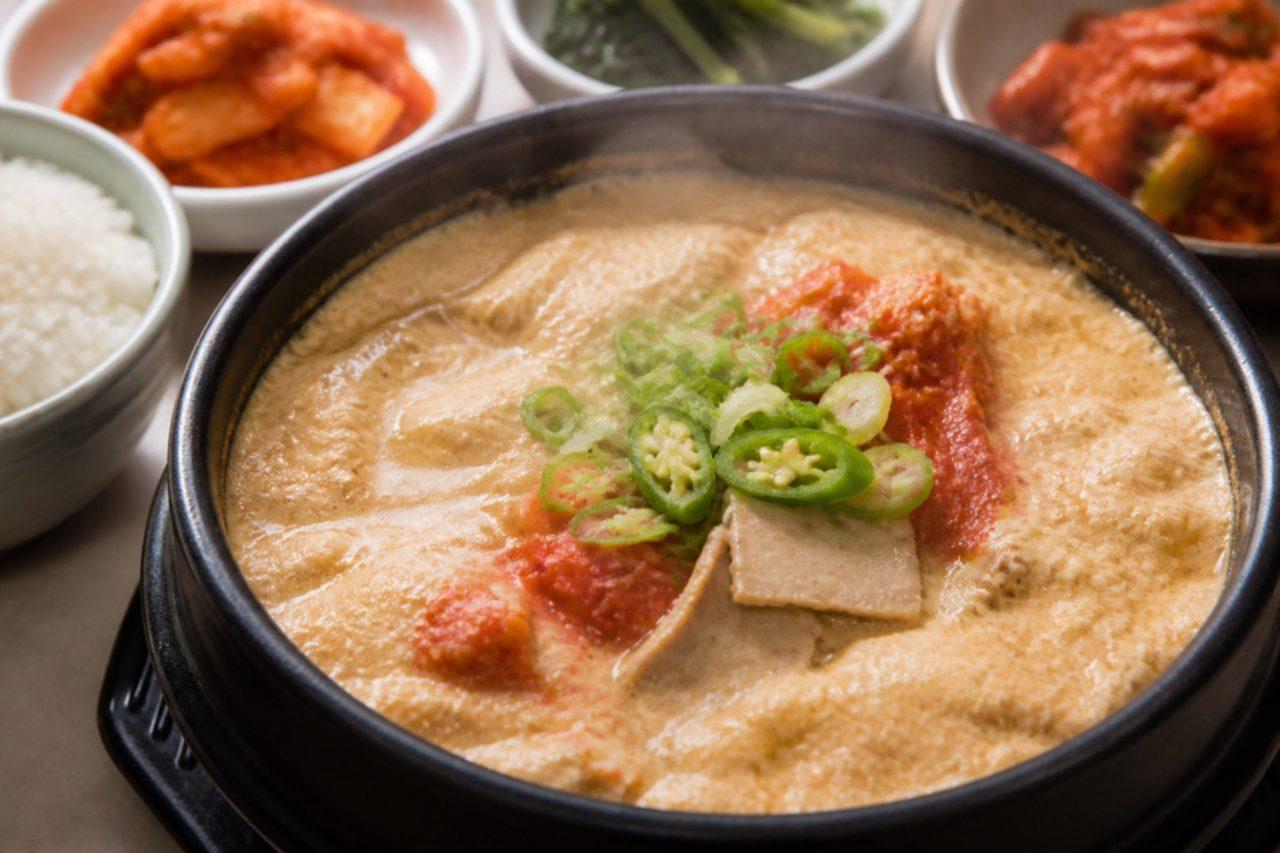
Kongbiji jjigaeSoybean pulp stew

Kongbiji jjigae is the rustic winter stew of Korean farmhouses, once made with the soy pulp left from tofu-making and now with soaked soybeans blended into a creamy, nutty paste: it is simmered with sour kimchi and a little pork belly until thick, and eaten with rice in Gyeonggi and Chungcheong homes when the weather turns cold. It is filling, mildly spicy and full of protein. This recipe contains pork. A portion is about 290 kcal. Soak the soybeans overnight first (not counted). The most common mistake is stirring the stew once the bean paste goes in; it should be left to bubble gently so the beans set into soft curds on top. Chef's tip: use well-aged, sour kimchi; fresh kimchi tastes flat against the rich beans.

by KrazyBadal 0 views

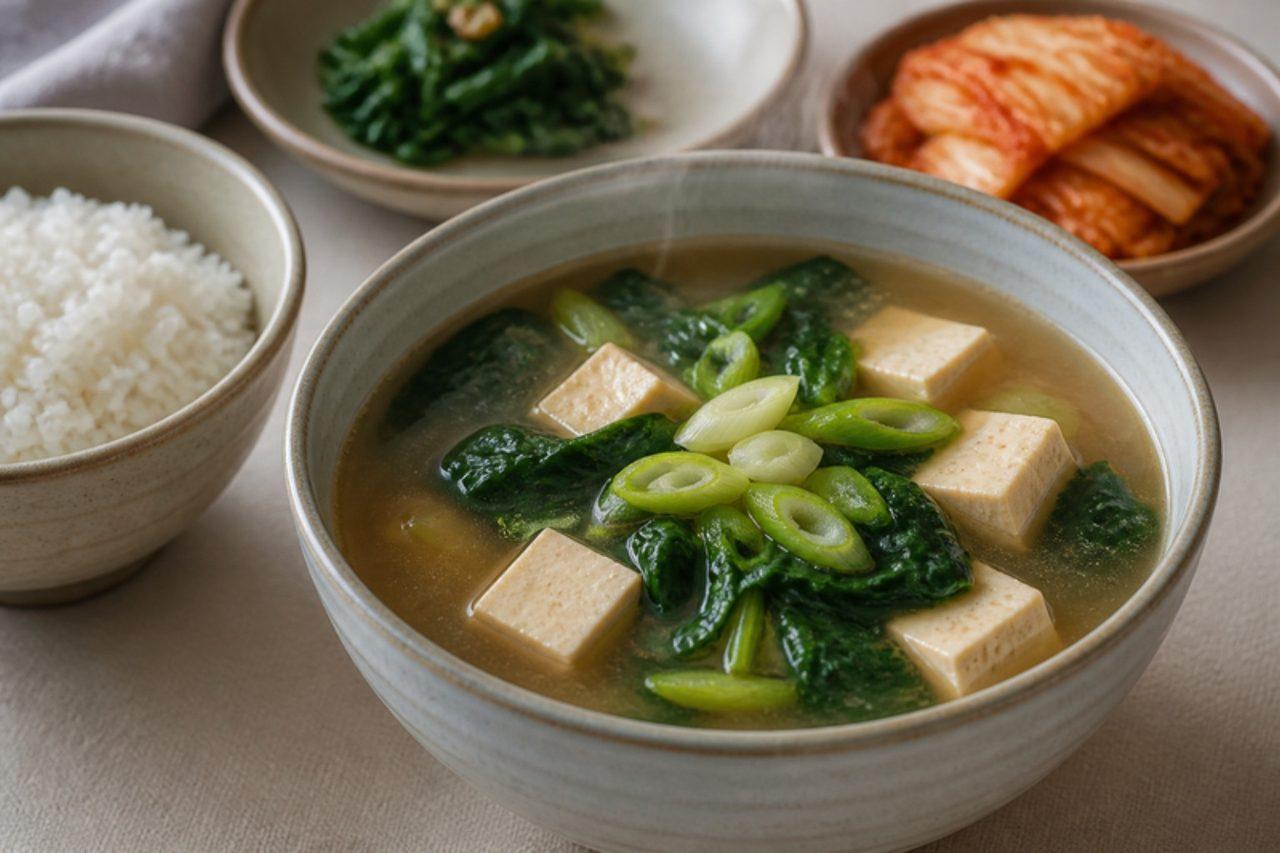
Sigeumchi doenjang gukSpinach soybean paste soup

Spinach doenjang-guk is one of the soups that appears most often on Korean breakfast and dinner tables in winter, when the short, sweet Pohang spinach called pohang-cho arrives from the east coast: a clear, savoury broth of fermented soybean paste with spinach, tofu and spring onion, eaten with rice and kimchi. It is usually made with anchovy stock; this version uses kelp and dried shiitake, so it is vegetarian. A bowl is about 60 kcal. The common mistake is boiling the doenjang hard for a long time, which makes it bitter and dulls its fragrance; dissolve it in, then simmer gently. Chef's tip: push the doenjang through a small sieve into the pot; it dissolves without lumps and leaves the husky bits behind.

by KrazyBadal 0 views

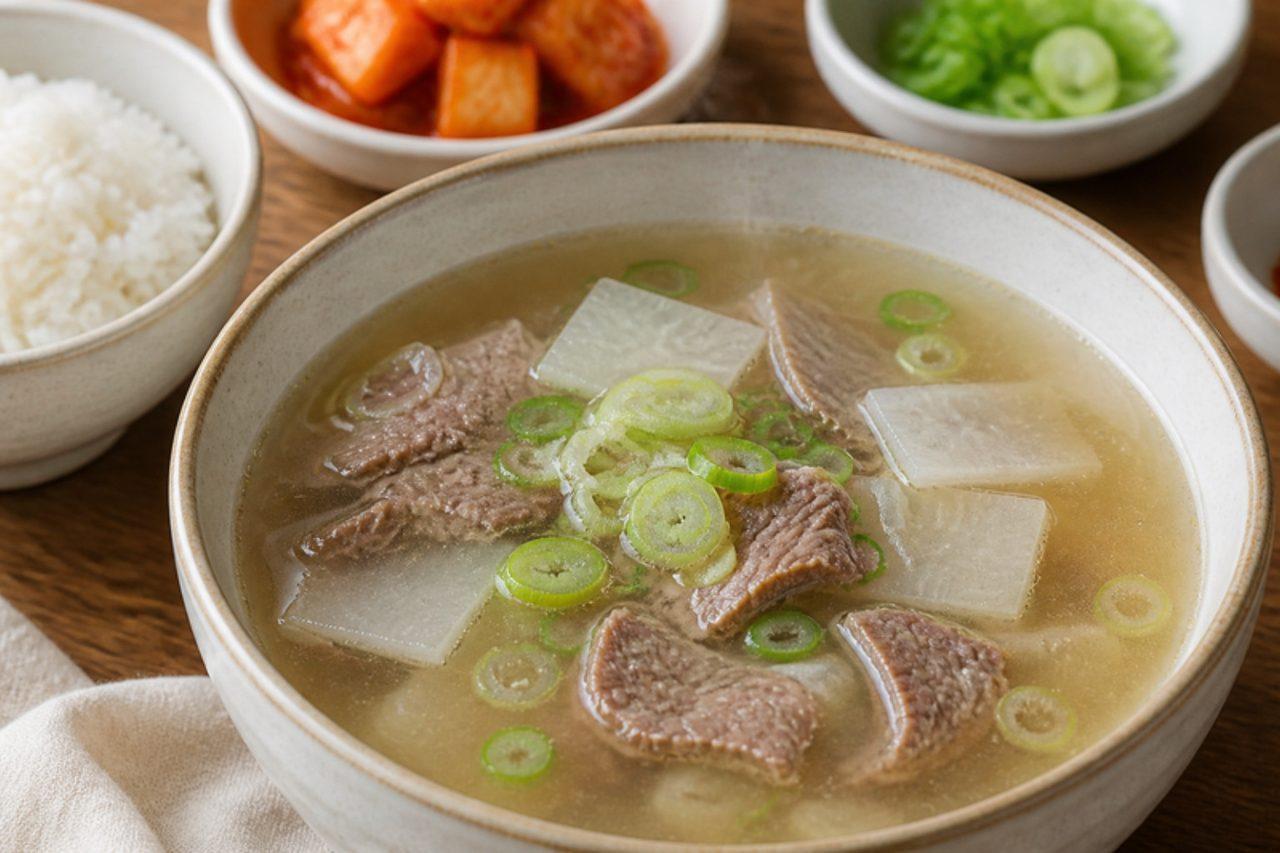
Sogogi mugukBeef and radish soup

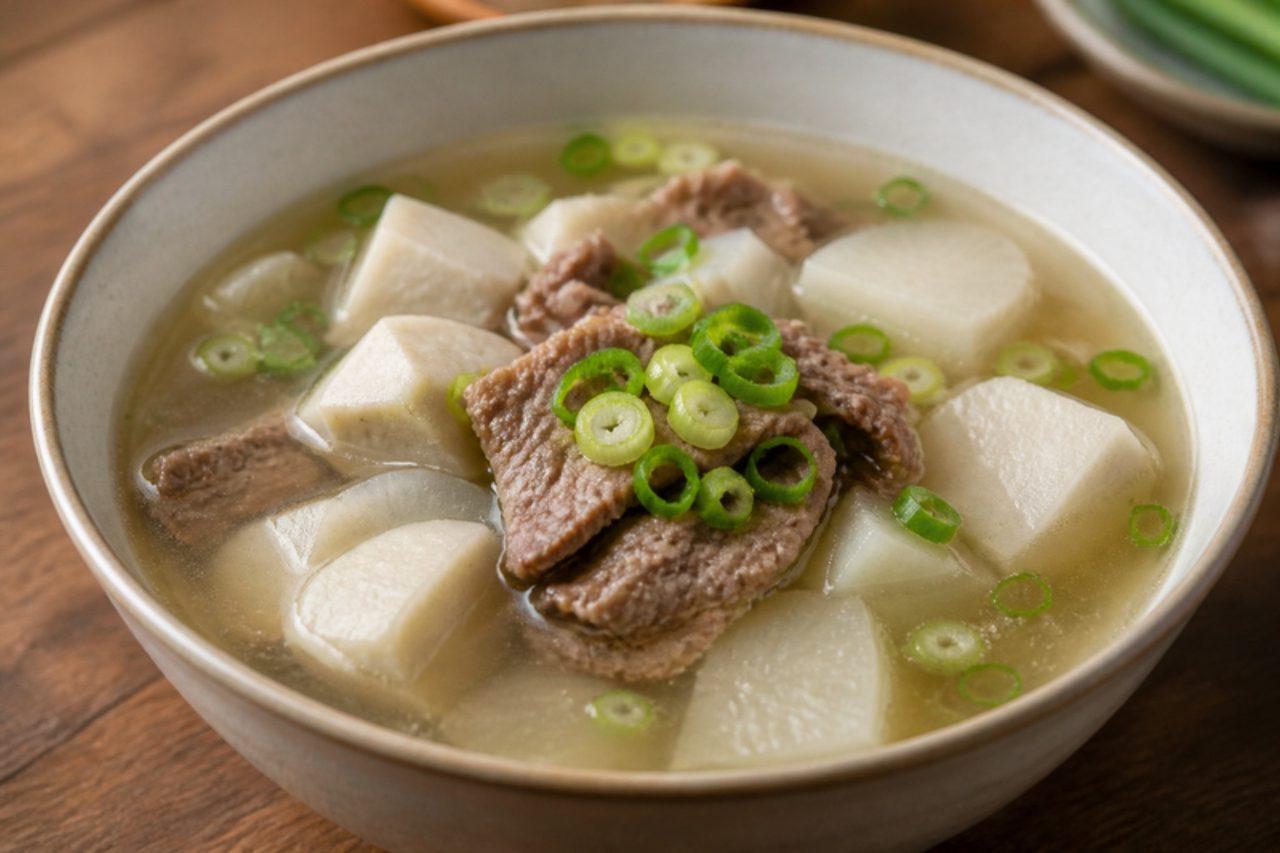
Sogogi muguk is the soup of ordinary Korean mornings and of the ancestral memorial table in Gyeongsang homes, where a clear version is offered on rites days: thin slices of beef brisket or round sautéed in sesame oil with squares of Korean radish, then simmered in water until the radish turns translucent and the broth sweet and beefy. It is seasoned only with soup soy sauce, garlic and salt and eaten with rice and kimchi. A bowl is about 160 kcal. The common mistake is skipping the sauté: frying the beef and radish together in sesame oil first is what makes the broth rich without hours of simmering. Chef's tip: cut the radish into thin, flat squares, not chunks; they cook quickly and release their sweetness into the soup.

by KrazyBadal 0 views

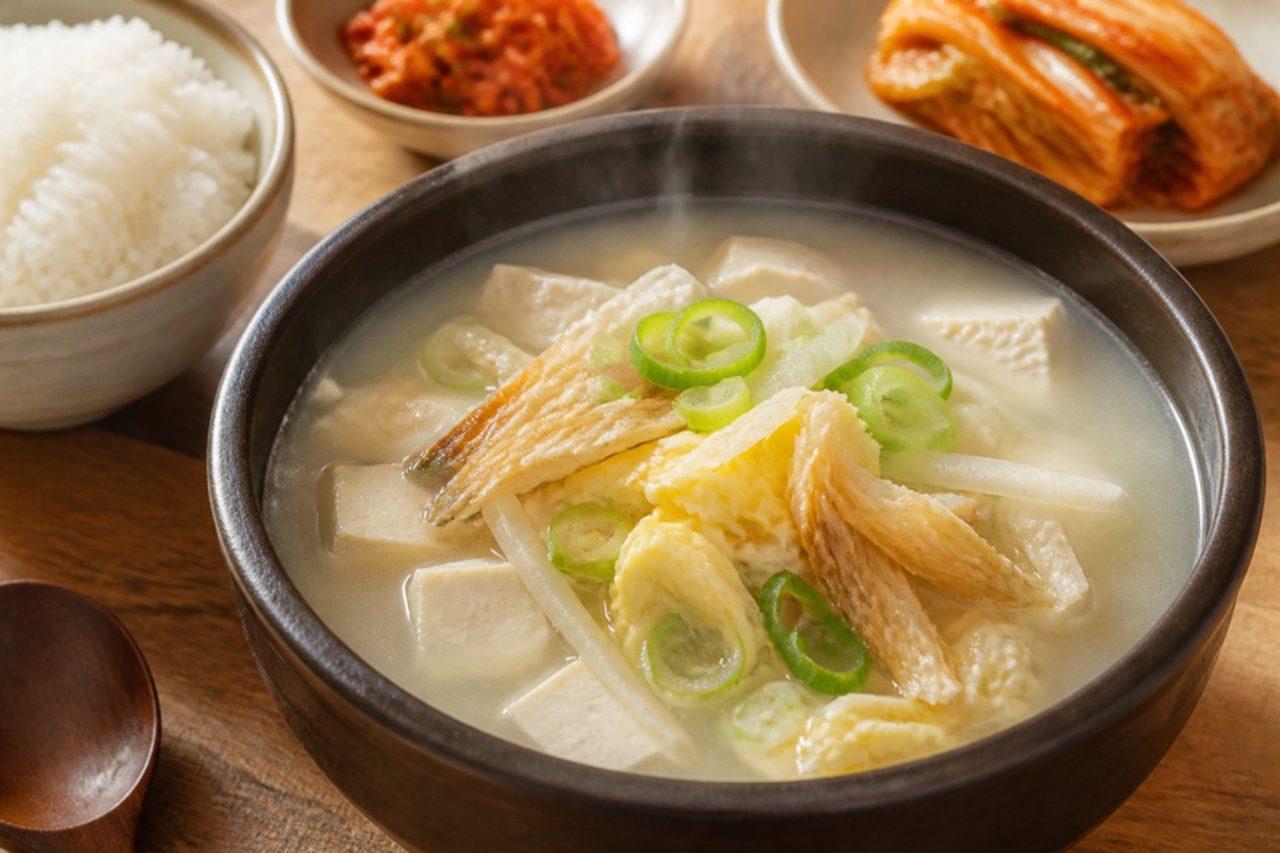
Bugeo gukDried pollack soup

In Seoul, little restaurants near Mugyo-dong have served bugeo-guk since dawn for decades to office workers recovering from the night before, and at home it is the light, fortifying soup for any cold morning: shreds of air-dried Alaska pollack fried briefly in sesame oil, then simmered with radish and tofu into a milky, savoury broth, with beaten egg swirled in at the end. It is clean and comforting. Fish and egg are the allergens. A bowl is about 130 kcal. The most common mistake is using the dried shreds straight from the bag; soak and squeeze them first, or they stay tough and the soup is salty. Chef's tip: fry the pollack in sesame oil until it smells toasty before adding water; it is what turns the broth white and rich.

by KrazyBadal 0 views

GaraetteokLong cylinder rice cakes

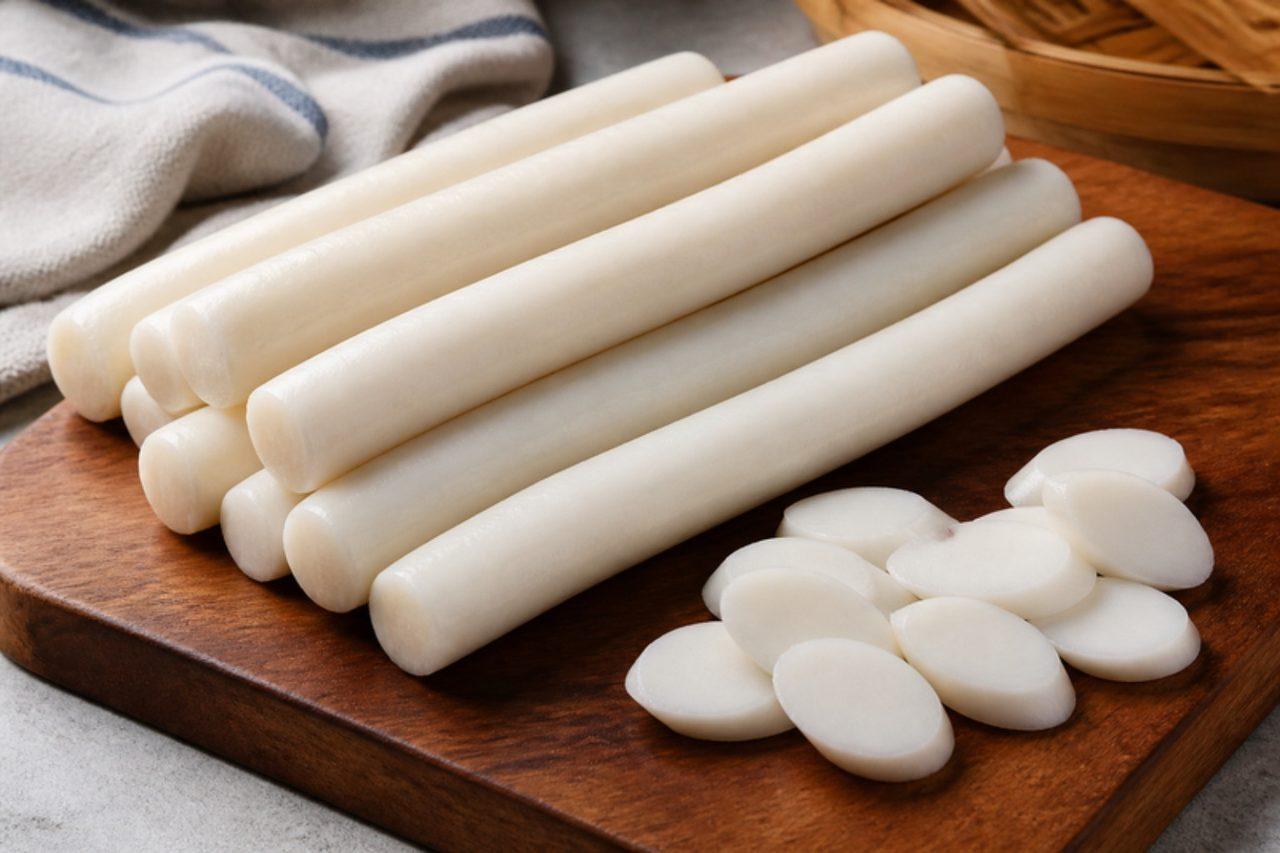
Garaetteok are the long white rice-cake logs that Korean mills churn out before Seollal, when families queue with their own rice to have them pressed and then slice them into ovals for tteokguk, the New Year soup. The length is meant to wish for a long life. Freshly made, they are soft and chewy and eaten warm, dipped in honey or toasted over a grill; once they firm up they are sliced for soup or cut into sticks for tteokbokki. Making them at home is simple, though the logs come out a little less glossy than machine-pressed ones. The usual mistake is rolling the dough when it has cooled: it must be hot to stay smooth. Rice cakes are chewy and sticky, a known choking risk: cut them into small pieces for young children and older people and eat them sitting down. Chef's tip: leave the logs to firm overnight before slicing on the diagonal; they cut cleanly instead of squashing.

by KrazyBadal 0 views

SikhyeSweet rice punch

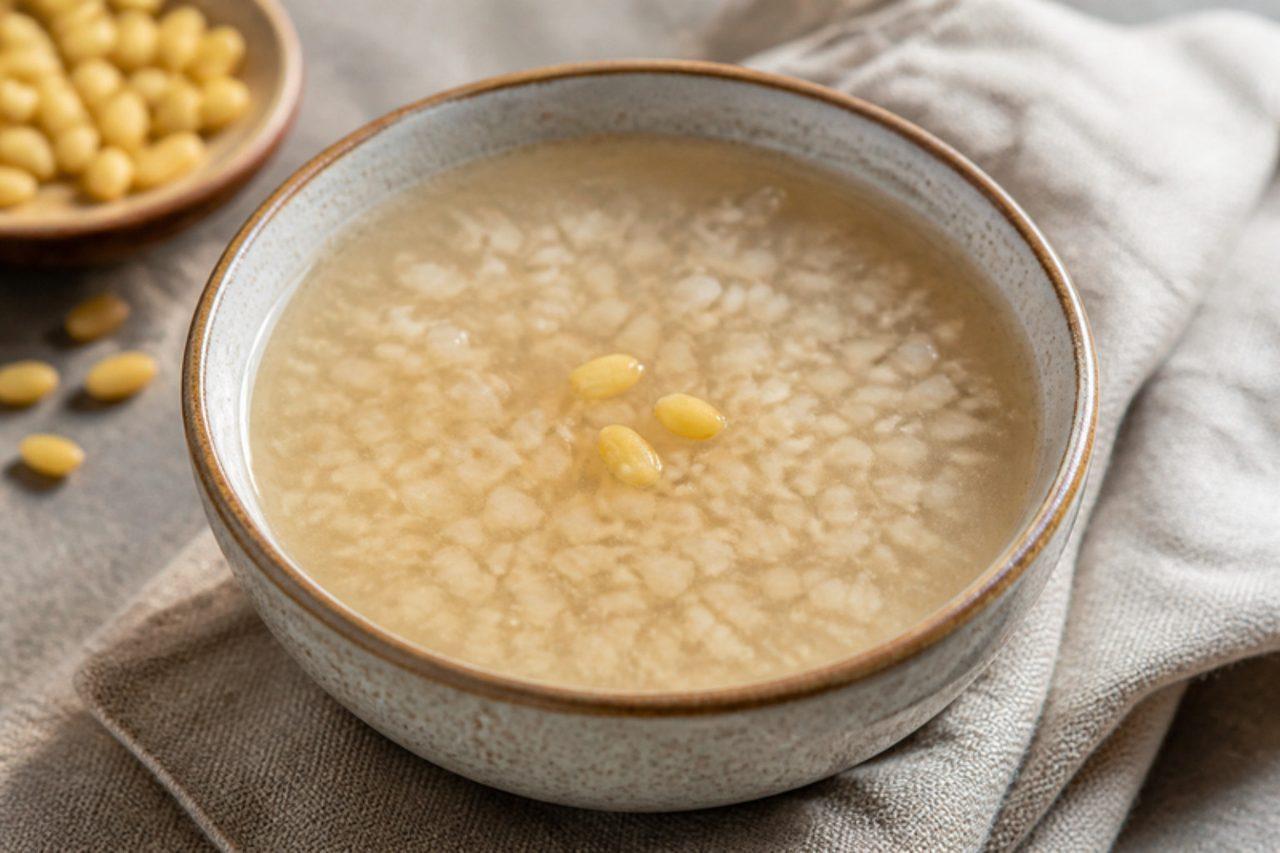
Every Korean jjimjilbang (bathhouse) sells sikhye in little cans, and every grandmother makes a big pot of it before Seollal and Chuseok to sip after the heavy holiday meal, because it is believed to help digestion. Barley malt water and cooked rice are kept warm for several hours until enzymes turn the rice starch into sugar and the grains float up to the top, then the drink is boiled with ginger and chilled until icy. It is mild, lightly sweet and nutty, with soft rice grains to slurp. The usual mistake is letting it get too hot while it ferments: above about 65 °C the enzymes stop working and the grains never float. Contains barley (gluten). Chef's tip: use the rice cooker's 'keep warm' setting; it holds the perfect temperature on its own.

320 minKoreanDrinksVegan
by KrazyBadal 0 views
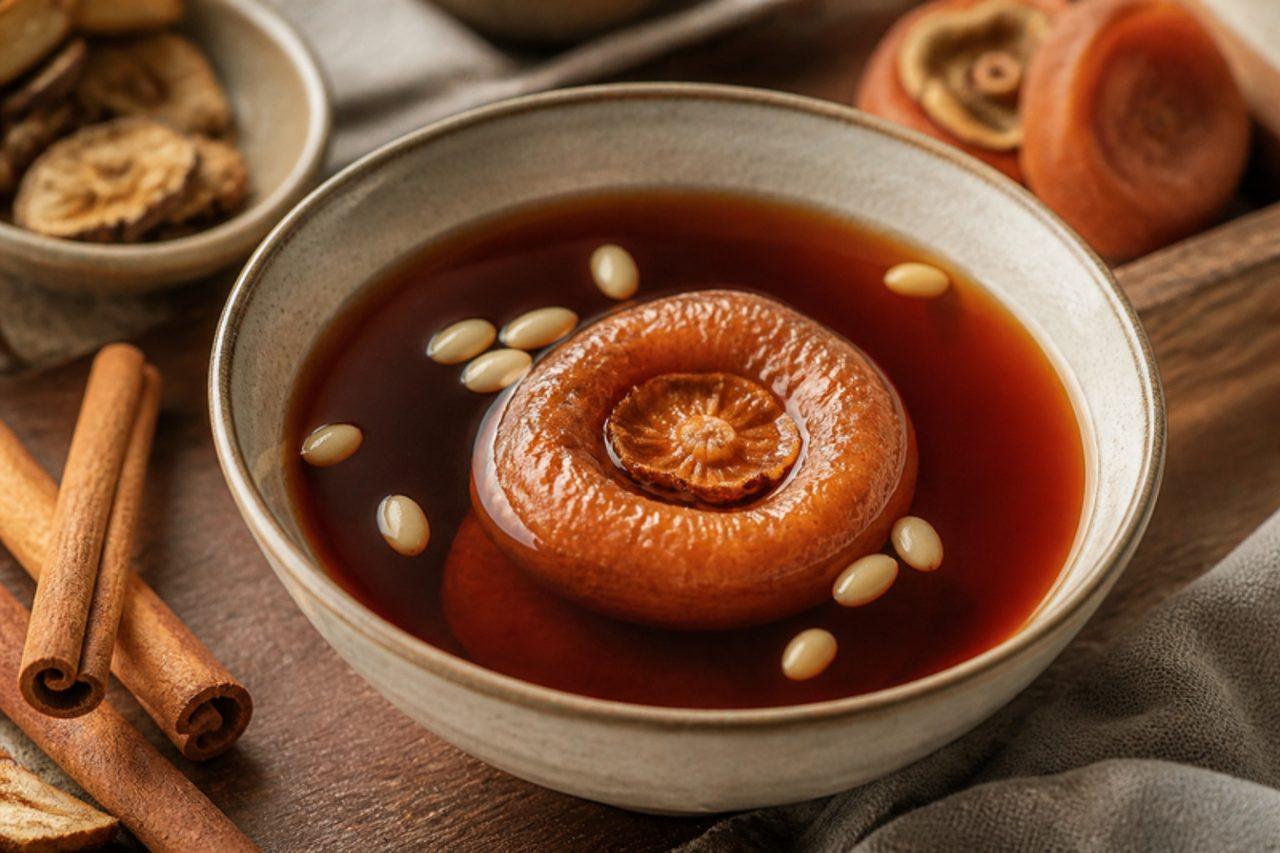
SujeonggwaCinnamon persimmon punch

After a big Seollal feast in Seoul, sujeonggwa comes out ice-cold in small bowls, dark red-brown and fragrant with cinnamon and ginger, with a soft dried persimmon and a few pine nuts floating in each one. It is the punch of the New Year season, made a day or two ahead and kept on a cold balcony. The cinnamon and ginger are boiled separately and then combined, which keeps each flavour clean. The common mistake is boiling the cinnamon too long or too hard: it turns bitter and cloudy, so keep it to a gentle simmer. Contains pine nuts. Chef's tip: soak the dried persimmons in the cooled punch only a few hours before serving, so they soften without falling apart.

by KrazyBadal 0 views

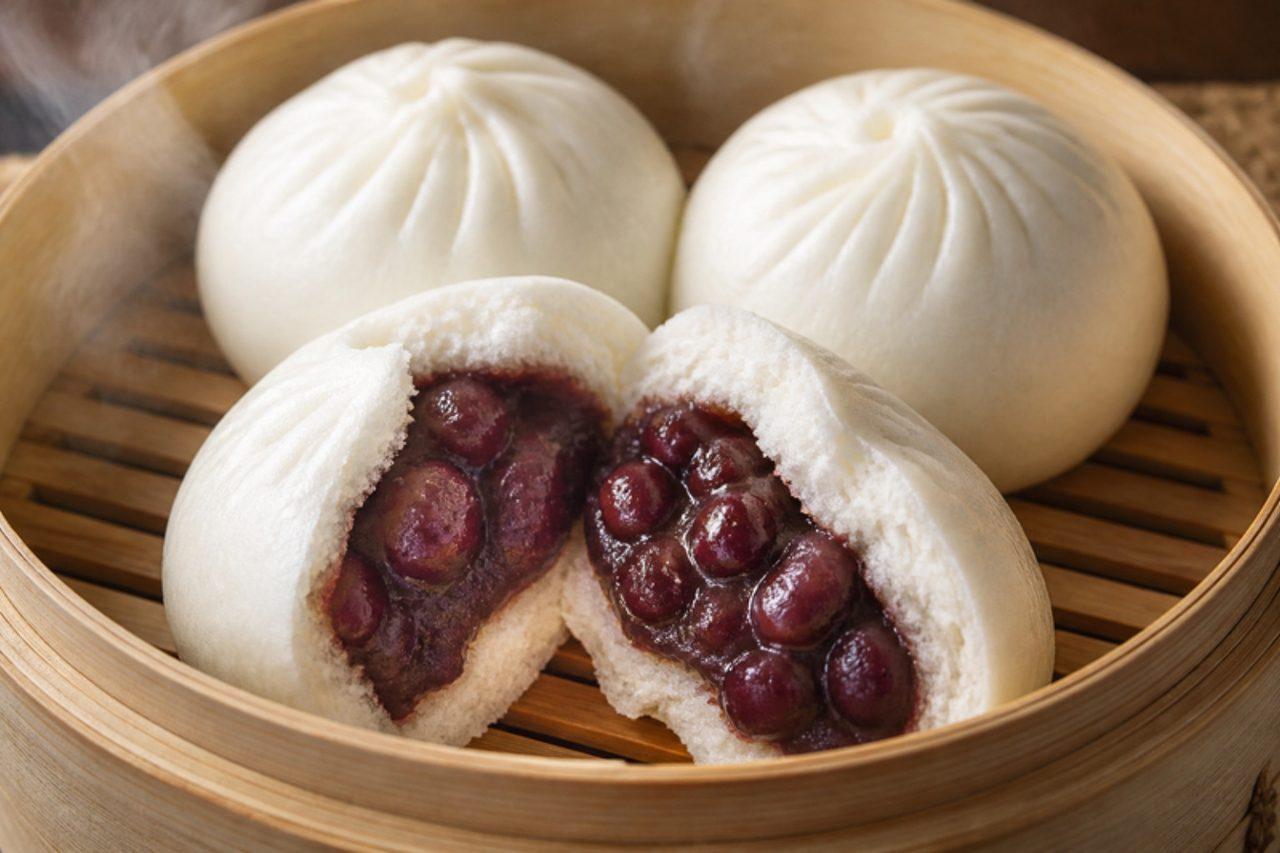
HoppangRed bean steamed buns

When the first cold snap hits, Korean convenience stores bring out glass steamer cabinets full of hoppang, and office workers grab one for breakfast on the way to the subway. The bun is soft, slightly sweet yeasted dough wrapped around a thick, smooth red bean paste, steamed until pillowy and eaten piping hot. Making them at home takes a morning but they freeze perfectly. The usual mistake is opening the lid too early or steaming over too fierce a heat: the buns collapse and wrinkle, so keep a steady medium heat and leave them to rest 5 minutes before lifting the lid. Contains wheat. Chef's tip: let the shaped buns rise on squares of baking paper; you can move them into the steamer without squashing them.

120 minKoreanBakingVegan
by KrazyBadal 0 views
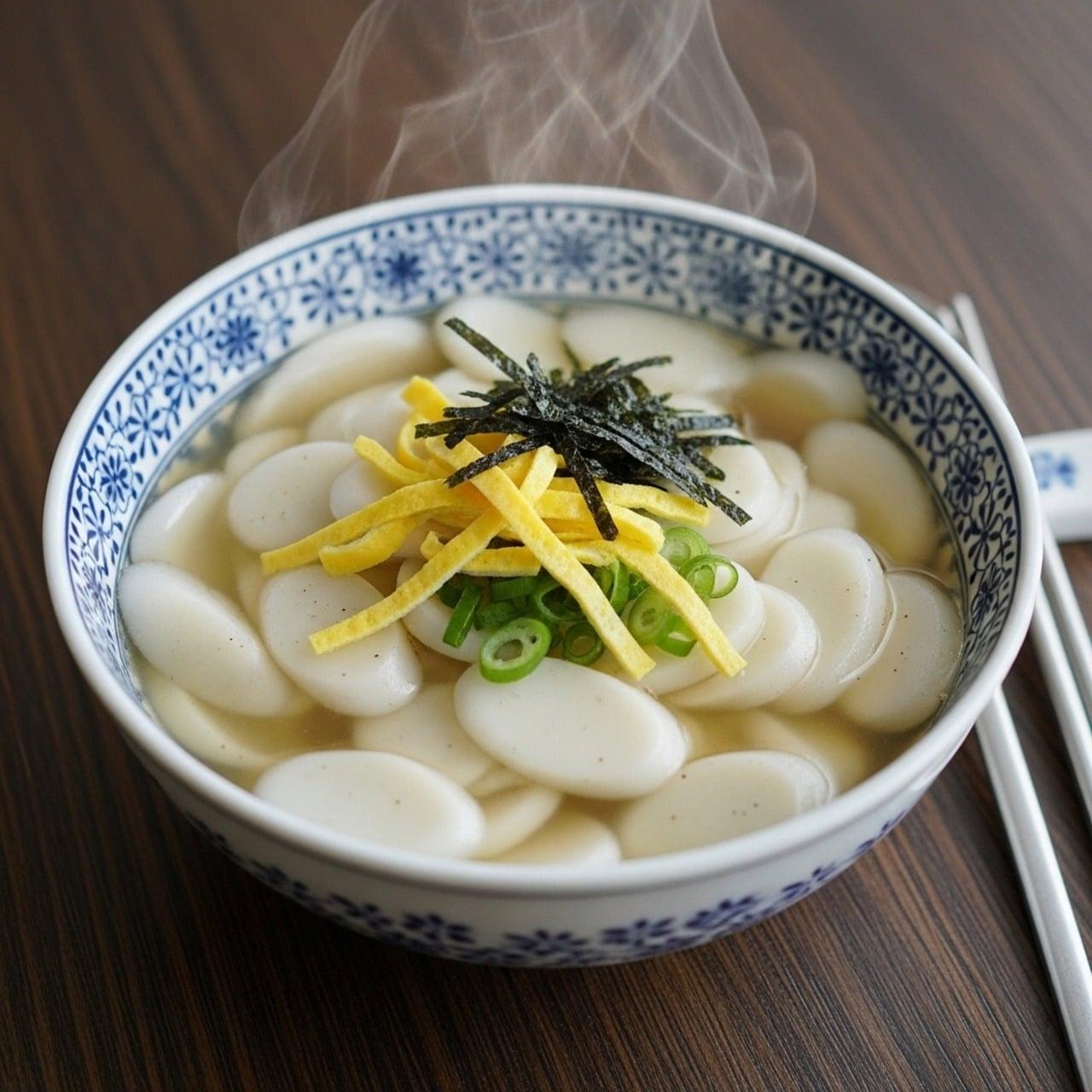
TteokgukRice cake soup

On the morning of Seollal, the Lunar New Year, families across Korea eat a bowl of tteokguk, and the saying goes that you only turn a year older once you have finished it. Thin ovals of white rice cake are simmered in a clear beef broth seasoned with soup soy sauce, then topped with strips of egg, shredded beef, spring onion and toasted laver. It is mild, comforting and chewy. Rice cakes are very sticky: cut pieces small and supervise young children and older people closely, as they can be a choking risk. The common mistake is boiling the rice cakes too long, until they turn mushy and the soup thick and gluey. Chef's tip: soak dried rice cake slices in cold water for 20 minutes before cooking; they cook evenly in 3 minutes and stay chewy.

by KrazyBadal 0 views
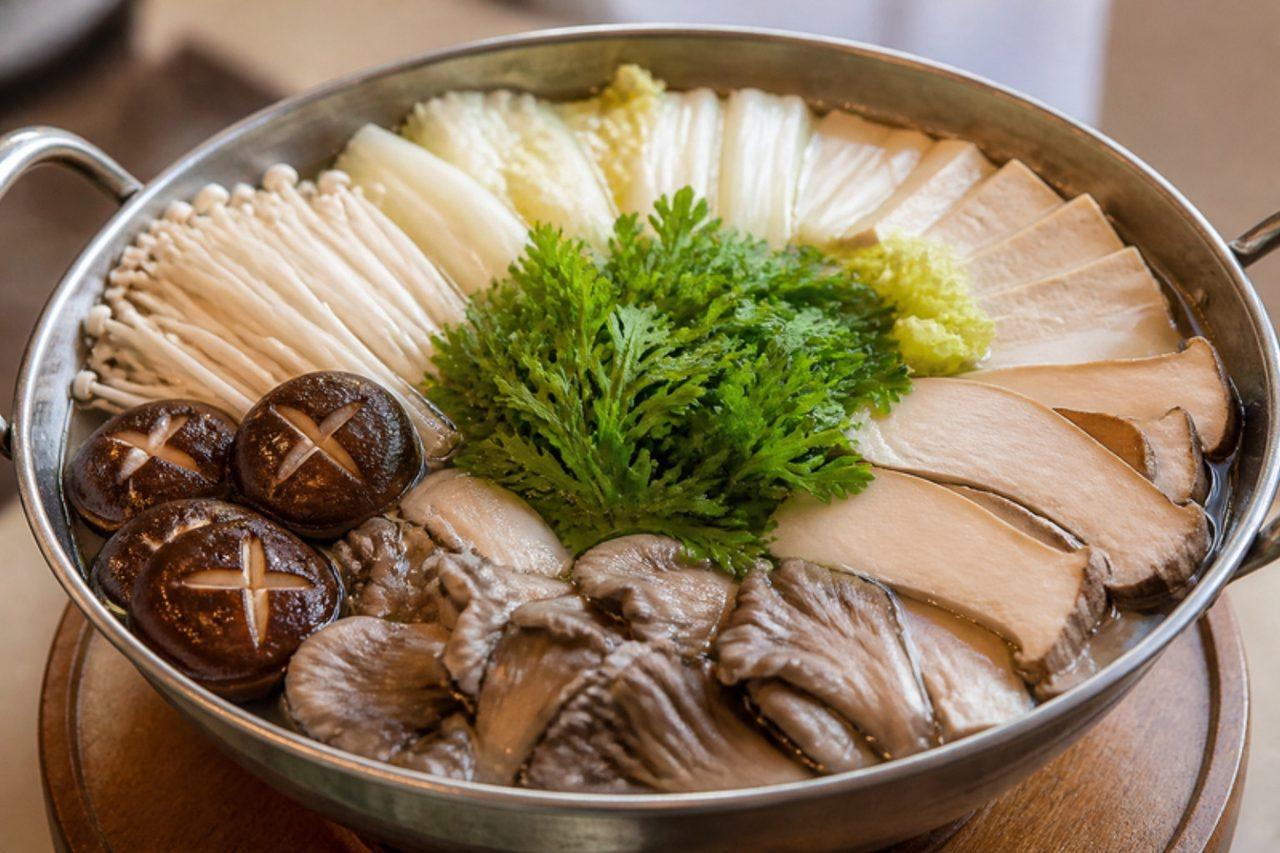
Beoseot jeongolMushroom hot pot

Beoseot jeongol is the mushroom hot pot that Korean temple kitchens and mountain restaurants around Odaesan and Songnisan serve in autumn, when wild mushrooms come down from the slopes. Fans of shiitake, oyster, enoki and king oyster mushrooms are arranged with tofu, cabbage and greens in a shallow pot and cooked at the table in a clear kelp and shiitake broth. It tastes deep, clean and woodsy, with no garlic or onion in the temple way. The common mistake is boiling it hard from the start, which turns the broth cloudy and the enoki stringy. Chef's tip: save the shiitake soaking water and add it to the broth; it doubles the savoury depth without any seasoning.

by KrazyBadal 0 views
Hobak jukPumpkin porridge

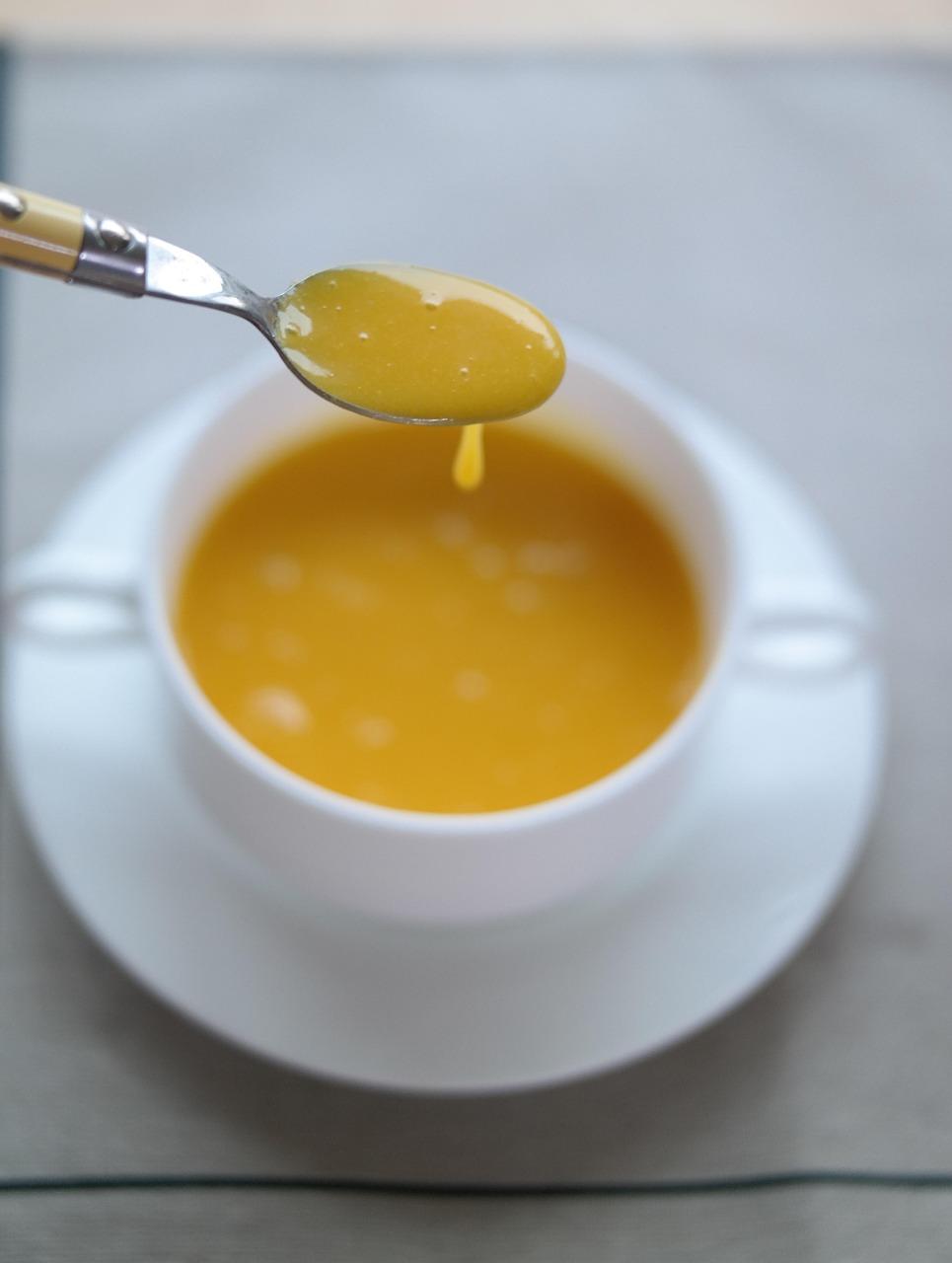
Hobak juk is the golden pumpkin porridge sold in thermos-sized portions at Seoul's Gwangjang market and cooked in temple kitchens through the cold months, when stored pumpkins are at their sweetest. Steamed pumpkin is blended smooth, thickened with glutinous rice flour and dotted with chewy little rice-cake balls, giving a velvety, naturally sweet bowl that is soothing for convalescents and children alike. The rice balls are soft and sticky, so cut them small for young children to avoid choking. The common mistake is adding the rice-flour slurry in one go to boiling porridge, which makes lumps. The optional pine-nut topping is a tree-nut allergen; leave it off for anyone with a nut allergy. Chef's tip: roast or steam the pumpkin rather than boiling it in water; less water means a deeper colour and sweeter taste.

by KrazyBadal 0 views
Ssanghwa-cha (herbal tonic tea)

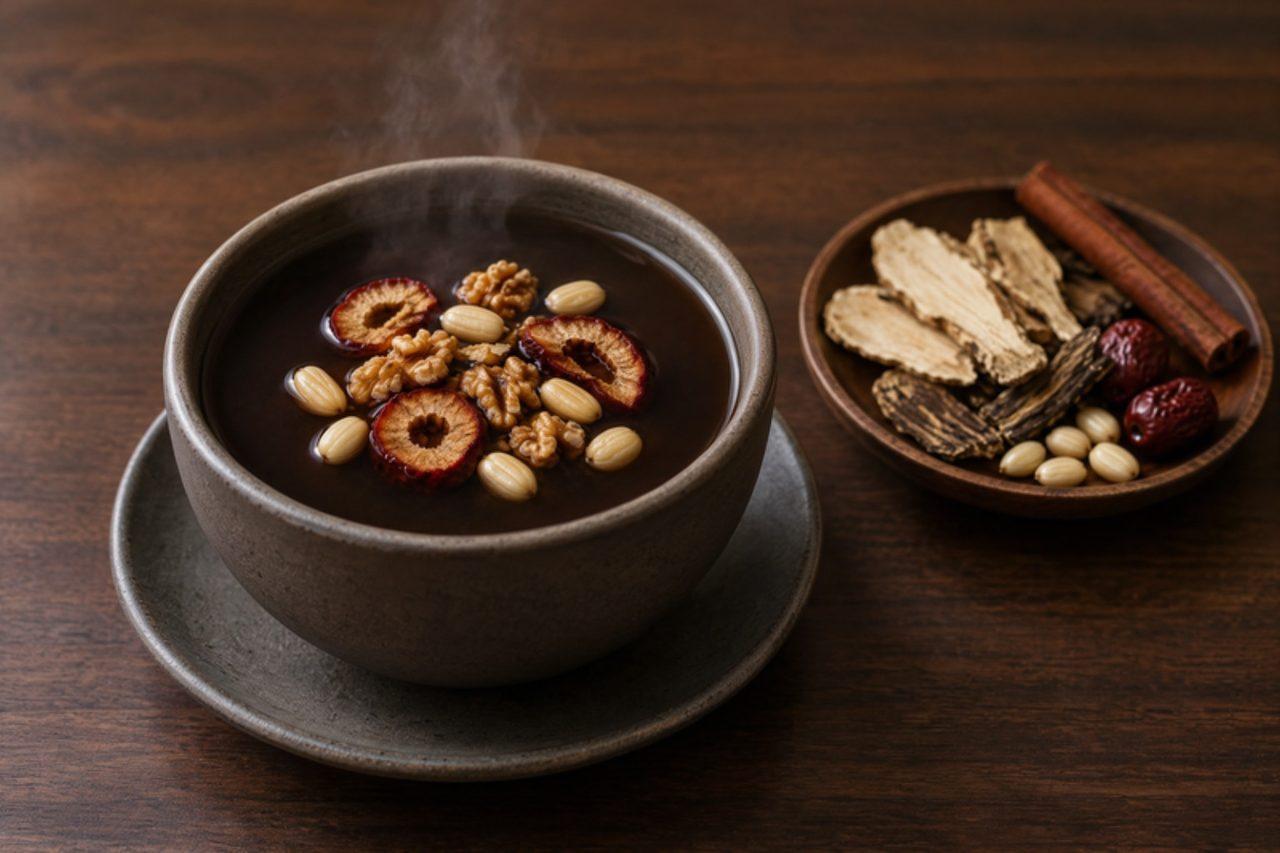
Ssanghwa-cha is the strongest thing on the menu of an old Korean dabang. From the 1960s these smoky tea rooms served it in thick ceramic cups, dark as coffee, with pine nuts, slivered jujube and walnut floating on top; in winter some still slide a raw egg yolk in, which this recipe leaves out. The brew comes from Korean herbal tradition, where ssanghwa-tang is drunk to warm up and recover from tiredness after hard work or a cold. It tastes earthy and bitter at first, then sweet from licorice and jujube, with warmth from cinnamon and ginger and a celery-like perfume from angelica. Herbal shops sell the roots in pre-measured packs. The common mistake is boiling it hard: the liquid reduces too fast and turns harsh. Keep a gentle simmer with the lid ajar for two hours. It is ready when it is very dark brown, reduced to about a third and smells of cinnamon and roots. Because it contains licorice and angelica, skip it if you are pregnant or breastfeeding, have high blood pressure, or take blood thinners or other medicines unless your doctor agrees. Chef's tip: a second, lighter brew from the same roots is good with honey.

135 minKoreanDrinksVeganGluten free
by KrazyBadal 0 views
SaeujeotSalted shrimp

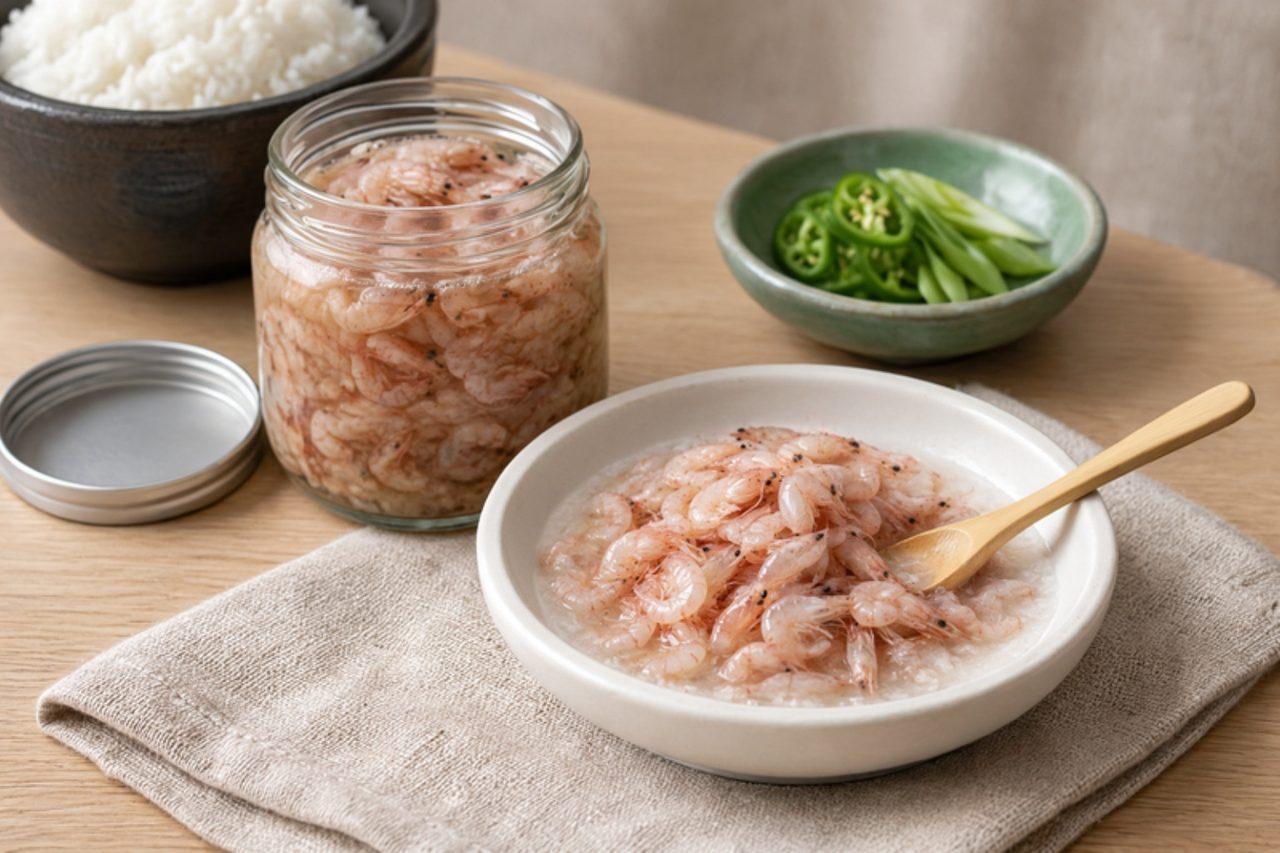
Saeujeot is the quiet backbone of Korean cooking. Tiny shrimp from the west coast are packed in salt at sea or on the quay, and the most famous jars age in the old tunnels of Gwangcheon or come from Ganghwa Island. Shrimp caught in June (yukjeot) are prized for kimjang kimchi in November; autumn shrimp (chujeot) go into everyday cooking. A spoonful seasons steamed eggs, stews and kimchi, and a little dish of it, with chilli and sesame, is set beside boiled pork for bossam. It tastes intensely salty, sweet and oceanic, and the shrimp stay plump and pale pink. This is a raw, salt-cured seafood: pregnant people, babies, older people and anyone with weak immunity should only eat it cooked into a hot dish, never raw in kimchi or dips. The common mistake is skimping on salt; the cure needs 30% salt by weight to stay safe, so weigh everything. It is ready after at least 3 months in the fridge, when the liquid is clear amber and the smell is sweet and briny, never ammonia-like. Chef's tip: buy shrimp sold for making jeot, frozen at sea, and work fast while they are still icy.

by KrazyBadal 1 views

Hobak jjigaeCourgette and tofu stew

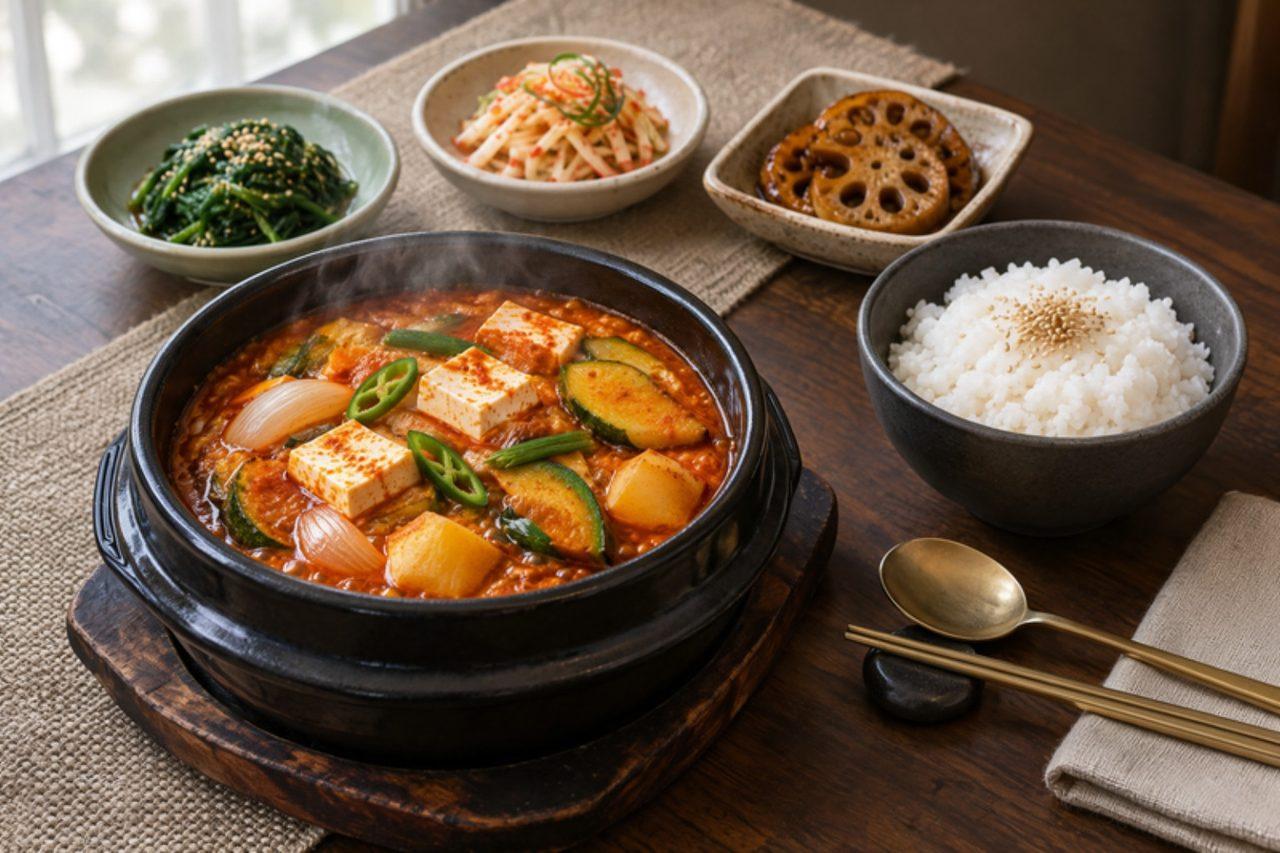
Hobak jjigae is the late-summer stew of Korean home kitchens, made when the garden throws up more courgettes (aehobak) than anyone can eat, and it lands on the table in its own pot next to rice and kimchi on any ordinary weeknight. Potato and soft tofu soften in a red, gently spicy broth of gochujang and kelp, and the courgette turns silky without falling apart. Most cooks start with anchovy stock; this one uses dried kelp and shiitake so it stays vegan. The usual mistake is adding the courgette with the potato, which leaves it mushy and grey by the time the potato is cooked. Chef's tip: a final splash of soup soy sauce (guk-ganjang) seasons the broth more deeply than salt without darkening it.

by KrazyBadal 0 views
Yuja-cha (citron tea)

Goheung, on the southern coast of South Jeolla, is Korea's yuja country: in November the groves turn gold and families slice the knobbly citrons for yuja-cheong, the honeyed preserve that becomes tea all winter. From December to March a spoonful in hot water is offered to guests, to students cramming late and to anyone with a scratchy throat, as it is traditionally drunk for colds. The tea is sweet, floral and sharp, with soft, chewy strands of peel that you eat at the end with a spoon. The common mistake is leaving the fruit damp or the pith too thick: wet fruit lets mould in, and thick white pith makes the preserve bitter. Scrub, dry completely and pare away any pith thicker than a few millimetres. The cheong is ready after a day or two, when the sugar has dissolved into a clear, glossy syrup around the peel. Keep it in the fridge for up to three months, always with a dry spoon; throw it away if you see fuzzy mould, smell alcohol or it bubbles. No yuja? Japanese yuzu is the same fruit; otherwise use 2 lemons and 2 mandarins. Chef's tip: soak the seeds in a little of the honey and add that liquid back for a silkier syrup.

by KrazyBadal 0 views
Showing 24 of 53 recipes

Show more recipes

Page 1 of 3