Skip to content
WhatToEat.Today

All recipes

31

Vegetarian, or something you can't eat? Set your diet once and we'll hide recipes that don't fit.

Thunder Bay Persian rollsPink-iced cinnamon buns

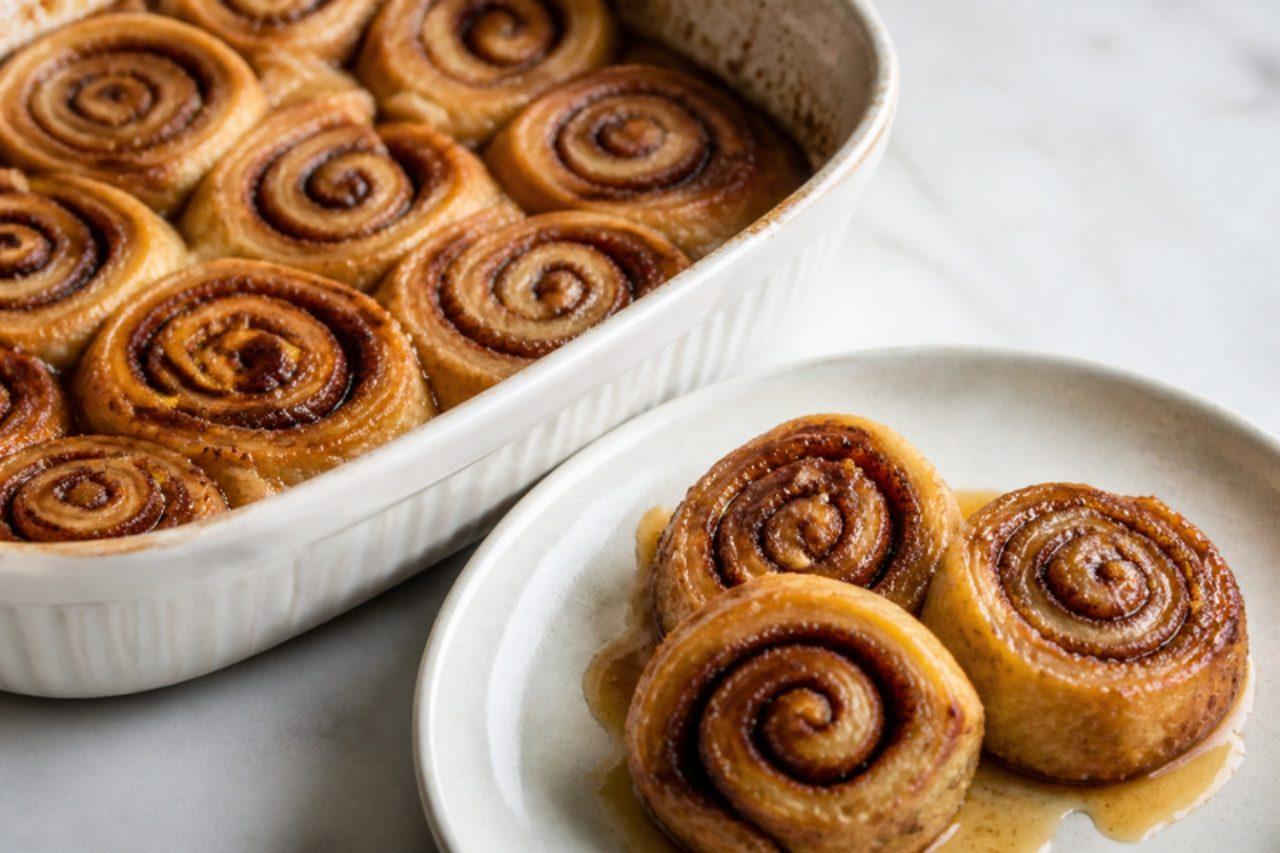
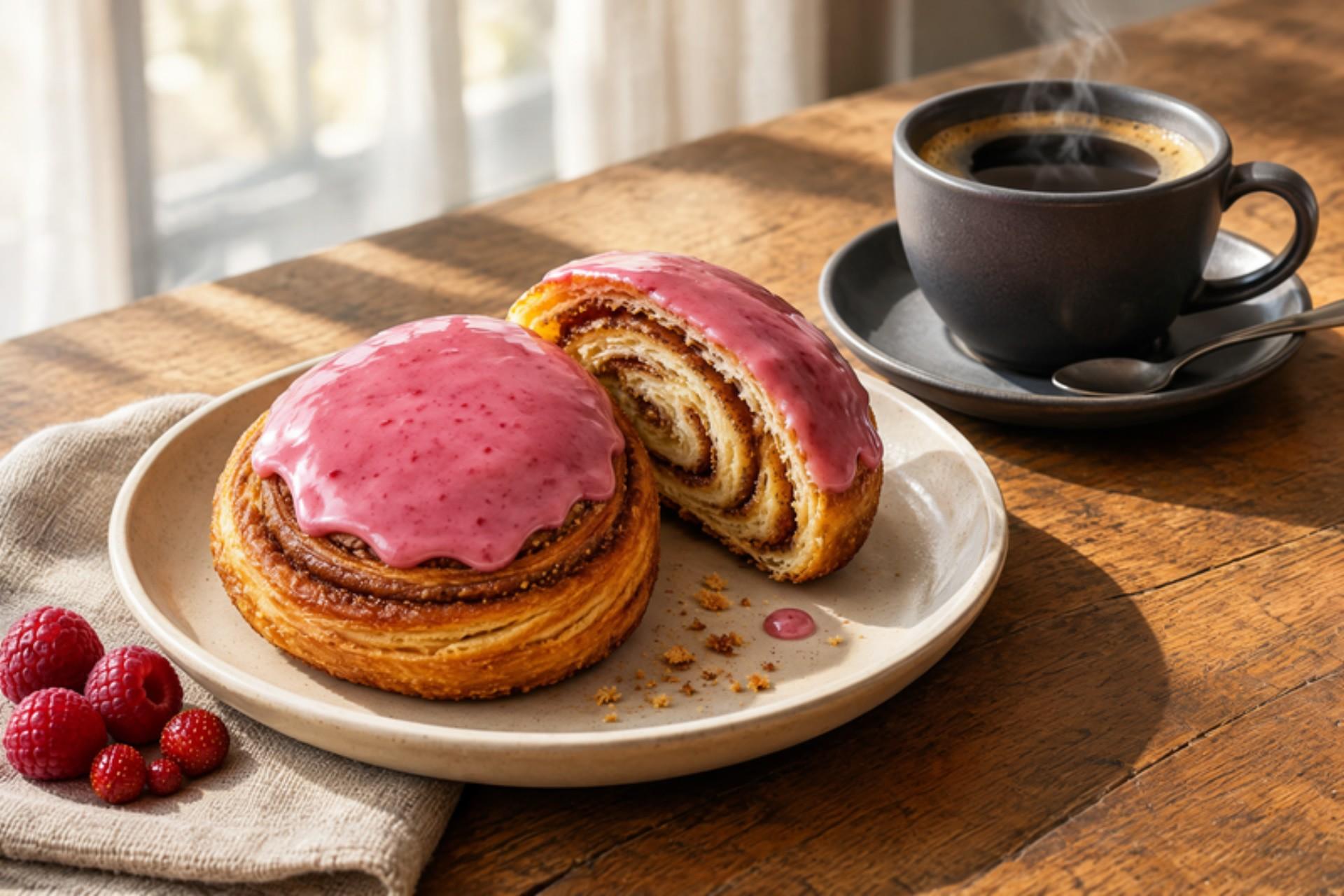
Persians are the pride of Thunder Bay, Ontario, sold in local bakeries and eaten with coffee at breakfast or on a cold afternoon by the shore of Lake Superior; they are almost unknown outside the city. Despite the name, they have nothing to do with Iran: a soft, enriched cinnamon-swirled dough is shaped into oval buns, fried or baked until golden, then spread with a thick pink icing coloured with raspberries or strawberries. They are vegetarian and contain egg, milk and wheat. The common mistake is icing them warm: the glaze melts into a sticky film instead of setting thick and fudgy. Wait until they are completely cool. They are ready when golden all over and they sound hollow when tapped underneath. Chef's tip: use mashed fresh or thawed frozen raspberries for the icing rather than colouring; it gives the true pale-pink shade and a sharp, fruity tang against the sweetness.

by KrazyBadal 0 views

Montreal smoked meat sandwich

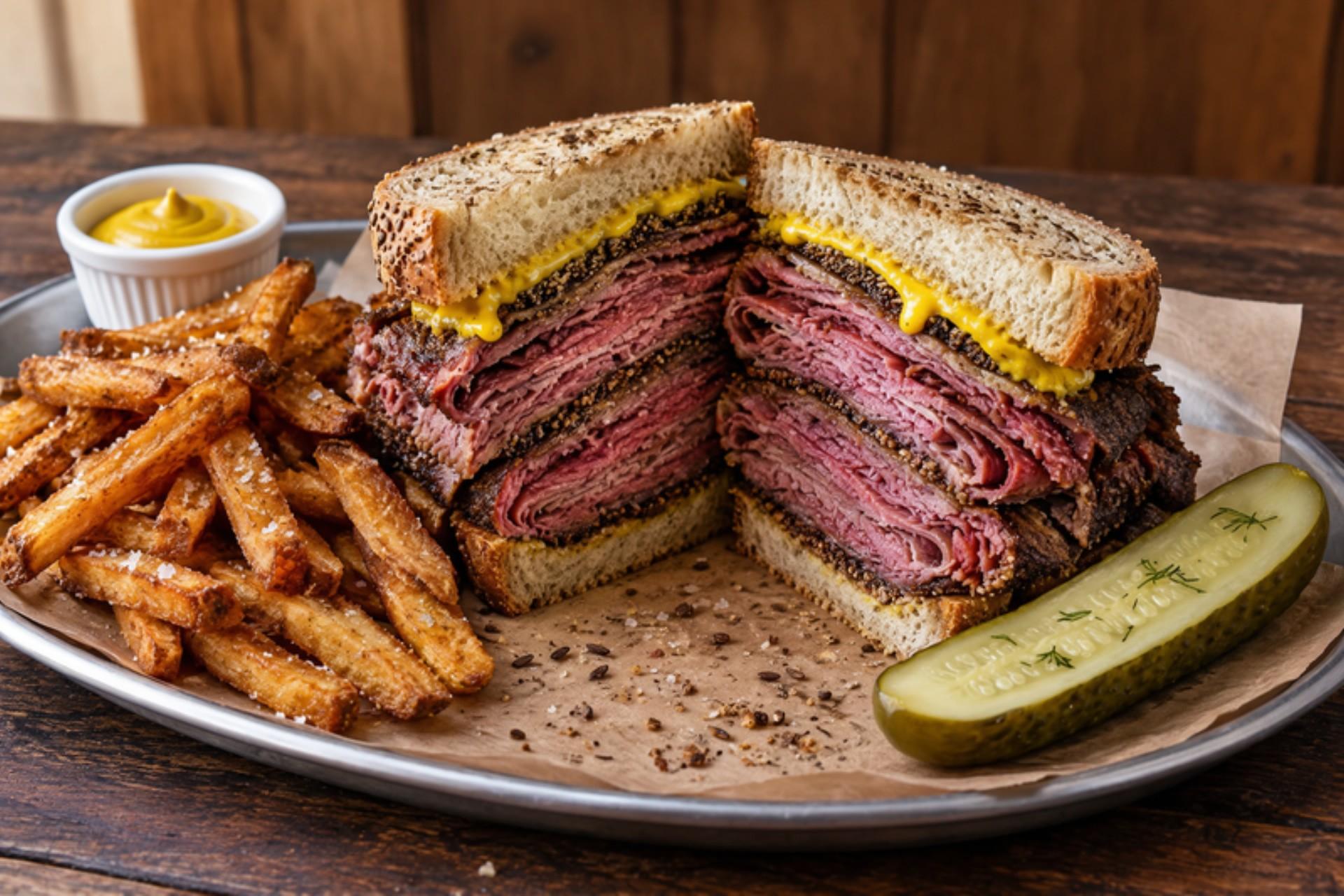
Montreal smoked meat is the city's most famous deli food, served since the early 1900s at Jewish delicatessens along boulevard Saint-Laurent, and ordered for lunch or late at night 'medium' fat, piled on rye with yellow mustard, a sour pickle, fries and a cherry cola. Beef brisket is cured in the fridge with salt, curing salt and spices for a week, then smoked or slow-roasted and finally steamed until tender. There is no pork. Curing at home needs care: use exactly 2.5% salt and 0.25% curing salt No. 1 (6.25% sodium nitrite) by weight of meat, keep it in the fridge at 0–4 °C the whole time, and never guess the amounts. The pink colour comes from the cure, not undercooking; the brisket must reach at least 71 °C and is tender at about 93 °C. The common mistake is slicing with the grain, which makes it stringy: always cut across the grain, thinly, while hot. Chef's tip: steam the cooked brisket for an hour just before serving; that final steam is what makes it melt like real deli meat.

450 minCanadianMeat
by KrazyBadal 0 views

CipailleLayered meat and potato pie

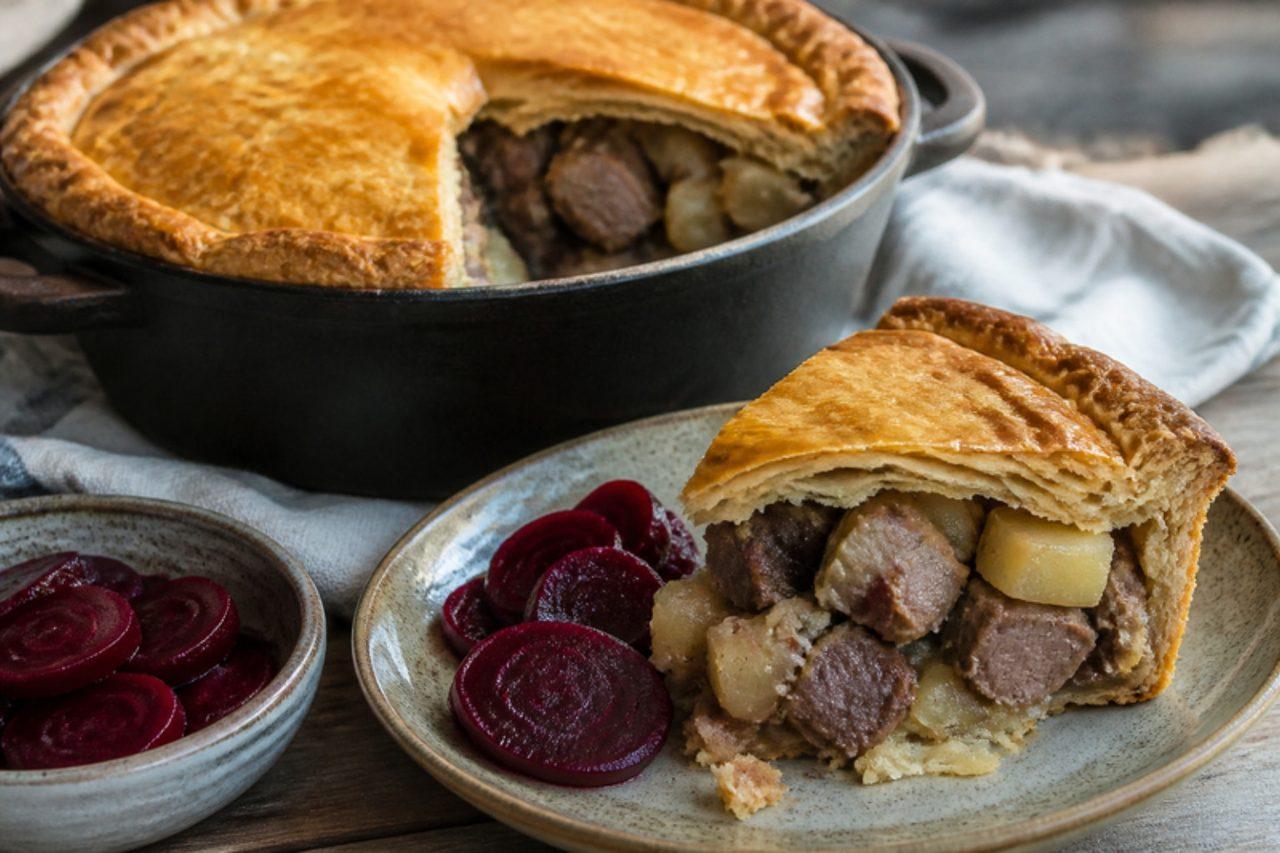
Cipaille (also cipâte or six-pâtes) is a deep, layered Quebec pie baked for the Christmas and New Year holidays, especially in the Gaspé and Lac-Saint-Jean regions. Layers of cubed meats, here pork, beef and chicken (some families add game), alternate with potato, onion and sheets of pastry in a deep pot, covered with stock and baked slowly for hours until the meat is meltingly tender. It feeds a crowd at the réveillon. Chef's tip: marinate the meats overnight with onion and savory; it seasons them through.

360 minCanadianMeat
by KrazyBadal 0 views

Wild rice stuffing

Canadian Thanksgiving falls on the second Monday of October, earlier than the American one, when the harvest is in, and in Ontario, Manitoba and the prairies wild rice often takes the place of bread in the stuffing. Wild rice is the seed of a native lake grass long harvested by First Nations, and it is nutty and chewy; here it is baked with buttery mushrooms, celery, onion, sage and tart dried cranberries, topped with toasted pecans. It is cooked in its own dish, never inside the bird, so it stays safe and vegetarian. Chef's tip: cook the wild rice until a few grains split open to show the white inside; underdone grains stay hard after baking.

by KrazyBadal 0 views

CroquignolesTwisted nutmeg doughnuts

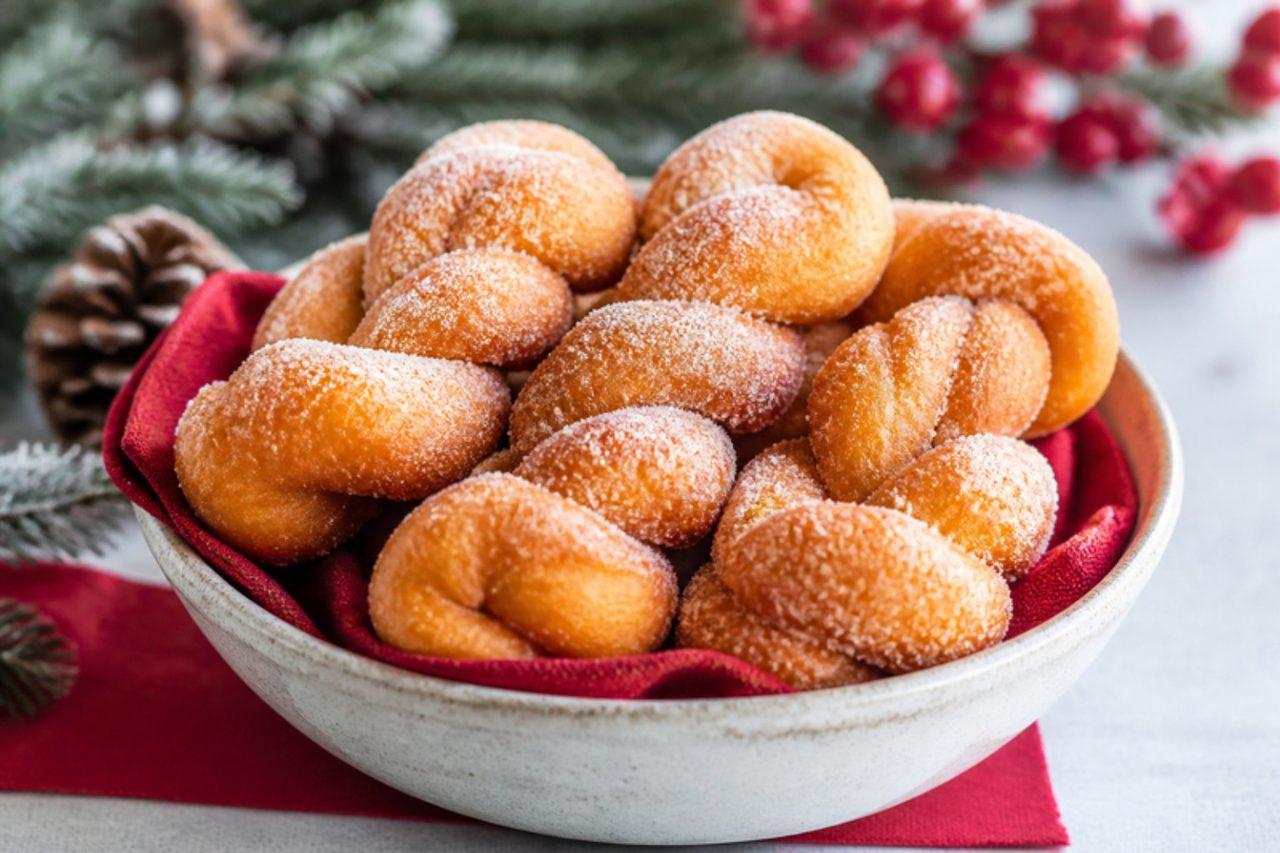
Croquignoles are old-fashioned Quebec doughnuts, cut into strips, slit and twisted into knots, then fried and rolled in sugar. Grandmothers made them by the dozen for the réveillon, the feast after midnight Mass on Christmas Eve, and for New Year's Day visits. They are dense and cakey rather than yeasty, scented with nutmeg. Chef's tip: keep the dough soft and well chilled, so it is easy to roll and the croquignoles stay tender; extra flour makes them tough.

by KrazyBadal 0 views

Tarte à la ferloucheMolasses and raisin pie

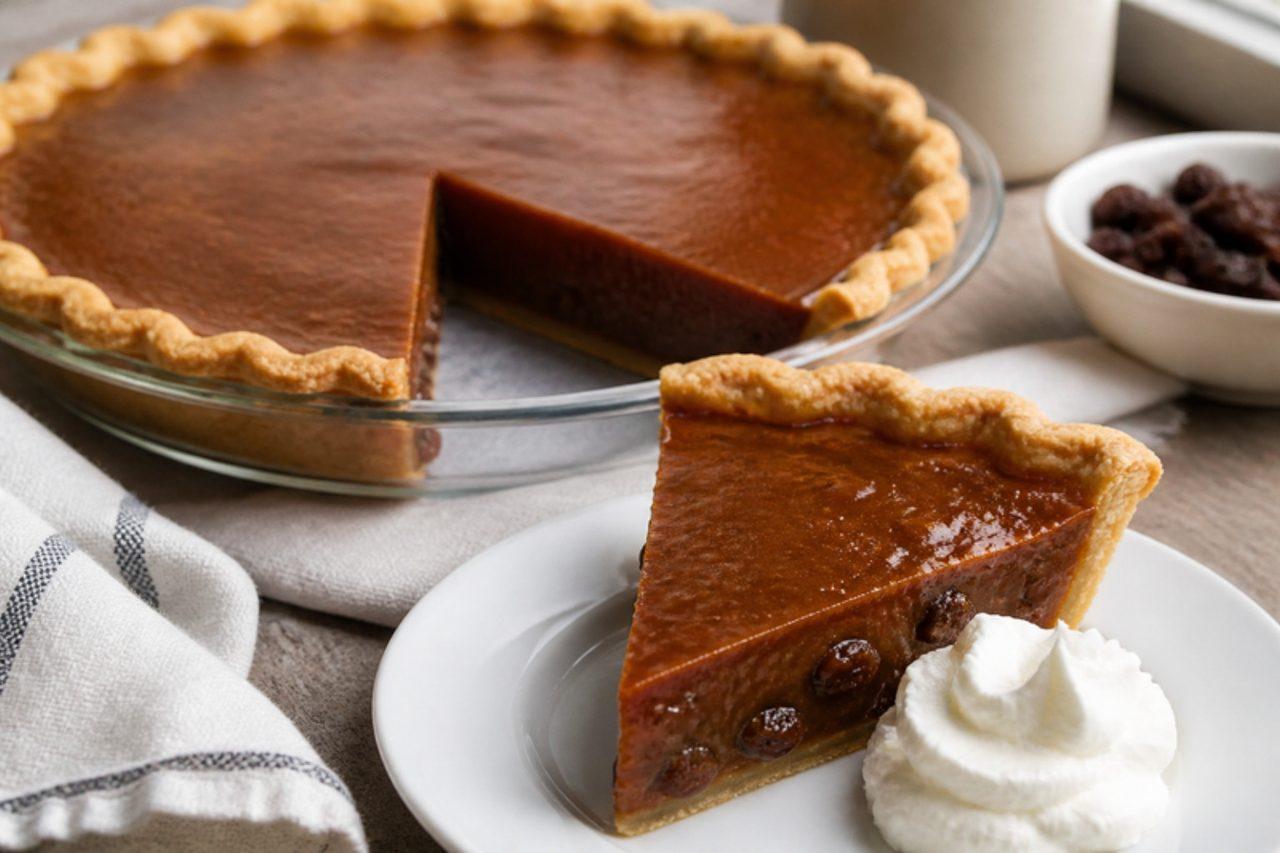
Ferlouche is an old Quebec farmhouse pie, the kind served at the Christmas réveillon, at sugar-shack lunches in spring and at church suppers in the Beauce. Molasses, brown sugar and water are cooked into a dark, glossy custard thickened with cornstarch and full of raisins, then poured into a crisp crust. It needs no eggs at all, and tastes of caramel, toffee and a little spice. The crust is traditionally made with lard, but this version uses butter and vegetable shortening, so it is vegetarian. Stopping the cooking as soon as the filling thickens is a frequent mistake: the cornstarch needs a proper boil or the pie never sets and tastes floury. Chef's tip: let the cooked filling boil for a full 2 minutes, stirring, until it turns from cloudy to translucent.

by KrazyBadal 0 views

Bumbleberry pie

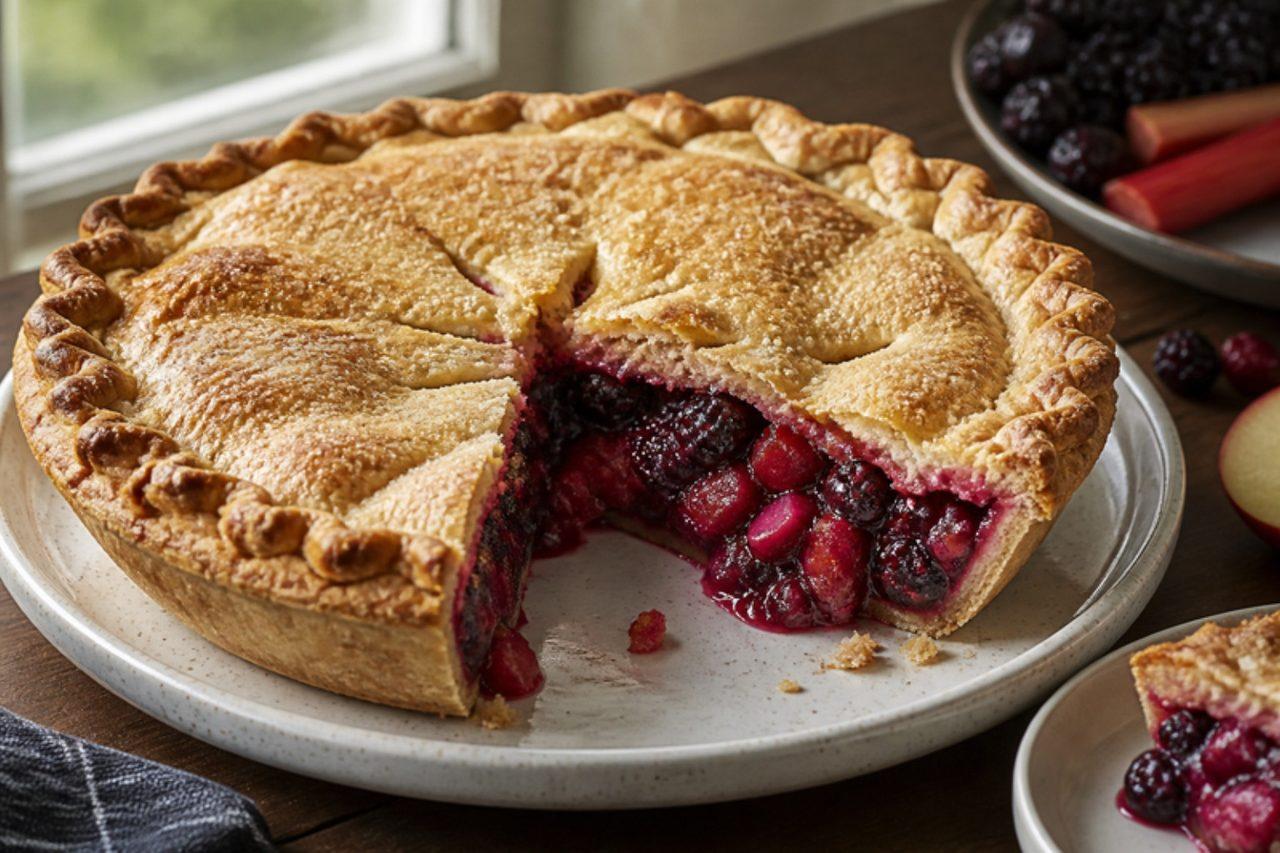
There is no such thing as a bumbleberry: the name is a joke from the diners and farm stands of the Maritimes and Ontario, where a pie is baked from whatever berries are in season plus a little apple and rhubarb. The result is a tall, jammy, double-crust pie that is sweet and sharp at the same time, with a flaky golden lid. Canadians eat it in summer cottage season and at Thanksgiving with vanilla ice cream or a slice of aged cheddar. Cutting it while warm is the classic error, because the juices run all over the plate. Chef's tip: bake until the juice bubbles thickly through the vents, not just at the edges; that is the sign the cornstarch has cooked and the filling will set.

by KrazyBadal 0 views

Galettes à la mélasseSoft molasses cookies

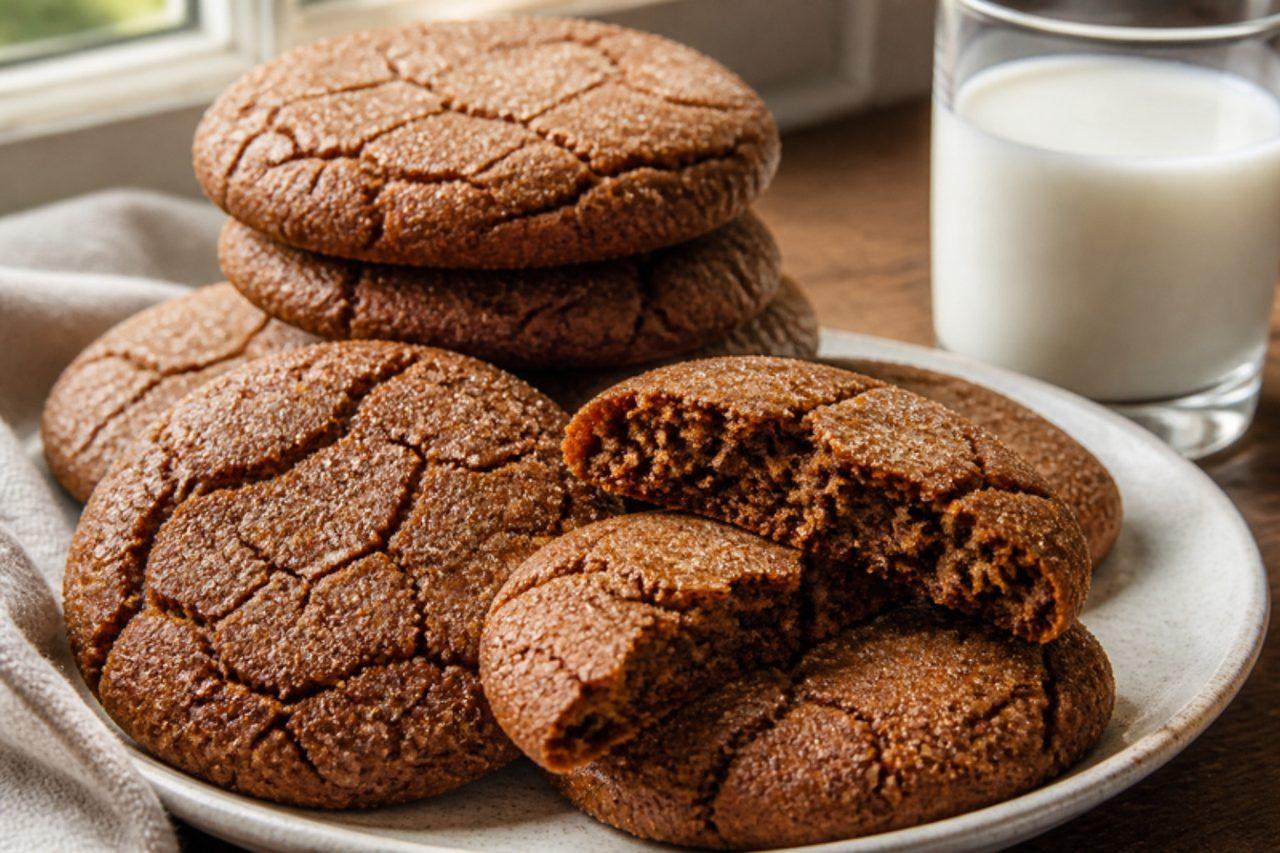
Quebec grandmothers bake galettes à la mélasse by the batch for lunchboxes and the cookie jar, and they turn up at sugar-shack weekends and church sales from Gaspé to Gatineau. Unlike crisp gingersnaps, they are big, soft and cakey, almost like little gingerbread cakes, dark with molasses and warm with ginger, cinnamon and clove. Kids eat them with a tall glass of cold milk; adults like them with tea. The dough is soft, so you drop it from a spoon rather than rolling it. Chef's tip: take them out when the centres still look slightly underdone; overbaking by even two minutes is what turns them dry and hard, while slightly underbaked ones stay soft for days.

by KrazyBadal 0 views

Caesar

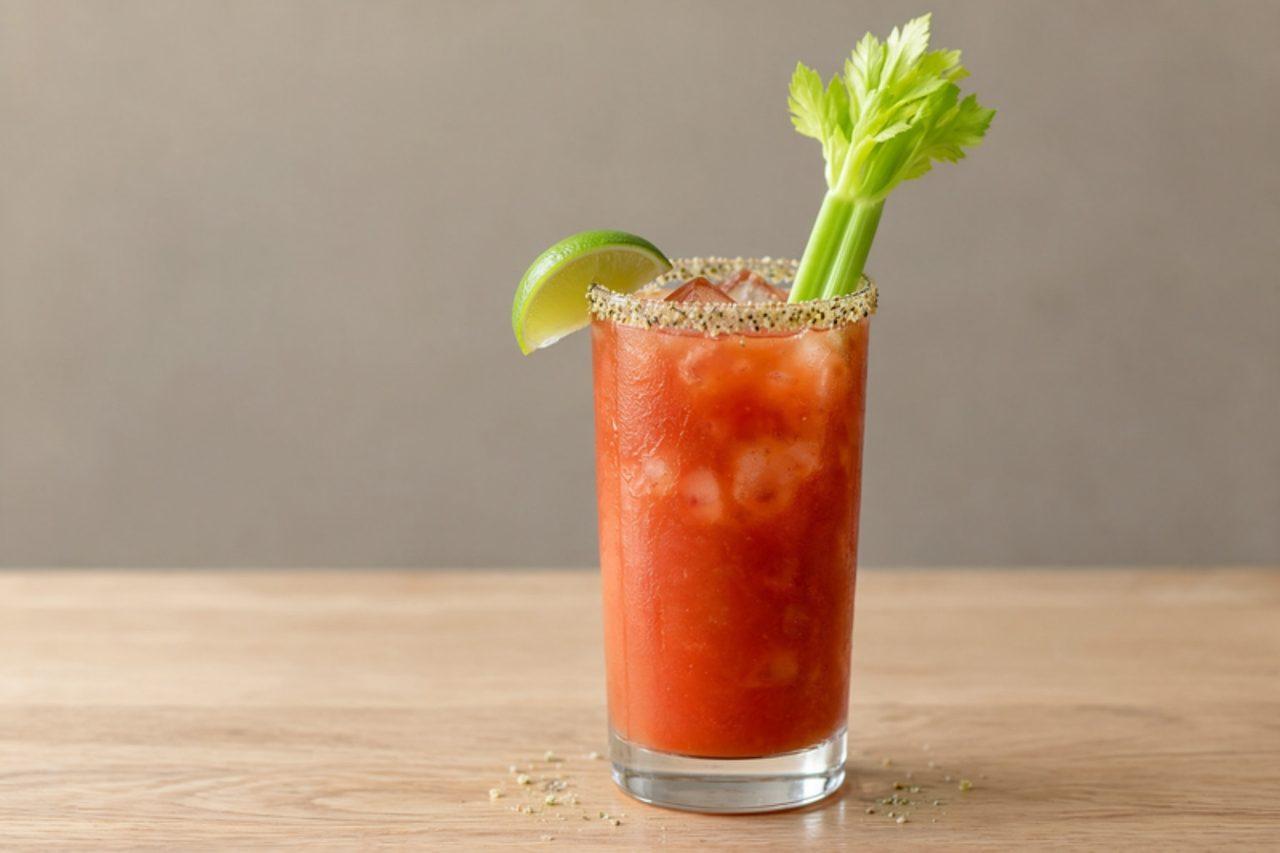
The Caesar was created in Calgary in 1969, when a hotel bartender was asked to invent a drink for a new Italian restaurant and thought of spaghetti alle vongole: clams, tomato, garlic, a squeeze of lemon. It has become Canada's own cocktail, ordered at weekend brunch, poured at the cottage on long weekends and raised on Canada Day, often with a celery stick or a spicy green bean standing in the glass. It is for adults only. Note that it is not vegetarian: the clam-tomato juice is made with clam broth, and Worcestershire sauce contains anchovy. A Caesar tastes savoury before anything else, briny and tomatoey, with heat from the hot sauce, tang from lime and a salty, herbal crunch from the celery-salt rim. The common mistake is shaking it hard like a sour: the tomato juice turns frothy, pale and watery. Roll it instead, pouring it back and forth between two glasses a few times. It is ready when the drink is evenly red, ice-cold and the rim is still neatly coated. Drink responsibly; it goes down easily. No clam-tomato juice? Mix 120 ml tomato juice with 30 ml bottled clam broth. Chef's tip: add a little grated horseradish for a sharper, more peppery Caesar.

by KrazyBadal 0 views

Jiggs dinnerBoiled salt beef and vegetables

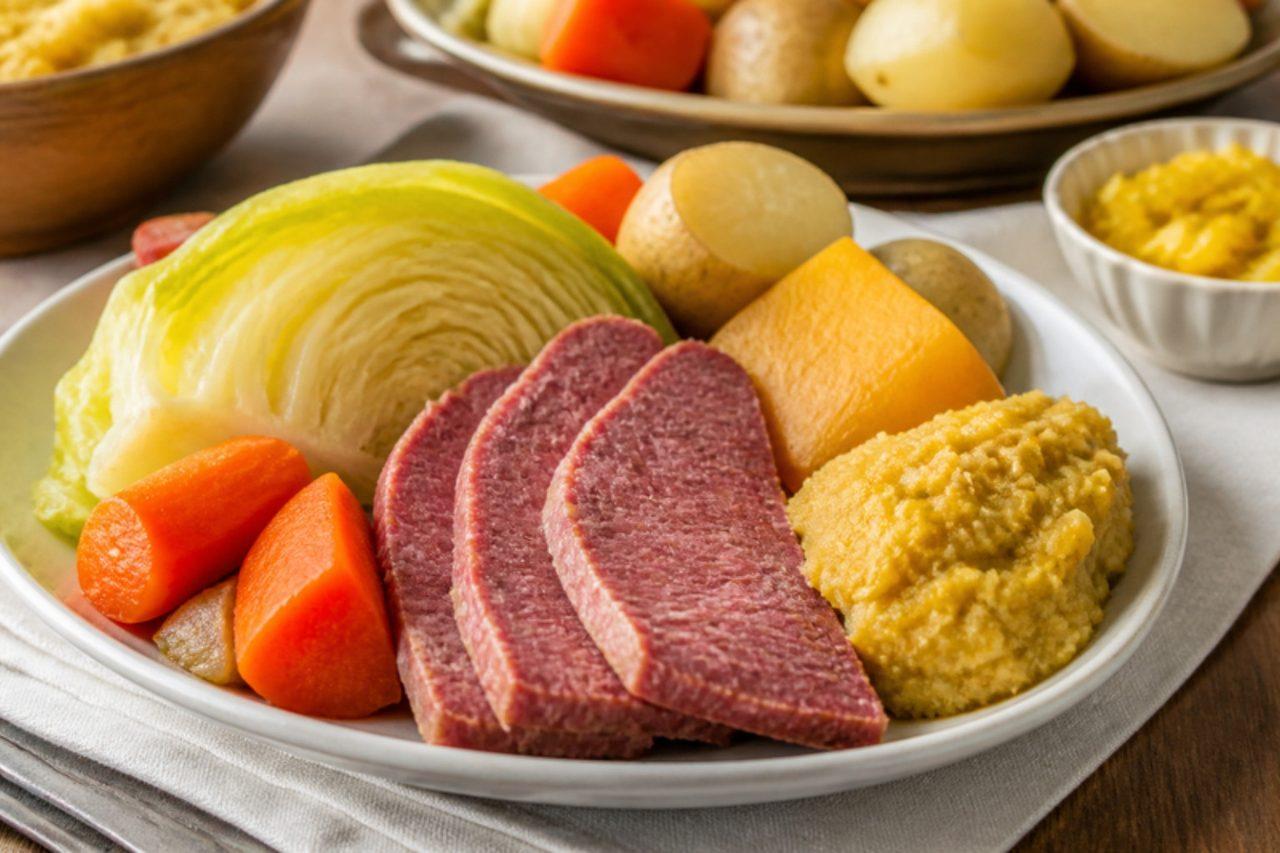
Jiggs dinner is the Sunday dinner of Newfoundland, cooked in one big pot after church in St John's and every outport around the coast. Salt beef, soaked overnight, simmers with turnip, carrot, potato and cabbage, while yellow split peas cook in a cloth bag in the same pot to make pease pudding. It is served with mustard pickles and often with figgy duff. A common mistake is skipping the overnight soak, which leaves the beef far too salty. Chef's tip: add the vegetables in stages, cabbage last, so each is just tender at the end.

210 minCanadianMeatGluten free
by KrazyBadal 0 views

Caribou stew

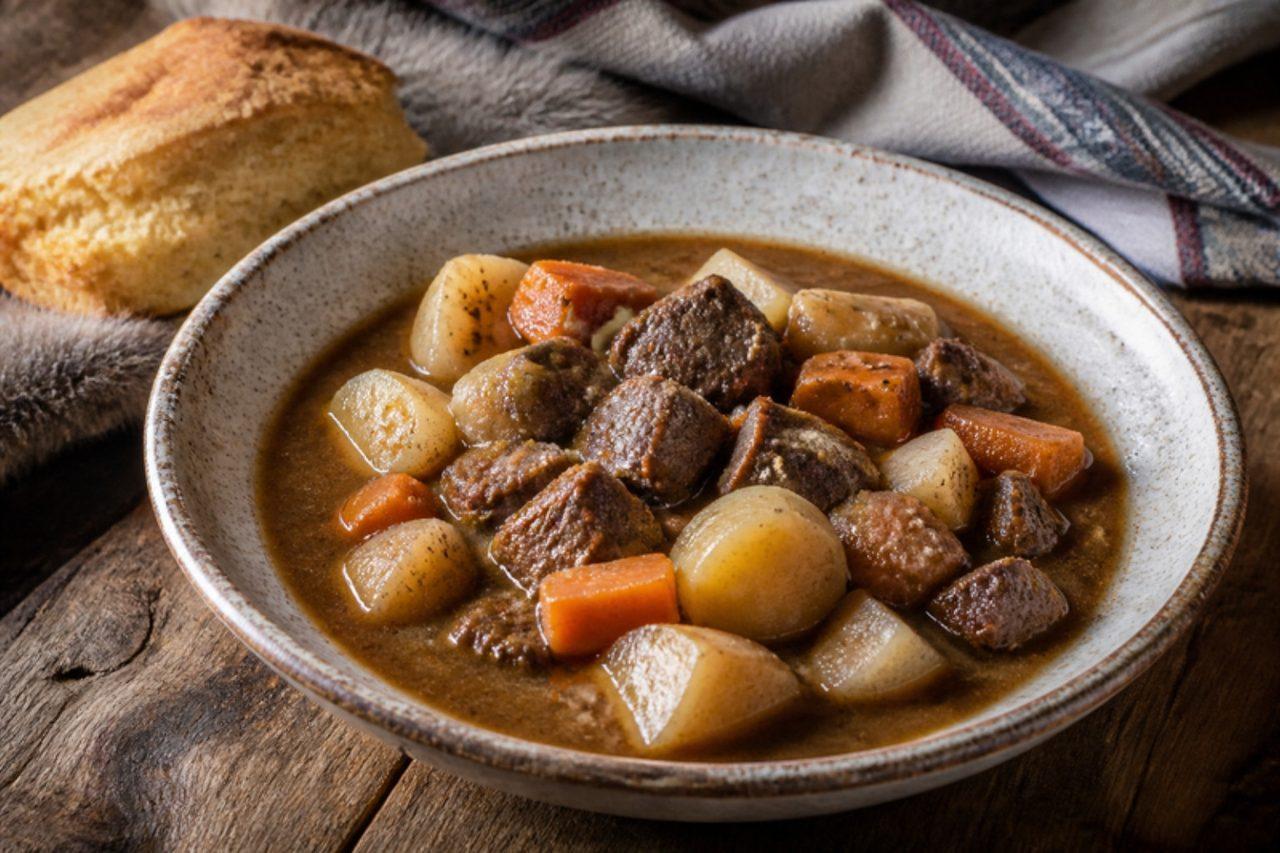
Caribou is the everyday red meat of many Dene, Inuit and northern families in the Northwest Territories, Nunavut and Labrador, and a pot of caribou stew is what simmers on the stove in Yellowknife or Inuvik through the long winter. The meat is lean and slightly sweet and gamey, and slow-braising with onion, carrot, potato and turnip makes it meltingly tender. Outside the North, farmed reindeer, venison or beef chuck work in exactly the same way. A common mistake is boiling hard, which toughens lean meat; it should barely bubble. Chef's tip: dust the meat in flour and brown it well in batches for a rich, thick gravy.

175 minCanadianMeat
by KrazyBadal 0 views

Ginger beef

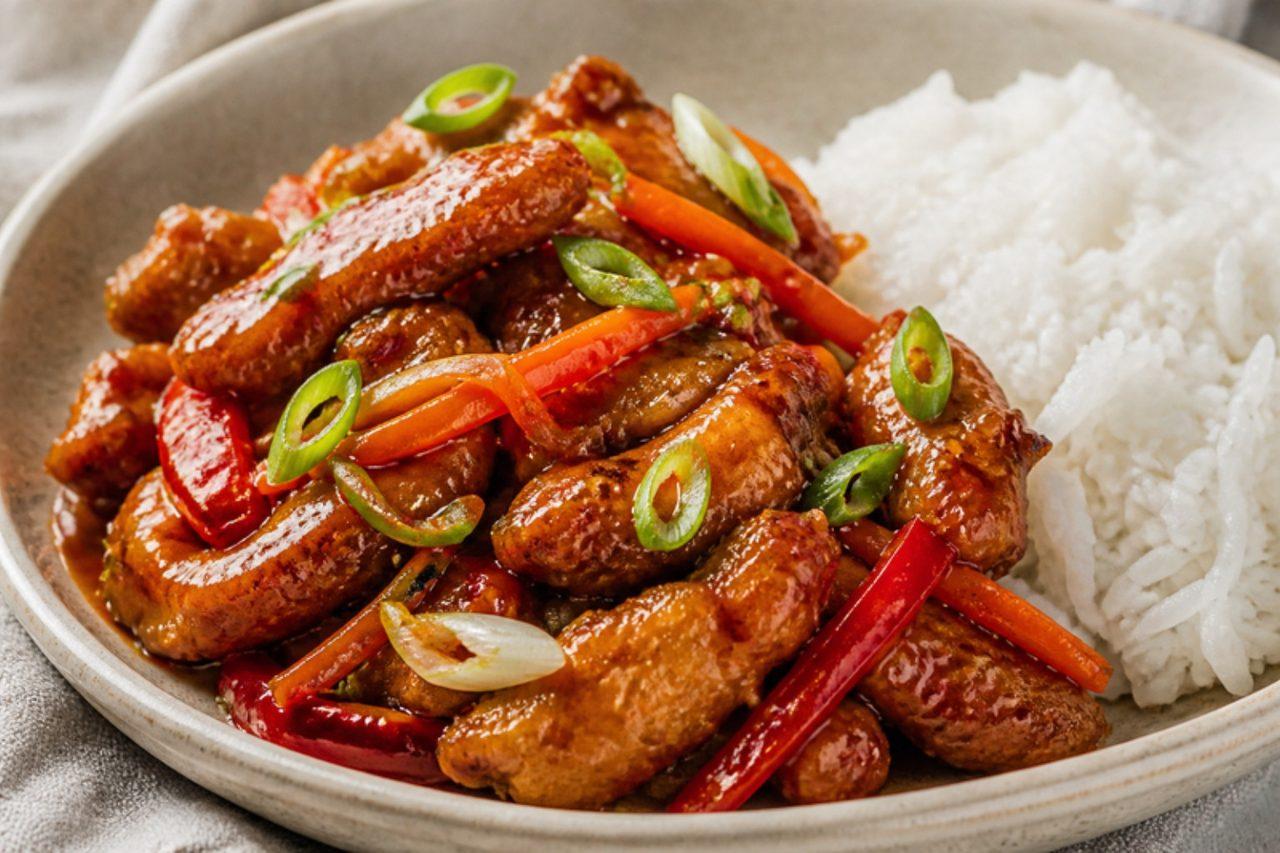
Ginger beef was created in the 1970s at a Chinese restaurant in Calgary and is now on the menu of nearly every Chinese-Canadian restaurant on the Prairies. Thin strips of beef are coated in a cornflour batter and fried until shatteringly crisp, then tossed in a glossy sweet-sour sauce full of fresh ginger, garlic and chilli with strips of carrot and pepper. Serve at once with steamed rice. A common mistake is saucing the beef too early, which turns the crust soggy. Chef's tip: fry the beef twice; the second fry is what makes it crunchy.

by KrazyBadal 0 views

PemmicanDried beef, fat and berry bars

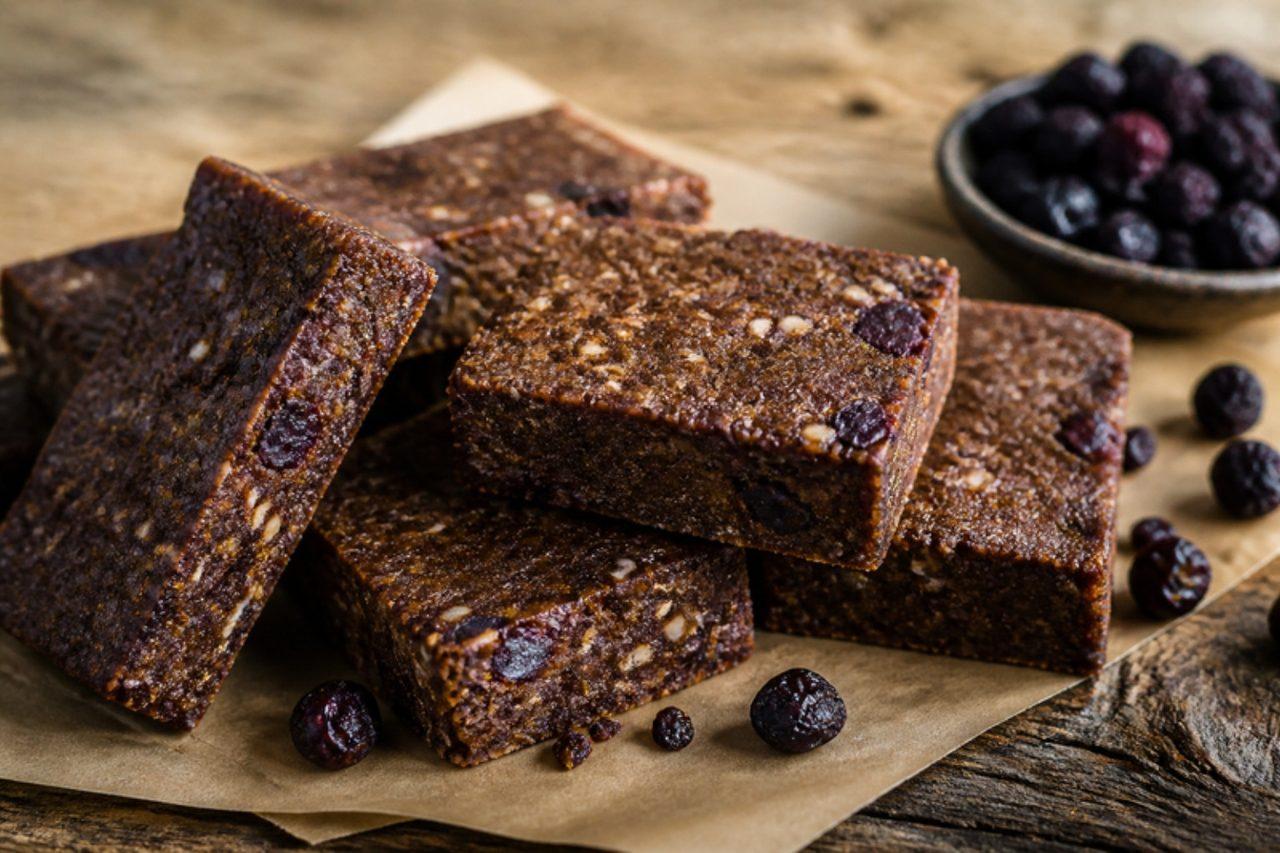
Pemmican was the essential food of the Cree, Métis and other Plains and northern peoples, and later of the fur trade: dried, pounded bison meat mixed with rendered fat and sometimes saskatoon berries, packed into hide bags and kept for months. This home version uses lean beef, heated to a safe temperature before drying in a low oven, then ground and bound with beef tallow and dried berries into dense bars. It is very rich and very filling, eaten in small pieces on hikes and camping trips. A common mistake is leaving fat on the meat before drying; fat goes rancid, so trim it all off. Chef's tip: dry the meat until it snaps, not bends; any moisture shortens its keeping time.

510 minCanadianMeatGluten free
by KrazyBadal 0 views

Puffed wheat squares

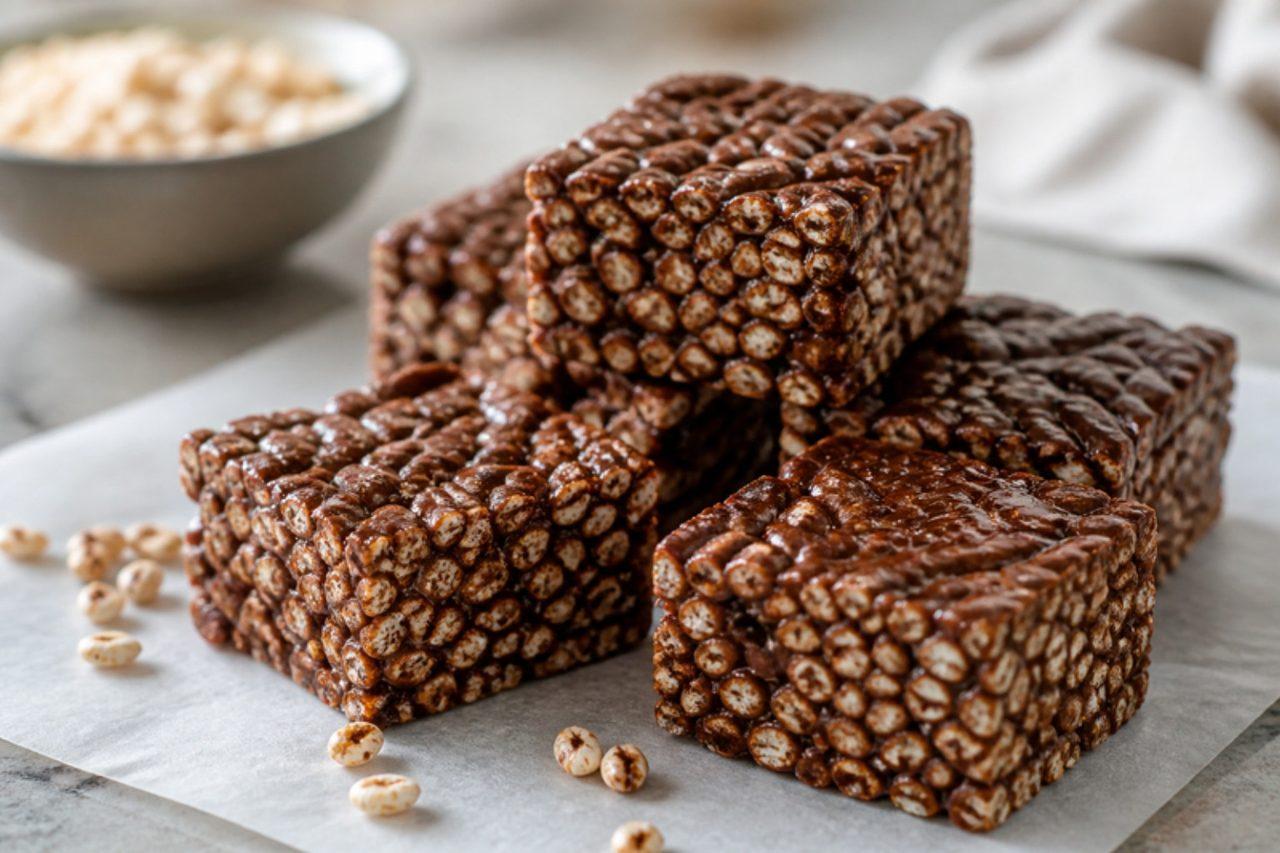
Puffed wheat squares are the Prairie kids' party treat, made in Alberta and Saskatchewan kitchens for hockey bake sales and lunchboxes since the 1950s. Puffed wheat is stirred into a quick toffee of butter, brown sugar, golden syrup and cocoa, pressed into a pan and cut once set. They are chewy rather than crunchy and very hard to stop eating. A common mistake is boiling the syrup too long, which sets them rock hard; one minute of boiling is enough. Chef's tip: butter your hands, not just the pan, to press the mix down evenly.

by KrazyBadal 0 views

Nova Scotia oatcakes

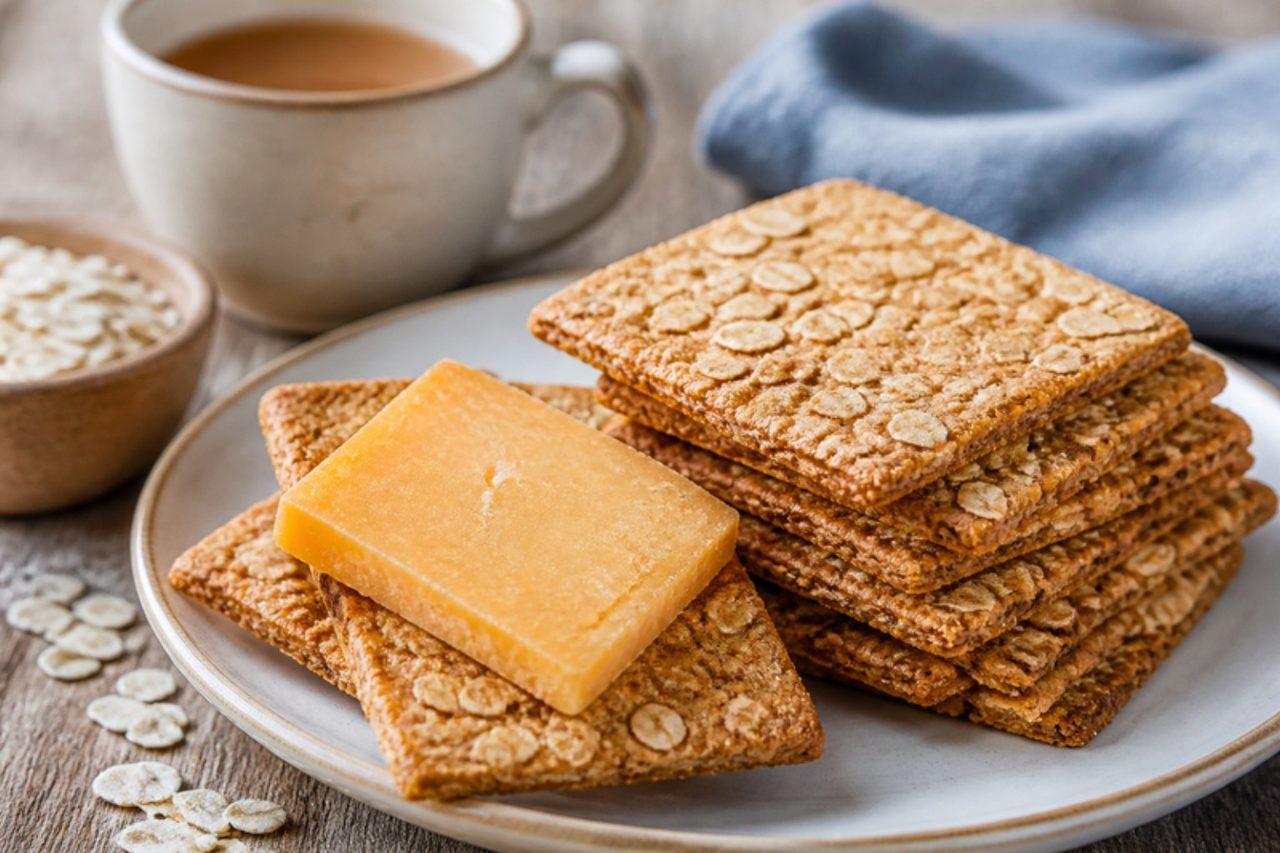
Nova Scotia oatcakes are nothing like the plain Scottish kind: Cape Breton bakers, with their Highland roots, made them sweeter and richer, with butter and brown sugar, so they crunch like a cross between a biscuit and shortbread. They are sold at every coffee shop in Antigonish and Baddeck and eaten with tea, or with a slice of sharp cheddar. A common mistake is rolling them thick; 5 mm gives the proper snap. Chef's tip: chill the rolled dough before cutting so the squares stay sharp.

by KrazyBadal 0 views

Date squares

Date squares are on the tea table in every Canadian church hall and school bake sale, called carrés aux dattes in Quebec and matrimonial cake in the West. A buttery oat crumble is pressed into a tin, spread with a soft date filling and covered with more crumble, then baked until golden. They keep for days and freeze well. A common mistake is spreading the dates while hot onto loose crumb, which makes the base soggy; press the base firmly. Chef's tip: add a strip of orange zest to the dates for a brighter flavour.

by KrazyBadal 0 views

Labrador tea

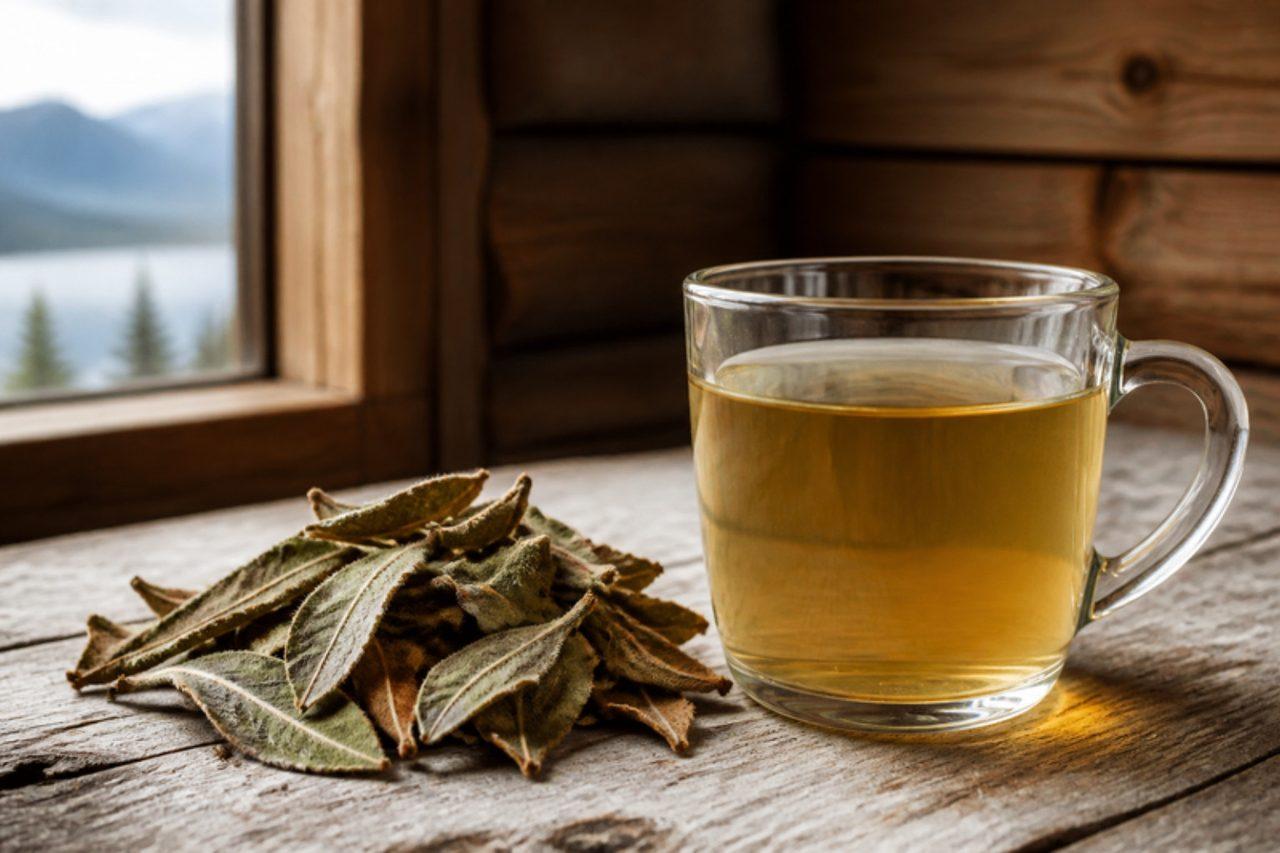
Labrador tea grows in the bogs and boreal forests right across northern Canada, and Cree, Dene and Inuit families have long dried its leathery, rust-backed leaves for a hot drink on the land and at home. It tastes resinous and piney, a bit like rosemary and eucalyptus, and is often sweetened with a little sugar. The leaves contain natural compounds that are harmful in large amounts, so brew it weak, drink a cup or two, and don't steep it for hours. It is not for pregnant or breastfeeding women. Only pick it if you know the plant well: the poisonous bog laurel grows alongside it; dried leaves from a trusted seller are safest. A common mistake is using a big handful of leaves; one tablespoon makes two cups. Chef's tip: steep below boiling and briefly; a long boil makes it bitter and stronger than you want.

by KrazyBadal 0 views

Queen Elizabeth cake

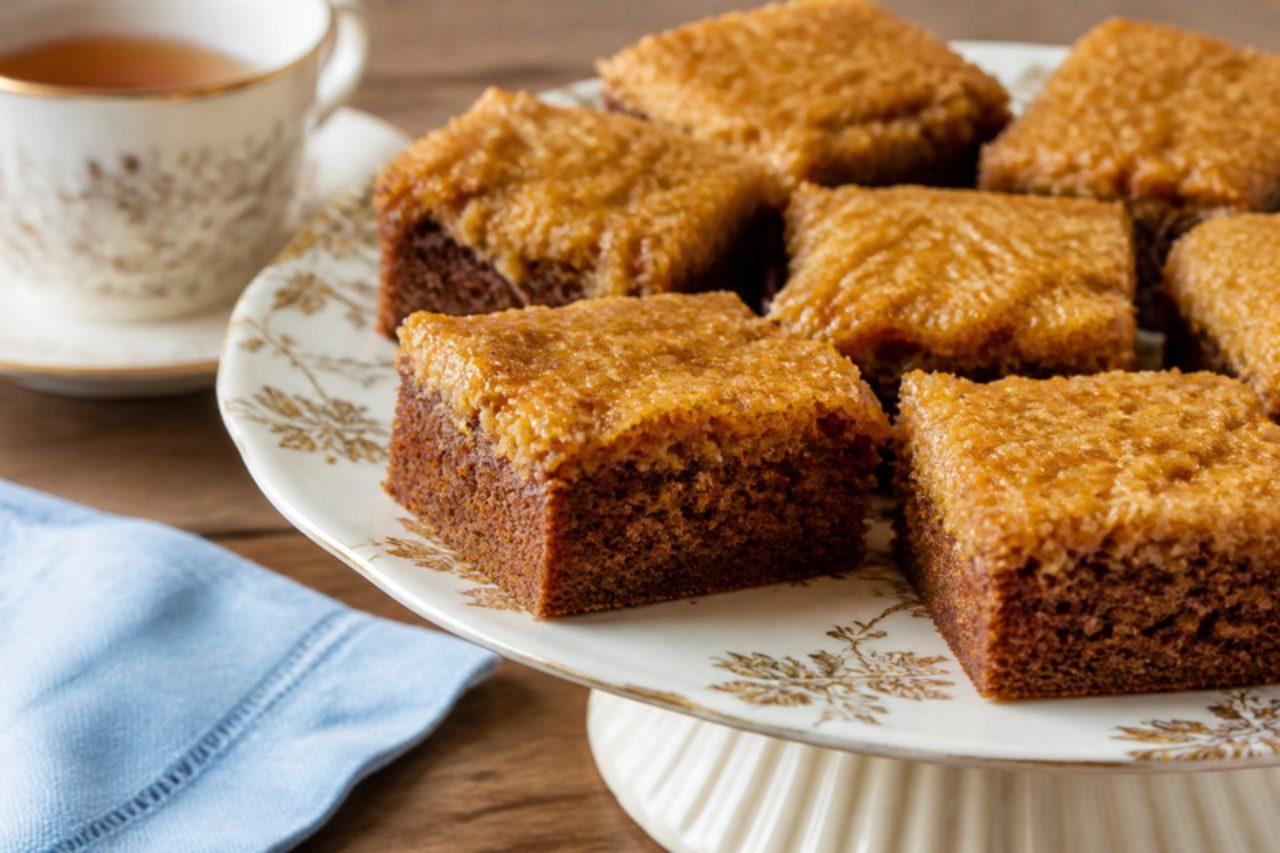
Queen Elizabeth cake has been a favourite in Canadian homes and Quebec bakeries since the 1950s, especially around coronations and royal visits, and it still turns up at Montreal family birthdays and Sunday teas. A moist, tender date cake is baked, then covered in a bubbling coconut and brown-sugar topping and put under the grill until it caramelises. It is humble, rich and keeps well for days. A common mistake is walking away from the grill; the topping goes from golden to burnt in under a minute. Chef's tip: soak the dates in boiling water with the bicarbonate so they melt into the crumb.

by KrazyBadal 0 views

Meatball stew

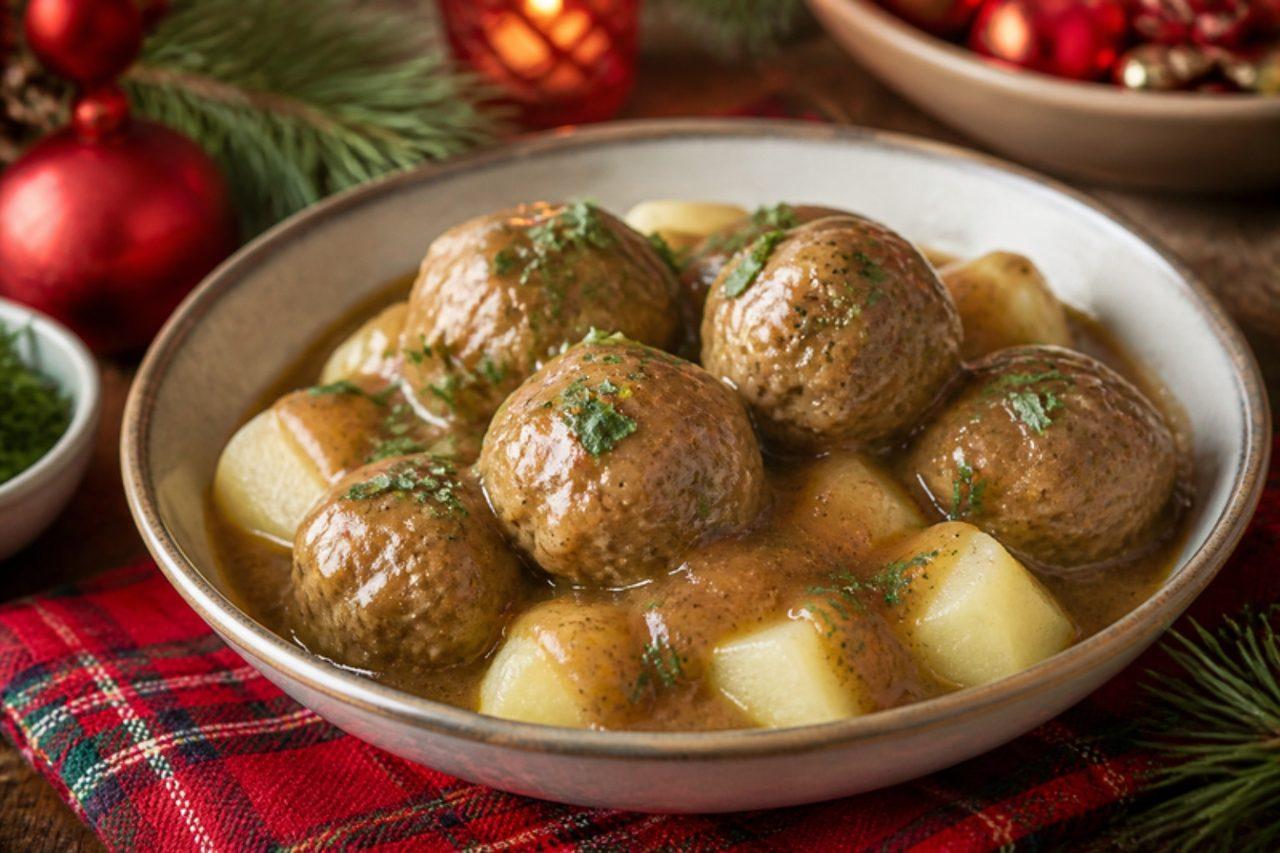
Ragoût de boulettes is a Quebec Christmas Eve and New Year dish, simmered in big pots for the réveillon in the Saguenay and Beauce, often served with pork hocks and boiled potatoes. The meatballs are made from minced pork, gently spiced with cinnamon, clove and nutmeg, and simmered in a gravy thickened with flour toasted dry in a pan until brown. That toasted flour gives the stew its colour and nutty taste. A common mistake is toasting the flour too quickly so it burns; keep the heat moderate and stir constantly. Chef's tip: it tastes even better the next day, so make it ahead and reheat until piping hot.

150 minCanadianMeat
by KrazyBadal 0 views

Maple-glazed ham

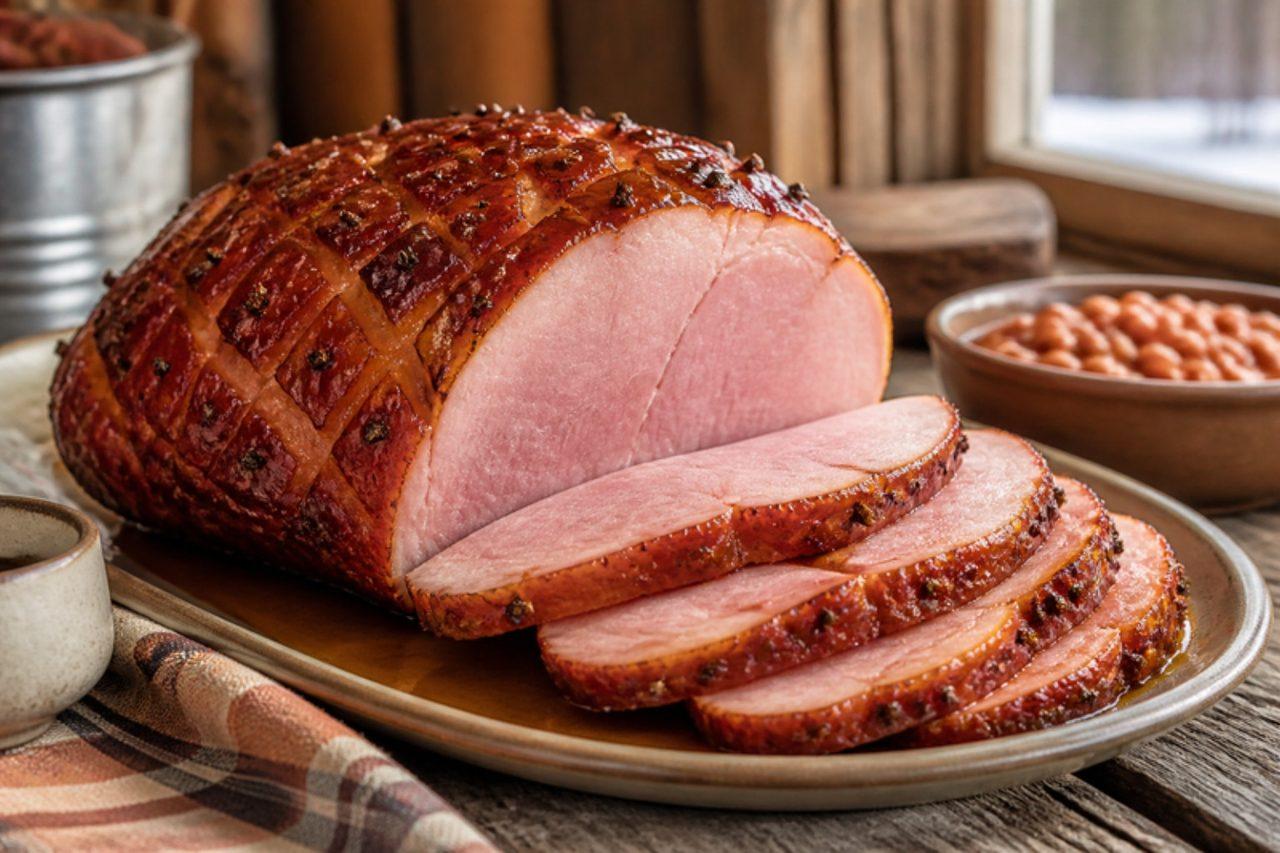
At the cabanes à sucre of Quebec in March and April, a smoked pork ham baked in maple syrup is the centrepiece of the long tables, carved alongside pea soup, beans and omelette. At home it is an Easter favourite in the Eastern Townships. The ham is simmered, then glazed and baked, basted again and again until it shines. Check the label: most smoked hams are already cooked and only need heating, while uncooked ones need full cooking. A common mistake is glazing too early, which burns the sugar before the ham is hot. Chef's tip: a splash of cider vinegar in the glaze balances the sweetness.

150 minCanadianMeatGluten free
by KrazyBadal 0 views

Lassy mogsMolasses cookies

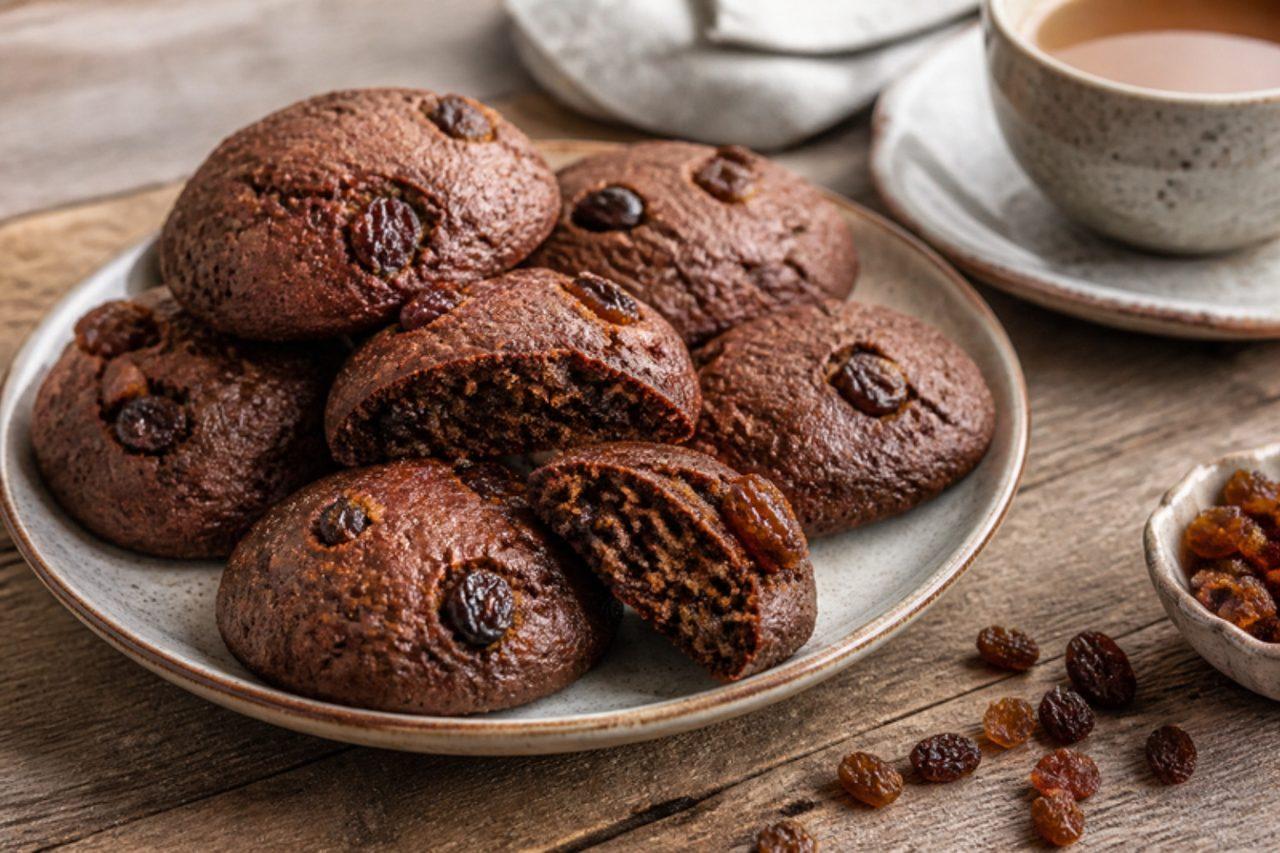
Lassy mogs are the soft, cakey cookies of Newfoundland Christmas tins, from the days when molasses (lassy) was the sweetener every outport kitchen kept. They are dark, spicy and chewy with raisins, dates and sometimes coconut, and are eaten with a cup of tea after a cold walk. A common mistake is baking them until firm; they should still look slightly soft in the middle when they come out. Chef's tip: chill the dough for half an hour so it scoops easily and the cookies keep their dome.

by KrazyBadal 0 views

PlatzFruit sheet cake with streusel

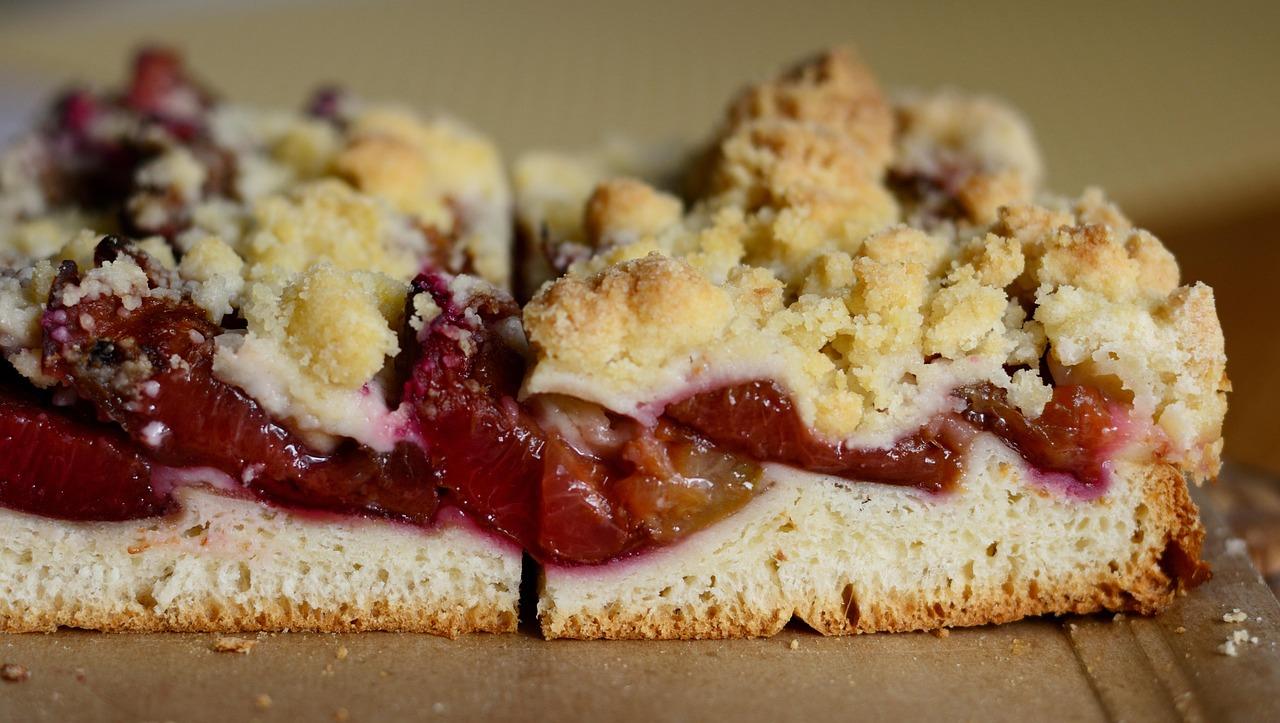
Platz is the coffee-time sheet cake of Mennonite kitchens across Manitoba and Saskatchewan, baked in big trays for faspa, the light Sunday afternoon meal, and for weddings and funerals. A soft, buttery dough is pressed into the pan, covered with whatever fruit is in season, rhubarb, plums, apples or saskatoons, and buried under a sweet crumb. It slices into squares and keeps well. A common mistake is skimping on the fruit; it should cover the dough in one tight layer. Chef's tip: toss very juicy fruit with a spoonful of flour so the base stays cakey.

by KrazyBadal 0 views

Partridgeberry muffinsLingonberry muffins

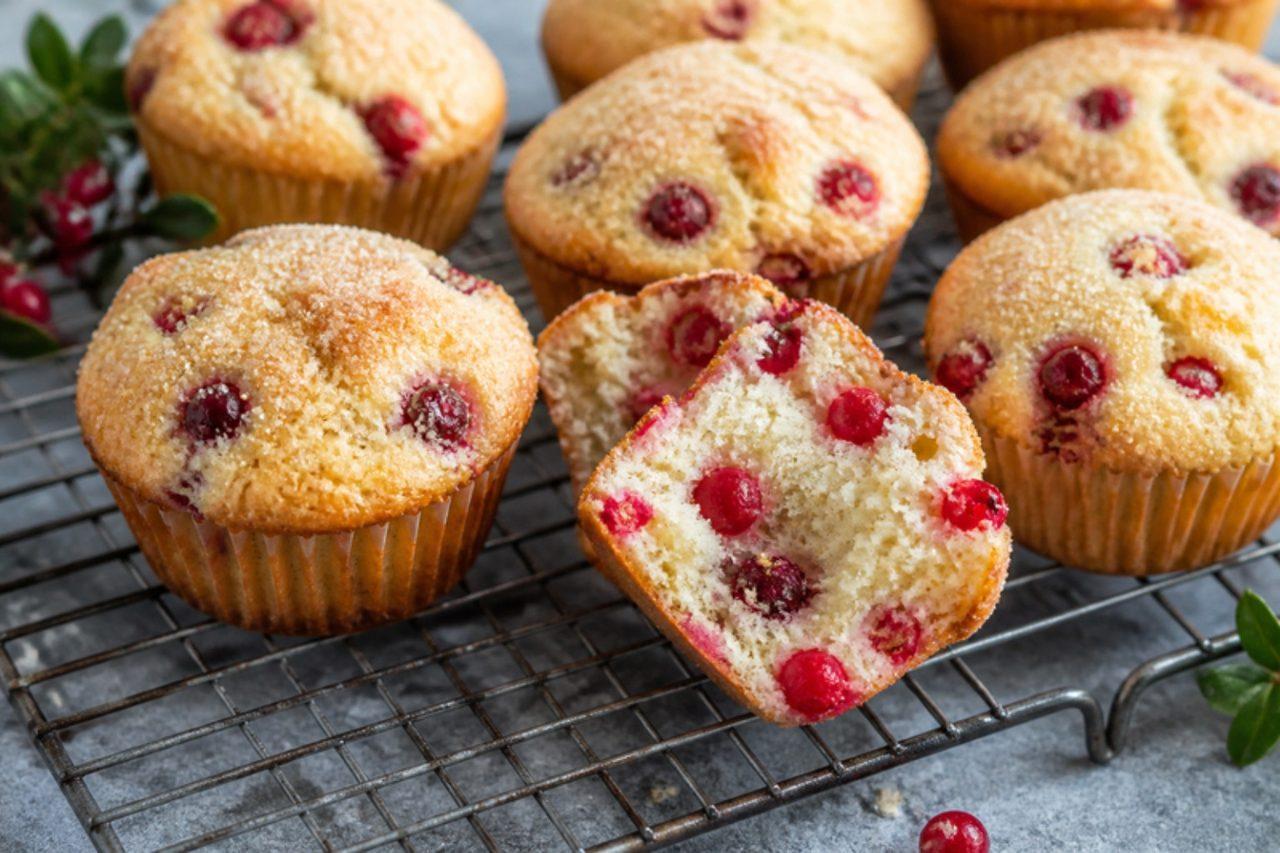
Partridgeberries are what Newfoundlanders call lingonberries, the bright red, sharp little berries picked on the barrens in September and frozen for the year. Every bakery in Gander and Corner Brook bakes them into tender muffins where the tart berries pop against the sweet crumb. Frozen lingonberries or cranberries work just as well. A common mistake is overmixing, which makes tunnelled, rubbery muffins. Chef's tip: toss the frozen berries in a spoonful of flour before folding them in so they don't sink or bleed.

by KrazyBadal 0 views

Nun's fartsBrown sugar pastry pinwheels

Pets de sœur, with their cheeky name, are what Quebec grandmothers bake with the leftover pastry after the tourtières are done at Christmas and New Year. The scraps are rolled out, spread with butter and brown sugar, rolled into a log and sliced, then baked in a buttery syrup until sticky and caramelised. Children love them warm from the dish. A common mistake is slicing too thin; 2 cm slices stay soft in the middle. Chef's tip: pour a little cream into the dish before baking for a richer caramel underneath.

by KrazyBadal 0 views

Showing 24 of 31 recipes

Show more recipes

Page 1 of 2