Skip to content
Recipes

All recipes

Vegetarian, or something you can't eat? Set your diet once and we'll hide recipes that don't fit.

Dal adasRed lentil curry with dried lime

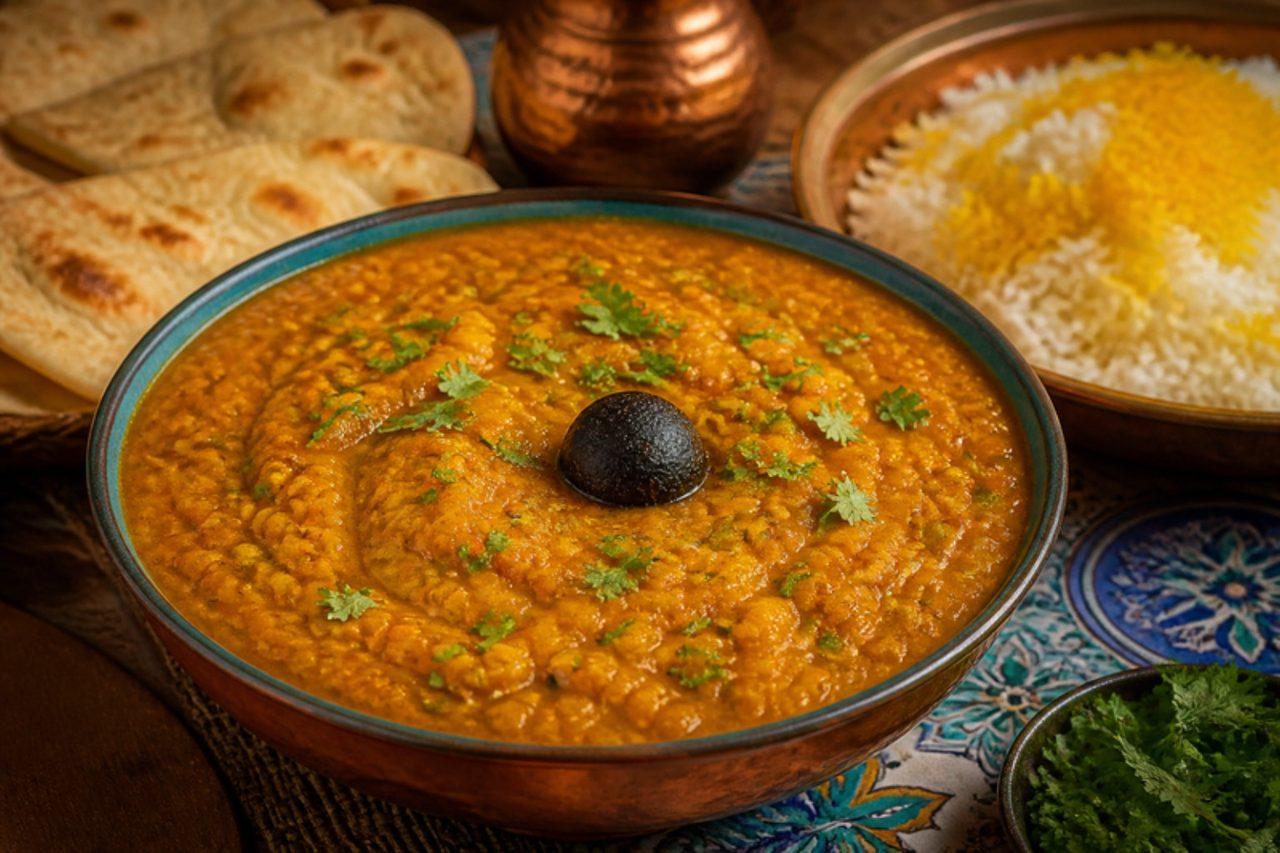
Along the Persian Gulf coast in Bushehr, Bandar Abbas and the towns of Hormozgan, centuries of trade with India gave rise to dal adas, a red lentil curry that is now a favourite lunch and a popular vegetarian dish in Muharram nazri cooking. The lentils cook down with onion, garlic, turmeric and warm curry spices into a thick, golden stew, sharpened with tamarind and the musky sourness of dried lime, and are eaten with rice or flatbread. A portion gives about 21 g of protein from the red lentils, with a little more from the potato. The most common mistake is leaving the dried limes in too long or uncracked: they turn the dal bitter, so pierce them and lift them out once the sourness is right. Chef's tip: fry the spices in the oil with the onions for a full minute before the lentils go in; the curry flavour depends on it.

by KrazyBadal 0 views

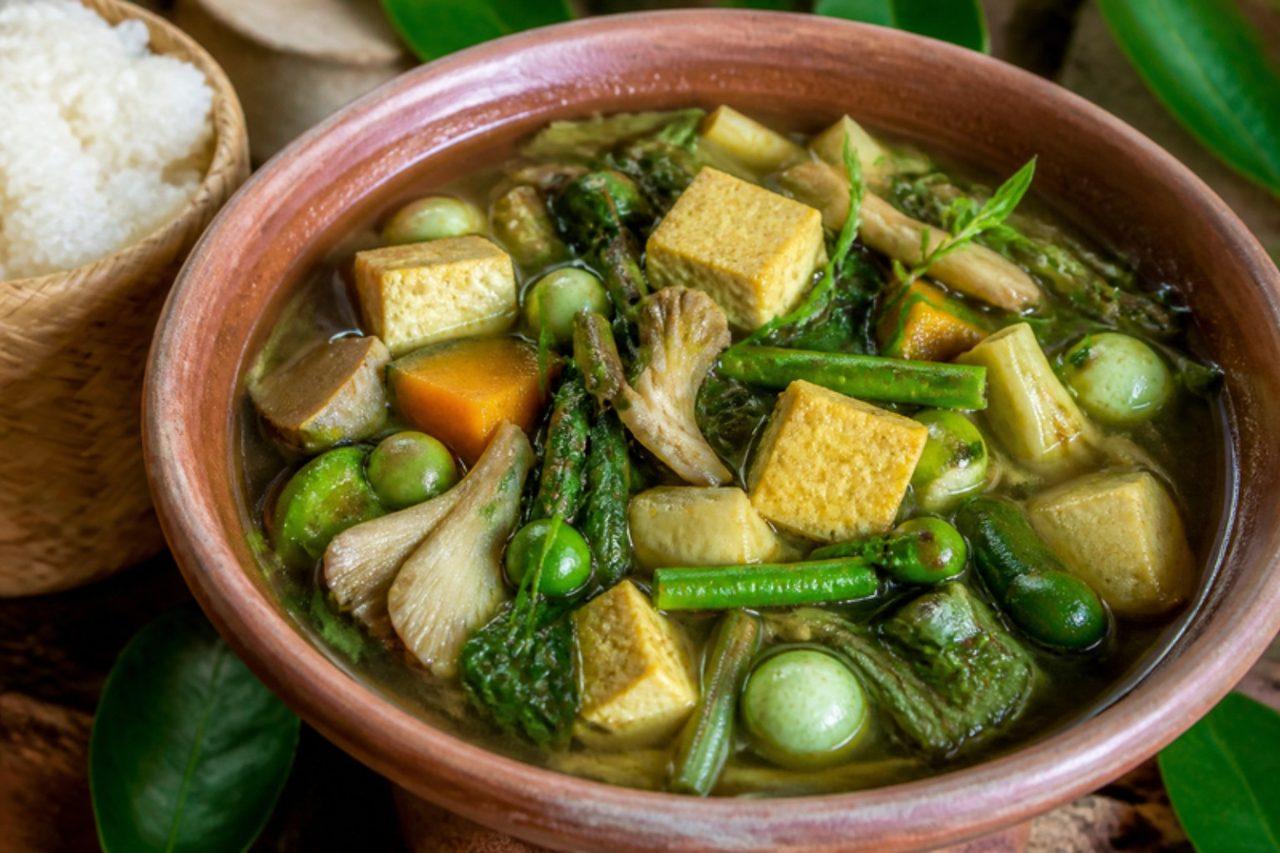
Kaeng khae with tofu and mushroomsHerb curry with tofu and mushrooms

Kaeng khae comes from the hills around Chiang Mai and Lampang, where it is cooked through the rainy season with whatever the garden and forest give: pea aubergines, long beans, pumpkin tips, acacia shoots and handfuls of leaves, in a brothy, coconut-free curry scented with lemongrass and the peppery prickly ash called makhwaen. In northern homes it is a lunch dish eaten with sticky rice. It is normally cooked with chicken, frog or fish and seasoned with fermented fish; this vegetarian version uses firm tofu, oyster mushrooms, soy sauce and a little salted soybean paste. With the tofu a portion has about 11 g of protein, so it is light rather than high protein. The common mistake is adding all the vegetables at once: the leaves are done in a minute while the beans and aubergines need five. Chef's tip: dry-fry the curry paste in a spoon of oil until it smells toasty before adding water; it gives the broth its depth without any fish.

by KrazyBadal 0 views

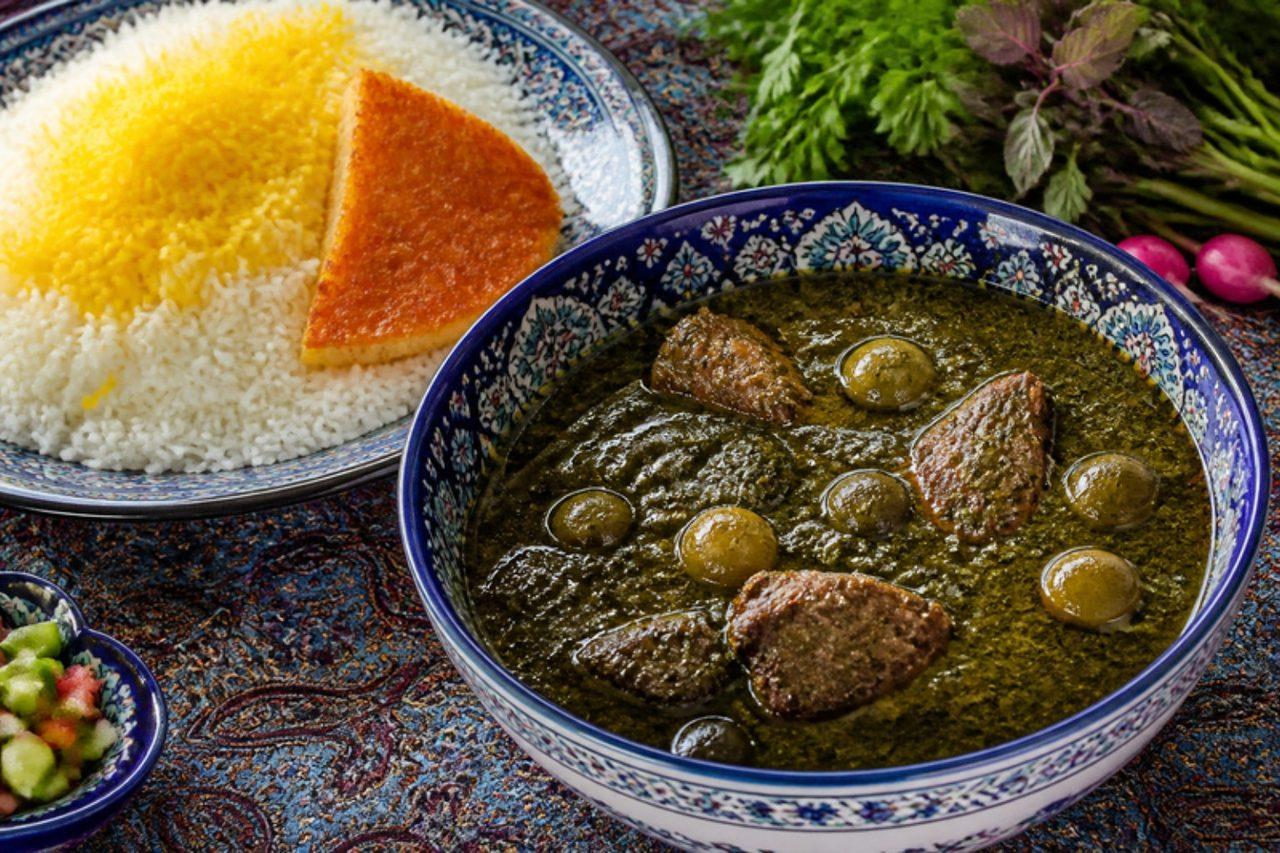
Khoresh-e gojeh sabzGreen plum and lamb stew

When unripe green plums (gojeh sabz) arrive in May, Tehran street sellers sell them in paper cones with salt, and cooks in Tehran and the Caspian provinces turn the rest into this short-season khoresh. Lamb simmers with fried parsley, mint and coriander, and the whole sour plums go in near the end, popping softly to give the stew a sharp, fresh tang. Serve it with chelow. A common mistake is cooking the plums for too long, so they dissolve and the stones float loose; 20 minutes is enough. Chef's tip: prick each plum once with a fork so it takes up the sauce without bursting.

by KrazyBadal 0 views

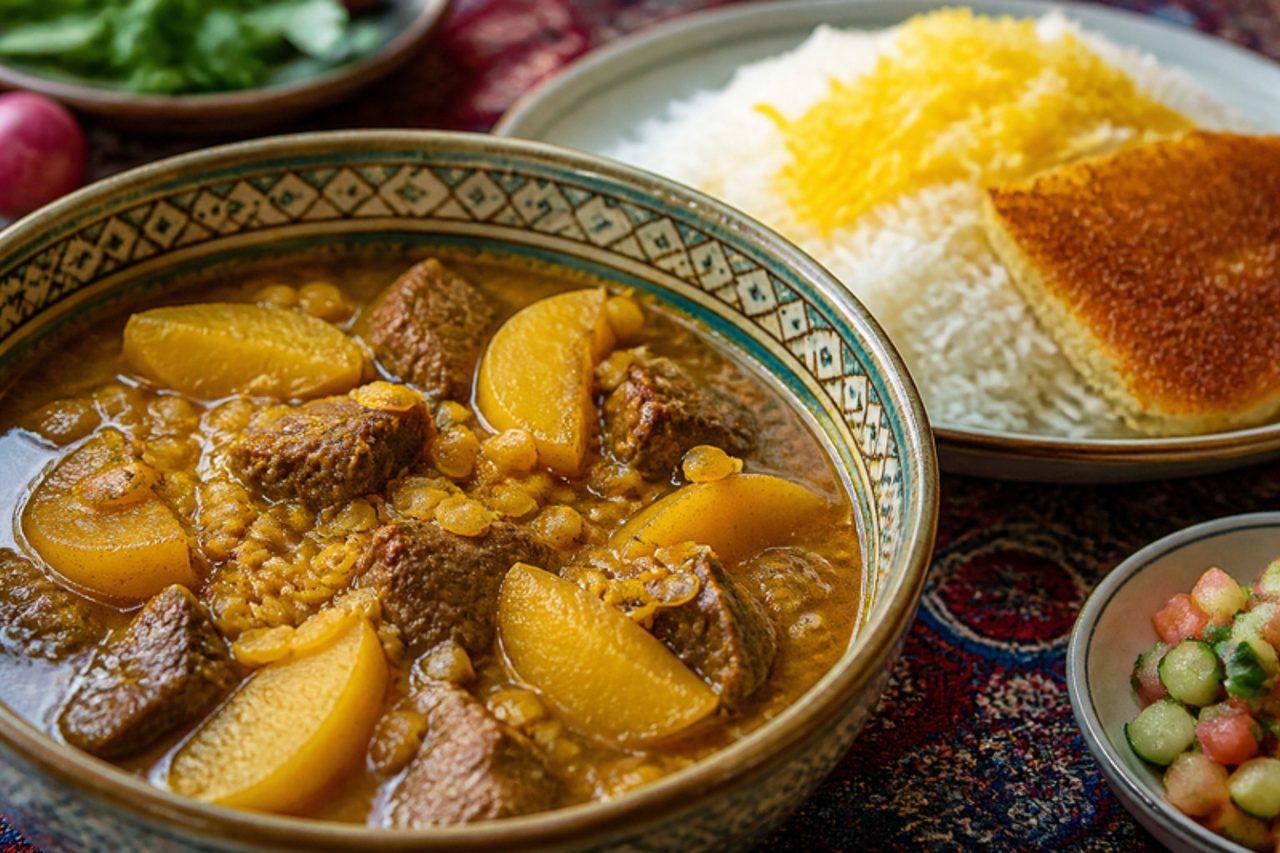
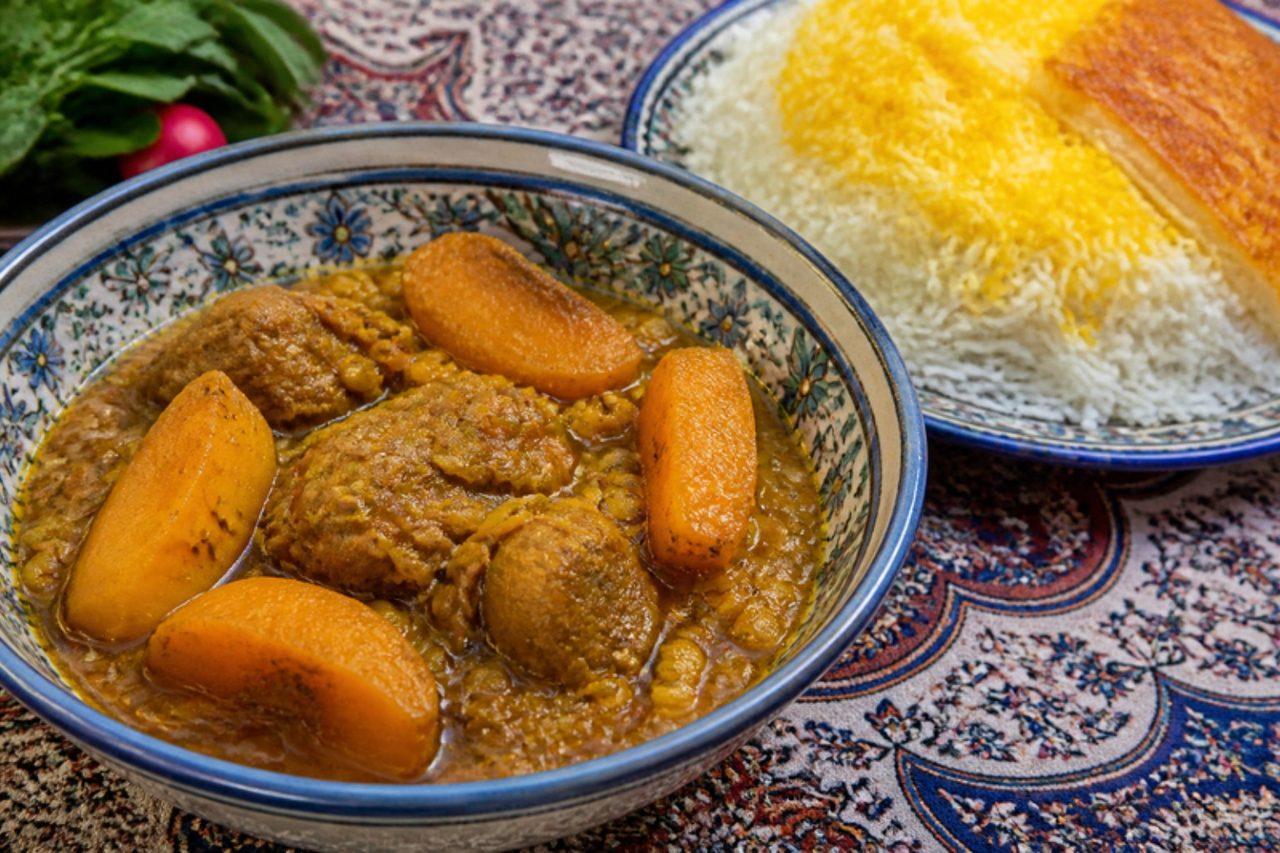
Khoresh-e sibApple and lamb stew

Khoresh-e sib belongs to the autumn apple harvest in Iran's northwest and is cooked in homes across the country through winter, a cheaper cousin of the quince stew. Lamb and yellow split peas cook in a saffron broth, then fried wedges of sour green apple go in at the end so they soften without breaking, giving a stew that is tangy, faintly sweet and very golden. Serve it with chelow and a little torshi. The common slip is using soft eating apples, which melt into the sauce; choose hard, sour ones such as Granny Smith. Chef's tip: a short splash of vinegar with the apples sharpens the whole pot without extra sugar.

by KrazyBadal 0 views

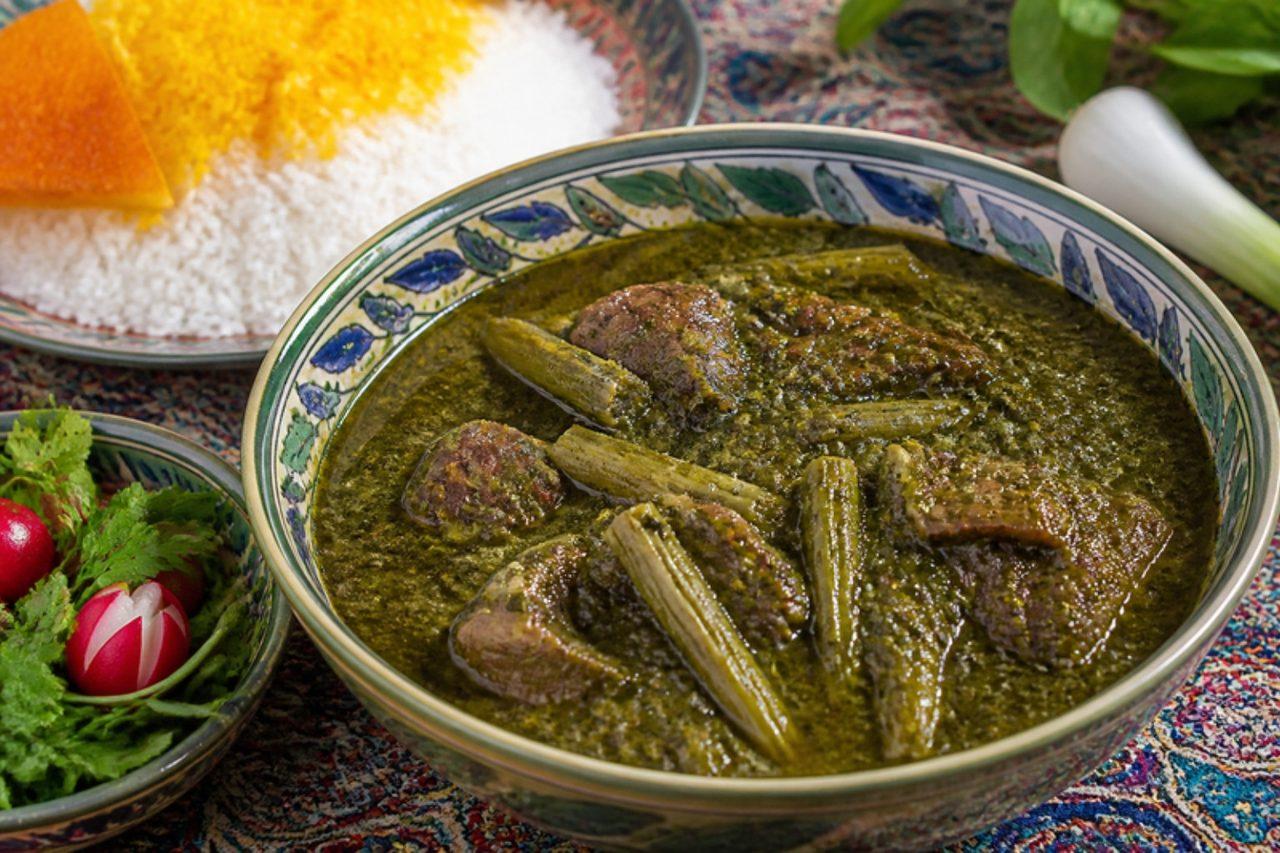
Khoresh-e kangarCardoon and lamb stew

Kangar, a wild thistle, is gathered in the Alborz foothills above Tehran in April and May, and khoresh-e kangar is the stew people make with it in those few weeks; outside Iran, cardoons or artichoke stems stand in well. The peeled stems are fried, then simmered with lamb, mint, parsley and lemon until tender, giving a green, faintly bitter stew that tastes like artichoke. Serve it with chelow. The common mistake is skipping the peeling and the soak: the stringy outer skin stays tough and the cut stems blacken. Chef's tip: soak the cut stems in water with lemon juice for 30 minutes, which keeps them pale and pulls out much of the bitterness.

by KrazyBadal 0 views

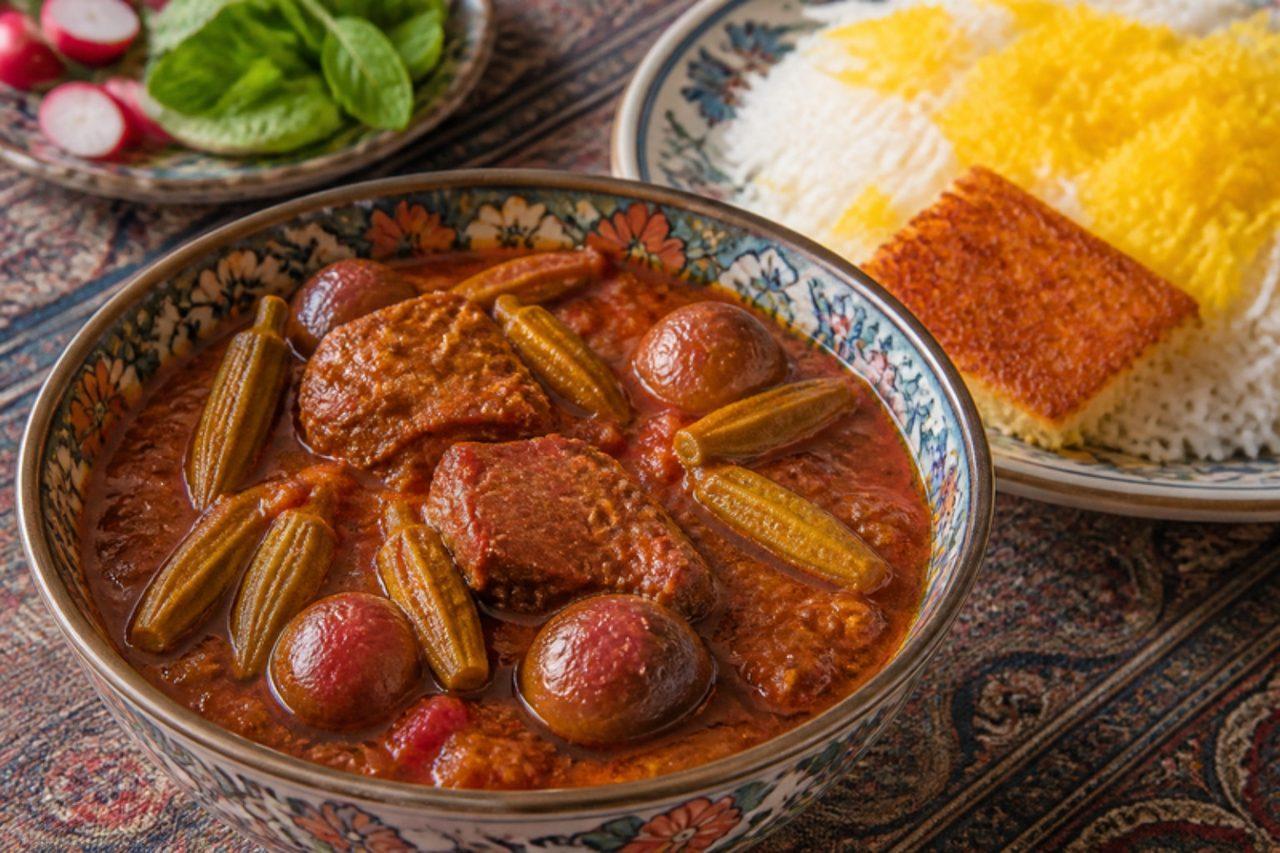
Khoresh-e bamiehOkra and lamb stew

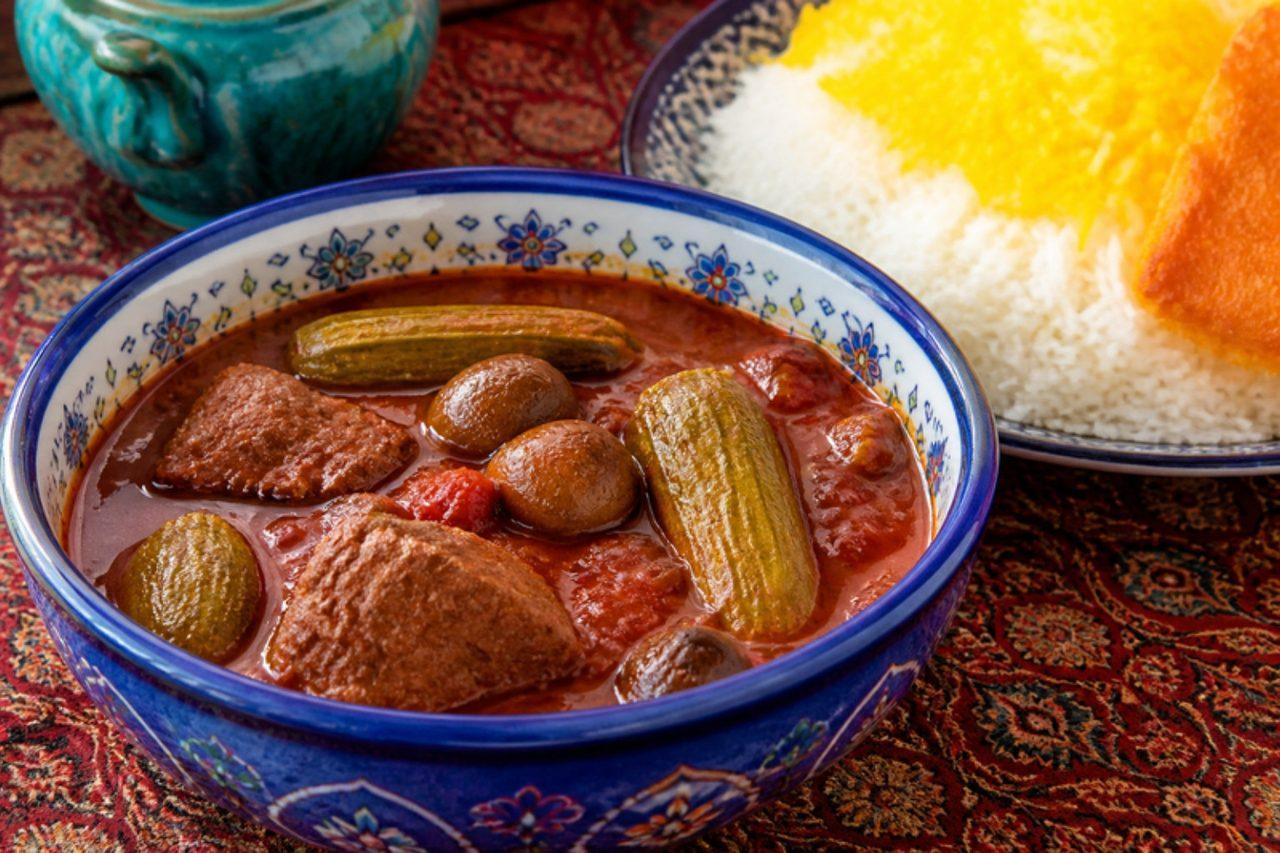
In Ahvaz, Abadan and the hot Gulf towns of Khuzestan, khoresh-e bamieh is everyday summer food, cooked when small okra fills the markets and eaten at lunch before the afternoon rest. Lamb simmers with onion, plenty of garlic, tomato and dried lime, and the okra is fried first so it keeps its shape in a sharp, garlicky red sauce; southern cooks often add a pinch of chilli. Serve it with chelow or plain rice and fresh herbs. The mistake that makes okra slimy is cutting it open or stirring it too much; leave the pods whole, trim only the stem tips, and shake the pot instead of stirring. Chef's tip: a squeeze of lemon added to the frying okra helps it stay crisp-skinned in the stew.

by KrazyBadal 0 views

Khoresh-e behQuince and lamb stew

Isfahan families cook khoresh-e beh when the first golden quinces reach the bazaar in October, and it often appears on the table around Yalda night in December. Wedges of quince, fried until caramelised, simmer with lamb and yellow split peas in a saffron sauce sharpened with lemon and softened with a little sugar, so the stew is perfumed, sweet-sour and amber. Serve it with chelow. Many cooks peel and leave the quince to sit, and it browns and turns bitter; drop the wedges into lemon water as you cut them. Chef's tip: leave a few quince cores and pips tied in muslin in the pot while it simmers; their natural pectin gives the sauce its famous ruby blush and silky body.

by KrazyBadal 0 views

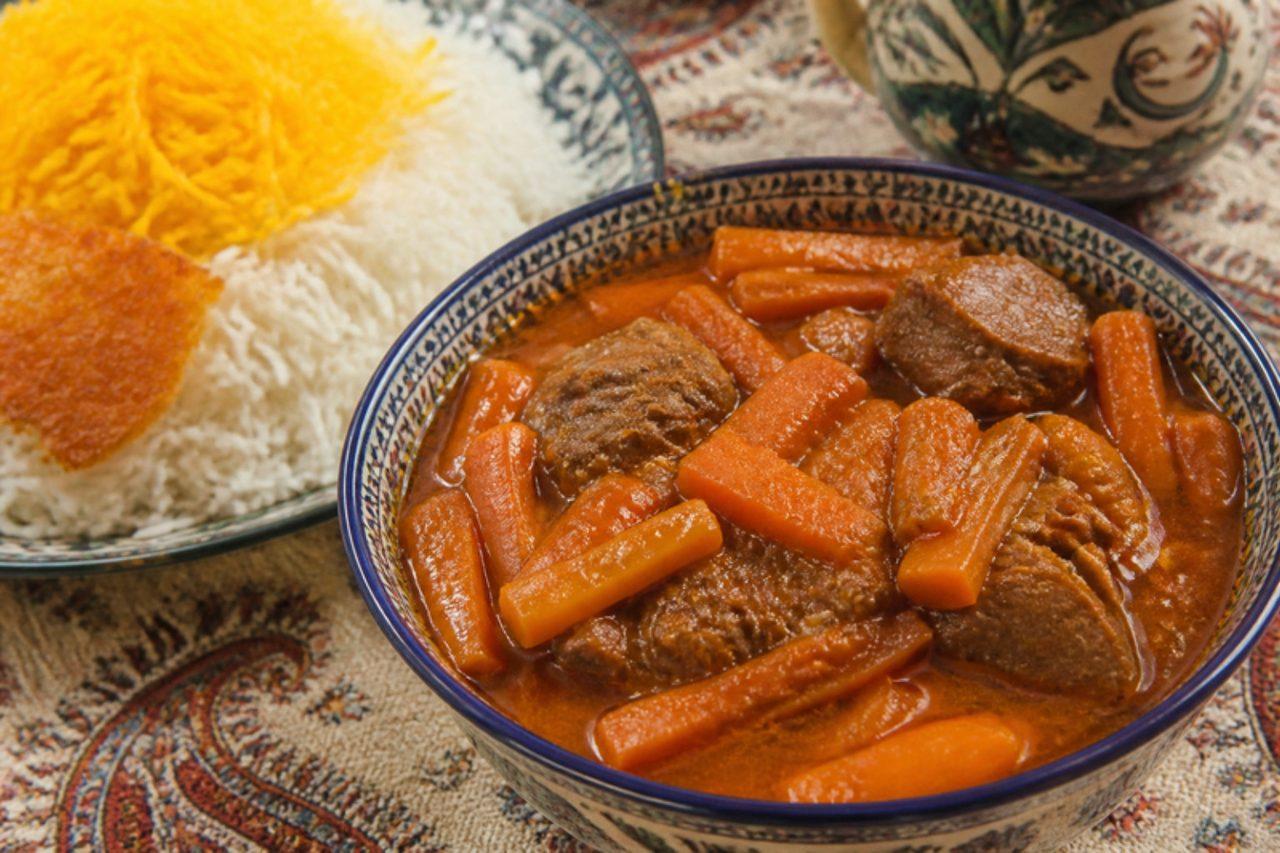
Khoresh-e havijCarrot and lamb stew

Tabriz cooks in Iranian Azerbaijan like their stews a little sweet, and khoresh-e havij is a winter weeknight dish there and in Tehran, made with thin batons of carrot fried until they caramelise. The lamb cooks soft in a turmeric and onion broth, then the carrots go in with saffron, a spoon of sugar and lemon, giving a bright orange, gently tangy stew. Serve it with chelow and a green salad. The common slip is cutting the carrots thick; they stay hard and never take on the sauce, so cut them like matchsticks. Chef's tip: a handful of yellow split peas, added with the water, makes it more filling, as many Tabrizi families do.

by KrazyBadal 0 views

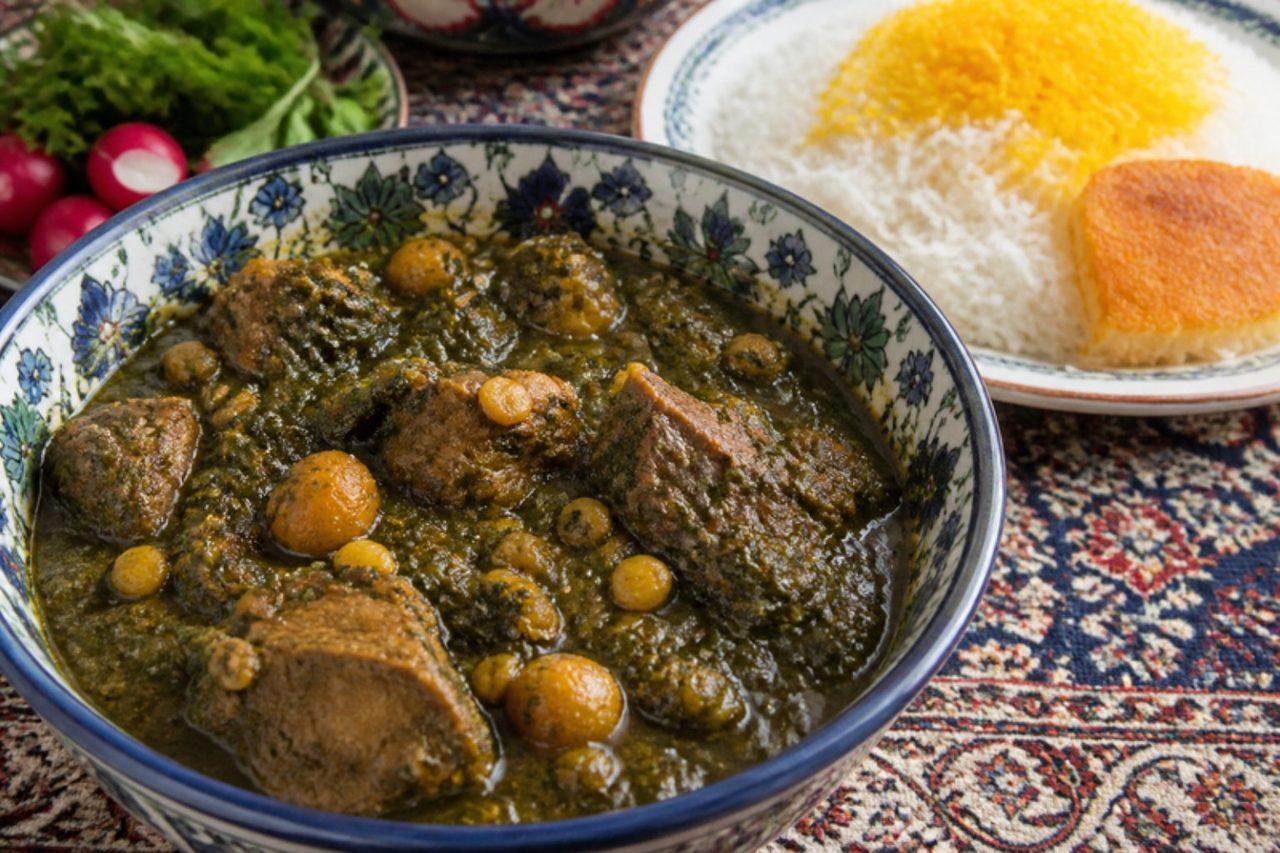
Khoresh-e aloo esfenajLamb, spinach and plum stew

In Tehran and along the Caspian, khoresh-e aloo esfenaj is a cold-weather dish, made when winter spinach is sweet and dried golden plums (aloo zard) hang in the bazaar. Lamb, yellow split peas and a mountain of wilted spinach cook down into a dark green stew that is sour first, then sweet, with soft plums melting through it. Serve it with plenty of chelow. People often add the plums at the start, but they dissolve and the stew turns muddy; they go in for the last half hour. Chef's tip: fry the spinach in a dry pan until all its water is gone before it meets the sauce, so the stew stays rich rather than watery.

by KrazyBadal 0 views

Khoresh-e kadooCourgette and lamb stew

Kitchens across Iran make khoresh-e kadoo in early summer, when small, firm courgettes pile up in the markets and the Tehran heat calls for a lighter stew than gheymeh. Lamb is simmered with onion, turmeric and dried lime until soft, then fried courgette halves are laid on top to finish in the tangy tomato and saffron sauce. Eat it with chelow and a bowl of mast-o-khiar. The common mistake is adding the courgettes too early: they collapse into mush, so they go in only for the last 20 minutes. Chef's tip: salt the cut courgettes and let them sit for 15 minutes, then pat them dry, so they fry golden instead of soaking up oil.

by KrazyBadal 0 views

Khoresh-e lubia sabzGreen bean and beef stew

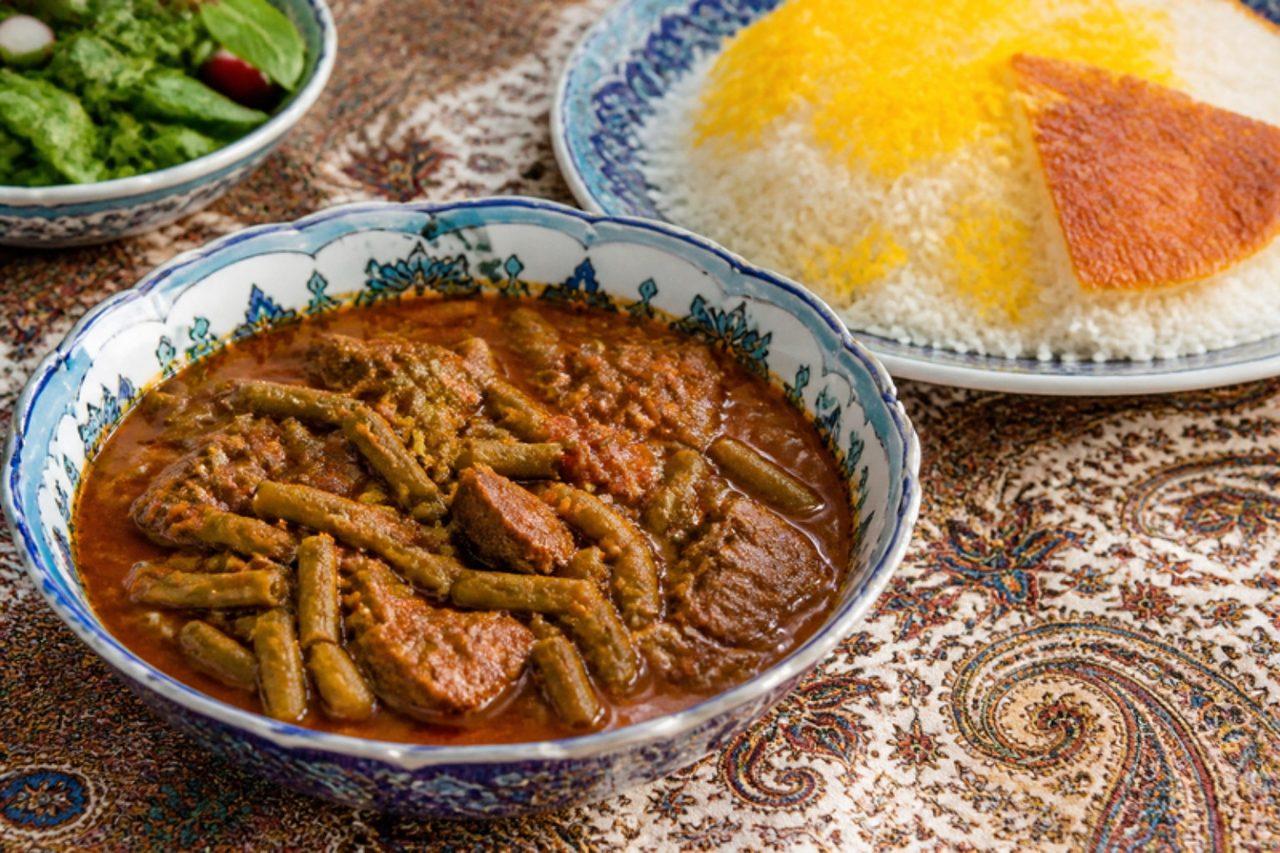
Green bean khoresh is the stew Iranian children ask for, cooked in homes from Mashhad to Shiraz through the summer when beans are cheap; Tehran cooks often add a pinch of cinnamon that makes the tomato sauce taste rounder. Beef or lamb simmers until soft, the beans are fried briefly and then cooked in the sauce until tender but still green. Serve it with chelow and a spoon of tahdig on the side. The mistake to avoid is cutting the beans too fine, which turns the stew into mush; 3 cm pieces keep their bite. Chef's tip: fry the beans in a little oil for 5 minutes before they go into the pot, so they keep their colour and taste nutty.

by KrazyBadal 0 views

Khoresh-e rivasRhubarb and lamb stew

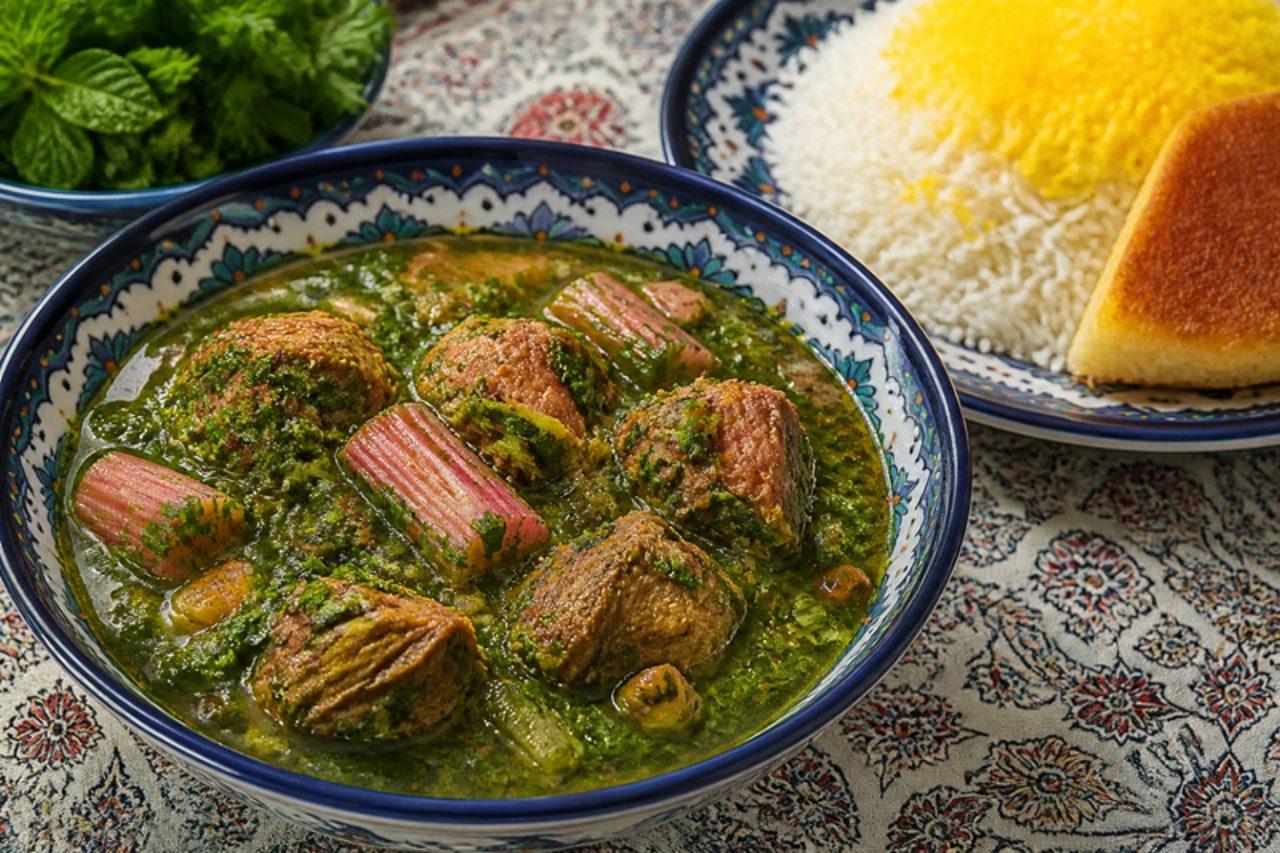
Rhubarb grows wild on the slopes of the Alborz and around Tabriz, and when the first pink stalks arrive in April, Tehran grandmothers make khoresh-e rivas, a spring tonic that also turns up at Nowruz visits. Lamb cooks soft, then a big pile of fried mint and parsley turns the sauce deep green, and the rhubarb is added at the very end so it stays in tender, sour pieces. Serve it with chelow and something sweet afterwards. The most common mistake is stirring once the rhubarb is in; it falls apart in minutes, so lay it on top and only shake the pot. Chef's tip: if your rhubarb is very sour, a teaspoon of sugar rounds it out without making the stew sweet.

by KrazyBadal 0 views

Gaeng kari gai (Thai yellow chicken curry)

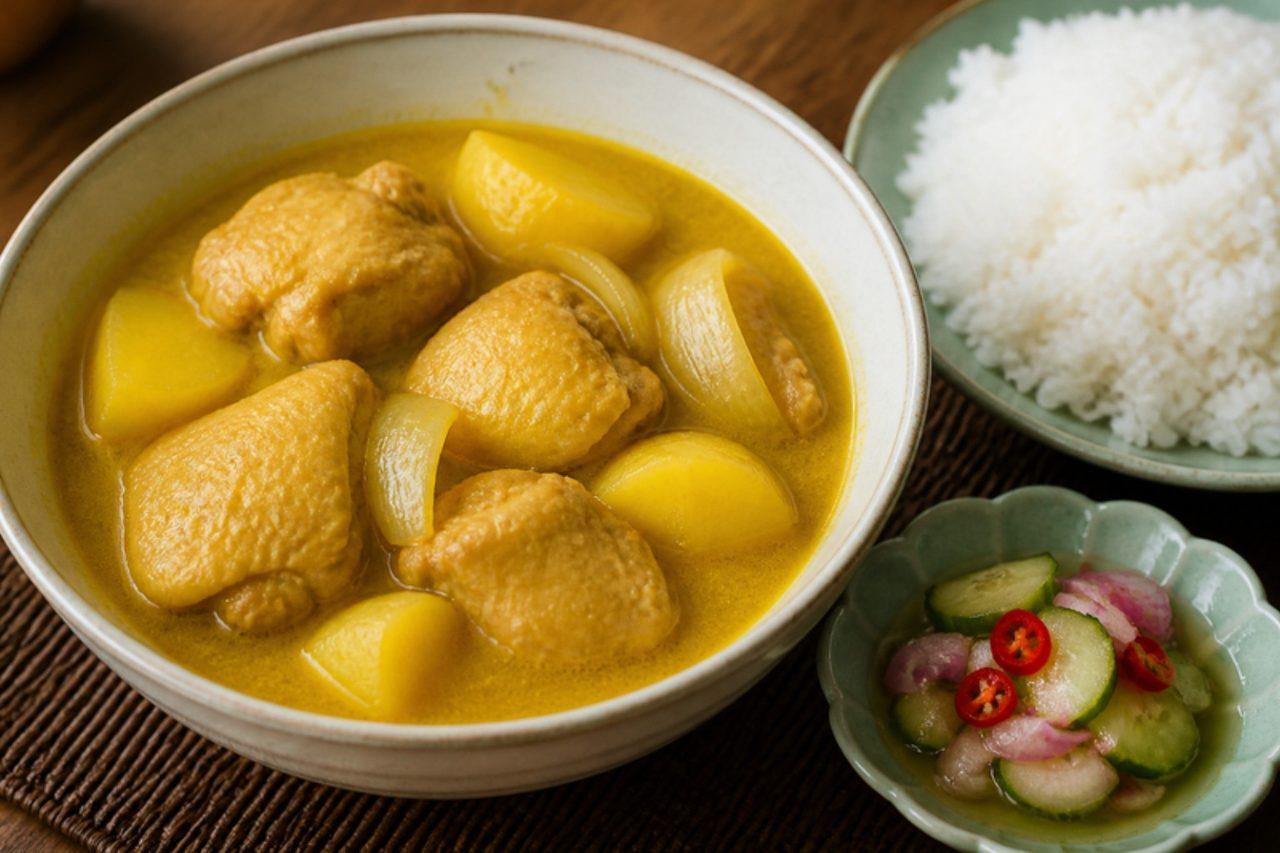
Thai yellow curry came to Bangkok through Muslim and Indian traders, and you still find it at curry-over-rice shops near the old mosques of Bang Rak, ladled out with a sharp cucumber relish called ajad. It is the gentlest of the Thai curries: turmeric and curry powder in coconut milk, with chicken, waxy potatoes and onion that soak up the sauce, and children usually like it. For a vegetarian version, use 400 g fried tofu and extra potato, a shrimp-free paste and light soy sauce instead of fish sauce. Chef's tip: fry the paste in the thick coconut cream until the oil separates before adding anything else; skipping this is why many home yellow curries taste raw and powdery.

by KrazyBadal 0 views

Kaeng khilekCassia leaf curry

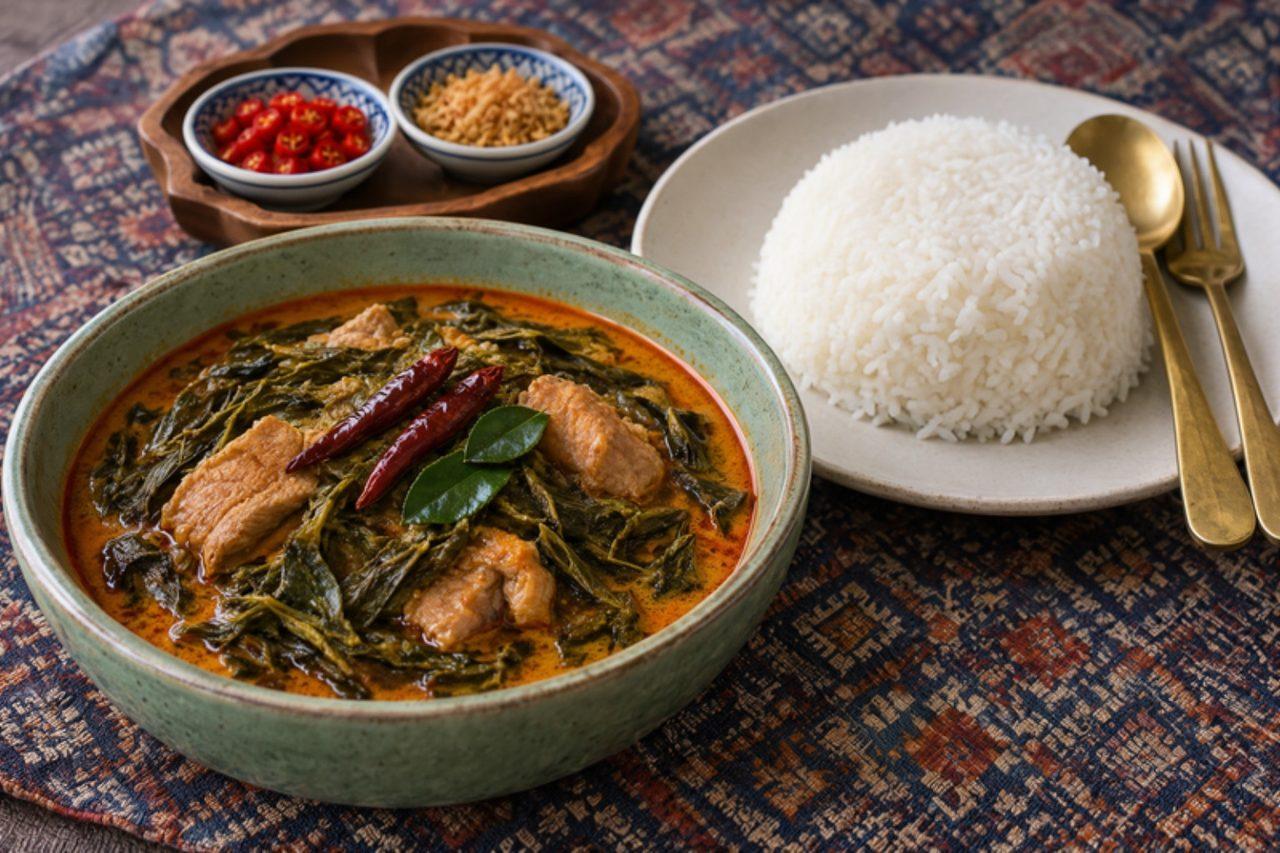
Kaeng khilek is an old-fashioned country curry from central Thailand, cooked when the cassia (khilek) trees put out tender shoots after the rains and sold ready-boiled in bags at markets around Ratchaburi and Suphan Buri. The leaves are boiled and drained several times until their bitterness softens, then simmered with pork belly in coconut milk with red curry paste, leaving a dark green, pleasantly bitter, rich curry eaten with jasmine rice and salted egg. This recipe contains pork. The usual mistake is skipping the repeated boiling: cassia leaves must be boiled and drained at least three times, or they are harshly bitter and can upset the stomach. Frozen pre-boiled khilek from Thai shops saves work. Chef's tip: squeeze the boiled leaves firmly in a cloth so they soak up coconut milk instead of water.

by KrazyBadal 0 views

Locro de zapallo for toddlersPumpkin stew for toddlers

Locro de zapallo is the golden pumpkin stew of Lima's home kitchens and menú lunch spots, eaten on weekdays with white rice and, for adults, a fried egg and ají on the side. For toddlers from 12 months it is cooked without any ají, the pumpkin is simmered until it melts into a sauce, and just a little crumbled fresh cheese is stirred in, so it is sweet, creamy and easy to mash. It contains milk; there is no gluten, egg, nuts or soya. Queso fresco is often made with animal rennet, so for a vegetarian bowl choose one labelled vegetarian, or use a little paneer, and always a pasteurised cheese. Chef's tip: cut half the pumpkin small so it dissolves into the sauce and the rest larger so it keeps some shape.

by KrazyBadal 0 views

Guiso de lentejasLentil and chorizo stew

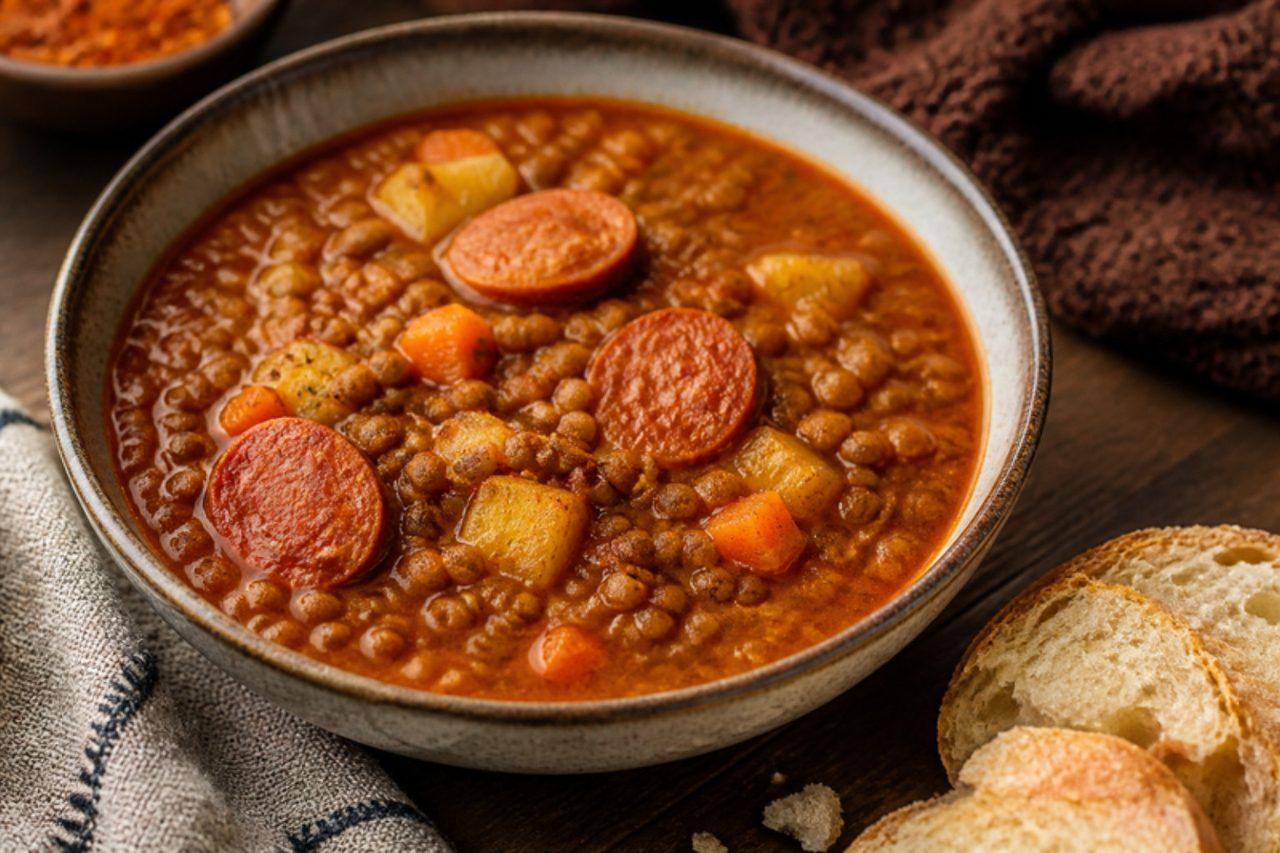
When the pampero wind blows cold off the plains, Buenos Aires turns to guiso de lentejas, a thick, smoky lentil stew that every school canteen, worker's diner and grandmother makes, traditionally on 20 June (Flag Day) and through the winter. It is built on pork: chorizo colorado (paprika sausage) and pancetta, browned first so their fat flavours the sofrito, then simmered with lentils, potato, squash, tomato and plenty of pimentón. The lentils should keep their shape in a sauce thick enough for a spoon to stand up, and crusty bread is a must alongside. Make sure the sausage is cooked through to 71 °C, which it will be after the long simmer. Seasoning with salt at the start is a common error, as the pork is salty and the stew reduces, so taste at the end. For a vegetarian version, skip the meats, use smoked paprika and add more squash. Chef's tip: make it a day ahead; like most guisos it thickens and tastes better reheated.

by KrazyBadal 0 views

Khoresh mastChilled saffron yoghurt with lamb

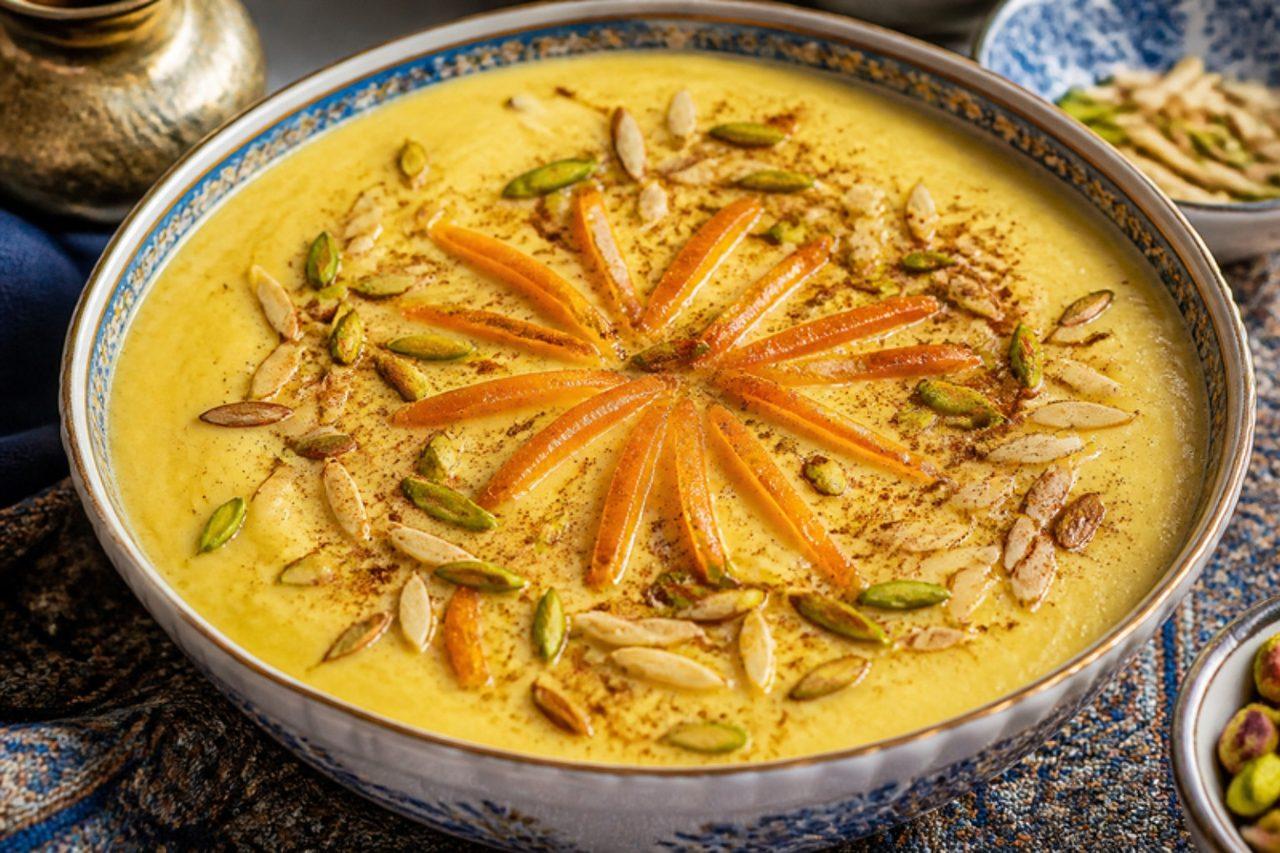
Khoresh mast is one of the strangest and most loved dishes of Isfahan: despite the name 'yogurt stew', it is served cold as a sweet side dish or dessert at weddings, funerals and Ramadan iftars. Lamb neck is cooked until it shreds into fine threads, then stirred into thick yogurt with egg yolk, sugar, saffron and orange-peel strips over a low heat until it sets into a golden, spoonable pudding that tastes of saffron and rosewater with a faint savoury depth. A common mistake is letting the yogurt boil; it splits into curds, so keep it below a simmer and stir constantly. Chef's tip: pound the cooked meat in a mortar until it is as fine as wool; you should feel the texture but not see pieces of meat.

by KrazyBadal 0 views

Puca picantePork and potato peanut stew

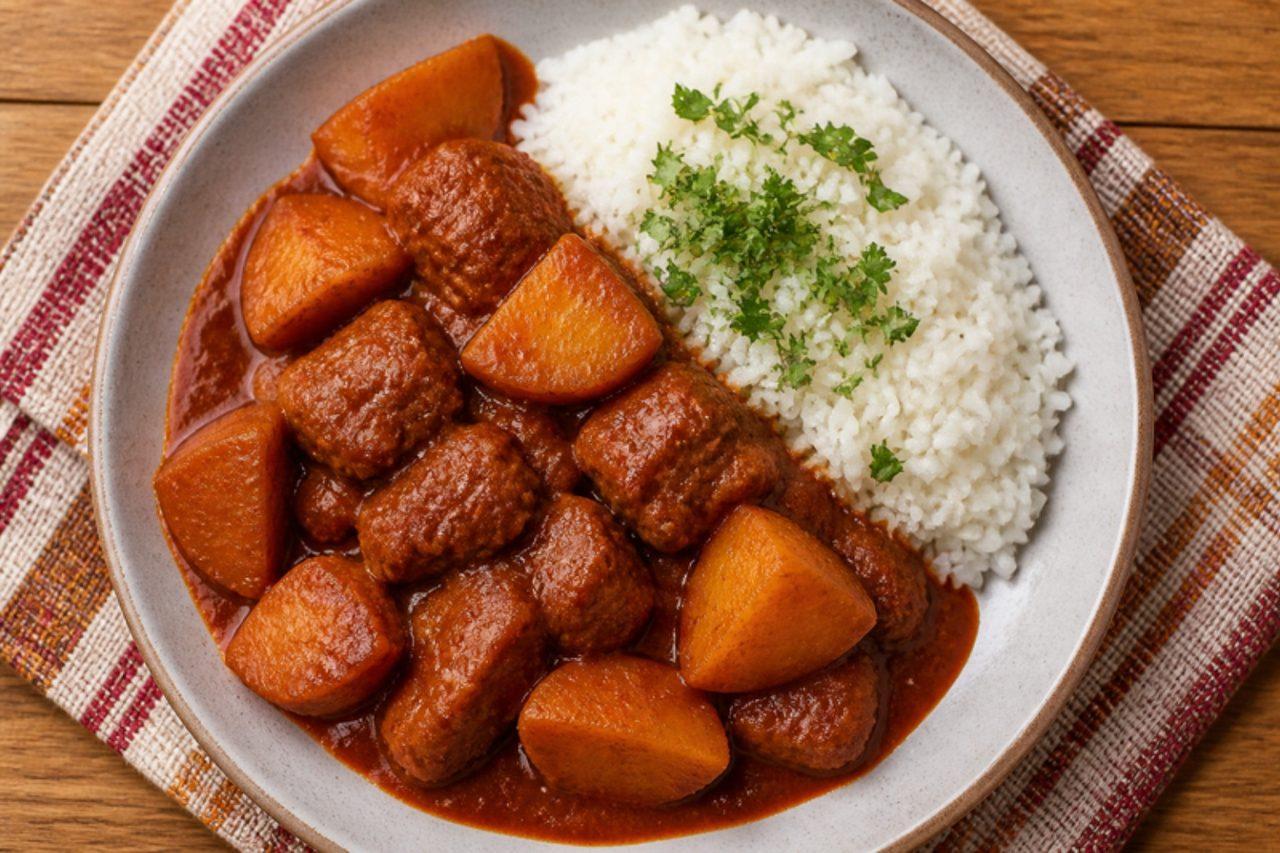
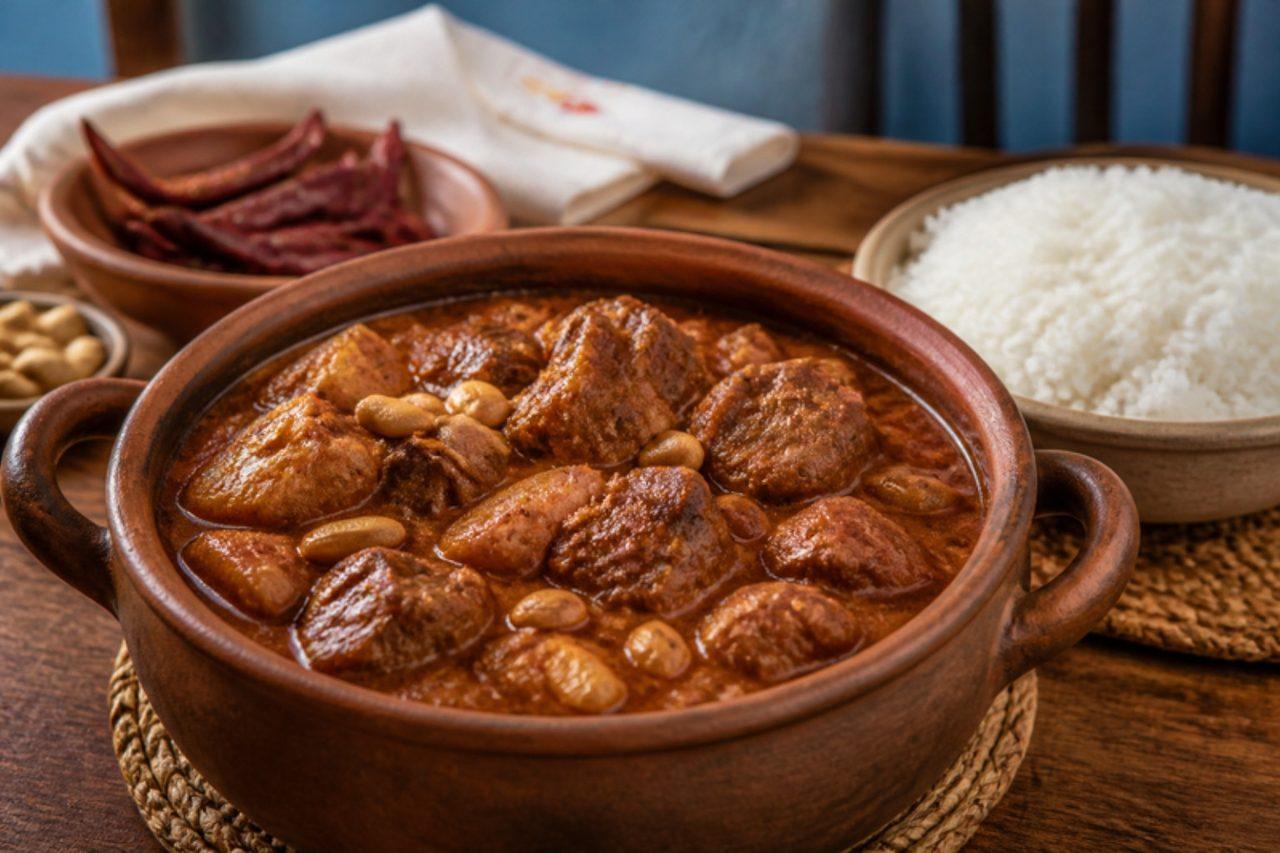
Puca means red in Quechua, and Ayacucho's puca picante is as red as a stew gets, thanks to ají panca and a little beetroot. Cubes of pork and potato simmer in a sauce thickened with ground toasted peanuts until creamy, nutty and mildly hot; it is served at Ayacucho's Sunday lunches and during Semana Santa with white rice, a fried pork chunk on top and a sharp salsa criolla. A frequent error is too much beetroot, which makes it earthy and sweet; you only need enough for the colour. Chef's tip: toast the peanuts in a dry pan before grinding them, and the sauce tastes twice as deep.

by KrazyBadal 0 views

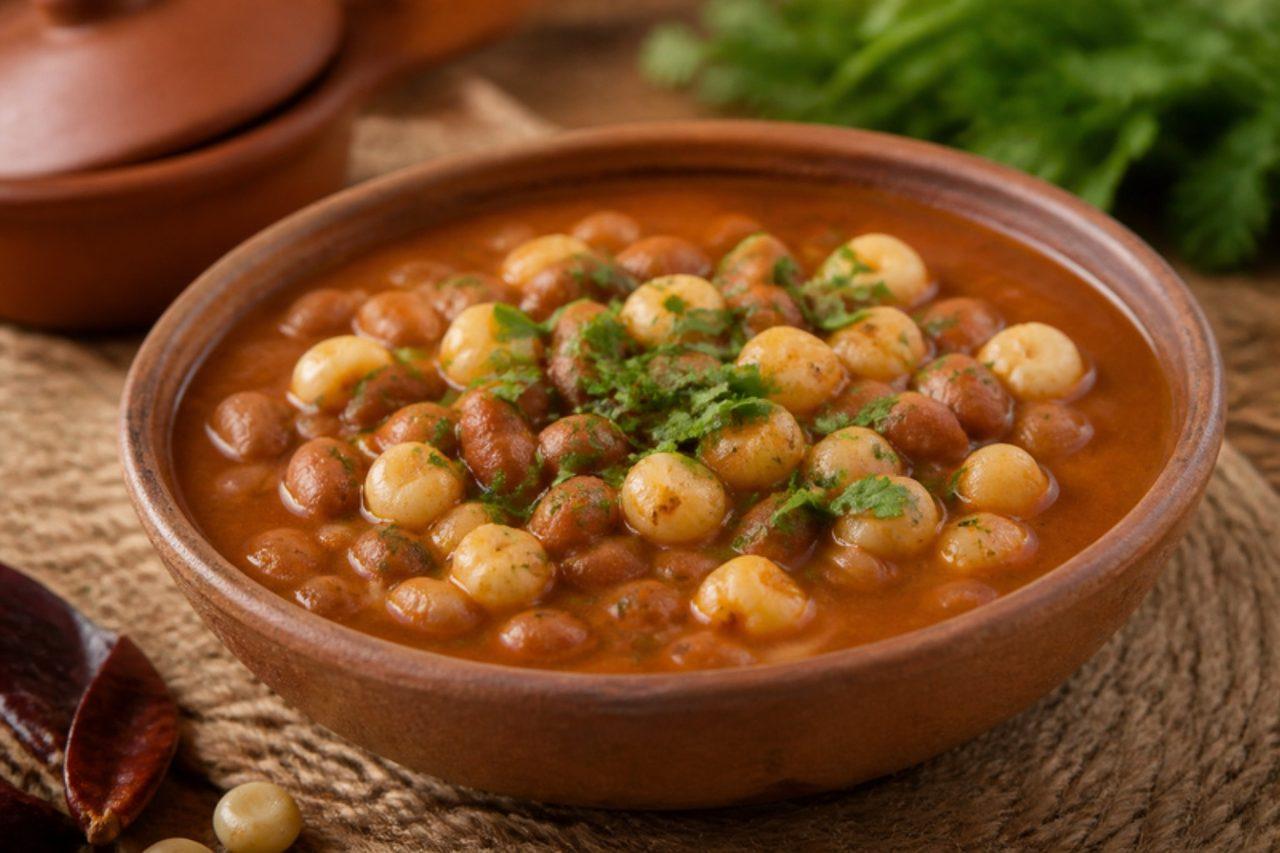
PurtumuteBean and white corn stew

High-jungle towns like Chachapoyas and Moyobamba, in the cloud-forest regions of Amazonas and San Martín, serve purtumute at festivals and family gatherings: a thick pot of beans and big white mote corn kernels simmered with onion, garlic, chilli and plenty of chopped culantro. Some versions add cheese or pork crackling; this one keeps it vegan, letting the creamy beans and chewy corn carry the dish. It is filling and earthy with a fresh green finish, and it is served in bowls with ají on the side and a plantain or a little rice. The dried beans need an overnight soak, which isn't included in the times. The usual mistake is adding salt and the sofrito too early, which can stop the beans from softening; season once they are tender. Canned or jarred white hominy works for the mote. Chef's tip: mash a ladle of the beans against the side of the pot near the end; it thickens the stew without any flour.

by KrazyBadal 0 views

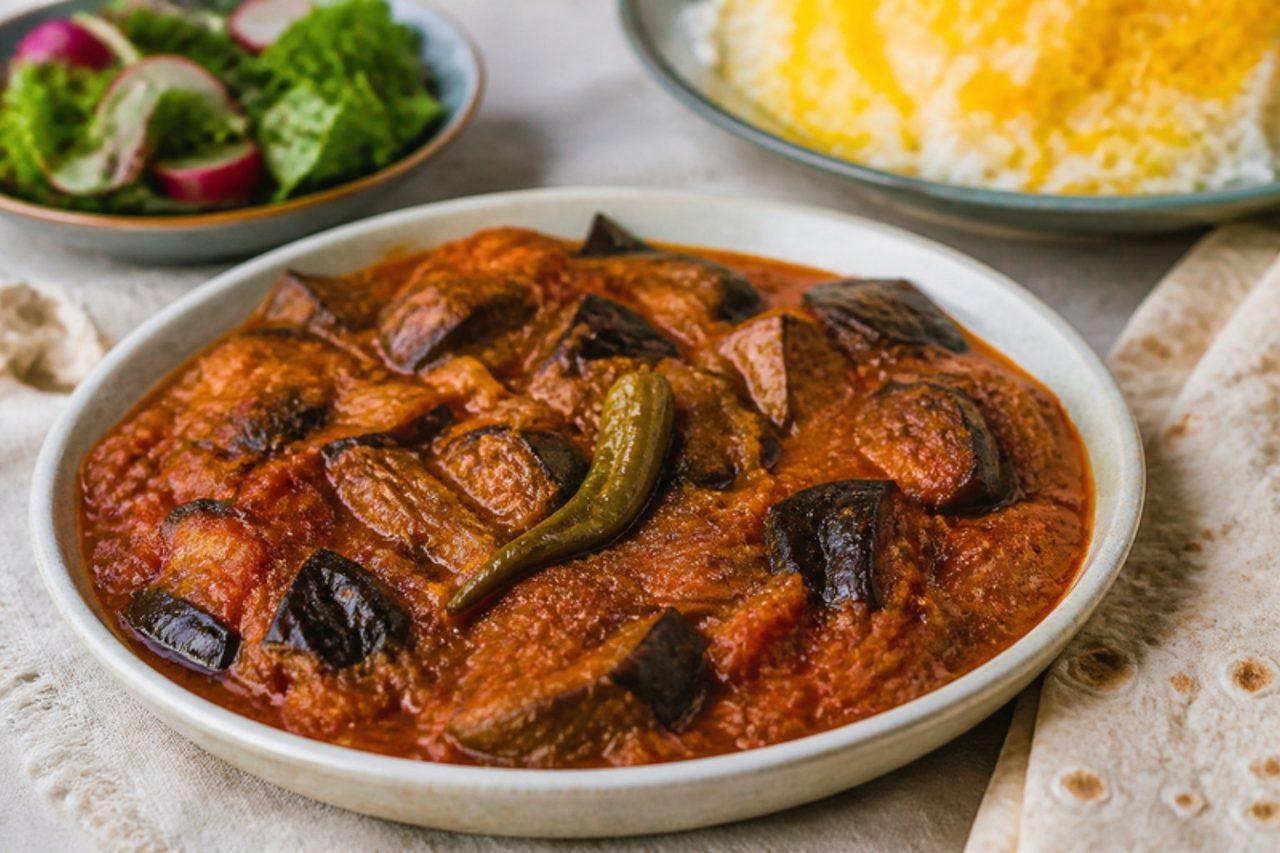
YatimchehAubergine and tomato stew

Yatimcheh means 'little orphan', the joke being that this Isfahan stew has no meat to look after it. Cooks in Isfahan and the towns around Kashan make it in late summer when aubergines are glossy and cheap, frying them until silky and then letting them collapse into onion, garlic, turmeric and ripe tomato. It is eaten warm with plain rice or torn lavash, with a bowl of yogurt and a plate of herbs on the side. A common mistake is frying the aubergine pale: it needs a deep golden colour or the stew tastes flat and spongy. Chef's tip: a spoon of verjuice or lemon juice stirred in at the very end lifts the sweetness of the tomato.

by KrazyBadal 0 views

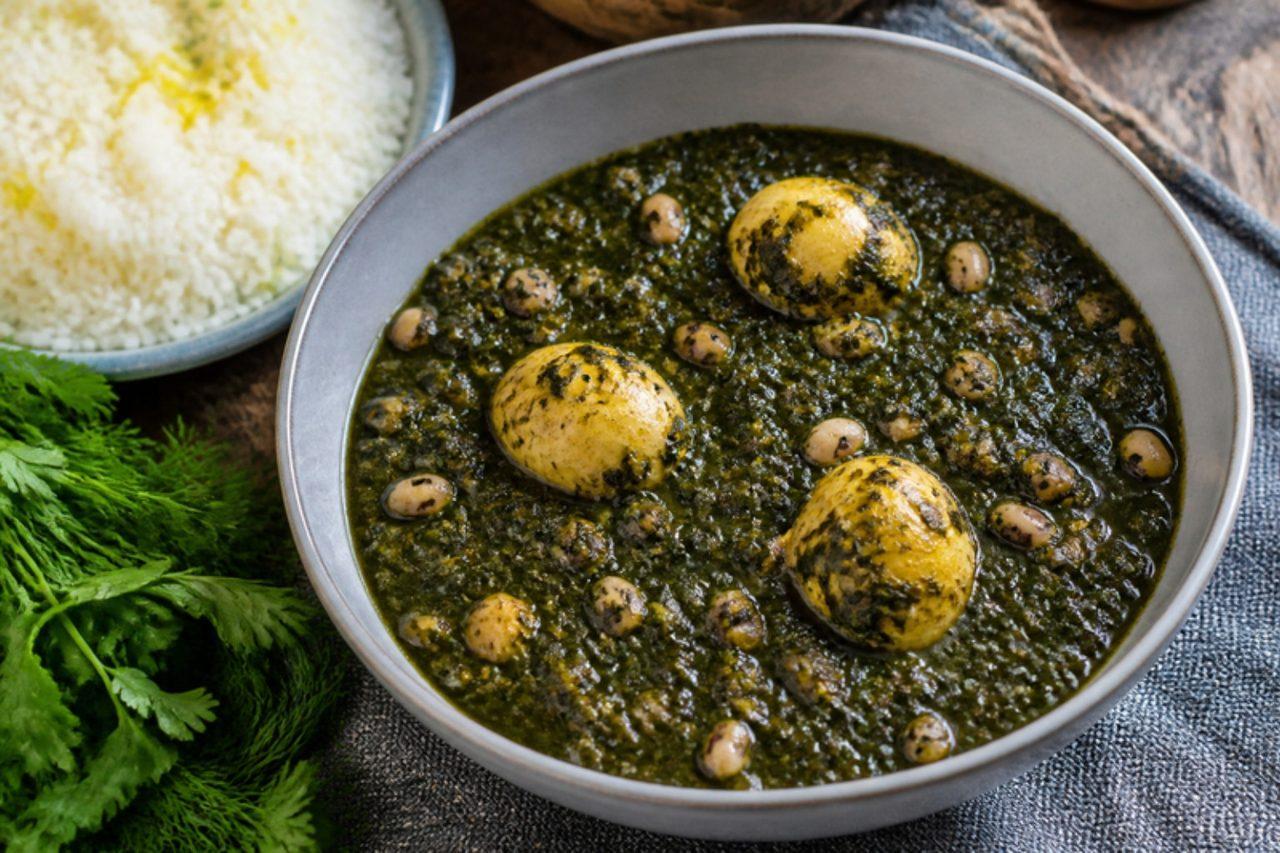
Torshe tarehSour herb and bean stew

Torshe tareh is one of the dishes that marks Gilan's cooking as different from the rest of Iran: a dark, sour, garlicky stew of finely chopped greens, cooked down with rice flour and soured with bitter orange juice or dried sour plums, then finished with eggs. It is made in the Rasht area all year round and eaten with kateh rice, often alongside salted fish for those who eat it; this version is vegetarian with black-eyed beans for body. The common mistake is undercooking the herbs, which leaves the stew grassy instead of deep and savoury. Chef's tip: fry the chopped herbs until they turn almost black-green and stop smelling raw before any liquid goes in.

by KrazyBadal 0 views

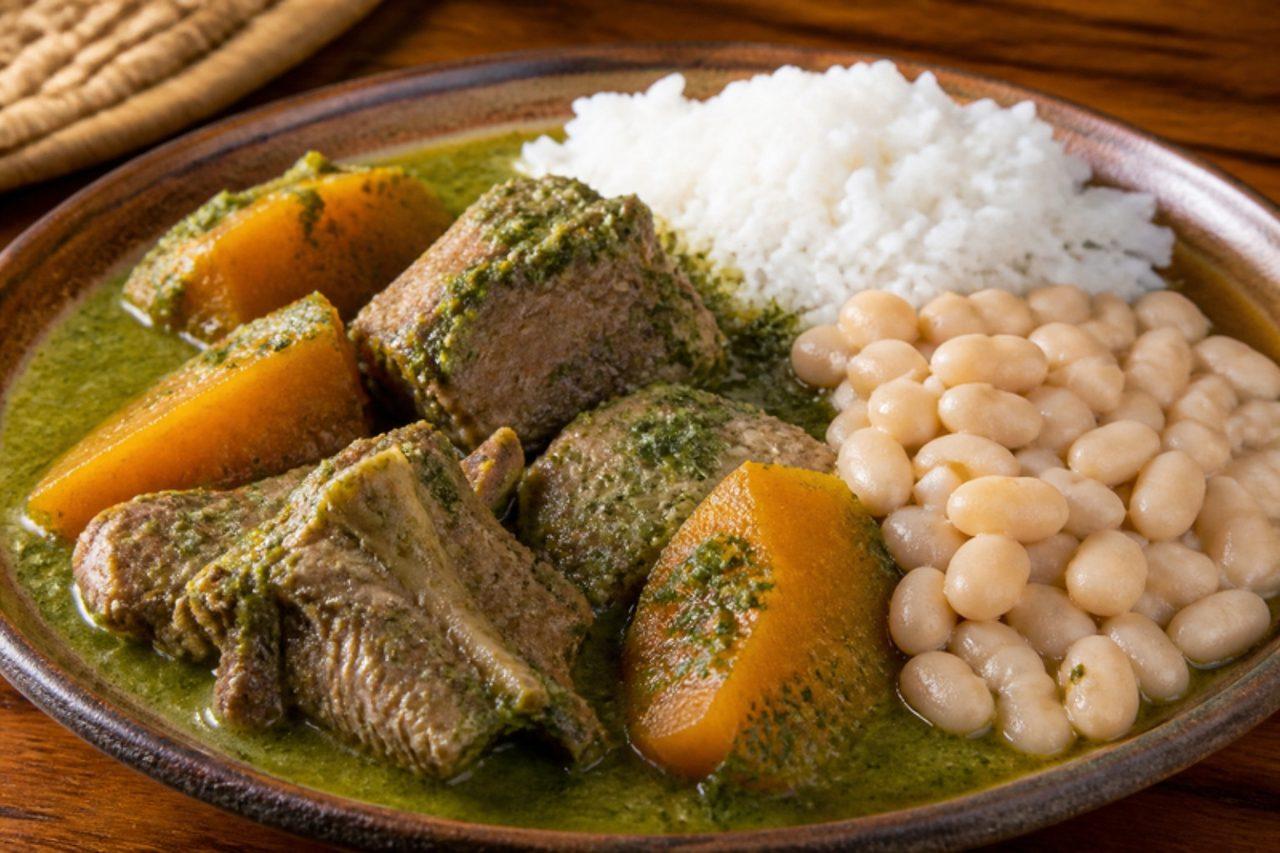
Seco de cabritoBraised kid goat with coriander

Ask anyone in Chiclayo or Lambayeque for the north's great Sunday dish and seco de cabrito comes up first: young goat, marinated in garlic and vinegar, then braised slowly in a deep green sauce of blended coriander, ají amarillo and chicha de jora, with grated loche, the local aromatic squash. The meat turns tender and the sauce is herby, sour and warm. It comes to the table with white rice and frejoles (stewed canary beans) and a sharp salsa criolla. Chicha de jora is a fermented maize beer and contains alcohol; the alcohol-free swap in the ingredients keeps the tang. Lamb shoulder stands in well for kid. People often blend the coriander with the stems discarded, but the stems carry the most flavour, so use the whole bunch. Chef's tip: add half the coriander at the start and half 10 minutes before the end, so the sauce stays bright green.

by KrazyBadal 0 views

Adobo arequipeñoMarinated slow-cooked pork

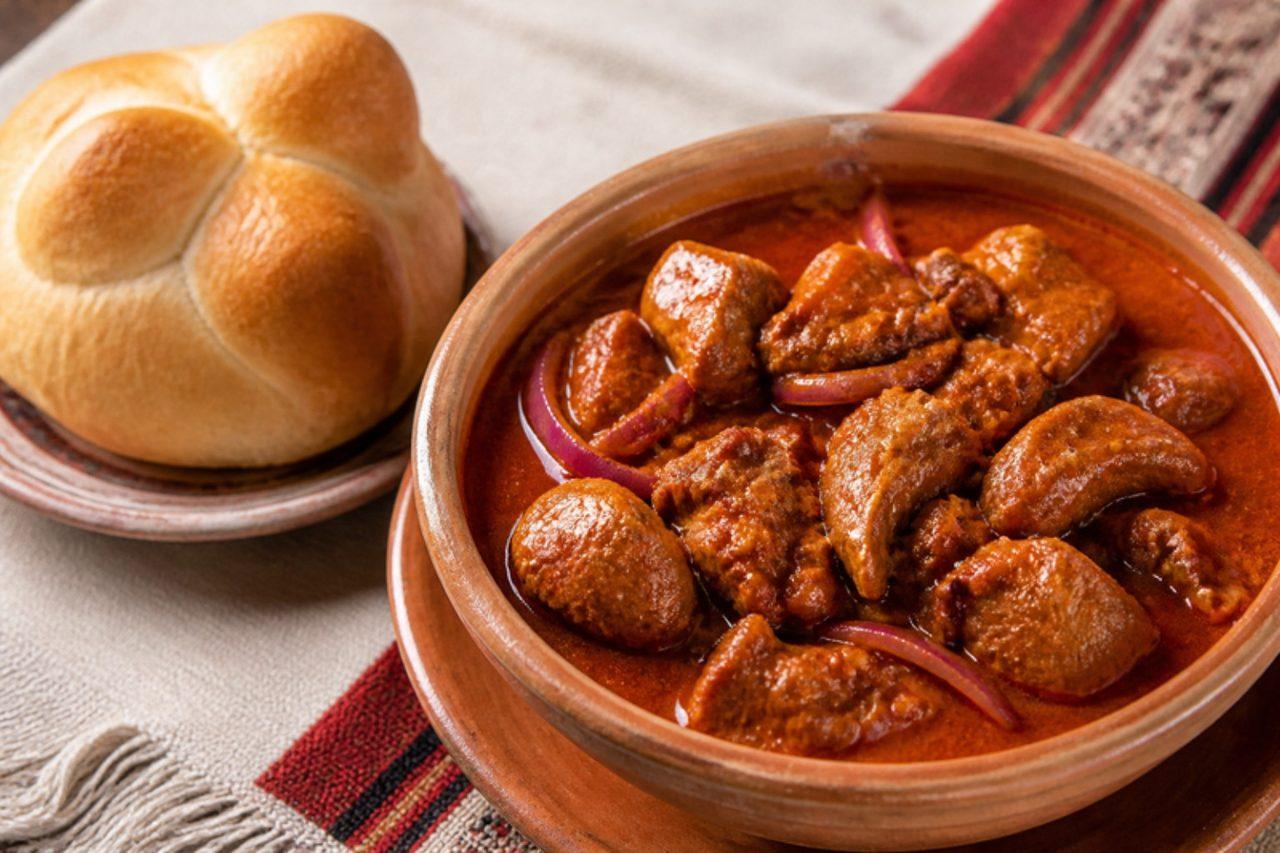
On Sunday mornings in Arequipa, families head to picanterías in Cayma and Yanahuara for a steaming bowl of adobo, chunks of pork that have marinated overnight in chicha de jora (fermented maize beer), ají panca, garlic and cumin, then cooked slowly in a clay pot with thick wedges of red onion. The sauce is dark red, tangy and garlicky rather than hot, and you mop it up with pan de tres puntas, the city's triangular bread; a mug of anise tea follows. Chicha de jora contains alcohol; for an alcohol-free adobo, use the vinegar and water swap in the ingredient list, which gives the same sour edge. Boiling it hard is the classic error, as it toughens the pork; it should barely tremble under the lid. Chef's tip: marinate the pork the evening before, always in the fridge, and cook it the next morning in its marinade.

by KrazyBadal 0 views

CarapulcraDried potato and pork stew

Older than Peru itself, carapulcra comes from the Afro-Peruvian kitchens of Chincha, south of Lima, where it is cooked in big pots for saints' days and family lunches and served next to a mound of sopa seca, a pairing locals call the 'matrimonio'. Pieces of papa seca, potato that has been boiled, sun-dried and broken into nuggets, are toasted and simmered with pork shoulder in a brick-red sauce of ají panca, garlic, cumin and ground peanuts, until the potato swells into chewy, savoury lumps and the sauce turns thick and nutty. Most people skip toasting the papa seca, and the stew tastes flat; the dry pan is where the flavour comes from. Chef's tip: stir often in the last half hour and add hot stock a ladle at a time; papa seca drinks liquid and catches on the base without warning.

by KrazyBadal 0 views

Showing 24 of 38 recipes

Show more recipes

Page 1 of 2