Skip to content
Recipes

All recipes

Vegetarian, or something you can't eat? Set your diet once and we'll hide recipes that don't fit.

KaguyjyWhite corn pudding

On the night of 23–24 June, Paraguayans celebrate San Juan with bonfires, games like walking over hot coals and the 'paso de fuego', and a table of traditional foods, and kaguyjy (also mazamorra) is one of them. It is a soft, creamy pudding of cracked white corn (locro) simmered slowly in water and then milk with sugar or honey, sometimes with orange peel. It is eaten warm or cold. It is gluten free. Chef's tip: soak the corn overnight and cook it until each kernel is tender before adding the milk, or it never turns creamy.

by KrazyBadal 0 views

OblátkyChristmas wafers with honey

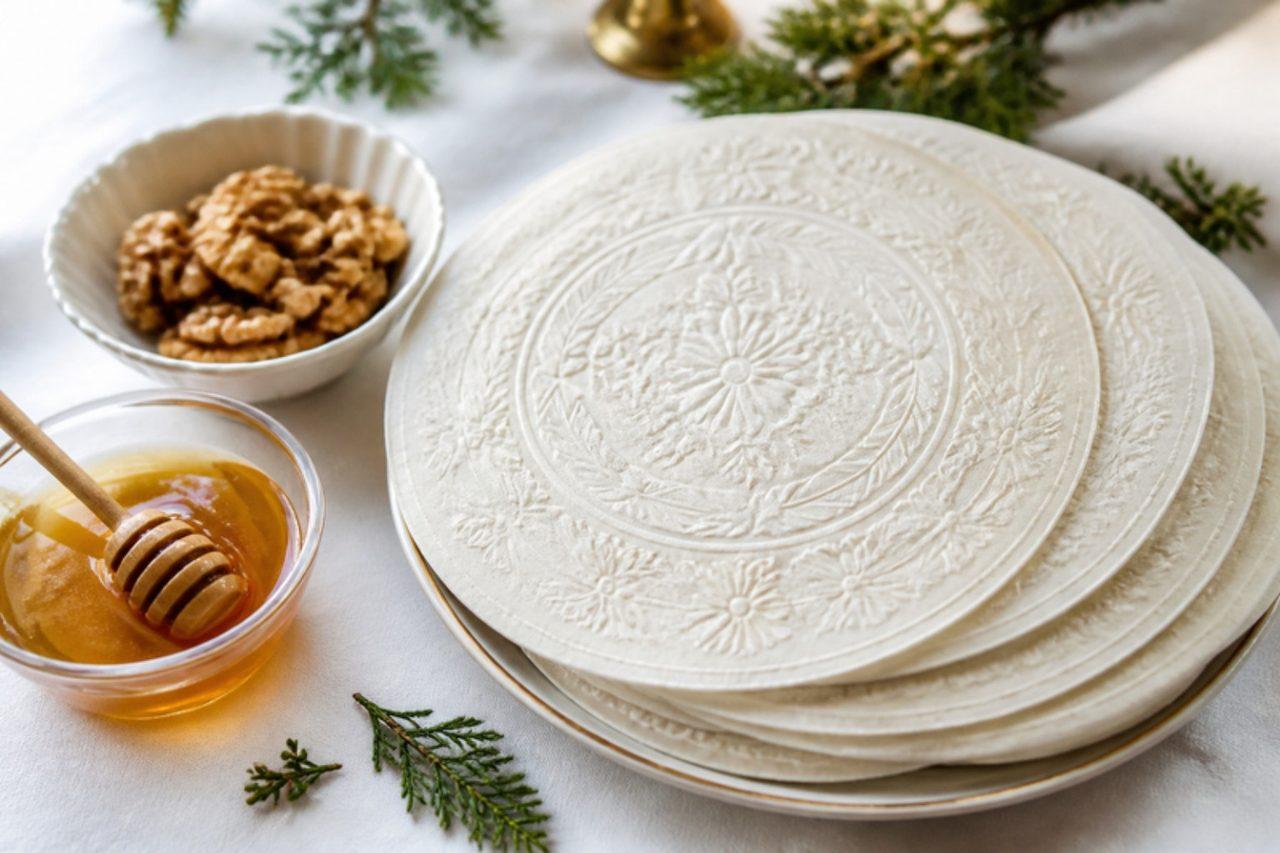
In Slovakia the Christmas Eve supper (Štedrá večera) opens with oblátky: large, paper-thin wafers stamped with a nativity pattern. The head of the household marks each person's forehead with a cross of honey, and everyone eats a wafer spread with honey, often with a sliver of garlic for health, before the cabbage soup. Families buy them from the church or bake them on a patterned wafer iron; this recipe also gives a pan method for thin, crisp wafers. Chef's tip: the batter must be thin like single cream, as a thicker batter gives a soft pancake instead of a wafer.

by KrazyBadal 0 views

Včelí úlkyNo-bake beehive biscuits

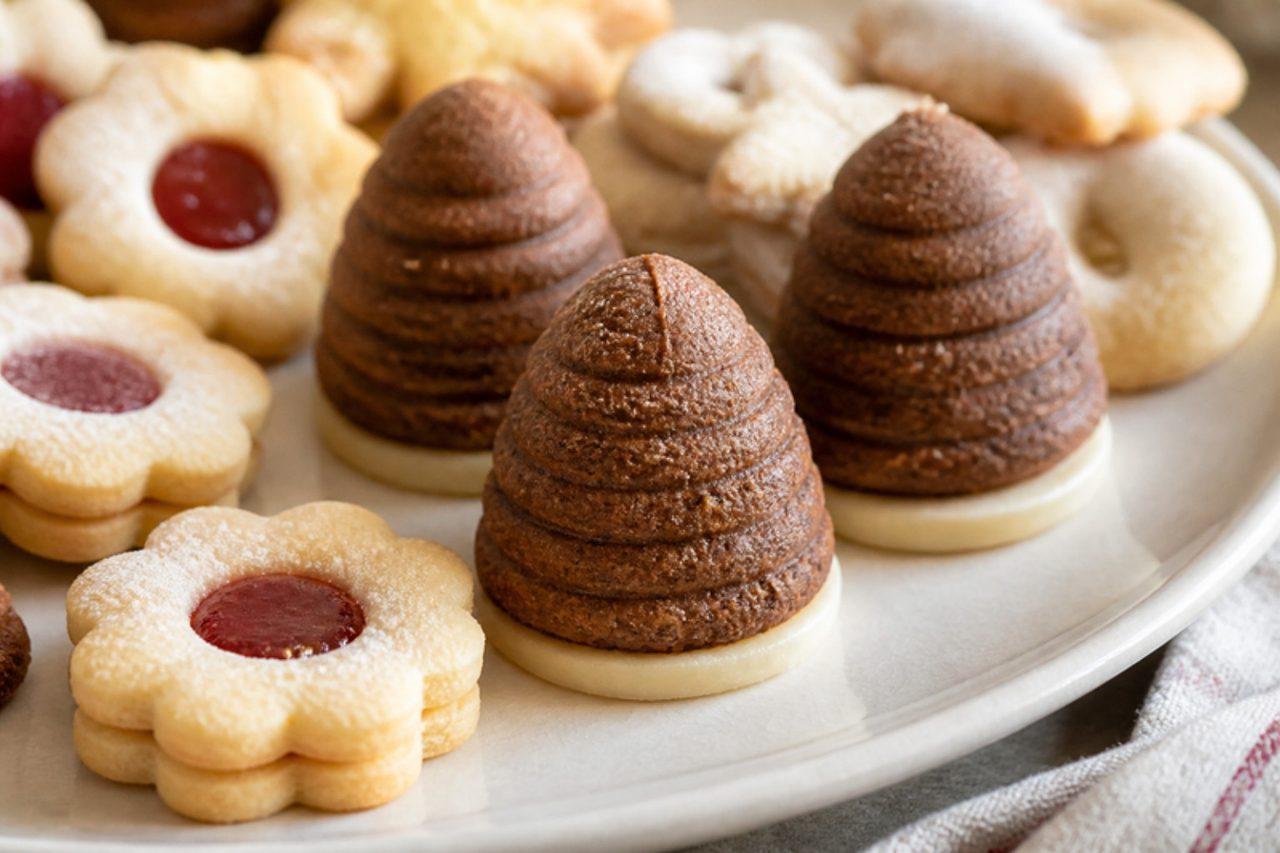
Včelí úlky ('little beehives') are a classic of the Czech Christmas cookie plate (cukroví), which families build up through Advent with a dozen or more kinds. They need no oven: crushed biscuits, ground walnuts, cocoa and butter are pressed into beehive moulds, filled with a smooth egg-yolk cream and sealed with a disc of biscuit. Traditionally a little rum is added to the dough; this version uses milk, and adults may add 1 tbsp rum. The cream is cooked to 71 °C so the yolks are safe, though anyone pregnant or vulnerable may prefer pasteurised yolks. Chef's tip: chill the filled hives before unmoulding, or they collapse.

by KrazyBadal 0 views

Buchtičky se šodó (tiny buns in vanilla custard)

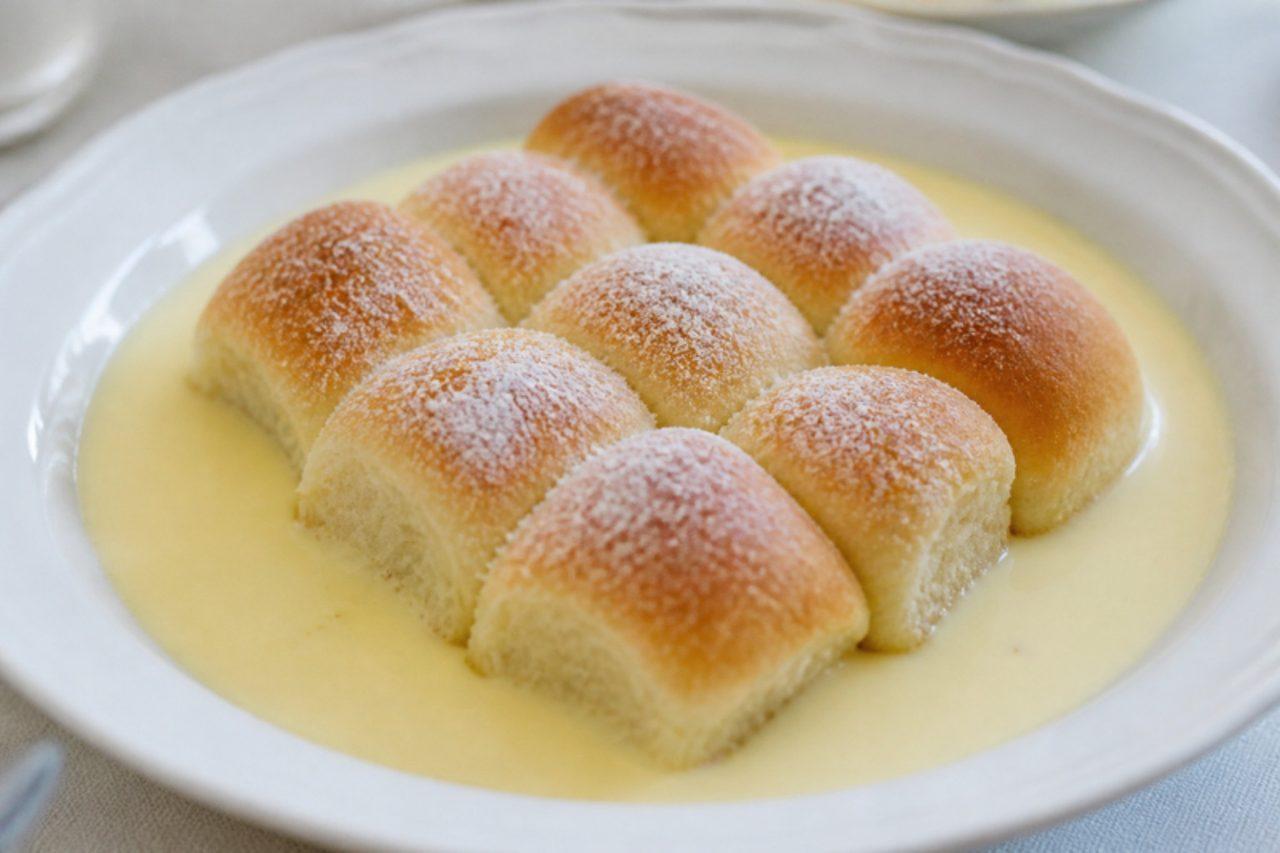
Ask anyone who went to school in Czechia or Slovakia about the canteen, and buchtičky se šodó comes up with a smile: a bowl of tiny, soft, buttery yeast buns baked close together and pulled apart, sitting in warm vanilla custard. Families make it at home as a sweet main course or afternoon treat, especially in winter. The custard here is lightly sweetened. It contains gluten, milk and egg. Chef's tip: brush the buns with melted butter before they go into the tin, so they pull apart cleanly after baking.

by KrazyBadal 0 views

Ka'i ladrilloPeanut molasses bricks

Ka'i ladrillo — 'monkey brick' in Guaraní — is the sweet sold by vendors on Asunción buses and at country fiestas: roasted peanuts bound in boiled cane molasses and set in brick-shaped blocks, crunchy and dark with a slightly smoky toffee taste. It contains peanuts, so keep it away from anyone with a peanut allergy. The common mistake is taking the syrup off too soon, so the bricks stay sticky and never set. Chef's tip: test the syrup by dropping a little into cold water; it is ready when it sets into a brittle thread that snaps.

by KrazyBadal 0 views

Martín FierroCheese with quince paste

Ask for dessert in a Montevideo bodegón or a country parador and you may be offered a Martín Fierro: a thick slice of fresh, mild cheese laid with an equal slice of dense quince or sweet-potato paste, named after the gaucho of the epic poem. It's salty against sweet, soft against firm, and takes two minutes to assemble. Uruguayan fresh cheese is usually made with animal rennet, so choose one with vegetarian rennet if that matters to you. The mistake is serving it fridge-cold, which dulls both flavours. Chef's tip: cut the cheese and paste to exactly the same thickness, about 1 cm, so every bite has both.

by KrazyBadal 0 views

KoserevaCandied bitter orange peel

Kosereva is a Paraguayan home preserve from the days when nothing was wasted: thick strips of bitter-orange peel soaked and boiled to soften their bite, then cooked slowly in dark cane molasses until glossy and nearly black. In the countryside it is eaten after lunch with a slice of fresh cheese or simply on its own. Bitter oranges (Seville oranges) are in season in winter. The most common mistake is not changing the boiling water enough, which leaves the peel unpleasantly bitter. Chef's tip: taste a sliver of peel after the third boil; it should be gently bitter like marmalade, not harsh.

by KrazyBadal 0 views

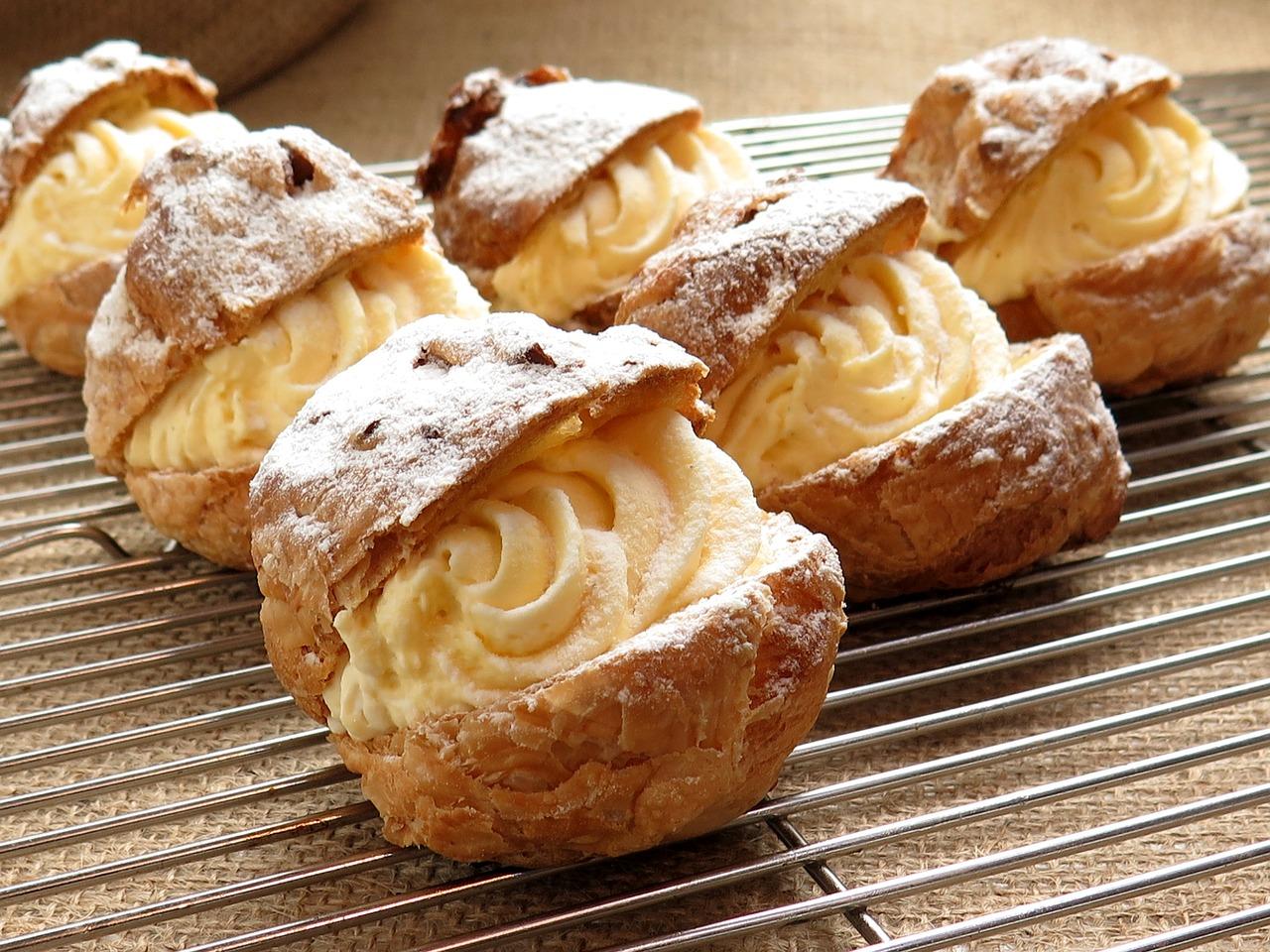
Žloutkové věnečkyChoux rings with yolk cream

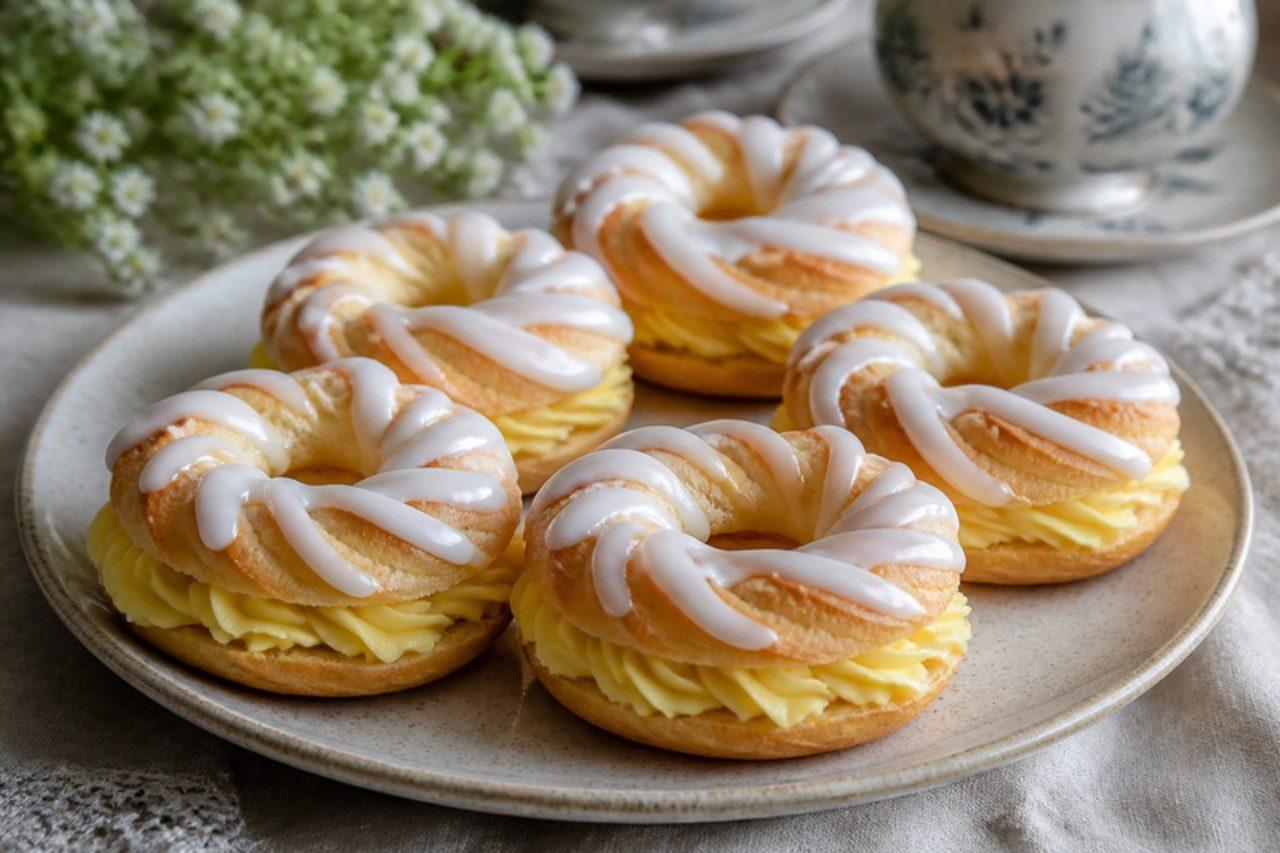
"Little wreaths" are the jewel of a Czech wedding cake table, where trays of sweet pastries are handed out to every guest, and they are a staple of old-style patisseries in Prague. Rings of choux pastry are split and piped with a yolk-rich custard cream that is golden, silky and buttery, then dipped in a white sugar glaze. They taste of vanilla, egg and butter and are best within a day. Where most people go wrong is a custard that is not cooked enough: it must bubble for a minute so it sets and the yolks are fully cooked. Beat the cream only once the custard and butter are both at room temperature, or it splits. Bake the rings until properly dry so they keep their crisp shape. Chef's tip: a large star nozzle gives the rings a ridged surface that holds the glaze beautifully.

by KrazyBadal 0 views

KremroleCream-filled puff pastry tubes

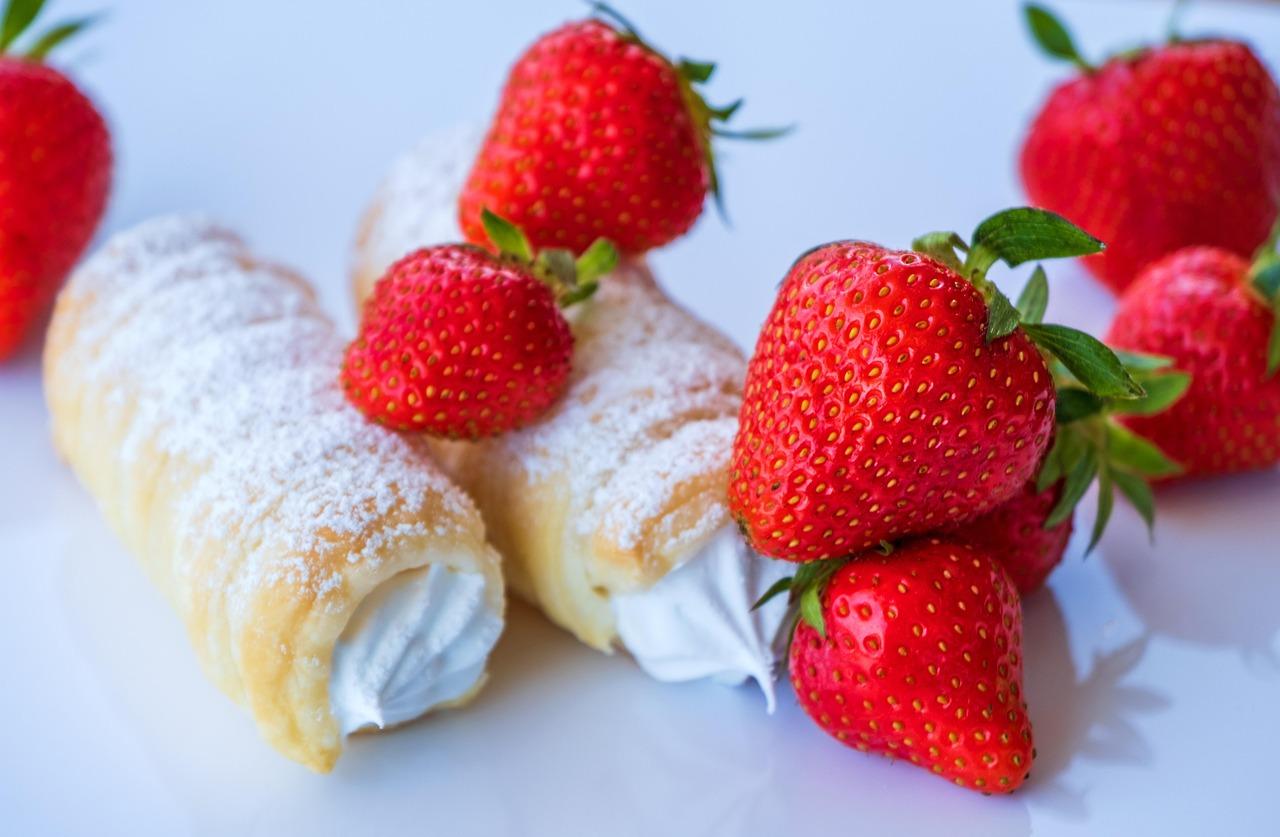
Every Czech cukrárna, the old-fashioned pastry shop, has a tray of kremrole in the glass counter: flaky puff pastry spirals baked around metal cones and piped full of light, sweet whipped egg-white cream. Children choose them for name days and they are a Sunday coffee treat in towns all over Bohemia and Moravia. The pastry should shatter, the cream should be glossy, stiff and marshmallowy. This filling is a cooked meringue, whisked over simmering water to 70 °C, so it is safe to eat and holds its shape. A common mistake is filling the tubes too early: within a couple of hours the cream softens the crisp pastry. Pipe them just before serving. You will need 12 metal cream horn moulds. Chef's tip: overlap the pastry strips by a third as you wind them on, so the tubes do not unravel in the oven.

by KrazyBadal 0 views

LakhamariLattice-shaped sweet bread

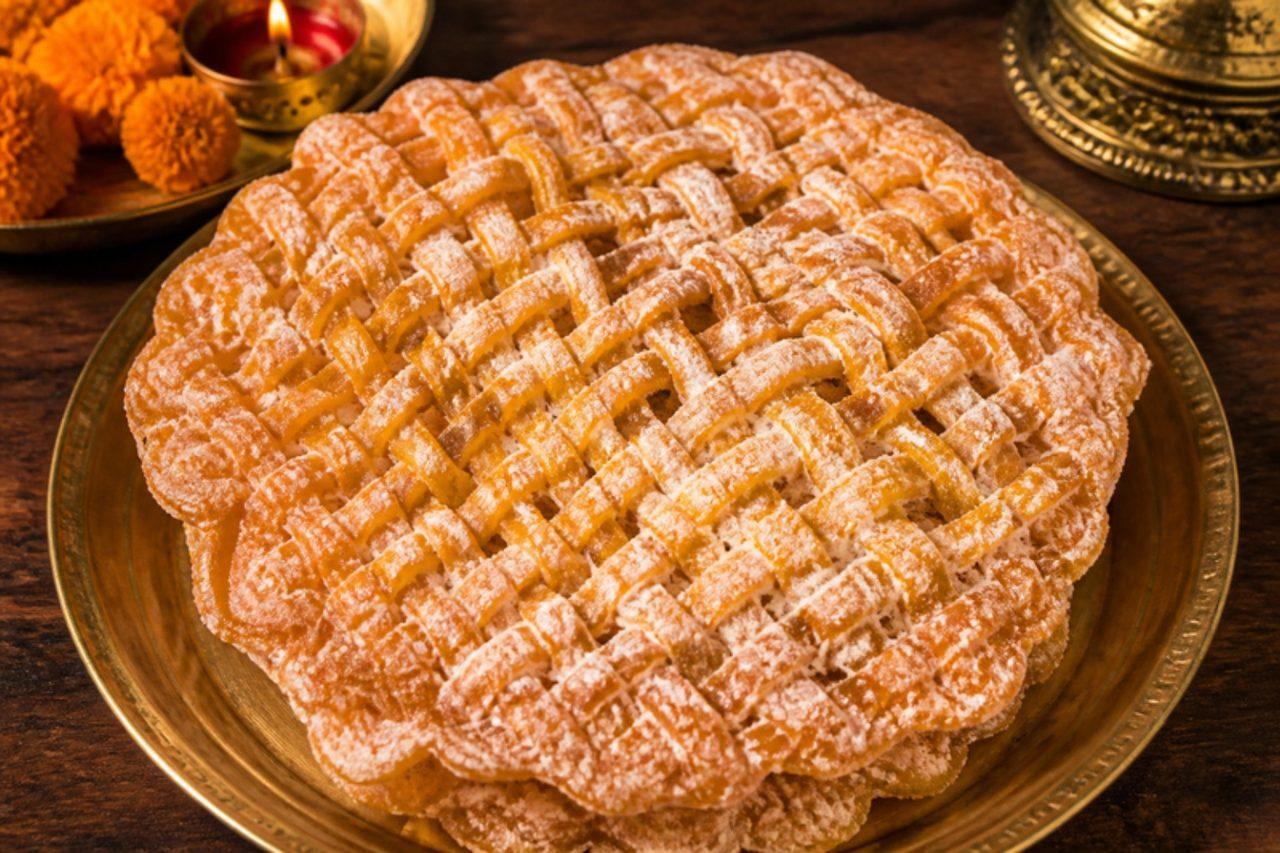
No Newar wedding in the Kathmandu Valley is complete without lakhamari, the large, crunchy, sugar-coated rounds that the groom's family carries to the bride's house in baskets as part of the ritual gifts, and which are then shared out among relatives for days. The dough is a mix of rice flour and wheat flour shortened with plenty of ghee, rolled into ropes and coiled into a lattice like a flat wheel, fried slowly until hard and pale gold, and glazed with a white sugar crust. It keeps for weeks in a tin and is broken into pieces to eat with tea. Where most cooks go wrong is frying too hot, which browns the outside while the thick lattice stays raw and soft inside. Chef's tip: keep the oil at a gentle 150 °C and fry each wheel for a good 8–10 minutes so it dries out and becomes crunchy right through.

by KrazyBadal 0 views

LaskonkyCoconut meringue sandwiches

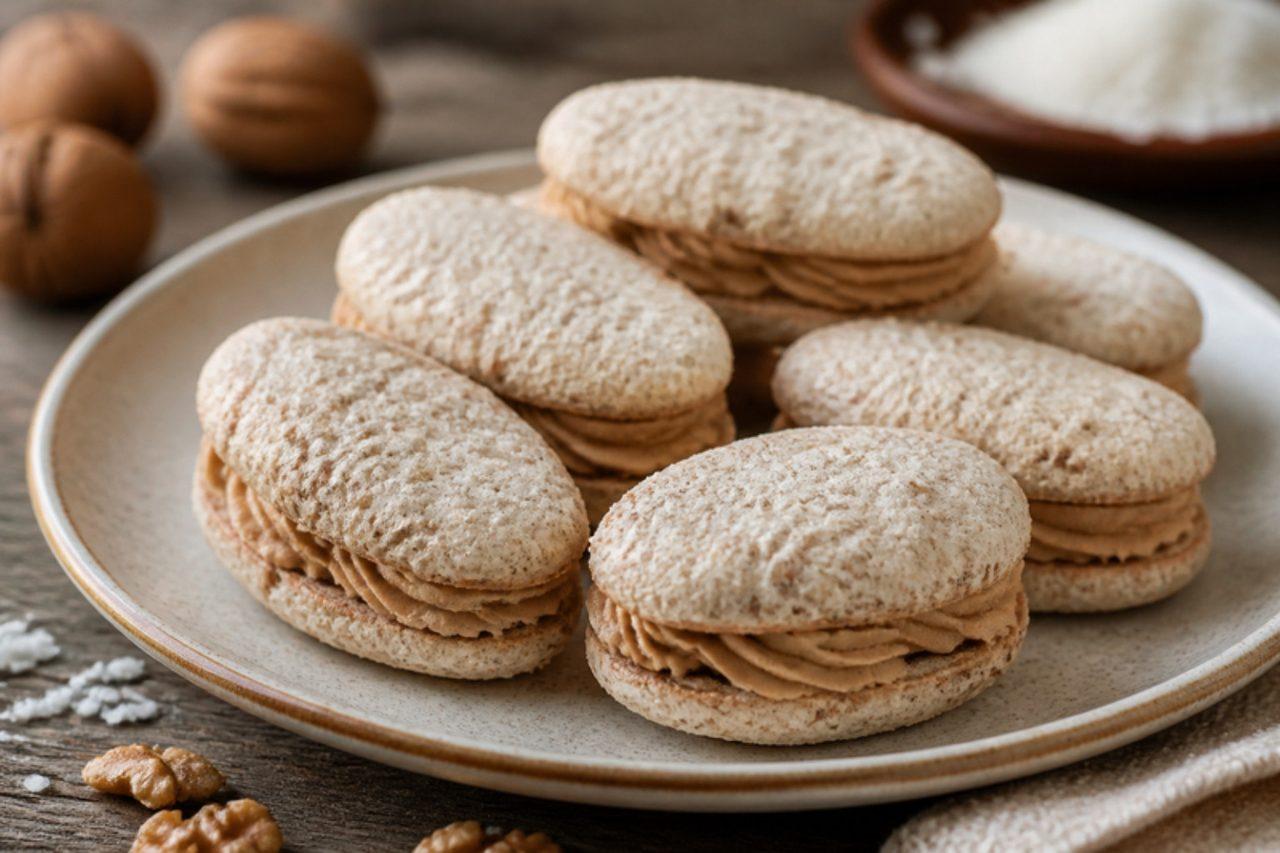
Laskonky are the chewy little meringue sandwiches in every Czech cake counter, from station cafes in Brno to the bakeries of small Bohemian towns. Two pale-gold discs of coconut and ground walnut meringue, crisp outside and chewy within, hold a thick layer of coffee butter cream. They are sweet and nutty, with the coffee keeping things grown-up, and they are naturally made without flour. A common mistake is baking them too hot, which browns the outside before the centre dries; low heat and patience give the right chew. Make the custard for the cream first so it can cool. The egg yolks in the cream are cooked until the custard bubbles. Chef's tip: spread a thin layer of the meringue on the paper rather than piping tall mounds; flat, even discs sandwich neatly.

by KrazyBadal 0 views

ŠkubánkyPotato dough lumps with poppy seed

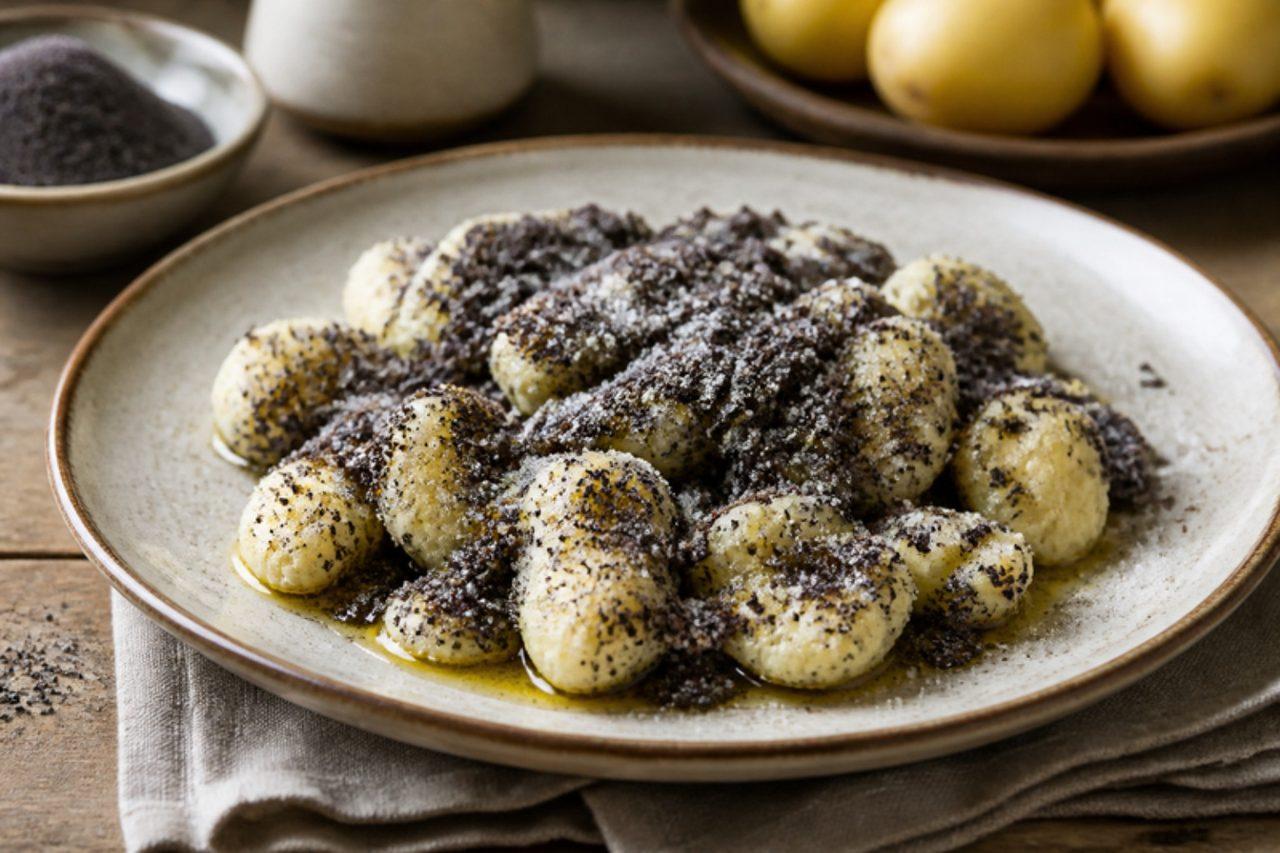
Škubánky (sometimes called šúlance or 'pulled ones') are what you get when a Bohemian farmhouse turns its potatoes into pudding. Potatoes and flour are steamed together in the same pot, mashed into a heavy, smooth dough, then torn into lumps with a spoon dipped in butter. They are rolled in ground poppy seed and sugar and doused with brown butter, and children in Czechia often eat them as a sweet main course on a weekday. They are soft and dense, with a nutty crunch from the poppy. The usual slip is lifting the lid while the flour steams, which leaves raw pockets of flour; keep it covered the whole time. Chef's tip: dip the spoon in hot melted butter before every scoop, and the lumps slide off clean and glossy.

by KrazyBadal 0 views

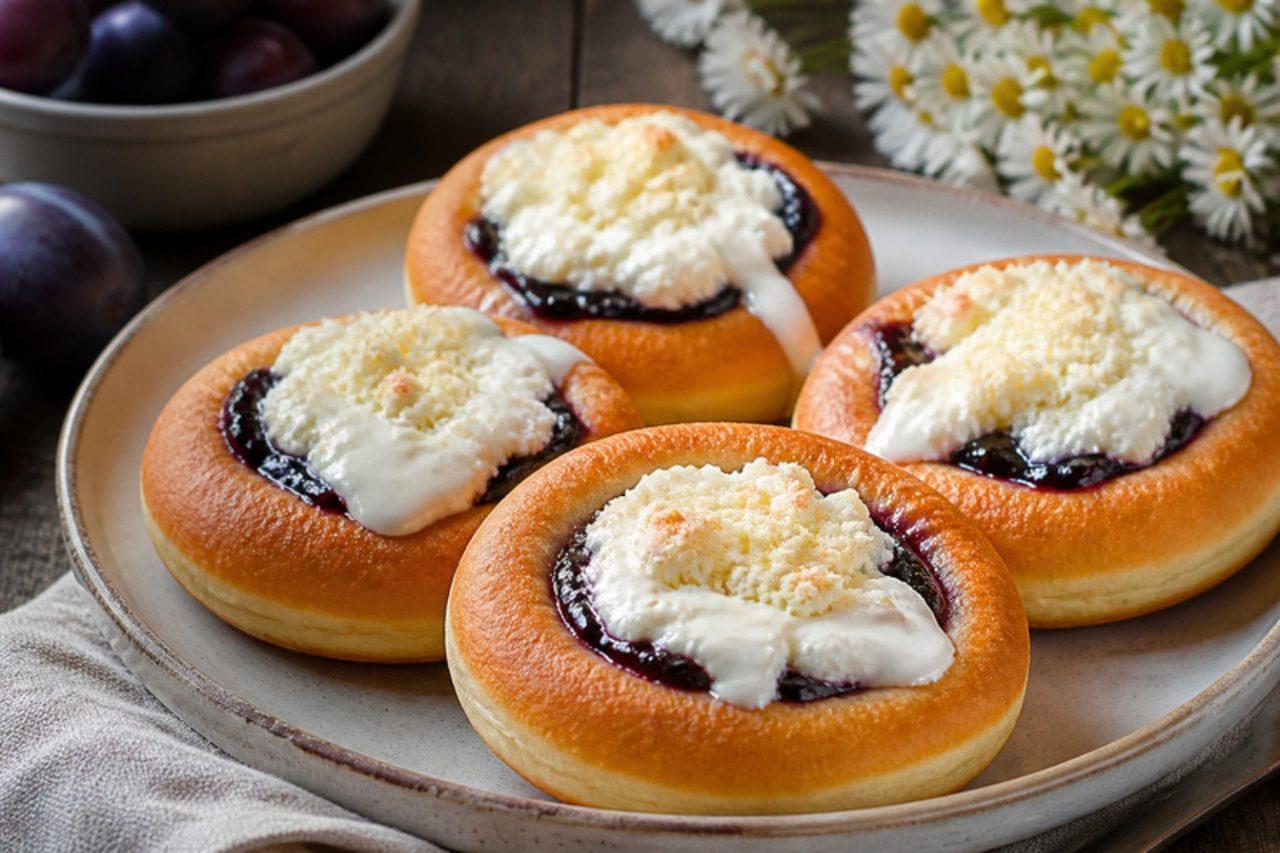
VdolkyFlat yeast doughnuts

In the Chodsko region around Domažlice in south-west Bohemia, vdolky are fried for fairs, pilgrimages and weddings, and they are the treat Czech children associate with grandmothers' kitchens. They are round, flat yeasted cakes with a pale ring around the middle, fried until golden and topped while warm with thick plum jam (povidla), sweetened tvaroh curd cheese and sour cream. Soft and pillowy, sweet, tangy and creamy all at once, they are eaten with a knife and fork or straight from the hand. Where most people go wrong is frying too hot, so the outsides darken before the middle cooks; keep the oil at 170 °C. Most tvaroh is made without rennet, but check the label if that matters to you. Chef's tip: press a hollow in the centre of each round with your fingers before frying; it holds the toppings.

by KrazyBadal 0 views

VětrníkCaramel cream choux bun

Ask anyone in Prague about the old-fashioned cukrárna and they will mention větrník, the "windmill": a big, puffed choux bun split and filled with two creams, a caramel one below and a light vanilla one above, under a shiny caramel icing. It is the cake people order with coffee on a Sunday afternoon, or buy in a paper box for a name day. Crisp shell, soft clouds of cream and a deep, buttery caramel flavour make it rich but not heavy. The usual slip is pulling the choux out too soon: it must be dark golden and feel light and dry, or it collapses as it cools. Both creams start from one custard, cooked until it bubbles so the eggs are fully set. Chef's tip: make the custard and caramel the day before; on the day you only bake and fill.

by KrazyBadal 0 views

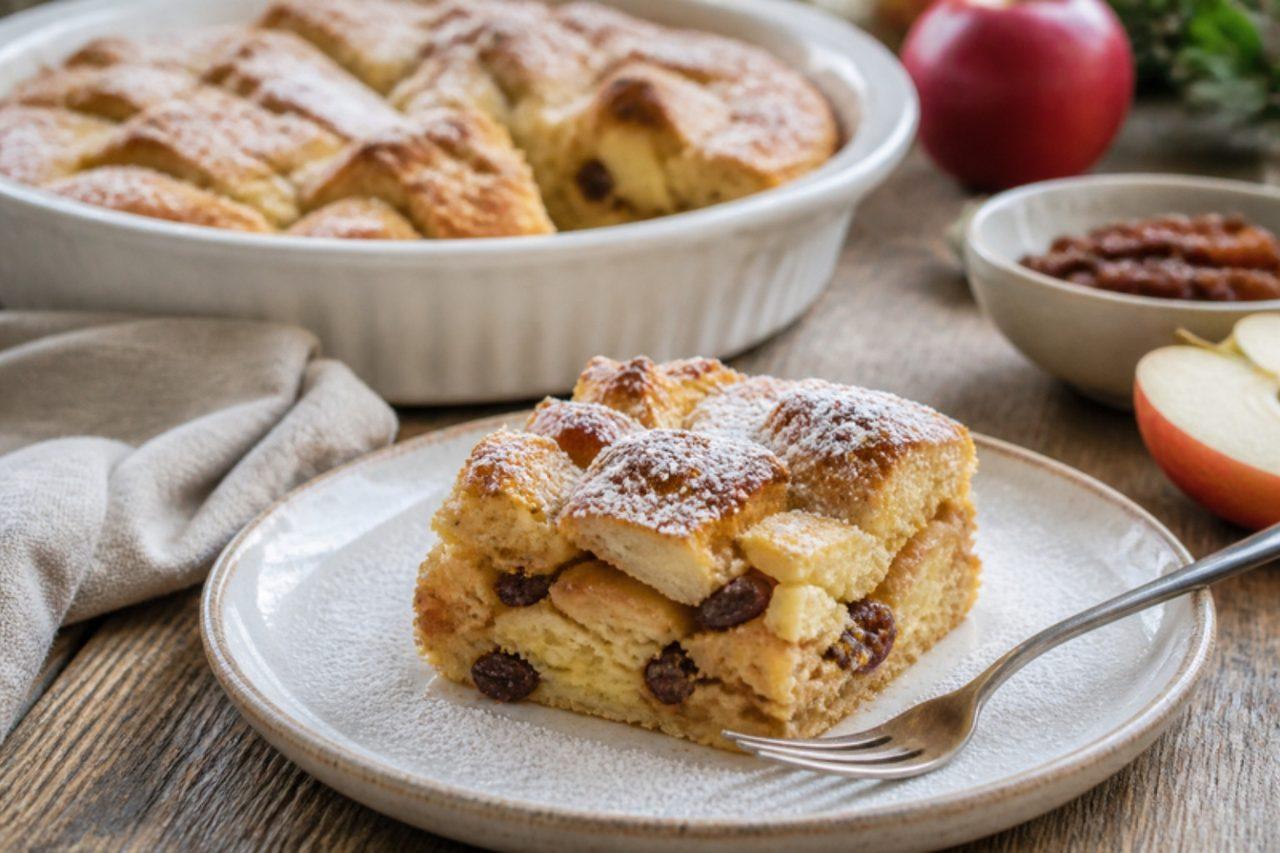
ŽemlovkaApple and bread pudding

Thrifty Czech kitchens never throw away a stale roll, and žemlovka is the delicious proof. Slices of yesterday's rohlíky or žemle are soaked in sweet vanilla milk and egg, layered with cinnamon apples and raisins, and baked until the top is crunchy and the inside set like a soft custard. It is a favourite Bohemian Sunday afternoon pudding in autumn, when the orchard apples are in, and it often appears in school canteens as a sweet main course. Serve it warm, dusted with icing sugar, with a glass of cold milk. A common mistake is drowning the bread in milk, which makes a soggy, heavy pudding; dip the slices quickly so they are moist but still hold their shape. Chef's tip: use tart cooking apples and keep the top layer bread, buttered, so it bakes to a golden crust.

by KrazyBadal 0 views

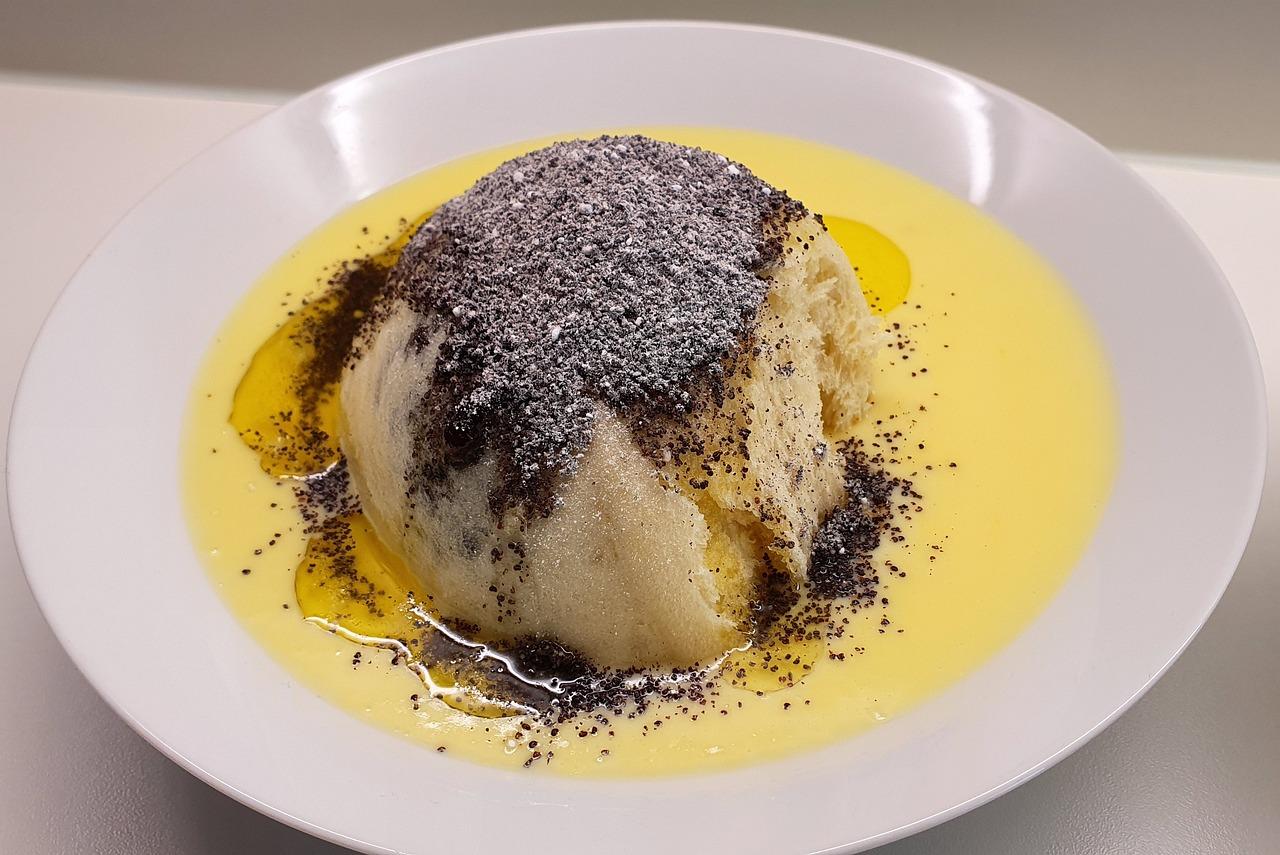
GermknödelSteamed plum jam dumpling

After a morning on the slopes, Austrians head into the mountain huts of Tyrol, Salzburg and Styria for one thing: a Germknödel the size of a fist, steamed until pillowy and split open to reveal dark plum butter. It comes drowned in melted butter, or in vanilla sauce, under a thick snow of ground poppy seeds and icing sugar, and it is eaten as a whole meal. The dough is soft and slightly sweet, and the powidl inside is tart and jammy. A common mistake is lifting the lid while they steam; the dumplings deflate and turn heavy. Chef's tip: seal each dumpling with the seam underneath and let them prove a second time on squares of baking paper, so you can move them without denting them.

by KrazyBadal 0 views

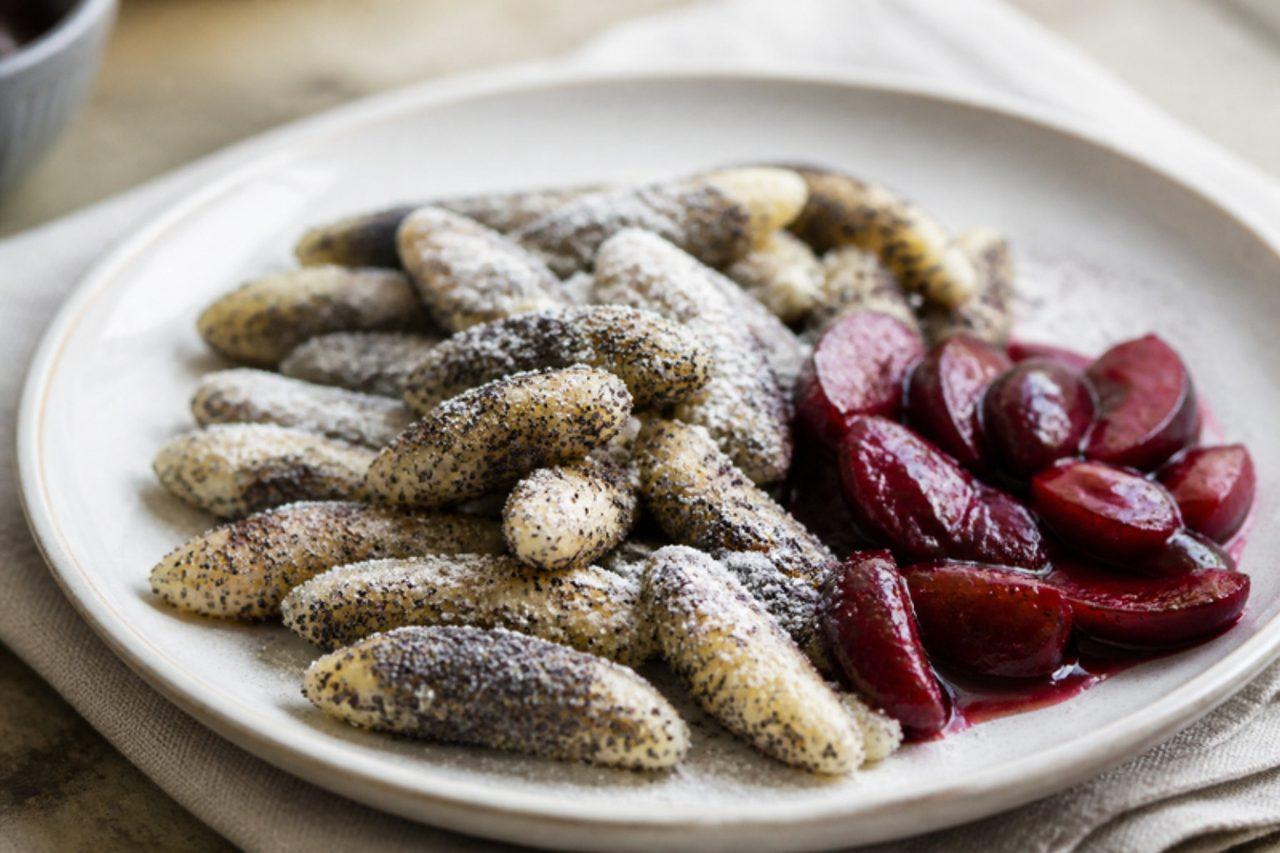
MohnnudelnPotato noodles with poppy seeds

The Waldviertel, the cool, forested uplands of Lower Austria, is poppy country: in July its fields bloom white, pink and violet, and the grey poppy seed grown there has a protected name. Mohnnudeln are its favourite sweet dish, served as a main meal on meatless days or as dessert. Soft potato dough is rolled into little tapered noodles, boiled, then tossed in foaming butter with a generous amount of freshly ground poppy seed and icing sugar, so they taste nutty, buttery and gently sweet. A common mistake is using whole or stale poppy seeds; whole seeds give no flavour and old ground ones taste bitter. Chef's tip: grind the poppy seed yourself in a spice grinder just before using, in short bursts so it doesn't turn to paste.

by KrazyBadal 0 views

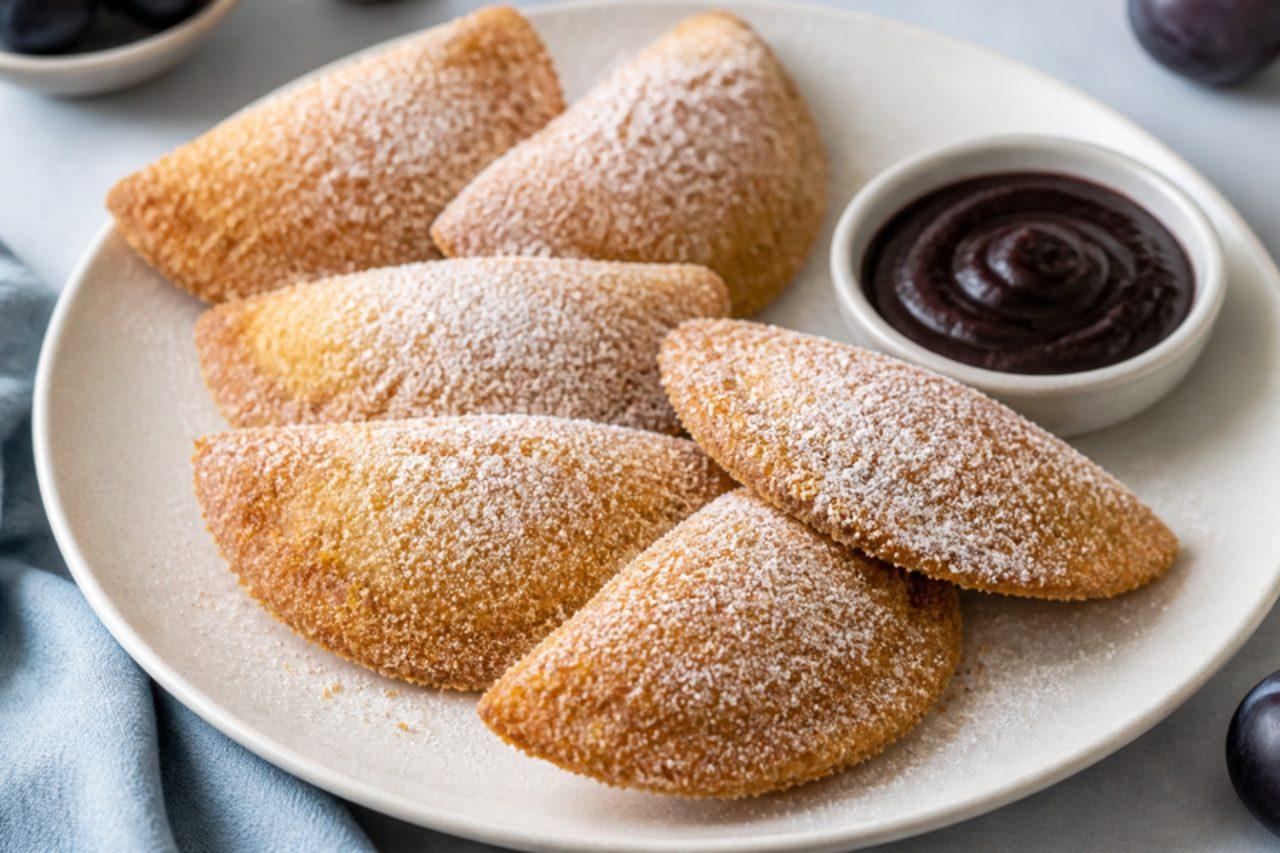
PowidltascherlPlum butter potato dough pockets

Powidl, a thick, dark plum butter cooked for hours without added sugar, came to Vienna from Bohemia, and these little pockets are one of its best uses. In Austrian homes they are a sweet lunch in late summer, when the new season's plums arrive, or a pudding after a bowl of soup. A tender potato dough is cut into squares, folded around a spoonful of spiced powidl, simmered, then tossed in golden butter crumbs and dusted with icing sugar. A common mistake is overworking the dough, which makes it tough and sticky; mix the potato and flour only until it comes together. Chef's tip: rice the potatoes while hot and spread them out to steam dry, so you need less flour and the dough stays light.

by KrazyBadal 0 views

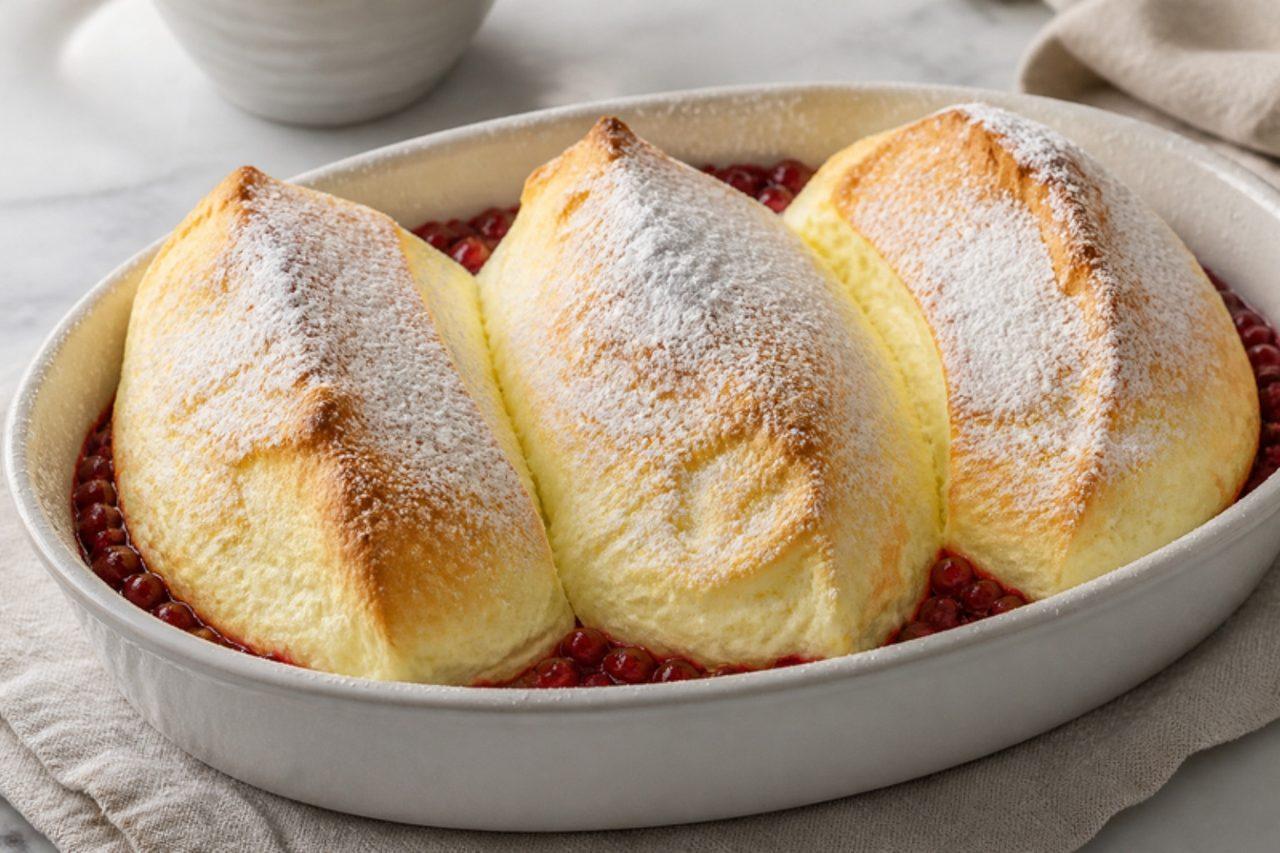
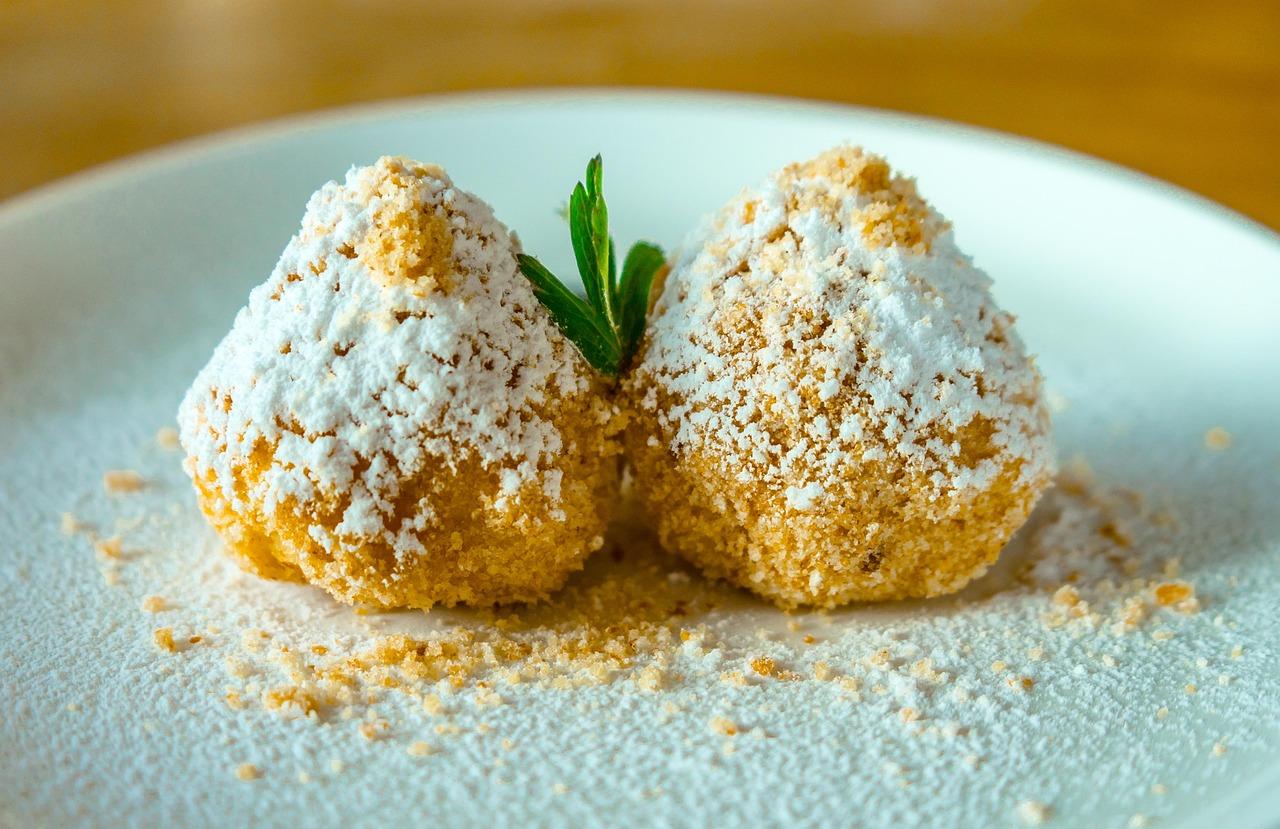
Salzburger NockerlSweet soufflé peaks

Salzburger Nockerl is the dessert Salzburg serves to visitors after a concert or a walk through the old town: three golden, sugar-dusted peaks said to stand for the hills around the city. Under the airy egg-white soufflé is a layer of tart lingonberries or redcurrants, warmed with vanilla milk in the baking dish. It is meant to be shared from the dish and eaten the moment it leaves the oven, before it sinks. This version uses cornflour instead of wheat flour, so it is gluten free. A common mistake is over-folding the yolks into the whites; streaks are fine, and too much stirring makes it collapse. Chef's tip: keep the oven door shut until the end; the peaks are ready when they are golden outside but still creamy inside.

by KrazyBadal 0 views

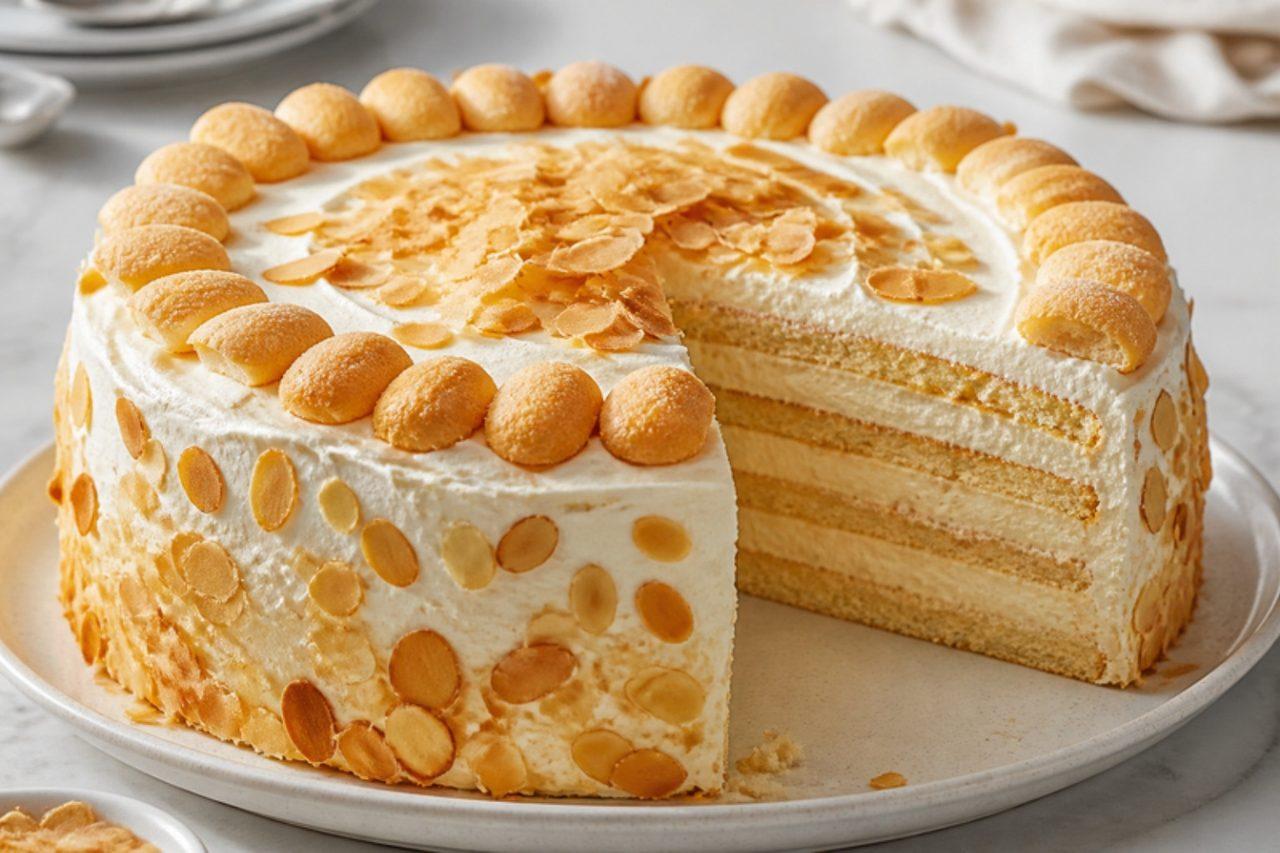
MalakofftorteNo-bake sponge finger torte

Malakofftorte is the cake Viennese families put together for name days and summer parties, because the oven stays off. Sponge fingers are dipped in milk and layered with a rich almond cream made from butter, cooked vanilla custard and whipped cream, then chilled until it slices like a soft mousse cake. In many Austrian homes the soaking milk is laced with rum or almond liqueur; this version is alcohol-free and uses vanilla milk, and you can add 2 tbsp dark rum to the milk if you want the traditional taste. A common mistake is soaking the biscuits too long, so they go soggy and the layers collapse; one quick dip is enough. Chef's tip: make it the day before; it needs at least 6 hours to set and tastes best the next day.

by KrazyBadal 0 views

TopfenknödelQuark dumplings in buttery crumbs

Topfenknödel belong to the long Austrian tradition of sweet main courses: in Viennese homes and Lower Austrian inns they are often served as a light Friday lunch, or as dessert after soup. Fresh quark, butter, egg and semolina make a dough that cooks into soft, tangy, almost cheesecake-like dumplings, which are rolled in breadcrumbs toasted in butter with cinnamon sugar and served with a warm fruit compote. A common mistake is boiling them hard; they puff, crack and fall apart, so keep the water just shivering. Most quark is made without animal rennet, but check the label and choose one marked vegetarian. Chef's tip: rest the dough for at least 30 minutes so the semolina can swell; it makes the dumplings hold together.

by KrazyBadal 0 views

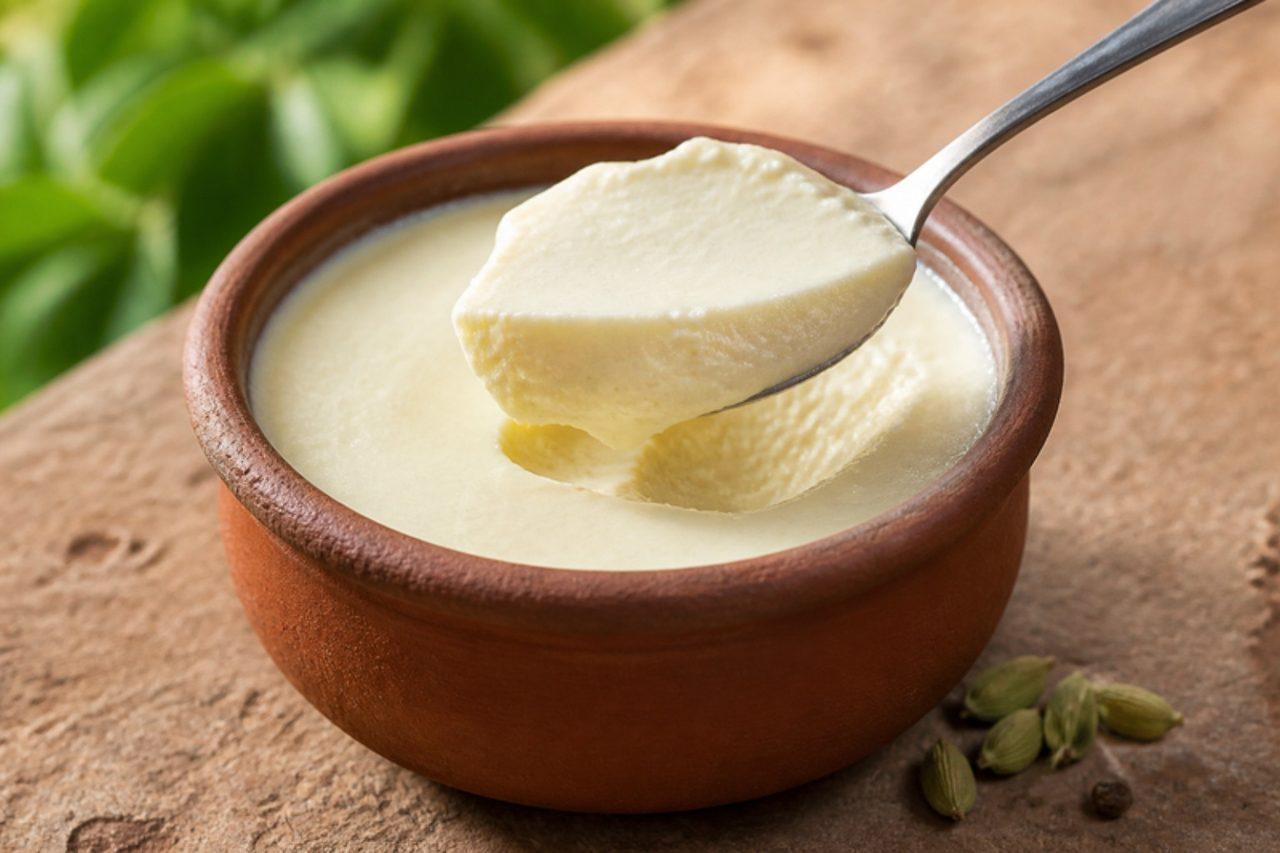
Juju dhauThick sweet curd

Juju dhau means king of curds in the Newar language, and it belongs to Bhaktapur, the old brick-and-temple city east of Kathmandu, where it is sold in round clay bowls from shops around Durbar Square and taken home by the stack. Full-fat milk, traditionally buffalo milk, is boiled down by a third until it is rich and faintly caramel, sweetened, then set overnight in unglazed clay pots that soak up the whey, leaving a custard-thick, creamy yogurt with a pale golden skin. No wedding, festival or important meal in the Valley ends without it, and it is eaten on its own with a small spoon. People often rush the reduction, and the yogurt then sets thin and sour. Chef's tip: if you don't have clay pots, set it in ceramic ramekins and pour off any whey after setting; and keep it warm and undisturbed, wrapped in a blanket, so it sets in one smooth layer.

by KrazyBadal 0 views

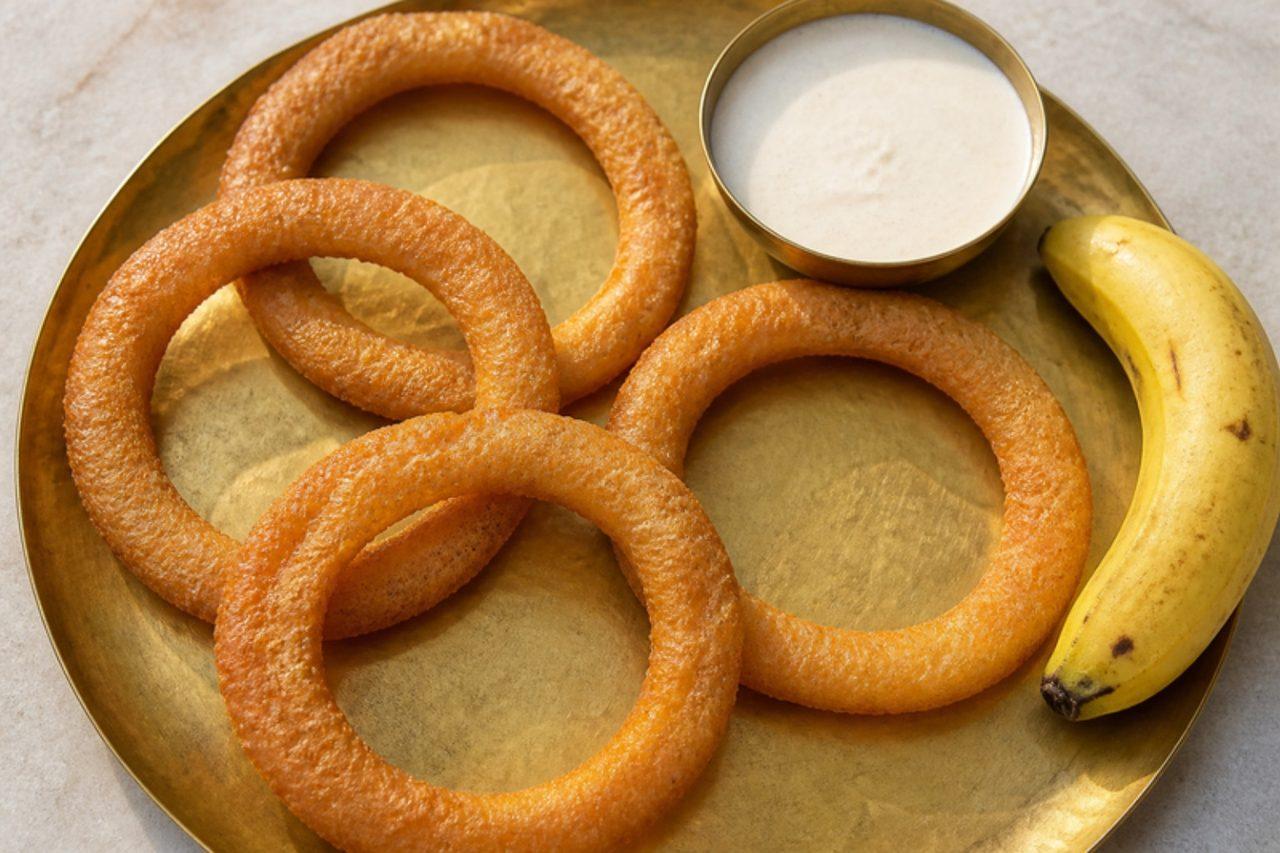
Sel rotiSweet rice flour rings

When Tihar, the five-day festival of lights, arrives in late autumn, kitchens all over Nepal fill with the smell of sel roti: big, thin rings of sweetened rice batter fried in hot oil until crisp and russet outside and soft and slightly chewy inside. They are stacked high to offer to the gods, to sisters during Bhai Tika and to every guest, and they are also made at Dashain and for weddings, travelling well and keeping for days. Rice is soaked overnight and ground with sugar into a thick, pourable batter, then poured by hand in one confident circle into the oil. Many families add ghee to the batter, which makes the rings richer but means they are vegetarian rather than vegan; this version uses oil. The common mistake is oil that is not hot enough, so the batter drinks fat and turns greasy. Chef's tip: let the batter rest for an hour after grinding; it thickens and ferments slightly, and the rings puff and hold their shape better.

by KrazyBadal 0 views

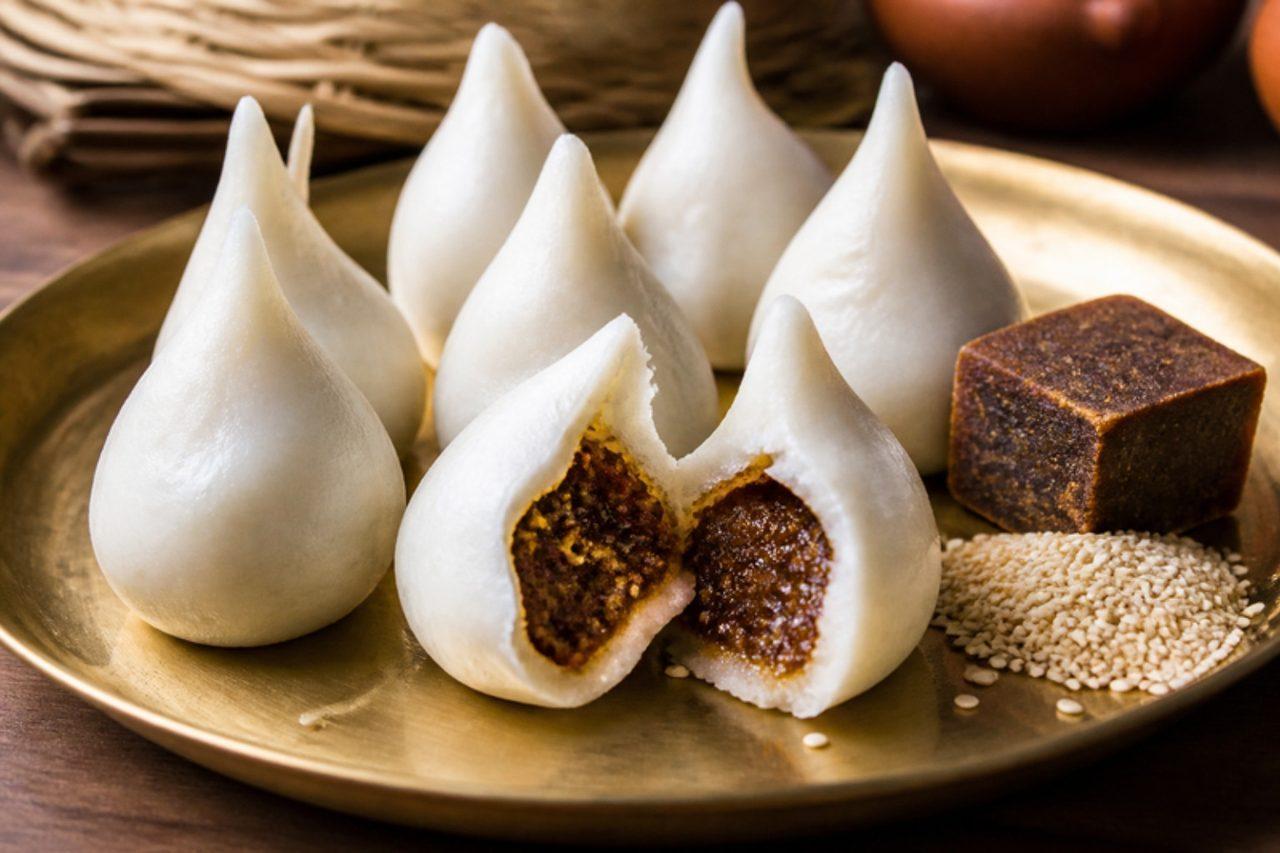
YomariSteamed rice flour dumplings

Yomari are the sweet dumplings of the Newars of the Kathmandu Valley, made once a year on Yomari Punhi, the full moon of December that marks the end of the rice harvest. Freshly milled rice flour is kneaded with hot water, pinched into a hollow cone, filled with chaku, a dark, fudgy Newari molasses, and toasted sesame, then shaped with a pointed tail like a fish or a teardrop and steamed. Children go from house to house singing for them, and families offer a few to the gods before anyone eats. The shell is soft and slightly chewy, and the filling melts into warm, smoky caramel. The usual mistake is mixing the dough with lukewarm water: it must be just off the boil so the starch swells and the dough stretches without cracking. Chef's tip: keep a bowl of warm water beside you and dip your fingertips often; damp hands smooth out cracks as you shape.

by KrazyBadal 0 views

Showing 24 of 31 recipes

Show more recipes

Page 1 of 2