Skip to content
Recipes

All recipes

Vegetarian, or something you can't eat? Set your diet once and we'll hide recipes that don't fit.

KaguyjyWhite corn pudding

On the night of 23–24 June, Paraguayans celebrate San Juan with bonfires, games like walking over hot coals and the 'paso de fuego', and a table of traditional foods, and kaguyjy (also mazamorra) is one of them. It is a soft, creamy pudding of cracked white corn (locro) simmered slowly in water and then milk with sugar or honey, sometimes with orange peel. It is eaten warm or cold. It is gluten free. Chef's tip: soak the corn overnight and cook it until each kernel is tender before adding the milk, or it never turns creamy.

by KrazyBadal 0 views

Pâte de fruits (Auvergne apricot fruit jellies)

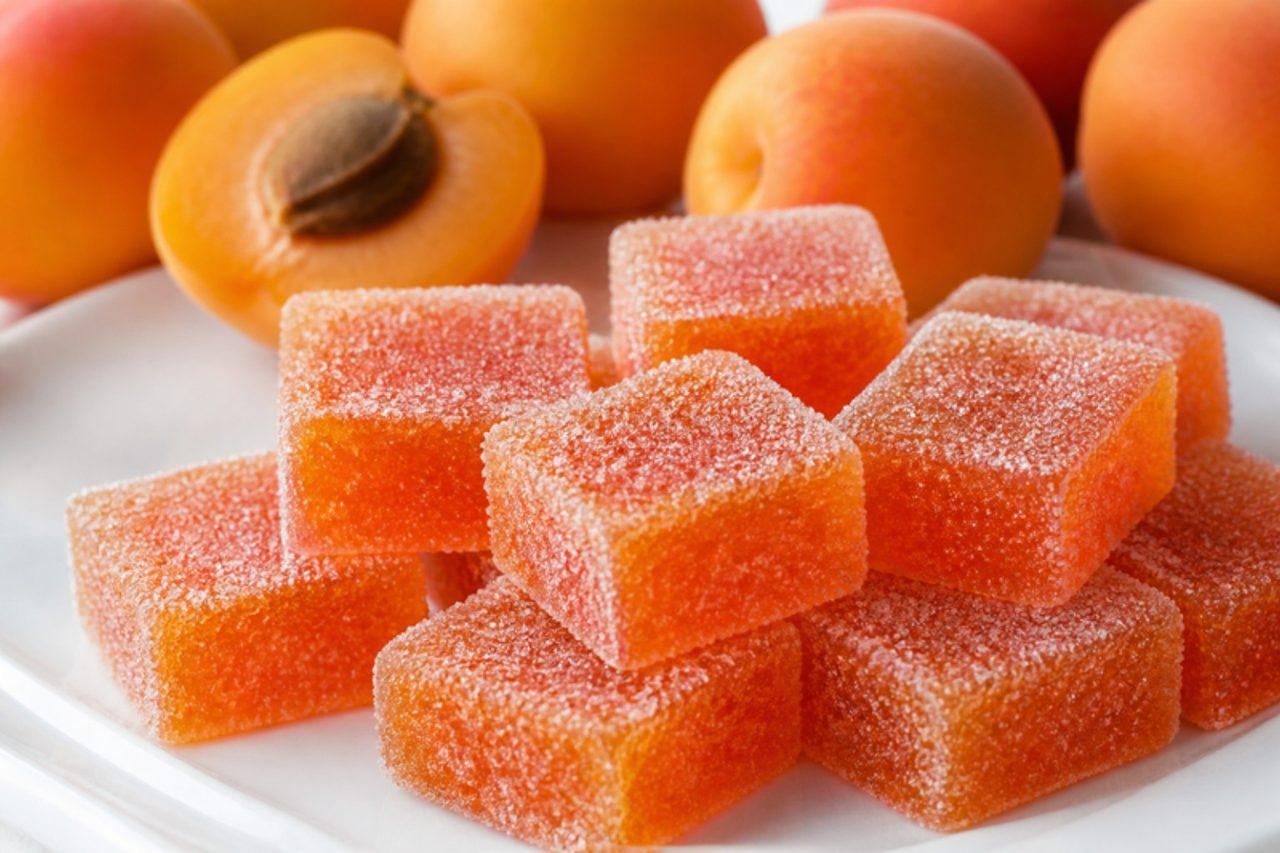
Clermont-Ferrand, the capital of the Auvergne, built a name for pâtes de fruits in the nineteenth century using apricots from the Limagne plain, and the jewel-bright squares remain a favourite in Christmas boxes and with coffee at the end of a meal. Good pâte de fruits tastes more of fruit than of sugar: dense, tender and clean-cutting, with a sparkle of sugar crust and a sharp edge of acid. Serve them on a plate of petits fours, or pack them as a gift. They are naturally egg-free: pectin, the fruit's own setting agent, does all the work once the purée is boiled with sugar to 106°C and the acid is added. Use yellow pectin for pâte de fruits if you can find it; it sets slowly enough to pour. Chef's tip: stir in the citric acid only off the heat, right before pouring; the common mistake is adding it early, so the jelly sets in the pan.

by KrazyBadal 0 views

Coussin de Lyon (green almond-paste cushions with chocolate ganache)

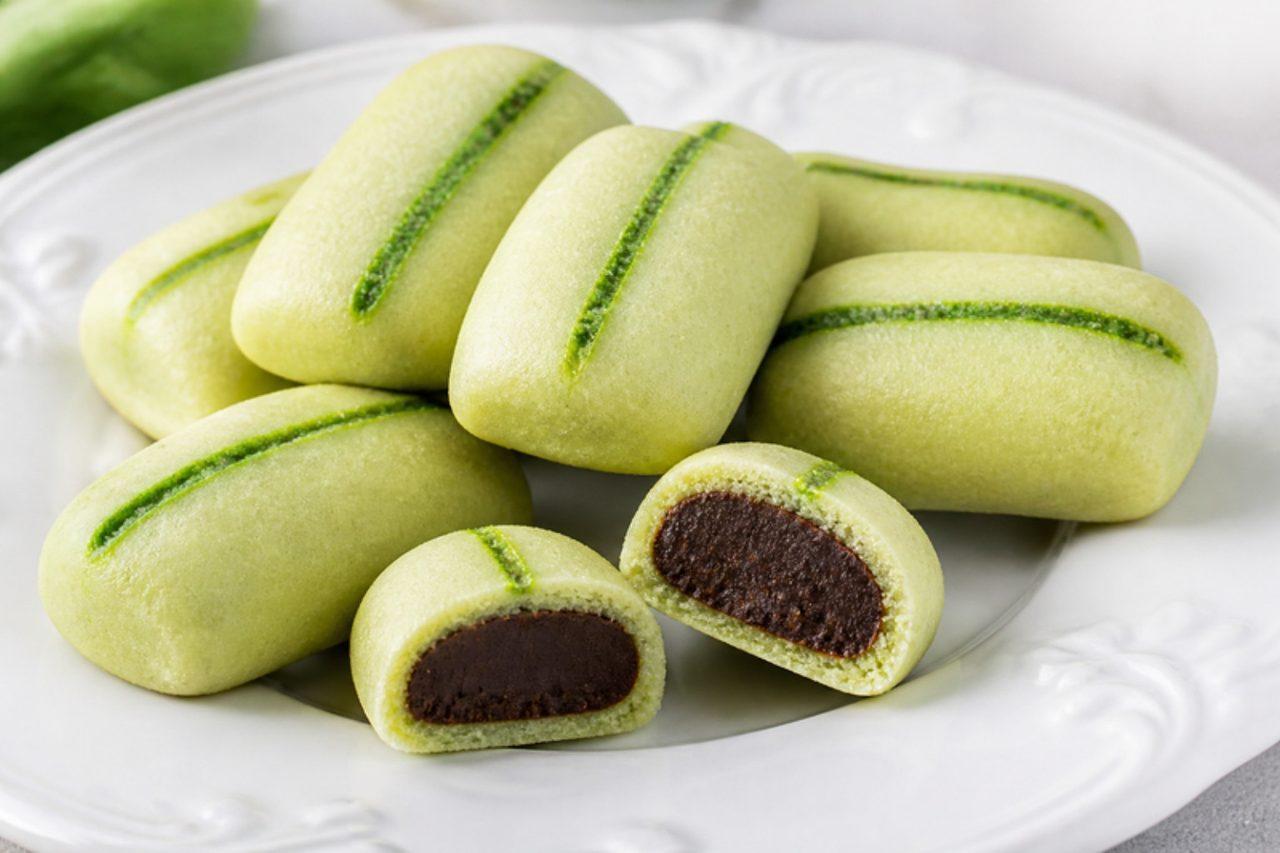
Lyon's sweet emblem recalls the city's plague vow of 1643, when the aldermen carried a candle and gold coins on a silk cushion to the chapel of Fourvière. Chocolatiers turned that cushion into a confection in the 1960s and it is now the gift Lyonnais bring at Christmas and New Year, or for a host on a Sunday visit. A soft, almond-sweet shell of pale green paste, marked with a darker green stripe, hides a melting dark chocolate ganache scented with orange. Serve two or three with coffee after dinner. The classic ganache is laced with orange liqueur; here fresh orange juice and zest give the flavour without alcohol. Shop marzipan is not always egg-free, so this almond paste is bound with sugar syrup cooked to the soft-ball stage, which coats the ground almonds and sets them firm as it cools. Chef's tip: chill the ganache until it holds a line before shaping; the common mistake is using it soft, so it squeezes out of the seams.

by KrazyBadal 0 views

Pruneaux d'Agen fourrés (stuffed Agen prunes)

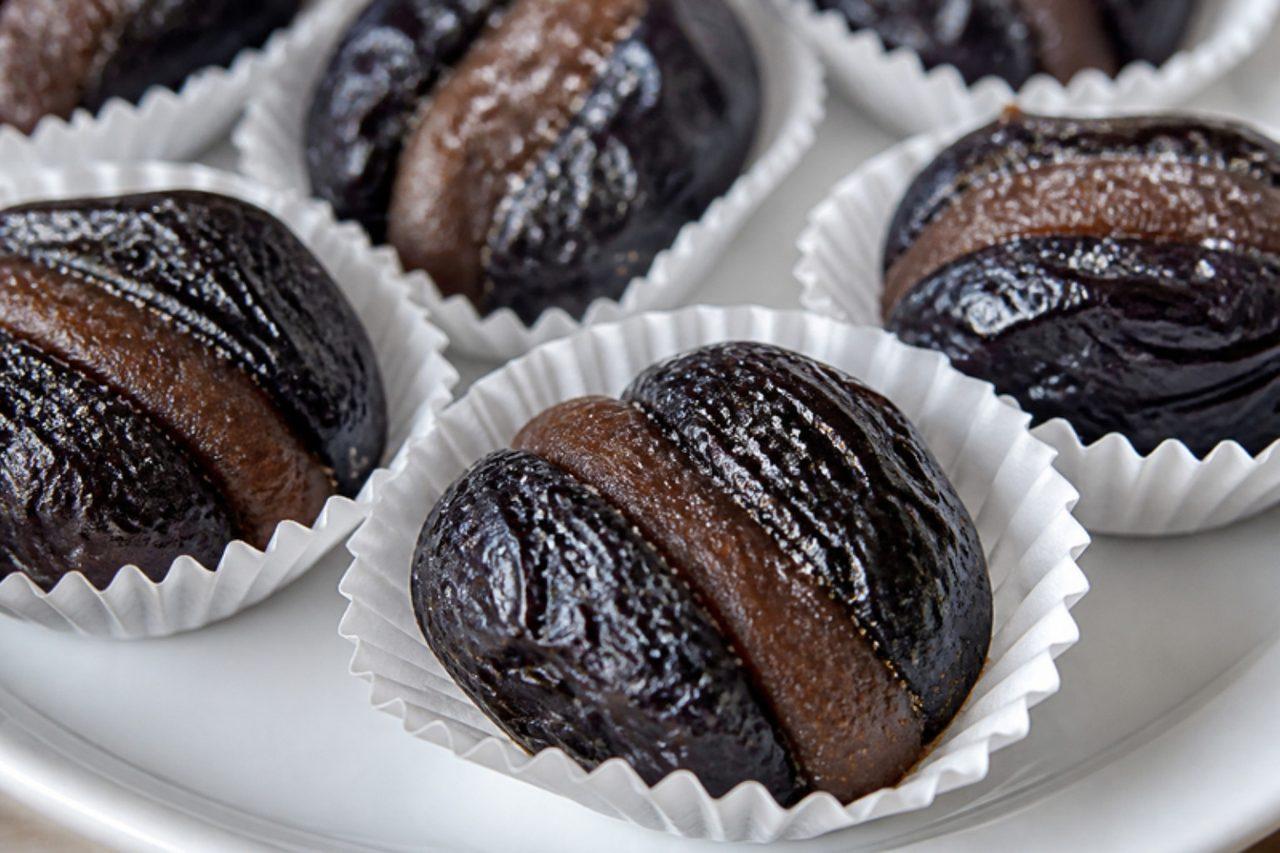
Agen, on the Garonne in south-west France, has dried its plums into prunes for centuries, and its confectioners stuff the best ones with a paste of more prunes and almonds. Boxes of pruneaux fourrés are a Christmas present across the south-west and a speciality of the town's prune festival at the end of August. Each one is glossy and plump, with a soft, sticky skin and a dense, mellow filling that tastes of fruit, almond and a little orange. Serve them with coffee or tea, or as part of a cheese plate. The filling is a kind of almond paste, held together by the sticky prune purée and sugar, so it is egg-free like the rest of the sweet; some versions add a little brandy, and orange juice takes its place here. Chef's tip: if the prunes are dry, steam them for 5 minutes first; the common mistake is forcing filling into stiff prunes, which split.

by KrazyBadal 0 views

Tmar mehchi (Moroccan almond-stuffed dates)

Tmar mehchi is the stuffed date of Fez and Marrakech, piled high on silver trays at weddings, engagements and Eid, and offered to guests with mint tea. Soft dates are filled with a homemade almond paste perfumed with orange-blossom water, often tinted pale green or pink to match the celebration, then scored with a knife so the filling shows. They are soft, rich and caramel-sweet, with a floral, nutty middle. The paste here is mixed from ground almonds and icing sugar, so there is no shop marzipan, which can contain egg white. It is naturally egg-free: the dates' sticky flesh and a few spoonfuls of orange-blossom water bind the almond filling. Chef's tip: add the orange-blossom water a little at a time and stop when the paste is firm like play dough. The common mistake is a wet paste, which oozes out and makes the dates slippery.

by KrazyBadal 0 views

Berlingots de Carpentras (striped Provençal hard candies)

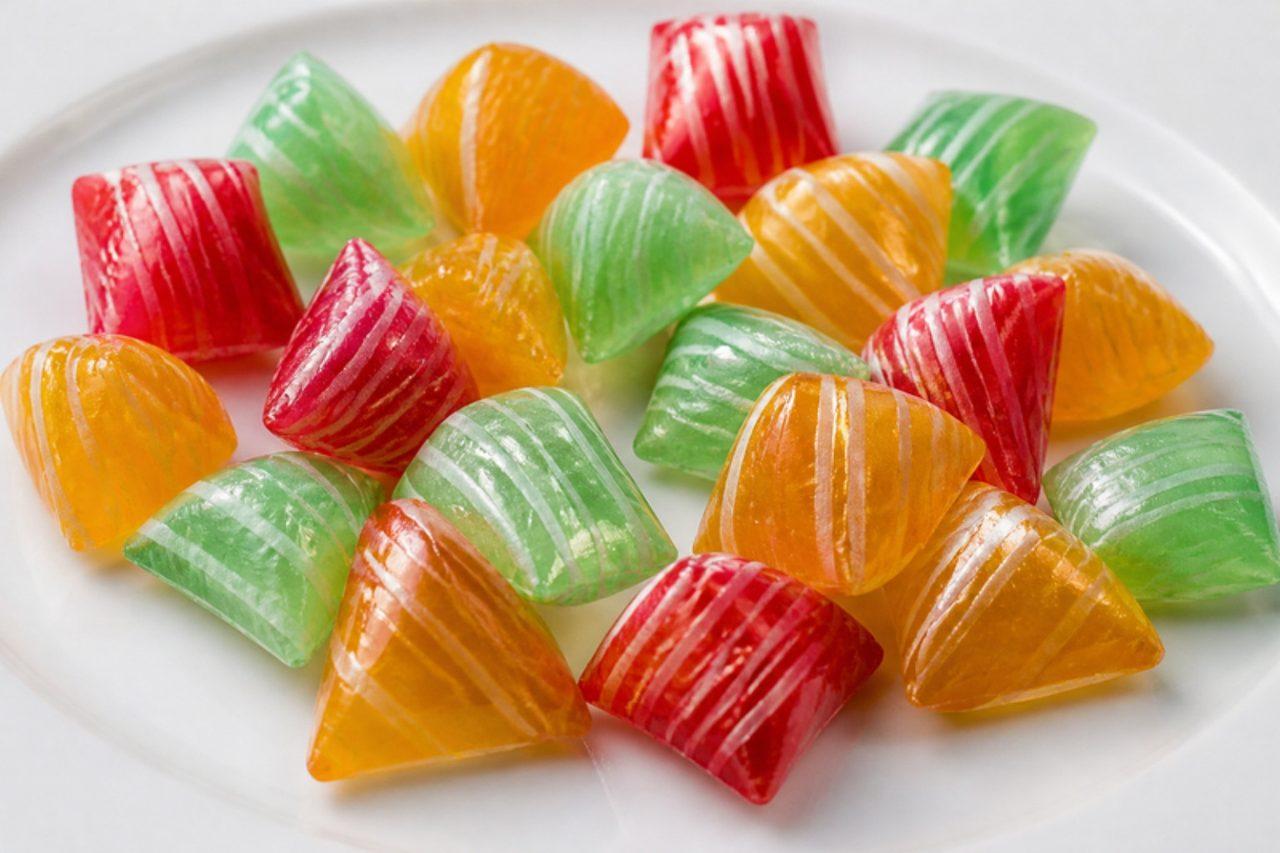
Carpentras, the market town below Mont Ventoux, has made berlingots since the nineteenth century, using the fruit syrups left over from its candied-fruit trade. The little four-sided pyramids are clear and glassy with fine white stripes, and they are sold year round at the Friday market and in paper cones for the Christmas sweet table. They crunch cleanly and dissolve slowly, here with a cool mint flavour; a fruit syrup can take its place. Offer them after a meal with coffee or herbal tea. Hard candy is naturally egg-free: the sugar, cooked to the hard-crack stage, sets glass-hard by itself, and glucose syrup keeps it clear instead of grainy. You will need heatproof gloves, oiled scissors and a warm place to keep the sugar soft while you shape it. Chef's tip: make these on a dry day; the common mistake is cooking sugar in a steamy kitchen, which leaves the berlingots sticky within hours.

by KrazyBadal 0 views

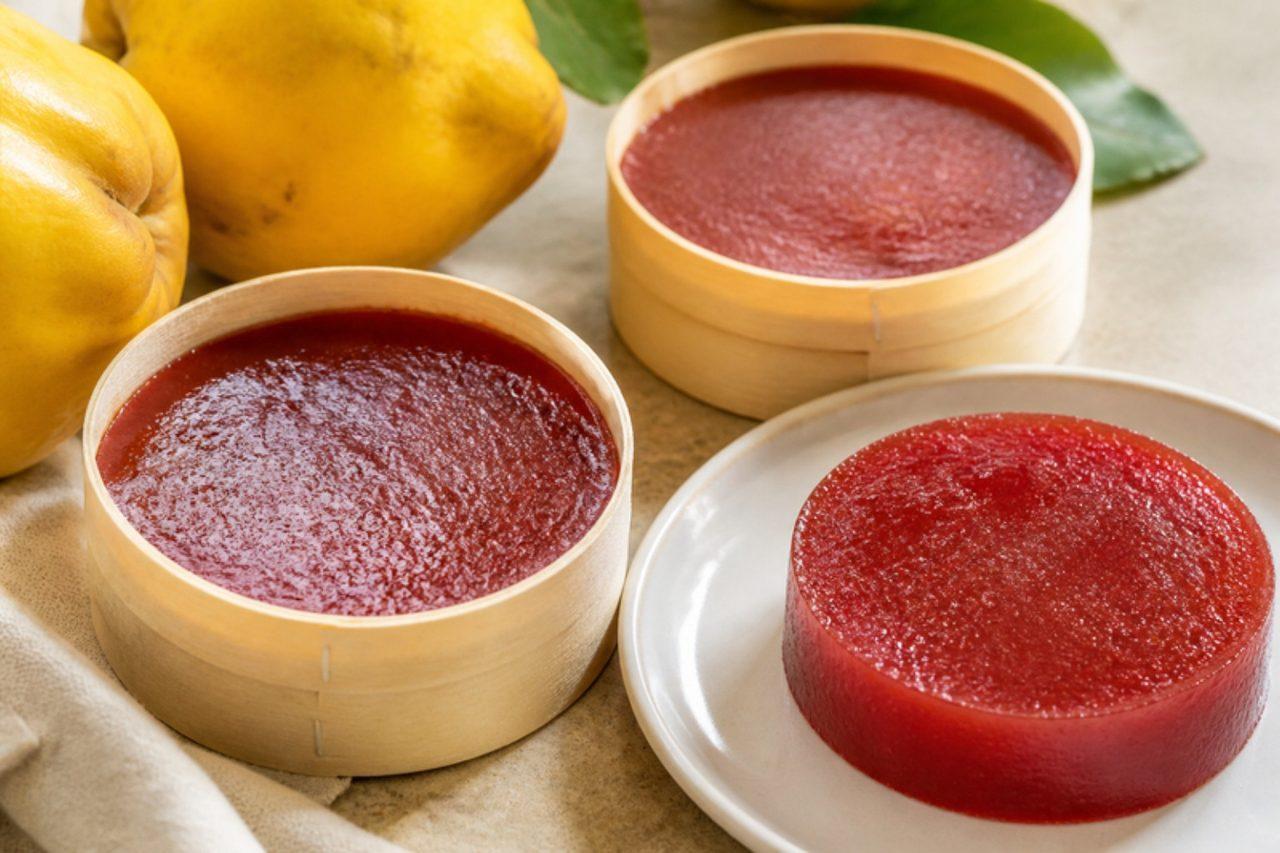
Cotignac d'Orléans (clear quince jelly)

Orléans has made cotignac since the Middle Ages and offered it to visiting kings, and the town still sells it in small round wooden boxes, to be eaten by scraping the jelly out with the edge of the lid. It is a winter sweet, made when the autumn quinces come in and given at Christmas and New Year. The jelly is clear and ruby-red, firm enough to cut but tender on the tongue, with a scented, slightly tart quince flavour. Serve it after dinner with coffee, or with a mild cheese. Nothing but fruit and sugar sets it, so it is naturally egg-free: quinces are among the richest fruits in pectin, and boiling their juice with sugar to the setting point is all it takes. Small ramekins or silicone moulds lined with baking paper stand in for the wooden boxes. Chef's tip: let the cooked quince drip through the cloth without pressing; the common mistake is squeezing it, which clouds the jelly.

by KrazyBadal 0 views

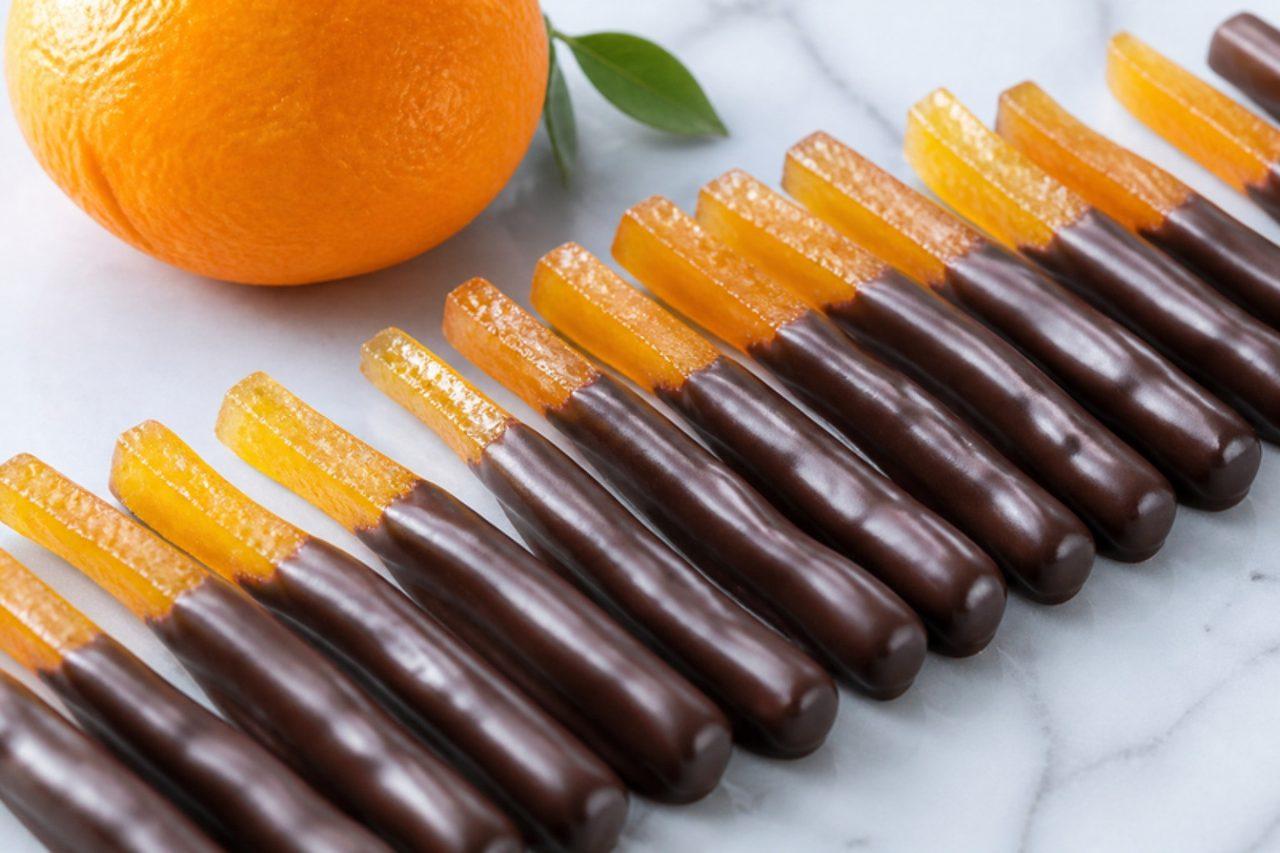
Orangettes (candied orange peel in dark chocolate)

All over France, from Paris chocolatiers to village pâtisseries, orangettes arrive in the shop windows as the days shorten and are a fixture of the Christmas and New Year sweet table. Long strips of orange peel are candied until tender and translucent, then dipped in dark chocolate: chewy and bittersweet inside, with a clean snap of chocolate and a long citrus finish. Serve them with an espresso after dinner, tie them up in a box as a gift, or offer them with a cheese course. They are naturally egg-free: the sugar syrup preserves the peel and stops it going tough, and the tempered chocolate sets into a firm, glossy shell with no other help. For a vegan batch, use a dark chocolate made without milk. Chef's tip: dry the candied peel well before dipping; the common mistake is dipping wet peel, which makes the chocolate seize and turn dull.

by KrazyBadal 0 views

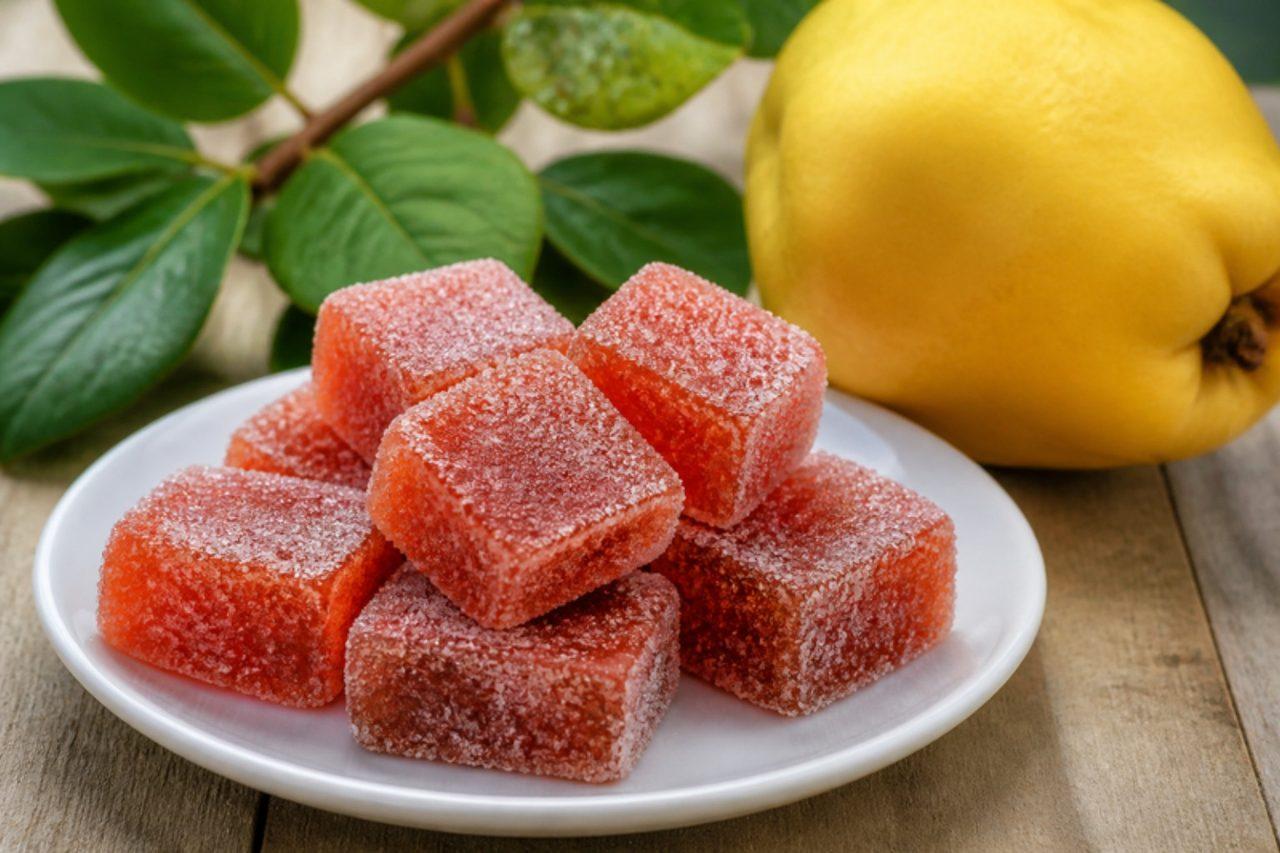
Pâte de coingsQuince paste

On Christmas Eve in Provence the gros souper ends with the treize desserts, thirteen small sweets set out together and left on the table until 27 December. Pâte de coings, a firm, glowing amber quince paste cut into squares and rolled in sugar, is nearly always among them, beside nougat, dried fruit and fougasse. It is simply quince pulp and sugar cooked down slowly until it pulls away from the pan, so it is vegan and gluten free, and it keeps for months. Serve it in small cubes, or with a sharp cheese. Chef's tip: cook the quinces whole with their skins and cores, which hold most of the natural pectin, and only sieve them afterwards.

by KrazyBadal 0 views

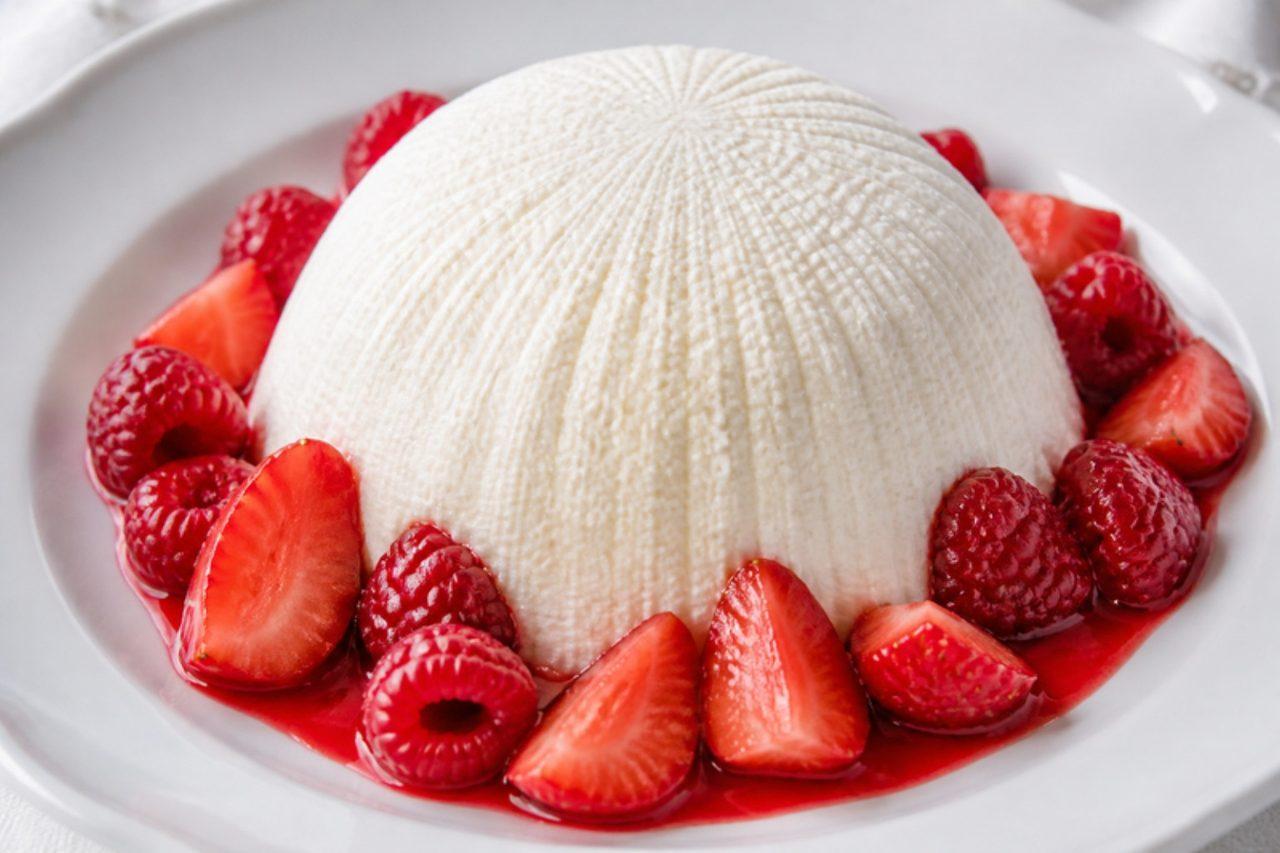
Fontainebleau (fromage blanc and whipped cream mousse)

Fontainebleau takes its name from the town south of Paris, whose cheese shops sold it in little muslin-wrapped pots for the weekend. It is a fresh-cheese dessert for late spring and summer, best when the first strawberries and raspberries arrive. Fromage blanc and whipped cream are folded together and left to drain in muslin, so the mousse firms up into a light, cloud-soft mound that tastes of fresh milk with a gentle tang. Serve it chilled with berries or a spoonful of red-fruit coulis, and a little extra sugar on the side. Some recipes fold in whisked whites; this one leaves them out entirely, because firmly whipped cream alone holds the air, and draining away the whey gives the mousse its shape. Chef's tip: drain the fromage blanc before you start; the common mistake is folding in a wet, runny cheese, which collapses the cream and leaves a puddle in the dish.

by KrazyBadal 0 views

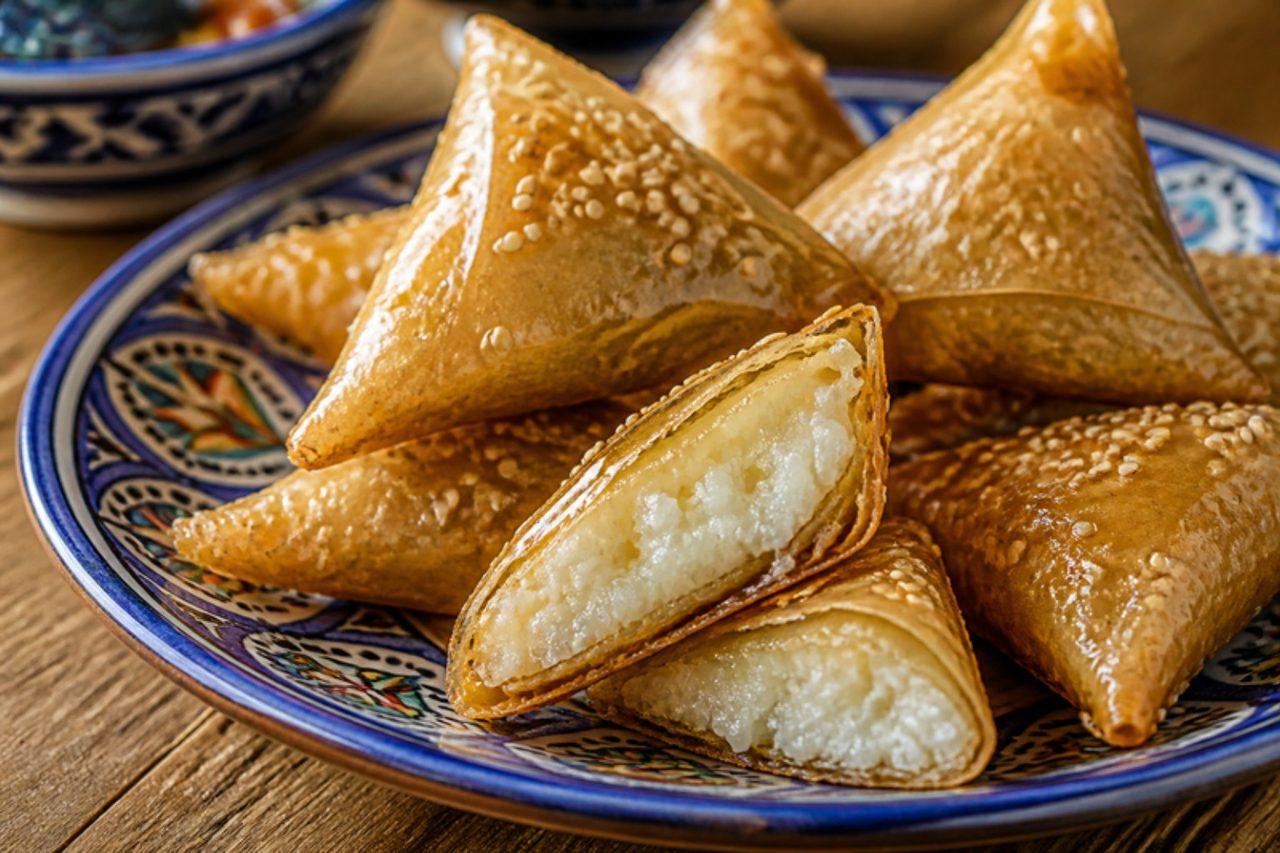
Sweet rice briouats with honey

The old Fassi households and pastry shops of Fes and Rabat make rice briouats for Ramadan and weddings: short-grain rice cooked thick in milk with orange-blossom water, wrapped in warqa, fried and plunged into warm honey. They're crisp outside, creamy within, and served with mint tea. Runny rice pudding makes the pastry burst in the oil, so cook it until a spoon can stand in it, then chill it firm. Chef's tip: warm the honey with a splash of orange-blossom water, and dip the briouats while both are hot so the honey soaks in rather than sitting on top. Contains milk, wheat and almonds.

by KrazyBadal 0 views

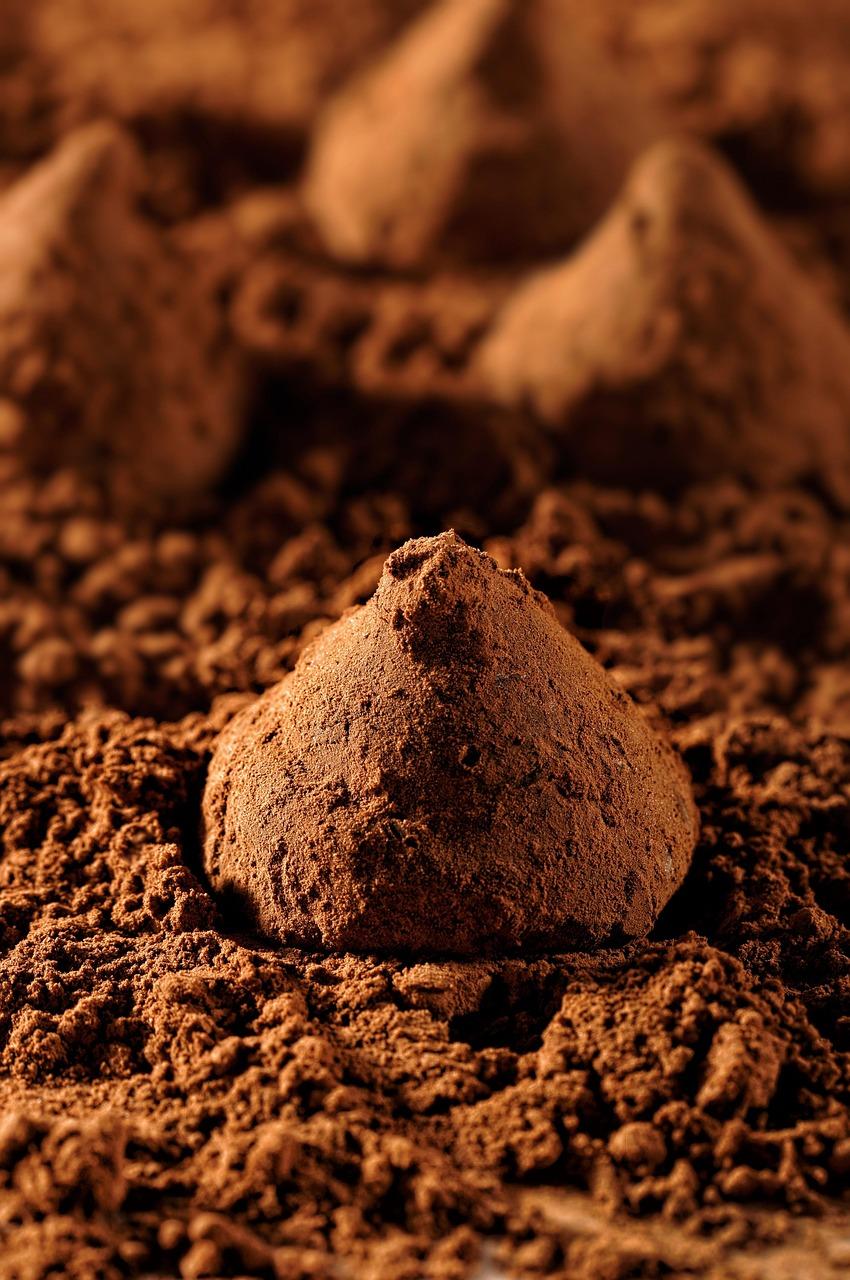
Truffes au chocolatChocolate truffles

Chocolate truffles, named after the black truffles of Périgord they resemble, are the home-made Christmas gift and after-dinner treat of France, rolled roughly and dusted with bitter cocoa. They need just good dark chocolate, cream and a little butter. The common mistake is overheating the chocolate, which makes it split and greasy. Chef's tip: work with cold hands and a melon baller, and keep the tray in the fridge between batches.

by KrazyBadal 0 views

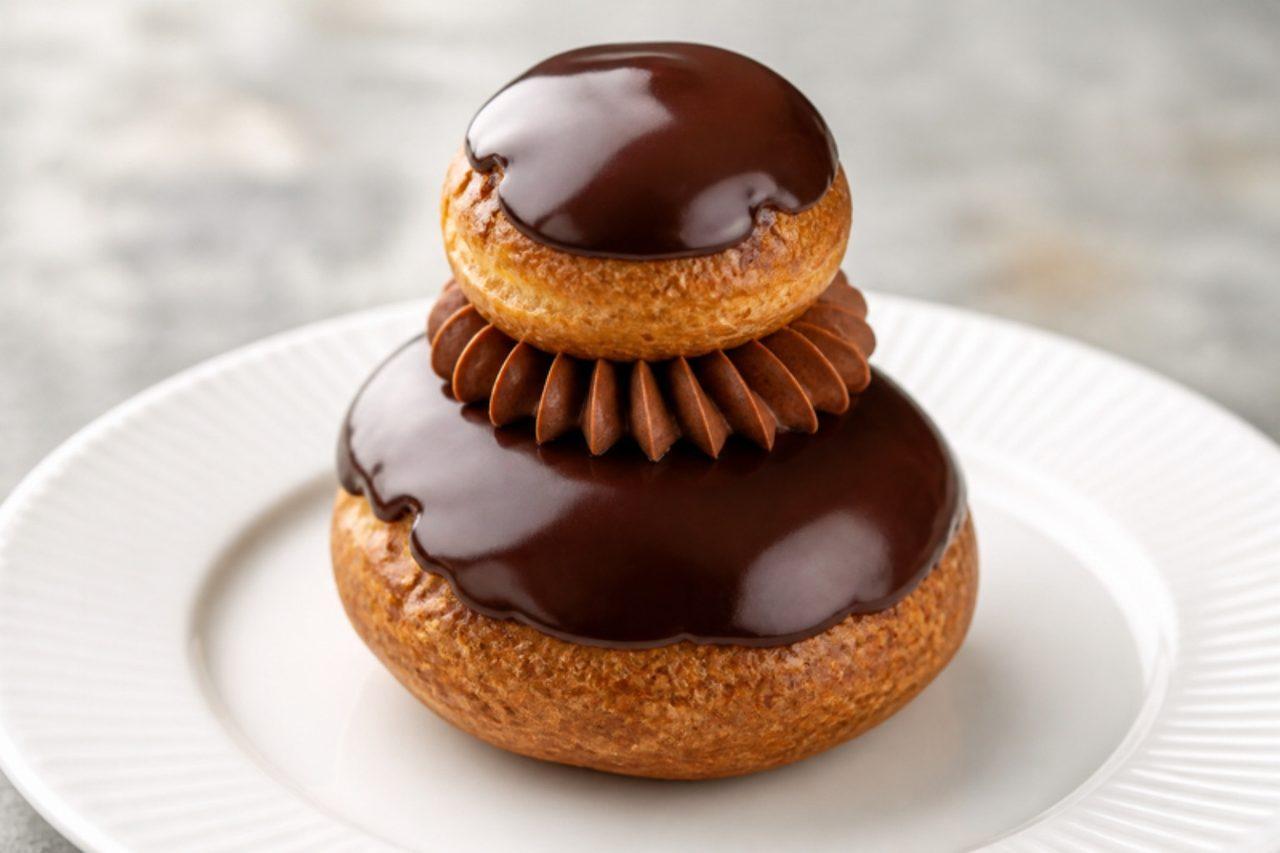
ReligieuseDouble choux bun

The religieuse, "nun", is a Parisian pâtisserie classic invented in the 1850s, so called because the two stacked choux buns, glazed in brown icing with a little ruff of buttercream, look like a nun in her habit. It is still a treat bought at weekend bakeries in Paris for a special goûter. The common mistake is underbaking the choux, which collapse when filled. Chef's tip: once baked, prop the oven door open with a wooden spoon and leave the choux inside for 10 minutes to dry out.

by KrazyBadal 0 views

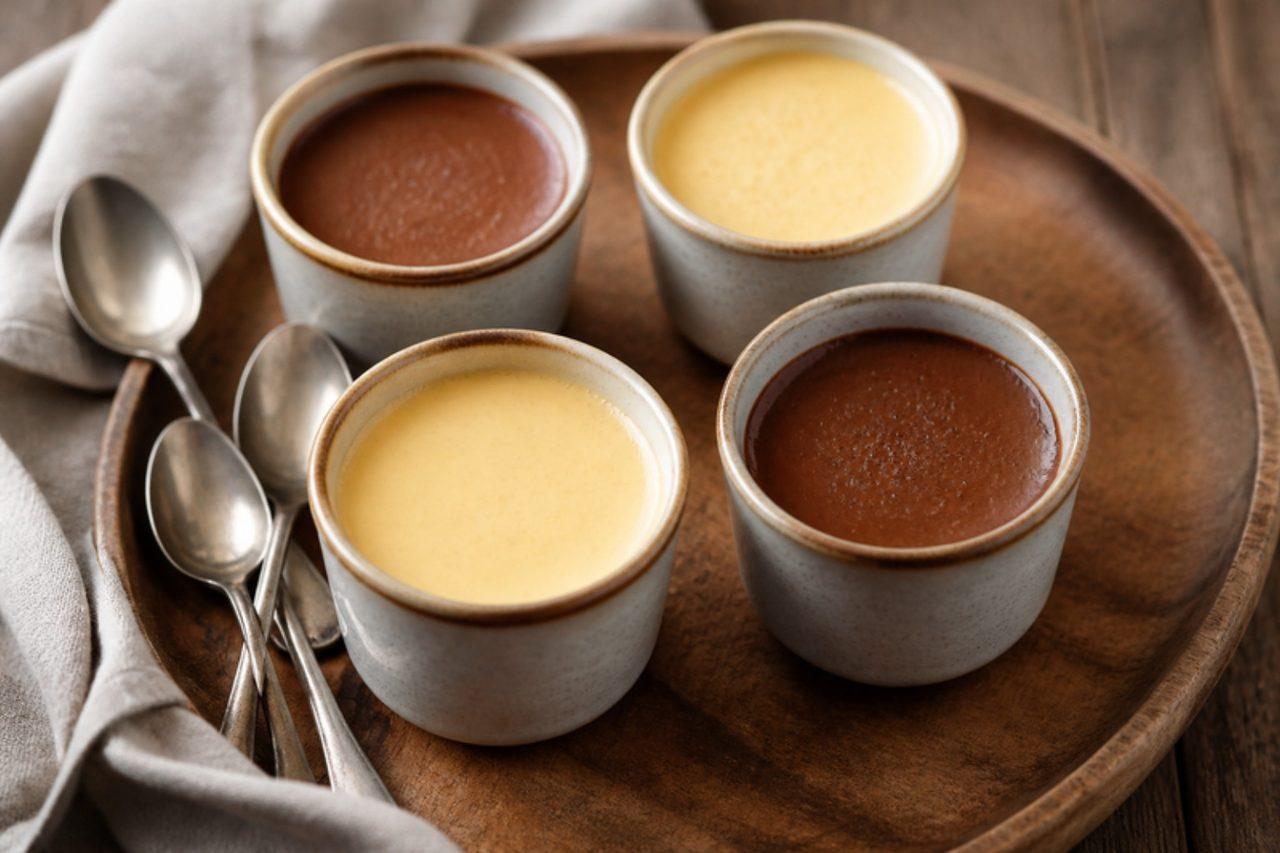
Petits pots de crèmeBaked custard pots

Petits pots de crème are little baked custards in individual pots, a classic dessert of French home cooking and old Paris bistros, often served in a pair: one vanilla, one chocolate. They are richer and softer than crème caramel, set in a gentle water bath. The common mistake is baking them too hot, which leaves bubbles and a grainy texture. Chef's tip: take them out while the centres still wobble; they firm up in the fridge.

by KrazyBadal 0 views

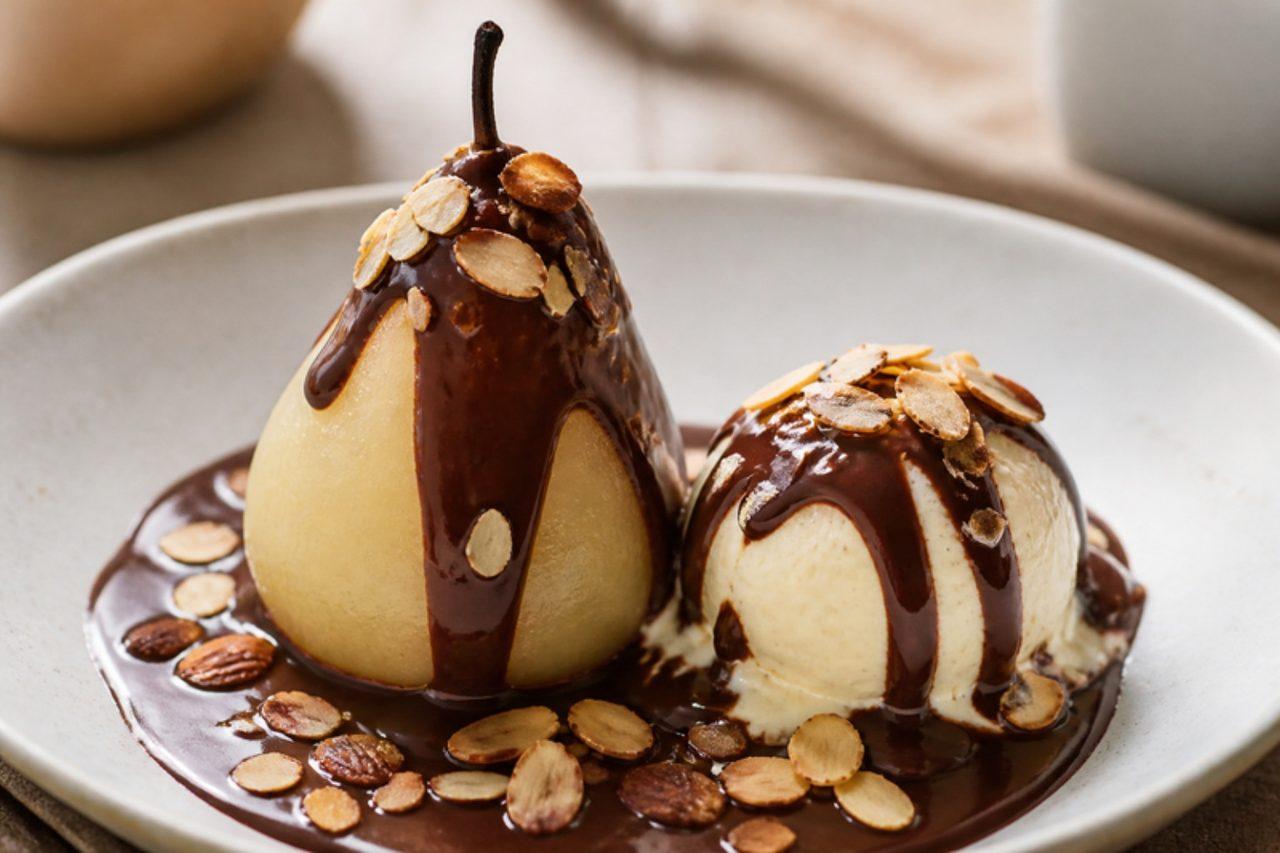
Poires Belle-HélènePears with chocolate sauce

Poires Belle-Hélène was created in Paris in the 1860s, probably by the great chef Escoffier, to honour Offenbach's operetta La Belle Hélène, and it is still on bistro menus and served at home as an easy winter dessert. Whole pears are poached in vanilla syrup, then served cold with vanilla ice cream and a jug of hot dark chocolate sauce. The common mistake is poaching hard pears too fast, so they stay crunchy in the middle. Chef's tip: the pears are done when a knife slides in like butter; keep the syrup at a gentle shiver.

by KrazyBadal 0 views

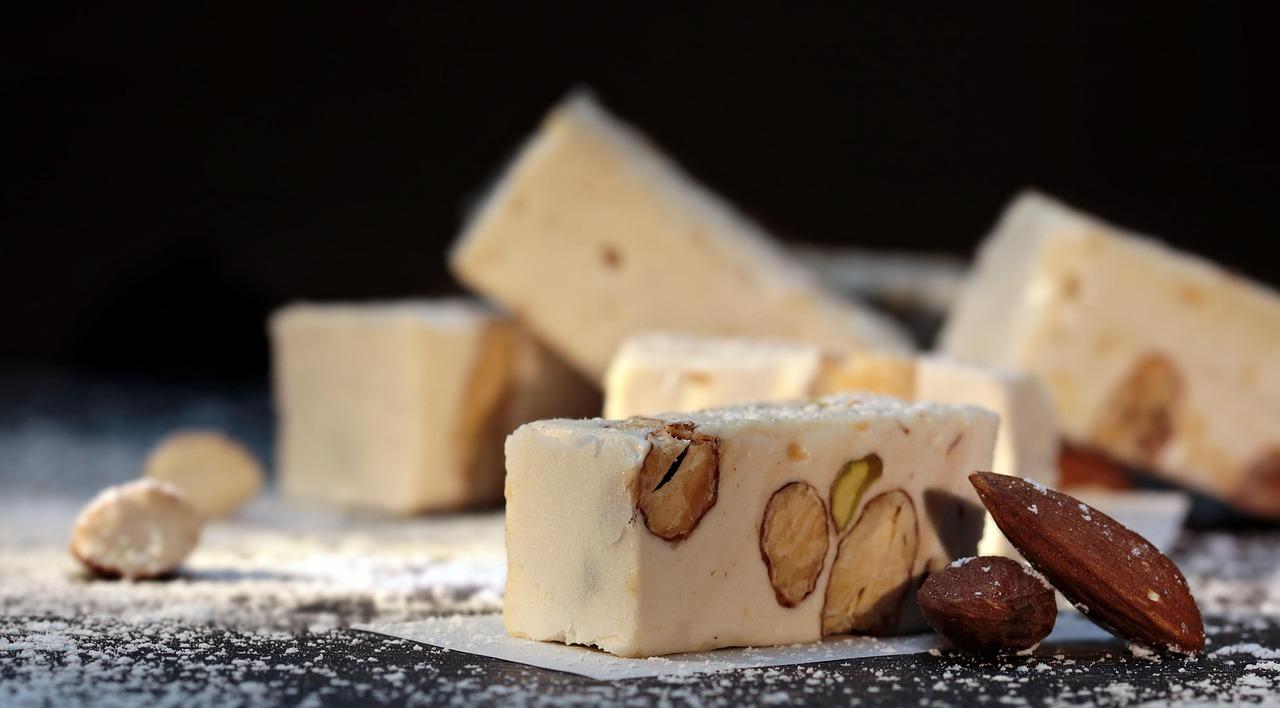
Nougat blancWhite honey nougat

White nougat is the most famous sweet of Montélimar in the Drôme, made with lavender honey, whisked egg white and plenty of almonds and pistachios, and it is one of the thirteen desserts on every Provençal Christmas Eve table. It needs a sugar thermometer, but no special skill. The common mistake is undercooking the syrup, so it never sets firm. Chef's tip: work quickly once the nuts are in, and press the nougat flat with an oiled sheet of baking paper.

by KrazyBadal 0 views

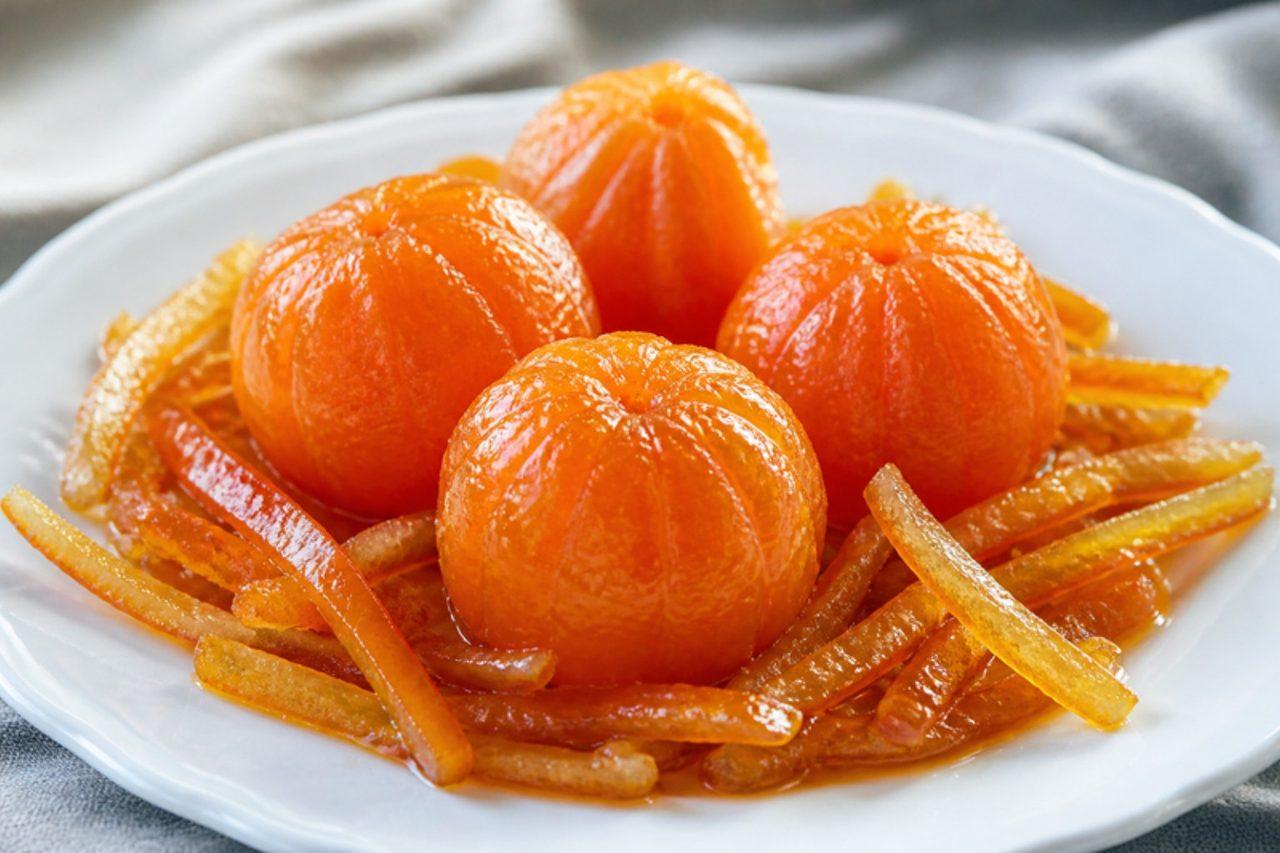
Fruits confitsCandied citrus fruit

Candied fruit is a speciality of Apt in the Vaucluse, the world capital of fruits confits, and a bowl of glistening candied clementines, melon and orange peel is one of the thirteen desserts of Christmas Eve in Provence. Home candying takes several days of patient simmering in syrup, but very little work each day. The common mistake is boiling the fruit hard, which toughens it. Chef's tip: increase the sugar a little each day so it soaks in slowly to the centre.

by KrazyBadal 0 views

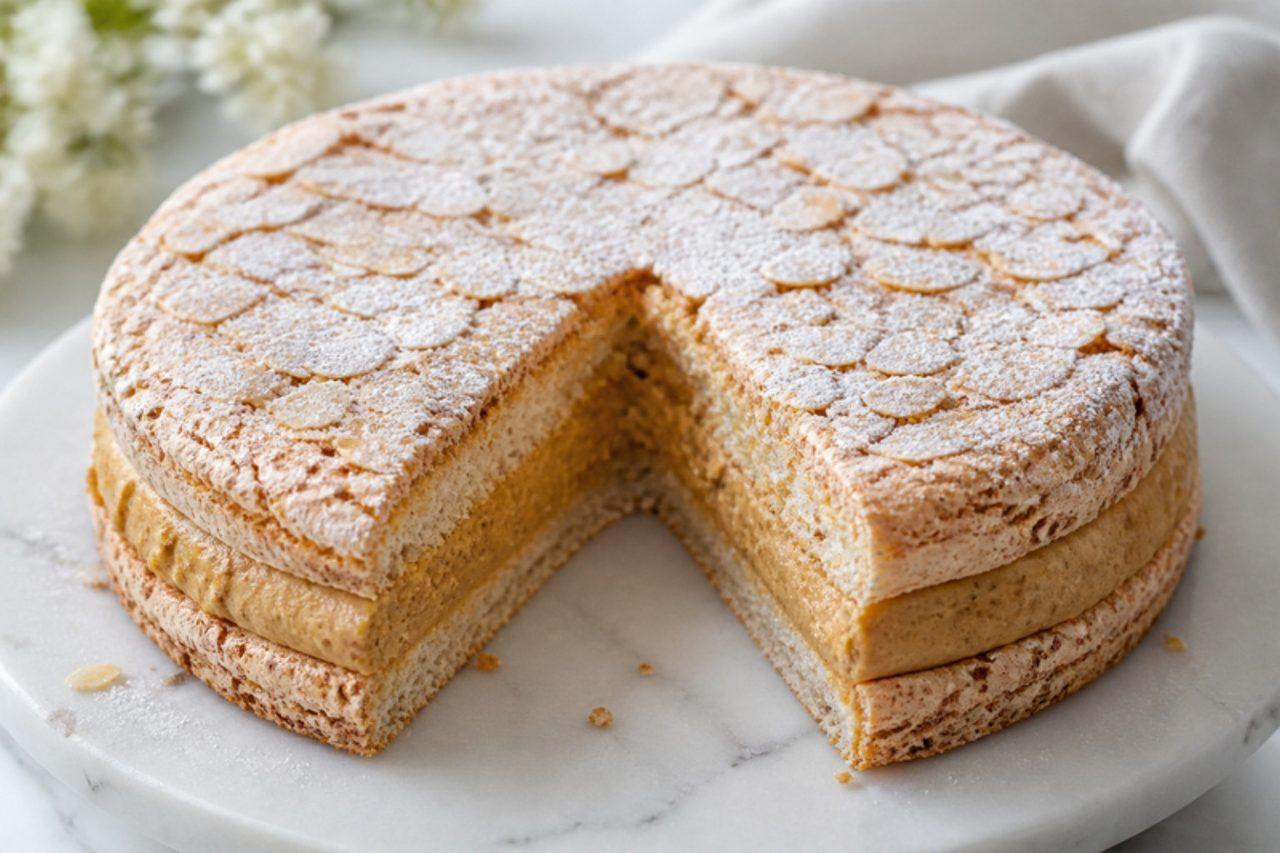
DacquoiseAlmond meringue layer cake

The dacquoise takes its name from Dax in the Landes, in south-west France, and it is a light celebration gâteau of almond and hazelnut meringue discs, crisp outside and chewy inside, sandwiched with praline buttercream and dusted with icing sugar. It is gluten free, as long as the praline paste is. The common mistake is knocking the air out of the whites when folding in the nuts. Chef's tip: fold the ground nuts in with a spatula in three goes, cutting down through the centre and turning the bowl.

by KrazyBadal 0 views

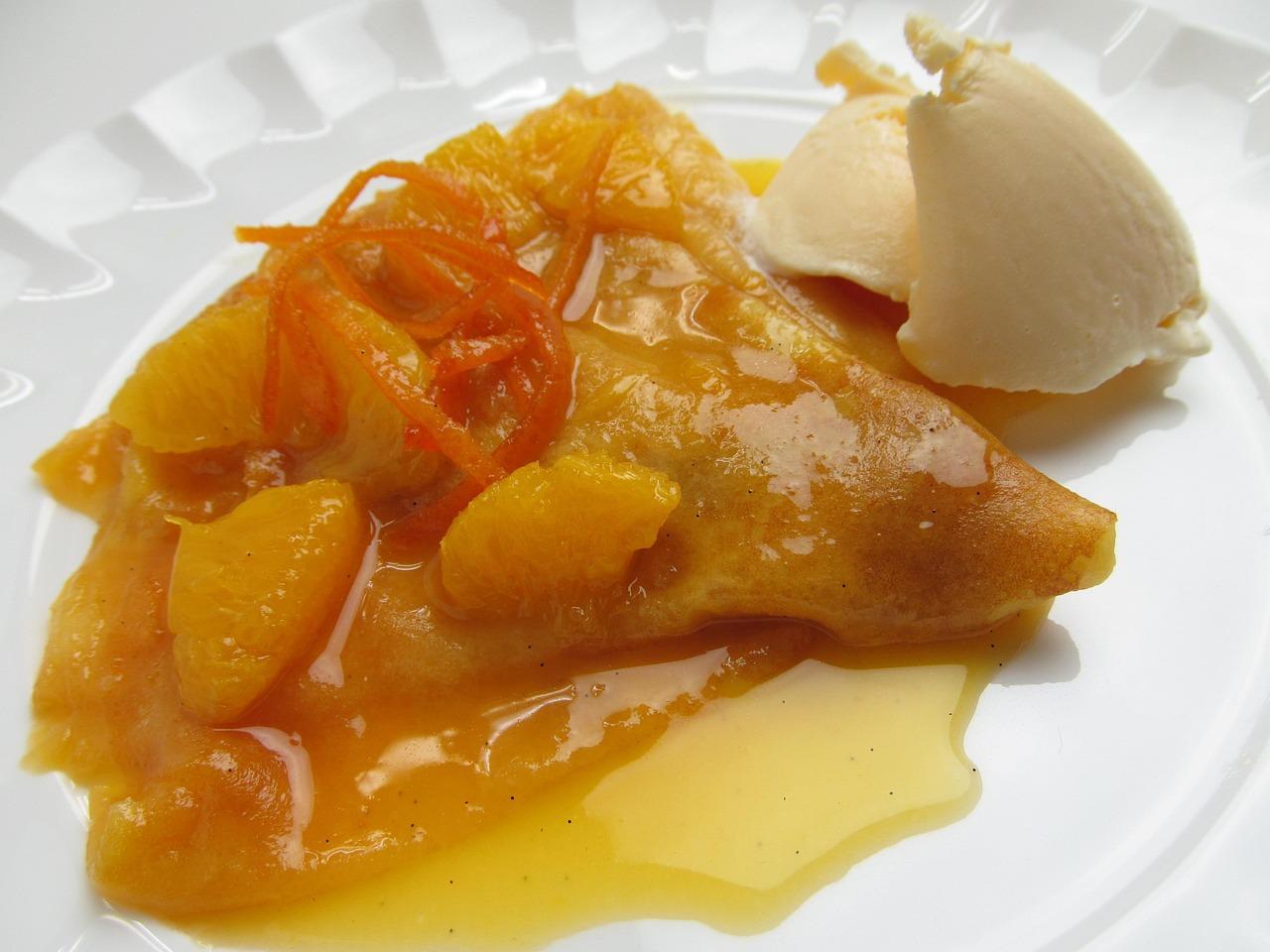
Crêpes SuzetteOrange caramel crêpes

Crêpes Suzette are the showpiece dessert of grand Parisian restaurants, where thin crêpes are warmed at the table in a buttery caramel sauce of fresh orange juice and zest, and traditionally flamed with orange liqueur. This home version is not flambéed and is alcohol-free, so it suits all ages and is safer at home; adults may add a spoonful of orange liqueur to the sauce and let it bubble. The common mistake is letting the caramel go too dark, which turns bitter with the juice. Chef's tip: fold the crêpes in quarters in the pan so every layer soaks up the sauce.

by KrazyBadal 0 views

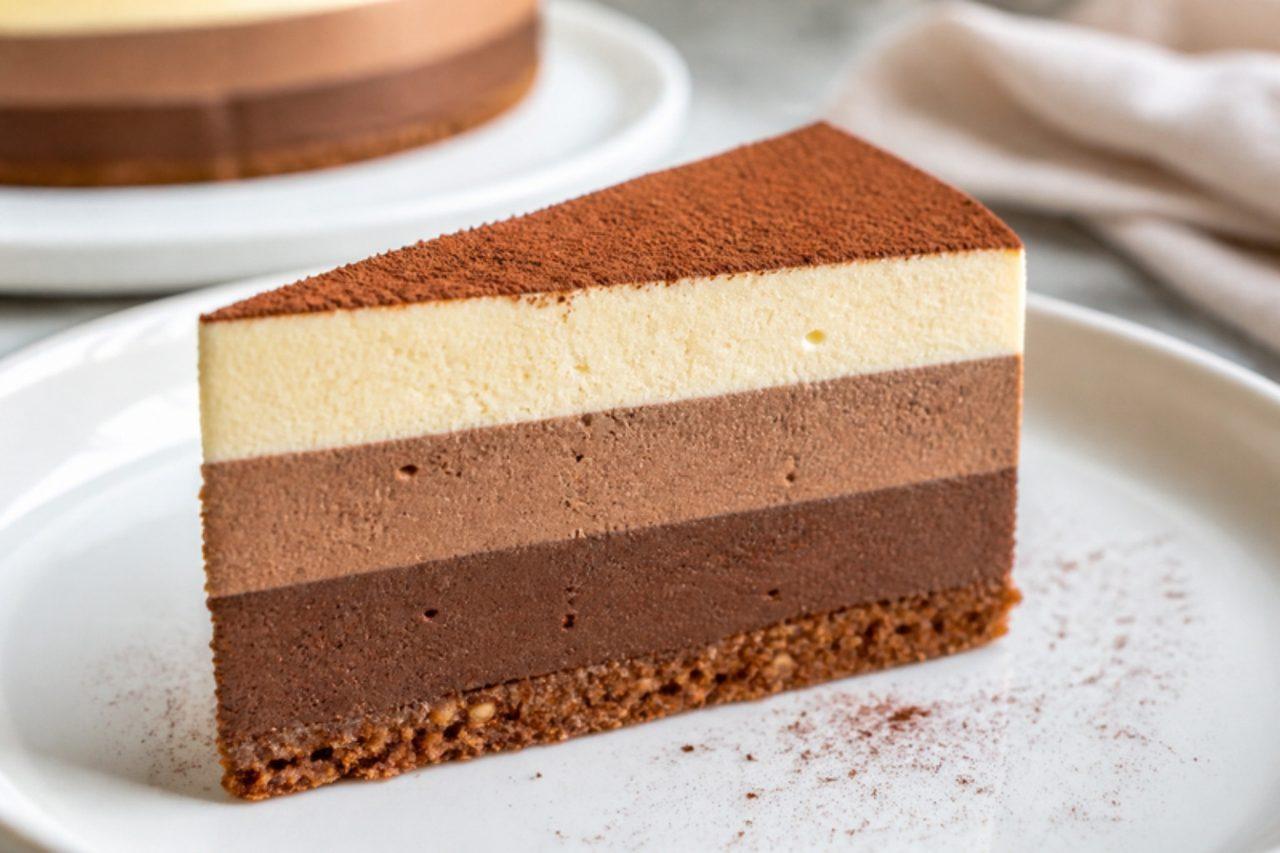
Entremets trois chocolatsTriple chocolate mousse cake

The trois chocolats is the most popular birthday entremets in French pâtisseries, a crisp praline base topped with three layers of mousse, dark, milk and white chocolate, set in a ring and sliced to show the stripes. This home version sets the mousses with agar, so it is vegetarian. The common mistake is pouring a layer before the one below is set, so they mix. Chef's tip: chill each layer for 30 minutes, until it no longer moves when you tilt the ring.

by KrazyBadal 0 views

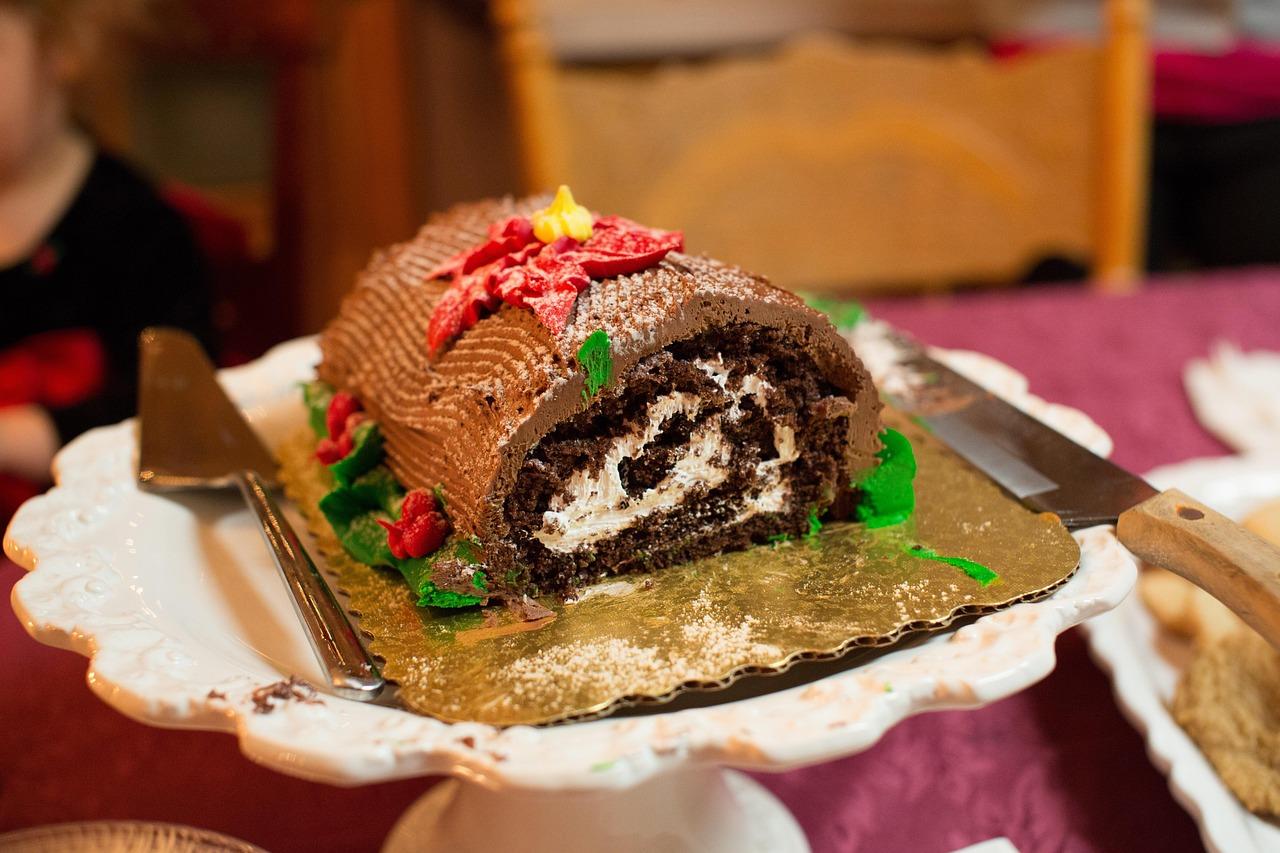
Bûche de NoëlChocolate Christmas log

The bûche de Noël is the Christmas Eve and Christmas Day dessert in homes all over France, a rolled sponge filled and covered with chocolate cream and marked with a fork to look like the Yule log that families once burned through the holidays. This classic home version uses a light sponge, a chocolate ganache cream and a dusting of icing-sugar snow. The common mistake is letting the sponge cool flat, so it cracks when rolled. Chef's tip: roll it up in a clean tea towel while hot, then unroll to fill once cool; it remembers the shape.

by KrazyBadal 0 views

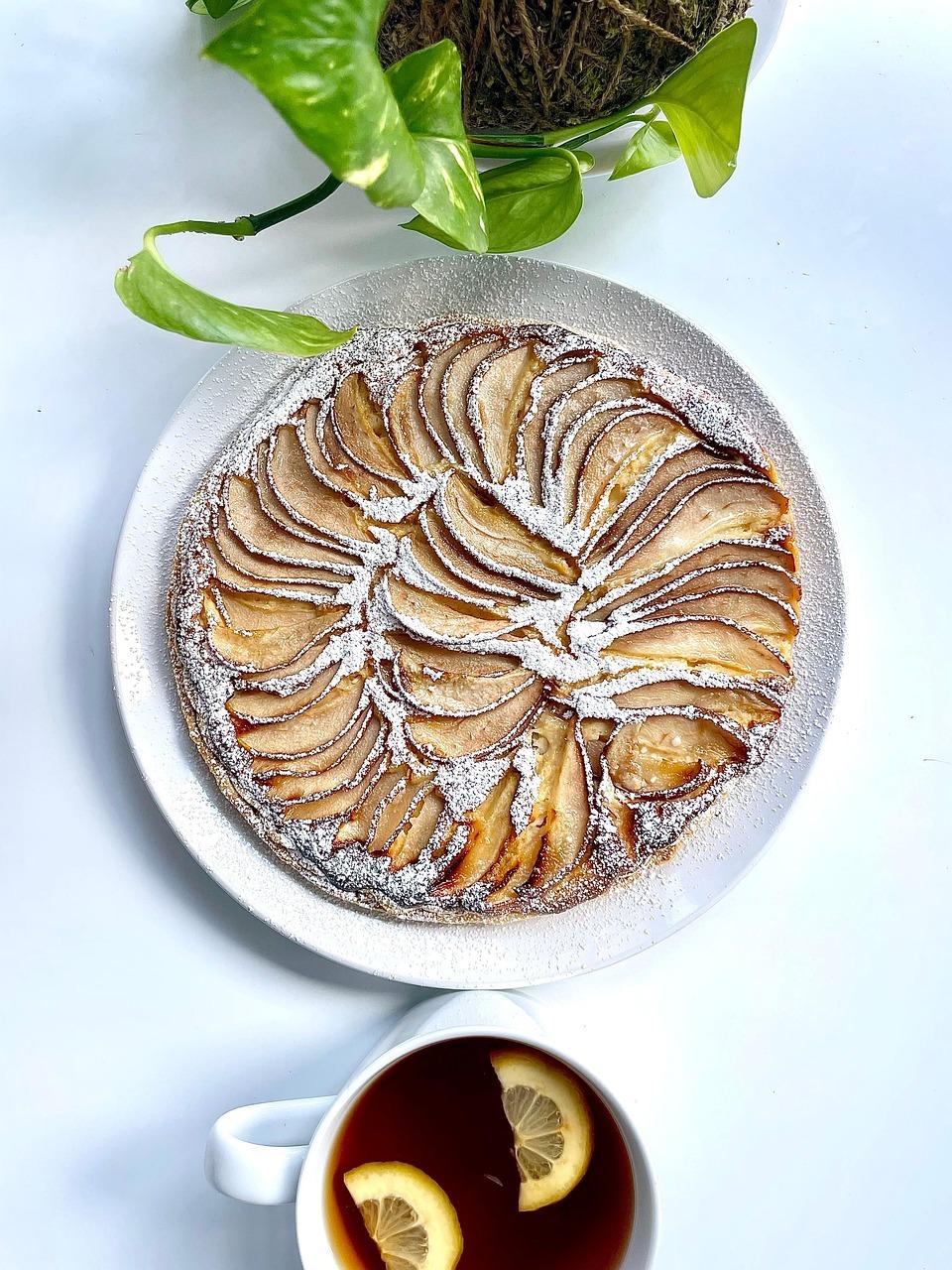
Tarte BourdalouePear and almond tart

The tarte Bourdaloue was created in the 19th century by a Parisian pâtissier on the rue Bourdaloue, behind the church of Notre-Dame-de-Lorette, and it is still a classic autumn and winter tart in Paris bakeries. Poached pear halves are fanned over almond cream in a sweet pastry case and baked until the cream puffs up golden around the fruit. The common mistake is using wet pears, which make the almond cream soggy. Chef's tip: pat the pears dry on kitchen paper and slice them thinly crosswise, keeping each half together, so they fan out neatly.

by KrazyBadal 0 views

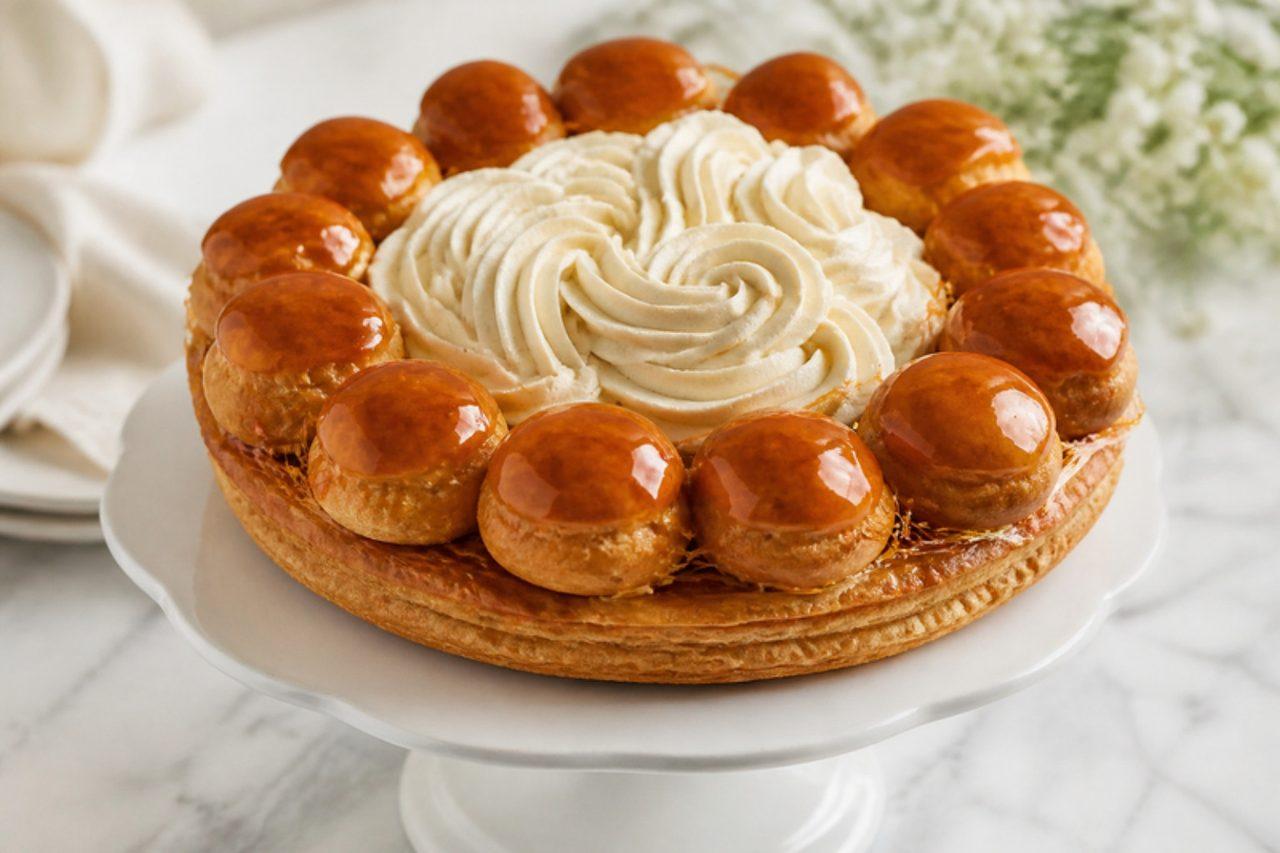
Saint-HonoréChoux and caramel cream cake

The Saint-Honoré, named after the patron saint of bakers and created in a pâtisserie on the rue Saint-Honoré in Paris around 1850, is a celebration cake for christenings and saints' days: a puff pastry disc ringed with choux, a crown of caramel-dipped cream puffs and a centre of piped vanilla cream. It is a project, but each part is simple. The common mistake is touching the caramel, which burns badly. Chef's tip: dip the puffs top-down into the caramel and set them upside down on baking paper, so the tops dry flat and glassy.

by KrazyBadal 0 views

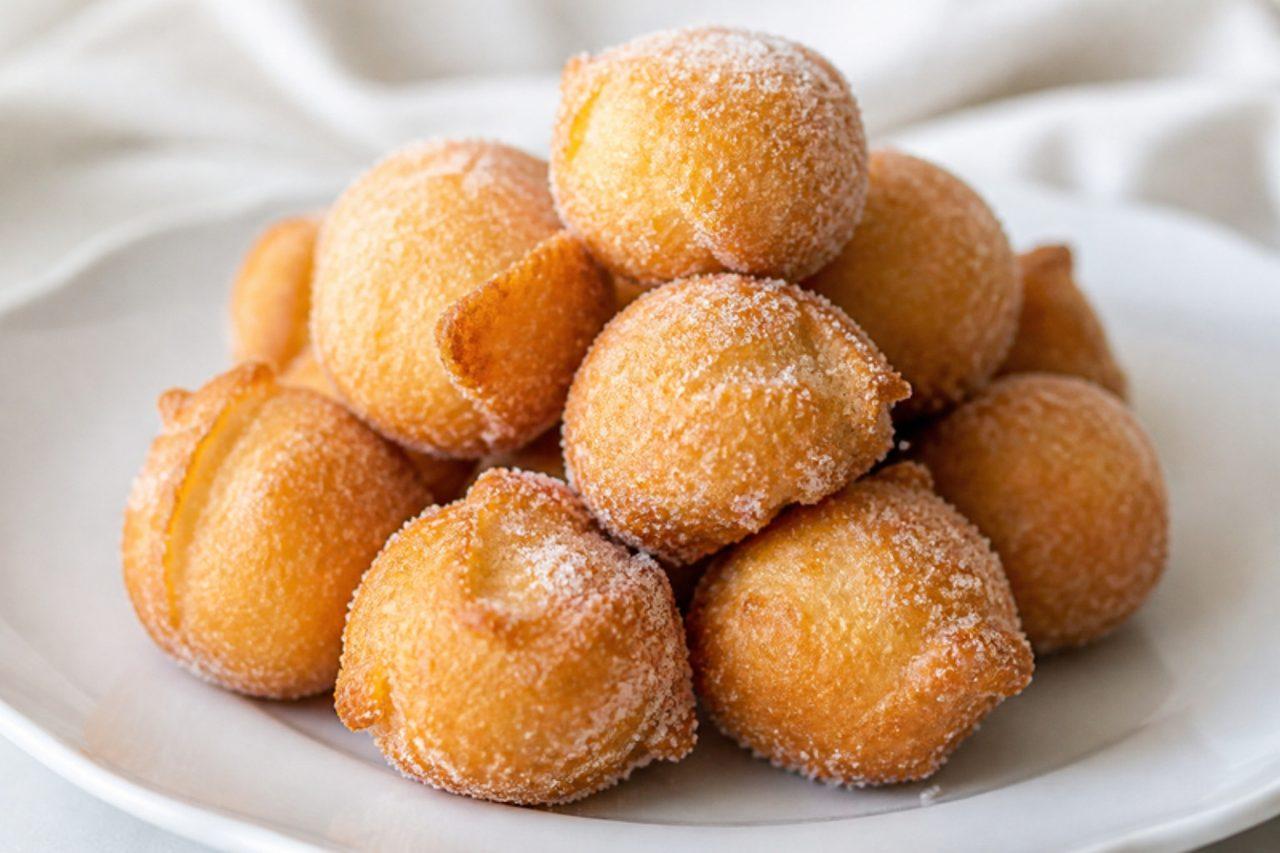
Pets-de-nonneFried choux puffs

Pets-de-nonne are tiny fried choux puffs, light as air, rolled in sugar and eaten warm at carnival time, Mardi Gras and in winter markets in Alsace, Lorraine and the Franche-Comté. Spoonfuls of choux dough swell and turn themselves over in the hot oil. The common mistake is frying too hot, so they brown before they puff and stay raw inside. Chef's tip: keep the oil at 170 °C and fry only a few at a time; they turn over by themselves when ready.

by KrazyBadal 0 views

Showing 24 of 90 recipes

Show more recipes

Page 1 of 4