Skip to content
Recipes

All recipes

Vegetarian, or something you can't eat? Set your diet once and we'll hide recipes that don't fit.

Kokum sharbatKokum cordial

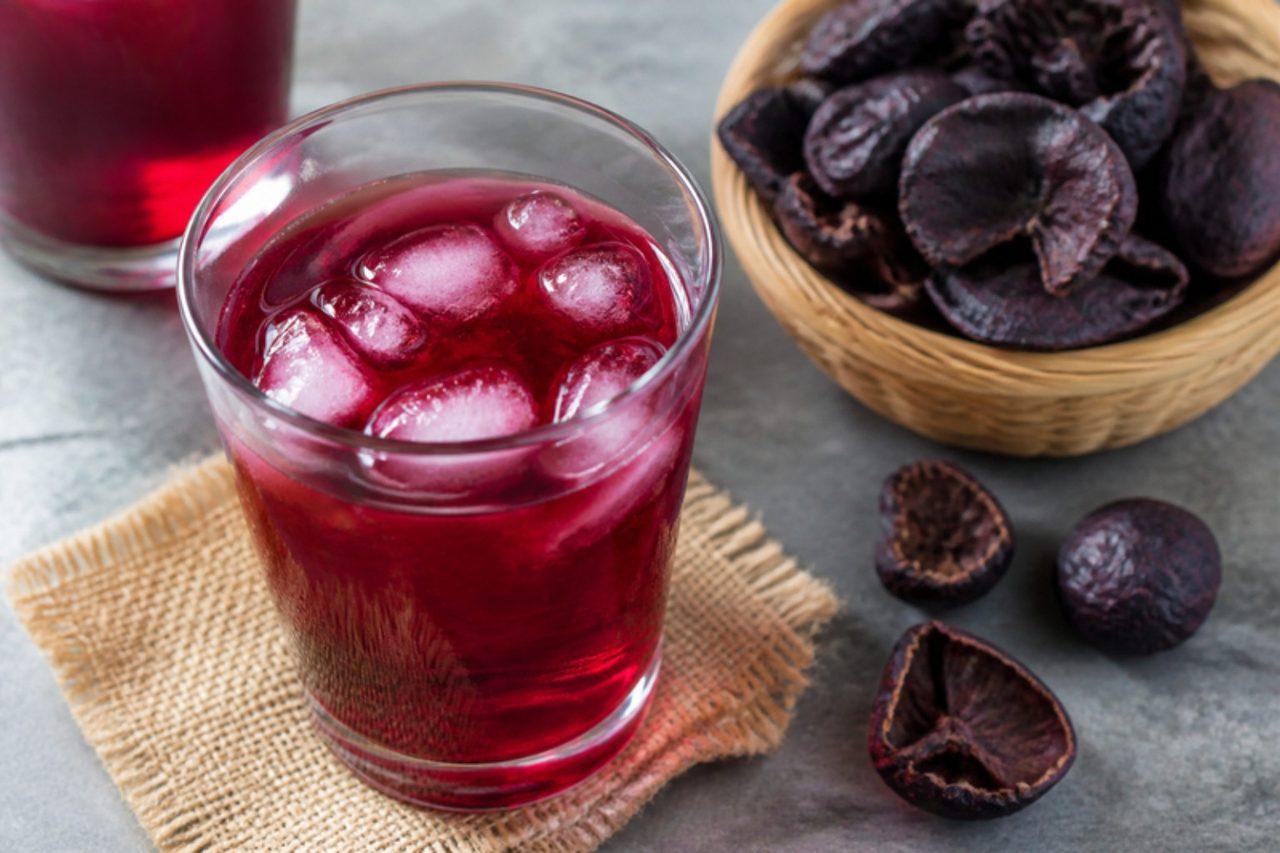
Along the Konkan coast, from Ratnagiri down to Goa, the purple kokum fruit is split and dried in the sun every summer, and the leathery rinds go into curries, sol kadhi and this sharbat. Unlike sol kadhi, there is no coconut milk here: just a clear, deep-red syrup that is fruity, tart and faintly salty, diluted with cold water and drunk after a fish lunch or on a hot afternoon to cool the stomach. Families in Malvan and Sawantwadi still make the concentrate by layering fresh fruit with sugar in jars; this quicker version uses the dried rinds you can buy anywhere. The common mistake is boiling the kokum hard for a long time, which makes the syrup taste stewed and murky; simmer gently just until the colour floods out. Chef's tip: a pinch of roasted cumin and black salt in the glass turns a simple sweet drink into the proper coastal version.

by KrazyBadal 0 views

Mango mastaniMango milkshake with ice cream

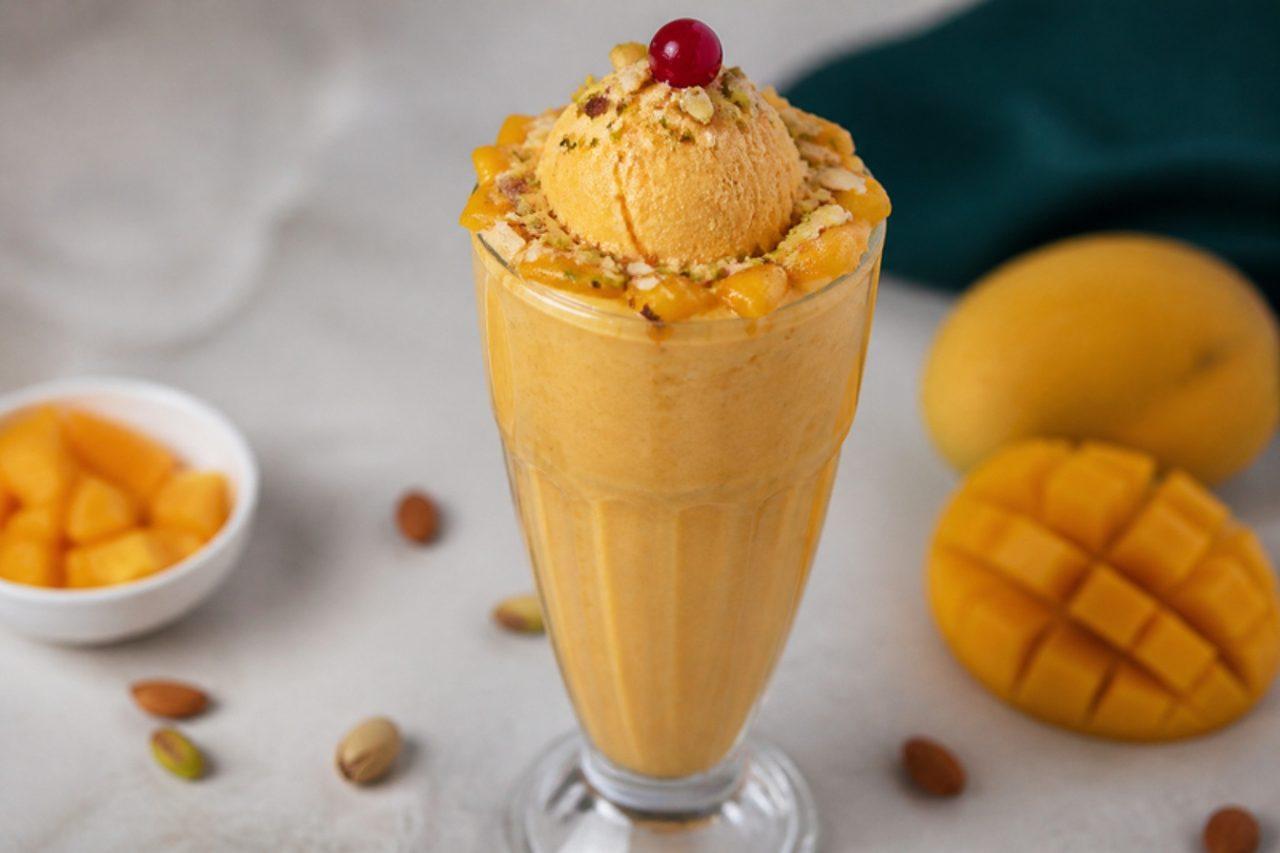
Pune's mastani was born in the city's old peths, and families still queue on summer evenings at the famous shops near Budhwar Peth and Sadashiv Peth for a tall glass so thick you need a spoon. The base is a mango milkshake, made dense with ripe Alphonso pulp and ice cream, then topped with another scoop of mango ice cream, chopped nuts, tutti frutti and a cherry. It is named, people say, after Bajirao Peshwa's beloved Mastani. Rich and fruity, it is dessert and a cool drink in one. A common mistake is adding ice to the blender: it thins the shake and dulls the mango, so chill the milk and pulp well instead. Chef's tip: Alphonso from Ratnagiri or Devgad gives the right colour and fragrance; in the off season use good tinned Alphonso pulp and skip the sugar.

by KrazyBadal 0 views

Masala chaasSpiced buttermilk

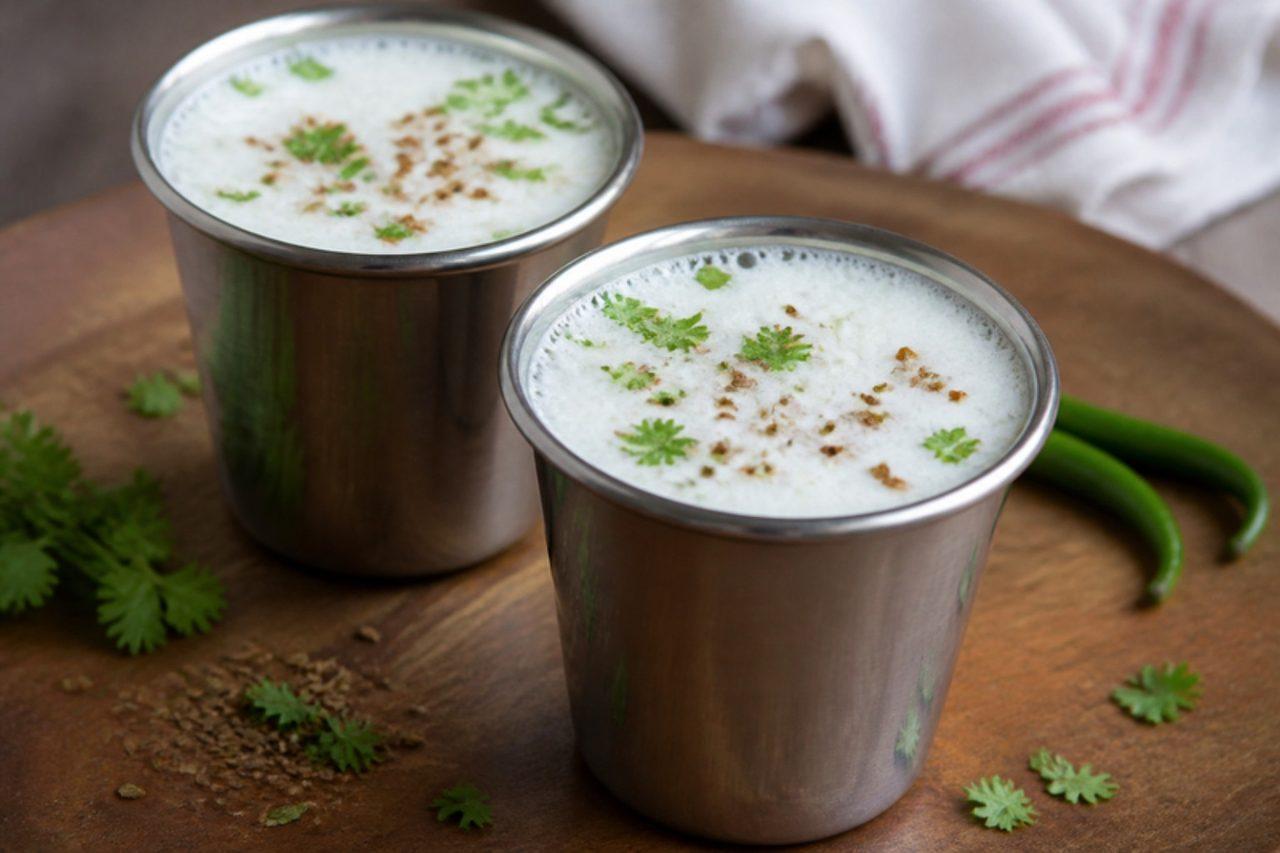
No Gujarati lunch is finished until the steel glass of chaas comes round. From Ahmedabad pols to Kathiyawadi farmhouses, homemade dahi is thinned right down, churned with a wooden ravai or a blender, and seasoned with roasted cumin, black salt, a little ginger and green chilli, then poured ice-cold after dal-bhaat-shaak-rotli. It should be thin enough to drink in one go, salty, gently hot and full of coriander; that is what settles a heavy meal in May. Kerala's sambaram, with shallot and curry leaf, is a close cousin. A common mistake is churning thick, very cold full-fat dahi for too long: the fat clumps into flecks of butter and the chaas turns thin and greasy. Blend the dahi with only part of the water for a few seconds, then stir in the rest. Chef's tip: dahi that is a day old and slightly sour makes the best chaas; very fresh, sweet dahi tastes flat however much masala you add.

by KrazyBadal 0 views

Kulukki sarbathShaken lime cooler

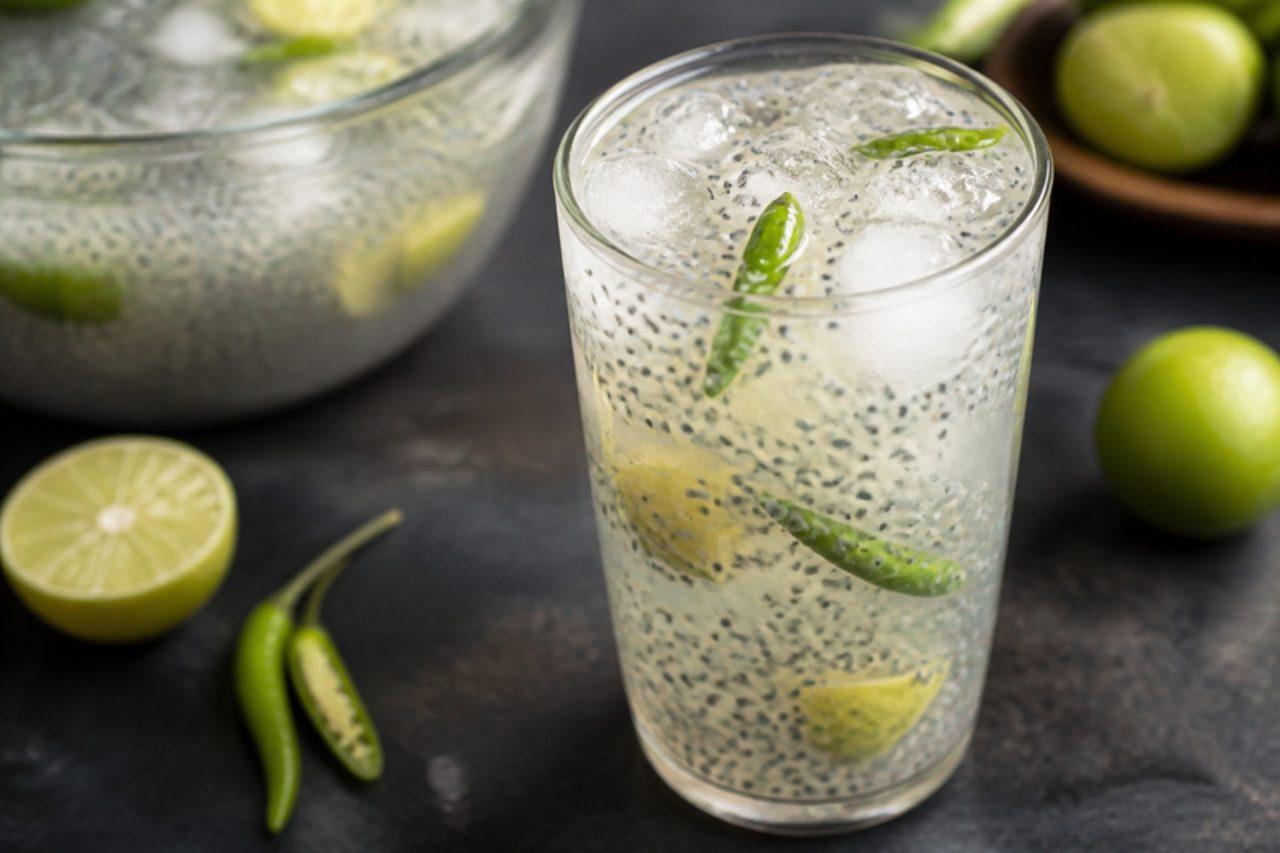
Kulukki means shaken, and the show is half the fun: at roadside stalls in Kozhikode, Kochi and Thrissur, the vendor drops lime, a slit green chilli, basil seeds, syrup and ice into a tall steel tumbler, caps it with another and rattles it furiously before pouring a frothy glass. The drink became a craze across Kerala in the 2010s and is now a beach and festival favourite. It tastes sharp, sweet, salty and then hot as the chilli catches the back of your throat. Some stalls add pineapple or passion fruit. The common mistake is crushing the lime and chilli too hard or leaving them to sit, which makes the drink bitter from the peel and far too fiery; shake briefly and pour at once. Chef's tip: use a jar with a tight lid half filled with ice; the ice does the crushing and makes the foam.

by KrazyBadal 0 views

PanakamJaggery and ginger water

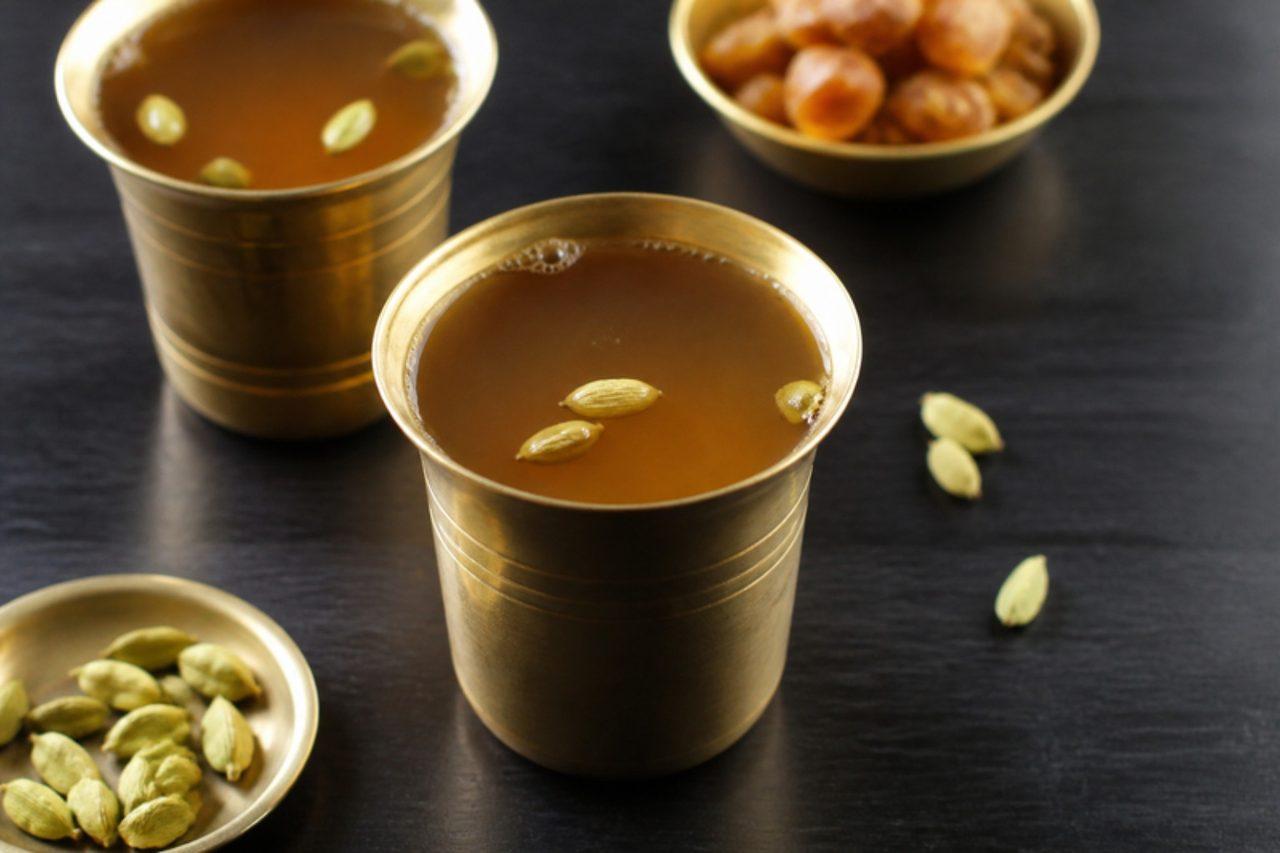
On Sri Rama Navami, temples and homes across Andhra Pradesh, Telangana and Tamil Nadu set out brass pots of panakam beside neer mor (spiced buttermilk) and kosambari. The drink is offered first, then handed to everyone in small steel tumblers. It is nothing more than jaggery dissolved in water, but the dry ginger and black pepper give it a pleasant heat that cuts through the sweetness, and cardamom and a few tulsi leaves make it smell of the festival. It is never boiled; it's stirred until the jaggery melts. The common mistake is not straining: jaggery often carries sand and fibres, so always pour it through a fine cloth. Chef's tip: a squeeze of lemon is not traditional everywhere, but in hot Vijayawada summers many homes add it, and it brightens the drink wonderfully.

by KrazyBadal 0 views

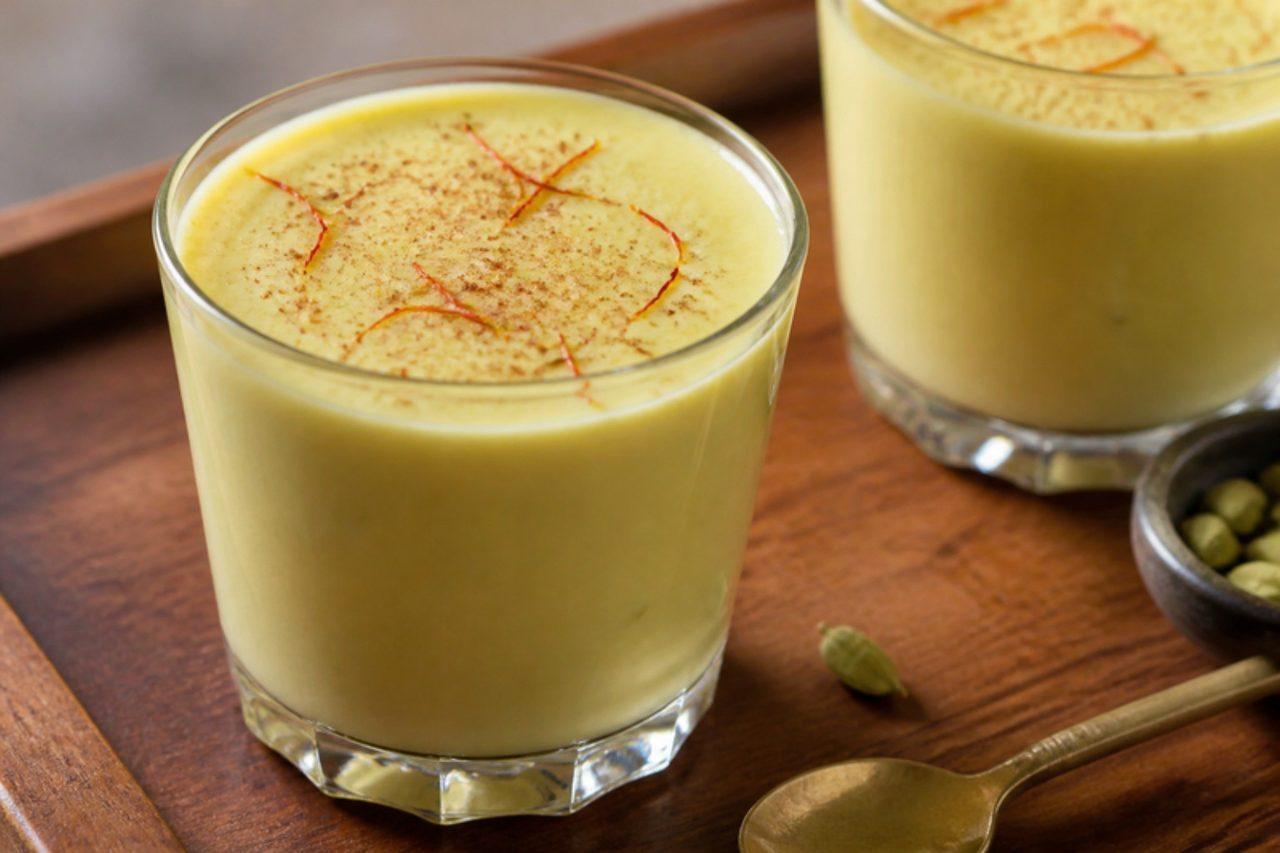
PiyushShrikhand buttermilk drink

Piyush means nectar, and Pune and Mumbai Maharashtrians drink it on summer afternoons, at Gudi Padwa lunches when there is leftover shrikhand, or from old dairy shops near Dadar and Girgaon where it is sold in glass bottles. It sits between lassi and dessert: thick but pourable, sweet and gently sour, yellow with saffron and scented with cardamom and a whisper of nutmeg. It is lovely with a spicy batata vada or after a puran poli meal. The common mistake is pouring cold buttermilk straight onto stiff shrikhand, which leaves stubborn lumps; loosen the shrikhand with a little buttermilk first, then whisk in the rest. Chef's tip: bloom the saffron in a spoonful of warm milk; cold buttermilk won't pull the colour out.

by KrazyBadal 0 views

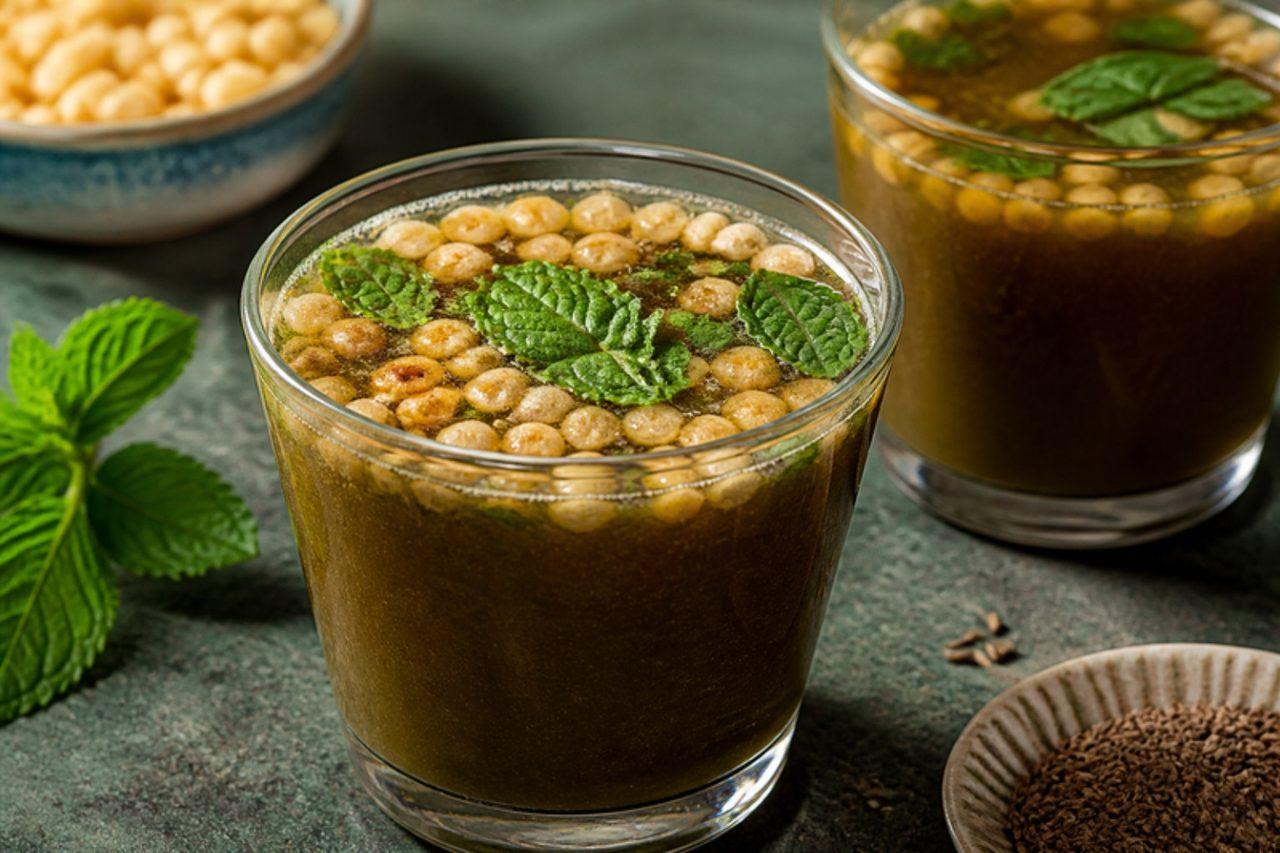
JaljeeraTamarind mint cumin drink

Street vendors in Old Delhi and Varanasi sell jaljeera from big red clay matkas wrapped in wet cloth, ladling it into glasses with a handful of boondi on top. The name simply means cumin water, but the flavour is busier than that: sour tamarind and lemon, a cool rush of mint, the sulphur note of black salt and the warmth of roasted cumin and dry ginger. It is drunk before a heavy Punjabi meal to wake the appetite, at summer weddings, and on long train journeys. Make the masala fresh and the difference shows. The common mistake is using raw cumin powder; it tastes dusty. Dry-roast whole cumin until it darkens a shade and smells toasty, then grind it. Chef's tip: add the boondi only at the table so it stays crunchy for the first sip and softens by the last.

by KrazyBadal 0 views

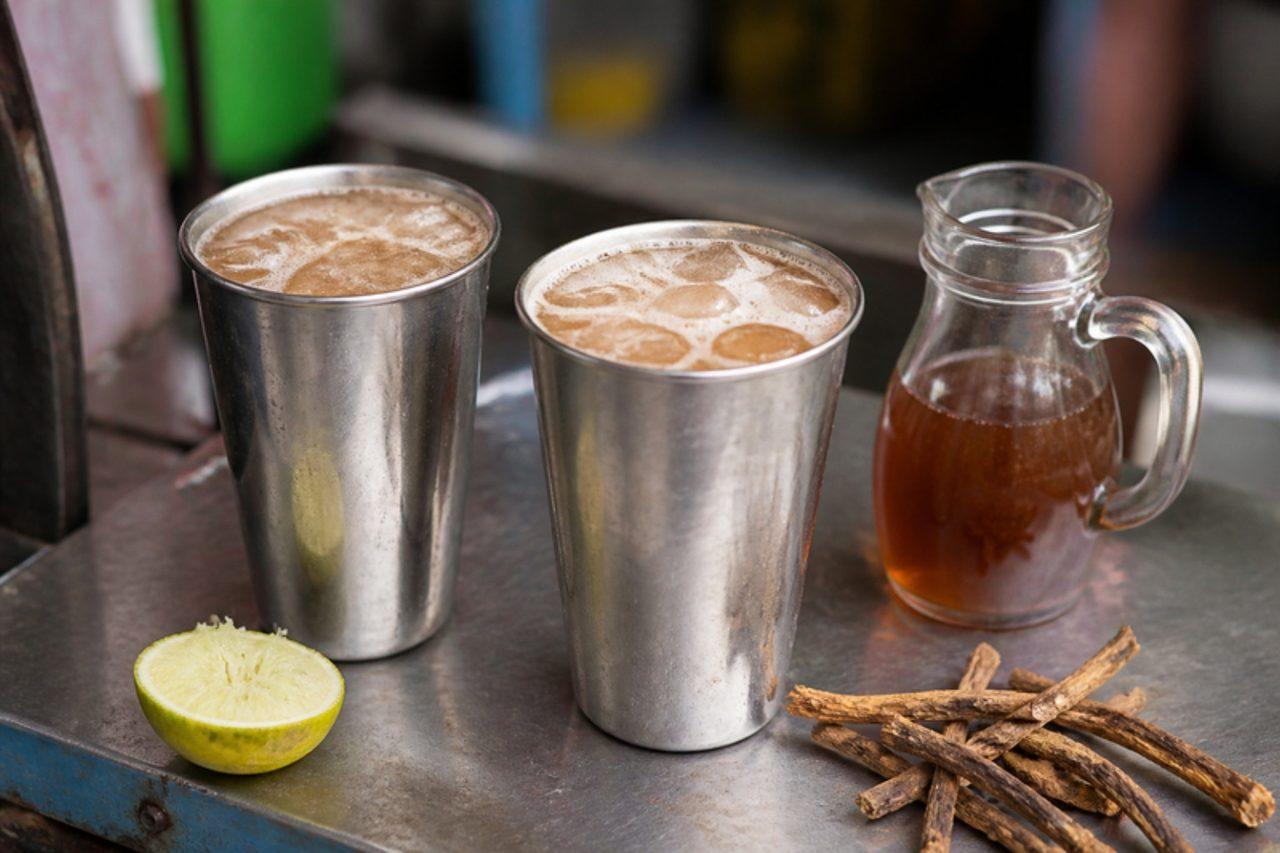
Nannari sarbathSarsaparilla and lime cooler

Walk past any sarbath kadai in Madurai, Tiruchi or Chennai's Parry's Corner in summer and you'll hear the clink of a glass being stirred with a long spoon. Nannari, the sweet, woody, vanilla-like root of Indian sarsaparilla, is cooked into a dark syrup; the vendor pours a little into a glass, squeezes in a whole lime, adds a pinch of salt and ice, and tops it with water or a fizz of soda. It is sweet, sharp and earthy all at once, and nothing like the milky jigarthanda made with the same syrup. Many shops add soaked sabja seeds for texture. The common mistake is too much syrup: the root flavour gets lost in sweetness, so start with less and let the lime lead. Chef's tip: squeeze the lime straight into the glass and drop in one squeezed half; a little oil from the peel gives that roadside freshness.

by KrazyBadal 0 views

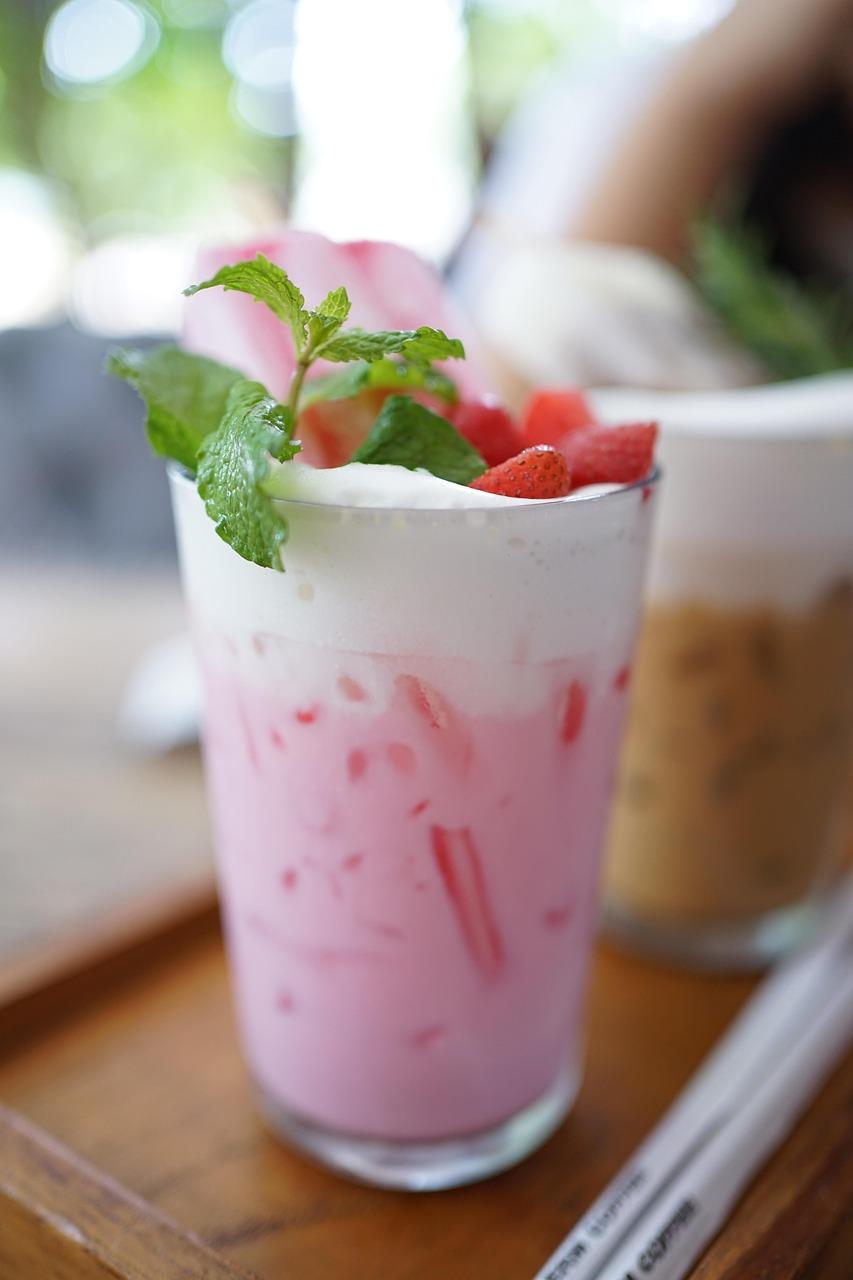
Nom yen (pink milk)Pink iced milk

Thai drink stalls outside schools and markets keep a bottle of red sala syrup next to the condensed milk for this sweet, bubblegum-pink milk, a favourite of children from Bangkok to Hat Yai. Sala is a tangy palm fruit, and the syrup tastes of it lightly, almost like cream soda; any red sala-flavoured syrup from an Asian shop works. Shake it with ice until frothy. Chef's tip: the mistake is too much syrup, which turns it lurid and cloying; start with a tablespoon per glass and add more to taste.

by KrazyBadal 0 views

Agua de sandíaWatermelon drink

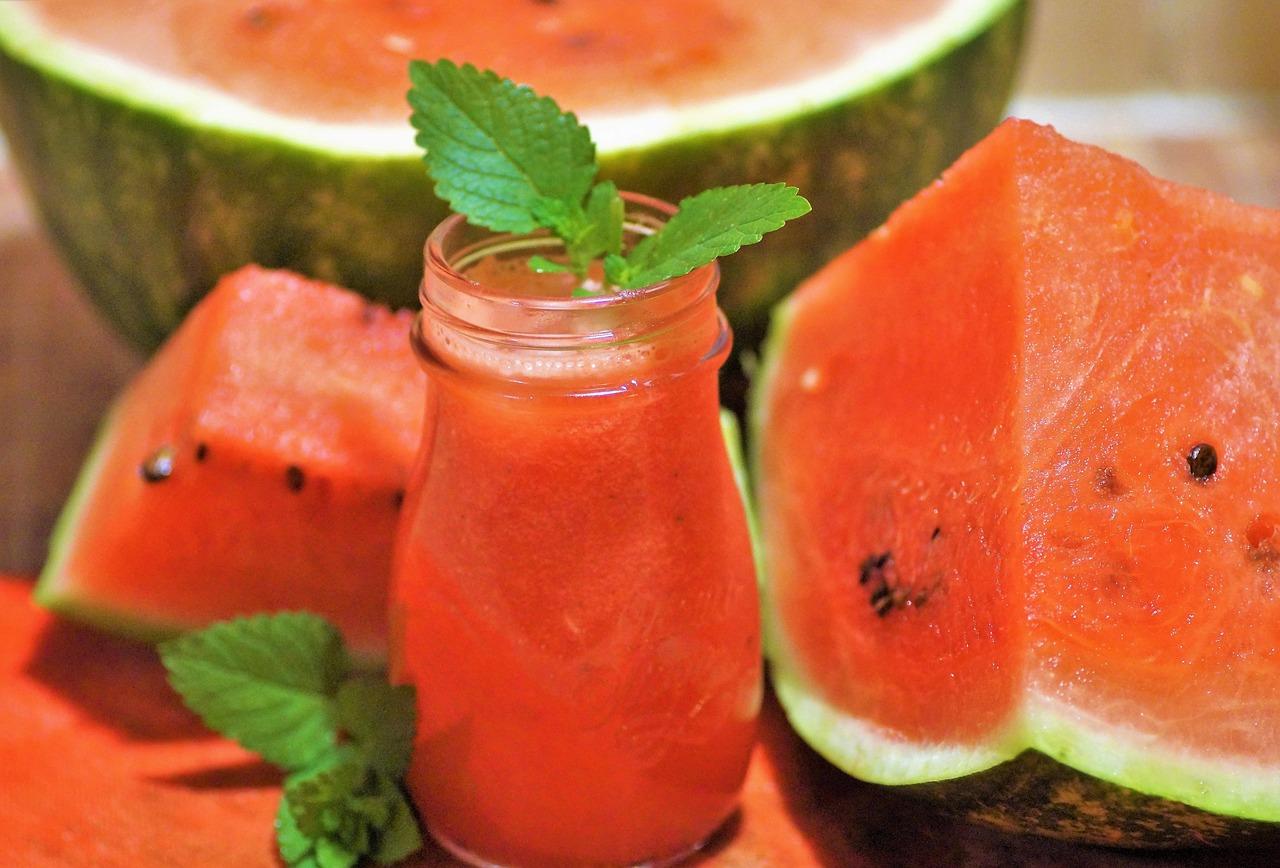
When watermelons are piled high in the markets of Jalisco and Sonora in summer, almost every taquería has a jar of bright pink agua de sandía next to the horchata. It needs only ripe watermelon, water, a squeeze of lime and a touch of sugar, and children love it. Chef's tip: a very ripe melon may need no sugar at all, so taste before you sweeten.

by KrazyBadal 0 views

Oliang (Thai black iced coffee)

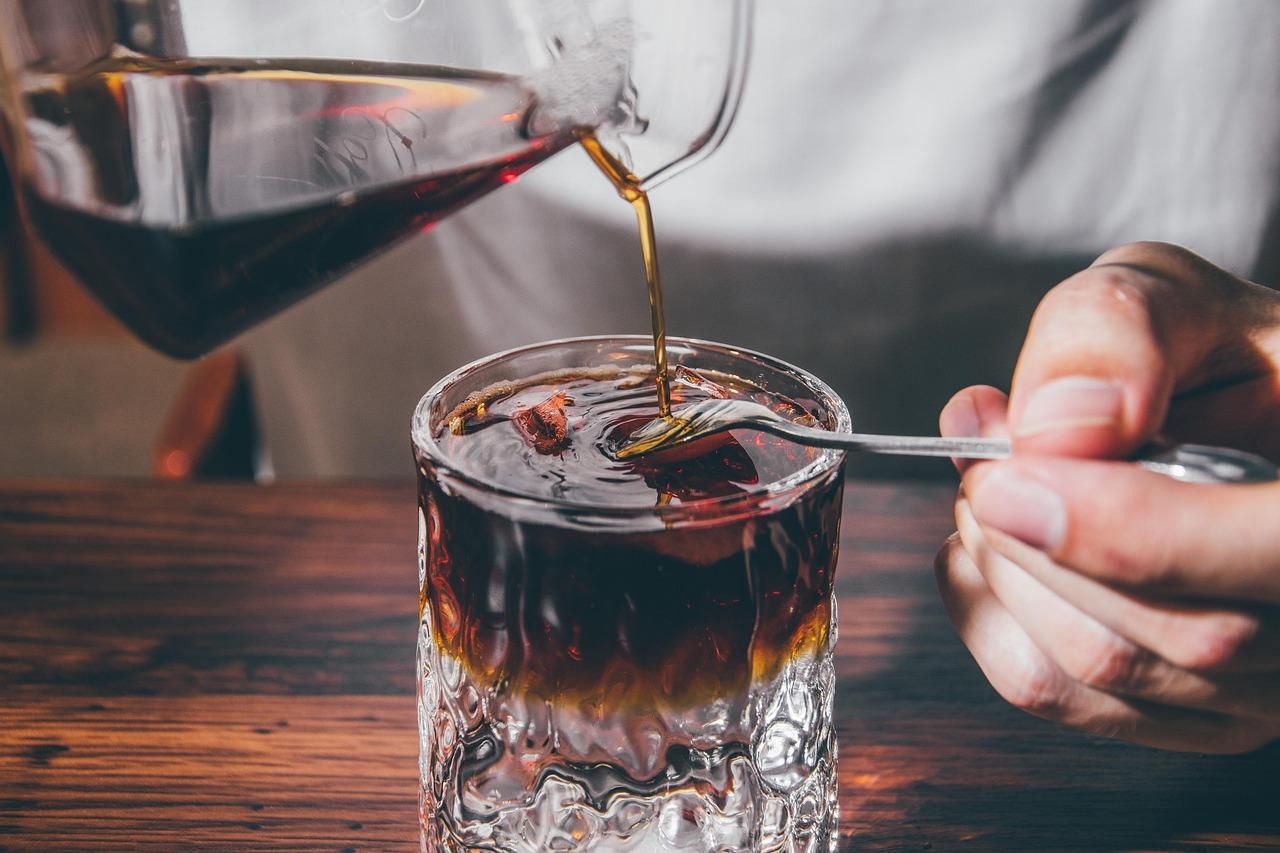
Old Bangkok coffee shops in Chinatown and Bang Rak still brew oliang through a long cotton sock, using a dark blend of coffee roasted with corn, soybeans, rice and sesame that gives it a toasty, almost cocoa-like flavour. It is served black, heavily sweetened and poured over crushed ice in tall glasses, a mid-morning pick-me-up for market traders. Look for any Thai 'oliang powder' blend in Asian shops, or mix dark coffee with roasted grains as below. It contains caffeine, so it is not one for children. Chef's tip: adding sugar after chilling is the mistake; dissolve it while the coffee is hot, or it stays gritty.

15 minThaiDrinksVeganGluten free
by KrazyBadal 0 views

Agua de pepino con limónCucumber lime drink

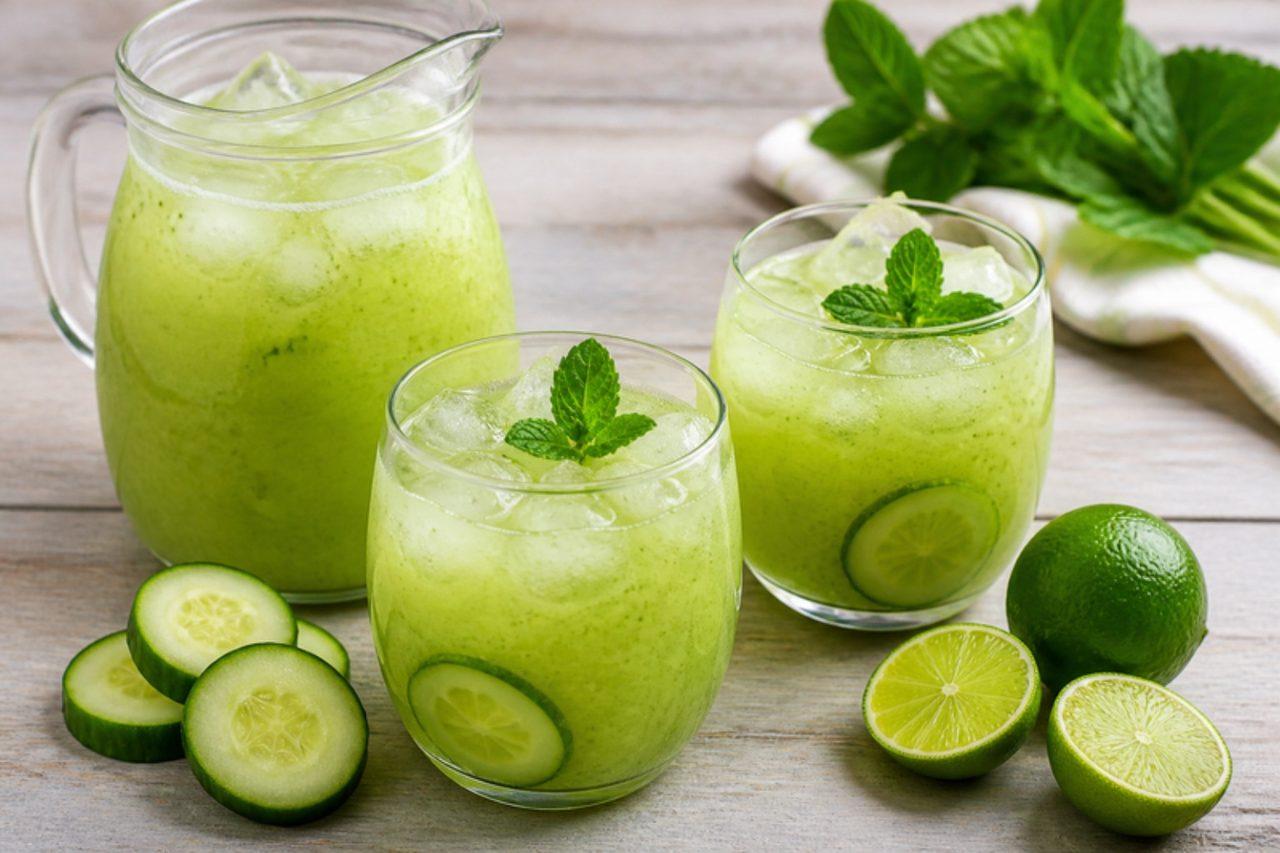
Pale green and very refreshing, agua de pepino is the cooler sold from market juice stands in Mexico City and Oaxaca when the afternoon heat builds, and families blend a jug for comida on hot days. Cucumber, lime and a few mint leaves give a clean, light taste with very little sugar. Chef's tip: leave some of the peel on the cucumber for colour, but strain the drink so it stays silky.

by KrazyBadal 0 views

Agua de mangoMango drink

In April and May, when Ataulfo mangoes from Chiapas and Manila mangoes from Veracruz flood the markets, agua de mango becomes the drink of every comida corrida. It is thick, golden and very fruity, sharpened with lime. Chef's tip: use soft, fully ripe yellow mangoes with wrinkled skin; they need far less sugar and give a smooth, fibre-free drink.

by KrazyBadal 0 views

Nam bai toey (pandan drink)

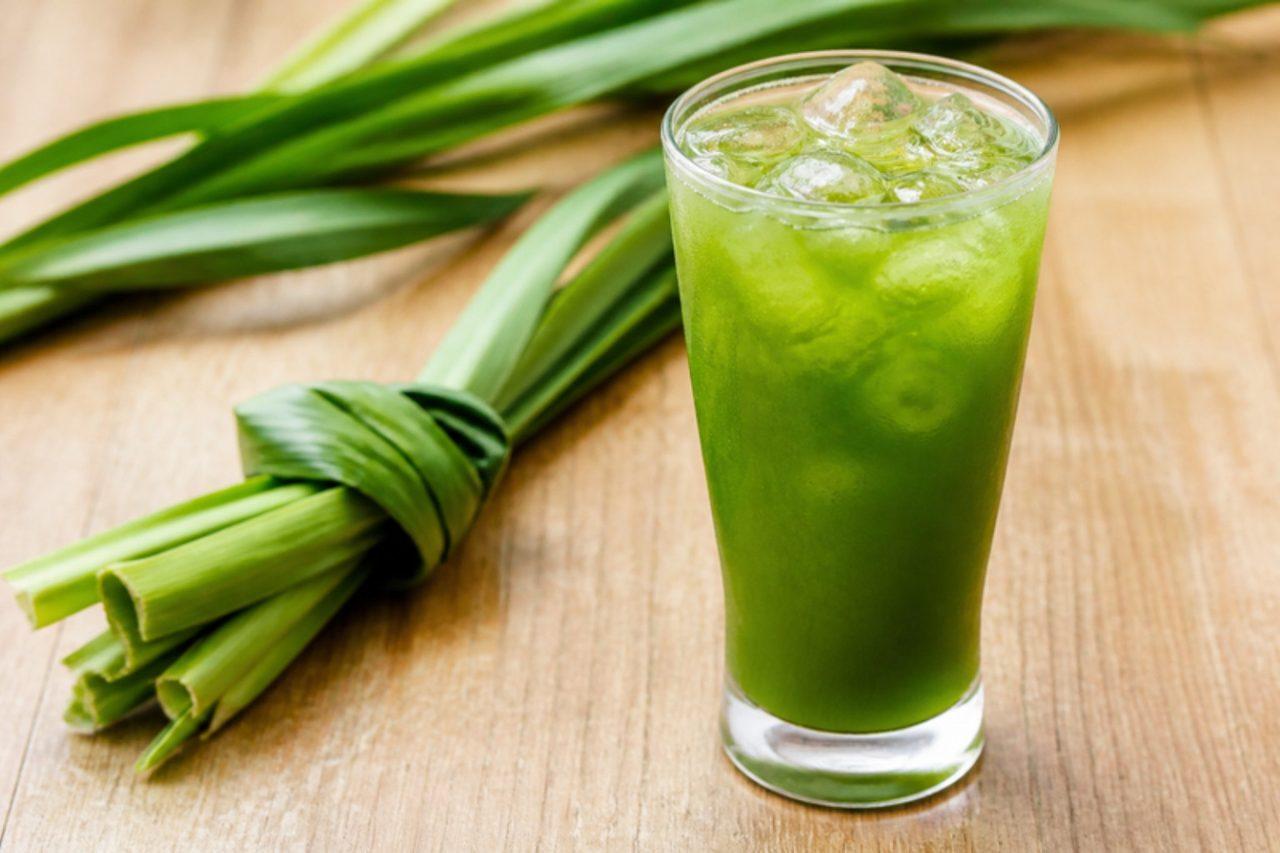
Every Thai garden seems to have a clump of pandan by the tap, and on hot days cooks across the country blitz a handful of leaves into this bright green drink sold at temple fairs and noodle shops. It tastes sweet, grassy and faintly of vanilla and basmati, and is said to cool the body. Fresh leaves give the best colour; frozen ones from Asian shops work well too. Chef's tip: the mistake is serving it unstrained or leaving it for hours; strain it twice through cloth and drink it the same day, as it fades and turns grey.

15 minThaiDrinksVeganGluten free
by KrazyBadal 0 views

Agua de melónCantaloupe drink

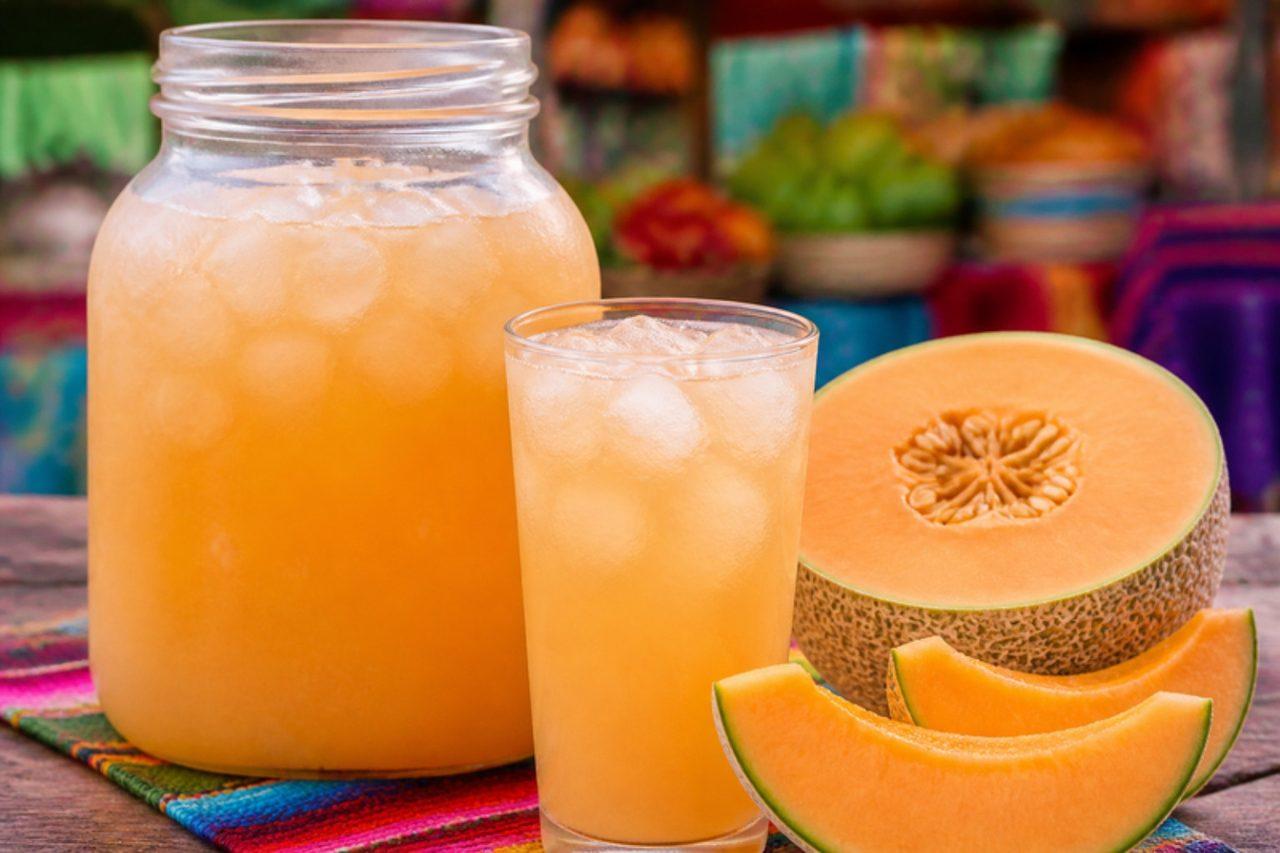
Mexican market juice stalls make agua de melón with the ripest, most fragrant cantaloupes, and many cooks blend in the seeds and the soft pulp around them, which adds a creamy body and a nutty flavour. It's served in tall glasses on hot afternoons from Guanajuato to Veracruz and is a favourite with kids. Chef's tip: smell the stalk end of the melon before you buy it; if it smells sweet, the drink will too.

by KrazyBadal 0 views

Nam dok anchan (butterfly pea lemonade)

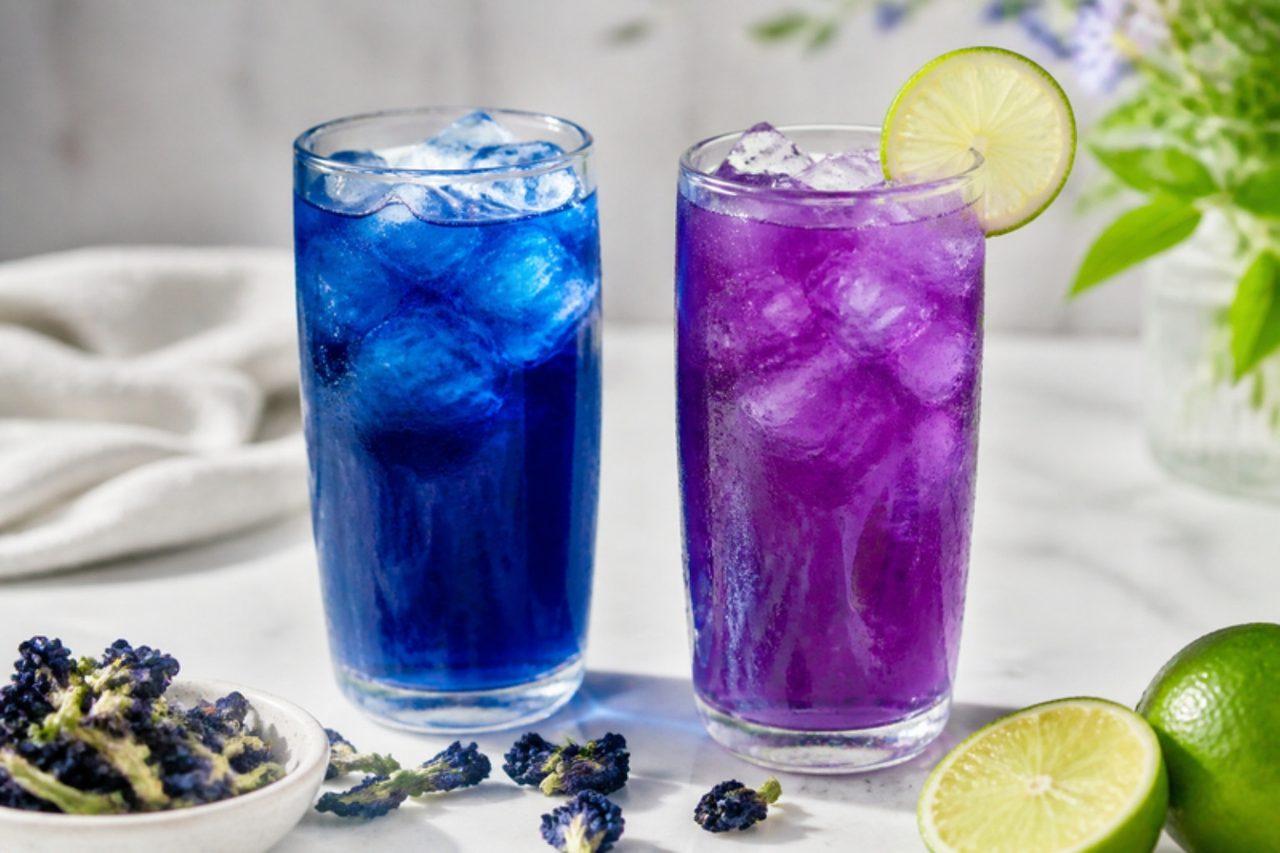
Vines of butterfly pea climb fences in gardens all over Thailand, and cafés from Bangkok to Krabi serve the flowers as an iced drink that changes colour at the table. The tea itself is mild and earthy, blue as ink; stirring in lime juice turns it violet and makes it tangy, which children love to watch. Chef's tip: the common mistake is mixing the lime in beforehand; serve the blue tea and lime separately so the colour change happens in the glass.

15 minThaiDrinksVeganGluten free
by KrazyBadal 0 views

Caffè d'orzoBarley coffee

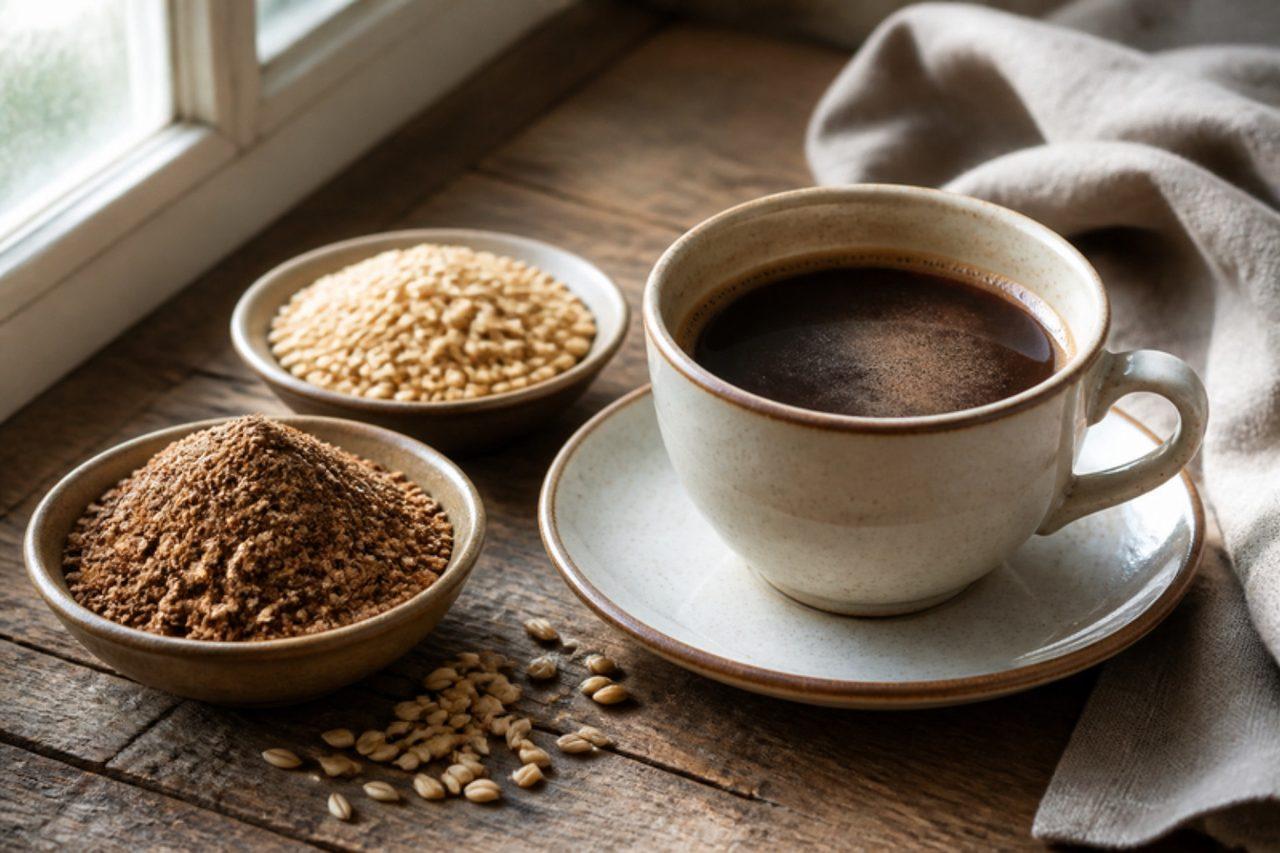
In Italian bars you can always ask for "un orzo": a hot drink made from roasted barley that looks like coffee and has a toasty, slightly sweet taste but no caffeine. During the war, when coffee was scarce, families drank it every morning, and today it is given to children, pregnant women and anyone avoiding caffeine. It can be made in a moka pot, served in a small cup like espresso or in a large one with milk. Barley contains gluten. Chef's tip: don't press the barley into the moka basket like coffee; packed tightly, it blocks the water and the pot hisses.

by KrazyBadal 0 views

Cappuccino

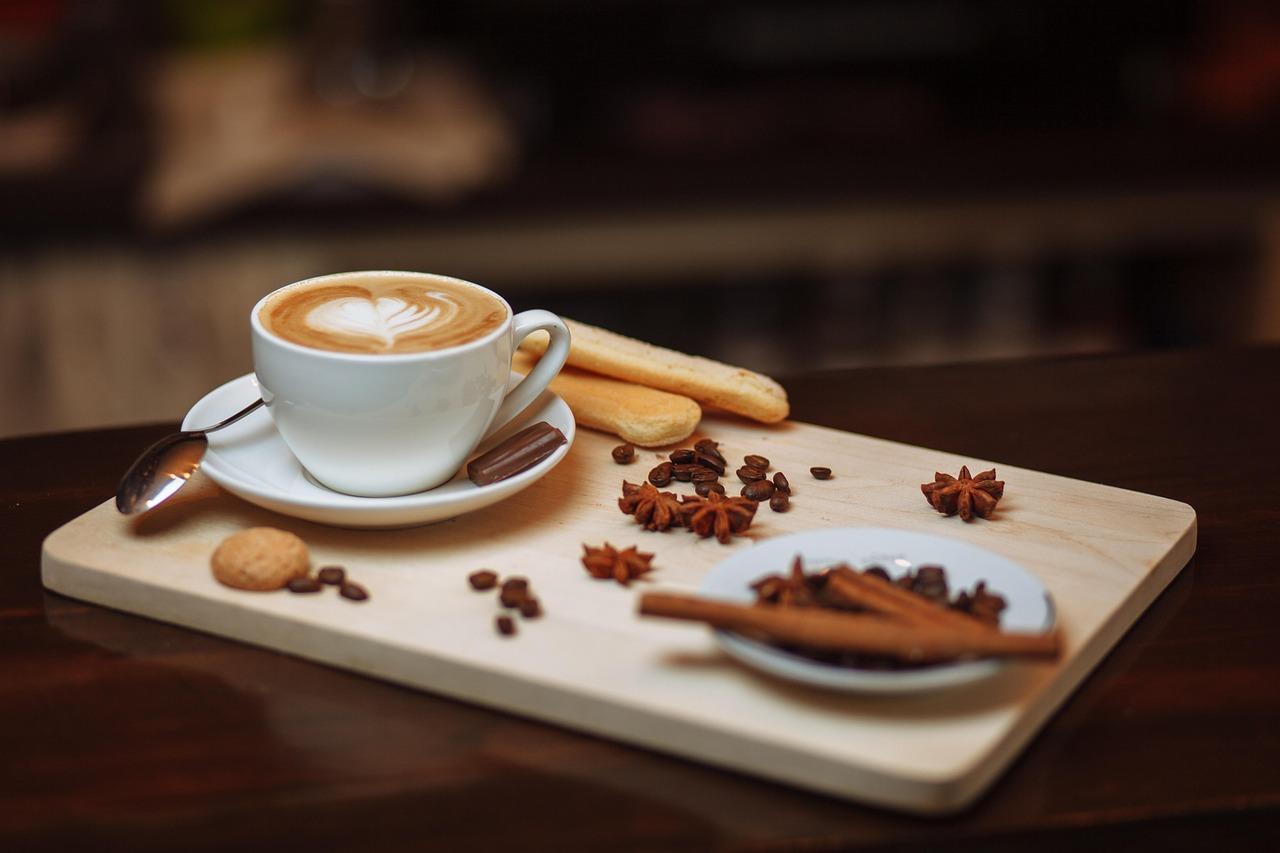
In Italy the cappuccino is strictly a breakfast drink, ordered at the bar counter with a cornetto before 11 in the morning, never after a meal. It is a single espresso topped with an equal amount of hot milk and a thick cap of velvety foam, named after the brown habits of Capuchin friars. Baristas in Turin and Trieste are famous for their thick, glossy microfoam. Contains caffeine, so it's not for children. Chef's tip: heat the milk only to about 65 °C, when the jug is too hot to hold for more than a second; hotter milk tastes cooked and the foam collapses.

by KrazyBadal 0 views

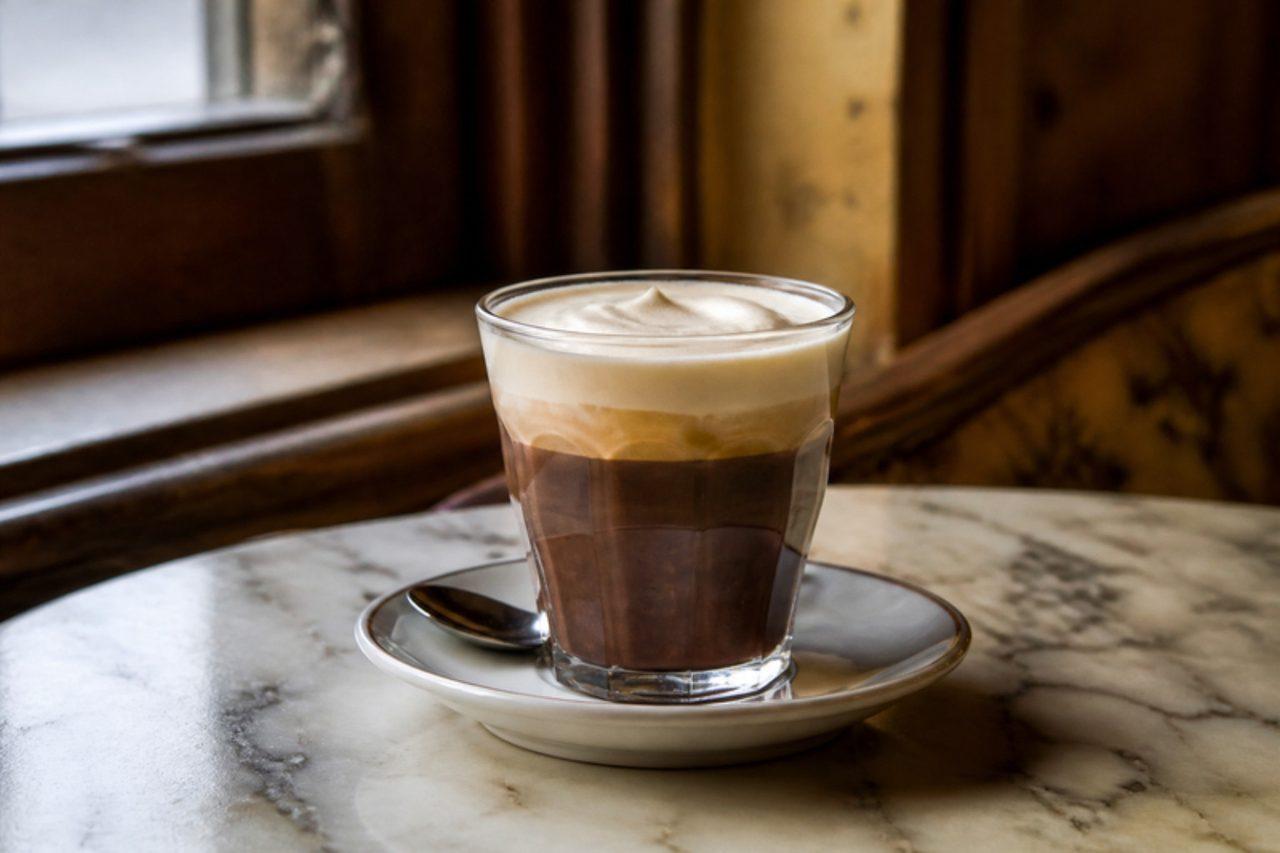
BicerinLayered chocolate and coffee drink

The bicerin ("little glass" in Piedmontese dialect) has been served since 1763 at the tiny Caffè al Bicerin opposite the Consolata church in Turin, where it was the drink that churchgoers had after fasting before Mass. It is three layers in a small glass: thick hot chocolate at the bottom, espresso in the middle and cold, lightly whipped cream on top, not stirred, so you taste each layer in turn. Contains caffeine. Chef's tip: pour the coffee and then the cream slowly over the back of a spoon so the layers sit on top of each other instead of mixing.

by KrazyBadal 0 views

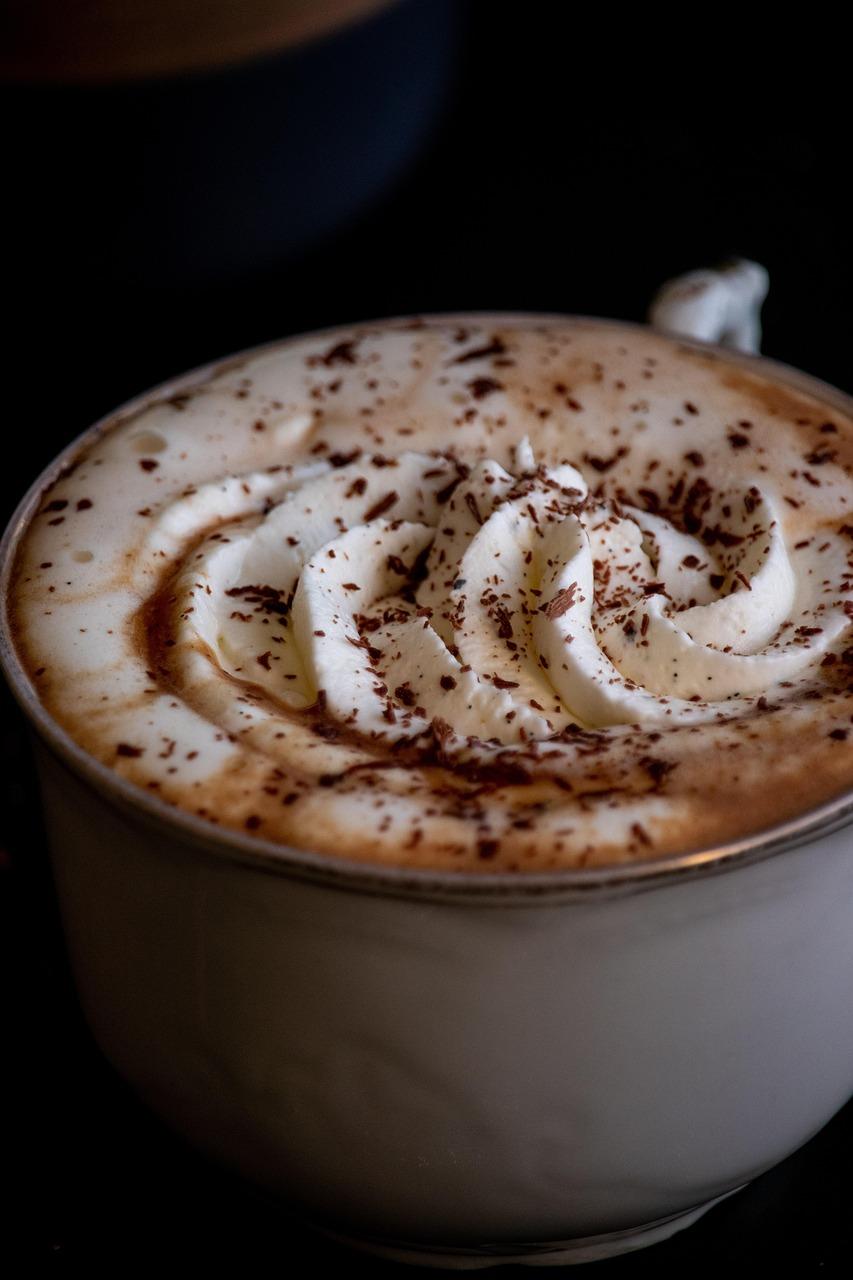
Cioccolata caldaThick hot chocolate

Italian hot chocolate is not a milky drink but almost a pudding: thick enough to coat a spoon, made with real dark chocolate and cocoa thickened with a little starch. On cold winter afternoons in Turin, Florence and Perugia, families sit in historic cafés with a cup topped with whipped cream (con panna), dipping biscuits into it. Children love it. Chef's tip: mix the cornflour and cocoa with a little cold milk to a smooth paste first; dropped straight into hot milk, they form lumps.

by KrazyBadal 0 views

MarocchinoEspresso with cocoa and milk foam

The marocchino was born in the bars of Alessandria in Piedmont, and it is now ordered all over northern Italy: a little glass dusted inside with cocoa, filled with an espresso and topped with milk foam and more cocoa, sometimes with a spoonful of chocolate sauce at the bottom. Its name comes from the brown colour of a leather called "marocchino" once used for hat bands. It is a mid-morning or afternoon treat. Contains caffeine. Chef's tip: dust the empty glass with cocoa before pouring the coffee in; it sticks to the hot glass and gives each sip a chocolate edge.

by KrazyBadal 0 views

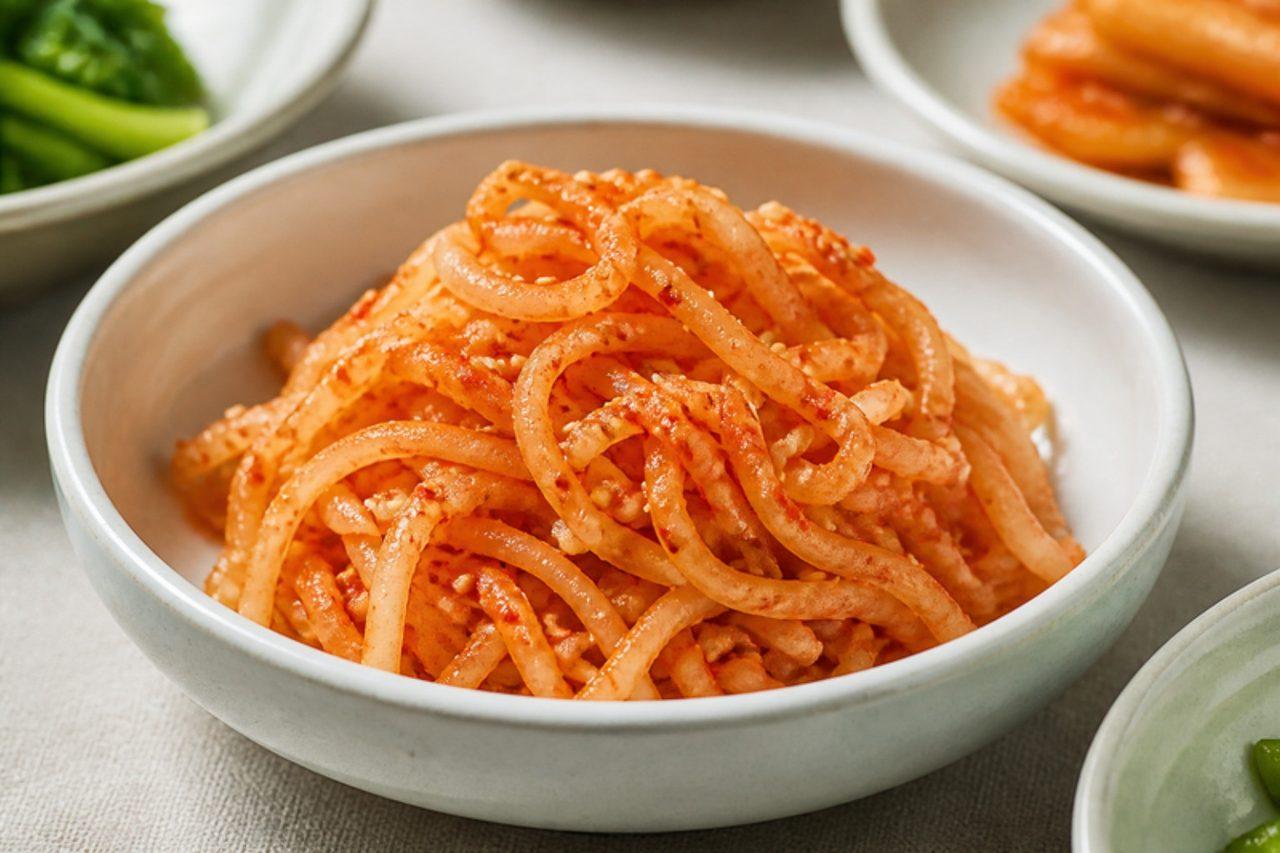
MusaengchaeSpicy radish salad

Musaengchae is the quick radish salad Korean cooks make when the big autumn radishes from Gyeonggi farms come in, and it appears on the side of bibimbap bowls and pork platters all winter. Fine matchsticks of radish are reddened with gochugaru, then seasoned sweet, sour and salty, so every forkful is cold, crisp and lively. This version leaves out the fish sauce, so it is fully vegan. The common mistake is salting the radish before the chilli: the salt draws out water first and the colour ends up pale and patchy. Chef's tip: toss the radish with the chilli flakes on their own first and leave it for 5 minutes; it takes on a deep, even red before anything else goes in.

by KrazyBadal 0 views

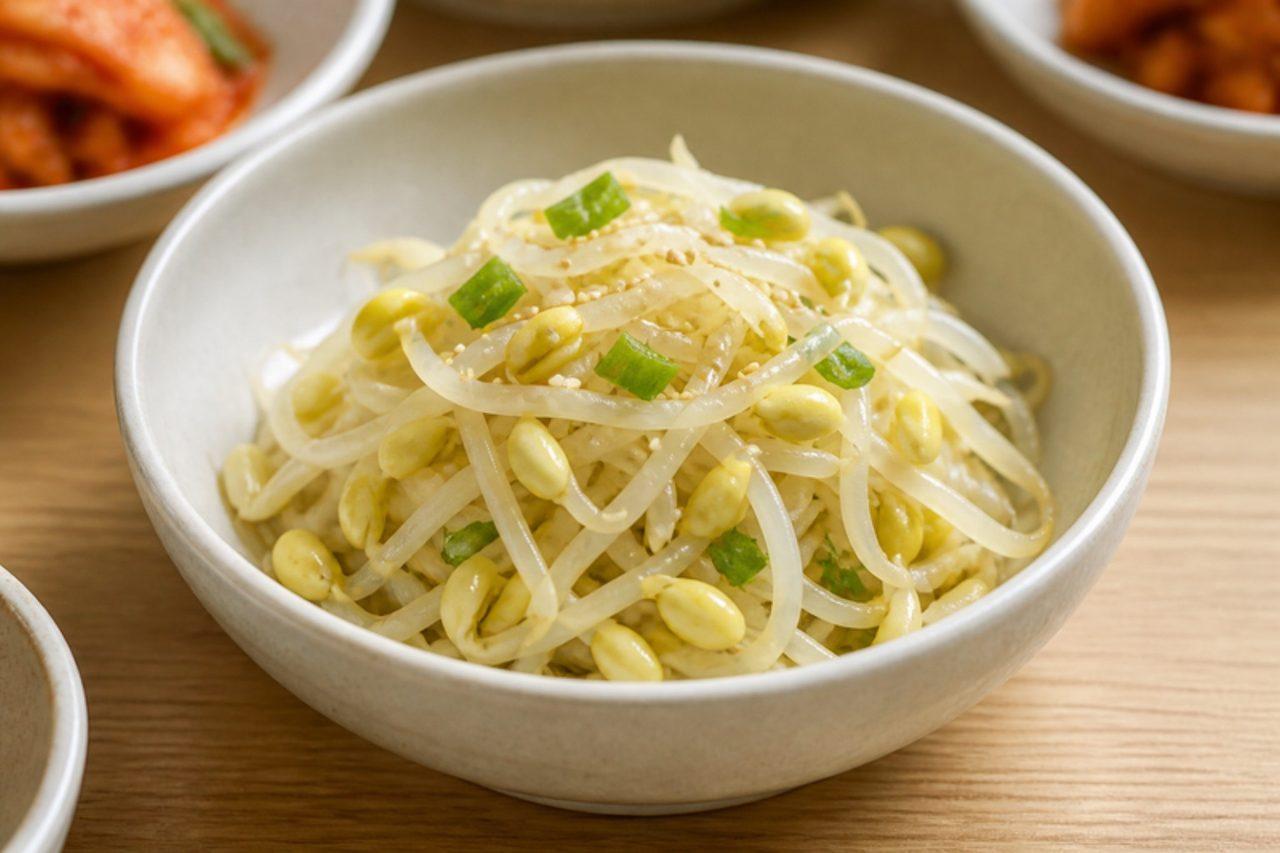
Sukju namulSeasoned bean sprouts

Sukju namul is the most delicate of Korea's sprout dishes, set out on every ancestral-rite table at Chuseok and on everyday trays in Seoul homes because it takes five minutes and costs very little. Mung bean sprouts are blanched for barely a minute, then dressed with salt, a little garlic and sesame oil, so they stay juicy and crunchy with a clean, nutty taste. It belongs in bibimbap too. The common mistake is overcooking: mung bean sprouts go limp and stringy within seconds of being done, so pull them while they still squeak. Chef's tip: plunge them straight into iced water after blanching and squeeze gently; they keep their snap for a whole day.

by KrazyBadal 0 views

Myeolchi bokkeumSweet stir-fried anchovies

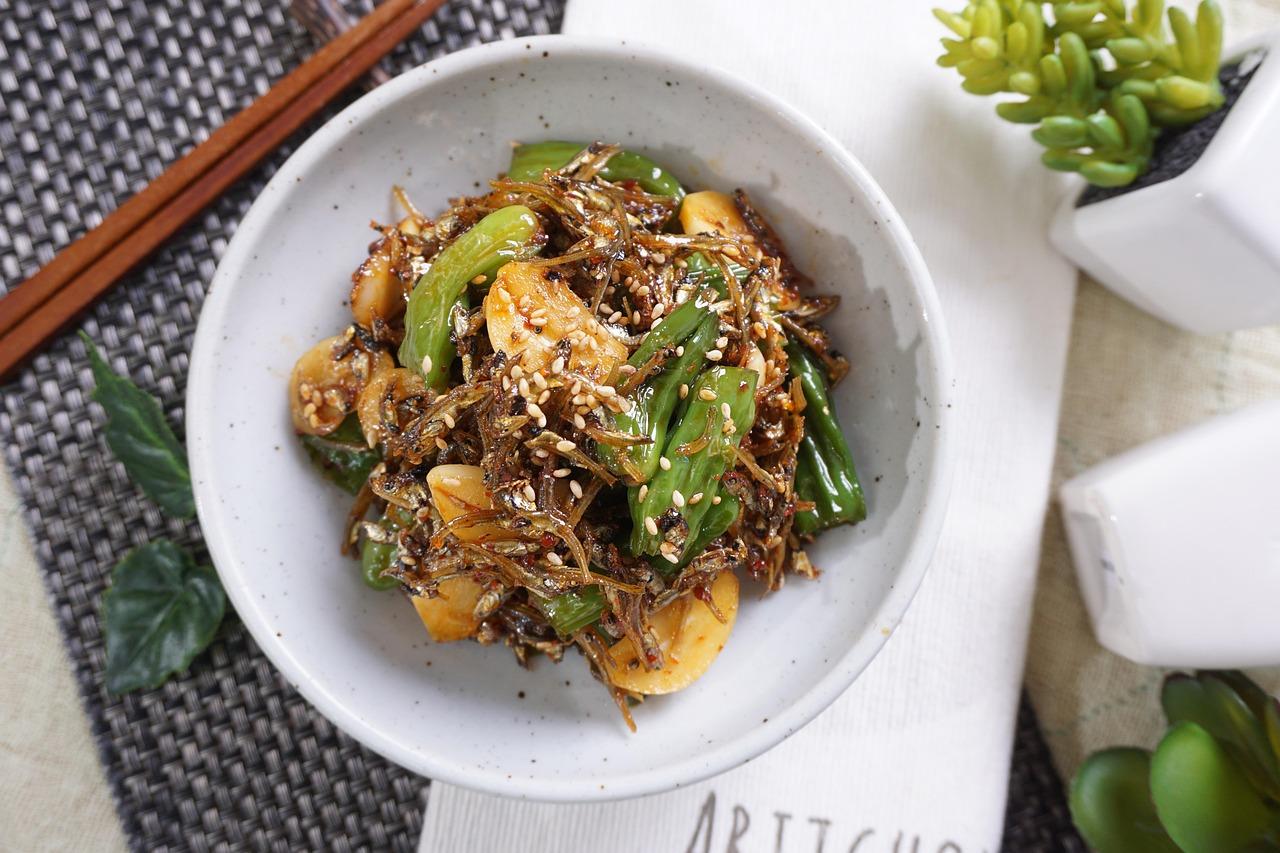
Myeolchi bokkeum is the lunchbox banchan of Korea, made with tiny dried anchovies landed and sun-dried on the southern coast around Tongyeong and Namhae, the country's anchovy heartland. The little fish are toasted in a dry pan, then tossed in garlic oil and a quick soy and rice-syrup glaze, so they end up crunchy, sweet, salty and deeply savoury. A small dish goes alongside rice at almost every Korean meal. The common mistake is adding the syrup over a high heat: it caramelises into a hard sheet that welds the anchovies into a brick. Chef's tip: take the pan off the heat before the syrup goes in and toss; the pan's leftover warmth is enough to glaze without hardening.

15 minKoreanFish
by KrazyBadal 0 views

Showing 24 of 340 recipes

Show more recipes

Page 1 of 15