Skip to content
Recipes

All recipes

Vegetarian, or something you can't eat? Set your diet once and we'll hide recipes that don't fit.

TereréIced yerba mate

In Asunción the hottest part of the day stops for tereré: a horn or cup packed with yerba mate, topped up again and again with ice water infused with crushed herbs, and passed round the group through a metal straw. It was recognised by UNESCO as part of Paraguay's cultural heritage, and the herbs (yuyos) change with the season and the drinker's mood. Yerba mate contains caffeine, so it isn't one for small children. The common mistake is pouring water straight into loose yerba, which then clogs the straw; tilt the yerba to one side first. Chef's tip: for tereré ruso, swap the water for cold orange or grapefruit juice.

by KrazyBadal 0 views

Postre MassiniCustard sponge with burnt sugar top

Montevideo's birthday cake of choice since the early twentieth century, the Massini is two thin layers of sponge sandwiching a thick filling of whipped cream folded with egg-yolk custard, crowned with a thin glassy crust of torched yolk and sugar. Bakeries across Uruguay sell it on Sundays. Traditional versions sometimes add a sweet fortified wine to the custard; this one is alcohol-free. The custard is cooked to a safe 71 °C. The common mistake is assembling with warm custard, which melts the cream into a puddle. Chef's tip: if you don't have a blowtorch, put the sugared top under a very hot grill for a minute and watch it closely.

by KrazyBadal 0 views

Cocido quemadoBurnt sugar mate drink

Cocido is how Paraguay starts the day: in Asunción, in the villages of Guairá and Itapúa, and in school kitchens, a pot of burnt yerba is brewed and poured into cups with chipa, the cheesy cassava bread, or with a hard galleta. The old way is to drop a glowing piece of charcoal into a pot with yerba and sugar and stir until the sugar burns. On a home stove you caramelise them together in a dry pan instead, which is safer and gives the same smoky, toffee-like taste. The drink is clear amber-brown, with roasted, slightly bitter mate notes over burnt-sugar sweetness; with milk added it becomes cocido con leche, creamy and coffee-coloured. Yerba mate contains caffeine, so treat it like a cup of coffee. The common mistake is letting the sugar go black: it turns acrid and bitter. Pull it off the heat when the caramel is deep amber and the yerba smells toasted, not burnt. It is ready when the liquid is a clear dark amber and tastes of toffee and smoke. Chef's tip: the water will spit fiercely when it hits the hot caramel, so pour it in from the side, at arm's length.

by KrazyBadal 0 views

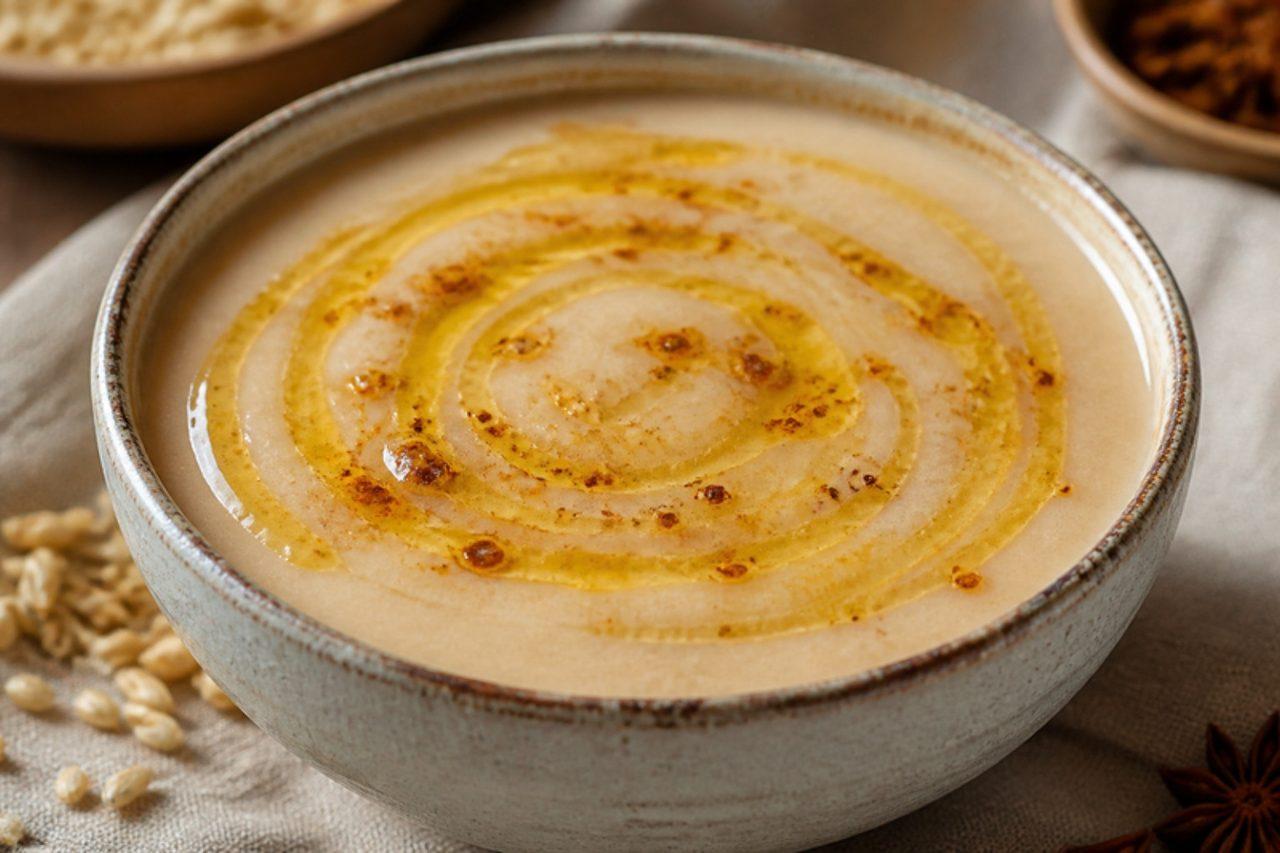
Atmit (warm barley gruel with spiced butter and honey)

When a baby is born in an Amhara household, visiting women bring or cook atmit for the new mother, and the same soft, sippable gruel is made for anyone recovering from illness. Roasted barley flour (or oat flour) is whisked into water and simmered until it thickens to the texture of a thin custard, then enriched with a spoon of niter kibbeh, honey and a pinch of korerima. It tastes nutty, sweet and buttery, and is drunk warm from a cup rather than eaten with a spoon. Some homes add a little milk for extra richness. A common mistake is tipping the flour straight into hot water, which makes lumps; slake it in cold water first. Chef's tip: keep it thinner than you think; atmit thickens as it cools, and it should still pour easily from the cup.

by KrazyBadal 0 views

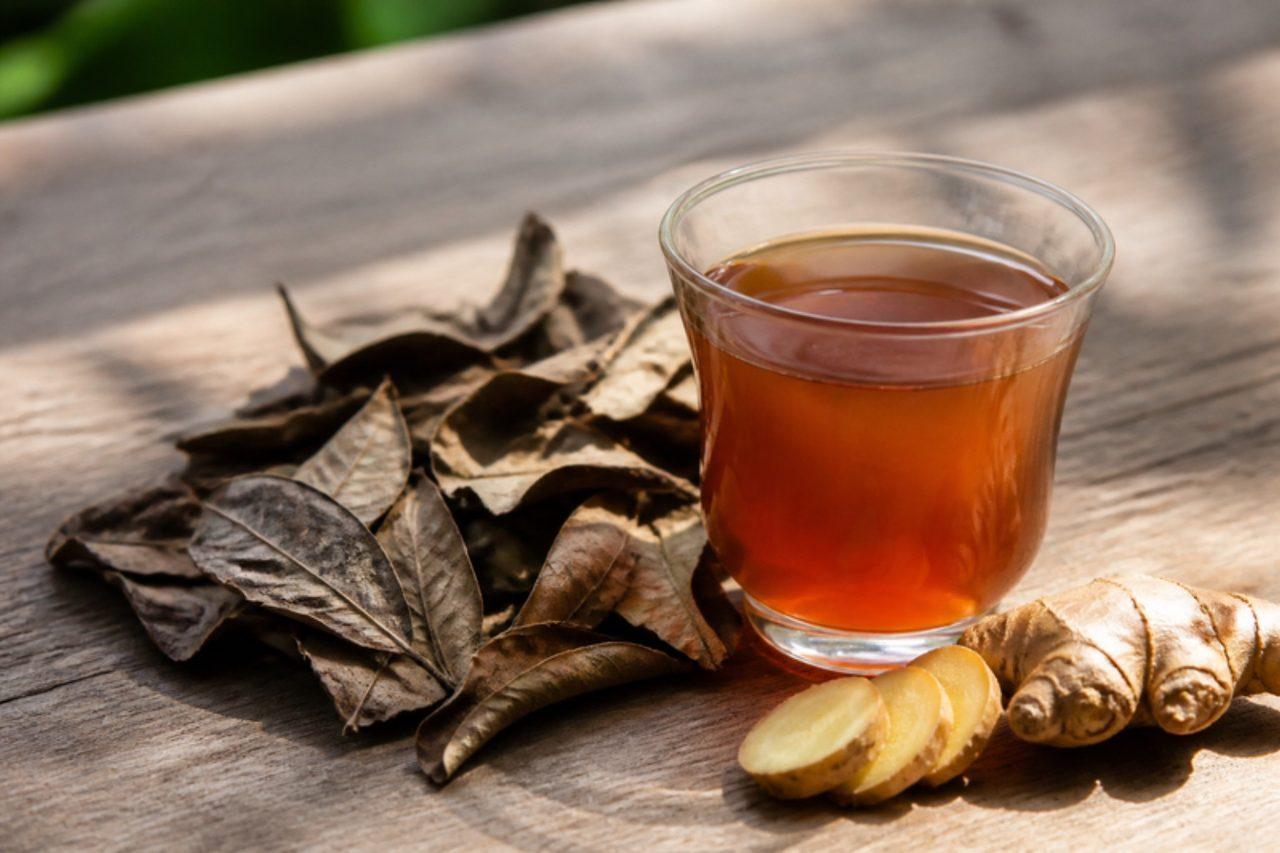
Kuti (Harari coffee-leaf tea)

Harar sits in old coffee country, and its households drink not only the beans but the leaves: kuti is made by toasting dried coffee leaves and brewing them into a light, amber tea. It tastes soft and grassy with a hint of roasted coffee and far less caffeine than a cup of buna, so it is sipped through the afternoon, during long chats and after the fast is broken in Ramadan. Many Harari homes add milk and sugar; leave the milk out or use a plant milk to keep it vegan. Dried coffee leaves are sold as coffee leaf tea by some coffee and tea merchants. Do not swap in cascara, which is the dried coffee cherry husk and makes a different, fruitier drink. Chef's tip: toast the leaves only until they darken a shade and smell like toasted hay; overdone, they taste of ash.

by KrazyBadal 0 views

BirzFresh honey water

In Gojjam and Gondar, where honey is plentiful, birz is poured for children, for guests who do not drink, and at church feasts and weddings beside the tej. It starts the same way as honey wine, with honey stirred into water, but it is drunk fresh within hours, so it stays sweet, mild and completely alcohol-free. Good, flowery honey is everything here; it should taste like a cool, floral lemonade without the lemon. Because birz is honey and water, it will start to ferment by itself if left warm, so drink it the same day and keep it in the fridge until you pour it. Honey is not suitable for babies under 12 months. Chef's tip: dissolve the honey in a little warm water first; stirred straight into cold water, it sinks to the bottom in a sticky lump.

by KrazyBadal 0 views

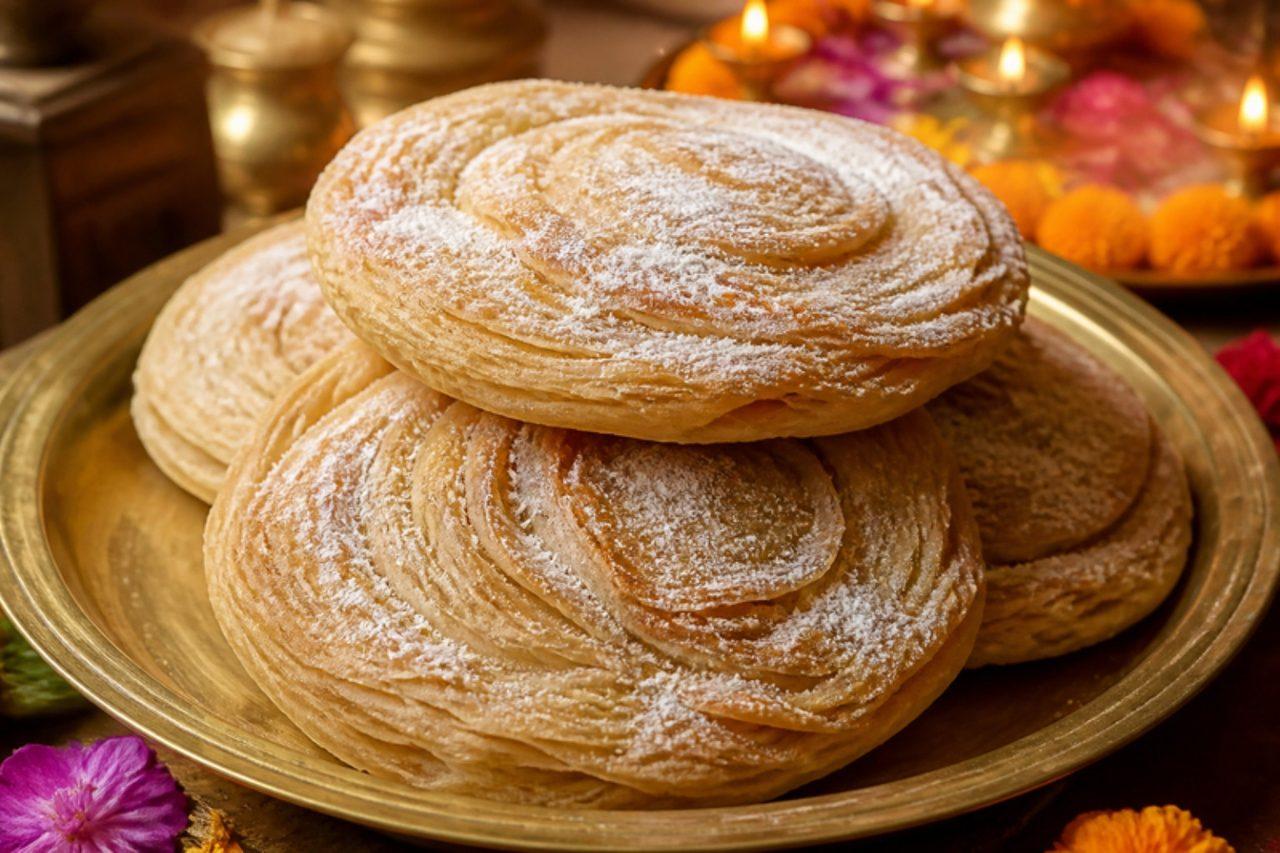
Fini rotiLayered fried sugar bread

During Tihar, the five-day festival of lights in late autumn, sisters in Kathmandu and Pokhara prepare a basket of treats for Bhai Tika, and fini roti, a crisp round of fried bread made of dozens of paper-thin layers, sits in it beside sel roti, nuts and sweets. A simple dough of flour and ghee is rolled very thin, spread with a paste of ghee and rice flour, rolled into a log and cut, so that each piece fans out in the hot oil into a flaky spiral that shatters at the first bite. It is lightly dusted with sugar, lasts for days in a tin, and is eaten with tea or given to visiting relatives. The layers vanish if you make the paste with melted ghee, which seeps out instead of staying put. Chef's tip: beat the ghee and rice flour together until fluffy and pale like soft butter, and keep the dough cool so the layers stay distinct.

by KrazyBadal 0 views

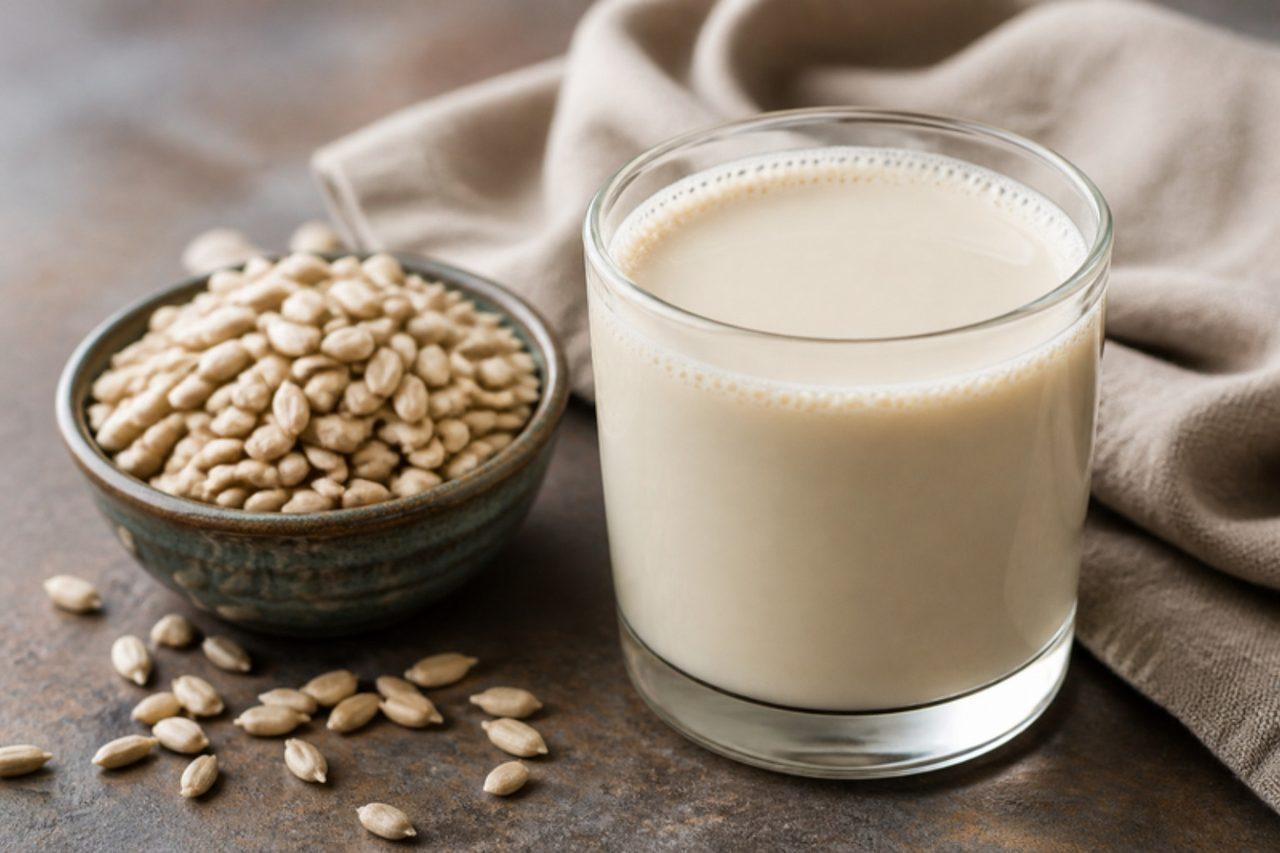
SufSunflower seed milk

During the long Orthodox fasts, when milk is off the menu for weeks, Ethiopian households turn sunflower seeds into suf: the seeds are pounded or blended with water and strained through a cloth into a pale, creamy drink with a gentle nutty taste. It is served cool in glasses, sometimes lightly sweetened, and the same liquid is poured over torn injera to make the fasting dish suf fitfit. It is light, filling and costs very little. Chef's tip: squeeze the pulp hard in the cloth at the end; the last, thickest drops carry most of the flavour.

by KrazyBadal 0 views

Spris (layered fruit juice)

Juice houses all over Addis Ababa, with their towers of fruit stacked in the window, are famous for spris: a tall glass of thick purées poured in stripes, usually green avocado, golden mango and orange papaya, with a wedge of lime on the rim. It is closer to a spoonable smoothie than a juice, and people often eat the layers one by one before stirring the rest together. It makes a filling breakfast or an afternoon pick-me-up, and children love the colours. Chef's tip: blend each fruit separately and keep every purée thick enough to hold a spoon; runny purées bleed into each other and the stripes vanish.

by KrazyBadal 0 views

Telba (roasted flaxseed drink)

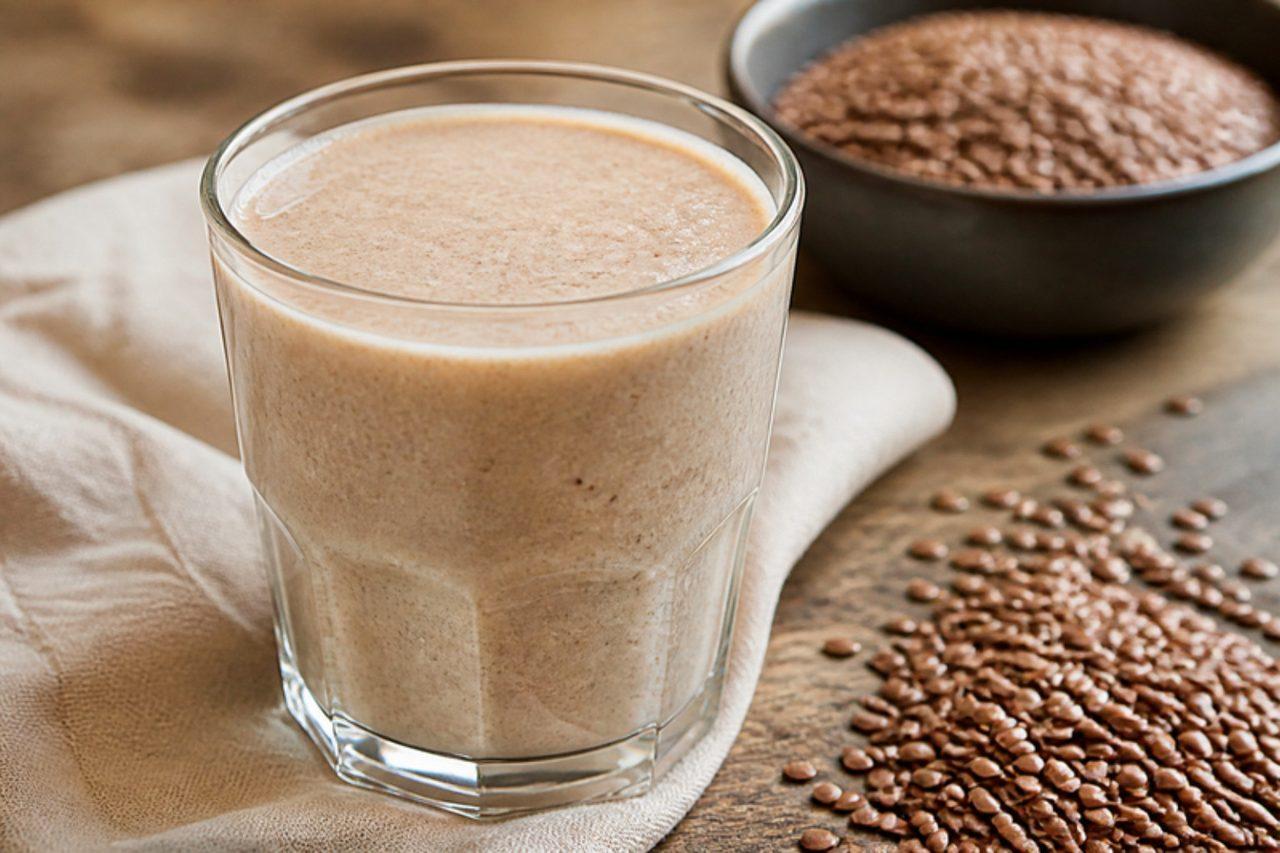
Flax grows across the highlands of Gojjam, and on Wednesdays, Fridays and through Lent its toasted seeds become telba, a creamy, nutty drink that fills you up when animal food is off the menu. The seeds are dry-roasted until they pop, ground fine, then whisked with water and strained, giving a pale brown drink with a faint toasted-sesame flavour and a slightly silky body. It is also taken as a gentle remedy for an upset stomach. Families often sweeten it with honey; sugar keeps it fully vegan. Don't roast the flaxseed too far: over-roasted seeds turn the drink bitter. Chef's tip: grind only what you need that day, because ground flax goes stale and bitter within days; whole roasted seeds keep for weeks in a jar.

by KrazyBadal 0 views

ChajáSponge, peach and cream cake

Chajá was created in 1927 at a bakery in Paysandú, a city on the Uruguay River, and named after a local bird whose feathers look as fluffy as its crumbly meringue coat. Today it's Uruguay's birthday and celebration cake: layers of light sponge soaked in peach syrup, filled with whipped cream, peaches and dulce de leche, then covered in crushed meringue. It's sweet, soft and crunchy at once, best on the day it's assembled. Chef's tip: soak the sponge but not too much; it should feel moist, not wet, or the layers slide.

by KrazyBadal 0 views

Buna (Ethiopian coffee ceremony)Roasted and brewed Ethiopian coffee

Coffee was born in Ethiopia's south-western forests around Kaffa and Jimma, and buna is still a ceremony as much as a drink: in homes from Jimma to Addis Ababa, a woman of the house roasts green beans in a pan over charcoal, carries the smoking pan around so guests can breathe in the aroma, grinds them, and brews the coffee in a clay pot called a jebena. It is served in small handleless cups with sugar (or salt or butter in the countryside), alongside popcorn or dabo kolo, and poured three times: abol, tona and baraka. The ceremony takes the best part of an hour and is about conversation. Chef's tip: let the jebena stand for a few minutes before pouring so the grounds settle, and pour in one steady stream without stopping.

by KrazyBadal 0 views