Skip to content
Recipes

All recipes

Vegetarian, or something you can't eat? Set your diet once and we'll hide recipes that don't fit.

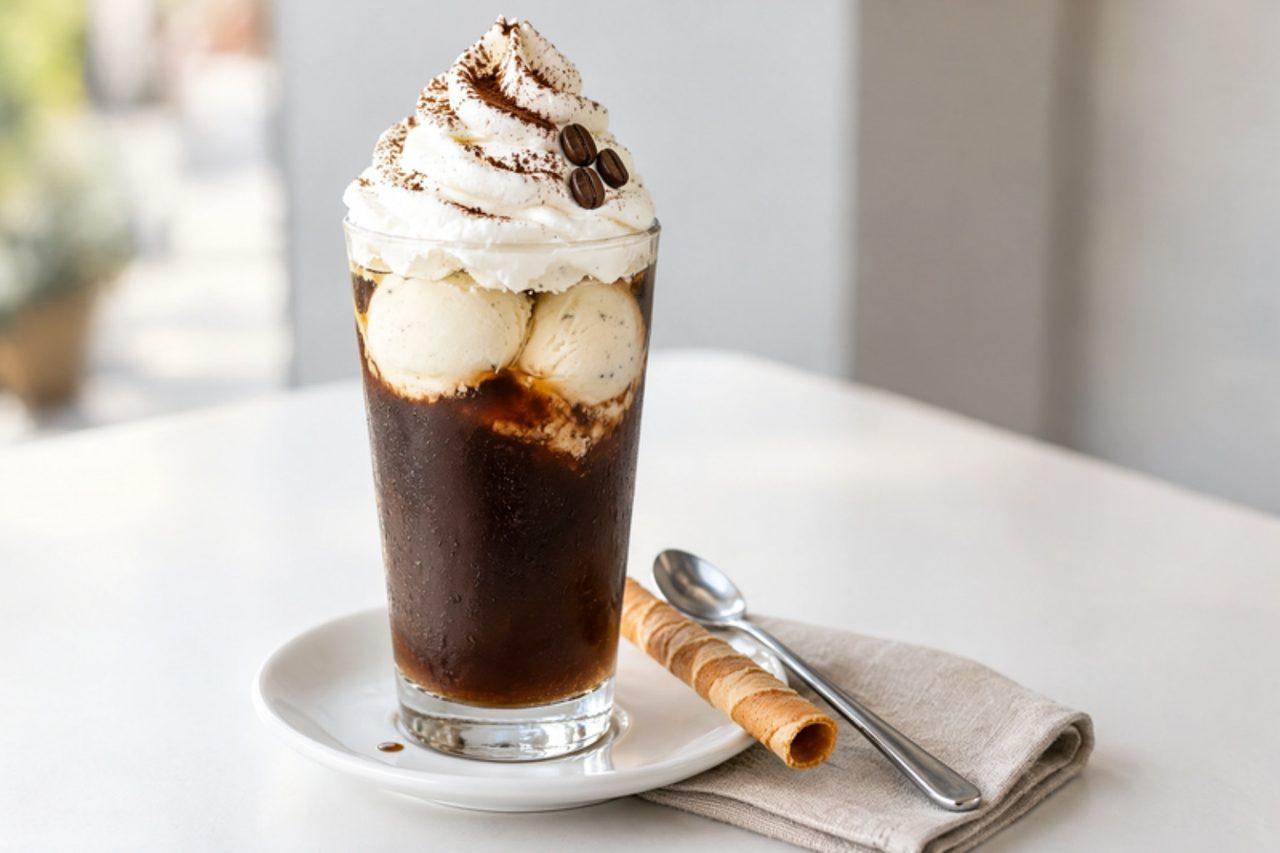
EiskaffeeIced coffee with ice cream

On a hot July afternoon in any German or Austrian Eiscafé, from a Hamburg promenade to a Viennese Gastgarten, the tall glass with the long spoon is Eiskaffee. It is not iced coffee in the American sense: strong coffee, chilled, is poured over two scoops of vanilla ice cream and crowned with sweetened whipped cream, sometimes a wafer and a dusting of cocoa or grated chocolate. You drink the cold coffee through a straw while the ice cream slowly melts into it, then spoon up the creamy, half-frozen rest, so it is part drink, part dessert, eaten at the café in the afternoon rather than with a meal. The usual mistake is pouring hot or even warm coffee straight onto the ice cream: it melts at once into a thin, lukewarm, milky soup. Brew it earlier and chill it properly. It is ready when the coffee is fridge-cold, the scoops sit just proud of the surface and the cream holds soft peaks on top. It is moderately caffeinated, so keep it for adults and older teens. Chef's tip: freeze leftover coffee in ice-cube trays and add a couple to the glass so nothing gets diluted with water.

by KrazyBadal 0 views

Postre MassiniCustard sponge with burnt sugar top

Montevideo's birthday cake of choice since the early twentieth century, the Massini is two thin layers of sponge sandwiching a thick filling of whipped cream folded with egg-yolk custard, crowned with a thin glassy crust of torched yolk and sugar. Bakeries across Uruguay sell it on Sundays. Traditional versions sometimes add a sweet fortified wine to the custard; this one is alcohol-free. The custard is cooked to a safe 71 °C. The common mistake is assembling with warm custard, which melts the cream into a puddle. Chef's tip: if you don't have a blowtorch, put the sugared top under a very hot grill for a minute and watch it closely.

by KrazyBadal 0 views

Morcilla dulceSweet blood sausage with walnuts

No Uruguayan parrilla is complete without morcilla dulce: a soft pork blood sausage sweetened with sugar and scented with orange peel, studded with walnuts and raisins, grilled until the skin crisps and served first, as part of the achuras, while the beef is still cooking. It is pork throughout: pork blood, pork back fat and natural pork casings. Making it at home is a project. Buy fresh pork blood with an anticoagulant added from a butcher who supplies it for sausage making, keep it chilled below 4 °C and use it within a day. The common mistake is poaching at a rolling boil, which bursts the casings. Chef's tip: keep the water at 80–85 °C, just shivering, and prick a sausage after 25 minutes: it is done when brown, not red, juice comes out.

by KrazyBadal 0 views

BusecaTripe and white bean stew

Buseca arrived in Montevideo with Italian immigrants from Lombardy and became a classic winter dish of Uruguayan bodegones and family kitchens, eaten on cold June and July days. Honeycomb tripe is simmered until tender, then stewed with white beans, pork chorizo, bacon, peppers, tomato and paprika into a thick, warming stew served with crusty bread. Buy tripe that is already cleaned and blanched (dressed). The usual mistake is undercooking the tripe: it needs a full 2 hours, until it's soft enough to cut with a spoon. Slow-cooker option: after step 4, cook on low for 8 hours. Chef's tip: a little grated lemon zest and parsley stirred in at the end lifts the rich, gelatinous sauce.

by KrazyBadal 0 views

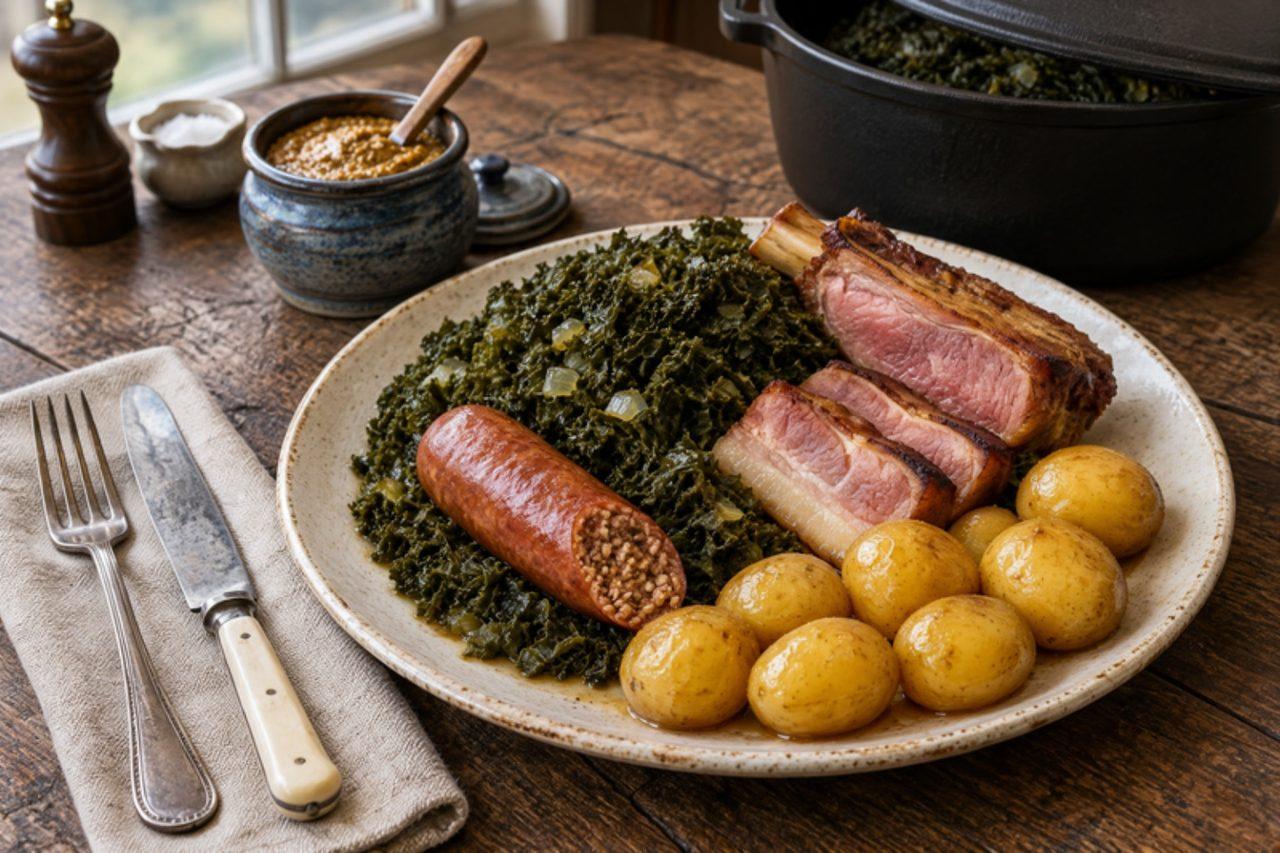
Grünkohl mit PinkelBraised kale with smoked sausage

In Bremen and Oldenburg, Grünkohl mit Pinkel is the dish of the winter Kohlfahrt, when groups walk out into the frosty countryside and finish at an inn for kale, smoked pork and Pinkel, a smoked sausage of pork, bacon and oats. The kale is braised for hours with onions, lard and smoked pork until dark, soft and almost creamy, then the sausages warm through on top. Serve with boiled potatoes or small caramelised ones and mustard. The usual mistake is cooking the kale briefly like a vegetable side; it needs the long braise to lose its bitterness. Chef's tip: kale is best after the first frost, which makes the leaves sweeter; frozen chopped kale is a good shortcut.

160 minGermanMeat
by KrazyBadal 0 views

TereréIced yerba mate

In Asunción the hottest part of the day stops for tereré: a horn or cup packed with yerba mate, topped up again and again with ice water infused with crushed herbs, and passed round the group through a metal straw. It was recognised by UNESCO as part of Paraguay's cultural heritage, and the herbs (yuyos) change with the season and the drinker's mood. Yerba mate contains caffeine, so it isn't one for small children. The common mistake is pouring water straight into loose yerba, which then clogs the straw; tilt the yerba to one side first. Chef's tip: for tereré ruso, swap the water for cold orange or grapefruit juice.

by KrazyBadal 0 views

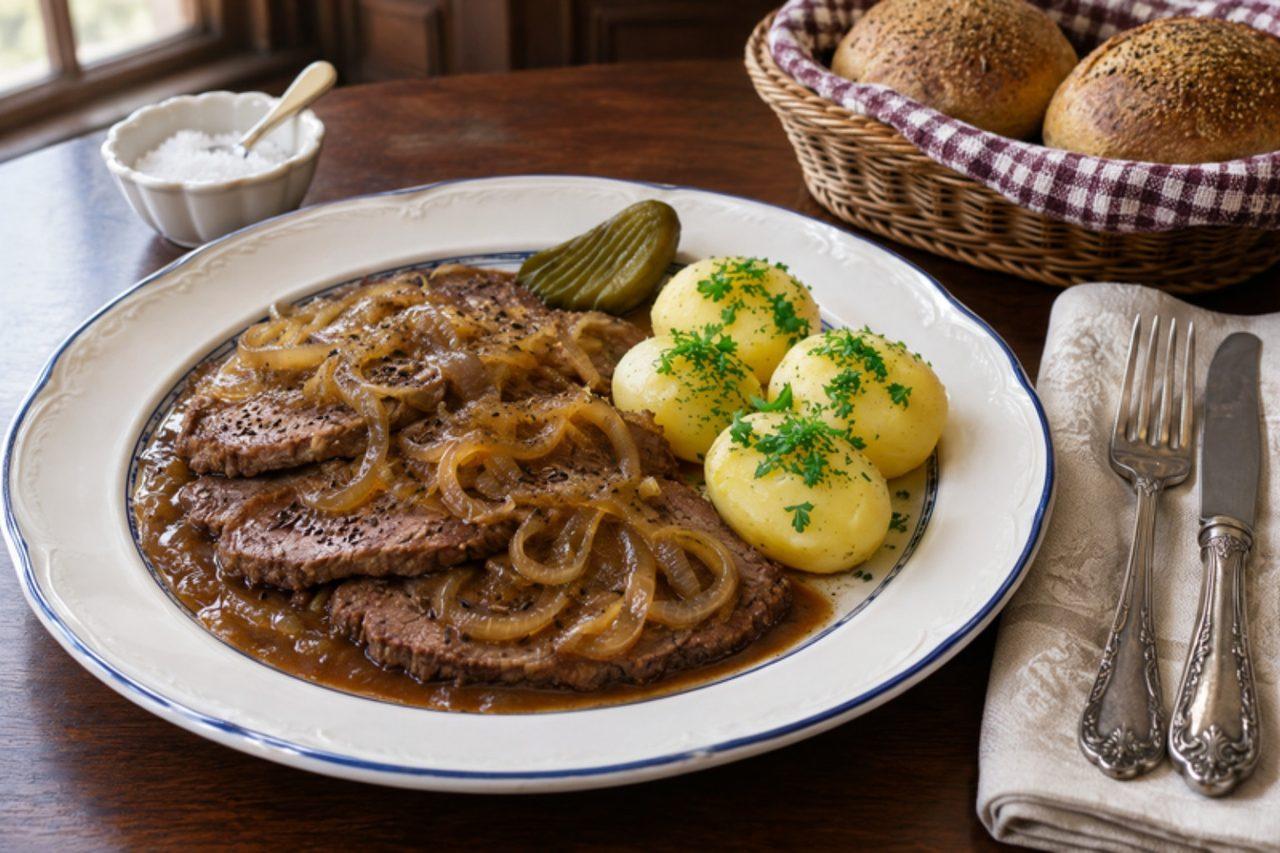
ZwiebelfleischBeef braised with onions

Zwiebelfleisch is an old Viennese Beisl dish, the kind of hearty lunch an inn serves on a cold weekday, with boiled or fried potatoes alongside. Thin slices of beef braise slowly with a mountain of onions, a splash of vinegar, caraway and marjoram until the onions melt into a sweet, tangy gravy. The usual mistake is browning the onions too fast: they turn bitter, so let them colour slowly to a deep gold. Pressure-cooker: 25 minutes at high pressure after browning. Chef's tip: a teaspoon of mustard stirred in at the end rounds out the sauce and brightens the vinegar.

125 minGermanMeat
by KrazyBadal 0 views

Cocido quemadoBurnt sugar mate drink

Cocido is how Paraguay starts the day: in Asunción, in the villages of Guairá and Itapúa, and in school kitchens, a pot of burnt yerba is brewed and poured into cups with chipa, the cheesy cassava bread, or with a hard galleta. The old way is to drop a glowing piece of charcoal into a pot with yerba and sugar and stir until the sugar burns. On a home stove you caramelise them together in a dry pan instead, which is safer and gives the same smoky, toffee-like taste. The drink is clear amber-brown, with roasted, slightly bitter mate notes over burnt-sugar sweetness; with milk added it becomes cocido con leche, creamy and coffee-coloured. Yerba mate contains caffeine, so treat it like a cup of coffee. The common mistake is letting the sugar go black: it turns acrid and bitter. Pull it off the heat when the caramel is deep amber and the yerba smells toasted, not burnt. It is ready when the liquid is a clear dark amber and tastes of toffee and smoke. Chef's tip: the water will spit fiercely when it hits the hot caramel, so pour it in from the side, at arm's length.

by KrazyBadal 0 views

MohnschneckePoppy seed rolls

Every German bakery counter has a tray of Mohnschnecken next to the cinnamon and nut snails, and they are bought by the bag for Saturday breakfast and afternoon coffee. A soft, buttery yeast dough is spread with a thick filling of ground poppy seeds cooked in milk with sugar and lemon, rolled up, sliced and baked, then brushed with a thin lemon glaze. The usual mistake is using whole poppy seeds straight from the jar: they must be ground (or bought ground, as "Mohn gemahlen") or the filling stays gritty and bland. Chef's tip: cool the poppy filling completely before spreading it, because a warm filling melts the butter in the dough and the spirals unroll in the oven.

by KrazyBadal 0 views

RinderrouladenStuffed beef rolls

Rinderrouladen are the Sunday and holiday roast of Germany, made by grandmothers from the Rhineland to Saxony and served at Christmas with red cabbage and potato dumplings. Thin slices of beef are spread with mustard and rolled round smoked bacon (pork), onion and gherkin, then browned and braised for two hours in red wine and stock until tender, giving a deep, glossy gravy. For an alcohol-free version use extra stock with a tablespoon of red wine vinegar. The usual mistake is rolls that unravel in the pot; tie them firmly or pin with two cocktail sticks. Slow-cooker: after browning, cook on low for 7 hours, then thicken the sauce in a pan. Chef's tip: ask the butcher for topside sliced 5 mm thick and beat it a little thinner, so it rolls easily without tearing.

165 minGermanMeat
by KrazyBadal 0 views

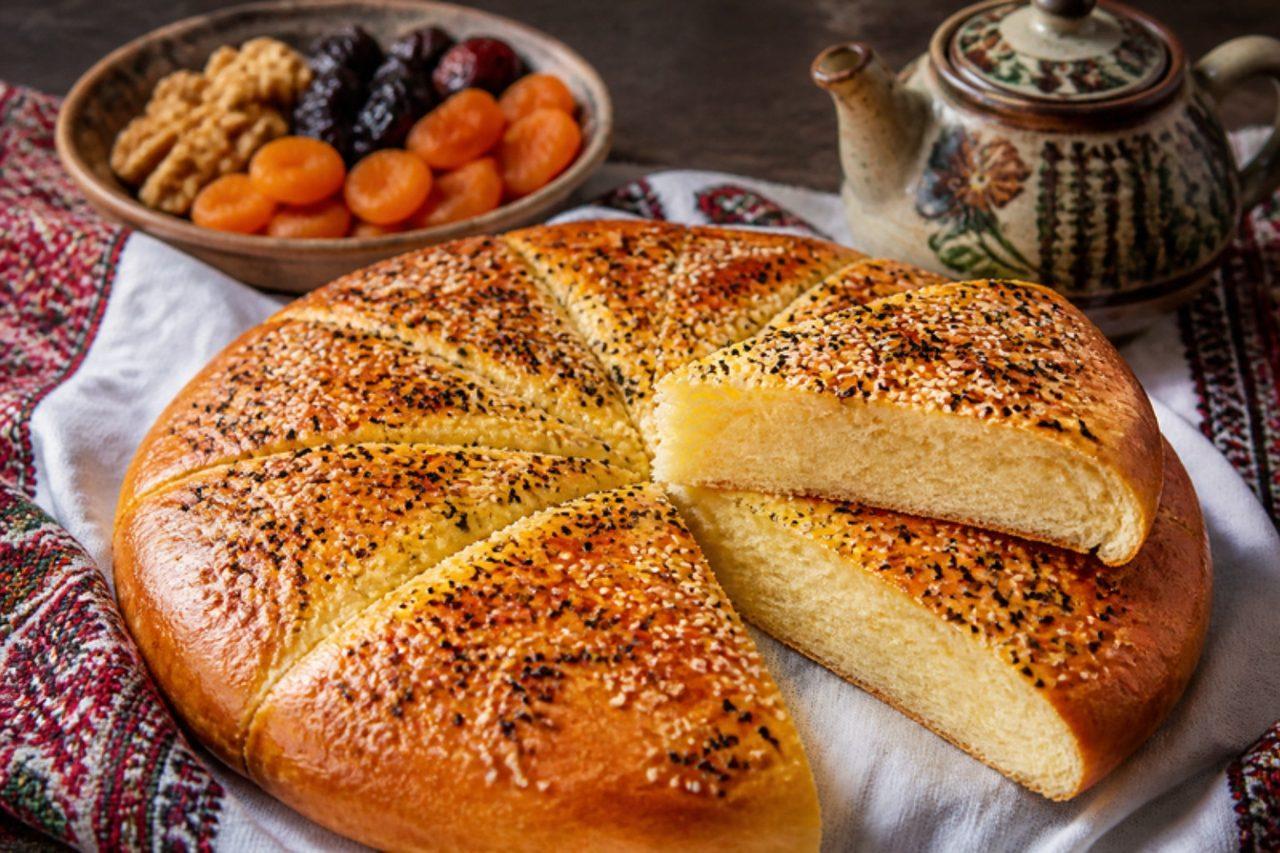
RohtSweet cardamom sesame bread

In Mazar-i-Sharif, the city that hosts Afghanistan's biggest Nowruz celebrations, roht is baked by the dozen in the days before the new year and carried to relatives with haft mewa and sweets; families also make it to celebrate a birth or welcome guests home from the Hajj. It is a thick round bread, somewhere between a sweet loaf and a soft cake, golden on top and patterned with sesame and nigella, with a close, tender crumb scented with cardamom. It is torn into pieces and eaten with green tea at any hour of the day. Rich, sugary dough rises slowly, so the common failure is baking it too soon, which gives a dense, heavy round; wait until it has clearly doubled. Chef's tip: press a pattern into the top with a fork or a clean bread stamp before the glaze, so the seeds settle into the grooves.

by KrazyBadal 0 views

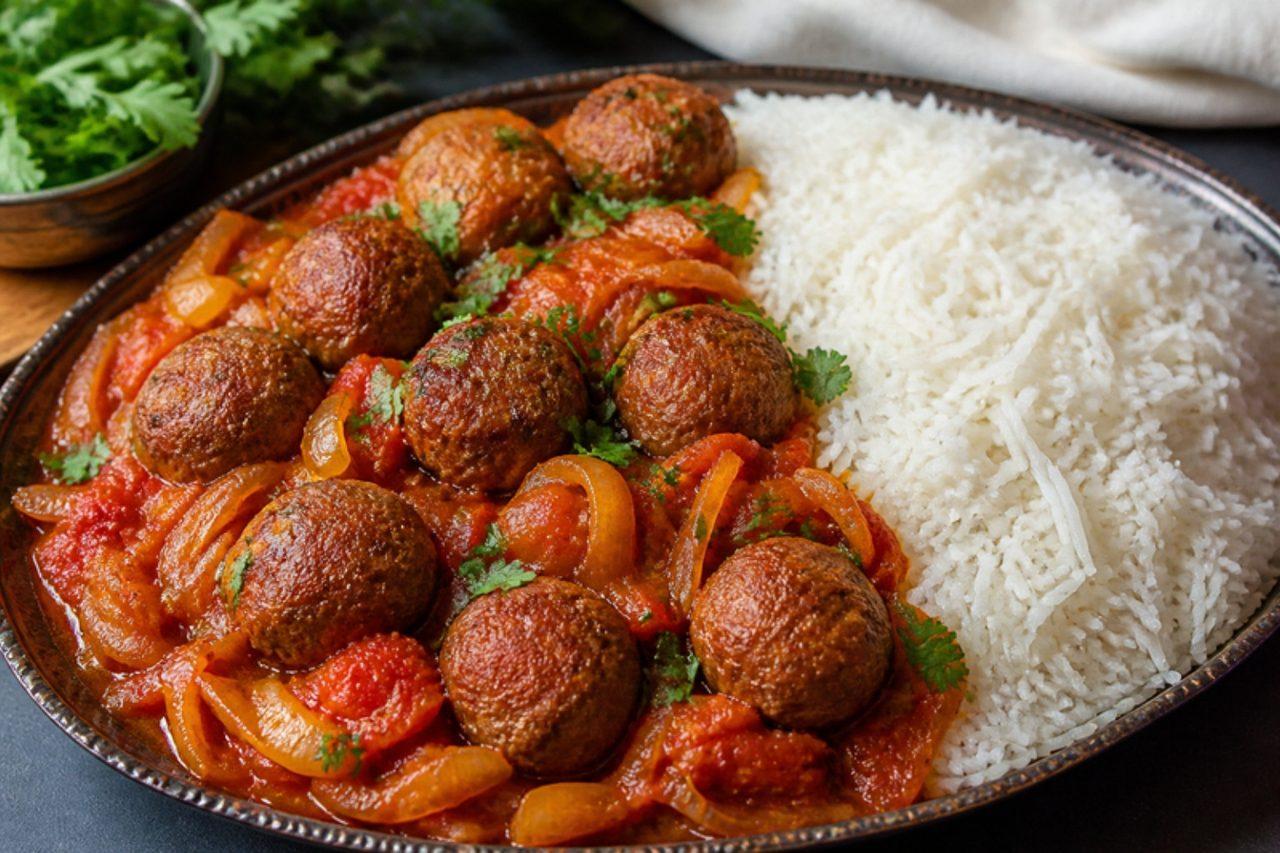
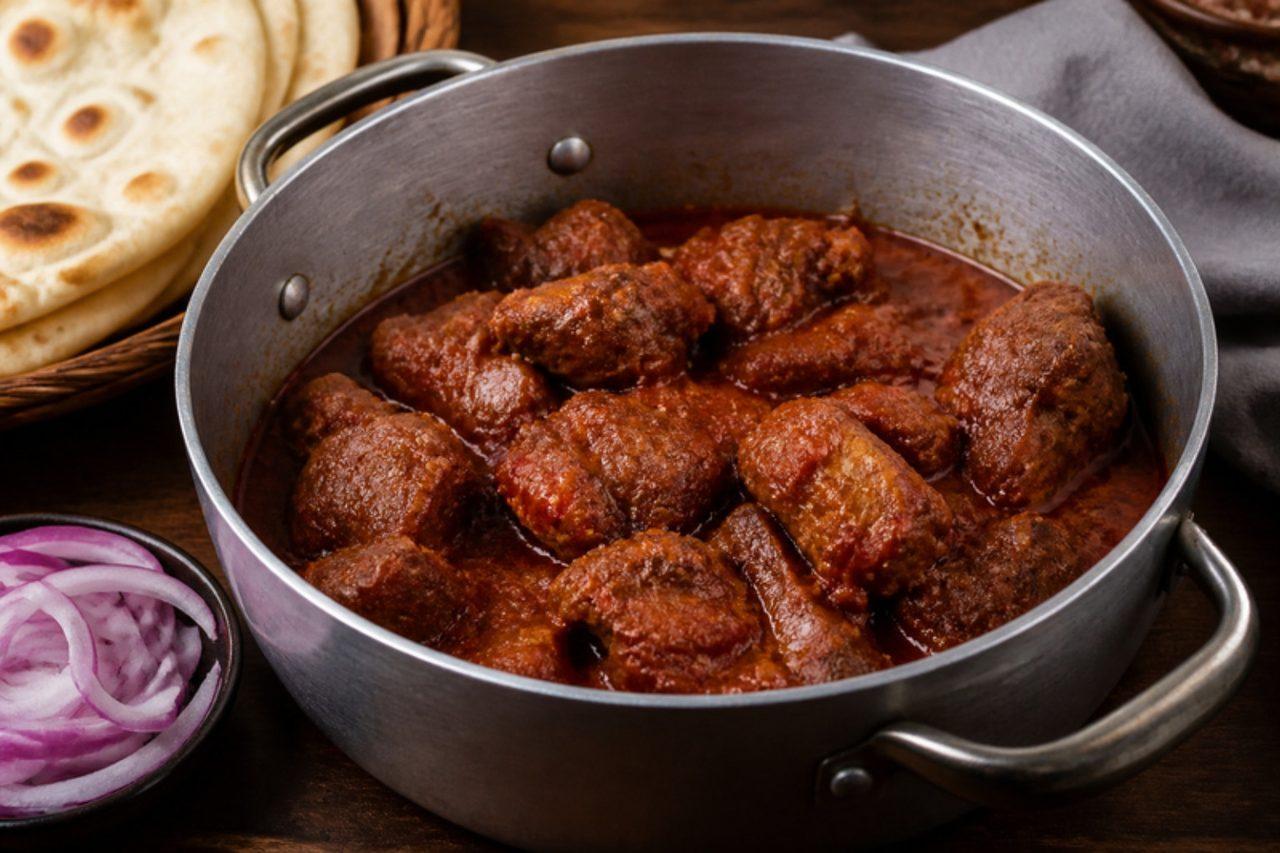
Kofta chalowMeatballs with rice

Kofta chalow is weekday comfort in Kabul homes: tender, coriander-flecked meatballs simmered in a brick-red sauce of onion and tomato, spooned over chalow, plain long-grain rice that is boiled, drained and then steamed with a little oil and cumin until each grain stands apart. The sauce soaks into the rice, the meatballs are soft enough to cut with a spoon, and the meal is finished with a salad of chopped tomato, cucumber and onion and a dab of green chutney. The meatballs fall apart in the pan when the grated onion goes in wet, so squeeze it hard in your fist first. Chef's tip: chill the shaped koftas for 20 minutes before they go into the sauce; they firm up and keep their round shape.

85 minAfghanMeatGluten free
by KrazyBadal 0 views

Qorma-e-alu bukharaLamb stew with dried plums

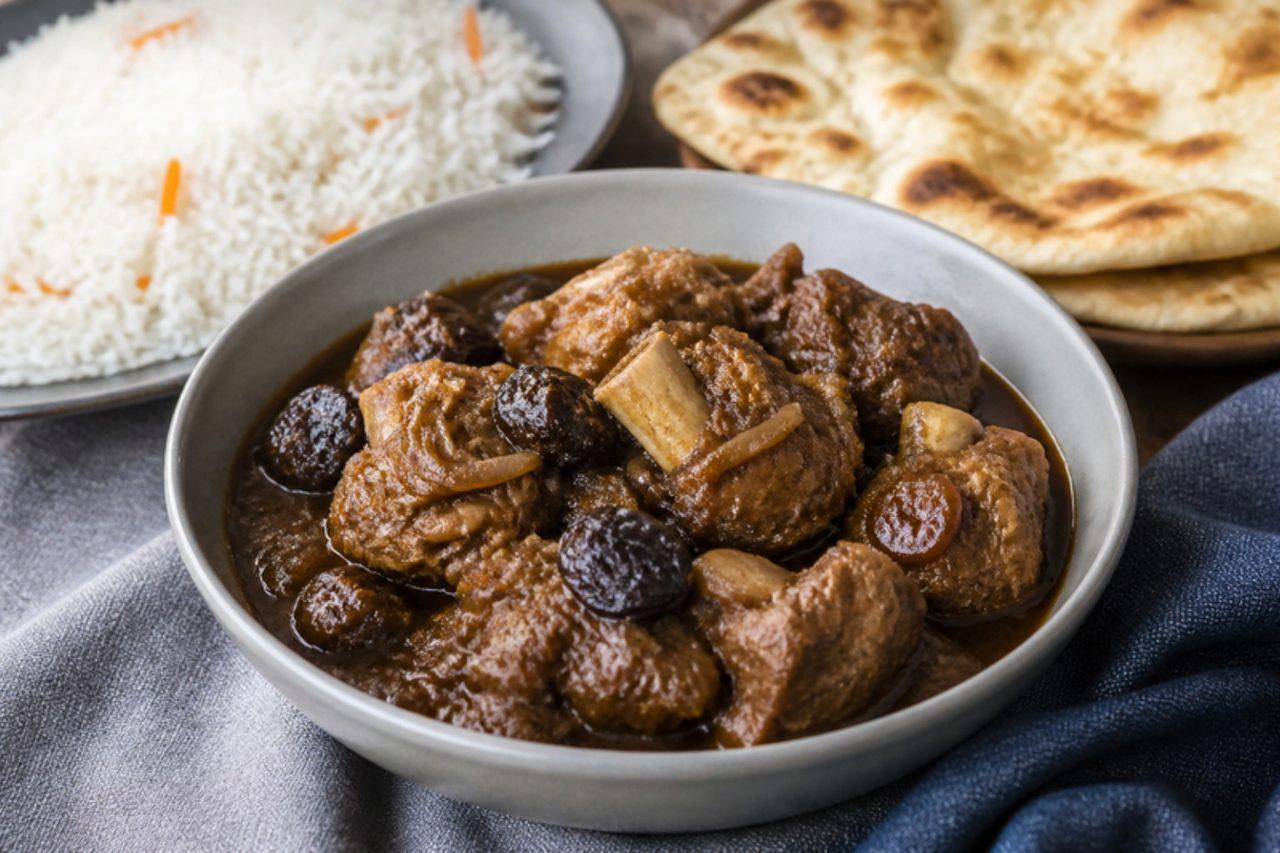
Of all the qormas served at Kabul dinner parties, the one with alu bukhara, small sour dried plums, is the one guests remember: lamb braised slowly in a dark sauce of caramelised onion, garlic and warm spices, with plums that collapse into it and leave a sweet-sour tang that cuts through the richness. It is ladled over chalow or eaten with naan, often alongside a lighter vegetable dish and a bowl of yogurt. Chicken works too, using thighs on the bone and halving the simmering time. Pale, half-fried onions give a thin, sweet sauce with none of the proper colour, so be patient and take them to a deep chestnut brown. Chef's tip: add the plums for the last half hour only; if they cook from the start they vanish completely and make the sauce too sour.

105 minAfghanMeatGluten free
by KrazyBadal 0 views

Kandahari tikkaGrilled lamb chunks

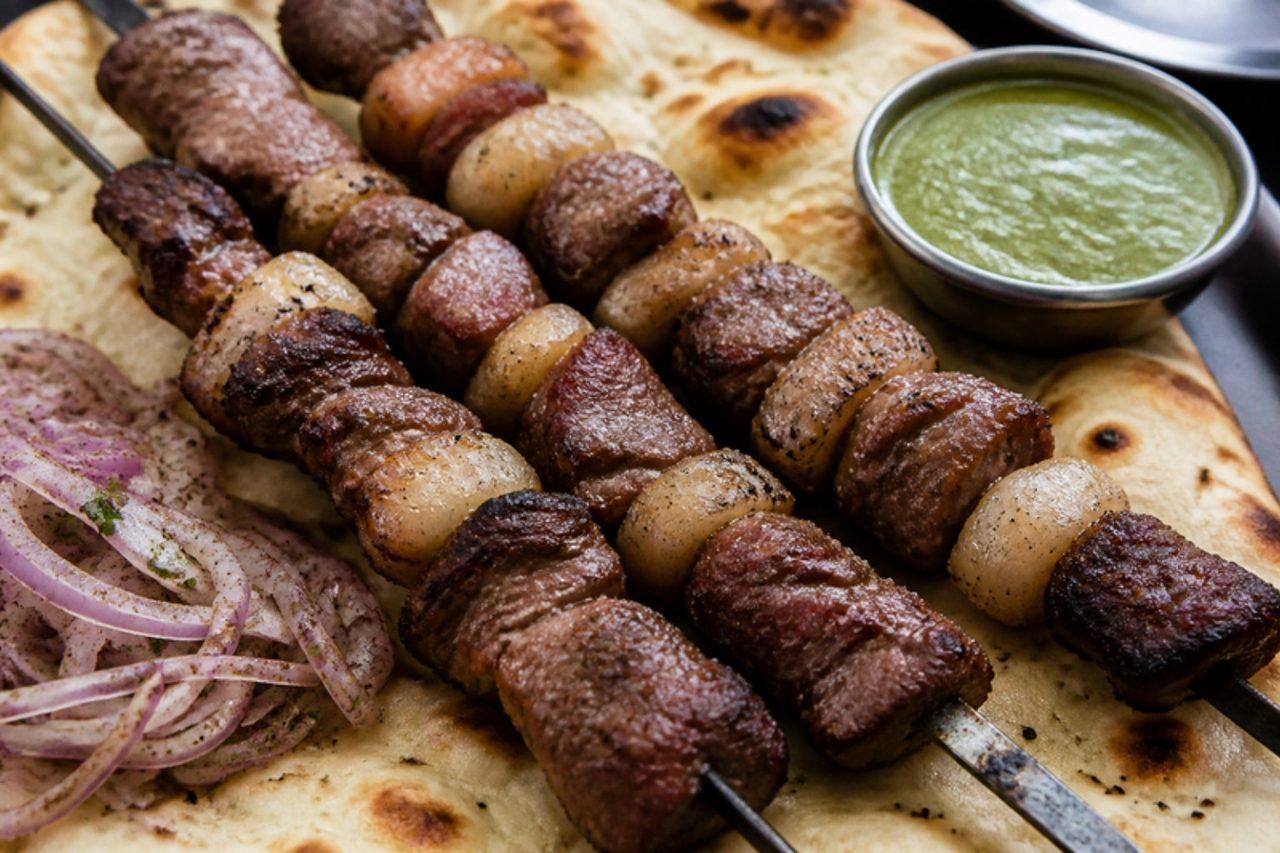
Kandahar's tikka houses pride themselves on doing very little to the meat: chunks of lamb, threaded on wide iron skewers with small pieces of tail fat between them, are rubbed with grated onion, salt and black pepper and grilled over fierce charcoal until the fat drips and flares. The result is smoky, juicy and peppery, with crisp edges and a clean lamb flavour, and it is served on hot naan with raw onion, tomato and a sharp green chutney. Over-marinating in onion is a common misstep, as the juice softens the surface into mush after a day; two to four hours is plenty. Chef's tip: let the skewers rest for 2 minutes on the naan before eating, so the bread soaks up the juices.

27 minAfghanMeatGluten free
by KrazyBadal 0 views

Kulcha-e-namakiSalted butter biscuits

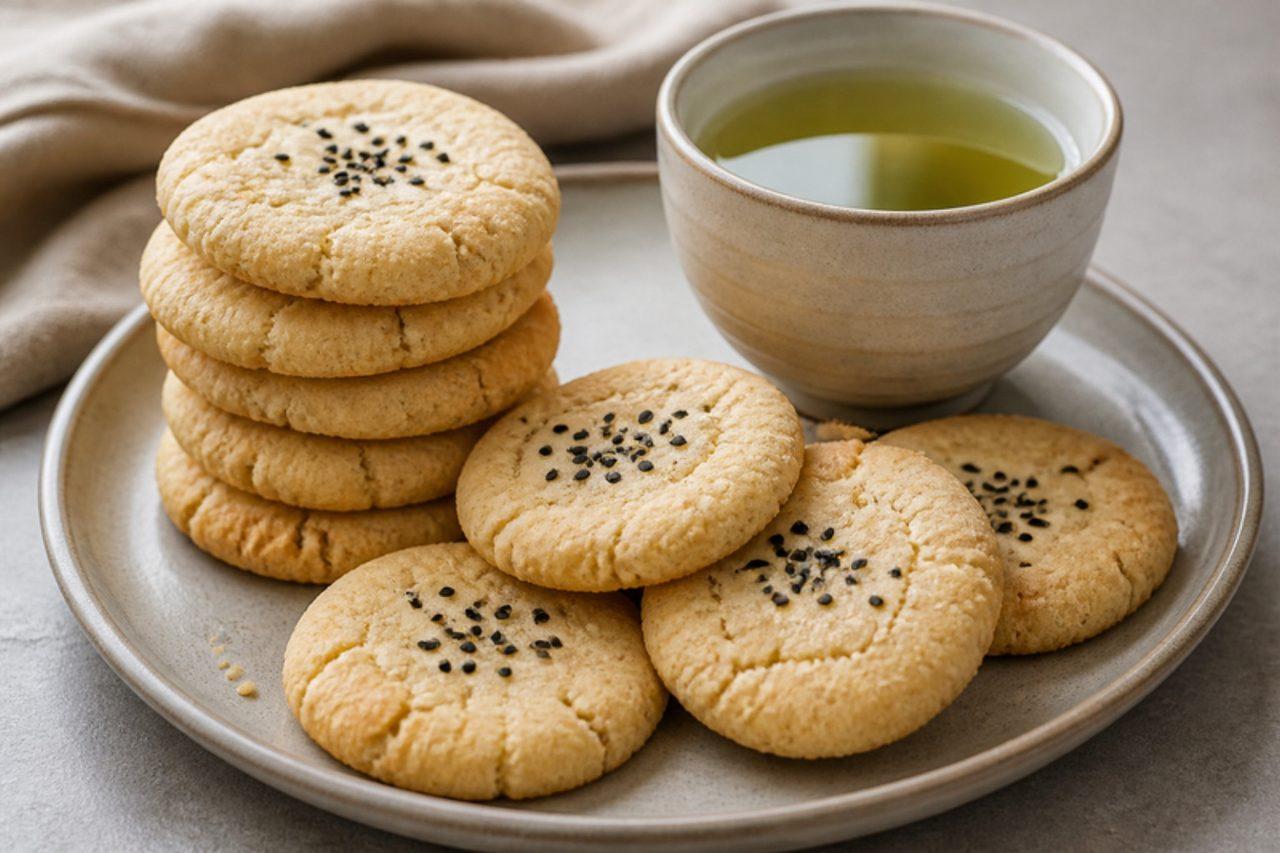
Kabul bakeries pile glass cases with kulcha, and alongside the sweet ones there are always the salty kulcha-e-namaki, pale little rounds flecked with black nigella that disappear by the handful with green or black tea. They are short and crumbly like shortbread but savoury, with a buttery richness and the oniony bite of the seeds, and at Eid and Nowruz a plate of them sits beside the sweets for guests who prefer something less sugary. They should stay pale, so the big mistake is baking them until brown, which makes the butter taste burnt and the biscuits hard. Chef's tip: chill the shaped biscuits for 15 minutes before baking so they hold their crisp edges.

by KrazyBadal 0 views

Afghan dopiazaLamb with onions and split peas

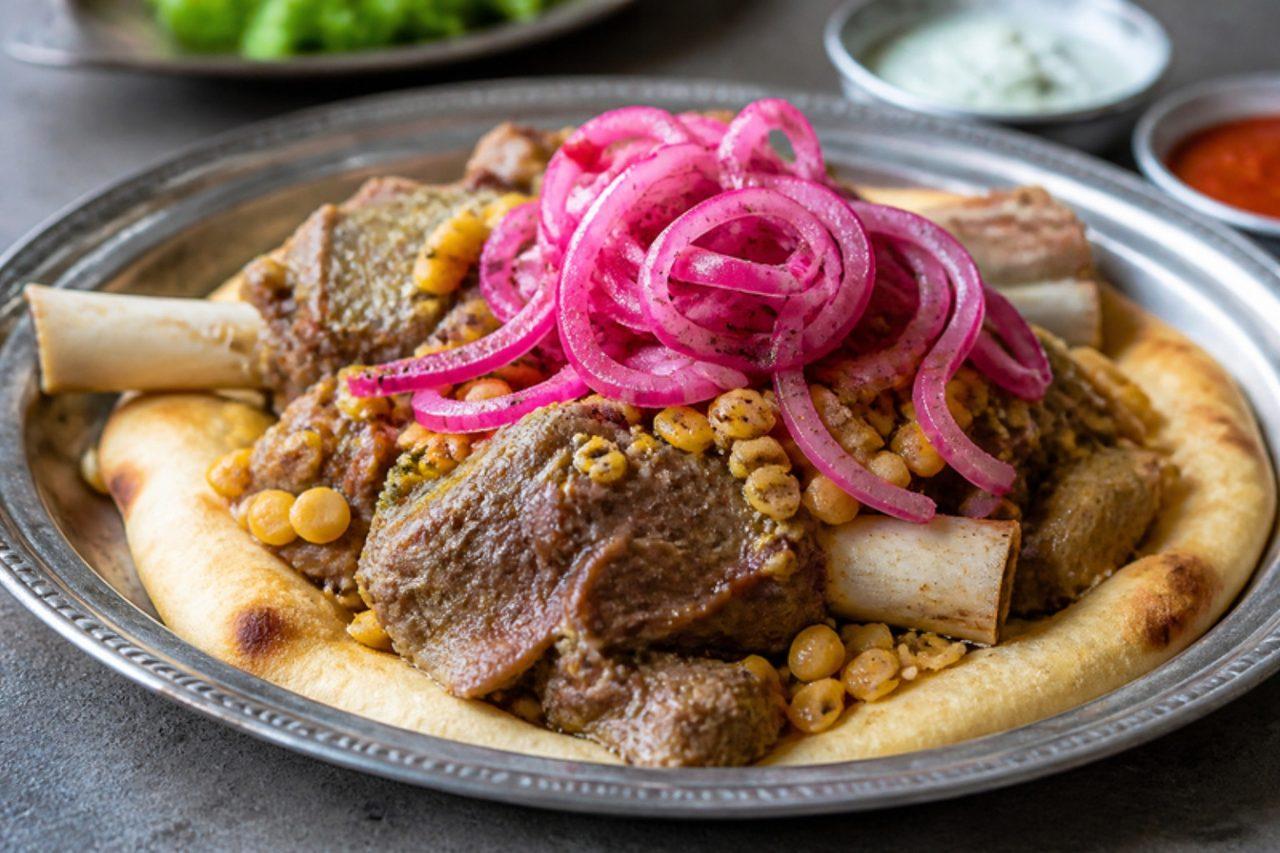
Afghan dopiaza has little in common with the Indian curry of the same name: in Kabul and Mazar it is a dish of chaikhanas and lunch restaurants, where a slab of naan is laid on the plate, covered with chunks of lamb braised with onion until soft, then topped with boiled yellow split peas and a tangle of red onions that have been sitting in vinegar until they turn pink. The juices soak into the bread, the onions are sharp and crunchy, the split peas earthy, and the whole thing is eaten with the fingers. Split peas cooked to mush ruin the contrast, so boil them only until just tender and drain at once. Chef's tip: soak the sliced onions in vinegar at least 30 minutes ahead; they lose their harshness and turn a beautiful bright pink.

120 minAfghanMeat
by KrazyBadal 0 views

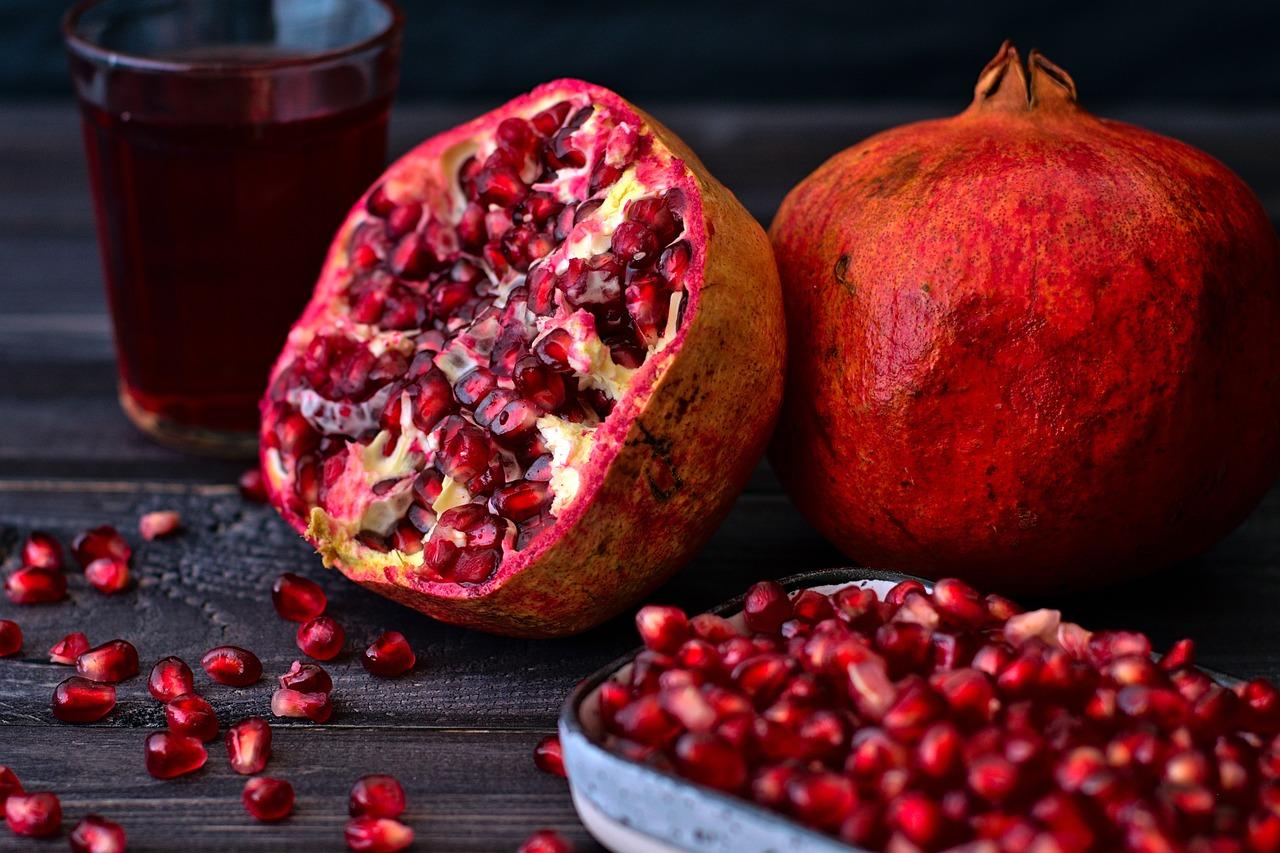
Kandahari pomegranate juice

Kandahar's pomegranates, heavy fruits with dark ruby seeds and soft pips, are the pride of southern Afghanistan, and in October and November juice stalls in the city's bazaars press them to order in big iron hand presses. The juice is deep red, sweet with a clean sour finish and a faint tannic grip, drunk on its own in a tall glass, often with a pinch of salt. At home you can get almost the same thing with a citrus press or a blender. The bitterness that ruins many homemade glasses comes from crushing the white pith and hard pips, so blend the seeds only for a few seconds, or press the halves gently. Chef's tip: roll each whole pomegranate firmly on the worktop before cutting it, which bursts many of the seeds inside and makes juicing faster.

by KrazyBadal 0 views

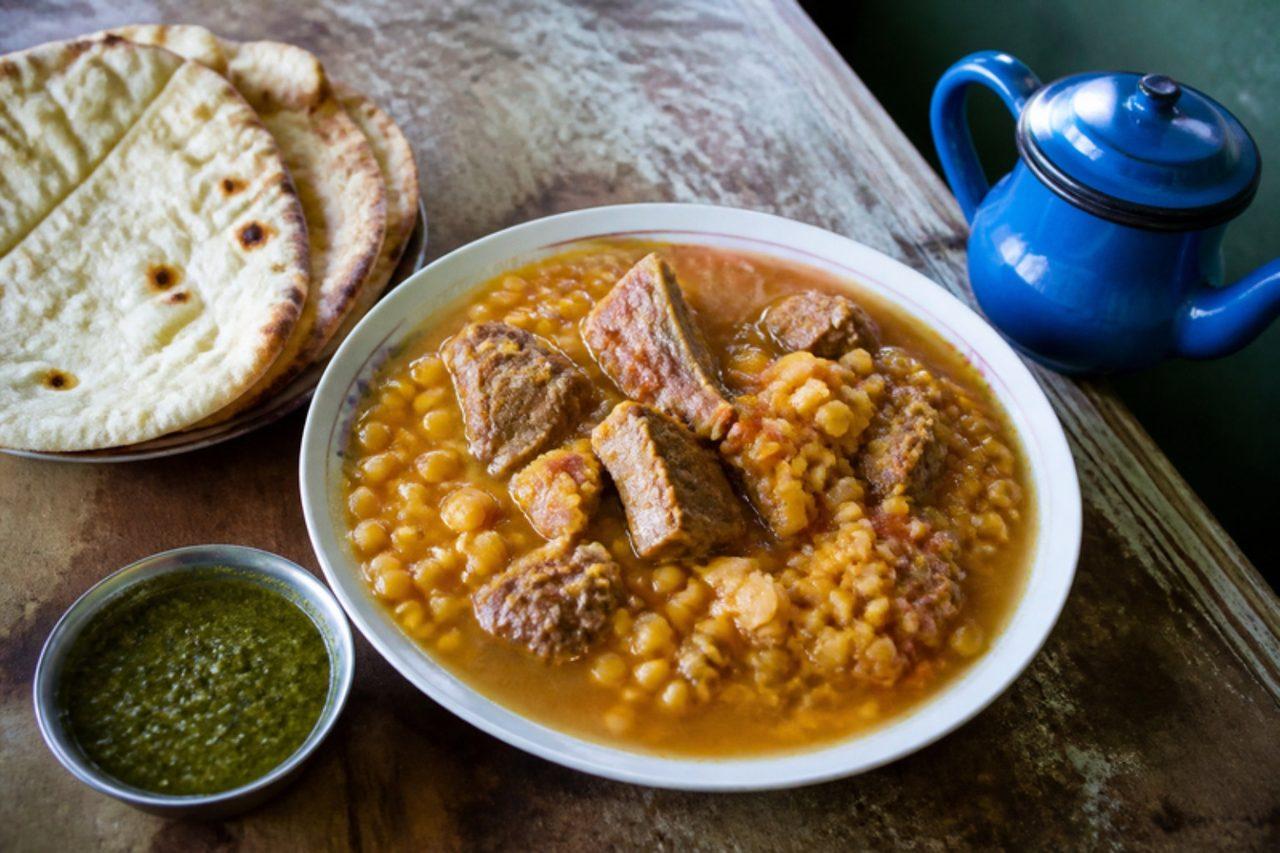
ChainakiTeapot lamb with split peas

In the teahouses of northern and central Afghanistan, from Mazar to the Salang road, every traveller who orders chainaki gets his own small metal teapot packed with lamb, onion, split peas and water, set in the embers beside the samovar from morning until lunch. When it is ready, the broth is poured off over torn naan in a bowl and the soft meat eaten after, with raw onion and green chilli. The taste is simple and pure: clean lamb, sweet onion, a little turmeric and pepper. Rushing it on a high flame toughens the meat and boils the broth cloudy, so the heat should be so low that the liquid only trembles. Chef's tip: a small heavy lidded casserole in a low oven gives exactly the same result as the teapot, with no risk of it boiling dry.

165 minAfghanMeatGluten free
by KrazyBadal 0 views

Kabab-e-daygiPot-cooked lamb kebab

Daygi means from the pot, and this is the kebab Kabul families make when there is no grill or the weather is too cold for one: chunks of lamb browned hard, then left to cook slowly with onions, tomato, garlic and green chilli in a covered deg, with barely any water, until the meat is soft and coated in a thick, concentrated sauce. It is a Friday lunch and party dish, set out with stacks of naan, raw onion and radishes and a bowl of yogurt. The flavour is deep and meaty with black pepper and coriander seed. Adding water early to stop it sticking just boils the lamb; trust the onions and tomatoes to give up their juice and keep the heat low. Chef's tip: uncover for the final 10 minutes and let the sauce fry in the rendered fat, which gives the glossy finish that makes it a kebab rather than a stew.

120 minAfghanMeatGluten free
by KrazyBadal 0 views

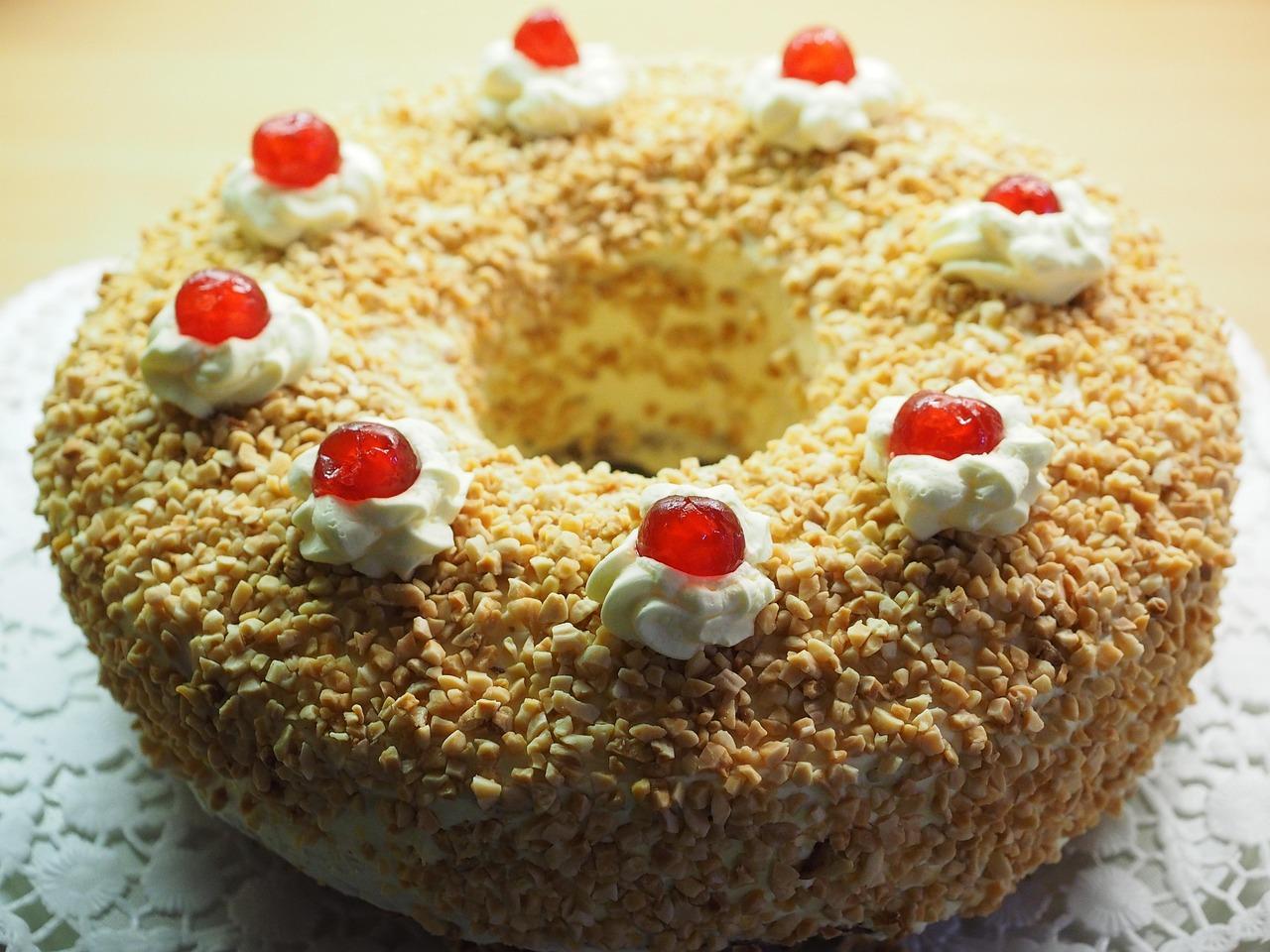
Frankfurter KranzButtercream ring cake with nut brittle

Frankfurter Kranz is the crown of Frankfurt's coffee tables, shaped like the crowns of the emperors once crowned in the city's cathedral and still made for birthdays and Sunday visits all over Hesse. A buttery ring cake is cut into three layers, filled with redcurrant jam and vanilla buttercream, then coated all over with golden almond brittle, the jewels being little rosettes topped with red cherries. Older recipes splash the layers with kirsch; this one is made without alcohol. A common mistake is spreading the buttercream when the custard and butter are at different temperatures, which makes it curdle; both must be at room temperature. Chef's tip: bake the cake a day ahead and chill it; cold layers cut cleanly and don't crumble into the cream.

150 minGermanBaking
by KrazyBadal 0 views

BaumkuchenLayered tree cake

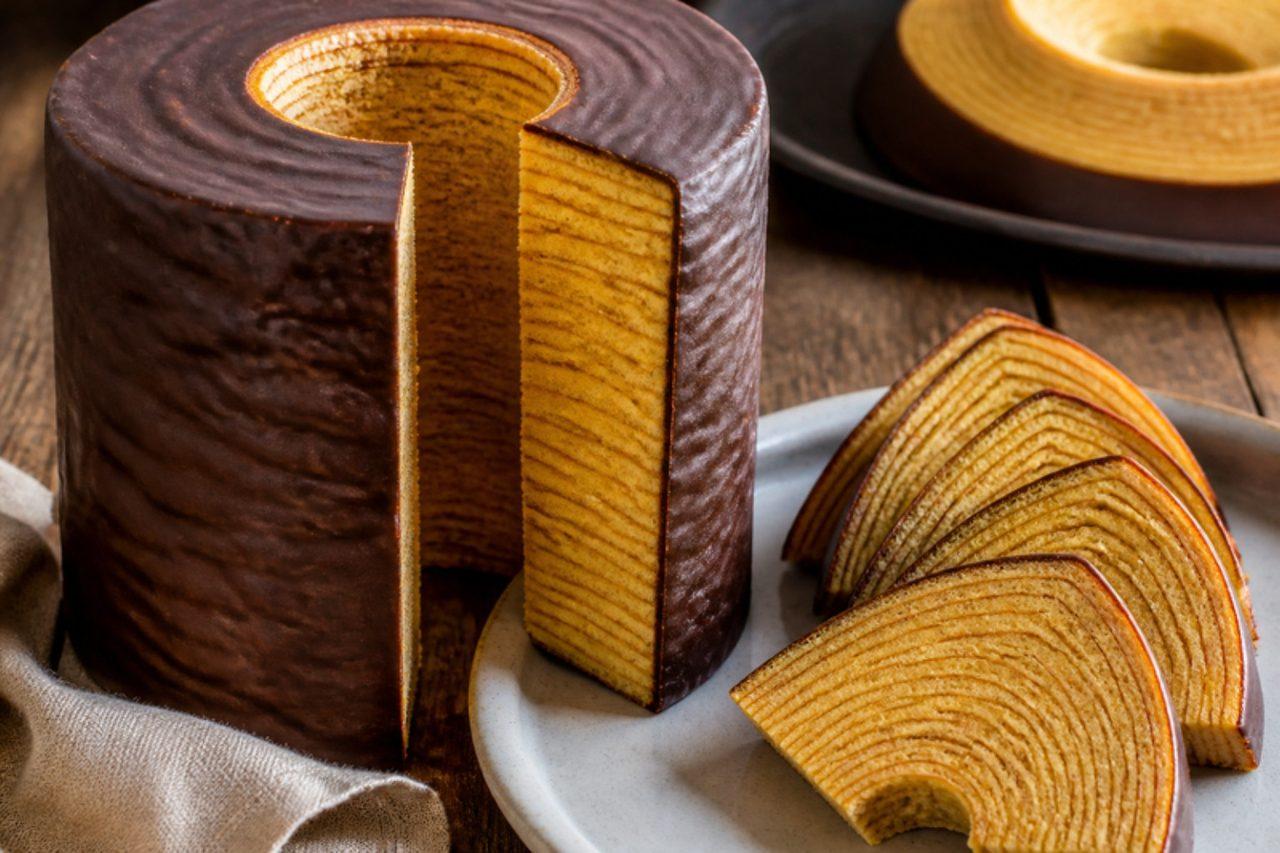
Baumkuchen is the king of German cakes, and the little town of Salzwedel in Saxony-Anhalt has baked it on a turning spit over an open flame for two centuries; in December, Baumkuchenspitzen, chocolate-dipped triangles of it, fill the shelves before Christmas. Without a spit you can build it at home in a tin under the grill, one thin layer at a time, and each slice shows the golden rings of a tree. The mistake people make is spreading the batter too thickly, which gives fewer, stodgy layers that cook unevenly; aim for 2 tablespoons at a time. Chef's tip: stand by the oven; each layer turns from pale to burnt within a minute once it browns.

110 minGermanBaking
by KrazyBadal 0 views

EierscheckeThree-layer quark custard cake

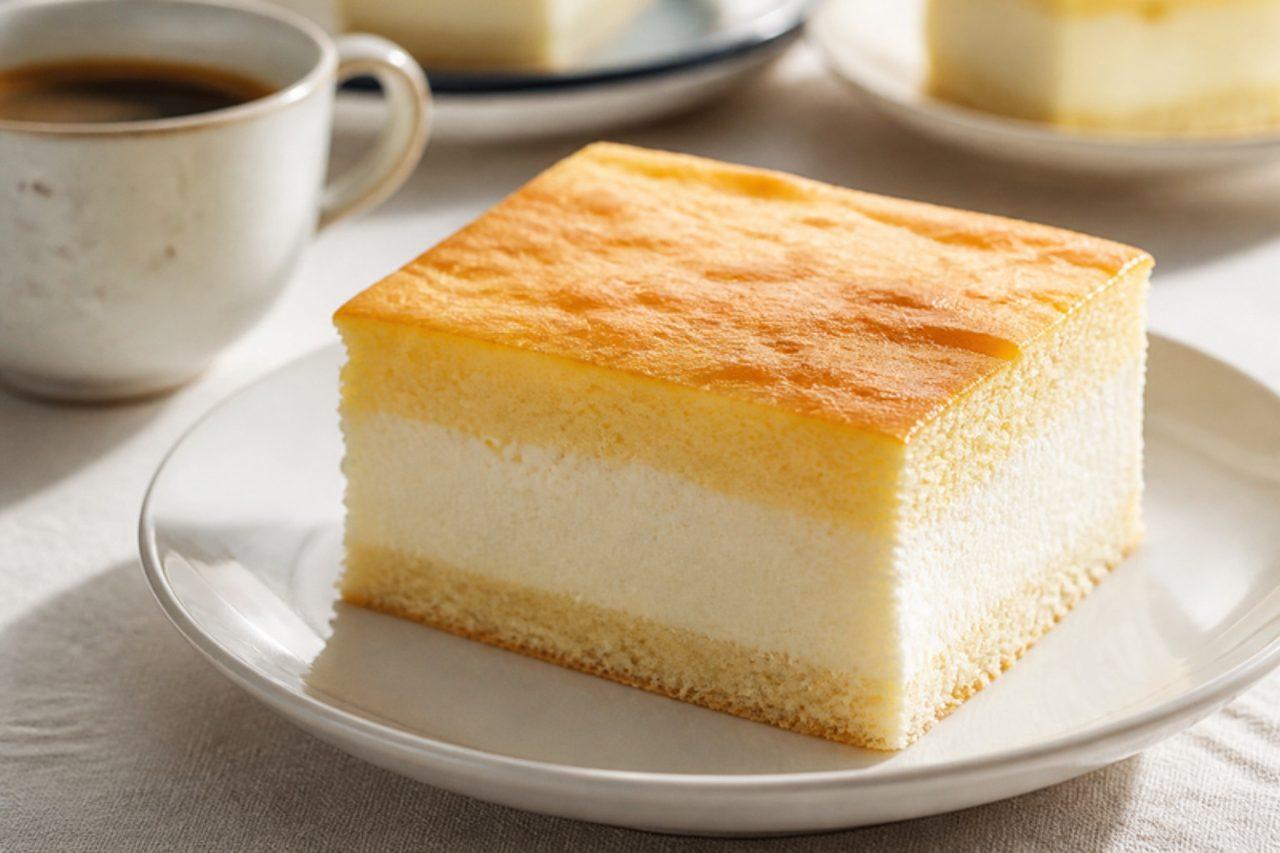
Eierschecke is Dresden's café cake, cut in squares from a big tray in every Saxon bakery: a thin yeasted base, a thick layer of vanilla quark, and on top the 'Schecke', a wobbly, golden egg-and-butter custard that bakes into a soft, almost soufflé-like crust. It is eaten on Sunday afternoons with strong filter coffee, and Saxons argue about whether raisins belong in the quark. A common mistake is pouring the custard on too thickly or baking too hot, so it puffs and cracks; bake it low and slow. Chef's tip: the cake cuts neatly only when completely cold, so make it the day before.

105 minGermanBaking
by KrazyBadal 0 views

Leber Berliner ArtFried liver with apple and onions

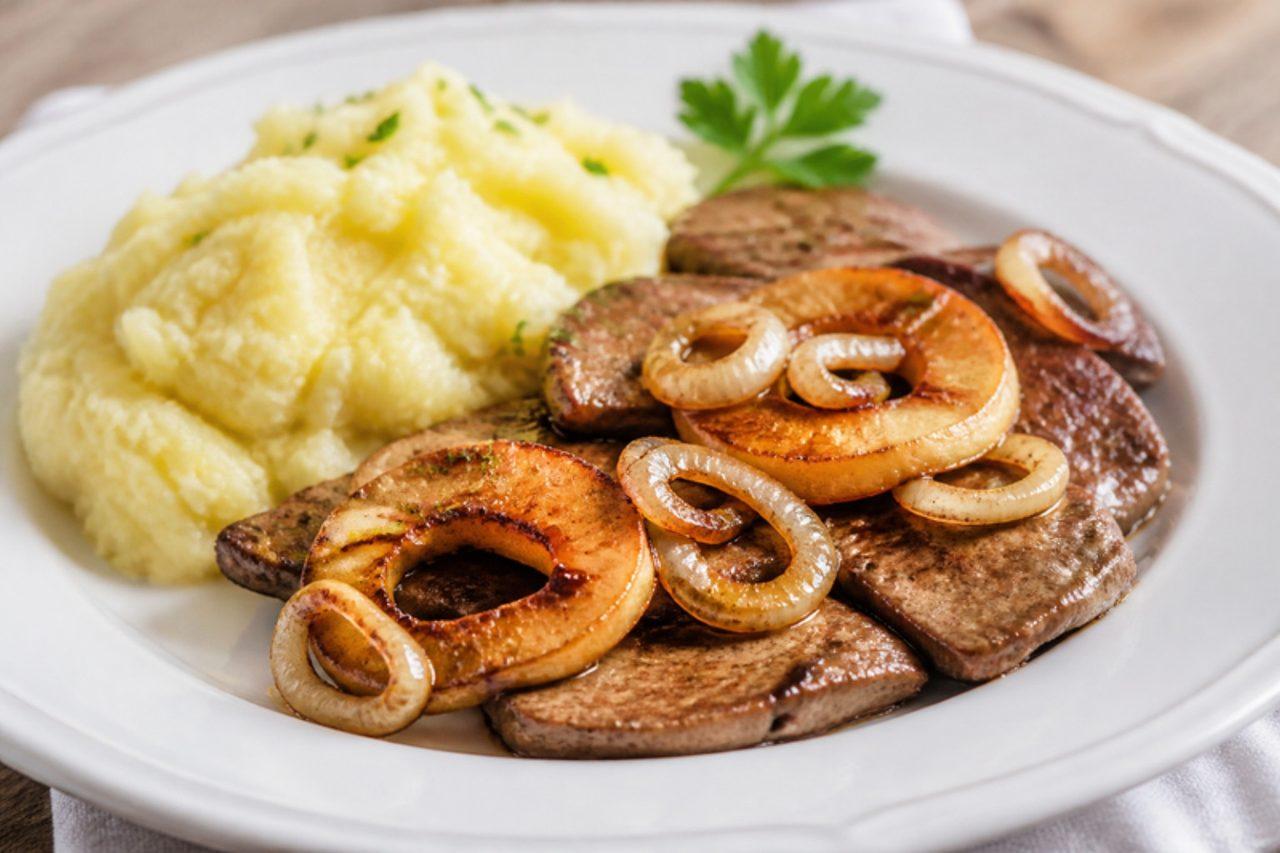
Leber Berliner Art is a dish of old Berlin dining rooms and corner restaurants: thin slices of calf's liver fried in butter and piled with soft, sweet onion rings and golden apple rings, served with creamy mashed potato. The sweet apple and onion balance the rich liver, and the whole plate is on the table in half an hour. For safety the liver here is cooked through, which keeps it tender as long as the slices are thin and the pan is hot. Chef's tip: salt the liver only after frying; salt draws out juices and makes it tough.

30 minGermanMeat
by KrazyBadal 0 views

MarmorkuchenMarble cake

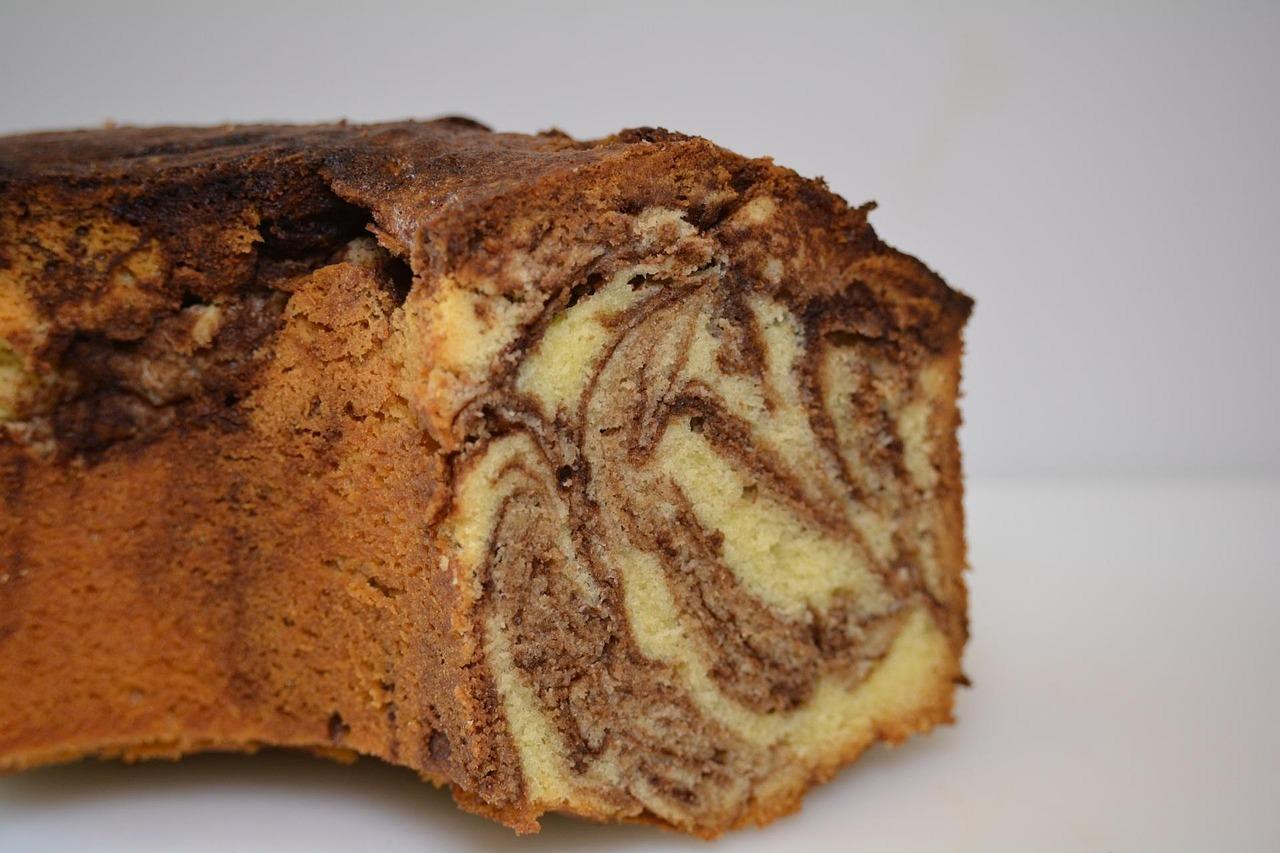
Marmorkuchen is the cake German children grow up with: a tall, buttery ring of vanilla sponge swirled with chocolate, baked for birthdays and kindergarten parties and kept under a glass dome for afternoon coffee all week. It needs nothing but a dusting of icing sugar, though many families pour over a thin chocolate glaze. A common mistake is over-stirring the two batters together, which turns the cake a muddy brown instead of showing clear marbling. Chef's tip: layer the batters in the tin, then pull a fork through just once in a spiral; less is more.

by KrazyBadal 0 views

Showing 24 of 68 recipes

Show more recipes

Page 1 of 3